
Condition
Fatty Liver Disease
Fatty liver disease is the abnormal accumulation of fat within liver cells, arising from either excessive alcohol intake or metabolic dysfunction.

Overview
Aetiology
Alcoholic Fatty Liver Disease (AFLD)
Small amounts of alcohol is generally well tolerated in the human body, and fails to result in damage to the liver. In excess, however, serious complications can arise.
The detoxification of alcohol involves 3 separate pathways, each leading to the conversion of alcohol to acetaldehyde.
- Catalase (Peroxisomes)
- Alcohol dehydrogenase (ADH)
- Cytochrome P450 2E1
The main pathway that causes alcoholic fatty liver disease is the alcohol dehydrogenase pathway. This pathway requires NAD+, which is converted to NADH during the process. With less NAD+, and more NADH, the liver is forced to produce MORE fatty acids, and oxidize less, leading to increased fat storage in the hepatocytes (steatosis).
Non-Alcoholic Fatty Liver Disease (NAFLD)
This is the liver manifestation of metabolic syndrome. It results from the loss of sensitivity to insulin, dysfunctional blood glucose regulation, high blood lipid levels, abdominal adiposity, and the accumulation of free fatty acids in the hepatocytes.
Fatty deposits form when the synthesis of fatty acids exceeds the ability to export or metabolize them. This causes oxidative stress, hepatic stenosis, and inflammation in the liver.
Phase 1
With insulin resistance, fat storage increases, fatty acid oxidation decreases. This causes the formation of fat droplets to grow inside the hepatocytes of the liver. Over time, this begins to push the nuclei to the edges of the cell. This is called steatosis.
Phase 2
These accumulated fatty acids begin to degrade, creating water and unstable fatty acid radical molecules, which itself reacts with other fatty acids and cascading lipid membrane dysfunction. This can lead to mitochondrial dysfunction and cell death. As these cells die, it causes inflammation. This is called non-alcoholic steatohepatitis (NASH).
Phase 3
As inflammation continues, stellate cells in the liver begins to lay down fibrotic tissue. This is called fibrosis.
Phase 4
As fibrosis continues, the architecture of the liver changes permanently, eventually leading to failure. This is called cirrhosis.
Presentation
Symptoms
Fatty liver disease is frequently asymptomatic in its early stages. When symptoms occur, they may include fatigue, malaise, and a dull ache or discomfort in the upper right abdomen. As the disease advances toward steatohepatitis and cirrhosis, signs such as jaundice, abdominal swelling, easy bruising, and confusion can develop.
Assessment
Diagnostic Considerations
Diagnosis is often suspected from elevated liver enzymes (ALT and AST) on routine blood tests and confirmed with imaging such as ultrasound, which detects fatty infiltration. Further evaluation may include assessment of metabolic risk factors, exclusion of viral hepatitis, and, in selected cases, liver biopsy to grade inflammation and fibrosis.
Assessment
Differential Diagnosis
- Hepatitis
- Diabetes
- Metabolic syndrome
- Renal failure
Context
Comorbidities
- Chronic alcoholism
- Diabetes
- Metabolic syndrome
- Hepatitis
The Herbs
Materia Medica (9)
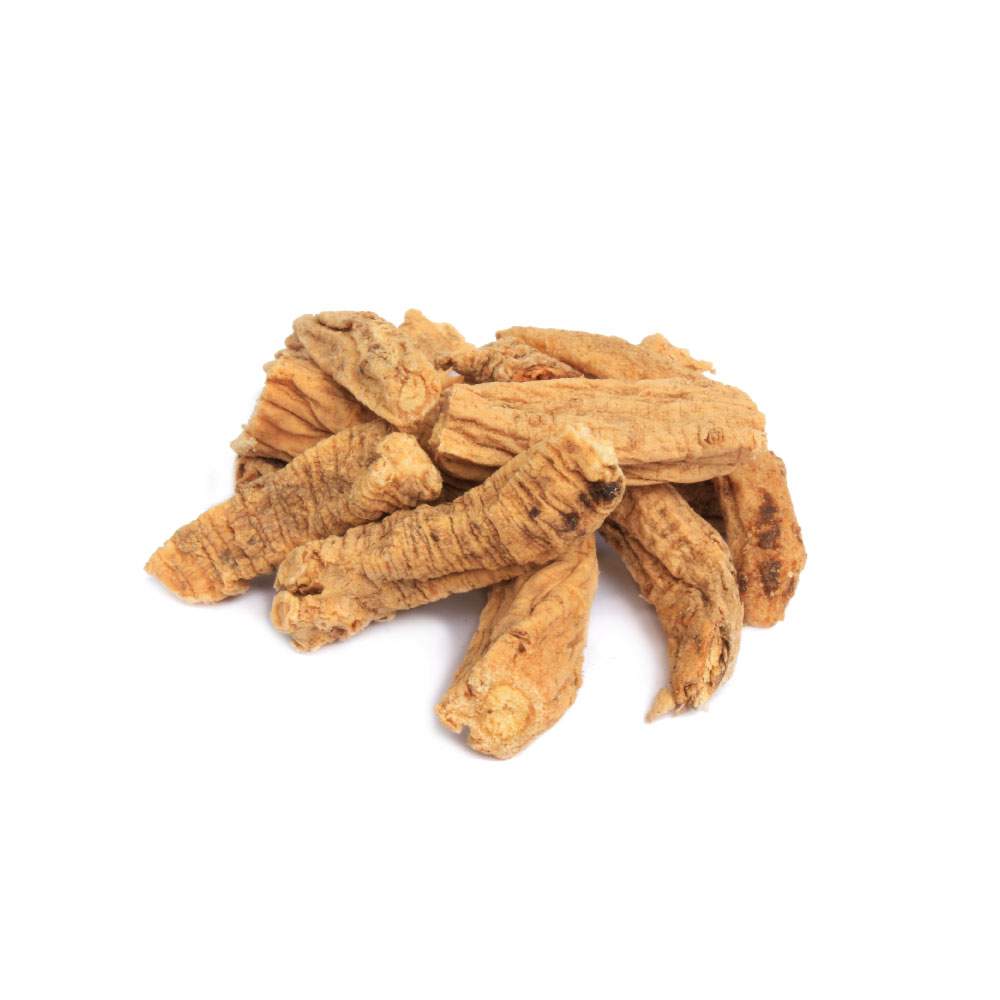
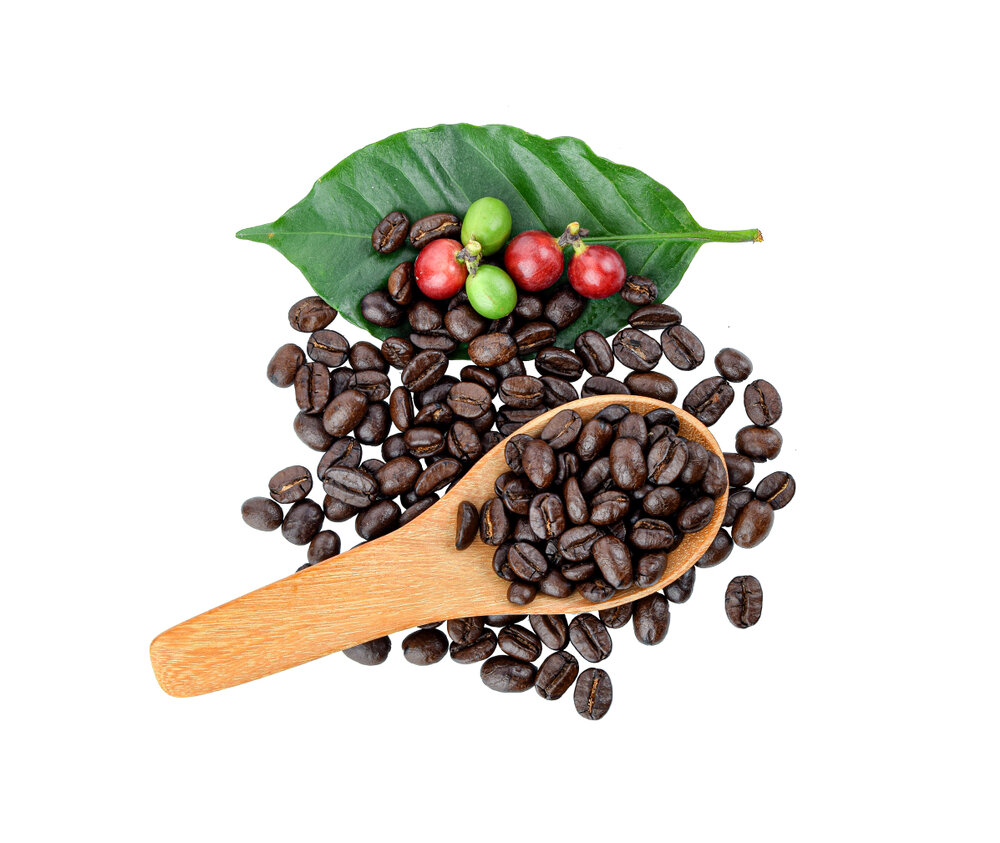
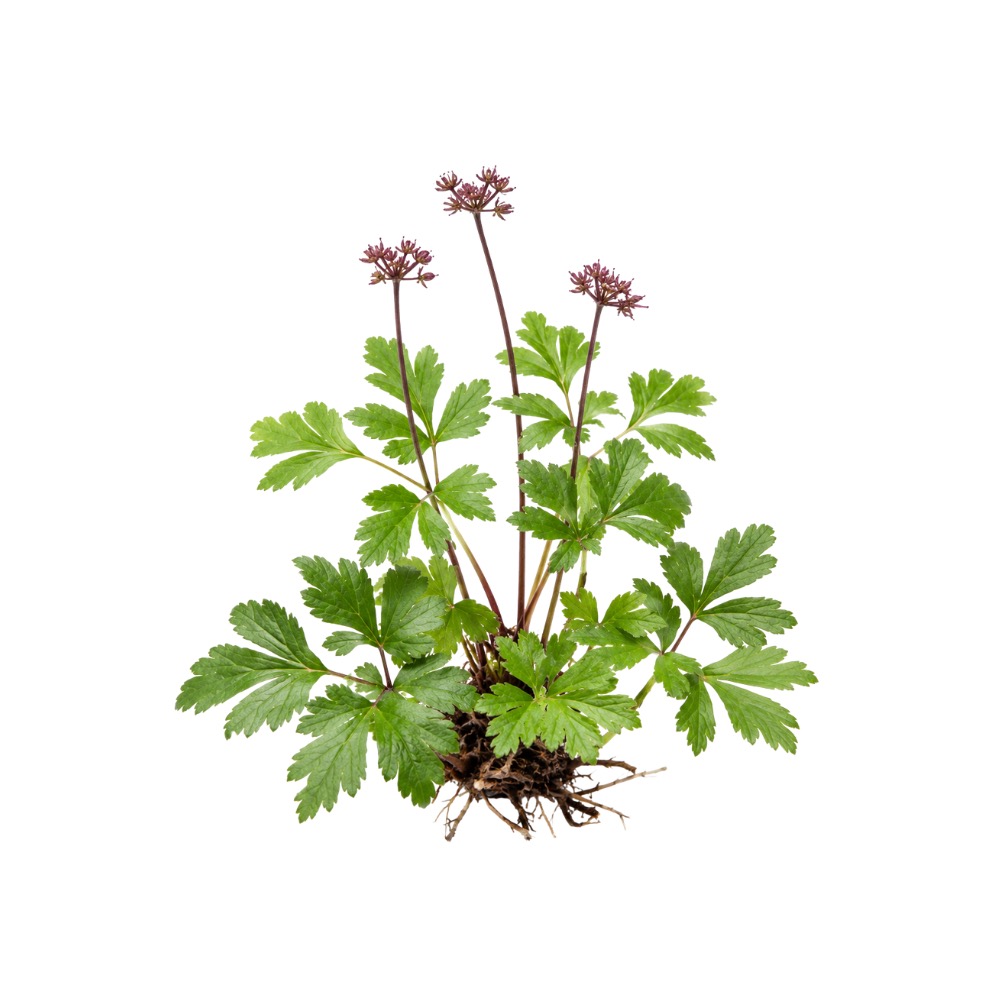
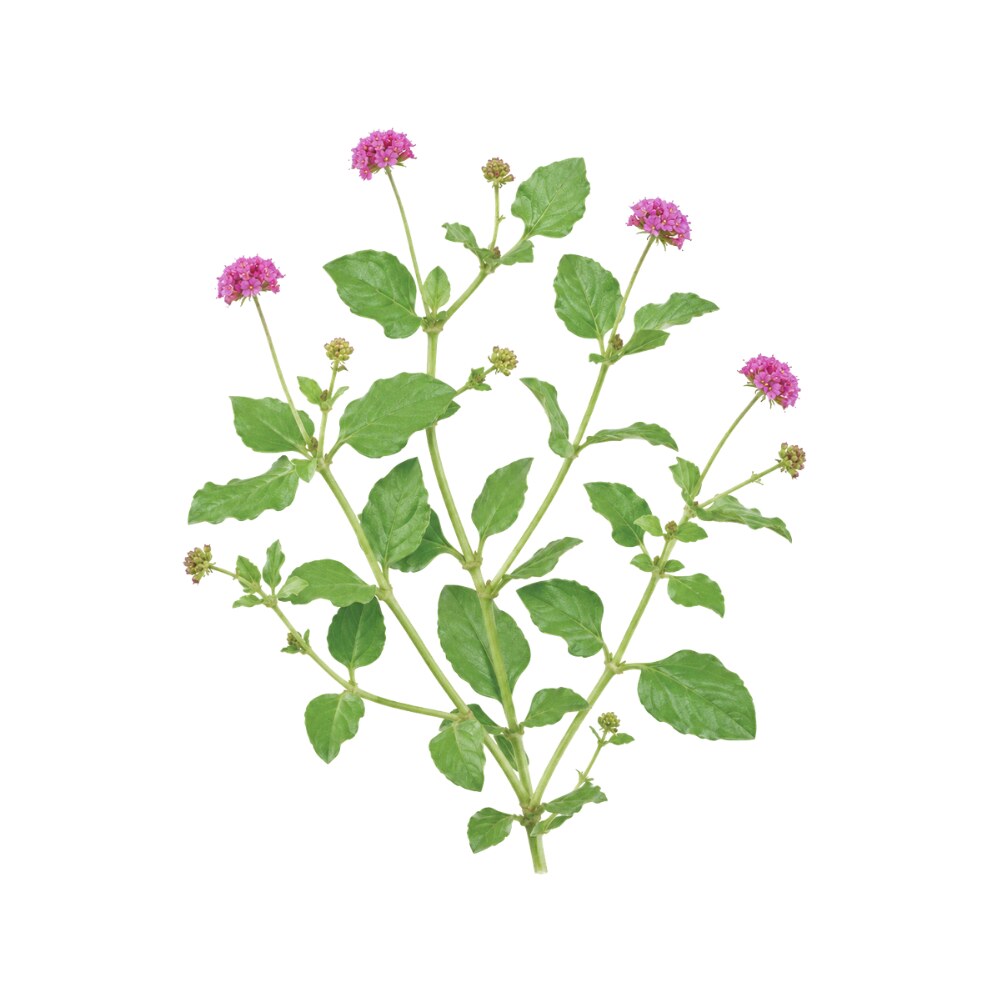
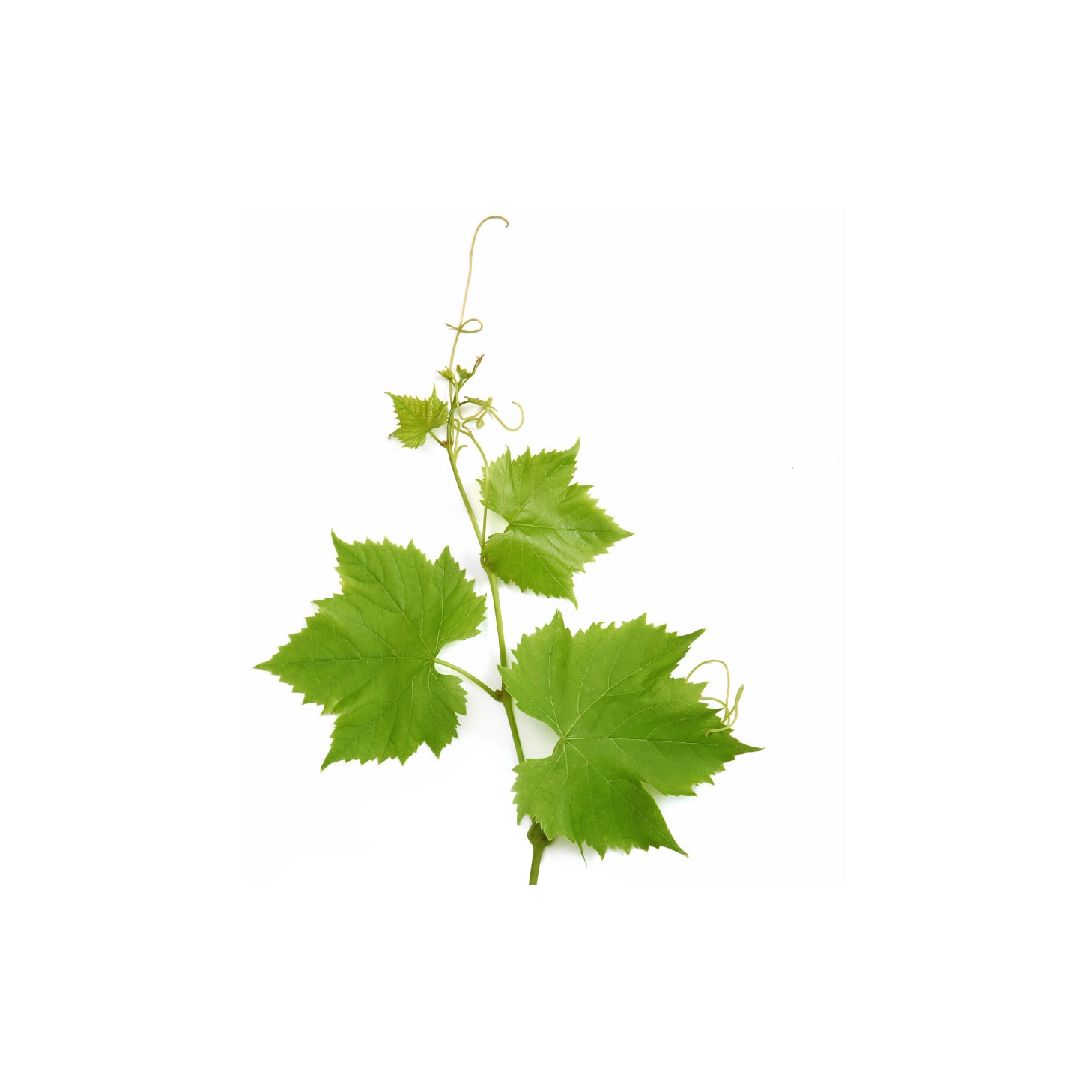
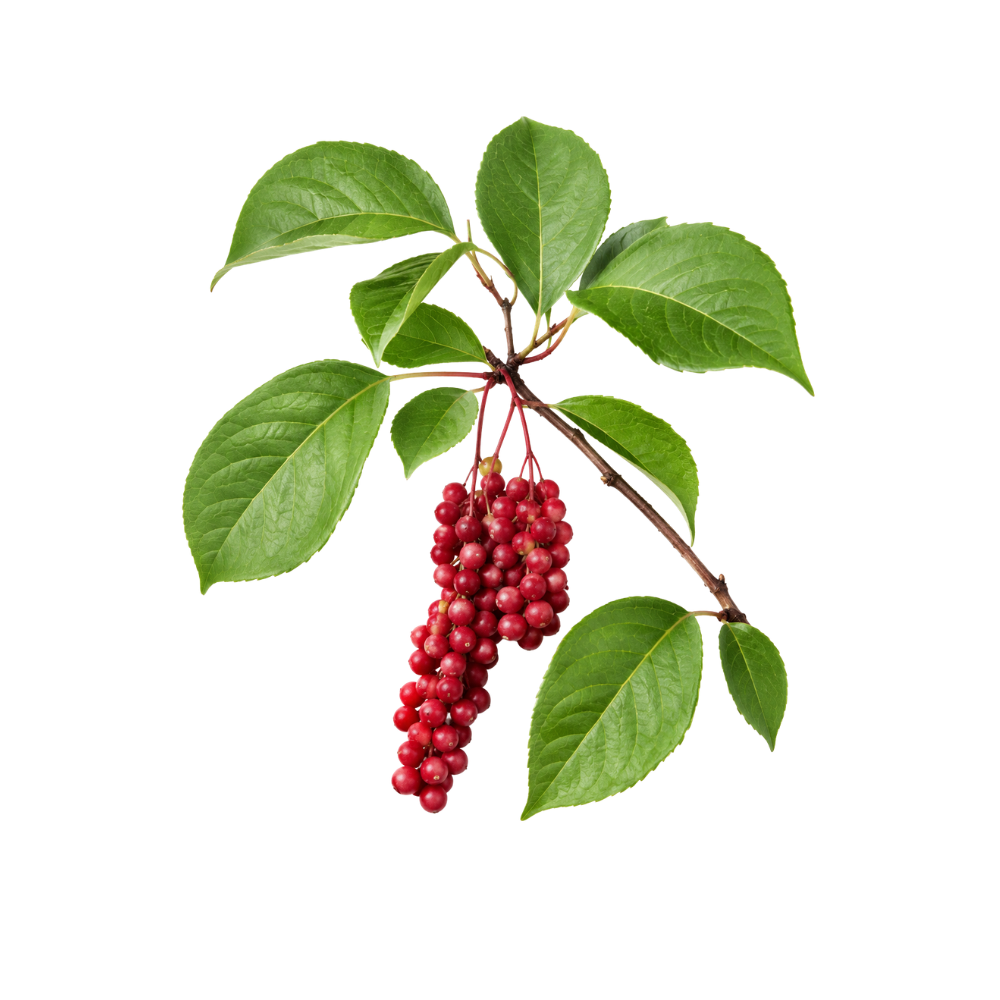
Herbs traditionally or clinically used for fatty liver disease.



Supplementation
Supplementation (8)
Supplements, nutrients and compounds used for fatty liver disease.
Betaine (TMG)
Amino acid derivative
Betaine (trimethylglycine) is a methyl donor that lowers homocysteine and an osmolyte studied for strength and power output.
Liraglutide (Victoza / Saxenda)
GLP-1 receptor agonist
A prescription once-daily GLP-1 receptor agonist for type 2 diabetes and chronic weight management — the drug that established the class.
Retatrutide
GLP-1/GIP/glucagon triple receptor agonist (investigational)
An investigational once-weekly injectable triple GLP-1/GIP/glucagon receptor agonist in phase 3 trials for obesity and type 2 diabetes. Not approved anywhere.
Semaglutide (Ozempic / Wegovy / Rybelsus)
GLP-1 receptor agonist
A prescription GLP-1 receptor agonist approved for type 2 diabetes, chronic weight management, and cardiovascular, renal and liver (MASH) risk reduction.
Survodutide
Glucagon/GLP-1 receptor dual agonist (investigational)
An investigational once-weekly injectable glucagon/GLP-1 receptor dual agonist in phase 3 trials for obesity and MASH. Not approved anywhere.
Tesamorelin
GHRH(1-44) analogue (GH secretagogue)
An FDA-approved GHRH analogue (Egrifta) that reduces excess visceral fat in HIV-associated lipodystrophy — a prescription drug, not a supplement.
Tirzepatide (Mounjaro / Zepbound)
Dual GIP / GLP-1 receptor agonist ("twincretin")
A prescription dual GIP/GLP-1 receptor agonist approved for type 2 diabetes, chronic weight management, and obstructive sleep apnea with obesity.
Vitamin E
Vitamin (fat-soluble)
Vitamin E is a family of eight fat-soluble compounds, of which alpha-tocopherol is the form the body retains — the principal lipid-phase antioxidant of cell membranes, and a component of the AREDS eye formulations.