

Overview
Hepatobiliary at a Glance
The hepatobiliary system is the liver, the gallbladder and the bile ducts: bile production, fat handling, and the metabolism of hormones, drugs and almost everything else absorbed from the gut.
The liver sits at the centre of metabolism, detoxification, hormone clearance, drug metabolism, fat handling, and bile production.
That gives herbal medicine several very different ways into the system.
Some herbs are used to protect hepatocytes from injury, especially where oxidative stress, toxins, inflammation, or metabolic disease are involved.
Others influence bile production and release, which ties the liver and gallbladder closely to digestion — particularly fat digestion and the elimination of cholesterol and other compounds through bile.
A third group acts more broadly on hepatic metabolism, including the handling of fats, glucose, inflammatory signalling, and the enzymes responsible for metabolising drugs.
These distinctions matter because “liver support” can mean very different things.
Milk thistle is used primarily as a hepatoprotective. Artichoke and dandelion are more closely associated with bile flow and digestive function. Berberine and curcumin are used more for metabolic and inflammatory effects.
The liver is also one of the clearest examples of why herbal safety can’t be separated from herbal pharmacology.
Because the liver metabolises so many plant compounds, herbs can alter drug metabolism through CYP450 enzymes and transporters. Some herbs can also cause liver injury directly.
Greater celandine has been associated with acute hepatitis, concentrated green tea extracts have caused serious liver injury, and turmeric has also been linked to rare cases of hepatotoxicity.
So while herbs can protect the liver, they can also injure it.
The same care applies to the idea of “detox.”
The liver already performs detoxification continuously through a network of enzymes that transform and eliminate drugs, hormones, metabolic waste, and other compounds.
Herbs don’t flush toxins out of the liver.
Where they help, it’s through more specific effects — reducing hepatic fat, controlling inflammation, protecting cells from injury, improving bile flow, or altering metabolic pathways involved in liver disease.
Caution
Abnormal liver tests need a diagnosis before they need a herb. Jaundice, pale stools, dark urine, severe pain under the right ribs, abdominal swelling, or confusion in someone with known liver disease all need medical assessment.
The Traditional View
How Herbalists Read the Liver
Traditional herbal medicine has long treated the liver as more than a metabolic organ.
It’s usually understood as part of a broader relationship between digestion, elimination, circulation, inflammation, and constitutional health.
In Western herbalism, the main categories are hepatoprotectives, choleretics, cholagogues, hepatics, and alteratives.
Hepatoprotectives are used to protect liver cells from damage and support recovery after injury.
Milk thistle is the classic example. Its silymarin complex has made it one of the best-known liver herbs in both traditional and modern herbal medicine.
Choleretics increase bile production by the liver, while cholagogues encourage bile release from the gallbladder.
These herbs sit at the digestive end of liver medicine.
Artichoke, dandelion, gentian, and greater celandine have all been used where poor fat digestion, post-meal heaviness, or sluggish bile flow are part of the picture.
They also overlap heavily with the bitters, because bitter taste has traditionally been used to stimulate the digestive and biliary secretions before food.
Then there are the alteratives.
Dandelion root, burdock, yellow dock, and related herbs were traditionally used for chronic skin problems, inflammatory conditions, and other states attributed to poor elimination or a “congested” liver.
This is where the older language of blood cleansing enters the picture.
It doesn’t map neatly onto modern physiology, but the underlying herbs often have more specific actions involving bile flow, inflammation, metabolism, bowel function, or elimination.
Chinese medicine reads the liver through a different framework.
The Liver is associated with the smooth flow of qi, so dysfunction may present as irritability, tension, menstrual disturbance, digestive upset, or a sense of stagnation rather than liver disease in the biomedical sense.
Bupleurum is one of the central herbs in this tradition and appears in formulas used for a much wider range of conditions than hepatic disease alone.
These traditional systems are useful when they’re read for what they are.
A herb used to “move liver qi” isn’t necessarily treating the liver itself, just as an alterative described as cleansing the blood isn’t literally removing a stored toxin.
The practical herbal question is more specific:
Does the liver need protection, better bile flow, metabolic support, reduced inflammation, or treatment of the condition affecting it in the first place?
Key Herbal Actions
What the Herbs Do Here
The actions most often called on here, each linking through to the herbs that carry it:
Hepatoprotective
Protects hepatocytes from toxic and oxidative injury. It is the best-evidenced action here and the one with an actual hospital use.
Hepatic
Is the broader traditional category of herbs said to support liver function.
Cholagogue
Promotes release of stored bile from the gallbladder, and is the action to be most careful with where gallstones may be present.
Bitter
Primes the upper-digestive and hepatic secretory response, and is the traditional gateway to this whole system.
Alterative
Is the slow-acting blood cleanser tradition, given for chronic skin and inflammatory conditions.
Anti-Inflammatory
Restrains the hepatic inflammation that drives progression from fatty liver to steatohepatitis.
Antioxidant
Is the shared mechanistic backbone, since the liver is the body’s most oxidatively-stressed organ.
Antiviral
Acts against the hepatitis viruses, here almost entirely as an adjunct rather than a treatment.
Mechanisms
How It Works
Herbs used for the liver and gallbladder can be doing very different things. One stabilises a hepatocyte membrane against a specific toxin, another shifts fat out of the liver over months, and a third increases bile output within the hour. Almost all of them act at one of seven points, and the seventh is how these herbs cause harm.
01
Membrane Stabilisation & the Glutathione Pool
Silymarin’s classic mechanism, and the one with a genuine clinical application.
The flavonolignan complex, principally silybin, inserts into the hepatocyte membrane and alters its permeability. That is why intravenous silibinin works as an antidote in amatoxin poisoning: it competitively blocks the OATP1B3 transporter carrying α-amanitin into the liver cell, physically preventing uptake of the toxin.
Silymarin and schisandra lignans also raise hepatic glutathione, and schisandra enhances glutathione regeneration capacity in rats 51Reference 51AnimalEnhancement of hepatic glutathione regeneration capacity by a lignan-enriched extract of Fructus schisandrae in rats — animal modelView study →. Glutathione is the liver’s principal defence against reactive metabolites, and the reason both herbs are studied against paracetamol-type injury.
Herbs: Milk ThistleSchisandra
02
Nrf2 & the Antioxidant Response Element
The modern reframing of “hepatoprotective”.
Nrf2 is a transcription factor that, when released from its inhibitor KEAP1, switches on a battery of antioxidant and detoxifying enzymes. Schisandrol B protects against acetaminophen hepatotoxicity in mice specifically through NRF2/ARE activation 50Reference 50AnimalSchisandrol B protects against acetaminophen-induced acute hepatotoxicity in mice via activation of the NRF2/ARE signaling pathway — mouse modelView study →, and much of the preclinical literature for curcumin, silymarin and wormwood converges on the same pathway 56,
This is a coherent and well-mapped mechanism. Its limitation recurs across the whole system: nearly all of it is rodent work using a chemical insult, carbon tetrachloride or paracetamol overdose, that resembles no common human liver disease.
Herbs: SchisandraTurmericMilk ThistleWormwood
Key compounds: Schisandrol BCurcuminSilymarin
03
Hepatic Lipid Handling & the AMPK Axis
The fatty-liver mechanism, and the most clinically relevant.
Metabolic dysfunction-associated steatotic liver disease is fundamentally a problem of too much fat synthesised and stored in the hepatocyte. Berberine activates AMPK and suppresses the lipogenic transcription factor SREBP-1c while raising fatty-acid oxidation through PPARα. Total alkaloids from coptis do exactly this in mice, and berberine reduces methylation of the MTTP promoter in high-fat-fed rats 19Reference 19AnimalBerberine reduces methylation of the MTTP promoter and alleviates fatty liver induced by a high-fat diet in rats — animal modelView study →.
Curcumin alters hepatic fat content in a way linked to gut-microbiota-dependent bile acid metabolism 12Reference 12RCTCurcumin supplementation alleviates hepatic fat content associated with modulation of gut microbiota-dependent bile acid metabolism in NAFL — randomised controlled trialView study →.
This is the same pharmacological space metformin and the modern MASLD drugs occupy, which is why this group has the most credible human trials in the system.
04
Choleresis & Bile Flow
The bile mechanism, and the oldest.
Bitter compounds increase bile output measurably. Gentian extracts raise bile flow in rats 42Reference 42AnimalCholeretic activity of Gentiana lutea ssp. symphyandra in rats — animal modelView study →, greater celandine increases choleresis in the isolated perfused rat liver 36Reference 36AnimalThe effect of Chelidonium majus herb extract on choleresis in the isolated perfused rat liver — animal modelView study →, and artichoke’s cynarin and caffeoylquinic acids do the same, which is the plausible route for its effect on fat intolerance and upper-abdominal fullness.
Better bile flow means better fat emulsification and a working route of elimination for cholesterol and conjugated metabolites.
Two limits sit on it. Almost all the direct measurement is animal, and increasing bile flow is precisely the wrong move if a stone is obstructing the duct.
Herbs: Globe ArtichokeGentianGreater CelandineDandelion
Key compounds: Cynarin
05
Hepatic Stellate Cells & Fibrogenesis
The mechanism that would matter most if it translated.
Fibrosis, the scarring that leads to cirrhosis, is driven by activation of hepatic stellate cells into collagen-secreting myofibroblasts. Saikosaponin d from bupleurum inhibits this in carbon-tetrachloride-induced fibrogenesis in rats, salvianolic acid A from dan shen does the same through PI3K/AKT/mTOR 69Reference 69Salvianolic acid A attenuates CCl₄-induced liver fibrosis by regulating the PI3K/AKT/mTOR pathway — animal studyView study →, and wormwood suppresses stellate-cell activation in mice 58Reference 58AnimalArtemisia absinthium attenuates hepatic fibrosis in mice by suppressing hepatic stellate cell activation and modulating inflammatory chemokine signalling — animal modelView study →.
Not one of these has a controlled human trial in fibrosis. Antifibrotic drug development has repeatedly failed in humans despite excellent rodent data, which makes this the group to hold most loosely.
Herbs: BupleurumDan ShenWormwood
Key compounds: Saikosaponin DSalvianolic Acid A
06
CYP450 & the Interaction Surface
Not a therapeutic mechanism, but the reason this system needs more caution than any other.
The liver’s cytochrome P450 enzymes metabolise most prescription drugs, and herbs that induce or inhibit them change those drugs’ blood levels. Silymarin has documented pharmacokinetic interactions 72Reference 72ReviewDrug-drug interactions of silymarin on the perspective of pharmacokinetics — reviewView study → and measurably alters nifedipine handling, berberine inhibits CYP3A4 and P-glycoprotein, and schisandra raises tacrolimus levels substantially.
St John’s wort is not a liver herb but is the definitive example, inducing CYP3A4 strongly enough to cause transplant rejection and contraceptive failure.
Any herb taken for the liver is being taken by an organ already busy with someone’s medication.
07
How Herbs Injure the Liver
The mechanism that belongs to this system more than any other, and it has two forms.
Intrinsic toxicity is dose-dependent and predictable. Pyrrolizidine alkaloids in comfrey and coltsfoot cause cumulative veno-occlusive disease, and saikosaponins are directly cytotoxic to hepatocytes at concentration, triggering the Fas death-receptor pathway 68Reference 68AnimalSaikosaponins induced hepatotoxicity in mice via lipid metabolism dysregulation and oxidative stress — proteomic animal studyView study →.
Idiosyncratic injury is neither. It strikes a small minority unpredictably, often weeks in, and appears to depend on individual metabolism and immune response.
Green tea extract is the archetype: hepatotoxicity risk is modulated by catechol-O-methyltransferase and UGT1A4 genotype 64Reference 64RCTHepatotoxicity with high-dose green tea extract: effect of catechol-O-methyltransferase and UGT1A4 genotypes — randomised controlled trialView study →, which is why the same product is harmless to most people and catastrophic to a few.
That unpredictability is exactly why “it’s natural” fails as a safety argument here.
Herbs: BupleurumTeaComfreyColtsfoot
Key compounds: Saikosaponin DEGCG
The Herbs
Materia Medica
The hepatobiliary herbs, grouped by use and ordered within each group by strength of evidence rather than size of effect.
Abnormal liver function tests need a diagnosis before they need a herb.
Fatty Liver Disease
7 herbsMetabolic dysfunction-associated steatotic liver disease, still widely called NAFLD, now affects roughly a quarter of adults, has no licensed drug in most countries, and is driven by the same metabolic problem as type 2 diabetes. That combination is why it has attracted more herbal trials than any other liver condition. Most trials measure ALT, AST and ultrasound grade over 8 to 12 weeks, and almost none measures fibrosis. The intervention with the best evidence for this condition remains weight loss.
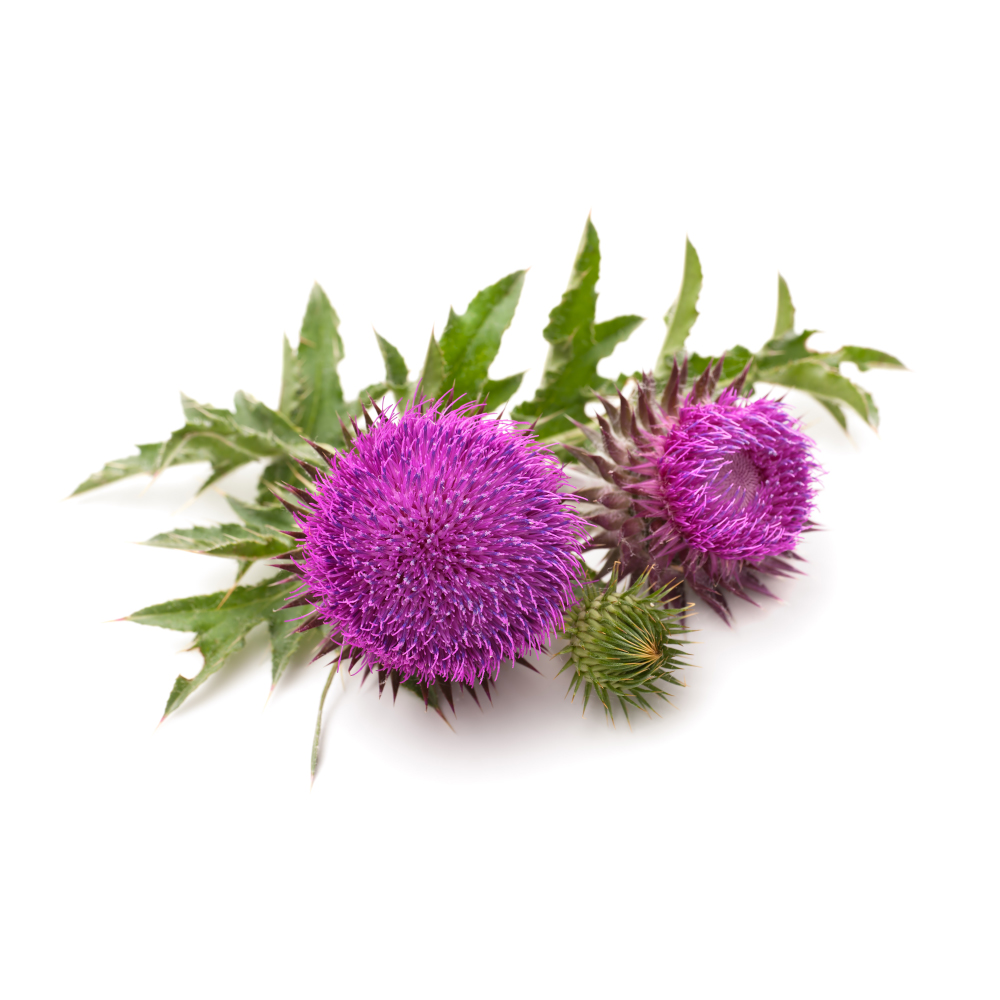 StrongStrongMilk ThistleSilybum marianumThe most-studied liver herb there is, and its fatty-liver evidence is its best. A meta-analysis of randomized controlled trials found silymarin significantly reduced ALT and AST in NAFLD 1Reference 1Meta-analysisThe therapeutic effect of silymarin in the treatment of nonalcoholic fatty disease — meta-analysis of randomised controlled trialsView study →, and a randomized placebo-controlled trial with a biopsy endpoint found silymarin improved fibrosis score in non-alcoholic steatohepatitis 2Reference 2RCTA randomized trial of silymarin for the treatment of nonalcoholic steatohepatitis — randomised placebo-controlled trial with biopsy endpointView study →, a far harder outcome than an enzyme.Also underProtecting ↓Read the evidenceShow lessMonograph →
Against that, a separate randomized, double-blind, placebo-controlled trial in non-cirrhotic NASH did not meet its histological primary endpoint 3Reference 3RCTSilymarin in non-cirrhotics with non-alcoholic steatohepatitis — randomised, double-blind, placebo-controlled trialView study →.
Bioavailability-enhanced forms perform better. A silybin–phosphatidylcholine–vitamin E complex improved liver enzymes and insulin resistance in a randomized controlled trial 4Reference 4RCTSilybin combined with phosphatidylcholine and vitamin E in patients with nonalcoholic fatty liver disease — randomised controlled trialView study →, and a network meta-analysis of natural products in NAFLD ranks silymarin among the better-supported 5Reference 5Meta-analysisEffects of different natural products in patients with non-alcoholic fatty liver disease — network meta-analysis of randomised controlled trialsView study →.
The recurring caveat is absorption. Plain silymarin is poorly absorbed, which is why the phospholipid complexes exist and why product choice changes the dose more than the label suggests.
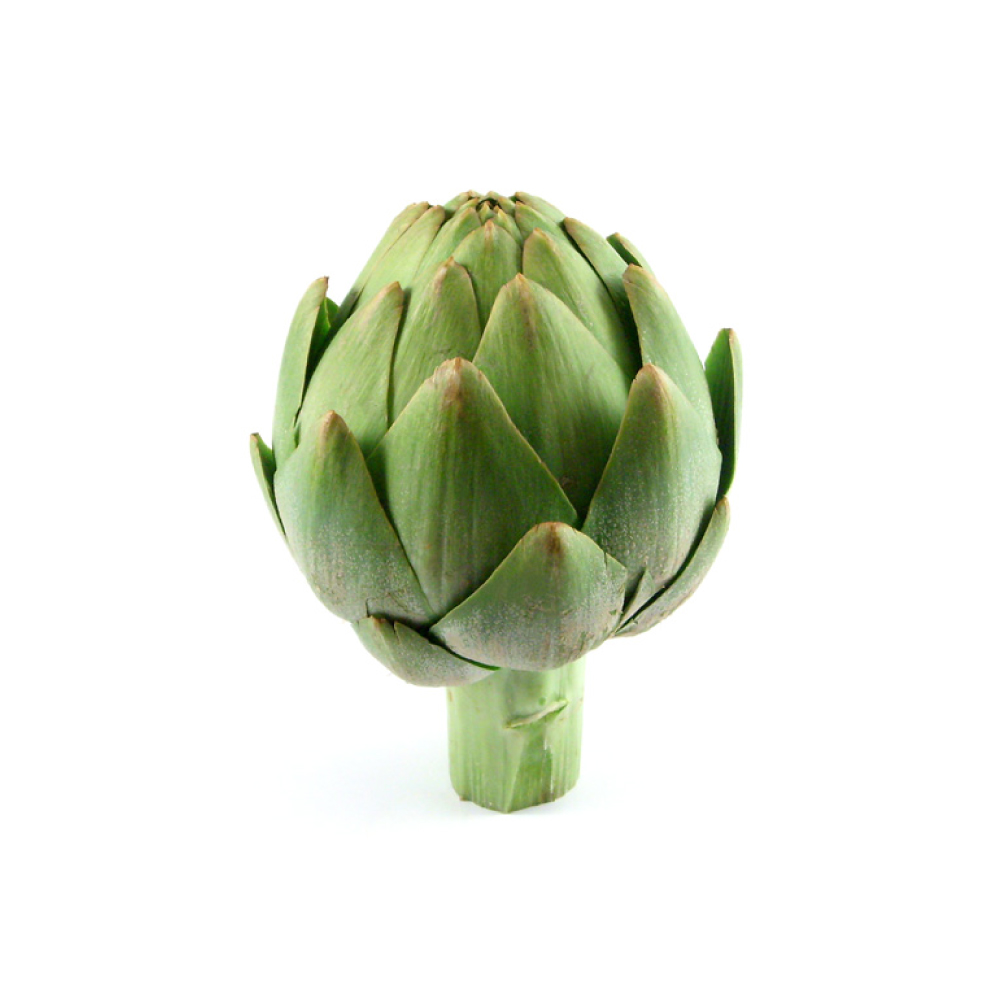 StrongStrongArtichokeCynara scolymusConsistent, well-replicated and modest. A systematic review and meta-analysis of randomized controlled trials found artichoke beneficial in fatty liver 6Reference 6Meta-analysisTherapeutic potential of artichoke in the treatment of fatty liver — systematic review and meta-analysis of randomised controlled trialsView study →, a separate meta-analysis confirmed reductions in liver enzymes 7Reference 7Meta-analysisEffects of Cynara scolymus L. supplementation on liver enzymes — systematic review and meta-analysisView study →, and a pilot double-blind randomized controlled trial found artichoke leaf extract improved ultrasound and biochemical measures in NAFLD 8Reference 8RCTEfficacy of artichoke leaf extract in non-alcoholic fatty liver disease — pilot double-blind randomised controlled trialView study →.Also underBile ↓Read the evidenceShow lessMonograph →
The most interesting recent result is mechanically direct: a randomized placebo-controlled trial in pre-bariatric patients found artichoke leaf extract reduced steatosis and measurably decreased liver size 9Reference 9RCTArtichoke leaf extract reduces steatosis and decreases liver size in pre-bariatric patients (SteatoChoke) — randomised placebo-controlled trialView study →, an imaging endpoint rather than a blood marker.
Mechanistically it inhibits hepatic cholesterol biosynthesis in primary hepatocytes 10Reference 10In vitroInhibition of cholesterol biosynthesis in primary cultured rat hepatocytes by artichoke extracts — in vitroView study → and is a genuine choleretic.
As everywhere, it is the standardized leaf extract, not the edible head.
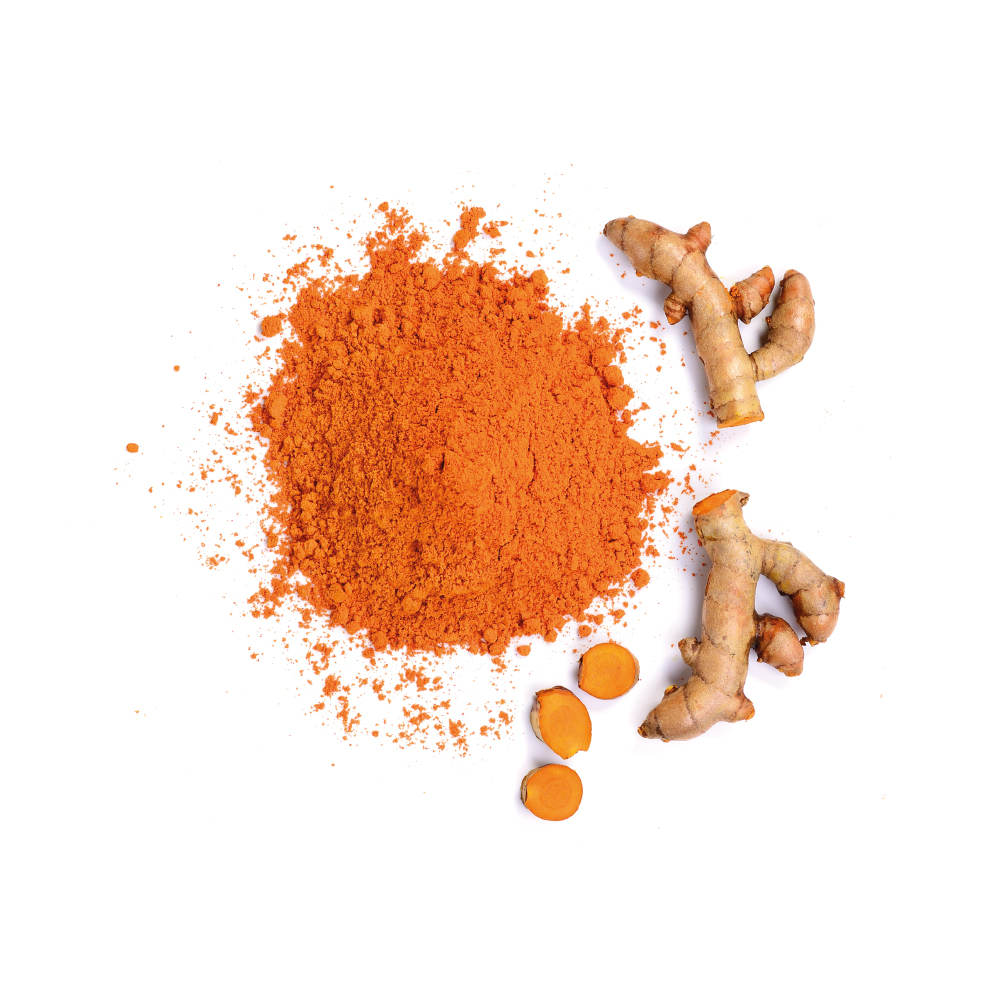 StrongStrongTurmericCurcuma longaGood evidence with a real safety asterisk. A meta-analysis of randomized controlled trials found curcumin improved the metabolic parameters of NAFLD, including liver enzymes and hepatic fat 11Reference 11Meta-analysisThe effects of curcumin on the metabolic parameters of non-alcoholic fatty liver disease — meta-analysis of randomised controlled trialsView study →, and a randomized controlled trial found curcumin supplementation reduced hepatic fat content, with the effect linked to gut-microbiota-dependent bile acid metabolism 12Reference 12RCTCurcumin supplementation alleviates hepatic fat content associated with modulation of gut microbiota-dependent bile acid metabolism in NAFL — randomised controlled trialView study →.Read the evidenceShow lessMonograph →
Curcumin is poorly absorbed, so the trials use bioavailability-enhanced formulations at gram-level doses, and that is precisely where the problem lies.
A published case series from Tuscany documented acute liver injury following turmeric use 13Reference 13Systematic reviewAcute liver injury following turmeric use in Tuscany — case series and systematic reviewView study →, with similar reports elsewhere, concentrated in high-dose piperine-enhanced products rather than in cooking.
A herb that treats liver disease and occasionally causes it is not a contradiction. It is what idiosyncratic toxicity looks like.
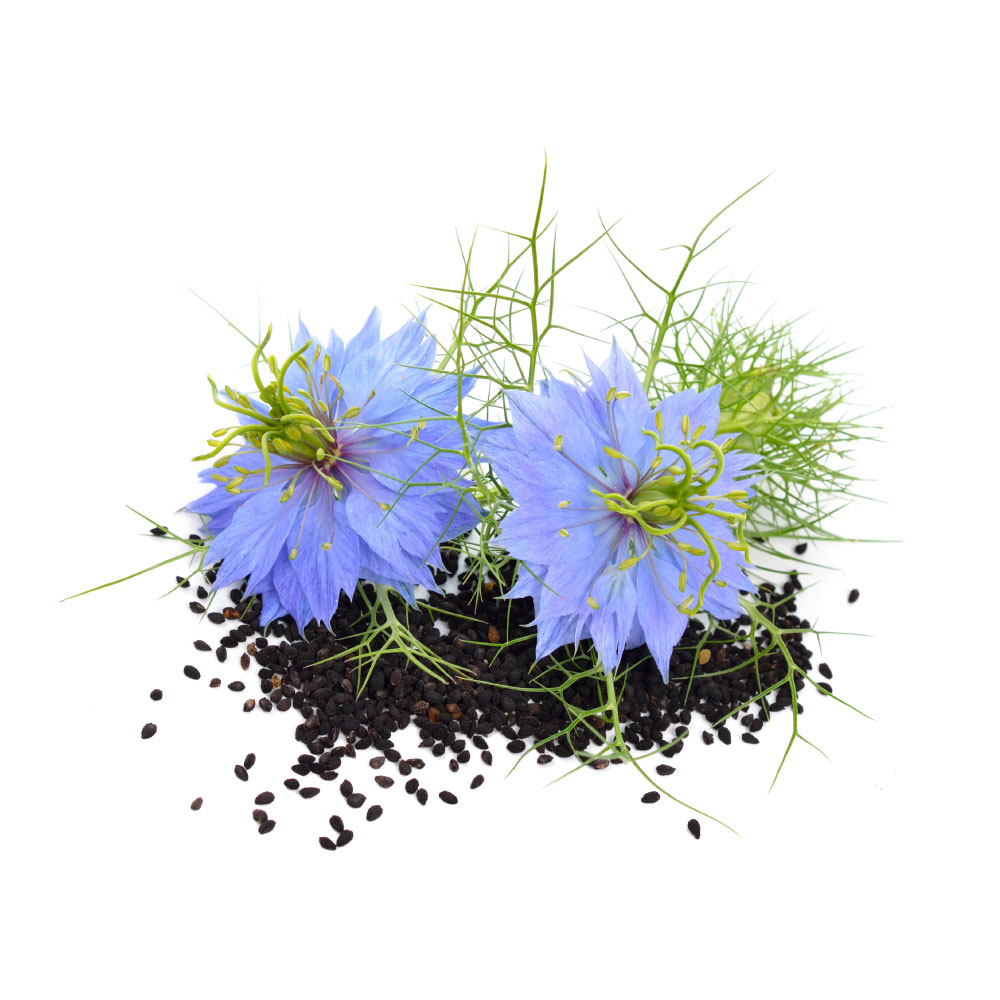 StrongStrongNigellaNigella sativaA surprisingly solid NAFLD record for a herb better known for allergy. A systematic review and meta-analysis of randomized controlled trials found Nigella sativa improved outcomes in NAFLD 14Reference 14Meta-analysisEffect of Nigella sativa in the treatment of nonalcoholic fatty liver disease — systematic review and meta-analysis of randomised controlled trialsView study →, a randomized, double-blind, placebo-controlled trial of a standardized seed oil found improvement in hepatic steatosis, aminotransferases and lipids 15Reference 15RCTStandardized Nigella sativa seed oil ameliorates hepatic steatosis, aminotransferase and lipid levels in NAFLD — randomised, double-blind, placebo-controlled clinical trialView study →, and a dose-response meta-analysis across trials confirmed the effect on liver parameters 16Reference 16Meta-analysisThe effect of Nigella sativa on measures of liver and kidney parameters — systematic review and dose-response meta-analysis of randomised controlled trialsView study →.Read the evidenceShow lessMonograph →
The active principle is thymoquinone, and the metabolic effects on lipids, glycaemia and inflammation plausibly drive the hepatic ones.
The trials are small and regionally concentrated, and the standardized oil and the ground seed deliver different doses. Nigella also inhibits CYP enzymes, which matters in an organ already handling someone’s medication.
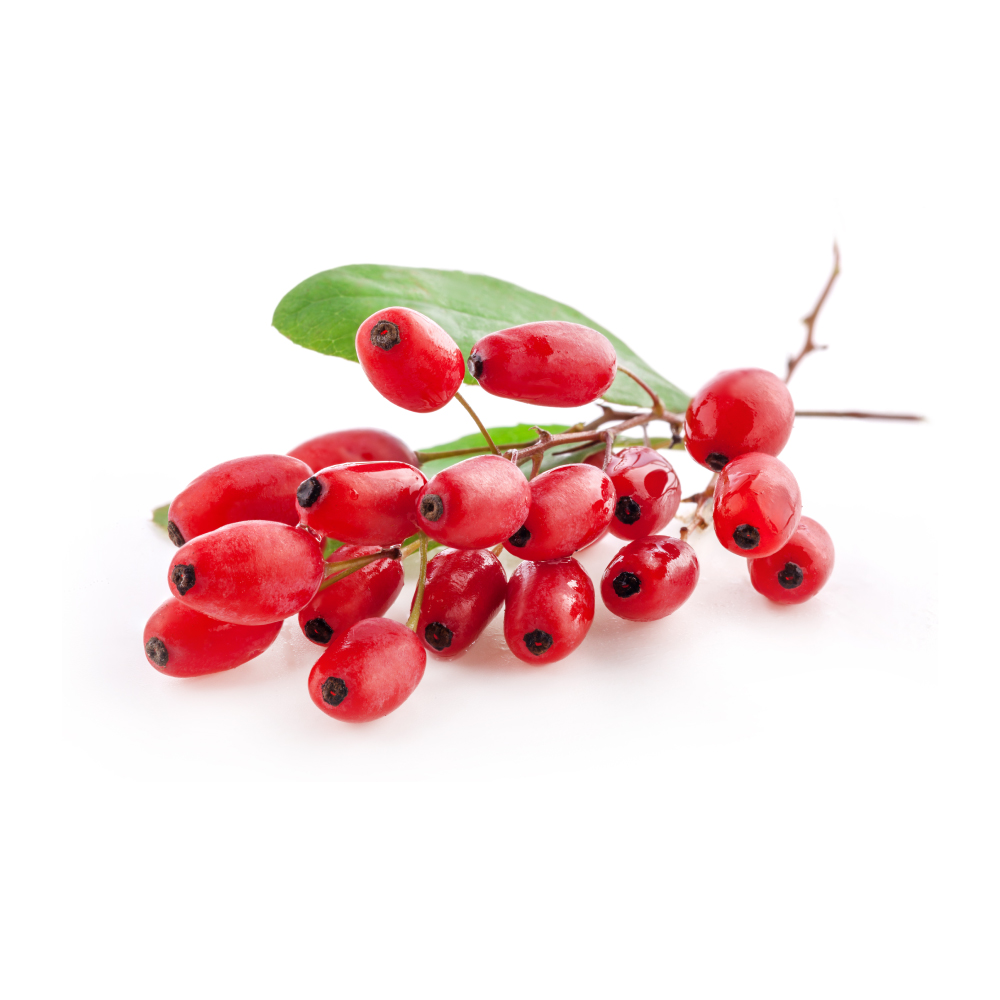 ModerateModerateBarberryBerberis spp.The berberine plant, and its liver evidence belongs to the isolated alkaloid. A meta-analysis and systematic review of the clinical efficacy and safety of berberine in NAFLD found significant improvement in liver enzymes, hepatic fat and metabolic parameters 17Reference 17Meta-analysisThe clinical efficacy and safety of berberine in the treatment of non-alcoholic fatty liver disease — meta-analysis and systematic reviewView study →, and a clinical trial of Berberis vulgaris extract itself found reduced transaminase activity in NAFLD 18Reference 18Clinical trialThe effect of Berberis vulgaris extract on transaminase activities in non-alcoholic fatty liver disease — clinical trialView study →.Read the evidenceShow lessMonograph →
The mechanism is the most drug-like in this system: AMPK activation, SREBP-1c suppression, and promoter demethylation of MTTP in high-fat-fed rats 19Reference 19AnimalBerberine reduces methylation of the MTTP promoter and alleviates fatty liver induced by a high-fat diet in rats — animal modelView study →, which is the same space metformin occupies.
Two limits. Nearly all of the clinical evidence is berberine the isolate rather than barberry the herb, and berberine is a significant CYP3A4 and P-glycoprotein inhibitor with real interaction potential.
It is not used in pregnancy or in newborns.
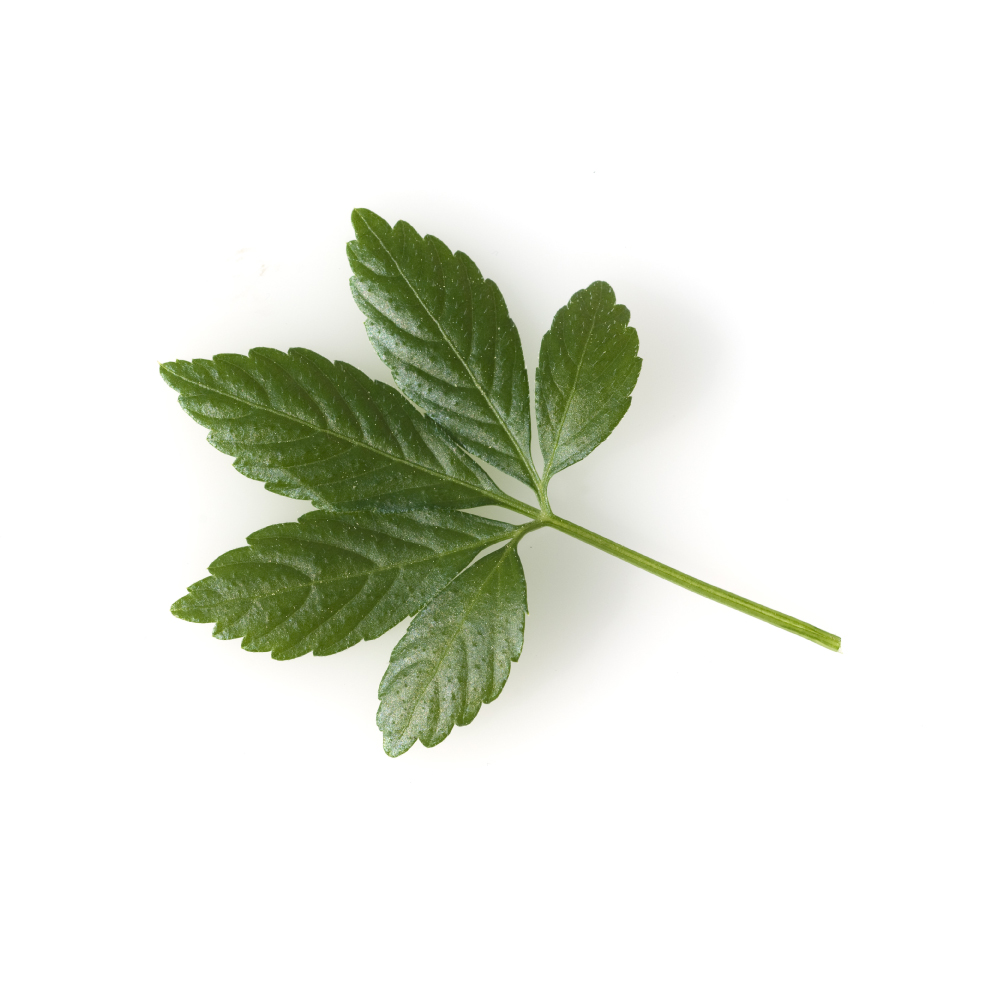 ModerateModerateGynostemmaGynostemma pentaphyllumJiaogulan, the southern ginseng, with one directly relevant controlled trial. A randomized study of G. pentaphyllum as an add-on to standard care in NAFLD found improvement in liver enzymes and ultrasound findings 20Reference 20RCTThe add-on effects of Gynostemma pentaphyllum on nonalcoholic fatty liver disease — randomised controlled trialView study →.Read the evidenceShow lessMonograph →
A Cochrane review of herbal medicines for fatty liver includes it among the preparations assessed while concluding the overall evidence base is weak 21Reference 21Systematic reviewHerbal medicines for fatty liver diseases — Cochrane systematic reviewView study →, and mouse work shows it alleviates NASH through effects on inflammation and gut microbiota 22Reference 22AnimalGynostemma pentaphyllum extract alleviates NASH in mice: inflammation and gut microbiota — mouse modelView study →.
The gypenosides are structurally close to ginseng’s ginsenosides despite the plants being unrelated, which is the source of both its reputation and its adaptogenic claims.
One properly designed trial is a thin basis for a fatty-liver claim.
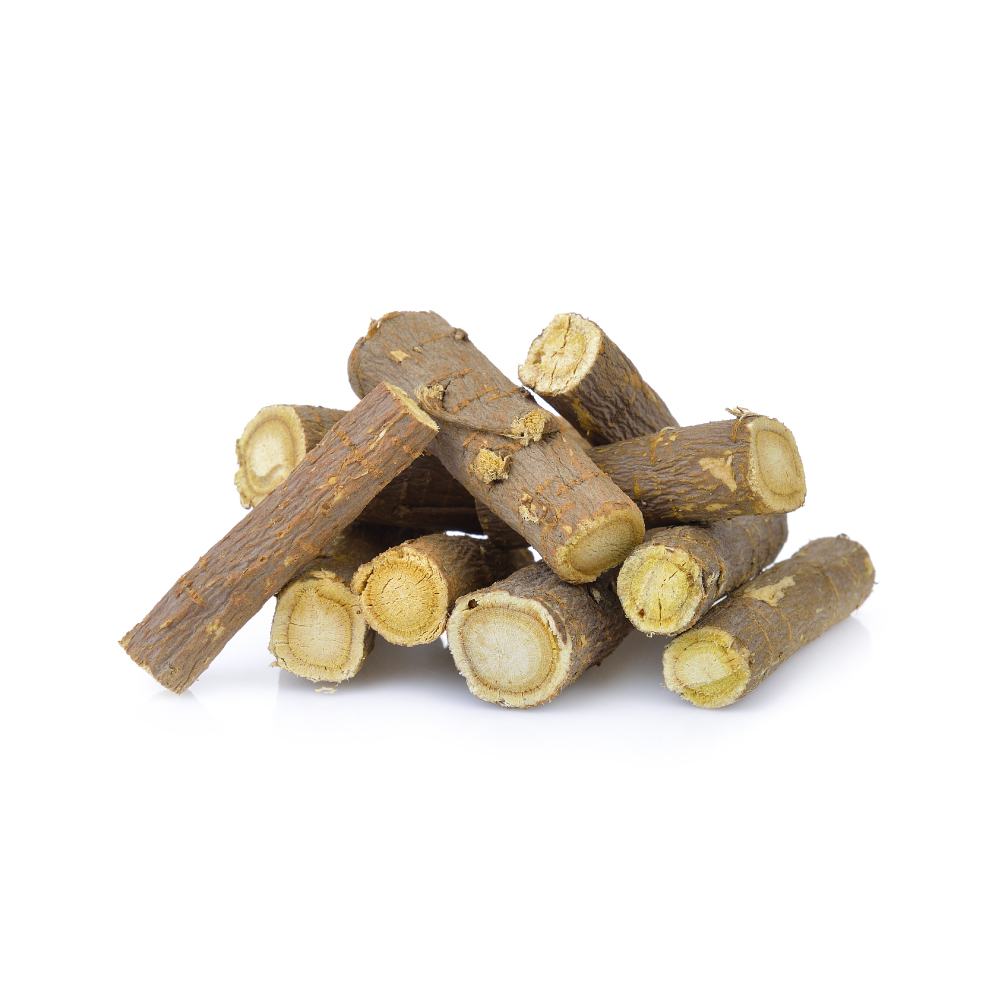 ModerateModerateLicoriceGlycyrrhiza glabraTwo randomized controlled trials support licorice root extract in fatty liver. One found it decreased transaminase activity in NAFLD 23Reference 23RCTEfficacy of licorice root extract in decreasing transaminase activities in non-alcoholic fatty liver disease — randomised controlled trialView study →, and a randomized double-blind trial in women with NAFLD found improvement in liver enzymes, steatosis and oxidative stress 24Reference 24RCTEffects of licorice root supplementation on liver enzymes, steatosis and oxidative stress in women with non-alcoholic fatty liver disease — randomised double-blind trialView study →. Its much larger hepatic role is in viral hepatitis, below.Also underViral ↓Read the evidenceShow lessMonograph →
The safety ceiling governs any sustained use. Glycyrrhizin inhibits 11β-HSD2, producing sodium retention, potassium loss and hypertension, a documented pseudo-aldosteronism that has been extensively reviewed 71Reference 71ReviewLiquorice toxicity: a comprehensive narrative reviewView study →.
That is why the intravenous hepatitis preparations are given under monitoring, and why a daily licorice tea is a different proposition from a trial dose.
Viral Hepatitis
3 herbsChronic hepatitis B and C, where the therapeutic landscape changed completely. Hepatitis C is now curable with direct-acting antivirals in 8 to 12 weeks, and hepatitis B is well controlled by nucleoside analogues. That reframes the herbal evidence as adjunctive at best, and makes the older trials, most of which predate modern antivirals, historically interesting rather than practically decisive. No herb substitutes for antiviral treatment or for vaccination against hepatitis B.
StrongStrongLicoriceGlycyrrhiza glabraThe strongest hepatic evidence in this system, and it belongs to an injectable. Stronger Neo-Minophagen C (SNMC), an intravenous glycyrrhizin preparation, has been used in Japan for chronic hepatitis for decades. A long-term cohort found treatment associated with reduced progression to cirrhosis and hepatocellular carcinoma in chronic hepatitis C 25Reference 25ObservationalLong-term treatment of chronic hepatitis C with glycyrrhizin (Stronger Neo-Minophagen C) for preventing liver cirrhosis and hepatocellular carcinoma — cohort studyView study →, a randomized European trial confirmed glycyrrhizin lowers ALT in chronic hepatitis C 26Reference 26RCTGlycyrrhizin-induced reduction of ALT in European patients with chronic hepatitis C — randomised trialView study →, and a network meta-analysis of 53 randomized controlled trials of glycyrrhizic acid preparations in chronic hepatitis B found consistent improvement in liver function 27Reference 27Meta-analysisComparative effectiveness of glycyrrhizic acid preparations on liver function in patients with chronic hepatitis B — network meta-analysis of 53 randomised controlled trialsView study →.Also underFatty ↓Read the evidenceShow lessMonograph →
Two qualifications are decisive. This is intravenous or high-dose glycyrrhizin under medical supervision rather than licorice tea, and the same trials document pseudo-aldosteronism as a dose-limiting effect 28Reference 28Observationalvan Rossum, T. G., et al. (2001). ‘Pseudo-aldosteronism’ induced by intravenous glycyrrhizin treatment of chronic hepatitis C patients — observational study. Journal of Gastroenterology and Hepatology. https://pubmed.ncbi.nlm.nih.gov/11446888/View study →.
It lowers enzymes and inflammation. It does not clear the virus.
Glycyrrhizin is also used against liver injury caused by medicines and herbs themselves: a randomized open-label trial found corticosteroid plus glycyrrhizin effective in chronic drug- and herb-induced liver injury 55Reference 55RCTCorticosteroid plus glycyrrhizin therapy for chronic drug- or herb-induced liver injury — randomised open-label trialView study →.
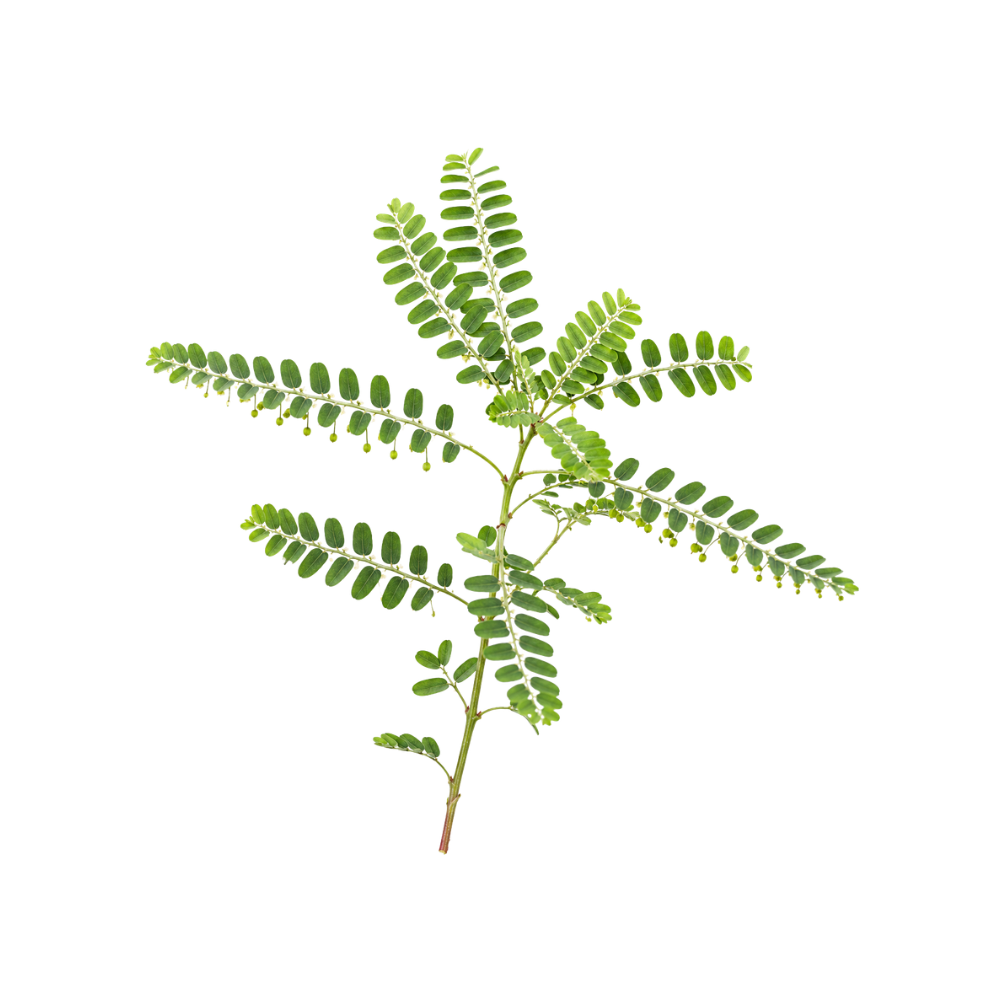 ModerateModerateChanca PiedraPhyllanthus niruriThe most-trialled herb in hepatitis B, and an honest lesson in how evidence degrades under scrutiny. An early systematic review of the genus Phyllanthus in chronic HBV was encouraging 32Reference 32Systematic reviewGenus Phyllanthus for chronic hepatitis B virus infection — systematic reviewView study →.Read the evidenceShow lessMonograph →
Successive Cochrane reviews then concluded that the apparent benefit rests on small trials of poor methodological quality, that better-conducted trials show less effect, and that Phyllanthus cannot be recommended over antiviral drugs 29,
The hepatoprotective pharmacology is real in animals, including against carbon tetrachloride injury and in a NAFLD rat model.
Its better-known use is urinary stones, since chanca piedra means stone breaker, and that belongs to the urinary system.
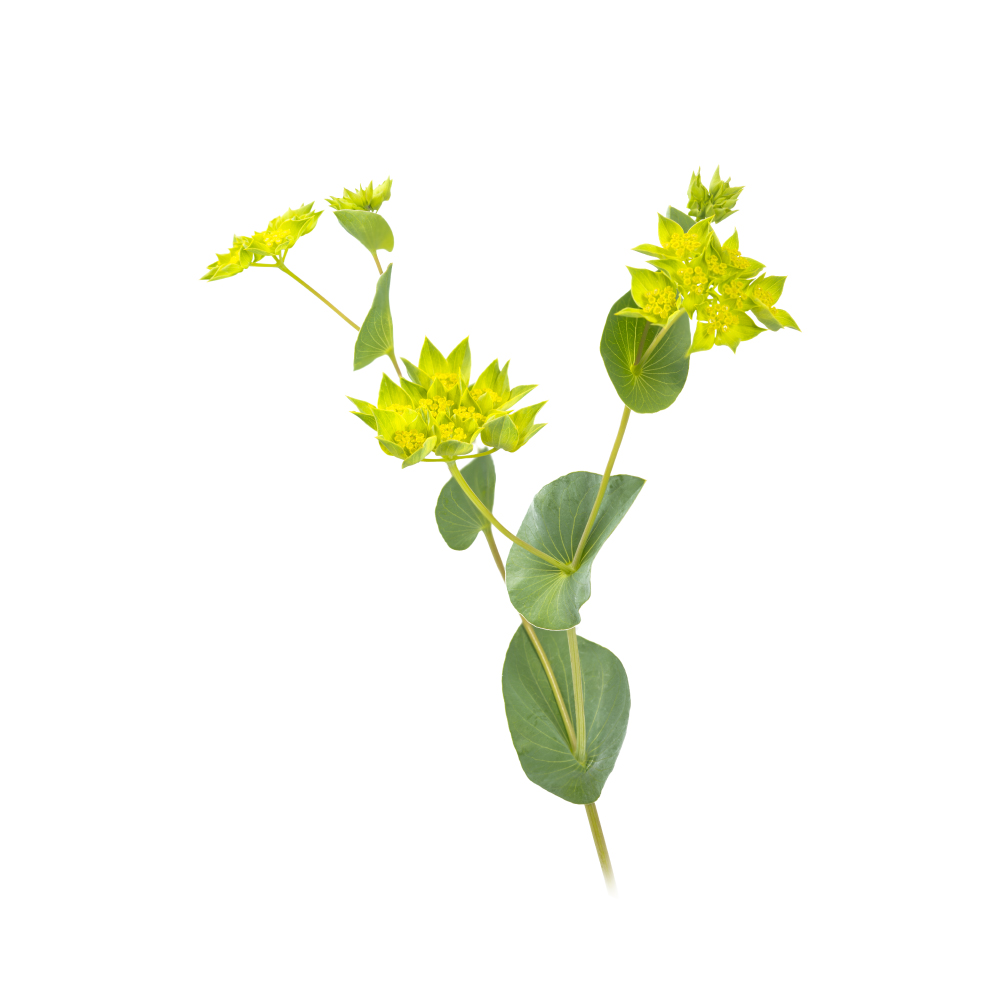 ModerateModerateBupleurumBupleurum falcatumThe central Chinese liver herb, and the one whose story contains its own warning. As part of the Kampo formula Sho-saiko-to (Xiao Chai Hu Tang) it has real hepatology evidence, including a prospective randomized study of chemoprevention of hepatocellular carcinoma in cirrhotic patients 66Reference 66RCTProspective study of chemoprevention of hepatocellular carcinoma with Sho-saiko-to (TJ-9) — randomised controlled trialView study →, and saikosaponins inhibit hepatitis B virus in producing cell lines 34Reference 34In vitroCytotoxicity and anti-hepatitis B virus activities of saikosaponins from Bupleurum species — in vitroView study →. A Cochrane review of Xiao Chai Hu Tang for chronic hepatitis B found the evidence insufficient to support routine use 33Reference 33Meta-analysisXiao Chai Hu Tang, a herbal medicine, for chronic hepatitis B — Cochrane systematic review and meta-analysisView study →.Also underCirrhosis ↓Read the evidenceShow lessMonograph →
The same saikosaponins are directly hepatotoxic at concentration, inducing liver injury in mice through lipid-metabolism dysregulation and the Fas death-receptor pathway 68Reference 68AnimalSaikosaponins induced hepatotoxicity in mice via lipid metabolism dysregulation and oxidative stress — proteomic animal studyView study →, and saikosaponin D worsens acetaminophen-induced injury in mice. Sho-saiko-to was also associated with fatal interstitial pneumonia when combined with interferon in Japan.
A two-edged herb, and one best used within a formula by a practitioner.
Bile, the Gallbladder and Fat Digestion
4 herbsThe traditional heartland of this system, and the group where human evidence is thinnest relative to how confidently the claims are made. The complaints are real and mostly functional: upper abdominal fullness after fatty food, functional biliary pain, and fat intolerance. The recurring caution is anatomical, because a cholagogue increases the pressure of bile against whatever is downstream, which is exactly wrong if a stone is in the way.
ModerateModerateArtichokeCynara scolymusArtichoke is a genuine choleretic. Cynarin and the caffeoylquinic acids increase bile output, which is the mechanistic basis for its traditional use in fat intolerance and upper-abdominal fullness, and for the functional-dyspepsia trial evidence covered on the digestive page.Also underFatty ↓Read the evidenceShow lessMonograph →
Its meta-analysed effect on liver enzymes 7Reference 7Meta-analysisEffects of Cynara scolymus L. supplementation on liver enzymes — systematic review and meta-analysisView study → is consistent with a real hepatic action rather than a purely symptomatic one.
It is the first choice in this group. Unlike greater celandine it has no hepatotoxicity signal, and unlike dandelion it has been tested.
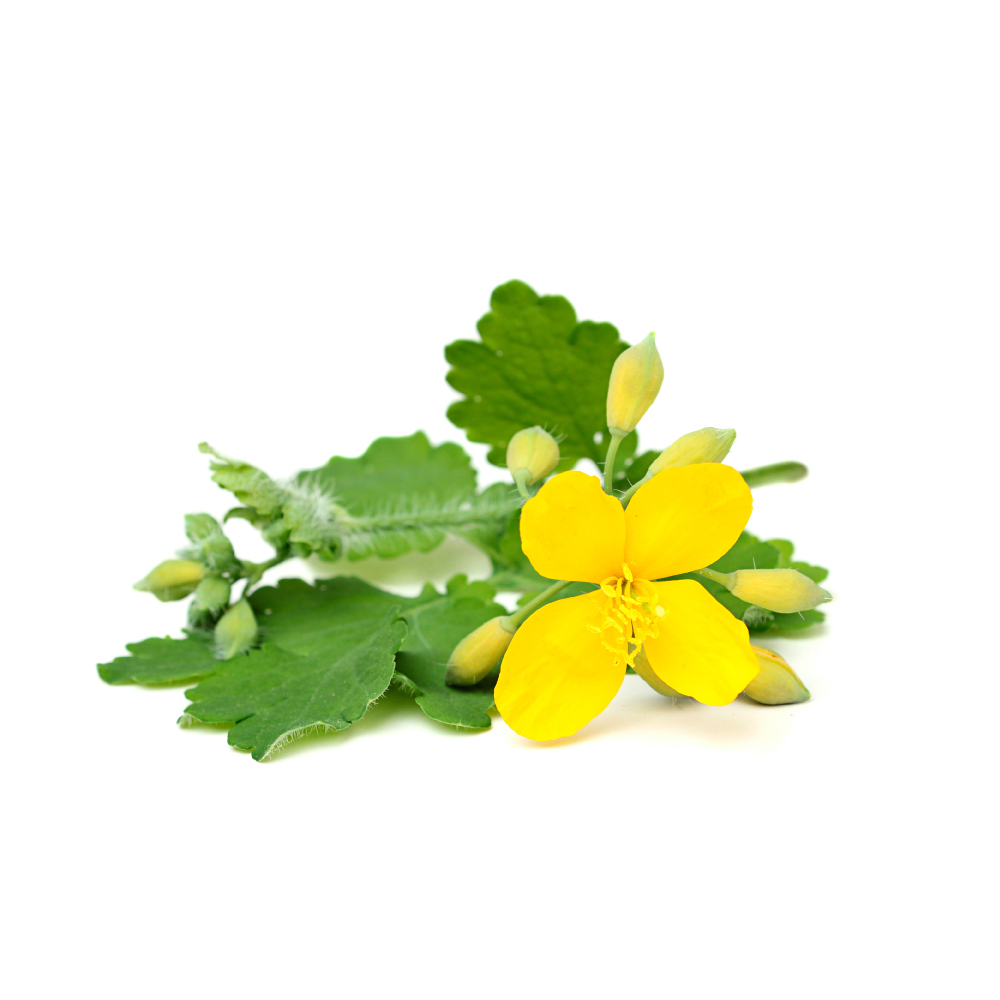 ModerateModerateGreater CelandineChelidonium majusA herb whose efficacy evidence is outweighed by its harm evidence.Read the evidenceShow lessMonograph →
It works. A placebo-controlled double-blind randomized study of a chelidonium-and-turmeric extract found benefit in upper abdominal pain due to functional biliary disorders 35Reference 35RCTThe effect of chelidonium- and turmeric root extract on upper abdominal pain due to functional disorders of the biliary system — placebo-controlled double-blind randomised studyView study →, and chelidonium increases choleresis in the isolated perfused rat liver 36Reference 36AnimalThe effect of Chelidonium majus herb extract on choleresis in the isolated perfused rat liver — animal modelView study →.
And it injures the liver. A causality assessment of 22 spontaneous reports established greater celandine as a cause of herbal hepatotoxicity 37Reference 37Herbal hepatotoxicity by greater celandine (Chelidonium majus) — causality assessment of 22 spontaneous reportsView study →, a review of the literature confirms the pattern 38Reference 38ReviewHepatotoxicity induced by greater celandine (Chelidonium majus L.) — review of the literatureView study →, and further cases of herb-induced liver injury continue to be published 39Reference 39ReviewLiver toxicity caused by Chelidonium majus L.: two cases of herb-induced liver injury and literature reviewView study →.
Injury typically appears weeks to months in, is idiosyncratic rather than dose-dependent, and resolves on stopping, but it has required transplantation. Greater celandine has been restricted in several European countries, and artichoke does the same job without the signal.
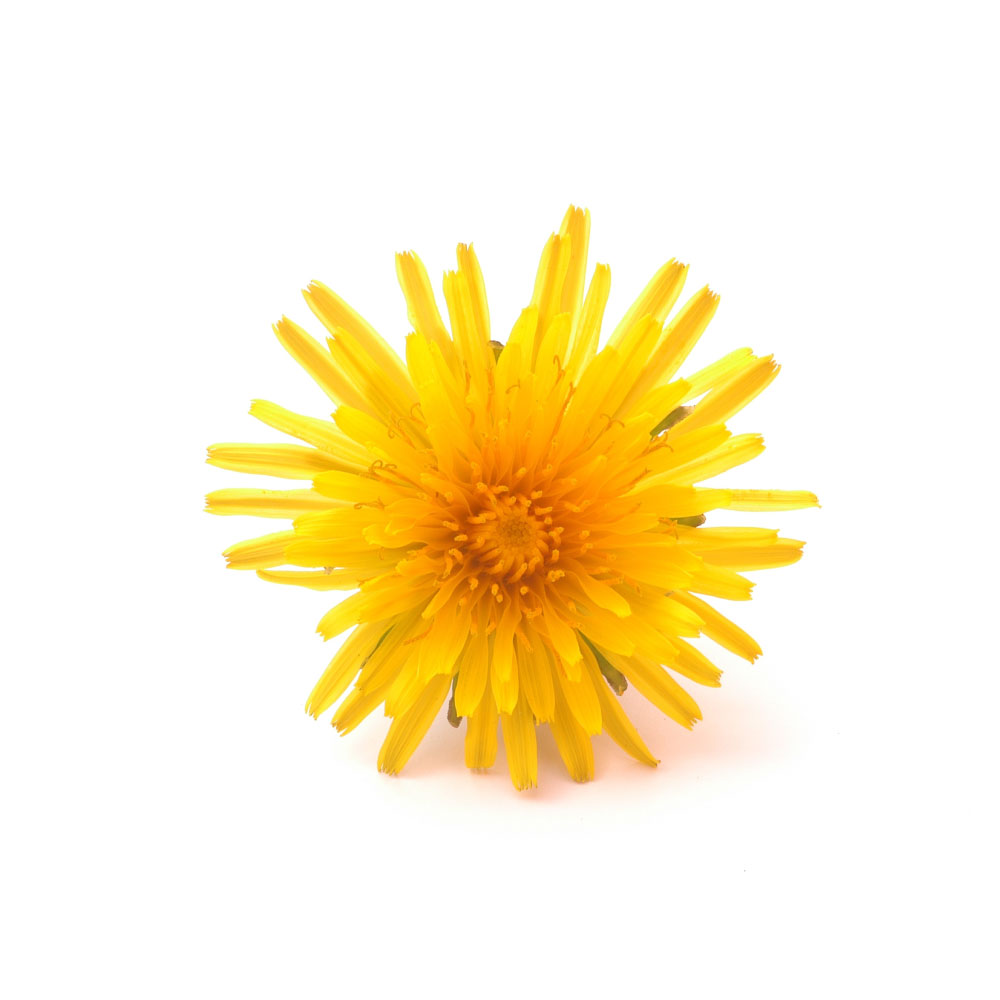 PreclinicalPreclinicalDandelionTaraxacum officinaleThe archetypal Western liver herb, used as a bitter, a choleretic and an alterative for centuries, and essentially untested in humans.Read the evidenceShow lessMonograph →
The animal work is respectable as far as it goes. Taraxasterol protects against acetaminophen-induced liver injury in mice 40Reference 40In vitroProtection of taraxasterol against acetaminophen-induced liver injury — network pharmacology with in vitro and in vivo experimentsView study →, and leaf extract is hepatoprotective against chemically-induced injury in rats 41Reference 41AnimalHepatoprotective effect of Taraxacum officinale leaf extract on sodium dichromate-induced liver injury in rats — animal modelView study →.
Traditional practice distinguishes the two parts and it is worth preserving. The root is the bitter, choleretic liver herb, while the leaf is a potassium-rich diuretic, and products rarely say which they contain.
Safe, cheap and edible, with a reputation that greatly exceeds the evidence, which is not the same as the reputation being wrong.
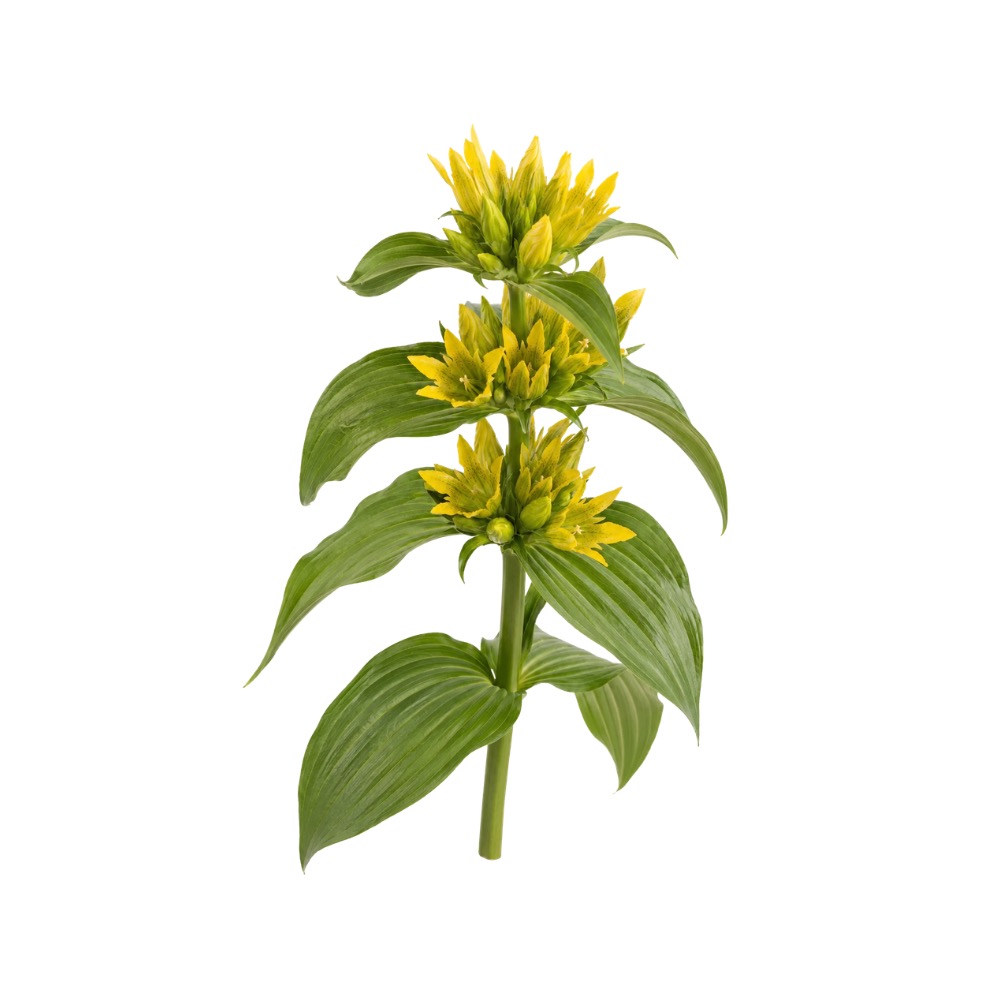 PreclinicalPreclinicalGentianGentiana luteaThe archetypal European bitter, for the biliary half of its action. Gentian extracts increase bile output in rats 42Reference 42AnimalCholeretic activity of Gentiana lutea ssp. symphyandra in rats — animal modelView study → and relax rat ileum ex vivo 43Reference 43AnimalSpasmolytic activity of Gentiana lutea L. root extracts on rat ileum — ex vivoView study →, a coherent picture matching the traditional use of a bitter taken before food to prime bile and enzyme secretion, with no controlled human trial behind it.Read the evidenceShow lessMonograph →
Its digestive role is covered more fully on the digestive page.
The practical instruction from tradition follows from the mechanism: a small dose in water ten to fifteen minutes before eating, tasted, because the bitter receptors that trigger the reflex are in the mouth.
Protecting the Liver From Drugs & Toxins
4 herbsThe most clinically credible group here, and the only one containing something used in hospitals. These are herbs given before or alongside a known hepatotoxic exposure, an antitubercular regimen, methotrexate, chemotherapy or a poisonous mushroom, rather than given to a diseased liver in hope. That makes the trials cleaner, because the insult is defined and the timing is controlled.
StrongStrongMilk ThistleSilybum marianumIntravenous silibinin (Legalon SIL) is the antidote of choice in amatoxin poisoning from Amanita phalloides 44Reference 44Clinical trialLegalon SIL: the antidote of choice in patients with acute hepatotoxicity from amatoxin poisoning — clinical review and case seriesView study →, a use going back to case series from the early 1980s 45Reference 45Case reportChemotherapy of Amanita phalloides poisoning with intravenous silibinin — clinical case seriesView study →. It works by competitively blocking the transporter that carries α-amanitin into hepatocytes.Also underFatty ↓Read the evidenceShow lessMonograph →
Separately, a double-blind randomized controlled trial found silymarin prevented antituberculosis drug-induced liver injury 46Reference 46RCTA double-blinded randomized controlled trial of silymarin for the prevention of antituberculosis drug-induced liver injuryView study →, supported by a meta-analysis of randomized trials 47Reference 47Meta-analysisProphylactic therapy of silymarin (milk thistle) on antituberculosis drug-induced liver injury — meta-analysis of randomised controlled trialsView study →. A defined insult, prophylactic dosing, real prevention.
What it does not do is equally established. A Cochrane review found no convincing effect on mortality or histology in alcoholic and viral liver disease 48Reference 48Meta-analysisMilk thistle for alcoholic and/or hepatitis B or C virus liver diseases — Cochrane systematic review and meta-analysisView study →, and a multicentre randomized controlled trial in JAMA found silymarin no better than placebo in chronic hepatitis C after failed interferon 49Reference 49RCTEffect of silymarin (milk thistle) on liver disease in patients with chronic hepatitis C unsuccessfully treated with interferon therapy — multicentre randomised controlled trialView study →.
The pharmacokinetic interaction potential applies here too 72Reference 72ReviewDrug-drug interactions of silymarin on the perspective of pharmacokinetics — reviewView study →.
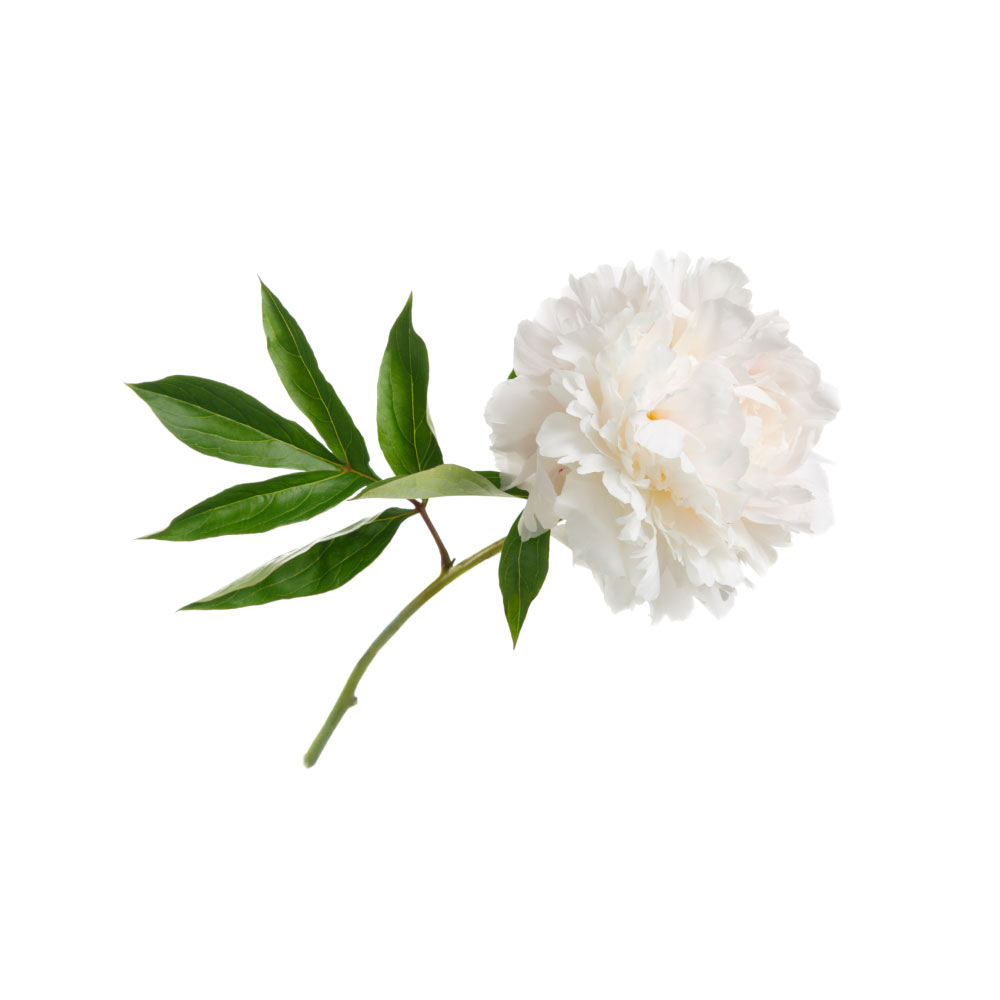 StrongStrongPeonyPaeonia lactifloraTotal glucosides of paeony (TGP), a standardized fraction licensed as a prescription antirheumatic in China, reduces the hepatotoxicity of the drugs it is given alongside.Read the evidenceShow lessMonograph →
Randomized controlled trials found TGP reduced liver injury caused by methotrexate and leflunomide combination therapy in active rheumatoid arthritis 53,
The evidence is Chinese, of variable methodological quality, and belongs to the purified TGP fraction at trial doses rather than to a peony root decoction.
Peony’s autoimmune evidence is covered on the immune page.
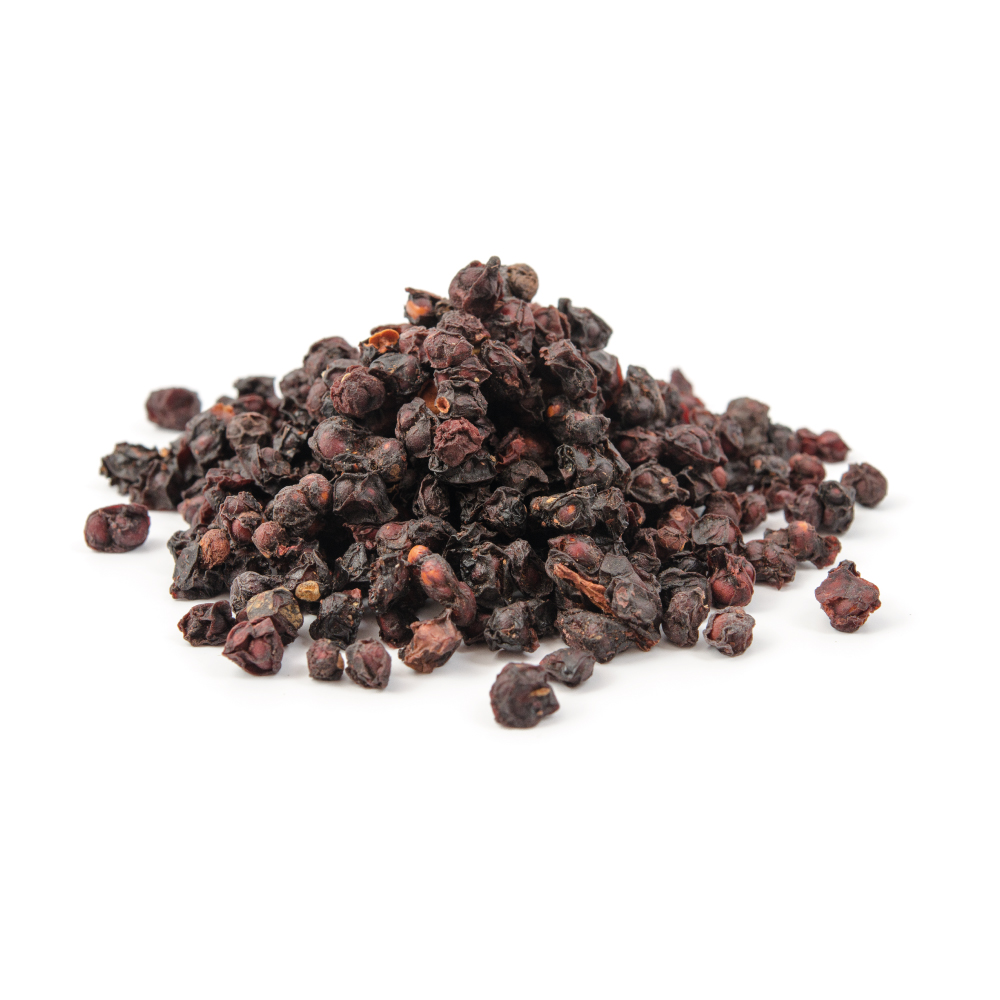 PreclinicalPreclinicalSchisandraSchisandra chinensisThe classic Chinese ALT-lowering herb, with the most coherent preclinical hepatoprotective story here and almost no human data. A systematic review and meta-analysis of animal studies found consistent protection against liver injury across models 52Reference 52Meta-analysisEfficacy of Schisandra chinensis in liver injury — systematic review and preclinical meta-analysis of animal studiesView study →, schisandrol B protects against acetaminophen hepatotoxicity through NRF2/ARE activation 50Reference 50AnimalSchisandrol B protects against acetaminophen-induced acute hepatotoxicity in mice via activation of the NRF2/ARE signaling pathway — mouse modelView study →, and a lignan-enriched extract enhances hepatic glutathione regeneration capacity in rats 51Reference 51AnimalEnhancement of hepatic glutathione regeneration capacity by a lignan-enriched extract of Fructus schisandrae in rats — animal modelView study →.Read the evidenceShow lessMonograph →
The glutathione mechanism is the same one N-acetylcysteine exploits clinically, which makes the direction plausible.
Schisandra is also a potent CYP3A4 modulator. It substantially raises blood levels of tacrolimus, an effect large enough to have been studied deliberately in transplant patients, which makes it a genuine interaction hazard rather than a theoretical one.
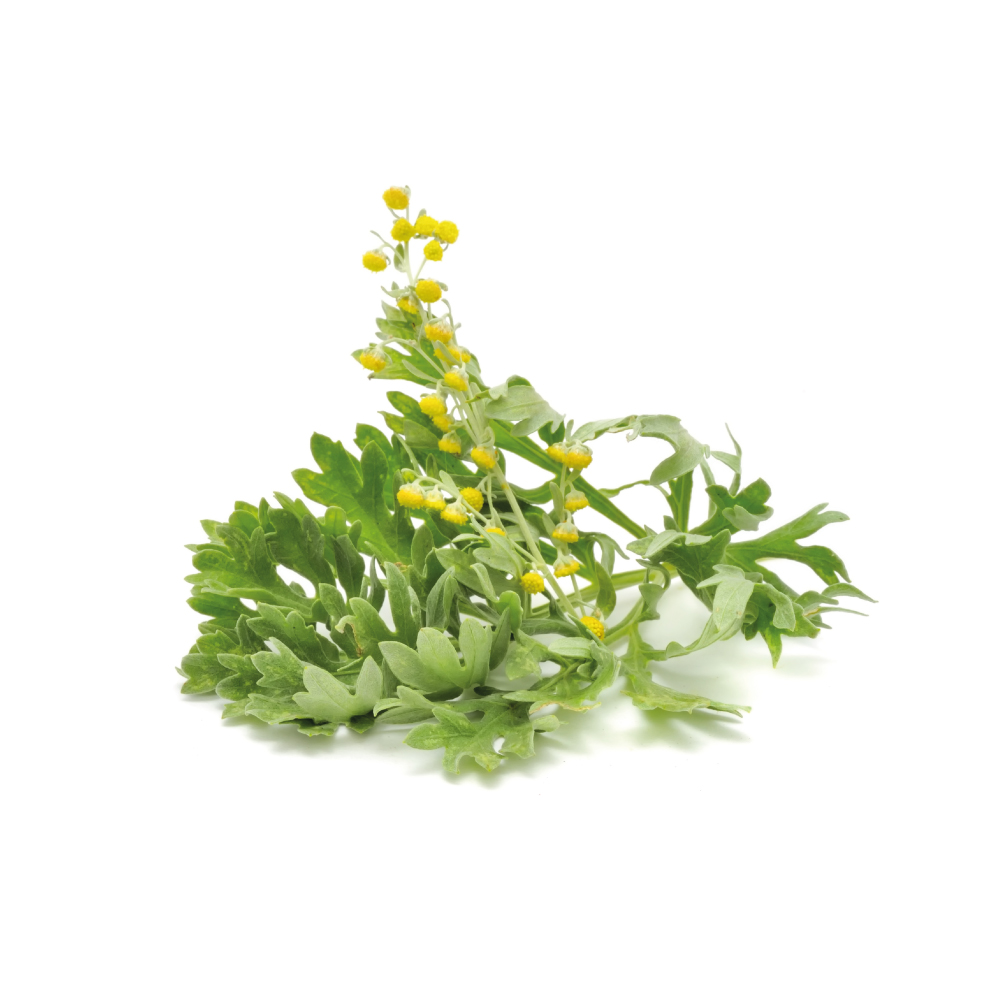 PreclinicalPreclinicalWormwoodArtemisia absinthiumA traditional bitter with a consistent animal hepatoprotective record. The aqueous extract protects against chemically and immunologically induced liver injury in mice 56Reference 56AnimalIn vivo hepatoprotective activity of the aqueous extract of Artemisia absinthium L. against chemically and immunologically induced liver injuries in mice — animal modelView study →, reverses carbon tetrachloride-induced hepatic injury in rats 57Reference 57AnimalReversal of carbon tetrachloride-induced hepatic injury by aqueous extract of Artemisia absinthium in Sprague-Dawley rats — animal modelView study →, and attenuates hepatic fibrosis by suppressing stellate cell activation and inflammatory chemokine signalling 58Reference 58AnimalArtemisia absinthium attenuates hepatic fibrosis in mice by suppressing hepatic stellate cell activation and modulating inflammatory chemokine signalling — animal modelView study →.Read the evidenceShow lessMonograph →
No human liver trial exists, and its controlled human evidence is in Crohn’s disease, on the digestive page.
The dose ceiling is thujone, a GABA-A antagonist and convulsant at quantity, which caps both dose and duration and rules out the essential oil entirely.
Cirrhosis, Fibrosis and Liver Cancer Risk
4 herbsAdvanced liver disease, where no herb has been shown to reverse established cirrhosis. What this group does contain is the single most robust finding in the whole system, and it comes from epidemiology on an ordinary beverage rather than from a supplement trial.
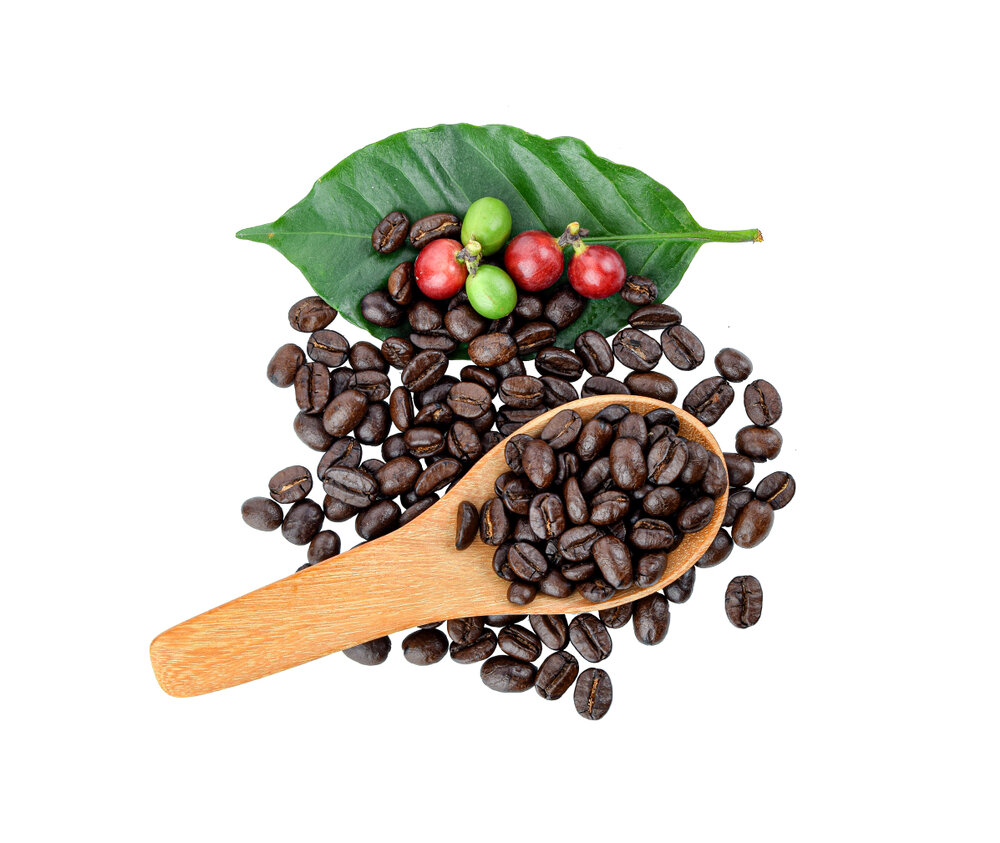 StrongStrongCoffeeCoffea arabicaThe best-evidenced hepatoprotective agent here, and it is not sold as a liver remedy. A systematic review and dose-response meta-analysis found coffee consumption associated with a substantially lower risk of hepatocellular carcinoma, with a clear dose-response and the association holding for decaffeinated coffee, which points away from caffeine as the active principle 59Reference 59Meta-analysisCoffee, including caffeinated and decaffeinated coffee, and the risk of hepatocellular carcinoma — systematic review and dose-response meta-analysisView study →.Read the evidenceShow lessMonograph →
A meta-analysis of Mendelian randomization studies supports a causal interpretation rather than mere correlation 60Reference 60Meta-analysisCoffee and the risk of hepatocellular carcinoma — systematic review and meta-analysis of Mendelian randomization studiesView study →. That matters, because MR uses genetic variants as instruments and is far less vulnerable to confounding than an ordinary cohort.
An umbrella review and meta-analysis also links coffee to lower NAFLD prevalence and reduced fibrosis 61Reference 61Meta-analysisCoffee consumption and non-alcoholic fatty liver disease — umbrella review and systematic review and meta-analysisView study →. The plausible actives are the diterpenes and chlorogenic acid rather than caffeine.
This is observational and Mendelian randomization evidence rather than a trial, and for liver endpoints it is stronger than anything else available.
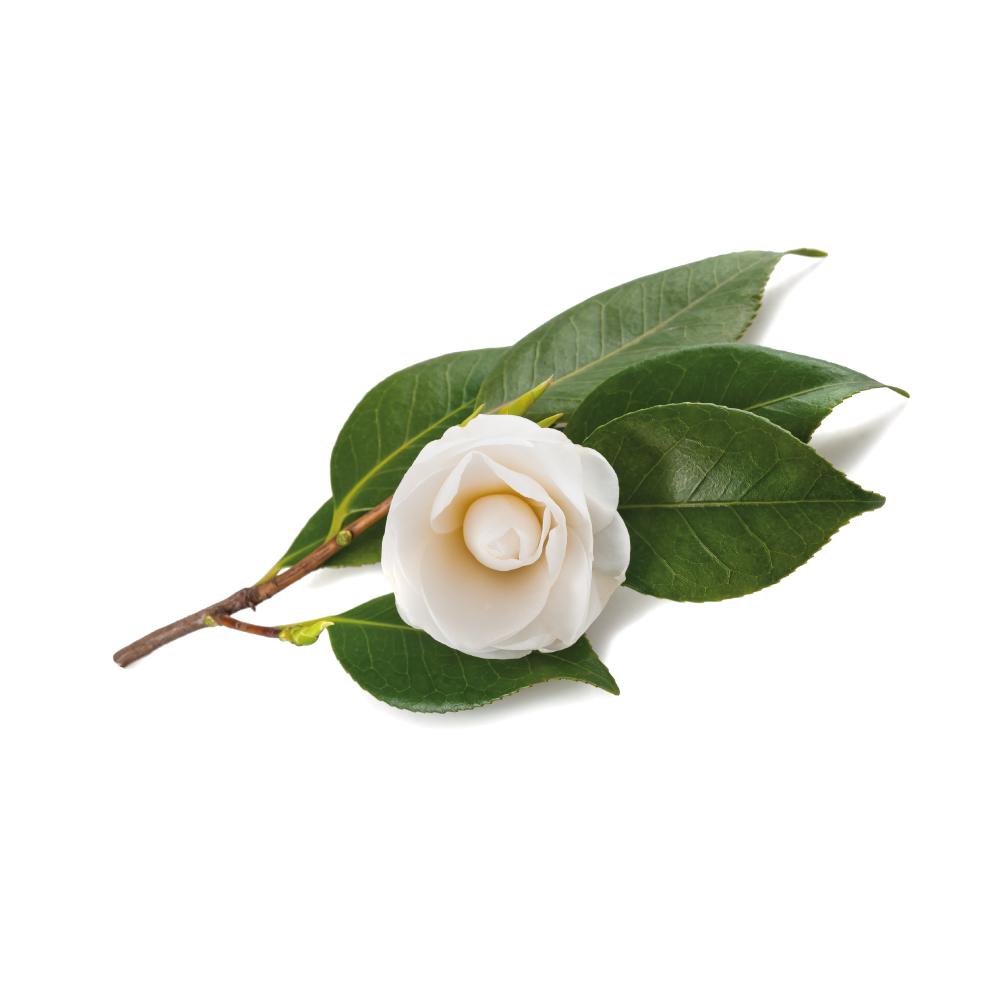 ModerateModerateTeaCamellia sinensisDose separates a food from a hepatotoxin here. As a drink, green tea is associated with reduced liver cancer risk in a meta-analysis of prospective cohorts in Asian populations 62Reference 62Meta-analysisGreen tea and liver cancer risk — meta-analysis of prospective cohort studies in Asian populationsView study →.Read the evidenceShow lessMonograph →
As a concentrated extract, it is one of the leading causes of herb-induced liver injury in the West. The United States Pharmacopeia conducted a comprehensive review of green tea extract hepatotoxicity 63Reference 63ReviewUnited States Pharmacopeia (USP) comprehensive review of the hepatotoxicity of green tea extractsView study →, a randomized controlled trial found the risk modulated by catechol-O-methyltransferase and UGT1A4 genotype 64Reference 64RCTHepatotoxicity with high-dose green tea extract: effect of catechol-O-methyltransferase and UGT1A4 genotypes — randomised controlled trialView study →, acute liver failure has been reported 65Reference 65Case reportGreen tea extract: a potential cause of acute liver failure — case reportView study →, and the pattern is well characterised in the drug-induced liver injury literature 70Reference 70ReviewGreen tea extract and the risk of drug-induced liver injury — reviewView study →.
The implicated dose is high-dose EGCG in capsules, especially taken fasting. Brewed tea is not implicated.
Same plant, opposite conclusions, and the difference is entirely preparation and dose.
ModerateModerateBupleurumBupleurum falcatumThe outcome that made bupleurum famous in hepatology. A prospective randomized controlled study of Sho-saiko-to in patients with cirrhosis found reduced incidence of hepatocellular carcinoma 66Reference 66RCTProspective study of chemoprevention of hepatocellular carcinoma with Sho-saiko-to (TJ-9) — randomised controlled trialView study →, and a review sets out the case for protection against hepatic fibrosis and carcinoma 67Reference 67ReviewSho-saiko-to: Japanese herbal medicine for protection against hepatic fibrosis and carcinoma — reviewView study →. That is a hard oncological endpoint in a high-risk population.Also underViral ↓Read the evidenceShow lessMonograph →
It sits alongside the hepatotoxicity signal described above 68Reference 68AnimalSaikosaponins induced hepatotoxicity in mice via lipid metabolism dysregulation and oxidative stress — proteomic animal studyView study →, where saikosaponins injure hepatocytes at concentration, and the interstitial-pneumonia deaths reported when Sho-saiko-to was combined with interferon. Both facts are true simultaneously.
Anyone with cirrhosis is under specialist care by definition, and this is a conversation to have there rather than a self-directed one.
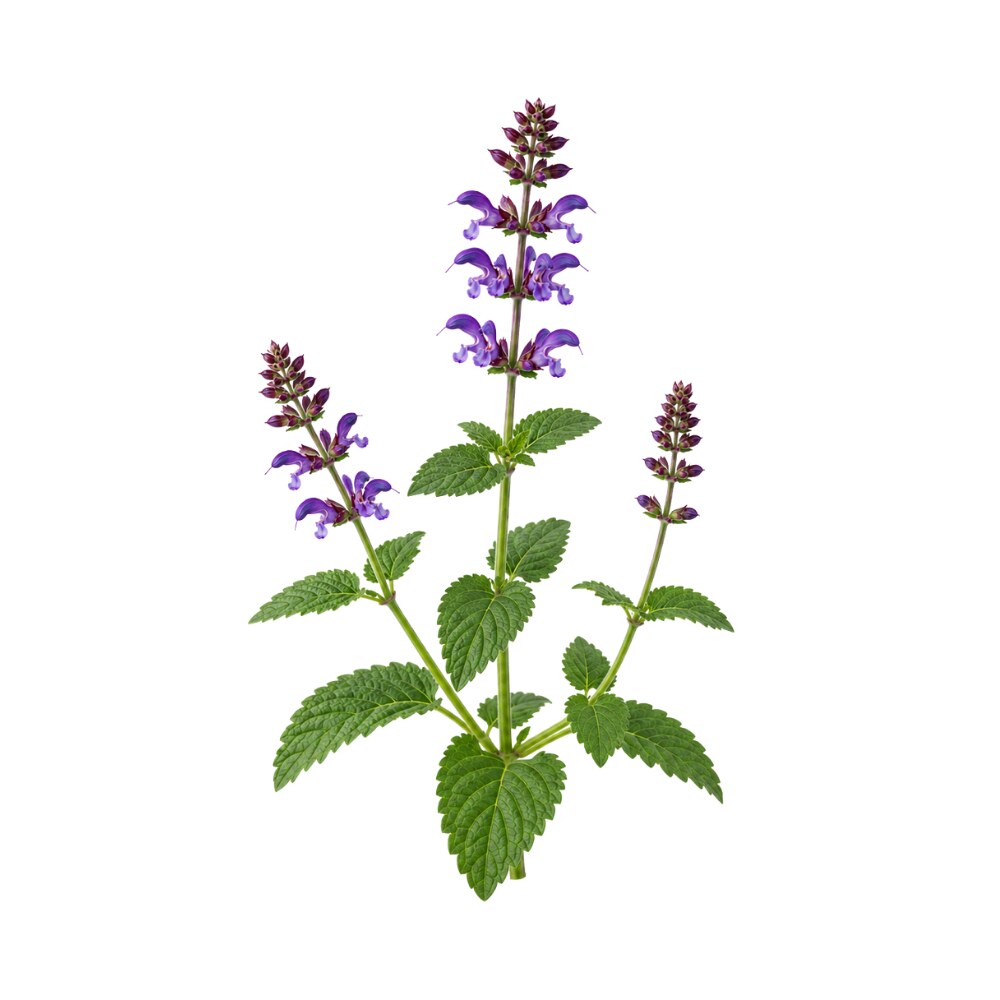 PreclinicalPreclinicalDan ShenSalvia miltiorrhizaThe principal Chinese blood-moving herb, with a substantial antifibrotic literature that stops at the animal. Salvianolic acid A attenuates carbon tetrachloride-induced liver fibrosis in animals by regulating the PI3K/AKT/mTOR pathway 69Reference 69Salvianolic acid A attenuates CCl₄-induced liver fibrosis by regulating the PI3K/AKT/mTOR pathway — animal studyView study →, and related work supports stellate-cell suppression. There is no controlled human trial in liver fibrosis.Read the evidenceShow lessMonograph →
Dan shen’s well-evidenced ground is cardiovascular, on the cardiovascular page, where its single most important fact also lives: dan shen raises the INR of people taking warfarin, with case reports of over-anticoagulation and bleeding.
That matters doubly here, since people with liver disease often have deranged clotting already.
No herbs match these filters.
Also Tagged
34 more herbs are tagged for this system.
Abuta
Cissampelos pareira
Andrographis
Andrographis paniculata
Astragalus
Astragalus mongholicus
Black Pepper
Piper nigrum
Burdock
Arctium lappa
Camu-camu
Myrciaria dubia
Cascara Sagrada
Frangula purshiana
Catnip
Nepeta cataria
Chaga
Inonotus obliquus
Chinese Skullcap
Scutellaria baicalensis
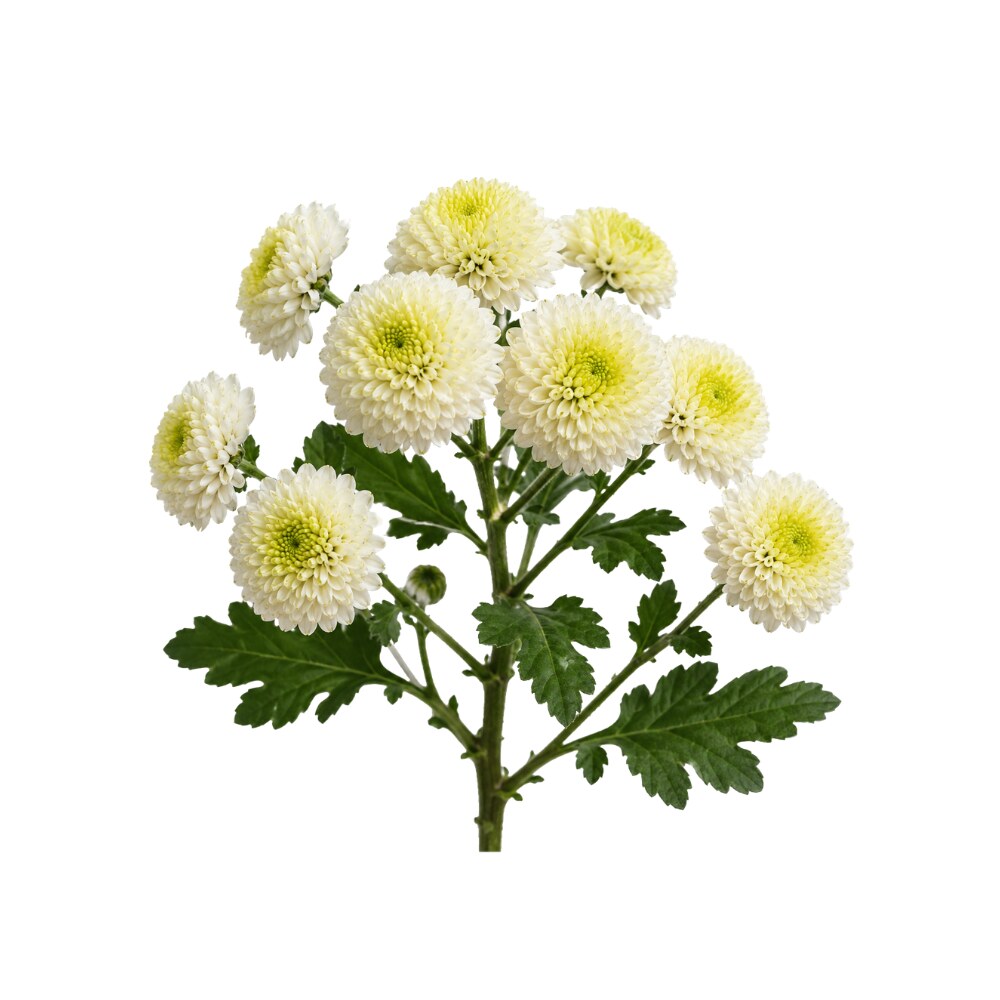
Chrysanthemum
Chrysanthemum morifolium
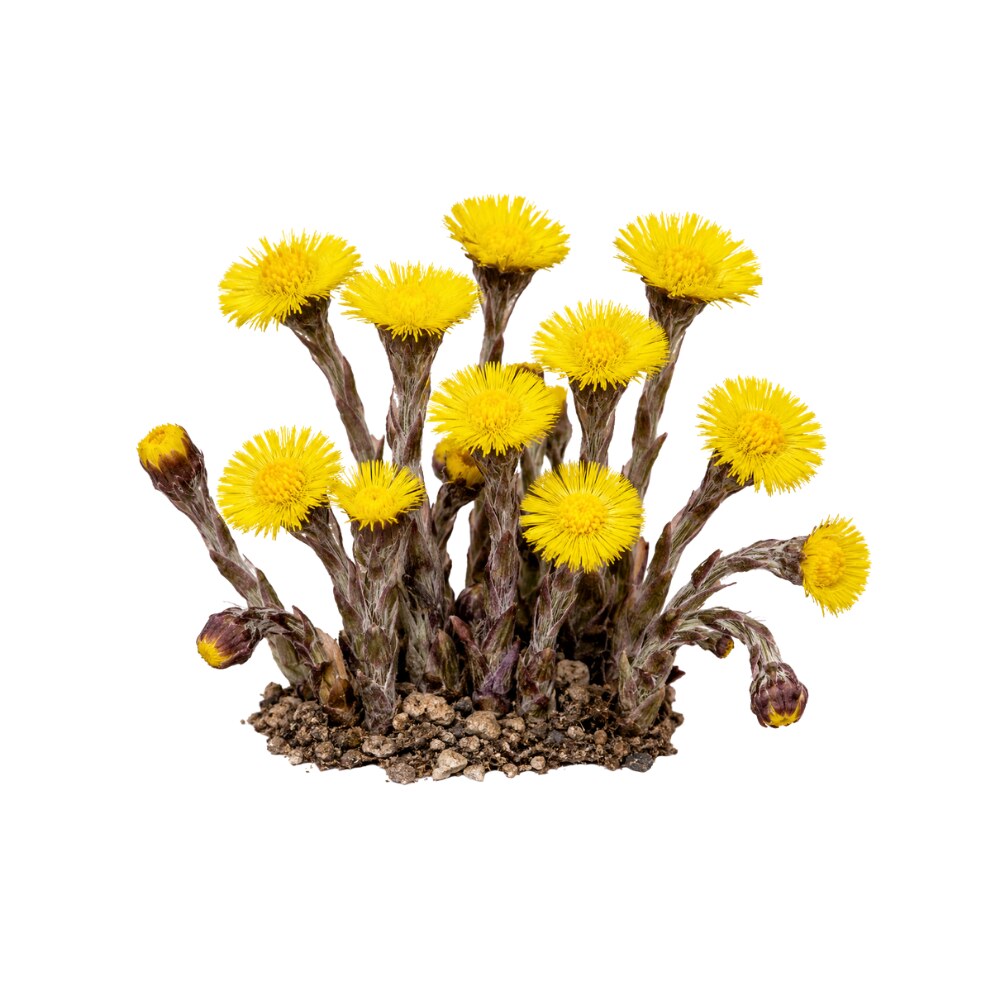
Coltsfoot
Tussilago farfara
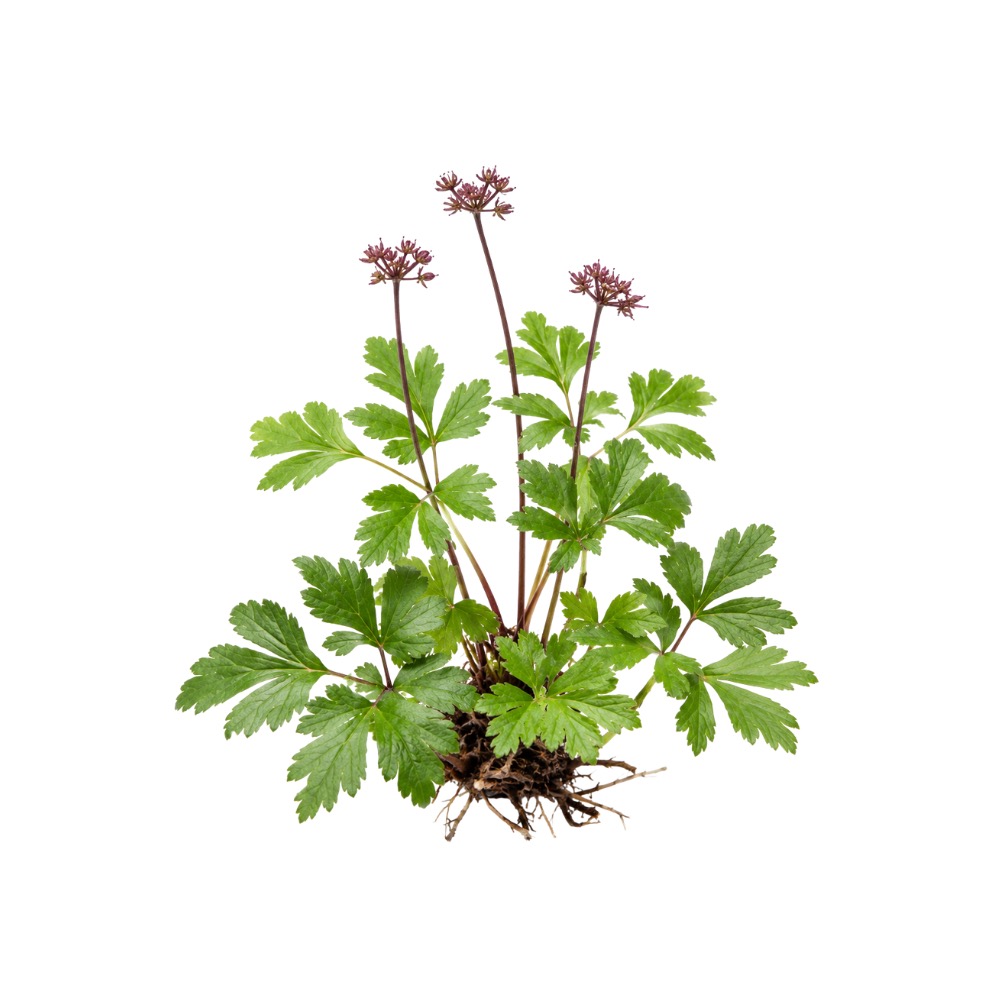
Coptis
Coptis chinensis
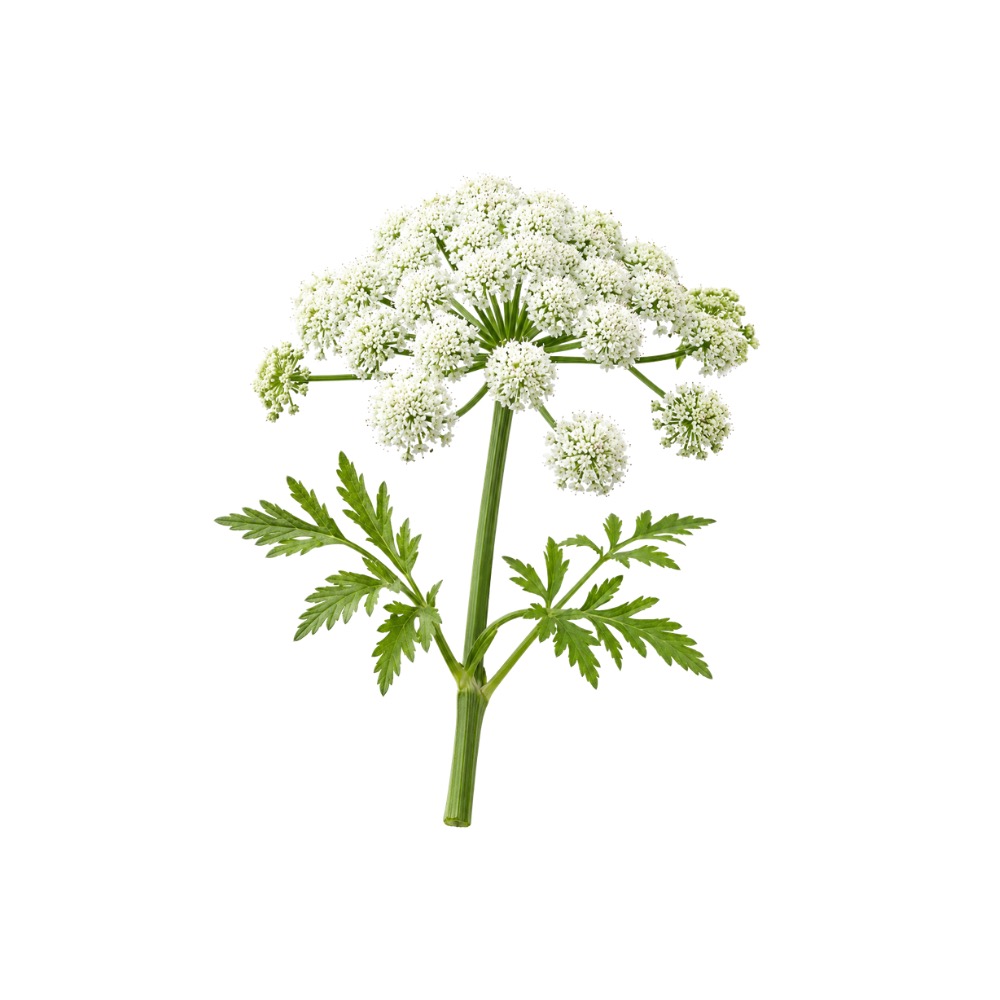
Dong Quai
Angelica sinensis
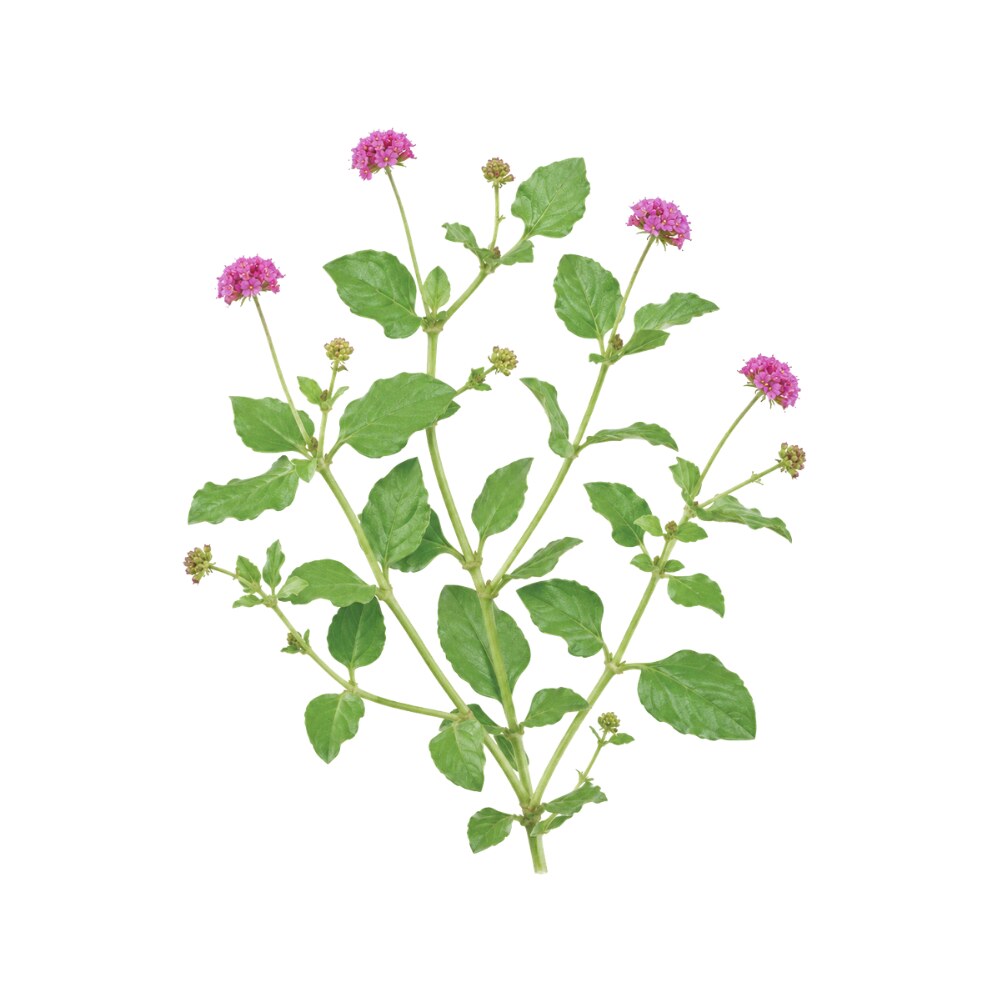
Erva Tostão
Boerhavia diffusa
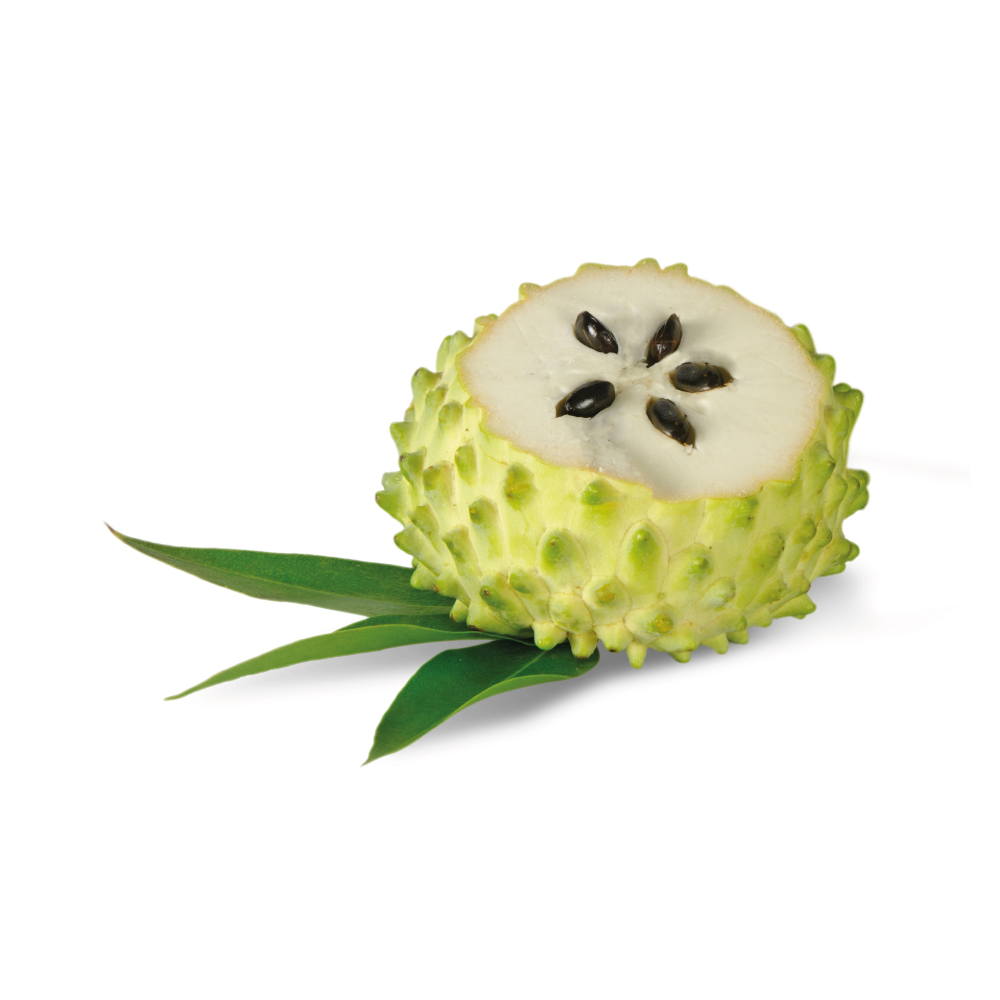
Graviola
Annona muricata
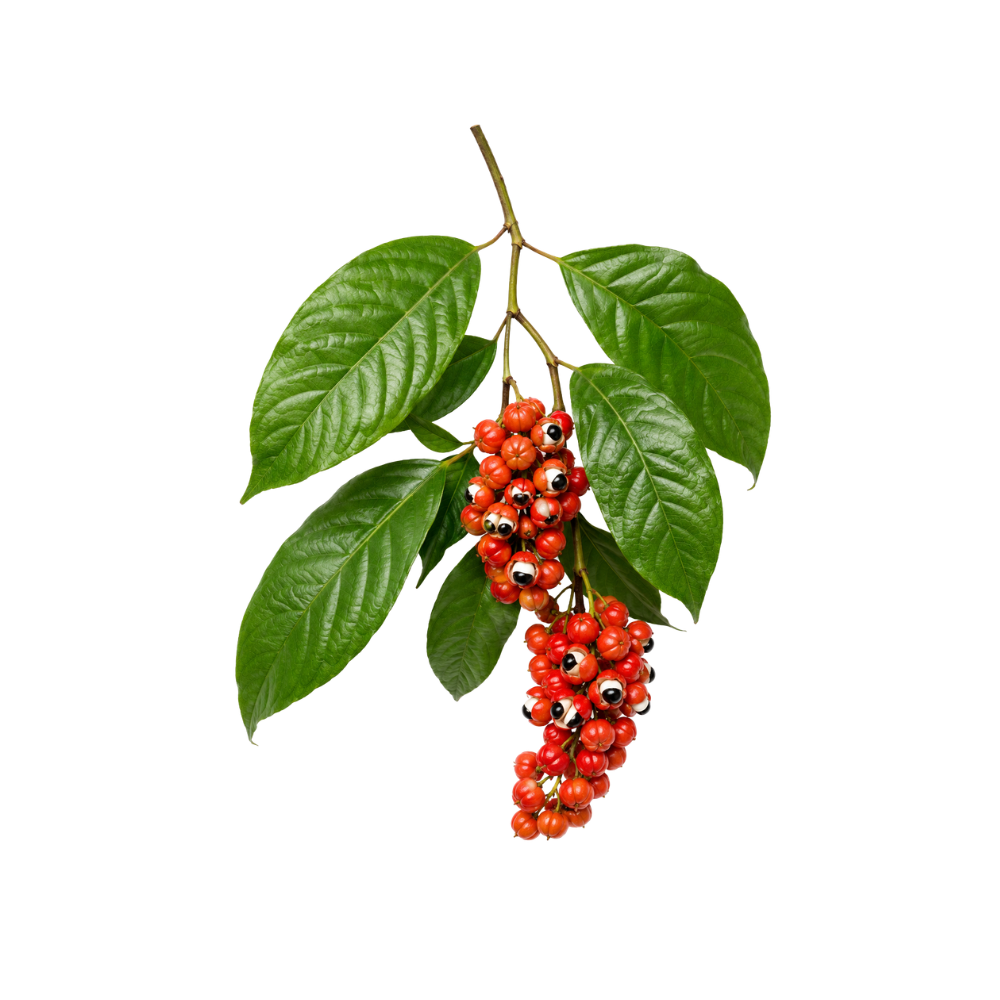
Guarana
Paullinia cupana
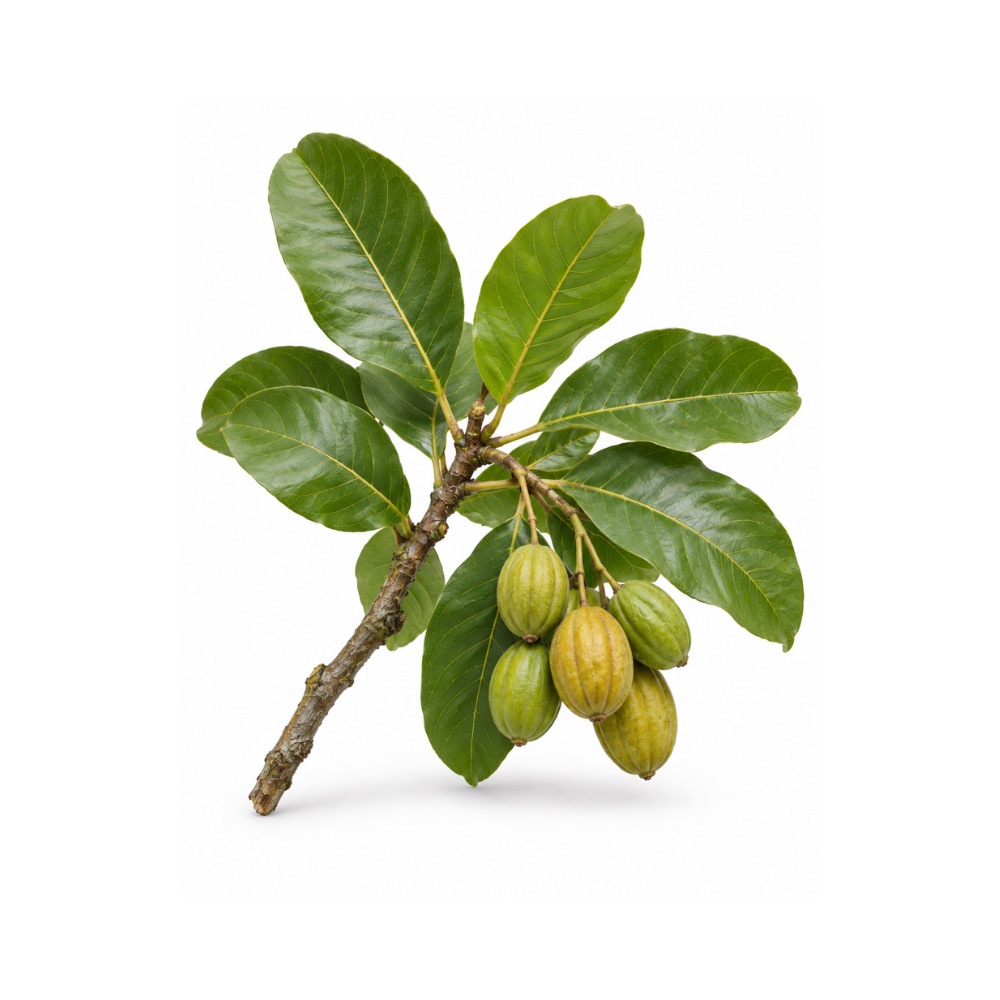
Haritaki
Terminalia chebula
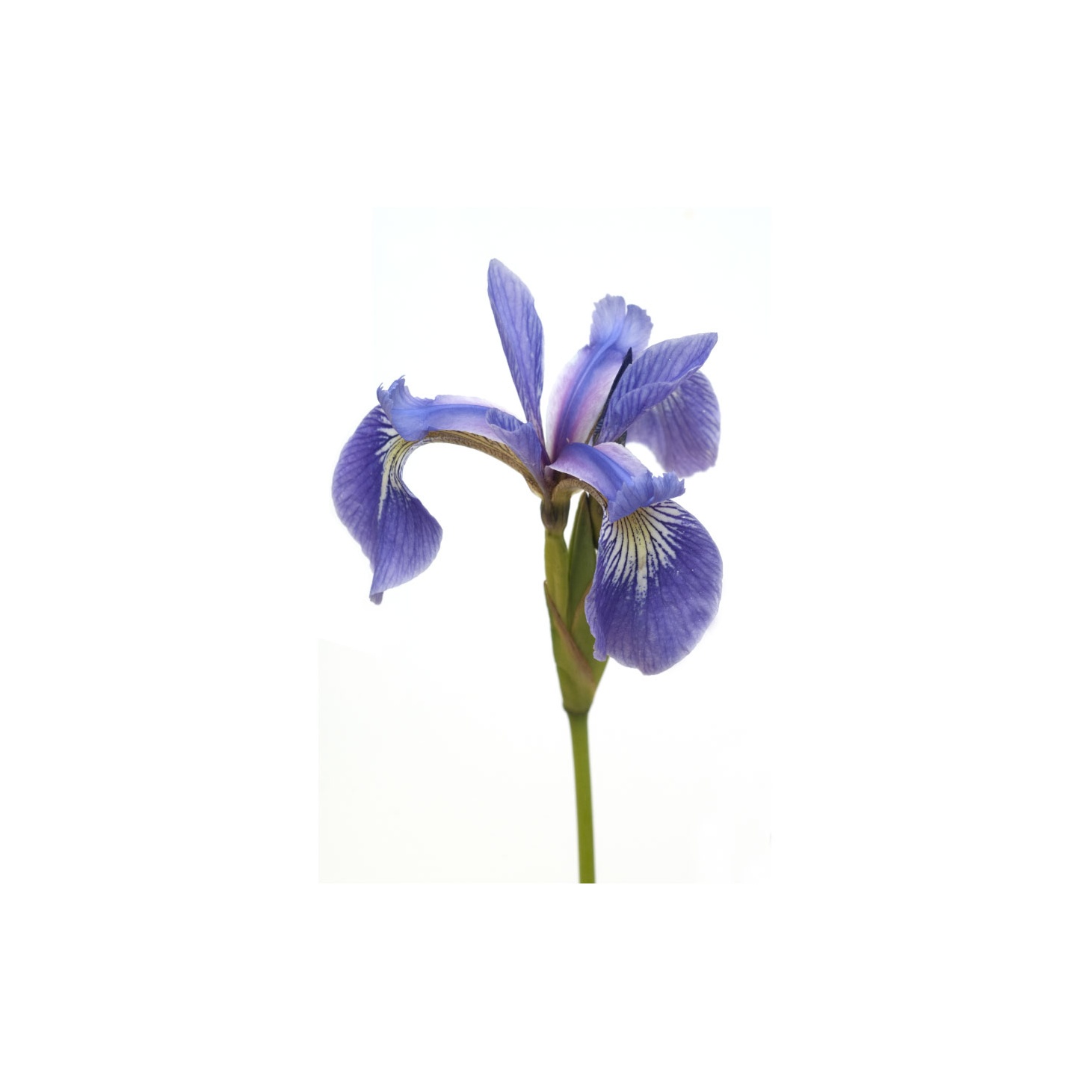
Iris
Iris versicolor
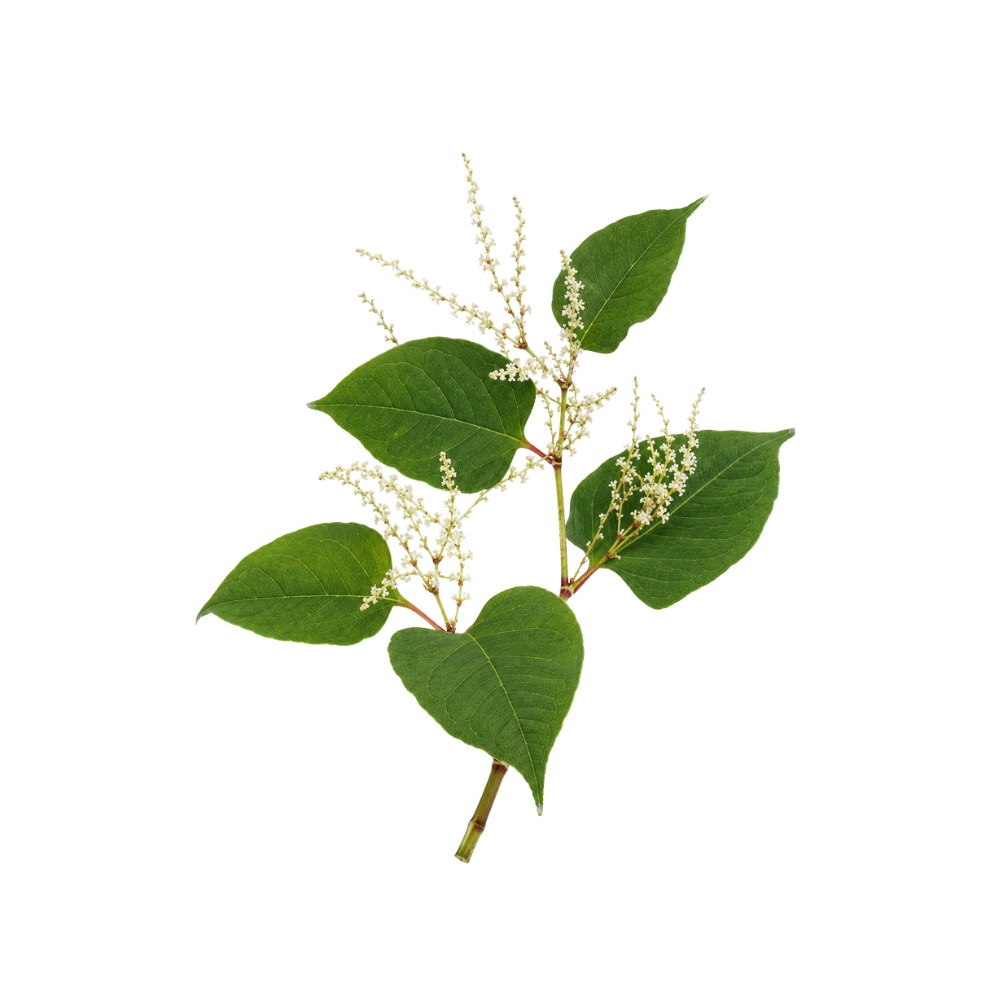
Japanese Knotweed
Reynoutria japonica
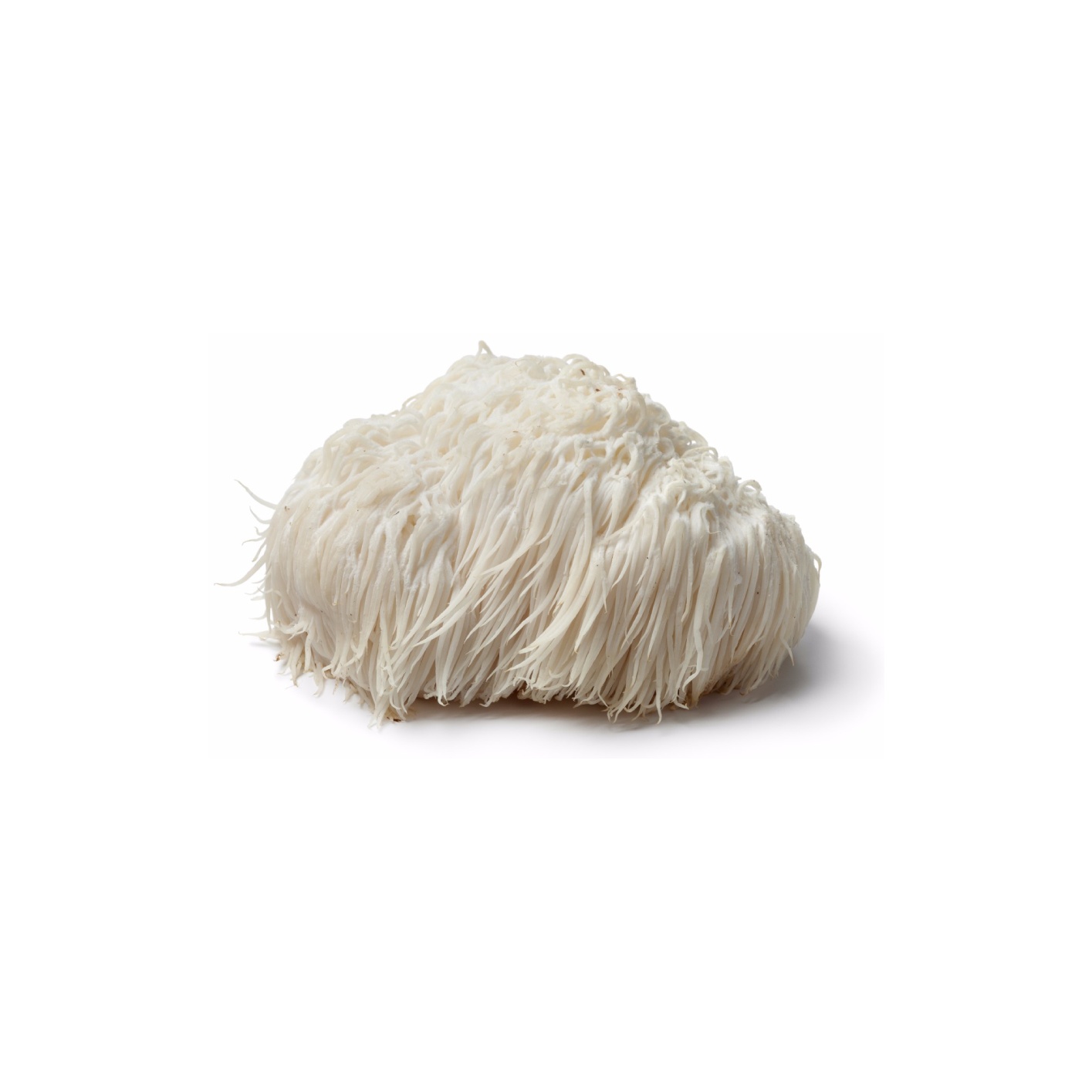
Lion's Mane
Hericium erinaceus
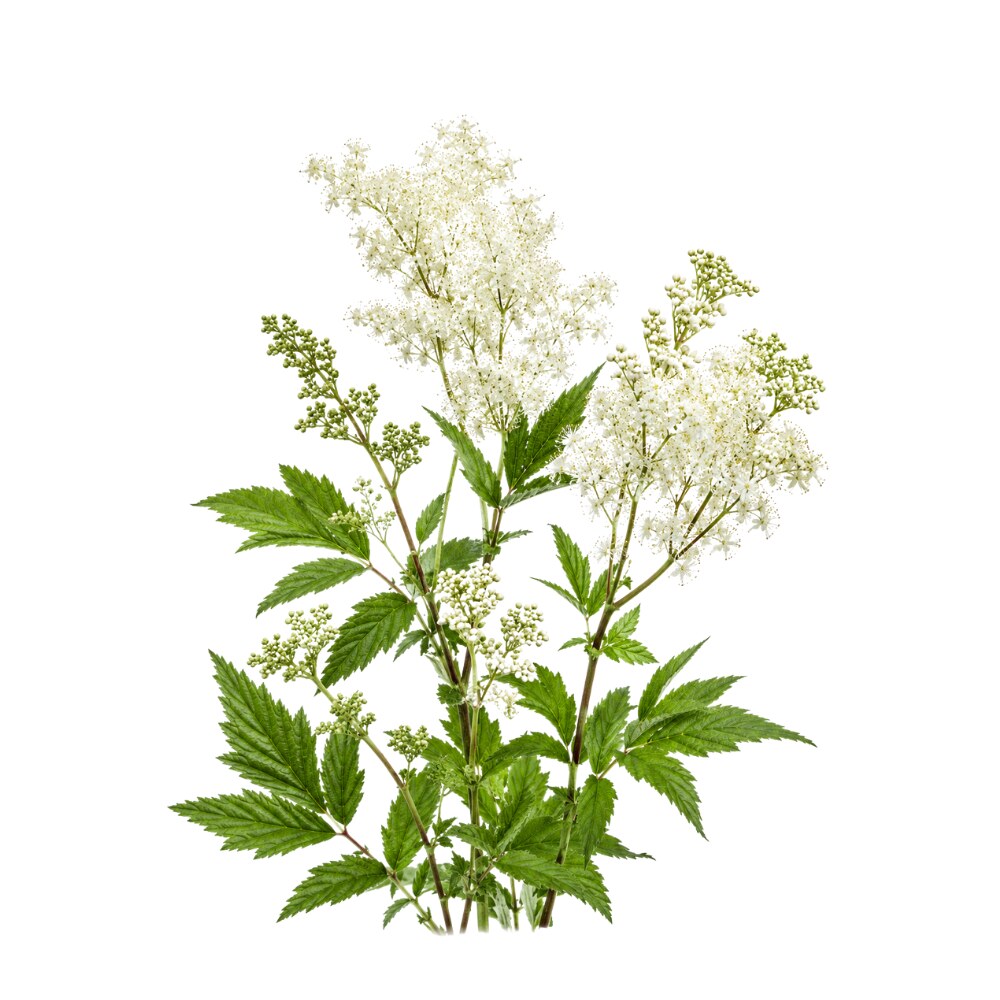
Meadowsweet
Filipendula ulmaria
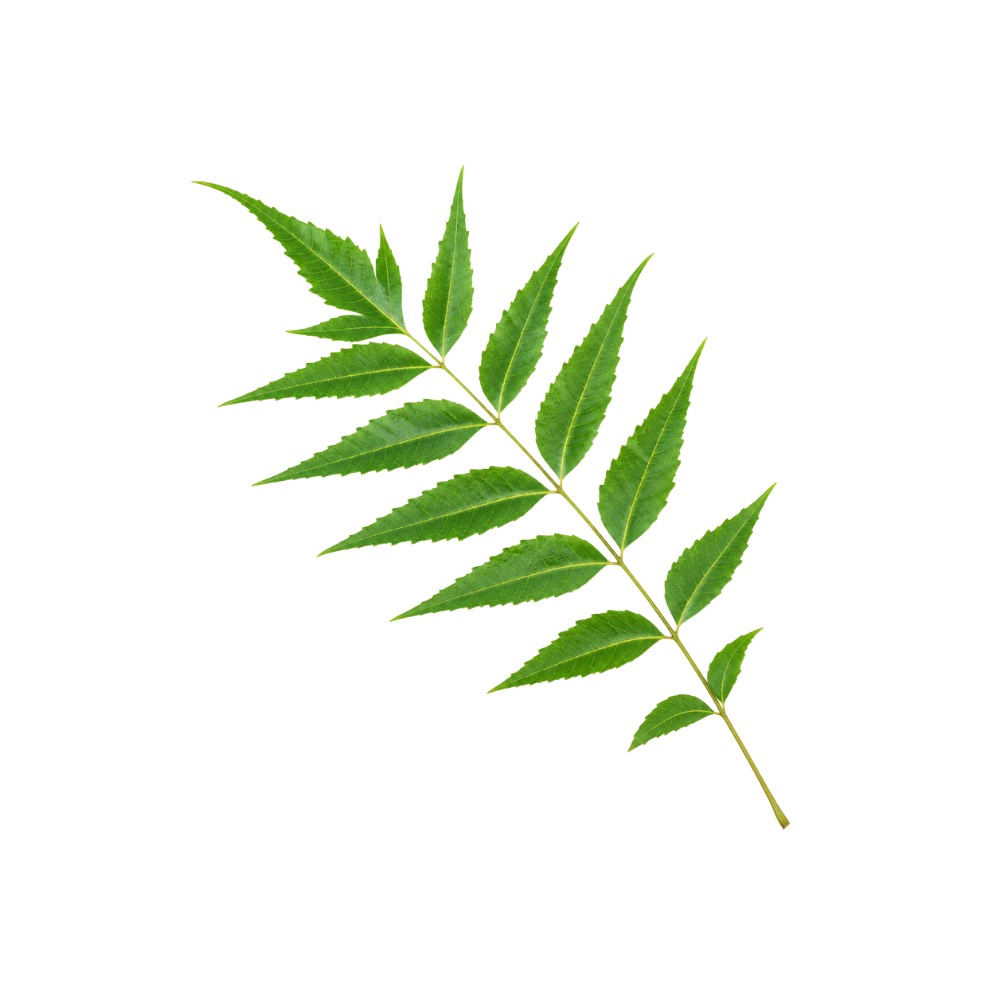
Neem
Azadirachta indica
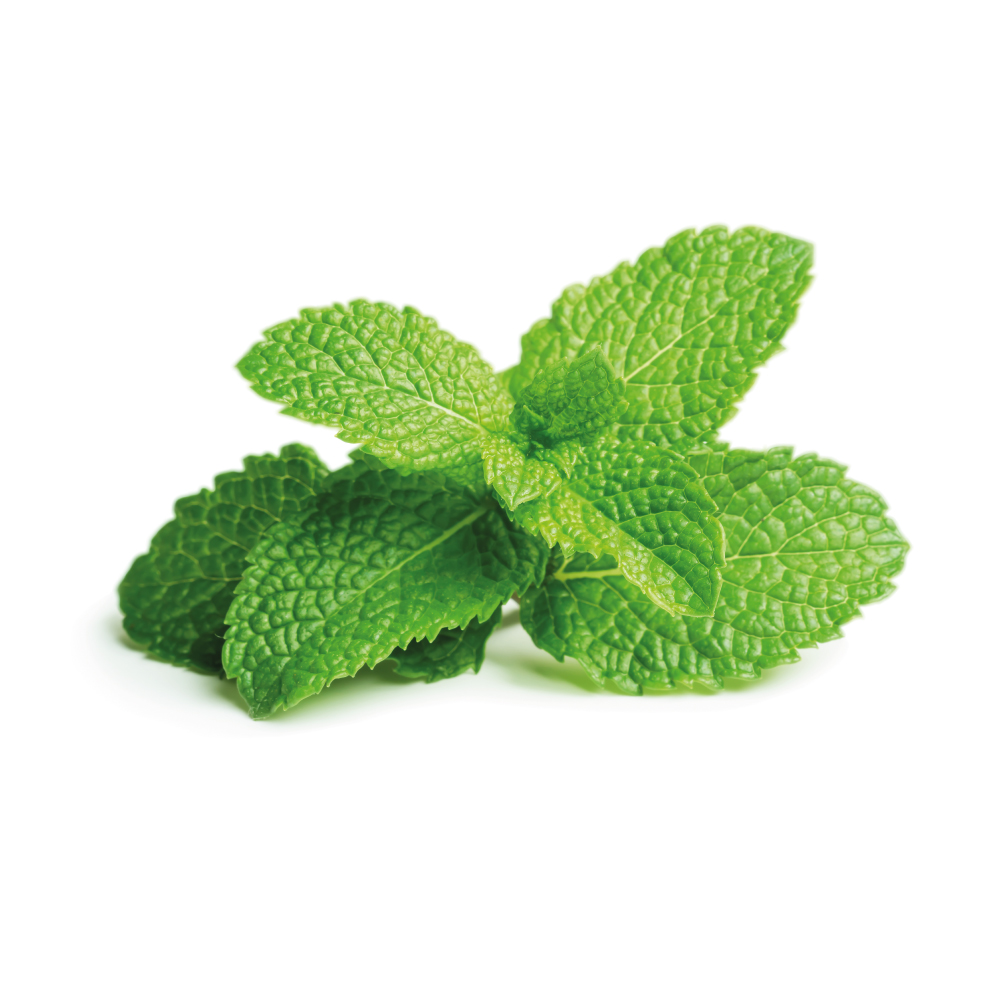
Peppermint
Mentha × piperita
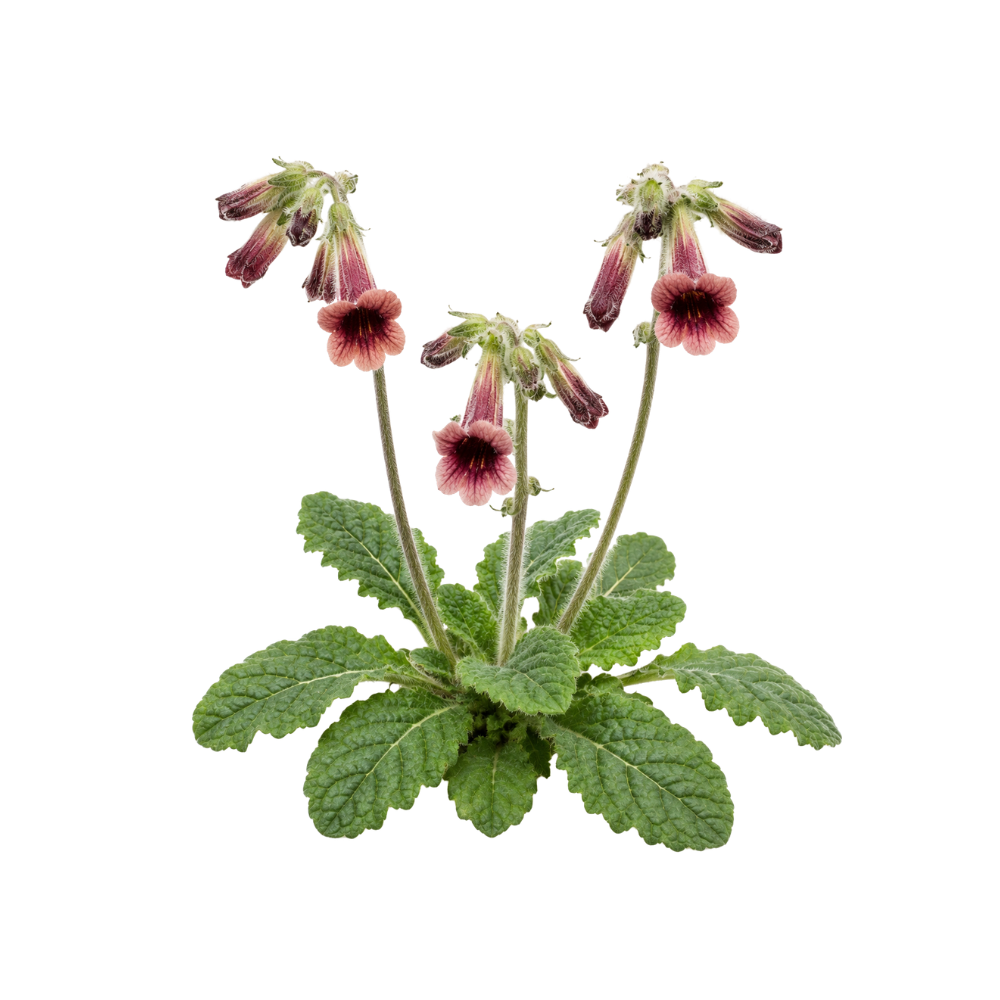
Rehmannia
Rehmannia glutinosa
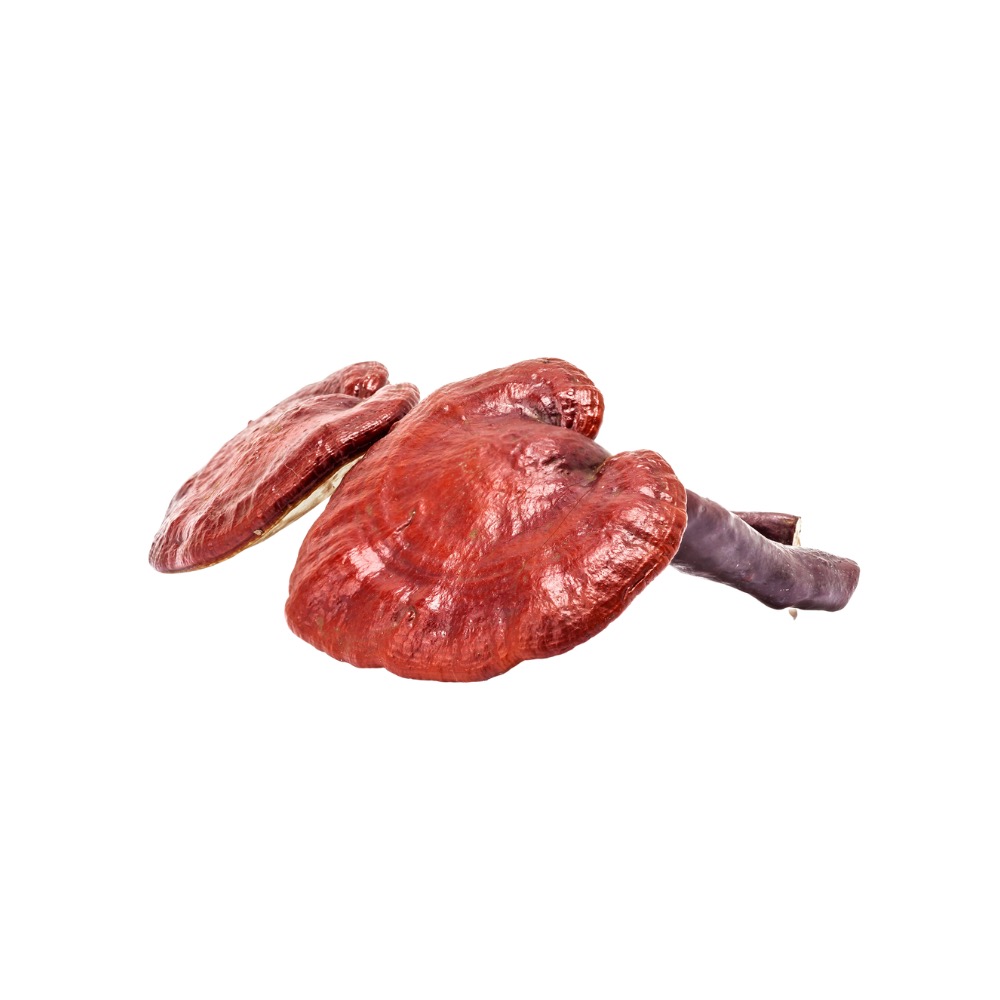
Reishi
Ganoderma lucidum
Rhubarb
Rheum palmatum
Sarsaparilla
Smilax spp.
Simarouba
Simarouba amara
Tarragon
Artemisia dracunculus
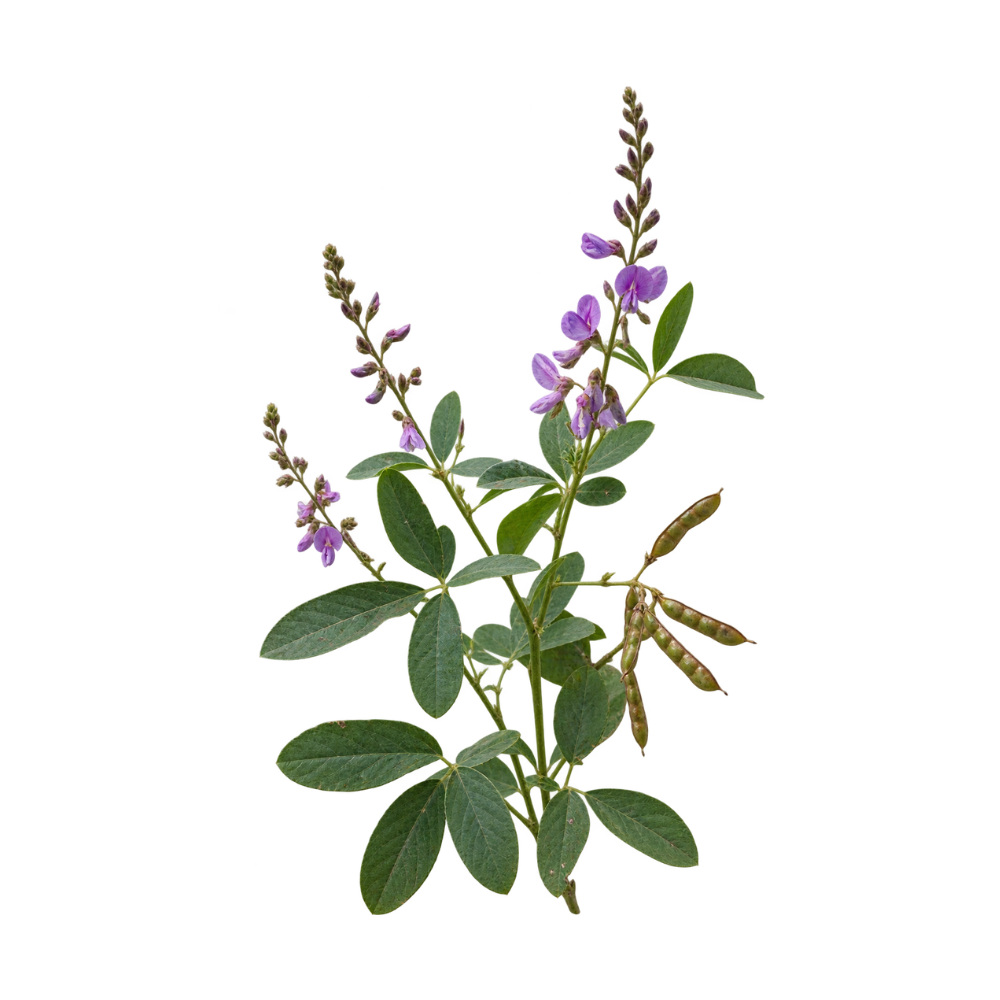
Tick Trefoil
Desmodium spp.
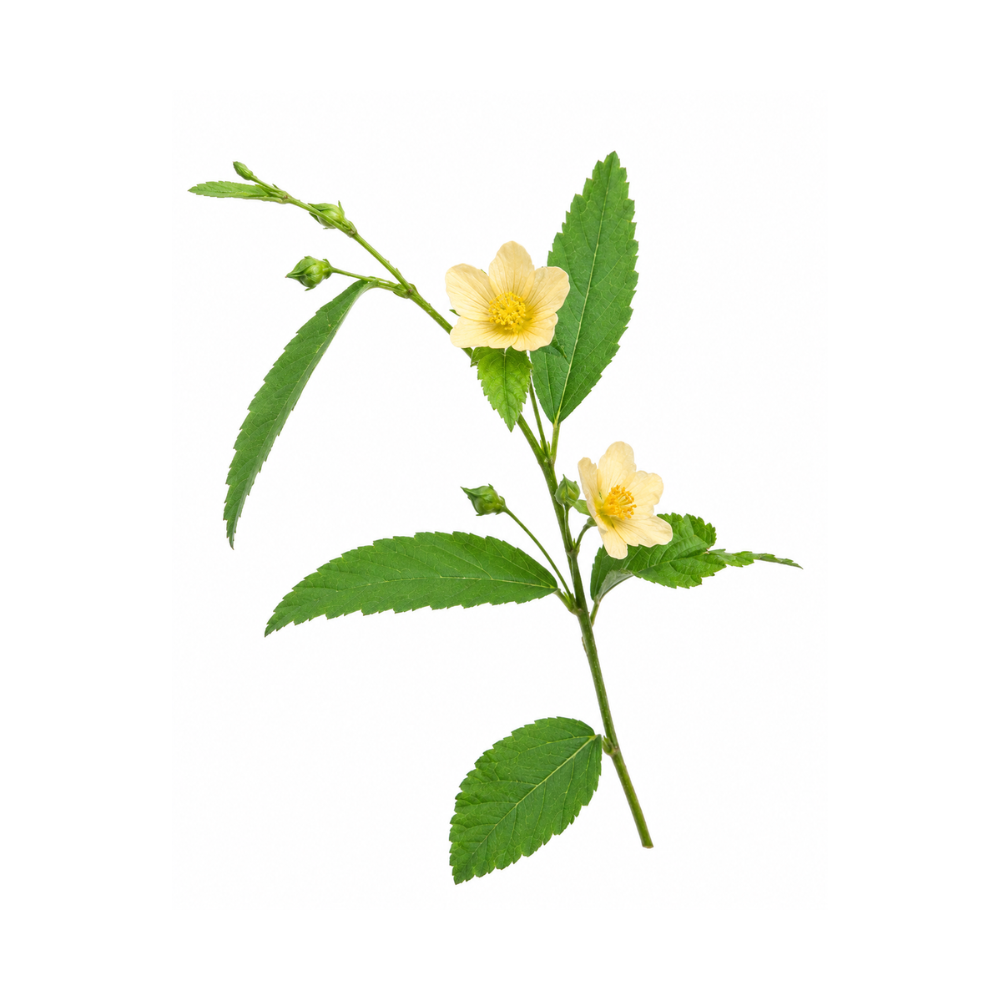
Wireweed
Sida acuta
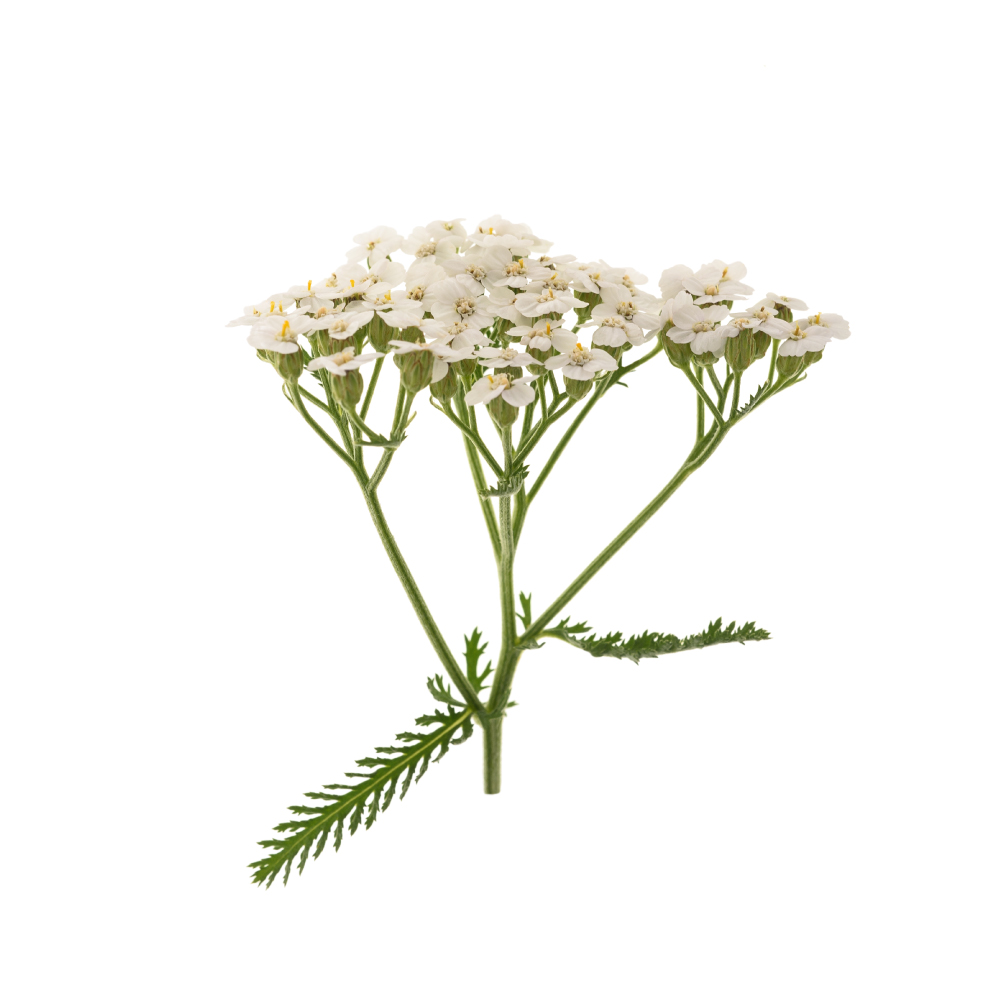
Yarrow
Achillea millefolium
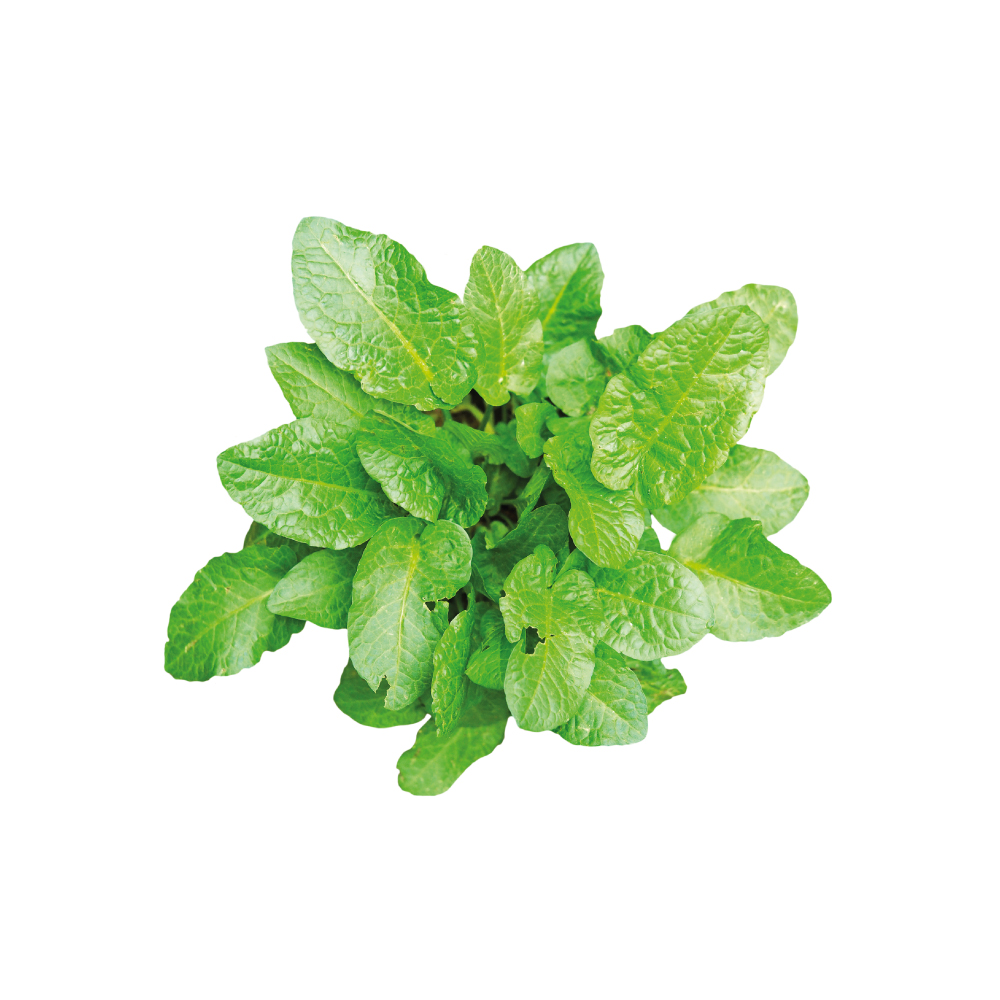
Yellow Dock
Rumex crispus
Safety
Pregnancy & lactation
- Assume avoid in pregnancy and while breastfeeding unless a clinician has advised otherwise.
- Berberine-containing plants are contraindicated in pregnancy and in newborns, where berberine displaces bilirubin and risks kernicterus.
- The concentrated extracts and bioavailability-enhanced isolates that carry this system’s trial evidence are untested in pregnancy.
- Itching, jaundice or abnormal liver tests in pregnancy need obstetric assessment, since cholestasis, HELLP syndrome and acute fatty liver of pregnancy all threaten the pregnancy directly.
- A raised ALT or AST is a signal, not a diagnosis. Viral hepatitis, autoimmune hepatitis, haemochromatosis, alcohol and drug injury are identifiable and mostly treatable.
- Liver detoxes have no basis, and a gallbladder flush expels no stone but can impact one in the bile duct, causing colic, obstruction or pancreatitis.
- A concentrated extract is not the drink. High-dose green tea catechin capsules are a leading cause of herb-induced liver injury, with a partly genetic risk 63,
64, .70Reference 63ReviewUnited States Pharmacopeia (USP) comprehensive review of the hepatotoxicity of green tea extractsView study →Reference 64RCTHepatotoxicity with high-dose green tea extract: effect of catechol-O-methyltransferase and UGT1A4 genotypes — randomised controlled trialView study →Reference 70ReviewGreen tea extract and the risk of drug-induced liver injury — reviewView study → - Pyrrolizidine alkaloids in comfrey, coltsfoot, borage and uncertified butterbur cause veno-occlusive disease that accumulates silently and does not reverse on stopping.
- Cholagogues are contraindicated in biliary obstruction, so jaundice, pale stools or severe right-upper-quadrant pain needs imaging rather than bitters.
- The liver is where drug interactions happen. On immunosuppressants, anticoagulants, anticonvulsants or antiretrovirals, treat every liver herb as an interaction candidate 72Reference 72ReviewDrug-drug interactions of silymarin on the perspective of pharmacokinetics — reviewView study →.
- In cirrhosis nothing is safe without specialist advice, and vomited blood, abdominal swelling or confusion are emergencies rather than herbal problems.
References
- Zhong, S., Fan, Y., Yan, Q., et al. (2017). The therapeutic effect of silymarin in the treatment of nonalcoholic fatty disease — meta-analysis of randomised controlled trials. Medicine (Baltimore). https://pubmed.ncbi.nlm.nih.gov/29245314/
- Wah Kheong, C., Nik Mustapha, N. R., & Mahadeva, S. (2017). A randomized trial of silymarin for the treatment of nonalcoholic steatohepatitis — randomised placebo-controlled trial with biopsy endpoint. Clinical Gastroenterology and Hepatology. https://pubmed.ncbi.nlm.nih.gov/28419855/
- Navarro, V. J., Belle, S. H., D’Amato, M., et al. (2019). Silymarin in non-cirrhotics with non-alcoholic steatohepatitis — randomised, double-blind, placebo-controlled trial. PLoS One. https://pubmed.ncbi.nlm.nih.gov/31536511/
- Loguercio, C., Andreone, P., Brisc, C., et al. (2012). Silybin combined with phosphatidylcholine and vitamin E in patients with nonalcoholic fatty liver disease — randomised controlled trial. Free Radical Biology and Medicine. https://pubmed.ncbi.nlm.nih.gov/22343419/
- Liu, H., Wang, L., Chen, C., et al. (2024). Effects of different natural products in patients with non-alcoholic fatty liver disease — network meta-analysis of randomised controlled trials. Phytotherapy Research. https://pubmed.ncbi.nlm.nih.gov/38886838/
- Kamel, A. M., et al. (2022). Therapeutic potential of artichoke in the treatment of fatty liver — systematic review and meta-analysis of randomised controlled trials. Journal of Medicinal Food. https://pubmed.ncbi.nlm.nih.gov/35763310/
- Moradi, S., et al. (2021). Effects of Cynara scolymus L. supplementation on liver enzymes — systematic review and meta-analysis. International Journal of Clinical Practice. https://pubmed.ncbi.nlm.nih.gov/34383355/
- Panahi, Y., Kianpour, P., Mohtashami, R., et al. (2018). Efficacy of artichoke leaf extract in non-alcoholic fatty liver disease — pilot double-blind randomised controlled trial. Phytotherapy Research. https://pubmed.ncbi.nlm.nih.gov/29520889/
- Holländer, S., et al. (2026). Artichoke leaf extract reduces steatosis and decreases liver size in pre-bariatric patients (SteatoChoke) — randomised placebo-controlled trial. Journal of Clinical Lipidology. https://pubmed.ncbi.nlm.nih.gov/41274796/
- Gebhardt, R. (1998). Inhibition of cholesterol biosynthesis in primary cultured rat hepatocytes by artichoke extracts — in vitro. Journal of Pharmacology and Experimental Therapeutics. https://pubmed.ncbi.nlm.nih.gov/9732368/
- Wei, Z., Liu, N., Tantai, X., et al. (2019). The effects of curcumin on the metabolic parameters of non-alcoholic fatty liver disease — meta-analysis of randomised controlled trials. Hepatology International. https://pubmed.ncbi.nlm.nih.gov/30446932/
- Chen, Y., et al. (2024). Curcumin supplementation alleviates hepatic fat content associated with modulation of gut microbiota-dependent bile acid metabolism in NAFL — randomised controlled trial. American Journal of Clinical Nutrition. https://pubmed.ncbi.nlm.nih.gov/38795741/
- Lombardi, N., Crescioli, G., Maggini, V., et al. (2021). Acute liver injury following turmeric use in Tuscany — case series and systematic review. British Journal of Clinical Pharmacology. https://pubmed.ncbi.nlm.nih.gov/32656820/
- Tang, G., Zhang, L., et al. (2021). Effect of Nigella sativa in the treatment of nonalcoholic fatty liver disease — systematic review and meta-analysis of randomised controlled trials. Phytotherapy Research. https://pubmed.ncbi.nlm.nih.gov/33728708/
- Khonche, A., Huseini, H. F., et al. (2019). Standardized Nigella sativa seed oil ameliorates hepatic steatosis, aminotransferase and lipid levels in NAFLD — randomised, double-blind, placebo-controlled clinical trial. Journal of Ethnopharmacology. https://pubmed.ncbi.nlm.nih.gov/30639231/
- Razmpoosh, E., Safi, S., et al. (2020). The effect of Nigella sativa on measures of liver and kidney parameters — systematic review and dose-response meta-analysis of randomised controlled trials. Pharmacological Research. https://pubmed.ncbi.nlm.nih.gov/32201245/
- Nie, Q., Li, M., Huang, C., et al. (2024). The clinical efficacy and safety of berberine in the treatment of non-alcoholic fatty liver disease — meta-analysis and systematic review. Journal of Translational Medicine. https://pubmed.ncbi.nlm.nih.gov/38429794/
- Iloon Kashkooli, R., et al. (2015). The effect of Berberis vulgaris extract on transaminase activities in non-alcoholic fatty liver disease — clinical trial. Hepatitis Monthly. https://pubmed.ncbi.nlm.nih.gov/25788958/
- Chang, X., et al. (2010). Berberine reduces methylation of the MTTP promoter and alleviates fatty liver induced by a high-fat diet in rats — animal model. Journal of Lipid Research. https://pubmed.ncbi.nlm.nih.gov/20567026/
- Chou, S. C., et al. (2006). The add-on effects of Gynostemma pentaphyllum on nonalcoholic fatty liver disease — randomised controlled trial. Alternative Therapies in Health and Medicine. https://pubmed.ncbi.nlm.nih.gov/16708768/
- Liu, Z. L., et al. (2013). Herbal medicines for fatty liver diseases — Cochrane systematic review. Cochrane Database of Systematic Reviews. https://pubmed.ncbi.nlm.nih.gov/23975682/
- Jiang, F. Y., et al. (2024). Gynostemma pentaphyllum extract alleviates NASH in mice: inflammation and gut microbiota — mouse model. Nutrients. https://pubmed.ncbi.nlm.nih.gov/38892715/
- Hajiaghamohammadi, A. A., et al. (2012). Efficacy of licorice root extract in decreasing transaminase activities in non-alcoholic fatty liver disease — randomised controlled trial. Phytotherapy Research. https://pubmed.ncbi.nlm.nih.gov/22308054/
- Rostamizadeh, P., et al. (2022). Effects of licorice root supplementation on liver enzymes, steatosis and oxidative stress in women with non-alcoholic fatty liver disease — randomised double-blind trial. Phytotherapy Research. https://pubmed.ncbi.nlm.nih.gov/35785498/
- Kumada, H. (2002). Long-term treatment of chronic hepatitis C with glycyrrhizin (Stronger Neo-Minophagen C) for preventing liver cirrhosis and hepatocellular carcinoma — cohort study. Oncology. https://pubmed.ncbi.nlm.nih.gov/11868794/
- van Rossum, T. G., et al. (2001). Glycyrrhizin-induced reduction of ALT in European patients with chronic hepatitis C — randomised trial. American Journal of Gastroenterology. https://pubmed.ncbi.nlm.nih.gov/11513186/
- Gao, W., et al. (2023). Comparative effectiveness of glycyrrhizic acid preparations on liver function in patients with chronic hepatitis B — network meta-analysis of 53 randomised controlled trials. Phytomedicine. https://pubmed.ncbi.nlm.nih.gov/37224775/
- van Rossum, T. G., et al. (2001). ‘Pseudo-aldosteronism’ induced by intravenous glycyrrhizin treatment of chronic hepatitis C patients — observational study. Journal of Gastroenterology and Hepatology. https://pubmed.ncbi.nlm.nih.gov/11446888/
- Xia, Y., et al. (2011). Phyllanthus species for chronic hepatitis B virus infection — Cochrane systematic review and meta-analysis. Cochrane Database of Systematic Reviews. https://pubmed.ncbi.nlm.nih.gov/21491412/
- Xia, Y., et al. (2013). Phyllanthus species versus antiviral drugs for chronic hepatitis B virus infection — Cochrane systematic review and meta-analysis. Cochrane Database of Systematic Reviews. https://pubmed.ncbi.nlm.nih.gov/23633363/
- Baiguera, C., et al. (2018). Phyllanthus niruri versus placebo for chronic hepatitis B virus infection — randomised controlled trial. Complementary Medicine Research. https://pubmed.ncbi.nlm.nih.gov/30372693/
- Liu, J., et al. (2001). Genus Phyllanthus for chronic hepatitis B virus infection — systematic review. Journal of Viral Hepatitis. https://pubmed.ncbi.nlm.nih.gov/11555193/
- Kong, Z., Liang, N., Yang, G. L., et al. (2019). Xiao Chai Hu Tang, a herbal medicine, for chronic hepatitis B — Cochrane systematic review and meta-analysis. Cochrane Database of Systematic Reviews. https://pubmed.ncbi.nlm.nih.gov/31697415/
- Chiang, L.-C., Ng, L.-T., Liu, L.-T., et al. (2003). Cytotoxicity and anti-hepatitis B virus activities of saikosaponins from Bupleurum species — in vitro. Planta Medica. https://pubmed.ncbi.nlm.nih.gov/14531019/
- Niederau, C., & Göpfert, E. (1999). The effect of chelidonium- and turmeric root extract on upper abdominal pain due to functional disorders of the biliary system — placebo-controlled double-blind randomised study. Medizinische Klinik. https://pubmed.ncbi.nlm.nih.gov/10495621/
- Vahlensieck, U., Hahn, R., Winterhoff, H., et al. (1995). The effect of Chelidonium majus herb extract on choleresis in the isolated perfused rat liver — animal model. Planta Medica. https://pubmed.ncbi.nlm.nih.gov/7617771/
- Teschke, R., Glass, X., & Schulze, J. (2011). Herbal hepatotoxicity by greater celandine (Chelidonium majus) — causality assessment of 22 spontaneous reports. Regulatory Toxicology and Pharmacology. https://pubmed.ncbi.nlm.nih.gov/21893153/
- Pantano, F., Mannocchi, G., Marinelli, E., et al. (2017). Hepatotoxicity induced by greater celandine (Chelidonium majus L.) — review of the literature. European Review for Medical and Pharmacological Sciences. https://pubmed.ncbi.nlm.nih.gov/28379595/
- Ciornolutchii, V., Ismaiel, A., Sabo, C. M., et al. (2024). Liver toxicity caused by Chelidonium majus L.: two cases of herb-induced liver injury and literature review. American Journal of Therapeutics. https://pubmed.ncbi.nlm.nih.gov/38820341/
- Ge, B., Sang, R., Wang, W., et al. (2023). Protection of taraxasterol against acetaminophen-induced liver injury — network pharmacology with in vitro and in vivo experiments. Phytomedicine. https://pubmed.ncbi.nlm.nih.gov/37209606/
- Hfaiedh, M., Brahmi, D., & Zourgui, L. (2016). Hepatoprotective effect of Taraxacum officinale leaf extract on sodium dichromate-induced liver injury in rats — animal model. Environmental Toxicology. https://pubmed.ncbi.nlm.nih.gov/25270677/
- Oztürk, N., et al. (1998). Choleretic activity of Gentiana lutea ssp. symphyandra in rats — animal model. Phytomedicine. https://pubmed.ncbi.nlm.nih.gov/23195900/
- Kitić, N., et al. (2024). Spasmolytic activity of Gentiana lutea L. root extracts on rat ileum — ex vivo. Plants (Basel). https://pubmed.ncbi.nlm.nih.gov/38337986/
- Mengs, U., Pohl, R. T., & Mitchell, T. (2012). Legalon SIL: the antidote of choice in patients with acute hepatotoxicity from amatoxin poisoning — clinical review and case series. Current Pharmaceutical Biotechnology. https://pubmed.ncbi.nlm.nih.gov/22352731/
- Hruby, K., Csomos, G., Fuhrmann, M., & Thaler, H. (1983). Chemotherapy of Amanita phalloides poisoning with intravenous silibinin — clinical case series. Human Toxicology. https://pubmed.ncbi.nlm.nih.gov/6862461/
- Luangchosiri, C., Thakkinstian, A., Chitphuk, S., et al. (2015). A double-blinded randomized controlled trial of silymarin for the prevention of antituberculosis drug-induced liver injury. BMC Complementary and Alternative Medicine. https://pubmed.ncbi.nlm.nih.gov/26400476/
- Tao, L., Qu, X., Zhang, Y., et al. (2019). Prophylactic therapy of silymarin (milk thistle) on antituberculosis drug-induced liver injury — meta-analysis of randomised controlled trials. Canadian Journal of Gastroenterology and Hepatology. https://pubmed.ncbi.nlm.nih.gov/30733935/
- Rambaldi, A., Jacobs, B. P., & Gluud, C. (2007). Milk thistle for alcoholic and/or hepatitis B or C virus liver diseases — Cochrane systematic review and meta-analysis. Cochrane Database of Systematic Reviews. https://pubmed.ncbi.nlm.nih.gov/17943794/
- Fried, M. W., Navarro, V. J., Afdhal, N., et al. (2012). Effect of silymarin (milk thistle) on liver disease in patients with chronic hepatitis C unsuccessfully treated with interferon therapy — multicentre randomised controlled trial. JAMA. https://pubmed.ncbi.nlm.nih.gov/22797645/
- Jiang, Y., Fan, X., Wang, Y., et al. (2016). Schisandrol B protects against acetaminophen-induced acute hepatotoxicity in mice via activation of the NRF2/ARE signaling pathway — mouse model. Acta Pharmacologica Sinica. https://pubmed.ncbi.nlm.nih.gov/26806302/
- Ko, K.-M., Mak, D. H. F., Li, P.-C., et al. (1995). Enhancement of hepatic glutathione regeneration capacity by a lignan-enriched extract of Fructus schisandrae in rats — animal model. Japanese Journal of Pharmacology. https://pubmed.ncbi.nlm.nih.gov/8786649/
- Huang, B. H., Lv, B. H., Wu, D. J., et al. (2025). Efficacy of Schisandra chinensis in liver injury — systematic review and preclinical meta-analysis of animal studies. Frontiers in Pharmacology. https://pubmed.ncbi.nlm.nih.gov/40832608/
- Chen, Z., et al. (2013). Reduced hepatotoxicity by total glucosides of paeony in combination treatment with leflunomide and methotrexate for patients with active rheumatoid arthritis — randomised controlled trial. International Immunopharmacology. https://pubmed.ncbi.nlm.nih.gov/23415907/
- Xiang, N., Li, X. M., Zhang, M. J., et al. (2015). Total glucosides of paeony can reduce the hepatotoxicity caused by methotrexate and leflunomide combination treatment of active rheumatoid arthritis — randomised controlled trial. International Immunopharmacology. https://pubmed.ncbi.nlm.nih.gov/26292180/
- Wang, J. B., et al. (2022). Corticosteroid plus glycyrrhizin therapy for chronic drug- or herb-induced liver injury — randomised open-label trial. Alimentary Pharmacology & Therapeutics. https://pubmed.ncbi.nlm.nih.gov/35362188/
- Amat, N., Upur, H., & Blažeković, B. (2010). In vivo hepatoprotective activity of the aqueous extract of Artemisia absinthium L. against chemically and immunologically induced liver injuries in mice — animal model. Journal of Ethnopharmacology. https://pubmed.ncbi.nlm.nih.gov/20637853/
- Saxena, M., Shukla, S. (2012). Reversal of carbon tetrachloride-induced hepatic injury by aqueous extract of Artemisia absinthium in Sprague-Dawley rats — animal model. Journal of Environmental Pathology, Toxicology and Oncology. https://pubmed.ncbi.nlm.nih.gov/23394445/
- Manzoor, R., et al. (2026). Artemisia absinthium attenuates hepatic fibrosis in mice by suppressing hepatic stellate cell activation and modulating inflammatory chemokine signalling — animal model. Cell Biochemistry and Biophysics. https://pubmed.ncbi.nlm.nih.gov/41849079/
- Kennedy, O. J., Roderick, P., Buchanan, R., et al. (2017). Coffee, including caffeinated and decaffeinated coffee, and the risk of hepatocellular carcinoma — systematic review and dose-response meta-analysis. BMJ Open. https://pubmed.ncbi.nlm.nih.gov/28490552/
- Choi, H. B., et al. (2026). Coffee and the risk of hepatocellular carcinoma — systematic review and meta-analysis of Mendelian randomization studies. Gut and Liver. https://pubmed.ncbi.nlm.nih.gov/40852740/
- Kositamongkol, C., et al. (2021). Coffee consumption and non-alcoholic fatty liver disease — umbrella review and systematic review and meta-analysis. Frontiers in Pharmacology. https://pubmed.ncbi.nlm.nih.gov/34966282/
- Huang, Y. Q., Lu, X., Min, H., et al. (2016). Green tea and liver cancer risk — meta-analysis of prospective cohort studies in Asian populations. Nutrition. https://pubmed.ncbi.nlm.nih.gov/26412579/
- Oketch-Rabah, H. A., Roe, A. L., Rider, C. V., et al. (2020). United States Pharmacopeia (USP) comprehensive review of the hepatotoxicity of green tea extracts. Toxicology Reports. https://pubmed.ncbi.nlm.nih.gov/32140423/
- Acosta, L., Byham-Gray, L., Kurzer, M., et al. (2023). Hepatotoxicity with high-dose green tea extract: effect of catechol-O-methyltransferase and UGT1A4 genotypes — randomised controlled trial. Journal of Dietary Supplements. https://pubmed.ncbi.nlm.nih.gov/36178169/
- Patel, S. S., Beer, S., Kearney, D. L., et al. (2013). Green tea extract: a potential cause of acute liver failure — case report. World Journal of Gastroenterology. https://pubmed.ncbi.nlm.nih.gov/23964154/
- Oka, H., Yamamoto, S., Kuroki, T., et al. (1995). Prospective study of chemoprevention of hepatocellular carcinoma with Sho-saiko-to (TJ-9) — randomised controlled trial. Cancer. https://pubmed.ncbi.nlm.nih.gov/8625175/
- Shimizu, I. (2000). Sho-saiko-to: Japanese herbal medicine for protection against hepatic fibrosis and carcinoma — review. Journal of Gastroenterology and Hepatology. https://pubmed.ncbi.nlm.nih.gov/10759225/
- Li, X., et al. (2017). Saikosaponins induced hepatotoxicity in mice via lipid metabolism dysregulation and oxidative stress — proteomic animal study. BMC Complementary and Alternative Medicine. https://pubmed.ncbi.nlm.nih.gov/28420359/
- Wang, R., et al. (2019). Salvianolic acid A attenuates CCl₄-induced liver fibrosis by regulating the PI3K/AKT/mTOR pathway — animal study. Drug Design, Development and Therapy. https://pubmed.ncbi.nlm.nih.gov/31213776/
- Teschke, R., Zhang, L., Melzer, L., et al. (2014). Green tea extract and the risk of drug-induced liver injury — review. Expert Opinion on Drug Metabolism & Toxicology. https://pubmed.ncbi.nlm.nih.gov/25316200/
- Ceccuzzi, G., et al. (2023). Liquorice toxicity: a comprehensive narrative review. Nutrients. https://pubmed.ncbi.nlm.nih.gov/37764649/
- Wu, J. W., Lin, L. C., & Tsai, T. H. (2009). Drug-drug interactions of silymarin on the perspective of pharmacokinetics — review. Journal of Ethnopharmacology. https://pubmed.ncbi.nlm.nih.gov/19041708/
Keep Exploring