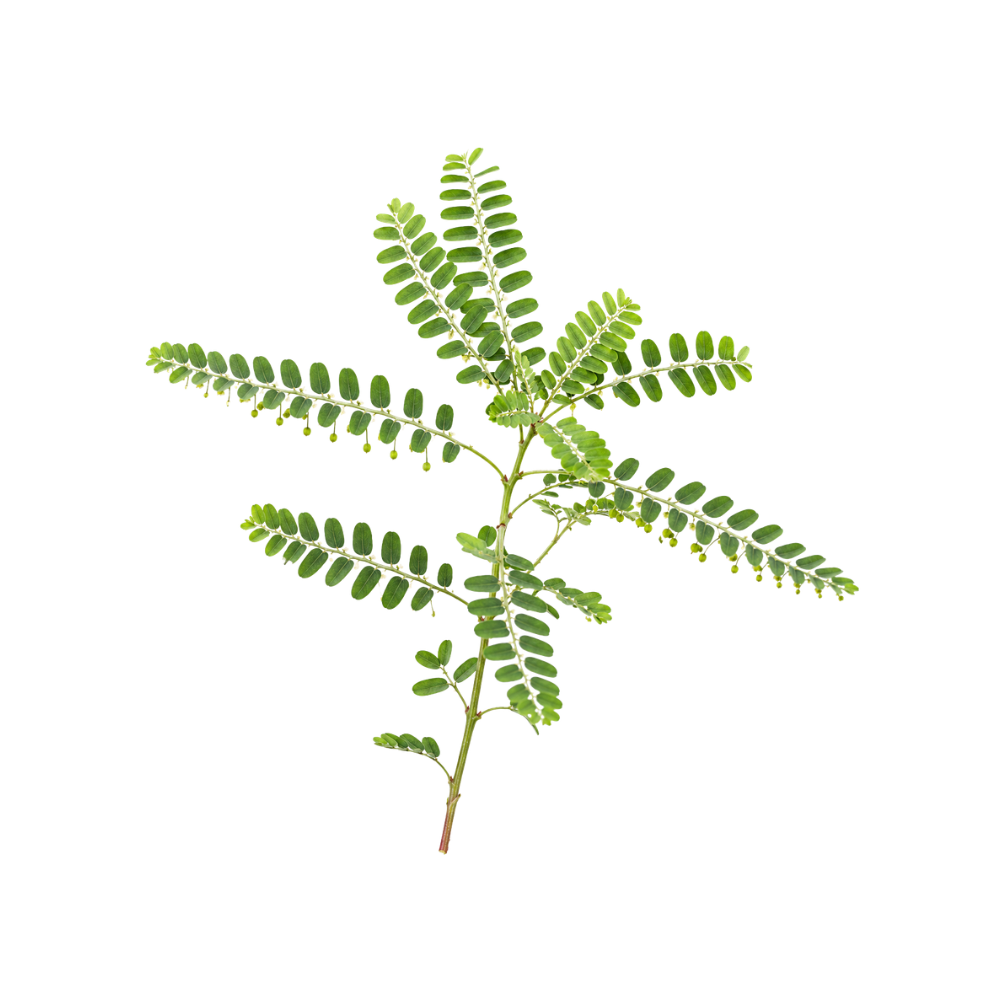
Amla
Phyllanthus emblica
Plant Family
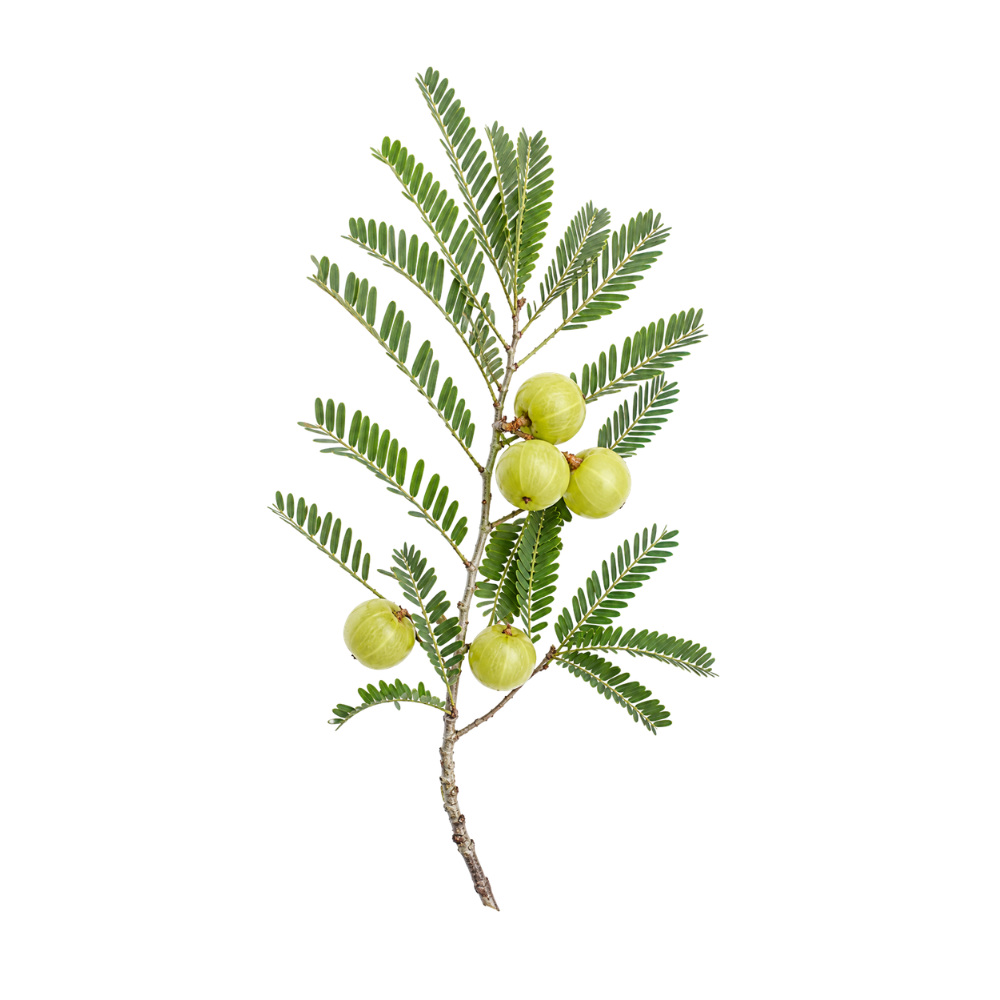
Pictured: Amla
Phyllanthus family
A tropical family split from the spurges, whose medicinal centre is Phyllanthus — chanca piedra for urinary stones and P. amarus for hepatitis B.
2 Herbs // 4 Constituents // 5 Notable Members
Overview
Around 60 genera and 2,000 species of tropical and subtropical herbs, shrubs and trees. The family was split out of the spurges (Euphorbiaceae) on molecular evidence, and one practical consequence is that its members lack the milky irritant latex that makes so many true spurges hazardous. A striking feature of many Phyllanthus species is phyllanthoid branching, where lateral branchlets bearing small leaves mimic a compound leaf so convincingly that the whole structure is routinely mistaken for one.
Shared Traits
In Practice
Chanca piedra (Phyllanthus niruri) carries a name that is also its indication — Spanish for “stone breaker” — and it is used across the Amazon, the Caribbean and India for kidney and gallbladder stones. The proposed mechanism is more specific than most folk lithotriptics: the plant appears to interfere with calcium oxalate crystal nucleation and aggregation, reducing crystal growth rather than dissolving formed stones, alongside a mild diuretic and antispasmodic action that may help passage. Small clinical studies — including work following shockwave lithotripsy — report reduced stone recurrence and improved clearance, but the trials are small, heterogeneous and often unblinded.
The second application is hepatitis B. Phyllanthus amarus and relatives have been investigated since the 1980s for inhibition of HBV DNA polymerase and suppression of viral markers. The results have been inconsistent: some trials report seroconversion benefit, Cochrane reviews have found the evidence insufficient and the trial quality poor. It remains an open question rather than a demonstrated therapy — and hepatitis B has effective antiviral treatment, which makes self-medication here a poor trade.
Related to both: Phyllanthus emblica, amla, is one of the richest fruit sources of vitamin C and tannins and a cornerstone of Ayurvedic practice, sitting in this same family.
Safety is generally good, with the important caveat that the plant’s diuretic and reported hypoglycaemic and hypotensive effects mean interaction potential with diabetes and blood-pressure medication. Stone disease should be diagnosed before it is treated.
Materia Medica
The 2 monographs in the database whose Phyllanthaceae membership is recorded on the herb itself — so this list keeps itself current as new herbs land.
Phyllanthus emblica
Phyllanthus niruri
Phytochemistry
Lignans (phyllanthin, hypophyllanthin) are the distinctive class, alongside hydrolysable tannins (corilagin, geraniin), securinega-type alkaloids, and flavonoid glycosides.
Compounds recorded in two or more of the 2 herbs above — the chemistry this family holds in common, grouped by class. A further 14 appear in only one member and are listed on that herb's own page.
Isolates
Sold as isolated compounds that occur in the herbs above.
Beyond the Database
Notable members without a monograph yet.
Keep Exploring