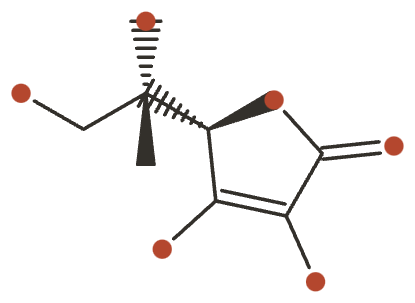
Vitamin C (Ascorbic acid)
Vitamin C (ascorbic acid) is an essential water-soluble vitamin and antioxidant needed for collagen synthesis and normal immune function.

Sources · 7
Where Does It Come From?
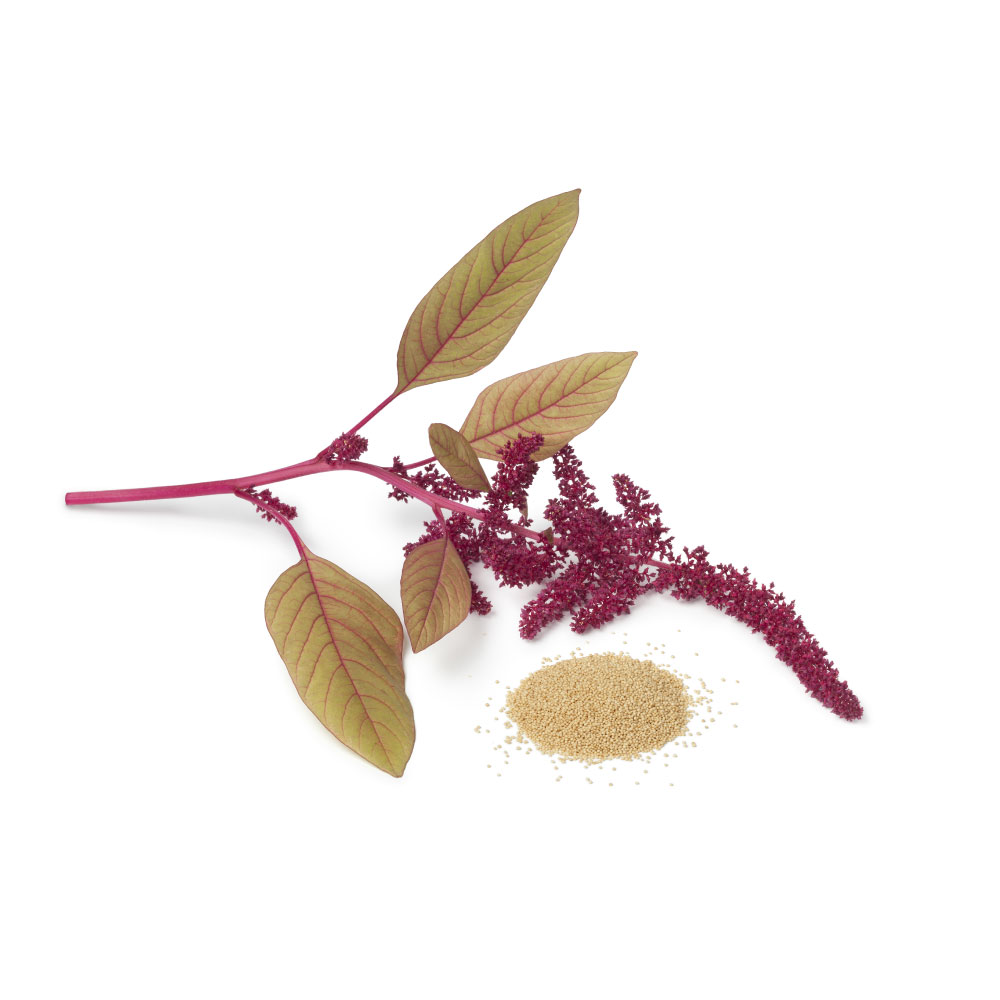 Source Amaranth Amaranthus blitum Herb monograph →
 Source Pine Pinus sylvestris Herb monograph →
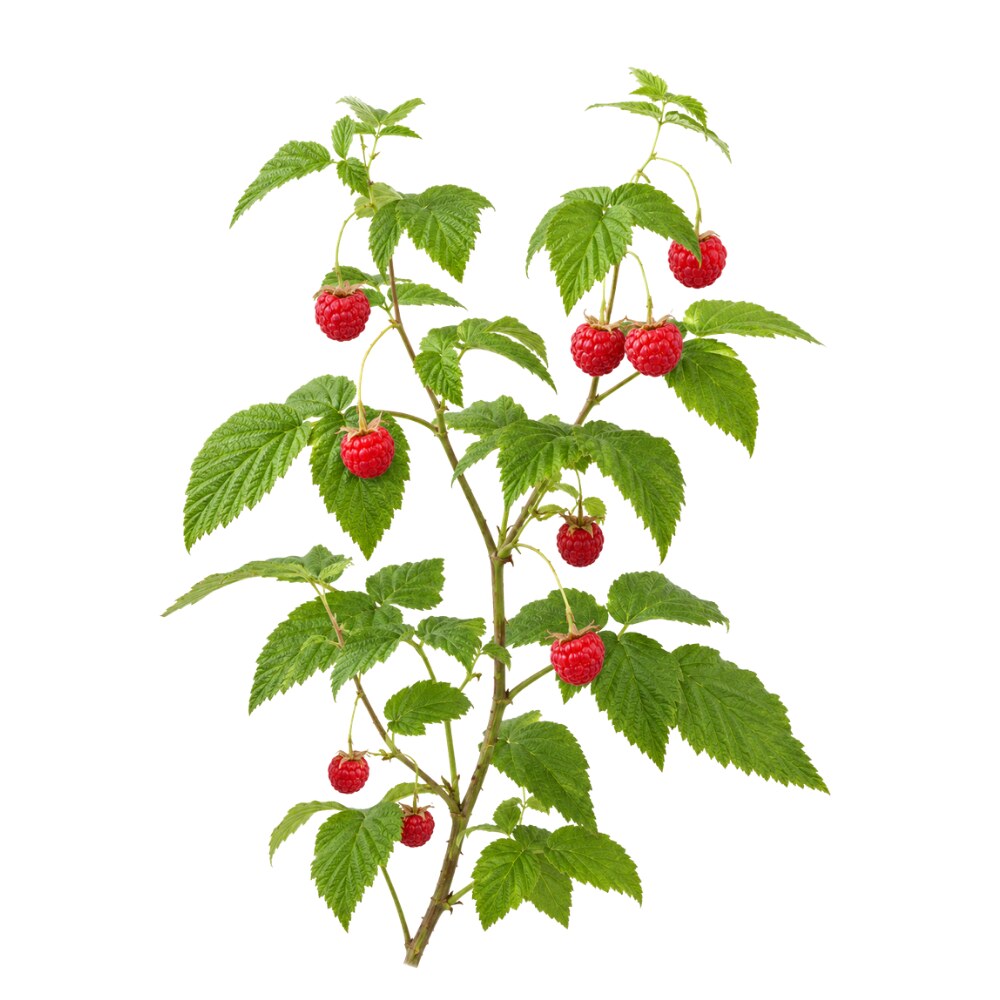 Source Raspberry Leaf Rubus idaeus Herb monograph →
 Source Rose Rosa spp. Herb monograph →
Concentration
Content by Source
Reported concentrations across the plants that contain vitamin C (Ascorbic acid) — the bar marks the typical level, the line shows the reported range.
Literature figures for varying plant parts and preparations. Read them as a comparative guide, not exact assays.
Vitamin C (Ascorbic acid) at a Glance
Vitamin C is an essential nutrient in the strictest sense: humans are one of the few mammals that cannot make it. A broken gene for the final enzyme in the synthesis pathway means every molecule has to be eaten. Nothing else on the supplement shelf has a clearer claim to being required — and severe deficiency has a name and a well-documented clinical picture in scurvy.
Its two jobs are different in kind. The famous one is antioxidant: ascorbate donates electrons readily, mopping up reactive species in the watery compartments of the body. The more concrete one is enzymatic — it is a required cofactor for the hydroxylase enzymes that cross-link collagen, which is why deficiency shows up first in connective tissue: bleeding gums, poor wound healing, fragile vessels.
The interesting tension here is between how solidly established the nutrient is and how weakly supported most of the supplement claims are. Because the requirement is real and the deficiency disease is dramatic, an assumption grew that more must be better. Plasma vitamin C is tightly regulated and saturates at intakes not far above the RDA; past that point, the kidneys excrete most of what arrives. High-dose oral vitamin C is one of the most expensive urine on the market.
What It’s Used For
- Preventing/treating scurvy & deficiency — the one application with no argument attached.
- Enhancing iron absorption — reliable, mechanistically clear, and one of the few places where dose timing genuinely matters.
- Lowering blood pressure — small but consistent across 29 RCTs.
- Cold duration & extreme-exertion incidence — the claim everyone buys it for, and the one that splits three ways.
- Endothelial function — real, and concentrated in people with cardiometabolic disease.
- Lowering serum uric acid — a small biomarker shift with no gout outcome behind it.
- Wound healing — a repletion effect in marginal-status patients, not a general booster.
- High-dose vitamin C for cancer — oral is a clear null; IV is investigational and must not be conflated with tablets.
Two things to hold onto. The headline benefit people buy it for — fewer colds — does not happen in the general population. And above roughly 200 mg/day the plasma ceiling means most of a larger dose is filtered straight into urine.
And one genuine harm signal. Intravenous vitamin C for sepsis is not merely unproven: the largest trial, LOVIT, found it increased the composite risk of death or persistent organ dysfunction.
How It Works
Ascorbate works by giving away electrons. That single chemical habit explains both of its roles.
As a cofactor, it keeps the iron and copper atoms at the heart of certain enzymes in their reduced, working state. The clearest case is prolyl and lysyl hydroxylase, the enzymes that hydroxylate collagen strands so they can cross-link into a stable triple helix. Without vitamin C, collagen is made but assembled badly — hence the connective-tissue collapse of scurvy. The same cofactor logic covers carnitine synthesis and several neurotransmitter-forming steps.
As an antioxidant, it scavenges reactive oxygen species in plasma and cytosol and regenerates vitamin E, which handles the fat-soluble compartments. The two work as a relay rather than in competition.
The practical ceiling comes from transport. Vitamin C enters cells through sodium-dependent transporters that saturate, and once plasma is full the kidney dumps the surplus. This is why the dose–response curve is steep at the bottom and flat at the top: going from deficient to adequate transforms things, going from adequate to high-dose changes very little in a healthy person. It also explains the two known downsides of large doses — unabsorbed ascorbate draws water into the gut (osmotic diarrhea), and ascorbate is metabolised partly to oxalate, which matters for anyone who forms kidney stones.
The full trial record is in Pharmacology & Research below.
Pharmacology & Research
Vitamin C (ascorbic acid) is a water-soluble vitamin that acts both as a required enzyme cofactor and as a physiological antioxidant. Humans cannot synthesise it — a broken GULO gene means every molecule must come from diet — so the deficiency disease (scurvy) and the reference intakes that prevent it rest on unusually firm ground. The evidence divides cleanly along one line: correcting a deficiency is transformative and beyond dispute, while adding more on top of an already-replete body does very little. Plasma ascorbate is tightly regulated and saturates at intakes only modestly above the RDA (roughly 200 mg/day), so most of a gram-level dose is filtered straight into urine 8Reference 8Vitamin C pharmacokinetics in healthy volunteers: evidence for a recommended dietary allowance — depletion-repletion studyView study →.
The applications below almost all show the same pattern — a real signal where status or disease is present, and a flat or null result in healthy, replete people.
Support is an experimental score I’m building — a composite weighted by study type (human > animal > in vitro > review) and study volume. It’s a beta: a fast way to rank strength of evidence at a glance, not a validated metric. Each application links down to its write-up.
Vitamin C is essential in the strictest sense: humans and a few other species lack the terminal synthetic enzyme, so intake below roughly 10 mg/day for a few weeks produces scurvy — impaired collagen cross-linking presenting as bleeding gums, perifollicular haemorrhage, poor wound healing and fragile vessels. The requirement is set at an RDA of 90 mg/day for men and 75 mg/day for women, amounts that fully prevent deficiency and keep tissues near saturation 1Reference 1Vitamin C — Health Professional Fact SheetView study →.
Correcting a deficiency reverses the clinical picture within days to weeks. This is the one application with no argument attached.
Gap: none for the deficiency case itself — the honest limit is that repletion helps only people who are deficient or marginal, which in populations with access to fresh produce is a minority.
Ascorbate reduces dietary Fe³⁺ to the absorbable Fe²⁺ form and chelates it in the acidic stomach, keeping it soluble in the alkaline duodenum. In controlled human absorption studies, taking vitamin C with a plant-based (non-haem) iron source measurably increases uptake, with the effect scaling with dose and largely overcoming the inhibition from phytates and polyphenols 1Reference 1Vitamin C — Health Professional Fact SheetView study →.
It is one of the few contexts where deliberately timing a dose genuinely matters — vitamin C taken with the iron-containing meal, not hours apart. The effect is on non-haem iron; haem iron from meat is already well absorbed and little affected.
Gap: the same property is a liability in iron-overload conditions such as haemochromatosis, and long-term clinical outcomes — resolving anaemia faster, for instance — are less thoroughly quantified than the single-meal absorption effect.
A meta-analysis of 29 randomised controlled trials (median dose 500 mg/day, median about 8 weeks) found vitamin C supplementation reduced systolic blood pressure by about 3.8 mmHg and diastolic by about 1.5 mmHg overall; in the subset of hypertensive participants the systolic reduction was larger, around 4.9 mmHg 2Reference 2Meta-analysisEffects of vitamin C supplementation on blood pressure: a meta-analysis of randomized controlled trials — meta-analysisView study →.
The effect is real but small — comparable to a minor dietary change, not to antihypertensive medication — and the authors called for longer trials before recommending vitamin C for blood-pressure control. Doses were mostly at or above 500 mg/day, well past the plasma-saturation point, so the mechanism is not simply “correcting a shortfall.”
Gap: short trial durations, heterogeneity between studies, and no evidence that the small BP change translates into fewer cardiovascular events.
The Cochrane review (29 trials, ≥0.2 g/day regular supplementation) is the decisive evidence and it splits three ways. Incidence in the general population: no benefit — regular supplementation did not reduce how often ordinary people caught colds. Duration: a small, consistent reduction — roughly 8% shorter colds in adults and 14% in children taking vitamin C prophylactically, though therapeutic dosing started after symptoms began showed no consistent benefit. Incidence under extreme short-term physical stress: a real effect — across five trials in marathon runners, skiers and soldiers, regular vitamin C roughly halved the risk of catching a cold 3Reference 3Systematic reviewVitamin C for preventing and treating the common cold — Cochrane systematic reviewView study →.
So the popular claim — take vitamin C so you don’t get sick — is the one part that fails, while the narrow exertion subgroup and a modest duration effect survive.
Gap: the duration effect is small and only appears with continuous pre-supplementation, not treatment at onset; the strong incidence effect is confined to acute extreme-exertion settings and does not generalise to everyday life.
A systematic review and meta-analysis of 44 RCTs found that vitamin C improved endothelial function overall (standardised mean difference 0.50), but the effect was strongly dependent on health status — largest in atherosclerotic patients (SMD 0.84), with clear benefit also in diabetes and heart failure, and rising with dose 4Reference 4Meta-analysisEffect of vitamin C on endothelial function in health and disease: a systematic review and meta-analysis of randomised controlled trials — meta-analysisView study →.
In other words, the response concentrates where there is underlying oxidative or vascular dysfunction rather than in the healthy and replete. This fits the recurring pattern for vitamin C.
Gap: improvement is in a surrogate marker (vascular reactivity), not in clinical endpoints, and the meaningful effect sizes are in cardiovascular-disease subgroups.
A meta-analysis of 13 RCTs (median 500 mg/day, about 30 days) found oral vitamin C lowered serum uric acid by roughly 0.35 mg/dL on average 5Reference 5Meta-analysisEffect of oral vitamin C supplementation on serum uric acid: a meta-analysis of randomized controlled trials — meta-analysisView study →.
The mechanism is plausible — a mild uricosuric effect — but the magnitude is small, well below what urate-lowering drugs achieve, and critically, no trial has shown that vitamin C prevents gout flares or reduces gout risk as a clinical outcome. Mendelian-randomisation work has since cast doubt on a causal urate-lowering role.
Gap: a small effect on a biomarker only; no demonstrated effect on gout attacks or diagnosis, so it is not a substitute for gout therapy.
Vitamin C is a required cofactor for the prolyl and lysyl hydroxylases that cross-link collagen, so adequate status is genuinely necessary for normal wound repair — impaired healing is a classic feature of scurvy 1Reference 1Vitamin C — Health Professional Fact SheetView study →.
The evidence supports correcting a deficiency in people whose status is low, such as some elderly, post-surgical or pressure-ulcer patients, but does not support supra-physiological dosing accelerating healing in already-replete people. Trials in mixed nutritional-supplement contexts make it hard to isolate vitamin C’s specific contribution.
Gap: the benefit is a repletion effect in marginal-status patients, not a general “healing booster”; isolated high-quality trials of vitamin C alone are scarce.
The oral question was settled decades ago: a randomised, double-blind trial of 10 g/day oral vitamin C in patients with advanced colorectal cancer found no benefit over placebo for survival or symptoms 6Reference 6RCTHigh-dose vitamin C versus placebo in the treatment of patients with advanced cancer who have had no prior chemotherapy — randomised controlled trialView study →, reversing earlier uncontrolled claims. Interest has since shifted to intravenous vitamin C, which bypasses the gut ceiling and reaches pharmacological plasma concentrations that behave as a pro-oxidant in tumour models. Early-phase IV trials exist, but there is no phase-3 evidence that it improves survival, and it remains investigational and off-label.
Gap: oral high-dose is a clear null 6Reference 6RCTHigh-dose vitamin C versus placebo in the treatment of patients with advanced cancer who have had no prior chemotherapy — randomised controlled trialView study →; IV is unproven, studied only in small trials, and must not be conflated with taking vitamin C tablets.
Mechanisms
| Target / pathway | Effect | Relevant to |
|---|---|---|
| Prolyl and lysyl hydroxylase (collagen) | Keeps Fe²⁺ reduced; enables collagen cross-linking | Scurvywound healingconnective tissue |
| Water-compartment antioxidant | Scavenges reactive oxygen species; regenerates vitamin E | Endothelial functiongeneral antioxidant defence |
| Dietary iron reduction (Fe³⁺ → Fe²⁺) | Increases non-haem iron solubility and uptake | Iron absorption; a caution in iron overload |
| Dopamine β-hydroxylase; carnitine-synthesis hydroxylases | Cofactor for neurotransmitter and carnitine synthesis | Catecholamine synthesisfatty-acid transport |
| HIF hydroxylases (PHDs) | Cofactor; modulates hypoxia signalling | Emerging; epigenetic and oxygen sensing |
| Pro-oxidant at pharmacological plasma levels (IV only) | Generates H₂O₂ in tissue | Investigational IV oncology |
Pharmacokinetics
Oral bioavailability is near-complete at doses up to about 200 mg but falls progressively as dose rises — at a single 1.25 g dose fractional absorption drops below 50%, and unabsorbed ascorbate stays in the gut and draws water in, producing osmotic diarrhoea. Uptake into cells is via saturable sodium-dependent transporters (SVCT1/2).
Plasma concentration is tightly controlled: it plateaus at intakes around 200 mg/day, and above that the kidney excretes essentially all of the surplus 8Reference 8Vitamin C pharmacokinetics in healthy volunteers: evidence for a recommended dietary allowance — depletion-repletion studyView study →. This is the decision-relevant fact — the classic depletion–repletion work showed steep gains going from deficient to adequate, and almost none going from adequate to high-dose in healthy people 8Reference 8Vitamin C pharmacokinetics in healthy volunteers: evidence for a recommended dietary allowance — depletion-repletion studyView study →. Because the transporters saturate, splitting doses achieves modestly higher plasma exposure than a single large dose. Only intravenous administration bypasses the gut ceiling to reach pharmacological concentrations.
Clinical trials
Vitamin C is off-patent and cheap, so most rigorous trial activity is publicly funded rather than industry-driven; the exception is a burst of critical-care trials in sepsis and ARDS over the last decade. The landmark critical-care result is cautionary. LOVIT (2022, n=872) found that intravenous vitamin C in septic ICU patients increased the composite risk of death or persistent organ dysfunction at 28 days (RR 1.21) 7Reference 7RCTIntravenous vitamin C in adults with sepsis in the intensive care unit — randomised controlled trialView study →, and CITRIS-ALI (2019) found no benefit on its primary organ-failure and inflammation endpoints 9Reference 9RCTEffect of vitamin C infusion on organ failure and biomarkers of inflammation and vascular injury in patients with sepsis and severe acute respiratory failure (CITRIS-ALI) — randomised controlled trialView study →. This has cooled enthusiasm for high-dose IV vitamin C outside research settings.
| Completed | Planned | Terminated | Preclinical |
|---|---|---|---|
| ~1,000+(across all indications) | Dozens(mostly IV oncology and critical care) | Several(IV sepsis, post-LOVIT) | Thousands |
Last checked: August 2026.
Dietary Sources
Vitamin C is abundant and cheap in food, which is why deficiency is rare wherever fresh produce is available. It is also fragile: it degrades with heat, light, storage time and prolonged cooking in water, so preparation matters more than for most nutrients.
| Source | Rough vitamin C content |
|---|---|
| Red bell pepper, raw | Among the richest common sources — a serving covers the RDA several times over |
| Citrus (orange, grapefruit) | A medium orange supplies most of a day’s requirement |
| Kiwifruit, strawberries | High per serving |
| Broccoli, Brussels sprouts, cabbage | High raw; falls substantially with boiling |
| Potato | Modest per serving, but historically important through sheer volume eaten |
Two practical notes. Steaming or eating raw preserves far more than boiling, since ascorbate leaches into the water. And smokers have a higher requirement — the RDA is raised by 35 mg/day — because oxidative load increases turnover.
Dosage
These are doses studied in research, not a personal recommendation.
- RDA: 90 mg/day for adult men, 75 mg/day for adult women; higher in pregnancy (85 mg/day) and lactation (120 mg/day), and 35 mg/day higher for smokers 1Reference 1Vitamin C — Health Professional Fact SheetView study →.
- Tolerable Upper Intake Level: 2,000 mg/day for adults, from all sources combined 1Reference 1Vitamin C — Health Professional Fact SheetView study →.
- Typical supplemental range: products commonly supply 200 mg–1 g/day. Plasma saturates well below the top of that range, so most of a large dose is excreted.
- Splitting beats a single large dose if the goal is higher plasma exposure, since the intestinal transporters saturate.
- Take it with iron-containing plant foods if absorption is the point — that is the one context where timing genuinely matters.
Safety
Vitamin C is one of the safest supplements in common use. Its problems are dose-related and gastrointestinal rather than toxic.
- Very low toxicity. Water-soluble, poorly stored, and readily excreted — there is no accumulation route in healthy kidneys.
- Safe at reference intakes in pregnancy and lactation. Requirements rise slightly; the 2,000 mg/day ceiling still applies.
- Gram-level doses cause GI upset. Diarrhea and cramping are the practical limiter, and the mechanism is osmotic rather than toxic.
- Oxalate kidney stones. Ascorbate is partly metabolised to oxalate, so high intakes are unwise for anyone with a stone history.
- Iron overload conditions. Because it increases iron absorption, high-dose vitamin C is a poor idea in haemochromatosis.
Full Safety & Interactions Detail
The adult tolerable upper intake level is 2,000 mg/day from all sources, set primarily on gastrointestinal grounds 1Reference 1Vitamin C — Health Professional Fact SheetView study →. Above it, the reliable effects are diarrhea, cramping and nausea — uncomfortable rather than dangerous, and self-limiting on stopping.
- Interactions: the best-characterised is enhanced non-haem iron absorption, which is useful in iron-deficiency and unhelpful in iron overload. High-dose vitamin C can interfere with certain point-of-care glucose meters and some laboratory assays. Interactions with chemotherapy and radiotherapy have been raised on antioxidant grounds and remain contested; that is a conversation for an oncologist, not a supplement label.
- Who should be cautious: people with a history of calcium-oxalate kidney stones, people with haemochromatosis or other iron-overload conditions, and people with significant renal impairment, in whom excretion is no longer a reliable safety valve.
- G6PD deficiency: very high intravenous doses have been associated with haemolysis. This is not an oral-supplement scenario, but it is why megadose IV protocols belong in clinical hands.
Safe at reference intakes. Vitamin C requirements rise modestly in pregnancy (85 mg/day) and lactation (120 mg/day), and intake at those levels is a standard part of prenatal nutrition 1Reference 1Vitamin C — Health Professional Fact SheetView study →. The 2,000 mg/day adult upper limit continues to apply — routinely taking gram-level doses through pregnancy has not been studied and offers no established benefit over meeting the requirement.
References
- National Institutes of Health, Office of Dietary Supplements. Vitamin C — Health Professional Fact Sheet. https://ods.od.nih.gov/factsheets/VitaminC-HealthProfessional/
- Juraschek SP, Guallar E, Appel LJ, Miller ER 3rd (2012). Effects of vitamin C supplementation on blood pressure: a meta-analysis of randomized controlled trials — meta-analysis. American Journal of Clinical Nutrition. https://pubmed.ncbi.nlm.nih.gov/22492364/
- Hemilä H, Chalker E (2013). Vitamin C for preventing and treating the common cold — Cochrane systematic review. Cochrane Database of Systematic Reviews. https://pubmed.ncbi.nlm.nih.gov/23440782/
- Ashor AW, Lara J, Mathers JC, Siervo M (2014). Effect of vitamin C on endothelial function in health and disease: a systematic review and meta-analysis of randomised controlled trials — meta-analysis. Atherosclerosis. https://pubmed.ncbi.nlm.nih.gov/24792921/
- Juraschek SP, Miller ER 3rd, Gelber AC (2011). Effect of oral vitamin C supplementation on serum uric acid: a meta-analysis of randomized controlled trials — meta-analysis. Arthritis Care & Research. https://pubmed.ncbi.nlm.nih.gov/21671418/
- Moertel CG, Fleming TR, Creagan ET, et al. (1985). High-dose vitamin C versus placebo in the treatment of patients with advanced cancer who have had no prior chemotherapy — randomised controlled trial. New England Journal of Medicine. https://pubmed.ncbi.nlm.nih.gov/3880867/
- Lamontagne F, Masse MH, Menard J, et al.; LOVIT Investigators (2022). Intravenous vitamin C in adults with sepsis in the intensive care unit — randomised controlled trial. New England Journal of Medicine. https://pubmed.ncbi.nlm.nih.gov/35704292/
- Levine M, Conry-Cantilena C, Wang Y, et al. (1996). Vitamin C pharmacokinetics in healthy volunteers: evidence for a recommended dietary allowance — depletion-repletion study. Proceedings of the National Academy of Sciences. https://pubmed.ncbi.nlm.nih.gov/8623000/
- Fowler AA 3rd, Truwit JD, Hite RD, et al. (2019). Effect of vitamin C infusion on organ failure and biomarkers of inflammation and vascular injury in patients with sepsis and severe acute respiratory failure (CITRIS-ALI) — randomised controlled trial. JAMA. https://pubmed.ncbi.nlm.nih.gov/31573637/