
Materia Medica
Amla
Phyllanthus emblica
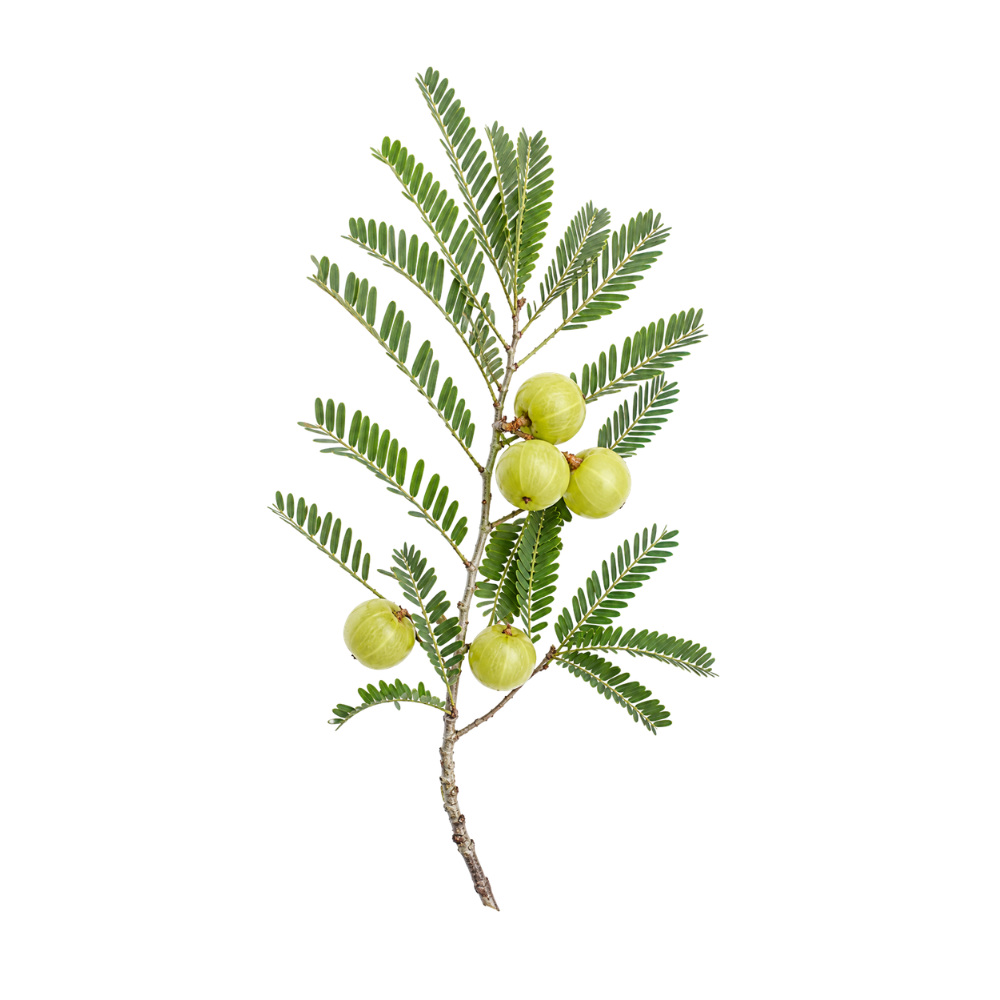
Amla is the sour fruit of Phyllanthus emblica, a small deciduous tree of South and Southeast Asia, and one of the most valued rejuvenating tonics in Ayurveda. It is rich in vitamin C and tannins, and has been studied for its effects on cholesterol and blood sugar.
What Is Amla?
Amla, the Indian gooseberry, is the sour, pale-green fruit of Phyllanthus emblica and one of the most valued plants in Ayurveda. It is regarded as the foremost rasayana, or rejuvenative, and it is a main ingredient of Chyawanprash and of the classical Triphala formula.
The tree grows wild in dry open forest and scrub from the Himalayan foothills to southern China and Indonesia, and in village groves 38,
The fruit is rich in vitamin C and in a group of tannins called emblicanins 5,
Older books and many research papers use the former botanical name, Emblica officinalis 38Reference 38Phyllanthus emblica Linnaeus — species description, habitat and distribution — floraView study →.
How Is Amla Used?
The fruit is the medicinal part.
- Fresh fruit — eaten raw, sweetened, pickled or preserved 38Reference 38Phyllanthus emblica Linnaeus — species description, habitat and distribution — floraView study →.
- Dried fruit powder (churna) and fresh juice — the everyday Ayurvedic forms.
- Compound formulas — Triphala, with haritaki and bibhitaki (Terminalia bellirica), and Chyawanprash, an amla-based herbal jam.
- Standardised aqueous extract — capsules of a few hundred milligrams, the form used in most clinical trials 1,
3, .4, 5Reference 1RCTEvaluation of the effects of a standardized aqueous extract of Phyllanthus emblica fruits on endothelial dysfunction, oxidative stress, systemic inflammation and lipid profile in subjects with metabolic syndrome: a randomised, double-blind, placebo-controlled clinical studyView study →Reference 3RCTA randomised, double-blind, placebo-controlled, multicentre clinical trial to assess the efficacy and safety of Emblica officinalis extract in patients with dyslipidemiaView study →Reference 4Supplementation of a standardized extract from Phyllanthus emblica improves cardiovascular risk factors and platelet aggregation in overweight/class-1 obese adultsView study →Reference 5RCTEffects of Phyllanthus emblica extract on endothelial dysfunction and biomarkers of oxidative stress in patients with type 2 diabetes mellitus: a randomised, double-blind, controlled studyView study →
Traditional Uses
Ayurvedic Medicine
Amla is the premier rasayana of Ayurveda, a rejuvenative said to promote longevity, support the tissues and balance all three doshas. The Charaka Samhita names it foremost among the vayasthapana, the age-sustaining substances.
It is used for digestion, as a cooling remedy for excess pitta and acidity despite its sourness, for the eyes and hair, and as a general tonic.
In Ayurveda and other Indian systems of medicine, the fruit is also taken for coughs, colds and fever, indigestion, hyperacidity and peptic ulcer, jaundice, anaemia, diarrhoea, and premature greying of the hair 23Reference 23ReviewTraditional uses, bioactive composition, pharmacology and toxicology of Phyllanthus emblica fruits: a comprehensive reviewView study →.
Indications
- Raised cholesterol and triglycerides [standardised fruit extract]
- Metabolic syndrome [standardised fruit extract]
- Type 2 diabetes, alongside usual treatment [fruit powder; fruit extract]
- High blood pressure, alongside medication [fruit extract] Caution: The one trial added amla to patients’ existing blood-pressure medicines, so its effect on its own has not been measured 15.
- Heartburn and regurgitation in non-erosive reflux disease [fruit tablets]
- Rejuvenation and general tonic use [fruit; Ayurveda]
- Hyperacidity and indigestion [fruit; Ayurveda]
- Coughs, colds and fever [fruit; Ayurveda]
- Jaundice and anaemia [fruit; Ayurveda]
- Premature greying of the hair [fruit; Ayurveda]
Botany
Amla is a deciduous tree in the family Phyllanthaceae. It is usually 3–8 m tall but can reach 23 m, with a trunk up to 50 cm across 38Reference 38Phyllanthus emblica Linnaeus — species description, habitat and distribution — floraView study →. Its bark is smooth and grey to brownish 38,
The leaves are small, narrow and oblong, 8–23 mm long, and grow in two neat rows along slender side shoots 38Reference 38Phyllanthus emblica Linnaeus — species description, habitat and distribution — floraView study →. Each leafy shoot looks like a single feathery compound leaf, and the whole shoot falls from the tree as a unit 39Reference 39Phyllanthus emblica LView study →.
The flowers are tiny and yellowish, borne in clusters along the leafy shoots. Male and female flowers grow on the same tree. Most clusters hold many male flowers and sometimes one or two larger female ones 38Reference 38Phyllanthus emblica Linnaeus — species description, habitat and distribution — floraView study →. In China the tree flowers from April to June and fruits from July to September 38Reference 38Phyllanthus emblica Linnaeus — species description, habitat and distribution — floraView study →.
The fruit is a round, fleshy drupe, pale green to yellowish white. Flora of China gives it as 1–1.3 cm across, and Flora of Pakistan as about 2.5 cm across when fresh 38,
Distribution
Amla grows wild from Pakistan, Nepal and Bhutan through India and Sri Lanka, east across Myanmar, Thailand, Laos and Cambodia to southern China, Malaysia, Indonesia and the Philippines 38,
It grows in dry, open, sparse forest and scrub, and in village groves, at 200–2,300 m 38Reference 38Phyllanthus emblica Linnaeus — species description, habitat and distribution — floraView study →. In Pakistan it grows wild in the Himalayan foothills and is cultivated on the plains 39Reference 39Phyllanthus emblica LView study →. It is also cultivated in South America 38Reference 38Phyllanthus emblica Linnaeus — species description, habitat and distribution — floraView study →.
Growing Conditions
Cultivation snapshot for Amla
- Full sun, in a tropical or subtropical climate with a distinct dry season. It tolerates poor, stony and mildly saline soils that defeat most fruit trees.
- Drought-hardy once established, which is why it is planted so widely in Indian home gardens as well as commercially.
Grow it yourself
Farm Wiki is our cultivation-focused sister site, also run by Justin Cooke.
Pharmacology & Research
Amla has a small body of human trials, most of them testing a standardised aqueous fruit extract. In the nine trials pooled by one meta-analysis, doses ran from 500 mg to 1.5 g a day for two to twelve weeks 7Reference 7Meta-analysisClinical effects of Emblica officinalis fruit consumption on cardiovascular disease risk factors: a systematic review and meta-analysisView study →. Several placebo-controlled trials and two 2023 meta-analyses report lower blood lipids and lower markers of inflammation 1,
Smaller single trials have looked at blood sugar, blood-vessel function, blood pressure, platelet activity and reflux 5,
The liver, stomach, brain and anticancer findings come from rats, mice and cell lines 20,
-
Best-supported: lowers LDL, total cholesterol and triglycerides while raising HDL in small dyslipidaemia and metabolic-syndrome RCTs, pooled in two meta-analyses 1,
2, ; reduces circulating oxidative-stress and inflammation markers (MDA, hs-CRP) in the same trials 1,3, 6, 7Reference 1RCTEvaluation of the effects of a standardized aqueous extract of Phyllanthus emblica fruits on endothelial dysfunction, oxidative stress, systemic inflammation and lipid profile in subjects with metabolic syndrome: a randomised, double-blind, placebo-controlled clinical studyView study →Reference 2Clinical trialA comparative clinical study of hypolipidemic efficacy of Amla (Emblica officinalis) with the HMG-CoA reductase inhibitor simvastatinView study →Reference 3RCTA randomised, double-blind, placebo-controlled, multicentre clinical trial to assess the efficacy and safety of Emblica officinalis extract in patients with dyslipidemiaView study →Reference 6Meta-analysisThe impact of Emblica officinalis (Amla) on lipid profile, glucose, and C-reactive protein: a systematic review and meta-analysis of randomized controlled trialsView study →Reference 7Meta-analysisClinical effects of Emblica officinalis fruit consumption on cardiovascular disease risk factors: a systematic review and meta-analysisView study → 4, .10Reference 1RCTEvaluation of the effects of a standardized aqueous extract of Phyllanthus emblica fruits on endothelial dysfunction, oxidative stress, systemic inflammation and lipid profile in subjects with metabolic syndrome: a randomised, double-blind, placebo-controlled clinical studyView study →Reference 4Supplementation of a standardized extract from Phyllanthus emblica improves cardiovascular risk factors and platelet aggregation in overweight/class-1 obese adultsView study →Reference 10Supplementation of Emblica officinalis (Amla) extract reduces oxidative stress in uremic patientsView study → -
Emerging, worth watching: improved endothelial function and reduced platelet aggregation in cardiometabolic patients 4,
5, ; a single add-on RCT in essential hypertension 15Reference 15Clinical trialAntihypertensive and pleiotropic effects of Phyllanthus emblica extract as an add-on therapy in patients with essential hypertensionView study →; glycaemic reductions in early human work 8,13Reference 4Supplementation of a standardized extract from Phyllanthus emblica improves cardiovascular risk factors and platelet aggregation in overweight/class-1 obese adultsView study →Reference 5RCTEffects of Phyllanthus emblica extract on endothelial dysfunction and biomarkers of oxidative stress in patients with type 2 diabetes mellitus: a randomised, double-blind, controlled studyView study →Reference 13Clinical trialStudy of pharmacodynamic interaction of Phyllanthus emblica extract with clopidogrel and ecosprin in patients with type II diabetes mellitusView study → 11Reference 8Effect of Amla fruit (Emblica officinalis Gaertn.) on blood glucose and lipid profile of normal subjects and type 2 diabetic patientsView study →Reference 11RCTEffect of Amalaki rasayana on DNA damage and repair in randomized aged human individualsView study → . -
Mechanistically thin: hepatoprotective, gastroprotective, neuroprotective and anticancer effects are documented only in animals or cell lines, often for isolated fractions (tannins, pectins, gallic acid) rather than the whole fruit 20,
21, .22, 30, 31, 32, 33, 34Reference 20AnimalGastroprotective effects of ‘Amla’ Emblica officinalis on in vivo test models in ratsView study →Reference 21Gallic-acid-enriched fraction of Phyllanthus emblica potentiates indomethacin-induced gastric ulcer healing via an e-NOS-dependent pathwayView study →Reference 22Biphasic effect of Phyllanthus emblica L. extract on NSAID-induced ulcerView study →Reference 30AnimalEvaluation of cognitive and synaptic restoration in diabetic rats treated with Emblica officinalis, Clitoria ternatea, vitamin C and metforminView study →Reference 31High-salt- and cholesterol-diet-associated cognitive impairment attenuated by a tannins-enriched fraction of Emblica officinalis via inhibiting the NF-κB pathwayView study →Reference 32Emblica officinalis fraction mitigates depression via the PI3K-AKT pathwayView study →Reference 33Structural characterization of a pectin polysaccharide from Phyllanthus emblica fruits and its antitumor effect via macrophage polarizationView study →Reference 34AnimalPhyllanthus emblica L. polysaccharides ameliorate colitis via microbiota modulation and dual inhibition of RAGE/NF-κB and MAPK signalling in ratsView study → - The caveat: trials are small, single-centre and extract-specific; the standardised-extract results do not automatically apply to whole-fruit, churna or Chyawanprash preparations, and no cardiovascular-outcome data exist.
The findings belong to the standardised extract. Almost every positive trial used a concentrated aqueous extract at a few hundred milligrams per dose, and the results do not transfer directly to whole dried fruit, churna or Chyawanprash.
1. Hypolipidemic
In a randomised, double-blind, placebo-controlled trial in 59 people with metabolic syndrome, a standardised aqueous fruit extract at 500 mg twice daily for 12 weeks lowered LDL cholesterol by about 22%, total cholesterol by 11% and triglycerides by 19%, and raised HDL by 22% 1Reference 1RCTEvaluation of the effects of a standardized aqueous extract of Phyllanthus emblica fruits on endothelial dysfunction, oxidative stress, systemic inflammation and lipid profile in subjects with metabolic syndrome: a randomised, double-blind, placebo-controlled clinical studyView study →.
A comparative trial in 60 people with type II hyperlipidaemia gave 40 of them amla capsules (500 mg a day for 42 days) and 20 of them simvastatin. Amla lowered total cholesterol, LDL and triglycerides, in the same direction as the statin 2Reference 2Clinical trialA comparative clinical study of hypolipidemic efficacy of Amla (Emblica officinalis) with the HMG-CoA reductase inhibitor simvastatinView study →.
A multicentre placebo-controlled trial in 98 people with dyslipidaemia (500 mg twice daily, 12 weeks) found lower total cholesterol, triglycerides, LDL and VLDL, and a 39% fall in the atherogenic index of plasma 3Reference 3RCTA randomised, double-blind, placebo-controlled, multicentre clinical trial to assess the efficacy and safety of Emblica officinalis extract in patients with dyslipidemiaView study →.
Two 2023 meta-analyses pooled the trials. One, of five trials, found lower LDL, total cholesterol, triglycerides, fasting glucose and CRP, and higher HDL 6Reference 6Meta-analysisThe impact of Emblica officinalis (Amla) on lipid profile, glucose, and C-reactive protein: a systematic review and meta-analysis of randomized controlled trialsView study →. The other, of nine trials with 535 participants, found lower LDL, VLDL, triglycerides and hs-CRP, and advised caution because the trials differed widely 7Reference 7Meta-analysisClinical effects of Emblica officinalis fruit consumption on cardiovascular disease risk factors: a systematic review and meta-analysisView study →.
The trials are small, mostly single-centre, and several report p-values rather than absolute mg/dL changes.
Gap: No cardiovascular-event outcomes — all endpoints are lab lipid markers — and every trial used a concentrated standardised extract, not whole fruit or Chyawanprash.
2. Antioxidant
Amla fruit is rich in ascorbic acid and hydrolysable tannins 10Reference 10Supplementation of Emblica officinalis (Amla) extract reduces oxidative stress in uremic patientsView study →. In a metabolic-syndrome trial, the extract lowered the lipid-peroxidation marker malondialdehyde and raised glutathione 1Reference 1RCTEvaluation of the effects of a standardized aqueous extract of Phyllanthus emblica fruits on endothelial dysfunction, oxidative stress, systemic inflammation and lipid profile in subjects with metabolic syndrome: a randomised, double-blind, placebo-controlled clinical studyView study →.
In uremic patients, amla extract over four months lowered the oxidative marker 8-iso-prostaglandin-F₂α and raised plasma total antioxidant status 10Reference 10Supplementation of Emblica officinalis (Amla) extract reduces oxidative stress in uremic patientsView study →.
In a randomised placebo-controlled study in healthy older people, 45 days of the classical Amalaki rasayana preparation maintained DNA strand-break repair, with no change in nucleotide or base excision repair 11Reference 11RCTEffect of Amalaki rasayana on DNA damage and repair in randomized aged human individualsView study →. A rodent study of the same formulation reported higher superoxide dismutase and catalase activity with changes in ageing-related gene expression 12Reference 12AnimalGeroprotection through modulation of heart rate variability, oxidative enzymes, tissue integrity and gene expression by Amalaki Rasayana — rat in vivo modelView study →.
The compounds studied for this activity are vitamin C, gallic acid, ellagic acid and the emblicanins.
Gap: Antioxidant effects are consistently shown on blood/enzyme markers but have not been linked to a hard clinical outcome; the strongest DNA-repair and geroprotection data come from multi-herb rasayana formulas, not fruit alone.
3. Antidiabetic
Early human work found that amla fruit powder (1–3 g/day, 21 days) significantly reduced fasting and post-prandial blood glucose in both normal and type-2 diabetic volunteers, with the larger doses also improving the lipid profile 8Reference 8Effect of Amla fruit (Emblica officinalis Gaertn.) on blood glucose and lipid profile of normal subjects and type 2 diabetic patientsView study →.
In a small study of ten healthy young men, the five who took Chyawanprash (15 g a day for eight weeks) had lower fasting plasma glucose and better glucose tolerance 9Reference 9Effect of Chyawanprash and vitamin C on glucose tolerance and lipoprotein profileView study →.
The 2023 lipid meta-analysis also pooled glucose data and reported a significant reduction in fasting blood glucose alongside CRP 6Reference 6Meta-analysisThe impact of Emblica officinalis (Amla) on lipid profile, glucose, and C-reactive protein: a systematic review and meta-analysis of randomized controlled trialsView study →. A systematic review describes the mechanisms studied for diabetic complications: insulin signalling, β-cell protection, reduced build-up of advanced glycation end products, and free-radical scavenging 18Reference 18Potential effect of the tropical fruit Phyllanthus emblica L. for the prevention and management of type 2 diabetic complicationsView study →.
Gap: Human glycaemic trials are small and short, and several used whole-fruit powder or Chyawanprash rather than the standardised extract.
4. Anti-Inflammatory
Across the human cardiometabolic trials, amla extract lowered high-sensitivity C-reactive protein, the main circulating inflammation marker measured 1,
In cultured vascular endothelial cells, amla fruit extract reduced lipopolysaccharide-induced tissue factor and von Willebrand factor release. In a rat endotoxaemia model it lowered serum TNF-α and IL-6 17Reference 17Amla (Emblica officinalis Gaertn.) extract inhibits lipopolysaccharide-induced procoagulant and pro-inflammatory factors in cultured vascular endothelial cellsView study →.
A tannin-enriched fraction reduced diet-induced neuroinflammation in rats by inhibiting the NF-κB pathway, with emblicanin A implicated by docking 31Reference 31High-salt- and cholesterol-diet-associated cognitive impairment attenuated by a tannins-enriched fraction of Emblica officinalis via inhibiting the NF-κB pathwayView study →.
Newly characterised leaf lignans also show combined antioxidant and anti-inflammatory activity in vitro 37Reference 37Discovery of lignans from leaves of Phyllanthus emblica L. and their antioxidant–anti-inflammatory activityView study →. Older rodent work found antipyretic and analgesic activity for the fruit 35Reference 35Evaluation of anti-pyretic and analgesic activity of Emblica officinalis GaertnView study →.
5. Endothelial / Vasoprotective
Two randomised controlled trials specifically probed vascular function. In metabolic-syndrome subjects, standardised extract (250 and 500 mg twice daily) improved endothelial function measured as reflection index by digital plethysmography, alongside oxidative and inflammatory markers 1Reference 1RCTEvaluation of the effects of a standardized aqueous extract of Phyllanthus emblica fruits on endothelial dysfunction, oxidative stress, systemic inflammation and lipid profile in subjects with metabolic syndrome: a randomised, double-blind, placebo-controlled clinical studyView study →.
In type-2 diabetes, an HPLC-standardised aqueous extract (250 or 500 mg twice daily, 12 weeks) improved salbutamol-challenge endothelial function and oxidative-stress biomarkers, with effects compared against atorvastatin 5Reference 5RCTEffects of Phyllanthus emblica extract on endothelial dysfunction and biomarkers of oxidative stress in patients with type 2 diabetes mellitus: a randomised, double-blind, controlled studyView study →.
A crossover trial in 12 healthy volunteers found the extract reduced cold-pressor-induced increases in arterial stiffness and aortic wave reflection 14Reference 14Clinical trialEvaluation of Phyllanthus emblica extract on cold-pressor-induced cardiovascular changes in healthy human subjectsView study →. The endothelial-cell and rat work above points to the same vascular effect 17Reference 17Amla (Emblica officinalis Gaertn.) extract inhibits lipopolysaccharide-induced procoagulant and pro-inflammatory factors in cultured vascular endothelial cellsView study →.
A systematic review of amla’s cardiovascular pharmacology catalogues these findings 16Reference 16Systematic reviewA systematic review on the cardiovascular pharmacology of Emblica officinalisView study →.
6. Gastroprotective
Amla has a traditional reputation as a stomach protectant. A double-blind, randomised, placebo-controlled trial in non-erosive reflux disease found amla tablets (two 500 mg tablets twice daily, 4 weeks) significantly reduced heartburn and regurgitation versus placebo 19Reference 19RCTEfficacy and safety of Amla (Phyllanthus emblica L.) in non-erosive reflux disease: a double-blind, randomised, placebo-controlled clinical trialView study →.
In rats, ethanol extract (250–500 mg/kg) inhibited gastric lesions across pylorus-ligation, indomethacin, stress and necrotising-agent models and protected the mucus layer 20Reference 20AnimalGastroprotective effects of ‘Amla’ Emblica officinalis on in vivo test models in ratsView study →.
A gallic-acid-enriched fraction accelerated indomethacin-ulcer healing through an e-NOS-dependent pathway in mice 21Reference 21Gallic-acid-enriched fraction of Phyllanthus emblica potentiates indomethacin-induced gastric ulcer healing via an e-NOS-dependent pathwayView study →. In a separate mouse study the extract was biphasic, healing ulcers at 60 mg/kg and worsening them at 120 mg/kg 22Reference 22Biphasic effect of Phyllanthus emblica L. extract on NSAID-induced ulcerView study →.
Gap: Only one modest human trial (in reflux, not ulcer); the animal data show a reversal to harm at higher doses, and the sourness can aggravate hyperacidity in some people.
7. Antihypertensive
A single randomised, double-blind, placebo-controlled trial added aqueous amla extract (500 mg twice daily, 12 weeks) to routine medication in 150 patients with essential hypertension. It reported lower blood pressure, along with improvements in lipids, oxidant and antioxidant enzymes and hs-CRP 15Reference 15Clinical trialAntihypertensive and pleiotropic effects of Phyllanthus emblica extract as an add-on therapy in patients with essential hypertensionView study →.
Gap: One unreplicated add-on trial; amla was layered on existing antihypertensives, so its standalone effect is unquantified.
8. Antiplatelet
In overweight/class-1 obese adults, 12 weeks of standardised extract (500 mg twice daily) significantly reduced both ADP- and collagen-induced platelet aggregation alongside LDL and hs-CRP 4Reference 4Supplementation of a standardized extract from Phyllanthus emblica improves cardiovascular risk factors and platelet aggregation in overweight/class-1 obese adultsView study →.
In an open-label crossover study in 10 people with type 2 diabetes, amla extract (500 mg) lowered platelet aggregation and prolonged bleeding and clotting time, both alone and combined with clopidogrel or aspirin 13Reference 13Clinical trialStudy of pharmacodynamic interaction of Phyllanthus emblica extract with clopidogrel and ecosprin in patients with type II diabetes mellitusView study →.
The same activity is the basis for caution alongside anticoagulant and antiplatelet drugs and around surgery.
Gap: Platelet aggregation is an ex vivo surrogate; the same effect is a drug-interaction hazard, and no bleeding-outcome data exist.
9. Hepatoprotective
Amla is a classical liver tonic. Reviews of its pharmacology report liver-protective activity across several toxin-injury models in rodents 23Reference 23ReviewTraditional uses, bioactive composition, pharmacology and toxicology of Phyllanthus emblica fruits: a comprehensive reviewView study →.
Gap: No human liver trial of amla on its own.
10. Chondroprotective
Aqueous extracts of amla fruit inhibited the cartilage-degrading enzymes hyaluronidase and collagenase and reduced glycosaminoglycan release from osteoarthritic cartilage explants in vitro, comparable to glucosamine 24Reference 24Chondroprotective potential of fruit extracts of Phyllanthus emblica in osteoarthritisView study →.
Amla extract also induced apoptosis of human primary osteoclasts and suppressed NF-κB, a mechanism relevant to rheumatoid and erosive joint disease 25Reference 25Induction of apoptosis of human primary osteoclasts treated with extracts from Emblica officinalisView study →.
In people, amla has been tested only inside a polyherbal Ayurvedic formulation (with Tinospora, ginger and Boswellia). That formula matched glucosamine and celecoxib for knee-osteoarthritis pain in a large equivalence trial, so the result cannot be credited to amla alone 26Reference 26RCTAyurvedic medicine offers a good alternative to glucosamine and celecoxib in the treatment of symptomatic knee osteoarthritis: a randomised, double-blind, controlled equivalence drug trialView study →.
11. Neuroprotective
In diabetic rats, amla improved Morris-water-maze spatial learning more than vitamin C or metformin, and raised synaptophysin expression, though metformin raised it most 30Reference 30AnimalEvaluation of cognitive and synaptic restoration in diabetic rats treated with Emblica officinalis, Clitoria ternatea, vitamin C and metforminView study →.
A tannin-enriched fraction reversed high-salt/cholesterol-diet cognitive impairment in rats by inhibiting NF-κB 31Reference 31High-salt- and cholesterol-diet-associated cognitive impairment attenuated by a tannins-enriched fraction of Emblica officinalis via inhibiting the NF-κB pathwayView study →, and a pyrogallol-enriched fraction showed antidepressant activity in a chronic-mild-stress mouse model via the PI3K-AKT pathway with reduced pro-inflammatory cytokines 32Reference 32Emblica officinalis fraction mitigates depression via the PI3K-AKT pathwayView study →.
12. Anticancer
A homogalacturonan pectin isolated from amla fruit shifted tumour-associated macrophages from the M2 to the M1 type and promoted apoptosis of hepatoma cells in vitro 33Reference 33Structural characterization of a pectin polysaccharide from Phyllanthus emblica fruits and its antitumor effect via macrophage polarizationView study →. Amla polysaccharides eased experimental colitis in rats by modulating gut microbiota and inhibiting RAGE/NF-κB and MAPK signalling 34Reference 34AnimalPhyllanthus emblica L. polysaccharides ameliorate colitis via microbiota modulation and dual inhibition of RAGE/NF-κB and MAPK signalling in ratsView study →.
Gap: No whole-fruit anticancer data and no human evidence; the active pectins/polysaccharides are not the forms in which amla is consumed.
Mechanisms
Amla fruit carries a dense mix of hydrolysable tannins (the emblicanins, gallic and ellagic acid) and vitamin C. These have been studied mainly as free-radical scavengers, including protection of LDL cholesterol from oxidation, and for their effects on NF-κB inflammatory signalling.
The fruit’s pectin and polysaccharide fraction is chemically separate. The anticancer and colitis findings in cells and animals come from it 33,
| Mechanism | Drives | Key compounds |
|---|---|---|
| Free-radical scavenging; ↓ LDL oxidation, ↓ MDA, ↑ glutathione/SOD/catalase | antioxidanthypolipidemicendothelialantidiabetic | vitamin C, gallic acid, ellagic acid, emblicanins |
| NF-κB ↓, ↓ TNF-α/IL-6, ↓ hs-CRP | anti-inflammatoryneuroprotectivechondroprotective | emblicanin A, tannin fraction |
| Ulcer healing via e-NOS; mucus protection | gastroprotective | gallic acid |
| Platelet aggregation ↓ (ADP/collagen) | antiplateletvasoprotective | polyphenol/ascorbate fraction |
| Insulin signalling ↑, ↓ advanced glycation end products | antidiabetic | fruit polyphenols |
| Macrophage M2→M1 repolarisation, RAGE/NF-κB ↓ | anticancer | pectin / polysaccharide fraction |
Clinical Trials
Amla has been tested in small randomised trials in dyslipidaemia, metabolic syndrome, type 2 diabetes, high blood pressure and reflux disease, and two 2023 meta-analyses pooled the cardiometabolic trials 6,
Three further trials, in female pattern hair loss 27Reference 27The effect of an oral product containing Amla fruit (Phyllanthus emblica L.) on female androgenetic alopeciaView study →, skin condition in healthy women 28Reference 28Oral intake of lingonberry and amla fruit extract improves skin conditions in healthy female subjectsView study → and post-adolescent acne 29Reference 29RCTEfficacy and safety of Phyllanthus emblica and Tinospora cordifolia in post-adolescence acne: a randomised, double-blind, placebo-controlled trialView study →, tested amla inside combination products.
| Completed | Planned | Terminated | Preclinical |
|---|---|---|---|
| ~10small RCTs | Ongoing | 0 | Extensive |
Last checked: August 2026.
Phytochemistry
Amla fruit is rich in vitamin C, with figures of 1,100–1,700 mg per 100 g of fruit commonly reported 10Reference 10Supplementation of Emblica officinalis (Amla) extract reduces oxidative stress in uremic patientsView study →. Flora of China gives 1–1.8% for the mature fruit 38Reference 38Phyllanthus emblica Linnaeus — species description, habitat and distribution — floraView study →.
The signature constituents are low-molecular-weight hydrolysable tannins. Emblicanin A and emblicanin B, with pedunculagin and punigluconin, are the four markers used to standardise the aqueous extract tested in several trials 5,
The fruit also contains geraniin, gallic acid, ellagic acid, corilagin, beta-glucogallin, pyrogallol and related gallotannins.
Geraniin breaks down to corilagin and then to ellagic and gallic acids. Several of these compounds are therefore partly breakdown products of one another, and the amounts measured depend on how a sample was stored.
Older vitamin C figures come from titration assays that also respond to the fruit’s reducing tannins, so they may overstate the true ascorbate content.
The fruit also holds a pectic polysaccharide fraction, chemically distinct from the tannins, which is the material used in the antitumour and colitis studies 33,
Lignans recently described from amla leaves belong to the leaf rather than the fruit, which is the part used in human research 37Reference 37Discovery of lignans from leaves of Phyllanthus emblica L. and their antioxidant–anti-inflammatory activityView study →.
Dosage
Research uses a concentrated aqueous fruit extract standardised to its emblicanin markers, at a few hundred milligrams per dose. Traditional use gives several grams of the fruit itself.
| Indication | Preparation | Dose | Est. dried-herb equivalent | Source |
|---|---|---|---|---|
| Dyslipidaemia / metabolic syndrome | Standardised aqueous fruit extract | 500 mg twice daily, 12 wk | ~5–10 g dried fruit/day | 1, |
| Type II hyperlipidaemia | Amla capsule (fruit) | 500 mg once daily, 42 days | ~0.5 g dried fruit (as given) | 2Reference 2Clinical trialA comparative clinical study of hypolipidemic efficacy of Amla (Emblica officinalis) with the HMG-CoA reductase inhibitor simvastatinView study → |
| Type 2 diabetes / glycaemia | Amla fruit powder | 1–3 g/day, 21 days | 1–3 g dried fruit (as given) | 8Reference 8Effect of Amla fruit (Emblica officinalis Gaertn.) on blood glucose and lipid profile of normal subjects and type 2 diabetic patientsView study → |
| Endothelial dysfunction (T2DM / MetS) | HPLC-standardised aqueous extract | 250–500 mg twice daily, 12 wk | ~2.5–10 g dried fruit | 1, |
| Essential hypertension (add-on) | Aqueous extract | 500 mg twice daily, 12 wk | ~5–10 g dried fruit | 15Reference 15Clinical trialAntihypertensive and pleiotropic effects of Phyllanthus emblica extract as an add-on therapy in patients with essential hypertensionView study → |
| Non-erosive reflux disease | Amla tablet | 2 × 500 mg twice daily (2 g/day), 4 wk | 2 g (as given) | 19Reference 19RCTEfficacy and safety of Amla (Phyllanthus emblica L.) in non-erosive reflux disease: a double-blind, randomised, placebo-controlled clinical trialView study → |
The dried-herb equivalent assumes standardised aqueous extracts run roughly 5–10× the concentration of dried fruit. It is an order-of-magnitude guide, not a validated conversion factor; where whole fruit or powder was used, the figure is the dose as given.
The cardiometabolic trials ran from 3 to 12 weeks 6Reference 6Meta-analysisThe impact of Emblica officinalis (Amla) on lipid profile, glucose, and C-reactive protein: a systematic review and meta-analysis of randomized controlled trialsView study →.
Traditional Dosage
In Ayurveda amla is usually taken inside a compound formula rather than alone.
| System | Preparation | Dose |
|---|---|---|
| Ayurveda | Dried fruit powder (churna) | 3–6 g/day |
| Ayurveda | Fresh fruit juice | 10–20 mL/day |
| Ayurveda | Chyawanprash (amla-based rasayana paste) | ~1 teaspoon (12–15 g)/day |
Safety & Pregnancy
Amla is a food, and in trials it was well tolerated, with side effects no different from placebo at the extract doses tested 1,
- Antiplatelet activity. Amla extract lowers platelet aggregation, so take care alongside anticoagulant or antiplatelet drugs and before surgery 4,
13Reference 4Supplementation of a standardized extract from Phyllanthus emblica improves cardiovascular risk factors and platelet aggregation in overweight/class-1 obese adultsView study →Reference 13Clinical trialStudy of pharmacodynamic interaction of Phyllanthus emblica extract with clopidogrel and ecosprin in patients with type II diabetes mellitusView study → . - Blood sugar. Amla can lower fasting glucose, which may add to diabetes medicines 8Reference 8Effect of Amla fruit (Emblica officinalis Gaertn.) on blood glucose and lipid profile of normal subjects and type 2 diabetic patientsView study →.
- Acidity. The sour, vitamin-C-rich fruit aggravates acid reflux or hyperacidity in some people.
- Higher doses of extract. In mice, the extract healed ulcers at a low dose and worsened them at a higher one 22Reference 22Biphasic effect of Phyllanthus emblica L. extract on NSAID-induced ulcerView study →.
- Food-grade tolerability. No consistent toxicity signal in human trials or animal studies at the doses used 23,
36Reference 23ReviewTraditional uses, bioactive composition, pharmacology and toxicology of Phyllanthus emblica fruits: a comprehensive reviewView study →Reference 36RCTClinical evaluation of Emblica officinalis Gaertn (Amla) in healthy human subjects: health benefits and safety results from a randomised, double-blind, crossover, placebo-controlled studyView study → .
Full Safety & Interactions Detail
Antiplatelet and anticoagulant drugs. Twelve weeks of standardised extract reduced ADP- and collagen-induced platelet aggregation 4Reference 4Supplementation of a standardized extract from Phyllanthus emblica improves cardiovascular risk factors and platelet aggregation in overweight/class-1 obese adultsView study →. In a small crossover study in people with type 2 diabetes, the extract lowered platelet aggregation and prolonged bleeding time, both alone and combined with clopidogrel or aspirin 13Reference 13Clinical trialStudy of pharmacodynamic interaction of Phyllanthus emblica extract with clopidogrel and ecosprin in patients with type II diabetes mellitusView study →. Take care alongside these drugs and around surgery.
Diabetes medicines. Amla fruit powder lowered fasting and post-meal blood glucose in people with type 2 diabetes 8Reference 8Effect of Amla fruit (Emblica officinalis Gaertn.) on blood glucose and lipid profile of normal subjects and type 2 diabetic patientsView study →. Combined with glucose-lowering drugs, it may add to their effect, so blood sugar is worth monitoring.
Acidity. Although it is used in Ayurveda for hyperacidity, the very sour fruit can aggravate reflux in some people.
Dose. In mice, an extract healed indomethacin ulcers at 60 mg/kg and worsened them at 120 mg/kg 22Reference 22Biphasic effect of Phyllanthus emblica L. extract on NSAID-induced ulcerView study →. A more concentrated product is not automatically a gentler one.
Drug metabolism. No study has looked at amla’s effect on cytochrome P450 enzymes or on blood levels of other drugs.
Food amounts are traditional; concentrated extracts have not been studied. Amla is eaten in pregnancy as fresh fruit and in Chyawanprash, and no reproductive-toxicity signal has been reported.
Standardised high-dose extracts have not been tested in pregnancy or breastfeeding, so food amounts are the usual choice.
References
- Usharani, P., et al. (2019). Evaluation of the effects of a standardized aqueous extract of Phyllanthus emblica fruits on endothelial dysfunction, oxidative stress, systemic inflammation and lipid profile in subjects with metabolic syndrome: a randomised, double-blind, placebo-controlled clinical study. BMC Complementary and Alternative Medicine. https://pubmed.ncbi.nlm.nih.gov/31060549/
- Gopa, B., Bhatt, J., & Hemavathi, K. G. (2012). A comparative clinical study of hypolipidemic efficacy of Amla (Emblica officinalis) with the HMG-CoA reductase inhibitor simvastatin. Indian Journal of Pharmacology. https://pubmed.ncbi.nlm.nih.gov/22529483/
- Upadya, H., et al. (2019). A randomised, double-blind, placebo-controlled, multicentre clinical trial to assess the efficacy and safety of Emblica officinalis extract in patients with dyslipidemia. BMC Complementary and Alternative Medicine. https://pubmed.ncbi.nlm.nih.gov/30670010/
- Khanna, S., et al. (2015). Supplementation of a standardized extract from Phyllanthus emblica improves cardiovascular risk factors and platelet aggregation in overweight/class-1 obese adults. Journal of Medicinal Food. https://pubmed.ncbi.nlm.nih.gov/25756303/
- Usharani, P., et al. (2013). Effects of Phyllanthus emblica extract on endothelial dysfunction and biomarkers of oxidative stress in patients with type 2 diabetes mellitus: a randomised, double-blind, controlled study. Diabetes, Metabolic Syndrome and Obesity. https://pubmed.ncbi.nlm.nih.gov/23935377/
- Setayesh, L., et al. (2023). The impact of Emblica officinalis (Amla) on lipid profile, glucose, and C-reactive protein: a systematic review and meta-analysis of randomized controlled trials. Diabetes & Metabolic Syndrome. https://pubmed.ncbi.nlm.nih.gov/36934568/
- Brown, P. D. S., et al. (2023). Clinical effects of Emblica officinalis fruit consumption on cardiovascular disease risk factors: a systematic review and meta-analysis. BMC Complementary Medicine and Therapies. https://pubmed.ncbi.nlm.nih.gov/37296402/
- Akhtar, M. S., et al. (2011). Effect of Amla fruit (Emblica officinalis Gaertn.) on blood glucose and lipid profile of normal subjects and type 2 diabetic patients. International Journal of Food Sciences and Nutrition. https://pubmed.ncbi.nlm.nih.gov/21495900/
- Manjunatha, S., et al. (2001). Effect of Chyawanprash and vitamin C on glucose tolerance and lipoprotein profile. Indian Journal of Physiology and Pharmacology. https://pubmed.ncbi.nlm.nih.gov/11211574/
- Chen, T. S., et al. (2009). Supplementation of Emblica officinalis (Amla) extract reduces oxidative stress in uremic patients. American Journal of Chinese Medicine. https://pubmed.ncbi.nlm.nih.gov/19222108/
- Vishwanatha, U., et al. (2016). Effect of Amalaki rasayana on DNA damage and repair in randomized aged human individuals. Journal of Ethnopharmacology. https://pubmed.ncbi.nlm.nih.gov/27364038/
- Lewis, C. R., et al. (2026). Geroprotection through modulation of heart rate variability, oxidative enzymes, tissue integrity and gene expression by Amalaki Rasayana — rat in vivo model. Journal of Ayurveda and Integrative Medicine. https://pubmed.ncbi.nlm.nih.gov/42172813/
- Fatima, N., et al. (2014). Study of pharmacodynamic interaction of Phyllanthus emblica extract with clopidogrel and ecosprin in patients with type II diabetes mellitus. Phytomedicine. https://pubmed.ncbi.nlm.nih.gov/24291054/
- Fatima, N., et al. (2014). Evaluation of Phyllanthus emblica extract on cold-pressor-induced cardiovascular changes in healthy human subjects. Pharmacognosy Research. https://pubmed.ncbi.nlm.nih.gov/24497739/
- Shanmugarajan, D., et al. (2021). Antihypertensive and pleiotropic effects of Phyllanthus emblica extract as an add-on therapy in patients with essential hypertension. Phytotherapy Research. https://pubmed.ncbi.nlm.nih.gov/33570228/
- Hashem-Dabaghian, F., et al. (2018). A systematic review on the cardiovascular pharmacology of Emblica officinalis. Journal of Cardiovascular and Thoracic Research. https://pubmed.ncbi.nlm.nih.gov/30386531/
- Rao, T. P., et al. (2013). Amla (Emblica officinalis Gaertn.) extract inhibits lipopolysaccharide-induced procoagulant and pro-inflammatory factors in cultured vascular endothelial cells. British Journal of Nutrition. https://pubmed.ncbi.nlm.nih.gov/23742702/
- Huang, H. Z., et al. (2021). Potential effect of the tropical fruit Phyllanthus emblica L. for the prevention and management of type 2 diabetic complications. European Journal of Nutrition. https://pubmed.ncbi.nlm.nih.gov/33439332/
- Karkon Varnosfaderani, S., et al. (2018). Efficacy and safety of Amla (Phyllanthus emblica L.) in non-erosive reflux disease: a double-blind, randomised, placebo-controlled clinical trial. Journal of Integrative Medicine. https://pubmed.ncbi.nlm.nih.gov/29526236/
- Al-Rehaily, A. J., et al. (2002). Gastroprotective effects of ‘Amla’ Emblica officinalis on in vivo test models in rats. Phytomedicine. https://pubmed.ncbi.nlm.nih.gov/12403160/
- Chatterjee, A., et al. (2012). Gallic-acid-enriched fraction of Phyllanthus emblica potentiates indomethacin-induced gastric ulcer healing via an e-NOS-dependent pathway. Evidence-Based Complementary and Alternative Medicine. https://pubmed.ncbi.nlm.nih.gov/22966242/
- Chatterjee, A., et al. (2011). Biphasic effect of Phyllanthus emblica L. extract on NSAID-induced ulcer. Evidence-Based Complementary and Alternative Medicine. https://pubmed.ncbi.nlm.nih.gov/21076542/
- Saini, R., et al. (2022). Traditional uses, bioactive composition, pharmacology and toxicology of Phyllanthus emblica fruits: a comprehensive review. Journal of Ethnopharmacology. https://pubmed.ncbi.nlm.nih.gov/34480995/
- Sumantran, V. N., et al. (2008). Chondroprotective potential of fruit extracts of Phyllanthus emblica in osteoarthritis. Evidence-Based Complementary and Alternative Medicine. https://pubmed.ncbi.nlm.nih.gov/18830448/
- Penolazzi, L., et al. (2008). Induction of apoptosis of human primary osteoclasts treated with extracts from Emblica officinalis. BMC Complementary and Alternative Medicine. https://pubmed.ncbi.nlm.nih.gov/18973662/
- Chopra, A., et al. (2013). Ayurvedic medicine offers a good alternative to glucosamine and celecoxib in the treatment of symptomatic knee osteoarthritis: a randomised, double-blind, controlled equivalence drug trial. Rheumatology (Oxford). https://pubmed.ncbi.nlm.nih.gov/23365148/
- Akhbari, M., et al. (2024). The effect of an oral product containing Amla fruit (Phyllanthus emblica L.) on female androgenetic alopecia. Journal of Ethnopharmacology. https://pubmed.ncbi.nlm.nih.gov/37487962/
- Uchiyama, T., et al. (2019). Oral intake of lingonberry and amla fruit extract improves skin conditions in healthy female subjects. Biotechnology and Applied Biochemistry. https://pubmed.ncbi.nlm.nih.gov/31342566/
- Liyanage, A., et al. (2026). Efficacy and safety of Phyllanthus emblica and Tinospora cordifolia in post-adolescence acne: a randomised, double-blind, placebo-controlled trial. Journal of Integrative and Complementary Medicine. https://pubmed.ncbi.nlm.nih.gov/42487522/
- Morampudi, R. K., et al. (2024). Evaluation of cognitive and synaptic restoration in diabetic rats treated with Emblica officinalis, Clitoria ternatea, vitamin C and metformin. Cureus. https://pubmed.ncbi.nlm.nih.gov/39822457/
- Husain, I., et al. (2018). High-salt- and cholesterol-diet-associated cognitive impairment attenuated by a tannins-enriched fraction of Emblica officinalis via inhibiting the NF-κB pathway. Inflammopharmacology. https://pubmed.ncbi.nlm.nih.gov/29335826/
- Sen, A., et al. (2026). Emblica officinalis fraction mitigates depression via the PI3K-AKT pathway. Chemistry & Biodiversity. https://pubmed.ncbi.nlm.nih.gov/41771814/
- Zong, W., et al. (2025). Structural characterization of a pectin polysaccharide from Phyllanthus emblica fruits and its antitumor effect via macrophage polarization. Carbohydrate Polymers. https://pubmed.ncbi.nlm.nih.gov/40973298/
- Chen, Y. Y., et al. (2024). Phyllanthus emblica L. polysaccharides ameliorate colitis via microbiota modulation and dual inhibition of RAGE/NF-κB and MAPK signalling in rats. International Journal of Biological Macromolecules. https://pubmed.ncbi.nlm.nih.gov/38158054/
- Perianayagam, J. B., et al. (2004). Evaluation of anti-pyretic and analgesic activity of Emblica officinalis Gaertn. Journal of Ethnopharmacology. https://pubmed.ncbi.nlm.nih.gov/15374611/
- Kapoor, M. P., et al. (2020). Clinical evaluation of Emblica officinalis Gaertn (Amla) in healthy human subjects: health benefits and safety results from a randomised, double-blind, crossover, placebo-controlled study. Contemporary Clinical Trials Communications. https://pubmed.ncbi.nlm.nih.gov/31890983/
- Luo, D., et al. (2025). Discovery of lignans from leaves of Phyllanthus emblica L. and their antioxidant–anti-inflammatory activity. Fitoterapia. https://pubmed.ncbi.nlm.nih.gov/40840679/
- Li, B., & Gilbert, M. G. (2008). Phyllanthus emblica Linnaeus — species description, habitat and distribution — flora. In Wu, Z. Y., Raven, P. H., & Hong, D. Y. (eds.), Flora of China, Vol. 11. http://www.efloras.org/florataxon.aspx?flora_id=2&taxon_id=200012600
- Radcliffe-Smith, A. Phyllanthus emblica L. — species description and distribution — flora. In Flora of Pakistan, No. 172 (Euphorbiaceae). http://www.efloras.org/florataxon.aspx?flora_id=5&taxon_id=200012600



