
Compound Monograph
Geraniin
Geraniin is the marker ellagitannin of Geranium and Phyllanthus — a large, water-soluble hydrolysable tannin best known for how unstable it is. It breaks down to corilagin, then to ellagic and gallic acid, so much of what the literature calls geraniin activity may belong to its fragments.

Sources · 8
Where Does It Come From?
Geraniin is a naturally occurring ellagitannin (hydrolysable tannin, dehydrohexahydroxydiphenoyl type), found in Chanca piedra, Amla and 6 other sources. It is well tolerated orally (low toxicity).
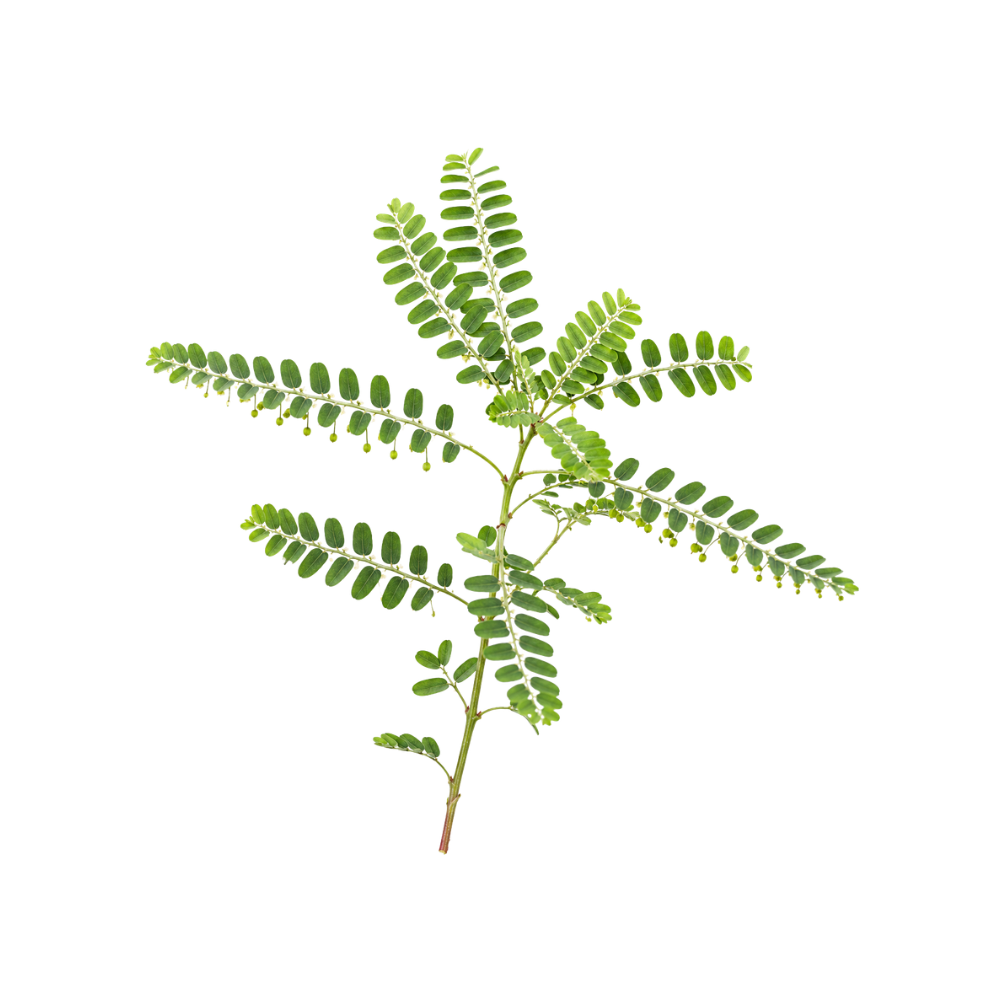 Principal source Chanca Piedra Phyllanthus niruri Herb monograph →
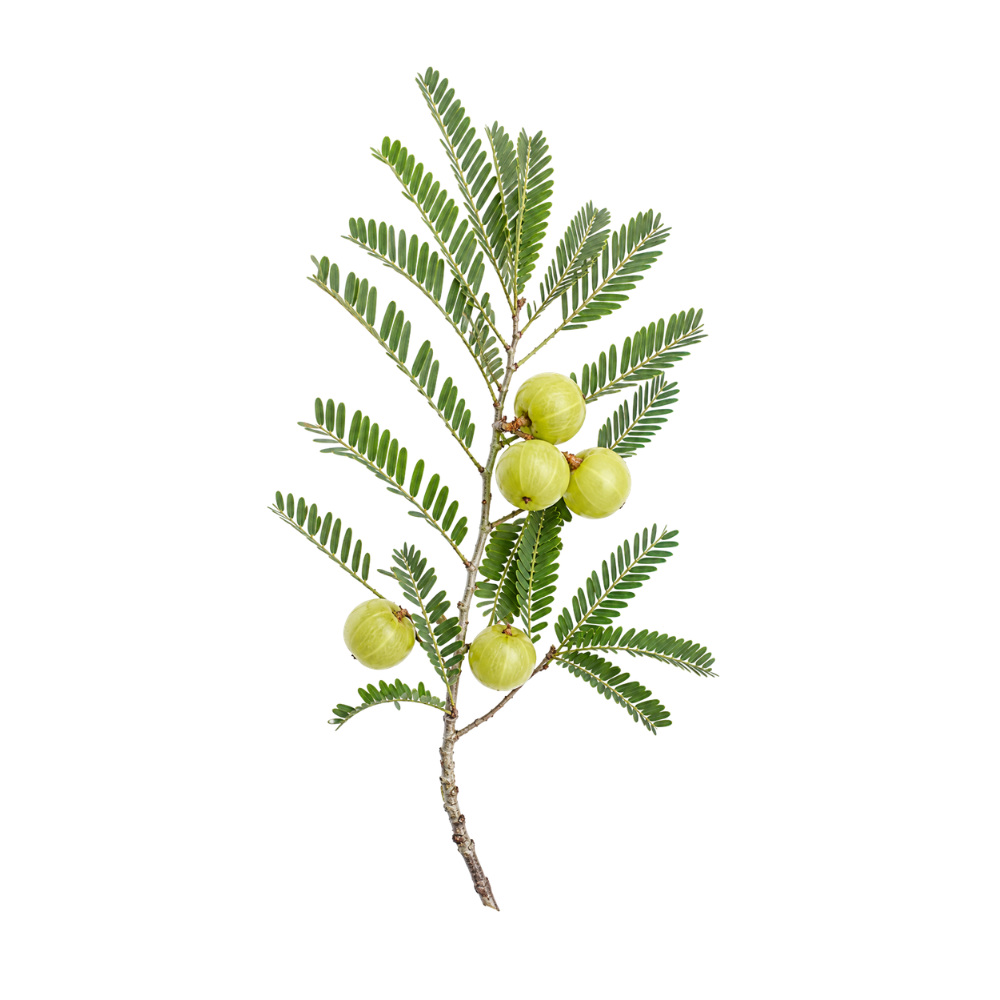 Source Amla Phyllanthus emblica Herb monograph →
Concentration
Content by Source
Concentrations not reported. No percent-dry-weight or mg/g figures have been published for this compound in its source plants.
Geraniin at a Glance
Geraniin is a hydrolysable tannin of the ellagitannin family — a large, intensely hydroxylated molecule (C₄₁H₂₈O₂₇, ~953 Da) named for Geranium thunbergii, the Japanese antidiarrhoeal herb gennoshōko from which it was first isolated in 1976 1Reference 1Geraniin, a new ellagitannin from Geranium thunbergiiView study →. It is also the marker ellagitannin of several Phyllanthus species, including the chanca piedra sold for kidney stones, and the dominant polyphenol of rambutan fruit peel 32Reference 32Metal chelating, inhibitory DNA damage, and anti-inflammatory activities of phenolics from rambutan (Nephelium lappaceum) peel and the quantifications of geraniin and corilaginView study →.
The single most important fact about geraniin is that it does not stay geraniin. It carries a dehydrohexahydroxydiphenoyl (DHHDP) group that exists as a hydrate equilibrium in solution, and it hydrolyses readily in hot water, weak acid and weak base to corilagin, and then on to ellagic acid and gallic acid 2,
The honest evidence posture is straightforward: geraniin has a substantial, genuinely isolate-based preclinical literature — more than most molecules here — across anti-inflammatory, antiviral, antihypertensive and antioxidant endpoints. It has no human trials at all, and no measurable intestinal permeability in a Caco-2 model 5Reference 5Permeability of the ellagitannin geraniin and its metabolites in a human colon adenocarcinoma Caco-2 cell culture modelView study →, so its systemic effects are almost certainly delivered by gut-derived fragments and urolithins rather than by intact geraniin in plasma.
The Instability Problem
This is the section that matters most, and it is why it matters separately from corilagin.
The chemistry. Geraniin’s DHHDP moiety sits in a hydrate equilibrium — Okuda’s group needed a dedicated 1982 paper to pin down the hydrated stereostructure, because the molecule presents as multiple interconverting species rather than one clean peak 2Reference 2Constituents of Geranium thunbergii Sieb. et ZuccView study →. Under decoction, acid or base it loses that group and becomes corilagin; further hydrolysis of the galloyl and HHDP esters yields gallic acid and ellagic acid 3,
It is measurable, not theoretical. Quantitative NMR of Geranium thunbergii showed geraniin as the major component of a short decoction and corilagin as the major component of a long one, with the ethyl acetate and butanol fractions of the long decoction dominated by corilagin 4Reference 4Simultaneous quantification of ellagitannins and related polyphenols in Geranium thunbergii using quantitative NMRView study →. In other words, brewing time alone flips which molecule you are dosing. The same logic applies to extract age, drying method and solvent — a point rambutan-peel process papers make repeatedly 32Reference 32Metal chelating, inhibitory DNA damage, and anti-inflammatory activities of phenolics from rambutan (Nephelium lappaceum) peel and the quantifications of geraniin and corilaginView study →.
It contaminates the pharmacology. The cleanest demonstration comes from an amyloid study: geraniin inhibited Aβ42 aggregation in vitro, but saturation-transfer-difference NMR showed no binding of geraniin to Aβ42 — while its hydrolysates gallic acid and corilagin both bound. The authors concluded the activity of the extract was carried by hydrolysis products generated under the assay conditions, not by geraniin 29Reference 29Chemical analysis of amyloid β aggregation inhibitors derived from Geranium thunbergiiView study →. Any long-incubation, aqueous, warm assay of geraniin is vulnerable to the same objection.
Formulators route around it. Because the free molecule is hard to isolate and store, some groups work with acetonylgeraniin, a stable acetone condensate, rather than geraniin itself 38Reference 38Chemical composition and hepatotoxic effect of Geranium schiedeanum in a thioacetamide-induced liver injury modelView study →.
The practical reading: when a paper credits geraniin, ask whether the material was characterised at the point of assay, and whether corilagin, ellagic acid or gallic acid could have done the work instead. Several of the findings below survive that test — the dengue envelope-protein binding and the IL-1β binding are structure-specific — and several do not.
What It's Used For
The literature is unusually isolate-heavy for a tannin: purified geraniin (typically 95–99% pure, from rambutan rind or Geranium) has been run in cell models and in rats across five distinct areas. What it has never been run in is a human.
Support is an experimental score — weighted by study type (human > animal > in vitro) and volume. A beta, not a validated metric. Every row is preclinical, so all scores stay in the lower half by design. Each application links to its write-up.
The best-supported application, and the one with the most specific target. Isolated geraniin in LPS-stimulated RAW 264.7 macrophages suppressed iNOS expression and ROS, cut nitric oxide and pro-inflammatory cytokine output, impaired NF-κB nuclear translocation and Akt phosphorylation, and induced HO-1 via Nrf2 — a dual “block the inflammatory arm, switch on the cytoprotective arm” pattern 10Reference 10Inhibitory effects of geraniin on LPS-induced inflammation via regulating NF-κB and Nrf2 pathways in RAW 264.7 cellsView study →.
A 2024 study went further and named a molecular partner: geraniin binds IL-1β directly, blocks the IL-1β/IL-1R interaction, restores tight-junction proteins in IL-1β-stimulated Caco-2 cells, and reduces symptoms and barrier injury in DSS colitis mice via MAPK/NF-κB/MLC 11Reference 11AnimalGeraniin alleviates inflammation in Caco-2 cells and dextran sulfate sodium-induced colitis mice by targeting IL-1βView study →.
Older work put geraniin’s TNF-α-release inhibition at an IC₅₀ of 43 µM (versus 76 µM for corilagin and 26 µM for EGCG) 12Reference 12New TNF-alpha releasing inhibitors as cancer preventive agents from traditional herbal medicineView study →.
Gap: all isolate-in-vitro or rodent; the colitis result is the most translatable precisely because the gut lumen is the one compartment geraniin actually reaches. Whole-Phyllanthus extracts hit the same NF-κB/MAPK/PI3K-Akt network 36Reference 36Anti-inflammatory effects of Phyllanthus amarus Schum. & Thonn. through inhibition of NF-κB, MAPK, and PI3K-Akt signaling pathways in LPS-induced human macrophagesView study →, so herb-level anti-inflammatory effects cannot be assigned to geraniin alone.
The strongest structure-specific isolate result on the page. Geraniin purified from Nephelium lappaceum rind inhibited dengue-2 plaque formation in Vero cells with an IC₅₀ of 1.75 µM at non-cytotoxic concentrations, reduced viral infectivity, and blocked attachment rather than penetration; docking and an ELISA competitive-binding assay placed it on domain III of the DENV envelope protein 13Reference 13Geraniin extracted from the rind of Nephelium lappaceum binds to dengue virus type-2 envelope protein and inhibits early stage of virus replicationView study →.
In DENV-2-infected BALB/c mice, geraniin given 24 h before or after infection kept liver damage mild, and given 72 h post-infection cut serum viral RNA load 14Reference 14AnimalEfficacy of geraniin on dengue virus type-2 infected BALB/c miceView study →.
Independently, a geraniin-rich Phyllanthus phillyreifolius extract and geraniin itself blocked all four DENV serotypes and Zika virus in A549 cells by preventing particle internalisation and destroying particle infectivity, with no toxicity in zebrafish 15Reference 15The geraniin-rich extract from Reunion Island endemic medicinal plant Phyllanthus phillyreifolius inhibits Zika and dengue virus infection at non-toxic effect doses in zebrafishView study →.
A separate group showed geraniin blocks the SARS-CoV-2 spike-RBD/hACE2 interaction in a competitive ELISA (K_D 0.63 µM for spike, 1.12 µM for hACE2) 28Reference 28Geraniin inhibits the entry of SARS-CoV-2 by blocking the interaction between spike protein RBD and human ACE2 receptorView study →.
Gap: a plausible mechanism for an extracellular, mucosal-surface antiviral — geraniin coating virions or receptors — but there is no pharmacokinetic bridge to systemic antiviral therapy, no human data, and large polyphenols are notorious for non-specific protein binding in exactly these assays. The SARS-CoV-2 work is binding-assay and in-silico only, with no infectious-virus endpoint 28Reference 28Geraniin inhibits the entry of SARS-CoV-2 by blocking the interaction between spike protein RBD and human ACE2 receptorView study →.
This is geraniin’s oldest documented pharmacology and the one that ties it to chanca piedra. The 1988 Paraguayan survey that first connected the two isolated geraniin from Phyllanthus niruri (“paraparai mi”) specifically as an angiotensin-converting-enzyme inhibitor 16Reference 16Chemical and pharmaceutical studies on medicinal plants in ParaguayView study →.
Two decades later, geraniin purified from P. urinaria inhibited ACE with an IC₅₀ of 13.22 µM (mixed non-competitive) and semicarbazide-sensitive amine oxidase at 6.58 µM (competitive, Kᵢ 0.70 µM); a single 5 mg/kg oral dose lowered systolic and diastolic pressure in spontaneously hypertensive rats at 2, 4, 6, 8 and 24 h against captopril 2 mg/kg 17Reference 17Antioxidant, anti-semicarbazide-sensitive amine oxidase, and anti-hypertensive activities of geraniin isolated from Phyllanthus urinariaView study →.
In high-fat-diet rats, geraniin reduced blood pressure at every dose from 3.125 to 100 mg/kg — with no change in serum electrolytes, renin or aldosterone, implying the effect is not a straightforward renin-angiotensin shutdown 19Reference 19AnimalEffects of geraniin (rambutan rind extract) on blood pressure and metabolic parameters in rats fed high-fat dietView study →.
Gap: the mechanism may not be geraniin’s own. When the same group tested geraniin against its metabolites, ellagic acid — not geraniin — matched captopril’s ACE inhibition, and they concluded the metabolites are the likely carriers of the in-vivo antihypertensive effect 18Reference 18In vitroMetabolites of the ellagitannin, geraniin inhibit human ACE; in vitro and in silico evidenceView study →. Given no measurable absorption of intact geraniin 5Reference 5Permeability of the ellagitannin geraniin and its metabolites in a human colon adenocarcinoma Caco-2 cell culture modelView study →, that is the more parsimonious reading. Add the 24-hour duration from a single 5 mg/kg dose 17Reference 17Antioxidant, anti-semicarbazide-sensitive amine oxidase, and anti-hypertensive activities of geraniin isolated from Phyllanthus urinariaView study →, and a metabolite-mediated effect looks likelier than direct ACE blockade in vivo.
Geraniin is a potent radical scavenger by assay: purified from P. urinaria, it gave DPPH IC₅₀ values of 0.92 µM (pH 4.5) and 1.27 µM (pH 7.9), hydroxyl-radical IC₅₀ of 0.11 µM (deoxyribose) to 1.44 µM (ESR), superoxide IC₅₀ 2.65 µM and xanthine-oxidase inhibition at 30.49 µM 17Reference 17Antioxidant, anti-semicarbazide-sensitive amine oxidase, and anti-hypertensive activities of geraniin isolated from Phyllanthus urinariaView study →.
Among compounds isolated from amla (Phyllanthus emblica) fruit rind, geraniin was the strongest nitric-oxide radical scavenger 34Reference 34Nitric oxide radical scavenging active components from Phyllanthus emblica LView study →.
In vivo, four weeks of oral geraniin (10 and 50 mg/kg) restored protein carbonyl content, SOD, glutathione peroxidase/reductase and the GSH/GSSG ratio in high-fat-diet rats toward control values, with the effect clearer at 50 mg/kg 22Reference 22AnimalGeraniin protects high-fat diet-induced oxidative stress in Sprague Dawley ratsView study →.
Gap: the sub-micromolar figures are chemical assays in a tube, and the class caveat is decisive — geraniin’s own microbial metabolites out-perform intact geraniin and corilagin in ORAC, and plasma antioxidant capacity after oral geraniin tracks the metabolites, not the parent 7Reference 7Metabolites of the ellagitannin geraniin and their antioxidant activitiesView study →. So the antioxidant story in a living animal is largely a urolithin story.
A consistent rodent picture that is not the α-glucosidase story often attached to chanca piedra. Geraniin at 25 mg/kg/day for four weeks reversed hypertension, impaired glucose and lipid handling, visceral and hepatic fat deposition and disturbed antioxidant/inflammatory markers in high-fat-diet metabolic-syndrome rats, comparably to metformin at 200 mg/kg, with hepatic transcriptomics showing suppression of the diet-activated lipid/steroid metabolic programme 20Reference 20AnimalPleiotropic ameliorative effects of ellagitannin geraniin against metabolic syndrome induced by high-fat diet in ratsView study →.
Dose-ranging work found reduced serum insulin, insulin resistance and advanced-glycation-end-product levels at the lowest doses — but no significant fall in fasting glucose or HbA1c 19Reference 19AnimalEffects of geraniin (rambutan rind extract) on blood pressure and metabolic parameters in rats fed high-fat dietView study →.
In 3T3-L1 adipocytes, geraniin and its metabolites at 0.2–20 µM showed insulin-like and insulin-sensitising effects on glucose uptake 21Reference 21The insulin-sensitising properties of the ellagitannin geraniin and its metabolites from Nephelium lappaceum rind in 3T3-L1 cellsView study →.
Gap: an important attribution correction — when Phyllanthus niruri water extract was fractionated by α-glucosidase activity, the inhibitors identified were corilagin (IC₅₀ 0.9 µM) and repandusinic acid A (1.9 µM); geraniin was not among them 23Reference 23Investigation of antidiabetic potential of Phyllanthus niruri L. using assays for α-glucosidase, muscle glucose transport, liver glucose production, and adipogenesisView study →. Geraniin has no established α-glucosidase potency of its own in these sources, and the herb-level antidiabetic claim should not be routed through it. Its own metabolic evidence is insulin sensitisation and AGE suppression in rats, not carbohydrate-digestion blockade.
The application chanca piedra’s reputation rests on, and the weakest row here. Geraniin isolated from Geranium carolinianum suppressed HBsAg and HBeAg secretion by 85.8% and 63.7% at a non-cytotoxic 200 µg/mL, out-performing lamivudine at the same concentration 24Reference 24Anti-hepatitis B virus activities of Geranium carolinianum L. extracts and identification of the active componentsView study →.
A screen of 25 Phyllanthus compounds put geraniin at only 32.1% (HBsAg) and 46.6% (HBeAg) inhibition at 50 µM — behind the lignans, with niranthin the best anti-HBsAg agent 25Reference 25In vitroScreening of 25 compounds isolated from Phyllanthus species for anti-human hepatitis B virus in vitroView study →.
A cell-based cccDNA screen found geraniin, punicalagin and punicalin all reduced HBeAg and cccDNA dose-dependently, chiefly by preventing cccDNA formation rather than by blocking DNA replication 26Reference 26Identification of hydrolyzable tannins (punicalagin, punicalin and geraniin) as novel inhibitors of hepatitis B virus covalently closed circular DNAView study →.
Gap: these are in-vitro antigen-secretion assays at high concentrations, and the human record runs the other way — New Zealand hepatitis-B carriers given Phyllanthus amarus simply failed to respond 27Reference 27Failure of New Zealand hepatitis B carriers to respond to Phyllanthus amarusView study →. The Phyllanthus-for-hepatitis literature is largely whole-extract and mixed, so geraniin cannot be presented as the mechanism behind a clinical effect that has not been established.
Mechanisms
| Target / pathway | Effect | Relevant to |
|---|---|---|
| IL-1β (direct binding) | blocks the IL-1β/IL-1R interaction; restores tight junctions | anti-inflammatorycolitis |
| NF-κB (translocation), Akt, MAPK, iNOS, COX-2/TNF-α | suppression of the LPS inflammatory programme | anti-inflammatory |
| Nrf2 / HO-1 | induction — the cytoprotective arm | anti-inflammatoryantioxidant |
| DENV envelope protein, domain III | binding → blocks viral attachment, cuts particle infectivity | antiviral (flaviviruses) |
| HBV cccDNA | prevents establishment; modest decay of existing pool | antiviral (hepatitis B) |
| Angiotensin-converting enzyme (ACE) | mixed non-competitive inhibition, IC₅₀ 13.22 µM in vitro | antihypertensive |
| Semicarbazide-sensitive amine oxidase (SSAO) | competitive inhibition, IC₅₀ 6.58 µM (Kᵢ 0.70 µM) | vascular / metabolic |
| Xanthine oxidase | inhibition, IC₅₀ 30.49 µM | antioxidanturate |
| Advanced glycation end-products | reduced formation in high-fat-diet rats | metabolic |
| Spindle assembly checkpoint (Mad2/Bub1 down in cancer cells; Mad1/BubR1 up in normal cells) | opposite regulation → chromosome instability only in the tumour line | anticancer signal / safety flag |
| SARS-CoV-2 spike RBD ↔ hACE2 | competitive blockade in binding assays | antiviral (in vitro only) |
| Protein and non-heme-iron binding (tannin class) | complexation | astringencyiron-absorption caution |
The two mechanisms that survive the instability objection most cleanly are the DENV-envelope and IL-1β interactions, because both are structure-specific binding events rather than generic redox or protein-precipitation effects.
Pharmacokinetics
This is the load-bearing limitation, and it is unusually well characterised for a tannin. Geraniin is a ~953 Da, extremely polar molecule (log P −0.73) with poor solubility in simulated gastric fluid but good solubility in intestinal fluid — the physicochemical profile of something that dissolves but does not cross 6Reference 6The physicochemical properties of geraniin, a potential antihyperglycemic agentView study →. In a Caco-2 monolayer, geraniin, corilagin and ellagic acid showed no apparent permeability at all; only gallic acid crossed (P_app 31.3 × 10⁻⁶ cm/s). Mass-balance work in the same study showed geraniin and corilagin were being hydrolysed in the transport buffer and metabolised during transport, with ellagic acid accumulating inside the cells 5Reference 5Permeability of the ellagitannin geraniin and its metabolites in a human colon adenocarcinoma Caco-2 cell culture modelView study →.
What reaches the circulation is therefore fragments and microbial metabolites. After oral geraniin in rats, seven urinary and intestinal microbial metabolites were isolated and identified as dibenzopyran (urolithin-type) derivatives; four of them out-performed intact geraniin and corilagin in ORAC, and plasma antioxidant capacity rose in step with plasma metabolite concentration, not parent concentration 7Reference 7Metabolites of the ellagitannin geraniin and their antioxidant activitiesView study →. Urolithin A — the same metabolite generated from pomegranate ellagitannins — is itself orally active and anti-inflammatory in carrageenan paw oedema 8Reference 8AnimalIn vivo anti-inflammatory and antioxidant properties of ellagitannin metabolite urolithin AView study →. This places geraniin squarely inside the ellagitannin class picture, where conversion to ellagic acid and then to urolithins by colonic microbiota, with large inter-individual metabotype variation, governs what a person actually gets 37Reference 37ReviewUnlocking the therapeutic potential of ellagitannins: a comprehensive review of key representativesView study →.
The one direct pharmacokinetic dataset is intravenous, not oral: a rat UPLC study reported a terminal half-life of 7.20 ± 2.20 h, clearance of 0.03 L/h/kg and an apparent volume of distribution of 0.05 L/kg — a very small distribution volume consistent with a molecule confined to plasma and extracellular water 9Reference 9AnimalAn UPLC method for determination of geraniin in rat plasma and its application to pharmacokinetic studiesView study →. There is no human ADME study of geraniin.
Clinical Trials
There are no human trials of geraniin, of any design. A PubMed search returns none, and the compound’s entire evidence base is in vitro and rodent. Human exposure is incidental — as a tannin in Phyllanthus decoctions, amla preparations and rambutan peel products — and the one human Phyllanthus hepatitis-B result in this literature was negative 27Reference 27Failure of New Zealand hepatitis B carriers to respond to Phyllanthus amarusView study →.
| Completed | Planned | Terminated | Preclinical |
|---|---|---|---|
| —(none, isolate) | — | — | Extensive(rat, mouse, zebrafish, multiple cell models) |
Last checked: August 2026.
Isolate vs. Plant Studies
Geraniin scores better than most tannins here, with an important asterisk.
The isolate work is real. Unusually for this class, most of the pharmacology above used purified geraniin — 95–99% pure material from rambutan rind or Geranium — dosed as a single compound in cells and orally in rats 13,
The asterisk is the instability, not the plant. The usual isolate-vs-plant caveat is replaced by an isolate-vs-fragment caveat: purity at the start of an experiment does not guarantee identity at the end of it 4,
Where the plant does the work. The whole-Phyllanthus anti-inflammatory and immunomodulatory literature is extract-based, with geraniin quantified as one of several HPLC markers alongside phyllanthin, hypophyllanthin, corilagin, ellagic acid and gallic acid 36Reference 36Anti-inflammatory effects of Phyllanthus amarus Schum. & Thonn. through inhibition of NF-κB, MAPK, and PI3K-Akt signaling pathways in LPS-induced human macrophagesView study →. Those extract results belong to the extract. Likewise the Phyllanthus hepatitis-B reputation is a whole-decoction story with a negative human trial in it 27Reference 27Failure of New Zealand hepatitis B carriers to respond to Phyllanthus amarusView study →, not a geraniin story.
Its Role in Plants
Geraniin is a defensive hydrolysable tannin — an astringent, protein-precipitating polyphenol concentrated in the tissues most exposed to herbivory and microbial attack: fruit peel (rambutan), seed coat (longan) and aerial parts (Geranium, Phyllanthus). Its distinctive dehydrohexahydroxydiphenoyl group makes it chemically reactive as well as astringent, and it acts as a biosynthetic hub: related Phyllanthus ellagitannins such as elaeocarpusin and phyllanthusiin D are geraniin derivatives, and they co-occur with it in the same extracts 35Reference 35Antioxidant potential and phytochemical composition of extracts obtained from Phyllanthus phillyreifolius by different extraction methodsView study →. The instability that frustrates chemists is, from the plant’s point of view, part of the point — a tannin that fragments into further reactive phenolics on wounding.
Prevalence in Nature
Geraniin is distributed across three unrelated plant families, which is why its literature is scattered.
Geraniaceae is the type genus. It is the principal ellagitannin of Geranium thunbergii (the Japanese antidiarrhoeal gennoshōko), where quantitative NMR across six Japanese and three Chinese collection sites found Japanese material consistently richer than Chinese 4Reference 4Simultaneous quantification of ellagitannins and related polyphenols in Geranium thunbergii using quantitative NMRView study →. It also occurs in G. carolinianum 24Reference 24Anti-hepatitis B virus activities of Geranium carolinianum L. extracts and identification of the active componentsView study →, G. sibiricum 10Reference 10Inhibitory effects of geraniin on LPS-induced inflammation via regulating NF-κB and Nrf2 pathways in RAW 264.7 cellsView study → and G. schiedeanum 38Reference 38Chemical composition and hepatotoxic effect of Geranium schiedeanum in a thioacetamide-induced liver injury modelView study →, and in a 46-sample survey of thirty-one Geranium and Erodium species, geraniin and ellagic acid were the major compounds identified in the most enzyme-inhibitory extracts 39Reference 39Enzyme inhibitory activities and RP-HPLC analysis of Geranium and Erodium speciesView study →.
Phyllanthaceae/Euphorbiaceae is the medicinal cluster. Geraniin appears in Phyllanthus niruri 16Reference 16Chemical and pharmaceutical studies on medicinal plants in ParaguayView study →, P. amarus 36Reference 36Anti-inflammatory effects of Phyllanthus amarus Schum. & Thonn. through inhibition of NF-κB, MAPK, and PI3K-Akt signaling pathways in LPS-induced human macrophagesView study →, P. urinaria 17Reference 17Antioxidant, anti-semicarbazide-sensitive amine oxidase, and anti-hypertensive activities of geraniin isolated from Phyllanthus urinariaView study →, P. emblica (amla) fruit rind 34Reference 34Nitric oxide radical scavenging active components from Phyllanthus emblica LView study → and — as the single main constituent — P. phillyreifolius from Réunion 35Reference 35Antioxidant potential and phytochemical composition of extracts obtained from Phyllanthus phillyreifolius by different extraction methodsView study →.
Sapindaceae holds the richest documented source. In rambutan (Nephelium lappaceum) fruit peel, a phenolic extract assayed 140.02 mg/g geraniin against 7.87 mg/g corilagin by UPLC-QQQ-MS 32Reference 32Metal chelating, inhibitory DNA damage, and anti-inflammatory activities of phenolics from rambutan (Nephelium lappaceum) peel and the quantifications of geraniin and corilaginView study → — an ~18:1 ratio, and the reason nearly all modern geraniin pharmacology comes out of Malaysian groups working with rambutan processing waste. Longan (Dimocarpus longan) seed carries 5.79 g/kg dry weight within an 80.90 g/kg polyphenolic fraction 33Reference 33Isolation and characterization of ellagitannins as the major polyphenolic components of Longan (Dimocarpus longan Lour) seedsView study →.
Major Natural Sources
| Source | Part | Geraniin reported | Basis | Ref |
|---|---|---|---|---|
| Rambutan (Nephelium lappaceum) | fruit peel | 140.02 mg/g | phenolic extract, dry wt | 32Reference 32Metal chelating, inhibitory DNA damage, and anti-inflammatory activities of phenolics from rambutan (Nephelium lappaceum) peel and the quantifications of geraniin and corilaginView study → |
| Longan (Dimocarpus longan) | seed | 5.79 g/kg | seed dry wt | 33Reference 33Isolation and characterization of ellagitannins as the major polyphenolic components of Longan (Dimocarpus longan Lour) seedsView study → |
| Geranium thunbergii | aerial parts | major component of a short decoction; corilagin overtakes it in a long one | qNMR of decoction | 4Reference 4Simultaneous quantification of ellagitannins and related polyphenols in Geranium thunbergii using quantitative NMRView study → |
| Phyllanthus phillyreifolius | aerial parts | main constituent of the hydrophilic extract | UPLC-MS, qualitative rank | 35Reference 35Antioxidant potential and phytochemical composition of extracts obtained from Phyllanthus phillyreifolius by different extraction methodsView study → |
| Chanca piedra (Phyllanthus niruri) | whole plant | present; no quantified figure located | — | 16Reference 16Chemical and pharmaceutical studies on medicinal plants in ParaguayView study → |
| Amla (Phyllanthus emblica) | fruit rind | present; strongest NO scavenger of the isolates | — | 34Reference 34Nitric oxide radical scavenging active components from Phyllanthus emblica LView study → |
The two numeric rows are on different bases — one is per gram of a phenolic extract, the other per gram of dry seed — so they are not directly comparable, and no like-for-like dry-weight series exists across these sources.
The Phyllanthus Species Problem
This matters for anyone matching the chemistry to chanca piedra. A targeted search for geraniin AND "Phyllanthus niruri" returns just two records; geraniin AND "Phyllanthus amarus" returns 23, and "Phyllanthus urinaria" eight. The attribution to P. niruri is nonetheless sound — it rests on the 1988 Paraguayan study that isolated geraniin from genuinely American P. niruri material sold as paraparai mi 16Reference 16Chemical and pharmaceutical studies on medicinal plants in ParaguayView study → — but the bulk of the geraniin data attached to “chanca piedra” was generated on P. amarus or P. urinaria, the Asian look-alikes routinely sold and published under the P. niruri name. The three are widely conflated, and they differ chemically. Read a geraniin claim about chanca piedra as a genus-level claim unless the paper says otherwise.
Discovery & Synthesis
Geraniin was isolated and named in 1976 by Takuo Okuda, Takashi Yoshida and Hiroshi Nayeshiro at Okayama University, from Geranium thunbergii — hence the name 1Reference 1Geraniin, a new ellagitannin from Geranium thunbergiiView study →. Its structure was assigned the following year, but the molecule resisted a clean description for another five: the dehydrohexahydroxydiphenoyl group exists as a hydrate in equilibrium, and Okuda’s group needed a further paper in 1982 to establish the hydrated stereostructure and equilibration 2Reference 2Constituents of Geranium thunbergii Sieb. et ZuccView study →. The same laboratory published the decoction-transformation study that first documented geraniin’s conversion on boiling 3Reference 3Constituents of Geranium thunbergii Sieb. et ZuccView study → — instability was recognised as a defining property from the beginning.
No total synthesis of geraniin is reported in the literature reviewed here. That is unsurprising: with 27 oxygens, a strained DHHDP bridge and a hydrate equilibrium, it is a hard target with no commercial incentive, since the natural material is abundant.
Manufacture today is extraction, not synthesis. The dominant route is purification from rambutan fruit peel, a food-processing waste stream: reverse-phase C18 chromatography of N. lappaceum rind extract gives 97–99% pure geraniin at a purification yield around 10.8% 6Reference 6The physicochemical properties of geraniin, a potential antihyperglycemic agentView study →. Where the free molecule’s instability is prohibitive, chemists have worked instead with acetonylgeraniin, a stable acetone condensate 38Reference 38Chemical composition and hepatotoxic effect of Geranium schiedeanum in a thioacetamide-induced liver injury modelView study →.
Patents: not yet researched.
Toxicity & Safety
Geraniin carries a low flag: the one formal toxicology study found no meaningful haematological or biochemical change after a single high oral dose, and rats tolerated four weeks of 10–100 mg/kg without reported toxicity 19,
- No acute toxicity signal. In an OECD 423 study, blood counts, biochemistry and histopathology were unchanged versus control, and the LD₅₀ cut-off was set at 2000 mg/kg for both geraniin and a geraniin-enriched rambutan extract.
- Tolerated in repeat-dose rodent work. Four weeks at 10–50 mg/kg and dose-ranging to 100 mg/kg produced benefit without reported harm.
- Liver histology at the top dose. Hepatocytes in three geraniin-dosed rats showed a “foamy appearance”, so the no-observed-adverse-effect level for pure geraniin was set below 2000 mg/kg — lower than for the enriched extract.
- Binds non-heme iron and proteins. A tannin-class effect; relevant if you supplement iron or are iron-deficient, and the reason high tannin intakes are astringent and can irritate the gut.
- A chromosome-instability mechanism exists. Geraniin weakens the spindle assembly checkpoint in colon cancer cells (the proposed basis of its selective anticancer effect) while strengthening it in normal cells — a mechanism worth naming rather than ignoring.
- No human data of any kind. No trial, no ADME study, no reproductive or developmental dataset for the isolate.
Full Safety & Interactions Detail
Acute oral toxicity. The only dedicated study followed OECD 423 in Sprague Dawley rats with a single oral dose of geraniin or a geraniin-enriched N. lappaceum rind extract, followed by 14 days of observation, full blood count, blood biochemistry and organ histopathology. All parameters were statistically indistinguishable from control, and the LD₅₀ cut-off was established at 2000 mg/kg for both. The one finding was a “foamy appearance” of hepatocytes in three geraniin-treated rats, on the strength of which the authors set the NOAEL for pure geraniin below 2000 mg/kg while allowing up to 2000 mg/kg for the enriched extract — a notable inversion, and they explicitly called for further toxicity work before human use 30Reference 30AnimalAcute oral toxicity of the ellagitannin geraniin and a geraniin-enriched extract from Nephelium lappaceum L rind in Sprague Dawley ratsView study →. Repeat-dose rodent studies at 10–100 mg/kg for four weeks reported no toxicity 19,
Cell-cycle and chromosome effects. Geraniin’s proposed selective anticancer mechanism is abrogation of the spindle assembly checkpoint: in HCT116 colon cancer cells it lowered transcription of SAC kinases (notably Mad2 and Bub1), forcing premature anaphase, mitotic aberrations and catastrophic chromosome instability, while in non-cancerous CCD841 colon epithelium it raised Mad1 and BubR1 and reduced chromosome instability 31Reference 31Geraniin differentially modulates chromosome stability of colon cancer and noncancerous cells by oppositely regulating their spindle assembly checkpointView study →. The opposite-direction effect in normal cells is reassuring, but a molecule that manipulates mitotic checkpoints is not one to treat as an inert dietary polyphenol.
Tannin-class interactions. As a large hydrolysable tannin, geraniin binds and precipitates proteins and chelates metal ions — rambutan peel phenolics chelate Fe²⁺ and Cu²⁺ with EC₅₀ values of 0.80 and 0.13 mg/mL 32Reference 32Metal chelating, inhibitory DNA damage, and anti-inflammatory activities of phenolics from rambutan (Nephelium lappaceum) peel and the quantifications of geraniin and corilaginView study →. The practical consequences are the class ones: reduced non-heme iron absorption, astringency and possible gastrointestinal irritation at high oral intakes, and the potential to complex co-administered drugs in the gut. No specific cytochrome-P450 or transporter interaction has been characterised for geraniin itself, which is a gap rather than a clean bill.
Reproductive note (prose only). No reproductive or developmental toxicity data exist for isolated geraniin, and its mitotic-checkpoint mechanism 31Reference 31Geraniin differentially modulates chromosome stability of colon cancer and noncancerous cells by oppositely regulating their spindle assembly checkpointView study → is an unfavourable unknown in that context. Pregnancy and lactation decisions belong to the herb or product page where intake is actually decided, not to a molecule page.
What is not known. Interactions, genotoxicity, carcinogenicity and repeat-dose toxicology have not been formally assessed for this compound in humans. Absence of findings here reflects absence of studies.
Dosage
There is no human dose for geraniin, and nothing below is a recommendation. Every figure is a research quantity.
| Setting | Form | Dose / concentration studied |
|---|---|---|
| Rat metabolic syndrome / high-fat diet | purified geraniin, oral gavage | 25 mg/kg/day for 4 weeks 20Reference 20AnimalPleiotropic ameliorative effects of ellagitannin geraniin against metabolic syndrome induced by high-fat diet in ratsView study → |
| Rat oxidative stress (high-fat diet) | purified geraniin, oral | 10 and 50 mg/kg for 4 weeks 22Reference 22AnimalGeraniin protects high-fat diet-induced oxidative stress in Sprague Dawley ratsView study → |
| Rat blood-pressure dose-ranging | rambutan-rind geraniin, oral | 3.125–100 mg/kg (effect at the lowest dose) 19Reference 19AnimalEffects of geraniin (rambutan rind extract) on blood pressure and metabolic parameters in rats fed high-fat dietView study → |
| Spontaneously hypertensive rats | geraniin from P. urinaria, single oral dose | 5 mg/kg (vs captopril 2 mg/kg) 17Reference 17Antioxidant, anti-semicarbazide-sensitive amine oxidase, and anti-hypertensive activities of geraniin isolated from Phyllanthus urinariaView study → |
| Dengue-2, Vero cells | isolated geraniin | IC₅₀ 1.75 µM 13Reference 13Geraniin extracted from the rind of Nephelium lappaceum binds to dengue virus type-2 envelope protein and inhibits early stage of virus replicationView study → |
| Anti-inflammatory / TNF-α release | isolated geraniin | IC₅₀ 43 µM 12Reference 12New TNF-alpha releasing inhibitors as cancer preventive agents from traditional herbal medicineView study → |
| ACE inhibition | isolated geraniin | IC₅₀ 13.22 µM 17Reference 17Antioxidant, anti-semicarbazide-sensitive amine oxidase, and anti-hypertensive activities of geraniin isolated from Phyllanthus urinariaView study → |
| Acute oral toxicity ceiling | geraniin and enriched extract | LD₅₀ cut-off 2000 mg/kg; NOAEL for pure geraniin below that 30Reference 30AnimalAcute oral toxicity of the ellagitannin geraniin and a geraniin-enriched extract from Nephelium lappaceum L rind in Sprague Dawley ratsView study → |
Real-world exposure is entirely indirect — as one tannin among many in a Phyllanthus decoction, an amla preparation, or a rambutan-peel extract. Preparation matters more here than for most molecules: a brief infusion favours geraniin, while a long decoction or an aged extract converts it to corilagin and onward to gallic acid and ellagic acid 3,
References
- Okuda T, Yoshida T, Nayeshiro H (1976). Geraniin, a new ellagitannin from Geranium thunbergii. Tetrahedron Letters. https://doi.org/10.1016/S0040-4039(00)93091-0
- Okuda T, Yoshida T, Hatano T (1982). Constituents of Geranium thunbergii Sieb. et Zucc. Part 12. Hydrated stereostructure and equilibration of geraniin. Journal of the Chemical Society, Perkin Transactions 1. https://doi.org/10.1039/P19820000009
- Okuda T, Mori K, Ishino M (1979). Constituents of Geranium thunbergii Sieb. et Zucc. VIII. Transformations of geraniin upon decoction. Yakugaku Zasshi. https://pubmed.ncbi.nlm.nih.gov/575657/
- Bastian F, et al. (2018). Simultaneous quantification of ellagitannins and related polyphenols in Geranium thunbergii using quantitative NMR. Molecules. https://pubmed.ncbi.nlm.nih.gov/29867008/
- Elendran S, et al. (2019). Permeability of the ellagitannin geraniin and its metabolites in a human colon adenocarcinoma Caco-2 cell culture model. Food & Function. https://pubmed.ncbi.nlm.nih.gov/30566155/
- Elendran S, et al. (2015). The physicochemical properties of geraniin, a potential antihyperglycemic agent. Pharmaceutical Biology. https://pubmed.ncbi.nlm.nih.gov/25853977/
- Ito H (2011). Metabolites of the ellagitannin geraniin and their antioxidant activities. Planta Medica. https://pubmed.ncbi.nlm.nih.gov/21294073/
- Ishimoto H, et al. (2011). In vivo anti-inflammatory and antioxidant properties of ellagitannin metabolite urolithin A. Bioorganic & Medicinal Chemistry Letters. https://pubmed.ncbi.nlm.nih.gov/21843938/
- Yi Z, et al. (2017). An UPLC method for determination of geraniin in rat plasma and its application to pharmacokinetic studies. Current Pharmaceutical Analysis. https://pubmed.ncbi.nlm.nih.gov/28845150/
- Wang P, et al. (2016). Inhibitory effects of geraniin on LPS-induced inflammation via regulating NF-κB and Nrf2 pathways in RAW 264.7 cells. Chemico-Biological Interactions. https://pubmed.ncbi.nlm.nih.gov/27181634/
- Lee HR, et al. (2024). Geraniin alleviates inflammation in Caco-2 cells and dextran sulfate sodium-induced colitis mice by targeting IL-1β. Journal of Agricultural and Food Chemistry. https://pubmed.ncbi.nlm.nih.gov/38530797/
- Fujiki H, et al. (2003). New TNF-alpha releasing inhibitors as cancer preventive agents from traditional herbal medicine. Mutation Research. https://pubmed.ncbi.nlm.nih.gov/12628509/
- Abdul Ahmad SA, et al. (2017). Geraniin extracted from the rind of Nephelium lappaceum binds to dengue virus type-2 envelope protein and inhibits early stage of virus replication. Virology Journal. https://pubmed.ncbi.nlm.nih.gov/29162124/
- Abdul Ahmad SA, et al. (2019). Efficacy of geraniin on dengue virus type-2 infected BALB/c mice. Virology Journal. https://pubmed.ncbi.nlm.nih.gov/30813954/
- Haddad JG, et al. (2020). The geraniin-rich extract from Reunion Island endemic medicinal plant Phyllanthus phillyreifolius inhibits Zika and dengue virus infection at non-toxic effect doses in zebrafish. Molecules. https://pubmed.ncbi.nlm.nih.gov/32429073/
- Ueno H, et al. (1988). Chemical and pharmaceutical studies on medicinal plants in Paraguay. Geraniin, an angiotensin-converting enzyme inhibitor from “paraparai mi,” Phyllanthus niruri. Journal of Natural Products. https://pubmed.ncbi.nlm.nih.gov/3379417/
- Lin SY, et al. (2008). Antioxidant, anti-semicarbazide-sensitive amine oxidase, and anti-hypertensive activities of geraniin isolated from Phyllanthus urinaria. Food and Chemical Toxicology. https://pubmed.ncbi.nlm.nih.gov/18495318/
- Looi D, et al. (2021). Metabolites of the ellagitannin, geraniin inhibit human ACE; in vitro and in silico evidence. International Journal of Food Sciences and Nutrition. https://pubmed.ncbi.nlm.nih.gov/33032478/
- Phang SCW, Palanisamy UD, Kadir KA (2019). Effects of geraniin (rambutan rind extract) on blood pressure and metabolic parameters in rats fed high-fat diet. Journal of Integrative Medicine. https://pubmed.ncbi.nlm.nih.gov/30738774/
- Cheng HS, et al. (2020). Pleiotropic ameliorative effects of ellagitannin geraniin against metabolic syndrome induced by high-fat diet in rats. Nutrition. https://pubmed.ncbi.nlm.nih.gov/32916379/
- Perera A, et al. (2020). The insulin-sensitising properties of the ellagitannin geraniin and its metabolites from Nephelium lappaceum rind in 3T3-L1 cells. International Journal of Food Sciences and Nutrition. https://pubmed.ncbi.nlm.nih.gov/32319838/
- Chung APYS, et al. (2018). Geraniin protects high-fat diet-induced oxidative stress in Sprague Dawley rats. Frontiers in Nutrition. https://pubmed.ncbi.nlm.nih.gov/29616223/
- Najari Beidokhti M, et al. (2017). Investigation of antidiabetic potential of Phyllanthus niruri L. using assays for α-glucosidase, muscle glucose transport, liver glucose production, and adipogenesis. Biochemical and Biophysical Research Communications. https://pubmed.ncbi.nlm.nih.gov/28928090/
- Li J, et al. (2008). Anti-hepatitis B virus activities of Geranium carolinianum L. extracts and identification of the active components. Biological and Pharmaceutical Bulletin. https://pubmed.ncbi.nlm.nih.gov/18379075/
- Huang RL, et al. (2003). Screening of 25 compounds isolated from Phyllanthus species for anti-human hepatitis B virus in vitro. Phytotherapy Research. https://pubmed.ncbi.nlm.nih.gov/12748977/
- Liu C, et al. (2016). Identification of hydrolyzable tannins (punicalagin, punicalin and geraniin) as novel inhibitors of hepatitis B virus covalently closed circular DNA. Antiviral Research. https://pubmed.ncbi.nlm.nih.gov/27591143/
- Milne A, et al. (1994). Failure of New Zealand hepatitis B carriers to respond to Phyllanthus amarus. New Zealand Medical Journal. https://pubmed.ncbi.nlm.nih.gov/8208497/
- Kim YS, et al. (2021). Geraniin inhibits the entry of SARS-CoV-2 by blocking the interaction between spike protein RBD and human ACE2 receptor. International Journal of Molecular Sciences. https://pubmed.ncbi.nlm.nih.gov/34445310/
- Kubo K, et al. (2022). Chemical analysis of amyloid β aggregation inhibitors derived from Geranium thunbergii. Bioorganic & Medicinal Chemistry. https://pubmed.ncbi.nlm.nih.gov/35661848/
- Moorthy M, Khoo JJ, Palanisamy UD (2019). Acute oral toxicity of the ellagitannin geraniin and a geraniin-enriched extract from Nephelium lappaceum L rind in Sprague Dawley rats. Heliyon. https://pubmed.ncbi.nlm.nih.gov/31508523/
- Guo X, et al. (2019). Geraniin differentially modulates chromosome stability of colon cancer and noncancerous cells by oppositely regulating their spindle assembly checkpoint. Environmental and Molecular Mutagenesis. https://pubmed.ncbi.nlm.nih.gov/30403302/
- Li Y, et al. (2018). Metal chelating, inhibitory DNA damage, and anti-inflammatory activities of phenolics from rambutan (Nephelium lappaceum) peel and the quantifications of geraniin and corilagin. Molecules. https://pubmed.ncbi.nlm.nih.gov/30189625/
- Sudjaroen Y, et al. (2012). Isolation and characterization of ellagitannins as the major polyphenolic components of Longan (Dimocarpus longan Lour) seeds. Phytochemistry. https://pubmed.ncbi.nlm.nih.gov/22277734/
- Kumaran A, Karunakaran RJ (2006). Nitric oxide radical scavenging active components from Phyllanthus emblica L. Plant Foods for Human Nutrition. https://pubmed.ncbi.nlm.nih.gov/16688481/
- Grauzdytė D, et al. (2020). Antioxidant potential and phytochemical composition of extracts obtained from Phyllanthus phillyreifolius by different extraction methods. Natural Product Research. https://pubmed.ncbi.nlm.nih.gov/30445845/
- Harikrishnan H, et al. (2018). Anti-inflammatory effects of Phyllanthus amarus Schum. & Thonn. through inhibition of NF-κB, MAPK, and PI3K-Akt signaling pathways in LPS-induced human macrophages. BMC Complementary and Alternative Medicine. https://pubmed.ncbi.nlm.nih.gov/30045725/
- Mihaylova R, et al. (2025). Unlocking the therapeutic potential of ellagitannins: a comprehensive review of key representatives. Molecules. https://pubmed.ncbi.nlm.nih.gov/41302388/
- Gayosso-De-Lucio J, et al. (2014). Chemical composition and hepatotoxic effect of Geranium schiedeanum in a thioacetamide-induced liver injury model. Pharmacognosy Magazine. https://pubmed.ncbi.nlm.nih.gov/25298677/
- Özüpek B, et al. (2025). Enzyme inhibitory activities and RP-HPLC analysis of Geranium and Erodium species. Chemistry & Biodiversity. https://pubmed.ncbi.nlm.nih.gov/39374324/



