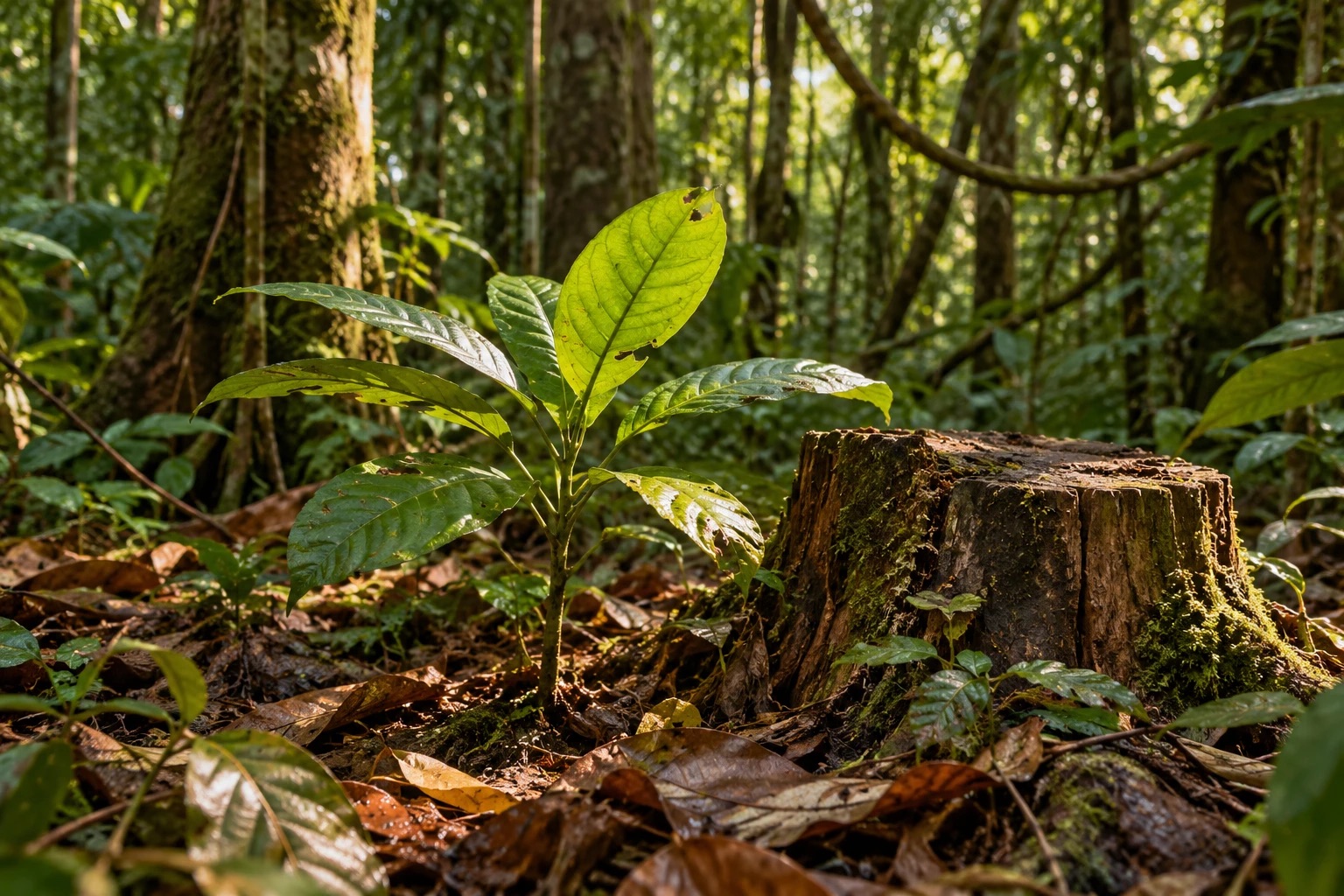
The Amazon rainforest is one of the most extraordinary places on earth and the most biodiverse region on the planet. It spans roughly 6 million square kilometres across nine countries, and a recent taxonomically verified checklist puts its lowland flora at about 14,000 seed plant species, of which 6,727 are trees 1Reference 1Amazon plant diversity revealed by a taxonomically verified species list. Add the insects, birds, fish, mammals, amphibians, and reptiles — many still undescribed — and something close to one in ten known species on earth lives here.
It is no surprise, then, that the Amazon is also home to some of the most potent plant medicines in the world. Beyond that, the forest stores an immense amount of carbon and generates the regional rainfall and river systems that sustain it.
Yet it continues to be cleared for short-term gain. This article is about what that costs — specifically, which medicinal plants are actually in trouble, and how much we genuinely know about it.
- The scale of the threat is real but often misquoted. The best estimate is that 36–57% of Amazonian tree species would qualify as globally threatened under IUCN criteria — from modelling, not from species-by-species assessment 2Reference 2Estimating the global conservation status of more than 15,000 Amazonian tree species.
- Deforestation is genuinely falling. The 2025 PRODES year recorded 5,796 km² cleared in the Brazilian Legal Amazon, the lowest in more than a decade — but degradation of the forest left standing has been climbing 3Reference 3PRODES — Monitoring of the Brazilian Amazon Forest by Satellite4Reference 4The drivers and impacts of Amazon forest degradation.
- The medicinal species we actually buy are largely invisible to conservation science. Of the 23 Amazonian species with a monograph on this site, 11 have never been assessed by the IUCN at all.
- A handful are formally threatened and worth knowing by name — rosewood, jaborandi, big-leaf mahogany, Spanish cedar, Brazil nut, vanilla, and the ipê group that gives us pau d’arco.
- Standing forest is worth more than cleared forest — the classic valuation put a sustainably harvested hectare at roughly seven times a one-off timber cut and forty times cattle pasture 5Reference 5Valuation of an Amazonian rainforest.
What Is Actually Driving the Loss
The root of the problem, as with many of the earth’s problems, is economic. Forest is cleared for its timber, or burned to make way for cattle, soy, and oil palm. None of these are sustainable at the scale they’re being pursued, and all of them pose a serious threat to both the biodiversity of the Amazon and its longevity.
Here is the part that surprises people: rainforest soil has very poor nutritional value. Given the sheer volume of life and growth in these forests, that seems backwards — but the reason is that the majority of the forest’s nutrients are locked up in its plant and animal life, not in the ground. When a tree falls or an animal dies, it’s broken down and reabsorbed almost immediately.
Chop down a large plot and ship the trees off as timber, and you’re left with an empty, barren, infertile patch of land. Convert that land to soy or oil palm and you damage the forest further through the volume of pesticide and herbicide the crops require. Those chemicals end up in the river — which runs through and feeds most of the rainforest before emptying into the Atlantic.
The Trend Is Genuinely Improving
It would be dishonest to write this section as though nothing has changed. Brazil’s satellite monitoring programme (PRODES, run by the national space research institute INPE) recorded 5,796 km² of clearance in the 2025 PRODES year — down about 11% on the previous year and the lowest annual figure in more than a decade 3Reference 3PRODES — Monitoring of the Brazilian Amazon Forest by Satellite.
The caveat matters as much as the good news. PRODES counts forest that is removed outright. It does not count forest that is degraded — thinned by selective logging, burned at the edges, or dried out by drought while still technically standing. By one widely cited estimate, roughly 38% of the remaining Amazon forest is degraded to some degree 4Reference 4The drivers and impacts of Amazon forest degradation, and degradation has been rising even as clearance falls. For a medicinal plant that grows at low density in mature forest, a degraded forest can be functionally as bad as a cleared one.
How Many Amazonian Plants Are Endangered?
This is the question this article exists to answer, and the honest answer has two halves.
The modelled estimate. The most serious attempt at the question is a 2015 study in Science Advances that combined spatial distribution models for more than 15,000 Amazonian tree species with historical and projected deforestation. Its conclusion: at least 36% and possibly as many as 57% of all Amazonian tree species are likely to qualify as globally threatened under IUCN Red List criteria. If confirmed, that alone would increase the number of threatened plant species on earth by about 22% 2Reference 2Estimating the global conservation status of more than 15,000 Amazonian tree species.
The formally assessed count. That is a very different number, and much smaller. The IUCN Red List assesses species one at a time, and most Amazonian plants have simply never been through the process. The 36–57% figure is a projection of what would happen if they were — not a tally of what has been confirmed.
That gap is not an academic quibble. It shows up directly in the plants people actually buy.
Of the 23 Amazonian species in our own database, 11 do not appear on the Red List in any category. That list includes some of the most heavily traded medicinal plants in the region: cat’s claw, guaraná, suma, ayahuasca vine, and cacao among them. Eight are assessed as Least Concern, two as Near Threatened, and two as Endangered.
“Not assessed” is not a clean bill of health. It usually means nobody has looked.
Whole Genera Under Pressure
Looking one species at a time understates the picture, because the pressure tends to fall on entire genera of related, similar-looking, similarly useful trees. Loggers and distillers rarely target a single species — they target a timber type or an aromatic wood, and take whatever in that group is big enough.
Tallying the current Red List assessments genus by genus makes that visible:
| Genus | Why it matters medicinally | Species assessed | Threatened (CR/EN/VU) |
|---|---|---|---|
| Cedrela | Spanish cedar; bark and resin used traditionally, timber commercially | 15 | 13 |
| Pilocarpus | Jaborandi — the world’s only natural source of pilocarpine | 14 | 6 (5 of them Endangered) |
| Tabebuia | The wider trumpet-tree group; overlaps the pau d’arco trade | 53 | 21 |
| Aniba | Rosewood and its aromatic relatives | 46 | 16 |
| Handroanthus | Ipê — the source of true pau d’arco | 29 | 11 (plus 6 Near Threatened) |
| Virola | Ucuúba; epená snuff and traditional antiparasitics | 45 | 9 |
| Copaifera | Copaiba oleoresin | 32 | 7 |
| Dipteryx | Cumaru / tonka bean | 10 | 2 |
Tallied from the IUCN Red List, accessed July 2026 8Reference 8The IUCN Red List of Threatened Species. Counts include only accepted species that carry an assessment; several of these genera range beyond Amazonia into the wider Neotropics.
Cedrela is the standout: 13 of the 15 assessed species are threatened, and the whole genus sits on CITES Appendix II. When a genus reads like that, buying “cedar” without a species name and a paper trail is a coin toss.
The Species Under the Most Pressure
These are the Amazonian and neotropical medicinal plants worth knowing by name — the ones where the conservation status should actually change what you buy.
Rosewood (Aniba rosodora) — Endangered
Rosewood is the clearest case in the Amazon of a plant driven to the brink by its own chemistry. The tree’s heartwood yields a linalool-rich essential oil that the perfume industry prized as a fixative, and the extraction method is about as destructive as it gets: the tree is felled and the wood distilled. There is no bark-strip, no coppice, no leaf harvest — the individual dies to produce the oil.
The result is that rosewood was listed on CITES Appendix II in 2010 under annotation #12, which covers logs, sawn wood, veneer, plywood and the essential oil itself 9Reference 9Notification to the Parties No — meaning a bottle of genuine rosewood oil crossing a border requires a CITES export permit, not just the timber it came from.
Note the naming, because it trips people up: the accepted botanical name is Aniba rosodora, and the spelling Aniba rosaeodora that you’ll see on most labels (including ours) is an orthographic variant of the same species. Separately, “Brazilian rosewood” in the furniture trade usually means Dalbergia nigra, a different tree in a different family with its own CITES listing. If you use rosewood oil, buy it from a supplier who can produce documentation, and treat plantation-grown or leaf-distilled material as the only defensible option.
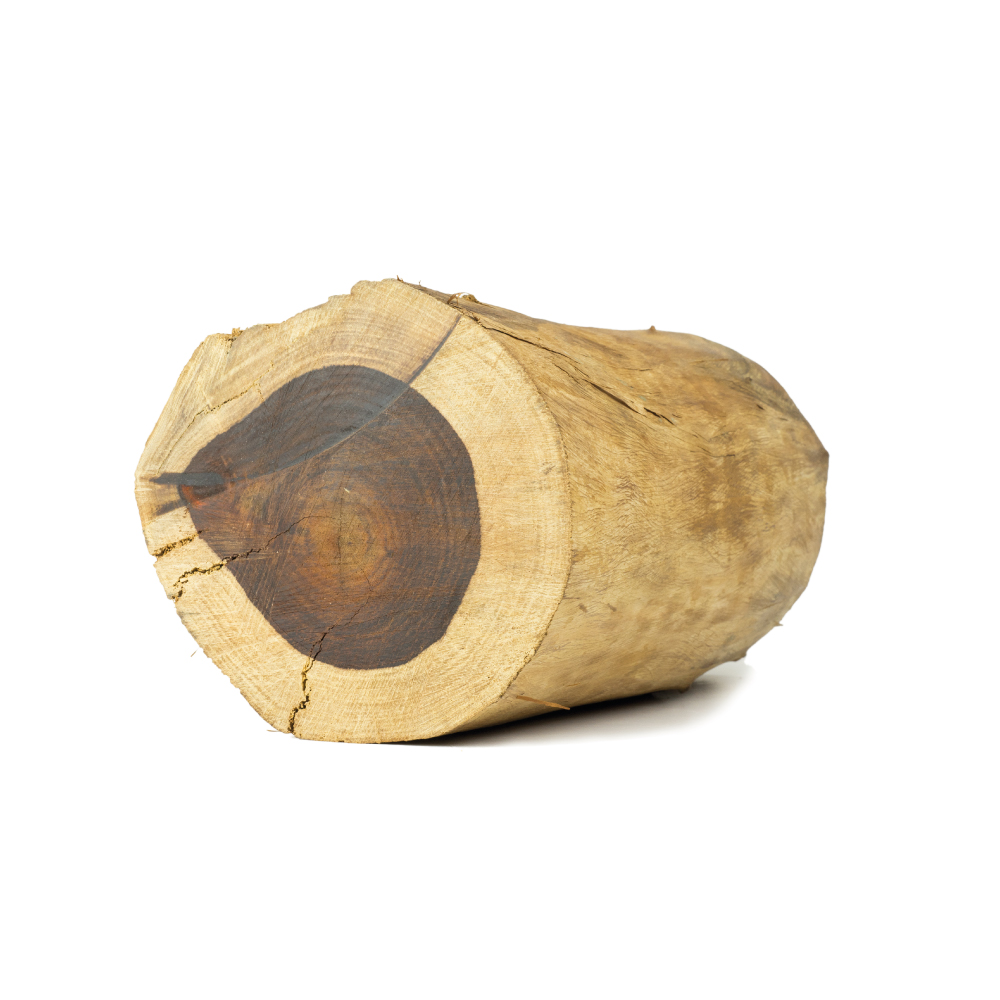 RosewoodAniba rosaeodoraTraditional only
An endangered Amazonian tree whose linalool-rich heartwood oil is used topically and in aromatherapy. Genuinely threatened, genuinely CITES-controlled, and the one herb on this site where sourcing is the first question rather than the last.
Full monographPau d’Arco (Handroanthus impetiginosus) — Near Threatened
Pau d’arco is the Amazonian medicinal most likely to be in a Western herb cupboard, and its conservation story is not what you’d expect: the herbal trade in its inner bark is a rounding error next to the timber trade in the same tree. Ipê is one of the world’s most valuable tropical hardwoods — dense, rot-resistant, and sold worldwide as premium decking.
The 2021 Red List assessment describes the mechanism plainly: low natural density, slow growth, and high international demand. In northeastern Brazil, H. impetiginosus and H. serratifolius have shown steep population declines with no evidence of long-term recovery, and the assessment raises the prospect of commercial extinction for ipê species generally.
That is what drove the CITES decision. At CoP19 in 2022 the parties added Handroanthus, Tabebuia and Roseodendron to Appendix II 10Reference 10CoP19 Proposal — Inclusion of Handroanthus spp., Roseodendron spp. and Tabebuia spp. in Appendix II — but with an unusually long two-year delay, so the listing only entered into force on 25 November 2024. If you follow herbal supply chains, that date is recent enough that a lot of stock in circulation predates it.
One more wrinkle worth knowing: the name on most pau d’arco packaging is Tabebuia impetiginosa (ours included), which is the older synonym. The accepted name today is Handroanthus impetiginosus. Several Handroanthus and Tabebuia species are traded interchangeably as “pau d’arco” or “lapacho,” which is precisely why the CITES listing had to cover all three genera at once.
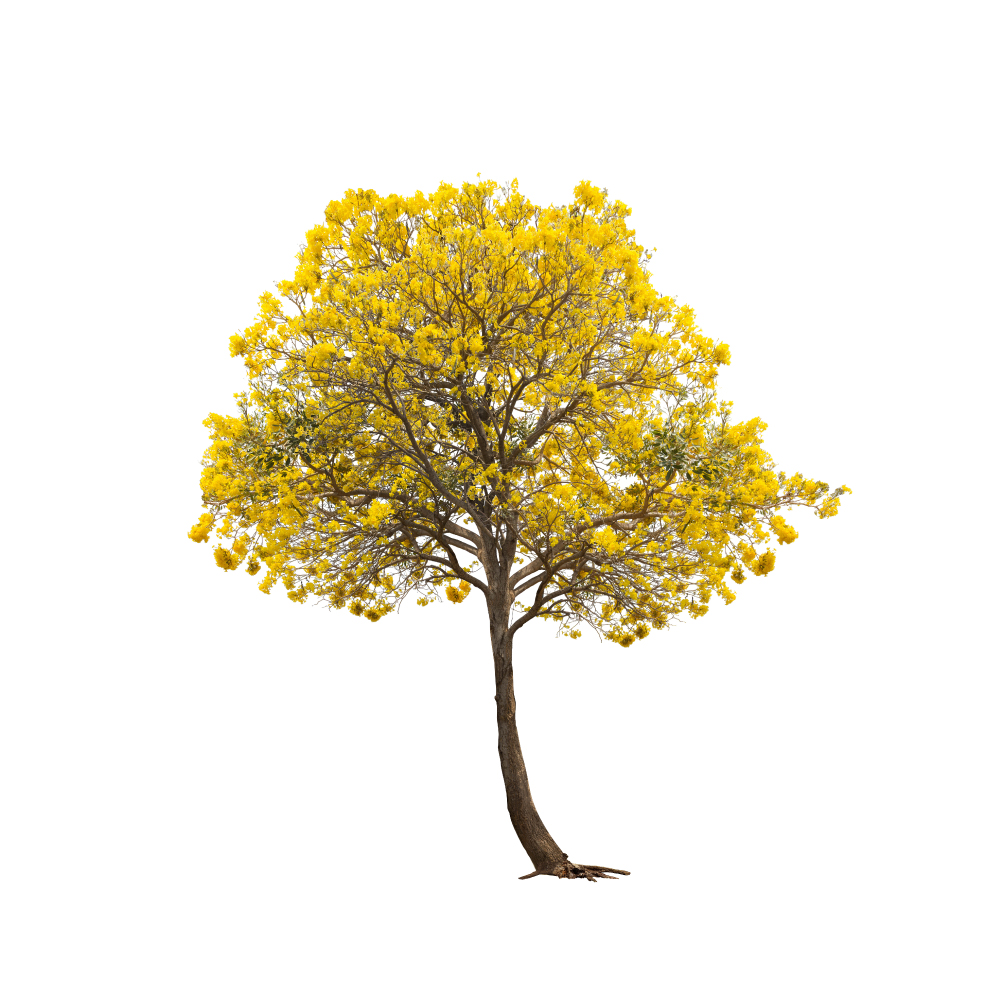 Pau D’ArcoTabebuia impetiginosaPreclinical
The inner bark of a Near Threatened Amazonian hardwood, traditionally used as an antimicrobial and antifungal. The herbal trade isn’t what’s endangering it — the decking trade is — but the species is now CITES-listed either way.
Full monographJaborandi (Pilocarpus microphyllus) — Vulnerable
Jaborandi is the most important Amazonian medicinal plant that most herbalists have never heard of, because its product went straight into the pharmacy rather than the herb shop. The genus Pilocarpus is the only known natural source of pilocarpine, the alkaloid used to treat glaucoma and radiation-induced dry mouth, and Brazil is effectively the world’s sole supplier.
It is also a rare case where the harvest itself is not inherently lethal — the leaves are taken, not the tree 11Reference 11Sustainability of Jaborandi in the eastern Brazilian Amazon. But decades of intensive extraction plus habitat loss have driven substantial declines in yield, population size, and genetic diversity 12Reference 12Genetic diversity and structure of an endangered medicinal plant species (Pilocarpus microphyllus) in eastern Amazon: implications for conservation, and the species has been on Brazil’s national list of endangered flora since 1992 — a listing carried through to the current official list 13Reference 13Portaria MMA nº 148, de 7 de junho de 2022 — Lista Oficial das Espécies da Flora Brasileira Ameaçadas de Extinção. Six of the 14 assessed Pilocarpus species are threatened, five of them Endangered 8Reference 8The IUCN Red List of Threatened Species.
We don’t have a monograph for jaborandi yet — it’s a pharmaceutical feedstock rather than a herbal medicine — but it belongs on this list because it is the cleanest illustration of the pattern: a molecule with no synthetic substitute, sourced from one wild genus, in one country.
Big-Leaf Mahogany (Swietenia macrophylla) — Endangered
Mahogany is the cautionary tale the other listings were modelled on. It was the first major neotropical timber tree brought under CITES control, in 2003, after decades in which loggers pushed roads deep into intact forest specifically to reach it — opening those areas up to the cattle and soy conversion that followed. Its reassessment from Vulnerable to Endangered in 2023 is a useful reminder that a CITES listing slows depletion, it doesn’t reverse it.
Its direct medicinal footprint is small. Its indirect one is enormous: mahogany extraction is one of the main reasons frontier roads exist in places that would otherwise still be roadless.
Brazil Nut (Bertholletia excelsa) — Vulnerable
The Brazil nut deserves its own entry because it inverts the usual story. Nothing about gathering the nuts harms the tree, the trade is a textbook non-timber forest product, and it is one of the main income sources supporting standing forest across the region. The species is still Vulnerable.
The reason is that the Brazil nut tree cannot be farmed in the way its economics would want. It depends on large-bodied bees for pollination and on agoutis to crack and cache the seeds — both of which need intact forest. Trees left standing in a cleared pasture, which Brazilian law has long required, survive but largely stop recruiting new seedlings. Heavy nut collection in some stands compounds it by removing the seed the next generation would come from.
It’s the clearest evidence that “sustainably harvested” has to mean the forest, not just the plant.
Vanilla (Vanilla planifolia) — Endangered
Vanilla’s status catches people out because the vanilla in commerce is a plantation crop and in no danger at all. The wild populations are what’s Endangered — and that matters more than it sounds, because the cultivated crop descends from a very narrow genetic base, largely hand-pollinated and near-clonal. The wild relatives are the only reservoir of genetic diversity available if a disease ever moves through the plantations.
Strictly, V. planifolia is Mesoamerican rather than Amazonian in origin — it’s included here because it’s grown across tropical South America and because it makes the point better than anything else on the list: a plant can be simultaneously abundant on shelves and disappearing in the wild.
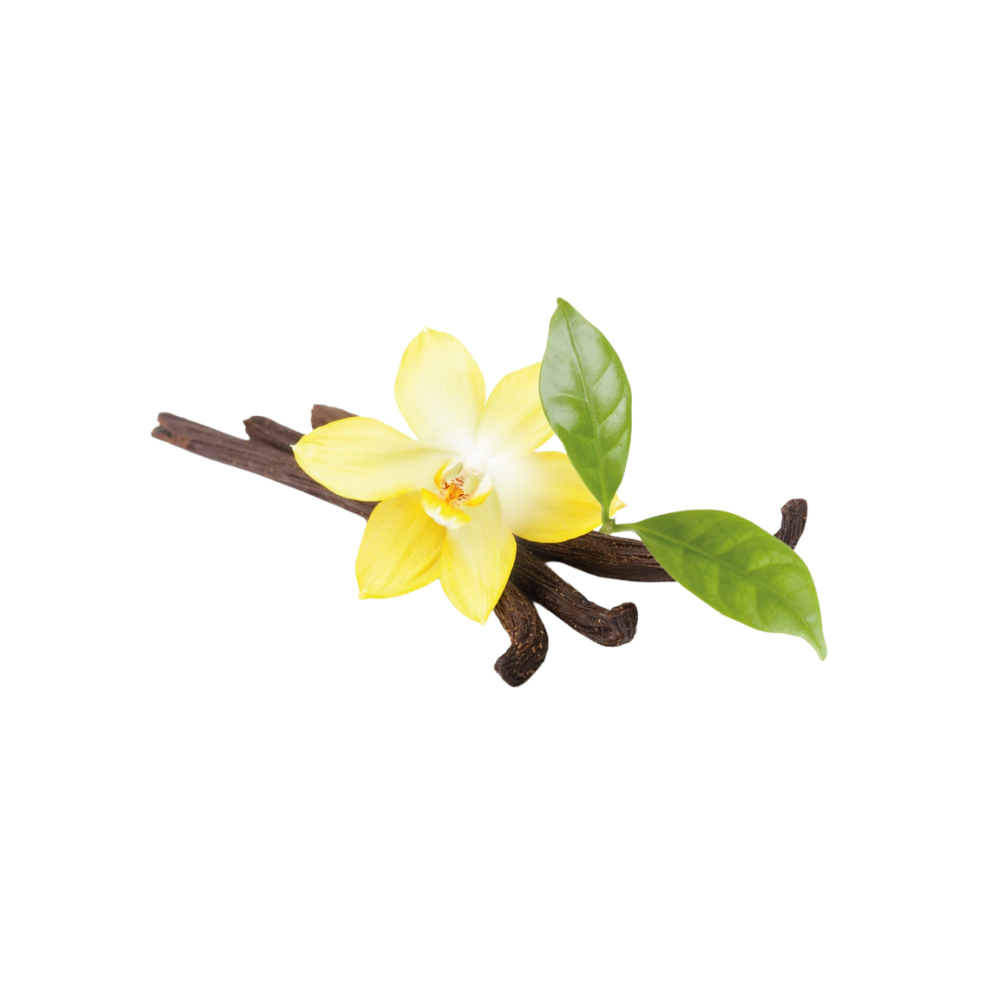 VanillaVanilla planifoliaPreclinical
Endangered in the wild, ubiquitous in cultivation. Buying vanilla isn’t the problem — the loss of the wild populations that hold the crop’s genetic diversity is.
Full monographCat’s Claw (Uncaria tomentosa) — Unassessed, but Regulated
Cat’s claw is the sharpest example of the assessment gap. It is one of the most heavily traded Amazonian medicinal plants in the world, it does not appear on the IUCN Red List in any category 8Reference 8The IUCN Red List of Threatened Species — and Peru nonetheless found it necessary in 1999 to prohibit export of both U. tomentosa and U. guianensis unless the material comes from managed areas or cultivation 14Reference 14Decreto Supremo Nº 009-99-AG — restrictions on the export of Uncaria tomentosa and Uncaria guianensis, after overharvesting through the 1980s and ’90s caused local depletion.
The harvest method is the whole story. Traditional harvesters take a narrow helical strip of bark, spiralling up the vine and leaving it alive to regrow. Commercial clear-stripping removes the bark all the way round and kills it. Same species, same product on the shelf, completely different outcome in the forest — and nothing on a label reliably tells you which one you bought.
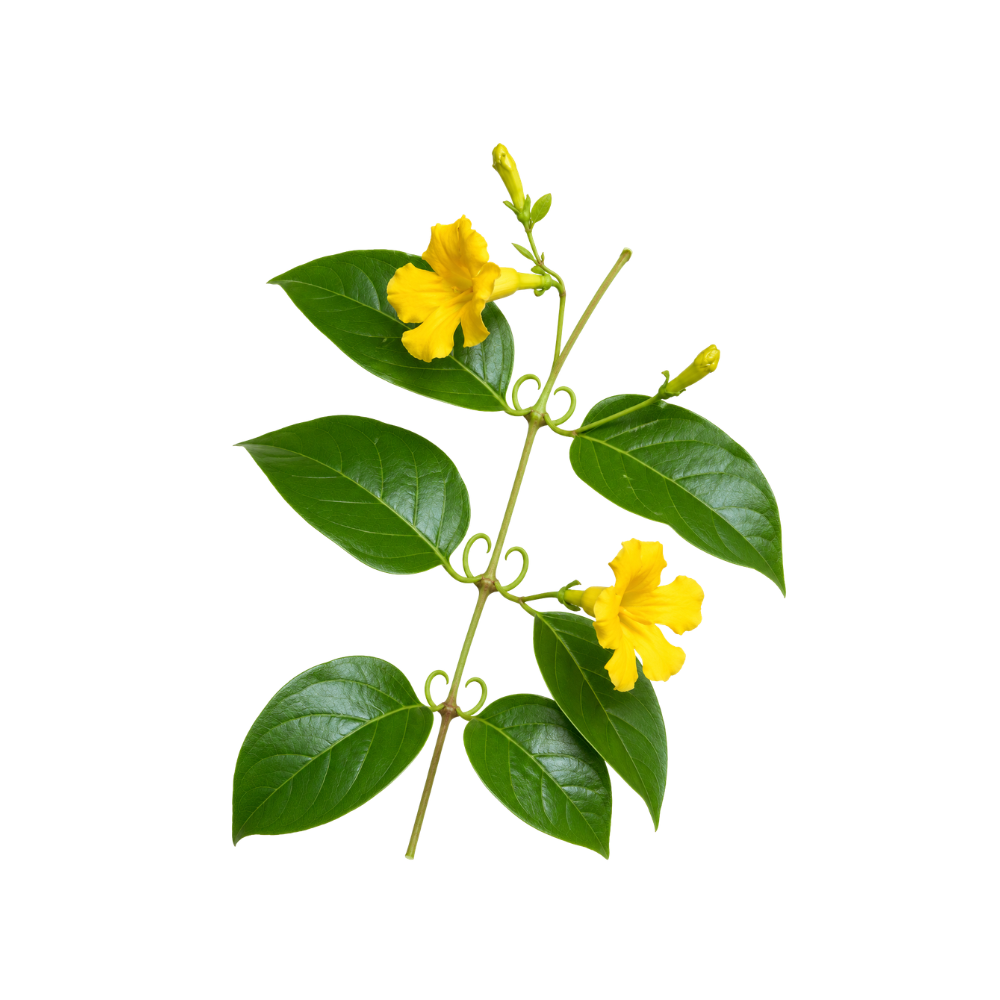 Cat’s ClawUncaria tomentosaModerate
Heavily traded, genuinely useful, and completely absent from the Red List. Ask suppliers whether their bark is spiral-harvested or from managed stands — for this herb the answer actually changes something.
Full monographYerba Maté (Ilex paraguariensis) — Near Threatened
Yerba maté rounds out the list as the mild case. It’s Near Threatened in the wild rather than threatened outright, and — like vanilla — the version you drink is overwhelmingly cultivated. The pressure is on remnant wild and shade-grown populations in the Atlantic Forest and upper Paraná, not on the plantation supply.
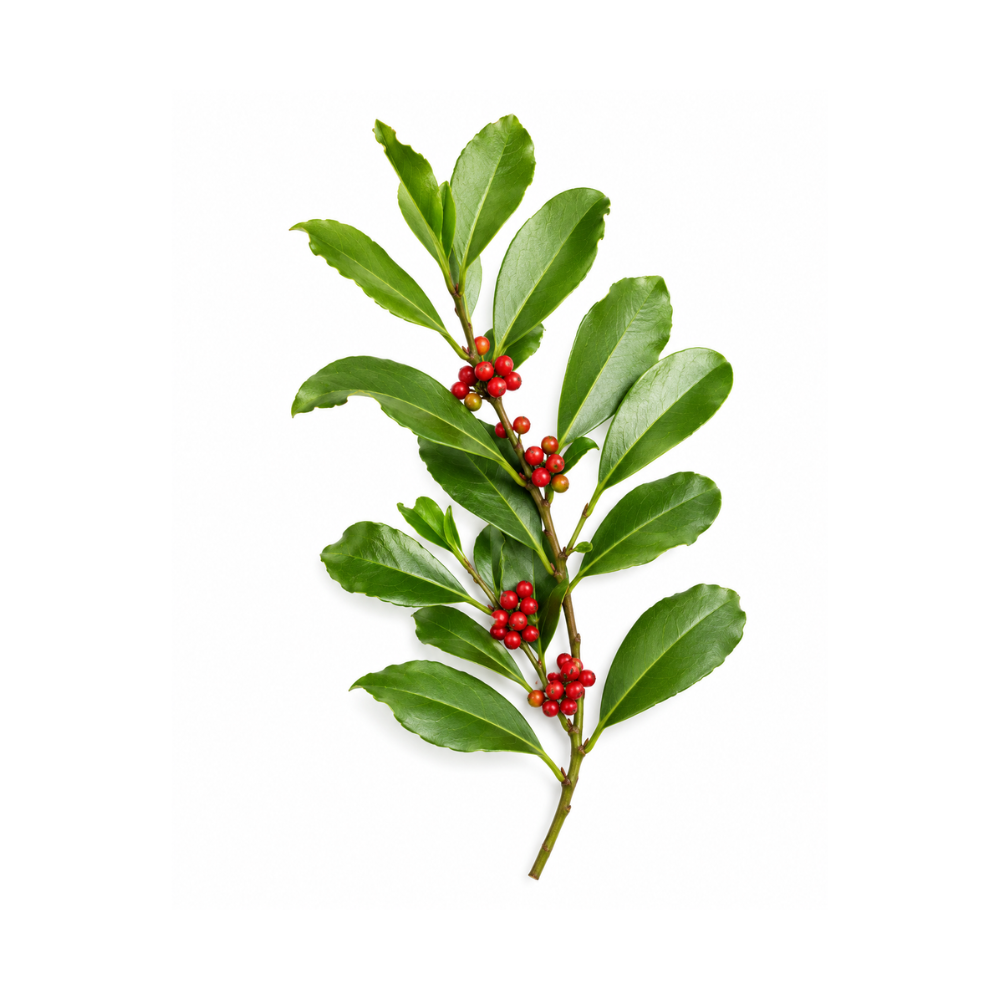 Yerba MateIlex paraguariensisModerate
Near Threatened in the wild, farmed at scale everywhere else. Shade-grown maté grown under native canopy is the version that keeps forest standing.
Full monographWhat a CITES Listing Means When You Buy a Herb
CITES — the Convention on International Trade in Endangered Species — is the mechanism that actually bites at a border, and it’s worth understanding what its listings do and don’t mean.
Appendix I effectively bans commercial international trade. Appendix II, where every plant discussed above sits, does not ban trade. It requires an export permit, and that permit can only be issued if the exporting country makes a “non-detriment finding” — a formal determination that the export won’t harm the wild population. In practice that means legal trade continues, with paperwork, and the quality of the finding varies a great deal by country.
Two practical consequences for anyone buying Amazonian herbs:
- A CITES listing is a signal, not a prohibition. Seeing that pau d’arco or rosewood is Appendix II doesn’t mean you can’t buy it. It means the supply chain is supposed to be documented — so a supplier who can’t tell you anything about origin is telling you something.
- Annotations decide what’s actually covered. Rosewood’s annotation #12 explicitly includes the essential oil; the ipê listing (annotation #17) covers logs, sawn wood, veneer and plywood. Whether a given herbal preparation falls inside the annotation is a real question, not a formality.
The Economic Case for Leaving It Standing
The solution is also economic, and it’s simple in principle: leave the forest standing and harvest its medicine, food, and materials in their natural form instead.
The classic evidence for this is a 1989 study in Nature by Peters, Gentry and Mendelsohn, who inventoried a one-hectare plot at Mishana in the Peruvian Amazon and priced what it produced 5Reference 5Valuation of an Amazonian rainforest.
A hectare harvested sustainably for fruit, latex, and selective timber returned a net present value of $6,820, against $1,000 for a single clear-cut and $148 as cattle pasture. Roughly seven times, and forty times, respectively.
Two honest caveats, because this figure gets quoted far more often than it gets examined. First, the study plot sat close to the Iquitos market, so transport costs were unusually low — a deep-forest plot would earn considerably less. Second, the comparison is between what the land could yield and what it does yield, and the gap between those is filled by roads, land tenure, market access, and credit, none of which a landowner controls. The ranking has held up in later valuations; the specific numbers shouldn’t be treated as a quote.
But the direction of the argument is sound, and it’s the one thing that reliably moves the needle: forest left standing pays more than forest cut down, if the person who owns it can actually reach a buyer.
How Much Medicine Can It Really Have?
A great deal — and it’s worth being precise here, because this topic attracts some of the most-repeated and least-sourced statistics on the internet.
You will very often read that the US National Cancer Institute identified 3,000 plants active against cancer and that 70% of them come from rainforests. We’ve cited a version of that claim on this site in the past. Having gone looking for its origin, we can’t trace it to a primary NCI publication — it circulates almost entirely between advocacy sites quoting one another. It may well be roughly true; it just isn’t something we can stand behind as stated.
What can be documented is arguably more impressive anyway. When researchers catalogued every new drug approved over the four decades to 2019, natural products and their direct derivatives accounted for a striking share of the total — and for small-molecule anticancer drugs specifically, around two-thirds 6Reference 6Natural Products as Sources of New Drugs over the Nearly Four Decades from 01/1981 to 09/20197Reference 7Natural products derived from plants as a source of drugs. Vincristine and vinblastine came from a periwinkle. Paclitaxel came from a yew. Pilocarpine still comes from a Brazilian shrub with no synthetic substitute.
The Amazon’s contribution to that record is real, and its future contribution is almost entirely unrealised — not because the chemistry isn’t there, but because most of it has never been examined. For a fuller treatment of how that search actually works, see our guide to bioprospecting.
How to Buy Amazonian Herbs Without Making It Worse
Being an informed buyer is a genuinely useful lever here, and it isn’t complicated.
- Ask suppliers for the species name, not just the common name — “cedar,” “rosewood,” and “pau d’arco” each cover several species with different statuses.
- Favour leaf, fruit, and seed harvests over bark and heartwood. The part used determines whether the plant survives the harvest.
- For barks, ask whether the harvest is spiral-strip or managed-stand rather than clear-stripped.
- Prefer cultivated or plantation-grown material for the threatened species — rosewood especially.
- Support non-timber forest products like Brazil nut and shade-grown maté, which pay landowners to keep canopy up.
- Wild-harvested heartwood oils of threatened species with no documentation.
- Suppliers who can’t answer a sourcing question at all — for CITES-listed material, they’re supposed to be able to.
- Assuming “not assessed” means “not at risk.” For nearly half the Amazonian medicinals on this site, nobody has looked.
- Assuming a CITES listing means a boycott. Documented, legal, permitted trade is what the system is designed to enable.
How You Can Help
We believe that becoming educated about the region — seeing the value it holds in its medicine and its role in the earth’s ecosystem — is itself a meaningful contribution. If more value can be placed on the region’s medicinal and sustainable resources, it becomes more attractive for landowners to keep their land in its natural state, and more wealth stays in the area.
That’s the mechanism the Peters valuation describes, and it only works if there are buyers who know what they’re buying and why it matters. Spreading accurate information — via The Sunlight Experiment, ARC Amazon, Rain-tree.com, and the many other organisations working on this — is one of the most powerful things you can do.
Who to Follow
Several organisations focus specifically on educating people about the value of the Amazon rainforest.
ARC Amazon does excellent work supporting research in the region and producing genuinely interesting material about it. They’re based in Las Piedras, Peru, and through their Amazon academy they publish videos, photography, and field stories covering many aspects of the region.
Leslie Taylor’s rain-tree.com — her book and website were a major motivator for the creator of The Sunlight Experiment, and are ultimately what got him started in this research. Rain-tree offers a large body of information on the medicinal plant species of the region. (The land-value figures she popularised are the Peters, Gentry and Mendelsohn study discussed above, converted to acres.)
Is It Sustainable?
It can be. The Amazon can serve as a sustainable source of genuinely potent medicines well into the future — but “sustainable” has to mean something specific rather than a label. On the evidence above, it means three things: the part harvested doesn’t kill the plant, the forest around it stays intact enough to regenerate it, and the person harvesting it earns more by doing it that way than by clearing.
Where all three hold, the model works: Brazil nut and shade-grown maté are the clearest cases. Where only some hold, you get jaborandi — a harvest method that spares the plant, undermined by habitat loss and extraction intensity around it. And where none hold — a tree felled and distilled for its oil, a slow-growing hardwood taken for decking — no amount of certification fixes the underlying arithmetic.
As the world’s interest in plant medicine continues to grow, that distinction is the one worth carrying into a purchase.
Which Amazonian medicinal plant is most endangered?
Is pau d’arco endangered?
Is cat’s claw endangered?
Does a CITES listing mean I can’t buy a herb?
Is Amazon deforestation getting better or worse?
How many Amazonian plant species are there?
References
- Cardoso, D., Särkinen, T., Alexander, S., et al. (2017). Amazon plant diversity revealed by a taxonomically verified species list. Proceedings of the National Academy of Sciences, 114(40), 10695–10700. Link
- ter Steege, H., Pitman, N. C. A., Killeen, T. J., et al. (2015). Estimating the global conservation status of more than 15,000 Amazonian tree species. Science Advances, 1(10), e1500936. Link
- Instituto Nacional de Pesquisas Espaciais (INPE). PRODES — Monitoring of the Brazilian Amazon Forest by Satellite. Annual deforestation rate for the Legal Amazon, PRODES year 2025 (1 Aug 2024 – 31 Jul 2025). Link
- Lapola, D. M., Pinho, P., Barlow, J., et al. (2023). The drivers and impacts of Amazon forest degradation. Science, 379(6630), eabp8622. Link
- Peters, C. M., Gentry, A. H., & Mendelsohn, R. O. (1989). Valuation of an Amazonian rainforest. Nature, 339, 655–656. Link
- Newman, D. J., & Cragg, G. M. (2020). Natural Products as Sources of New Drugs over the Nearly Four Decades from 01/1981 to 09/2019. Journal of Natural Products, 83(3), 770–803. Link
- Veeresham, C. (2012). Natural products derived from plants as a source of drugs. Journal of Advanced Pharmaceutical Technology & Research, 3(4), 200–201. Link
- IUCN (2026). The IUCN Red List of Threatened Species. Version 2026-1. Species assessments and genus-level tallies accessed July 2026. Link
- CITES (2010). Notification to the Parties No. 2010/036 — Annotations for Aniba rosaeodora. Convention on International Trade in Endangered Species of Wild Fauna and Flora. Link
- CITES (2022). CoP19 Proposal — Inclusion of Handroanthus spp., Roseodendron spp. and Tabebuia spp. in Appendix II. Link
- Caldeira, C. F., Giannini, T. C., Ramos, S. J., Vasconcelos, S., et al. (2017). Sustainability of Jaborandi in the eastern Brazilian Amazon. Perspectives in Ecology and Conservation, 15(3), 161–171. Link
- Monteiro, W. P., Dalapicolla, J., Carvalho, C. S., et al. (2022). Genetic diversity and structure of an endangered medicinal plant species (Pilocarpus microphyllus) in eastern Amazon: implications for conservation. Conservation Genetics, 23, 745–758. Link
- Ministério do Meio Ambiente (Brazil) (2022). Portaria MMA nº 148, de 7 de junho de 2022 — Lista Oficial das Espécies da Flora Brasileira Ameaçadas de Extinção. Link
- Ministerio de Agricultura del Perú (1999). Decreto Supremo Nº 009-99-AG — restrictions on the export of Uncaria tomentosa and Uncaria guianensis.
Clinical herbalist and the writer behind The Sunlight Experiment — an evidence-based pharmacopoeia of herbs, supplements, and the chemistry behind them.