
The stress response in short bursts is necessary for us to adapt and respond to the environment around us.
Stress increases our blood glucose levels, tightens our blood vessels, and pumps blood deeper into the brain and muscle tissue.
When this process remains long-term it will almost indefinitely lead to illness in one form or another.
In this article I’ll discuss what stress is and how it can lead to long-term consequences for our health.

What Is Stress?
Stress is more than simply having deadlines or going through a breakup. Stress is any pressure placed on the body that pushes it away from homeostasis (balance).
Our bodies are constantly turning up and down processes to maintain balance in our temperature, blood pressure, blood pH, oxygenation, and energy metabolism. Any changes to this system can be defined as stress. For most of us, our bodies are well equipped to resist and adapt to changes in these parameters to maintain homeostasis.
For example. Imagine leaving a warm house to go outside into sub freezing weather. Initially you feel a shot of cold air on your body, causing you to tense up. Your homeostasis is pushed outside of its desired parameters for a few moments until your body adjusts to warm back up. This is stress.
It’s only when we are no longer able to adapt to this stress that we become ill. In this case, we would eventually become unable to adapt to the cold weather, and become hypothermic.
Stress can come in many forms, including:
- Emotional
- Physical changes in the environment
- Traumatic damage
- Chemical toxicity
- Nutritional deficiency
We All Respond To Stress Differently
Every individual reacts uniquely to various forms and levels of stress, and different kinds of stress tend to elicit different illnesses.
There are a few different ideas as to how stress can lead to illness in the body:
- Physiological effects of chronic cortisol secretion
- Lowered immunity or autoimmunity due to chronic inflammation
- Nutritional deficiencies as a result of increased demand for inflammatory mediators and corticosteroids
The Innate Stress Response
The body has many tools that it uses to manage and defend itself against stress of different kinds.
We might sweat to reduce heat, shiver to warm up, dilate the lungs (bronchioles) when confronted with fear in order to run away or fight, or send immune cells to attack foreign pathogens or allergens.
There are countless ways the human body can respond to stress. How well our body is able to respond varies from person to person.
Factors that contribute to differences in stress resistance
- Genes inherited from our parents
- Physical weakness or strength
- Learned body responses and coping mechanisms
- Nutrition
- Developmental factors
These factors may or may not be under your control. For example, you can’t choose the genes you are given when you were conceived, and these genes may have a stronger, or weaker ability to resist different kinds of stress. On the other hand, you DO have the ability to choose what you eat, so this factor can be at least partly controlled.
Depending on how these factors have come together, combined with the level of stress you are subjected to will determine how soon, and to what extent the damage will be.
Some call this concept “vitality”.
A Metaphor For Stress Resistance
Let’s say you have a cargo ship (this represents your ability to resist stress, your “vitality”). You’re using this ship to move some containers across a lake.
Everybody’s boat is a different size, shape, and material.
Let’s say your boat is small and made of a pliable material. When you begin loading it up with containers. It will be able to carry a few, but eventually the force of the containers will be too great, and the boat will break and sink under the weight.
A different ship, however, could be made of a stronger, more rigid material, and perhaps is a bit larger. It will take a lot more weight before the boat breaks or sinks.
Our bodies ability to resist stress is the same.
By continuing to load stress onto the body without first offloading some, the weight will eventually become greater than our ability to contain and resist it.
For some of us who may have a higher resistance naturally (a larger or stronger boat for example), it can take years of constant stress to reach that breaking point. Others who may have a naturally weaker resistance may be affected much sooner.

The Damage Caused By Stress Perpetuates Itself
There are any number of illnesses that can result when we finally hit that breaking point. Emotional and financial stresses often show up as anxiety, depression, and insomnia, whereas physical stress tends to show up more as a reduction in the functioning of the various organs of the body. Physical stress can bring with it neurological problems and vice versa.
When this damage begins to occur, it tends to further increase the stress load. When we constantly stress the liver cells with drugs, alcohol, or other toxins for example, and this breaking point is reached. The cells begin dying, as they die, the load increases on the remaining cells who are then forced to work overtime. This, of course, causes them to die even faster, which in turn places more and more of a load on the remaining cells.
This can also be seen with emotional stress when the stress become too great for the body to resist effectively, and illness begins, such as with depression, it can add to the stress load even further as now there is an issue that needs to be worked around in regards to otherwise normal situations.
Cortisol & Its Effect On The Body
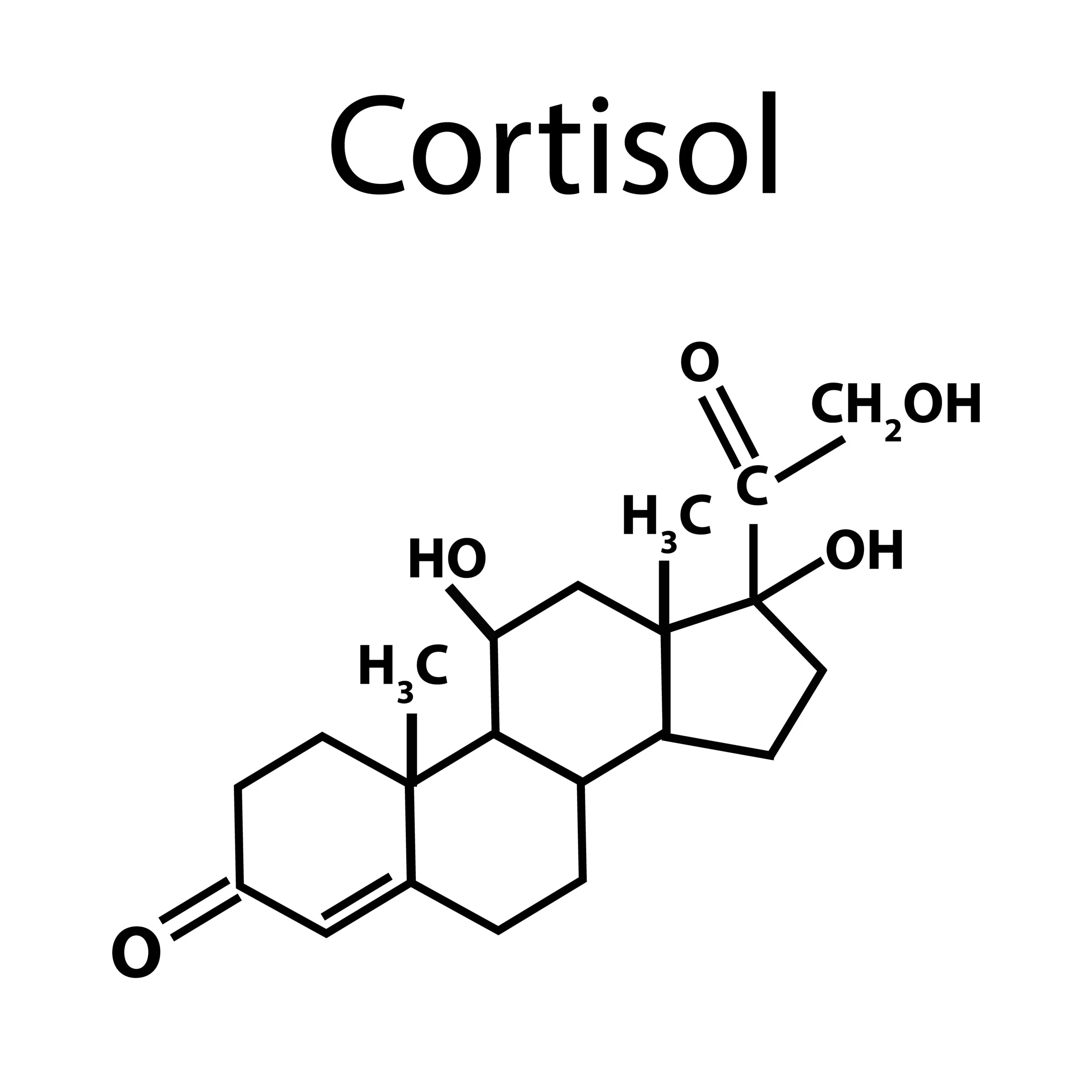
Cortisol is the main stress hormone. It serves a purpose short term as a major source of our fight or flight response. It gives us a boost to help us get out of potentially dangerous situations.
For starters, it heightens our senses, gives us more energy (in the form of glucose in the blood), and widens our airway to allow more oxygen into the body. It serves other purposes as well, such as regulating our energy levels throughout the day. Cortisol is supposed to peak in the morning to wake us up from sleep, and crash in the evenings when we’re meant to go to sleep. This is known as our circadian rhythm.
Long term exposure to cortisol, however, such as in states of prolonged stress, cortisol can begin to affect the body negatively.
Cortisol suppresses the immune system to free up energy to the organs more relevant for escaping a dangerous situation. It also inhibits the digestive processes, and prevents fat breakdown in preference for the faster burning glycogen. Over time this leads to weight gain and blood glucose dysregulation, suppressed immune system, and states of disordered circadian rhythm.
Long term stress and heightened cortisol can lead to insulin resistance, then diabetes. It increases fat storage, and prevents fat breakdown, as well as digestive problems and gut inflammation. Our immune systems become weak, causing us to fall ill multiple times a year.
Adrenal Depletion & Stress
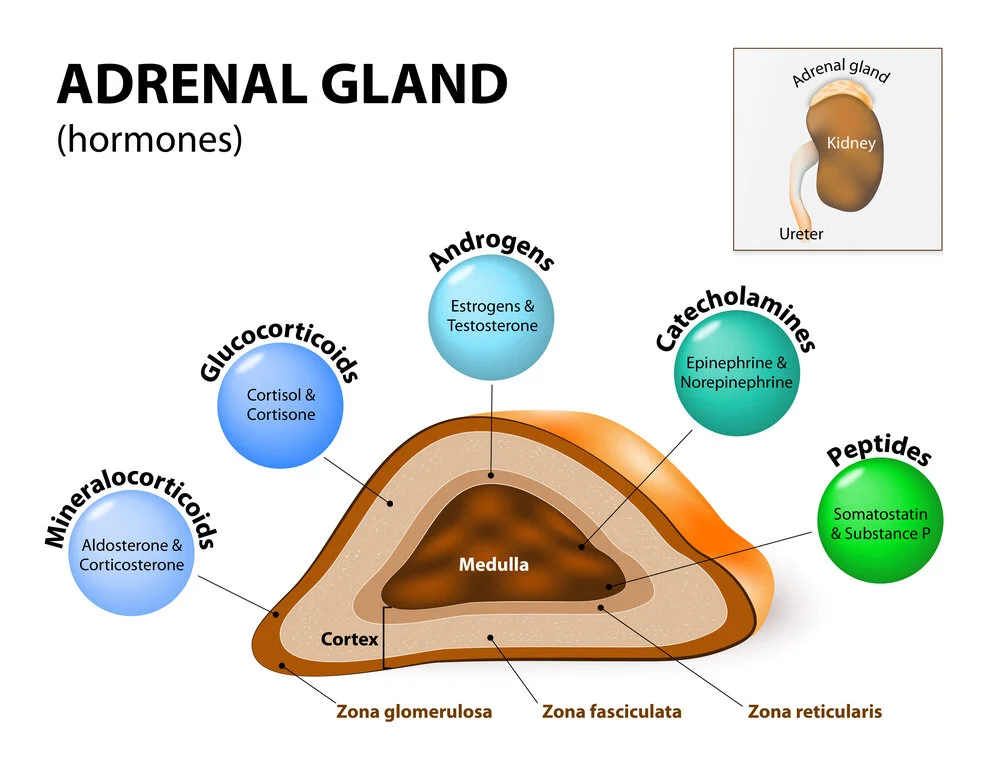
Producing cortisol requires nutrients. Some people eventually reach a point where the body can no longer supply enough cortisol to meet the demands coming from the stress centre in the brain, and we begin to see the exact opposite effects. We become tired, fatigued, and weak. We feel as though we have “hit the wall” and find it very hard to recover from even small stresses.
This is the bottom end of the stress response, a state popularly called “adrenal fatigue.” It’s worth being clear here: “adrenal fatigue” is a widely used term in natural health circles, but it is not a recognised medical diagnosis, and the idea of adrenal glands literally “burning out” oversimplifies what’s going on. The better-supported picture is that chronic stress dysregulates the HPA axis and flattens the normal cortisol rhythm — the signalling between brain and adrenals goes out of tune, rather than the glands simply running dry. Either way, the lived experience is the same: persistent fatigue that’s slow and difficult to recover from, and that requires rebuilding the whole system rather than chasing a single symptom.
This is why preventing this state is so important. Recovering from the early stages of chronic stress and HPA dysregulation is many times easier than trying to recover from the very bottom.
Managing Stress With Adaptogenic Herbs
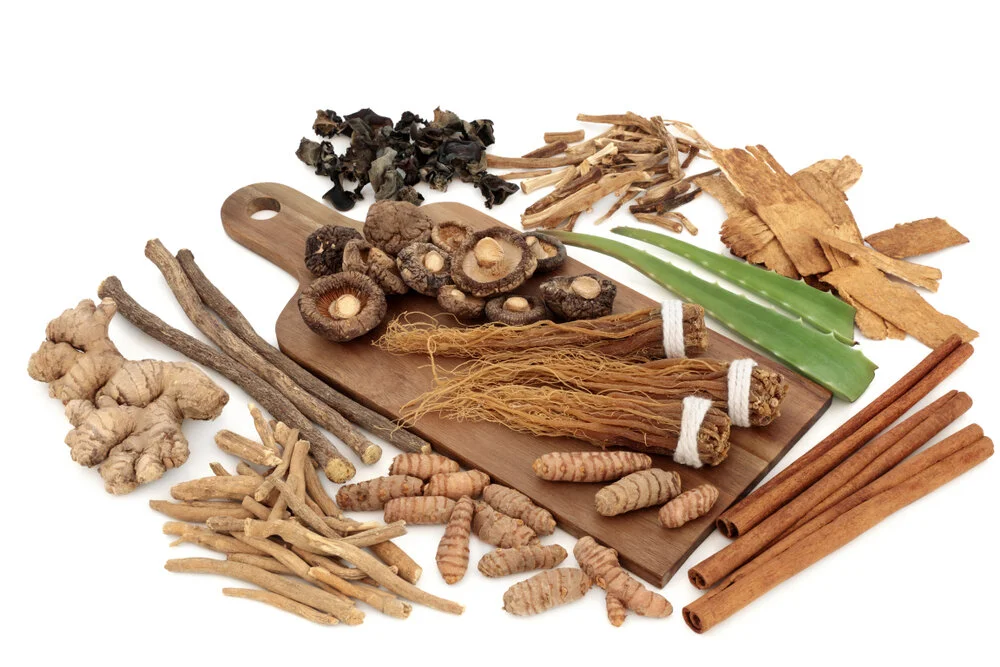
An adaptogen is a substance that causes a non-specific increase in the body’s ability to resist and recover from stress or noxious influences. The term was coined in 1947 by the Soviet pharmacologist Nikolai Lazarev, and developed through the 1950s and ’60s by his student Israel Brekhman 1Reference 1Nutrients, 13(8), 2861. To formally qualify as an adaptogen, a substance must be non-toxic and relatively free from side effects, non-specific in its actions, and have a normalising effect regardless of whether the stress-driven state is one of over- or under-function.
“Adaptogens do not block the stress response, but instead smooth out the associated highs and lows.” — David Hoffmann, Medical Herbalism: The Science and Practice of Herbal Medicine 4Reference 4Medical Herbalism: The Science and Practice of Herbal Medicine
This class of herbs is the top of the pyramid when it comes to preventing or managing stress. By their very nature, they are used to increase the bodies innate ability to resist stress. They are non-specific in their action, which means they have such a wide range of benefits, they tend to act on the whole body rather than just improving one aspect of one’s health.
Broadly, adaptogens tend to work through one or more of a few overlapping channels: normalising the hypothalamic-pituitary-adrenal (HPA) axis that governs cortisol output, steadying glucose metabolism so the body has fuel to meet a stressor without wild spikes and crashes, acting as nervines that calm and protect the nerves, and balancing the immune response so it neither overreacts nor flags. Most of the herbs below lean on at least one of these mechanisms.
Adaptogens are generally used as a daily supplement, and can be tailored depending on the form of stress most commonly experienced by the individual, or depending on the natural or innate constitution of the person taking it. Chinese medicine and Ayurvedic medicine excels in this form of herbalism, and many of the greatest adaptogenic herbs come out of recognition from these medical systems. They look at the broader picture of the person and their constitution rather than simply focusing on one single mechanism like cortisol (though there are uses for this line of thinking as well).
There are many ways to identify this, and it can change many times over a person’s lifetime. This is why there is no such thing as a “be all and end all” herbal adaptogen for any one person.
Let’s use the example of those with what we could call hot (overactive), or cold (under active) constitutions since this is the very basic concept of using herbal adaptogens effectively with a traditional line of thinking. This is a very broad range that can be applied to nearly all individuals fairly easily.
Keep in mind however that there are other factors that a herbalist or natural practitioner considers when formulating an adaptogenic program, but this is a good place to start.
Herbs For “Cold Constitution” Stress
Herbs such as Asian ginseng (Panax ginseng), Siberian ginseng (Eleutherococcus senticosus), Black ant (Polyrhachis), Rhodiola (Rhodiola rosea) or turmeric (Curcuma longa) for example, are best for those with a “cold” constitution.
This indicates a deficiency type of weakness in the individual. The bodies response to stress is slower and thus unable to keep up with the damage its causing. By using stimulating or “warming” adaptogens, the immune responses, metabolic processes, and blood circulation can be improved, which increases the ability to respond quickly and effectively to the stress. Chinese medicine would call these herbs “yang”.
A more scientific explanation of this would refer to these herbs having more stimulating effect. This may be due simply to a lack of interference with sedative pathways in the brain (such as GABA or adenosine), or they may have directly stimulating activity (such as inotropic cardiovascular effects, glutamate modulation, or increased HPA axis sensitivity).
1. Asian ginseng
(Panax ginseng)
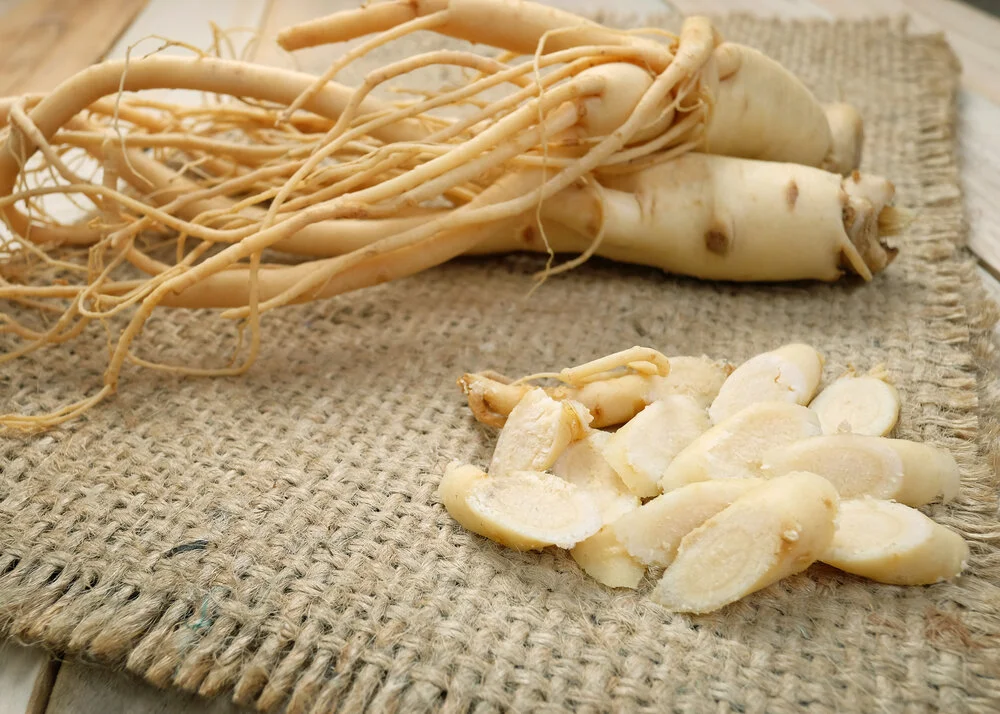
Ginseng is likely one of the best and is certainly the most famous adaptogens available.
In China, Korea, and Japan, ginseng was used for nearly all conditions and was suggested to promote longevity and general wellbeing.
Some of its main constituents, the saponins (known as ginsenosides) are a class of chemicals that have undergone significant study in the recent decades.
Ginseng is especially useful in treating and preventing neurological damage, and cognitive decline as a result of stress on the body, and some evidence has shown benefits to the adrenal system as well.
The adrenal glands help drive our stress response through hormone messengers. Under extreme or chronic stress, the signalling between the brain and the adrenals (the HPA axis) can fall out of tune, contributing to the deep, slow-to-recover fatigue described earlier. Ginseng is one of the herbs traditionally used to support recovery from this state.
2. Siberian ginseng
(Eleutherococcus senticosus)
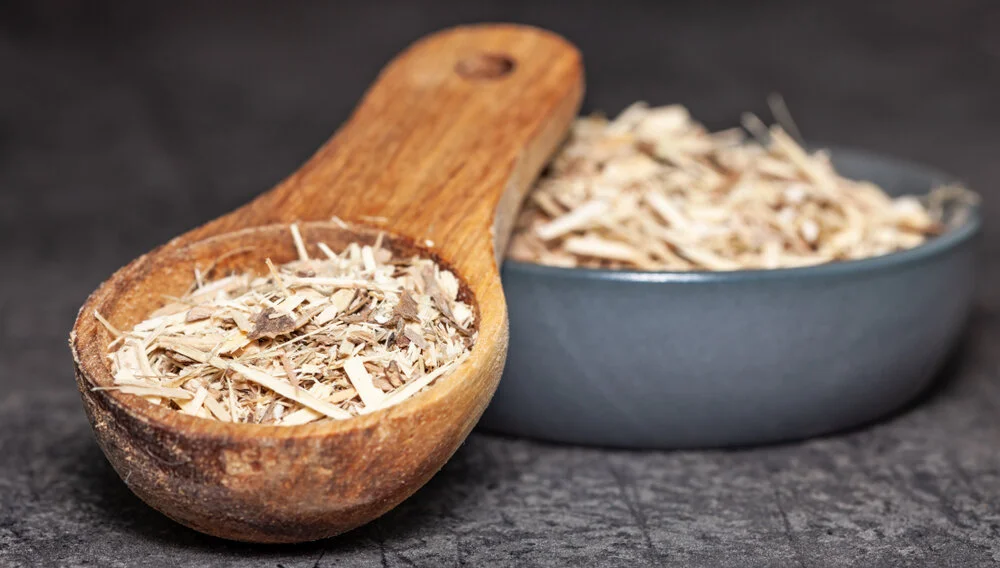
This species is referred to as Siberian ginseng not for its close relationship to true ginseng (Panax spp.) but instead for the fact that is used in pretty much the exact same way, and is also a root medicine.
Siberian ginseng contains a whole different set of chemicals to panax ginsengs, yet accomplished much the same results.
Where Panax ginseng is most beneficial to cognition, Siberian ginseng is more beneficial to the physical body. Both have a significant benefit on the adrenal glands.
Siberian ginseng and panax ginsengs are considered mildly stimulating and warming in nature. This is why they’re especially useful in those with colder constitutions, and under-active responses to stress.
3. Turmeric
(Curcuma longa)
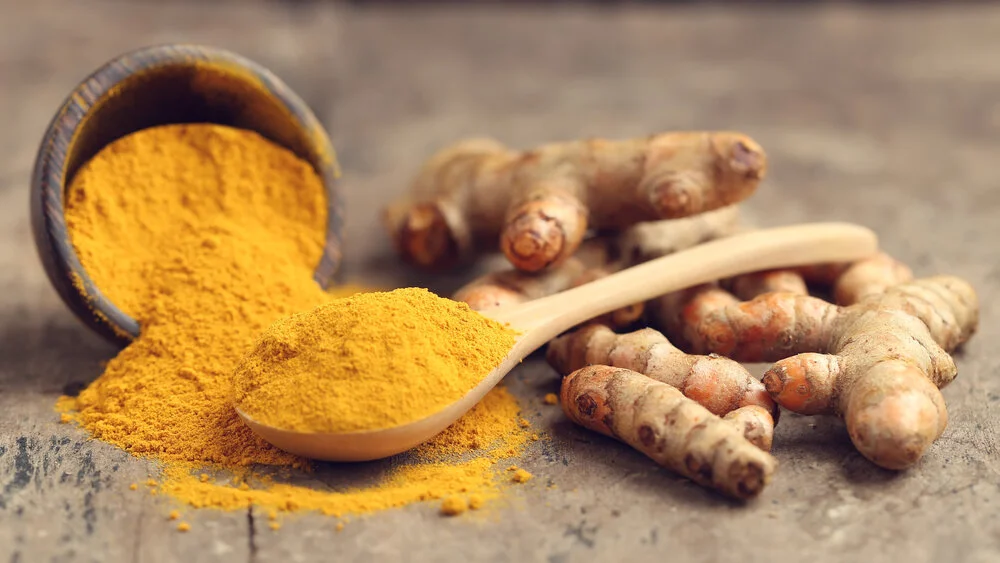
Turmeric is famously used in the Indian “curry”. It’s a systemic anti-inflammatory, and is often included in stress formulas for that reason.
The adrenal glands were mentioned earlier as the bodies main regulators of the stress response through the hormones cortisol and corticosterone (among others). These hormones act on cells throughout the body to communicate that a stressful event is occurring.
If stress continues over a long period and the adrenals are pushed to release these hormones constantly, the HPA axis can become dysregulated and the normal cortisol rhythm flattens.
Turmeric’s role is mainly to reduce the chronic inflammation that stress both feeds on and worsens — not to “recharge” the adrenal glands directly. It’s a favourite herb for many experiencing chronic inflammation and heart conditions as well.
Herbs For “Hot Constitution” Stress
With warmer constitutions, adaptogens like ashwagandha (Withania somnifera), reishi (Ganoderma lucidum), American ginseng (Panax quinquefolius), kava kava (Piper methysticum), or cordyceps (Cordyceps sinensis) may be used more effectively since with these individuals the weakness tends to be in the body’s exaggerated immune response and the subsequent dysregulation of the stress hormones from managing these stresses.
These individuals tend to respond to stress more quickly, in short bursts but tend to burn out faster with long term exposure. By using colder, or more sedating adaptogens, the response can be turned down (by essentially increasing activity of the parasympathetic nervous system instead).
This can be seen with conditions like damaging cytokine storms caused by viral infections, hay fever symptoms of an overactive immune response, and the stress-driven exhaustion some call “adrenal fatigue.”
A biochemical explanation for these herbs (in general) is that they tend to have more effect on the parasympathetic nervous system (such as GABA), that then offers an opposing force to the overactive sympathetic nervous system.
These herbs tend to have a more direct role on cortisol and the adrenal glands specifically, such as rehmannia (Rehmannia glutinosa) and licorice (Glycyrrhiza glabra).
1. Ashwagandha
(Withania somnifera)
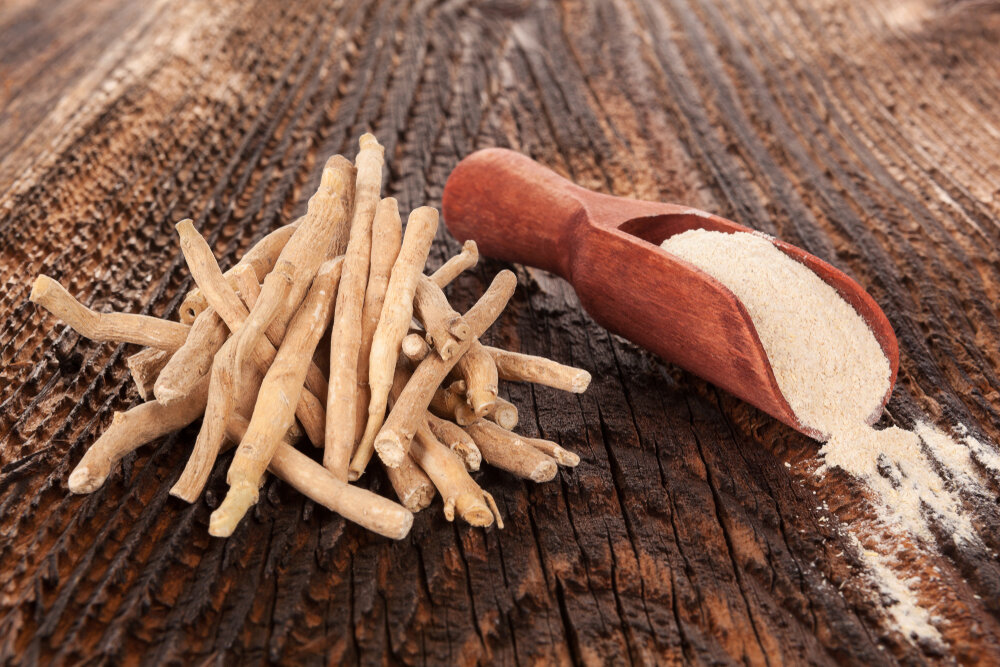
Ashwagandha is useful for nearly all forms of stress but is best in those with hot constitutions.
This is because, on top of its general ability to improve the effectiveness of stress resistance — it’s also mildly sedating and able to manage both overactive, and under-active immune responses effectively.
Ashwagandha improves sleep, hormone levels (males and females), and can reduce chronic inflammation. In randomised, placebo-controlled trials it has also been shown to lower cortisol and perceived stress 2Reference 2RCTA prospective, randomized double-blind, placebo-controlled study of safety and efficacy of a high-concentration full-spectrum extract of ashwagandha root in reducing stress and anxiety in adults3Reference 3RCTAn investigation into the stress-relieving and pharmacological actions of an ashwagandha (Withania somnifera) extract: a randomized, double-blind, placebo-controlled study.
2. American Ginseng
(Panax quinquefolius)
American ginseng is very similar to Asian ginseng, but is considered much more cooling in nature.
This ginseng species has a much less stimulating effect and some even consider it mildly sedating. Even the taste is far smoother and has less of a spiciness than Asian ginseng does.
American ginseng has the same slurry of saponin chemicals referred to as the ginsenosides, but has them in different ratios than asian ginseng does. It’s also been found to improve fatigue levels, and improve cognitive function — but is especially useful in those with hot, overactive constitutions, and is much more useful in conditions induced by heat-type stress.
3. Rehmannia
(Rehmannia glutinosa)
Rehmannia is a common herb in both traditional and modern Western herbalism for stress-related exhaustion and HPA-axis support. It’s considered cooling in Chinese medicine, specific for cooling the blood.
People with hot constitutions who often experience heat in the face, during periods of stress can find support with this herb.
Rehmannia works by mimicking cortisol — which increases the sensitivity of the hypothalamus “stress center” to the hormone to improve the negative feedback loop regulating the stress response.
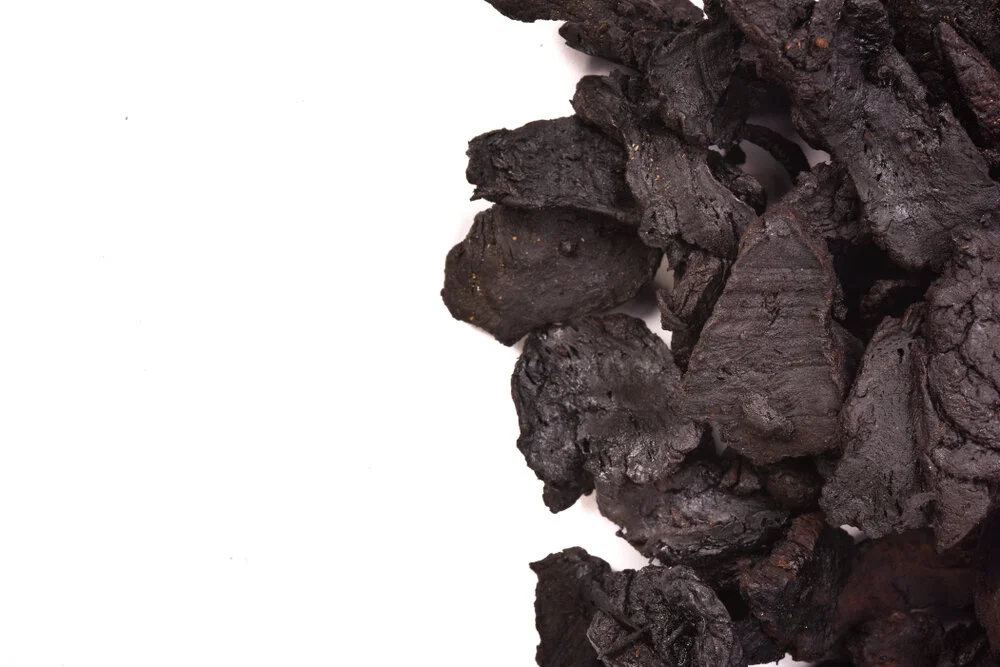
Other Herbs For Stress
There are a lot of herbs helpful for supporting the stress response — each working through their own slurry of effects.
The most common finding in herbs with stress-supportive activity is the ability to increase the effects of GABA in the central nervous system.
GABA is the main neuro-inhibitory neurotransmitter.
The most common pharmaceuticals used for treating anxiety and severe stress (benzodiazepines) also use this mechanism of action.
Beyond the adaptogens profiled above, there’s a long tail of herbs traditionally turned to for resilience under stress — many of them staples of Chinese, Ayurvedic, and Amazonian practice. They’re worth knowing about even if they don’t each get their own deep-dive here.
Other herbs useful for alleviating stress:
- Holy basil / tulsi (Ocimum sanctum) — a calming Ayurvedic adaptogen used to steady mood and blunt the cortisol response.
- Codonopsis (Codonopsis pilosula) — a gentler, food-like substitute for ginseng in Chinese tonic formulas.
- Eucommia bark (Eucommia ulmoides) — a warming kidney/adrenal tonic in Chinese medicine.
- Guduchi (Tinospora cordifolia) — an Ayurvedic immune-balancing and rejuvenative herb.
- Guarana (Paullinia cupana) — a caffeine-rich stimulant used where fatigue is the dominant complaint.
- Sarsaparilla (Smilax spp.) — a traditional blood-cleansing and tonic root.
- Suma (Pfaffia paniculata) — “Brazilian ginseng,” used in the Amazon as a general restorative.
- Acanthopanax (Eleutherococcus sessiliflorus) and Asian devil’s club (Oplopanax) — close relatives of eleuthero used in much the same supportive way.
- Samambaia (Polypodium leucotomos), Erva Tostão (Boerhaavia diffusa), and Abuta (Cissampelos pareira) — South American botanicals carried in traditional practice for resilience and recovery.
Author
The Sunlight Experiment
References
- Plant Adaptogens — History and Future Perspectives. (2021). Nutrients, 13(8), 2861. Link
- Chandrasekhar, K., Kapoor, J., & Anishetty, S. (2012). A prospective, randomized double-blind, placebo-controlled study of safety and efficacy of a high-concentration full-spectrum extract of ashwagandha root in reducing stress and anxiety in adults. Indian Journal of Psychological Medicine, 34(3), 255–262. Link
- Lopresti, A. L., Smith, S. J., Malvi, H., & Kodgule, R. (2019). An investigation into the stress-relieving and pharmacological actions of an ashwagandha (Withania somnifera) extract: a randomized, double-blind, placebo-controlled study. Medicine (Baltimore), 98(37), e17186. Link
- Hoffmann, D. (2003). Medical Herbalism: The Science and Practice of Herbal Medicine. Healing Arts Press.
Justin Cooke
Clinical herbalist and the writer behind The Sunlight Experiment — an evidence-based pharmacopoeia of herbs, supplements, and the chemistry behind them.