
Compound Monograph
Andrographolide
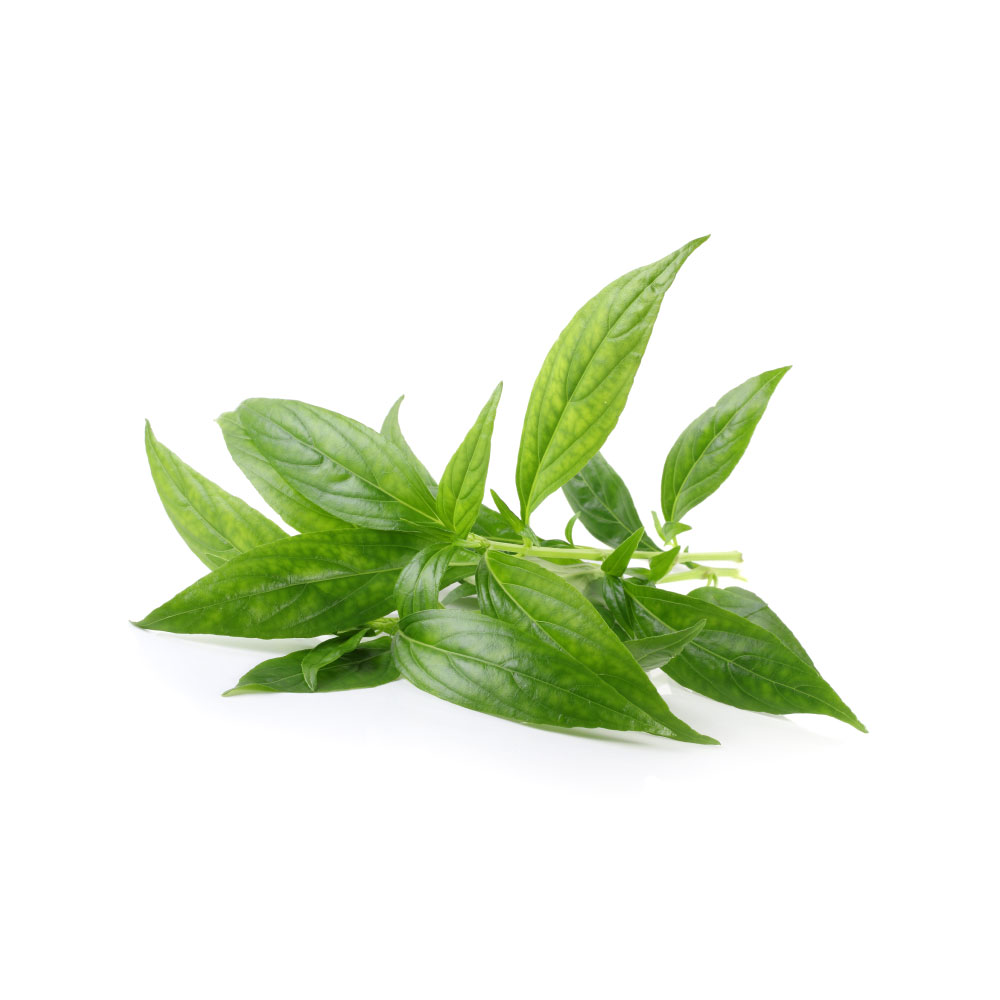
Andrographolide is the bitter ent-labdane diterpenoid lactone of andrographis (Andrographis paniculata, the 'king of bitters') — an NF-kB-inhibiting immunomodulator whose genuine human evidence for the common cold and upper-respiratory infection belongs to standardised andrographis extracts, not the isolated molecule. Its honest safety signals include allergic/anaphylactoid reactions, animal male-fertility effects and rare liver-injury reports.

Sources · 2
Where Does It Come From?
Andrographolide is a naturally occurring diterpenoid lactone (ent-labdane), found in Andrographis and 1 other source. It is flagged as moderately toxic.
Concentration
Content by Source
Reported concentrations across the plants that contain andrographolide — the bar marks the typical level, the line shows the reported range.
Literature figures for varying plant parts and preparations. Read them as a comparative guide, not exact assays.
Andrographolide at a Glance
Andrographolide is the bitter ent-labdane diterpenoid lactone that defines andrographis (Andrographis paniculata), the traditional South and Southeast Asian fever and immune herb known as kalmegh or the “king of bitters.” It is the marker compound to which andrographis extracts are standardised, and the molecule most credited with the herb’s activity 1,
Its core, best-characterised mechanism is anti-inflammatory and immunomodulatory: andrographolide suppresses NF-kB, the master transcription factor of inflammation, by forming a covalent adduct with the p50 subunit — dampening downstream TNF-α, IL-1β and other inflammatory signals 2Reference 2Andrographolide attenuates inflammation by inhibition of NF-kappa B activation through covalent modification of reduced cysteine 62 of p50View study →. Around that mechanism sits a very large preclinical literature spanning antiviral, hepatoprotective, anticancer and neuroprotective activity 1,
Two honest caveats frame the whole page. First, andrographolide has genuine human clinical evidence for the common cold and upper-respiratory infection — but that evidence is for standardised andrographis extract (Kan Jang, KalmCold, Paractin), not for the purified molecule, and the isolate has poor oral bioavailability that tempers its in-vitro potency 10,
Andrographolide & Immunomodulation
Immunomodulation is the through-line of andrographolide’s pharmacology, and it runs in two directions at once — anti-inflammatory (calming over-active inflammatory signalling) and immunostimulatory (boosting lymphocyte responses at low concentrations).
The anti-inflammatory arm is mechanistically the best-defined thing this molecule does. Andrographolide is a direct NF-kB inhibitor: it reacts with the nucleophilic cysteine 62 of the NF-kB p50 subunit through Michael addition at its exocyclic double bond, forming a covalent adduct that blocks NF-kB from binding DNA and switching on inflammatory genes 2Reference 2Andrographolide attenuates inflammation by inhibition of NF-kappa B activation through covalent modification of reduced cysteine 62 of p50View study →. Downstream, that suppresses TNF-α, IL-1β, iNOS and COX-2 expression, which underlies the reduction of inflammation seen across cell and animal models 1,
The clinically important point is where the human evidence sits. Andrographis extracts standardised to andrographolide have real randomised controlled trials for upper-respiratory tract infection and the common cold, and they are consistently positive for symptom relief:
| Preparation | What it is | Human evidence |
|---|---|---|
| Kan Jang | Fixed combination of andrographis + Eleutherococcus, standardised to andrographolides | RCTs in uncomplicated URTI 4Reference 4RCTDouble-blind, placebo-controlled pilot and phase III study of activity of standardized Andrographis paniculata Herba Nees extract fixed combination (Kan jang) in the treatment of uncomplicated upper-respiratory tract infectionView study → |
| KalmCold / AP-Bio | Andrographis extract, 200 mg/day | RCT in uncomplicated URTI (efficacy ~2.1× placebo) 5Reference 5RCTA randomized double blind placebo controlled clinical evaluation of extract of Andrographis paniculata (KalmCold) in patients with uncomplicated upper respiratory tract infectionView study → |
| Standardised extract (pooled) | Various andrographolide-titrated extracts | Systematic review + meta-analysis of acute respiratory infection 6Reference 6Meta-analysisAndrographis paniculata (Chuān Xīn Lián) for symptomatic relief of acute respiratory tract infections in adults and children: a systematic review and meta-analysisView study → |
A 2017 systematic review and meta-analysis concluded that andrographis improves cough and sore throat and shortens illness compared with usual care or placebo across the pooled trials, while noting the primary studies were of variable quality 6Reference 6Meta-analysisAndrographis paniculata (Chuān Xīn Lián) for symptomatic relief of acute respiratory tract infections in adults and children: a systematic review and meta-analysisView study →. Beyond the airway, a Phase II randomised controlled trial of the standardised extract HMPL-004 found benefit in active ulcerative colitis — a second, independent human immunomodulatory signal consistent with the NF-kB mechanism 7Reference 7Andrographis paniculata extract (HMPL-004) for active ulcerative colitisView study →.
The load-bearing caveat: every one of these human results is for a standardised whole-herb extract, not for isolated andrographolide. Andrographolide is the standardisation marker and probable lead actor, but a positive trial of a 30%-andrographolide extract does not license claims for the purified molecule — or for the bitter infusion at the other extreme.
Antiviral, Anticancer & the Safety Signals
Away from the airway trials, andrographolide carries a broad preclinical portfolio — and the honest safety caveats that a flagship “immune herb” molecule needs stated plainly.
Antiviral. In vitro, andrographolide interferes with several viruses by acting at viral entry, RNA replication and protein-synthesis stages rather than one target 8Reference 8Antiviral activities of andrographolide and its derivatives: mechanism of action and delivery systemView study →. It drew particular attention during COVID-19: in human lung epithelial (Calu-3) cells, andrographolide inhibited SARS-CoV-2 replication dose-dependently and inhibited the viral main protease, with reported potency in the same range as remdesivir in that assay 9Reference 9Anti-SARS-CoV-2 activity of Andrographis paniculata extract and its major component andrographolide in human lung epithelial cells and cytotoxicity evaluation in major organ cell representativesView study →. This is cell-culture and enzyme-level work — promising, but not clinical proof, and shadowed by the bioavailability problem below.
Anticancer. Across cancer cell lines andrographolide is pro-apoptotic and induces cell-cycle arrest, and the same NF-kB suppression that drives its anti-inflammatory action contributes to its antitumour activity in models 1,
The safety signals — stated honestly. Andrographis and andrographolide are not risk-free:
- Allergic and anaphylactoid reactions. Systematic reviews of andrographis safety identify hypersensitivity reactions, including rare but potentially serious allergic/anaphylactoid events, as the standout signal; these cluster especially with injectable andrographolide derivatives, but oral products carry a real if smaller allergy risk 13,
14Reference 13Meta-analysisAdverse effects of andrographolide derivative medications compared to the safe use of herbal preparations of Andrographis paniculata: results of a systematic review and meta-analysis of clinical studiesView study →Reference 14Meta-analysisSafety of Andrographis paniculata: a systematic review and meta-analysisView study → . - Male-reproductive (anti-fertility) effects in animals. In male rats, andrographis/andrographolide dosing suppressed testosterone, reduced sperm count, motility and viability, and disrupted spermatogenesis — findings that have prompted its study as a candidate male contraceptive 15Reference 15AnimalContraceptive potential of Andrographis paniculata is via androgen suppression and not induction of oxidative stress in male Wistar ratsView study →. This is an animal signal, not a demonstrated human effect, but it is a genuine reproductive caution.
- Rare hepatic and autoimmune signals. Andrographis is traditionally hepatoprotective, yet pharmacovigilance and case reports have flagged rare liver-injury events, including autoimmune-like hepatitis, and regulators (e.g. the Australian TGA) have issued advisories; comprehensive isolate reviews also list nephrotoxicity and reproductive toxicity among the compound’s concerns at higher exposure 10,
13Reference 10Clinical trialAndrographolide: a review of its pharmacology, pharmacokinetics, toxicity and clinical trials and pharmaceutical researchesView study →Reference 13Meta-analysisAdverse effects of andrographolide derivative medications compared to the safe use of herbal preparations of Andrographis paniculata: results of a systematic review and meta-analysis of clinical studiesView study → .
The pattern that emerges from the safety meta-analyses is reassuring on average — serious adverse events are uncommon, non-serious GI and skin effects are frequent — but the tail risk (allergy/anaphylaxis) and the animal reproductive data are why this molecule earns a moderate flag rather than a low one 13,
What It's Used For
The evidence splits sharply by application and, critically, by whether the thing tested was the standardised extract (the human trials) or the isolated molecule (nearly all the mechanism and preclinical work).
Support is an experimental score — weighted by study type (human > animal > in vitro) and volume. A beta, not a validated metric. The top rows rest on standardised-extract human trials, not isolated andrographolide; the lower rows are isolate preclinical work — read the per-row basis.
The marquee human application — and the clearest case of extract, not isolate. Randomised placebo-controlled trials of the andrographis fixed combination Kan Jang 4Reference 4RCTDouble-blind, placebo-controlled pilot and phase III study of activity of standardized Andrographis paniculata Herba Nees extract fixed combination (Kan jang) in the treatment of uncomplicated upper-respiratory tract infectionView study → and the andrographis extract KalmCold (200 mg/day, efficacy ~2.1× placebo) 5Reference 5RCTA randomized double blind placebo controlled clinical evaluation of extract of Andrographis paniculata (KalmCold) in patients with uncomplicated upper respiratory tract infectionView study → show symptom relief in uncomplicated upper-respiratory infection, and a 2017 systematic review and meta-analysis found andrographis improved cough and sore throat versus control across the pooled acute-respiratory-infection trials 6Reference 6Meta-analysisAndrographis paniculata (Chuān Xīn Lián) for symptomatic relief of acute respiratory tract infections in adults and children: a systematic review and meta-analysisView study →.
Andrographolide is the standardisation marker and probable lead actor, but the products are whole-herb extracts standardised to andrographolide, not the purified compound.
Gap: no controlled trial has tested isolated andrographolide for colds; the evidence is entirely the standardised extract, primary-study quality is mixed 6Reference 6Meta-analysisAndrographis paniculata (Chuān Xīn Lián) for symptomatic relief of acute respiratory tract infections in adults and children: a systematic review and meta-analysisView study →, and the herb is often dosed as a combination (e.g. with Eleutherococcus), which further separates the result from the single molecule.
The mechanistic core. Andrographolide covalently modifies cysteine 62 of the NF-kB p50 subunit, blocking NF-kB–DNA binding and the transcription of TNF-α, IL-1β, iNOS and COX-2 — a clean, well-characterised anti-inflammatory route 2Reference 2Andrographolide attenuates inflammation by inhibition of NF-kappa B activation through covalent modification of reduced cysteine 62 of p50View study →.
In the opposite (immunostimulatory) direction, the isolated diterpenoids enhanced proliferation and IL-2 induction in human peripheral-blood lymphocytes at low concentrations 16Reference 16Anticancer and immunostimulatory compounds from Andrographis paniculataView study →.
This dual immunomodulation is the unifying thread beneath the colitis, respiratory and much of the anticancer activity 1,
Gap: mechanism is isolate-and-in-vitro; the human anti-inflammatory read-outs that exist are clinical-symptom endpoints of the extract (respiratory, colitis), not isolate biomarker trials, and dosing to reach the active NF-kB concentrations in vivo is limited by bioavailability 10,
A genuine, independent human immunomodulatory signal. A Phase II randomised controlled trial of the standardised andrographis extract HMPL-004 reported benefit in patients with active ulcerative colitis, consistent with the compound’s NF-kB / TNF-α suppression in the gut 7Reference 7Andrographis paniculata extract (HMPL-004) for active ulcerative colitisView study →. It is a second human context (after the airway) in which a standardised extract outperforms placebo.
Gap: again the extract, not isolated andrographolide; a single Phase II programme, not a settled indication, and later development of the extract did not establish it as a standard therapy 7Reference 7Andrographis paniculata extract (HMPL-004) for active ulcerative colitisView study →.
A broad in-vitro strand. Andrographolide interferes with viral entry, RNA replication and protein synthesis across several viruses 8Reference 8Antiviral activities of andrographolide and its derivatives: mechanism of action and delivery systemView study →, and against SARS-CoV-2 it inhibited replication in human lung (Calu-3) cells dose-dependently and inhibited the viral main protease, with reported cell-based potency comparable to remdesivir in that assay 9Reference 9Anti-SARS-CoV-2 activity of Andrographis paniculata extract and its major component andrographolide in human lung epithelial cells and cytotoxicity evaluation in major organ cell representativesView study →. Mechanistic work also links it to Nrf2/glutathione (GCLC) cytoprotection.
Gap: cell-culture and enzyme-level isolate data only; no controlled clinical antiviral trial of andrographolide, and its poor oral bioavailability makes achieving antiviral concentrations in humans the central open question 9,
A large preclinical literature. Across cancer cell lines andrographolide is pro-apoptotic and arrests the cell cycle, with its NF-kB suppression contributing to the antitumour effect 1Reference 1Overview of pharmacological activities of Andrographis paniculata and its major compound andrographolideView study →; the isolated diterpenoids showed direct anticancer activity alongside immunostimulation 16Reference 16Anticancer and immunostimulatory compounds from Andrographis paniculataView study →. Comprehensive reviews catalogue activity across many tumour types 10Reference 10Clinical trialAndrographolide: a review of its pharmacology, pharmacokinetics, toxicity and clinical trials and pharmaceutical researchesView study →.
Gap: isolate, in-vitro and rodent xenograft work; no human anticancer efficacy trial of andrographolide, and the same bioavailability ceiling applies 10,
A mechanistically specific isolate signal. In the MPTP mouse model of Parkinson’s disease, andrographolide alleviated parkinsonism by targeting Drp1-mediated mitochondrial fission, protecting dopaminergic neurons 11Reference 11AnimalAndrographolide alleviates Parkinsonism in MPTP-PD mice via targeting mitochondrial fission mediated by dynamin-related protein 1View study →. It fits the wider theme of andrographolide modulating stress/inflammatory signalling in the CNS.
Gap: a single disease-model study on the isolate, at pharmacological rodent doses, with no human neurological data and unresolved brain exposure given the PK limits 11,
Mechanisms
| Target / pathway | Effect | Relevant to |
|---|---|---|
| NF-kB p50 (Cys62 covalent adduct) | blocks NF-kB DNA binding → ↓ TNF-α, IL-1β, iNOS, COX-2 | anti-inflammatory / colitis / anticancer |
| Lymphocyte proliferation / IL-2 | immunostimulatory at low concentrations (HPBLs) | immune support |
| Viral entry & replication machinery; SARS-CoV-2 main protease | interferes with entry, RNA replication, protein synthesis; inhibits Mpro | antiviral |
| Cell cycle / apoptosis | cell-cycle arrest + pro-apoptotic signalling | anticancer |
| Drp1 / mitochondrial fission | reduces pathological fission → dopaminergic neuroprotection | neuroprotection (MPTP model) |
| Nrf2 / glutathione (GCLC) | antioxidant / cytoprotective upregulation | hepatoprotection / antiviral |
The NF-kB p50 modification 2Reference 2Andrographolide attenuates inflammation by inhibition of NF-kappa B activation through covalent modification of reduced cysteine 62 of p50View study → is the load-bearing mechanism — it ties the anti-inflammatory, colitis and much of the anticancer activity to a single molecular event. The immunostimulatory IL-2 effect 16Reference 16Anticancer and immunostimulatory compounds from Andrographis paniculataView study → is the “other direction” that gives the herb its dual immune reputation.
Pharmacokinetics
Andrographolide’s pharmacokinetics are the reason its in-vitro potency does not translate cleanly. After oral extract dosing it is rapidly absorbed but its oral bioavailability is poor and dose-dependent — in the rat, bioavailability fell roughly four-fold when the dose was raised ten-fold, pointing to saturable absorption 12Reference 12AnimalPharmacokinetic and oral bioavailability of andrographolide from Andrographis paniculata fixed combination Kan Jang in rats and humanView study →. About 55% is bound to plasma protein, limiting the free fraction available to cells; the human elimination half-life is short (~2–7 hours) with maximum plasma concentration around 1.4 hours after dosing 12Reference 12AnimalPharmacokinetic and oral bioavailability of andrographolide from Andrographis paniculata fixed combination Kan Jang in rats and humanView study →. Its low aqueous solubility is the practical bottleneck, and much of the compound’s translational research is aimed at formulation (nanoparticles, derivatives) to raise exposure 10Reference 10Clinical trialAndrographolide: a review of its pharmacology, pharmacokinetics, toxicity and clinical trials and pharmaceutical researchesView study →. The take-home: flag the bioavailability whenever an in-vitro antiviral or anticancer number is quoted — the concentrations that work in a dish are hard to reach in blood.
Clinical Trials
Human trials exist — but they test standardised andrographis extract, not isolated andrographolide. The airway RCTs and the meta-analysis are the real clinical footprint 4,
| Completed | Planned | Terminated | Preclinical |
|---|---|---|---|
| URTI/common-cold RCTs + meta-analysis (extract); UC Phase II (HMPL-004) | COVID-19 extract studies (whole-herb, ongoing/reported) | — | Antiviral, anticancer, neuroprotective (isolate) |
Last checked: July 2026.
Isolate vs. Plant Studies
This molecule shows the compound-page tension in its sharpest form. The human efficacy evidence is entirely plant/extract: Kan Jang, KalmCold and the pooled respiratory trials are standardised Andrographis paniculata extracts titrated to andrographolide, and HMPL-004 for colitis is likewise a whole-herb extract 4,
Its Role in Plants
Andrographolide is a defensive secondary metabolite — a bitter ent-labdane diterpenoid lactone biosynthesised from the universal diterpene precursor geranylgeranyl diphosphate through the plant’s terpenoid pathway. It accumulates chiefly in the leaves and aerial parts of Andrographis paniculata, where its intense bitterness (the source of the “king of bitters” name) plausibly deters herbivores and contributes to the plant’s chemical defence. Notably, the root carries little andrographolide and is instead dominated by flavonoids — a tissue split that matters medicinally, because the andrographolide-bearing aerial parts, not the flavonoid-rich root, are the material used in preparations 3Reference 3ReviewAndrographis paniculata (Burm. f.) Wall. ex Nees: a review of ethnobotany, phytochemistry, and pharmacologyView study →. As with any phytochemical, a defensive role in the plant does not predict human pharmacology; it explains where the molecule is and why it tastes the way it does.
Prevalence in Nature
Andrographolide is largely restricted to the genus Andrographis (family Acanthaceae), and above all to Andrographis paniculata — kalmegh, the “king of bitters” — where it is the dominant diterpenoid lactone and the compound to which commercial extracts are standardised 1,
Discovery & Synthesis
Andrographolide was first isolated and named in 1911 by the chemist A. J. Gorter, who crystallised the bitter principle from the leaves of Andrographis paniculata; its ent-labdane diterpenoid-lactone structure was worked out through mid-twentieth-century structural chemistry. The molecule entered modern research as the standardisation marker for andrographis extracts — the compound assayed to certify a preparation’s strength — and remains defined by that role 1,
Manufacture today is overwhelmingly by extraction from cultivated Andrographis paniculata aerial parts, not by total synthesis: the plant is an abundant, fast-growing source, and commercial supply chains isolate andrographolide (and standardise extracts to it) directly from leaf material. Because the compound’s poor solubility and bioavailability limit its use as-is, much of the applied chemistry around it is semi-synthetic derivatisation — making analogues and formulations (salts, nanoparticles, injectable derivatives) intended to raise exposure or target activity 10Reference 10Clinical trialAndrographolide: a review of its pharmacology, pharmacokinetics, toxicity and clinical trials and pharmaceutical researchesView study →. The isolate itself is therefore a plant-extracted molecule, with the synthetic effort aimed downstream at its derivatives.
Patents: not yet researched.
Toxicity & Safety
Andrographolide carries a moderate flag — above a typical dietary phytochemical — because its safety record, while reassuring on average, has three real signals: allergic/anaphylactoid reactions, animal male-fertility suppression, and rare liver-injury reports. The averages are benign; the tails are why the flag is not “low.”
- Serious adverse events are uncommon on average. Safety meta-analyses of standardised andrographis find mostly mild, self-limiting effects (GI upset, mild skin reactions) and no consistent serious-harm signal at studied doses 13,
14Reference 13Meta-analysisAdverse effects of andrographolide derivative medications compared to the safe use of herbal preparations of Andrographis paniculata: results of a systematic review and meta-analysis of clinical studiesView study →Reference 14Meta-analysisSafety of Andrographis paniculata: a systematic review and meta-analysisView study → . - Allergic and anaphylactoid reactions. Hypersensitivity — up to rare, potentially serious anaphylactoid events — is the standout signal, most concentrated with injectable andrographolide derivatives but present for oral products too; regulators (e.g. the Australian TGA) have advised on it 13,
14Reference 13Meta-analysisAdverse effects of andrographolide derivative medications compared to the safe use of herbal preparations of Andrographis paniculata: results of a systematic review and meta-analysis of clinical studiesView study →Reference 14Meta-analysisSafety of Andrographis paniculata: a systematic review and meta-analysisView study → . - Animal male-fertility effects. In male rats, andrographis/andrographolide suppressed testosterone and impaired sperm count, motility and spermatogenesis — an anti-fertility signal studied as a contraceptive lead, not a demonstrated human effect 15Reference 15AnimalContraceptive potential of Andrographis paniculata is via androgen suppression and not induction of oxidative stress in male Wistar ratsView study →.
- Rare hepatic / reproductive concerns. Despite the herb’s hepatoprotective tradition, rare liver-injury (including autoimmune-like hepatitis) reports exist, and isolate reviews list nephrotoxicity and reproductive toxicity at higher exposure — a “not from silence” caution 10,
13Reference 10Clinical trialAndrographolide: a review of its pharmacology, pharmacokinetics, toxicity and clinical trials and pharmaceutical researchesView study →Reference 13Meta-analysisAdverse effects of andrographolide derivative medications compared to the safe use of herbal preparations of Andrographis paniculata: results of a systematic review and meta-analysis of clinical studiesView study → .
Full Safety & Interactions Detail
Allergy / anaphylaxis. Across systematic reviews, hypersensitivity is the adverse effect that matters most. A meta-analysis distinguishing preparations found that serious reactions cluster with injectable andrographolide derivative medications, while oral herbal preparations of A. paniculata were comparatively safe — an important framing, because the scary case reports are largely not the oral herb 13Reference 13Meta-analysisAdverse effects of andrographolide derivative medications compared to the safe use of herbal preparations of Andrographis paniculata: results of a systematic review and meta-analysis of clinical studiesView study →. A separate safety systematic review concluded andrographis “may be generally safe” but causes frequent non-serious GI and skin effects and warrants monitoring 14Reference 14Meta-analysisSafety of Andrographis paniculata: a systematic review and meta-analysisView study →.
Male reproductive (animal). In male Wistar rats, andrographis reduced serum testosterone and impaired sperm parameters and spermatogenesis via androgen suppression rather than oxidative stress, prompting its evaluation as a candidate male contraceptive 15Reference 15AnimalContraceptive potential of Andrographis paniculata is via androgen suppression and not induction of oxidative stress in male Wistar ratsView study →. This is a consistent animal signal; human reproductive data are lacking, so it is a caution, not an established human harm. (Reproductive/fertility findings are stated here in prose; pregnancy/lactation decisions belong to the herb or product page, not this molecule page.)
Hepatic and other. Andrographis is traditionally hepatoprotective and shows liver-protective activity in animal models, yet post-marketing pharmacovigilance and case reports have flagged rare liver injury, including autoimmune-like hepatitis, and comprehensive isolate reviews list nephrotoxicity and reproductive toxicity among andrographolide’s toxicological concerns at higher exposure 10Reference 10Clinical trialAndrographolide: a review of its pharmacology, pharmacokinetics, toxicity and clinical trials and pharmaceutical researchesView study →. Because dedicated human isolate toxicology is limited, the conservative reading is to treat these as real if uncommon risks and not to infer safety from the herb’s benign average profile.
Interactions (scope note). Andrographolide’s NF-kB and immune effects raise a theoretical concern with immunosuppressant therapy, and its antiplatelet activity in preclinical work raises a theoretical bleeding/anticoagulant interaction; neither is well quantified in humans, and a systematic human drug-interaction dataset for the isolate is not established here.
Dosage
There is no established or recommended human dose for isolated andrographolide. All human dosing is of standardised andrographis extract, with the andrographolide content used to define strength:
| Preparation | Typical studied dose | Andrographolide basis |
|---|---|---|
| KalmCold / AP-Bio (URTI) | 200 mg extract/day | Standardised andrographis extract 5Reference 5RCTA randomized double blind placebo controlled clinical evaluation of extract of Andrographis paniculata (KalmCold) in patients with uncomplicated upper respiratory tract infectionView study → |
| Kan Jang (URTI) | ~90 mg total andrographolides/day | Andrographis + Eleutherococcus fixed combination 4Reference 4RCTDouble-blind, placebo-controlled pilot and phase III study of activity of standardized Andrographis paniculata Herba Nees extract fixed combination (Kan jang) in the treatment of uncomplicated upper-respiratory tract infectionView study → |
| Paractin (inflammatory conditions) | Extract standardised to ~30% andrographolide | Standardisation marker |
| HMPL-004 (ulcerative colitis) | Standardised extract, trial-defined | Whole-herb extract 7Reference 7Andrographis paniculata extract (HMPL-004) for active ulcerative colitisView study → |
Traditional bitter aerial-part preparations of the herb deliver considerably less andrographolide than these titrated extracts, and the poor oral bioavailability of the molecule means the ingested amount and the systemic exposure are not the same thing 12Reference 12AnimalPharmacokinetic and oral bioavailability of andrographolide from Andrographis paniculata fixed combination Kan Jang in rats and humanView study →. These are research doses of standardised extract, not of the isolate, and not a personal recommendation.
References
- Dai Y, Chen SR, Chai L, Zhao J, Wang Y, Wang Y (2019). Overview of pharmacological activities of Andrographis paniculata and its major compound andrographolide. Critical Reviews in Food Science and Nutrition. https://pubmed.ncbi.nlm.nih.gov/30040451/
- Xia YF, et al. (2004). Andrographolide attenuates inflammation by inhibition of NF-kappa B activation through covalent modification of reduced cysteine 62 of p50. The Journal of Immunology. https://pubmed.ncbi.nlm.nih.gov/15356172/
- Hossain MS, Urbi Z, Sule A, Rahman KMH (2014). Andrographis paniculata (Burm. f.) Wall. ex Nees: a review of ethnobotany, phytochemistry, and pharmacology. The Scientific World Journal. https://pubmed.ncbi.nlm.nih.gov/25950015/
- Melchior J, et al. (2000). Double-blind, placebo-controlled pilot and phase III study of activity of standardized Andrographis paniculata Herba Nees extract fixed combination (Kan jang) in the treatment of uncomplicated upper-respiratory tract infection. Phytomedicine. https://pubmed.ncbi.nlm.nih.gov/11081985/
- Saxena RC, et al. (2010). A randomized double blind placebo controlled clinical evaluation of extract of Andrographis paniculata (KalmCold) in patients with uncomplicated upper respiratory tract infection. Phytomedicine. https://pubmed.ncbi.nlm.nih.gov/20092985/
- Hu XY, et al. (2017). Andrographis paniculata (Chuān Xīn Lián) for symptomatic relief of acute respiratory tract infections in adults and children: a systematic review and meta-analysis. PLoS ONE. https://pubmed.ncbi.nlm.nih.gov/28783743/
- Sandborn WJ, Targan SR, Byers VS, Rutty DA, Mu H, Zhang X, Tang T (2013). Andrographis paniculata extract (HMPL-004) for active ulcerative colitis. The American Journal of Gastroenterology. https://pubmed.ncbi.nlm.nih.gov/23044768/
- Adiguna SP, et al. (2021). Antiviral activities of andrographolide and its derivatives: mechanism of action and delivery system. Pharmaceuticals (Basel). https://pubmed.ncbi.nlm.nih.gov/34832884/
- Sa-Ngiamsuntorn K, et al. (2021). Anti-SARS-CoV-2 activity of Andrographis paniculata extract and its major component andrographolide in human lung epithelial cells and cytotoxicity evaluation in major organ cell representatives. Journal of Natural Products. https://pubmed.ncbi.nlm.nih.gov/33844528/
- Zeng B, et al. (2022). Andrographolide: a review of its pharmacology, pharmacokinetics, toxicity and clinical trials and pharmaceutical researches. Phytotherapy Research. https://pubmed.ncbi.nlm.nih.gov/34818697/
- Geng J, et al. (2019). Andrographolide alleviates Parkinsonism in MPTP-PD mice via targeting mitochondrial fission mediated by dynamin-related protein 1. British Journal of Pharmacology. https://pubmed.ncbi.nlm.nih.gov/31389613/
- Panossian A, et al. (2000). Pharmacokinetic and oral bioavailability of andrographolide from Andrographis paniculata fixed combination Kan Jang in rats and human. Phytomedicine. https://pubmed.ncbi.nlm.nih.gov/11081986/
- Shang YX, et al. (2022). Adverse effects of andrographolide derivative medications compared to the safe use of herbal preparations of Andrographis paniculata: results of a systematic review and meta-analysis of clinical studies. Frontiers in Pharmacology. https://pubmed.ncbi.nlm.nih.gov/35153776/
- Worakunphanich W, Thavorncharoensap M, Youngkong S, Thadanipon K, Thakkinstian A (2021). Safety of Andrographis paniculata: a systematic review and meta-analysis. Pharmacoepidemiology and Drug Safety. https://pubmed.ncbi.nlm.nih.gov/33372366/
- Ogundola AF, et al. (2021). Contraceptive potential of Andrographis paniculata is via androgen suppression and not induction of oxidative stress in male Wistar rats. Tissue & Cell. https://pubmed.ncbi.nlm.nih.gov/34479074/
- Kumar RA, Sridevi K, Kumar NV, Nanduri S, Rajagopal S (2004). Anticancer and immunostimulatory compounds from Andrographis paniculata. Journal of Ethnopharmacology. https://pubmed.ncbi.nlm.nih.gov/15138014/



