
Compound Class
Terpenoids
The largest class of plant compounds, built from five-carbon isoprene units — the essential-oil aromatics, resins, bitter principles, saponins, and plant sterols.
661 Constituents10 Subclasses190 Source herbs
Overview
What Are Terpenoids?
Terpenoids are the largest and most structurally varied class of plant compounds, all assembled from a single five-carbon building block: the isoprene unit. Joining and folding these units produces an enormous range of carbon skeletons.
They are found in virtually every plant. Terpenoids supply the volatile essence of aromatic herbs, the resins of conifers, the bitter principles of many roots and barks, and the sterols that build cell membranes — wherever a plant has a characteristic scent, resin or bitterness, terpenoids are usually behind it.
How Terpenoids Are Built
The class is organized by how many isoprene units a molecule contains, and whether its carbon chain closes into rings or stays open:
- Monoterpenes
- two units, ten carbons
- Sesquiterpenes
- three units, fifteen carbons
- Diterpenes
- four units, twenty carbons
- Triterpenes
- six units, thirty carbons
- Tetraterpenes (carotenoids)
- eight units, forty carbons
As a rule, the smaller and lighter the molecule, the more volatile it is — which is why the monoterpenes dominate essential oils while the triterpenes sit in resins and barks.
Where Terpenoids Occur
Terpenoids are close to universal, but certain families are famous for concentrating them, usually as defensive or aromatic chemistry.
Mints and their relatives (Lamiaceae)
Carrot and umbellifer family (Apiaceae)
Daisy family (Asteraceae)
Conifers (Pinaceae and relatives)
Citrus family (Rutaceae)
Beyond these, the saponin-rich roots of ginseng and liquorice and the carotenoid pigments of fruits and leaves show how far the class reaches.
Defining the Class
A compound is classed as a terpenoid when its carbon skeleton can be traced back to repeating isoprene units, typically with oxygen-bearing groups added. Strictly, the pure hydrocarbons are the terpenes and the broader oxygenated majority are the terpenoids, though the two words are often used interchangeably.
Structure, not botanical origin or biological activity, is the sorting criterion — which is why a fragrant monoterpene and a foaming saponin sit in the same class.
Pharmacological Importance
Terpenoids give herbal medicine much of its character. The aromatic monoterpenes and sesquiterpenes are the carminative, antimicrobial and anti-inflammatory actives of the essential-oil herbs, while the triterpenes and saponins supply adaptogenic, expectorant and vein-toning activity.
The sterols and carotenoids are more nutritional in character, acting as membrane components, antioxidants and, in the case of the provitamin-A carotenes, vitamin precursors.
Toxicity & Safety
As a class terpenoids tend towards the gentle end, and most are well tolerated at culinary and medicinal doses. The pattern is not uniform, however.
The monoterpene ketone thujone can provoke seizures; the sesquiterpene lactones of the daisy family are the principal cause of contact allergy to Asteraceae, and some, such as helenalin, are markedly toxic; and the diterpene esters of the spurge family are strong irritants. Concentrated essential oils deserve particular respect, since they carry these molecules at far higher levels than the whole herb.
Constituents
All Terpenoids
661 total#
1,3,8-p-Menthatriene 1,8-Cineole 10-Deacetylbaccatin III 10-Desacetylasperulosidic Acid 10-Epicanin 11-beta,13-Dihydrolactucin 11-Keto-beta-boswellic acid 13-O-Acetylsolstitialin A 13,18-Dehydroglaucarubinone 14-Deoxy-11,12-didehydroandrographolide 2-Acetoxyfuranodiene 2-Methoxyfuranodiene 2'-Acetylglaucarubinone 20-Hydroxyecdysone 23-epi-26-deoxyactein 3-Acetyl-beta-boswellic acid 3-beta-Hydroxylanosta-8,24-dien-21-al 3'-O-galloylpaeoniflorin 4-Terpineol 6'-O-benzoylpaeoniflorin 6'-O-galloylalbiflorin 6'-O-galloylpaeoniflorin 7-alpha-Acetoxymarrubiin 8-Coumaroylharpagide 8-Deoxylactucin 8-O-Acetylharpagide 9-DeoxymuzigadialA
Abietic acid Absinthin Acanthoic Acid Acetoxyvalerenic acid Acetyl-11-keto-beta-boswellic acid (AKBA) Acetyl-beta-boswellic acid Acetyl-boswellic acids Achillicin Achillin Achillolide A Acorone Actein Acylsteryl glucosides Aescin Agnuside Ailanthinone Ajugol Ajugols Albiflorin Allo-aromadendrene Allobetonicoside alpha-Amyrin alpha-Bisabolene alpha-Bisabolol oxide A alpha-Bisabolol oxide B alpha-Boswellic acid Alpha-Cadinol alpha-copaene Alpha-elemene alpha-Farnesene Alpha-guaiene Alpha-muurolene alpha-Phellandrene alpha-Pinene Alpha-resinic acid alpha-Terpinene alpha-Terpineol alpha-Thujene Alpha-thujone Care alpha-turmerone alpha-zingiberene Amarogentin Andrographiside Andrographolide Androstenedione Androstenol ar-turmerone Aralosides Arjunapthanoloside Arjunenin Arjunetin Arjungenin Arjunic acid Arjunolic acid Arjunosides Arnicin Aromadendrene Arteannuin B Artecanin Artemisia ketone Artemisinic acid Artemisinin Artemorin Artemvulactone E Ascaridole Asiatic acid Asiaticin Asiaticoside Asperuloside Asperulosidic Acid Astragaloside IV Aucubin Austroinulin Azadirachtin AzadiradioneB
Bacopasaponins Bacopaside I Bacopaside II Bacopasides Bacoside A Bacosides Balchanin Ballotenol Ballotinone Bayogenin beta-Amyrin Beta-bisabolene beta-Boswellic acid beta-Bourbonene beta-Carotene beta-Elemene Beta-eudesmol Beta-gurjunene beta-humulene Beta-phellandrene Beta-Pinene Beta-resinic acid Beta-selinene beta-sesquiphellandrene Beta-sitosterol Beta-thujone Care Beta-transfarnesene beta-turmerone Betulin Betulinic acid Bicyclogermacrene Bilobalide Bisabolol Bisabolol oxide B Borneol Borneol acetate Bornyl acetate Bornyl cryptone Bornyl p-coumarate Boswellic acids Brahmic acid Brahminoside Brahmoside Bryophyllin B Bryophyllin CC
Cafestol Calamene Calamenene Calamusin Calein A Calein B Calein C Calendasaponins Calenduloside E 6'-methyl ester Calendulosides Campesterol Camphene Camphor Canin Cantharidin Capsanthin Capsorubin Car-3-ene Cardiac glycosides Care Carnosic acid Carnosol Carotene Carotenoids Carvone Caryophyllene Caryophyllene oxide Catalpol Caulosaponin Cauloside Cauloside A Cauloside C Cauloside D Centellasapogenol A Centellasaponin A Centellasaponin B Centellasaponin C Centellasaponin D Centellicin Chamazulene Charantin Chebuloside II Cholesterol Chrysanthenone Cimicifugoside Cimiracemosides cis-ocimene cis-Sabinene hydrate Citral Citronellal Citronellol Ciwujianosides Cleroda-7,14-dien-13-ol Clerodane diterpenes Cnicin Communic acid Compound K Copaene Costunolide Crataegolic acid Crataegolic acids Crocetin Crocin Cryptotanshinone Cryptoxanthin Cubebene Curzerene Curzerenone Cyathane diterpenoids Cyclic monoterpenes Cycloastragenol Cyclopassifloic acids Cyclopassiflosides Cymol Cynaragenin Cynaratriol Cynarolide CynaropicrinD
d-Cadinene D-Limonene d-Pinene Dammarane saponins Daucosterol Deacetylasperulosidic acid Dehydroabietic acid Dehydrosoyasaponin I Delta-3-carene Delta-Cadinene Deoxyandrographolide Digitonin Digitoxigenin Digitoxin Digoxin Dihydroartemisinic acid Dihydrohelenalin Dihydrotanshinone I Dioscin Diosgenin Diosphenol Diterpene alcohols Diterpene diketones Diterpene glycosides Diterpenes Diterpenoid lactones Dubiin DulcosidesE
E-beta-farnesene Ecdysone Ecdysteroid glycosides Echinocystic acid Edulan I Edulan II Elenolic acid Eleutherosides Elixene En-in-dicycloether Entagenic acid epi-alpha-Cadinol Epirosmanol Epitestosterone Epoxyartemorin Epoxysantamarine Equisetonin Eremophyllane Ergosterol Ergosterol Peroxide Erinacine A Erinacines EudesmanolidesF
Faradiol Faradiol monoesters Farnesene Farnesol Fenchone Flavoxanthin Fomentarol A Fomentarol B Fomentarol C Fomentarol D Forskolin Friedelin Friedelins Furanoeudesma-1,3-diene Furoasparoside E Furostanol glycosidesG
Galdosol gamma-cadinene Gamma-eudesmol Gamma-muurolene gamma-Terpinene Ganoderic acid B Ganoderic acids Ganoderiol F Ganodermadiol Ganodermasides Gedunin Geniposide Gentiopicroside Geranial Geraniol Geranyl Acetate Geranyl propionate Germacranolides Germacrene B Germacrene D Germacrone Germanicol Gibberellic acid Gibberellin Ginkgolide A Ginkgolide B Ginkgolide C Ginkgolide J Ginkgolides Ginsenoside F1 Ginsenoside F2 Ginsenoside Rb1 Ginsenoside Rb2 Ginsenoside Rc Ginsenoside Rd Ginsenoside Re Ginsenoside Rf Ginsenoside Rg1 Ginsenoside Rg2 Ginsenoside Rg3 Ginsenoside Rh1 Ginsenoside Rh2 Ginsenosides Gitaloxin Gitoxigenin Gitoxin Glaucarubinone Glaucarubolone Globulol Glycyrrhetinic acid Glycyrrhizin Gracillin Guaianolides Guaiol Gylongiposide I Gymnemasaponins Gymnemic acids Gypenoside A Gypenoside IX Gypenoside L Gypenosides Gypensapogenins GypsogeninH
Harpagide Harpagoside Hastatoside Hederagenin Helenalin Care Hispanolone Holacanthone HumuleneI
Inotodiol Ionone glycosides Iridoid glycosides Iridoids Isoamerboin Isoandrographolide Isoartemisia ketone Isobornyl 2-methylbutanoate Isocupressic acid Isomenthone Isomenthyl acetate Isopimaric acid Isopinocamphone Isopulegol Isorosmanol Isosecotanapartholide Isoshyobunone Isosteviol Isothankunic acidJ
Jhanol Jioglutosides Jujuboside A Jujuboside BK
Kahweol Kaurene Kaurenoic acidL
Lactucic acid Lactucin Lactucin-8-sulfate Lactucopicrin Lambertianic acid Lanosterol Lavandulol Lavandulyl acetate Lebbecacidin Leocardin Leonotin Leonotinin Leonuride Leucodin Levopimaric acid Limonene Linalool Linalool oxide Linalyl Acetate Lindestrene Loganic acid Loganin Longifolene Lucidumol Lupenone Lupeol Lupeol Acetate Lupulene Lutein LuteoxanthinM
Madasiatic acid Madecassic acid Madecassic acids Madecassoside Magnolialide Marrubiin Matesaponins Matricarin Matricin Menthofuran Care Menthol Menthone Menthyl acetate Mesabolone Mesembryanthemoidigenic acid Momordicin Momordicoside Monoterpene alcohols Monoterpene derivatives Monoterpenes Monotropein Morroniside Myrcene Myrrhone Myrtenal MyrtenolN
Neoandrographolide Neomenthol Neomenthyl acetate Nepetaefolin Nepetaefuran Nepetalactone Nepetalic acid Neral Nerol Nerolidol Niloticane Nimbidin Nimbin Nimbolide Nortriterpenoids Notoginsenoside R1 NotoginsenosidesO
Ocimene Oleanene triterpenes Oleanolic acid Oleanolic Acid 28-O-Glucopyranoside Oplopanone OxypaeoniflorinP
p-Cymen-8-ol p-Cymene Paclitaxel Paeoniflorin Palustric acid Panaxosides Para-cymene Parthenolide Pennogenin Pentacyclic triterpene acids Pfaffic Acid Pfaffosides Phellandrene Phytol Phytosterols Picrocrocin Pimaric acid Pinene Pinocamphone Pinocarvone Piperitone Polygodial Polypodine B Polystachoside Pomolic acid Poststerone Preleosibirin Procumbide Protodioscin Protogracillin Protopanaxadiol Protopanaxatriol Protopanaxatriol glycosides Prototribestin Pseudoginsenoside F11 Pseudostellarinoside A Pseudotaraxasterol Psilostachyin Psilostachyin C Pulegone CareQ
Quinovic acid glycosides Quinovic acids Quinovo-pyranosidesR
Rebaudioside A Rebaudiosides Rehmaglutins Rehmannioside A Rehmanniosides Reynosin Rheedeioside A Rheediinoside B rho-cymen-8-ol Rosmanol Rosmaricine RotundifuranS
Sabinene Safranal Saikosaponin A Saikosaponin B1 Saikosaponin B2 Saikosaponin C Saikosaponin D Saikosaponins Salannin Salvinorin A Salvinorin B Salvinorin C Salvinorin D Santamarin Santonin Saponins Sarsasapogenin Sarsasaponin Schizandronic acid Secologanin Secotanaparthenolide A Secotanaparthenolide B Secotanapartholide A Sesquiterpene derivatives Sesquiterpene ketones Sesquiterpene lactones Sesquiterpenes Shatavarin I Shatavarin IV Shyobunone Simalikalactone D Sitoindoside IX Sitoindoside X Sitoindosides Sitosterols Sitosteryl-D-glucoside Smilagenin Soyasaponin I Soyasaponins Spathulenol Specioside Spirostanol glycosides Squalene Sterebins Steroidal saponins Sterols Steryl glycosides Steviol Steviolbioside Steviolmonoside Stevioside Steviosides Stigmast-4-en-3-one Stigmasterol Stigmasterol-3-O-D-glucoside Stigmasteryl-D-glucoside Sweroside SwertiamarinT
Tanshinone I Tanshinone IIA Tanshinones Taraxacin Taraxasterol Taraxerol Taraxinic acid glucoside Terbangelene Terminic acid Terminolic acid Terminoside A Terpene hydrocarbons Terpenols Terpinen-4-ol Terpineol Terpinolene Terrestrosin D Testosterone Tetracyclic triterpene acids Thankunic acid Thujone Care Thunbergol Thymol trans-beta-Farnesene trans-Myrtenol acetate trans-ocimene trans-sabinol trans-sabinyl acetate trans-thujone Care Tribestin Tribulosin Tricyclene Triterpene acids Triterpene glycosides Triterpene saponins Triterpene saponosides Triterpenes Triterpenic acids Triterpenic lactones Triterpenoid glycosides Triterpenoids Triterpenol alcohols Turmerone Tussilagone TussilagononeU
Umbellulone Care Ursane triterpenes Ursolic acidV
Valencene Valeranone Valerenic acid Valerenol Valtrate Verbascosaponin Verbenalin Verbenone Violaxanthin Viteagnusin A Viteagnusin B Viteagnusin C Viteagnusin D Viteagnusin E Viteagnusin F Viteagnusin G Viteagnusin H Viteagnusin I Vitetrifolin B Vitetrifolin C Vitexilactone Vitexlactam A VulgarinW
Withaferin A Withaferins Withanolide A WithanolidesX
XanthophyllsZ
Zanzibaric acid Zeaxanthin Zingiberene Zingiberol Zingiberol AcetateNo terpenoids match.
Source Plants
Herbs Containing Terpenoids
190 herbsPlants in the materia medica documented to carry terpenoids, with the compounds each one is listed for. The bar counts how many DISTINCT terpenoids are on record for a plant, relative to the best-documented — it measures breadth of record, not potency, so a plant with one well-studied compound can outrank a richer source that has simply been analysed less. Where a measured concentration is on record it is quoted inline; most entries have none yet.
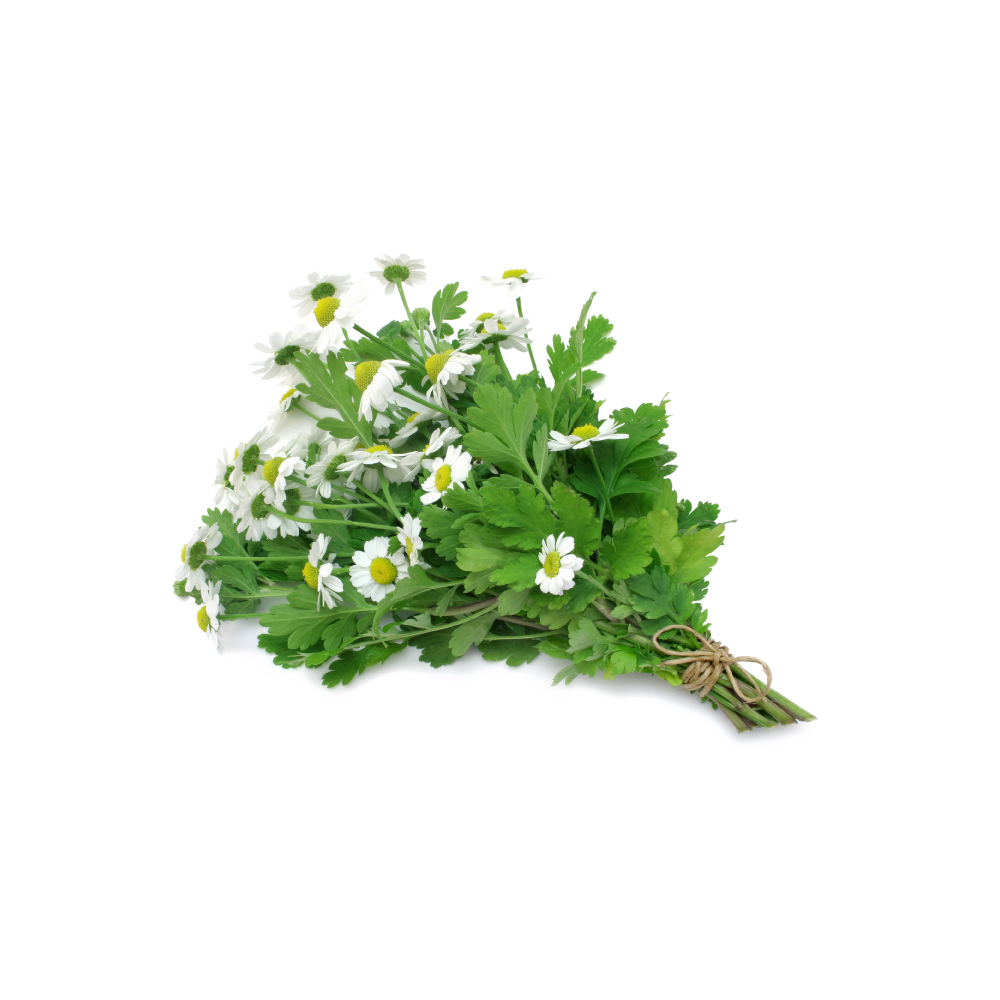 Feverfew Tanacetum parthenium Documented for camphor (0–57 % of oil), parthenolide (0.2–0.5 % dry wt), 1,8-cineole and 42 more terpenoids.
 Muira Puama Ptychopetalum olacoides Documented for allo-aromadendrene, alpha-copaene, alpha-elemene and 32 more terpenoids.
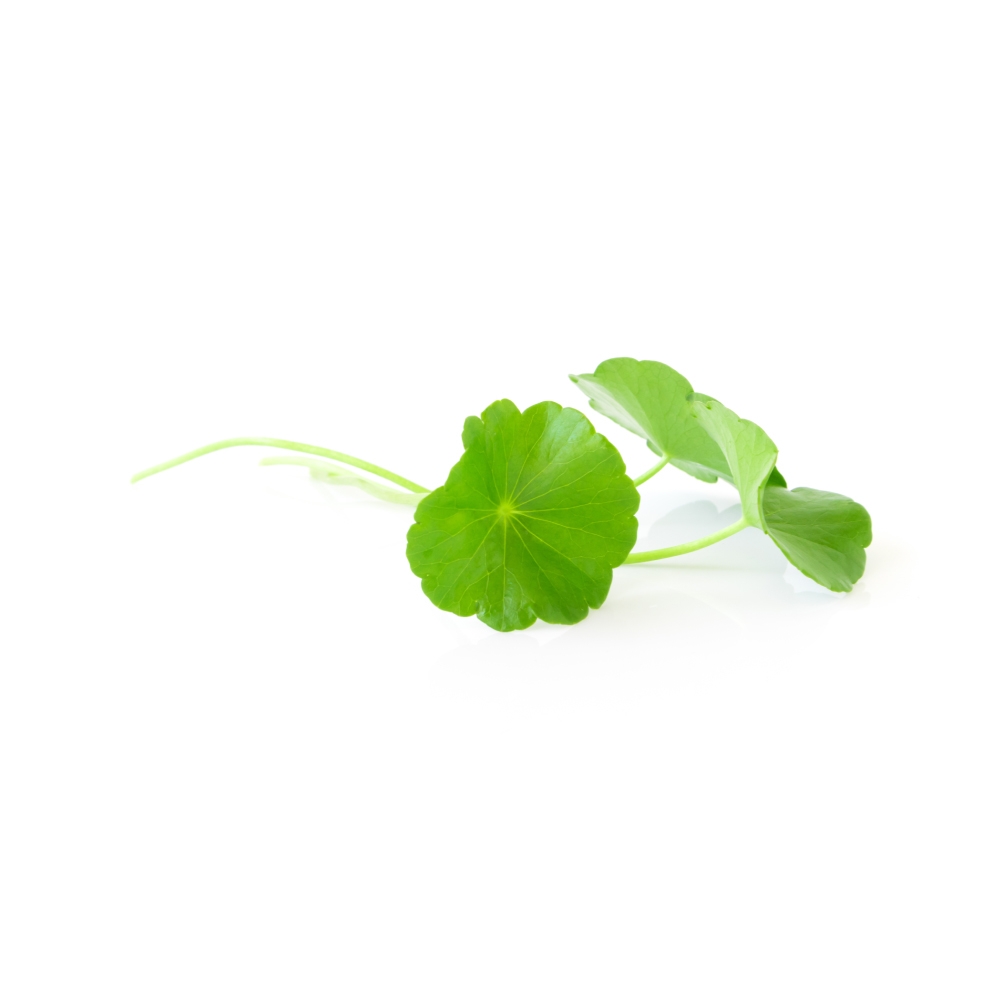 Gotu Kola Centella asiatica Documented for asiatic acid (0.02–0.29 % dry wt), asiaticoside (0.04–2.41 % dry wt), madecassic acid (0.02–0.72 % dry wt), madecassoside (0.15–5.3 % dry wt) and 26 more terpenoids.
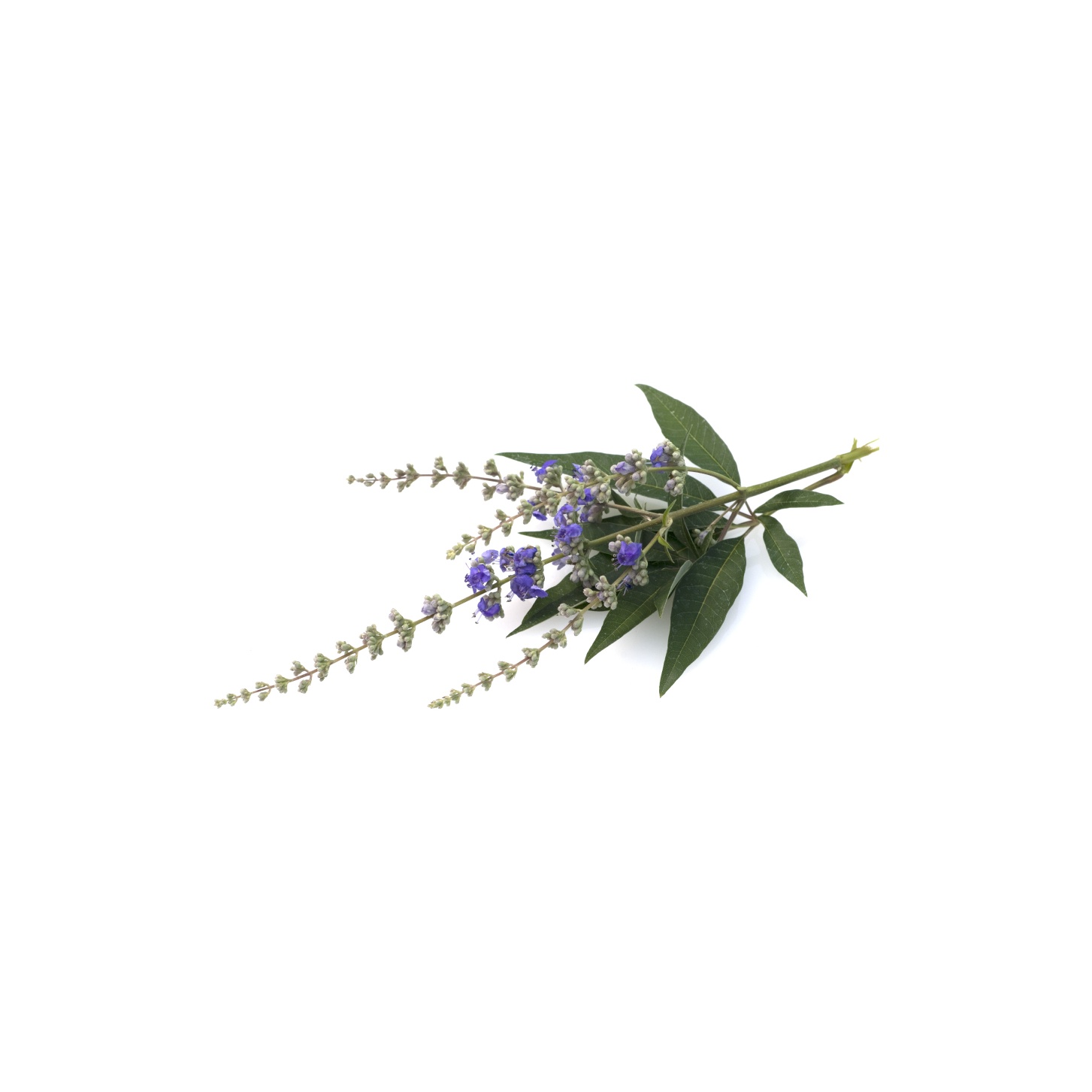 Chaste Tree Vitex agnus-castus Documented for 1,8-cineole, agnuside, aucubin and 26 more terpenoids.
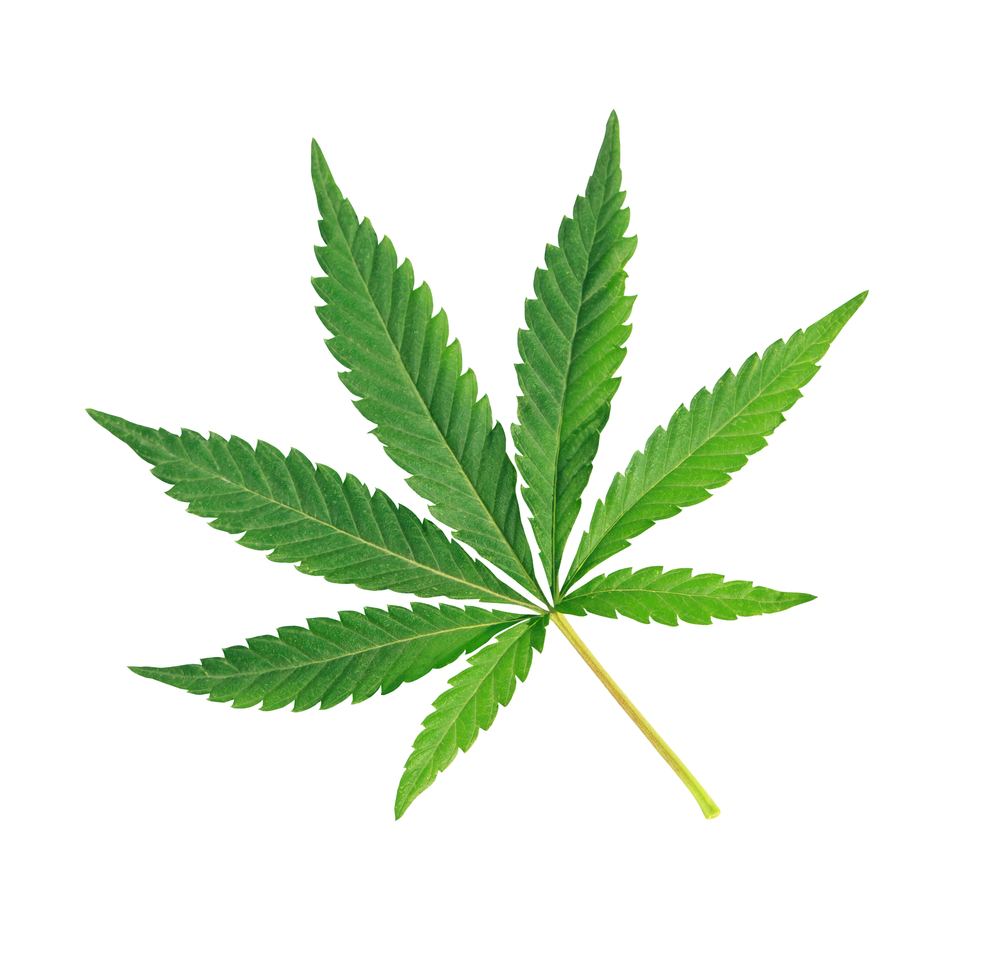 Cannabis Cannabis sativa Documented for 1,8-cineole, alpha-terpinene, alpha-terpineol and 25 more terpenoids.
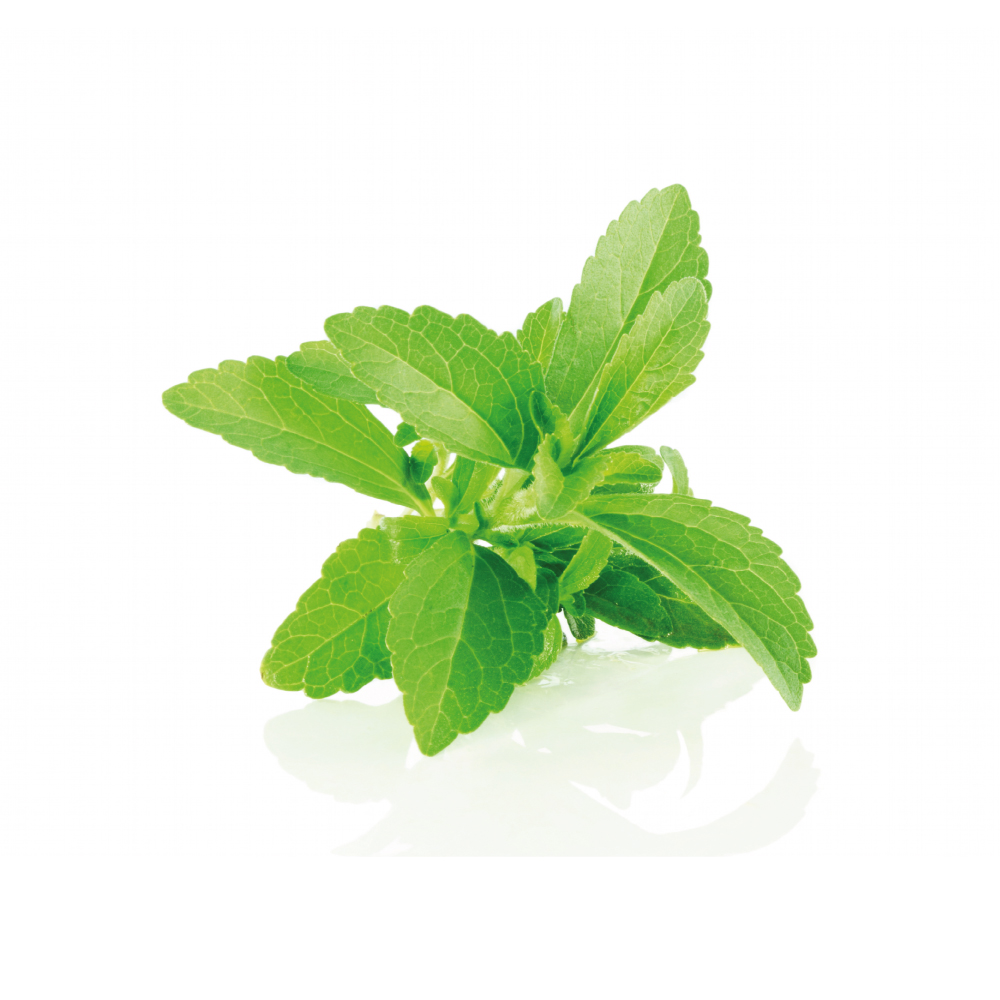 Stevia Stevia rebaudiana Documented for austroinulin, beta-carotene, beta-sitosterol and 22 more terpenoids.
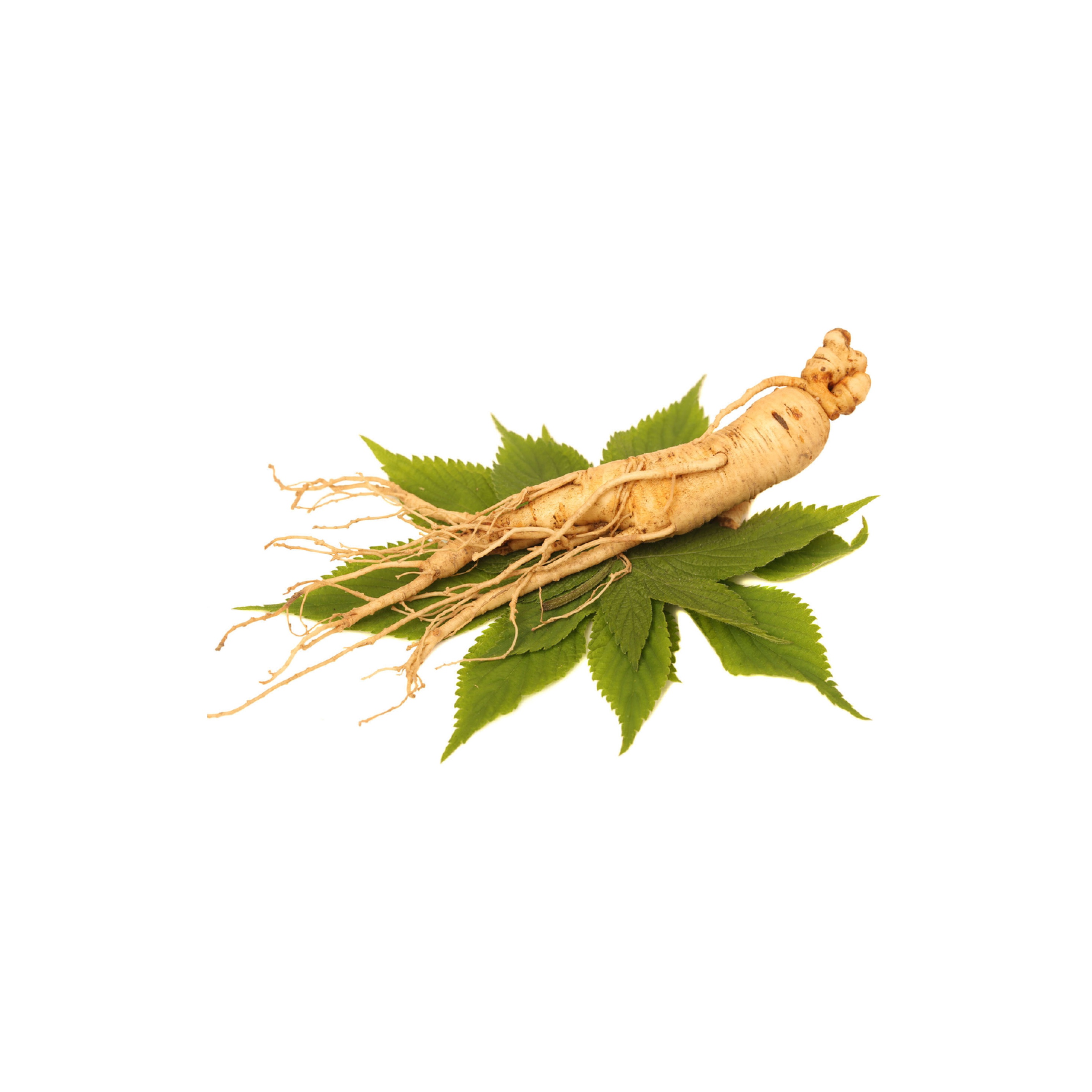 Asian Ginseng Panax ginseng Documented for ginsenoside Re (0.15 % dry wt), compound K, dammarane saponins and 20 more terpenoids.
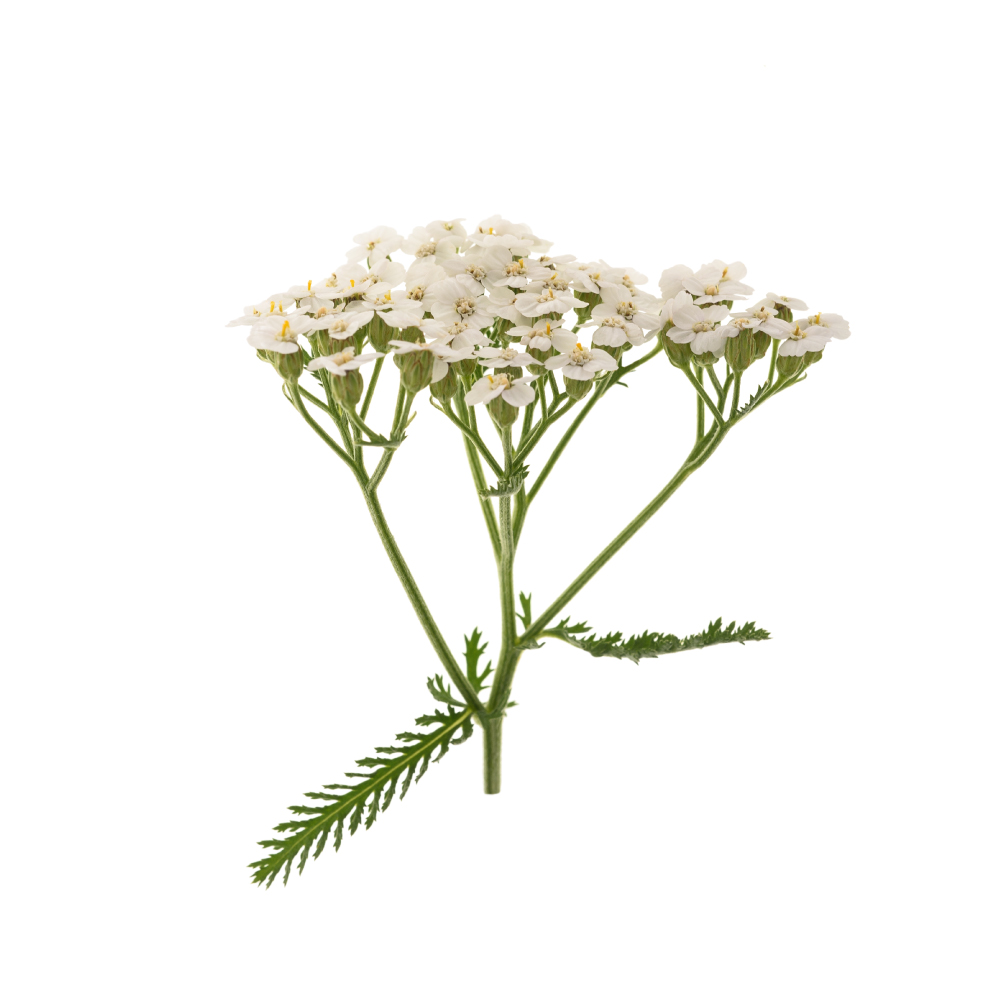 Yarrow Achillea millefolium Documented for 1,8-cineole, achillicin, achillin and 19 more terpenoids.
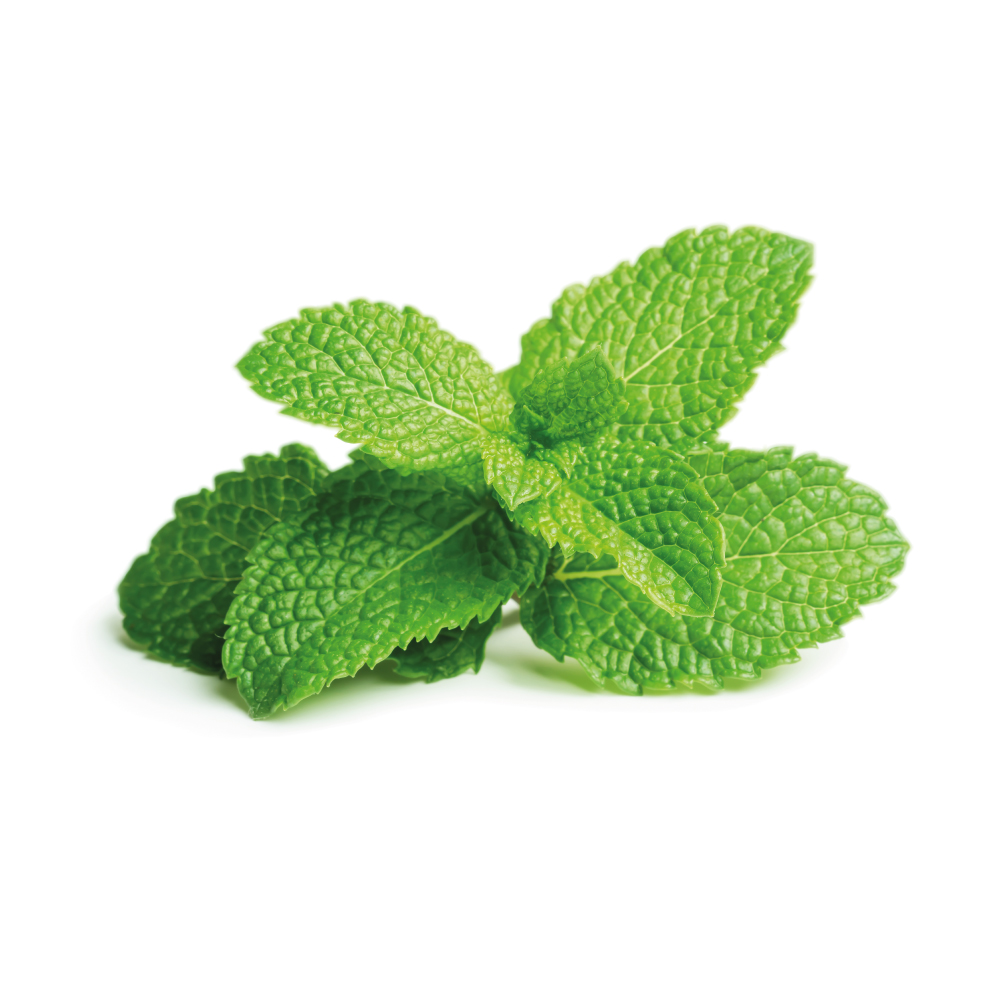 Peppermint Mentha × piperita Documented for 1,8-cineole (3.5–14 % of EO), limonene (1–5 % of oil), menthol (30–55 % of oil) and 18 more terpenoids.
 Pine Pinus sylvestris Documented for abietic acid, alpha-pinene, alpha-terpineol and 18 more terpenoids.
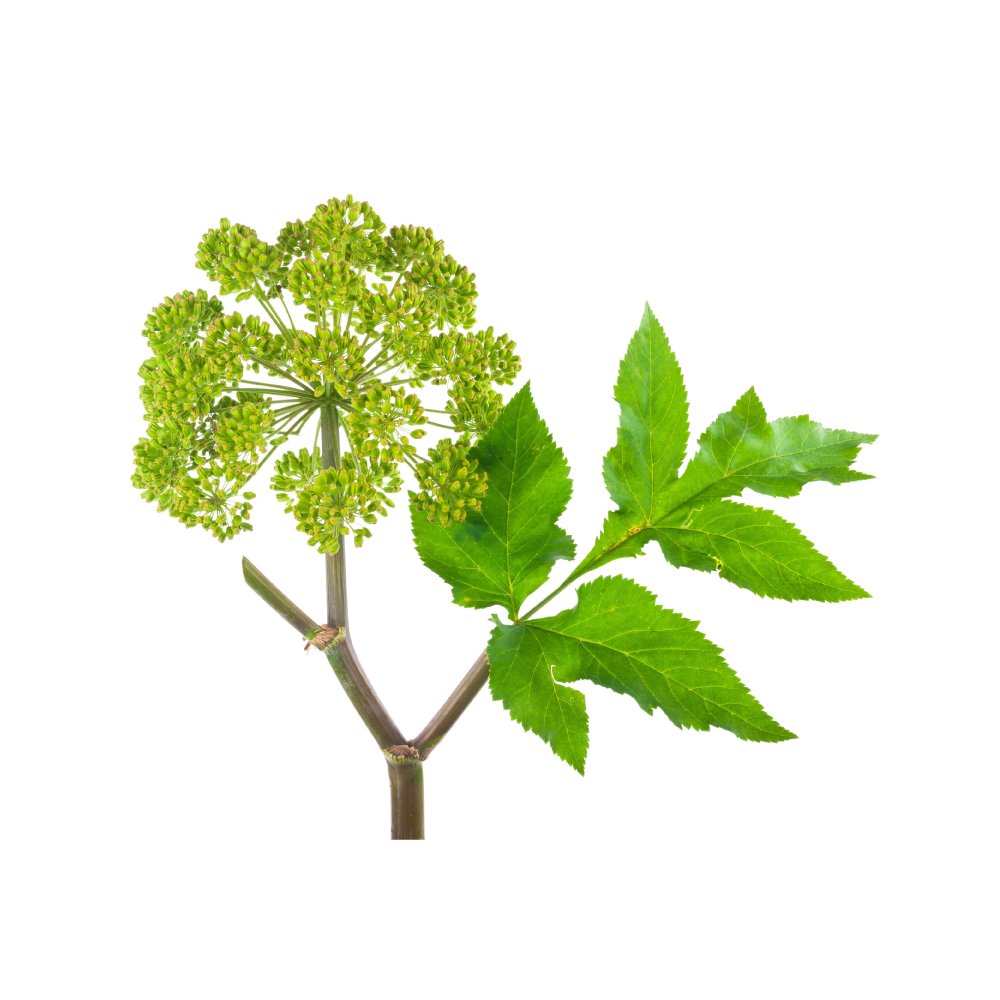 Angelica Angelica archangelica Documented for alpha-bisabolene, alpha-phellandrene, alpha-pinene and 15 more terpenoids.
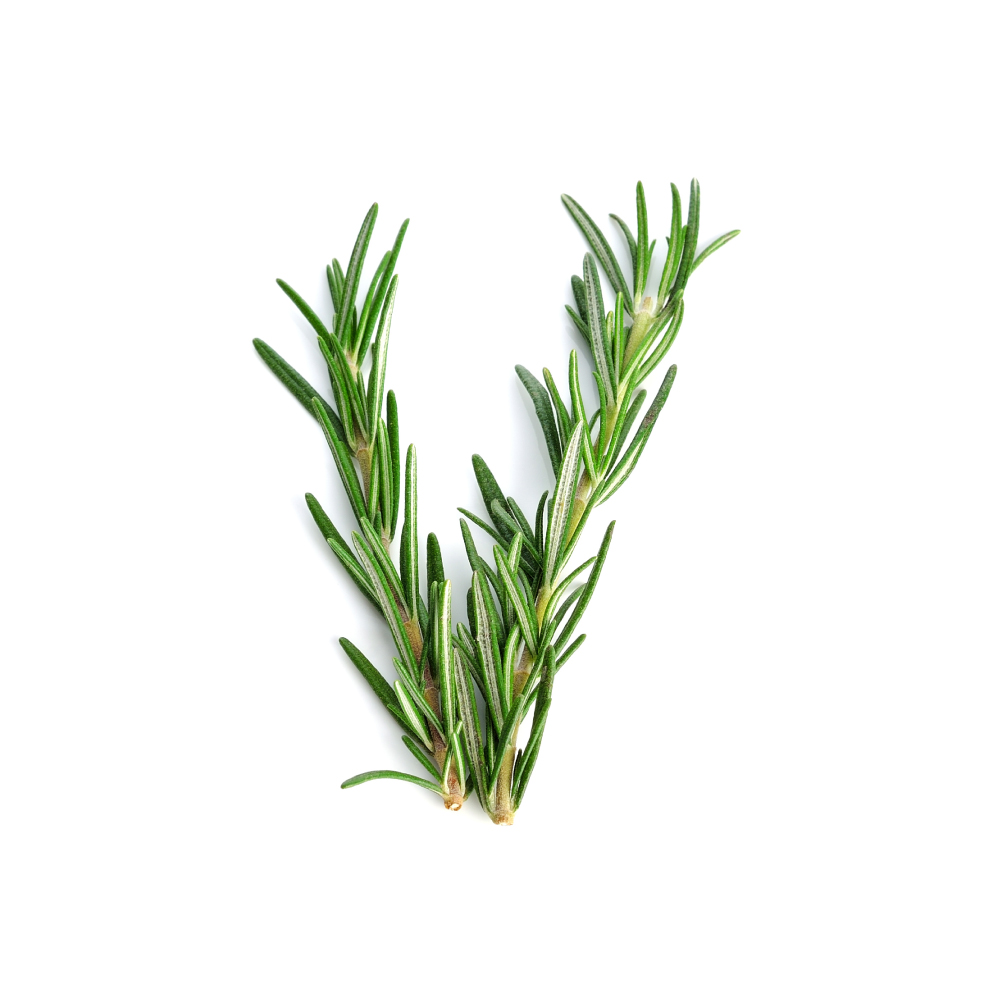 Rosemary Rosmarinus officinalis Documented for 1,8-cineole (15–55 % of EO), alpha-pinene (13.5–37.7 % of oil), borneol (0.3–21 % of oil), camphor (5–31 % of oil) and 14 more terpenoids.
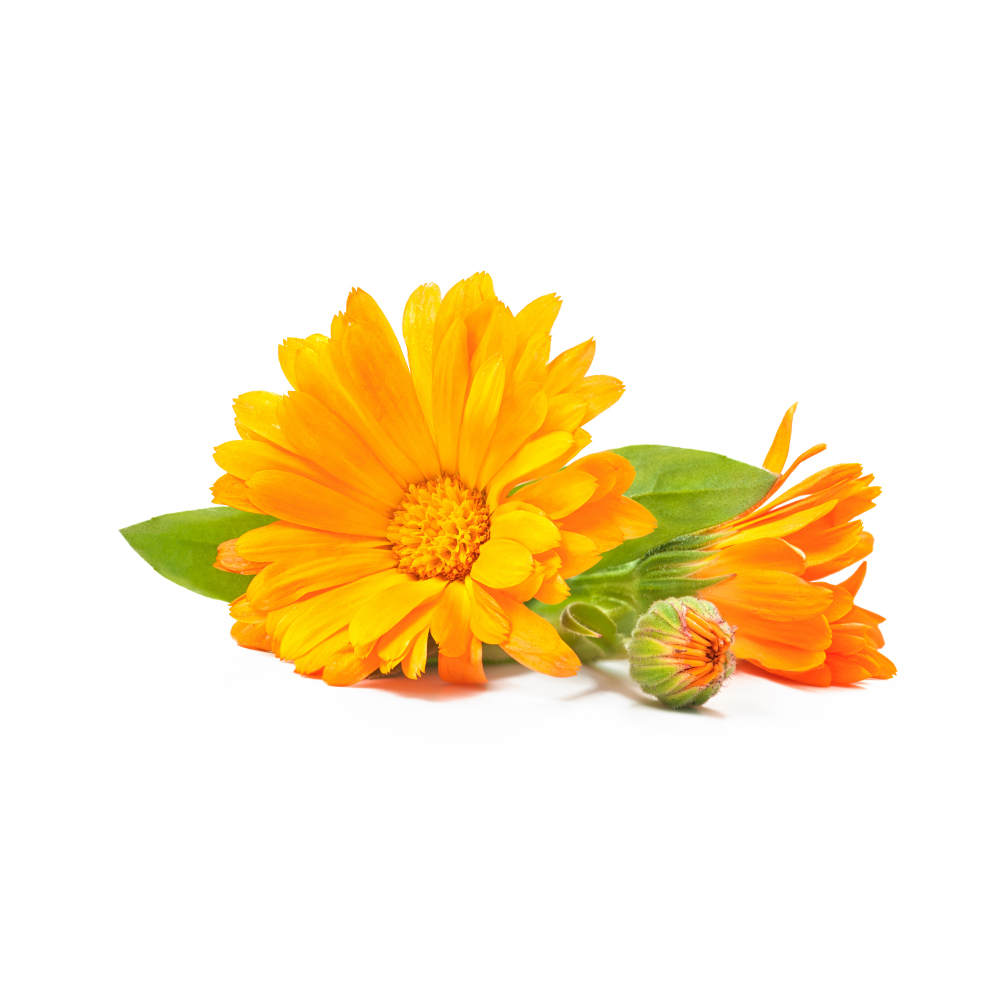 Calendula Calendula officinalis Documented for beta-carotene, calendasaponins, calendulosides and 14 more terpenoids.
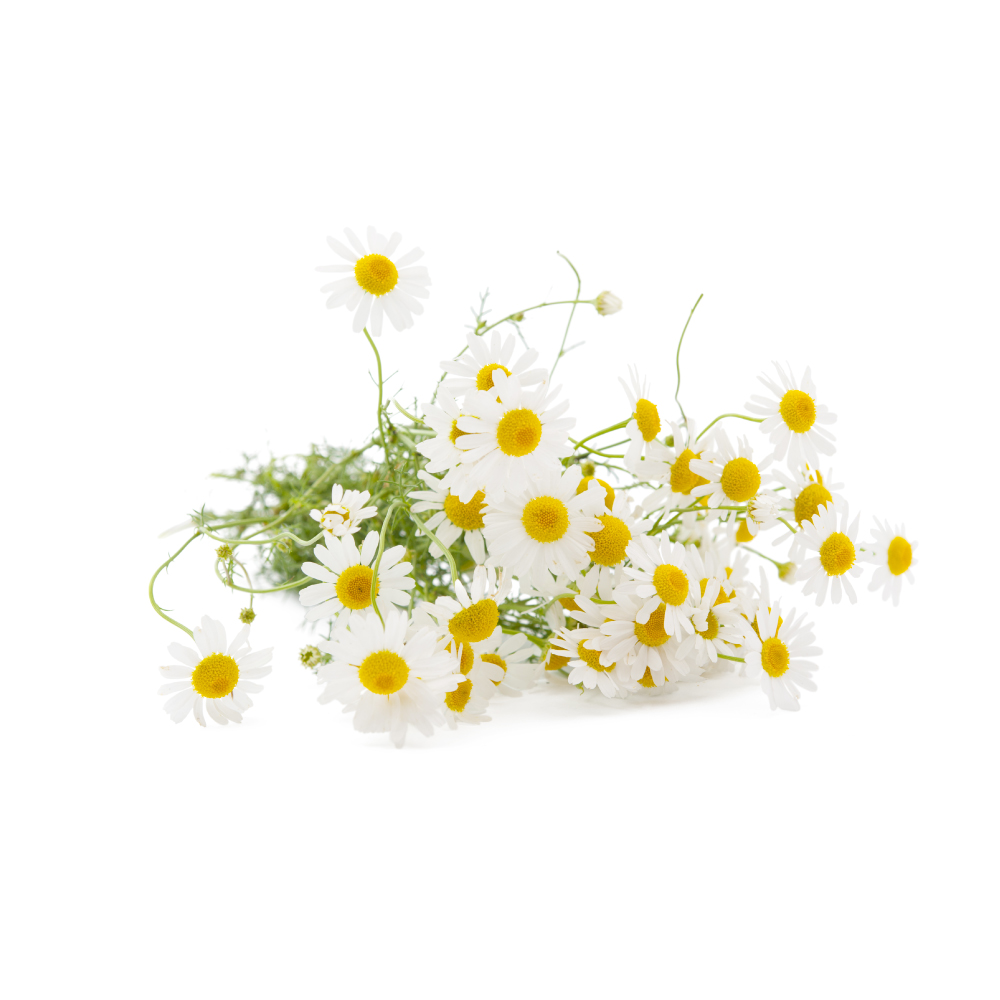 German Chamomile Matricaria chamomilla Documented for matricin (0.03–0.2 % dry wt), 1,3,8-p-menthatriene, achillin and 14 more terpenoids.
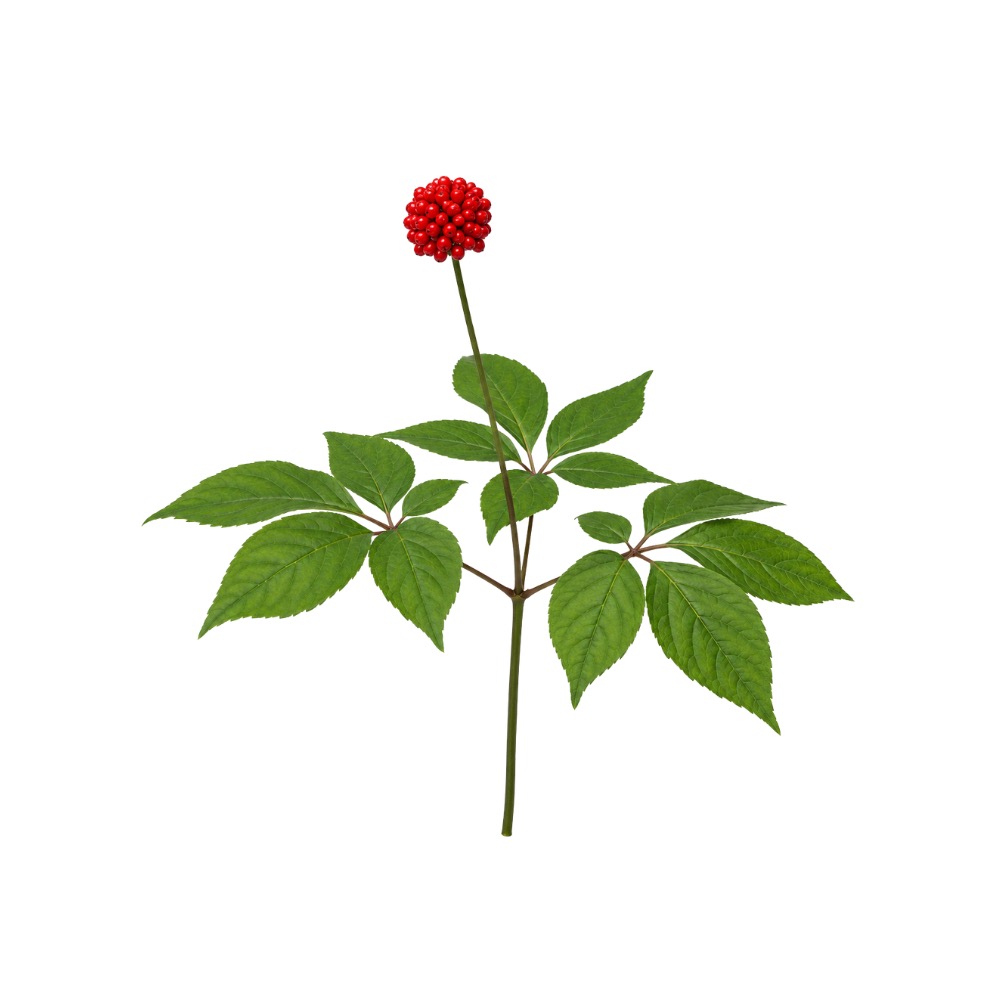 Notoginseng Panax notoginseng Documented for notoginsenoside R1 (10 % of total saponins), ginsenoside F2, ginsenoside Rb1 and 13 more terpenoids.
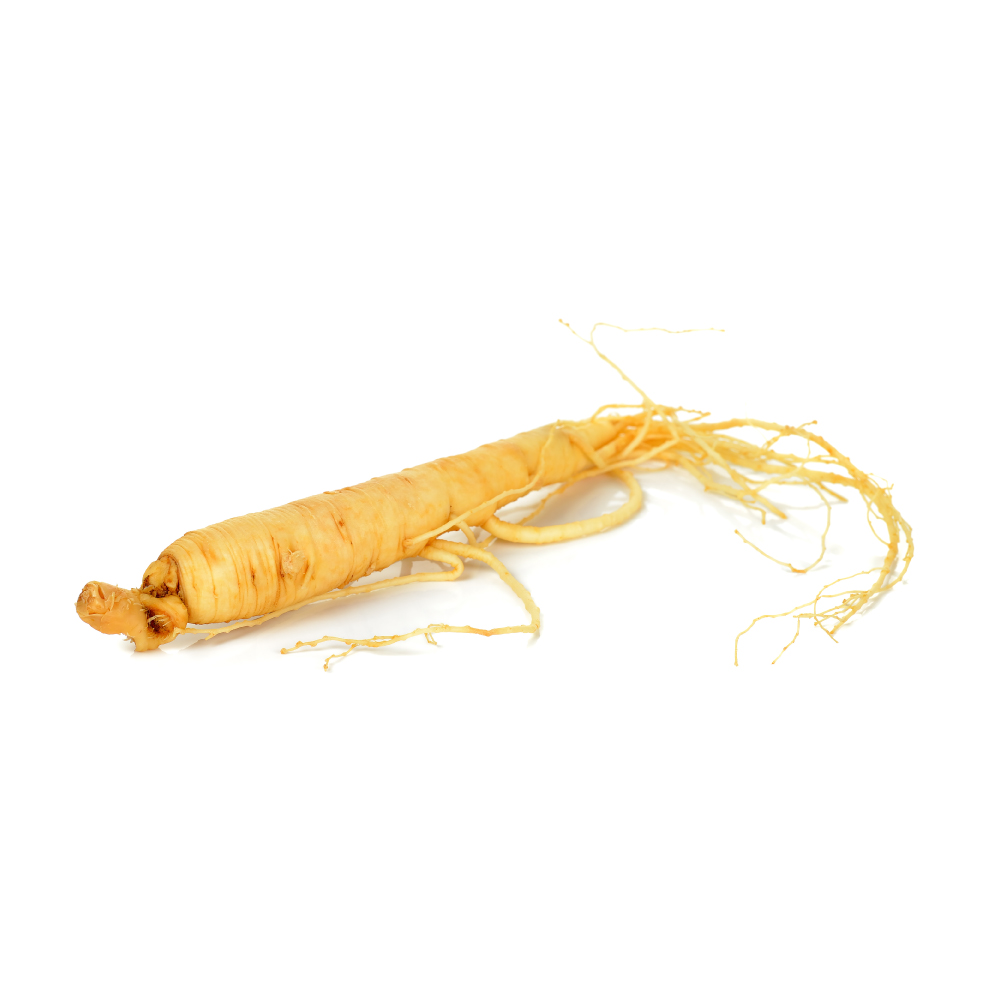 Suma Pfaffia paniculata Documented for pfaffic acid (1–4 % dry wt), 20-hydroxyecdysone, beta-sitosterol and 13 more terpenoids.
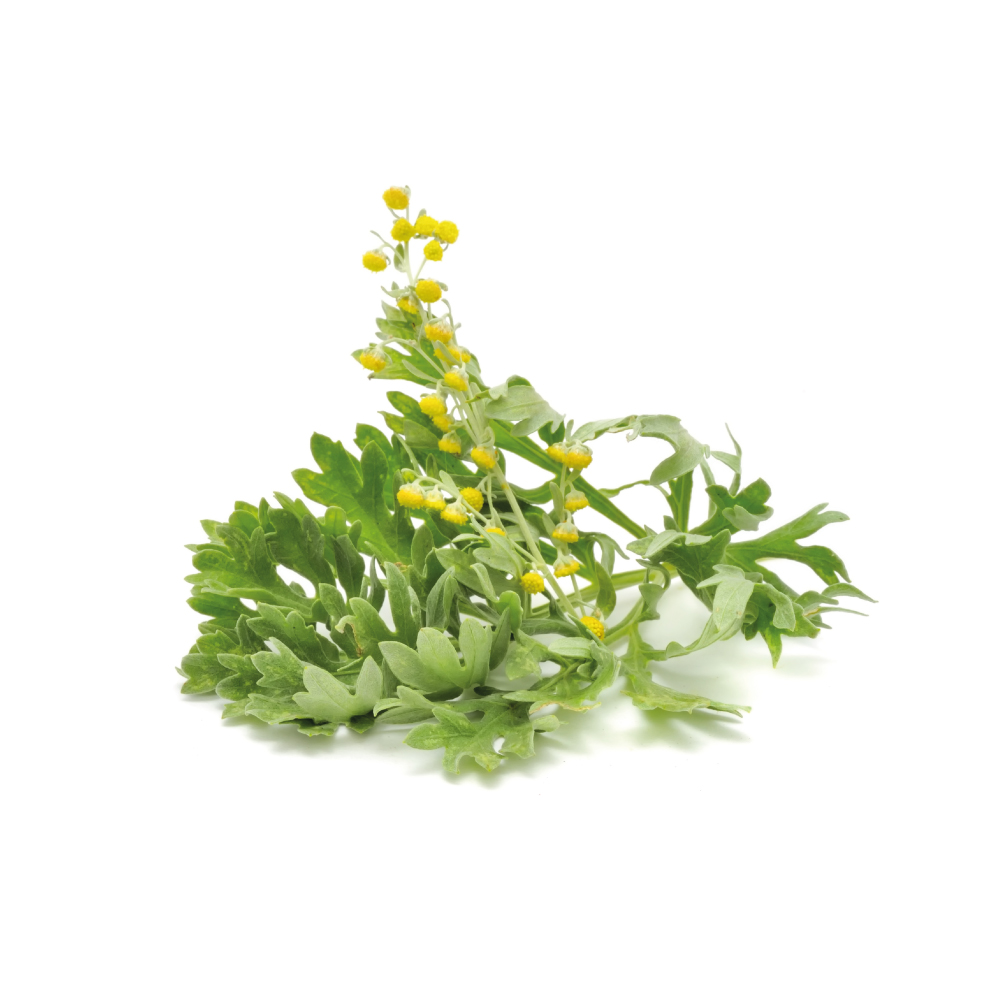 Wormwood Artemisia absinthium Documented for 1,8-cineole (3.4 % of EO), alpha-thujone (10–36 % of oil), beta-pinene (5.4–10.4 % of oil) and 13 more terpenoids.
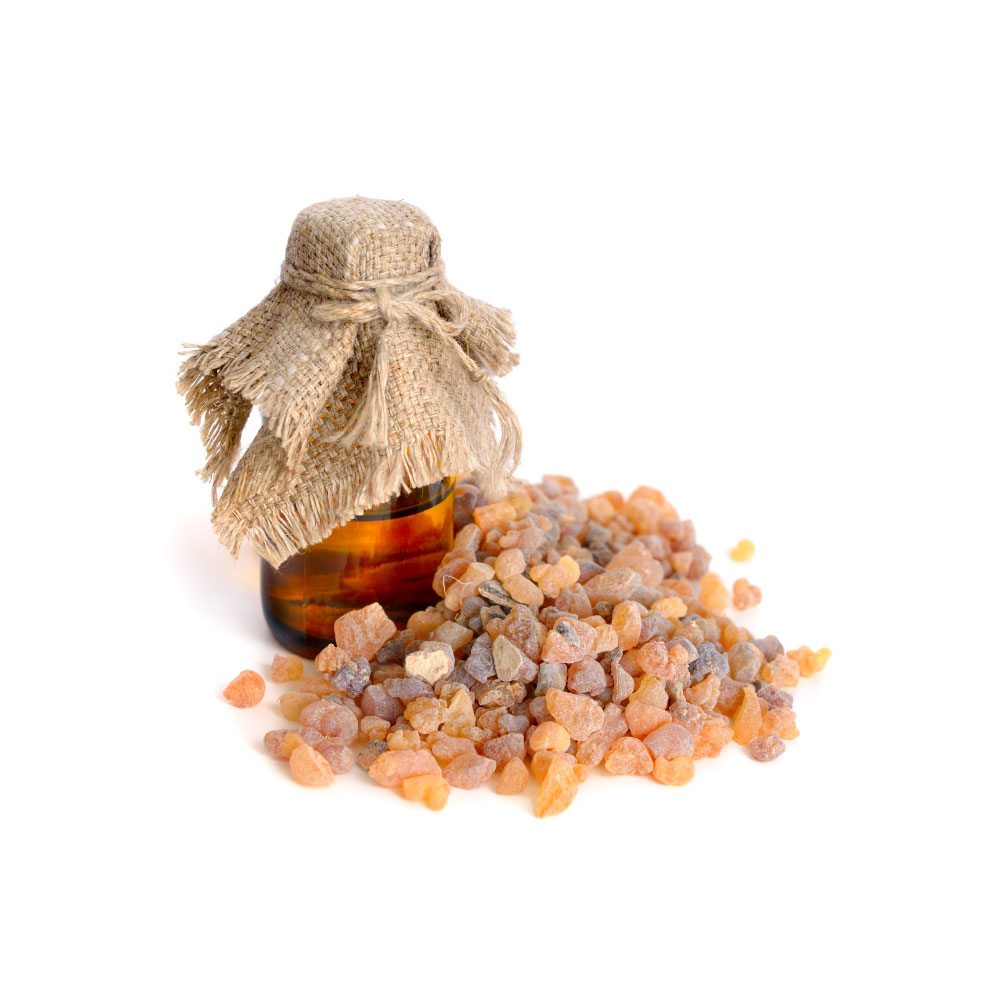 Frankincense Boswellia serrata Documented for 11-keto-beta-boswellic acid, 3-acetyl-beta-boswellic acid, acetyl-11-keto-beta-boswellic acid (AKBA) and 12 more terpenoids.
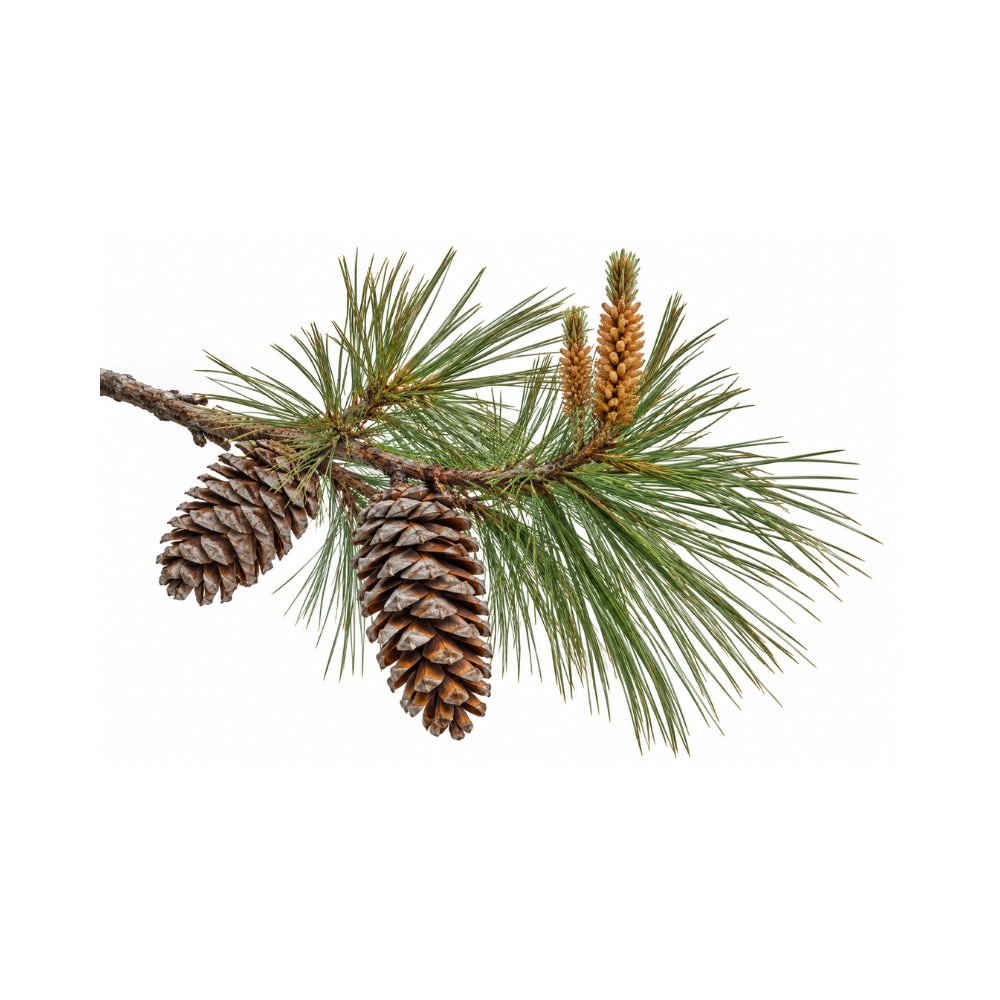 Chir Pine Pinus roxburghii Documented for abietic acid, alpha-pinene, beta-pinene and 11 more terpenoids.
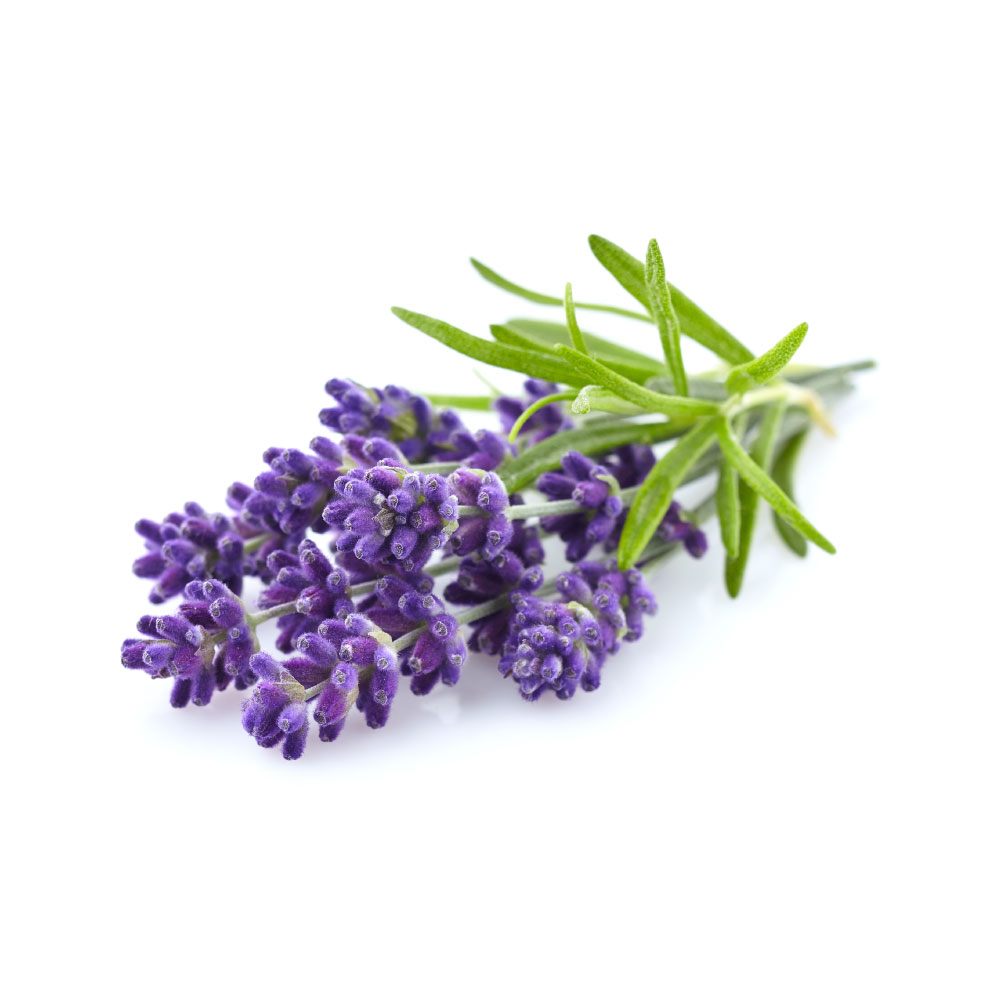 Lavender Lavandula angustifolia Documented for camphor (0–0.5 % of oil), linalool (25–38 % of oil), linalyl acetate (25–45 % of oil) and 11 more terpenoids.
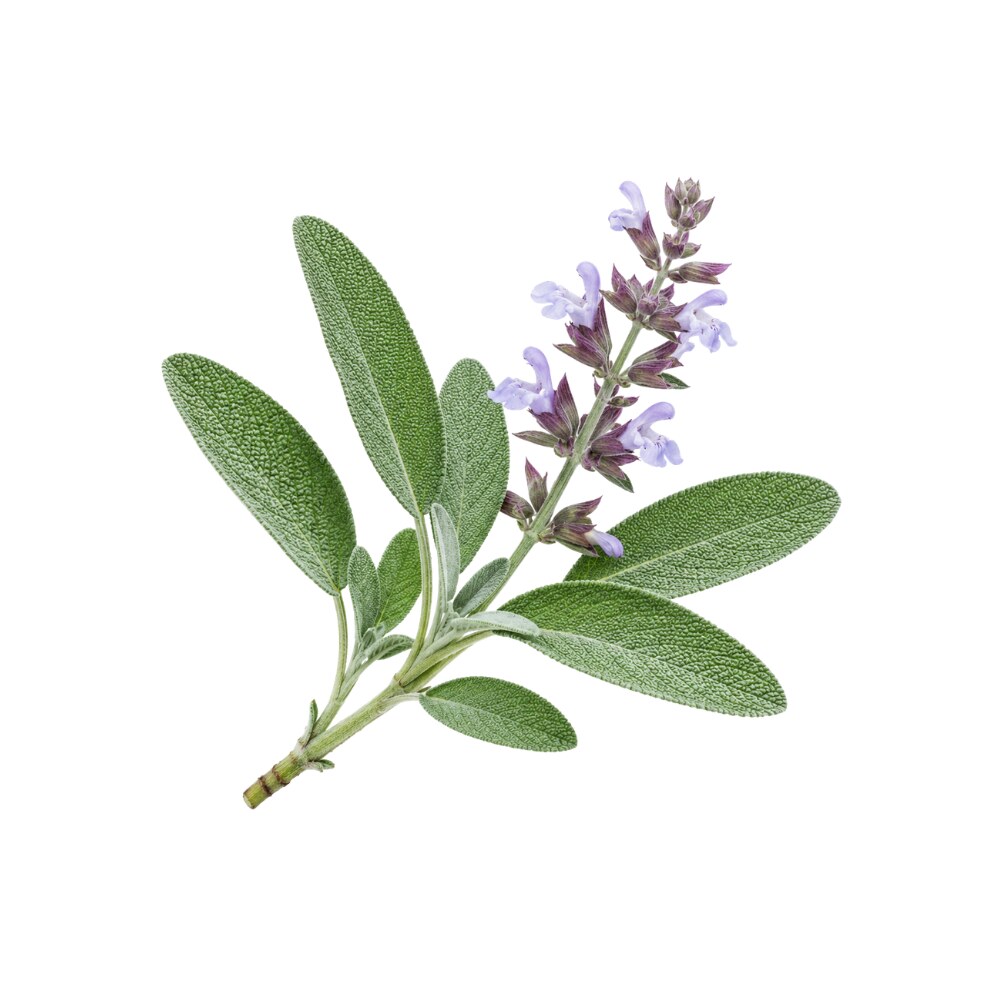 Sage Salvia officinalis Documented for 1,8-cineole (9.4–11 % of EO), alpha-thujone (17.2–27.4 % of oil), carnosic acid (3.76 mg/g dry wt), carnosol (0.44–1.09 mg/g fresh wt) and 10 more terpenoids.
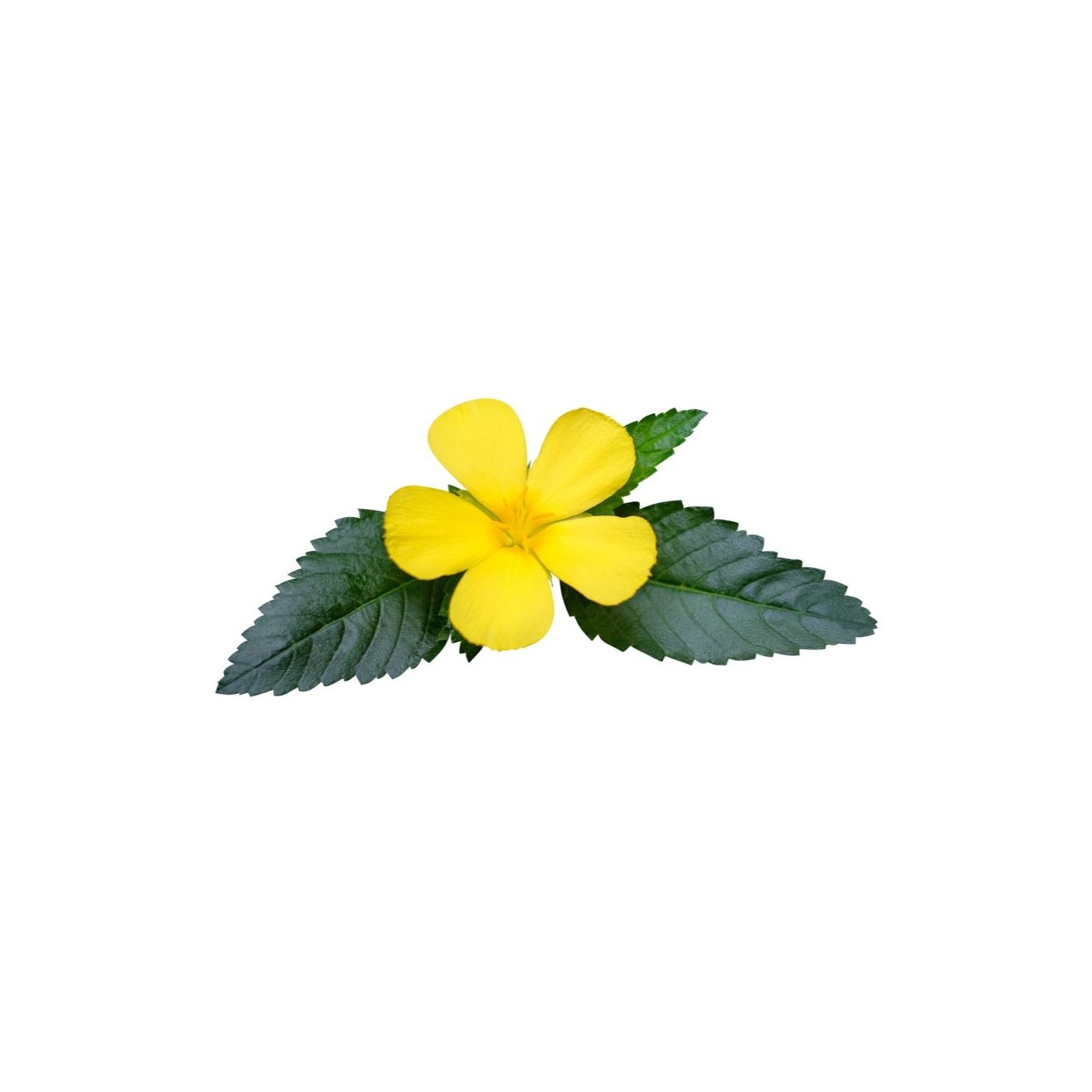 Damiana Turnera diffusa Documented for 1,8-cineole, alpha-copaene, alpha-pinene and 10 more terpenoids.
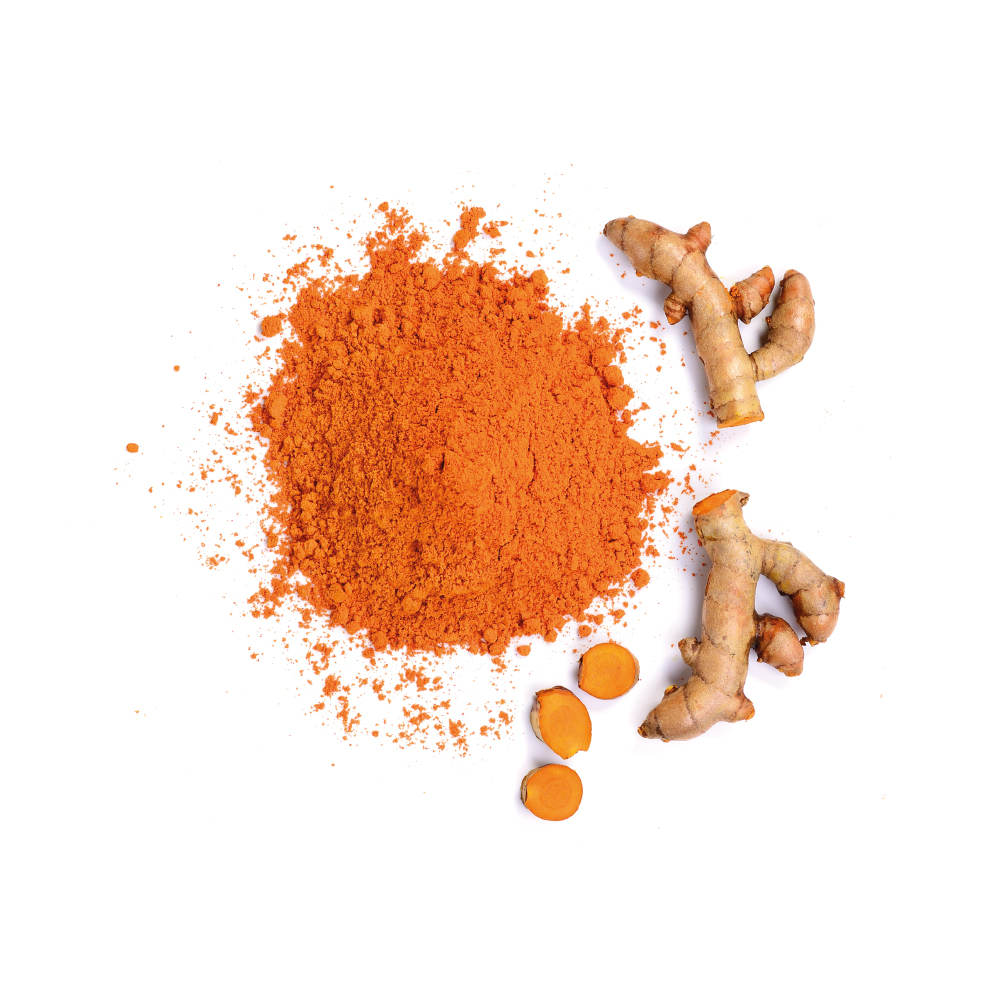 Turmeric Curcuma longa Documented for beta-turmerone (14.7–18.4 % of oil), 1,8-cineole, alpha-phellandrene and 10 more terpenoids.
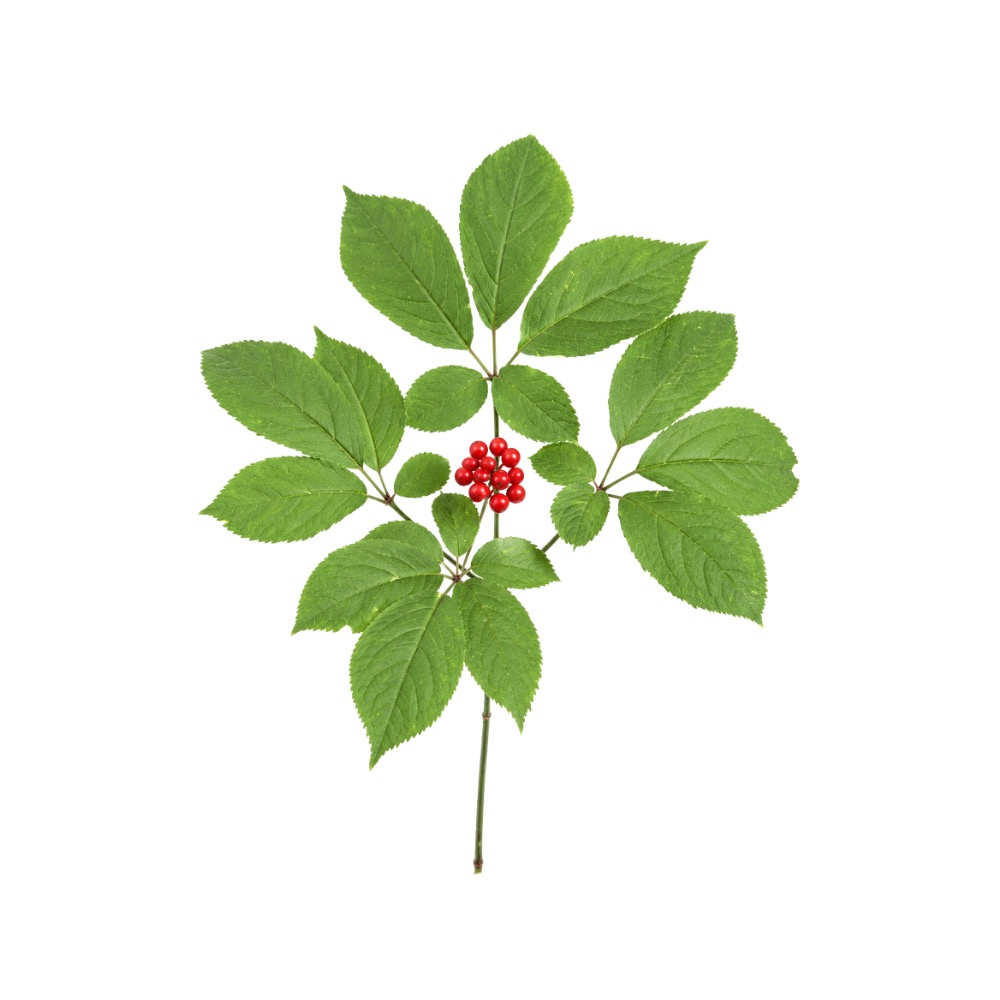 American Ginseng Panax quinquefolius Documented for pseudoginsenoside F11 (0.1 % dry wt), compound K, ginsenoside F2 and 9 more terpenoids.
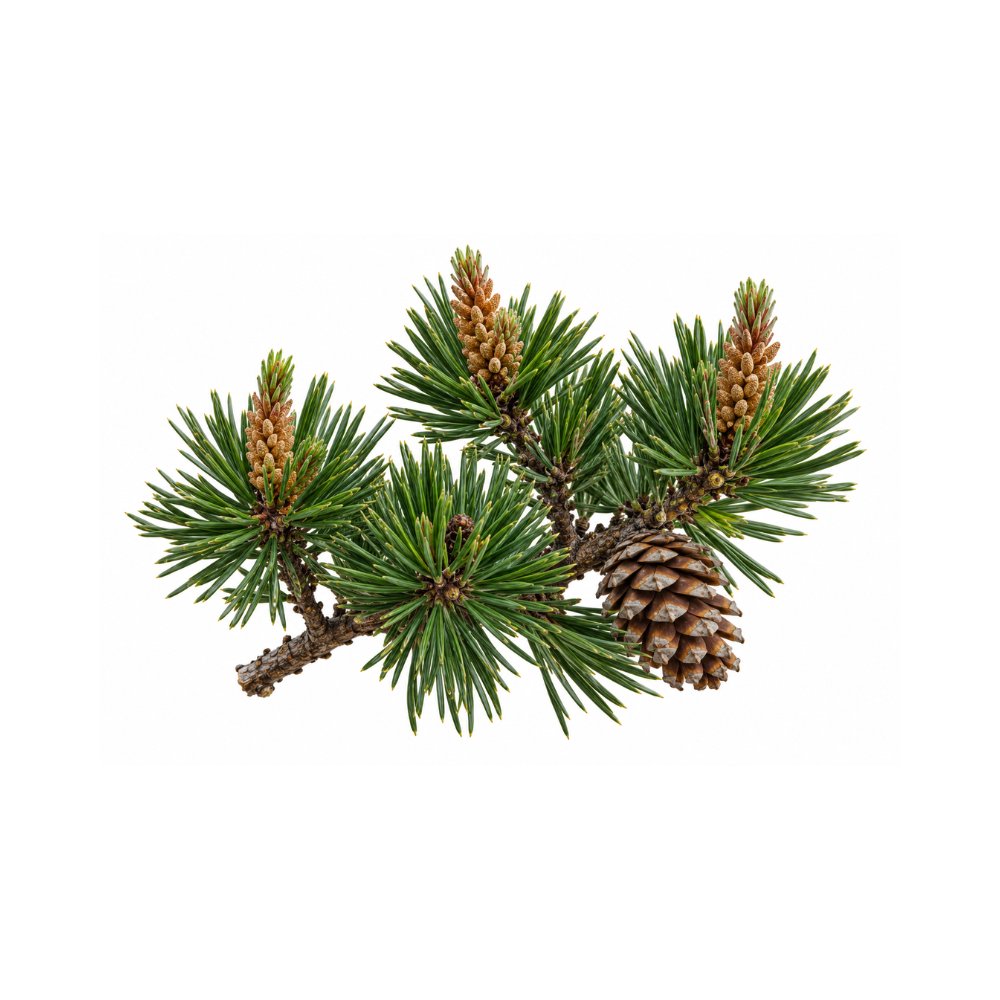 Mugo Pine Pinus mugo Documented for abietic acid, alpha-pinene, beta-phellandrene and 9 more terpenoids.
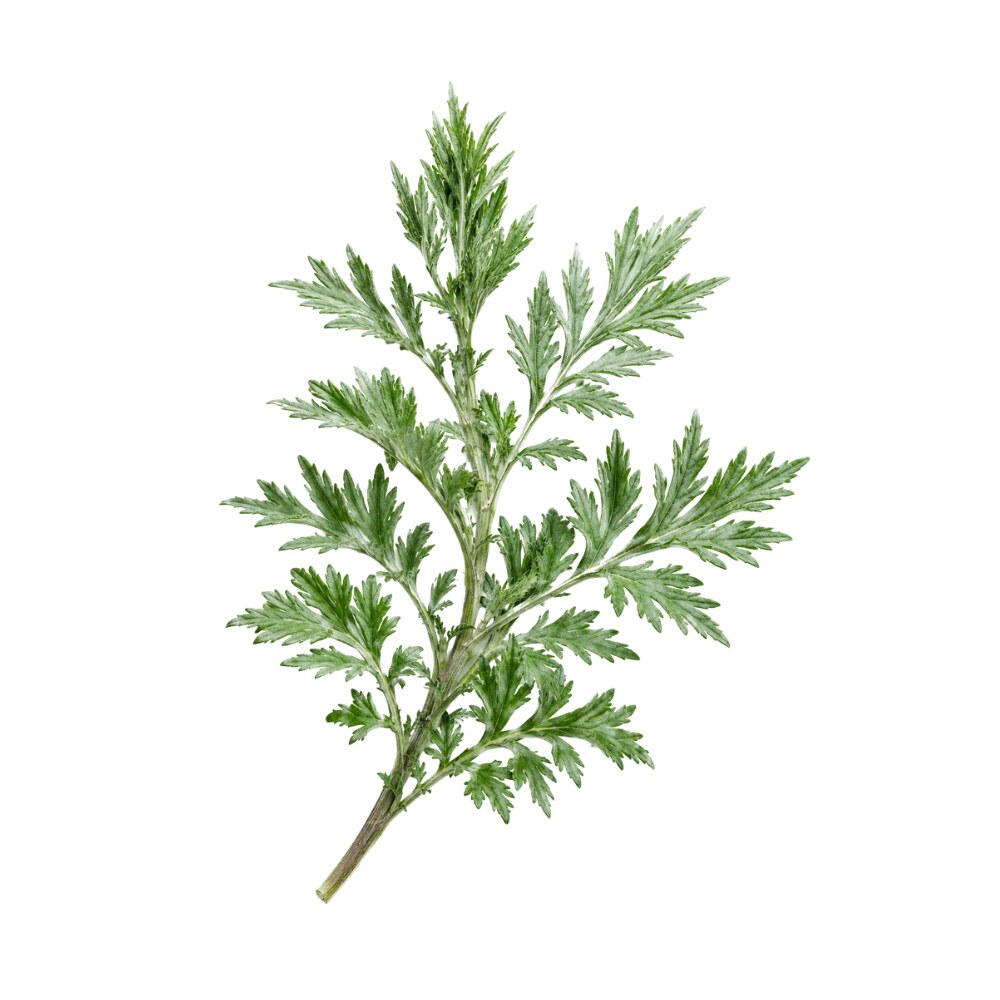 Mugwort Artemisia vulgaris Documented for borneol (4.8–8.2 % of oil), 1,8-cineole, alpha-thujone and 9 more terpenoids.
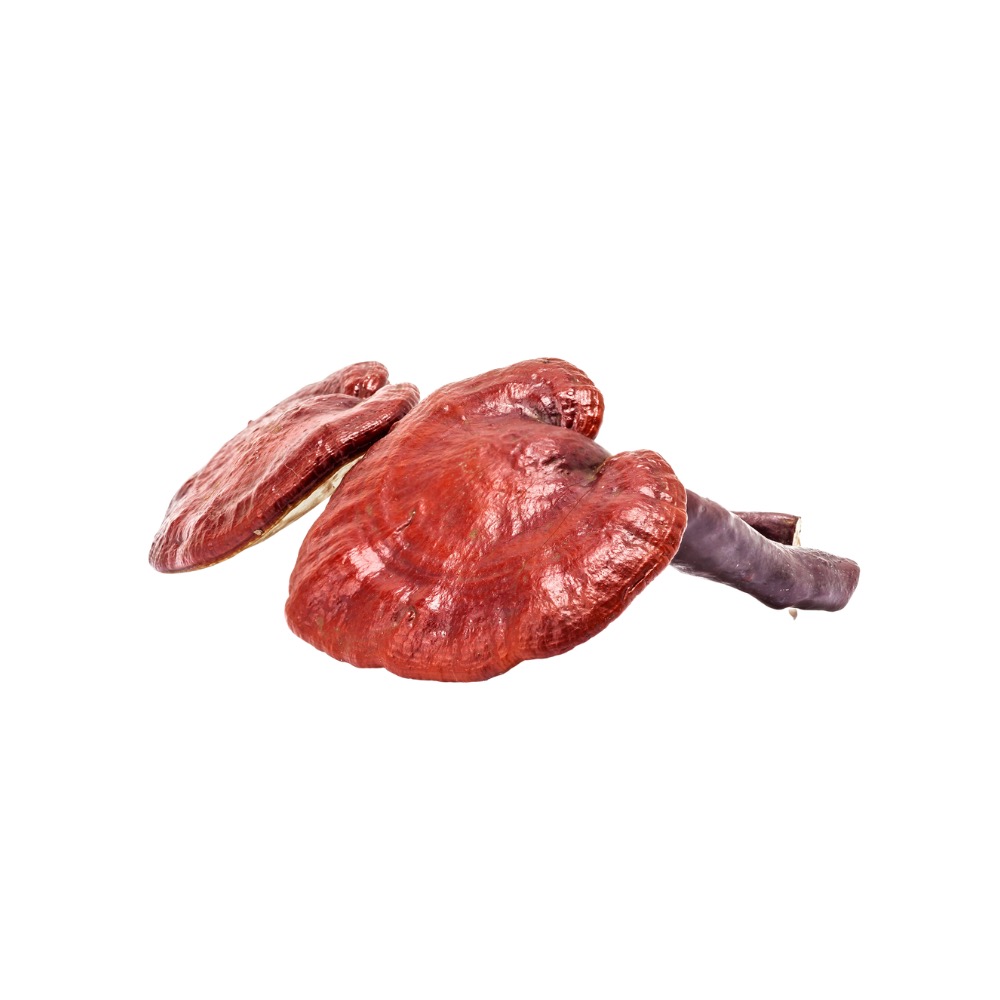 Reishi Ganoderma lucidum Documented for beta-sitosterol, ergosterol, ergosterol peroxide and 9 more terpenoids.
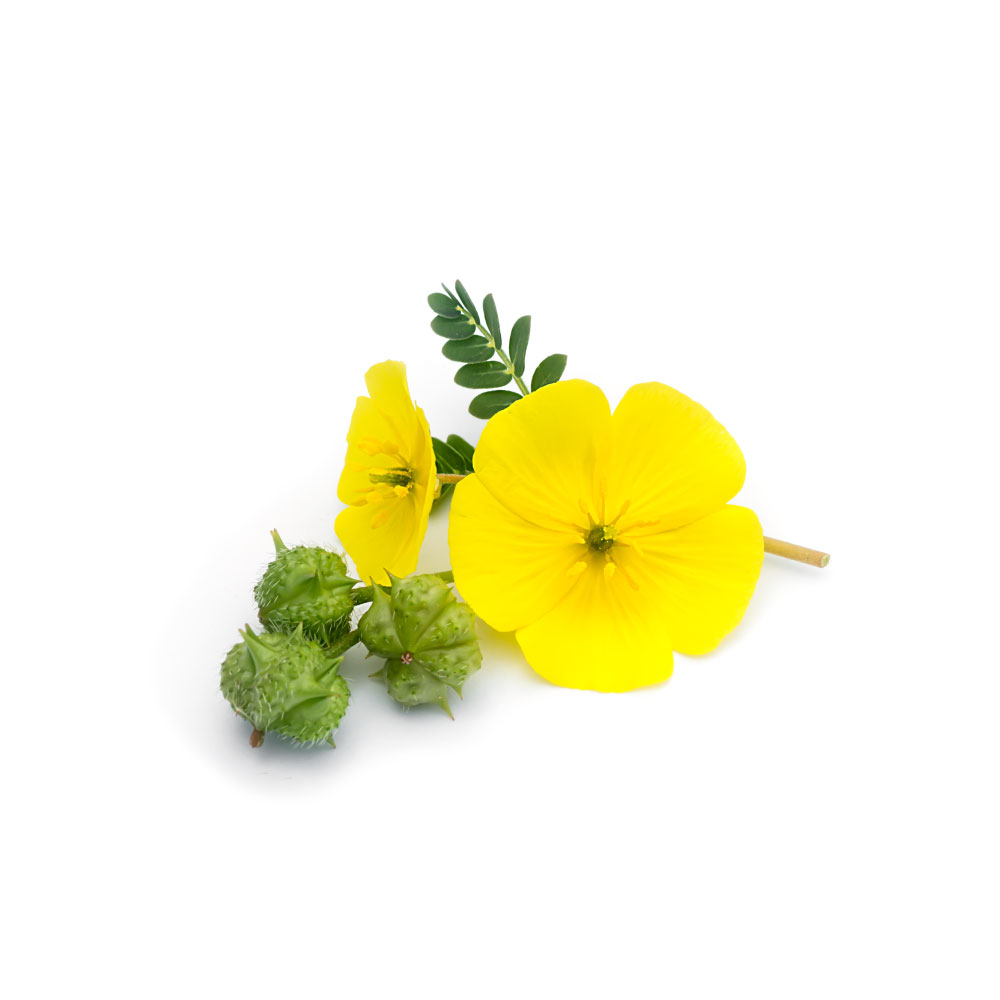 Tribulus Tribulus terrestris Documented for protodioscin (1,000–1,330 mg/100 g dry wt), prototribestin (0.13–2.2 % dry wt), tribestin (2–220 mg/100 g DW), tribulosin (0.03–0.16 % dry wt) and 8 more terpenoids.
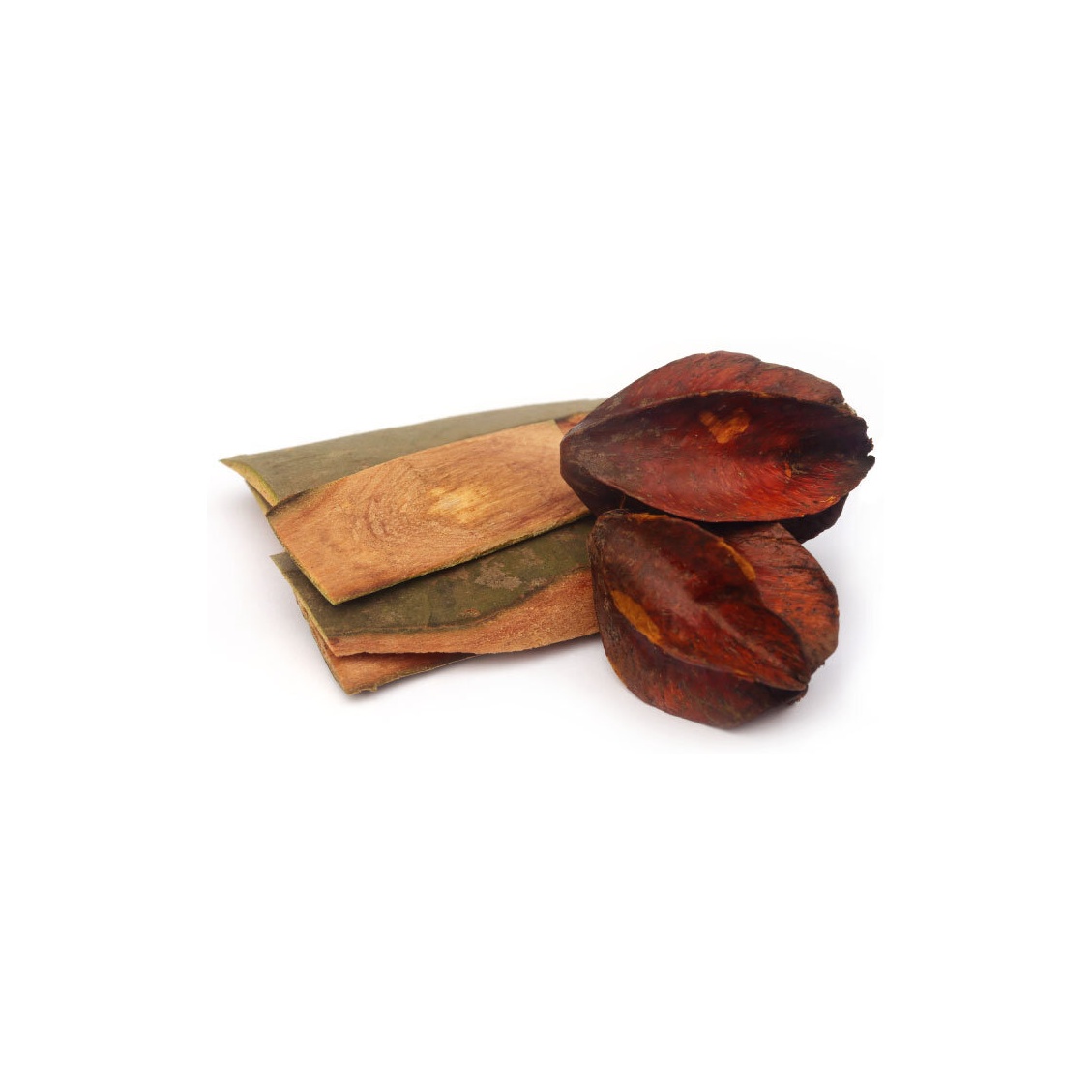 Arjuna Terminalia arjuna Documented for arjungenin (0.3 % dry wt), arjunolic acid (0.5 % dry wt), arjunapthanoloside and 8 more terpenoids.
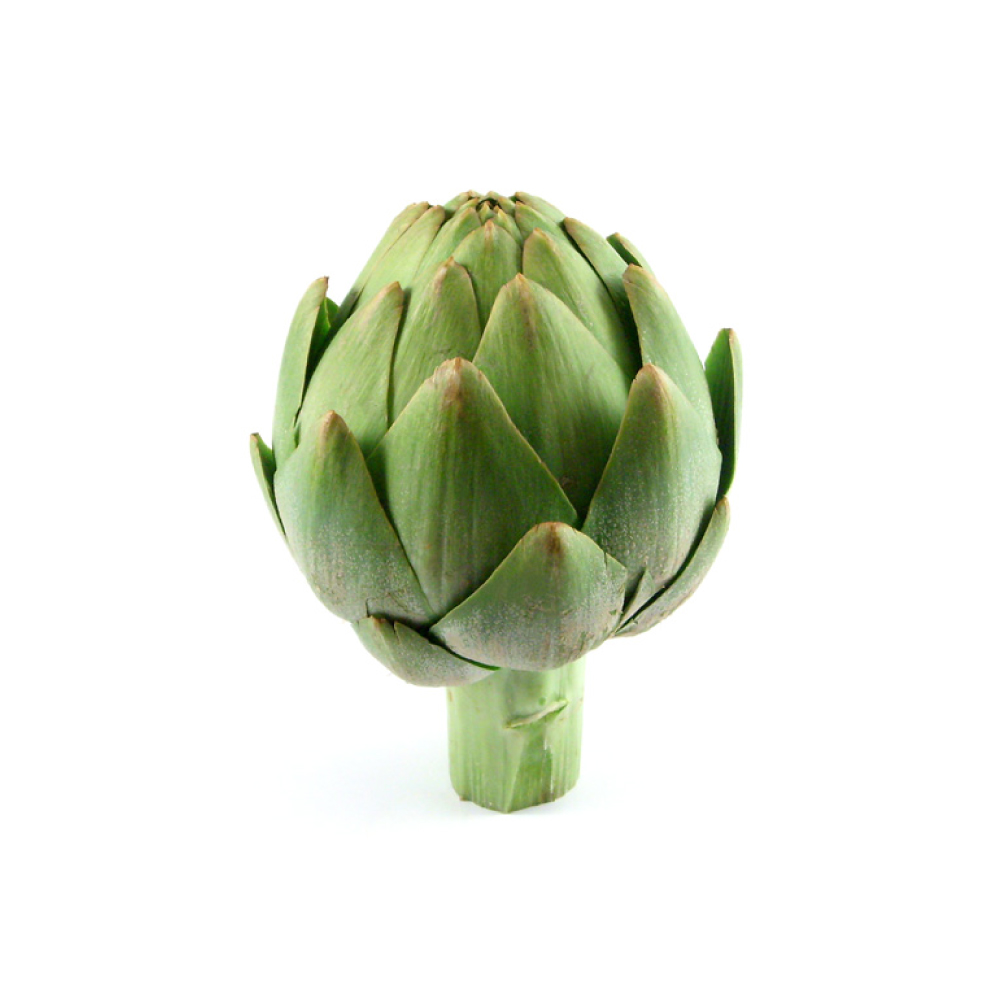 Globe Artichoke Cynara scolymus Documented for cynaropicrin (0.15–0.46 % dry wt), beta-sitosterol, caryophyllene and 8 more terpenoids.
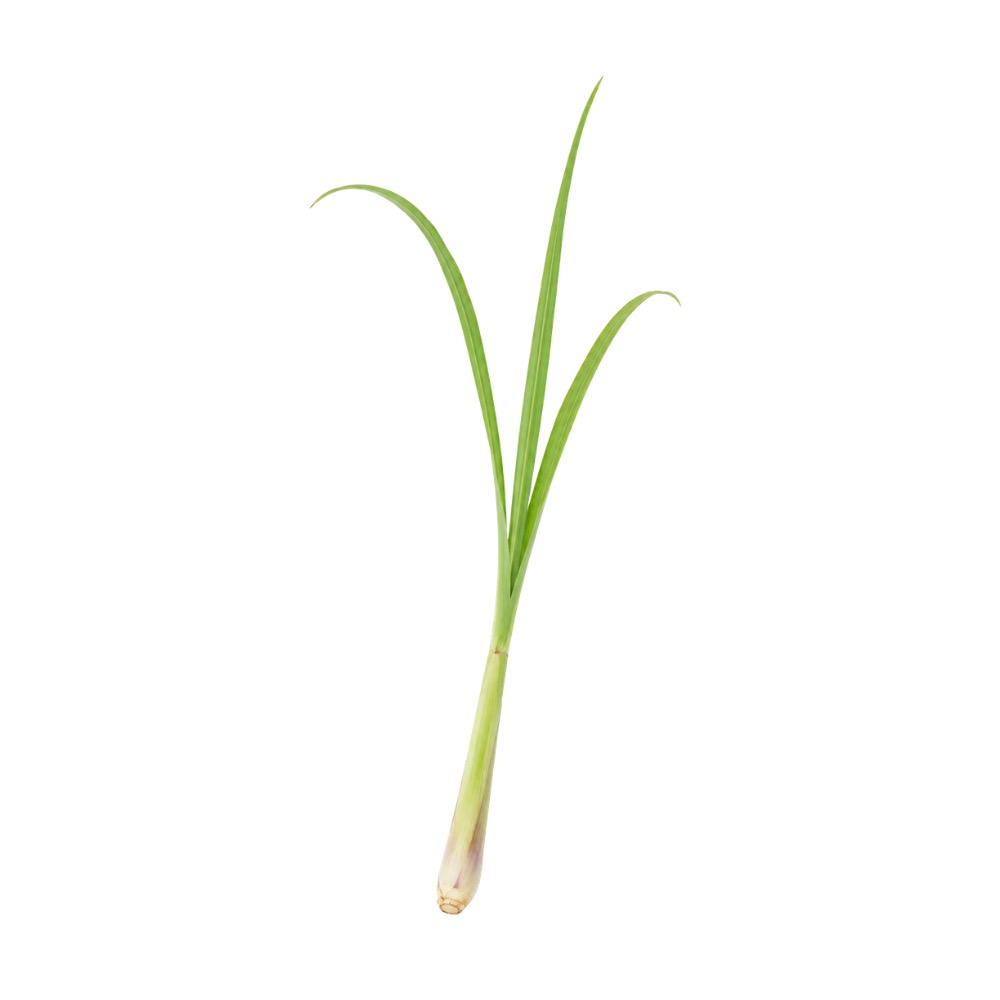 Lemongrass Cymbopogon citratus Documented for citral (65–85 % of oil), citronellal (3–4 % of oil), geranial (36–45 % of oil), geraniol (3 % of oil) and 7 more terpenoids.
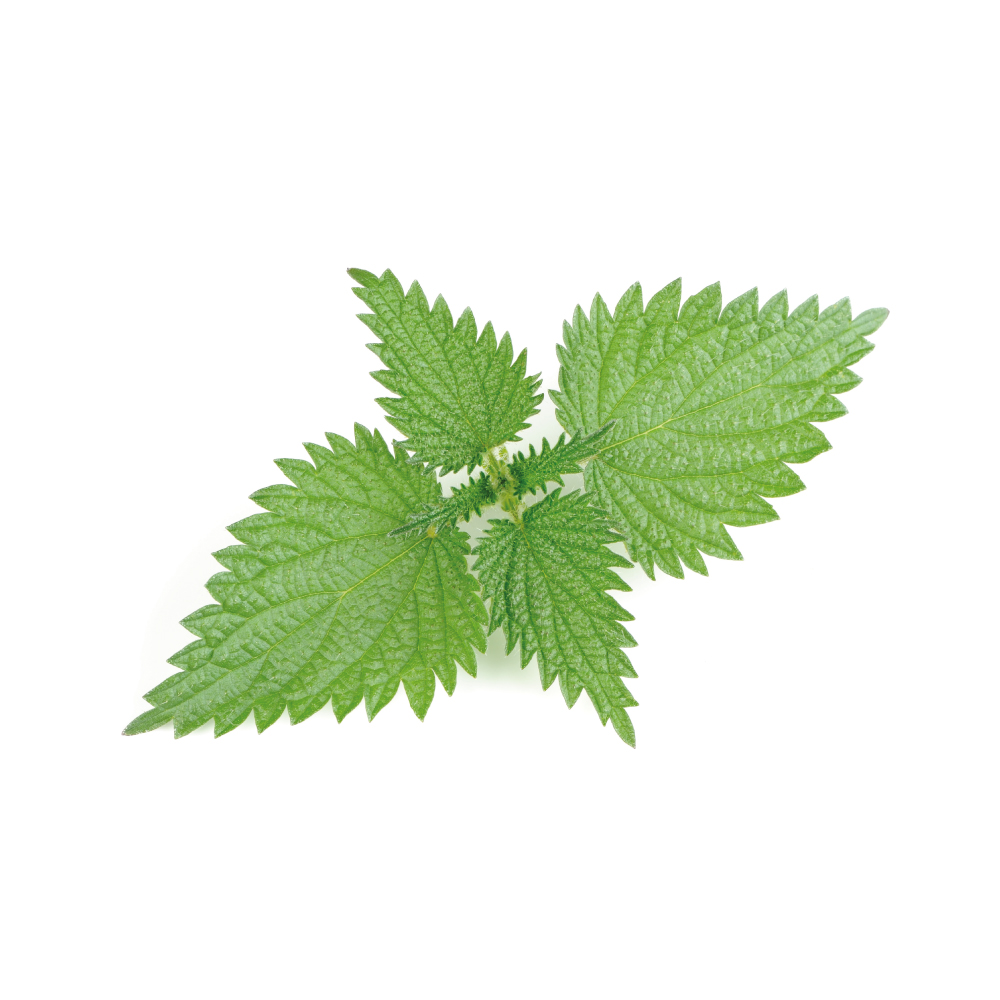 Stinging Nettle Urtica dioica Documented for beta-sitosterol, carotenoids, friedelins and 8 more terpenoids.
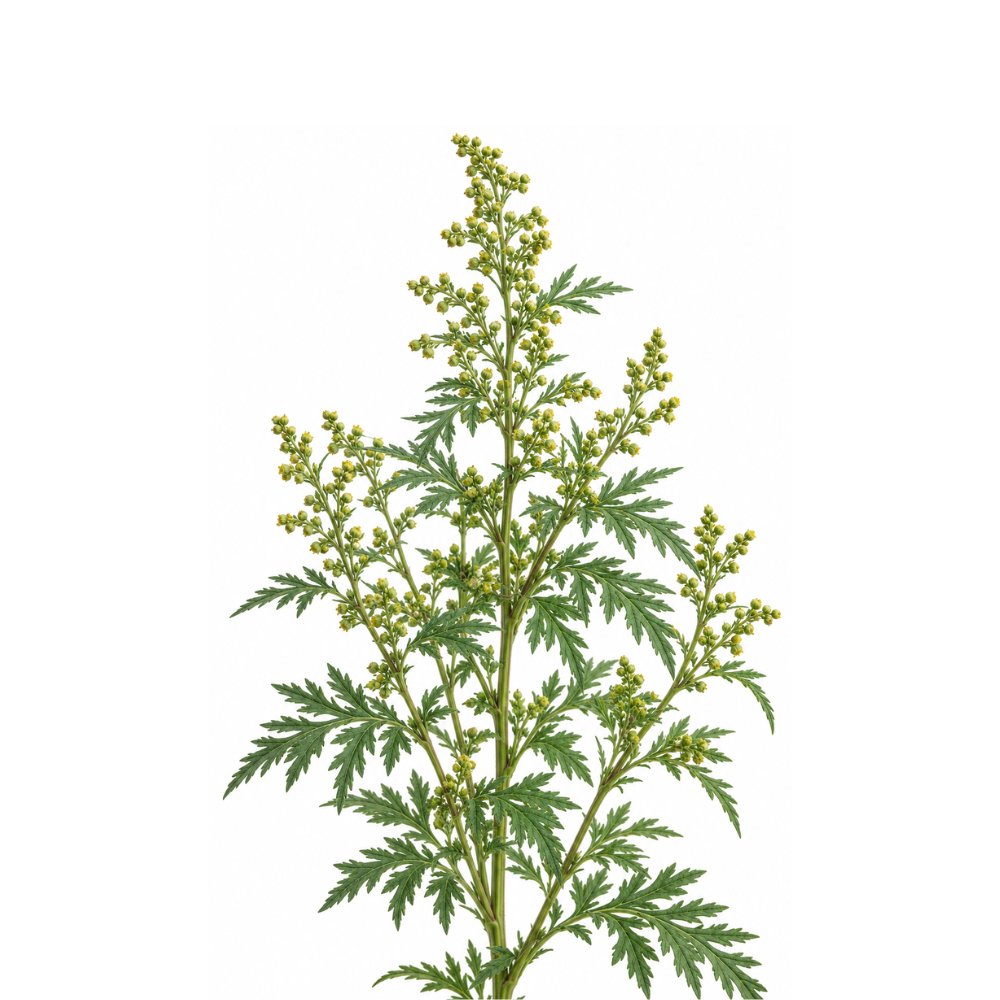 Sweet Wormwood Artemisia annua Documented for 1,8-cineole, arteannuin B, artemisia ketone and 8 more terpenoids.
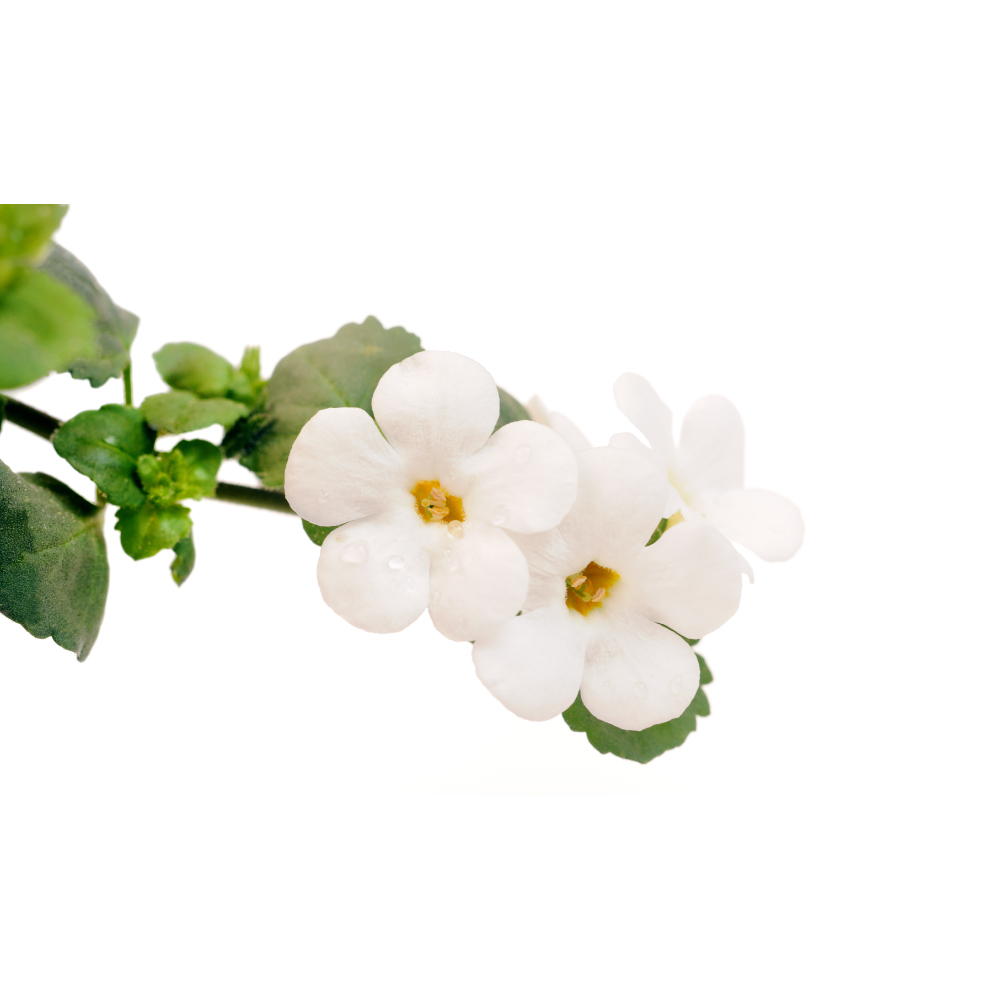 Bacopa Bacopa monnieri Documented for bacoside A (0.4–2.7 % dry wt), bacopasaponins, bacopaside I and 7 more terpenoids.
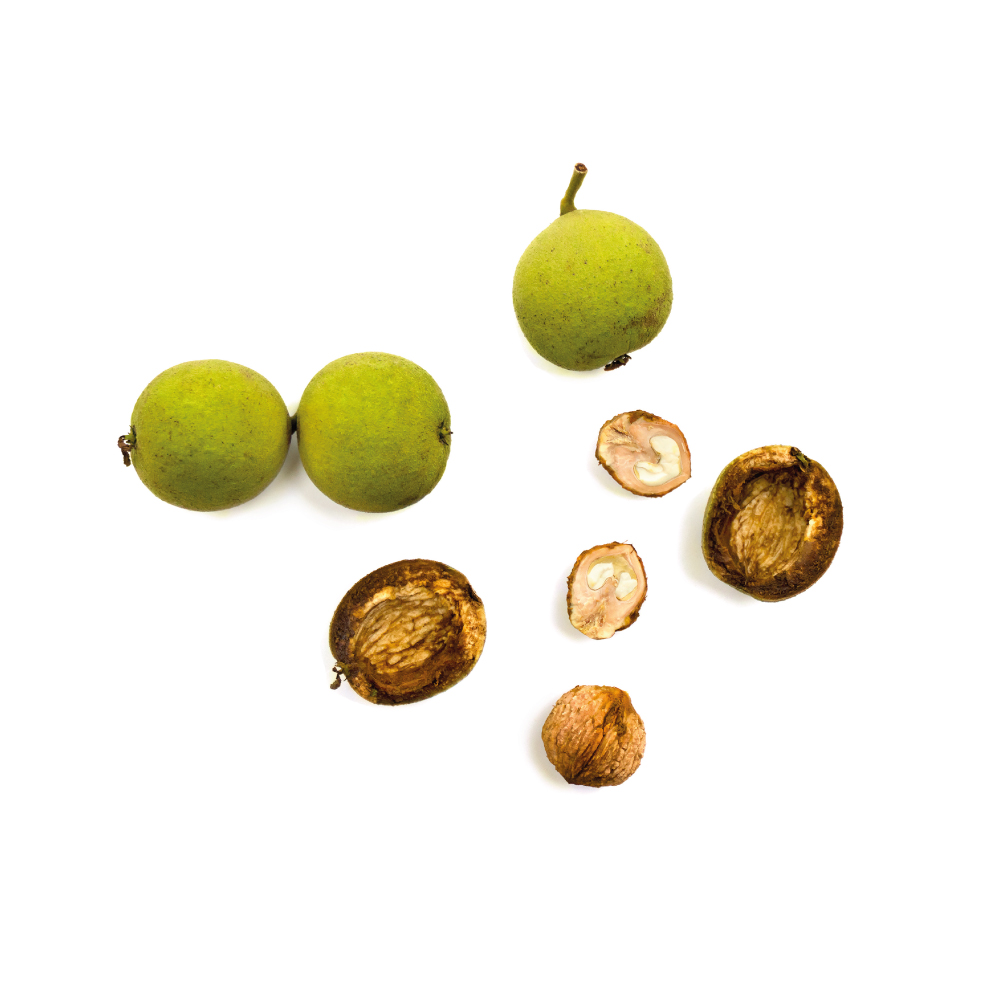 Black Walnut Juglans nigra Documented for alpha-pinene, beta-pinene, caryophyllene and 7 more terpenoids.
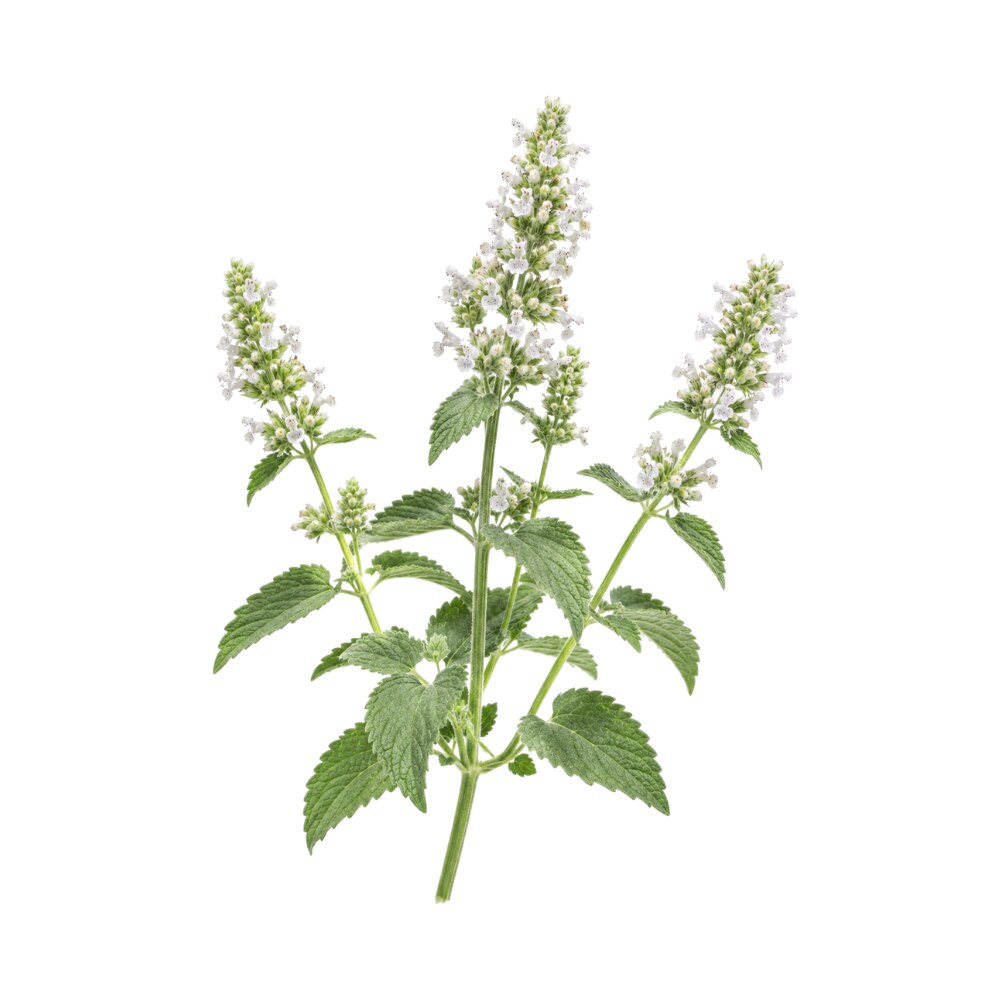 Catnip Nepeta cataria Documented for caryophyllene, citral, citronellol and 7 more terpenoids.
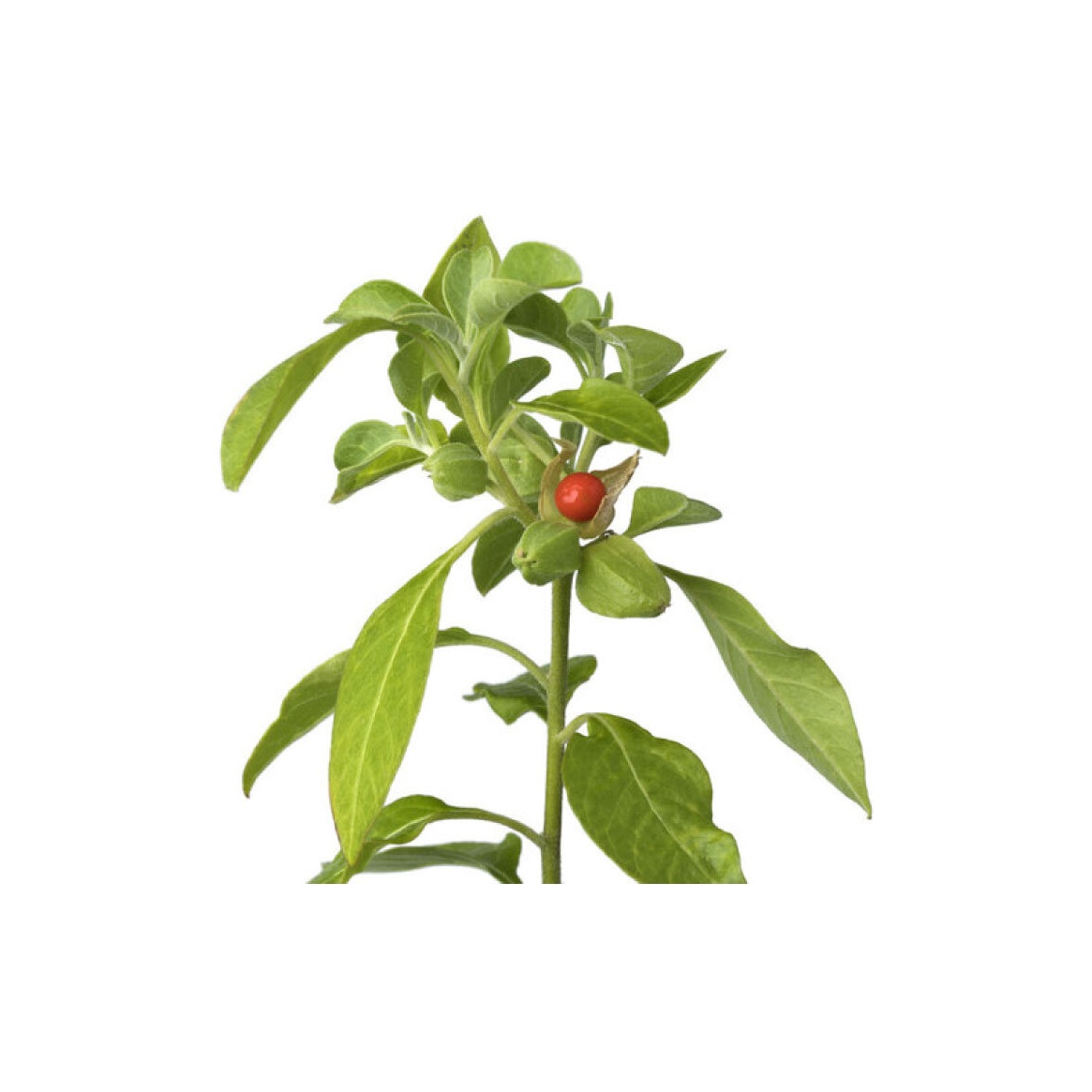 Ashwagandha Withania somnifera Documented for withanolide A (1.5–5 % dry wt), acylsteryl glucosides, beta-sitosterol and 6 more terpenoids.
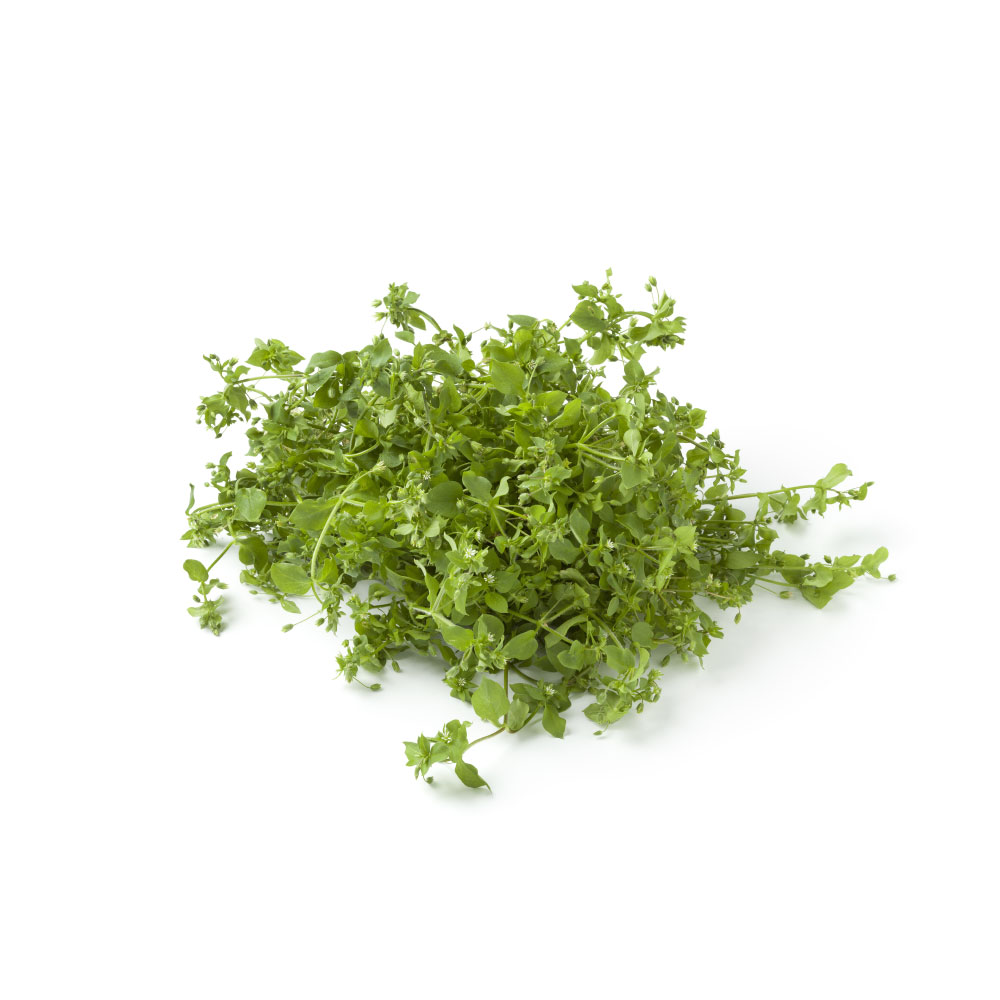 Chickweed Stellaria media Documented for beta-sitosterol, borneol, carotenoids and 6 more terpenoids.
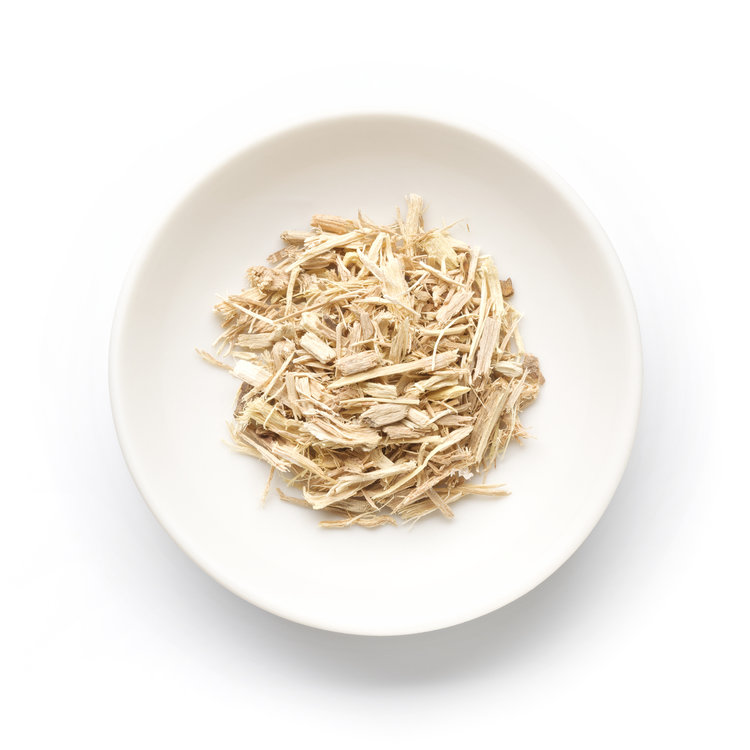 Eleuthero Root Eleutherococcus senticosus Documented for beta-sitosterol, campesterol, ciwujianosides and 6 more terpenoids.
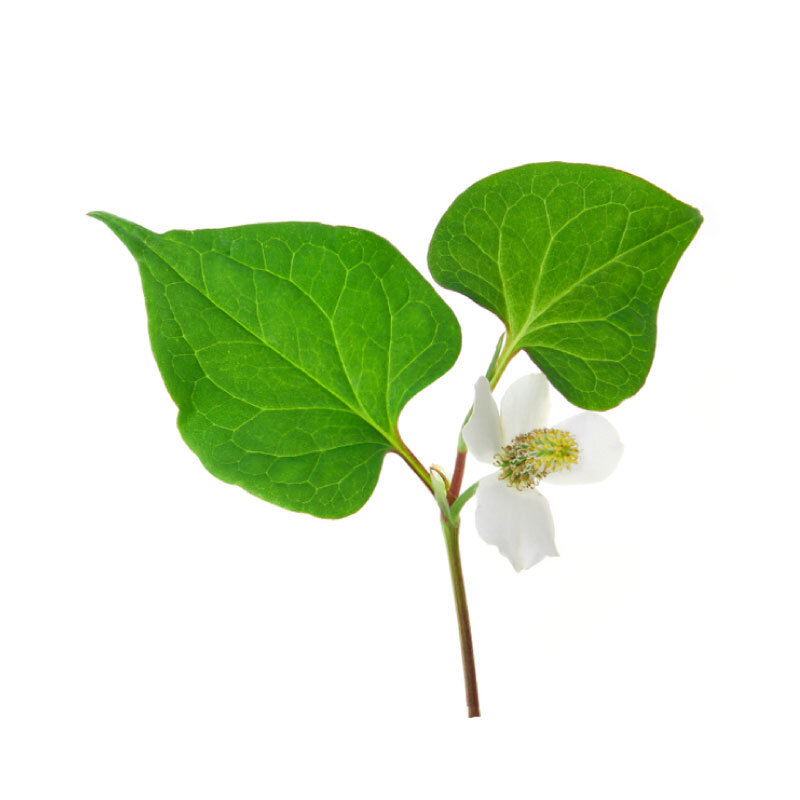 Fish Mint Houttuynia cordata Documented for myrcene (2.6–44.3 % of oil), 4-terpineol, alpha-pinene and 6 more terpenoids. Korean Red Pine Pinus densiflora Documented for abietic acid, alpha-pinene, beta-pinene and 6 more terpenoids.
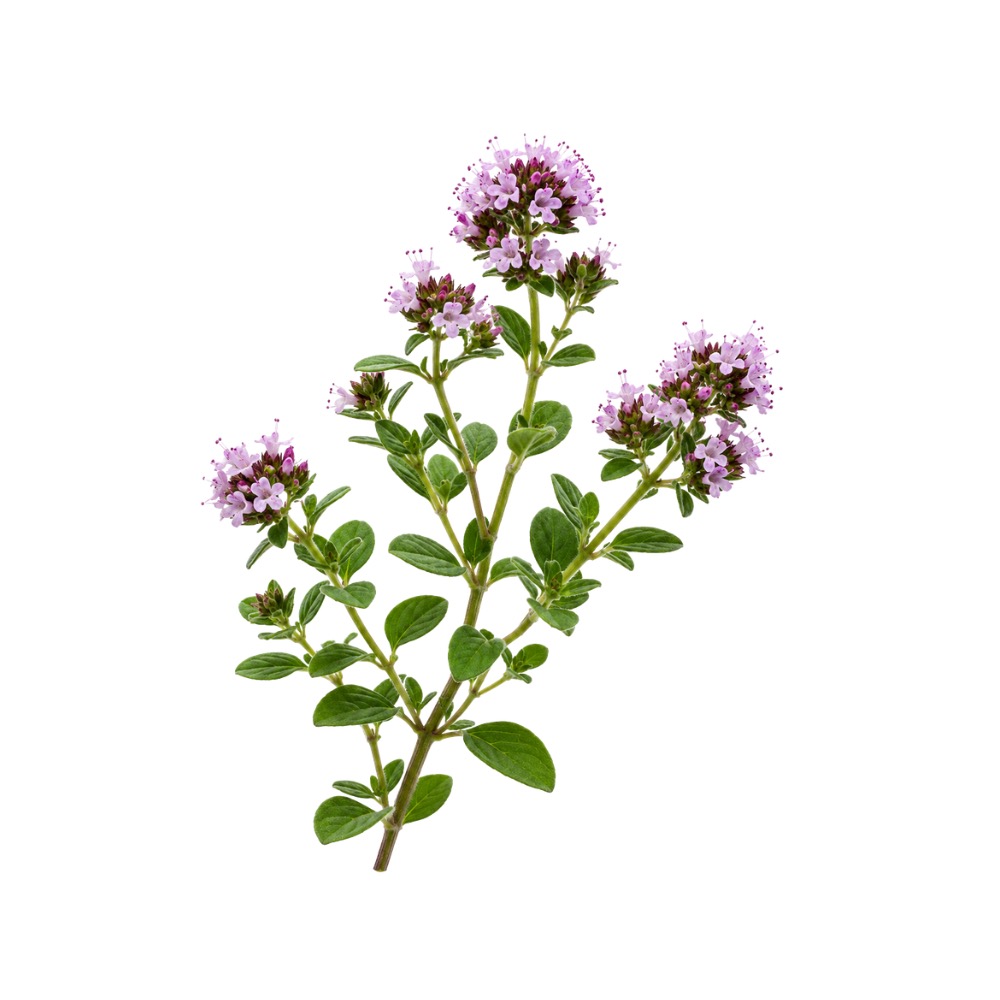 Marjoram Origanum majorana Documented for alpha-terpinene (17.4 % of oil), caryophyllene, cis-sabinene hydrate and 6 more terpenoids.
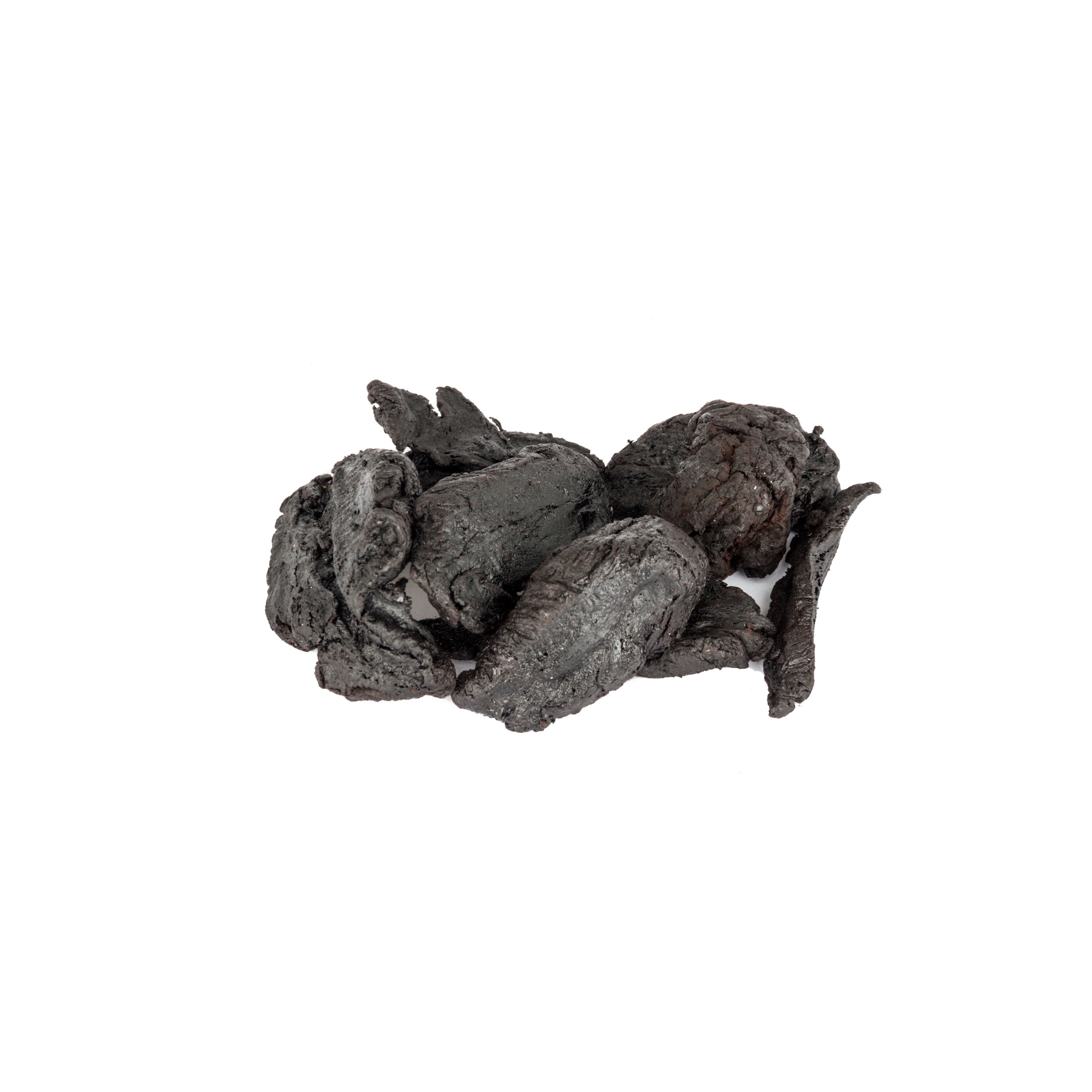 Rehmannia Rehmannia glutinosa Documented for catalpol (2.6–4.3 % dry wt), ajugol, aucubin and 6 more terpenoids.
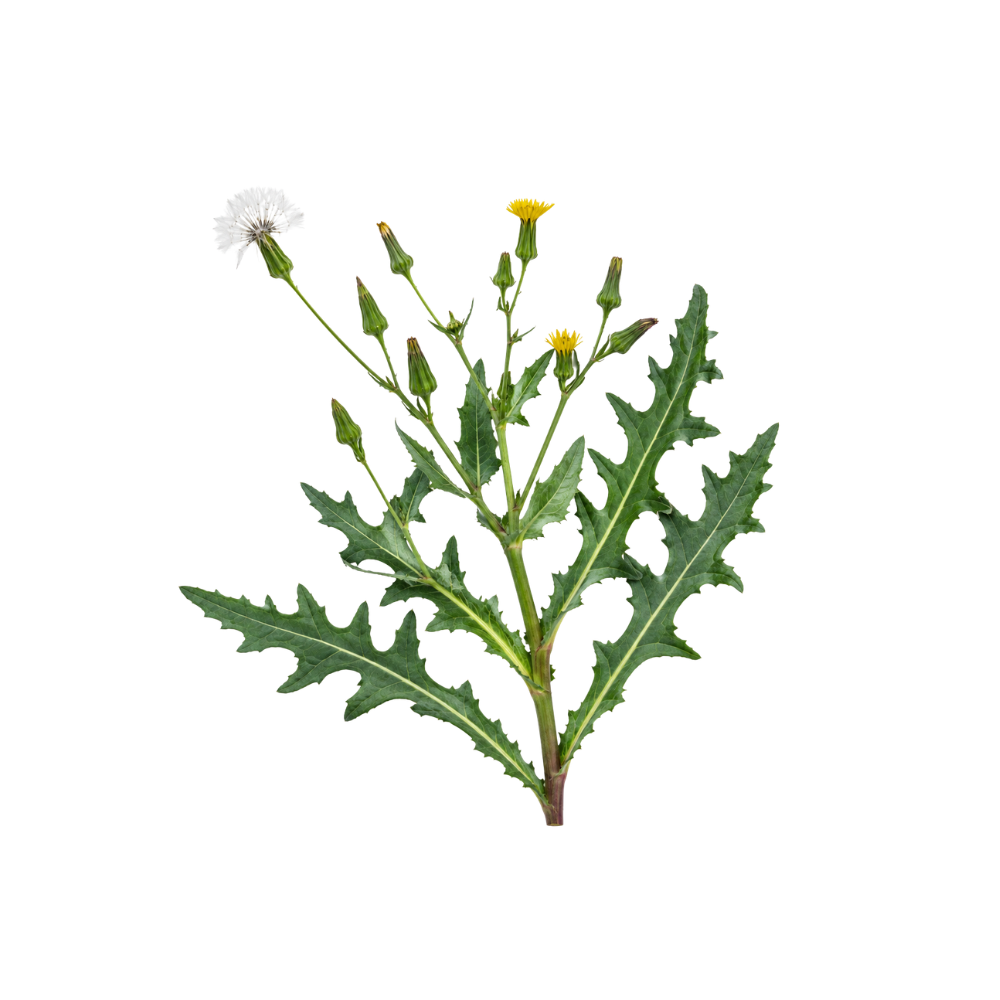 Wild Lettuce Lactuca virosa Documented for 11-beta,13-dihydrolactucin, beta-sitosterol, germanicol and 6 more terpenoids.
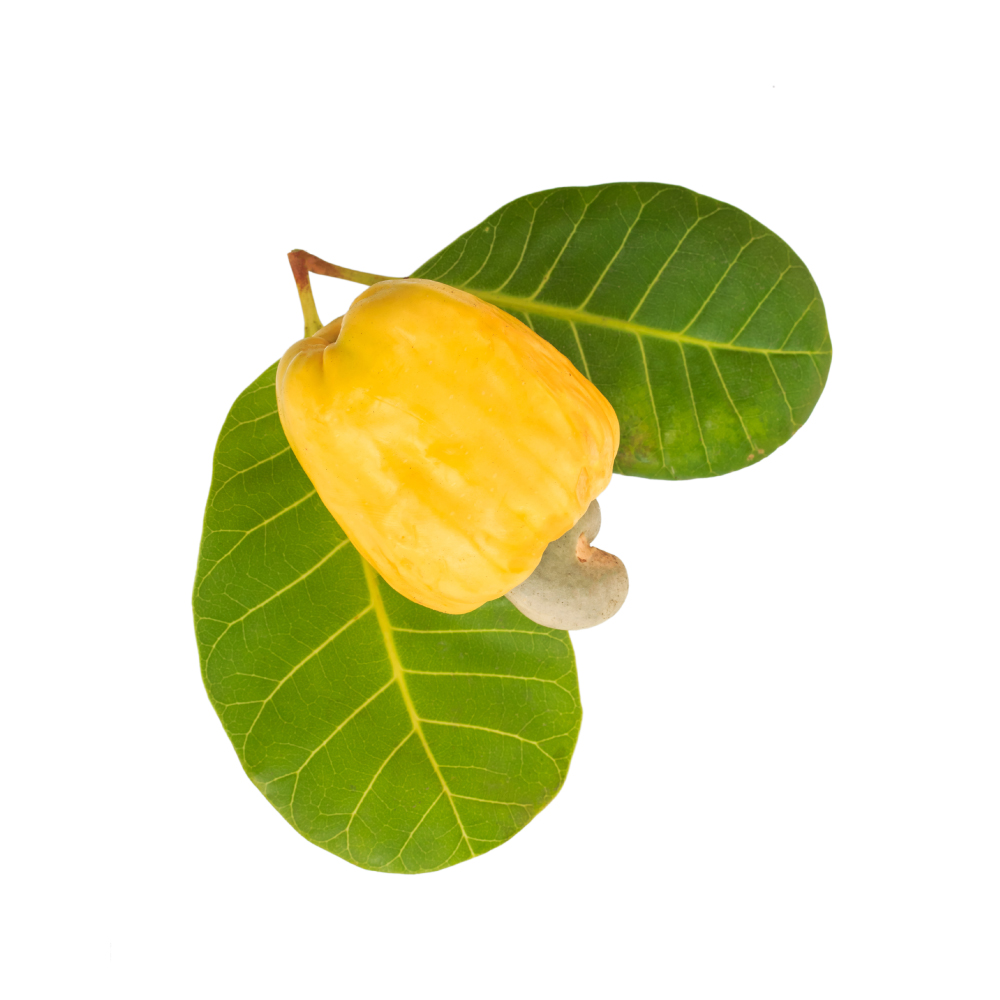 Cashew Anacardium occidentale Documented for carotene, carotenoids, cryptoxanthin and 5 more terpenoids.
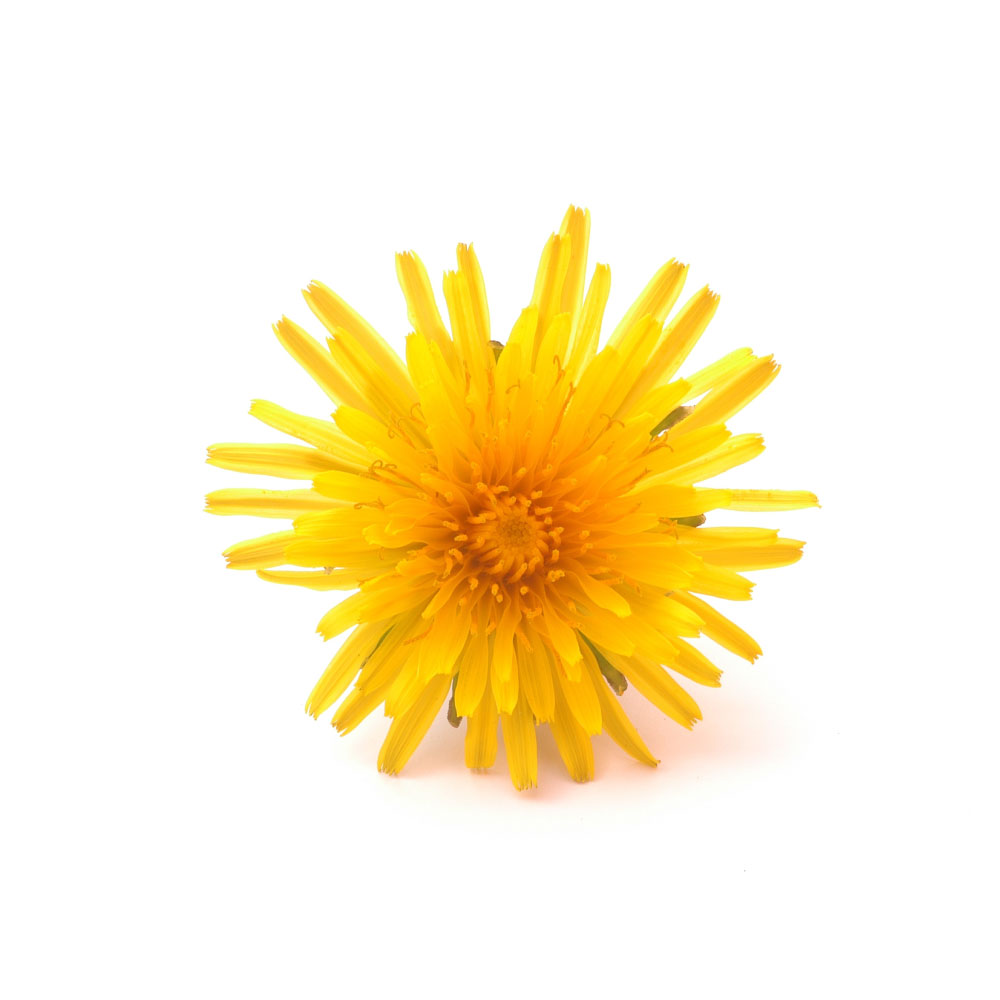 Dandelion Taraxacum officinale Documented for taraxinic acid glucoside (0–7 % latex fresh wt), 11-beta,13-dihydrolactucin, lupeol and 5 more terpenoids.
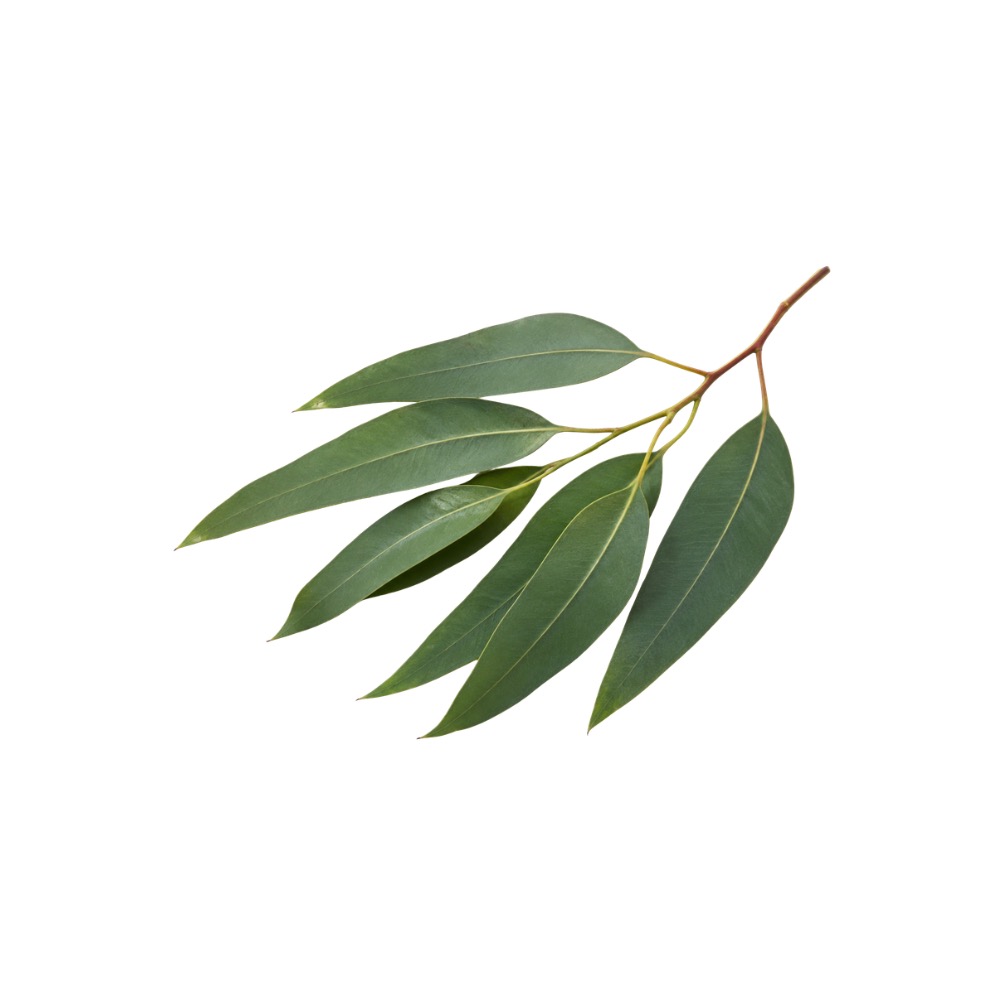 Eucalyptus Eucalyptus globulus Documented for 1,8-cineole, alpha-pinene, alpha-terpineol and 5 more terpenoids.
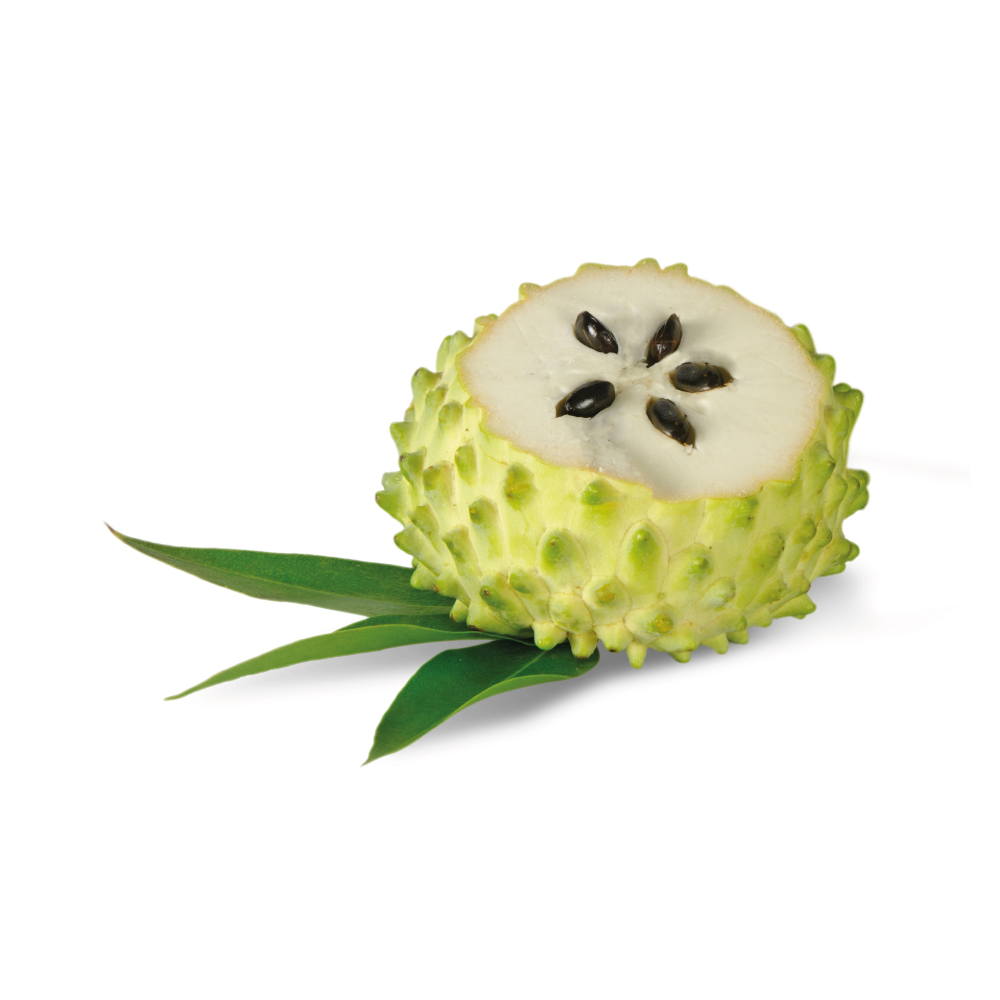 Graviola Annona muricata Toxic Documented for alpha-cadinol, cardiac glycosides, caryophyllene and 5 more terpenoids.
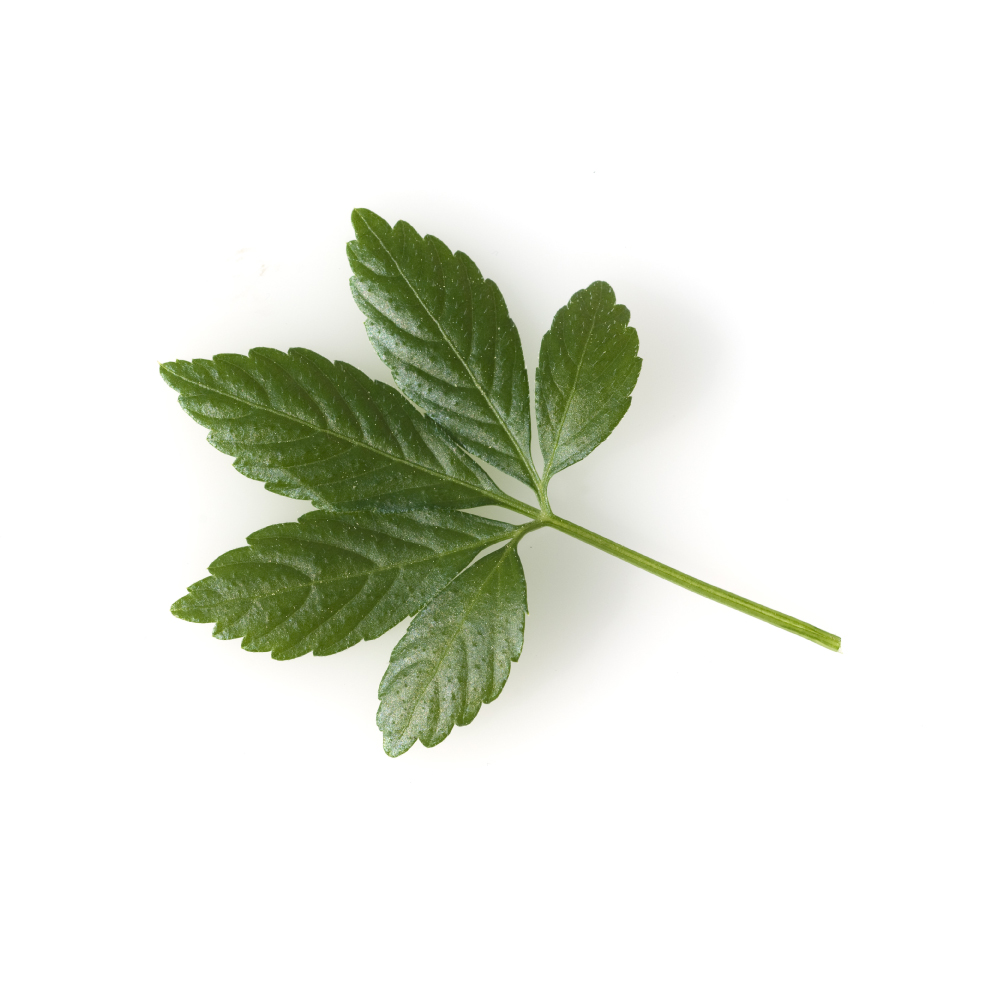 Gynostemma Gynostemma pentaphyllum Documented for ginsenoside F2, ginsenoside Rd, gylongiposide I and 5 more terpenoids.
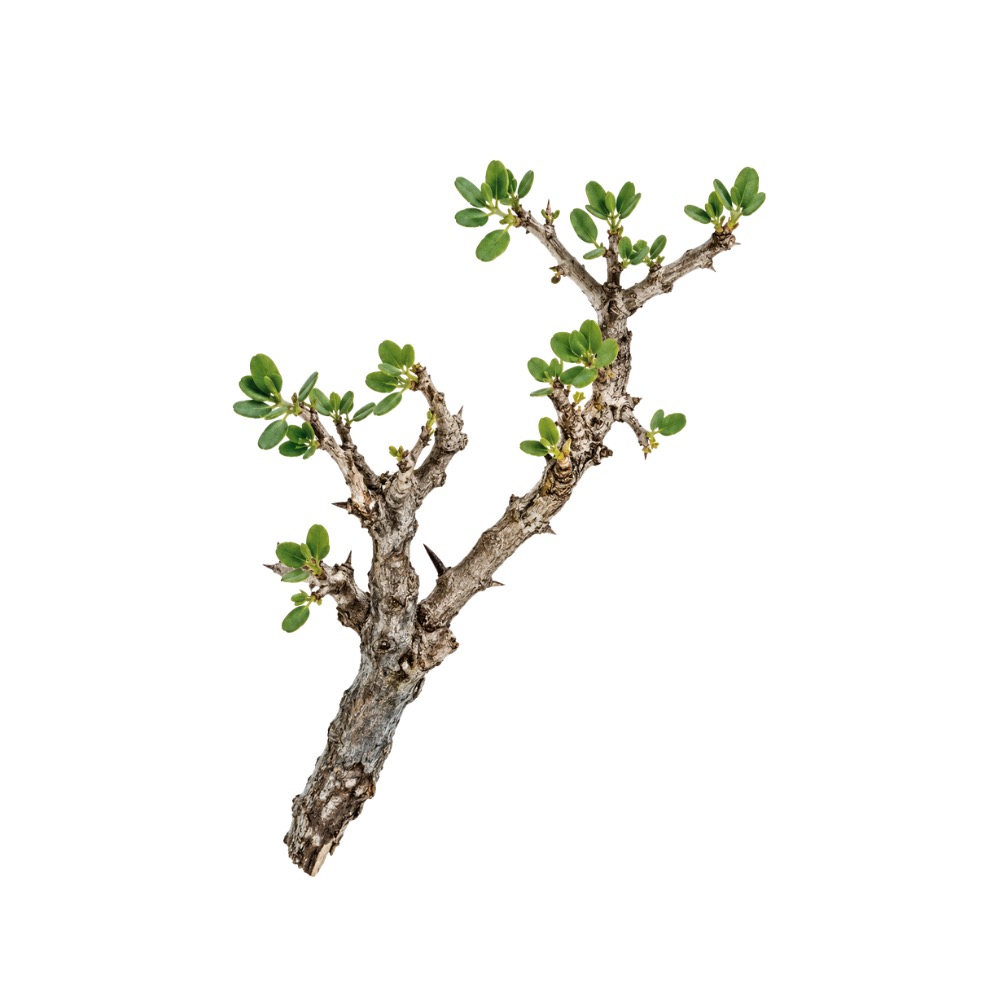 Myrrh Commiphora myrrha Documented for 2-acetoxyfuranodiene, 2-methoxyfuranodiene, curzerene and 5 more terpenoids.
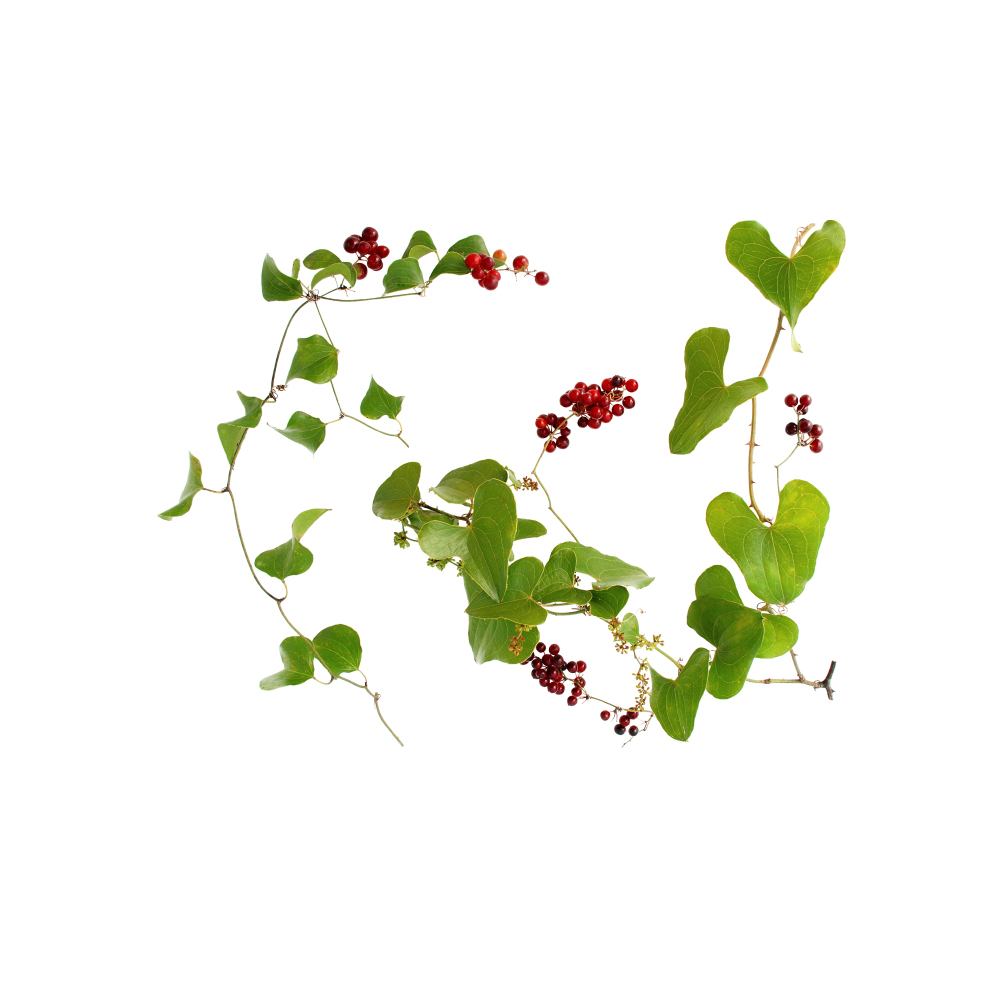 Sarsaparilla Smilax spp. Documented for beta-sitosterol, saponins, sarsasapogenin and 5 more terpenoids.
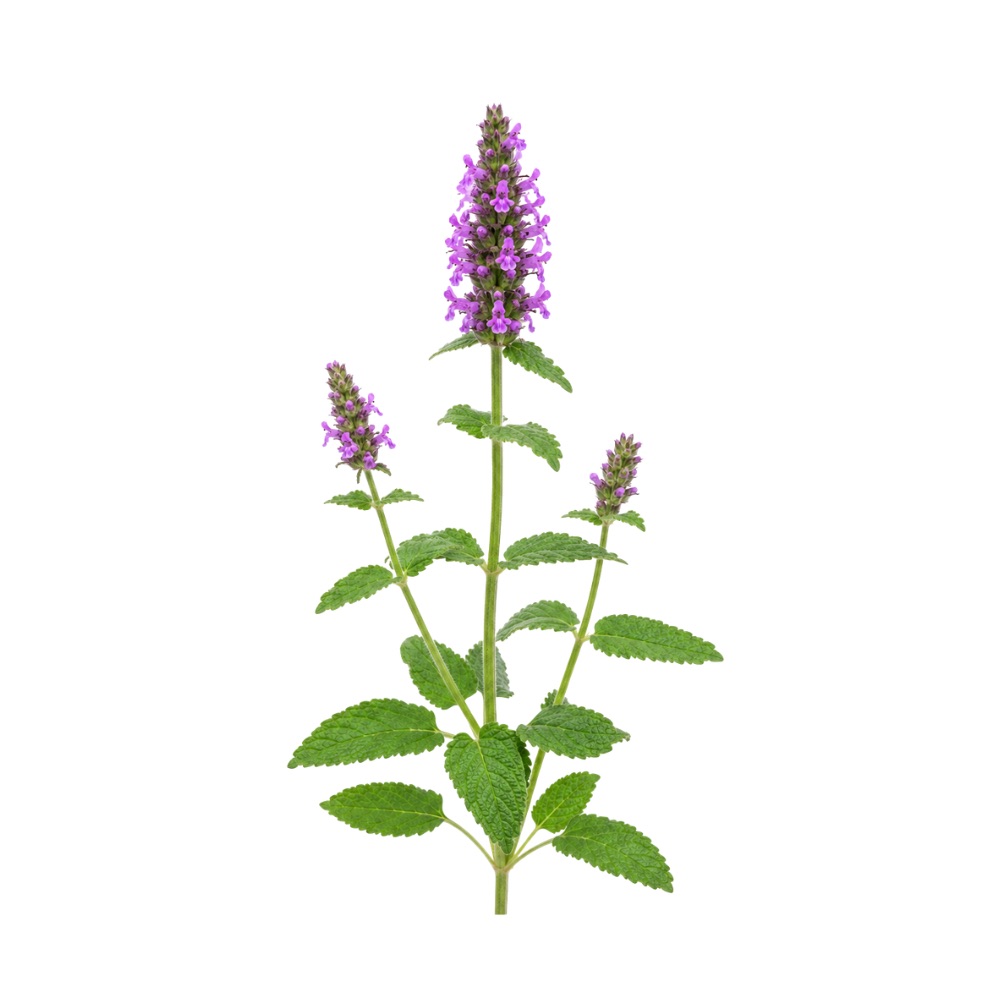 Wood Betony Stachys officinalis Documented for nerolidol (15.4 % of oil), 8-O-acetylharpagide, allobetonicoside and 5 more terpenoids.
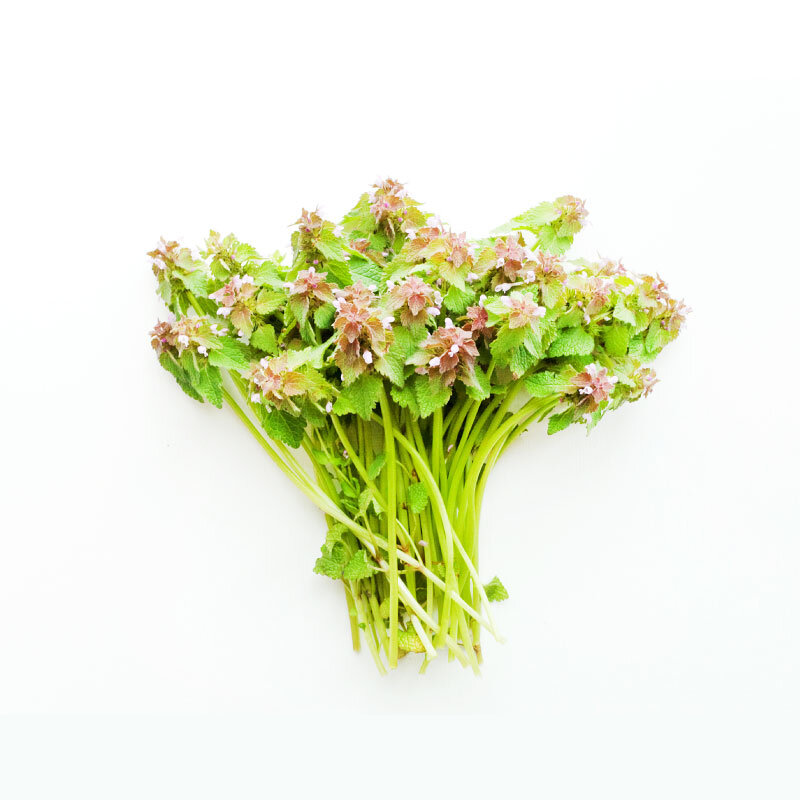 Black Horehound Ballota nigra Documented for 7-alpha-acetoxymarrubiin, ballotenol, ballotinone and 4 more terpenoids.
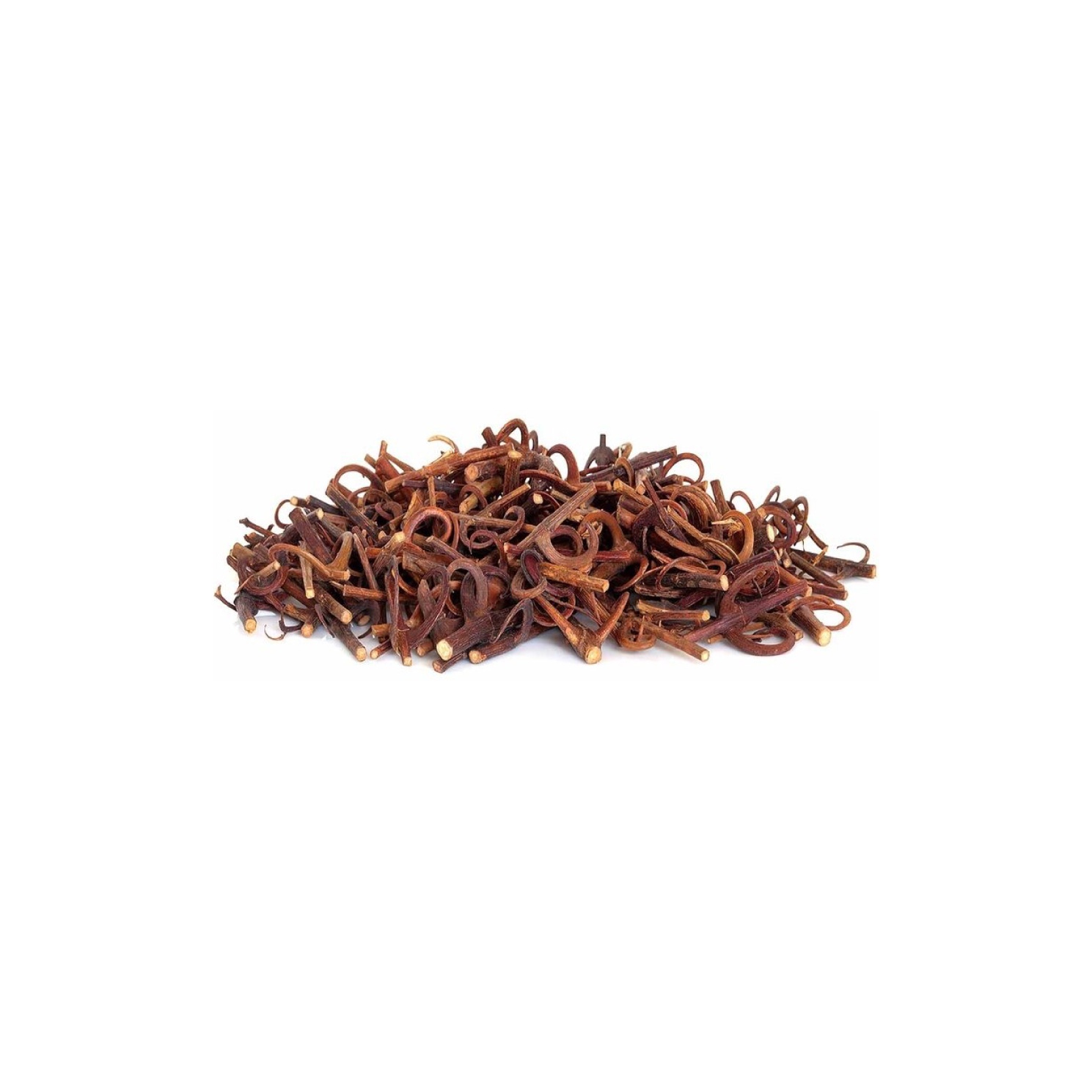 Cat's Claw Uncaria tomentosa Documented for beta-sitosterol, campesterol, daucosterol and 4 more terpenoids. Chaga Inonotus obliquus Documented for 3-beta-hydroxylanosta-8,24-dien-21-al, betulin, betulinic acid and 4 more terpenoids.
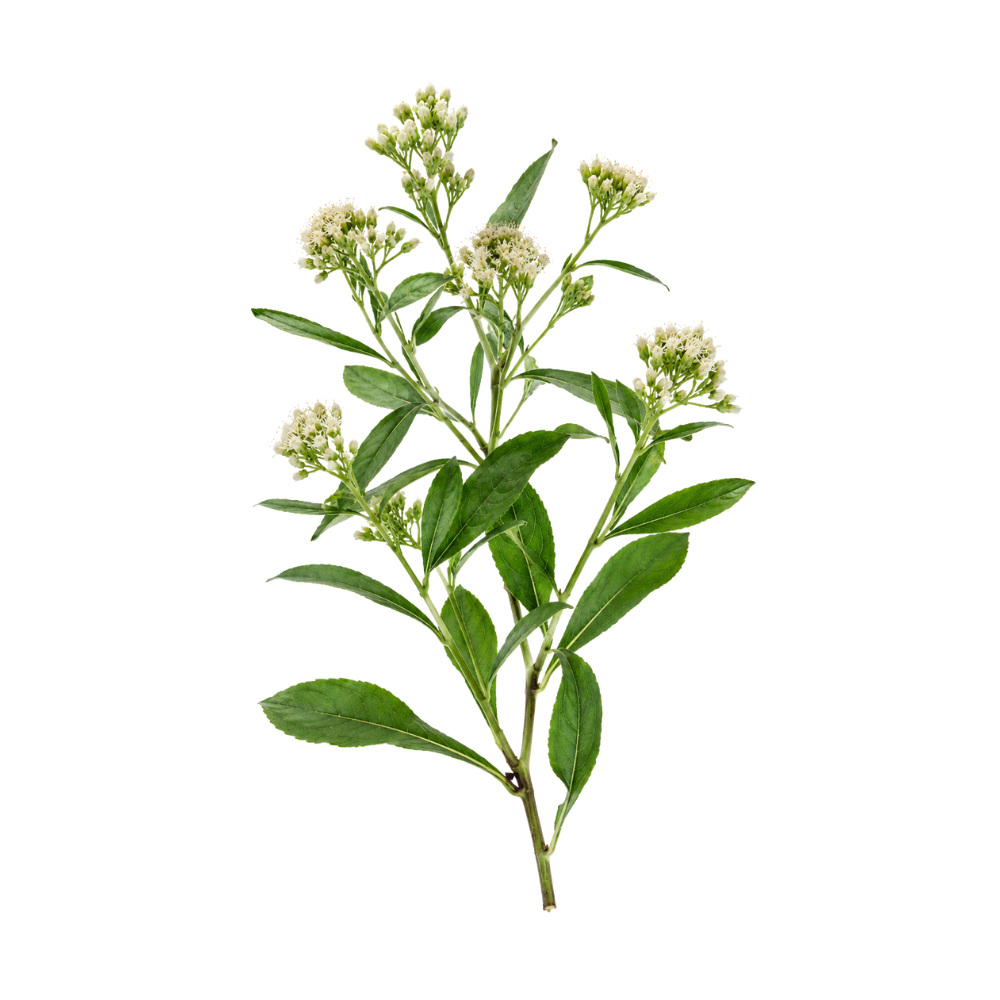 Chilca Baccharis latifolia Documented for beta-phellandrene (10 % of oil), alpha-pinene, beta-pinene and 4 more terpenoids.
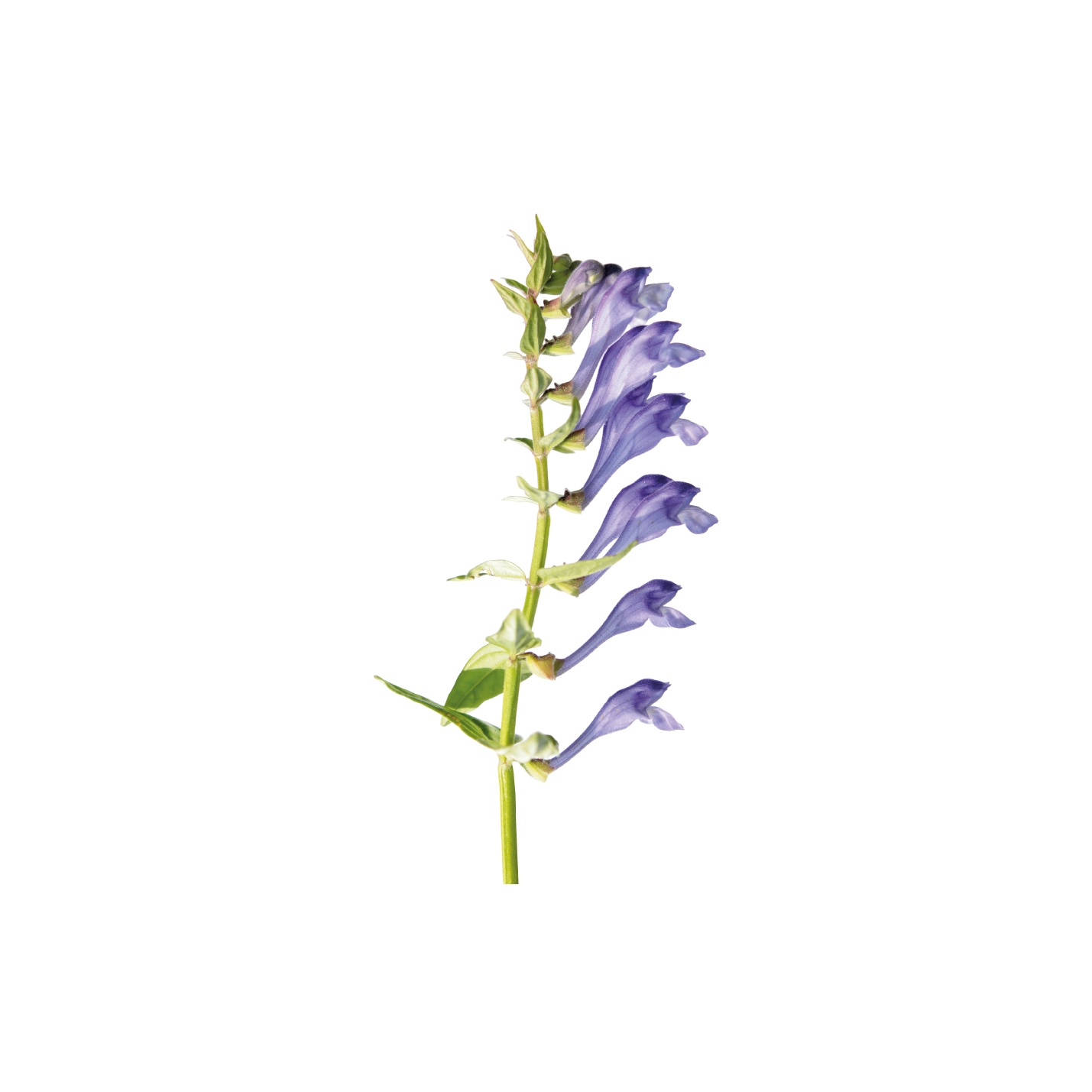 Chinese Skullcap Scutellaria baicalensis Documented for beta-humulene, caryophyllene, catalpol and 4 more terpenoids.
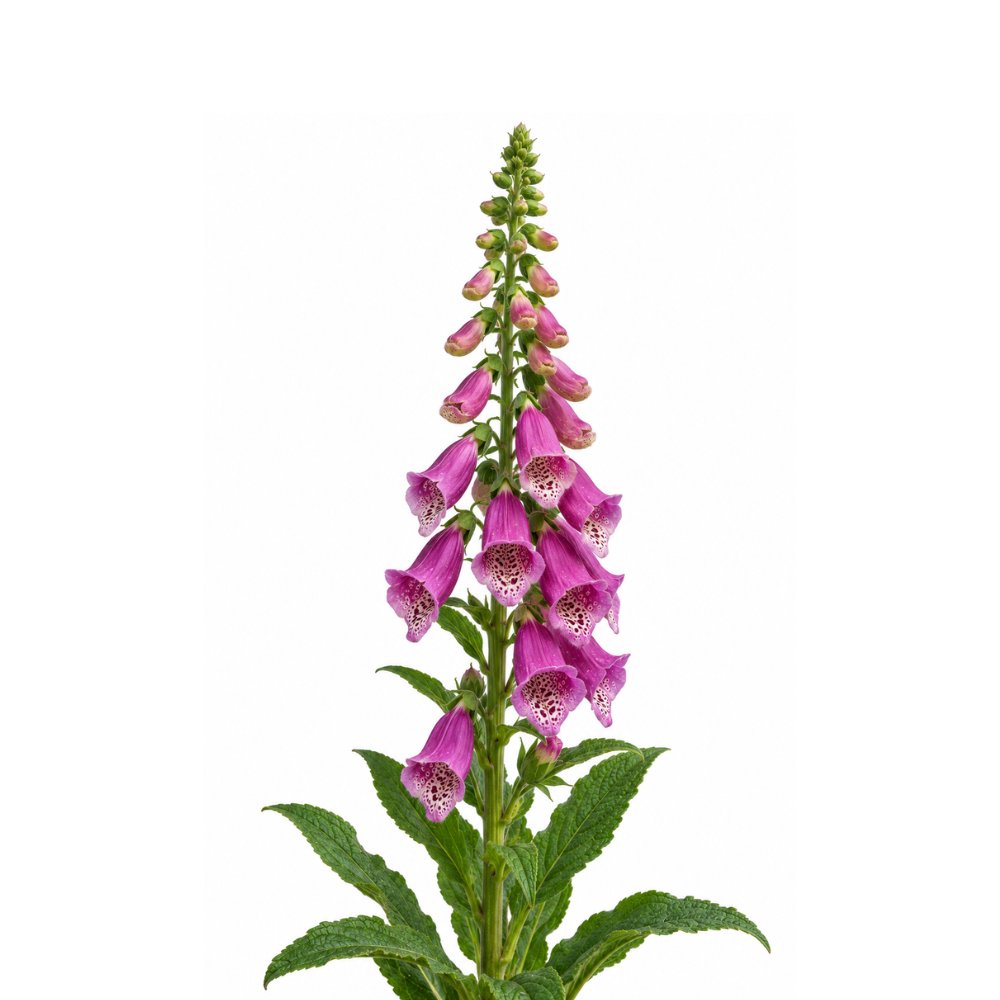 Foxglove ☠️ Digitalis purpurea Toxic Documented for digitonin, digitoxigenin, digitoxin and 4 more terpenoids.
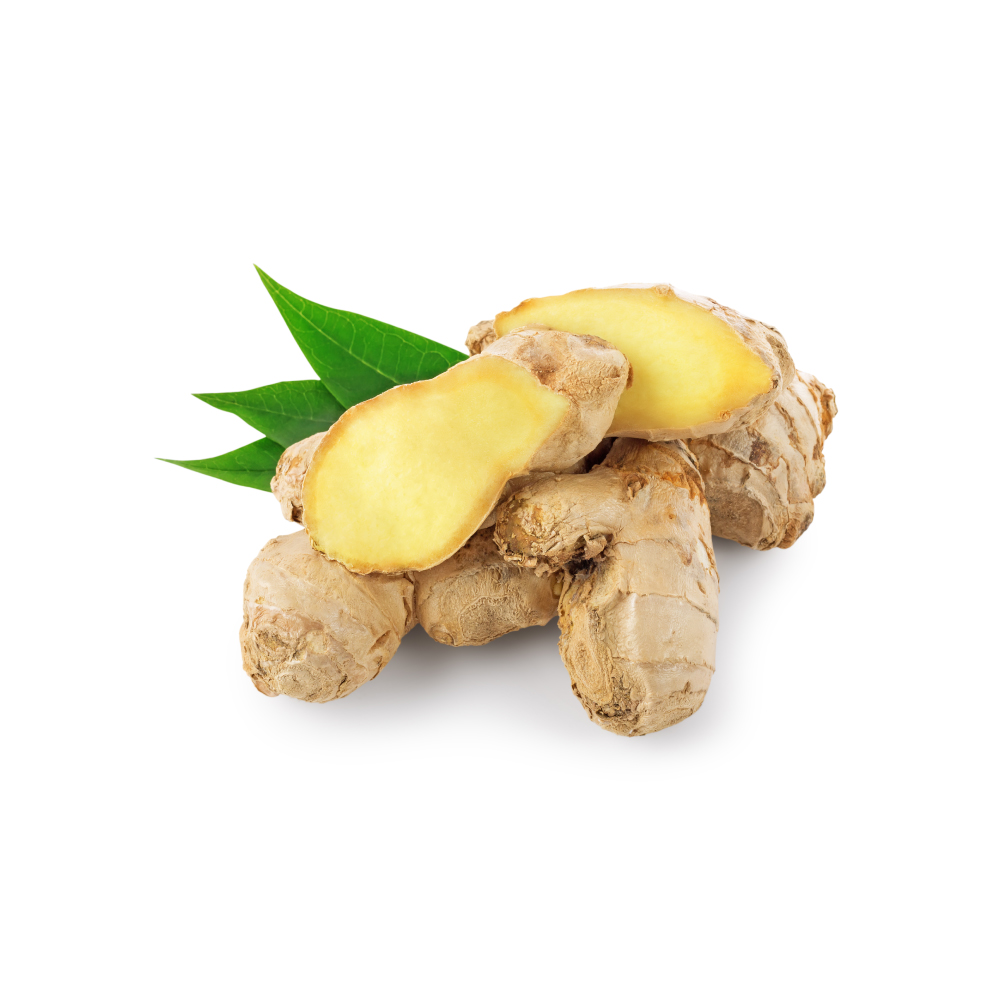 Ginger Zingiber officinale Documented for camphene, geranial, nerolidol and 4 more terpenoids.
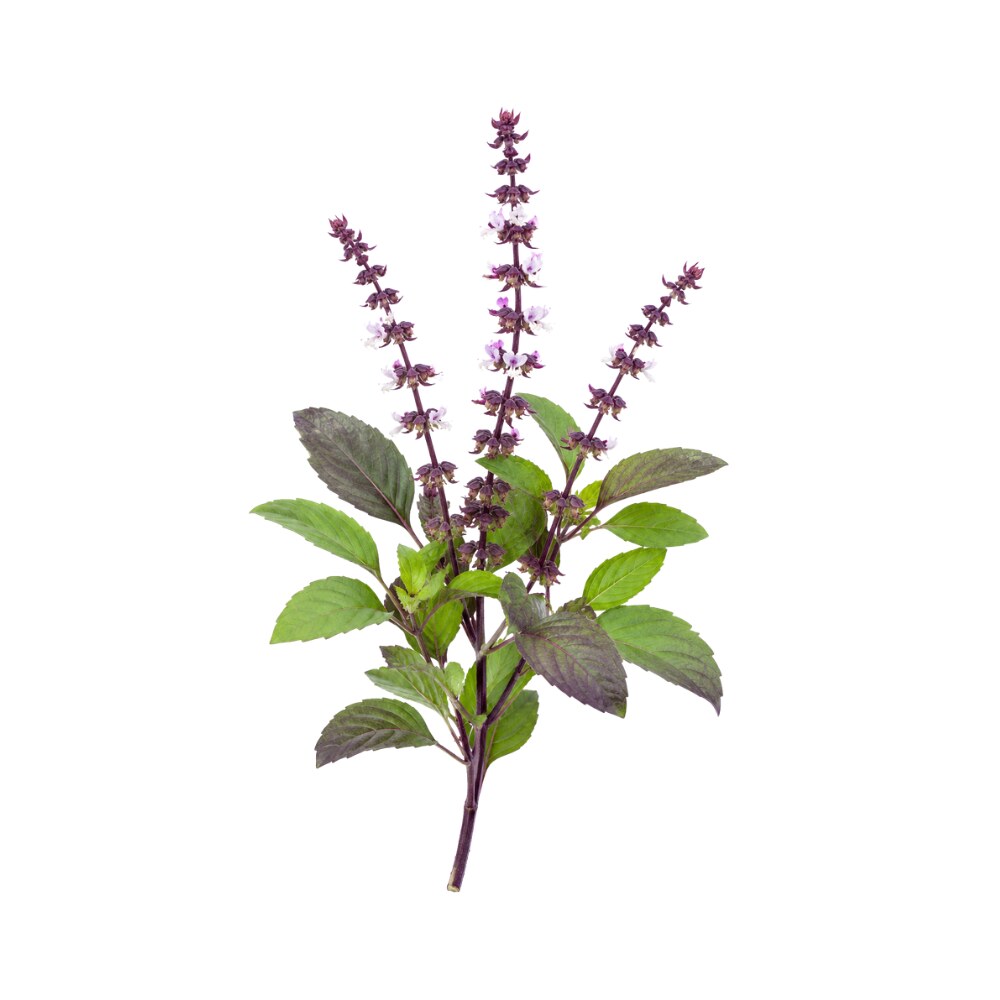 Holy Basil Ocimum tenuiflorum Documented for beta-elemene, beta-sitosterol, carnosic acid and 4 more terpenoids.
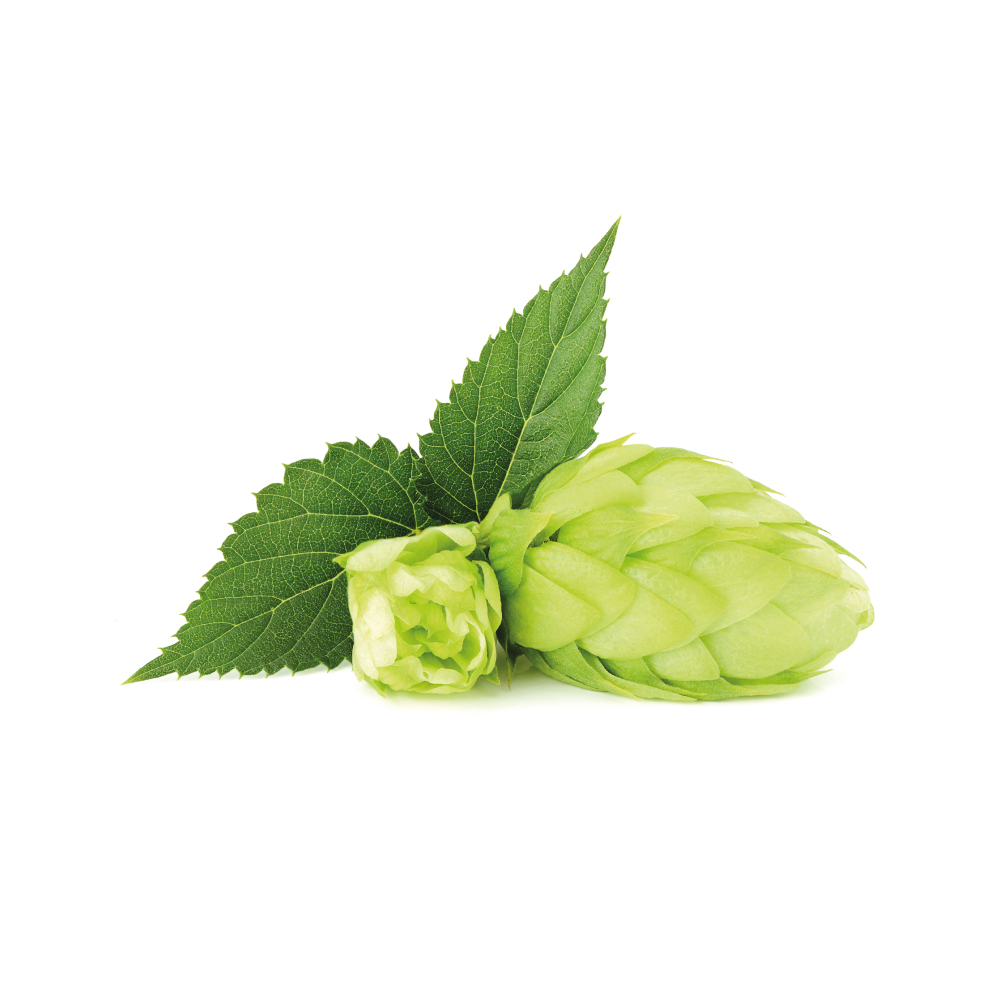 Hops Humulus lupulus Documented for myrcene (24–37 % of oil), caryophyllene, caryophyllene oxide and 4 more terpenoids.
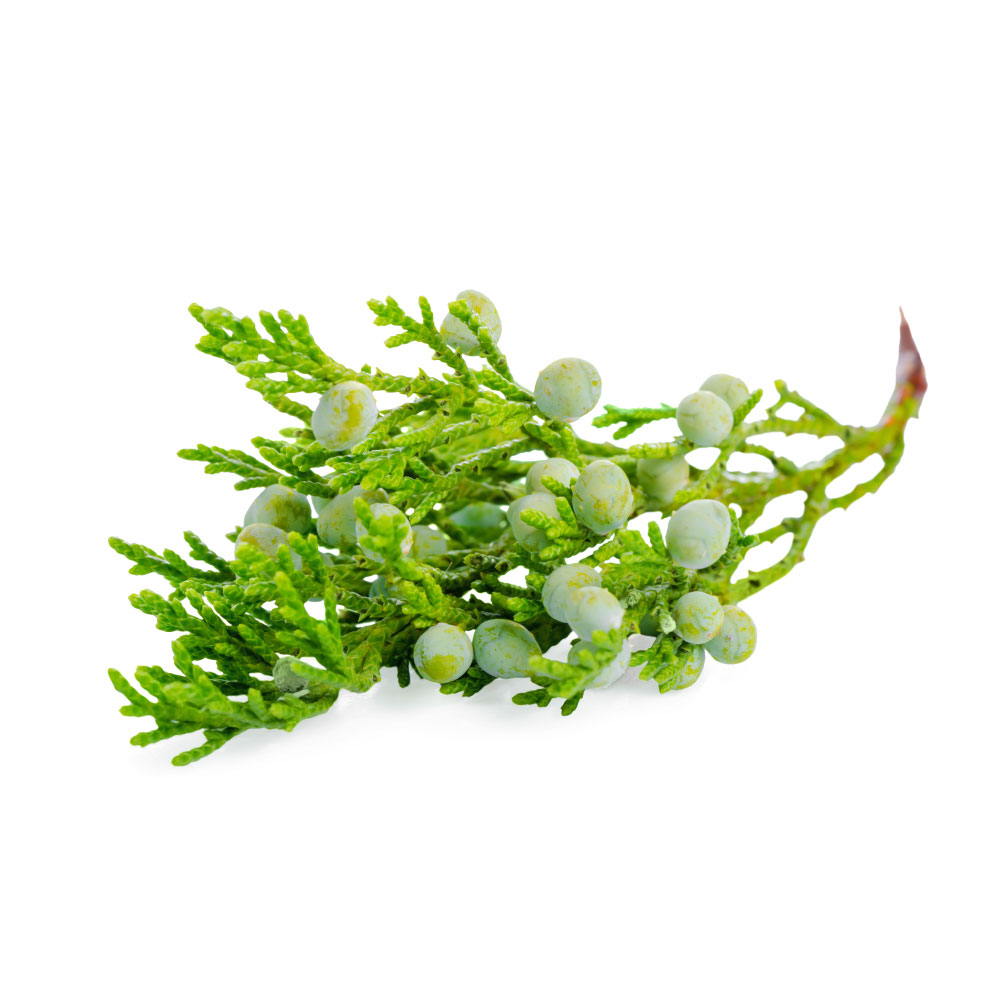 Juniper Juniperus communis Documented for alpha-pinene (51.4 % of oil), beta-pinene (5 % of oil), limonene (1–14 % of oil), myrcene (8.3 % of oil) and 3 more terpenoids.
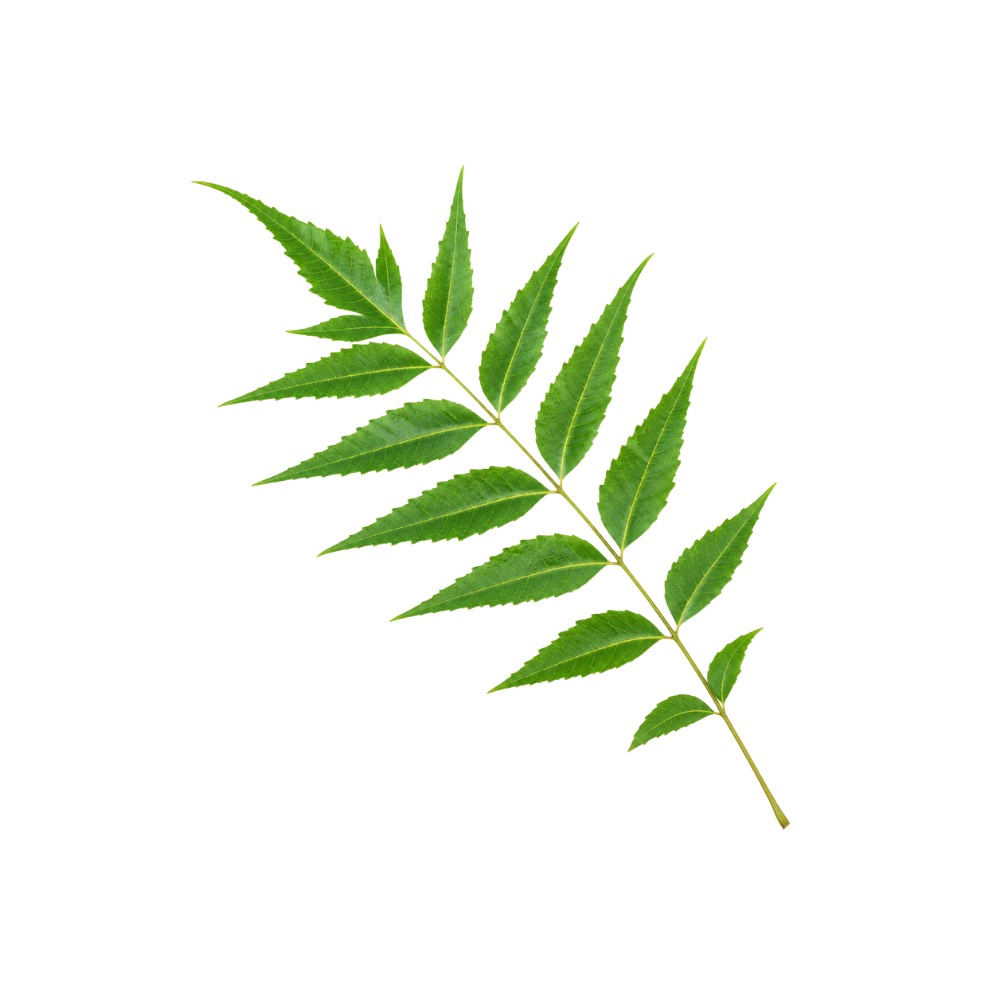 Neem Azadirachta indica Documented for azadirachtin, azadiradione, gedunin and 4 more terpenoids.
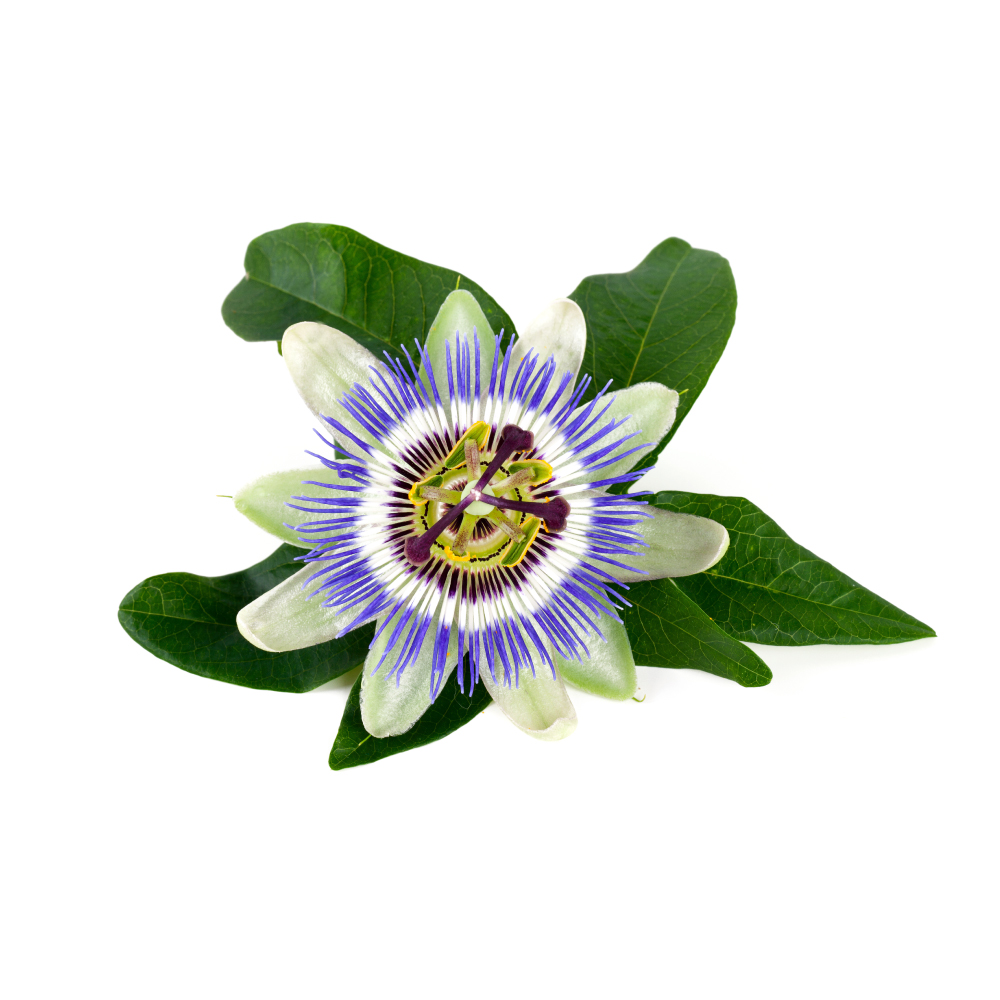 Passionflower Passiflora incarnata Documented for beta-sitosterol, cyclopassifloic acids, cyclopassiflosides and 4 more terpenoids.
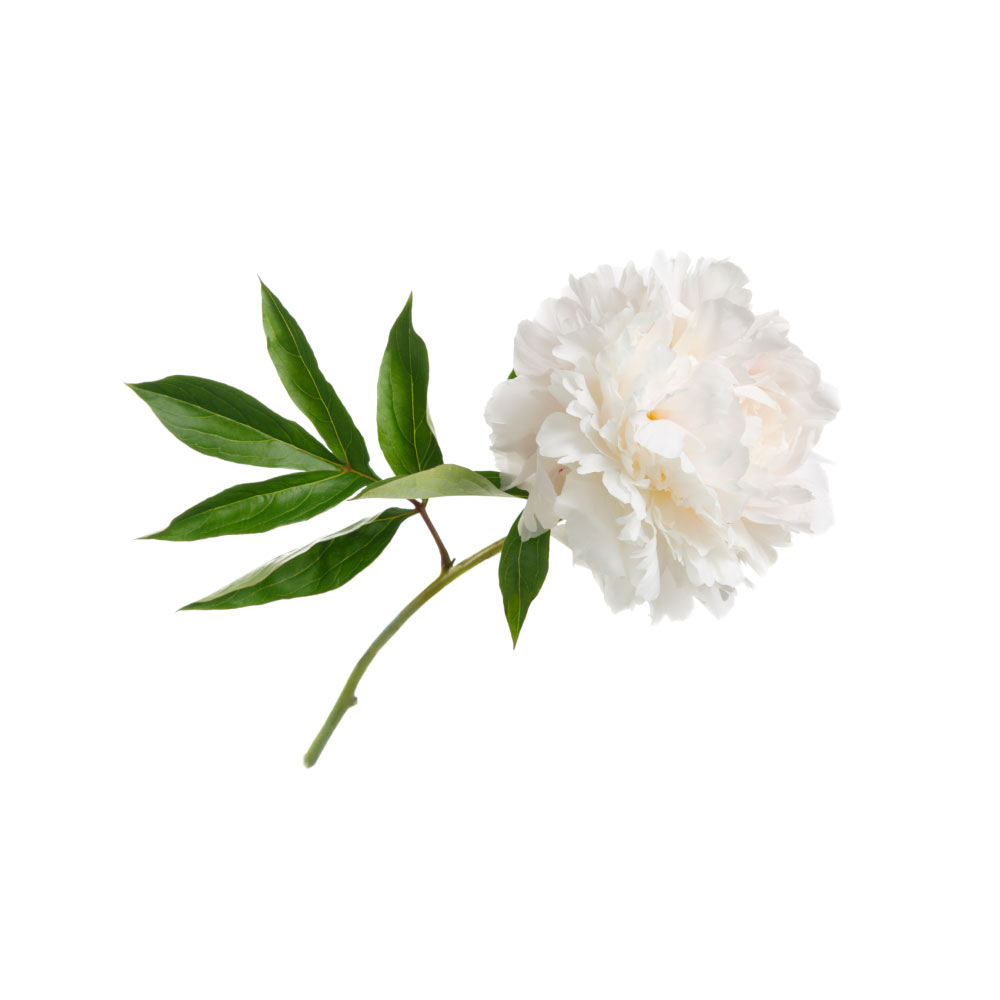 Peony Paeonia lactiflora Documented for albiflorin (0.15–1.97 % dry wt), paeoniflorin (1.6–5 % dry wt), 3'-O-galloylpaeoniflorin and 4 more terpenoids.
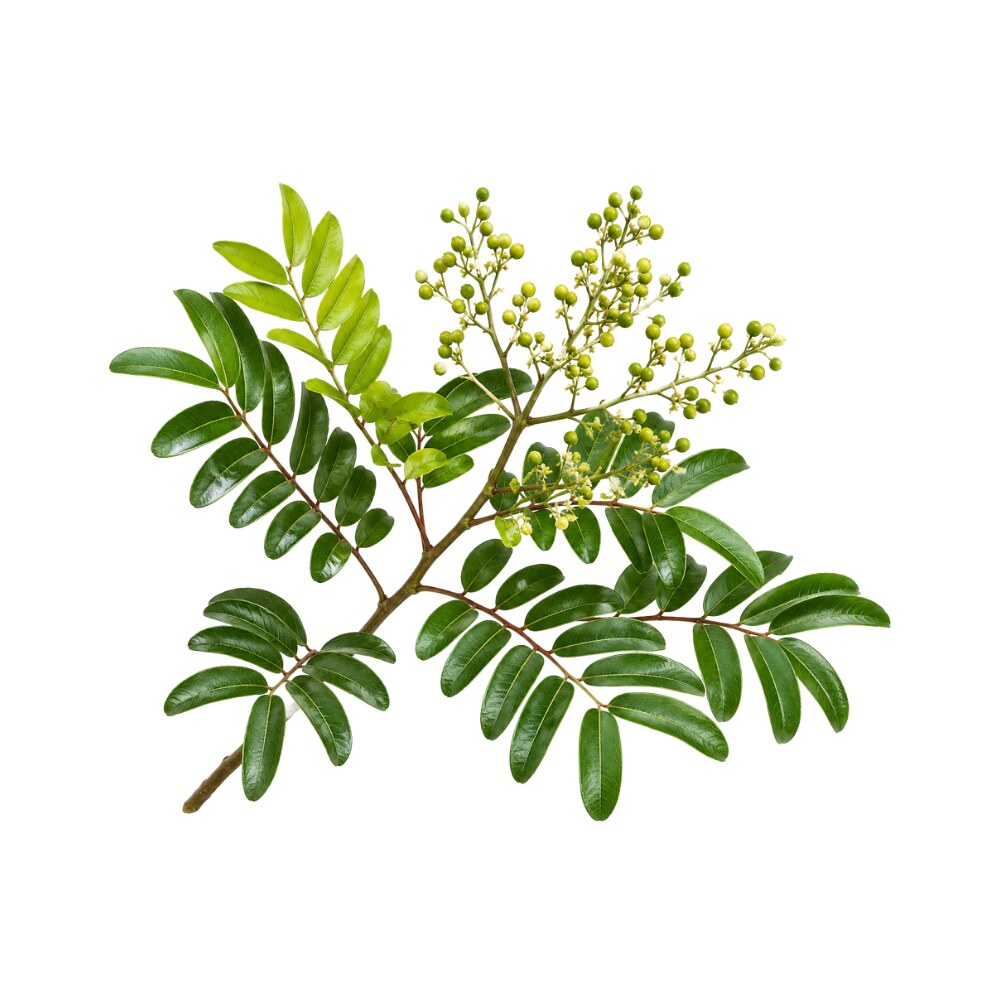 Simarouba Simarouba amara Documented for 13,18-dehydroglaucarubinone, 2'-acetylglaucarubinone, ailanthinone and 4 more terpenoids. Thyme Thymus vulgaris Documented for thymol (20–55 % of oil), 1,8-cineole, gamma-terpinene and 4 more terpenoids.
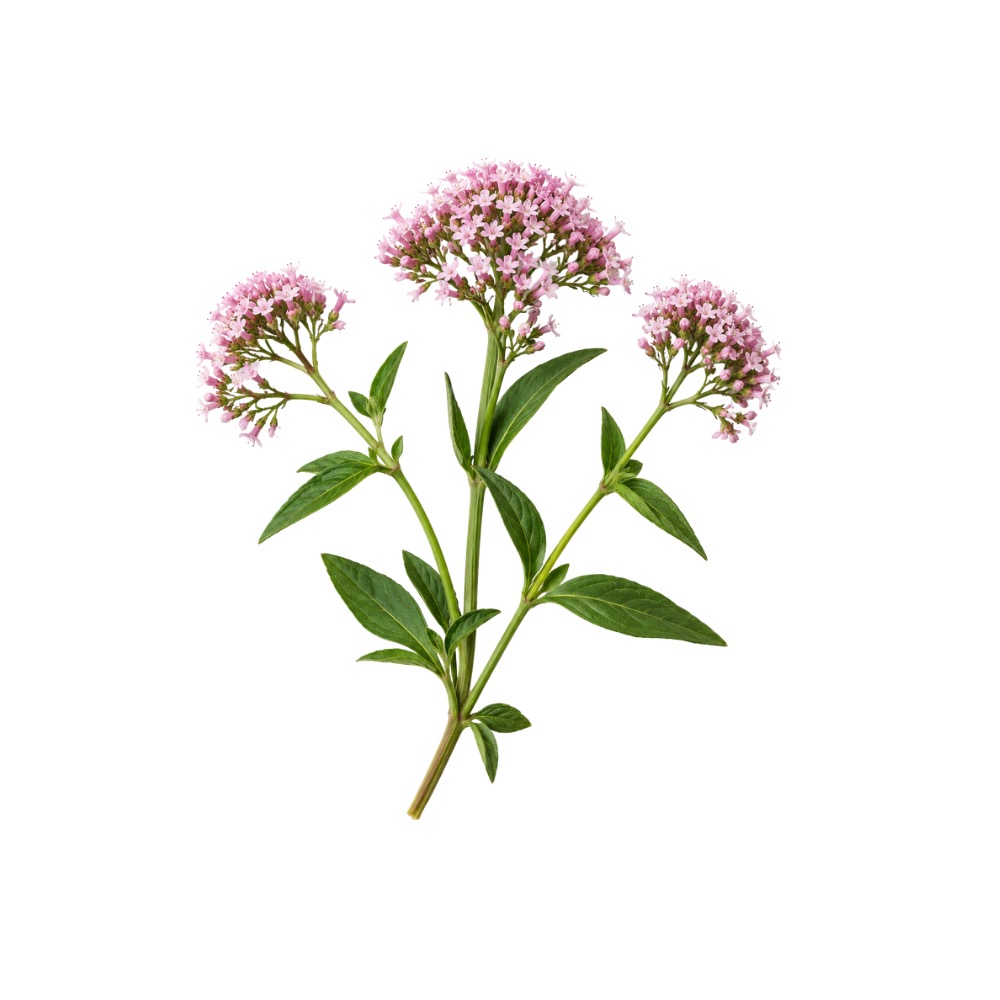 Valerian Valeriana officinalis Documented for acetoxyvalerenic acid (0.15–0.19 % dry wt), bornyl acetate (2.9–33.7 % of oil), valerenic acid (0.3–1.23 % dry wt), valerenol (3.7–5.2 % of oil) and 3 more terpenoids.
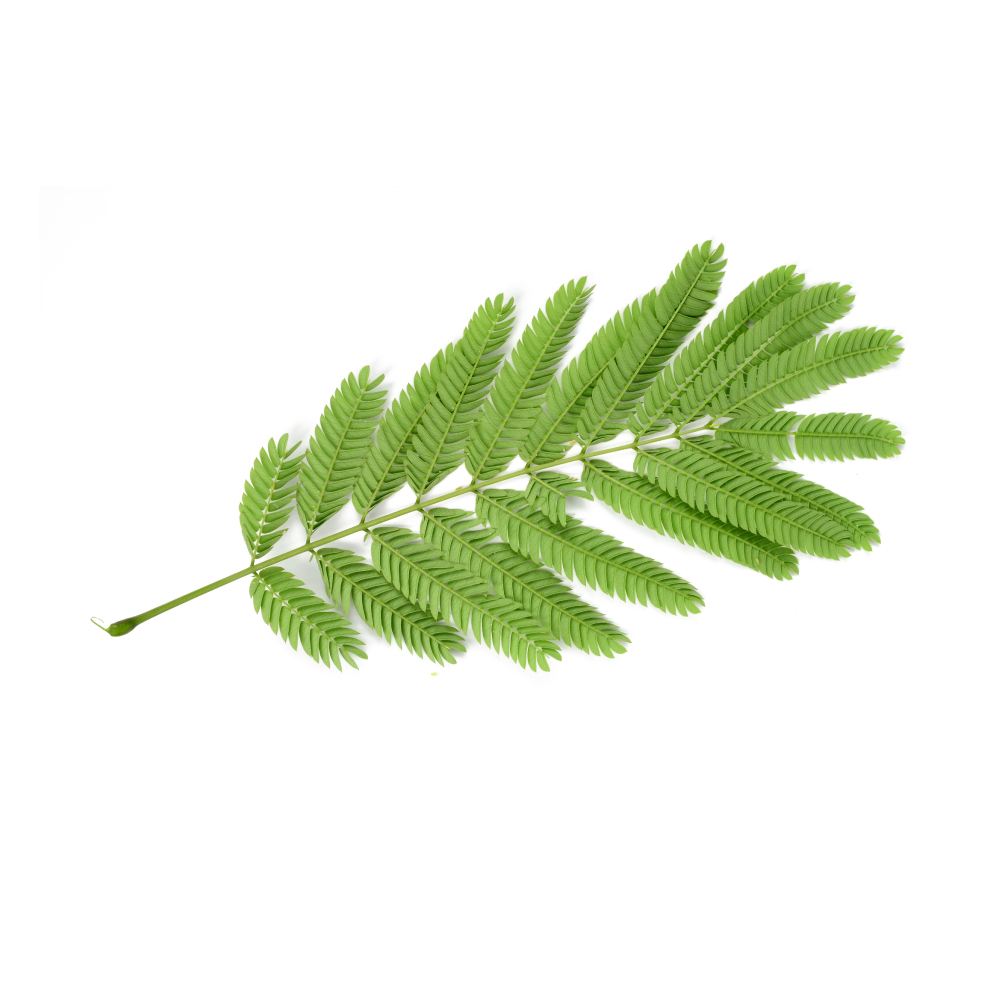 Albizzia Albizzia lebbeck Documented for echinocystic acid, lebbecacidin, lupenone and 3 more terpenoids.
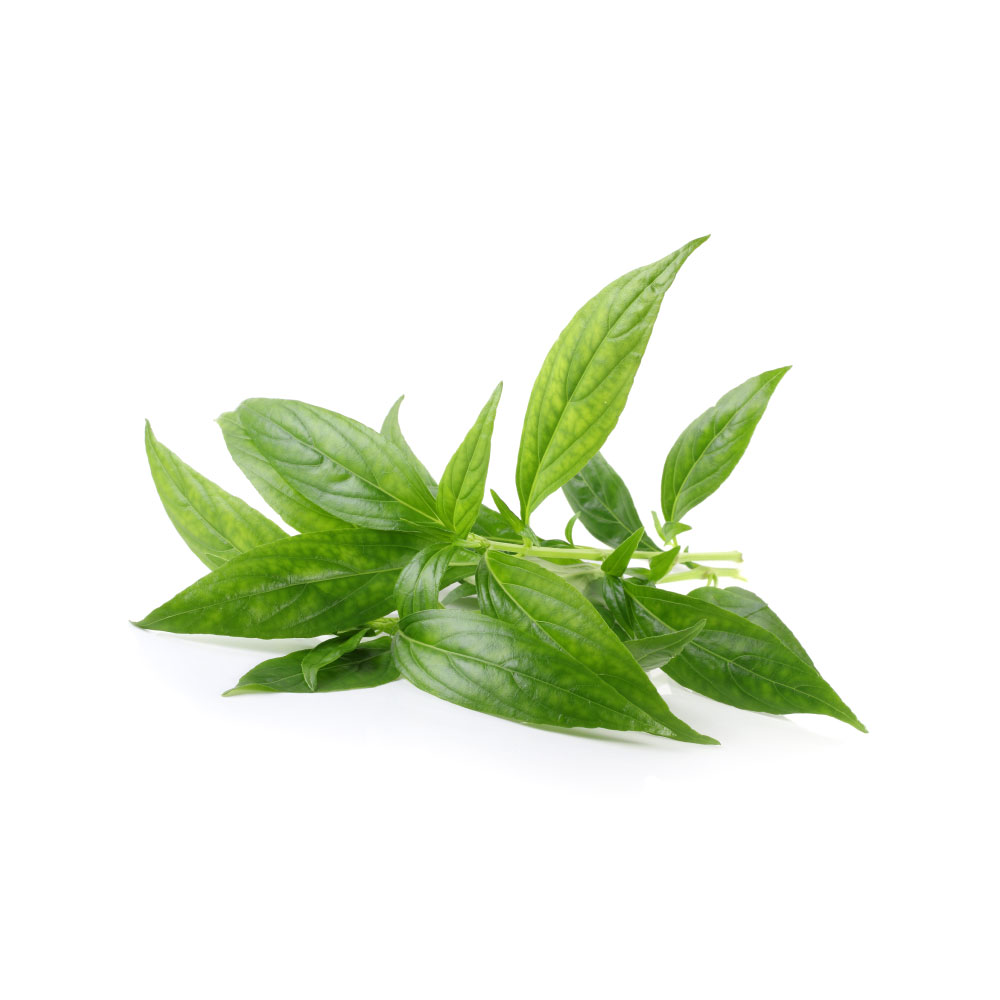 Andrographis Andrographis paniculata Documented for andrographolide (0.3–5 % dry wt), 14-deoxy-11,12-didehydroandrographolide, andrographiside and 3 more terpenoids.
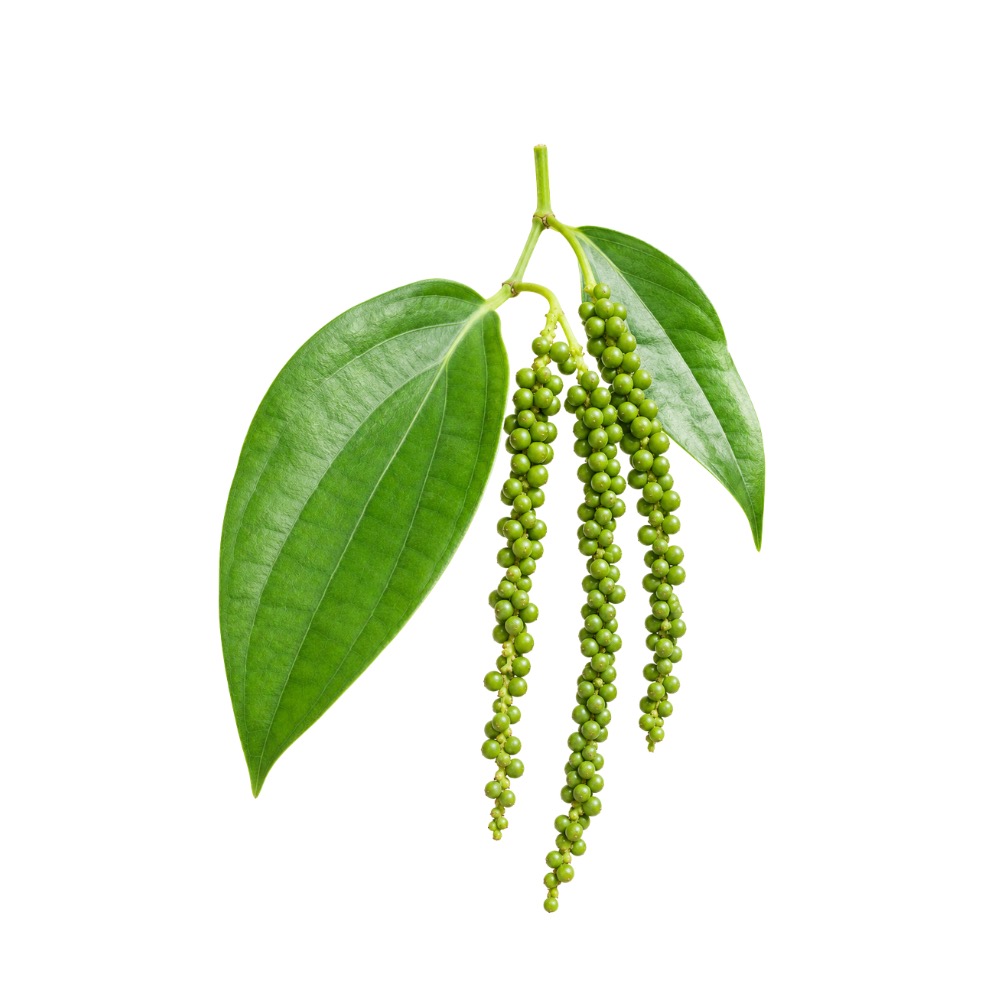 Black Pepper Piper nigrum Documented for alpha-pinene, beta-pinene, caryophyllene and 3 more terpenoids.
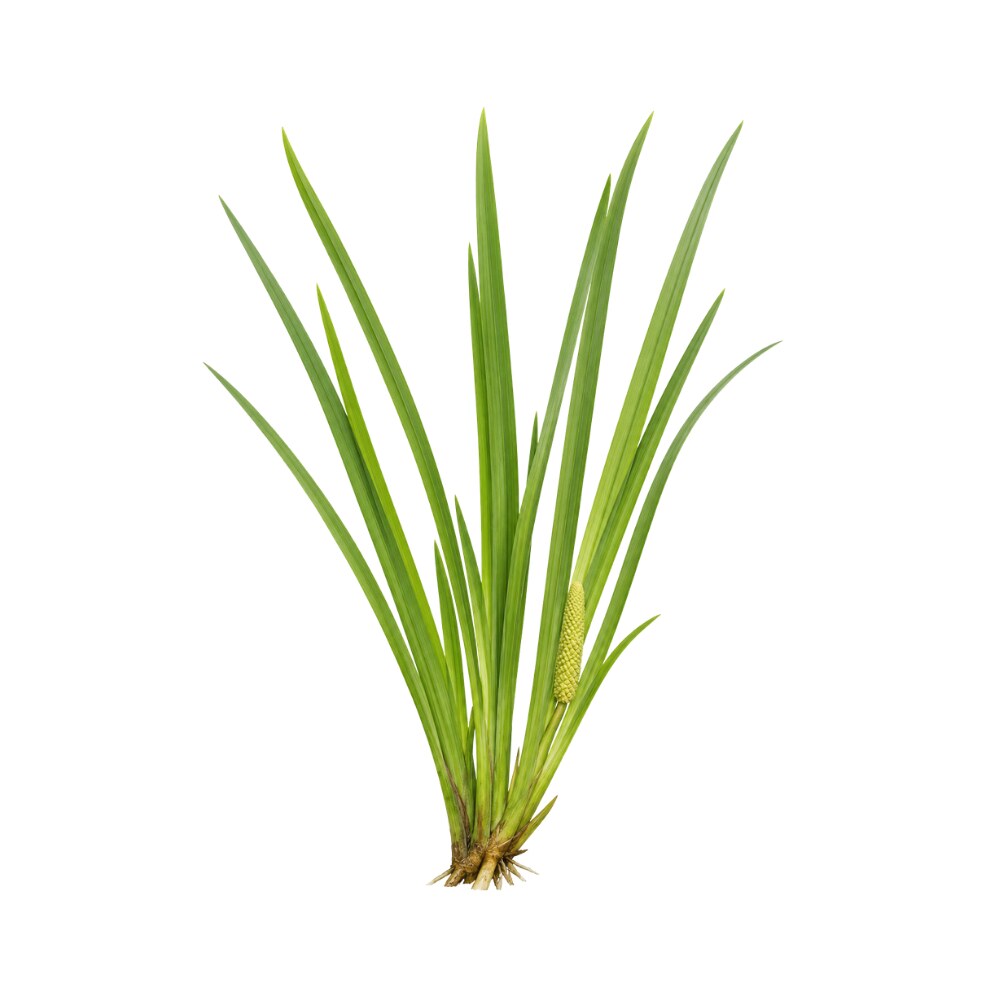 Calamus Acorus calamus Documented for acorone, beta-gurjunene, beta-sitosterol and 3 more terpenoids.
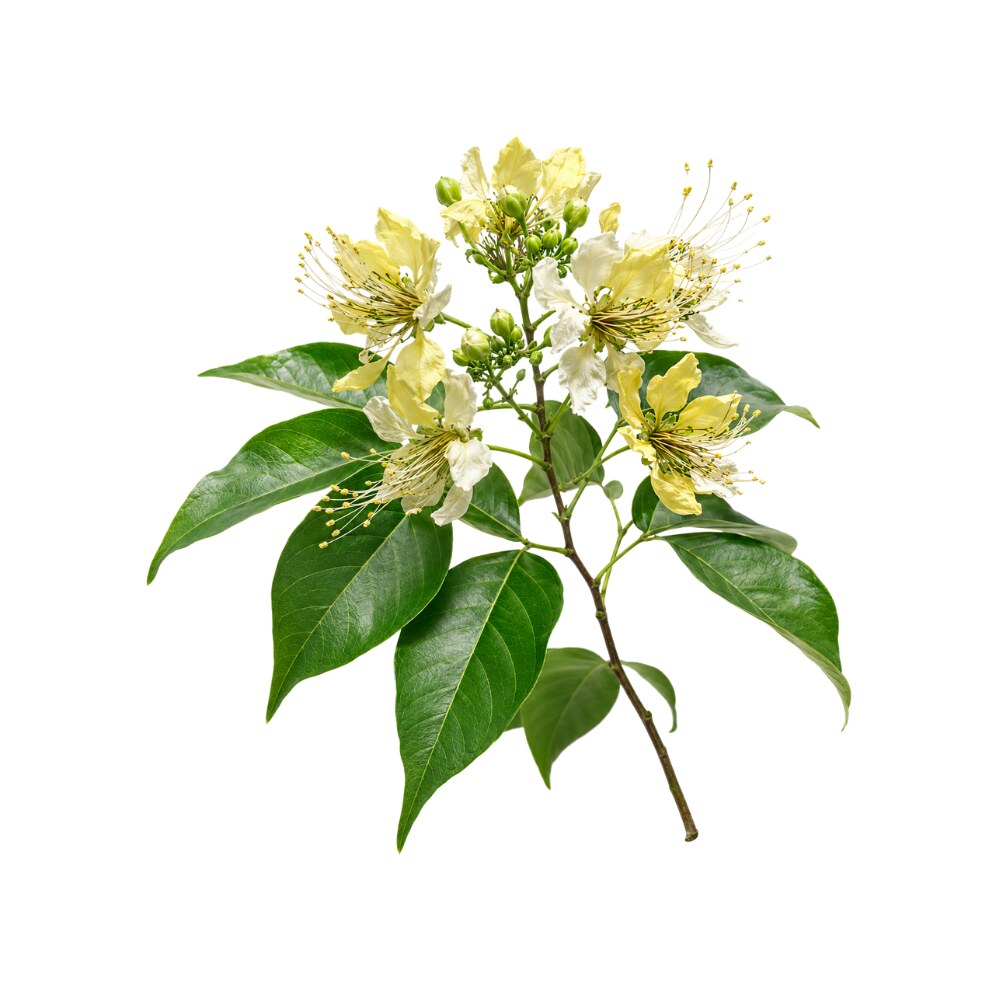 Crataeva Crataeva nurvala Documented for beta-sitosterol, betulin, betulinic acid and 3 more terpenoids.
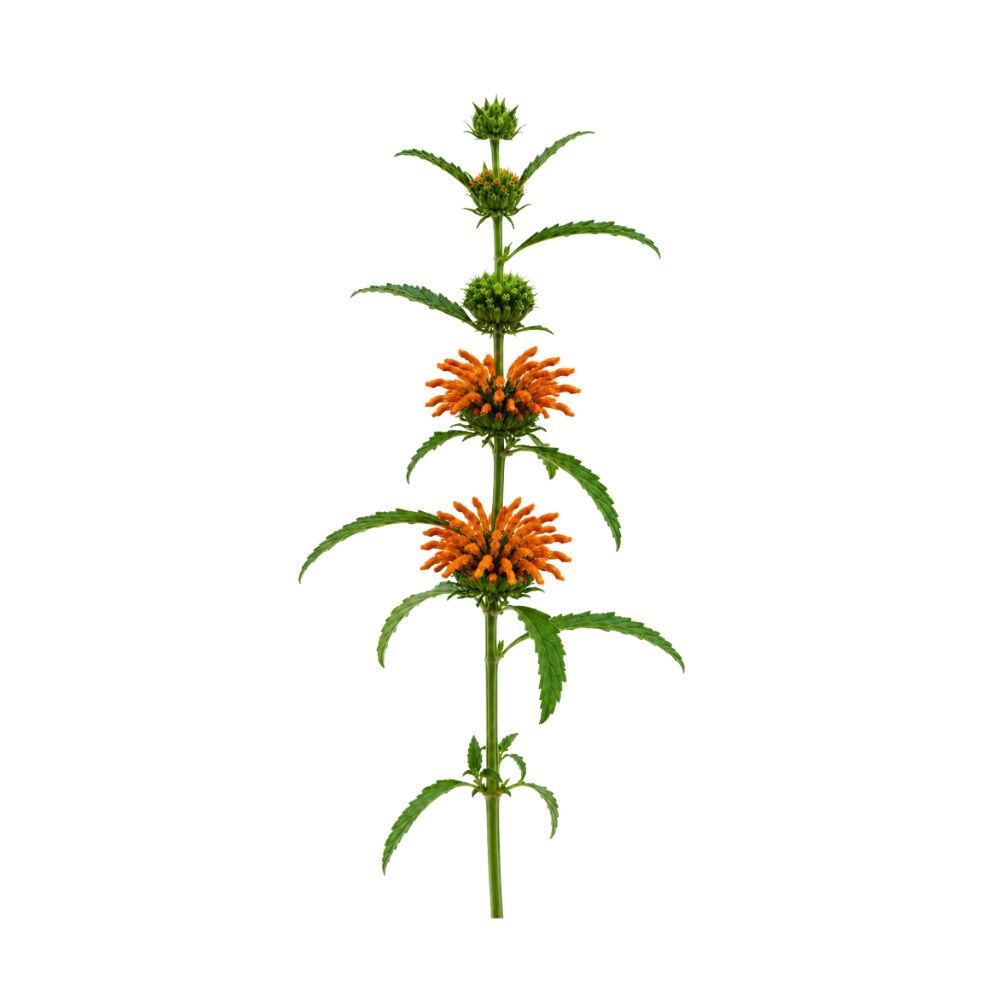 Dagga Leonotis nepetifolia Documented for germacrene D (31.5 % of oil), dubiin, leonotin and 3 more terpenoids.
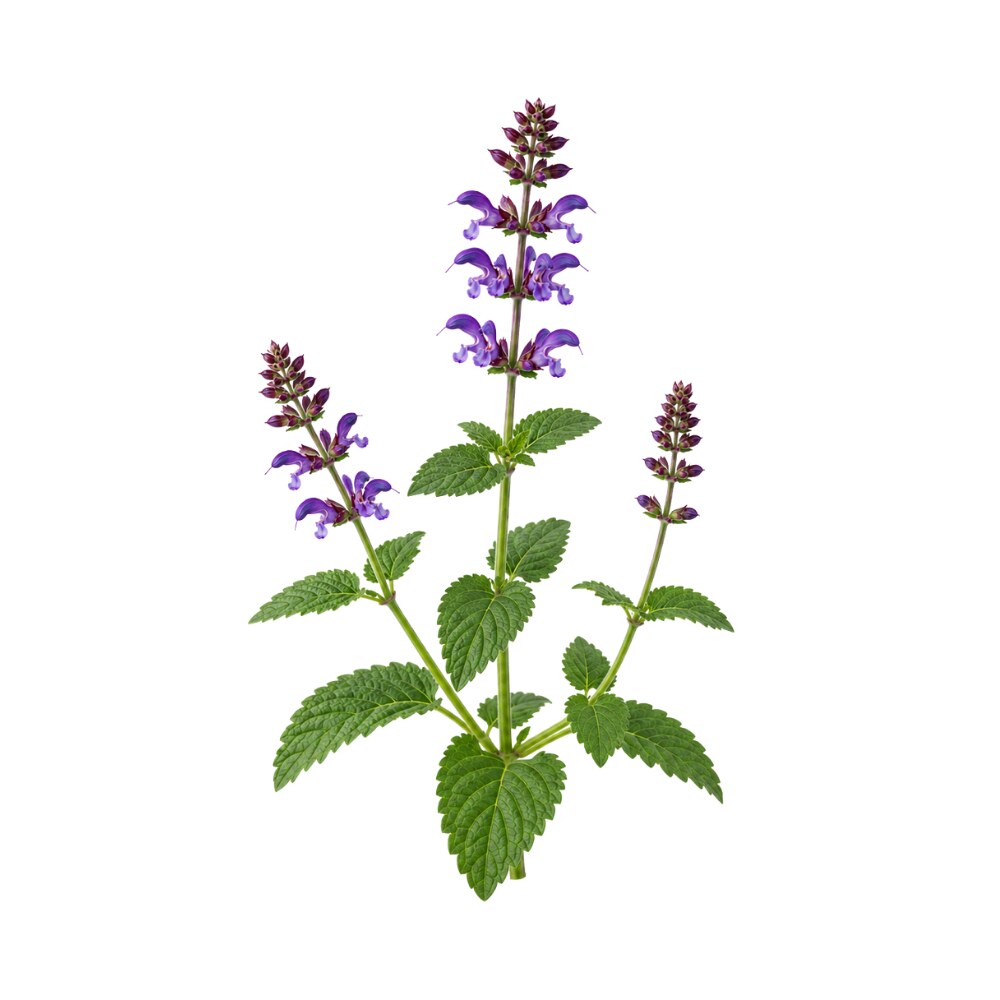 Dan Shen Salvia miltiorrhiza Documented for cryptotanshinone (764 mg/kg dry wt), dihydrotanshinone I (0.01–0.05 % dry wt), tanshinone I (0.02–0.07 % dry wt), tanshinone IIA (895 mg/kg dry wt) and 2 more terpenoids.
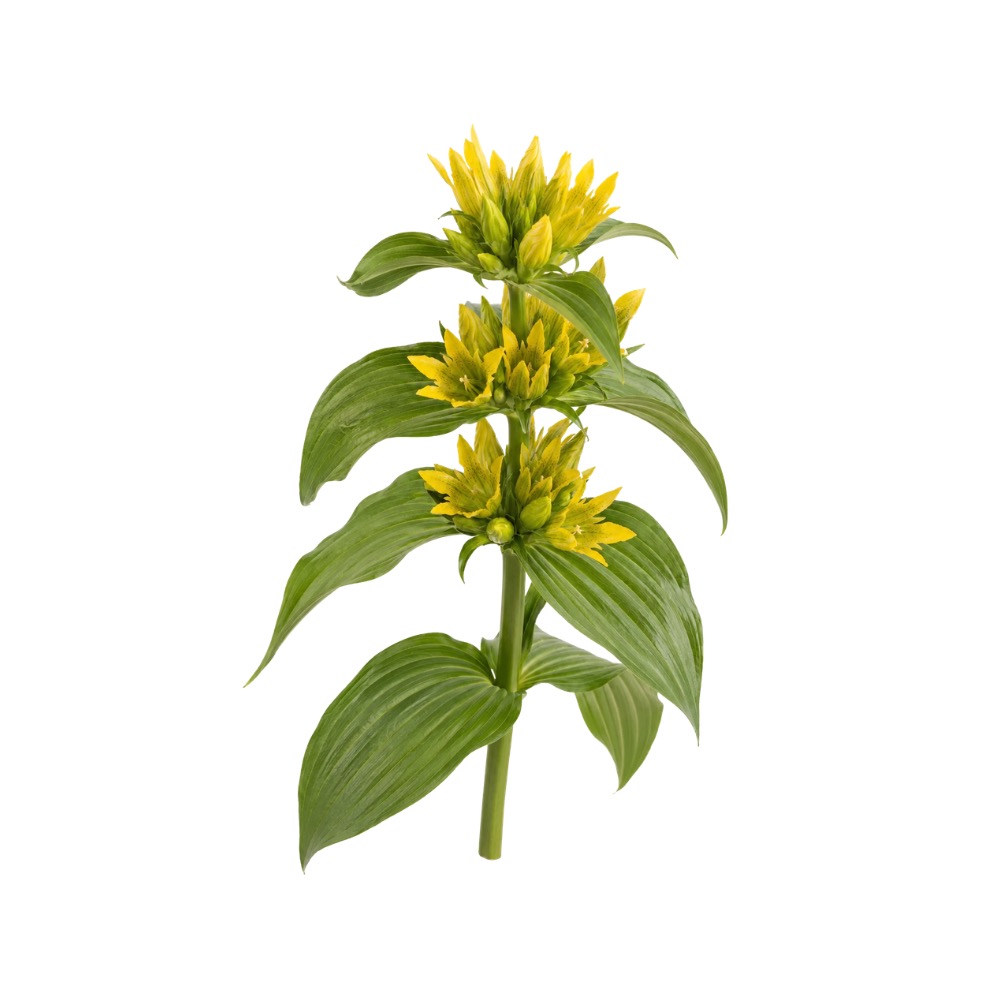 Gentian Gentiana lutea Documented for amarogentin (0.03–0.4 % dry wt), gentiopicroside (13 % of extract), loganin and 3 more terpenoids.
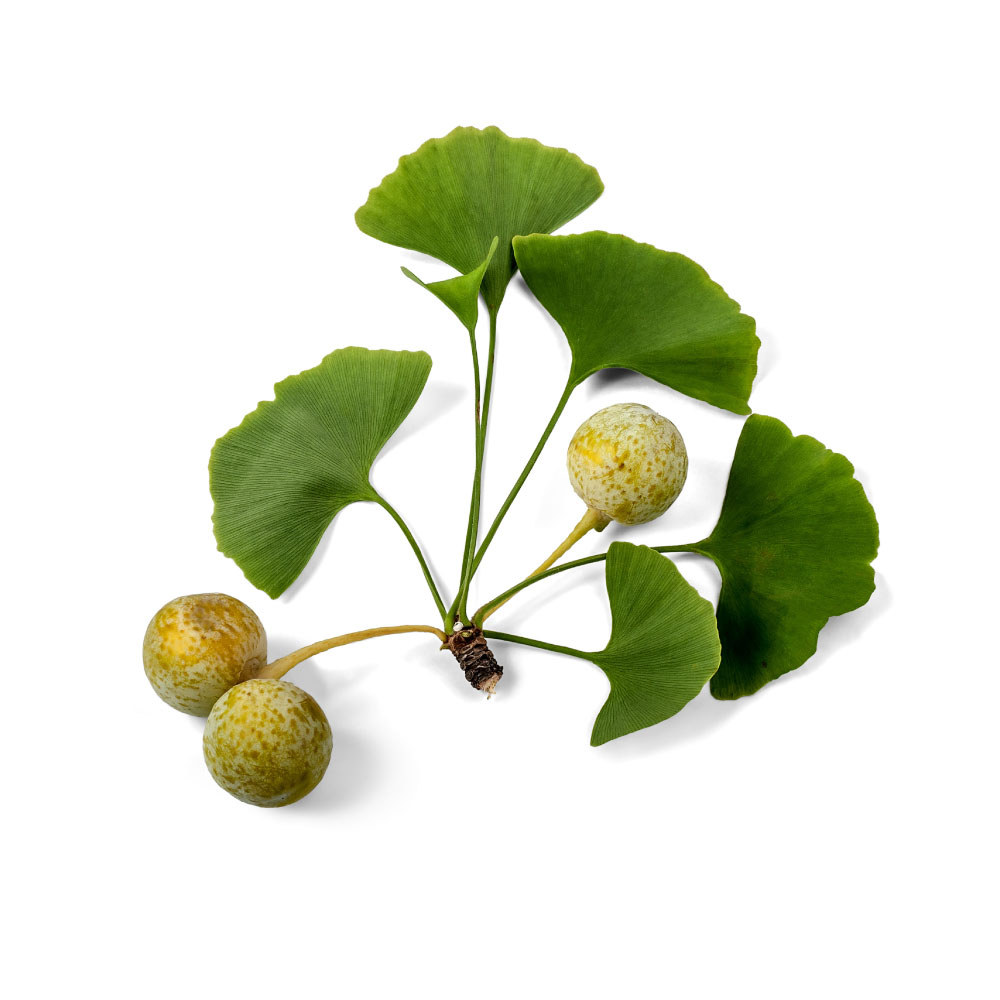 Ginkgo Ginkgo biloba Documented for bilobalide (2.6–3.2 % of extract), ginkgolide A, ginkgolide B and 3 more terpenoids.
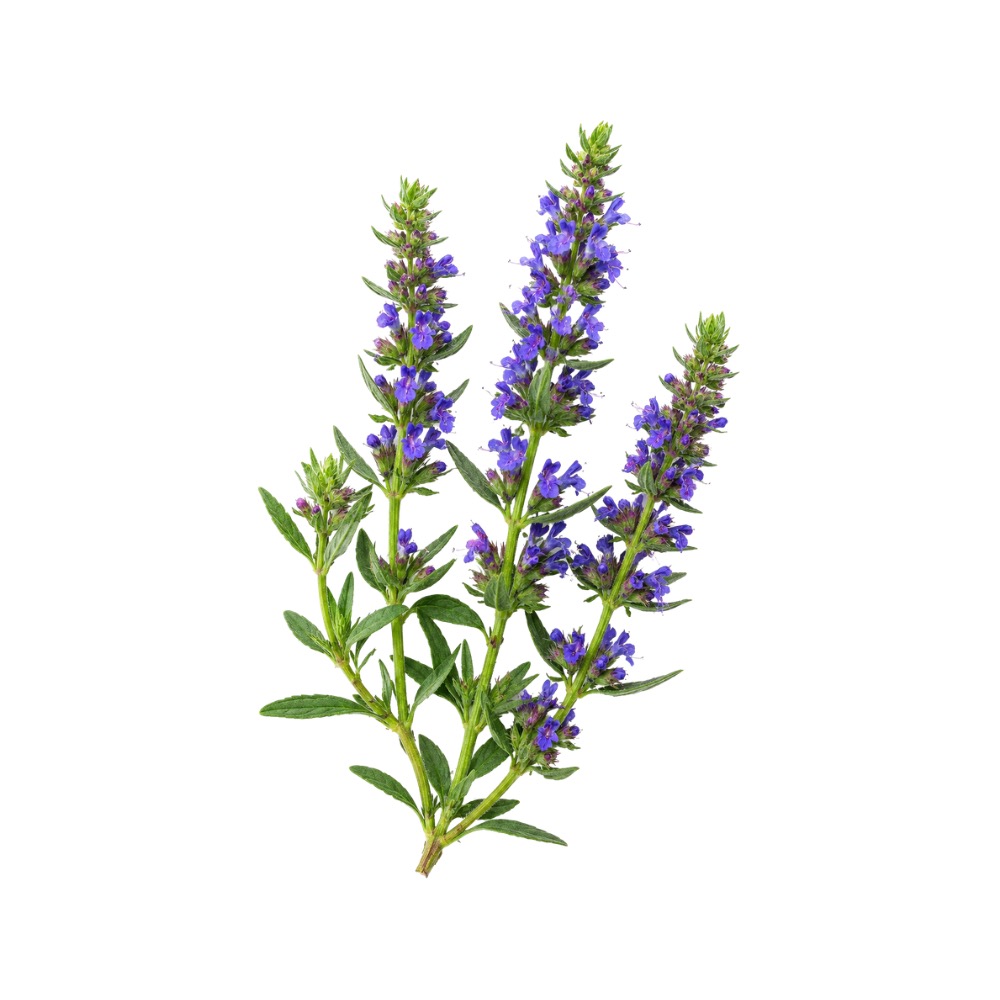 Hyssop Hyssopus officinalis Documented for 1,8-cineole, beta-pinene, isopinocamphone and 3 more terpenoids.
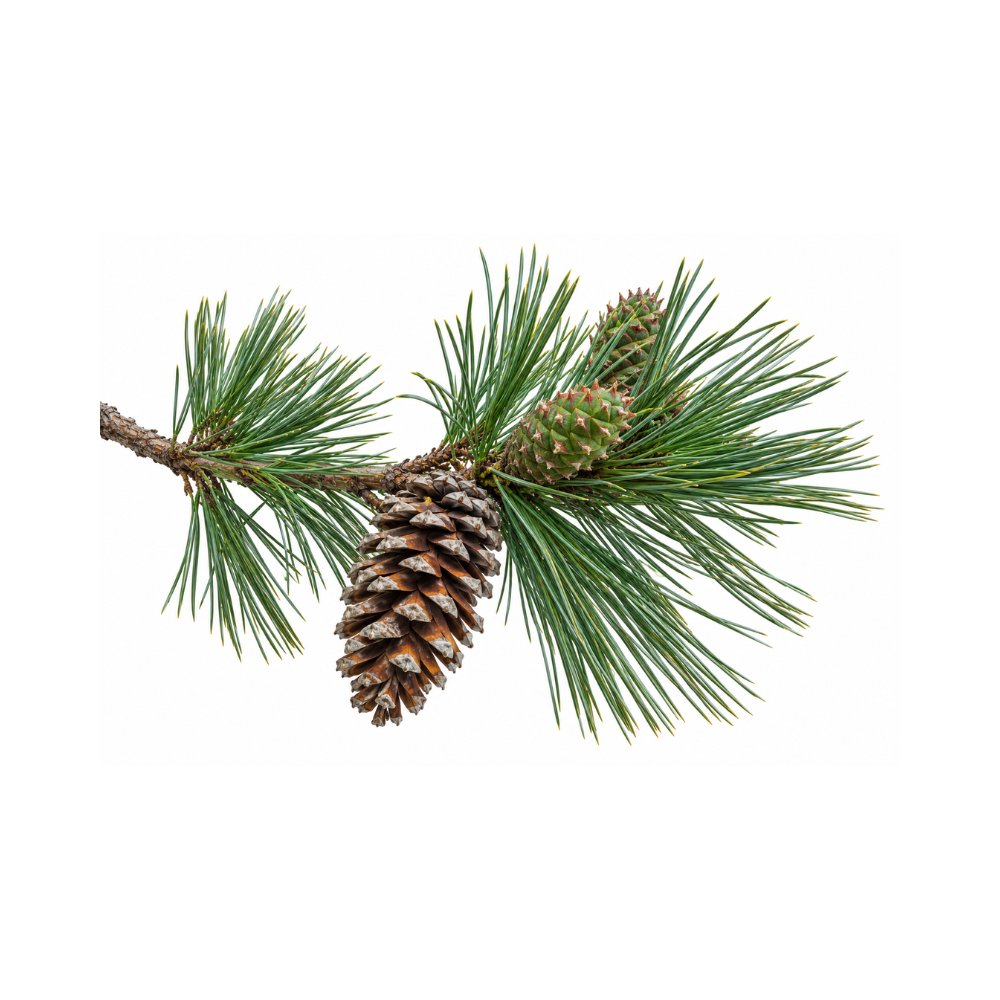 Korean Pine Pinus koraiensis Documented for abietic acid, alpha-pinene, beta-sitosterol and 3 more terpenoids.
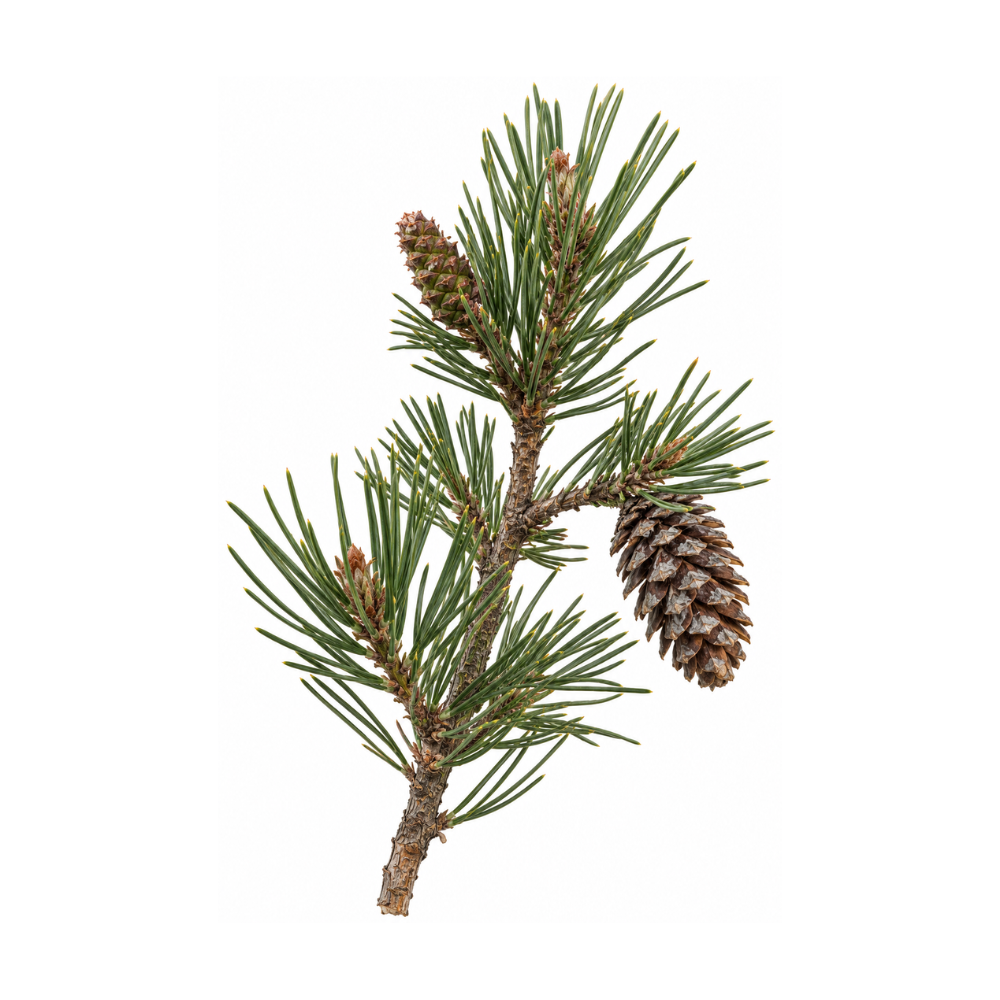 Lodgepole Pine Pinus contorta Documented for beta-phellandrene (23.8 % of oil), abietic acid, alpha-pinene and 3 more terpenoids.
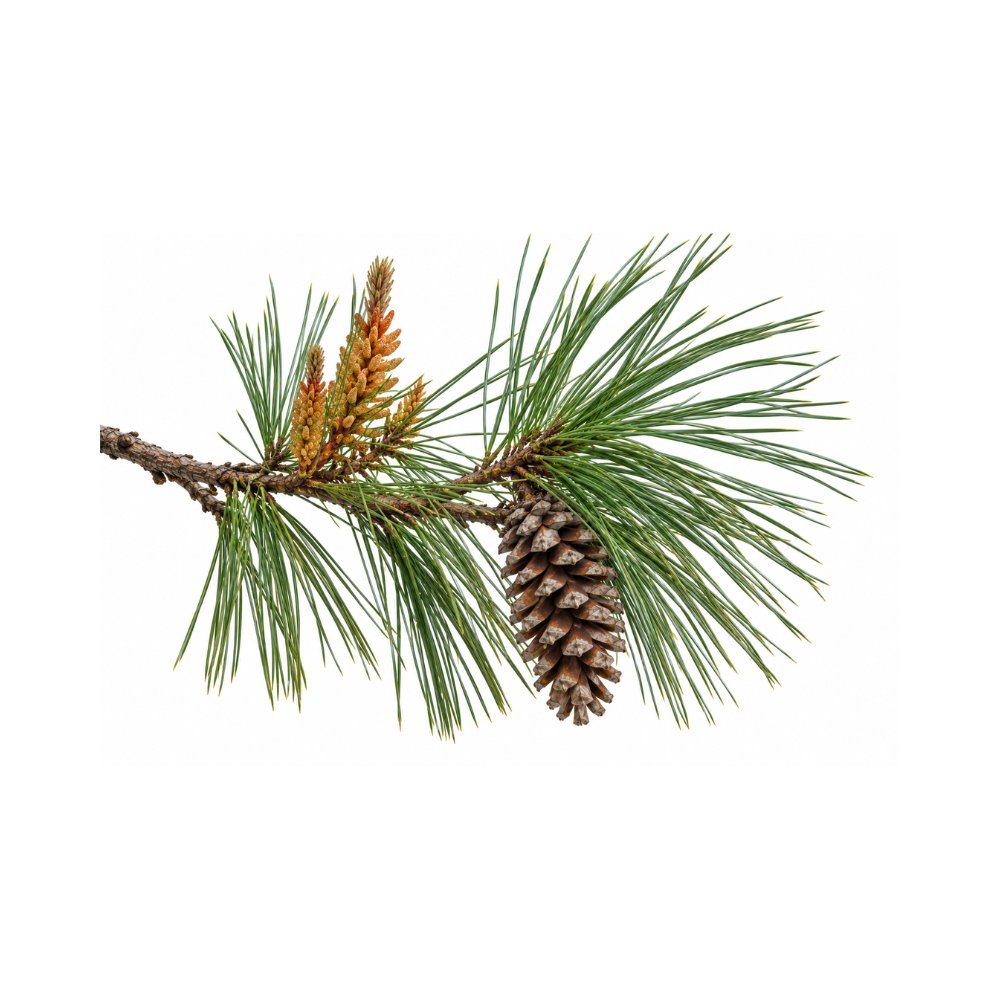 Masson Pine Pinus massoniana Documented for abietic acid, alpha-pinene, beta-pinene and 3 more terpenoids.
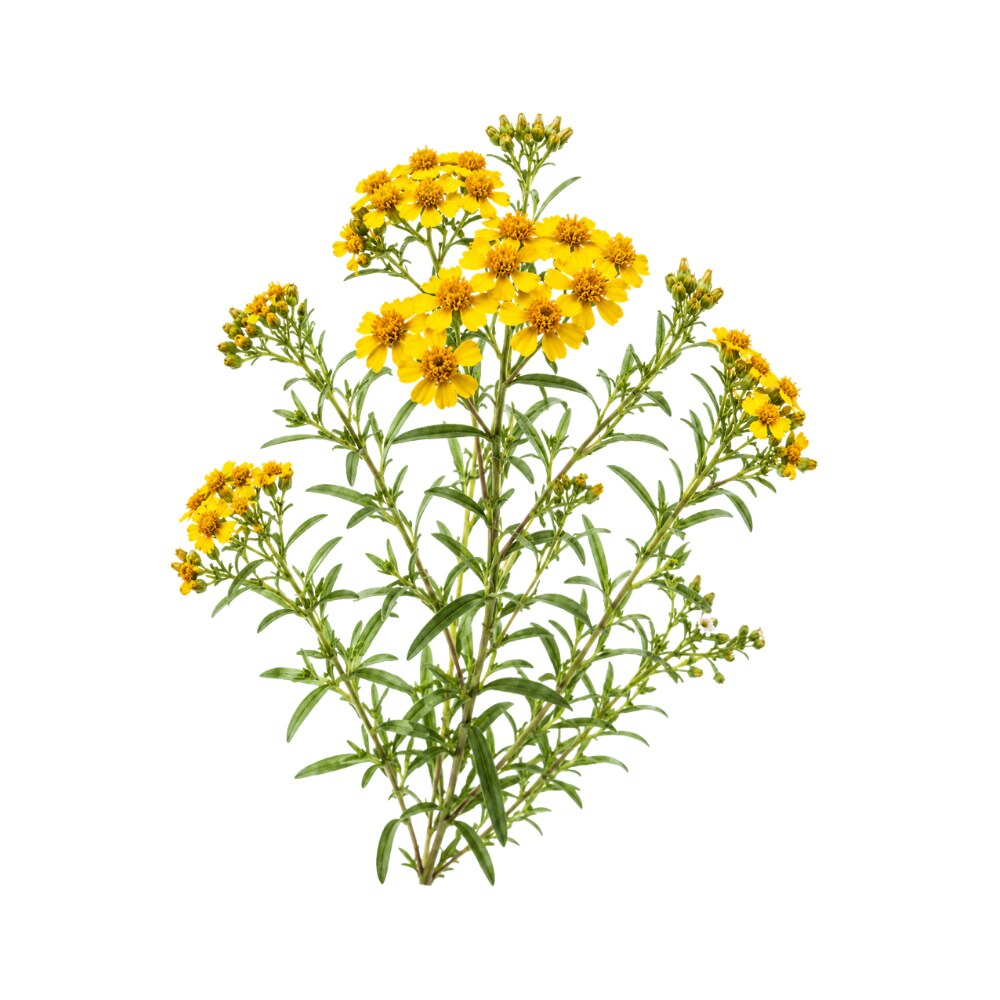 Mexican Tarragon Tagetes lucida Documented for geranyl acetate (49.89 % of oil), caryophyllene, limonene and 3 more terpenoids.
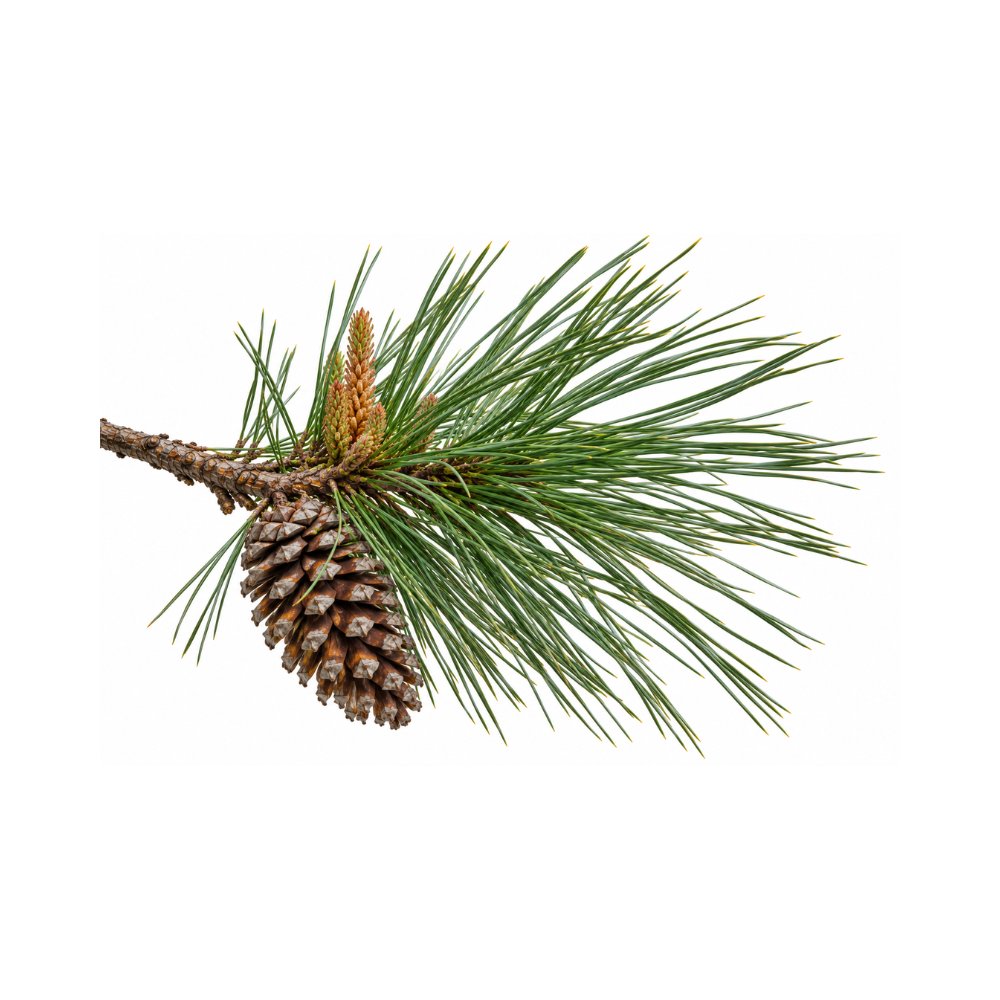 Monterey Pine Pinus radiata Documented for abietic acid, alpha-pinene, beta-pinene and 3 more terpenoids.
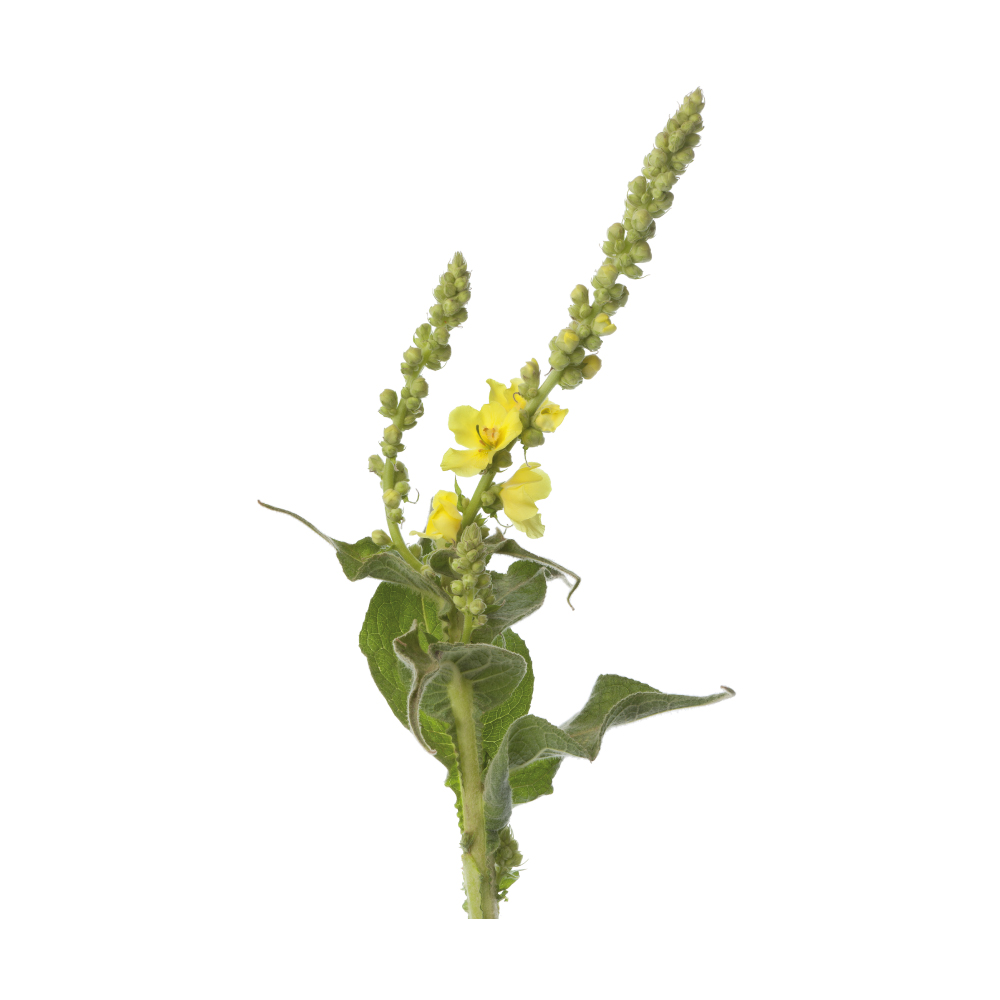 Mullein Verbascum thapsus Documented for aucubin, iridoid glycosides, lupeol and 3 more terpenoids.
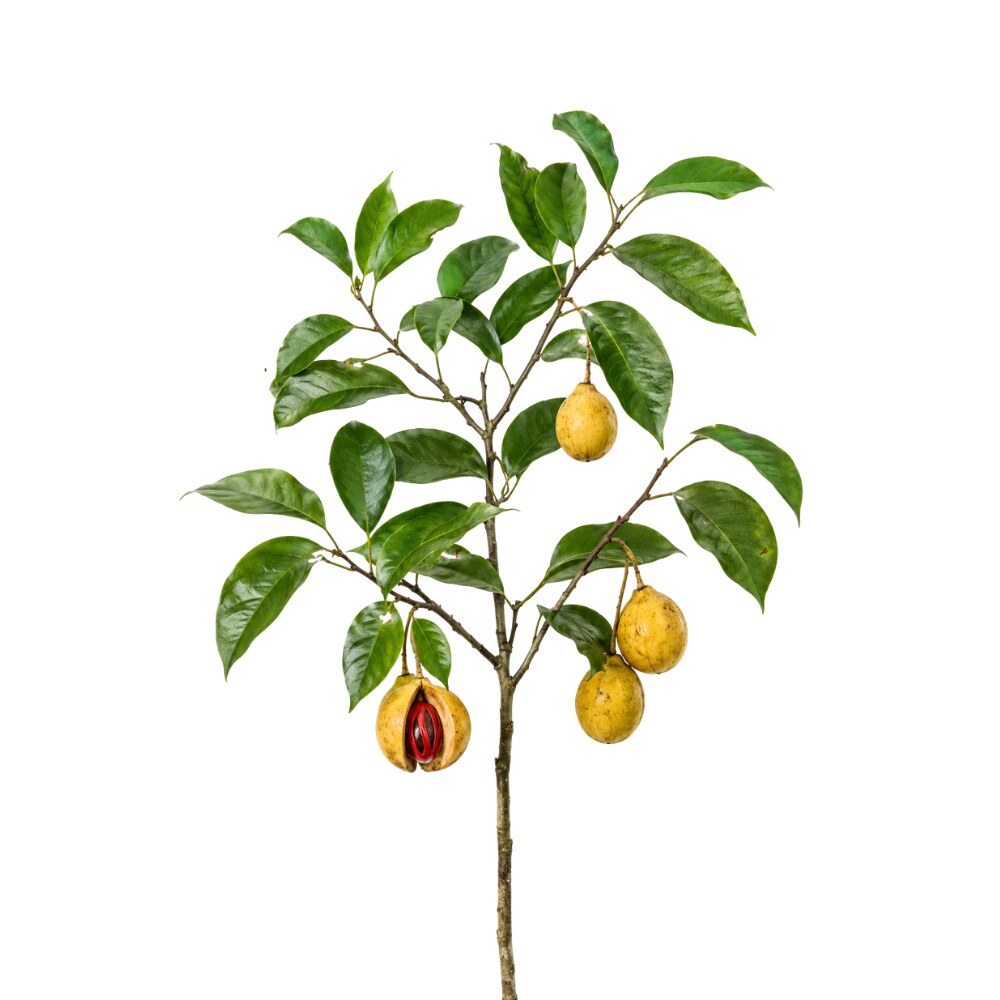 Nutmeg Myristica fragrans Toxic Documented for sabinene (27.7–38.4 % of oil), alpha-pinene, beta-pinene and 3 more terpenoids.
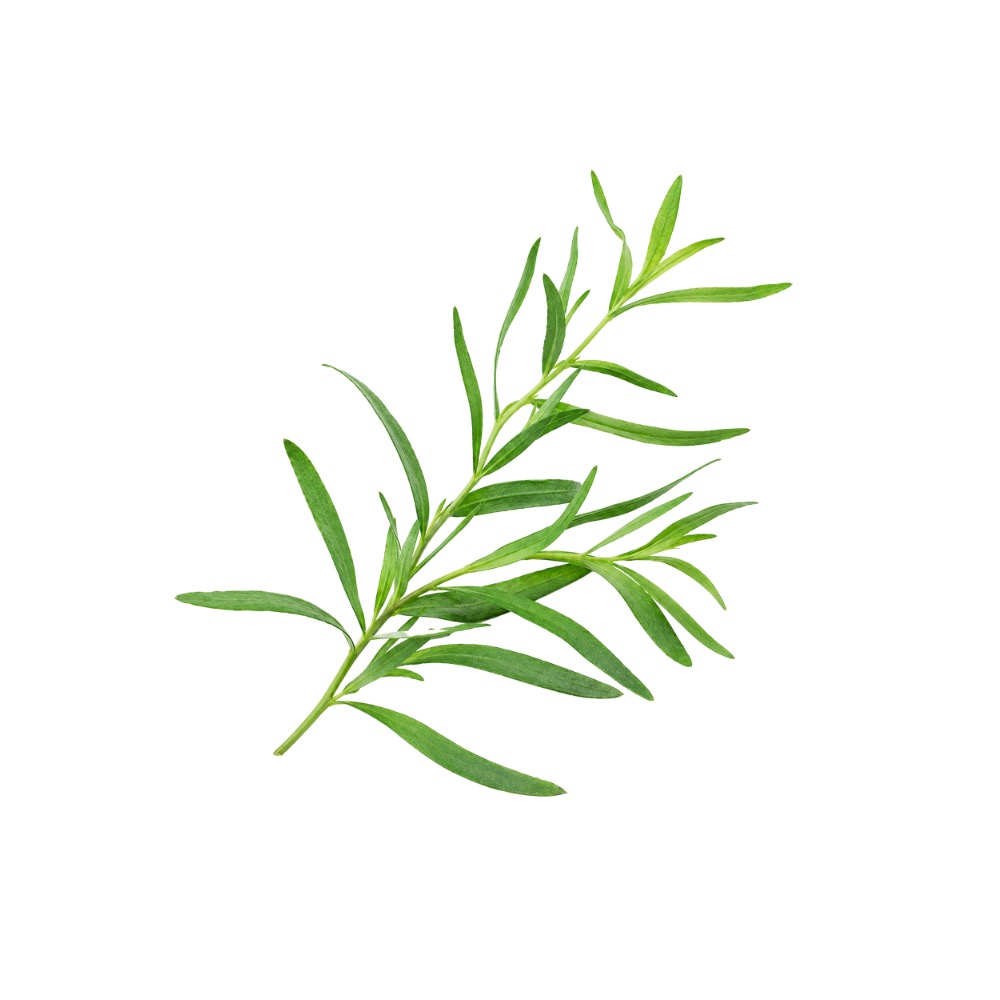 Tarragon Artemisia dracunculus Documented for beta-pinene (0.8 % of oil), ocimene (20.6 % of oil), alpha-pinene and 3 more terpenoids.
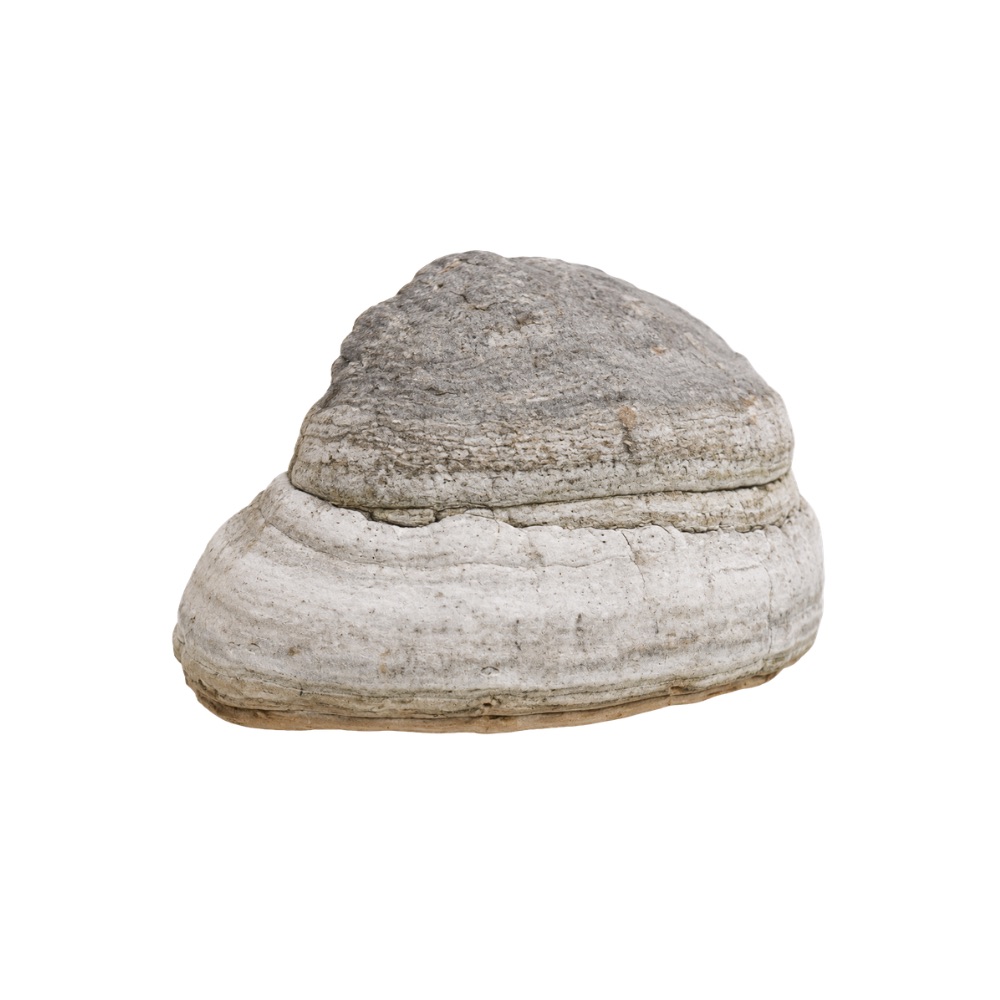 Tinder Conk Fomes fomentarius Documented for betulin, ergosterol, fomentarol A and 3 more terpenoids. Ylang Ylang Cananga odorata Documented for germacrene D (3–15 % of oil), linalool (7–24 % of oil), alpha-farnesene and 3 more terpenoids.
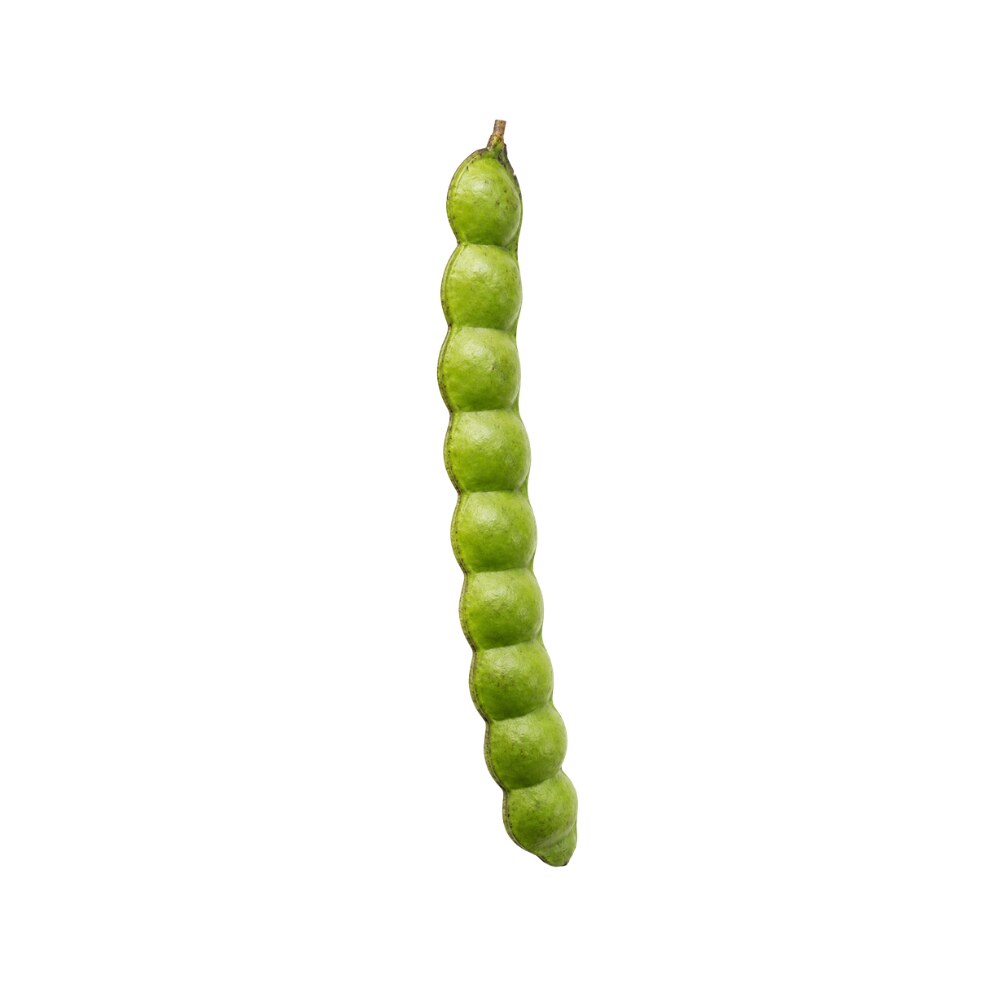 African Dream Herb Entada rheedii Documented for beta-sitosterol, rheedeioside A, rheediinoside B and 2 more terpenoids.
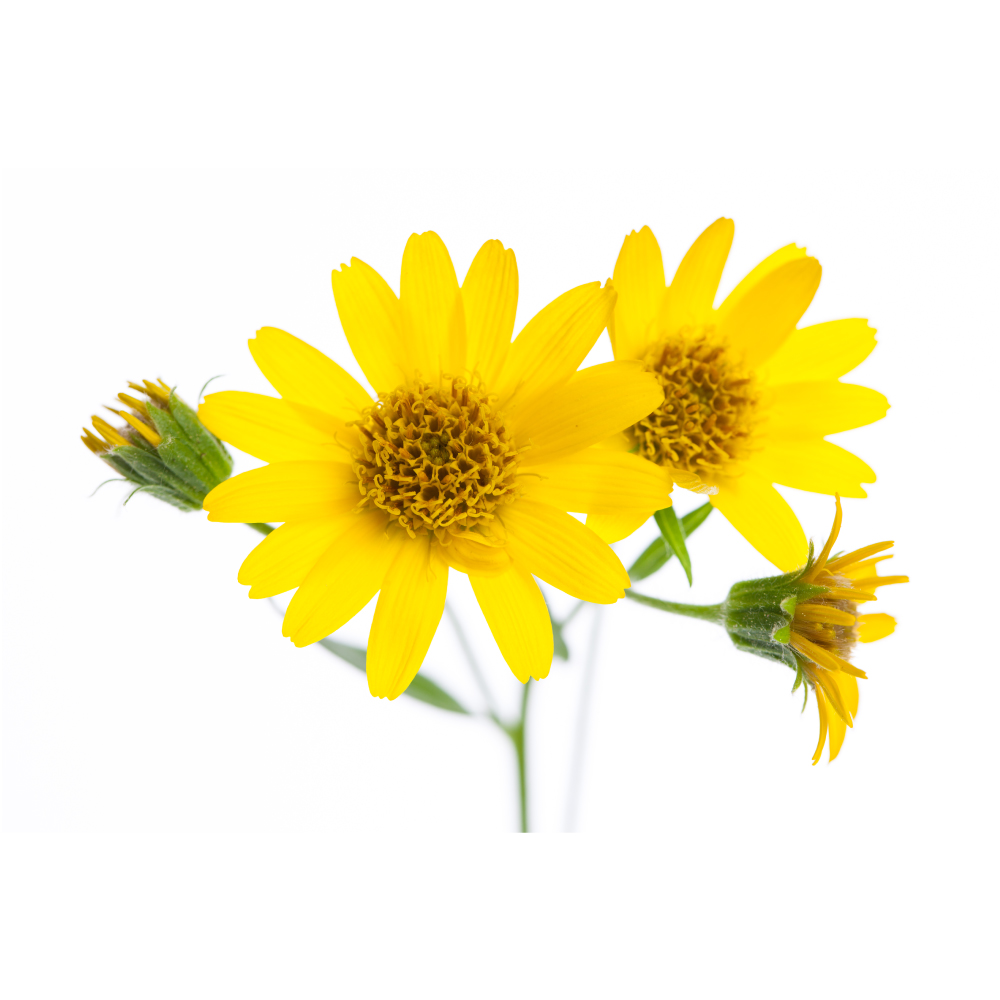 Arnica Arnica montana Toxic Documented for dihydrohelenalin (10.9–18.2 mg/g dry wt), helenalin (5.2–10.3 mg/g dry wt), arnicin and 2 more terpenoids.
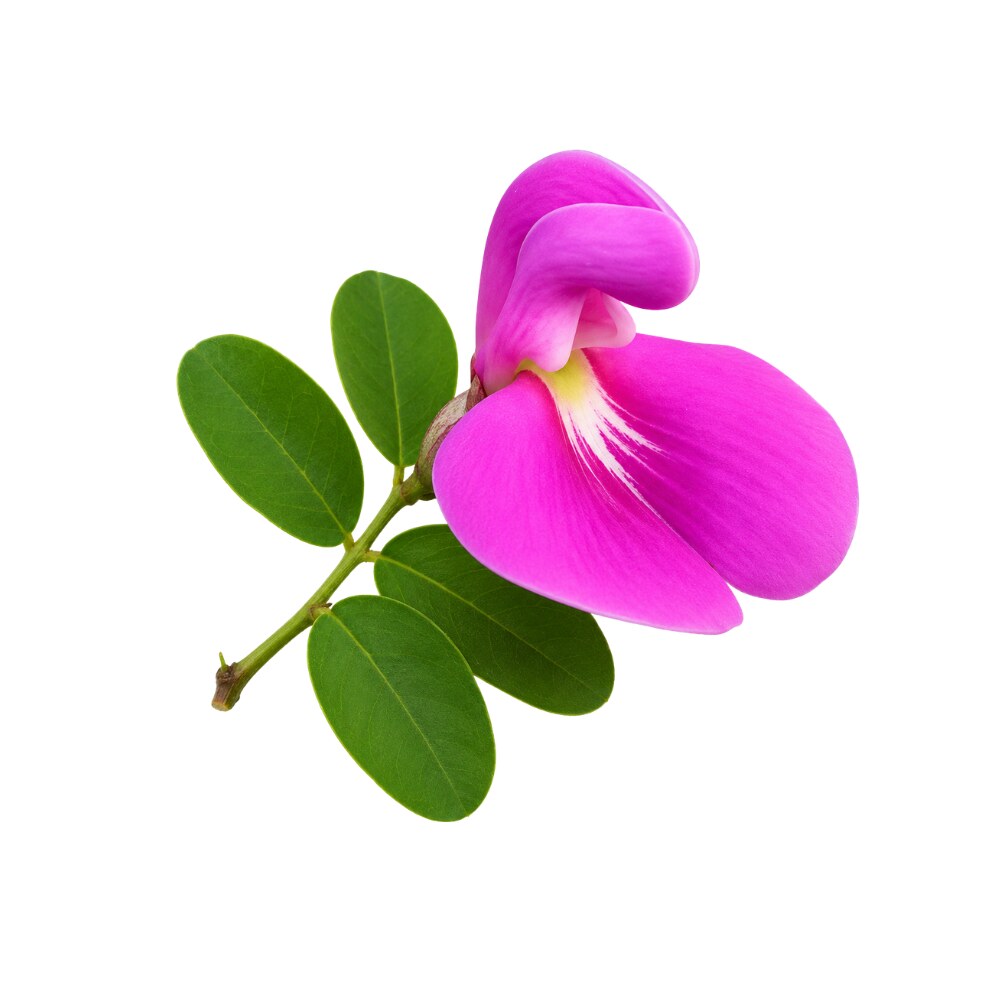 Bay Bean Canavalia rosea Documented for alpha-amyrin, betulinic acid, oleanolic acid and 2 more terpenoids.
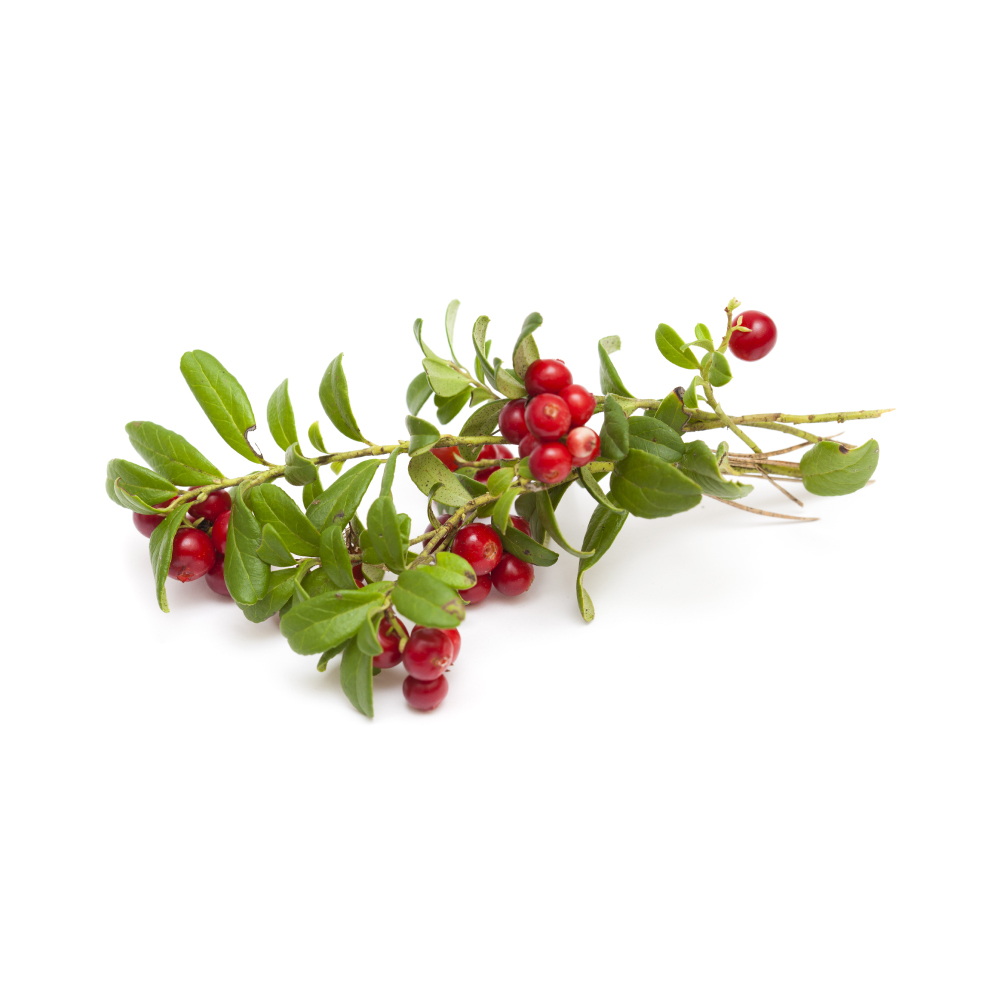 Bearberry Arctostaphylos uva-ursi Documented for ursolic acid (1.24 % dry wt), beta-amyrin, iridoids and 2 more terpenoids.
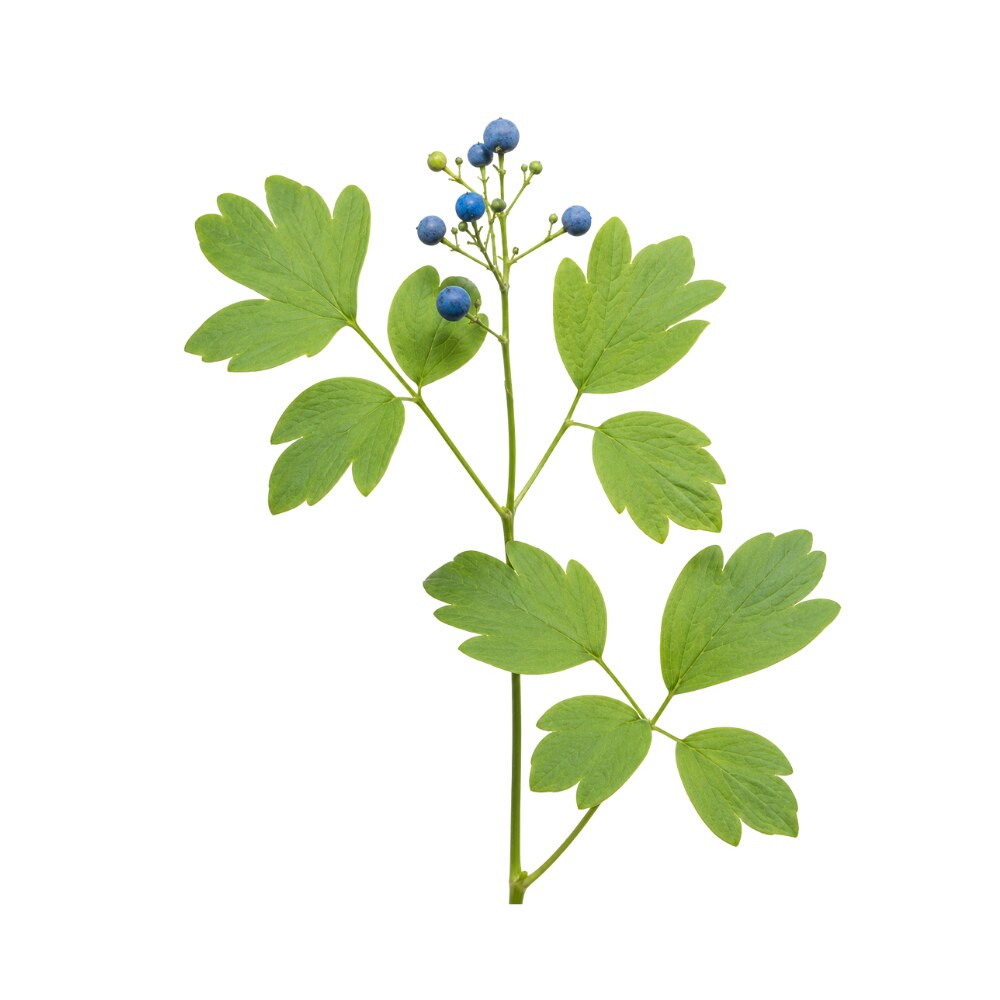 Blue Cohosh Caulophyllum thalictroides Documented for caulosaponin, cauloside, cauloside A and 2 more terpenoids.
 Buchu Agathosma betulina Documented for limonene (12–17 % of oil), pulegone (5–34 % of oil), diosphenol and 2 more terpenoids.
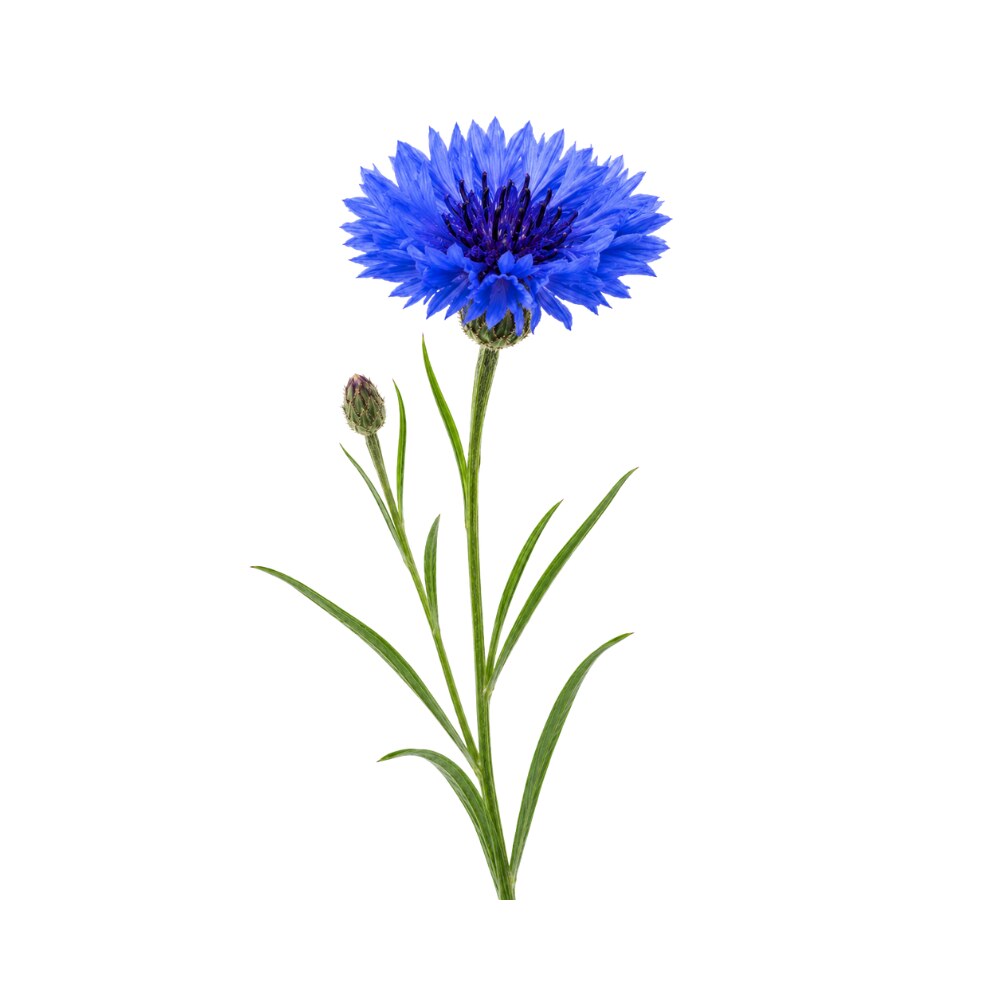 Cornflower Centaurea cyanus Documented for 13-O-acetylsolstitialin A, alpha-pinene, chamazulene and 2 more terpenoids.
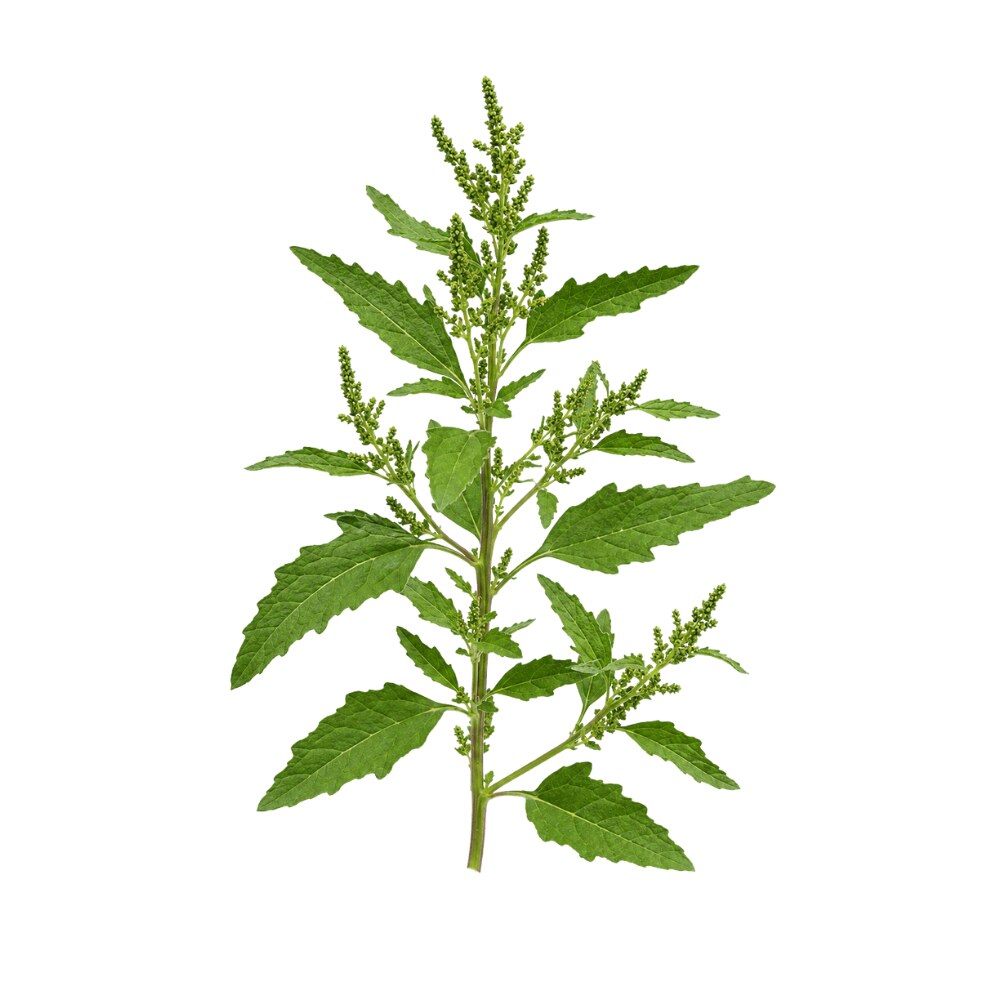 Epazote Dysphania ambrosioides Documented for alpha-terpinene (17–20.7 % of oil), p-cymene (20.2–21.1 % of oil), ascaridole and 2 more terpenoids.
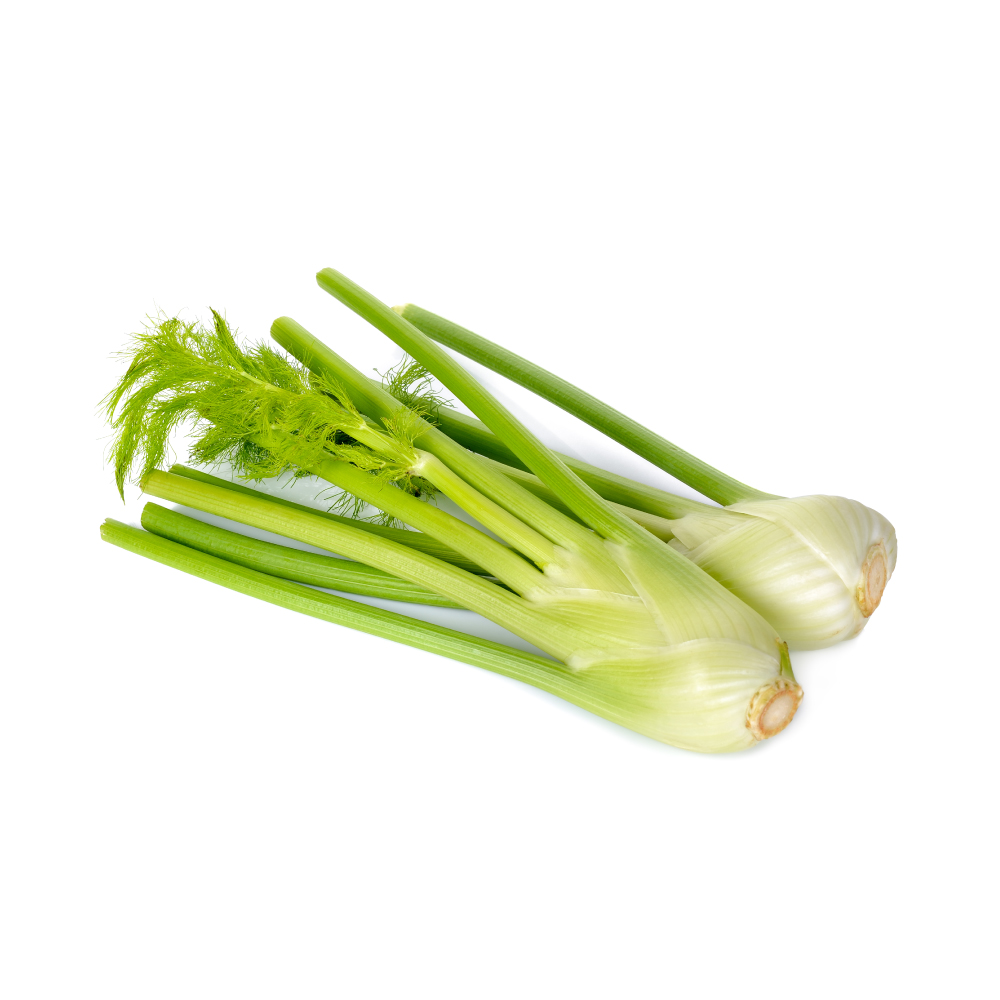 Fennel Foeniculum vulgare Documented for fenchone (1.6–22.8 % of oil), d-pinene, limonene and 2 more terpenoids.
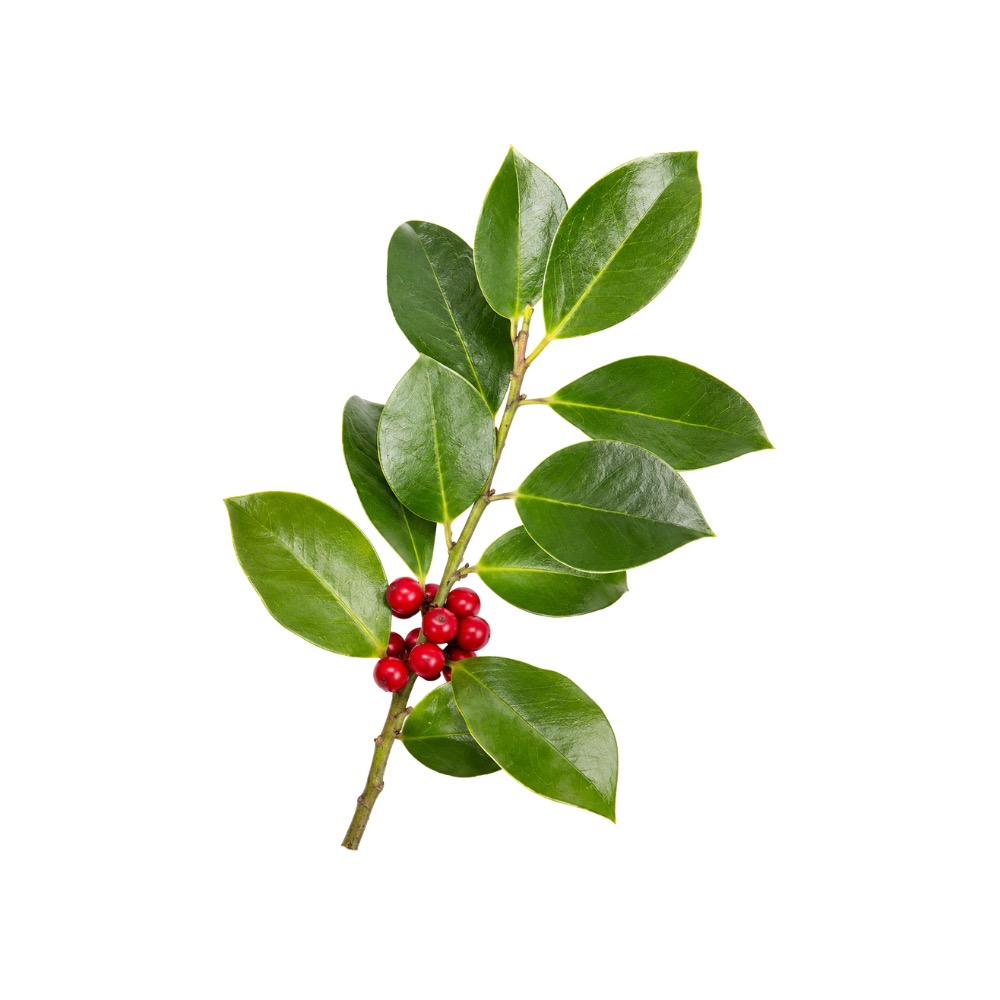 Guayusa Ilex guayusa Documented for alpha-amyrin, beta-amyrin, lutein and 2 more terpenoids.
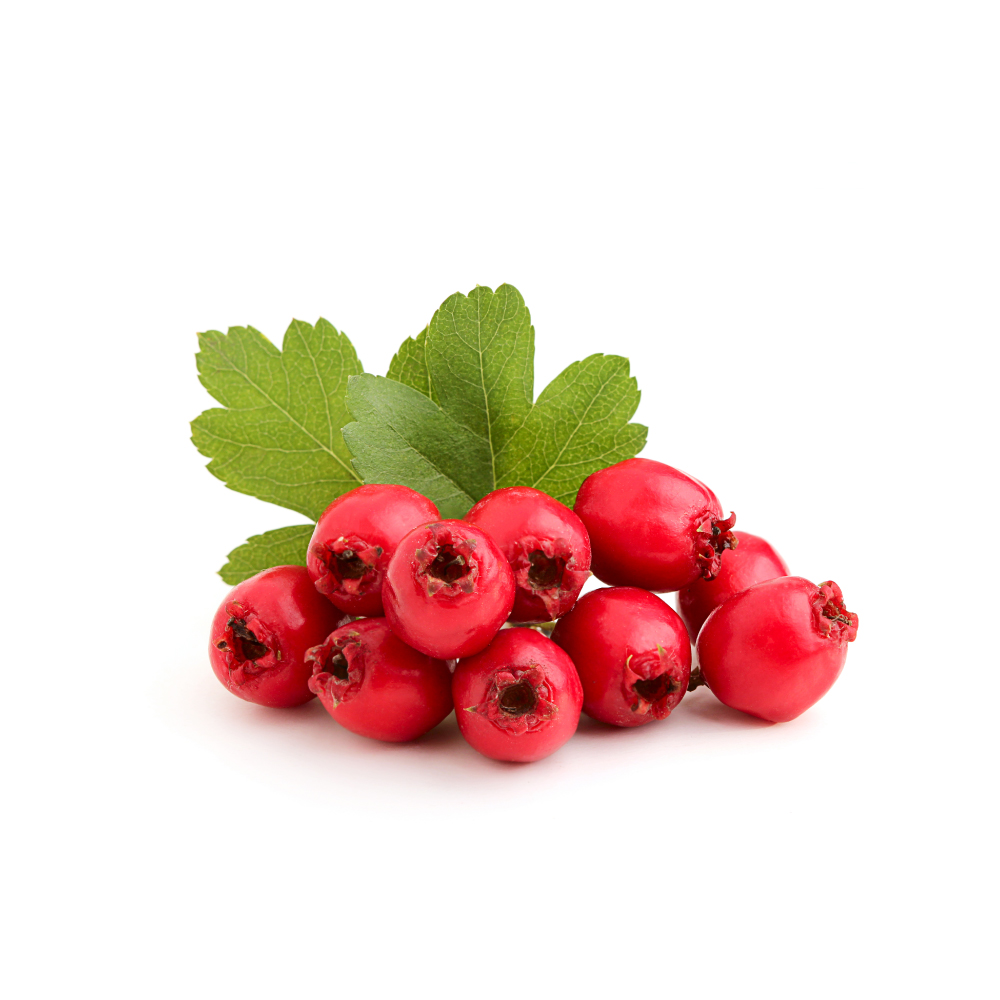 Hawthorn Crataegus oxyacantha Documented for crataegolic acid, crataegolic acids, oleanolic acid and 2 more terpenoids.
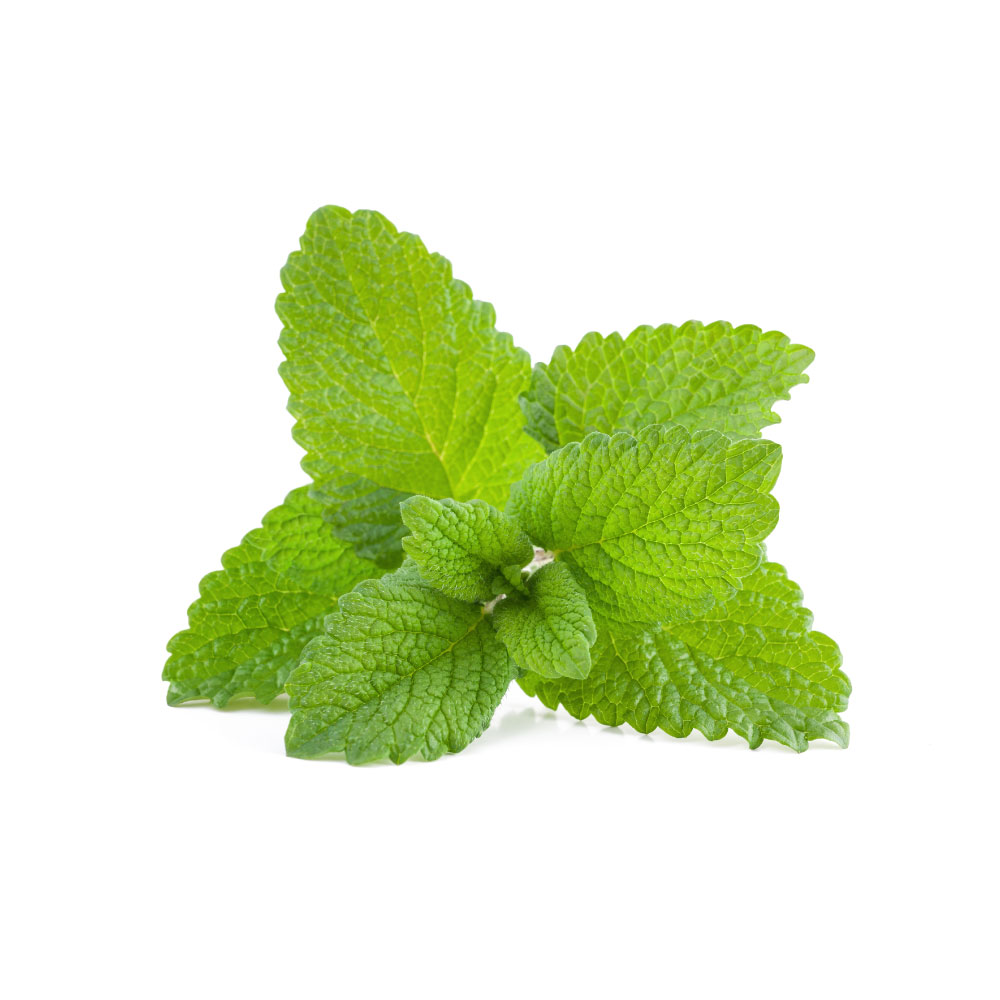 Melissa Melissa officinalis Documented for citronellal (20.3 % of oil), neral (30–34 % of oil), geranial and 2 more terpenoids.
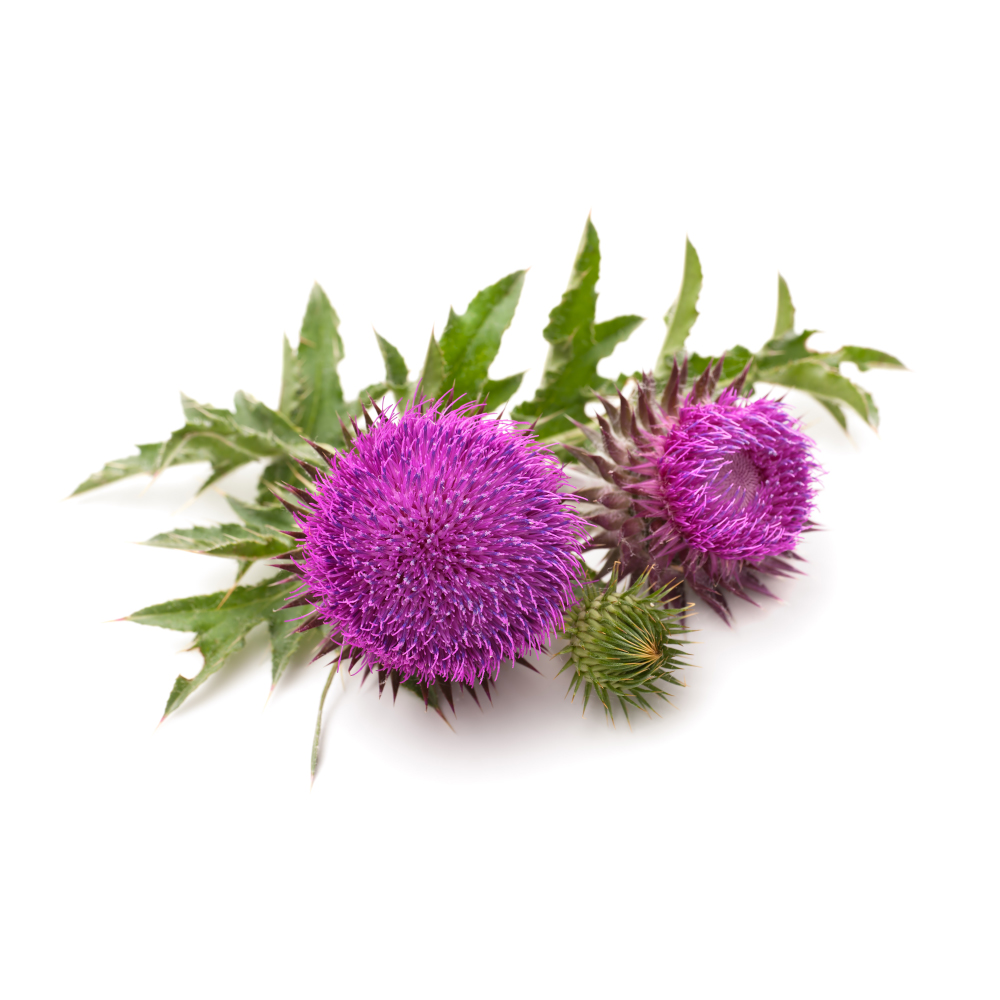 Milk Thistle Silybum marianum Documented for beta-sitosterol, campesterol, cholesterol and 2 more terpenoids.
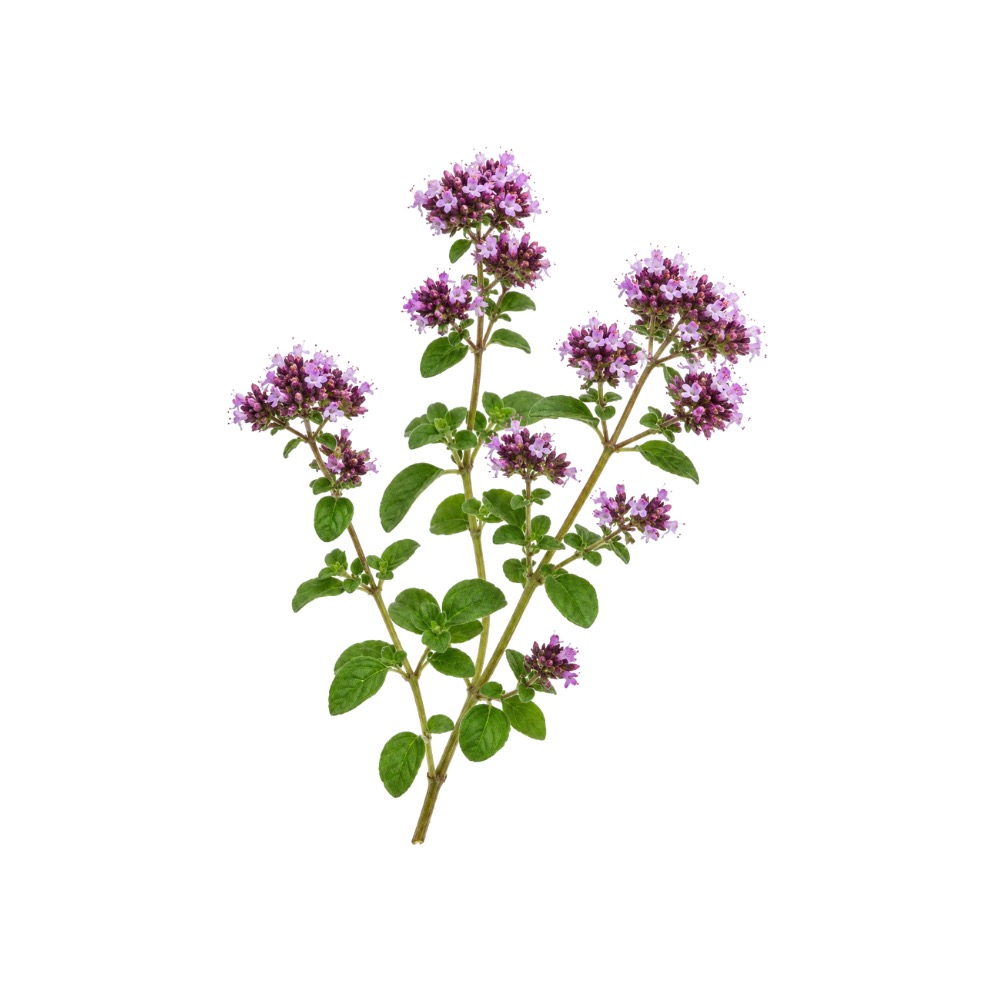 Oregano Origanum vulgare Documented for gamma-terpinene (4–19 % of oil), caryophyllene, linalool and 2 more terpenoids.
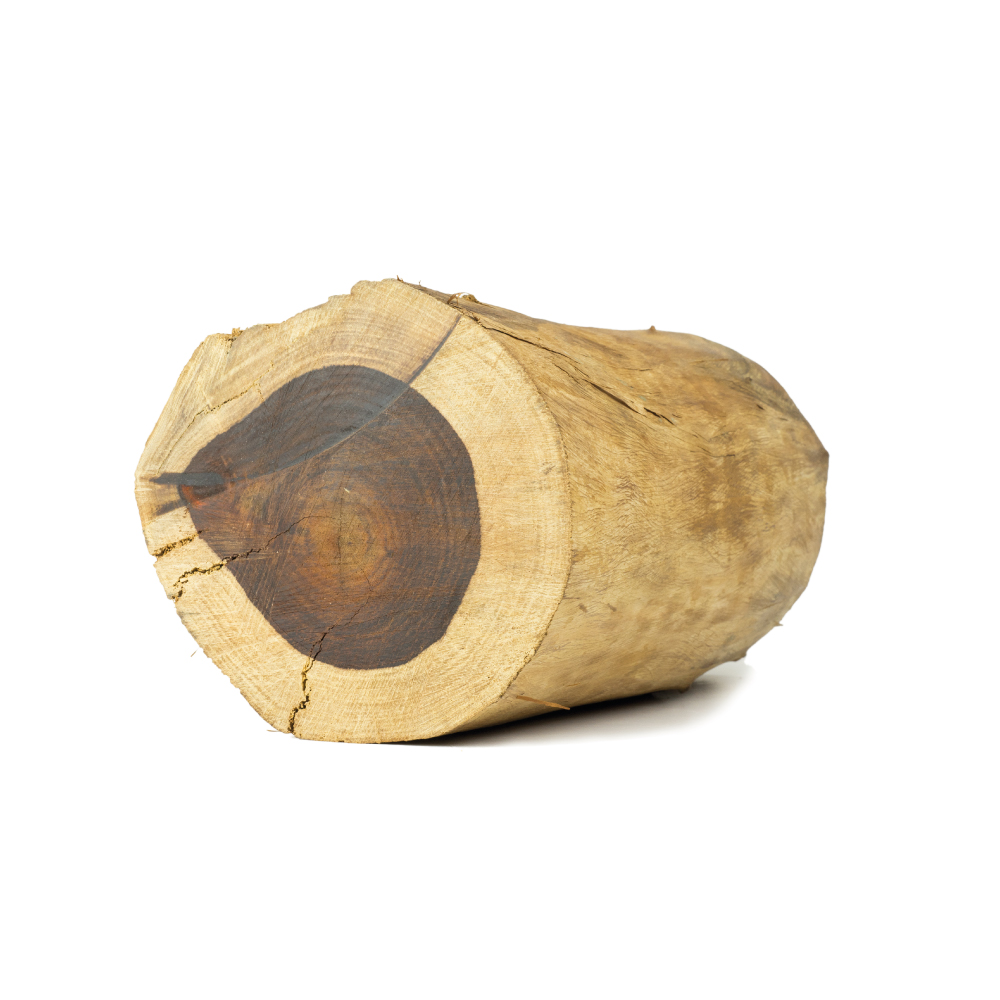 Rosewood Aniba rosaeodora Documented for linalool (80–93 % of oil), 1,8-cineole, alpha-terpineol and 2 more terpenoids.
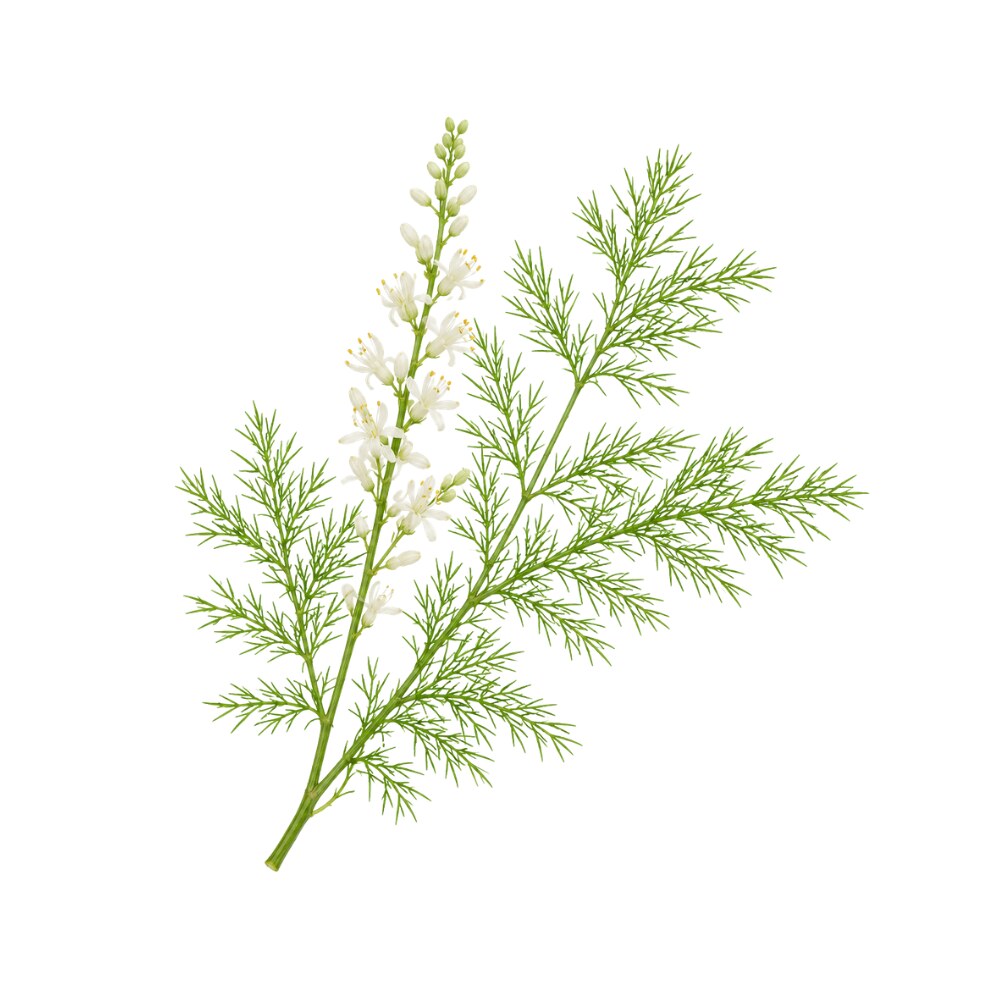 Shatavari Asparagus racemosus Documented for sarsasapogenin (11.2 mg/g dry weight), shatavarin IV (0.08–0.15 mg/g dry wt), beta-sitosterol and 2 more terpenoids.
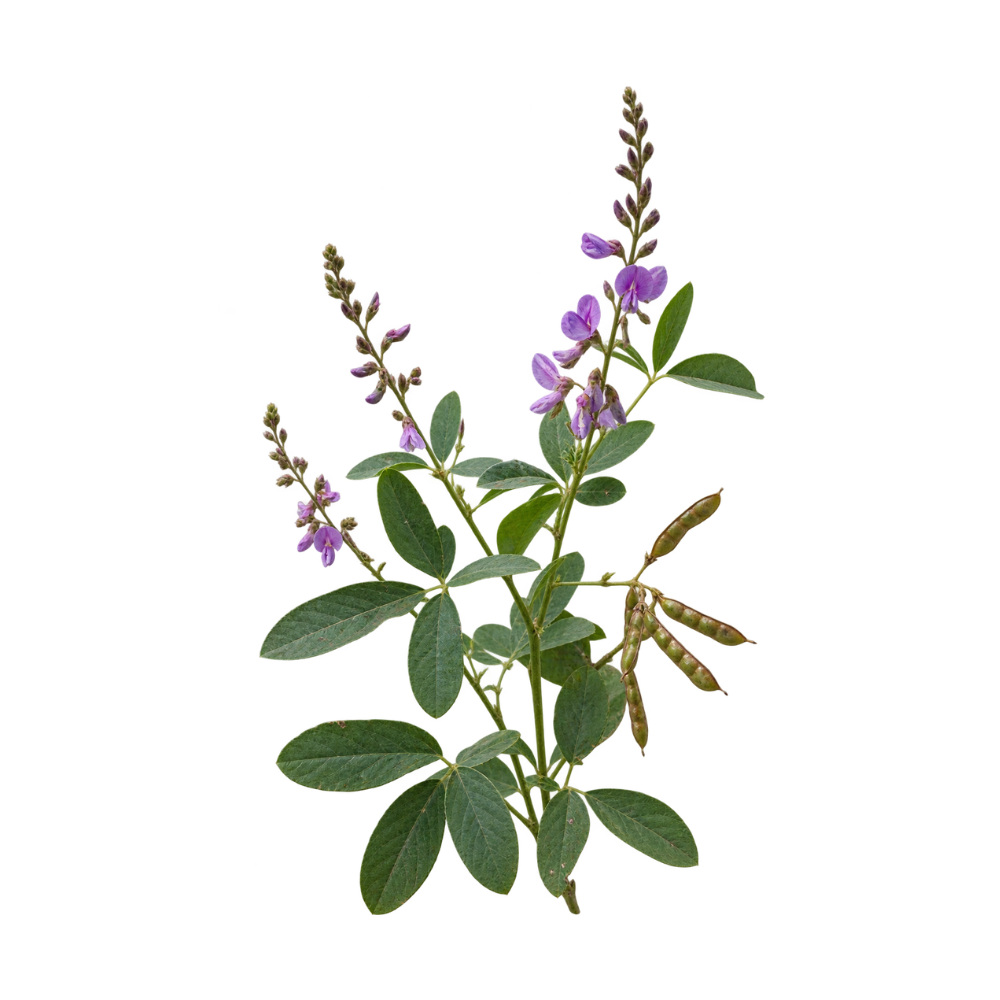 Tick Trefoil Desmodium spp. Documented for betulinic acid, dehydrosoyasaponin I, lupeol and 2 more terpenoids.
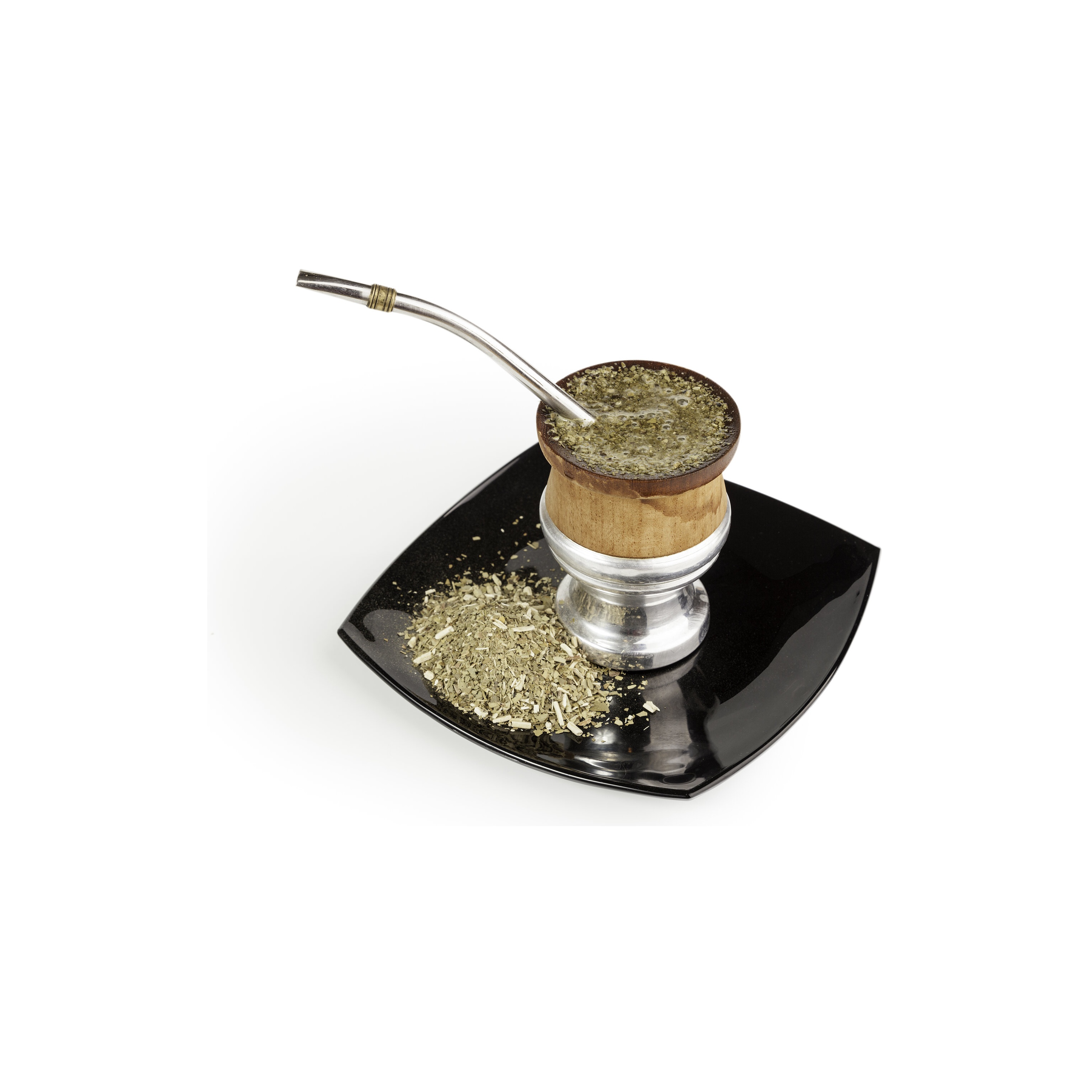 Yerba Maté Ilex paraguariensis Documented for matesaponins, oleanolic acid, saponins and 2 more terpenoids.
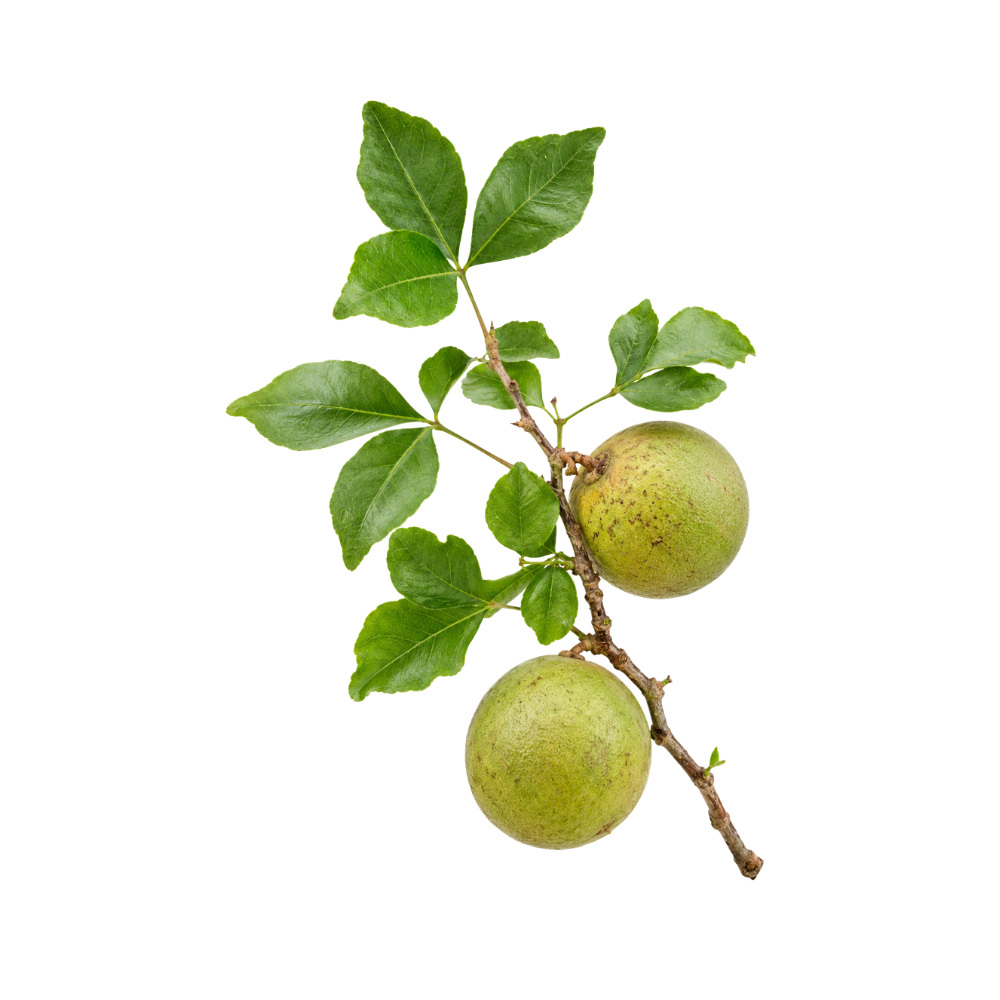 Bael Aegle marmelos Documented for betulinic acid, caryophyllene, lupeol and 1 more.
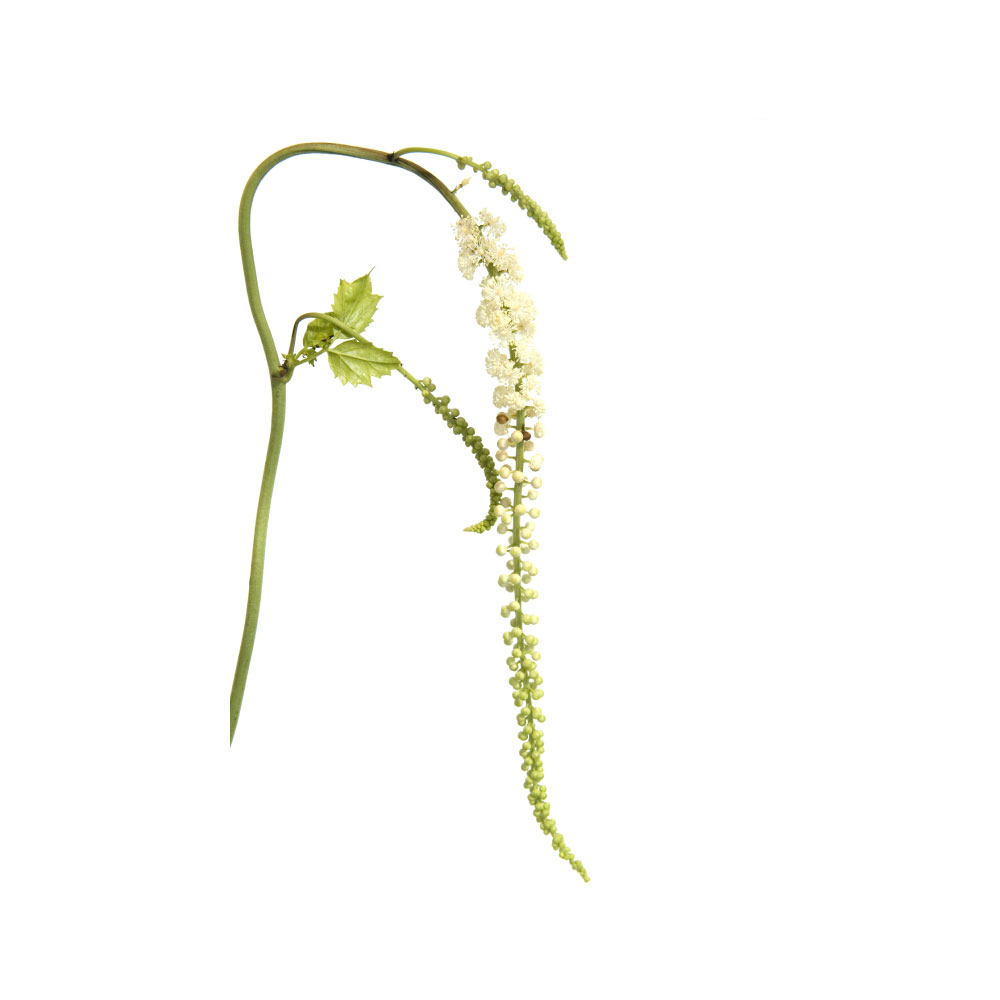 Black Cohosh Cimicifuga racemosa Documented for 23-epi-26-deoxyactein, actein, cimicifugoside and 1 more.
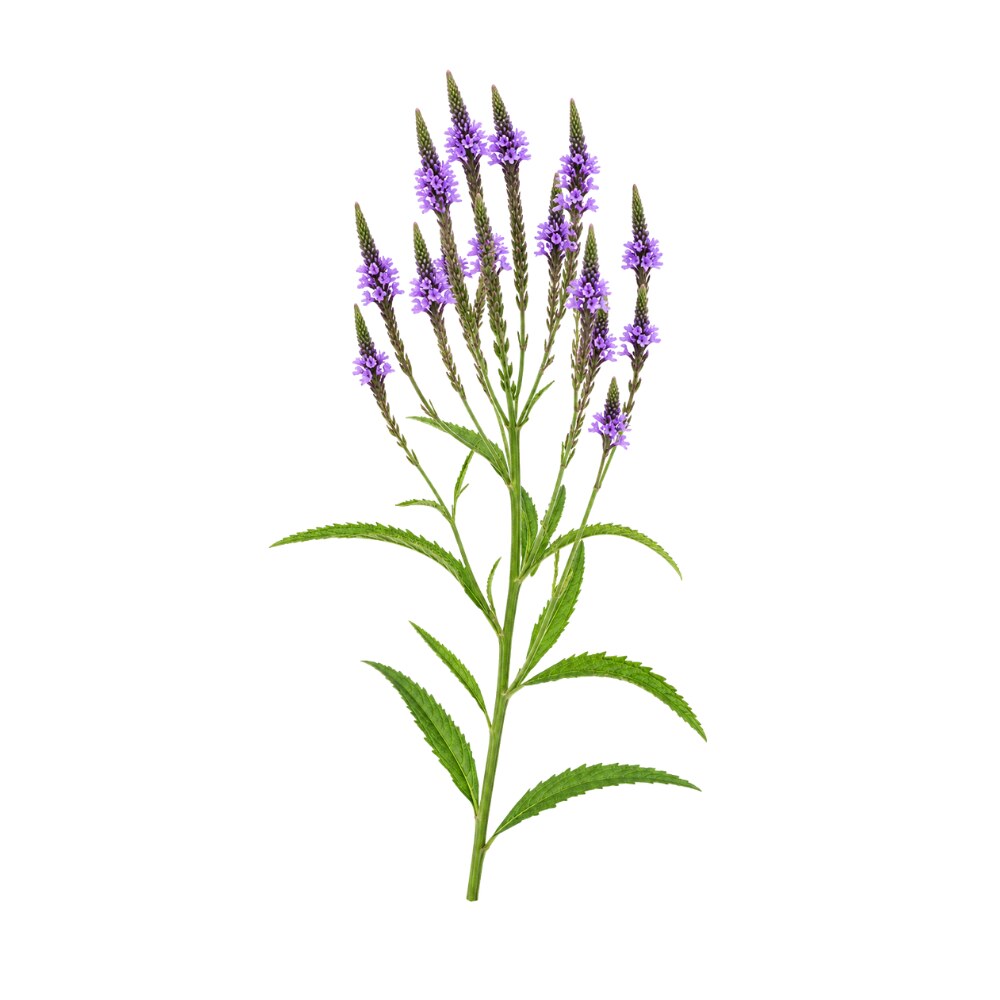 Blue Vervain Verbena hastata Documented for hastatoside, oleanolic acid, ursolic acid and 1 more.
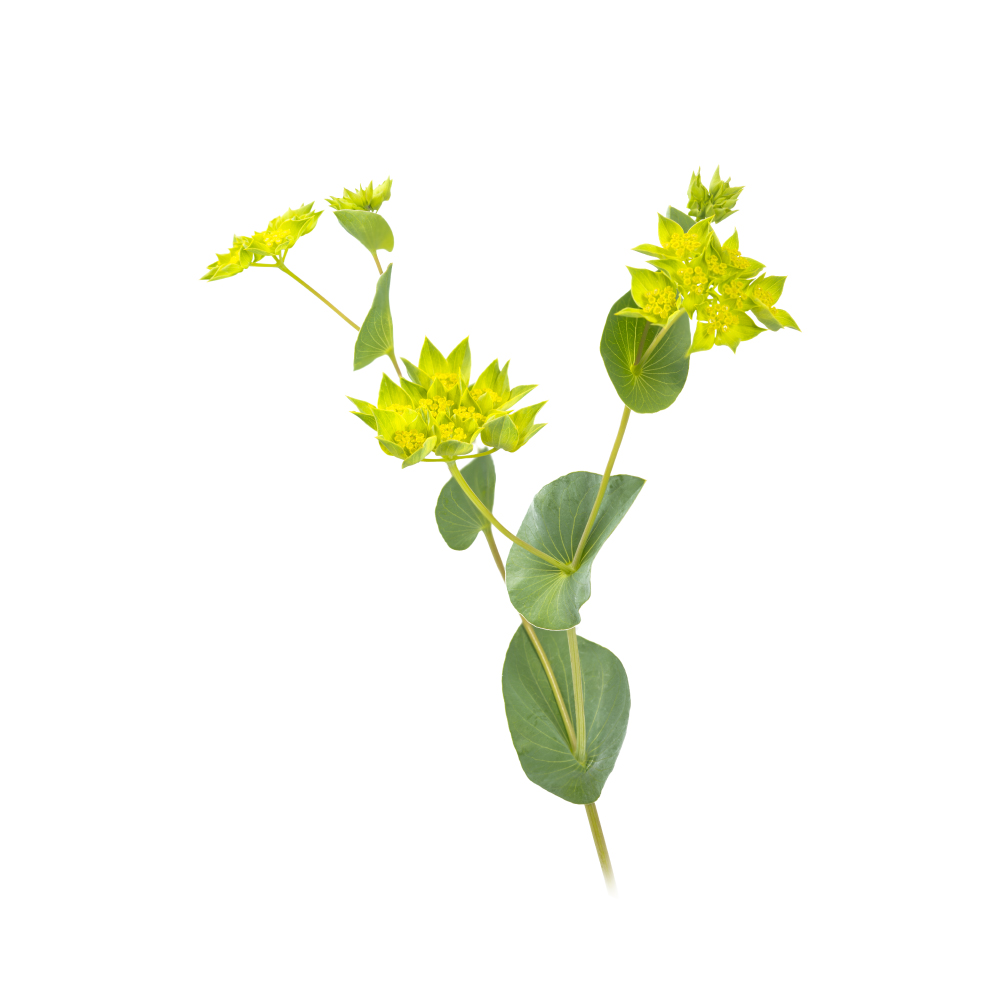 Bupleurum Bupleurum falcatum Documented for saikosaponin A, saikosaponin C, saikosaponin D and 1 more.
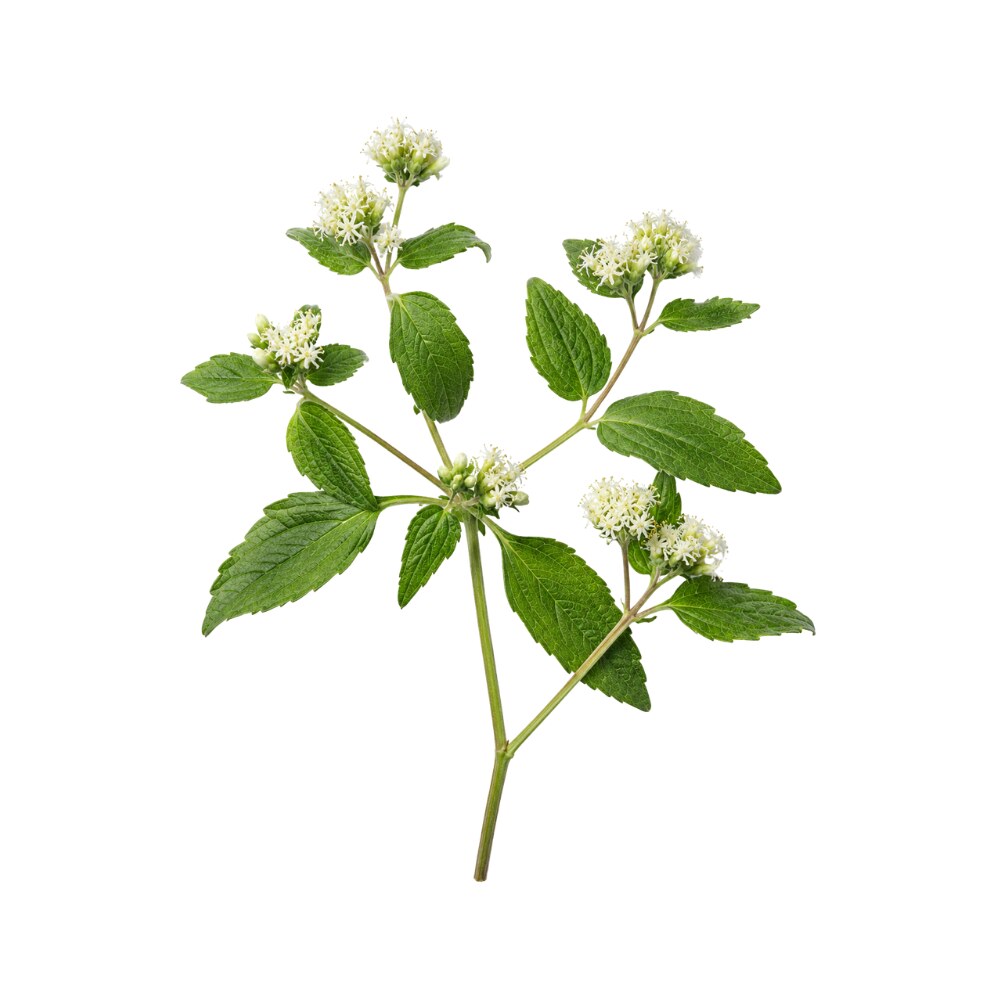 Calea zacatechichi Calea ternifolia Documented for calein A, calein B, calein C and 1 more.
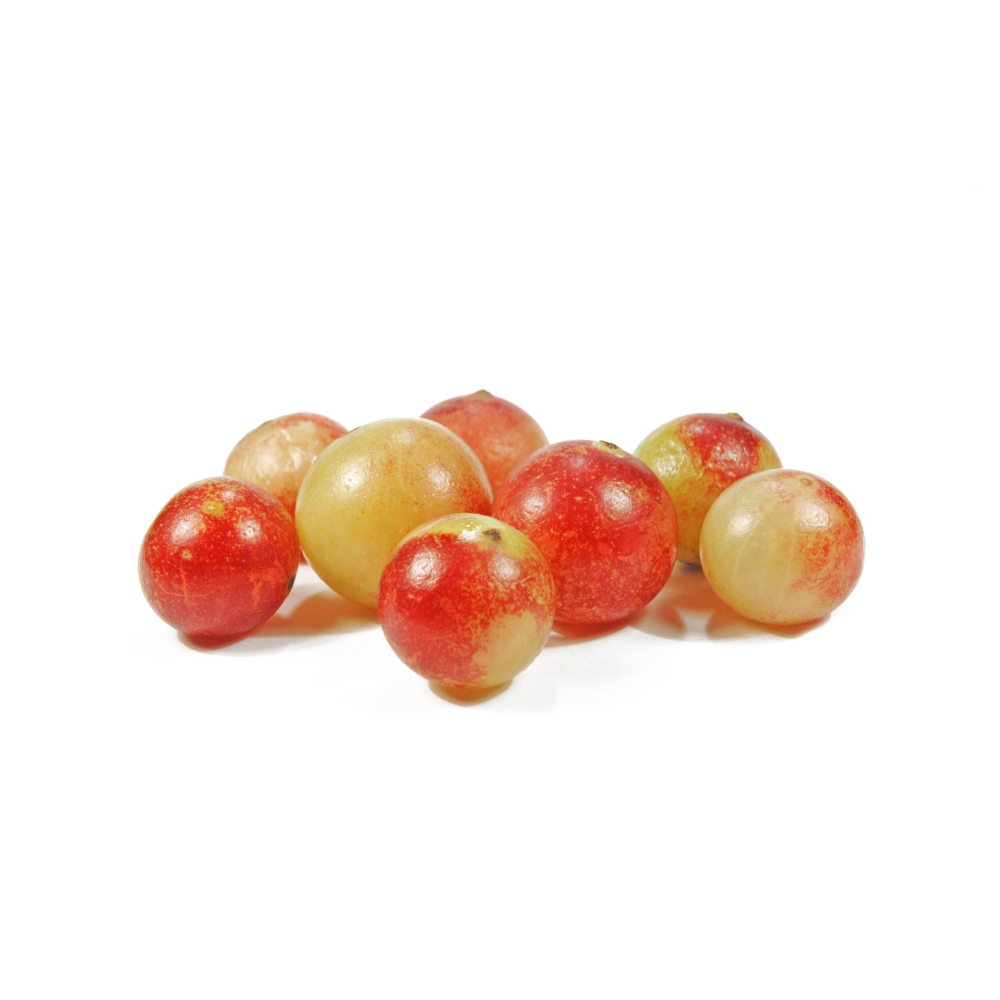 Camu-camu Myrciaria dubia Documented for alpha-pinene, beta-carotene, betulinic acid and 1 more.
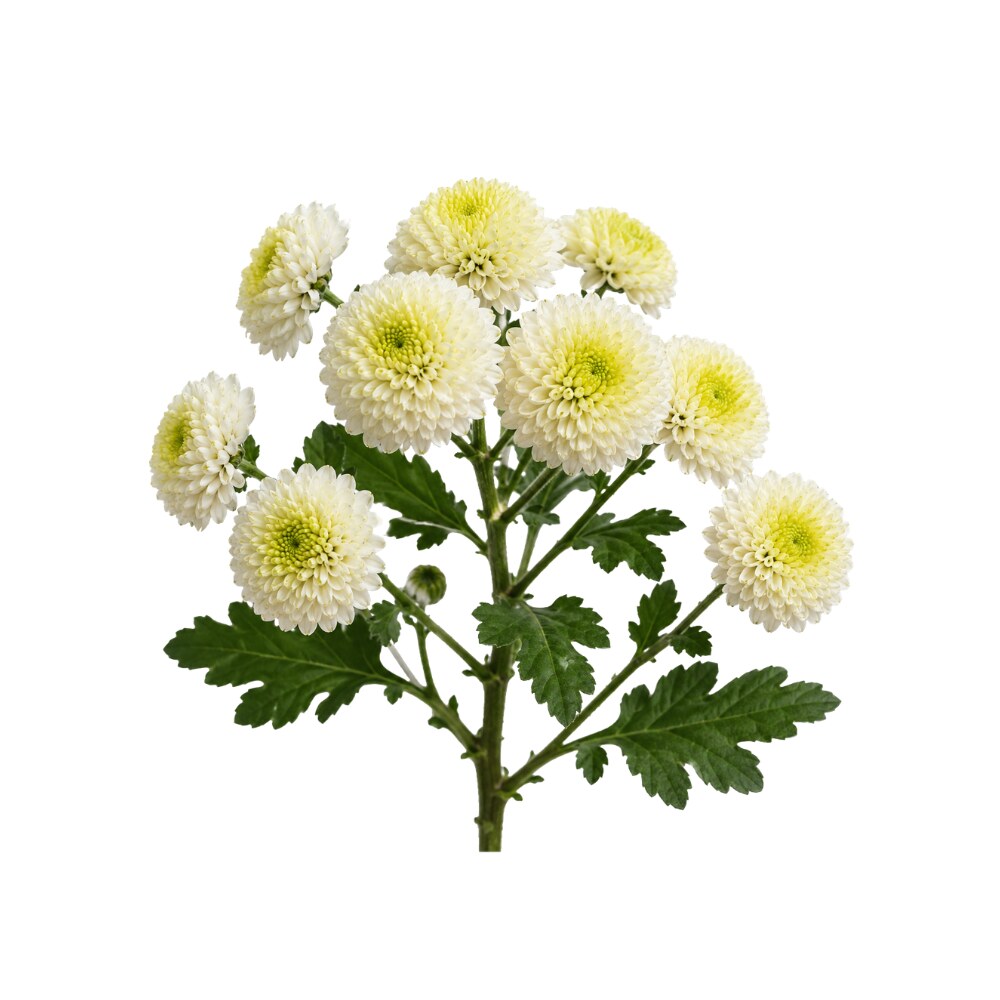 Chrysanthemum Chrysanthemum morifolium Documented for 1,8-cineole, borneol, camphor and 1 more.
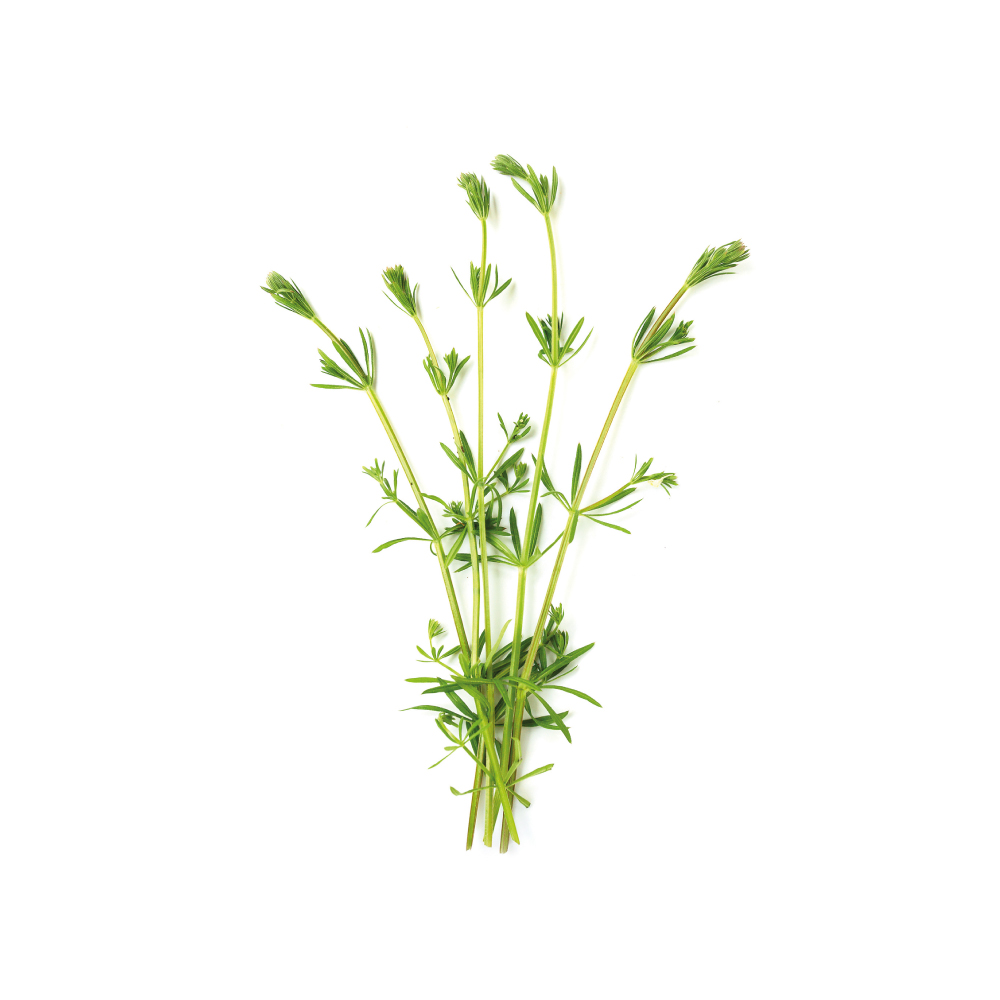 Cleavers Galium aparine Documented for asperuloside, daucosterol, deacetylasperulosidic acid and 1 more.
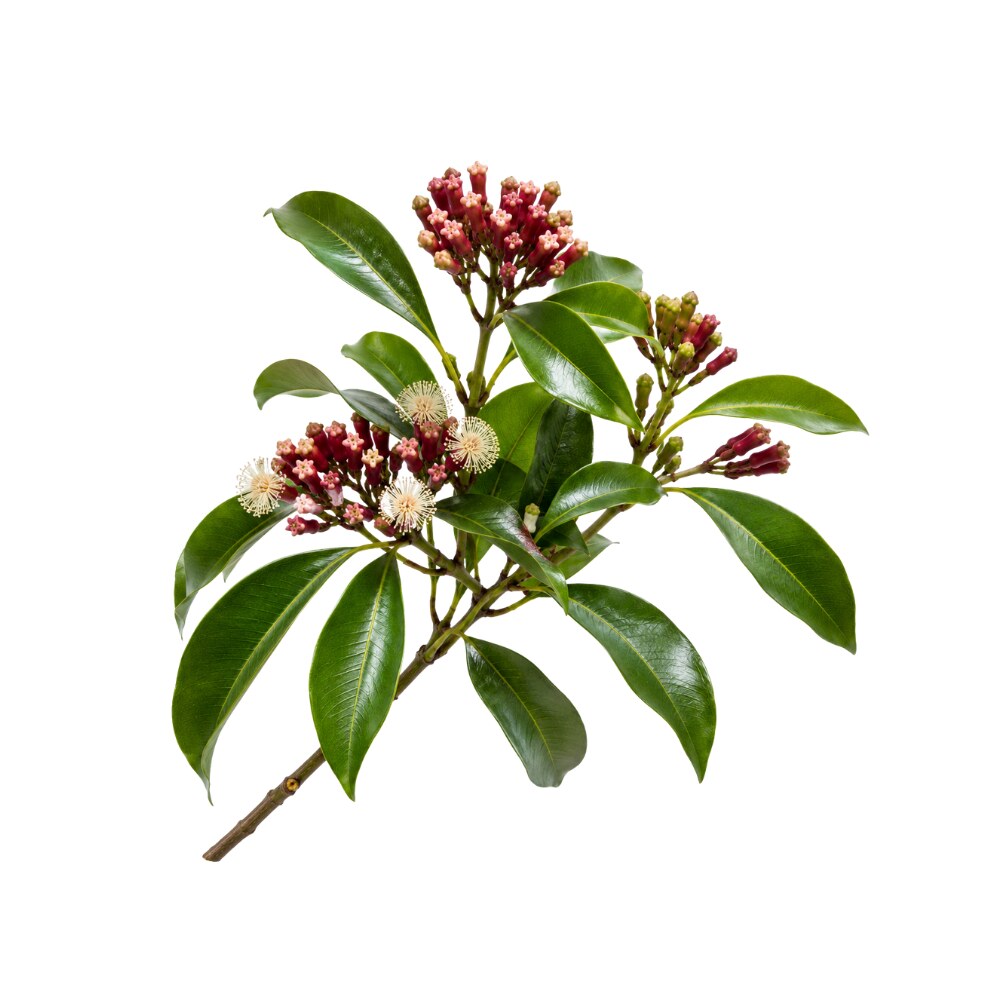 Clove Syzygium aromaticum Documented for caryophyllene, caryophyllene oxide, oleanolic acid and 1 more.
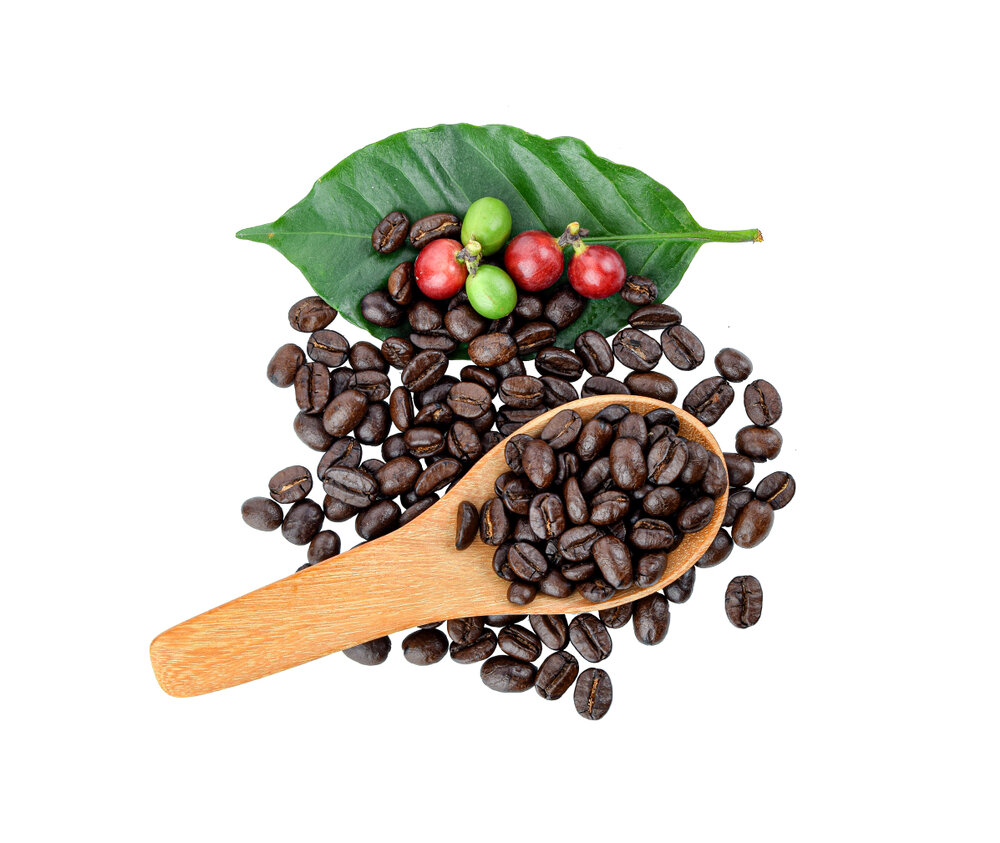 Coffee Coffea arabica Documented for cafestol, diterpene alcohols, diterpenes and 1 more.
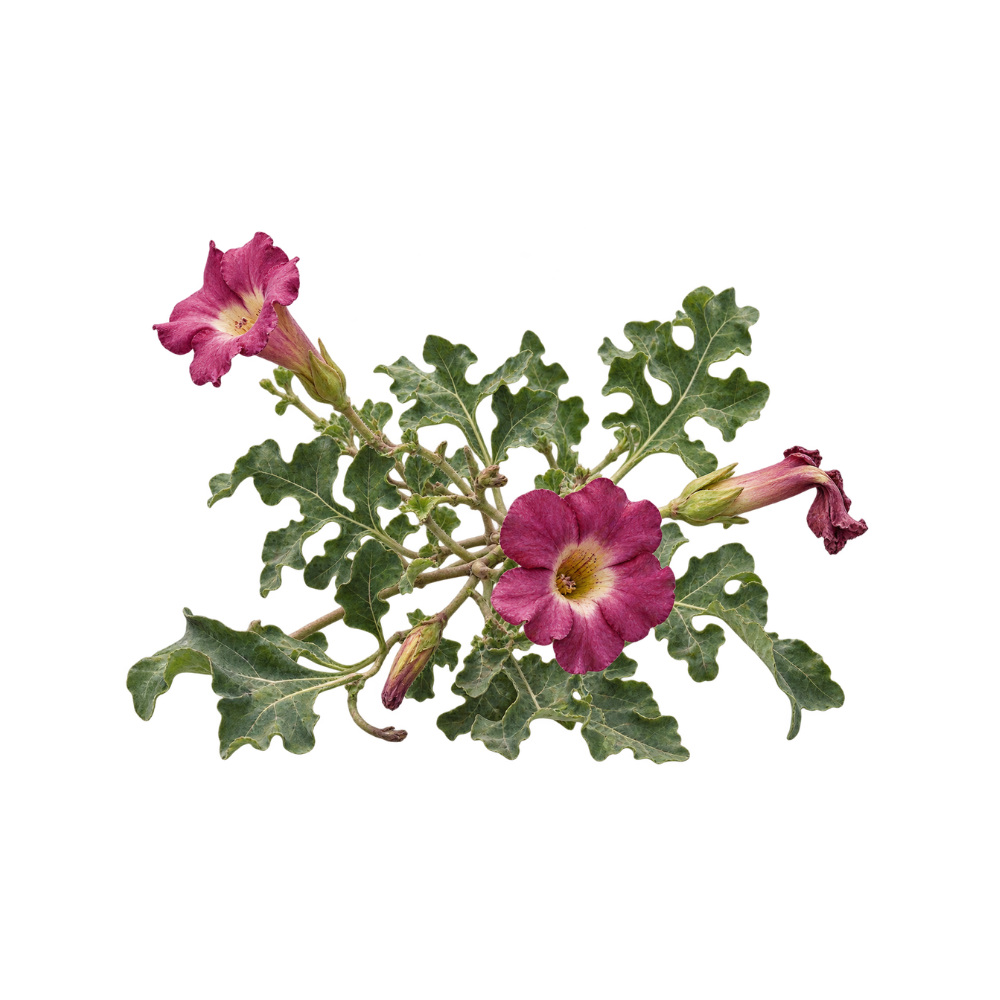 Devil's Claw Harpagophytum procumbens Documented for 8-coumaroylharpagide, harpagide, harpagoside and 1 more.
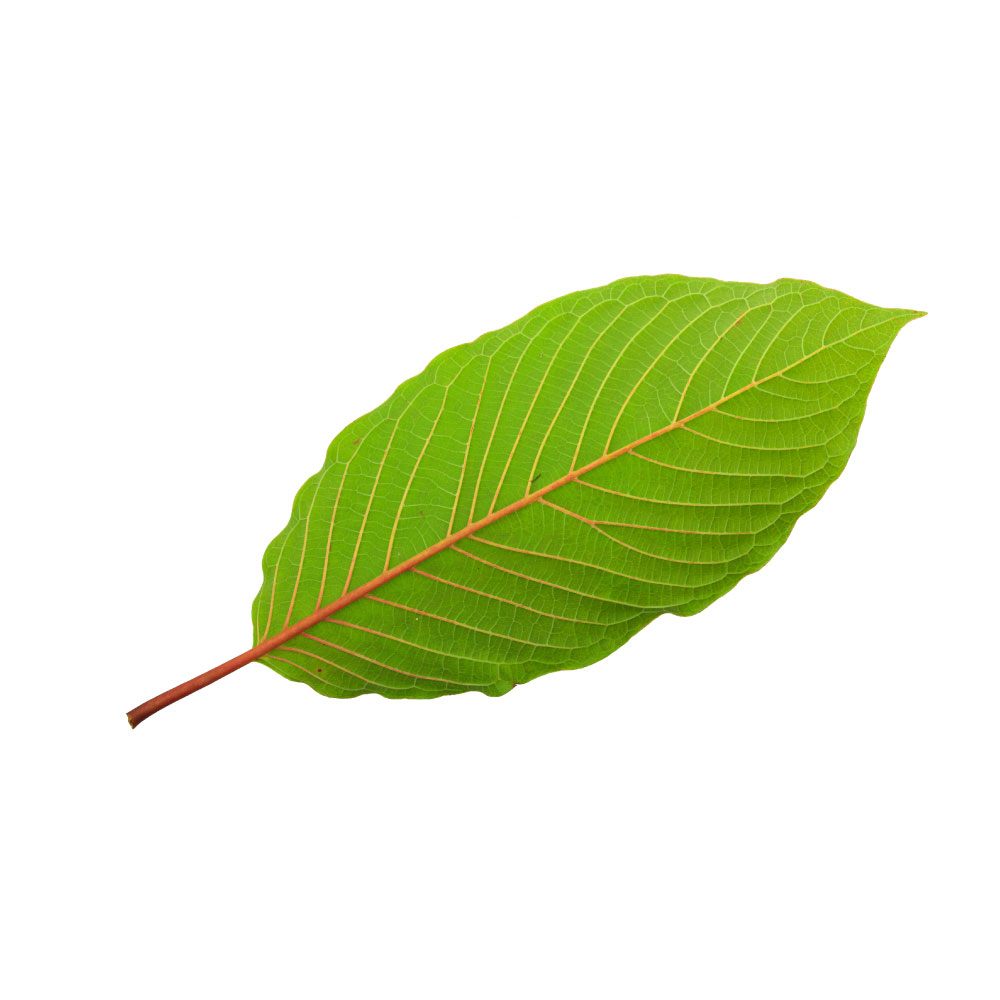 Kratom Mitragyna speciosa Documented for daucosterol, quinovic acids, saponins and 1 more.
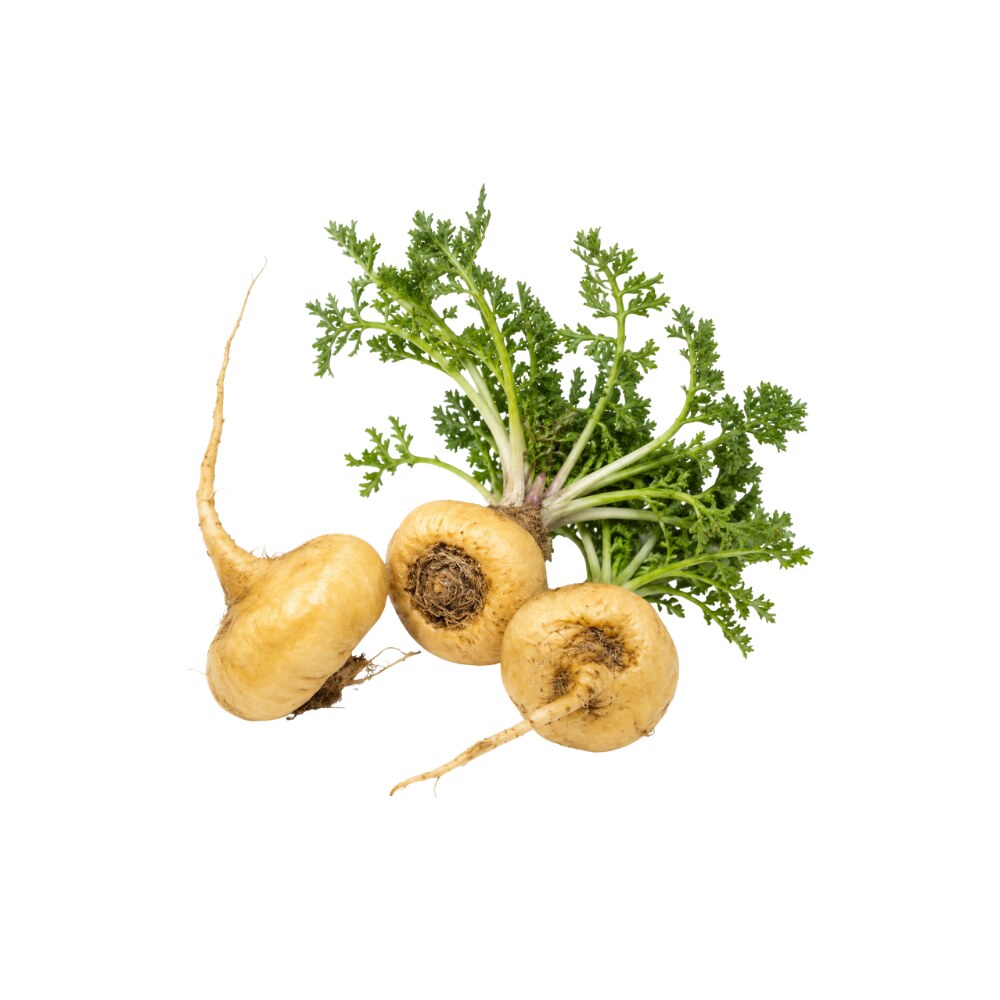 Maca Lepidium meyenii Documented for 20-hydroxyecdysone, beta-sitosterol, saponins and 1 more. Maritime Pine Pinus pinaster Documented for abietic acid, alpha-pinene, beta-pinene and 1 more.
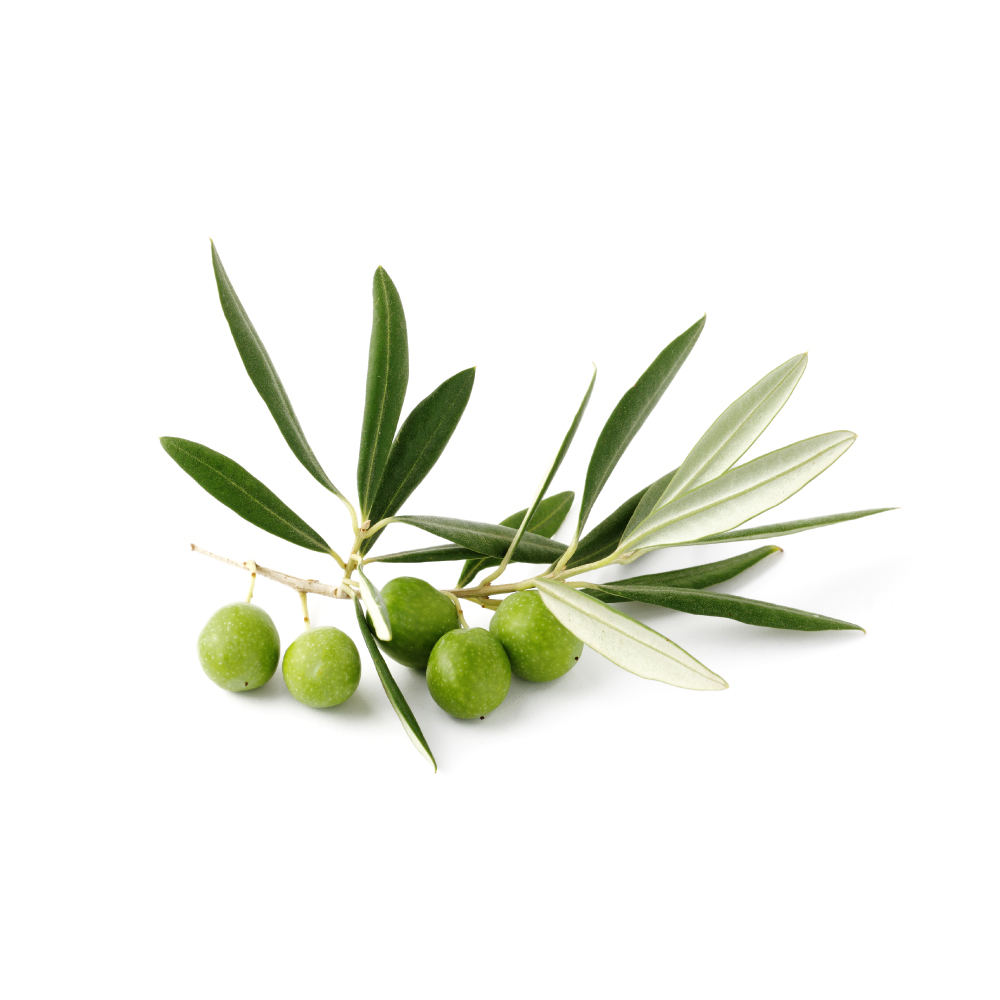 Olive Leaf Olea europaea Documented for elenolic acid, iridoid glycosides, oleanolic acid and 1 more.
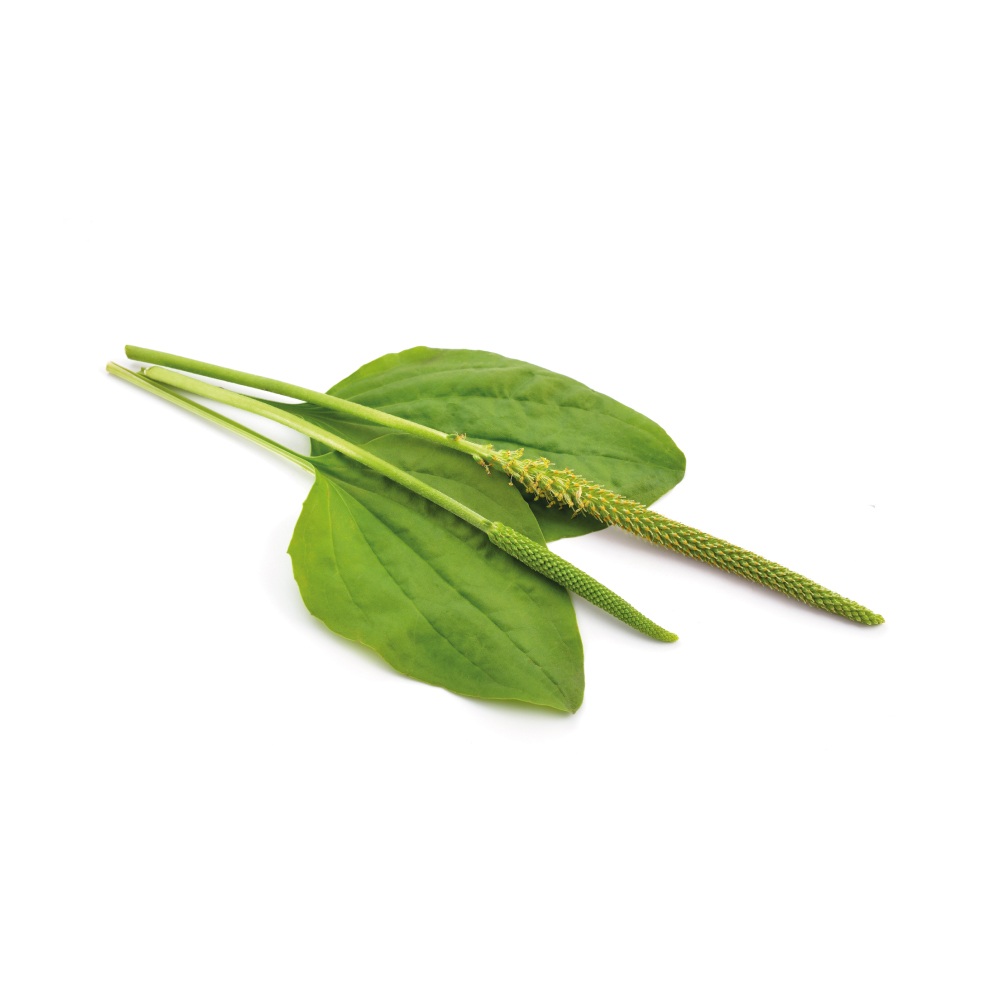 Plantain Plantago major Documented for aucubin, catalpol, oleanolic acid and 1 more.
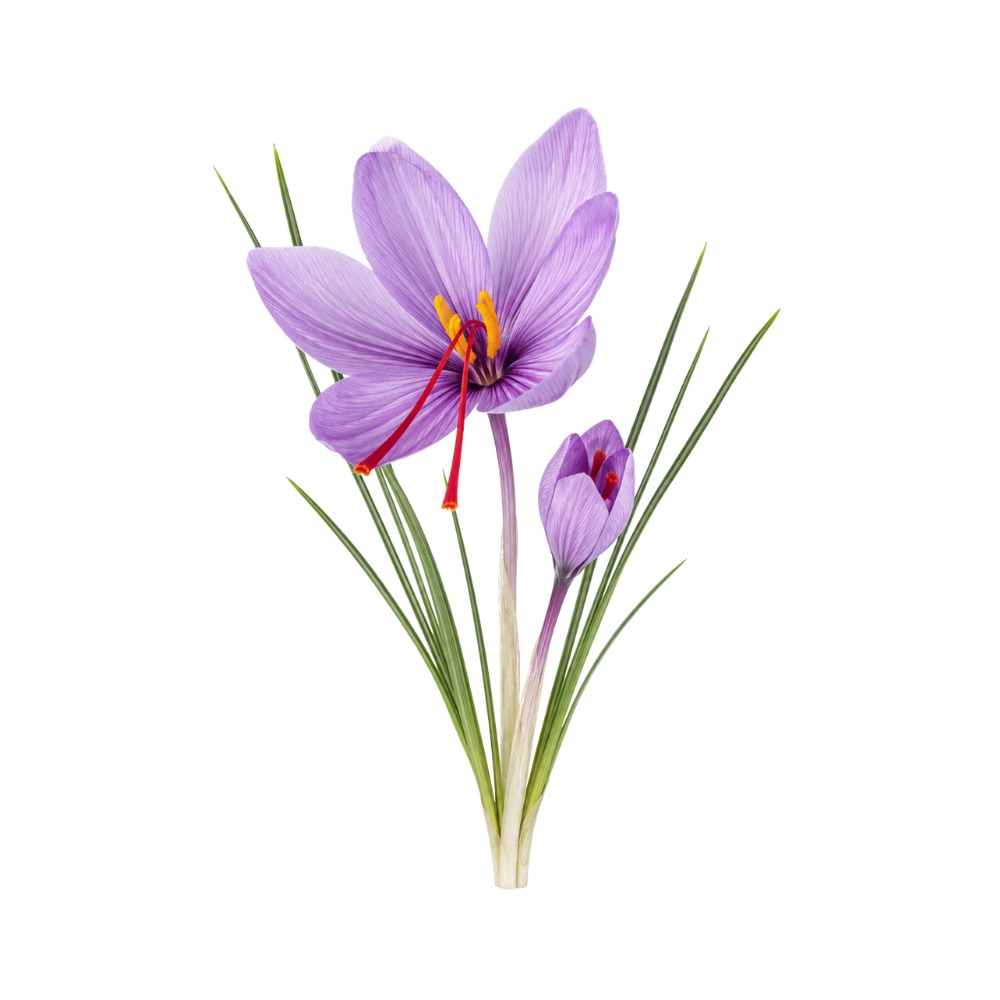 Saffron Crocus sativus Documented for picrocrocin (26.55 % (HPTLC assay)), safranal (30–70 % of volatile oil), crocetin and 1 more.
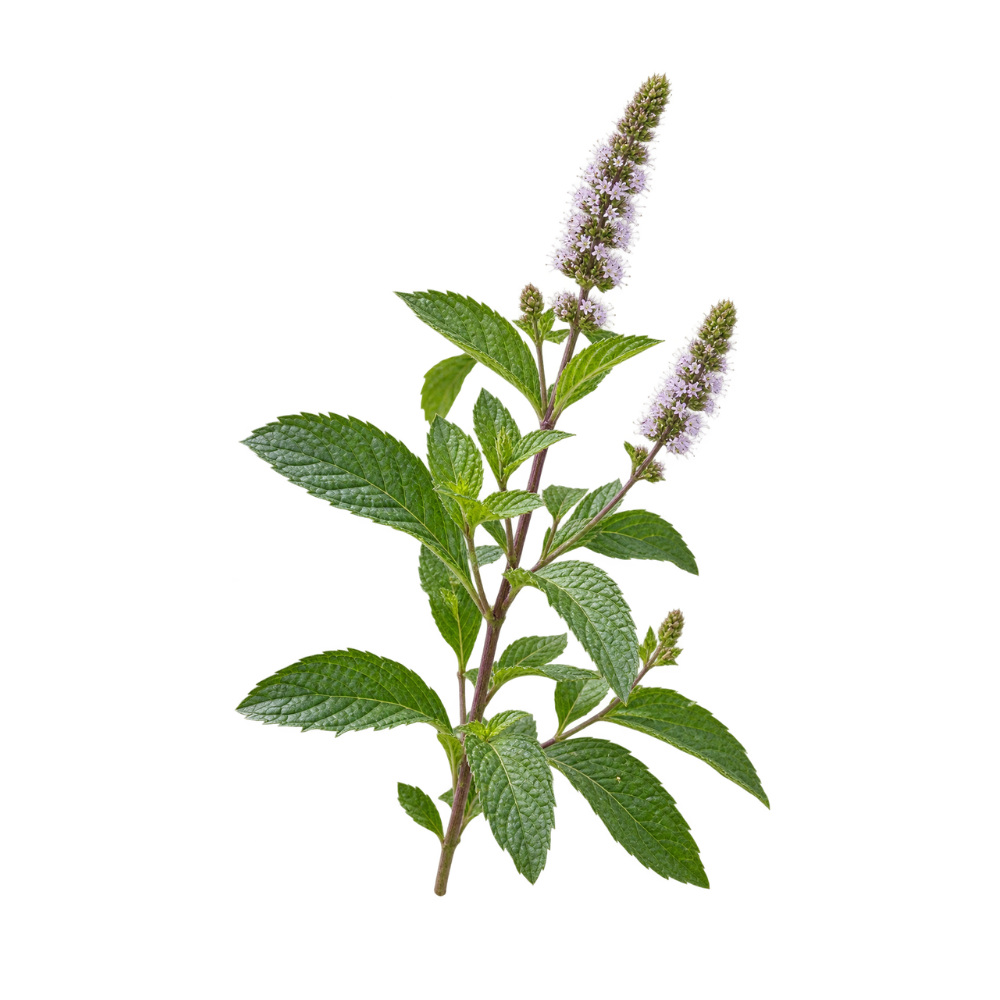 Spearmint Mentha spicata Documented for 1,8-cineole, carvone, limonene and 1 more.
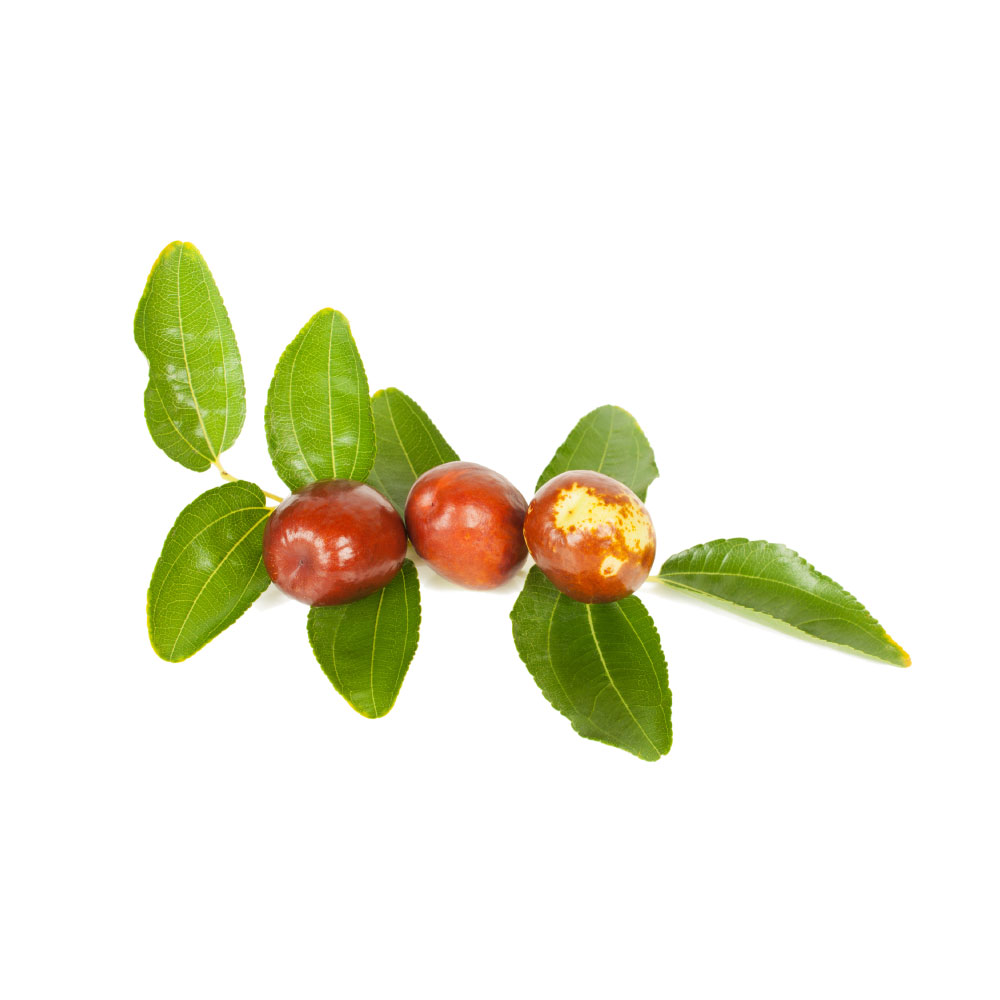 Zizyphus Ziziphus spinosa Documented for betulinic acid, jujuboside A, jujuboside B and 1 more.
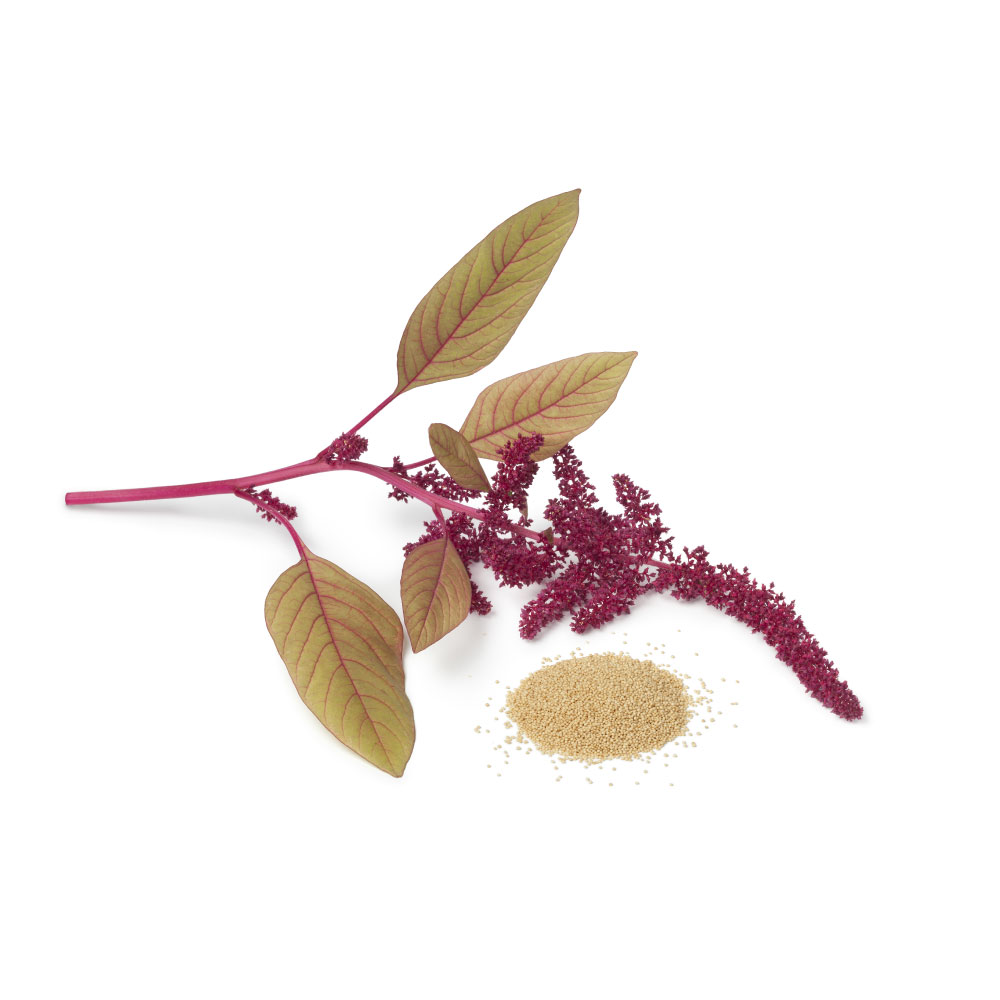 Amaranth Amaranthus blitum Documented for beta-carotene, beta-sitosterol, squalene.
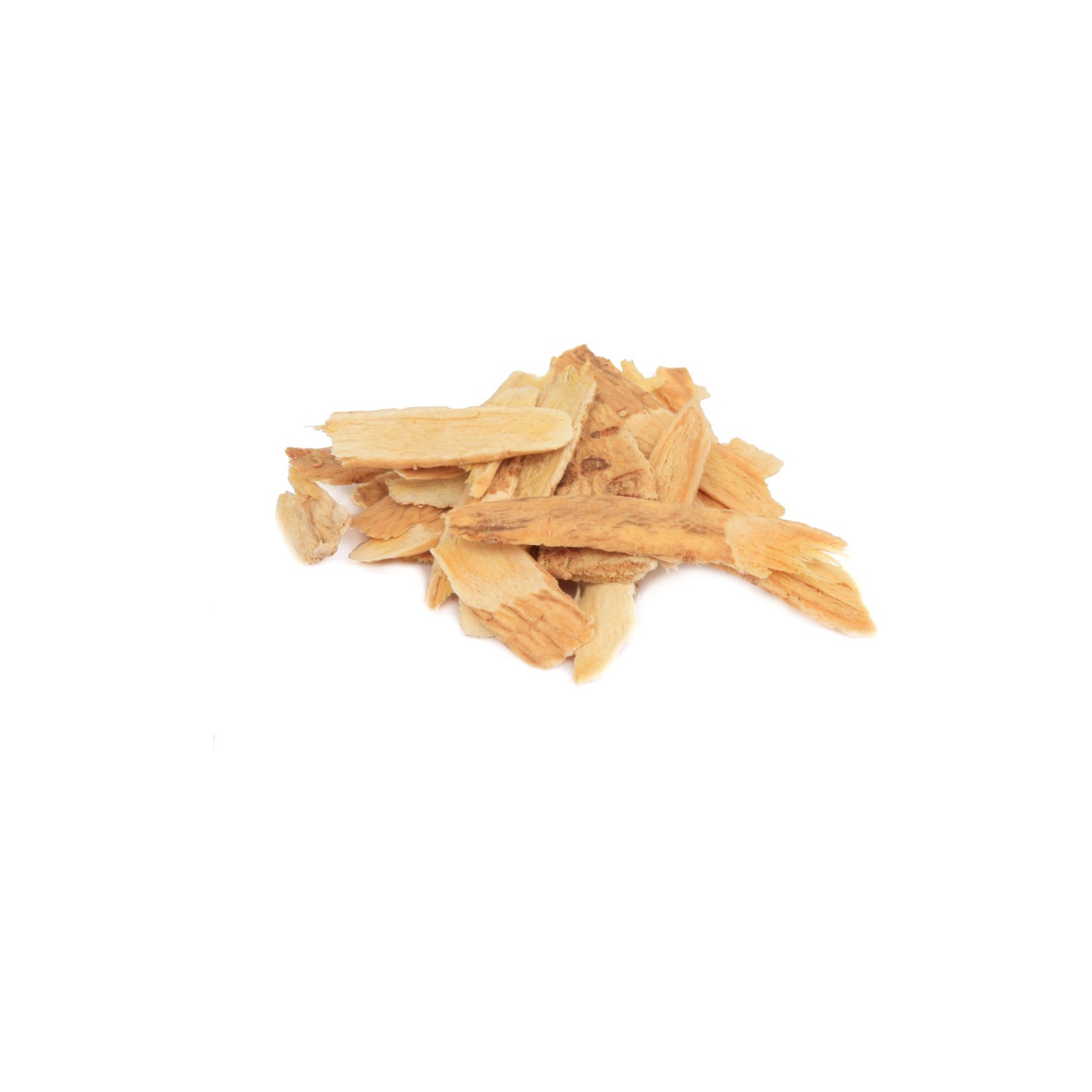 Astragalus Astragalus mongholicus Documented for astragaloside IV (0.58 mg/g dry wt), beta-sitosterol, cycloastragenol. Bitter Melon Momordica charantia Documented for charantin, momordicin, momordicoside.
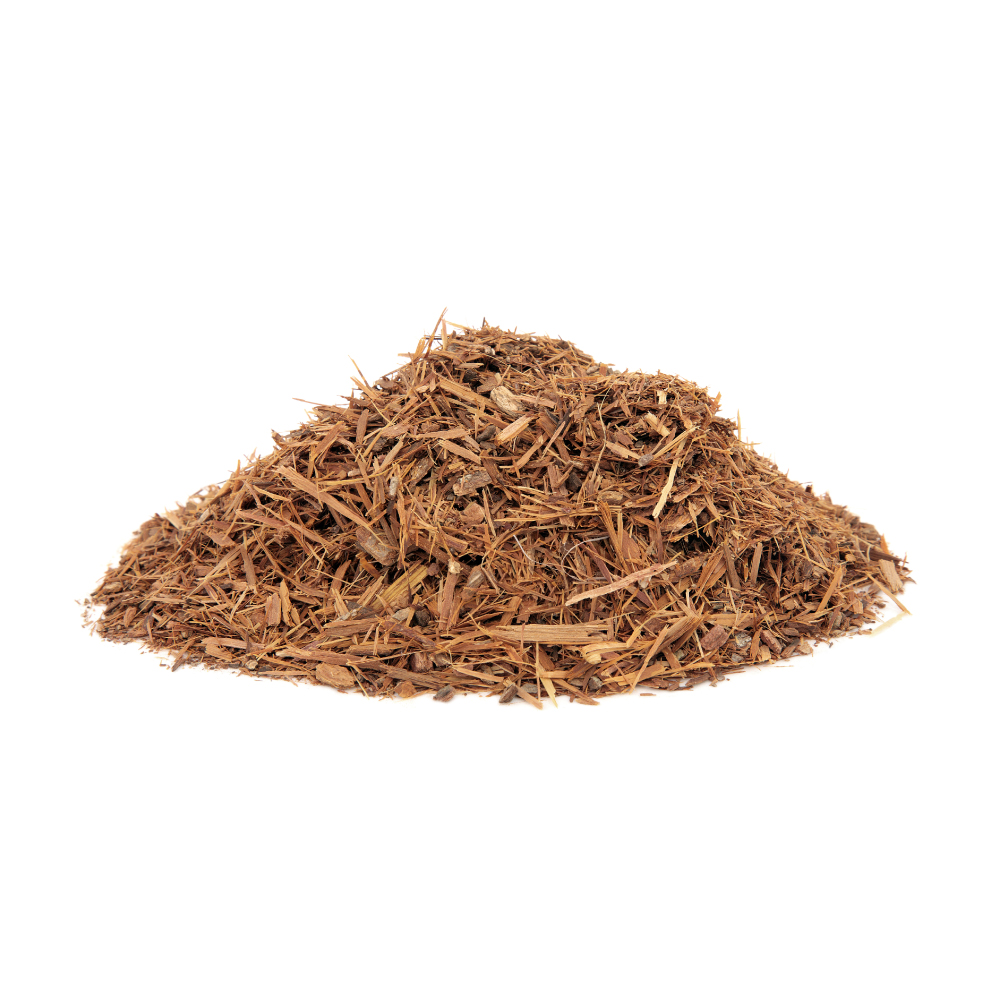 Catuaba Trichilia catigua Documented for beta-sitosterol, campesterol, stigmasterol.
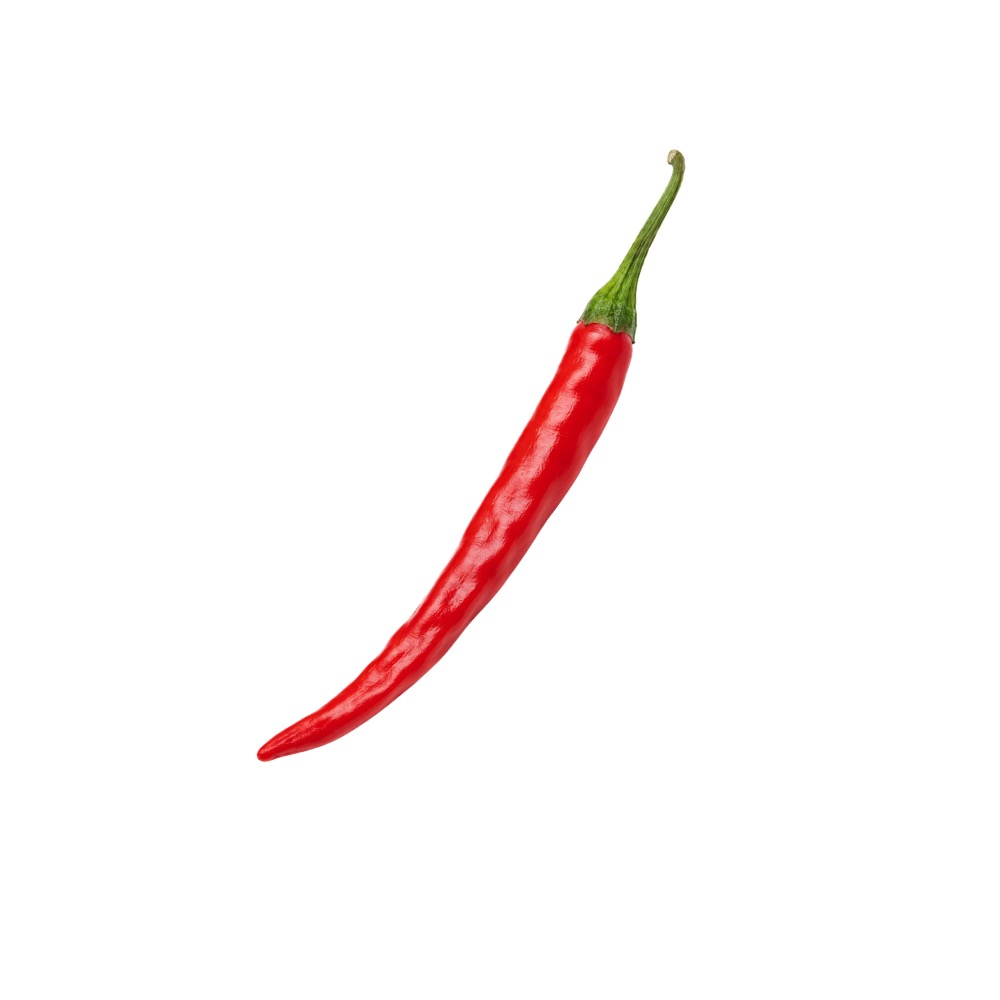 Cayenne Capsicum annuum Documented for capsanthin (2–6 mg/g dry wt), capsorubin (3.2 % of total carotenoids), beta-carotene.
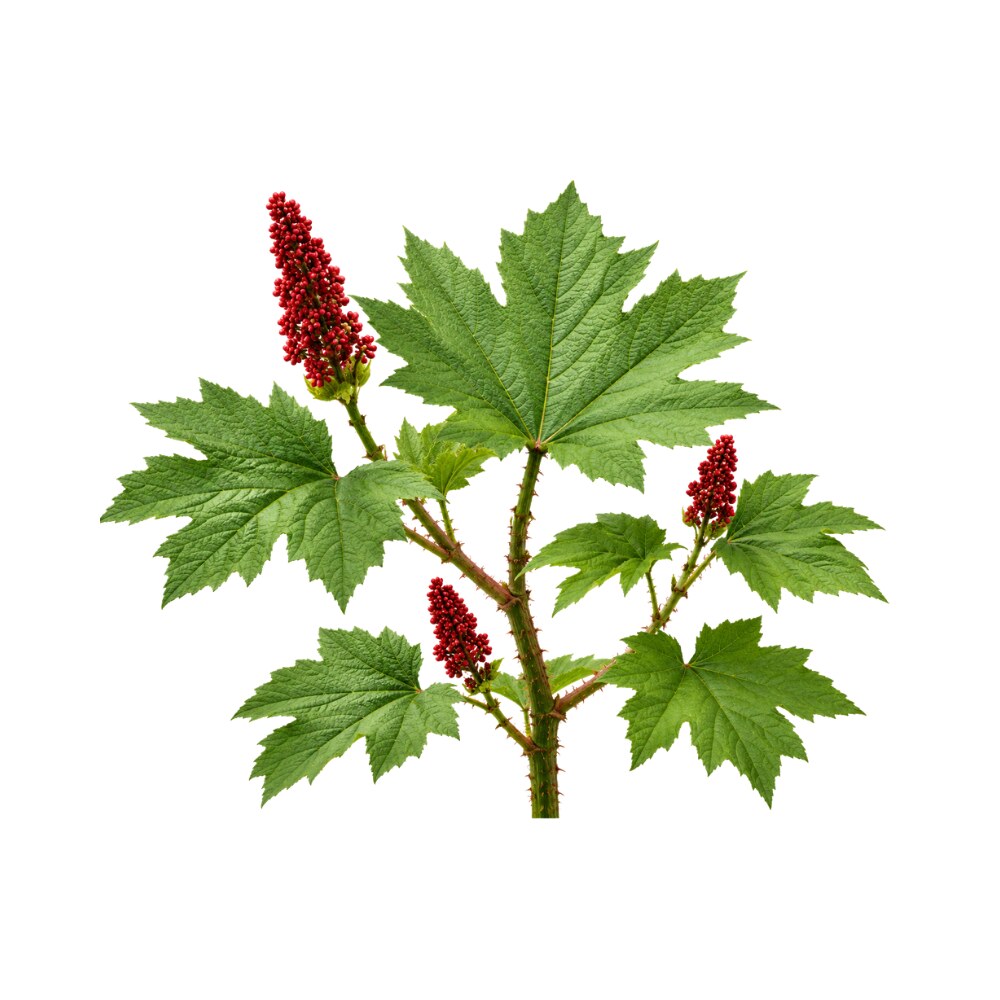 Devil's Club Oplopanax horridus Documented for beta-sitosterol, oplopanone, stigmasterol.
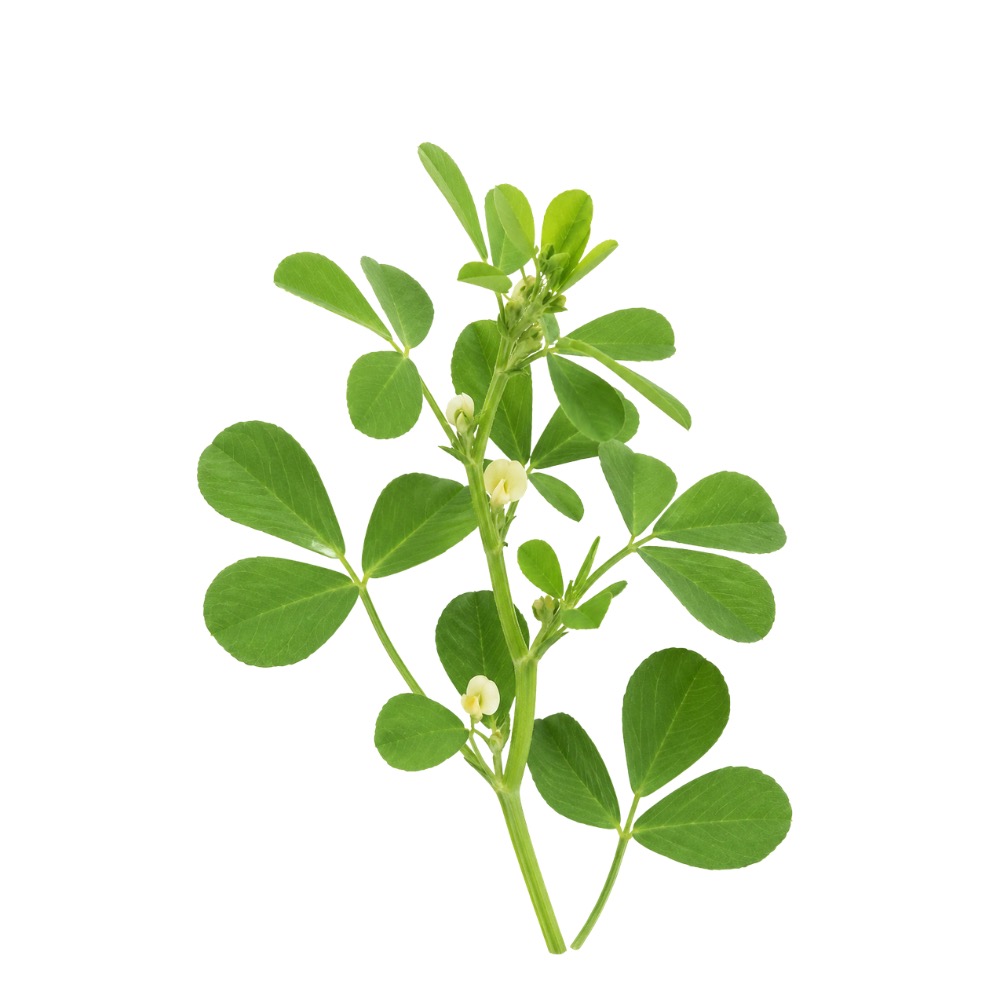 Fenugreek Trigonella foenum-graecum Documented for diosgenin (0.2–0.9 % dry wt), dioscin, protodioscin.
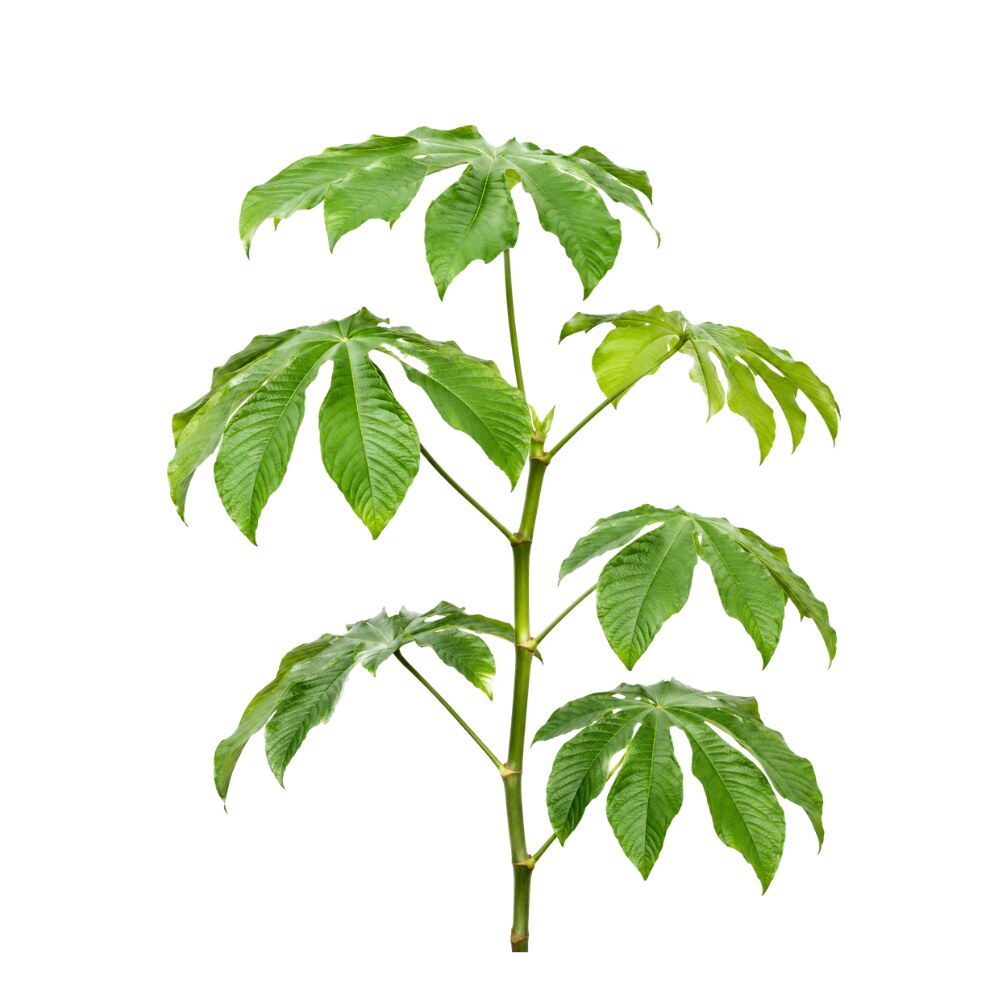 Guamura Cecropia obtusifolia Documented for betulinic acid, oleanolic acid, ursolic acid.
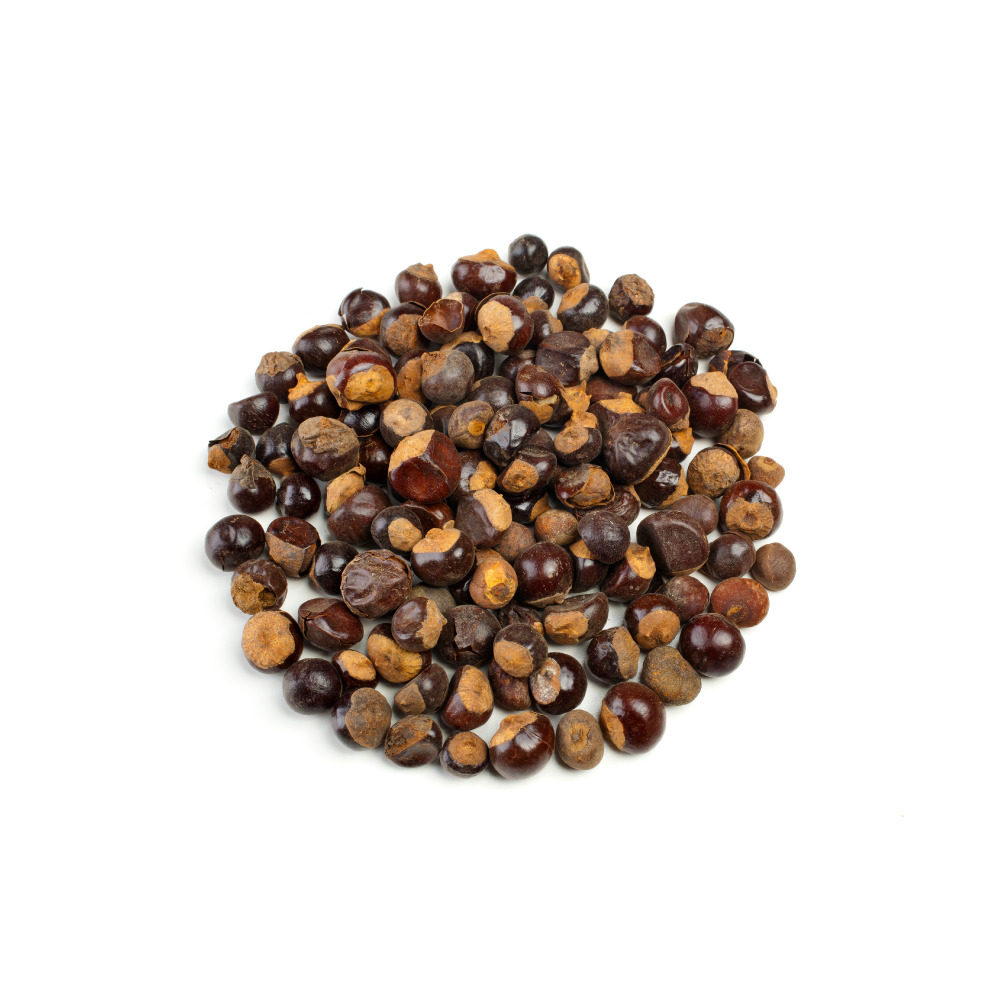 Guarana Paullinia cupana Documented for cyclic monoterpenes, saponins, sesquiterpenes.
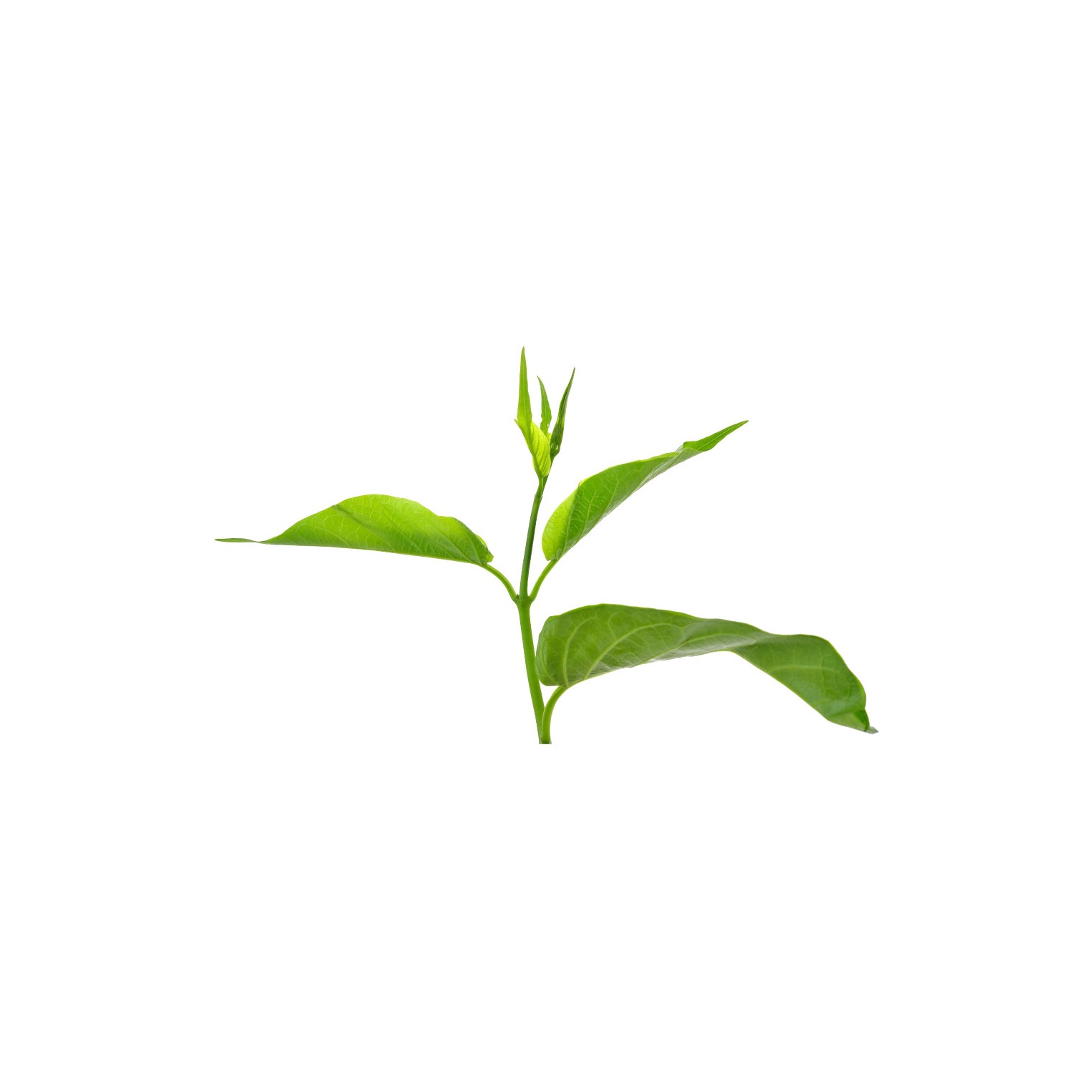 Gymnema Gymnema sylvestre Documented for gymnemic acids (0.67–1.06 % dry wt), gymnemasaponins, saponins.
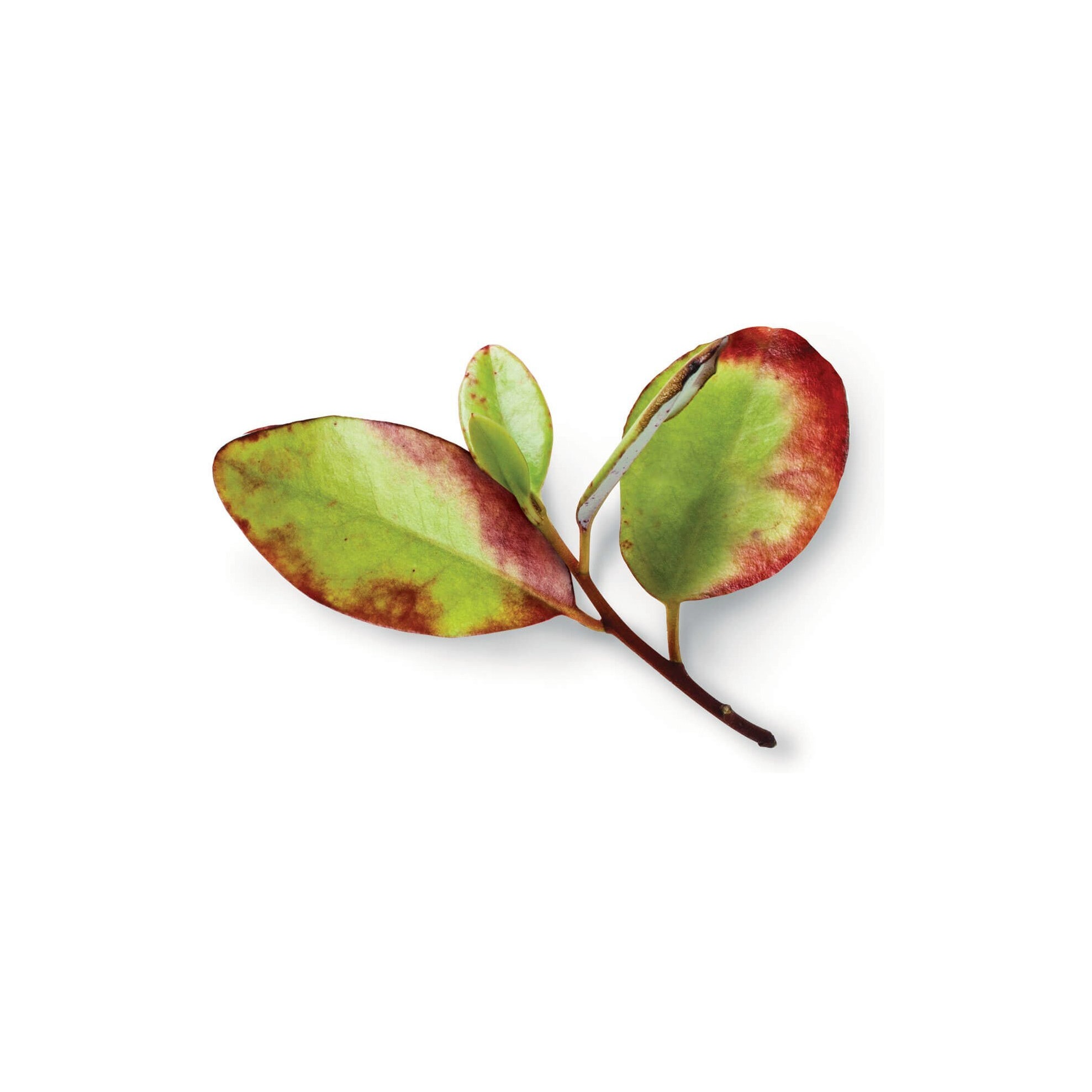 Horopito Pseudowintera colorata Documented for 9-deoxymuzigadial, polygodial, sesquiterpenes.
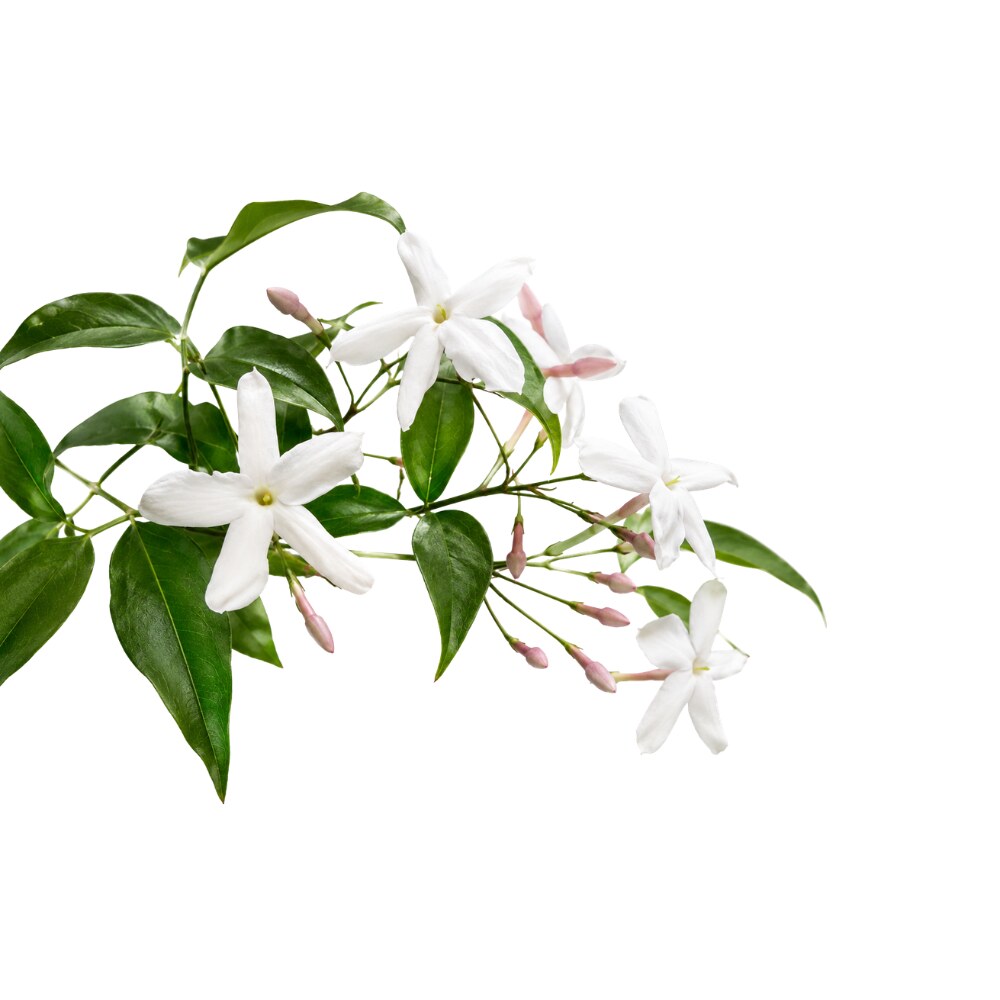 Jasmine Jasminum officinale Documented for linalool, linalyl acetate, nerolidol.
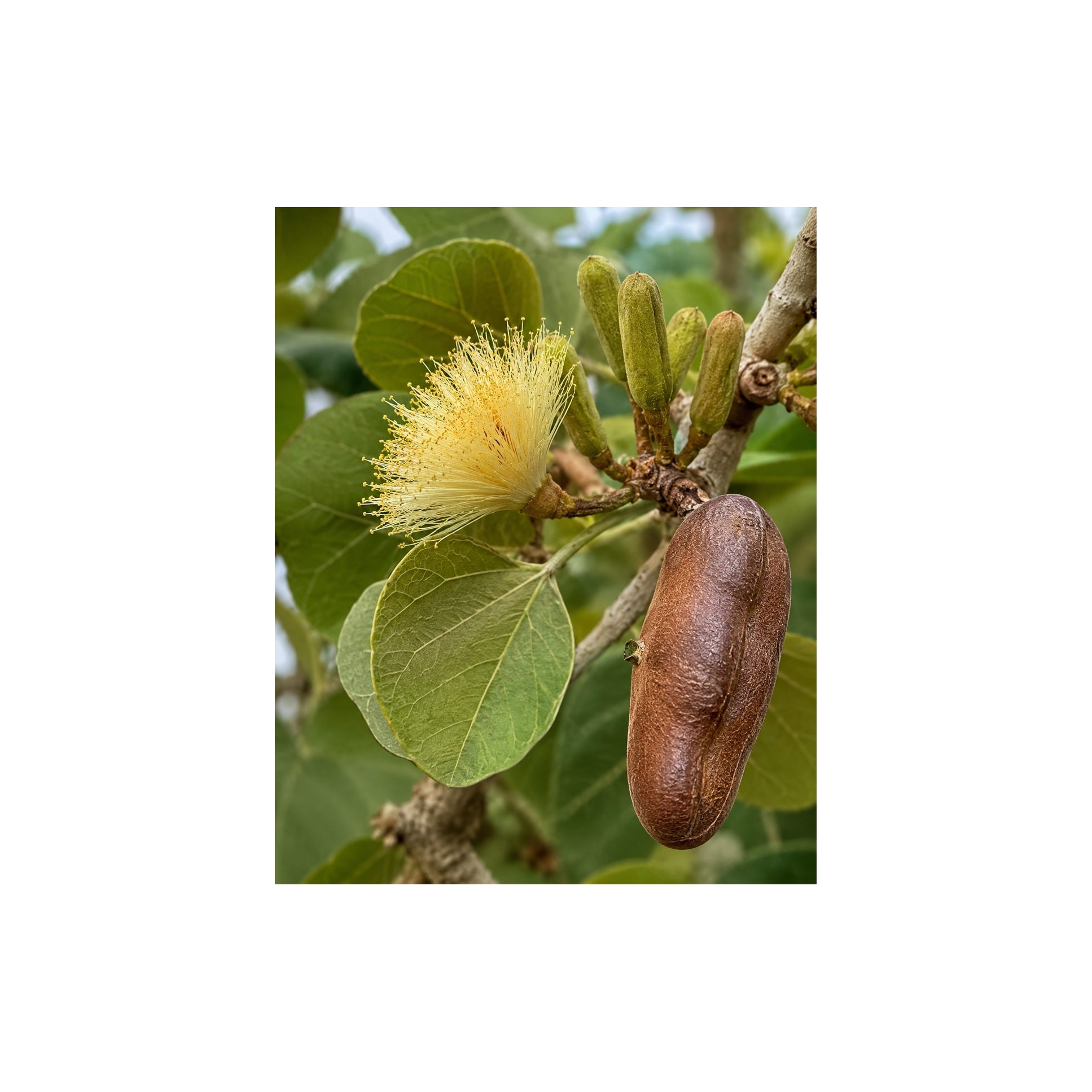 Jatobá Hymenaea courbaril Documented for caryophyllene, caryophyllene oxide, zanzibaric acid.
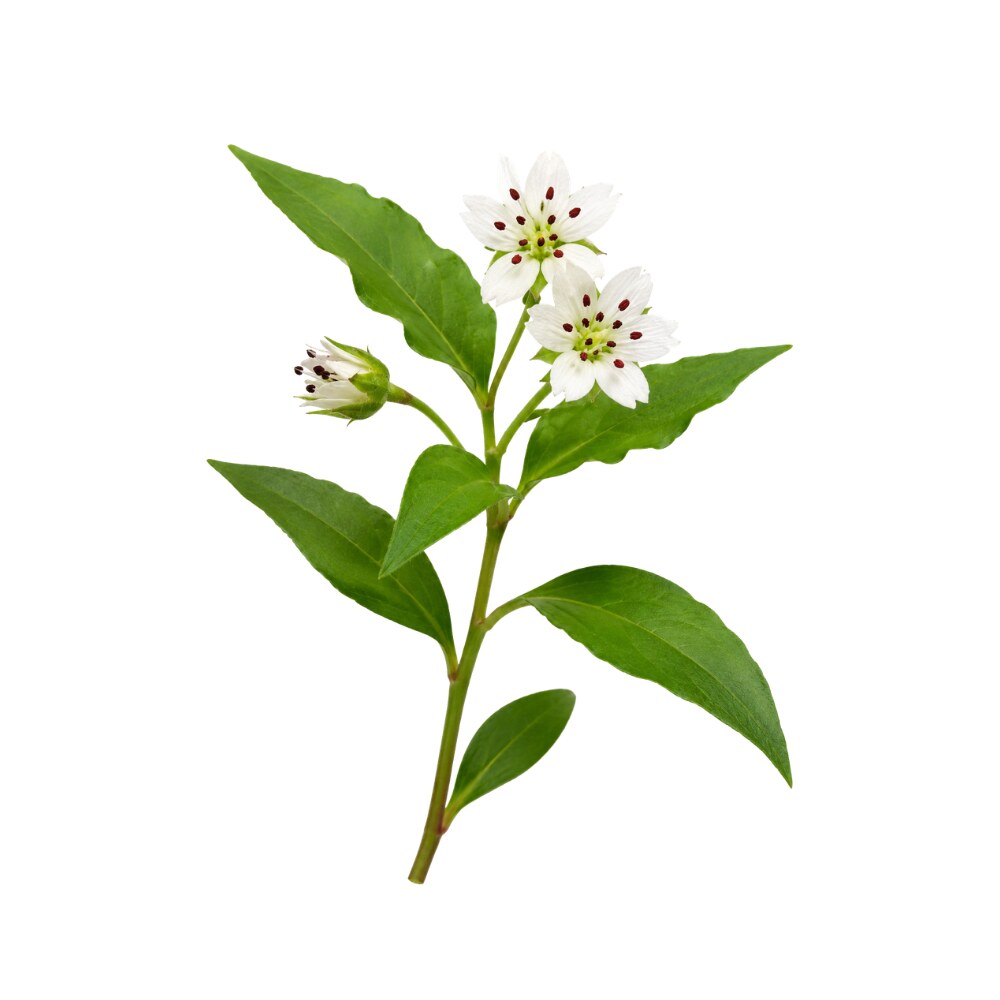 Kid Ginseng Pseudostellaria heterophylla Documented for beta-sitosterol, daucosterol, pseudostellarinoside A.
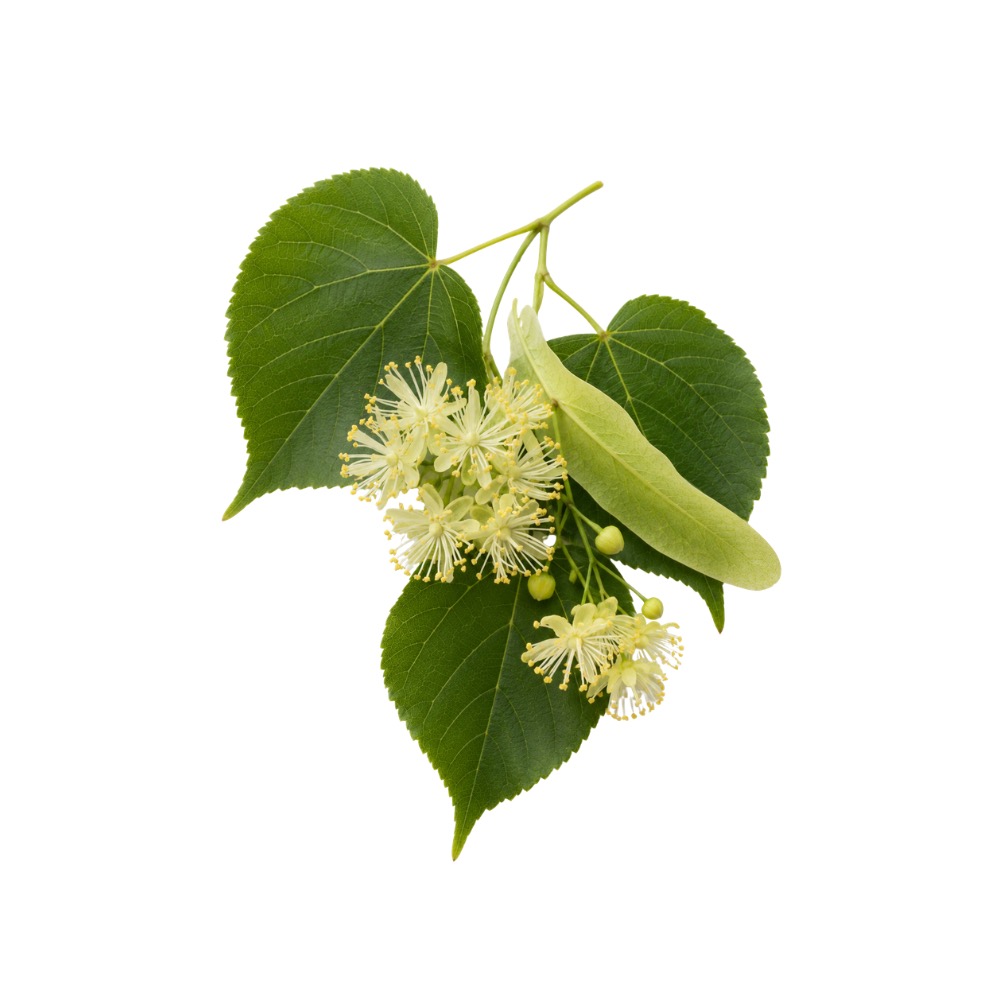 Linden Flower Tilia spp. Documented for beta-sitosterol, farnesol, linalool.
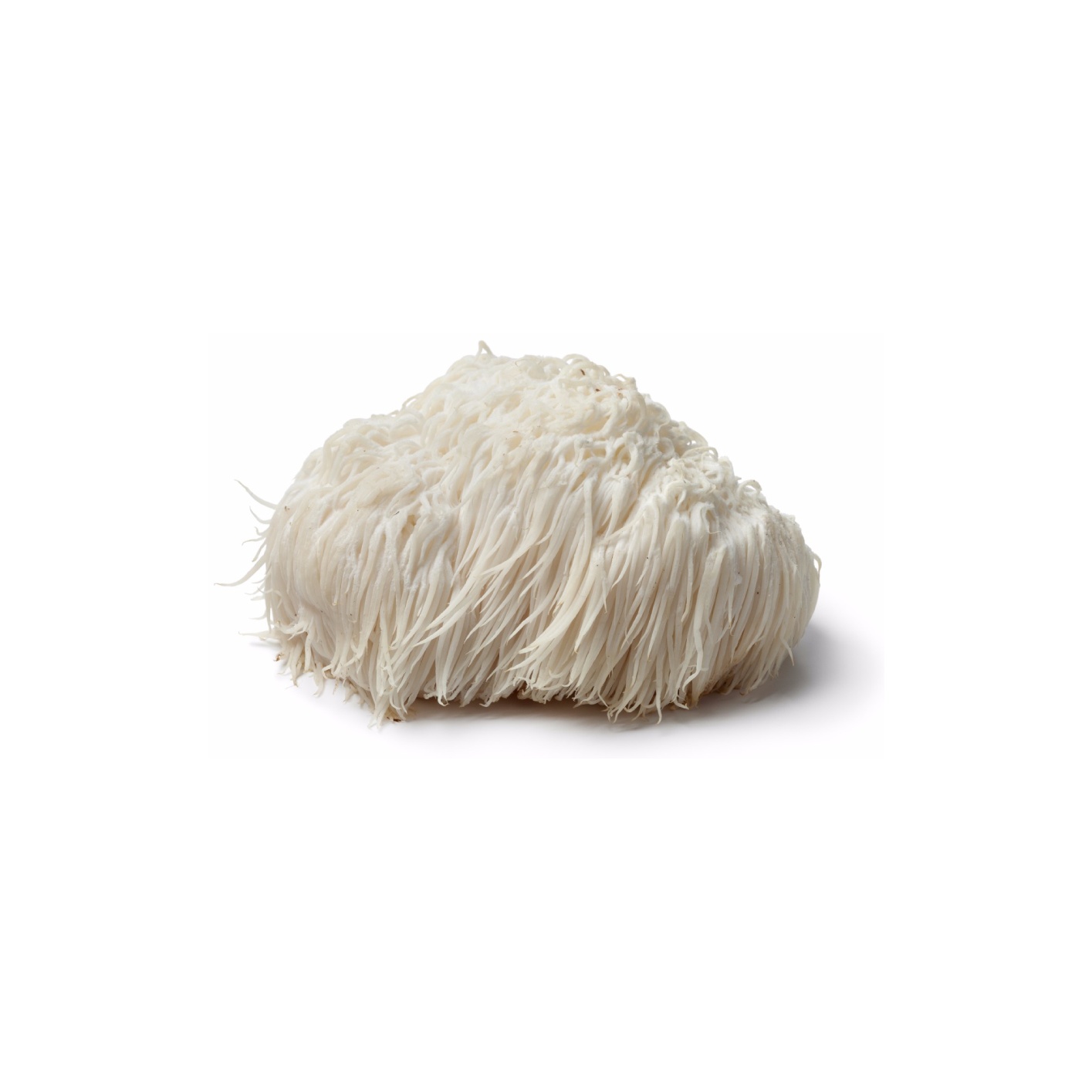 Lion's Mane Hericium erinaceus Documented for cyathane diterpenoids, ergosterol, erinacines.
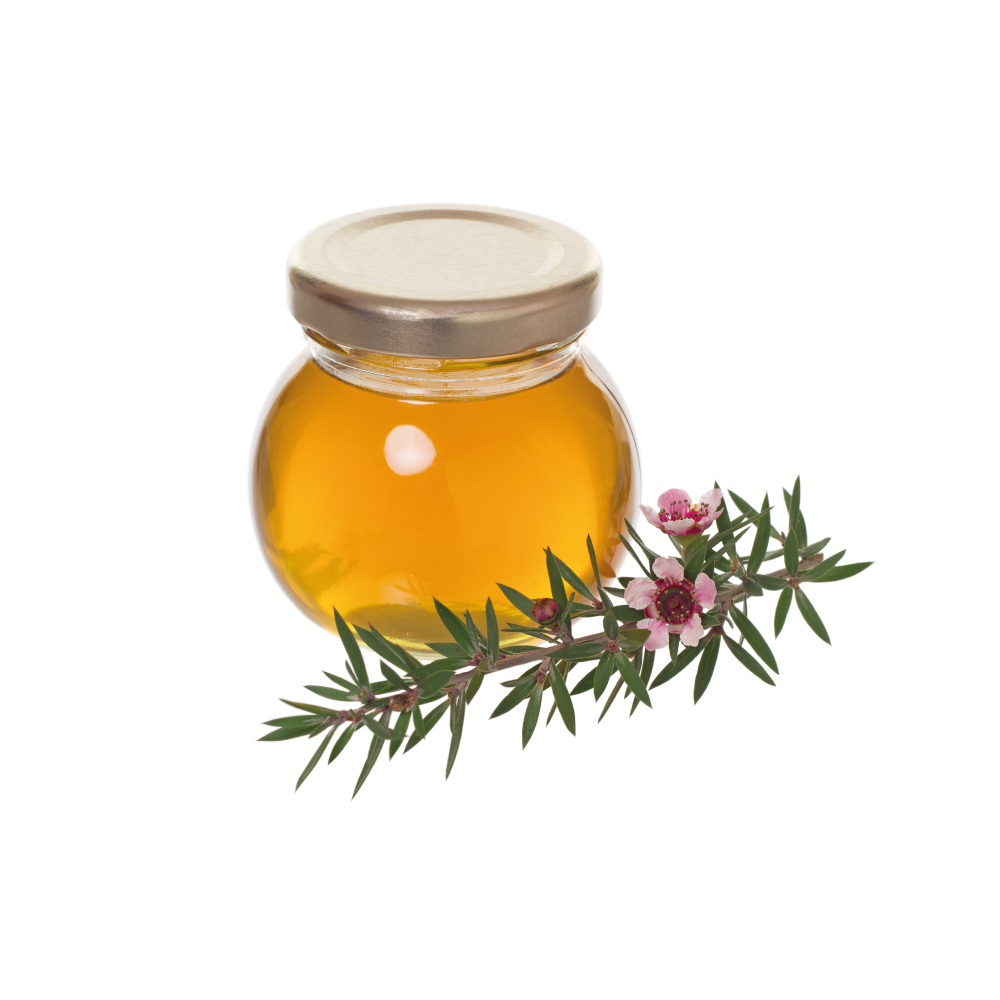 Manuka Leptospermum scoparium Documented for calamenene, citronellal, sesquiterpenes.
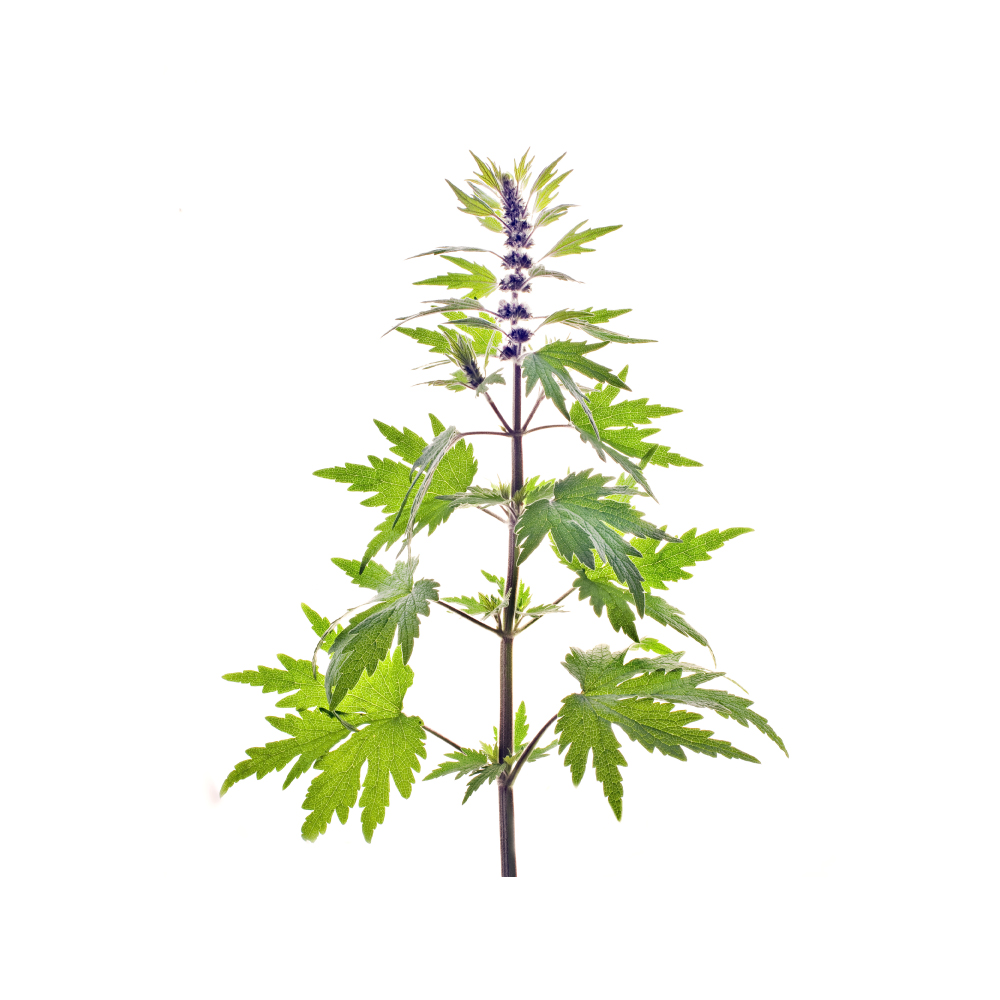 Motherwort Leonurus cardiaca Documented for leocardin, leonuride, ursolic acid.
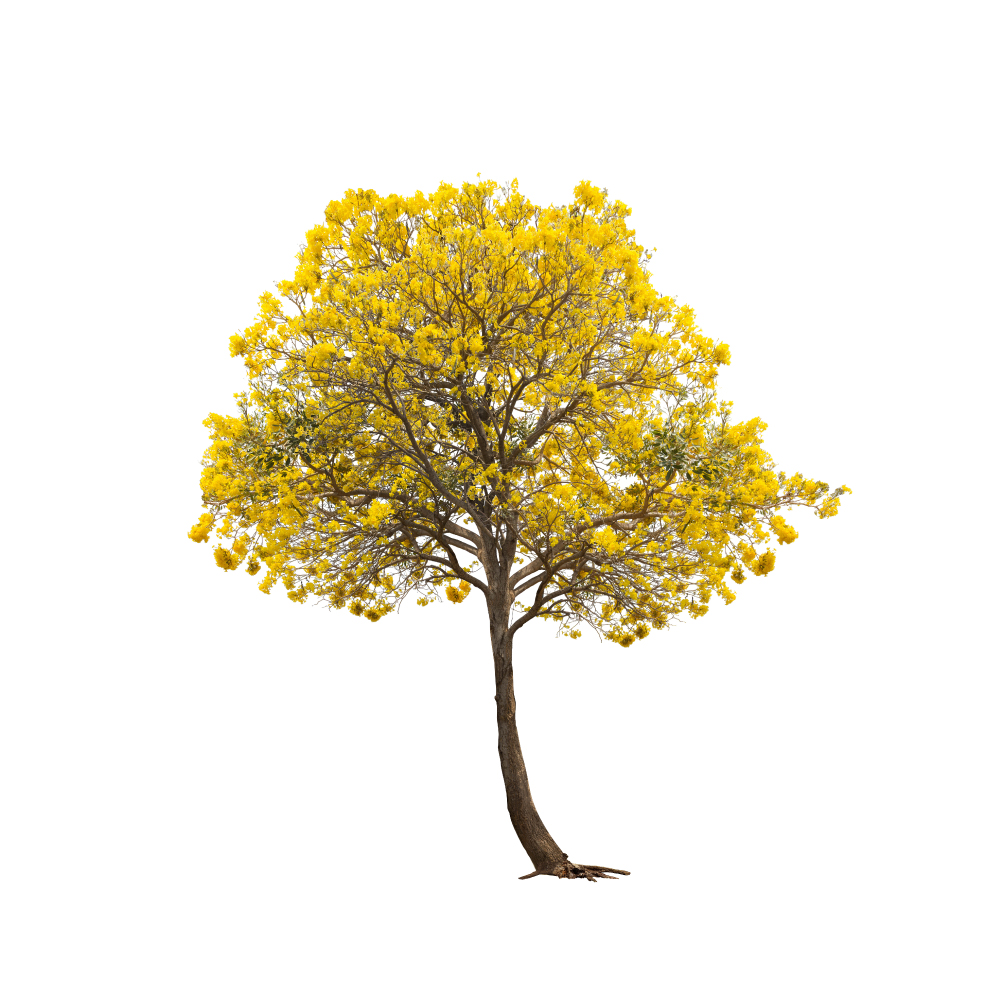 Pau D'Arco Tabebuia impetiginosa Documented for ajugols, iridoid glycosides, specioside.
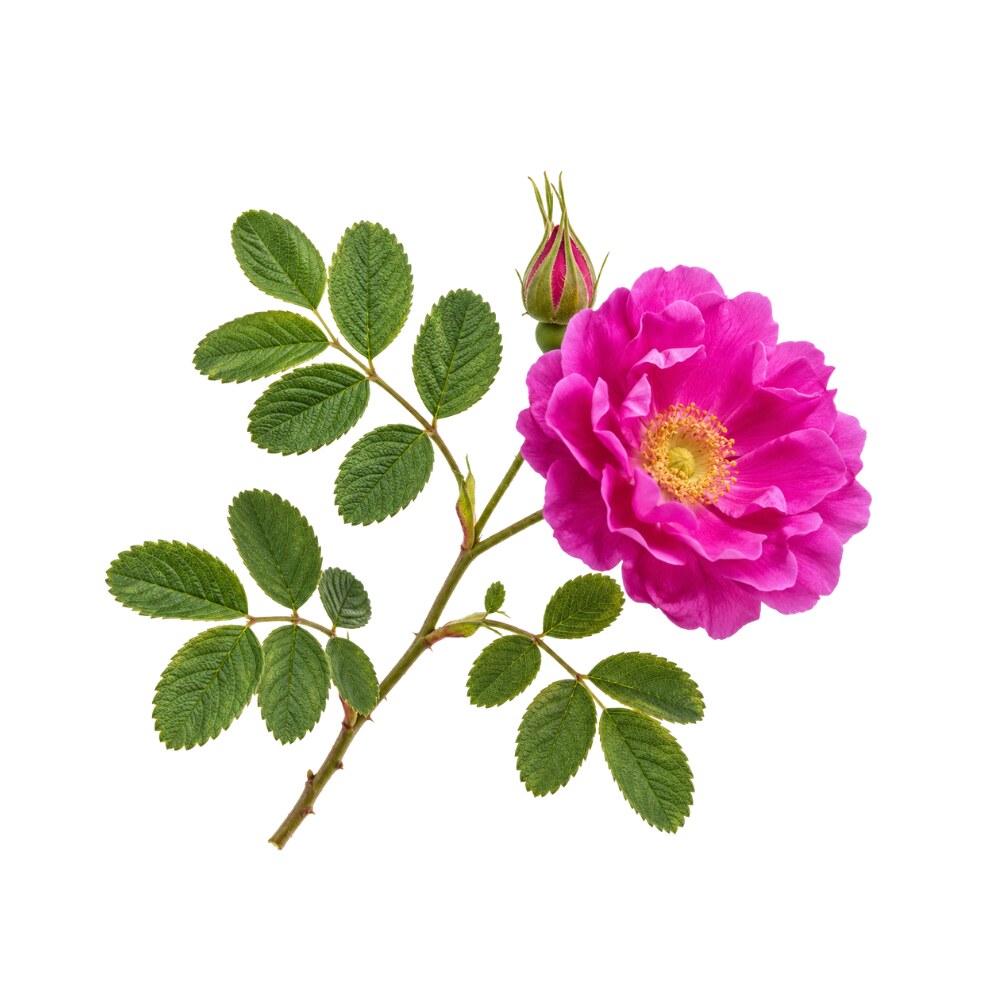 Rose Rosa spp. Documented for citronellol (15.9–35.3 % of oil), geraniol (8.3–30.2 % of oil), nerol (4–9.6 % of oil).
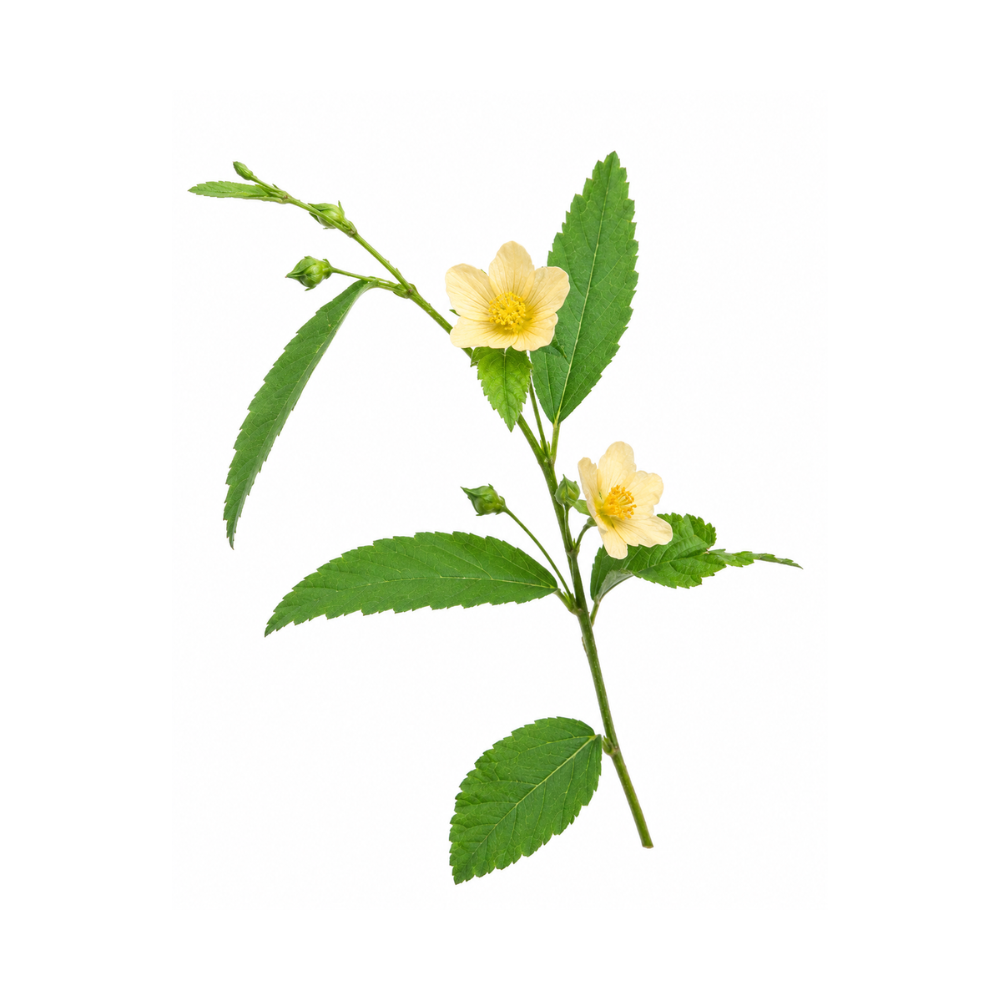 Wireweed Sida acuta Documented for 20-hydroxyecdysone, beta-sitosterol, stigmasterol.
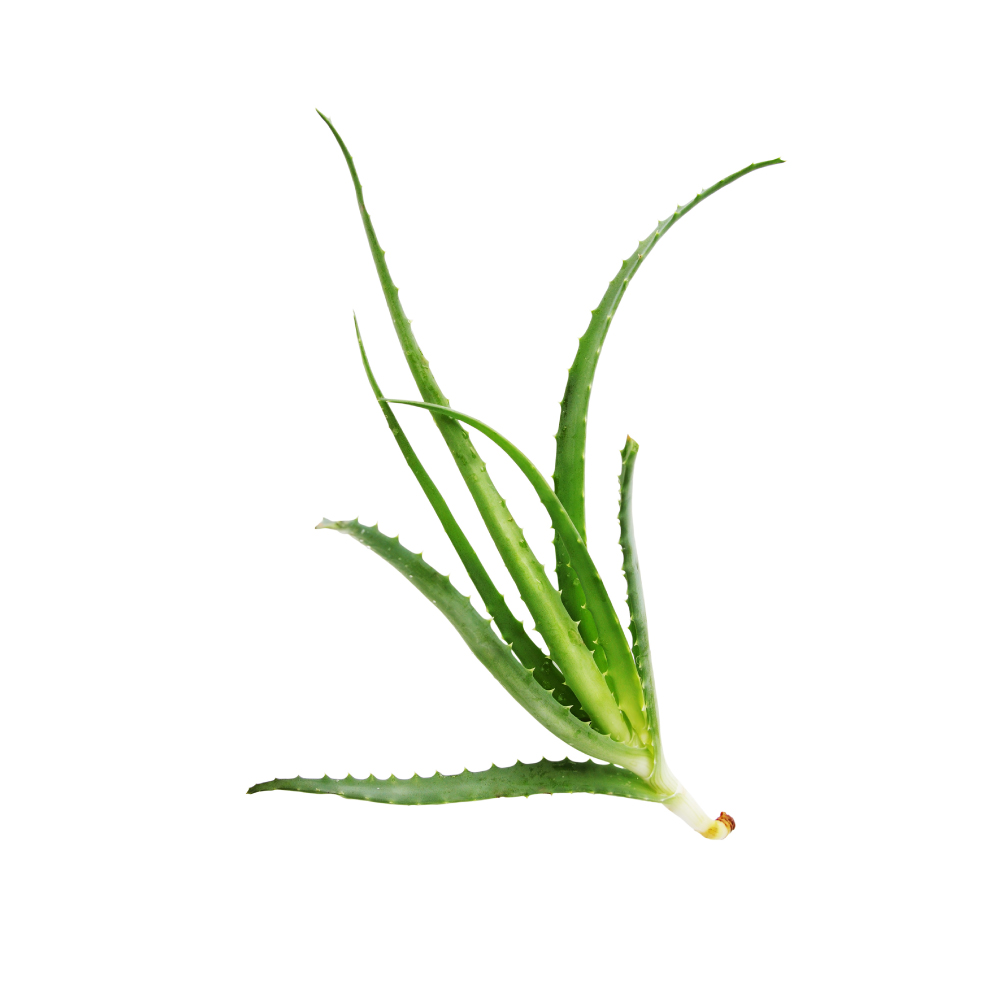 Aloe Aloe vera Documented for saponins, sterols.
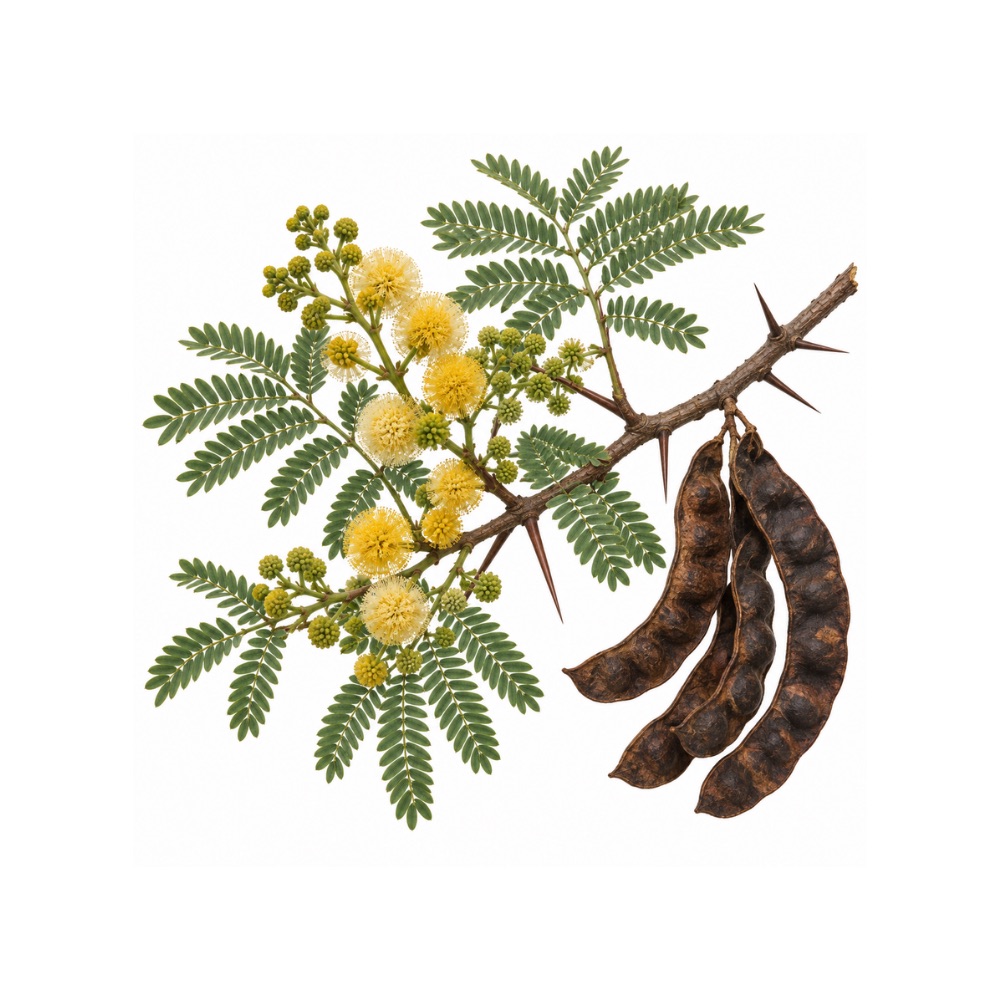 Babul Vachellia nilotica Documented for lupeol, niloticane.
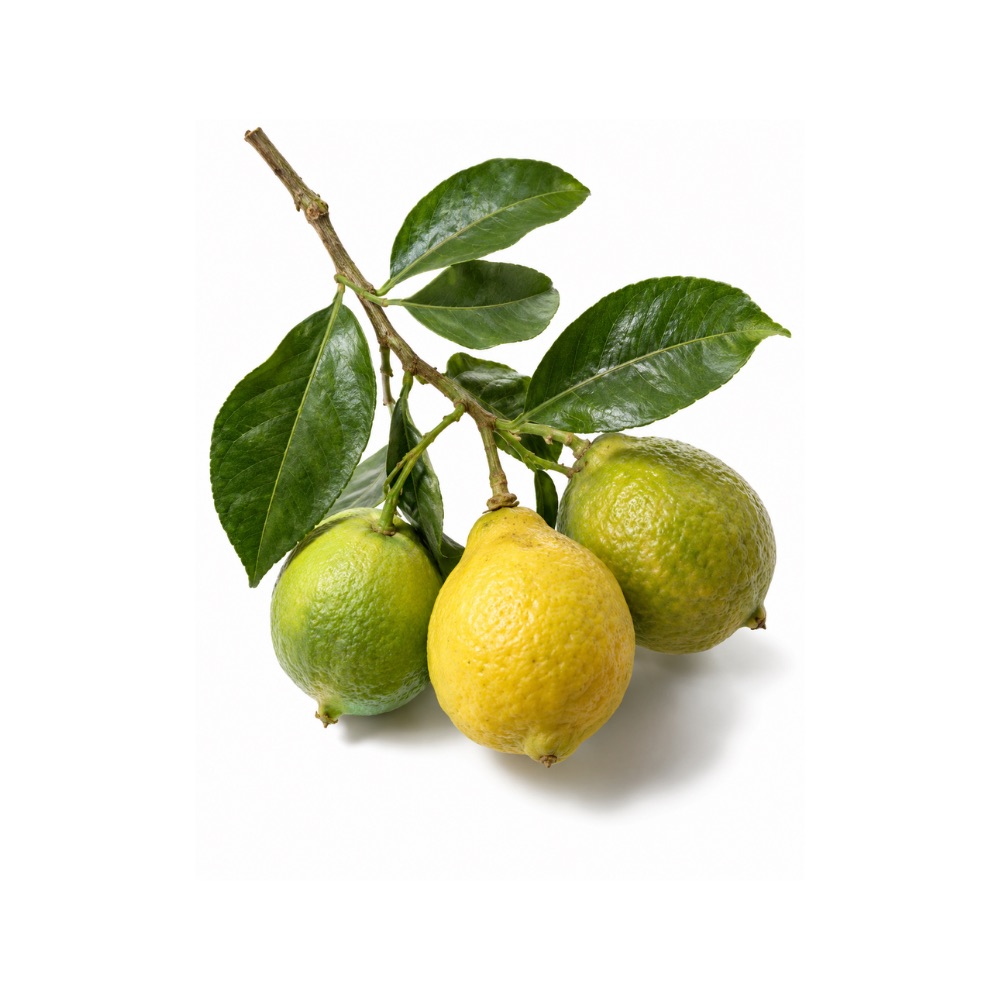 Bergamot Citrus bergamia Documented for linalyl acetate, ocimene.
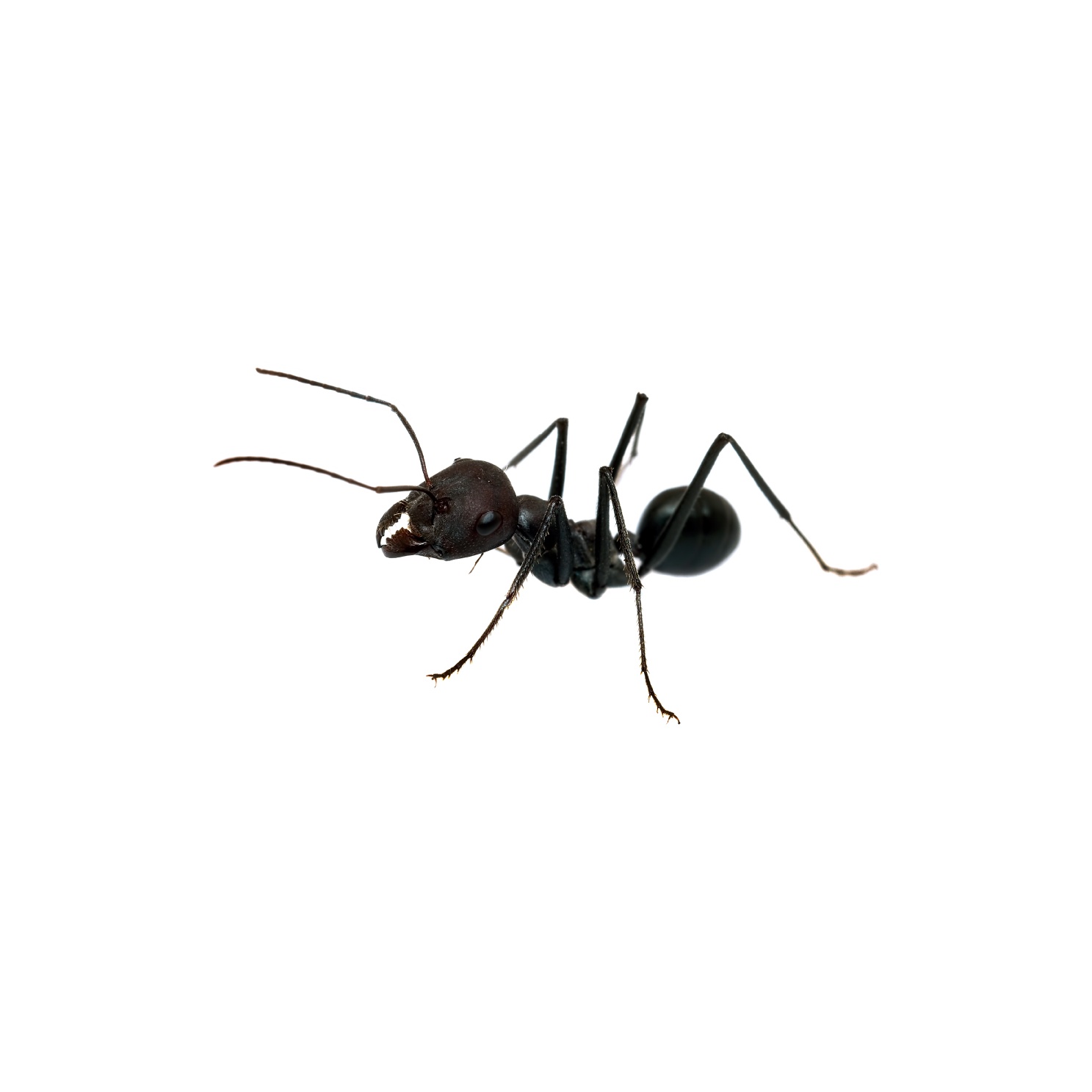 Black Ant Polyrhachis spp. Documented for 20-hydroxyecdysone, beta-sitosterol.
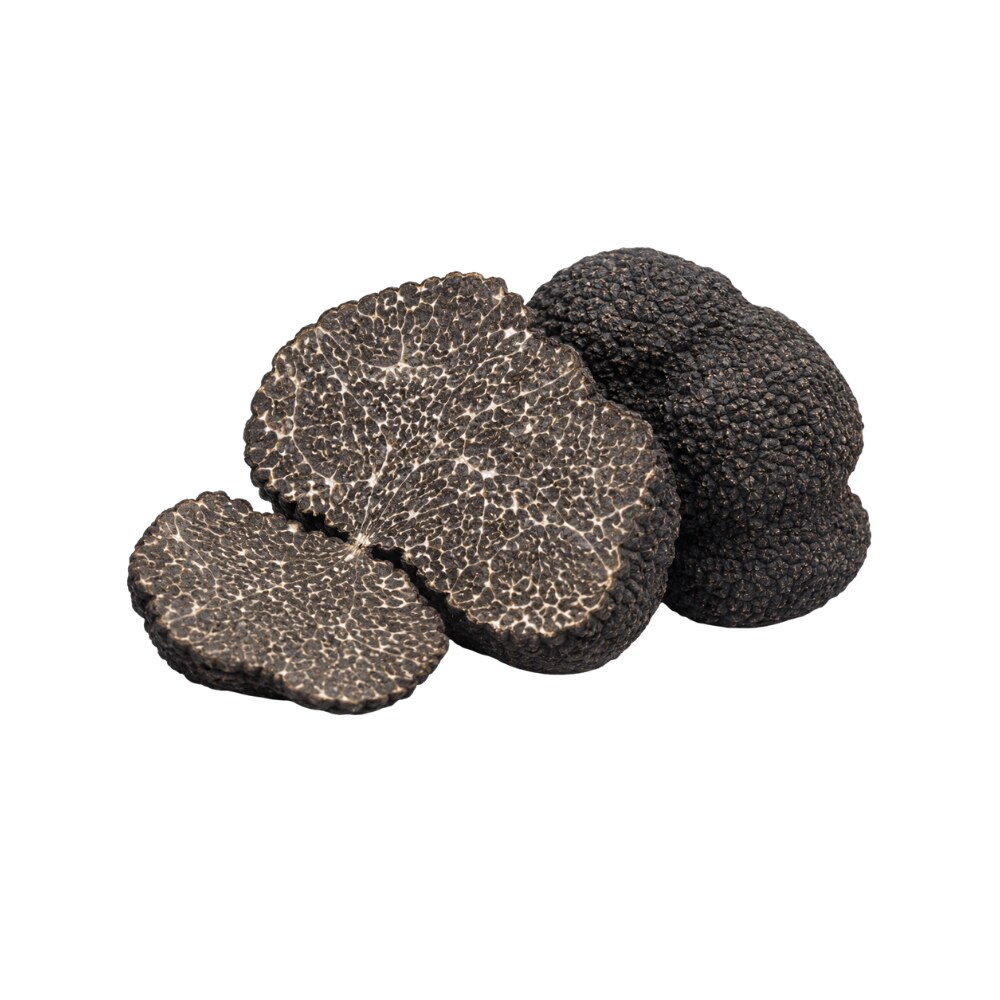 Black Truffle Tuber melanosporum Documented for androstenol, ergosterol.
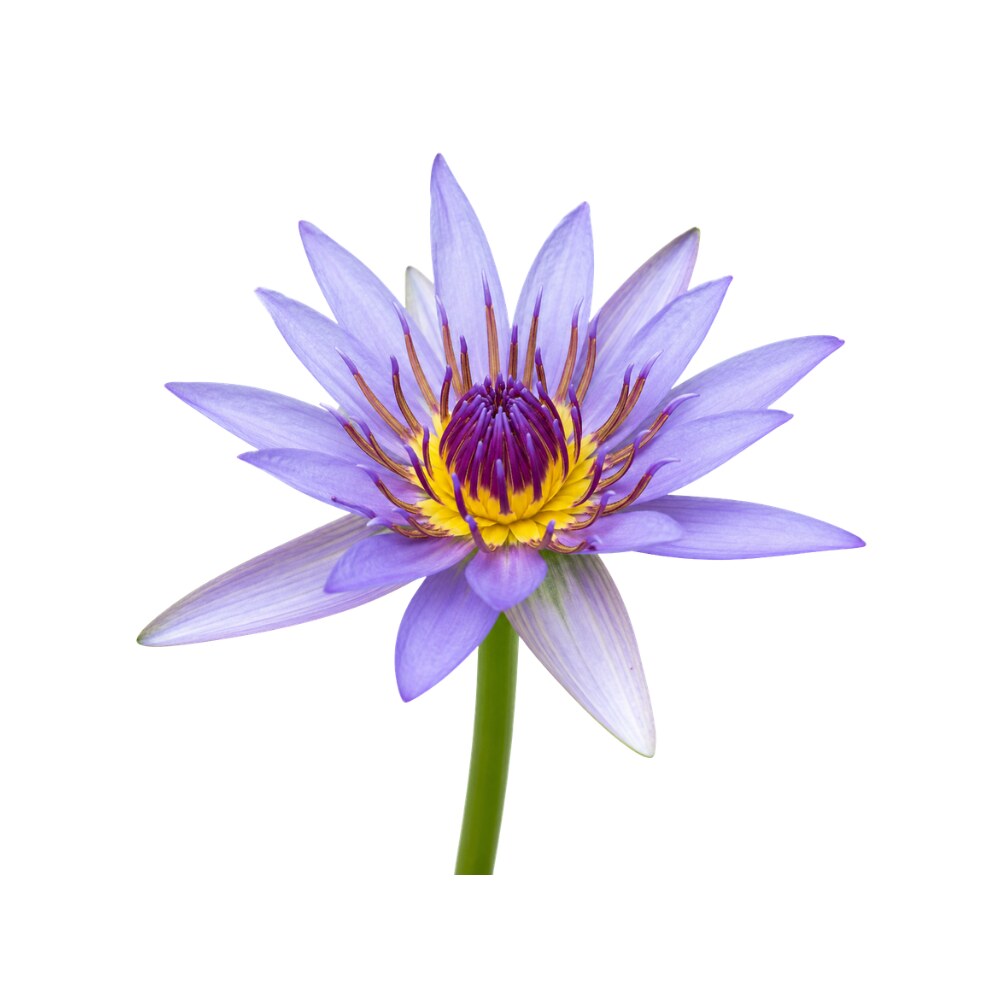 Blue Lotus Flower Nymphaea caerulea Documented for beta-sitosterol, stigmasterol.
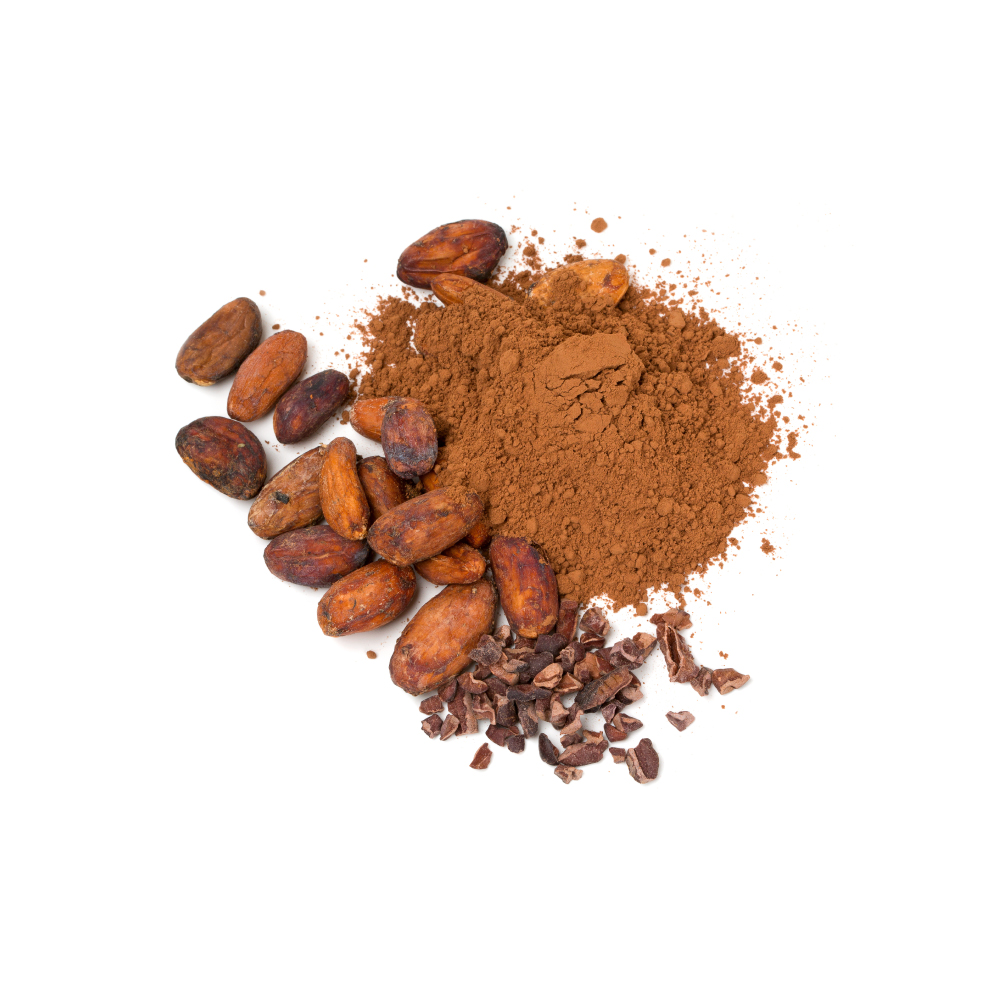 Cacao Theobroma cacao Documented for saponins, triterpenes.
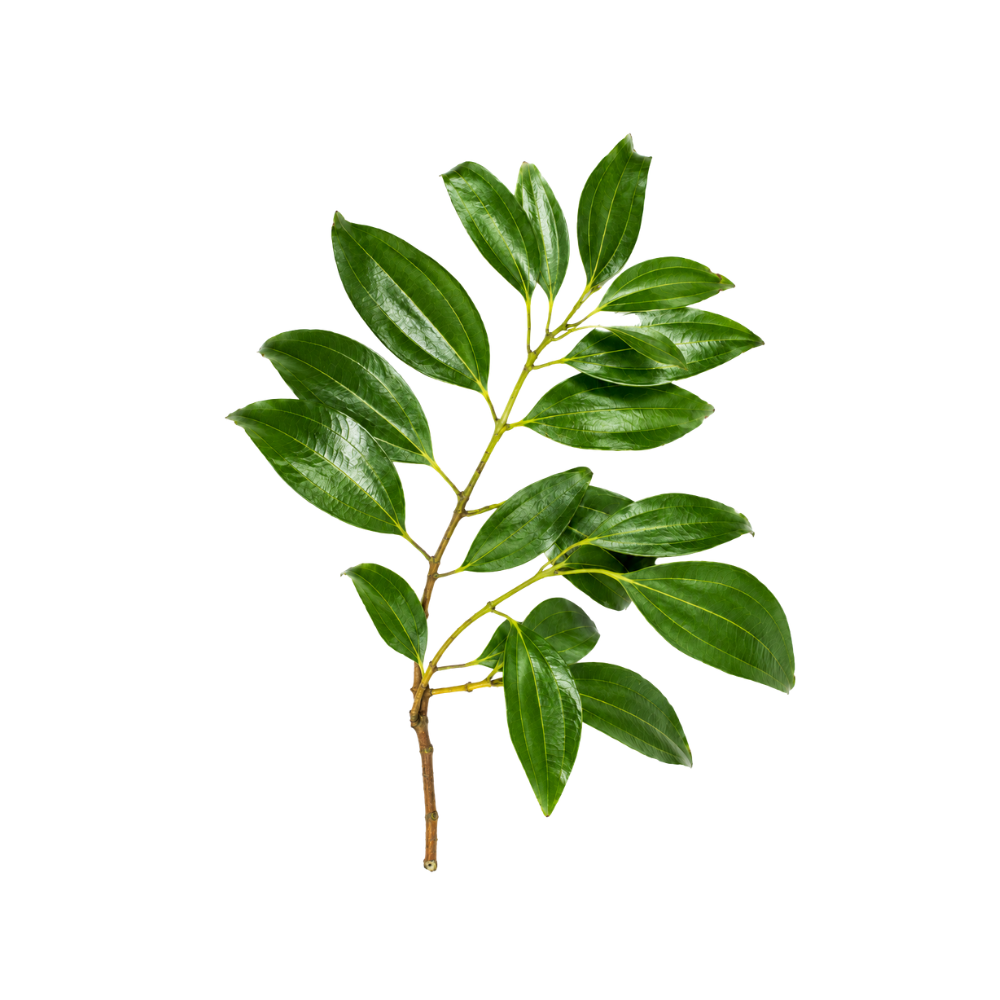 Ceylon Cinnamon Cinnamomum verum Documented for caryophyllene, linalool.
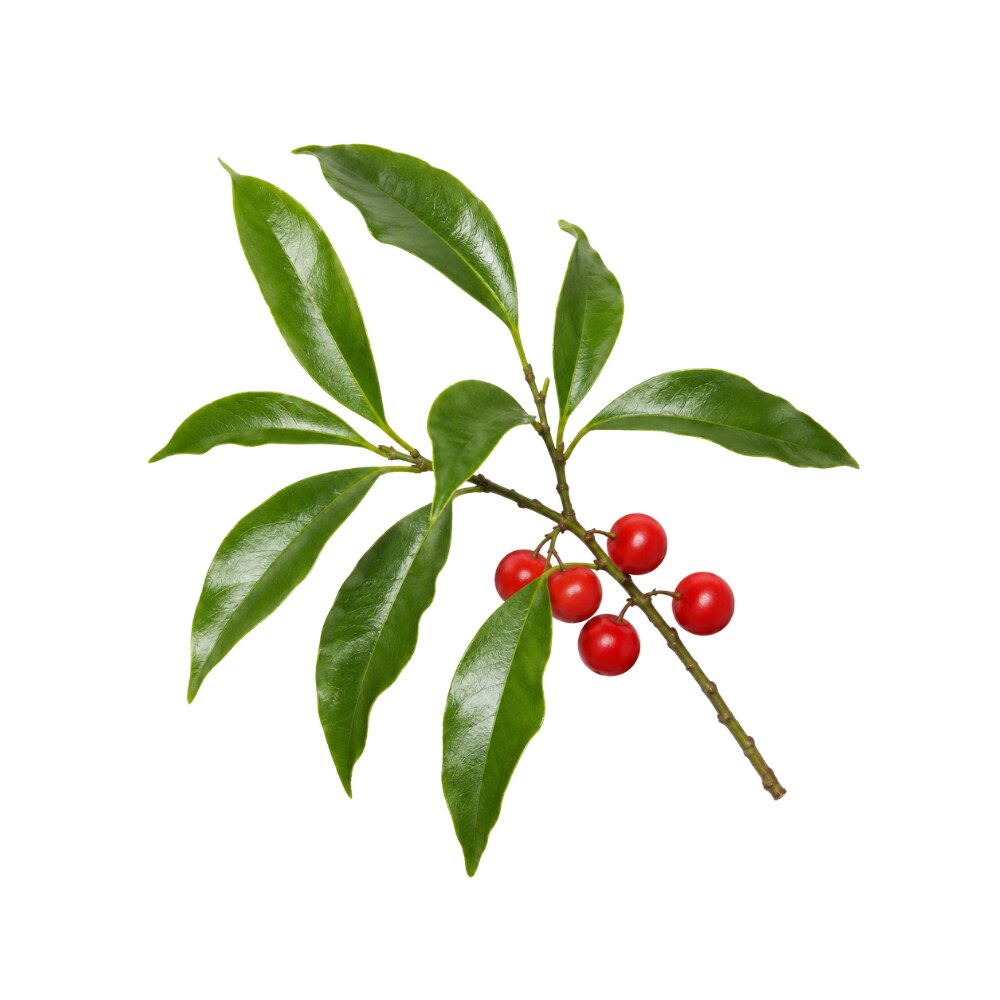 Chá de Bugre Cordia salicifolia Documented for beta-sitosterol, spathulenol.
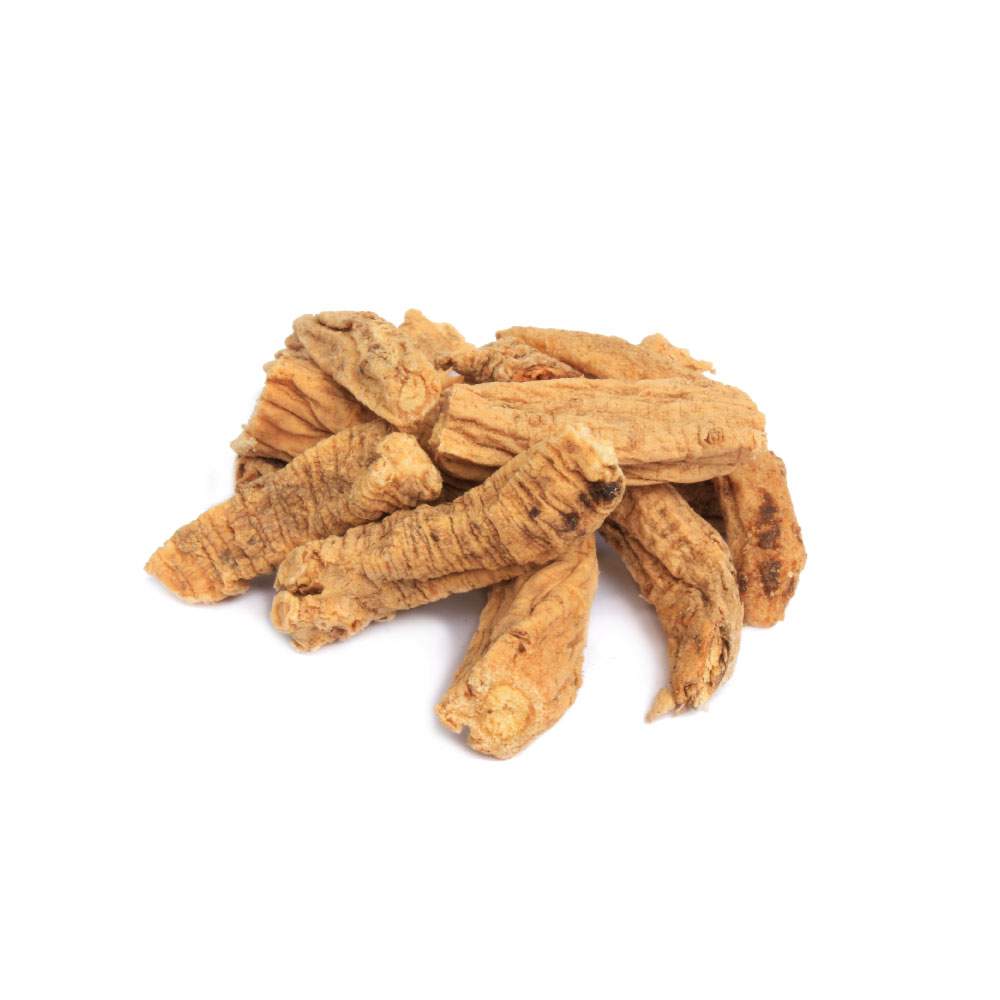 Codonopsis Codonopsis pilosula Documented for saponins, sesquiterpenes.
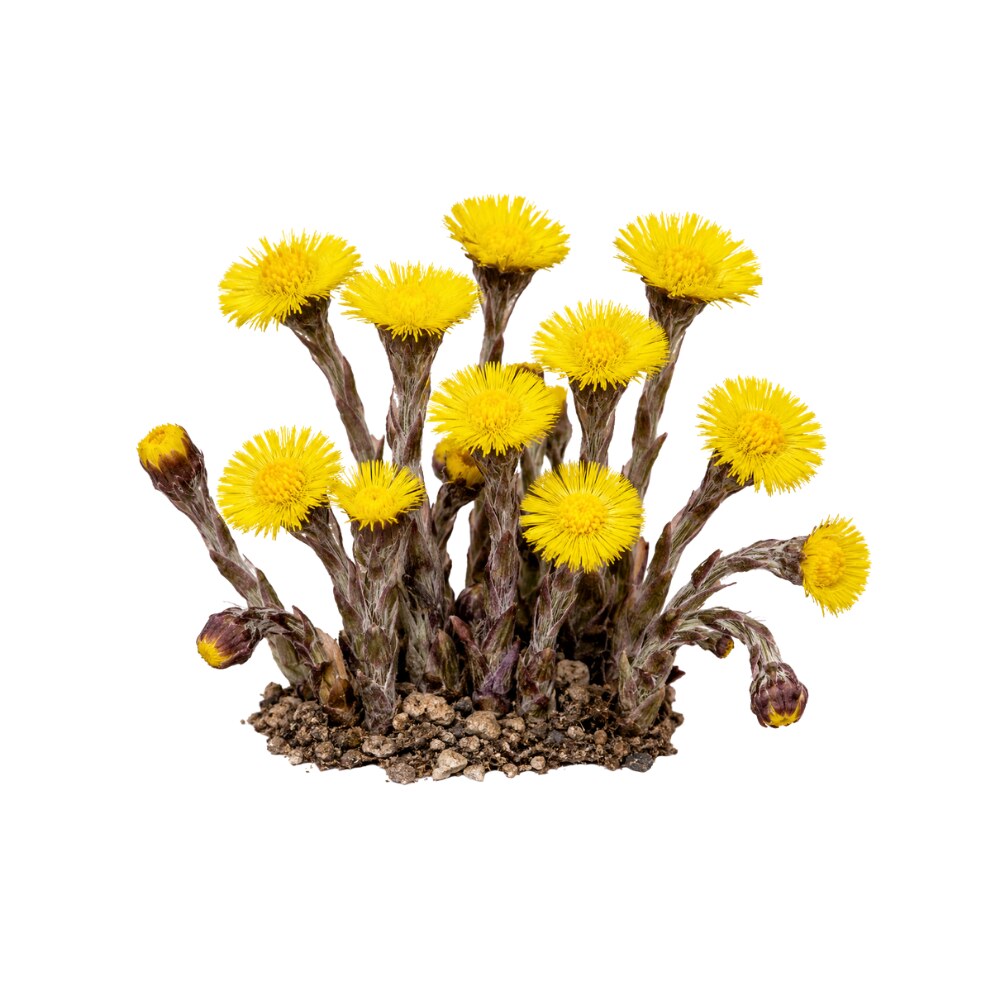 Coltsfoot Tussilago farfara Toxic Documented for tussilagone (0.07 % dry wt), tussilagonone.
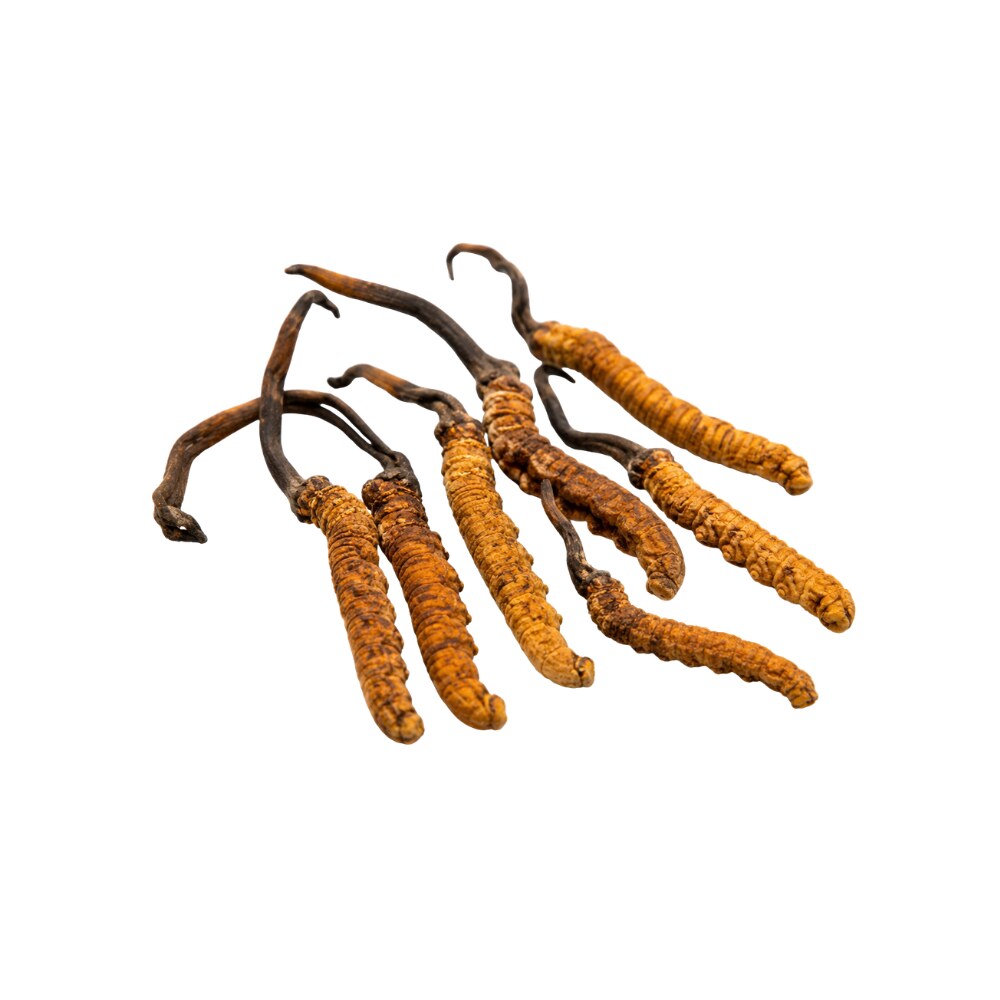 Cordyceps Ophiocordyceps sinensis Documented for ergosterol, ergosterol peroxide.
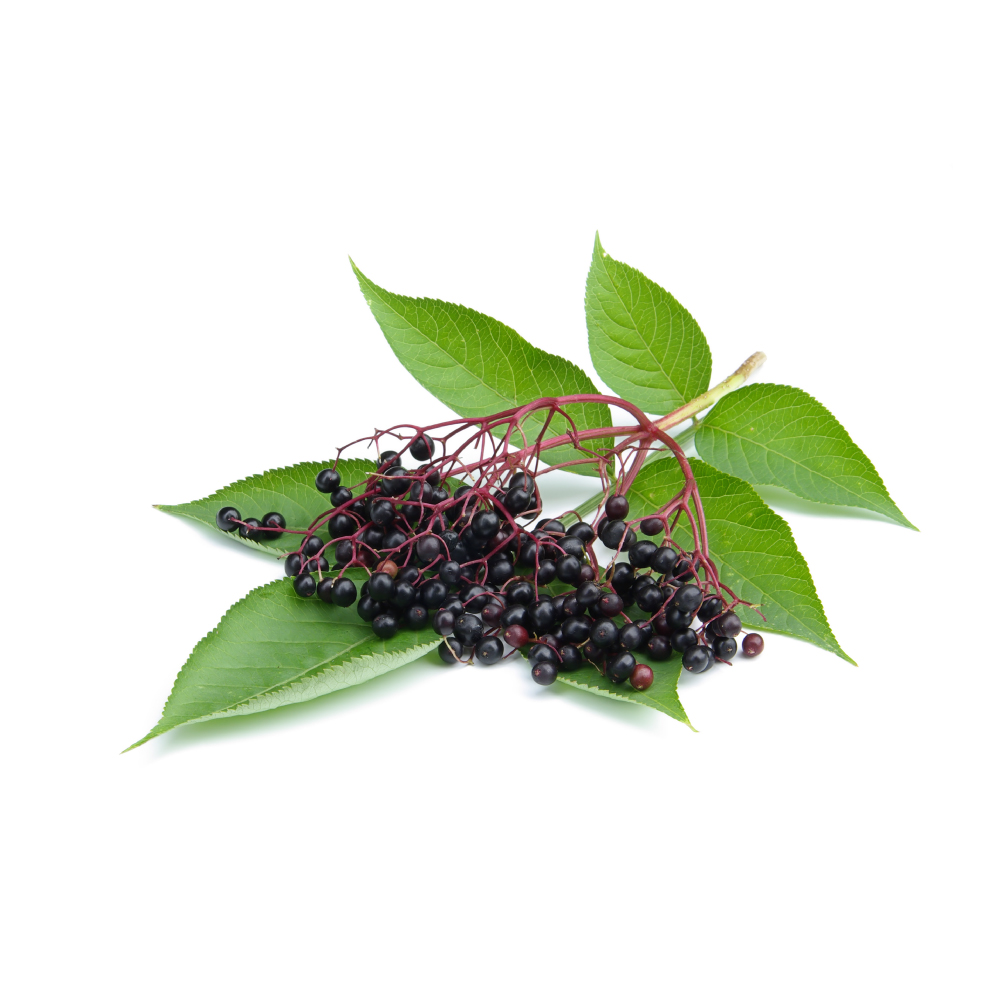 Elderberry Sambucus nigra Documented for triterpenoids, ursolic acid.
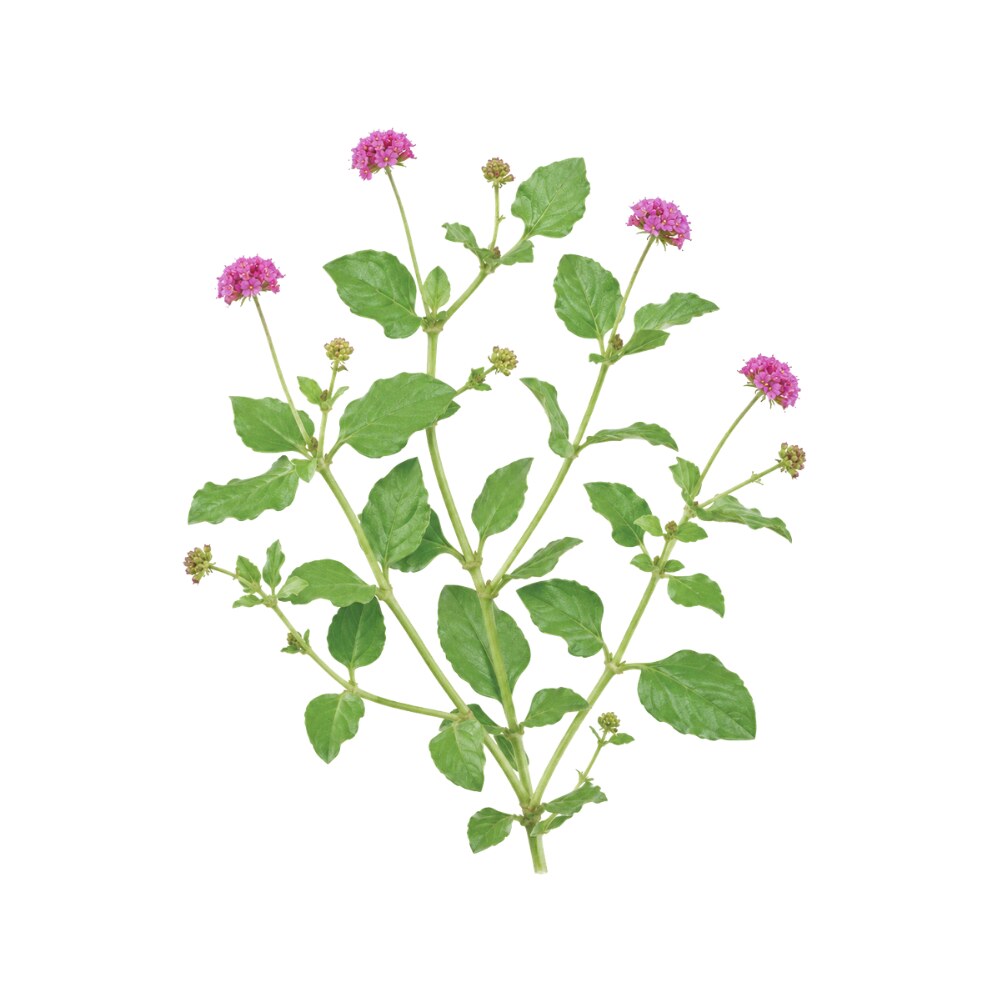 Erva Tostão Boerhavia diffusa Documented for beta-sitosterol, ursolic acid.
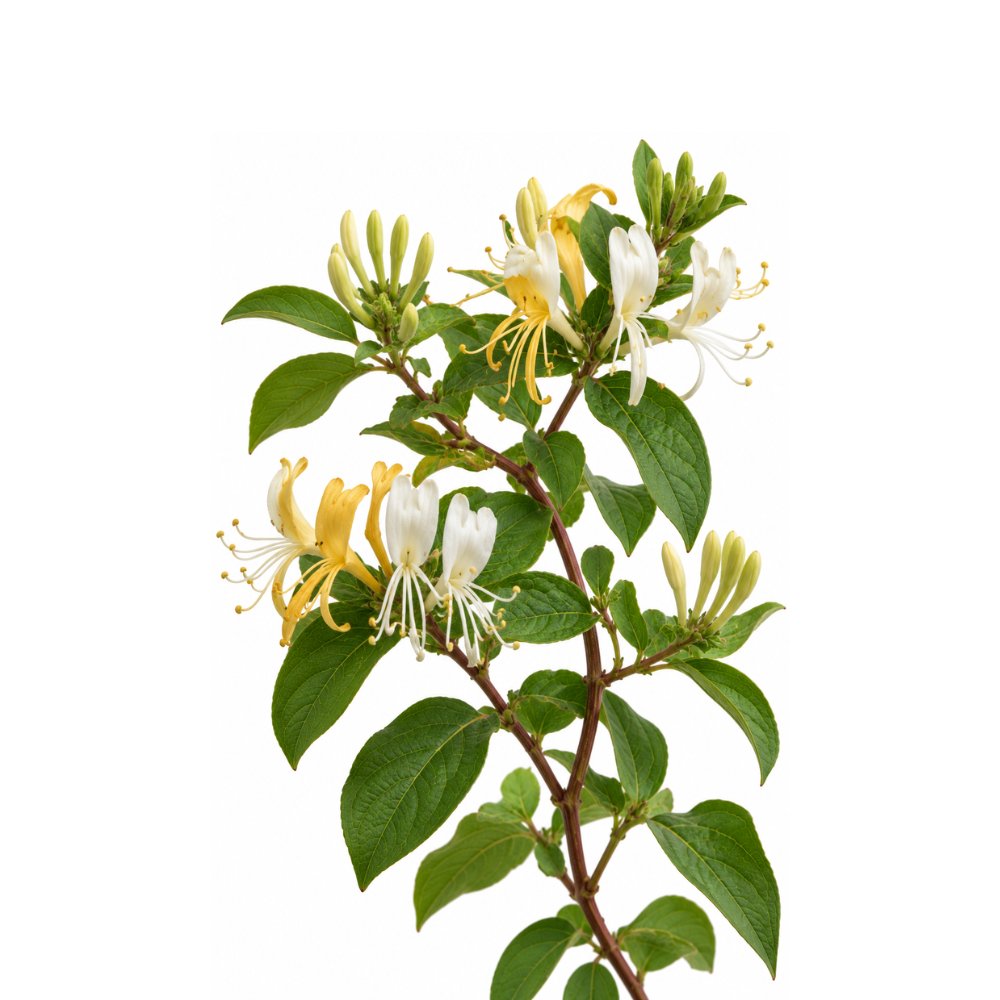 Honeysuckle Lonicera japonica Documented for loganin, sweroside.
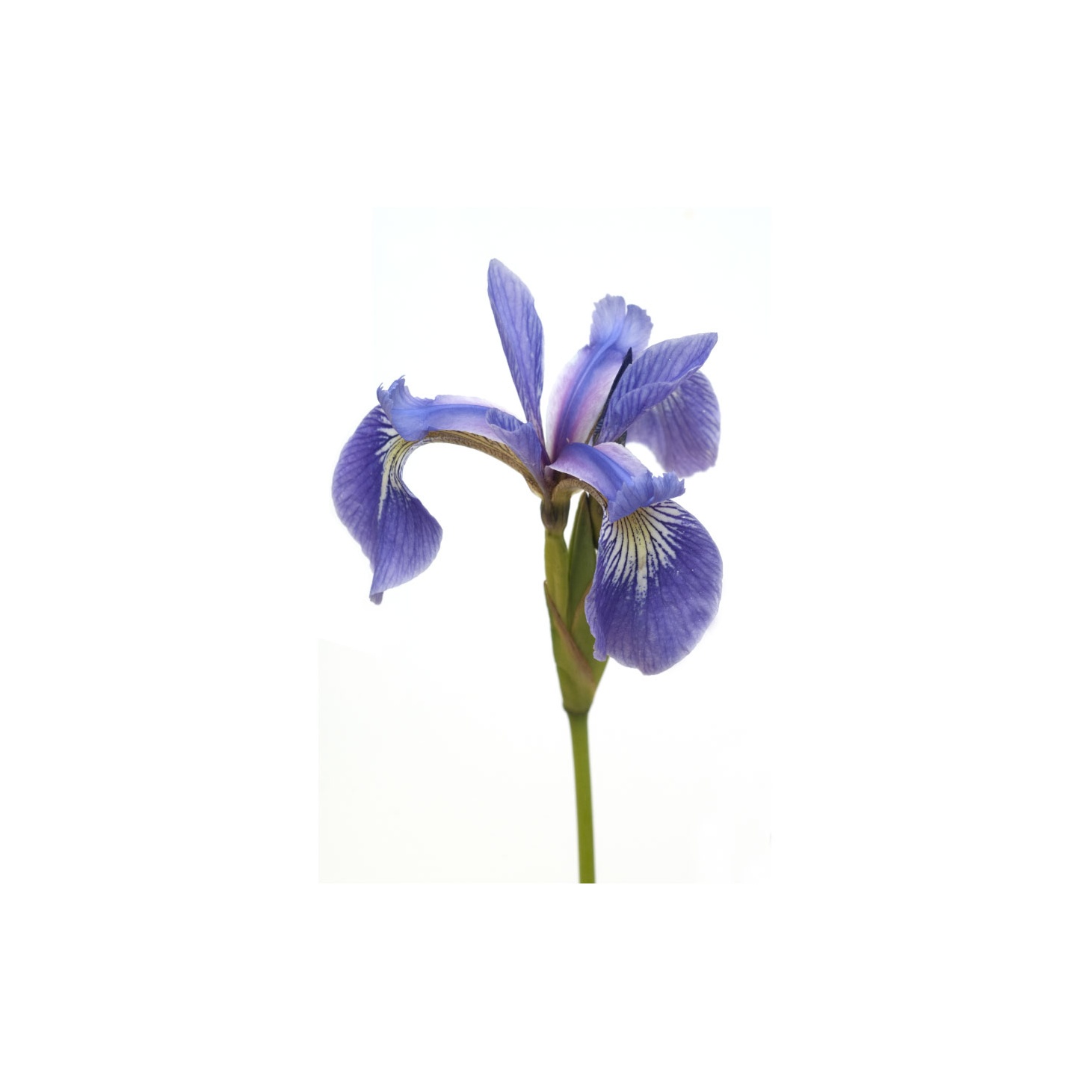 Iris Iris versicolor Documented for phytosterols, triterpenoids.
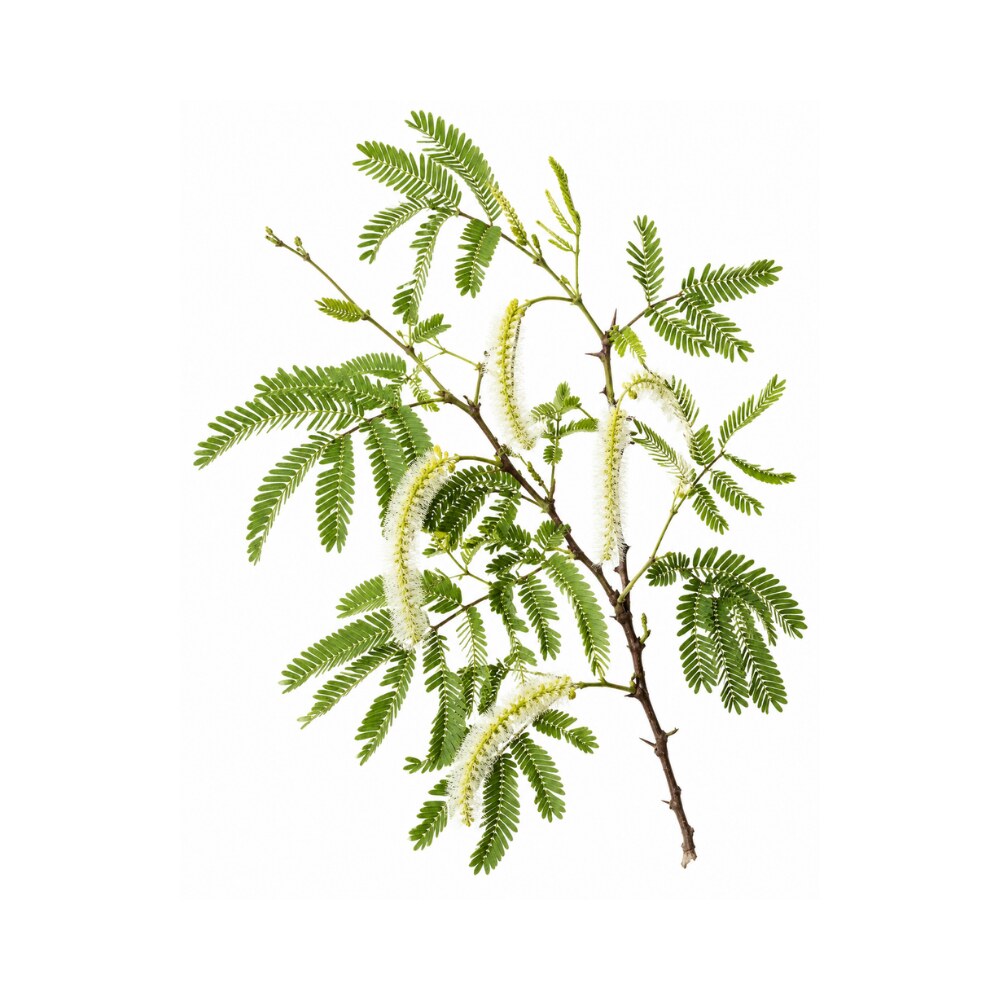 Jurema Mimosa tenuiflora Documented for lupeol, saponins.
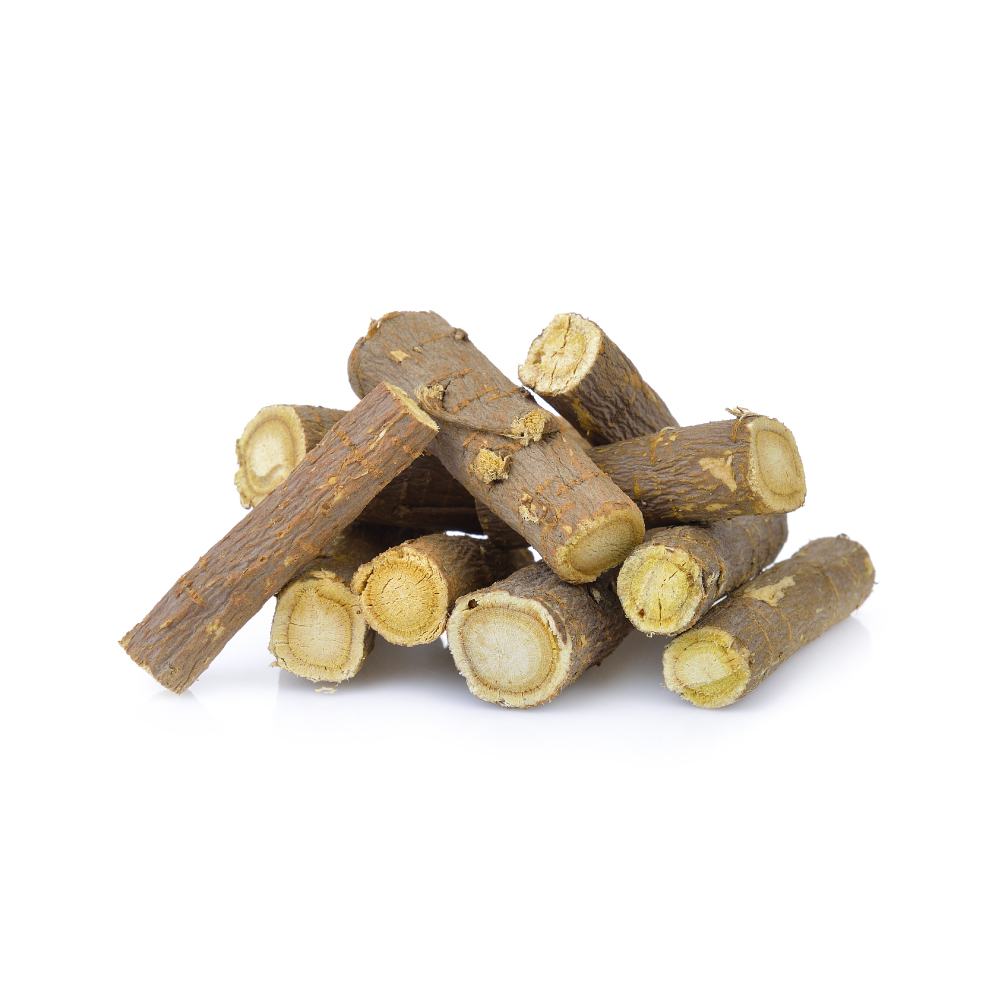 Licorice Glycyrrhiza glabra Documented for glycyrrhetinic acid (2–6 % dry wt (as glycyrrhizin)), glycyrrhizin (2–6 % dry wt).
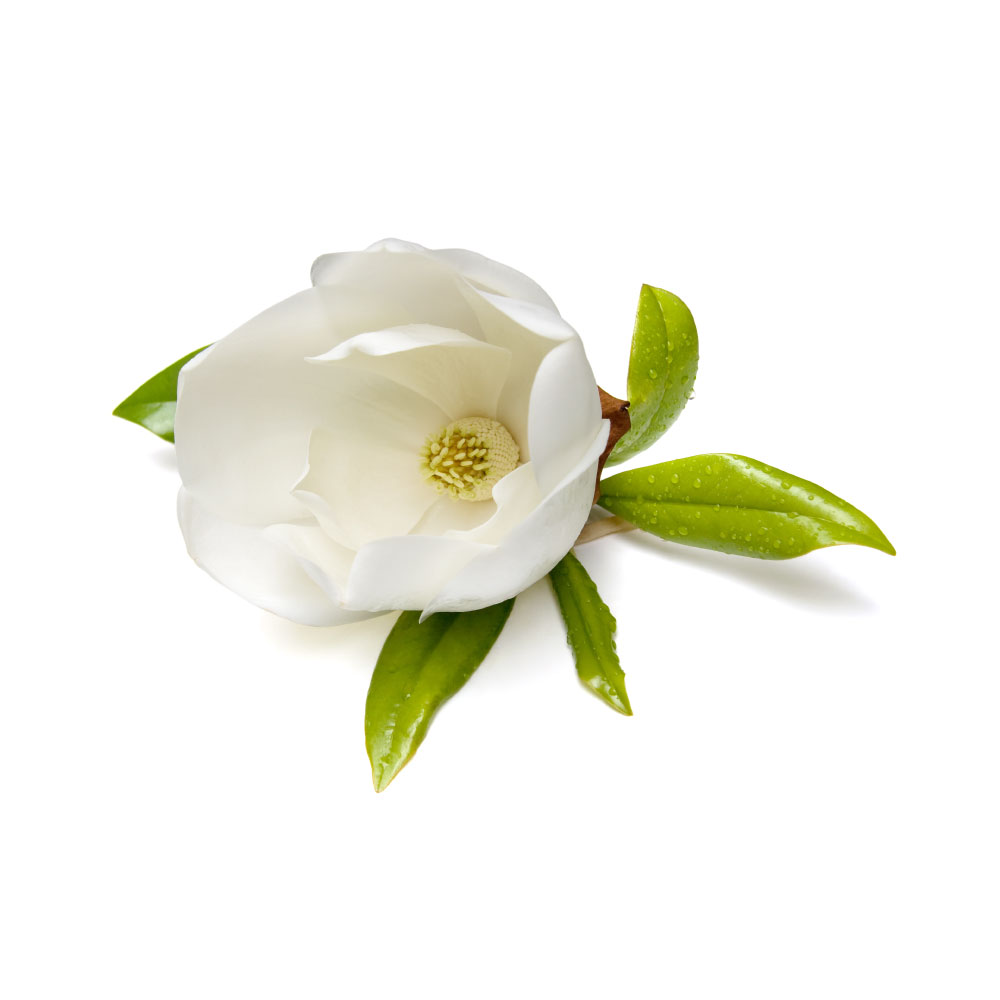 Magnolia Magnolia officinalis Documented for beta-eudesmol, costunolide.
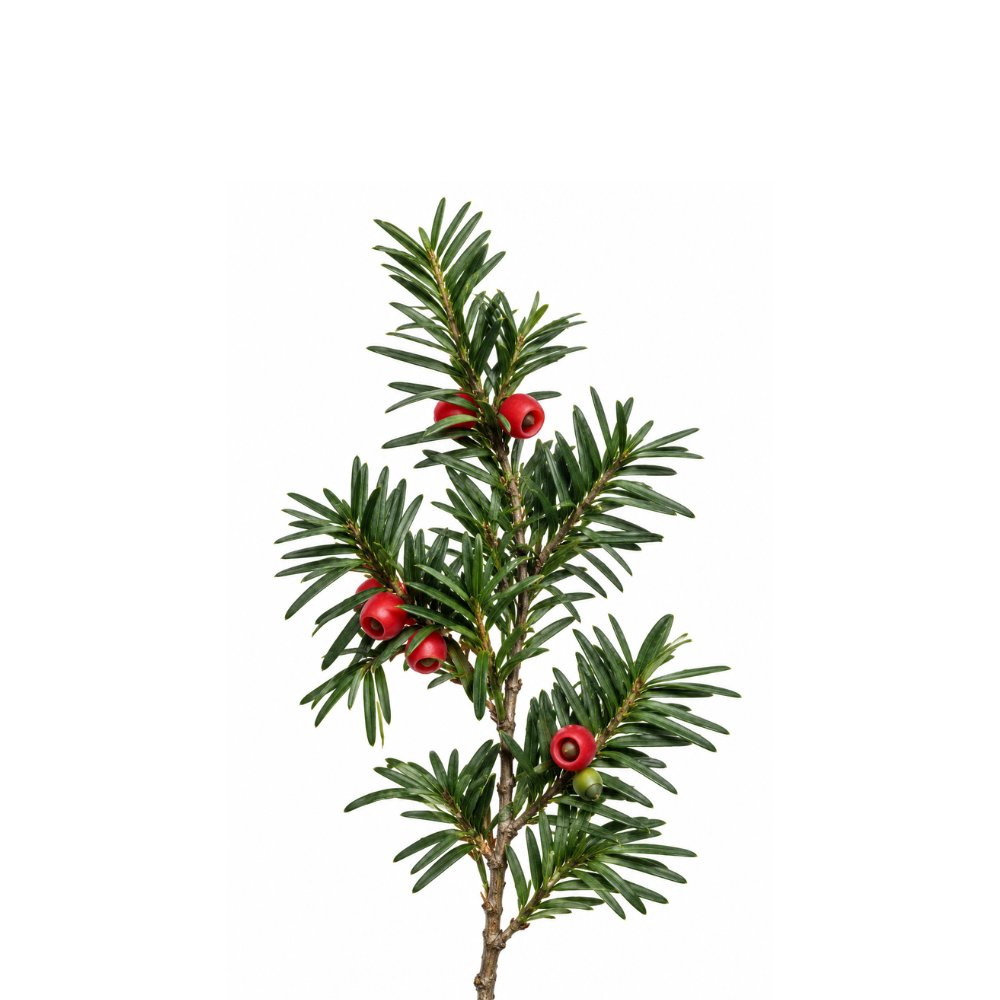 Pacific Yew ☠️ Taxus brevifolia Toxic Documented for 10-deacetylbaccatin III, paclitaxel.
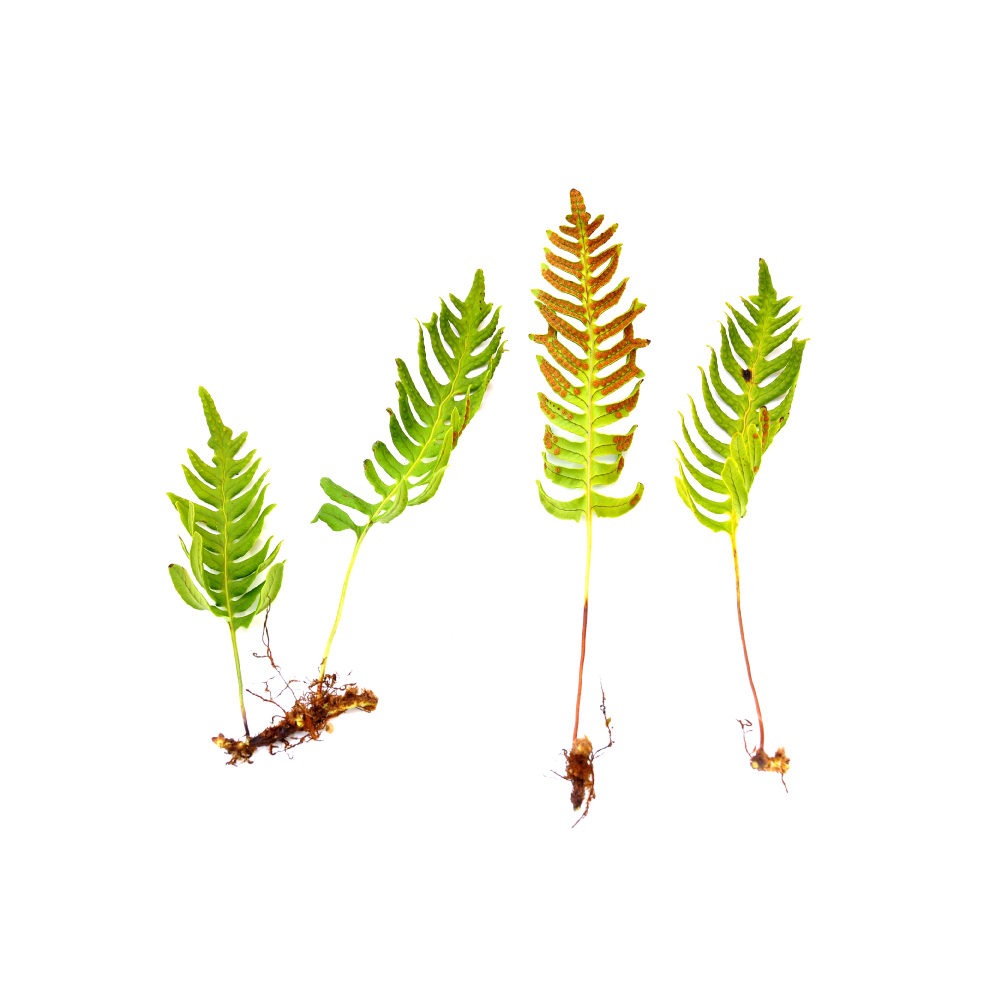 Samambaia Polypodium leucotomos Documented for 20-hydroxyecdysone, ecdysone.
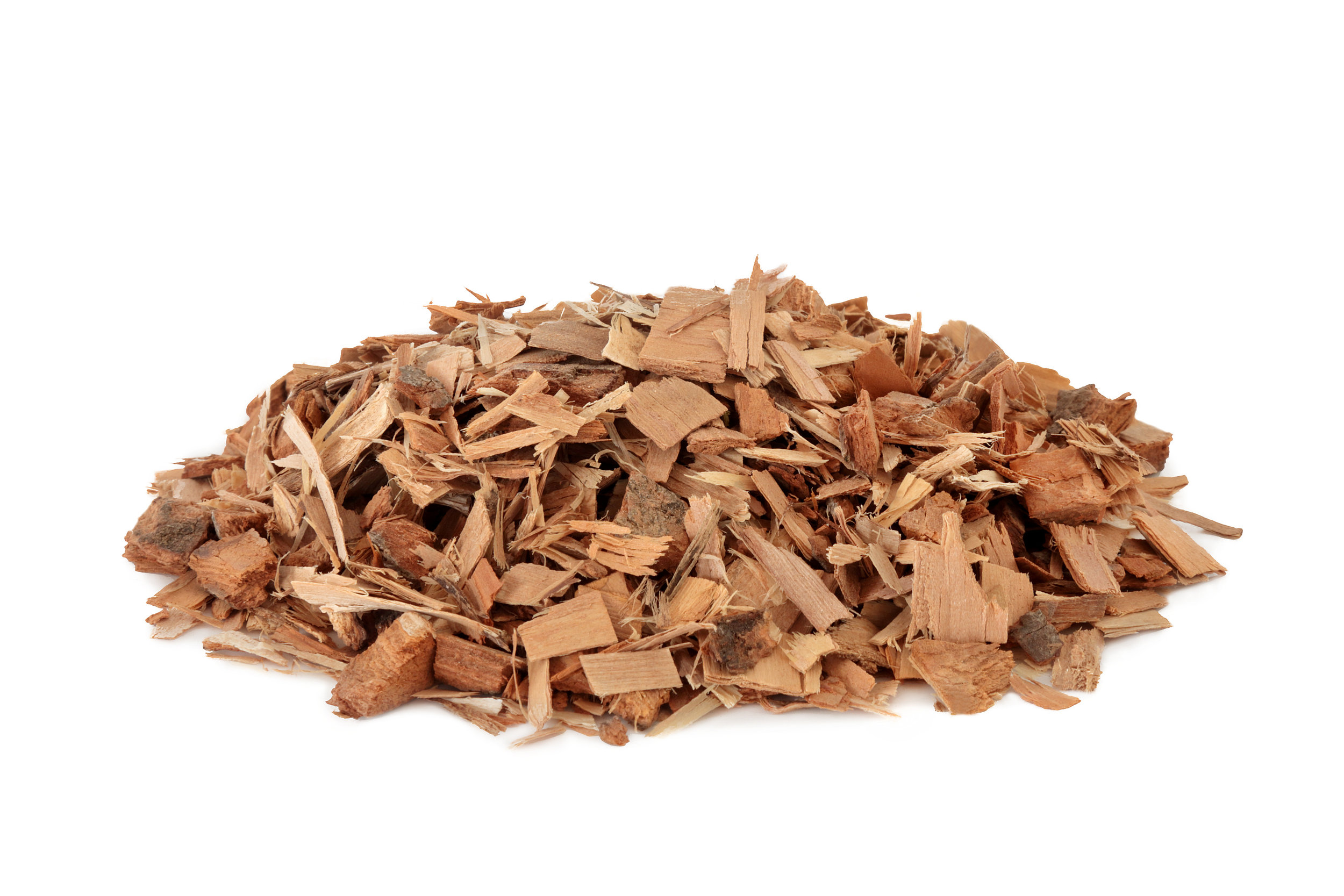 Saw Palmetto Serenoa repens Documented for beta-sitosterol, phytosterols.
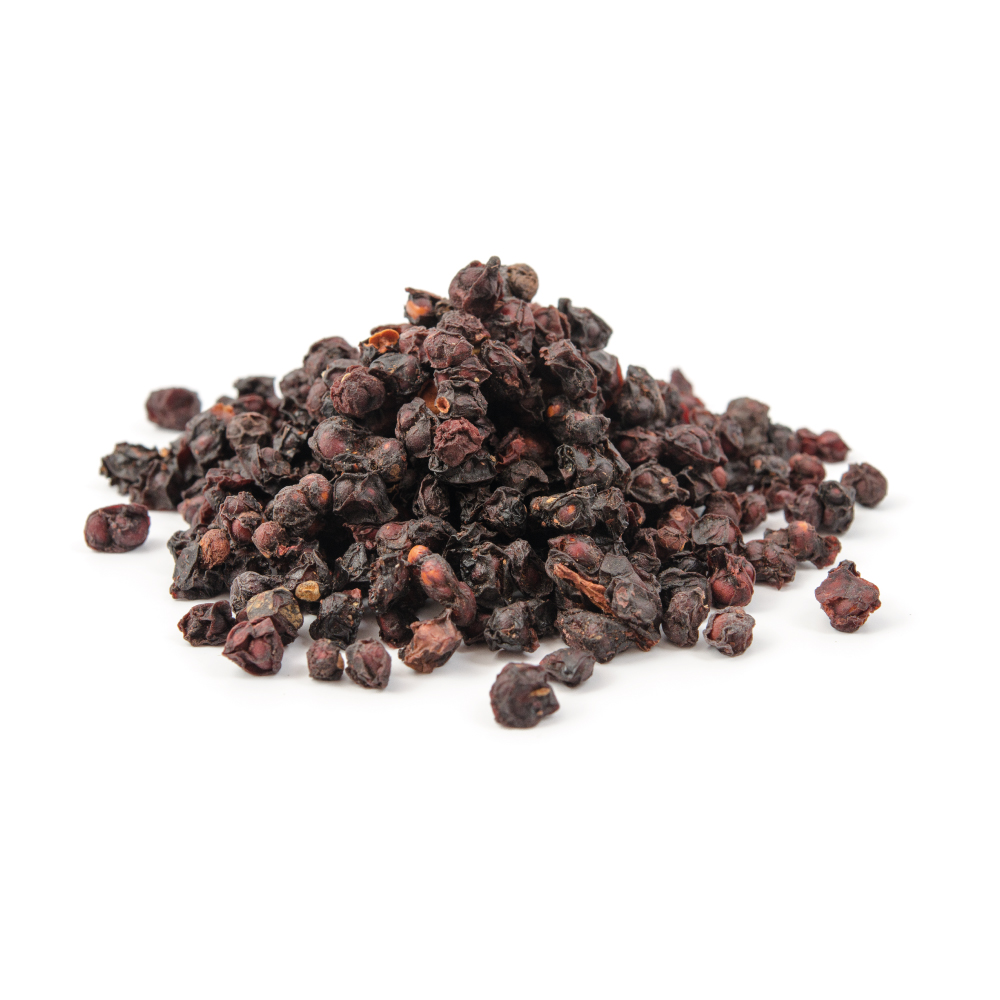 Schisandra Schisandra chinensis Documented for schizandronic acid, triterpenic lactones.
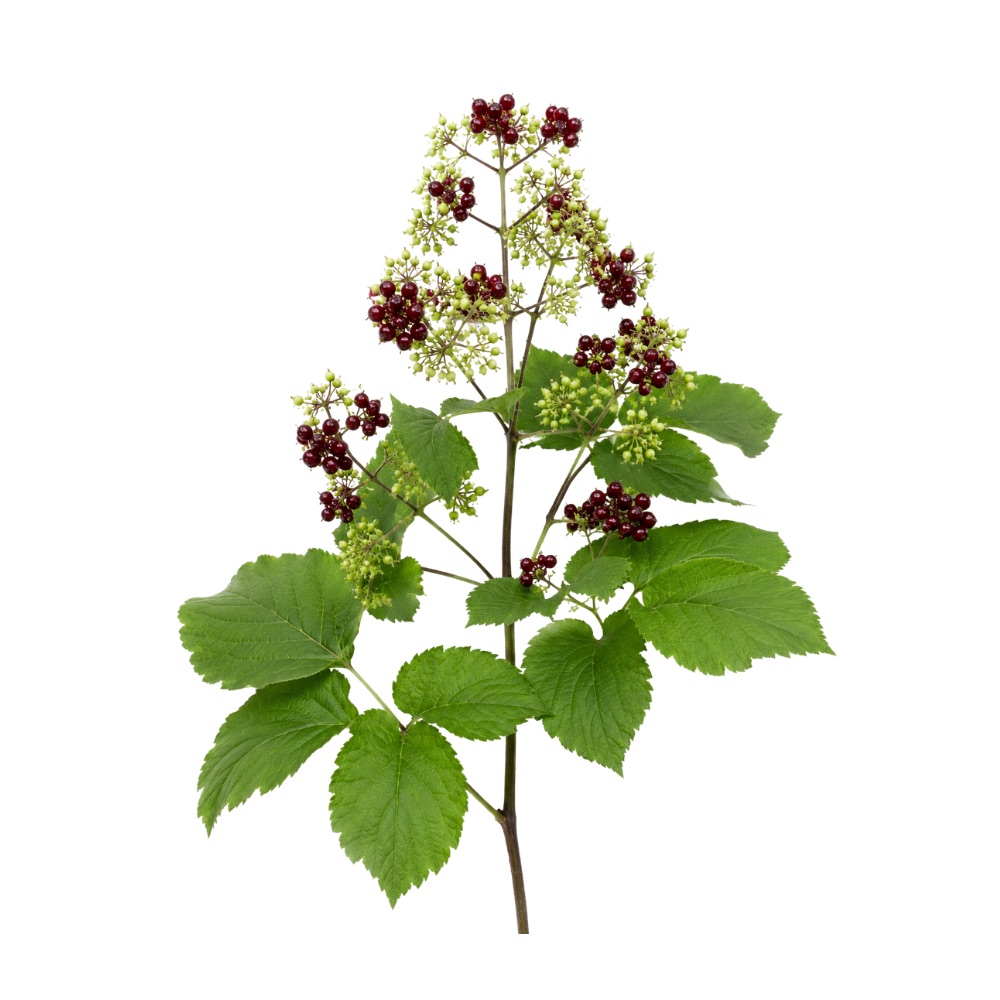 Spikenard Aralia racemosa Documented for acanthoic acid, aralosides.
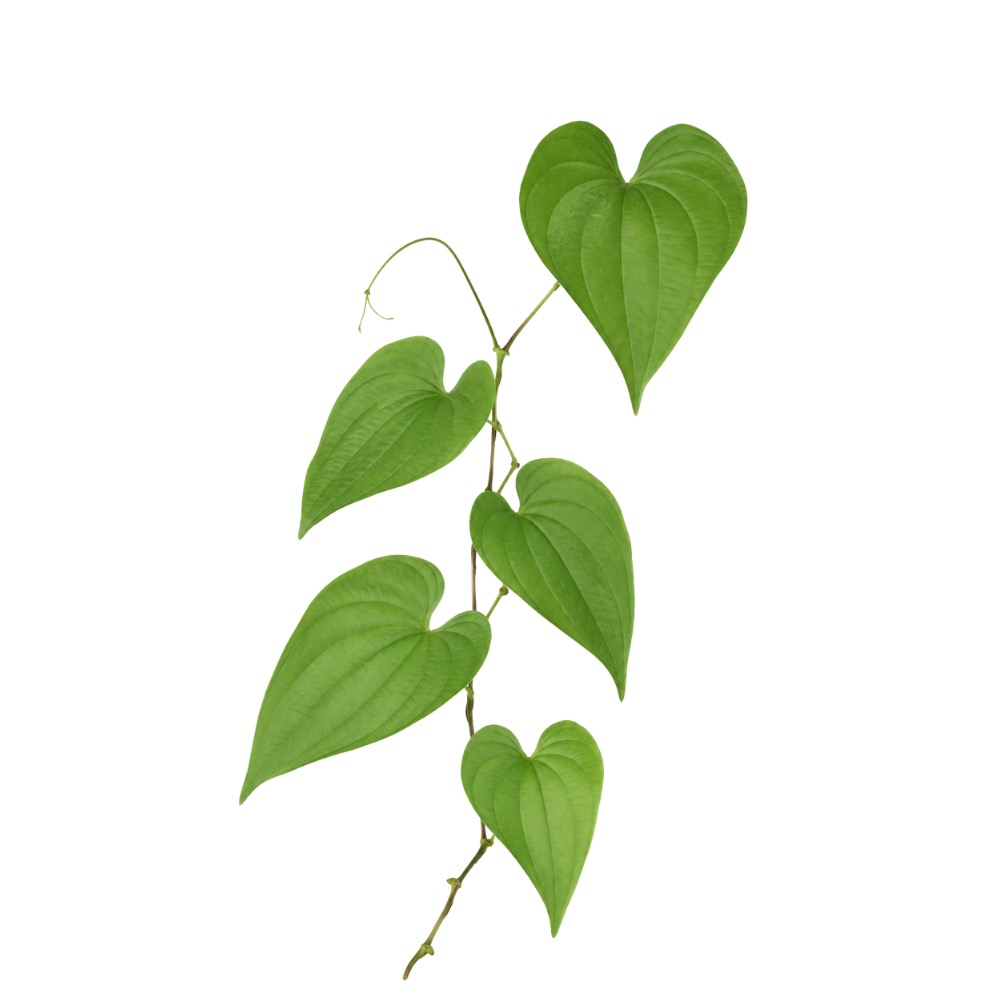 Wild Yam Dioscorea villosa Documented for diosgenin (0.02–9.44 % dry wt), dioscin.
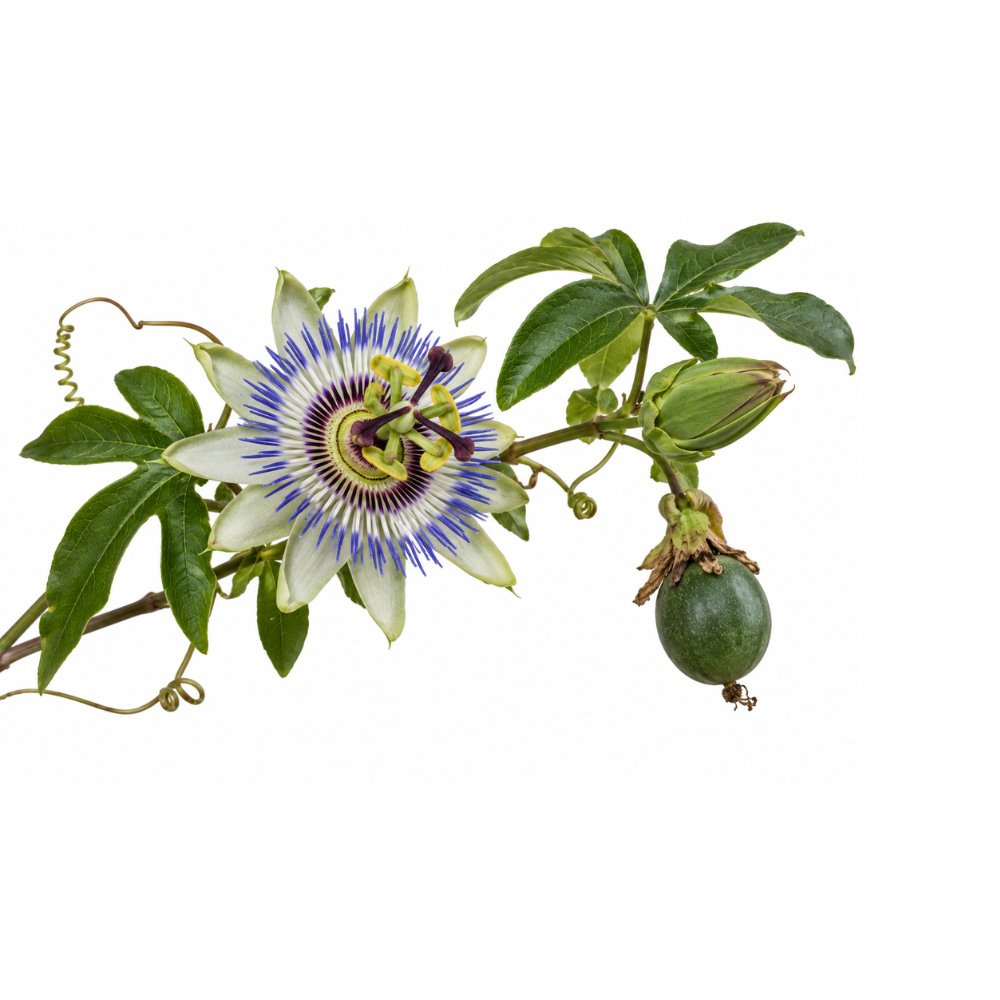 Blue Passionflower Passiflora caerulea Documented for beta-sitosterol. Cassia Cinnamon Cinnamomum cassia Documented for caryophyllene.
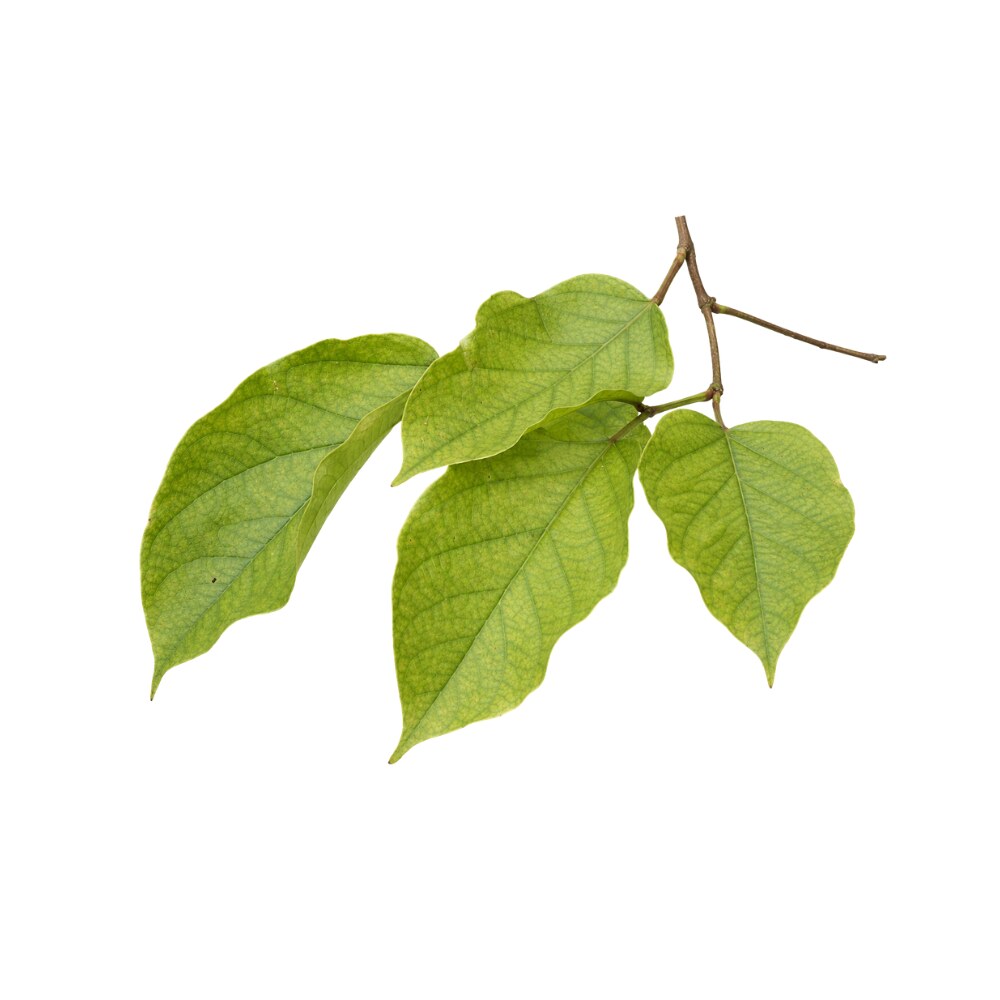 Clavo Huasca Tynanthus panurensis Documented for saponins.
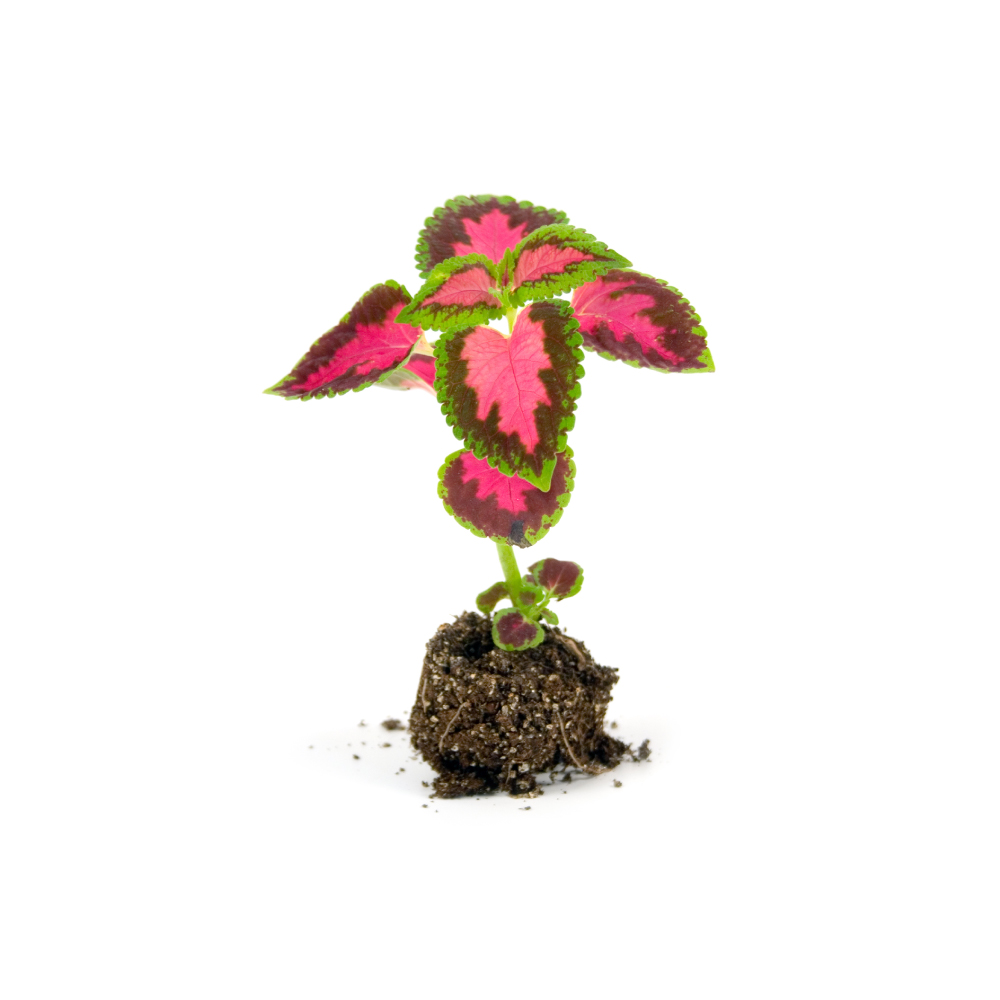 Coleus Coleus barbatus Documented for forskolin.
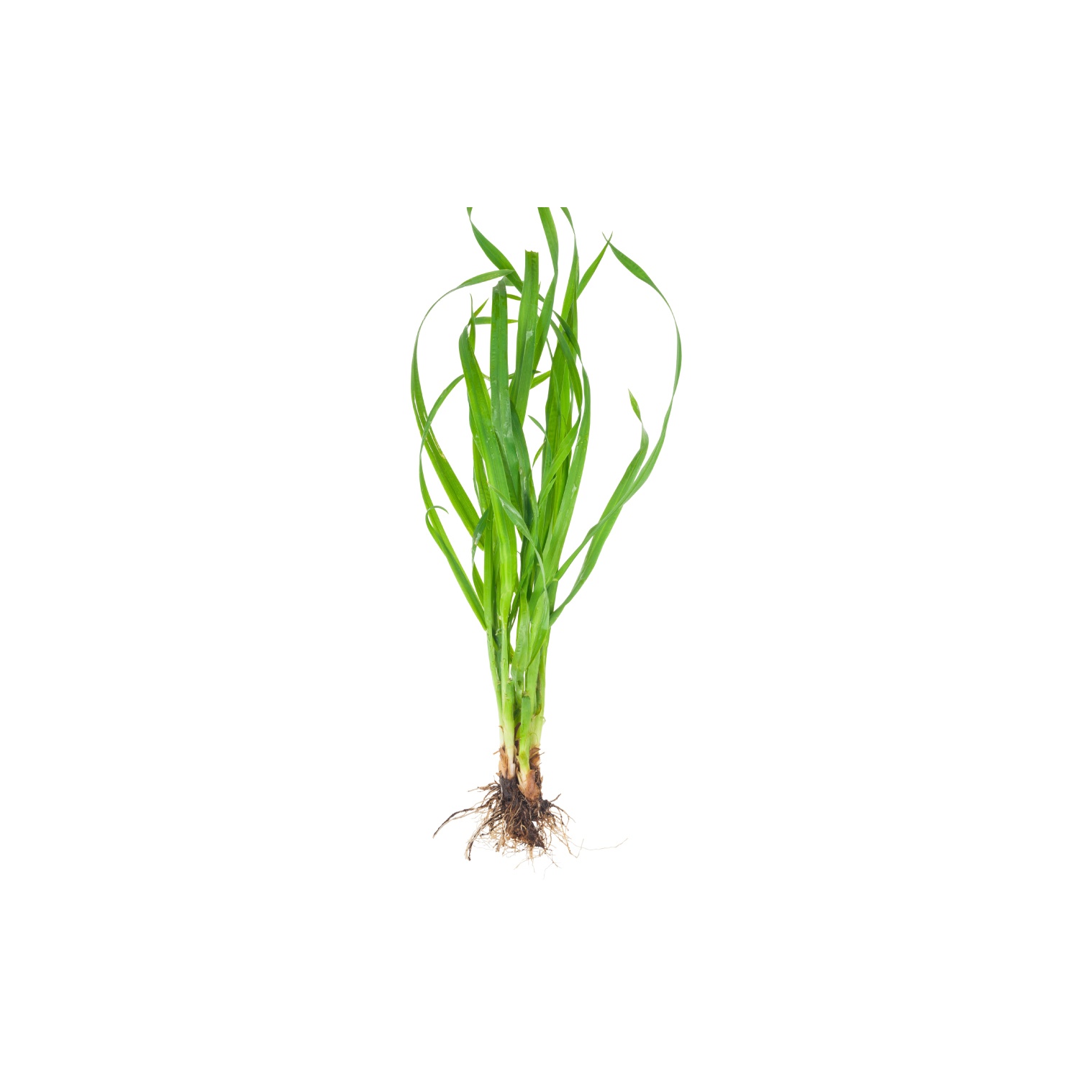 Couchgrass Elymus repens Documented for saponins.
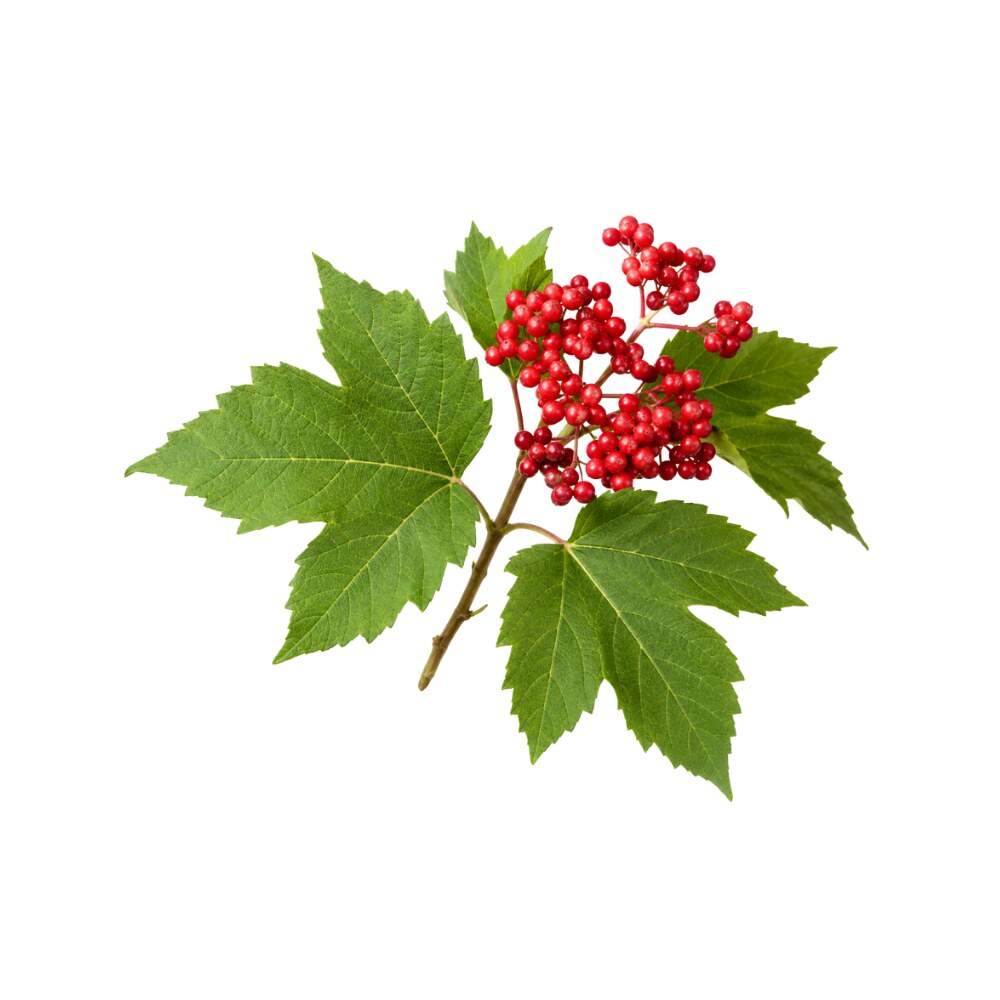 Cramp Bark Viburnum opulus Documented for beta-sitosterol.
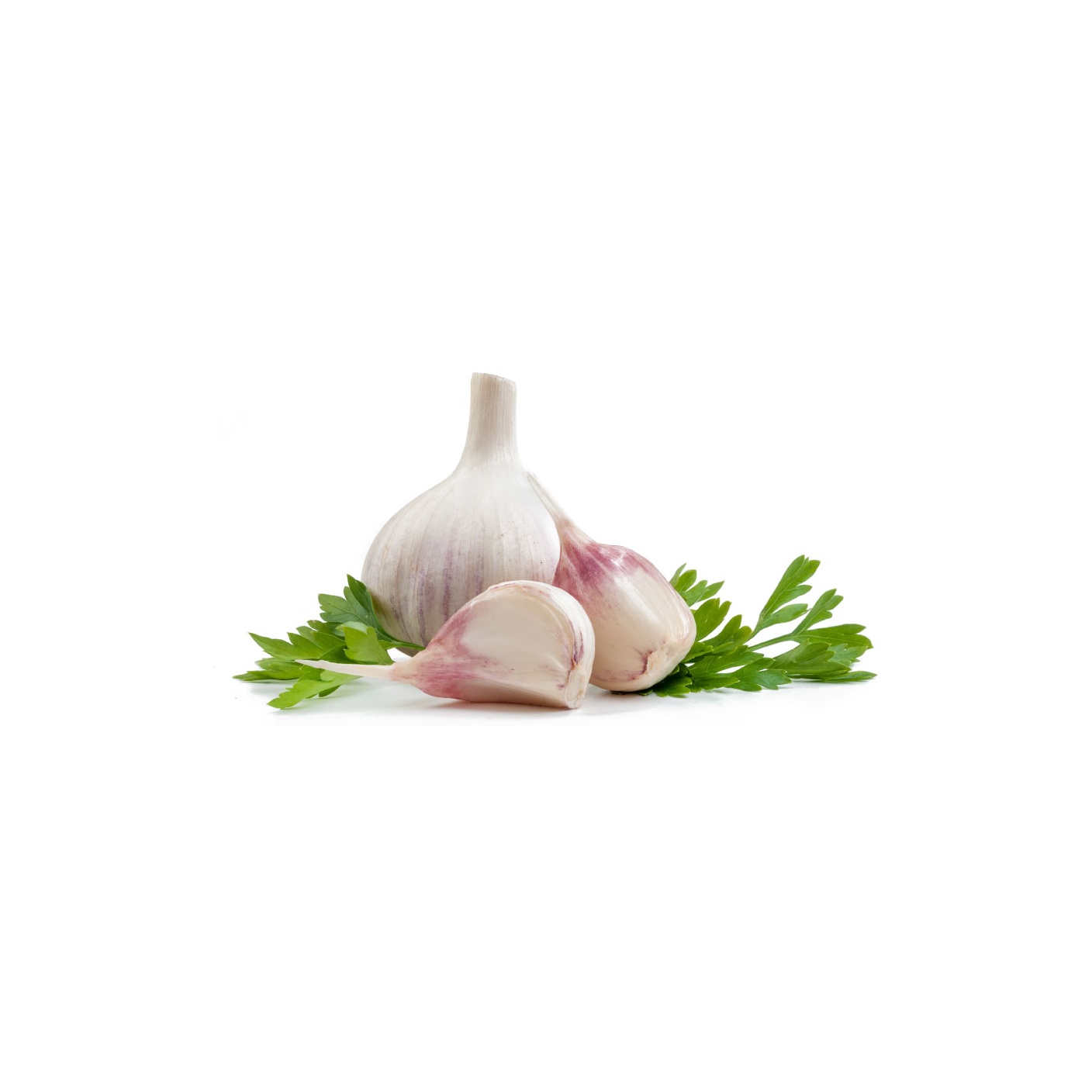 Garlic Allium sativum Documented for saponins.
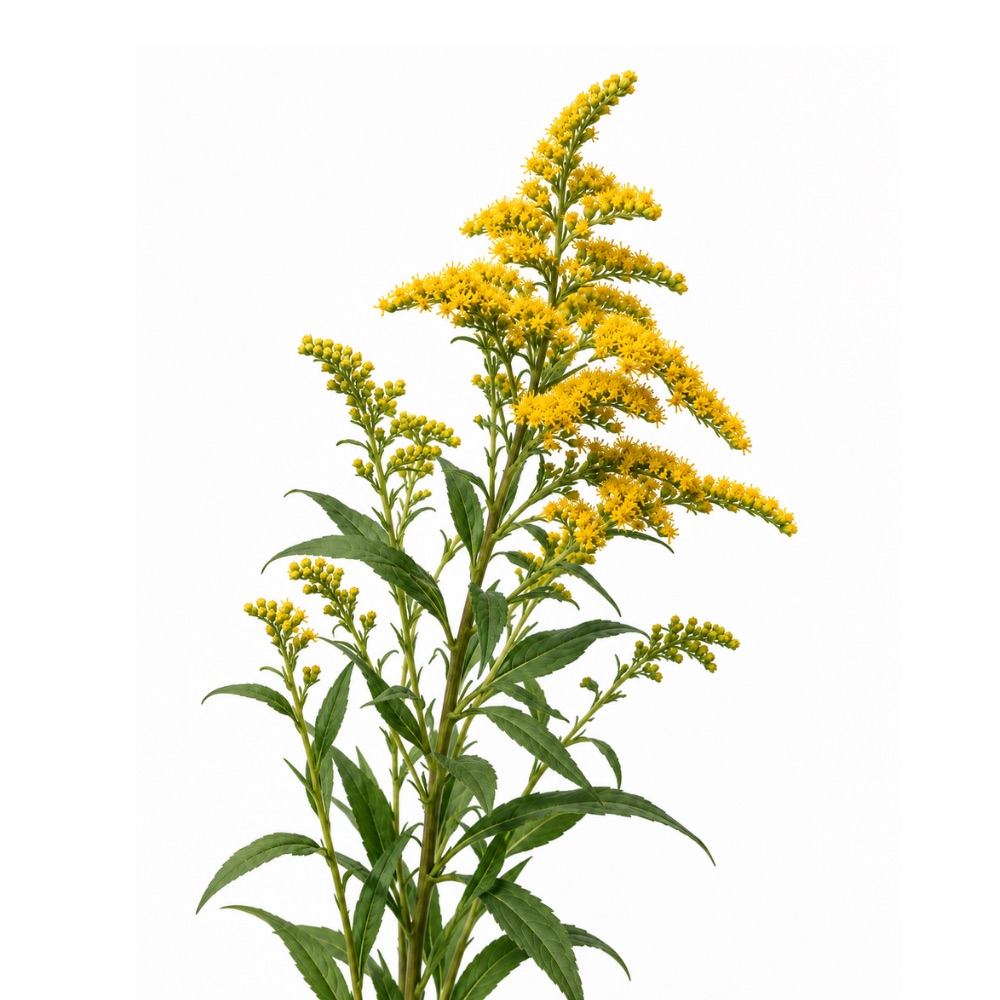 Goldenrod Solidago virgaurea Documented for germacrene D (3.89–19.51 % of oil).
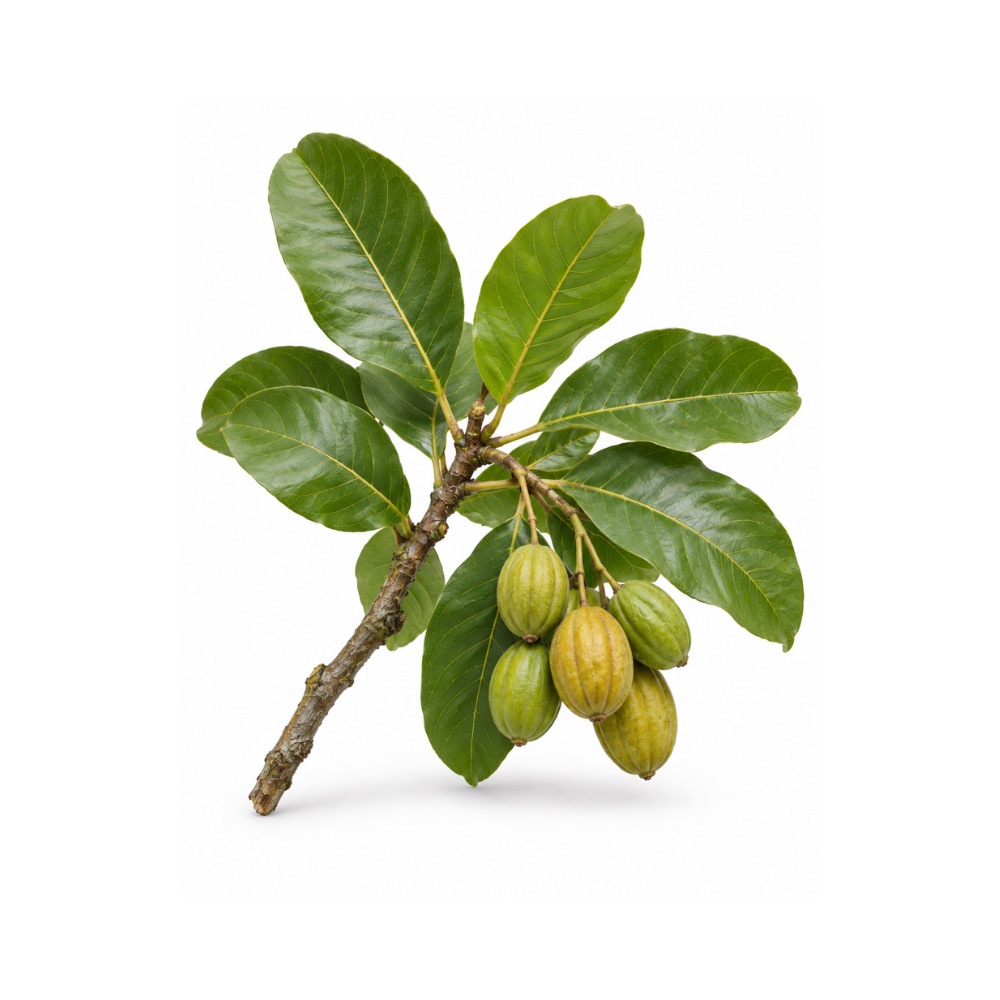 Haritaki Terminalia chebula Documented for chebuloside II.
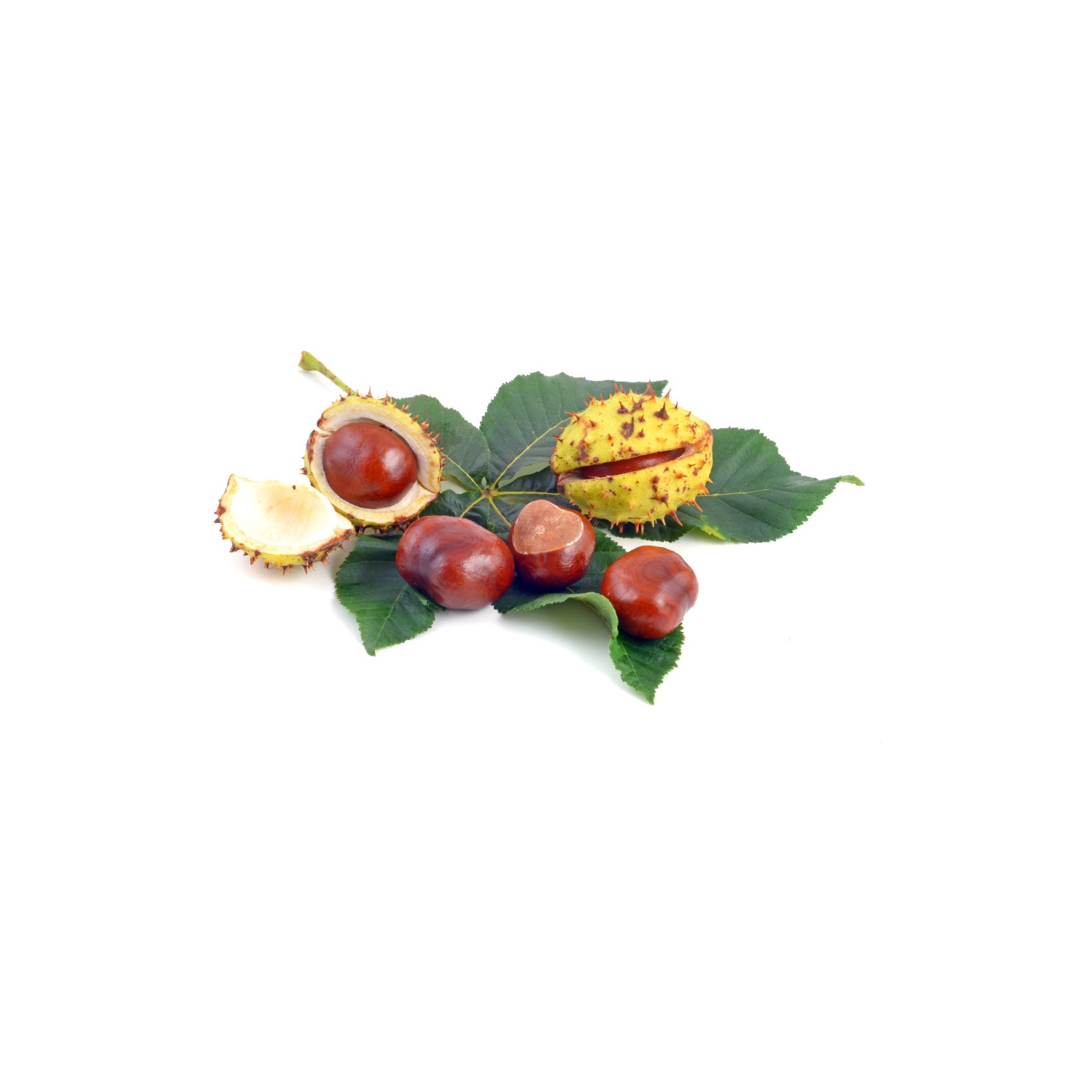 Horse Chestnut Aesculus hippocastanum Documented for aescin (0.8–4.2 % dry wt).
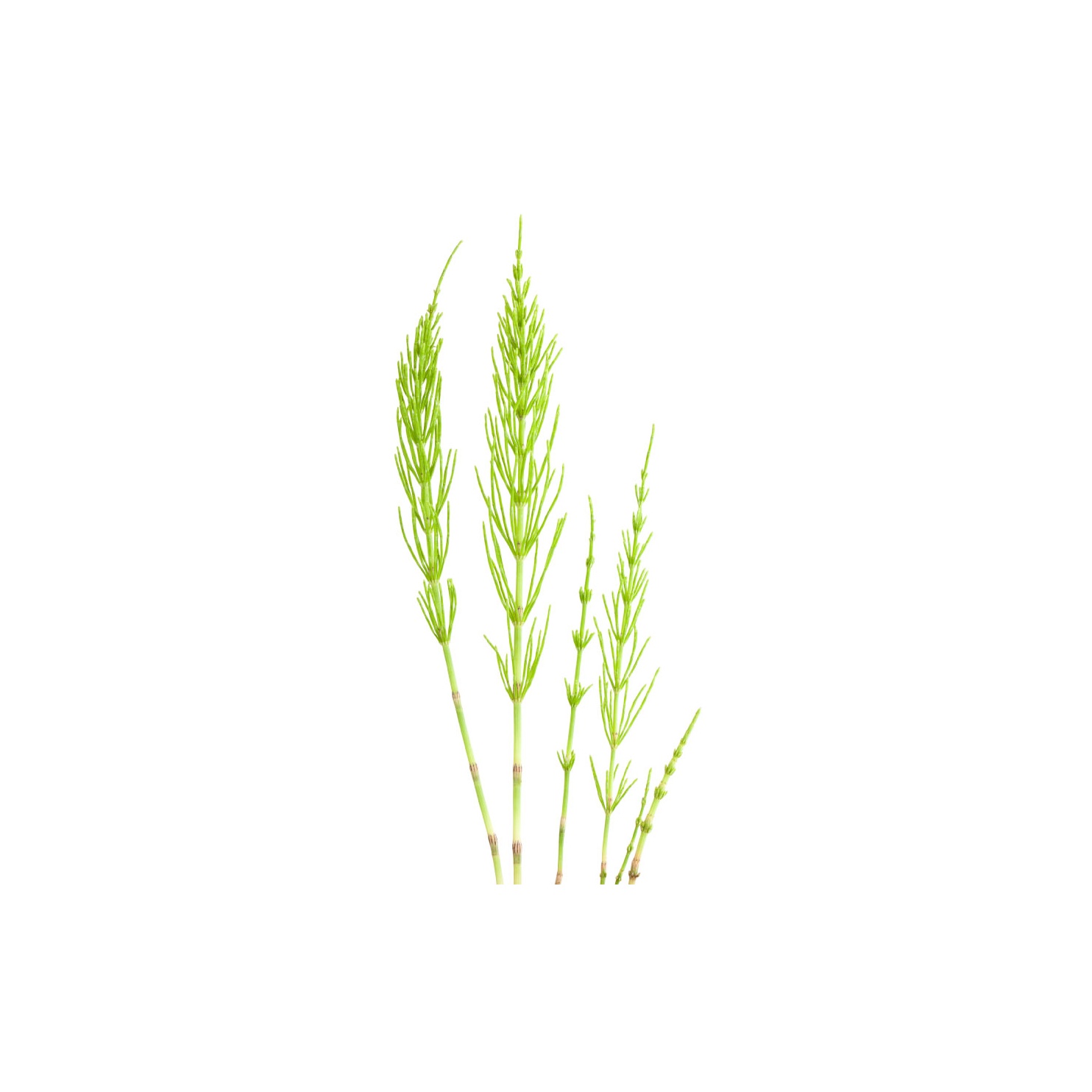 Horsetail Equisetum arvense Documented for equisetonin.
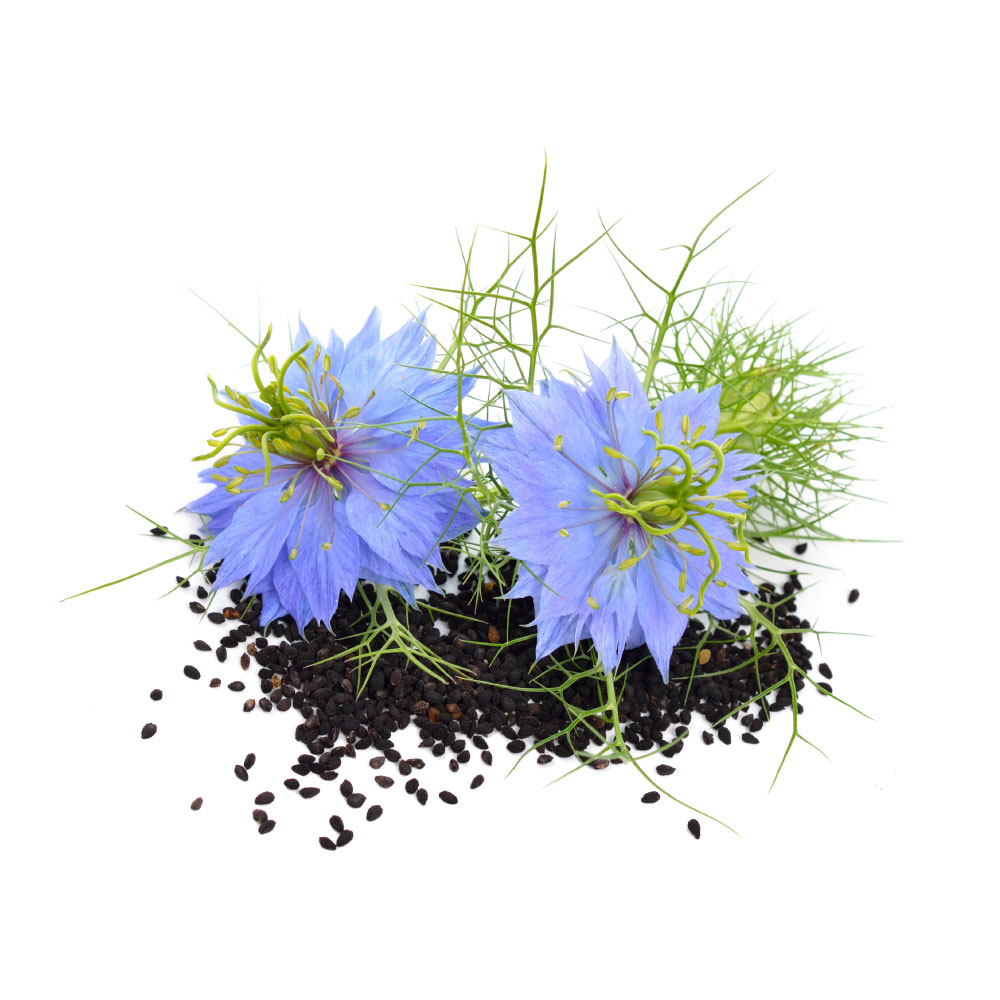 Nigella Nigella sativa Documented for p-cymene (7–15 % of oil).
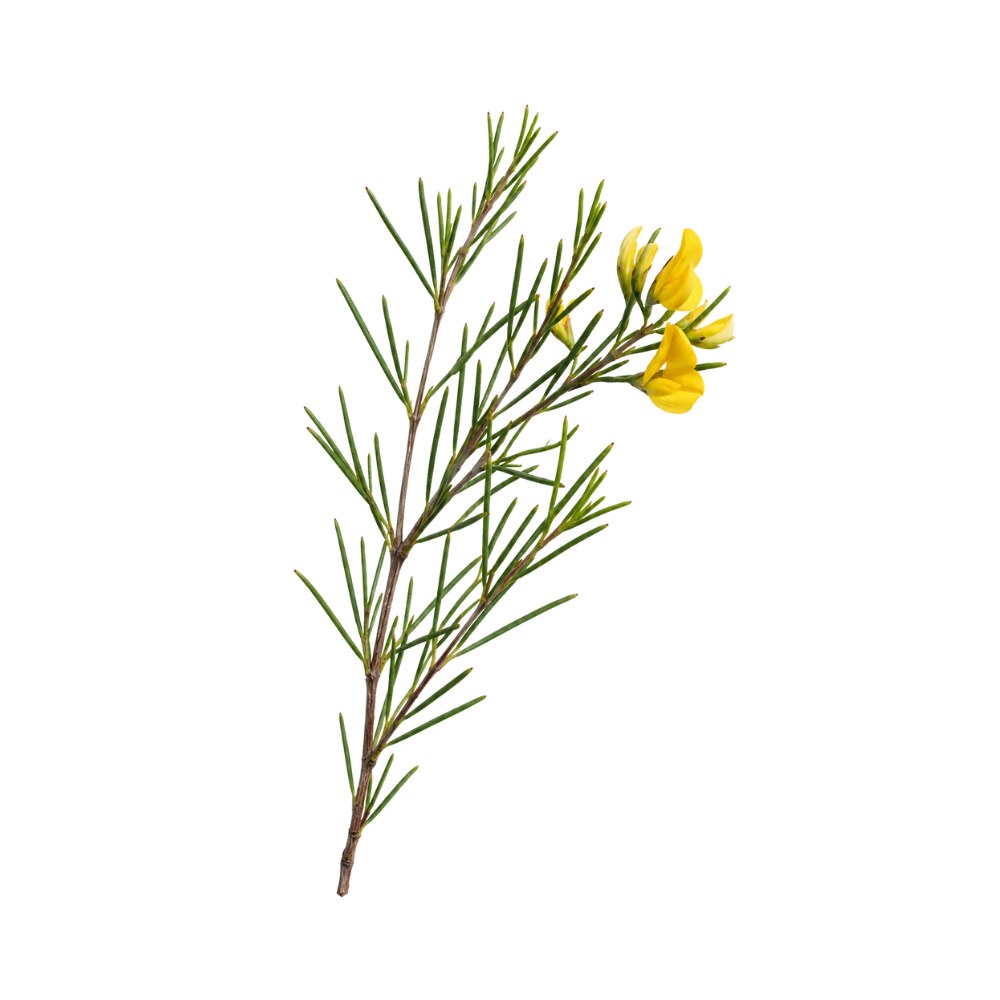 Rooibos Aspalathus linearis Documented for alpha-terpineol.
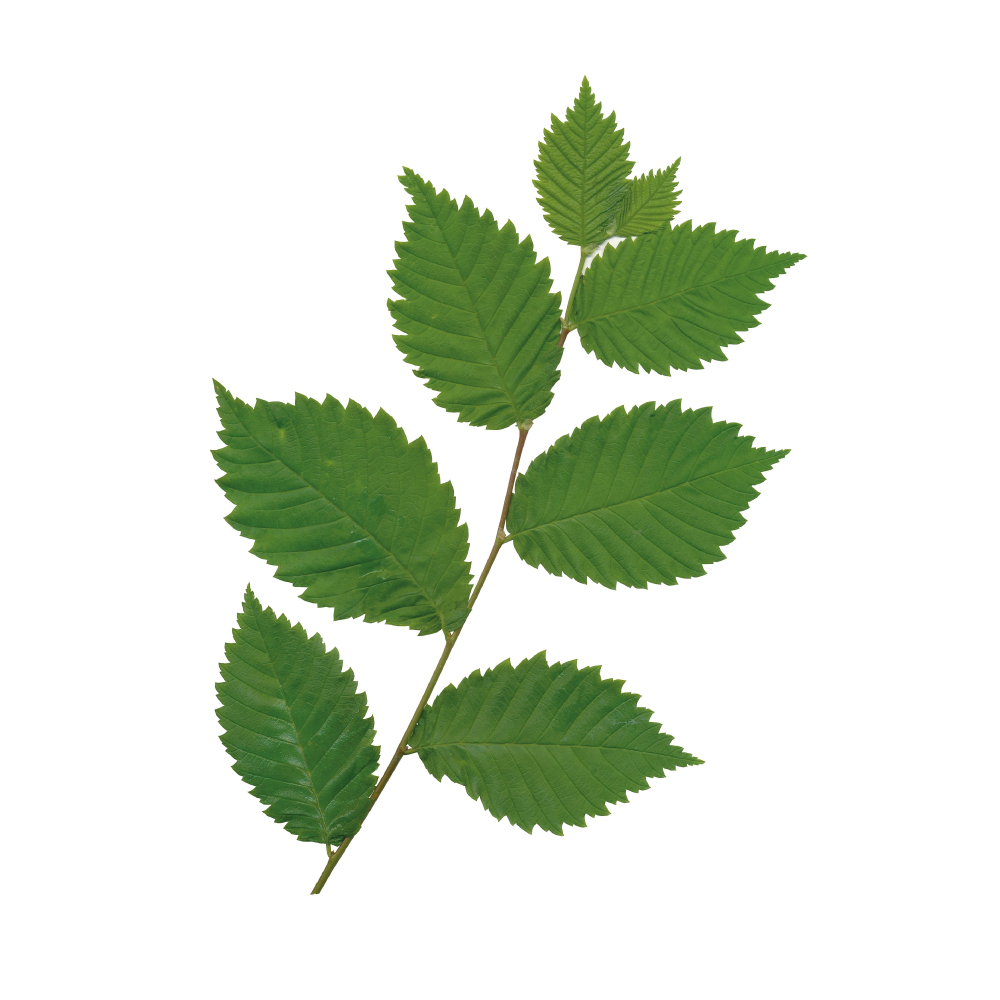 Slippery Elm Ulmus rubra Documented for beta-sitosterol.
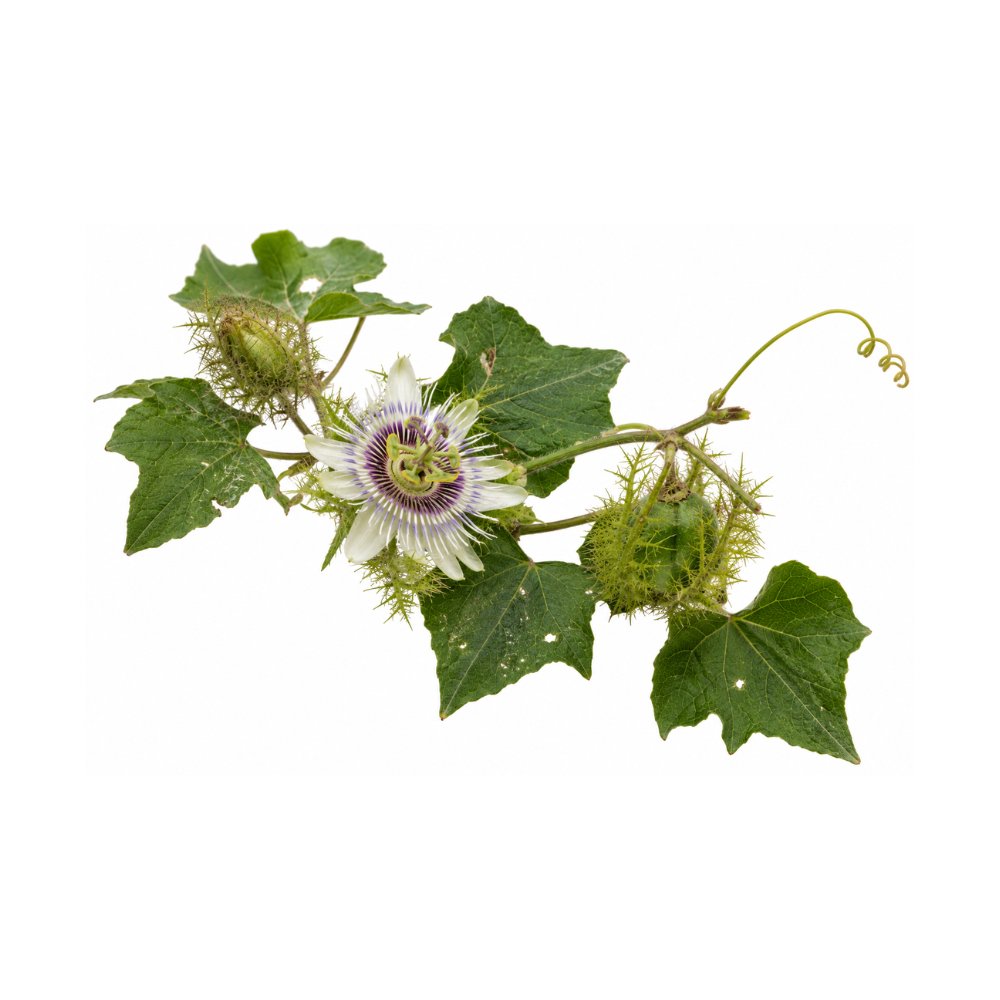 Stinking Passionflower Passiflora foetida Documented for beta-sitosterol.
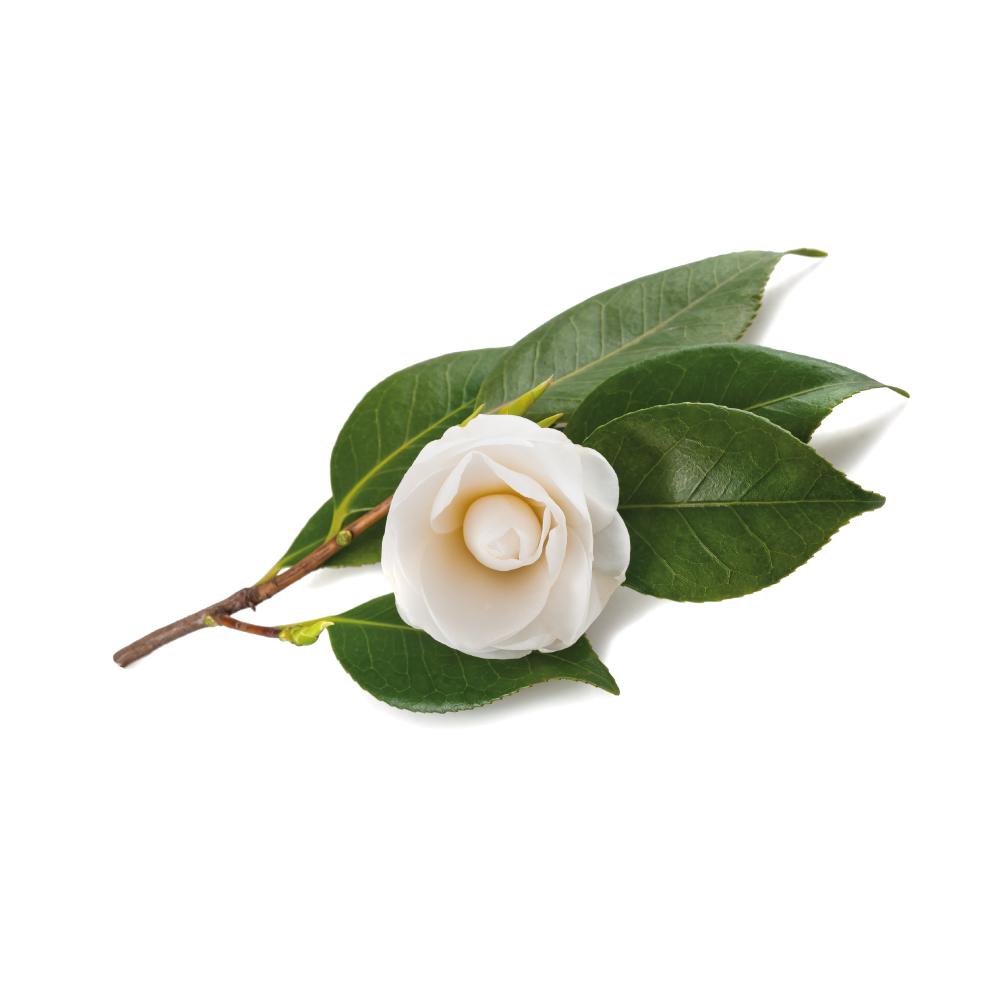 Tea Camellia sinensis Documented for sterols.
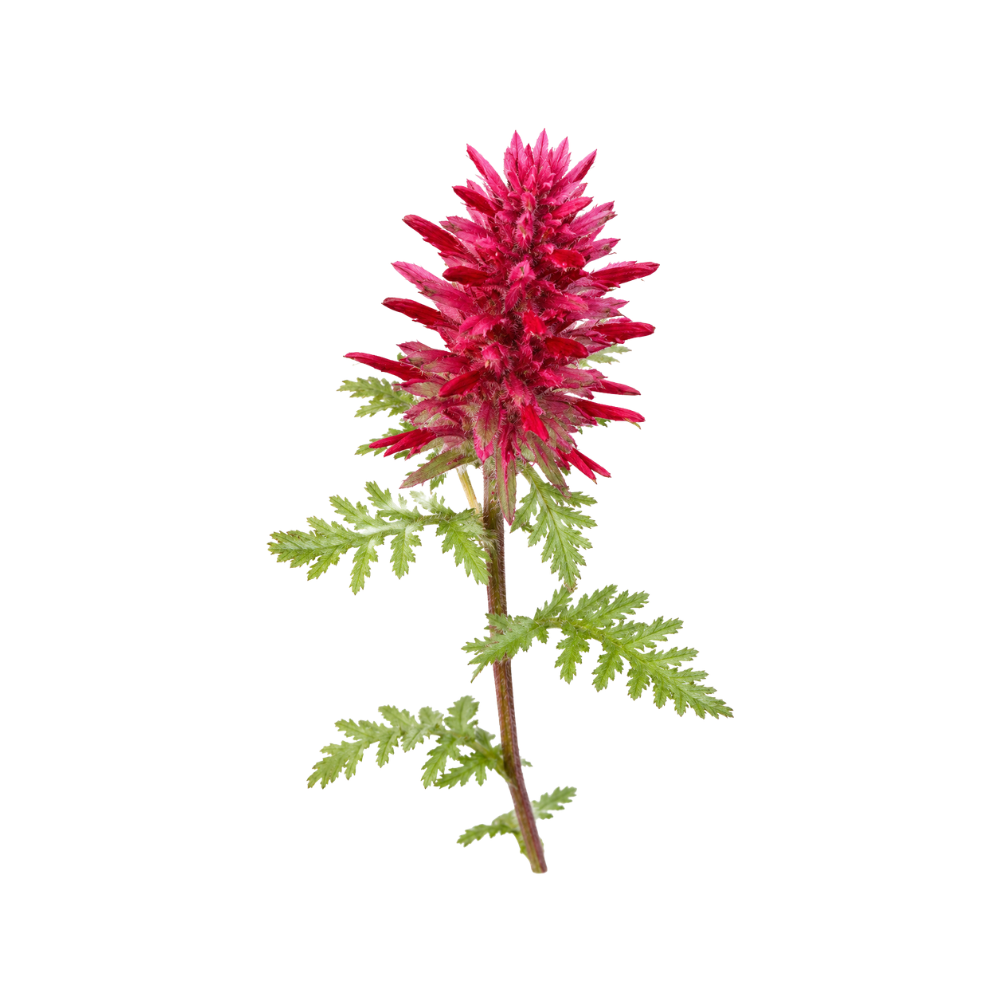 Warrior's Plume Pedicularis densiflora Documented for aucubin.
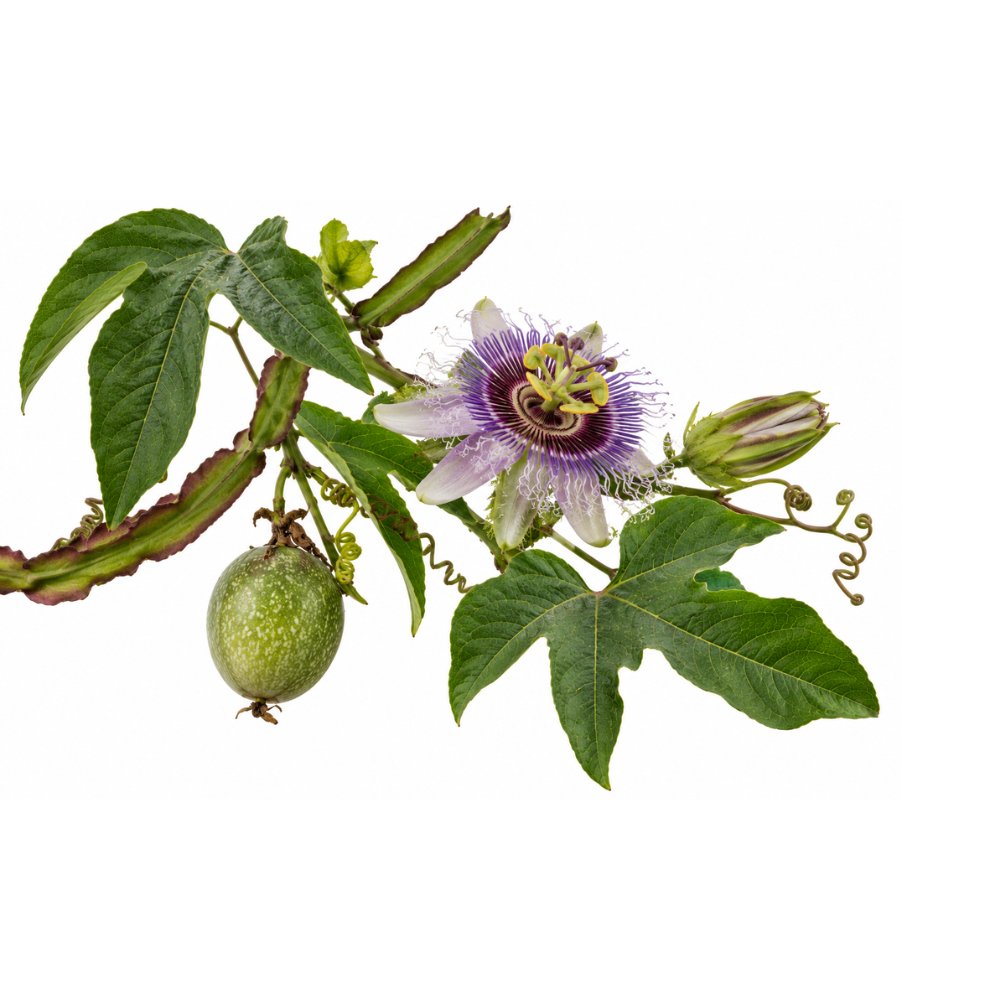 Winged-Stem Passionflower Passiflora alata Documented for saponins.
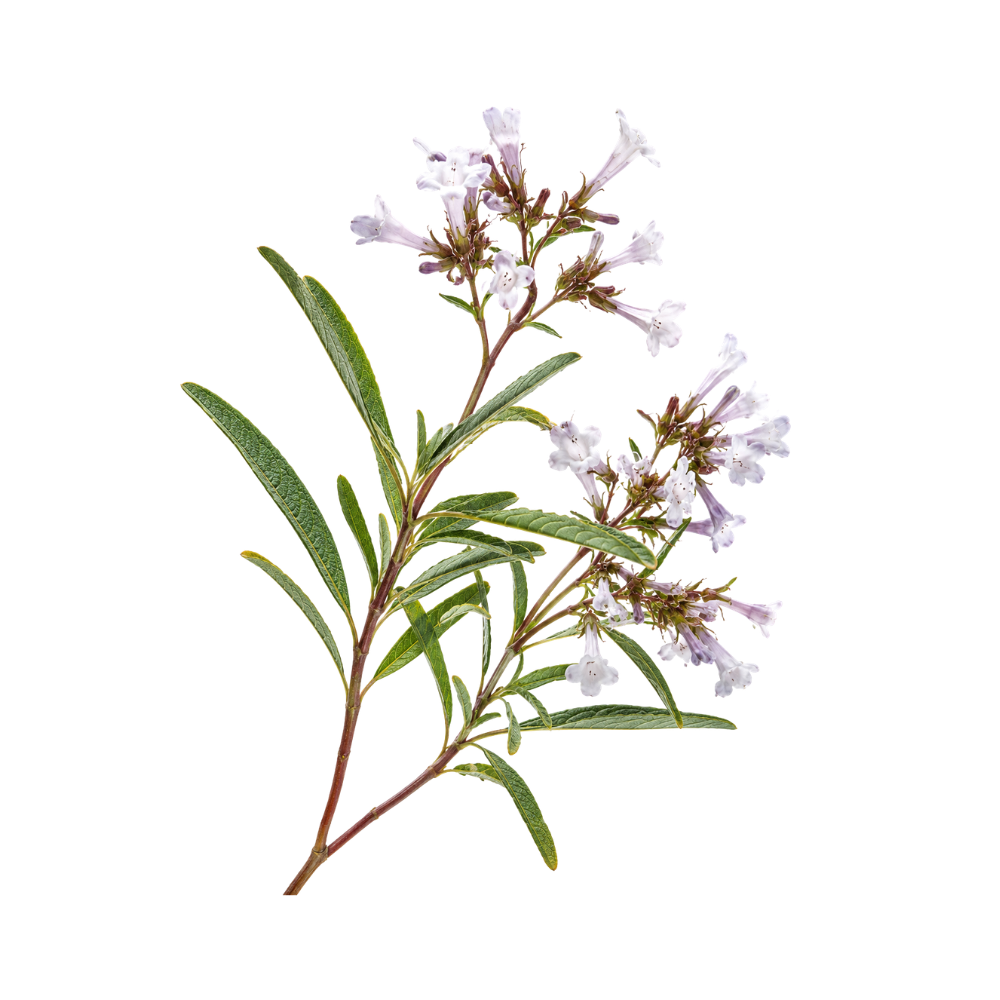 Yerba Santa Eriodictyon californicum Documented for 1,8-cineole.
Keep Exploring
Other Compound Classes
Keep Reading
 GuidesThe Best Kava: A Buyer's GuideHow to buy good kava: noble vs two-day cultivars, which part of the root, chemotype codes, origin, form, and the batch tests a seller should show you.
Read more
 GuidesThe Amazon's Endangered Medicinal PlantsThe Amazon gives us some of our most important medicines — but which healing plants are actually endangered?
Read more
 NutritionThe Best Yerba Maté Brands [Reviewed]A drinker's guide to buying yerba maté — what actually changes the taste, and ten brands worth your money.
Read more
 GuidesHow to Prepare Yerba Maté — The Five Best MethodsHow to brew yerba maté properly — the traditional gourd method, plus tereré, french press and cold brew.
Read more