
Subclass of Terpenoids
Diterpenes
Twenty-carbon terpenes, including potent actives like forskolin and the sweet steviol glycosides.
Overview
About Diterpenes
Diterpenes are the twenty-carbon terpenes, built from four isoprene units. At this size volatility is largely gone — these are resin and latex compounds rather than essential-oil aromatics, and they are recovered by solvent extraction rather than distillation.
The group has an unusually wide pharmacological range. It contains some of the gentlest sweeteners in the plant kingdom and some of the harshest irritants, with little to warn you which is which from the class name alone.
Where Diterpenes Occur
Conifer resins and the latex-bearing families are the classic sources, alongside a scattering of specialist herbs:
Conifers
abietic and pimaric resin acids
Stevia
the steviol glycosides
Coleus (Plectranthus barbatus)
forskolin
Rosemary and sage
carnosic acid and carnosol
Ginkgo
the ginkgolides
Spurge family (Euphorbiaceae)
phorbol esters and relatives
Pharmacological Importance
Several diterpenes are precise molecular tools rather than diffuse plant actives. Forskolin directly activates adenylate cyclase, raising intracellular cAMP — a mechanism specific enough that it is a standard laboratory reagent. The ginkgolides are selective platelet-activating-factor antagonists. Steviol glycosides bind sweet-taste receptors at up to 300 times the potency of sugar while contributing no calories.
The rosemary diterpene phenols carnosic acid and carnosol take a different route again, acting as Nrf2 activators and lipid-phase antioxidants — which is why standardized rosemary extract is an approved food preservative.
Toxicity & Safety
Class-level generalizations fail here more than anywhere else in the terpenoids. Steviol glycosides have been through full food-additive safety review; ginkgolides and forskolin are used at supplement doses with a reasonable record.
At the other end, the phorbol esters and daphnane diterpenes of the spurge and mezereon families are severe skin and mucosal irritants and tumour promoters, and several are the reason those plants are handled with gloves. Judge diterpenes one compound at a time.
Constituents
All Diterpenes
97 total#
10-Deacetylbaccatin III 14-Deoxy-11,12-didehydroandrographolide 7-alpha-AcetoxymarrubiinA
Abietic acid Acanthoic Acid Alpha-resinic acid Andrographiside Andrographolide AustroinulinB
Ballotenol BallotinoneC
Cafestol Carnosic acid Carnosol Cleroda-7,14-dien-13-ol Clerodane diterpenes Communic acid Cryptotanshinone Cyathane diterpenoidsD
Dehydroabietic acid Deoxyandrographolide Dihydrotanshinone I Diterpene alcohols Diterpene diketones Dubiin DulcosidesE
Epirosmanol Erinacine A ErinacinesF
ForskolinG
Galdosol Gibberellic acid Gibberellin Ginkgolide A Ginkgolide B Ginkgolide C Ginkgolide J GinkgolidesH
HispanoloneI
Isoandrographolide Isocupressic acid Isopimaric acid Isorosmanol IsosteviolJ
JhanolK
Kahweol Kaurene Kaurenoic acidL
Lambertianic acid Leocardin Leonotin Leonotinin Levopimaric acidM
MarrubiinN
Neoandrographolide Nepetaefolin Nepetaefuran NiloticaneP
Paclitaxel Palustric acid Phytol Pimaric acid Polystachoside PreleosibirinR
Rebaudioside A Rebaudiosides Rosmanol Rosmaricine RotundifuranS
Salvinorin A Salvinorin B Salvinorin C Salvinorin D Sterebins Steviol Steviolbioside Steviolmonoside Stevioside SteviosidesT
Tanshinone I Tanshinone IIA Tanshinones ThunbergolV
Viteagnusin A Viteagnusin B Viteagnusin C Viteagnusin D Viteagnusin E Viteagnusin F Viteagnusin G Viteagnusin H Viteagnusin I Vitetrifolin B Vitetrifolin C Vitexilactone Vitexlactam AZ
Zanzibaric acidNo diterpenes match.
Source Plants
Herbs Containing Diterpenes
32 herbsPlants in the materia medica documented to carry diterpenes, with the compounds each one is listed for. The bar counts how many DISTINCT diterpenes are on record for a plant, relative to the best-documented — it measures breadth of record, not potency, so a plant with one well-studied compound can outrank a richer source that has simply been analysed less. Where a measured concentration is on record it is quoted inline; most entries have none yet.
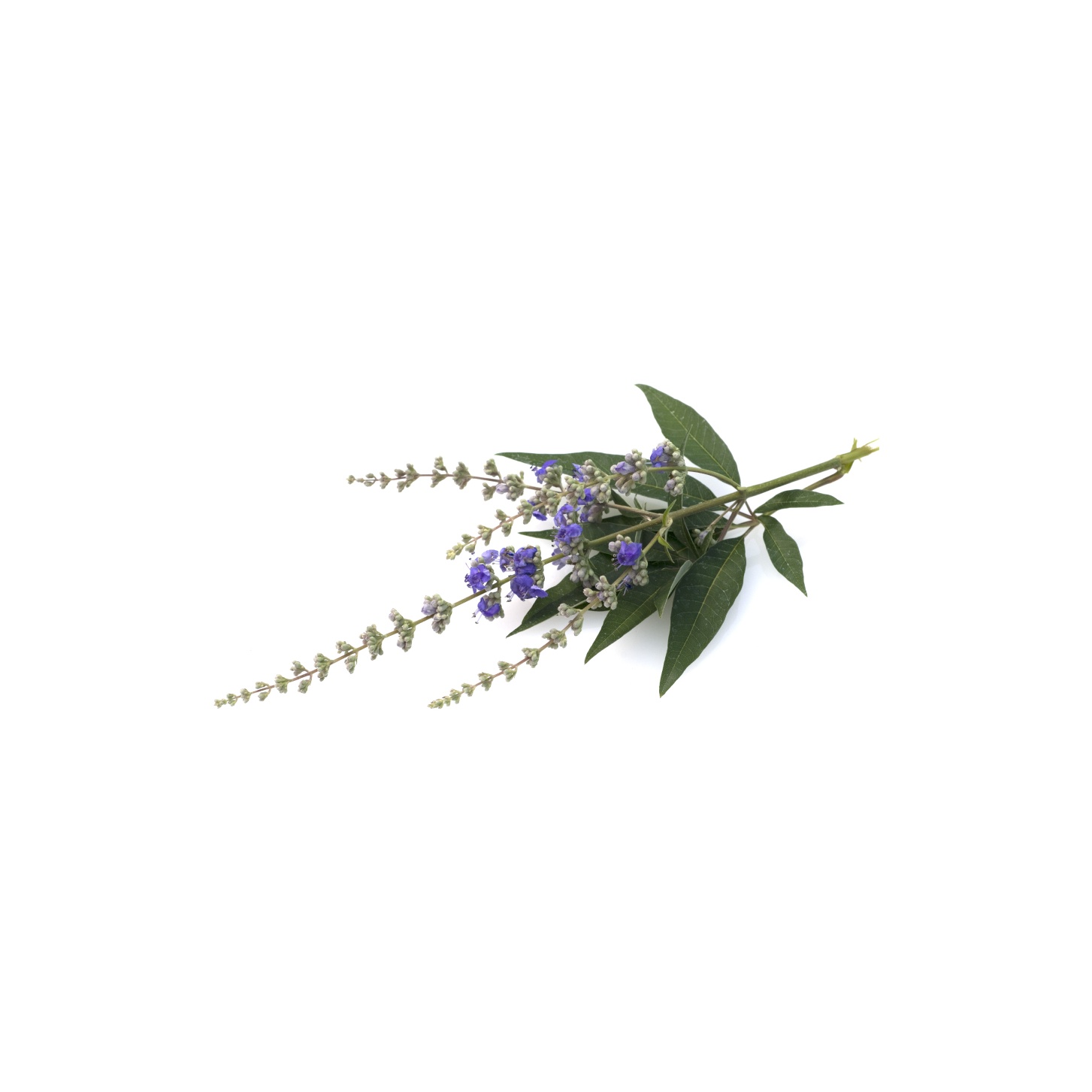 Chaste Tree Vitex agnus-castus Documented for cleroda-7,14-dien-13-ol, diterpenes, rotundifuran and 13 more diterpenes.
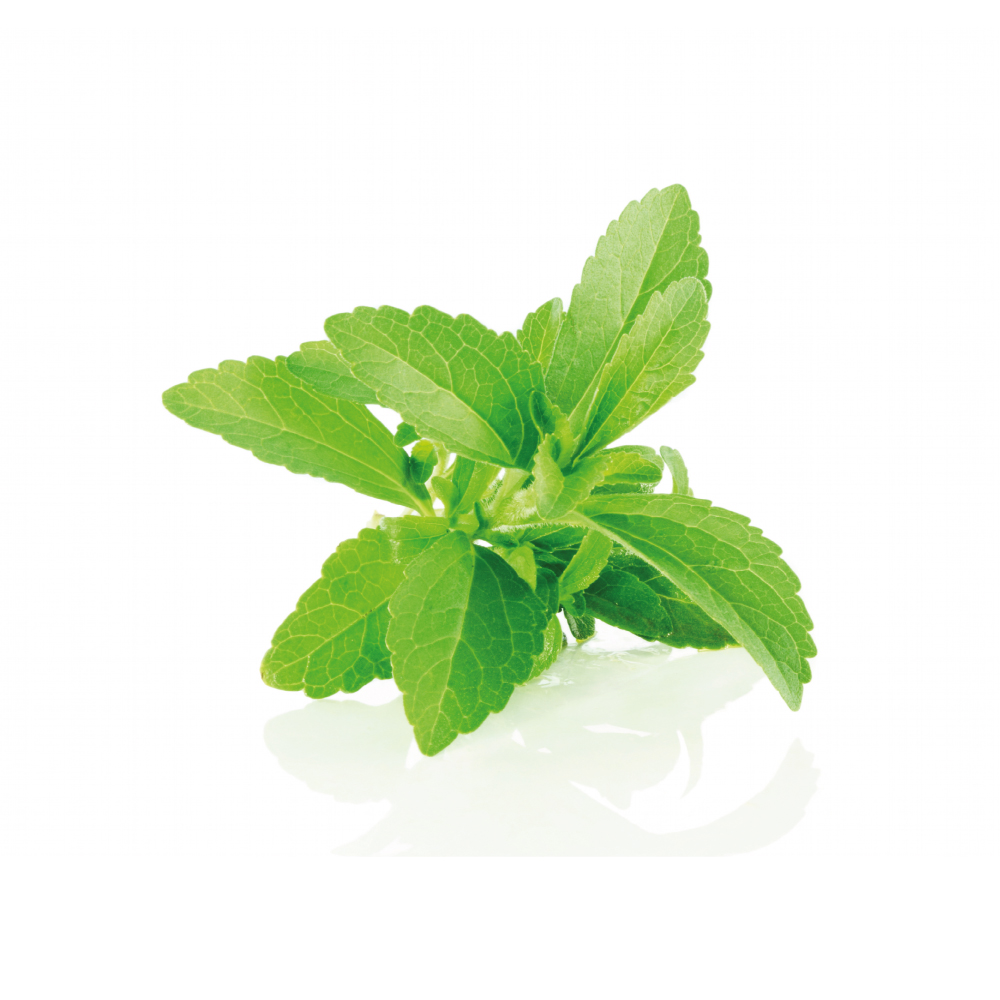 Stevia Stevia rebaudiana Documented for austroinulin, dulcosides, gibberellic acid and 13 more diterpenes.
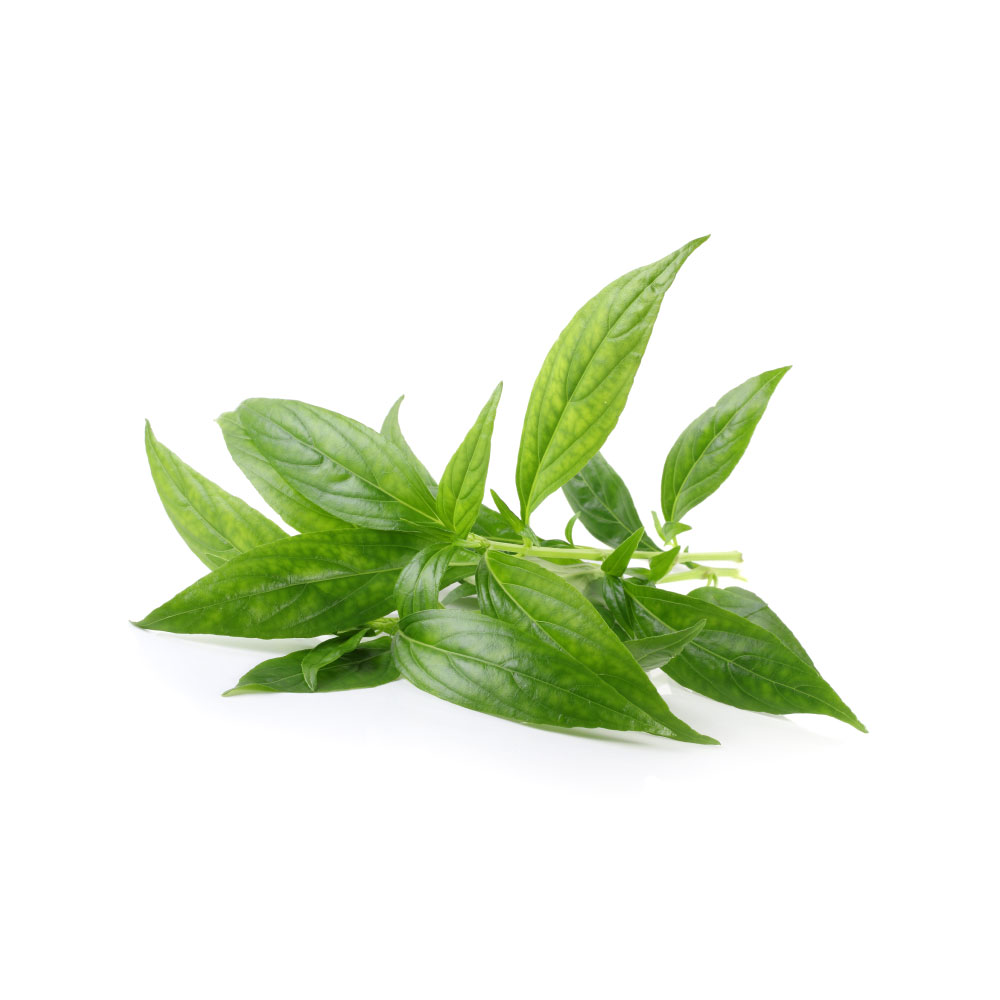 Andrographis Andrographis paniculata Documented for andrographolide (0.3–5 % dry wt), 14-deoxy-11,12-didehydroandrographolide, andrographiside and 3 more diterpenes.
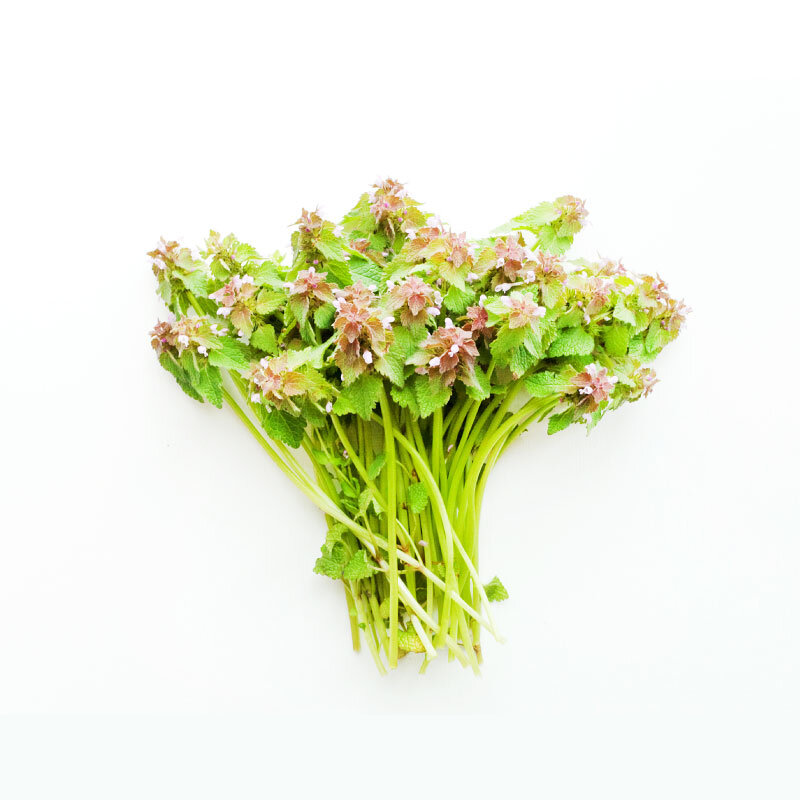 Black Horehound Ballota nigra Documented for 7-alpha-acetoxymarrubiin, ballotenol, ballotinone and 3 more diterpenes.
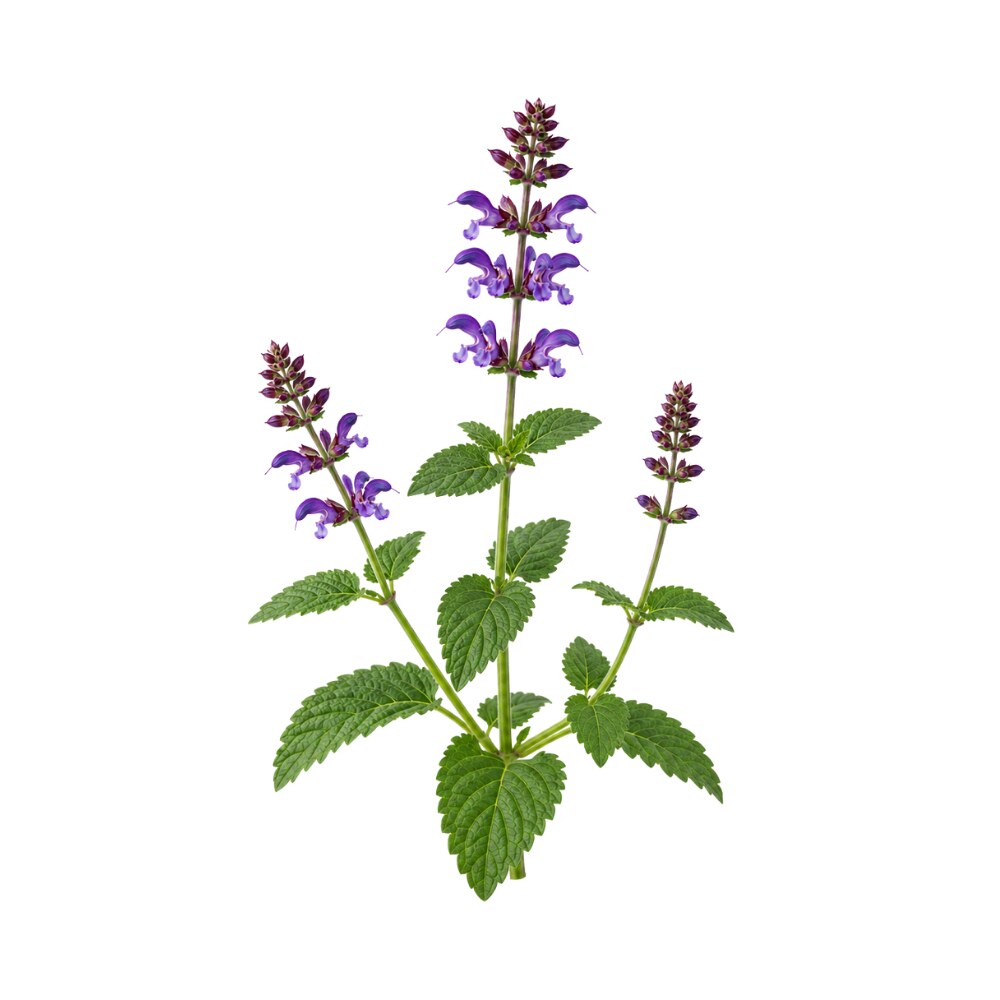 Dan Shen Salvia miltiorrhiza Documented for cryptotanshinone (764 mg/kg dry wt), dihydrotanshinone I (0.01–0.05 % dry wt), tanshinone I (0.02–0.07 % dry wt), tanshinone IIA (895 mg/kg dry wt) and 2 more diterpenes.
 Pine Pinus sylvestris Documented for abietic acid, dehydroabietic acid, isopimaric acid and 3 more diterpenes.
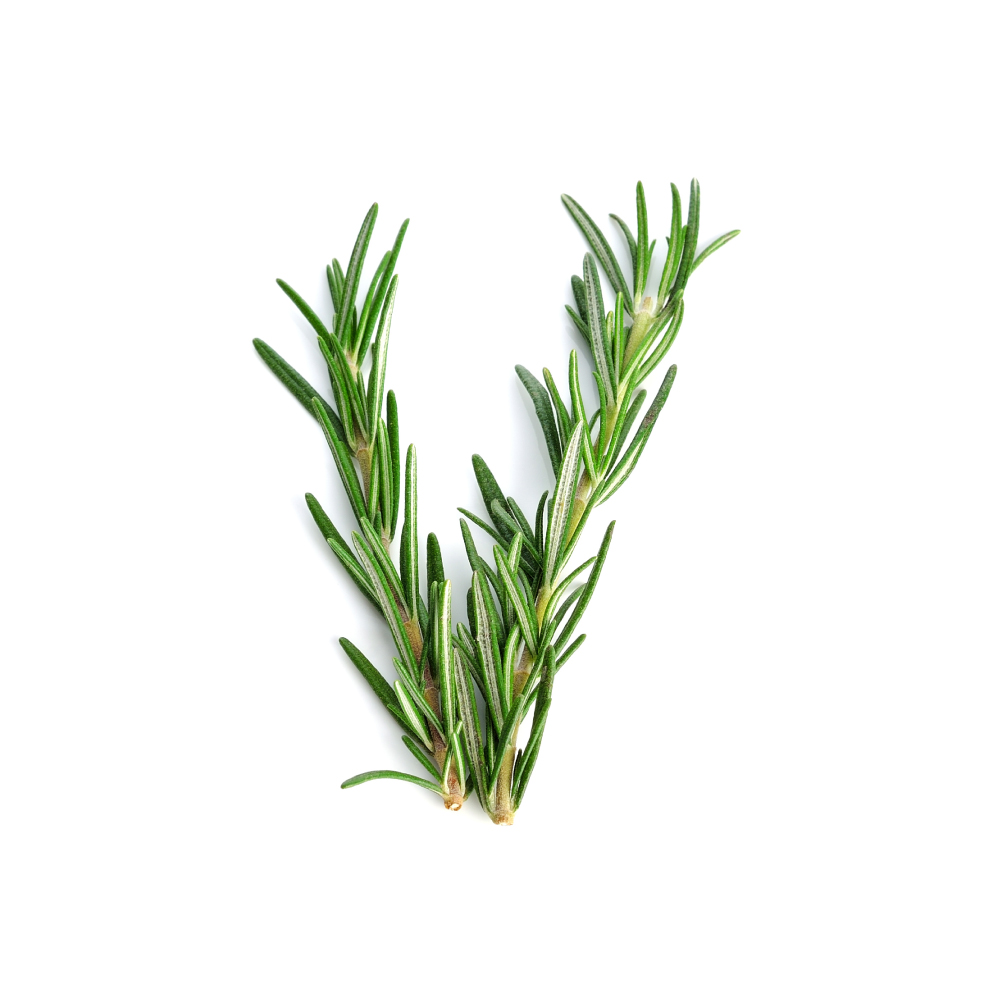 Rosemary Rosmarinus officinalis Documented for carnosic acid (18.72 mg/g dry wt), carnosol (1.04–4.47 mg/g fresh wt), rosmanol (0.4 mg/g dry wt) and 3 more diterpenes.
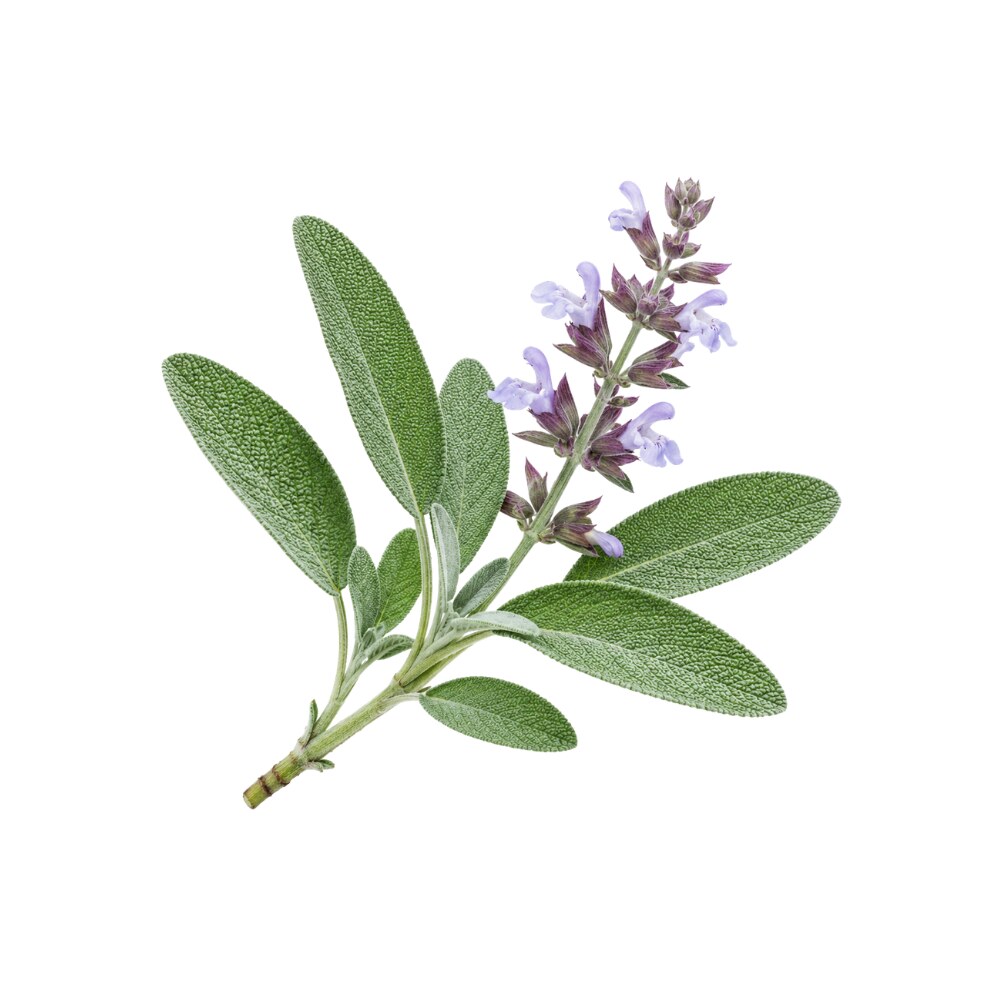 Sage Salvia officinalis Documented for carnosic acid (3.76 mg/g dry wt), carnosol (0.44–1.09 mg/g fresh wt), rosmanol (0.85 mg/g dry wt) and 3 more diterpenes.
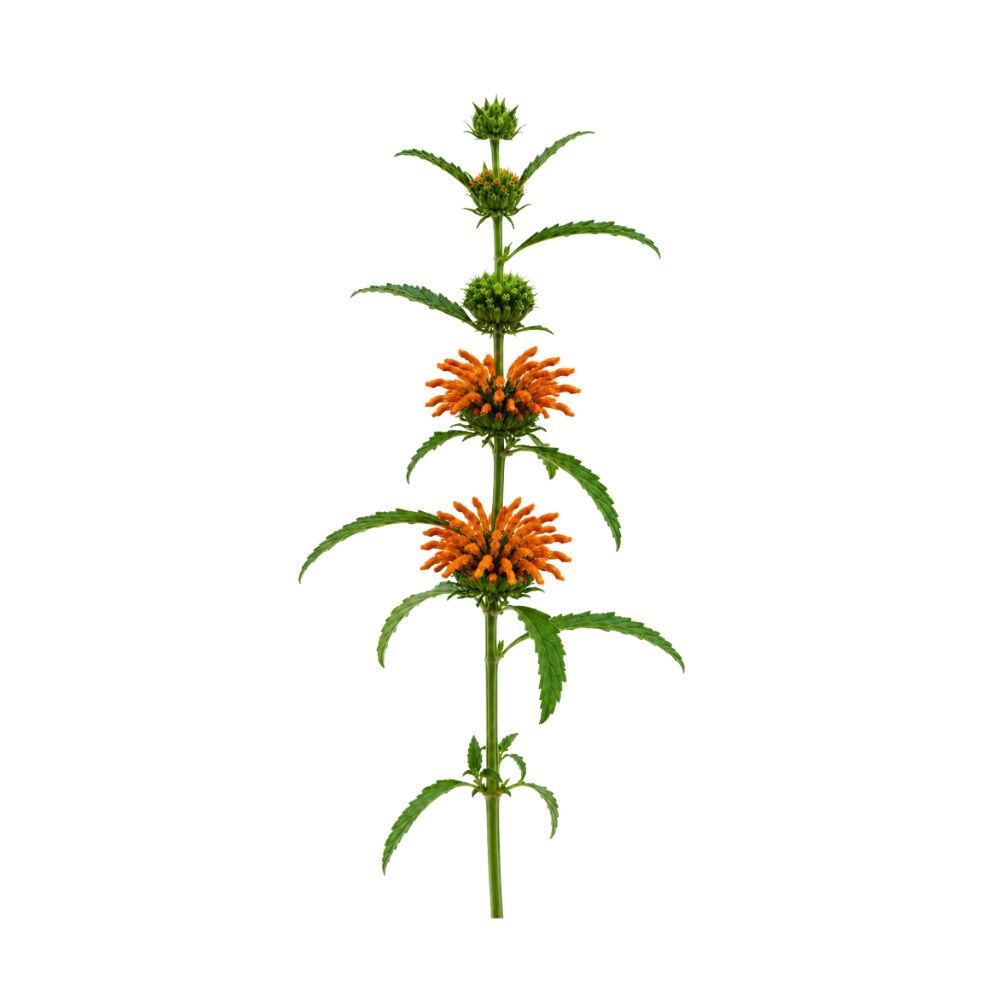 Dagga Leonotis nepetifolia Documented for dubiin, leonotin, leonotinin and 2 more diterpenes.
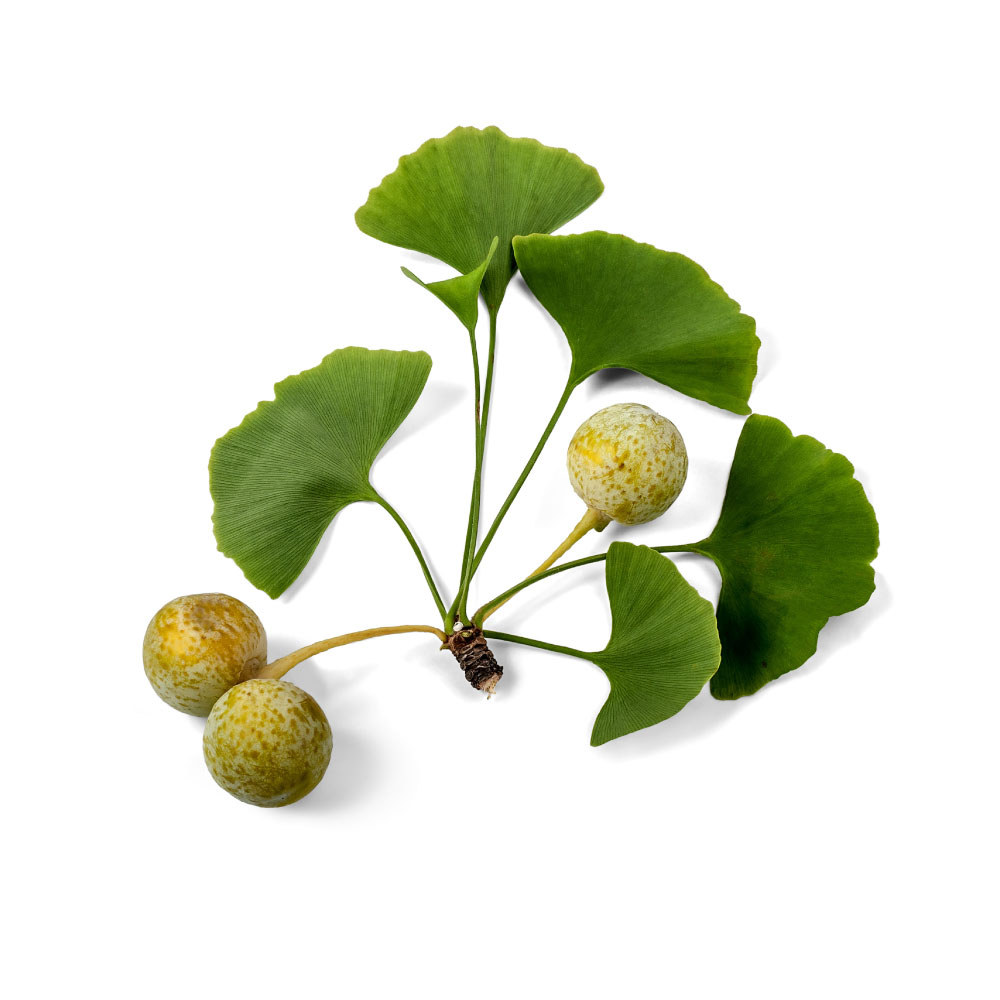 Ginkgo Ginkgo biloba Documented for ginkgolide A, ginkgolide B, ginkgolide C and 2 more diterpenes.
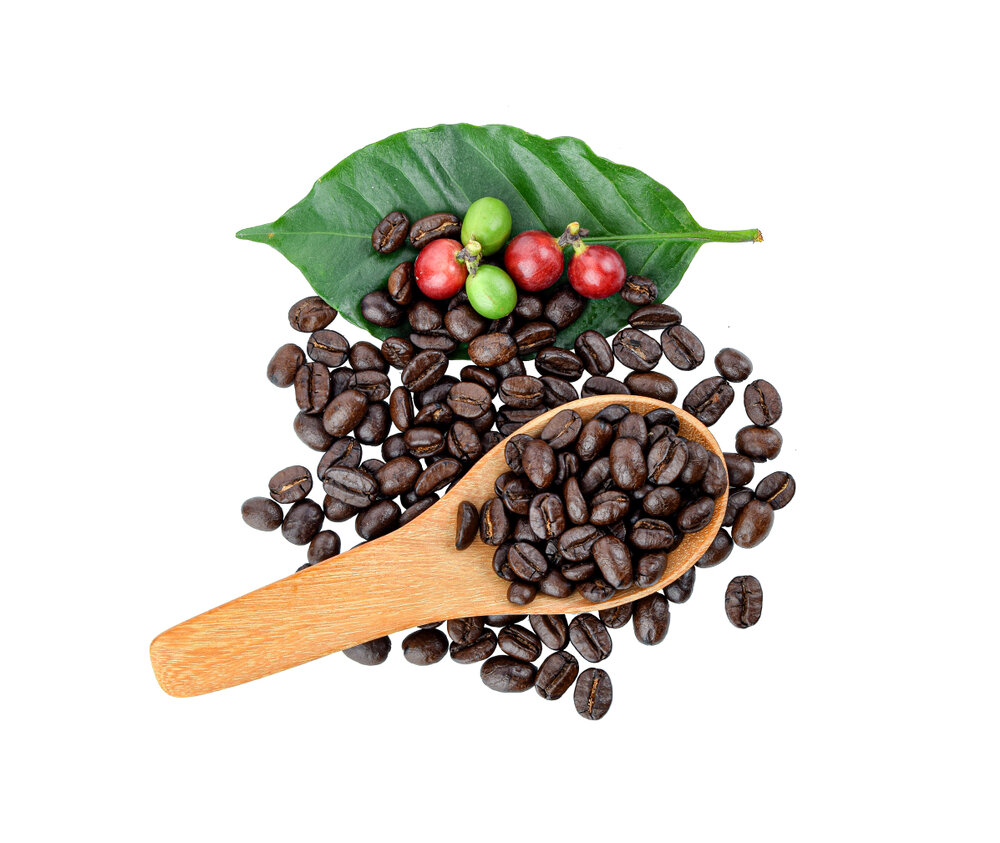 Coffee Coffea arabica Documented for cafestol, diterpene alcohols, diterpenes and 1 more.
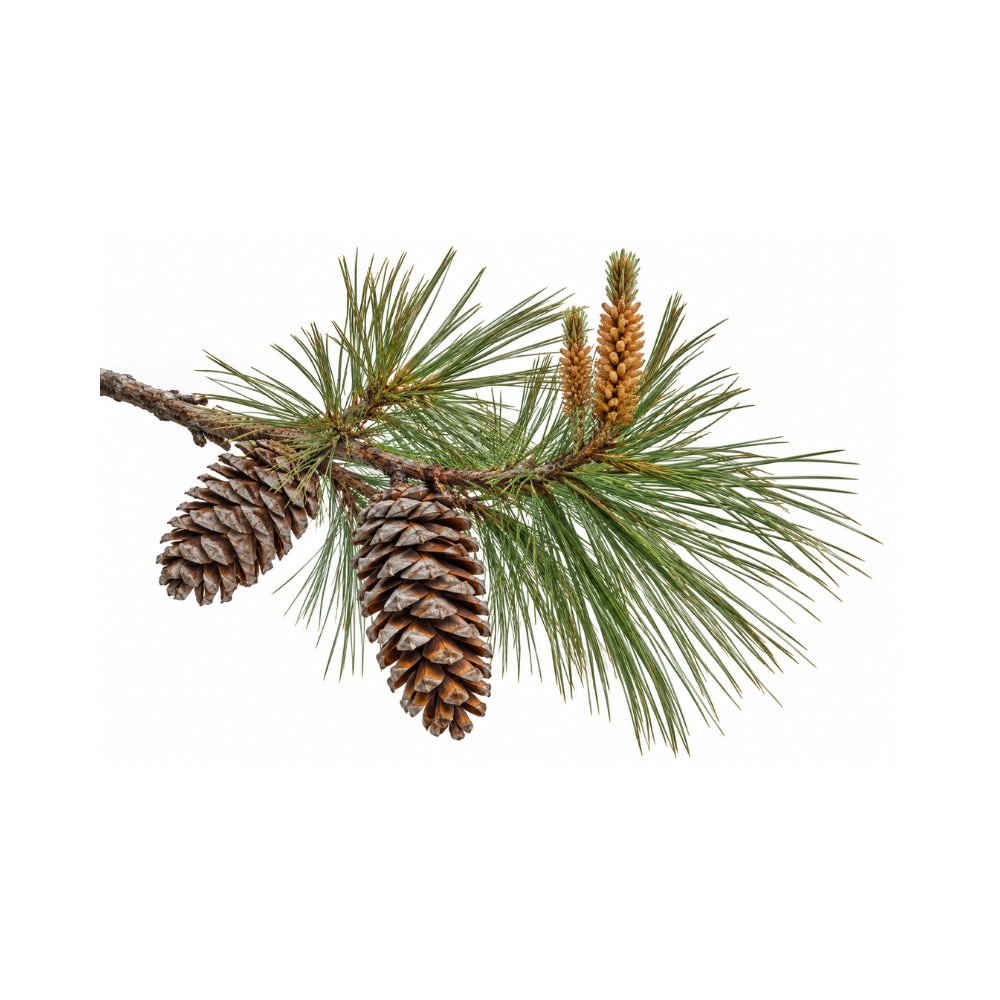 Chir Pine Pinus roxburghii Documented for abietic acid, isopimaric acid, pimaric acid. Korean Red Pine Pinus densiflora Documented for abietic acid, communic acid, dehydroabietic acid.
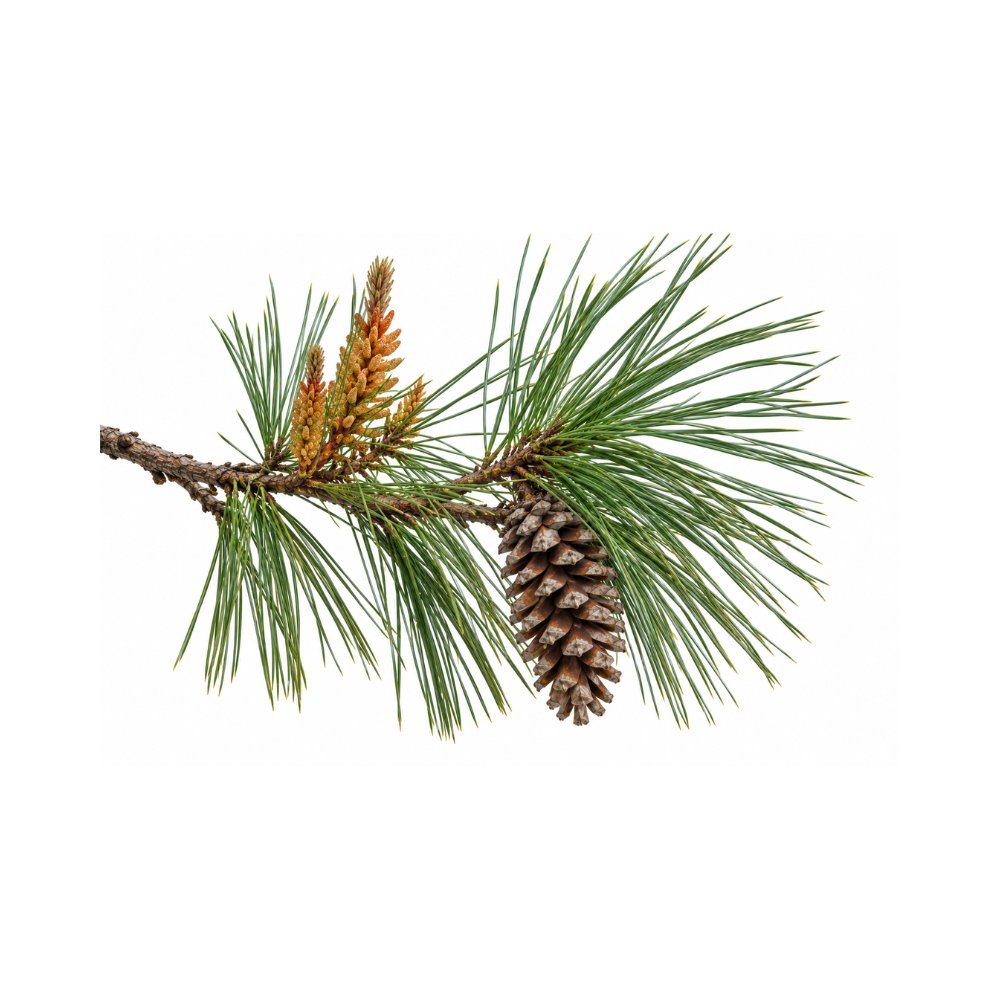 Masson Pine Pinus massoniana Documented for abietic acid, isopimaric acid, pimaric acid.
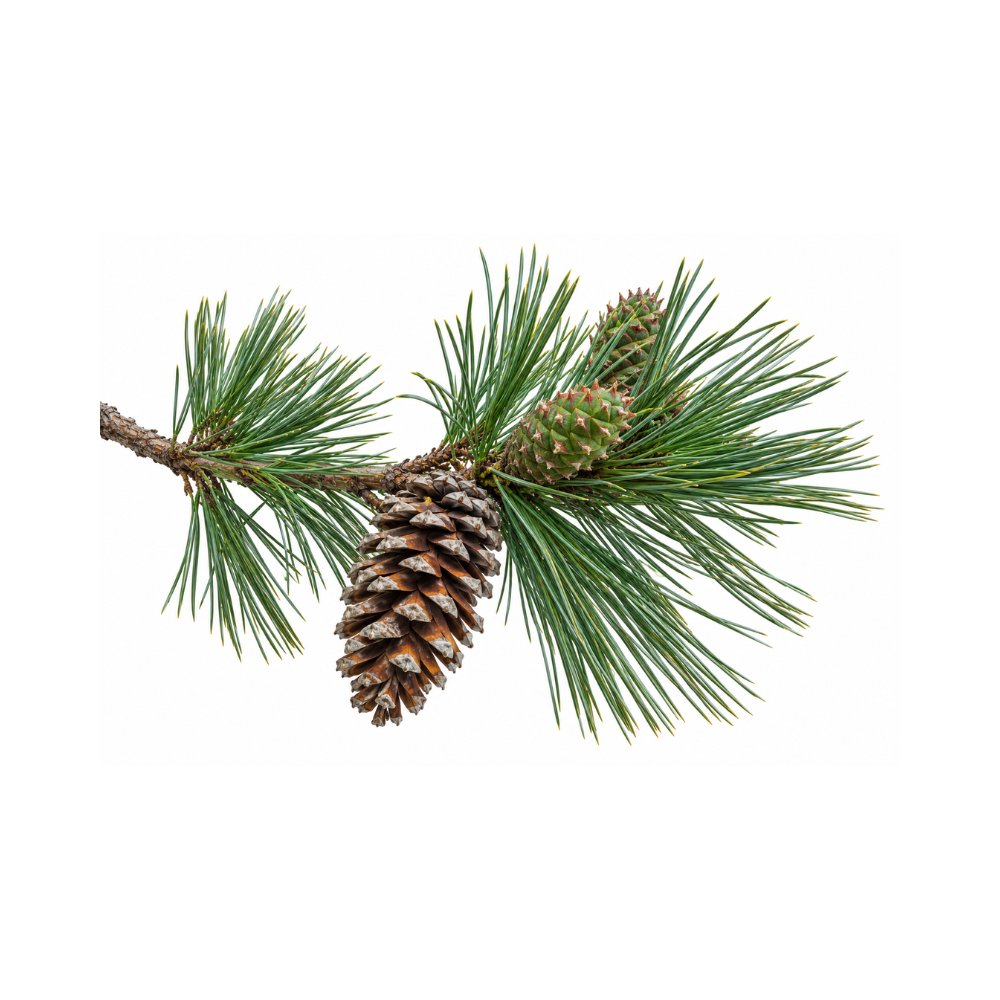 Korean Pine Pinus koraiensis Documented for abietic acid, lambertianic acid.
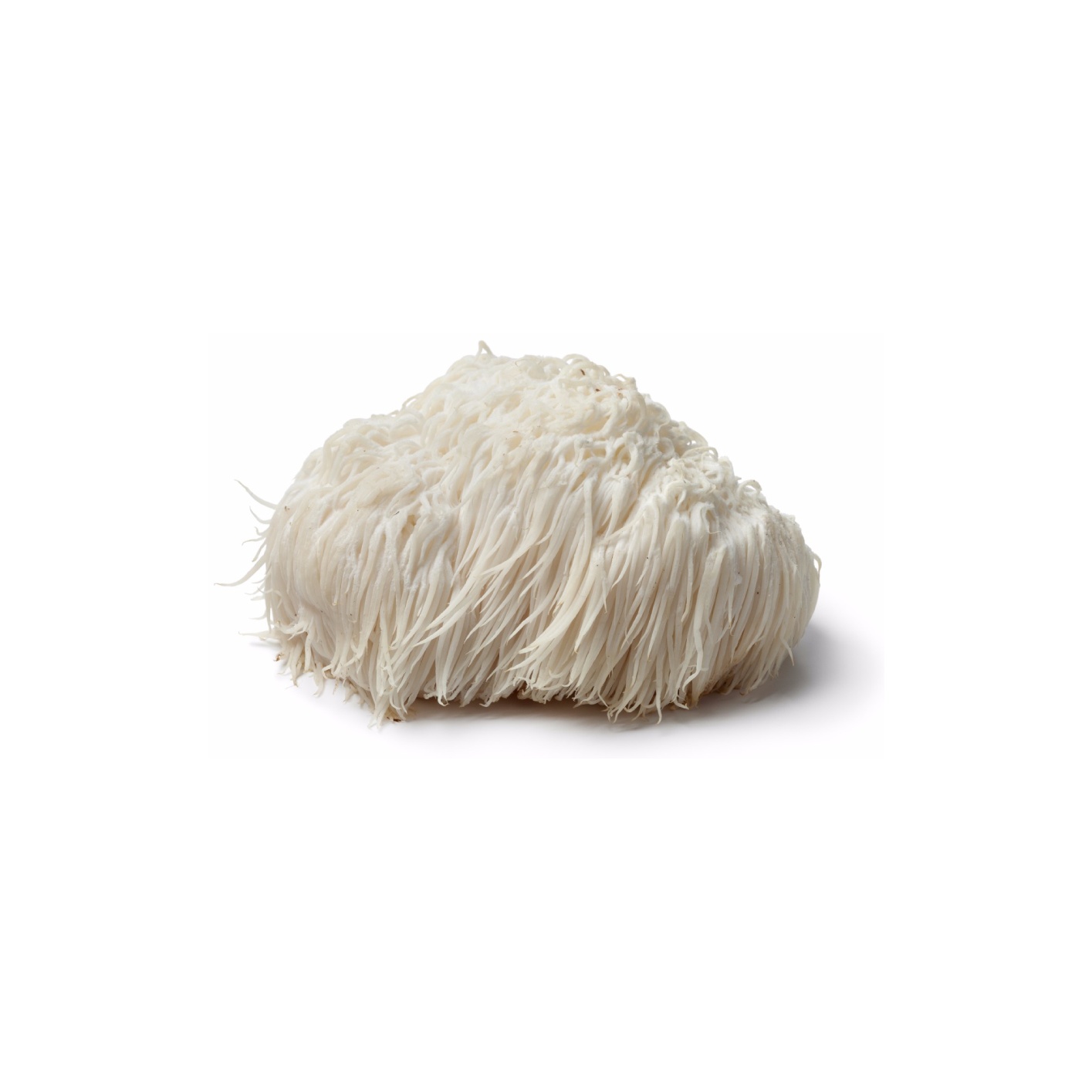 Lion's Mane Hericium erinaceus Documented for cyathane diterpenoids, erinacines.
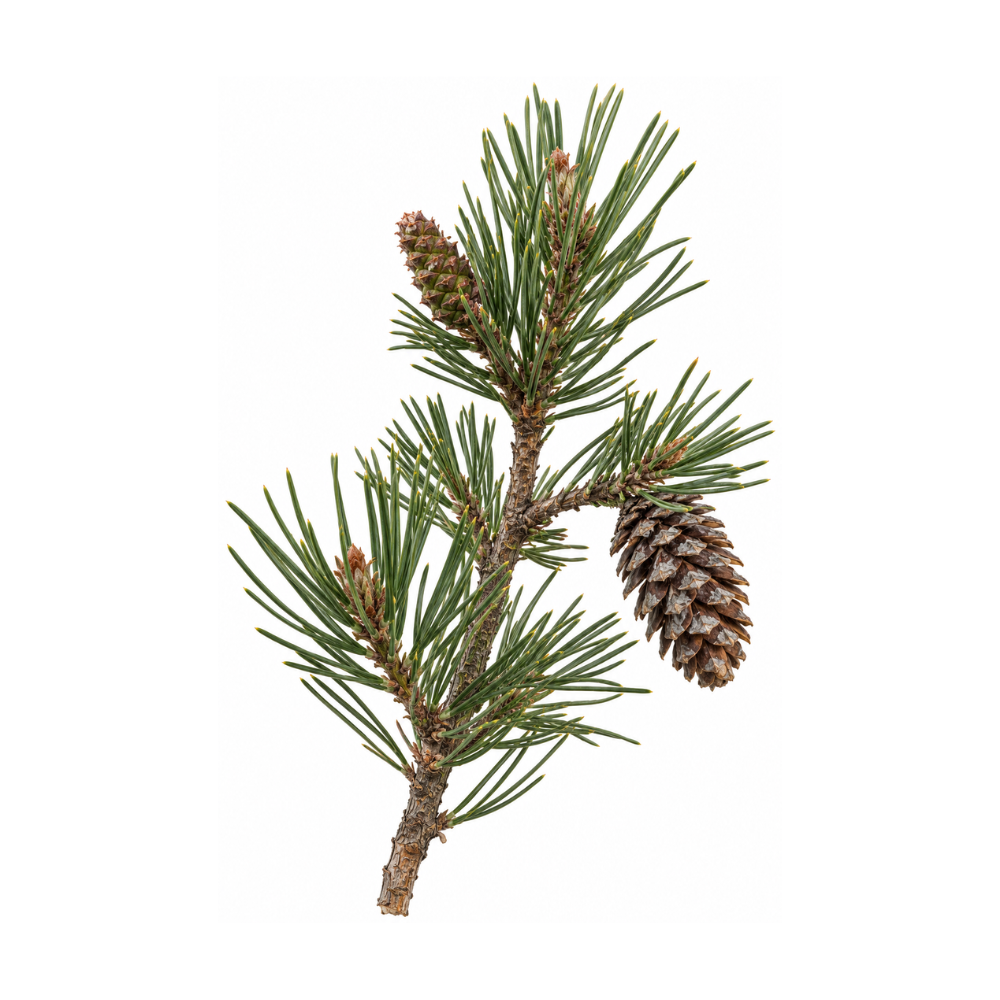 Lodgepole Pine Pinus contorta Documented for abietic acid, isocupressic acid.
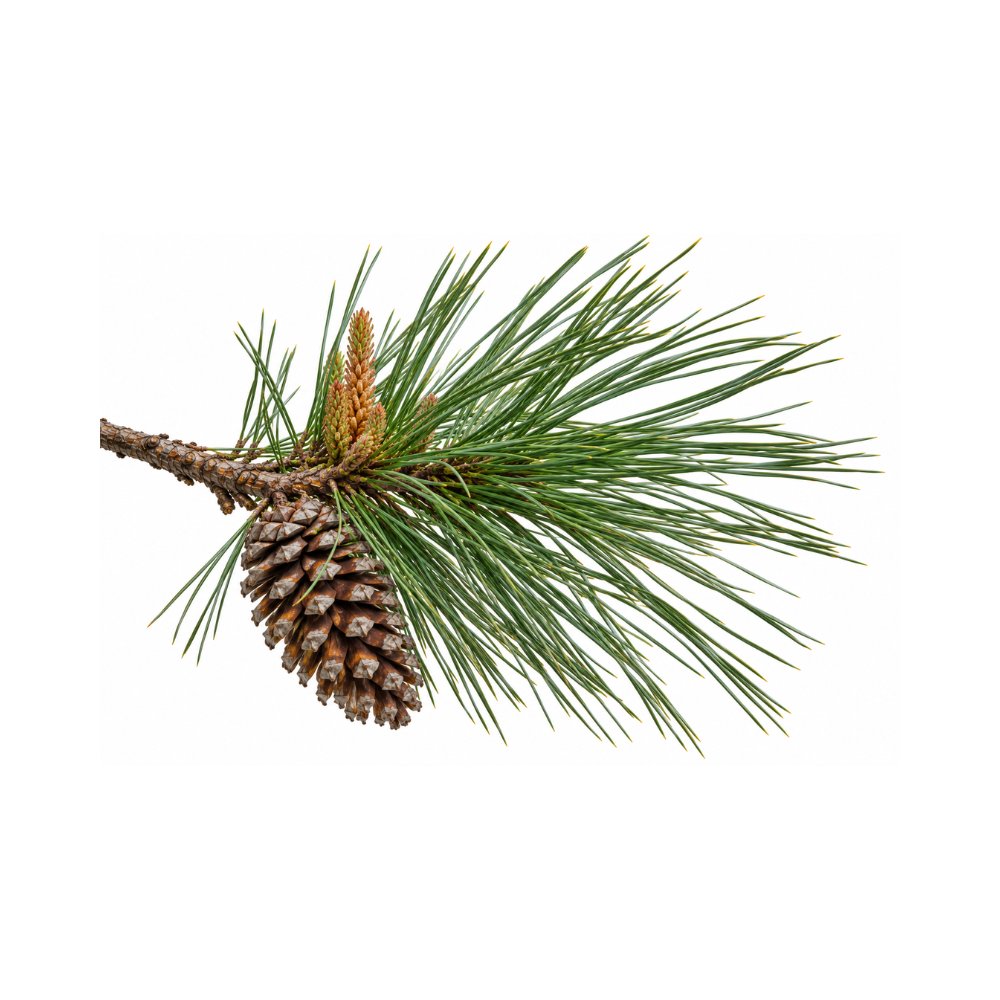 Monterey Pine Pinus radiata Documented for abietic acid, dehydroabietic acid.
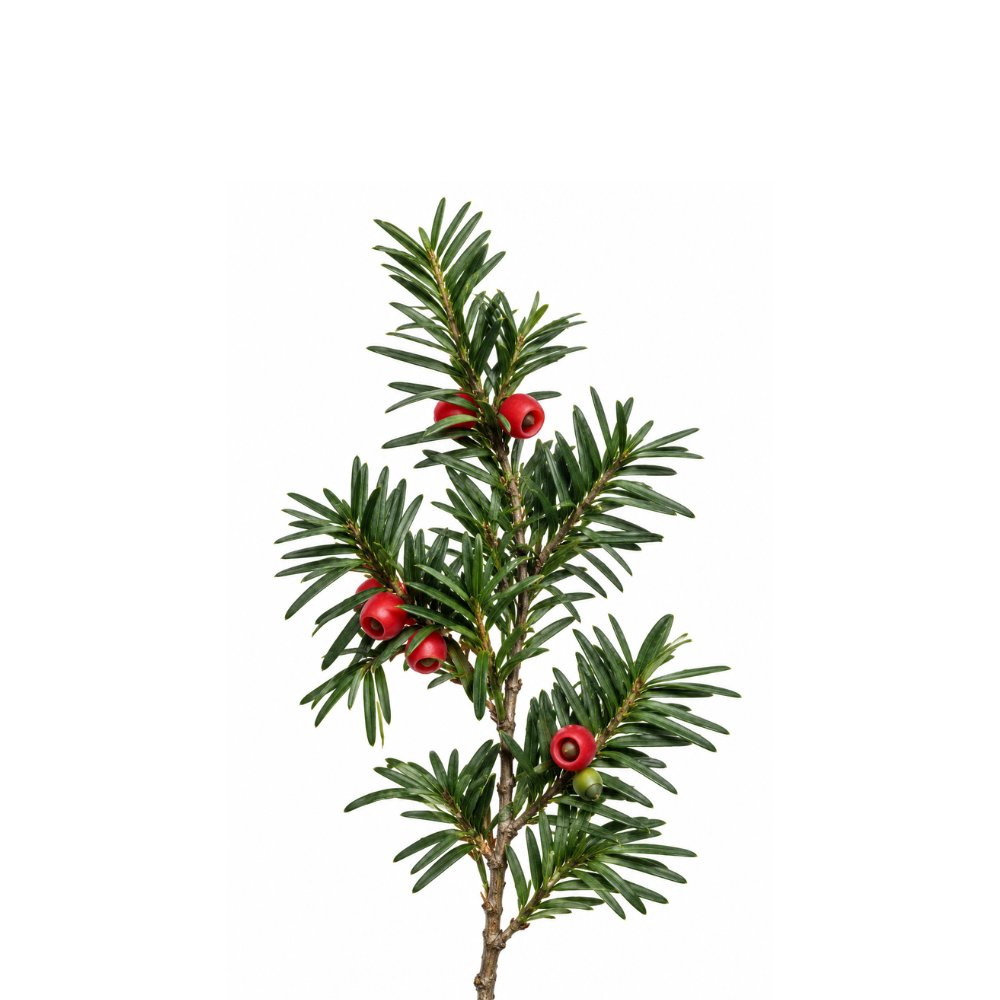 Pacific Yew ☠️ Taxus brevifolia Toxic Documented for 10-deacetylbaccatin III, paclitaxel.
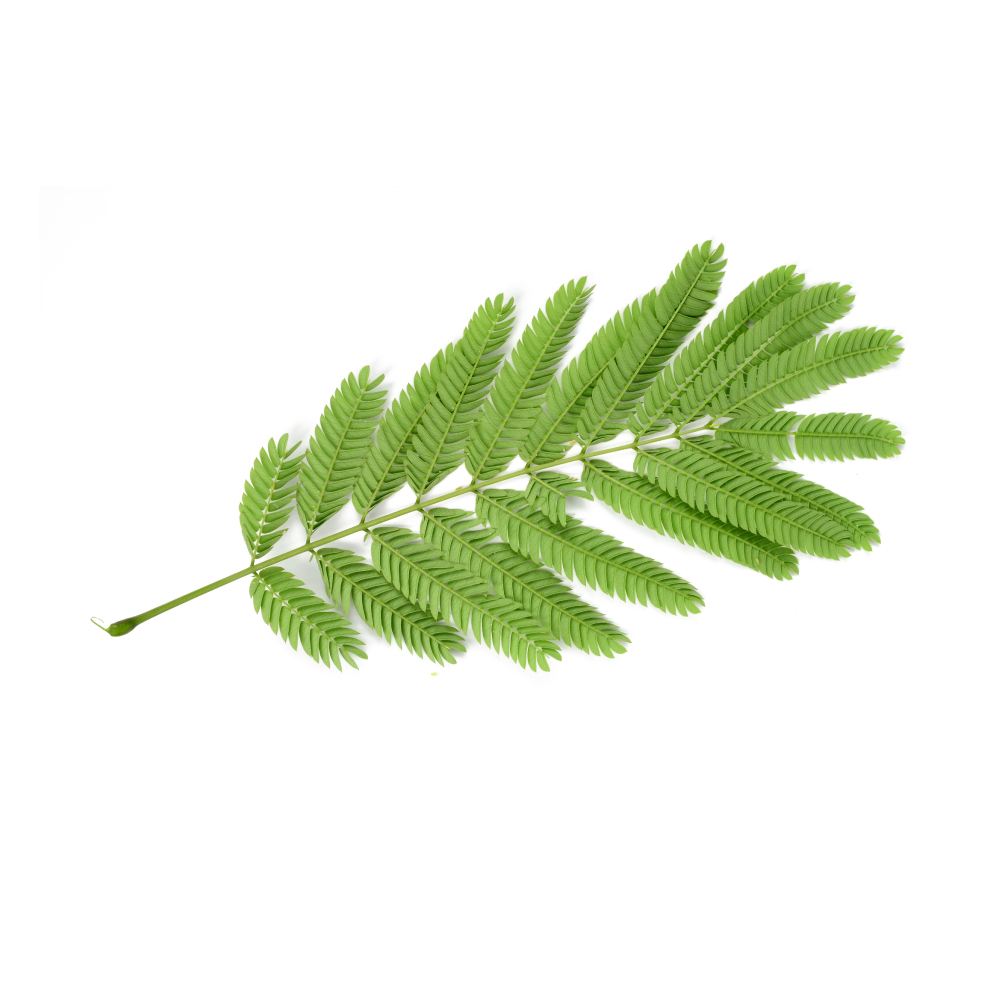 Albizzia Albizzia lebbeck Documented for thunbergol.
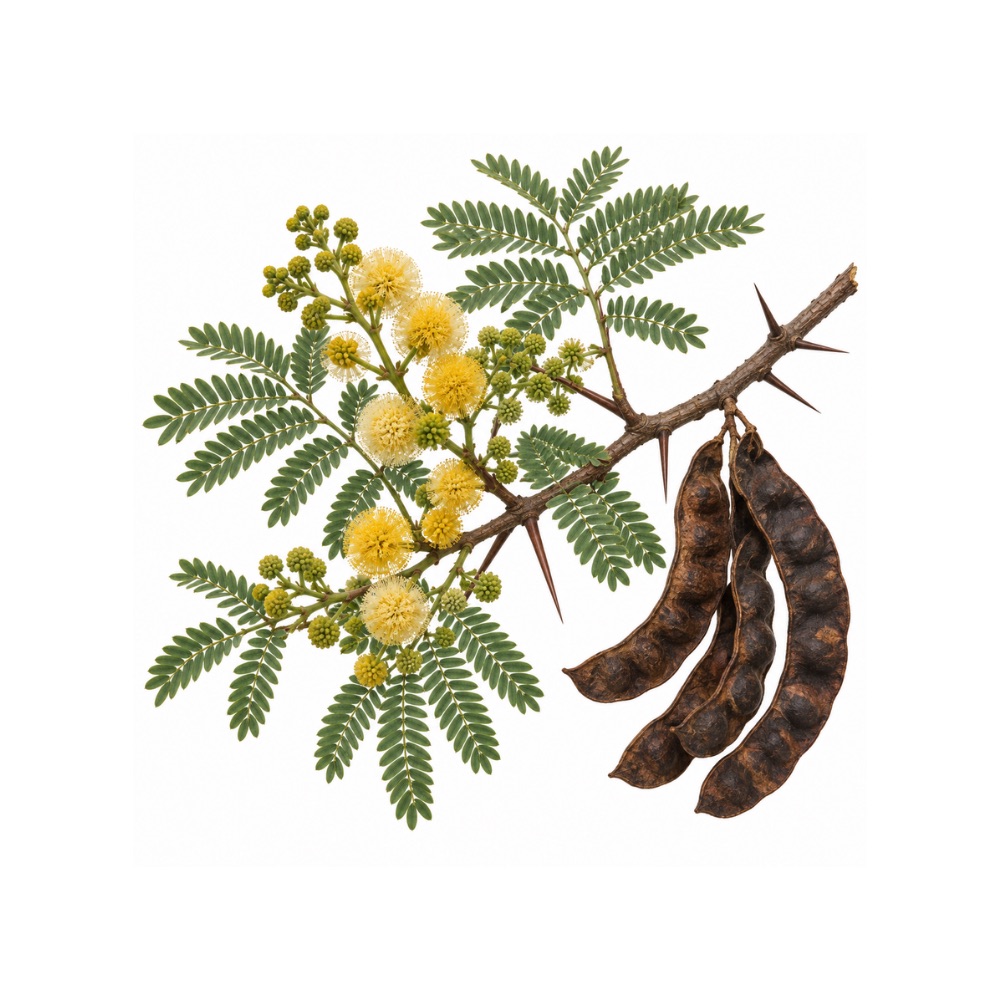 Babul Vachellia nilotica Documented for niloticane.
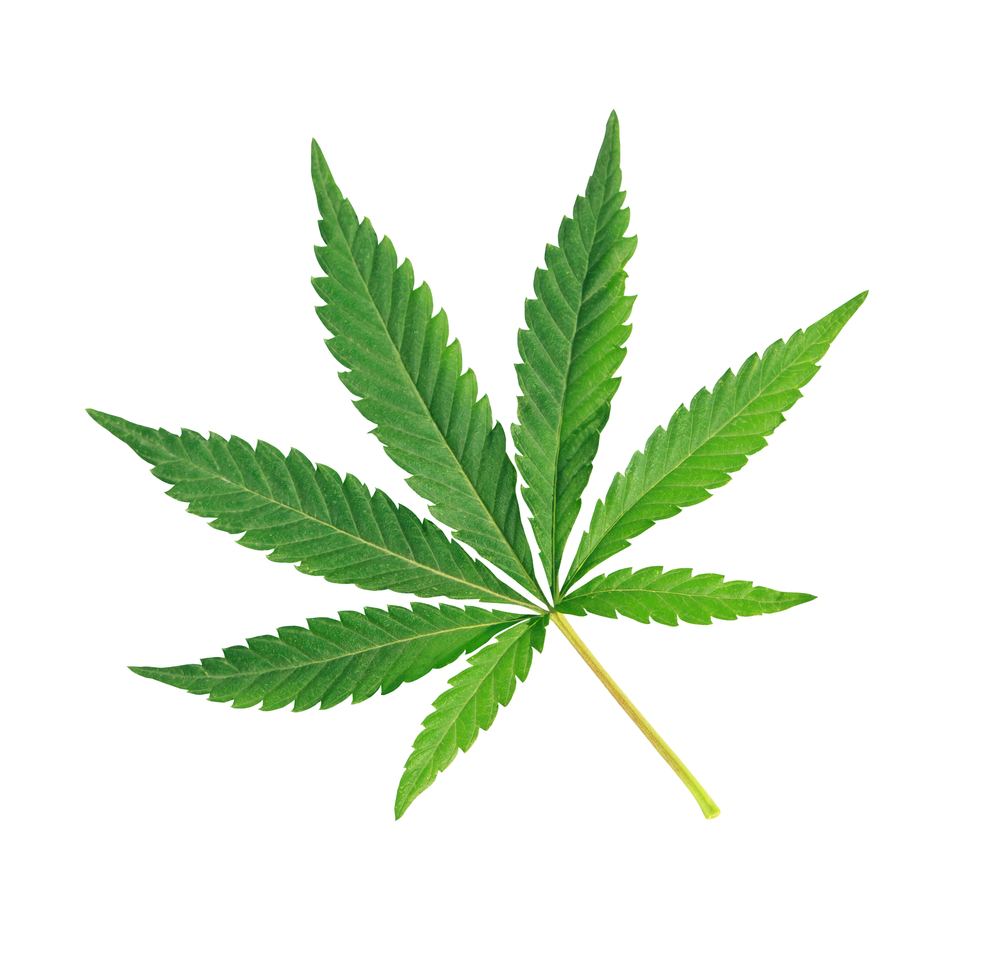 Cannabis Cannabis sativa Documented for phytol.
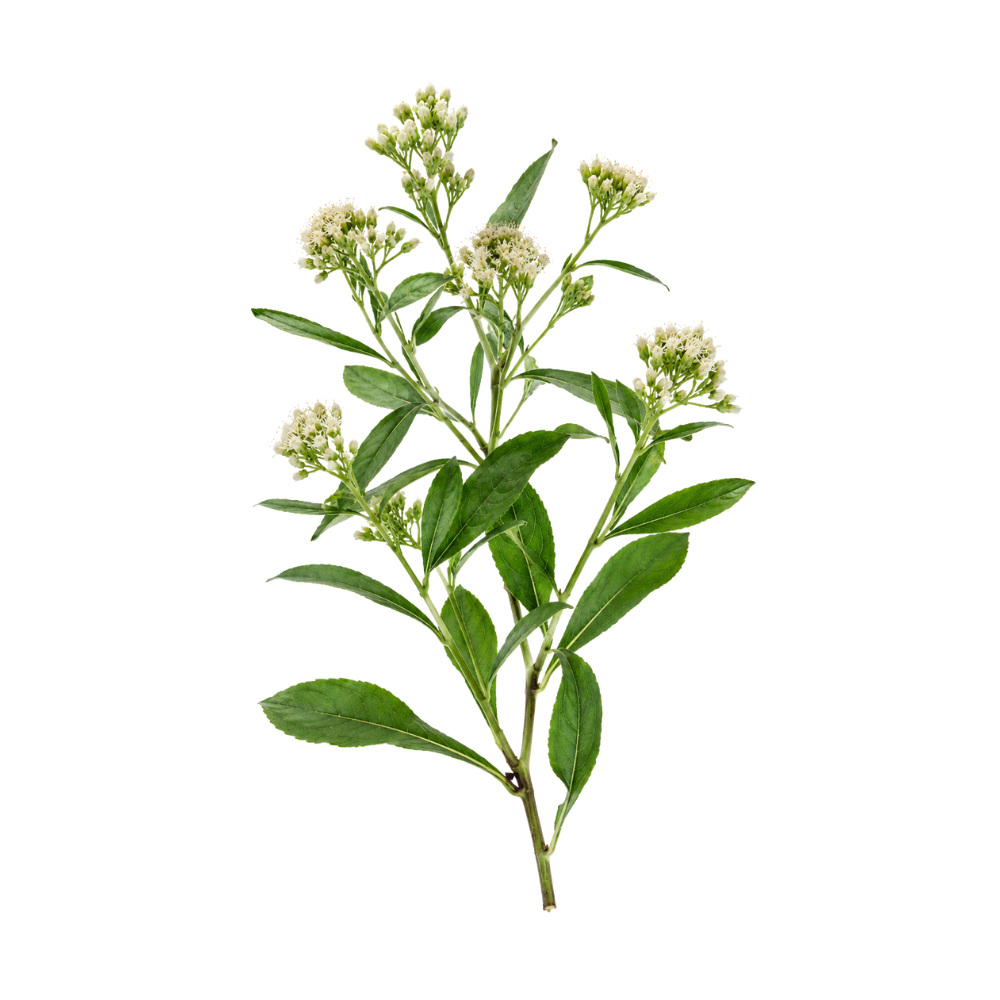 Chilca Baccharis latifolia Documented for clerodane diterpenes.
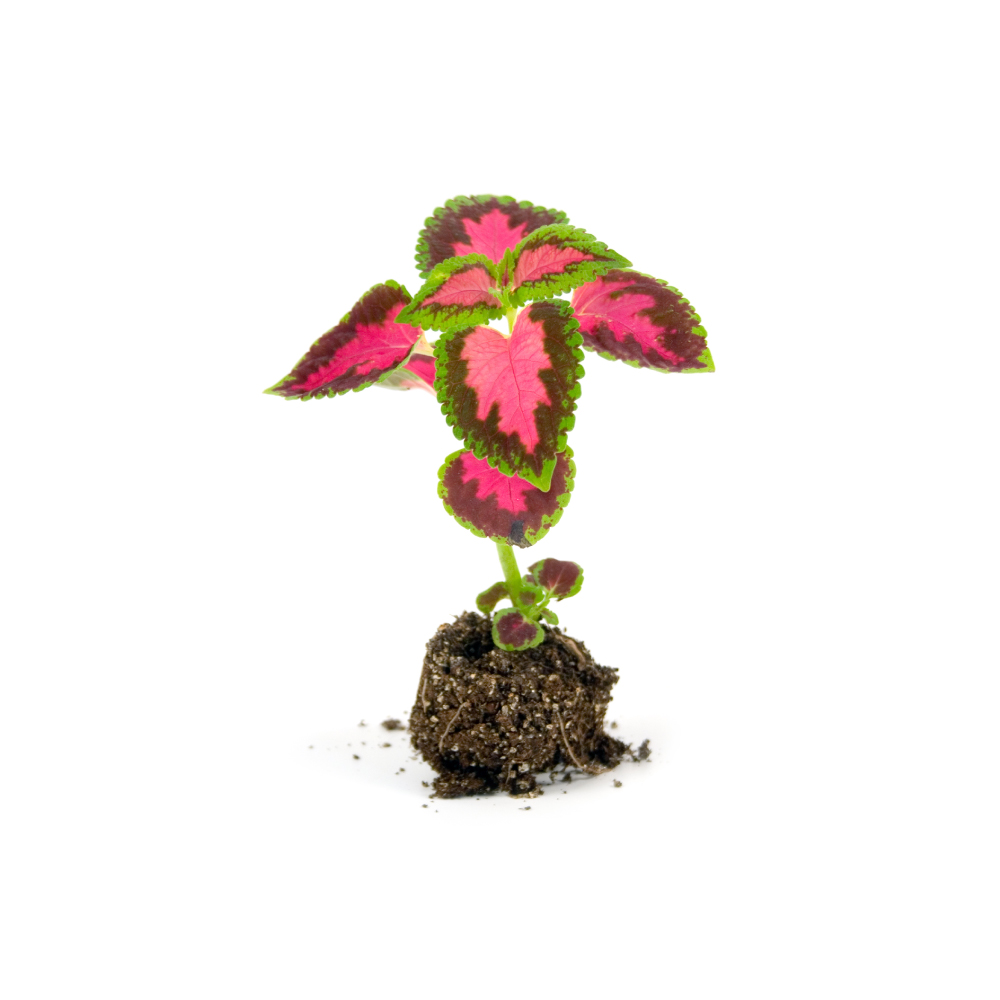 Coleus Coleus barbatus Documented for forskolin.
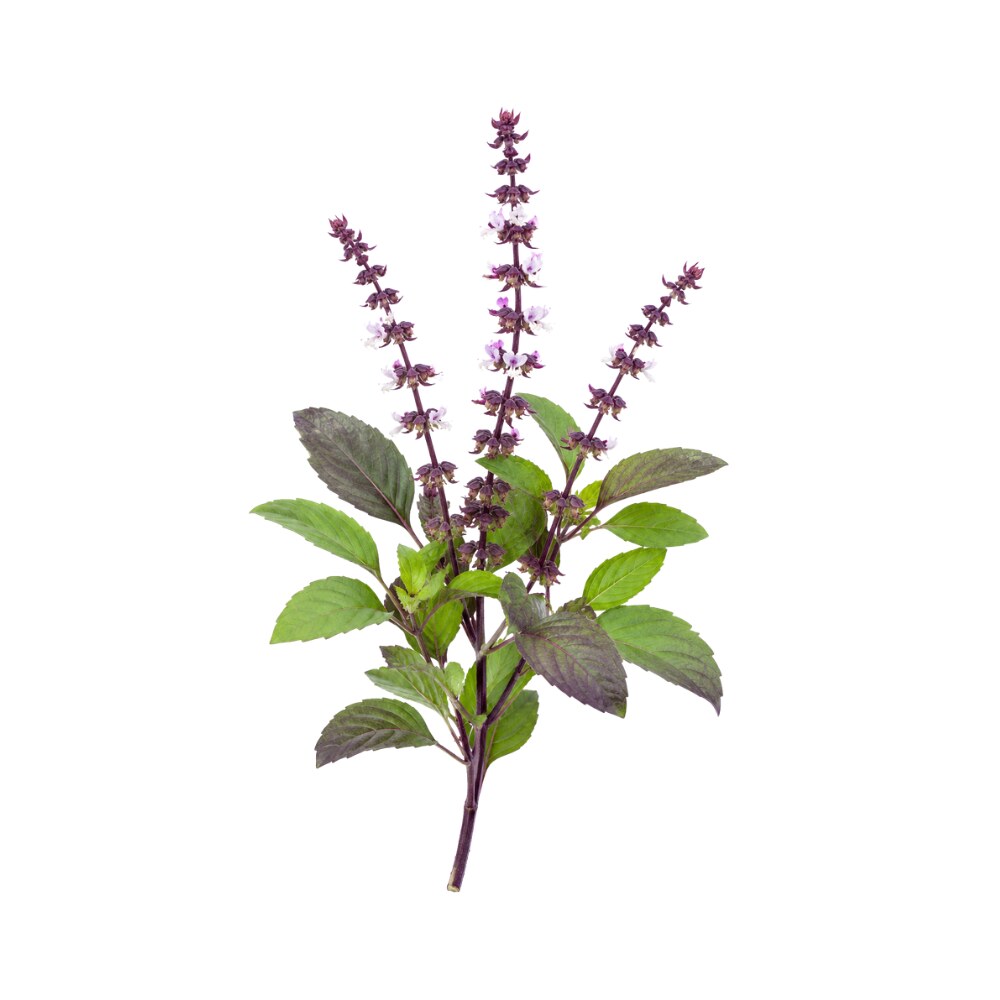 Holy Basil Ocimum tenuiflorum Documented for carnosic acid.
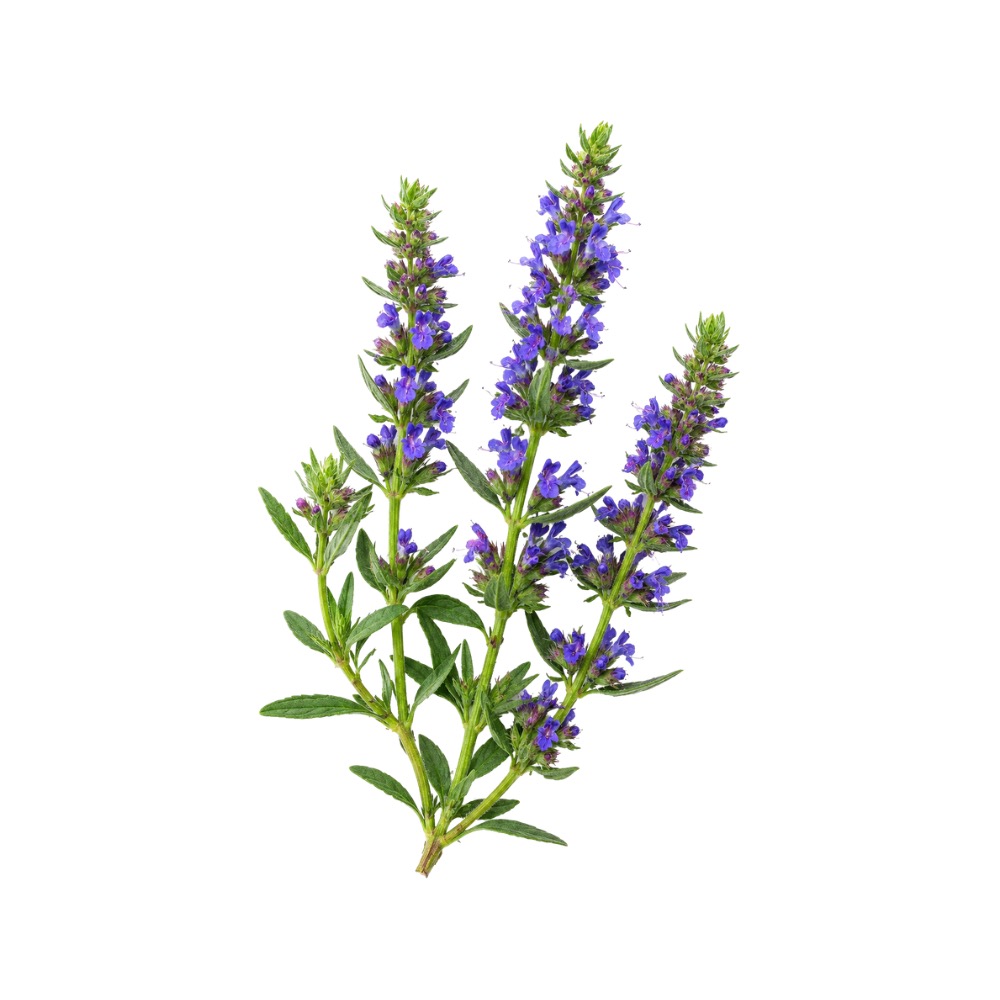 Hyssop Hyssopus officinalis Documented for marrubiin.
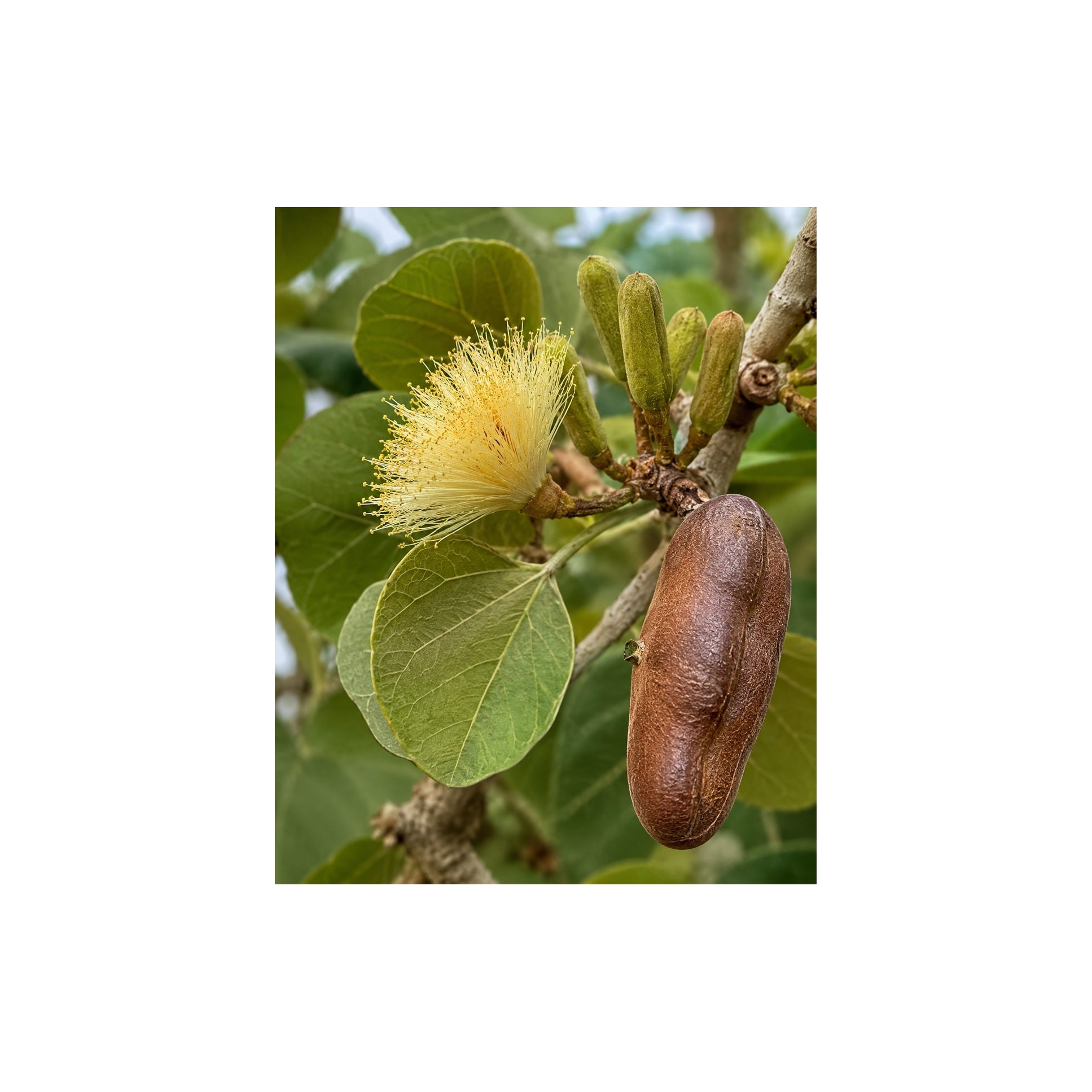 Jatobá Hymenaea courbaril Documented for zanzibaric acid. Maritime Pine Pinus pinaster Documented for abietic acid.
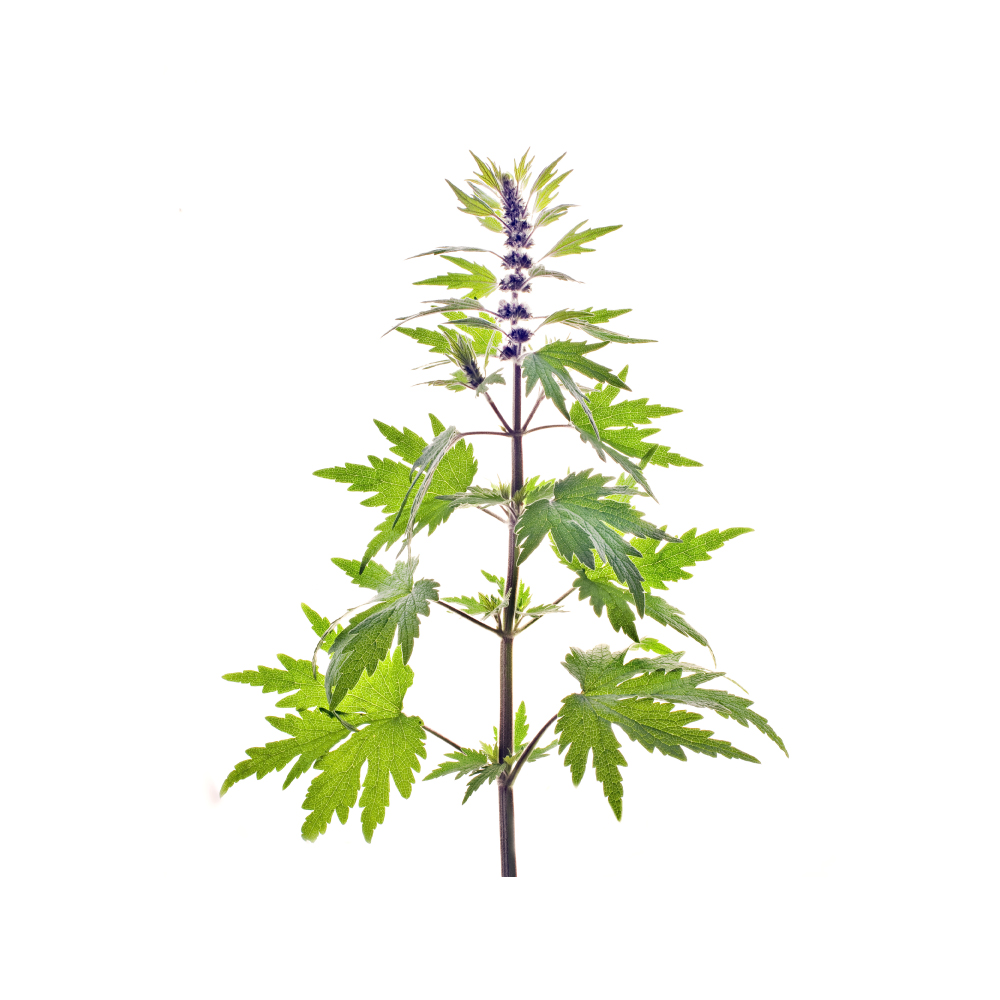 Motherwort Leonurus cardiaca Documented for leocardin.
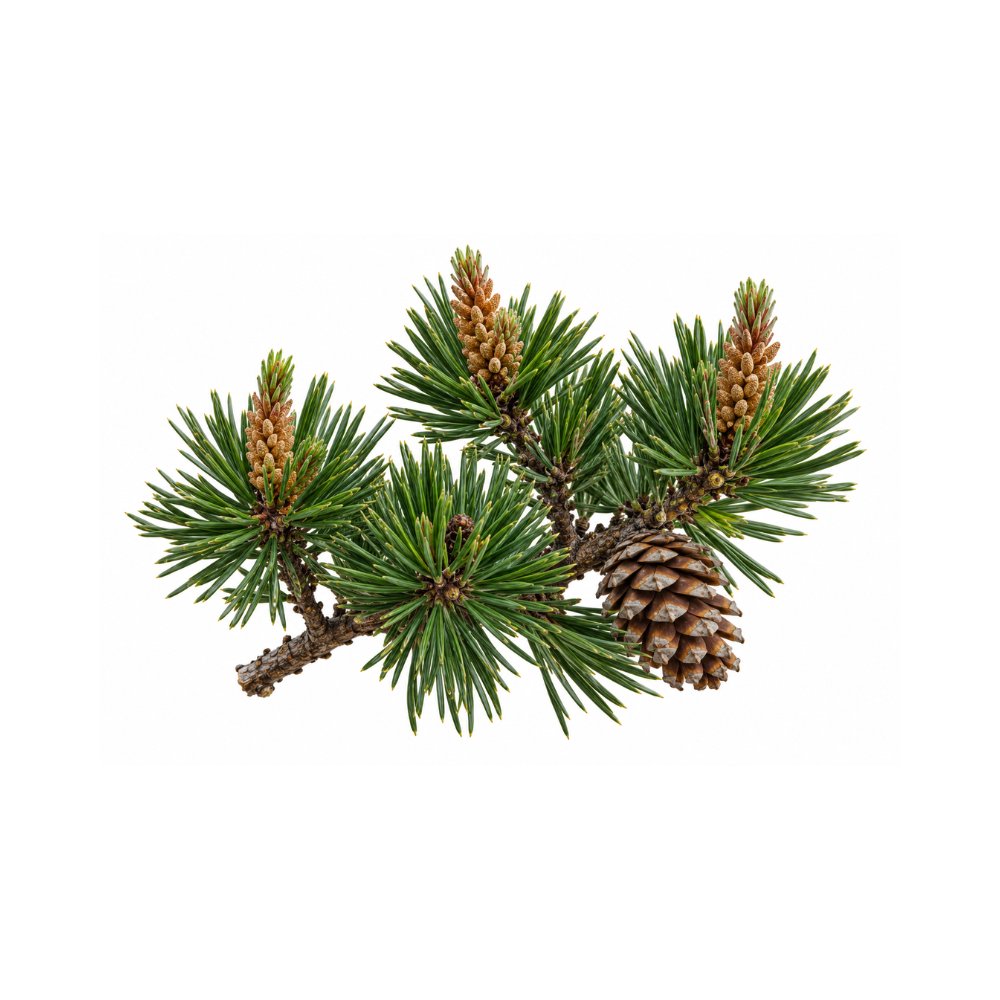 Mugo Pine Pinus mugo Documented for abietic acid.
 Muira Puama Ptychopetalum olacoides Documented for alpha-resinic acid.
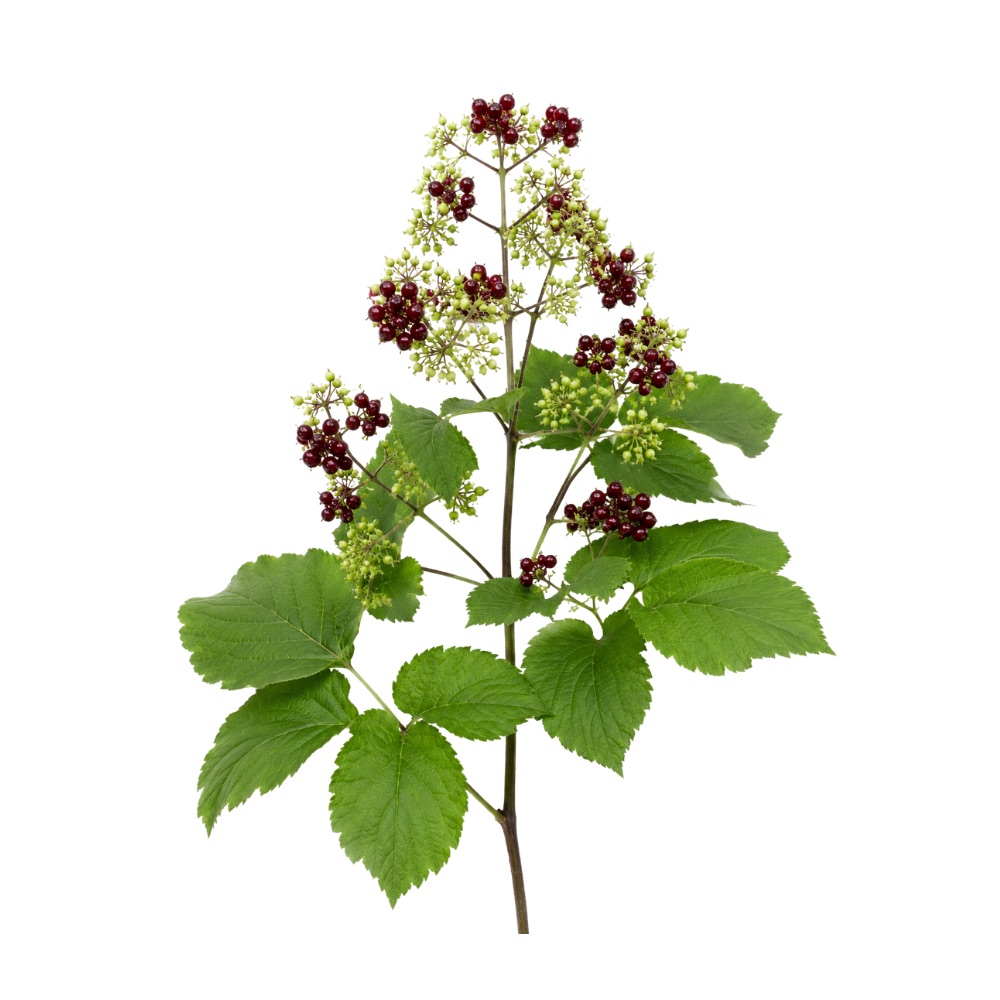 Spikenard Aralia racemosa Documented for acanthoic acid.
Keep Exploring
Other Compound Classes
Keep Reading
 GuidesThe Best Kava: A Buyer's GuideHow to buy good kava: noble vs two-day cultivars, which part of the root, chemotype codes, origin, form, and the batch tests a seller should show you.
Read more
 GuidesThe Amazon's Endangered Medicinal PlantsThe Amazon gives us some of our most important medicines — but which healing plants are actually endangered?
Read more
 NutritionThe Best Yerba Maté Brands [Reviewed]A drinker's guide to buying yerba maté — what actually changes the taste, and ten brands worth your money.
Read more
 GuidesHow to Prepare Yerba Maté — The Five Best MethodsHow to brew yerba maté properly — the traditional gourd method, plus tereré, french press and cold brew.
Read more