
Compound Monograph
Anthraquinone-2-Carboxylic Acid
Anthraquinone-2-carboxylic acid (AQCA) is a simple carboxy-anthraquinone reported as a minor constituent of pau d'arco (Tabebuia impetiginosa). It is far better documented as an industrial dye and redox/photochemistry building block than as a medicine; two isolate studies show modest anti-Helicobacter pylori and anti-inflammatory activity, with no human data.

Sources · 1
Where Does It Come From?
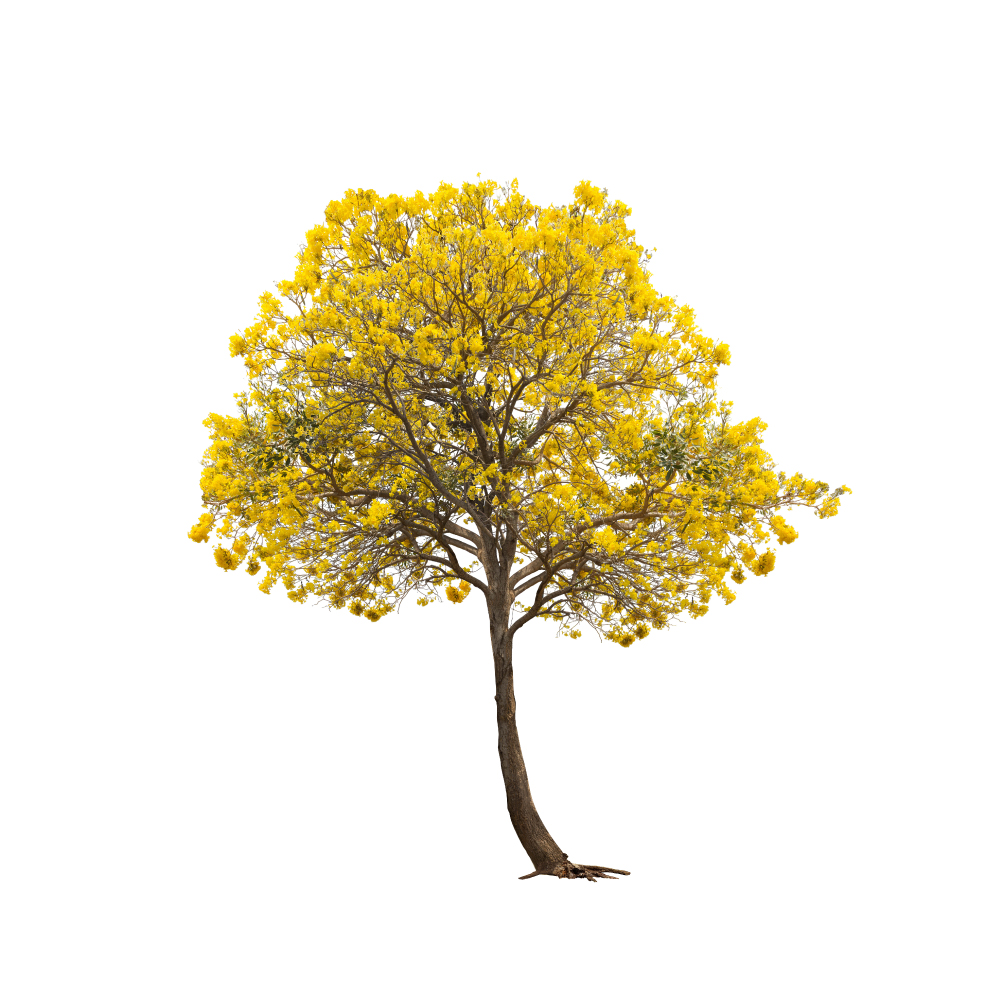
Anthraquinone-2-Carboxylic Acid is a naturally occurring anthraquinone (carboxylic acid), found in Pau d'arco. It is well tolerated orally (low toxicity).
Concentration
Content by Source
Concentrations not reported. No percent-dry-weight or mg/g figures have been published for this compound in its source plants.
Anthraquinone-2-Carboxylic Acid at a Glance
Anthraquinone-2-carboxylic acid (AQCA) is one of the simplest carboxy-substituted anthraquinones — an anthraquinone core carrying a single carboxylic-acid group at the 2-position (C₁₅H₈O₄). It is reported as a minor anthraquinone constituent of pau d’arco (Tabebuia impetiginosa, “taheebo”/lapacho) bark 1,
It is important to be honest about what this molecule is. Unlike emodin and chrysophanol, it is not an emodin-type hydroxyanthraquinone and not an anthranoid laxative — it lacks the polyhydroxy pattern that drives that class’s purgative action and its genotoxicity concerns. And most of its documented existence is chemical and industrial, not medicinal: it is a commodity anthraquinone used in dye chemistry and as an electron-shuttle redox mediator and photochemical reagent, rather than a studied natural-product drug.
The pharmacology that does exist is thin and rests on the isolated molecule: a moderate in-vitro effect against Helicobacter pylori 1Reference 1Antibacterial activity of Tabebuia impetiginosa Martius ex DC (Taheebo) against Helicobacter pyloriView study → and an anti-inflammatory/antinociceptive signal in mice 2Reference 2Anti-inflammatory and antinociceptive activities of anthraquinone-2-carboxylic acidView study →. There are no human trials, and pau d’arco’s own traditional use is a whole-bark, multi-quinone exposure that cannot be reduced to this one minor component.
A Minor Pau d’Arco Anthraquinone
Pau d’arco’s characteristic and best-studied constituents are naphthoquinones — lapachol and beta-lapachone are the defining markers, and they carry most of the herb’s antimicrobial and anticancer literature. Anthraquinones are a secondary quinone class in the plant, and anthraquinone-2-carboxylic acid is one of them: reviews of T. impetiginosa phytochemistry list it among the anthraquinones without positioning it as a defining chemical marker 3Reference 3ReviewTabebuia impetiginosa: a comprehensive review on traditional uses, phytochemistry, and immunopharmacological propertiesView study →. Its close relative 2-(hydroxymethyl)anthraquinone is reported alongside it in the same bark 1Reference 1Antibacterial activity of Tabebuia impetiginosa Martius ex DC (Taheebo) against Helicobacter pyloriView study →.
The honest framing is that most of what is documented about this molecule is chemistry, not pharmacology. As a commodity fine chemical (CAS 117-78-2) it appears in:
- Dye and pigment chemistry — the anthraquinone skeleton is a classic chromophore, and the 2-carboxyl handle makes this a convenient building block/intermediate.
- Redox and photo-chemistry — anthraquinones are reversible one/two-electron carriers, and AQCA has been used as an electron-shuttle redox mediator and as a photo-active reagent (for example, aerobic photo-oxidation chemistry generating hydrogen peroxide).
Set against that industrial footprint, its bioactivity screening is limited to two small isolate studies (below). Neither is a clinical result, and neither is a whole-plant result — so this stays deliberately short.
What It's Used For
The natural-product pharmacology of anthraquinone-2-carboxylic acid is confined to two isolate studies. Both are worth stating plainly; neither should be over-read.
Support is an experimental score — weighted by study type (human > animal > in vitro) and volume. A beta, not a validated metric. This molecule has only two small isolate studies, so scores stay low by design.
The better-developed of the two. Isolated AQCA — described as one of the major anthraquinones of Brazilian taheebo — reduced symptoms across several rodent models: EtOH/HCl- and aspirin-induced gastritis, arachidonic-acid-induced ear oedema, and acetic-acid-induced abdominal writhing, dosed orally at 3 and 30 mg/kg 2Reference 2Anti-inflammatory and antinociceptive activities of anthraquinone-2-carboxylic acidView study →.
Mechanistically it suppressed the NF-κB and AP-1 inflammatory pathways by acting on upstream kinases (IRAK1, Src, Syk, p38) in macrophage and reporter-cell assays 2Reference 2Anti-inflammatory and antinociceptive activities of anthraquinone-2-carboxylic acidView study →.
Gap: this is a single mouse/cell study of the isolate, not a whole-plant or human result — and no pharmacokinetics were established, so it is unknown whether oral AQCA reaches meaningful tissue levels in people 2Reference 2Anti-inflammatory and antinociceptive activities of anthraquinone-2-carboxylic acidView study →.
In the study that first flagged AQCA from pau d’arco bark, the isolated molecule showed moderate in-vitro activity against Helicobacter pylori (MIC ~8 µg/mL) — in the same range as lapachol and metronidazole, but weaker than amoxicillin and tetracycline 1Reference 1Antibacterial activity of Tabebuia impetiginosa Martius ex DC (Taheebo) against Helicobacter pyloriView study →. Its co-occurring relative 2-(hydroxymethyl)anthraquinone was the more potent anti-H. pylori compound in that screen 1Reference 1Antibacterial activity of Tabebuia impetiginosa Martius ex DC (Taheebo) against Helicobacter pyloriView study →.
Gap: a single in-vitro MIC assay against one organism; no animal or human eradication data, and the potency is unremarkable versus standard antibiotics 1Reference 1Antibacterial activity of Tabebuia impetiginosa Martius ex DC (Taheebo) against Helicobacter pyloriView study →.
Mechanisms
| Target / pathway | Effect | Relevant to |
|---|---|---|
| NF-κB / AP-1 transcription | suppression of inflammatory-gene transcription | anti-inflammatory / antinociceptive |
| IRAK1, Src, Syk, p38 (upstream kinases) | inhibition of upstream inflammatory signalling | anti-inflammatory / antinociceptive |
| H. pylori growth (in vitro) | moderate bacteriostatic/bactericidal inhibition (MIC ~8 µg/mL) | antibacterial |
| Anthraquinone redox couple (industrial) | reversible electron carrier / redox mediator | chemistrynot pharmacology |
The load-bearing point: the anti-inflammatory mechanism is defined but rests on one rodent study, and none of these effects has been tied to a plasma level or to whole pau d’arco.
Pharmacokinetics
Not characterised. No absorption, oral-bioavailability, metabolism, or half-life data exist for anthraquinone-2-carboxylic acid. As a small, ionisable carboxylic acid it would be expected to be reasonably water-soluble for an anthraquinone, but this is inference, not measurement — and the absence of PK data is exactly why the mouse anti-inflammatory result cannot be extrapolated to human dosing 2Reference 2Anti-inflammatory and antinociceptive activities of anthraquinone-2-carboxylic acidView study →.
Clinical Trials
None. There are no clinical trials of anthraquinone-2-carboxylic acid, and no human data of any kind. Pau d’arco’s human/traditional evidence belongs to the whole bark extract, not to this isolate 3Reference 3ReviewTabebuia impetiginosa: a comprehensive review on traditional uses, phytochemistry, and immunopharmacological propertiesView study →.
| Completed | Planned | Terminated | Preclinical |
|---|---|---|---|
| — | — | — | Anti-inflammatory (mouse) + antibacterial (in vitro) |
Last checked: July 2026.
Isolate vs. Plant Studies
Every biological result for this molecule is on the isolated compound, not on pau d’arco. The anti-inflammatory study dosed purified AQCA (obtained from taheebo) in mice 2Reference 2Anti-inflammatory and antinociceptive activities of anthraquinone-2-carboxylic acidView study →; the antibacterial result is an in-vitro MIC of the purified acid 1Reference 1Antibacterial activity of Tabebuia impetiginosa Martius ex DC (Taheebo) against Helicobacter pyloriView study →. Pau d’arco human/traditional use is not evidence for this isolate — the bark is a chemically complex extract whose activity is dominated by its naphthoquinones (lapachol, beta-lapachone), with anthraquinone-2-carboxylic acid present only as a minor component 3Reference 3ReviewTabebuia impetiginosa: a comprehensive review on traditional uses, phytochemistry, and immunopharmacological propertiesView study →. No study has shown that whole pau d’arco delivers enough of this molecule to matter, and no study has tested it in people.
Major Natural Sources
The only documented natural source in our dataset is pau d’arco. Anthraquinones are chemically widespread in the plant kingdom, but no other plant source is cited here for this specific carboxy-anthraquinone, and no quantified concentration is on record.
| Source (Botanical) | Part | Reported level | Notes |
|---|---|---|---|
| Pau d’arco / taheebo (Tabebuia impetiginosa) | Inner bark / heartwood | Not quantified | Minor anthraquinone; the plant’s defining quinones are naphthoquinones 1, |
Its co-occurring anthraquinone relative in the same bark is 2-(hydroxymethyl)anthraquinone 1Reference 1Antibacterial activity of Tabebuia impetiginosa Martius ex DC (Taheebo) against Helicobacter pyloriView study →; both are minor next to lapachol and beta-lapachone.
Discovery & Synthesis
Anthraquinone-2-carboxylic acid is a long-known synthetic anthraquinone — a commodity fine chemical (CAS 117-78-2, C₁₅H₈O₄, MW 252.2) rooted in nineteenth/twentieth-century anthraquinone dye chemistry rather than in natural-product discovery. Its identification as a natural constituent of pau d’arco bark is comparatively recent, reported in the 2000s in the course of screening Tabebuia impetiginosa for anti-H. pylori compounds 1Reference 1Antibacterial activity of Tabebuia impetiginosa Martius ex DC (Taheebo) against Helicobacter pyloriView study → and catalogued in later phytochemical reviews of the plant 3Reference 3ReviewTabebuia impetiginosa: a comprehensive review on traditional uses, phytochemistry, and immunopharmacological propertiesView study →. A definitive first-total-synthesis attribution is not well documented in the accessible literature; commercially the material is a manufactured industrial chemical, not a plant extract.
Patents: not yet researched.
Toxicity & Safety
This is a data-thin molecule, and the toxicity picture is honest by admission rather than by reassurance: no dedicated repeat-dose, genotoxicity, or reproductive-toxicity dataset exists for isolated anthraquinone-2-carboxylic acid. It carries a low flag for two reasons. First, it is not an anthranoid laxative — it lacks the 1,8-dihydroxy pattern of emodin and chrysophanol that drives that class’s purgative action, its genotoxicity signal, and the EU restriction on hydroxyanthracene derivatives. Second, in the one animal study on record the isolate was gastroprotective rather than harmful, easing chemically-induced gastritis at 3–30 mg/kg 2Reference 2Anti-inflammatory and antinociceptive activities of anthraquinone-2-carboxylic acidView study →. That is a narrow basis, so the flag reflects absence of a known hazard, not a clean toxicology package.
- Not an anthranoid laxative. Lacks the polyhydroxy pattern behind the emodin/chrysophanol purgative and genotoxicity concerns; this is a simple carboxy-anthraquinone.
- The one animal study was gastroprotective. Oral AQCA eased induced gastritis in mice rather than causing injury 2Reference 2Anti-inflammatory and antinociceptive activities of anthraquinone-2-carboxylic acidView study →.
- Essentially untested in humans. No clinical data, and pau d’arco itself carries its own cautions (bleeding/anticoagulant interaction, high-dose toxicity) driven by its naphthoquinones — see the herb page.
- No dedicated safety dataset. No repeat-dose, genotoxicity, reproductive, or interaction studies exist for the isolate; low hazard is inferred, not demonstrated.
Dosage
There is no established human dose for anthraquinone-2-carboxylic acid, and it is not sold or used as a stand-alone supplement. The only figures on record are research values:
| Context | Model | Figure |
|---|---|---|
| Anti-inflammatory / antinociceptive | Mice (oral) | 3 and 30 mg/kg 2Reference 2Anti-inflammatory and antinociceptive activities of anthraquinone-2-carboxylic acidView study → |
| Antibacterial (anti-H. pylori) | In vitro | MIC ~8 µg/mL 1Reference 1Antibacterial activity of Tabebuia impetiginosa Martius ex DC (Taheebo) against Helicobacter pyloriView study → |
Real-world exposure to this molecule is indirect — as one minor anthraquinone within a whole pau d’arco bark preparation, whose dosing is set at the herb level, not at this constituent. These are doses studied in research and are not a personal recommendation.
References
- Park BS, Lee HK, Lee SE, Piao XL, Takeoka GR, Wong RY, Ahn YJ, Kim JH (2006). Antibacterial activity of Tabebuia impetiginosa Martius ex DC (Taheebo) against Helicobacter pylori. Journal of Ethnopharmacology. https://pubmed.ncbi.nlm.nih.gov/16359837/
- Park JG, Kim SC, Kim YH, Yang WS, Kim Y, Hong S, Kim KH, Yoo BC, Kim SH, Kim JH, Cho JY (2016). Anti-inflammatory and antinociceptive activities of anthraquinone-2-carboxylic acid. Mediators of Inflammation. https://pubmed.ncbi.nlm.nih.gov/27057092/
- Zhang J, Hunto ST, Yang Y, Lee J, Cho JY (2020). Tabebuia impetiginosa: a comprehensive review on traditional uses, phytochemistry, and immunopharmacological properties. Molecules. https://pubmed.ncbi.nlm.nih.gov/32962180/



