
Subclass of Phenolics
Anthraquinones
Colored phenolic compounds that stimulate bowel motility — the active laxative principle of several barks and roots.
Overview
About Anthraquinones
Anthraquinones are three fused six-membered rings with two ketone groups on the central ring. They are strongly coloured — yellow through red — and were among the earliest plant dyes, but in herbal medicine they are known for one thing above all: they are the stimulant laxative principle.
In the living plant they exist mostly as inactive O-glycosides. That is not incidental — it is the delivery mechanism, and it explains the whole class.
Where Anthraquinones Occur
A small number of laxative herbs account for nearly all medicinal use:
Senna
sennosides A–D
Cascara sagrada
cascarosides
Rhubarb root
emodin, rhein, aloe-emodin, physcion
Aloe latex (not the gel)
barbaloin/aloin
Yellow dock and buckthorn
mixed anthraquinone glycosides
Madder and morinda
the dye and marker anthraquinones
Note the aloe distinction: the bitter yellow latex just under the leaf skin is the laxative part; the clear inner gel is not, and confusing the two is a common error.
How the Prodrug Works
The glycoside form is the point. Sugar-bound anthraquinones pass through the small intestine unabsorbed, because the sugar prevents uptake. Only when they reach the colon do bacterial glycosidases cleave them, releasing the active anthrone at the site where it is wanted.
The free anthrone then stimulates colonic motility and inhibits water and electrolyte reabsorption. This is why the effect takes 6–12 hours and why it is reliably colonic rather than diffuse.
Pharmacological Importance
Anthraquinone laxatives are effective, cheap and long-established, and remain a legitimate short-term option for constipation where bulk and osmotic measures have failed.
The aglycones have a separate research literature — emodin and aloe-emodin have broad preclinical anti-inflammatory and antiproliferative activity — but that work is largely disconnected from how the herbs are actually used.
Toxicity & Safety
The central caution is duration, not dose. These are short-course medicines — typically no more than one to two weeks. Prolonged use causes electrolyte loss, particularly potassium, which paradoxically worsens bowel tone and creates dependence; it also produces melanosis coli, a reversible dark pigmentation of the colonic mucosa.
They are contraindicated in intestinal obstruction, inflammatory bowel disease, appendicitis and in children, and are generally avoided in pregnancy. Anthraquinone-driven potassium loss also potentiates cardiac glycoside toxicity — a real interaction where digoxin is involved.
Constituents
All Anthraquinones
37 total#
2-Hydroxymethyl-anthraquinoneA
Aloe-emodin Aloins Anthraquinone-2-carboxylic acidB
BarbaloinC
Cascaroside A Cascaroside B Cascaroside C Cascaroside D Cascaroside E Cascaroside F Cascarosides Chrysophanol Citreorosein Crispuside AD
Damnacanthal DanthronE
Emodin Emodin-1-O-glucoside Emodin-8-O-glucosideF
Frangulin A Frangulin BG
Glucofrangulin A Glucofrangulin BH
Hydroxyanthracene derivatives HydroxyanthraquinonesN
NordamnacanthalO
ObtusifolinP
PhyscionR
Rhein Rhein-anthroneS
Sennoside A Sennoside B Sennoside C Sennoside D SennosidesT
TectoquinoneNo anthraquinones match.
Source Plants
Herbs Containing Anthraquinones
11 herbsPlants in the materia medica documented to carry anthraquinones, with the compounds each one is listed for. The bar counts how many DISTINCT anthraquinones are on record for a plant, relative to the best-documented — it measures breadth of record, not potency, so a plant with one well-studied compound can outrank a richer source that has simply been analysed less. Where a measured concentration is on record it is quoted inline; most entries have none yet.
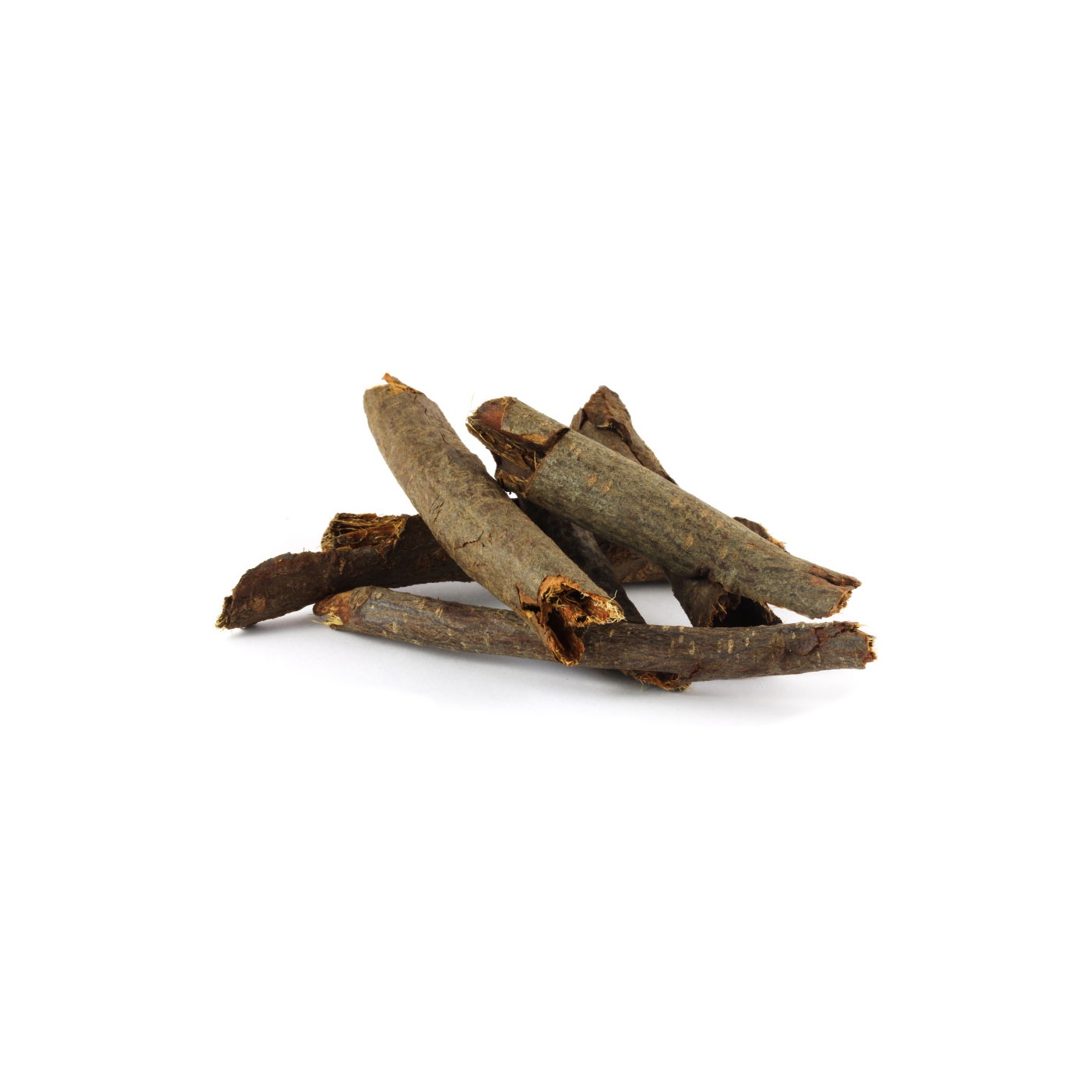 Cascara Sagrada Frangula purshiana Documented for cascaroside A (4.8–6 % dry wt (cascarosides, as cascaroside A)), aloe-emodin, aloins and 12 more anthraquinones.
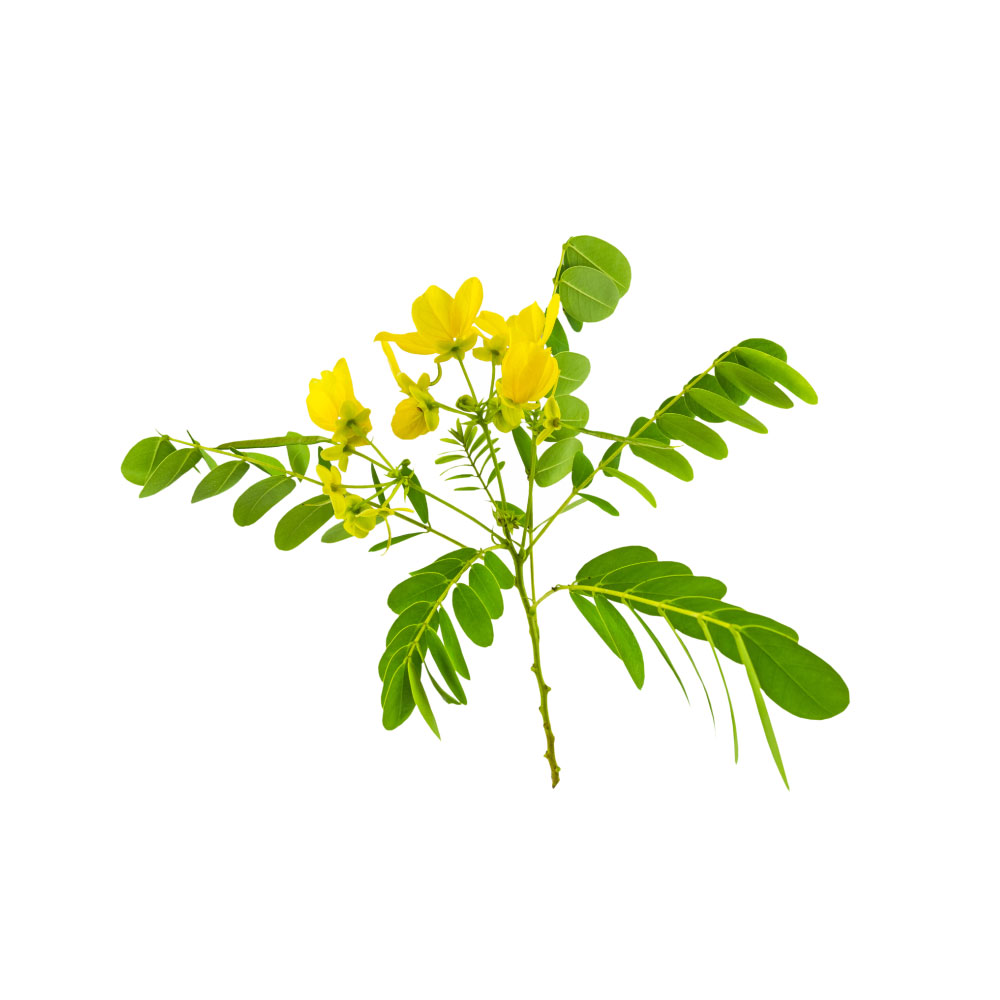 Senna Cassia angustifolia Documented for sennoside A (2–3 % total sennosides (as sennoside B)), sennoside B (2–3 % dry wt (total hydroxyanthracenes as sennoside B)), aloe-emodin and 8 more anthraquinones.
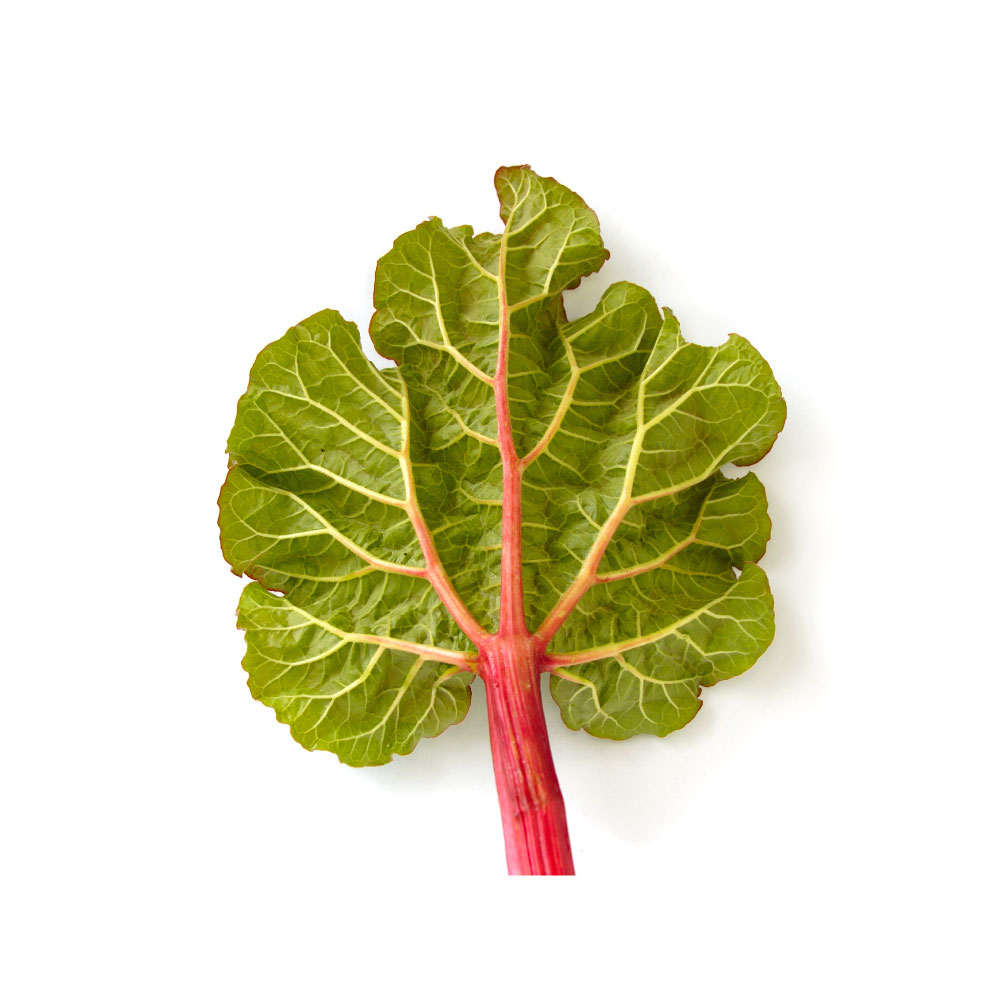 Rhubarb Rheum palmatum Documented for sennoside A (3.9 % of AQ extract), aloe-emodin, anthraquinones and 7 more anthraquinones.
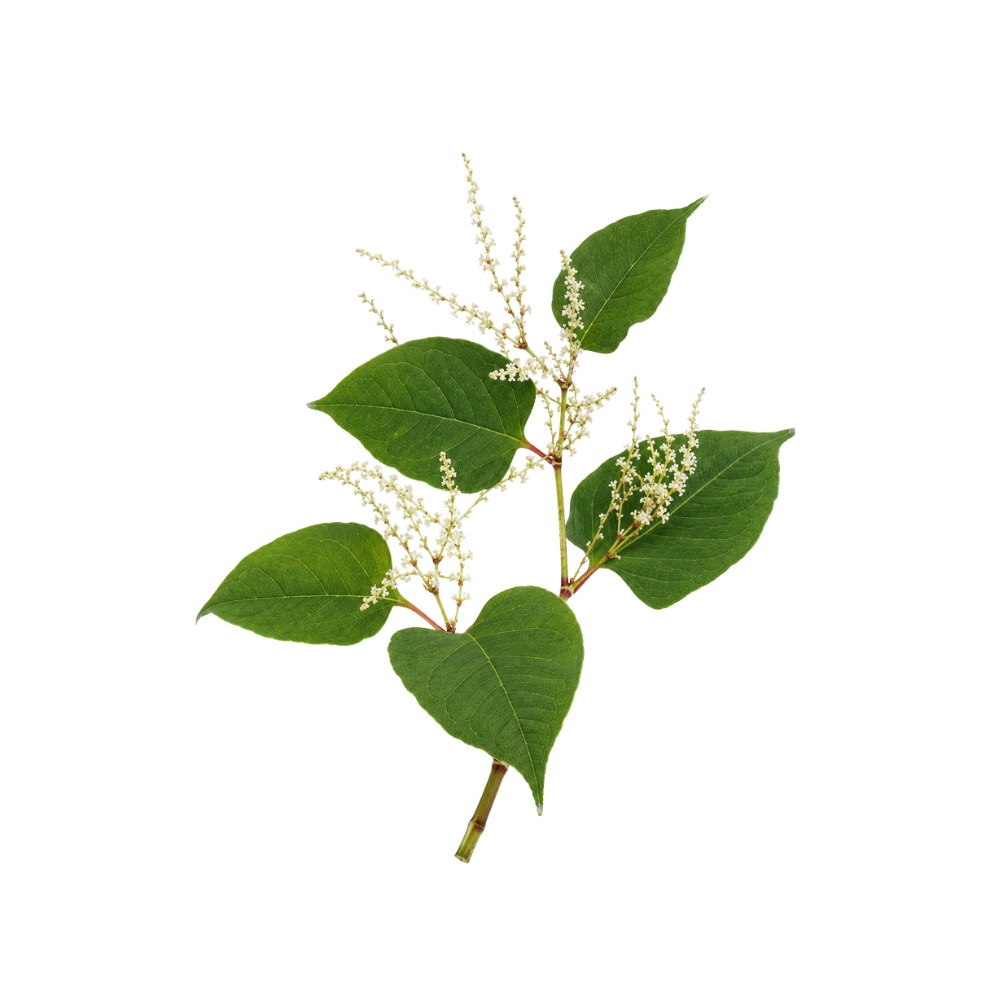 Japanese Knotweed Reynoutria japonica Documented for aloe-emodin, citreorosein, emodin and 3 more anthraquinones.
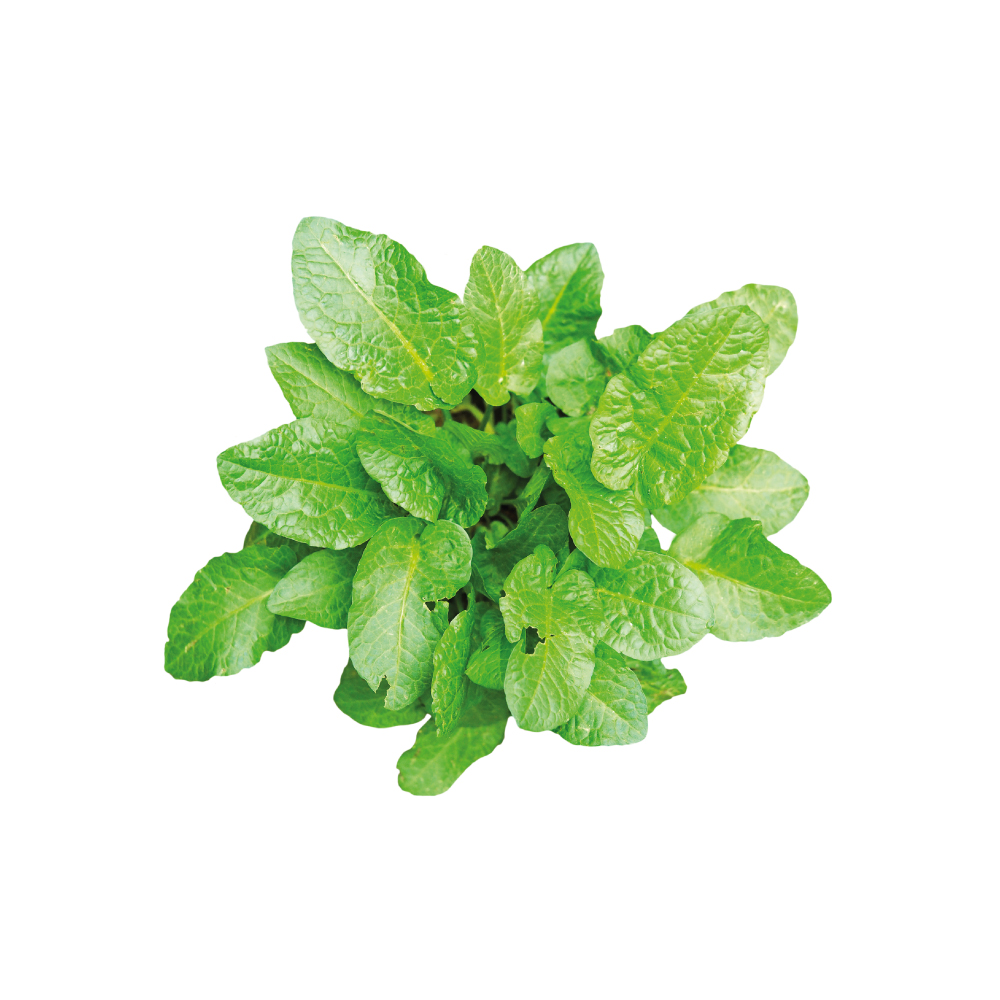 Yellow Dock Rumex crispus Documented for aloe-emodin, chrysophanol, crispuside A and 3 more anthraquinones.
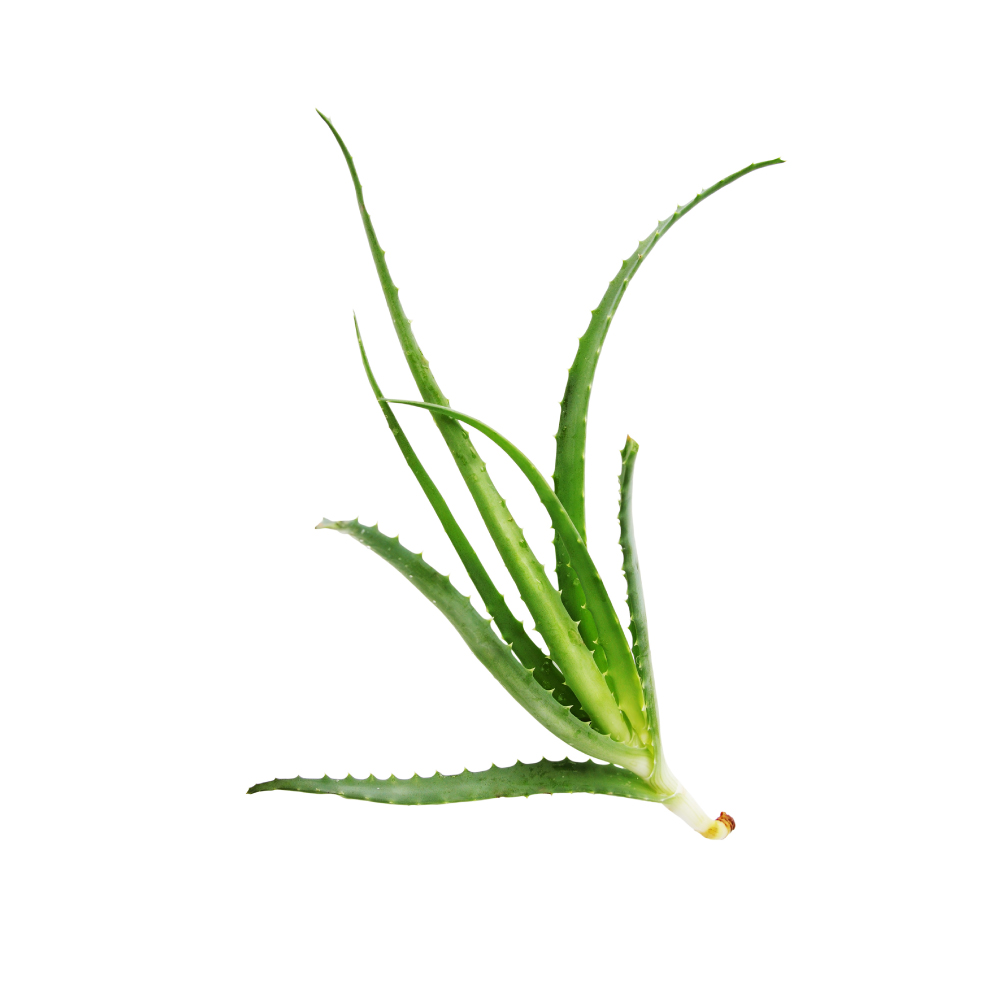 Aloe Aloe vera Documented for aloe-emodin, anthraquinones, barbaloin and 1 more.
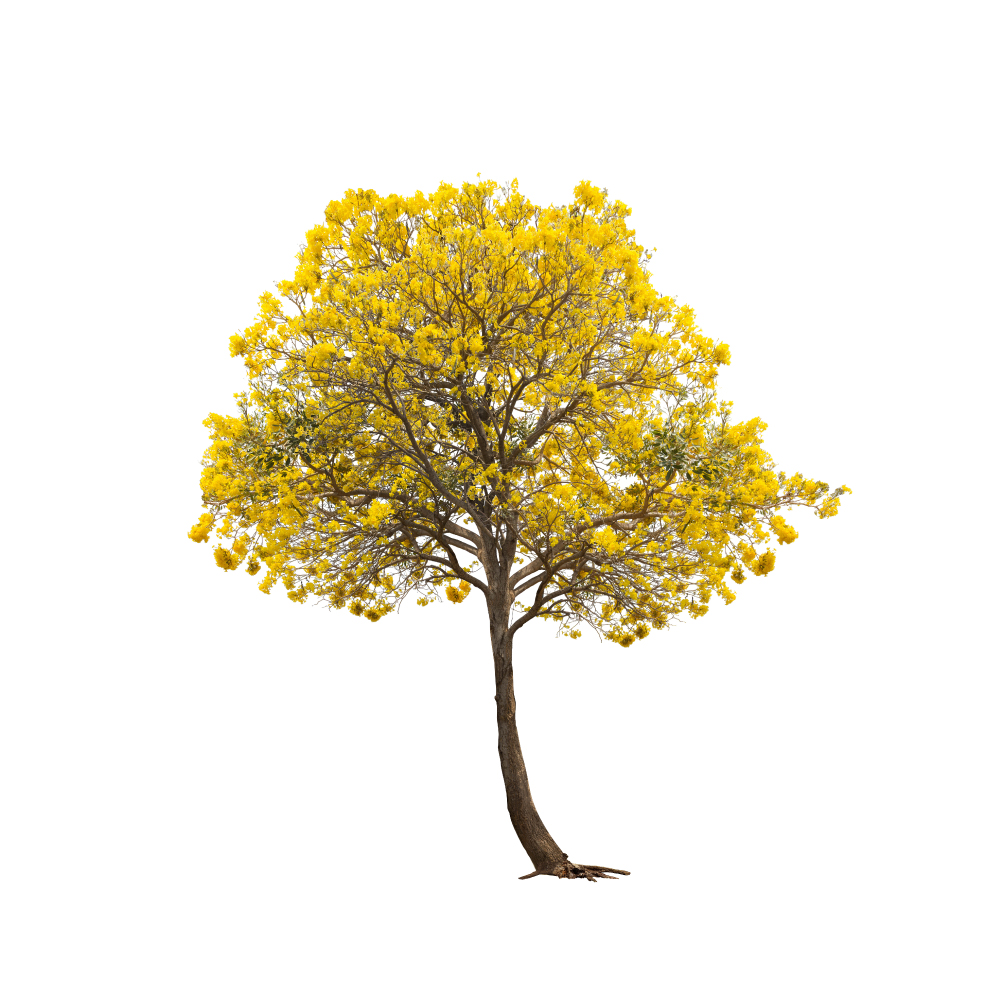 Pau D'Arco Tabebuia impetiginosa Documented for 2-hydroxymethyl-anthraquinone, anthraquinone-2-carboxylic acid, anthraquinones and 1 more.
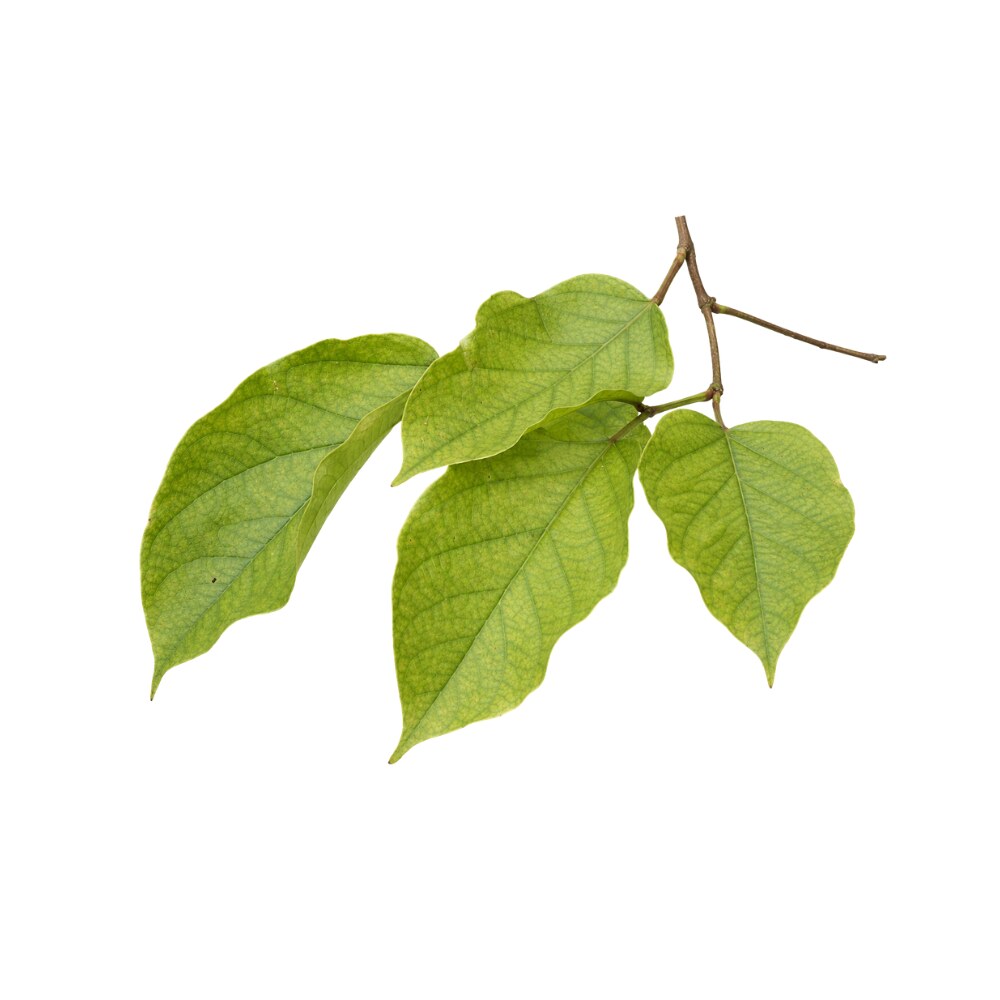 Clavo Huasca Tynanthus panurensis Documented for anthraquinones.
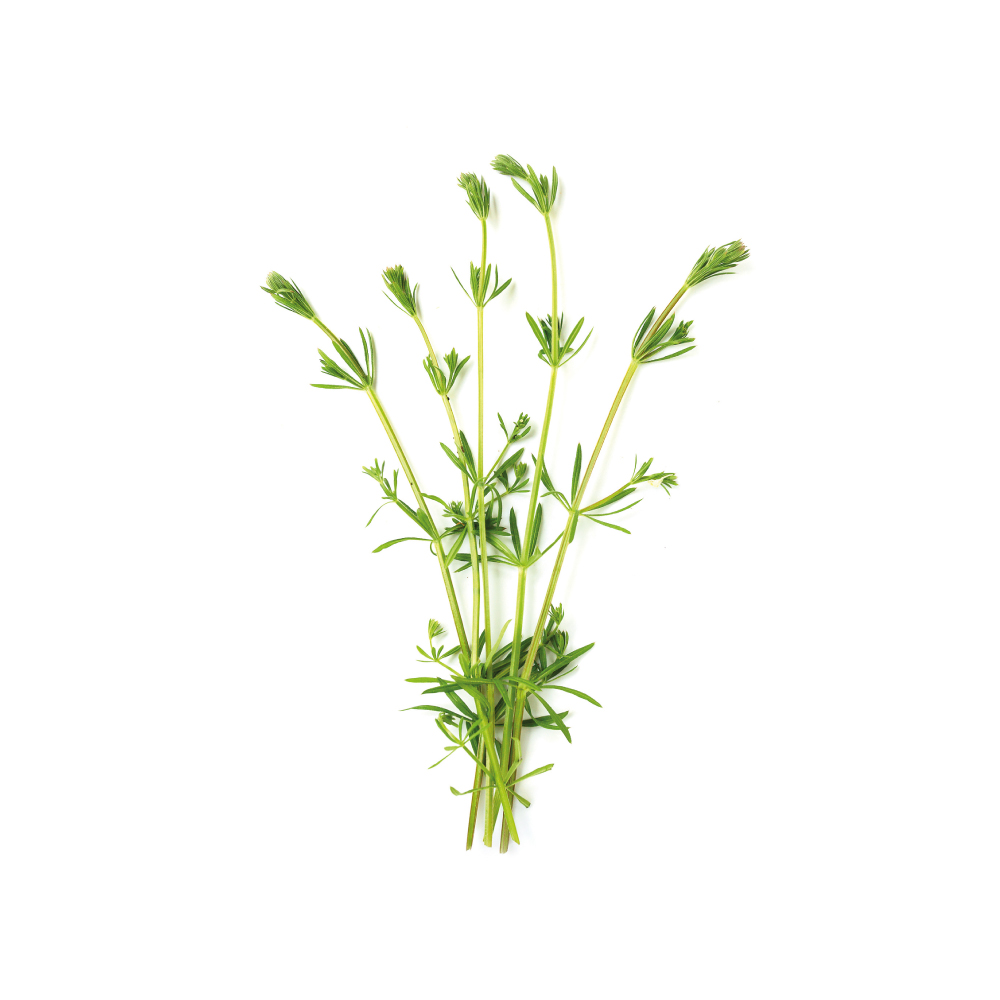 Cleavers Galium aparine Documented for nordamnacanthal.
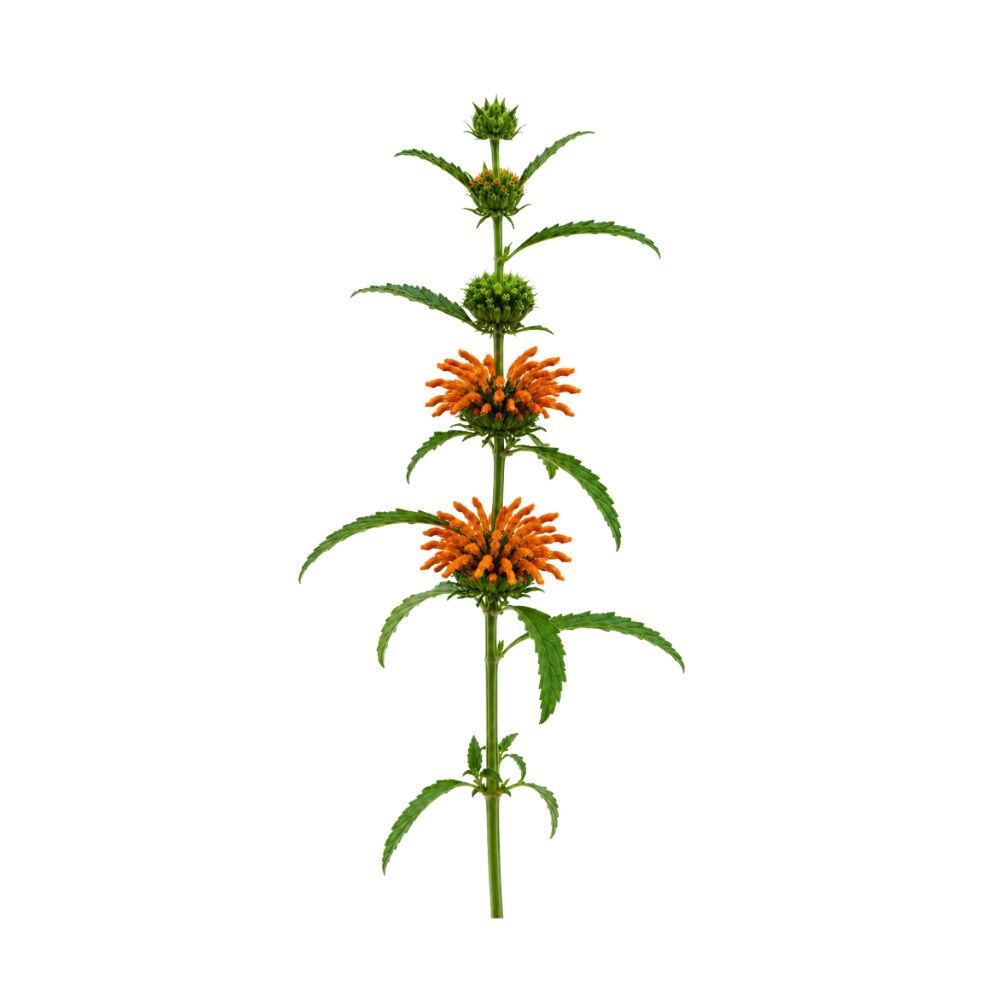 Dagga Leonotis nepetifolia Documented for chrysophanol.
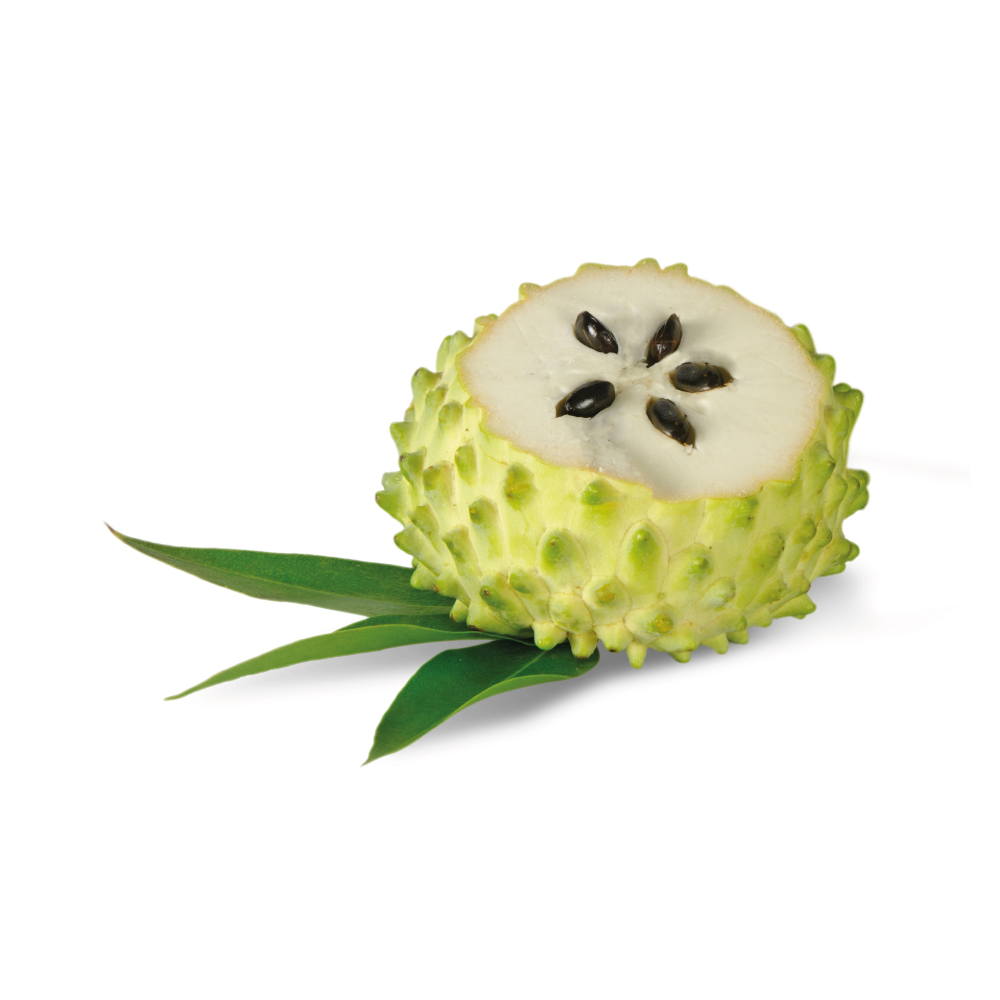 Graviola Annona muricata Toxic Documented for anthraquinones.
Keep Exploring
Other Compound Classes
Keep Reading
 GuidesThe Best Kava: A Buyer's GuideHow to buy good kava: noble vs two-day cultivars, which part of the root, chemotype codes, origin, form, and the batch tests a seller should show you.
Read more
 GuidesThe Amazon's Endangered Medicinal PlantsThe Amazon gives us some of our most important medicines — but which healing plants are actually endangered?
Read more
 NutritionThe Best Yerba Maté Brands [Reviewed]A drinker's guide to buying yerba maté — what actually changes the taste, and ten brands worth your money.
Read more
 GuidesHow to Prepare Yerba Maté — The Five Best MethodsHow to brew yerba maté properly — the traditional gourd method, plus tereré, french press and cold brew.
Read more