
Compound Monograph
Caftaric Acid
Caftaric acid (2-O-caffeoyl-L-tartaric acid) is a hydroxycinnamic acid ester — the mono-caffeoyl precursor of cichoric acid. It is the principal phenolic acid of grapes and white wine and a minor caffeic-acid-derivative marker of Echinacea purpurea.

Sources · 7
Where Does It Come From?
Caftaric Acid is a naturally occurring hydroxycinnamic acid ester (caffeoyltartaric acid / phenolic acid), found in Grape, Purple coneflower, Chicory and 4 other sources. It is well tolerated orally (low toxicity).
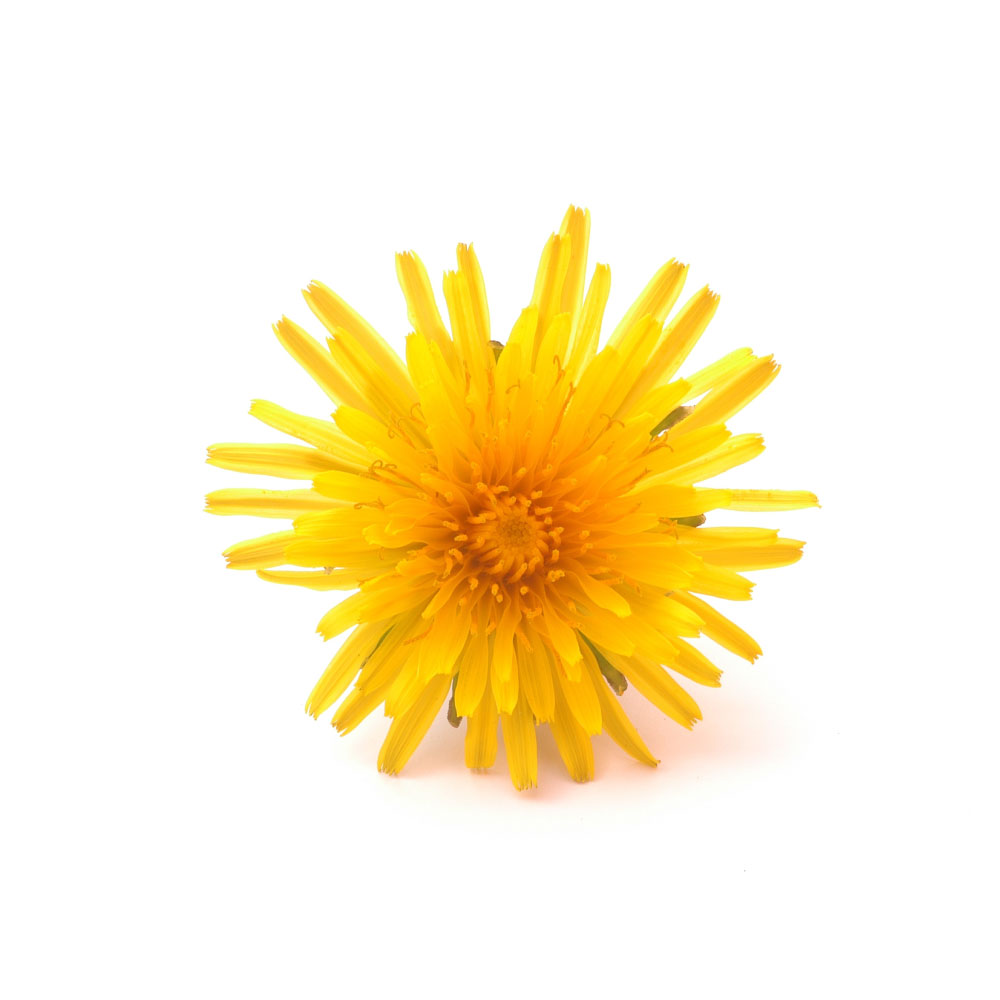 Source Dandelion Taraxacum officinale Herb monograph →
 Source Echinacea Echinacea purpurea Herb monograph →
Concentration
Content by Source
Concentrations not reported. No percent-dry-weight or mg/g figures have been published for this compound in its source plants.
Caftaric Acid at a Glance
Caftaric acid, or 2-O-caffeoyl-L-tartaric acid, is a simple phenolic ester built from one unit of caffeic acid joined to L-tartaric acid. Its defining structural fact is that it is the mono-caffeoyl precursor of cichoric acid — add a second caffeoyl group to caftaric acid and you get the di-caffeoyltartaric molecule that marks Echinacea purpurea.
It leads a double life. In grapes and white wine it is the dominant hydroxycinnamic acid and a central character in must chemistry — the substrate whose enzymatic oxidation drives grape juice browning 10,
Its own pharmacology is modest and almost entirely preclinical. A cluster of rodent studies report antioxidant, anti-inflammatory and organ-protective effects for the isolated molecule 4,
What It's Used For
Caftaric acid’s evidence base is thin and lopsided: a food-chemistry literature that knows the molecule intimately as a browning substrate, and a handful of rodent studies that test it as a protective antioxidant. Nothing here is human clinical data.
Support is an experimental score — weighted by study type (human > animal > in vitro) and volume. A beta, not a validated metric. Every row here rests on rodent or in-vitro work with the isolate; none has human backing, so read the per-row basis.
The largest strand, and it is entirely rodent, using isolated caftaric acid. In an indomethacin-induced gastric ulcer model, oral caftaric acid was gastroprotective and raised tissue antioxidant capacity comparably to omeprazole 4Reference 4AnimalAnti-oxidant and anti-inflammatory effectiveness of caftaric acid on gastric ulcer induced by indomethacin in ratsView study →.
In cyclophosphamide-induced interstitial cystitis it increased SOD, CAT and glutathione and reduced bladder oxidative-inflammatory damage 5Reference 5AnimalCaftaric acid ameliorates oxidative stress, inflammation, and bladder overactivity in rats having interstitial cystitisView study →; in lead-exposed rats it restored kidney function through antioxidant and anti-apoptotic activity 6Reference 6AnimalRole of caftaric acid in lead-associated nephrotoxicity in rats via antidiuretic, antioxidant and anti-apoptotic activitiesView study →; and in renal ischaemia-reperfusion it attenuated kidney and remote-organ injury by lowering oxidant parameters and raising antioxidant defences 7Reference 7Caftaric acid attenuates kidney and remote organ damage induced by renal ischemia-reperfusion injuryView study →.
The mechanism is the generic phenolic one — the caffeoyl catechol scavenges radicals and up-regulates endogenous antioxidant enzymes.
Gap: four positive rodent models is a coherent signal but not human evidence; doses (tens of mg/kg, oral) do not translate directly to people, and no study measured what fraction of intact caftaric acid actually reached the target tissue (see Pharmacokinetics).
Inseparable from the antioxidant story in the rodent work: the same gastric-ulcer, cystitis and nephrotoxicity studies reported lower pro-inflammatory cytokines and myeloperoxidase alongside the antioxidant shifts 4,
Gap: the anti-inflammatory readouts are secondary endpoints in antioxidant rodent studies, and the FAAH contribution is inferred from a whole-extract deconvolution, not from the pure compound tested alone 9Reference 9Caftaric acid isolation from unripe grape: a “green” alternative for hydroxycinnamic acids recoveryView study → — so its independent anti-inflammatory potency in vivo is unquantified.
The application where the isolated molecule is best characterised — as enzymology, not therapy. Caftaric acid is simultaneously the best hydroxycinnamic substrate for grape polyphenol oxidase (tyrosinase), which is exactly why it drives the enzymatic browning of grape must and white wine 11Reference 11Development of a model to study browning caused by tyrosinase in grape mustView study →, and, once isolated, a competitive tyrosinase inhibitor more potent than caffeic acid or chlorogenic acid 10Reference 10Isolation of a tyrosinase inhibitor from unripe grapes juiceView study →.
That dual role underpins interest in caftaric-acid-rich unripe-grape extracts as natural anti-browning agents and skin-lightening actives.
Gap: this is in-vitro enzyme kinetics in food-model systems; there is no clinical (or even cell-based cosmetic) evidence that topical or dietary caftaric acid affects human pigmentation.
Mechanisms
| Target / pathway | Effect | Relevant to |
|---|---|---|
| Free-radical scavenging (caffeoyl catechol) | direct radical quenching; hydrogen-atom / electron donation | antioxidant |
| Endogenous antioxidant enzymes (SOD, CAT, GSH) | up-regulation in rodent tissue under oxidative stress | antioxidant / organ protection |
| Oxidant & inflammatory markers (MDA, MPO, cytokines) | reduced in rodent injury models | anti-inflammatory |
| Tyrosinase / polyphenol oxidase | dual — preferred oxidation substrate (browning) and competitive inhibitor | food browning; cosmetic depigmentation |
| Fatty-acid amide hydrolase (FAAH) | contributory inhibition within Echinacea extract (endocannabinoid tone) | anti-inflammatory (inferred) |
The catechol on the caffeoyl half is the load-bearing feature: it is both the radical-scavenging antioxidant group and the site polyphenol oxidase attacks, which is why the same molecule can be an antioxidant in a rat and a browning substrate in a wine tank.
Pharmacokinetics
Caftaric acid is a hydroxycinnamic acid ester, and like chlorogenic acid it is poorly absorbed in its intact form. In an in-vitro model of the human colon, faecal microbiota hydrolysed caftaric acid to free caffeic acid, which was then metabolised onward to smaller phenolics such as 3-hydroxyphenylpropionic and benzoic acids 8Reference 8In vitroMicrobial metabolism of caffeic acid and its esters chlorogenic and caftaric acids by human faecal microbiota in vitroView study →. The practical implication is that much of an oral dose is cleaved before or during absorption, so circulating exposure is dominated by caffeic-acid-derived metabolites rather than the parent ester — an important caveat for reading the rodent efficacy data, none of which measured intact-compound tissue levels. No formal oral-bioavailability figure, half-life or human ADME dataset has been published for caftaric acid.
Clinical Trials
There are no clinical trials of isolated caftaric acid. Human exposure has only ever been studied as part of whole foods (grapes, wine) or whole Echinacea extracts, where caftaric acid is one minor phenolic among many.
| Completed | Planned | Terminated | Preclinical |
|---|---|---|---|
| — | — | — | Rodent antioxidant / organ-protection (4 models) + in-vitro tyrosinase enzymology |
Last checked: July 2026.
Caftaric Acid vs. Cichoric Acid
The single most useful thing to know about this molecule is its relationship to its more famous relative. Both are caffeoyl esters of tartaric acid — the difference is simply how many caffeoyl groups are attached:
- Caftaric acid = one caffeoyl group on tartaric acid (2-O-caffeoyl-L-tartaric acid) — monocaffeoyltartaric acid.
- Cichoric acid = two caffeoyl groups (2,3-O-dicaffeoyl-L-tartaric acid) — dicaffeoyltartaric acid.
Biosynthetically, caftaric acid is the precursor: a plant adds a first caffeoyl unit to tartaric acid to make caftaric acid, then a second caffeoylation converts it to cichoric acid 1,
Caftaric Acid in Grapes & Wine
Outside herbal medicine, caftaric acid is best known to oenology, where it is the principal hydroxycinnamic acid of the grape and a key player in must and wine chemistry.
When grapes are crushed, grape polyphenol oxidase (tyrosinase) oxidises caftaric acid — its preferred substrate — to a reactive ortho-quinone, the first step in the enzymatic browning of white must 11Reference 11Development of a model to study browning caused by tyrosinase in grape mustView study →. That quinone is normally intercepted by must glutathione to form the colourless grape reaction product (2-S-glutathionyl caftaric acid), which limits browning; once glutathione is exhausted, the quinones polymerise and the juice browns 12Reference 12Identification of new derivatives of 2-S-glutathionylcaftaric acid in aged white wines by HPLC-DAD-ESI-MSnView study →. This chemistry is why winemakers monitor caftaric acid and glutathione, and why caftaric-acid-rich unripe-grape extracts have been developed both as a “green” source of hydroxycinnamic acids and as natural anti-browning agents 9,
Prevalence in Nature
Caftaric acid is not widespread across the plant kingdom in the way caffeic acid or chlorogenic acid are; its distribution tracks plants that esterify caffeic acid specifically onto tartaric acid. Its two headline homes are:
- Grapes and wine (Vitis vinifera) — where it is the dominant hydroxycinnamic acid of the berry and of white wine, present in must at roughly tens to a few hundred mg/L 10,
11Reference 10Isolation of a tyrosinase inhibitor from unripe grapes juiceView study →Reference 11Development of a model to study browning caused by tyrosinase in grape mustView study → . - Purple coneflower (Echinacea purpurea) — where it is a minor member of the caffeic-acid-derivative fraction (which totals ~2% of dry root), used with cichoric acid as a marker of preparation quality 1,
3Reference 1Stabilization of caffeic acid derivatives in Echinacea purpurea L. glycerin extractView study →Reference 3Biochemometric analysis of fatty acid amide hydrolase inhibition by EchinaceaView study → . Echinacea hairy-root cultures have been engineered to accumulate it (≈3.6 mg/g biomass) 2Reference 2Caffeic acid derivatives production by hairy root cultures of Echinacea purpureaView study →.
It also occurs in other Asteraceae — notably chicory (Cichorium intybus) and its relatives endive and dandelion — again alongside cichoric acid 13Reference 13Health benefits of key constituents in Cichorium intybus LView study →. Where quantified, the grape/wine numbers are the only well-characterised figures; the levels in most herbs are reported qualitatively rather than as measured concentrations.
Discovery & Synthesis
Caftaric acid was characterised through mid-20th-century grape and wine chemistry, as researchers worked out which phenolics were responsible for must browning; its name is a straightforward contraction of caffeic + tartaric acid. A dedicated first total synthesis is not well documented — the molecule has generally been obtained by extraction rather than synthesised, because grapes supply it so abundantly.
Isolation today leans on that abundance. A notable “green” route recovers pure caftaric acid from unripe grape (grape-thinning) juice, an otherwise-discarded viticultural by-product, as a sustainable source of hydroxycinnamic acids 9Reference 9Caftaric acid isolation from unripe grape: a “green” alternative for hydroxycinnamic acids recoveryView study →. Biosynthetically, plants form it by transferring a caffeoyl group from caffeoyl-CoA onto L-tartaric acid via a hydroxycinnamoyl-CoA:tartrate hydroxycinnamoyltransferase; a second transfer yields cichoric acid 13Reference 13Health benefits of key constituents in Cichorium intybus LView study →.
Patents: not yet researched.
Toxicity & Safety
Caftaric acid carries a low toxicity flag. It is a normal dietary phenolic — anyone who eats grapes or drinks white wine consumes it routinely — and in animal studies it is used as a protective, antioxidant agent rather than a toxicant, showing benefit rather than harm across gastric, bladder and kidney models 4,
- Dietary phenolic with a low-toxicity profile. Consumed routinely from grapes and white wine; used as a protective antioxidant in animal studies, not a toxicant.
- No human safety data for the isolate. There are no clinical trials, so tolerability, drug interactions and long-term isolated-compound safety in people are uncharacterised.
- Reproductive/developmental data not established. No dedicated reproductive-toxicity dataset exists for isolated caftaric acid; pregnancy/lactation decisions belong to the specific herb or product, not to this molecule page.
No specific drug-interaction studies (CYP or transporter) have been reported for isolated caftaric acid, and none should be inferred from its absence — this is an unstudied area rather than a demonstrated clean bill.
Dosage
There is no established human dose for caftaric acid, and it is not sold as a stand-alone supplement. The antioxidant and organ-protective findings come from rodent studies using oral doses in the tens of mg/kg range 4,
| Route | Typical exposure |
|---|---|
| Grapes / white wine | The main dietary source — tens to a few hundred mg/L of caftaric acid in grape must 10, |
| Echinacea preparations | A minor fraction of the total caffeic-acid derivatives standardised in E. purpurea products 1, |
These are dietary and research figures, not a personal recommendation.
References
- Bergeron C, Gafner S, Batcha LL, et al. (2002). Stabilization of caffeic acid derivatives in Echinacea purpurea L. glycerin extract. Journal of Agricultural and Food Chemistry. https://pubmed.ncbi.nlm.nih.gov/12083867/
- Liu CZ, Abbasi BH, Gao M, et al. (2006). Caffeic acid derivatives production by hairy root cultures of Echinacea purpurea. Journal of Agricultural and Food Chemistry. https://pubmed.ncbi.nlm.nih.gov/17061821/
- Liu R, Burkett K, Rapinski M, et al. (2021). Biochemometric analysis of fatty acid amide hydrolase inhibition by Echinacea. Planta Medica. https://pubmed.ncbi.nlm.nih.gov/33296937/
- Tanyeli A, Eraslan E, Güler MC, et al. (2019). Anti-oxidant and anti-inflammatory effectiveness of caftaric acid on gastric ulcer induced by indomethacin in rats. General Physiology and Biophysics. https://pubmed.ncbi.nlm.nih.gov/30821252/
- Saima, Anjum I, Najm S, et al. (2023). Caftaric acid ameliorates oxidative stress, inflammation, and bladder overactivity in rats having interstitial cystitis. ACS Omega. https://pubmed.ncbi.nlm.nih.gov/38173953/
- Koriem KMM, Arbid MS (2017). Role of caftaric acid in lead-associated nephrotoxicity in rats via antidiuretic, antioxidant and anti-apoptotic activities. Journal of Complementary & Integrative Medicine. https://pubmed.ncbi.nlm.nih.gov/29148979/
- Ekinci Akdemir FN, Güler MC, Eraslan E, et al. (2024). Caftaric acid attenuates kidney and remote organ damage induced by renal ischemia-reperfusion injury. Scientific Reports. https://pubmed.ncbi.nlm.nih.gov/39732968/
- Gonthier MP, Remesy C, Scalbert A, et al. (2006). Microbial metabolism of caffeic acid and its esters chlorogenic and caftaric acids by human faecal microbiota in vitro. Biomedicine & Pharmacotherapy. https://pubmed.ncbi.nlm.nih.gov/16978827/
- Vendramin V, Viel A, Vincenzi S (2021). Caftaric acid isolation from unripe grape: a “green” alternative for hydroxycinnamic acids recovery. Molecules. https://pubmed.ncbi.nlm.nih.gov/33669973/
- Honisch C, Osto A, Dupas de Matos A, et al. (2020). Isolation of a tyrosinase inhibitor from unripe grapes juice. Food Chemistry. https://pubmed.ncbi.nlm.nih.gov/31606690/
- García-Roldán A, Canalda-Sabaté A, Gombau-Roigé J, et al. (2025). Development of a model to study browning caused by tyrosinase in grape must. Food Chemistry. https://pubmed.ncbi.nlm.nih.gov/39369601/
- Cejudo-Bastante MJ, Pérez-Coello MS, Hermosín-Gutiérrez I (2010). Identification of new derivatives of 2-S-glutathionylcaftaric acid in aged white wines by HPLC-DAD-ESI-MSn. Journal of Agricultural and Food Chemistry. https://pubmed.ncbi.nlm.nih.gov/20942401/
- Birsa ML, Sarbu LG (2023). Health benefits of key constituents in Cichorium intybus L. Nutrients. https://pubmed.ncbi.nlm.nih.gov/36986053/



