
Subclass of Phenolics
Phenolic Acids
Simple phenol-ring acids and aldehydes — caffeic, rosmarinic, salicylic, and chlorogenic acid among them.
Overview
About Phenolic Acids
Phenolic acids are the simplest members of the phenolic family: a single aromatic ring carrying hydroxyl groups and a carboxylic acid. They divide into two series by the length of the side chain — the C6–C1 hydroxybenzoic acids and the C6–C3 hydroxycinnamic acids.
They are the most abundant polyphenols in the diet by mass, and they are also the metabolic crossroads of the whole phenolic world: larger polyphenols are broken down to phenolic acids in the gut, so these small molecules are often what actually circulates after a polyphenol-rich meal.
The Two Series
The distinction is worth holding, because the cinnamic series is by far the more abundant and more active:
- Hydroxybenzoic acids (C6–C1)
- gallic, protocatechuic, vanillic, salicylic acid
- Hydroxycinnamic acids (C6–C3)
- caffeic, ferulic, p-coumaric, sinapic acid
In plants these are rarely free. Caffeic acid bound to quinic acid gives chlorogenic acid; two caffeic acids give rosmarinic acid; ferulic acid cross-links cell-wall polysaccharides.
Where Phenolic Acids Occur
Near-universal, with some conspicuous concentrations:
Coffee
chlorogenic acid, the largest single dietary source
Rosemary, sage, lemon balm and the mint family
rosmarinic acid
Whole grains and cereal bran
ferulic acid
Berries and tea
gallic and ellagic acid
Willow and meadowsweet
salicylates
Pharmacological Importance
The best-known member barely reads as a plant compound any more: salicylic acid from willow bark is the direct structural ancestor of aspirin, and the whole non-steroidal anti-inflammatory class descends from it.
Rosmarinic acid carries much of the anti-inflammatory and anti-allergic activity of the Lamiaceae herbs. Chlorogenic acid slows intestinal glucose absorption and is the compound behind green-coffee-extract metabolic claims. Ferulic acid is a potent lipid-phase antioxidant and a mainstay of photoprotective skincare formulation.
Toxicity & Safety
As a class these are gentle, heavily consumed dietary compounds with no meaningful toxicity at food-level intake.
The salicylates are the exception to flag: they carry the aspirin cautions in miniature — gastric irritation, antiplatelet effect, salicylate sensitivity, and the Reye's-syndrome concern that keeps salicylate herbs away from febrile children.
Constituents
All Phenolic Acids
84 total#
3,5-Dicaffeoylquinic Acid 4-Hydroxybenzoic acid 4-Hydroxybenzyl Alcohol 4-Hydroxycinnamic acid 4-Methoxyphenol 4,5-Dicaffeoylquinic AcidA
Anisic acid Anisic aldehydeB
Barbatic acid Benzoic acidC
Caffeic acid Caffeotannic acid Caffeoyl quinides Caffeoyl-malic acid Caftaric Acid Catechol Catechols Chebulic acid Chlorogenic acid Cichoric Acid Cinnamic acid Cohumulone Colupulone Coumaric acid Cryptochlorogenic Acid CynarinD
Danshensu Diffractaic acid Divaricatic acidE
Echinacoside Eriolic acid C Ethyl gallate Ethyl VanillinF
Ferulic acidG
Gallic acid Gastrodin Gentisic acid Ginkgol Glansreginin AH
Hericene A Hericenones Hippuric Acid Humulone Hydroquinone Care Hydroxybenzoic acid HydroxytyrosolI
Isoferulic acid Isophthalic acidL
Leiocarposide LupuloneM
Melilotoside Methyl salicylateN
N-FeruloylserotoninO
Oleacein OleocanthalP
p-Coumaric acid P-Hydroxybenzaldehyde p-Hydroxybenzoic acid Paeonol Phaseoloidin Protocatechuic acid Protocatechuic aldehyde PyrogallolR
Resorcinolic acid Rosmarinic acidS
Salazinic acid Salicin Salicortin Salicylaldehyde Salicylic acid Salireposide Salvianolic acid Salvianolic acid A Salvianolic acid B Sinapic acid Syringic acidT
Tremulacin TyrosolV
Vanillic acid Vanillin Vanilloside Vanillyl alcohol Veratric acid Veratric aldehydeNo phenolic acids match.
Source Plants
Herbs Containing Phenolic Acids
106 herbsPlants in the materia medica documented to carry phenolic acids, with the compounds each one is listed for. The bar counts how many DISTINCT phenolic acids are on record for a plant, relative to the best-documented — it measures breadth of record, not potency, so a plant with one well-studied compound can outrank a richer source that has simply been analysed less. Where a measured concentration is on record it is quoted inline; most entries have none yet.
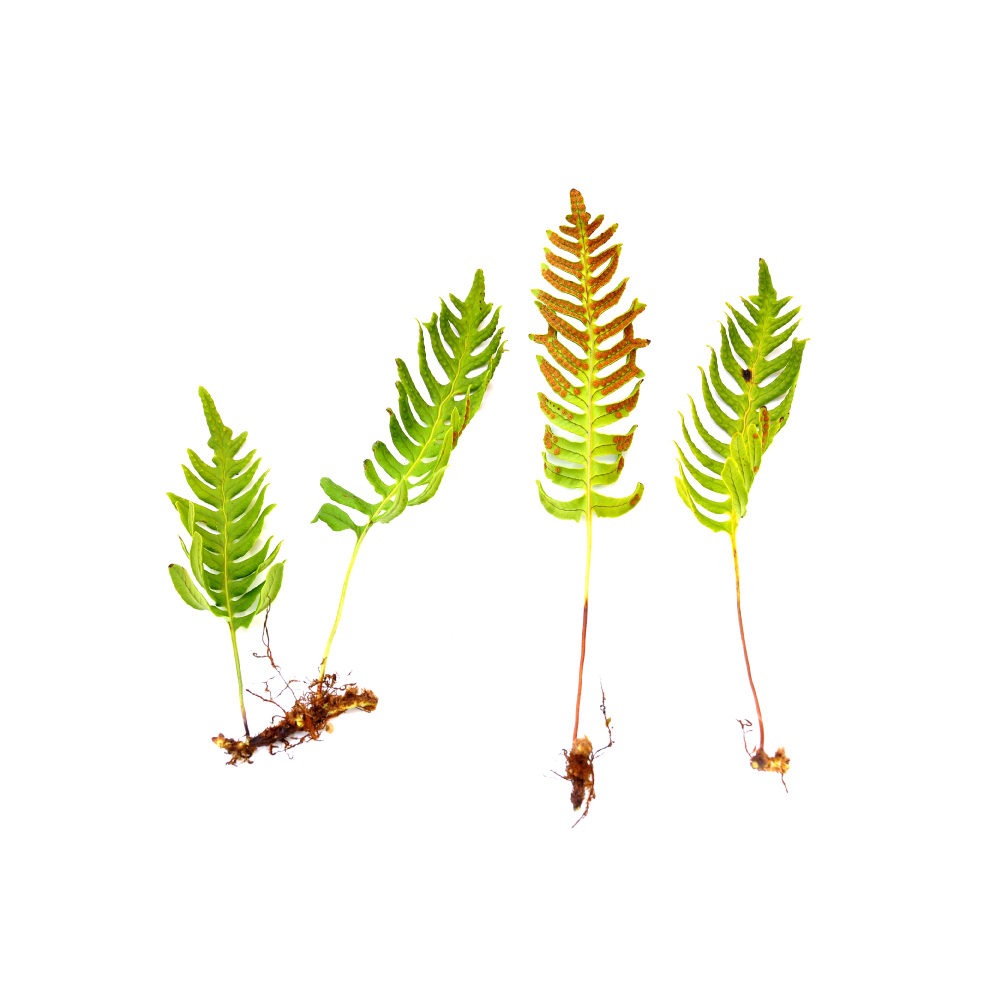 Samambaia Polypodium leucotomos Documented for 4-hydroxybenzoic acid, 4-hydroxycinnamic acid, caffeic acid and 6 more phenolic acids.
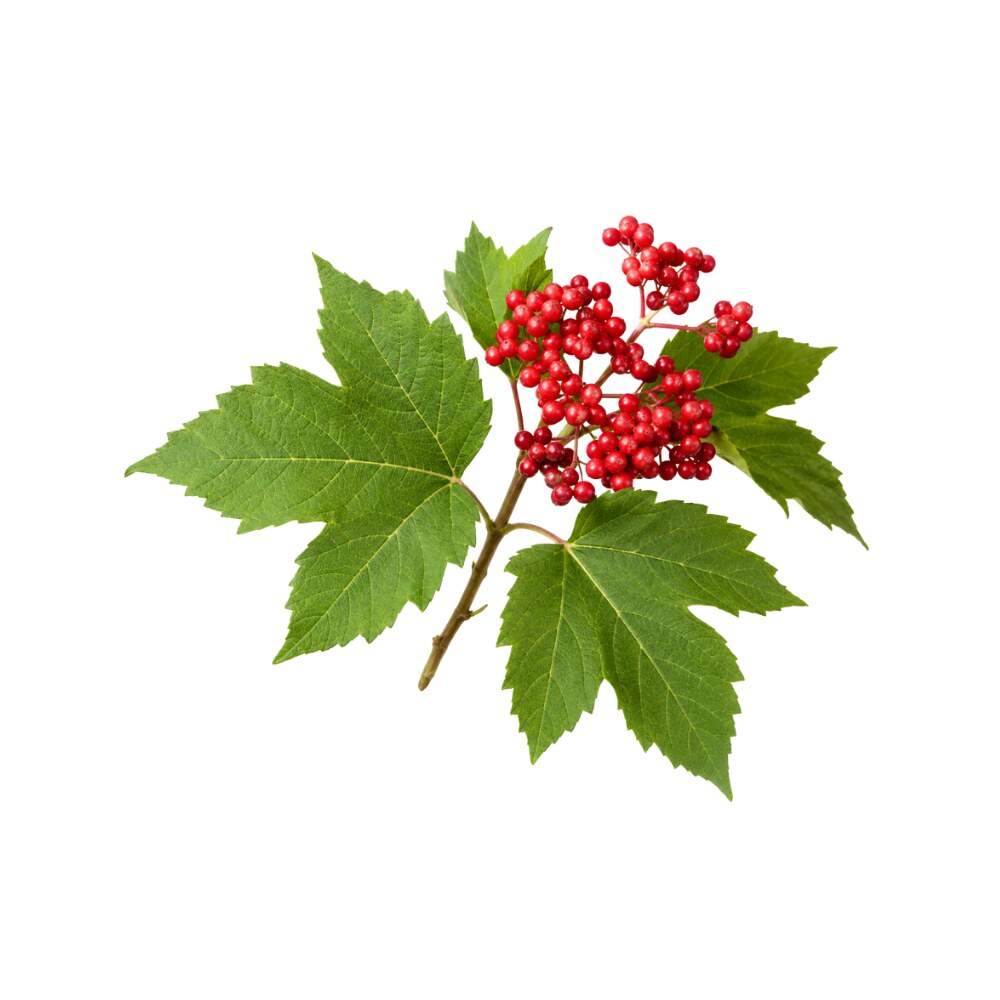 Cramp Bark Viburnum opulus Documented for caffeic acid, chlorogenic acid, ferulic acid and 5 more phenolic acids.
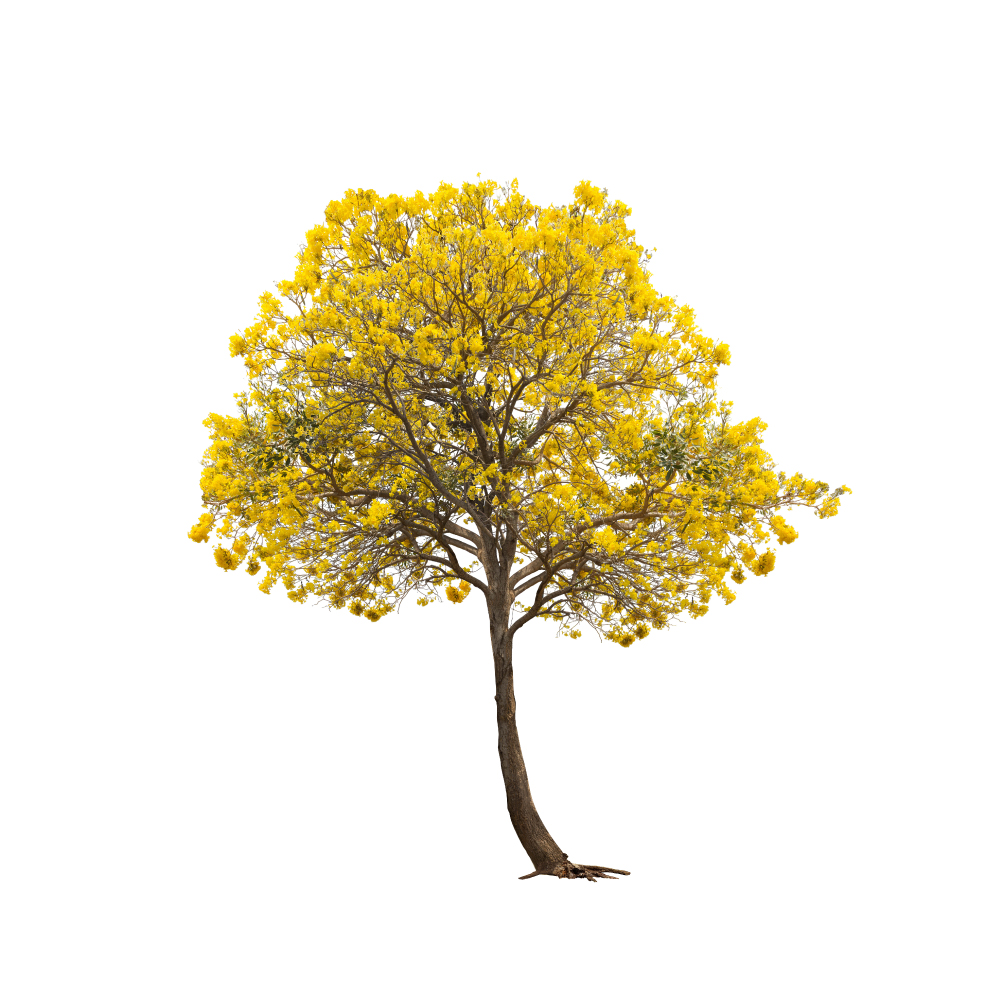 Pau D'Arco Tabebuia impetiginosa Documented for 4-methoxyphenol, anisic acid, benzoic acid and 5 more phenolic acids.
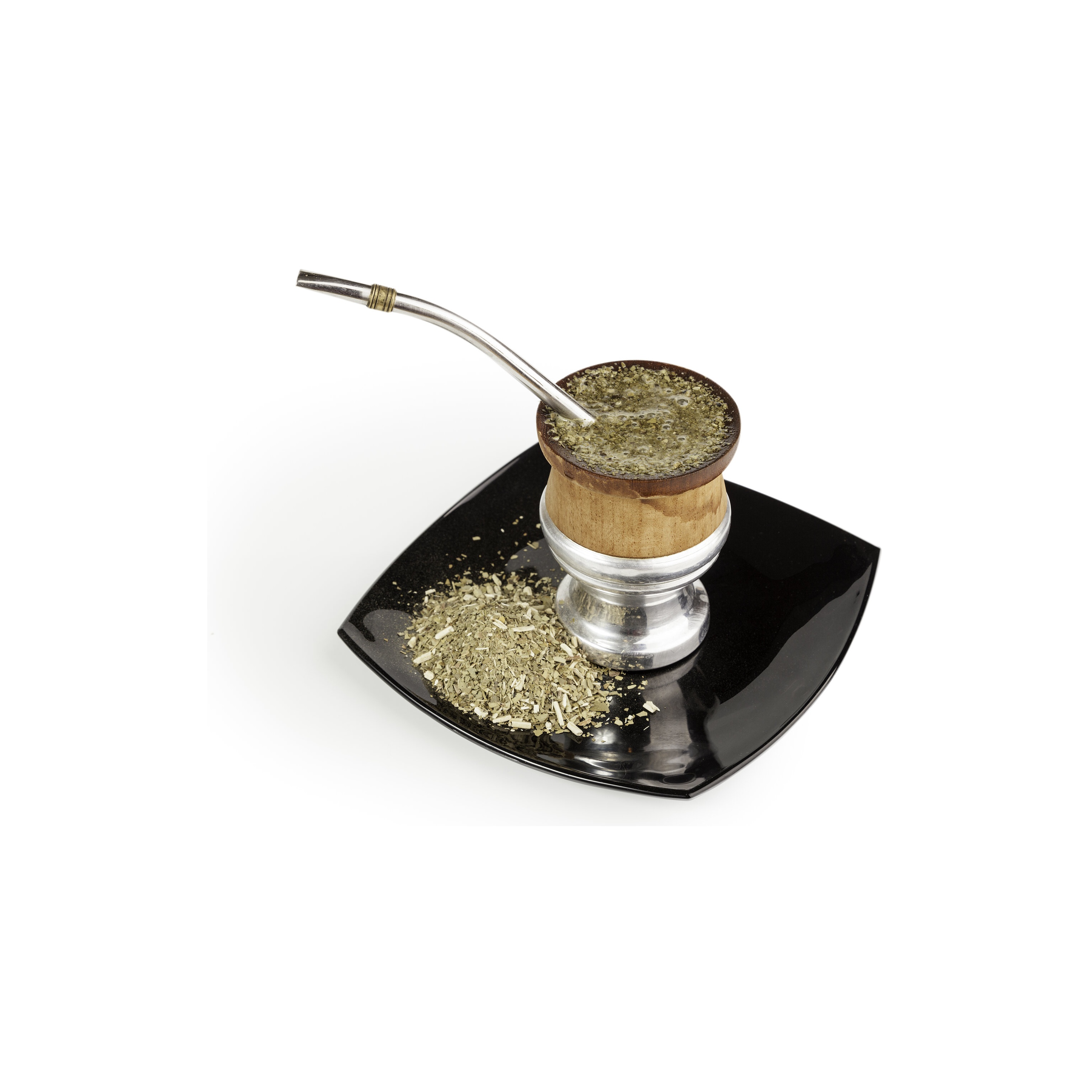 Yerba Maté Ilex paraguariensis Documented for 3,5-dicaffeoylquinic acid, 4,5-dicaffeoylquinic acid, caffeic acid and 5 more phenolic acids.
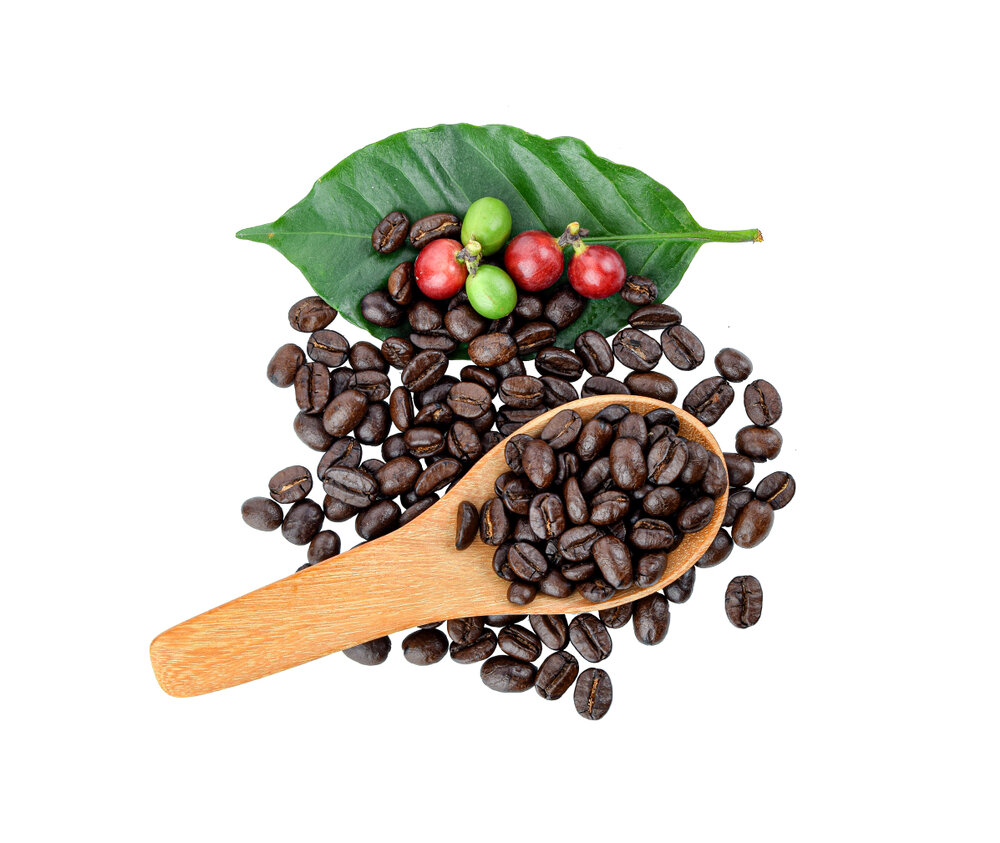 Coffee Coffea arabica Documented for 3,5-dicaffeoylquinic acid, caffeic acid, caffeotannic acid and 4 more phenolic acids.
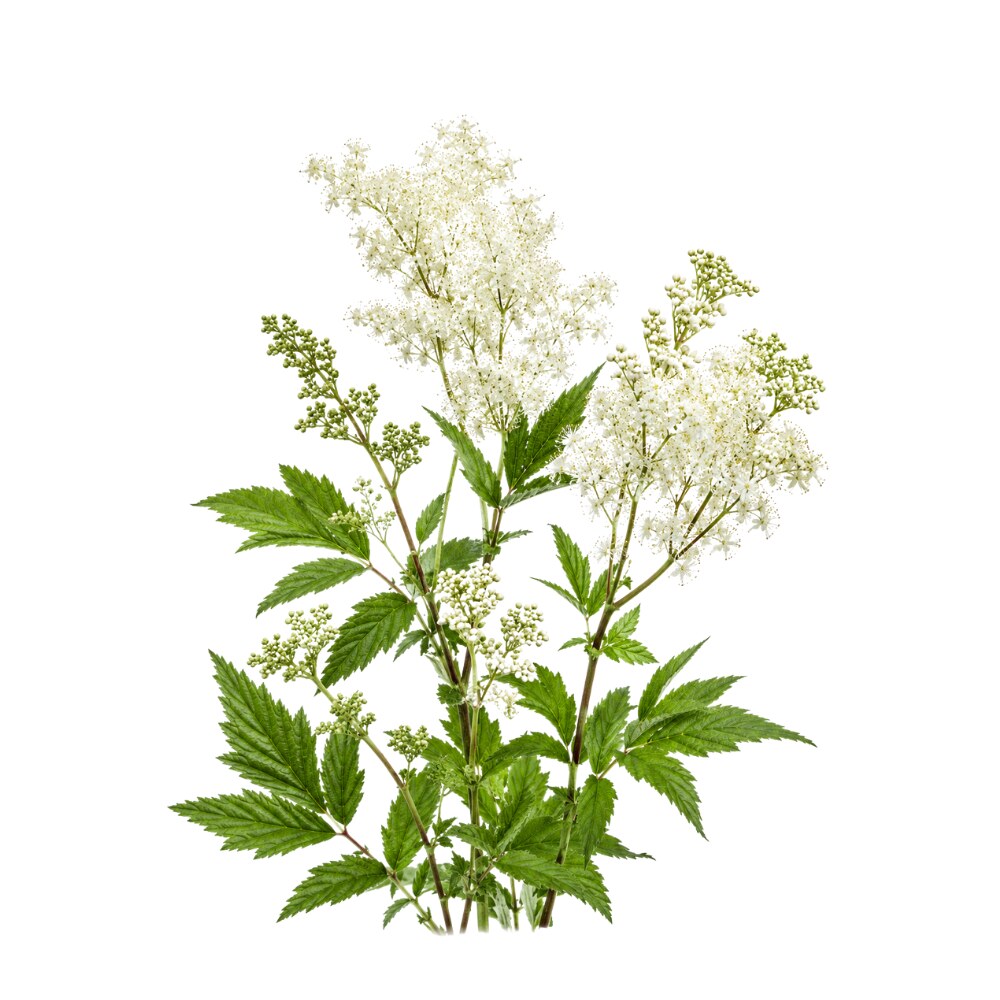 Meadowsweet Filipendula ulmaria Documented for methyl salicylate, p-coumaric acid, rosmarinic acid and 4 more phenolic acids.
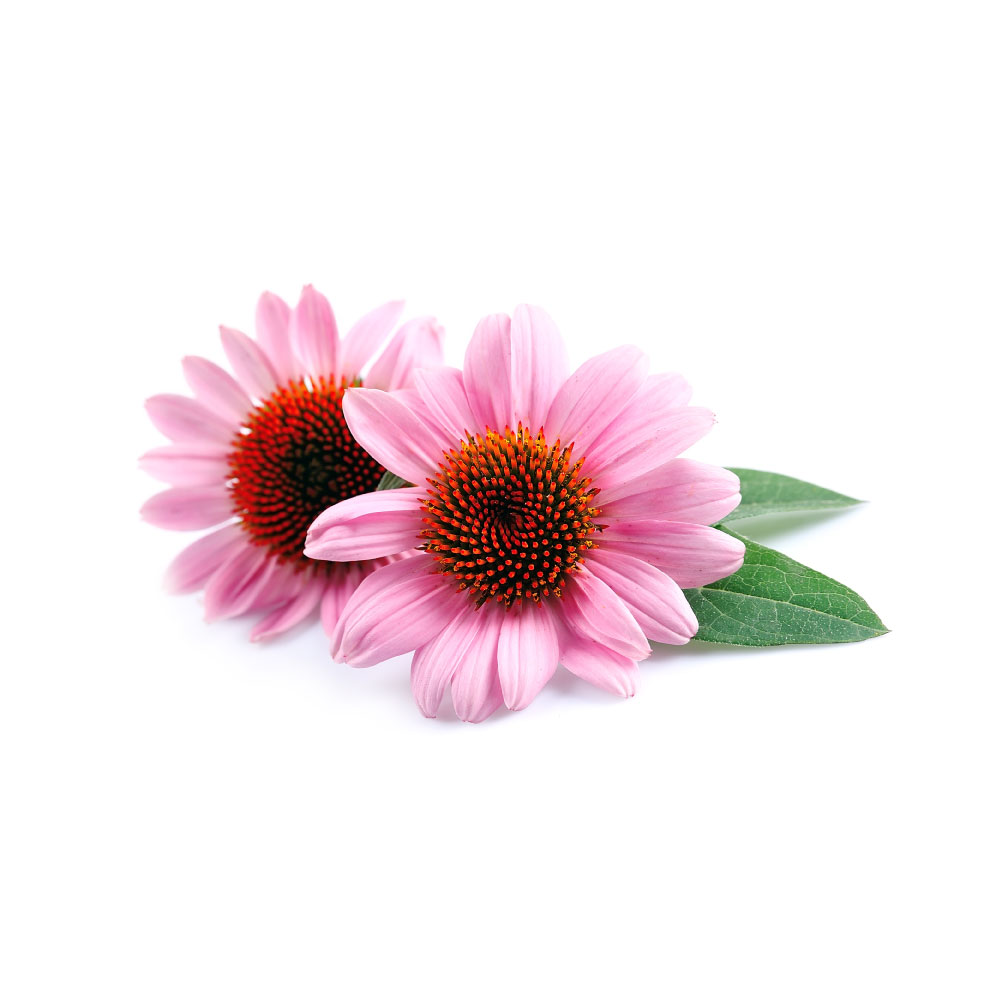 Echinacea Echinacea purpurea Documented for cichoric acid (2–38.3 mg/g dry wt), echinacoside (0.3–1 % dry wt), caffeic acid and 3 more phenolic acids.
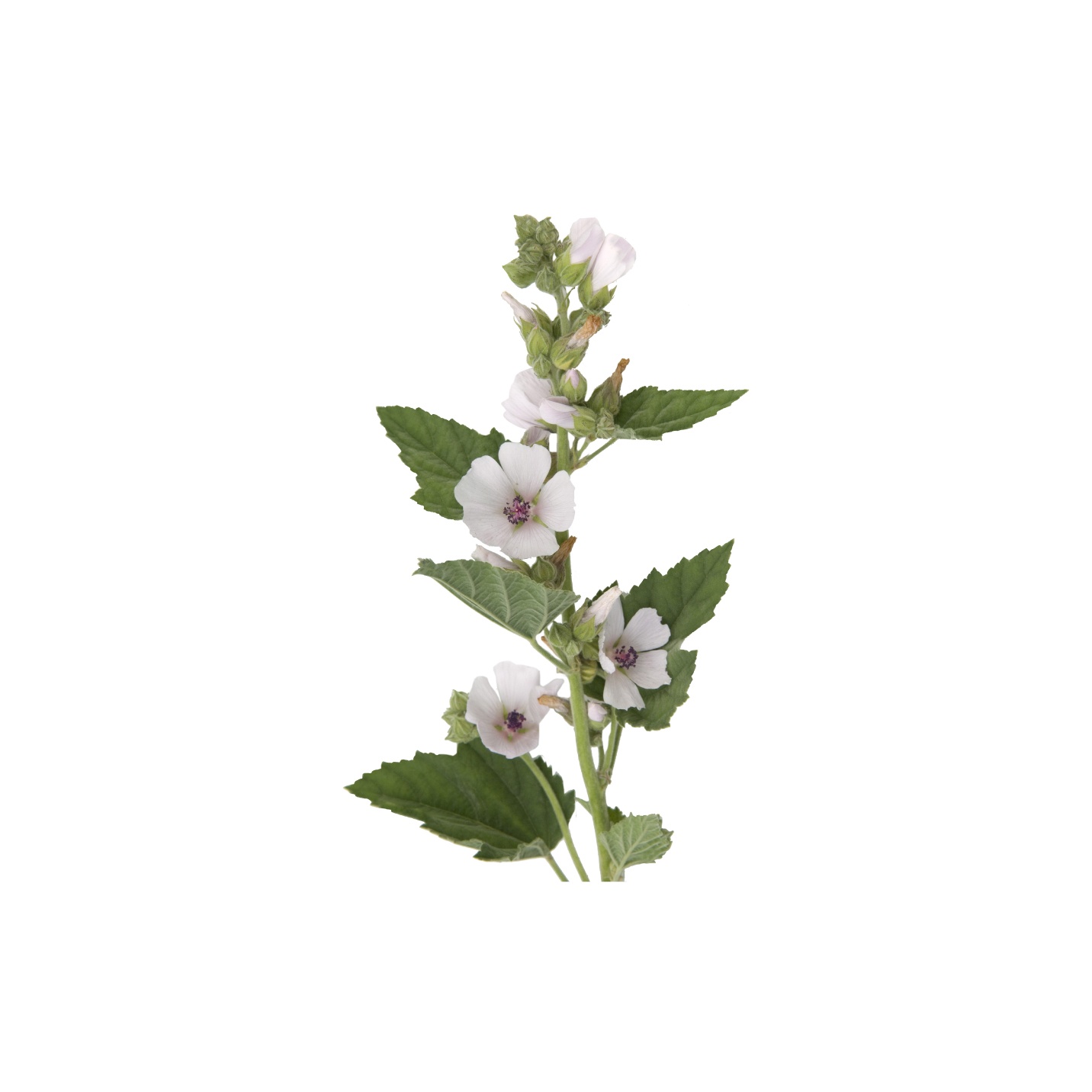 Marshmallow Althaea officinalis Documented for caffeic acid, p-coumaric acid, phenolic acids and 3 more phenolic acids.
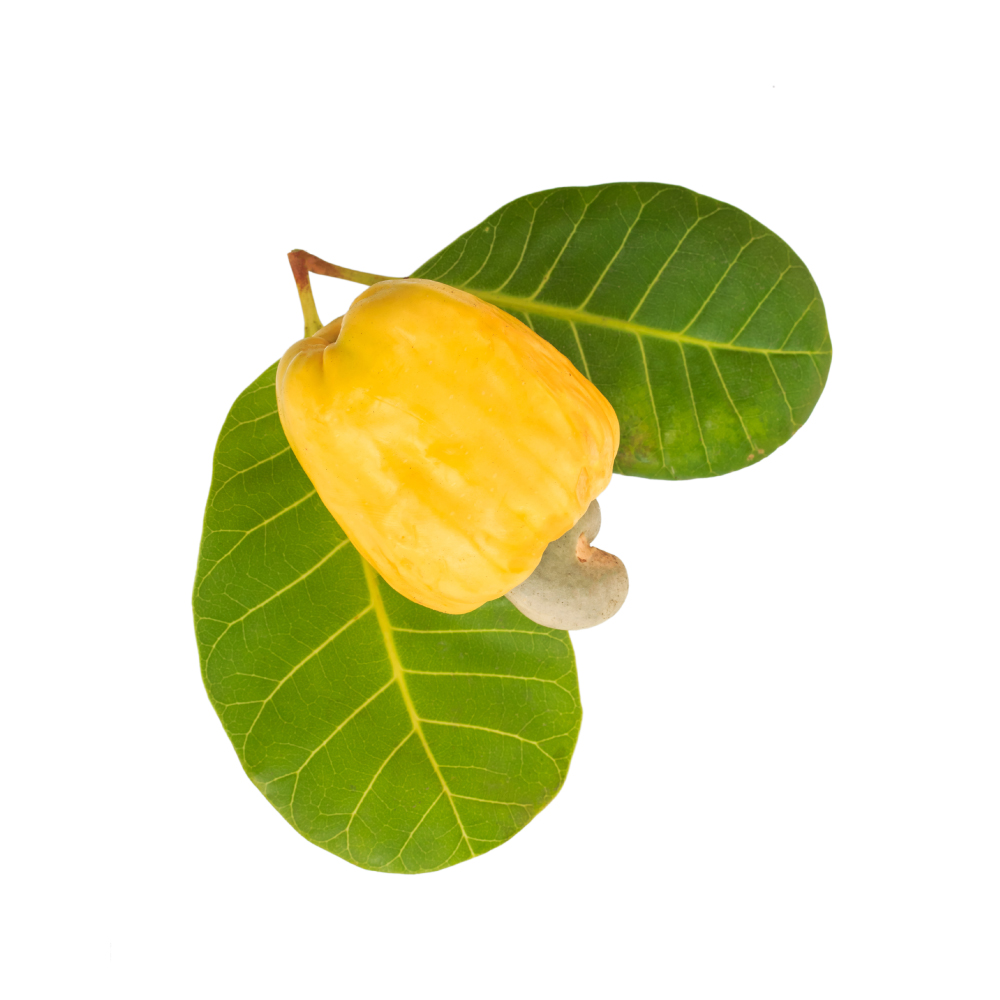 Cashew Anacardium occidentale Documented for gallic acid, ginkgol, hydroxybenzoic acid and 2 more phenolic acids.
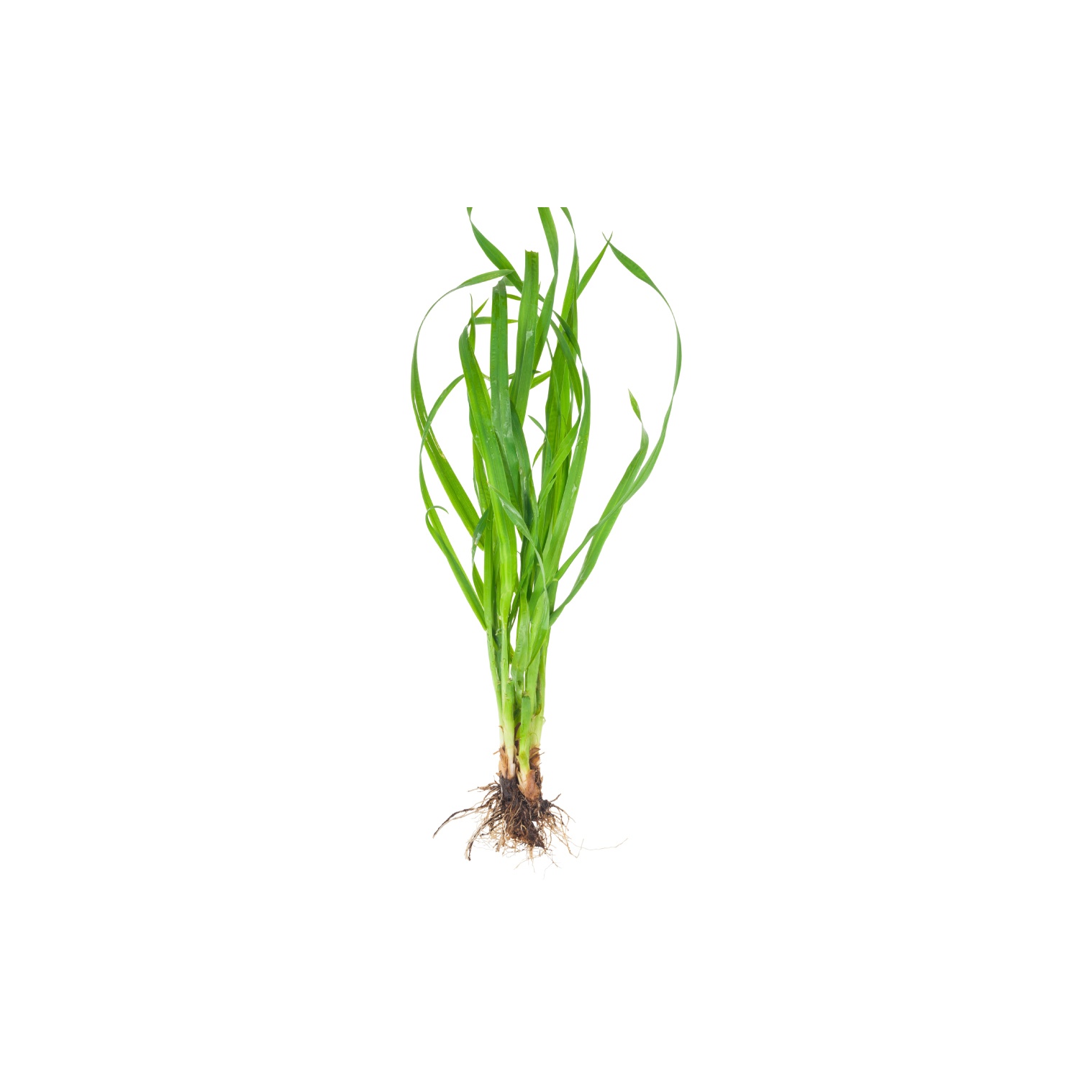 Couchgrass Elymus repens Documented for caffeic acid, ferulic acid, p-coumaric acid and 2 more phenolic acids. Maritime Pine Pinus pinaster Documented for caffeic acid, ferulic acid, gallic acid and 2 more phenolic acids.
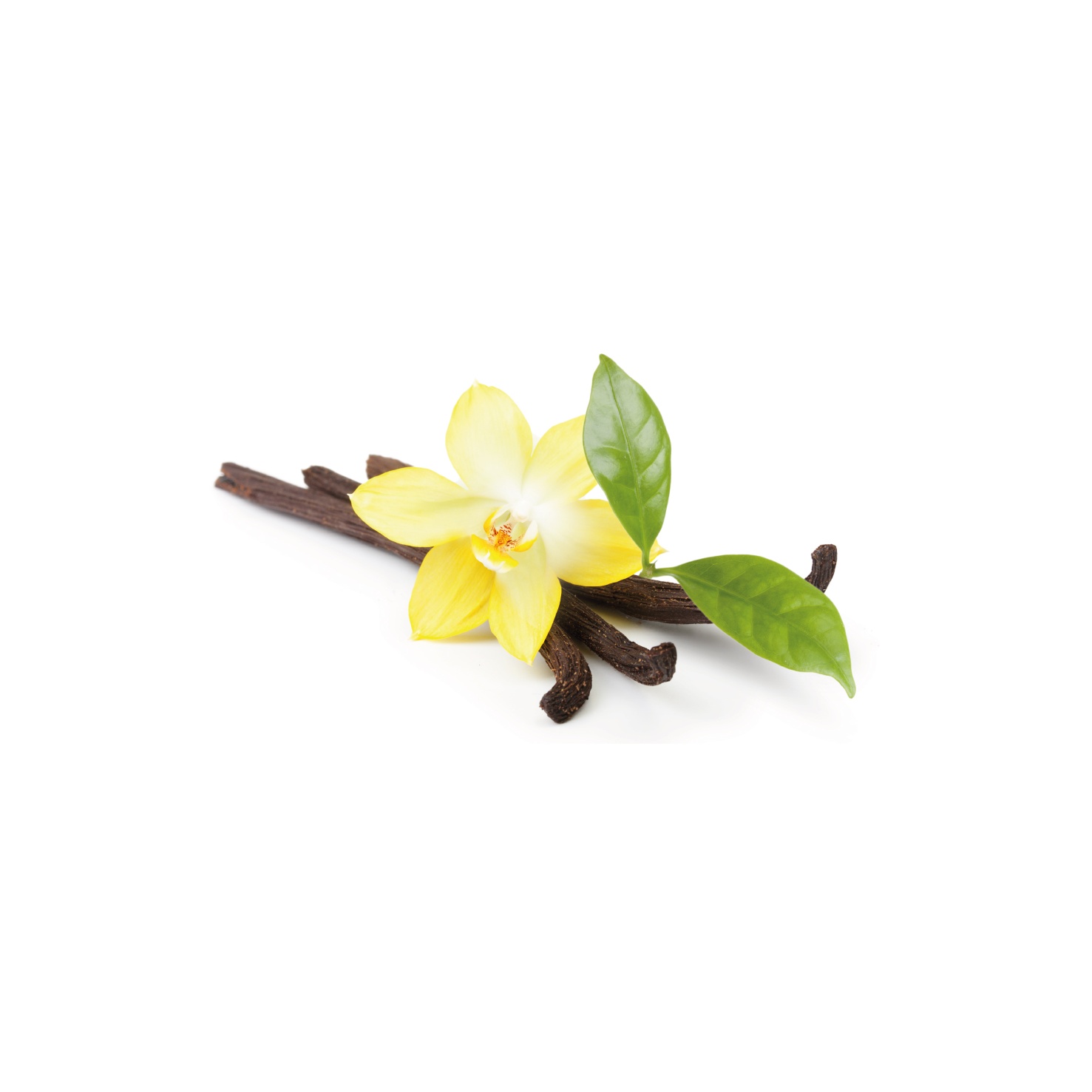 Vanilla Vanilla planifolia Documented for P-hydroxybenzaldehyde (0.18–0.2 % dry wt), vanillic acid (0.18–0.19 % dry wt), vanillin (1–4.6 % dry wt), vanillyl alcohol (0.56–0.57 % dry wt) and 1 more.
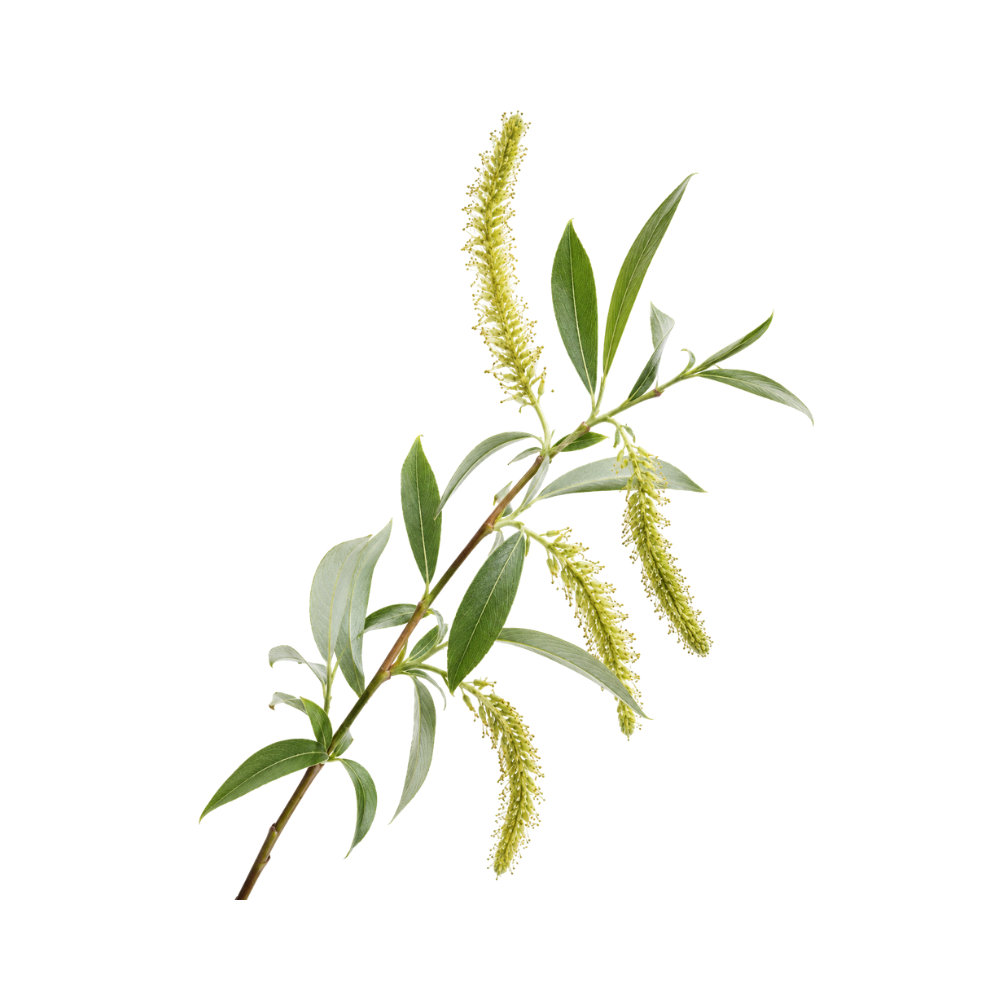 Willow Salix alba Documented for salicin, salicortin, salicylic acid and 2 more phenolic acids.
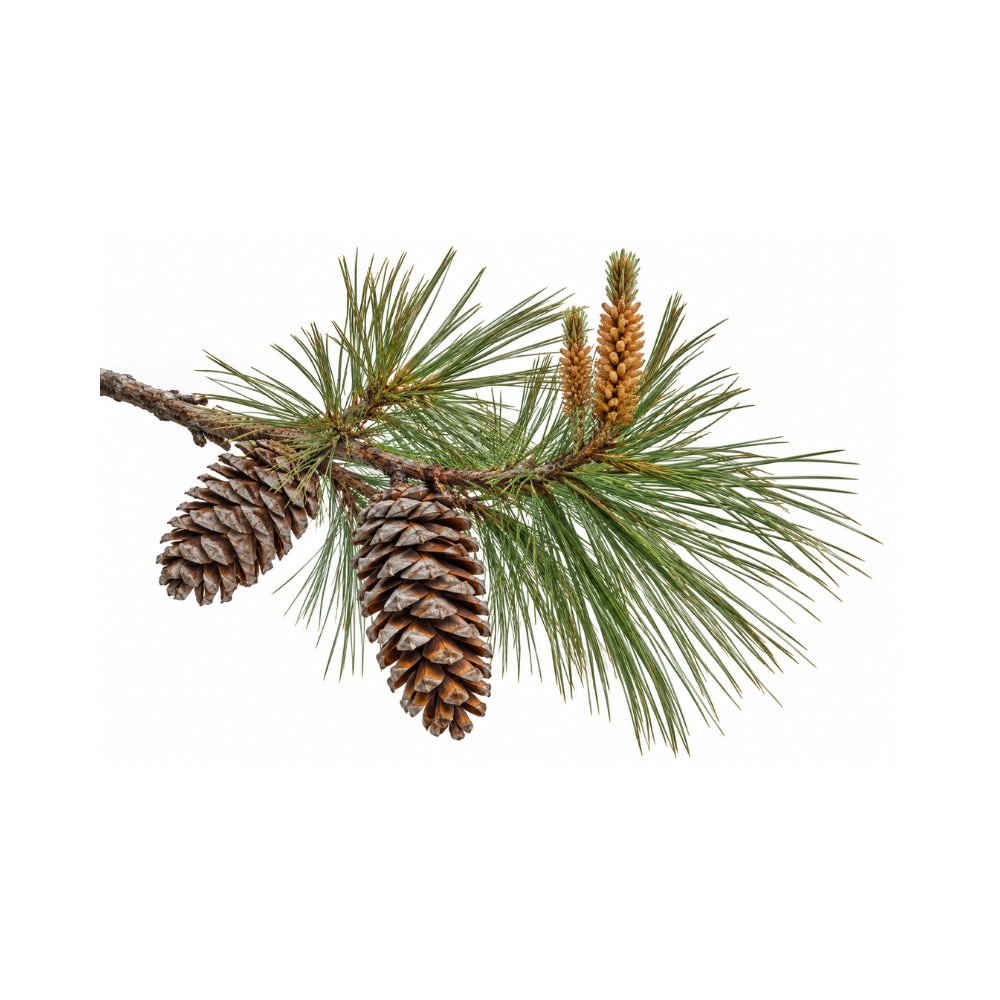 Chir Pine Pinus roxburghii Documented for caffeic acid, chlorogenic acid, gallic acid and 1 more.
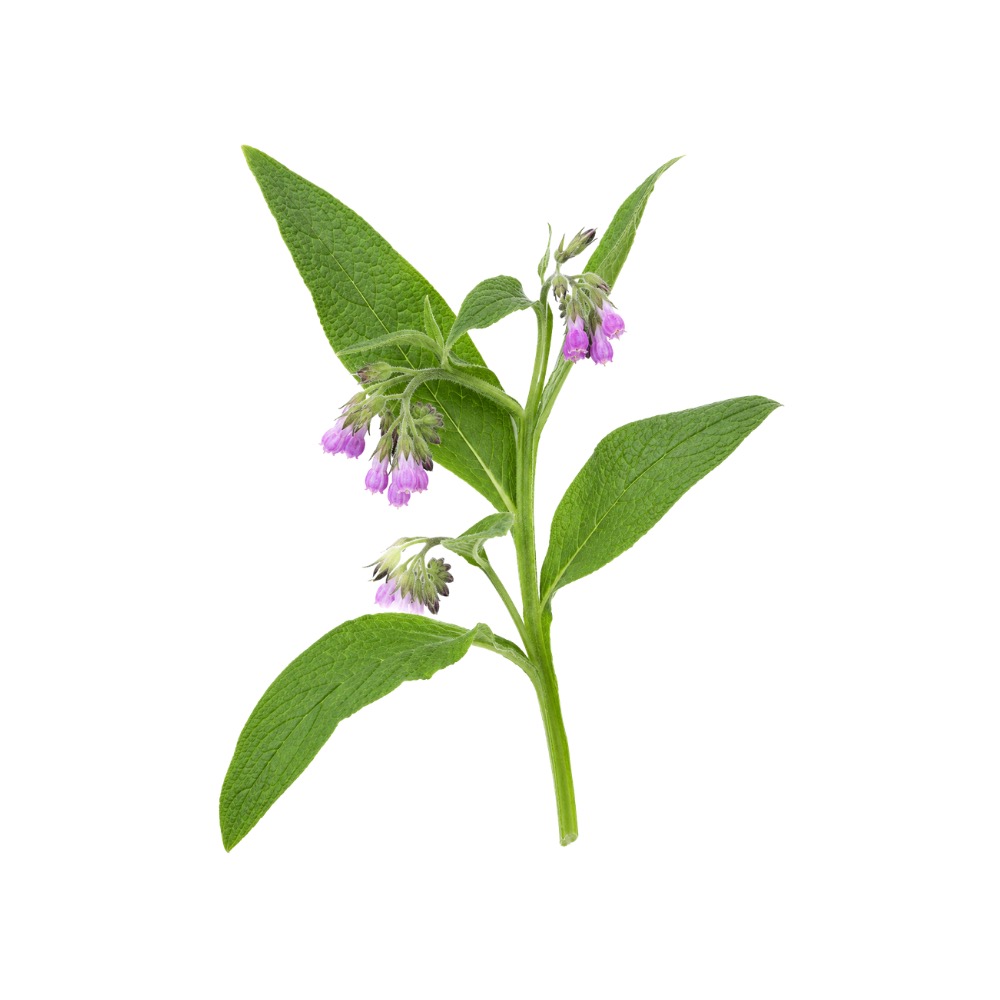 Comfrey Symphytum officinale Toxic Documented for caffeic acid, chlorogenic acid, rosmarinic acid and 1 more.
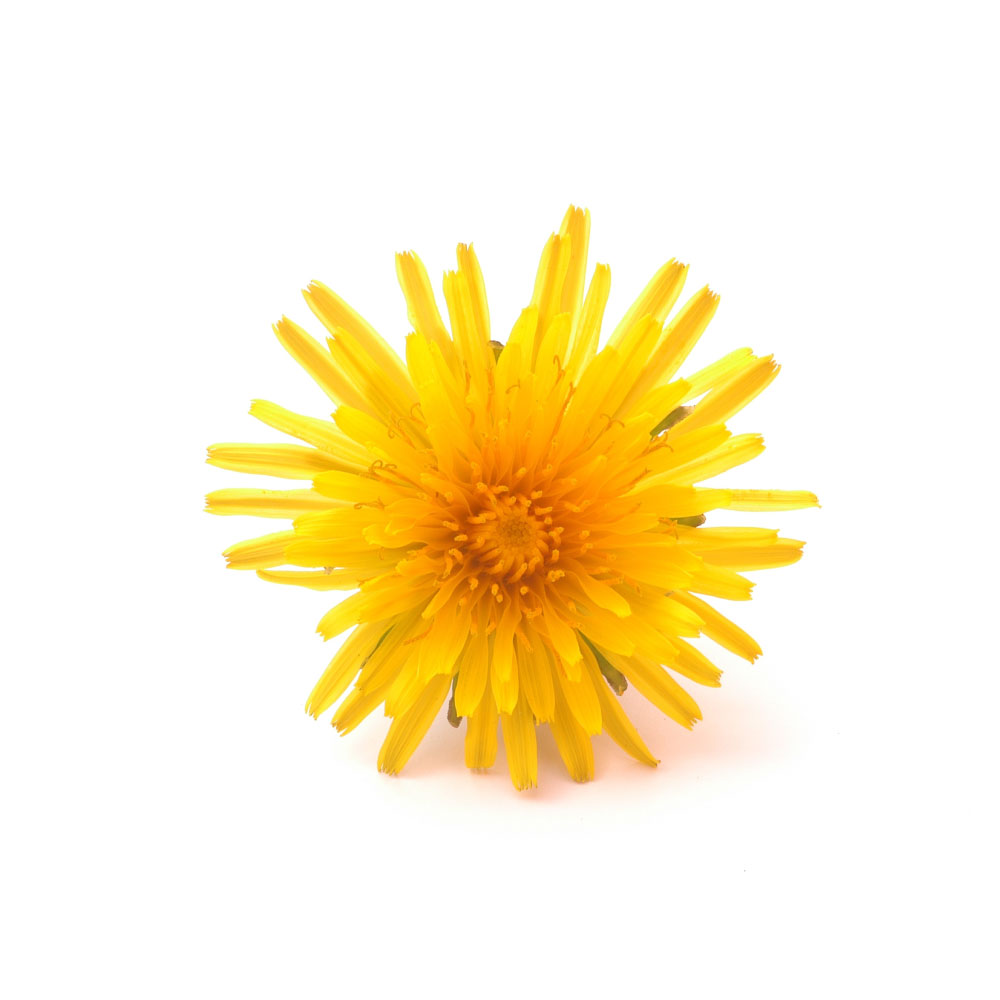 Dandelion Taraxacum officinale Documented for caftaric acid, chlorogenic acid, cichoric acid and 1 more.
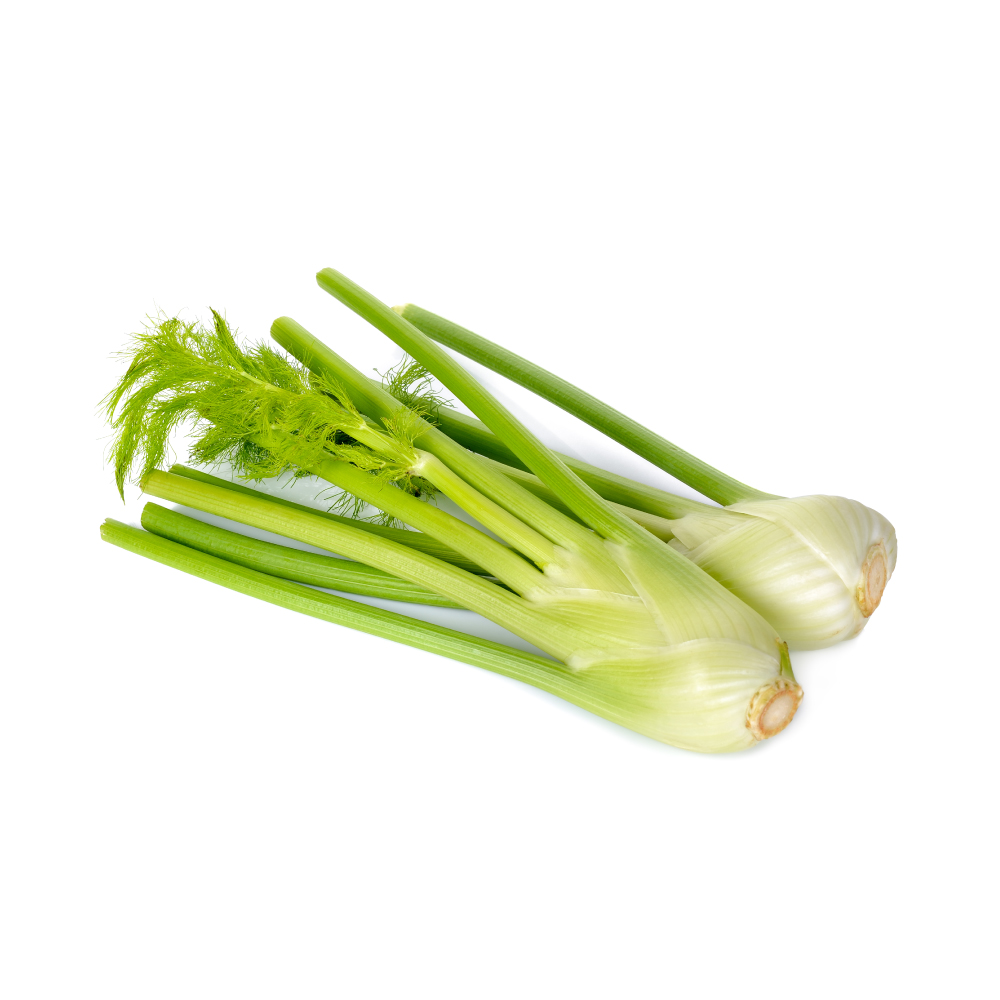 Fennel Foeniculum vulgare Documented for anisic acid, anisic aldehyde, ferulic acid and 1 more.
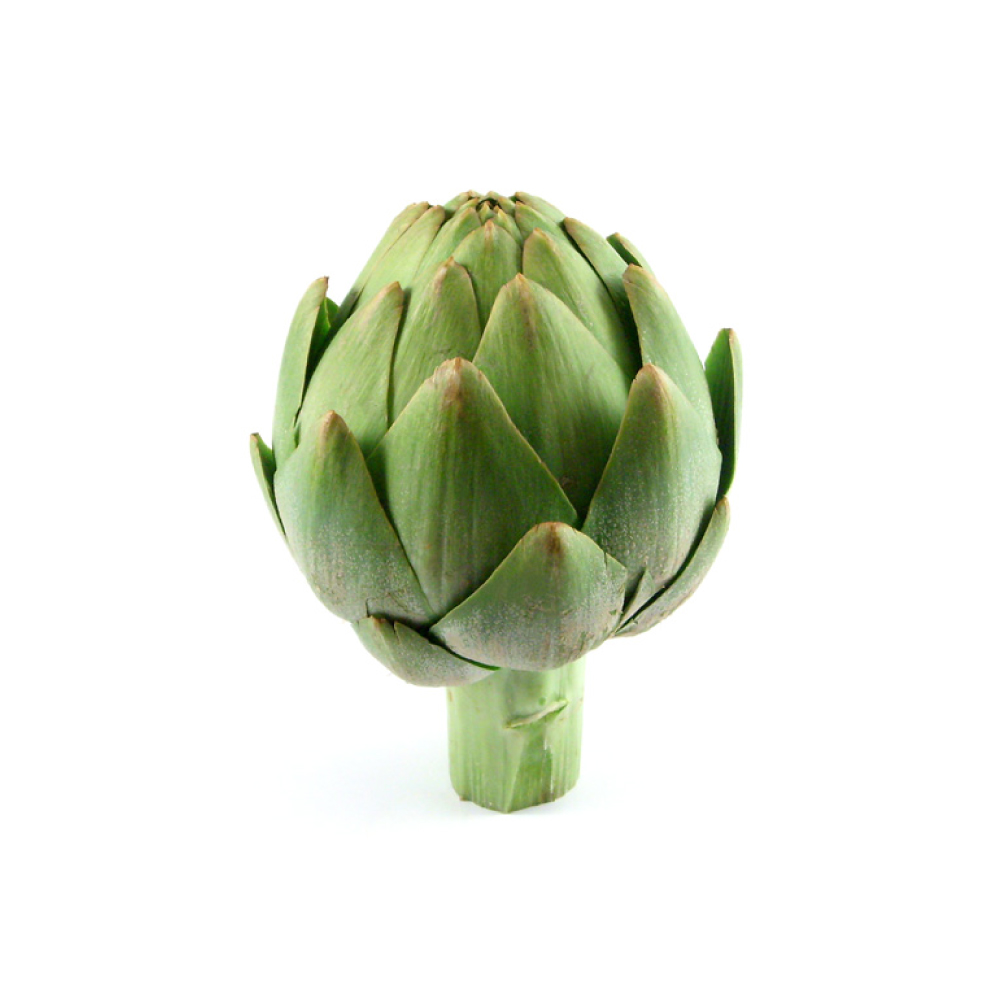 Globe Artichoke Cynara scolymus Documented for caffeic acid, chlorogenic acid, cynarin and 1 more.
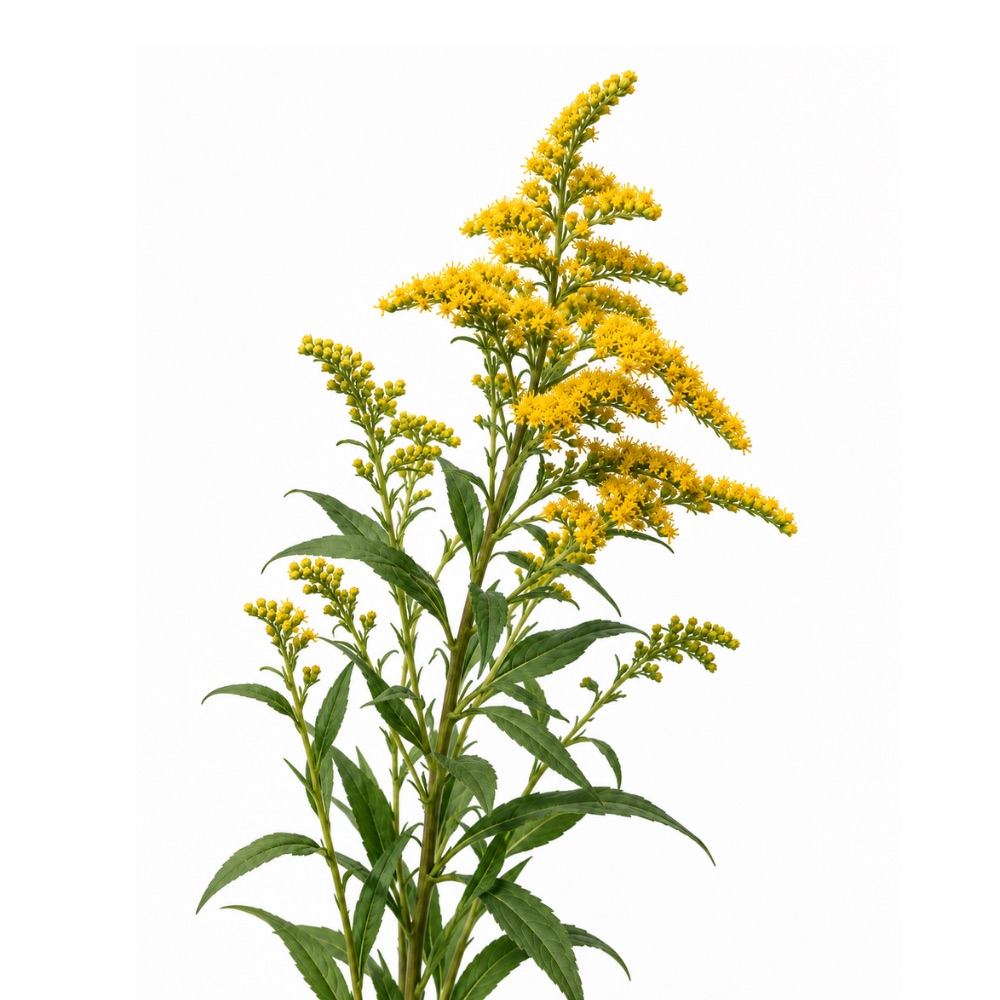 Goldenrod Solidago virgaurea Documented for 3,5-dicaffeoylquinic acid, caffeic acid, chlorogenic acid and 1 more.
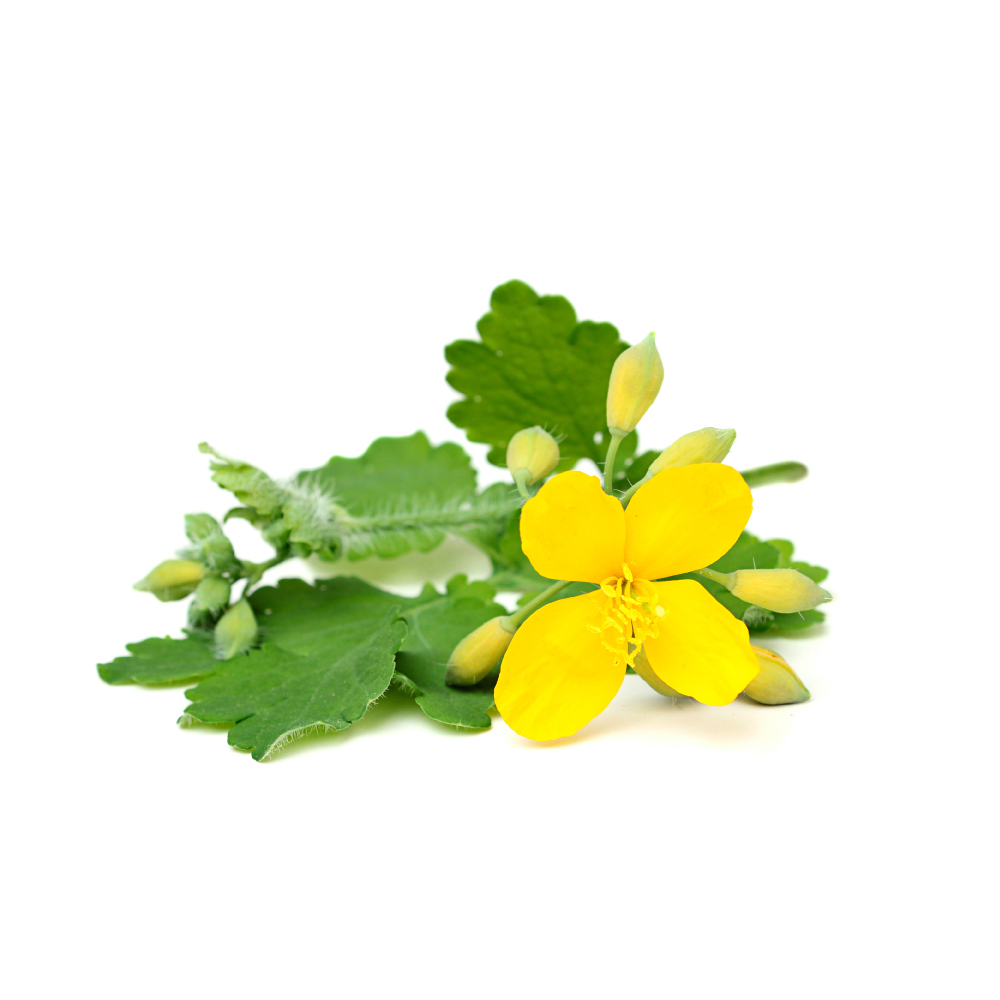 Greater Celandine Chelidonium majus Toxic Documented for caffeic acid, chlorogenic acid, p-coumaric acid and 1 more.
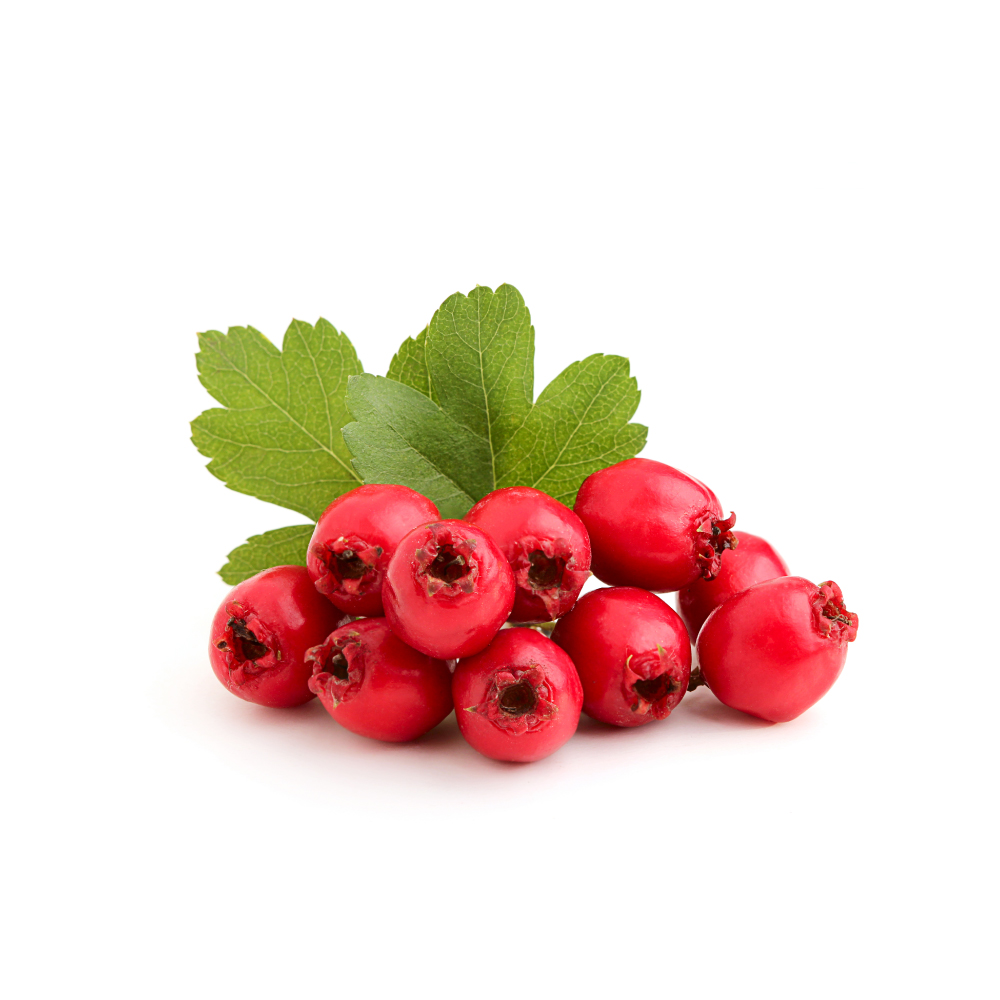 Hawthorn Crataegus oxyacantha Documented for caffeic acid, catechols, chlorogenic acid and 1 more.
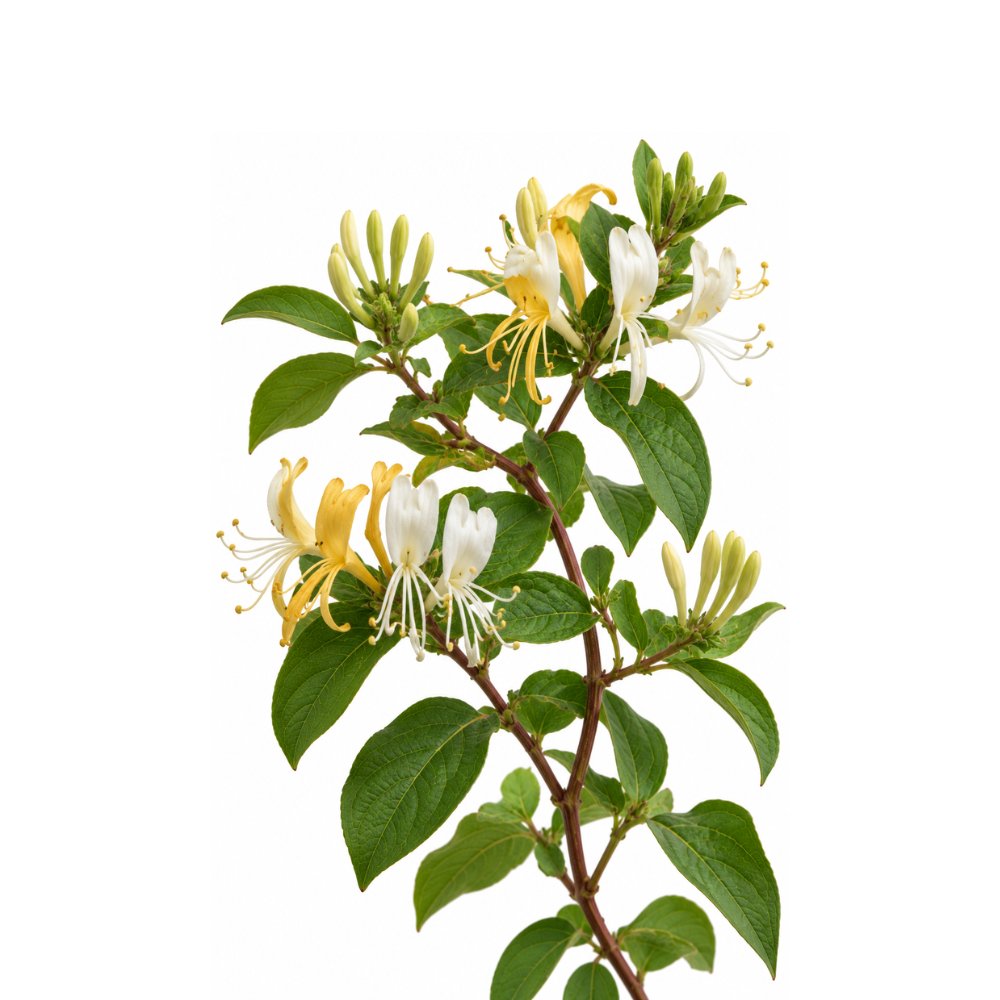 Honeysuckle Lonicera japonica Documented for 3,5-dicaffeoylquinic acid, 4,5-dicaffeoylquinic acid, chlorogenic acid and 1 more.
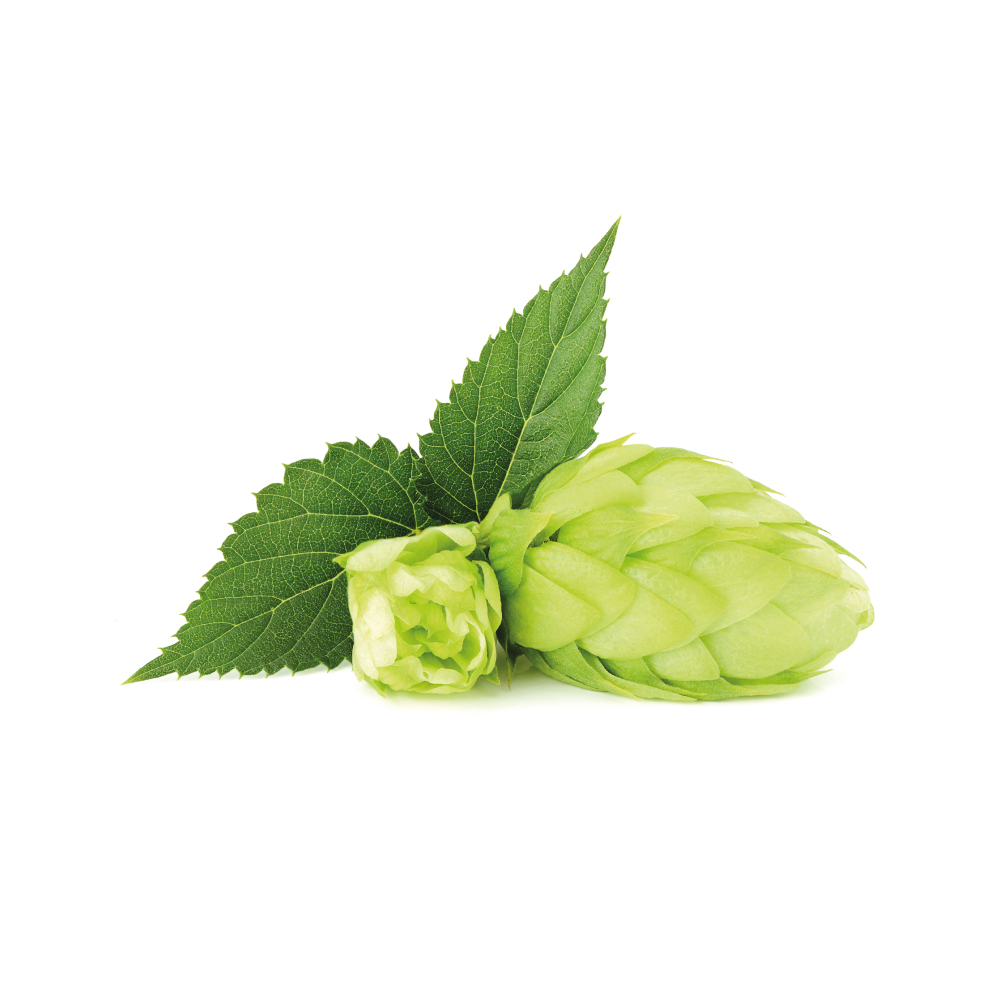 Hops Humulus lupulus Documented for cohumulone, colupulone, humulone and 1 more.
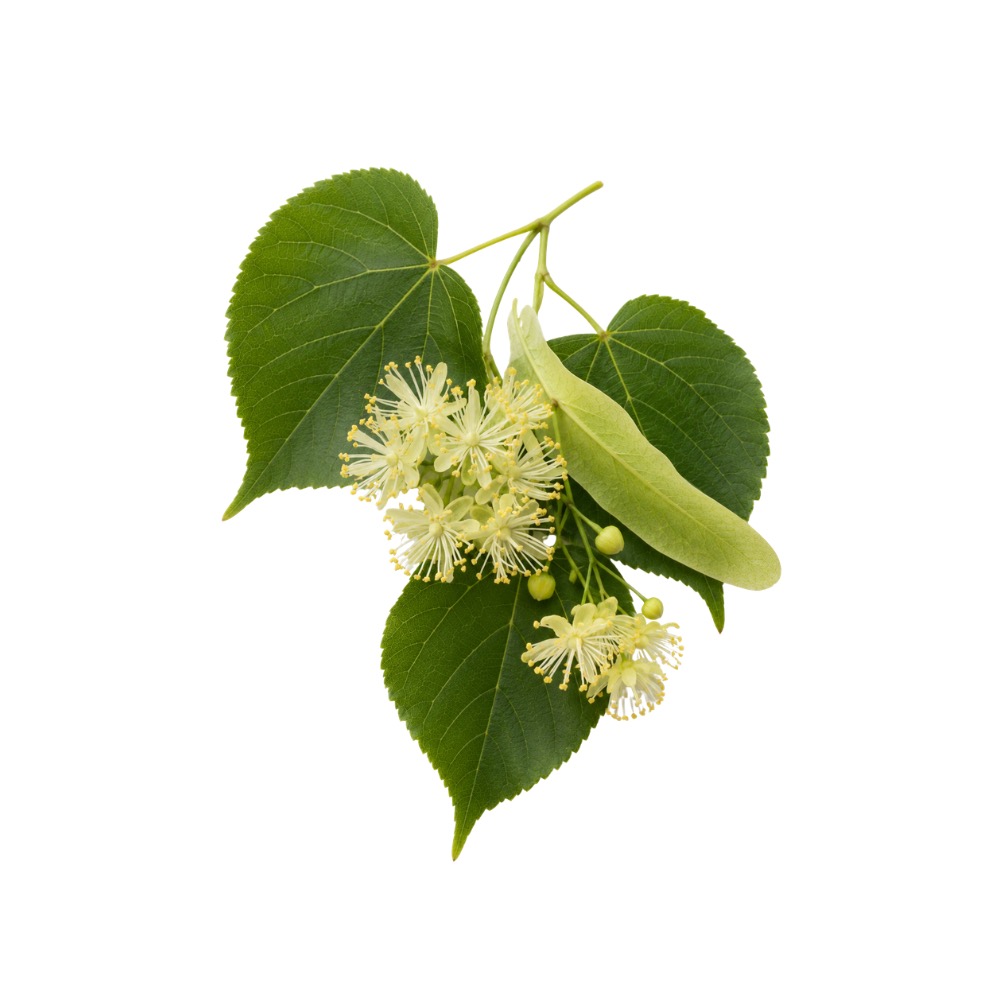 Linden Flower Tilia spp. Documented for caffeic acid, chlorogenic acid, p-coumaric acid and 1 more.
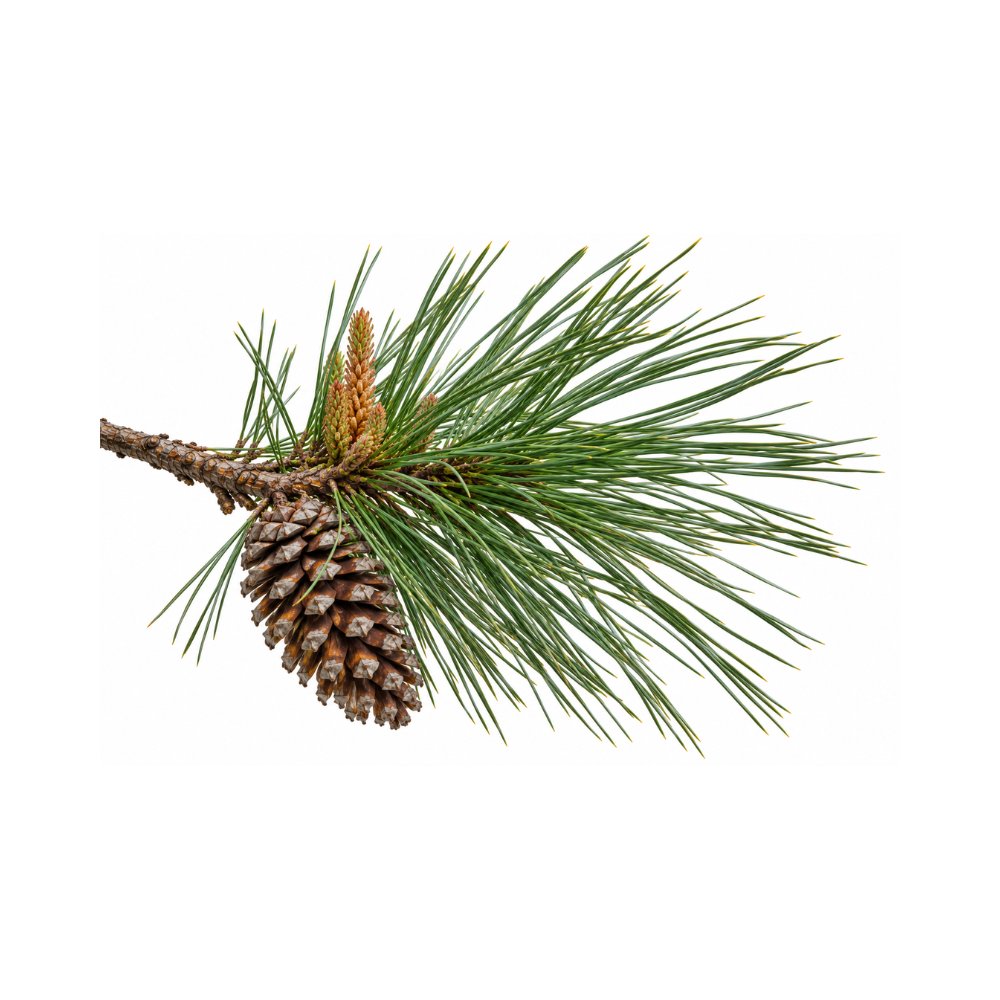 Monterey Pine Pinus radiata Documented for caffeic acid, ferulic acid, gallic acid and 1 more.
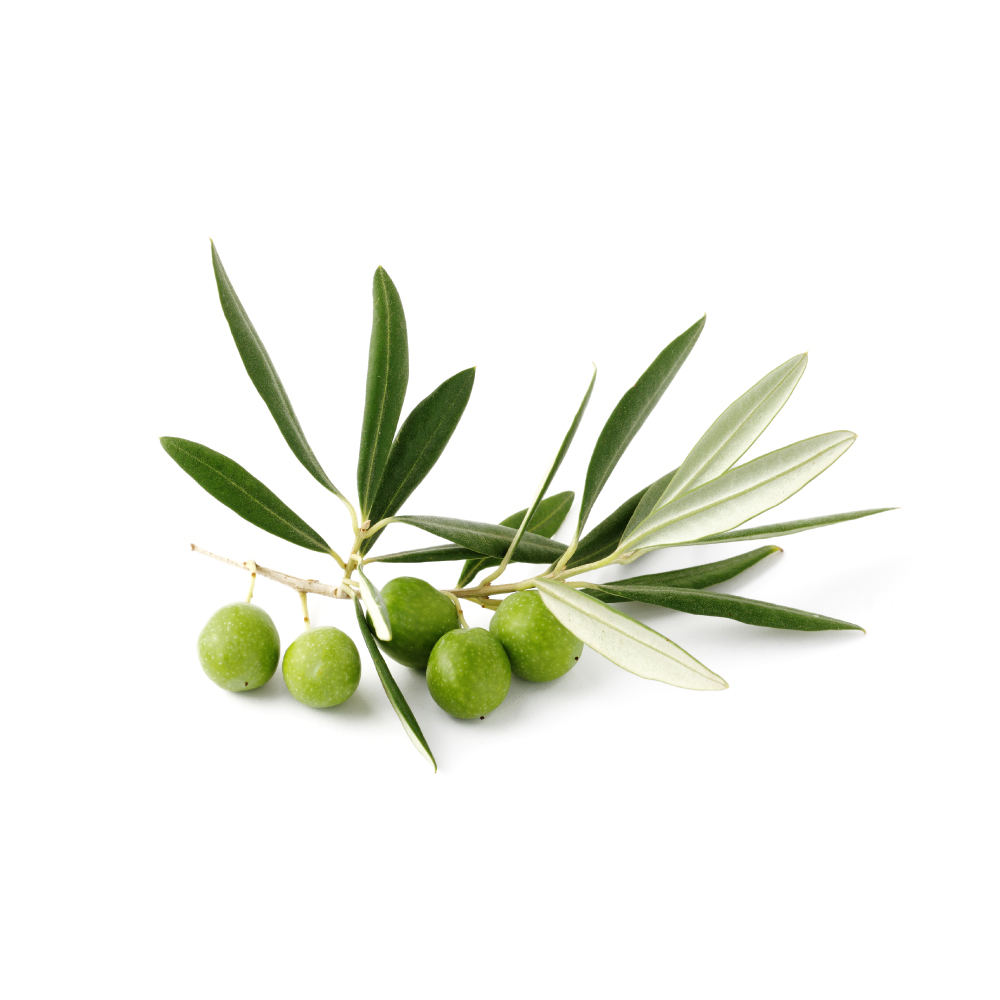 Olive Leaf Olea europaea Documented for caffeic acid, hydroxytyrosol, oleacein and 1 more.
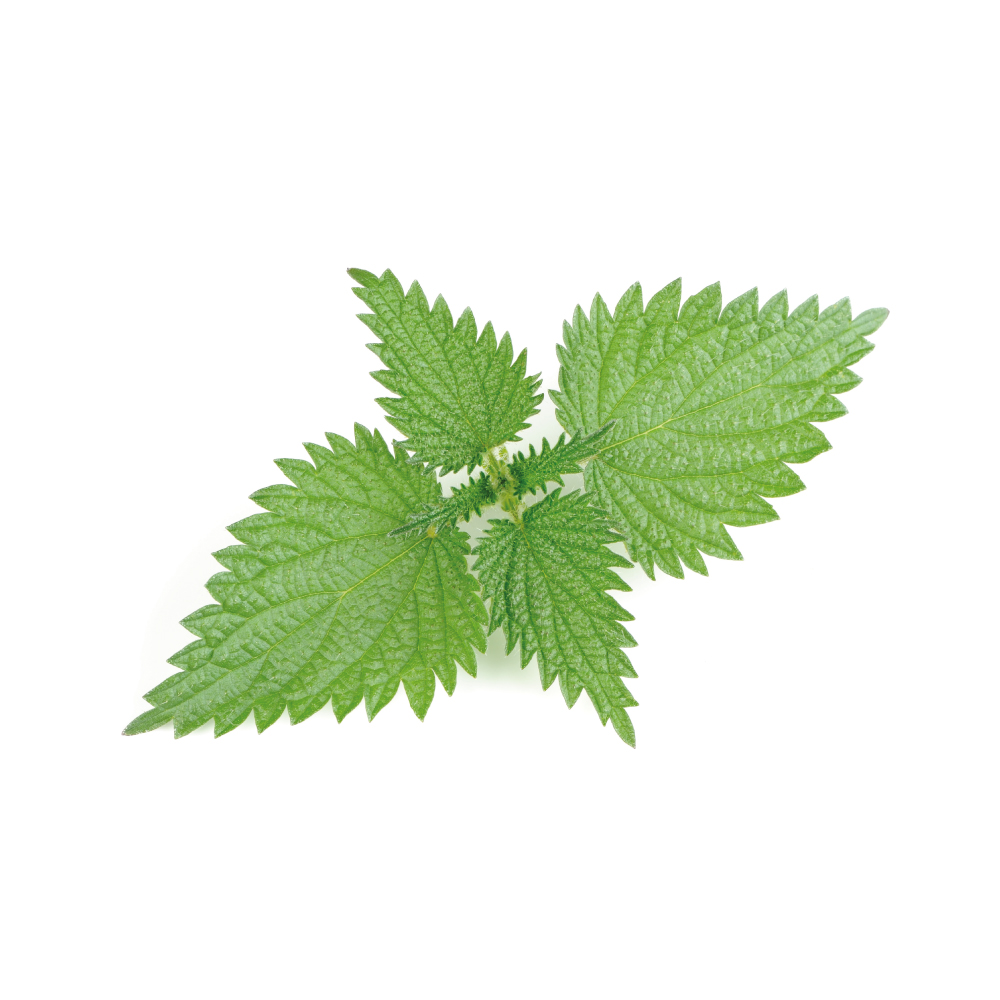 Stinging Nettle Urtica dioica Documented for caffeic acid, chlorogenic acid, coumaric acid and 1 more.
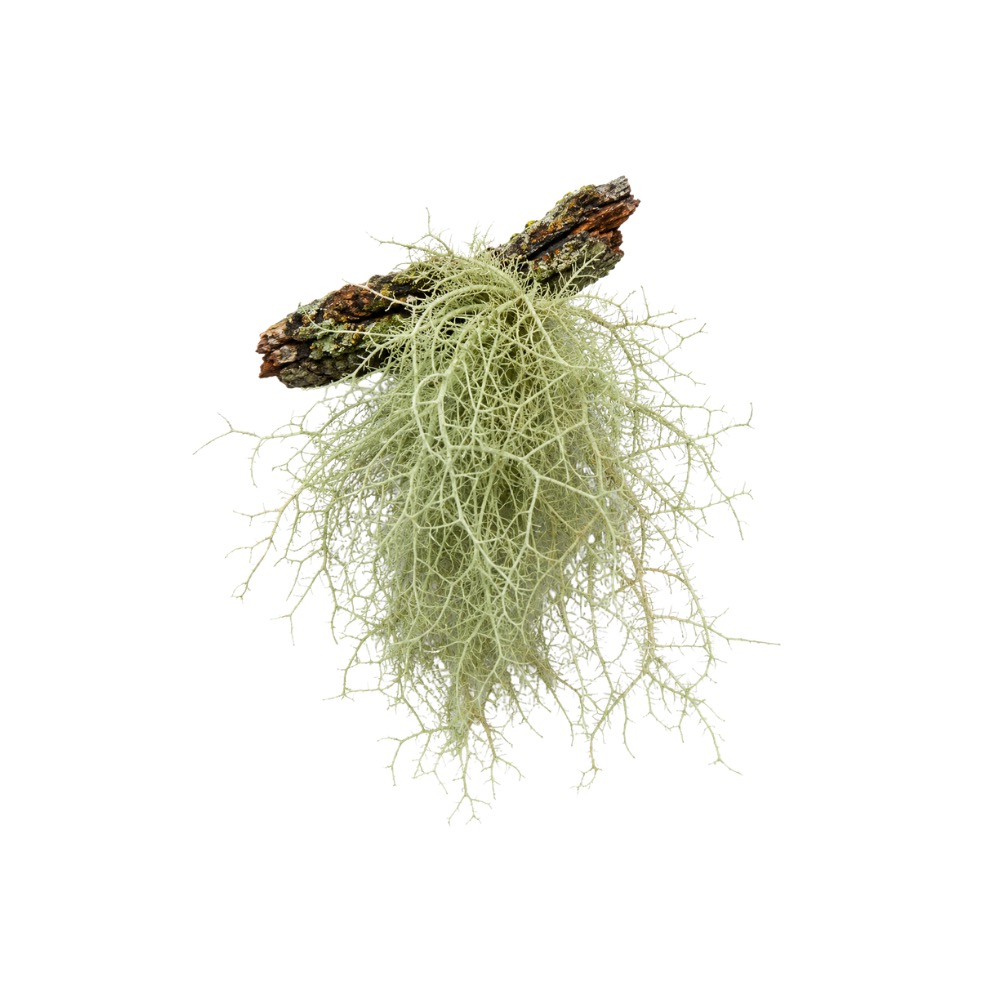 Usnea Usnea spp. Documented for barbatic acid, diffractaic acid, divaricatic acid and 1 more.
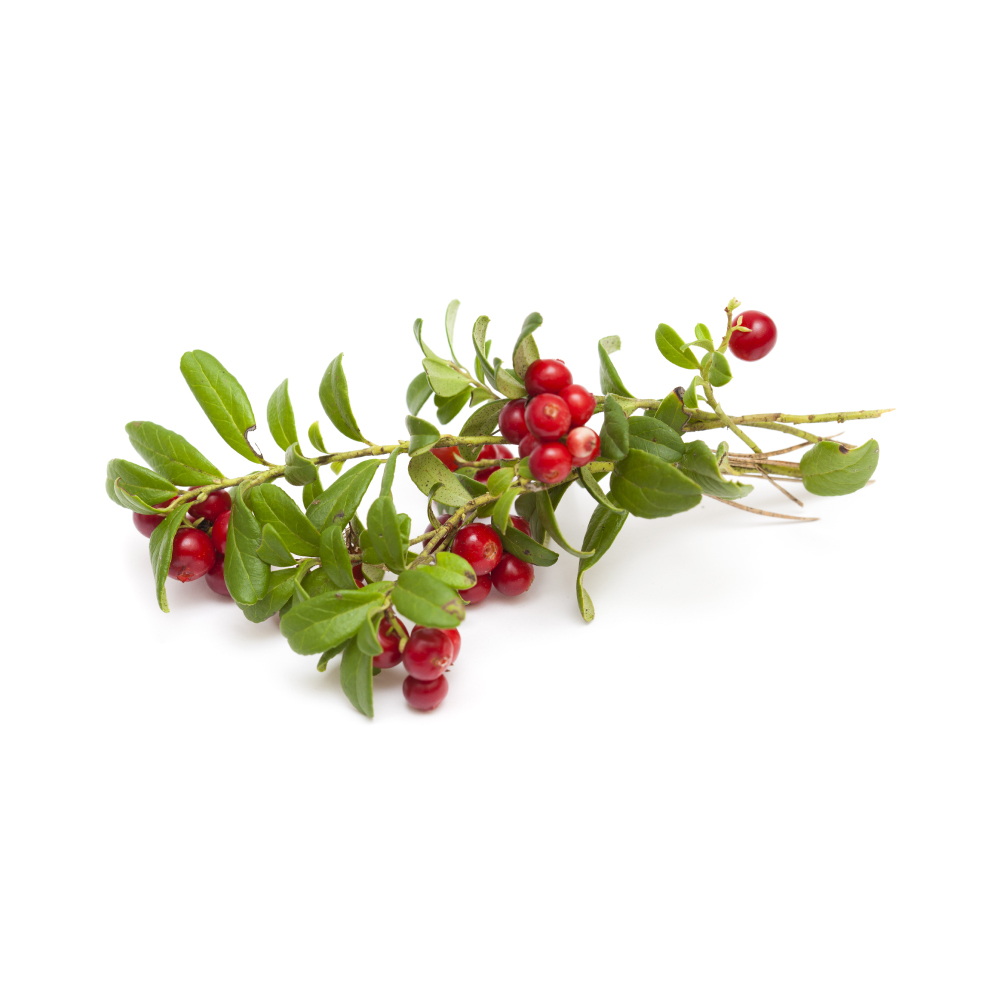 Bearberry Arctostaphylos uva-ursi Documented for gallic acid, hydroquinone, phenolic acids.
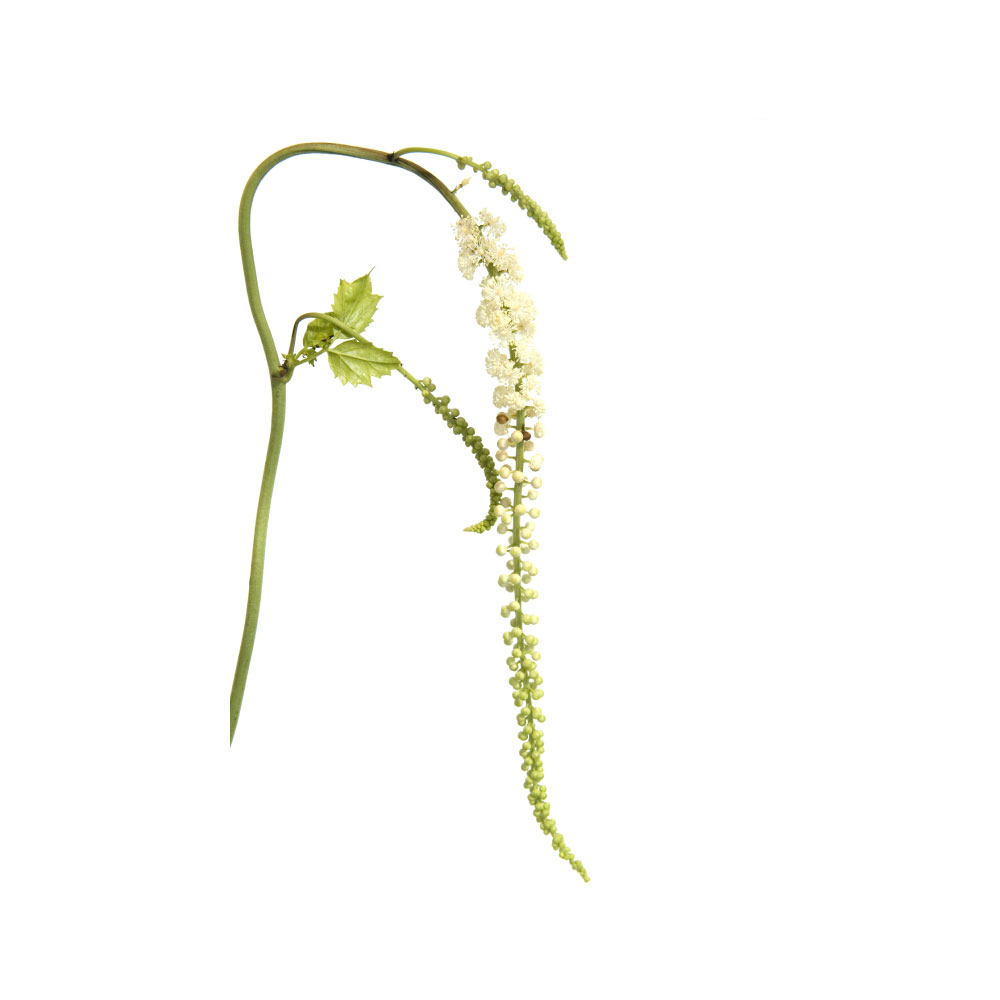 Black Cohosh Cimicifuga racemosa Documented for caffeic acid, ferulic acid, isoferulic acid.
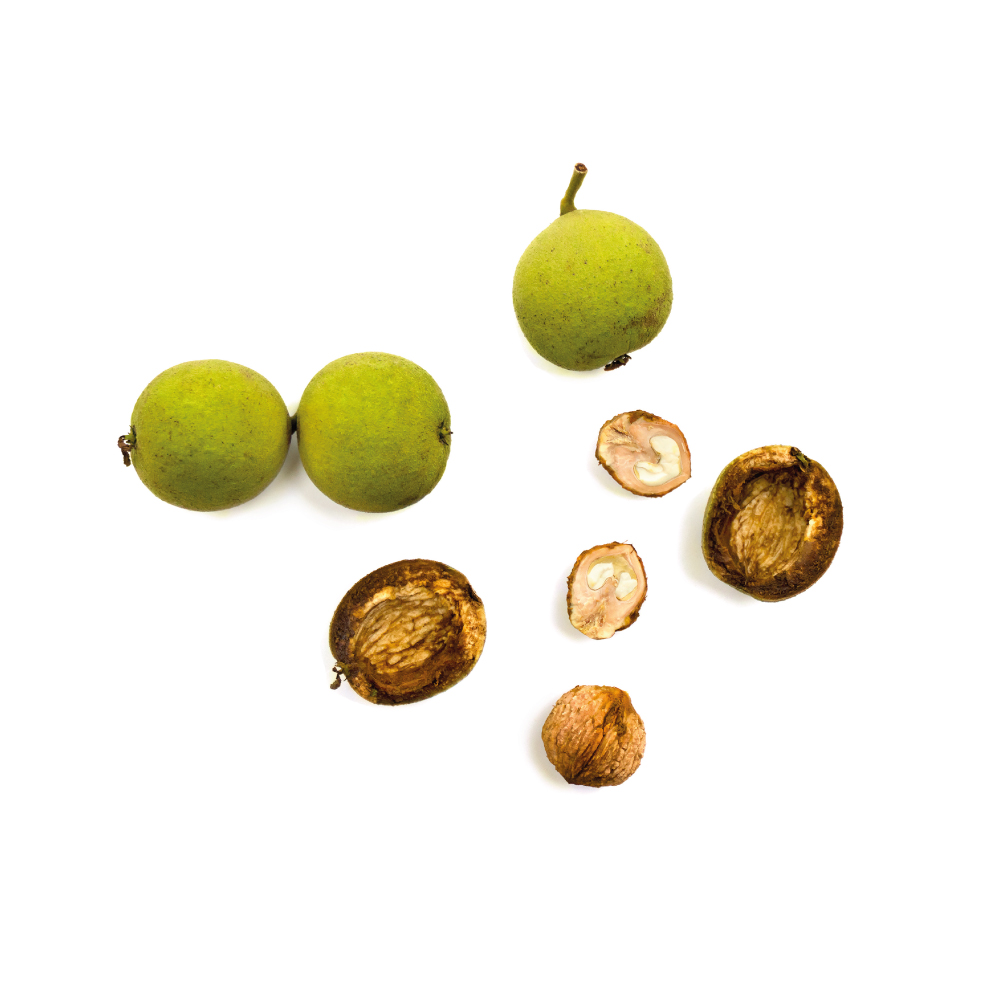 Black Walnut Juglans nigra Documented for ethyl gallate, gallic acid, glansreginin A.
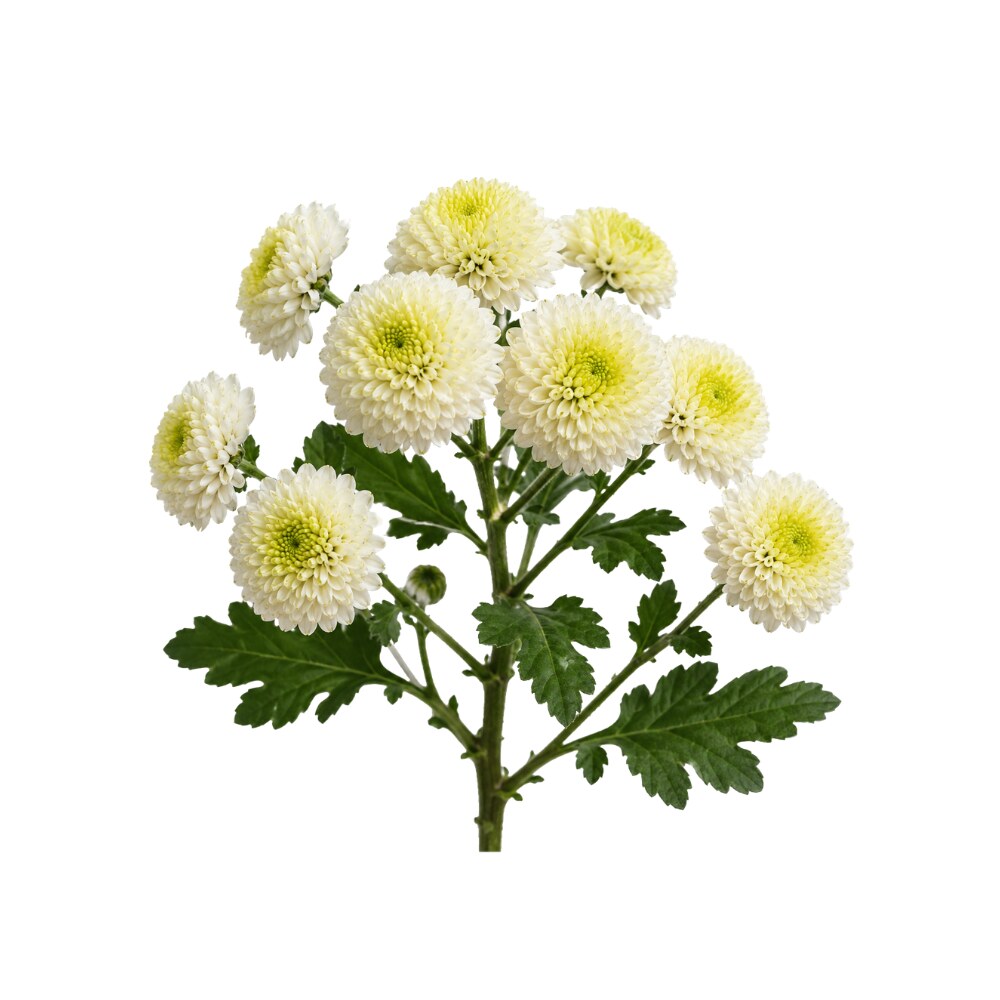 Chrysanthemum Chrysanthemum morifolium Documented for 4,5-dicaffeoylquinic acid, caffeic acid, chlorogenic acid.
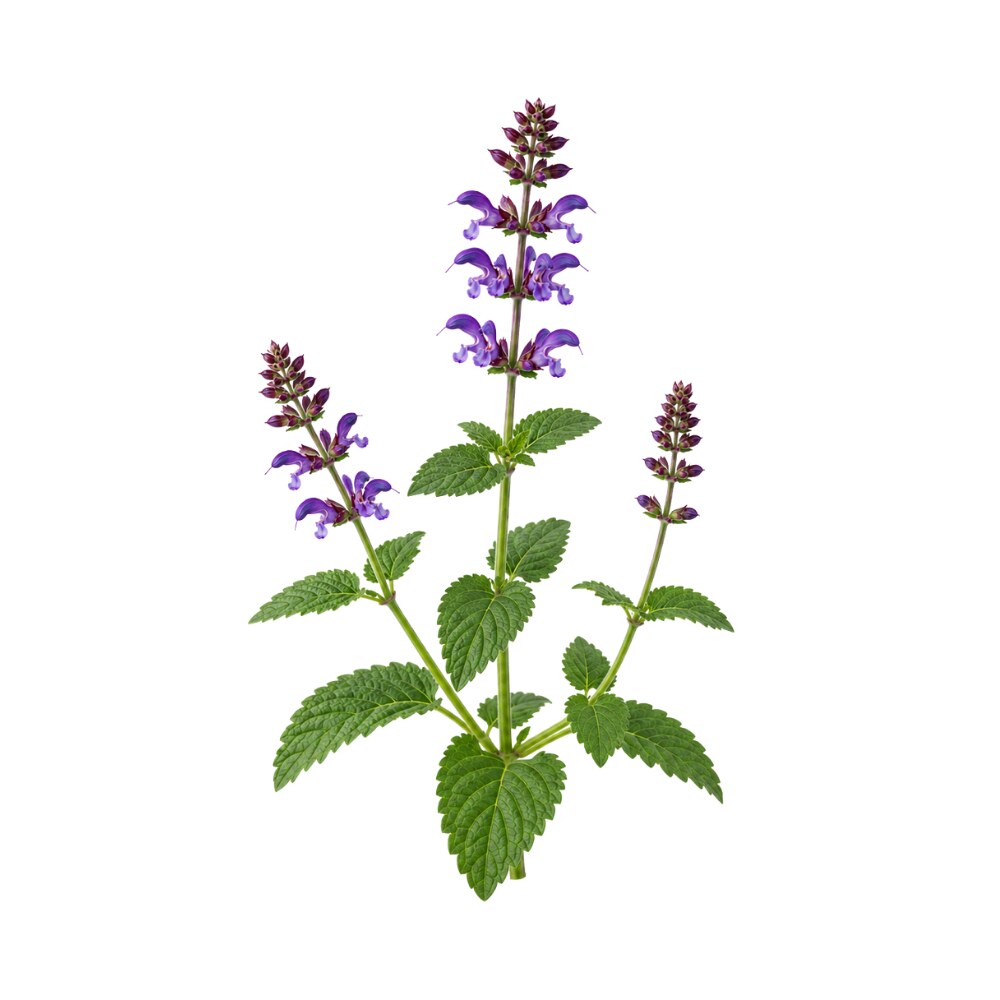 Dan Shen Salvia miltiorrhiza Documented for salvianolic acid B (55 mg/g), rosmarinic acid, salvianolic acid A.
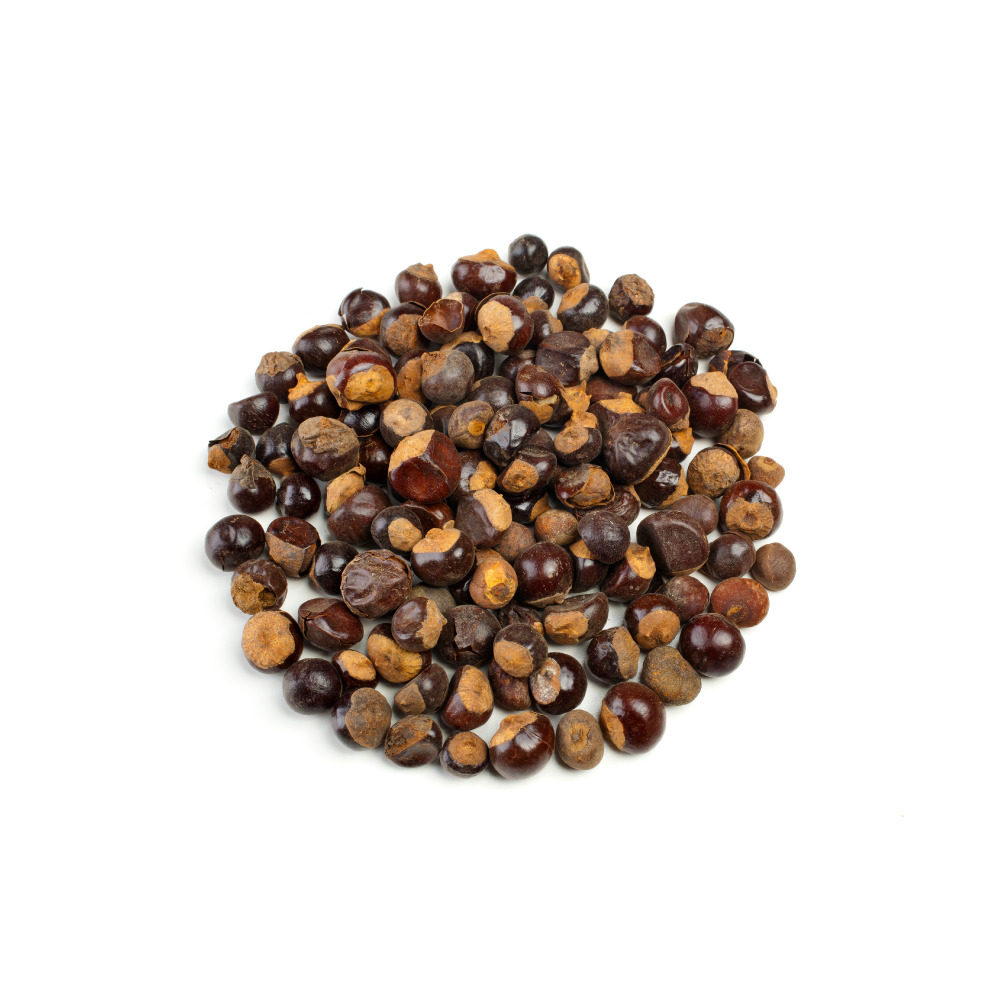 Guarana Paullinia cupana Documented for caffeic acid, catechol, gallic acid.
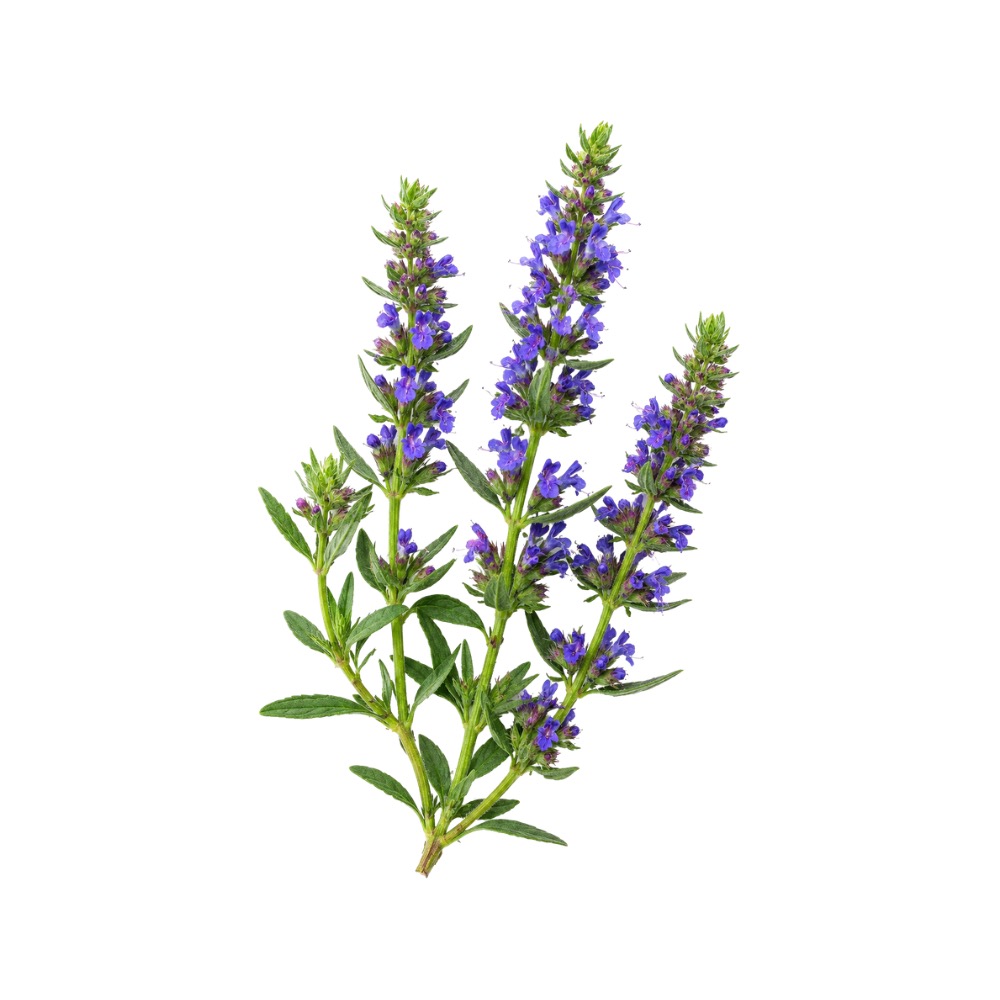 Hyssop Hyssopus officinalis Documented for caffeic acid, chlorogenic acid, rosmarinic acid.
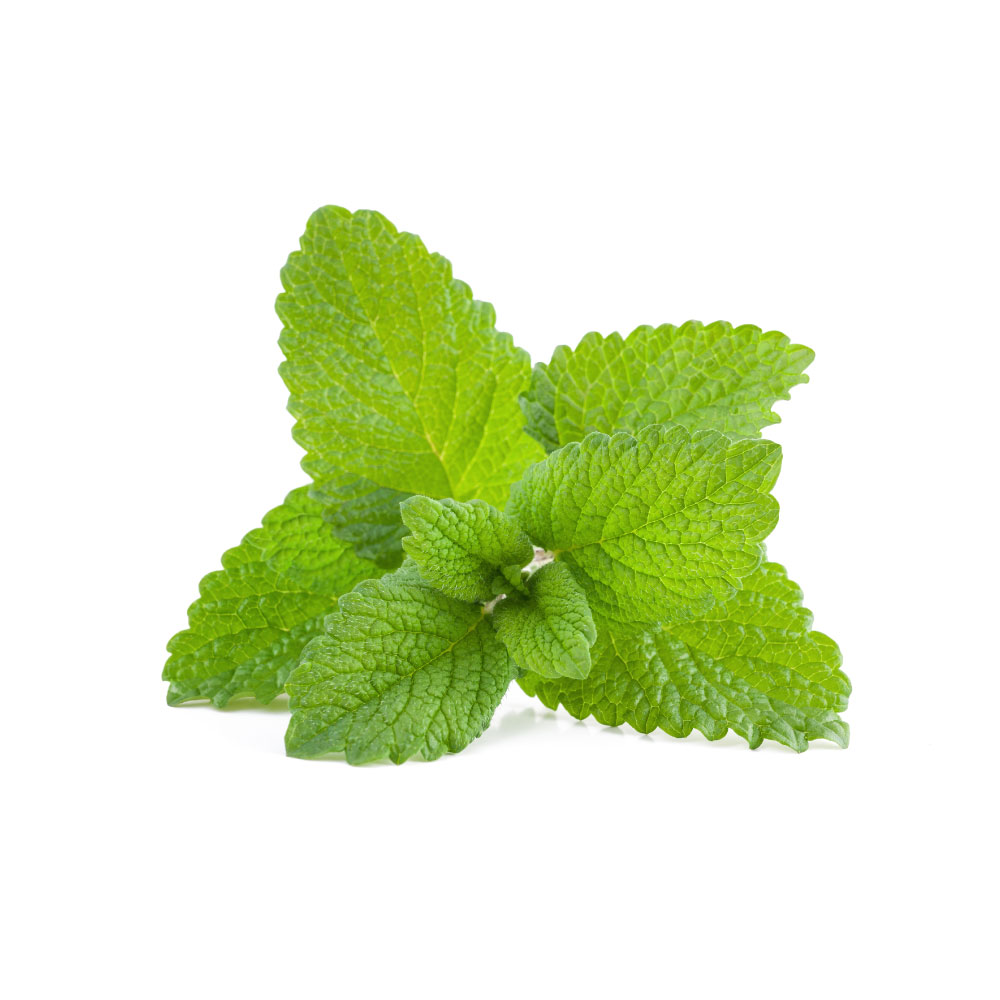 Melissa Melissa officinalis Documented for rosmarinic acid (0.16–48.6 mg/g), caffeic acid, chlorogenic acid.
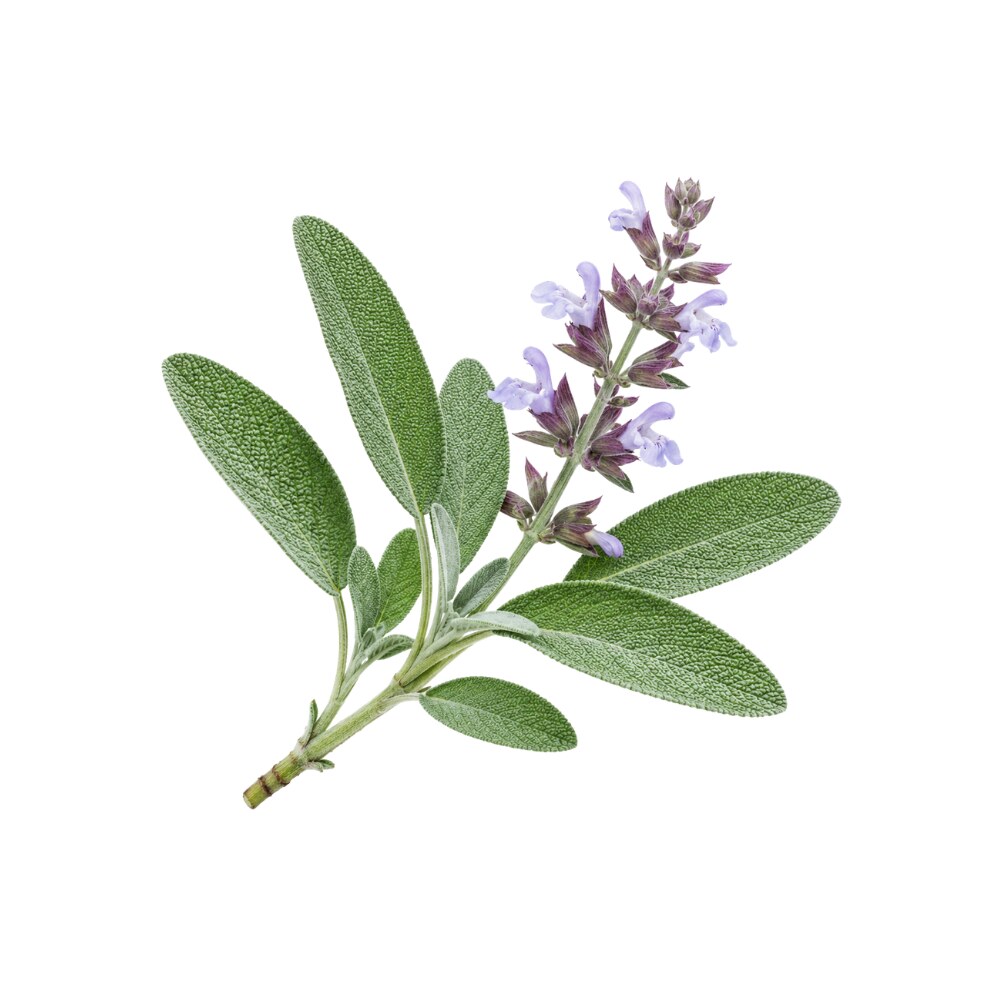 Sage Salvia officinalis Documented for rosmarinic acid (3.2–20.6 mg/g), caffeic acid, salvianolic acid.
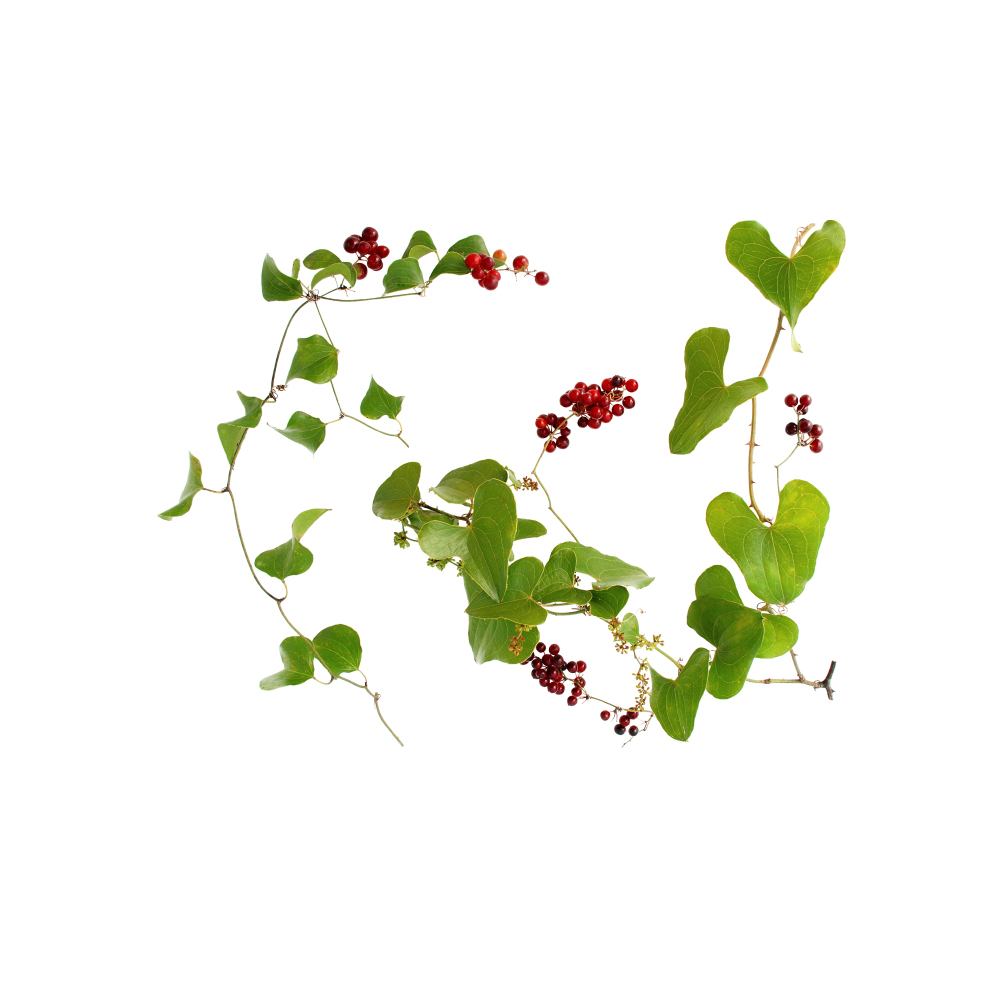 Sarsaparilla Smilax spp. Documented for caffeic acid, chlorogenic acid, protocatechuic aldehyde.
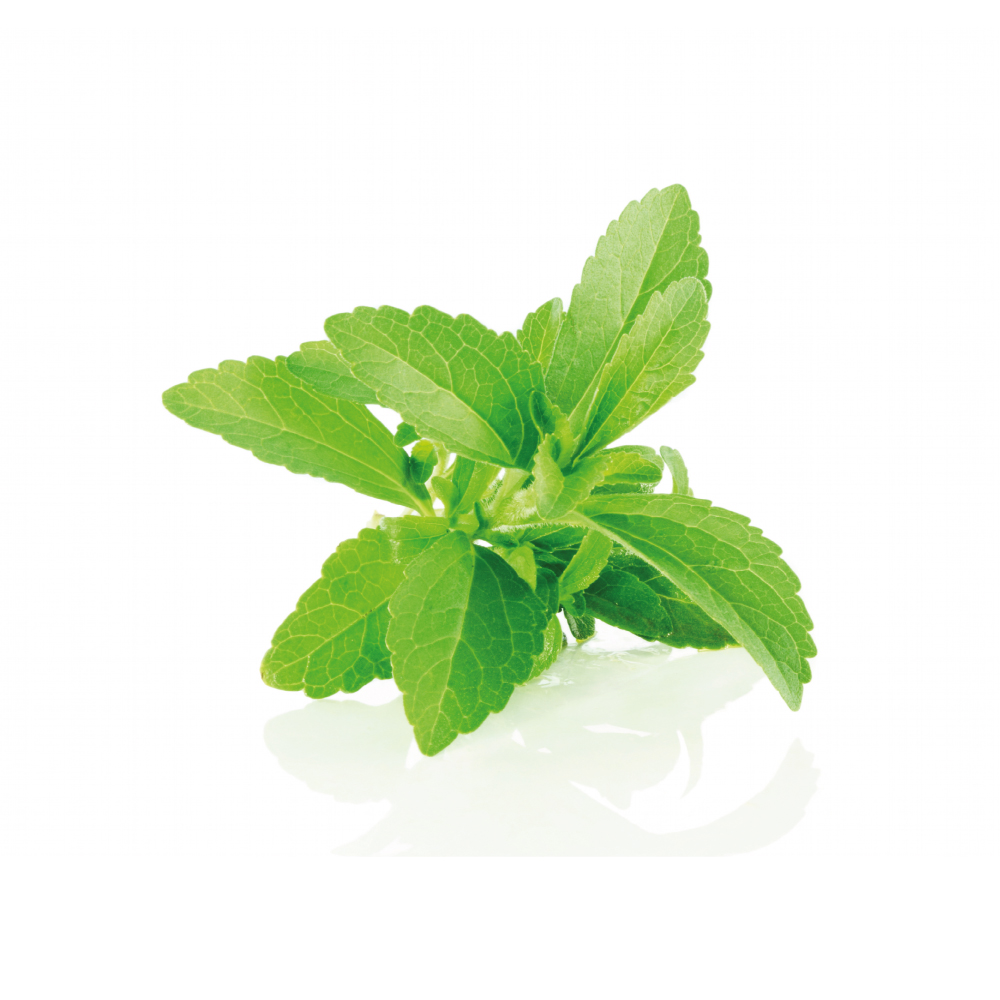 Stevia Stevia rebaudiana Documented for caffeic acid, chlorogenic acid, cryptochlorogenic acid.
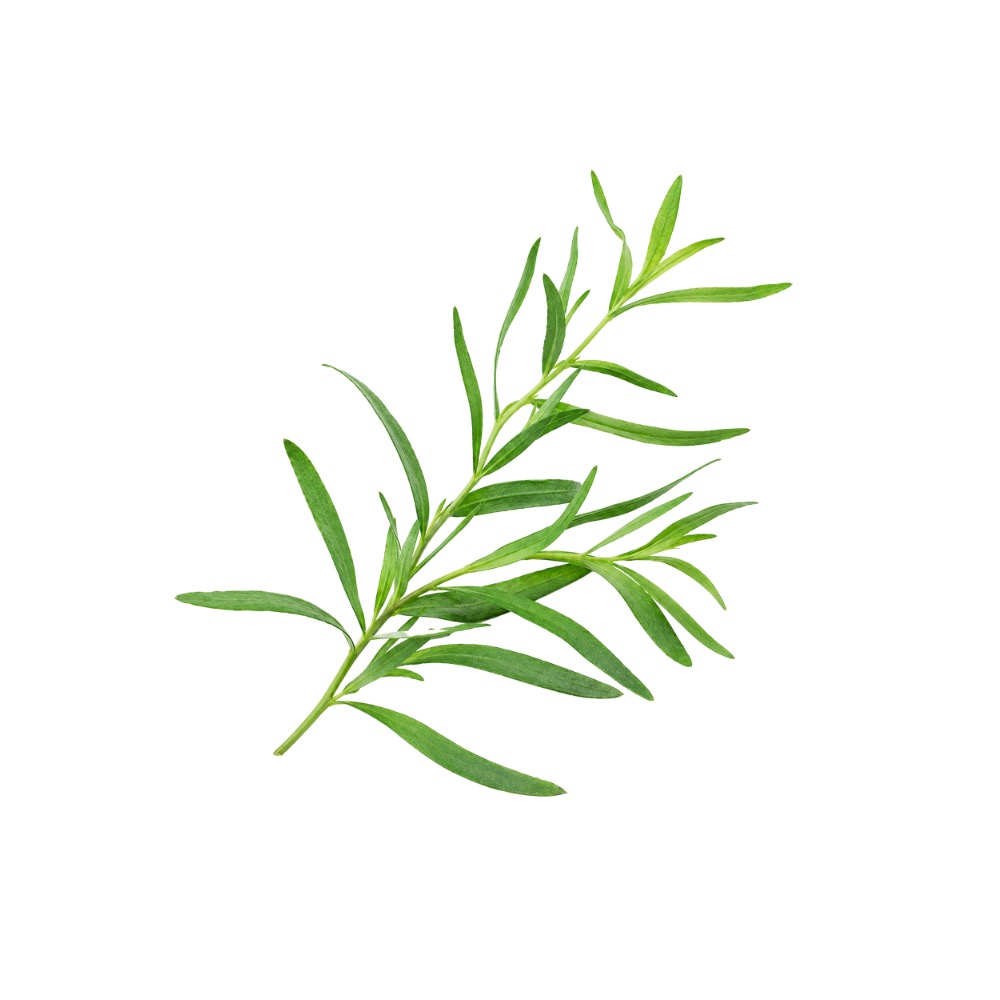 Tarragon Artemisia dracunculus Documented for caffeic acid, chlorogenic acid, rosmarinic acid.
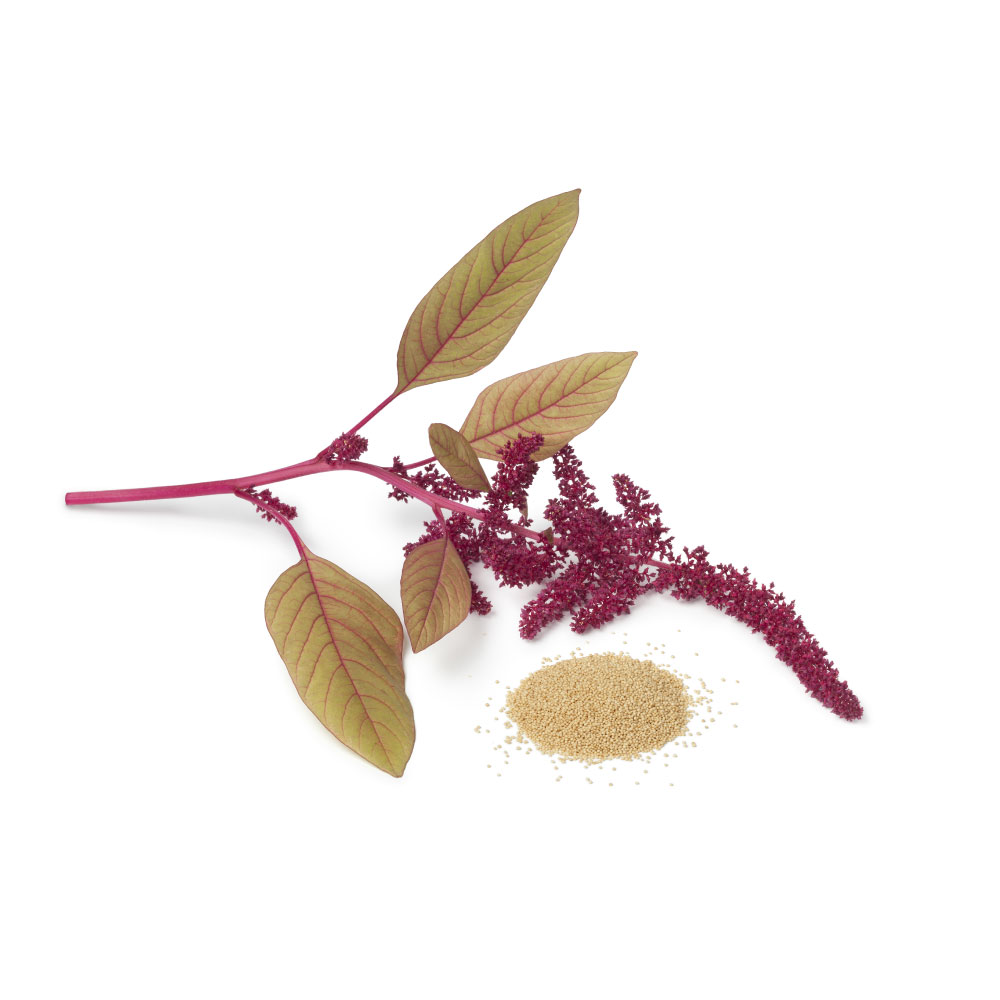 Amaranth Amaranthus blitum Documented for caffeic acid, gallic acid.
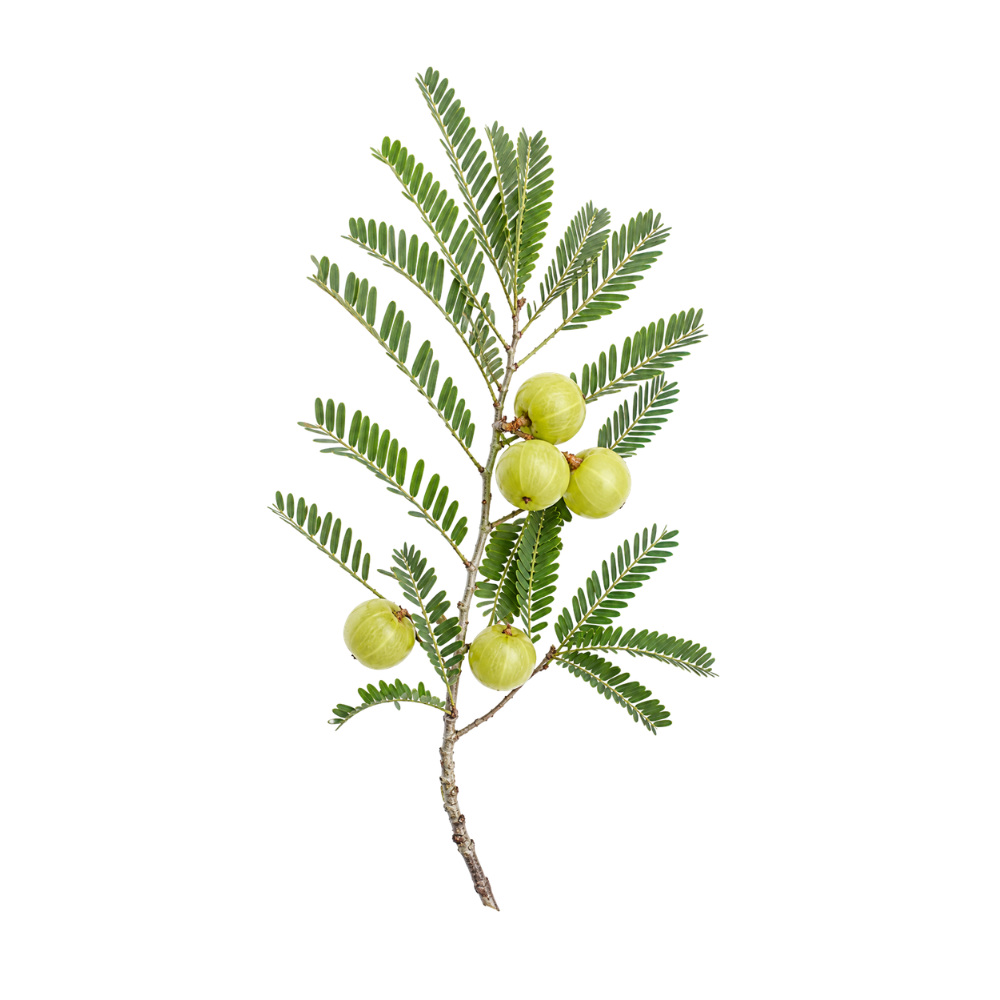 Amla Phyllanthus emblica Documented for gallic acid, pyrogallol.
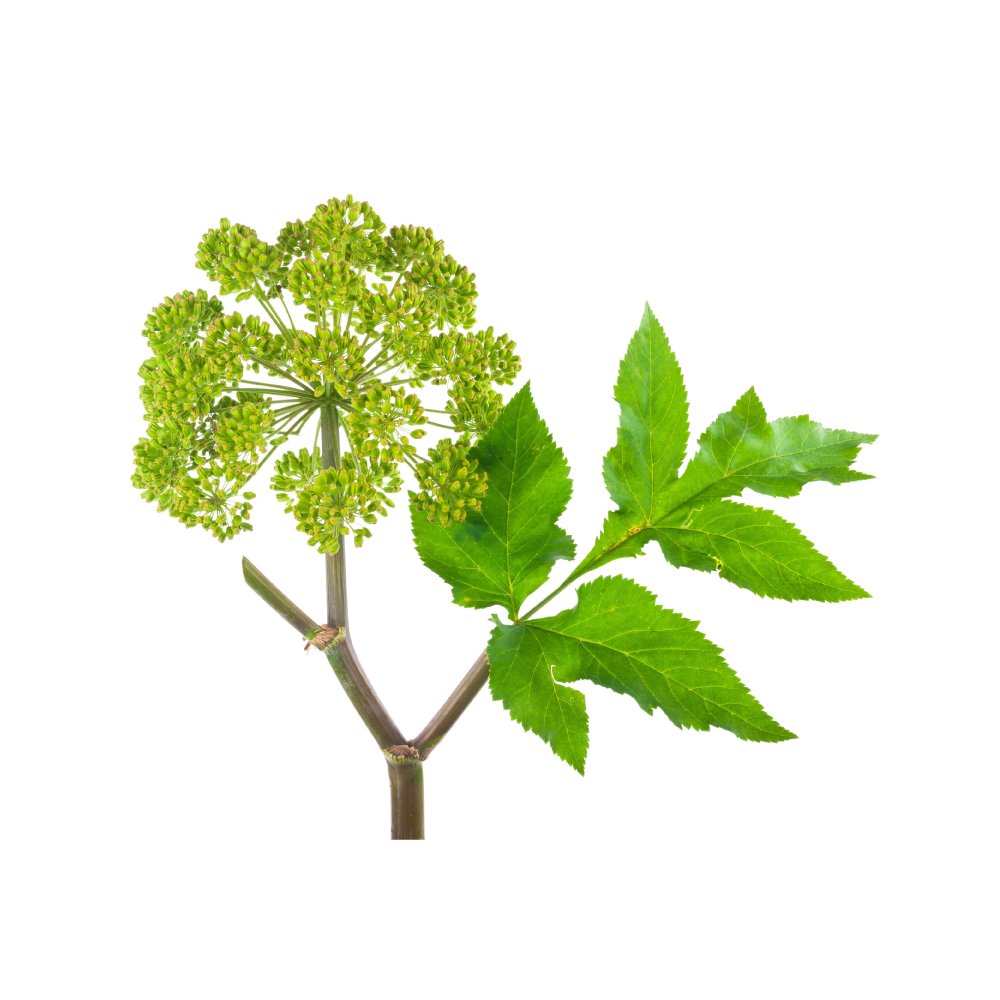 Angelica Angelica archangelica Documented for ferulic acid, phenolic acids.
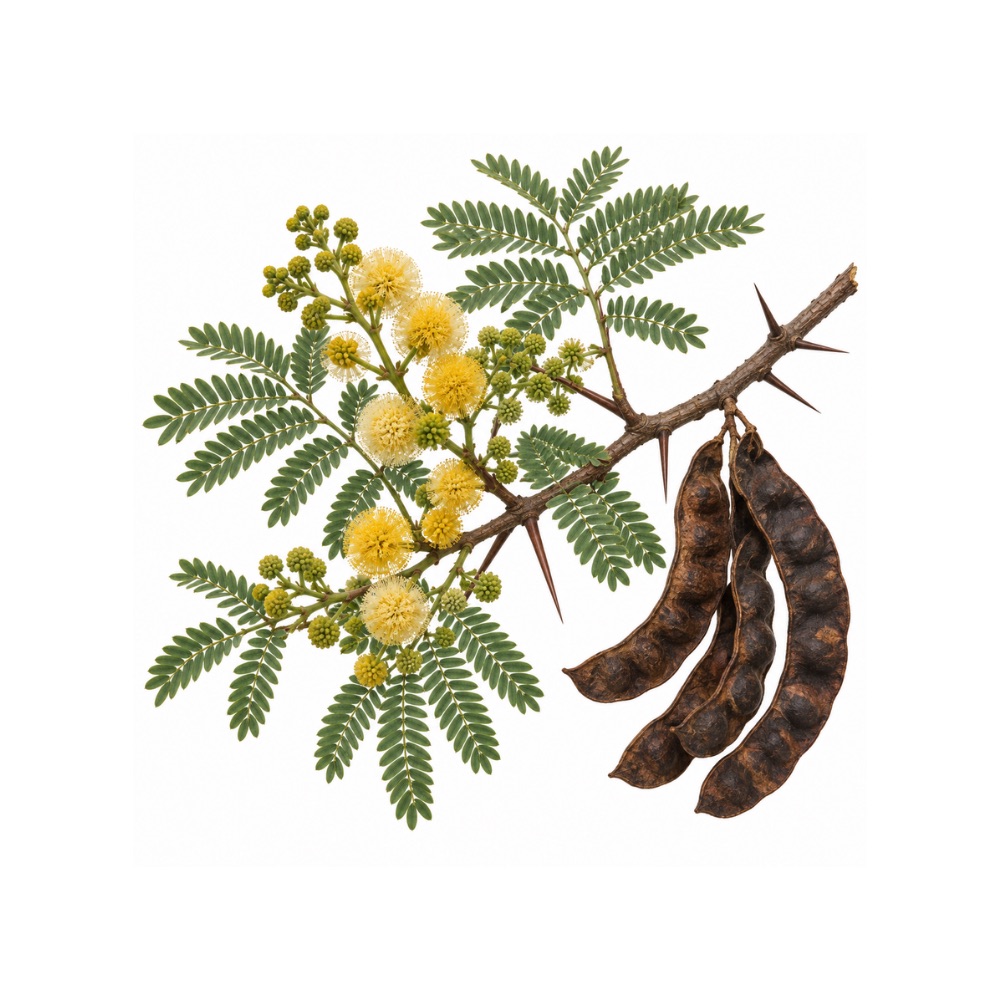 Babul Vachellia nilotica Documented for gallic acid, pyrogallol.
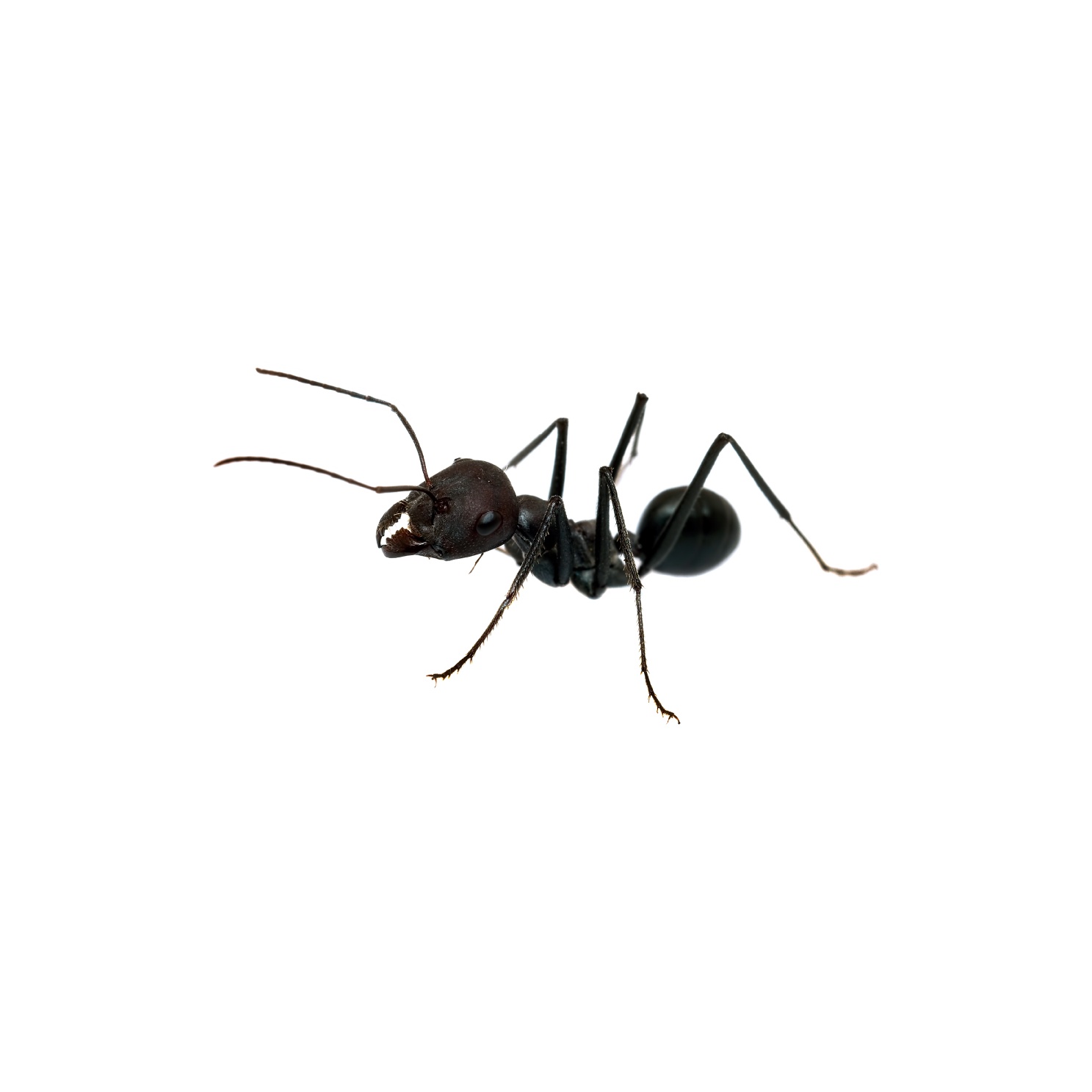 Black Ant Polyrhachis spp. Documented for gallic acid, salicylic acid.
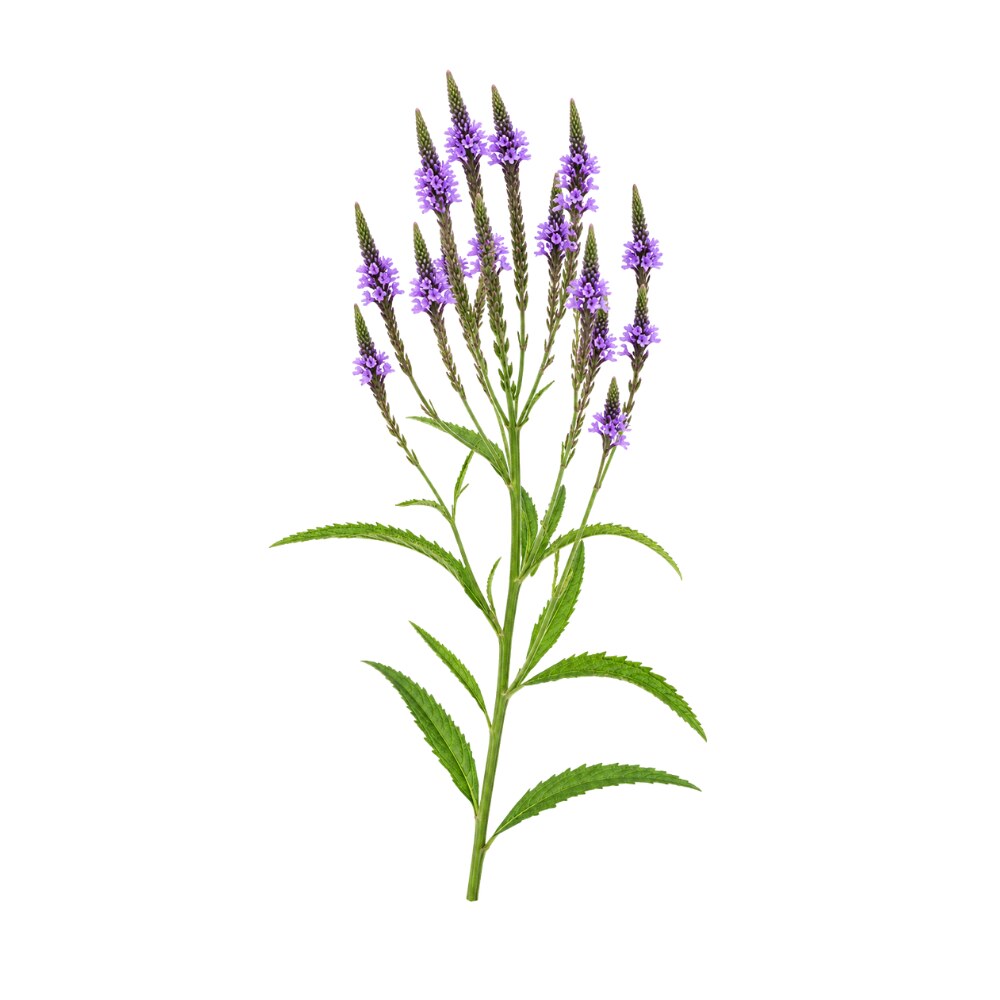 Blue Vervain Verbena hastata Documented for caffeic acid, rosmarinic acid.
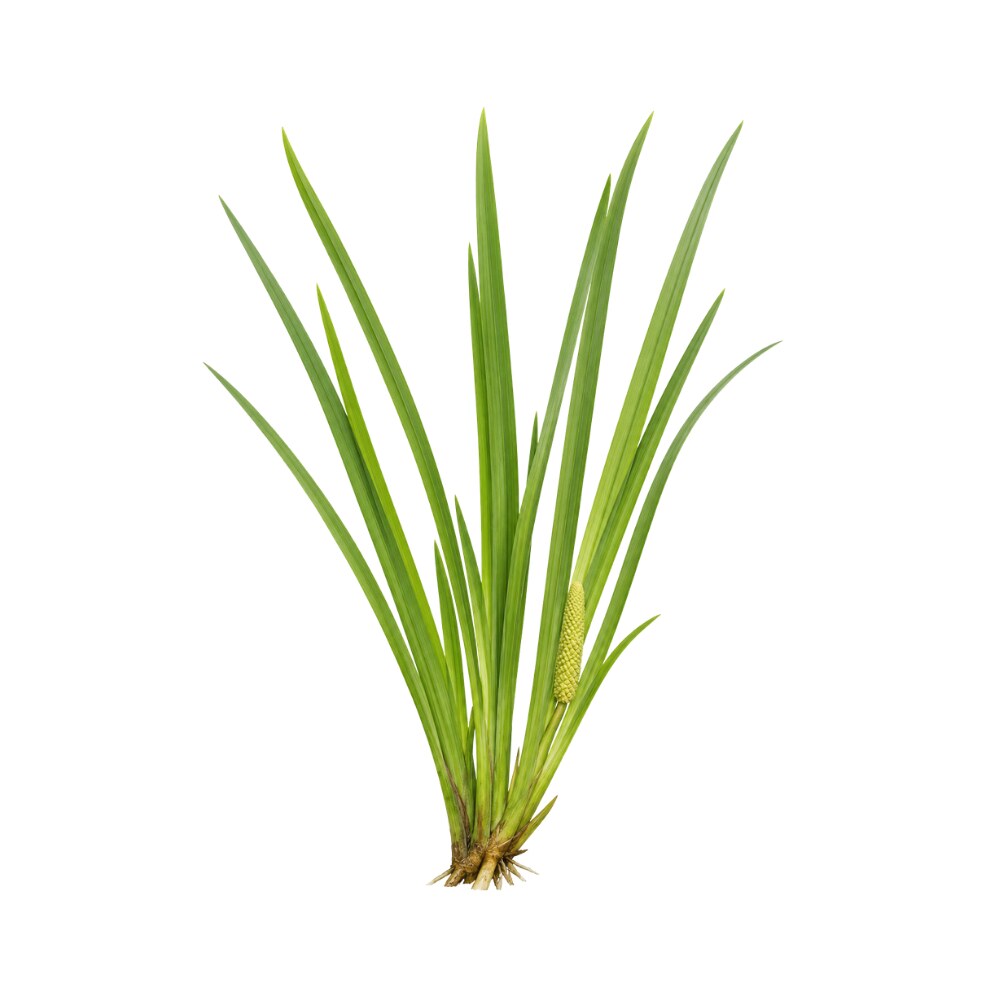 Calamus Acorus calamus Documented for caffeic acid, chlorogenic acid.
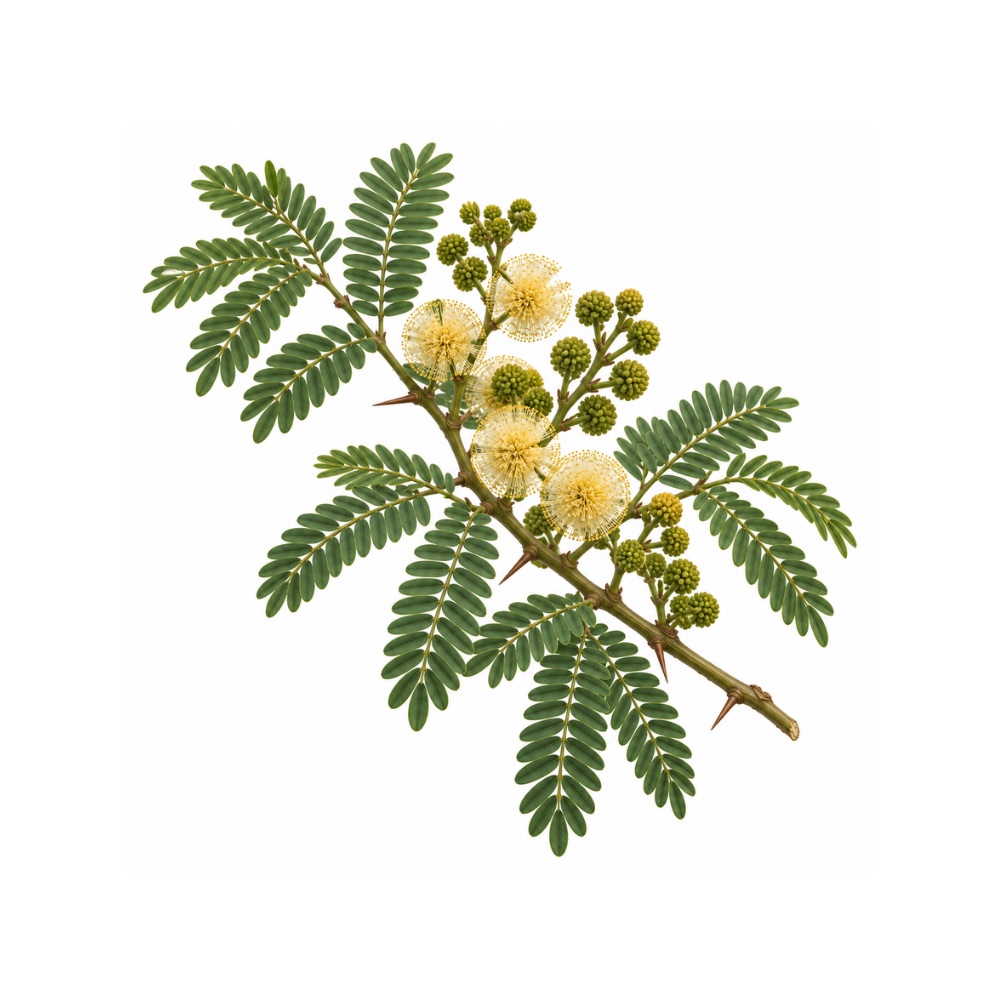 Catechu Senegalia catechu Documented for gallic acid, protocatechuic acid.
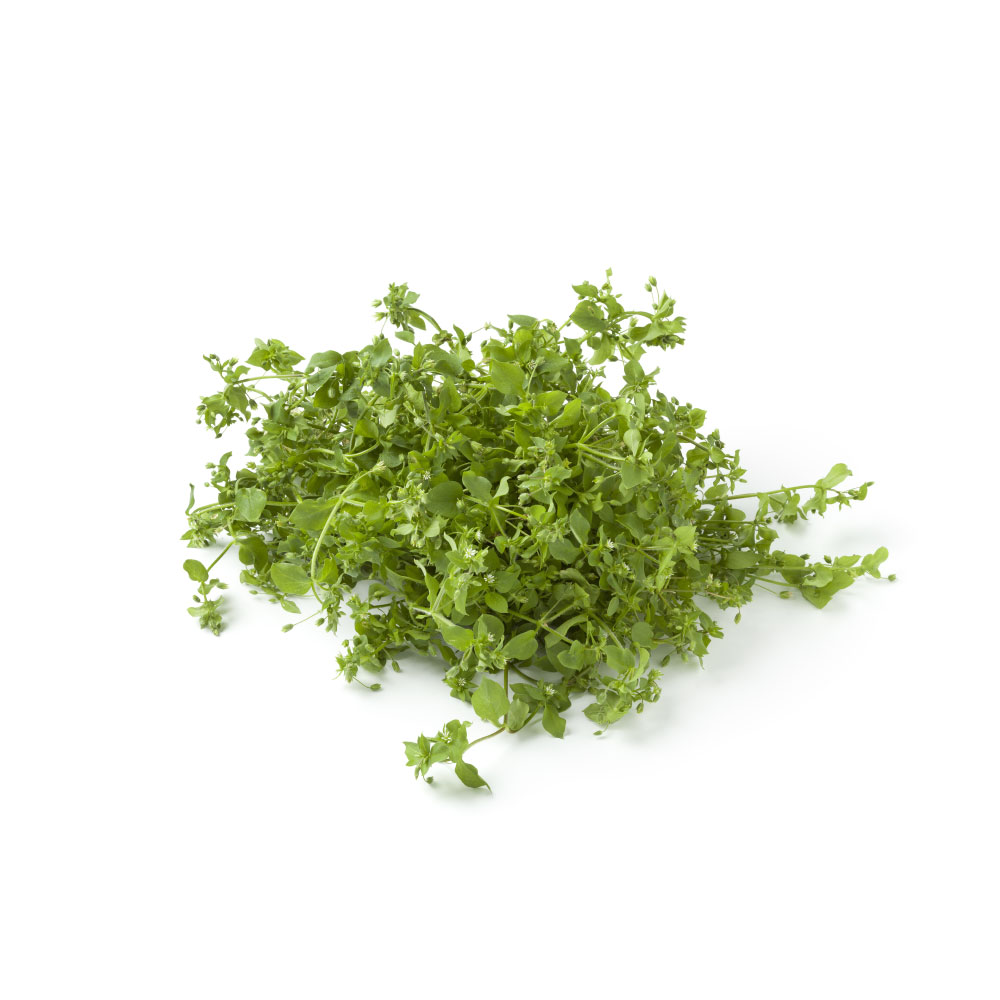 Chickweed Stellaria media Documented for sinapic acid, syringic acid.
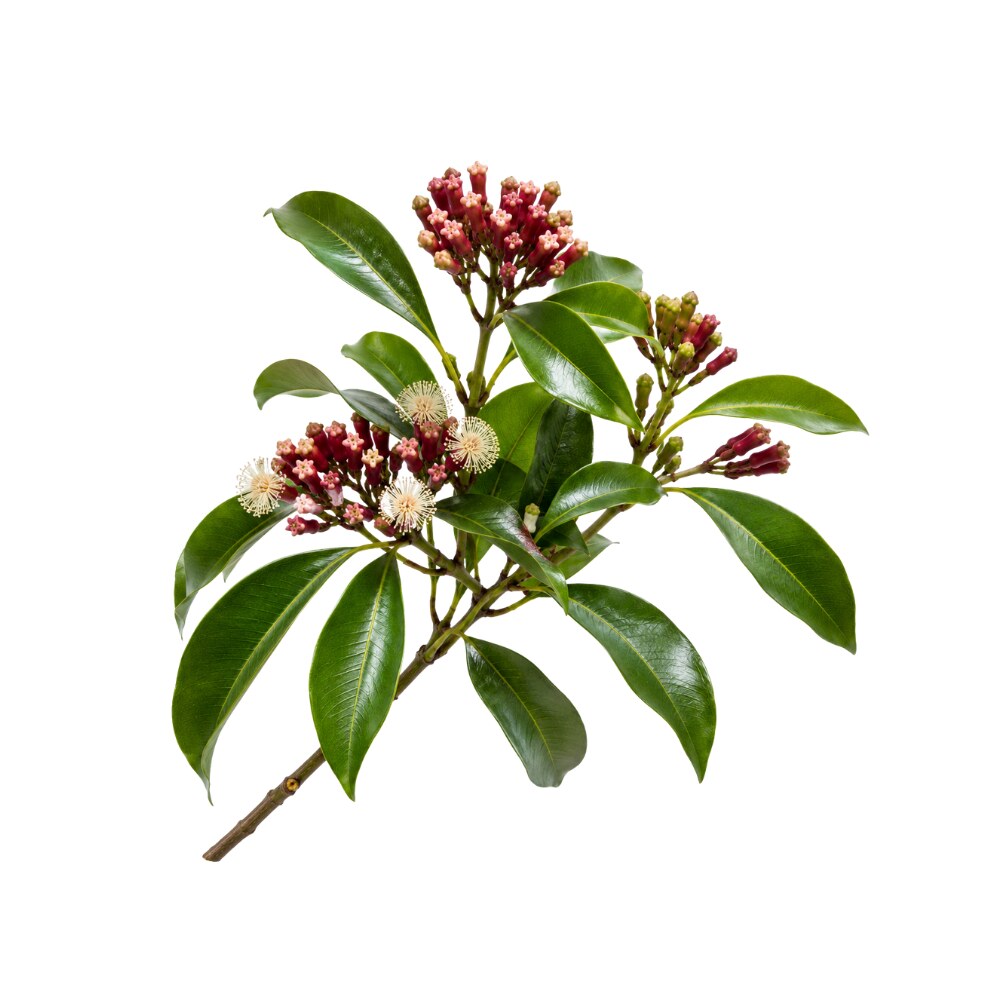 Clove Syzygium aromaticum Documented for caffeic acid, gallic acid.
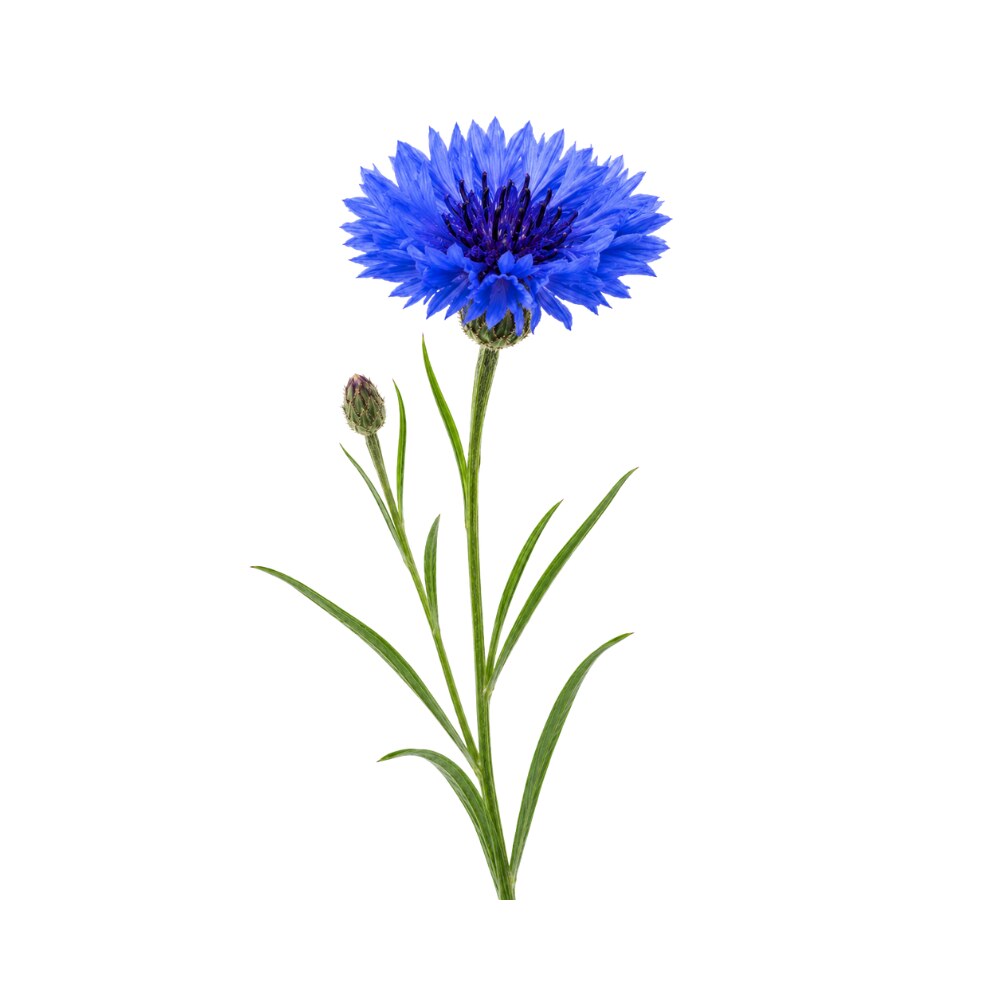 Cornflower Centaurea cyanus Documented for caffeic acid, chlorogenic acid.
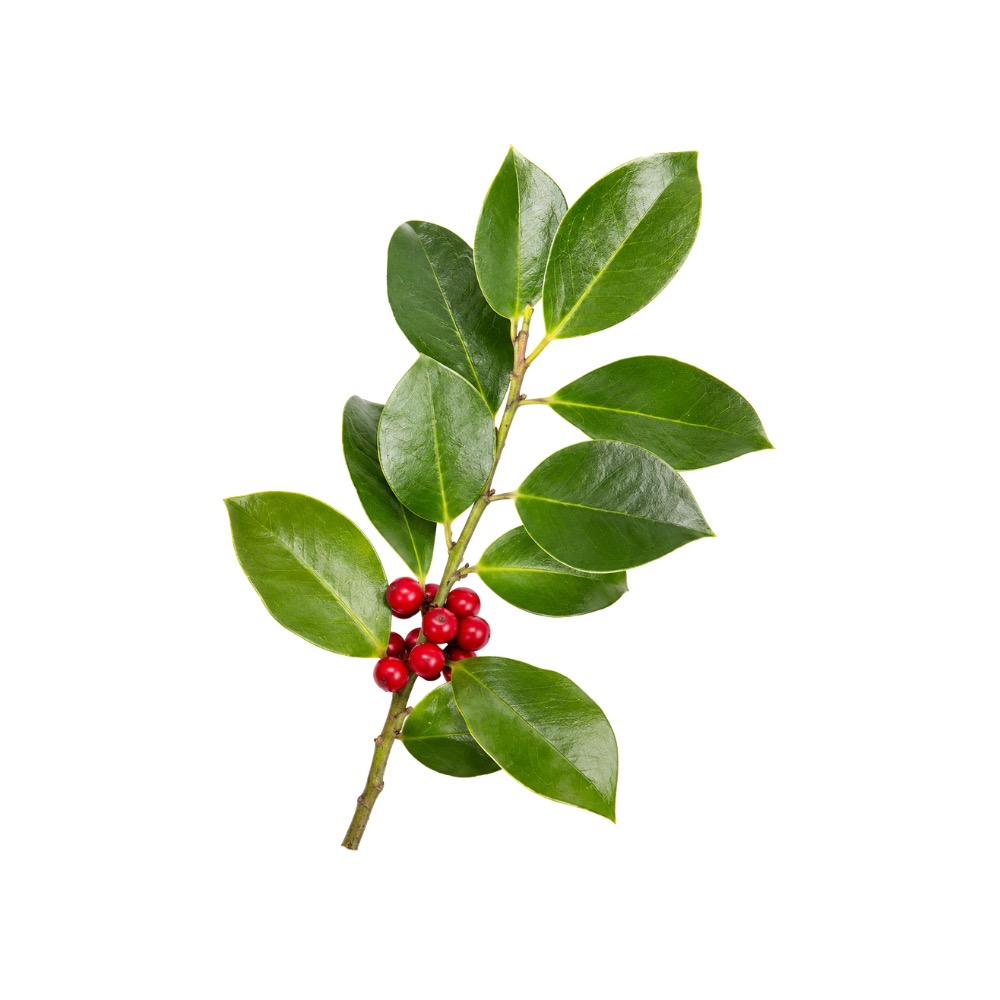 Guayusa Ilex guayusa Documented for caffeic acid, chlorogenic acid.
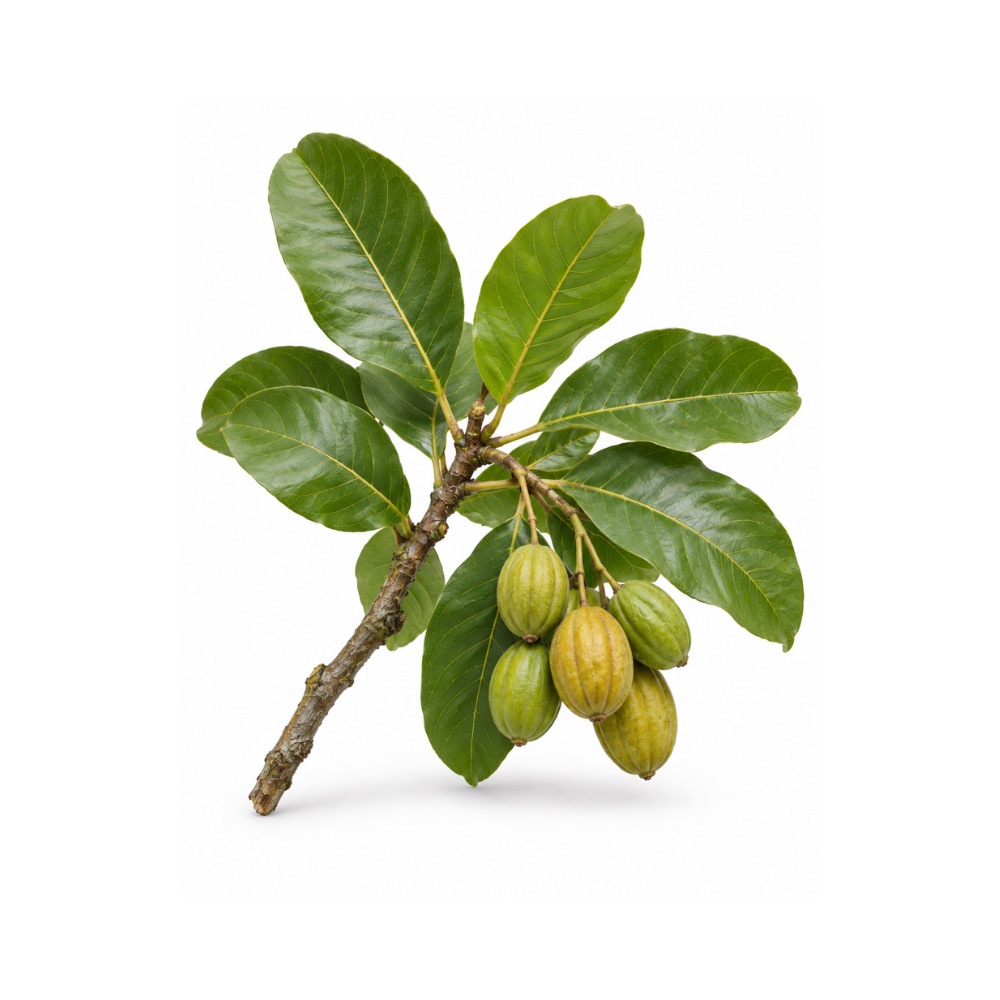 Haritaki Terminalia chebula Documented for chebulic acid, gallic acid.
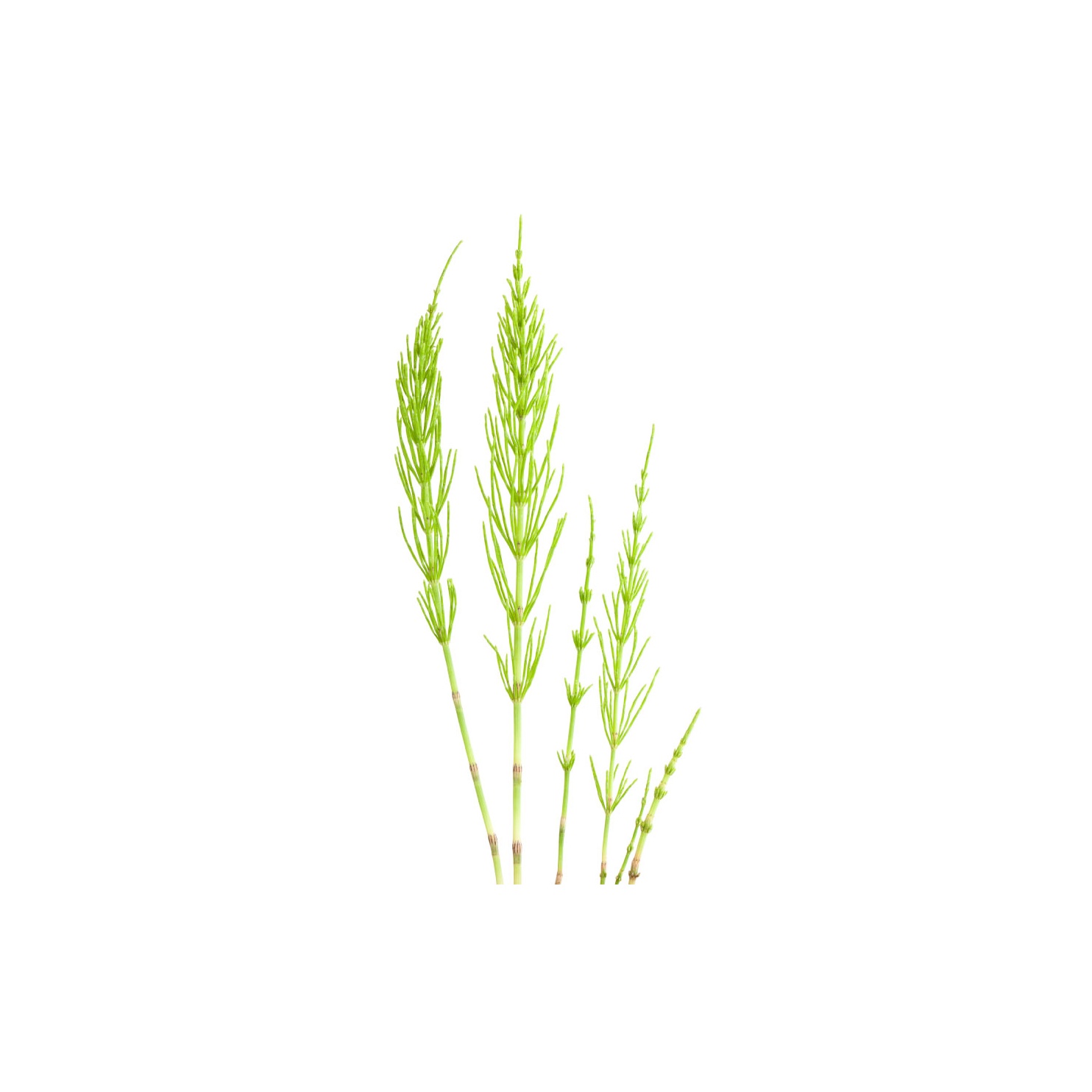 Horsetail Equisetum arvense Documented for caffeic acid, salicylic acid.
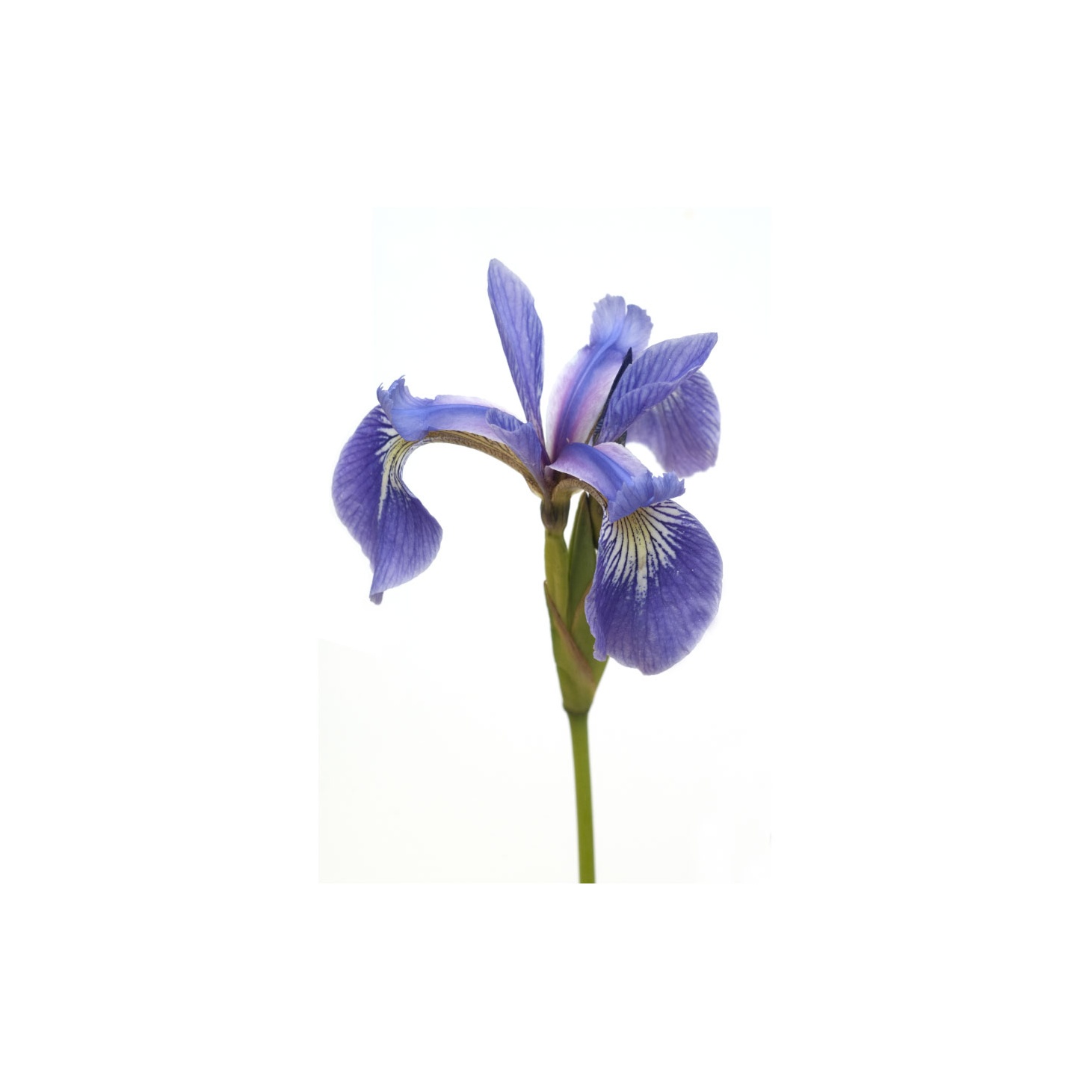 Iris Iris versicolor Documented for isophthalic acid, salicylic acid.
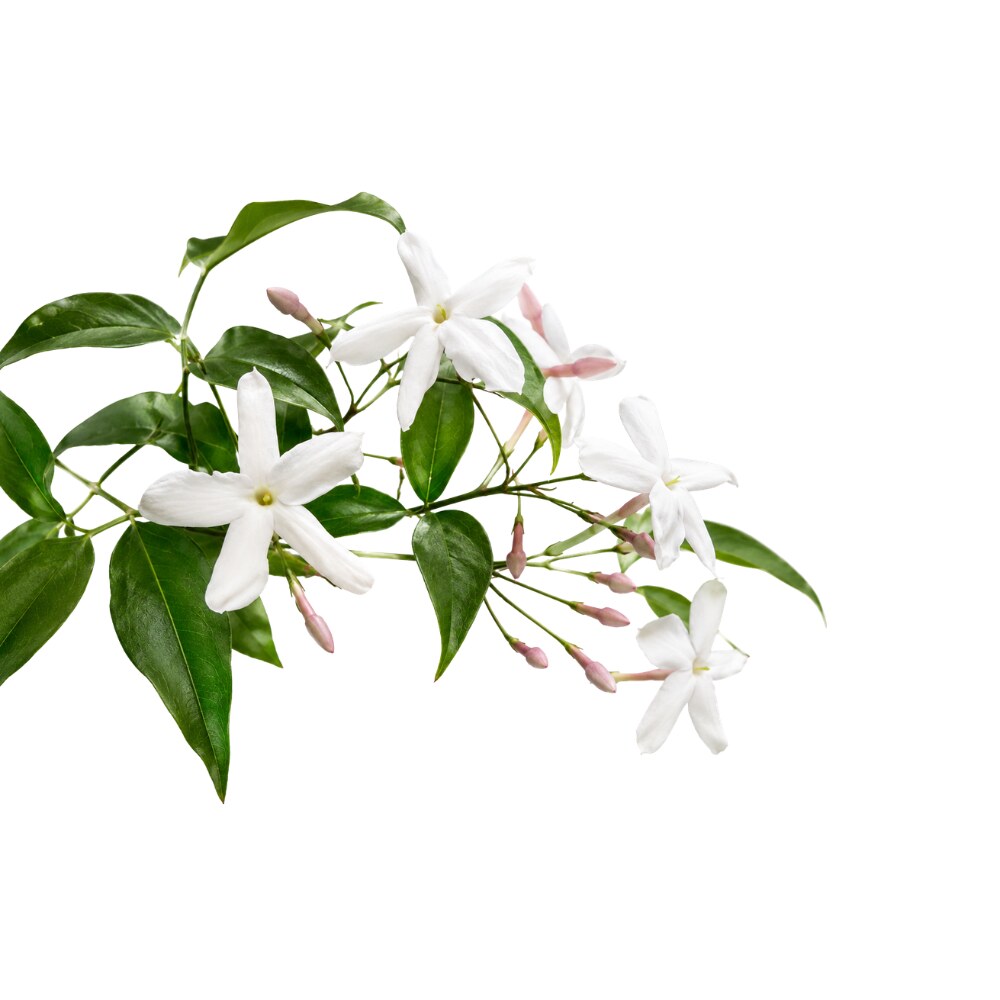 Jasmine Jasminum officinale Documented for caffeic acid, ferulic acid.
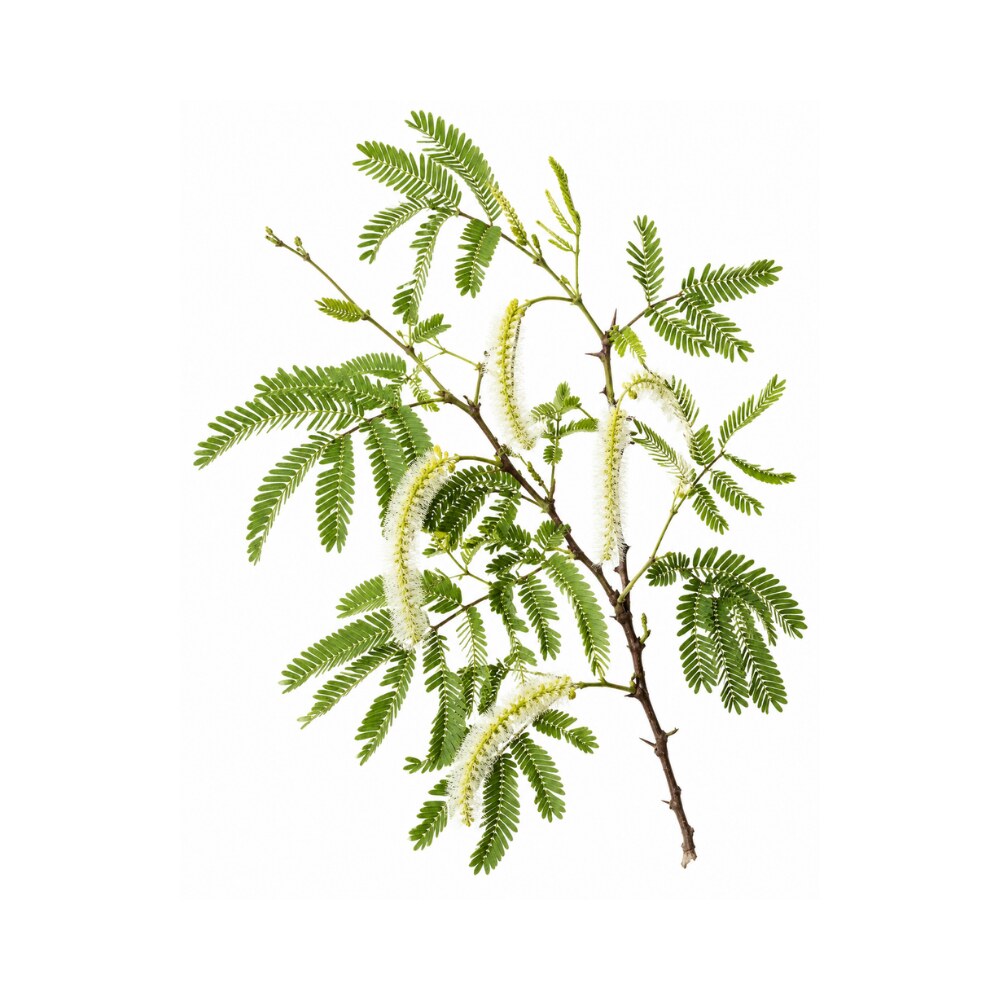 Jurema Mimosa tenuiflora Documented for caffeic acid, gallic acid.
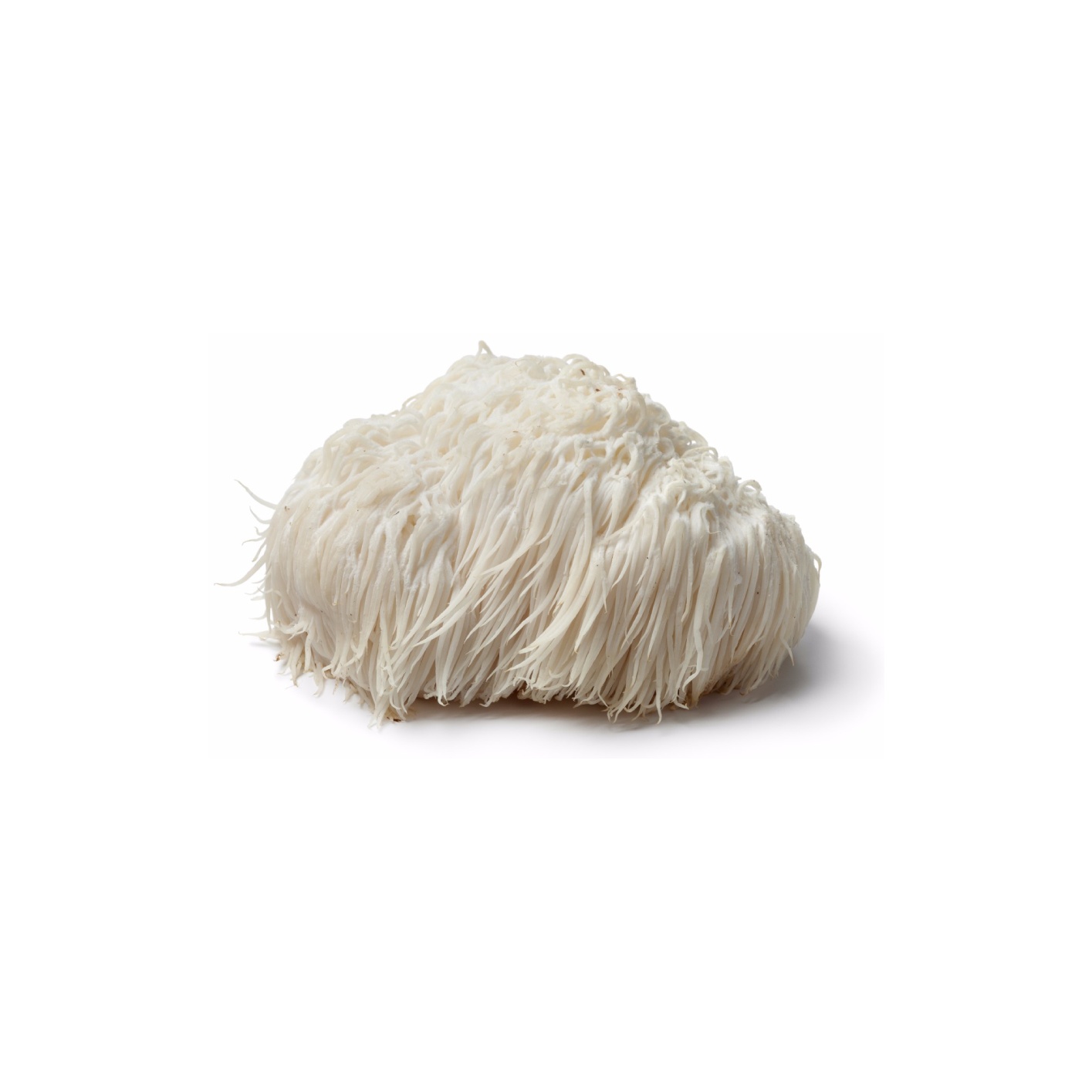 Lion's Mane Hericium erinaceus Documented for hericene A, hericenones.
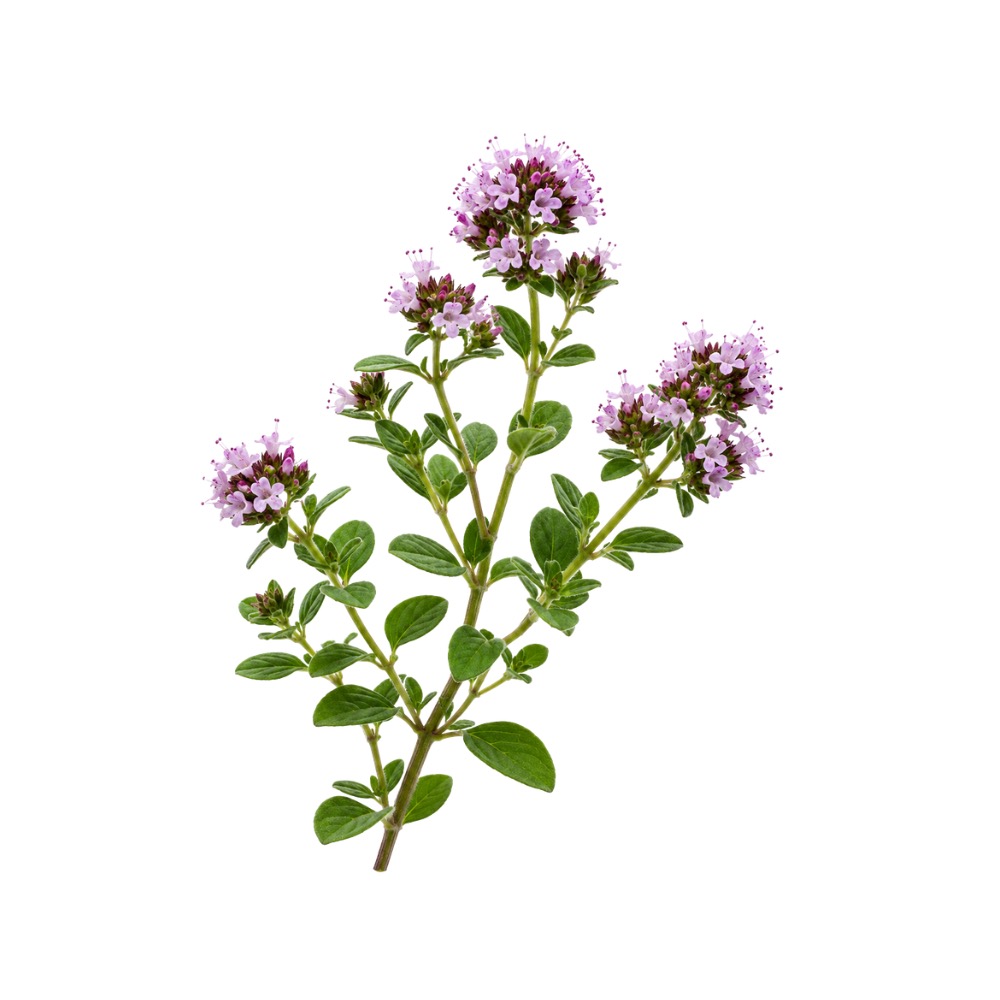 Marjoram Origanum majorana Documented for caffeic acid, rosmarinic acid.
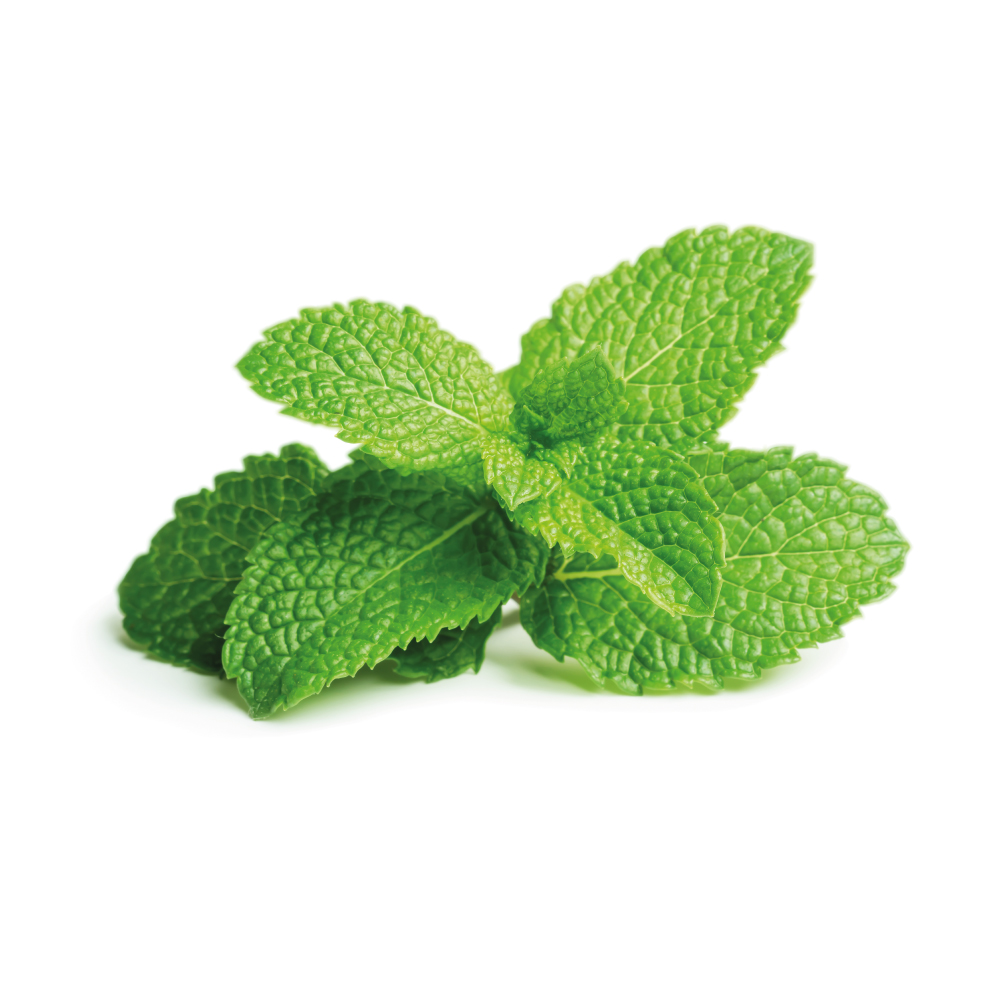 Peppermint Mentha × piperita Documented for rosmarinic acid (17.3 mg/g), phenolic acids.
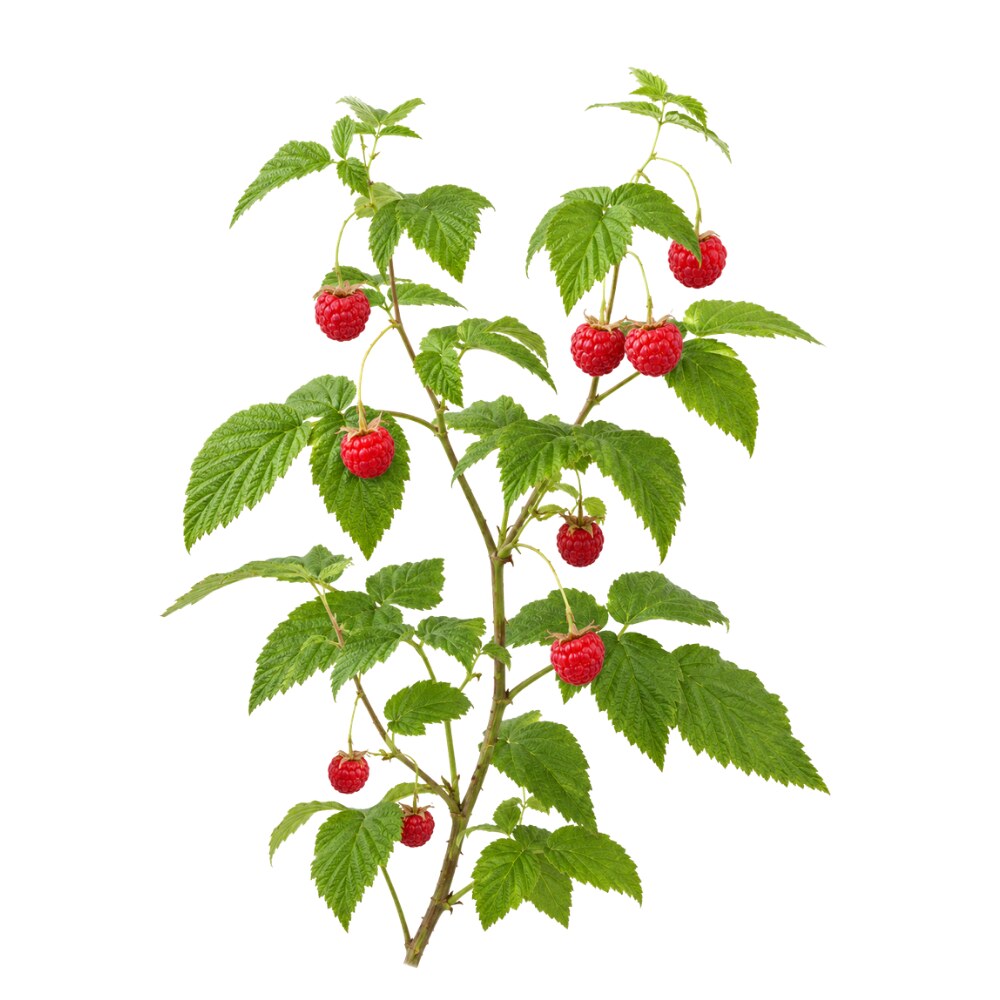 Raspberry Leaf Rubus idaeus Documented for chlorogenic acid, gallic acid.
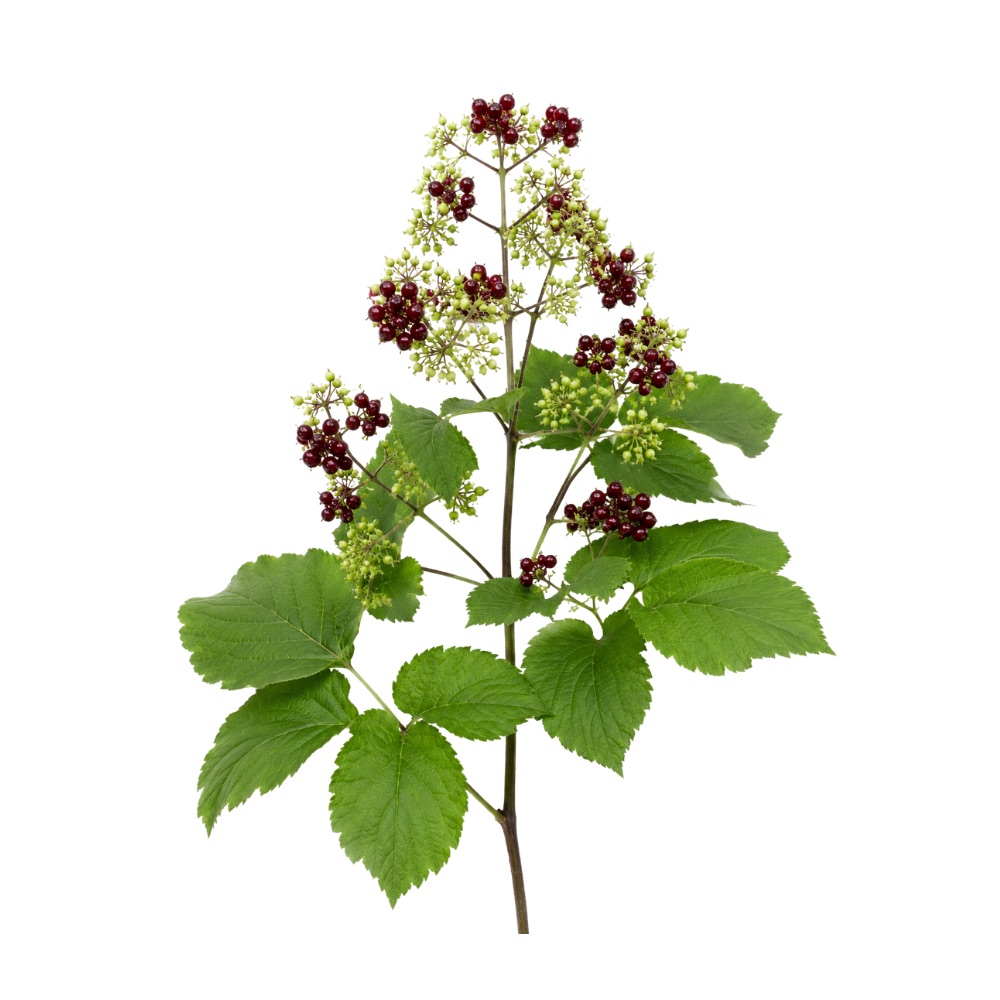 Spikenard Aralia racemosa Documented for 3,5-dicaffeoylquinic acid, chlorogenic acid.
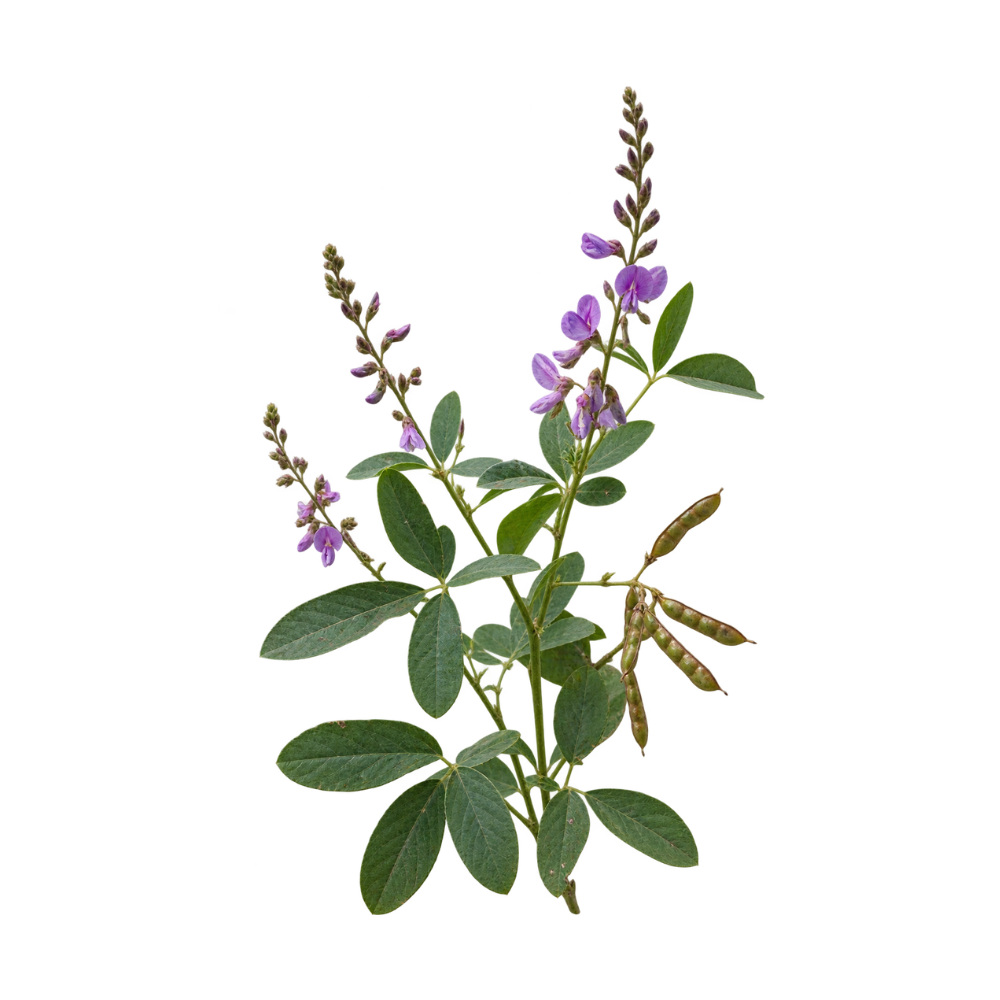 Tick Trefoil Desmodium spp. Documented for caffeic acid, chlorogenic acid.
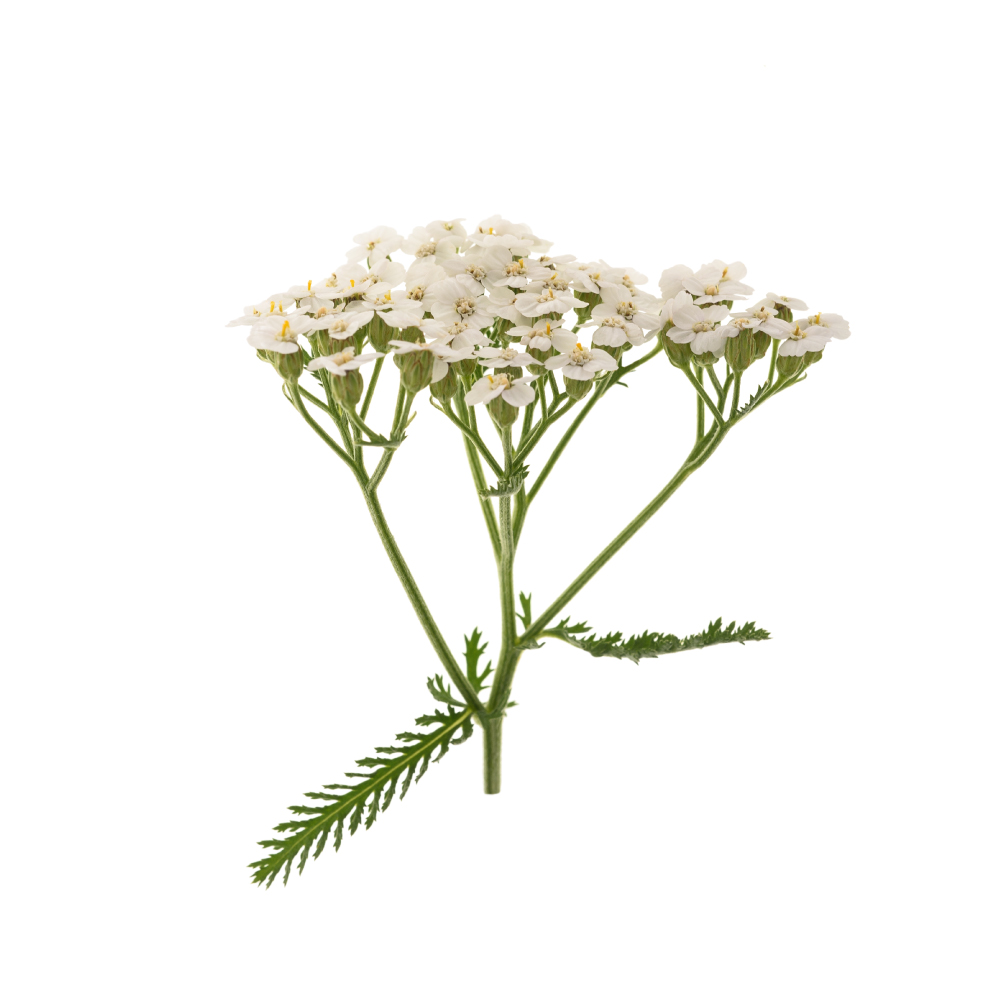 Yarrow Achillea millefolium Documented for chlorogenic acid, rosmarinic acid.
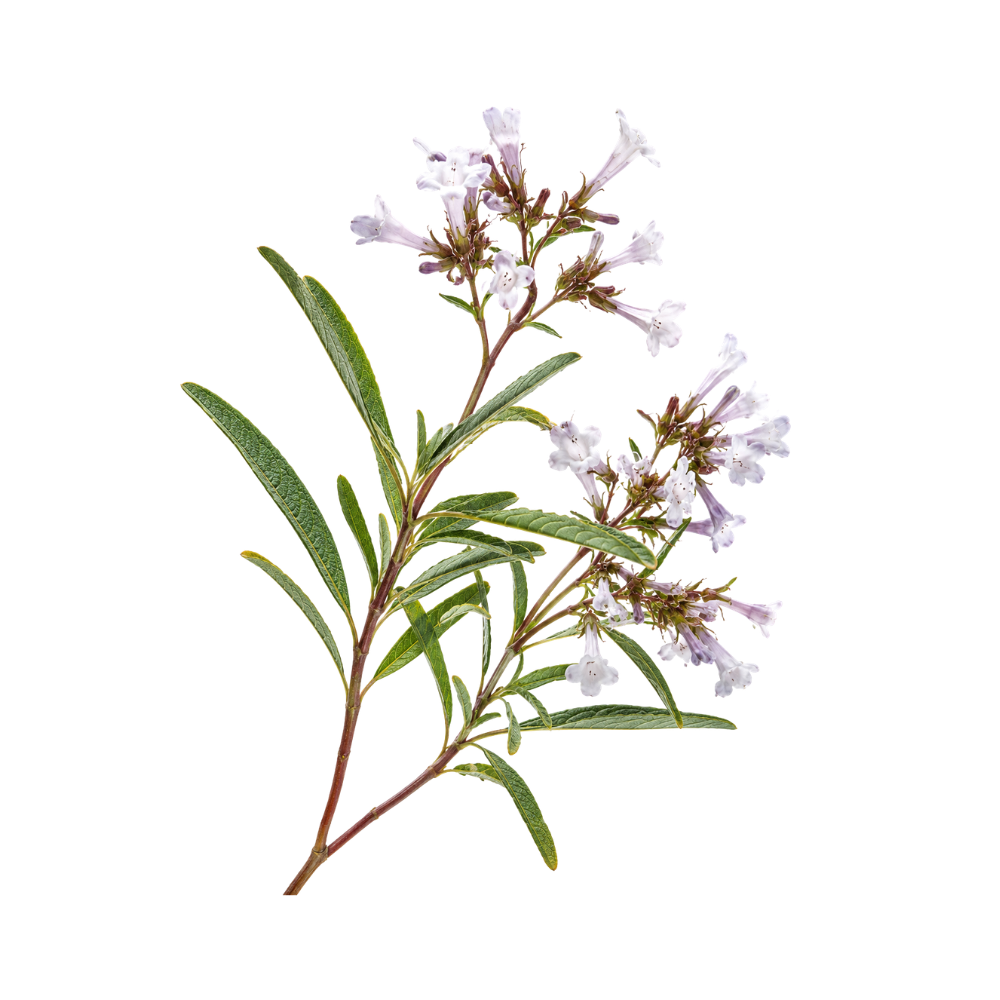 Yerba Santa Eriodictyon californicum Documented for rosmarinic acid (22–53 mg/g), eriolic acid C.
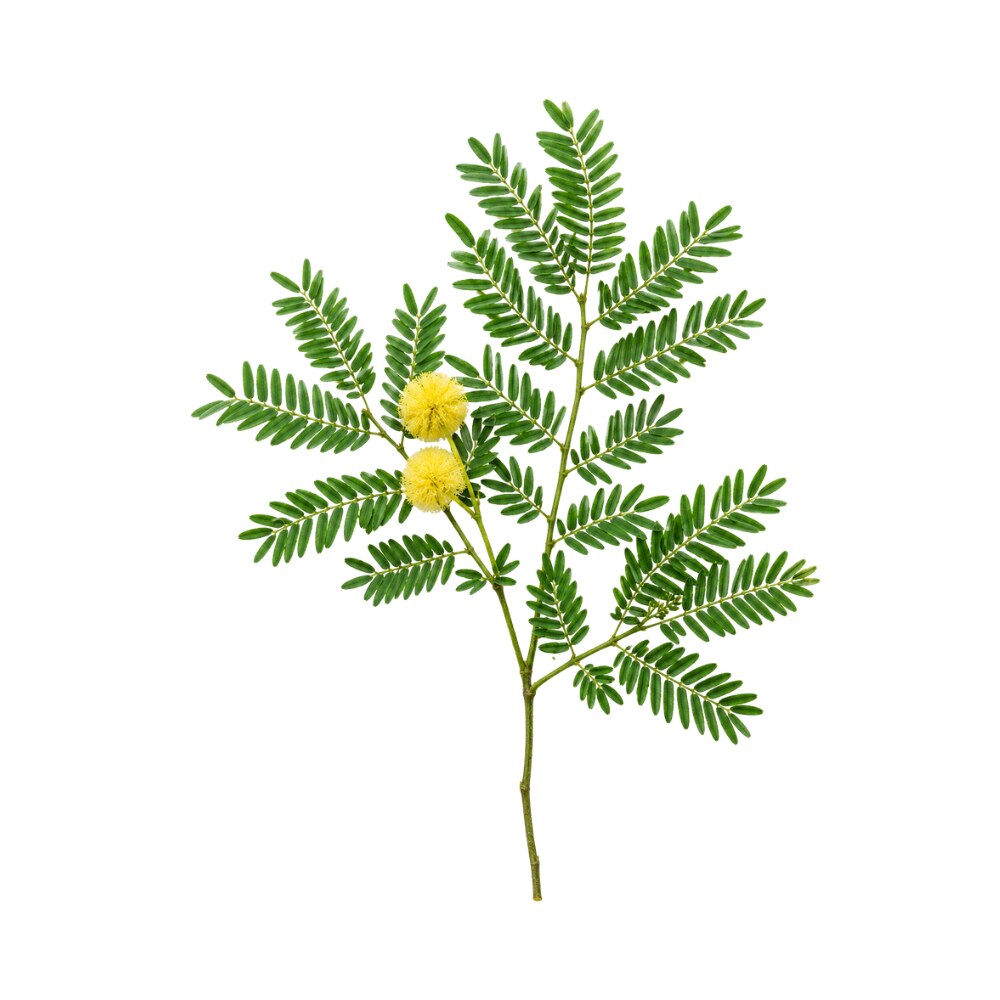 Acacia Acacia, Vachellia & Senegalia spp. Documented for gallic acid.
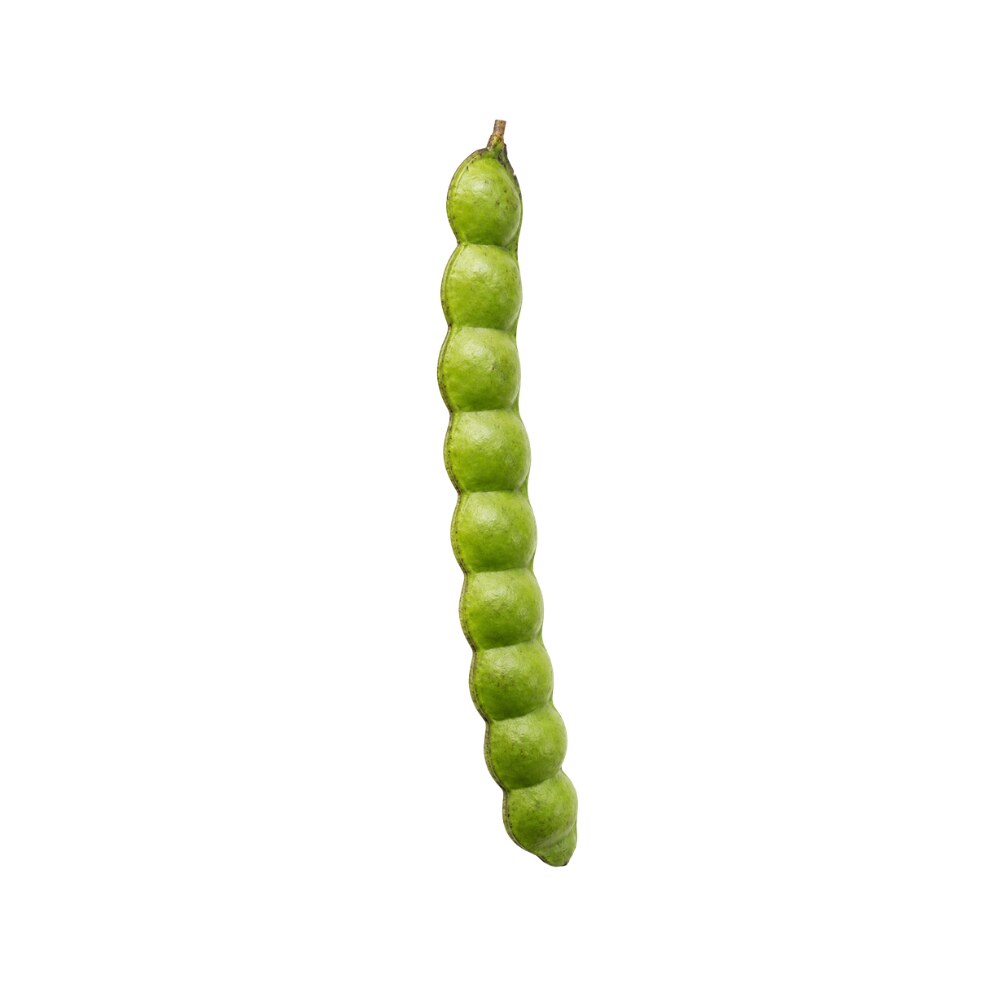 African Dream Herb Entada rheedii Documented for phaseoloidin.
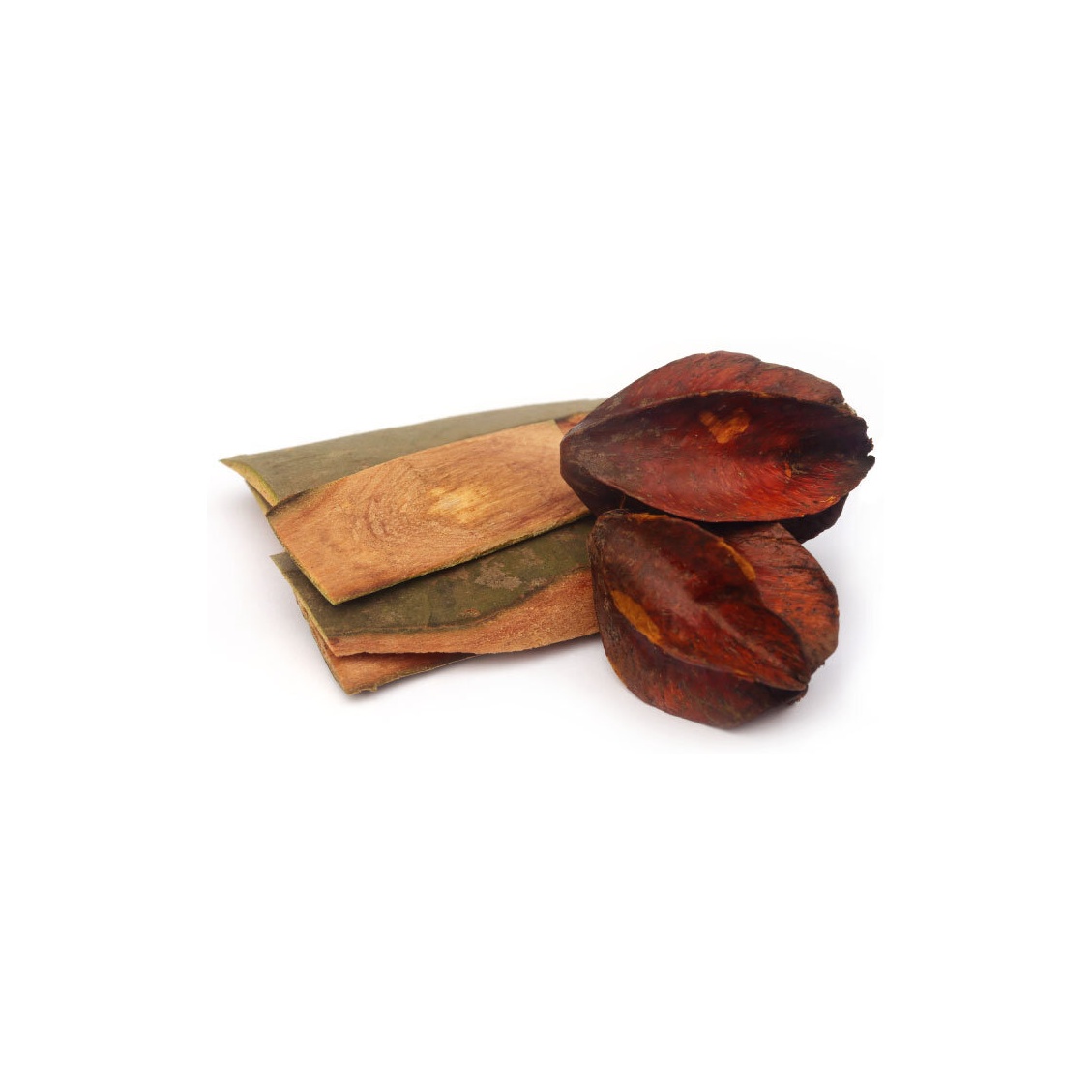 Arjuna Terminalia arjuna Documented for gallic acid.
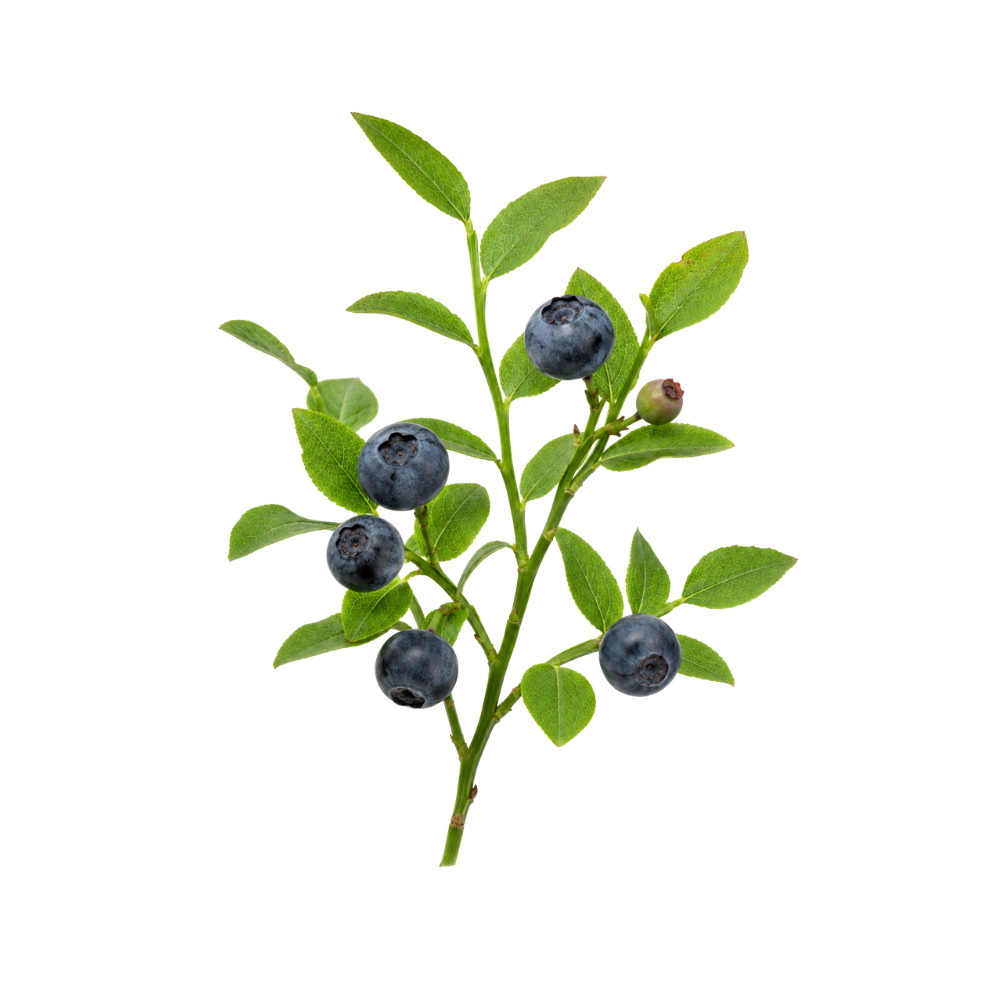 Bilberry Vaccinium myrtillus Documented for chlorogenic acid.
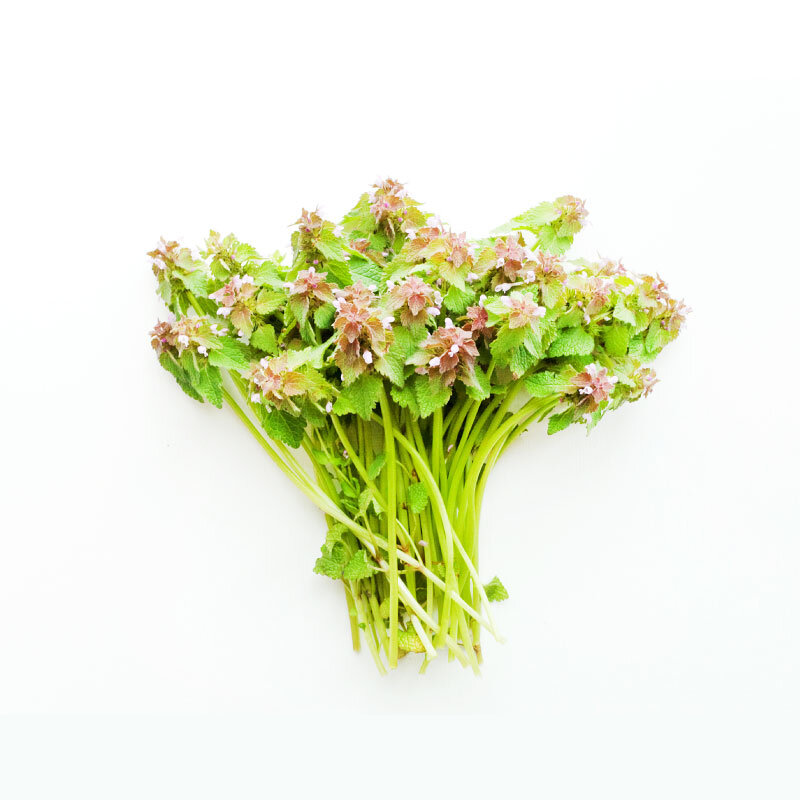 Black Horehound Ballota nigra Documented for caffeoyl-malic acid.
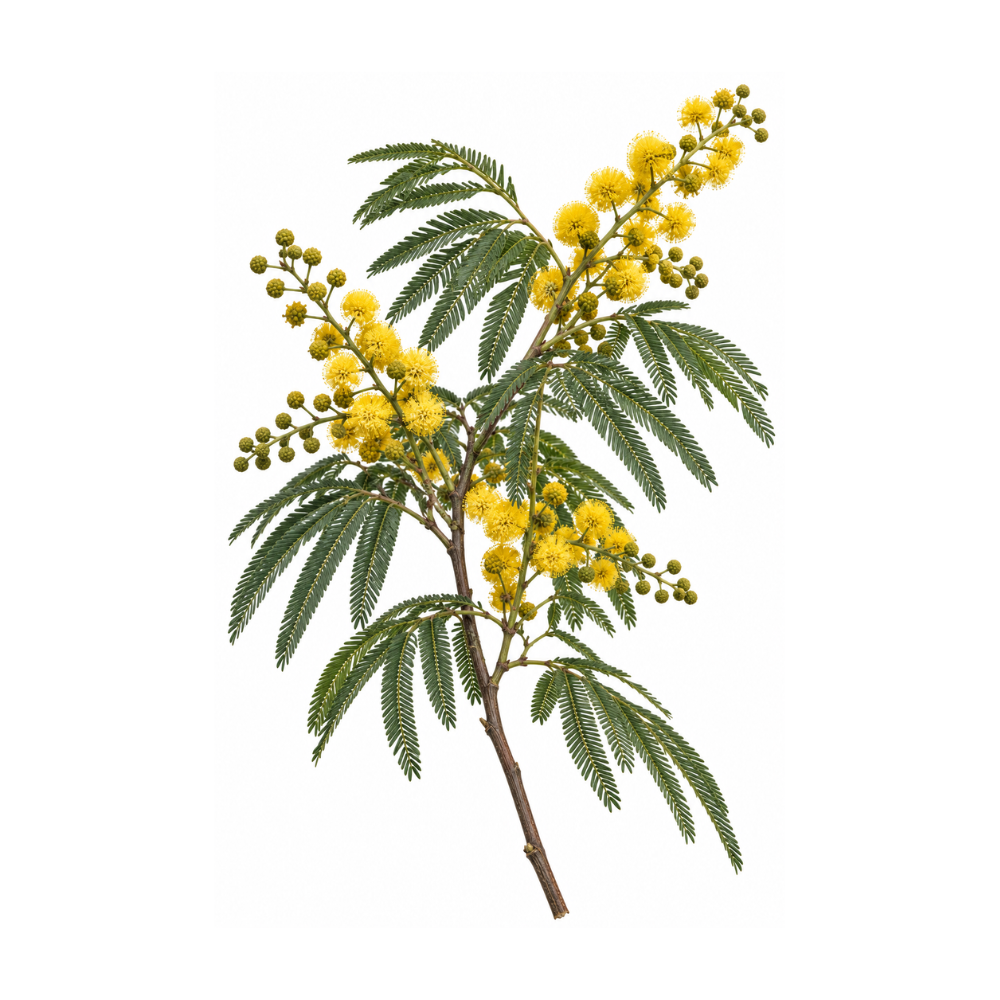 Black Wattle Acacia mearnsii Documented for gallic acid.
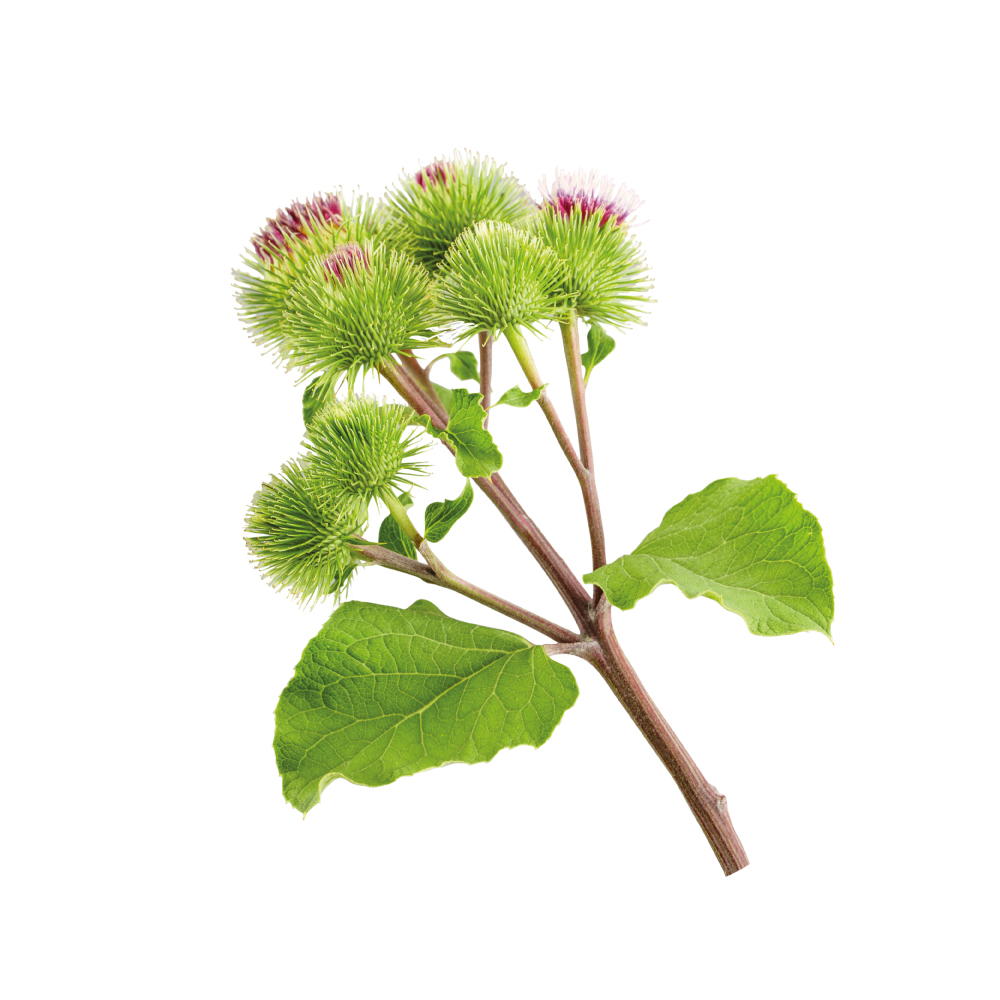 Burdock Arctium lappa Documented for chlorogenic acid.
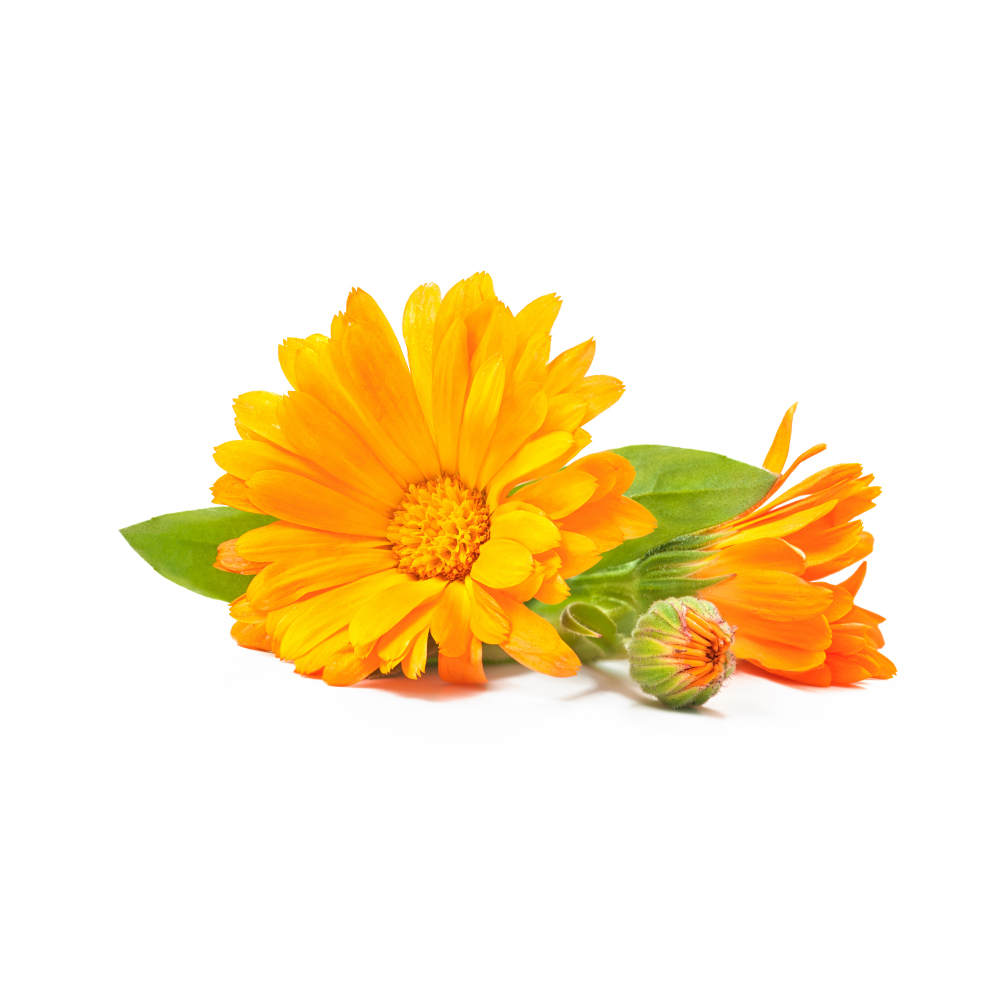 Calendula Calendula officinalis Documented for chlorogenic acid. Cassia Cinnamon Cinnamomum cassia Documented for cinnamic acid.
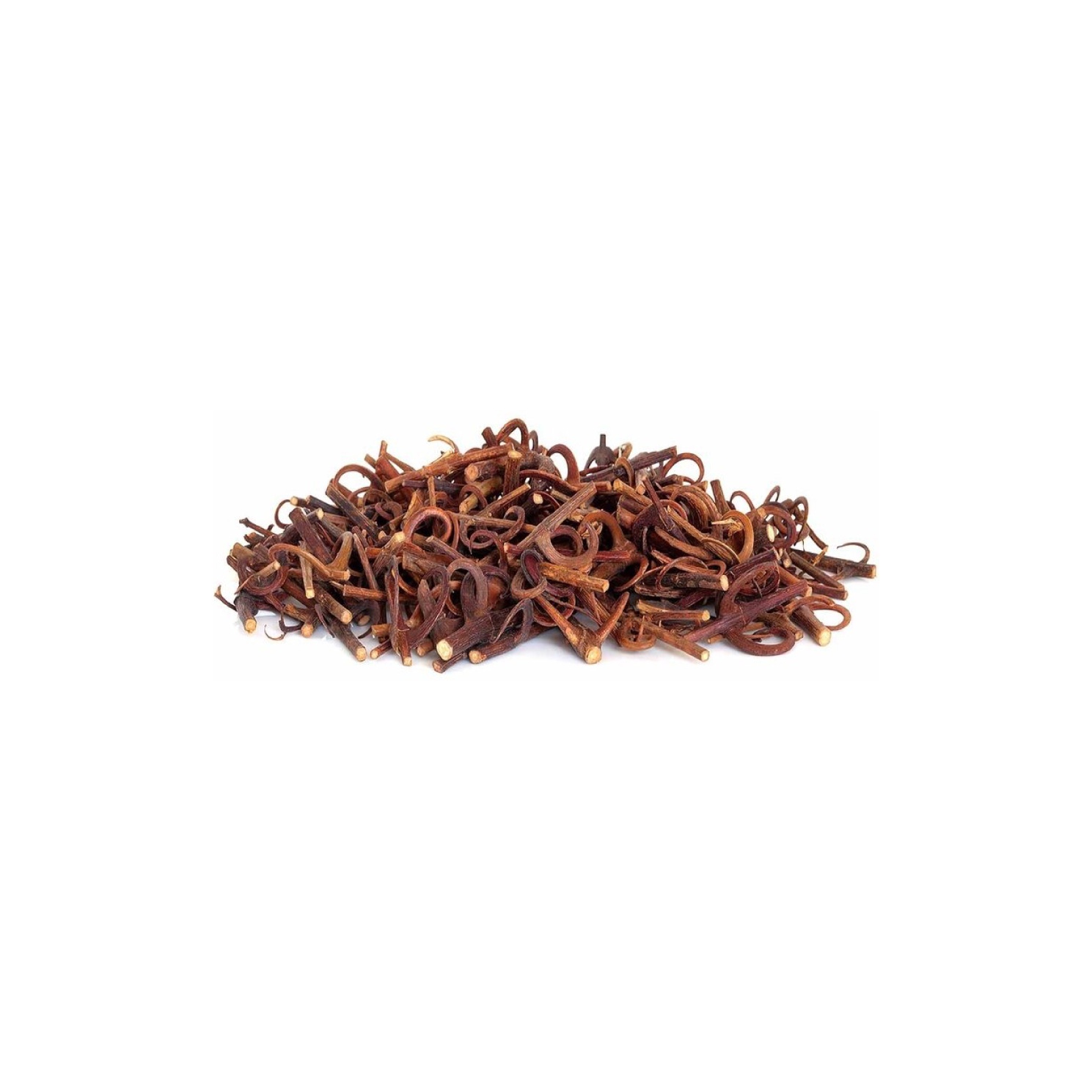 Cat's Claw Uncaria tomentosa Documented for chlorogenic acid.
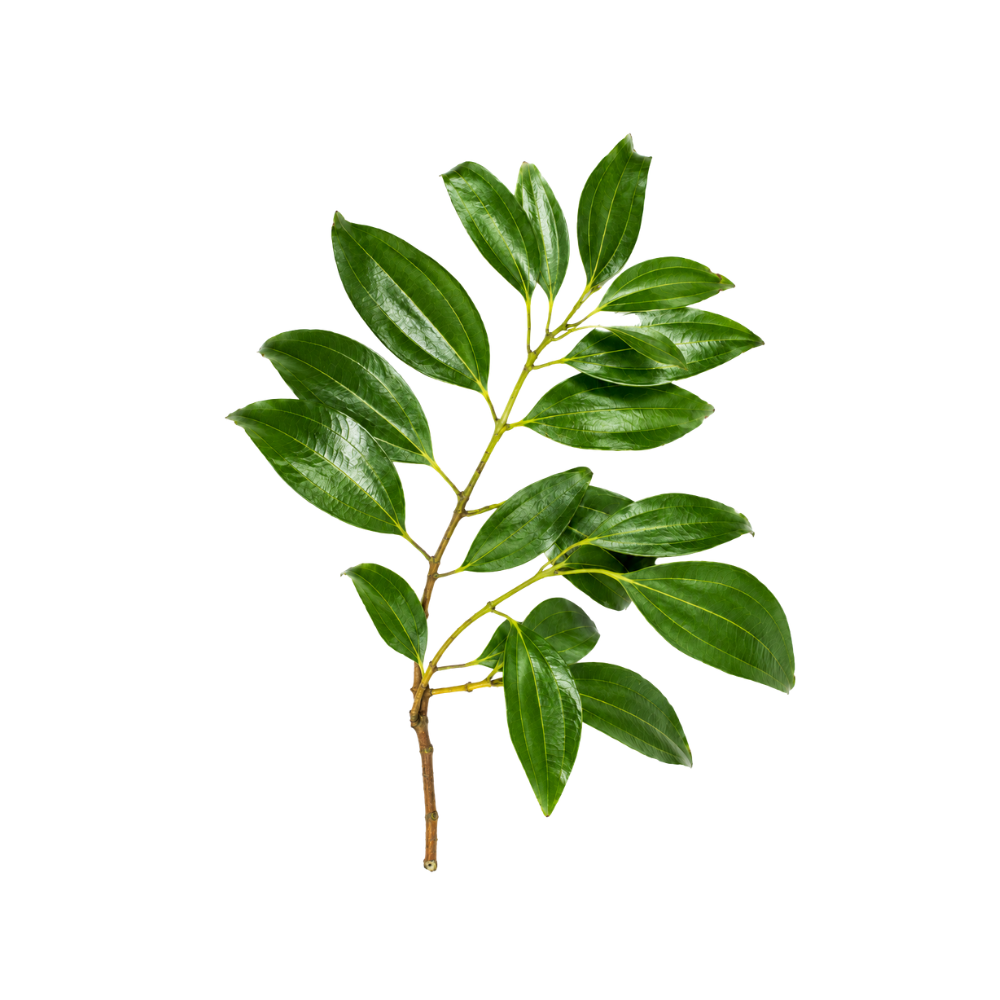 Ceylon Cinnamon Cinnamomum verum Documented for cinnamic acid.
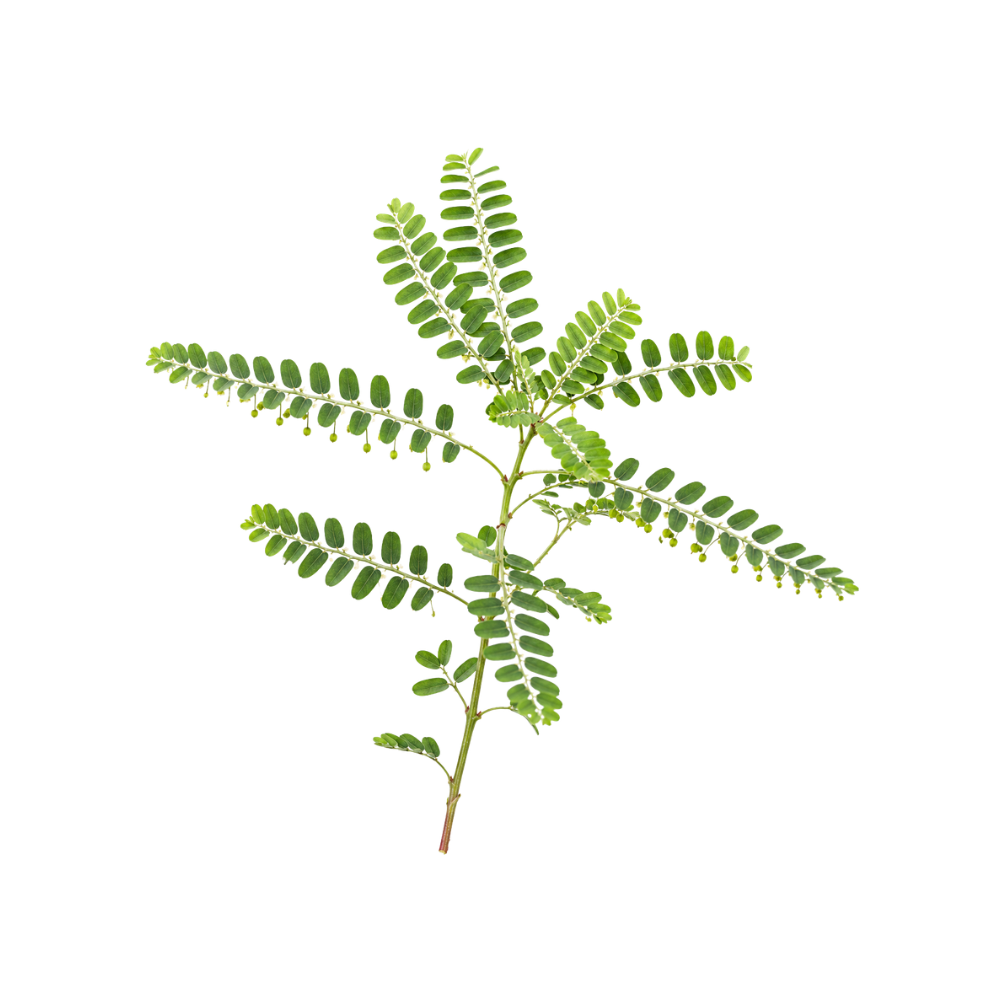 Chanca Piedra Phyllanthus niruri Documented for gallic acid.
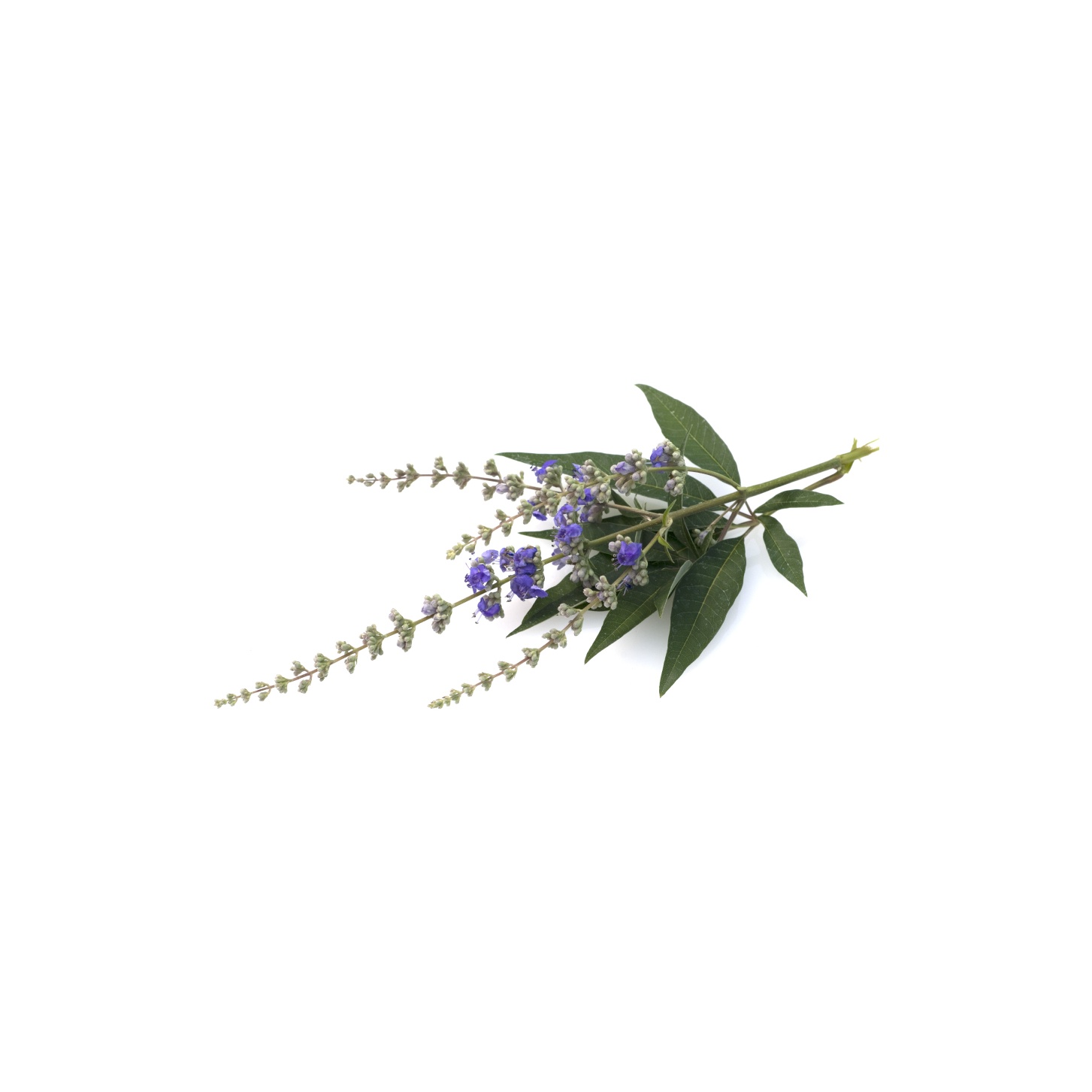 Chaste Tree Vitex agnus-castus Documented for phenolic acids.
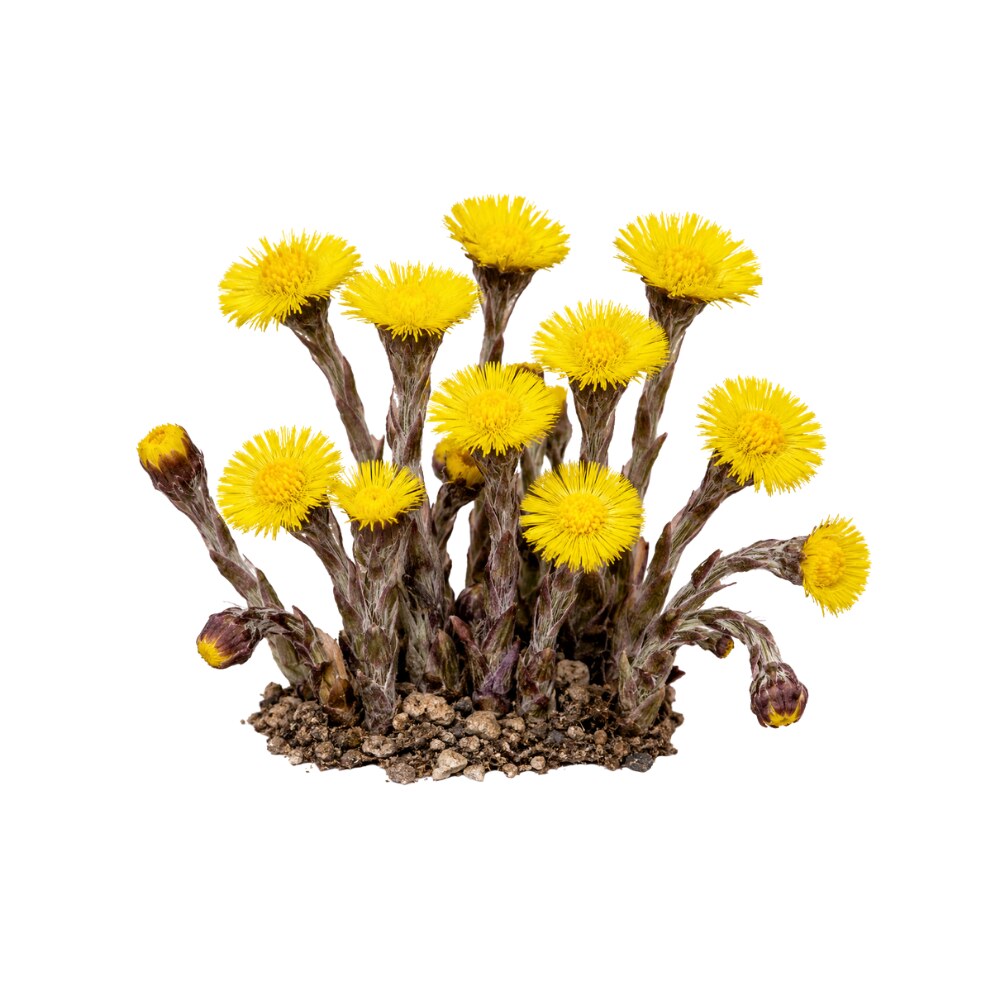 Coltsfoot Tussilago farfara Toxic Documented for chlorogenic acid.
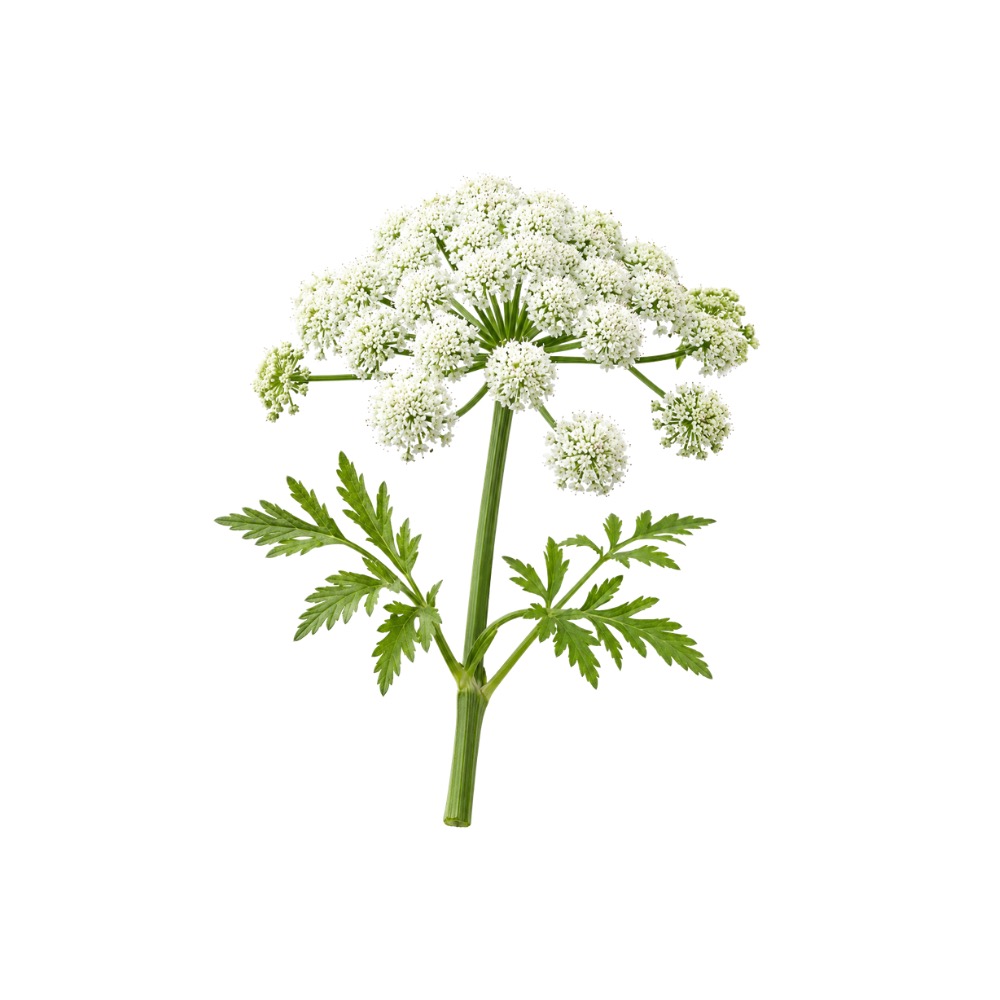 Dong Quai Angelica sinensis Documented for ferulic acid.
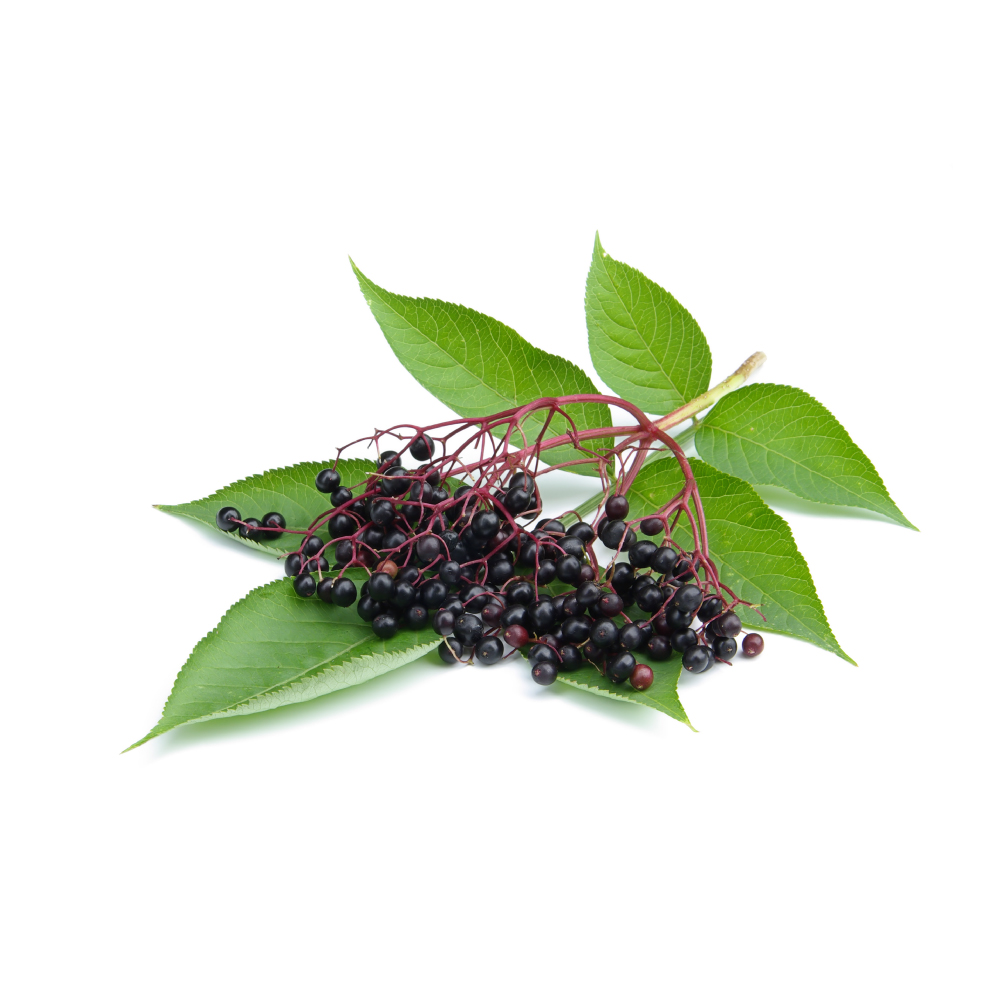 Elderberry Sambucus nigra Documented for phenolic acids.
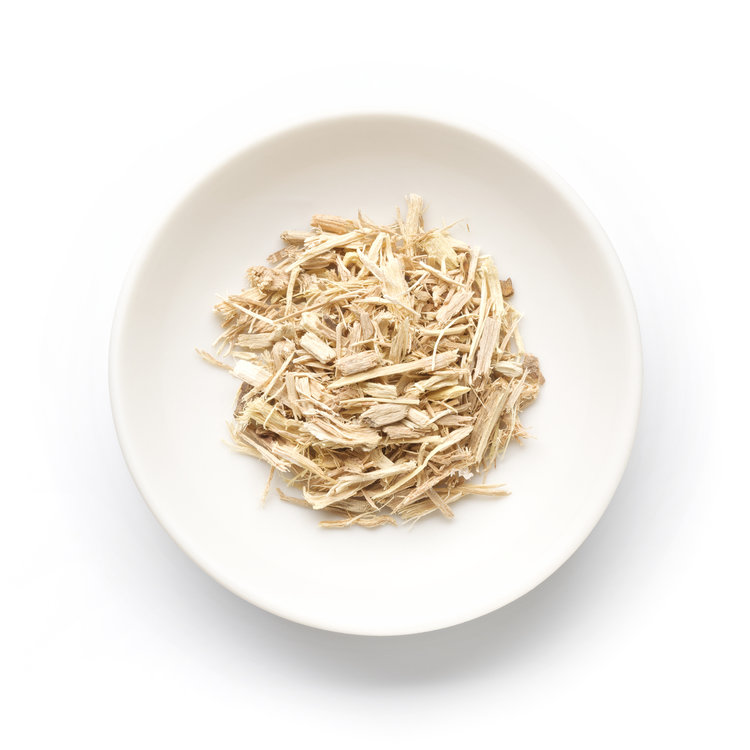 Eleuthero Root Eleutherococcus senticosus Documented for chlorogenic acid.
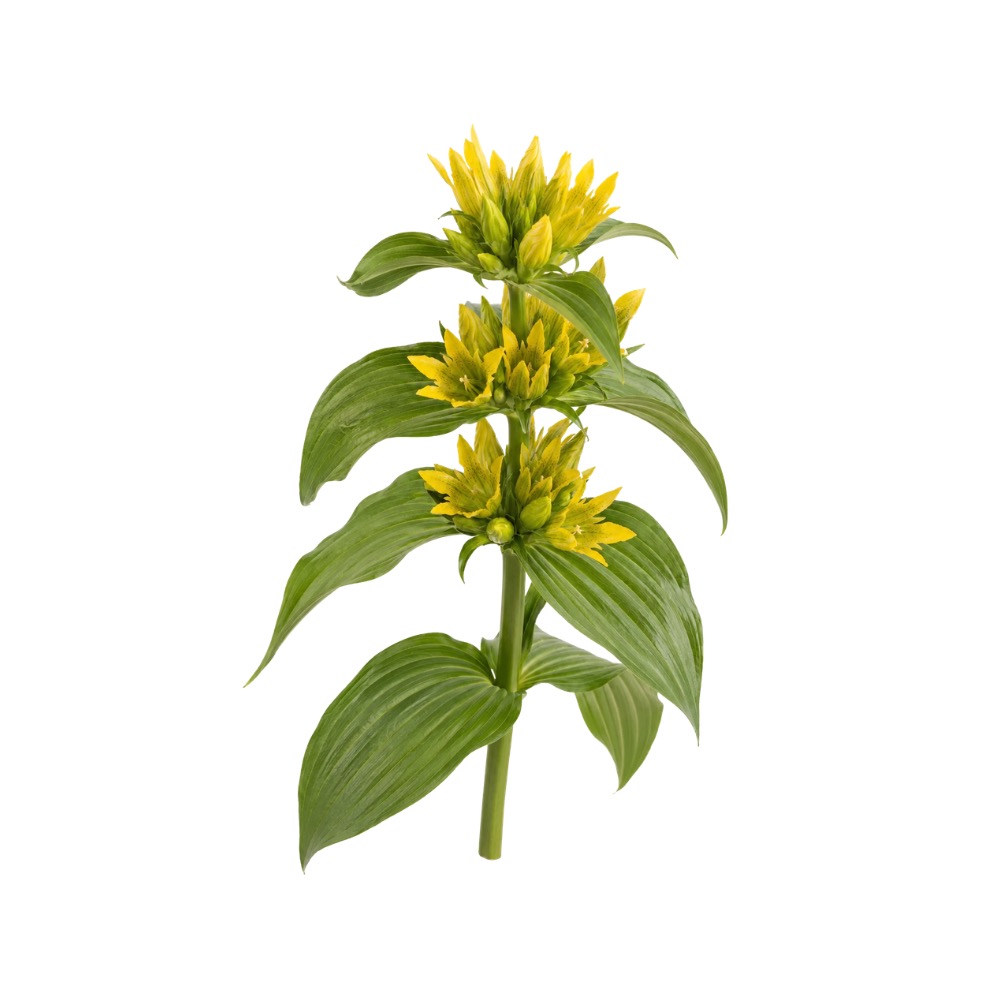 Gentian Gentiana lutea Documented for gentisic acid.
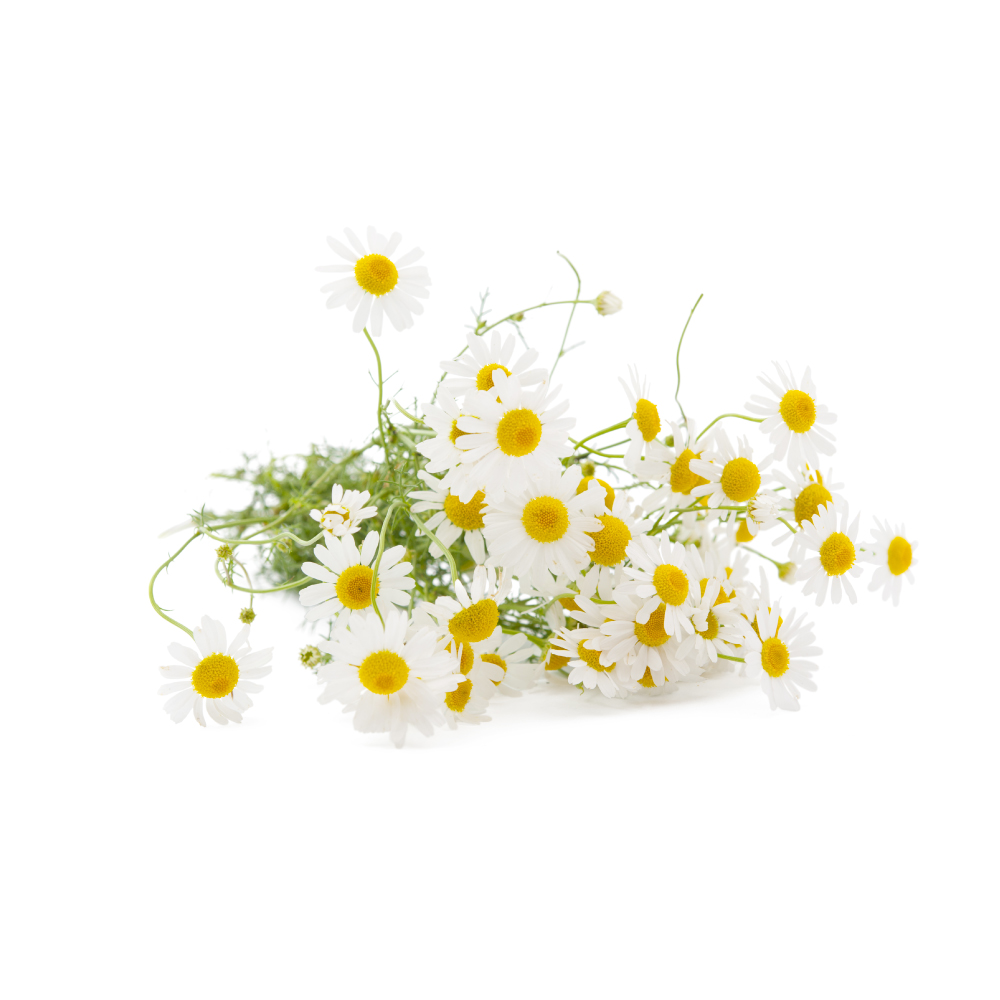 German Chamomile Matricaria chamomilla Documented for phenolic acids.
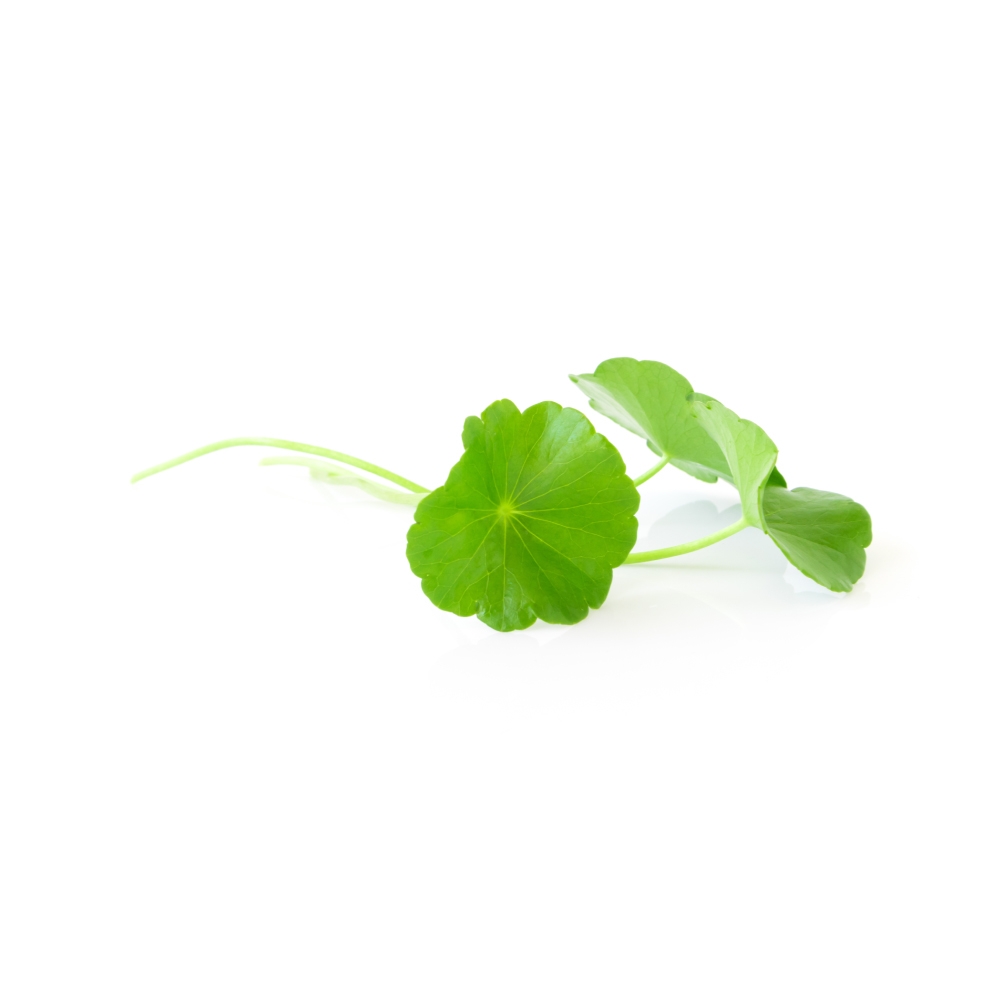 Gotu Kola Centella asiatica Documented for phenolic acids.
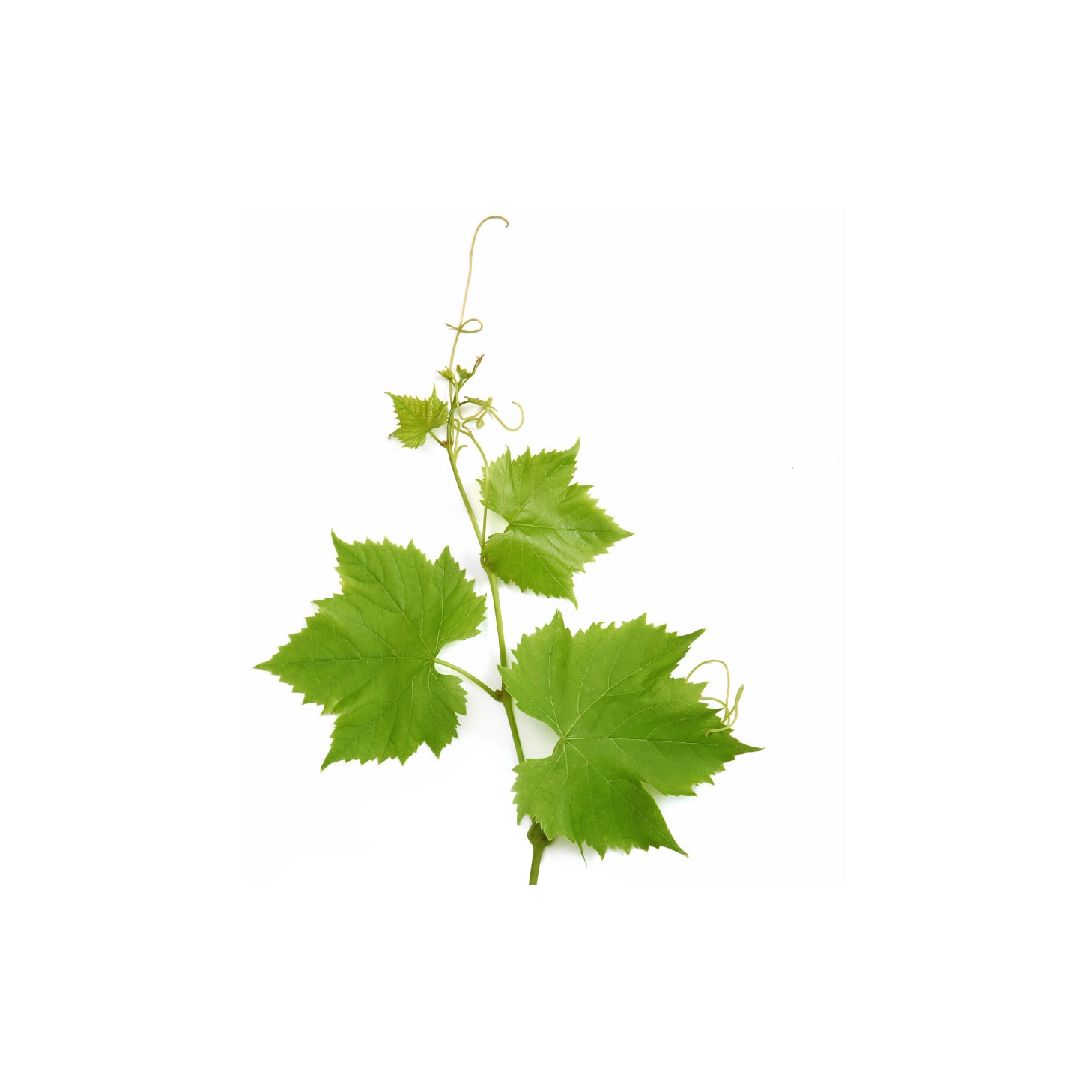 Grape Seed Extract Vitis vinifera Documented for gallic acid.
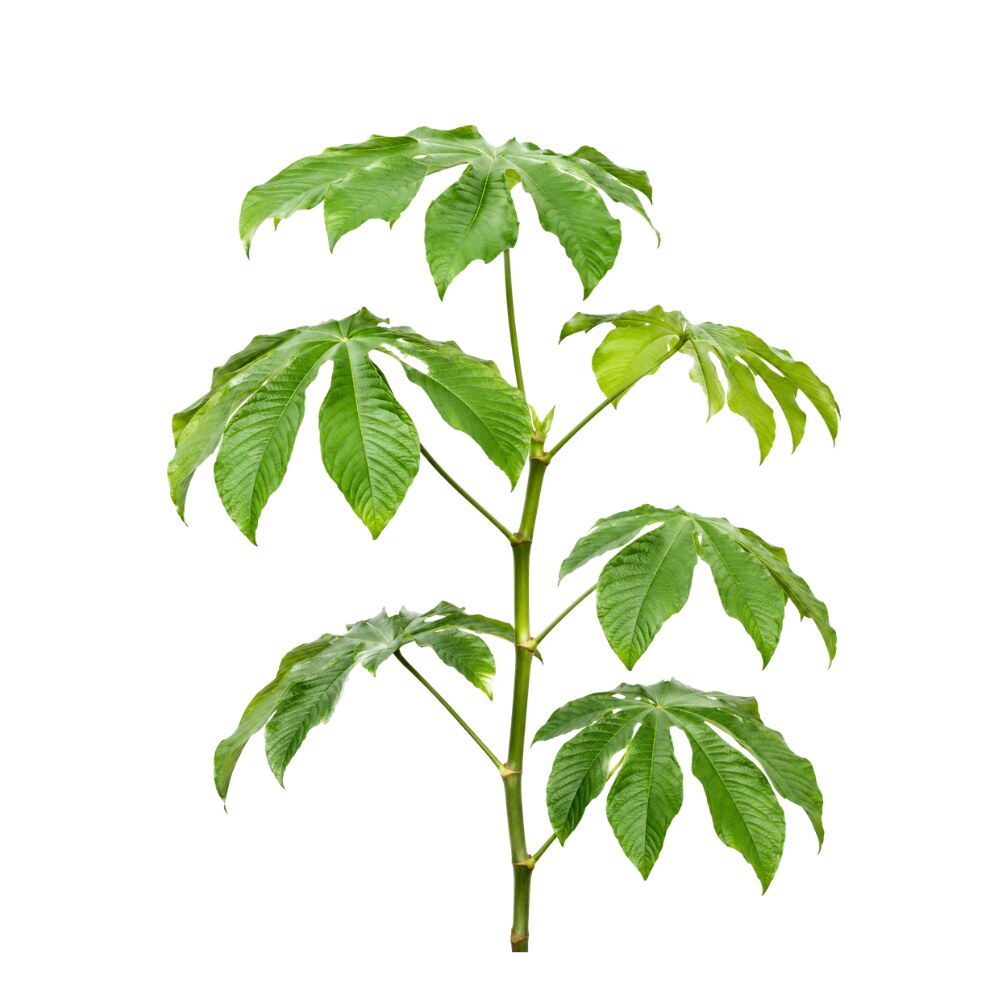 Guamura Cecropia obtusifolia Documented for chlorogenic acid.
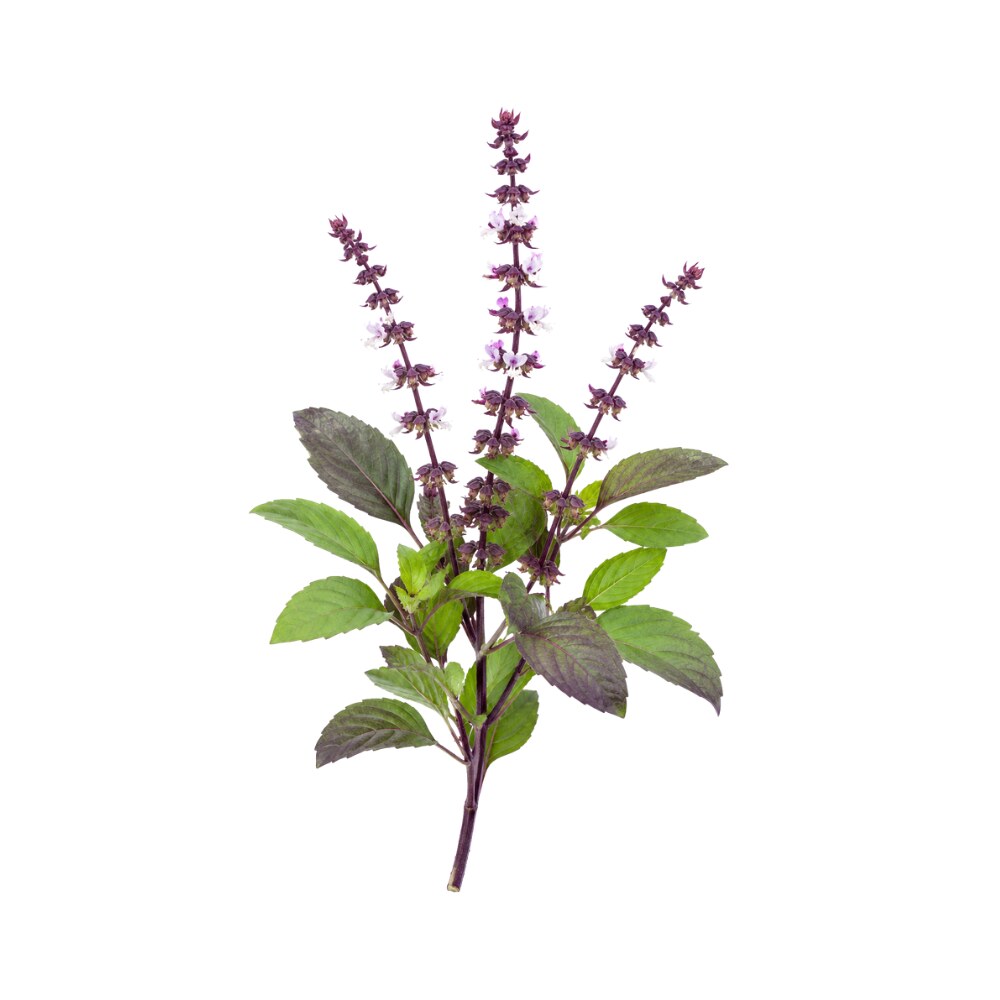 Holy Basil Ocimum tenuiflorum Documented for rosmarinic acid.
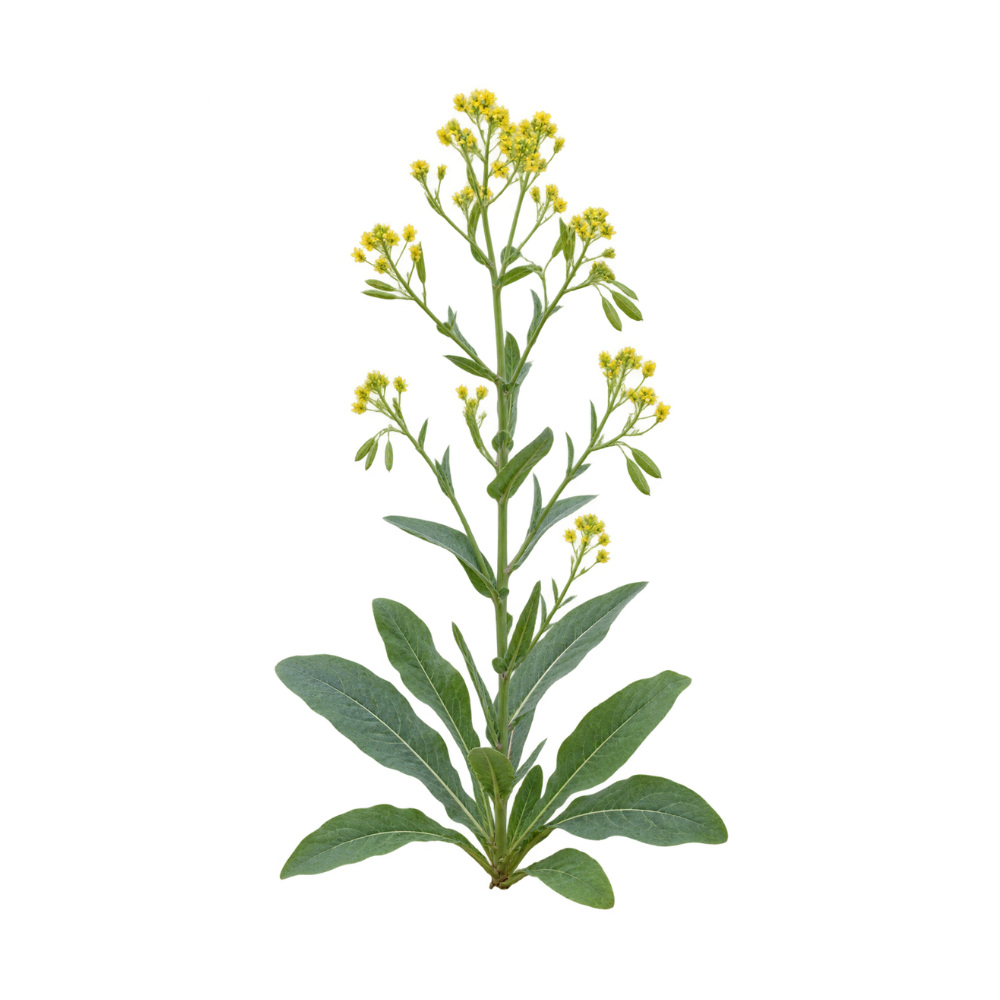 Isatis Isatis indigotica Documented for syringic acid. Korean Red Pine Pinus densiflora Documented for gallic acid.
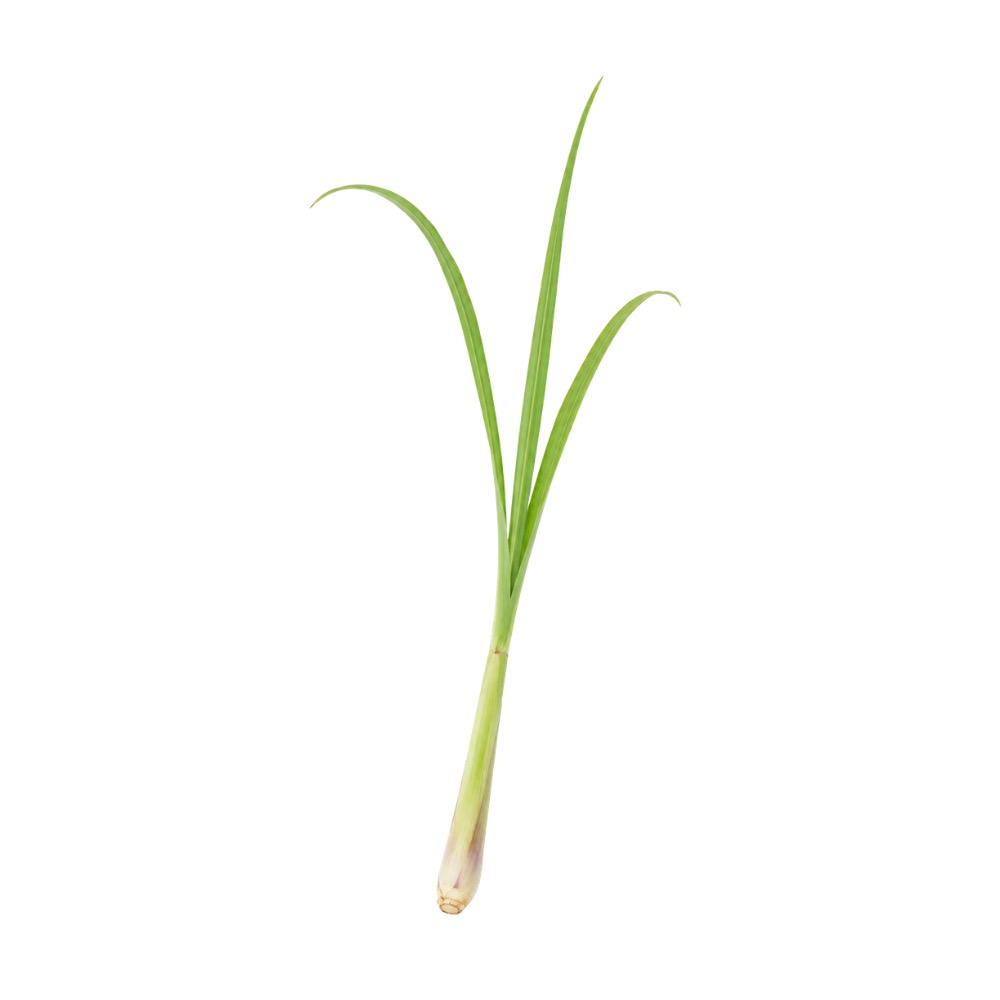 Lemongrass Cymbopogon citratus Documented for chlorogenic acid.
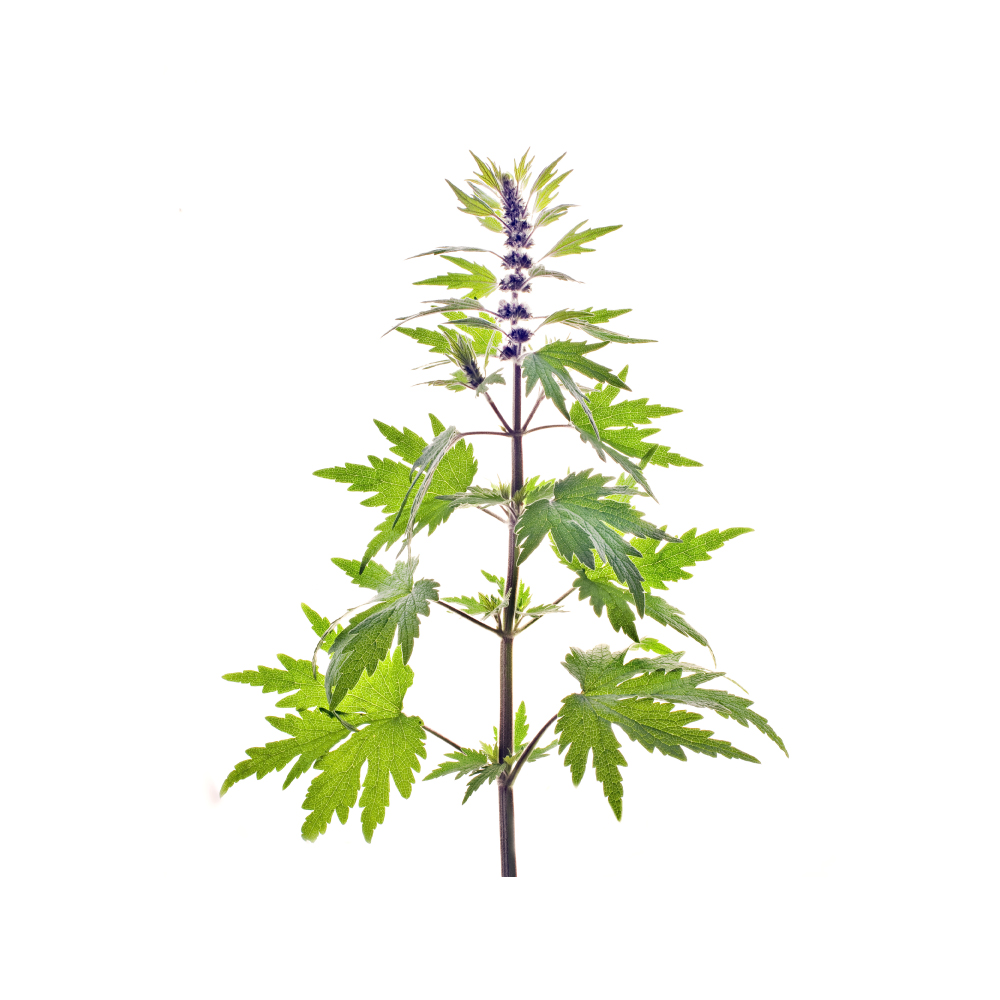 Motherwort Leonurus cardiaca Documented for chlorogenic acid.
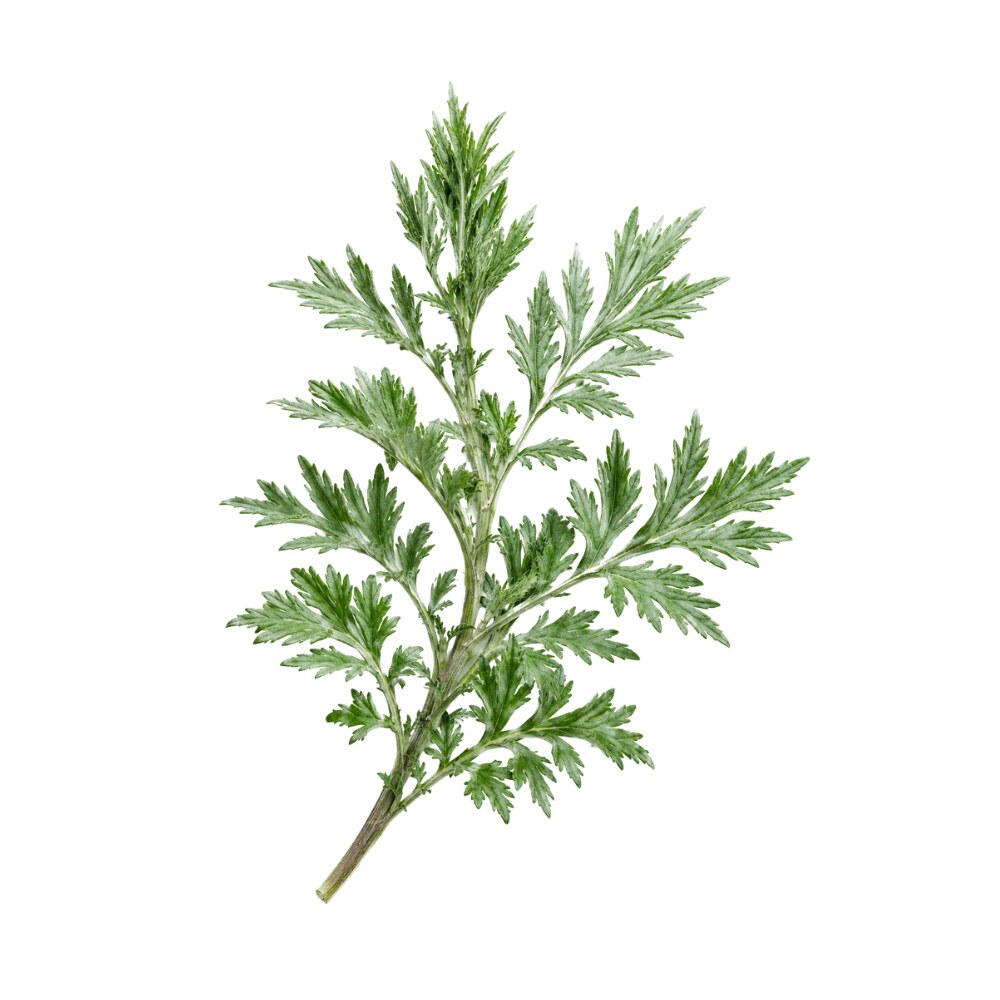 Mugwort Artemisia vulgaris Documented for chlorogenic acid.
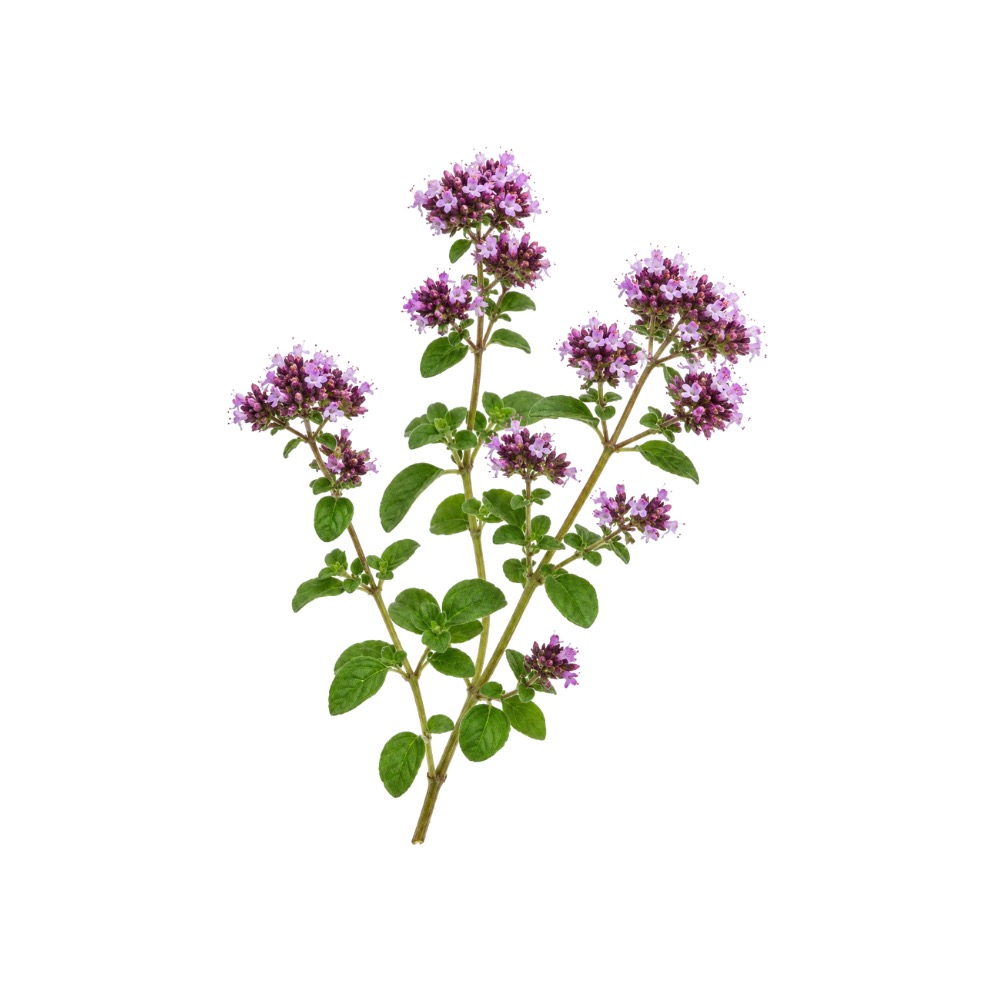 Oregano Origanum vulgare Documented for rosmarinic acid (6 mg/g).
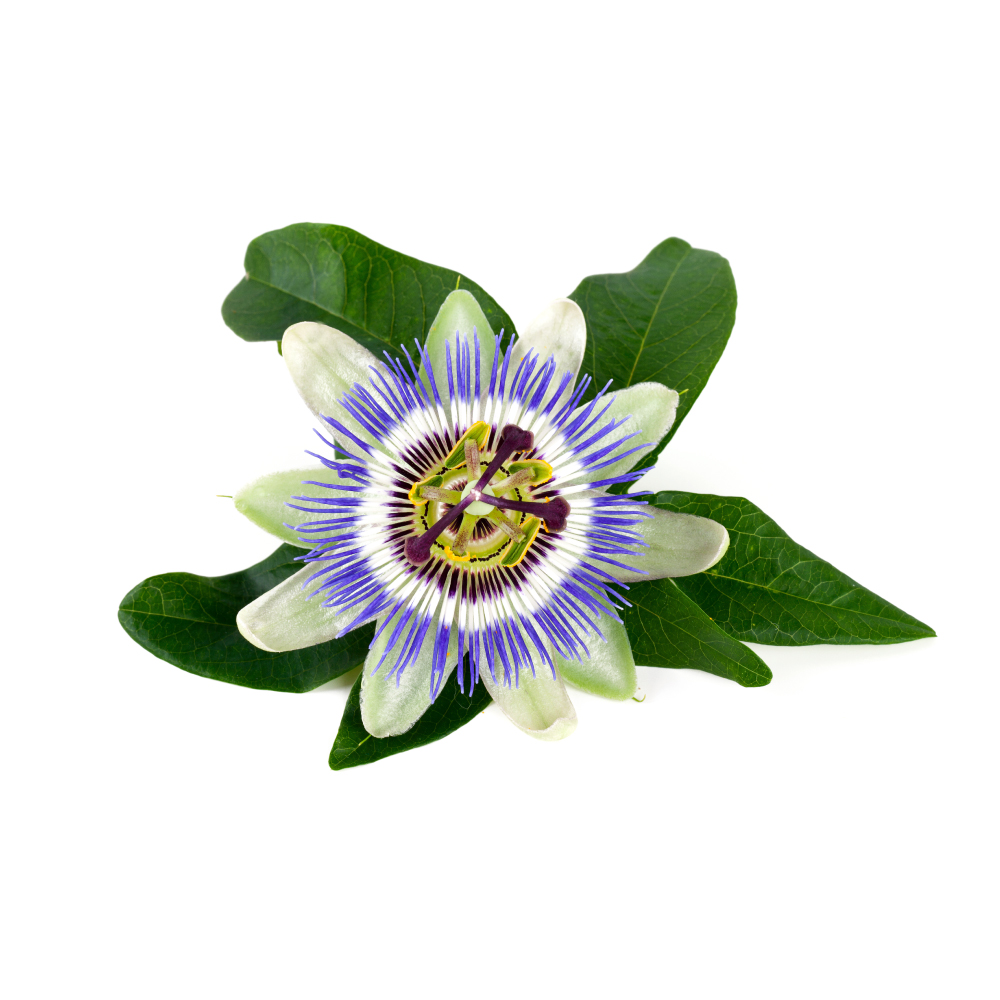 Passionflower Passiflora incarnata Documented for phenolic acids.
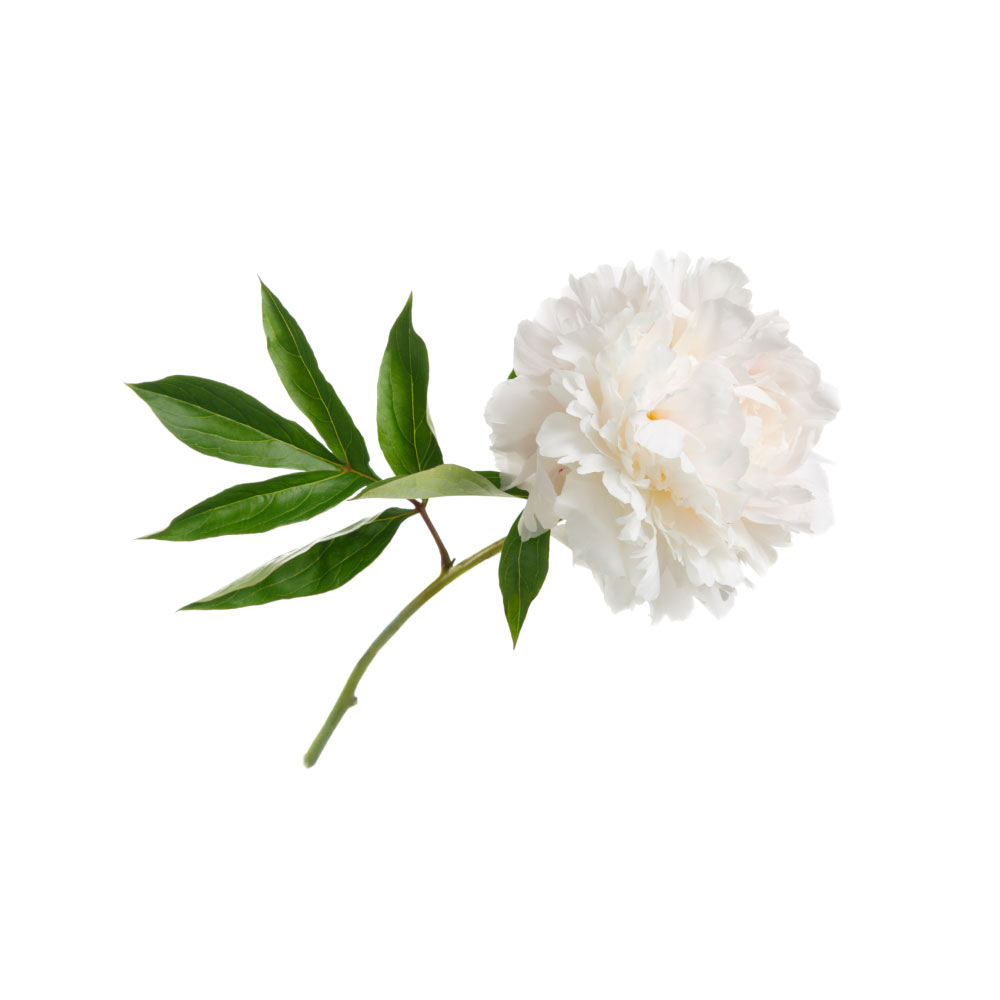 Peony Paeonia lactiflora Documented for paeonol.
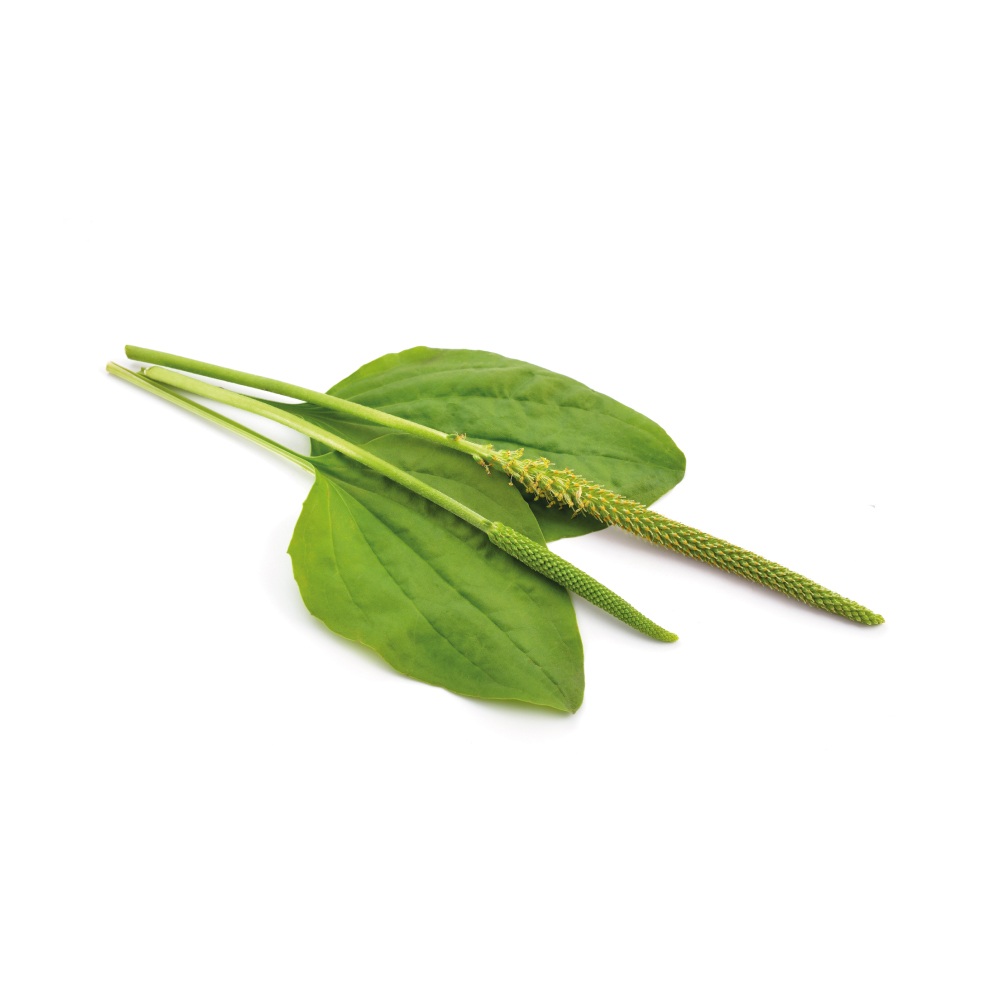 Plantain Plantago major Documented for caffeic acid.
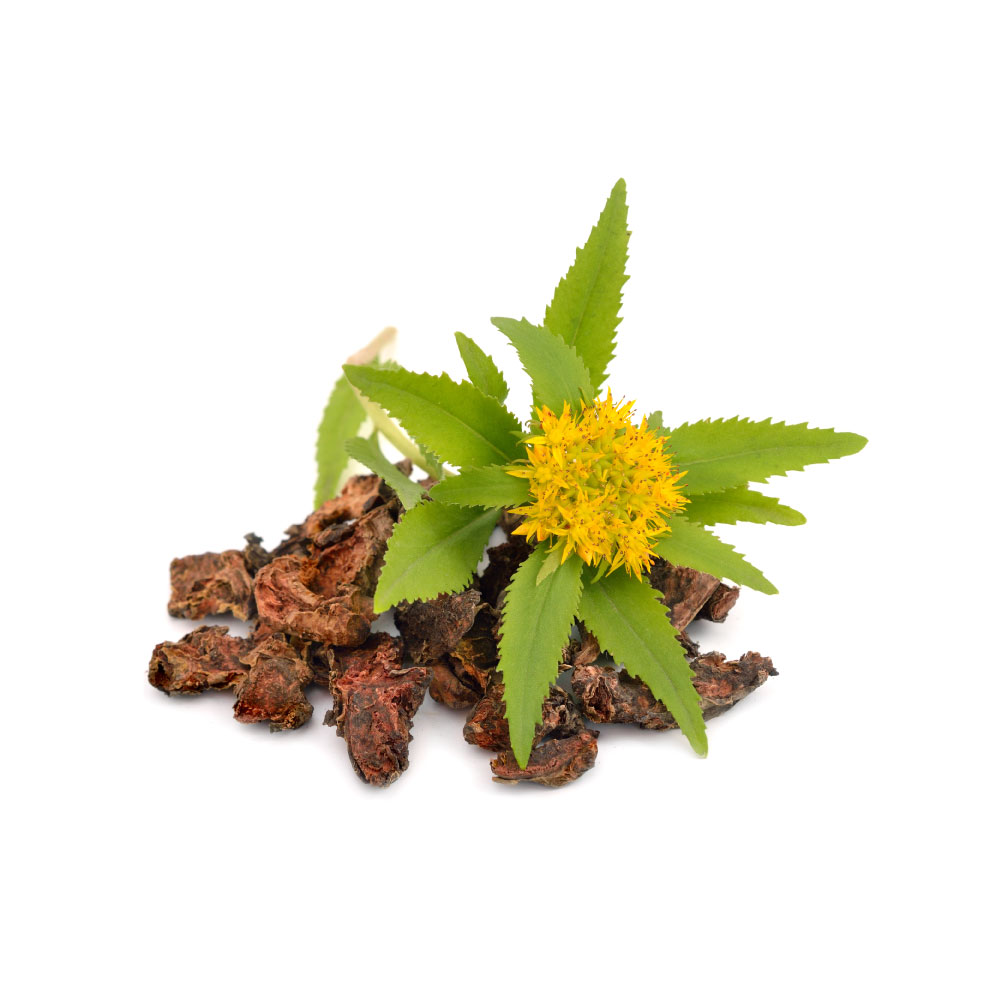 Rhodiola Rhodiola rosea Documented for tyrosol.
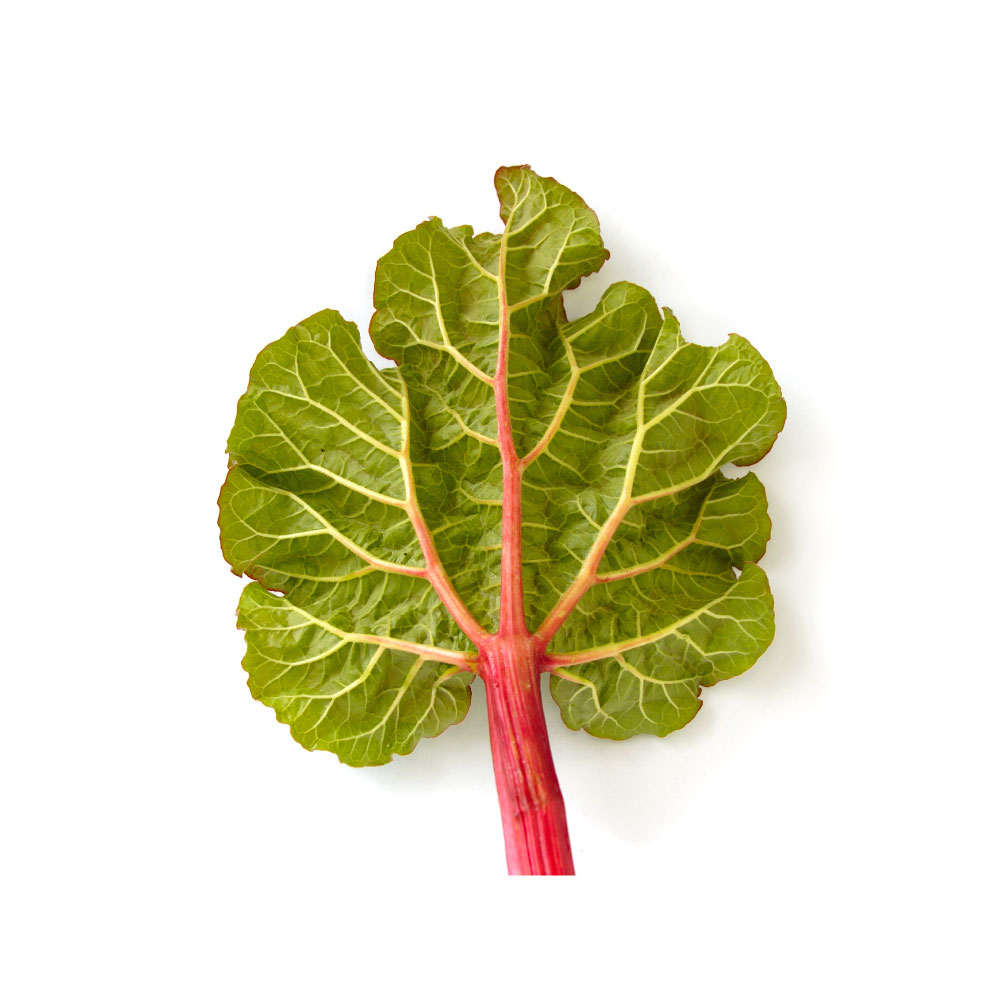 Rhubarb Rheum palmatum Documented for gallic acid.
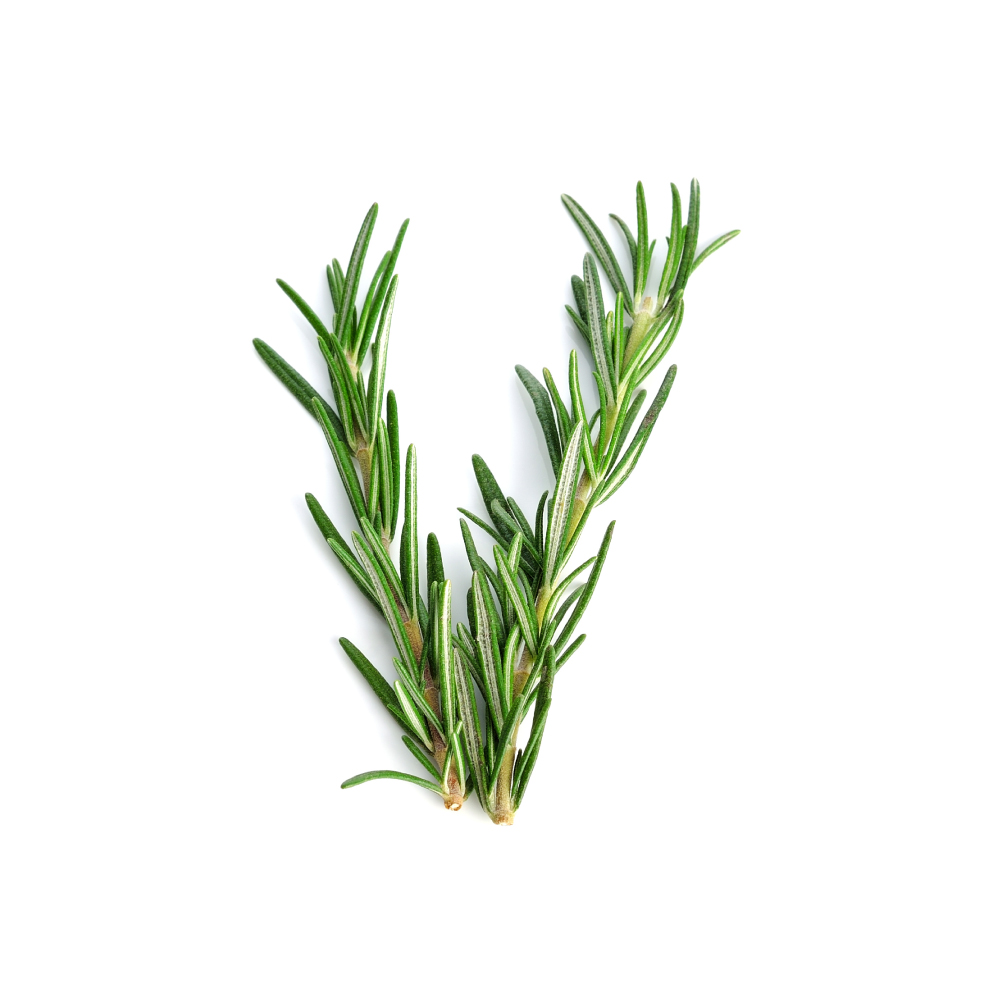 Rosemary Rosmarinus officinalis Documented for rosmarinic acid (9–11 mg/g).
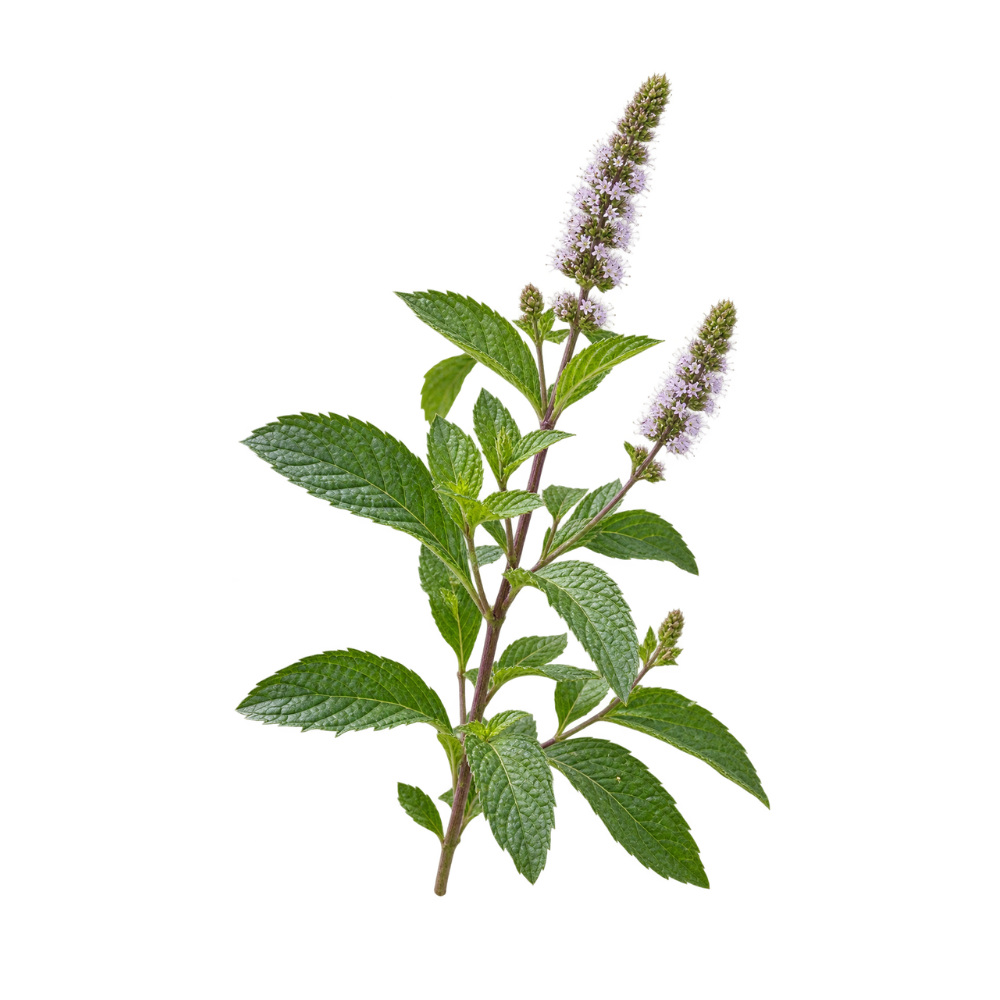 Spearmint Mentha spicata Documented for rosmarinic acid.
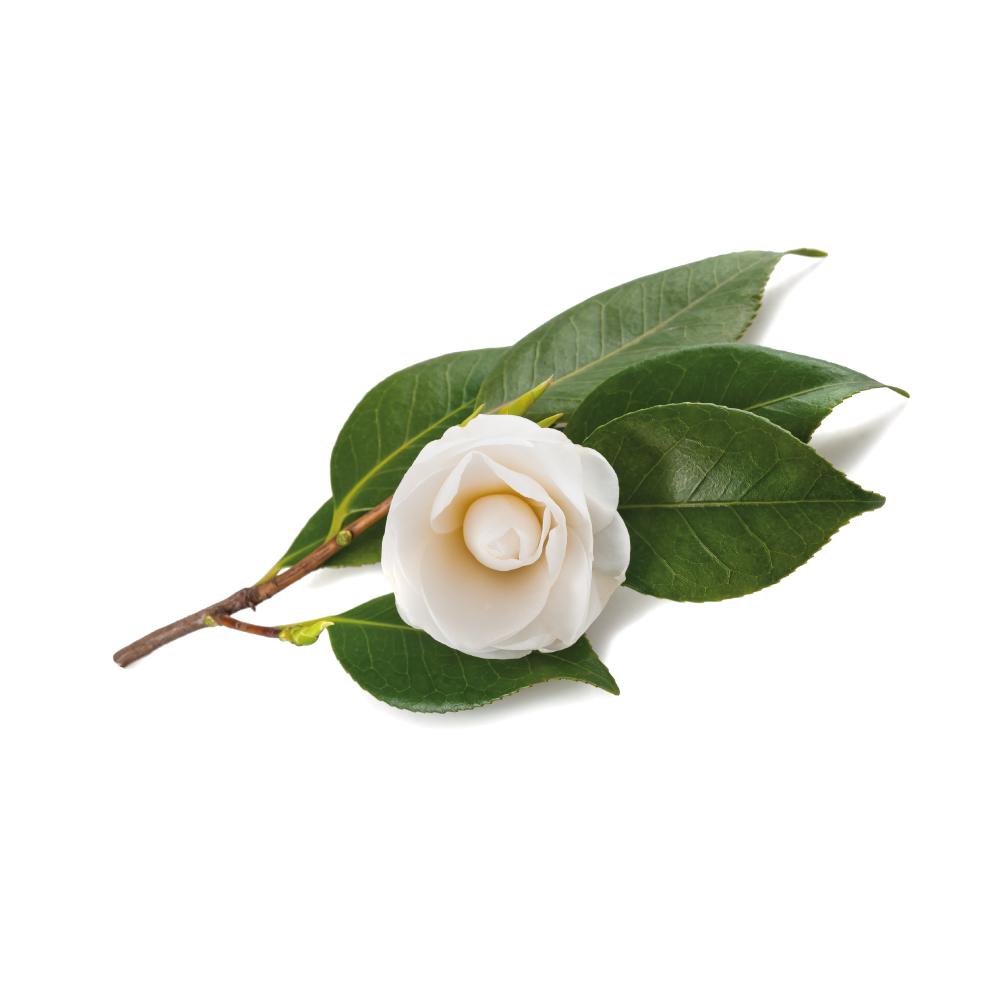 Tea Camellia sinensis Documented for gallic acid. Thyme Thymus vulgaris Documented for rosmarinic acid.
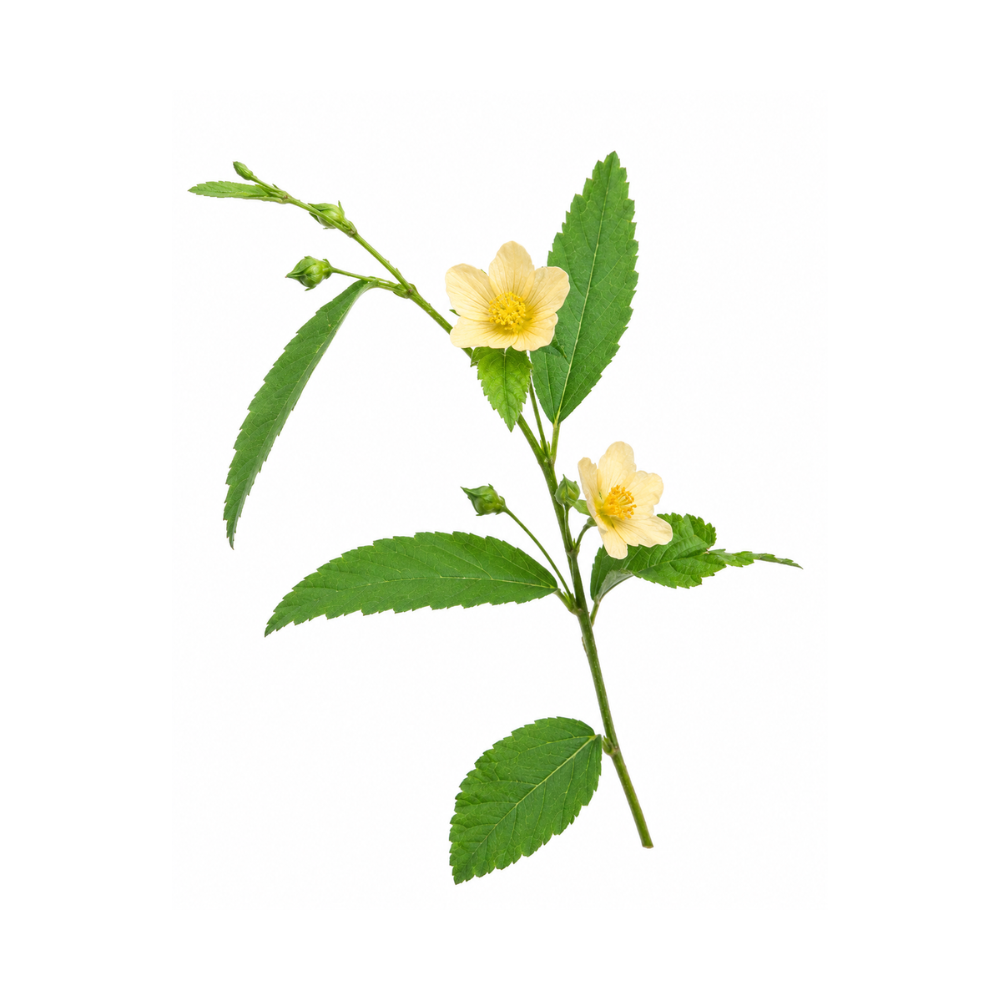 Wireweed Sida acuta Documented for ferulic acid.
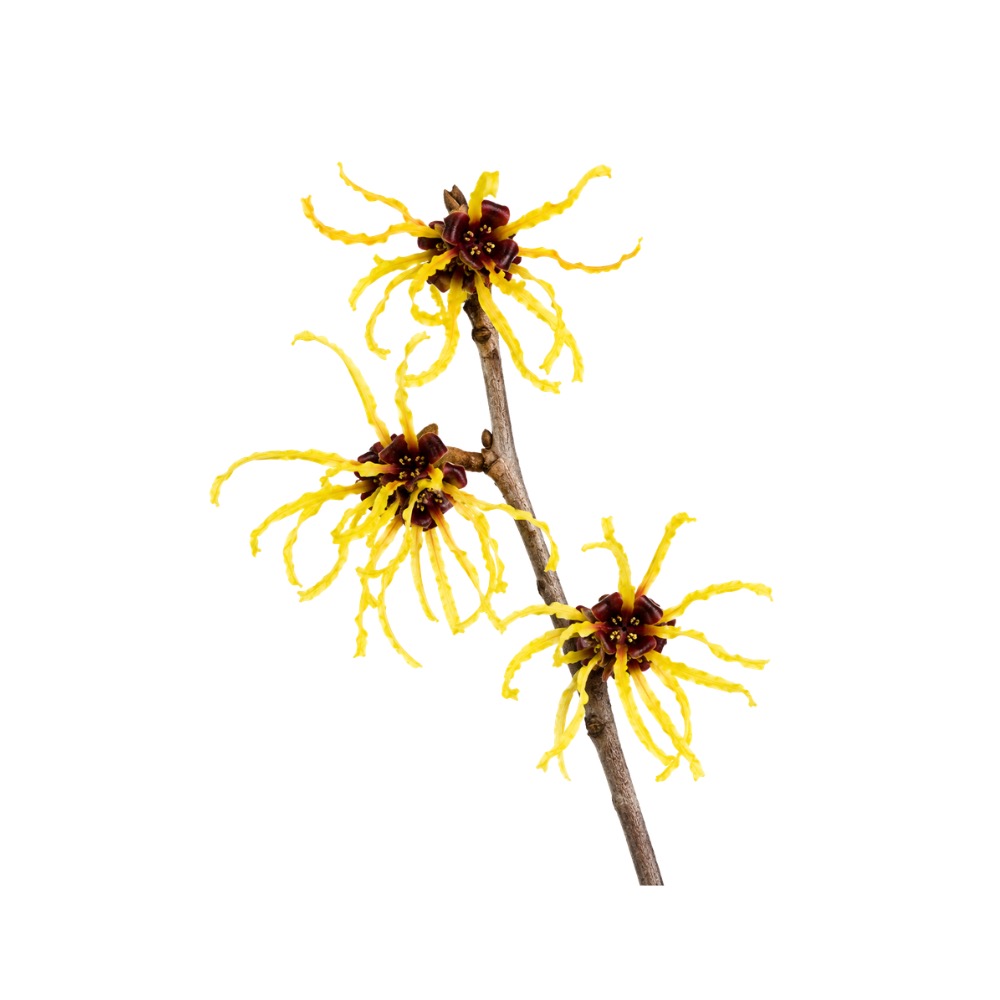 Witch Hazel Hamamelis virginiana Documented for gallic acid.
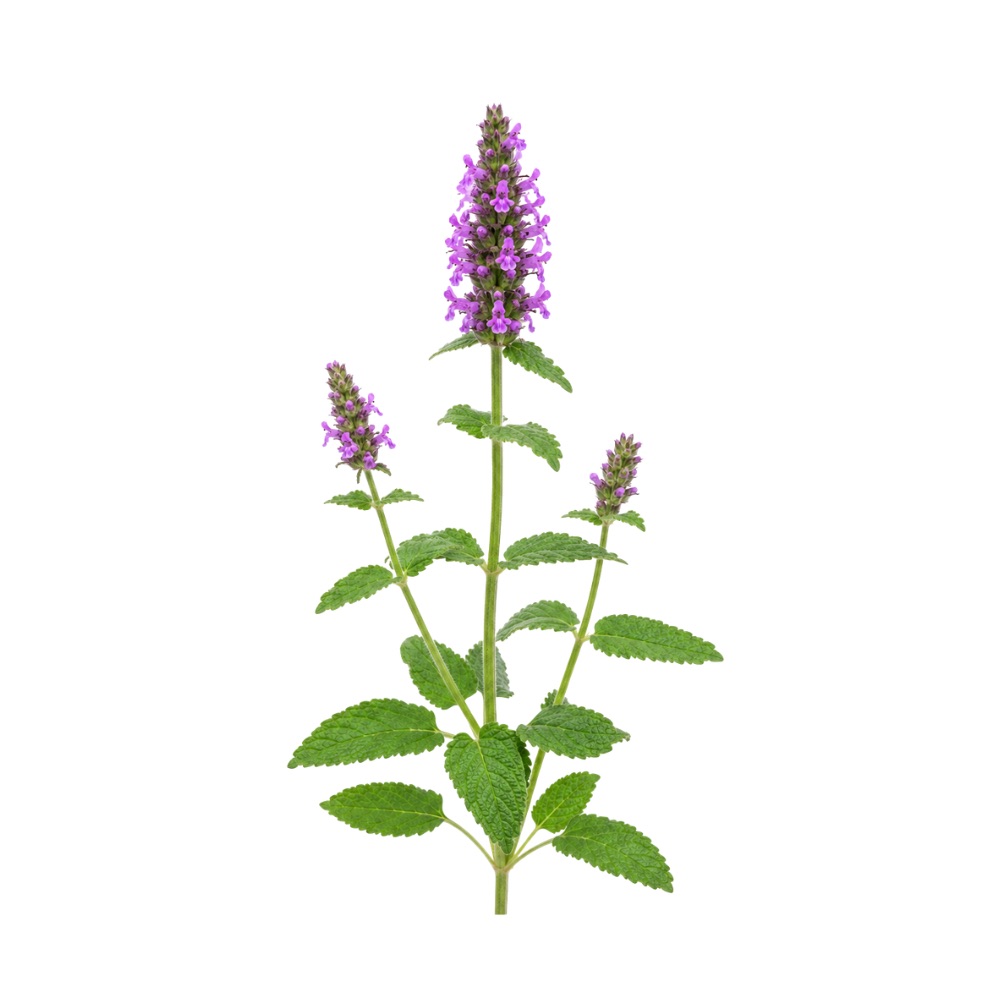 Wood Betony Stachys officinalis Documented for chlorogenic acid.
Keep Exploring
Other Compound Classes
Keep Reading
 GuidesThe Best Kava: A Buyer's GuideHow to buy good kava: noble vs two-day cultivars, which part of the root, chemotype codes, origin, form, and the batch tests a seller should show you.
Read more
 GuidesThe Amazon's Endangered Medicinal PlantsThe Amazon gives us some of our most important medicines — but which healing plants are actually endangered?
Read more
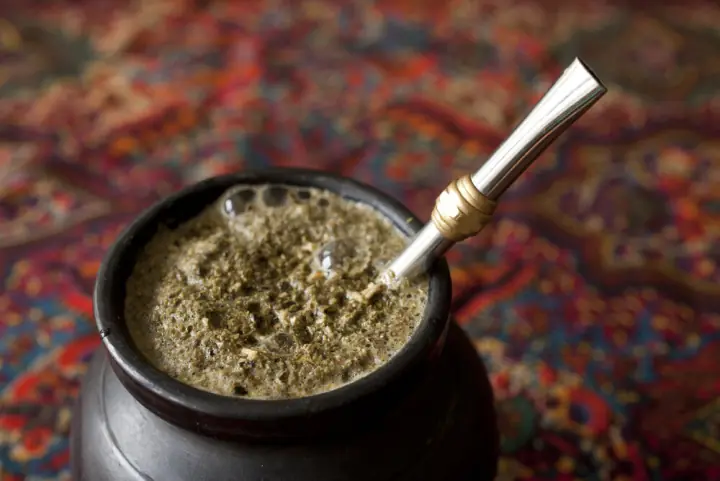 NutritionThe Best Yerba Maté Brands [Reviewed]A drinker's guide to buying yerba maté — what actually changes the taste, and ten brands worth your money.
Read more
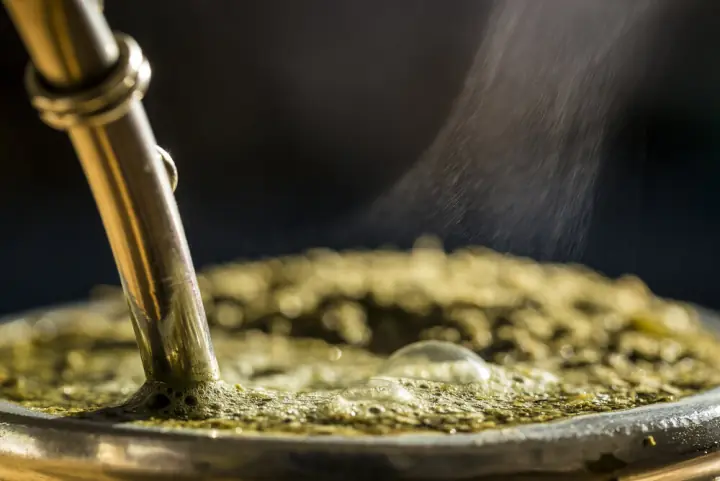 GuidesHow to Prepare Yerba Maté — The Five Best MethodsHow to brew yerba maté properly — the traditional gourd method, plus tereré, french press and cold brew.
Read more