
Compound Monograph
Capsaicin
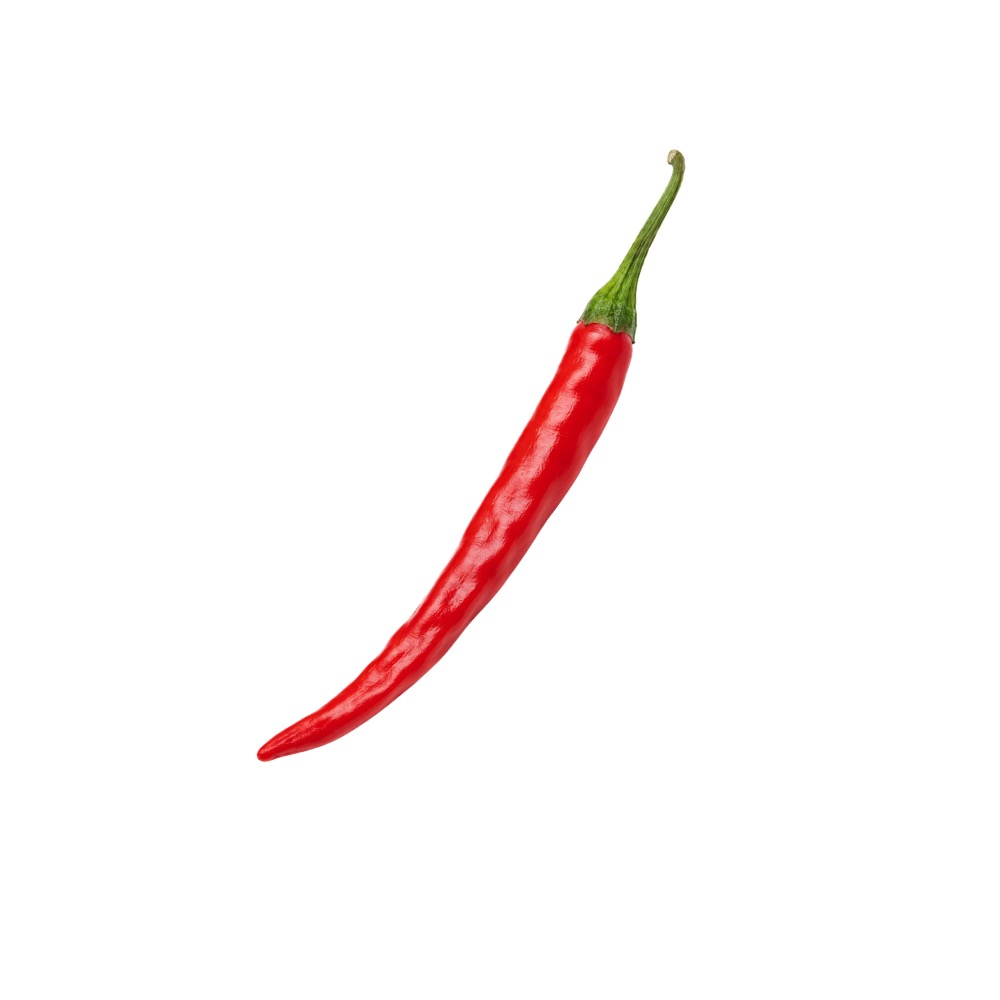
Capsaicin is the pungent capsaicinoid of chilli peppers and the founding agonist of TRPV1 — the ion channel literally named the capsaicin receptor. It is one of very few plant molecules with an approved prescription medicine built on it: the high-concentration 8% topical patch for peripheral neuropathic pain, which works by reversibly defunctionalising nociceptor nerve endings rather than by simple analgesia.

Sources · 5
Where Does It Come From?
Capsaicin is a naturally occurring capsaicinoid (vanillylamide alkaloid / fatty-acid amide of vanillylamine), found in Cayenne and 4 other sources. It is flagged as moderately toxic.
Concentration
Content by Source
Reported concentrations across the plants that contain capsaicin — the bar marks the typical level, the line shows the reported range.
Literature figures for varying plant parts and preparations. Read them as a comparative guide, not exact assays.
Capsaicin at a Glance
Capsaicin is the molecule that makes chillies hot. Chemically it is a capsaicinoid — a fatty-acid amide of vanillylamine — and it is made nowhere in nature except the genus Capsicum, principally in the placental tissue that holds the seeds 35,
It occupies an unusual position among plant constituents. Most phytochemicals are studied through extracts and animal models; capsaicin has a named molecular receptor and an approved prescription drug. The receptor is TRPV1, cloned in 1997 using capsaicin as the probe and still routinely called the capsaicin receptor 1Reference 1The capsaicin receptor: a heat-activated ion channel in the pain pathwayView study →. The drug is a high-concentration 8% topical patch, approved in the EU and USA for peripheral neuropathic pain 5,
The honest headline is that capsaicin’s evidence splits hard by route, and the two halves should never be blended. The topical story is a genuine, regulator-assessed medicine whose effect size is real but modest 9Reference 9Meta-analysisTopical capsaicin (high concentration) for chronic neuropathic pain in adultsView study →. The dietary story — thermogenesis, appetite, cardiometabolic and mortality epidemiology — is a separate exposure at a thousandth of the concentration, with consistent but small measured effects 21,
Established Medical Uses
Capsaicin is one of the small number of plant constituents that is itself a licensed drug rather than a supplement ingredient. Its established human uses are all topical or topically applied to a mucous membrane:
- High-concentration (8%) cutaneous patch — approved in the EU and USA for peripheral neuropathic pain, including post-herpetic neuralgia and painful diabetic peripheral neuropathy of the feet, given as a single supervised 30–60 minute application repeatable at about 12-week intervals 5,
12Reference 5Topical capsaicin for pain management: therapeutic potential and mechanisms of action of the new high-concentration capsaicin 8% patchView study →Reference 12ReviewCapsaicin 8% patch: a review in peripheral neuropathic painView study → . - Low-concentration creams (0.025–0.075%) — long-standing over-the-counter use for osteoarthritis, musculoskeletal pain and diabetic neuropathy, applied three to four times a day 14,
15, .16Reference 14Systematic reviewSystematic review of topical capsaicin for the treatment of chronic painView study →Reference 15Meta-analysisThe effectiveness of topically applied capsaicinView study →Reference 16RCTTreatment of arthritis with topical capsaicin: a double-blind trialView study → - Intranasal capsaicin — studied as a treatment for non-allergic (idiopathic) rhinitis 26Reference 26Systematic reviewCapsaicin for non-allergic rhinitisView study →.
- Laboratory and diagnostic use — inhaled capsaicin is the standard provocation agent for measuring cough-reflex sensitivity 44Reference 44ReviewUtility of cough provocation tests in chronic cough and respiratory diseases: a comprehensive review and introduction of new reference rangesView study →.
There is no established oral medicinal use of isolated capsaicin. The oral literature is nutritional and epidemiological, not therapeutic.
TRPV1 — The Capsaicin Receptor
Capsaicin’s pharmacology is unusually clean for a plant molecule because it acts, at the doses that matter, on essentially one target.
TRPV1 (transient receptor potential vanilloid 1) was cloned in 1997 by expression-screening a sensory-neuron library for capsaicin responsiveness, and was described in that first paper as a heat-activated ion channel in the pain pathway 1Reference 1The capsaicin receptor: a heat-activated ion channel in the pain pathwayView study →. It is a non-selective cation channel, highly permeable to calcium, expressed on small-diameter nociceptive sensory neurons — the C and Aδ fibres that carry burning pain.
The point that matters, and that is usually stated loosely, is that TRPV1 is a polymodal nociceptor. The cloned channel is gated by capsaicin, by noxious heat above roughly 43 °C, and by acid (extracellular protons), and those stimuli act cooperatively on the same protein 1,
Structural work has since resolved how the molecule binds. Capsaicin’s vanillyl head group inserts into a pocket between the S3–S4 helices and the S4–S5 linker of a TRPV1 subunit, adopting a “tail-up, head-down” configuration; the interaction is anchored by hydrogen bonding of the vanillyl and amide groups, and the channel’s capsaicin sensitivity can be transferred between species by swapping just a few pocket residues 3,
Defunctionalisation, Not Substance-P Depletion
The therapeutic mechanism of high-concentration topical capsaicin is the single most commonly mis-stated fact about this molecule, and it is worth getting exactly right.
The older account — that capsaicin works by depleting substance P from nociceptors — is largely superseded. Experimental and clinical work shows that substance-P depletion is only a correlate of capsaicin treatment and has little if any causative role in the pain relief 5Reference 5Topical capsaicin for pain management: therapeutic potential and mechanisms of action of the new high-concentration capsaicin 8% patchView study →.
What actually happens is a process best described as defunctionalisation of nociceptor fibres. Sustained TRPV1 activation drives a large, prolonged calcium influx into the nerve terminal, which produces several overlapping effects: temporary loss of membrane potential; loss of the ability to transport neurotrophic factors, altering the neuron’s phenotype; and — the load-bearing one — reversible retraction of the epidermal and dermal nerve-fibre terminals 5Reference 5Topical capsaicin for pain management: therapeutic potential and mechanisms of action of the new high-concentration capsaicin 8% patchView study →. Mechanistically, the terminal ablation is calcium- and calpain-dependent: the calcium load activates calpain proteases that dismantle the axonal cytoskeleton of the TRPV1-expressing terminal, while the cell body survives 8Reference 8Ca²⁺ and calpain mediate capsaicin-induced ablation of axonal terminals expressing transient receptor potential vanilloid 1View study →.
The human evidence for this is direct and quantitative. Skin biopsies after a single 60-minute 8% patch application in healthy volunteers showed roughly an 80% reduction in epidermal nerve-fibre density at one week; regeneration was under way but incomplete at 12 weeks, and nearly complete (93%) at 24 weeks 7Reference 7RCTA randomized, controlled, open-label study of the long-term effects of NGX-4010, a high-concentration capsaicin patch, on epidermal nerve fiber density and sensory function in healthy volunteersView study →. Earlier work with repeated topical capsaicin showed the same thing — parallel loss of epidermal nerve fibres and of pain sensation, both recovering together 6Reference 6Topical capsaicin in humans: parallel loss of epidermal nerve fibers and pain sensationView study →.
Two practical consequences follow, and they explain the drug’s whole clinical shape:
- One brief application can give weeks of relief. The effect does not depend on the drug remaining in the tissue — it depends on nerve terminals having withdrawn and needing to regrow. Systemic capsaicin is essentially gone within hours 17Reference 17Pharmacokinetic analysis of capsaicin after topical administration of a high-concentration capsaicin patch to patients with peripheral neuropathic painView study →.
- The initial application burns, and it must. The therapeutic mechanism is intense TRPV1 activation. There is no version of this treatment that does not first hurt, which is why the patch is applied under supervision, usually after local anaesthetic or with cooling 5,
9Reference 5Topical capsaicin for pain management: therapeutic potential and mechanisms of action of the new high-concentration capsaicin 8% patchView study →Reference 9Meta-analysisTopical capsaicin (high concentration) for chronic neuropathic pain in adultsView study → .
The 8% Patch
The prescription product is a cutaneous patch delivering capsaicin at 8% w/w (640 µg/cm², 179 mg per patch) — about 100 times the concentration of conventional OTC creams 9,
Regulatory status. Approved in both the EU and USA for peripheral neuropathic pain; the initial indication was post-herpetic neuralgia, later extended to painful diabetic peripheral neuropathy of the feet 5,
What the trials show. The pivotal randomised, double-blind studies used a 0.04% capsaicin “active placebo” to preserve blinding — an important design detail, because it means the comparator was not inert. Backonja’s post-herpetic neuralgia trial found a significantly greater mean reduction in pain over weeks 2–12 with the 8% patch than with the low-dose control 10Reference 10RCTNGX-4010, a high-concentration capsaicin patch, for the treatment of postherpetic neuralgia: a randomised, double-blind studyView study →; Simpson’s diabetic-neuropathy trial reported the same direction of effect 11Reference 11RCTCapsaicin 8% patch in painful diabetic peripheral neuropathy: a randomized, double-blind, placebo-controlled studyView study →.
What the meta-analysis shows, honestly. The 2017 Cochrane review pooled eight studies and 2,488 participants 9Reference 9Meta-analysisTopical capsaicin (high concentration) for chronic neuropathic pain in adultsView study →. For post-herpetic neuralgia, about 10% more participants reported being much or very much improved at 8 and 12 weeks with the 8% patch than with active placebo, giving a number needed to treat of 8.8 (95% CI 5.3 to 26); NNTs for a 30% or 50% pain reduction fell between 10 and 12. For painful HIV neuropathy the NNT was about 11. Serious adverse events were no more common with active treatment (3.5%) than control (3.2%). The review graded the evidence moderate to very low quality and concluded that the additional proportion who benefit over control is not large — but that those who do get high levels of relief also improve on sleep, fatigue, depression and quality of life 9Reference 9Meta-analysisTopical capsaicin (high concentration) for chronic neuropathic pain in adultsView study →.
That is the correct posture: a real, approved, mechanistically well-understood treatment with a modest effect size — comparable to, not better than, other chronic-pain therapies 9Reference 9Meta-analysisTopical capsaicin (high concentration) for chronic neuropathic pain in adultsView study →.
The low-concentration creams are a much weaker evidence base. The parallel Cochrane review of <1% capsaicin creams found only six small studies, all published before 1996, with inconsistent results and insufficient data to draw conclusions about efficacy in neuropathic pain — while local skin reactions were common enough to give a number needed to harm of 2.5 13Reference 13Meta-analysisTopical capsaicin (low concentration) for chronic neuropathic pain in adultsView study →. Older pooled analyses of 0.075% cream in neuropathic pain (NNT 5.7) and 0.025% cream in musculoskeletal pain (NNT 8.1) look more favourable, but the reviewers themselves flagged that blinding is nearly impossible when one arm burns and the other does not 14,
Scoville Units & Standardisation
The Scoville scale is older than the chemistry it now proxies for. In 1912 the pharmacist Wilbur Scoville published an organoleptic dilution assay: an alcohol extract of ground chilli was progressively diluted with sweetened water until a panel of tasters could no longer detect heat, and the dilution factor became the pepper’s rating in Scoville Heat Units 49Reference 49Note on CapsicumsView study →. It was a taste test with a number attached.
Modern practice measures capsaicinoids directly by HPLC and converts. The conversion used in analytical work is about 16 SHU per part-per-million of capsaicin: in one market survey, hot chillies at 4,249 µg/g capsaicin were rated 67,985 SHU, red chillies at 309 µg/g were rated 4,949 SHU, and green sweet peppers at 1.0 µg/g came out at 16 SHU 35Reference 35Determination of capsaicin and dihydrocapsaicin in Capsicum fruit samples using high performance liquid chromatographyView study →. On that arithmetic pure capsaicin sits at roughly 16 million SHU — the ceiling the scale is anchored to.
Two caveats belong with any Scoville figure:
- SHU is a pungency number, not a capsaicin assay. Different capsaicinoids have different pungency per milligram — pungency is a sensory property of a whole chemical class, of which capsaicin is only the best-known member 34Reference 34Spices: the savory and beneficial science of pungencyView study → — so a rating derived from capsaicin alone will not capture a fruit whose heat is carried by dihydrocapsaicin or nordihydrocapsaicin.
- Capsaicin is not always the dominant capsaicinoid. Capsaicin and dihydrocapsaicin together make up roughly 90% of total capsaicinoids, with capsaicin usually about 71% of the total in pungent varieties 35Reference 35Determination of capsaicin and dihydrocapsaicin in Capsicum fruit samples using high performance liquid chromatographyView study → — but this is chemotype-dependent, and in one HPLC survey of eight C. annuum varieties dihydrocapsaicin exceeded capsaicin in every one 36Reference 36Characterization of different Capsicum varieties by evaluation of their capsaicinoids content by high performance liquid chromatography, determination of pungency and effect of high temperatureView study →. The same reversal shows in the market-survey data above for hot and green chillies 35Reference 35Determination of capsaicin and dihydrocapsaicin in Capsicum fruit samples using high performance liquid chromatographyView study →.
For therapeutic purposes none of this matters, because the medicine is purified capsaicin at a stated concentration, not a fruit at a stated Scoville rating. That is the whole reason the clinical literature reports milligrams of isolate and not grams of chilli.
Dietary Capsaicin vs. Topical Capsaicin
These are different exposures and should be reasoned about separately.
| Aspect | Topical (patch / cream) | Dietary (chilli / capsules) |
|---|---|---|
| Concentration | 8% patch; 0.025–0.075% creams 9, | ~0.4% of a hot fresh chilli at the top end 35Reference 35Determination of capsaicin and dihydrocapsaicin in Capsicum fruit samples using high performance liquid chromatographyView study → |
| Typical exposure | 179 mg once, to a defined skin area 9Reference 9Meta-analysisTopical capsaicin (high concentration) for chronic neuropathic pain in adultsView study → | ~7.6 mg/person/day in a chilli-eating population 35Reference 35Determination of capsaicin and dihydrocapsaicin in Capsicum fruit samples using high performance liquid chromatographyView study → |
| Target tissue | Cutaneous nociceptor terminals | Oral, gastric and intestinal TRPV1; systemic after absorption |
| Mechanism of benefit | Nociceptor defunctionalisation 5Reference 5Topical capsaicin for pain management: therapeutic potential and mechanisms of action of the new high-concentration capsaicin 8% patchView study → | Sympathetic/thermogenic activation, TRPV1 in gut and vasculature 21, |
| Evidence tier | Multiple RCTs, Cochrane review, regulatory approval 9Reference 9Meta-analysisTopical capsaicin (high concentration) for chronic neuropathic pain in adultsView study → | Human meta-analyses of small crossover studies + observational cohorts 21, |
| Effect size | Modest (NNT ~9–12) 9Reference 9Meta-analysisTopical capsaicin (high concentration) for chronic neuropathic pain in adultsView study → | Small (~50 kcal/day energy expenditure) 22Reference 22Systematic reviewCapsaicinoids and capsinoidsView study → |
A finding in one column is not evidence for the other. The patch trials say nothing about whether eating chilli helps pain; the mortality cohorts say nothing about neuropathy.
What It's Used For
Capsaicin’s research base is stratified by route and by evidence tier more sharply than almost any other plant molecule here — from regulator-assessed randomised trials at the top to in-vitro cancer work at the bottom.
Support is an experimental score — weighted by study type (human > animal > in vitro) and volume. A beta, not a validated metric. Note that the top row is an approved topical medicine and the middle rows are dietary exposures — the score cannot be read across routes.
The flagship, and the only application where the isolated molecule is itself an approved medicine. The 8% (179 mg, 640 µg/cm²) patch is given as a single 30–60 minute supervised application; the 2017 Cochrane review of eight studies and 2,488 participants found about 10% more participants much or very much improved than with a 0.04% active placebo, NNT 8.8 (95% CI 5.3–26) for post-herpetic neuralgia and 10–12 for a 30–50% pain reduction, with an NNT of about 11 in painful HIV neuropathy 9Reference 9Meta-analysisTopical capsaicin (high concentration) for chronic neuropathic pain in adultsView study →.
The pivotal RCTs are Backonja in post-herpetic neuralgia 10Reference 10RCTNGX-4010, a high-concentration capsaicin patch, for the treatment of postherpetic neuralgia: a randomised, double-blind studyView study → and Simpson in painful diabetic peripheral neuropathy 11Reference 11RCTCapsaicin 8% patch in painful diabetic peripheral neuropathy: a randomized, double-blind, placebo-controlled studyView study →.
The mechanism is directly visible in human skin biopsies as ~80% loss of epidermal nerve fibres at one week with ~93% recovery by 24 weeks 7Reference 7RCTA randomized, controlled, open-label study of the long-term effects of NGX-4010, a high-concentration capsaicin patch, on epidermal nerve fiber density and sensory function in healthy volunteersView study →.
This is purified capsaicin at a controlled dose — no whole-chilli preparation is involved anywhere in this evidence base.
Gap: the effect size is modest and Cochrane graded most outcomes moderate-to-very-low quality; efficacy outcomes were inconsistently reported across trials, the comparator was an active (0.04%) rather than inert placebo, and blinding is inherently difficult when the treatment burns 9Reference 9Meta-analysisTopical capsaicin (high concentration) for chronic neuropathic pain in adultsView study →.
The older, weaker half of the topical story, and the one people actually buy off a shelf. Pooled analysis of three double-blind placebo-controlled trials (368 patients) of 0.025% cream or plaster in musculoskeletal conditions gave a relative benefit of 1.5 and an NNT of 8.1, alongside an NNT of 5.7 for 0.075% cream across six neuropathic trials 14Reference 14Systematic reviewSystematic review of topical capsaicin for the treatment of chronic painView study →.
An earlier meta-analysis found odds ratios favouring capsaicin cream in osteoarthritis (OR 4.36), diabetic neuropathy (OR 2.74) and psoriasis (OR 2.80) 15Reference 15Meta-analysisThe effectiveness of topically applied capsaicinView study →, and the classic double-blind arthritis trial of 0.025% cream reported significant pain reduction over four weeks 16Reference 16RCTTreatment of arthritis with topical capsaicin: a double-blind trialView study →.
All of these are the isolated molecule in a defined-concentration vehicle, not a cayenne preparation.
Gap: the dedicated Cochrane review of low-concentration capsaicin found only six small pre-1996 studies with heterogeneous outcome definitions and insufficient data to draw conclusions, while local skin reactions gave an NNH of 2.5 — and the burning sensation makes true blinding close to impossible in every one of these trials 13,
The best-evidenced dietary application, and the one where three independent syntheses converge. A meta-analysis of nine human trials found capsaicin or capsinoid ingestion increased energy expenditure by 245 kJ/day (58.6 kcal/day, p = 0.030) and decreased the respiratory quotient by 0.216 (p = 0.031), indicating a shift toward fat oxidation — with the effect present in participants with BMI above 25 kg/m² and absent below it 20Reference 20Meta-analysisCapsaicin and capsiate could be appropriate agents for treatment of obesity: a meta-analysis of human studiesView study →.
A separate critical review and meta-analysis reached the same conclusions and explicitly called the magnitude small 21Reference 21Meta-analysisThe effects of capsaicin and capsiate on energy balance: critical review and meta-analyses of studies in humansView study →, and a systematic review of 20 trials (563 participants) put the figure at approximately 50 kcal/day, enough for clinically significant weight loss only over one to two years 22Reference 22Systematic reviewCapsaicinoids and capsinoidsView study →.
These trials generally use purified capsaicin, capsaicinoid extracts, or the non-pungent analogue capsiate — not whole chilli.
Gap: small, short crossover studies with heterogeneous doses and formats; the effect is on energy expenditure and appetite rather than on measured long-term weight outcomes, and the reviewers are unanimous that this is an adjunct at best, not a weight-loss intervention 20,
A genuine but small clinical niche that follows directly from the defunctionalisation mechanism — nasal hyperreactivity in idiopathic rhinitis is neurogenic, and repeated intranasal capsaicin desensitises the responsible sensory fibres. A Cochrane review assessed intranasal capsaicin against placebo and other topical treatments in non-allergic rhinitis, a condition affecting 25–50% of rhinitis patients 26Reference 26Systematic reviewCapsaicin for non-allergic rhinitisView study →.
The preparations are purified capsaicin solutions at defined concentrations.
Gap: the included studies are few and small with short follow-up, the evidence is low quality, and the treatment is not standard of care in most settings; capsaicin’s role here remains an option rather than a recommendation 26Reference 26Systematic reviewCapsaicin for non-allergic rhinitisView study →.
Two large prospective cohorts on two continents point the same way. In the China Kadoorie Biobank (487,375 adults, 3.5 million person-years), eating spicy food 6–7 days a week was associated with a 14% lower total mortality versus less than once a week (adjusted HR 0.86, 95% CI 0.82–0.90) 23Reference 23ObservationalConsumption of spicy foods and total and cause specific mortality: population based cohort studyView study →.
In NHANES III (16,179 US adults, median 18.9 years of follow-up), hot red chilli pepper consumption was associated with a 13% reduction in the hazard of death (adjusted HR 0.87, p = 0.01) 24Reference 24ObservationalThe association of hot red chili pepper consumption and mortality: a large population-based cohort studyView study →.
A plausible mechanism exists: in rodents, chronic dietary capsaicin activates vascular TRPV1, improves endothelium-dependent vasorelaxation and prevents hypertension 25Reference 25Activation of TRPV1 by dietary capsaicin improves endothelium-dependent vasorelaxation and prevents hypertensionView study →.
Gap: both cohorts are observational, with spicy-food frequency self-reported once at baseline and no measurement of capsaicin dose; residual confounding by diet and lifestyle is unresolved, and the mechanistic support is rodent. This is a hypothesis-generating association, not a demonstrated effect of the molecule 23,
The most interesting reversal in the capsaicin literature. The long-standing folk and clinical belief was that chilli causes gastric ulcers, and ulcer patients were routinely told to avoid it. A detailed review of the evidence concluded the opposite: capsaicin does not stimulate but inhibits acid secretion, stimulates alkali and mucus secretion, and increases gastric mucosal blood flow via afferent-neuron stimulation — acting as a “benefactor” rather than a cause 27Reference 27Capsaicin and gastric ulcersView study →.
A Singapore case-control study found the adjusted odds ratio of peptic ulcer disease was 0.47 (95% CI 0.25–0.89) in higher chilli users 28Reference 28Chili — protective factor against peptic ulcer? Digestive Diseases and Sciences. https://pubmed.ncbi.nlm.nih.gov/7895548/View study →.
Separately, a small preliminary trial of red pepper reported symptom benefit in irritable bowel syndrome 29Reference 29Clinical trialEffect of red pepper on symptoms of irritable bowel syndrome: preliminary studyView study →.
Gap: the protective case rests on mechanistic rodent work, epidemiology and small trials rather than randomised human ulcer-outcome data; the IBS trial is explicitly preliminary; and none of this changes the fact that high oral doses reliably cause epigastric burning in susceptible people 27,
An unexpected use that has spread through emergency medicine on case-report evidence alone. Topical capsaicin cream applied to the abdomen has been reported to resolve refractory nausea and vomiting in cannabinoid hyperemesis syndrome — a case series from an emergency department 30Reference 30Case reportResolution of cannabis hyperemesis syndrome with topical capsaicin in the emergency department: a case seriesView study → and a paediatric/adolescent case series 31Reference 31Case reportCapsaicin cream for treatment of cannabinoid hyperemesis syndrome in adolescents: a case seriesView study →.
The proposed rationale is TRPV1 modulation, given TRPV1’s interaction with the endocannabinoid system and the patients’ own preference for hot showers. The preparations are standard OTC capsaicin creams — the isolated molecule.
Gap: case series only. There is no randomised controlled trial, the syndrome is self-limiting, and both publication bias and the strong placebo response in acute nausea are unaddressed. Treat as a low-risk option under investigation, not an established therapy 30,
Capsaicin induces apoptosis in a wide range of cancer cell lines and slows tumour growth in some animal models, and is reviewed as a candidate chemopreventive 33Reference 33Capsaicin: current understanding of its mechanisms and therapy of pain and other pre-clinical and clinical usesView study →.
But the same literature is explicitly two-sided: a Cancer Research review titled The two faces of capsaicin sets the apoptotic and anti-tumour findings against evidence that capsaicin can act as a carcinogen or co-carcinogen in other models, and concludes the net effect on human cancer risk is unresolved 32Reference 32The two faces of capsaicinView study →.
All of it is in vitro and animal — the isolated molecule at concentrations far above dietary exposure.
Gap: no human trial of capsaicin as a cancer treatment or preventive exists; the in vitro concentrations exceed anything achievable systemically given capsaicin’s poor oral bioavailability 18Reference 18Bioavailability of capsaicin and its implications for drug deliveryView study →; and the tumour-promoter signal means this cannot be presented as a one-directional benefit 32Reference 32The two faces of capsaicinView study →.
Mechanisms
| Target / pathway | Effect | Relevant to |
|---|---|---|
| TRPV1 (vanilloid receptor 1) | selective agonist — opens a non-selective cation channel via the S3–S4 vanillyl-binding pocket; the same channel is gated by heat >43 °C and by protons | the whole molecule; pungencypaindefunctionalisation |
| Nociceptor terminal calcium load | sustained Ca²⁺ influx → calpain activation → cytoskeletal breakdown and reversible retraction of epidermal nerve terminals | the 8% patch’s therapeutic effect |
| Neurotrophic-factor transport | loss of retrograde transport → altered nociceptor phenotype and prolonged hyposensitivity | duration of patch effect (~12 weeks) |
| Substance P stores | depleted, but only as a correlate — not the causative mechanism | corrects the older textbook account |
| Sympathetic activation / brown-fat thermogenesis | increased energy expenditure and fat oxidation after oral intake | dietary thermogenesis |
| Vascular TRPV1 / endothelial signalling | improved endothelium-dependent vasorelaxation; prevents hypertension in rodents | cardiometabolic epidemiology (mechanistic support only) |
| Gastric afferent neurons | inhibits acid secretion, stimulates mucus/alkali and mucosal blood flow | gastroprotection |
| Airway sensory C-fibres | cough-reflex activation; bronchoconstriction in susceptible airways | cough provocation testing; riot-control risk |
The whole page collapses into one target. Almost everything capsaicin does — the burn, the analgesia, the cough, the thermogenesis, the pepper-spray effect — is downstream of TRPV1 activation in a different tissue. The therapeutic trick is not blocking that receptor but over-activating it until the nerve ending withdraws.
Pharmacokinetics
Topical, the route that matters clinically, is defined by how little gets in. Population PK analysis of 173 patients receiving a single 60- or 90-minute 8% patch application found quantifiable plasma capsaicin in only 31% of post-herpetic-neuralgia patients, 7% of HIV-neuropathy patients and 3% of diabetic-neuropathy patients; the maximum concentration observed in any patient was 17.8 ng/mL, mean Cmax after a 60-minute application was 1.86 ng/mL, and the population elimination half-life was 1.64 hours 17Reference 17Pharmacokinetic analysis of capsaicin after topical administration of a high-concentration capsaicin patch to patients with peripheral neuropathic painView study →. Treatment on the feet produced far lower exposure than on the trunk. The authors’ conclusion is the key safety fact of the whole page: this exposure is too low and too brief to produce systemic effects or drug–drug interactions 5,
Orally, capsaicin is rapidly absorbed but heavily first-pass metabolised, and its systemic bioavailability is a well-recognised limitation on translating in-vitro findings 18Reference 18Bioavailability of capsaicin and its implications for drug deliveryView study →. Metabolism is cytochrome-P450-dependent and broad: recombinant-enzyme work implicates CYP1A1, 1A2, 2B6, 2C8, 2C9, 2C19, 2D6, 2E1 and 3A4, producing aromatic and alkyl hydroxylation products plus a novel dehydrogenation pathway yielding macrocyclic, diene and imide metabolites; glutathione trapped several reactive electrophilic intermediates, and metabolism reduced cytotoxicity to lung and liver cells 19Reference 19Metabolism of capsaicin by cytochrome P450 produces novel dehydrogenated metabolites and decreases cytotoxicity to lung and liver cellsView study →. Two implications: the reactive-intermediate chemistry is the plausible basis for the tumour-promoter signal, and the extensive CYP involvement is a theoretical interaction surface for high-dose oral capsaicin — though it is not clinically characterised, and is irrelevant to the patch given its negligible systemic exposure 17,
Clinical Trials
Capsaicin’s clinical footprint is real but narrow, and almost entirely topical. The 8% patch has completed multiple pivotal randomised double-blind trials across post-herpetic neuralgia, painful HIV neuropathy and painful diabetic peripheral neuropathy, pooled in Cochrane reviews and assessed by EU and US regulators 9,
| Completed | Planned | Terminated | Preclinical |
|---|---|---|---|
| Topical 8% patch (PHN, HIV-AN, PDN); low-concentration creams; intranasal rhinitis; oral thermogenesis crossovers | Ongoing patch studies in wider neuropathic-pain populations | — | Anticancer; gastroprotection; vascular/TRPV1 metabolic work |
Last checked: July 2026.
Isolate vs. Plant Studies
Capsaicin inverts the usual compound-page caveat, and it is one of the cleanest cases here.
The clinical evidence is the isolate — all of it. The 8% patch is purified capsaicin at 640 µg/cm² 17Reference 17Pharmacokinetic analysis of capsaicin after topical administration of a high-concentration capsaicin patch to patients with peripheral neuropathic painView study →; the creams are purified capsaicin at 0.025–0.075% 14,
The whole-plant evidence is epidemiological, not therapeutic. The mortality cohorts measured self-reported spicy-food frequency, with no capsaicin quantification at all 23,
The direction of transfer only runs one way. Because cayenne contains capsaicin, the patch trials are sometimes cited as evidence for cayenne. They are not. A 60-minute 8% application delivers 179 mg of purified molecule to a defined skin area under supervision; no culinary or herbal use of the fruit approaches that exposure or that control.
Its Role in Plants
Capsaicin is made in the placental tissue of the Capsicum fruit — the pale septum the seeds attach to, not the seeds themselves and not primarily the flesh. Its biosynthesis joins two pathways: vanillylamine, from the phenylpropanoid route, is condensed with 8-methyl-6-nonenoyl-CoA, from branched-chain fatty-acid synthesis. The condensing step is controlled by the Pun1 locus, which encodes a putative acyltransferase (AT3); a deletion in Pun1 is what makes bell peppers non-pungent 37Reference 37The Pun1 gene for pungency in pepper encodes a putative acyltransferaseView study →.
The ecological function is one of the more elegant stories in plant chemistry, and it turns on a receptor difference. Mammals have capsaicin-sensitive TRPV1; birds do not — avian TRPV1 lacks the residues that make the vanillyl pocket responsive 3Reference 3Understand spiciness: mechanism of TRPV1 channel activation by capsaicinView study →. Mammals chew and grind chilli seeds, destroying them; birds swallow them whole and disperse them intact. Capsaicin is therefore a directed deterrent: a chemical that repels the seed predators while leaving the seed dispersers unaffected 38Reference 38Seed dispersalView study →.
A second, complementary pressure is microbial. In wild Capsicum chacoense, populations are polymorphic for capsaicinoid production, and the proportion of pungent plants tracks the local risk of Fusarium fungal seed mortality — capsaicinoids protect seeds from Fusarium, and hemipteran insect feeding is the entry route that lets the fungus in 39Reference 39Evolutionary ecology of pungency in wild chiliesView study →. Pungency in wild chillies is best read as an anti-fungal defence that also happens to deter the wrong dispersers.
Prevalence in Nature
Capsaicin is taxonomically confined. Unlike most of the molecules here, it is not scattered across families — it is restricted to the genus Capsicum (Solanaceae), and within the genus its concentration is a cultivar-group trait rather than a species trait 35Reference 35Determination of capsaicin and dihydrocapsaicin in Capsicum fruit samples using high performance liquid chromatographyView study →. Sweet bell peppers, paprika, jalapeño and cayenne are all C. annuum; the first has essentially none and the last has a great deal.
Reported concentrations in fresh market fruit span more than three orders of magnitude: ~4,249 µg/g in hot chillies, 309 µg/g in red chillies, 139 µg/g in green chillies, and 1.0 µg/g in green sweet peppers (red and yellow sweet peppers were below detection) 35Reference 35Determination of capsaicin and dihydrocapsaicin in Capsicum fruit samples using high performance liquid chromatographyView study →. On a dry-weight basis, total capsaicinoids ranged from not detectable in bell pepper to 31.84 mg/g (~3.2%) in chiltepín across eight C. annuum varieties, and growing temperature shifted the content in both directions depending on cultivar 36Reference 36Characterization of different Capsicum varieties by evaluation of their capsaicinoids content by high performance liquid chromatography, determination of pungency and effect of high temperatureView study →.
Capsaicin never occurs alone. It sits in a family of structurally related capsaicinoids — dihydrocapsaicin, nordihydrocapsaicin, homocapsaicin and homodihydrocapsaicin — of which capsaicin and dihydrocapsaicin together account for about 90% 35Reference 35Determination of capsaicin and dihydrocapsaicin in Capsicum fruit samples using high performance liquid chromatographyView study →. Ripe fruit also carries the red keto-carotenoids capsanthin and capsorubin plus beta-carotene, which are pigments and antioxidants with no bearing on pungency.
Major Natural Sources
| Source | Plant part | Reported capsaicin content |
|---|---|---|
| Hot chilli (Capsicum spp., pungent market samples) | fresh fruit | ~4,249 µg/g (≈68,000 SHU) 35Reference 35Determination of capsaicin and dihydrocapsaicin in Capsicum fruit samples using high performance liquid chromatographyView study → |
| Red chilli (Capsicum spp.) | fresh fruit | ~309 µg/g (≈4,900 SHU) 35Reference 35Determination of capsaicin and dihydrocapsaicin in Capsicum fruit samples using high performance liquid chromatographyView study → |
| Green chilli (Capsicum spp.) | fresh fruit | ~139 µg/g (≈2,200 SHU) 35Reference 35Determination of capsaicin and dihydrocapsaicin in Capsicum fruit samples using high performance liquid chromatographyView study → |
| Chiltepín (C. annuum, wild) | dried fruit | total capsaicinoids ~31.8 mg/g dry wt 36Reference 36Characterization of different Capsicum varieties by evaluation of their capsaicinoids content by high performance liquid chromatography, determination of pungency and effect of high temperatureView study → |
| Green sweet pepper (C. annuum) | fresh fruit | ~1.0 µg/g (≈16 SHU) 35Reference 35Determination of capsaicin and dihydrocapsaicin in Capsicum fruit samples using high performance liquid chromatographyView study → |
| Red / yellow sweet pepper (C. annuum) | fresh fruit | below detection 35Reference 35Determination of capsaicin and dihydrocapsaicin in Capsicum fruit samples using high performance liquid chromatographyView study → |
Figures are fresh weight except where dry weight is stated, and they are single-study market or field samples — cultivar, ripeness, growing temperature and even fruit-to-fruit variation on the same plant shift them substantially 35,
Discovery & Synthesis
Capsaicin has an unusually well-documented chemical lineage for a plant constituent.
First isolation and naming. The pungent principle of Capsicum was obtained in impure crystalline form and given the name capsaicin by J. C. Thresh in 1876, publishing in The Analyst; he followed it the next year with a fuller account of “capsaicin — the active principle of cayenne pepper” 45,
Structure. The constitution of the molecule was determined by E. K. Nelson in 1919, who established it as the vanillylamide of an unsaturated branched-chain fatty acid — the framework still written today as 8-methyl-N-vanillyl-trans-6-nonenamide 47Reference 47The constitution of capsaicin, the pungent principle of CapsicumView study →.
First total synthesis. Ernst Späth and Stephen F. Darling published Synthese des Capsaicins in 1930, confirming Nelson’s structure by construction 48Reference 48Synthese des CapsaicinsView study →.
The Scoville scale, published by Wilbur Scoville in 1912, sits between the isolation and the structure: a taste-dilution assay for pungency that predated any means of measuring the responsible molecule 49Reference 49Note on CapsicumsView study →.
Manufacture today splits by purpose. Natural capsaicin is obtained by solvent extraction of Capsicum fruit as oleoresin capsicum, then purified — this is the route for pepper spray and for most food-grade material. Pharmaceutical-grade capsaicin for the 8% patch is a synthetic, high-purity material, because a licensed medicine cannot tolerate the cultivar-to-cultivar variability of an extract 5,
Patents: not yet researched.
Commercial Production
Three distinct industries pull on this one molecule, and they want different things from it.
Food and colour. Oleoresin capsicum — a crude solvent extract of chilli fruit containing capsaicinoids alongside the carotenoid pigments — is a standard food ingredient, standardised by Scoville rating rather than by assayed capsaicin 49Reference 49Note on CapsicumsView study →. Paprika oleoresin, extracted from non-pungent cultivars, supplies colour without heat.
Pharmaceutical. The 8% patch requires purified capsaicin at a controlled concentration and a validated impurity profile; the whole clinical case for the product rests on the dose being exactly what the label says 5,
Riot control and self-defence. Pepper spray is a pressurised Capsicum extract whose active component is capsaicin, deployed by police forces in many countries 40Reference 40Toxicologic evaluation of pepper spray as a possible weapon for the Dutch police force: risk assessment and efficacyView study →. This is by volume a significant use of the molecule and is discussed under Toxicity & Safety below, because it is the clearest demonstration of what concentrated capsaicin does to mucous membranes.
Toxicity & Safety
Capsaicin carries a moderate flag here. That is a deliberate step above the badge on the cayenne herb page, and it reflects the isolated molecule rather than the spice: this is a compound whose concentrated form is used as an incapacitating weapon, whose approved medical application is painful enough to require supervised administration, and for which there are documented case reports of acute harm from extreme-pungency ingestion. Systemic toxicity, by contrast, is genuinely low.
Local Irritation & Mucous-Membrane Exposure
The dominant hazard is intense local pain, and it is a direct consequence of the mechanism rather than a side effect of it. Contact with the eyes, nose, mouth, genitals or broken skin produces severe burning, involuntary eye closure, lacrimation and rhinorrhoea. Because capsaicin is lipophilic and water-insoluble, rinsing with water spreads rather than removes it. Application-site burning is the most common adverse effect of every topical preparation, and with low-concentration creams it is frequent enough to give a number needed to harm of 2.5 13Reference 13Meta-analysisTopical capsaicin (low concentration) for chronic neuropathic pain in adultsView study →.
Pepper Spray & Riot-Control Use
Pepper spray is Capsicum extract with capsaicin as the active component, and its effects are the same TRPV1 activation the medicine uses, delivered to the eyes and airway. A toxicological risk assessment for the Dutch police concluded pepper spray was relatively safe with a small risk of acute physical harm and that the risk of long-term health effects, including the much-discussed mutagenicity/carcinogenicity question, was negligible; deaths following pepper-spray use were largely attributed to other factors such as drugs and positional restraint — with the exception of one asthmatic man, in whose death the spray was judged contributory 40Reference 40Toxicologic evaluation of pepper spray as a possible weapon for the Dutch police force: risk assessment and efficacyView study →. Because capsaicin can induce bronchoconstriction, people with chronic obstructive lung disease may be hypersensitive, and the authors noted the experimental data were too few to draw firm conclusions 40Reference 40Toxicologic evaluation of pepper spray as a possible weapon for the Dutch police force: risk assessment and efficacyView study →. Forensic reviews of lethal riot-control-agent exposure make the same point about pre-existing airway disease 41Reference 41The pathology of lethal exposure to the Riot Control Agents: towards a forensics-based methodology for determining misuseView study →.
Airway & Cough
Capsaicin is the standard agent for cough-provocation testing precisely because inhaling it reliably triggers the cough reflex in a dose-dependent way 44Reference 44ReviewUtility of cough provocation tests in chronic cough and respiratory diseases: a comprehensive review and introduction of new reference rangesView study →. That utility is the flip side of a hazard: aerosolised capsaicin — from cooking with dried chilli, from grinding, or from a spray — is a potent airway irritant, and the response is amplified in hyperreactive airways.
The Contested Gastric Question
This is the one place where the older safety literature has been substantially reversed. For decades chilli was believed to cause gastric ulcers, and ulcer patients were advised to avoid it. The evidence assembled since does not support that: capsaicin inhibits acid secretion and stimulates mucus, alkali and gastric mucosal blood flow, and epidemiology finds ulcers less common in higher chilli-consuming populations (adjusted OR 0.47) 27,
Ultra-Hot Pepper Challenges
Extreme-pungency eating challenges have produced genuine, published harms. A man developed thunderclap headache with reversible cerebral vasoconstriction after eating a Carolina Reaper in a contest 42Reference 42Case reportAn unusual cause of thunderclap headache after eating the hottest pepper in the world — “The Carolina Reaper”View study →, and spontaneous oesophageal rupture (Boerhaave syndrome) requiring surgery has been reported after ghost-pepper ingestion — mediated by forceful vomiting rather than by direct chemical injury 43Reference 43Case reportEsophageal rupture after ghost pepper ingestionView study →. These are case reports, not a population risk from eating spicy food, but they are the reason ultra-hot challenges should not be treated as harmless entertainment.
Systemic Exposure & Interactions
From the 8% patch, systemic exposure is negligible: quantifiable plasma levels in a minority of patients, a maximum ever observed of 17.8 ng/mL, and a 1.64-hour half-life — which is why the manufacturers and reviewers describe a low risk of systemic effects or drug–drug interactions 5,
Carcinogenicity — Genuinely Unresolved
Capsaicin’s cancer literature points both ways. The same body of work that reports apoptosis induction and tumour suppression also documents carcinogenic and co-carcinogenic activity in other models; the standard review is titled The two faces of capsaicin and declines to resolve it 32Reference 32The two faces of capsaicinView study →. Regulatory-style toxicology of Capsicum extract concluded the mutagenicity/carcinogenicity risk from pepper-spray exposure was negligible 40Reference 40Toxicologic evaluation of pepper spray as a possible weapon for the Dutch police force: risk assessment and efficacyView study →. The correct posture is that this is unsettled at the isolate level and that capsaicin should be presented neither as an anticancer agent nor as a carcinogen.
Reproductive Note
No dedicated reproductive-toxicity dataset exists for isolated capsaicin at therapeutic topical exposures, and given the patch’s negligible systemic absorption a systemic reproductive effect is implausible on kinetic grounds 17Reference 17Pharmacokinetic analysis of capsaicin after topical administration of a high-concentration capsaicin patch to patients with peripheral neuropathic painView study →. Pregnancy and lactation decisions belong to the herb or product page where intake is actually decided, not to this molecule page; no isolate-level verdict is issued here.
- Systemic toxicity is low. The 8% patch produces quantifiable plasma capsaicin in a minority of patients, a maximum ever recorded of 17.8 ng/mL, and a 1.64-hour half-life — too little, too briefly, for systemic effects 17Reference 17Pharmacokinetic analysis of capsaicin after topical administration of a high-concentration capsaicin patch to patients with peripheral neuropathic painView study →.
- Not an established cause of gastric ulcers. The older ulcer-causation claim has been reversed; capsaicin inhibits acid secretion and raises mucosal blood flow, and higher chilli intake tracks lower ulcer odds 27,
28Reference 27Capsaicin and gastric ulcersView study →Reference 28Chili — protective factor against peptic ulcer? Digestive Diseases and Sciences. https://pubmed.ncbi.nlm.nih.gov/7895548/View study → . - Severe mucous-membrane pain is the defining hazard. Eyes, airway, broken skin and mucosa react intensely; this is the same molecule used as pepper spray, and water does not wash it off 40Reference 40Toxicologic evaluation of pepper spray as a possible weapon for the Dutch police force: risk assessment and efficacyView study →.
- Airway irritation and bronchoconstriction. Inhaled capsaicin is the standard cough-provocation agent; people with asthma or COPD may be hypersensitive, and one pepper-spray death in an asthmatic was judged contributory 40,
41, .44Reference 40Toxicologic evaluation of pepper spray as a possible weapon for the Dutch police force: risk assessment and efficacyView study →Reference 41The pathology of lethal exposure to the Riot Control Agents: towards a forensics-based methodology for determining misuseView study →Reference 44ReviewUtility of cough provocation tests in chronic cough and respiratory diseases: a comprehensive review and introduction of new reference rangesView study → - Topical burning is the mechanism, not a defect. Application-site burning is near-universal; low-concentration creams have an NNH of 2.5, and the 8% patch requires supervised application with anaesthesia or cooling 9,
13Reference 9Meta-analysisTopical capsaicin (high concentration) for chronic neuropathic pain in adultsView study →Reference 13Meta-analysisTopical capsaicin (low concentration) for chronic neuropathic pain in adultsView study → . - Ultra-hot pepper challenges have caused real harm. Published cases of thunderclap headache with cerebral vasoconstriction and of oesophageal rupture after extreme-pungency ingestion 42,
43Reference 42Case reportAn unusual cause of thunderclap headache after eating the hottest pepper in the world — “The Carolina Reaper”View study →Reference 43Case reportEsophageal rupture after ghost pepper ingestionView study → . - High-dose oral GI symptoms and uncharacterised interactions. Epigastric burning and diarrhoea are common at high oral doses, and concentrated oral capsaicin is metabolised by a broad panel of CYP enzymes with no clinical interaction assessment 19Reference 19Metabolism of capsaicin by cytochrome P450 produces novel dehydrogenated metabolites and decreases cytotoxicity to lung and liver cellsView study →.
- Carcinogenicity is unresolved. The preclinical literature contains both anti-tumour and tumour-promoting findings for the isolate 32Reference 32The two faces of capsaicinView study →.
Dosage
There is no established oral dose of isolated capsaicin, and no route on which it should be self-administered at pharmaceutical concentration. The figures below are what has been used in research and in licensed products.
| Application | Form | Dose / concentration |
|---|---|---|
| Peripheral neuropathic pain | Cutaneous patch (prescription) | 8% w/w, 640 µg/cm², 179 mg per patch — single 30-minute (feet) or 60-minute (elsewhere) application, repeatable ~every 12 weeks 9, |
| Neuropathic pain | Cream (OTC) | 0.075%, applied 3–4 times daily for ≥6–8 weeks 13, |
| Osteoarthritis / musculoskeletal pain | Cream (OTC) | 0.025%, applied 3–4 times daily for ~4 weeks 14, |
| Non-allergic rhinitis | Intranasal solution | Research protocols only; not a self-administered dose 26Reference 26Systematic reviewCapsaicin for non-allergic rhinitisView study → |
| Thermogenesis research | Oral capsaicin / capsaicinoid extract | Short crossover studies; doses vary widely and effects are small (~50 kcal/day) 20, |
| Dietary background | Whole chilli | ~7.6 mg/person/day measured in one chilli-eating population (~0.11 mg/kg body weight/day) 35Reference 35Determination of capsaicin and dihydrocapsaicin in Capsicum fruit samples using high performance liquid chromatographyView study → |
The 8% patch is not a stronger version of the cream. It is roughly 100 times the concentration, applied once rather than repeatedly, and it is a supervised prescription procedure — the initial burn is severe enough that local anaesthetic or cooling is routinely used 5,
Whole cayenne cannot be dosed to these figures. Capsaicin content of fruit varies from undetectable to ~0.4% of fresh weight between samples of the same genus 35,
These are doses studied in research and used in licensed products, and are not a personal recommendation.
References
- Caterina MJ, Schumacher MA, Tominaga M, Rosen TA, Levine JD, Julius D (1997). The capsaicin receptor: a heat-activated ion channel in the pain pathway. Nature. https://pubmed.ncbi.nlm.nih.gov/9349813/
- Tominaga M, Caterina MJ, Malmberg AB, et al. (1998). The cloned capsaicin receptor integrates multiple pain-producing stimuli. Neuron. https://pubmed.ncbi.nlm.nih.gov/9768840/
- Yang F, Zheng J (2017). Understand spiciness: mechanism of TRPV1 channel activation by capsaicin. Protein & Cell. https://pubmed.ncbi.nlm.nih.gov/28044278/
- Yang F, Xiao X, Cheng W, et al. (2015). Structural mechanism underlying capsaicin binding and activation of the TRPV1 ion channel. Nature Chemical Biology. https://pubmed.ncbi.nlm.nih.gov/26053297/
- Anand P, Bley K (2011). Topical capsaicin for pain management: therapeutic potential and mechanisms of action of the new high-concentration capsaicin 8% patch. British Journal of Anaesthesia. https://pubmed.ncbi.nlm.nih.gov/21852280/
- Nolano M, Simone DA, Wendelschafer-Crabb G, et al. (1999). Topical capsaicin in humans: parallel loss of epidermal nerve fibers and pain sensation. Pain. https://pubmed.ncbi.nlm.nih.gov/10353501/
- Kennedy WR, Vanhove GF, Lu SP, et al. (2010). A randomized, controlled, open-label study of the long-term effects of NGX-4010, a high-concentration capsaicin patch, on epidermal nerve fiber density and sensory function in healthy volunteers. The Journal of Pain. https://pubmed.ncbi.nlm.nih.gov/20400377/
- Wang S, Wang S, Asgar J, et al. (2017). Ca²⁺ and calpain mediate capsaicin-induced ablation of axonal terminals expressing transient receptor potential vanilloid 1. Journal of Biological Chemistry. https://pubmed.ncbi.nlm.nih.gov/28360106/
- Derry S, Rice AS, Cole P, Tan T, Moore RA (2017). Topical capsaicin (high concentration) for chronic neuropathic pain in adults. Cochrane Database of Systematic Reviews — meta-analysis. https://pubmed.ncbi.nlm.nih.gov/28085183/
- Backonja M, Wallace MS, Blonsky ER, et al. (2008). NGX-4010, a high-concentration capsaicin patch, for the treatment of postherpetic neuralgia: a randomised, double-blind study. Lancet Neurology — clinical trial. https://pubmed.ncbi.nlm.nih.gov/18977178/
- Simpson DM, Robinson-Papp J, Van J, et al. (2017). Capsaicin 8% patch in painful diabetic peripheral neuropathy: a randomized, double-blind, placebo-controlled study. The Journal of Pain — clinical trial. https://pubmed.ncbi.nlm.nih.gov/27746370/
- Burness CB, McCormack PL (2016). Capsaicin 8% patch: a review in peripheral neuropathic pain. Drugs. https://pubmed.ncbi.nlm.nih.gov/26666418/
- Derry S, Moore RA (2012). Topical capsaicin (low concentration) for chronic neuropathic pain in adults. Cochrane Database of Systematic Reviews — meta-analysis. https://pubmed.ncbi.nlm.nih.gov/22972149/
- Mason L, Moore RA, Derry S, Edwards JE, McQuay HJ (2004). Systematic review of topical capsaicin for the treatment of chronic pain. BMJ — systematic review. https://pubmed.ncbi.nlm.nih.gov/15033881/
- Zhang WY, Li Wan Po A (1994). The effectiveness of topically applied capsaicin. A meta-analysis. European Journal of Clinical Pharmacology — meta-analysis. https://pubmed.ncbi.nlm.nih.gov/7995318/
- Deal CL, Schnitzer TJ, Lipstein E, et al. (1991). Treatment of arthritis with topical capsaicin: a double-blind trial. Clinical Therapeutics — clinical trial. https://pubmed.ncbi.nlm.nih.gov/1954640/
- Babbar S, Marier JF, Mouksassi MS, et al. (2009). Pharmacokinetic analysis of capsaicin after topical administration of a high-concentration capsaicin patch to patients with peripheral neuropathic pain. Therapeutic Drug Monitoring. https://pubmed.ncbi.nlm.nih.gov/19494795/
- Rollyson WD, Stover CA, Brown KC, et al. (2014). Bioavailability of capsaicin and its implications for drug delivery. Journal of Controlled Release. https://pubmed.ncbi.nlm.nih.gov/25307998/
- Reilly CA, Ehlhardt WJ, Jackson DA, et al. (2003). Metabolism of capsaicin by cytochrome P450 produces novel dehydrogenated metabolites and decreases cytotoxicity to lung and liver cells. Chemical Research in Toxicology. https://pubmed.ncbi.nlm.nih.gov/12641434/
- Zsiborás C, Mátics R, Hegyi P, et al. (2018). Capsaicin and capsiate could be appropriate agents for treatment of obesity: a meta-analysis of human studies. Critical Reviews in Food Science and Nutrition — meta-analysis. https://pubmed.ncbi.nlm.nih.gov/28001433/
- Ludy MJ, Moore GE, Mattes RD (2012). The effects of capsaicin and capsiate on energy balance: critical review and meta-analyses of studies in humans. Chemical Senses — meta-analysis. https://pubmed.ncbi.nlm.nih.gov/22038945/
- Whiting S, Derbyshire E, Tiwari BK (2012). Capsaicinoids and capsinoids. A potential role for weight management? A systematic review of the evidence. Appetite — systematic review. https://pubmed.ncbi.nlm.nih.gov/22634197/
- Lv J, Qi L, Yu C, et al. (2015). Consumption of spicy foods and total and cause specific mortality: population based cohort study. BMJ. https://pubmed.ncbi.nlm.nih.gov/26242395/
- Chopan M, Littenberg B (2017). The association of hot red chili pepper consumption and mortality: a large population-based cohort study. PLoS One. https://pubmed.ncbi.nlm.nih.gov/28068423/
- Yang D, Luo Z, Ma S, et al. (2010). Activation of TRPV1 by dietary capsaicin improves endothelium-dependent vasorelaxation and prevents hypertension. Cell Metabolism. https://pubmed.ncbi.nlm.nih.gov/20674858/
- Gevorgyan A, Segboer C, Gorissen R, van Drunen CM, Fokkens W (2015). Capsaicin for non-allergic rhinitis. Cochrane Database of Systematic Reviews — systematic review. https://pubmed.ncbi.nlm.nih.gov/26171907/
- Satyanarayana MN (2006). Capsaicin and gastric ulcers. Critical Reviews in Food Science and Nutrition. https://pubmed.ncbi.nlm.nih.gov/16621751/
- Kang JY, Yeoh KG, Chia HP, et al. (1995). Chili — protective factor against peptic ulcer? Digestive Diseases and Sciences. https://pubmed.ncbi.nlm.nih.gov/7895548/
- Bortolotti M, Porta S (2011). Effect of red pepper on symptoms of irritable bowel syndrome: preliminary study. Digestive Diseases and Sciences — clinical trial. https://pubmed.ncbi.nlm.nih.gov/21573941/
- Dezieck L, Hafez Z, Conicella A, et al. (2017). Resolution of cannabis hyperemesis syndrome with topical capsaicin in the emergency department: a case series. Clinical Toxicology — case series. https://pubmed.ncbi.nlm.nih.gov/28494183/
- Graham J, Barberio M, Wang GS (2017). Capsaicin cream for treatment of cannabinoid hyperemesis syndrome in adolescents: a case series. Pediatrics — case series. https://pubmed.ncbi.nlm.nih.gov/29122973/
- Bode AM, Dong Z (2011). The two faces of capsaicin. Cancer Research. https://pubmed.ncbi.nlm.nih.gov/21487045/
- Fattori V, Hohmann MSN, Rossaneis AC, Pinho-Ribeiro FA, Verri WA (2016). Capsaicin: current understanding of its mechanisms and therapy of pain and other pre-clinical and clinical uses. Molecules. https://pubmed.ncbi.nlm.nih.gov/27367653/
- Nilius B, Appendino G (2013). Spices: the savory and beneficial science of pungency. Reviews of Physiology, Biochemistry and Pharmacology. https://pubmed.ncbi.nlm.nih.gov/23605179/
- Al Othman ZA, Ahmed YBH, Habila MA, Ghafar AA (2011). Determination of capsaicin and dihydrocapsaicin in Capsicum fruit samples using high performance liquid chromatography. Molecules. https://pubmed.ncbi.nlm.nih.gov/22024959/
- González-Zamora A, Sierra-Campos E, Luna-Ortega JG, et al. (2013). Characterization of different Capsicum varieties by evaluation of their capsaicinoids content by high performance liquid chromatography, determination of pungency and effect of high temperature. Molecules. https://pubmed.ncbi.nlm.nih.gov/24184818/
- Stewart C Jr, Kang BC, Liu K, et al. (2005). The Pun1 gene for pungency in pepper encodes a putative acyltransferase. The Plant Journal. https://pubmed.ncbi.nlm.nih.gov/15918882/
- Tewksbury JJ, Nabhan GP (2001). Seed dispersal. Directed deterrence by capsaicin in chilies. Nature. https://pubmed.ncbi.nlm.nih.gov/11473305/
- Tewksbury JJ, Reagan KM, Machnicki NJ, et al. (2008). Evolutionary ecology of pungency in wild chilies. Proceedings of the National Academy of Sciences. https://pubmed.ncbi.nlm.nih.gov/18695236/
- Busker RW, van Helden HP (1998). Toxicologic evaluation of pepper spray as a possible weapon for the Dutch police force: risk assessment and efficacy. American Journal of Forensic Medicine and Pathology. https://pubmed.ncbi.nlm.nih.gov/9885922/
- Toprak S, Ersoy G, Hart J, Clevestig P (2015). The pathology of lethal exposure to the Riot Control Agents: towards a forensics-based methodology for determining misuse. Journal of Forensic and Legal Medicine. https://pubmed.ncbi.nlm.nih.gov/25572084/
- Boddhula SK, Boddhula S, Gunasekaran K, Bischof E (2018). An unusual cause of thunderclap headache after eating the hottest pepper in the world — “The Carolina Reaper”. BMJ Case Reports — case report. https://pubmed.ncbi.nlm.nih.gov/29632122/
- Arens A, Ben-Youssef L, Hayashi S, Smollin C (2016). Esophageal rupture after ghost pepper ingestion. The Journal of Emergency Medicine — case report. https://pubmed.ncbi.nlm.nih.gov/27693067/
- Koskela HO, Nurmi HM, Birring SS (2021). Utility of cough provocation tests in chronic cough and respiratory diseases: a comprehensive review and introduction of new reference ranges. Allergy, Asthma & Immunology Research. https://pubmed.ncbi.nlm.nih.gov/34734503/
- Thresh JC (1876). Capsaicin. The Analyst. https://doi.org/10.1039/an876010149a
- Thresh JC (1877). Capsaicin — the active principle of cayenne pepper. The Analyst. https://doi.org/10.1039/an8770200108
- Nelson EK (1919). The constitution of capsaicin, the pungent principle of Capsicum. Journal of the American Chemical Society. https://doi.org/10.1021/ja02228a011
- Späth E, Darling SF (1930). Synthese des Capsaicins. Berichte der deutschen chemischen Gesellschaft. https://doi.org/10.1002/cber.19300630331
- Scoville WL (1912). Note on Capsicums. The Journal of the American Pharmaceutical Association. https://doi.org/10.1002/jps.3080010520



