
Subclass of Phenolics
Phenylpropanoids
Cinnamic-acid-derived aromatics — eugenol, anethole, the kavalactones, and the verbascoside-type glycosides.
Overview
About Phenylpropanoids
Phenylpropanoids are built on a C6–C3 unit — an aromatic ring with a three-carbon tail — derived from phenylalanine by the enzyme that opens the whole pathway, phenylalanine ammonia-lyase. Almost every other phenolic on this site descends from this step.
Under the heading here sit the compounds that keep the C6–C3 shape more or less intact: the aromatic allylbenzenes and propenylbenzenes of spice oils, the kavalactones, and the phenylethanoid glycosides of the verbascoside type.
Where Phenylpropanoids Occur
This is the chemistry of the spice rack, plus a set of glycosides from the figwort and olive families:
Clove, cinnamon leaf, basil
eugenol
Anise, fennel, star anise
trans-anethole
Tarragon and basil
estragole (methyl chavicol)
Nutmeg, sassafras, calamus
myristicin, safrole, the asarones
Kava
the kavalactones
Mullein, lemon verbena, olive
verbascoside and the phenylethanoid glycosides
Pharmacological Importance
Eugenol is a genuine local anaesthetic and antiseptic, still used in dentistry, and the reason clove oil is the traditional toothache remedy. Anethole is antispasmodic and carminative — the basis of the aniseed and fennel digestives — and mildly estrogenic.
The kavalactones are the anxiolytic actives of kava, working through GABA-A modulation and sodium-channel blockade without the tolerance profile of benzodiazepines. The phenylethanoid glycosides are potent antioxidants and anti-inflammatories in their own right.
Toxicity & Safety
This class contains the clearest genotoxic carcinogens in ordinary herbal use, and they should be named plainly. Safrole, estragole and methyleugenol are metabolically activated to DNA-reactive intermediates and are hepatocarcinogenic in rodents; safrole is banned as a food additive, and regulators have restricted the others. This is why sassafras is no longer used internally and why calamus varieties are distinguished by their beta-asarone content.
The doses involved are far above culinary exposure — using tarragon or basil in cooking is not the concern — but concentrated essential oils and long-term high-dose use of these specific oils are. Kava carries a separate and unresolved hepatotoxicity signal that tracks with aerial-part constituents, cultivar and solvent extraction rather than with traditional water-based root preparations.
Constituents
All Phenylpropanoids
84 total#
1,5-di-O-caffeoylquinic acid 10-Gingerol 2-Phenylethanol 4-Hydroxycinnamoyl-quinic acid 5-O-caffeoylquinic acid 5-O-Caffeoylshikimic acid 6-Gingerol 6-Paradol 6-Shogaol 8-GingerolA
Acetyleugenol Alpha-asarone Anethole ArenariosideB
Ballotetroside Benzyl acetate Benzyl alcohol Benzyl benzoate Beta-asarone Betonyoside AC
Caffeol Capsaicin Carvacrol Cinnamaldehyde Cinnamyl acetate Cinnamyl alcoholD
Desmethoxyyangonin Dianethole Dihydrocapsaicin Dihydrokavain DihydromethysticinE
Elemicin Eleutheroside B Estragole Care Ethyl trans-cinnamate EugenolF
Foeniculin Forsythoside BG
Gamma-asarone Gingerdiols GingerolsH
HomoveratroleI
Isochlorogenic acid IsoverbascosideJ
JionosidesK
KavainL
Lavandulifolioside Leucosceptoside A Leucosceptoside B LigstrosideM
Martynoside Methoxyphenyl propene Methyl Eugenol Care Methysticin Moschamine MyristicinN
N-trans-p-Caffeoyltyramine Neochlorogenic acid Nordihydrocapsaicin Nymphaeoside AO
Oleuropein OleuropeosideP
Paradol Phenylacetaldehyde Phenylpropanes Phenylpropanoid esters Photoanethole Piperonal PlantamajosideR
Rhodiolasides Rosarin Rosavin Rosavins RosinS
Safrole Care Salidroside Shogaols SyringinT
Tangshenoside Tribulusamide DV
VerbascosideY
YangoninZ
Zingerone ZingiberoneNo phenylpropanoids match.
Source Plants
Herbs Containing Phenylpropanoids
57 herbsPlants in the materia medica documented to carry phenylpropanoids, with the compounds each one is listed for. The bar counts how many DISTINCT phenylpropanoids are on record for a plant, relative to the best-documented — it measures breadth of record, not potency, so a plant with one well-studied compound can outrank a richer source that has simply been analysed less. Where a measured concentration is on record it is quoted inline; most entries have none yet.
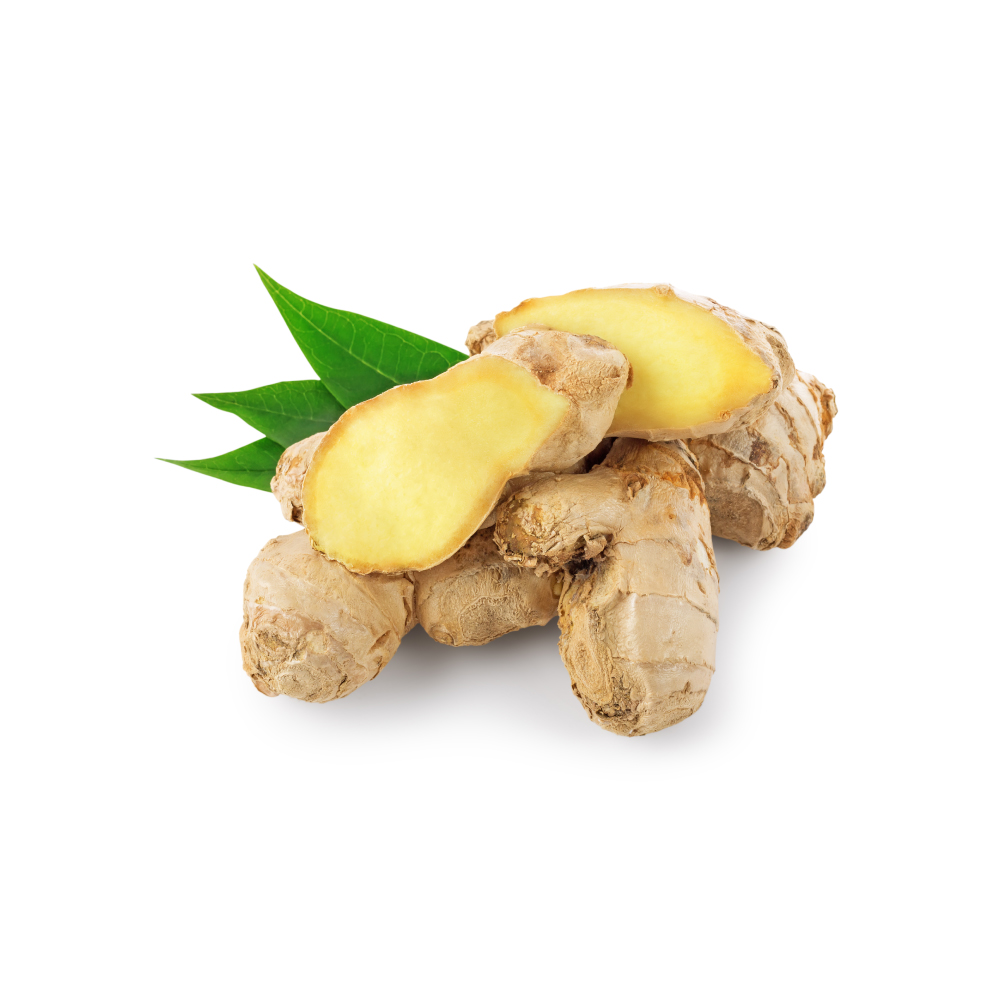 Ginger Zingiber officinale Documented for 10-gingerol, 6-gingerol, 6-paradol and 7 more phenylpropanoids.
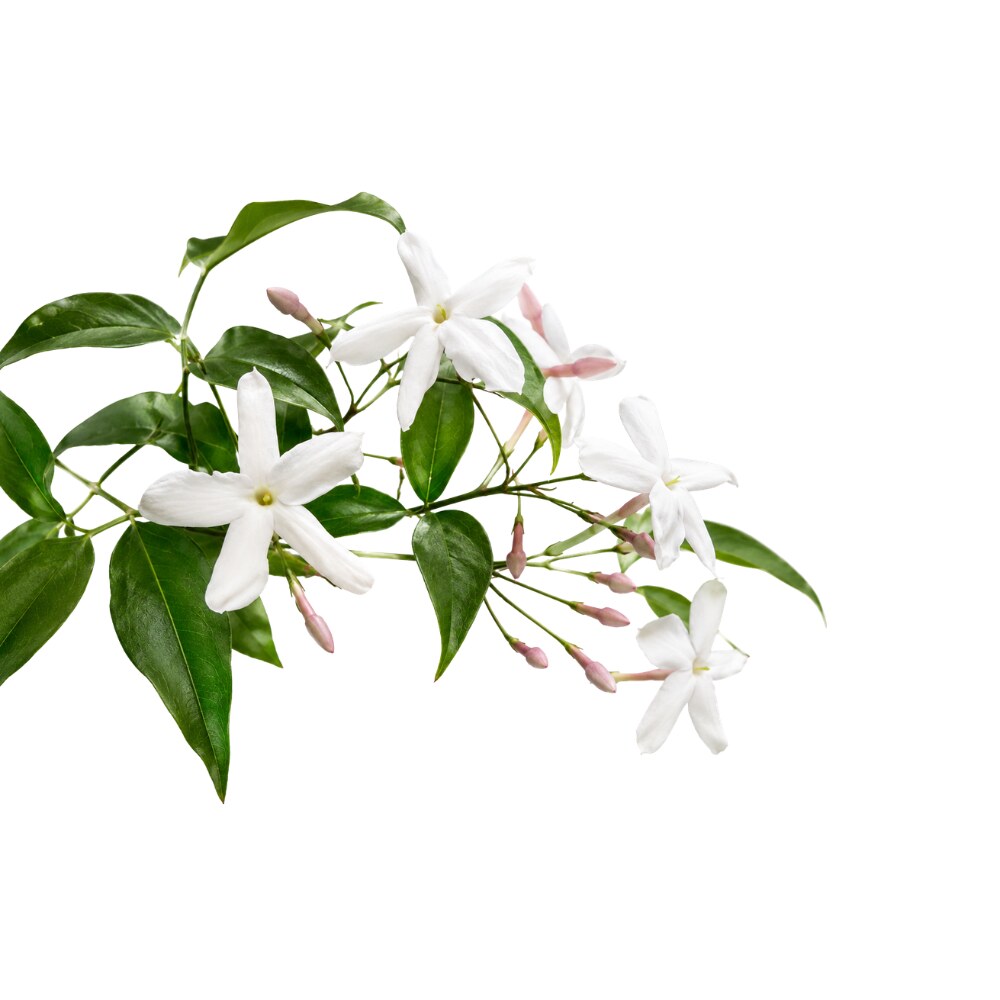 Jasmine Jasminum officinale Documented for benzyl acetate, benzyl alcohol, benzyl benzoate and 3 more phenylpropanoids. Kava Piper methysticum Documented for dihydromethysticin (8.7–13 % of kavalactones), kavain (28–39 % of kavalactones), methysticin (2.6–4.8 % of kavalactones) and 3 more phenylpropanoids.
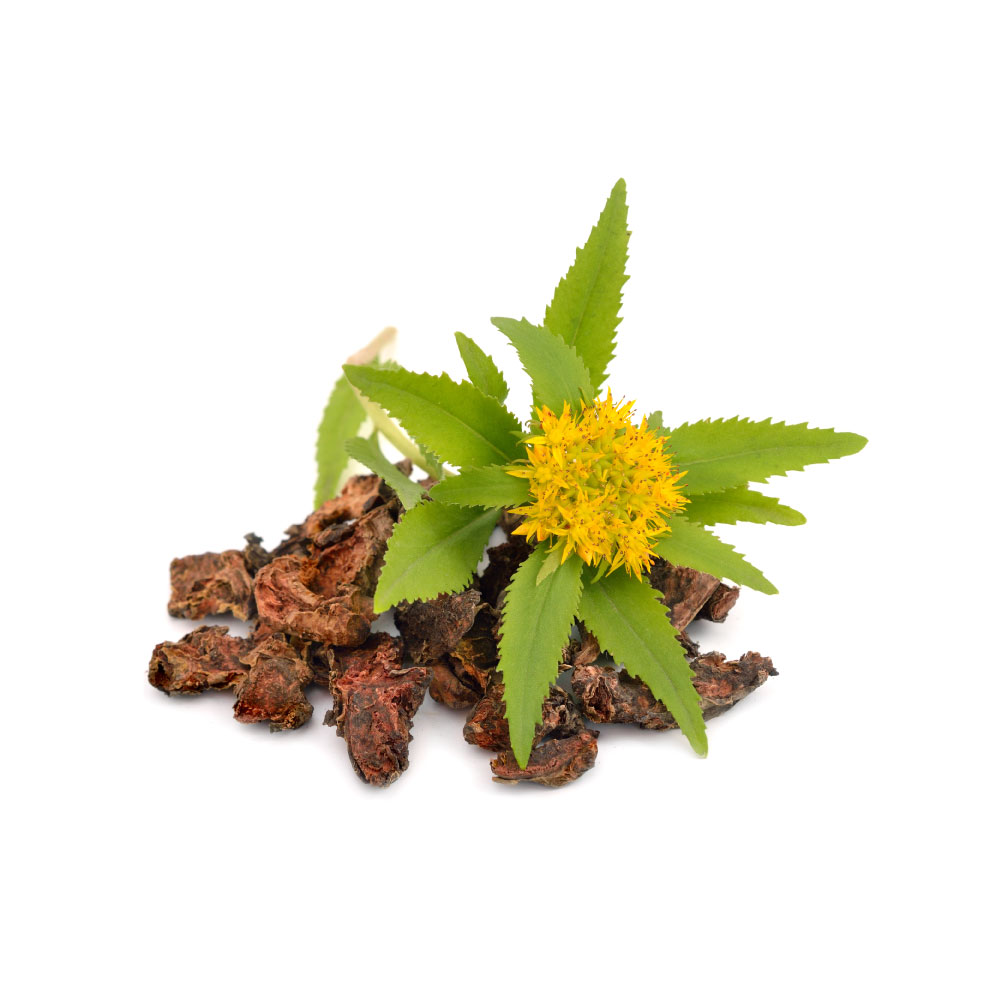 Rhodiola Rhodiola rosea Documented for salidroside (1 % of extract), rhodiolasides, rosarin and 2 more phenylpropanoids.
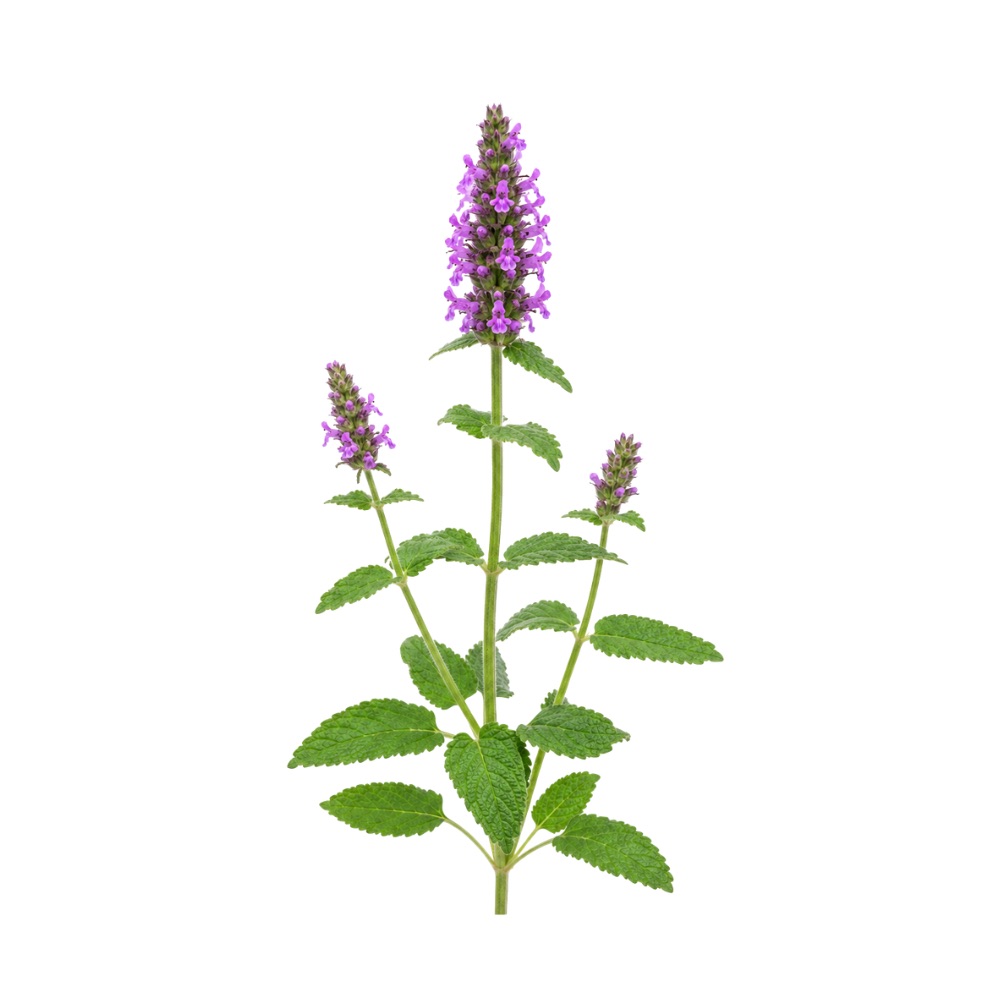 Wood Betony Stachys officinalis Documented for betonyoside A, forsythoside B, leucosceptoside A and 2 more phenylpropanoids.
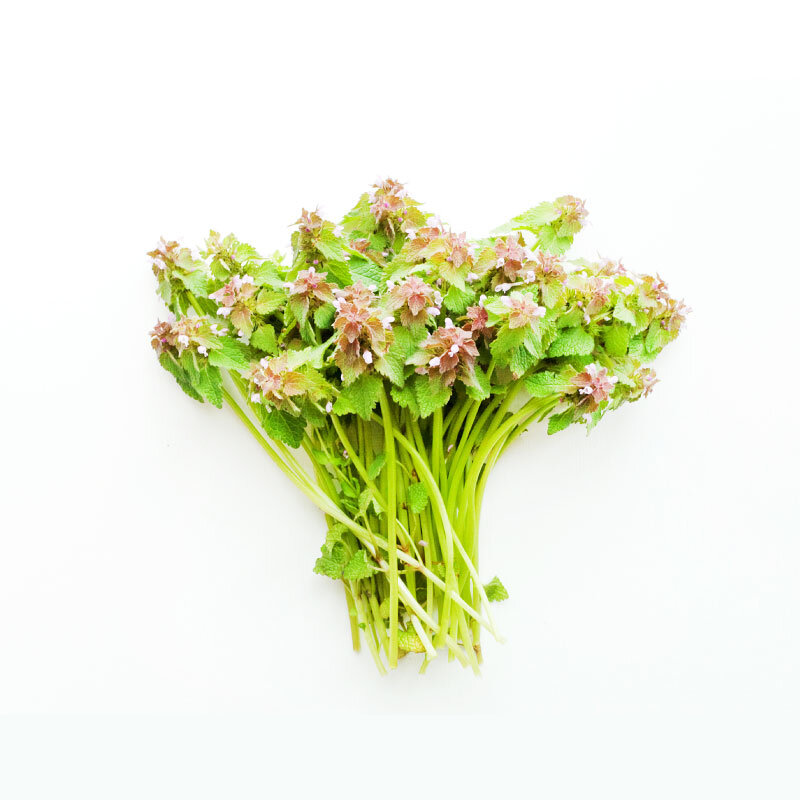 Black Horehound Ballota nigra Documented for arenarioside, ballotetroside, forsythoside B and 1 more.
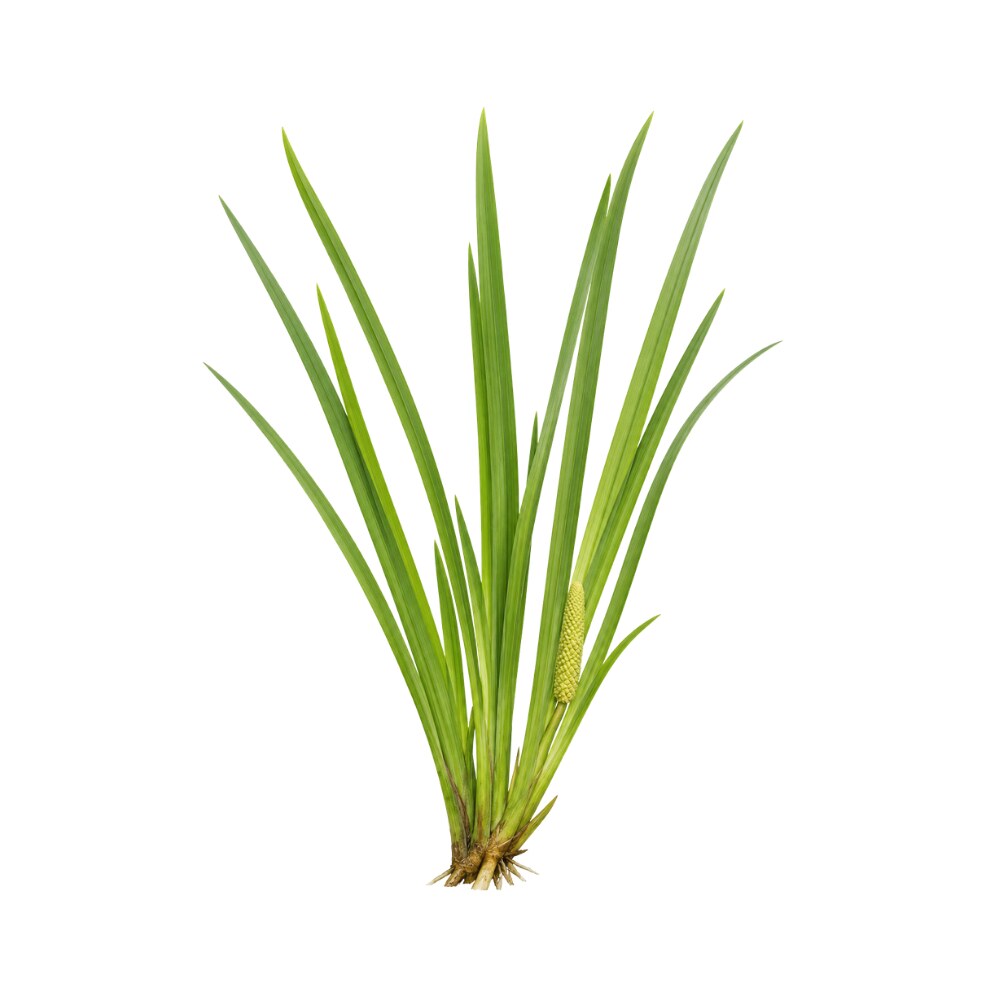 Calamus Acorus calamus Documented for alpha-asarone, beta-asarone, gamma-asarone and 1 more. Cassia Cinnamon Cinnamomum cassia Documented for cinnamaldehyde (70–90 % of oil), cinnamyl acetate, cinnamyl alcohol and 1 more.
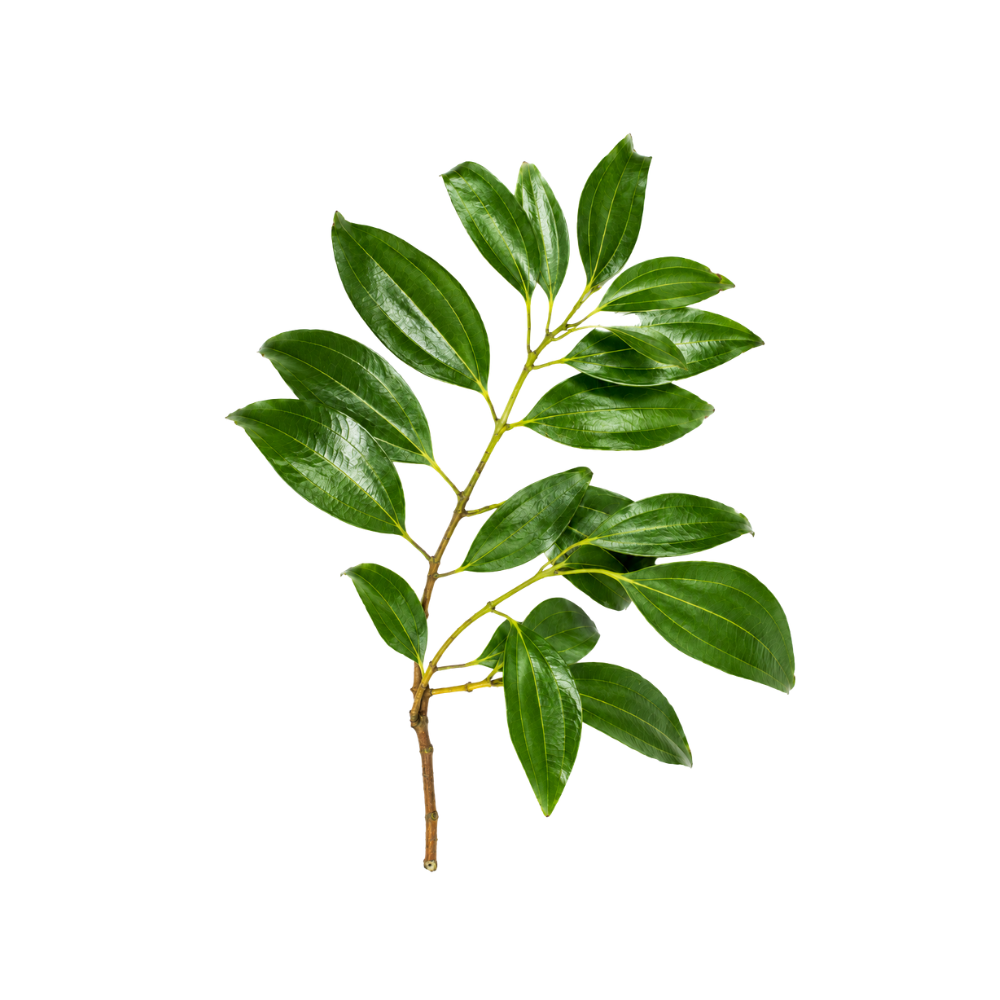 Ceylon Cinnamon Cinnamomum verum Documented for cinnamaldehyde, cinnamyl acetate, cinnamyl alcohol and 1 more.
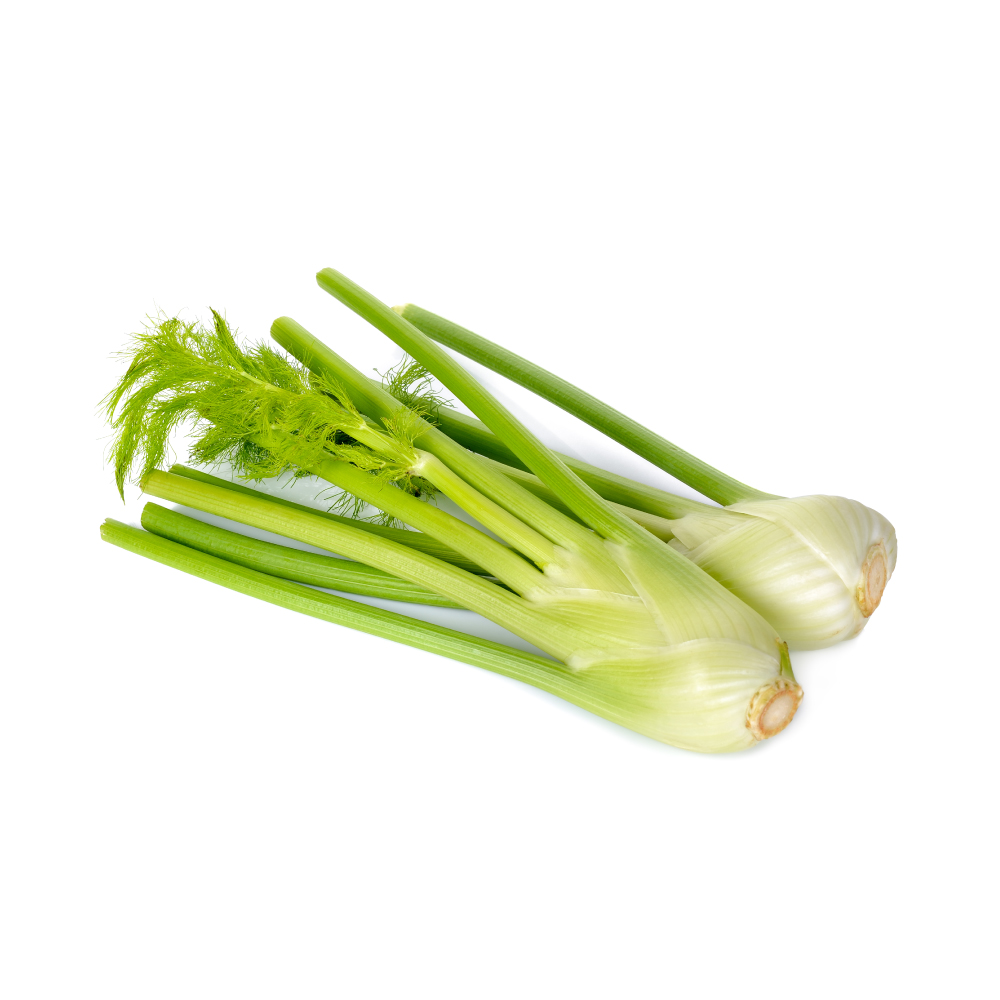 Fennel Foeniculum vulgare Documented for estragole (2–29 % of essential oil), anethole, dianethole and 1 more.
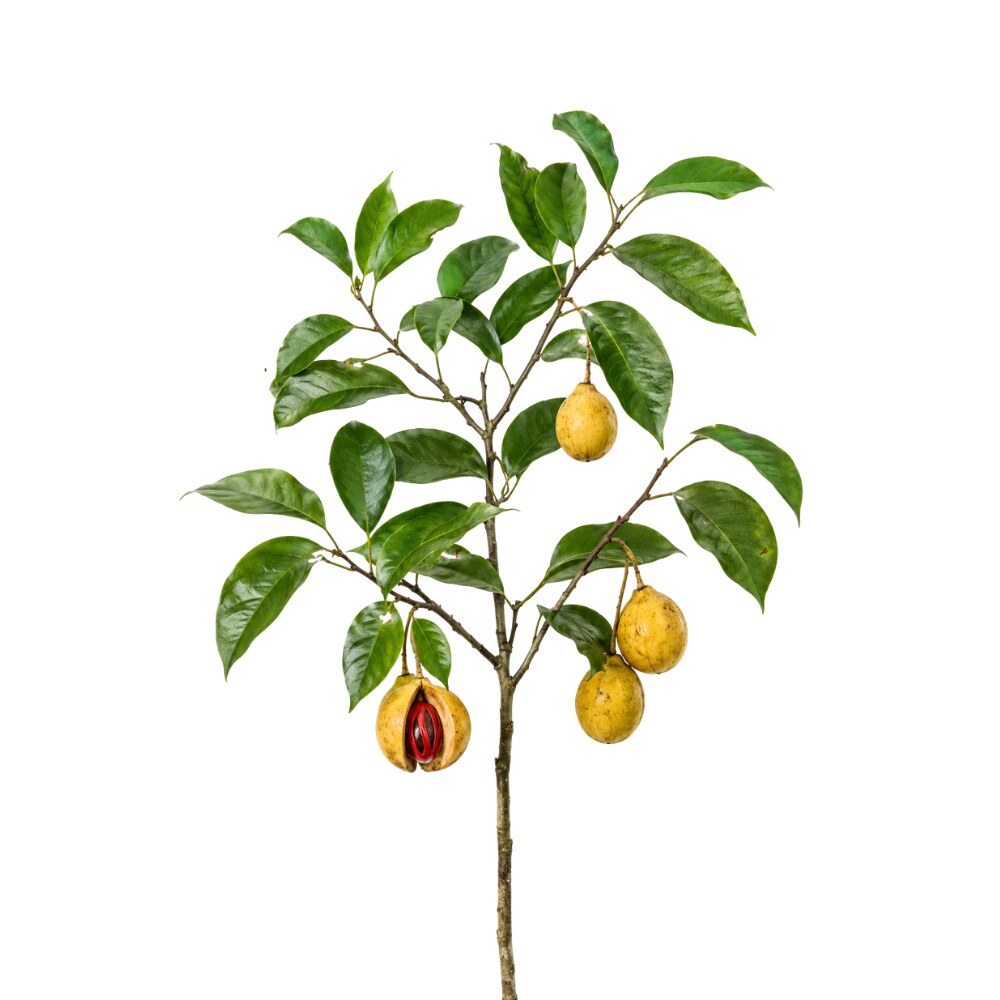 Nutmeg Myristica fragrans Toxic Documented for elemicin, eugenol, myristicin and 1 more.
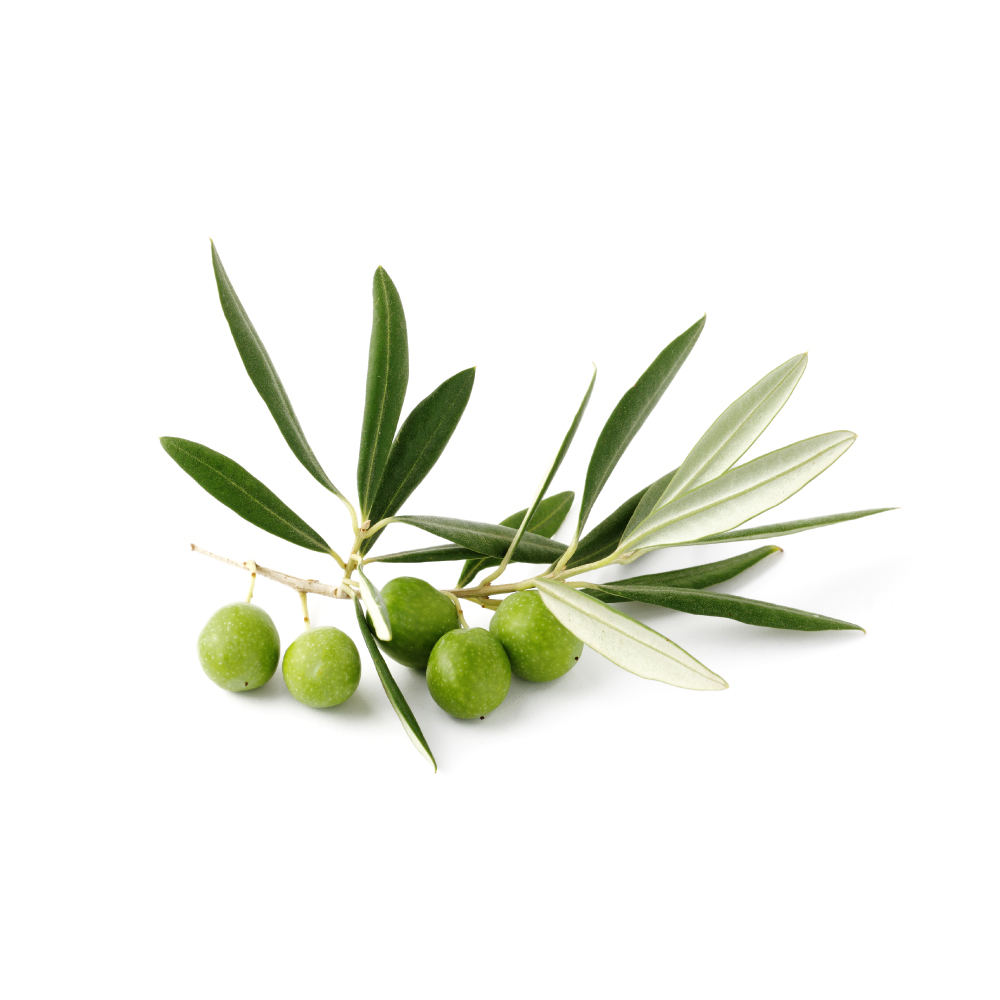 Olive Leaf Olea europaea Documented for oleuropein (60–90 mg/g dry wt), ligstroside, oleuropeoside and 1 more.
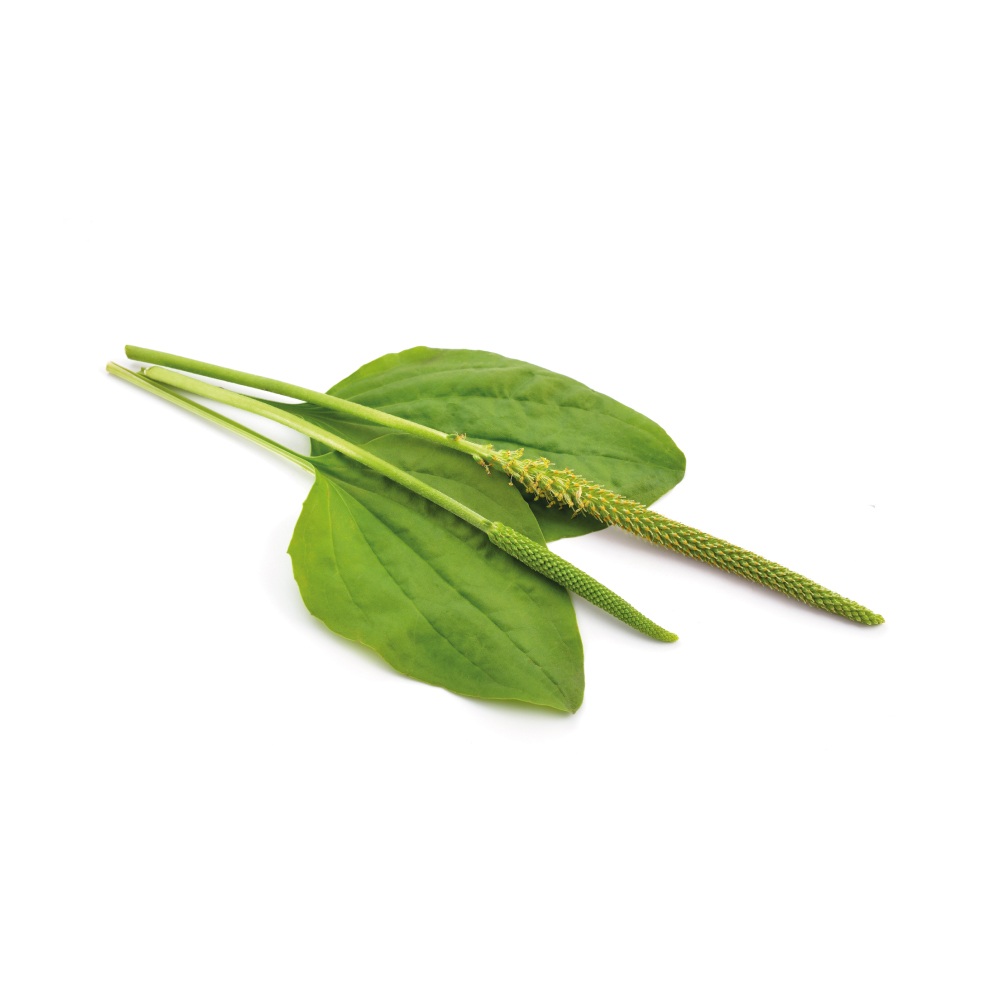 Plantain Plantago major Documented for isoverbascoside, martynoside, plantamajoside and 1 more.
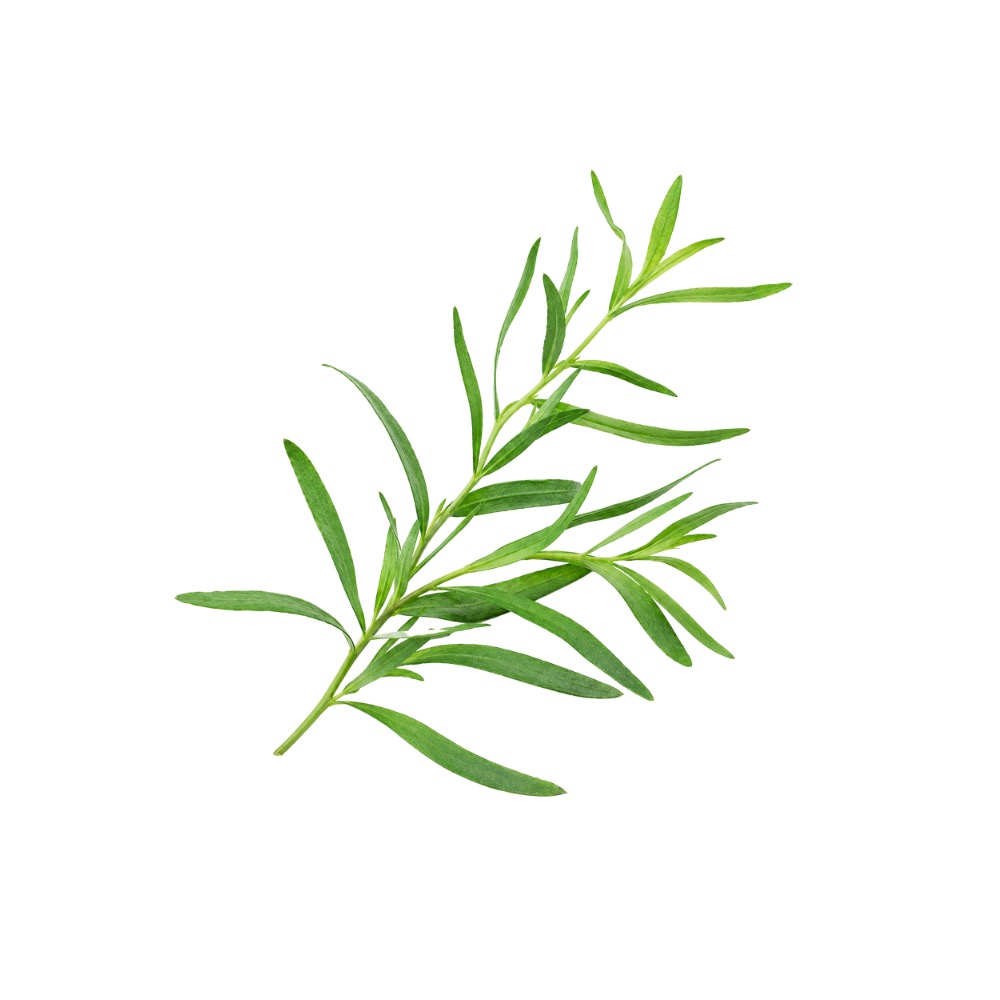 Tarragon Artemisia dracunculus Documented for estragole (70–82 % of essential oil), methyl eugenol (0–39 % of oil), anethole and 1 more.
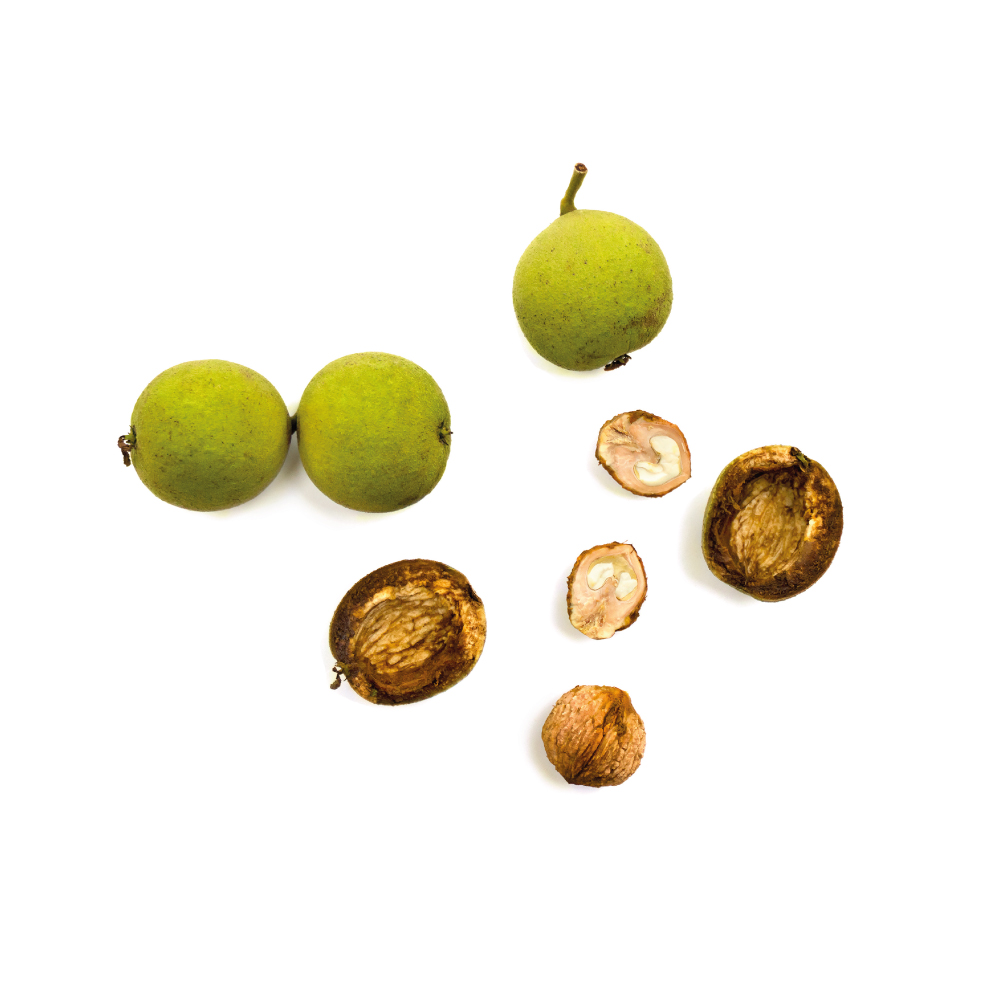 Black Walnut Juglans nigra Documented for carvacrol, eugenol, homoveratrole.
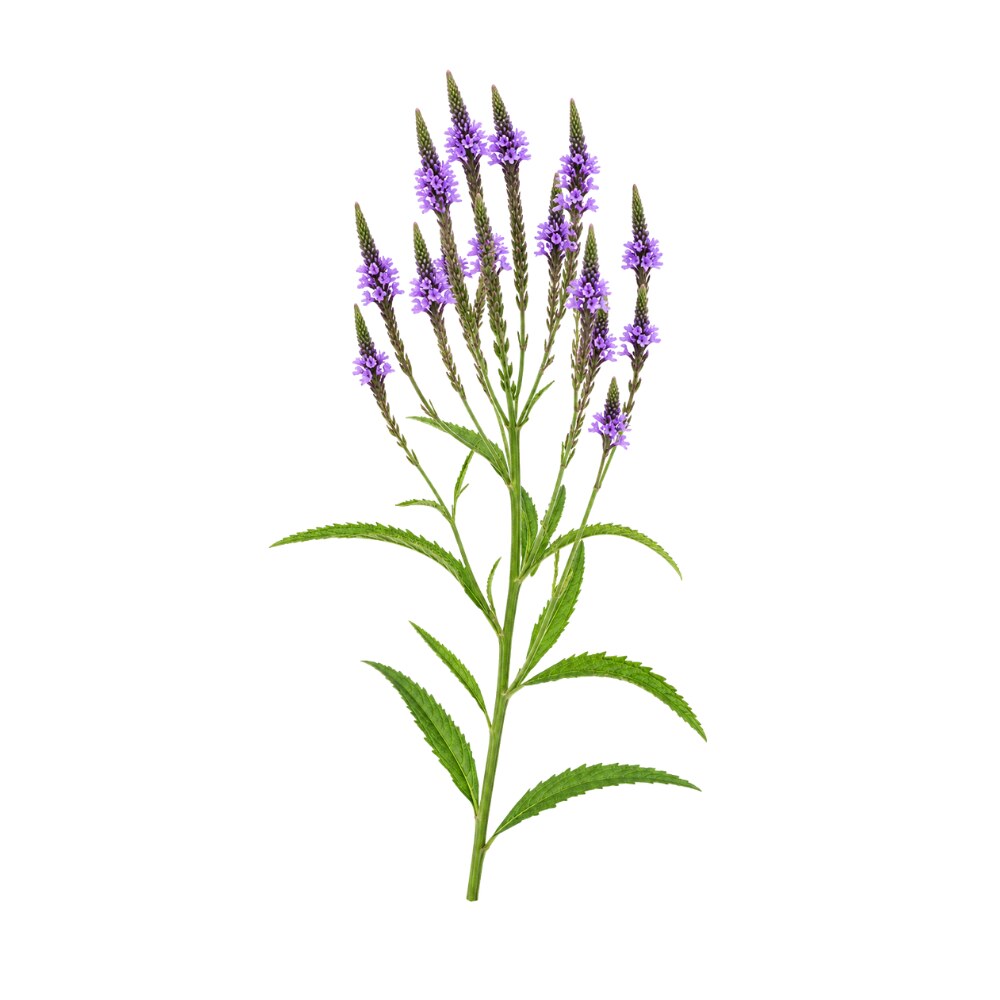 Blue Vervain Verbena hastata Documented for leucosceptoside A, martynoside, verbascoside.
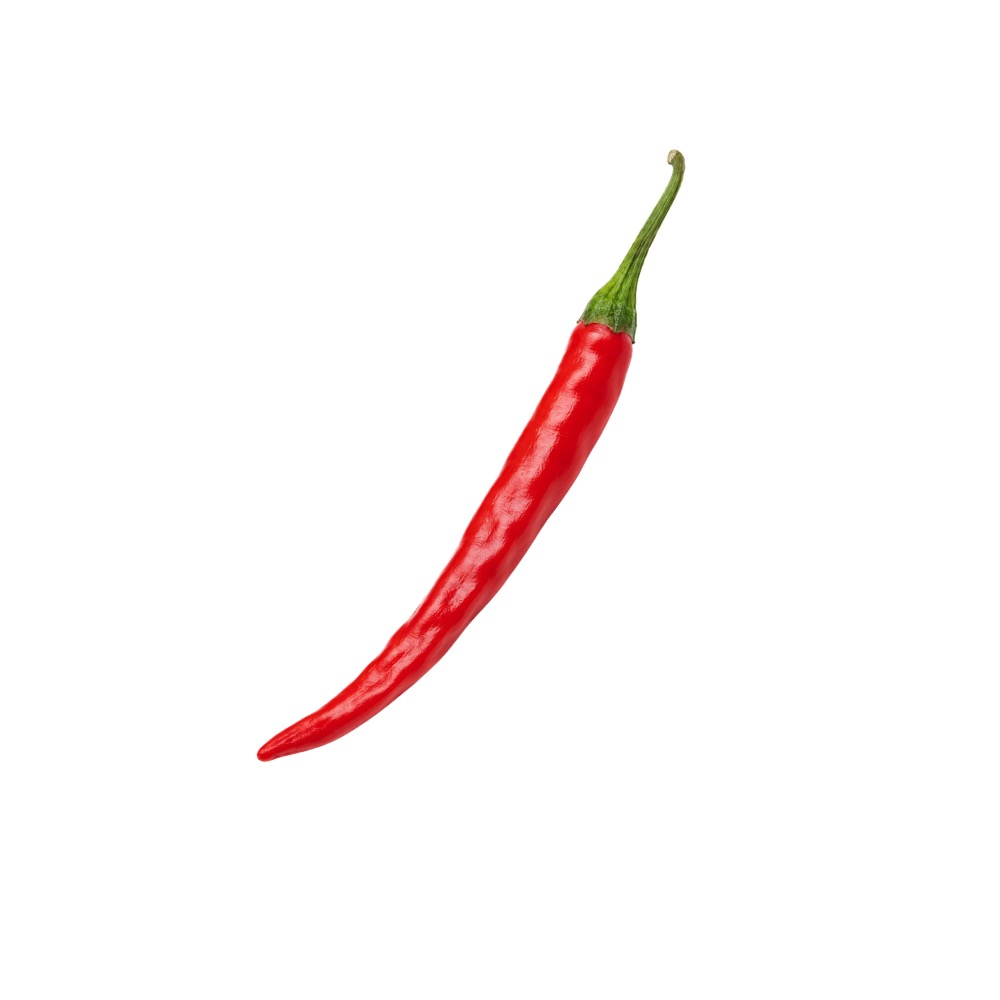 Cayenne Capsicum annuum Documented for capsaicin (4,059–4,439 mg/kg fresh wt), nordihydrocapsaicin (399 µg/g dry wt), dihydrocapsaicin.
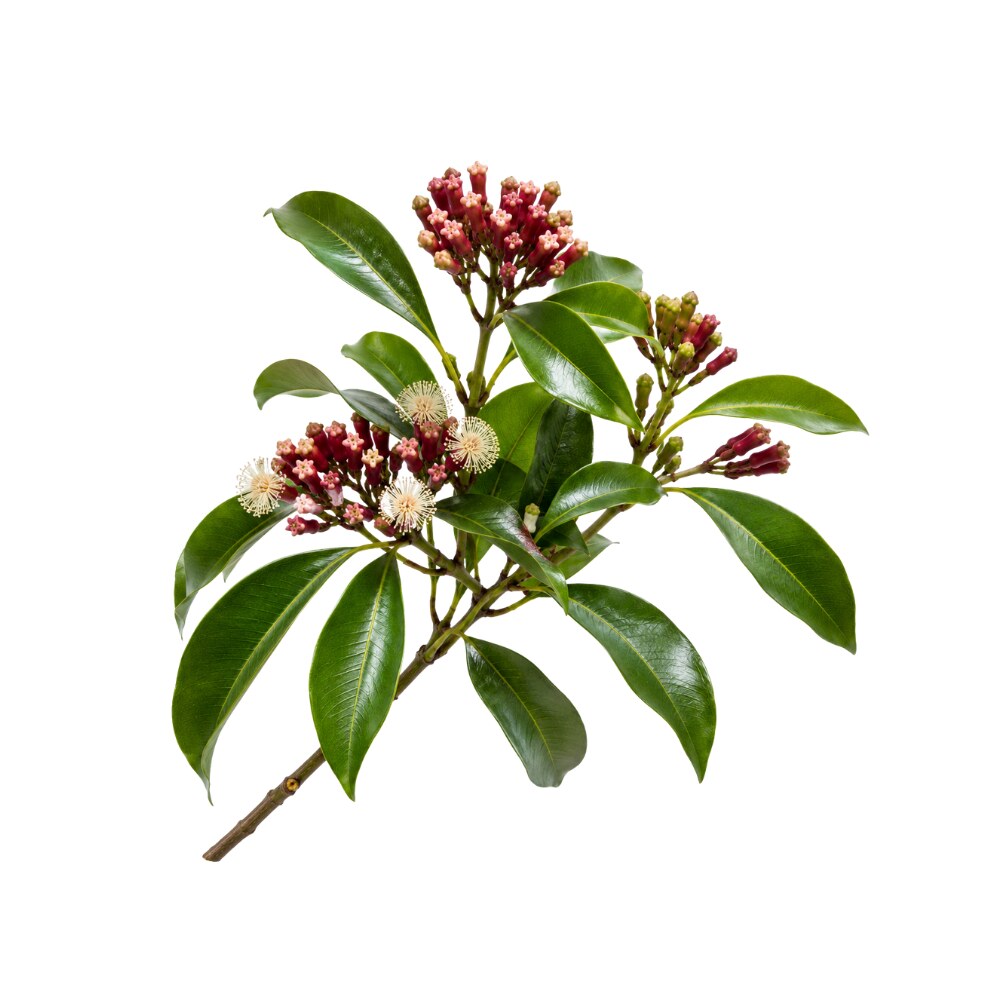 Clove Syzygium aromaticum Documented for eugenol (70–90 % of oil), acetyleugenol, methyl eugenol.
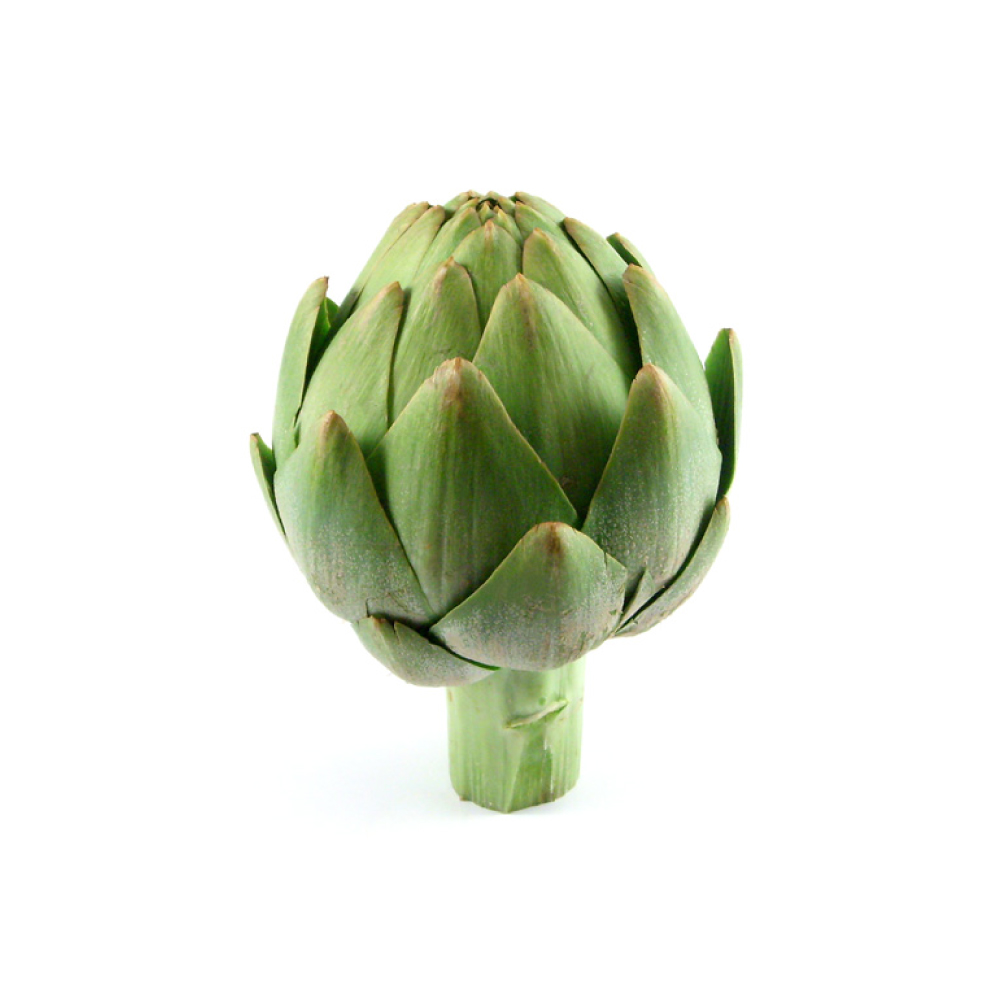 Globe Artichoke Cynara scolymus Documented for eugenol, neochlorogenic acid, phenylacetaldehyde.
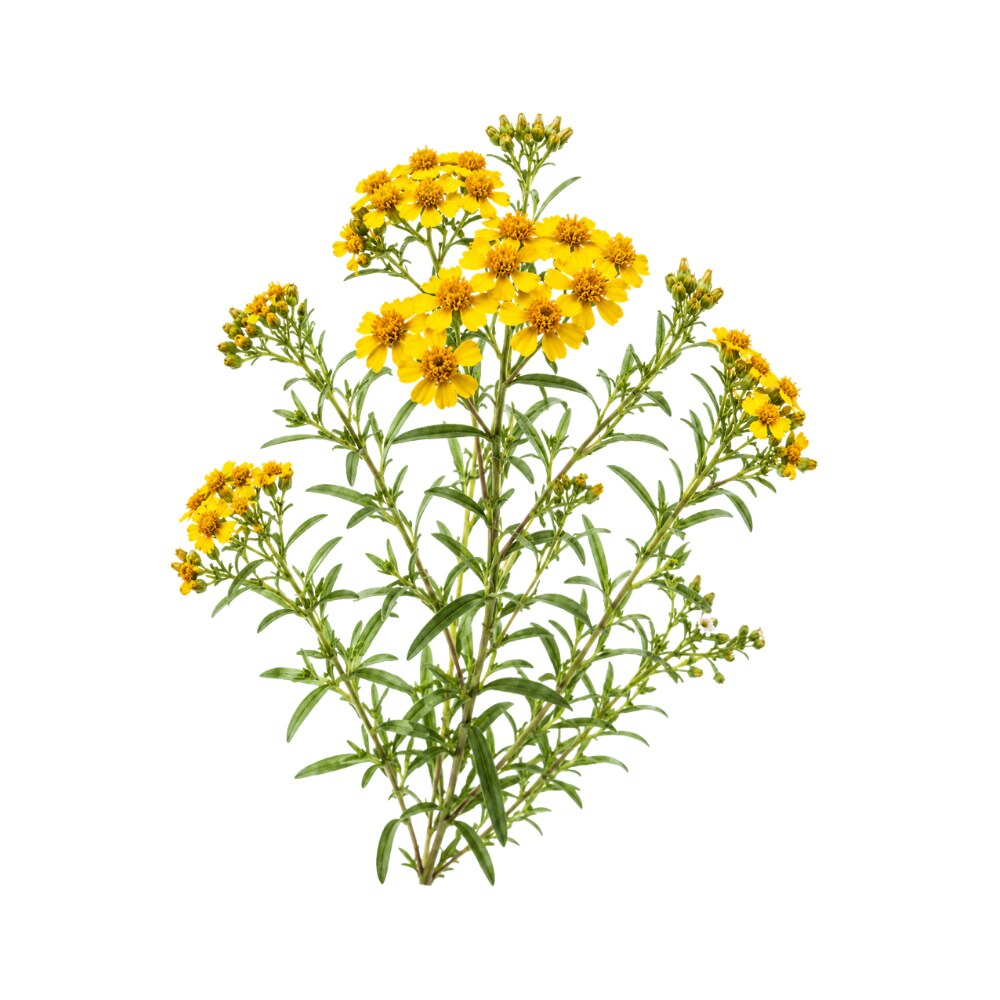 Mexican Tarragon Tagetes lucida Documented for estragole (95–97 % of essential oil), methyl eugenol (46 % of oil), anethole.
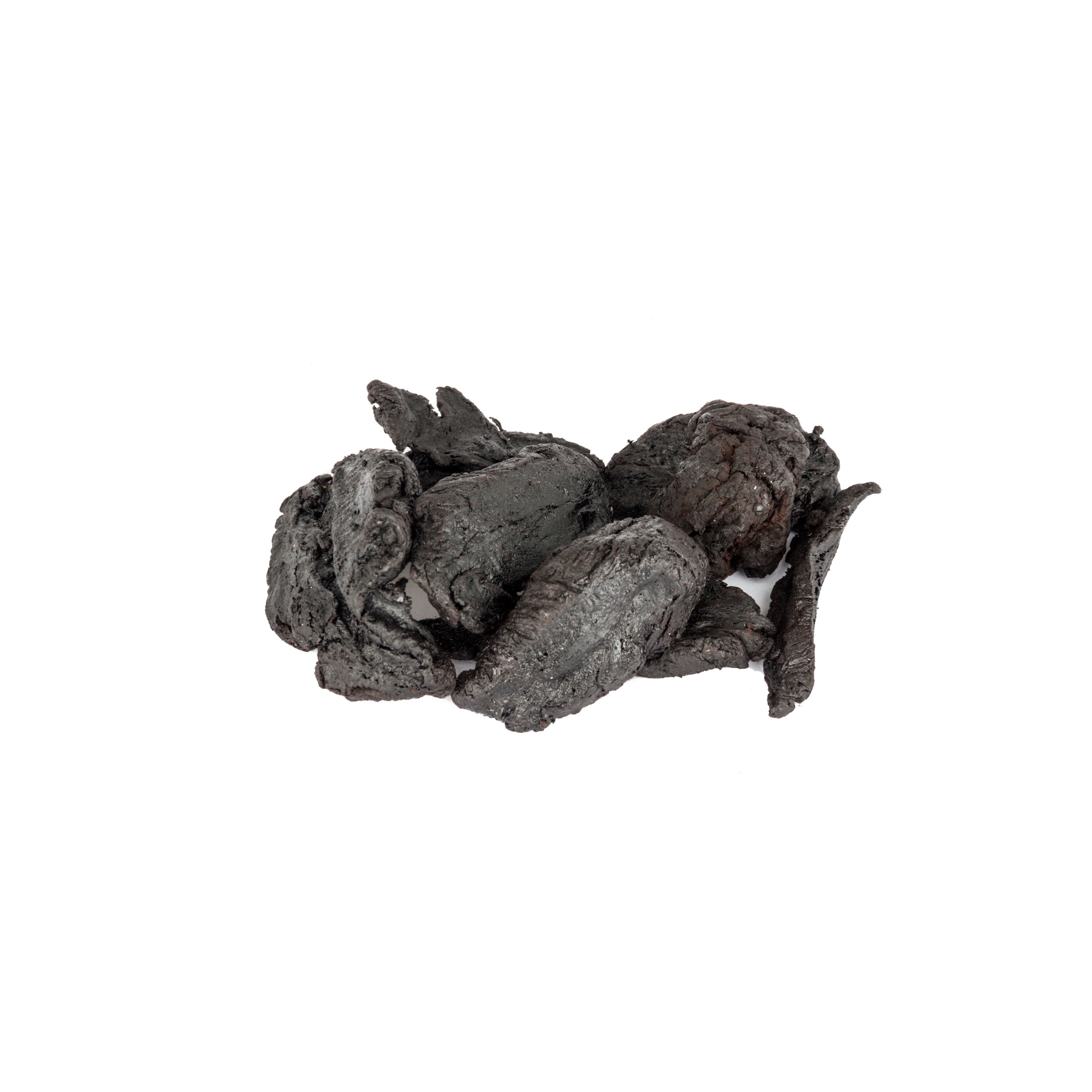 Rehmannia Rehmannia glutinosa Documented for isoverbascoside, jionosides, verbascoside. Ylang Ylang Cananga odorata Documented for benzyl acetate, benzyl alcohol, benzyl benzoate.
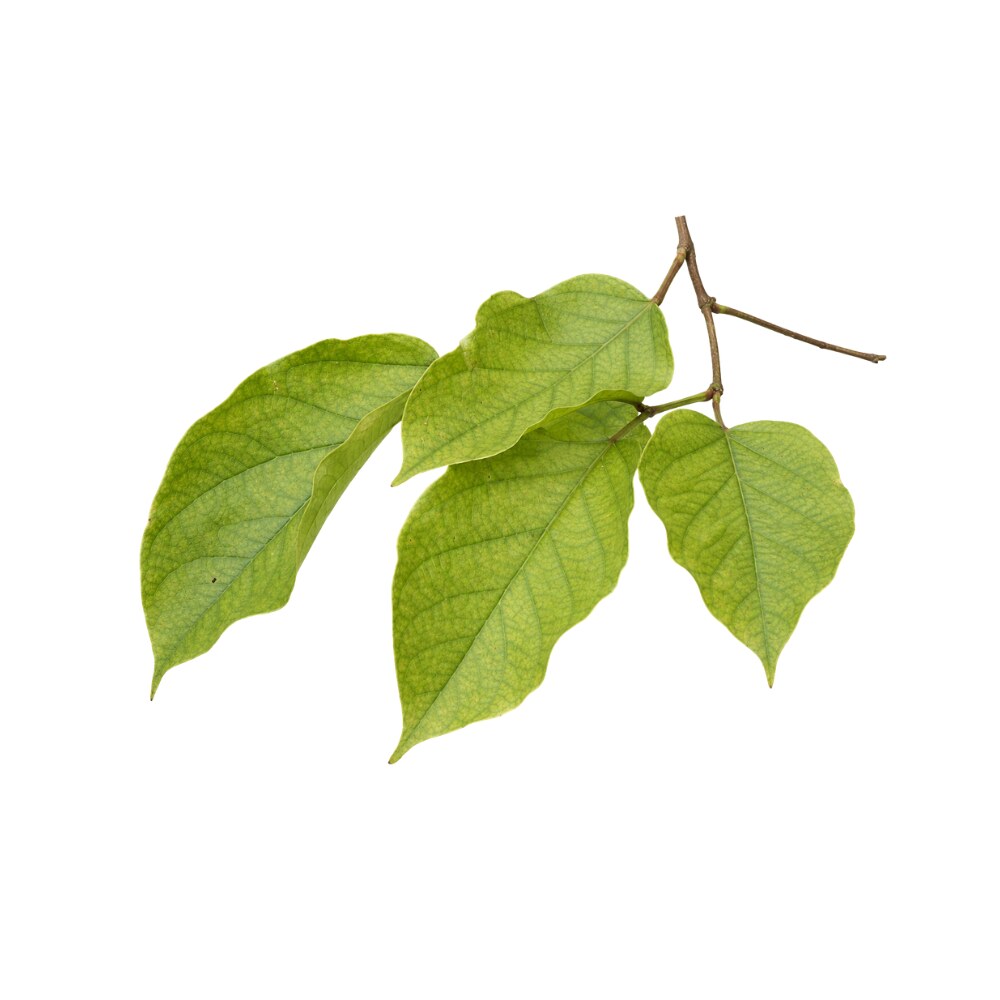 Clavo Huasca Tynanthus panurensis Documented for eugenol, verbascoside.
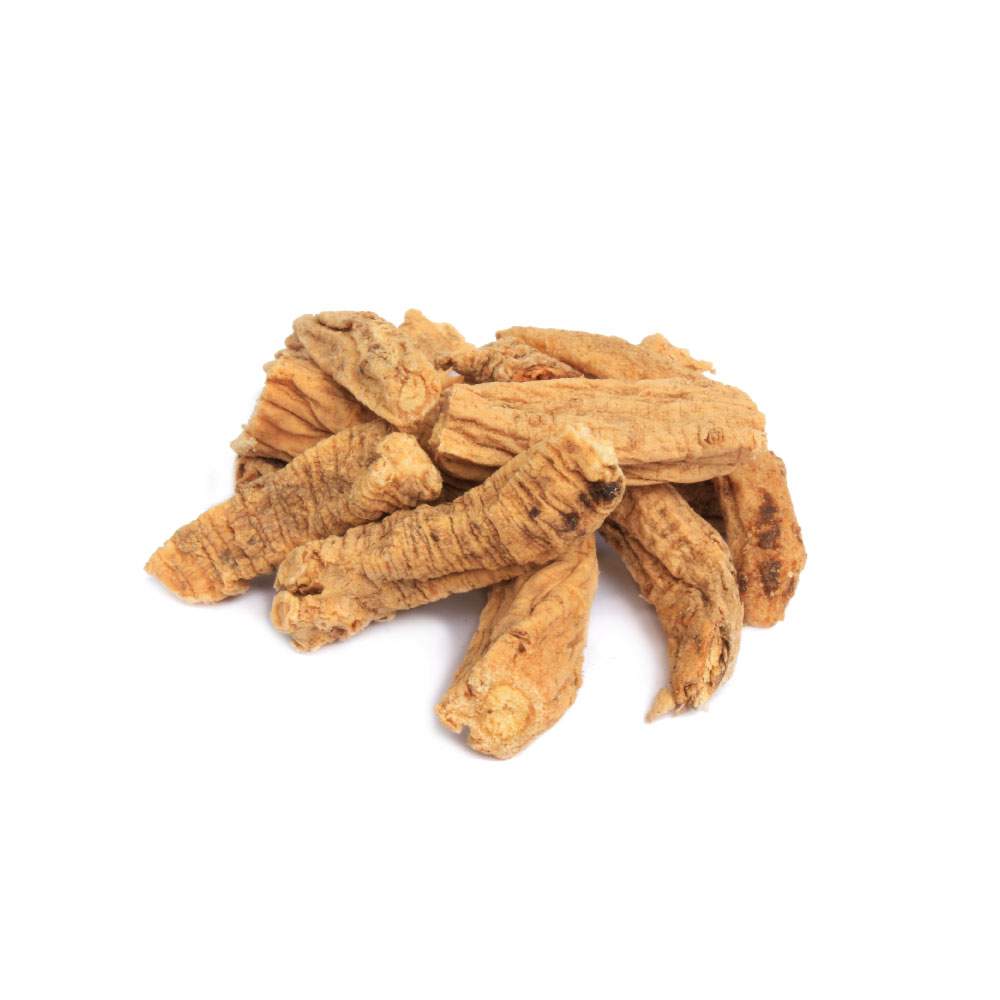 Codonopsis Codonopsis pilosula Documented for syringin, tangshenoside.
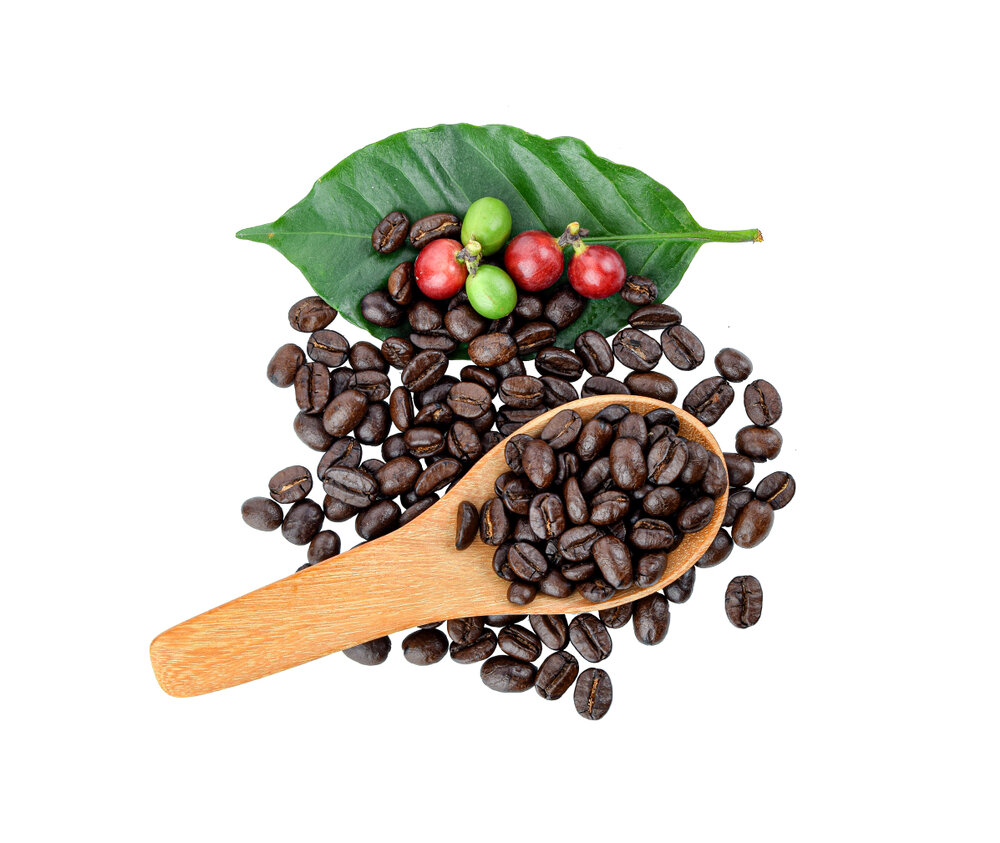 Coffee Coffea arabica Documented for caffeol, neochlorogenic acid.
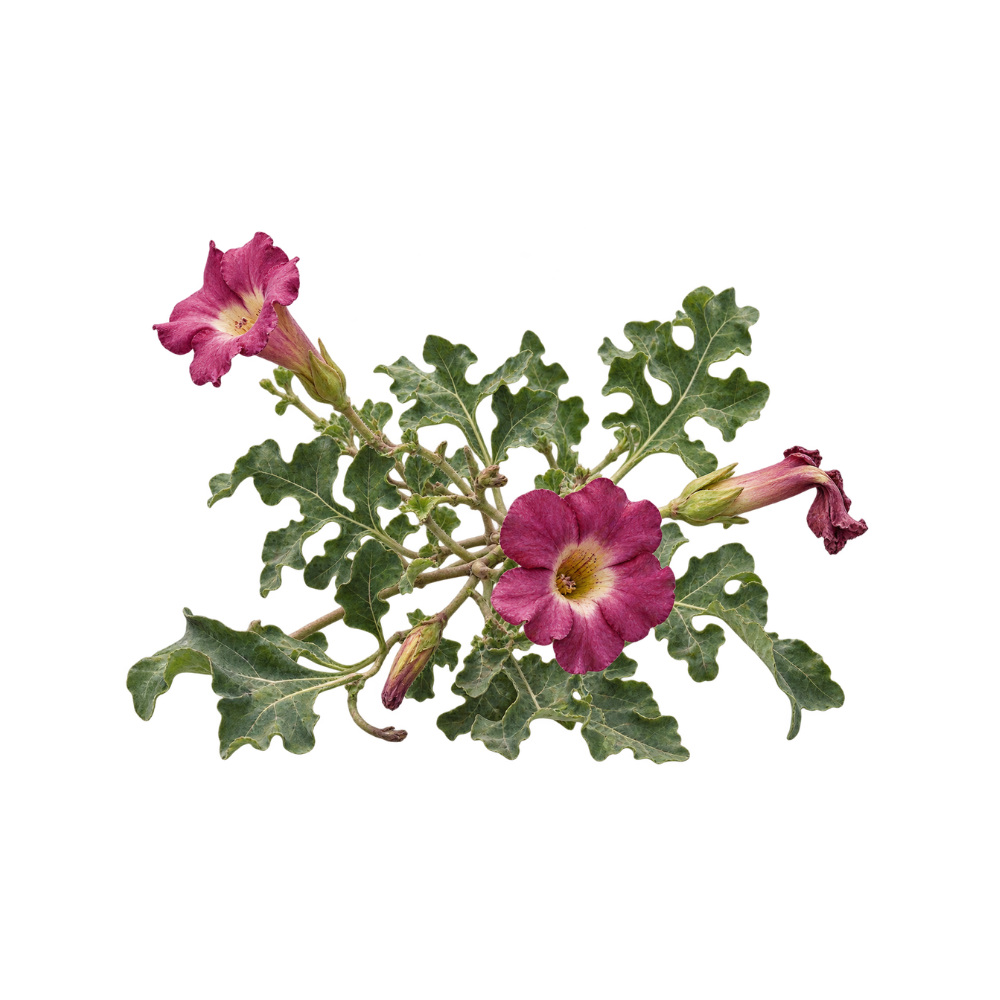 Devil's Claw Harpagophytum procumbens Documented for leucosceptoside A, verbascoside.
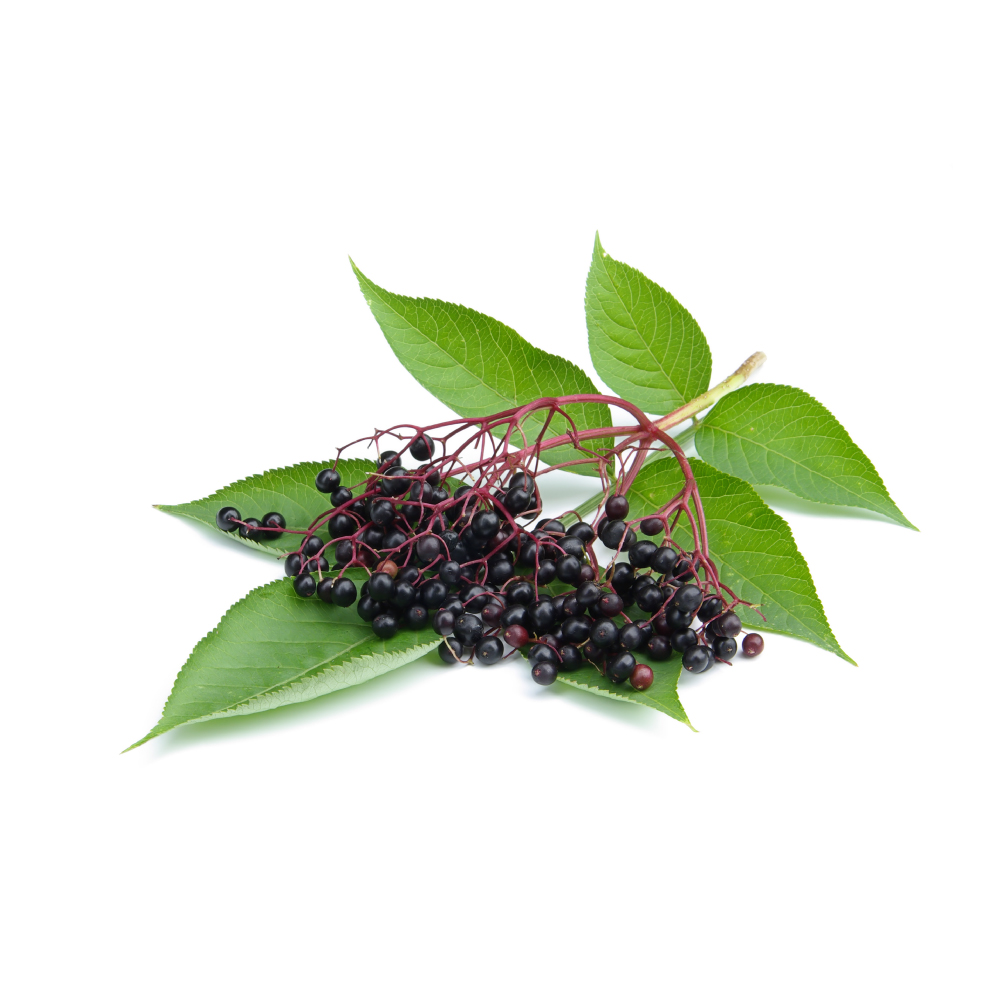 Elderberry Sambucus nigra Documented for 1,5-di-O-caffeoylquinic acid, 5-O-caffeoylquinic acid.
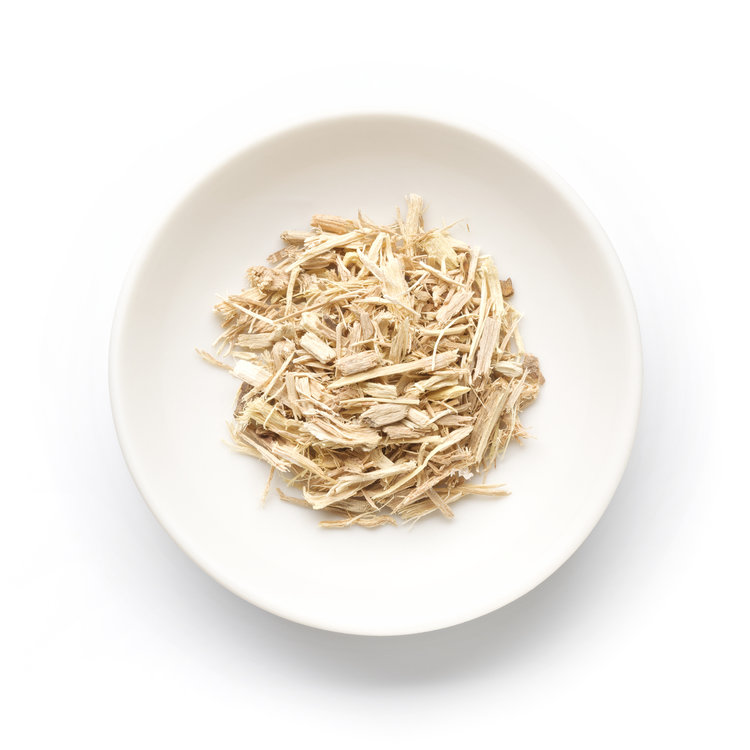 Eleuthero Root Eleutherococcus senticosus Documented for syringin (0.01–0.04 % dry wt), eleutheroside B.
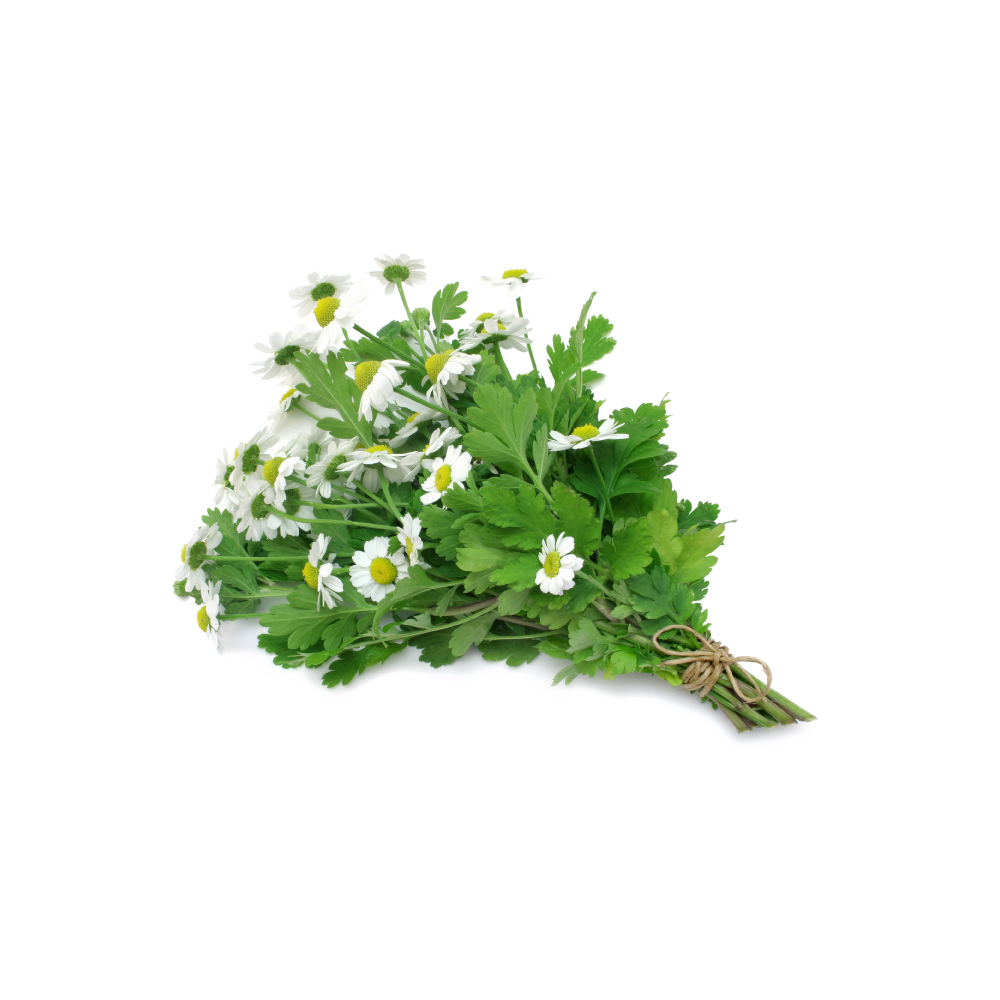 Feverfew Tanacetum parthenium Documented for carvacrol, eugenol.
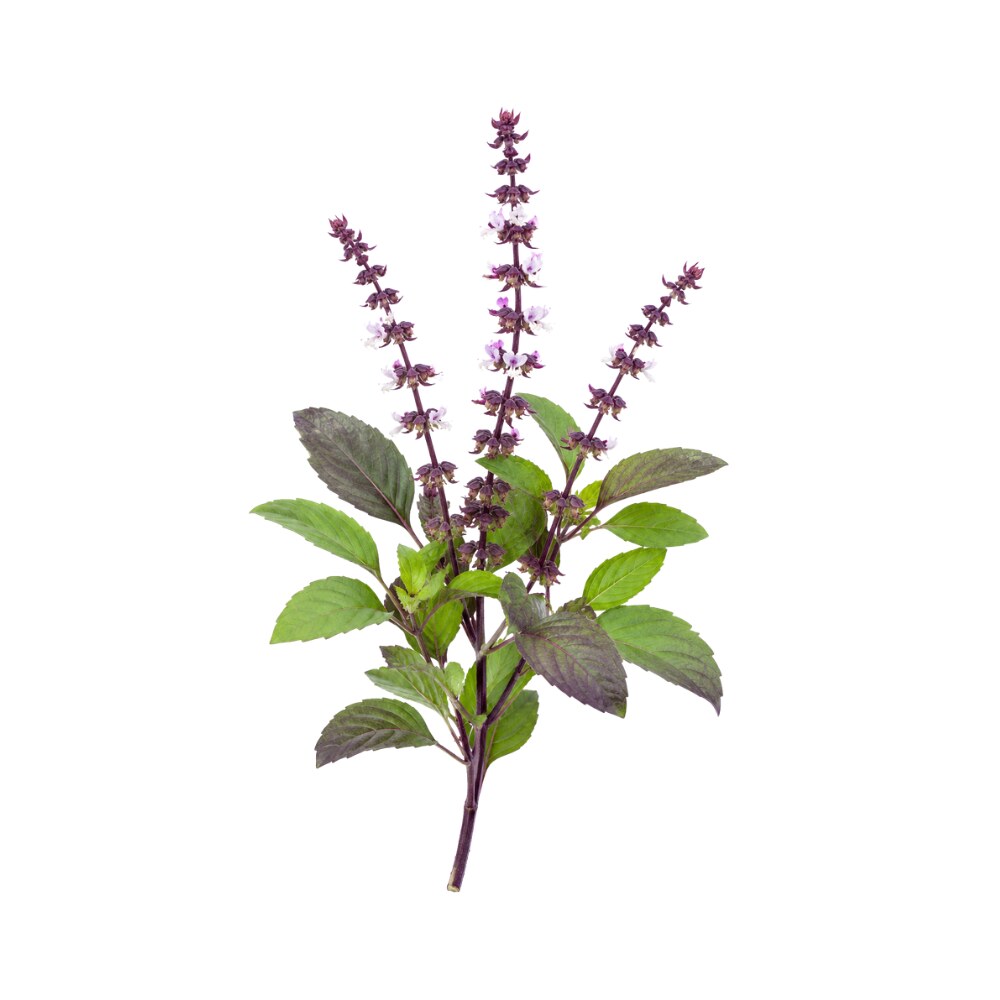 Holy Basil Ocimum tenuiflorum Documented for eugenol, methyl eugenol.
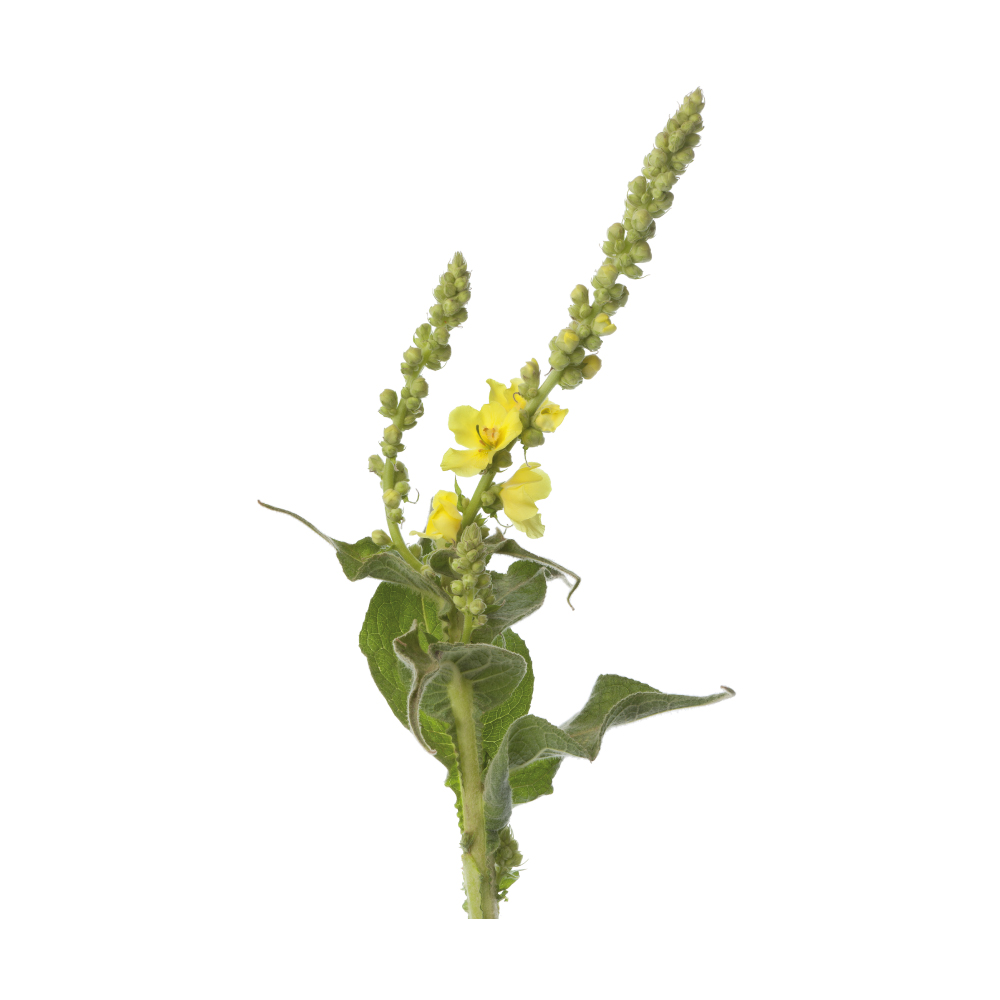 Mullein Verbascum thapsus Documented for leucosceptoside A, verbascoside.
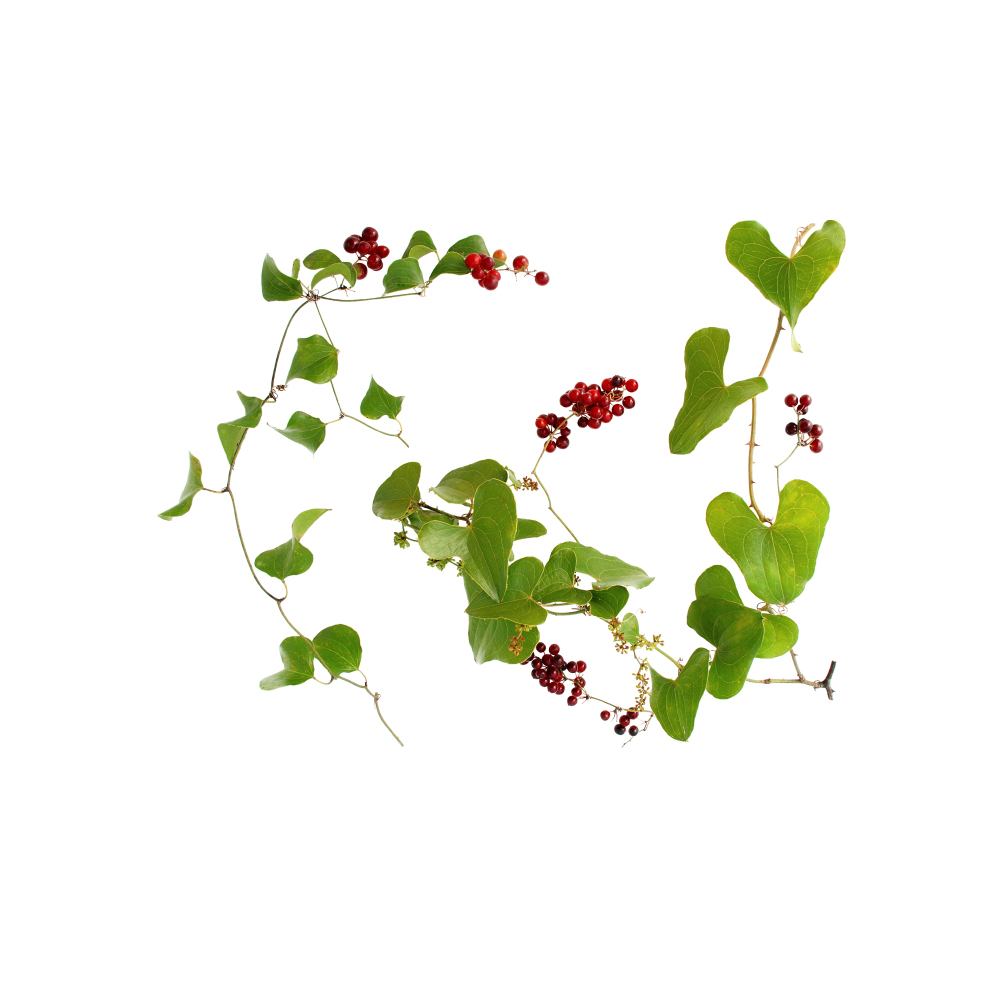 Sarsaparilla Smilax spp. Documented for 5-O-caffeoylshikimic acid, phenylpropanoid esters.
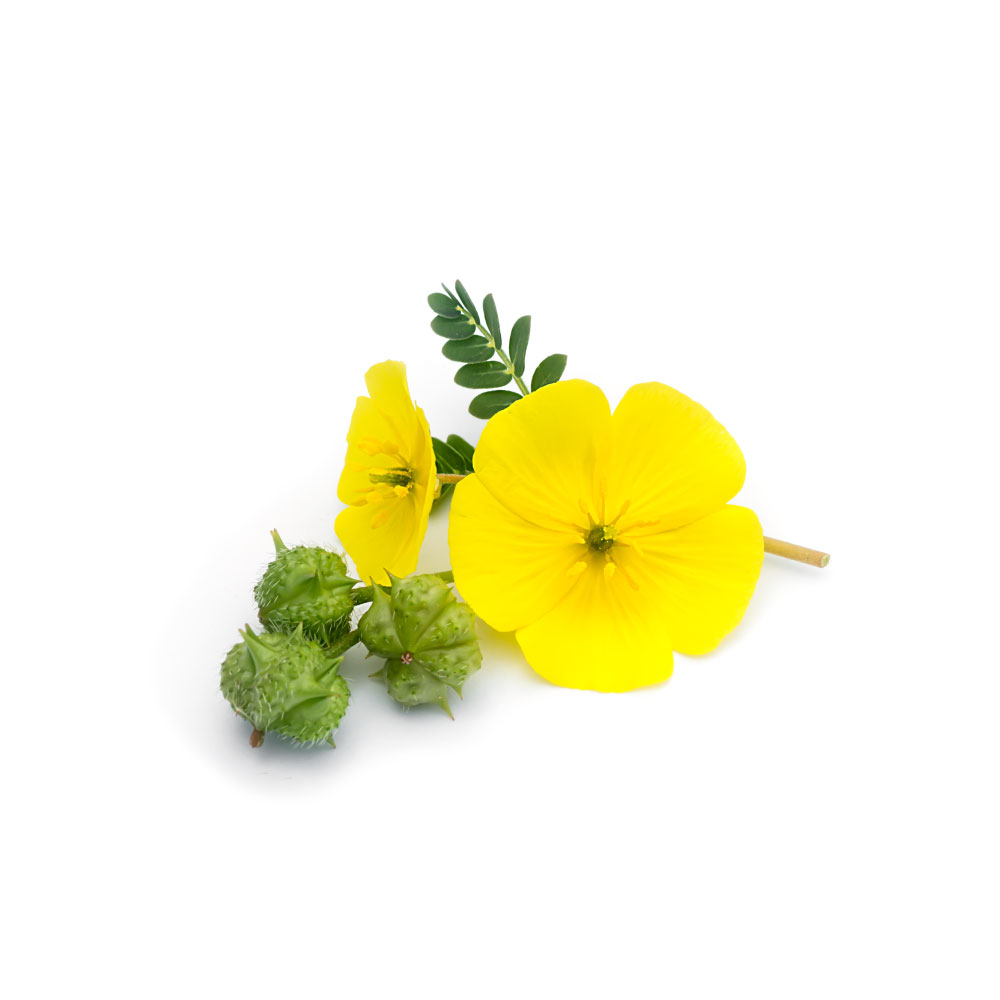 Tribulus Tribulus terrestris Documented for N-trans-p-caffeoyltyramine, tribulusamide D.
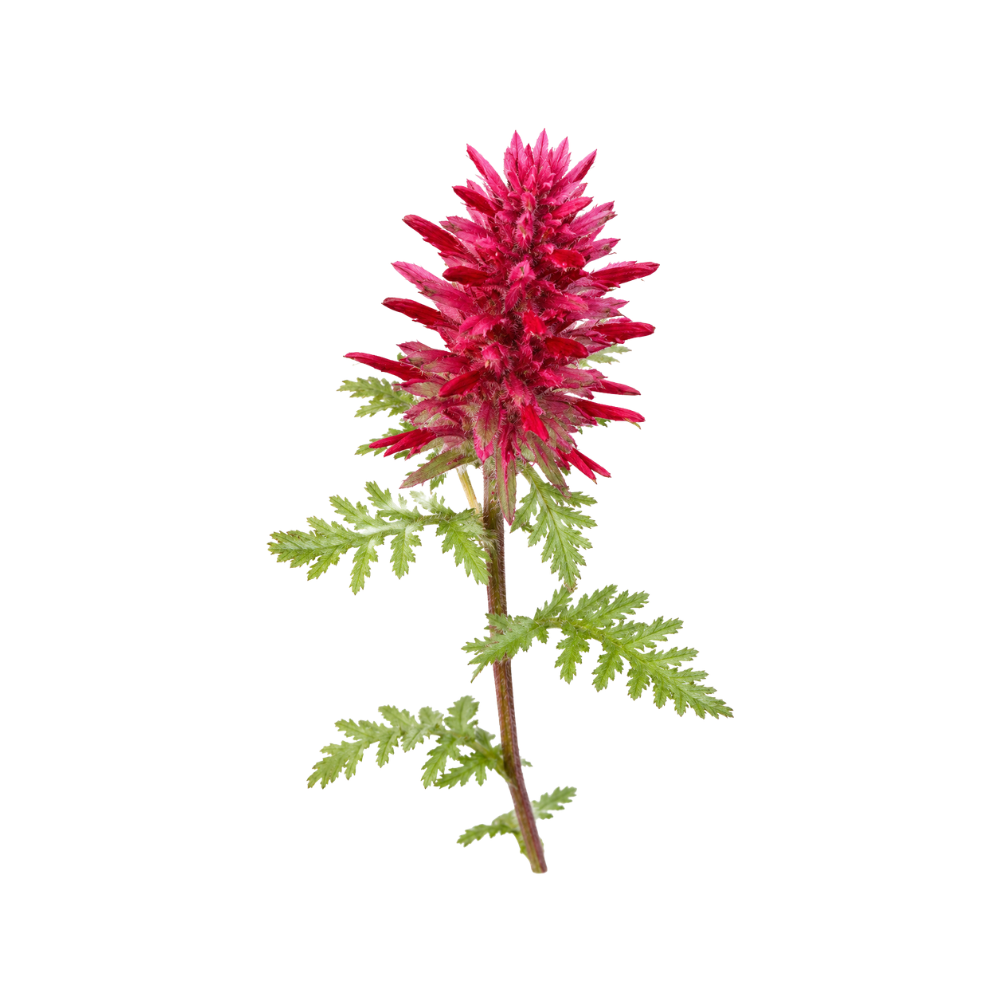 Warrior's Plume Pedicularis densiflora Documented for martynoside, verbascoside.
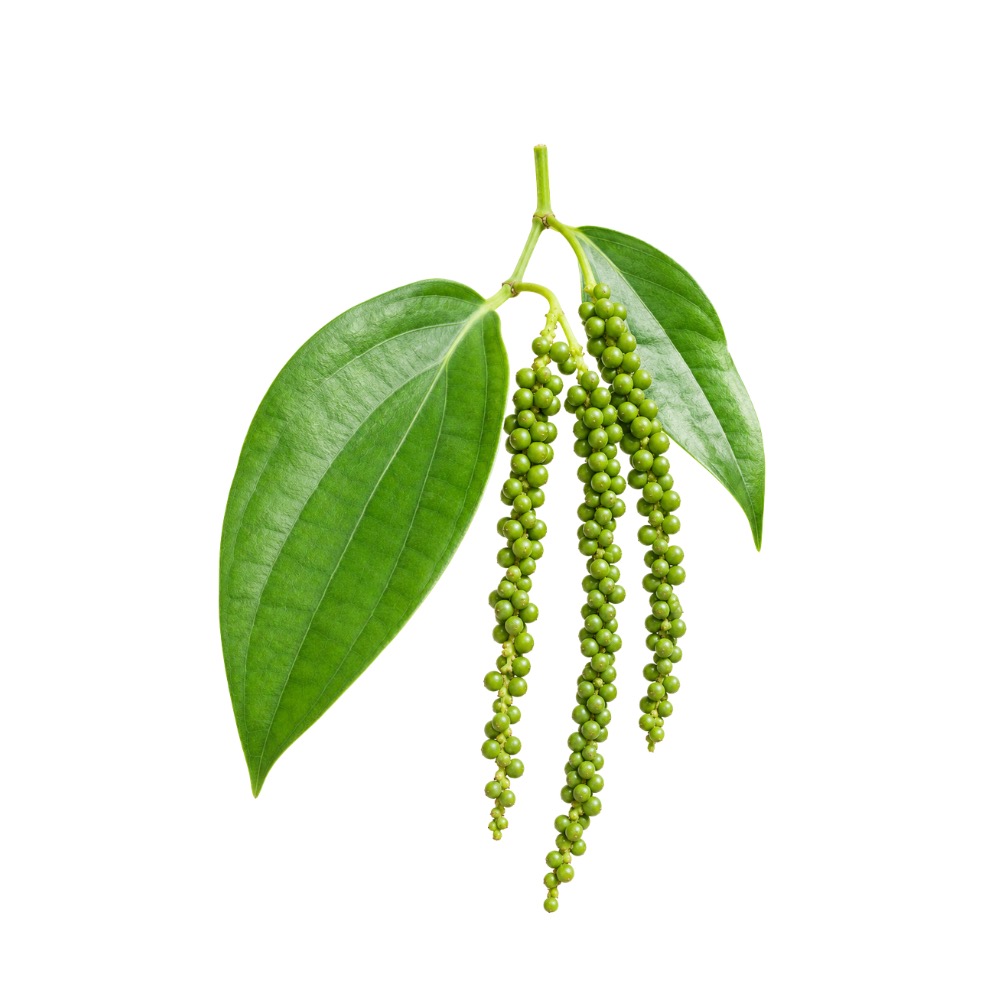 Black Pepper Piper nigrum Documented for piperonal.
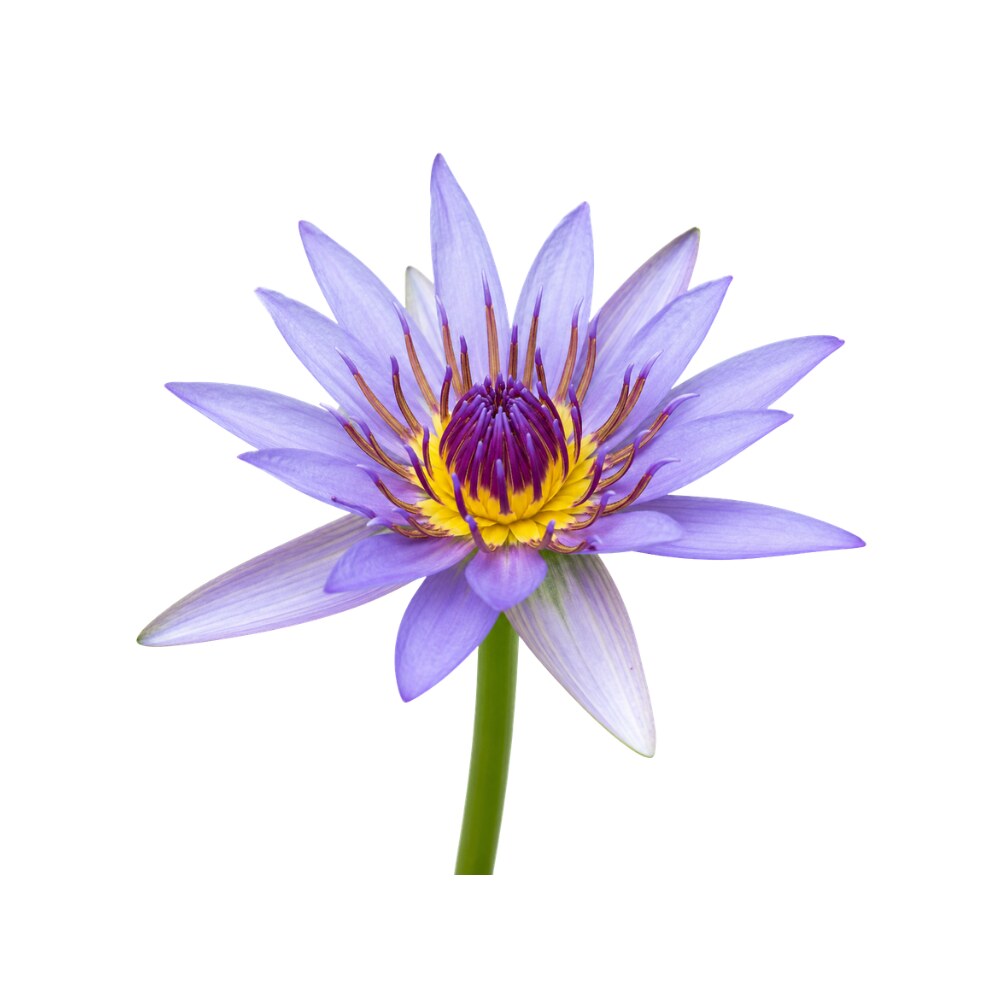 Blue Lotus Flower Nymphaea caerulea Documented for nymphaeoside A.
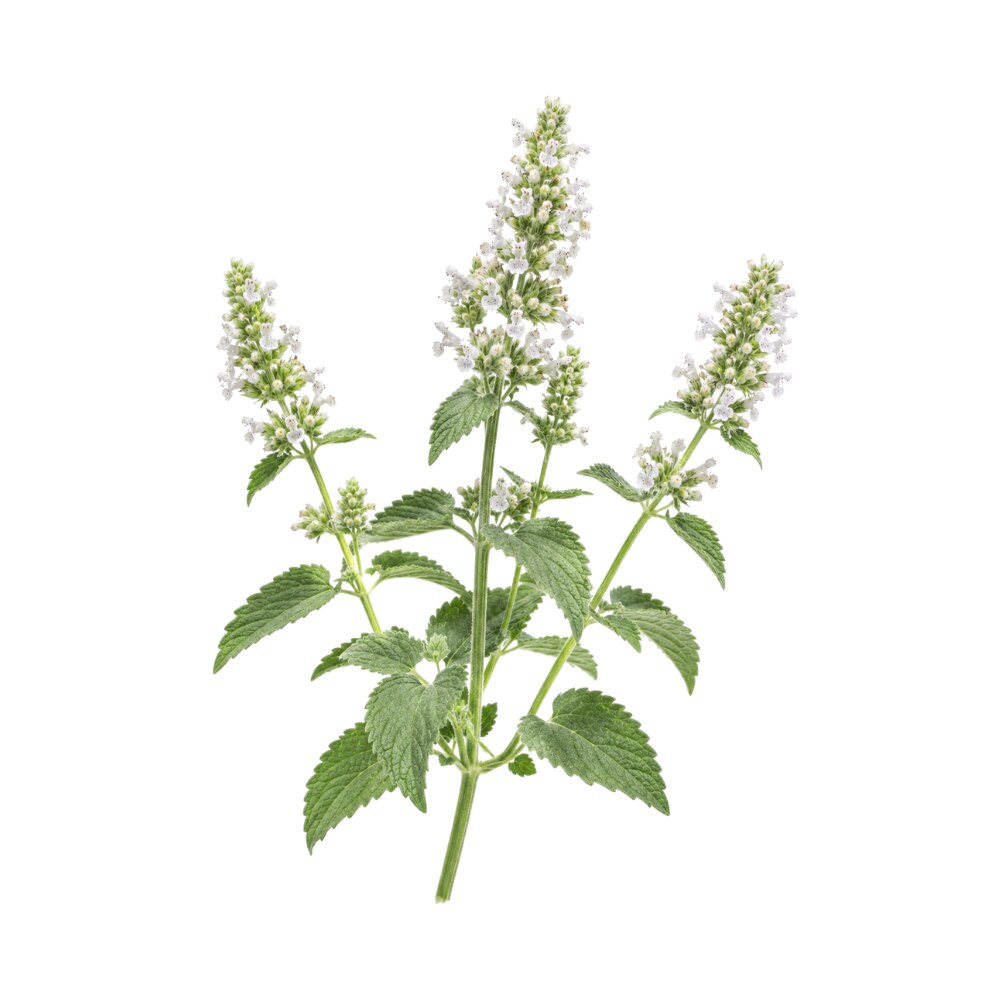 Catnip Nepeta cataria Documented for verbascoside.
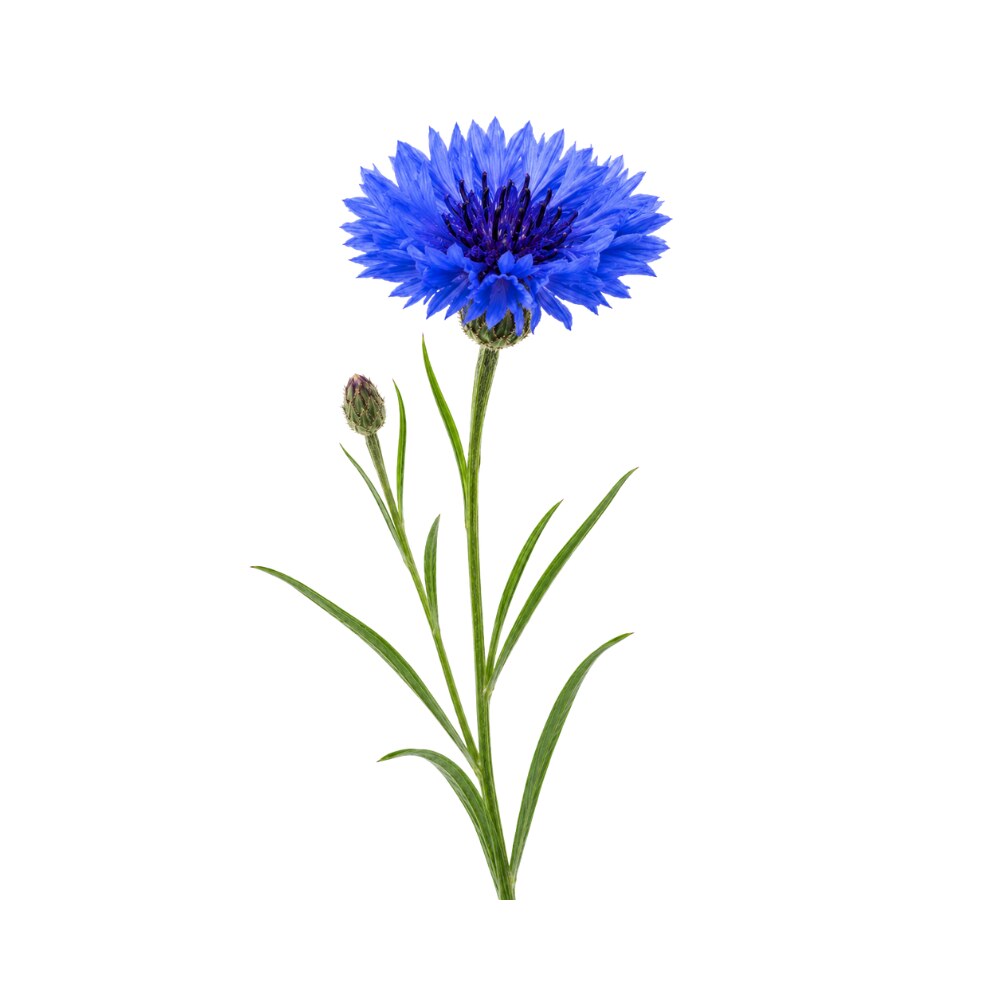 Cornflower Centaurea cyanus Documented for moschamine.
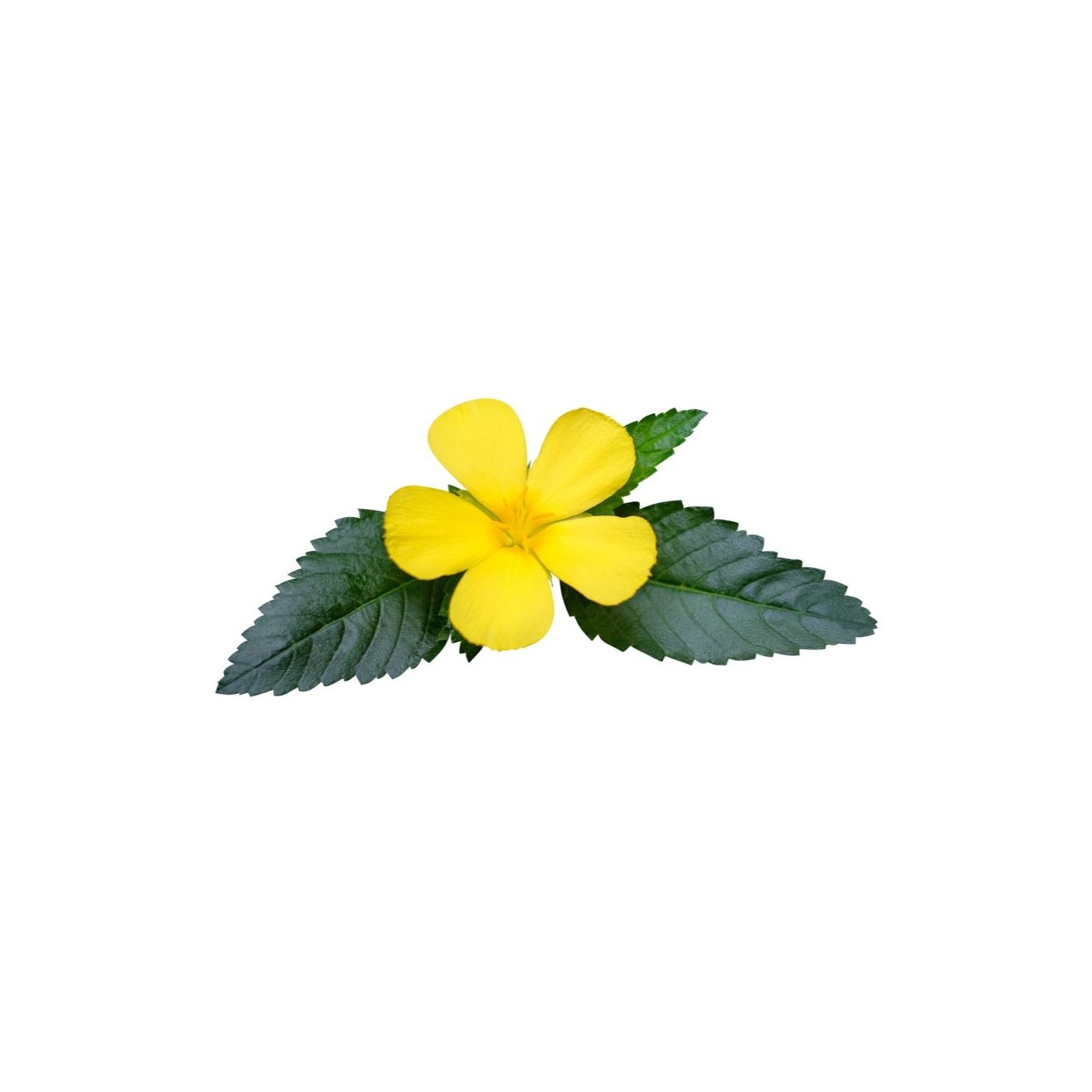 Damiana Turnera diffusa Documented for eugenol.
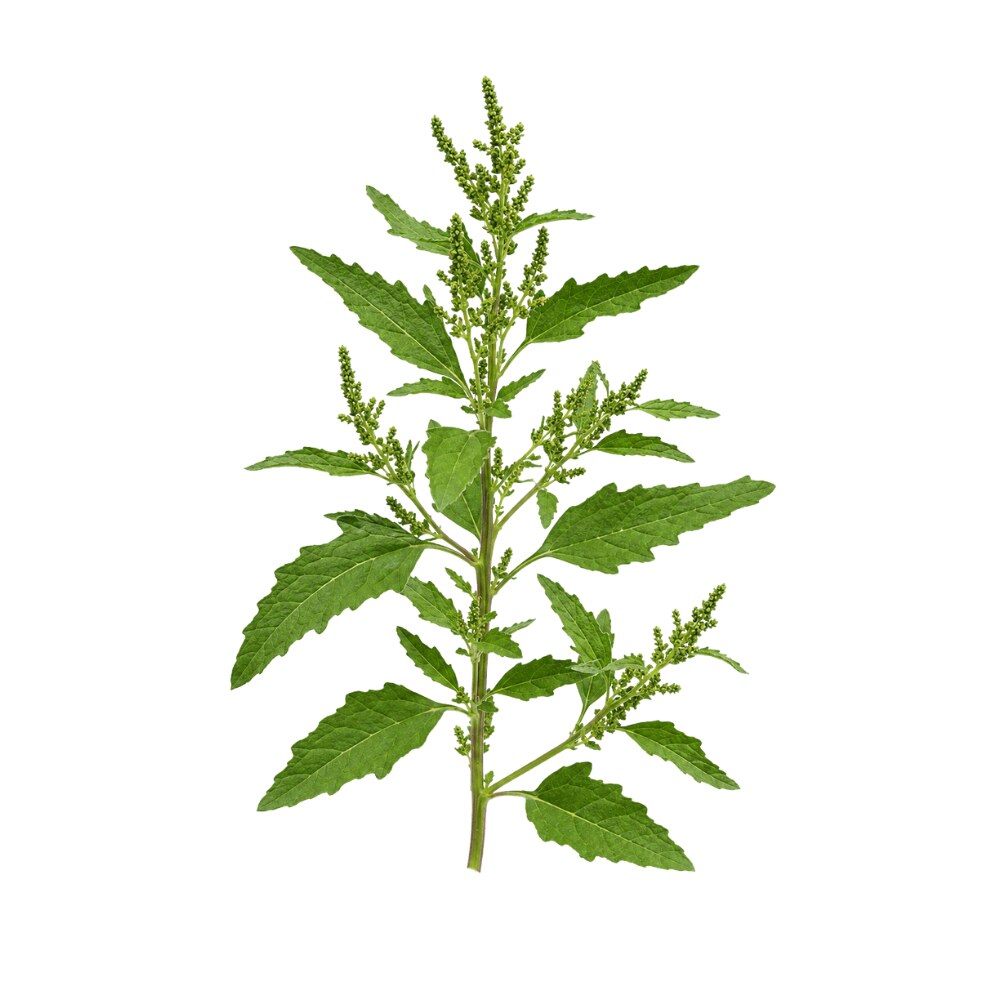 Epazote Dysphania ambrosioides Documented for carvacrol.
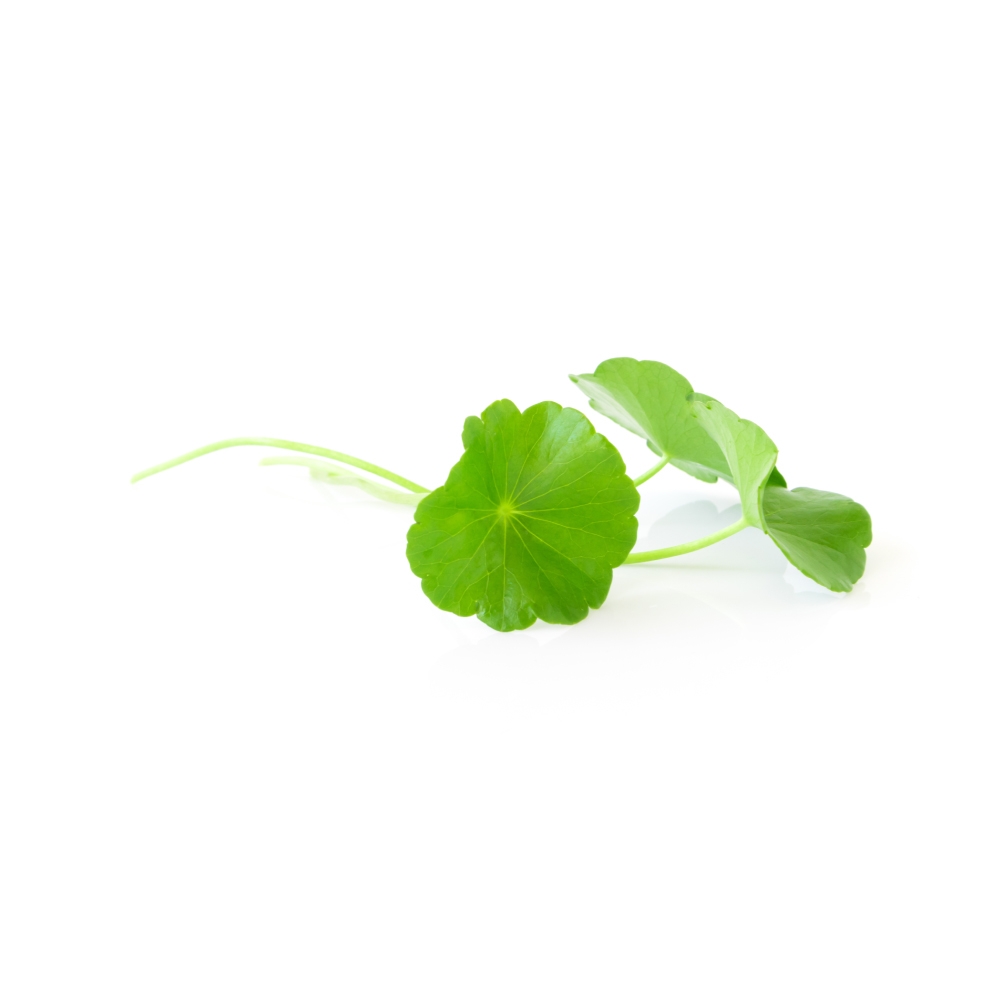 Gotu Kola Centella asiatica Documented for isochlorogenic acid.
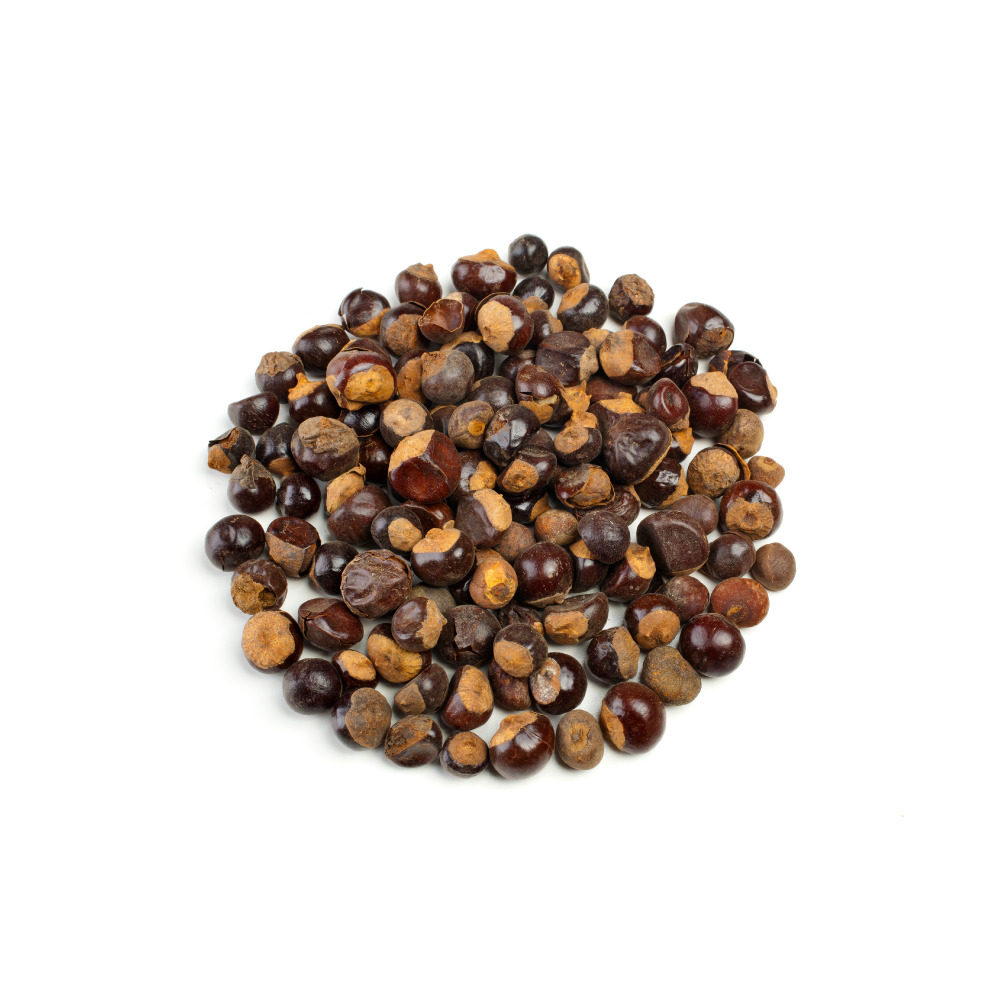 Guarana Paullinia cupana Documented for methoxyphenyl propene.
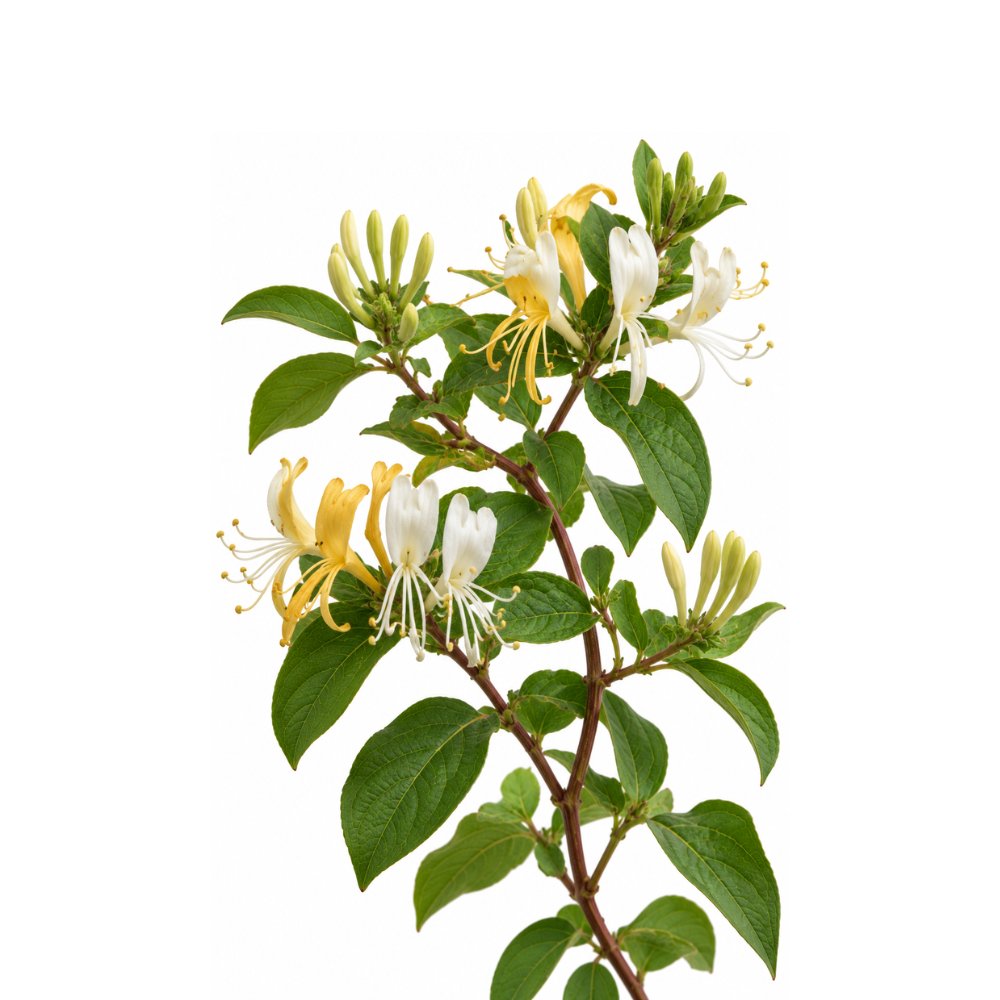 Honeysuckle Lonicera japonica Documented for neochlorogenic acid.
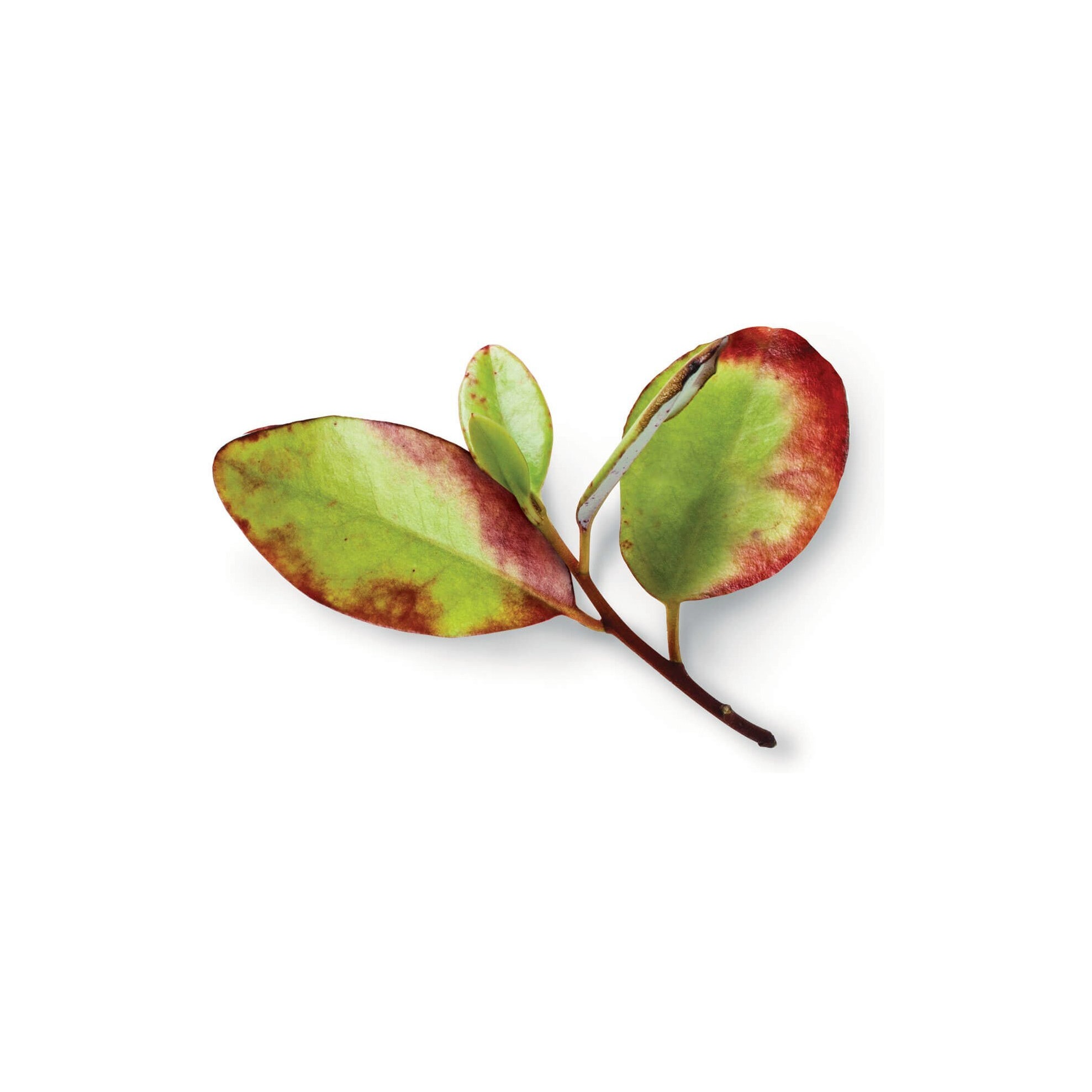 Horopito Pseudowintera colorata Documented for eugenol.
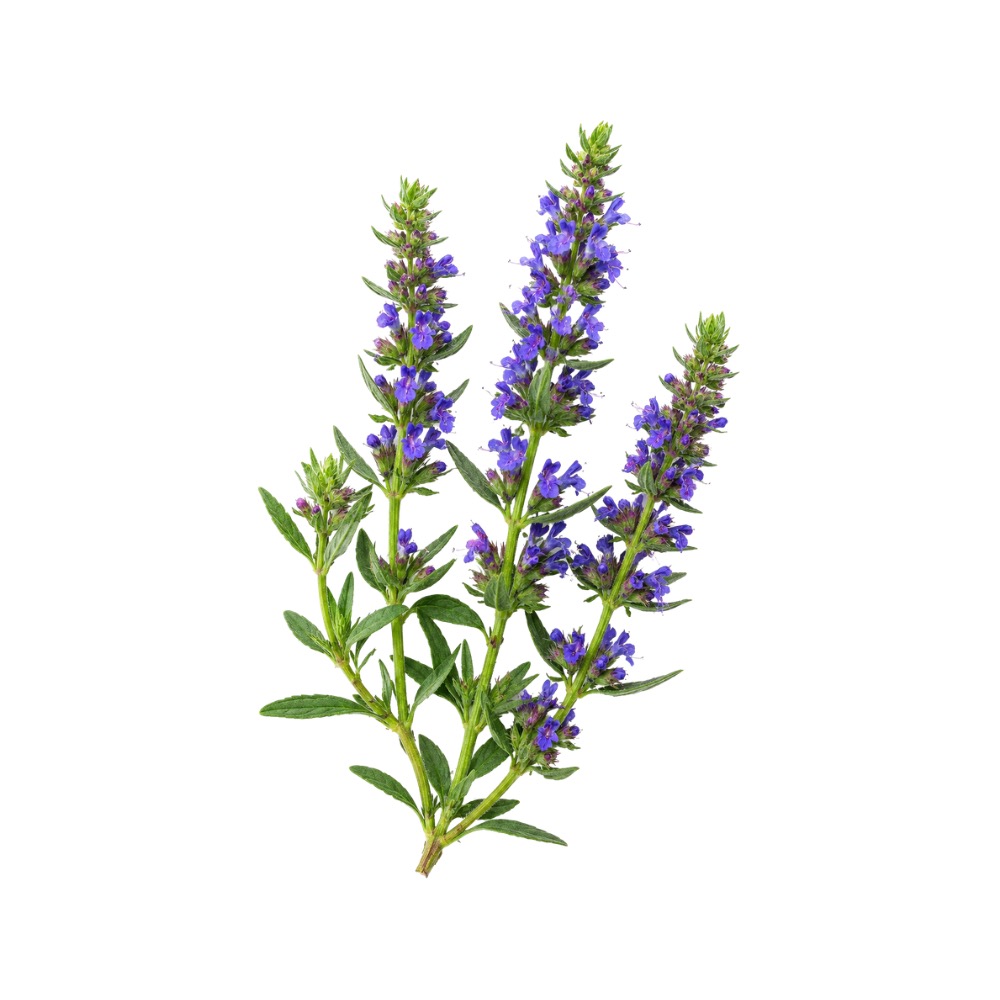 Hyssop Hyssopus officinalis Documented for methyl eugenol (0–28 % of oil).
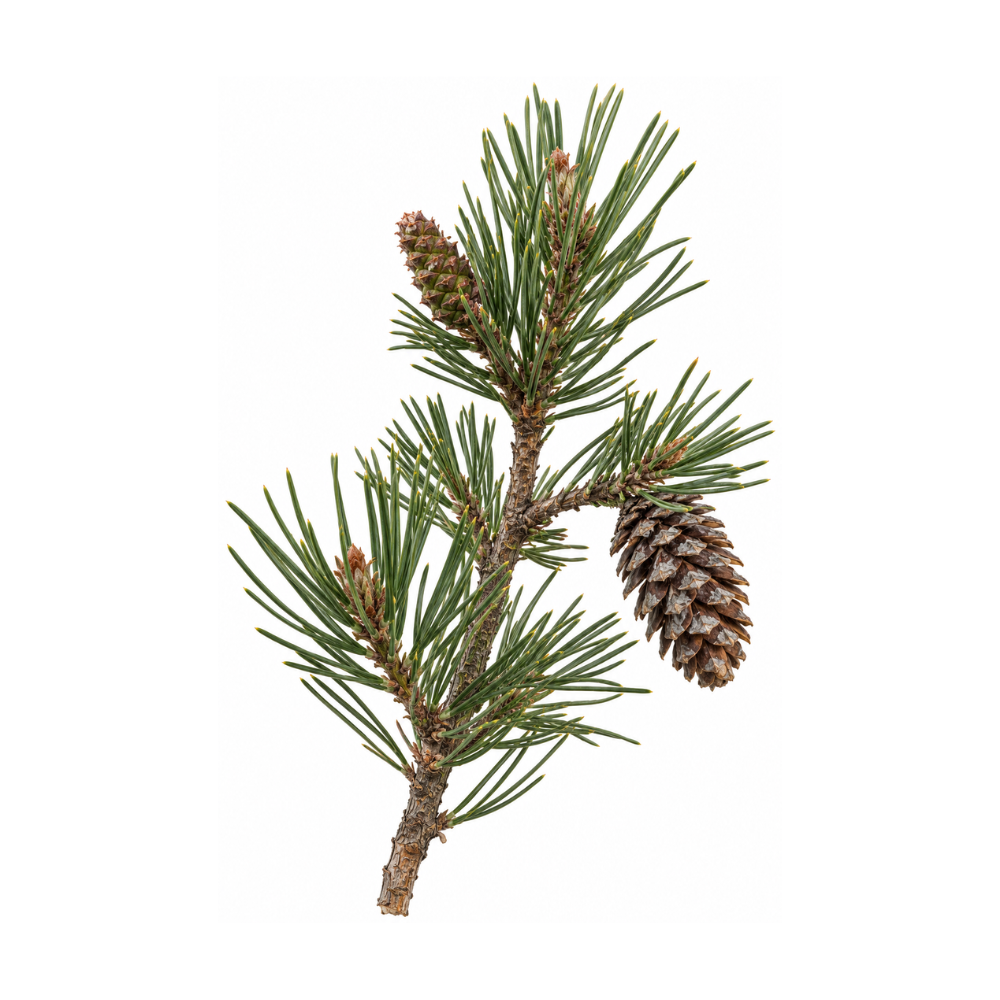 Lodgepole Pine Pinus contorta Documented for ethyl trans-cinnamate.
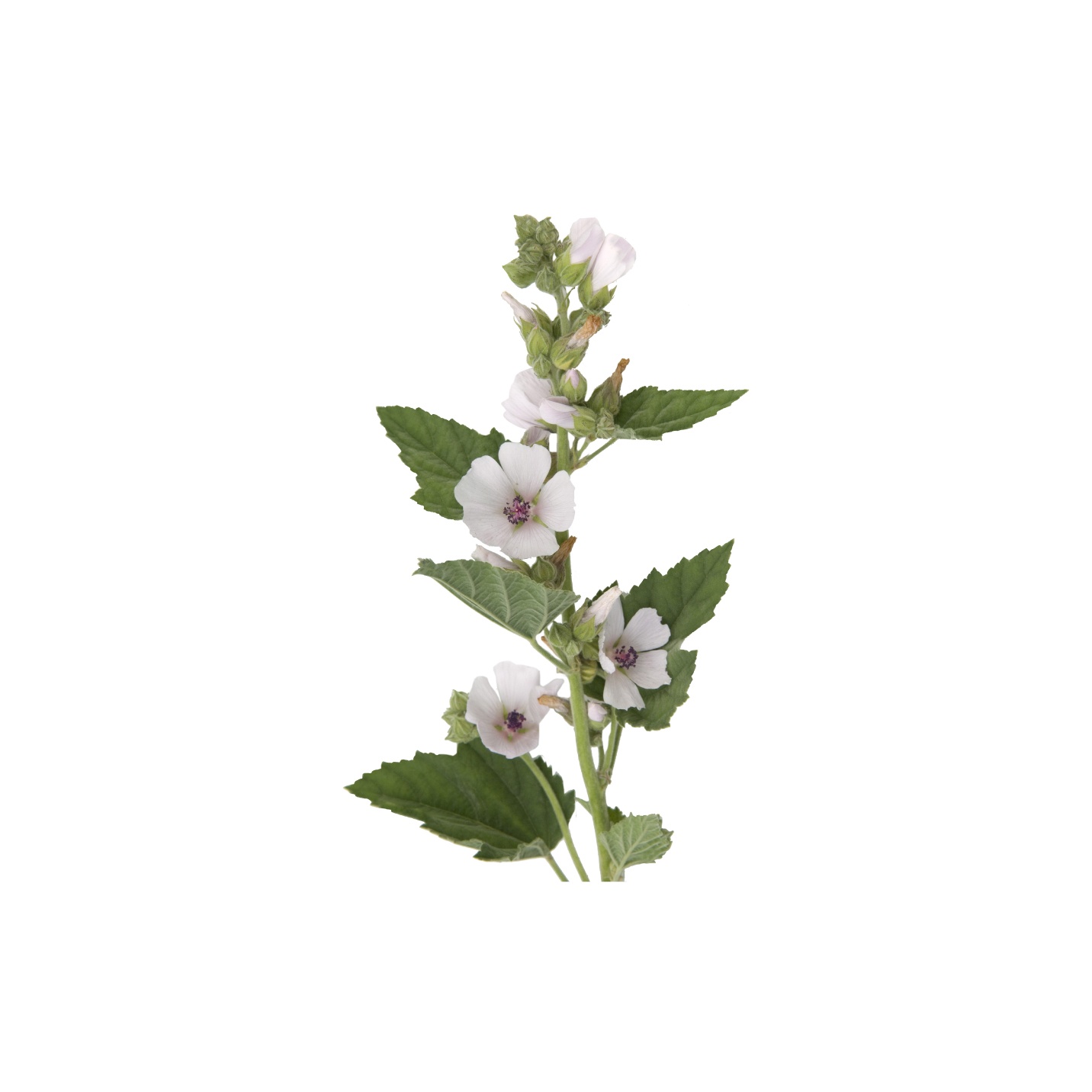 Marshmallow Althaea officinalis Documented for forsythoside B.
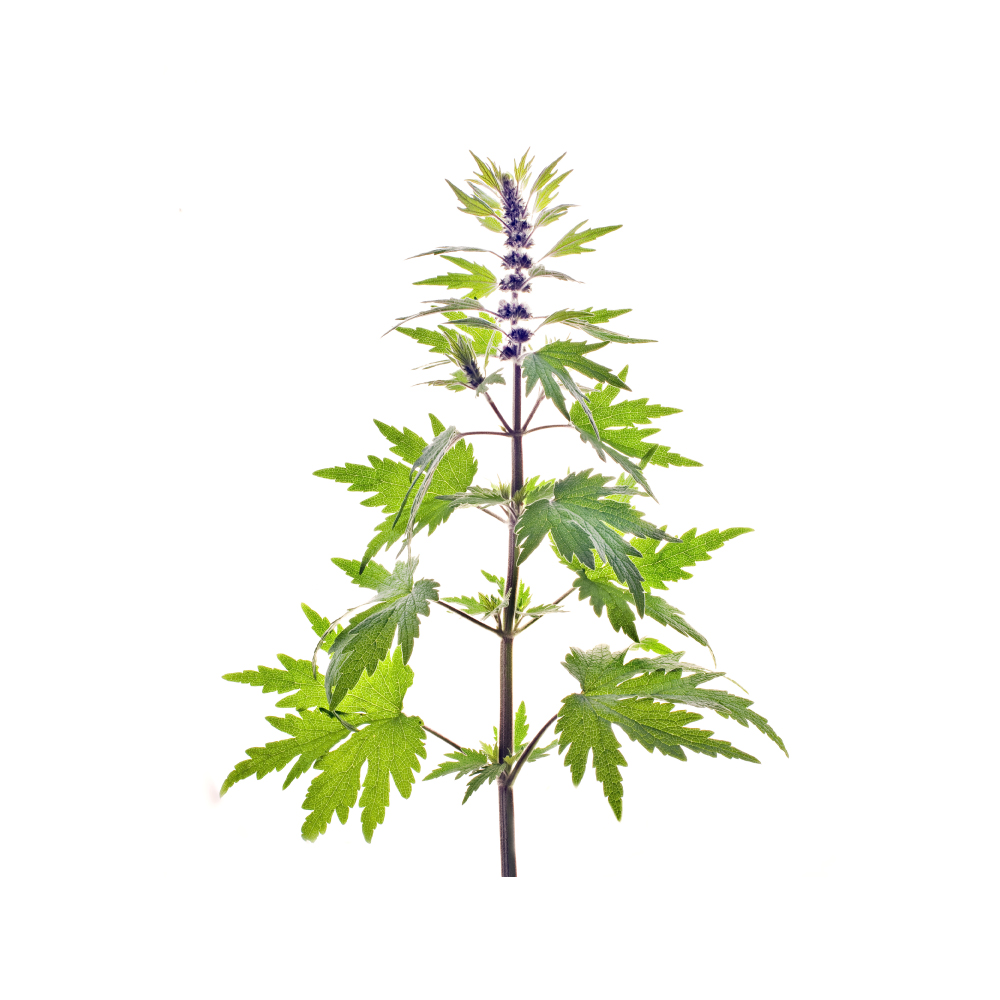 Motherwort Leonurus cardiaca Documented for lavandulifolioside.
 Muira Puama Ptychopetalum olacoides Documented for eugenol.
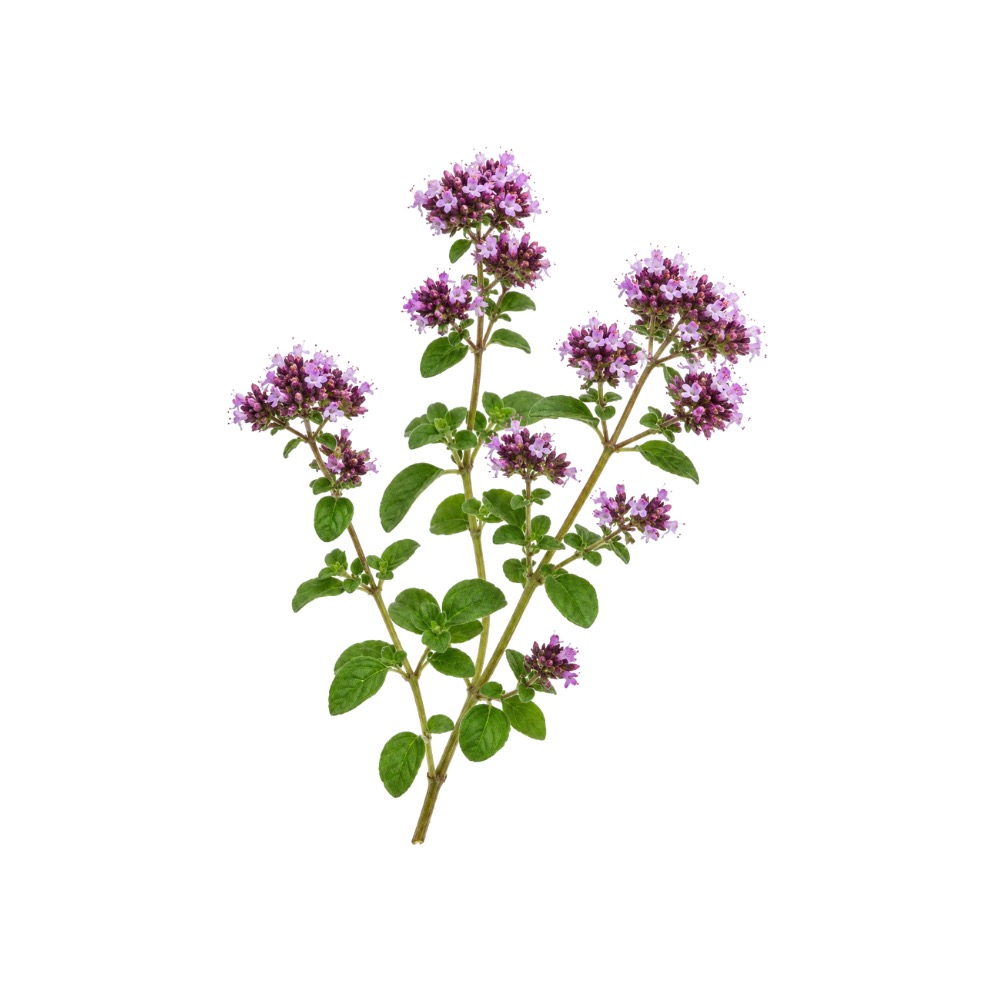 Oregano Origanum vulgare Documented for carvacrol.
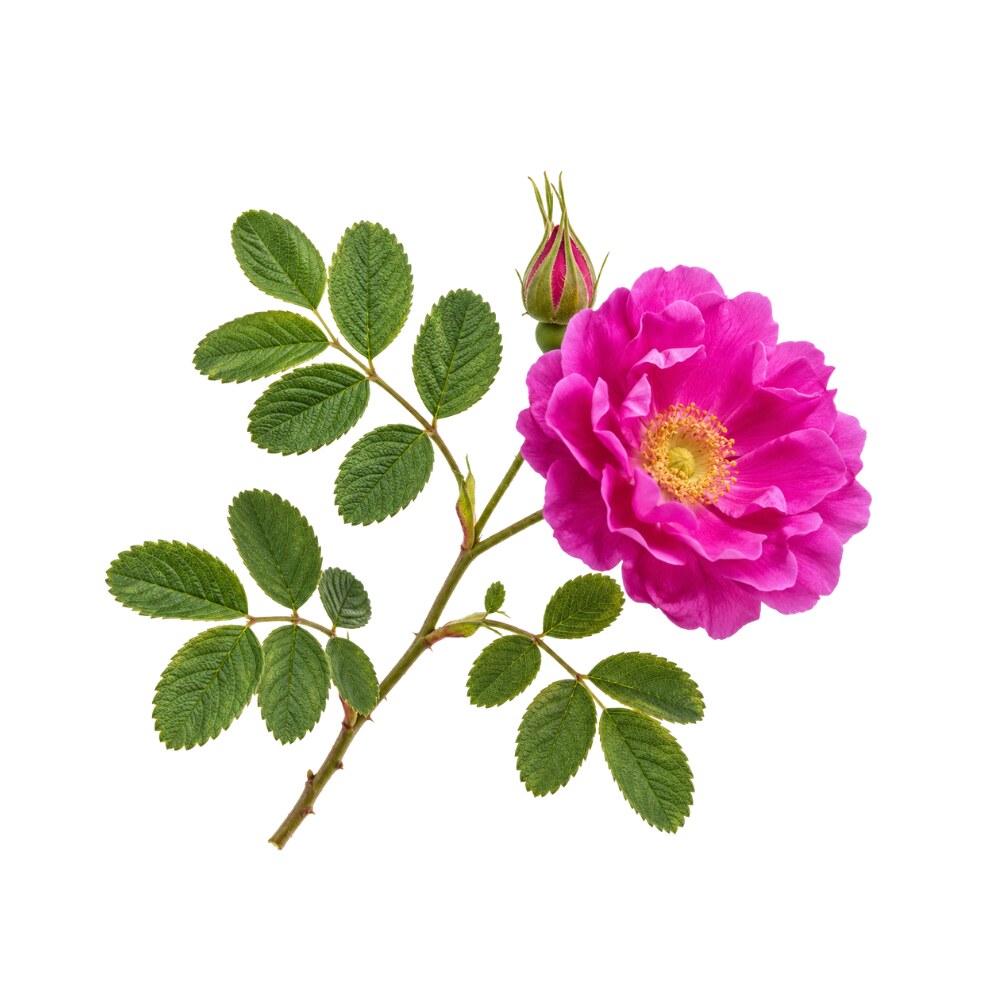 Rose Rosa spp. Documented for 2-phenylethanol.
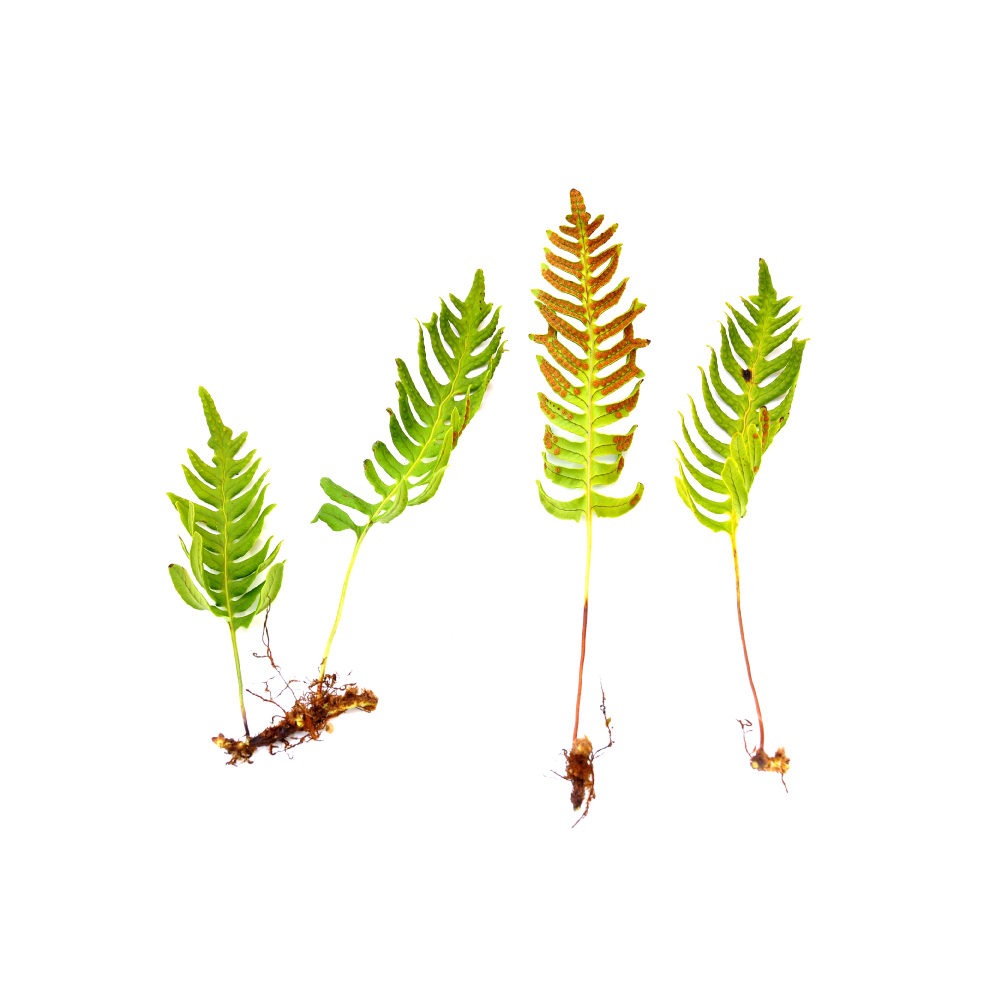 Samambaia Polypodium leucotomos Documented for 4-hydroxycinnamoyl-quinic acid.
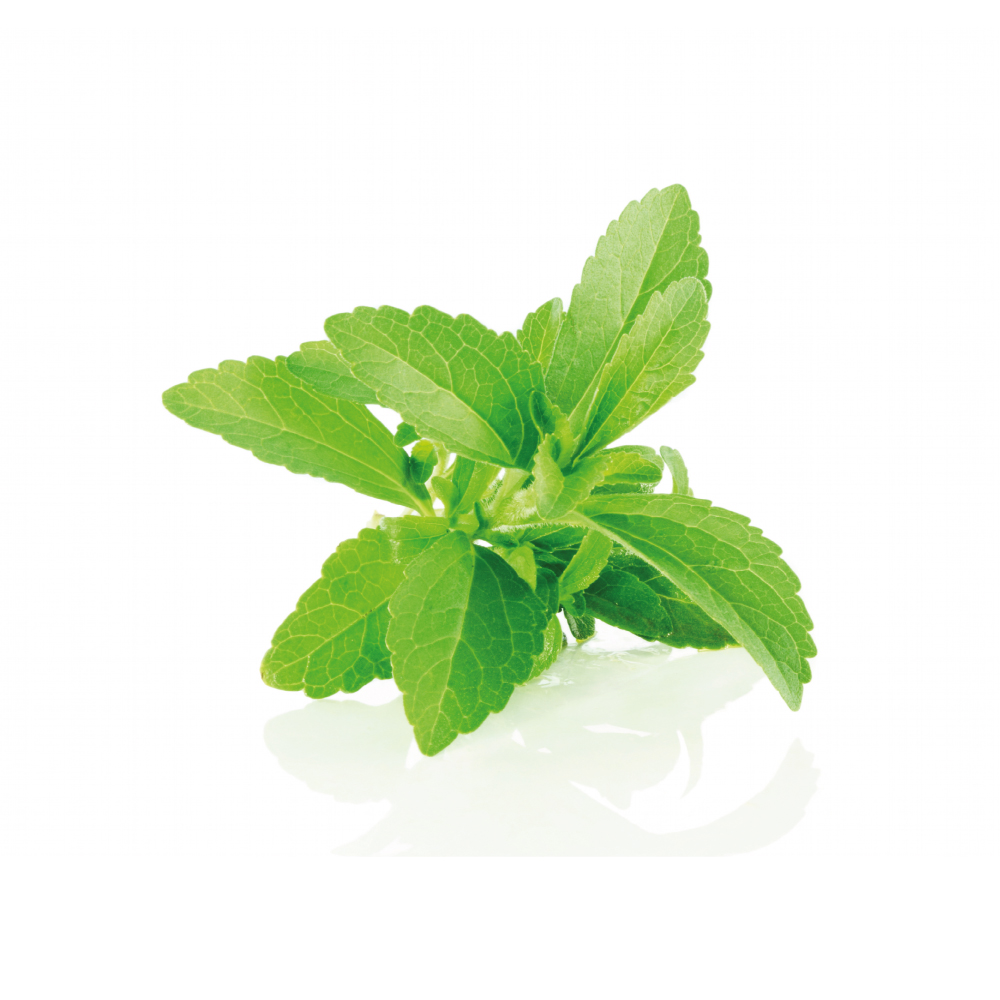 Stevia Stevia rebaudiana Documented for foeniculin.
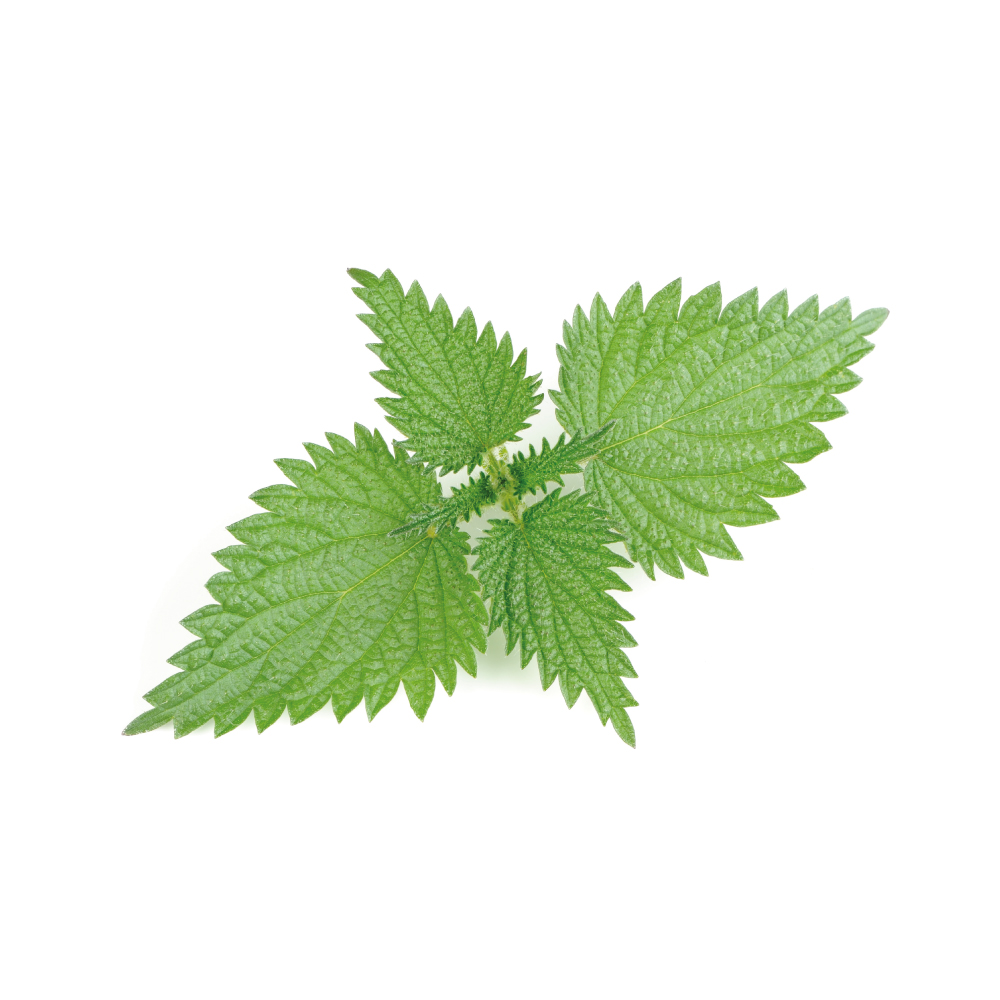 Stinging Nettle Urtica dioica Documented for phenylpropanes. Thyme Thymus vulgaris Documented for carvacrol.
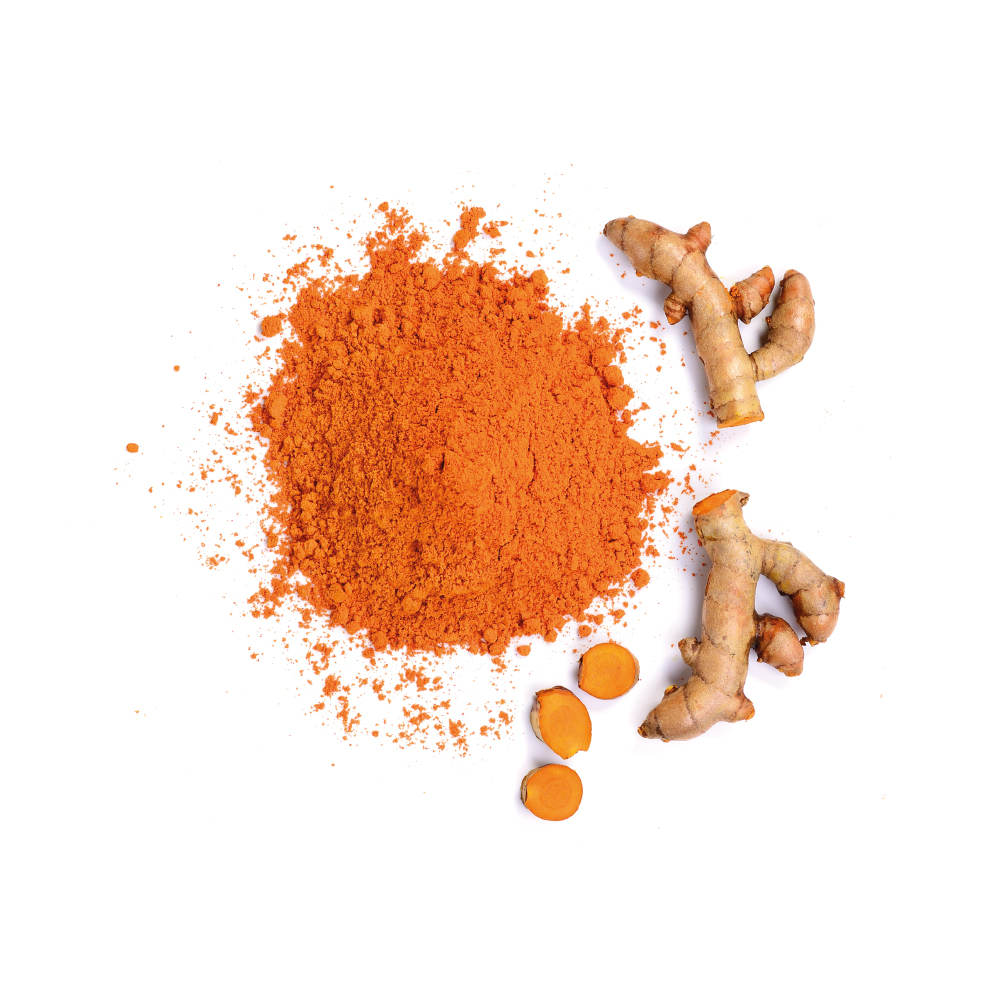 Turmeric Curcuma longa Documented for zingiberone.
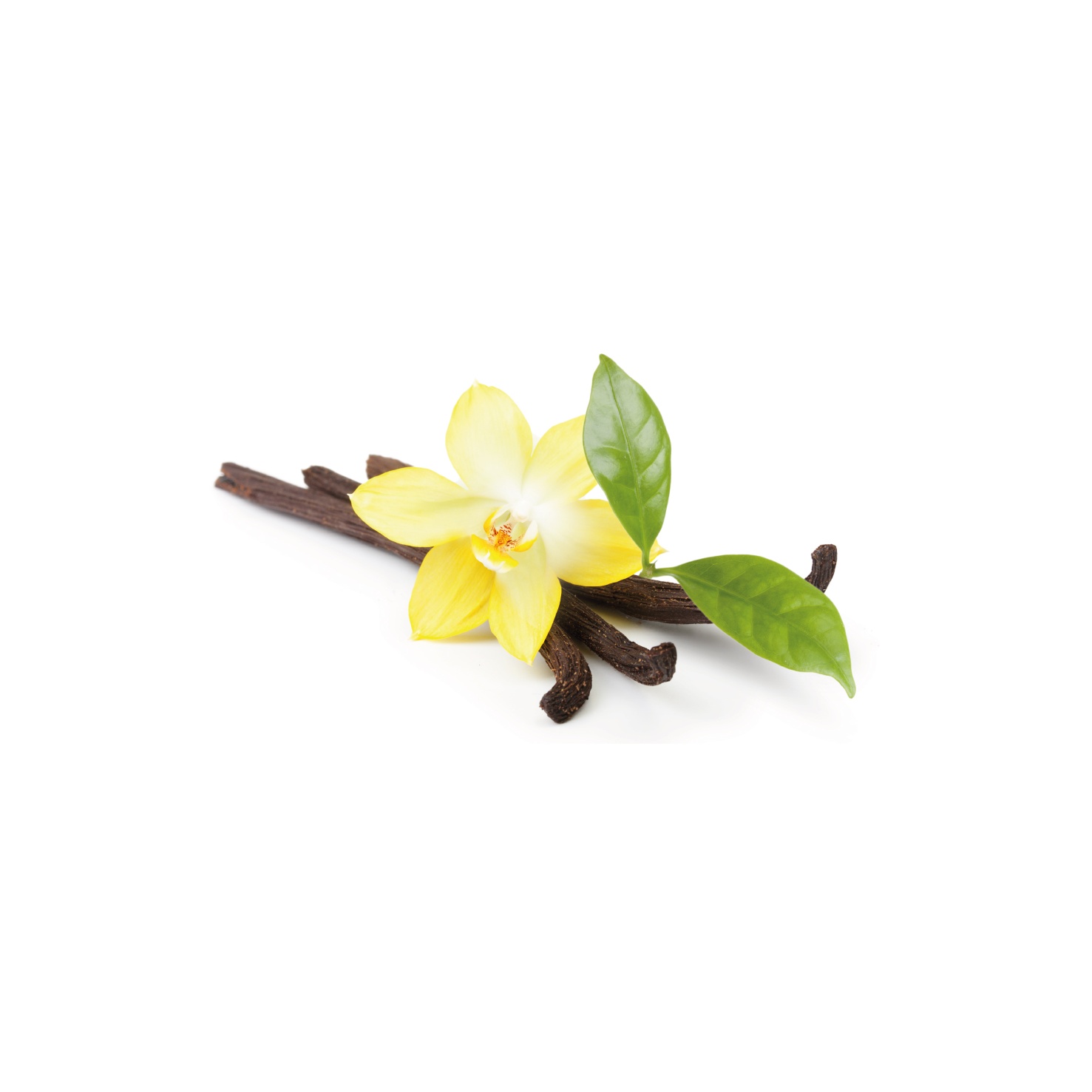 Vanilla Vanilla planifolia Documented for piperonal.
Keep Exploring
Other Compound Classes
Keep Reading
 GuidesThe Best Kava: A Buyer's GuideHow to buy good kava: noble vs two-day cultivars, which part of the root, chemotype codes, origin, form, and the batch tests a seller should show you.
Read more
 GuidesThe Amazon's Endangered Medicinal PlantsThe Amazon gives us some of our most important medicines — but which healing plants are actually endangered?
Read more
 NutritionThe Best Yerba Maté Brands [Reviewed]A drinker's guide to buying yerba maté — what actually changes the taste, and ten brands worth your money.
Read more
 GuidesHow to Prepare Yerba Maté — The Five Best MethodsHow to brew yerba maté properly — the traditional gourd method, plus tereré, french press and cold brew.
Read more