
Compound Monograph
Repandusinic Acid A
Repandusinic acid A is an obscure chebuloyl-type ellagitannin from Phyllanthus and Mallotus. Its whole literature is seven papers: a genuine isolated-molecule alpha-glucosidase IC50 of 1.9 uM, antioxidant and anthelmintic activity, and a 1992 HIV reverse-transcriptase result that never went anywhere.

Sources · 4
Where Does It Come From?
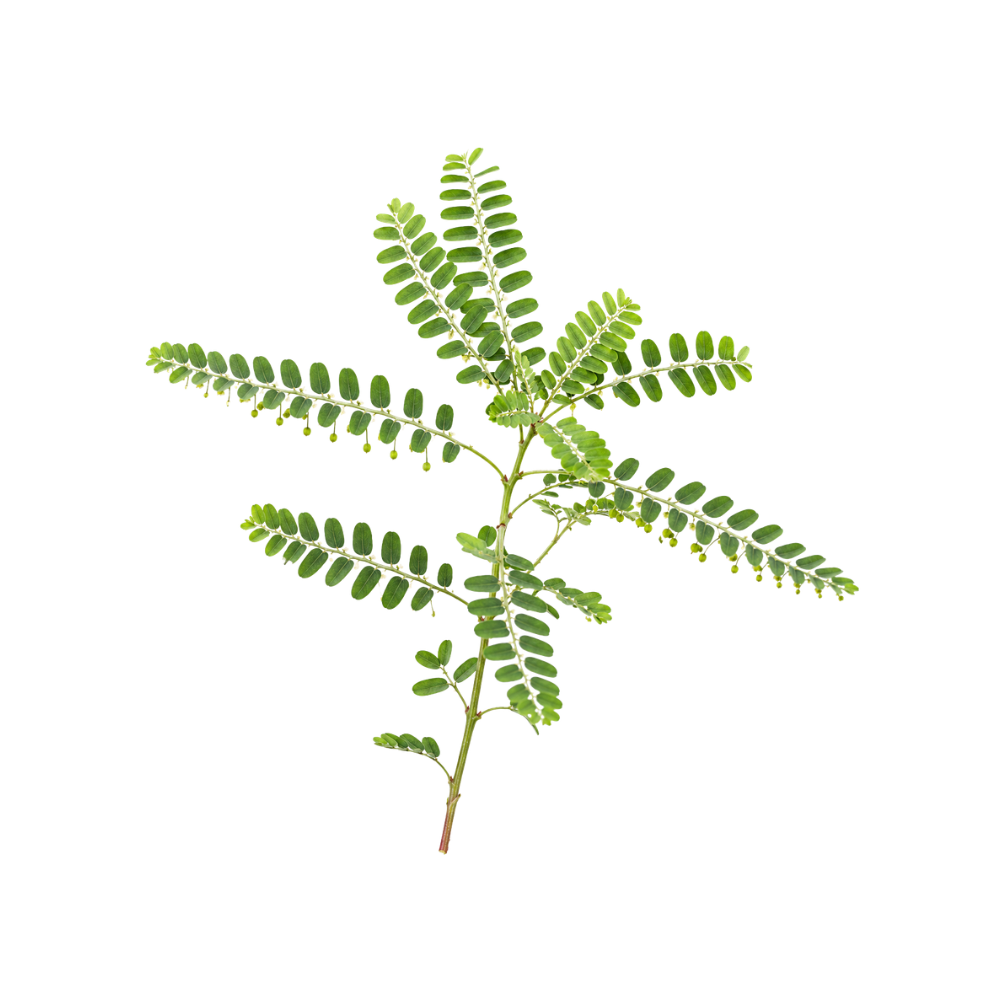
Repandusinic Acid A is a naturally occurring ellagitannin (hydrolysable tannin; chebuloyl-type), found in Chanca piedra, Phyllanthus amarus, Phyllanthus urinaria and 1 other source. It is well tolerated orally (low toxicity).
Concentration
Content by Source
Concentrations not reported. No percent-dry-weight or mg/g figures have been published for this compound in its source plants.
Repandusinic Acid A at a Glance
Repandusinic acid A is a large hydrolysable tannin — an ellagitannin of the chebuloyl subtype, C₄₁H₃₀O₂₈, molecular weight ~971 Da. Structurally it is the corilagin skeleton (1-O-galloyl-3,6-HHDP-β-D-glucose) carrying an additional dehydrochebuloyl ester on the glucose 4-position 8Reference 8Tannins and related compoundsView study →. It was first isolated in 1989 from the leaves of Mallotus repandus, which is where the name comes from, and has since been repeatedly recovered from Phyllanthus species — including chanca piedra (Phyllanthus niruri) 1,
Two facts should frame everything below, and both are unusual enough to state up front.
First, this molecule is barely studied. A PubMed search for repandusinic returns seven records in total, six of them involving Phyllanthus. There is no review article about it, no pharmacokinetic study, no animal experiment, and no human data of any kind. Every number here comes from an enzyme assay, a cell-free antioxidant assay, or a larval-motility plate.
Second, at ~971 Da it is far too large to absorb. Like all ellagitannins it is hydrolysed in the gut and converted by colonic microbiota to ellagic acid, gallic acid and downstream urolithins, with large person-to-person variation in which urolithins get produced 9,
How Thin Is “Thin”? The Whole Literature, Listed
Most compound pages summarise a literature. This one can print it. As of August 2026, PubMed indexes seven papers that mention repandusinic acid at all:
| Year | Study | What it measured | Ref |
|---|---|---|---|
| 1992 | Ogata et al. | HIV-1 reverse transcriptase + DNA polymerase α inhibition, isolate from P. niruri | 1Reference 1HIV-1 reverse transcriptase inhibitor from Phyllanthus niruriView study → |
| 2000 | Xu et al. | HIV-1 protease inhibition, tannin screen | 2Reference 2Inhibitory activity of flavonoids and tannins against HIV-1 proteaseView study → |
| 2008 | Londhe et al. | Antioxidant / radical scavenging, P. amarus isolates | 3Reference 3Antioxidant activity of some polyphenol constituents of the medicinal plant Phyllanthus amarus LinnView study → |
| 2009 | Londhe et al. | Radioprotection of mitochondria and plasmid DNA | 4Reference 4Radioprotective properties of polyphenols from Phyllanthus amarus LinnView study → |
| 2016 | Trinh et al. | α-Glucosidase inhibition, Vietnamese Phyllanthus | 5Reference 5Screening for potential α-glucosidase and α-amylase inhibitory constituents from selected Vietnamese plants used to treat type 2 diabetesView study → |
| 2017 | Najari Beidokhti et al. | α-Glucosidase inhibition, P. niruri water extract | 6Reference 6Investigation of antidiabetic potential of Phyllanthus niruri L. using assays for α-glucosidase, muscle glucose transport, liver glucose production, and adipogenesisView study → |
| 2023 | Jato et al. | Anthelmintic activity, P. urinaria ellagitannins | 7Reference 7Anthelmintic activities of extract and ellagitannins from Phyllanthus urinaria against Caenorhabditis elegans and zoonotic or animal parasitic nematodesView study → |
That is the entire evidence base — plus the 1989 isolation paper, which is not PubMed-indexed 8Reference 8Tannins and related compoundsView study →. Two of the seven come from a single group (Londhe), and two of the seven are the α-glucosidase pair. Nothing has been replicated by an independent laboratory except α-glucosidase inhibition, and nothing has ever progressed to an animal.
This matters more than any individual result. A molecule with seven papers has not been shown to be safe, effective or useless — it has simply not been examined. Treat every claim below as a first observation.
What It's Used For
Support is an experimental score — weighted by study type (human > animal > in vitro) and volume. A beta, not a validated metric. With a seven-paper literature and zero animal or human studies, every score here is capped low by design. Each application links to its write-up.
The strongest thread, and the only one with independent replication. In a 2017 Phyllanthus niruri study using HPLC-based high-resolution inhibition profiling, repandusinic acid A was isolated from the water extract and the purified compound assayed at IC₅₀ 1.9 ± 0.02 µM — alongside corilagin at 0.9 ± 0.1 µM. The crude extracts were measured separately (aqueous 3.7 ± 1.1 µg/mL, ethanolic 6.3 ± 4.8 µg/mL), so the µM figure is a molecule result, not an extract result 6Reference 6Investigation of antidiabetic potential of Phyllanthus niruri L. using assays for α-glucosidase, muscle glucose transport, liver glucose production, and adipogenesisView study →.
A 2016 Vietnamese screen of P. urinaria and P. amarus independently identified it as a potent α-glucosidase inhibitor with IC₅₀ 6.10 ± 0.10 µM, competitive with respect to substrate, Kᵢ 4.01 ± 0.47 µM 5Reference 5Screening for potential α-glucosidase and α-amylase inhibitory constituents from selected Vietnamese plants used to treat type 2 diabetesView study →.
The four-fold gap between the two IC₅₀ values is ordinary assay variation (different enzyme source, substrate and conditions). What matters is that both are low-micromolar and the mechanism is competitive — consistent with a polygalloyl compound occupying the carbohydrate-binding site.
Gap: in-vitro enzyme only. No animal post-prandial glucose experiment, no oral glucose tolerance test, no human data — so “slows starch digestion” remains an inference from an isolated enzyme, however clean the kinetics. It is also one of several α-glucosidase inhibitors in the same plant, so the extract’s effect cannot be assigned to it 5,
Repandusinic acid was one of the Phyllanthus amarus polyphenols profiled across DPPH, ABTS/ferrylmyoglobin, FRAP and pulse-radiolysis systems, and it ranked with amariin and phyllanthusiin D as the more active ellagitannins in the panel, comparable to the flavonoids rutin and quercetin 3-O-glucoside 3Reference 3Antioxidant activity of some polyphenol constituents of the medicinal plant Phyllanthus amarus LinnView study →. The companion 2009 paper extended this to radioprotection: the same isolates protected rat liver mitochondria against lipid peroxidation and protein oxidation and pBR322 plasmid DNA against radiation-induced strand breaks, with the ellagitannins acting mainly through superoxide scavenging while the flavonoids scavenged hydroxyl radicals 4Reference 4Radioprotective properties of polyphenols from Phyllanthus amarus LinnView study →.
Gap: these are cell-free and isolated-organelle assays from a single research group, with no cellular or in-vivo confirmation. Polyphenol radical-scavenging rank orders are also largely a function of how many free phenolic hydroxyls a molecule carries — this one has a lot — so the result is close to a class property rather than a distinguishing pharmacology. Nothing here is achievable in plasma 3,
A 2023 Phyllanthus urinaria study tested a hydroacetonic extract and its individual ellagitannins against Caenorhabditis elegans and several zoonotic and veterinary nematodes. Geraniin was the most active isolate; repandusinic acid A and phyllanthusiin A also showed significant activity, with IC₅₀ 6.4 µM against Trichuris suis L1 larvae — the most sensitive of the species tested 7Reference 7Anthelmintic activities of extract and ellagitannins from Phyllanthus urinaria against Caenorhabditis elegans and zoonotic or animal parasitic nematodesView study →.
This is the one application where the concentration is not obviously fantasy. Gut-dwelling helminths and an unabsorbed luminal tannin occupy the same compartment, so a low-micromolar larval IC₅₀ is at least physically reachable by an oral dose in a way that a systemic target is not.
Gap: a single study, larval-stage in vitro only, no adult-worm or in-vivo model, and the isolate was less active than geraniin from the same plant — so on current evidence this molecule is a contributor to a whole-extract effect, not the driver 7Reference 7Anthelmintic activities of extract and ellagitannins from Phyllanthus urinaria against Caenorhabditis elegans and zoonotic or animal parasitic nematodesView study →.
The oldest and most-cited result is also the least trustworthy. In 1992 Ogata and colleagues purified the HIV-1 reverse-transcriptase-inhibiting principle from an aqueous Phyllanthus niruri extract and identified it by NMR as repandusinic acid A monosodium salt. The reported ID₅₀ was 0.05 µM against HIV-1 RT and 0.6 µM against cellular DNA polymerase α; inhibition was competitive with respect to the template-primer and noncompetitive with respect to substrate, and the compound suppressed HIV-1-induced cytopathogenicity and p24 antigen production in cell culture at around 2.5 µM 1Reference 1HIV-1 reverse transcriptase inhibitor from Phyllanthus niruriView study →.
A 2000 tannin screen separately reported HIV-1 protease inhibition at IC₅₀ 12.5 µM, more potent than corilagin’s 20.7 µM in the same assay 2Reference 2Inhibitory activity of flavonoids and tannins against HIV-1 proteaseView study →.
Three things should temper the enthusiasm. The selectivity window is only about 12-fold over DNA polymerase α — an essential host enzyme — which is a poor margin for an antiviral. The kinetics are diagnostic of the problem: competitive inhibition at the template-primer site is what large polyanionic molecules do to nucleic-acid-binding enzymes generally, and hydrolysable tannins are a well-recognised source of false positives in RT, protease and polymerase screens because they bind such proteins promiscuously. And the fatal practical point: at ~971 Da this molecule does not reach the bloodstream, so 0.05 µM at a cytoplasmic enzyme is not an exposure that oral Phyllanthus could ever produce.
Gap: no follow-up in 34 years — no animal study, no resistance work, no selectivity panel, nothing. That silence is itself informative. The historical “Phyllanthus is antiviral” reputation rests on whole-decoction hepatitis-B work, not on this isolate 1,
Mechanisms
| Target / pathway | Effect | Relevant to | Compartment |
|---|---|---|---|
| Intestinal α-glucosidase | competitive inhibition, IC₅₀ 1.9–6.1 µM, Kᵢ ~4 µM | carbohydrate digestion | gut lumen — reachable |
| Nematode larval viability (T. suis) | IC₅₀ 6.4 µM, mechanism unknown | anthelmintic | gut lumen — reachable |
| ROO•, •OH, O₂•⁻ radicals | direct scavenging; protects mitochondrial lipid/protein and plasmid DNA | antioxidantradioprotection | in vitro only |
| HIV-1 reverse transcriptase / DNA polymerase α | ID₅₀ 0.05 µM / 0.6 µM, competitive at template-primer | antiviral (historical) | systemic — unreachable |
| HIV-1 protease | IC₅₀ 12.5 µM | antiviral (historical) | systemic — unreachable |
Pharmacokinetics
There is no pharmacokinetic study of repandusinic acid A. Not in humans, not in animals. What can be said is inherited from the ellagitannin class and is not in serious doubt: at ~971 Da with 28 oxygens and a dozen-plus free phenolic hydroxyls, the molecule is far outside the range for passive intestinal absorption. Ellagitannins are hydrolysed in the upper gut to their acyl fragments — releasing gallic acid and hexahydroxydiphenoyl units that lactonise to ellagic acid — and the ellagic acid is then metabolised by colonic bacteria to urolithins A, B, C and D, with individuals falling into reproducible urolithin metabotypes (A, B or 0) that determine which metabolites they actually produce 9,
The practical consequence is the single most important thing here: intact repandusinic acid A almost certainly never reaches plasma at a measurable concentration. Any activity it has in a person is a luminal activity, or it is the activity of ellagic acid and urolithins produced from it — which are different molecules with their own pharmacology.
Clinical Trials
None. There are no clinical trials of repandusinic acid A, and no registered study of it under any name. Human exposure to date is entirely incidental, as a minor tannin in Phyllanthus teas, decoctions and extracts.
| Completed | Planned | Terminated | Preclinical |
|---|---|---|---|
| —(none) | — | — | 7in-vitro papers |
Last checked: August 2026.
Isolate vs. Plant
Unusually for this class, the isolate/plant boundary is clean here — every published result is on the purified compound, because the molecule only ever appears in the literature as one line item in a bioassay-guided fractionation 3,
The transfer runs the other way, and that is where care is needed. Nothing in this molecule’s file supports a claim about Phyllanthus the herb. In the α-glucosidase work it was the weaker of the two isolated inhibitors (corilagin was twice as potent) 6Reference 6Investigation of antidiabetic potential of Phyllanthus niruri L. using assays for α-glucosidase, muscle glucose transport, liver glucose production, and adipogenesisView study →; in the anthelmintic work it was weaker than geraniin from the same plant 7Reference 7Anthelmintic activities of extract and ellagitannins from Phyllanthus urinaria against Caenorhabditis elegans and zoonotic or animal parasitic nematodesView study →; in the antioxidant panels it shared the top tier with amariin and phyllanthusiin D 3Reference 3Antioxidant activity of some polyphenol constituents of the medicinal plant Phyllanthus amarus LinnView study →. It is a genuine contributor to a tannin-fraction effect, never the sole author of one.
A species caveat also applies to anything read off the source list. P. niruri, P. amarus and P. urinaria are chronically conflated in the literature and in commerce — a large share of material sold as P. niruri, particularly from Asia, is actually P. amarus or P. fraternus. Of the seven papers here, two used P. niruri 1,
Natural Sources
No quantified concentration has ever been published for repandusinic acid A in any plant tissue — not a mg/g, not a percentage of extract. The table below is a presence list, not an abundance list.
| Source | Part | Basis |
|---|---|---|
| Mallotus repandus | Leaves | Type source; four new hydrolysable tannins characterised here in 1989, including repandusinic acids A and B 8Reference 8Tannins and related compoundsView study → |
| Chanca piedra (Phyllanthus niruri) | Aerial parts / whole plant | Isolated from aqueous extract (1992) and from a water extract by inhibition profiling (2017) 1, |
| Phyllanthus amarus | Aerial parts | Isolated among the plant’s principal polyphenols 3, |
| Phyllanthus urinaria | Aerial parts | Isolated from hydroacetonic extract 7Reference 7Anthelmintic activities of extract and ellagitannins from Phyllanthus urinaria against Caenorhabditis elegans and zoonotic or animal parasitic nematodesView study → |
It is water-soluble and tannin-fraction-dominant, so it favours aqueous preparations — teas and decoctions — over ethanolic tinctures, which preferentially extract the Phyllanthus lignans instead.
Discovery & Synthesis
Repandusinic acids A and B were described in 1989 by Reiko Saijo, Gen-ichiro Nonaka and Itsuo Nishioka as part of the long-running Kyushu University “Tannins and related compounds” series — paper LXXXVII, four new hydrolysable tannins from the leaves of Mallotus repandus, alongside repandusinin and mallotinin and a set of already-known tannins including corilagin, geraniin, eugeniin and mallotusinic acid 8Reference 8Tannins and related compoundsView study →. The species name is the source of the compound name.
Its structure places it in the chebuloyl-type ellagitannins: the corilagin core — a β-D-glucose bearing a galloyl ester at C-1 and a (R)-hexahydroxydiphenoyl bridge across C-3/C-6 — with a further dehydrochebuloyl ester at C-4, giving C₄₁H₃₀O₂₈ and a monoisotopic mass near 970 Da (PubChem CID 147900; CAS 125516-10-1). The 1992 antiviral work used it as the monosodium salt, which is how it is often referred to in that literature 1Reference 1HIV-1 reverse transcriptase inhibitor from Phyllanthus niruriView study →.
There is no total synthesis and no commercial preparation. All published material was obtained by column chromatography from plant extract. Patents: not yet researched.
Toxicity & Safety
The honest verdict is not characterised. There has never been a toxicology study of repandusinic acid A — no acute-toxicity work, no genotoxicity panel, no reproductive study, no animal experiment of any kind. The low grading reflects the class and the exposure route (a poorly absorbed dietary tannin with a long history of incidental human consumption in Phyllanthus teas), not a demonstrated safety record.
- No toxicity signal has been reported. It has also never been looked for — those are different statements.
- Poor absorption caps systemic risk. At ~971 Da it stays in the gut lumen, so whole-body exposure to the intact molecule is minimal 9Reference 9ReviewUnlocking the therapeutic potential of ellagitannins: a comprehensive review of key representativesView study →.
- No reproductive or developmental data exist. Nothing is known about use in pregnancy or breastfeeding; the parent herb chanca piedra is itself treated as an avoid.
- Inhibits host DNA polymerase α at 0.6 µM in vitro. Irrelevant at achievable oral exposure, but it is the reason not to assume an isolate or injected preparation would be benign 1Reference 1HIV-1 reverse transcriptase inhibitor from Phyllanthus niruriView study →.
- Binds non-heme iron. A tannin-class effect — relevant if you supplement iron or are iron-deficient.
- Astringent and protein-binding at high oral tannin loads. Concentrated tannin intakes can irritate the gut and complex with proteins and co-administered drugs.
- α-Glucosidase inhibition is a theoretical interaction. If it contributes at all to a Phyllanthus tea’s effect, it points the same direction as acarbose and antidiabetic medication 5,
6Reference 5Screening for potential α-glucosidase and α-amylase inhibitory constituents from selected Vietnamese plants used to treat type 2 diabetesView study →Reference 6Investigation of antidiabetic potential of Phyllanthus niruri L. using assays for α-glucosidase, muscle glucose transport, liver glucose production, and adipogenesisView study → .
Full Safety & Interactions Detail
No adverse effect specific to repandusinic acid A has been reported, but no study has been designed to find one — the whole literature is seven in-vitro papers 1,
Dosage
There is no dose. Repandusinic acid A has never been administered to a human being as an isolate, and no animal dosing study exists to extrapolate from. Every number in the literature is an in-vitro concentration at an enzyme or a larva, not an intake.
Real-world exposure comes only from Phyllanthus preparations, where it is one minor unquantified tannin among many — dominated by corilagin and geraniin — and where the plant, not the molecule, is the thing being taken. Nothing here is a recommendation.
References
- Ogata T, Higuchi H, Mochida S, Matsumoto H, Kato A, Endo T, Kaji A, Kaji H (1992). HIV-1 reverse transcriptase inhibitor from Phyllanthus niruri. AIDS Research and Human Retroviruses. https://pubmed.ncbi.nlm.nih.gov/1283310/
- Xu HX, Wan M, Dong H, But PP, Foo LY (2000). Inhibitory activity of flavonoids and tannins against HIV-1 protease. Biological & Pharmaceutical Bulletin. https://pubmed.ncbi.nlm.nih.gov/10993207/
- Londhe JS, Devasagayam TP, Foo LY, Ghaskadbi SS (2008). Antioxidant activity of some polyphenol constituents of the medicinal plant Phyllanthus amarus Linn. Redox Report. https://pubmed.ncbi.nlm.nih.gov/18796238/
- Londhe JS, Devasagayam TP, Foo LY, Ghaskadbi SS (2009). Radioprotective properties of polyphenols from Phyllanthus amarus Linn. Journal of Radiation Research. https://pubmed.ncbi.nlm.nih.gov/19461166/
- Trinh BTD, Staerk D, Jäger AK (2016). Screening for potential α-glucosidase and α-amylase inhibitory constituents from selected Vietnamese plants used to treat type 2 diabetes. Journal of Ethnopharmacology. https://pubmed.ncbi.nlm.nih.gov/27041401/
- Najari Beidokhti M, Andersen MV, Eid HM, Sanchez Villavicencio ML, Staerk D, Haddad PS, Jäger AK (2017). Investigation of antidiabetic potential of Phyllanthus niruri L. using assays for α-glucosidase, muscle glucose transport, liver glucose production, and adipogenesis. Biochemical and Biophysical Research Communications. https://pubmed.ncbi.nlm.nih.gov/28928090/
- Jato J, Waindok P, Ngnodandi FNBF, Orman E, Agyare C, Bekoe EO, Strube C, Hensel A, Liebau E, Spiegler V (2023). Anthelmintic activities of extract and ellagitannins from Phyllanthus urinaria against Caenorhabditis elegans and zoonotic or animal parasitic nematodes. Planta Medica. https://pubmed.ncbi.nlm.nih.gov/37459860/
- Saijo R, Nonaka G, Nishioka I (1989). Tannins and related compounds. LXXXVII. Isolation and characterization of four new hydrolyzable tannins from the leaves of Mallotus repandus. Chemical and Pharmaceutical Bulletin 37:2624–2630. https://doi.org/10.1248/cpb.37.2624
- Mihaylova R, Elincheva V, Momekov G, Simeonova R (2025). Unlocking the therapeutic potential of ellagitannins: a comprehensive review of key representatives. Molecules. https://pubmed.ncbi.nlm.nih.gov/41302388/
- Tomás-Barberán FA, González-Sarrías A, García-Villalba R, Núñez-Sánchez MA, Selma MV, García-Conesa MT, Espín JC (2017). Urolithins, the rescue of “old” metabolites to understand a “new” concept: metabotypes as a nexus among phenolic metabolism, microbiota dysbiosis, and host health status. Molecular Nutrition & Food Research. https://pubmed.ncbi.nlm.nih.gov/27158799/



