
Subclass of Phenolics
Tannins
Astringent polyphenols that bind and precipitate proteins, tightening and toning tissue.
Overview
About Tannins
Tannins are polyphenols large enough to bind and precipitate proteins. That is the definition — a functional description rather than a single biosynthetic family, which is why the group is defined by what it does to your mouth rather than by a shared skeleton.
The puckering dryness of strong tea, unripe persimmon or red wine is protein precipitation happening on your oral mucosa in real time. The same reaction gave the class its name: tanning hide into leather is exactly this chemistry, and the collagen it cross-links in a hide is chemically the same protein it meets on an inflamed gum.
This is the workhorse class behind the astringent herbs — the barks, the wound washes, the antidiarrhoeal decoctions and the gargles. It is also the class where the gap between a compound being present and a compound being absorbed is at its widest, and that gap explains most of what follows.
The Two Tannin Families
Structurally the group splits in two, and the split predicts both behaviour and safety:
- Hydrolysable tannins
- a sugar core esterified with gallic or ellagic acid, cleaved by acid, alkali or enzymes. Gallotannins and ellagitannins.
- Condensed tannins (proanthocyanidins)
- flavan-3-ol polymers joined by carbon–carbon bonds, and not hydrolysable.
Hydrolysable tannins release small, absorbable phenolics on breakdown, which is where most of their systemic activity and most of their toxicity risk comes from. Condensed tannins largely stay in the gut, acting on surfaces rather than entering circulation.
A practical consequence: when a herb is described as tannin-rich, the useful question is which family. Barbatimao bark and purple prairie clover are condensed-tannin plants and behave as contact agents; red-osier dogwood and pomegranate are hydrolysable-tannin plants with a systemic dimension and a real ceiling on prolonged high intake.
A-Type & B-Type Proanthocyanidins
Within the condensed tannins there is a further distinction that matters more than its obscurity suggests. B-type proanthocyanidins — the ordinary kind, and the great majority — are joined by a single carbon–carbon bond. A-type proanthocyanidins carry an additional ether bridge, giving a more rigid, doubly linked structure.
The distinction earned its reputation through cranberry, where A-type proanthocyanidins are credited with interfering with the adhesion of uropathogenic bacteria to the urinary epithelium rather than killing them. That is a genuinely different mode of action from astringency, and it does not follow from tannin content in general.
It is also where careful reading is required. Salal berries have been shown to contain procyanidin A2, and the presence of that molecule is solid analytical data — but demonstrating that a plant contains an A-type proanthocyanidin is not the same as demonstrating anti-adhesion activity, which has not been tested for salal. The compound is real; the extrapolation is not evidence.
Where Tannins Occur
Barks, galls, unripe fruit and astringent leaves — with some conspicuous concentrations:
Oak bark and galls
gallotannins, the classic and most concentrated source
Witch hazel
hamamelitannin
Pomegranate
punicalagins, the principal dietary ellagitannin source
Raspberry leaf, agrimony, tormentil and silverweed
the astringent Rosaceae, carrying agrimoniin and potentillin
Tea, grape seed and pine bark
condensed tannins
Barbatimao bark
among the richest condensed-tannin sources in South American practice
Rosaceae is worth naming as a family habit: the astringent members run on ellagitannins, and in silverweed those tannins are unusually well characterised — agrimoniin and potentillin identified by name rather than reported as an unresolved tannin fraction. Most herbs described as tannin-rich have never had their tannins individually identified at all.
Astringency — The Defining Action
Astringency is the therapeutic action, and it is a physical one. On inflamed or weeping tissue, tannins precipitate surface proteins into a thin protective layer that reduces exudate, seals minor damage and calms irritation. That single mechanism underlies oak-bark and witch-hazel washes, tannin-rich gargles for sore throat, agrimony and tormentil for diarrhoea, and the barbatimao bark preparations used across Brazil for wounds, ulcers and burns.
Because the effect is contact-dependent, it is strongest exactly where the herb touches tissue — skin, gum, throat, gut lumen. This is why the astringent herbs have such a consistent record topically and such a thin one systemically, and why a tannin result obtained on a wound should never be read as a claim about circulation.
It also sets a natural limit on the evidence available. Astringency is so well established as a physical phenomenon that it is rarely the subject of a controlled trial, which leaves many astringent herbs in an awkward position: a coherent, well-understood mechanism and a long traditional record, with no efficacy study behind either. Red-osier dogwood is a clean example — its antidiarrhoeal use rests on confirmed high hydrolysable-tannin content rather than on any trial of the bark.
Antibacterial Activity
Tannins have a second, less familiar action: they are directly antibacterial, and the mechanism is an extension of protein binding. By precipitating proteins at the bacterial surface they increase outer-membrane permeability, disrupt the membrane and cause cells to aggregate.
The best-worked example comes from an unexpected direction — agricultural research on forage legumes. Condensed tannins from purple prairie clover act bacteriostatically against Escherichia coli O157:H7 at low microgram concentrations, and comparison with sainfoin tannins showed that greater protein-precipitating capacity tracked four-to-six-fold lower minimum inhibitory concentrations. The physical property and the antibacterial potency move together, which is a stronger form of evidence than either alone.
It carried into live animals: over a three-year grazing study, cattle on pastures containing purple prairie clover shed significantly less faecal E. coli than controls. Red-osier dogwood polyphenols show the same pattern across feeding trials in pigs and poultry. This is in-vivo evidence at a scale most herbal research never reaches — obtained because the funding was aimed at livestock gut health rather than human medicine, and it should be read as veterinary and food-safety work rather than as clinical data.
What Actually Gets Absorbed
Intact tannins are, for the most part, too large to be absorbed. This is easy to lose sight of, because so much is written about the antioxidant capacity of tannin-rich plants — a property measured in a test tube, where absorption is not a consideration.
The ellagitannins are the important exception, and the route is indirect. Gut bacteria convert them to urolithins, and it is the urolithins — small, absorbable molecules the plant never made — that account for most of the systemic activity attributed to pomegranate and to other ellagitannin sources. The active agent is a metabolite, not a constituent.
Two consequences follow. First, urolithin production varies substantially between individuals depending on their gut microbiota, so the same dose does not deliver the same exposure to different people. Second, a high measured tannin content predicts astringency reliably and systemic effect poorly. When a herb monograph reports strong antioxidant assay results for a tannin-rich extract, that finding describes the extract in a cuvette, and the step from there to the bloodstream is the one that usually fails.
Preparation & Extraction
Tannins are water-soluble, which makes the traditional forms — decoctions, infusions, washes and gargles — chemically appropriate rather than merely customary. Hot water extracts them efficiently, and for barks a simmered decoction rather than a steeped infusion is the form that matters.
Freshness can invert the effect. Red-osier dogwood bark is traditionally purgative when fresh, and drying removes this — which is why traditional preparation specifies dried bark, and why the distinction is a preparation instruction rather than a piece of folklore. Where a tradition is specific about the state of the plant material, it is usually specific for a reason.
Standardisation is the other practical issue. The human and veterinary evidence for barbatimao is for topical bark extracts standardised to tannin content, and those results do not transfer to an unstandardised oral decoction. Across this class, tannin content varies enormously with species, plant part, season and preparation, so a dose expressed as grams of dried herb carries much less information than it appears to.
Toxicity & Safety
In ordinary use tannin-rich herbs are safe and long-established, and several are everyday foods. Two real cautions apply, and both follow directly from protein binding.
First, tannins bind dietary iron and, at high intake, protein. This is a genuine consideration for anyone with iron-deficiency anaemia, and the practical advice is narrow rather than alarming: keep strong tea and tannin-rich preparations away from meals rather than avoiding them.
Second, prolonged high intake of hydrolysable tannins is hepatotoxic. Historically this appeared as liver injury in cattle grazing oak, and in the abandoned practice of treating extensive burns with tannic acid, where absorption through damaged skin was the route. Condensed tannins do not carry the same risk, which is the clearest practical reason the two-family distinction is worth holding.
The general rule that follows is a useful one for the whole class: astringent herbs are for courses, not for indefinite daily use. Their action is contact-based and does not require accumulation, so a defined course achieves what continuous use does not improve on.
Reference
Tannins — Reference Notes
Quick Reference
Not a single molecule. Tannin is a functional label for any polyphenol large enough to bind and precipitate proteins, so a stated tannin content describes a mixed fraction rather than a compound. Molecular weights typically run from roughly 500 to over 3,000 Da.
| Hydrolysable | Condensed | |
|---|---|---|
| Core | Sugar esterified with gallic or ellagic acid | Flavan-3-ol polymers |
| Linkage | Ester — cleaved by acid, alkali, enzymes | Carbon–carbon — not cleaved |
| Subtypes | Gallotannins, ellagitannins | Proanthocyanidins (A- and B-type) |
| Fate | Broken down; releases absorbable phenolics | Largely stays in the gut |
| Hepatic risk on prolonged high intake | Yes | No |
Solubility: water-soluble — decoctions, infusions, washes and gargles are the chemically appropriate forms.
Assay caution: total-tannin figures vary widely by method (Folin–Ciocalteu, protein precipitation, butanol–HCl), and the methods are not interchangeable. Values from different studies frequently cannot be compared directly.
Toxicity & Safety
At dietary levels tannins are well tolerated, and many tannin-rich plants are ordinary foods. Two cautions follow from protein binding: they reduce absorption of iron and, at high intake, dietary protein — relevant in iron-deficiency anaemia, where the practical step is separating strong tea and astringent preparations from meals. Large amounts may also irritate the stomach.
Prolonged high intake of hydrolysable tannins is hepatotoxic; this is the basis of oak poisoning in grazing cattle and of the abandoned use of tannic acid on extensive burns. Condensed tannins do not carry this risk. As a class, astringent herbs suit defined courses rather than indefinite daily use.
Constituents
All Tannins
42 totalA
Agrimoniin ArjuninB
Beta-glucogallinC
Castalagin Casuarictin Casuarinin Chebulagic acid Chebulinic acid Condensed tannins Corilagin CrofelemerE
Ellagic acid Emblicanin A Emblicanin B Ephedrannin A Ephedrannin BG
GeraniinH
HamamelitanninL
Lambertianin CP
Pedunculagin Penta-O-galloyl-glucose Pentagalloylglucose Phlobaphene Phlobaphenes Punicalagin PunigluconinR
Repandusinic acid A Rugosin A Rugosin B Rugosin DS
Sanguiin H-6T
Tannic acid Tellimagrandin I Tellimagrandin II Terflavin A Terflavin B Theaflavin (TF) Theaflavin-3-gallate (TF3G) Theaflavin-3,3′-digallate (TFDG) Theaflavins ThearubiginsV
VescalaginNo tannins match.
Source Plants
Herbs Containing Tannins
62 herbsPlants in the materia medica documented to carry tannins, with the compounds each one is listed for. The bar counts how many DISTINCT tannins are on record for a plant, relative to the best-documented — it measures breadth of record, not potency, so a plant with one well-studied compound can outrank a richer source that has simply been analysed less. Where a measured concentration is on record it is quoted inline; most entries have none yet.
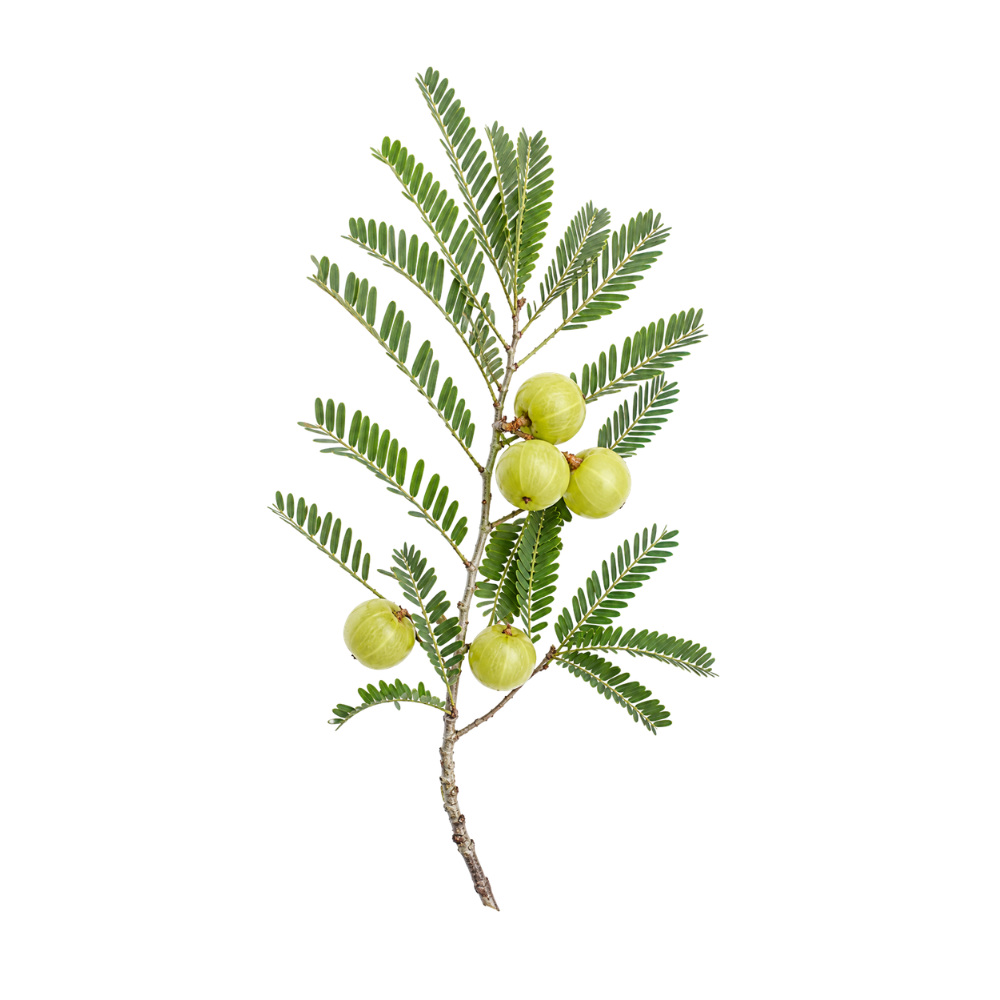 Amla Phyllanthus emblica Documented for beta-glucogallin, corilagin, ellagic acid and 5 more tannins.
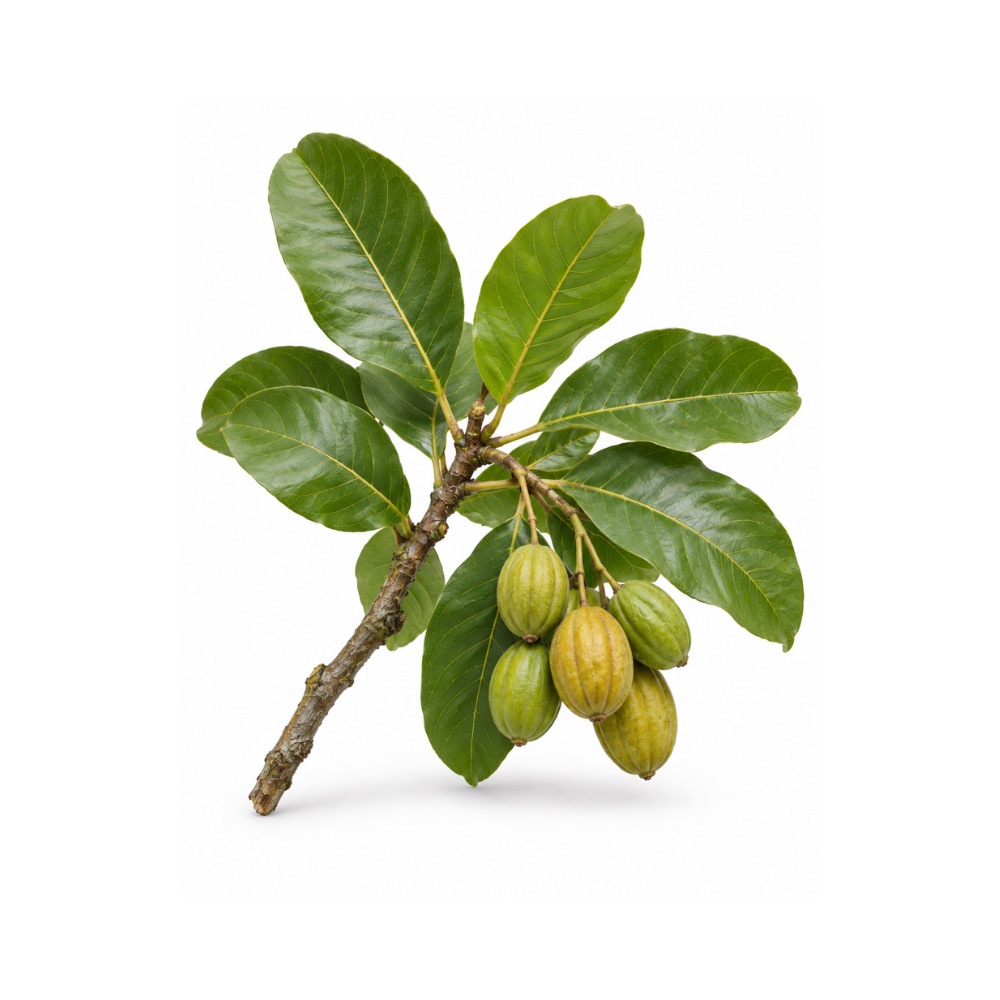 Haritaki Terminalia chebula Documented for chebulagic acid, chebulinic acid, corilagin and 4 more tannins.
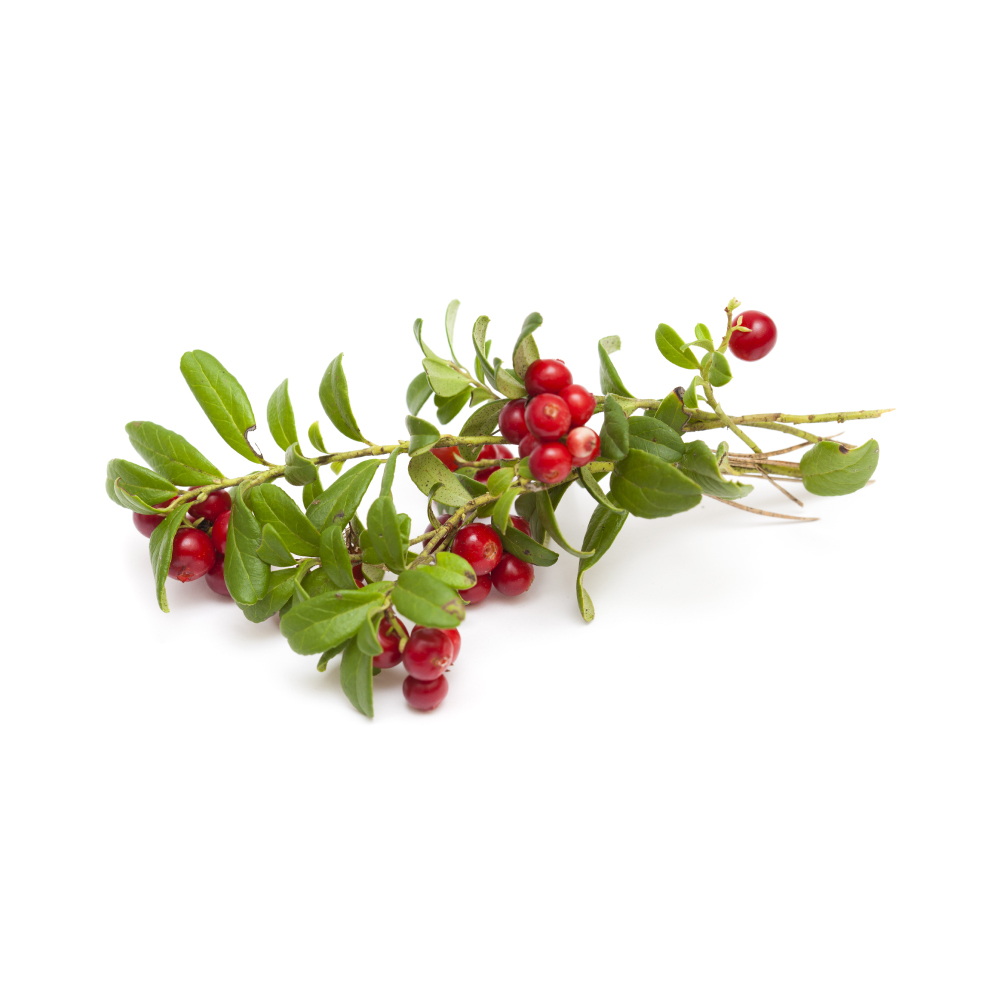 Bearberry Arctostaphylos uva-ursi Documented for pentagalloylglucose (6.6–12.9 mg/g dry wt), corilagin, ellagic acid and 3 more tannins.
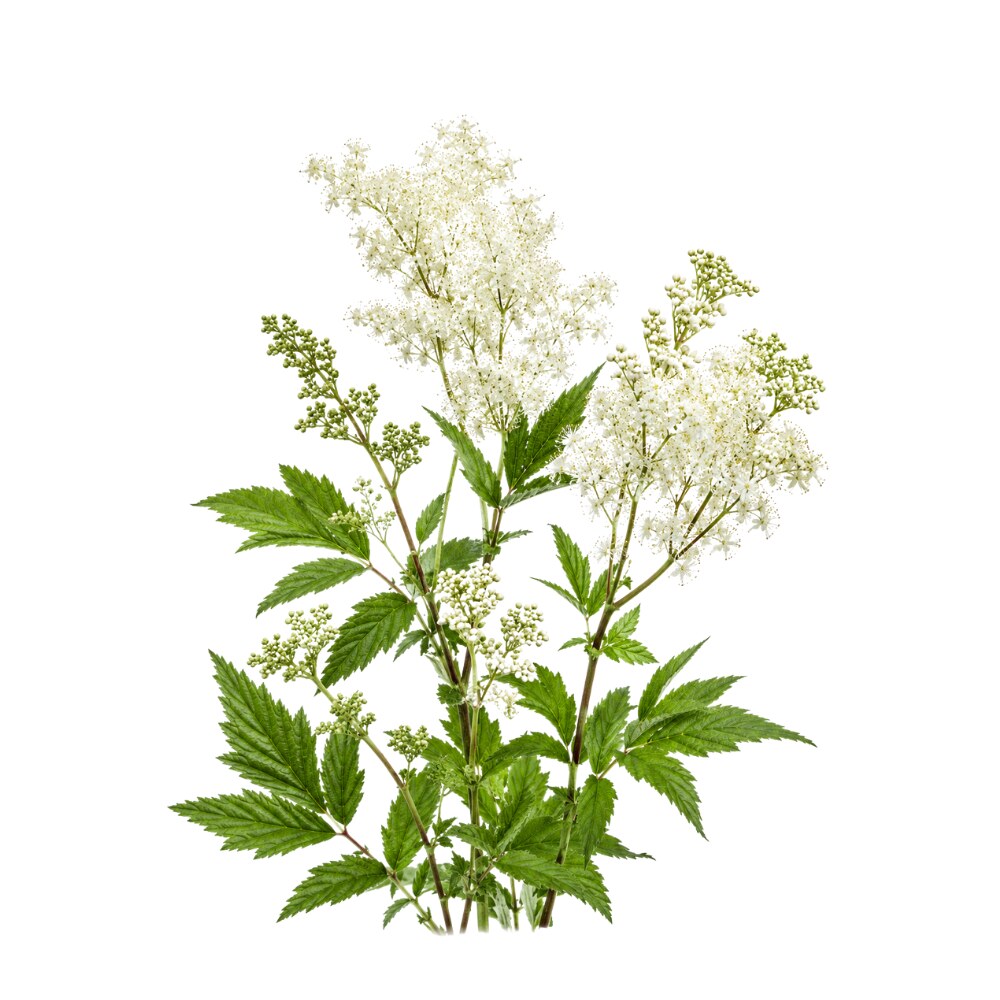 Meadowsweet Filipendula ulmaria Documented for tellimagrandin II (2.02 mg/100 mL), rugosin A, rugosin D and 2 more tannins.
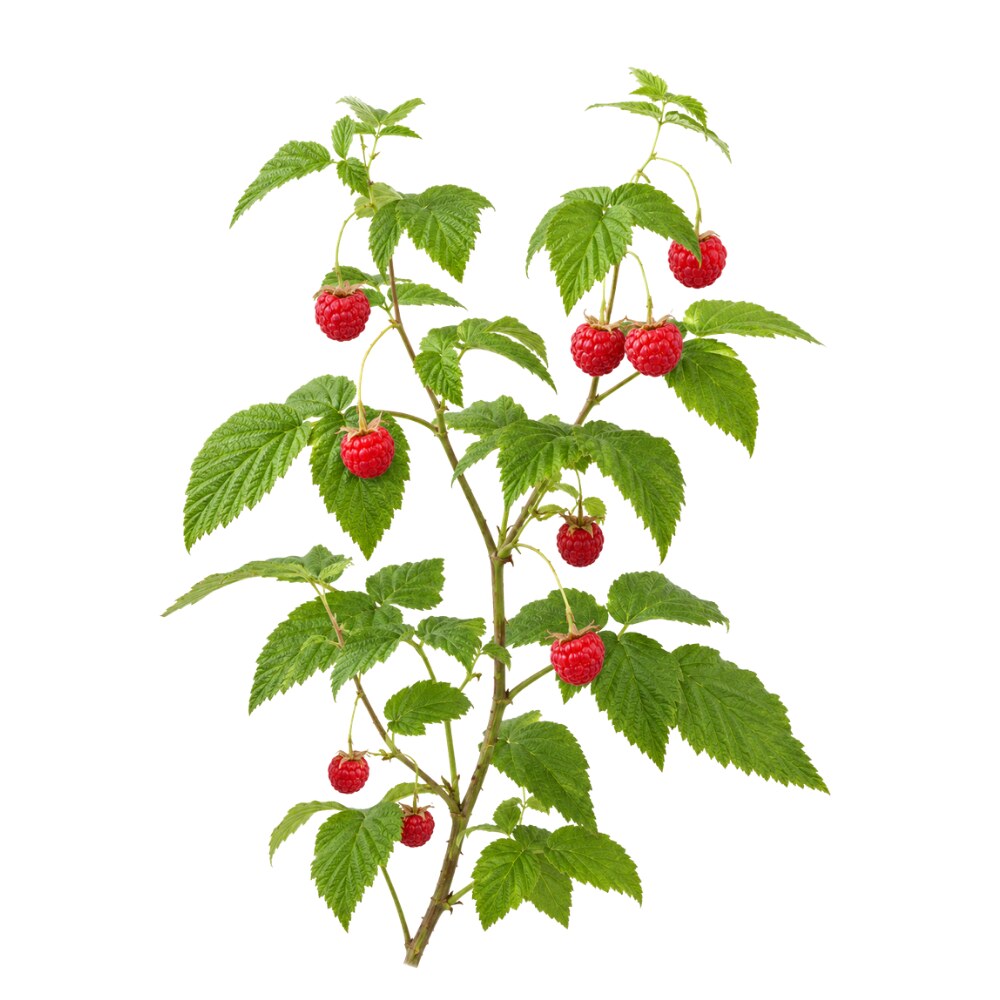 Raspberry Leaf Rubus idaeus Documented for casuarinin (483 mg/g), sanguiin H-6 (139–633 mg/100 g), ellagic acid and 2 more tannins.
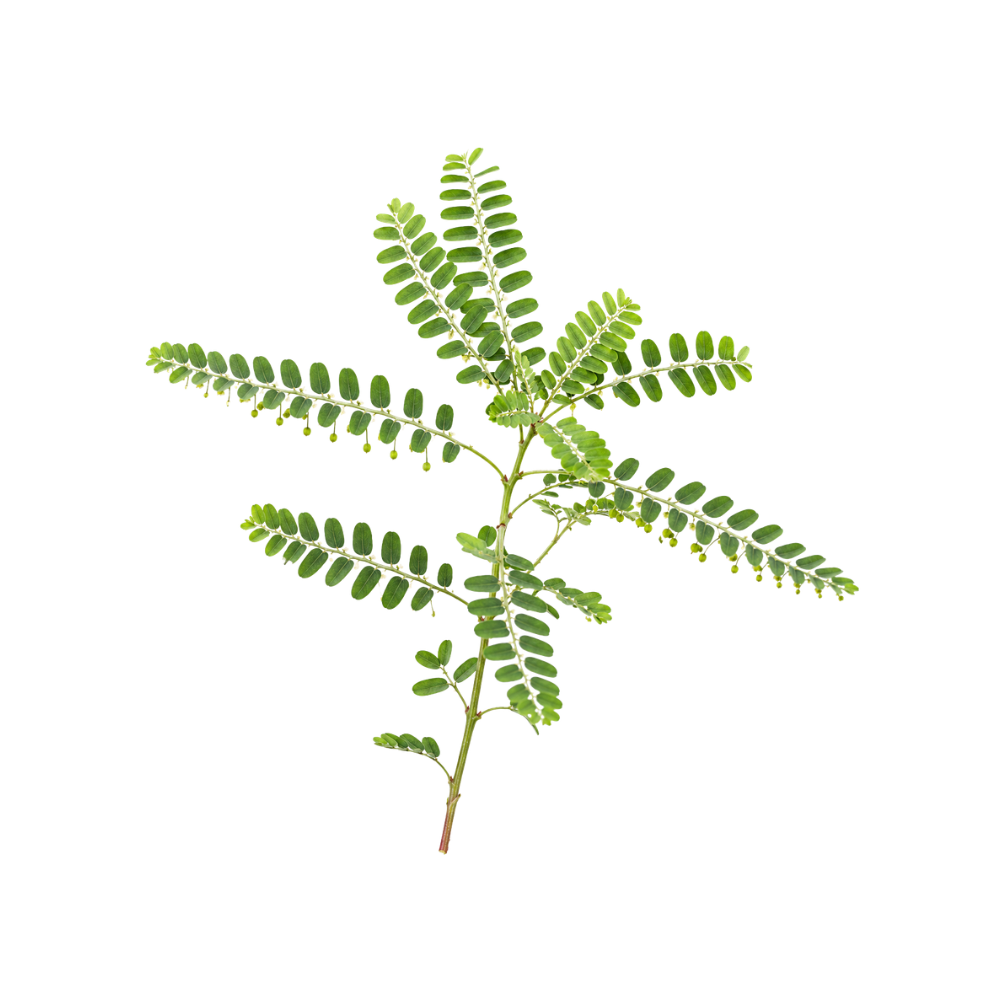 Chanca Piedra Phyllanthus niruri Documented for corilagin, ellagic acid, geraniin and 1 more.
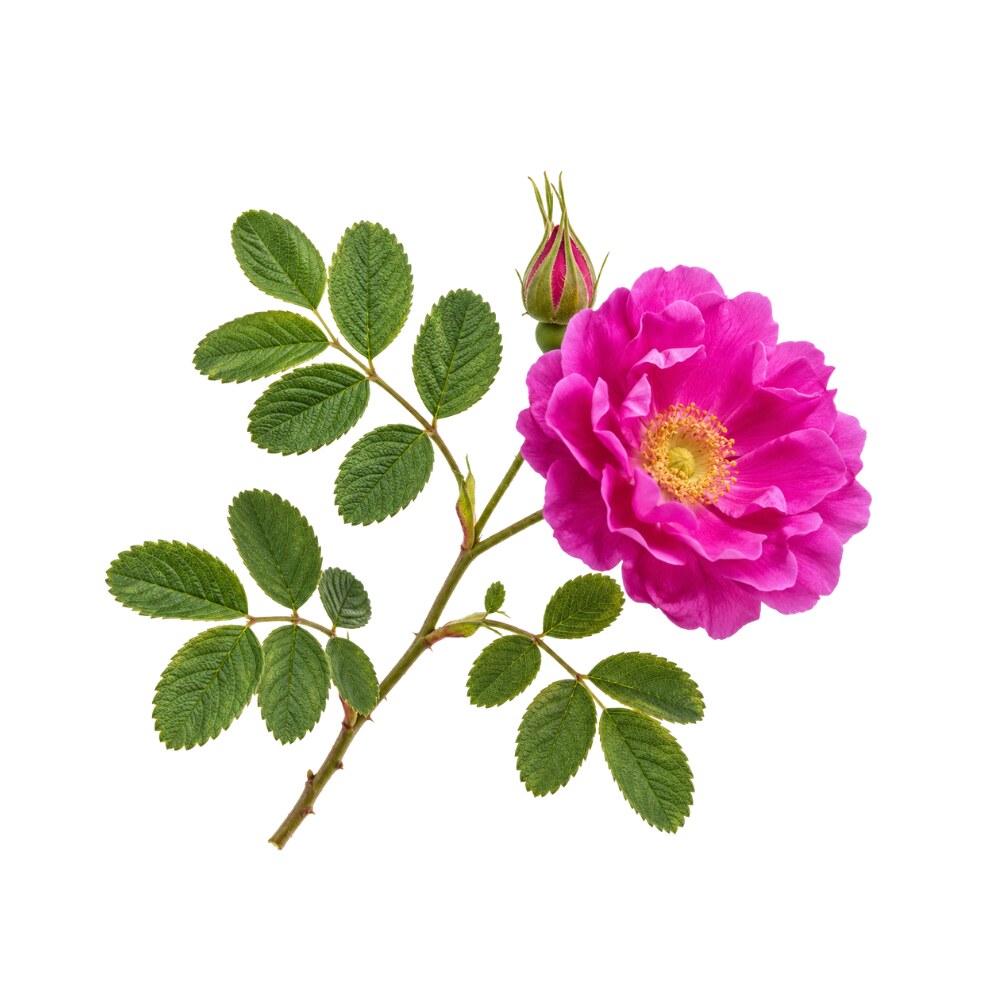 Rose Rosa spp. Documented for rugosin A, rugosin B, tannins and 1 more.
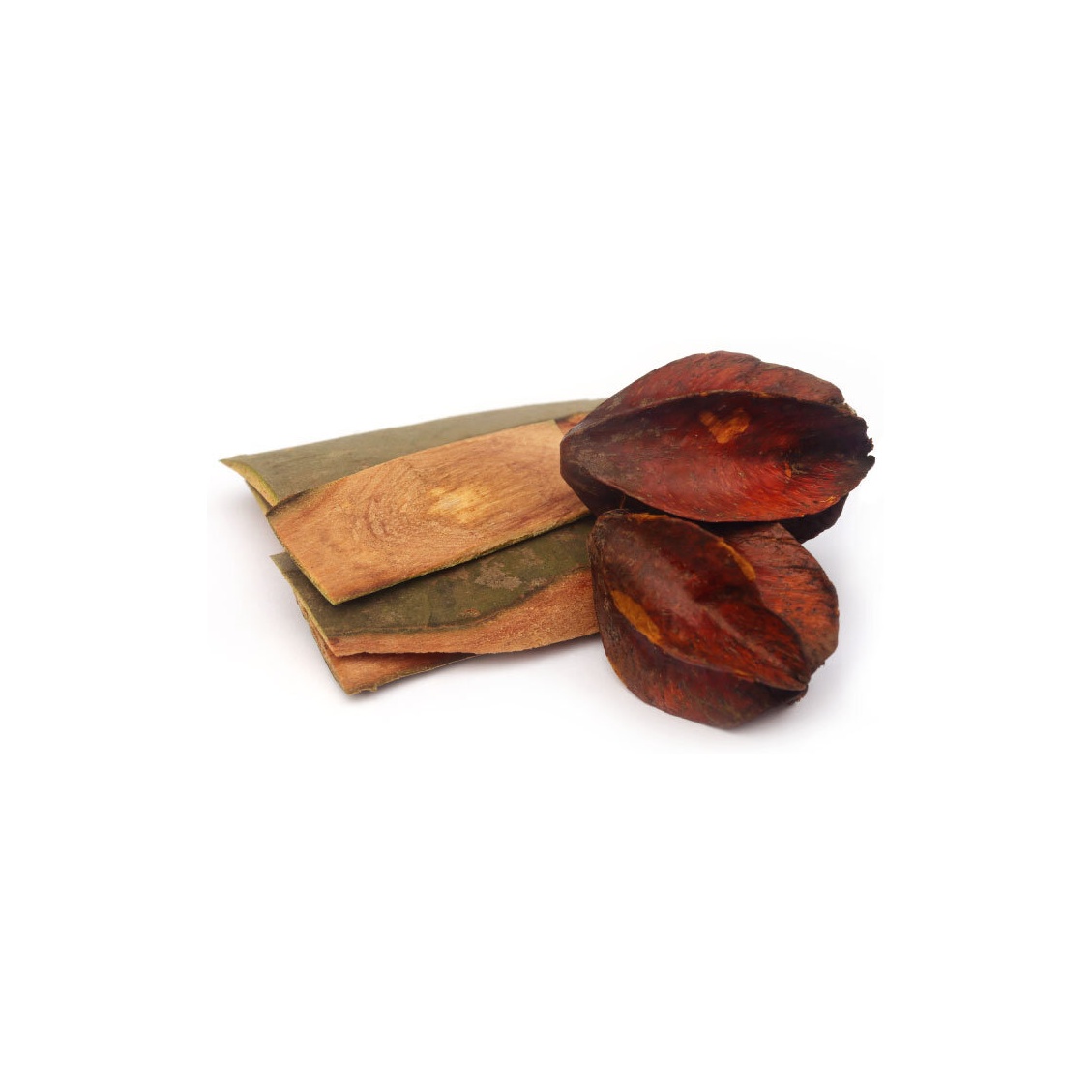 Arjuna Terminalia arjuna Documented for arjunin, corilagin, tannins.
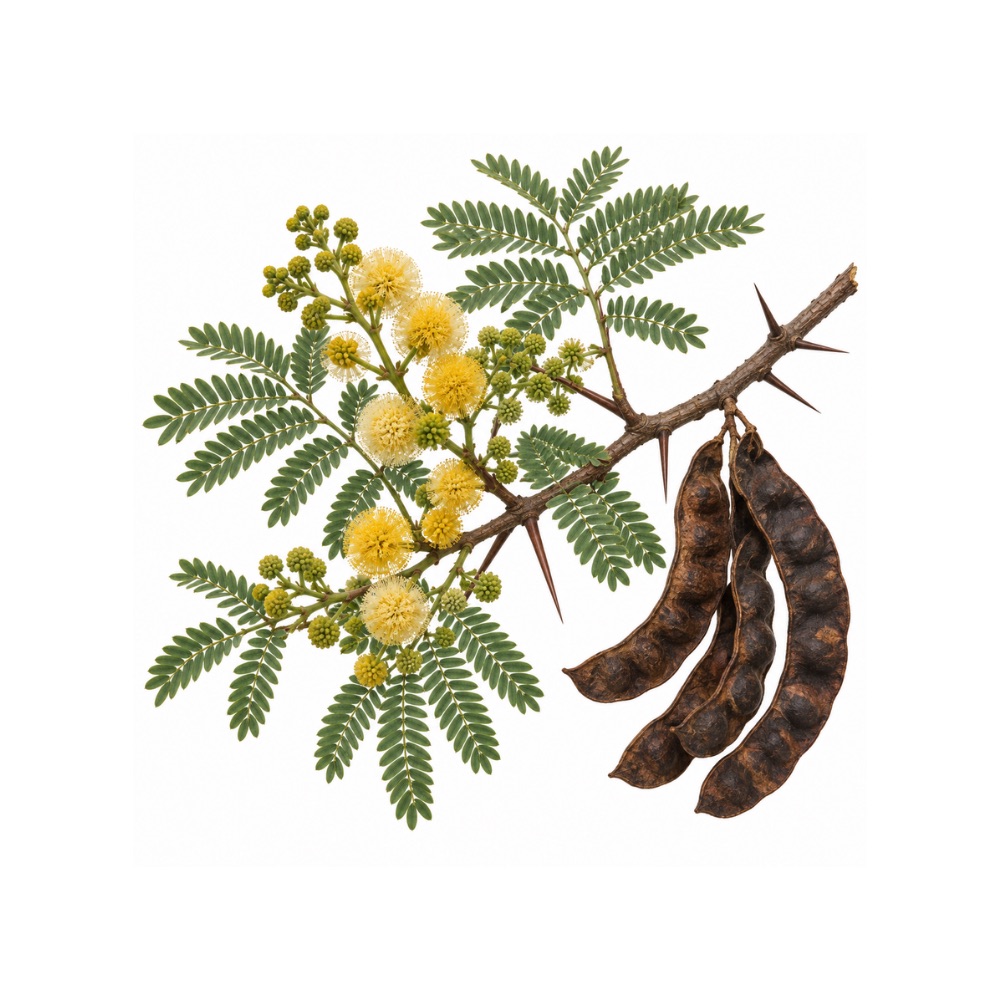 Babul Vachellia nilotica Documented for condensed tannins, ellagic acid, tannins.
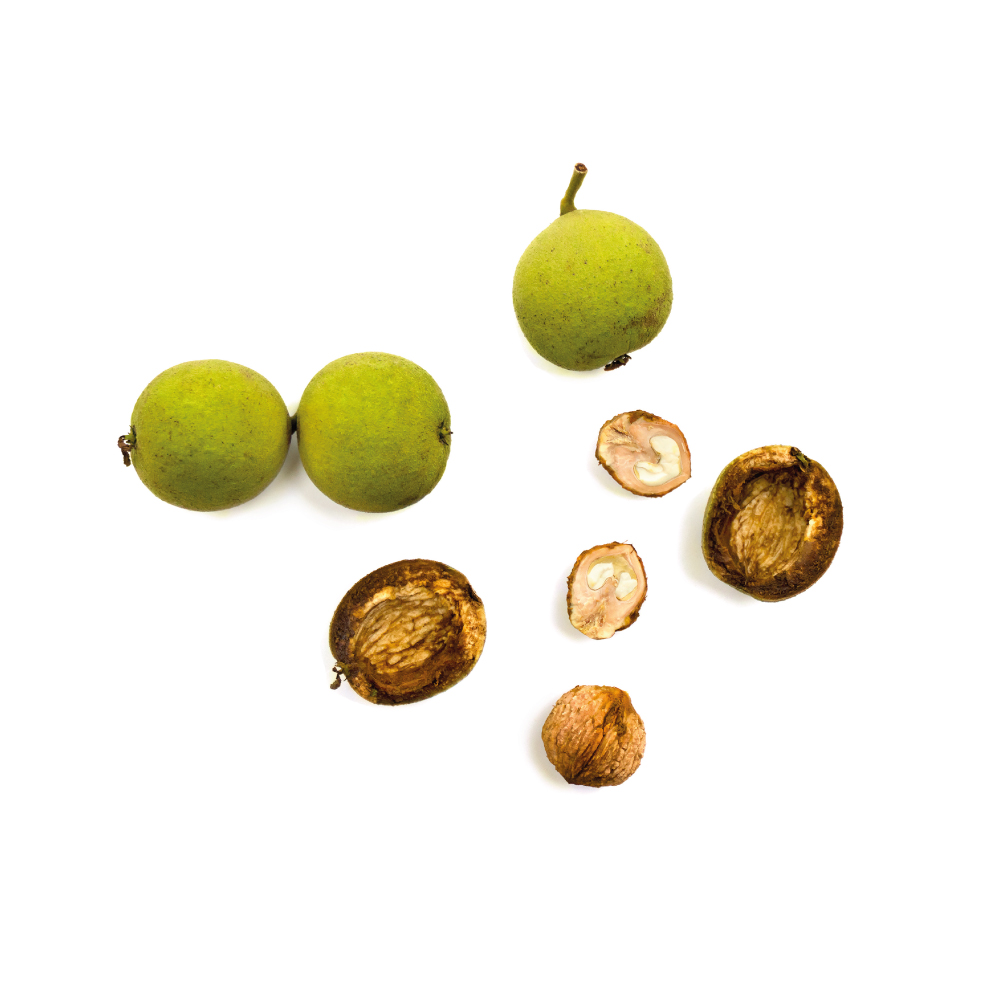 Black Walnut Juglans nigra Documented for ellagic acid, penta-O-galloyl-glucose, tannins.
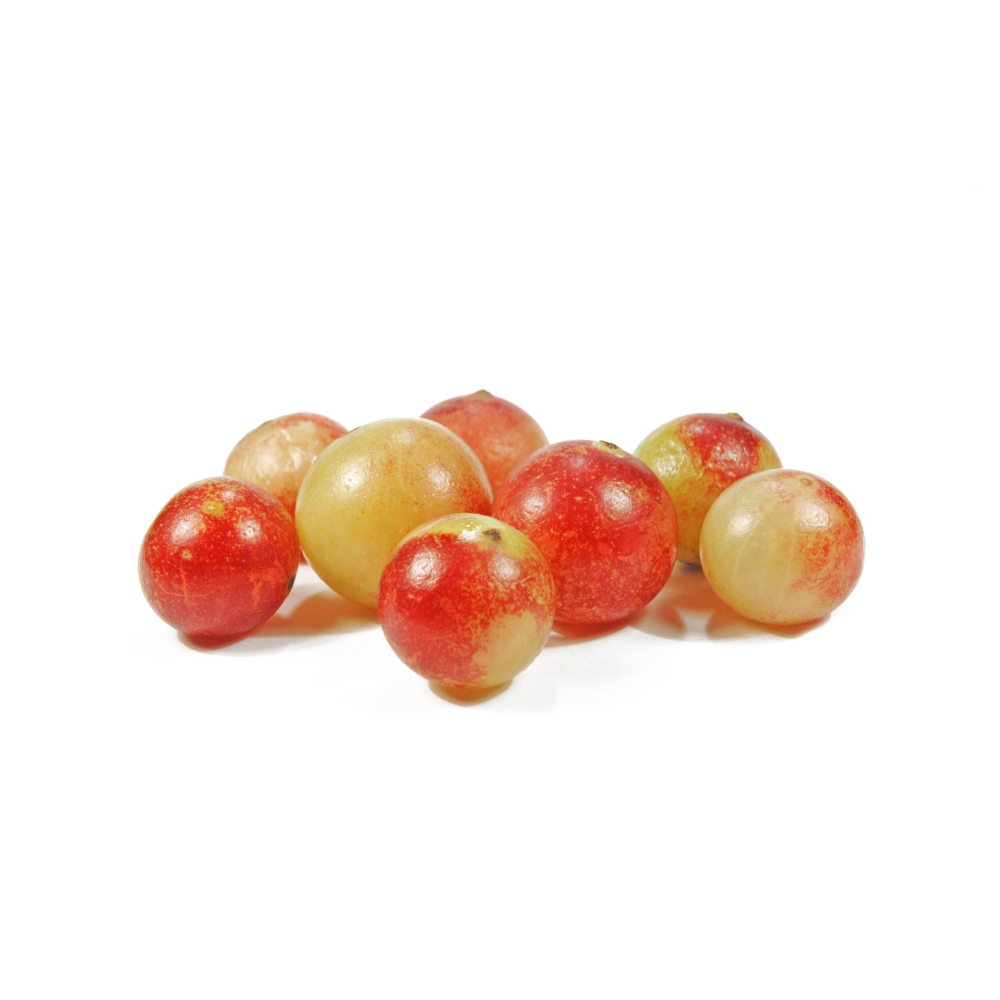 Camu-camu Myrciaria dubia Documented for castalagin, ellagic acid, vescalagin.
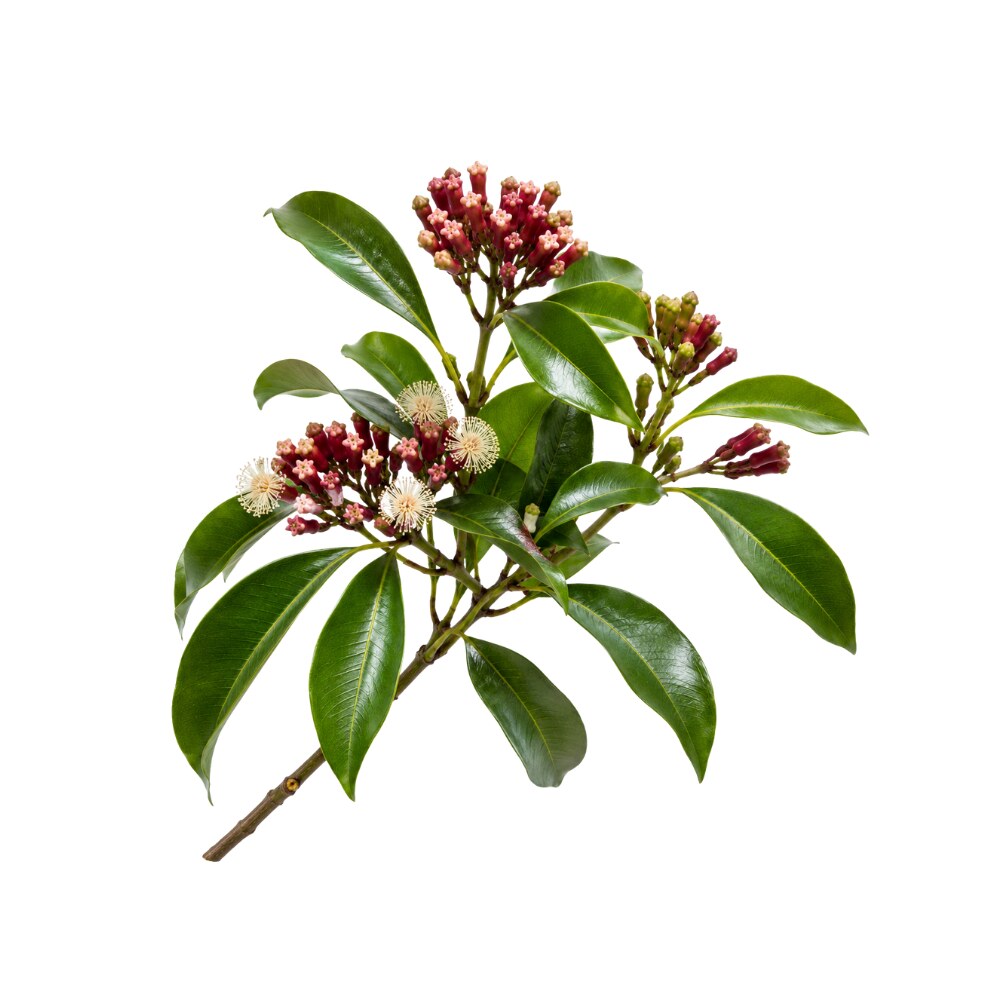 Clove Syzygium aromaticum Documented for casuarictin, tannins, tellimagrandin II.
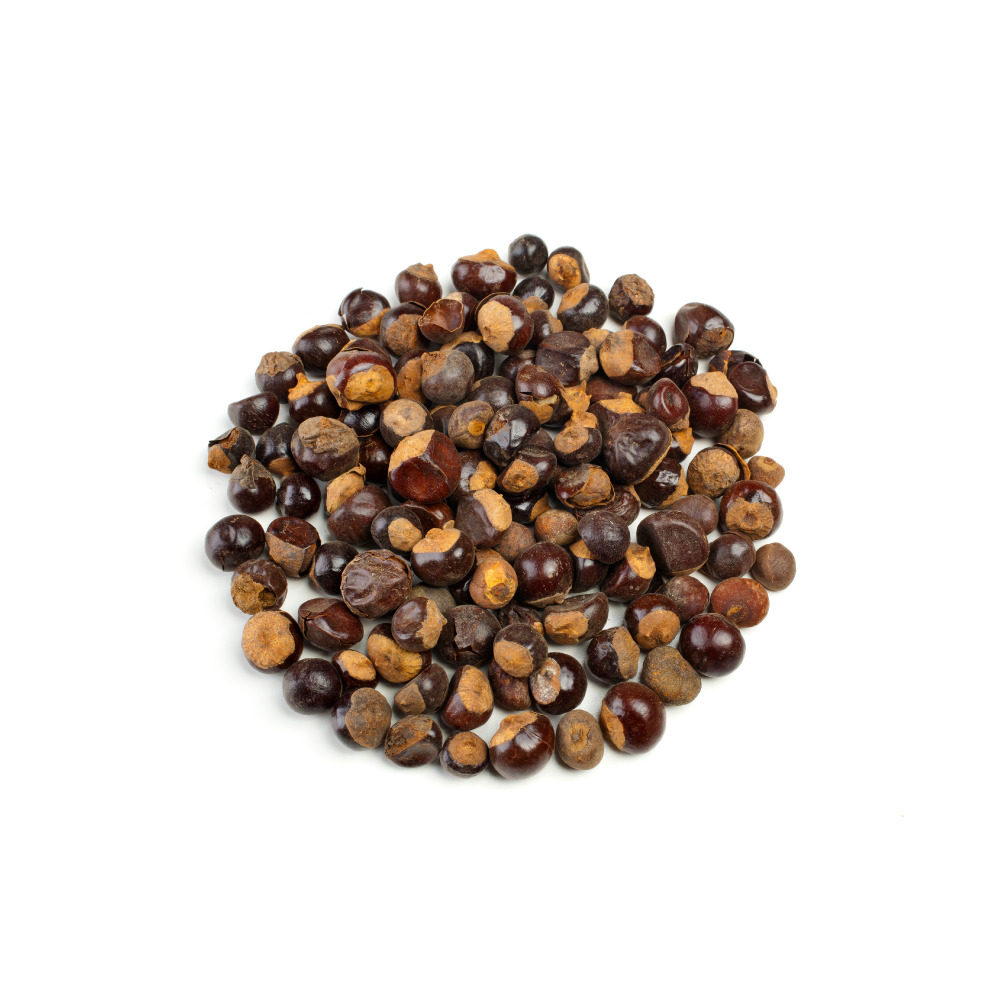 Guarana Paullinia cupana Documented for condensed tannins, tannic acid, tannins.
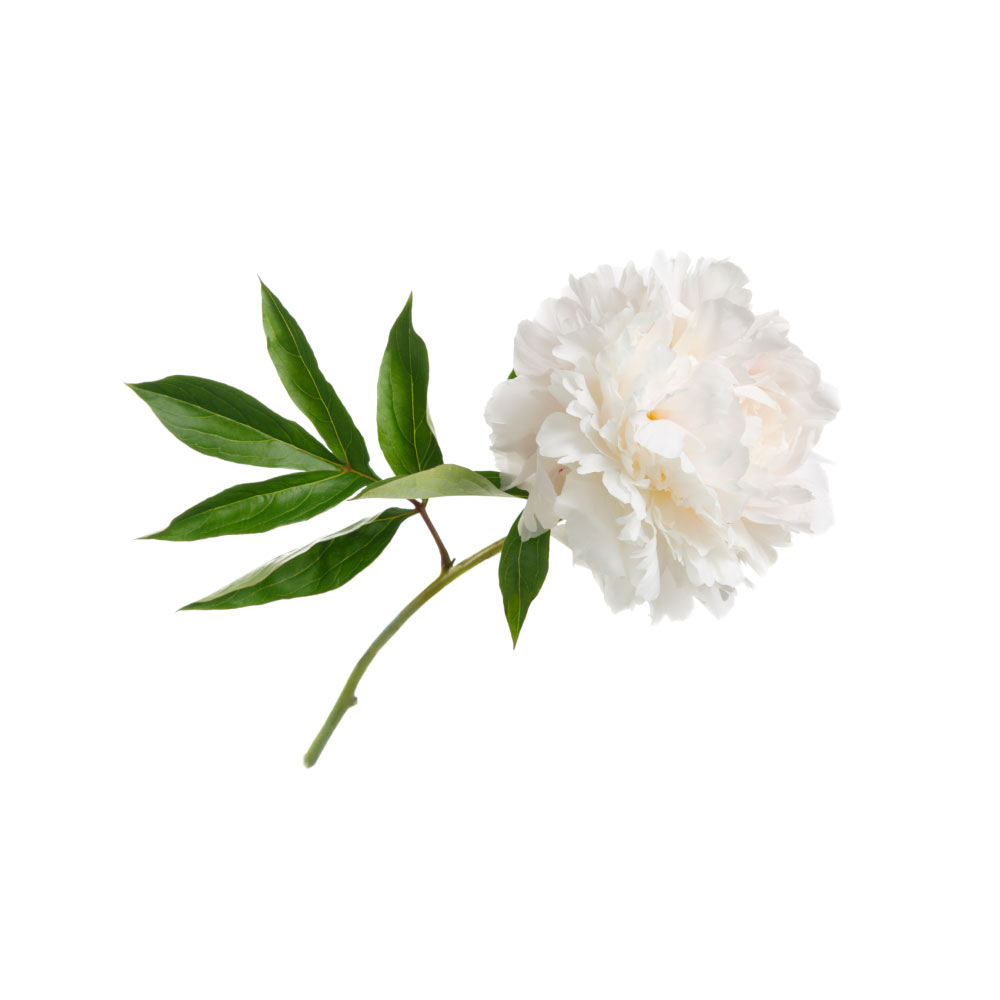 Peony Paeonia lactiflora Documented for pentagalloylglucose, tannins, tellimagrandin II.
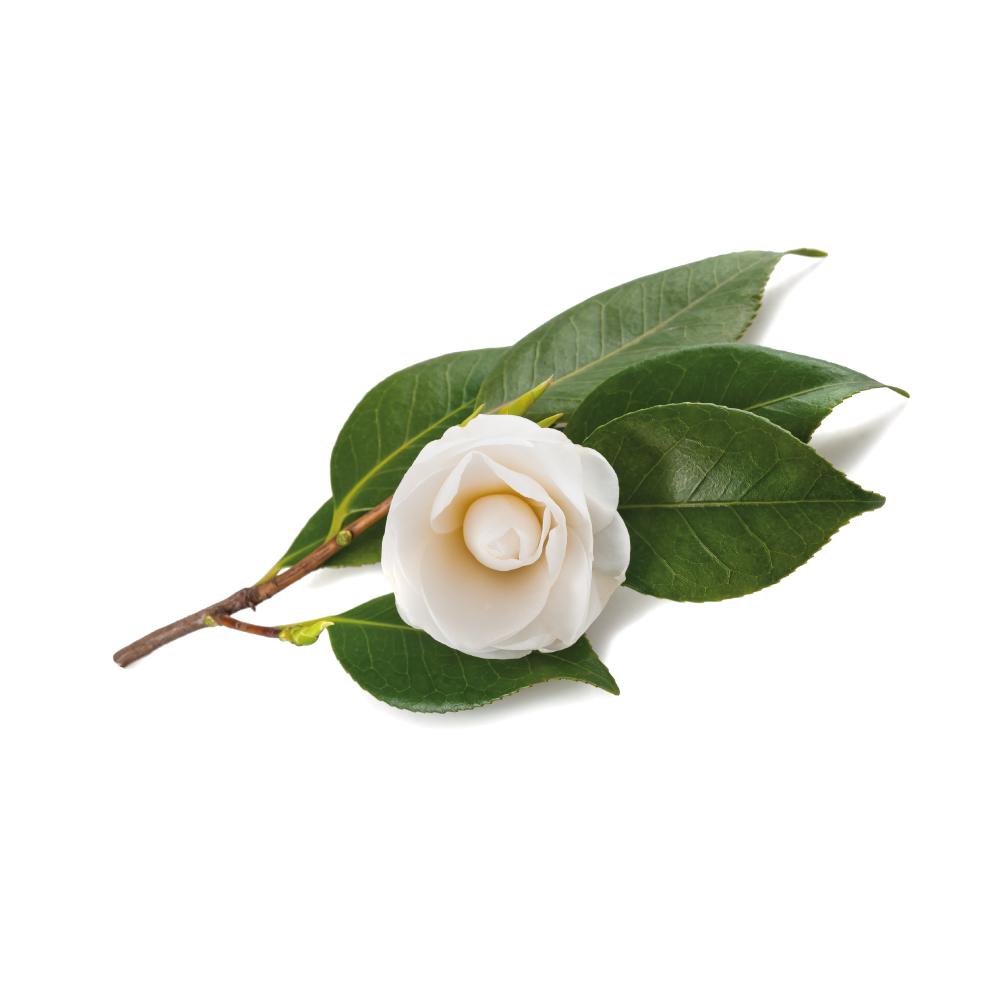 Tea Camellia sinensis Documented for tannins, theaflavins, thearubigins.
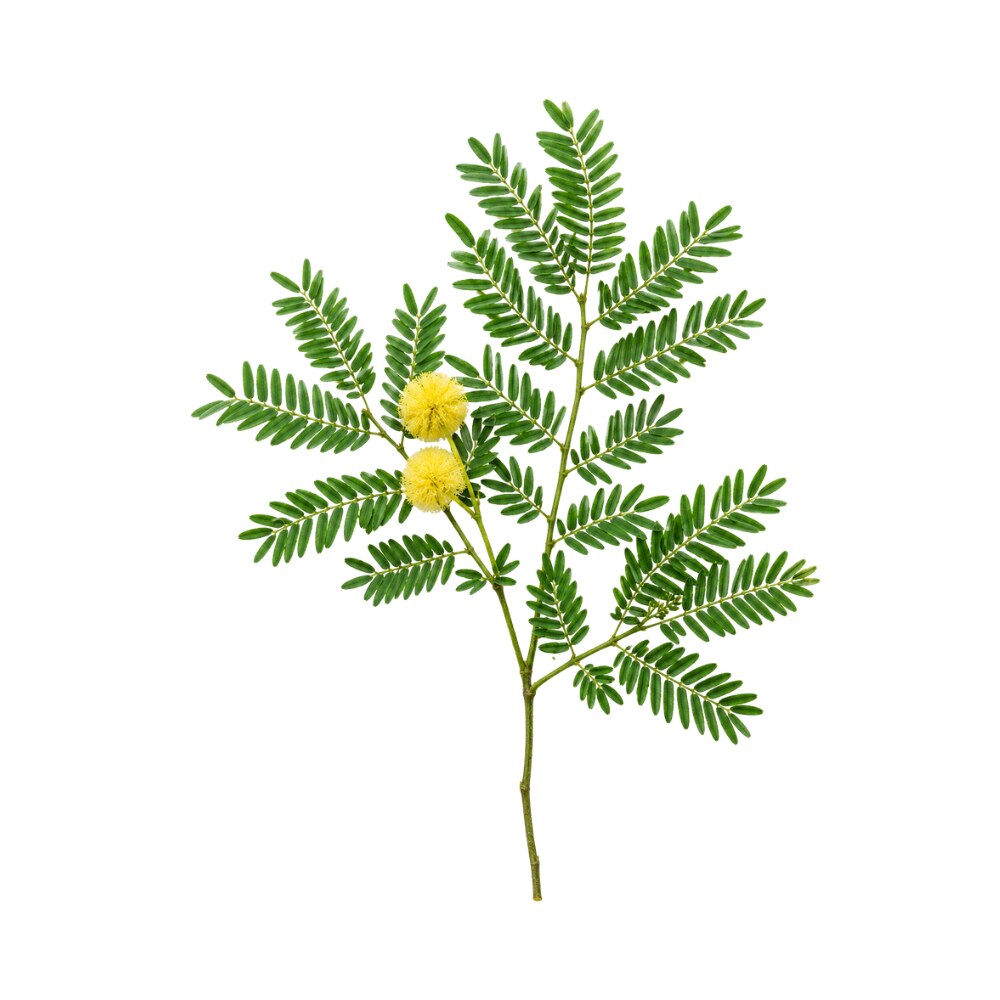 Acacia Acacia, Vachellia & Senegalia spp. Documented for ellagic acid, tannins.
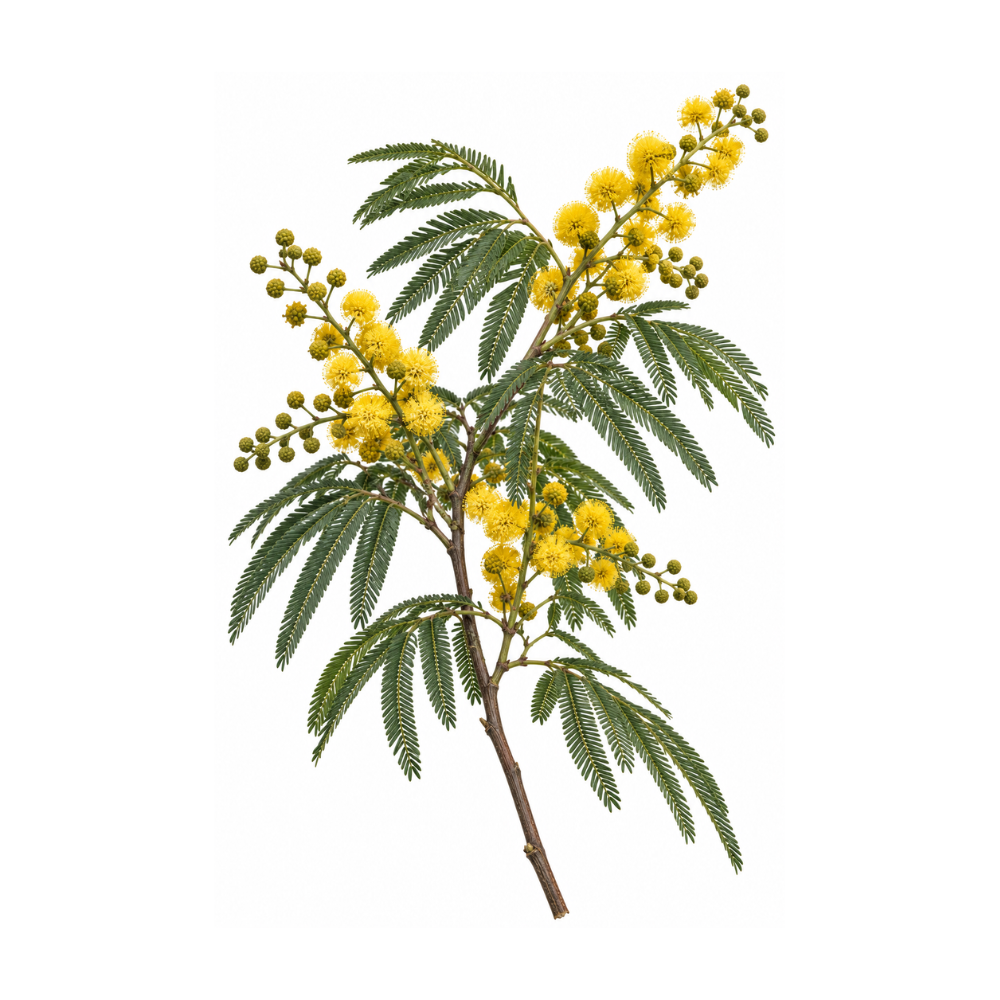 Black Wattle Acacia mearnsii Documented for condensed tannins, tannins.
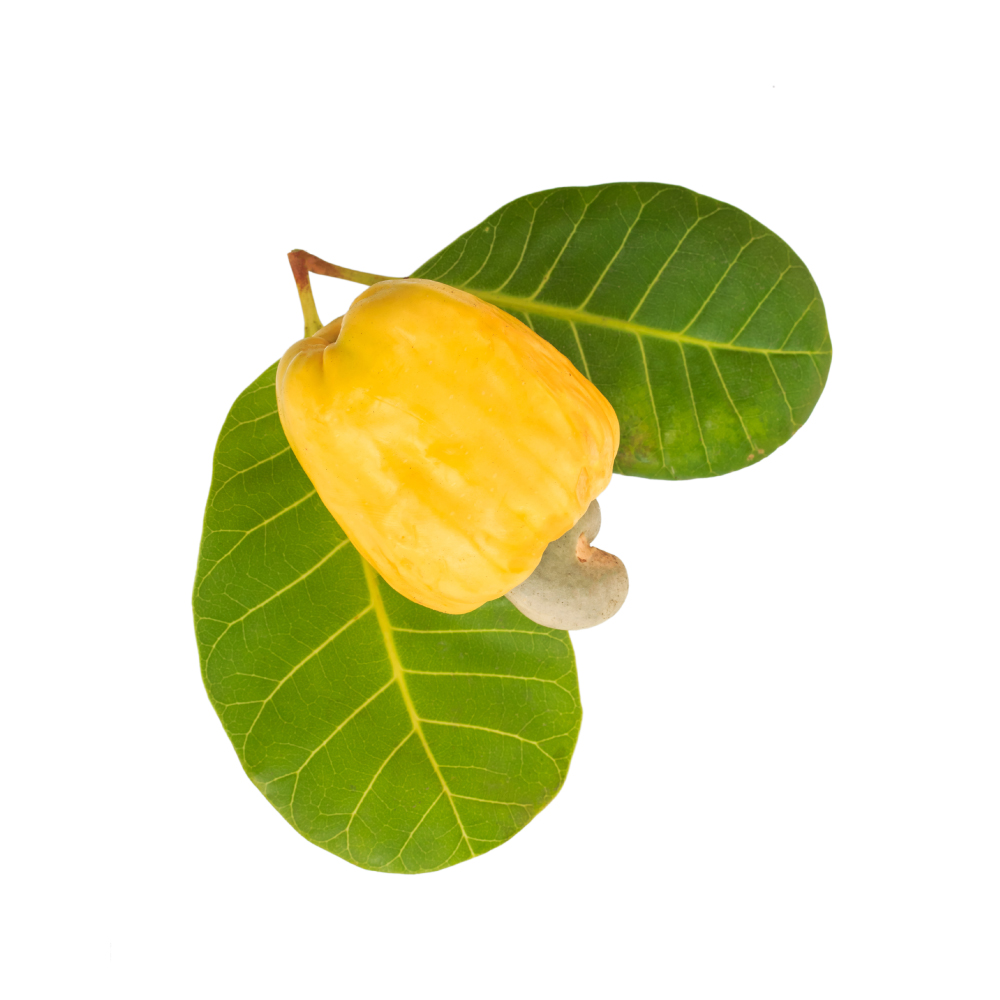 Cashew Anacardium occidentale Documented for pentagalloylglucose, tannins.
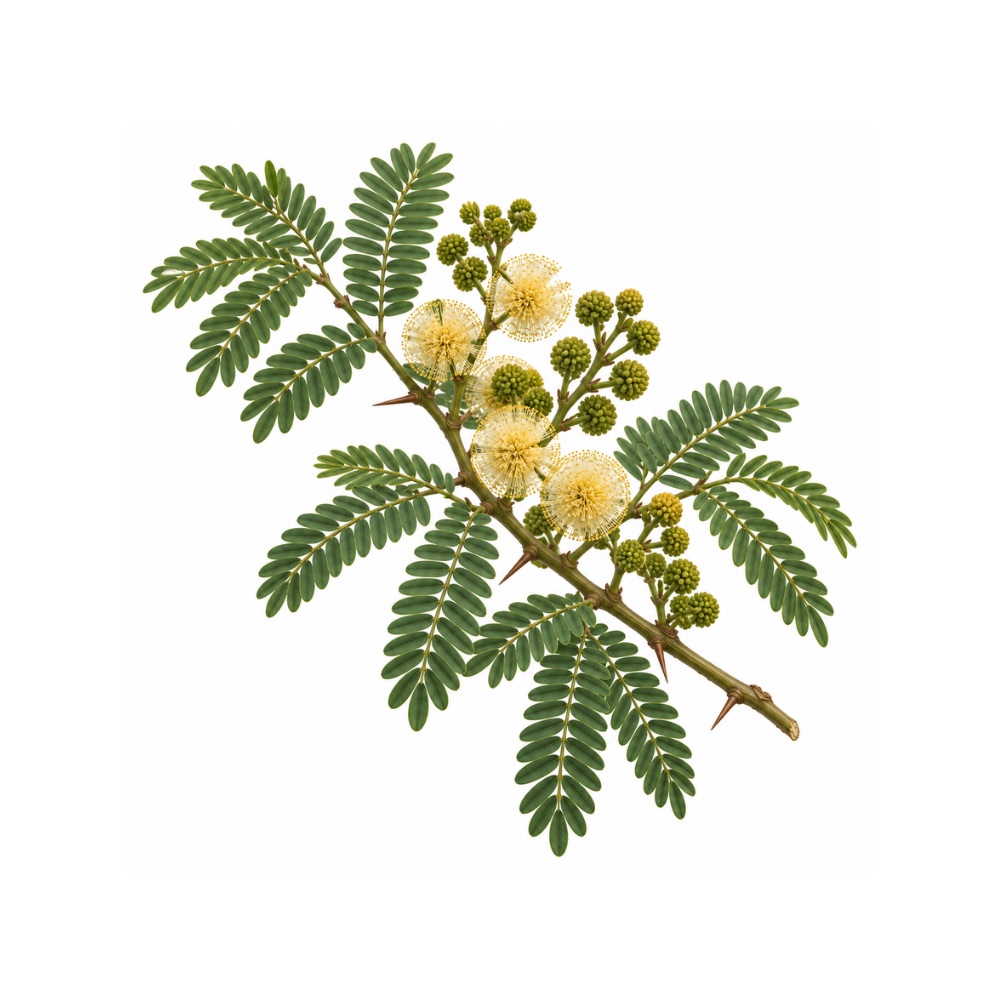 Catechu Senegalia catechu Documented for condensed tannins, tannins.
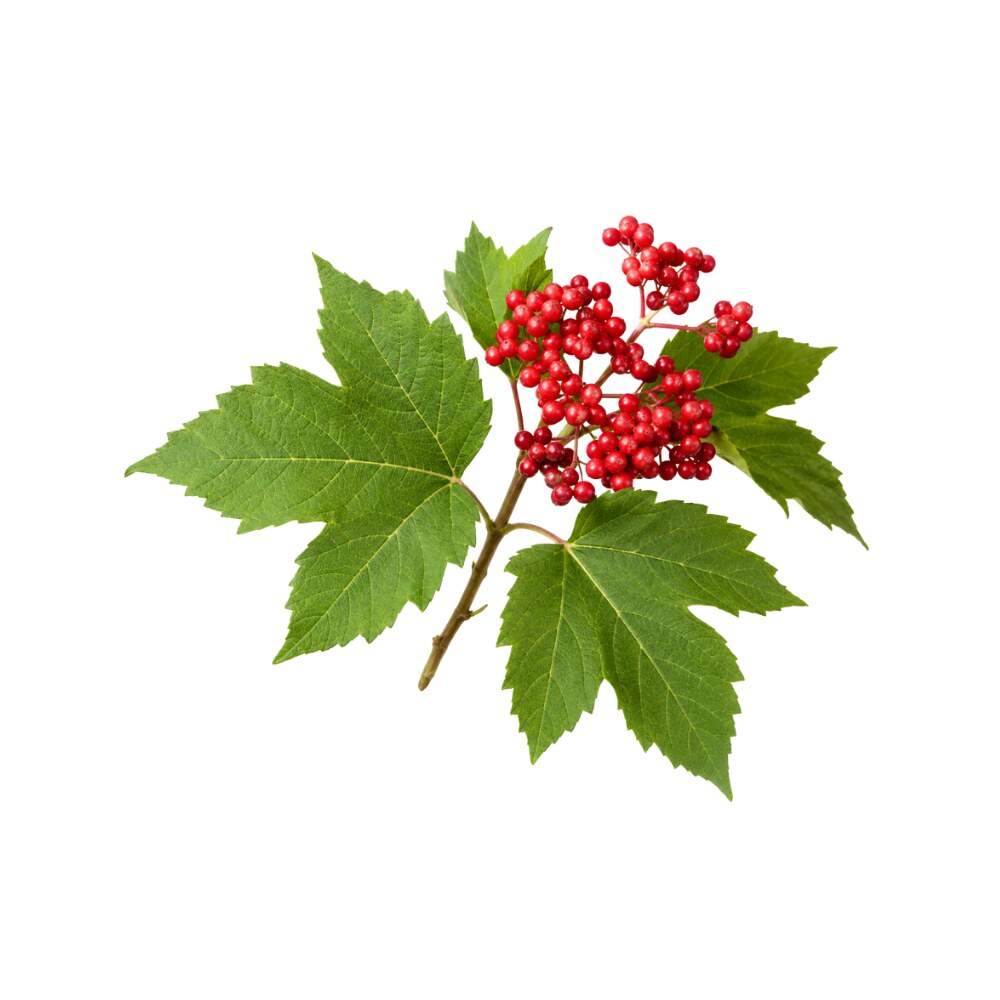 Cramp Bark Viburnum opulus Documented for ellagic acid, tannins.
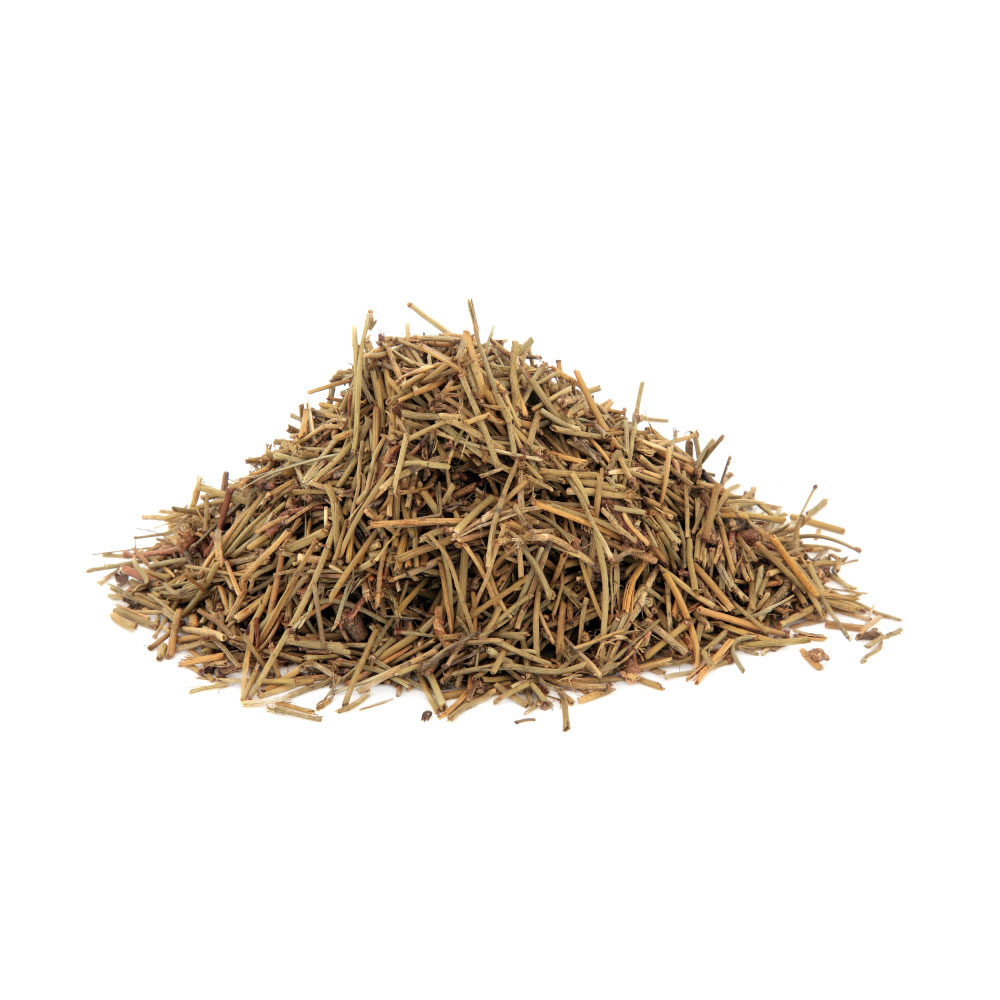 Ephedra Ephedra sinica Toxic Documented for ephedrannin A, ephedrannin B.
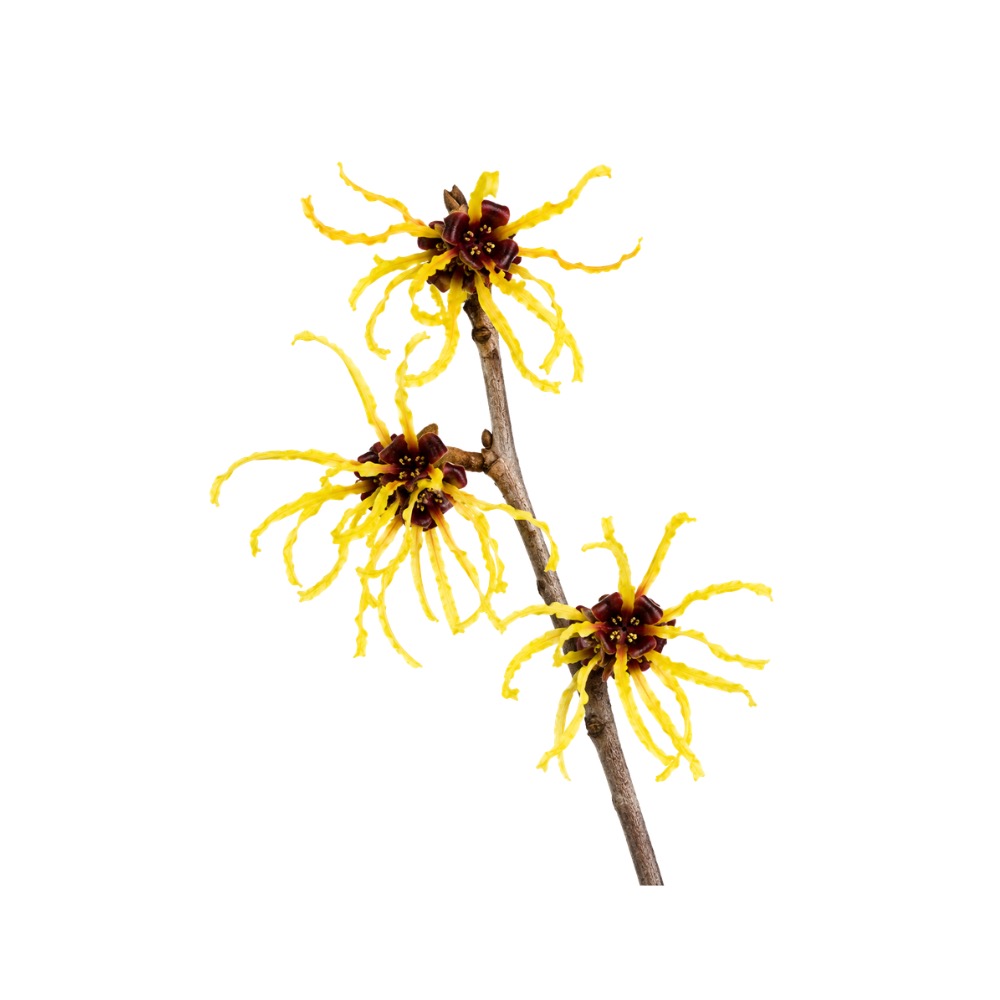 Witch Hazel Hamamelis virginiana Documented for hamamelitannin (1–7 % dry wt), pentagalloylglucose.
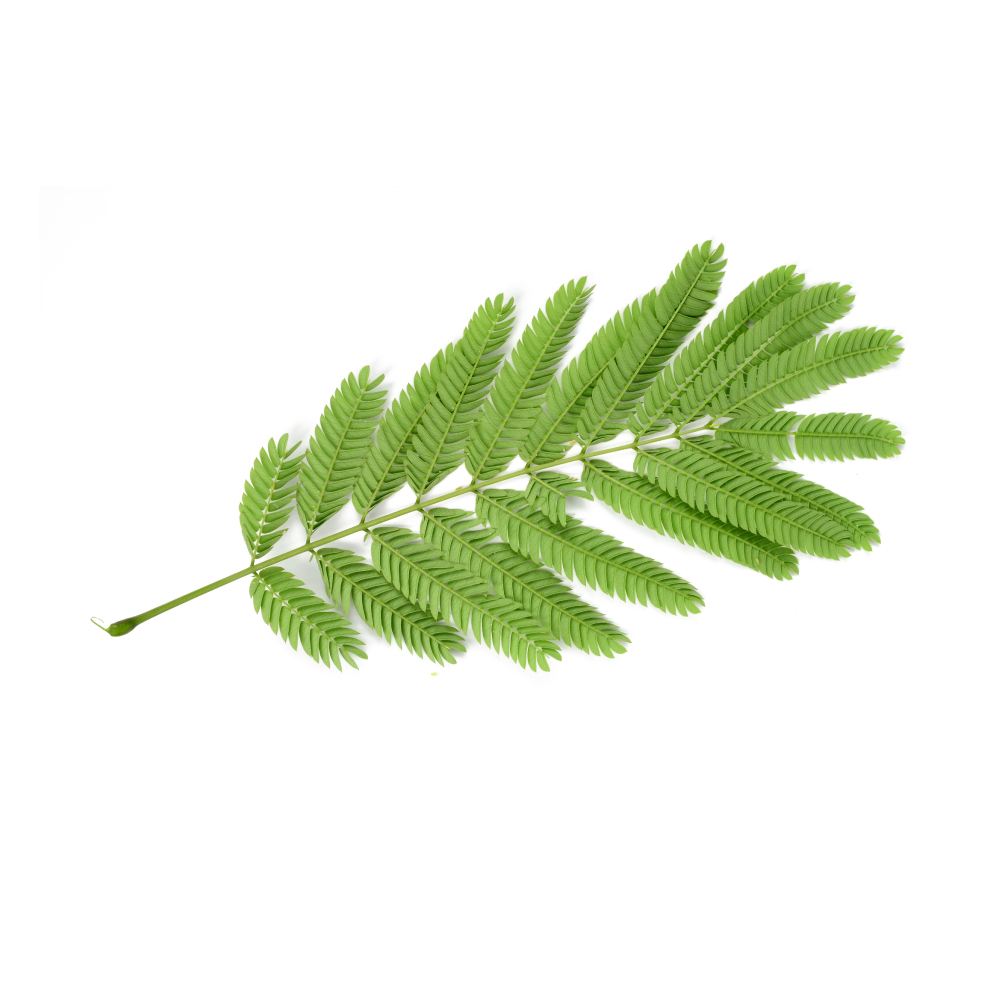 Albizzia Albizzia lebbeck Documented for tannins.
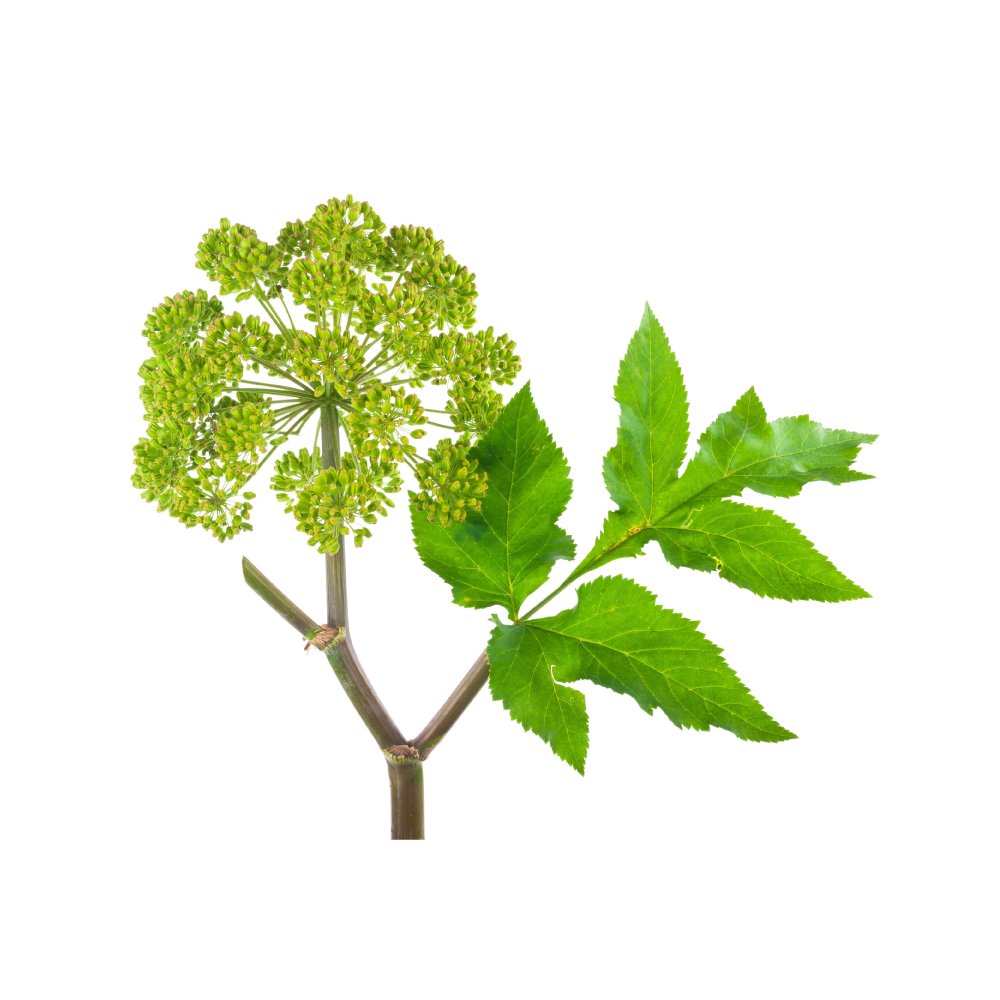 Angelica Angelica archangelica Documented for tannins.
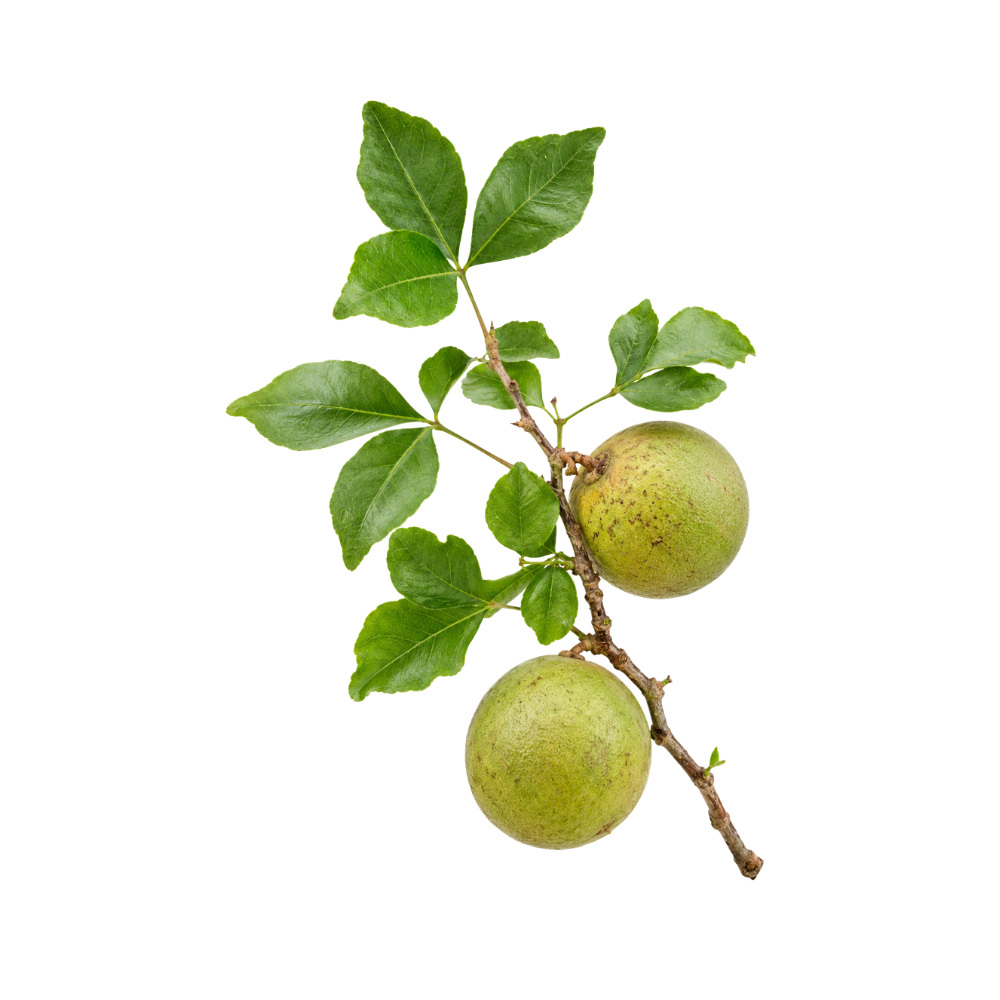 Bael Aegle marmelos Documented for tannins.
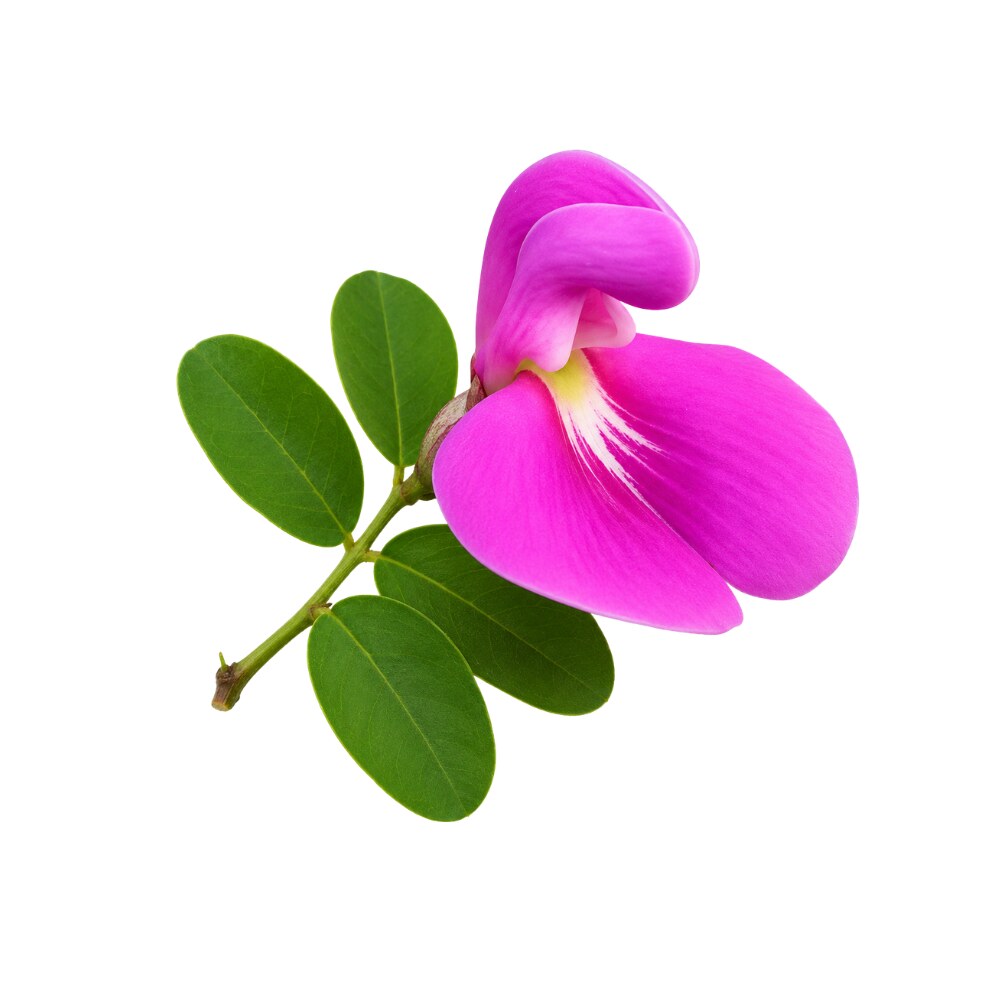 Bay Bean Canavalia rosea Documented for tannins.
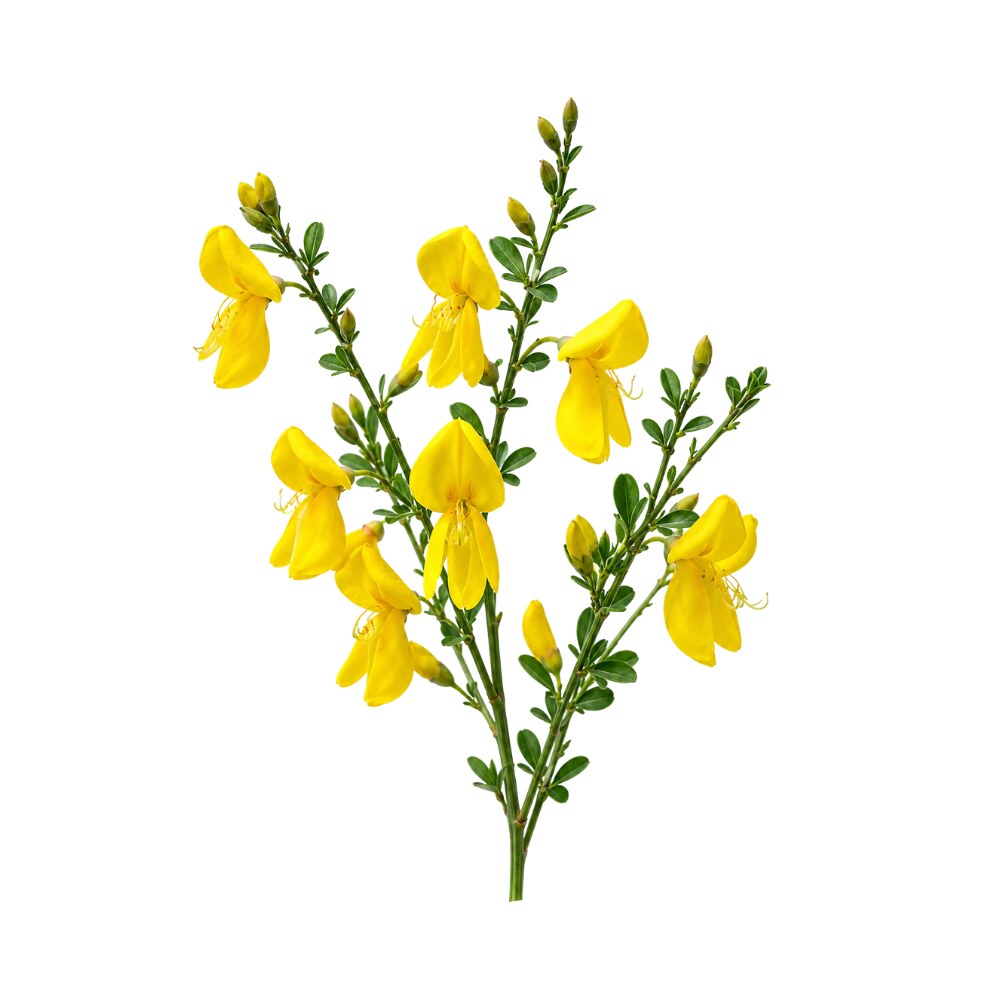 Broom Cytisus scoparius Toxic Documented for tannins.
 Buchu Agathosma betulina Documented for tannins.
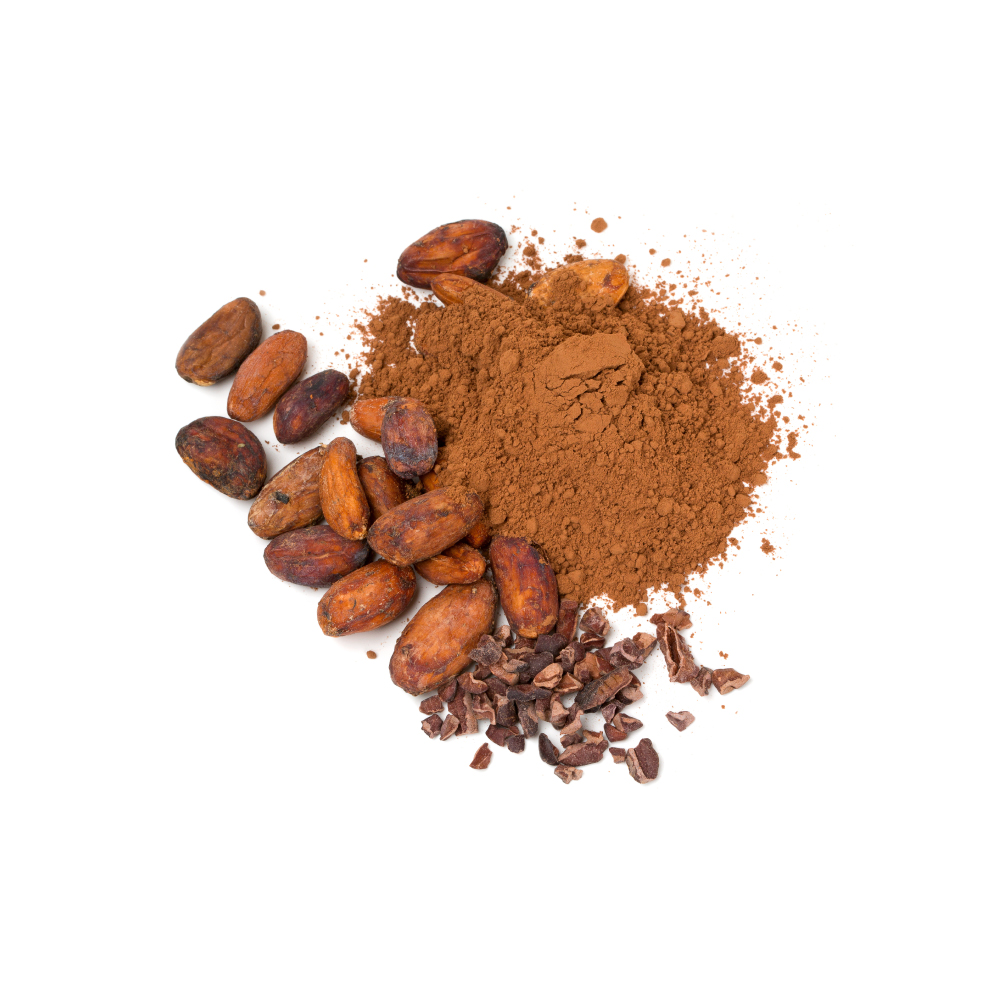 Cacao Theobroma cacao Documented for tannins.
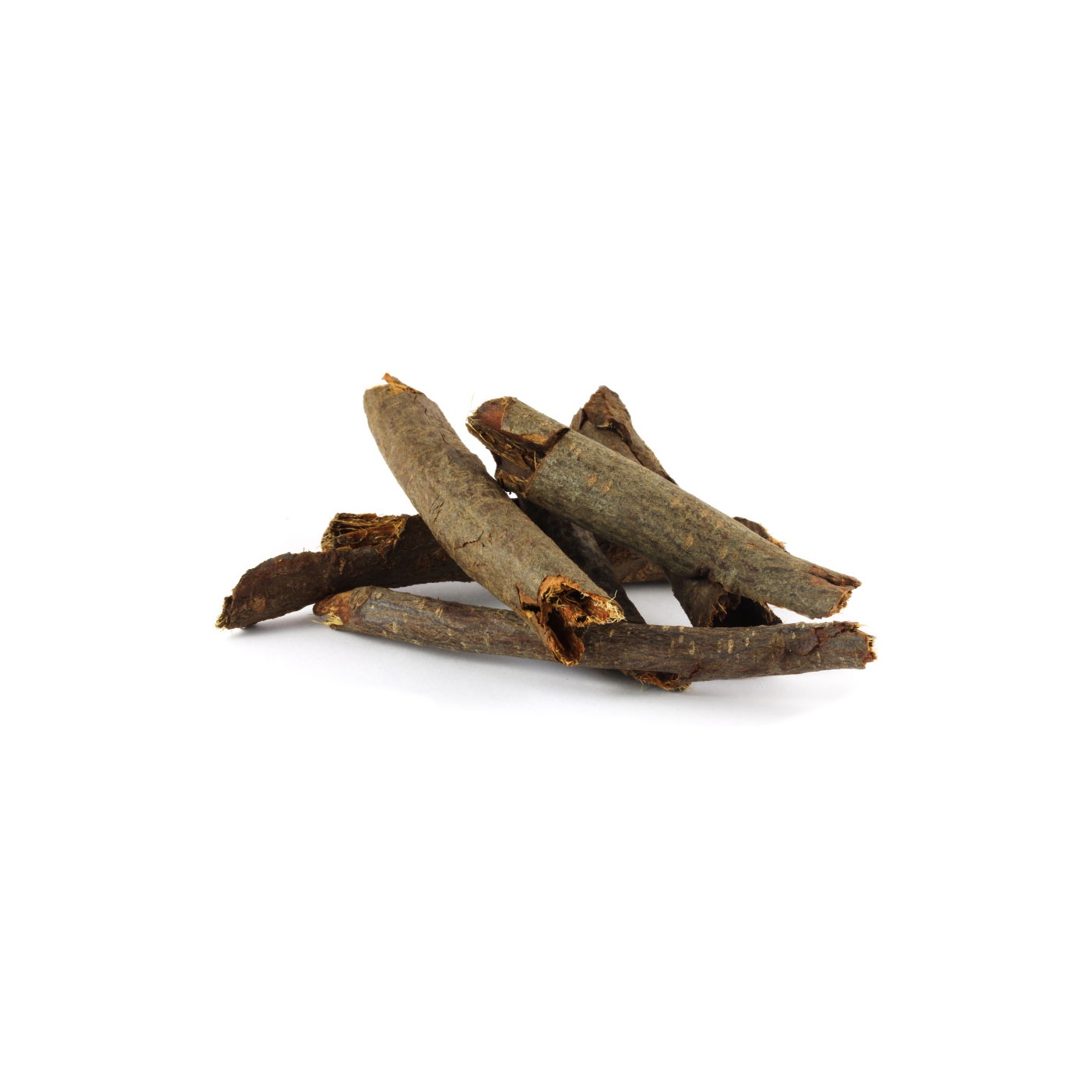 Cascara Sagrada Frangula purshiana Documented for tannins.
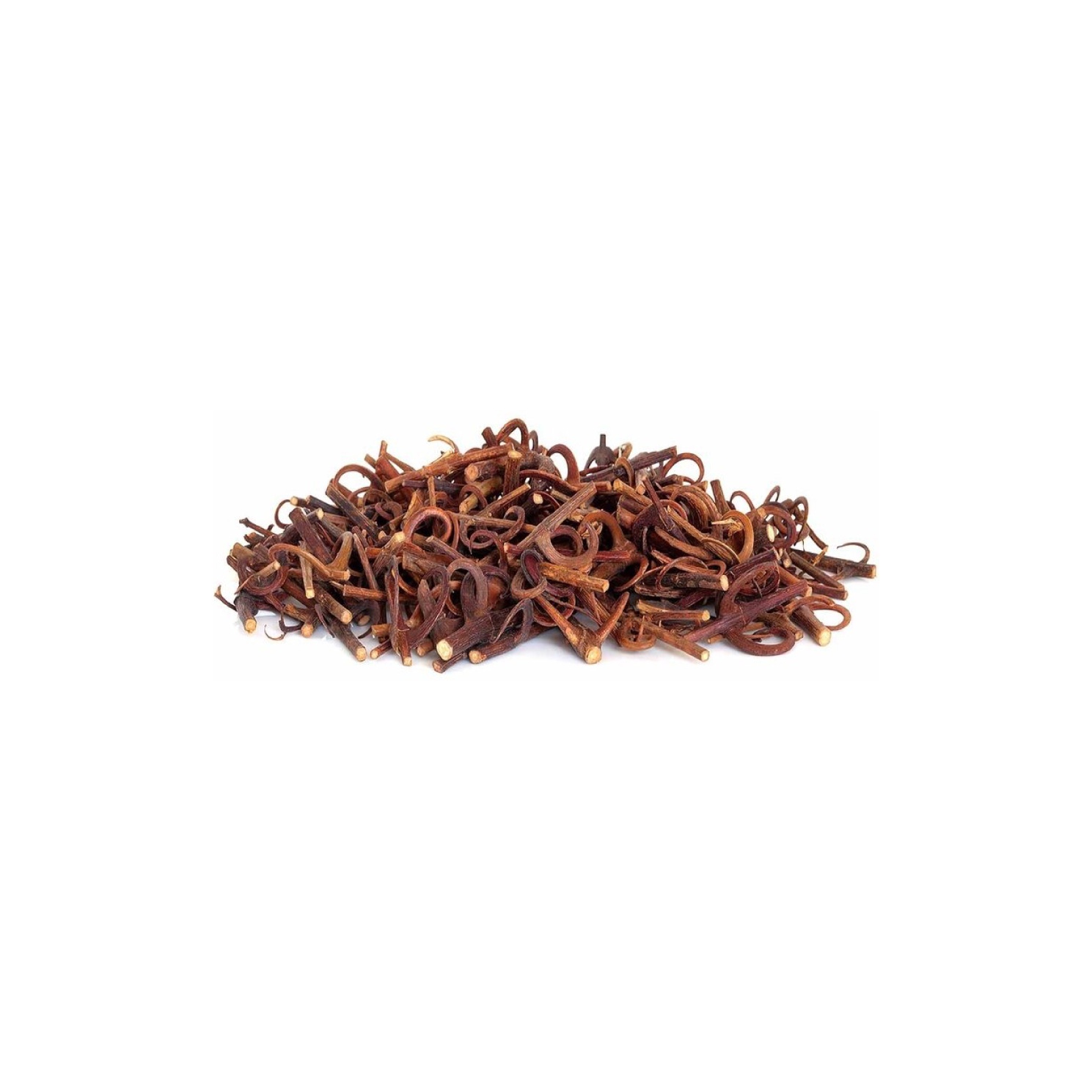 Cat's Claw Uncaria tomentosa Documented for tannins.
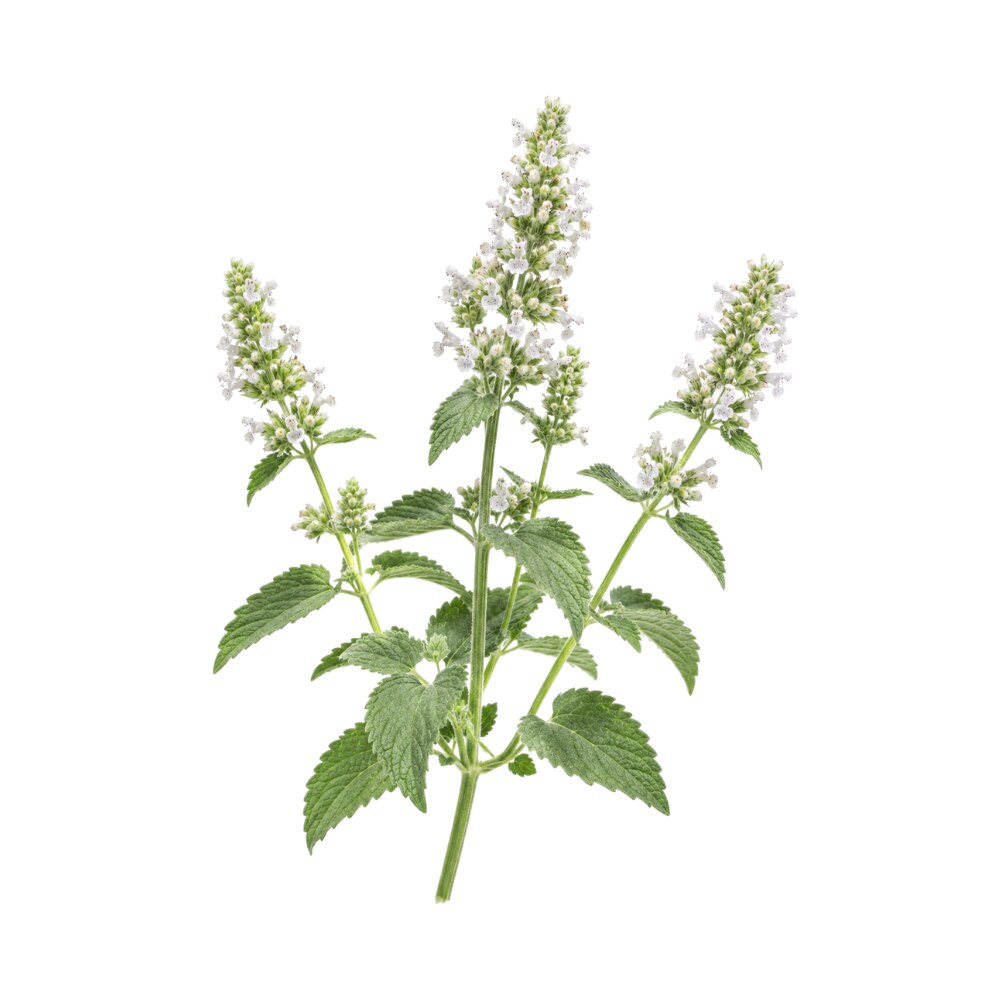 Catnip Nepeta cataria Documented for tannins.
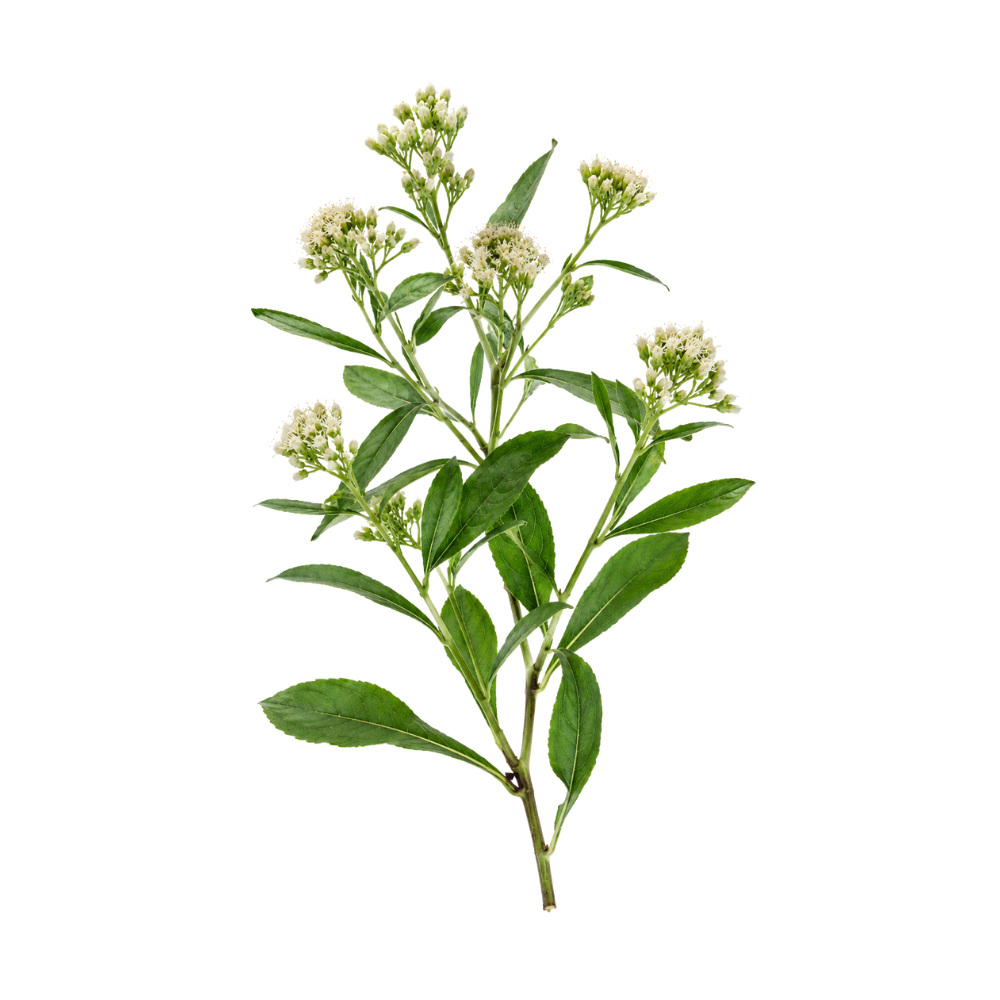 Chilca Baccharis latifolia Documented for tannins.
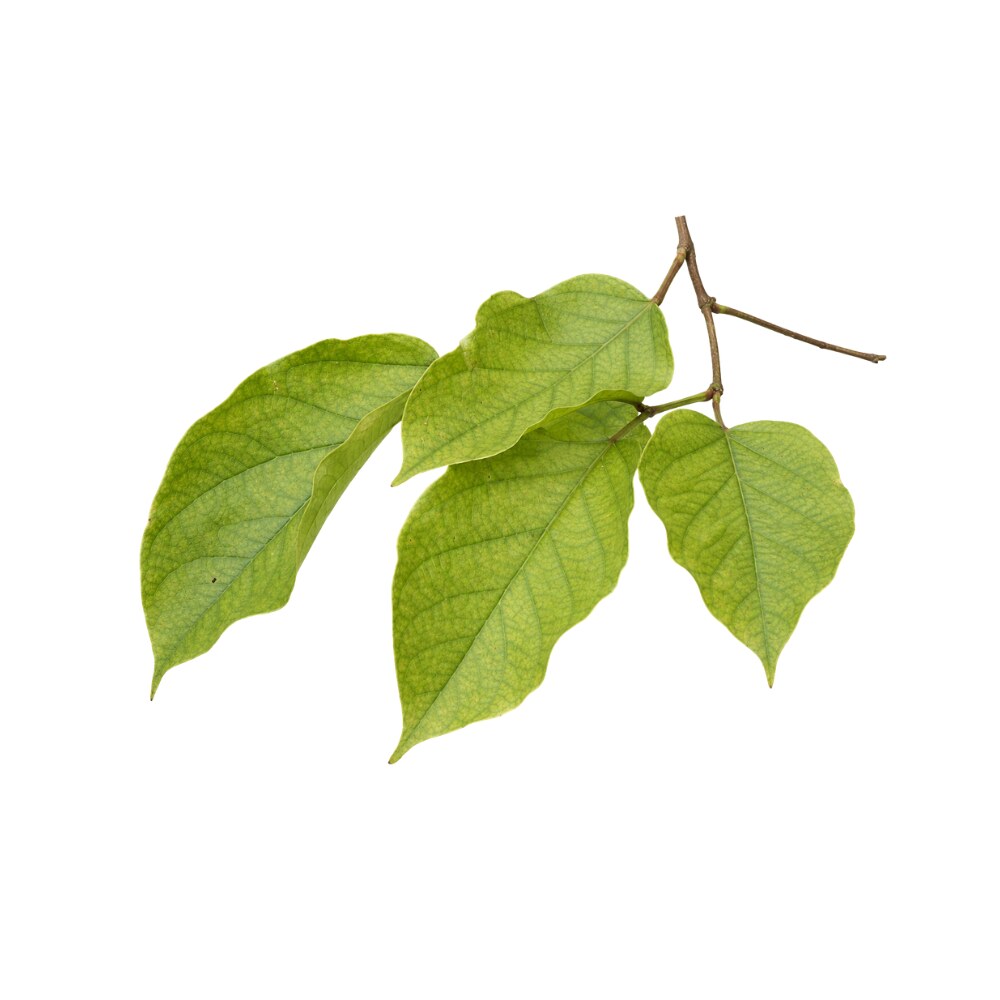 Clavo Huasca Tynanthus panurensis Documented for tannins.
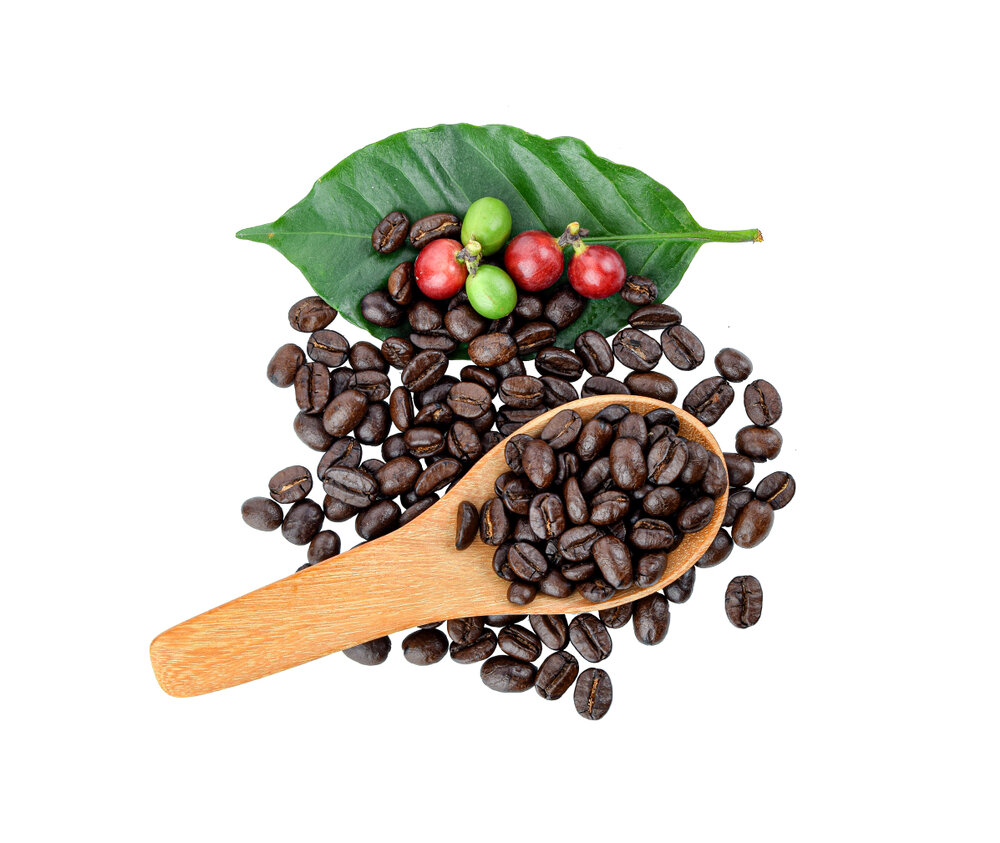 Coffee Coffea arabica Documented for tannic acid.
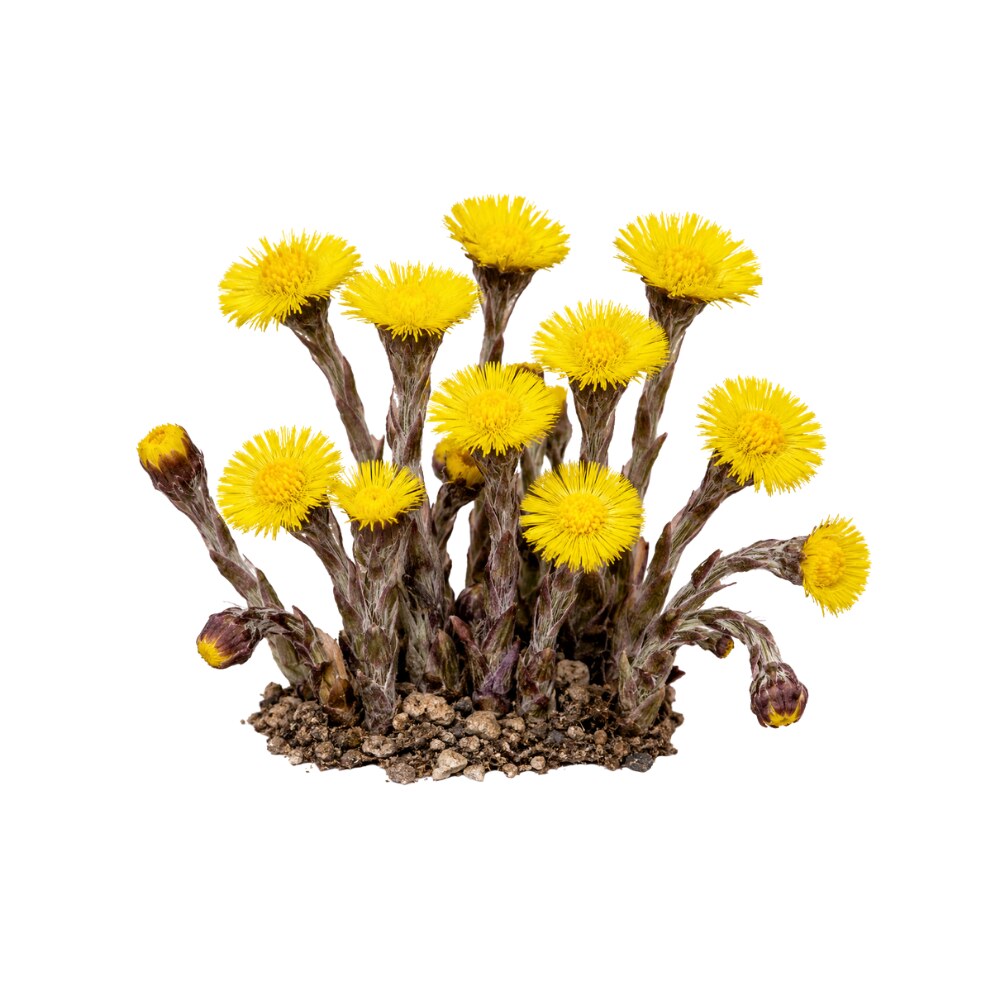 Coltsfoot Tussilago farfara Toxic Documented for tannins.
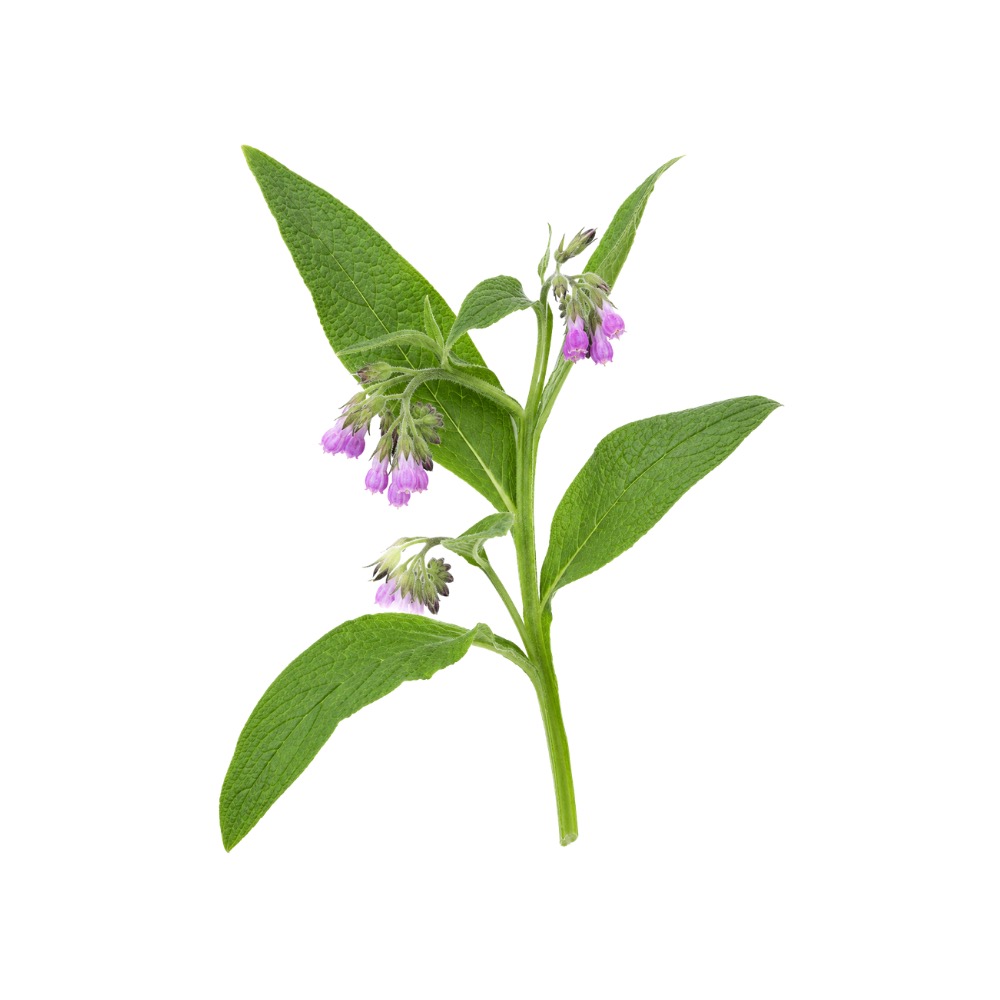 Comfrey Symphytum officinale Toxic Documented for tannins.
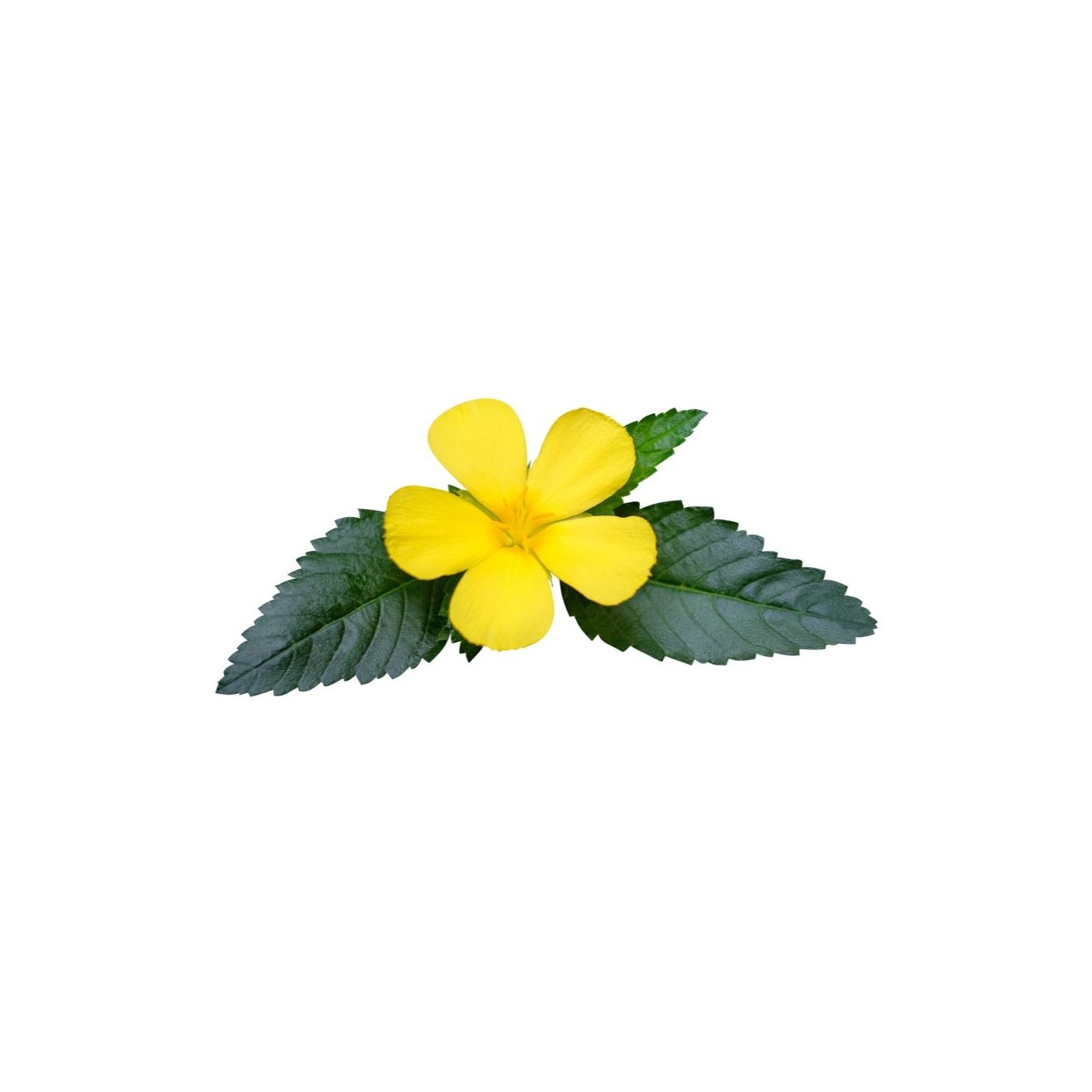 Damiana Turnera diffusa Documented for tannins.
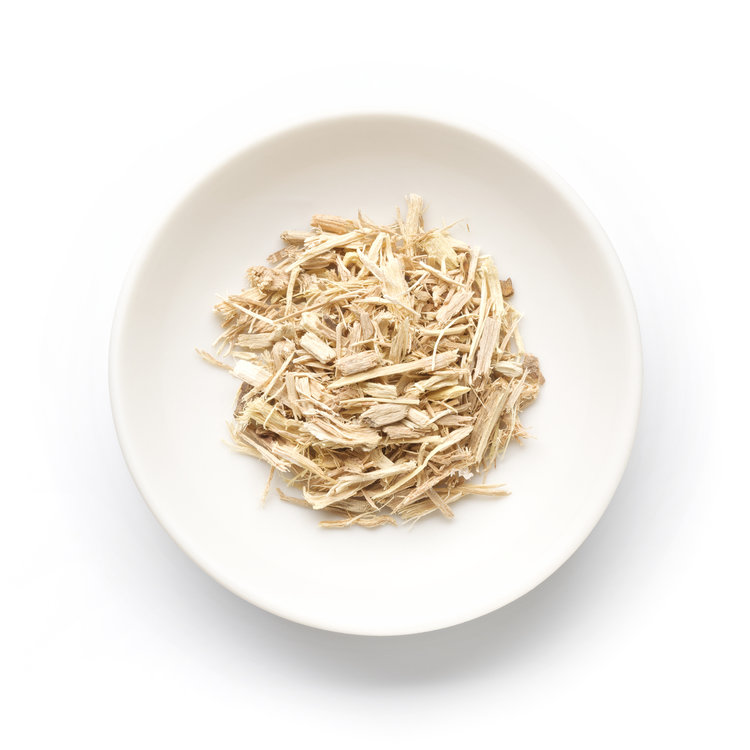 Eleuthero Root Eleutherococcus senticosus Documented for tannins.
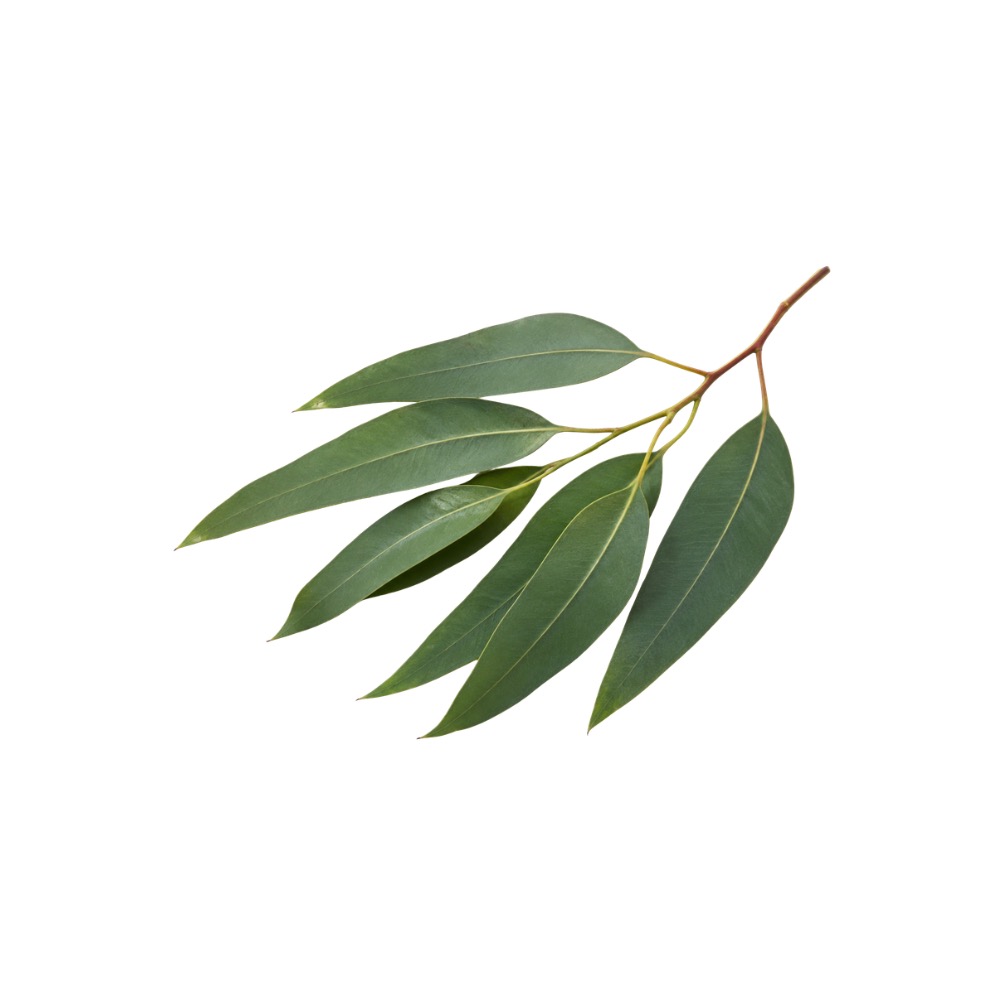 Eucalyptus Eucalyptus globulus Documented for ellagic acid.
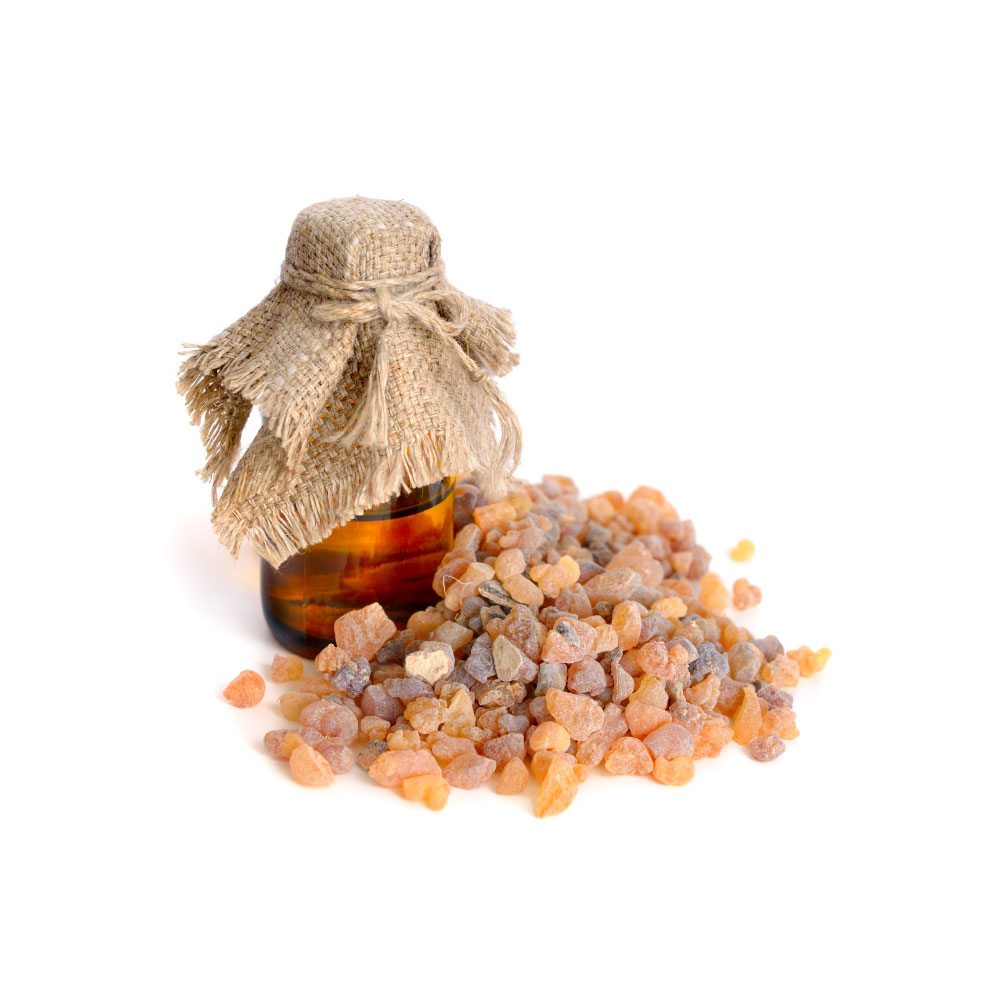 Frankincense Boswellia serrata Documented for phlobaphenes.
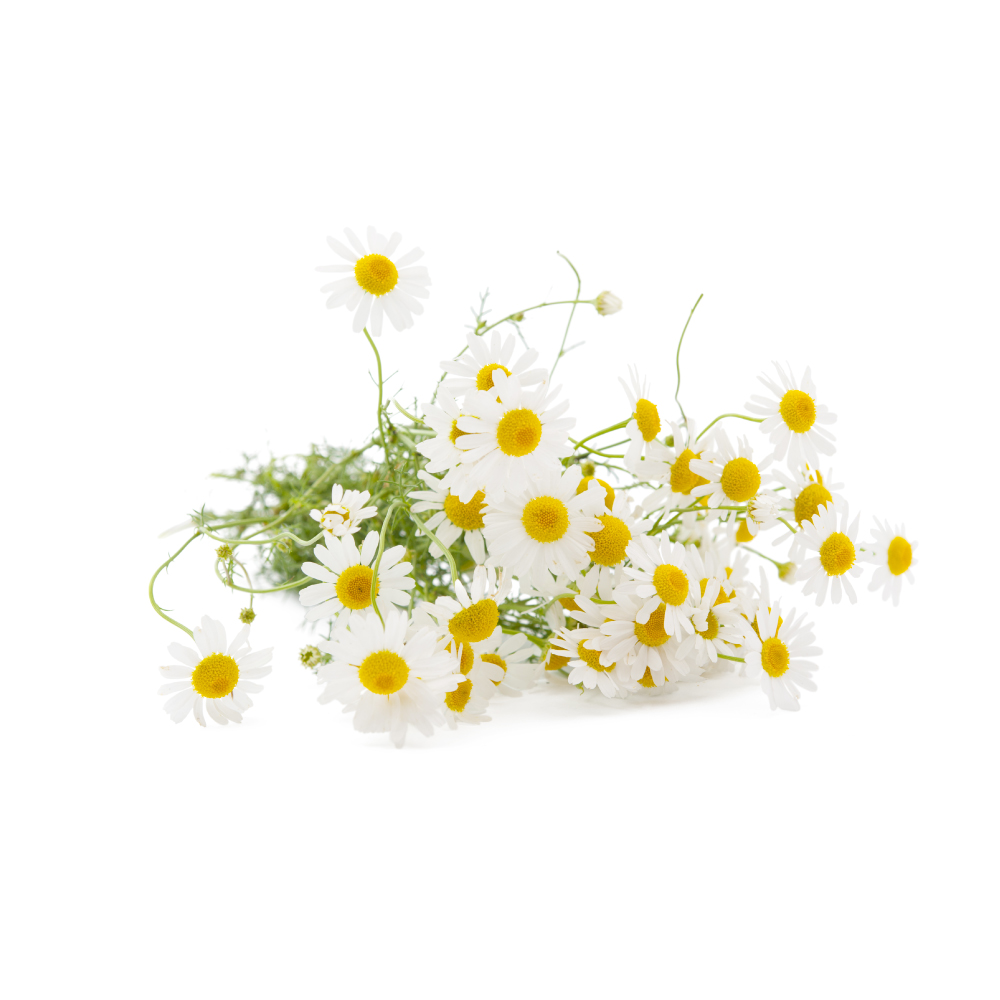 German Chamomile Matricaria chamomilla Documented for tannins.
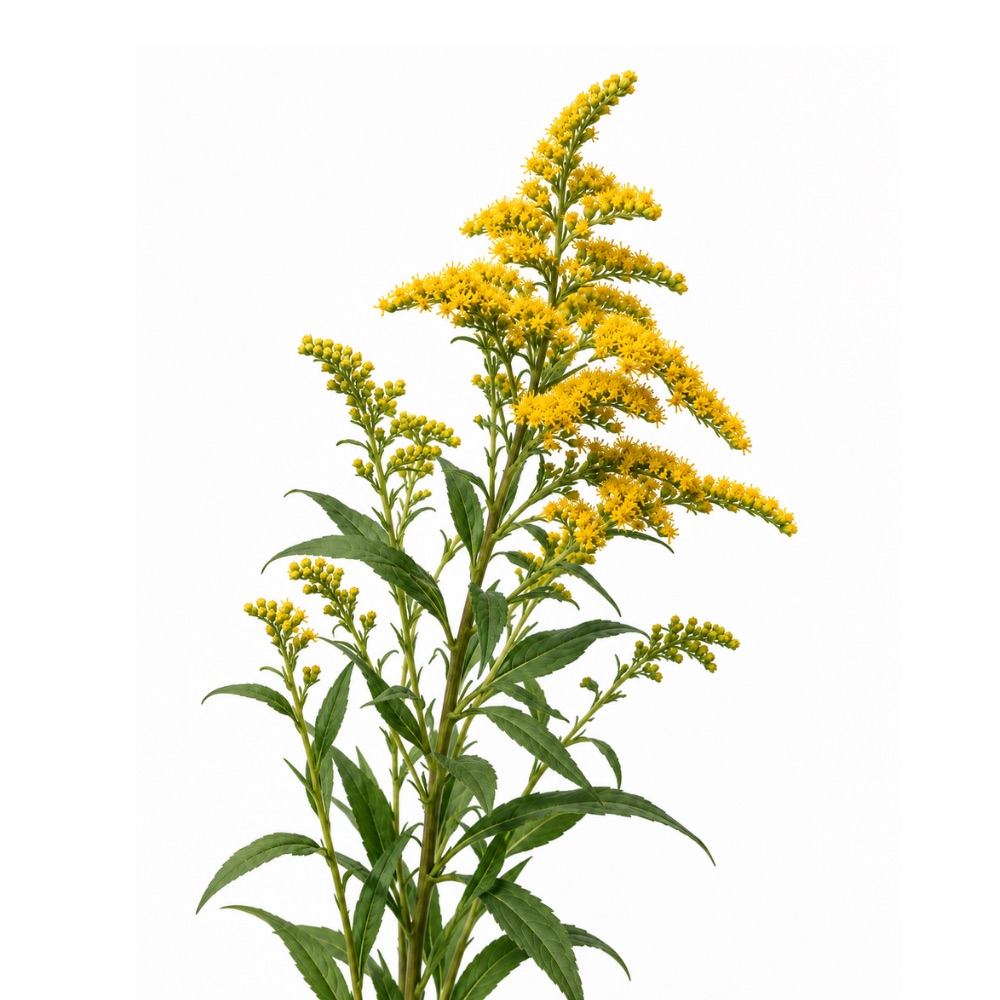 Goldenrod Solidago virgaurea Documented for tannins.
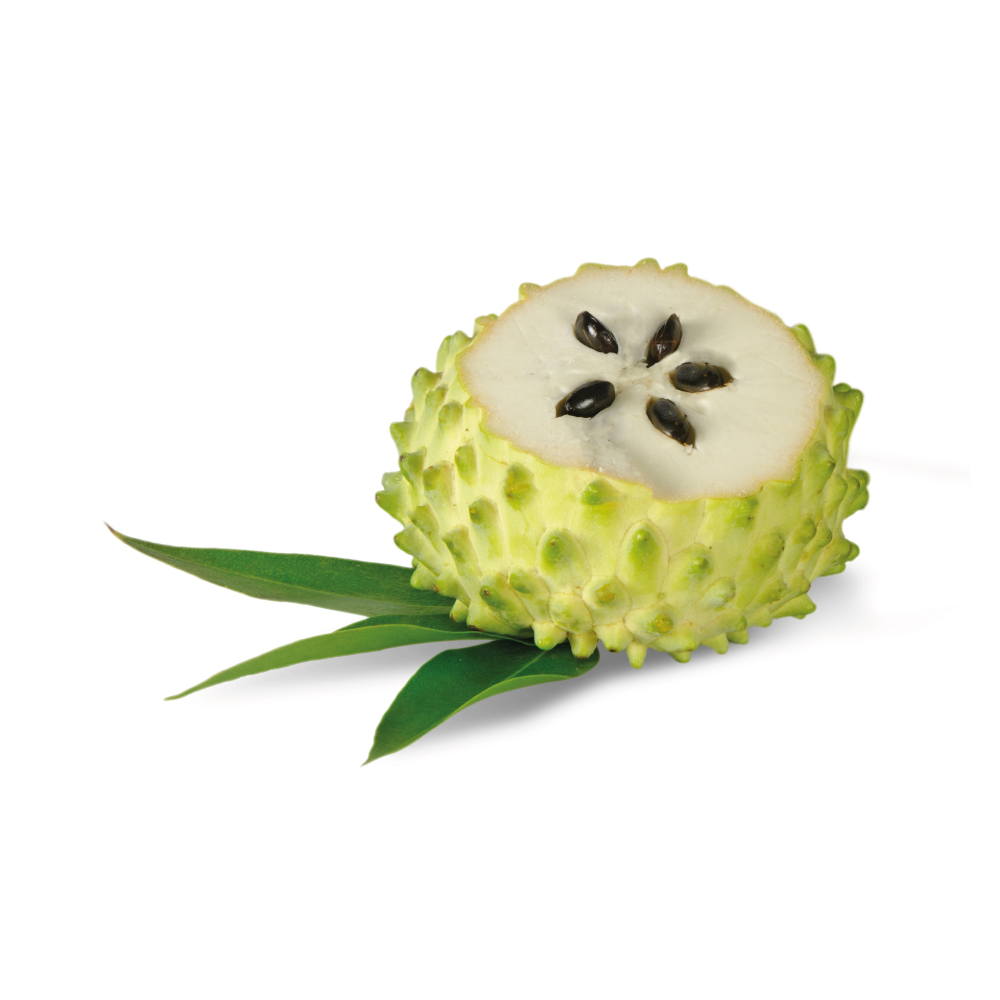 Graviola Annona muricata Toxic Documented for tannins.
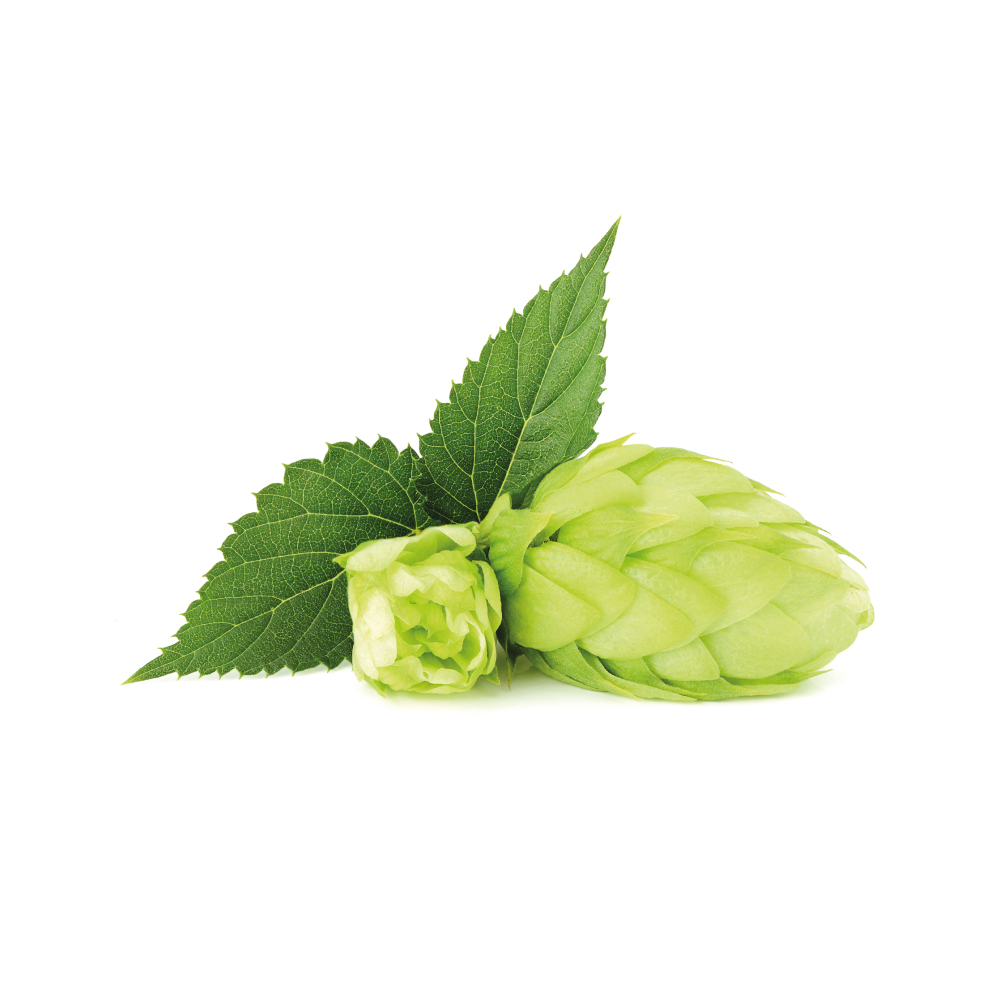 Hops Humulus lupulus Documented for condensed tannins.
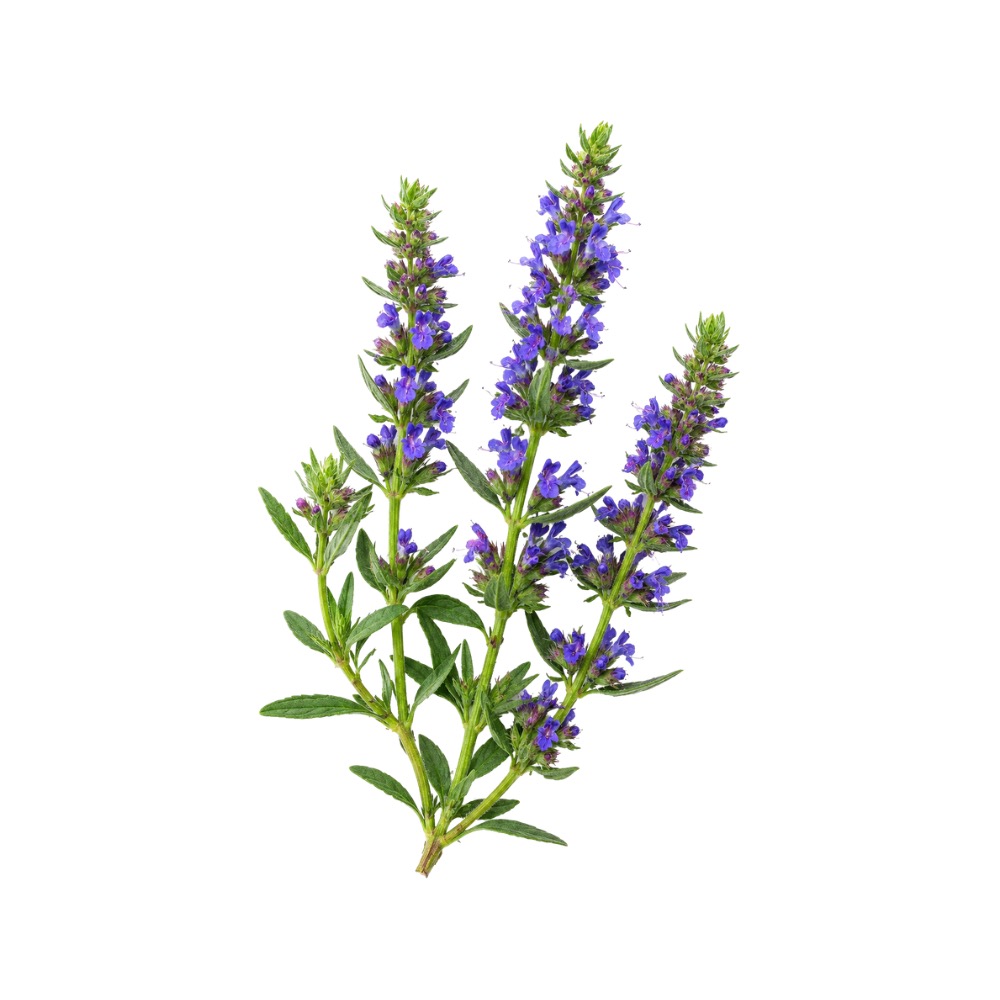 Hyssop Hyssopus officinalis Documented for tannins.
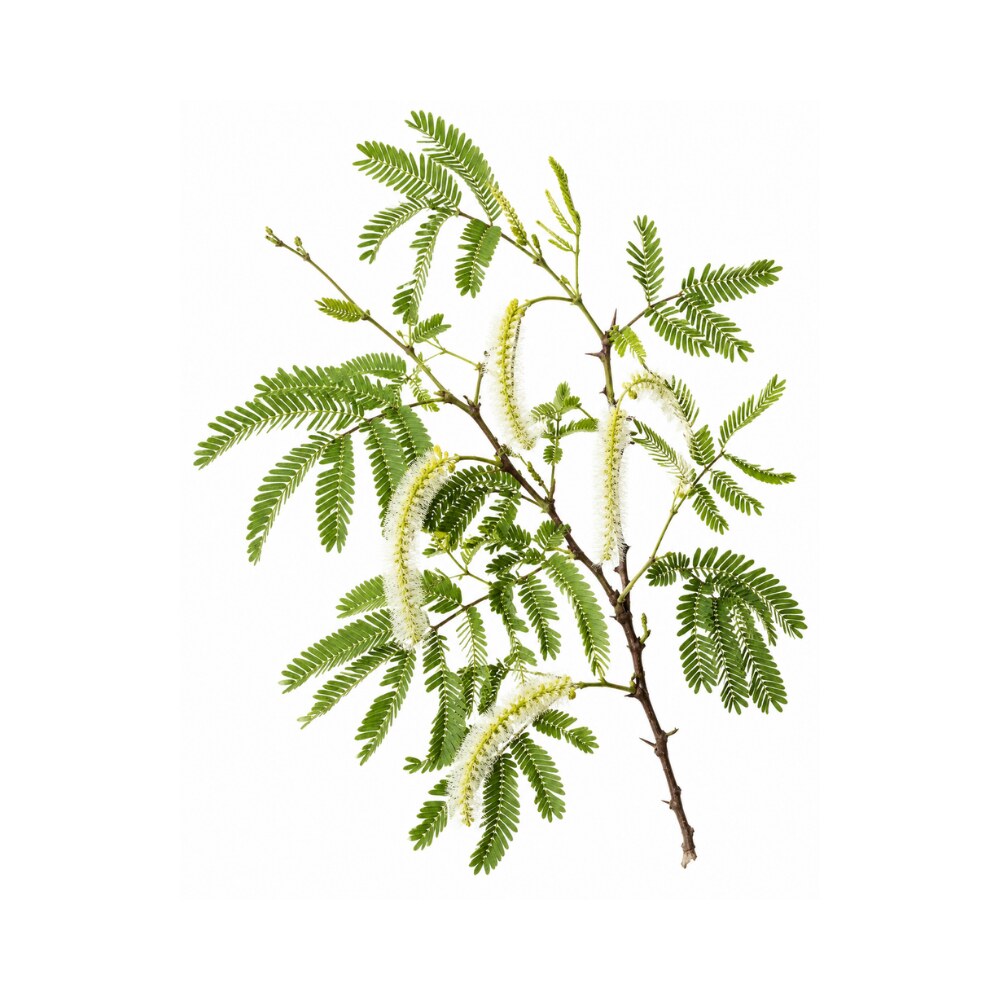 Jurema Mimosa tenuiflora Documented for tannins.
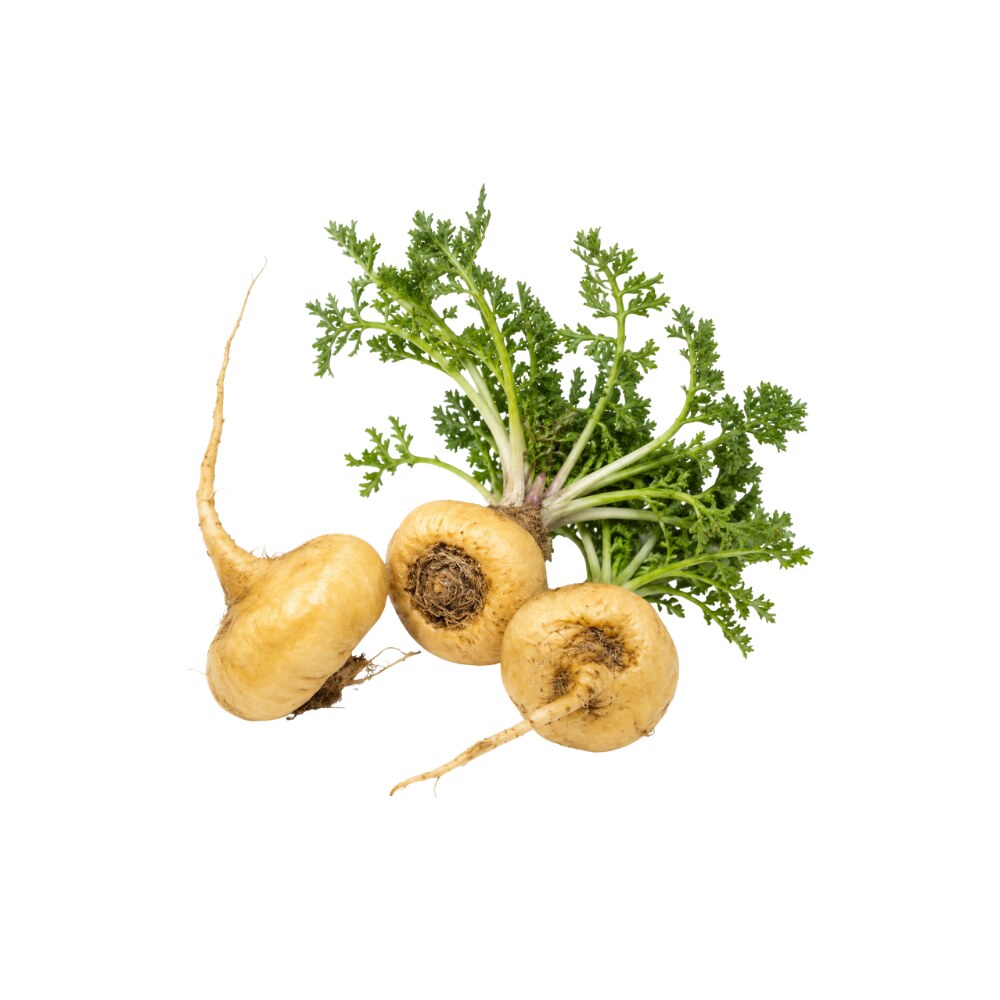 Maca Lepidium meyenii Documented for tannins.
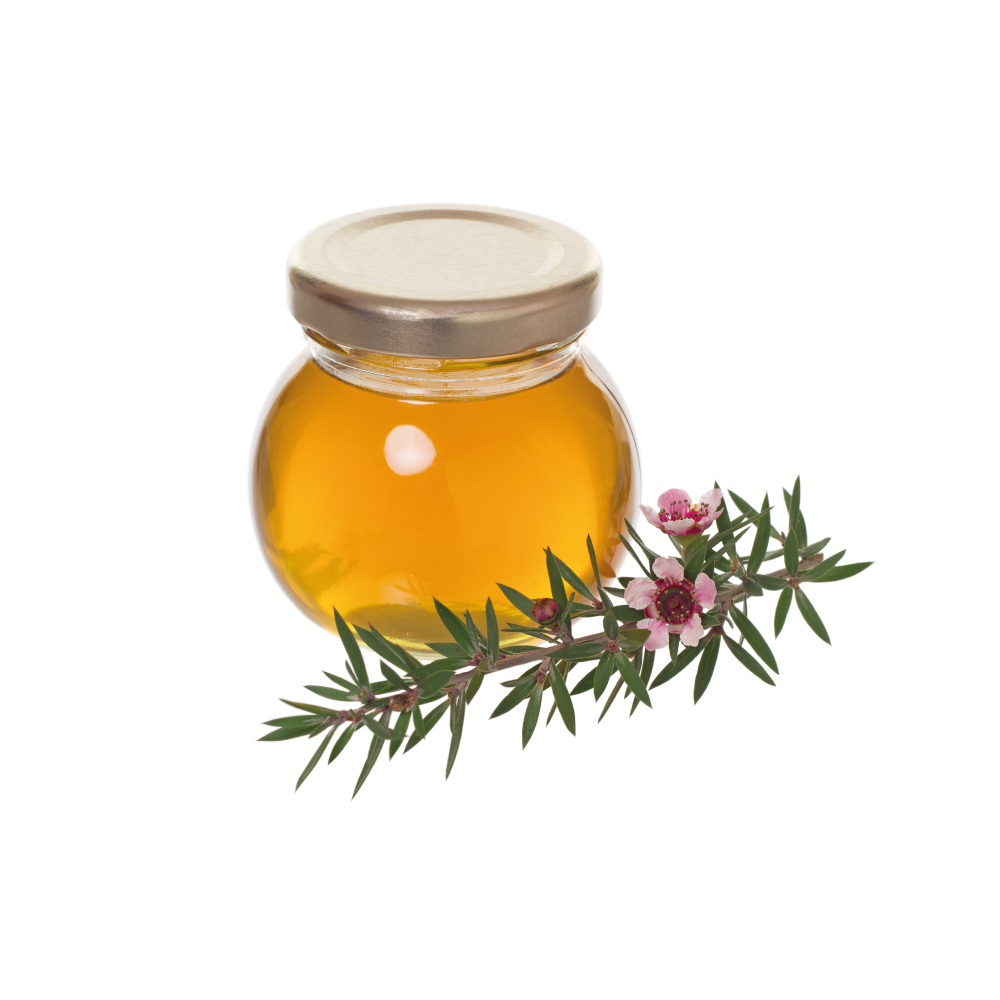 Manuka Leptospermum scoparium Documented for tannins.
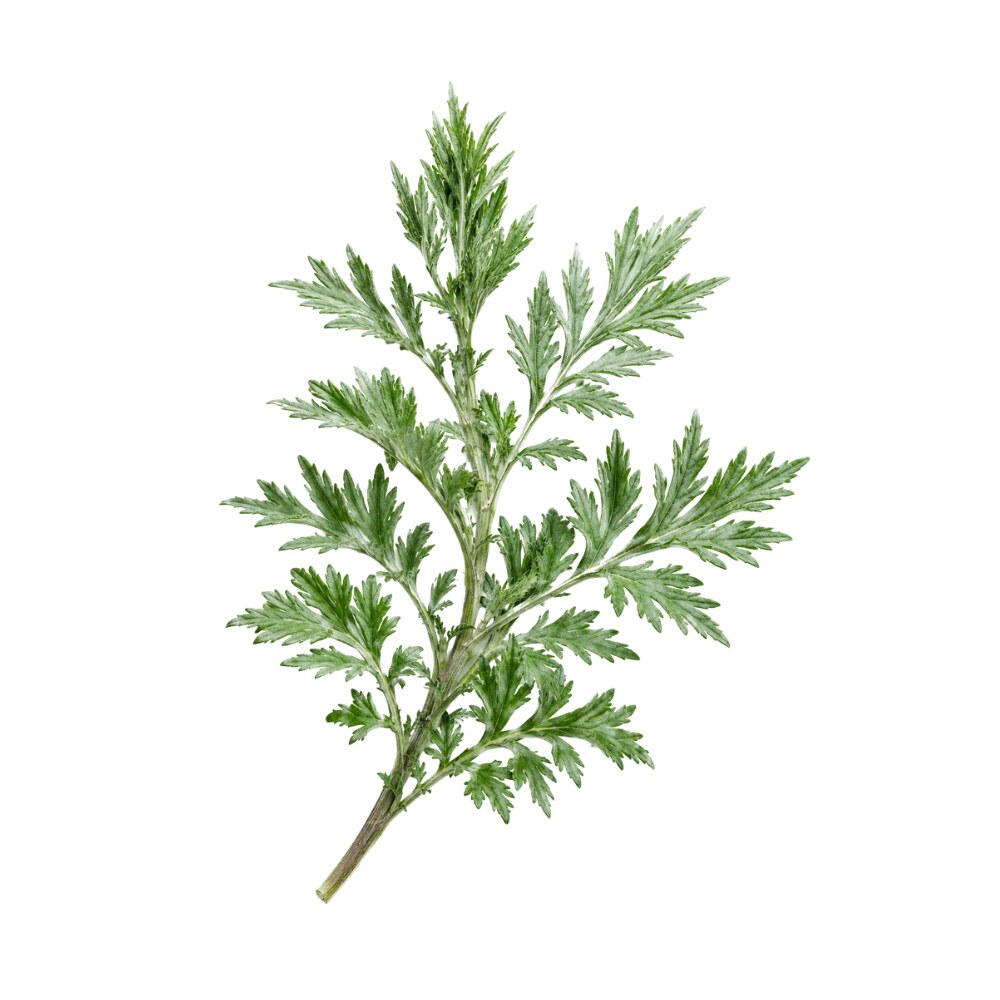 Mugwort Artemisia vulgaris Documented for tannins.
 Muira Puama Ptychopetalum olacoides Documented for phlobaphene.
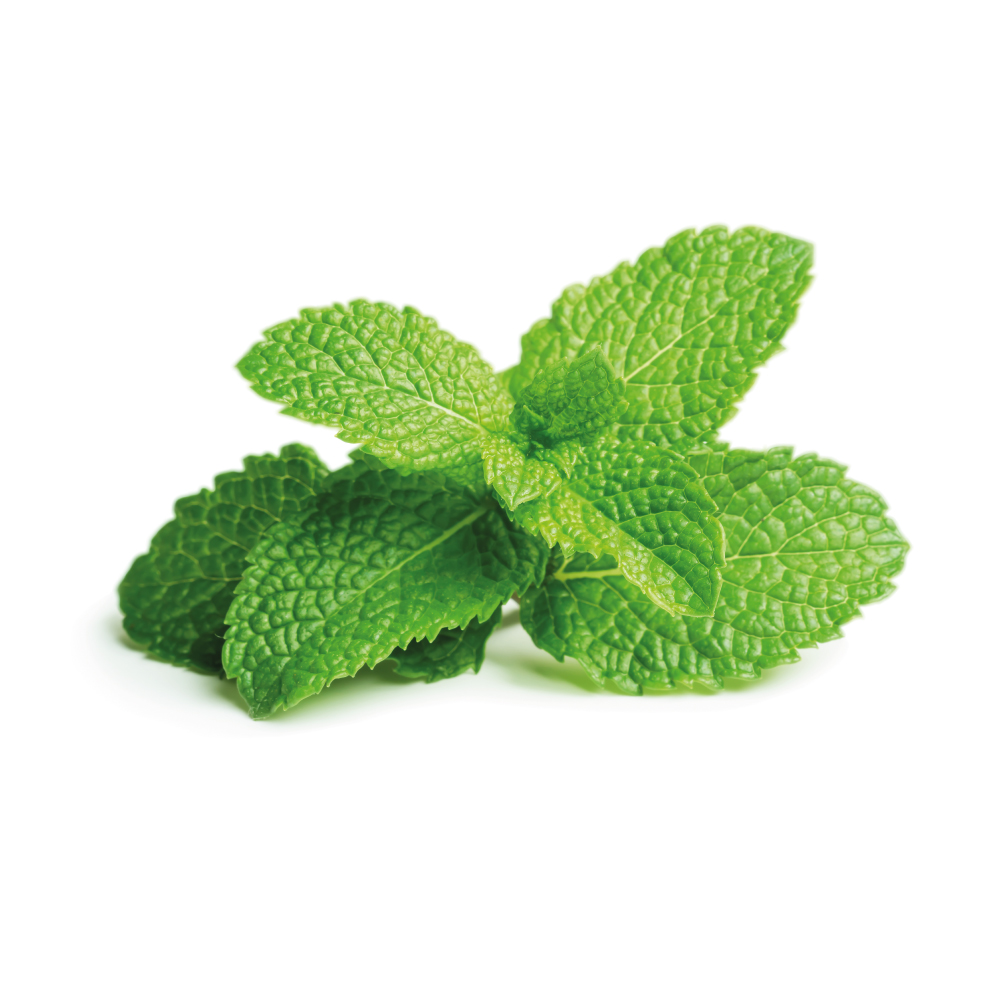 Peppermint Mentha × piperita Documented for tannins.
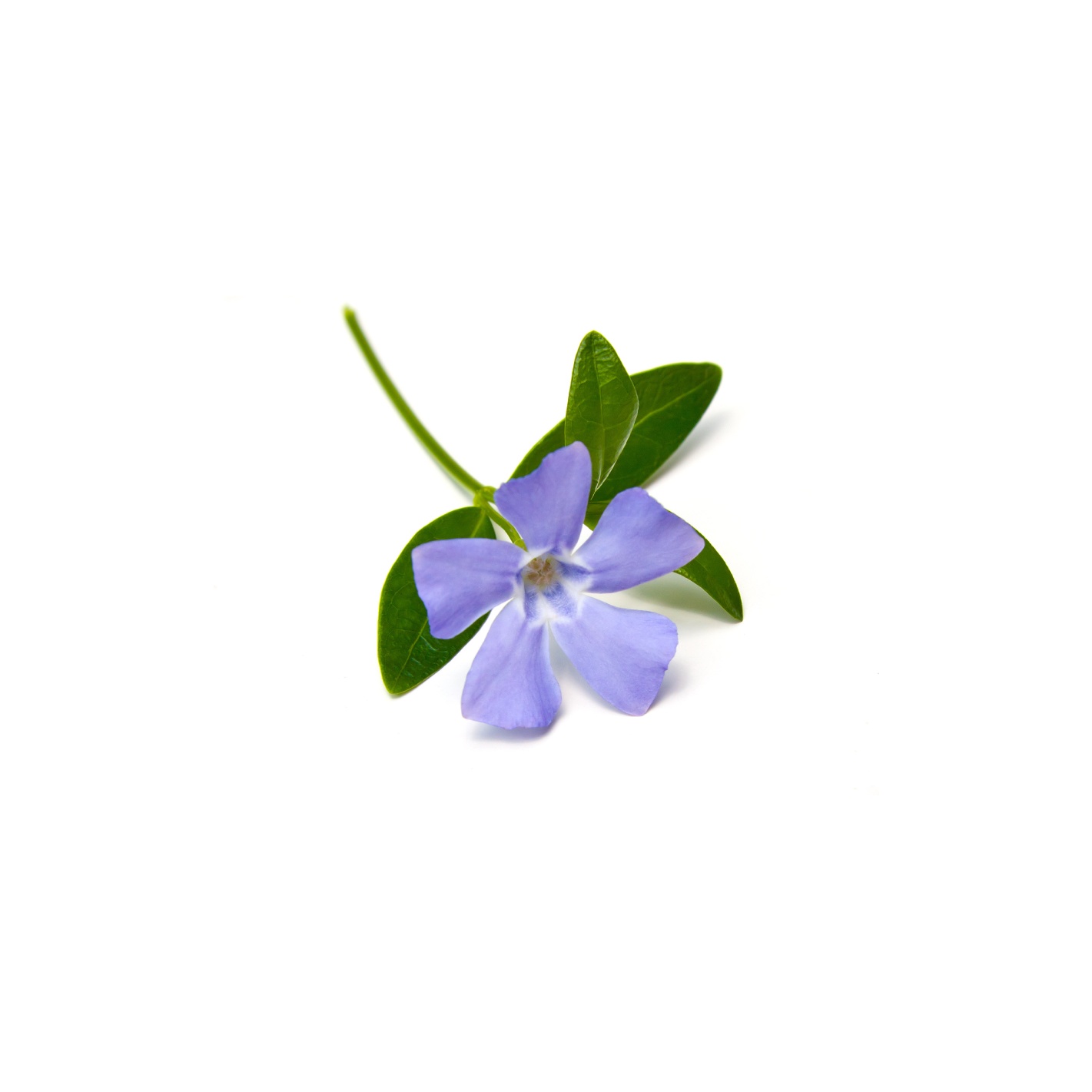 Periwinkle Vinca major Documented for tannins.
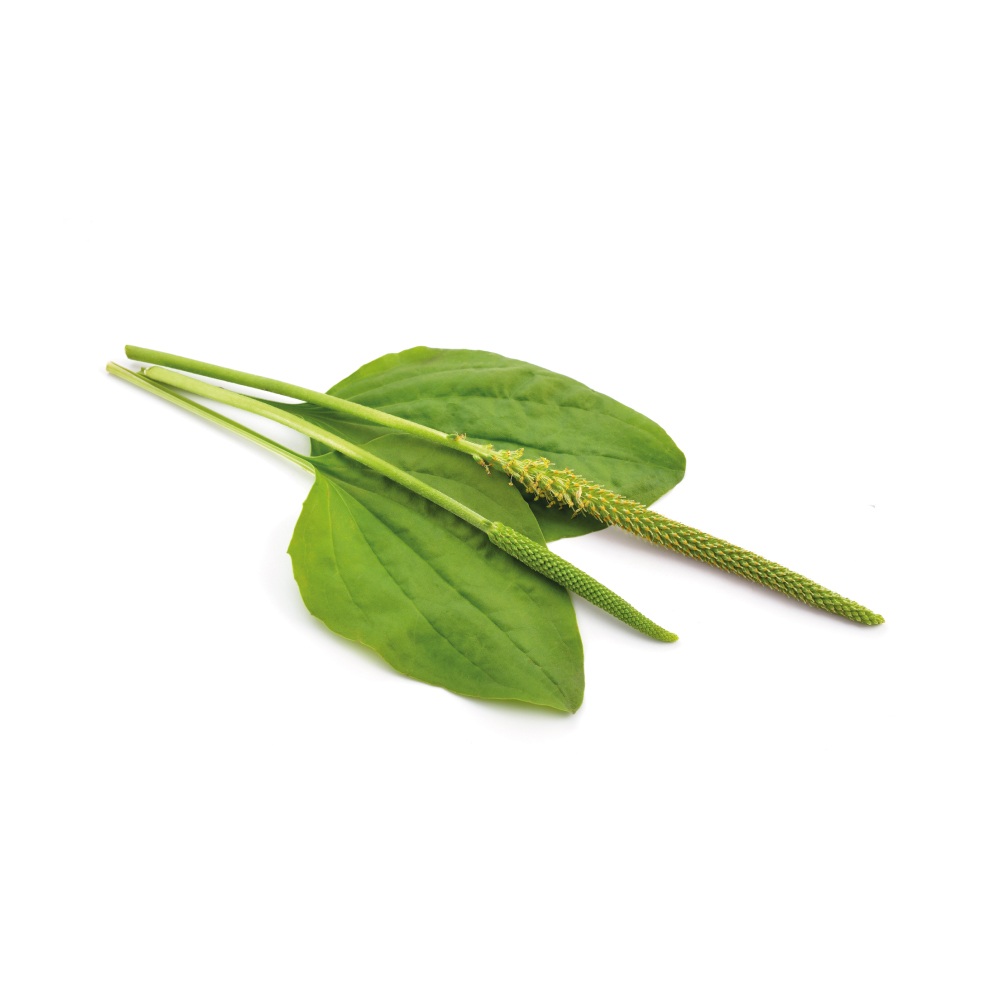 Plantain Plantago major Documented for tannins.
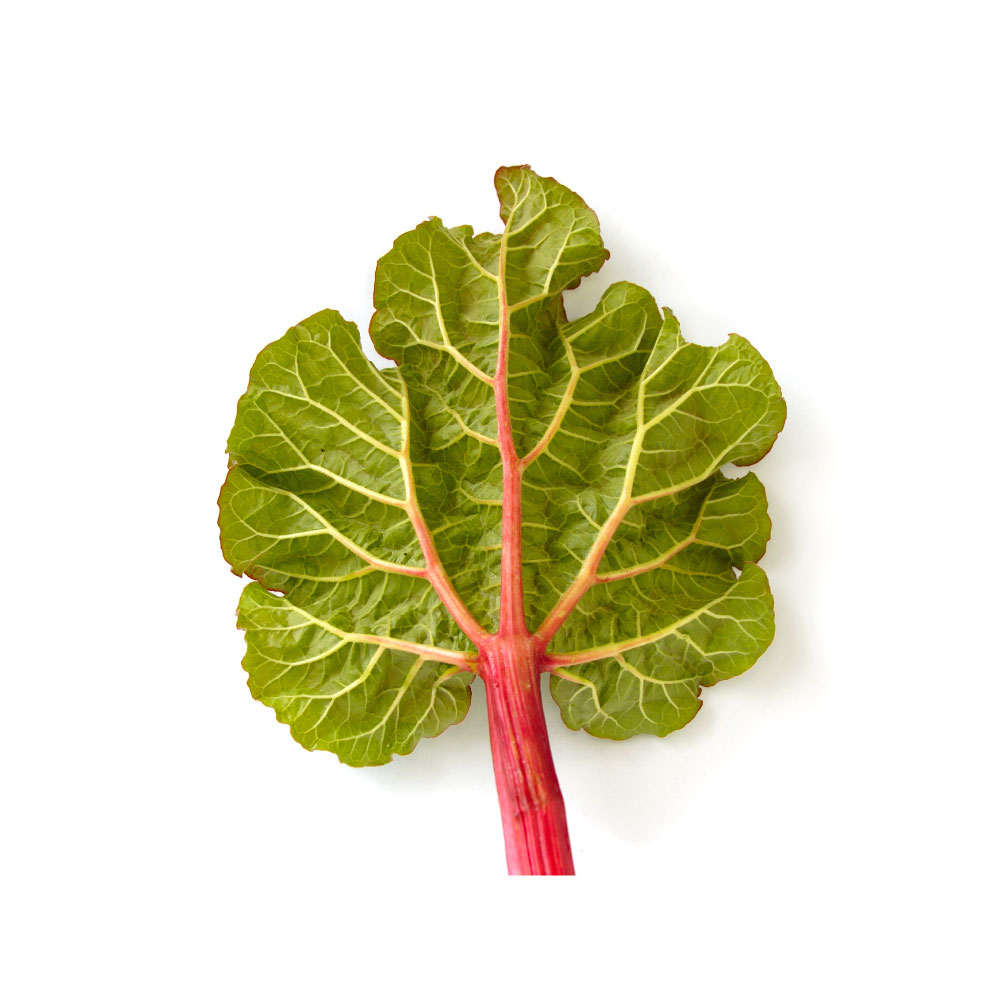 Rhubarb Rheum palmatum Documented for tannins.
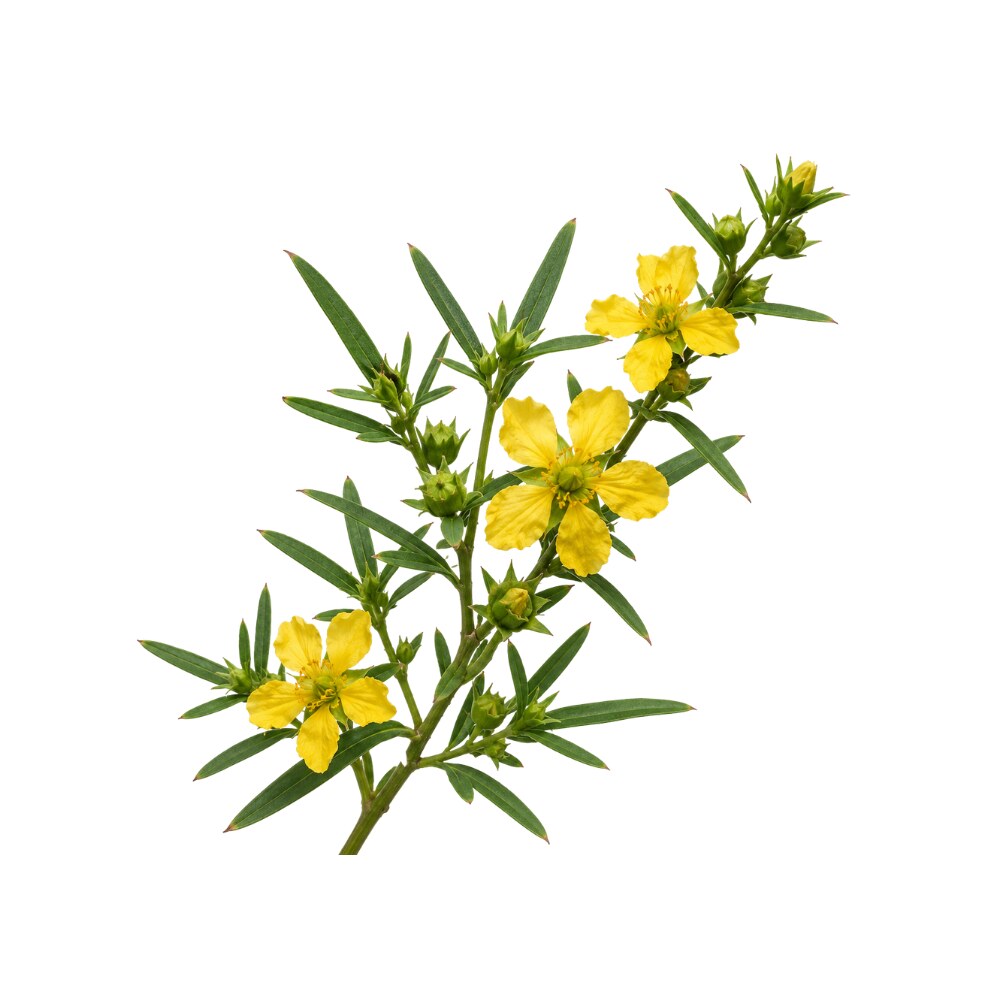 Sinicuichi Heimia salicifolia Documented for tannins.
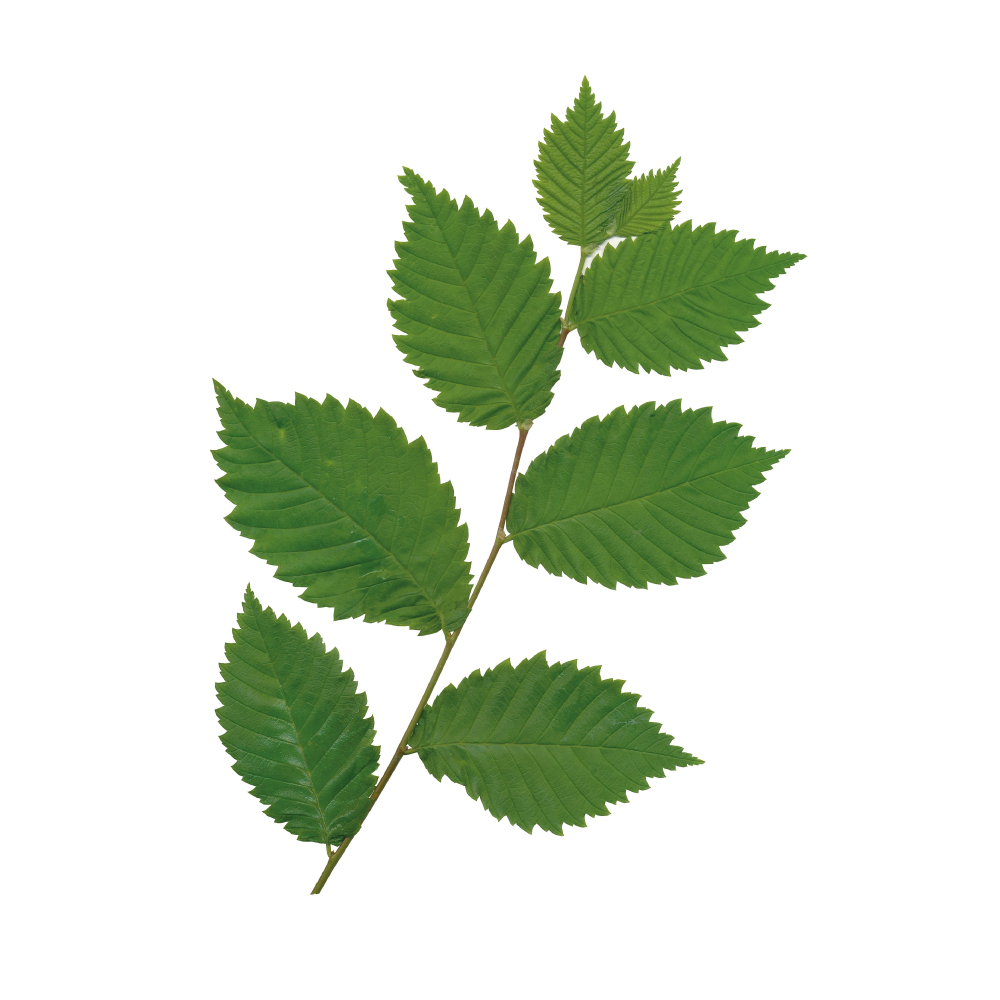 Slippery Elm Ulmus rubra Documented for tannins.
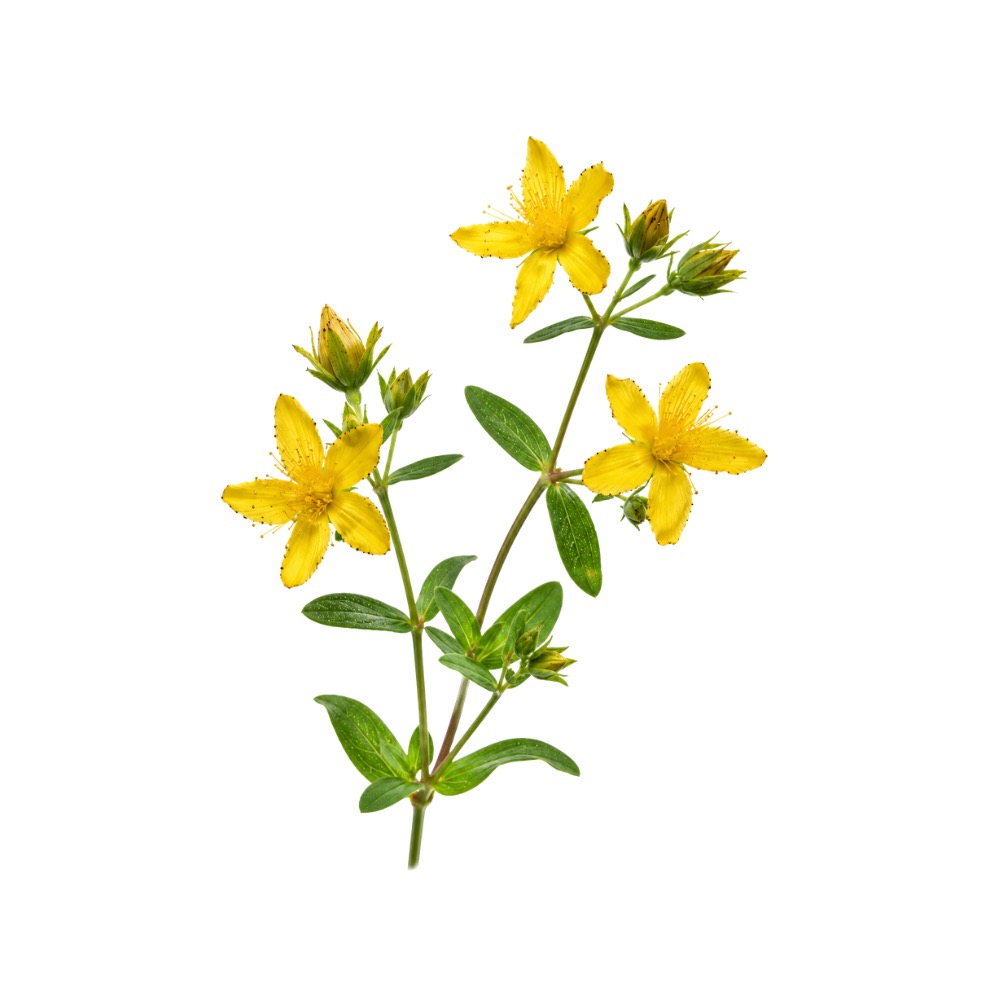 St. John's Wort Hypericum perforatum Documented for tannins.
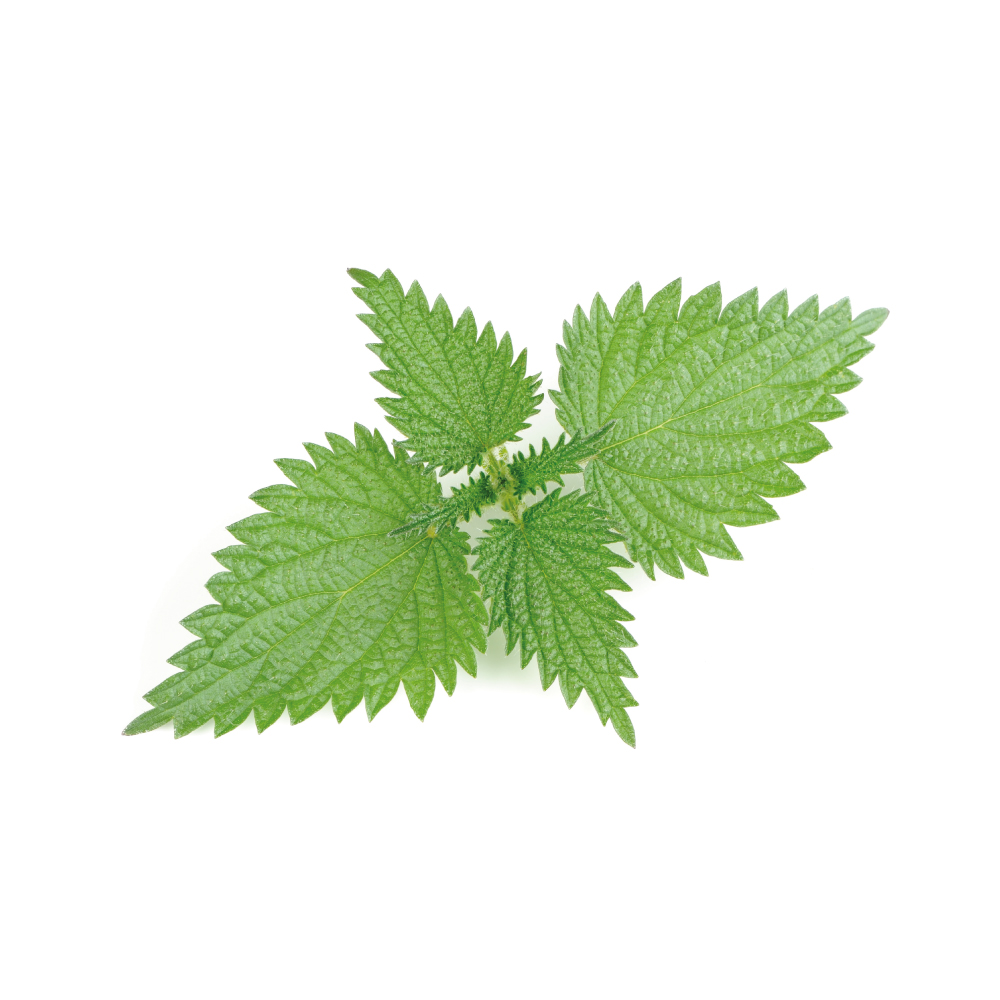 Stinging Nettle Urtica dioica Documented for tannins. Thyme Thymus vulgaris Documented for tannins.
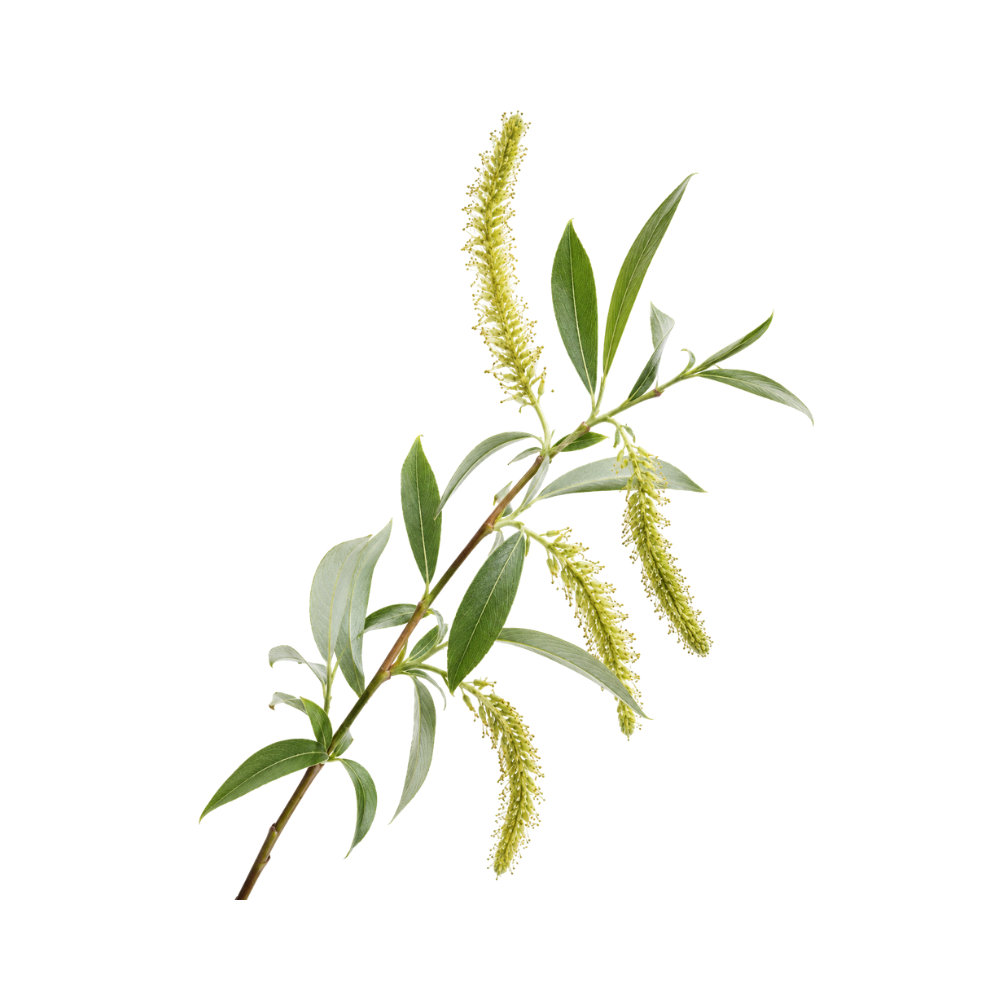 Willow Salix alba Documented for tannins.
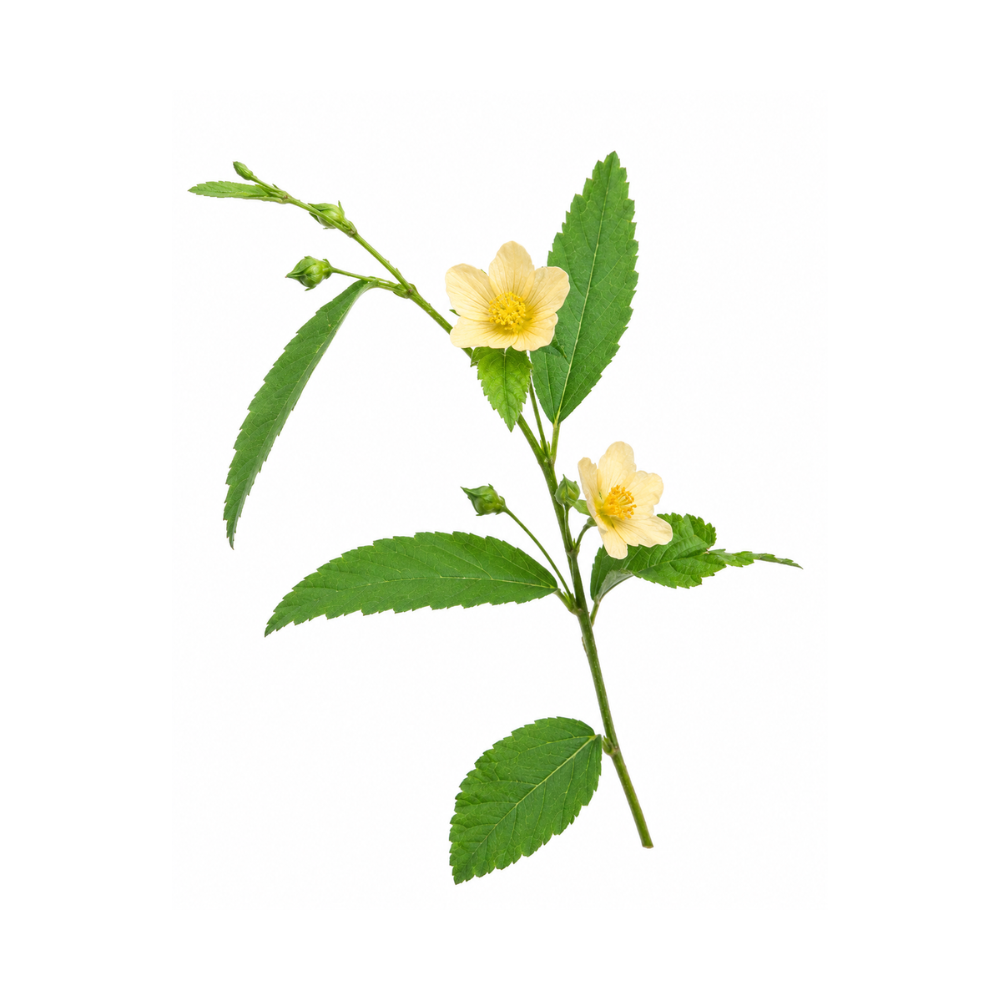 Wireweed Sida acuta Documented for tannins.
Keep Exploring
Other Compound Classes
Keep Reading
 GuidesThe Best Kava: A Buyer's GuideHow to buy good kava: noble vs two-day cultivars, which part of the root, chemotype codes, origin, form, and the batch tests a seller should show you.
Read more
 GuidesThe Amazon's Endangered Medicinal PlantsThe Amazon gives us some of our most important medicines — but which healing plants are actually endangered?
Read more
 NutritionThe Best Yerba Maté Brands [Reviewed]A drinker's guide to buying yerba maté — what actually changes the taste, and ten brands worth your money.
Read more
 GuidesHow to Prepare Yerba Maté — The Five Best MethodsHow to brew yerba maté properly — the traditional gourd method, plus tereré, french press and cold brew.
Read more