
Compound Monograph
Shikimic Acid
Shikimic acid (3,4,5-trihydroxycyclohex-1-ene-1-carboxylic acid) is the namesake intermediate of the shikimate pathway — the biosynthetic gateway to all aromatic amino acids in plants and microbes but not animals. It is best known as the classic star-anise-derived starting material for the anti-influenza drug oseltamivir (Tamiflu); its own direct bioactivity is modest.

Sources · 9
Where Does It Come From?
Shikimic Acid is a naturally occurring cyclitol / cyclohexene carboxylic acid (shikimate), found in Chinese star anise, Japanese star anise, Ginkgo and 6 other sources. It is well tolerated orally (low toxicity).
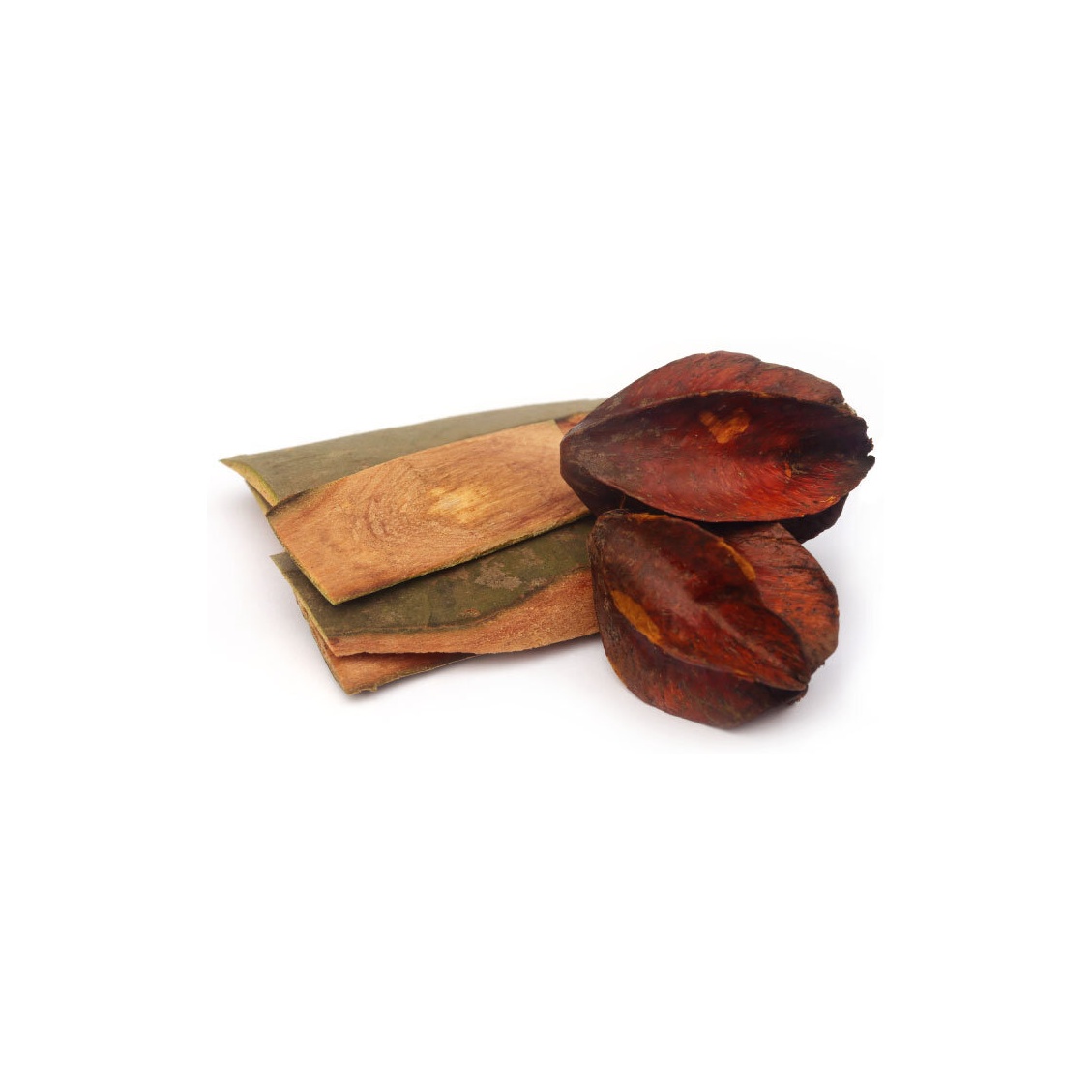 Source Arjuna Terminalia arjuna Herb monograph →
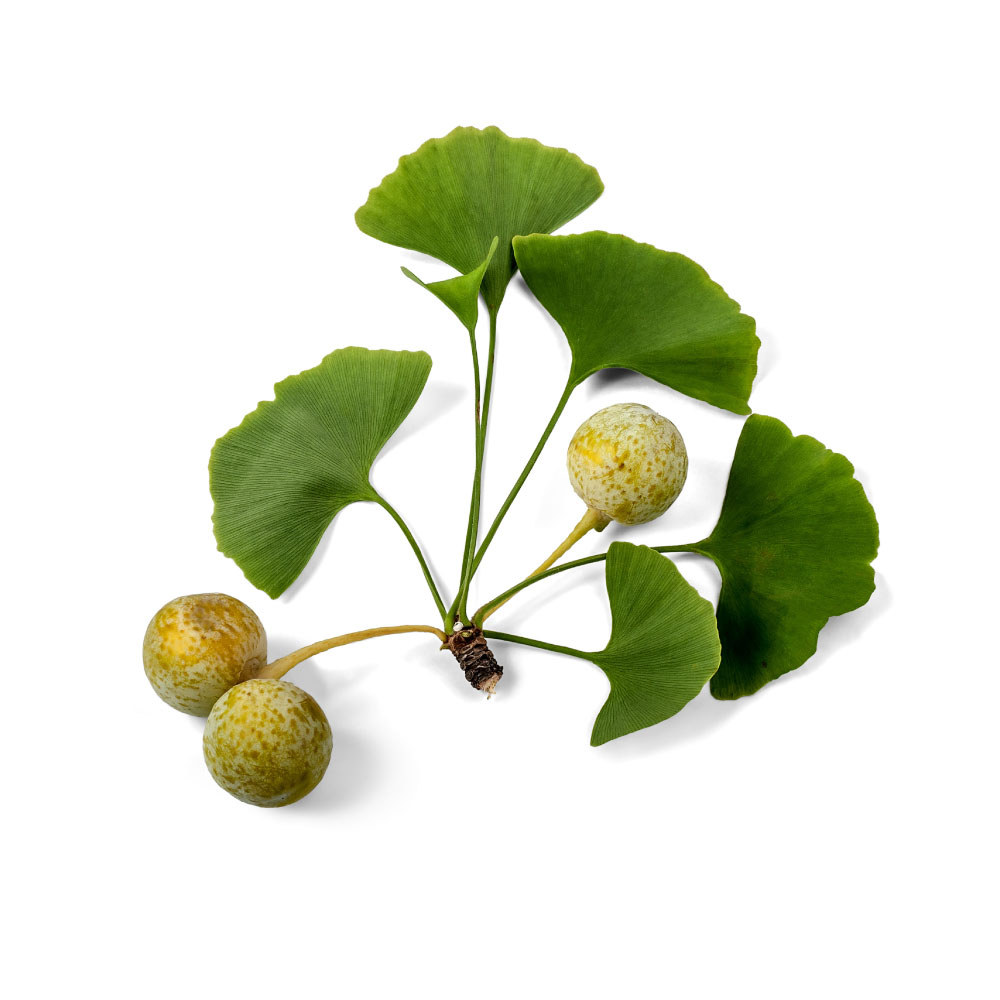 Source Ginkgo Ginkgo biloba Herb monograph →
 Source Pine Pinus sylvestris Herb monograph →
Concentration
Content by Source
Reported concentrations across the plants that contain shikimic acid — the bar marks the typical level, the line shows the reported range.
Literature figures for varying plant parts and preparations. Read them as a comparative guide, not exact assays.
Shikimic Acid at a Glance
Shikimic acid is a small cyclitol / cyclohexene carboxylic acid (3,4,5-trihydroxycyclohex-1-ene-1-carboxylic acid) and the namesake intermediate of the shikimate pathway — the seven-step route that plants, bacteria, fungi and apicomplexan parasites use to build the three aromatic amino acids (phenylalanine, tyrosine, tryptophan) and, downstream, most of the phenylpropanoids and phenolics in nature. Animals lack this pathway entirely, a fact that makes it both a herbicide target (glyphosate) and an antimicrobial drug target 3Reference 3Evidence for the shikimate pathway in apicomplexan parasitesView study →. As a pathway intermediate shikimic acid is nearly ubiquitous at trace levels, but it accumulates spectacularly in one place: the fruit of star anise (Illicium), which can be 7–24% shikimic acid by dry weight 1Reference 1ReviewShikimic acid: review of its analytical, isolation, and purification techniques from plant and microbial sourcesView study →.
Its fame is almost entirely industrial rather than pharmacological. Shikimic acid is the classic chemical starting material for oseltamivir (Tamiflu), the anti-influenza neuraminidase inhibitor — historically extracted from star anise and now increasingly made by engineered E. coli fermentation 2Reference 2Production of shikimic acidView study →. It is essential to note that shikimic acid itself is not an antiviral: oseltamivir is a multi-step synthetic derivative, and the parent acid has no clinically useful anti-influenza activity of its own.
Beyond that supply-chain role, shikimic acid’s own direct bioactivity is modest — a scatter of preclinical antithrombotic/antiplatelet, anti-inflammatory, analgesic, antioxidant and neuroprotective signals, mostly in rodents and cells, with no controlled human therapeutic trials 4,
The Shikimate Pathway
The single most important fact about shikimic acid is that it names a pathway that does not exist in animals. The shikimate pathway condenses phosphoenolpyruvate and erythrose-4-phosphate and, over seven enzymatic steps, converts them to chorismate — the branch point from which phenylalanine, tyrosine and tryptophan (and thence lignins, flavonoids, alkaloids, folate and countless phenolics) are built. Shikimic acid is the intermediate that gives the whole route its name; shikimate dehydrogenase produces it, and shikimate kinase phosphorylates it onward toward chorismate 3Reference 3Evidence for the shikimate pathway in apicomplexan parasitesView study →.
Because the pathway is essential in plants, bacteria, fungi and apicomplexan parasites but wholly absent from mammals, its enzymes are attractive, selective drug and herbicide targets — you can poison it without a direct human enzyme to hit 3Reference 3Evidence for the shikimate pathway in apicomplexan parasitesView study →. Two consequences dominate:
- The herbicide glyphosate inhibits EPSP synthase (5-enolpyruvylshikimate-3-phosphate synthase), the pathway’s penultimate enzyme. Blocking it starves plants of aromatic amino acids; the standard human-safety argument for glyphosate is precisely that vertebrates have no shikimate pathway to inhibit.
- Antimicrobial / antiparasitic targeting. The demonstration of a functional shikimate pathway in Toxoplasma, Plasmodium and other apicomplexans opened the pathway’s enzymes as candidate anti-infective targets for exactly the same “absent in the host” reason 3Reference 3Evidence for the shikimate pathway in apicomplexan parasitesView study →.
The pathway also ties shikimic acid to its cyclitol relatives here: quinic acid sits on an adjacent branch (interconverted via a dehydrogenase closely related to shikimate dehydrogenase), and the downstream phenylpropanoids include caffeic acid and the chlorogenic acids. Shikimic acid is the upstream node from which that entire phenolic economy is derived.
Shikimic Acid & Oseltamivir (Tamiflu)
Shikimic acid’s public profile rests almost wholly on oseltamivir phosphate (Tamiflu), the orally active neuraminidase inhibitor for influenza. The drug’s manufacture has classically started from (−)-shikimic acid, whose three contiguous stereocentres and pre-formed cyclohexene ring provide a cheap enantiopure template for the ~10-step synthesis 2Reference 2Production of shikimic acidView study →. The load-bearing caveat: shikimic acid is the raw material, not the medicine. Oseltamivir is a heavily elaborated synthetic derivative, and studies of shikimic-acid-derived analogues confirm that the parent skeleton has no meaningful neuraminidase-inhibitory or antiviral activity until it is transformed into the specific oseltamivir structure.
The supply story is genuinely dramatic. For years the world’s shikimic acid came overwhelmingly from extraction of Chinese star anise (Illicium verum) fruit, a slow crop grown mainly in a few provinces of southern China, taking ~6 years to fruit and vulnerable to weather 2Reference 2Production of shikimic acidView study →. When the H5N1 avian-influenza scare drove governments to stockpile Tamiflu in the mid-2000s, demand for shikimic acid outran the star-anise harvest and became a genuine bottleneck, with much of the global crop diverted to oseltamivir production 2Reference 2Production of shikimic acidView study →.
That fragility pushed the industry toward microbial fermentation: metabolically engineered E. coli strains fed on glucose now overproduce shikimic acid directly, and biotransformation and total-synthesis routes exist as backups 2Reference 2Production of shikimic acidView study →. The trajectory, as the production literature frames it, is that recombinant-microbe fermentation is displacing agricultural extraction as the preferred source — decoupling a strategic antiviral from a single seasonal crop 2Reference 2Production of shikimic acidView study →.
What It's Used For
Set against that industrial importance, shikimic acid’s direct pharmacology is thin and preclinical. There are no controlled human therapeutic trials of the isolate; the human-relevant data is a single ex vivo platelet study, and everything else is rodent or cell work. Scores below are deliberately modest.
Support is an experimental score — weighted by study type (human > animal > in vitro) and volume. A beta, not a validated metric. Every row here is preclinical (the lone human data is ex vivo), so scores stay modest by design.
Shikimic acid’s best-supported activity, and the only one touching human tissue. In an ex vivo study, fasting blood from 22 sedentary volunteers exposed to shikimic acid (0.1–2 mM) showed reduced platelet activation — lower PAC-1 and P-selectin (CD62P) expression, fewer monocyte-platelet aggregates, and inhibited ADP-induced aggregation at the highest concentration 4Reference 4Anti-platelet and anti-thrombogenic effects of shikimic acid in sedentary populationView study →.
Separately, shikimic acid isolated from fermented pine-needle extract showed fibrinolytic activity and inhibited fibrin formation “similar to aspirin,” and was antithrombotic across carrageenan-induced tail thrombosis, collagen/epinephrine pulmonary thromboembolism, and FeCl₃-induced carotid thrombosis in mice — without inducing haemorrhage 5Reference 5Antithrombosis activity of protocatechuic and shikimic acids from functional plant Pinus densiflora Sieb. et Zucc needlesView study →.
Gap: the human data are ex vivo (blood treated in a tube, not an oral trial), and the in vivo antithrombotic work is entirely mouse; there is no clinical outcome study, and the pine-needle work co-isolated protocatechuic acid, so the effect is not cleanly attributable to shikimic acid alone 4,
A consistent rodent signal. In RAW 264.7 macrophages shikimic acid suppressed LPS-induced TNF-α (~65%) and IL-1β (~39%) and restored viability/nitrite toward control; in mice it attenuated carrageenan- and dopamine-induced mechanical hyperalgesia by ~25–40% 6Reference 6AnimalShikimic acid inhibits LPS-induced cellular pro-inflammatory cytokines and attenuates mechanical hyperalgesia in miceView study →. In a DSS ulcerative-colitis model, intragastric shikimic acid (up to 50 mg/kg) slowed weight loss, lowered the disease-activity index, strengthened the gut barrier, and inhibited NF-κB and MAPK phosphorylation while shifting the microbiota (more Bacteroidetes, fewer Proteobacteria) 8Reference 8Shikimic acid regulates the NF-κB/MAPK signaling pathway and gut microbiota to ameliorate DSS-induced ulcerative colitisView study →.
Gap: mouse and cell models only, at research doses; no human anti-inflammatory or analgesic trial exists for the isolate, and star anise’s folk use for “rheumatic pain” is not the same as a demonstrated effect of purified shikimic acid 6,
An emerging preclinical theme. In an LPS neuro-inflammation model (BV2 microglia + mice), shikimic acid reduced pro-inflammatory mediators and ROS and improved behavioural deficits, acting through AKT/Nrf2 activation and NF-κB inhibition 7Reference 7In vitroShikimic acid (SA) inhibits neuro-inflammation and exerts neuroprotective effects in an LPS-induced in vitro and in vivo modelView study →.
In two mouse demyelination models (experimental autoimmune encephalomyelitis and lysolecithin-induced focal demyelination), shikimic acid promoted oligodendrocyte precursor differentiation and accelerated remyelination via PI3K/Akt/mTOR signalling 9Reference 9AnimalShikimic acid promotes oligodendrocyte precursor cell differentiation and accelerates remyelination in miceView study →.
Gap: rodent and cell studies only; the remyelination and neuro-inflammation findings are promising mechanistically but entirely preclinical, with no human neurological data for shikimic acid 7,
The thinnest, and largely a mechanistic corollary of the anti-inflammatory work. Shikimic acid scavenges reactive oxygen species in LPS-stimulated cells and induces the Nrf2 antioxidant response, raising downstream detoxification defences 7Reference 7In vitroShikimic acid (SA) inhibits neuro-inflammation and exerts neuroprotective effects in an LPS-induced in vitro and in vivo modelView study →. As a plant phenolic-pathway metabolite it also contributes to the antioxidant capacity of the extracts it appears in.
Gap: in-vitro / mechanistic only; there is no human antioxidant outcome for shikimic acid specifically, and in whole-extract assays it is one contributor among many 7Reference 7In vitroShikimic acid (SA) inhibits neuro-inflammation and exerts neuroprotective effects in an LPS-induced in vitro and in vivo modelView study →.
Mechanisms
| Target / pathway | Effect | Relevant to |
|---|---|---|
| Platelet activation (PAC-1, CD62P/P-selectin); ADP aggregation | reduced (ex vivo human) | antithrombotic / antiplatelet |
| Fibrin formation / fibrinolysis | inhibits fibrin formation, promotes lysis (“aspirin-like”) | antithrombotic |
| NF-κB / MAPK signalling | suppressed phosphorylation → lower TNF-α, IL-1β, MPO | anti-inflammatorycolitis |
| AKT / Nrf2 | activated antioxidant / anti-inflammatory response; lowers ROS | neuroprotectionantioxidant |
| PI3K / Akt / mTOR | drives oligodendrocyte precursor differentiation | remyelination |
| Gut microbiota | shifts composition (↑ Bacteroidetes, ↓ Proteobacteria) | colitis |
| EPSP synthase / shikimate pathway enzymes (in plants/microbes) | the pathway shikimic acid belongs to — glyphosate & antimicrobial target | plant/microbe biology (not human pharmacology) |
| Influenza neuraminidase | none — shikimic acid is the synthetic precursor of oseltamivir, not itself an inhibitor | the key antiviral caveat |
The load-bearing point sits in the last two rows: shikimic acid’s celebrated link to influenza is entirely upstream and synthetic. Its own direct targets (platelets, NF-κB, Nrf2) are real but preclinical and modest.
Pharmacokinetics
Shikimic acid is a small, highly polar, water-soluble acid, and its pharmacokinetics are dominated by poor oral bioavailability and heavy gut-microbial processing. In rats the absolute oral bioavailability is ~10%, with a plasma peak around 3 h and a short terminal half-life (~1.3 h) 10Reference 10AnimalPharmacokinetics of shikimic acid following intragastric and intravenous administrations in ratsView study →; in mice bioavailability is ~11–20% with a half-life under 1 h 11Reference 11AnimalPharmacokinetic profile and evaluation of acute and subchronic oral toxicity of shikimic acid in miceView study →. The low bioavailability is attributed to the molecule’s high polarity limiting passive intestinal diffusion plus first-pass and microbial metabolism 10,
Clinical Trials
There are no controlled human therapeutic trials of isolated shikimic acid. The nearest human-tissue evidence is a single ex vivo platelet study on volunteer blood 4Reference 4Anti-platelet and anti-thrombogenic effects of shikimic acid in sedentary populationView study →; all other efficacy data are rodent or cell-based. The molecule’s actual clinical footprint is indirect and chemical — as the manufacturing precursor of oseltamivir, the drug that carries the antiviral clinical record 2Reference 2Production of shikimic acidView study →.
| Completed | Planned | Terminated | Preclinical |
|---|---|---|---|
| None for the isolate (human data limited to ex vivo platelets 4Reference 4Anti-platelet and anti-thrombogenic effects of shikimic acid in sedentary populationView study →) | — | — | Antithrombotic, anti-inflammatory/analgesic, neuroprotective/remyelinating, antioxidant (mouse / in-vitro) |
Last checked: July 2026.
Isolate vs. Plant Studies
Unusually, the mechanistic work here is almost all the isolated molecule — the ex vivo platelet study 4Reference 4Anti-platelet and anti-thrombogenic effects of shikimic acid in sedentary populationView study →, the LPS/hyperalgesia 6Reference 6AnimalShikimic acid inhibits LPS-induced cellular pro-inflammatory cytokines and attenuates mechanical hyperalgesia in miceView study →, DSS-colitis 8Reference 8Shikimic acid regulates the NF-κB/MAPK signaling pathway and gut microbiota to ameliorate DSS-induced ulcerative colitisView study →, neuroinflammation 7Reference 7In vitroShikimic acid (SA) inhibits neuro-inflammation and exerts neuroprotective effects in an LPS-induced in vitro and in vivo modelView study → and remyelination 9Reference 9AnimalShikimic acid promotes oligodendrocyte precursor cell differentiation and accelerates remyelination in miceView study → models all dosed purified shikimic acid, and the pharmacokinetic/toxicity studies used the isolate 10,
Its Role in Plants & Microbes
In plants and microbes shikimic acid is not a defensive end-product but a central biosynthetic hub. Sitting midway through the shikimate pathway, it is the funnel through which carbon flows from primary metabolism (phosphoenolpyruvate + erythrose-4-phosphate) into chorismate and the aromatic amino acids, and thence into the vast phenylpropanoid economy — lignin, flavonoids, tannins, alkaloids, folate and salicylates 3Reference 3Evidence for the shikimate pathway in apicomplexan parasitesView study →. Roughly 20% of the carbon fixed by plants is estimated to pass through this pathway, which is why shikimic acid is nearly universal yet usually present only as a transient trace intermediate.
Its dramatic accumulation in star anise (Illicium) fruit — up to a quarter of the dry weight 1Reference 1ReviewShikimic acid: review of its analytical, isolation, and purification techniques from plant and microbial sourcesView study → — is exceptional and not fully explained; the genus appears to store the intermediate rather than rapidly converting it onward. In microbes the same pathway supplies aromatic amino acids and folate, and because the route is absent in the mammalian host, its enzymes (including shikimate kinase and EPSP synthase) are studied as selective antibacterial and antiparasitic targets 3Reference 3Evidence for the shikimate pathway in apicomplexan parasitesView study →. These are plant/microbe-physiology roles and should not be read as human pharmacology.
Prevalence in Nature
Shikimic acid is effectively ubiquitous as a low-level shikimate-pathway intermediate across plants, bacteria and fungi, but it reaches usable concentrations in only a few sources 1Reference 1ReviewShikimic acid: review of its analytical, isolation, and purification techniques from plant and microbial sourcesView study →. The undisputed champion is star anise: Chinese star anise (Illicium verum) fruit runs about 7–17% shikimic acid by dry weight, and Japanese star anise (Illicium anisatum / I. religiosum) can reach ~24% — figures far above ordinary phytochemical abundances 1Reference 1ReviewShikimic acid: review of its analytical, isolation, and purification techniques from plant and microbial sourcesView study →. Related Illicium species (I. henryi, I. pachyphyllum) sit in the 16–17% range 1Reference 1ReviewShikimic acid: review of its analytical, isolation, and purification techniques from plant and microbial sourcesView study →.
Beyond Illicium, meaningful amounts occur in ginkgo leaf (~10%), sweetgum (Liquidambar) at ~3–8%, pine needles (~2%), and fruits such as Terminalia arjuna (~16%) 1Reference 1ReviewShikimic acid: review of its analytical, isolation, and purification techniques from plant and microbial sourcesView study →. It is these accumulating sources — chiefly star anise — that make botanical extraction of shikimic acid commercially viable, though engineered E. coli fermentation is steadily taking over the industrial supply 2Reference 2Production of shikimic acidView study →.
Major Natural Sources
| Source | Part | Reported shikimic acid |
|---|---|---|
| Japanese star anise (Illicium anisatum / religiosum) | fruit | up to ~24% dry wt 1Reference 1ReviewShikimic acid: review of its analytical, isolation, and purification techniques from plant and microbial sourcesView study → |
| Chinese star anise (Illicium verum) | fruit | ~7–17% dry wt 1Reference 1ReviewShikimic acid: review of its analytical, isolation, and purification techniques from plant and microbial sourcesView study → |
| Terminalia arjuna | fruit | ~16% dry wt 1Reference 1ReviewShikimic acid: review of its analytical, isolation, and purification techniques from plant and microbial sourcesView study → |
| Ginkgo (Ginkgo biloba) | leaf | ~9.8% dry wt 1Reference 1ReviewShikimic acid: review of its analytical, isolation, and purification techniques from plant and microbial sourcesView study → |
| Sweetgum (Liquidambar spp.) | resin / leaf | ~3–8% dry wt 1Reference 1ReviewShikimic acid: review of its analytical, isolation, and purification techniques from plant and microbial sourcesView study → |
| Pine (Pinus spp.) | needle | ~2% dry wt 1Reference 1ReviewShikimic acid: review of its analytical, isolation, and purification techniques from plant and microbial sourcesView study → |
Discovery & Synthesis
Shikimic acid was first isolated in 1885 by the Dutch chemist Johan Fredrik Eijkman, working in Meiji-era Japan, from the fruit of Japanese star anise (Illicium anisatum); the plant’s Japanese name “shikimi” gives the acid its name 1Reference 1ReviewShikimic acid: review of its analytical, isolation, and purification techniques from plant and microbial sourcesView study →. Its full stereochemistry as (−)-3,4,5-trihydroxycyclohex-1-ene-1-carboxylic acid was pinned down only decades later, and its central role as the shikimate-pathway intermediate — worked out chiefly by Davis, Sprinson and others in the mid-20th century — turned a botanical curiosity into a cornerstone of biochemistry 3Reference 3Evidence for the shikimate pathway in apicomplexan parasitesView study →.
Its principal modern footprint is as a chiral starting material, not a synthetic target: (−)-shikimic acid’s ready availability and defined stereocentres made it the classic feedstock for oseltamivir (Tamiflu) 2Reference 2Production of shikimic acidView study →. Commercial shikimic acid is obtained by hot-water/solvent extraction from star anise fruit and, increasingly, by fermentation using metabolically engineered E. coli fed on glucose; total chemical synthesis and biotransformation of quinic acid exist but are less economical 2Reference 2Production of shikimic acidView study →.
Patents: not yet researched (future patent-loop pass).
Toxicity & Safety
Shikimic acid carries a low toxicity flag, well supported by direct toxicology. In mice its acute oral median lethal dose exceeds 10,000 mg/kg — “practically non-toxic” by WHO criteria — and a 28-day subchronic study at ~1,000–10,000 mg/kg/day produced no mortality and no organ toxicity, with only minor haematological shifts that stayed within normal range 11Reference 11AnimalPharmacokinetic profile and evaluation of acute and subchronic oral toxicity of shikimic acid in miceView study →. It is a natural dietary constituent of star anise, a common culinary spice, and its main metabolic fate is conversion to harmless, readily excreted hippuric acid 10Reference 10AnimalPharmacokinetics of shikimic acid following intragastric and intravenous administrations in ratsView study →. There is no meaningful genotoxicity or organ-toxicity signal for the isolate at dietary or the studied research doses.
Two honest caveats belong here. First, the star-anise caution is about the plant, not this molecule: Japanese star anise (Illicium anisatum) and other non-culinary Illicium species contain the potent neurotoxins anisatin/veratric sesquiterpenes and have caused seizures when adulterating culinary Chinese star anise — a hazard of the botanical source that has nothing to do with shikimic acid itself. Second, shikimic acid is not an antiviral and confers no anti-influenza benefit as taken — a widespread misconception traceable to the oseltamivir connection.
- A well-tolerated dietary acid. Acute oral LD₅₀ >10,000 mg/kg in mice and no subchronic organ toxicity; a natural constituent of culinary star anise, metabolised to harmless hippuric acid 10,
11Reference 10AnimalPharmacokinetics of shikimic acid following intragastric and intravenous administrations in ratsView study →Reference 11AnimalPharmacokinetic profile and evaluation of acute and subchronic oral toxicity of shikimic acid in miceView study → . - Not an antiviral. Shikimic acid is the chemical precursor of oseltamivir (Tamiflu), not a substitute for it — the parent molecule has no clinically useful anti-influenza activity 2Reference 2Production of shikimic acidView study →.
- Effects are preclinical. Its antithrombotic, anti-inflammatory and neuroprotective signals are rodent/ex-vivo only; do not read them as established human benefits 4,
6, .8Reference 4Anti-platelet and anti-thrombogenic effects of shikimic acid in sedentary populationView study →Reference 6AnimalShikimic acid inhibits LPS-induced cellular pro-inflammatory cytokines and attenuates mechanical hyperalgesia in miceView study →Reference 8Shikimic acid regulates the NF-κB/MAPK signaling pathway and gut microbiota to ameliorate DSS-induced ulcerative colitisView study → - Don’t confuse the molecule with the plant. Non-culinary Illicium anisatum (Japanese star anise) carries neurotoxic anisatin and has caused poisonings when it adulterates culinary star anise — a source hazard, not a property of shikimic acid.
Pregnancy/lactation is a per-herb / per-supplement decision and is not adjudicated on this molecule page; no isolate-specific reproductive dataset exists for shikimic acid, and no verdict is issued here.
Dosage
There is no established or recommended human dose for isolated shikimic acid, and it is not used as a stand-alone supplement or drug. The figures in the literature are preclinical research doses — for example 50 mg/kg in the mouse colitis model 8Reference 8Shikimic acid regulates the NF-κB/MAPK signaling pathway and gut microbiota to ameliorate DSS-induced ulcerative colitisView study → and 100–200 mg/kg in the mouse anti-inflammatory/analgesic work 6Reference 6AnimalShikimic acid inhibits LPS-induced cellular pro-inflammatory cytokines and attenuates mechanical hyperalgesia in miceView study → — and do not convert to human self-dosing. Ordinary human exposure is dietary and incidental, chiefly from culinary star anise used as a spice; the molecule’s dominant real-world role is as an industrial chemical feedstock for oseltamivir manufacture, not as something taken for an effect 2Reference 2Production of shikimic acidView study →. These are doses studied in research and are not a personal recommendation.
References
- Bochkov DV, Sysolyatin SV, Kalashnikov AI, Surmacheva IA (2012). Shikimic acid: review of its analytical, isolation, and purification techniques from plant and microbial sources. Journal of Chemical Biology. https://pubmed.ncbi.nlm.nih.gov/22826715/
- Ghosh S, Chisti Y, Banerjee UC (2012). Production of shikimic acid. Biotechnology Advances. https://pubmed.ncbi.nlm.nih.gov/22445787/
- Roberts F, Roberts CW, Johnson JJ, et al. (1998). Evidence for the shikimate pathway in apicomplexan parasites. Nature. https://pubmed.ncbi.nlm.nih.gov/9655396/
- Veach D, Hosking H, Thompson K, Santhakumar AB (2016). Anti-platelet and anti-thrombogenic effects of shikimic acid in sedentary population. Food & Function. https://pubmed.ncbi.nlm.nih.gov/27480079/
- Park J, Lee B, Choi H, Kim W, Kim HJ, Cheong H (2016). Antithrombosis activity of protocatechuic and shikimic acids from functional plant Pinus densiflora Sieb. et Zucc needles. Journal of Natural Medicines. https://pubmed.ncbi.nlm.nih.gov/26940320/
- Rabelo TK, Guimarães AG, Oliveira MA, et al. (2016). Shikimic acid inhibits LPS-induced cellular pro-inflammatory cytokines and attenuates mechanical hyperalgesia in mice. International Immunopharmacology. https://pubmed.ncbi.nlm.nih.gov/27454847/
- Bao X, Zheng Z, Lv J, et al. (2023). Shikimic acid (SA) inhibits neuro-inflammation and exerts neuroprotective effects in an LPS-induced in vitro and in vivo model. Frontiers in Pharmacology. https://pubmed.ncbi.nlm.nih.gov/38026972/
- Li X, Mo K, Tian G, et al. (2023). Shikimic acid regulates the NF-κB/MAPK signaling pathway and gut microbiota to ameliorate DSS-induced ulcerative colitis. Journal of Agricultural and Food Chemistry. https://pubmed.ncbi.nlm.nih.gov/37257042/
- Lu F, Yin D, Pu Y, et al. (2019). Shikimic acid promotes oligodendrocyte precursor cell differentiation and accelerates remyelination in mice. Neuroscience Bulletin. https://pubmed.ncbi.nlm.nih.gov/30684125/
- Noh K, Back HM, Shin BS, et al. (2020). Pharmacokinetics of shikimic acid following intragastric and intravenous administrations in rats. Pharmaceutics. https://pubmed.ncbi.nlm.nih.gov/32872397/
- Liang LY, Lu TY, Zhong LG, et al. (2025). Pharmacokinetic profile and evaluation of acute and subchronic oral toxicity of shikimic acid in mice. ACS Omega. https://pubmed.ncbi.nlm.nih.gov/40852254/



