
Compound Monograph
Quinic Acid
Quinic acid (1,3,4,5-tetrahydroxycyclohexanecarboxylic acid) is a plant cyclitol organic acid — the sugar-acid half of the chlorogenic (caffeoylquinic) acids in coffee, yerba maté and many herbs. On its own it behaves largely as a prodrug: gut microbes hydrolyse and ferment it into tryptophan, nicotinamide and aromatic acids, and most of its antioxidant, anti-inflammatory and neuroprotective signals are preclinical.

Sources · 12
Where Does It Come From?
Quinic Acid is a naturally occurring cyclitol (quinic acid / organic acid), found in Juniper, Cat's claw, Yerba maté and 9 other sources. It is well tolerated orally (low toxicity).
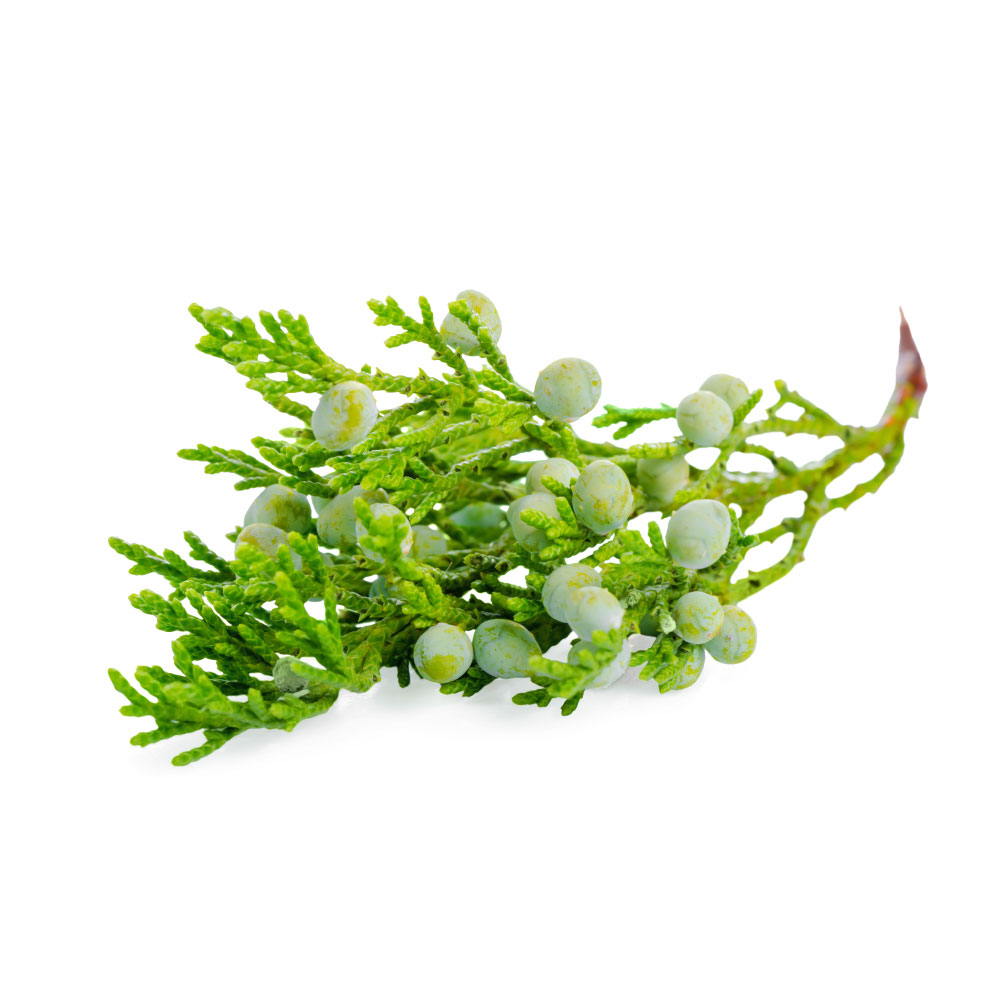 Principal source Juniper Juniperus communis Herb monograph →
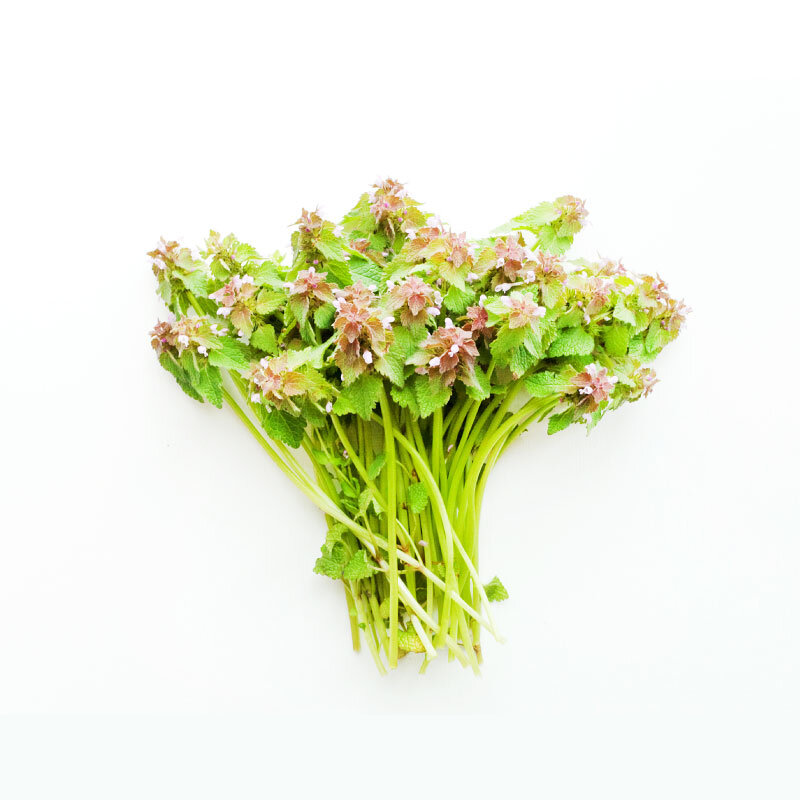 Source Black Horehound Ballota nigra Herb monograph →
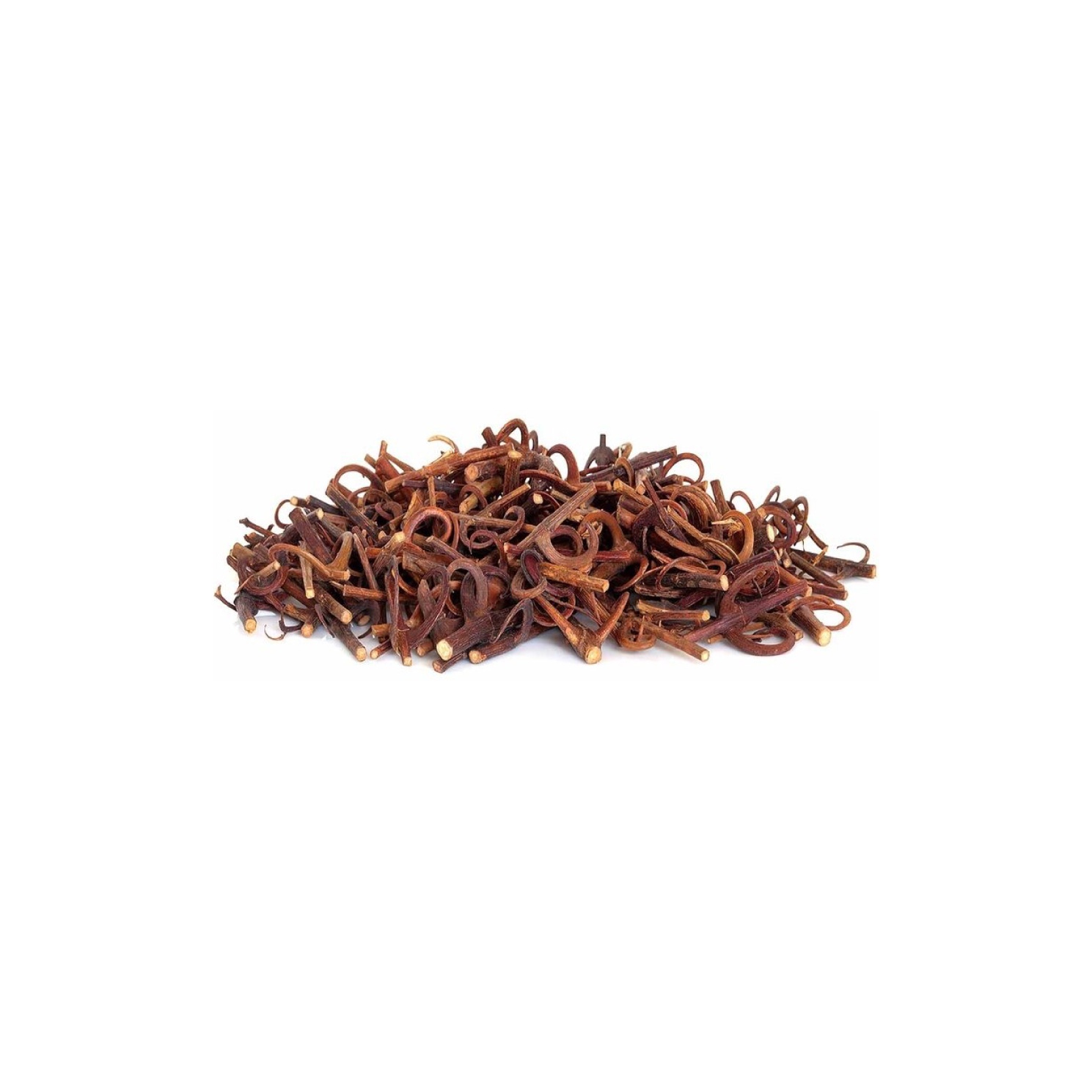 Source Cat's Claw Uncaria tomentosa Herb monograph →
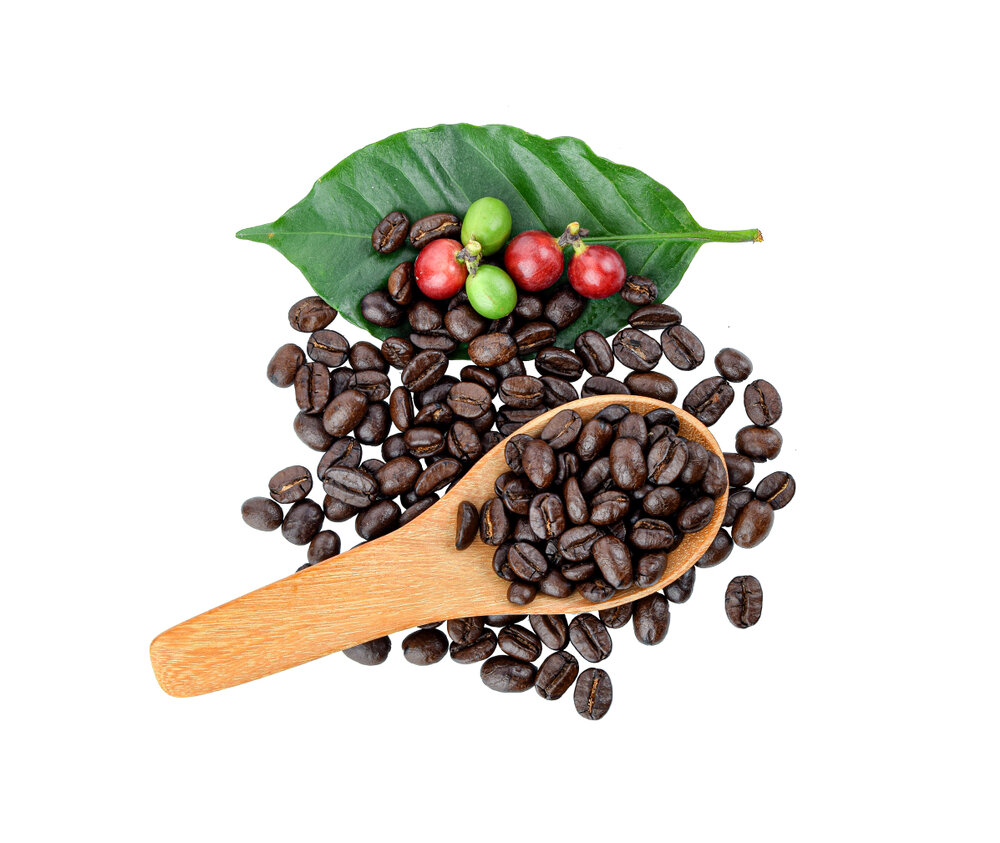 Source Coffee Coffea arabica Herb monograph →
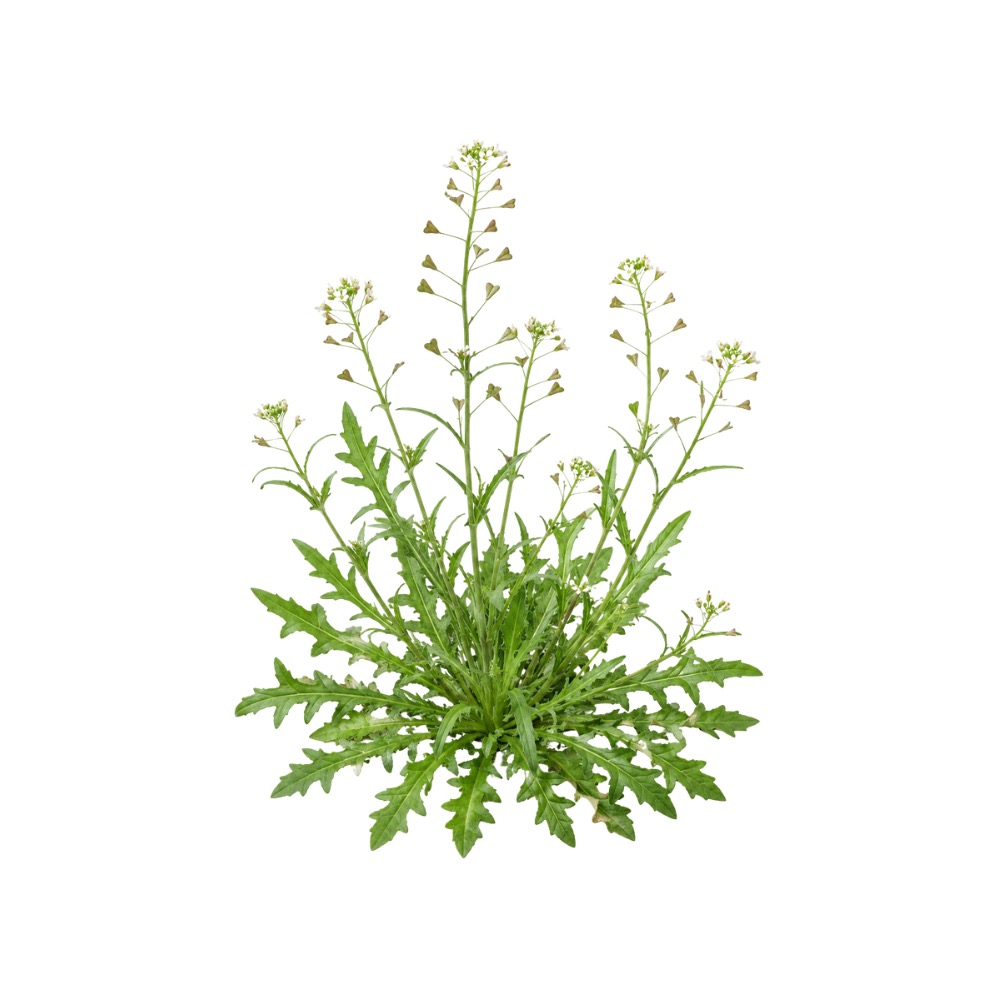 Source Shepherd's Purse Capsella bursa-pastoris Herb monograph →
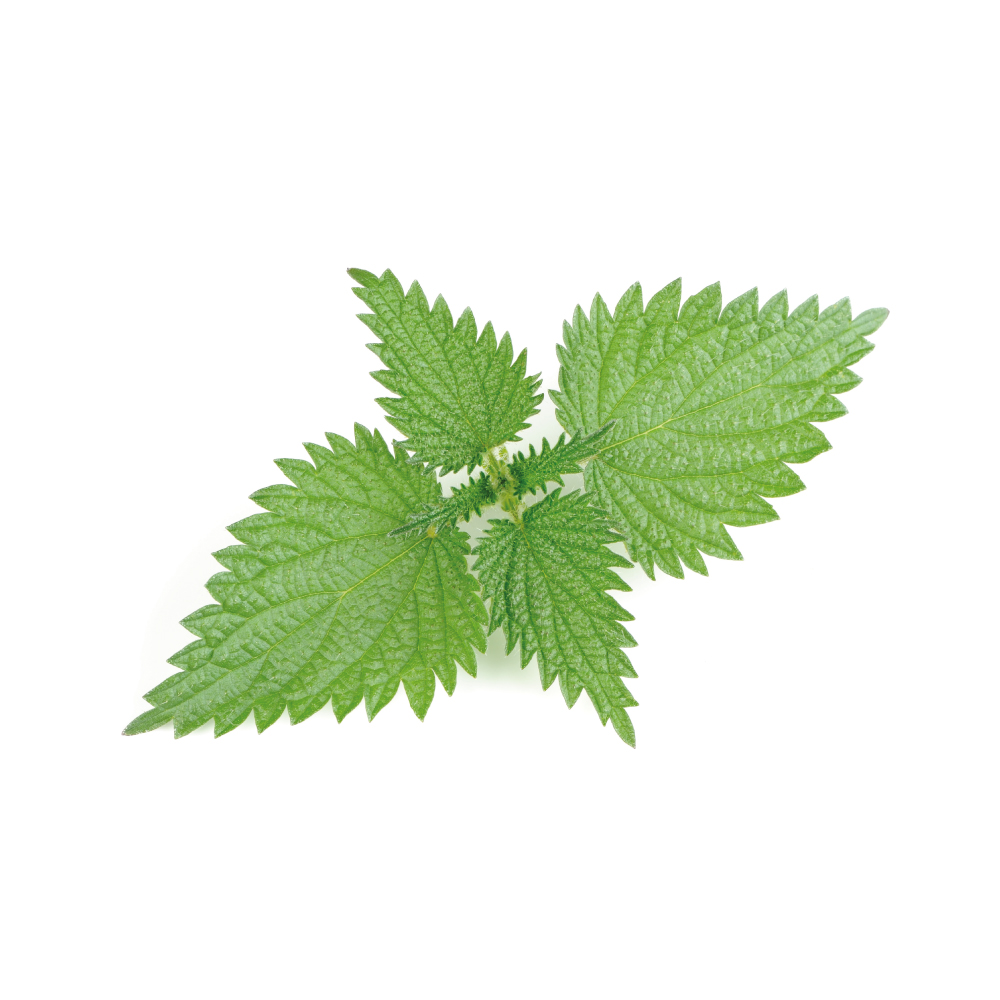 Source Stinging Nettle Urtica dioica Herb monograph →
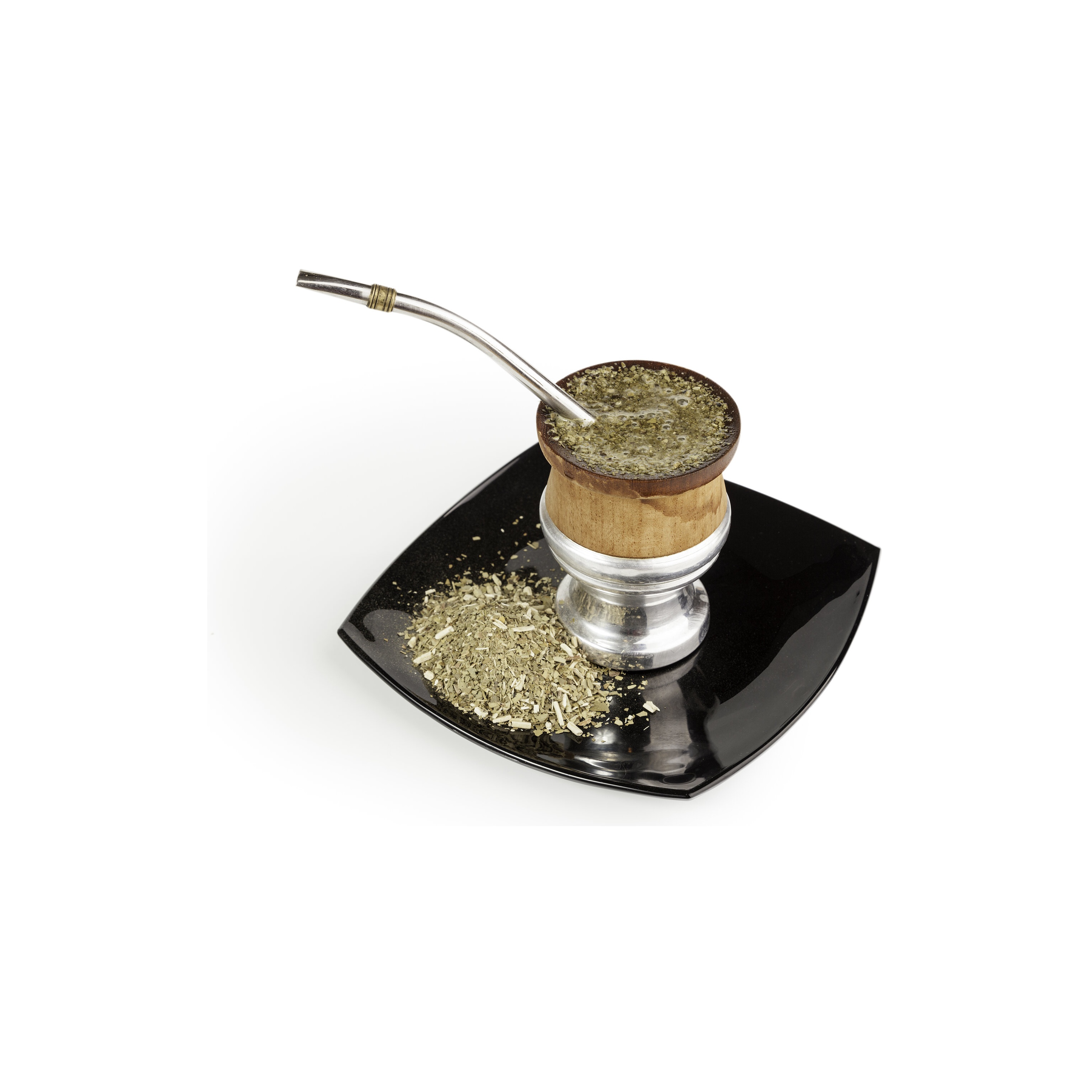 Source Yerba Maté Ilex paraguariensis Herb monograph →
Concentration
Content by Source
Concentrations not reported. No percent-dry-weight or mg/g figures have been published for this compound in its source plants.
Quinic Acid at a Glance
Quinic acid is a naturally occurring cyclitol — a polyhydroxylated cyclohexanecarboxylic acid (1,3,4,5-tetrahydroxycyclohexanecarboxylic acid) that sits chemically between a sugar acid and an organic acid. Its defining role in nature is structural: it is the quinic-acid backbone that caffeic acid esterifies onto to form the chlorogenic (caffeoylquinic) acids, one of the most abundant polyphenol families in the human diet 1,
Free quinic acid occurs across the plant kingdom — richest in coffee, yerba maté and cinchona bark, and present as a notable free acid in kiwifruit, cranberry, apple and juniper distillation waste 2,
The honest posture is that quinic acid behaves largely as a prodrug. Ingested on its own it is poorly absorbed intact; gut microbes hydrolyse and ferment it into tryptophan, nicotinamide and a series of aromatic acids, and it is those metabolites — not the parent molecule — that most of its proposed antioxidant, anti-inflammatory and neuroprotective effects are pinned to 4,
Quinic Acid & the Chlorogenic Acids
The single most important fact about quinic acid is that it is half of a much more famous molecule. Chlorogenic acid — the dominant polyphenol of coffee and a major one of yerba maté — is not a distinct skeleton but an ester of caffeic acid with quinic acid (its formal name is 5-caffeoylquinic acid) 1,
This has two consequences that run through the whole page. First, most dietary “quinic acid” is consumed bound, and is only liberated as the free acid when those esters are cleaved 1Reference 1Bioavailability and metabolism of chlorogenic acids (acyl-quinic acids) in humansView study →. Second, because so many of quinic acid’s reported activities were actually studied on the intact chlorogenic acids, it is easy to over-credit the fragment — a caveat worth repeating.
The Shikimate Pathway Connection
Quinic acid is a branch-point metabolite of the shikimate pathway, the plastid route plants and microbes use to build aromatic amino acids and, downstream, most phenolic secondary metabolites. Phosphoenolpyruvate and erythrose-4-phosphate condense toward 3-dehydroquinic acid, which quinate dehydrogenase (QDH) reversibly reduces to quinic acid; QDH is structurally similar to, and evolved from, the shikimate-dehydrogenase enzyme of the main pathway 2Reference 2Caffeoylquinic acids: chemistry, biosynthesis, occurrence, analytical challenges, and bioactivityView study →. Quinic acid therefore acts as a storage and buffer pool feeding the caffeoylquinic acids and, indirectly, the wider phenylpropanoid economy of the plant 2Reference 2Caffeoylquinic acids: chemistry, biosynthesis, occurrence, analytical challenges, and bioactivityView study →.
That same well-defined polyol stereochemistry made quinic acid industrially useful in a place few phytochemicals reach: the first practical synthesis of oseltamivir (Tamiflu) started from (−)-quinic acid. Gilead’s foundational 1997 route to the carbocyclic neuraminidase inhibitor GS-4104 described “the practical synthesis … starting from (−)-quinic acid,” using the molecule’s four chiral centres as a cheap chiral template 3Reference 3Influenza neuraminidase inhibitors possessing a novel hydrophobic interaction in the enzyme active site: design, synthesis, and structural analysis of carbocyclic sialic acid analogues with potent anti-influenza activityView study →. Manufacturing later shifted to the closely related shikimic acid (fewer steps, higher yield), but quinic acid remains a documented, historically load-bearing starting material for one of the world’s major antiviral drugs 3Reference 3Influenza neuraminidase inhibitors possessing a novel hydrophobic interaction in the enzyme active site: design, synthesis, and structural analysis of carbocyclic sialic acid analogues with potent anti-influenza activityView study →.
Gut Microbial Metabolism
This is the interpretive heart of quinic acid’s pharmacology and the reason it is best read as a microbiome-dependent prodrug. Because intact quinic acid (and the chlorogenic acids that carry it) is poorly absorbed in the small intestine, most of it reaches the colon, where the resident microbiota do the real chemistry 1,
Two threads emerge. The first is an aromatic-acid degradation cascade: fermenting human faecal microbiota convert quinic acid along parallel oxidative and reductive routes — aromatising it to protocatechuic acid on one branch and dehydroxylating it to cyclohexanecarboxylic acid on the other — feeding the pool of phenolic and benzoic acids that are ultimately conjugated to hippuric acid and excreted in urine 5Reference 5In vitroIn vitro gut metabolism of [U-13C]-quinic acid, the other hydrolysis product of chlorogenic acidView study →. Dietary quinic acid from cranberries and prunes is a classic precursor of urinary hippurate for exactly this reason 4Reference 4Antioxidant metabolism induced by quinic acidView study →.
The second, more striking thread is nutritional: quinic acid appears to nutritionally support the microbial synthesis of tryptophan and nicotinamide in the gut, and the downstream tryptophan metabolites — indole-3-acetic acid and kynurenic acid — are what carry its anti-inflammatory signal, suppressing NF-κB-family signalling rather than the parent acid doing so directly 4,
What It's Used For
Quinic acid’s research profile is real but almost entirely preclinical and microbiome-mediated. The load-bearing caveat is that the isolated molecule is rarely the active species — and where whole extracts (cat’s claw C-Med-100, chlorogenic-acid-rich coffee/maté) were tested, the effect cannot be assigned to quinic acid alone.
Support is an experimental score — weighted by study type (human > animal > in vitro) and volume. A beta, not a validated metric. Every row here is preclinical and, for most, microbiome-mediated, so scores stay modest by design.
Quinic acid’s antioxidant action runs less through direct radical scavenging than through induction of the cell’s own defences. In a Caenorhabditis elegans Huntington’s model it activated the SKN-1/Nrf2 pathway, raising the detoxification genes gcs-1 and gst-4, improving survival under oxidative stress and cutting polyglutamine aggregate formation by roughly a third to a half 8Reference 8Quinic acid protects against the development of Huntington’s disease in Caenorhabditis elegans modelView study →.
In rodents it raised glutathione, catalase and SOD while lowering lipid-peroxidation markers 7Reference 7AnimalNeuroprotective effects of D-(−)-quinic acid on aluminum chloride-induced dementia in ratsView study →.
This dovetails with the older observation that quinic acid drives an “antioxidant metabolism,” boosting nicotinamide (an NAD⁺ precursor) and tryptophan availability 4Reference 4Antioxidant metabolism induced by quinic acidView study →.
Gap: entirely invertebrate/rodent and in-vitro on the isolate; the Nrf2 induction is promising mechanistically but there is no human antioxidant outcome for quinic acid specifically 7,
The most active current research angle, and a coherent one. In aluminium-chloride-induced dementia rats, D-(−)-quinic acid (200–400 mg/kg) rescued spatial memory, lowered acetylcholinesterase, inhibited monoamine oxidase-B, and restored antioxidant enzymes 7Reference 7AnimalNeuroprotective effects of D-(−)-quinic acid on aluminum chloride-induced dementia in ratsView study →.
In LPS-treated mice it reversed social and memory deficits by damping hippocampal neuroinflammation and MAPK/ERK activation in astrocytes 10Reference 10AnimalQuinic acid alleviates behavior impairment by reducing neuroinflammation and MAPK activation in LPS-treated miceView study →.
And in a high-fat-diet model it reduced brain oxidative stress, Aβ and p-Tau by inhibiting DR3/IKK/NF-κB signalling — explicitly via gut-microbial tryptophan metabolites (indole-3-acetic acid, kynurenic acid), tying the neuro effect back to the microbiome story 9Reference 9Quinic acid alleviates high-fat diet-induced neuroinflammation by inhibiting DR3/IKK/NF-κB signaling via gut microbial tryptophan metabolitesView study →.
Gap: three separate rodent/mouse isolate models, no human neurological data, and the HFD work shows the action is indirect (microbial metabolites), not quinic acid crossing into the brain intact 9,
A mechanistically clean, microbiome-dependent signal. Quinic acid (studied as a millet phenolic) alleviated dextran-sulfate-sodium colitis in mice — improving weight, disease-activity index and colon length — and inhibited the MyD88/NF-κB pathway, lowering IL-1β and TNF-α 11Reference 11Millet quinic acid relieves colitis by regulating gut microbiota and inhibiting MyD88/NF-κB signaling pathwayView study →.
In vitro with IBD-patient faecal microbiota it increased beneficial Bifidobacterium and Weissella while cutting Escherichia-Shigella and Proteus 11Reference 11Millet quinic acid relieves colitis by regulating gut microbiota and inhibiting MyD88/NF-κB signaling pathwayView study →.
Critically, antibiotic depletion of the microbiota abolished the benefit, establishing the effect as bacteria-mediated 11Reference 11Millet quinic acid relieves colitis by regulating gut microbiota and inhibiting MyD88/NF-κB signaling pathwayView study →.
Gap: mouse and in-vitro faecal-fermentation only; the effect is explicitly a microbiota-dependent one, and there is no human colitis trial of the isolate 11Reference 11Millet quinic acid relieves colitis by regulating gut microbiota and inhibiting MyD88/NF-κB signaling pathwayView study →.
This is quinic acid’s oldest bioactivity claim, and it comes bound to a proprietary extract. Quinic acid was identified as a biologically active component of C-Med-100 (Saventaro), a water-soluble cat’s claw extract: in mice it significantly increased spleen-cell numbers, and in vitro (particularly as an ammonia-treated derivative) it inhibited NF-κB activity and lymphocyte proliferation 6Reference 6Quinic acid is a biologically active component of the Uncaria tomentosa extract C-Med 100View study →.
The mechanism proposed for the whole extract’s DNA-repair enhancement is the same tryptophan/nicotinamide route above — quinic acid feeding NAD⁺-precursor synthesis in the gut 4,
Gap: the human-relevant evidence is for the C-Med-100 extract, not isolated quinic acid, and results do not transfer to whole-bark powder or tincture; the isolate’s own immune data are murine/in-vitro 6Reference 6Quinic acid is a biologically active component of the Uncaria tomentosa extract C-Med 100View study →.
The thinnest application. In a computational-plus-assay screen of yerba-maté small molecules against methicillin-resistant Staphylococcus aureus, quinic acid was flagged by random-forest analysis among the contributors to antibacterial activity — but the standout active in that work was 3,4-dihydroxybenzaldehyde, not quinic acid 12Reference 12Computational ranking of yerba mate small molecules based on their predicted contribution to antibacterial activity against methicillin-resistant Staphylococcus aureusView study →.
Gap: an in-silico ranking within a whole-extract fraction; quinic acid was neither the most active compound nor tested as a purified antibacterial, so this is a weak, extract-embedded signal 12Reference 12Computational ranking of yerba mate small molecules based on their predicted contribution to antibacterial activity against methicillin-resistant Staphylococcus aureusView study →.
Mechanisms
| Target / pathway | Effect | Relevant to |
|---|---|---|
| Gut microbiota (colonic fermentation) | substrate → tryptophan, nicotinamide, indole-3-acetic acid, kynurenic acid, aromatic/benzoic acids | the prodrug basis of most effects |
| NF-κB / IKK / MyD88 / DR3 | suppressed — largely indirectly, via microbial tryptophan metabolites | anti-inflammatorygutneuro |
| Nrf2 / SKN-1 (gcs-1, gst-4) | activated antioxidant / detoxification response | antioxidantneuroprotection |
| Monoamine oxidase-B; acetylcholinesterase | inhibited (aluminium-dementia model) | neuroprotection |
| MAPK / ERK | reduced phosphorylation in astrocytes | neuroinflammation |
| DNA-repair capacity | enhanced (as C-Med-100 active, via NAD⁺-precursor supply) | immunomodulation |
| Protocatechuic acid / cyclohexanecarboxylic acid | colonic degradation products (fate, not target) | pharmacokinetics |
The unifying read: quinic acid rarely hits these targets itself. It is fermented into metabolites — tryptophan-derived indoles, nicotinamide/NAD⁺ precursors, phenolic acids — and those do the signalling. The microbiome is the pharmacologically active partner.
Pharmacokinetics
Quinic acid is a small, highly polar polyol acid, and its pharmacokinetics are dominated by poor intact absorption and heavy microbial processing. As the backbone of the chlorogenic acids, most dietary quinic acid arrives bound: intact acyl-quinic acids are absorbed only slightly in the small intestine, and the bulk reaches the colon, where microbial esterases hydrolyse them to release free quinic acid and caffeic acid 1Reference 1Bioavailability and metabolism of chlorogenic acids (acyl-quinic acids) in humansView study →. The liberated quinic acid is then fermented along oxidative (→ protocatechuic acid) and reductive (→ cyclohexanecarboxylic acid) routes, feeding benzoic/phenolic acids that are conjugated in the liver to hippuric acid and excreted in urine — with large inter-individual variability driven by microbiota composition 1,
Clinical Trials
There are no controlled human trials of isolated quinic acid. The nearest human-relevant evidence is indirect: trials of the C-Med-100 cat’s-claw extract (in which quinic acid is one active) and the large clinical literature on coffee/maté chlorogenic acids (which deliver quinic acid in bound form) — neither of which isolates the molecule 1,
| Completed | Planned | Terminated | Preclinical |
|---|---|---|---|
| None for the isolate (human data are for C-Med-100 extract & chlorogenic-acid sources) | — | — | Antioxidant, neuroprotective, anti-colitis, immunomodulatory (rodent / C. elegans / in-vitro) |
Last checked: July 2026.
Isolate vs. Plant Studies
The mechanistic and behavioural work is mostly the isolated molecule — the aluminium-dementia 7Reference 7AnimalNeuroprotective effects of D-(−)-quinic acid on aluminum chloride-induced dementia in ratsView study →, LPS 10Reference 10AnimalQuinic acid alleviates behavior impairment by reducing neuroinflammation and MAPK activation in LPS-treated miceView study →, high-fat-diet 9Reference 9Quinic acid alleviates high-fat diet-induced neuroinflammation by inhibiting DR3/IKK/NF-κB signaling via gut microbial tryptophan metabolitesView study → and colitis 11Reference 11Millet quinic acid relieves colitis by regulating gut microbiota and inhibiting MyD88/NF-κB signaling pathwayView study → studies all dosed quinic acid directly, and the C. elegans antioxidant work used the isolate 8Reference 8Quinic acid protects against the development of Huntington’s disease in Caenorhabditis elegans modelView study →. That is a genuine mechanistic base. But two things blunt it. First, the human-relevant evidence is whole-extract: quinic acid’s flagship immune activity is as a component of the C-Med-100 cat’s-claw extract 6Reference 6Quinic acid is a biologically active component of the Uncaria tomentosa extract C-Med 100View study →, and its largest real-world exposure is as the bound backbone of chlorogenic acids in coffee and maté 1,
Its Role in Plants
Beyond feeding the chlorogenic acids, quinic acid functions as a metabolic reservoir in the shikimate/phenylpropanoid network — a readily interconverted pool (via quinate dehydrogenase) that buffers the flux between primary aromatic-amino-acid synthesis and the production of defensive phenolics 2Reference 2Caffeoylquinic acids: chemistry, biosynthesis, occurrence, analytical challenges, and bioactivityView study →. Its accumulation in unripe fruit (green apple, kiwifruit) and in bark contributes to the sharp, acidic taste that deters herbivory, and it declines as fruit ripens and organic acids are consumed. These are plant-physiology roles and should not be read as human pharmacology.
Prevalence in Nature
Quinic acid is widespread across the plant kingdom, occurring both as the free acid and — far more abundantly — as the quinic-acid moiety of the caffeoylquinic / chlorogenic acids 1,
As a free acid, quinic acid is notably concentrated in kiwifruit, cranberry, green apple and prunes 4Reference 4Antioxidant metabolism induced by quinic acidView study →, and it is abundant in juniper post-distillation waste at ~11.1 mg/g 13Reference 13In vitroChemical characterization, antioxidant, genotoxic and in vitro cytotoxic activity assessment of Juniperus communis var. saxatilisView study →. It is a water-soluble constituent of cat’s claw bark/root extract 6Reference 6Quinic acid is a biologically active component of the Uncaria tomentosa extract C-Med 100View study →. Precise free-acid concentrations across most foods are not well tabulated (they shift with ripeness, cultivar and processing), so the figures below are the firmly reported ones; the broader quantification gaps are tracked in this compound’s gaps file.
Major Natural Sources
| Source | Form | Reported quinic acid |
|---|---|---|
| Coffee (Coffea spp.) | brew / bean | High, mostly bound as chlorogenic acids; free quinic acid rises on roasting 1, |
| Yerba maté (Ilex paraguariensis) | dried leaf | Caffeoylquinic (bound) fraction ~10–16% of leaf 12Reference 12Computational ranking of yerba mate small molecules based on their predicted contribution to antibacterial activity against methicillin-resistant Staphylococcus aureusView study → |
| Juniper (Juniperus communis) | post-distillation waste | ~11.1 mg/g (free acid) 13Reference 13In vitroChemical characterization, antioxidant, genotoxic and in vitro cytotoxic activity assessment of Juniperus communis var. saxatilisView study → |
| Cinchona bark | bark | Historical namesake source; free acid 2Reference 2Caffeoylquinic acids: chemistry, biosynthesis, occurrence, analytical challenges, and bioactivityView study → |
| Kiwifruit / cranberry / green apple | fruit | Notable free quinic acid (a major fruit organic acid) 4Reference 4Antioxidant metabolism induced by quinic acidView study → |
Discovery & Synthesis
Quinic acid was obtained from cinchona (“quina”) bark in the late 18th century — the origin of the name “quinic acid” — during the same era of cinchona chemistry that later yielded quinine; its full stereochemistry as the (−)-1,3,4,5-tetrahydroxycyclohexanecarboxylic acid was pinned down much later. (The exact first-isolation attribution is not firmly documented here.) In nature it is made not by synthesis but biosynthetically, by reduction of 3-dehydroquinate via quinate dehydrogenase in the shikimate pathway 2Reference 2Caffeoylquinic acids: chemistry, biosynthesis, occurrence, analytical challenges, and bioactivityView study →.
Its most notable synthetic footprint is as a chiral starting material rather than a target: because its four defined stereocentres offer a cheap enantiopure template, (−)-quinic acid was the starting material for Gilead’s first practical synthesis of the anti-influenza drug oseltamivir (Tamiflu) in 1997 3Reference 3Influenza neuraminidase inhibitors possessing a novel hydrophobic interaction in the enzyme active site: design, synthesis, and structural analysis of carbocyclic sialic acid analogues with potent anti-influenza activityView study →. Industrial oseltamivir manufacture later moved to shikimic acid for higher yield, but the quinic-acid route is a documented part of that drug’s history 3Reference 3Influenza neuraminidase inhibitors possessing a novel hydrophobic interaction in the enzyme active site: design, synthesis, and structural analysis of carbocyclic sialic acid analogues with potent anti-influenza activityView study →. Bulk quinic acid itself is obtained by extraction from plant material (notably cinchona bark and chlorogenic-acid-rich residues) rather than by total synthesis.
Patents: not yet researched.
Toxicity & Safety
Quinic acid carries a low toxicity flag. It is a ubiquitous dietary organic acid — a major component of coffee, common fruits and vegetables — consumed by humans in gram quantities daily across the diet with no characteristic toxicity, and its principal metabolic fate is conversion to harmless, readily excreted hippuric acid 1,
- A ubiquitous, well-tolerated dietary acid. Consumed in gram amounts daily via coffee, fruit and vegetables; metabolised to harmless urinary hippuric acid 1,
4, .5Reference 1Bioavailability and metabolism of chlorogenic acids (acyl-quinic acids) in humansView study →Reference 4Antioxidant metabolism induced by quinic acidView study →Reference 5In vitroIn vitro gut metabolism of [U-13C]-quinic acid, the other hydrolysis product of chlorogenic acidView study → - Effects are microbiome-dependent and preclinical. Its bioactivity is delegated to gut bacteria and is unproven in humans — do not read the rodent neuro/anti-inflammatory data as an established benefit 9,
11Reference 9Quinic acid alleviates high-fat diet-induced neuroinflammation by inhibiting DR3/IKK/NF-κB signaling via gut microbial tryptophan metabolitesView study →Reference 11Millet quinic acid relieves colitis by regulating gut microbiota and inhibiting MyD88/NF-κB signaling pathwayView study → . - No isolated-supplement safety dossier. There is no human dosing, interaction or long-term-safety data for quinic acid taken as an isolate rather than as a food constituent.
- Extract results don’t transfer. The immune data belong to the specific C-Med-100 cat’s-claw extract, not to whole-bark products or purified quinic acid 6Reference 6Quinic acid is a biologically active component of the Uncaria tomentosa extract C-Med 100View study →.
Pregnancy/lactation is a per-herb / per-supplement decision and is not adjudicated on this molecule page; no isolate-specific reproductive dataset exists for quinic acid, and no verdict is issued here.
Dosage
There is no established or recommended human dose for isolated quinic acid, and it is not used as a stand-alone supplement. The figures in the literature are preclinical research doses — for example 200–400 mg/kg in the rat aluminium-dementia study 7Reference 7AnimalNeuroprotective effects of D-(−)-quinic acid on aluminum chloride-induced dementia in ratsView study → — and do not convert to human self-dosing. Ordinary human exposure is dietary and mostly indirect: quinic acid is delivered largely as the bound backbone of chlorogenic acids in coffee, yerba maté, fruit and vegetables, and is released and activated only after colonic microbial hydrolysis and fermentation 1,
References
- Clifford MN, Kerimi A, Williamson G (2020). Bioavailability and metabolism of chlorogenic acids (acyl-quinic acids) in humans. Comprehensive Reviews in Food Science and Food Safety. https://pubmed.ncbi.nlm.nih.gov/33337099/
- Alcázar Magaña A, Kamimura N, Soumyanath A, Stevens JF, Maier CS (2021). Caffeoylquinic acids: chemistry, biosynthesis, occurrence, analytical challenges, and bioactivity. The Plant Journal. https://pubmed.ncbi.nlm.nih.gov/34171156/
- Kim CU, Lew W, Williams MA, et al. (1997). Influenza neuraminidase inhibitors possessing a novel hydrophobic interaction in the enzyme active site: design, synthesis, and structural analysis of carbocyclic sialic acid analogues with potent anti-influenza activity. Journal of the American Chemical Society. https://pubmed.ncbi.nlm.nih.gov/16526129/
- Pero RW, Lund H, Leanderson T (2009). Antioxidant metabolism induced by quinic acid. Increased urinary excretion of tryptophan and nicotinamide. Phytotherapy Research. https://pubmed.ncbi.nlm.nih.gov/18844285/
- Naranjo Pinta M, Montoliu I, Aura AM, Seppänen-Laakso T, Barron D, Moco S (2018). In vitro gut metabolism of [U-13C]-quinic acid, the other hydrolysis product of chlorogenic acid. Molecular Nutrition & Food Research. https://pubmed.ncbi.nlm.nih.gov/30113130/
- Åkesson C, Lindgren H, Pero RW, Leanderson T, Ivars F (2005). Quinic acid is a biologically active component of the Uncaria tomentosa extract C-Med 100. International Immunopharmacology. https://pubmed.ncbi.nlm.nih.gov/15589483/
- Liu L, Liu Y, Zhao J, Xing X, Zhang C, Meng H (2020). Neuroprotective effects of D-(−)-quinic acid on aluminum chloride-induced dementia in rats. Evidence-Based Complementary and Alternative Medicine. https://pubmed.ncbi.nlm.nih.gov/32454864/
- Hossam El Din R, Thabit S (2024). Quinic acid protects against the development of Huntington’s disease in Caenorhabditis elegans model. BMC Complementary Medicine and Therapies. https://pubmed.ncbi.nlm.nih.gov/39468600/
- Li S, et al. (2024). Quinic acid alleviates high-fat diet-induced neuroinflammation by inhibiting DR3/IKK/NF-κB signaling via gut microbial tryptophan metabolites. Gut Microbes. https://pubmed.ncbi.nlm.nih.gov/38972055/
- Park SY, et al. (2024). Quinic acid alleviates behavior impairment by reducing neuroinflammation and MAPK activation in LPS-treated mice. Biomolecules & Therapeutics (Seoul). https://pubmed.ncbi.nlm.nih.gov/38589292/
- Li Y, et al. (2025). Millet quinic acid relieves colitis by regulating gut microbiota and inhibiting MyD88/NF-κB signaling pathway. Foods. https://pubmed.ncbi.nlm.nih.gov/40647020/
- Rempe CS, Burris KP, Woo HL, Goodrich B, Gosnell DK, Tschaplinski TJ, Stewart CN Jr (2015). Computational ranking of yerba mate small molecules based on their predicted contribution to antibacterial activity against methicillin-resistant Staphylococcus aureus. PLoS One. https://pubmed.ncbi.nlm.nih.gov/25955847/
- Vasilijević B, Knežević-Vukčević J, Mitić-Ćulafić D, et al. (2018). Chemical characterization, antioxidant, genotoxic and in vitro cytotoxic activity assessment of Juniperus communis var. saxatilis. Food and Chemical Toxicology. https://pubmed.ncbi.nlm.nih.gov/29287791/



