
Compound Monograph
Silica
Silica is biogenic silicon dioxide laid down in plant cell walls; horsetail is the highest-accumulating medicinal plant, at several percent of its dry weight.

Sources · 5
Where Does It Come From?
Silica is a naturally occurring inorganic mineral (silicon dioxide), found in Horsetail, Bamboo, Oat straw and 2 other sources. It is well tolerated orally (low toxicity).
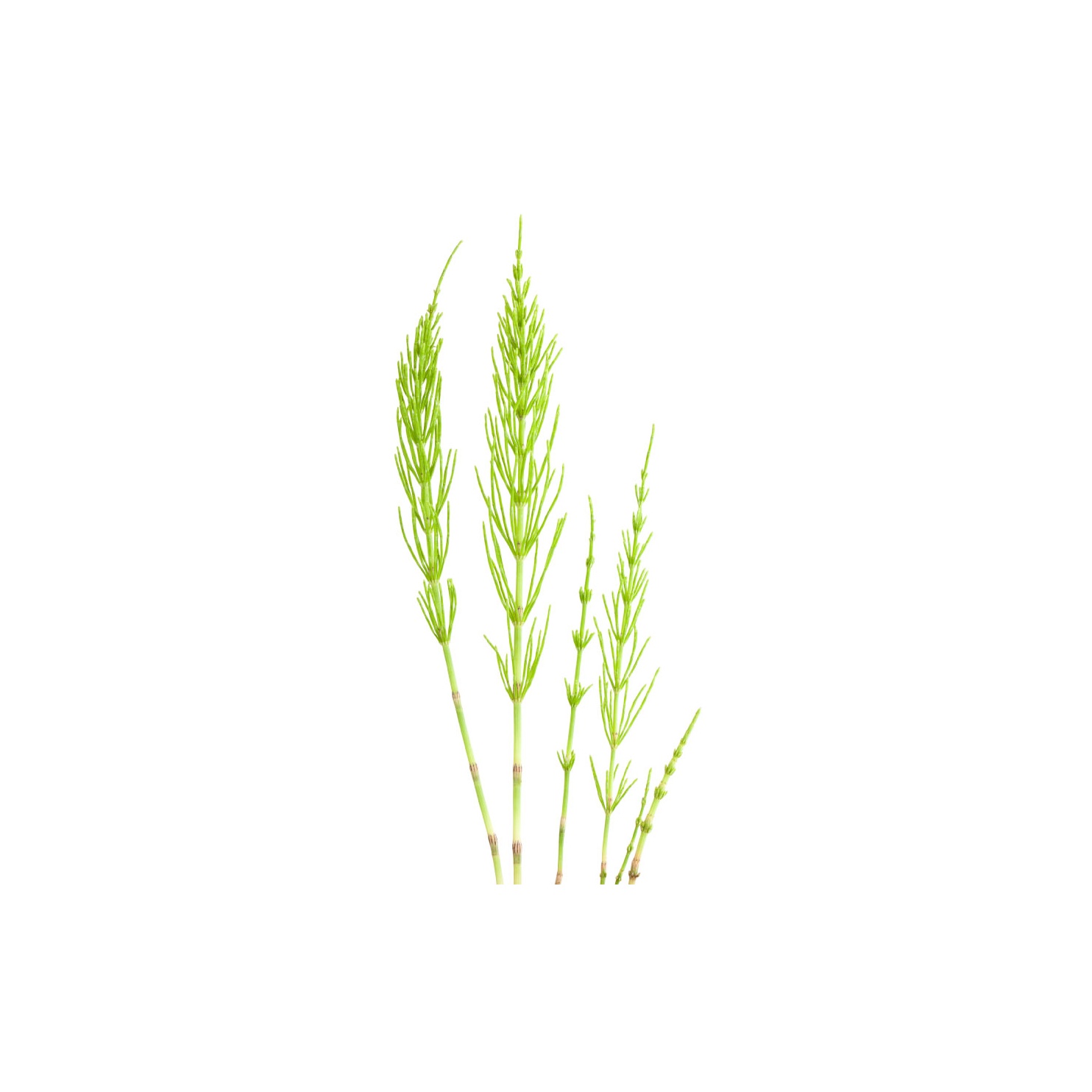 Principal source Horsetail Equisetum arvense Herb monograph →
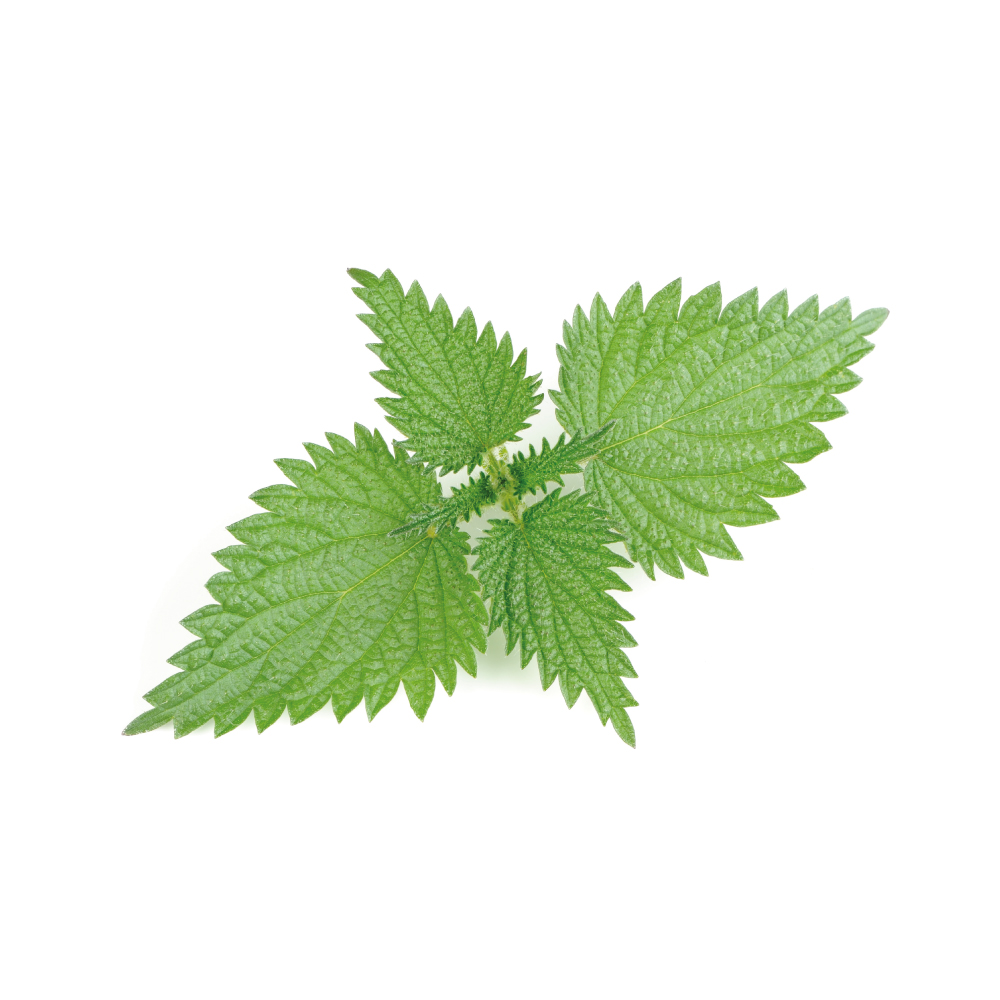 Source Stinging Nettle Urtica dioica Herb monograph →
 Source Suma Pfaffia paniculata Herb monograph →
Concentration
Content by Source
Reported concentrations across the plants that contain silica — the bar marks the typical level, the line shows the reported range.
Literature figures for varying plant parts and preparations. Read them as a comparative guide, not exact assays.
Research & Evidence
Silicon is taken up by roots as orthosilicic acid and deposited in cell walls as amorphous, hydrated silica — the phytoliths that make horsetail abrasive enough to have been used as a pot scourer. Silicon is not formally an essential nutrient in humans, but it is associated with connective-tissue and bone matrix formation, and orthosilicic acid is the form the gut can actually absorb.
That distinction matters more here than it does for most constituents. Polymerised silica is nearly insoluble, so a herb’s total silica content is a poor guide to what a water extract delivers: only a modest fraction of horsetail’s silica is water-soluble, and a cold infusion extracts less again than a decoction.
Content by Source
Horsetail is the highest silicon accumulator among medicinal plants, at roughly 5–8% of the dry herb 1Reference 1Assessment report on Equisetum arvense L., herba. https://www.ema.europa.eu/en/documents/herbal-report/final-assessment-report-equisetum-arvense-l-herba_en.pdfView study →, with some ecotypes reported considerably higher. Nothing else here is close; nettle, oat straw and bamboo are described as silica-bearing but at a small fraction of that.
Toxicity & Safety
Dietary and herbal silica is of low toxicity and poorly absorbed. The safety cautions attached to horsetail concern its thiaminase activity and the risk of confusion with the toxic Equisetum palustre, not its silica.
References
- European Medicines Agency, Committee on Herbal Medicinal Products (2016). Assessment report on Equisetum arvense L., herba. https://www.ema.europa.eu/en/documents/herbal-report/final-assessment-report-equisetum-arvense-l-herba_en.pdf



