Materia Medica
Stinging Nettle
Urtica dioica
Stinging nettle is a perennial herb covered in stinging hairs, valued as a mineral-rich food and medicine. Its leaf is used for hay fever, joint pain and blood sugar, and its root for an enlarged prostate.
What Is Stinging Nettle?
Stinging nettle is a perennial herb covered in stinging hairs, valued as both a mineral-rich food and a medicine. The leaf is taken as a tea or eaten as a cooked green for hay fever, joint pain and fluid retention. The root is used for an enlarged prostate.
Urtica dioica grows across Europe, North Africa, Asia and North America, in moist woodland margins, stream banks and waste ground 39,
The leaf is rich in protein, minerals and flavonoids such as rutin. The root carries lignans, sterols and a small protein called Urtica dioica agglutinin 35Reference 35ReviewNutritional and pharmacological importance of stinging nettle (Urtica dioica L.): a reviewView study →. Human trials have tested root extract for prostate symptoms and leaf extract for blood sugar in type 2 diabetes, with positive but modest results 1,
The root and the leaf are used for different things, and a trial of one says nothing about the other.
How Is Stinging Nettle Used?
The leaf and the root are prepared separately. The fresh plant is also used on the skin.
- Leaf tea or liquid extract — for hay fever, arthritis, fluid retention and as a mineral tonic in convalescence.
- Cooked leaf — eaten as a green vegetable.
- Leaf extract — the preparation tested for blood sugar in type 2 diabetes 11,
12, .13Reference 11Meta-analysisEffects of Urtica dioica on metabolic profiles in type 2 diabetes — systematic review and meta-analysis of clinical trialsView study →Reference 12Meta-analysisThe effect of nettle (Urtica dioica) supplementation on glycemic control in type 2 diabetes — systematic review and meta-analysisView study →Reference 13RCTImproved glycemic control in patients with advanced type 2 diabetes taking Urtica dioica leaf extract — randomised double-blind placebo-controlled trialView study → - Root extract — for urinary symptoms of an enlarged prostate, and traditionally for hair loss 1,
2, .3Reference 1RCTUrtica dioica for treatment of benign prostatic hyperplasia: a prospective, randomised, double-blind, placebo-controlled crossover study — randomised controlled trialView study →Reference 2RCTUrtica dioica root extract on clinical and biochemical parameters in patients with benign prostatic hyperplasia — randomised controlled trialView study →Reference 3RCTStinging nettle root extract (Bazoton-uno) in long-term treatment of benign prostatic syndrome — randomised, double-blind, placebo-controlled multicentre studyView study → - Fresh leaf, applied to the skin — the sting itself, rubbed on painful joints as a counter-irritant 25Reference 25RCTRandomised controlled trial of nettle sting for treatment of base-of-thumb pain — randomised controlled crossover trialView study →.
Traditional Uses
Stinging nettle belongs to the European herbal tradition, where it has been a food, a fibre and a medicine since classical times 35,
The fresh plant was also used on its own terms: the stinging leaf was applied to painful joints so that the sting itself acted as a remedy for arthritis pain 25Reference 25RCTRandomised controlled trial of nettle sting for treatment of base-of-thumb pain — randomised controlled crossover trialView study →.
Western Herbal Medicine
Galen and Dioscorides both recommended the leaf for asthma, pleurisy and conditions of the spleen, and noted its diuretic and laxative effects 36Reference 36The healing power of rainforest herbs: A guide to understanding and using herbal medicinals.
Nettle was used historically as a diuretic, to build the blood, for arthritis and rheumatism, and on the scalp to improve the hair 36Reference 36The healing power of rainforest herbs: A guide to understanding and using herbal medicinals. In Europe, especially Germany, it is used for rheumatic and other inflammatory conditions, prostate complaints, and as a diuretic 36Reference 36The healing power of rainforest herbs: A guide to understanding and using herbal medicinals. Nursing mothers took the leaf to support their milk supply 35Reference 35ReviewNutritional and pharmacological importance of stinging nettle (Urtica dioica L.): a reviewView study →.
Rubbing or striking the fresh leaf on an aching joint, so that the sting acts as a counter-irritant, is an old folk remedy for arthritis pain, and it was this practice that the first controlled nettle trial set out to test 25Reference 25RCTRandomised controlled trial of nettle sting for treatment of base-of-thumb pain — randomised controlled crossover trialView study →.
Early American herbalists used the leaf and stem as a wound dressing, infusing them and soaking the infusion into bandages 36Reference 36The healing power of rainforest herbs: A guide to understanding and using herbal medicinals. Taken internally, the leaf was recommended as a nutritious food for its mineral content, in convalescence and in weight-reduction regimes 36Reference 36The healing power of rainforest herbs: A guide to understanding and using herbal medicinals.
In current Western herbal practice the two parts are used differently. The leaf is given as a diuretic and for arthritis, prostatitis and allergies. The root is used mainly for benign prostatic hyperplasia and for hair loss 36Reference 36The healing power of rainforest herbs: A guide to understanding and using herbal medicinals.
The European regulator recognises these as traditional uses. The leaf and herb are registered for minor urinary complaints, to increase the flow of urine alongside plenty of fluid, for minor joint pain and for seborrhoeic skin conditions 42Reference 42ReviewEuropean Union herbal monograph on Urtica dioica L.; Urtica urens L., herba, Revision 1 (EMA/HMPC/261302/2022) — regulatory monograph. https://www.ema.europa.eu/en/documents/herbal-monograph/final-european-union-herbal-monograph-urtica-dioica-l-urtica-urens-l-herba-revision-1_en.pdfView study →. The root is registered for the urinary symptoms of benign prostatic hyperplasia once a doctor has ruled out serious disease 43Reference 43ReviewEuropean Union herbal monograph on Urtica dioica L.; Urtica urens L., radix, Revision 1 (EMA/HMPC/322646/2023) — regulatory monograph. https://www.ema.europa.eu/system/files/documents/herbal-monograph/urticae-radix-mo_en.pdfView study →.
Nettle was also a fibre plant. The stems were retted and spun for textiles in place of flax or hemp, and nettle oil was burned for light in Egypt 38Reference 38Principles and Practice of Phytotherapy.
South American Folk Medicine
In Brazil the whole plant was used for heavy menstrual bleeding, diarrhoea, diabetes, urinary disorders and respiratory complaints, and applied to the skin for a range of skin conditions 36Reference 36The healing power of rainforest herbs: A guide to understanding and using herbal medicinals.
In Peru nettle is used for muscular pain, arthritis, ulcers, diabetes, digestive complaints, nosebleeds and rheumatism. It is also applied externally for inflammation and pain, and against head lice 36Reference 36The healing power of rainforest herbs: A guide to understanding and using herbal medicinals.
Indications
- Urinary symptoms of an enlarged prostate (benign prostatic hyperplasia) [root extract; EU traditional use] Caution: Most trials tested nettle root combined with saw palmetto or pygeum. A 2000 systematic review found no convincing evidence for nettle root on its own, though later single-herb trials were positive 1,
2, .3, 4 - Raised blood sugar in type 2 diabetes [leaf extract] Caution: Two meta-analyses found fasting glucose fell, but they disagreed on HbA1c, and the trials were small and used different preparations 11,
12 . - Hay fever and allergic rhinitis [leaf; root extract] Caution: Two small trials showed little or no separation from placebo 29,
30 . - Osteoarthritis pain [fresh leaf, applied as a sting] Caution: The controlled evidence is one small trial (n=27) of the sting on thumb and finger joints; a knee pilot found pain fell equally with a non-stinging nettle 25,
45 . - Minor joint pain [leaf and herb; EU traditional use]
- Arthritis and rheumatism [leaf; Western herbal medicine]
- Minor urinary complaints, to increase the flow of urine [leaf and herb; EU traditional use]
- Fluid retention [leaf; Western herbal medicine]
- Seborrhoeic skin conditions [leaf and herb; EU traditional use]
- Prostatitis [leaf; Western herbal medicine]
- High blood pressure [leaf extract] Caution: The blood-pressure data are from rats; the only human signal is a 5 mmHg systolic fall seen as a secondary outcome 11,
22 . - Hair loss [root; Western herbal medicine]
- Low milk supply [leaf; European folk use]
- Asthma and pleurisy [leaf; Galen and Dioscorides]
- Convalescence and mineral depletion [leaf, as food]
- Wounds [leaf and stem, as a dressing; early American practice]
- Heavy menstrual bleeding and diarrhoea [whole plant; Brazilian folk use]
- Nosebleeds and muscular pain [Peruvian folk use]
Botany
Stinging nettle is a rhizomatous perennial herb in the nettle family (Urticaceae) 39Reference 39Urtica dioica Linnaeus — species description, subspecies, habitat and distribution — floraView study →. It grows 0.5–3 m tall, with stems that are simple or branched and erect or sprawling 39Reference 39Urtica dioica Linnaeus — species description, subspecies, habitat and distribution — floraView study →.
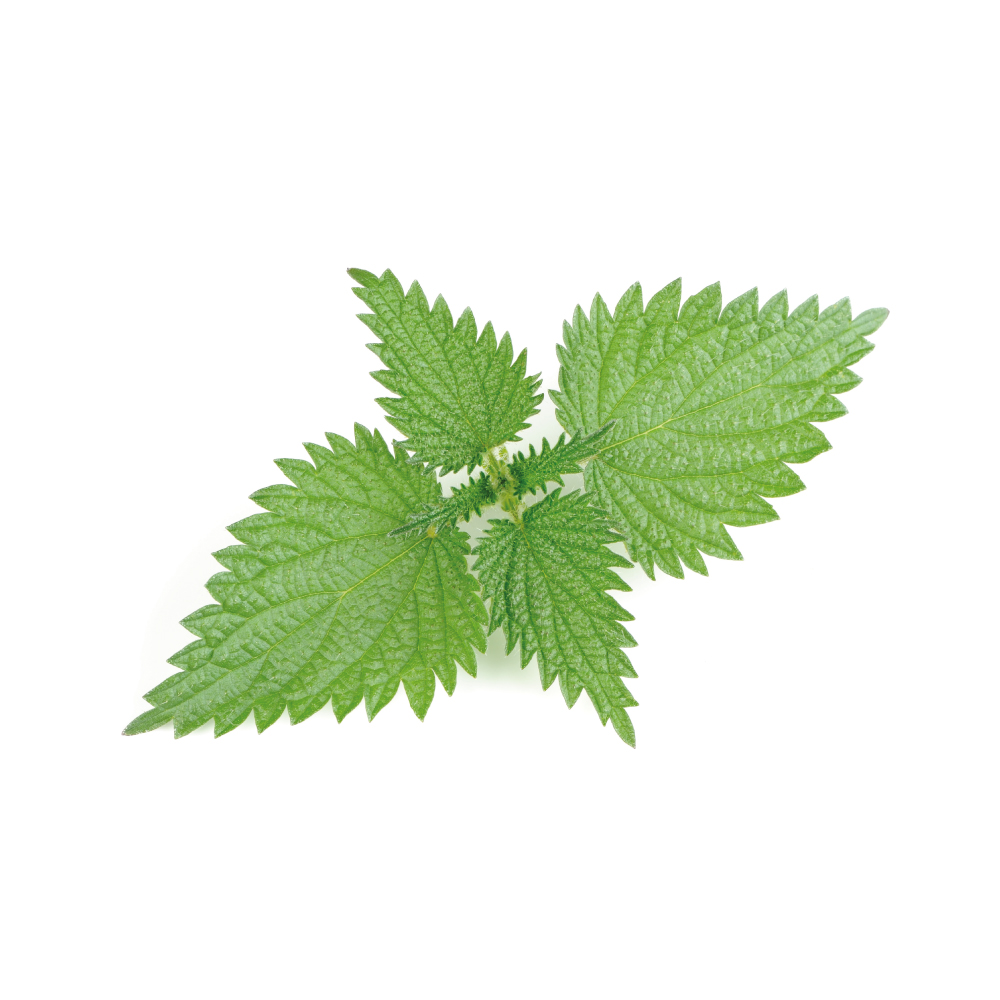
The leaves grow in opposite pairs. They are elliptic to broadly oval, 6–20 cm long, with a rounded to heart-shaped base and a coarsely toothed edge 39Reference 39Urtica dioica Linnaeus — species description, subspecies, habitat and distribution — floraView study →. The stems and leaves carry stinging hairs 39Reference 39Urtica dioica Linnaeus — species description, subspecies, habitat and distribution — floraView study →.
The tiny flowers are either male or female. They hang in branched clusters from the leaf axils 39,
Three subspecies are recognised in North America, and three in China 39,
Distribution
Stinging nettle grows across Europe and North Africa, east through Afghanistan and the Himalayas to western China, and in North America 40Reference 40Urtica dioica Linnaeus — species description and distribution — floraView study →. In western China it grows in forests, thickets, grasslands and along streams at 2,200–5,000 m 40Reference 40Urtica dioica Linnaeus — species description and distribution — floraView study →.
In North America the native nettles, mainly subsp. gracilis, range from Alaska and the Northwest Territories across Canada and most of the United States, up to 3,100 m 39Reference 39Urtica dioica Linnaeus — species description, subspecies, habitat and distribution — floraView study →. The European subspecies was introduced and is now scattered from Greenland and Newfoundland to California and Florida 39Reference 39Urtica dioica Linnaeus — species description, subspecies, habitat and distribution — floraView study →.
It grows in alluvial woods, the margins of deciduous woodland, fencerows and waste places 39Reference 39Urtica dioica Linnaeus — species description, subspecies, habitat and distribution — floraView study →.
Growing Conditions
Cultivation snapshot for Stinging Nettle
Waterlikes steady moisture and rich, nitrogen-heavy soil.
Habitspreads aggressively by rhizomes — often contained or grown as a cut crop.
Grow it yourself
Farm Wiki is our cultivation-focused sister site, also run by Justin Cooke.
Harvesting, Collection & Preparation
Nettle grows easily in a garden or a pot. Wear gloves when handling the fresh plant.
Pharmacology & Research
About fifteen human trials have been published on stinging nettle. Most test root extract for urinary symptoms of benign prostatic hyperplasia 1,
The antioxidant, anti-inflammatory, blood-pressure, liver and wound-healing findings come from cell and animal work, mostly on the leaf’s flavonoids and phenolic acids 15,
The European regulator classes every nettle use, leaf and root, as traditional rather than well-established 42,
-
Best-supported: lower-urinary-tract symptom relief from nettle root in BPH 1,
2, , and a fasting-glucose reduction in type 2 diabetes from leaf extract 11,3Reference 1RCTUrtica dioica for treatment of benign prostatic hyperplasia: a prospective, randomised, double-blind, placebo-controlled crossover study — randomised controlled trialView study →Reference 2RCTUrtica dioica root extract on clinical and biochemical parameters in patients with benign prostatic hyperplasia — randomised controlled trialView study →Reference 3RCTStinging nettle root extract (Bazoton-uno) in long-term treatment of benign prostatic syndrome — randomised, double-blind, placebo-controlled multicentre studyView study → 12, .13Reference 11Meta-analysisEffects of Urtica dioica on metabolic profiles in type 2 diabetes — systematic review and meta-analysis of clinical trialsView study →Reference 12Meta-analysisThe effect of nettle (Urtica dioica) supplementation on glycemic control in type 2 diabetes — systematic review and meta-analysisView study →Reference 13RCTImproved glycemic control in patients with advanced type 2 diabetes taking Urtica dioica leaf extract — randomised double-blind placebo-controlled trialView study → -
Emerging, worth watching: antihypertensive and renoprotective effects via endothelial nitric oxide and calcium-channel blockade — consistent in rats, no human trial 22,
23, ; NF-κB and cytokine suppression by the leaf in human cells 17,24Reference 22AnimalUrtica dioica leaf extract modulates blood pressure and oxidative stress in spontaneously hypertensive rats — animal modelView study →Reference 23In vitroMechanisms underlying the antihypertensive properties of Urtica dioica — in vitro/in vivo animal studyView study →Reference 24AnimalUrtica dioica leaf extract dose-dependently modulates oxidative stress in the kidney and exerts anti-fibrotic and anti-inflammatory properties in SHR — animal modelView study → 19, .44Reference 17In vitroEffects of the antirheumatic remedy Hox alpha, a stinging nettle leaf extract, on matrix metalloproteinases in human chondrocytes — in vitroView study →Reference 19In vitroComparative study of different stinging nettle preparations regarding their immunomodulating effect on primary human T-lymphocytes — in vitroView study →Reference 44In vitroPlant extracts from stinging nettle (Urtica dioica), an antirheumatic remedy, inhibit the proinflammatory transcription factor NF-kappaB — in vitroView study → -
Mechanistically thin: the hair-loss use rests on in-vitro 5α-reductase and SHBG binding alone 34Reference 34In vitroEvaluation of 5α-reductase inhibitory activity of certain herbs useful as antiandrogens — in vitroView study →; hepatoprotection and wound healing are animal-only 31,
32, .33Reference 31In vitroHepatoprotective potential of antioxidant-potent fraction from Urtica dioica (whole plant) in CCl4-challenged rats — in vitro and animal modelView study →Reference 32In vitroThe unexplored wound-healing activity of Urtica dioica extract — in vitro and in vivo (rat) studyView study →Reference 33AnimalExploring the Urtica dioica leaves hemostatic and wound-healing potential — animal modelView study → - The caveat: many of the positive trials are small and single-centre, and many come from Iran; the prostate literature is dominated by combination products, and the diabetes trials share no standardised leaf dose.
Each finding belongs to the part that was tested. Root extract carries the prostate trials, leaf extract the blood-sugar trials, and the fresh leaf applied to the skin the joint-pain trial. A result for one does not carry over to the others.
1. Benign Prostatic Hyperplasia
The root is the part tested here. A 6-month, double-blind, partial-crossover RCT (n=620) reported 81% of root-extract patients improving on lower-urinary-tract symptoms against 16% on placebo 1Reference 1RCTUrtica dioica for treatment of benign prostatic hyperplasia: a prospective, randomised, double-blind, placebo-controlled crossover study — randomised controlled trialView study →. IPSS fell from 19.8 to 11.8 on nettle against 19.2 to 17.7 on placebo, and peak flow and residual urine improved 1Reference 1RCTUrtica dioica for treatment of benign prostatic hyperplasia: a prospective, randomised, double-blind, placebo-controlled crossover study — randomised controlled trialView study →.
In the same trial PSA and testosterone were unchanged, and prostate volume fell modestly, from 40.1 to 36.3 cc 1Reference 1RCTUrtica dioica for treatment of benign prostatic hyperplasia: a prospective, randomised, double-blind, placebo-controlled crossover study — randomised controlled trialView study →. Ninety per cent of patients completed it, and both arms continued on nettle to 18 months 1Reference 1RCTUrtica dioica for treatment of benign prostatic hyperplasia: a prospective, randomised, double-blind, placebo-controlled crossover study — randomised controlled trialView study →.
A German 12-month multicentre RCT of Bazoton-uno (459 mg root dry extract, n=246) found a smaller but significant IPSS advantage: 18.7 to 13.0 against 18.5 to 13.8 on placebo (p=0.023) 3Reference 3RCTStinging nettle root extract (Bazoton-uno) in long-term treatment of benign prostatic syndrome — randomised, double-blind, placebo-controlled multicentre studyView study →. Flow rate and residual volume did not differ from placebo 3Reference 3RCTStinging nettle root extract (Bazoton-uno) in long-term treatment of benign prostatic syndrome — randomised, double-blind, placebo-controlled multicentre studyView study →.
A 60-patient trial of 450 mg root extract daily for 12 weeks saw IPSS improvement alongside falls in hs-CRP and malondialdehyde 2Reference 2RCTUrtica dioica root extract on clinical and biochemical parameters in patients with benign prostatic hyperplasia — randomised controlled trialView study →.
The proposed mechanism is root lignans and sterols competing for sex-hormone-binding globulin, based on older in-vitro binding work 35Reference 35ReviewNutritional and pharmacological importance of stinging nettle (Urtica dioica L.): a reviewView study →. In a mouse BPH model, the root combined with saw palmetto reduced prostate weight, Ki-67 proliferation and CD45+ inflammatory infiltrate 10Reference 10AnimalCombined Sabal and Urtica extracts (WS 1541) exert anti-proliferative and anti-inflammatory effects in a mouse model of benign prostate hyperplasia — animal modelView study →.
Most of the trial literature tests nettle root combined with saw palmetto (PRO 160/120, WS 1541) or pygeum. In those trials symptom and nocturia benefits matched finasteride or tamsulosin, but the combination hides nettle’s own contribution 5,
Gap: The pivotal meta-analysis predates the largest single-herb trials, and no independent trial has tested root extract alone against a modern comparator drug.
2. Antihyperglycemic (Type 2 Diabetes)
Leaf extract lowers blood glucose in type 2 diabetes. A 2022 meta-analysis of 13 trials found significant reductions in fasting glucose (−17.2 mg/dL), HbA1c (−0.93%), CRP, triglycerides and systolic pressure, with insulin and LDL/HDL unchanged 11Reference 11Meta-analysisEffects of Urtica dioica on metabolic profiles in type 2 diabetes — systematic review and meta-analysis of clinical trialsView study →.
An independent 2020 meta-analysis of 8 RCTs (401 participants) confirmed the fasting-glucose drop (−18.0 mg/dL) but found no change in HbA1c, insulin or insulin resistance, with very high heterogeneity 12Reference 12Meta-analysisThe effect of nettle (Urtica dioica) supplementation on glycemic control in type 2 diabetes — systematic review and meta-analysisView study →.
In a placebo-controlled trial in 92 patients with advanced type 2 diabetes needing insulin, 500 mg of leaf extract every 8 hours for three months, added to their usual oral drugs, lowered fasting glucose, post-meal glucose and HbA1c 13Reference 13RCTImproved glycemic control in patients with advanced type 2 diabetes taking Urtica dioica leaf extract — randomised double-blind placebo-controlled trialView study →.
The trial’s authors base the rationale on earlier work describing the leaf as an insulin secretagogue, a PPAR-γ agonist and an α-glucosidase inhibitor 13Reference 13RCTImproved glycemic control in patients with advanced type 2 diabetes taking Urtica dioica leaf extract — randomised double-blind placebo-controlled trialView study →. Some positive results come from multi-herb formulations, which dilute attribution 14Reference 14RCTSilymarin, olibanum and nettle, a mixed herbal formulation in type II diabetes — randomised, double-blind, placebo-controlled trialView study →.
Gap: Trials are small, short, mostly Iranian and use non-standardized leaf preparations at varying doses; the fasting-glucose signal is consistent but the HbA1c effect is inconsistent, so durable glycemic benefit is unproven.
3. Antioxidant
Across DPPH, ABTS, FRAP and CUPRAC assays, nettle extracts show substantial radical-scavenging and ferric-reducing power, from flavonoids (rutin, quercetin) and phenolic acids (chlorogenic acid) 15,
In spontaneously hypertensive rats, leaf extract raised plasma antioxidant capacity, SOD and catalase while lowering systemic oxidative stress 22Reference 22AnimalUrtica dioica leaf extract modulates blood pressure and oxidative stress in spontaneously hypertensive rats — animal modelView study →. A 2022 review catalogues organ-protective effects across brain, liver, lung, kidney and reproductive tissue 15Reference 15ReviewAntioxidant activity of Urtica dioica: an important property contributing to multiple biological activities — reviewView study →.
These assays measure chemistry in a tube rather than a clinical outcome. The only human signals are secondary endpoints inside the diabetes and BPH trials.
4. Anti-Inflammatory
Nettle suppresses several inflammatory pathways. A standardised leaf extract (IDS23) blocks activation of the transcription factor NF-κB in several cell types. It works not by blocking NF-κB’s binding to DNA but by preventing the breakdown of its inhibitor, IκB-α 44Reference 44In vitroPlant extracts from stinging nettle (Urtica dioica), an antirheumatic remedy, inhibit the proinflammatory transcription factor NF-kappaB — in vitroView study →.
In human chondrocytes, the leaf extract Hox alpha (made from U. dioica and U. urens) and its constituent 13-HOTrE cut IL-1β-induced matrix metalloproteinase-1, -3 and -9, which break down joint cartilage 17Reference 17In vitroEffects of the antirheumatic remedy Hox alpha, a stinging nettle leaf extract, on matrix metalloproteinases in human chondrocytes — in vitroView study →.
Aerial-part and root extracts selectively inhibit cyclooxygenase and lipoxygenase in human platelets, and root extract lowers LPS-induced chemokine release and COX-2 in intestinal cells 18Reference 18In vitroChemical composition and immuno-modulatory effects of Urtica dioica extracts — in vitroView study →.
A 2026 study of nine preparations on primary human T-cells found nettle downregulates CD25/CD69, cuts interleukin-2 and suppresses NFAT-dependent transcription, with effect size differing markedly by extract 19Reference 19In vitroComparative study of different stinging nettle preparations regarding their immunomodulating effect on primary human T-lymphocytes — in vitroView study →.
In rodent colitis models, leaf extract (IDS 30) in mice and seed oil in rats reduced inflammatory cytokines (TNF-α, IL-1β, and IL-6 with the seed oil) and disease severity 20,
Gap: The human evidence is all isolated cells and tissue; no controlled human trial has tested nettle against a defined inflammatory disease.
5. Antihypertensive
Nettle lowers blood pressure in animal models through a vascular mechanism. In spontaneously hypertensive rats, four weeks of leaf extract cut systolic and diastolic pressure and cardiac index at all three doses tested, with losartan as the comparison drug 22Reference 22AnimalUrtica dioica leaf extract modulates blood pressure and oxidative stress in spontaneously hypertensive rats — animal modelView study →.
A later study in the same model showed anti-fibrotic kidney protection with raised eNOS 24Reference 24AnimalUrtica dioica leaf extract dose-dependently modulates oxidative stress in the kidney and exerts anti-fibrotic and anti-inflammatory properties in SHR — animal modelView study →.
Work on isolated vessels attributes the effect to endothelium-dependent, nitric-oxide-mediated vasorelaxation plus calcium-channel blockade comparable to verapamil 23Reference 23In vitroMechanisms underlying the antihypertensive properties of Urtica dioica — in vitro/in vivo animal studyView study →.
The only human signal is the −5 mmHg systolic drop seen as a secondary outcome in the diabetes meta-analysis 11Reference 11Meta-analysisEffects of Urtica dioica on metabolic profiles in type 2 diabetes — systematic review and meta-analysis of clinical trialsView study →.
Gap: No dedicated human hypertension trial exists; all direct blood-pressure data are from rats.
6. Osteoarthritis & Joint Pain
The evidence here is for the fresh leaf applied to the skin, not an oral preparation. A double-blind randomized crossover trial (n=27) applied fresh nettle leaf daily for a week to osteoarthritic pain at the base of the thumb or index finger, against white deadnettle as placebo, and found significantly greater reductions in pain and disability 25Reference 25RCTRandomised controlled trial of nettle sting for treatment of base-of-thumb pain — randomised controlled crossover trialView study →.
A later patient-blinded pilot in 42 people with knee osteoarthritis compared a week of the sting with a non-stinging nettle (Urtica galeopsifolia). It was designed to test feasibility, and pain fell by much the same amount in both groups 45Reference 45RCTNettle sting for chronic knee pain: a randomised controlled pilot study — randomised controlled trialView study →.
A small nettle-cream study 26Reference 26Clinical trialStinging nettle cream for osteoarthritis — clinical trialView study → and a 13-patient pilot of a five-herb oral blend with thiamine 27Reference 27Clinical trialFive herbs plus thiamine reduce pain and improve functional mobility in patients with pain — pilot studyView study → also reported relief, though the latter cannot isolate nettle. The proposed mechanism is the leaf’s MMP- and cytokine-suppressing activity 17Reference 17In vitroEffects of the antirheumatic remedy Hox alpha, a stinging nettle leaf extract, on matrix metalloproteinases in human chondrocytes — in vitroView study →.
Gap: The key trial is small (n=27) and tests the sting applied to the skin; the knee study was a feasibility pilot that found no difference, and the oral pilot is uncontrolled and combines five herbs.
7. Allergic Rhinitis
Nettle extract inhibits the histamine-1 receptor, mast-cell tryptase, and COX-1, COX-2 and hematopoietic prostaglandin-D2 synthase in vitro, all part of the machinery of allergic inflammation 28Reference 28In vitroNettle extract (Urtica dioica) affects key receptors and enzymes associated with allergic rhinitis — in vitroView study →.
In a 1990 double-blind RCT of freeze-dried nettle (n=98), it was rated above placebo on global assessment but only slightly better on daily symptom diaries 29Reference 29RCTRandomised, double-blind study of freeze-dried Urtica dioica in the treatment of allergic rhinitis — randomised controlled trialView study →. A 2017 root-extract RCT (74 patients, 40 completing) found SNOT-22 improvement matched by an equally large placebo response, with no change in IgE or IL-4/IL-5 30Reference 30RCTEfficacy of supportive therapy of allergic rhinitis by stinging nettle (Urtica dioica) root extract — randomised, double-blind, placebo-controlled trialView study →.
Gap: Both human trials are small and neither shows convincing separation from placebo.
8. Hepatoprotective
Nettle protects the liver in chemical-injury animal models. In CCl4-challenged rats, the ethyl-acetate fraction of a whole-plant extract blunted the rise in serum liver enzymes and tissue oxidative markers and protected HepG2 cells, with ferulic acid isolated as the active constituent 31Reference 31In vitroHepatoprotective potential of antioxidant-potent fraction from Urtica dioica (whole plant) in CCl4-challenged rats — in vitro and animal modelView study →.
Related work reports protection against aflatoxin- and cisplatin-induced damage 15Reference 15ReviewAntioxidant activity of Urtica dioica: an important property contributing to multiple biological activities — reviewView study →.
Gap: All of it is cells or rodents exposed to a chemical toxin; there are no human data.
9. Wound Healing
Topical nettle speeds wound closure in animals. A full-thickness rat study found an extract ointment healed wounds in 9 days against 13 for controls 32Reference 32In vitroThe unexplored wound-healing activity of Urtica dioica extract — in vitro and in vivo (rat) studyView study →.
A second study, of a leaf extract, reported 92% closure by day 11 against 61%, and linked the effect to the triterpene lupeol and the leaf’s polyphenols 33Reference 33AnimalExploring the Urtica dioica leaves hemostatic and wound-healing potential — animal modelView study →.
Both are rodent studies, with no human trial.
10. Androgenic Hair Loss
In a comparative in-vitro screen against finasteride, Urtica dioica extracts inhibited 5α-reductase, the enzyme that converts testosterone to dihydrotestosterone 34Reference 34In vitroEvaluation of 5α-reductase inhibitory activity of certain herbs useful as antiandrogens — in vitroView study →. This matches the antiandrogen mechanisms proposed for the prostate use. No human or animal hair-growth study has tested it.
Gap: Support rests entirely on a single in-vitro enzyme assay plus traditional use; there are no clinical or even animal hair-growth data.
Mechanisms
The root and the leaf have been studied for different mechanisms. Root lignans and sterols have been studied for binding to sex-hormone-binding globulin and for inhibiting 5α-reductase, the targets behind the prostate and hair-loss uses 34,
The sting is separate chemistry. The hairs deliver histamine, serotonin and acetylcholine into the skin, which is the basis of the counter-irritant use on painful joints 35Reference 35ReviewNutritional and pharmacological importance of stinging nettle (Urtica dioica L.): a reviewView study →.
| Mechanism | Drives | Key compounds |
|---|---|---|
| SHBG competitive binding, 5α-reductase inhibition | benign prostatic hyperplasiaandrogenic hair loss | secoisolariciresinol, beta-sitosterol |
| NF-κB / NFAT ↓, COX & LOX ↓, MMP-1/-3/-9 ↓, cytokine (TNF-α, IL-1β, IL-2) ↓ | anti-inflammatoryosteoarthritisBPH | flavonol glycosides, caffeic acid, sterols |
| Free-radical scavenging, SOD & catalase ↑ | antioxidanthepatoprotectiverenoprotective | rutin, quercetin, chlorogenic acid, ferulic acid |
| Endothelial NO release, Ca²⁺-channel blockade | antihypertensivevasodilator | polyphenol fraction |
| Insulin secretagogue, PPAR-γ agonism, α-glucosidase inhibition | antihyperglycemic | leaf flavonoids |
| H1-receptor antagonism, mast-cell tryptase inhibition | allergic rhinitis | leaf extract fraction |
Clinical Trials
About fifteen human trials have been published, most testing root extract for benign prostatic hyperplasia or leaf extract for type 2 diabetes, with small trials on allergic rhinitis and the topical joint-pain sting. None has been terminated.
| Completed | Planned | Terminated | Preclinical |
|---|---|---|---|
| 15+ | — | 0 | 100+ |
Last checked: October 2026.
Phytochemistry
The leaf carries flavonol glycosides, chiefly rutin, isoquercitrin and kaempferol 3-O-glucoside (astragalin), with 5-O-caffeoylquinic acid (chlorogenic acid) as its main phenolic acid 18Reference 18In vitroChemical composition and immuno-modulatory effects of Urtica dioica extracts — in vitroView study →. Other leaf constituents include quercetin, isorhamnetin, kaempferol, the coumarin scopoletin and the sterol β-sitosterol 35Reference 35ReviewNutritional and pharmacological importance of stinging nettle (Urtica dioica L.): a reviewView study →.
The leaf is also nutritious. Protein makes up about 30% of the plant’s dry mass and minerals about 20% 35Reference 35ReviewNutritional and pharmacological importance of stinging nettle (Urtica dioica L.): a reviewView study →.
The root has a different chemistry. It contains sterols, polysaccharides and lignans, including secoisolariciresinol and neo-olivil 18,
The stinging hairs hold a fluid of formic acid and the amines histamine, serotonin and acetylcholine, and the hairs themselves are stiffened with silica 35,
Other reported constituents include acetophenone, butyric acid, caffeic acid, carbonic acid, chlorophyll, choline, coumaric acid, folacin, friedelins, koproporphyrin, lecithin, linoleic acid, linolenic acid, palmitic acid, pantothenic acid, quinic acid, stigmasterol, succinic acid, terpenes, violaxanthin and xanthophylls 36,
Constituent Summary
Most constituents are reported without amounts 35,
Flavonoid5 compoundsno data
Phenolic Acid3 compoundsno data
Coumarin1 compoundno data
Triterpene1 compoundno data
Fatty Acid1 compoundno data
Lignan1 compoundno data
Protein/Peptide2 compounds1 with data
Polysaccharide1 compoundno data
Organic Acid1 compoundno data
Mineral1 compoundno data
Dosage
In research, stinging nettle is given by plant part and indication: root extracts for prostate symptoms, and leaf extracts for blood sugar.
| Indication | Preparation | Dose | Est. dried-herb equivalent | Source |
|---|---|---|---|---|
| Benign prostatic hyperplasia | Root dry extract (Bazoton-uno) | 459 mg/day, 12 months | ~4–5 g dried root/day (assuming ~10:1 extract) | 3Reference 3RCTStinging nettle root extract (Bazoton-uno) in long-term treatment of benign prostatic syndrome — randomised, double-blind, placebo-controlled multicentre studyView study → |
| Benign prostatic hyperplasia | Root extract tablet | 450 mg/day, 12 weeks | ~4–5 g dried root/day (assuming ~10:1) | 2Reference 2RCTUrtica dioica root extract on clinical and biochemical parameters in patients with benign prostatic hyperplasia — randomised controlled trialView study → |
| Type 2 diabetes | Leaf extract capsule | 500 mg every 8 hours (1.5 g/day), 3 months | ~15 g dried leaf/day if extract ≈10:1; lower if less concentrated — ratio not stated | 13Reference 13RCTImproved glycemic control in patients with advanced type 2 diabetes taking Urtica dioica leaf extract — randomised double-blind placebo-controlled trialView study → |
| Allergic rhinitis | Freeze-dried leaf | 300 mg at symptom onset | ~0.3–1 g dried leaf per dose | 29Reference 29RCTRandomised, double-blind study of freeze-dried Urtica dioica in the treatment of allergic rhinitis — randomised controlled trialView study → |
| Allergic rhinitis | Root extract tablet (Urtidin) | 150 mg/day, 1 month | Not quantified | 30Reference 30RCTEfficacy of supportive therapy of allergic rhinitis by stinging nettle (Urtica dioica) root extract — randomised, double-blind, placebo-controlled trialView study → |
| Osteoarthritis (base of thumb or index finger) | Fresh leaf, applied to the skin (sting) | Daily, 1 week | — (topical) | 25Reference 25RCTRandomised controlled trial of nettle sting for treatment of base-of-thumb pain — randomised controlled crossover trialView study → |
The estimated dried-herb equivalent is a rough guide, back-converted on the stated assumption. It is not a recommended dose.
Traditional Dosage
Traditional Western herbal practice uses whole-herb preparations of leaf or root.
| System | Preparation | Dose |
|---|---|---|
| Western herbal medicine | Liquid extract 1:2 (leaf) | 15–40 mL/week (≈2–6 mL/day) |
| Western herbal medicine | Dried leaf infusion | 2–4 g, three times daily |
| Western herbal medicine | Root tincture / decoction (for BPH) | equivalent to ~4–6 g dried root/day |
| EU traditional use (herb) | Infusion, for minor urinary complaints | 1.5 g in 150 mL boiling water, 3–4 times daily 42Reference 42ReviewEuropean Union herbal monograph on Urtica dioica L.; Urtica urens L., herba, Revision 1 (EMA/HMPC/261302/2022) — regulatory monograph. https://www.ema.europa.eu/en/documents/herbal-monograph/final-european-union-herbal-monograph-urtica-dioica-l-urtica-urens-l-herba-revision-1_en.pdfView study → |
| EU traditional use (herb) | Infusion, for minor joint pain | 3–6 g in 200 mL boiling water, 3 times daily 42Reference 42ReviewEuropean Union herbal monograph on Urtica dioica L.; Urtica urens L., herba, Revision 1 (EMA/HMPC/261302/2022) — regulatory monograph. https://www.ema.europa.eu/en/documents/herbal-monograph/final-european-union-herbal-monograph-urtica-dioica-l-urtica-urens-l-herba-revision-1_en.pdfView study → |
| EU traditional use (root) | Infusion, for prostate symptoms | 2 g in 150 mL water, 2–3 times daily 43Reference 43ReviewEuropean Union herbal monograph on Urtica dioica L.; Urtica urens L., radix, Revision 1 (EMA/HMPC/322646/2023) — regulatory monograph. https://www.ema.europa.eu/system/files/documents/herbal-monograph/urticae-radix-mo_en.pdfView study → |
Safety & Pregnancy
Stinging nettle is well tolerated. Its cautions are the sting of the fresh plant and a possible added effect alongside blood-sugar and blood-pressure medicines.
- Well tolerated. Side effects in trials of up to 18 months were mild, infrequent and similar to placebo.
- Avoid medicinal doses in pregnancy. Nettle has a traditional reputation as a uterine stimulant, and the EU monograph does not recommend it.
- Blood-sugar and blood-pressure medicines. Nettle may add to their effect.
- The sting. The fresh leaf hairs cause a brief, itchy skin rash.
- Warfarin. The leaf is a source of vitamin K; no interaction has been studied.
Full Safety Detail
Tolerability. In prostate trials of up to 18 months, side effects were mild, infrequent and similar to placebo 1,
Reported side effects. The EU monographs list nausea, vomiting and diarrhoea for the herb, and nausea, heartburn, fullness, wind and diarrhoea for the root, along with allergic itching, rash and hives, all of unknown frequency 42,
The sting. The stinging hairs of the fresh leaf inject formic acid, histamine, serotonin and acetylcholine, which cause a brief nettle rash. Allergic reactions to nettle pollen are rare.
Skin contact in infants. A 17-day-old baby developed hives all over the body after the mother put water boiled with nettle on her cracked nipples before and after feeds. The baby had raised nettle-specific IgE, and the rash cleared within two days 46Reference 46Case reportUrticaria due to Urtica dioica in a neonate — case reportView study →.
Blood sugar and blood pressure. Leaf extract lowers blood glucose in people with type 2 diabetes and blood pressure in rats, so it may add to the effect of antidiabetic and antihypertensive drugs 11,
Diuretics and fluid intake. Nettle leaf is a traditional diuretic, and could in theory add to diuretic medicines. The EU herb monograph does not recommend it for people who have been told to limit their fluid intake 42Reference 42ReviewEuropean Union herbal monograph on Urtica dioica L.; Urtica urens L., herba, Revision 1 (EMA/HMPC/261302/2022) — regulatory monograph. https://www.ema.europa.eu/en/documents/herbal-monograph/final-european-union-herbal-monograph-urtica-dioica-l-urtica-urens-l-herba-revision-1_en.pdfView study →.
Warfarin. Nettle leaf contains vitamin K 35Reference 35ReviewNutritional and pharmacological importance of stinging nettle (Urtica dioica L.): a reviewView study →. Its effect alongside warfarin has not been studied.
Drug metabolism. No pharmacokinetic or cytochrome P450 study of nettle has been published, and both EU monographs report no interactions 42,
Hormonal effects. A 30-year-old woman developed breast discharge (galactorrhoea) after a month of 500 mg nettle a day for allergies. It cleared a week after she stopped. She was also using a contraceptive implant, so the link is uncertain 47Reference 47Case reportStinging Nettle (Urtica dioica): An Unusual Case of Galactorrhea — case reportView study →.
Children. The EU monographs do not recommend the herb for children under 12, or under 18 as a tea for urinary complaints or for joint pain, and give no use of the root under 18 42,
Avoid medicinal doses. Nettle has a traditional reputation as an emmenagogue and uterine stimulant, and its safety in pregnancy has not been studied. The EU herb monograph does not recommend it in pregnancy for lack of data 42Reference 42ReviewEuropean Union herbal monograph on Urtica dioica L.; Urtica urens L., herba, Revision 1 (EMA/HMPC/261302/2022) — regulatory monograph. https://www.ema.europa.eu/en/documents/herbal-monograph/final-european-union-herbal-monograph-urtica-dioica-l-urtica-urens-l-herba-revision-1_en.pdfView study →. The cooked leaf is eaten as a food.
Nettle leaf is a traditional galactagogue in European herbal practice. Its safety while breastfeeding has not been established, and the EU herbal monographs do not recommend medicinal use of the leaf or herb during lactation for lack of data 41,
References
- Safarinejad MR (2005). Urtica dioica for treatment of benign prostatic hyperplasia: a prospective, randomised, double-blind, placebo-controlled crossover study — randomised controlled trial. J Herb Pharmacother. https://pubmed.ncbi.nlm.nih.gov/16635963/
- Karami AA, Sheikhsoleimani M, Memarzadeh MR, et al. (2020). Urtica dioica root extract on clinical and biochemical parameters in patients with benign prostatic hyperplasia — randomised controlled trial. Pak J Biol Sci. https://pubmed.ncbi.nlm.nih.gov/32981268/
- Schneider T, Rübben H (2004). Stinging nettle root extract (Bazoton-uno) in long-term treatment of benign prostatic syndrome — randomised, double-blind, placebo-controlled multicentre study. Urologe A. https://pubmed.ncbi.nlm.nih.gov/15045190/
- Wilt TJ, Ishani A, Rutks I, MacDonald R (2000). Phytotherapy for benign prostatic hyperplasia — systematic review/meta-analysis. Public Health Nutr. https://pubmed.ncbi.nlm.nih.gov/11276294/
- Sökeland J (2000). Combined sabal and urtica extract compared with finasteride in men with benign prostatic hyperplasia — randomised trial. BJU Int. https://pubmed.ncbi.nlm.nih.gov/10971268/
- Lopatkin N, Sivkov A, Schläfke S, et al. (2007). Efficacy and safety of a combination of Sabal and Urtica extract in lower urinary tract symptoms — placebo-controlled, double-blind, multicentre trial. Int Urol Nephrol. https://pubmed.ncbi.nlm.nih.gov/18038253/
- Oelke M, Berges R, Schläfke S, Burkart M (2014). Fixed-dose combination PRO 160/120 of sabal and urtica extracts improves nocturia in men with LUTS suggestive of BPH — re-evaluation of four randomised controlled trials. World J Urol. https://pubmed.ncbi.nlm.nih.gov/24938176/
- Krzeski T, Kazón M, Borkowski A, et al. (1993). Combined extracts of Urtica dioica and Pygeum africanum in the treatment of benign prostatic hyperplasia — double-blind randomised comparison of two doses. Clin Ther. https://pubmed.ncbi.nlm.nih.gov/7509261/
- Cai T, Mazzoli S, Bechi A, et al. (2009). Serenoa repens with Urtica dioica (ProstaMEV) plus curcumin and quercetin improve the efficacy of prulifloxacin in bacterial prostatitis — prospective randomised study. Int J Antimicrob Agents. https://pubmed.ncbi.nlm.nih.gov/19181486/
- Pigat N, Reyes-Gomez E, Boutillon F, et al. (2019). Combined Sabal and Urtica extracts (WS 1541) exert anti-proliferative and anti-inflammatory effects in a mouse model of benign prostate hyperplasia — animal model. Front Pharmacol. https://pubmed.ncbi.nlm.nih.gov/30984003/
- Tabrizi R, Sekhavati E, Nowrouzi-Sohrabi P, et al. (2022). Effects of Urtica dioica on metabolic profiles in type 2 diabetes — systematic review and meta-analysis of clinical trials. Mini Rev Med Chem. https://pubmed.ncbi.nlm.nih.gov/34587883/
- Ziaei R, Foshati S, Hadi A, et al. (2020). The effect of nettle (Urtica dioica) supplementation on glycemic control in type 2 diabetes — systematic review and meta-analysis. Phytother Res. https://pubmed.ncbi.nlm.nih.gov/31802554/
- Kianbakht S, Khalighi-Sigaroodi F, Dabaghian FH (2013). Improved glycemic control in patients with advanced type 2 diabetes taking Urtica dioica leaf extract — randomised double-blind placebo-controlled trial. Clin Lab. https://pubmed.ncbi.nlm.nih.gov/24273930/
- Khalili N, Fereydoonzadeh R, Mohtashami R, et al. (2017). Silymarin, olibanum and nettle, a mixed herbal formulation in type II diabetes — randomised, double-blind, placebo-controlled trial. J Evid Based Complementary Altern Med. https://pubmed.ncbi.nlm.nih.gov/29228792/
- Jaiswal V, Lee HJ (2022). Antioxidant activity of Urtica dioica: an important property contributing to multiple biological activities — review. Antioxidants (Basel). https://pubmed.ncbi.nlm.nih.gov/36552702/
- Uğur Y, Güzel A (2023). Determination of phytochemical content by LC-MS/MS, antioxidant capacity and enzyme inhibition effects of nettle (Urtica dioica) — in vitro. Eur Rev Med Pharmacol Sci. https://pubmed.ncbi.nlm.nih.gov/36930493/
- Schulze-Tanzil G, de Souza P, Behnke B, et al. (2002). Effects of the antirheumatic remedy Hox alpha, a stinging nettle leaf extract, on matrix metalloproteinases in human chondrocytes — in vitro. Histol Histopathol. https://pubmed.ncbi.nlm.nih.gov/11962753/
- Francišković M, Gonzalez-Pérez R, Orčić D, et al. (2017). Chemical composition and immuno-modulatory effects of Urtica dioica extracts — in vitro. Phytother Res. https://pubmed.ncbi.nlm.nih.gov/28544187/
- Wilmers A, Potterat O, Huber R, Kowarschik S (2026). Comparative study of different stinging nettle preparations regarding their immunomodulating effect on primary human T-lymphocytes — in vitro. Fitoterapia. https://pubmed.ncbi.nlm.nih.gov/41539546/
- Konrad A, Mähler M, Arni S, et al. (2005). Ameliorative effect of IDS 30, a stinging nettle leaf extract, on chronic colitis — mouse model. Int J Colorectal Dis. https://pubmed.ncbi.nlm.nih.gov/15338166/
- Genc Z, Yarat A, Tunali-Akbay T, et al. (2011). The effect of stinging nettle (Urtica dioica) seed oil on experimental colitis in rats — animal model. J Med Food. https://pubmed.ncbi.nlm.nih.gov/21861725/
- Vajic UJ, Grujic-Milanovic J, Miloradovic Z, et al. (2018). Urtica dioica leaf extract modulates blood pressure and oxidative stress in spontaneously hypertensive rats — animal model. Phytomedicine. https://pubmed.ncbi.nlm.nih.gov/30097121/
- Qayyum R, Qamar HM, Khan S, et al. (2016). Mechanisms underlying the antihypertensive properties of Urtica dioica — in vitro/in vivo animal study. J Transl Med. https://pubmed.ncbi.nlm.nih.gov/27585814/
- Vajic UJ, Mihailovic-Stanojevic N, Karanovic D, et al. (2024). Urtica dioica leaf extract dose-dependently modulates oxidative stress in the kidney and exerts anti-fibrotic and anti-inflammatory properties in SHR — animal model. Int J Mol Sci. https://pubmed.ncbi.nlm.nih.gov/39769037/
- Randall C, Randall H, Dobbs F, et al. (2000). Randomised controlled trial of nettle sting for treatment of base-of-thumb pain — randomised controlled crossover trial. J R Soc Med. https://pubmed.ncbi.nlm.nih.gov/10911825/
- Rayburn K, Fleischbein E, Song J, et al. (2009). Stinging nettle cream for osteoarthritis — clinical trial. Altern Ther Health Med. https://pubmed.ncbi.nlm.nih.gov/19623834/
- Hedaya R (2017). Five herbs plus thiamine reduce pain and improve functional mobility in patients with pain — pilot study. Altern Ther Health Med. https://pubmed.ncbi.nlm.nih.gov/28160759/
- Roschek B Jr, Fink RC, McMichael M, Alberte RS (2009). Nettle extract (Urtica dioica) affects key receptors and enzymes associated with allergic rhinitis — in vitro. Phytother Res. https://pubmed.ncbi.nlm.nih.gov/19140159/
- Mittman P (1990). Randomised, double-blind study of freeze-dried Urtica dioica in the treatment of allergic rhinitis — randomised controlled trial. Planta Med. https://pubmed.ncbi.nlm.nih.gov/2192379/
- Bakhshaee M, Mohammad Pour AH, Esmaeili M, et al. (2017). Efficacy of supportive therapy of allergic rhinitis by stinging nettle (Urtica dioica) root extract — randomised, double-blind, placebo-controlled trial. Iran J Pharm Res. https://pubmed.ncbi.nlm.nih.gov/29844782/
- Joshi BC, Prakash A, Kalia AN (2015). Hepatoprotective potential of antioxidant-potent fraction from Urtica dioica (whole plant) in CCl4-challenged rats — in vitro and animal model. Toxicol Rep. https://pubmed.ncbi.nlm.nih.gov/28962451/
- Kasouni AI, Chatzimitakos TG, Stalikas CD, et al. (2021). The unexplored wound-healing activity of Urtica dioica extract — in vitro and in vivo (rat) study. Molecules. https://pubmed.ncbi.nlm.nih.gov/34684829/
- Zouari Bouassida K, Bardaa S, Khimiri M, et al. (2017). Exploring the Urtica dioica leaves hemostatic and wound-healing potential — animal model. Biomed Res Int. https://pubmed.ncbi.nlm.nih.gov/29201895/
- Nahata A, Dixit VK (2014). Evaluation of 5α-reductase inhibitory activity of certain herbs useful as antiandrogens — in vitro. Andrologia. https://pubmed.ncbi.nlm.nih.gov/23710567/
- Bhusal KK, Magar SK, Thapa R, et al. (2022). Nutritional and pharmacological importance of stinging nettle (Urtica dioica L.): a review. Heliyon. https://pubmed.ncbi.nlm.nih.gov/35800714/
- Taylor, L. (2005). The healing power of rainforest herbs: A guide to understanding and using herbal medicinals. Garden City Park, NY: Square One Publishers.
- Hoffmann, D. (2003). Medical herbalism: The science and practice of herbal medicine. Rochester, VT: Healing Arts Press. (Pg. 591).
- Bone K, Mills S. (2013). Principles and Practice of Phytotherapy. Elsevier health. China. (Pg. 760-771).
- Boufford, D. E. (1997). Urtica dioica Linnaeus — species description, subspecies, habitat and distribution — flora. In Flora of North America Editorial Committee (eds.), Flora of North America North of Mexico, Vol. 3. http://www.efloras.org/florataxon.aspx?flora_id=1&taxon_id=220014002
- Chen, J., Lin, Q., Friis, I., Wilmot-Dear, C. M., & Monro, A. K. (2003). Urtica dioica Linnaeus — species description and distribution — flora. In Wu, Z. Y., & Raven, P. H. (eds.), Flora of China, Vol. 5. http://www.efloras.org/florataxon.aspx?flora_id=2&taxon_id=220014002
- European Medicines Agency, Committee on Herbal Medicinal Products (2010). Community herbal monograph on Urtica dioica L.; Urtica urens L., folium (EMA/HMPC/508015/2007) — regulatory monograph. https://www.ema.europa.eu/en/documents/herbal-monograph/final-community-herbal-monograph-urtica-dioica-l-urtica-urens-l-folium_en.pdf
- European Medicines Agency, Committee on Herbal Medicinal Products (2025). European Union herbal monograph on Urtica dioica L.; Urtica urens L., herba, Revision 1 (EMA/HMPC/261302/2022) — regulatory monograph. https://www.ema.europa.eu/en/documents/herbal-monograph/final-european-union-herbal-monograph-urtica-dioica-l-urtica-urens-l-herba-revision-1_en.pdf
- European Medicines Agency, Committee on Herbal Medicinal Products (2025). European Union herbal monograph on Urtica dioica L.; Urtica urens L., radix, Revision 1 (EMA/HMPC/322646/2023) — regulatory monograph. https://www.ema.europa.eu/system/files/documents/herbal-monograph/urticae-radix-mo_en.pdf
- Riehemann K, Behnke B, Schulze-Osthoff K (1999). Plant extracts from stinging nettle (Urtica dioica), an antirheumatic remedy, inhibit the proinflammatory transcription factor NF-kappaB — in vitro. FEBS Lett. https://pubmed.ncbi.nlm.nih.gov/9923611/
- Randall C, Dickens A, White A, et al. (2008). Nettle sting for chronic knee pain: a randomised controlled pilot study — randomised controlled trial. Complement Ther Med. https://pubmed.ncbi.nlm.nih.gov/18514907/
- Uslu S, Bulbul A, Diler B, et al. (2011). Urticaria due to Urtica dioica in a neonate — case report. Eur J Pediatr. https://pubmed.ncbi.nlm.nih.gov/20953796/
- Easton L, Vaid S, Nagel AK, et al. (2021). Stinging Nettle (Urtica dioica): An Unusual Case of Galactorrhea — case report. Am J Case Rep. https://pubmed.ncbi.nlm.nih.gov/34876549/