
Compound Monograph
14-Deoxy-11,12-didehydroandrographolide
14-Deoxy-11,12-didehydroandrographolide is one of the three principal ent-labdane diterpenoids of andrographis (Andrographis paniculata), alongside andrographolide and neoandrographolide. A dehydro-analogue of andrographolide, it carries the herb's most distinctive isolate signals — vasorelaxant/cardiovascular activity and anti-influenza action — and is the parent of the Chinese injectable antiviral dehydroandrographolide succinate. Human data for the isolated molecule are absent.

Sources · 2
Where Does It Come From?
14-Deoxy-11,12-didehydroandrographolide is a naturally occurring diterpenoid (ent-labdane diterpene lactone), found in Andrographis and 1 other source. It is well tolerated orally (low toxicity).
Concentration
Content by Source
Concentrations not reported. No percent-dry-weight or mg/g figures have been published for this compound in its source plants.
14-Deoxy-11,12-didehydroandrographolide at a Glance
14-Deoxy-11,12-didehydroandrographolide is a naturally occurring ent-labdane diterpene lactone and one of the three principal diterpenoids of andrographis (Andrographis paniculata), alongside andrographolide — the herb’s marker compound — and neoandrographolide 1Reference 1ReviewAndrographis paniculata (Burm. f.) Wall. ex Nees: a review of ethnobotany, phytochemistry, and pharmacologyView study →. Structurally it is a dehydro-analogue of andrographolide: the 14-deoxy substitution plus an 11,12-double bond distinguish it from the parent, and that change makes it more lipophilic and, importantly, non-cytotoxic where andrographolide can be cytotoxic to cultured cells 8Reference 8Protective role of 14-deoxy-11,12-didehydroandrographolide, a noncytotoxic analogue of andrographolide, in allergic airway inflammationView study →.
Its research identity is narrower and more distinctive than andrographolide’s. The isolated molecule carries two signals that are more its own than the herb’s: a vasorelaxant / blood-pressure-lowering action — in which it is the most potent of the three diterpenoids — and an anti-influenza action demonstrated in cells and in mice 2,
The honest caveat runs through the whole page: there are no controlled human trials of the isolated molecule. Andrographis’s human evidence belongs to standardised whole-herb extracts dominated by andrographolide, and the isolate’s own data are rodent and in-vitro. Its oral bioavailability is poor (~3%), which tempers how far the preclinical potency can be read across to people 9Reference 9AnimalBioavailability of the diterpenoid 14-deoxy-11,12-didehydroandrographolide in rats and up-regulation of hepatic drug-metabolizing enzyme and drug transporter expressionView study →.
A Major Andrographis Diterpenoid
Andrographis paniculata is defined chemically by its ent-labdane diterpene lactones — more than 55 have been catalogued in the plant — of which three dominate the medicinal aerial parts: andrographolide, neoandrographolide, and 14-deoxy-11,12-didehydroandrographolide 1Reference 1ReviewAndrographis paniculata (Burm. f.) Wall. ex Nees: a review of ethnobotany, phytochemistry, and pharmacologyView study →. Andrographolide is the marker used to standardise commercial extracts and carries most of the herb’s anti-inflammatory reputation; neoandrographolide is a glucoside; this molecule is the dehydro (14-deoxy, 11,12-didehydro) member of the series and is generally reported as the herb’s second most abundant diterpenoid 9Reference 9AnimalBioavailability of the diterpenoid 14-deoxy-11,12-didehydroandrographolide in rats and up-regulation of hepatic drug-metabolizing enzyme and drug transporter expressionView study →.
Two things make it worth separating from its more famous sibling:
- It is a co-marker, not the marker. Andrographis extracts are titrated to andrographolide, so a clinical result for a standardised extract is really a result for andrographolide-plus-matrix — this diterpenoid rides along but is rarely the quantified or tested actor. Chromatographic quality-control methods for the herb nonetheless track it as one of the identifying diterpenoids 1Reference 1ReviewAndrographis paniculata (Burm. f.) Wall. ex Nees: a review of ethnobotany, phytochemistry, and pharmacologyView study →.
- It is the parent of a drug. Its semi-synthetic 3,19-disuccinate — dehydroandrographolide succinate (DAS, “Yanhuning”) — is a water-soluble derivative developed and approved in China as an intravenous antiviral for viral pneumonia and upper-respiratory infection 14,
15Reference 14Meta-analysisAdverse effects of andrographolide derivative medications compared to the safe use of herbal preparations of Andrographis paniculata: results of a systematic review and meta-analysis of clinical studiesView study →Reference 15Pharmacokinetics and tolerance of dehydroandrographolide succinate injection after intravenous administration in healthy Chinese volunteersView study → . That derivative is where a human “dose” of this scaffold actually exists, and its safety profile (below) is a genuinely different matter from the oral herb.
Cardiovascular & Antiviral Research
The two applications that make this diterpenoid distinctive — rather than a bit-player behind andrographolide — are cardiovascular and antiviral, and both are isolate signals.
Cardiovascular / vasorelaxant. Andrographis has a folk-medicine history as an antihypertensive in parts of Southeast Asia, and when researchers dissected which diterpenoid was responsible, this one stood out. In a comparison of the three major diterpenoids, 14-deoxy-11,12-didehydroandrographolide (labelled AP3) was the most potent at inducing vasorelaxation in isolated rat aorta and at lowering heart rate, and A. paniculata extracts richer in it produced greater blood-pressure falls in anaesthetised rats 2Reference 2Cardiovascular effects of 14-deoxy-11,12-didehydroandrographolide and Andrographis paniculata extractsView study →. Mechanistically the vasodilation runs through the nitric-oxide / cyclic-GMP pathway: the molecule stimulates nitric-oxide release from cultured human endothelial cells (more than its non-dehydro cousin 14-deoxyandrographolide) and activates nitric-oxide synthase and guanylyl cyclase, with vascular smooth muscle the main site of effect 2,
Antiviral (influenza). The isolate’s other flagship is direct antiviral activity against influenza A. It inhibits replication of highly pathogenic H5N1 and other strains (H1N1, H3N2) by restraining the nuclear export of viral ribonucleoprotein (vRNP) complexes and cutting viral nucleoprotein mRNA — a defined molecular target rather than a vague “immune boost” 4Reference 4Cai W, Li Y, Chen S, Wang M, Zhang A, Zhou H, Chen H, Jin M (2015). 14-Deoxy-11,12-dehydroandrographolide exerts anti-influenza A virus activity and inhibits replication of H5N1 virus by restraining nuclear export of viral ribonucleoprotein complexes. Antiviral Research. https://pubmed.ncbi.nlm.nih.gov/25800824/View study →. In mice lethally challenged with H5N1, the isolate improved survival and reduced lung viral titres, while damping the excessive TNF-α / IL-1β / IL-6 cytokine response that drives severe influenza lung injury — working both before and after infection 5Reference 5AnimalCai W, Chen S, Li Y, Zhang A, Zhou H, Chen H, Jin M (2016). 14-Deoxy-11,12-didehydroandrographolide attenuates excessive inflammatory responses and protects mice lethally challenged with highly pathogenic A(H5N1) influenza viruses. Antiviral Research. https://pubmed.ncbi.nlm.nih.gov/27476045/View study →. A follow-up traced part of that protection to modulation of caspase-9-dependent intrinsic apoptosis in infected lung epithelium 6Reference 6Cai W, Wen H, Zhou Q, Wu L, Chen Y, Zhou H, Jin M (2020). 14-Deoxy-11,12-didehydroandrographolide inhibits apoptosis in influenza A(H5N1) virus-infected human lung epithelial cells via the caspase-9-dependent intrinsic apoptotic pathway which contributes to its antiviral activity. Antiviral Research. https://pubmed.ncbi.nlm.nih.gov/32702348/View study →. Reviews of andrographolide-class antivirals place this molecule among the more promising derivatives on mechanism 7Reference 7Antiviral activities of andrographolide and its derivatives: mechanism of action and delivery systemView study →.
The load-bearing honesty: both stories are rodent, cell, and mechanistic — potent and coherent, but not human. The nearest human bridge is the injectable succinate derivative (DAS), which is a different molecule given intravenously, not the oral diterpenoid.
What It's Used For
Beyond the two flagship signals, the isolate shows anti-inflammatory (anti-asthma) and metabolic activity in animal and cell models. The evidence divides sharply by whether the isolated molecule — rather than a whole andrographis extract — was actually tested; here, unusually, most of the mechanistic work is the isolate.
Support is an experimental score — weighted by study type (human > animal > in vitro) and volume. A beta, not a validated metric. Every row here is preclinical isolate work: there are no human isolate trials, so scores stay modest by design.
The best-developed isolate mechanism. Against influenza A the molecule restrains nuclear export of viral ribonucleoprotein (vRNP) complexes and reduces viral nucleoprotein mRNA, inhibiting replication of H5N1, H1N1 and H3N2 strains in cell culture 4Reference 4Cai W, Li Y, Chen S, Wang M, Zhang A, Zhou H, Chen H, Jin M (2015). 14-Deoxy-11,12-dehydroandrographolide exerts anti-influenza A virus activity and inhibits replication of H5N1 virus by restraining nuclear export of viral ribonucleoprotein complexes. Antiviral Research. https://pubmed.ncbi.nlm.nih.gov/25800824/View study →.
In mice lethally challenged with highly pathogenic H5N1 it raised survival, lowered lung viral titres and suppressed the TNF-α/IL-1β/IL-6 cytokine surge, effective both prophylactically and therapeutically 5Reference 5AnimalCai W, Chen S, Li Y, Zhang A, Zhou H, Chen H, Jin M (2016). 14-Deoxy-11,12-didehydroandrographolide attenuates excessive inflammatory responses and protects mice lethally challenged with highly pathogenic A(H5N1) influenza viruses. Antiviral Research. https://pubmed.ncbi.nlm.nih.gov/27476045/View study →; a later study attributed part of the protection to modulation of the caspase-9-dependent intrinsic apoptotic pathway in infected lung epithelium 6Reference 6Cai W, Wen H, Zhou Q, Wu L, Chen Y, Zhou H, Jin M (2020). 14-Deoxy-11,12-didehydroandrographolide inhibits apoptosis in influenza A(H5N1) virus-infected human lung epithelial cells via the caspase-9-dependent intrinsic apoptotic pathway which contributes to its antiviral activity. Antiviral Research. https://pubmed.ncbi.nlm.nih.gov/32702348/View study →.
This is the scaffold of the clinical injectable DAS 7,
Gap: cell and mouse data only — no human trial of the oral isolate; the human-used relative is a different (succinate) molecule given intravenously 14,
The molecule’s signature signal, and the one where it out-performs its siblings. Among the three major diterpenoids it was the most potent vasorelaxant of isolated rat aorta and the strongest at lowering heart rate, with extracts richer in it producing larger blood-pressure falls in anaesthetised rats 2Reference 2Cardiovascular effects of 14-deoxy-11,12-didehydroandrographolide and Andrographis paniculata extractsView study →.
The vasodilation is endothelium/NO-driven: it stimulates nitric-oxide release from cultured human endothelial cells and activates NO synthase and guanylyl cyclase (the NO–cGMP axis), acting mainly on vascular smooth muscle 2,
Gap: rat and human-endothelial-cell isolate work only; no human blood-pressure trial of the isolate, and andrographis’s antihypertensive reputation is folk-traditional rather than clinically established for this compound 2Reference 2Cardiovascular effects of 14-deoxy-11,12-didehydroandrographolide and Andrographis paniculata extractsView study →.
Positioned explicitly as a “safer analogue” of andrographolide — non-cytotoxic to KB cells where andrographolide is cytotoxic. In a mouse ovalbumin asthma model the isolate dose-dependently reduced airway eosinophilia, mucus production and airway hyper-responsiveness, acting through inhibition of NF-κB activation (reported to engage NF-κB p50 by a mechanism distinct from andrographolide’s) 8Reference 8Protective role of 14-deoxy-11,12-didehydroandrographolide, a noncytotoxic analogue of andrographolide, in allergic airway inflammationView study →.
This anti-inflammatory action underlies the andrographis diterpenoid class more broadly 1Reference 1ReviewAndrographis paniculata (Burm. f.) Wall. ex Nees: a review of ethnobotany, phytochemistry, and pharmacologyView study →.
Gap: a single-model mouse isolate study; no human asthma or anti-inflammatory data for the molecule 8Reference 8Protective role of 14-deoxy-11,12-didehydroandrographolide, a noncytotoxic analogue of andrographolide, in allergic airway inflammationView study →.
An emerging cluster of rodent and cell findings. In mice on a high-fat/high-cholesterol diet the isolate reduced steatohepatitis and liver injury 11Reference 11AnimalA diterpenoid, 14-deoxy-11,12-didehydroandrographolide, in Andrographis paniculata reduces steatohepatitis and liver injury in mice fed a high-fat and high-cholesterol dietView study →; in streptozotocin–nicotinamide type-2-diabetic rats it showed antihyperglycemic activity 12Reference 12AnimalAntihyperglycemic activity of 14-deoxy, 11,12-didehydro andrographolide on streptozotocin-nicotinamide induced type 2 diabetic ratsView study →; and in 3T3-L1 preadipocytes it suppressed adipogenesis by inhibiting PKA–CREB–C/EBPβ signalling and AMPK-mediated mitotic clonal expansion 13Reference 13Li CC, Yen CC, Fan CT, Chuang WT, Huang CS, Chen HW, Lii CK (2018). 14-Deoxy-11,12-didehydroandrographolide suppresses adipogenesis of 3T3-L1 preadipocytes by inhibiting CCAAT/enhancer-binding protein β activation and AMPK-mediated mitotic clonal expansion. Toxicology and Applied Pharmacology. https://pubmed.ncbi.nlm.nih.gov/30248417/View study →.
Gap: all rodent/in-vitro isolate work, each a single study per endpoint, with no human metabolic data 11,
Mechanisms
| Target / pathway | Effect | Relevant to |
|---|---|---|
| Endothelial NO synthase / guanylyl cyclase (NO–cGMP) | stimulates nitric-oxide release → vascular smooth-muscle relaxation | cardiovascular / vasorelaxant |
| Vascular smooth muscle | vasorelaxation + reduced heart rate; most potent of the three diterpenoids | cardiovascular / vasorelaxant |
| Viral ribonucleoprotein (vRNP) nuclear export; viral NP mRNA | blocks vRNP export and cuts NP mRNA → inhibits influenza A replication | antiviral |
| Pro-inflammatory cytokines (TNF-α, IL-1β, IL-6) | suppresses the influenza cytokine surge → less lung injury | antiviral / anti-inflammatory |
| Caspase-9 intrinsic apoptotic pathway | modulates apoptosis in infected lung epithelium | antiviral |
| NF-κB (incl. p50) | inhibits NF-κB-driven inflammatory transcription | anti-inflammatory / anti-asthma |
| PKA–CREB–C/EBPβ and AMPK | blocks adipocyte mitotic clonal expansion → anti-adipogenic | metabolic |
| Hepatic CYP450 (CYP1A, CYP2C, CYP3A) / UGT / transporters | modulates expression — induction in rat hepatocytes, down-regulation of CYP3A4 in HepG2 | pharmacokinetics / drug interactions |
The cardiovascular NO–cGMP action and the antiviral vRNP-export block are the two mechanisms that give this molecule an identity separate from andrographolide; the CYP450 modulation is the practical caution, because it points to drug-interaction potential 9,
Pharmacokinetics
The isolate is lipophilic but poorly bioavailable orally. After a single 50 mg/kg oral dose in rats, plasma concentration peaked fast (Cmax ≈ 2.65 µg/mL at ~0.3 h) with a half-life of ~3.6 h, and absolute oral bioavailability was only ~3% 9Reference 9AnimalBioavailability of the diterpenoid 14-deoxy-11,12-didehydroandrographolide in rats and up-regulation of hepatic drug-metabolizing enzyme and drug transporter expressionView study →. That low figure — attributed to limited absorption and first-pass handling — is the class-wide limitation of andrographis diterpenoids and the main reason preclinical potency does not translate straightforwardly; nanoencapsulation has been reported to raise bioavailability roughly ten-fold in exploratory work 9Reference 9AnimalBioavailability of the diterpenoid 14-deoxy-11,12-didehydroandrographolide in rats and up-regulation of hepatic drug-metabolizing enzyme and drug transporter expressionView study →. The molecule also modulates hepatic drug-metabolising enzymes and transporters — up-regulating several CYPs, UGT1A1 and transporters in rat primary hepatocytes, while down-regulating CYP3A4 in HepG2 cells — a bidirectional CYP effect that flags drug-interaction potential rather than a clean single direction 9,
Clinical Trials
There are no controlled clinical trials of the isolated molecule. Human evidence for andrographis is for standardised whole-herb extracts titrated to andrographolide (often combination products), within which this diterpenoid is an unquantified co-constituent. The only human-dosed member of the scaffold is the injectable dehydroandrographolide succinate, studied for viral pneumonia and characterised in healthy-volunteer PK work 14,
| Completed | Planned | Terminated | Preclinical |
|---|---|---|---|
| None for the isolate (human data are whole-extract, andrographolide-standardised; DAS injectable is a separate derivative) | — | — | Antiviral(influenza), cardiovascular, anti-asthma, metabolic — all rodent/in-vitro isolate |
Last checked: July 2026.
Isolate vs. Plant Studies
This molecule is an unusual case where the mechanistic evidence is mostly the isolate, but the human evidence is entirely the plant — and the plant’s is standardised to a different diterpenoid. The vasorelaxant, antiviral, anti-asthma and metabolic findings above all tested purified 14-deoxy-11,12-didehydroandrographolide (or, for the vascular work, compared it head-to-head against its siblings) 2,
Prevalence in Nature
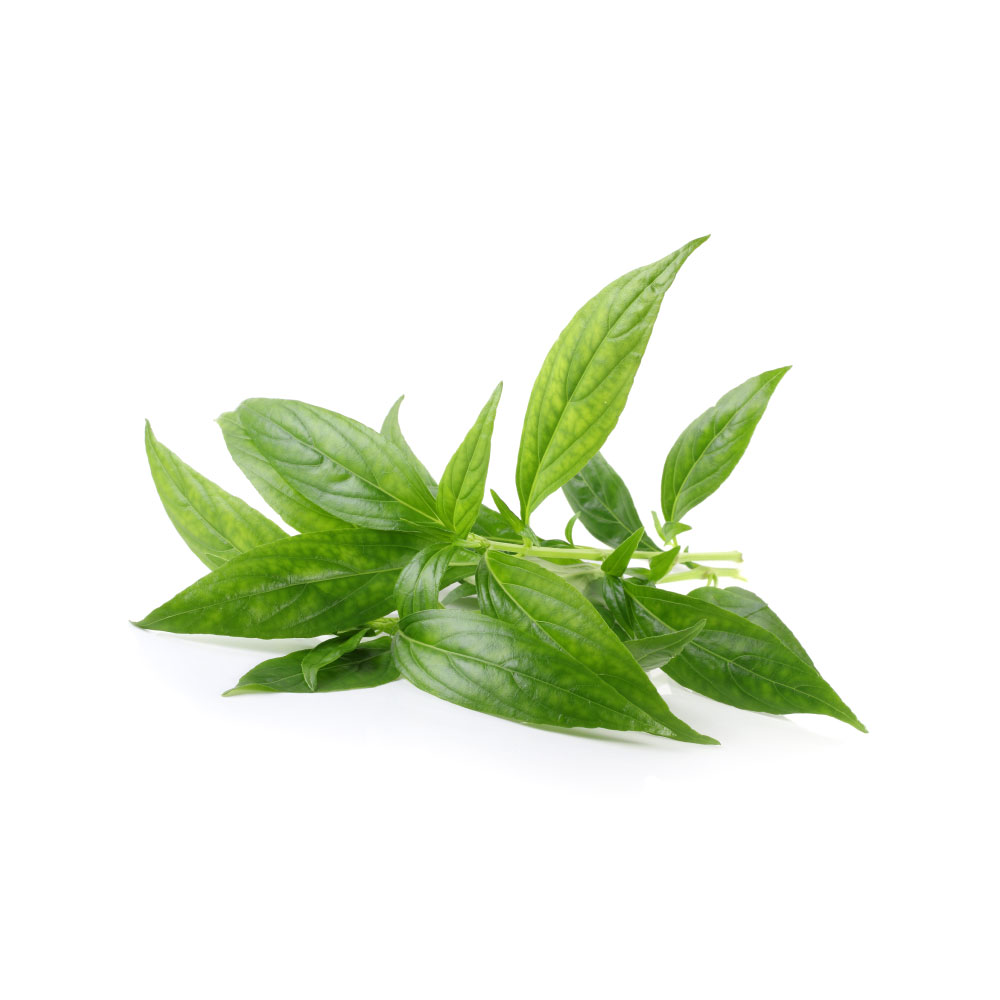
14-Deoxy-11,12-didehydroandrographolide is, on current evidence, essentially an Andrographis diterpenoid. It occurs in the aerial parts (leaves and stems) of Andrographis paniculata as one of the three principal diterpene lactones and the herb’s second most abundant diterpenoid after andrographolide 1,
Discovery & Synthesis
The molecule was isolated from the aerial parts of Andrographis paniculata during the twentieth-century phytochemical characterisation of the herb’s diterpene lactones, taking its place beside andrographolide and neoandrographolide as one of the plant’s principal diterpenoids 1Reference 1ReviewAndrographis paniculata (Burm. f.) Wall. ex Nees: a review of ethnobotany, phytochemistry, and pharmacologyView study →. Its most consequential chemistry came later and was applied, not academic: Chinese pharmaceutical development converted it into the water-soluble 3,19-disuccinate ester, dehydroandrographolide succinate (DAS / “Yanhuning”), which was approved as an intravenous antiviral for viral pneumonia and upper-respiratory infection and characterised pharmacokinetically in healthy volunteers 14,
Patents: not yet researched.
Toxicity & Safety
The isolated molecule carries a low flag. Its defining safety feature is that it is non-cytotoxic — in the studies that introduced it as an anti-asthma agent it was explicitly a “safer analogue” of andrographolide, non-toxic to KB cells (ED50 > 20 µg/mL) where andrographolide is cytotoxic (~6.5 µg/mL) 8Reference 8Protective role of 14-deoxy-11,12-didehydroandrographolide, a noncytotoxic analogue of andrographolide, in allergic airway inflammationView study →. Acute-toxicity concern for the oral isolate is correspondingly modest. The real cautions are pharmacological and derivative-specific, not acute poisoning.
- Non-cytotoxic isolate. Introduced as a “safer analogue” of andrographolide, non-toxic to cultured KB cells at concentrations where andrographolide is cytotoxic 8Reference 8Protective role of 14-deoxy-11,12-didehydroandrographolide, a noncytotoxic analogue of andrographolide, in allergic airway inflammationView study →.
- The injectable derivative is a different risk. Dehydroandrographolide succinate and related andrographolide injections carry documented adverse-reaction rates (~3.7–5.5%) and rare, serious anaphylaxis in Chinese clinical use — the intravenous derivative, not the oral herb, is where the hazard sits 14Reference 14Meta-analysisAdverse effects of andrographolide derivative medications compared to the safe use of herbal preparations of Andrographis paniculata: results of a systematic review and meta-analysis of clinical studiesView study →.
- Drug-interaction potential. The molecule modulates hepatic CYP450 enzymes (including CYP3A4) and transporters, so co-medication with CYP3A4 substrates warrants caution 9,
10Reference 9AnimalBioavailability of the diterpenoid 14-deoxy-11,12-didehydroandrographolide in rats and up-regulation of hepatic drug-metabolizing enzyme and drug transporter expressionView study →Reference 10Andrographolide and 14-deoxy-11,12-didehydroandrographolide inhibit cytochrome P450s in HepG2 hepatoma cellsView study → . - Pregnancy — not established. Andrographis is traditionally cautioned in pregnancy and the diterpenoid class has reproductive signals in animals; the pregnancy/lactation decision belongs to the herb or product page, and no isolate-specific verdict is issued here.
Full Safety & Interactions Detail
The isolate vs. the injectable — the key distinction. A large systematic review and meta-analysis found that whole herbal preparations of A. paniculata were essentially safe (mainly mild-to-moderate GI and skin reactions), whereas andrographolide-derivative injections — including potassium sodium dehydroandrographolide succinate and potassium dehydroandrographolide succinate — carried adverse-reaction rates of roughly 3.7–5.5%, with 55 cases of life-threatening anaphylactic shock and three deaths across the injectable dataset 14Reference 14Meta-analysisAdverse effects of andrographolide derivative medications compared to the safe use of herbal preparations of Andrographis paniculata: results of a systematic review and meta-analysis of clinical studiesView study →. Because dehydroandrographolide succinate is the semi-synthetic ester of this molecule, that hazard is chemically adjacent — but it attaches to the intravenous derivative and route, not to the oral herb or the free diterpenoid. Off-label nebulisation of DAS has been explored precisely to avoid the injection’s reactions 14Reference 14Meta-analysisAdverse effects of andrographolide derivative medications compared to the safe use of herbal preparations of Andrographis paniculata: results of a systematic review and meta-analysis of clinical studiesView study →.
Drug interactions (name the enzyme). The molecule modulates hepatic cytochrome P450s and drug transporters: it up-regulated CYP1A, CYP2C, CYP3A, UGT1A1 and transporter expression in rat primary hepatocytes 9Reference 9AnimalBioavailability of the diterpenoid 14-deoxy-11,12-didehydroandrographolide in rats and up-regulation of hepatic drug-metabolizing enzyme and drug transporter expressionView study →, while in HepG2 cells it reduced CYP1A2, CYP2D6 and CYP3A4 expression (a >50% fall in CYP3A4 at low concentrations) and blunted dexamethasone-induced CYP3A4 10Reference 10Andrographolide and 14-deoxy-11,12-didehydroandrographolide inhibit cytochrome P450s in HepG2 hepatoma cellsView study →. The direction differs by model, but the practical read is the same: potential to alter the metabolism of CYP3A4-handled co-medications. This is a mechanistic flag, not a quantified human interaction.
Reproductive / pregnancy note (prose only). No dedicated reproductive-toxicity dataset exists for the isolated diterpenoid. Andrographis as a herb is traditionally cautioned in pregnancy, and the diterpenoid class has antifertility/antiimplantation signals in animal work; pregnancy and lactation are per-herb / per-product decisions made where intake is decided, not on this molecule page. No comprehensive isolate genotoxicity or repeat-dose package is characterised here beyond the noncytotoxicity and derivative toxicology above.
Dosage
There is no established or recommended human dose for the isolated molecule. The figures that exist are preclinical: rat pharmacokinetic work used ~50 mg/kg orally 9Reference 9AnimalBioavailability of the diterpenoid 14-deoxy-11,12-didehydroandrographolide in rats and up-regulation of hepatic drug-metabolizing enzyme and drug transporter expressionView study →, and mouse antiviral studies dosed the isolate in a comparable range 5Reference 5AnimalCai W, Chen S, Li Y, Zhang A, Zhou H, Chen H, Jin M (2016). 14-Deoxy-11,12-didehydroandrographolide attenuates excessive inflammatory responses and protects mice lethally challenged with highly pathogenic A(H5N1) influenza viruses. Antiviral Research. https://pubmed.ncbi.nlm.nih.gov/27476045/View study →. These are research doses in animals and do not convert to human self-dosing — the ~3% oral bioavailability alone makes such extrapolation unsafe 9Reference 9AnimalBioavailability of the diterpenoid 14-deoxy-11,12-didehydroandrographolide in rats and up-regulation of hepatic drug-metabolizing enzyme and drug transporter expressionView study →.
Human exposure to this diterpenoid in practice is indirect: it comes as an unquantified co-constituent of standardised andrographis extracts, which are dosed and titrated to andrographolide, not to this compound 1Reference 1ReviewAndrographis paniculata (Burm. f.) Wall. ex Nees: a review of ethnobotany, phytochemistry, and pharmacologyView study →. The only directly human-dosed member of the scaffold is the hospital injectable dehydroandrographolide succinate, a different molecule given intravenously under clinical supervision 15Reference 15Pharmacokinetics and tolerance of dehydroandrographolide succinate injection after intravenous administration in healthy Chinese volunteersView study →. These are research and clinical-derivative figures, not a personal recommendation.
References
- Hossain MS, Urbi Z, Sule A, Rahman KMH (2014). Andrographis paniculata (Burm. f.) Wall. ex Nees: a review of ethnobotany, phytochemistry, and pharmacology. The Scientific World Journal. https://pubmed.ncbi.nlm.nih.gov/25950015/
- Yoopan N, Thisoda P, Rangkadilok N, Sahasitiwat S, Pholphana N, Ruchirawat S, Satayavivad J (2007). Cardiovascular effects of 14-deoxy-11,12-didehydroandrographolide and Andrographis paniculata extracts. Planta Medica. https://pubmed.ncbi.nlm.nih.gov/17650544/
- Zhang CY, Tan BKH (1999). Effects of 14-deoxyandrographolide and 14-deoxy-11,12-didehydroandrographolide on nitric oxide production in cultured human endothelial cells. Phytotherapy Research. https://pubmed.ncbi.nlm.nih.gov/10190192/
- Cai W, Li Y, Chen S, Wang M, Zhang A, Zhou H, Chen H, Jin M (2015). 14-Deoxy-11,12-dehydroandrographolide exerts anti-influenza A virus activity and inhibits replication of H5N1 virus by restraining nuclear export of viral ribonucleoprotein complexes. Antiviral Research. https://pubmed.ncbi.nlm.nih.gov/25800824/
- Cai W, Chen S, Li Y, Zhang A, Zhou H, Chen H, Jin M (2016). 14-Deoxy-11,12-didehydroandrographolide attenuates excessive inflammatory responses and protects mice lethally challenged with highly pathogenic A(H5N1) influenza viruses. Antiviral Research. https://pubmed.ncbi.nlm.nih.gov/27476045/
- Cai W, Wen H, Zhou Q, Wu L, Chen Y, Zhou H, Jin M (2020). 14-Deoxy-11,12-didehydroandrographolide inhibits apoptosis in influenza A(H5N1) virus-infected human lung epithelial cells via the caspase-9-dependent intrinsic apoptotic pathway which contributes to its antiviral activity. Antiviral Research. https://pubmed.ncbi.nlm.nih.gov/32702348/
- Adiguna SP, Panggabean JA, Atikana A, Untari F, Izzati F, Bayu A, Rosyidah A, Rahmawati SI, Putra MY (2021). Antiviral activities of andrographolide and its derivatives: mechanism of action and delivery system. Pharmaceuticals (Basel). https://pubmed.ncbi.nlm.nih.gov/34832884/
- Guan SP, Kong LR, Cheng C, Lim JCW, Wong WSF (2011). Protective role of 14-deoxy-11,12-didehydroandrographolide, a noncytotoxic analogue of andrographolide, in allergic airway inflammation. Journal of Natural Products. https://pubmed.ncbi.nlm.nih.gov/21598983/
- Yen CC, Liu YT, Lin YJ, Yang YC, Chen CC, Yao HT, Chen HW, Lii CK (2019). Bioavailability of the diterpenoid 14-deoxy-11,12-didehydroandrographolide in rats and up-regulation of hepatic drug-metabolizing enzyme and drug transporter expression. Phytomedicine. https://pubmed.ncbi.nlm.nih.gov/31035043/
- Ooi JP, Kuroyanagi M, Sulaiman SF, Muhammad TST, Tan ML (2011). Andrographolide and 14-deoxy-11,12-didehydroandrographolide inhibit cytochrome P450s in HepG2 hepatoma cells. Life Sciences. https://pubmed.ncbi.nlm.nih.gov/21219911/
- Liu YT, Chen HW, Lii CK, Jhuang JH, Huang CS, Li ML, Yao HT (2020). A diterpenoid, 14-deoxy-11,12-didehydroandrographolide, in Andrographis paniculata reduces steatohepatitis and liver injury in mice fed a high-fat and high-cholesterol diet. Nutrients. https://pubmed.ncbi.nlm.nih.gov/32085637/
- Kamaraj N, Velumani K, Guru A, Issac PK (2023). Antihyperglycemic activity of 14-deoxy, 11,12-didehydro andrographolide on streptozotocin-nicotinamide induced type 2 diabetic rats. Molecular Biology Reports. https://pubmed.ncbi.nlm.nih.gov/37856062/
- Li CC, Yen CC, Fan CT, Chuang WT, Huang CS, Chen HW, Lii CK (2018). 14-Deoxy-11,12-didehydroandrographolide suppresses adipogenesis of 3T3-L1 preadipocytes by inhibiting CCAAT/enhancer-binding protein β activation and AMPK-mediated mitotic clonal expansion. Toxicology and Applied Pharmacology. https://pubmed.ncbi.nlm.nih.gov/30248417/
- Shang YX, Shen C, Stub T, Zhu SJ, Qiao SY, Li YQ, Wang RT, Li J, Liu JP (2022). Adverse effects of andrographolide derivative medications compared to the safe use of herbal preparations of Andrographis paniculata: results of a systematic review and meta-analysis of clinical studies. Frontiers in Pharmacology. https://pubmed.ncbi.nlm.nih.gov/35153776/
- Chen Q, Liu Y, Liu YM, Liu GY, Zhang MQ, Jia JY, Lu C, Yu C (2012). Pharmacokinetics and tolerance of dehydroandrographolide succinate injection after intravenous administration in healthy Chinese volunteers. Acta Pharmacologica Sinica. https://pubmed.ncbi.nlm.nih.gov/22902987/



