
Compound Monograph
20-Hydroxyecdysone
20-Hydroxyecdysone (ecdysterone, 20E) is the principal ecdysteroid — an insect moulting hormone that doubles as a plant sterol, and the 'non-conventional anabolic' of the supplement world. Its load-bearing evidence is a single human RCT of the *isolate*; it works through estrogen receptor beta, not the androgen receptor. Two caveats gate the story: poor oral bioavailability, and a supplement market so unreliable that WADA placed it on the Monitoring Program in 2020.

Sources · 9
Where Does It Come From?
20-Hydroxyecdysone is a naturally occurring ecdysteroid (polyhydroxylated sterol), found in Black Ant, Suma, Maca and 6 other sources. It is well tolerated orally (low toxicity).
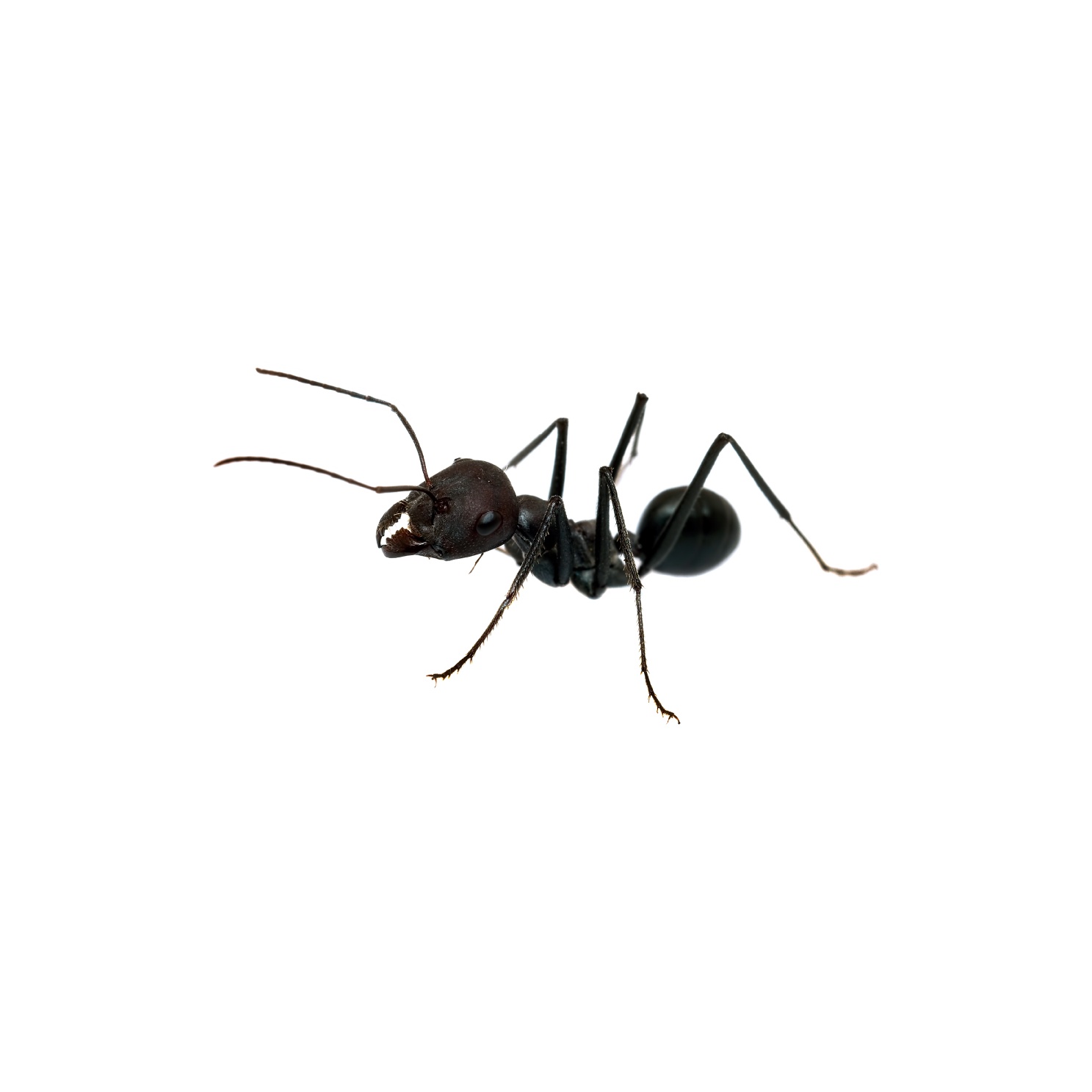 Principal source Black Ant Polyrhachis spp. Herb monograph →
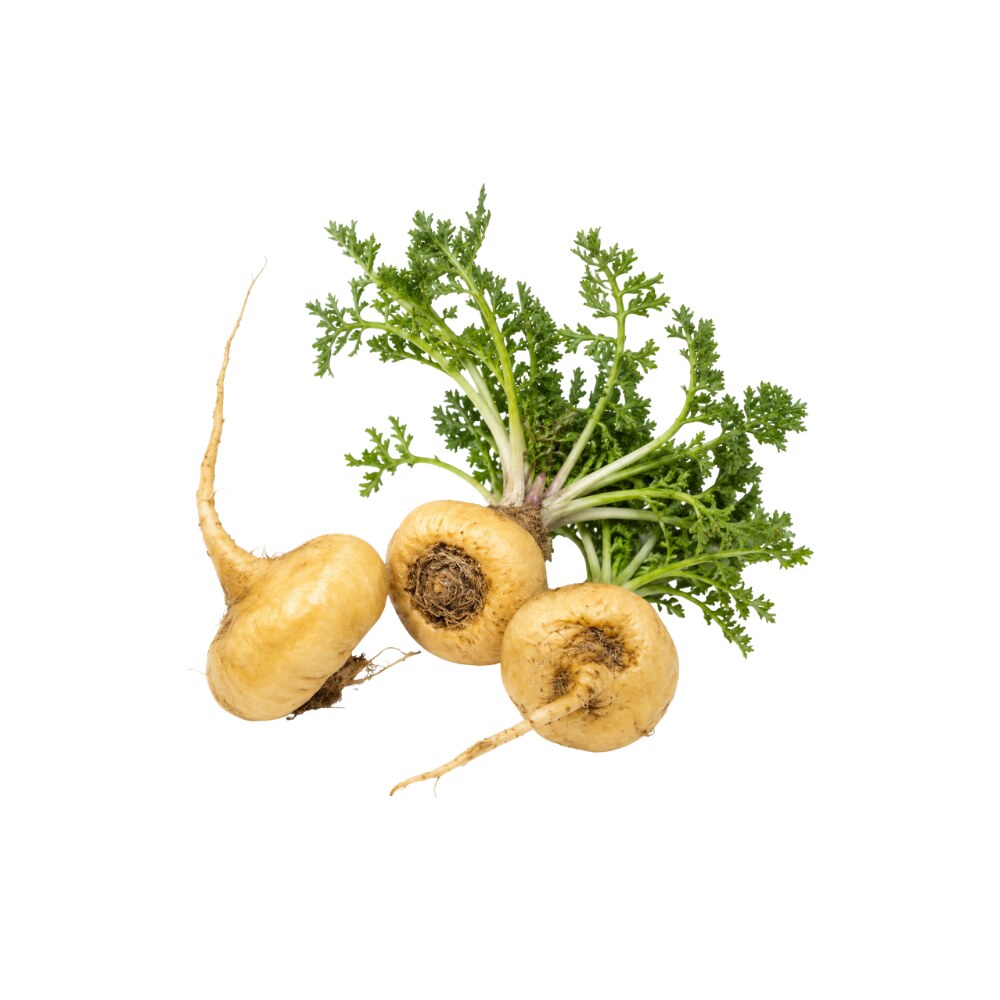 Source Maca Lepidium meyenii Herb monograph →
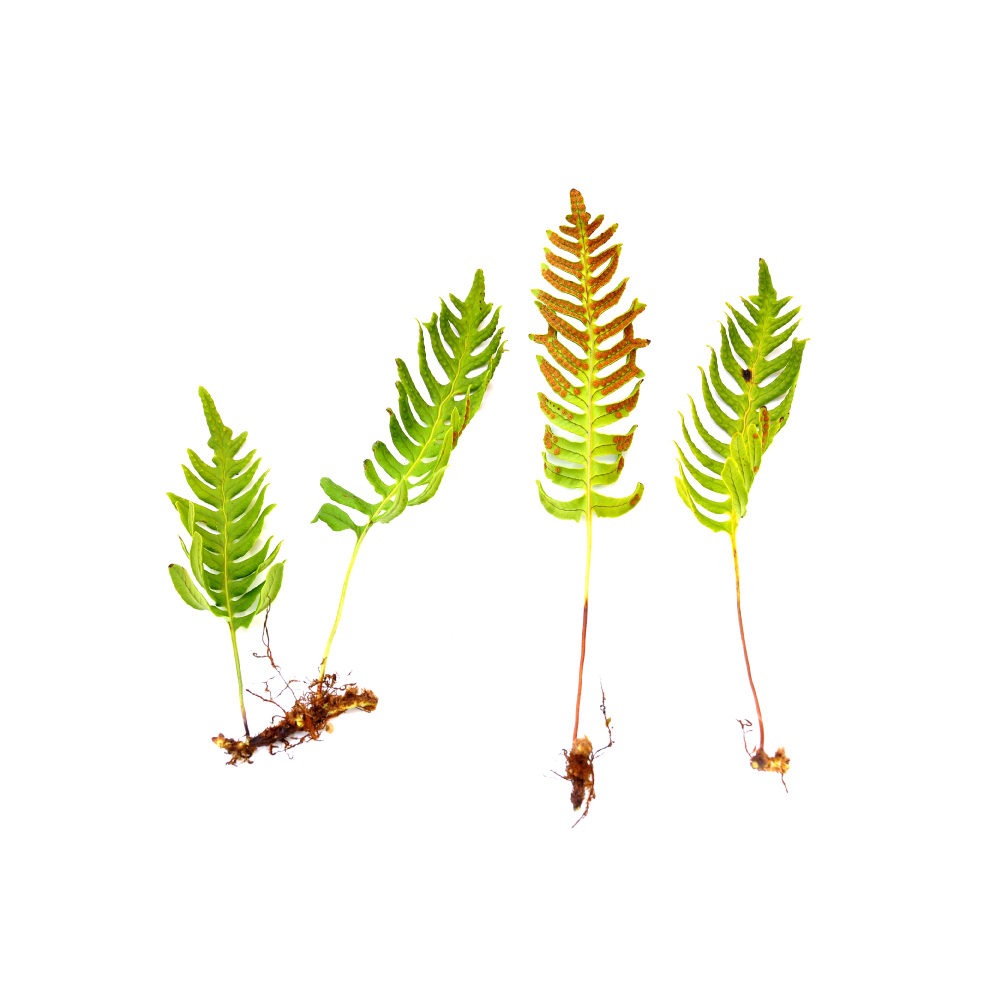 Source Samambaia Polypodium leucotomos Herb monograph →
 Source Suma Pfaffia paniculata Herb monograph →
 Source Wireweed Sida acuta Herb monograph →
Concentration
Content by Source
Reported concentrations across the plants that contain 20-hydroxyecdysone — the bar marks the typical level, the line shows the reported range.
Literature figures for varying plant parts and preparations. Read them as a comparative guide, not exact assays.
20-Hydroxyecdysone at a Glance
20-Hydroxyecdysone is the principal ecdysteroid — a polyhydroxylated sterol (cholesterol-derived, not a triterpene) that is at once the main moulting hormone of insects and the dominant phytoecdysteroid in plants. It reaches this database as an unquantified constituent of black ant, suma, maca and wireweed (Sida acuta), the molecule usually invoked to explain their “adaptogenic” or “anabolic” reputations.
It is the “non-conventional anabolic” of the supplement world, and unusually for a phytochemical its load-bearing evidence is human: a 2019 resistance-training RCT of the isolated compound reported greater muscle-mass and strength gains 1Reference 1Clinical trialEcdysteroids as non-conventional anabolic agent: performance enhancement by ecdysterone supplementation in humansView study →. The mechanistic twist is what separates it from anabolic steroids — the muscle effect runs through estrogen receptor beta, not the androgen receptor 2,
Two caveats gate the whole story. Oral bioavailability is poor 6,
The Ecdysterone Anabolic Claim
The marquee — and unusually human — signal. The Isenmann 2019 RCT is the load-bearing isolate trial: 46 young resistance-trained men, a 10-week strength-training programme, ecdysterone capsules versus placebo, with the ecdysterone group gaining significantly more muscle mass and one-rep-max bench-press strength and showing no rise in liver or kidney toxicity markers 1Reference 1Clinical trialEcdysteroids as non-conventional anabolic agent: performance enhancement by ecdysterone supplementation in humansView study →. Strikingly, the authors themselves recommended adding ecdysterone to the anti-doping Prohibited List.
The caveats are structural, not incidental, and should travel with the claim:
- Small, single-lab N. One 46-man RCT, no independent human replication.
- Product-label mismatch. The same group documented that commercial ecdysterone products’ actual content deviates widely from the label — so even the trial “dose” is uncertain 1Reference 1Clinical trialEcdysteroids as non-conventional anabolic agent: performance enhancement by ecdysterone supplementation in humansView study →.
- It belongs to the isolate. The effect was shown for a purified compound, never for black ant, suma, maca or wireweed as consumed.
- Ongoing debate. The anabolic-and-anti-doping question is unsettled, which is precisely why the compound sits on a monitoring list rather than either a clean-bill or a ban.
Beyond this trial, isolate 20E (as the pharmaceutical candidate BIO101) has been pursued in sarcopenia and neuromuscular / cardio-metabolic programmes 5Reference 5ReviewDinan L, et al. (2021). 20-Hydroxyecdysone, from plant extracts to clinical use: therapeutic potential for the treatment of neuromuscular, cardio-metabolic and respiratory diseases (Review). Biomedicines. https://pubmed.ncbi.nlm.nih.gov/33947076/View study →; the source herbs have no controlled anabolic trials of their own.
Estrogen Receptor Beta, Not Androgen
The mechanism is the credibility of the anabolic story and the clean split from testosterone-type anabolics. Ecdysterone induces skeletal-muscle hypertrophy through estrogen receptor beta (ERβ) — the effect is abolished by an ERβ-selective antagonist and, tellingly, not by an androgen-receptor antagonist 2Reference 2Estrogen receptor beta is involved in skeletal muscle hypertrophy induced by the phytoecdysteroid ecdysteroneView study →, a distinction reinforced by a 2025 molecular-docking study of ERβ binding 3Reference 3Molecular insights into the role of estrogen receptor beta in ecdysterone-mediated anabolic activityView study →. Downstream, it increases protein synthesis by roughly 20% in murine C2C12 and human myotubes via a PI3K/Akt pathway 4Reference 4Phytoecdysteroids increase protein synthesis in skeletal muscle cellsView study →. In humans it shows no measurable androgen- or glucocorticoid-receptor activity 1,
This is the point that most distinguishes 20E from anabolic steroids: same broad goal (muscle), entirely different receptor. It is not an androgen. A separate, newer proposal — activation of the Mas1 receptor in the renin–angiotensin system — is offered to unify its wider metabolic and cardioprotective effects 5Reference 5ReviewDinan L, et al. (2021). 20-Hydroxyecdysone, from plant extracts to clinical use: therapeutic potential for the treatment of neuromuscular, cardio-metabolic and respiratory diseases (Review). Biomedicines. https://pubmed.ncbi.nlm.nih.gov/33947076/View study →, but both routes remain preclinical mechanistic claims, not clinically confirmed drug targets.
What It's Used For
Beyond the anabolic headline, 20E’s pharmacology is largely preclinical, and the discipline is the isolate-versus-herb split: the human and mechanistic findings used purified compound, while the herbs that carry it into the database were never the thing tested.
Support is an experimental score — weighted by study type (human > animal > in vitro) and volume. A beta, not a validated metric. One small isolate human trial plus preclinical work, so scores stay modest by design.
The marquee — and unusually human — signal. A 10-week randomised trial in 46 resistance-trained men found the ecdysterone group gained significantly more muscle mass and one-rep-max bench-press strength than placebo, with no rise in liver or kidney toxicity markers 1Reference 1Clinical trialEcdysteroids as non-conventional anabolic agent: performance enhancement by ecdysterone supplementation in humansView study →. Mechanistically it is coherent: ecdysterone induces skeletal-muscle hypertrophy via estrogen receptor beta (antagonised by an ERβ-selective blocker, not by an androgen antagonist) 2Reference 2Estrogen receptor beta is involved in skeletal muscle hypertrophy induced by the phytoecdysteroid ecdysteroneView study →, and increases protein synthesis ~20% in C2C12 and human myotubes through a PI3K/Akt pathway 4Reference 4Phytoecdysteroids increase protein synthesis in skeletal muscle cellsView study →.
Gap: a single small RCT (N=46, one lab) with a widely-noted product-label mismatch (the same authors flagged that commercial ecdysterone content deviates from the label), no independent replication in humans, and — critically — the effect belongs to the purified compound, not to any herb here 1,
The second preclinical thread. In streptozotocin-diabetic rats, 20-hydroxyecdysone raised glycolytic enzymes (hexokinase, glucose-6-phosphate dehydrogenase) and lowered gluconeogenic enzymes, i.e. an anti-hyperglycaemic hepatic profile 13Reference 13AnimalEfficacy of 20-OH-ecdysone on hepatic key enzymes of carbohydrate metabolism in streptozotocin-induced diabetic ratsView study →; rodent metabolic-syndrome models report lower body weight, abdominal fat and LDL-cholesterol without changes in caloric intake, effects a comprehensive review attributes partly to Mas1-receptor activation in the renin-angiotensin system 5Reference 5ReviewDinan L, et al. (2021). 20-Hydroxyecdysone, from plant extracts to clinical use: therapeutic potential for the treatment of neuromuscular, cardio-metabolic and respiratory diseases (Review). Biomedicines. https://pubmed.ncbi.nlm.nih.gov/33947076/View study →.
Gap: all rodent, no human glycaemic/metabolic trial of the isolate, and doses far exceed what poor oral bioavailability would deliver from dietary or herbal exposure 5,
The softest, most review-driven claim — the “adaptogen” reputation that carries 20E onto suma and maca marketing. Preclinical work reports hepatoprotective, antioxidant and anti-inflammatory effects, and a 2021 review compiles anabolic, hypoglycaemic, hepato-, cardio- and neuroprotective signals under a proposed unifying Mas1-receptor mechanism 5Reference 5ReviewDinan L, et al. (2021). 20-Hydroxyecdysone, from plant extracts to clinical use: therapeutic potential for the treatment of neuromuscular, cardio-metabolic and respiratory diseases (Review). Biomedicines. https://pubmed.ncbi.nlm.nih.gov/33947076/View study →.
Gap: “adaptogenic” here is a synthesis of scattered preclinical endpoints, not a defined human outcome; no controlled human adaptogen/stress trial of the isolate exists, and the herb-level reputation is unquantified guilt-by-association 5Reference 5ReviewDinan L, et al. (2021). 20-Hydroxyecdysone, from plant extracts to clinical use: therapeutic potential for the treatment of neuromuscular, cardio-metabolic and respiratory diseases (Review). Biomedicines. https://pubmed.ncbi.nlm.nih.gov/33947076/View study →.
Mechanisms
| Target / pathway | Effect | Relevant to |
|---|---|---|
| Estrogen receptor beta (ERβ) | agonist-like → skeletal-muscle hypertrophy; blocked by ERβ antagonist, not by an androgen antagonist (the load-bearing anabolic mechanism, and the clean split from anabolic steroids) | anabolic / ergogenic |
| PI3K / Akt signalling | ↑ protein synthesis (~+20%) in murine and human myotubes | anabolic / ergogenic |
| Mas1 receptor (renin–angiotensin system) | proposed principal mammalian target unifying the pleiotropic metabolic/cardio effects | metabolic / systemic |
| Hepatic carbohydrate enzymes | ↑ hexokinase, glucose-6-phosphate dehydrogenase; ↓ gluconeogenic enzymes (STZ-diabetic rat) | glycaemic |
| Androgen / glucocorticoid receptors | no measurable activity in humans — not an androgenic steroid | safety / mechanism framing |
The ERβ route (Parr 2014 2Reference 2Estrogen receptor beta is involved in skeletal muscle hypertrophy induced by the phytoecdysteroid ecdysteroneView study →, reinforced by a 2025 molecular-docking study 3Reference 3Molecular insights into the role of estrogen receptor beta in ecdysterone-mediated anabolic activityView study →) is the credibility of the anabolic story and the key distinction from testosterone-type anabolics. The Mas1-receptor proposal 5Reference 5ReviewDinan L, et al. (2021). 20-Hydroxyecdysone, from plant extracts to clinical use: therapeutic potential for the treatment of neuromuscular, cardio-metabolic and respiratory diseases (Review). Biomedicines. https://pubmed.ncbi.nlm.nih.gov/33947076/View study → is newer and mainly explains the broader metabolic effects; both are still preclinical mechanistic claims, not clinically confirmed drug targets.
Pharmacokinetics
Poor oral bioavailability is the central limit — and the big isolate-vs-hype caveat. 20-Hydroxyecdysone is a lipophilic sterol with very low water solubility (~0.084 mg/mL), so gut absorption is limited. Reported oral bioavailability is roughly 1% in laboratory rodents and ~12% in a gerbil model, with a short plasma half-life on the order of ~30 minutes 6Reference 6Bellahreche Z, Dahmani Y (2023). 20-Hydroxyecdysone bioavailability and pharmacokinetics in Gerbillus tarabuli, a gerbil model for metabolic syndrome studies. Steroids. https://pubmed.ncbi.nlm.nih.gov/37355000/View study →. After ingestion 20E reaches the large intestine within ~30 min, where microbiota strip the 14-hydroxyl and reduce the 6-one; a set of poststerone-type metabolites (14-deoxy-20E, poststerone, 14-deoxypoststerone) then forms in the liver and undergoes entero-hepatic recycling (hepatic glucuronidation, intestinal deconjugation), which keeps plasma levels low but non-zero (≤~0.2 µM) — arguably enough for some pharmacology despite the short half-life — before near-total faecal elimination within 48 h 7Reference 7AnimalEcdysteroid metabolism in mammals: the fate of ingested 20-hydroxyecdysone in mice and ratsView study →. Net: a molecule whose in-vitro and injected-rodent potency badly outruns what an oral capsule (let alone a pinch of herb) can plausibly deliver systemically.
Clinical trials
The Isenmann 2019 RCT is the load-bearing isolate human trial: 46 young men, 10-week strength-training intervention, ecdysterone vs. placebo, greater muscle-mass and bench-press gains, no liver/kidney toxicity signal — and the authors themselves recommended adding ecdysterone to the anti-doping Prohibited List 1Reference 1Clinical trialEcdysteroids as non-conventional anabolic agent: performance enhancement by ecdysterone supplementation in humansView study →. The caveats are structural, not incidental: small single-lab N, the same group’s finding that commercial products’ actual ecdysterone content deviates from the label, and an unsettled anti-doping/efficacy debate. Beyond it, isolate 20E (as pharmaceutical candidate BIO101) has been pursued in sarcopenia and neuromuscular/cardio-metabolic trials 5Reference 5ReviewDinan L, et al. (2021). 20-Hydroxyecdysone, from plant extracts to clinical use: therapeutic potential for the treatment of neuromuscular, cardio-metabolic and respiratory diseases (Review). Biomedicines. https://pubmed.ncbi.nlm.nih.gov/33947076/View study →; the source herbs have no controlled anabolic trials of their own.
| Completed | Planned | Terminated | Preclinical |
|---|---|---|---|
| One resistance-training RCT of the isolate (N=46) 1Reference 1Clinical trialEcdysteroids as non-conventional anabolic agent: performance enhancement by ecdysterone supplementation in humansView study →; drug-candidate trials ongoing 5Reference 5ReviewDinan L, et al. (2021). 20-Hydroxyecdysone, from plant extracts to clinical use: therapeutic potential for the treatment of neuromuscular, cardio-metabolic and respiratory diseases (Review). Biomedicines. https://pubmed.ncbi.nlm.nih.gov/33947076/View study → | Further isolate trials (sarcopenia etc.) | — | Extensive(rodent anabolic, metabolic, hepatoprotective) |
Last checked: July 2026.
WADA Status & Supplement Label Accuracy
Two linked realities gate any practical use of 20E, and both point the same way: you often cannot know what you are actually taking.
Anti-doping status — monitored, not banned. Following the human anabolic data, WADA placed ecdysterone on its Monitoring Program in 2020. That is deliberately not the Prohibited List: it means the agency is watching for misuse patterns, not sanctioning use 16Reference 16Anti-Doping Agency (USADA)View study →. For competitive athletes the practical read is that it is a moving target — legal today, but flagged, and the Isenmann authors themselves argued it belongs among prohibited substances 1Reference 1Clinical trialEcdysteroids as non-conventional anabolic agent: performance enhancement by ecdysterone supplementation in humansView study →.
Supplement label accuracy — poor. The human-trial group also documented that commercial ecdysterone supplements’ measured content diverges substantially from label claims 1Reference 1Clinical trialEcdysteroids as non-conventional anabolic agent: performance enhancement by ecdysterone supplementation in humansView study →. That single finding undercuts a lot: it means real-world exposure (and any contaminant load) is poorly controlled, that the studied “dose” is itself uncertain, and that a monitored athlete cannot be confident of what a given capsule delivers. Taken together, the poor label accuracy is why even the trial dose carries an asterisk, and why the doping-monitoring flag matters.
Isolate vs. Plant Studies
This is the decisive distinction for the page. Every human and mechanistic finding above used the isolated molecule — purified/synthetic ecdysterone capsules in the RCT 1Reference 1Clinical trialEcdysteroids as non-conventional anabolic agent: performance enhancement by ecdysterone supplementation in humansView study →, recombinant-receptor and myotube systems for the ERβ/PI3K mechanism 2,
Its Role in Insects
The name is the biology. Ecdysteroid comes from the Greek ékdysis, “moulting,” and 20-hydroxyecdysone is the active moulting hormone of insects and crustaceans — the endogenous signal that triggers ecdysis, the shedding and replacement of the exoskeleton as the animal grows. Invertebrates synthesise it from dietary sterols (they cannot make sterols de novo): cholesterol is converted to the prohormone ecdysone, which peripheral tissues then hydroxylate at C-20 to yield 20E, the principal circulating active form 8Reference 8ReviewPractical uses for ecdysteroids in mammals including humans: an update (Review)View study →.
This animal role is what makes 20E unusual among the phytochemicals here — it is genuinely a hormone, just not a mammalian one. In plants the same molecule is repurposed defensively: phytoecdysteroids are thought to disrupt the moulting and development of invertebrate herbivores that ingest them, which is the leading explanation for why ~5–6% of plant species make ecdysteroids at all 5,
Prevalence in Nature
20-Hydroxyecdysone is taxonomically widespread — ecdysteroids occur in an estimated ~5–6% of plant species, where they are thought to deter invertebrate herbivores — and it is almost always the dominant ecdysteroid present 5,
| Source | Level | Notes |
|---|---|---|
| Maral root (Rhaponticum carthamoides) | ~0.3–2% dry wt | Classic high-yield commercial source 5Reference 5ReviewDinan L, et al. (2021). 20-Hydroxyecdysone, from plant extracts to clinical use: therapeutic potential for the treatment of neuromuscular, cardio-metabolic and respiratory diseases (Review). Biomedicines. https://pubmed.ncbi.nlm.nih.gov/33947076/View study → |
| Quinoa (Chenopodium quinoa), seed | ~0.02–0.05% dry wt (~184–484 µg/g) | Richest common food source 9Reference 9Ecdysteroids of quinoa seeds (Chenopodium quinoa Willd.)View study → |
| Spinach (Spinacia oleracea), leaf | ~0.03–0.05% dry wt | Dietary source 5Reference 5ReviewDinan L, et al. (2021). 20-Hydroxyecdysone, from plant extracts to clinical use: therapeutic potential for the treatment of neuromuscular, cardio-metabolic and respiratory diseases (Review). Biomedicines. https://pubmed.ncbi.nlm.nih.gov/33947076/View study → |
| Cyanotis arachnoidea | High (manufacturing source) | Other major extraction feedstock |
| Suma (Pfaffia paniculata), root | Present (isolate documented) | Not quantified here 10Reference 10Triterpenoids from Brazilian ginseng, Pfaffia paniculataView study → |
| Wireweed (Sida acuta) | Present (HPTLC marker) | Quality marker across Sida 11, |
| Black ant (Polyrhachis vicina) | Unquantified | Asserted, not measured |
Discovery & Synthesis
Ecdysteroid history begins with the parent hormone. In 1954 Adolf Butenandt and Peter Karlson at the Max Planck Institute isolated ~25 mg of a crystalline moulting hormone from roughly 500 kg of silkworm (Bombyx mori) pupae and named it ecdysone — from the Greek ékdysis, “moulting” 8Reference 8ReviewPractical uses for ecdysteroids in mammals including humans: an update (Review)View study →. Its structure was solved by X-ray crystallography in 1965, and by 1966 the more active 20-hydroxy form (20E) was identified as the principal circulating moulting hormone; phytoecdysteroids were recognised in plants around the same period, at concentrations dwarfing those in insects. Today 20E is not made by total synthesis for commercial use — it is extracted from ecdysteroid-rich plants, chiefly Rhaponticum carthamoides (maral root) and Cyanotis arachnoidea, whose high natural yields make extraction far cheaper than synthesis 5Reference 5ReviewDinan L, et al. (2021). 20-Hydroxyecdysone, from plant extracts to clinical use: therapeutic potential for the treatment of neuromuscular, cardio-metabolic and respiratory diseases (Review). Biomedicines. https://pubmed.ncbi.nlm.nih.gov/33947076/View study →; laboratory total and semi-syntheses exist but are not the manufacturing route. Patents: not yet researched.
Toxicity & Safety
20-Hydroxyecdysone reads as low acute toxicity — no hormonal (androgen/glucocorticoid) activity in humans, no liver/kidney toxicity signal in the 10-week human trial, and a long dietary history via spinach and quinoa 1,
- Low acute toxicity, non-hormonal. No androgen/glucocorticoid-receptor activity in humans; no liver/kidney toxicity markers in the 10-week RCT; dietary exposure via spinach and quinoa 1,
5Reference 1Clinical trialEcdysteroids as non-conventional anabolic agent: performance enhancement by ecdysterone supplementation in humansView study →Reference 5ReviewDinan L, et al. (2021). 20-Hydroxyecdysone, from plant extracts to clinical use: therapeutic potential for the treatment of neuromuscular, cardio-metabolic and respiratory diseases (Review). Biomedicines. https://pubmed.ncbi.nlm.nih.gov/33947076/View study → . - A genotoxicity signal exists. Isolated β-ecdysone was genotoxic in rodent bone-marrow micronucleus and Allium cepa assays at therapeutic-equivalent doses — enough to warrant caution, not to confirm human risk 14Reference 14AnimalThe phytoecdysteroid β-ecdysone is genotoxic in rodent bone marrow micronuclei and Allium cepa L. assaysView study →.
- Supplement quality is a real problem. Measured ecdysterone content of commercial products deviates widely from label claims; you often can’t know the dose 1Reference 1Clinical trialEcdysteroids as non-conventional anabolic agent: performance enhancement by ecdysterone supplementation in humansView study →.
- Monitored in sport. Ecdysterone is on WADA’s Monitoring Program (since 2020) — not banned, but flagged for possible misuse; competitive athletes should treat it as a moving target 16Reference 16Anti-Doping Agency (USADA)View study →.
Full Safety & Interactions Detail
20-Hydroxyecdysone carries a low flag for acute toxicity, justified by the absence of human hormonal activity, the clean liver/kidney panel in the Isenmann RCT, and centuries of dietary exposure through quinoa and spinach 1,
The concrete caveats are three. (1) Genotoxicity: isolated β-ecdysone induced micronuclei in rodent bone marrow and chromosomal/aneugenic damage in the Allium cepa assay at doses equivalent to human therapeutic use, prompting the authors to advise caution with Pfaffia (suma) and other β-ecdysone-containing species 14Reference 14AnimalThe phytoecdysteroid β-ecdysone is genotoxic in rodent bone marrow micronuclei and Allium cepa L. assaysView study → — a single-compound preclinical finding, but the clearest hard signal on the page. (2) Product quality: the human-trial group documented that commercial ecdysterone supplements’ actual content diverges substantially from their labels, so real-world exposure and any contaminant risk are poorly controlled 1Reference 1Clinical trialEcdysteroids as non-conventional anabolic agent: performance enhancement by ecdysterone supplementation in humansView study →.
(3) Anti-doping status: ecdysterone is not prohibited but was placed on the WADA Monitoring Program in 2020 to watch for misuse patterns, following the human anabolic data 16Reference 16Anti-Doping Agency (USADA)View study →.
No specific CYP/P-gp interaction dataset is established for the isolate; drug-interaction screening has not been done, so absence of listed interactions is untested, not cleared. Poor oral bioavailability further limits real-world isolate exposure from either capsules or herbs.
Dosage
There is no established or recommended human dose for 20-hydroxyecdysone. The one controlled human trial administered commercial ecdysterone capsules over a 10-week resistance-training programme, but the same investigators showed that such products’ measured content deviates widely from the label 1Reference 1Clinical trialEcdysteroids as non-conventional anabolic agent: performance enhancement by ecdysterone supplementation in humansView study → — so even the trial “dose” is uncertain, and any single-number recommendation would be false precision. Content in the source herbs here (black ant, suma, maca, wireweed) is not quantified, so a herb-based intake cannot be derived either. These are doses studied in research and are not a personal recommendation.
References
- Isenmann E, et al. (2019). Ecdysteroids as non-conventional anabolic agent: performance enhancement by ecdysterone supplementation in humans. Archives of Toxicology (Clinical trial). https://pubmed.ncbi.nlm.nih.gov/31123801/
- Parr MK, et al. (2014). Estrogen receptor beta is involved in skeletal muscle hypertrophy induced by the phytoecdysteroid ecdysterone. Molecular Nutrition & Food Research. https://pubmed.ncbi.nlm.nih.gov/24974955/
- Tariq S, et al. (2025). Molecular insights into the role of estrogen receptor beta in ecdysterone-mediated anabolic activity. PLoS One. https://pubmed.ncbi.nlm.nih.gov/40455734/
- Gorelick-Feldman J, et al. (2008). Phytoecdysteroids increase protein synthesis in skeletal muscle cells. Journal of Agricultural and Food Chemistry. https://pubmed.ncbi.nlm.nih.gov/18444661/
- Dinan L, et al. (2021). 20-Hydroxyecdysone, from plant extracts to clinical use: therapeutic potential for the treatment of neuromuscular, cardio-metabolic and respiratory diseases (Review). Biomedicines. https://pubmed.ncbi.nlm.nih.gov/33947076/
- Bellahreche Z, Dahmani Y (2023). 20-Hydroxyecdysone bioavailability and pharmacokinetics in Gerbillus tarabuli, a gerbil model for metabolic syndrome studies. Steroids. https://pubmed.ncbi.nlm.nih.gov/37355000/
- Dinan L, Balducci C, Guibout L, et al. (2021). Ecdysteroid metabolism in mammals: the fate of ingested 20-hydroxyecdysone in mice and rats. Steroids. https://pubmed.ncbi.nlm.nih.gov/33819630/
- Lafont R, Dinan L (2003). Practical uses for ecdysteroids in mammals including humans: an update (Review). Journal of Insect Science. https://pubmed.ncbi.nlm.nih.gov/15844229/
- Zhu N, Kikuzaki H, Vastano BC, et al. (2001). Ecdysteroids of quinoa seeds (Chenopodium quinoa Willd.). Journal of Agricultural and Food Chemistry. https://pubmed.ncbi.nlm.nih.gov/11368638/
- Li J, Jadhav AN, Khan IA (2010). Triterpenoids from Brazilian ginseng, Pfaffia paniculata. Planta Medica. https://pubmed.ncbi.nlm.nih.gov/19941264/
- Kamdoum BC, et al. (2022). Chemical constituents of two Cameroonian medicinal plants: Sida rhombifolia L. and Sida acuta Burm. f. (Malvaceae) and their antiplasmodial activity. Natural Product Research. https://pubmed.ncbi.nlm.nih.gov/34121522/
- Rahate KP, et al. (2024). Densitometric method for assessment of six specialized metabolites in four Sida sp. and its congener Abutilon indicum. Journal of Pharmaceutical and Biomedical Analysis. https://pubmed.ncbi.nlm.nih.gov/38181556/
- Sundaram R, Naresh R, Shanthi P, et al. (2012). Efficacy of 20-OH-ecdysone on hepatic key enzymes of carbohydrate metabolism in streptozotocin-induced diabetic rats. Phytomedicine. https://pubmed.ncbi.nlm.nih.gov/22484004/
- Neves CS, et al. (2016). The phytoecdysteroid β-ecdysone is genotoxic in rodent bone marrow micronuclei and Allium cepa L. assays. Journal of Ethnopharmacology. https://pubmed.ncbi.nlm.nih.gov/26626488/
- da Silva Leitão Peres N, et al. (2020). Medicinal effects of Peruvian maca (Lepidium meyenii): a review. Food & Function. https://pubmed.ncbi.nlm.nih.gov/31951246/
- U.S. Anti-Doping Agency (USADA). What athletes need to know about ecdysteroids — ecdysterone was added to the WADA Monitoring Program in 2020 (not prohibited). https://www.usada.org/dietary-supplements/athletes-need-know-ecdysteroids/



