
Materia Medica
Maca
Lepidium meyenii
Maca is a high-Andean root vegetable in the mustard family, eaten as a staple food and taken as a tonic for libido, fertility and energy. Its characteristic constituents are macamides, macaenes and glucosinolates.
What Is Maca?
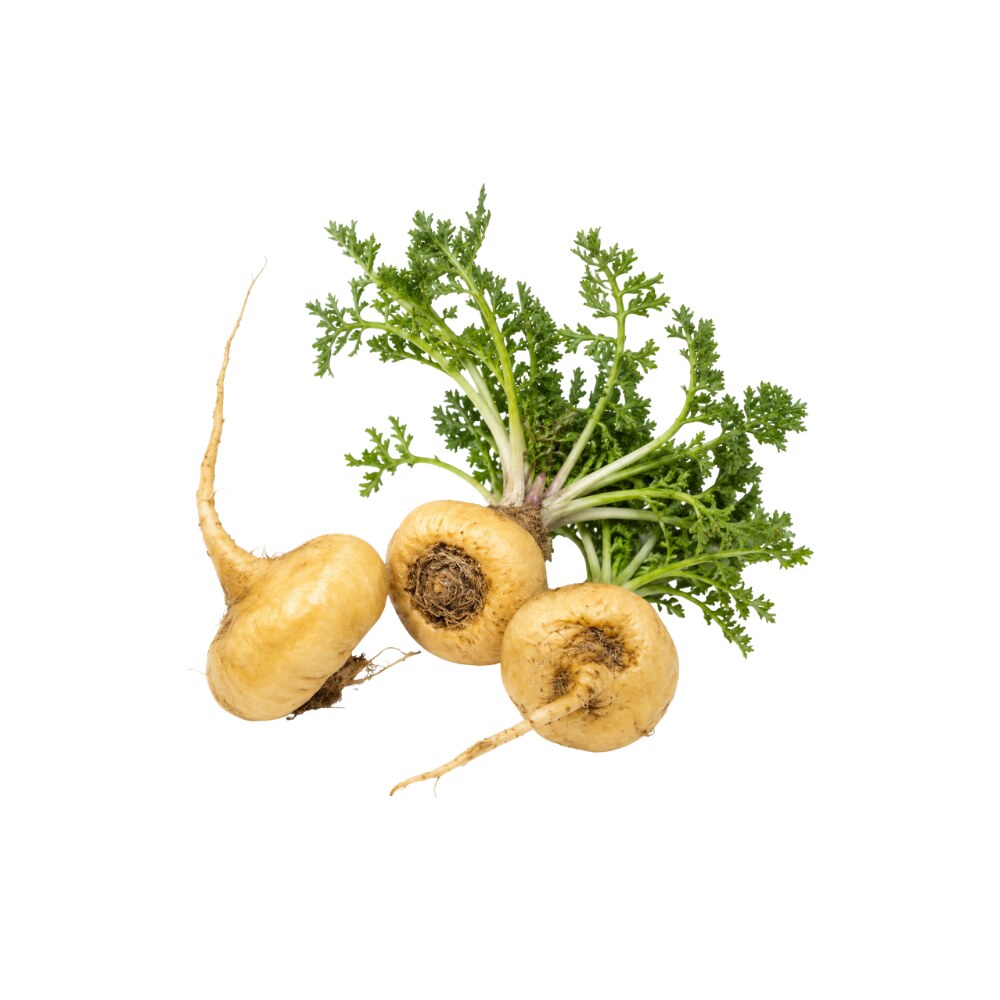
Maca is a root vegetable of the high Andes, in the mustard family, eaten as a staple food and taken as a tonic. Its swollen, turnip-like hypocotyl is dried and boiled into drinks and porridge, and is now sold worldwide as a powder for libido, fertility and energy.
Lepidium meyenii has been cultivated for more than 2,000 years in the central Peruvian Andes, at 4,000–4,500 m on the Junín plateau 23Reference 23ReviewEthnobiology and ethnopharmacology of Lepidium meyenii (Maca), a plant from the Peruvian highlands — reviewView study →. It grows where intense cold, strong sun and wind leave few other crops 23Reference 23ReviewEthnobiology and ethnopharmacology of Lepidium meyenii (Maca), a plant from the Peruvian highlands — reviewView study →.
Its characteristic constituents are the macamides and macaenes, found in no other plant, along with glucosinolates 23Reference 23ReviewEthnobiology and ethnopharmacology of Lepidium meyenii (Maca), a plant from the Peruvian highlands — reviewView study →. Small human trials have studied it for sexual desire, semen quality and menopausal symptoms, and found effects without changes in sex-hormone levels 1,
Maca comes in colour types, from white and yellow to red and black, which differ in their chemistry 23Reference 23ReviewEthnobiology and ethnopharmacology of Lepidium meyenii (Maca), a plant from the Peruvian highlands — reviewView study →. Some botanists treat most cultivated Peruvian maca as a separate species, L. peruvianum 32Reference 32Peruvian Maca: two scientific names Lepidium meyenii Walpers and Lepidium peruvianum Chacon — are they phytochemically synonymous? International Journal of Biomedical Science, 11(1), 1–19.
How Is Maca Used?
In the Andes the hypocotyls are dried naturally until they are as hard as stone, then boiled in water to soften them. Most often they are taken as a juice 23Reference 23ReviewEthnobiology and ethnopharmacology of Lepidium meyenii (Maca), a plant from the Peruvian highlands — reviewView study →. Maca is also cooked, baked, made into porridge and fermented into a drink 28Reference 28ReviewIs the hype around the reproductive health claims of maca (Lepidium meyenii Walp.) justified? — reviewView study →. People in the central Andes eat more than 20 g a day 23Reference 23ReviewEthnobiology and ethnopharmacology of Lepidium meyenii (Maca), a plant from the Peruvian highlands — reviewView study →.
Outside the Andes it is sold as dried powder, gelatinized (pre-cooked) powder and extracts.
- Powdered root — 3–7 g daily.
- Gelatinized maca — 1.5–3 g daily in trials for sexual desire, and up to 6 g daily 1,
5Reference 1RCTEffect of Lepidium meyenii (Maca) on sexual desire and its absent relationship with serum testosterone levels in adult healthy men — randomised placebo-controlled trialView study →Reference 5RCTEfficacy and safety of Maca (Lepidium meyenii) in patients with symptoms of late-onset hypogonadism — randomised placebo-controlled trialView study → . - Traditional food — boiled root, juice, porridge or fermented drink (maca chicha), eaten as food rather than at a set dose.
Traditional Uses
Andean Practice
Maca was probably domesticated at San Blas (today Ondores) on the Junín plateau, some 1,300–2,000 years ago 23Reference 23ReviewEthnobiology and ethnopharmacology of Lepidium meyenii (Maca), a plant from the Peruvian highlands — reviewView study →. In 1553 the Spanish chronicler Cieza de León noted that the people of the province of Bombón (today Junín) lived on certain roots; these were maca. Father Cobo was the first to record the name maca and describe its properties, in 1653 23Reference 23ReviewEthnobiology and ethnopharmacology of Lepidium meyenii (Maca), a plant from the Peruvian highlands — reviewView study →.
It is used traditionally as a tonic and as a fertility enhancer for both people and cattle, and for rheumatism, respiratory complaints and anaemia 28Reference 28ReviewIs the hype around the reproductive health claims of maca (Lepidium meyenii Walp.) justified? — reviewView study →. It is also taken as an energizer 23Reference 23ReviewEthnobiology and ethnopharmacology of Lepidium meyenii (Maca), a plant from the Peruvian highlands — reviewView study →.
Peruvian folk medicine uses it as an immune stimulant and for anaemia, tuberculosis, menstrual disorders, menopausal symptoms, stomach cancer, sterility and other reproductive and sexual complaints, and to improve memory 35Reference 35Fern, K. (n.d.). Lepidium meyenii — plant description, native range, cultivation conditions and uses — plant database. Useful Tropical Plants (Tropical Plants Database). https://tropical.theferns.info/viewtropical.php?id=Lepidium+meyeniiView study →.
Andean people traditionally distinguish maca by the colour of the root 17,
In a survey at Carhuamayo (4,100 m), people who ate maca had better health scores, fewer fractures and fewer signs of chronic mountain sickness than those who did not 23Reference 23ReviewEthnobiology and ethnopharmacology of Lepidium meyenii (Maca), a plant from the Peruvian highlands — reviewView study →.
Indications
- Low sexual desire [root powder, gelatinized maca]
- Sexual side effects of antidepressants [root powder]
- Mild erectile dysfunction [root extract] Caution: A 2025 meta-analysis of herbal supplements for erectile dysfunction judged the evidence for maca insufficient 6.
- Male infertility and low sperm count [root; Andean use]
- Menopausal symptoms [root powder; Peruvian folk medicine]
- Low mood and anxiety [root powder]
- Fatigue and low energy [root; Andean use]
- Endurance and physical performance [root extract] Caution: In trained cyclists, the improvement in time-trial performance was no greater than with placebo 3.
- Anaemia [root; Andean use]
- Menstrual disorders [root; Peruvian folk medicine]
- Poor memory [black maca; Peruvian folk medicine]
- Enlarged prostate (BPH) [red maca extract]
- Mild high blood pressure [root powder]
- Bone loss after menopause [red and black maca extracts]
- Chronic mountain sickness [root; Andean food use]
- Osteoarthritis pain [root, with cat’s claw] Caution: The one trial tested maca combined with cat’s claw against glucosamine, with no placebo group 23.
Botany
Maca is a low herbaceous perennial in the mustard family (Brassicaceae), growing from a succulent, tuber-like rootstock 35Reference 35Fern, K. (n.d.). Lepidium meyenii — plant description, native range, cultivation conditions and uses — plant database. Useful Tropical Plants (Tropical Plants Database). https://tropical.theferns.info/viewtropical.php?id=Lepidium+meyeniiView study →. It forms a flat basal rosette of 12–20 leaves, with short flowering stems 12–20 cm long that lie along the ground 35Reference 35Fern, K. (n.d.). Lepidium meyenii — plant description, native range, cultivation conditions and uses — plant database. Useful Tropical Plants (Tropical Plants Database). https://tropical.theferns.info/viewtropical.php?id=Lepidium+meyeniiView study →. The flat, low form is thought to be an adaptation to strong winds 23Reference 23ReviewEthnobiology and ethnopharmacology of Lepidium meyenii (Maca), a plant from the Peruvian highlands — reviewView study →.
The edible part is the hypocotyl and root, a radish-like storage organ 10–14 cm long and 3–5 cm wide with a high water content 23Reference 23ReviewEthnobiology and ethnopharmacology of Lepidium meyenii (Maca), a plant from the Peruvian highlands — reviewView study →. Fresh roots are about 80% water 23Reference 23ReviewEthnobiology and ethnopharmacology of Lepidium meyenii (Maca), a plant from the Peruvian highlands — reviewView study →. After natural drying they shrink to about 2–8 cm across, and individual dried roots weigh about 7.6–23.9 g 23Reference 23ReviewEthnobiology and ethnopharmacology of Lepidium meyenii (Maca), a plant from the Peruvian highlands — reviewView study →.
The roots vary in colour. Thirteen colour types, from white to black, have been described at Carhuamayo on the Junín plateau 23Reference 23ReviewEthnobiology and ethnopharmacology of Lepidium meyenii (Maca), a plant from the Peruvian highlands — reviewView study →.
Lepidium is one of the largest genera in the mustard family 23Reference 23ReviewEthnobiology and ethnopharmacology of Lepidium meyenii (Maca), a plant from the Peruvian highlands — reviewView study →. Although the plant is usually listed as Lepidium meyenii, a phytochemical study argued that most cultivated Peruvian maca is a distinct species, L. peruvianum 32Reference 32Peruvian Maca: two scientific names Lepidium meyenii Walpers and Lepidium peruvianum Chacon — are they phytochemically synonymous? International Journal of Biomedical Science, 11(1), 1–19. Much research refers simply to “cultivated Peruvian maca” without separating the two.
Distribution
Maca is grown in the central Peruvian Andes between 4,000 and 4,500 m, particularly on the Junín plateau around Carhuamayo, Junín and Ondores, near Cerro de Pasco 23Reference 23ReviewEthnobiology and ethnopharmacology of Lepidium meyenii (Maca), a plant from the Peruvian highlands — reviewView study →. Its recorded range also includes the Andes of Bolivia, northern Argentina and Chile 35Reference 35Fern, K. (n.d.). Lepidium meyenii — plant description, native range, cultivation conditions and uses — plant database. Useful Tropical Plants (Tropical Plants Database). https://tropical.theferns.info/viewtropical.php?id=Lepidium+meyeniiView study →.
It is probably grown at higher elevations than any other food crop 35Reference 35Fern, K. (n.d.). Lepidium meyenii — plant description, native range, cultivation conditions and uses — plant database. Useful Tropical Plants (Tropical Plants Database). https://tropical.theferns.info/viewtropical.php?id=Lepidium+meyeniiView study →. It grows best where daytime temperatures average 12–18 °C and tolerates frequent frosts 35Reference 35Fern, K. (n.d.). Lepidium meyenii — plant description, native range, cultivation conditions and uses — plant database. Useful Tropical Plants (Tropical Plants Database). https://tropical.theferns.info/viewtropical.php?id=Lepidium+meyeniiView study →.
Since the late 1990s maca has also been grown widely in China, especially in Yunnan province 28Reference 28ReviewIs the hype around the reproductive health claims of maca (Lepidium meyenii Walp.) justified? — reviewView study →. Peruvian exports rose from about USD 1.4 million in 2001 to USD 6.2 million in 2010 23Reference 23ReviewEthnobiology and ethnopharmacology of Lepidium meyenii (Maca), a plant from the Peruvian highlands — reviewView study →.
Growing Conditions
Cultivation snapshot for Maca
WaterMean annual rainfall of 600–800 mm is ideal 35Reference 35Fern, K. (n.d.). Lepidium meyenii — plant description, native range, cultivation conditions and uses — plant database. Useful Tropical Plants (Tropical Plants Database). https://tropical.theferns.info/viewtropical.php?id=Lepidium+meyeniiView study →.
SoilNear-neutral pH, 6.5–7.5 35Reference 35Fern, K. (n.d.). Lepidium meyenii — plant description, native range, cultivation conditions and uses — plant database. Useful Tropical Plants (Tropical Plants Database). https://tropical.theferns.info/viewtropical.php?id=Lepidium+meyeniiView study →; rich in organic matter.
Lifeperennial, harvested as a root crop 35Reference 35Fern, K. (n.d.). Lepidium meyenii — plant description, native range, cultivation conditions and uses — plant database. Useful Tropical Plants (Tropical Plants Database). https://tropical.theferns.info/viewtropical.php?id=Lepidium+meyeniiView study →.
Propagationfrom seed, traditionally sown in place 35Reference 35Fern, K. (n.d.). Lepidium meyenii — plant description, native range, cultivation conditions and uses — plant database. Useful Tropical Plants (Tropical Plants Database). https://tropical.theferns.info/viewtropical.php?id=Lepidium+meyeniiView study →.
Grow it yourself
Farm Wiki is our cultivation-focused sister site, also run by Justin Cooke.
Harvesting & Preparation
Maca is dried after harvest and usually sold as a powder. In the Andes the dried roots are boiled before eating 23Reference 23ReviewEthnobiology and ethnopharmacology of Lepidium meyenii (Maca), a plant from the Peruvian highlands — reviewView study →.
Preparation changes the chemistry. Glucosinolates are sensitive to heat 23Reference 23ReviewEthnobiology and ethnopharmacology of Lepidium meyenii (Maca), a plant from the Peruvian highlands — reviewView study →. Air-drying raises the macamide content, and freeze-dried maca contains very little 30Reference 30Comprehensive profiling of macamides and fatty acid derivatives in maca with different postharvest drying processes using UPLC-QTOF-MSView study →. In rats, a boiled water extract of red maca had a similar effect on the prostate to a hydroalcoholic extract 20,
Pharmacology & Research
Maca has about three decades of modern research, most of it in animals and cells, alongside roughly a dozen small human trials. The human trials concentrate on sexual desire, sexual function, semen quality and menopausal symptoms 1,
Systematic reviews describe this evidence as limited or suggestive, because the trials are few, small and of modest quality 2,
In the human trials, maca’s effects on sexual desire, semen and menopausal symptoms occurred without changes in serum testosterone, estradiol, FSH or LH 1,
Six or more registered trials have completed, most on sexual function, with two planned and one terminated (NCT00575328).
-
Best-supported: improved subjective sexual desire in healthy men, independent of testosterone 1,
2Reference 1RCTEffect of Lepidium meyenii (Maca) on sexual desire and its absent relationship with serum testosterone levels in adult healthy men — randomised placebo-controlled trialView study →Reference 2Systematic reviewMaca (L. meyenii) for improving sexual function: a systematic reviewView study → ; relief of antidepressant-induced sexual dysfunction at 3 g/day 7,8Reference 7RCTA double-blind, randomised, pilot dose-finding study of maca root (L. meyenii) for the management of SSRI-induced sexual dysfunctionView study →Reference 8RCTA double-blind placebo-controlled trial of maca root as treatment for antidepressant-induced sexual dysfunction in women — randomised controlled trialView study → . -
Emerging, worth watching: small gains in sperm concentration 9,
11Reference 9RCTDoes Lepidium meyenii (Maca) improve seminal quality? — randomised double-blind placebo-controlled trialView study →Reference 11Systematic reviewThe use of maca (Lepidium meyenii) to improve semen quality: a systematic reviewView study → , mild erectile dysfunction 4,5Reference 4RCTSubjective effects of Lepidium meyenii (Maca) extract on well-being and sexual performance in patients with mild erectile dysfunction — randomised double-blind clinical trialView study →Reference 5RCTEfficacy and safety of Maca (Lepidium meyenii) in patients with symptoms of late-onset hypogonadism — randomised placebo-controlled trialView study → , and menopausal symptom scores 13,14Reference 13Systematic reviewMaca (Lepidium meyenii) for treatment of menopausal symptoms: a systematic reviewView study →Reference 14RCTBeneficial effects of Lepidium meyenii (Maca) on psychological symptoms and measures of sexual dysfunction in postmenopausal women are not related to oestrogen or androgen content — randomised controlled trialView study → . -
Mechanistically thin: antioxidant, neuroprotective, blood-pressure and bone claims rest mostly on rodent and in-vitro data 18,
22, .23Reference 18AnimalAqueous extract of black maca (Lepidium meyenii) on memory impairment induced by ovariectomy in mice — animal modelView study →Reference 22AnimalThe influence of maca (Lepidium meyenii) on antioxidant status, lipid and glucose metabolism in rats — animal modelView study →Reference 23ReviewEthnobiology and ethnopharmacology of Lepidium meyenii (Maca), a plant from the Peruvian highlands — reviewView study → -
The caveat: most trials are small, and there is no standardized dose or extract across studies 23,
27Reference 23ReviewEthnobiology and ethnopharmacology of Lepidium meyenii (Maca), a plant from the Peruvian highlands — reviewView study →Reference 27ReviewMedicinal effects of Peruvian maca (Lepidium meyenii): a reviewView study → .
Results depend on the colour type and preparation. Black, red and yellow maca differ in their chemistry and in their effects in animals, and raw powder, gelatinized maca and extracts are not interchangeable 23,
1. Sexual Desire / Libido
In a 12-week double-blind, placebo-controlled trial in men aged 21–56, gelatinized maca at 1,500 or 3,000 mg/day improved self-reported sexual desire from week 8. Regression analysis showed the effect was independent of depression and anxiety scores and of serum testosterone and estradiol, which did not change 1Reference 1RCTEffect of Lepidium meyenii (Maca) on sexual desire and its absent relationship with serum testosterone levels in adult healthy men — randomised placebo-controlled trialView study →.
In a 14-day crossover trial in eight trained male cyclists, maca extract raised self-rated sexual desire compared with both baseline and placebo 3Reference 3RCTA pilot investigation into the effect of maca supplementation on physical activity and sexual desire in sportsmen — randomised crossover trialView study →.
A 2010 systematic review of four RCTs found positive effects on sexual desire or dysfunction in healthy men, in menopausal women and in men with erectile dysfunction, but judged the cyclist trial negative. It rated the overall evidence as limited 2Reference 2Systematic reviewMaca (L. meyenii) for improving sexual function: a systematic reviewView study →.
Gap: Every positive result relies on self-report questionnaires, and the samples are small.
2. Erectile Dysfunction
In a 12-week double-blind RCT in 50 men with mild erectile dysfunction, maca dry extract 2,400 mg/day raised IIEF-5 scores by 1.6 points, against 0.5 with placebo. It also improved physical and social well-being scores 4Reference 4RCTSubjective effects of Lepidium meyenii (Maca) extract on well-being and sexual performance in patients with mild erectile dysfunction — randomised double-blind clinical trialView study →.
A 2023 RCT in 80 men with normal testosterone but symptoms of late-onset hypogonadism found that gelatinized maca, 6 g/day for 12 weeks, improved erectile function (IIEF), ageing-male symptoms and prostate-symptom scores more than placebo 5Reference 5RCTEfficacy and safety of Maca (Lepidium meyenii) in patients with symptoms of late-onset hypogonadism — randomised placebo-controlled trialView study →.
A 2025 meta-analysis of 14 RCTs of herbal supplements for erectile dysfunction (1,227 men) found a positive pooled effect for the class, with the clearest support for saffron and ginseng. It judged the evidence for maca insufficient 6Reference 6Meta-analysisHerbal dietary supplements for erectile dysfunction: a systematic review and meta-analysis of randomised controlled trialsView study →.
A review author reported an unpublished 12-week trial of gelatinized maca that found no effect on erection in healthy men 23Reference 23ReviewEthnobiology and ethnopharmacology of Lepidium meyenii (Maca), a plant from the Peruvian highlands — reviewView study →.
Gap: No large, maca-only, placebo-controlled trial with objective erectile endpoints.
3. Antidepressant-Induced Sexual Dysfunction
Two double-blind trials from the same group tested maca for the sexual side effects of SSRI and SNRI antidepressants. In a dose-finding pilot in 20 people whose depression had remitted, 3.0 g/day significantly improved ASEX and MGH-SFQ sexual-function scores, while 1.5 g/day did not 7Reference 7RCTA double-blind, randomised, pilot dose-finding study of maca root (L. meyenii) for the management of SSRI-induced sexual dysfunctionView study →.
In a 12-week placebo-controlled trial in 45 women, remission rates were higher on 3.0 g/day than on placebo (for example, 30% versus 20% on one MGH-SFQ threshold). The benefit was linked to postmenopausal status 8Reference 8RCTA double-blind placebo-controlled trial of maca root as treatment for antidepressant-induced sexual dysfunction in women — randomised controlled trialView study →.
Gap: Small samples from a single research group, with modest absolute remission rates.
4. Semen Quality
In an open study in nine healthy men, maca tablets (1,500 or 3,000 mg/day for four months) increased seminal volume, sperm count and motility, without changing LH, FSH, prolactin, testosterone or estradiol 10Reference 10Lepidium meyenii (Maca) improved semen parameters in adult menView study →.
A 2020 double-blind RCT in 69 men with mildly low sperm count or motility found that maca 2 g/day for 12 weeks increased sperm concentration versus placebo (15.0 versus 10.2 million/mL). Semen volume, motility and morphology did not differ 9Reference 9RCTDoes Lepidium meyenii (Maca) improve seminal quality? — randomised double-blind placebo-controlled trialView study →.
A 2016 systematic review of five studies (three RCTs and two uncontrolled) judged the evidence suggestive of benefit, but too limited for firm conclusions 11Reference 11Systematic reviewThe use of maca (Lepidium meyenii) to improve semen quality: a systematic reviewView study →.
In rats, maca increased sperm count in a dose-dependent way and prevented the loss of sperm production caused by high altitude (4,340 m) 12Reference 12AnimalEffect of Lepidium meyenii (Maca) on spermatogenesis in male rats acutely exposed to high altitude — animal modelView study →. Black maca, and to a lesser degree yellow maca, raised sperm count and motility in rats, while red maca had no effect 23Reference 23ReviewEthnobiology and ethnopharmacology of Lepidium meyenii (Maca), a plant from the Peruvian highlands — reviewView study →.
Gap: Human trials are small and short, and only sperm concentration has replicated.
5. Menopausal Symptoms
A 2011 systematic review found four RCTs, all reporting favourable effects on menopausal symptom scores (Kupperman Index, Greene Climacteric Scale). It judged the evidence limited and noted that safety had not been established 13Reference 13Systematic reviewMaca (Lepidium meyenii) for treatment of menopausal symptoms: a systematic reviewView study →.
In a crossover RCT in 14 postmenopausal women, powdered maca 3.5 g/day for six weeks lowered Greene Climacteric scores for psychological symptoms and sexual dysfunction, with no change in estradiol, FSH, LH or SHBG. Maca extracts showed no oestrogenic or androgenic activity in yeast-based assays 14Reference 14RCTBeneficial effects of Lepidium meyenii (Maca) on psychological symptoms and measures of sexual dysfunction in postmenopausal women are not related to oestrogen or androgen content — randomised controlled trialView study →.
A 2018 meta-analysis of phytoestrogens found that maca improved sexual function in menopausal women 16Reference 16Meta-analysisEffect of phytoestrogens on sexual function in menopausal women: a systematic review and meta-analysisView study →.
In ovariectomized rats, 28 weeks of an ethanolic maca extract prevented the rise in FSH 24Reference 24AnimalEffect of ethanolic extract of Lepidium meyenii Walp on serum hormone levels in ovariectomised rats — animal modelView study →, and a gelatinized maca preparation had antidepressant-like effects 25Reference 25AnimalHormone-balancing effect of pre-gelatinised organic maca (Lepidium peruvianum Chacon): biochemical and pharmacodynamic study on ovariectomised rats — animal modelView study →.
Gap: Trials are small and differ in preparation and dose, and long-term safety in this group has not been established.
6. Mood & Anxiety
In the 14-woman postmenopausal crossover RCT, maca reduced anxiety and depression scores on the Greene scale compared with baseline and placebo 14Reference 14RCTBeneficial effects of Lepidium meyenii (Maca) on psychological symptoms and measures of sexual dysfunction in postmenopausal women are not related to oestrogen or androgen content — randomised controlled trialView study →.
A crossover RCT in 29 postmenopausal women in Hong Kong found that maca 3.3 g/day for six weeks lowered depression scores and diastolic blood pressure, with no change in hormones, lipids, glucose or cytokines 15Reference 15RCTMaca reduces blood pressure and depression in a pilot study in postmenopausal women — randomised controlled trialView study →.
In ovariectomized mice, yellow, red and black maca all reduced immobility in the forced-swim test, an antidepressant-like effect 17Reference 17AnimalEffect of three different cultivars of Lepidium meyenii (Maca) on learning and depression in ovariectomised mice — animal modelView study →.
The human data are limited to postmenopausal women, with mood measured as a secondary outcome.
7. Antioxidant
In hypertriglyceridemic rats, 1% dietary maca for two weeks raised liver SOD and glutathione and blood glutathione peroxidase, and lowered blood lipids and glucose 22Reference 22AnimalThe influence of maca (Lepidium meyenii) on antioxidant status, lipid and glucose metabolism in rats — animal modelView study →.
In ovariectomized mice, black maca lowered brain malondialdehyde, a marker of lipid peroxidation 18Reference 18AnimalAqueous extract of black maca (Lepidium meyenii) on memory impairment induced by ovariectomy in mice — animal modelView study →.
No human study has measured an oxidative-stress marker after maca.
8. Neuroprotection & Memory
Aqueous black-maca extract (0.5 and 2.0 g/kg for 35 days) improved learning and memory in ovariectomized mice, while lowering brain malondialdehyde and acetylcholinesterase (AChE) activity 18Reference 18AnimalAqueous extract of black maca (Lepidium meyenii) on memory impairment induced by ovariectomy in mice — animal modelView study →. Aqueous and hydroalcoholic black-maca extracts also corrected scopolamine-induced memory loss in male mice, again with AChE inhibition 19Reference 19AnimalAqueous and hydroalcoholic extracts of black maca (Lepidium meyenii) improve scopolamine-induced memory impairment in mice — animal modelView study →.
In ovariectomized mice, black maca gave the best result of the three colours in a learning task 17Reference 17AnimalEffect of three different cultivars of Lepidium meyenii (Maca) on learning and depression in ovariectomised mice — animal modelView study →.
Gap: No human cognition trials; the data come from rodent models with black maca.
9. Benign Prostatic Hyperplasia
In rats with prostate enlargement induced by testosterone enanthate, aqueous and hydroalcoholic extracts of red maca reduced prostate weight. The effect increased with the extracts’ content of benzyl glucosinolate 20Reference 20AnimalEffect of two different extracts of red maca in male rats with testosterone-induced prostatic hyperplasia — animal modelView study →.
A freeze-dried aqueous red-maca extract (0.01–0.5 g/kg) reduced prostate weight in a dose-dependent way, more than finasteride. Unlike finasteride, it did not reduce seminal-vesicle weight, and serum testosterone was unchanged. The extract contained 0.639% benzyl glucosinolate (glucotropaeolin) 21Reference 21AnimalDose-response effect of red maca (Lepidium meyenii) on benign prostatic hyperplasia induced by testosterone enanthate — animal modelView study →.
Gap: No human BPH trial exists.
10. Physical Performance
In a crossover RCT, eight trained cyclists taking maca extract for 14 days improved their 40 km time-trial time compared with their own baseline, but not compared with placebo 3Reference 3RCTA pilot investigation into the effect of maca supplementation on physical activity and sexual desire in sportsmen — randomised crossover trialView study →.
A 2024 systematic review and meta-analysis reported large effects on physical performance. Its main outcomes were animal tests such as forced swimming, the rota-rod and grip strength 29Reference 29Meta-analysisEffects of maca (Lepidium meyenii Walp.) on physical performance in animals and humans: a systematic review and meta-analysisView study →.
Gap: The one placebo-controlled human trial found no difference from placebo.
11. Antihypertensive
Maca inhibits angiotensin-converting enzyme (ACE) in vitro and is rich in potassium 23Reference 23ReviewEthnobiology and ethnopharmacology of Lepidium meyenii (Maca), a plant from the Peruvian highlands — reviewView study →. In the 29-woman postmenopausal RCT, maca lowered diastolic blood pressure 15Reference 15RCTMaca reduces blood pressure and depression in a pilot study in postmenopausal women — randomised controlled trialView study →. In a Peruvian community that traditionally eats maca, systolic blood pressure was lower than in those who did not 23Reference 23ReviewEthnobiology and ethnopharmacology of Lepidium meyenii (Maca), a plant from the Peruvian highlands — reviewView study →.
In a 90-day trial in people with metabolic syndrome, the group taking maca with silymarin had a moderate rise in diastolic blood pressure and the liver enzyme AST 23Reference 23ReviewEthnobiology and ethnopharmacology of Lepidium meyenii (Maca), a plant from the Peruvian highlands — reviewView study →.
Gap: No dedicated blood-pressure trial exists.
12. Osteoporosis
Red and black maca extracts protected bone structure in ovariectomized rats without oestrogen-like effects 23Reference 23ReviewEthnobiology and ethnopharmacology of Lepidium meyenii (Maca), a plant from the Peruvian highlands — reviewView study →.
In a seven-week study in ovariectomized rats, high-dose maca kept alkaline phosphatase, triglycerides and LDL cholesterol near normal; the model itself did not reduce femoral bone density 26Reference 26AnimalInfluence of Lepidium meyenii Walp on lipid and bone mass in ovariectomised rats — animal modelView study →.
In a Peruvian community, people who ate maca reported fewer fractures than those who did not 23Reference 23ReviewEthnobiology and ethnopharmacology of Lepidium meyenii (Maca), a plant from the Peruvian highlands — reviewView study →. There are no human trials for bone.
Mechanisms
In human trials maca changed sexual desire, semen and menopausal symptoms without changing testosterone, estradiol, FSH or LH 1,
Red maca’s effect on the prostate rose with its benzyl glucosinolate content 20Reference 20AnimalEffect of two different extracts of red maca in male rats with testosterone-induced prostatic hyperplasia — animal modelView study →. Black maca’s memory effect has been linked to acetylcholinesterase inhibition and lower oxidative damage in the brain 18,
| Mechanism | Drives | Key compounds |
|---|---|---|
| Effects on sexual function and semen without changes in serum testosterone, estradiol, FSH or LH | libidosemen qualitymenopausal symptoms | not established |
| Prostate growth ↓ without change in testosterone or seminal vesicles | benign prostatic hyperplasia | benzyl glucosinolate |
| Acetylcholinesterase inhibition + lipid peroxidation (MDA) ↓ | neuroprotection & memoryantioxidant | black-maca extract |
| Angiotensin-converting enzyme (ACE) inhibition in vitro | antihypertensive | not established |
Clinical Trials
Registered human trials concentrate on sexual function and antidepressant-induced sexual dysfunction, with several completed and one terminated (NCT00575328, sexual dysfunction in bipolar disorder).
| Completed | Planned | Terminated | Preclinical |
|---|---|---|---|
| 6+ | 2 | 1 | dozens(~50+) |
Last checked: July 2026.
Phytochemistry
Dried maca is about 10.2% protein, 59% carbohydrate, 2.2% lipid and 8.5% fibre, and fresh roots are about 80% water 23Reference 23ReviewEthnobiology and ethnopharmacology of Lepidium meyenii (Maca), a plant from the Peruvian highlands — reviewView study →. It is rich in potassium, iron and calcium 23Reference 23ReviewEthnobiology and ethnopharmacology of Lepidium meyenii (Maca), a plant from the Peruvian highlands — reviewView study →.
Its characteristic secondary metabolites are the macamides, macaenes, macaridine and the maca alkaloids, which have not been found in other plants 23Reference 23ReviewEthnobiology and ethnopharmacology of Lepidium meyenii (Maca), a plant from the Peruvian highlands — reviewView study →. The alkaloids include lepidiline. Macamides are fatty-acid amides, and macaenes are unsaturated fatty acids 23Reference 23ReviewEthnobiology and ethnopharmacology of Lepidium meyenii (Maca), a plant from the Peruvian highlands — reviewView study →. In air-dried maca, eight individual macamides measured 31–1,163 µg/g of dry root, while freeze-dried maca contained only traces 30Reference 30Comprehensive profiling of macamides and fatty acid derivatives in maca with different postharvest drying processes using UPLC-QTOF-MSView study →.
The main glucosinolate is glucotropaeolin (benzyl glucosinolate), at 0.639% in one red-maca extract 21Reference 21AnimalDose-response effect of red maca (Lepidium meyenii) on benign prostatic hyperplasia induced by testosterone enanthate — animal modelView study →. The colour types differ in their concentrations of these metabolites 23Reference 23ReviewEthnobiology and ethnopharmacology of Lepidium meyenii (Maca), a plant from the Peruvian highlands — reviewView study →.
Maca also contains the phytosterol beta-sitosterol and MTCA, a β-carboline that also occurs in oranges, grapefruit and fermented garlic 23Reference 23ReviewEthnobiology and ethnopharmacology of Lepidium meyenii (Maca), a plant from the Peruvian highlands — reviewView study →.
Constituent Summary
Amounts per gram of dried root; macamide and glucosinolate content varies with colour type and drying method 21,
Lipid2 compounds1 with data
Glucosinolate2 compounds1 with data
Sterol1 compoundno data
Alkaloid1 compoundno data
Chemical Breakdown
Dry maca is approximately 10.2% protein, 59% carbohydrate, 2.2% lipid and 8.5% fibre 23Reference 23ReviewEthnobiology and ethnopharmacology of Lepidium meyenii (Maca), a plant from the Peruvian highlands — reviewView study →. Its free fatty acids include linoleic, palmitic and oleic acids; unsaturated fatty acids (~52.7%) outweigh saturated (~40.1%) 23Reference 23ReviewEthnobiology and ethnopharmacology of Lepidium meyenii (Maca), a plant from the Peruvian highlands — reviewView study →.
Amino acids (mg/g protein): Glutamic acid (156.5), Arginine (99.4), Leucine (91.0), Aspartic acid (91.7), Valine (79.3), Glycine (68.3), Alanine (63.1), Phenylalanine (55.3), Lysine (54.3), Serine (50.4), Isoleucine (47.4), Threonine (33.1), Tyrosine (30.6), Methionine (28.0), Hydroxyproline (26), Histidine (21.9), Sarcosine (0.7), Proline (0.5) 23Reference 23ReviewEthnobiology and ethnopharmacology of Lepidium meyenii (Maca), a plant from the Peruvian highlands — reviewView study →.
Minerals (per 100 g dry matter): Potassium (2050 mg), Calcium (150 mg), Iron (16.6 mg), Copper (5.9 mg), Zinc (3.8 mg) 23Reference 23ReviewEthnobiology and ethnopharmacology of Lepidium meyenii (Maca), a plant from the Peruvian highlands — reviewView study →.
Dosage
In research, maca is usually given as whole powdered or gelatinized (pre-cooked) root, dosed by weight. These are research doses, not recommendations.
| Indication | Preparation | Dose | Est. dried-herb equivalent | Source |
|---|---|---|---|---|
| Sexual desire / libido | Gelatinized maca | 1,500–3,000 mg/day, 12 wk | ~1.5–3 g dried root | 1Reference 1RCTEffect of Lepidium meyenii (Maca) on sexual desire and its absent relationship with serum testosterone levels in adult healthy men — randomised placebo-controlled trialView study → |
| Erectile dysfunction (mild) | Maca dry extract | 2,400 mg/day, 12 wk | — | 4Reference 4RCTSubjective effects of Lepidium meyenii (Maca) extract on well-being and sexual performance in patients with mild erectile dysfunction — randomised double-blind clinical trialView study → |
| Late-onset hypogonadism symptoms | Gelatinized maca | 6,000 mg/day, 12 wk | ~6 g dried root | 5Reference 5RCTEfficacy and safety of Maca (Lepidium meyenii) in patients with symptoms of late-onset hypogonadism — randomised placebo-controlled trialView study → |
| Antidepressant-induced sexual dysfunction | Maca root powder | 3,000 mg/day, 12 wk | ~3 g dried root | 7, |
| Semen quality | Maca powder / tablets | 2,000 mg/day for 12 wk, or 1,500–3,000 mg/day for 4 mo | ~1.5–3 g dried root | 9, |
| Menopausal symptoms | Powdered maca | 3,300–3,500 mg/day, 6 wk | ~3.3–3.5 g dried root | 14, |
Traditional Dosage
| System | Preparation | Dose |
|---|---|---|
| Western herbal / supplement | Dried powdered root | 3–7 g/day |
| Andean traditional food use | Boiled root, juice, porridge, or fermented drink (maca chicha) | Eaten as a food, often more than 20 g/day 23Reference 23ReviewEthnobiology and ethnopharmacology of Lepidium meyenii (Maca), a plant from the Peruvian highlands — reviewView study → |
Safety & Pregnancy
Maca has a long record as a food and is well tolerated in trials. Its drug interactions have not been studied.
- Food safety record. Eaten daily in the Andes, and well tolerated in human trials of 1.5–6 g/day for up to 12 weeks.
- Low toxicity in animals. No acute toxicity in rats at up to 17 g of dried root per kg.
- Boil before eating. Andean practice advises against eating fresh maca.
- Interactions unstudied. Drug and hormone-therapy interactions have not been studied.
Full Safety & Interactions Detail
Food use. People in the central Andes eat more than 20 g of maca a day, and no adverse reactions to maca as food have been reported 23Reference 23ReviewEthnobiology and ethnopharmacology of Lepidium meyenii (Maca), a plant from the Peruvian highlands — reviewView study →. A survey in Carhuamayo (4,100 m) found normal liver and kidney function, lipids and blood sugar in people who eat maca 23Reference 23ReviewEthnobiology and ethnopharmacology of Lepidium meyenii (Maca), a plant from the Peruvian highlands — reviewView study →. Local people boil maca before eating it, because fresh maca is thought to be harmful; this has not been studied 23Reference 23ReviewEthnobiology and ethnopharmacology of Lepidium meyenii (Maca), a plant from the Peruvian highlands — reviewView study →.
Trials. Human trials report maca as well tolerated, with rare, mild side effects 7,
Animal toxicity. Black, red and yellow maca showed no acute toxicity in rats at up to 17 g of dried root per kg. Rats given 1 g/kg for 84 days showed no side effects and normal liver tissue. Maca extracts were not toxic to liver cells in vitro, and did not harm the development of early mouse embryos 23Reference 23ReviewEthnobiology and ethnopharmacology of Lepidium meyenii (Maca), a plant from the Peruvian highlands — reviewView study →.
MTCA. Maca contains MTCA, a β-carboline that prompted a French food-safety opinion. MTCA also occurs in oranges, grapefruit and fermented garlic, sometimes at higher levels than in maca 23Reference 23ReviewEthnobiology and ethnopharmacology of Lepidium meyenii (Maca), a plant from the Peruvian highlands — reviewView study →.
Mustard family. Maca is a Brassicaceae root containing glucosinolates, so people with an allergy to cabbage-family plants should take care.
Interactions. Drug interactions have not been studied. Because maca does not alter sex-hormone levels in trials, its interaction with hormone therapy is unknown 1,
Food use is fine; avoid supplement doses. Maca is eaten as a traditional food in the Andes from childhood 23Reference 23ReviewEthnobiology and ethnopharmacology of Lepidium meyenii (Maca), a plant from the Peruvian highlands — reviewView study →. A freeze-dried maca extract did not harm early mouse embryos 23Reference 23ReviewEthnobiology and ethnopharmacology of Lepidium meyenii (Maca), a plant from the Peruvian highlands — reviewView study →.
No controlled trials have assessed maca in pregnancy or breastfeeding, and the menopause review noted that safety has not been established 13Reference 13Systematic reviewMaca (Lepidium meyenii) for treatment of menopausal symptoms: a systematic reviewView study →. Concentrated extracts and high supplement doses are best avoided.
References
- Gonzales, G. F., et al. (2002). Effect of Lepidium meyenii (Maca) on sexual desire and its absent relationship with serum testosterone levels in adult healthy men — randomised placebo-controlled trial. Andrologia. https://pubmed.ncbi.nlm.nih.gov/12472620/
- Shin, B. C., et al. (2010). Maca (L. meyenii) for improving sexual function: a systematic review. BMC Complement Altern Med. https://pubmed.ncbi.nlm.nih.gov/20691074/
- Stone, M., et al. (2009). A pilot investigation into the effect of maca supplementation on physical activity and sexual desire in sportsmen — randomised crossover trial. J Ethnopharmacol. https://pubmed.ncbi.nlm.nih.gov/19781622/
- Zenico, T., et al. (2009). Subjective effects of Lepidium meyenii (Maca) extract on well-being and sexual performance in patients with mild erectile dysfunction — randomised double-blind clinical trial. Andrologia. https://pubmed.ncbi.nlm.nih.gov/19260845/
- Shin, D., et al. (2023). Efficacy and safety of Maca (Lepidium meyenii) in patients with symptoms of late-onset hypogonadism — randomised placebo-controlled trial. World J Mens Health. https://pubmed.ncbi.nlm.nih.gov/36593713/
- Ho, C. Y., et al. (2025). Herbal dietary supplements for erectile dysfunction: a systematic review and meta-analysis of randomised controlled trials. J Tradit Complement Med. https://pubmed.ncbi.nlm.nih.gov/41696741/
- Dording, C. M., et al. (2008). A double-blind, randomised, pilot dose-finding study of maca root (L. meyenii) for the management of SSRI-induced sexual dysfunction. CNS Neurosci Ther. https://pubmed.ncbi.nlm.nih.gov/18801111/
- Dording, C. M., et al. (2015). A double-blind placebo-controlled trial of maca root as treatment for antidepressant-induced sexual dysfunction in women — randomised controlled trial. Evid Based Complement Alternat Med. https://pubmed.ncbi.nlm.nih.gov/25954318/
- Alcalde, A. M., et al. (2020). Does Lepidium meyenii (Maca) improve seminal quality? — randomised double-blind placebo-controlled trial. Andrologia. https://pubmed.ncbi.nlm.nih.gov/32654242/
- Gonzales, G. F., et al. (2001). Lepidium meyenii (Maca) improved semen parameters in adult men. Asian J Androl. https://pubmed.ncbi.nlm.nih.gov/11753476/
- Lee, M. S., et al. (2016). The use of maca (Lepidium meyenii) to improve semen quality: a systematic review. Maturitas. https://pubmed.ncbi.nlm.nih.gov/27621241/
- Gonzales, G. F., et al. (2004). Effect of Lepidium meyenii (Maca) on spermatogenesis in male rats acutely exposed to high altitude — animal model. J Endocrinol. https://pubmed.ncbi.nlm.nih.gov/14709147/
- Lee, M. S., et al. (2011). Maca (Lepidium meyenii) for treatment of menopausal symptoms: a systematic review. Maturitas. https://pubmed.ncbi.nlm.nih.gov/21840656/
- Brooks, N. A., et al. (2008). Beneficial effects of Lepidium meyenii (Maca) on psychological symptoms and measures of sexual dysfunction in postmenopausal women are not related to oestrogen or androgen content — randomised controlled trial. Menopause. https://pubmed.ncbi.nlm.nih.gov/18784609/
- Stojanovska, L., et al. (2015). Maca reduces blood pressure and depression in a pilot study in postmenopausal women — randomised controlled trial. Climacteric. https://pubmed.ncbi.nlm.nih.gov/24931003/
- Najaf Najafi, M., et al. (2018). Effect of phytoestrogens on sexual function in menopausal women: a systematic review and meta-analysis. Climacteric. https://pubmed.ncbi.nlm.nih.gov/30156931/
- Rubio, J., et al. (2006). Effect of three different cultivars of Lepidium meyenii (Maca) on learning and depression in ovariectomised mice — animal model. BMC Complement Altern Med. https://pubmed.ncbi.nlm.nih.gov/16796734/
- Rubio, J., et al. (2011). Aqueous extract of black maca (Lepidium meyenii) on memory impairment induced by ovariectomy in mice — animal model. Evid Based Complement Alternat Med. https://pubmed.ncbi.nlm.nih.gov/18955369/
- Rubio, J., et al. (2007). Aqueous and hydroalcoholic extracts of black maca (Lepidium meyenii) improve scopolamine-induced memory impairment in mice — animal model. Food Chem Toxicol. https://pubmed.ncbi.nlm.nih.gov/17543435/
- Gonzales, G. F., et al. (2007). Effect of two different extracts of red maca in male rats with testosterone-induced prostatic hyperplasia — animal model. Asian J Androl. https://pubmed.ncbi.nlm.nih.gov/17334591/
- Gasco, M., et al. (2007). Dose-response effect of red maca (Lepidium meyenii) on benign prostatic hyperplasia induced by testosterone enanthate — animal model. Phytomedicine. https://pubmed.ncbi.nlm.nih.gov/17289361/
- Vecera, R., et al. (2007). The influence of maca (Lepidium meyenii) on antioxidant status, lipid and glucose metabolism in rats — animal model. Plant Foods Hum Nutr. https://pubmed.ncbi.nlm.nih.gov/17333395/
- Gonzales, G. F. (2012). Ethnobiology and ethnopharmacology of Lepidium meyenii (Maca), a plant from the Peruvian highlands — review. Evid Based Complement Alternat Med. https://pubmed.ncbi.nlm.nih.gov/21977053/
- Zhang, Y., et al. (2014). Effect of ethanolic extract of Lepidium meyenii Walp on serum hormone levels in ovariectomised rats — animal model. Indian J Pharmacol. https://pubmed.ncbi.nlm.nih.gov/25097281/
- Meissner, H. O., et al. (2006). Hormone-balancing effect of pre-gelatinised organic maca (Lepidium peruvianum Chacon): biochemical and pharmacodynamic study on ovariectomised rats — animal model. Int J Biomed Sci. https://pubmed.ncbi.nlm.nih.gov/23674989/
- Wang, Z., et al. (2009). Influence of Lepidium meyenii Walp on lipid and bone mass in ovariectomised rats — animal model. Wei Sheng Yan Jiu. https://pubmed.ncbi.nlm.nih.gov/19689071/
- da Silva Leitão Peres, N., et al. (2020). Medicinal effects of Peruvian maca (Lepidium meyenii): a review. Food Funct. https://pubmed.ncbi.nlm.nih.gov/31951246/
- Beharry, S., et al. (2018). Is the hype around the reproductive health claims of maca (Lepidium meyenii Walp.) justified? — review. J Ethnopharmacol. https://pubmed.ncbi.nlm.nih.gov/28811221/
- Huerta Ojeda, Á., et al. (2024). Effects of maca (Lepidium meyenii Walp.) on physical performance in animals and humans: a systematic review and meta-analysis. Nutrients. https://pubmed.ncbi.nlm.nih.gov/39796542/
- Xia, C., et al. (2021). Comprehensive profiling of macamides and fatty acid derivatives in maca with different postharvest drying processes using UPLC-QTOF-MS. ACS Omega. https://pubmed.ncbi.nlm.nih.gov/34604630/
- Lembè, D. M., Gasco, M., & Gonzales, G. F. (2014). Synergistic effect of the hydroalcoholic extract from Lepidium meyenii (Brassicaceae) and Fagara tessmannii (Rutaceae) on male sexual organs and hormone level in rats. Pharmacognosy Research, 6(1), 80–85.
- Meissner, H. O., et al. (2015). Peruvian Maca: two scientific names Lepidium meyenii Walpers and Lepidium peruvianum Chacon — are they phytochemically synonymous? International Journal of Biomedical Science, 11(1), 1–19.
- Taylor, L. (2005). The Healing Power of Rainforest Herbs. Square One Publishers (maca, pp. 122–125).
- Mendes, F. R., & Carlini, E. A. (2007). Brazilian plants as possible adaptogens: an ethnopharmacological survey of books edited in Brazil. Journal of Ethnopharmacology, 109(3), 493–500.
- Fern, K. (n.d.). Lepidium meyenii — plant description, native range, cultivation conditions and uses — plant database. Useful Tropical Plants (Tropical Plants Database). https://tropical.theferns.info/viewtropical.php?id=Lepidium+meyenii



