
Compound Monograph
6-Paradol
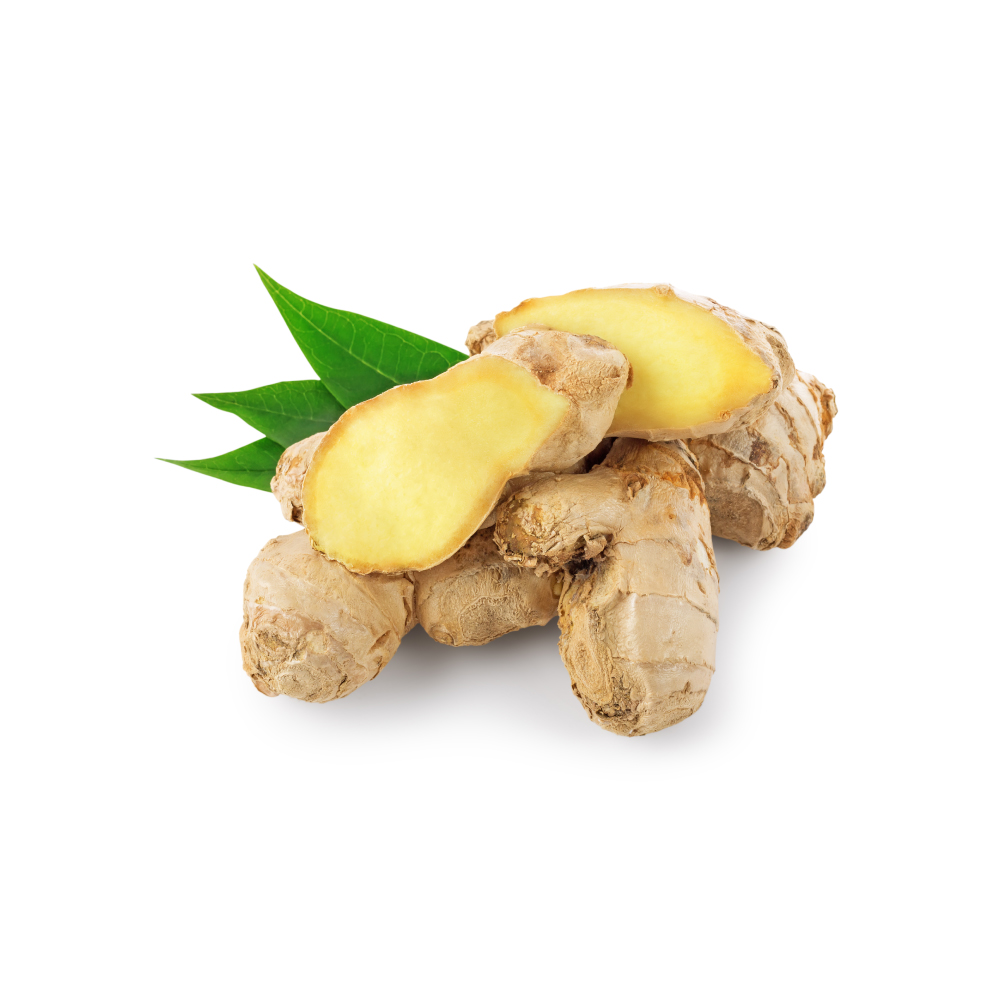
6-Paradol is a pungent vanillyl-ketone phenol — the signature hot principle of grains of paradise (Aframomum melegueta) and a minor constituent of ginger, where it also forms in vivo as the reduced (dihydro) metabolite of 6-shogaol. Its distinctive angle is a thermogenic, brown-fat-activating anti-obesity signal, alongside a classic ginger-phenol chemoprevention line.

Sources · 4
Where Does It Come From?
6-Paradol is a naturally occurring vanillyl-ketone phenol (pungent gingerol-type aryl alkanone), found in Grains of paradise, Ginger and 2 other sources. It is well tolerated orally (low toxicity).
Concentration
Content by Source
Concentrations not reported. No percent-dry-weight or mg/g figures have been published for this compound in its source plants.
6-Paradol at a Glance
6-Paradol is a pungent phenolic ketone from the same vanillyl-ketone family as ginger’s 6-gingerol and 6-shogaol. Structurally it is the reduced (dihydro) form of 6-shogaol — the double bond in shogaol’s side chain is saturated — and it arises in the body as an in-vivo metabolite of shogaol and gingerol as well as occurring pre-formed in the plant 7Reference 7ReviewGinger: a novel strategy to battle cancer through modulating cell signalling pathways: a reviewView study →.
Its defining natural home is grains of paradise (Aframomum melegueta), a West African spice in the ginger family whose characteristic heat is largely down to 6-paradol; it is also a minor pungent constituent of ordinary ginger rhizome, alongside the gingerols and shogaols.
The compound-unique story here is thermogenic / anti-obesity: a small set of human trials of grains-of-paradise extract point to brown adipose tissue (BAT) activation and increased energy expenditure 1,
The Brown-Fat / Thermogenesis Angle
This is what makes 6-paradol distinctive among the ginger phenols and the reason grains of paradise turns up in “brown fat” and metabolism supplements.
Brown adipose tissue burns energy to produce heat (cold- and diet-induced thermogenesis), so activating it raises whole-body energy expenditure. In a controlled human study, a single 40 mg dose of grains of paradise extract significantly increased energy expenditure over the following two hours in men who had detectable active BAT on imaging, but not in those without it — while placebo did nothing 1Reference 1Grains of paradise (Aframomum melegueta) extract activates brown adipose tissue and increases whole-body energy expenditure in menView study →. A follow-up trial gave non-obese women 30 mg/day for four weeks and found a decrease in visceral fat area (placebo slightly increased it) together with raised whole-body energy expenditure 2Reference 2Daily ingestion of grains of paradise (Aframomum melegueta) extract increases whole-body energy expenditure and decreases visceral fat in humansView study →.
The proposed mechanism is the same TRPV1 → sympathetic nervous system → BAT axis that capsaicin and other pungent food molecules use: the pungency that makes the spice hot is coupled to the thermogenic effect. This is a genuinely interesting, human-level signal — but read it carefully. The intervention is standardised grains-of-paradise extract, of which 6-paradol is the marker pungent principle, not purified 6-paradol; the samples are small; and the effect is conditional on already having active brown fat.
What It's Used For
Beyond thermogenesis, 6-paradol carries the classic ginger-phenol activities — chemoprevention, anti-inflammatory/neuroprotective and antioxidant — mostly in cell and rodent models, and often as one of several pungent phenols studied together.
Support is an experimental score — weighted by study type (human > animal > in vitro) and volume. A beta, not a validated metric. Note that the strongest-scored row rests on whole grains-of-paradise extract, while the chemoprevention row rests on the isolated molecule — read the per-row basis.
The application that defines the molecule. A single 40 mg dose of grains of paradise extract raised energy expenditure over two hours only in BAT-positive men, implicating brown-fat activation rather than a generic metabolic push 1Reference 1Grains of paradise (Aframomum melegueta) extract activates brown adipose tissue and increases whole-body energy expenditure in menView study →.
30 mg/day for four weeks lowered visceral-fat area and raised whole-body energy expenditure in non-obese women 2Reference 2Daily ingestion of grains of paradise (Aframomum melegueta) extract increases whole-body energy expenditure and decreases visceral fat in humansView study →.
The pungency-linked TRPV1 → sympathetic → BAT pathway is the proposed route, mirroring capsaicin.
Gap: both trials use standardised grains-of-paradise extract, with 6-paradol as its marker pungent principle — not the purified molecule — in small samples, and the acute effect only appears in people who already have active brown fat. There is no trial of isolated 6-paradol.
The most developed isolated-molecule line, going back to the late-1990s ginger-phenol chemoprevention work. Purified 6-paradol induces dose-dependent apoptosis via proteolytic activation of caspase-3 in KB oral-carcinoma cells (its dehydro analogues being more potent) 4Reference 4Induction of apoptosis and caspase-3 activation by chemopreventive [6]-paradol and structurally related compounds in KB cellsView study →; in mouse skin it significantly reduced the incidence and multiplicity of DMBA/TPA-induced tumours and suppressed tumour-promoter-driven inflammation 3Reference 3AnimalAntioxidative and antitumor promoting effects of [6]-paradol and its homologs on murine skinView study →; and it blocks EGF-induced cell transformation and AP-1 activation 5Reference 5Inhibition of epidermal growth factor-induced cell transformation and activator protein 1 activation by [6]-gingerolView study →.
Reviews group it with gingerol/shogaol as a cancer-preventive ginger phenol 10,
Gap: this is entirely cell-line and rodent data on the isolate — real mechanistic depth, but no human cancer-prevention or treatment evidence for 6-paradol.
Isolated 6-paradol reduced neuroinflammation in LPS-stimulated BV2 microglia — lowering iNOS/NO and pro-inflammatory cytokines (IL-6, TNF-α) in a concentration-dependent way — and cut brain damage after middle-cerebral-artery occlusion/reperfusion in mice 6Reference 6Neuroprotective effect of 6-paradol in focal cerebral ischemia involves the attenuation of neuroinflammatory responses in activated microgliaView study →.
The same paper frames paradols as reduced metabolites of shogaols that retain shogaol’s anti-inflammatory and antioxidant character 6Reference 6Neuroprotective effect of 6-paradol in focal cerebral ischemia involves the attenuation of neuroinflammatory responses in activated microgliaView study →.
The topical anti-inflammatory action seen in the skin-tumour work (reduced ear oedema, myeloperoxidase, H₂O₂) is consistent 3Reference 3AnimalAntioxidative and antitumor promoting effects of [6]-paradol and its homologs on murine skinView study →.
Gap: animal and cell models only; the stroke/microglia findings have not been tested in humans, and dosing/route in people is undefined.
As a vanillyl-phenol, 6-paradol contributes radical-scavenging / antioxidant activity, characterised alongside its antitumour-promoting effect 3Reference 3AnimalAntioxidative and antitumor promoting effects of [6]-paradol and its homologs on murine skinView study → and noted across ginger-phenol reviews 7,
Gap: in-vitro chemistry; no human antioxidant outcome rests on isolated 6-paradol, and it is rarely quantified as the sole active in whole-spice assays.
Mechanisms
| Target / pathway | Effect | Relevant to |
|---|---|---|
| TRPV1 → sympathetic nervous system → brown adipose tissue | pungency-coupled BAT activation → raised thermogenesis / energy expenditure | thermogenesis / anti-obesity |
| Caspase-3 (pro-caspase-3 cleavage) | induces apoptosis in carcinoma cells | anticancer / chemoprevention |
| AP-1 / EGF-induced signalling | inhibits tumour-promoter-driven cell transformation | anticancer / chemoprevention |
| iNOS / NO and pro-inflammatory cytokines (IL-6, TNF-α) in microglia | suppresses neuroinflammatory activation | anti-inflammatory / neuroprotective |
| Myeloperoxidase, H₂O₂, ornithine-decarboxylase (skin) | anti-inflammatory / antitumour-promoting in mouse skin | chemoprevention |
| Phenolic radical scavenging | contributes to antioxidant capacity | antioxidant |
The TRPV1-thermogenesis axis is the load-bearing, molecule-specific point; the caspase-3 / AP-1 chemoprevention mechanisms are shared with the wider gingerol/shogaol family.
Pharmacokinetics
Dedicated human pharmacokinetics for isolated 6-paradol are sparse. Its most important PK fact is metabolic: 6-paradol is itself a reduced (dihydro) in-vivo metabolite of 6-shogaol (and, via shogaol, of gingerol), formed when the enone side chain of shogaol is saturated 6Reference 6Neuroprotective effect of 6-paradol in focal cerebral ischemia involves the attenuation of neuroinflammatory responses in activated microgliaView study →. As a small, lipophilic vanillyl-phenol it is expected to be absorbed and, like its ginger-phenol relatives, extensively conjugated (glucuronidation/sulfation) — but the specific oral bioavailability, half-life and active-metabolite profile of the pure compound in humans have not been well characterised, and its systemic exposure from dietary spice intake is low.
Clinical Trials
Human trials exist only for grains-of-paradise extract as a thermogenic/anti-obesity intervention 1,
| Completed | Planned | Terminated | Preclinical |
|---|---|---|---|
| Grains-of-paradise extract: 2 small metabolic trials (BAT / energy expenditure / visceral fat) | — | — | Chemoprevention (apoptosis, skin tumours, AP-1); neuroprotection; antioxidant — all isolate |
Last checked: July 2026.
Isolate vs. Plant Studies
6-Paradol splits its evidence unusually cleanly. The human data are whole-extract: grains of paradise (Aframomum melegueta) standardised extract, with 6-paradol as its marker pungent principle, drives the brown-fat and energy-expenditure findings 1,
Prevalence in Nature
6-Paradol’s headline source is grains of paradise (Aframomum melegueta), a West African member of the ginger family (Zingiberaceae) whose seeds are used as a peppery spice; 6-paradol is the constituent most responsible for their pungency, and phytochemical work on the seeds routinely isolates it alongside related paradols and gingerols 8,
Beyond pre-formed plant content, 6-paradol is generated in vivo as the reduced metabolite of dietary 6-shogaol, so it can arise from ordinary ginger consumption as well as from grains of paradise 6Reference 6Neuroprotective effect of 6-paradol in focal cerebral ischemia involves the attenuation of neuroinflammatory responses in activated microgliaView study →. Quantitative seed/rhizome concentrations are not consistently reported in the sources reviewed here, so no comparative content figures are given.
Discovery & Synthesis
The paradol name derives directly from grains of paradise (Aframomum melegueta), the spice from which the pungent principle was characterised. As a member of the gingerol/shogaol family it was drawn into pharmacological study chiefly through ginger chemoprevention research from the late 1990s — Surh and colleagues’ work on the anti-tumour-promoting pungent phenols of ginger established 6-paradol as an active chemopreventive molecule 3,
Patents: not yet researched.
Toxicity & Safety
6-Paradol carries a low toxicity flag. It is a pungent constituent of edible spices — grains of paradise and ginger — consumed by humans for centuries as food, and the standardised grains-of-paradise extract used in the metabolic trials (30–40 mg) was given to healthy volunteers without reported adverse effects 1,
- Dietary spice constituent. A long-consumed pungent principle of grains of paradise and ginger; the extract used in human trials was well tolerated at 30–40 mg.
- Pungency / GI effects at high intake. TRPV1-mediated warmth and possible gastric irritation, as with other hot spices, at large doses.
- No isolated-compound safety dataset. There is no dedicated toxicology, drug-interaction, or reproductive-safety package for purified 6-paradol; intake decisions for the spice or a supplement belong on the herb/product page, not this molecule page.
Dosage
There is no established therapeutic dose for isolated 6-paradol. The only human dosing figures come from grains-of-paradise (Aframomum melegueta) extract, standardised to its pungent phenols:
| Application | Form | Dose (studied) |
|---|---|---|
| Acute brown-fat / energy expenditure 1Reference 1Grains of paradise (Aframomum melegueta) extract activates brown adipose tissue and increases whole-body energy expenditure in menView study → | Grains-of-paradise extract | ~40 mg, single dose |
| 4-week visceral-fat / energy expenditure 2Reference 2Daily ingestion of grains of paradise (Aframomum melegueta) extract increases whole-body energy expenditure and decreases visceral fat in humansView study → | Grains-of-paradise extract | ~30 mg/day |
These are doses of a whole spice extract (with 6-paradol as its marker pungent principle), studied in small trials — not doses of the purified molecule, and not a personal recommendation.
References
- Sugita J, Yoneshiro T, Hatano T, et al. (2013). Grains of paradise (Aframomum melegueta) extract activates brown adipose tissue and increases whole-body energy expenditure in men. British Journal of Nutrition. https://pubmed.ncbi.nlm.nih.gov/23308394/
- Sugita J, Yoneshiro T, Sugishima Y, et al. (2014). Daily ingestion of grains of paradise (Aframomum melegueta) extract increases whole-body energy expenditure and decreases visceral fat in humans. Journal of Nutritional Science and Vitaminology. https://pubmed.ncbi.nlm.nih.gov/24759256/
- Chung WY, Jung YJ, Surh YJ, Lee SS, Park KK (2001). Antioxidative and antitumor promoting effects of [6]-paradol and its homologs on murine skin. Mutation Research. https://pubmed.ncbi.nlm.nih.gov/11551496/
- Keum YS, Kim J, Lee KH, et al. (2002). Induction of apoptosis and caspase-3 activation by chemopreventive [6]-paradol and structurally related compounds in KB cells. Cancer Letters. https://pubmed.ncbi.nlm.nih.gov/11809529/
- Bode AM, Ma WY, Surh YJ, Dong Z (2001). Inhibition of epidermal growth factor-induced cell transformation and activator protein 1 activation by [6]-gingerol. Cancer Research. https://pubmed.ncbi.nlm.nih.gov/11221868/
- Gaire BP, Kwon OW, Park SH, et al. (2015). Neuroprotective effect of 6-paradol in focal cerebral ischemia involves the attenuation of neuroinflammatory responses in activated microglia. PLoS One. https://pubmed.ncbi.nlm.nih.gov/25789481/
- Almatroudi A, Alsahli MA, Alrumaihi F, Allemailem KS, Rahmani AH (2019). Ginger: a novel strategy to battle cancer through modulating cell signalling pathways: a review. Current Pharmaceutical Biotechnology. https://pubmed.ncbi.nlm.nih.gov/30659535/
- Abdel-Naim AB, Alghamdi AA, Algandaby MM, et al. (2017). Phenolics isolated from Aframomum meleguta enhance proliferation and ossification markers in bone cells. Molecules. https://pubmed.ncbi.nlm.nih.gov/28869564/
- Mohammed A, Gbonjubola VA, Koorbanally NA, Islam MS (2017). Inhibition of key enzymes linked to type 2 diabetes by compounds isolated from Aframomum melegueta fruit. Pharmaceutical Biology. https://pubmed.ncbi.nlm.nih.gov/28176546/
- Kundu JK, Na HK, Surh YJ (2009). Ginger-derived phenolic substances with cancer preventive and therapeutic potential. Forum of Nutrition. https://pubmed.ncbi.nlm.nih.gov/19367122/
- Shukla Y, Singh M (2007). Cancer preventive properties of ginger: a brief review. Food and Chemical Toxicology. https://pubmed.ncbi.nlm.nih.gov/17175086/



