
Compound Monograph
Acacetin
Acacetin is a methylated flavone — apigenin 4'-methyl ether — best known preclinically as an atrial-selective potassium-channel (I_Kur/Kv1.5) blocker researched for atrial fibrillation, with additional anti-inflammatory, anticancer, neuroprotective and antidiabetic activity. Its evidence is almost entirely animal and in-vitro, and its poor oral bioavailability is the central caveat.

Sources · 7
Where Does It Come From?
Acacetin is a naturally occurring flavone (methylated), found in Chrysanthemum, Black locust, Korean mint and 4 other sources. It is well tolerated orally (low toxicity).
 Principal source Chrysanthemum Chrysanthemum morifolium Herb monograph →
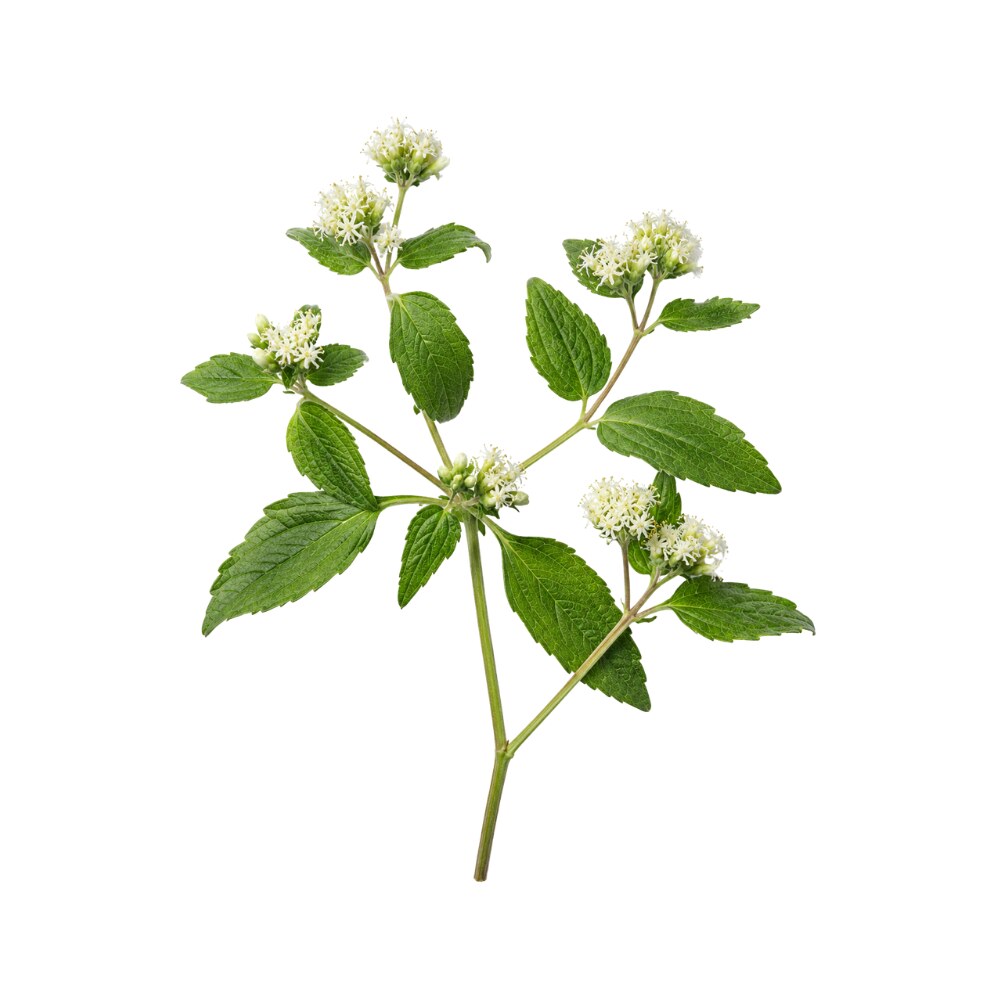 Source Calea zacatechichi Calea ternifolia Herb monograph →
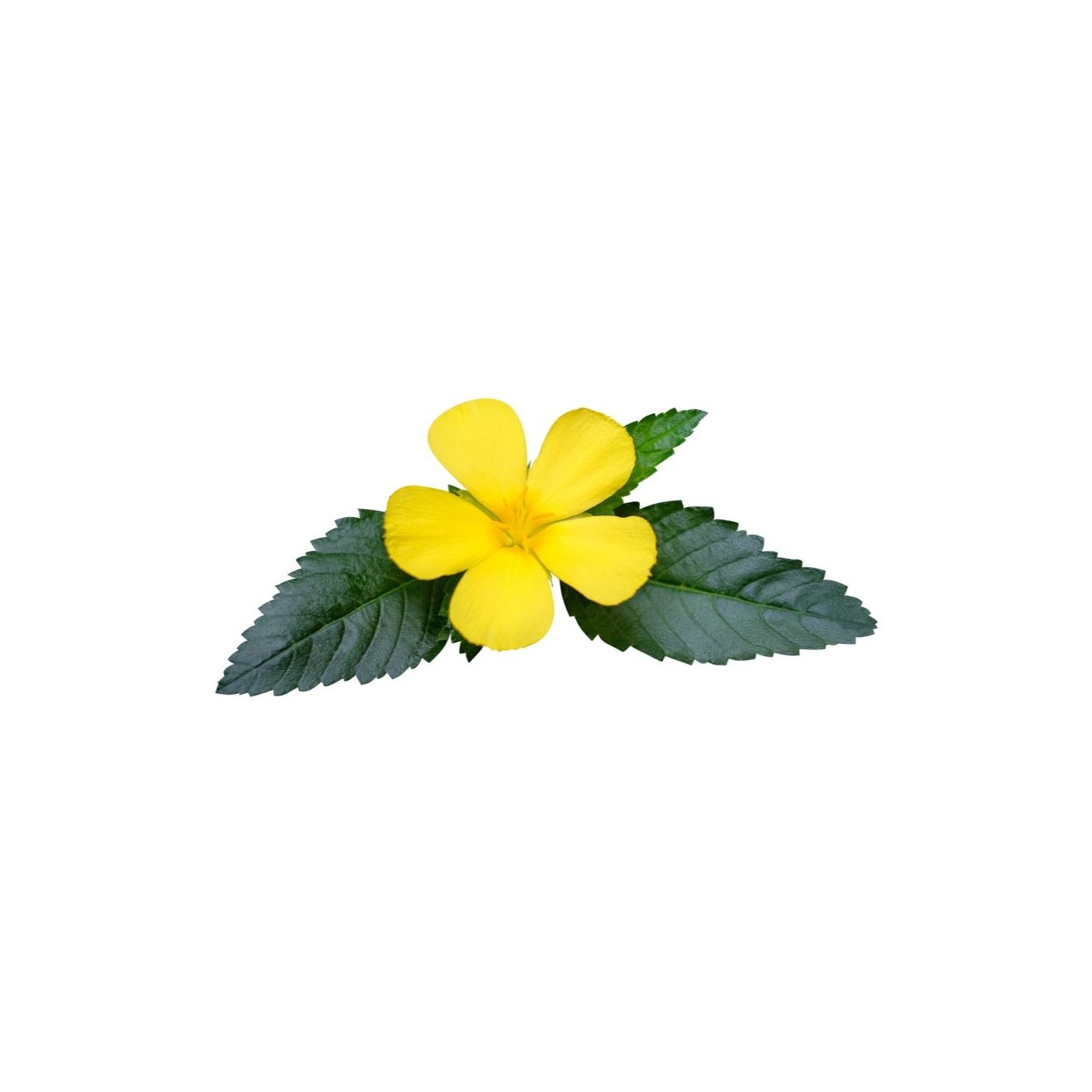 Source Damiana Turnera diffusa Herb monograph →
Concentration
Content by Source
Concentrations not reported. No percent-dry-weight or mg/g figures have been published for this compound in its source plants.
Acacetin at a Glance
Acacetin is a naturally occurring methylated flavone — structurally it is apigenin with a single methyl group added to the 4’-hydroxyl, making it apigenin 4’-methyl ether (5,7-dihydroxy-4’-methoxyflavone). It occurs in chrysanthemum flowers, black locust, Korean mint, damiana and dream herb, most often bound as its 7-O-glycosides rather than as the free aglycone.
Its most distinctive research signal is cardiac: acacetin is an atrial-selective blocker of the ultrarapid delayed-rectifier potassium current (I_Kur / Kv1.5) and has been developed as a candidate anti-atrial-fibrillation agent, including proof-of-concept work in large animals 1,
Two honesty caveats frame the whole page. First, essentially all of the efficacy evidence is animal or in-vitro — there are no human efficacy trials of acacetin. Second, the isolated aglycone has poor oral bioavailability, which is exactly why the cardiac programme had to build a water-soluble prodrug to test it in vivo 1,
Acacetin vs. Apigenin
The single fact that defines this molecule is that it is apigenin carrying one extra methyl group on the 4’-oxygen. That small change — 4’-O-methylation — is worth stating plainly, because it is the reason acacetin has its own page rather than being folded into apigenin.
Methylation of a flavone hydroxyl tends to:
- Increase lipophilicity, changing membrane partitioning and how the molecule interacts with ion channels and transporters.
- Remove one hydrogen-bond donor, which alters both target binding and the pattern of phase-II conjugation (methylated flavones can resist some glucuronidation/sulfation at that position, though acacetin is still heavily conjugated elsewhere).
- Shift the biological emphasis — acacetin’s marquee activity (atrial-selective Kv1.5 block) is more pronounced than for apigenin, whereas apigenin’s best-known signals are its anxiolytic and broad anti-inflammatory profiles.
The two are close chemical relatives with overlapping antioxidant and anti-inflammatory behaviour, but they are not interchangeable, and results for one should not be assumed for the other.
The Atrial-Selective Antiarrhythmic Story
The reason acacetin is studied at all outside general flavone screening is a specific and unusual cardiac property: it preferentially blocks potassium currents that repolarize atrial — not ventricular — heart muscle.
In isolated human atrial myocytes, acacetin inhibits the ultrarapid delayed-rectifier current (I_Kur), carried by the Kv1.5 channel, along with the transient outward current (I_to) and the acetylcholine-activated current (I_KACh) 1Reference 1Acacetin, a natural flavone, selectively inhibits human atrial repolarization potassium currents and prevents atrial fibrillation in dogsView study →. Because I_Kur/Kv1.5 is expressed in human atria but essentially absent from ventricle, blocking it prolongs the atrial effective refractory period without the ventricular repolarization delay that makes many conventional antiarrhythmics pro-arrhythmic. In the landmark study, acacetin prevented experimentally induced atrial fibrillation in anaesthetized dogs 1Reference 1Acacetin, a natural flavone, selectively inhibits human atrial repolarization potassium currents and prevents atrial fibrillation in dogsView study →. Mechanistically, it is an open-channel blocker of hKv1.5 with frequency- and use-dependence — it binds preferentially when the channel is repeatedly opening, i.e. during the rapid atrial rates of fibrillation 2Reference 2Acacetin causes a frequency- and use-dependent blockade of hKv1.5 channels by binding to the S6 domain of the channel poreView study →.
The translational obstacle was solubility and oral bioavailability. To carry the molecule forward, researchers synthesised a highly water-soluble acacetin prodrug, which suppressed experimental atrial fibrillation in beagle dogs — an explicit engineering answer to the parent compound’s pharmacokinetic weakness 3Reference 3Synthesis of a highly water-soluble acacetin prodrug for treating experimental atrial fibrillation in beagle dogsView study →. This large-animal, prodrug-enabled programme is what separates acacetin from the many flavones with only cell-culture data; it remains, however, preclinical — no human antiarrhythmic trials have been reported.
What It's Used For
Acacetin’s pharmacology spans several organ systems, but the evidence is heavily weighted toward the cardiac ion-channel work; the rest is a broad flavone profile of anti-inflammatory, anticancer, neuroprotective and metabolic effects in cells and rodents.
Support is an experimental score — weighted by study type (human > animal > in vitro) and volume. A beta, not a validated metric. No application here has human efficacy data, so all scores stay modest; the cardiac row ranks highest only because it reaches large-animal in-vivo proof of concept.
The best-developed application, and the point of the page. In isolated human atrial myocytes, acacetin inhibits the ultrarapid delayed-rectifier current I_Kur (Kv1.5), the transient outward current I_to and the acetylcholine-activated current I_KACh, prolonging atrial repolarization; in anaesthetized dogs it prevented induced atrial fibrillation 1Reference 1Acacetin, a natural flavone, selectively inhibits human atrial repolarization potassium currents and prevents atrial fibrillation in dogsView study →.
It acts as a frequency- and use-dependent open-channel blocker of hKv1.5 2Reference 2Acacetin causes a frequency- and use-dependent blockade of hKv1.5 channels by binding to the S6 domain of the channel poreView study →.
Because a water-soluble prodrug was needed to demonstrate anti-AF efficacy in beagle dogs, the in-vivo signal is real but engineered around the parent’s pharmacokinetics 3Reference 3Synthesis of a highly water-soluble acacetin prodrug for treating experimental atrial fibrillation in beagle dogsView study →.
Gap: entirely preclinical (human cells + animal whole-organism), with no human antiarrhythmic trial; the clinically tested entity is a synthetic prodrug, not the plant molecule 1,
A consistent isolate signal. Acacetin suppresses NF-κB and MAPK signalling, lowering pro-inflammatory cytokines and mediators; it inhibits E-selectin expression on endothelial cells via MAP-kinase regulation 4Reference 4Acacetin inhibits expression of E-selectin on endothelial cells through regulation of the MAP kinase signaling pathway and activation of NF-κBView study →, and attenuates LPS-driven inflammation in vitro and in mice 5Reference 5In vitroAcacetin attenuates neuroinflammation via regulation the response to LPS stimuli in vitro and in vivoView study →. This overlaps its neuroprotective and vascular activity.
Gap: cell-culture and rodent models of the isolate; concentrations used often exceed plausible systemic human exposure given the bioavailability limits, and there is no human anti-inflammatory outcome 4,
Acacetin induces apoptosis and cell-cycle arrest in several carcinoma cell lines — including oral squamous-cell carcinoma 6Reference 6The mechanism of acacetin-induced apoptosis on oral squamous cell carcinomaView study → and head-and-neck squamous-cell carcinoma, where mitochondrial/caspase-dependent apoptosis was implicated 7Reference 7Acacetin-induced cell apoptosis in head and neck squamous cell carcinoma cells: evidence for the role of a mitochondria-dependent pathwayView study →. Network-pharmacology and review work catalogue additional tumour targets 13Reference 13Acacetin, a flavone with diverse therapeutic potential in cancer, inflammation, infections and other metabolic disordersView study →.
Gap: in-vitro (and some xenograft) work on the isolate at micromolar concentrations; no clinical oncology data, and selectivity/systemic exposure in humans is unaddressed 6,
Acacetin dampens neuroinflammation: it attenuates the microglial/astrocytic response to LPS in vitro and in vivo 5Reference 5In vitroAcacetin attenuates neuroinflammation via regulation the response to LPS stimuli in vitro and in vivoView study →, and in a rodent subarachnoid-haemorrhage model it inhibited microglial activation and improved neuroinflammatory outcomes 8Reference 8Acacetin inhibits activation of microglia to improve neuroinflammation after subarachnoid hemorrhageView study →. The mechanism tracks its general NF-κB/MAPK anti-inflammatory action rather than a neuron-specific target.
Gap: rodent isolate models only; brain exposure of an orally poorly-bioavailable flavone is a real question left unresolved 8,
In L6 myotubes, acacetin enhanced glucose uptake through insulin-independent GLUT4 translocation (an AMPK-associated route), marking a plausible metabolic mechanism 9Reference 9Acacetin enhances glucose uptake through insulin-independent GLUT4 translocation in L6 myotubesView study →; it also appears in antidiabetic constituent screens of flavone-rich plants.
Gap: cell-model mechanism without whole-animal glycaemic-control confirmation for the isolate, and no human data 9Reference 9Acacetin enhances glucose uptake through insulin-independent GLUT4 translocation in L6 myotubesView study →.
In a screen of 24 compounds from damiana leaves, acacetin was among the more potent aromatase (CYP19) inhibitors (IC₅₀ ≈ 18.7 µM), alongside pinocembrin 10Reference 10Anti-aromatase activity of the constituents from damiana (Turnera diffusa)View study →. This is an enzyme-level, constituent-screen finding relevant to damiana’s putative estrogen-modulating reputation.
Gap: an in-vitro enzyme IC₅₀ from a plant screen, not a demonstrated endocrine effect in animals or people; it is noted here mainly because it doubles as a safety flag (see Toxicity) rather than a therapeutic claim 10Reference 10Anti-aromatase activity of the constituents from damiana (Turnera diffusa)View study →.
Mechanisms
| Target / pathway | Effect | Relevant to |
|---|---|---|
| Kv1.5 / ultrarapid delayed-rectifier K⁺ current (I_Kur) | frequency-/use-dependent open-channel block → prolongs atrial refractoriness | atrial antiarrhythmic |
| I_to and I_KACh (atrial repolarizing currents) | inhibition — contributes to atrial-selective repolarization prolongation | atrial antiarrhythmic |
| NF-κB / MAPK signalling | ↓ pro-inflammatory cytokines; ↓ endothelial E-selectin | anti-inflammatory / vascular / neuro |
| Microglial activation | suppression of LPS-/injury-driven neuroinflammation | neuroprotective |
| Mitochondrial / caspase apoptosis, cell-cycle checkpoints | pro-apoptotic, cell-cycle arrest in carcinoma lines | anticancer |
| GLUT4 translocation (insulin-independent, AMPK-associated) | ↑ glucose uptake in skeletal-muscle cells | antidiabetic |
| Aromatase (CYP19) | enzyme inhibition (IC₅₀ ≈ 18.7 µM) | endocrine (also a safety flag) |
The load-bearing mechanism is the atrial-selective potassium-channel block — I_Kur/Kv1.5 is present in human atrium but not ventricle, which is why acacetin can prolong atrial refractoriness without the ventricular effects that make many antiarrhythmics dangerous 1,
Pharmacokinetics
Acacetin’s pharmacokinetics are the crux of interpreting every in-vitro result above. The free aglycone has poor oral bioavailability: it is poorly water-soluble, undergoes extensive first-pass phase-II metabolism (glucuronidation and sulfation) and is subject to efflux transport, so systemic exposure after oral dosing is low 11Reference 11AnimalInvestigation of the factors responsible for the poor oral bioavailability of acacetin in rats: physicochemical and biopharmaceutical aspectsView study →. Detailed rat work attributes this to “triple recycling” processes — enterohepatic and enteric recirculation of its conjugates — that shape both systemic and local bioavailability 12Reference 12Triple recycling processes impact systemic and local bioavailability of orally administered flavonoids (acacetin)View study →. The practical consequence is direct: the anti-atrial-fibrillation programme did not dose the parent molecule systemically but instead synthesised a water-soluble prodrug to reach efficacious exposures in dogs 3Reference 3Synthesis of a highly water-soluble acacetin prodrug for treating experimental atrial fibrillation in beagle dogsView study →. Any read-across from a micromolar in-vitro potency to a human systemic effect must be discounted heavily against this bioavailability ceiling. Robust human ADME parameters are not established.
Clinical Trials
There are no human efficacy trials of acacetin for any indication. The strongest evidence is large-animal (canine) proof of concept for atrial fibrillation using the isolate and a prodrug 1,
| Completed | Planned | Terminated | Preclinical |
|---|---|---|---|
| None(human) | — | — | Atrial antiarrhythmic (human myocytes + dogs); anti-inflammatory; anticancer; neuroprotective; antidiabetic |
Last checked: July 2026.
Isolate vs. Plant Studies
Acacetin sits firmly on the isolate side of the ledger. The cardiac electrophysiology, the anti-inflammatory signalling work, the cancer cell-line studies and the antidiabetic myotube data all test the purified molecule (or, for the in-vivo AF work, a synthetic prodrug of it) — not a chrysanthemum, black-locust or damiana extract 1,
Prevalence in Nature
Acacetin is a minor, taxonomically scattered flavone, found across the Asteraceae, Fabaceae and Lamiaceae. It is a documented flavonoid of the black locust tree (Robinia pseudoacacia), whose flowers and other tissues carry a range of acacetin and related flavonoid glycosides 14Reference 14Flavonoid glycosides of the black locust tree, Robinia pseudoacacia (Leguminosae)View study →; of chrysanthemum (Chrysanthemum morifolium) flowers, where it occurs largely as its 7-O-glycosides; of Korean mint (Agastache rugosa); of damiana (Turnera diffusa) leaves 10Reference 10Anti-aromatase activity of the constituents from damiana (Turnera diffusa)View study →; and of dream herb (Calea zacatechichi). It is also reported from silver birch and other Asteraceae and Lamiaceae 13Reference 13Acacetin, a flavone with diverse therapeutic potential in cancer, inflammation, infections and other metabolic disordersView study →.
In plants the molecule is usually glycosylated rather than free — most commonly as the 7-O-rutinoside (linarin) or 7-O-glucoside. This has a useful practical corollary: acacetin (notably its 7-O-rutinoside) is used as a chemical marker to distinguish Chrysanthemum morifolium from the related C. indicum flower. Quantitative abundance across sources is not well characterised in the accessible literature, so no comparative concentration figures are given here.
Discovery & Synthesis
Acacetin takes its name from the genus Acacia, reflecting its early association with leguminous trees, and it is defined chemically as the 4’-O-methyl ether of apigenin. Its first precise isolation date is not clearly documented in the accessible literature; the compound was long known as a minor plant flavone before its modern research profile emerged in 2008 with the discovery of its atrial-selective ion-channel activity 1Reference 1Acacetin, a natural flavone, selectively inhibits human atrial repolarization potassium currents and prevents atrial fibrillation in dogsView study →.
Synthesis today is straightforward flavone chemistry: acacetin is obtained by selective 4’-O-methylation of apigenin, or built by classical flavone routes (e.g. Baker–Venkataraman rearrangement / Allan–Robinson condensation) with a pre-methylated B-ring. The most consequential synthetic work on the molecule has been the deliberate design of a water-soluble prodrug to overcome its poor bioavailability for cardiac testing 3Reference 3Synthesis of a highly water-soluble acacetin prodrug for treating experimental atrial fibrillation in beagle dogsView study →.
Patents: not yet researched.
Toxicity & Safety
Acacetin carries a low toxicity flag: it is a dietary flavone of foods and herbal teas (chrysanthemum, Korean mint), no notable acute toxicity is reported, and its poor oral bioavailability inherently limits systemic exposure. The caveats are about missing data and one mechanistic flag, not demonstrated harm.
- A low-toxicity dietary flavone. Present in edible flowers and herbal teas at low levels; no notable acute-toxicity signal in the available literature.
- Poor oral bioavailability limits systemic exposure. The same pharmacokinetic weakness that frustrates its therapeutic use also caps incidental intake exposure 11Reference 11AnimalInvestigation of the factors responsible for the poor oral bioavailability of acacetin in rats: physicochemical and biopharmaceutical aspectsView study →.
- Aromatase (CYP19) inhibition in vitro. Acacetin inhibits estrogen-synthesising aromatase in enzyme assays (IC₅₀ ≈ 18.7 µM) — a theoretical endocrine-modulation flag worth noting for concentrated extracts, though not shown to matter at dietary intake 10Reference 10Anti-aromatase activity of the constituents from damiana (Turnera diffusa)View study →.
- Human safety data are essentially absent. No clinical safety, drug-interaction or reproductive-toxicity dataset exists for the isolate; interactions with CYP enzymes and transporters have not been characterised in people.
Pregnancy and lactation decisions belong to the herb or product page where intake is actually decided, not to this molecule page; no isolate-specific reproductive dataset exists for acacetin, and no verdict is issued here.
Dosage
There is no established or recommended human dose for isolated acacetin. The figures in the literature are preclinical research doses — cell-culture concentrations (typically low-micromolar) and rodent/canine dosing, often delivered as a water-soluble prodrug rather than the parent compound because of its poor oral bioavailability 3,
References
- Li GR, Wang HB, Qin GW, et al. (2008). Acacetin, a natural flavone, selectively inhibits human atrial repolarization potassium currents and prevents atrial fibrillation in dogs. Circulation. https://pubmed.ncbi.nlm.nih.gov/18458165/
- Wu HJ, Wu W, Sun HY, et al. (2011). Acacetin causes a frequency- and use-dependent blockade of hKv1.5 channels by binding to the S6 domain of the channel pore. Journal of Molecular and Cellular Cardiology. https://pubmed.ncbi.nlm.nih.gov/21906601/
- Liu H, Wang YJ, Yang L, et al. (2016). Synthesis of a highly water-soluble acacetin prodrug for treating experimental atrial fibrillation in beagle dogs. Scientific Reports. https://pubmed.ncbi.nlm.nih.gov/27160397/
- Tanigawa N, Hagiwara M, Tada H, et al. (2013). Acacetin inhibits expression of E-selectin on endothelial cells through regulation of the MAP kinase signaling pathway and activation of NF-κB. Immunopharmacology and Immunotoxicology. https://pubmed.ncbi.nlm.nih.gov/23855486/
- Ha SK, Moon E, Lee P, et al. (2012). Acacetin attenuates neuroinflammation via regulation the response to LPS stimuli in vitro and in vivo. Neurochemical Research. https://pubmed.ncbi.nlm.nih.gov/22447574/
- Kim CD, Cha JD, Li S, Cha IH (2015). The mechanism of acacetin-induced apoptosis on oral squamous cell carcinoma. Archives of Oral Biology. https://pubmed.ncbi.nlm.nih.gov/26099663/
- Sun F, Li D, Wang C, et al. (2019). Acacetin-induced cell apoptosis in head and neck squamous cell carcinoma cells: evidence for the role of a mitochondria-dependent pathway. Phytotherapy Research. https://pubmed.ncbi.nlm.nih.gov/31066474/
- Liu Y, et al. (2024). Acacetin inhibits activation of microglia to improve neuroinflammation after subarachnoid hemorrhage. Human & Experimental Toxicology. https://pubmed.ncbi.nlm.nih.gov/38720657/
- Kwon EB, Kang MJ, Ryu HW, et al. (2020). Acacetin enhances glucose uptake through insulin-independent GLUT4 translocation in L6 myotubes. Phytomedicine. https://pubmed.ncbi.nlm.nih.gov/32126492/
- Zhao J, Dasmahapatra AK, Khan SI, Khan IA (2008). Anti-aromatase activity of the constituents from damiana (Turnera diffusa). Journal of Ethnopharmacology. https://pubmed.ncbi.nlm.nih.gov/18948180/
- Han DG, Cha E, Joo J, Hwang JS, et al. (2021). Investigation of the factors responsible for the poor oral bioavailability of acacetin in rats: physicochemical and biopharmaceutical aspects. Pharmaceutics. https://pubmed.ncbi.nlm.nih.gov/33525442/
- Dai P, Luo F, Wang Y, et al. (2015). Triple recycling processes impact systemic and local bioavailability of orally administered flavonoids (acacetin). The AAPS Journal. https://pubmed.ncbi.nlm.nih.gov/25762448/
- Singh S, Gupta P, Meena A, Luqman S (2020). Acacetin, a flavone with diverse therapeutic potential in cancer, inflammation, infections and other metabolic disorders. Food and Chemical Toxicology. https://pubmed.ncbi.nlm.nih.gov/32866514/
- Veitch NC, Elliott PC, Kite GC, Lewis GP (2010). Flavonoid glycosides of the black locust tree, Robinia pseudoacacia (Leguminosae). Phytochemistry. https://pubmed.ncbi.nlm.nih.gov/19948349/



