
Compound Monograph
Pinocembrin
Pinocembrin (5,7-dihydroxyflavanone) is the most abundant flavanone of propolis — the 4'-deoxy analogue of naringenin. Its marquee is neuroprotection: an intravenous formulation reached a Chinese Phase I trial as an ischemic-stroke candidate, on the strength of a large but almost entirely preclinical antioxidant, anti-apoptotic and blood-brain-barrier-protective record.

Sources · 9
Where Does It Come From?
Pinocembrin is a naturally occurring flavanone, found in Propolis, Poplar, Pine heartwood and 6 other sources. It is well tolerated orally (low toxicity).
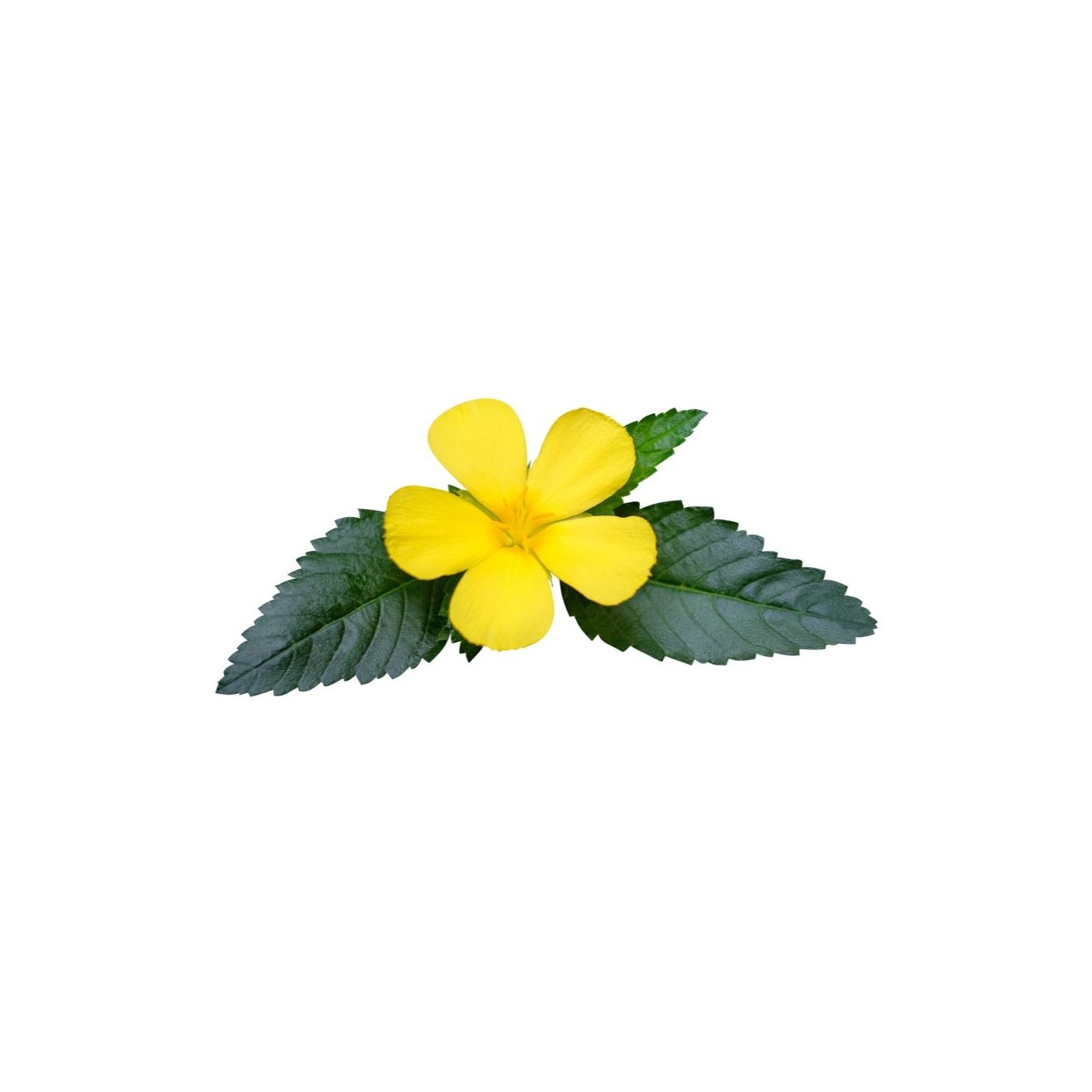 Source Damiana Turnera diffusa Herb monograph →
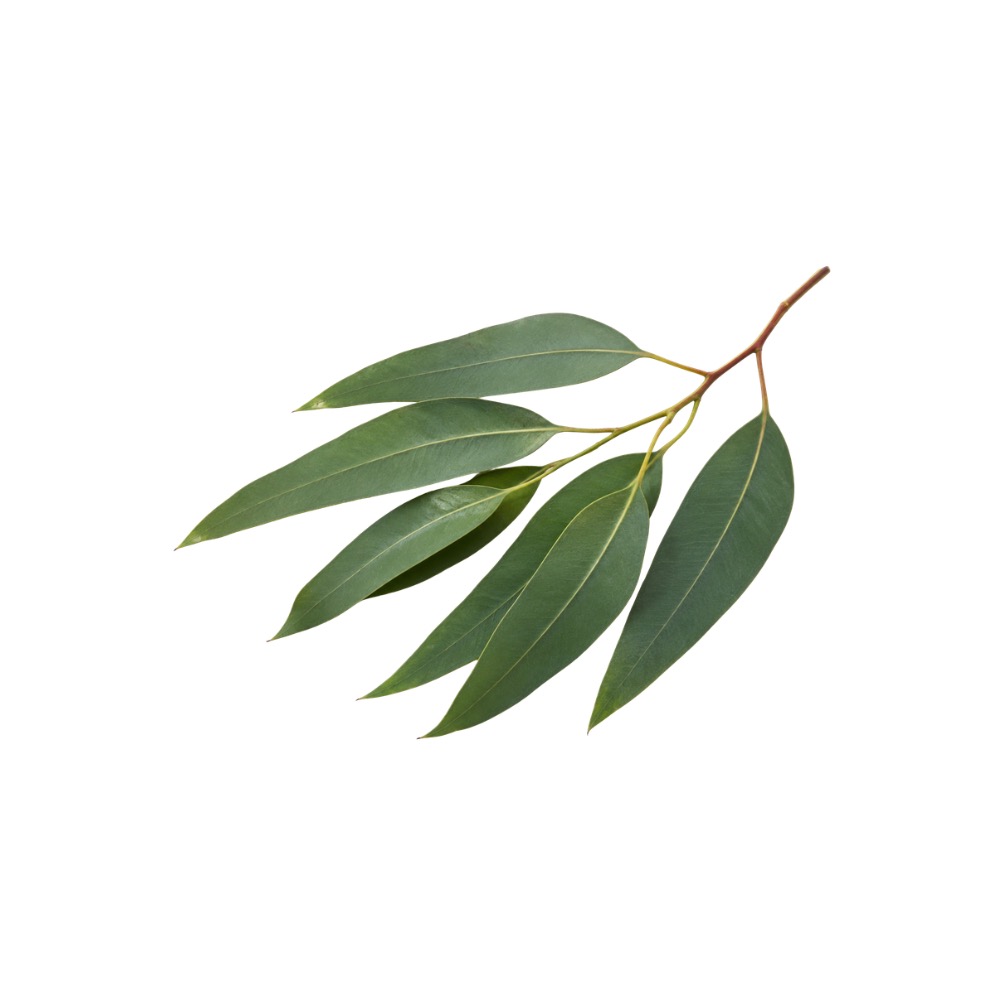 Source Eucalyptus Eucalyptus globulus Herb monograph →
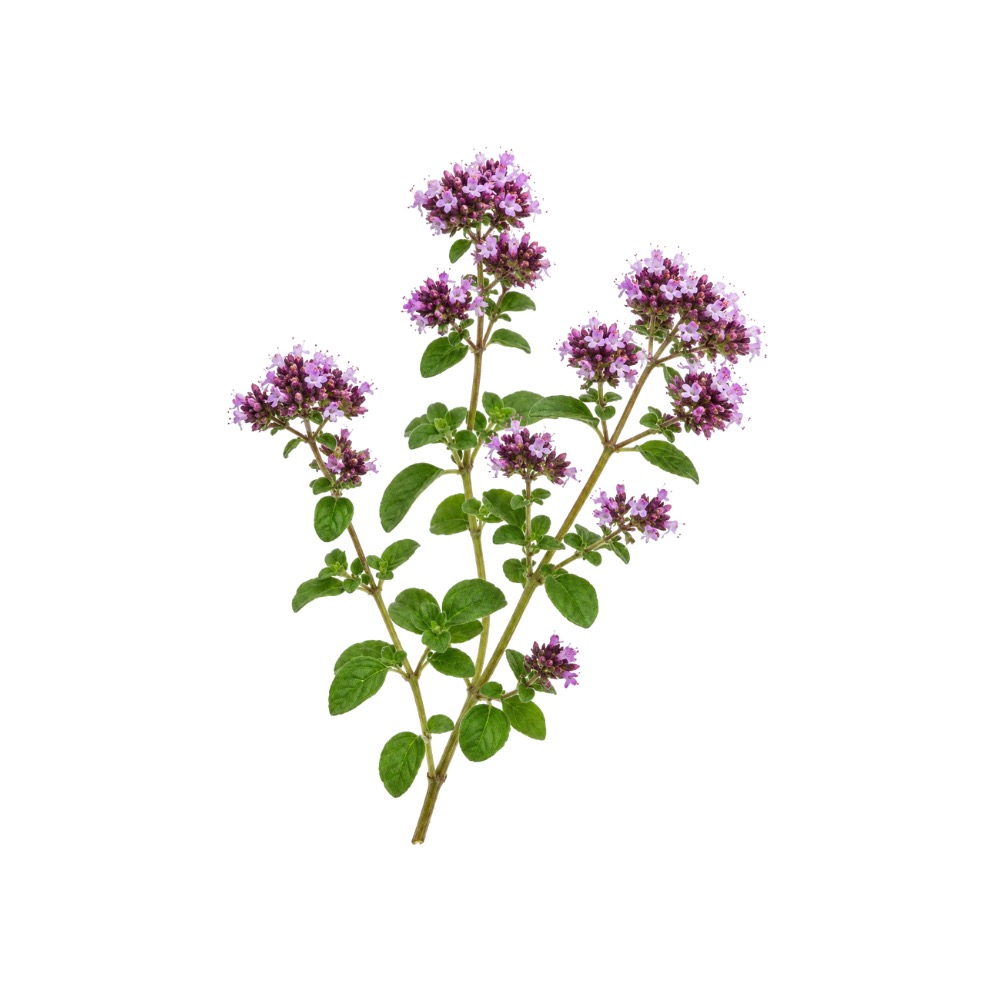 Source Oregano Origanum vulgare Herb monograph →
Concentration
Content by Source
Concentrations not reported. No percent-dry-weight or mg/g figures have been published for this compound in its source plants.
Pinocembrin at a Glance
Pinocembrin is a flavanone — 5,7-dihydroxyflavanone, the simplest of the common flavanones, carrying no hydroxyl groups on its B-ring. Structurally it is the 4’-deoxy analogue of naringenin and the 2,3-dihydro (saturated) form of chrysin, a relationship that shapes much of its chemistry. It is best known as the most abundant flavanone of propolis (bee resin), and it also occurs in poplar and pine heartwood, honey, damiana and wild marjoram 1,
Its standout research theme is neuroprotection. Across a large body of rodent and cell work, pinocembrin is antioxidant, anti-apoptotic, anti-inflammatory and protective of the blood-brain barrier, and an intravenous formulation advanced far enough to be studied in a Chinese Phase I clinical trial as an ischemic-stroke candidate — the reason it is one of the more clinically developed plant flavanones 1,
The honest framing throughout: the human data so far are safety and pharmacokinetics of the injection, not proof of clinical benefit, and almost every efficacy finding is preclinical. Its toxicity is low — consistent with a long dietary history in propolis and honey — though the propolis/flavonoid literature carries a mutagenicity question that is addressed directly.
The Ischemic-Stroke Candidate
The single fact that sets pinocembrin apart from most plant flavanones is that it was developed as a drug candidate, not just studied in cells. Chinese researchers formulated a water-soluble pinocembrin injection and carried it into a Phase I trial: single- and multiple-dose intravenous pinocembrin was evaluated for pharmacokinetics, safety and tolerability in healthy subjects 2Reference 2Pharmacokinetics, safety, and tolerability of single and multiple-doses of pinocembrin injection administered intravenously in healthy subjectsView study →, supported by a validated LC-MS/MS method for measuring pinocembrin in human plasma 14Reference 14Determination of pinocembrin in human plasma by solid-phase extraction and LC/MS/MS: application to pharmacokinetic studiesView study →. That is a genuine milestone — very few of the molecules here have reached first-in-human dosing.
Two cautions keep this in proportion. First, a Phase I trial tests safety and PK, not efficacy — it does not show that pinocembrin helps stroke patients; it shows the injection can be given and measured. Second, the entire efficacy rationale is preclinical: rodent models of cerebral ischemia-reperfusion in which pinocembrin protects the blood-brain barrier, limits infarct size and preserves function 3,
Pinocembrin vs. Naringenin & Chrysin
Pinocembrin is easiest to understand through its two close relatives, and the differences are not cosmetic — they drive both activity and safety.
- vs. naringenin: pinocembrin is naringenin minus the 4’-hydroxyl on the B-ring (it is 4’-deoxynaringenin). Removing that B-ring OH lowers direct radical-scavenging antioxidant capacity relative to catechol/phenol-rich flavonoids, so much of pinocembrin’s antioxidant benefit is indirect — via induction of the Nrf2/HO-1 cytoprotective pathway rather than brute-force scavenging 8Reference 8Inhibition of beta-amyloid-induced neurotoxicity by pinocembrin through Nrf2/HO-1 pathway in SH-SY5Y cellsView study →.
- vs. chrysin: chrysin is 5,7-dihydroxyflavone; pinocembrin is the 2,3-dihydro (flavanone) form of chrysin — historically called dihydrochrysin. Saturating the 2,3 double bond creates a stereocentre at C-2, making pinocembrin chiral where chrysin is flat and achiral (see Chirality).
- vs. the flavonols (galangin, quercetin): this is the safety-relevant contrast. Flavonols carry a 3-hydroxyl plus a 2,3 double bond, the exact structural pair that makes quercetin and galangin mutagenic in the Ames test; pinocembrin, a flavanone, has neither feature (see The Mutagenicity Question) 19Reference 19Mutagenicity of plant flavonoids: structural requirements for mutagenic activity in Salmonella typhimuriumView study →.
What It's Used For
Pinocembrin’s evidence base is broad, mechanistically coherent, and almost entirely preclinical, with a neuroprotection core. The one place it touches humans — the Phase I injection — is a safety/PK study, not an efficacy trial 2Reference 2Pharmacokinetics, safety, and tolerability of single and multiple-doses of pinocembrin injection administered intravenously in healthy subjectsView study →.
Support is an experimental score — weighted by study type (human > animal > in vitro) and volume. A beta, not a validated metric. Human data are Phase I safety/PK only, not efficacy, so scores stay modest by design.
The marquee. In rat global cerebral ischemia-reperfusion, pinocembrin attenuates blood-brain-barrier injury — preserving tight-junction integrity and reducing permeability and oedema 3Reference 3AnimalPinocembrin attenuates blood-brain barrier injury induced by global cerebral ischemia-reperfusion in ratsView study → — and the transient-global-ischemia work characterised a therapeutic effect with a comparatively wide time window 4Reference 4AnimalThe characteristics of therapeutic effect of pinocembrin in transient global brain ischemia/reperfusion ratsView study →.
In a thromboembolic stroke model it protected BBB function and expanded the therapeutic window for tPA (tissue plasminogen activator) thrombolysis, a clinically framed combination endpoint 5Reference 5AnimalPinocembrin protects blood-brain barrier function and expands the therapeutic time window for tissue-type plasminogen activator treatment in a rat thromboembolic stroke modelView study →.
Building on this, an intravenous pinocembrin injection was taken into a Phase I PK/safety/tolerability study in healthy humans 2Reference 2Pharmacokinetics, safety, and tolerability of single and multiple-doses of pinocembrin injection administered intravenously in healthy subjectsView study →.
Gap: all efficacy is rodent/isolate; the human data are Phase I safety and pharmacokinetics only — no controlled trial has tested whether pinocembrin improves stroke outcomes 2,
A consistent isolate signal in neuronal-cell and rodent neurodegeneration models. Pinocembrin improved cognition and protected the neurovascular unit in an Alzheimer-related rodent model 6Reference 6Pinocembrin improves cognition and protects the neurovascular unit in Alzheimer related deficitsView study →, blocked β-amyloid-induced toxicity via RAGE-independent signalling and mitochondrion-mediated apoptosis 7Reference 7Pinocembrin protects against β-amyloid-induced toxicity in neurons through inhibiting receptor for advanced glycation end products (RAGE)-independent signaling pathways and regulating mitochondrion-mediated apoptosisView study → and via the Nrf2/HO-1 antioxidant pathway in SH-SY5Y cells 8Reference 8Inhibition of beta-amyloid-induced neurotoxicity by pinocembrin through Nrf2/HO-1 pathway in SH-SY5Y cellsView study →.
It also prevented glutamate-induced apoptosis by lowering the bax/bcl-2 ratio 9Reference 9Pinocembrin prevents glutamate-induced apoptosis in SH-SY5Y neuronal cells via decrease of bax/bcl-2 ratioView study → and protected SH-SY5Y cells against MPP+ (a Parkinson’s model toxin) through the mitochondrial apoptotic pathway 10Reference 10Pinocembrin protects SH-SY5Y cells against MPP+-induced neurotoxicity through the mitochondrial apoptotic pathwayView study →.
Gap: entirely in-vitro and rodent, on the isolate; no human neurodegeneration data, and the doses are far above ordinary dietary exposure 7,
Pinocembrin dampens innate-immune activation in the injured brain. In intracerebral hemorrhage it protected tissue primarily by inhibiting toll-like receptor 4 (TLR4) and shifting microglia away from the pro-inflammatory M1 phenotype 11Reference 11Pinocembrin protects hemorrhagic brain primarily by inhibiting toll-like receptor 4 and reducing M1 phenotype microgliaView study →, and in an intermittent-hypoxia (sleep-apnea) model it reduced neuroinflammation via BNIP3-dependent mitophagy 13Reference 13AnimalPinocembrin ameliorates intermittent hypoxia-induced neuroinflammation through BNIP3-dependent mitophagy in a murine model of sleep apneaView study →.
The overarching Rasul review catalogues anti-inflammatory activity as one of its core documented actions 1Reference 1Pinocembrin: a novel natural compound with versatile pharmacological and biological activitiesView study →.
Gap: rodent isolate models of acute/neuro-inflammation; no chronic-inflammation or human confirmation 11,
A real, isolate-level activity — and part of why propolis is antimicrobial. Pinocembrin (with naringenin) was isolated as an antifungal flavanone from Tessaria dodoneifolia, inhibiting Candida albicans and acting synergistically with fluconazole against both resistant and sensitive strains 16Reference 16Antifungal activity and toxicity studies of flavanones isolated from Tessaria dodoneifolia aerial partsView study →. In poplar propolis, pinocembrin is one of the polyphenols shaping antibacterial activity against Klebsiella pneumoniae and Streptococcus agalactiae, though the extract’s effect is a combined action of several constituents 17Reference 17In vitroSelected polyphenols of Polish poplar propolis as a key component shaping its antibacterial properties — in vitro and in silico approachesView study →; the Rasul review summarises broad antimicrobial activity 1Reference 1Pinocembrin: a novel natural compound with versatile pharmacological and biological activitiesView study →.
Gap: in-vitro MIC-level data; antibacterial efficacy is often an extract/combination effect rather than the isolate alone, and no systemic-antibiotic claim follows 1,
Pinocembrin’s antioxidant story is more indirect than a phenol-rich flavonoid’s, because its B-ring carries no hydroxyls. Rather than dominating by direct radical scavenging, it induces the Nrf2/HO-1 cytoprotective axis, up-regulating endogenous antioxidant defences in neurons 8Reference 8Inhibition of beta-amyloid-induced neurotoxicity by pinocembrin through Nrf2/HO-1 pathway in SH-SY5Y cellsView study →.
As an isolate it is also photoprotective and antigenotoxic against UVB, acting partly as a UV filter and reducing UV-induced DNA damage in bacterial and human cells 20Reference 20Photoprotective and antigenotoxic effects of the flavonoids apigenin, naringenin and pinocembrinView study →.
Gap: mechanistic cell assays; the “antioxidant” label is largely pathway induction, and there is no human antioxidant outcome for the isolate 8,
An endocrine activity documented for the pure molecule. Among 24 compounds isolated from damiana, pinocembrin was one of the two most potent aromatase inhibitors (IC50 10.8 µM, vs. acacetin’s 18.7 µM), and it also showed weak estrogenic activity in the yeast-estrogen-screen (YES) assay (EC50 ~67 µM) 18Reference 18Anti-aromatase activity of the constituents from damiana (Turnera diffusa)View study →.
This dual profile — blocking oestrogen synthesis yet weakly activating the receptor — is part of why damiana’s flavonoids are studied for hormonal/aphrodisiac effects.
Gap: in-vitro enzyme and yeast-reporter assays; the physiological relevance at achievable human exposures is unknown, and effects may be biphasic 18Reference 18Anti-aromatase activity of the constituents from damiana (Turnera diffusa)View study →.
How Pinocembrin Works
Across its neuroprotective repertoire, one theme recurs: pinocembrin defends the mitochondrion and the blood-brain barrier and restrains innate-immune/apoptotic signalling, reached through several parallel routes rather than a single target.
Nrf2 / HO-1 Antioxidant Induction
Because it is a poor direct scavenger (no B-ring hydroxyls), a central route is activation of Nrf2 and induction of heme oxygenase-1 (HO-1), boosting the cell’s own antioxidant machinery — shown to block β-amyloid neurotoxicity in SH-SY5Y cells 8Reference 8Inhibition of beta-amyloid-induced neurotoxicity by pinocembrin through Nrf2/HO-1 pathway in SH-SY5Y cellsView study →.
Mitochondrial Apoptosis Control
Pinocembrin repeatedly acts on the intrinsic (mitochondrial) apoptosis pathway: it lowers the bax/bcl-2 ratio against glutamate toxicity 9Reference 9Pinocembrin prevents glutamate-induced apoptosis in SH-SY5Y neuronal cells via decrease of bax/bcl-2 ratioView study →, preserves mitochondrial function against MPP+ 10Reference 10Pinocembrin protects SH-SY5Y cells against MPP+-induced neurotoxicity through the mitochondrial apoptotic pathwayView study →, and limits β-amyloid-driven mitochondrion-mediated apoptosis 7Reference 7Pinocembrin protects against β-amyloid-induced toxicity in neurons through inhibiting receptor for advanced glycation end products (RAGE)-independent signaling pathways and regulating mitochondrion-mediated apoptosisView study →.
Blood-Brain-Barrier Protection
A distinctive, translationally important action: it preserves BBB integrity in cerebral ischemia-reperfusion 3Reference 3AnimalPinocembrin attenuates blood-brain barrier injury induced by global cerebral ischemia-reperfusion in ratsView study → and, in thromboembolic stroke, protects barrier function well enough to extend the safe window for tPA thrombolysis 5Reference 5AnimalPinocembrin protects blood-brain barrier function and expands the therapeutic time window for tissue-type plasminogen activator treatment in a rat thromboembolic stroke modelView study →.
TLR4 / Microglial Modulation
In hemorrhagic brain injury pinocembrin works primarily through TLR4 inhibition, reducing pro-inflammatory M1 microglia and the neuroinflammatory cascade 11Reference 11Pinocembrin protects hemorrhagic brain primarily by inhibiting toll-like receptor 4 and reducing M1 phenotype microgliaView study →.
Autophagy & Mitophagy
It also tunes cellular quality-control: inhibiting maladaptive autophagy in ischemia-reperfusion injury 12Reference 12Neuroprotective effects of pinocembrin on ischemia/reperfusion-induced brain injury by inhibiting autophagyView study → while promoting BNIP3-dependent mitophagy to resolve hypoxia-induced neuroinflammation 13Reference 13AnimalPinocembrin ameliorates intermittent hypoxia-induced neuroinflammation through BNIP3-dependent mitophagy in a murine model of sleep apneaView study → — context-dependent effects on the same machinery.
Enzyme & Receptor Effects
Beyond the CNS, it directly inhibits aromatase (CYP19) and weakly engages the oestrogen receptor 18Reference 18Anti-aromatase activity of the constituents from damiana (Turnera diffusa)View study →, and contributes to microbial growth inhibition 16,
A Unifying Interpretation
Pinocembrin reads best as a cytoprotective, barrier-preserving flavanone rather than a receptor-targeted drug. Its neuroprotection collapses into a small set of upstream moves — Nrf2/HO-1 induction, mitochondrial-apoptosis restraint, TLR4/microglial damping, and autophagy/mitophagy balancing — which together explain the antioxidant, anti-apoptotic and anti-inflammatory outputs seen across stroke, β-amyloid, glutamate and MPP+ models 7,
Chirality
Saturating chrysin’s 2,3 double bond gives pinocembrin a stereocentre at C-2, so it is chiral and exists as (2S)- and (2R)-pinocembrin enantiomers. Naturally, propolis and plant sources are dominated by (2S)-pinocembrin, but isolation and synthesis can yield mixtures, and racemisation at C-2 is a known concern for flavanones. This matters pharmacologically: a stereoselective study found the two enantiomers differ in pharmacokinetics and in neuroprotective potency on HT22 neuronal cells, so “pinocembrin” is not a single pharmacological entity unless the enantiomer is specified 15Reference 15Study on the stereoselective pharmacokinetics and neuroprotective effects on HT22 cells of pinocembrin enantiomersView study →. Many older studies do not report chirality, which complicates comparison.
The Mutagenicity Question
Because pinocembrin’s main dietary vehicle is propolis, and propolis carries flavonols known to be mutagenic, the genotoxicity question deserves a direct answer — and the structural chemistry is reassuring.
The classic structure-activity work (MacGregor & Jurd) tested 40 flavonoids in Salmonella typhimurium and found the mutagenic ones — quercetin, myricetin, galangin, kaempferol — all share a free 3-hydroxyl, a 2,3 double bond, and a 4-keto group, the combination that lets the molecule oxidise to a DNA-reactive quinonoid 19Reference 19Mutagenicity of plant flavonoids: structural requirements for mutagenic activity in Salmonella typhimuriumView study →. Pinocembrin, a flavanone, has neither the 3-hydroxyl nor the 2,3 double bond — it lacks exactly the features required for that activation, so it is not predicted to be mutagenic by this pathway, unlike its flavonol sibling galangin.
Direct tests agree: the isolate showed no genotoxic effect in the Bacillus subtilis rec-assay 16Reference 16Antifungal activity and toxicity studies of flavanones isolated from Tessaria dodoneifolia aerial partsView study → and was antigenotoxic, protecting bacterial and human cells from UVB-induced DNA damage 20Reference 20Photoprotective and antigenotoxic effects of the flavonoids apigenin, naringenin and pinocembrinView study →. The mutagenic/genotoxic signals reported in some propolis studies belong to the whole extract — a variable mixture whose activity tracks its flavonol and other content and its botanical type — not to isolated pinocembrin 21Reference 21Comprehensive estrogenic/anti-estrogenic, anticancer, mutagenic/anti-mutagenic, and genotoxic/anti-genotoxic activity studies on chemically characterized black poplar and Eurasian aspen propolis typesView study →. In short: the “propolis mutagenicity” flag is real for certain extracts, but the weight of isolate-level evidence points to pinocembrin itself being non-mutagenic.
Isolate vs. Plant Studies
The pinocembrin file leans, unusually, toward the isolate. The neuroprotection programme — ischemia-reperfusion, BBB protection, β-amyloid, glutamate, MPP+ — tests purified pinocembrin (or its injection) directly 2,
The plant/extract side is where the antimicrobial and endocrine evidence sits alongside co-actors: pinocembrin’s antibacterial contribution in propolis is a combined effect with other polyphenols 17Reference 17In vitroSelected polyphenols of Polish poplar propolis as a key component shaping its antibacterial properties — in vitro and in silico approachesView study →, and its aromatase/estrogenic activity was measured against the backdrop of damiana’s other flavonoids 18Reference 18Anti-aromatase activity of the constituents from damiana (Turnera diffusa)View study →. Its real-world human exposure is dietary and indirect — through propolis, honey and herbal teas — where it is one constituent among many, never the purified drug. So the correct read is: strong isolate mechanism + first-in-human safety data for the isolate + dietary exposure that is always as part of a matrix.
Its Role in Plants
Pinocembrin is a flavonoid phytoalexin and heartwood protectant. Plants build it through the general flavonoid pathway — phenylalanine → cinnamate → p-coumaroyl-CoA, which chalcone synthase condenses with malonyl-CoA to pinocembrin chalcone, cyclised by chalcone isomerase to (2S)-pinocembrin — the same early branch that (with a B-ring hydroxylation step) yields naringenin. Its lack of a 4’-hydroxyl marks it as a product of the cinnamate (unhydroxylated) branch of the pathway.
In the plant it functions in defence and durability: it accumulates in pine and poplar heartwood as an antimicrobial/antifungal protectant, and it is a major component of the bud exudates that bees collect from poplars to make propolis — so the propolis in a hive is, chemically, concentrated poplar plant-defence flavonoids 1,
Prevalence in Nature
Pinocembrin’s headline occurrence is propolis, where it is the most abundant flavanone and, with galangin, one of the marker compounds used to characterise poplar-type propolis — it is even used as a reference standard in validated propolis-quantification methods 22Reference 22Validated methods for the quantification of biologically active constituents of poplar-type propolisView study →. Its botanical origins are the plants bees harvest: poplar (Populus) bud resin and pine (Pinus) heartwood, plus Eucalyptus, Euphorbia and other flora 1Reference 1Pinocembrin: a novel natural compound with versatile pharmacological and biological activitiesView study →. It also occurs in honey (as a plant/propolis-derived phenolic), in damiana leaf, and in wild marjoram.
Reported concentrations are almost always given as a fraction of the resin or extract (propolis is highly variable — its composition depends on the local flora and season), not as a whole-plant percentage, so a clean cross-source concentration comparison is not yet assembled here (see gaps).
Major Natural Sources
| Source | Material | Notes |
|---|---|---|
| Propolis (poplar type) | bee resin | Most abundant flavanone; a defining marker compound 22Reference 22Validated methods for the quantification of biologically active constituents of poplar-type propolisView study → |
| Poplar (Populus spp.) | bud exudate | The botanical origin of poplar-propolis pinocembrin 17Reference 17In vitroSelected polyphenols of Polish poplar propolis as a key component shaping its antibacterial properties — in vitro and in silico approachesView study → |
| Pine (Pinus spp.) | heartwood | Original isolation source; name traces to Pinus cembra 1Reference 1Pinocembrin: a novel natural compound with versatile pharmacological and biological activitiesView study → |
| Honey | whole | Plant/propolis-derived phenolic constituent 1Reference 1Pinocembrin: a novel natural compound with versatile pharmacological and biological activitiesView study → |
| Damiana (Turnera diffusa) | leaf | Aromatase-inhibitory flavanone constituent 18Reference 18Anti-aromatase activity of the constituents from damiana (Turnera diffusa)View study → |
Other Reported Sources
Pinocembrin is also reported from:
- Wild marjoram
- Eucalyptus
- Euphorbia species
- Sparattosperma leucanthum
- Various Populus hybrids
Discovery & Synthesis
Pinocembrin’s name encodes its discovery: the “pino-” stem marks its isolation from pine (Pinus) heartwood, and the fuller name traces to Pinus cembra (the Swiss/Arolla pine) — an early source of the 5,7-dihydroxyflavanone. Chemically it was long recognised as dihydrochrysin, the 2,3-dihydro form of chrysin. It is not tied to a single celebrated total synthesis; as a simple flavanone it is accessible by chalcone cyclisation (base- or enzyme-mediated isomerisation of pinocembrin chalcone) and appears routinely as an isolated natural product from propolis and poplar.
Patents: not yet researched.
Commercial Production
Most research-grade pinocembrin is extracted and purified from propolis or poplar/pine material by chromatography 1Reference 1Pinocembrin: a novel natural compound with versatile pharmacological and biological activitiesView study →. Because natural supply is variable and enantioimpure, a notable modern thread is microbial/synthetic-biology production: engineered pathways in E. coli and yeast assemble pinocembrin from phenylalanine or p-coumaric acid via chalcone synthase/isomerase, and reviews track the metabolic-engineering progress toward fermentative pinocembrin as a route to a consistent, scalable, single-enantiomer supply for drug development 23Reference 23Guo L, Kong J. (2015). [Progress in synthetic biology of pinocembrin]. Sheng Wu Gong Cheng Xue Bao (Chinese Journal of Biotechnology). https://pubmed.ncbi.nlm.nih.gov/26380402/View study →. This matters because the stroke-candidate programme needs a defined, reproducible molecule rather than a variable propolis fraction.
Toxicity & Safety
Pinocembrin carries a low toxicity flag. It has a long dietary history in propolis and honey, direct isolate genotoxicity tests are reassuring (see The Mutagenicity Question), and the Phase I intravenous study was designed around its safety and tolerability 2,
Pregnancy/lactation is a per-herb / per-supplement decision and is not adjudicated on this molecule page. The relevant finding here is that pinocembrin is endocrine-active in vitro (aromatase inhibition and weak estrogenic activity) 18Reference 18Anti-aromatase activity of the constituents from damiana (Turnera diffusa)View study →; whether that translates to any effect at dietary exposure is unknown, and hormone-sensitive contexts are where caution would apply.
- Low toxicity with a dietary history. A major constituent of propolis and honey, consumed for generations; direct isolate genotoxicity tests are negative or antigenotoxic 16,
19, .20Reference 16Antifungal activity and toxicity studies of flavanones isolated from Tessaria dodoneifolia aerial partsView study →Reference 19Mutagenicity of plant flavonoids: structural requirements for mutagenic activity in Salmonella typhimuriumView study →Reference 20Photoprotective and antigenotoxic effects of the flavonoids apigenin, naringenin and pinocembrinView study → - Human exposure has been dosed under supervision. An intravenous pinocembrin injection passed Phase I PK/safety/tolerability testing 2Reference 2Pharmacokinetics, safety, and tolerability of single and multiple-doses of pinocembrin injection administered intravenously in healthy subjectsView study →.
- Endocrine-active in vitro. It inhibits aromatase (IC50 ~10.8 µM) and is weakly estrogenic; relevance at dietary exposure is unproven, but it is a reason for caution in hormone-sensitive contexts 18Reference 18Anti-aromatase activity of the constituents from damiana (Turnera diffusa)View study →.
- The “propolis mutagenicity” flag is about the extract, not the isolate. Some propolis types show mutagenic/genotoxic signals from their overall flavonol content; isolated pinocembrin lacks the structural features for Ames-type mutagenicity 19,
21Reference 19Mutagenicity of plant flavonoids: structural requirements for mutagenic activity in Salmonella typhimuriumView study →Reference 21Comprehensive estrogenic/anti-estrogenic, anticancer, mutagenic/anti-mutagenic, and genotoxic/anti-genotoxic activity studies on chemically characterized black poplar and Eurasian aspen propolis typesView study → . - No efficacy or repeat-dose human safety data. The clinical record is Phase I only; long-term and oral human safety of the isolate is uncharacterised.
Dosage
There is no established or recommended human dose for pinocembrin. The only deliberate human exposure is the intravenous pinocembrin injection studied for pharmacokinetics, safety and tolerability in a Phase I trial — a research setting, not a marketed dose 2,
Everyday human exposure is dietary and indirect, chiefly through:
- Propolis products (tinctures, extracts, lozenges)
- Honey
- Herbal teas such as damiana
These are the amounts people actually encounter; they are doses studied in research and dietary exposures, not a personal recommendation.
References
- Rasul A, Millimouno FM, Ali Eltayb W, et al. (2013). Pinocembrin: a novel natural compound with versatile pharmacological and biological activities. BioMed Research International. https://pubmed.ncbi.nlm.nih.gov/23984355/
- Cao G, Ying P, Yan B, et al. (2015). Pharmacokinetics, safety, and tolerability of single and multiple-doses of pinocembrin injection administered intravenously in healthy subjects. Journal of Ethnopharmacology. https://pubmed.ncbi.nlm.nih.gov/25814318/
- Meng F, Liu R, Gao M, et al. (2011). Pinocembrin attenuates blood-brain barrier injury induced by global cerebral ischemia-reperfusion in rats. Brain Research. https://pubmed.ncbi.nlm.nih.gov/21435338/
- Shi LL, Chen BN, Gao M, et al. (2011). The characteristics of therapeutic effect of pinocembrin in transient global brain ischemia/reperfusion rats. Life Sciences. https://pubmed.ncbi.nlm.nih.gov/21262238/
- Ma Y, Li L, Kong L, et al. (2018). Pinocembrin protects blood-brain barrier function and expands the therapeutic time window for tissue-type plasminogen activator treatment in a rat thromboembolic stroke model. BioMed Research International. https://pubmed.ncbi.nlm.nih.gov/29850586/
- Liu R, Li JZ, Song JK, et al. (2014). Pinocembrin improves cognition and protects the neurovascular unit in Alzheimer related deficits. Neurobiology of Aging. https://pubmed.ncbi.nlm.nih.gov/24468471/
- Liu R, Wu CX, Zhou D, et al. (2012). Pinocembrin protects against β-amyloid-induced toxicity in neurons through inhibiting receptor for advanced glycation end products (RAGE)-independent signaling pathways and regulating mitochondrion-mediated apoptosis. BMC Medicine. https://pubmed.ncbi.nlm.nih.gov/22989295/
- Wang Y, Miao Y, Mir AZ, et al. (2016). Inhibition of beta-amyloid-induced neurotoxicity by pinocembrin through Nrf2/HO-1 pathway in SH-SY5Y cells. Journal of the Neurological Sciences. https://pubmed.ncbi.nlm.nih.gov/27538638/
- Gao M, Zhang WC, Liu QS, et al. (2008). Pinocembrin prevents glutamate-induced apoptosis in SH-SY5Y neuronal cells via decrease of bax/bcl-2 ratio. European Journal of Pharmacology. https://pubmed.ncbi.nlm.nih.gov/18625218/
- Wang Y, Gao J, Miao Y, et al. (2014). Pinocembrin protects SH-SY5Y cells against MPP+-induced neurotoxicity through the mitochondrial apoptotic pathway. Journal of Molecular Neuroscience. https://pubmed.ncbi.nlm.nih.gov/24395092/
- Lan X, Han X, Li Q, et al. (2017). Pinocembrin protects hemorrhagic brain primarily by inhibiting toll-like receptor 4 and reducing M1 phenotype microglia. Brain, Behavior, and Immunity. https://pubmed.ncbi.nlm.nih.gov/28007523/
- Tao J, Shen C, Sun Y, et al. (2018). Neuroprotective effects of pinocembrin on ischemia/reperfusion-induced brain injury by inhibiting autophagy. Biomedicine & Pharmacotherapy. https://pubmed.ncbi.nlm.nih.gov/30119165/
- Gong LJ, Wang XY, Gu WY, et al. (2020). Pinocembrin ameliorates intermittent hypoxia-induced neuroinflammation through BNIP3-dependent mitophagy in a murine model of sleep apnea. Journal of Neuroinflammation. https://pubmed.ncbi.nlm.nih.gov/33176803/
- Yan B, Cao G, Sun T, et al. (2014). Determination of pinocembrin in human plasma by solid-phase extraction and LC/MS/MS: application to pharmacokinetic studies. Biomedical Chromatography. https://pubmed.ncbi.nlm.nih.gov/24733513/
- Chen L, Chen X, Huang D, et al. (2025). Study on the stereoselective pharmacokinetics and neuroprotective effects on HT22 cells of pinocembrin enantiomers. Chirality. https://pubmed.ncbi.nlm.nih.gov/41267416/
- Soberón JR, Sgariglia MA, Carabajal Torrez JA, et al. (2020). Antifungal activity and toxicity studies of flavanones isolated from Tessaria dodoneifolia aerial parts. Heliyon. https://pubmed.ncbi.nlm.nih.gov/33083621/
- Dżugan M, Miłek M, Ciszkowicz E, et al. (2025). Selected polyphenols of Polish poplar propolis as a key component shaping its antibacterial properties — in vitro and in silico approaches. Molecules. https://pubmed.ncbi.nlm.nih.gov/40363841/
- Zhao J, Dasmahapatra AK, Khan SI, et al. (2008). Anti-aromatase activity of the constituents from damiana (Turnera diffusa). Journal of Ethnopharmacology. https://pubmed.ncbi.nlm.nih.gov/18948180/
- MacGregor JT, Jurd L. (1978). Mutagenicity of plant flavonoids: structural requirements for mutagenic activity in Salmonella typhimurium. Mutation Research. https://pubmed.ncbi.nlm.nih.gov/368618/
- García Forero A, Villamizar Mantilla DA, Núñez LA, et al. (2019). Photoprotective and antigenotoxic effects of the flavonoids apigenin, naringenin and pinocembrin. Photochemistry and Photobiology. https://pubmed.ncbi.nlm.nih.gov/30636010/
- Guzelmeric E, Sipahi H, Özhan Y, et al. (2023). Comprehensive estrogenic/anti-estrogenic, anticancer, mutagenic/anti-mutagenic, and genotoxic/anti-genotoxic activity studies on chemically characterized black poplar and Eurasian aspen propolis types. Journal of Pharmaceutical and Biomedical Analysis. https://pubmed.ncbi.nlm.nih.gov/36641962/
- Popova M, Bankova V, Butovska D, et al. (2004). Validated methods for the quantification of biologically active constituents of poplar-type propolis. Phytochemical Analysis. https://pubmed.ncbi.nlm.nih.gov/15311843/
- Guo L, Kong J. (2015). [Progress in synthetic biology of pinocembrin]. Sheng Wu Gong Cheng Xue Bao (Chinese Journal of Biotechnology). https://pubmed.ncbi.nlm.nih.gov/26380402/



