
Subclass of Phenolics
Flavones
Flavonoids without the 3-hydroxyl — apigenin, luteolin, chrysin and the baicalein group of Chinese skullcap.
Overview
About Flavones
Flavones are flavonoids with a double bond in the central ring and no hydroxyl at the 3-position. That one missing hydroxyl is all that separates them from the flavonols. Apigenin and luteolin are the common ones, found in parsley, celery, chamomile and most culinary herbs.
Many flavones carry their sugar on a carbon atom rather than an oxygen. These C-glycosides, such as vitexin and orientin, resist the enzymes that strip sugars from ordinary glycosides, and they are typical of hawthorn, passionflower and the grasses.
The Main Flavones
- Apigenin
- chamomile, parsley and celery; chamomile holds most of it as apigenin-7-glucoside
- Luteolin
- artichoke, thyme, celery and weld, the old yellow dye plant
- Chrysin
- passionflower, propolis and honey
- Baicalein, baicalin, wogonin and oroxylin A
- Chinese skullcap root
- Scutellarein and scutellarin
- American skullcap
- Diosmin
- citrus, and the venous drug made from hesperidin
- Vitexin, isovitexin and orientin
- the C-glycosides of hawthorn and passionflower
- Amentoflavone
- a double flavone (biflavone) in ginkgo and St John's wort
- Nobiletin and tangeretin
- the methoxylated flavones of citrus peel
What They Do
Flavones share the general flavonoid profile of antioxidant and anti-inflammatory activity in laboratory work. Two clinical threads stand out, and they are unrelated to each other.
The first is the nervous system. Apigenin, chrysin, baicalein and wogonin bind the benzodiazepine site of the GABA-A receptor in laboratory and animal studies, and are thought to contribute to the calming reputation of chamomile, passionflower and skullcap. The human trials test the whole herbs, not the isolated flavones.
The second is the veins. A purified flavonoid fraction of 90% diosmin and 10% hesperidin is a prescription treatment for chronic venous disease and haemorrhoids in much of Europe, with trial evidence for reduced leg symptoms and swelling.
Chrysin is widely sold as a natural aromatase blocker to raise testosterone. In a human trial, 400 mg a day for three weeks did not change urinary testosterone; very little of it is absorbed.
Toxicity & Safety
No flavone is poisonous, and the amounts in food and herbal teas are safe.
The one documented harm involves a concentrated product. Flavocoxid, a prescription medical food made from Chinese skullcap baicalin and catechin, was recalled in the United States in 2017 after reports of liver injury and lung inflammation. Skullcap supplements have also been linked to liver injury in case reports, often in products combining several herbs.
Like other flavonoids, some flavones inhibit drug-metabolising enzymes in laboratory tests, so interactions with medicines are possible at supplement doses.
Constituents
All Flavones
55 totalA
Acacetin Amentoflavone Apigenin Apigenin-7-glucosideB
Baicalein Baicalin BiapigeninC
Chrysin Chrysoeriol Cirsiliol Cirsimaritin Cosmosiin CynarosideD
Diosmetin DiosminE
Eupatilin EupatorinG
Galuteolin Genkwanin GonzalitosinH
HispidulinI
Isoorientin Isoschaftoside IsovitexinJ
JaceosidinL
Lonicerin Lucenin Lucenin-2 Luteolin Luteolin 7-glucuronide Luteolin-7-glucoside Luteolin-7-glucosyl-lactate Luteolin-7-lactateM
MosloflavoneN
NorwogoninO
Orientin Oroxylin A Oroxylin A 7-O-glucuronideS
Saponarin Schaftoside Scolymoside Scoparin Scutellarein Scutellarin Sideroxylin Spinosin Swertisin SyzalterinT
TricinV
Vicenin Vicenin-2 Vitexin Vitexin-2"-O-rhamnosideW
Wogonin WogonosideNo flavones match.
Not yet in the database: Nobiletin, Tangeretin, Sinensetin, Apiin, Rhoifolin, Tectochrysin, Ginkgetin, Bilobetin.
Source Plants
Herbs Containing Flavones
63 herbsPlants in the materia medica documented to carry flavones, with the compounds each one is listed for. The bar counts how many DISTINCT flavones are on record for a plant, relative to the best-documented — it measures breadth of record, not potency, so a plant with one well-studied compound can outrank a richer source that has simply been analysed less. Where a measured concentration is on record it is quoted inline; most entries have none yet.
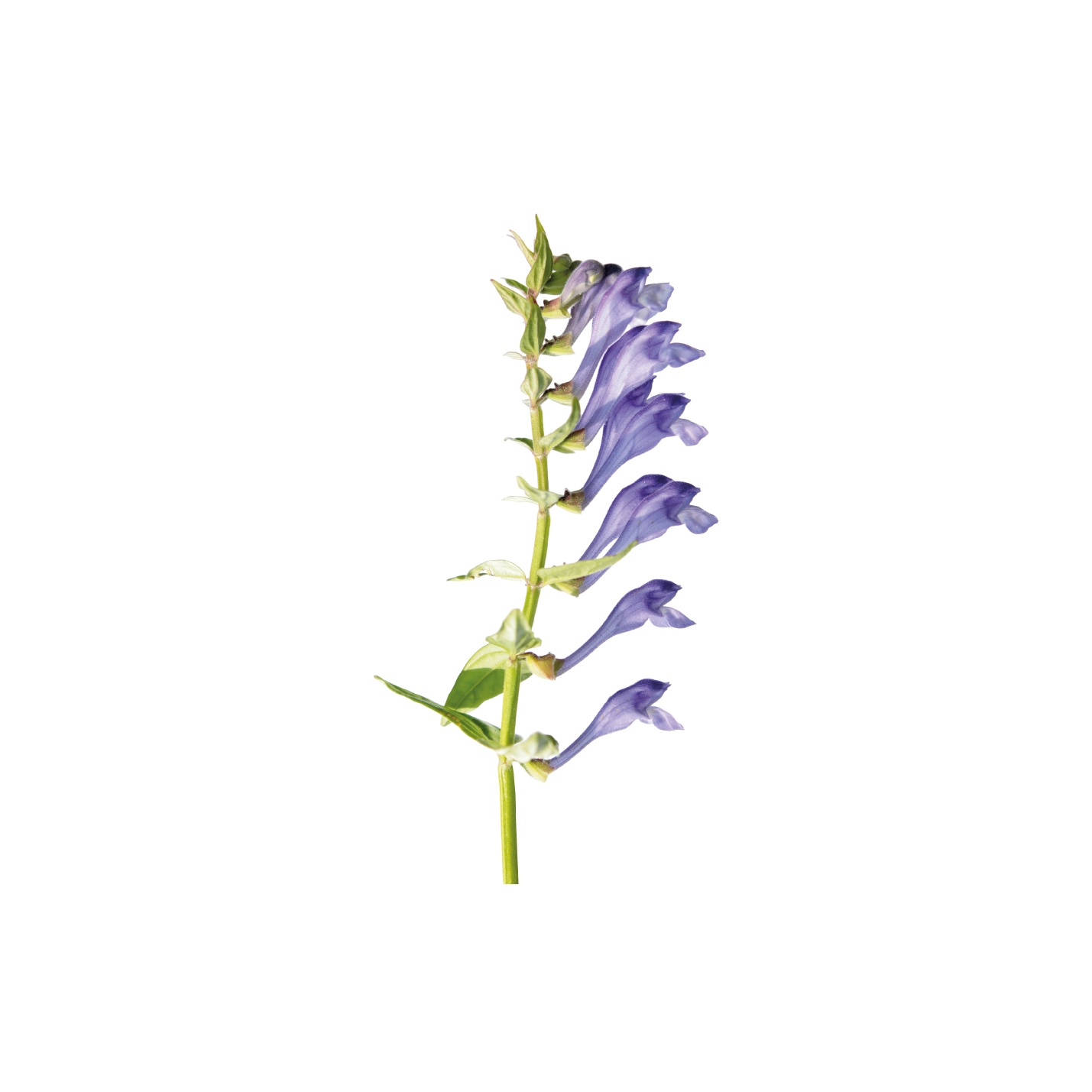 Chinese Skullcap Scutellaria baicalensis Documented for baicalin (5–12 % dry wt), wogonin (1.3 % dry wt), wogonoside (3.5 % dry wt) and 10 more flavones.
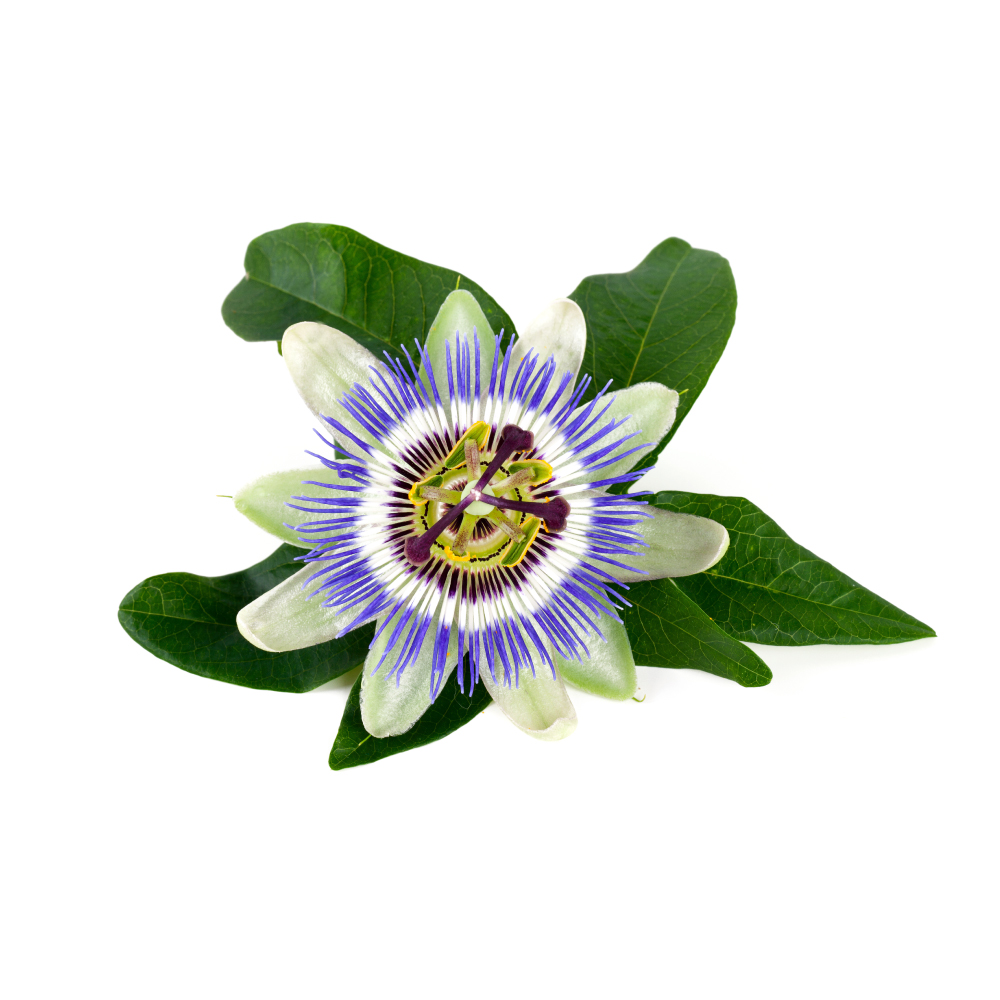 Passionflower Passiflora incarnata Documented for apigenin, chrysin, isoorientin and 10 more flavones. American Skullcap Scutellaria lateriflora Documented for baicalin (4–5 % dry wt), apigenin, baicalein and 6 more flavones.
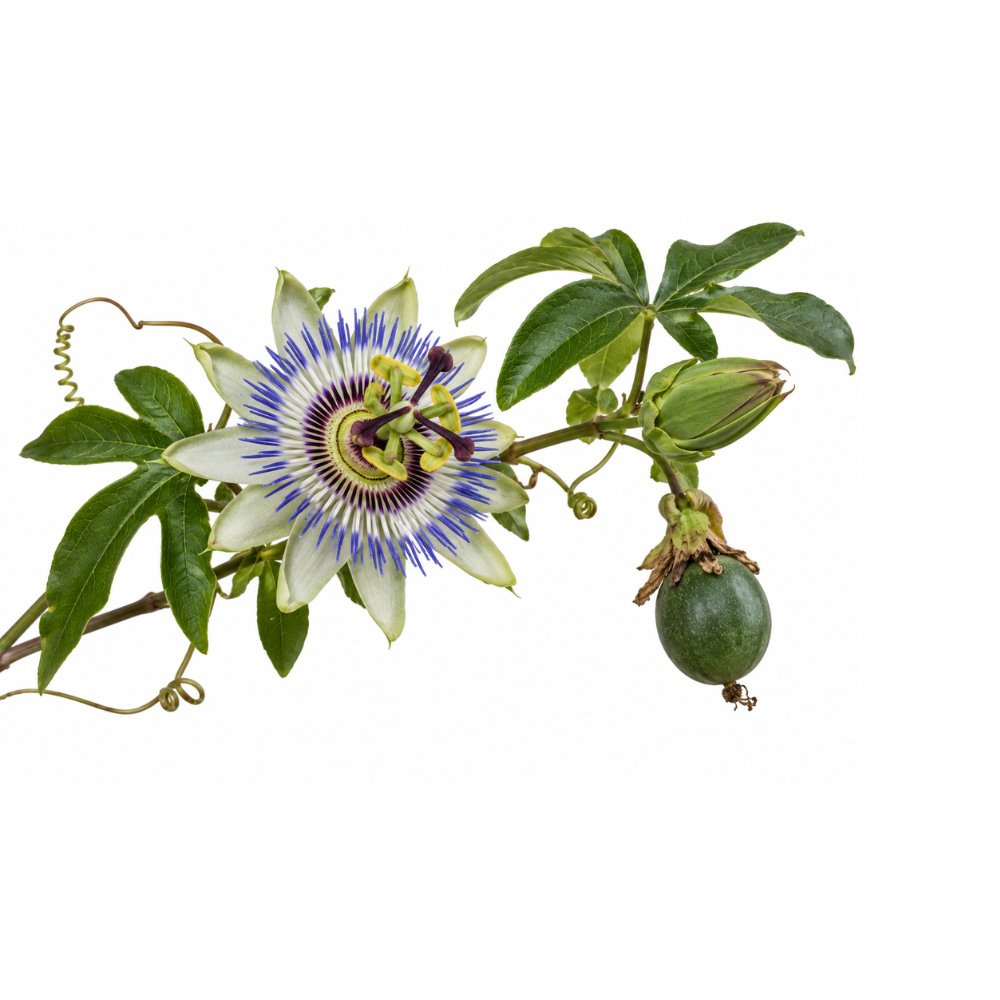 Blue Passionflower Passiflora caerulea Documented for apigenin, chrysin, isoorientin and 5 more flavones.
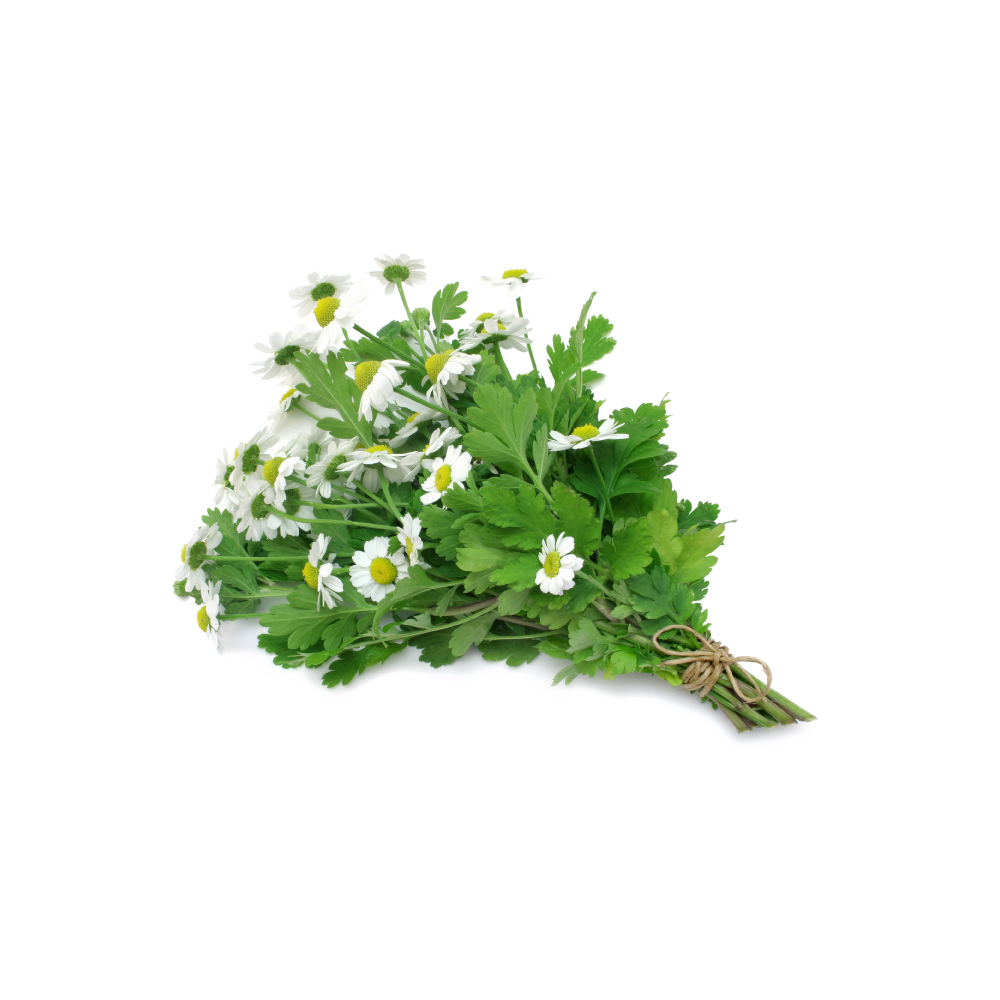 Feverfew Tanacetum parthenium Documented for apigenin, chrysoeriol, diosmetin and 4 more flavones.
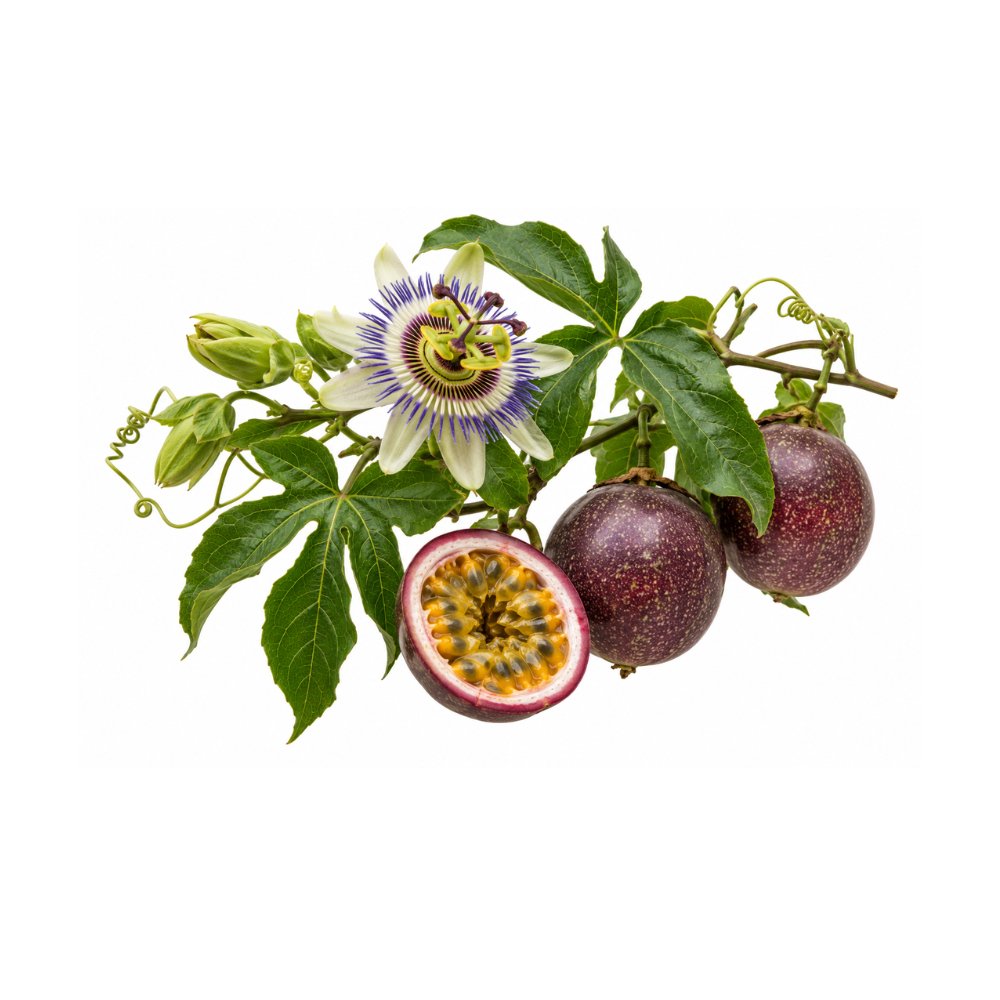 Passion Fruit Passiflora edulis Documented for isoorientin, isovitexin, luteolin and 4 more flavones.
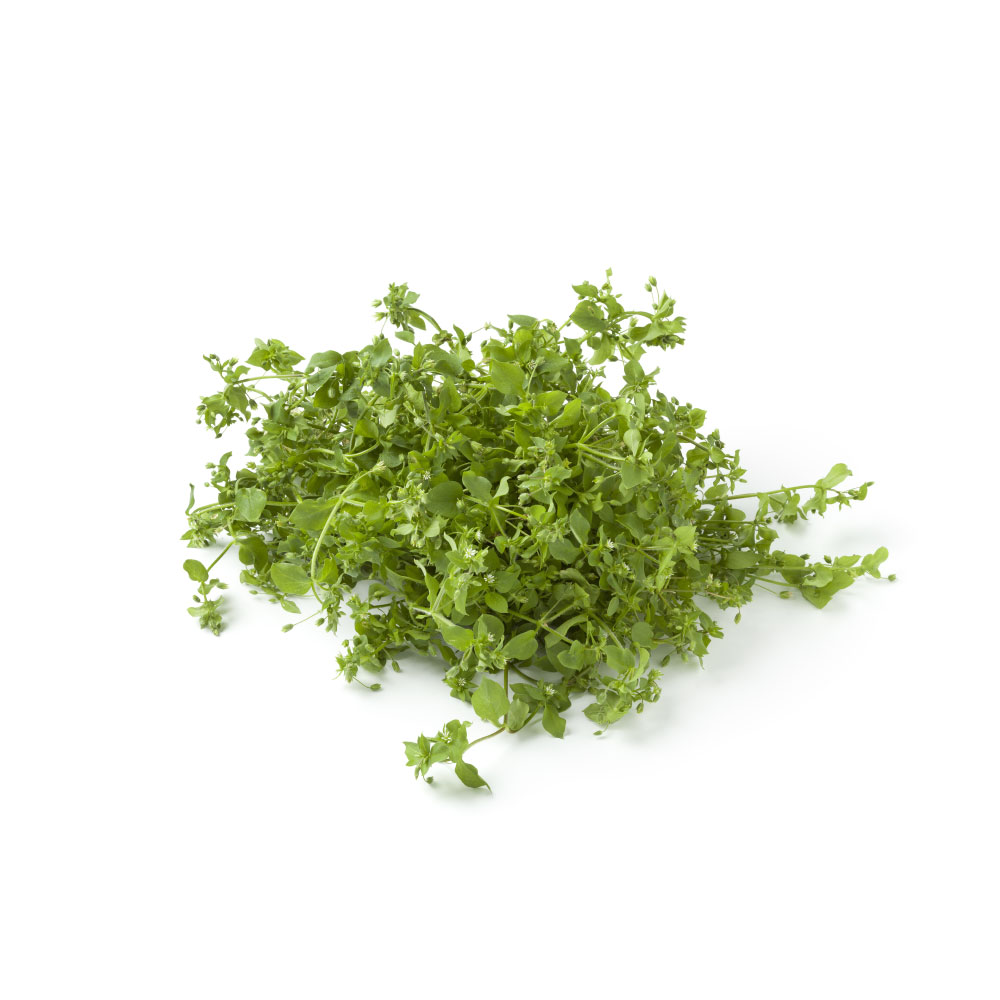 Chickweed Stellaria media Documented for apigenin, chrysin, isoorientin and 3 more flavones.
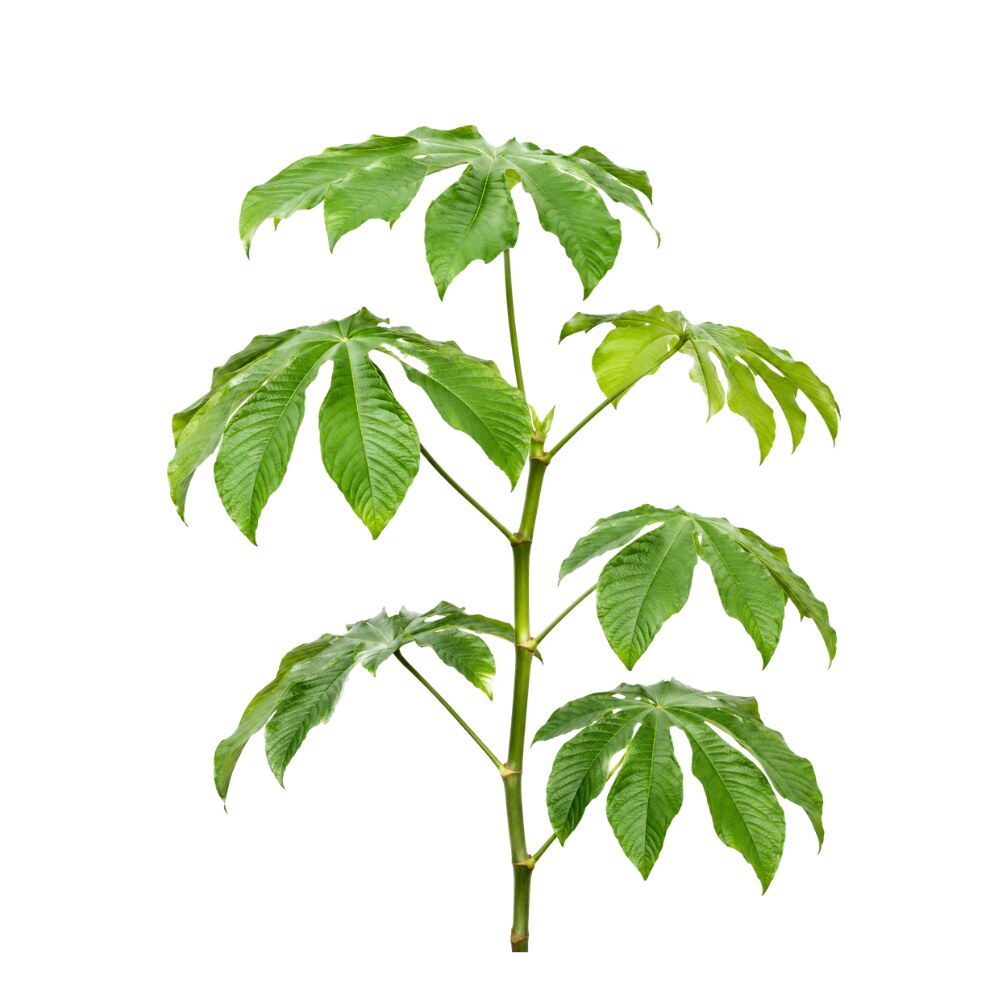 Guamura Cecropia obtusifolia Documented for apigenin, isoorientin, isovitexin and 3 more flavones.
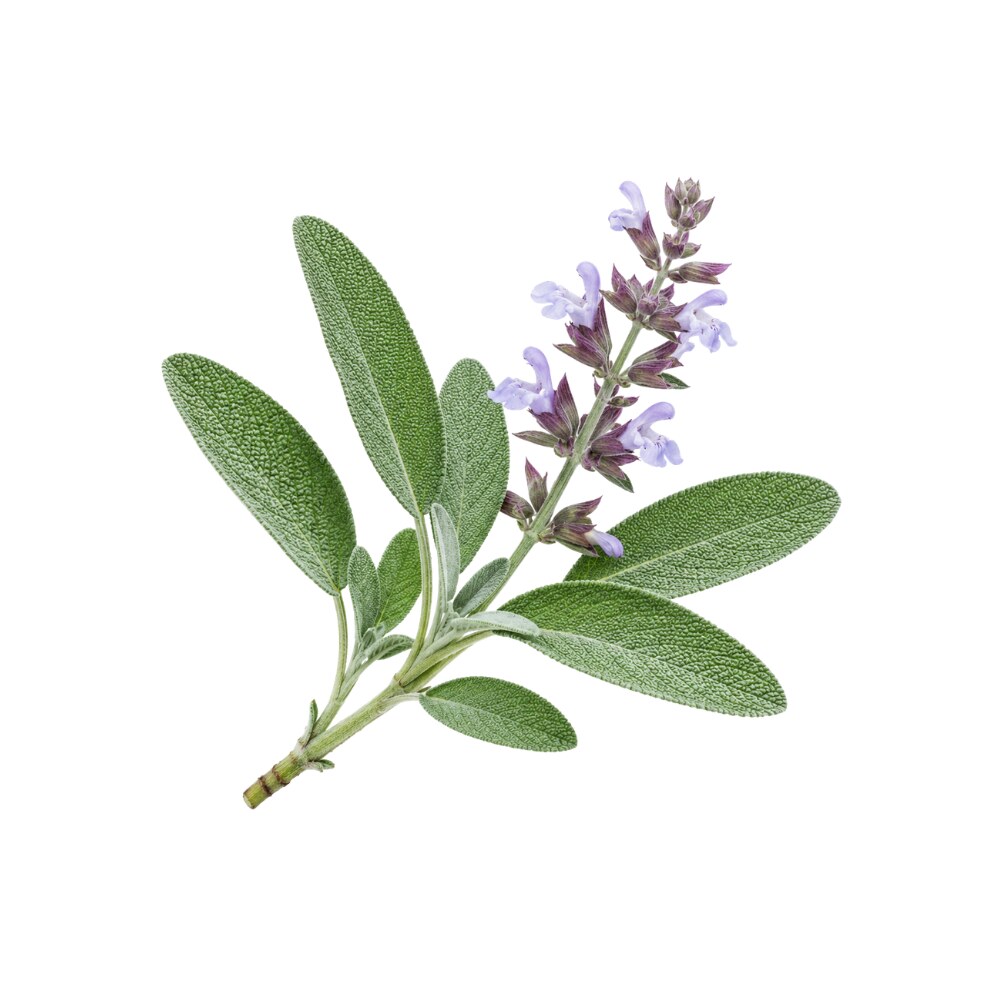 Sage Salvia officinalis Documented for apigenin, cirsiliol, cirsimaritin and 3 more flavones.
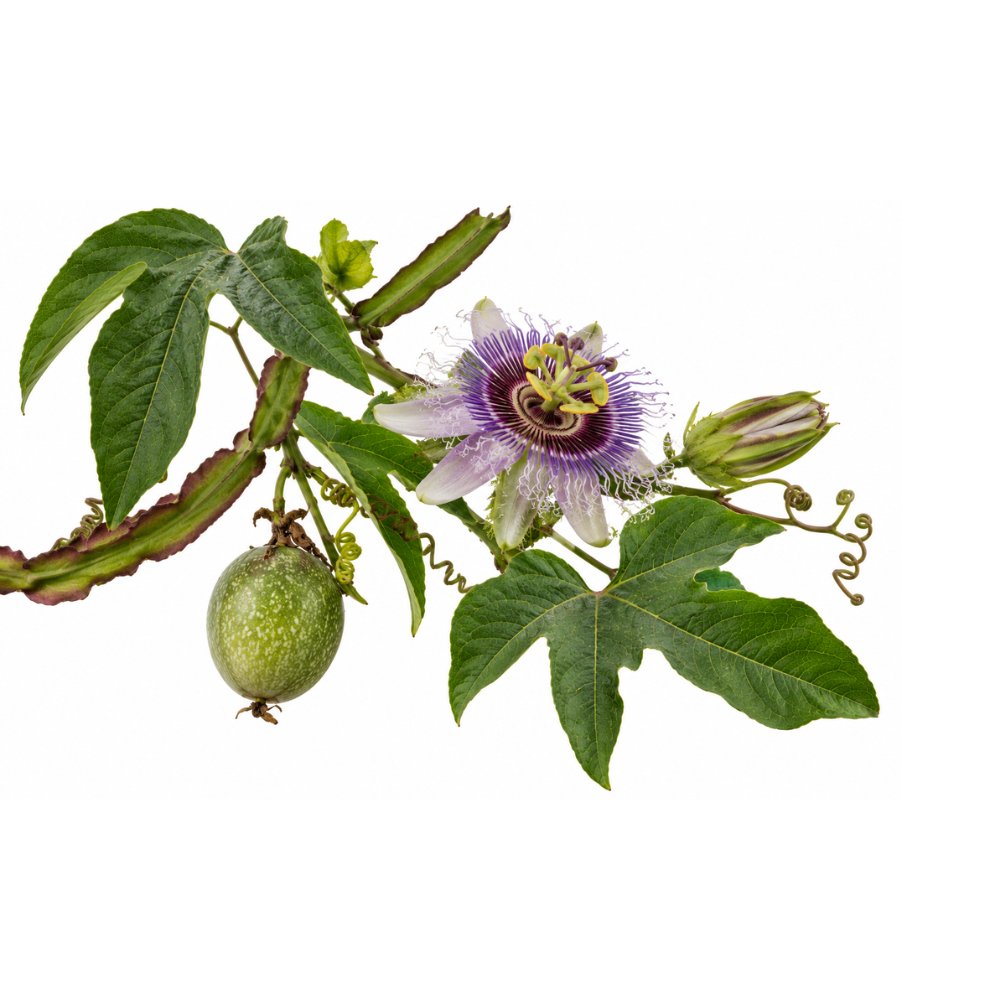 Winged-Stem Passionflower Passiflora alata Documented for apigenin, chrysoeriol, isoorientin and 3 more flavones.
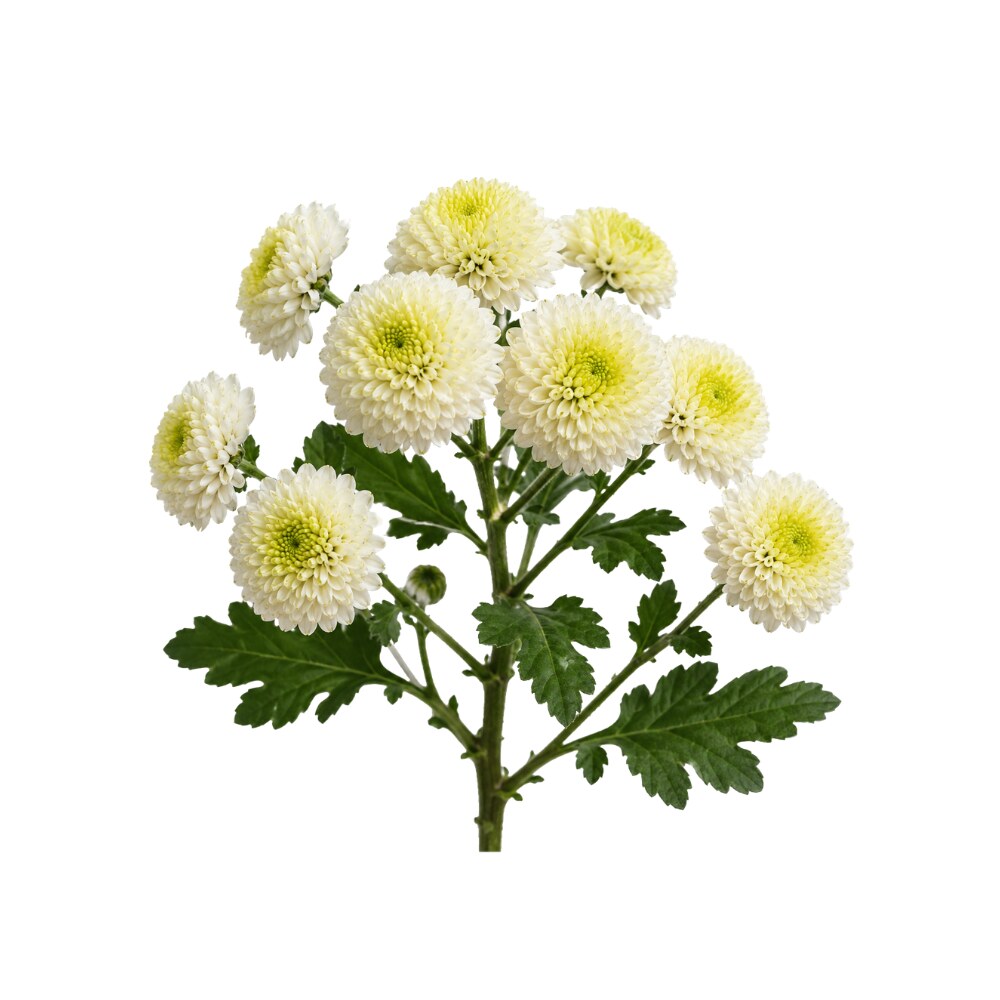 Chrysanthemum Chrysanthemum morifolium Documented for acacetin, apigenin, chrysoeriol and 2 more flavones.
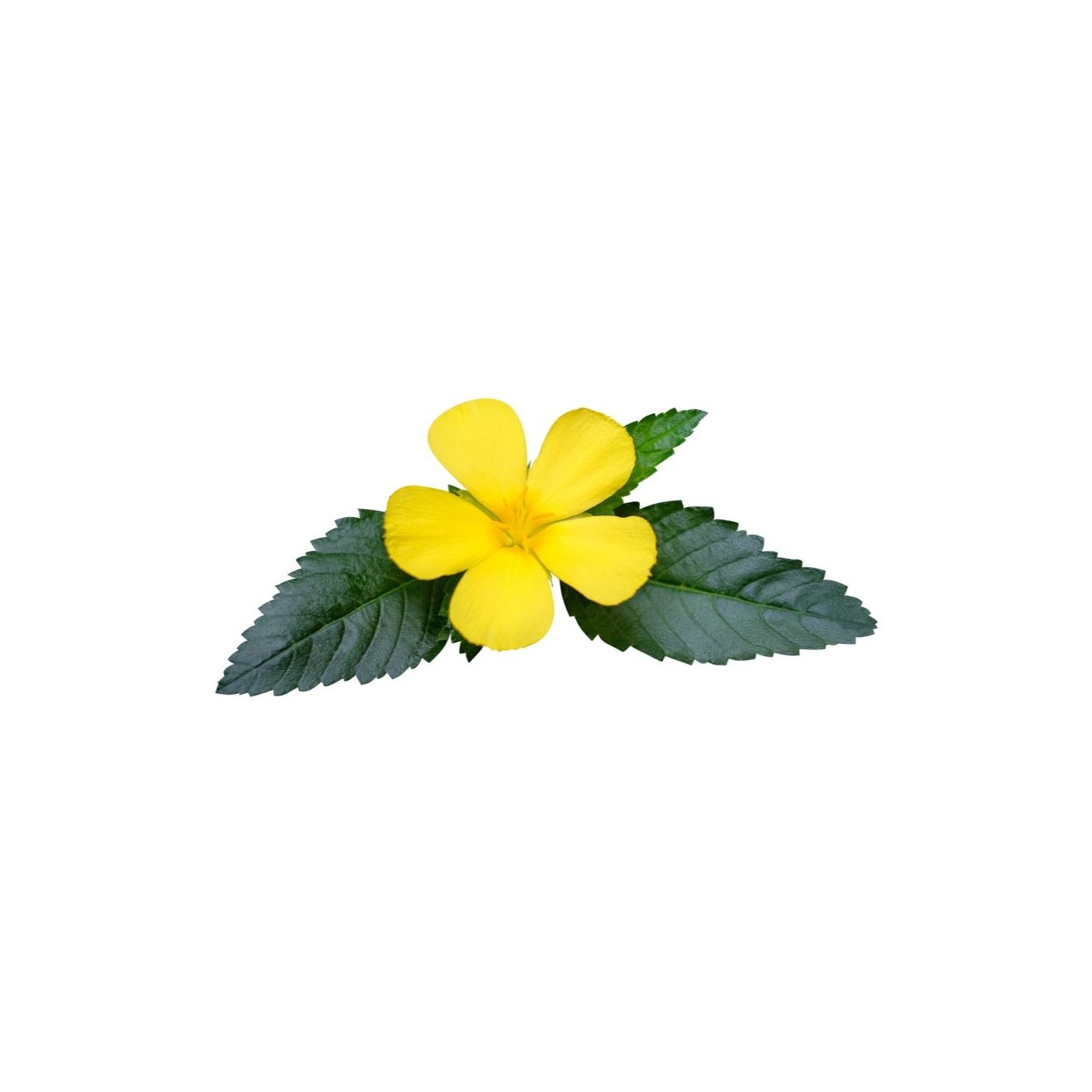 Damiana Turnera diffusa Documented for acacetin, apigenin, apigenin-7-glucoside and 2 more flavones.
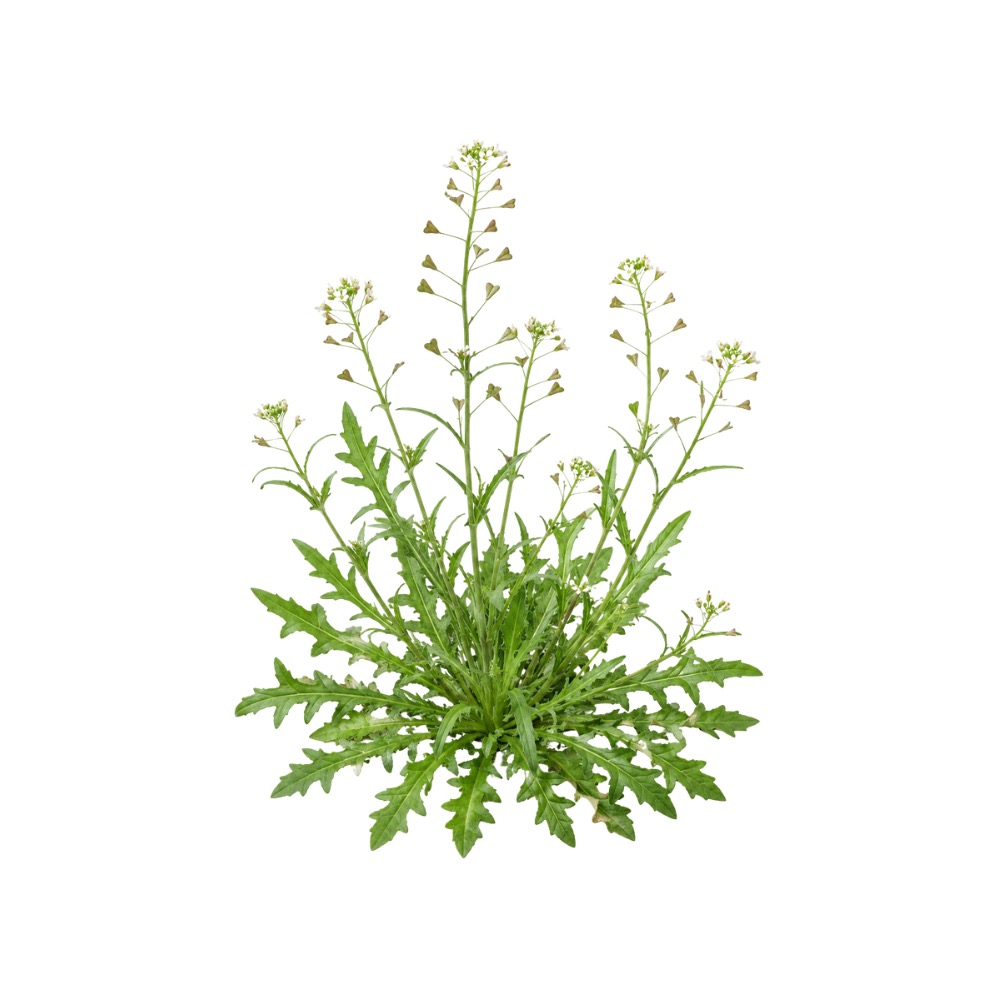 Shepherd's Purse Capsella bursa-pastoris Documented for apigenin, chrysoeriol, diosmin and 2 more flavones.
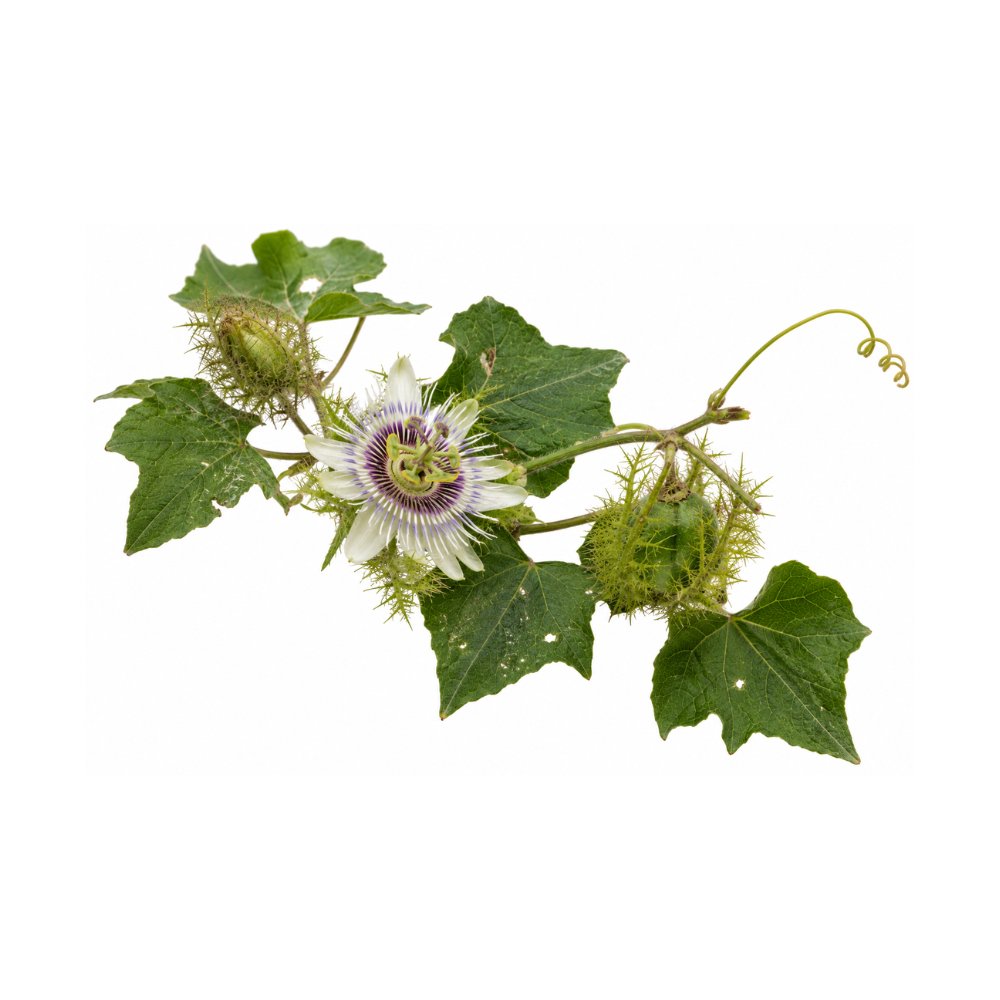 Stinking Passionflower Passiflora foetida Documented for apigenin, chrysoeriol, isovitexin and 2 more flavones.
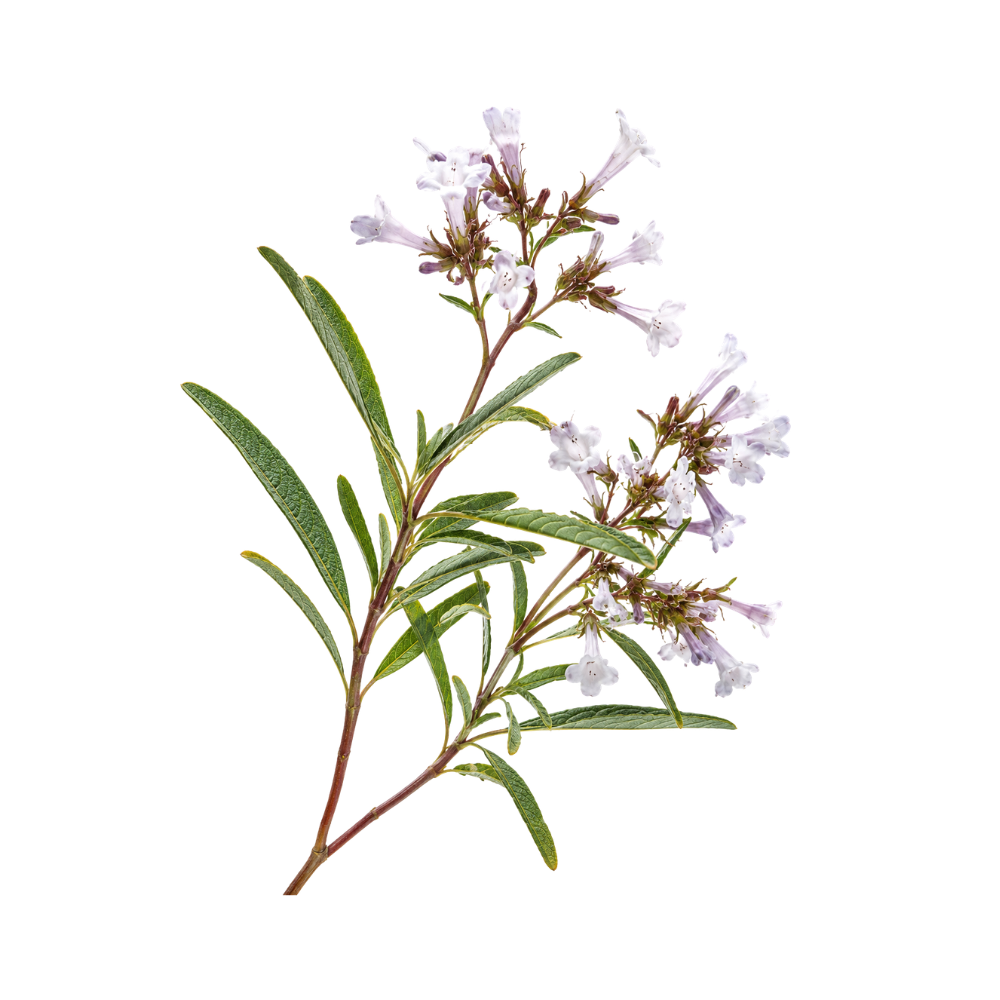 Yerba Santa Eriodictyon californicum Documented for chrysin, chrysoeriol, cirsimaritin and 2 more flavones.
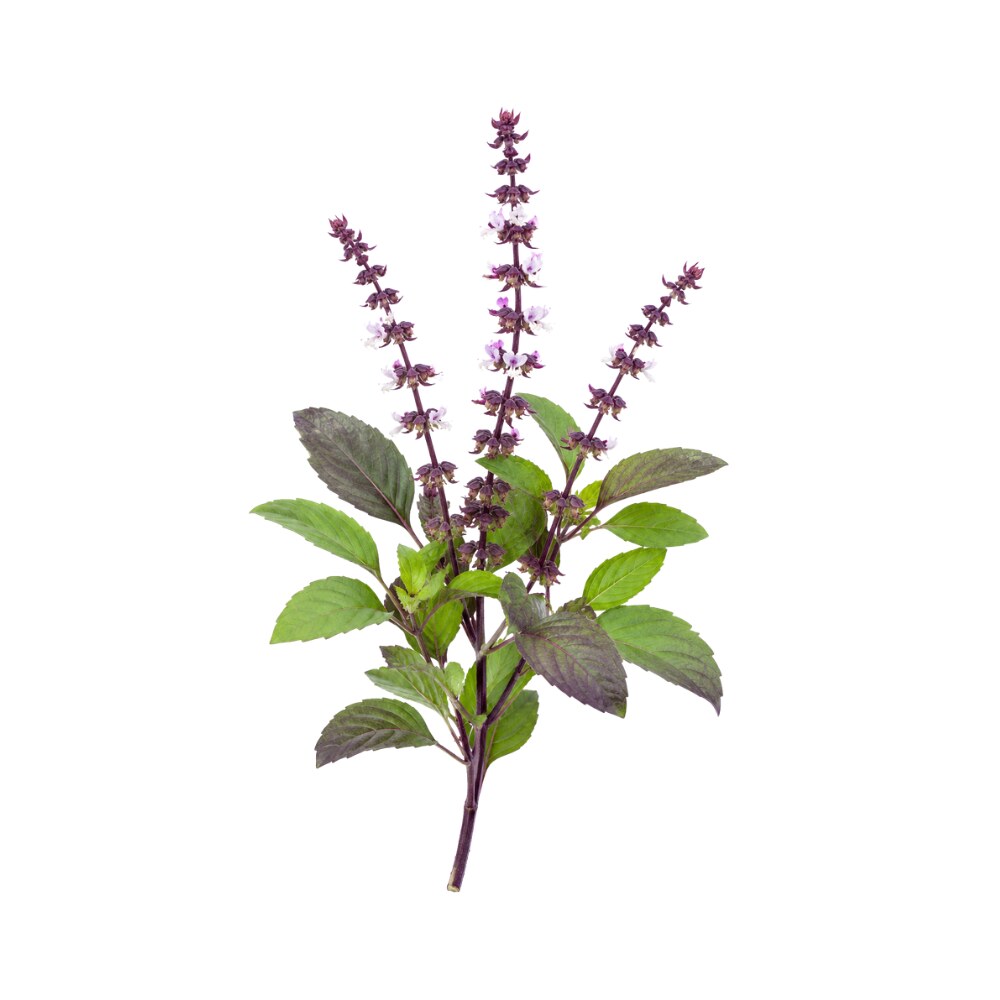 Holy Basil Ocimum tenuiflorum Documented for apigenin, luteolin, orientin and 1 more.
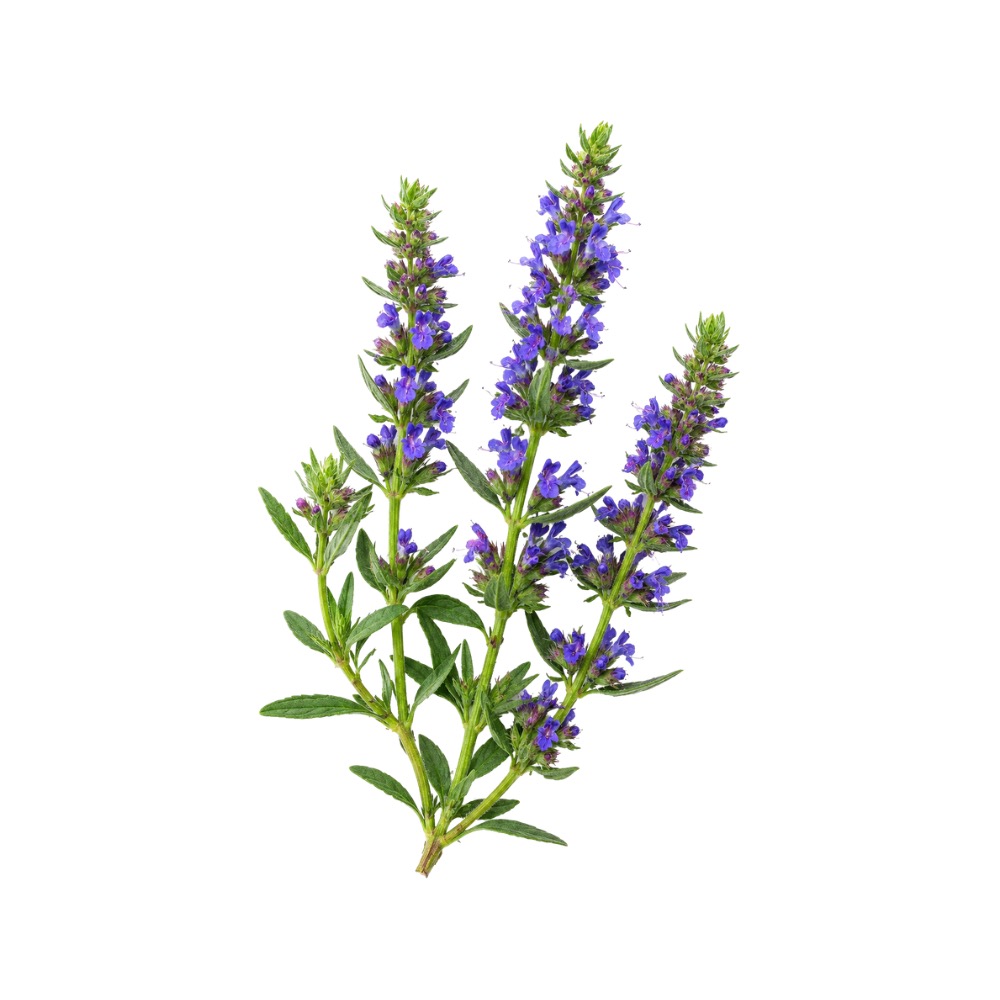 Hyssop Hyssopus officinalis Documented for apigenin, diosmetin, diosmin and 1 more.
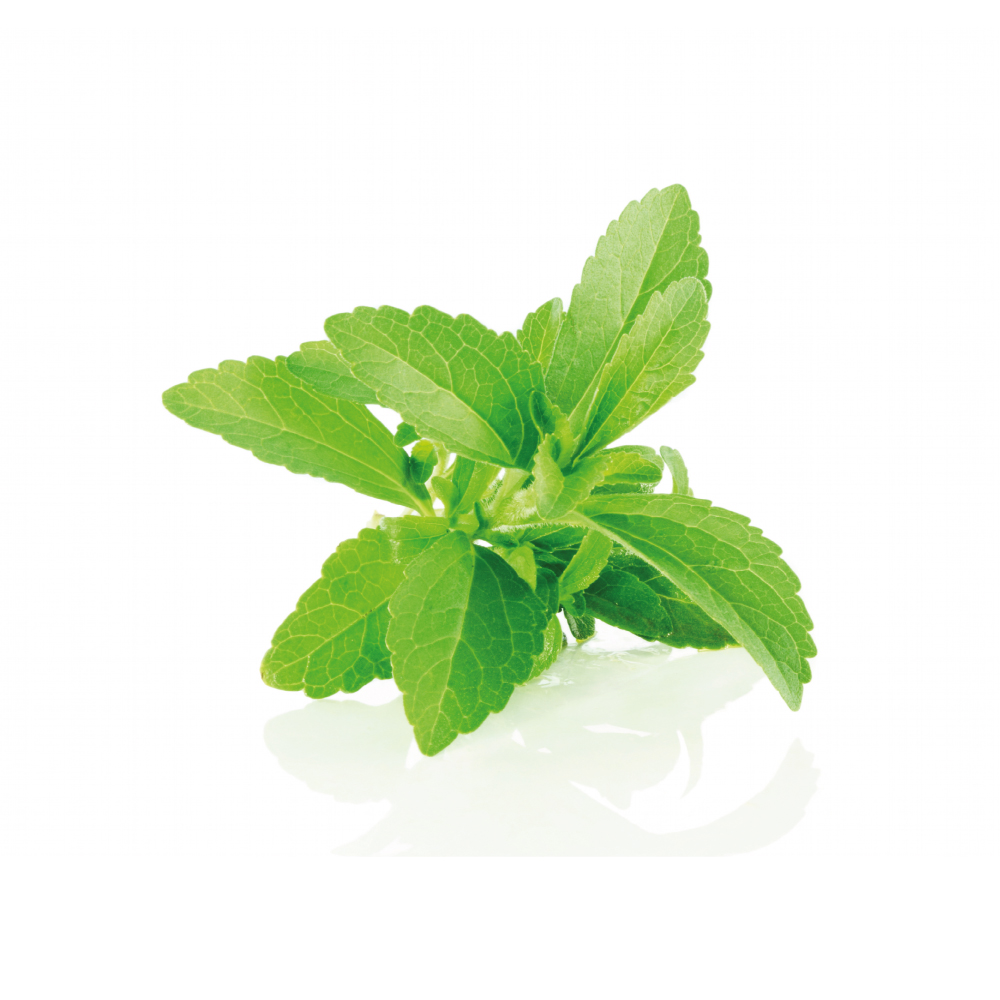 Stevia Stevia rebaudiana Documented for apigenin, cosmosiin, cynaroside and 1 more.
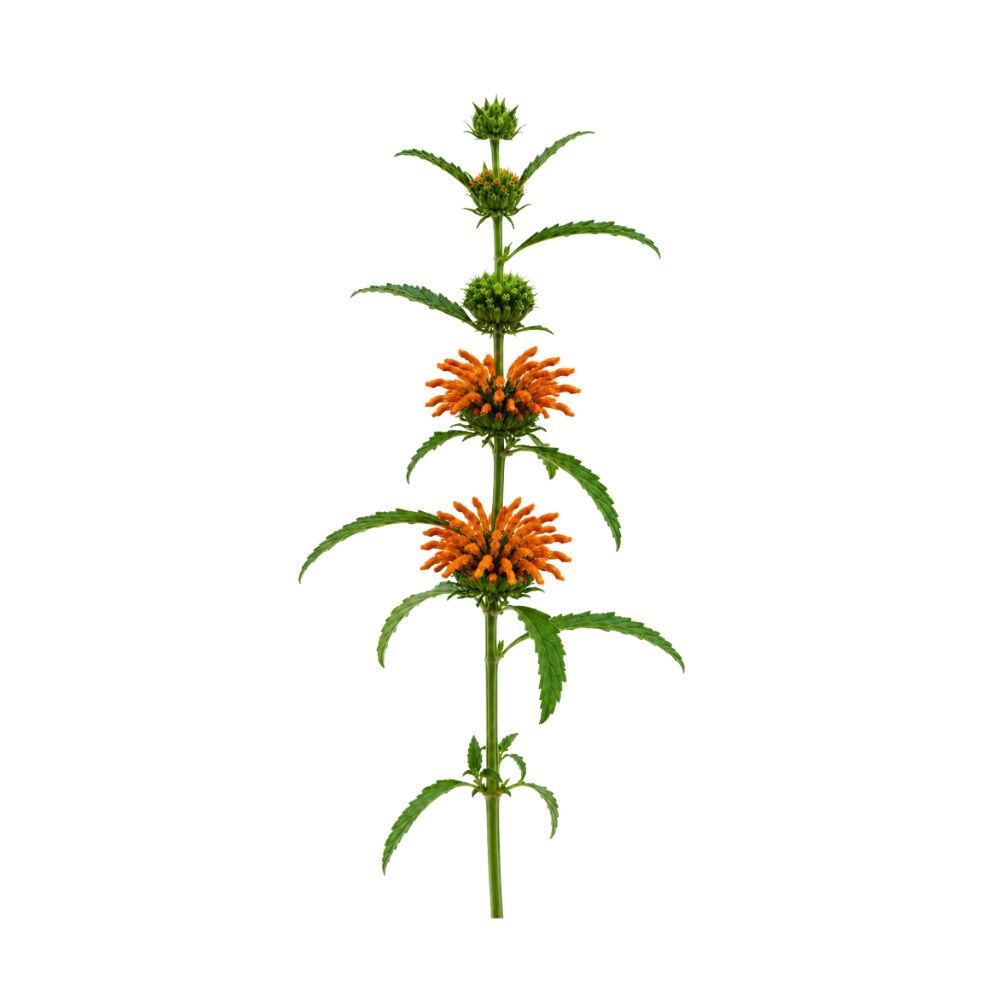 Dagga Leonotis nepetifolia Documented for apigenin, cirsiliol, luteolin.
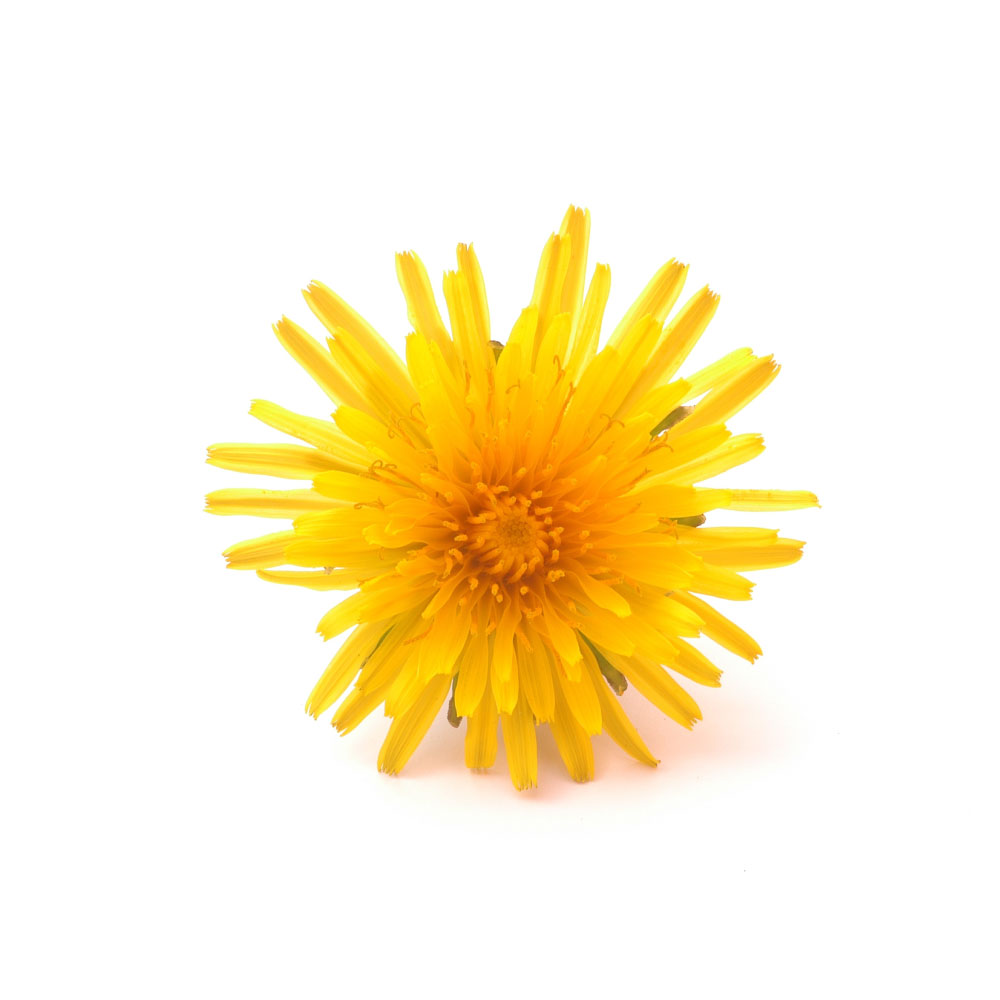 Dandelion Taraxacum officinale Documented for apigenin, galuteolin, luteolin.
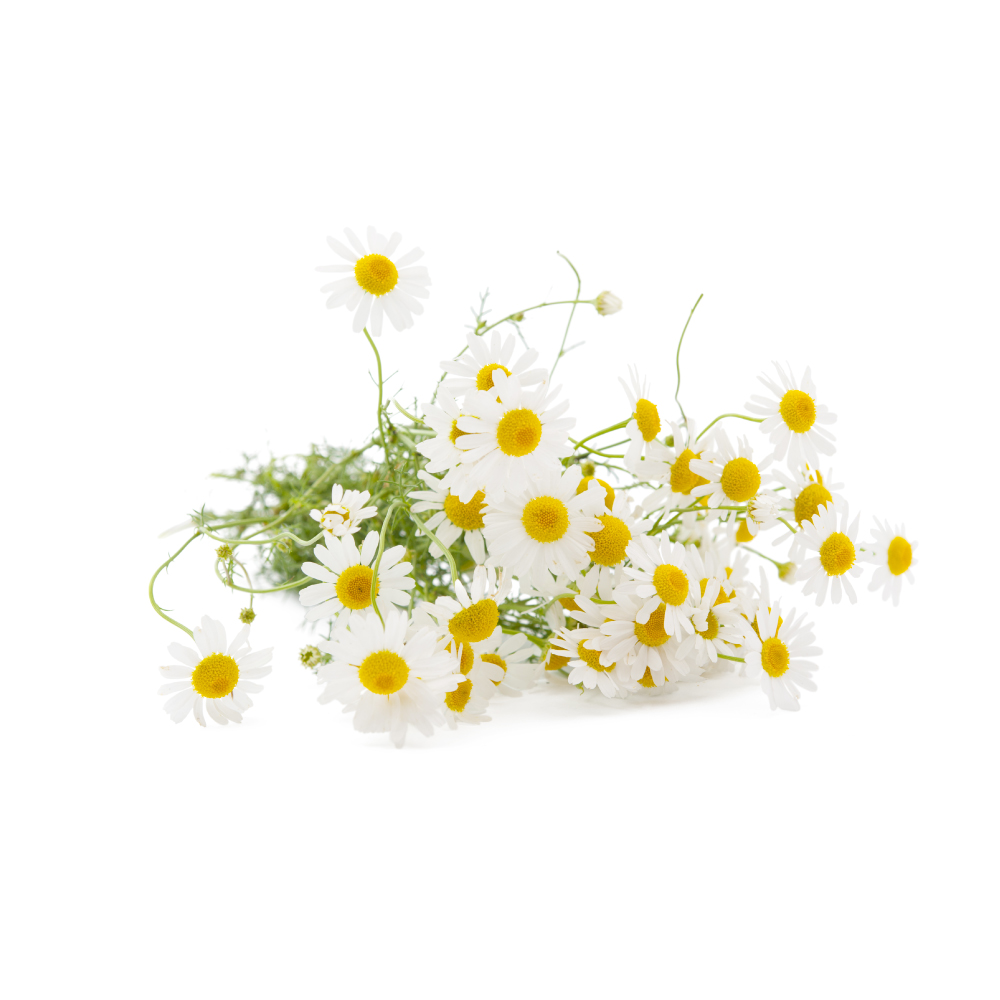 German Chamomile Matricaria chamomilla Documented for apigenin (54–62 mg/100 g), apigenin-7-glucoside, flavone glycosides.
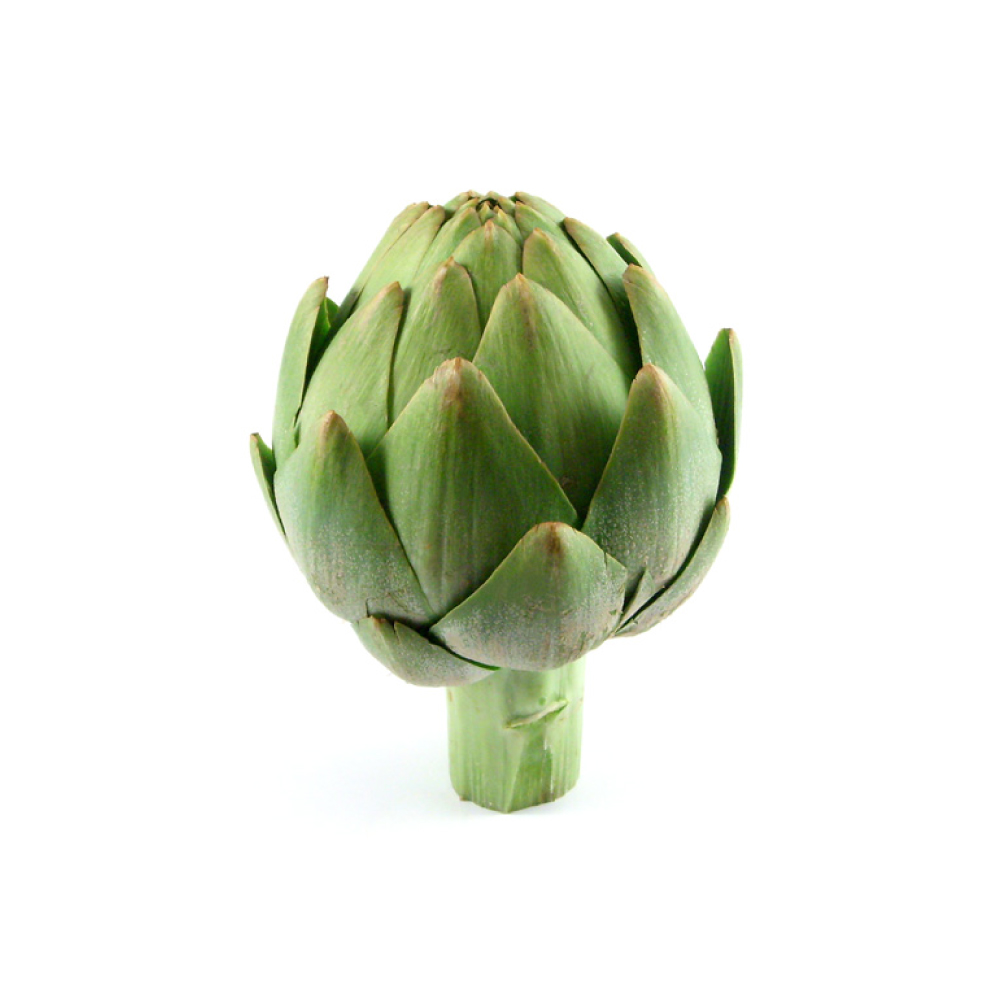 Globe Artichoke Cynara scolymus Documented for galuteolin, luteolin, scolymoside.
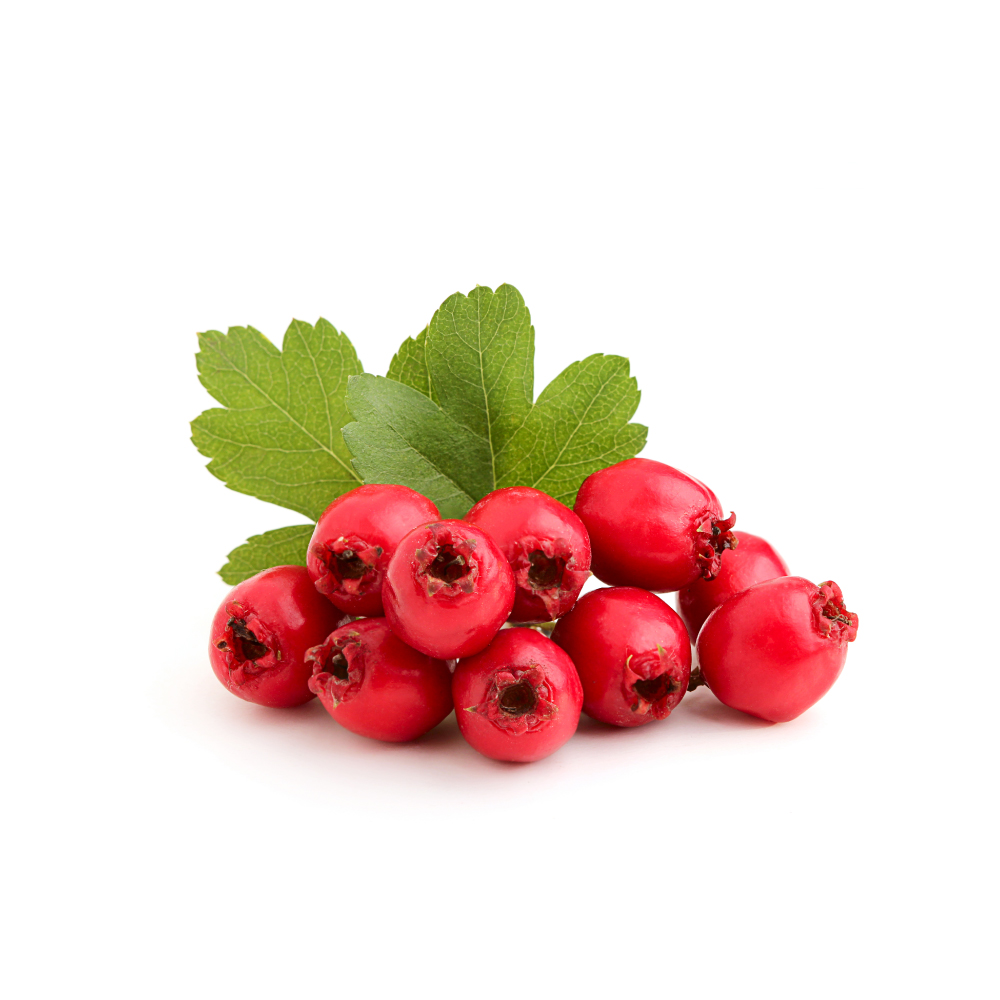 Hawthorn Crataegus oxyacantha Documented for luteolin-7-glucoside, vitexin, vitexin-2"-O-rhamnoside.
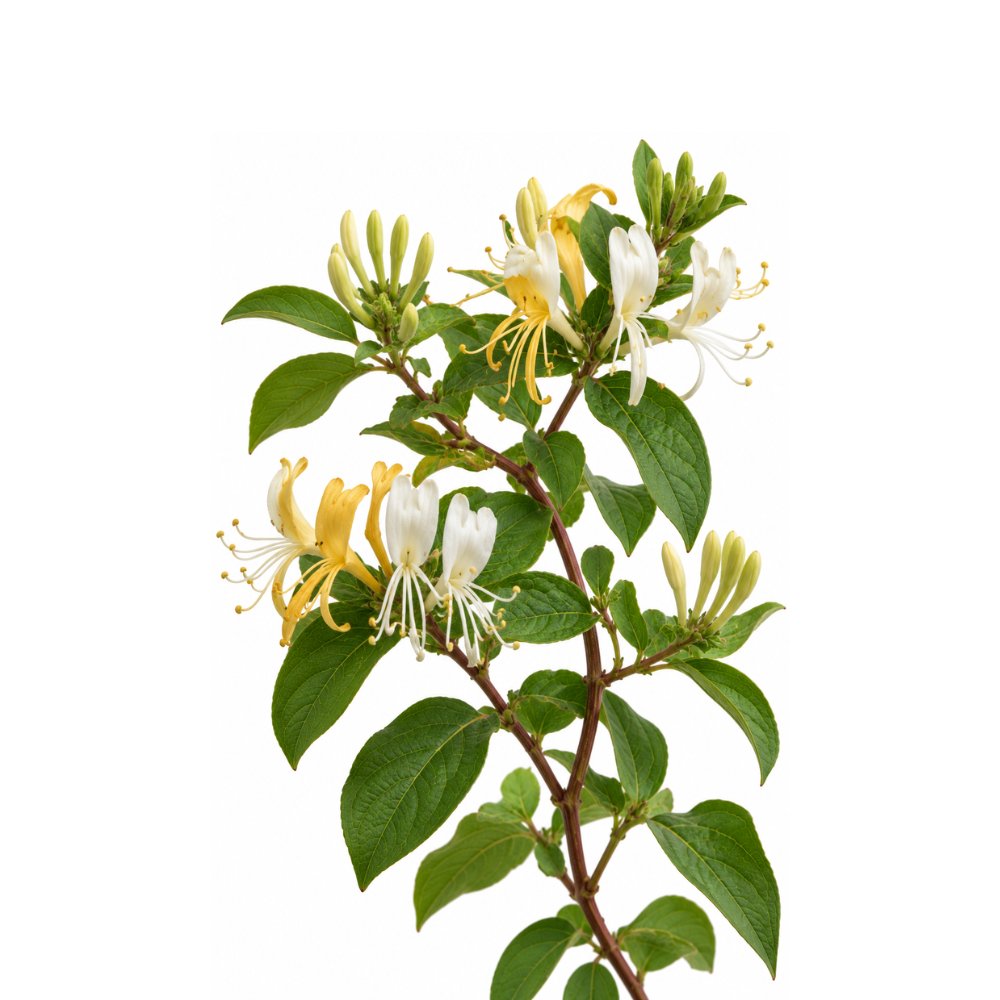 Honeysuckle Lonicera japonica Documented for galuteolin, lonicerin, luteolin.
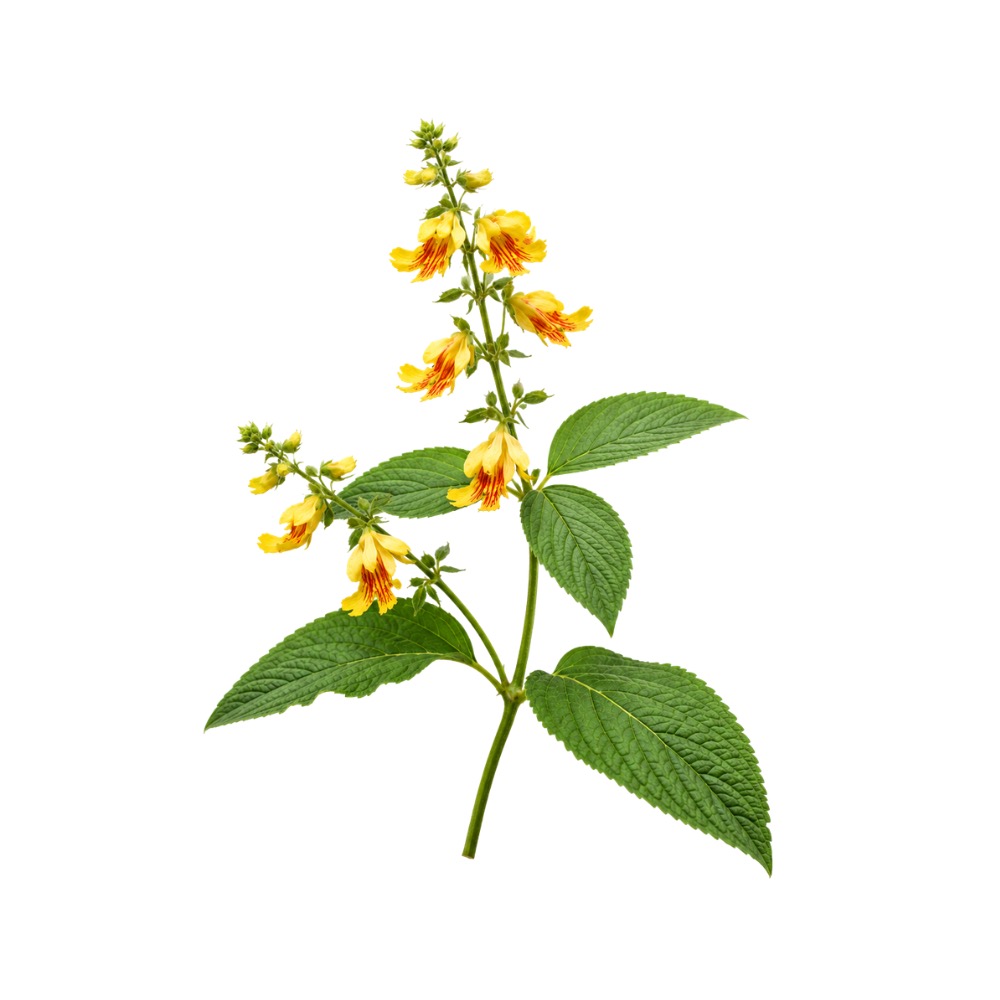 Maconha Brava Zornia latifolia Documented for apigenin, luteolin, syzalterin.
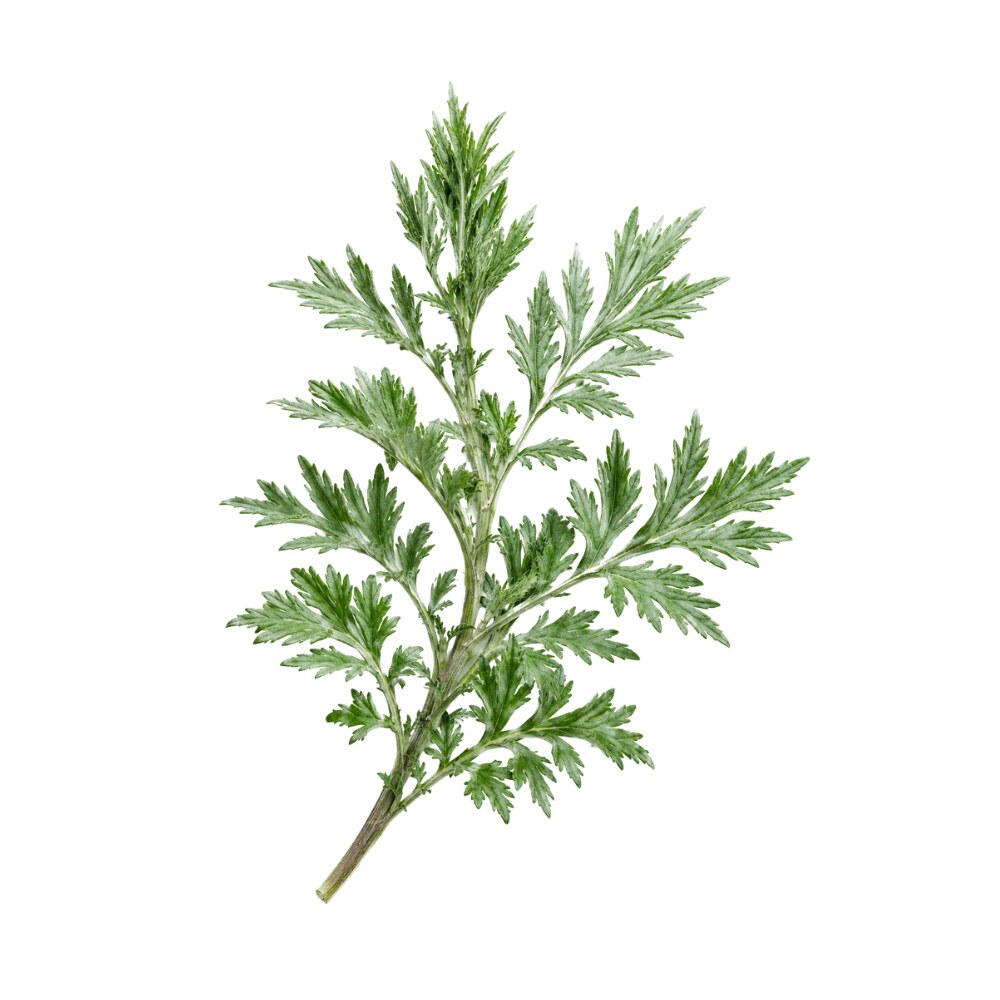 Mugwort Artemisia vulgaris Documented for apigenin, jaceosidin, luteolin.
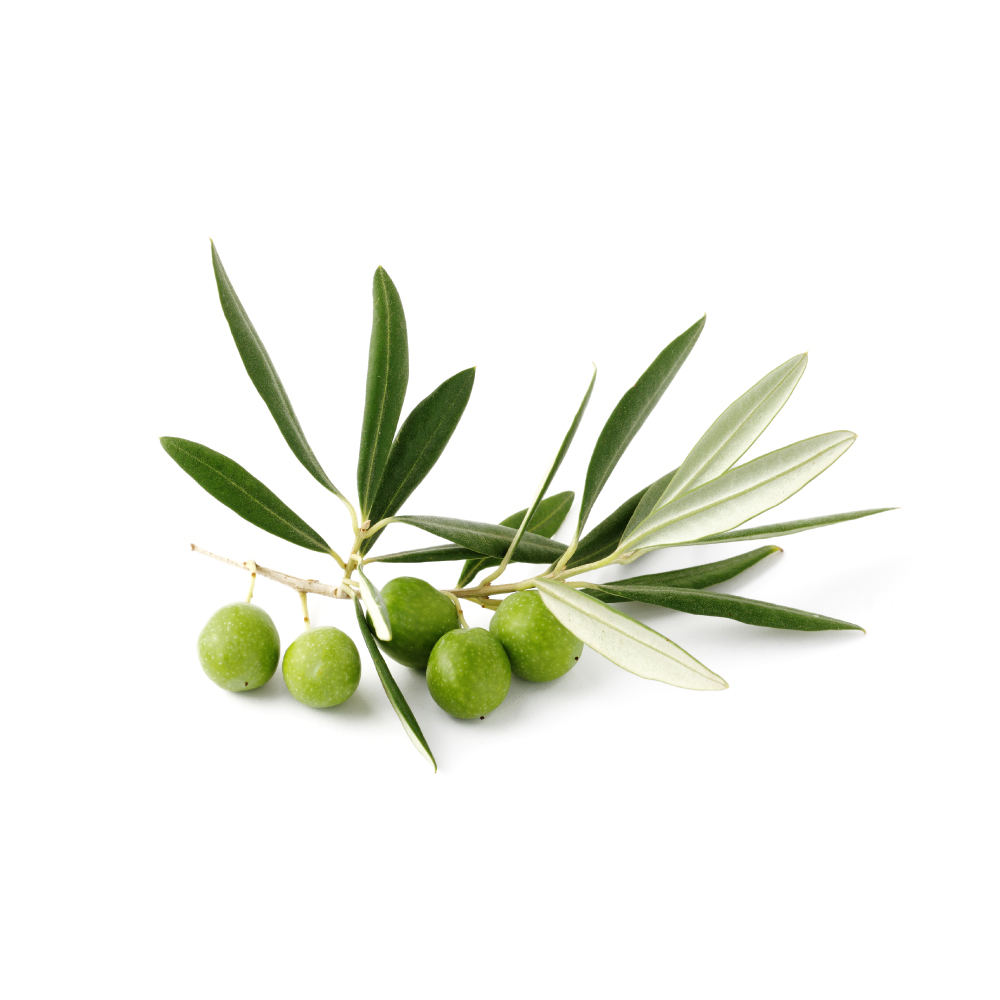 Olive Leaf Olea europaea Documented for apigenin-7-glucoside, diosmin, luteolin-7-glucoside.
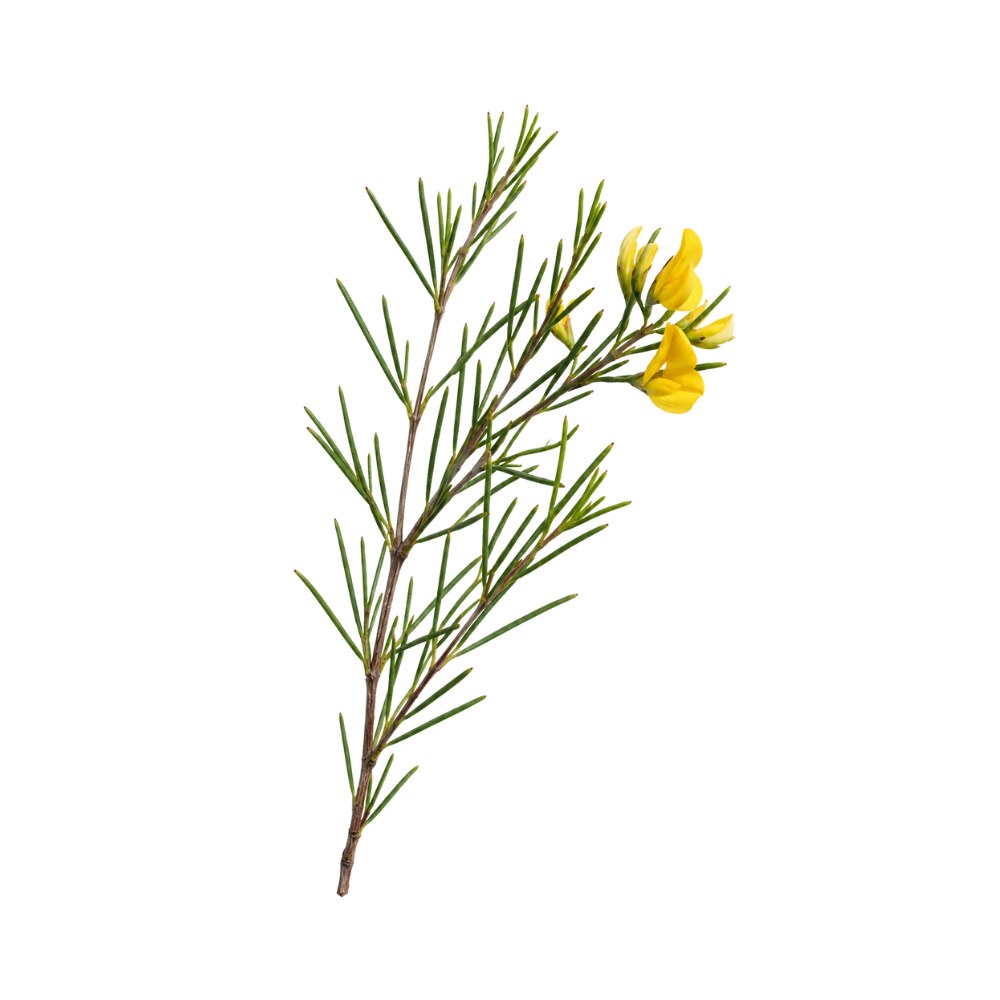 Rooibos Aspalathus linearis Documented for orientin (1–1.3 mg/g), isoorientin, luteolin.
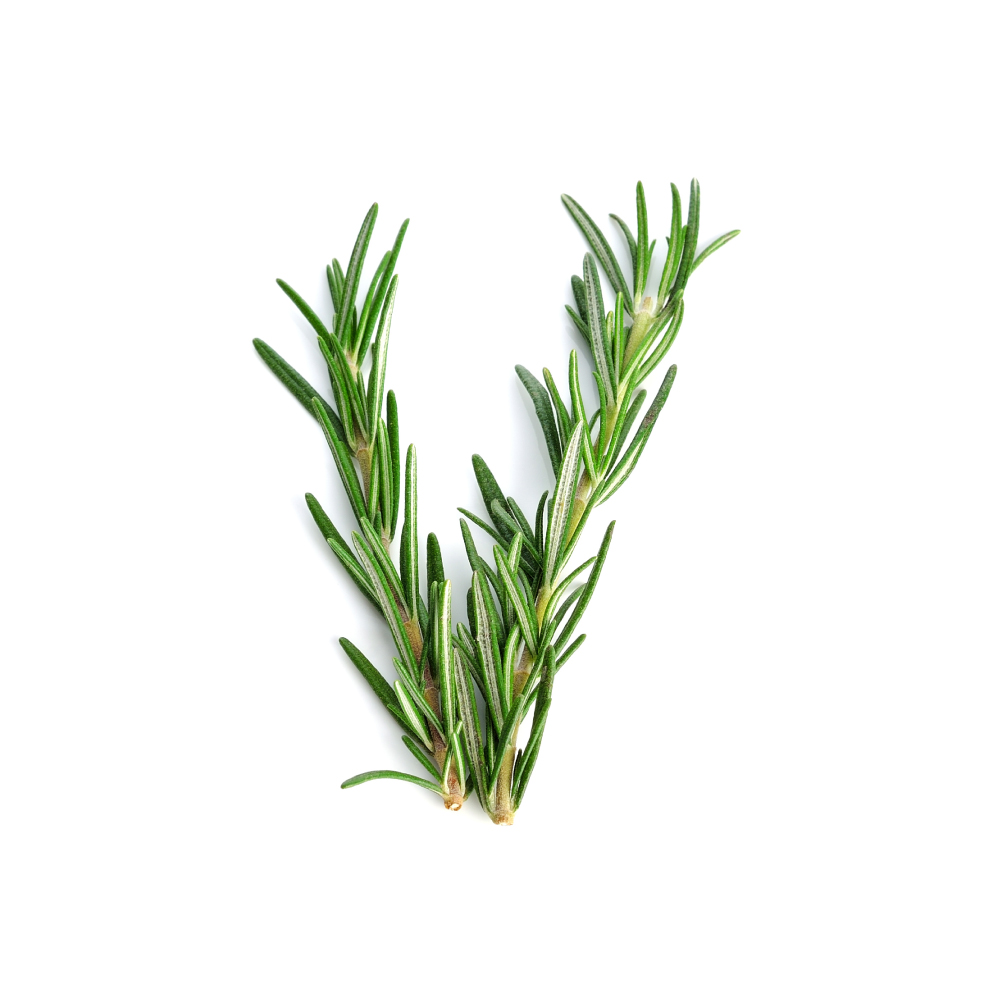 Rosemary Rosmarinus officinalis Documented for apigenin, cirsimaritin, diosmetin. Thyme Thymus vulgaris Documented for apigenin, cirsimaritin, luteolin.
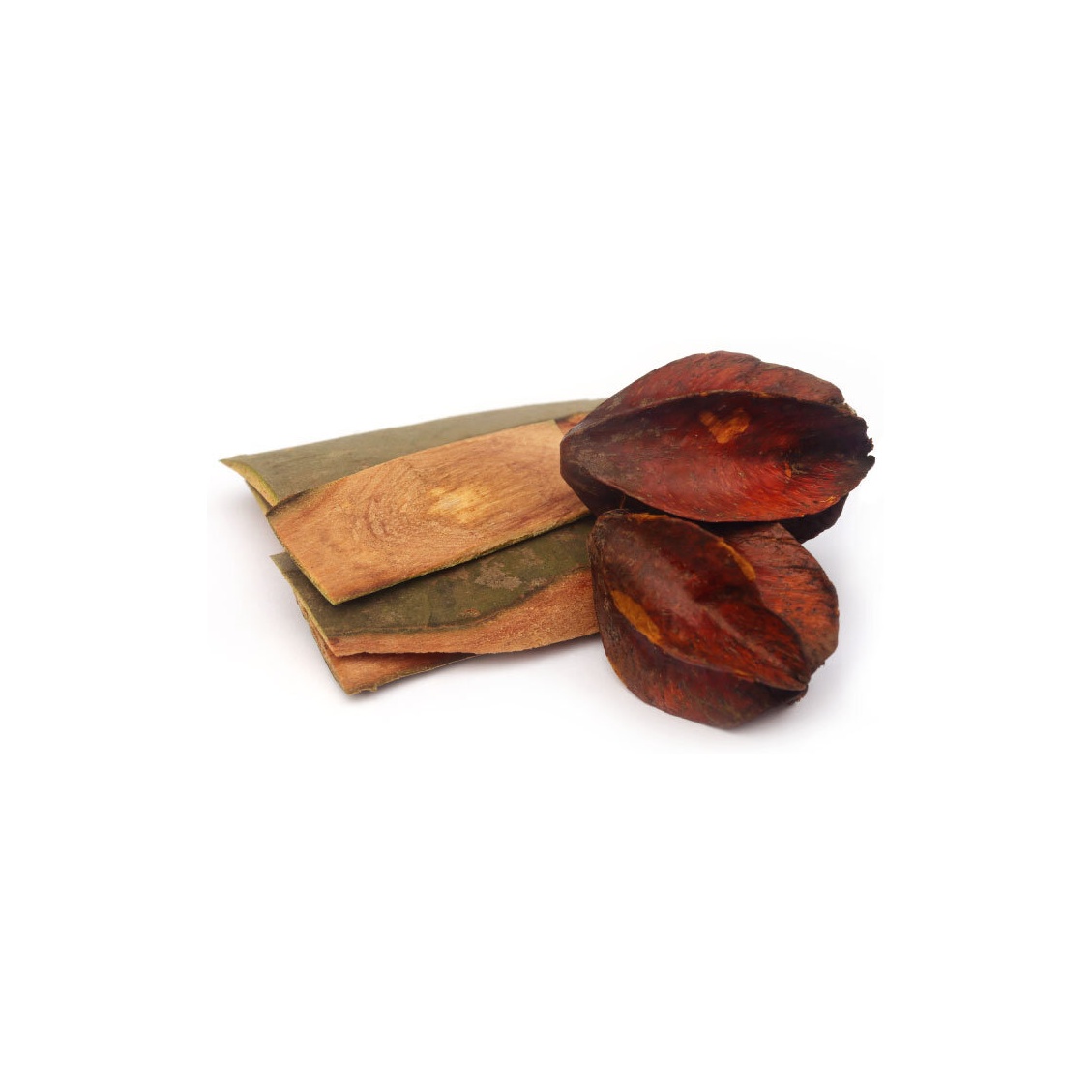 Arjuna Terminalia arjuna Documented for baicalein, luteolin.
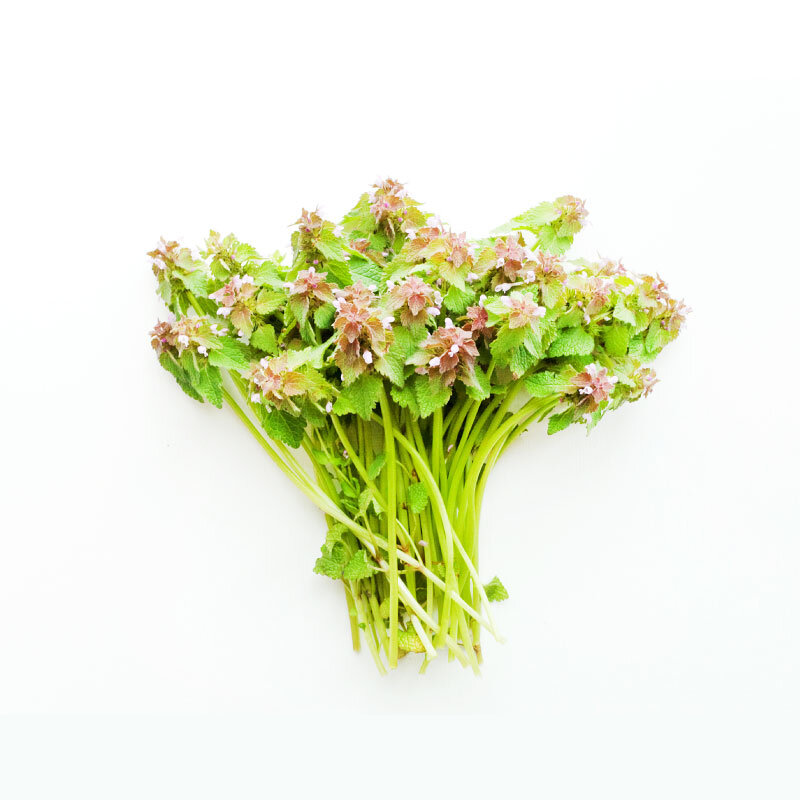 Black Horehound Ballota nigra Documented for luteolin-7-glucosyl-lactate, luteolin-7-lactate.
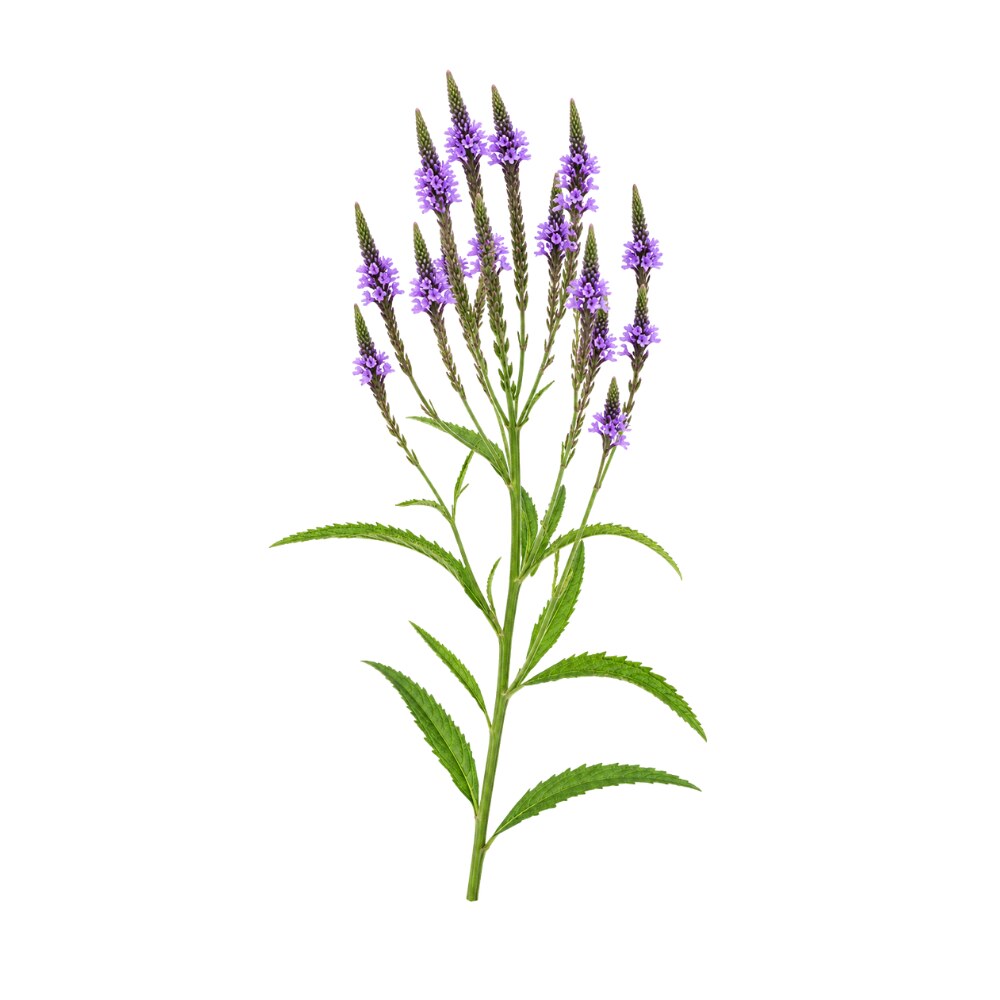 Blue Vervain Verbena hastata Documented for apigenin, luteolin.
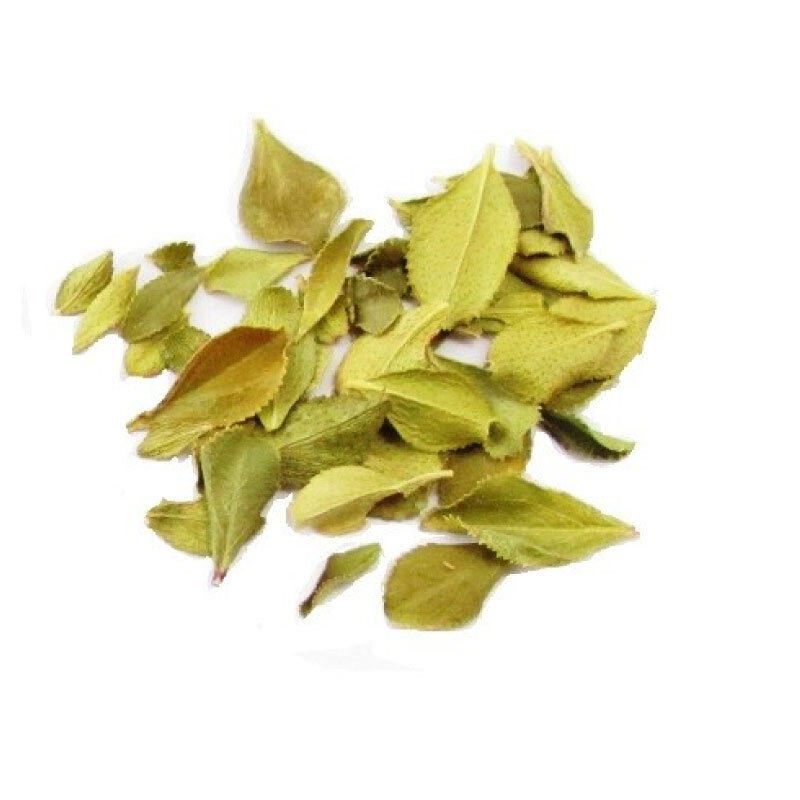 Buchu Agathosma betulina Documented for diosmetin, diosmin.
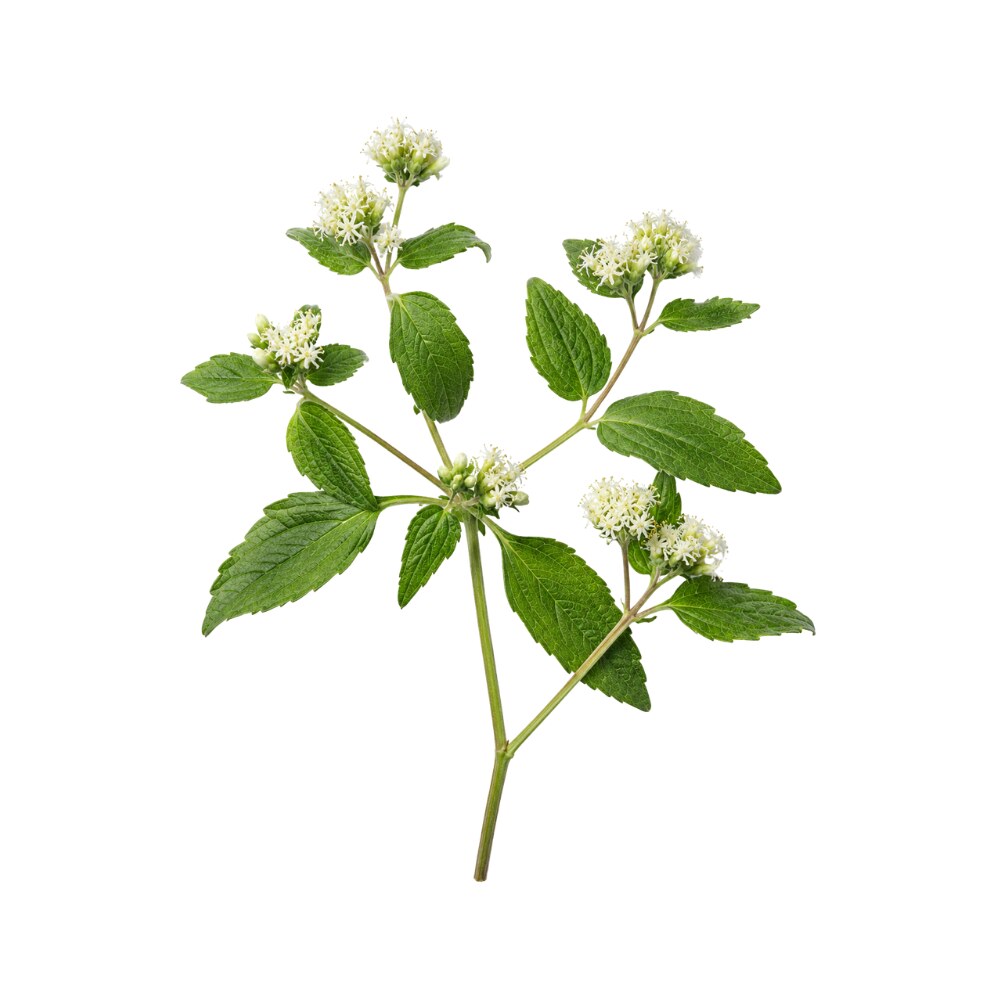 Calea zacatechichi Calea ternifolia Documented for acacetin, genkwanin.
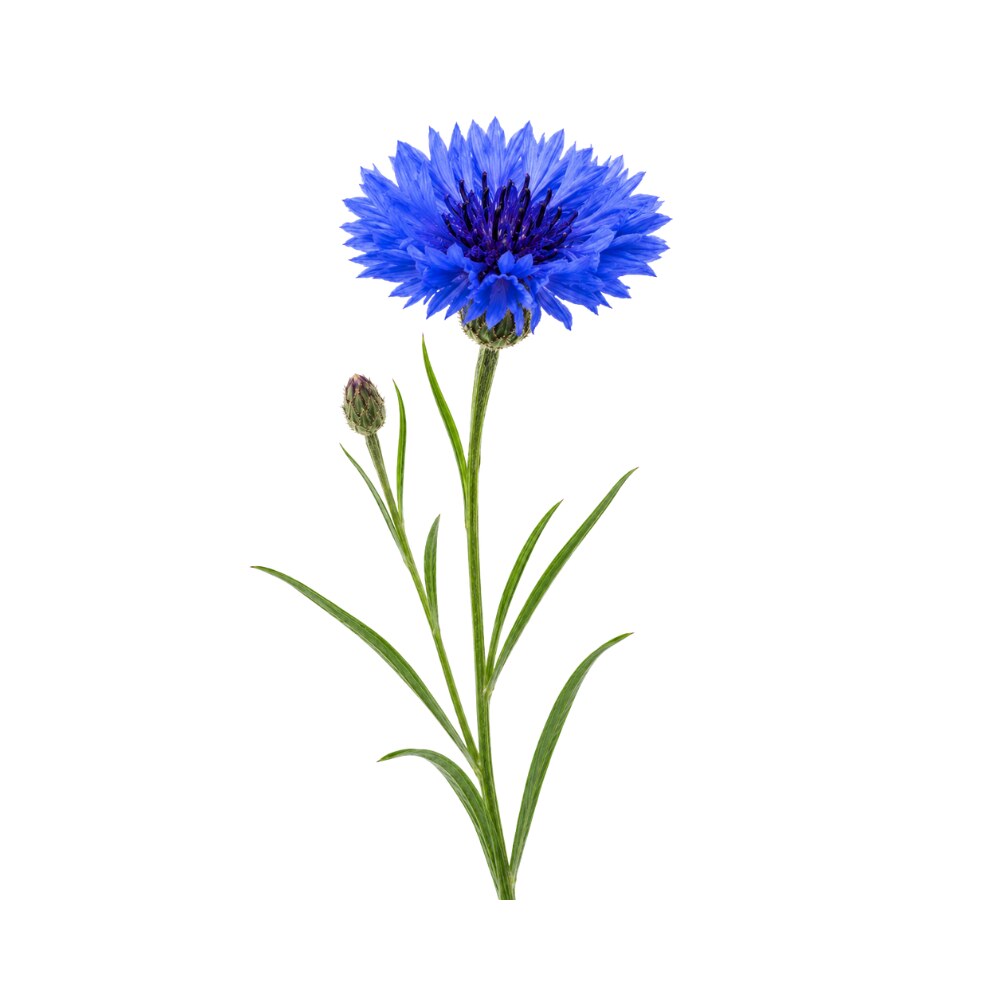 Cornflower Centaurea cyanus Documented for apigenin, luteolin.
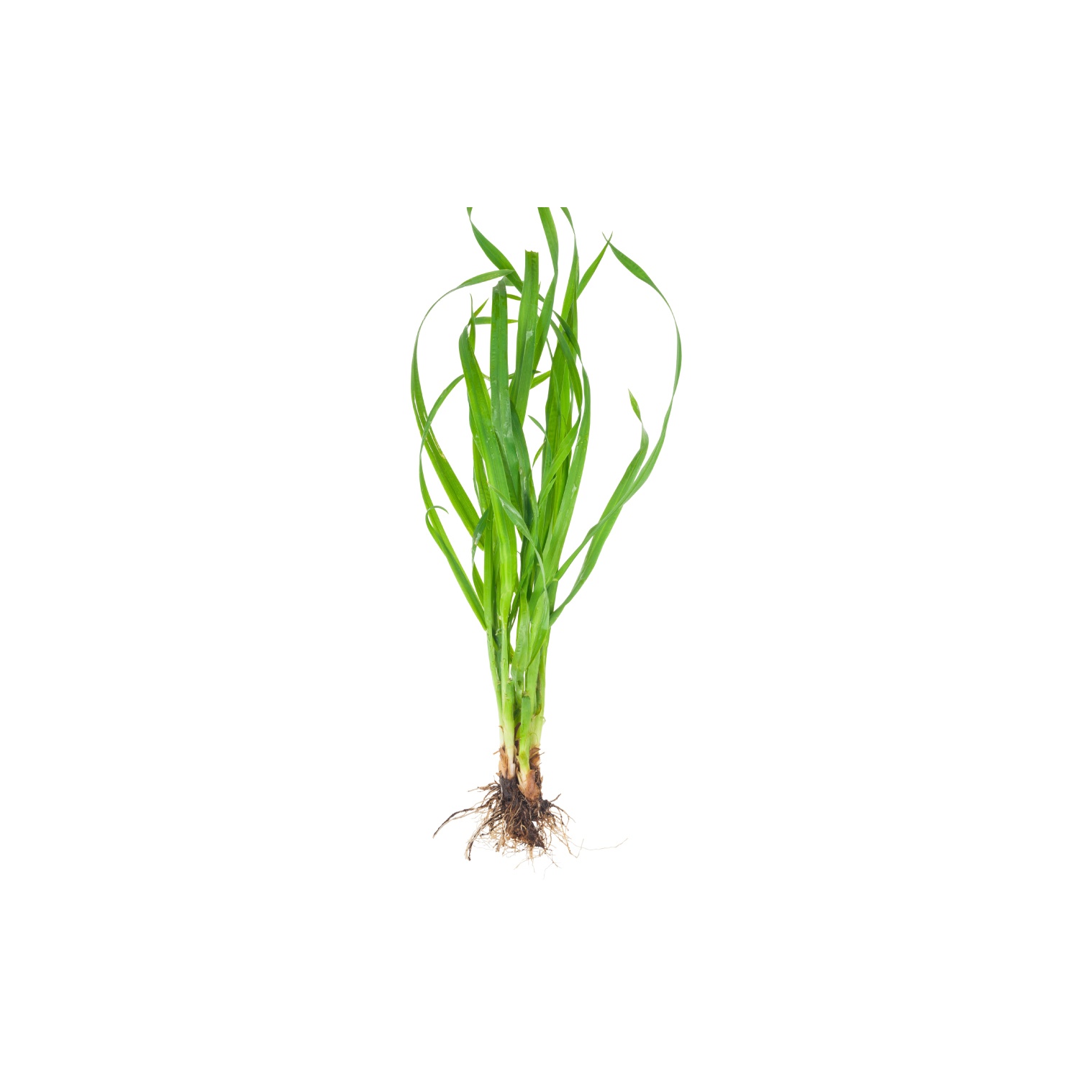 Couchgrass Elymus repens Documented for luteolin, tricin. Goat's Rue Galega officinalis Documented for galuteolin, luteolin.
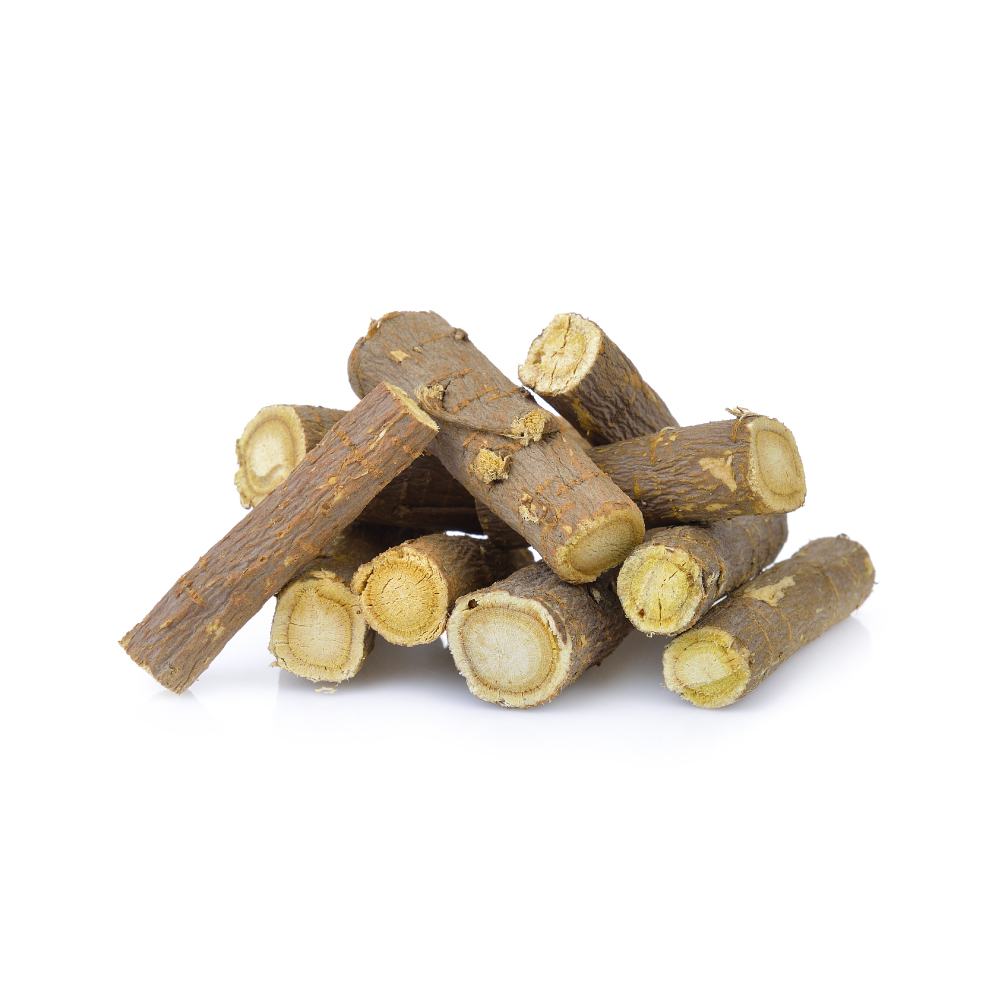 Licorice Glycyrrhiza glabra Documented for flavones, schaftoside.
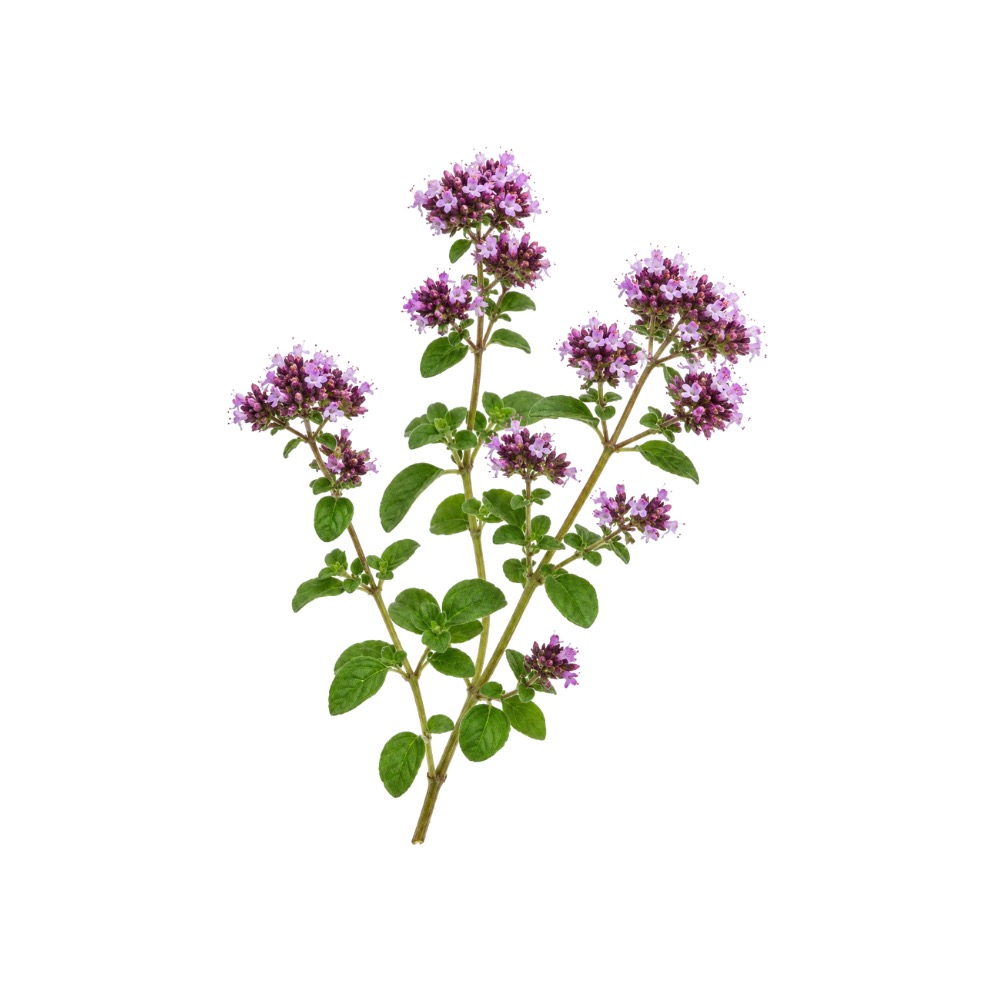 Oregano Origanum vulgare Documented for apigenin, luteolin.
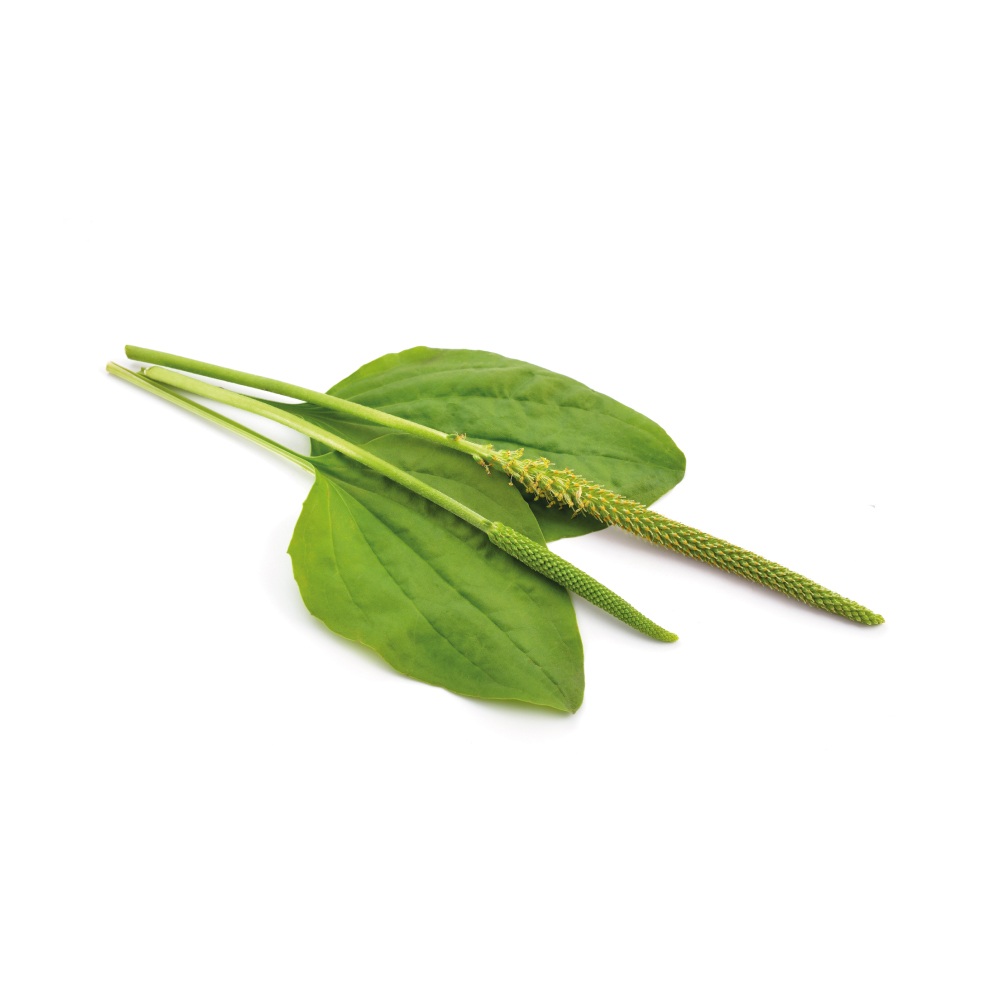 Plantain Plantago major Documented for apigenin, luteolin.
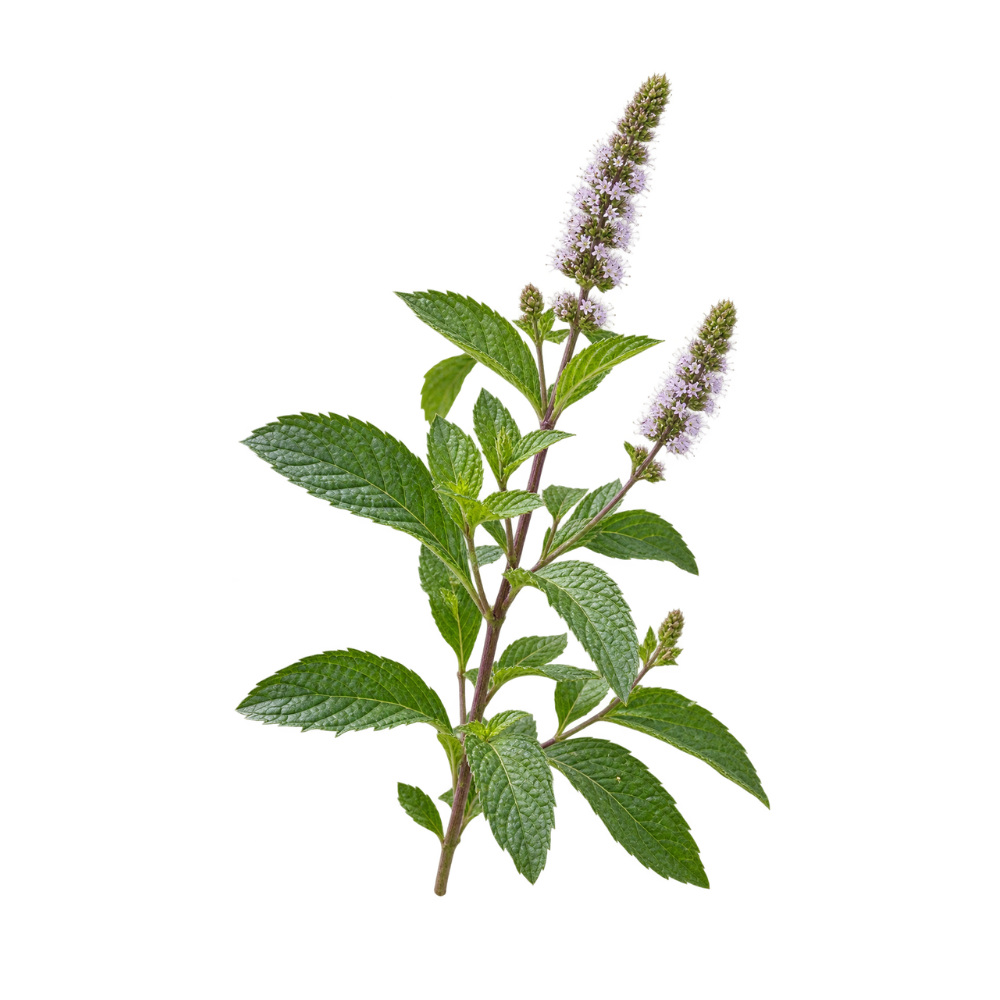 Spearmint Mentha spicata Documented for apigenin, luteolin.
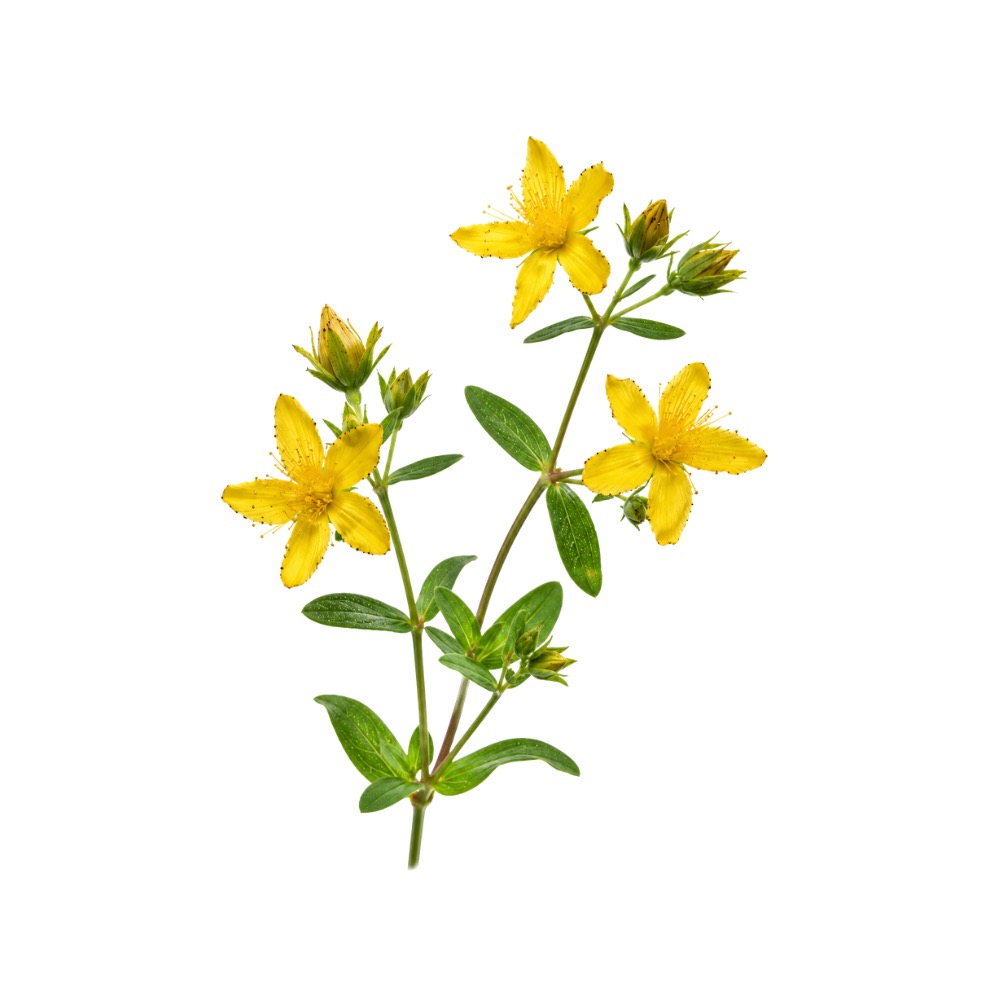 St. John's Wort Hypericum perforatum Documented for biapigenin (1.04 % dry wt), amentoflavone.
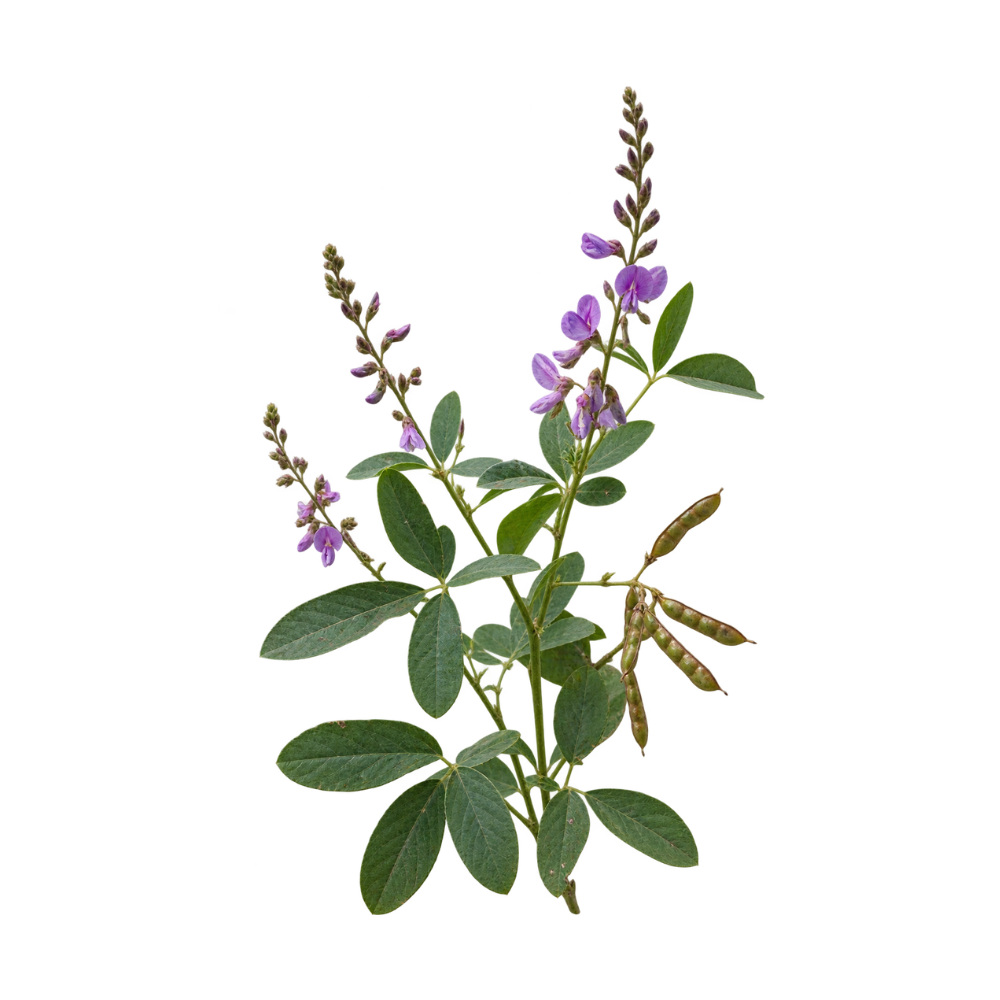 Tick Trefoil Desmodium spp. Documented for isovitexin, vitexin.
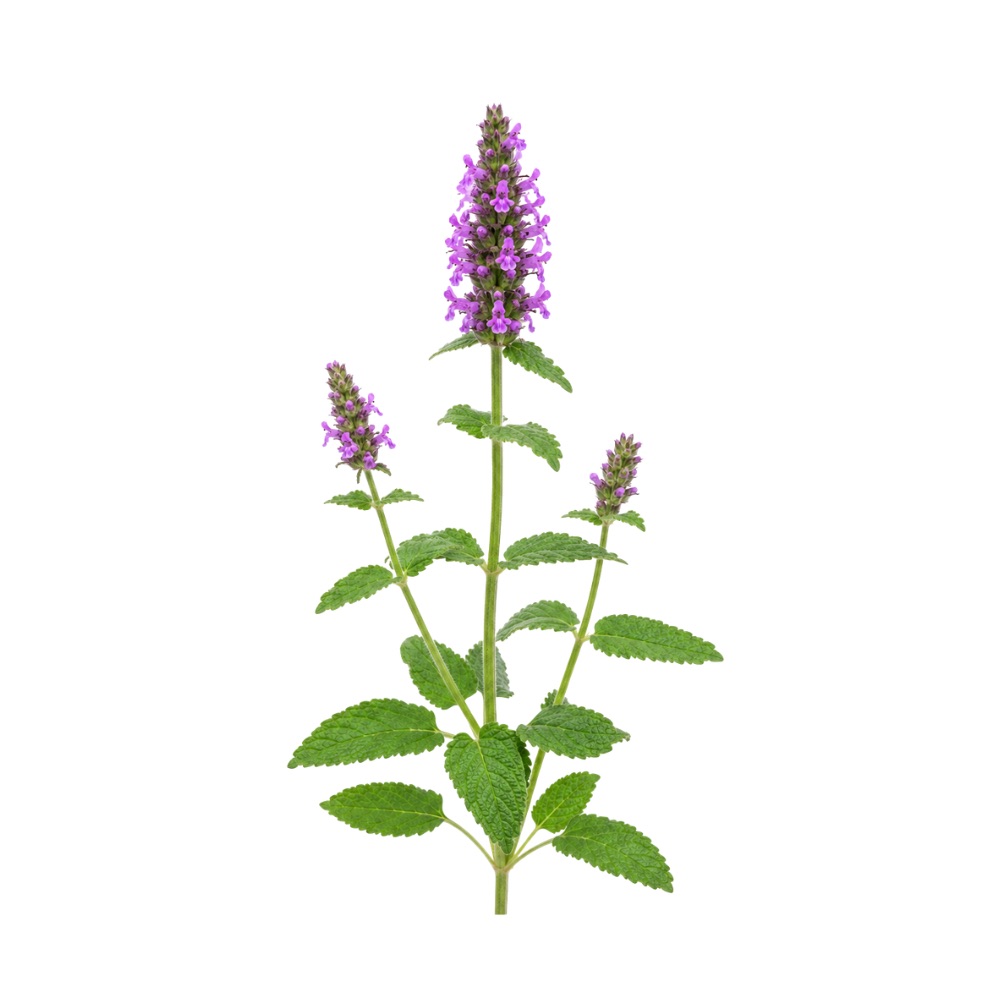 Wood Betony Stachys officinalis Documented for apigenin, luteolin.
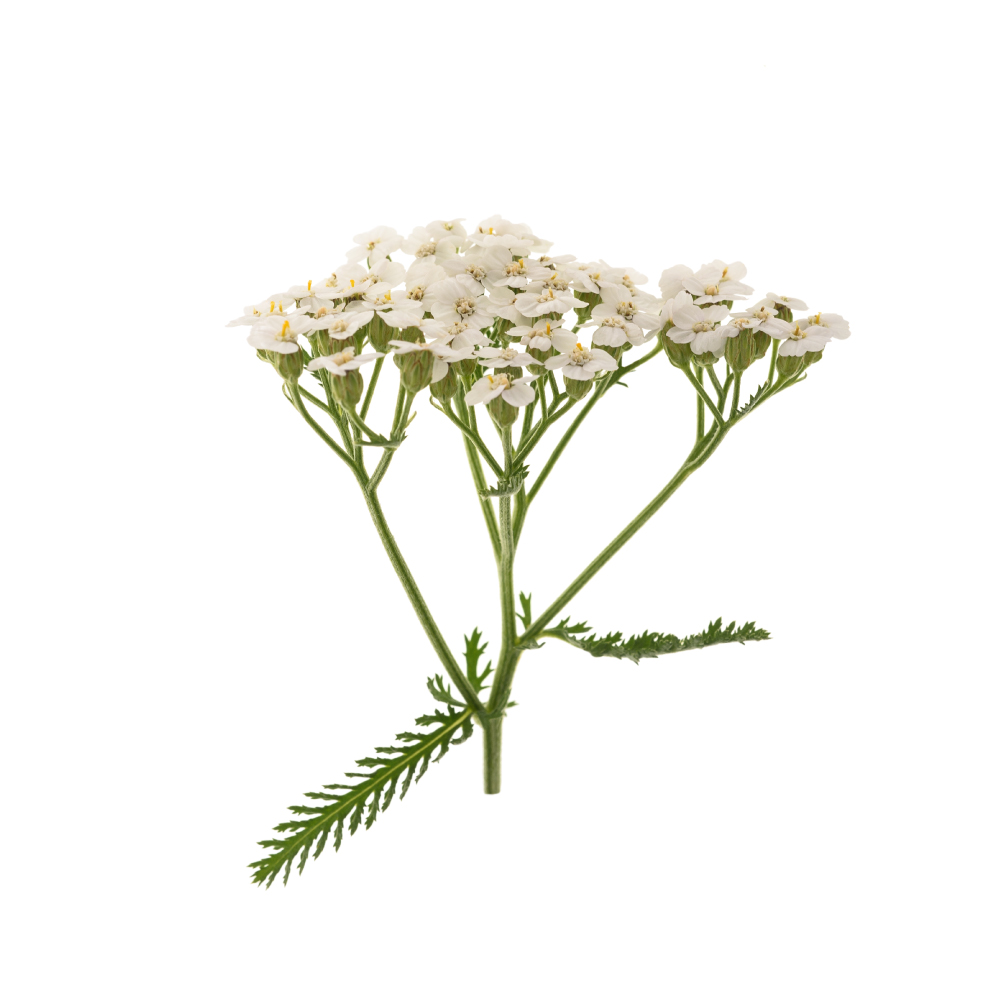 Yarrow Achillea millefolium Documented for apigenin, luteolin.
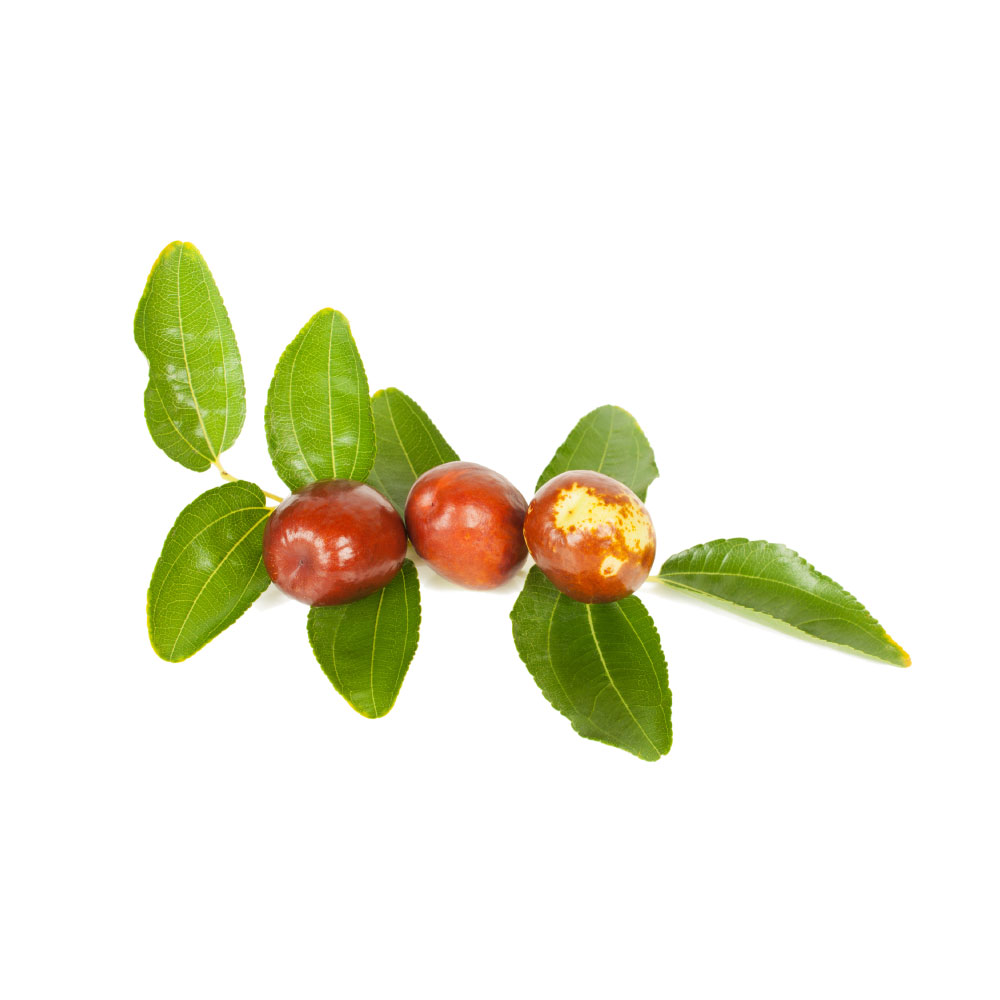 Zizyphus Ziziphus spinosa Documented for spinosin, swertisin.
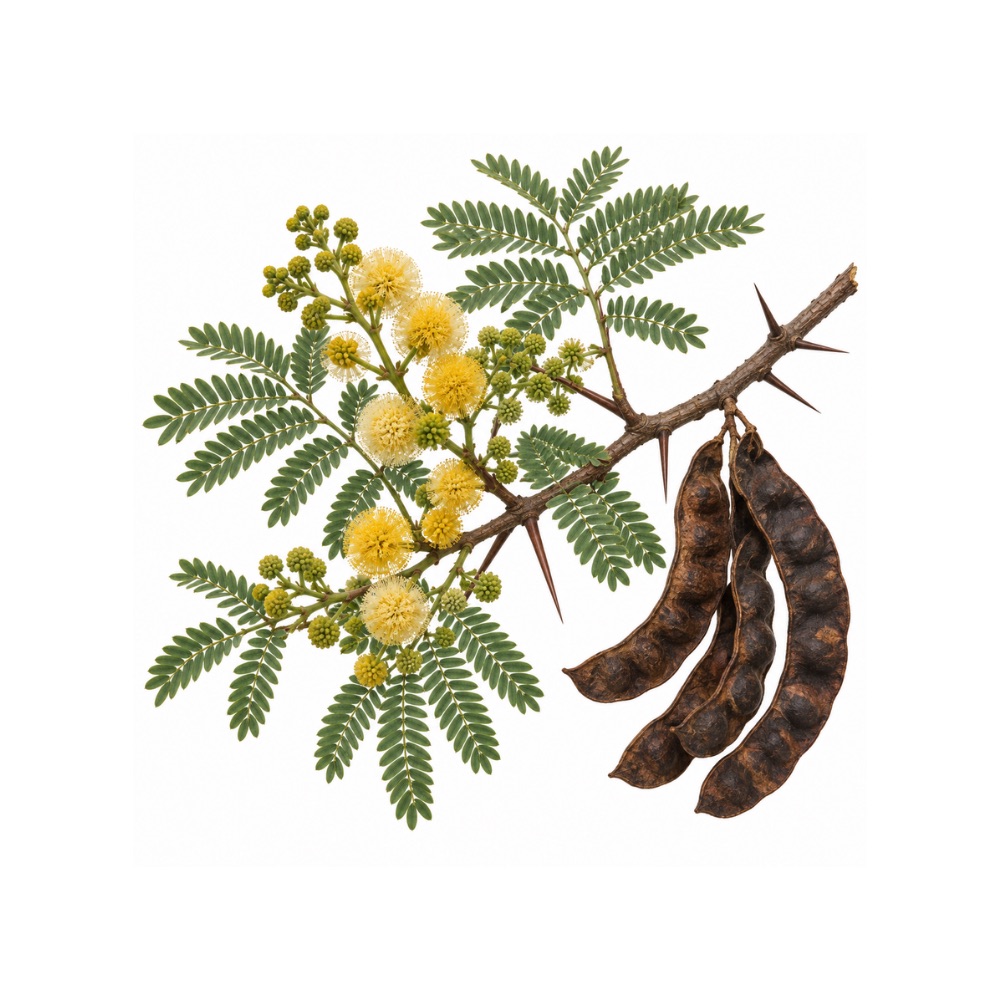 Babul Vachellia nilotica Documented for apigenin.
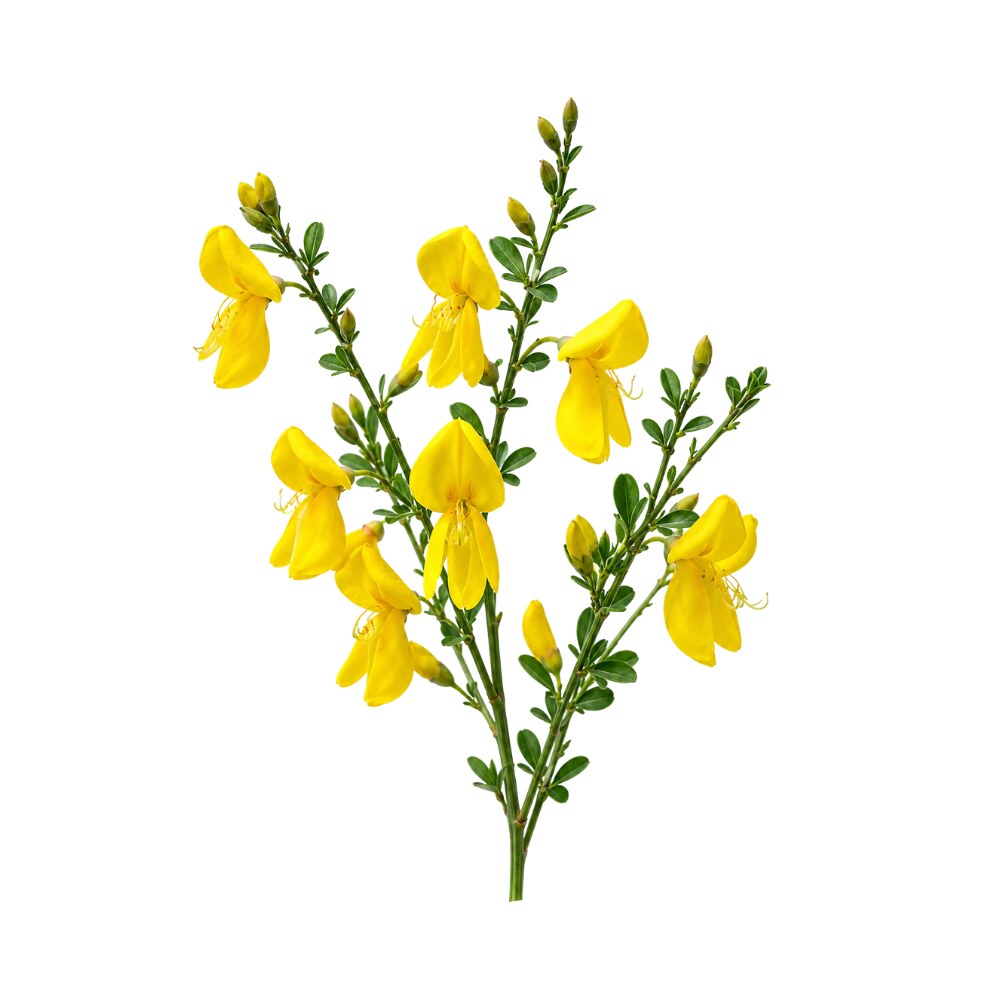 Broom Cytisus scoparius Toxic Documented for scoparin.
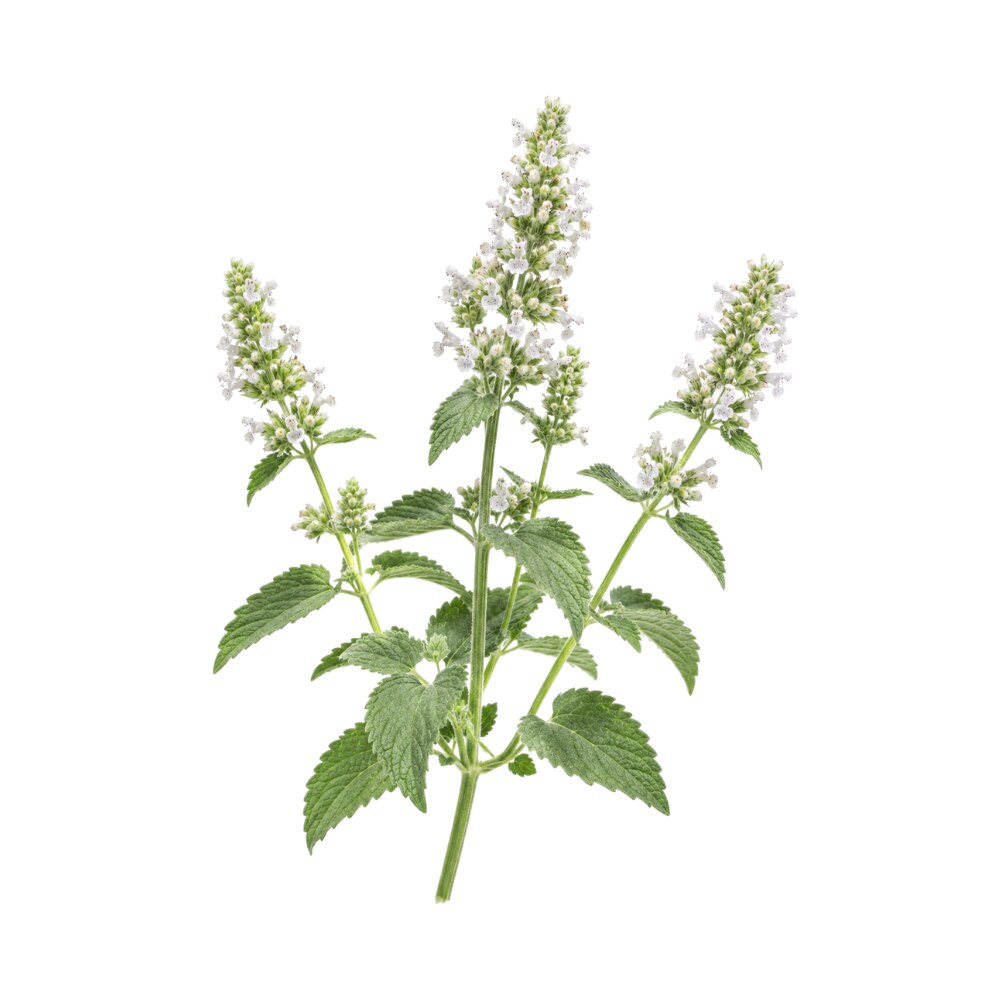 Catnip Nepeta cataria Documented for luteolin.
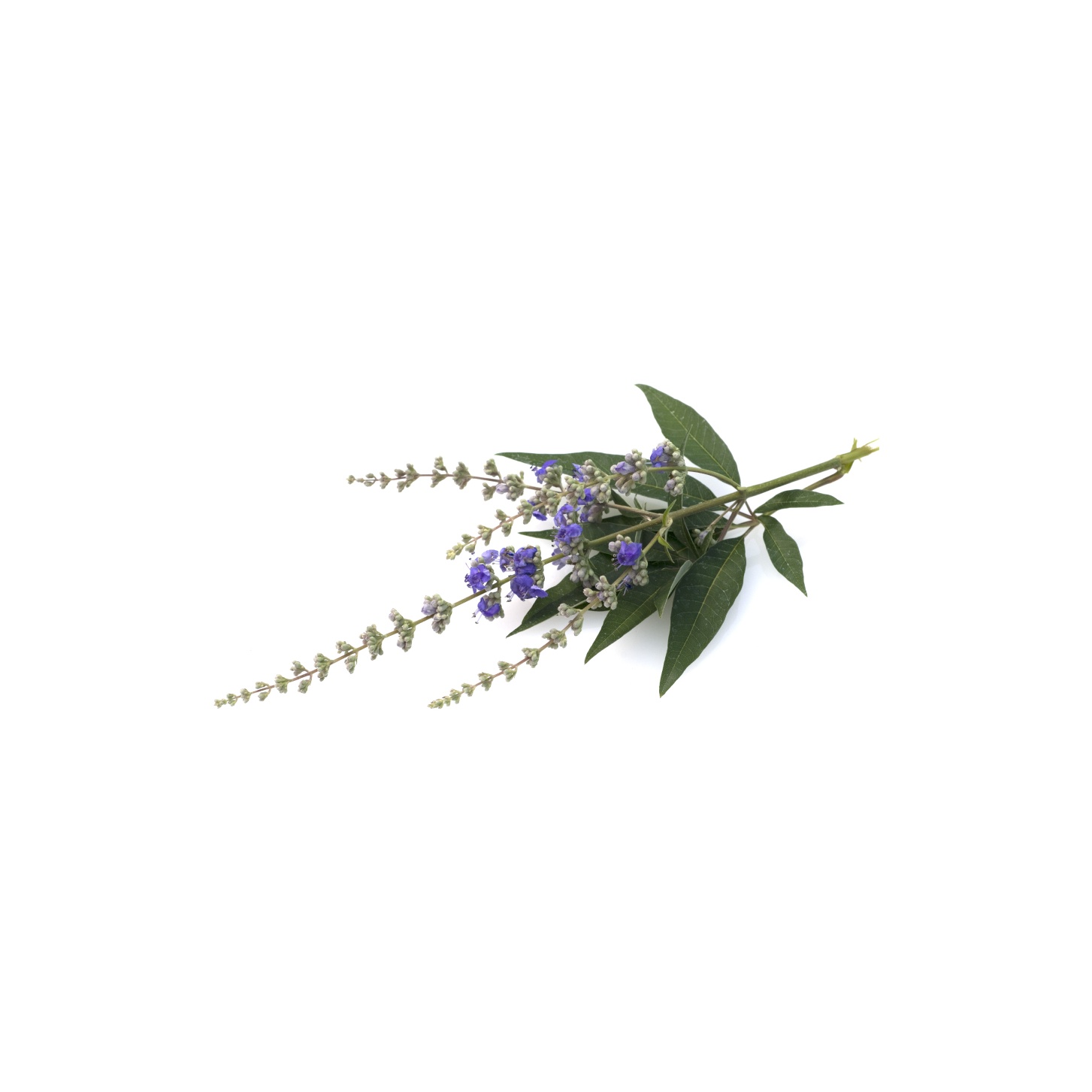 Chaste Tree Vitex agnus-castus Documented for eupatorin.
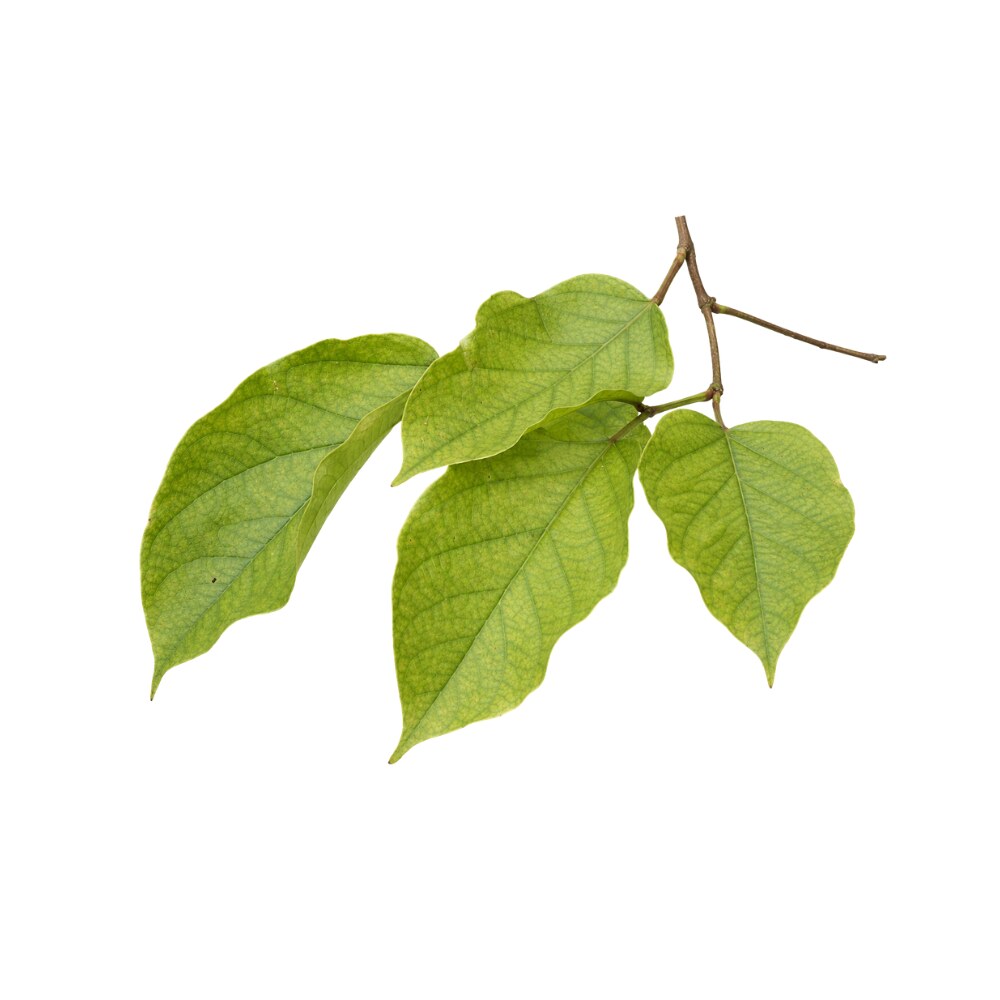 Clavo Huasca Tynanthus panurensis Documented for apigenin.
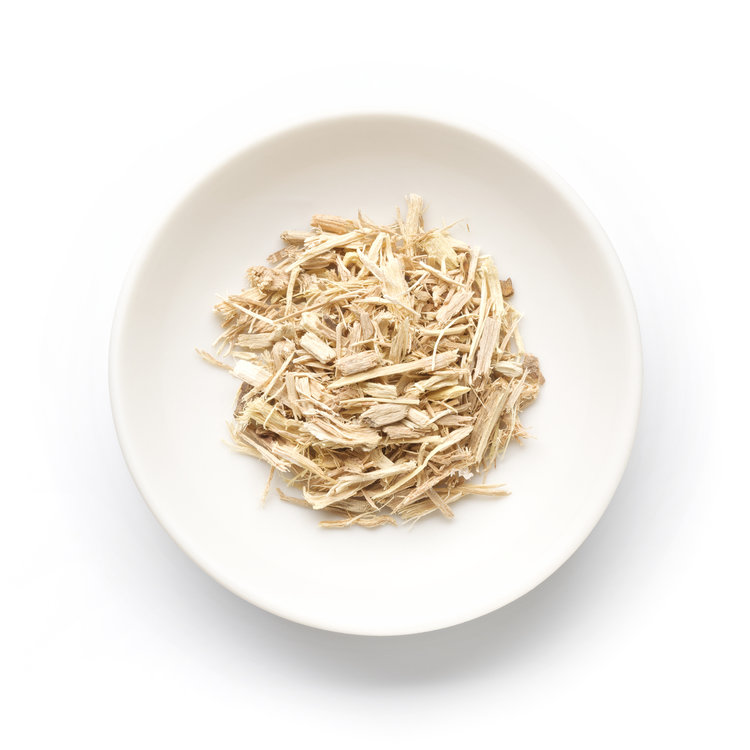 Eleuthero Root Eleutherococcus senticosus Documented for schaftoside.
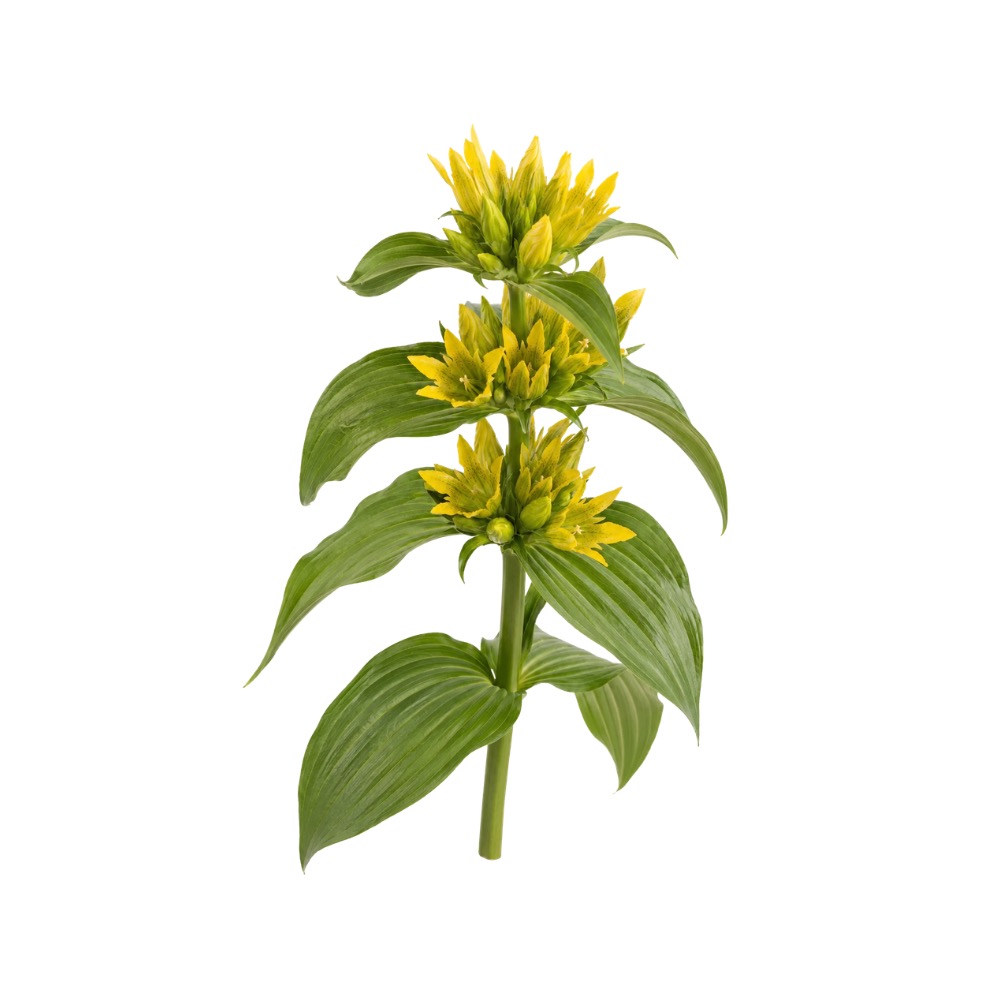 Gentian Gentiana lutea Documented for isovitexin.
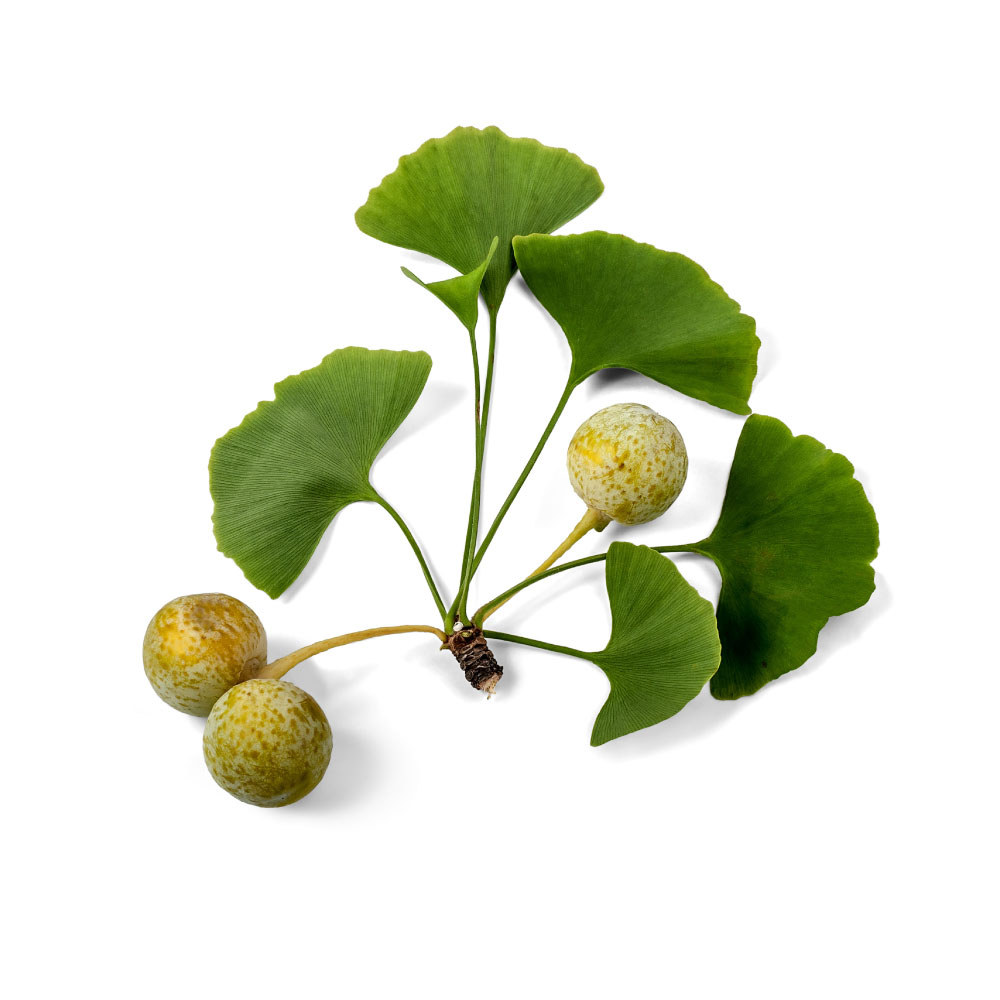 Ginkgo Ginkgo biloba Documented for amentoflavone.
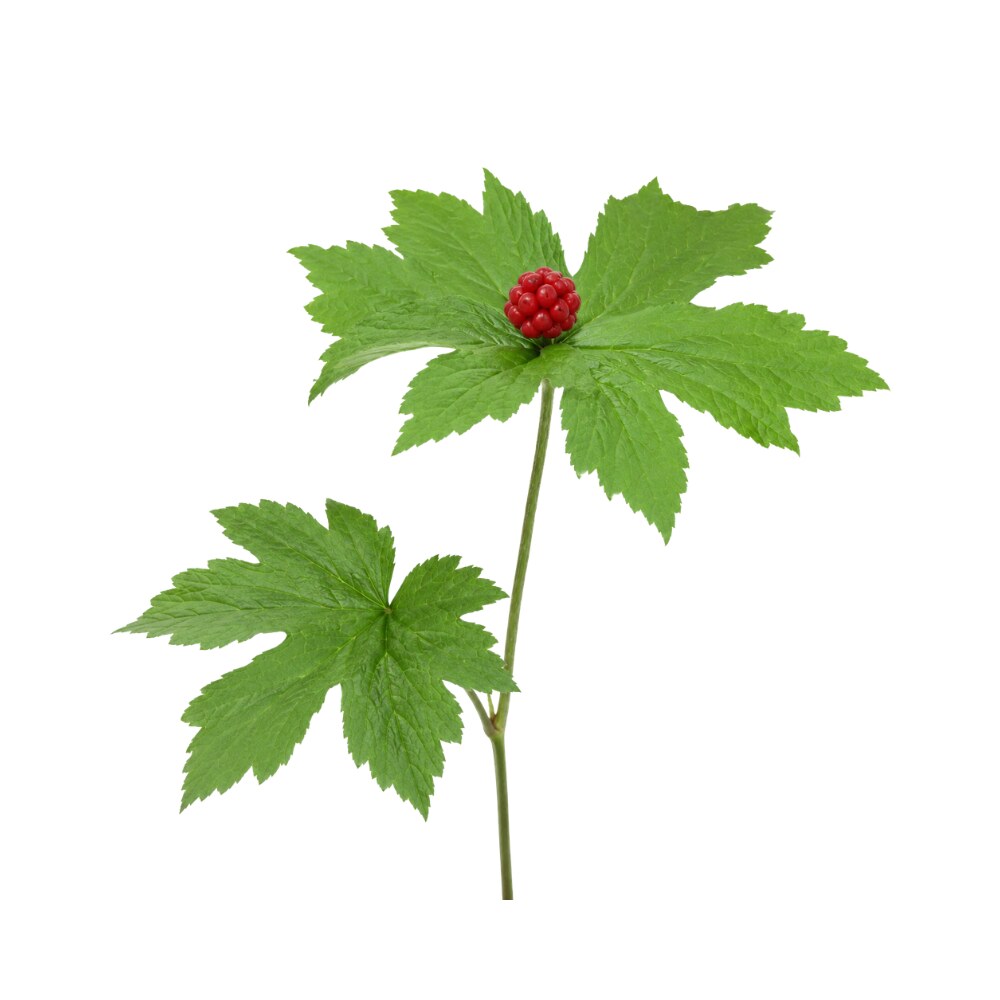 Goldenseal Hydrastis canadensis Documented for sideroxylin.
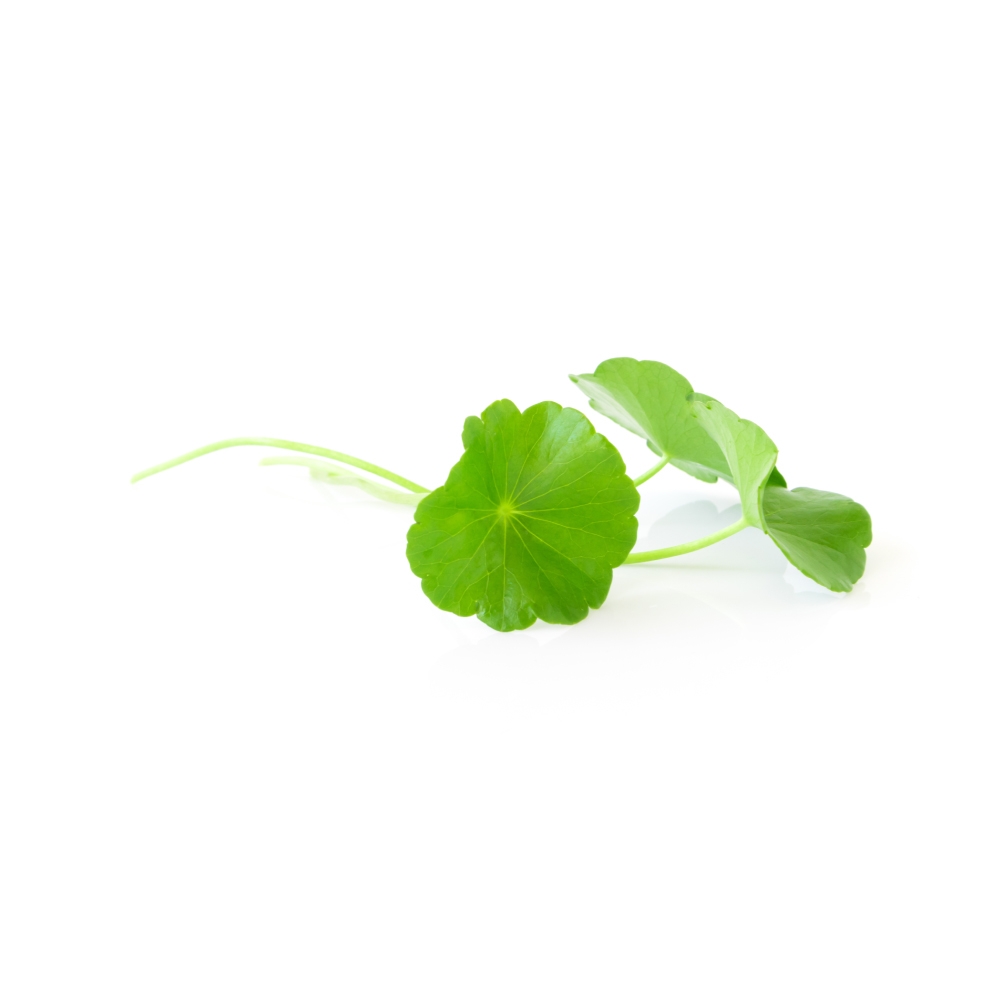 Gotu Kola Centella asiatica Documented for apigenin.
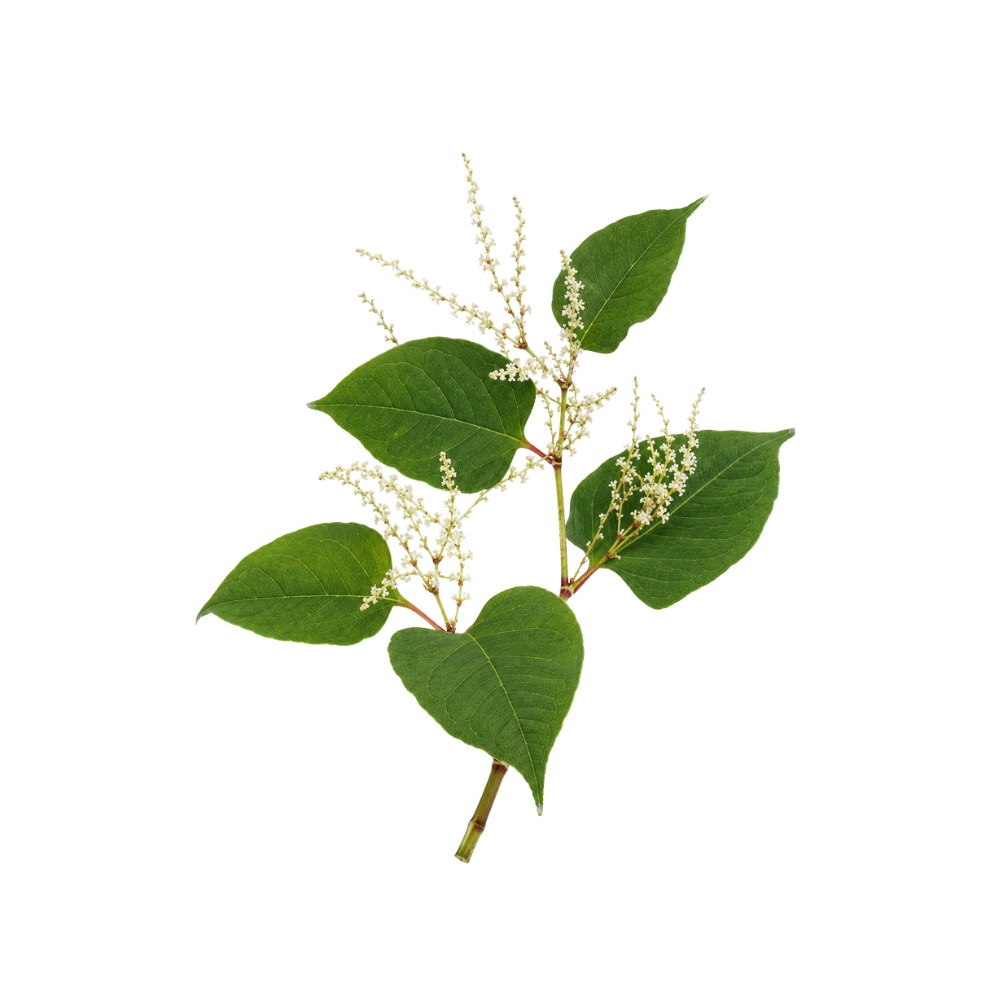 Japanese Knotweed Reynoutria japonica Documented for luteolin.
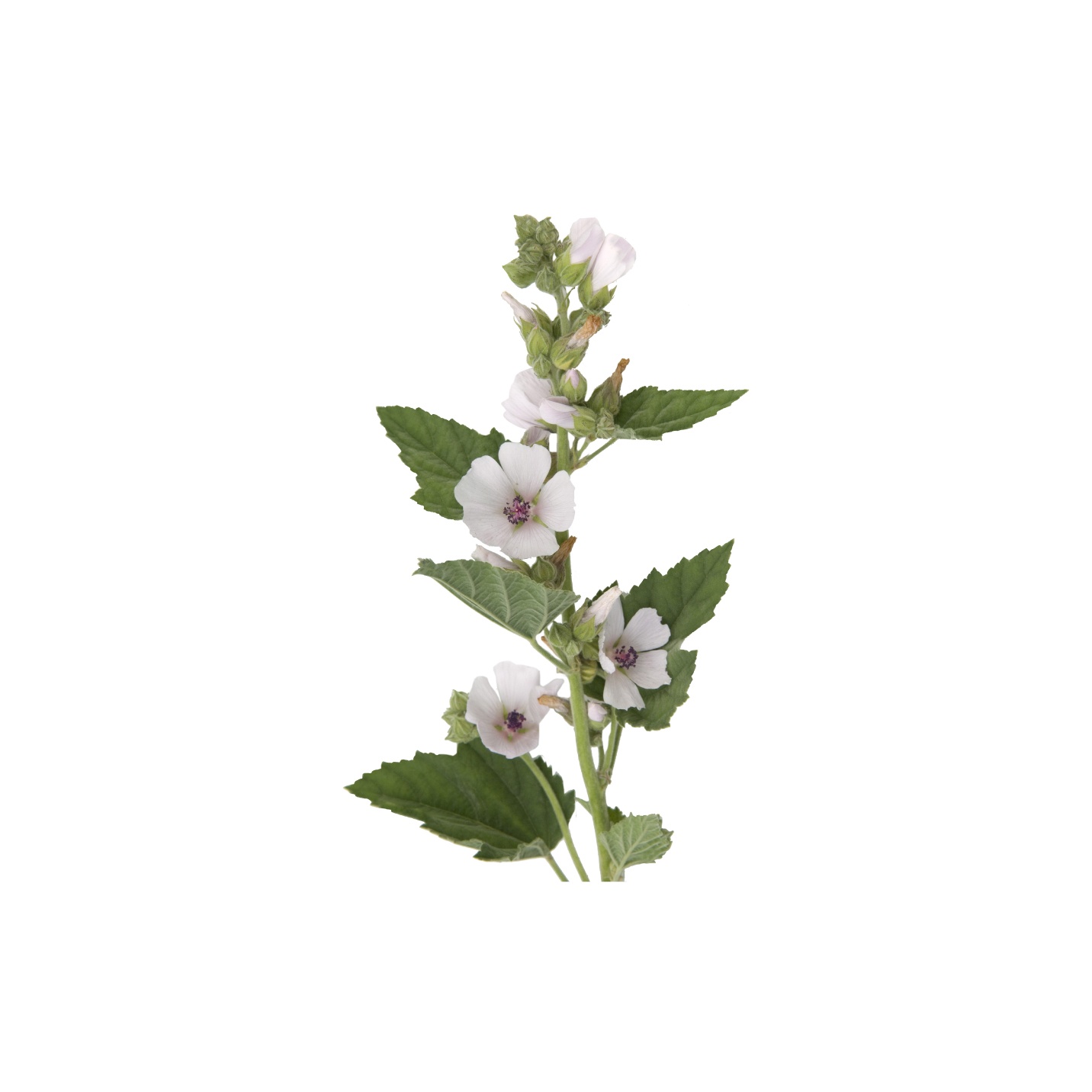 Marshmallow Althaea officinalis Documented for diosmetin.
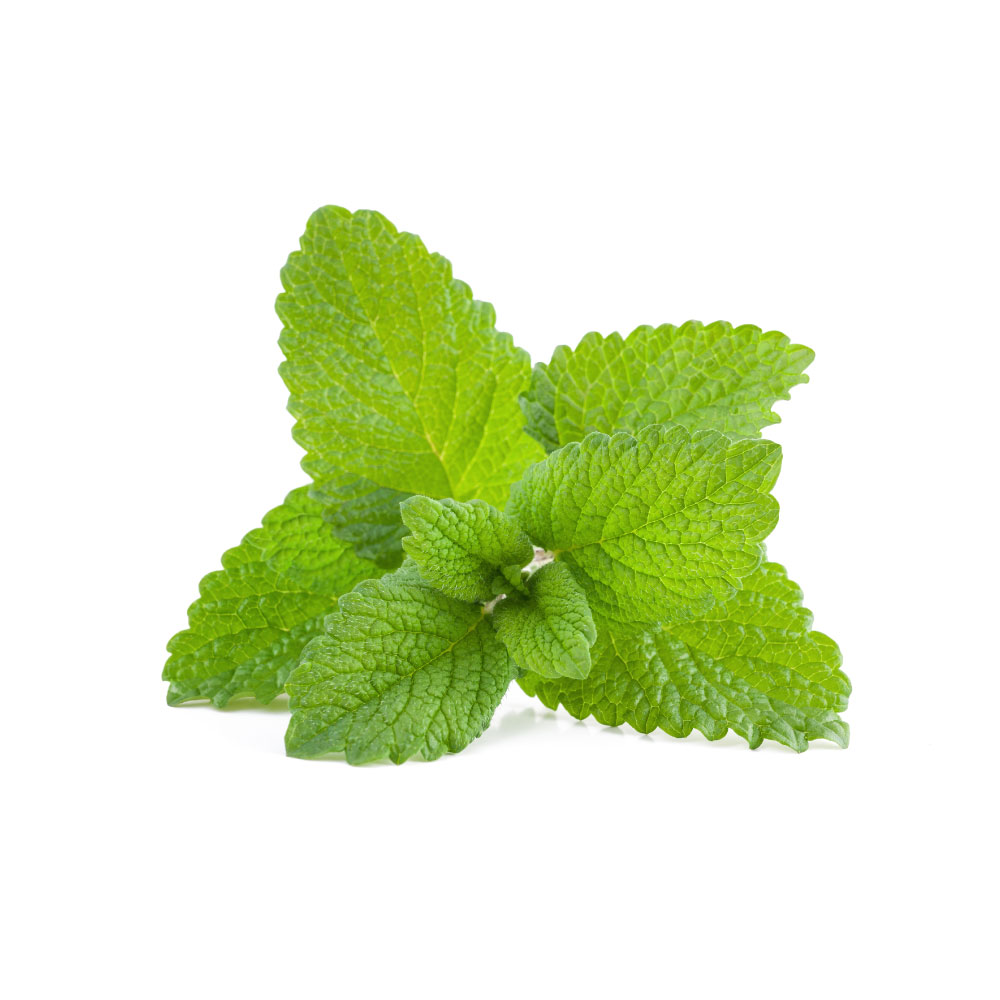 Melissa Melissa officinalis Documented for luteolin.
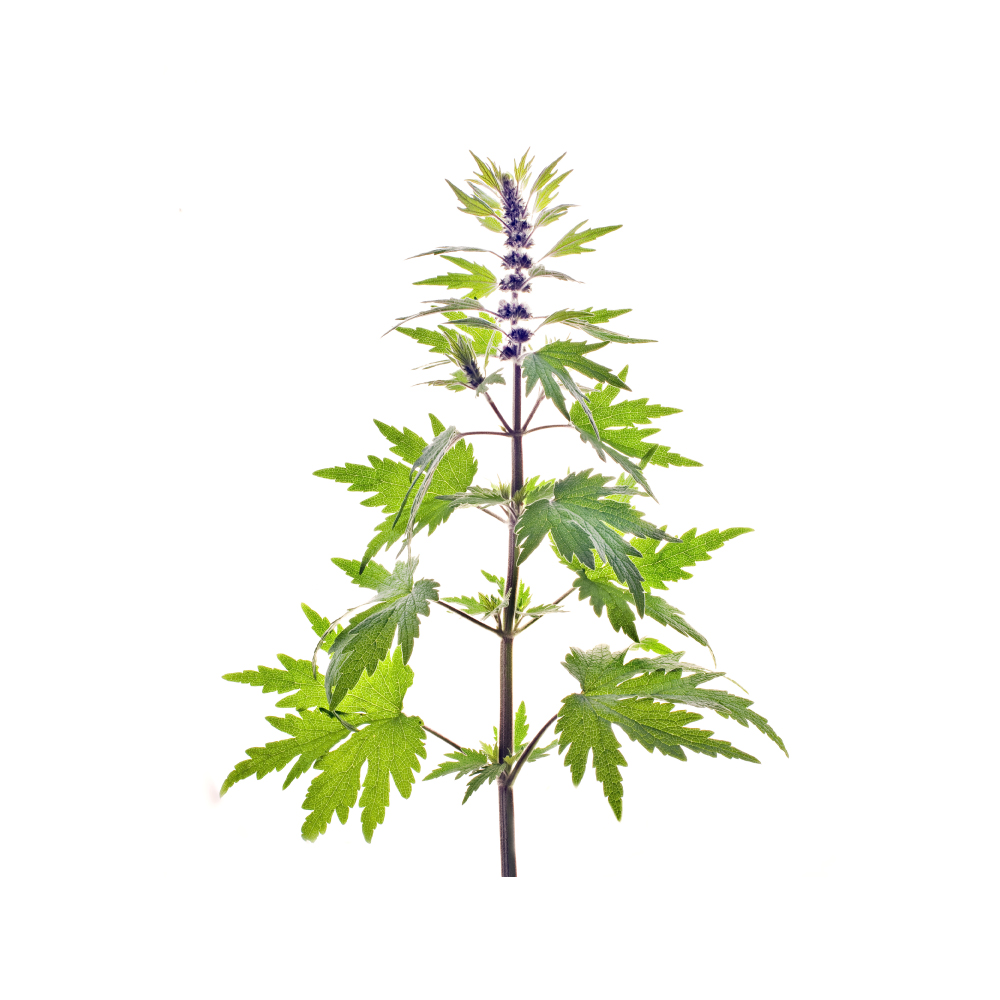 Motherwort Leonurus cardiaca Documented for orientin.
 Muira Puama Ptychopetalum olacoides Documented for luteolin.
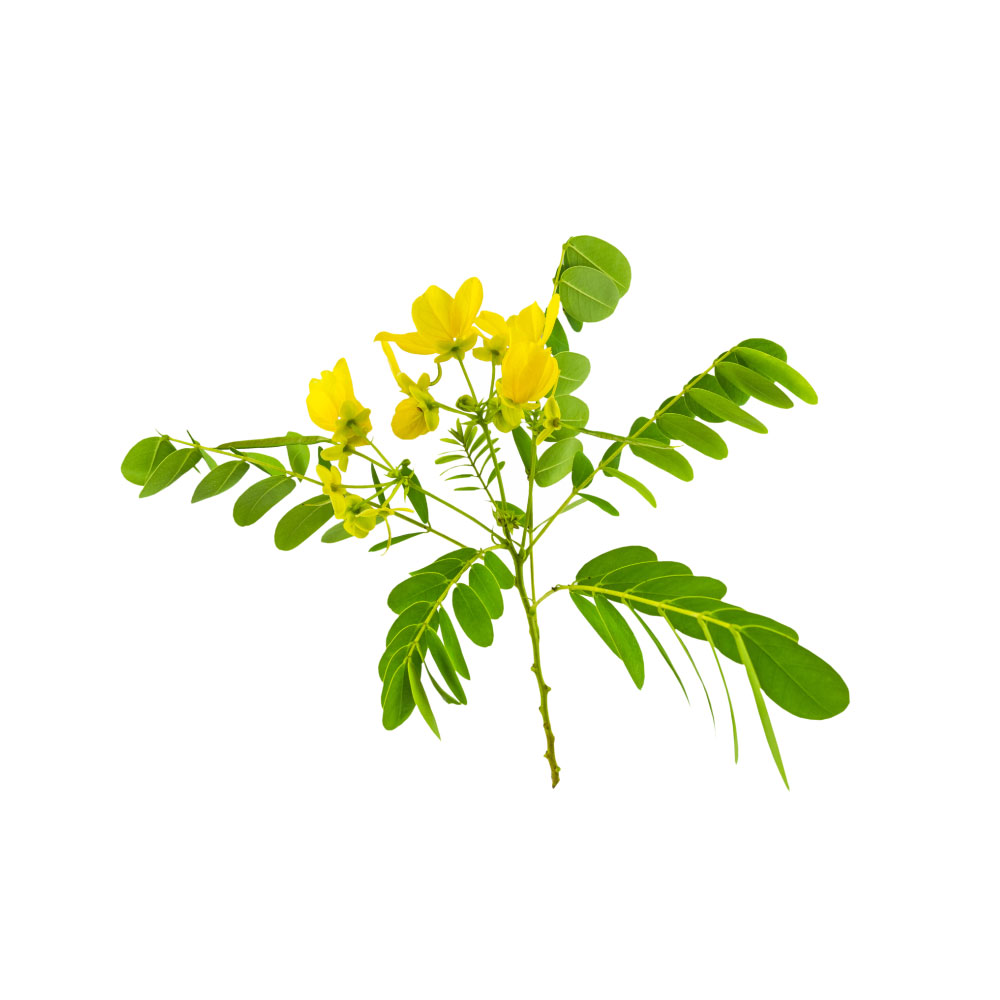 Senna Cassia angustifolia Documented for scutellarein.
Keep Exploring
Other Compound Classes
Keep Reading
 GuidesThe Best Kava: A Buyer's GuideHow to buy good kava: noble vs two-day cultivars, which part of the root, chemotype codes, origin, form, and the batch tests a seller should show you.
Read more
 GuidesThe Amazon's Endangered Medicinal PlantsThe Amazon gives us some of our most important medicines — but which healing plants are actually endangered?
Read more
 NutritionThe Best Yerba Maté Brands [Reviewed]A drinker's guide to buying yerba maté — what actually changes the taste, and ten brands worth your money.
Read more
 GuidesHow to Prepare Yerba Maté — The Five Best MethodsHow to brew yerba maté properly — the traditional gourd method, plus tereré, french press and cold brew.
Read more