
Compound Monograph
Aloe-Emodin
Aloe-emodin is a hydroxyanthraquinone aglycone — the hydroxymethyl analog of emodin — found in cascara, rhubarb, senna, aloe and Japanese knotweed. It has a large, almost entirely preclinical anticancer literature (including a striking neuroectodermal-tumour selectivity) set against a real safety story: genotoxicity signals, NTP photocarcinogenicity, and EU restriction of hydroxyanthracene derivatives.

Sources · 7
Where Does It Come From?
Aloe-Emodin is a naturally occurring anthraquinone (aglycone), found in Cascara sagrada, Rhubarb, Senna and 4 other sources. It is flagged as moderately toxic.
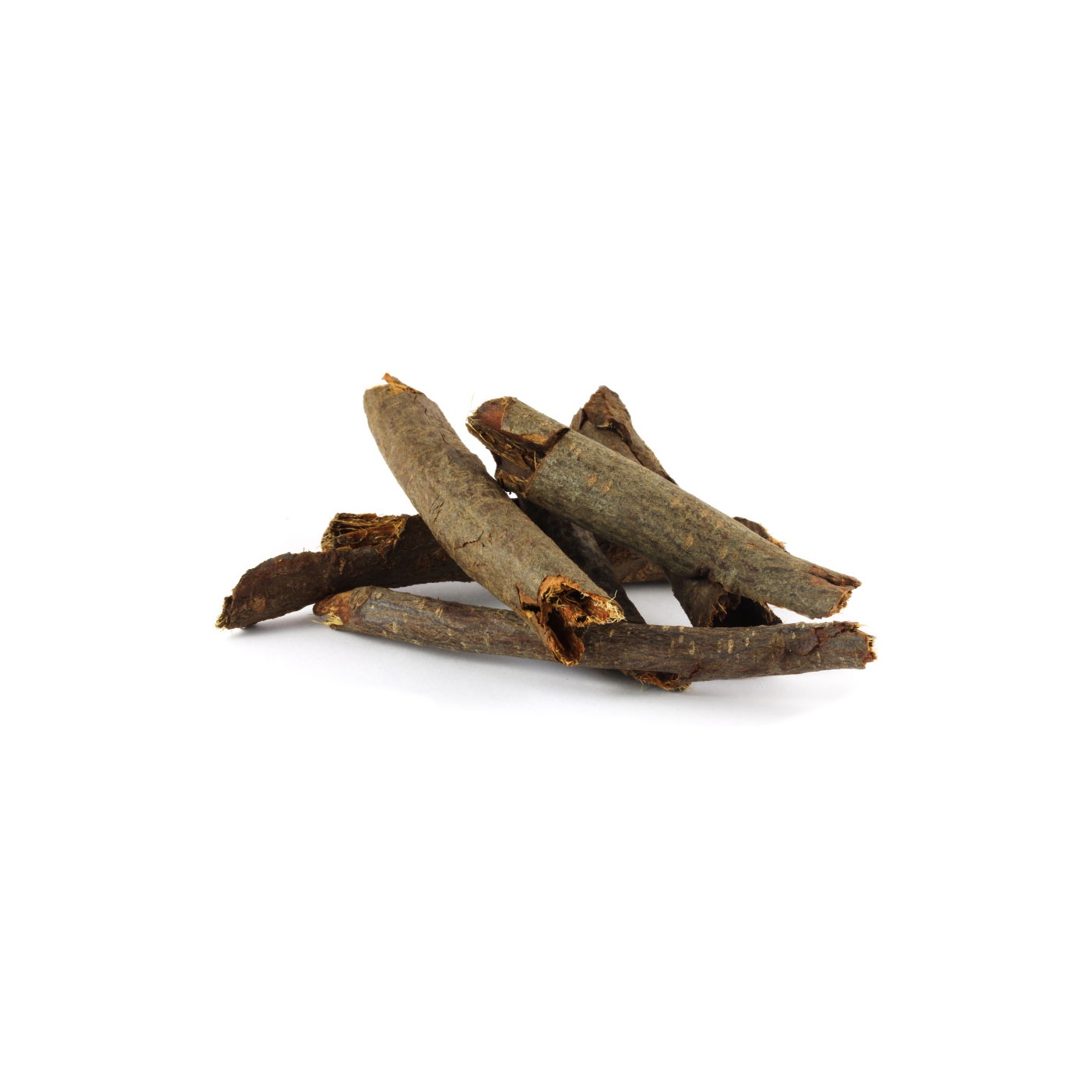 Principal source Cascara Sagrada Frangula purshiana Herb monograph →
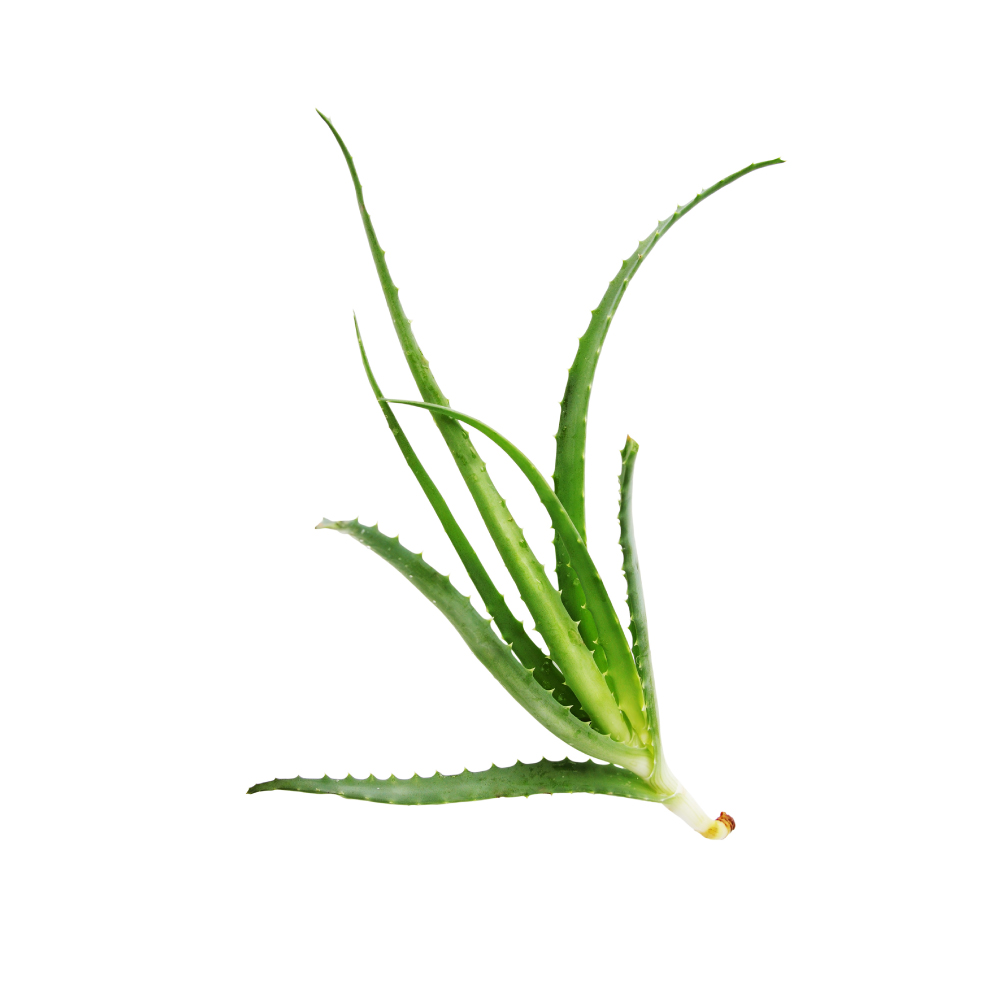 Source Aloe Aloe vera Herb monograph →
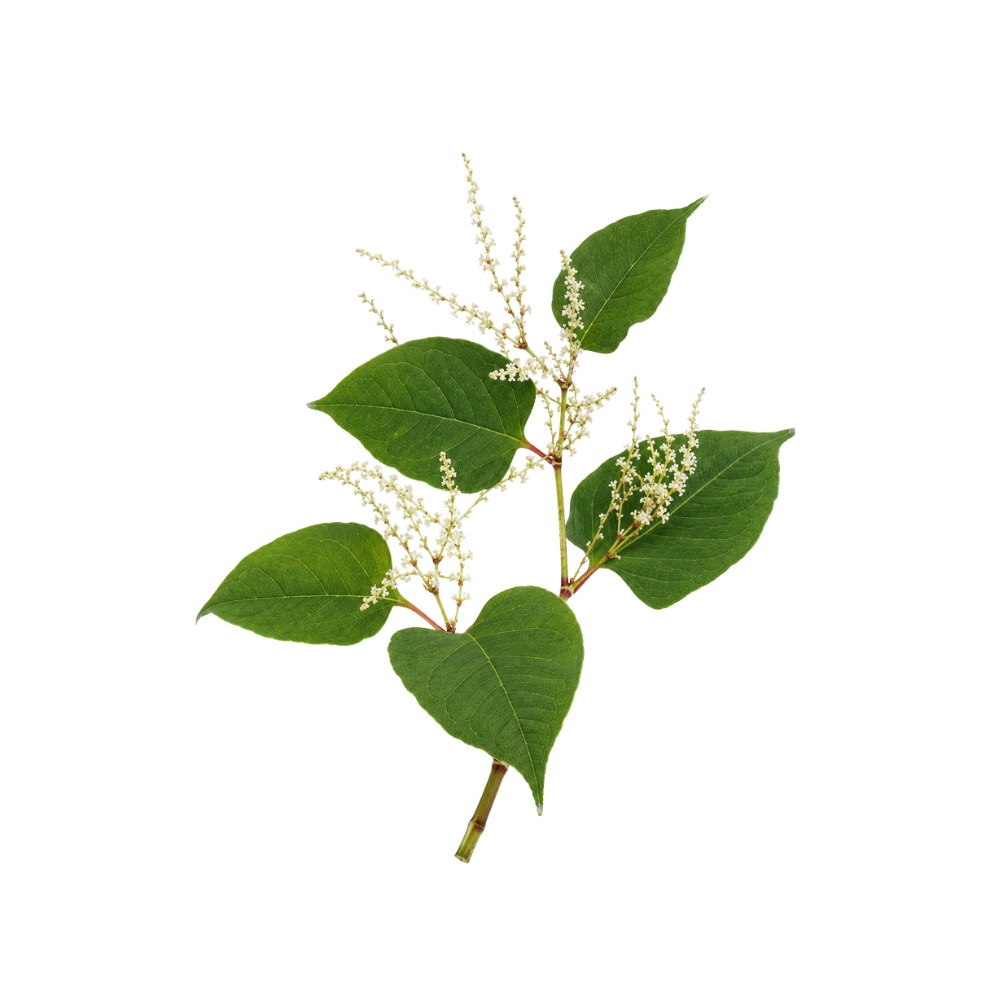 Source Japanese Knotweed Reynoutria japonica Herb monograph →
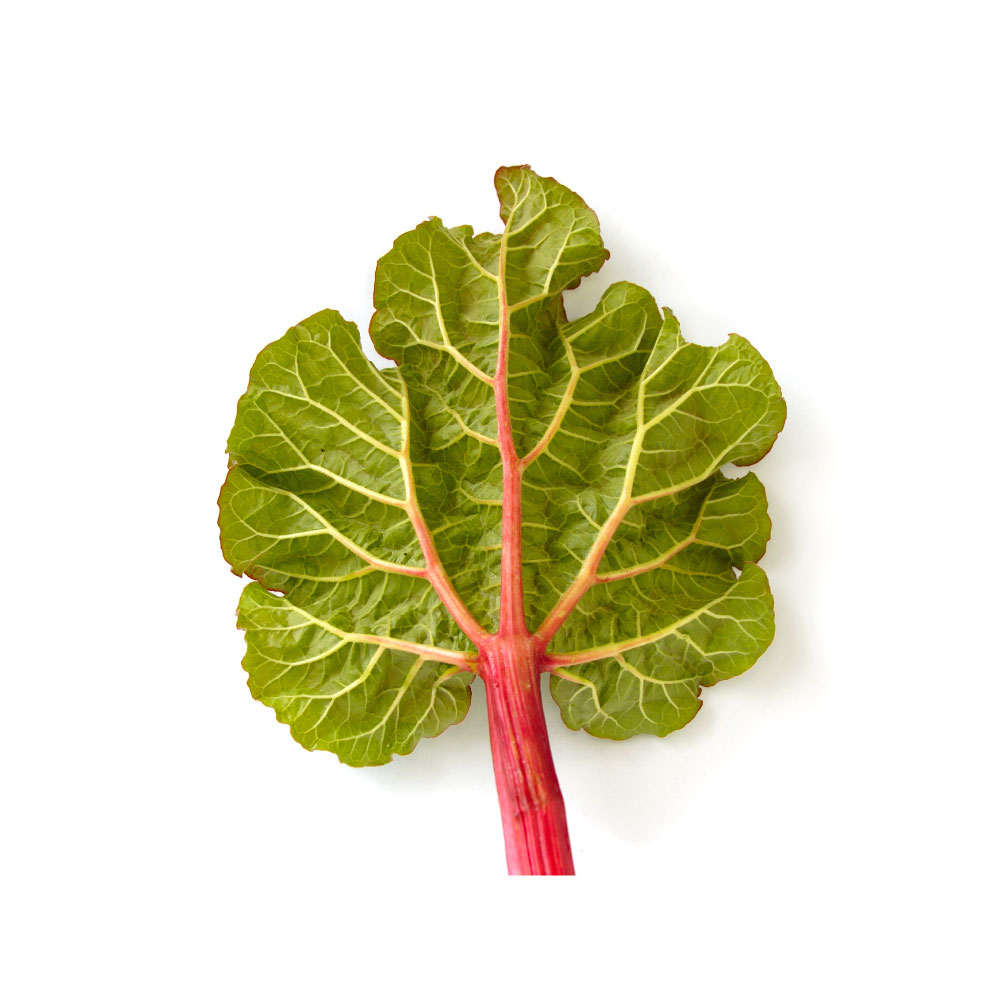 Source Rhubarb Rheum palmatum Herb monograph →
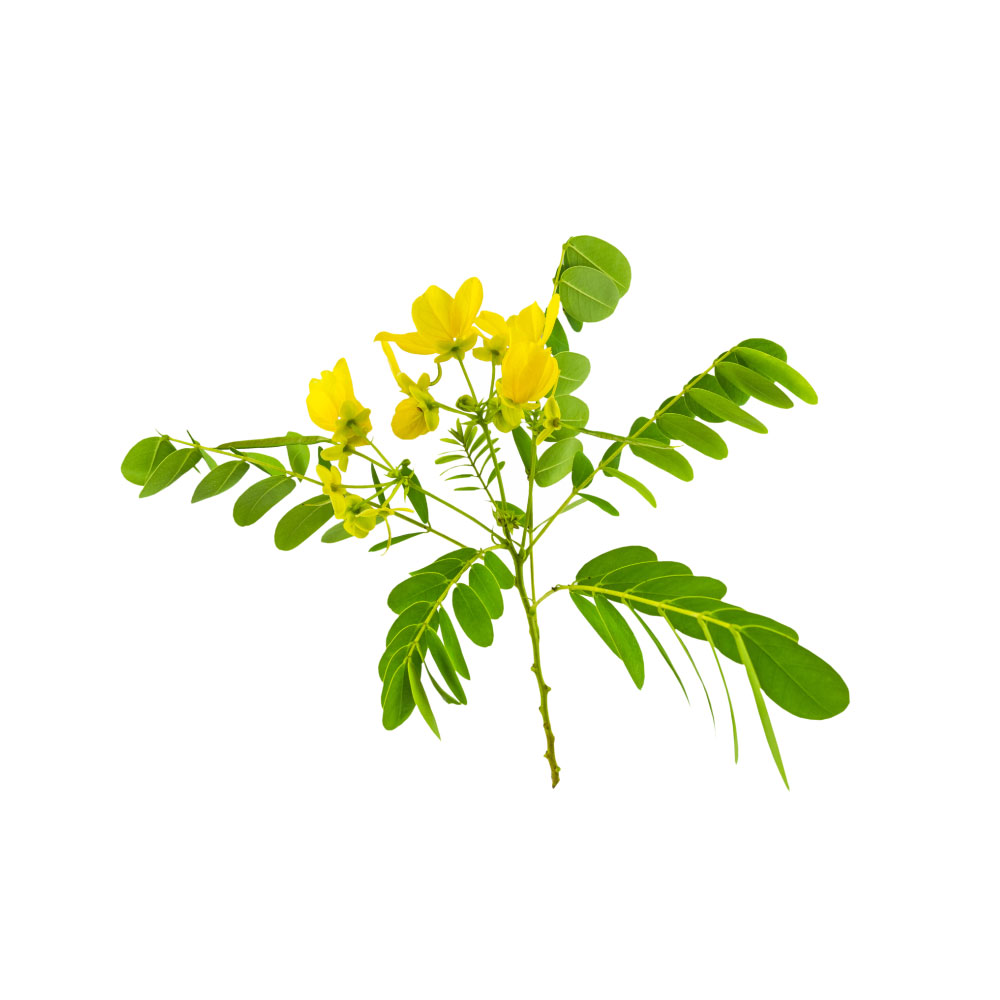 Source Senna Cassia angustifolia Herb monograph →
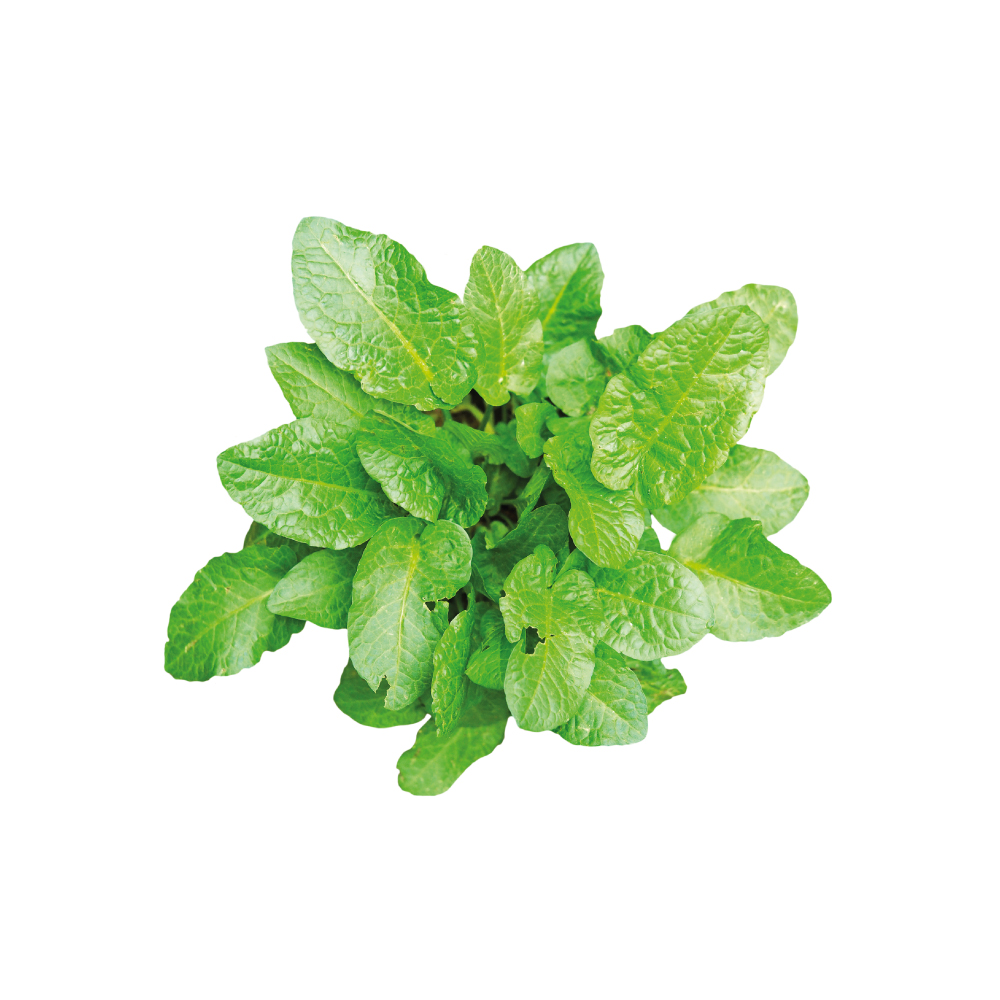 Source Yellow Dock Rumex crispus Herb monograph →
Concentration
Content by Source
Concentrations not reported. No percent-dry-weight or mg/g figures have been published for this compound in its source plants.
Aloe-Emodin at a Glance
Aloe-emodin is a naturally occurring hydroxyanthraquinone aglycone (1,8-dihydroxy-3-(hydroxymethyl)anthraquinone). Structurally it is the close relative of emodin: where emodin carries a methyl group at the 3-position, aloe-emodin carries a hydroxymethyl (–CH₂OH) group, and that single substituent difference shapes both its chemistry and its toxicology 9Reference 9ReviewAloe-emodin: a review of its pharmacology, toxicity, and pharmacokineticsView study →. It is a shared constituent of the anthraquinone-laxative herbs — cascara sagrada, rhubarb, senna, aloe and Japanese knotweed — where, like its siblings chrysophanol and rhein, it occurs mostly bound as glycosides and dianthrones rather than as the free molecule 8,
Two things make this molecule interesting, and they pull in opposite directions. It has a large and genuinely striking preclinical anticancer literature — most famously a report that it is selectively toxic to neuroectodermal tumour cells — but that literature is almost entirely cell-culture and rodent work on the isolate, with no human oncology trials and poor oral bioavailability undercutting the in-vitro potencies 1,
The honest framing for the whole page: aloe-emodin is a well-studied molecule with an interesting mechanism profile and a characterised hazard signal — not a demonstrated human medicine.
Aloe-Emodin in Cancer Research
The single largest body of work on this molecule is preclinical oncology, and it is the reason aloe-emodin has a page-worthy story of its own rather than being a footnote to emodin.
The landmark finding came in 2000, when Pecere and colleagues reported that aloe-emodin is selectively toxic to human neuroectodermal tumour cells — neuroblastoma, Ewing’s sarcoma and related lines — while sparing normal fibroblasts and haematopoietic progenitors, and that it slowed the growth of human neuroblastoma xenografts in immunodeficient mice without appreciable systemic toxicity 1Reference 1Aloe-emodin is a new type of anticancer agent with selective activity against neuroectodermal tumorsView study →. The selectivity was traced to an energy-dependent uptake pathway present in the sensitive tumour cells, with cell death occurring by apoptosis 1Reference 1Aloe-emodin is a new type of anticancer agent with selective activity against neuroectodermal tumorsView study →. That combination — tumour-selective accumulation plus a clean apoptotic mechanism — is what made the paper influential and seeded two decades of follow-up.
The broader literature is a wide, somewhat redundant survey of anti-proliferative and pro-apoptotic activity across many cancer types: aloe-emodin induces intrinsic/mitochondrial apoptosis (caspase-3/-9 activation, Bcl-2 down-regulation) and, in some models, autophagy — for example in pancreatic adenocarcinoma cell lines 2Reference 2Aloe emodin exerts potent anticancer effects in pancreatic adenocarcinoma cell linesView study → — and it causes ROS-mediated DNA damage in lung carcinoma cells 4Reference 4Aloe-emodin induced DNA damage through generation of reactive oxygen species in human lung carcinoma cellsView study →. In human tongue-cancer (SCC-4) cells it produced measurable DNA damage in the comet assay and suppressed DNA-repair-gene expression (ATM, ATR, BRCA1, DNA-PK), though it was a weaker DNA-damaging agent than emodin in the same experiment 3Reference 3Emodin, aloe-emodin and rhein induced DNA damage and inhibited DNA repair gene expression in SCC-4 human tongue cancer cellsView study →. It also turns up among the cytotoxic anthraquinones isolated from senna extracts screened against cancer cell lines 6Reference 6Pharmacologically active flavonoids from the anticancer, antioxidant and antimicrobial extracts of Cassia angustifolia VahlView study →. Kinase inhibition (including casein kinase 2) and NF-κB modulation are among the mechanisms repeatedly proposed 9Reference 9ReviewAloe-emodin: a review of its pharmacology, toxicity, and pharmacokineticsView study →.
The unavoidable caveat is the same one that governs the rest of the molecule: all of this is preclinical. There are no human oncology trials, poor oral bioavailability means the plasma concentrations achievable in a person are far below the in-vitro active range 9Reference 9ReviewAloe-emodin: a review of its pharmacology, toxicity, and pharmacokineticsView study →, and — pointedly — the very ROS-generating, DNA-damaging action that kills tumour cells in a dish is the same activity that drives the genotoxicity concern discussed below 4,
Gap: the entire anticancer case is cell-line and xenograft work on the isolated molecule; no clinical oncology data exist, and bioavailability discounts the in-vitro potencies 1,
What It's Used For
Beyond the cancer literature, aloe-emodin has a scatter of preclinical activities — anti-inflammatory/hepatoprotective, antiviral, neuroprotective — plus its class role in the laxative herbs. The load-bearing discipline is unchanged: nearly all of it is isolate-in-vitro or rodent work, and the only human-grade evidence in this space belongs to the whole laxative herbs, standardised to their glycosides, not to free aloe-emodin.
Support is an experimental score — weighted by study type (human > animal > in vitro) and volume. A beta, not a validated metric. Aloe-emodin’s evidence is preclinical, so scores stay low by design. The anticancer row links to its dedicated section above; the others open in place.
A recurring preclinical strand. In cell and rodent models aloe-emodin suppresses NF-κB-driven inflammatory signalling and has been reported to protect against liver injury and fibrosis, part of a wider anti-inflammatory/hepatoprotective profile compiled in the pharmacology review 9Reference 9ReviewAloe-emodin: a review of its pharmacology, toxicity, and pharmacokineticsView study →. This overlaps mechanistically with the anti-inflammatory work on the sibling anthraquinones.
Gap: all isolate in-vitro/rodent data with no human confirmation; the hepatoprotective signal coexists with dose-dependent hepatotoxicity at higher exposures (see Toxicity), so the net effect is dose-dependent, not a clean benefit 9Reference 9ReviewAloe-emodin: a review of its pharmacology, toxicity, and pharmacokineticsView study →.
The oldest named activity. Aloe-emodin was one of the plant anthraquinones shown to inactivate enveloped viruses in vitro — including herpes simplex and other enveloped virions — by disrupting the viral envelope, in the classic Sydiskis work 5Reference 5Inactivation of enveloped viruses by anthraquinones extracted from plantsView study →. Later reviews extend the in-vitro picture to antibacterial and antiparasitic readouts 9Reference 9ReviewAloe-emodin: a review of its pharmacology, toxicity, and pharmacokineticsView study →.
Gap: in-vitro only, at concentrations not achievable systemically given poor oral bioavailability; no in-vivo antiviral efficacy or clinical data, and this is the isolated molecule, not a whole-herb effect 5,
A thinner, more recent strand. In preclinical models aloe-emodin has been reported to reduce oxidative-stress markers, impede β-amyloid aggregation and modulate acetylcholinesterase/neuroinflammation, collated as a neuroprotective profile in the pharmacology review 9Reference 9ReviewAloe-emodin: a review of its pharmacology, toxicity, and pharmacokineticsView study →.
Gap: rodent/in-vitro only, mechanistically diffuse, and constrained by the molecule’s poor CNS-relevant bioavailability; no human neurological data 9Reference 9ReviewAloe-emodin: a review of its pharmacology, toxicity, and pharmacokineticsView study →.
Aloe-emodin belongs to the anthranoid stimulant-laxative class, but the purgative action of the source herbs is a prodrug phenomenon: anthraquinone O-/C-glycosides and dianthrones (sennosides, cascarosides) pass intact to the colon, where bacterial enzymes liberate the active anthrones that stimulate motility and secretion — free aloe-emodin absorbed upstream is only a minor contributor 7,
Gap: this is not an aloe-emodin-isolate indication — it belongs to the herb and its glycosides, and it sits under the EU restriction of hydroxyanthracene derivatives 8,
Mechanisms
| Target / pathway | Effect | Relevant to |
|---|---|---|
| Intrinsic / mitochondrial apoptosis (caspase-3/-9, Bcl-2↓) | pro-apoptotic | anticancer |
| Energy-dependent selective uptake (neuroectodermal cells) | tumour-selective accumulation | anticancer selectivity |
| DNA damage + DNA-repair-gene suppression (ATM/ATR/BRCA1) | genotoxic, anti-proliferative | anticancergenotoxicity |
| ROS generation / casein-kinase-2 & kinase inhibition | oxidative stress, anti-proliferative | anticancer |
| NF-κB signalling | ↓ pro-inflammatory transcription | anti-inflammatory / hepatoprotective |
| Viral envelope disruption | inactivates enveloped virions | antiviral (in vitro) |
| Singlet-oxygen / ROS on photoactivation (UVA/visible) | photosensitiser → photocytotoxicity | phototoxicity / safety |
| Colonic conversion of glycosides to anthrones (class) | prokinetic / secretory (glycoside-driven) | laxative (class) |
The load-bearing point is that the pro-apoptotic and DNA-damaging mechanisms behind the anticancer work are the same chemistry behind the genotoxicity/phototoxicity concern — the molecule does not have a “good” mechanism cleanly separable from its “bad” one.
Pharmacokinetics
Constraining, and central to reading every claim above. Aloe-emodin has poor intestinal absorption, a short elimination half-life and low oral bioavailability: it is heavily conjugated (glucuronidation and sulfation) on and after absorption, so free parent aglycone is rapidly metabolised and reaches only low plasma concentrations, with enterohepatic recycling of conjugates 9Reference 9ReviewAloe-emodin: a review of its pharmacology, toxicity, and pharmacokineticsView study →. In the rhubarb-anthraquinone pharmacokinetic literature it behaves like its siblings — extensive first-pass conjugation, low systemic free-drug exposure 16,
Clinical Trials
There are no human efficacy trials of isolated aloe-emodin — no oncology, anti-inflammatory or antiviral clinical data for the molecule. The only human-grade evidence in this space is for the whole anthraquinone-laxative herbs (cascara, senna, rhubarb), dosed and standardised to their hydroxyanthracene-glycoside content, whose laxative effect cannot be attributed to free aloe-emodin 8,
| Completed | Planned | Terminated | Preclinical |
|---|---|---|---|
| —(isolate); laxative-herb use only | — | — | Extensive(in vitro / rodent) |
Last checked: July 2026.
The Genotoxicity & Phototoxicity Question
This is the honest safety spine of the molecule, and it is unusually well characterised for a plant constituent because regulators and the NTP have studied it directly.
In-vitro genotoxicity. Aloe-emodin is genotoxic across several in-vitro systems — it damages DNA and generates reactive oxygen species in cancer cell lines 3,
The in-vivo disagreement. Whether that in-vitro signal translates to a whole animal is genuinely contested, and the page reflects both sides. A 2009 study reported that aloe-emodin caused DNA fragmentation in the mouse in-vivo comet assay (kidney and colon) 12Reference 12AnimalAloe-emodin-induced DNA fragmentation in the mouse in vivo comet assayView study →; a 2021 study run to the OECD 489 guideline, by contrast, found aloe-emodin not genotoxic in an in-vivo comet test at doses up to 2,000 mg/kg 13Reference 13AnimalAloe-emodin, a hydroxyanthracene derivative, is not genotoxic in an in vivo comet testView study →. The in-vivo genotoxicity of the isolate is therefore best described as unresolved/equivocal, not established — an important honesty point against over-reading the cell data.
Photocarcinogenicity (NTP). Aloe-emodin is a photosensitiser: on UVA/visible irradiation it generates singlet oxygen and free radicals, the mechanism behind its phototoxicity to skin cells 10Reference 10Photochemistry and phototoxicity of aloe emodinView study →. The US National Toxicology Program photococarcinogenesis study (TR-553) applied aloe-emodin-containing creams to hairless SKH-1 mice under simulated solar light and found a weak enhancing effect on the photocarcinogenic activity of solar light in female mice (increased multiplicity of squamous-cell skin neoplasms), though not in males 11Reference 11AnimalPhotocarcinogenesis study of aloe vera [CAS NoView study →. This is a topical, light-dependent finding — relevant to aloe skin products and sun exposure rather than to oral herb use — but it is a real, molecule-specific hazard.
Regulatory context. The EFSA 2018 opinion on hydroxyanthracene derivatives concluded that aloe-emodin, emodin, danthron and the parent extracts raise a genotoxicity/safety concern in food 14Reference 14Safety of hydroxyanthracene derivatives for use in foodView study →; this underpinned the subsequent EU restriction (Commission Regulation (EU) 2021/468, in force from 2021) that removed aloe-emodin, emodin, danthron and preparations from Aloe leaf from the food supply. The chronic-use cautions of the anthranoid class — electrolyte loss and melanosis (pseudomelanosis) coli, a benign but marker pigmentation of the colonic mucosa — apply to the laxative herbs that deliver it.
The net read: a molecule with a clear in-vitro genotoxic/photosensitising signal, an equivocal in-vivo genotoxicity picture, a weak but real photocarcinogenicity finding, and a regulatory restriction — which is exactly why this constituent is flagged moderate, not low.
Isolate vs. Plant Studies
The two evidence bases point in different directions, and the split is the whole story.
The bioactivity evidence is the isolate. Essentially all of the anticancer, antiviral, anti-inflammatory and neuroprotective work tests purified aloe-emodin in cell culture or rodents 1,
There is one place where the isolate framing is a strength rather than a caveat: the safety characterisation. The NTP photocarcinogenesis study, the in-vivo comet assays and the EFSA evaluation all assessed defined aloe-emodin (or defined aloe material), so the hazard signal is unusually well pinned to the molecule — even as its purported benefits are not 11,
Prevalence in Nature
Aloe-emodin is a hydroxyanthraquinone of the anthraquinone-bearing plant families — Rhamnaceae (cascara sagrada Rhamnus purshiana, alder buckthorn Frangula alnus), Polygonaceae (rhubarb Rheum, Japanese knotweed Reynoutria, yellow dock Rumex crispus), Fabaceae (senna, Senna/Cassia) and Asphodelaceae (aloe, Aloe vera) 5,
Where it has been quantified in a free-anthraquinone fraction, aloe-emodin is a substantial minor component: roughly 15% of the free-anthraquinone fraction of Rheum palmatum root, alongside rhein (~43%) and emodin (~27%) 16Reference 16AnimalPharmacokinetics and pharmacodynamics of rhubarb anthraquinones extract in normal and disease ratsView study →. It is distinguished chemically from emodin by its 3-hydroxymethyl group in place of emodin’s 3-methyl, and from chrysophanol (which lacks the 6-hydroxyl emodin carries) — the three co-occur as a family across these herbs.
Major Natural Sources
| Source | Plant part | Form / notes |
|---|---|---|
| Cascara sagrada (Rhamnus purshiana) | aged bark | mostly cascaroside/aloin-type glycosides; aloe-emodin among the aglycones released |
| Rhubarb (Rheum spp.) | root / rhizome | ~15% of the free-anthraquinone fraction of R. palmatum 16Reference 16AnimalPharmacokinetics and pharmacodynamics of rhubarb anthraquinones extract in normal and disease ratsView study →; also as dianthrone glycosides |
| Senna (Senna/Cassia spp.) | leaf / pod | part of the rhein–aloe-emodin heterodianthrones (sennosides C/D) |
| Aloe (Aloe vera) | leaf latex / gel | the namesake source; the material assessed in the NTP photococarcinogenesis study 11Reference 11AnimalPhotocarcinogenesis study of aloe vera [CAS NoView study → |
| Japanese knotweed (Reynoutria japonica) | root / rhizome | among the root anthraquinones (alongside emodin) |
Figures are fraction-dependent and shift with species, plant part, bark ageing and processing; only the rhubarb free-anthraquinone share is a quantified cited figure 16Reference 16AnimalPharmacokinetics and pharmacodynamics of rhubarb anthraquinones extract in normal and disease ratsView study →. Other per-source concentrations are unquantified and tracked in the compound’s gaps note.
Discovery & Synthesis
Aloe-emodin was first obtained in the nineteenth century from aloe and rhubarb, during the same wave of anthraquinone-laxative chemistry that characterised emodin, chrysophanol and rhein; its name marks aloe as a source plant (the exact first-isolation date and author are not well documented) 9Reference 9ReviewAloe-emodin: a review of its pharmacology, toxicity, and pharmacokineticsView study →. Structurally it is 1,8-dihydroxy-3-(hydroxymethyl)anthraquinone (CAS 481-72-1), the hydroxymethyl analog of emodin — the –CH₂OH at the 3-position is the defining difference and the origin of much of its distinct reactivity, including its photosensitising behaviour 9,
Manufacture today is by extraction from anthraquinone-rich plants (aloe, rhubarb, cascara, senna) followed by chromatographic purification, since the molecule is readily available from these sources; semi-synthetic derivatisation of the reactive hydroxymethyl/hydroxyl groups is used in medicinal-chemistry work aimed at improving potency or bioavailability. Its efficient singlet-oxygen generation has also made it a candidate photosensitiser for photodynamic therapy in laboratory studies 10Reference 10Photochemistry and phototoxicity of aloe emodinView study →. No single route dominates a large commercial market, because there is no approved isolated-aloe-emodin product.
Patents: not yet researched.
Toxicity & Safety
Aloe-emodin carries a moderate flag — heavier than a typical plant constituent, matching its siblings emodin and rhein — because of the genotoxicity/photocarcinogenicity signal detailed in the dedicated section above, plus dose-dependent organ toxicity and the stimulant-laxative-class cautions of the herbs that deliver it.
- Low acute toxicity, and poor oral bioavailability limits systemic exposure. As an incidental constituent of laxative herbs at ordinary intakes, systemic free-aloe-emodin levels stay low 9Reference 9ReviewAloe-emodin: a review of its pharmacology, toxicity, and pharmacokineticsView study →.
- Genotoxicity signal. Genotoxic in vitro (DNA damage, ROS); the in-vivo picture is equivocal (a positive 2009 comet assay, a negative 2021 OECD-guideline comet assay), so treat the in-vivo risk as unresolved rather than absent 3,
4, .12, 13Reference 3Emodin, aloe-emodin and rhein induced DNA damage and inhibited DNA repair gene expression in SCC-4 human tongue cancer cellsView study →Reference 4Aloe-emodin induced DNA damage through generation of reactive oxygen species in human lung carcinoma cellsView study →Reference 12AnimalAloe-emodin-induced DNA fragmentation in the mouse in vivo comet assayView study →Reference 13AnimalAloe-emodin, a hydroxyanthracene derivative, is not genotoxic in an in vivo comet testView study → - Under EU restriction. EFSA flagged hydroxyanthracene derivatives for a genotoxicity/safety concern; aloe-emodin, emodin, danthron and Aloe-leaf preparations were restricted from food in the EU 14Reference 14Safety of hydroxyanthracene derivatives for use in foodView study →.
- Photocarcinogenicity / phototoxicity. A photosensitiser that generates singlet oxygen under UVA/visible light; NTP found a weak enhancement of solar-light skin carcinogenesis in female mice — relevant to aloe skin products plus sun exposure 10,
11Reference 10Photochemistry and phototoxicity of aloe emodinView study →Reference 11AnimalPhotocarcinogenesis study of aloe vera [CAS NoView study → . - Dose-dependent hepatotoxicity and nephrotoxicity at higher/prolonged isolate doses, narrowing an already small therapeutic window 9Reference 9ReviewAloe-emodin: a review of its pharmacology, toxicity, and pharmacokineticsView study →.
- Stimulant-laxative-class cautions. Chronic use of the source herbs can cause electrolyte (potassium) loss, dependence and melanosis coli, and can compound digoxin/diuretic/antiarrhythmic risk.
Full Safety & Interactions Detail
Genotoxicity, photocarcinogenicity and regulation are covered in The Genotoxicity & Phototoxicity Question above — in brief: in-vitro genotoxic 3,
Organ toxicity. The pharmacology review identifies hepatotoxicity and nephrotoxicity as the primary reported toxicities, seen in animal models at elevated doses or prolonged exposure — a dose-dependent harm that coexists with the hepatoprotective signal and is worsened by the need for high doses to overcome poor bioavailability 9Reference 9ReviewAloe-emodin: a review of its pharmacology, toxicity, and pharmacokineticsView study →.
Laxative-class and reproductive cautions (prose). As a hydroxyanthracene constituent of stimulant-laxative herbs, aloe-emodin shares the class concerns: electrolyte loss (hypokalaemia), laxative dependence with chronic use, and melanosis coli. Stimulant anthraquinone laxatives are generally advised against in pregnancy (reflex uterine/laxative stimulation) and anthraquinone metabolites can appear in breast milk; because pregnancy/lactation is a per-herb/per-supplement decision, no isolate-level verdict is issued here — the caution belongs to the herb page where intake is decided.
Interactions. As a UGT/SULT substrate, aloe-emodin could in principle perturb glucuronidation/sulfation-dependent drug clearance; the more practical interactions are the class ones — potassium loss from the parent laxative herbs compounding digoxin, diuretic and antiarrhythmic risk. No comprehensive human interaction dataset exists for the isolate.
Dosage
There is no established or safe human dose for isolated aloe-emodin, and nothing here is a recommendation. Preclinical pharmacology used rodent doses in the tens-to-hundreds of mg/kg range for efficacy and toxicity endpoints, and the NTP photococarcinogenesis study used topical creams at 7.46 or 74.6 µg/g aloe-emodin 11Reference 11AnimalPhotocarcinogenesis study of aloe vera [CAS NoView study → — none of which translate to human self-dosing. Human exposure is incidental: via anthraquinone-laxative herbs dosed to their hydroxyanthracene-glycoside content (not to free aloe-emodin), where poor oral bioavailability keeps systemic free-aglycone levels low, and topically via aloe products (the exposure most relevant to the phototoxicity signal). These are research figures, not a personal recommendation.
References
- Pecere T, et al. (2000). Aloe-emodin is a new type of anticancer agent with selective activity against neuroectodermal tumors. Cancer Research. https://pubmed.ncbi.nlm.nih.gov/10850417/
- Du Q, et al. (2019). Aloe emodin exerts potent anticancer effects in pancreatic adenocarcinoma cell lines. Journal of B.U.ON. https://pubmed.ncbi.nlm.nih.gov/31128032/
- Chen YY, et al. (2010). Emodin, aloe-emodin and rhein induced DNA damage and inhibited DNA repair gene expression in SCC-4 human tongue cancer cells. Anticancer Research. https://pubmed.ncbi.nlm.nih.gov/20393018/
- Lee HZ, et al. (2006). Aloe-emodin induced DNA damage through generation of reactive oxygen species in human lung carcinoma cells. Cancer Letters. https://pubmed.ncbi.nlm.nih.gov/16300878/
- Sydiskis RJ, et al. (1991). Inactivation of enveloped viruses by anthraquinones extracted from plants. Antimicrobial Agents and Chemotherapy. https://pubmed.ncbi.nlm.nih.gov/1810179/
- Ahmed S, et al. (2016). Pharmacologically active flavonoids from the anticancer, antioxidant and antimicrobial extracts of Cassia angustifolia Vahl. BMC Complementary and Alternative Medicine. https://pubmed.ncbi.nlm.nih.gov/27835979/
- Nakajima K, et al. (1985). Isolation of a new aloe-emodin dianthrone diglucoside from senna and its potentiating effect on the purgative activity of sennoside A in mice. Journal of Pharmacy and Pharmacology. https://pubmed.ncbi.nlm.nih.gov/2867138/
- Demarque DP, et al. (2018). Cytotoxicity of structurally diverse anthranoids and correlation with mechanism of action and side effects. Journal of Pharmacy & Pharmaceutical Sciences. https://pubmed.ncbi.nlm.nih.gov/30321134/
- Dong X, et al. (2020). Aloe-emodin: a review of its pharmacology, toxicity, and pharmacokinetics. Phytotherapy Research. https://pubmed.ncbi.nlm.nih.gov/31680350/
- Vath P, et al. (2002). Photochemistry and phototoxicity of aloe emodin. Photochemistry and Photobiology. https://pubmed.ncbi.nlm.nih.gov/12003123/
- National Toxicology Program (2010). Photocarcinogenesis study of aloe vera [CAS No. 481-72-1 (aloe-emodin)] in SKH-1 mice (simulated solar light and topical application study). NTP Technical Report Series (TR-553). https://pubmed.ncbi.nlm.nih.gov/21031007/
- Nesslany F, et al. (2009). Aloe-emodin-induced DNA fragmentation in the mouse in vivo comet assay. Mutation Research. https://pubmed.ncbi.nlm.nih.gov/19559101/
- Galli CL, et al. (2021). Aloe-emodin, a hydroxyanthracene derivative, is not genotoxic in an in vivo comet test. Regulatory Toxicology and Pharmacology. https://pubmed.ncbi.nlm.nih.gov/34062205/
- EFSA ANS Panel (Younes M, et al.) (2018). Safety of hydroxyanthracene derivatives for use in food. EFSA Journal. https://pubmed.ncbi.nlm.nih.gov/32625659/
- Brusick D, Mengs U (1997). Assessment of the genotoxic risk from laxative senna products. Environmental and Molecular Mutagenesis. https://pubmed.ncbi.nlm.nih.gov/9020301/
- Li Y, et al. (2017). Pharmacokinetics and pharmacodynamics of rhubarb anthraquinones extract in normal and disease rats. Biomedicine & Pharmacotherapy. https://pubmed.ncbi.nlm.nih.gov/28475921/
- Wang D, Wang XH, Yu X, et al. (2021). Pharmacokinetics of anthraquinones from medicinal plants. Frontiers in Pharmacology. https://pubmed.ncbi.nlm.nih.gov/33935728/



