
Compound Monograph
Barbaloin
Barbaloin — better known as aloin — is the bitter anthrone C-glucoside of aloe and cascara latex, and the classic stimulant laxative of the anthraquinone family. It is a prodrug: colonic bacteria cleave it to aloe-emodin anthrone, the actual purgative. It is also the subject of the FDA's 2002 removal of aloe/cascara OTC laxatives and the EU's restriction of hydroxyanthracene derivatives on genotoxicity grounds.

Sources · 4
Where Does It Come From?
Barbaloin is a naturally occurring anthrone c-glycoside (10-c-glucosyl anthrone; hydroxyanthracene derivative), found in Aloe, Cascara sagrada and 2 other sources. It is flagged as moderately toxic.
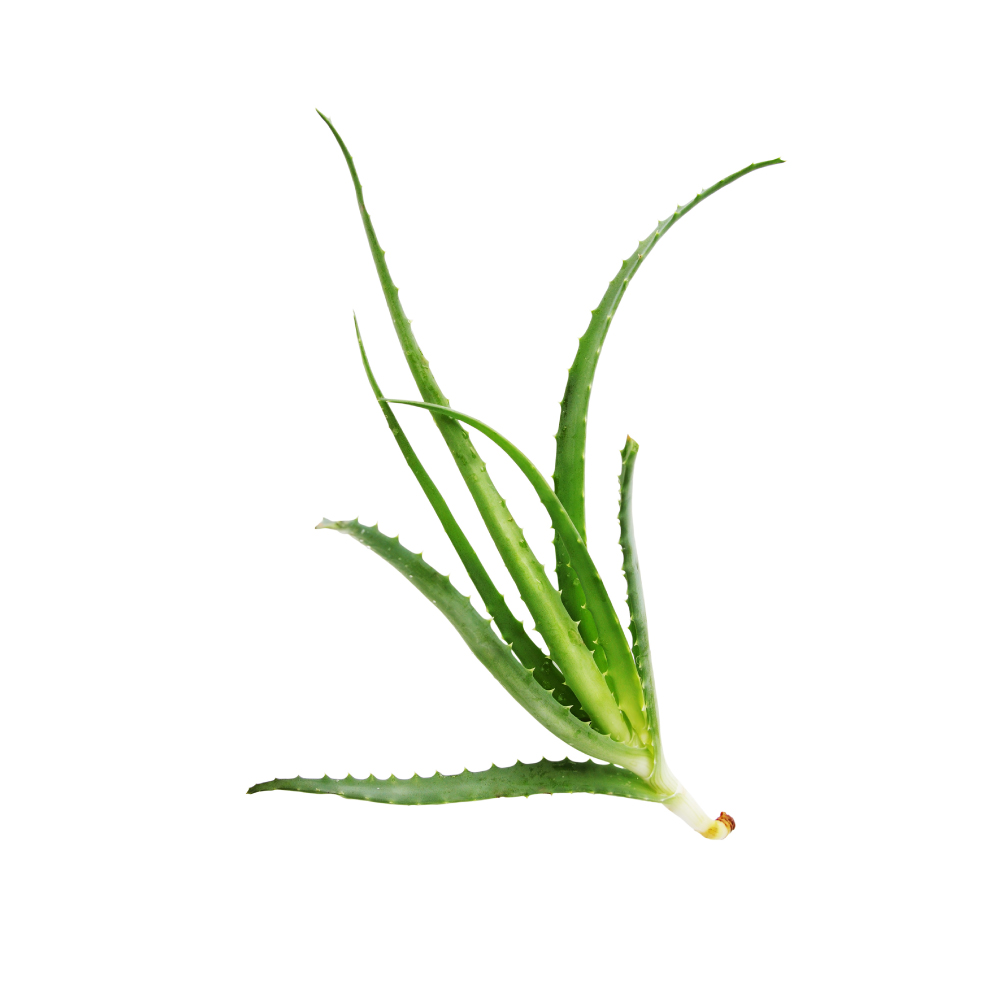 Principal source Aloe Aloe vera Herb monograph →
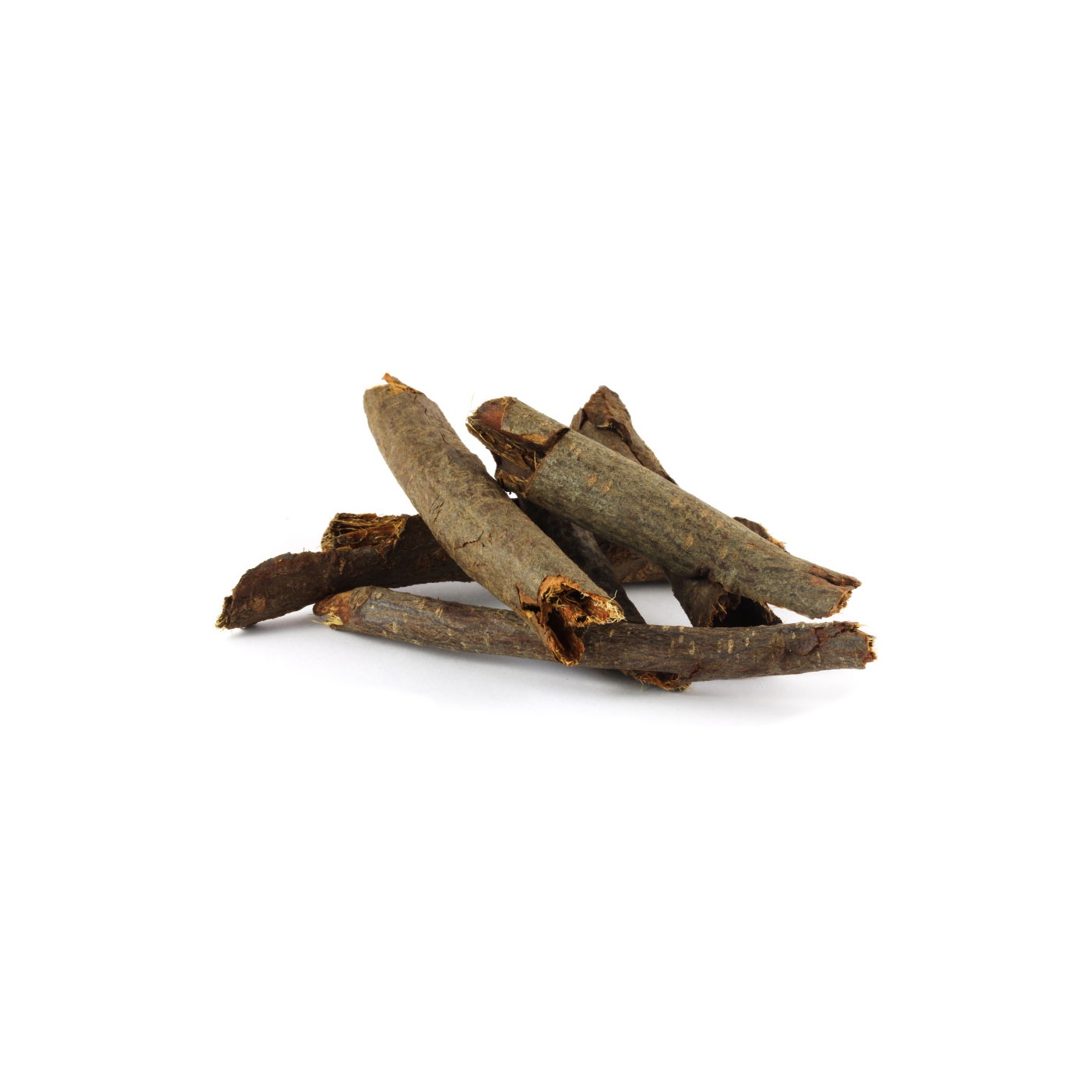 Source Cascara Sagrada Frangula purshiana Herb monograph →
Concentration
Content by Source
Concentrations not reported. No percent-dry-weight or mg/g figures have been published for this compound in its source plants.
Barbaloin at a Glance
Barbaloin — almost always called aloin — is the bitter, yellow anthrone C-glucoside that gives the leaf latex of aloe its purgative reputation, and one of the aloins present in aged cascara sagrada bark. Chemically it is the 10-C-glucosyl anthrone of aloe-emodin: a sugar bolted onto an anthrone core through a carbon–carbon bond rather than the usual oxygen link. That single structural detail governs almost everything about the molecule — it survives the stomach and upper gut, reaches the colon largely intact, and is only there converted by resident bacteria into the compound that actually works.
Its one genuine, long-established human effect is as a stimulant laxative, and even that is indirect: barbaloin is a prodrug. Gut anaerobes cleave the C-glucosyl bond to release aloe-emodin-9-anthrone, the real purgative, which stimulates colonic motility and secretion 1,
The headline that now dominates this molecule is regulatory and toxicological. Barbaloin sits inside the hydroxyanthracene derivative class flagged for genotoxicity: its downstream metabolite aloe-emodin is genotoxic in vivo, aloe whole-leaf extract is a clear rodent carcinogen, and on that basis the FDA removed aloe and cascara OTC laxatives in 2002 and the EU restricted these substances in food 4,
Barbaloin Is Aloin
The most important thing to state plainly: barbaloin and aloin are the same molecule. “Aloin” is the older pharmacognosy name for the bitter principle of aloe; “barbaloin” is the same anthrone C-glucoside, the name deriving from Aloe barbadensis (a synonym of Aloe vera).
Aloin is a pair of diastereomers. What is sold and studied as “aloin” is a roughly equal mixture of two stereoisomers that differ only in configuration at the C-10 anthrone carbon: aloin A and aloin B. They share the molecular formula C₂₁H₂₂O₉ (MW ~418) and are readily interconvertible/co-eluting, which is why the literature usually reports them together as “aloin” or “barbaloin” 3Reference 3Barbaloin: a concise report of its pharmacological and analytical aspectsView study →. Strictly, aloin A is barbaloin and aloin B is isobarbaloin, but in practice the names are used interchangeably for the diastereomeric pair, and that convention is followed here.
The C-glucosyl anthrone structure is the point. Barbaloin is 10-C-β-D-glucopyranosyl-aloe-emodin-9-anthrone — the anthrone form of aloe-emodin (barbaloin’s aglycone-relative in the anthraquinone family, alongside emodin and rhein) carrying a glucose unit attached by a carbon–carbon (C-glycosidic) bond at position 10, rather than the oxygen-linked (O-glycosidic) bond of an ordinary glucoside 3Reference 3Barbaloin: a concise report of its pharmacological and analytical aspectsView study →. That distinction is not academic. Human digestive enzymes and stomach acid hydrolyse O-glycosides comparatively easily; a C-glucosyl bond is far more resistant, so barbaloin passes through the upper gut largely unabsorbed and undigested and is only cleaved deep in the colon by specialised bacteria 1,
What It's Used For
Barbaloin’s evidence base is lopsided. There is one real, mechanistically well-understood human effect — stimulant laxation — and a diffuse cloud of isolated-molecule preclinical activities that have never translated to human use. The laxative action, moreover, is not barbaloin’s own: it is the action of a bacterial metabolite.
Support is an experimental score — weighted by study type (human > animal > in vitro) and volume. A beta, not a validated metric. Only the laxative row has real human standing (and it is now a restricted use); the rest is isolate preclinical work.
The molecule’s only established human action — and a textbook prodrug story. Taken orally, barbaloin is not itself a laxative: its C-glucosyl bond resists upper-GI hydrolysis, so it reaches the colon intact, where anaerobic bacteria cleave it to aloe-emodin-9-anthrone, the genuine purgative 1,
The anthrone stimulates colonic propulsive motility and shifts the mucosa toward net water and electrolyte secretion (and increased mucus), speeding transit. The mechanism was pinned down using gnotobiotic rats: animals mono-associated with Eubacterium sp. strain BAR — a barbaloin-transforming human faecal anaerobe — developed severe diarrhoea on barbaloin, while animals lacking it did not 1Reference 1A purgative action of barbaloin is induced by Eubacterium sp. strain BAR, a human intestinal anaerobe, capable of transforming barbaloin to aloe-emodin anthroneView study →.
This is a whole-latex / isolate-consistent result: the purgative activity of crude aloe and of purified aloin trace to the same metabolite.
Gap: the effect depends entirely on the individual’s colonic flora (no Eubacterium-type activation, no laxation), and the very mechanism that makes it work — colonic delivery of a reactive anthrone — is also what drives the genotoxicity/carcinogenicity concern. The use is real but regulatorily withdrawn/restricted (see Regulatory History), not a recommendable application.
The isolated molecule shows in-vitro antimicrobial and antiviral activity in the pharmacological literature, part of the broad anthranoid “bioactivity” profile compiled for barbaloin 3Reference 3Barbaloin: a concise report of its pharmacological and analytical aspectsView study →. These are assay-level findings against microbial and viral targets, not tested at achievable systemic human concentrations.
Gap: in-vitro isolate data only; barbaloin’s poor systemic absorption (it is designed by its own chemistry to stay in the gut lumen) undercuts any systemic antimicrobial claim, and there are no human trials 3Reference 3Barbaloin: a concise report of its pharmacological and analytical aspectsView study →.
A grab-bag of cell and animal isolate signals: anti-inflammatory and cytoprotective effects attributed to modulation of NF-κB, MAPK and Nrf2 signalling, plus reported antioxidant, anticancer, anti-osteoporosis and organ-protective activities in preclinical models 3Reference 3Barbaloin: a concise report of its pharmacological and analytical aspectsView study →. As with the rest of the anthraquinone family (see emodin, rhein), these are reproducible in vitro but thinly connected to any human outcome.
Gap: all preclinical; frequently high-concentration cell work; no controlled human efficacy data, and the same molecular class carries a genotoxicity flag that complicates any “therapeutic” reading 3,
Mechanisms
| Target / pathway | Effect | Relevant to |
|---|---|---|
| Colonic bacterial C-glucosidase (Eubacterium sp. BAR) | cleaves the C-glucosyl bond → aloe-emodin-9-anthrone (the active purgative) | laxative activation (prodrug step) |
| Colonic enterocytes & myenteric neurons (via the anthrone) | stimulates propulsive motility; net water/electrolyte secretion; ↑ mucus | stimulant-laxative effect |
| Intestinal epithelial barrier / microbiota | at higher concentration ↑ epithelial permeability, alters bacterial community, ↓ butyrate production | GI irritation / dysbiosis (toxicity) |
| DNA / topoisomerase (via the metabolite aloe-emodin) | genotoxic signal — DNA fragmentation in vivo; the hydroxyanthracene-derivative safety concern | genotoxicity / carcinogenicity |
| NF-κB / MAPK / Nrf2 (isolate, preclinical) | anti-inflammatory, antioxidant, cytoprotective signalling in cell/animal models | preclinical activity |
The load-bearing rows are the top two: barbaloin does nothing until a bacterium turns it into aloe-emodin anthrone. The same colon-targeted delivery of a reactive anthrone that produces the effect also underlies the harm.
Pharmacokinetics
Barbaloin’s kinetics are the direct consequence of its C-glycosidic bond. It is poorly absorbed from the upper gastrointestinal tract and resistant to gastric/enzymatic hydrolysis, so most of an oral dose reaches the colon intact, where bacterial C-glucosidases (notably from Eubacterium sp. BAR) split off glucose to give aloe-emodin-9-anthrone, which is then oxidised to aloe-emodin 1,
Clinical Trials
There are no modern controlled efficacy trials of isolated barbaloin/aloin. Its human “evidence” is the long historical record of aloe- and aloin-containing stimulant laxatives, which regulators judged to lack adequate safety substantiation rather than efficacy — the FDA moved aloe/cascara from Category I to III and then off the OTC market for want of the requested genotoxicity/carcinogenicity data 4Reference 4Status of certain additional over-the-counter drug category II and III active ingredients (aloe & cascara sagrada stimulant laxatives)View study →. The active contemporary literature is toxicological, not therapeutic (rodent carcinogenicity and microbiota studies) 5,
| Completed | Planned | Terminated | Preclinical |
|---|---|---|---|
| —(historical laxative use only; no isolate efficacy RCTs) | — | — | Laxative mechanism; carcinogenicity/genotoxicity; antimicrobial/anti-inflammatory isolate work |
Last checked: July 2026.
The Regulatory History (FDA & EMA)
Barbaloin is unusual among plant molecules in that its defining modern story is regulatory. The efficacy and the hazard share the same chemistry — the hydroxyanthracene structure that makes it a laxative is the structure that carries the genotoxicity signal — so the compound could not be cleanly separated into “useful” and “unsafe,” and regulators acted on the whole class.
United States — FDA, 2002. After reopening the OTC laxative record in 1998 and reclassifying aloe and cascara sagrada from Category I (monograph) to Category III (more data needed), the FDA requested mutagenicity, genotoxicity and carcinogenicity data on these stimulant-laxative ingredients. The data were not supplied. In a final rule effective November 5, 2002, the agency ruled that the stimulant-laxative ingredients aloe (including aloe extract) and cascara sagrada (including casanthranol and the cascara extracts) in OTC products are “not generally recognized as safe and effective” — removing them from the US OTC market 4Reference 4Status of certain additional over-the-counter drug category II and III active ingredients (aloe & cascara sagrada stimulant laxatives)View study →.
European Union — EFSA/EMA and Regulation (EU) 2021/468. In a 2018 scientific opinion, EFSA concluded that hydroxyanthracene derivatives should be regarded as genotoxic and carcinogenic unless specific data show otherwise, that aloe-emodin and emodin are genotoxic, that aloe whole-leaf extract is carcinogenic, and that no safe daily intake could be established 5Reference 5Safety of hydroxyanthracene derivatives for use in foodView study →. On that basis Commission Regulation (EU) 2021/468 prohibited aloin A/B (barbaloin), aloe-emodin, emodin and danthron as such, and preparations in which they are present, from use in food — tolerating only trace levels 7Reference 7Amending Annex III to Regulation (EC) No 1925/2006 as regards botanical species containing hydroxyanthracene derivatives (aloin A/B, aloe-emodin, emodin, danthron)View study →.
The genotoxicity/carcinogenicity evidence behind the bans. The toxicology is specific and colon-directed. The US National Toxicology Program found clear evidence of carcinogenic activity for a non-decolourised aloe vera whole-leaf extract in F344/N rats given it in drinking water for two years — dose-related adenomas and carcinomas of the large intestine at the 1% and 1.5% concentrations, with none at 0.5% 6Reference 6AnimalClear evidence of carcinogenic activity by a whole-leaf extract of Aloe barbadensis miller (aloe vera) in F344/N ratsView study → — and these rat tumours were shown to share molecular pathways (Kras, Ctnnb1/WNT, MAPK) with human sporadic colorectal cancer 8Reference 8AnimalAloe vera non-decolorized whole leaf extract-induced large intestinal tumors in F344 rats share similar molecular pathways with human sporadic colorectal tumorsView study →. A 13-week study of aloin itself reproduced dose-related mucosal (goblet-cell) hyperplasia and pathological changes with microbiota shifts in the rat large intestine — the pre-neoplastic changes seen with the whole extract 9Reference 9AnimalAloin, a component of the aloe vera plant leaf, induces pathological changes and modulates the composition of microbiota in the large intestines of F344/N male ratsView study →. And barbaloin’s own metabolite, aloe-emodin, causes DNA fragmentation in the mouse in vivo comet assay 10Reference 10AnimalAloe-emodin-induced DNA fragmentation in the mouse in vivo comet assayView study →, the genotoxic signal that anchors the EFSA classification 5Reference 5Safety of hydroxyanthracene derivatives for use in foodView study →.
The honest caveat. The direct carcinogenicity evidence is strongest for aloe whole-leaf extract and for the metabolite aloe-emodin; pure barbaloin has not itself been run through a two-year cancer bioassay. But it is a hydroxyanthracene-derivative prodrug that delivers a genotoxic anthrone to the colon and produces pre-neoplastic rat pathology in its own right 9Reference 9AnimalAloin, a component of the aloe vera plant leaf, induces pathological changes and modulates the composition of microbiota in the large intestines of F344/N male ratsView study →, which is why regulators treat it within the class rather than exempting it.
Isolate vs. Plant Studies
The two evidence bases here point the same direction, which is unusual. The laxative mechanism is isolate-and-plant-consistent: purified barbaloin and crude aloe/cascara latex both work through the same colonic metabolite (aloe-emodin anthrone), so the isolate faithfully reproduces the whole-plant action 1,
Prevalence in Nature
Barbaloin is a defining constituent of aloe leaf latex — the bitter yellow exudate (distinct from the inner clear gel) that drains from cut leaves of aloe (Aloe vera), Cape aloes (Aloe ferox) and related species. The historical drug “aloes” (dried aloe latex) is largely aloin, so in that material the molecule is a major, not trace, component; its concentration varies strongly with species, leaf age, leaf part and position, with younger leaf tissue generally richer 3Reference 3Barbaloin: a concise report of its pharmacological and analytical aspectsView study →. Because aloin sits in the latex rind and not the gel, decolourised/purified inner-leaf aloe products are formulated specifically to exclude it.
It also occurs in the anthraquinone-laxative barks, most relevantly aged cascara sagrada bark, where the aloins (barbaloin plus chrysaloin) make up roughly 10–30% of the anthracene glycosides but are overshadowed by the diastereomeric cascarosides (~60–70% of the glycoside fraction), which are themselves barbaloin- and chrysophanol-derived C-glucosyl anthrones 4Reference 4Status of certain additional over-the-counter drug category II and III active ingredients (aloe & cascara sagrada stimulant laxatives)View study →. In cascara it therefore reads as a minor aloin among the cascarosides, whereas in aloe latex it is the star. Quantitative barbaloin figures on a comparable dry-weight basis across sources are not well tabulated (see the compound’s gaps tracker).
Discovery & Synthesis
Aloe latex has been used as a purgative since antiquity, and its bitter active principle was named “aloin” by nineteenth-century pharmacognosists — the name “barbaloin” attaching the aloin of Aloe barbadensis (A. vera). What took much longer was the stereochemistry: that “aloin” is in fact a pair of diastereomers, aloin A and aloin B, differing at the C-10 anthrone centre, and the assignment of their conformation and absolute configuration as 10-C-glucosyl-9-anthrones, was resolved in twentieth-century aloe chemistry 3Reference 3Barbaloin: a concise report of its pharmacological and analytical aspectsView study →. Commercially, barbaloin/aloin is obtained by extraction from aloe latex (it is available as a purified reference standard and reagent), not by total synthesis — the C-glucosyl anthrone is more practically isolated from the abundant natural source than built.
Patents: not yet researched.
Toxicity & Safety
Barbaloin carries a moderate flag — heavier than an ordinary plant phenolic and on par with its relative emodin — because it is a hydroxyanthracene-derivative prodrug that delivers a genotoxic anthrone to the colon. The flag stops short of a carcinogen badge only because the direct two-year cancer data are for aloe whole-leaf extract and for the metabolite aloe-emodin rather than for pure barbaloin; the class membership, the rat pre-neoplastic pathology of aloin itself, and the metabolite’s genotoxicity are the reasons it is treated as a genuine concern rather than a benign bitter 5,
Genotoxicity & carcinogenicity (the class hazard). EFSA classifies hydroxyanthracene derivatives — barbaloin among them — as genotoxic and carcinogenic unless shown otherwise, with aloe-emodin genotoxic in vivo and no safe intake establishable 5Reference 5Safety of hydroxyanthracene derivatives for use in foodView study →. Aloe whole-leaf extract is a clear NTP rodent large-intestine carcinogen 6,
GI and functional harms. As a stimulant laxative it can cause cramping, fluid and electrolyte loss (notably potassium), and dependence/atony with chronic use; at higher exposure aloin increases intestinal epithelial permeability and disturbs the colonic microbiota, lowering butyrate 11Reference 11Dose-dependent effects of aloin on the intestinal bacterial community structure, short chain fatty acids metabolism and intestinal epithelial cell permeabilityView study →. These are the everyday harms behind the “don’t use stimulant laxatives long-term” rule, layered on top of the genotoxic-class concern.
Pregnancy (prose only). Stimulant anthranoid laxatives are conventionally cautioned in pregnancy (theoretical uterine-stimulant and fluid/electrolyte concerns), and the class genotoxicity signal is an added reason for avoidance; a molecule delivering a genotoxic anthrone to the gut is not a compound to take electively while pregnant. Pregnancy/lactation decisions belong to the herb or product page where intake is actually decided, not to this molecule page — no isolate-specific verdict is issued here.
- Its own systemic absorption is low. The C-glucosyl bond keeps barbaloin in the gut lumen; little intact parent circulates 1,
3Reference 1A purgative action of barbaloin is induced by Eubacterium sp. strain BAR, a human intestinal anaerobe, capable of transforming barbaloin to aloe-emodin anthroneView study →Reference 3Barbaloin: a concise report of its pharmacological and analytical aspectsView study → . - Hydroxyanthracene-derivative genotoxicity concern. The class is treated as genotoxic/carcinogenic-until-proven-otherwise; aloe whole-leaf extract is a clear rodent large-intestine carcinogen, and isolated aloin causes pre-neoplastic rat mucosal changes 5,
6, .9Reference 5Safety of hydroxyanthracene derivatives for use in foodView study →Reference 6AnimalClear evidence of carcinogenic activity by a whole-leaf extract of Aloe barbadensis miller (aloe vera) in F344/N ratsView study →Reference 9AnimalAloin, a component of the aloe vera plant leaf, induces pathological changes and modulates the composition of microbiota in the large intestines of F344/N male ratsView study → - Removed / restricted by regulators. FDA took aloe & cascara stimulant laxatives off the US OTC market (2002); the EU restricts aloin A/B, aloe-emodin, emodin and danthron in food to trace levels 4,
7Reference 4Status of certain additional over-the-counter drug category II and III active ingredients (aloe & cascara sagrada stimulant laxatives)View study →Reference 7Amending Annex III to Regulation (EC) No 1925/2006 as regards botanical species containing hydroxyanthracene derivatives (aloin A/B, aloe-emodin, emodin, danthron)View study → . - Stimulant-laxative harms. Cramping, electrolyte (potassium) loss, dependence/atony with chronic use, and microbiota/barrier disruption at higher exposure 11Reference 11Dose-dependent effects of aloin on the intestinal bacterial community structure, short chain fatty acids metabolism and intestinal epithelial cell permeabilityView study →.
- Flora-dependent and unpredictable. The active metabolite forms only if the right colonic anaerobes are present, so effect and exposure vary between people 1,
2Reference 1A purgative action of barbaloin is induced by Eubacterium sp. strain BAR, a human intestinal anaerobe, capable of transforming barbaloin to aloe-emodin anthroneView study →Reference 2Metabolism of barbaloin by intestinal bacteriaView study → .
Dosage
There is no recommended dose for barbaloin/aloin. Historically, aloe latex and aloin were dosed as a stimulant (purgative) laxative, but that use has been withdrawn or restricted: the FDA removed aloe and cascara stimulant-laxative ingredients from the US OTC market in 2002 4Reference 4Status of certain additional over-the-counter drug category II and III active ingredients (aloe & cascara sagrada stimulant laxatives)View study →, and the EU limits aloin A/B and related hydroxyanthracene derivatives in food to trace amounts 7Reference 7Amending Annex III to Regulation (EC) No 1925/2006 as regards botanical species containing hydroxyanthracene derivatives (aloin A/B, aloe-emodin, emodin, danthron)View study →. Modern decolourised/purified aloe products are formulated specifically to remove aloin. Any historical purgative “doses” are context, not a personal recommendation, and given the genotoxicity-class concern, self-dosing isolated aloin is not advisable.
References
- Akao T, Che QM, Kobashi K, Hattori M, Namba T (1996). A purgative action of barbaloin is induced by Eubacterium sp. strain BAR, a human intestinal anaerobe, capable of transforming barbaloin to aloe-emodin anthrone. Biological & Pharmaceutical Bulletin. https://pubmed.ncbi.nlm.nih.gov/8820926/
- Hattori M, Kanda T, Shu YZ, Akao T, Kobashi K, Namba T (1988). Metabolism of barbaloin by intestinal bacteria. Chemical & Pharmaceutical Bulletin. https://pubmed.ncbi.nlm.nih.gov/3246014/
- Patel DK, Patel K, Tahilyani V (2012). Barbaloin: a concise report of its pharmacological and analytical aspects. Asian Pacific Journal of Tropical Biomedicine. https://pubmed.ncbi.nlm.nih.gov/23569857/
- Food and Drug Administration (2002). Status of certain additional over-the-counter drug category II and III active ingredients (aloe & cascara sagrada stimulant laxatives). Final rule. Federal Register 67(90):31125-7. https://pubmed.ncbi.nlm.nih.gov/12001972/
- EFSA ANS Panel (2018). Safety of hydroxyanthracene derivatives for use in food. EFSA Journal. https://pubmed.ncbi.nlm.nih.gov/32625659/
- Boudreau MD, Mellick PW, Olson GR, Felton RP, Thorn BT, Beland FA (2013). Clear evidence of carcinogenic activity by a whole-leaf extract of Aloe barbadensis miller (aloe vera) in F344/N rats. Toxicological Sciences. https://pubmed.ncbi.nlm.nih.gov/22968693/
- Commission Regulation (EU) 2021/468 (2021). Amending Annex III to Regulation (EC) No 1925/2006 as regards botanical species containing hydroxyanthracene derivatives (aloin A/B, aloe-emodin, emodin, danthron). Official Journal of the European Union. https://eur-lex.europa.eu/legal-content/EN/TXT/?uri=CELEX:32021R0468
- Pandiri AR, et al. (2011). Aloe vera non-decolorized whole leaf extract-induced large intestinal tumors in F344 rats share similar molecular pathways with human sporadic colorectal tumors. Toxicologic Pathology. https://pubmed.ncbi.nlm.nih.gov/21937742/
- Boudreau MD, et al. (2017). Aloin, a component of the aloe vera plant leaf, induces pathological changes and modulates the composition of microbiota in the large intestines of F344/N male rats. Toxicological Sciences. https://pubmed.ncbi.nlm.nih.gov/28525602/
- Nesslany F, et al. (2009). Aloe-emodin-induced DNA fragmentation in the mouse in vivo comet assay. Mutation Research. https://pubmed.ncbi.nlm.nih.gov/19559101/
- Gokulan K, Kolluru P, Cerniglia CE, Khare S (2019). Dose-dependent effects of aloin on the intestinal bacterial community structure, short chain fatty acids metabolism and intestinal epithelial cell permeability. Frontiers in Microbiology. https://pubmed.ncbi.nlm.nih.gov/30972034/



