
Compound Monograph
Chrysosplenetin
Chrysosplenetin is a polymethoxylated flavonol of sweet wormwood and the best-evidenced member of the Artemisia annua 'synergy flavonoid' story. On its own it is a weak antiplasmodial — roughly a thousandfold weaker than artemisinin. Its real activity is pharmacokinetic: it inhibits CYP3A, CYP1A2 and CYP2C19, raises artemisinin exposure in rats, and reverses artemisinin resistance in mice through host ABC transporters and the heme-ROS/GSH axis. None of that has been shown in humans, and a tea almost certainly does not deliver it.

Sources · 5
Where Does It Come From?
Chrysosplenetin is a naturally occurring flavonol (polymethoxylated — quercetagetin 3,6,7,3′-tetramethyl ether), found in Sweet wormwood, German chamomile and 3 other sources. Its toxicity is not yet characterized.
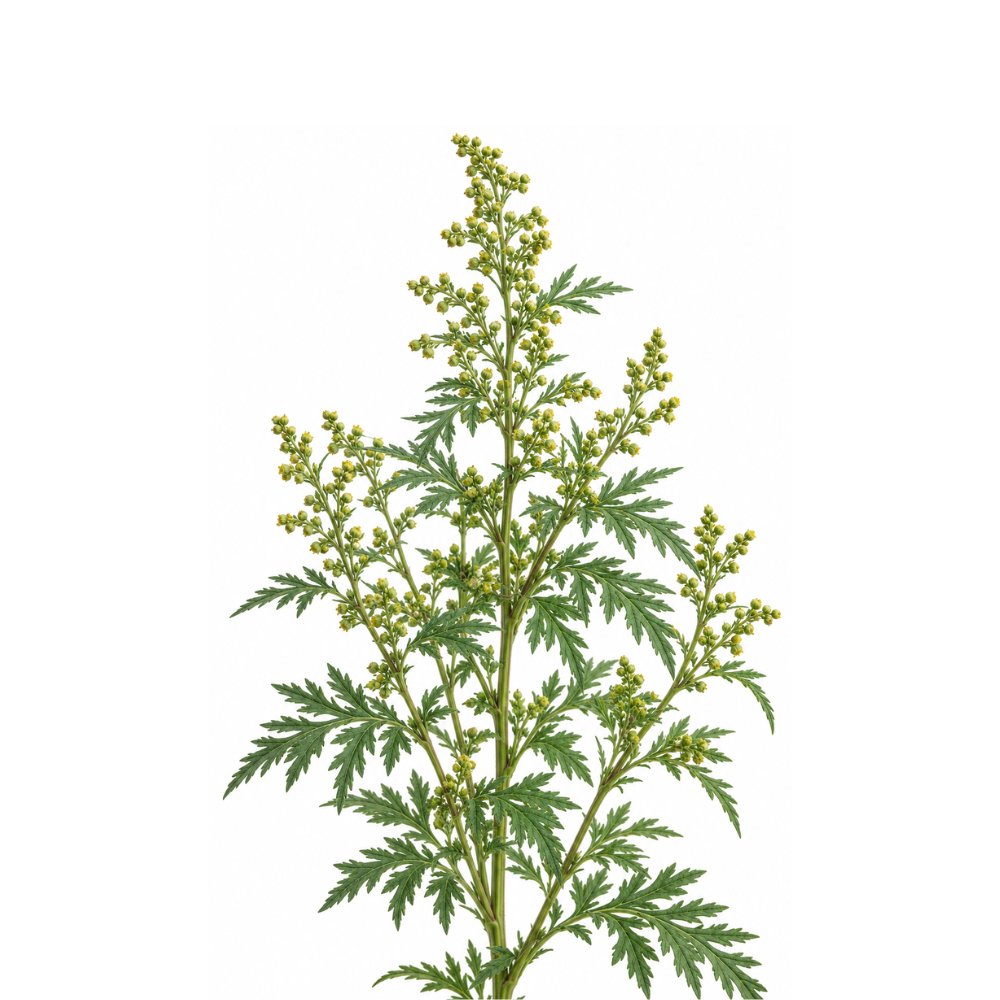 Principal source Sweet Wormwood Artemisia annua Herb monograph →
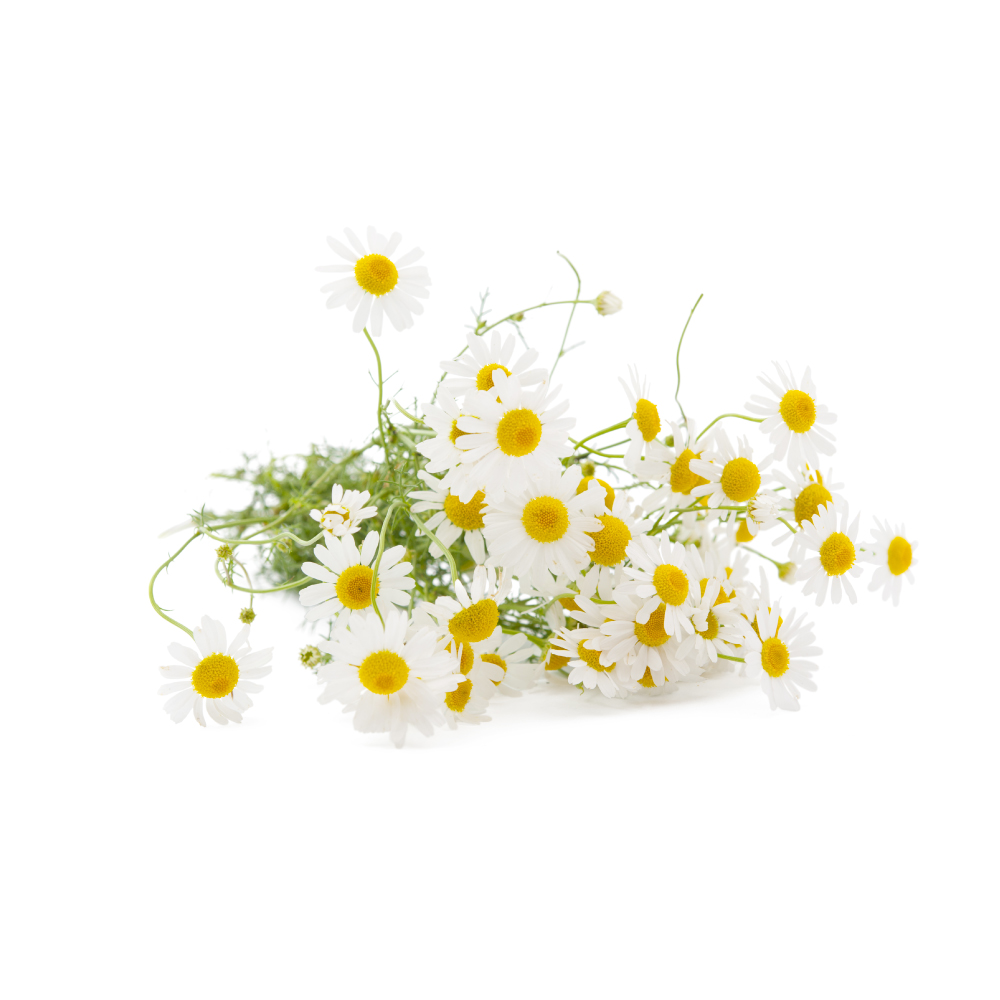 Source German Chamomile Matricaria chamomilla Herb monograph →
Concentration
Content by Source
Concentrations not reported. No percent-dry-weight or mg/g figures have been published for this compound in its source plants.
Chrysosplenetin at a Glance
Chrysosplenetin is a polymethoxylated flavonol of sweet wormwood (Artemisia annua), and the best-evidenced member of that plant’s “synergy flavonoid” story.
On its own it is a weak antimalarial — roughly a thousandfold weaker than artemisinin. Its real activity is pharmacokinetic: it potentiates artemisinin rather than killing parasites itself, and it has been shown to reverse artemisinin resistance in resistant strains.
That makes it a rare, well-documented example of a plant compound whose function is to make another compound in the same plant work better — the mechanistic core of the argument that whole-plant Artemisia preparations behave differently from purified artemisinin.
What It's Used For
Chrysosplenetin is the molecule that carries the most weight in Artemisia annua’s most persistent claim — that the whole herb beats its isolated drug because its flavonoids potentiate artemisinin. The literature is real, specific and mechanistically detailed, and it is also entirely preclinical: in vitro antiplasmodial and antiviral work, rat pharmacokinetics, and a series of mouse studies from one Chinese group on reversing artemisinin resistance. Two facts frame everything below. First, chrysosplenetin is a poor antimalarial in its own right — around a thousandfold weaker than artemisinin 1Reference 1In vitroAntimalarial activity of Artemisia annua flavonoids from whole plants and cell cultures — in vitroView study → — so its interest is as a modifier of another drug, not as a drug. Second, the potentiation that has been demonstrated is isolated chrysosplenetin dosed at a fixed ratio to isolated artemisinin, which is not what a tea or a capsule of dried leaf delivers; when the whole-plant version of the hypothesis was tested directly with flavonoid-deficient mutant lines, it failed 8Reference 8In vitroFlavonoid versus artemisinin anti-malarial activity in Artemisia annua whole-leaf extracts — in vitroView study →.
The gap between those two statements is the entire subject.
Support is an experimental score I’m building — a composite weighted by study type (human > animal > in vitro > review) and study volume, tempered for isolate-vs-plant match and bioavailability. It’s a beta: a fast way to rank strength of evidence at a glance, not a validated metric. Each application name links down to its write-up.
This is the application the molecule is known for, and it is a pharmacokinetic effect rather than an antiparasitic one. Working with the isolated compounds in rats, chrysosplenetin inhibited three drug-metabolising enzymes in liver microsomes — CYP1A2 noncompetitively (IC50 4.61 µM), CYP3A uncompetitively (IC50 3.38 µM) and CYP2C19 concentration-dependently (IC50 6.23 µM) — with no effect on CYP2A6 or CYP2D6 3Reference 3In vitroImpact of chrysosplenetin on the pharmacokinetics and anti-malarial efficacy of artemisinin against Plasmodium berghei, and in vitro CYP450 enzymatic activities in rat liver microsome — animal model (rat and mouse)View study →.
Co-dosing at an artemisinin:chrysosplenetin ratio of 1:2 (5 mg/kg and 10 mg/kg) raised artemisinin’s AUC 1.40-fold, Cmax 1.65-fold and half-life 1.68-fold, and significantly reduced clearance; in P. berghei-infected mice the same ratio cut parasitaemia 1.59-fold and raised inhibition 1.63-fold 3Reference 3In vitroImpact of chrysosplenetin on the pharmacokinetics and anti-malarial efficacy of artemisinin against Plasmodium berghei, and in vitro CYP450 enzymatic activities in rat liver microsome — animal model (rat and mouse)View study →.
The 1:2 ratio outperformed both 1:1 and 1:4, which is a meaningful detail — the effect is dose-shaped, not simply “more flavonoid is better.”
The idea predates chrysosplenetin. Elford and colleagues showed in 1987 that the related methoxylated flavones casticin and artemetin selectively enhanced qinghaosu’s growth inhibition of P. falciparum while barely affecting chloroquine 2Reference 2In vitroPotentiation of the antimalarial activity of qinghaosu by methoxylated flavones — in vitroView study → — the founding observation for the whole synergy literature, and one about siblings rather than this molecule.
Gap: every result is rodent or microsomal, largely from one group, and uses purified compounds at a controlled ratio. No human pharmacokinetic or efficacy study exists, and nothing establishes that any herbal preparation reproduces the 1:2 ratio.
The more interesting recent claim is that chrysosplenetin restores artemisinin sensitivity in a resistant parasite. In artemisinin-resistant P. berghei K173, the artemisinin–chrysosplenetin combination improved susceptibility, with the mechanism traced to maintenance of host P-glycoprotein homeostasis via NF-κB p52 and PXR/CAR signalling, plus altered heme/haemozoin metabolism 4Reference 4AnimalAntimalarial activity and sensitization of chrysosplenetin against artemisinin-resistant genotype Plasmodium berghei K173 via maintaining host P-glycoprotein homeostasis mediated by NF-κB p52 or PXR/CAR signalling and regulating heme/haemozoin metabolism — animal model (mouse)View study →. A 2025 follow-up using Mdr1a knockout mice sharpened this considerably: the combination (artemisinin 40 mg/kg + chrysosplenetin 80 mg/kg, again 1:2) held 100% survival with ~20% parasitaemia in resistant-infected animals, and the resistance reversal occurred independently of P-gp efflux function — implicating non-transport roles of P-gp, a reshaping of Mrp1/2/4/5 and Bcrp expression across tissues, and modulation of the ROS/GSH balance 5Reference 5AnimalChrysosplenetin acts as a homeostasis stabilizer with dual function in shattering Plasmodium berghei K173 resistance to artemisinin driven by both ABC transporters and the heme-ROS/GSH axis — animal model (mouse)View study →.
Two things make this stand out from typical “natural product reverses resistance” work: the knockout design tested the obvious mechanism and ruled it out, and the effect sits in the host rather than the parasite — chrysosplenetin is changing how the animal handles the drug.
Gap: P. berghei K173 is a rodent parasite whose artemisinin resistance is not the Kelch13-mediated resistance spreading in P. falciparum, so the translation is not straightforward. Both studies come from the same group, and no human or P. falciparum work follows.
Chrysosplenetin and the related flavonol penduletin, isolated from Laggera pterodonta, inhibited enterovirus 71 — the main cause of severe hand, foot and mouth disease — in African green monkey kidney (Vero) and human rhabdomyosarcoma (RD) cells 6Reference 6In vitroInhibition of enterovirus 71 replication by chrysosplenetin and penduletin — in vitroView study →.
Both gave an IC50 near 0.20 µM in cytopathic-effect assays, with selectivity indices of 107.5 (Vero) and 69.5 (RD) for chrysosplenetin. That is genuinely potent for a plant flavonol, and the selectivity index matters: it says the antiviral effect appears well below the concentration that harms the host cells, which is the usual failure mode for in-vitro flavonoid results.
Gap: in vitro only, with no animal model, no pharmacokinetics and no follow-up located. A sub-micromolar IC50 in a dish says nothing about whether an oral dose reaches that concentration in tissue — and for this molecule, nobody has measured.
In human bone-marrow stromal cells, chrysosplenetin (5–20 µM) promoted proliferation and osteoblast differentiation, raising alkaline phosphatase activity, mineralisation and the osteogenic markers RUNX2 and BGLAP; mechanistically it reduced phosphorylated β-catenin and promoted its nuclear translocation, activating Wnt/β-catenin signalling 7Reference 7AnimalChrysosplenetin promotes osteoblastogenesis of bone marrow stromal cells via the Wnt/β-catenin pathway and enhances osteogenesis in estrogen deficiency-induced bone loss — animal model (mouse)View study →. In ovariectomised mice — the standard oestrogen-deficiency osteoporosis model — 3 mg/kg by intraperitoneal injection every two days improved bone microarchitecture on micro-CT and shifted serum osteogenic markers 7Reference 7AnimalChrysosplenetin promotes osteoblastogenesis of bone marrow stromal cells via the Wnt/β-catenin pathway and enhances osteogenesis in estrogen deficiency-induced bone loss — animal model (mouse)View study →.
Gap: a single unreplicated paper, using intraperitoneal dosing that bypasses oral absorption entirely. Nothing connects this to A. annua as a herb, and Wnt/β-catenin activation is a mechanism worth watching rather than assuming benign.
Chrysosplenetin has its own activity against P. falciparum, and the honest headline is how weak it is. In the study that put these flavonoids on the map, artemetin, chrysosplenetin, chrysosplenol D and cirsilineol together accounted for the antiplasmodial activity of an A. annua cell-culture chloroform extract, with IC50 values in the range 2.4–6.5 × 10⁻⁵ M (24–65 µM) — against about 3 × 10⁻⁸ M (30 nM) for purified artemisinin 1Reference 1In vitroAntimalarial activity of Artemisia annua flavonoids from whole plants and cell cultures — in vitroView study →.
That is roughly a thousandfold difference.
The same paper contains the observation that matters more: at 5 µM the flavonoids had no direct antiplasmodial activity of their own, yet still cut artemisinin’s IC50 by up to half 1Reference 1In vitroAntimalarial activity of Artemisia annua flavonoids from whole plants and cell cultures — in vitroView study →. Potentiation and direct killing are separate phenomena occurring at separate concentrations, and conflating them is the most common error in writing about this plant.
Gap: in vitro, and the IC50 range is reported for the four flavonoids as a group rather than for chrysosplenetin individually.
Mechanisms
| Target / pathway | Effect | Relevant to |
|---|---|---|
| CYP3A ↓ (uncompetitive), CYP1A2 ↓ (noncompetitive), CYP2C19 ↓ | slower artemisinin clearance → ↑ AUC, Cmax, half-life | artemisinin potentiationdrug interactions |
| Host P-glycoprotein homeostasis (NF-κB p52, PXR/CAR) | resistance reversal independent of efflux function | artemisinin-resistance reversal |
| Mrp1/2/4/5, Bcrp expression reshaped across tissues | altered drug disposition | artemisinin-resistance reversal |
| Heme / haemozoin metabolism; ROS–GSH balance | redox homeostasis in infected host | artemisinin-resistance reversal |
| Wnt/β-catenin ↑ (β-catenin dephosphorylation, nuclear translocation) | ↑ RUNX2, BGLAP, osteoblastogenesis | osteogenesis |
| Enterovirus 71 replication ↓ | IC50 ~0.20 µM, SI 69–108 | antiviral |
Pharmacokinetics
Chrysosplenetin’s own pharmacokinetics have not been characterised. No oral bioavailability figure, absorption study, half-life or tissue-distribution data for the isolated molecule was located — which is a striking hole given that its entire claim to relevance is a pharmacokinetic interaction with another drug. What is documented is the other side of that interaction: what chrysosplenetin does to artemisinin’s disposition in rats 3Reference 3In vitroImpact of chrysosplenetin on the pharmacokinetics and anti-malarial efficacy of artemisinin against Plasmodium berghei, and in vitro CYP450 enzymatic activities in rat liver microsome — animal model (rat and mouse)View study →.
The extraction data are the decision-relevant substitute. Polymethoxylated flavonols are lipophilic and poorly water-soluble, and when this was measured for the sibling molecules casticin and artemetin in an A. annua tea infusion prepared by a protocol optimised for artemisinin, casticin recovery was 1.8% and artemetin was undetectable; stored 24 hours at room temperature, casticin fell a further 40% 9Reference 9In vitroThe flavonoids casticin and artemetin are poorly extracted and are unstable in an Artemisia annua tea infusion — in vitroView study →. Chrysosplenetin was not measured in that study, so this is an inference from close structural relatives — but it is the strongest available answer to the practical question, and it points the same way as the mutant-line result 8Reference 8In vitroFlavonoid versus artemisinin anti-malarial activity in Artemisia annua whole-leaf extracts — in vitroView study →: whatever chrysosplenetin does at 10 mg/kg as an isolate, a cup of tea is not delivering it.
Clinical trials
No registered clinical trials of isolated chrysosplenetin were identified, and no human study of any kind. The evidence base is entirely preclinical — rat and mouse in vivo plus cell-culture work.
| Completed | Planned | Terminated | Preclinical |
|---|---|---|---|
| 0 | 0 | 0 | ~20 |
Last checked: August 2026.
Isolate vs. Plant Studies
Every finding here used the isolated molecule — purified chrysosplenetin dosed alongside purified artemisinin at controlled ratios, or applied to cells at defined micromolar concentrations. That is a strength for interpreting mechanism and a serious limitation for interpreting the herb, because the claim this molecule is invoked to support is a whole-plant claim.
The whole-plant version has been tested and did not hold. Rodent work reported that dried whole-plant A. annua raised artemisinin bioavailability and might add antiparasitic synergy 10Reference 10AnimalDried whole plant Artemisia annua as an antimalarial therapy — animal model (mouse)View study →, but a York group using flavonoid-deficient mutant lines found that the antiplasmodial activity of whole-leaf extract tracked artemisinin content, with flavonoids contributing negligibly in vitro 8Reference 8In vitroFlavonoid versus artemisinin anti-malarial activity in Artemisia annua whole-leaf extracts — in vitroView study →. That is the direct experiment, and it is negative for the flavonoids specifically. A 2025 study again reported that an A. annua extract outperformed equivalent isolated artemisinin with better oral bioavailability and reduced P-gp-mediated efflux 11Reference 11AnimalThe plant matrix of Artemisia annua L. for the treatment of malaria: pharmacodynamic and pharmacokinetic studies — animal model (rat and mouse)View study → — so the plant-matrix question is not settled — but that work attributes the effect to the extract’s sesquiterpene complexity and does not identify chrysosplenetin as the agent.
The honest position: chrysosplenetin’s isolated pharmacology is genuine and its mechanism is unusually well mapped for a plant flavonol, but it does not license the inference that A. annua tea is a better antimalarial than artemisinin. Read it as molecular pharmacology, not as a reason to prefer the herb — and note that the herb page’s central caution, the WHO position against herbal A. annua for malaria on resistance grounds, is unaffected by anything here.
Prevalence in Nature
Chrysosplenetin is a polymethoxylated flavonol — structurally, quercetagetin with methyl groups on the 3, 6, 7 and 3′ positions, leaving free hydroxyls at 5 and 4′ (C₁₉H₁₈O₈, 374.3 g/mol). Methylation is the defining feature of this subclass: it raises lipophilicity and metabolic stability relative to a free-hydroxyl flavonol like quercetin, which is why polymethoxyflavones are repeatedly nominated as bioavailability modifiers rather than as antioxidants.
Its name comes from the saxifrage genus Chrysosplenium (the golden-saxifrages), but its pharmacological literature was built almost entirely on two other plants: sweet wormwood (Artemisia annua), where it sits alongside casticin, artemetin, chrysosplenol D, cirsilineol and eupatorin in the leaf flavonoid fraction, and Laggera pterodonta, the source used for the antiviral work 6Reference 6In vitroInhibition of enterovirus 71 replication by chrysosplenetin and penduletin — in vitroView study →. It is also reported from German chamomile (Matricaria chamomilla) 7Reference 7AnimalChrysosplenetin promotes osteoblastogenesis of bone marrow stromal cells via the Wnt/β-catenin pathway and enhances osteogenesis in estrogen deficiency-induced bone loss — animal model (mouse)View study → and Dracocephalum heterophyllum. Biosynthetically it is an ordinary flavonol — the phenylpropanoid → chalcone → flavonol route to quercetagetin — followed by a series of O-methyltransferase steps; the methylation pattern, not the skeleton, is what distinguishes it from its siblings.
Abundance is not well quantified. No published mg/g or %-dry-weight figure for chrysosplenetin in any source plant was located. For scale, its close relative casticin has been measured at about 1.07 ± 0.23 mg/g in A. annua leaf material from eastern and northern China — a useful order-of-magnitude anchor for the flavonoid fraction, and explicitly not a chrysosplenetin figure.
Discovery & Synthesis
First isolation is not well documented. The name points at Chrysosplenium, and the compound is an established constituent of that genus, but a specific first-isolation paper and date could not be verified — so none is guessed. What is datable is its entry into pharmacology: the 1987 Elford observation that A. annua’s methoxylated flavones potentiate qinghaosu 2Reference 2In vitroPotentiation of the antimalarial activity of qinghaosu by methoxylated flavones — in vitroView study → opened the field, and the 1992 Liu study named chrysosplenetin among the four flavonoids accounting for the antiplasmodial activity of A. annua extracts 1Reference 1In vitroAntimalarial activity of Artemisia annua flavonoids from whole plants and cell cultures — in vitroView study →. Everything since follows from those two papers.
Manufacture today has an unusual and rather elegant answer. Chrysosplenetin used in the resistance research is described as recovered from the acetone fraction of artemisinin-extraction industrial waste 5Reference 5AnimalChrysosplenetin acts as a homeostasis stabilizer with dual function in shattering Plasmodium berghei K173 resistance to artemisinin driven by both ABC transporters and the heme-ROS/GSH axis — animal model (mouse)View study → — a by-product of the process that makes the drug it is studied alongside. That is a plausible commercial route precisely because the co-occurrence that motivates the research also guarantees the feedstock. No total synthesis of note was located; as a tetramethylated quercetagetin it is not a difficult target, but nothing suggests synthesis competes with recovery.
Patents: not yet researched (future patent-loop pass).
Toxicity & Safety
The actionable safety fact here is an interaction signal, not a toxicity one. Chrysosplenetin inhibits CYP3A (IC50 3.38 µM, uncompetitive), CYP1A2 (4.61 µM, noncompetitive) and CYP2C19 (6.23 µM) in rat liver microsomes, with no effect on CYP2A6 or CYP2D6 3Reference 3In vitroImpact of chrysosplenetin on the pharmacokinetics and anti-malarial efficacy of artemisinin against Plasmodium berghei, and in vitro CYP450 enzymatic activities in rat liver microsome — animal model (rat and mouse)View study →. CYP3A alone handles a large share of prescription drug metabolism, so an inhibitor of it is a genuine interaction concern in principle — that is, after all, exactly the mechanism by which this molecule raises artemisinin exposure. Two limits keep it in proportion: the figures are rat microsomal rather than human, and nothing establishes that a herbal A. annua preparation delivers a chrysosplenetin concentration anywhere near those IC50 values, given how poorly the sibling flavonoids extract into an infusion 9Reference 9In vitroThe flavonoids casticin and artemetin are poorly extracted and are unstable in an Artemisia annua tea infusion — in vitroView study →. Treat it as a reason to take A. annua products seriously around prescription medication, not as a documented human interaction.
No toxicity study of isolated chrysosplenetin was located — no acute or repeat-dose toxicology, no genotoxicity, no reproductive or developmental data. Its selectivity index of 69–108 against enterovirus 71 6Reference 6In vitroInhibition of enterovirus 71 replication by chrysosplenetin and penduletin — in vitroView study → implies cytotoxicity is not immediate at antiviral concentrations in those two cell lines, which is a narrow statement about cell culture and not a safety finding. The Wnt/β-catenin activation reported in the bone work 7Reference 7AnimalChrysosplenetin promotes osteoblastogenesis of bone marrow stromal cells via the Wnt/β-catenin pathway and enhances osteogenesis in estrogen deficiency-induced bone loss — animal model (mouse)View study → is worth flagging rather than assuming benign: that pathway is growth-relevant, and no one has looked at what chronic activation would mean.
Never read silence as safety. For this molecule most of the safety record does not exist yet.
Dosage
No human dose exists, and none should be inferred from what follows. Chrysosplenetin has never been administered to people as an isolate. These are the doses used in research.
| Application | Model | Dose | Source |
|---|---|---|---|
| Artemisinin potentiation (PK) | Rat | 10 mg/kg oral × 3 days, with artemisinin 5 mg/kg IM (1:2 ratio) | 3Reference 3In vitroImpact of chrysosplenetin on the pharmacokinetics and anti-malarial efficacy of artemisinin against Plasmodium berghei, and in vitro CYP450 enzymatic activities in rat liver microsome — animal model (rat and mouse)View study → |
| Artemisinin potentiation (efficacy) | P. berghei-infected mouse | 10 mg/kg oral, with artemisinin 5 mg/kg (1:2) | 3Reference 3In vitroImpact of chrysosplenetin on the pharmacokinetics and anti-malarial efficacy of artemisinin against Plasmodium berghei, and in vitro CYP450 enzymatic activities in rat liver microsome — animal model (rat and mouse)View study → |
| Artemisinin-resistance reversal | Mdr1a knockout / wild-type mouse | 80 mg/kg with artemisinin 40 mg/kg (1:2) | 5Reference 5AnimalChrysosplenetin acts as a homeostasis stabilizer with dual function in shattering Plasmodium berghei K173 resistance to artemisinin driven by both ABC transporters and the heme-ROS/GSH axis — animal model (mouse)View study → |
| Antiviral (EV71) | Vero and RD cell culture | IC50 ~0.20 µM | 6Reference 6In vitroInhibition of enterovirus 71 replication by chrysosplenetin and penduletin — in vitroView study → |
| Osteogenesis | Human bone-marrow stromal cells; ovariectomised mouse | 5–20 µM in vitro; 3 mg/kg intraperitoneal every 2 days | 7Reference 7AnimalChrysosplenetin promotes osteoblastogenesis of bone marrow stromal cells via the Wnt/β-catenin pathway and enhances osteogenesis in estrogen deficiency-induced bone loss — animal model (mouse)View study → |
| Direct antiplasmodial | P. falciparum culture | IC50 24–65 µM (four-flavonoid range) | 1Reference 1In vitroAntimalarial activity of Artemisia annua flavonoids from whole plants and cell cultures — in vitroView study → |
The consistent finding across the antimalarial work is that the 1:2 artemisinin:chrysosplenetin ratio outperformed 1:1 and 1:4 3Reference 3In vitroImpact of chrysosplenetin on the pharmacokinetics and anti-malarial efficacy of artemisinin against Plasmodium berghei, and in vitro CYP450 enzymatic activities in rat liver microsome — animal model (rat and mouse)View study → — the effect depends on proportion, not just presence. Note that the bone result used intraperitoneal injection, which bypasses oral absorption and is not translatable to a swallowed dose.
These are doses studied in research and are not a personal recommendation.
Scope Disclosure
- Interactions assessed? Partly — CYP inhibition is documented in rat liver microsomes 3Reference 3In vitroImpact of chrysosplenetin on the pharmacokinetics and anti-malarial efficacy of artemisinin against Plasmodium berghei, and in vitro CYP450 enzymatic activities in rat liver microsome — animal model (rat and mouse)View study →. No human interaction study exists, and P-gp/transporter effects are described only in rodent infection models 4,
5Reference 4AnimalAntimalarial activity and sensitization of chrysosplenetin against artemisinin-resistant genotype Plasmodium berghei K173 via maintaining host P-glycoprotein homeostasis mediated by NF-κB p52 or PXR/CAR signalling and regulating heme/haemozoin metabolism — animal model (mouse)View study →Reference 5AnimalChrysosplenetin acts as a homeostasis stabilizer with dual function in shattering Plasmodium berghei K173 resistance to artemisinin driven by both ABC transporters and the heme-ROS/GSH axis — animal model (mouse)View study → . - Pregnancy/lactation assessed? No. No reproductive or developmental data for isolated chrysosplenetin were located. Pregnancy guidance for the source herb lives on the sweet wormwood page, where intake is actually decided.
References
- Liu, K. C., Yang, S. L., Roberts, M. F., Elford, B. C., & Phillipson, J. D. (1992). Antimalarial activity of Artemisia annua flavonoids from whole plants and cell cultures — in vitro. Plant Cell Reports. https://pubmed.ncbi.nlm.nih.gov/24213368/
- Elford, B. C., Roberts, M. F., Phillipson, J. D., & Wilson, R. J. (1987). Potentiation of the antimalarial activity of qinghaosu by methoxylated flavones — in vitro. Transactions of the Royal Society of Tropical Medicine and Hygiene. https://pubmed.ncbi.nlm.nih.gov/3318019/
- Wei, S., Ji, H., Yang, B., Ma, L., Bei, Z., Li, X., Dang, H., Yang, X., Liu, C., Wu, X., & Chen, J. (2015). Impact of chrysosplenetin on the pharmacokinetics and anti-malarial efficacy of artemisinin against Plasmodium berghei, and in vitro CYP450 enzymatic activities in rat liver microsome — animal model (rat and mouse). Malaria Journal. https://pubmed.ncbi.nlm.nih.gov/26537009/
- Chen, J., et al. (2023). Antimalarial activity and sensitization of chrysosplenetin against artemisinin-resistant genotype Plasmodium berghei K173 via maintaining host P-glycoprotein homeostasis mediated by NF-κB p52 or PXR/CAR signalling and regulating heme/haemozoin metabolism — animal model (mouse). Phytotherapy Research. https://pubmed.ncbi.nlm.nih.gov/36938853/
- Ji, H., Huang, Y., Tian, J., Bo, R., Heng, X., Yang, J., Huang, Y., Wang, X., Tan, Q., Gao, H., Chen, L., & Chen, J. (2025). Chrysosplenetin acts as a homeostasis stabilizer with dual function in shattering Plasmodium berghei K173 resistance to artemisinin driven by both ABC transporters and the heme-ROS/GSH axis — animal model (mouse). Parasites & Vectors. https://pubmed.ncbi.nlm.nih.gov/41068871/
- Zhu, Q. C., Wang, Y., Liu, Y. P., Zhang, R. Q., Li, X., Su, W. H., Long, F., Luo, X. D., & Peng, T. (2011). Inhibition of enterovirus 71 replication by chrysosplenetin and penduletin — in vitro. European Journal of Pharmaceutical Sciences. https://pubmed.ncbi.nlm.nih.gov/21914477/
- Hong, G., He, X., Shen, Y., Chen, X., Yang, F., Yang, P., Pang, F., Han, X., He, W., & Wei, Q. (2019). Chrysosplenetin promotes osteoblastogenesis of bone marrow stromal cells via the Wnt/β-catenin pathway and enhances osteogenesis in estrogen deficiency-induced bone loss — animal model (mouse). Stem Cell Research & Therapy. https://pubmed.ncbi.nlm.nih.gov/31464653/
- Czechowski, T., Rinaldi, M. A., Famodimu, M. T., et al. (2019). Flavonoid versus artemisinin anti-malarial activity in Artemisia annua whole-leaf extracts — in vitro. Frontiers in Plant Science. https://pubmed.ncbi.nlm.nih.gov/31417596/
- Weathers, P. J., & Towler, M. J. (2012). The flavonoids casticin and artemetin are poorly extracted and are unstable in an Artemisia annua tea infusion — in vitro. Planta Medica. https://pubmed.ncbi.nlm.nih.gov/22673829/
- Elfawal, M. A., Towler, M. J., Reich, N. G., et al. (2012). Dried whole plant Artemisia annua as an antimalarial therapy — animal model (mouse). PLoS One. https://pubmed.ncbi.nlm.nih.gov/23289055/
- Xu, F., Shan, X., Li, J., Li, J., Yuan, J., Zou, D., & Wang, M. (2025). The plant matrix of Artemisia annua L. for the treatment of malaria: pharmacodynamic and pharmacokinetic studies — animal model (rat and mouse). PLOS One. https://doi.org/10.1371/journal.pone.0322835



