
Subclass of Phenolics
Flavonols
Flavonoids carrying a hydroxyl at the 3-position — quercetin, kaempferol, myricetin and rutin, the most abundant flavonoids in the diet.
Overview
About Flavonols
Flavonols are the flavonoids that carry a hydroxyl group at the 3-position of the central ring. Quercetin, kaempferol, myricetin and isorhamnetin are the main ones, and between them they are the most abundant flavonoids in the human diet.
In the plant they almost always carry a sugar. Rutin is quercetin bound to rutinose, hyperoside is quercetin bound to galactose, and astragalin is kaempferol bound to glucose. The sugar decides where the molecule is stored in the plant and how well it is absorbed in the gut.
The Main Flavonols
Four parent molecules account for most of the flavonols in food and medicinal plants, and each one exists as dozens of glycosides.
- Quercetin
- as rutin, hyperoside, isoquercitrin and quercitrin
- Kaempferol
- as astragalin, nicotiflorin, tiliroside and kaempferitrin
- Myricetin
- as myricitrin; named after the bayberry genus Myrica
- Isorhamnetin
- a methylated quercetin; narcissin is its rutinoside
- Icariin and its relatives
- the prenylated flavonols of horny goat weed
Fisetin, galangin, morin and gossypetin are smaller members with a narrower spread: fisetin in strawberry and smoke tree, galangin in galangal and propolis, morin in the mulberry family, gossypetin in hibiscus and cotton flowers.
Where Flavonols Occur
They are found in nearly every leaf, flower and fruit, and concentrate in the outer, sun-exposed tissues, where they screen ultraviolet light.
Onions, capers, kale and apples
quercetin, mostly as glucosides
Tea
quercetin, kaempferol and myricetin glycosides
Buckwheat and Japanese pagoda tree buds
rutin, extracted commercially from both
Ginkgo leaf
the flavonol glycosides that standardised extracts are measured by, though labels call them flavone glycosides
Hawthorn, St John's wort and elderflower
hyperoside, rutin and isoquercitrin
Rhodiola
rhodionin and rhodiosin, glycosides of herbacetin
The Sugar Decides Absorption
The sugar attached to a flavonol changes how much of it reaches the blood. Quercetin glucosides, the form in onions, are absorbed in the small intestine within an hour or so.
Rutin is not. Its rutinose sugar has to be removed by gut bacteria in the colon first, so it is absorbed later and less completely.
Once absorbed, flavonols are quickly converted by the gut wall and liver into glucuronide and sulfate forms. Very little free quercetin circulates even after a large dose, and much of the cell research uses concentrations the blood never reaches.
What They Do
The flavonols share one chemistry and broadly one profile. In laboratory work nearly all of them act as antioxidants, damp down inflammatory signalling and inhibit a range of enzymes; the differences between members are mostly of degree.
The human evidence is narrower. Quercetin at 500 mg a day or more lowered blood pressure by about 3 mmHg in pooled trials. Rutin and its semi-synthetic derivatives, the hydroxyethylrutosides, are used for chronic venous insufficiency and fragile capillaries, with trial evidence for reduced ankle swelling.
Quercetin also stabilises mast cells in laboratory studies, the basis of its use for hay fever, though human trials are few.
A few members have effects of their own. Icariin weakly inhibits PDE5, the enzyme sildenafil targets, in laboratory tests. Fisetin clears ageing (senescent) cells in mice and has reached early human trials.
Toxicity & Safety
No flavonol is poisonous. They are eaten every day in vegetables, fruit and tea, in amounts of tens of milligrams.
Concentrated supplements raise two smaller issues. Quercetin inhibits several drug-metabolising enzymes and transporters in laboratory tests, so interactions with medicines are possible at supplement doses.
At the very high doses given intravenously in an early cancer trial, quercetin caused kidney toxicity. That has not been seen at ordinary oral doses.
Constituents
All Flavonols
41 total#
6-Hydroxykaempferol 3,6-dimethyl etherA
Artemetin Astragalin AvicularinC
Casticin Centaureidin ChrysosplenetinE
EupalitinF
FisetinH
HyperosideI
Icaritin Isoquercitrin Isorhamnetin Isorhamnetin-3-O-rutinosideJ
Jaceidin JuglaninK
Kaempferitrin Kaempferol Kaempferol-3-O-rutinoside KaempferolsM
Melanoxetin Miquelianin Myricetin Myricetin-3-O-rhamnoside MyricitrinN
NarcissinP
Patuletin PenduletinQ
Quercetagetin Quercetagetin 3,6-dimethyl ether Quercetin QuercitrinR
Rhamnetin Rhodionin Rhodiosin RutinS
Santin Spinacetin derivatives SpiraeosideT
Tanetin TilirosideNo flavonols match.
Not yet in the database: Herbacetin, Kaempferide, Tamarixetin, Syringetin, Laricitrin, Rhamnazin.
Source Plants
Herbs Containing Flavonols
105 herbsPlants in the materia medica documented to carry flavonols, with the compounds each one is listed for. The bar counts how many DISTINCT flavonols are on record for a plant, relative to the best-documented — it measures breadth of record, not potency, so a plant with one well-studied compound can outrank a richer source that has simply been analysed less. No concentration figures are on record for this class yet, so nothing here distinguishes a major source from a trace.
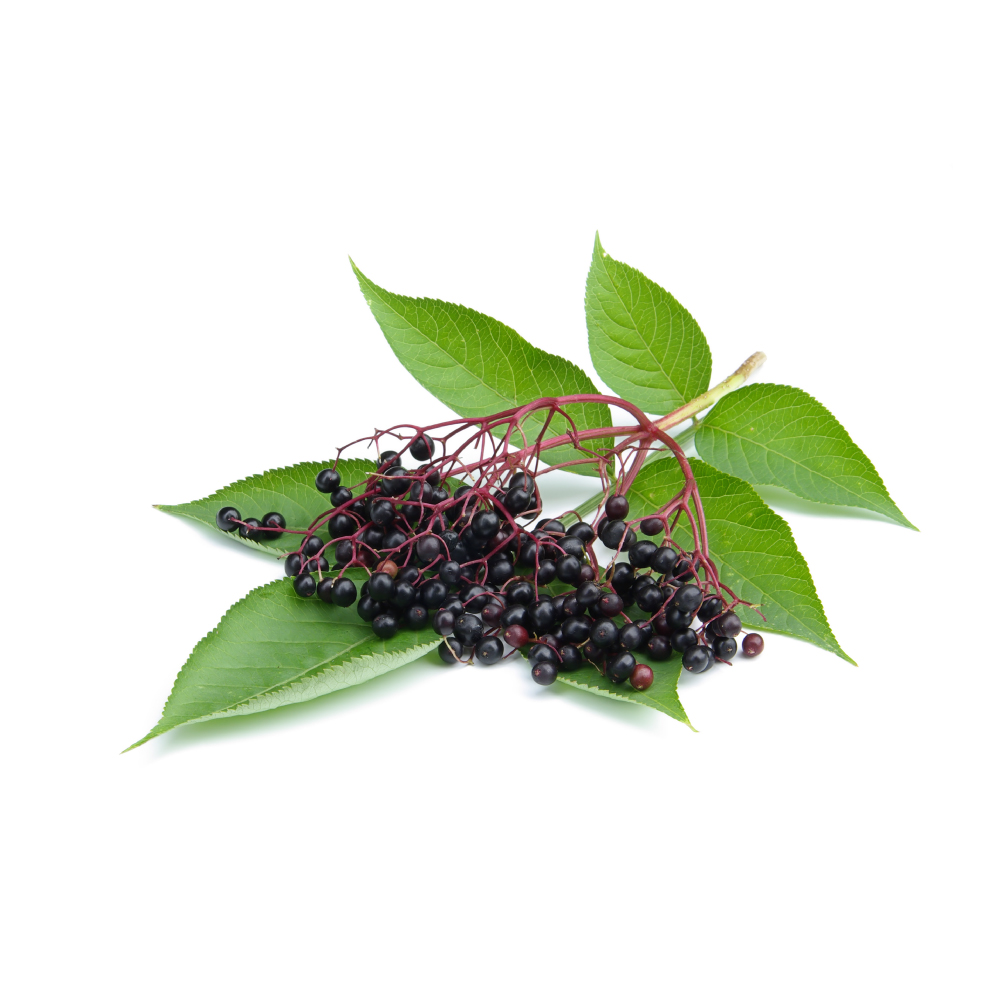 Elderberry Sambucus nigra Documented for flavonol glycosides, isorhamnetin, isorhamnetin-3-O-rutinoside and 4 more flavonols.
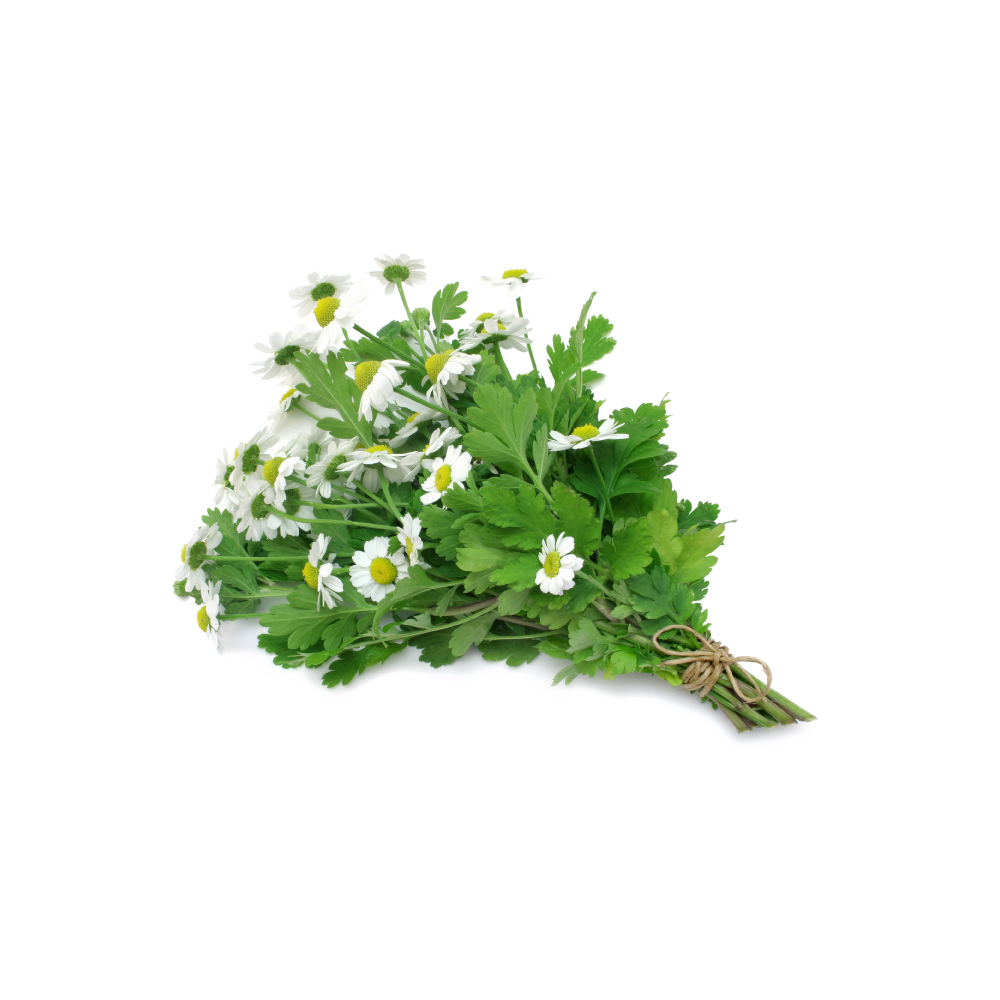 Feverfew Tanacetum parthenium Documented for 6-hydroxykaempferol 3,6-dimethyl ether, centaureidin, jaceidin and 4 more flavonols.
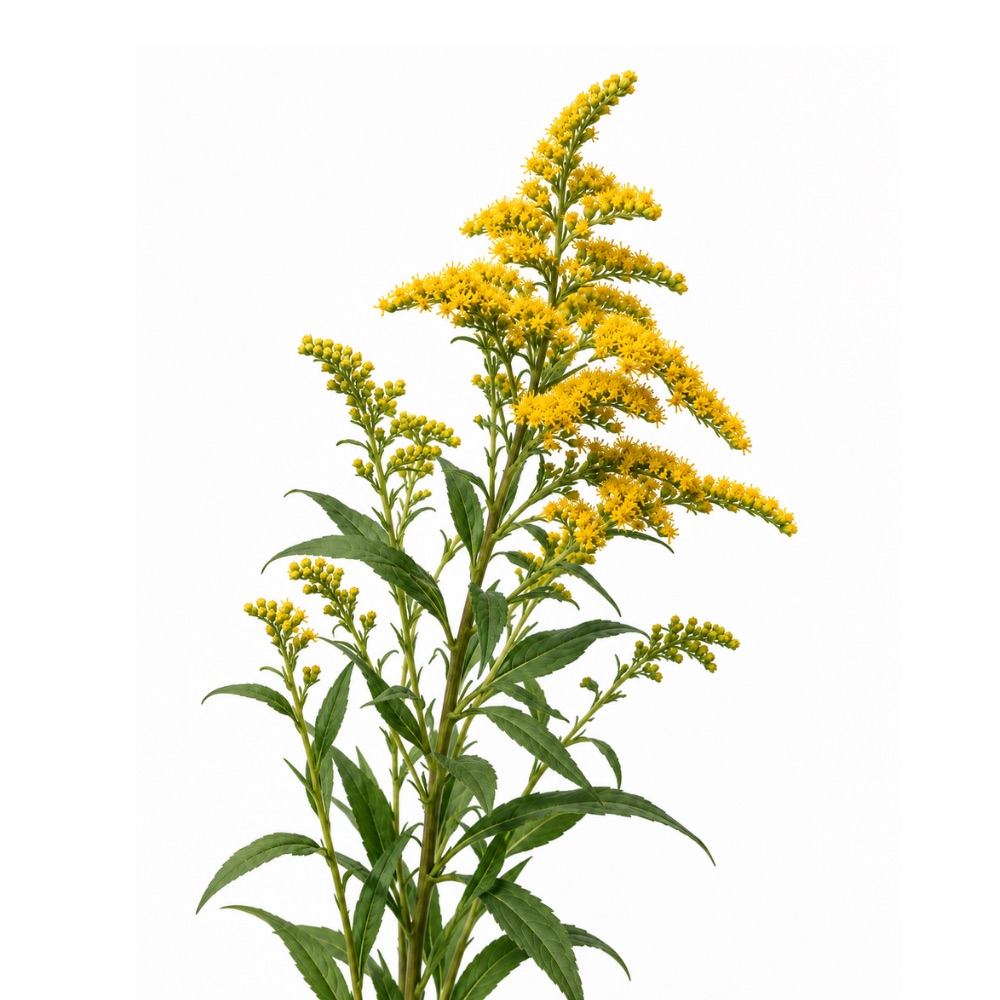 Goldenrod Solidago virgaurea Documented for hyperoside, isoquercitrin, isorhamnetin and 4 more flavonols.
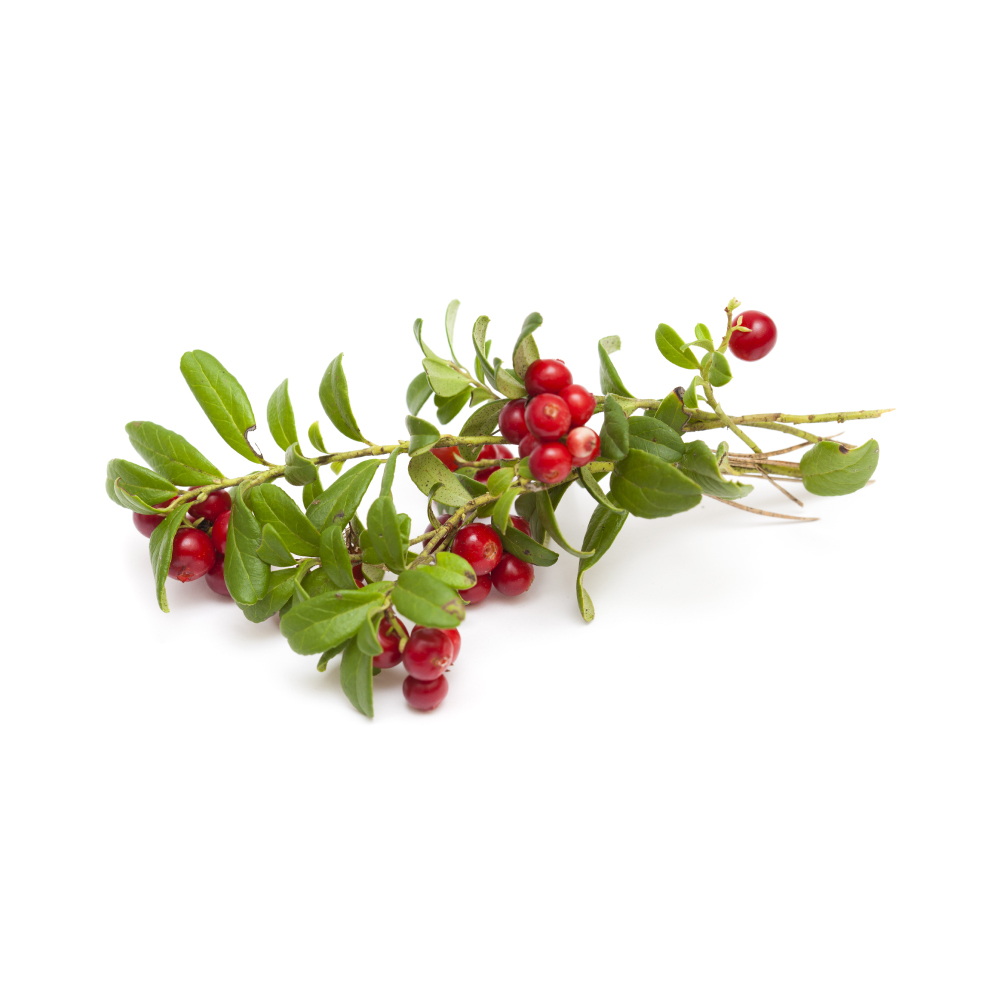 Bearberry Arctostaphylos uva-ursi Documented for hyperoside, isoquercitrin, myricetin and 3 more flavonols.
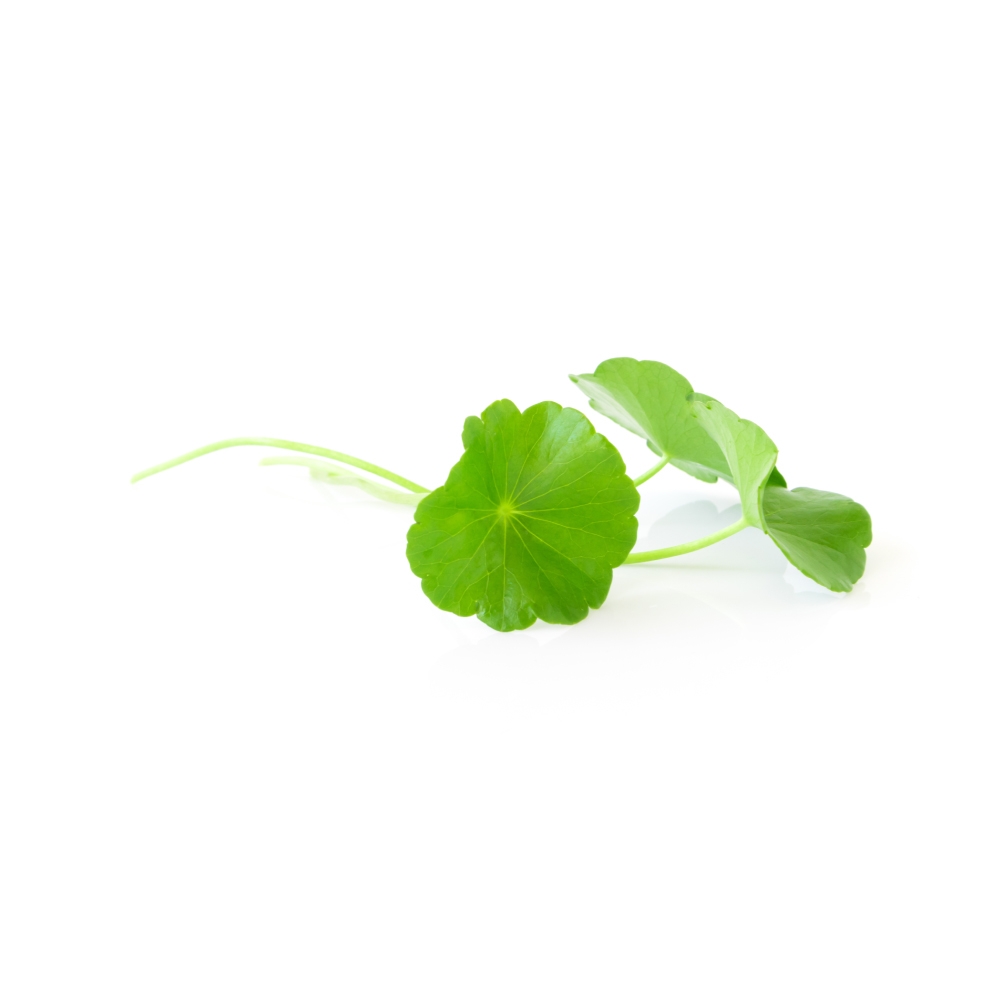 Gotu Kola Centella asiatica Documented for kaempferol, miquelianin, myricetin and 3 more flavonols.
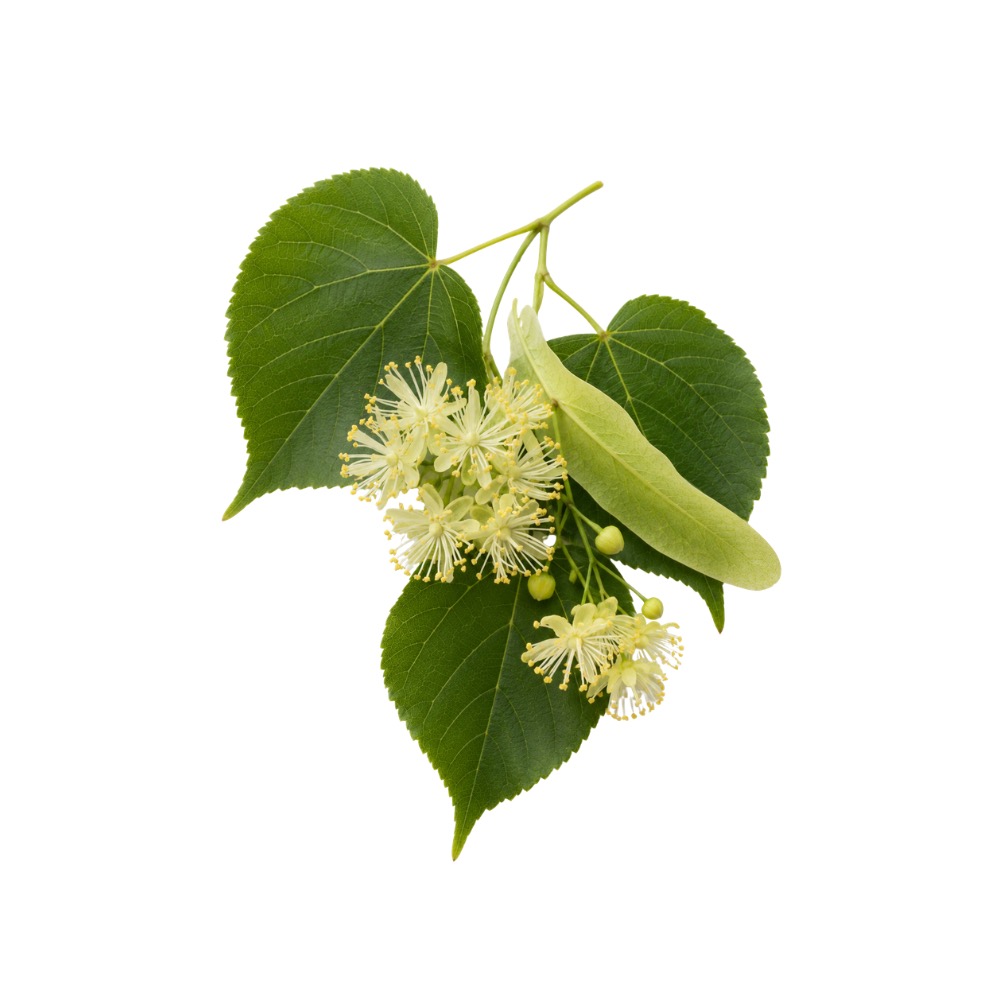 Linden Flower Tilia spp. Documented for astragalin, isoquercitrin, kaempferol and 3 more flavonols.
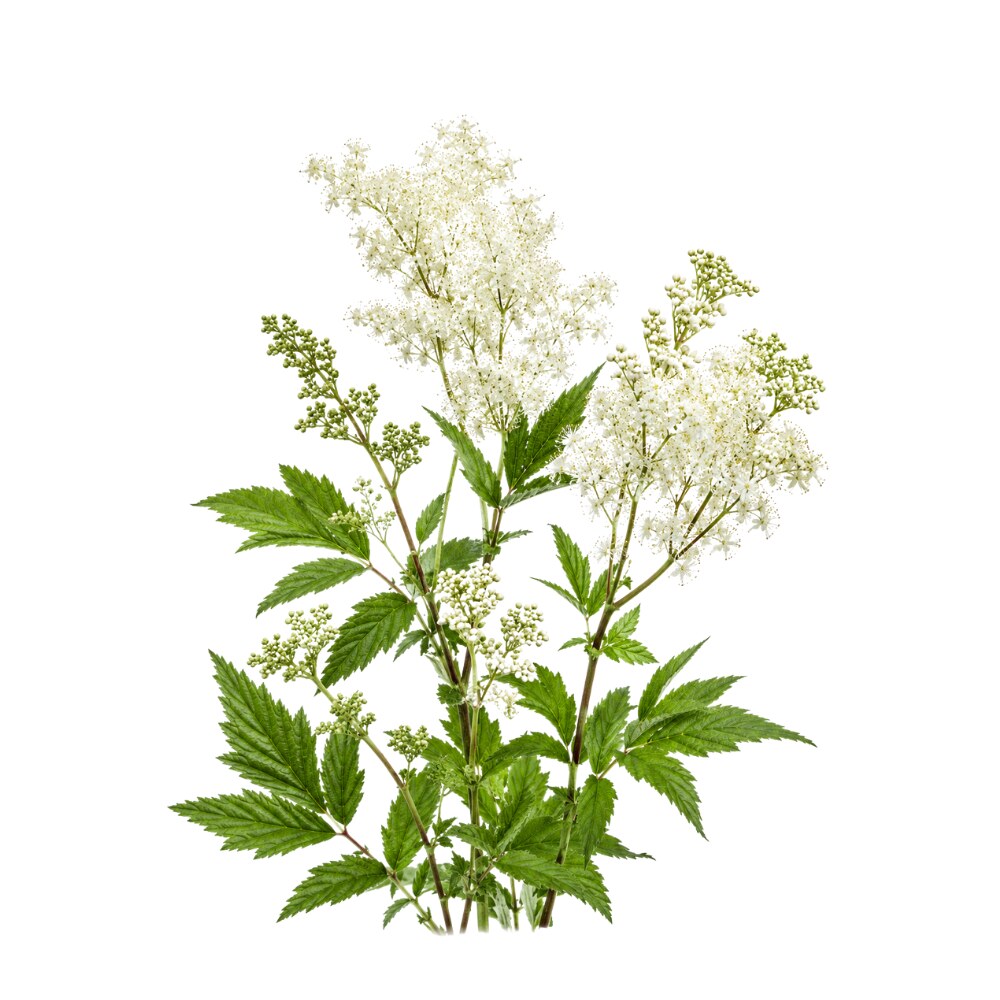 Meadowsweet Filipendula ulmaria Documented for hyperoside, kaempferol, miquelianin and 3 more flavonols.
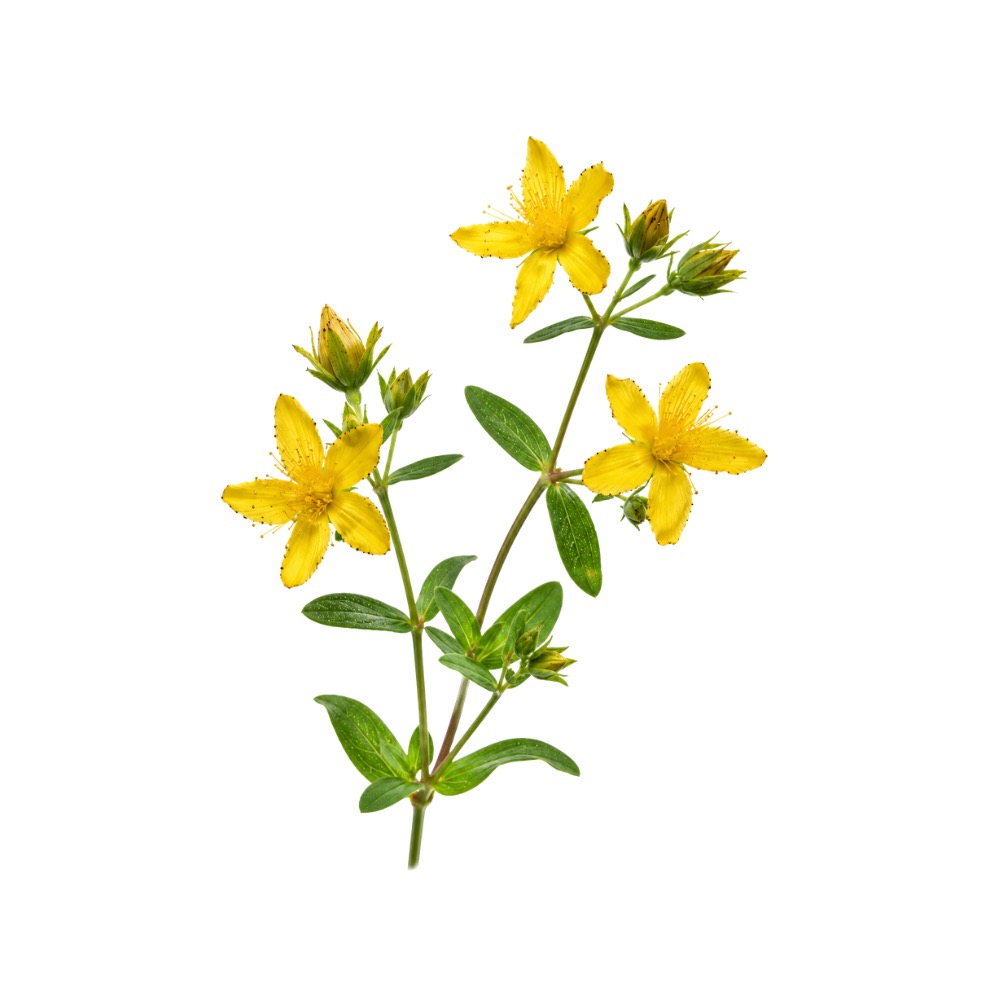 St. John's Wort Hypericum perforatum Documented for hyperoside, kaempferol, miquelianin and 3 more flavonols.
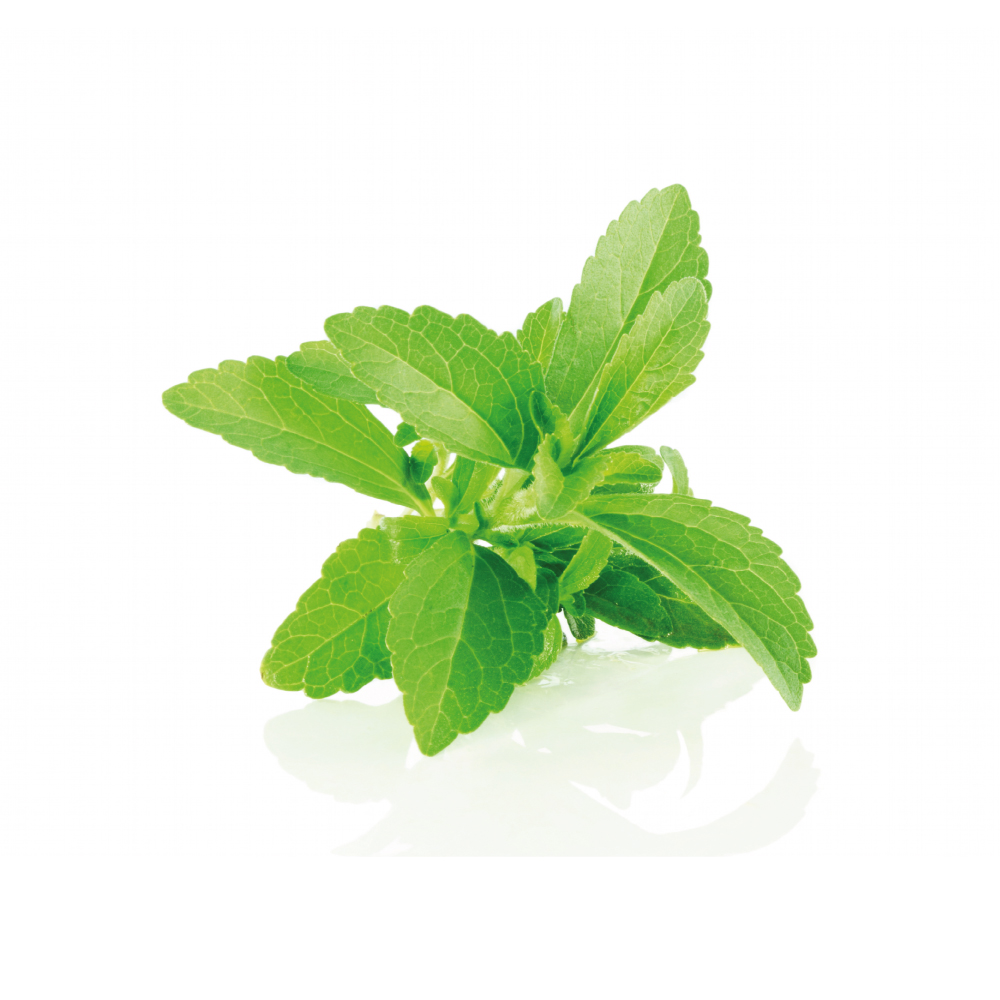 Stevia Stevia rebaudiana Documented for avicularin, centaureidin, isoquercitrin and 3 more flavonols.
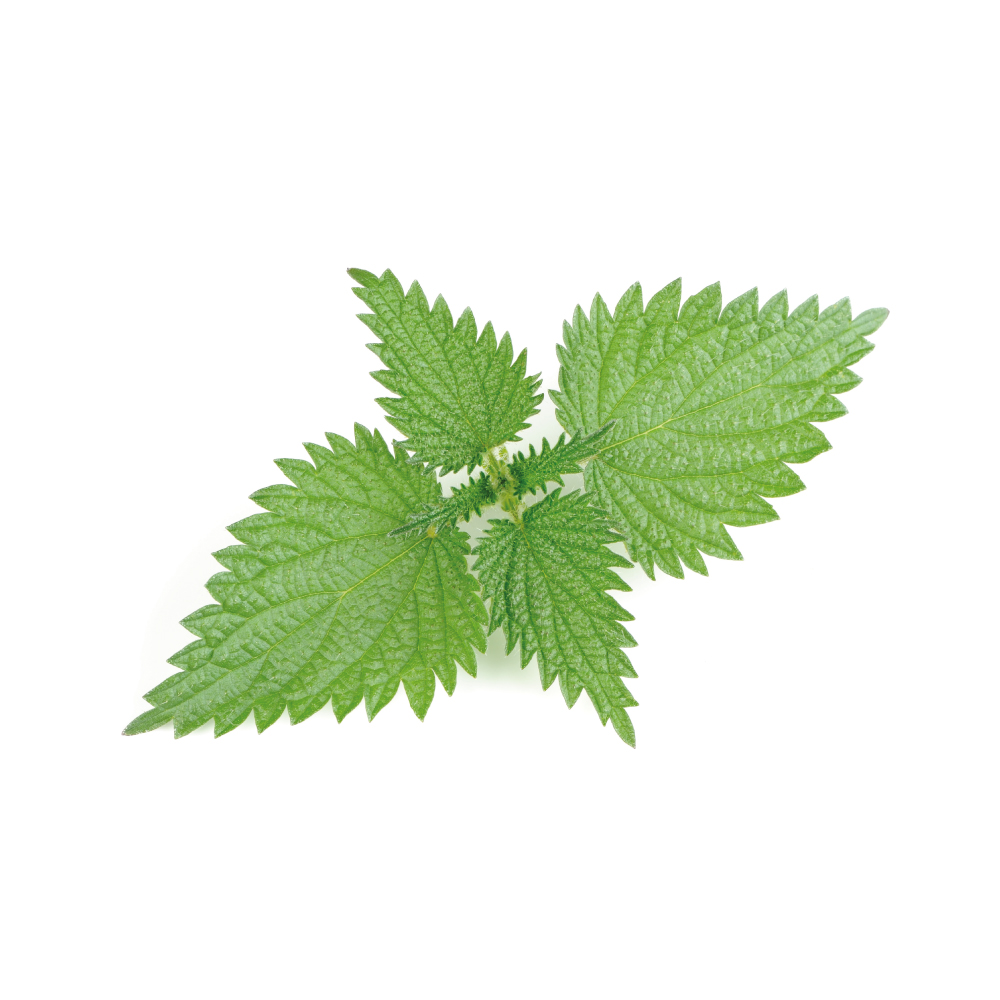 Stinging Nettle Urtica dioica Documented for astragalin, flavonol glycosides, isorhamnetin and 3 more flavonols.
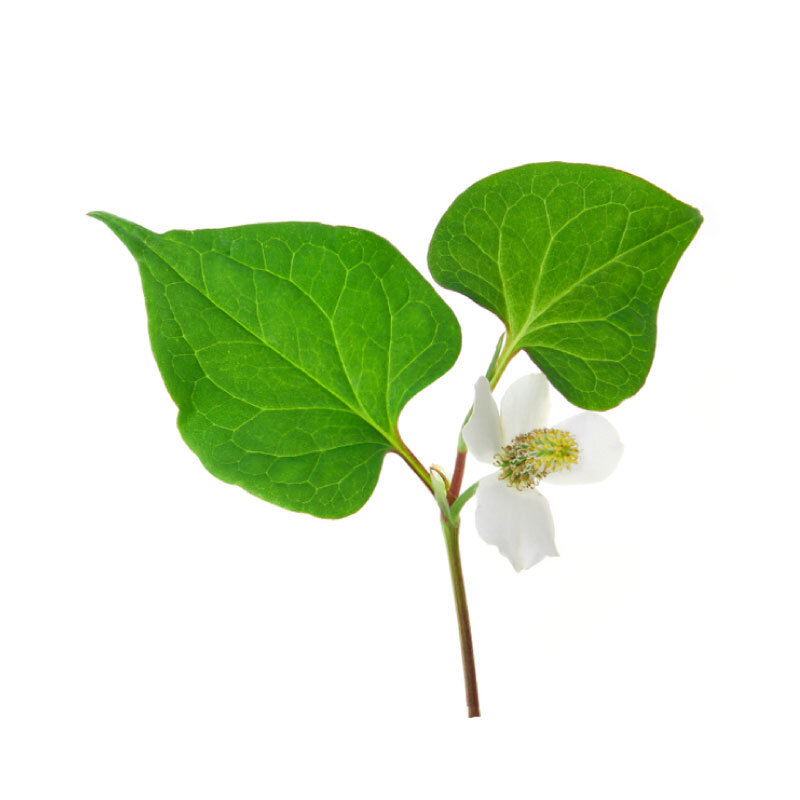 Fish Mint Houttuynia cordata Documented for hyperoside, isoquercitrin, quercetin and 2 more flavonols.
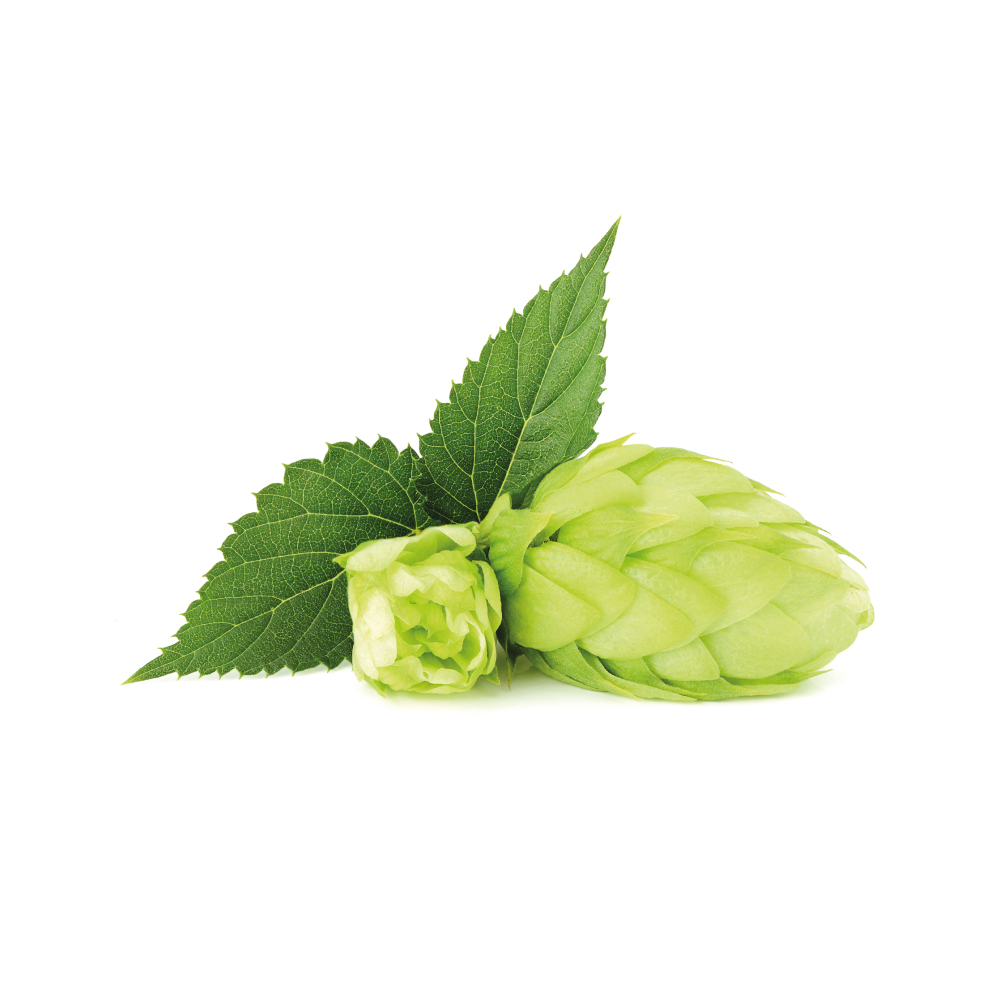 Hops Humulus lupulus Documented for astragalin, kaempferol, quercetin and 2 more flavonols.
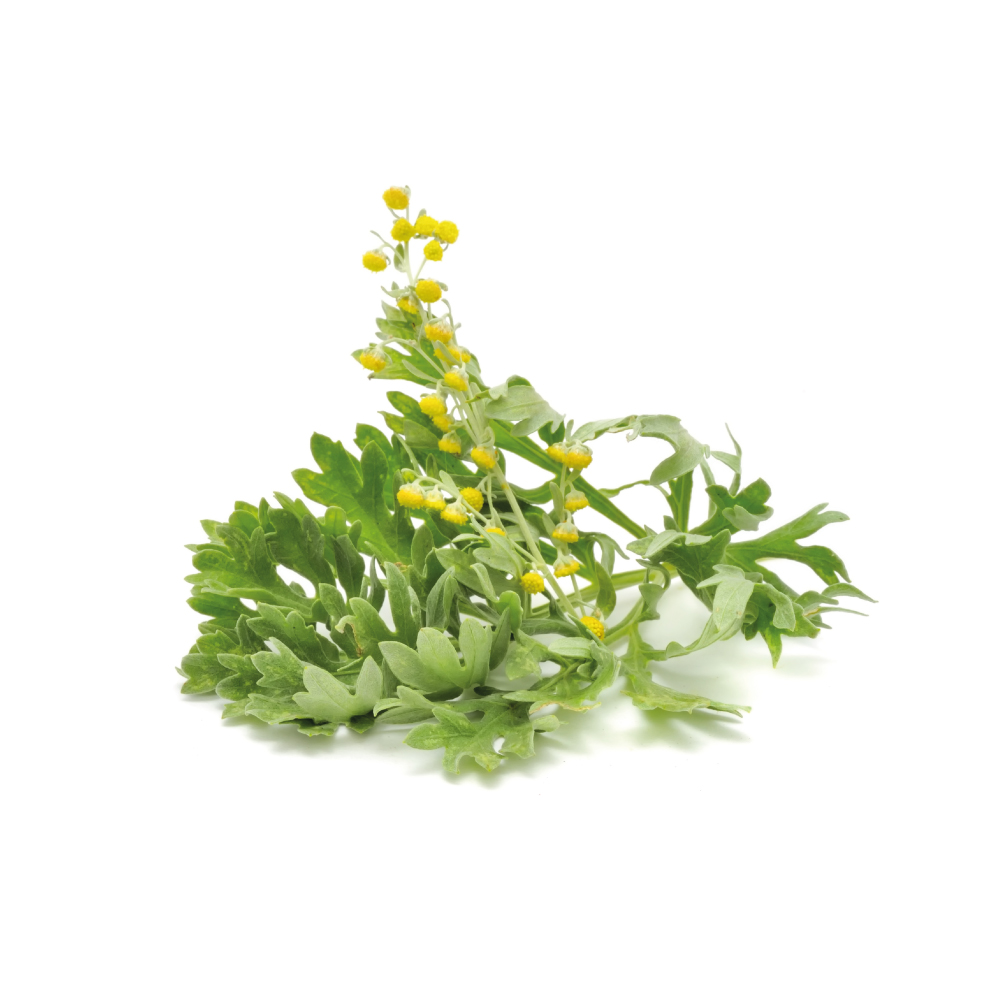 Wormwood Artemisia absinthium Documented for flavonol-3-glycosides, isorhamnetin, patuletin and 2 more flavonols.
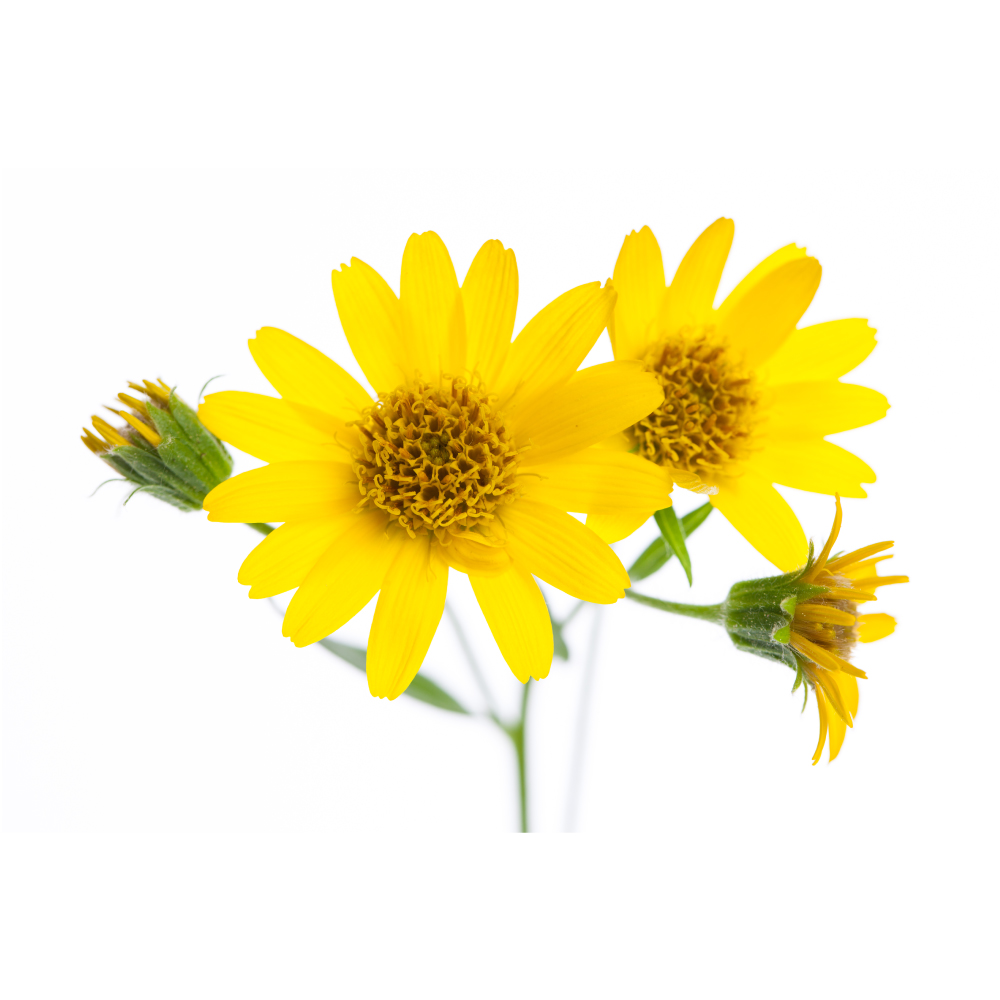 Arnica Arnica montana Toxic Documented for astragalin, isoquercitrin, quercetin and 1 more.
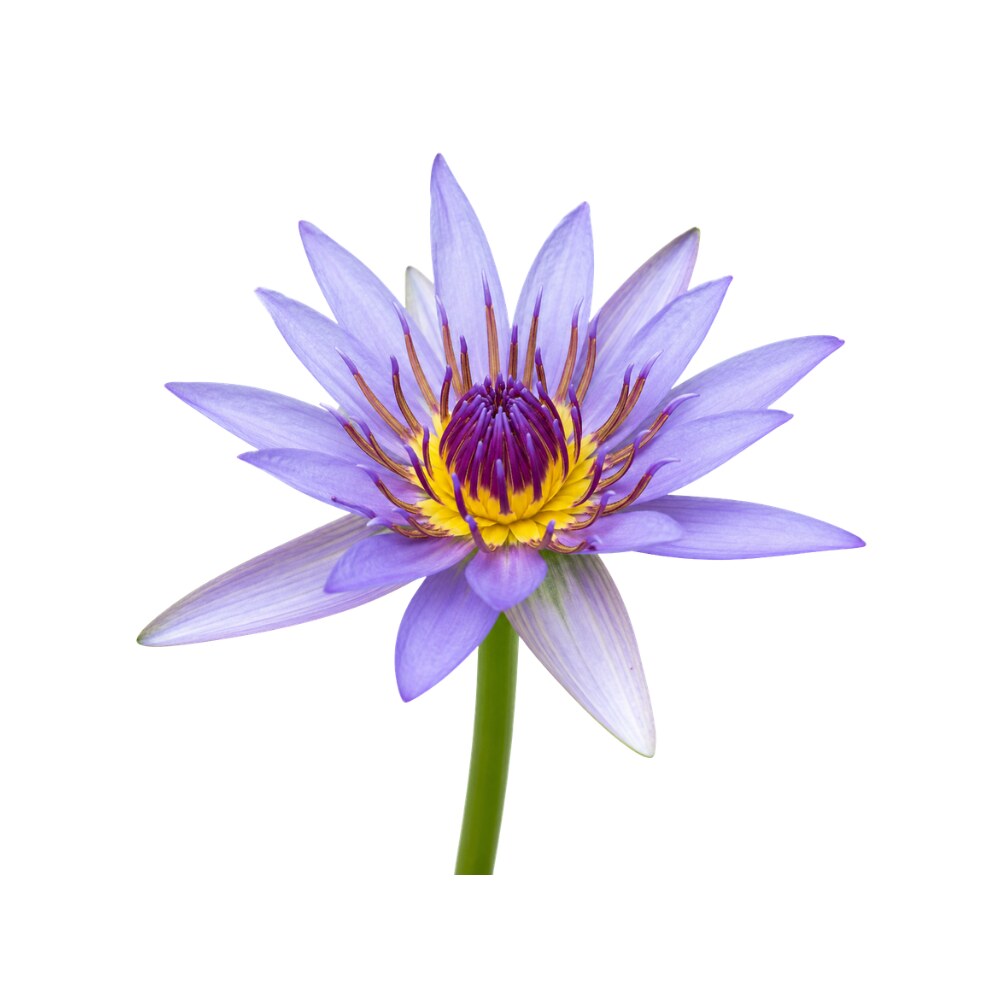 Blue Lotus Flower Nymphaea caerulea Documented for kaempferol, myricetin, quercetin and 1 more.
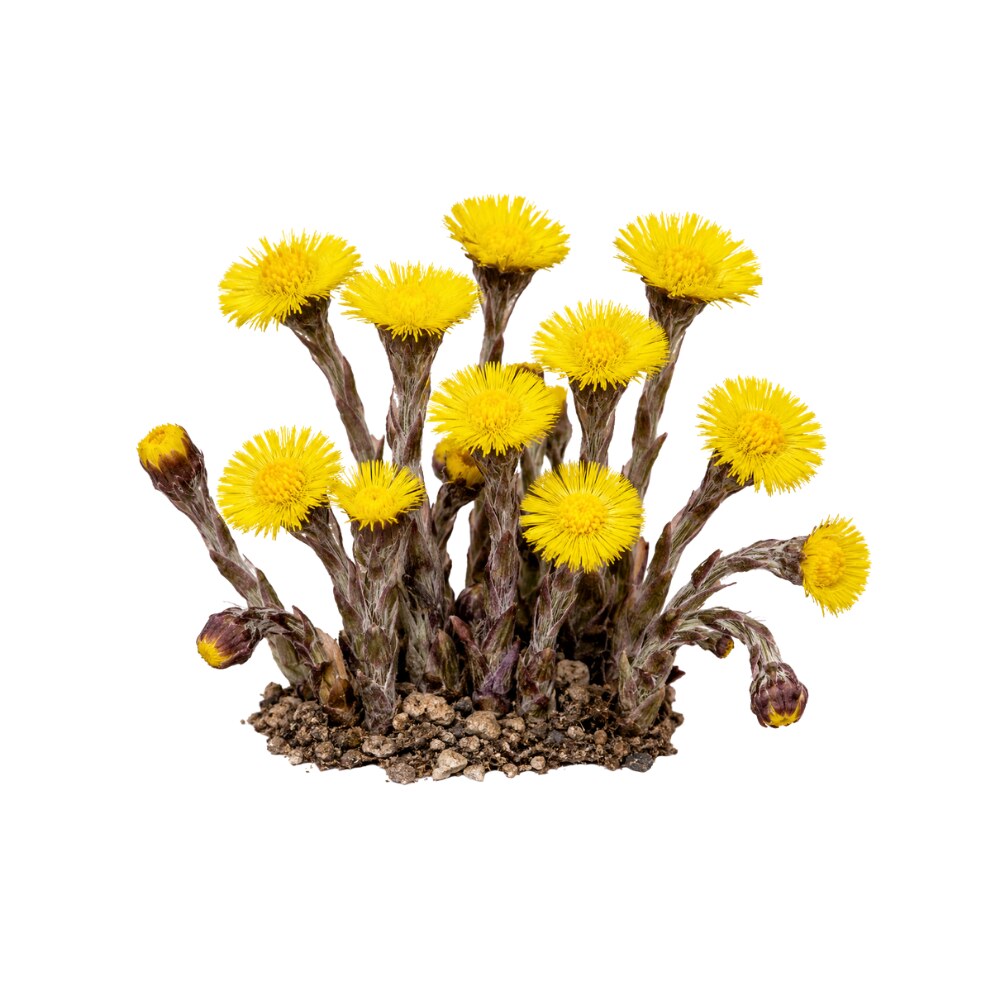 Coltsfoot Tussilago farfara Toxic Documented for isoquercitrin, kaempferol, quercetin and 1 more.
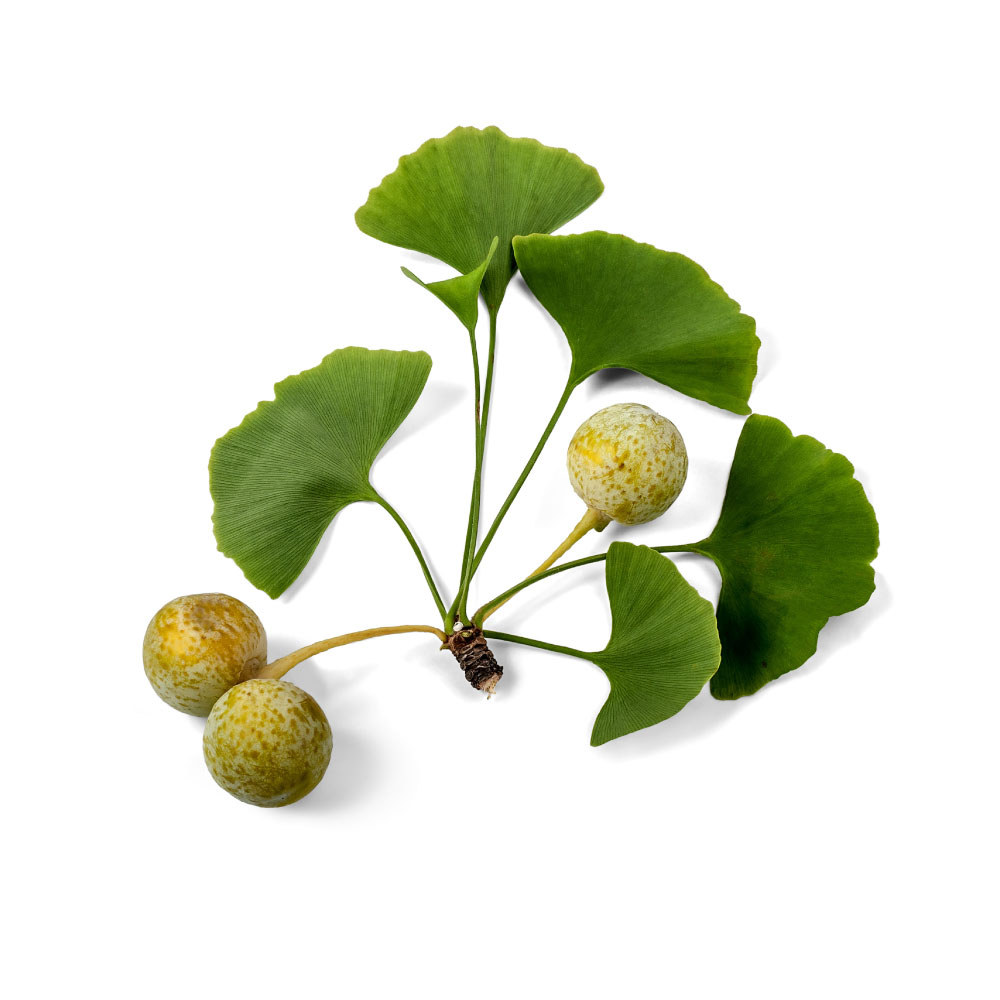 Ginkgo Ginkgo biloba Documented for flavonol glycosides, isorhamnetin, kaempferol and 1 more.
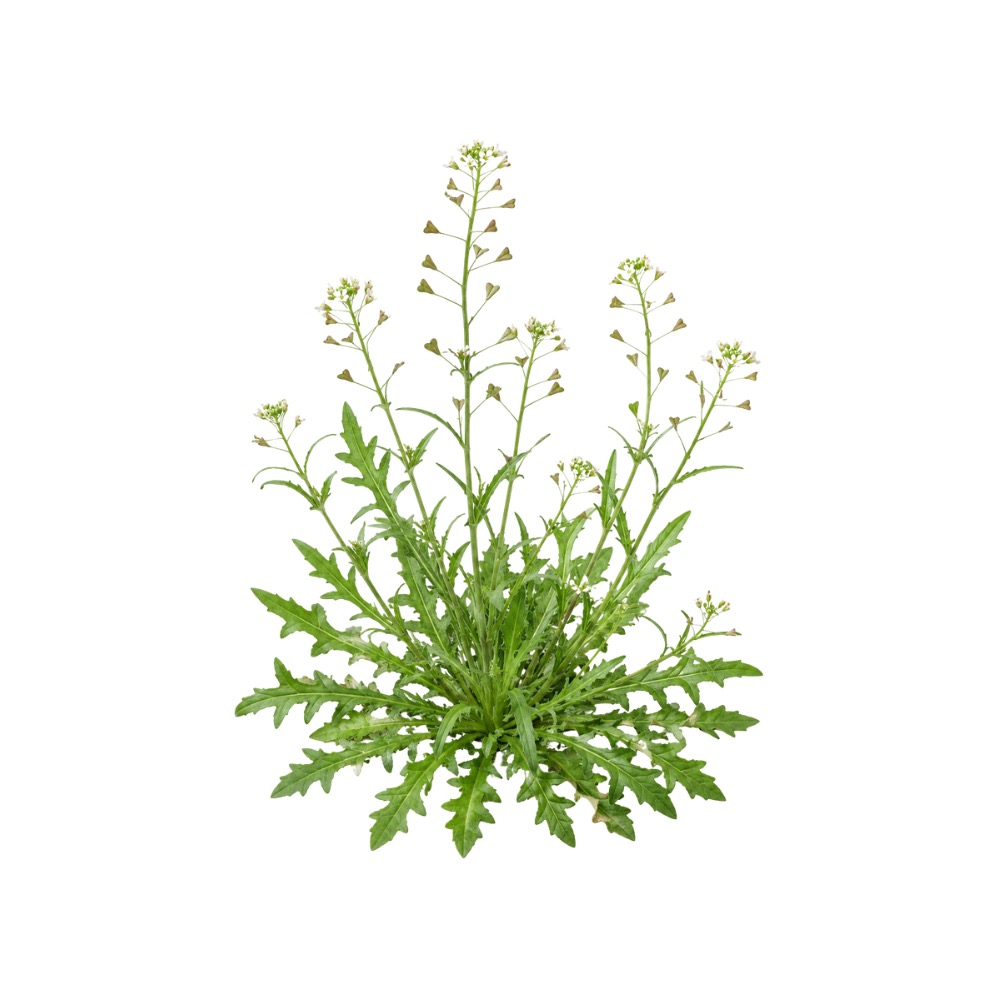 Shepherd's Purse Capsella bursa-pastoris Documented for isorhamnetin, kaempferol, quercetin and 1 more.
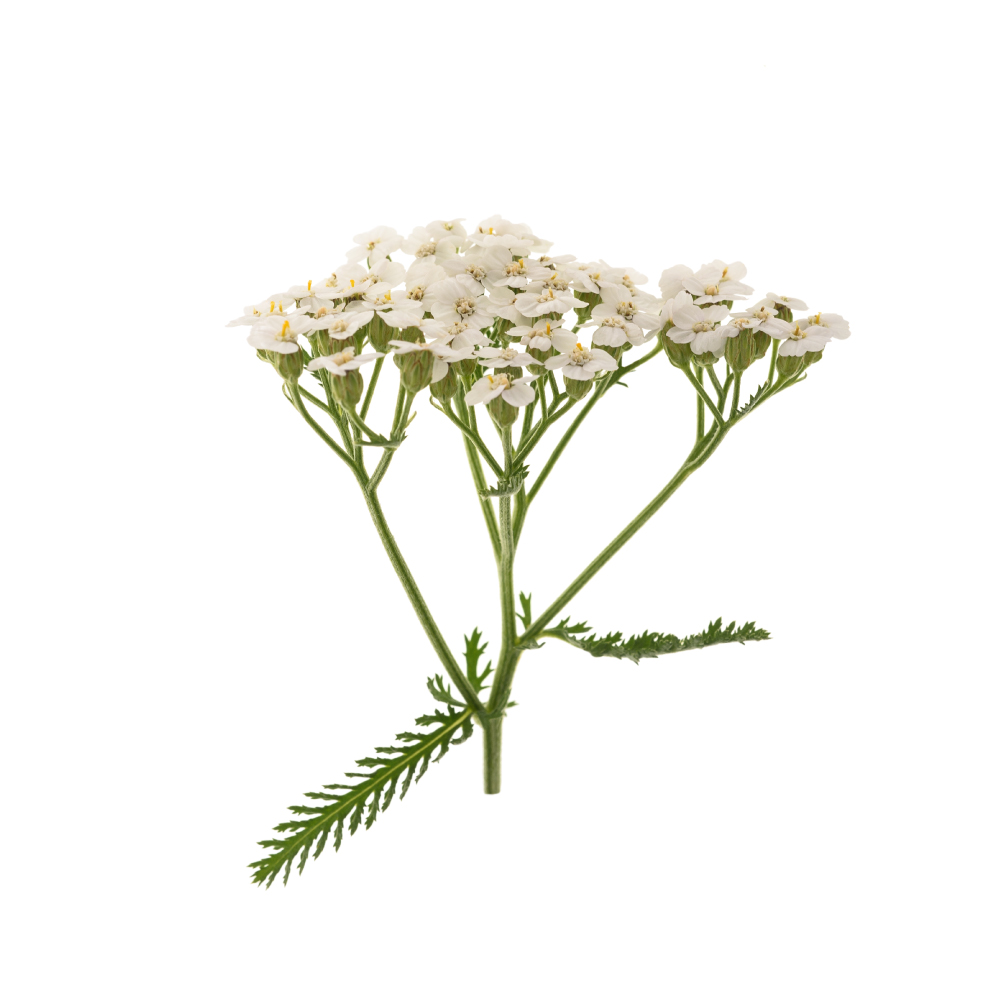 Yarrow Achillea millefolium Documented for artemetin, casticin, quercetin and 1 more.
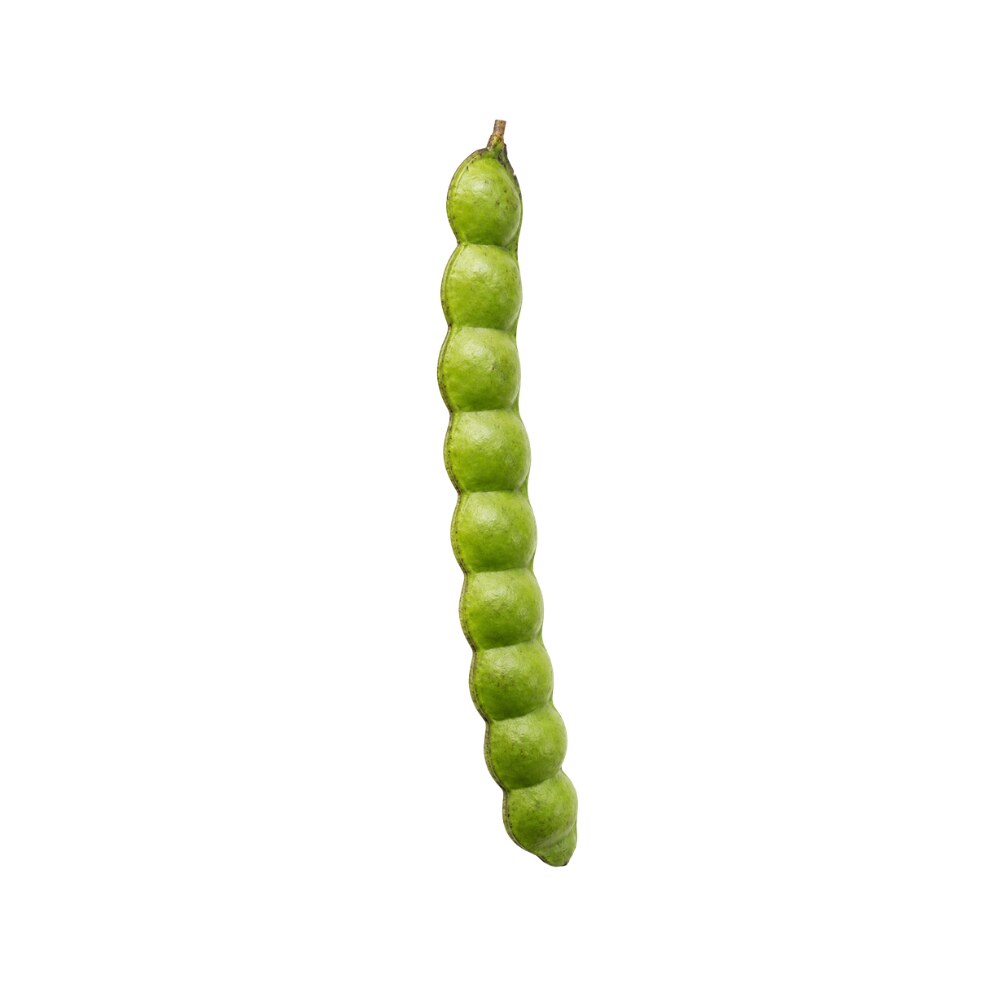 African Dream Herb Entada rheedii Documented for isorhamnetin, kaempferol, quercetin.
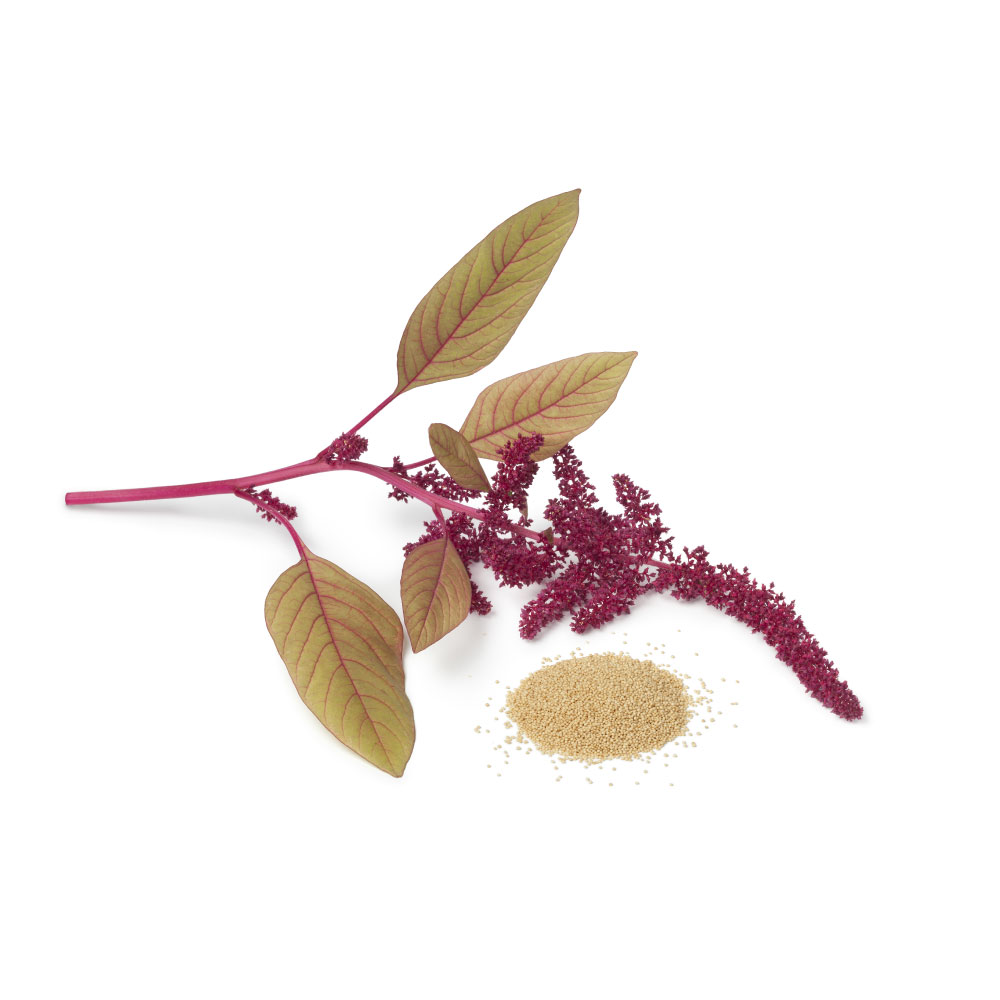 Amaranth Amaranthus blitum Documented for kaempferol, quercetin, rutin.
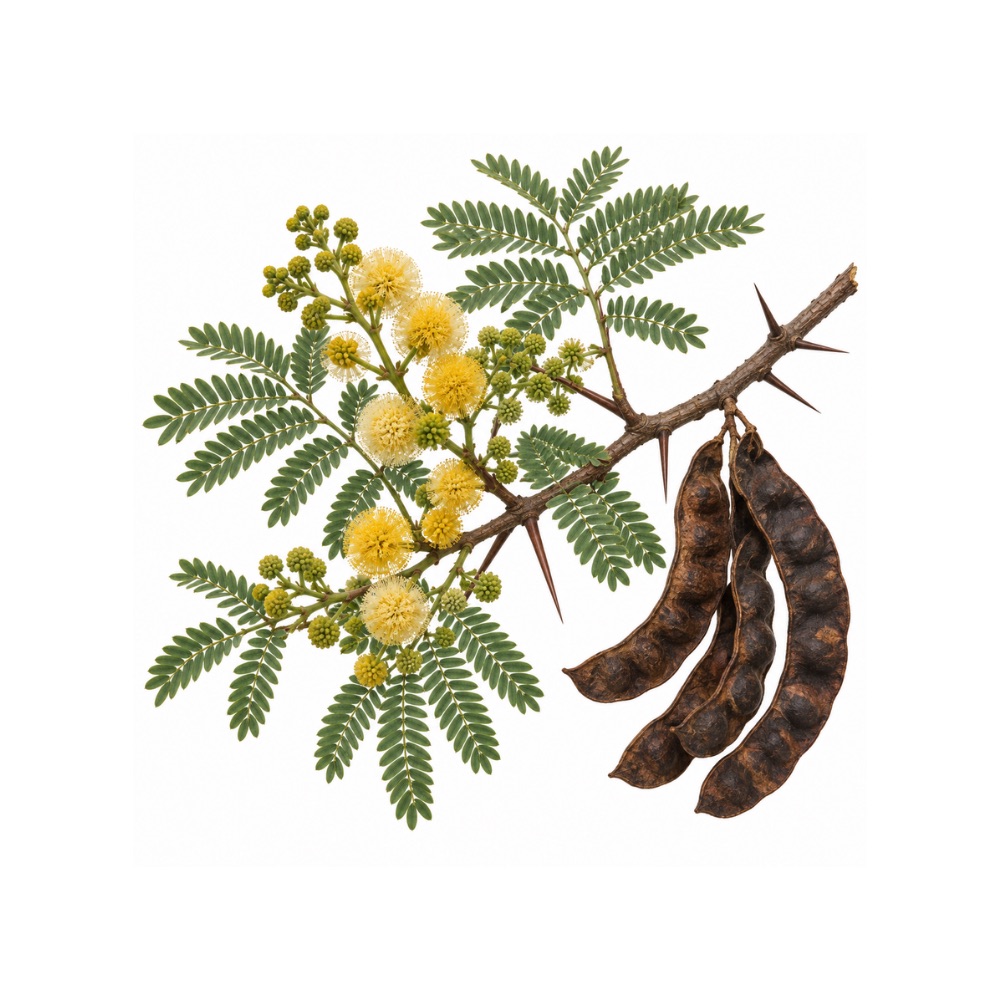 Babul Vachellia nilotica Documented for kaempferol, quercetin, rutin.
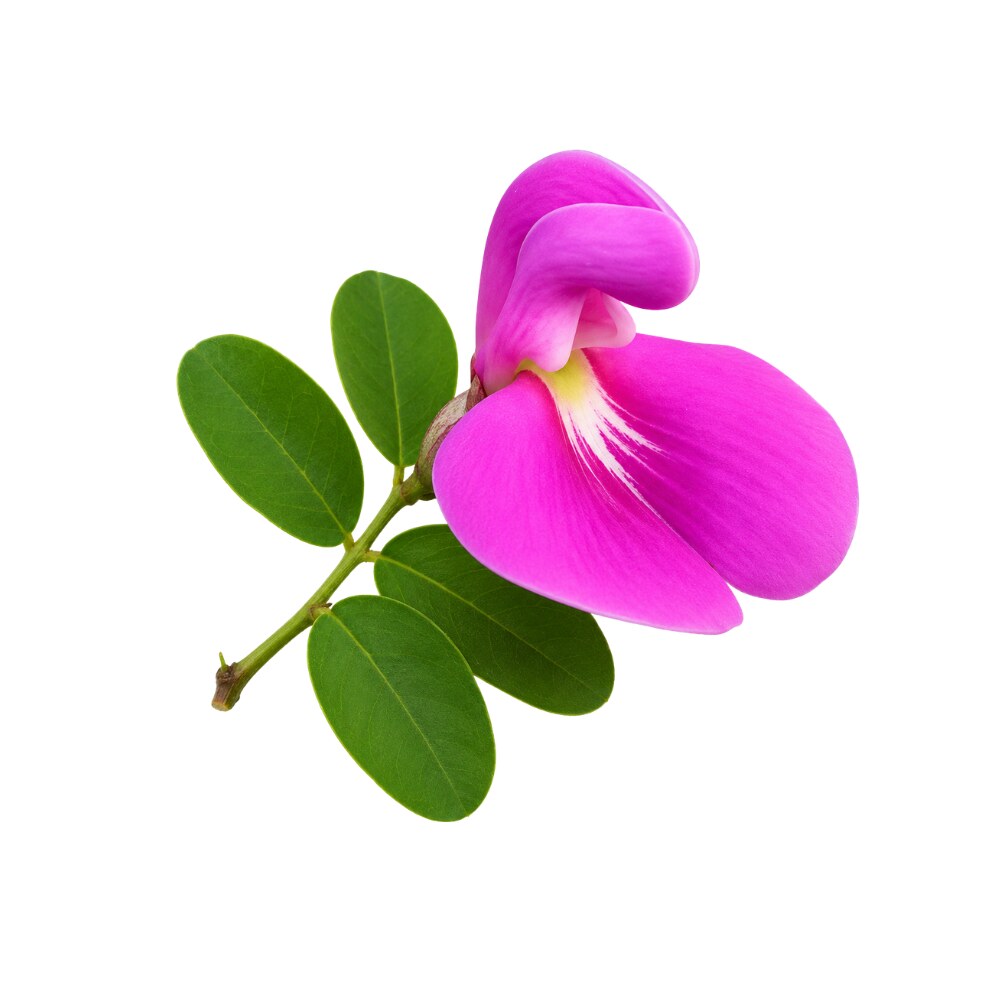 Bay Bean Canavalia rosea Documented for isorhamnetin, kaempferol, quercetin.
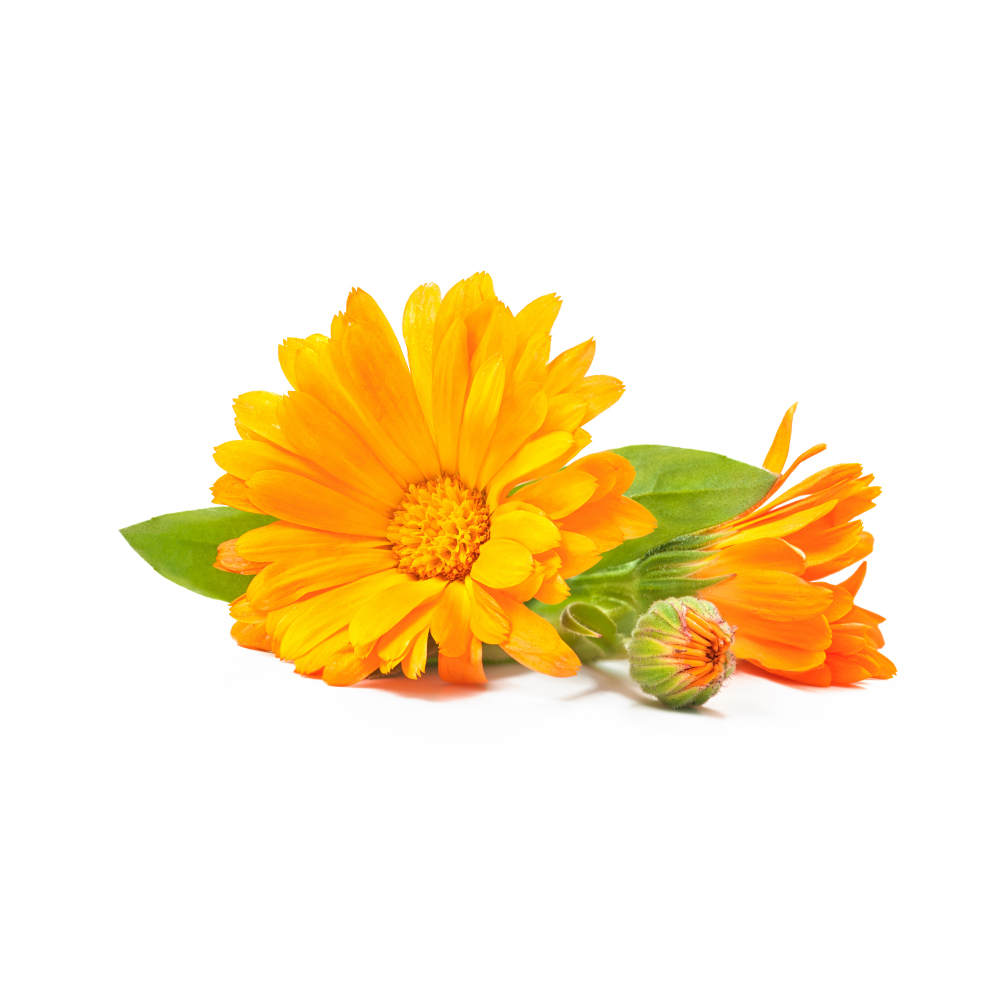 Calendula Calendula officinalis Documented for isorhamnetin, narcissin, rutin.
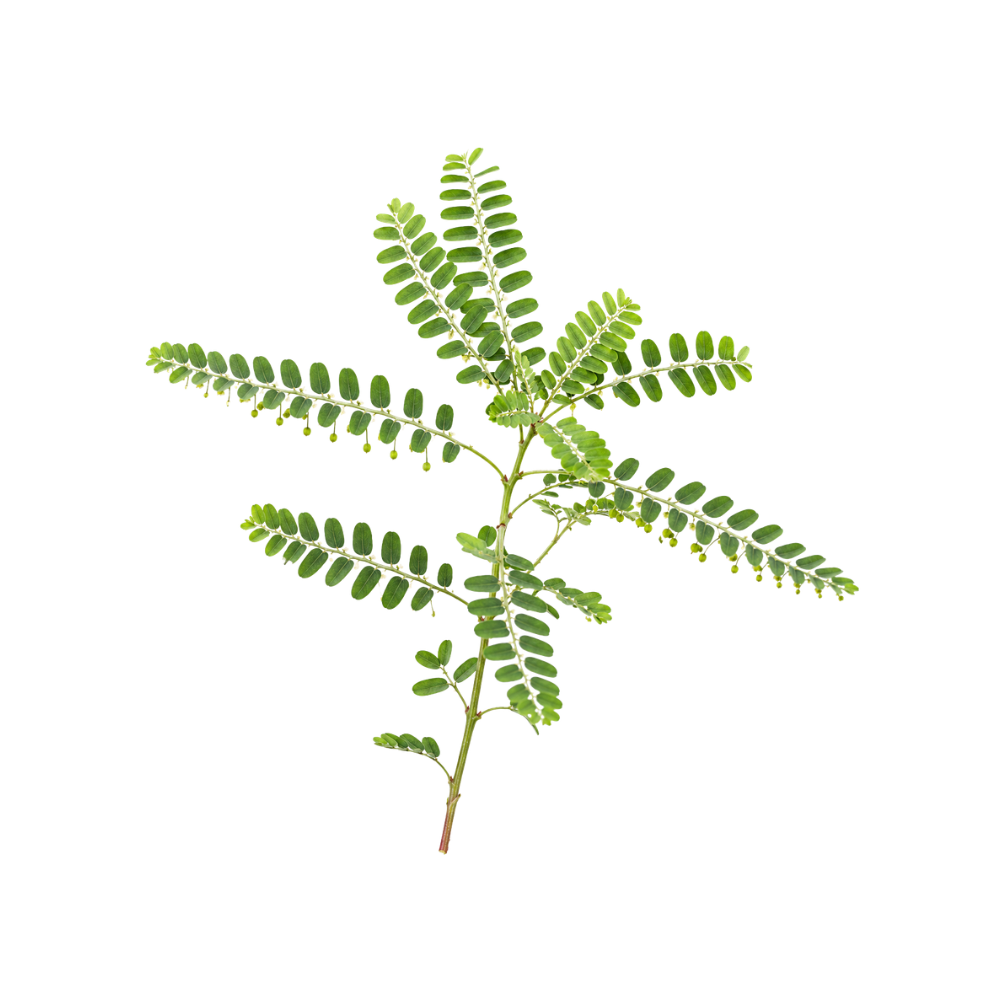 Chanca Piedra Phyllanthus niruri Documented for astragalin, quercetin, rutin.
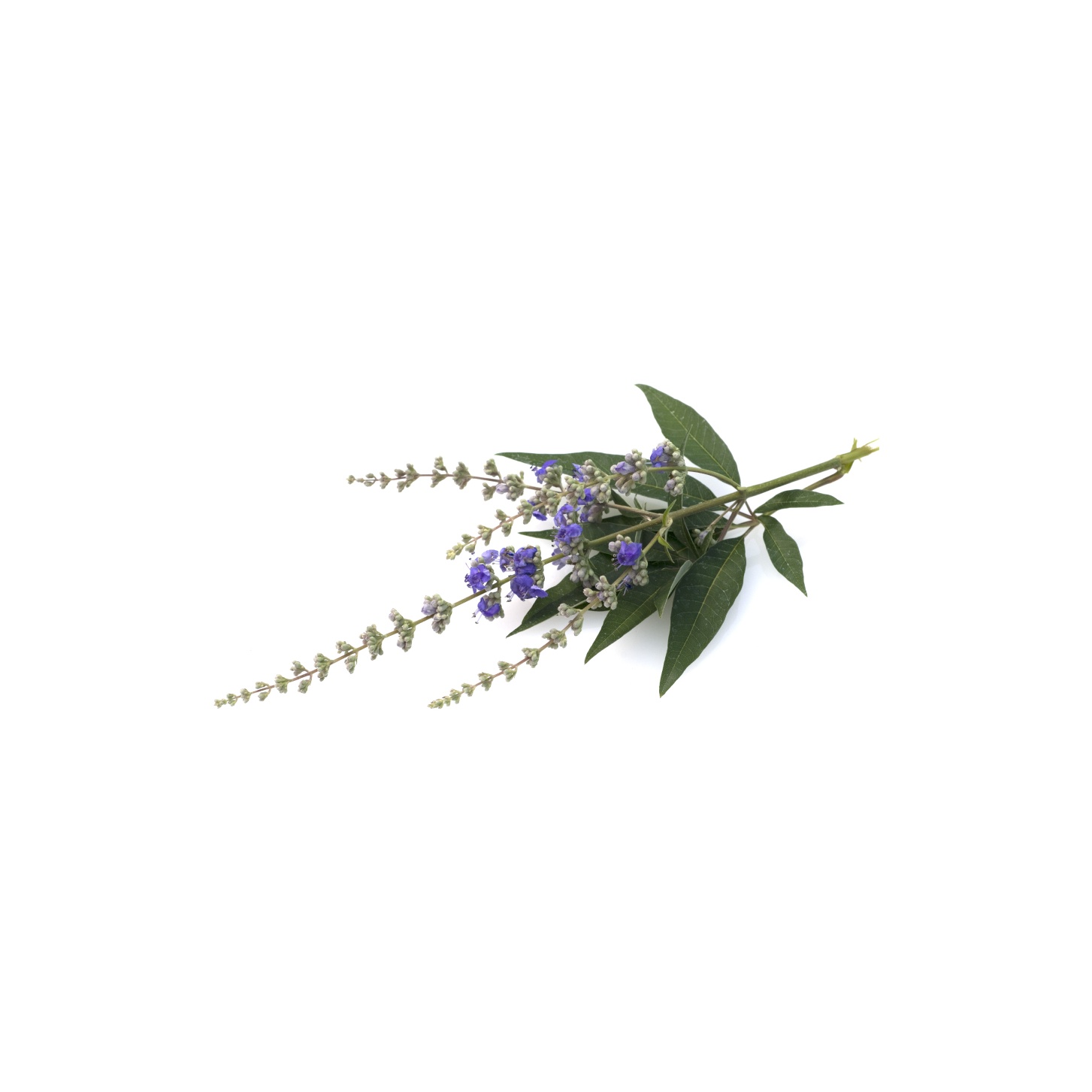 Chaste Tree Vitex agnus-castus Documented for artemetin, casticin, penduletin.
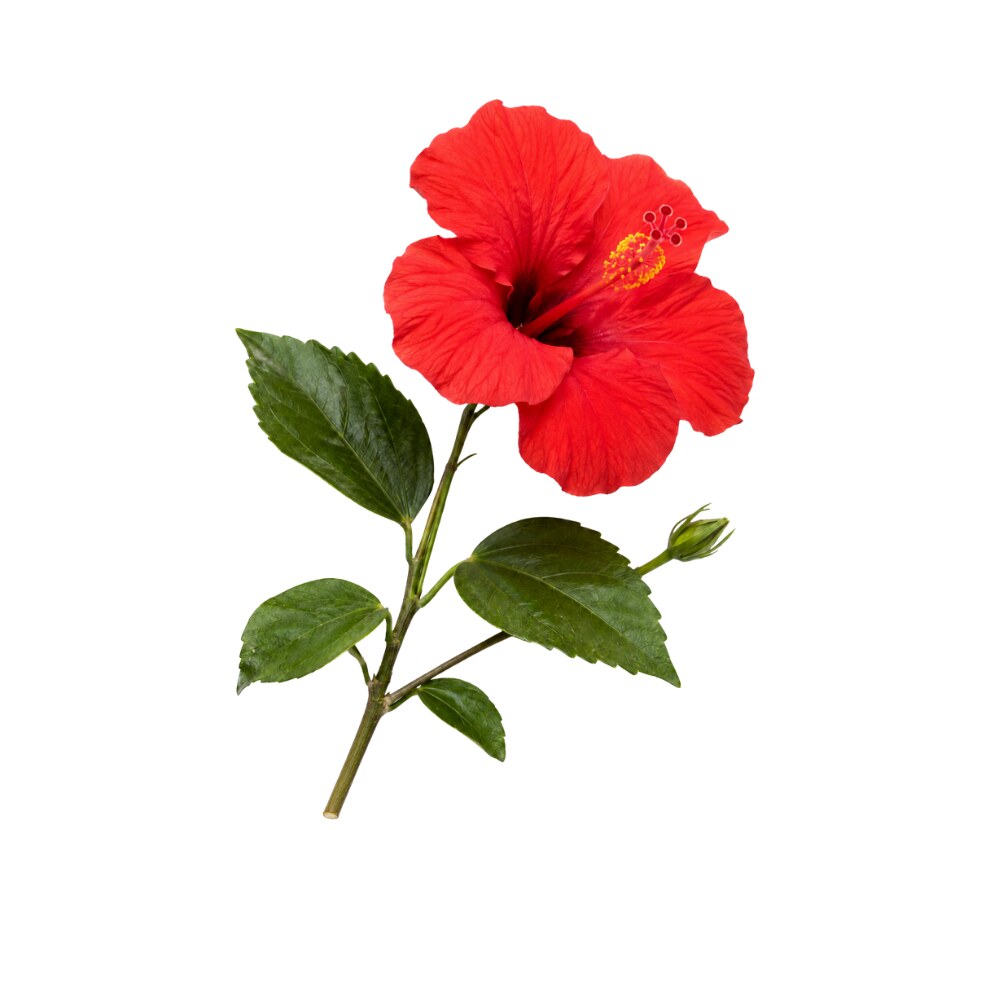 Chinese Hibiscus Hibiscus rosa-sinensis Documented for kaempferol, quercetin, rutin.
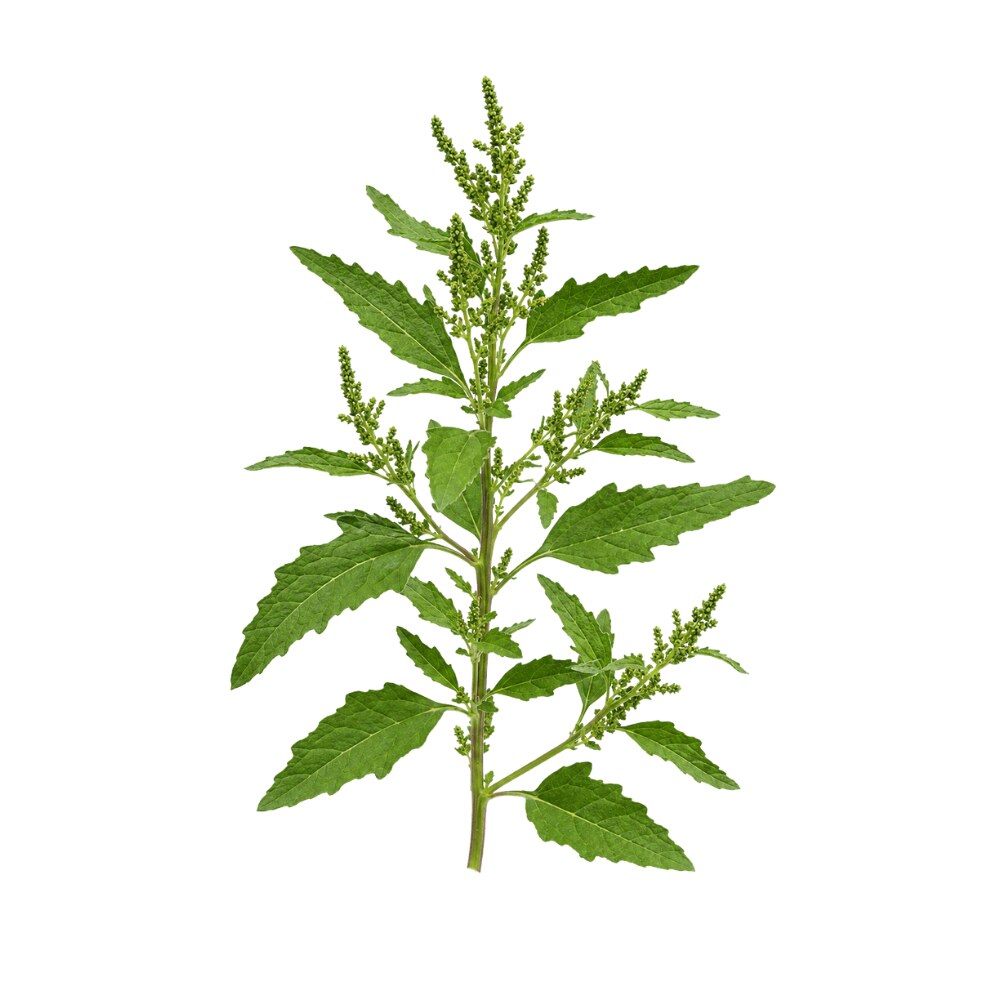 Epazote Dysphania ambrosioides Documented for kaempferitrin, kaempferol, quercetin.
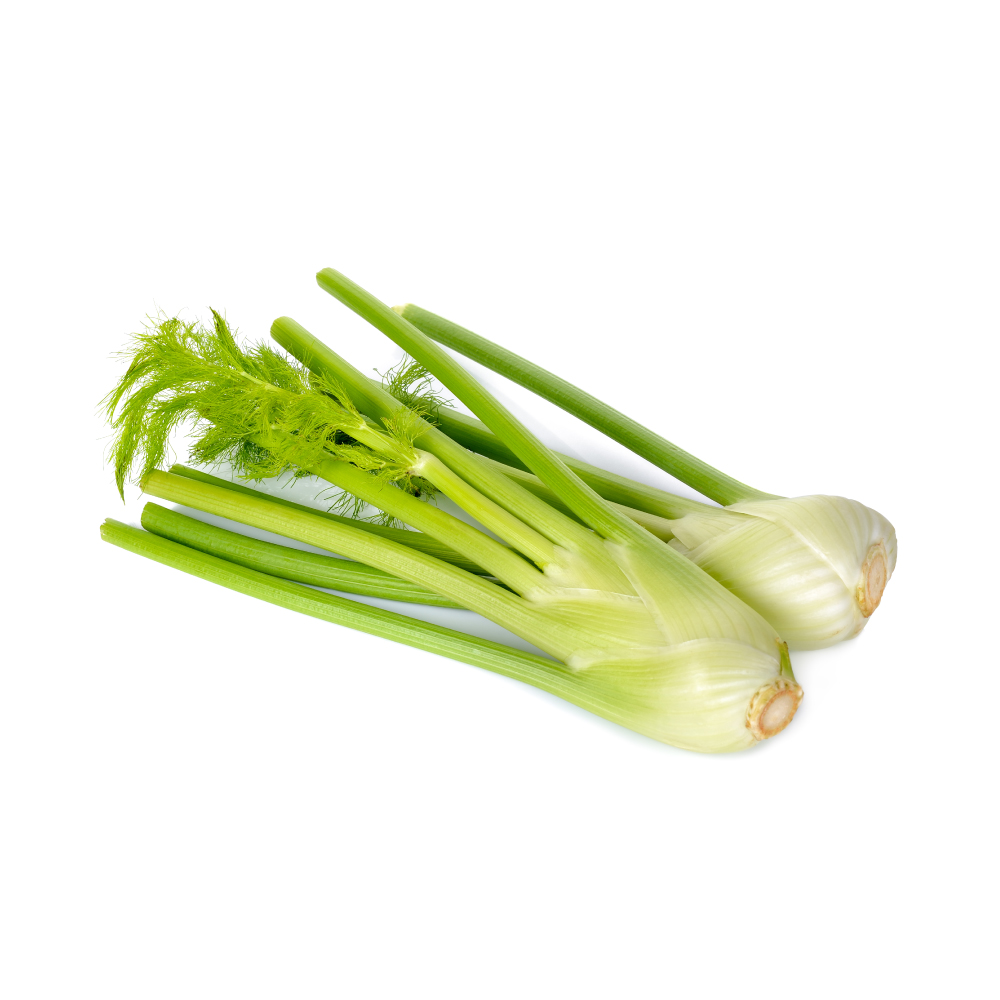 Fennel Foeniculum vulgare Documented for kaempferol, myricetin, quercetin.
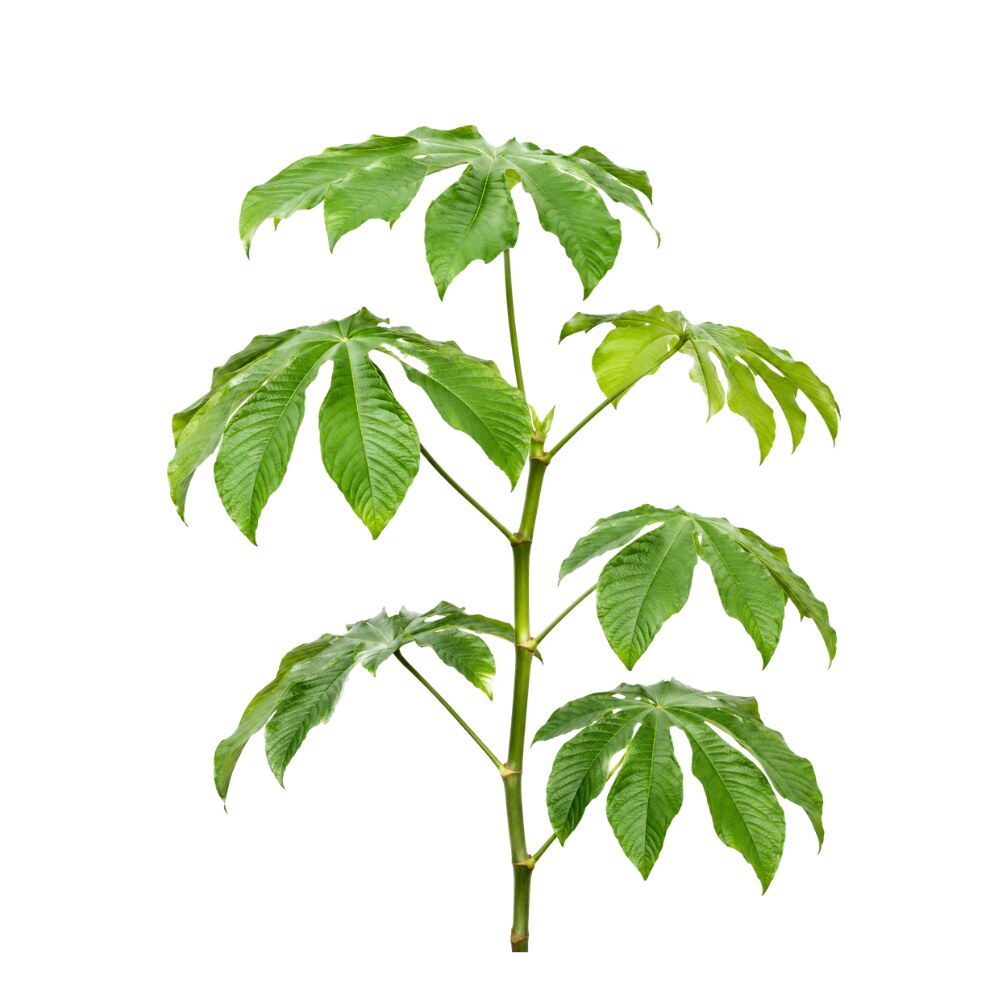 Guamura Cecropia obtusifolia Documented for kaempferol, myricetin, quercetin.
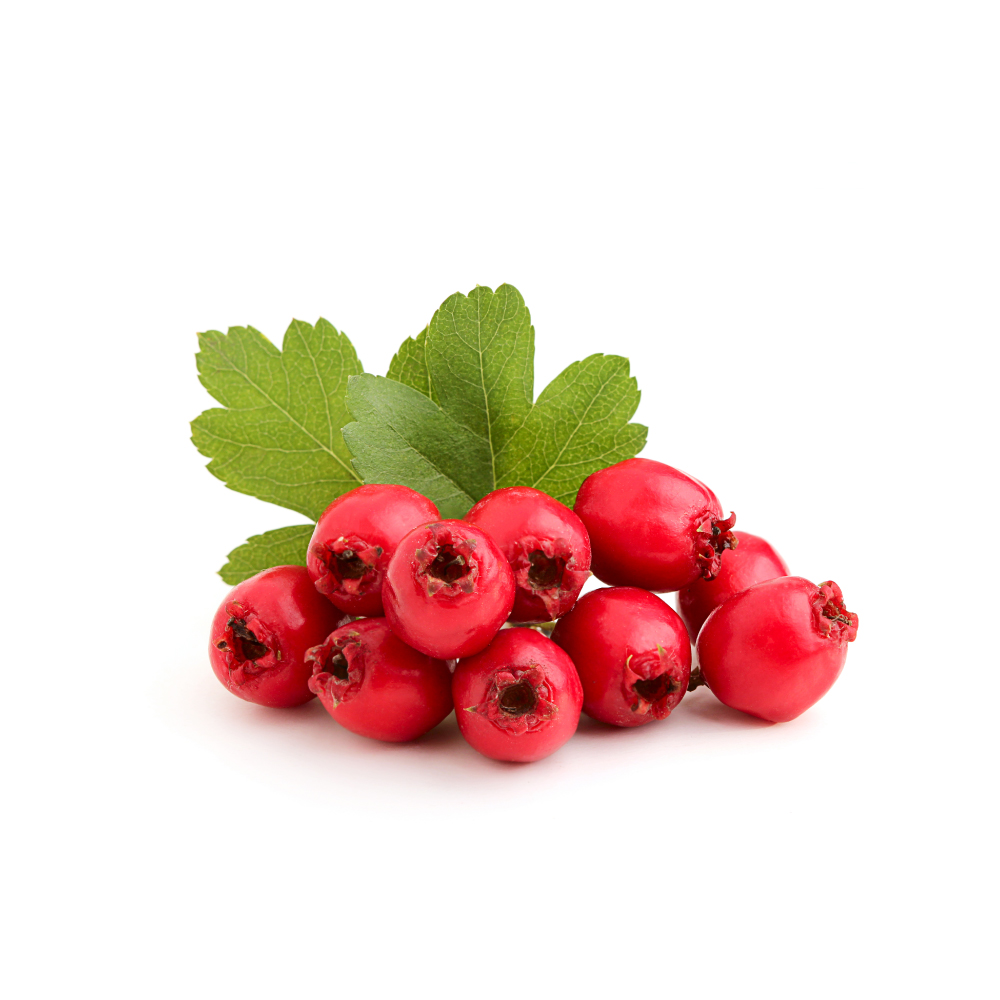 Hawthorn Crataegus oxyacantha Documented for hyperoside, quercetin, rutin.
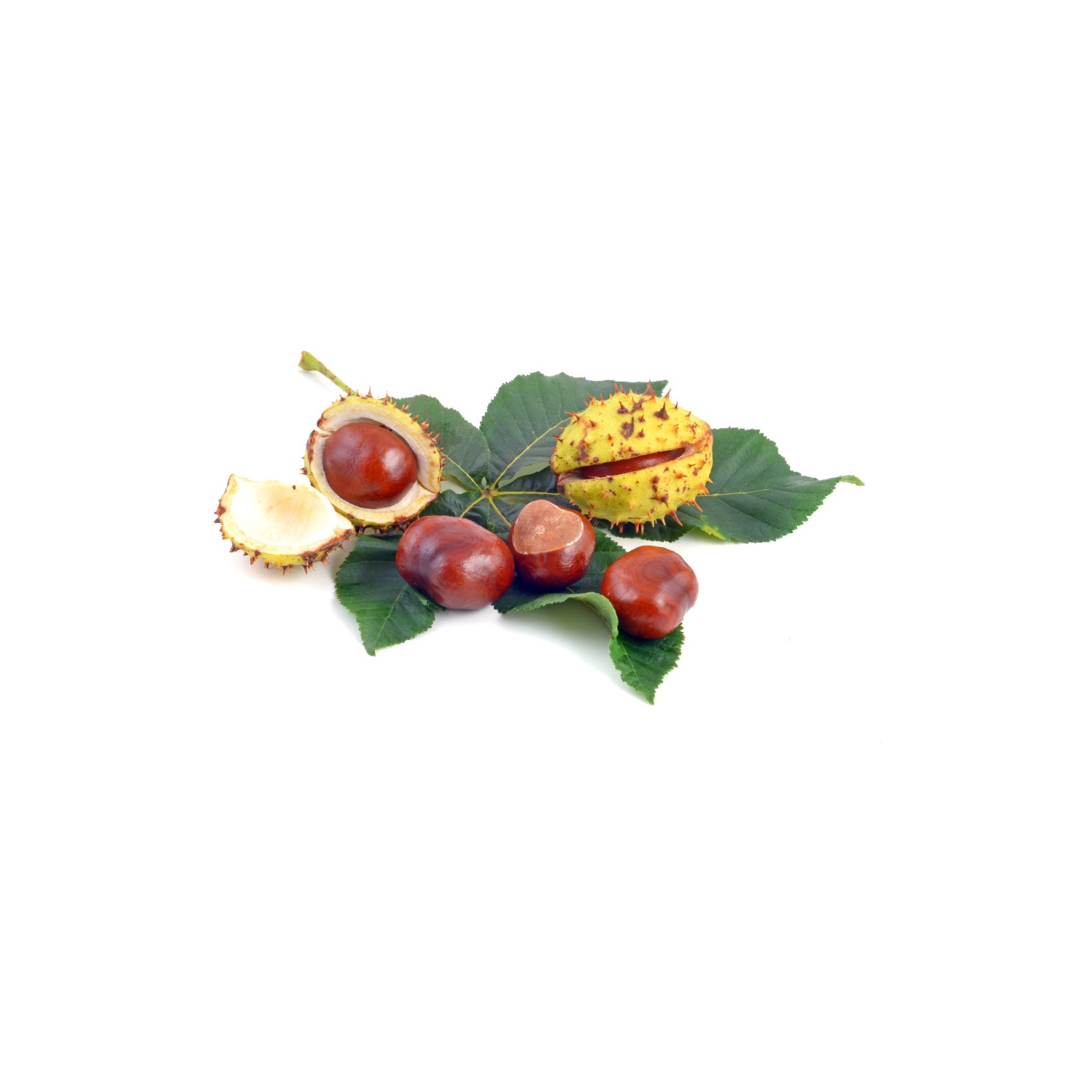 Horse Chestnut Aesculus hippocastanum Documented for kaempferol, quercetin, rutin. Hydrangea Hydrangea arborescens Documented for kaempferol, quercetin, rutin.
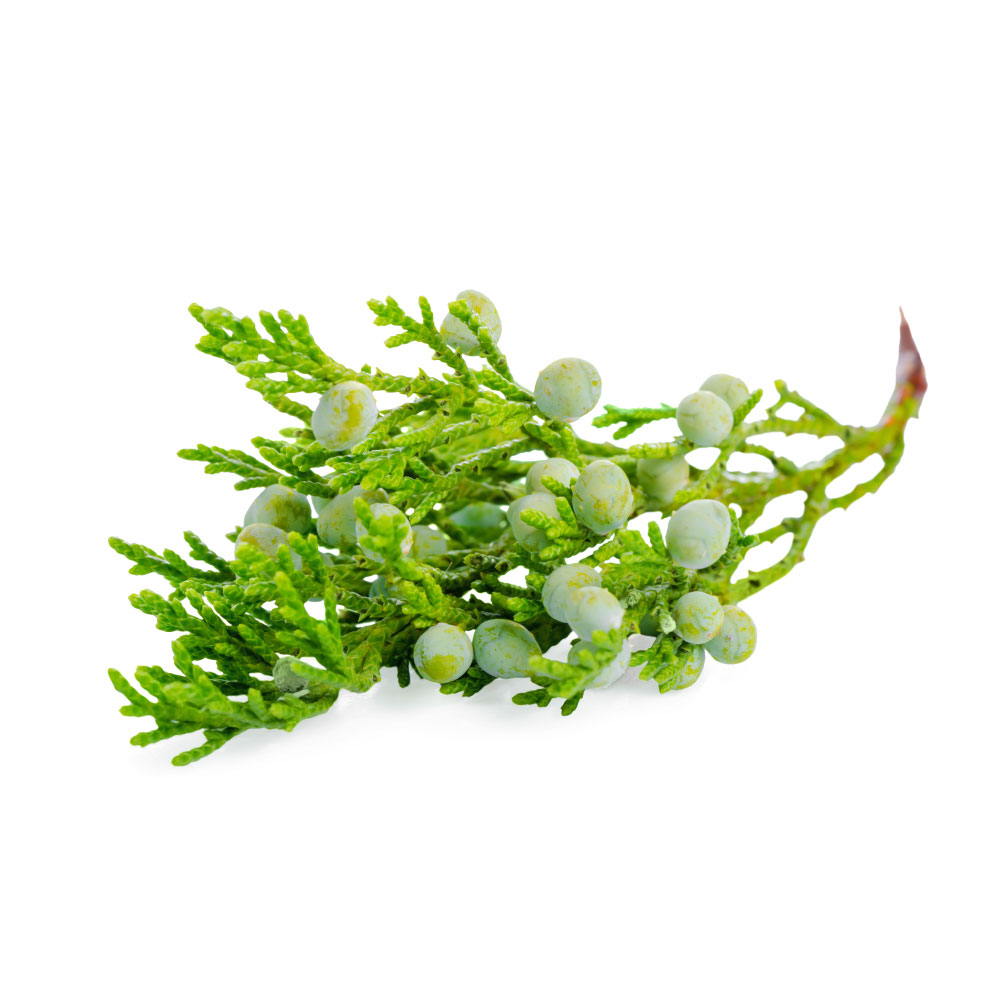 Juniper Juniperus communis Documented for hyperoside, quercetin, rutin.
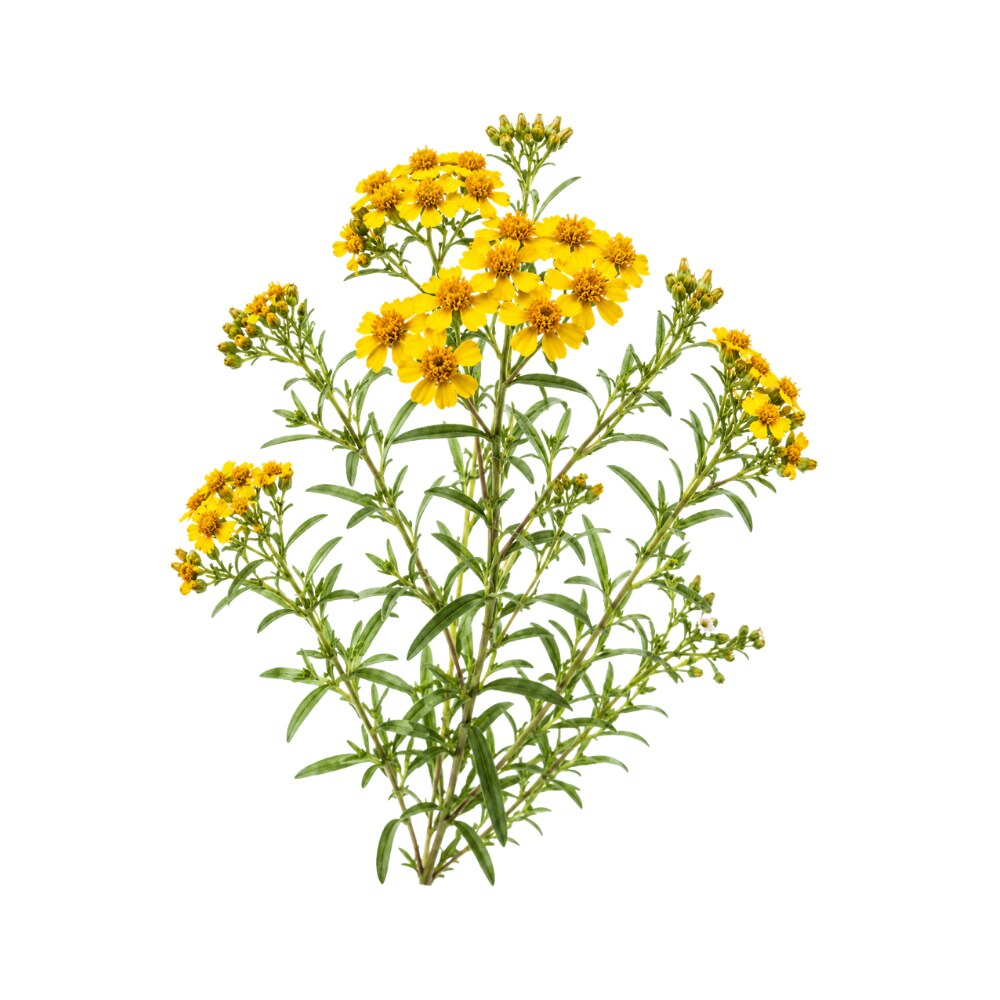 Mexican Tarragon Tagetes lucida Documented for patuletin, quercetagetin, quercetin.
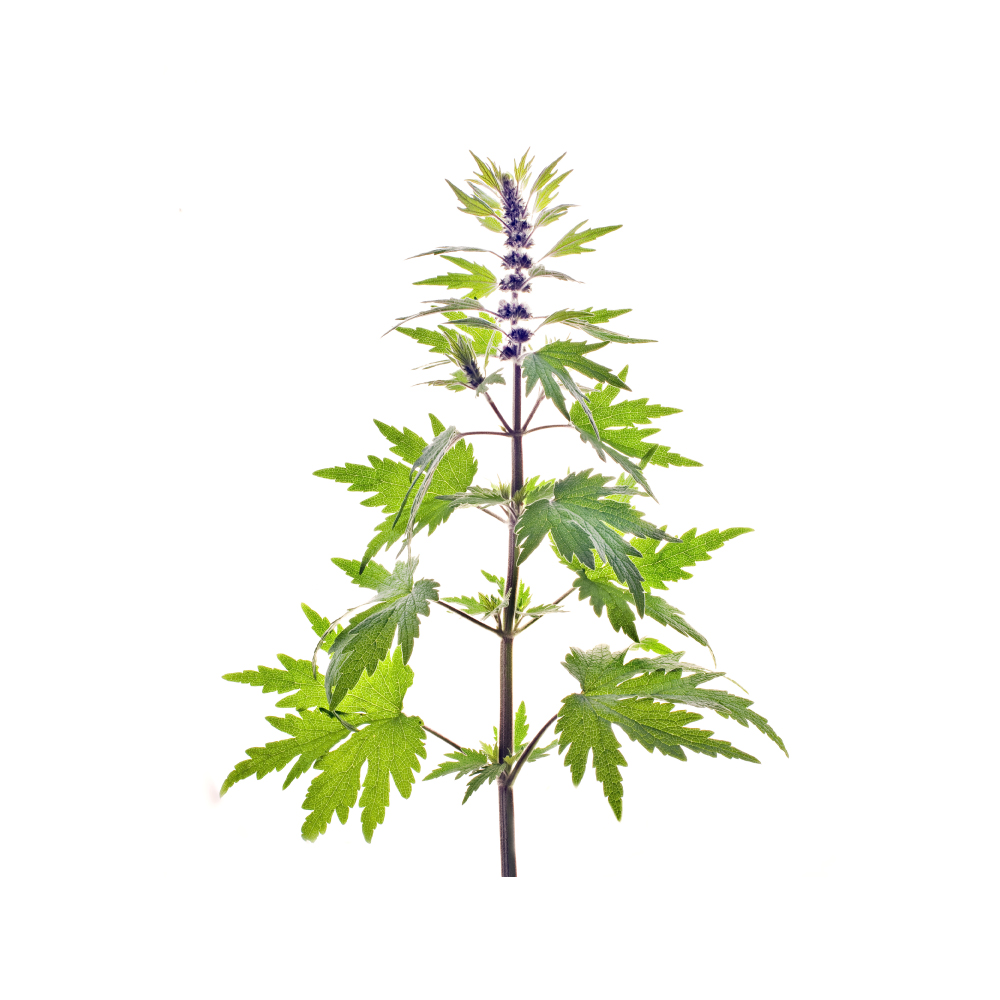 Motherwort Leonurus cardiaca Documented for hyperoside, quercetin, rutin.
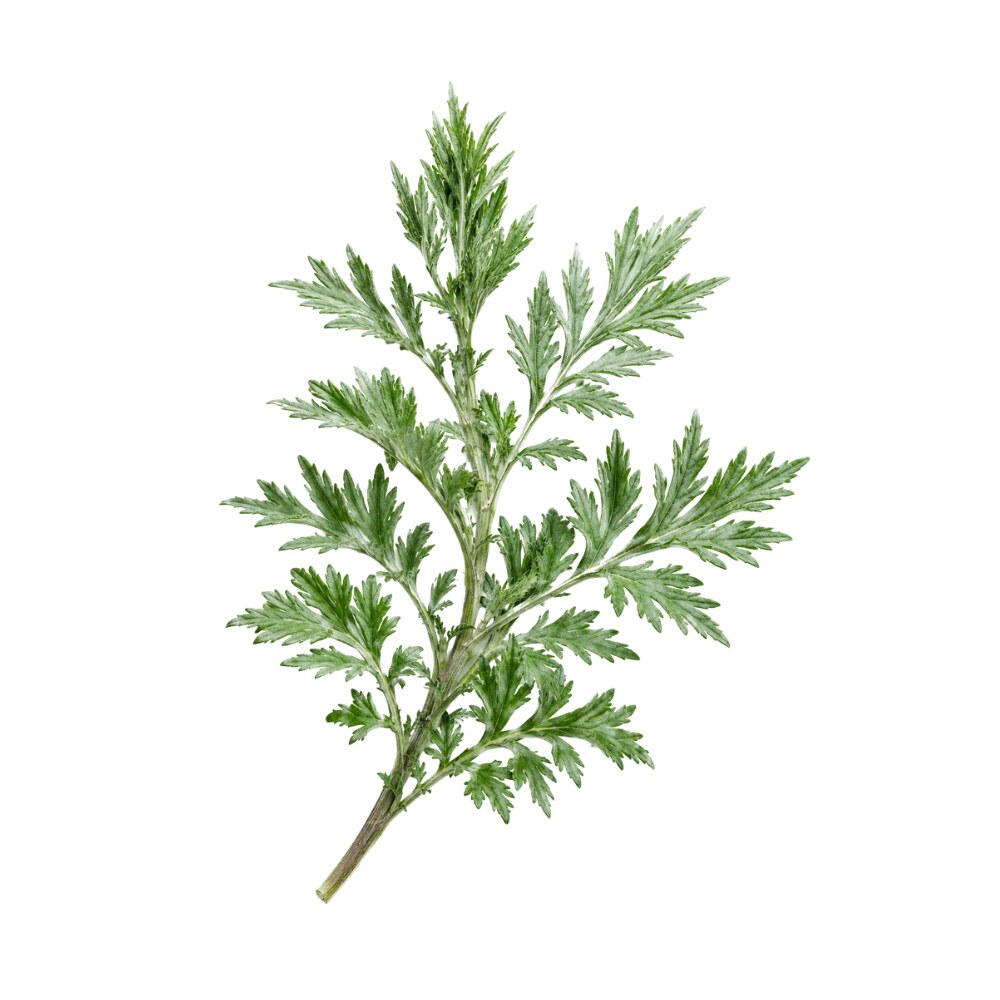 Mugwort Artemisia vulgaris Documented for kaempferol, quercetin, rutin.
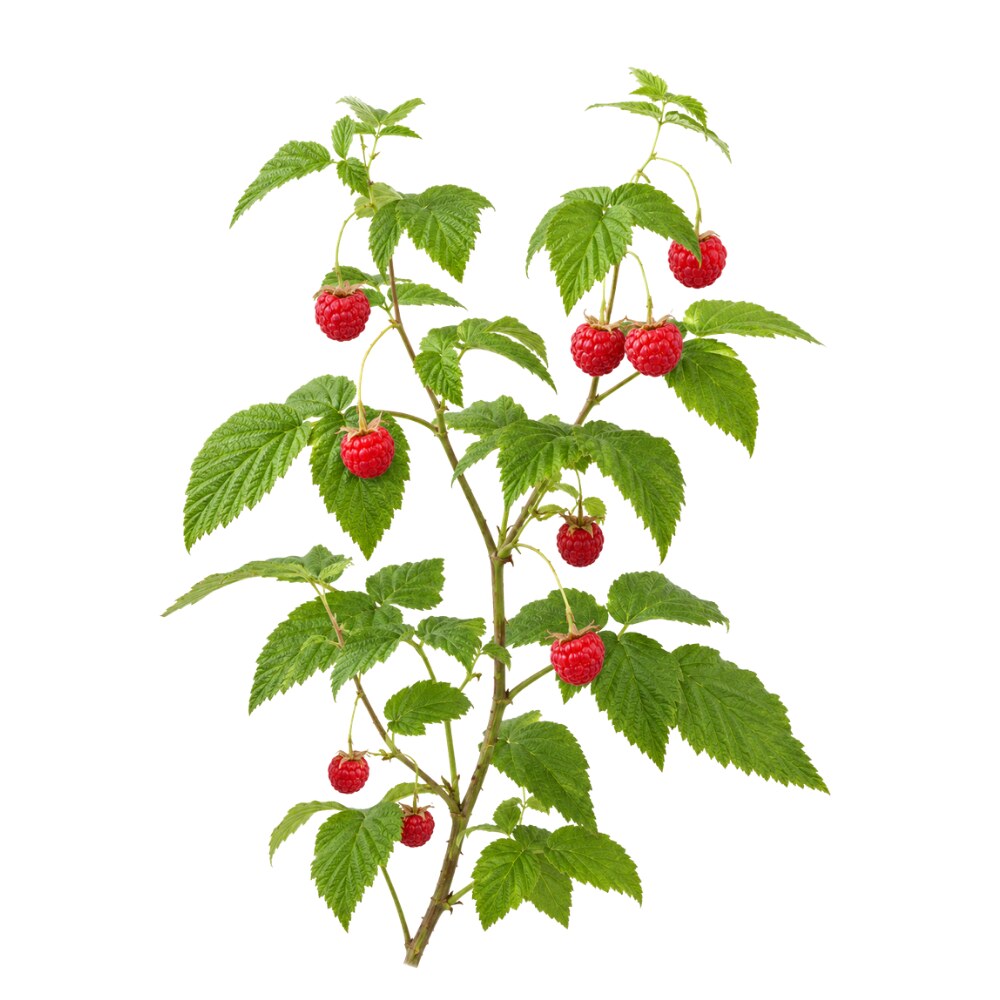 Raspberry Leaf Rubus idaeus Documented for hyperoside, kaempferol, quercetin.
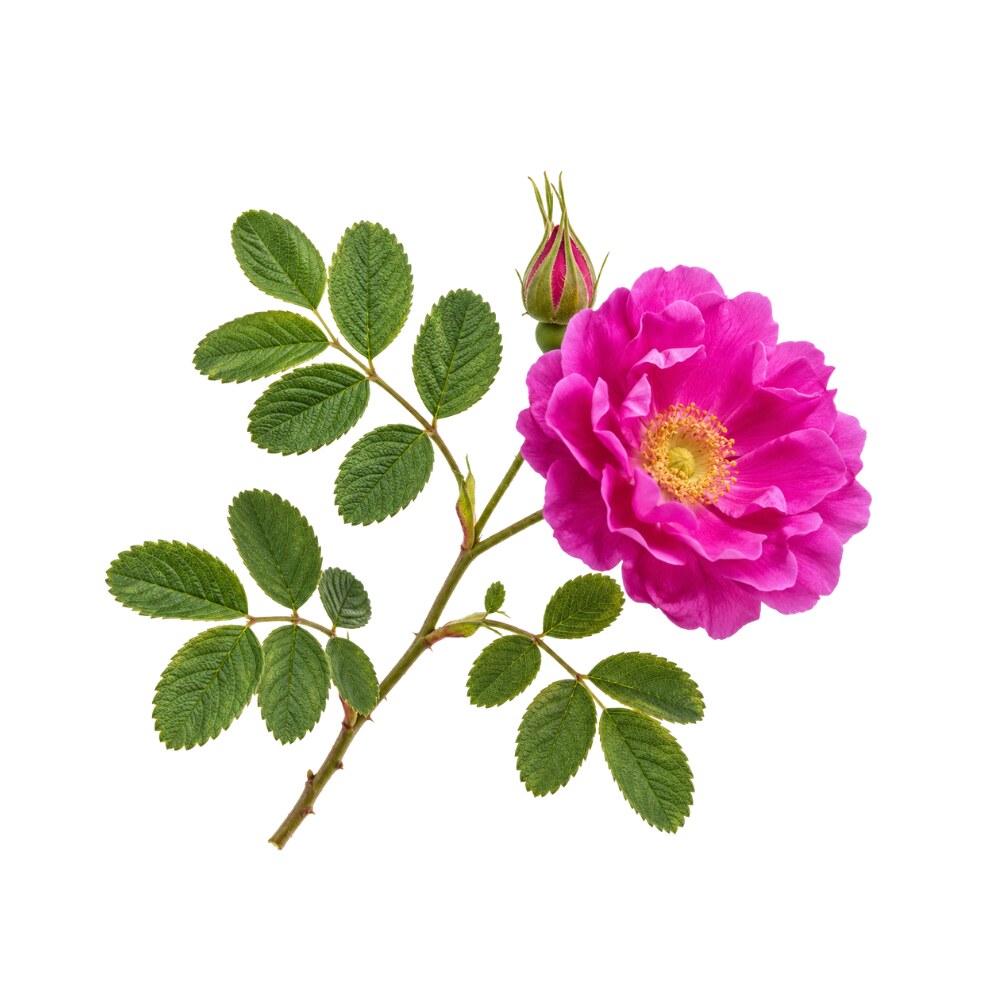 Rose Rosa spp. Documented for kaempferol, quercetin, rutin.
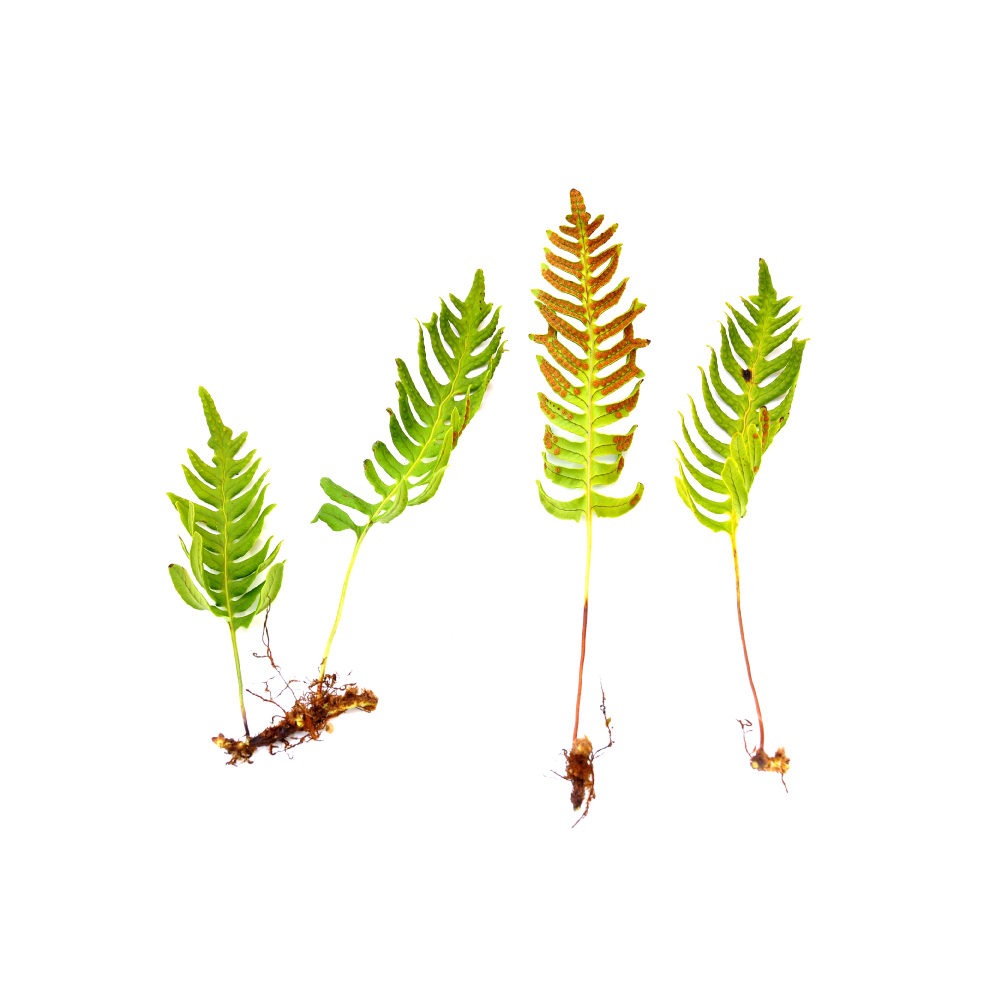 Samambaia Polypodium leucotomos Documented for juglanin, kaempferols, rutin.
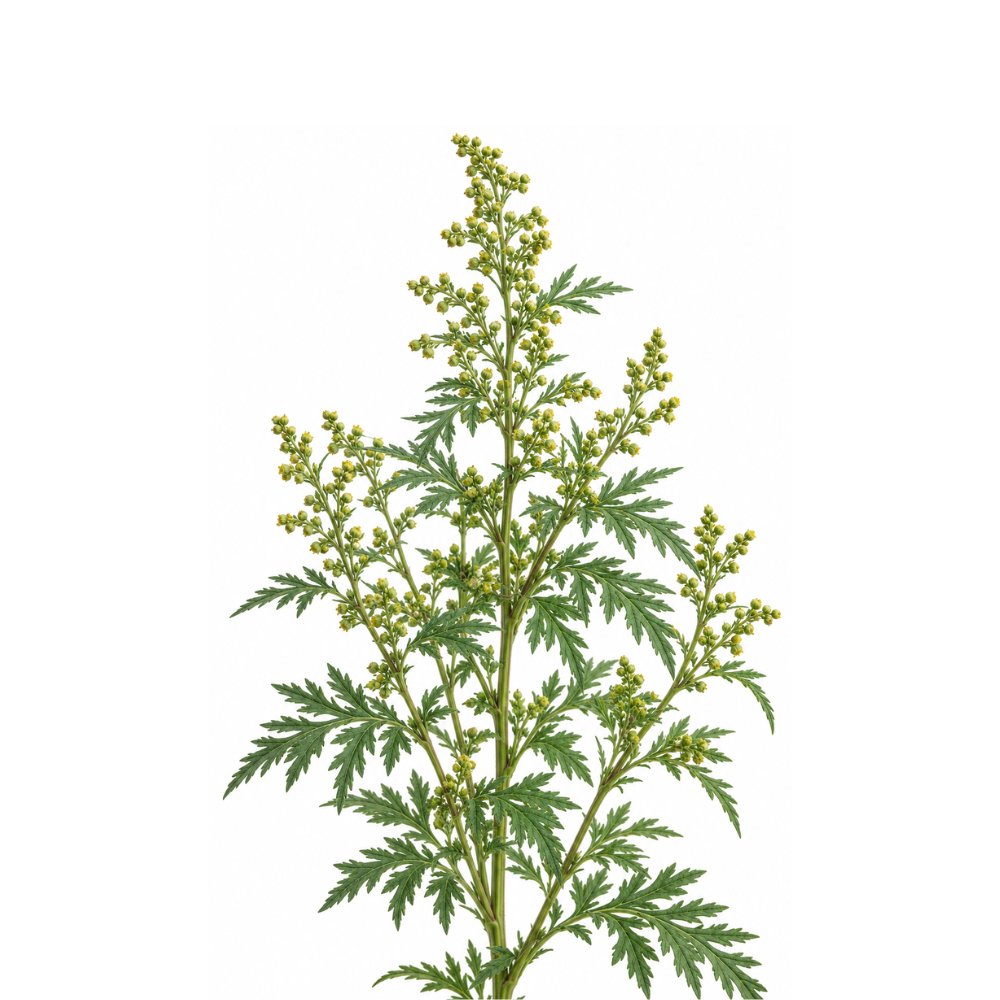 Sweet Wormwood Artemisia annua Documented for casticin, chrysosplenetin, quercetin.
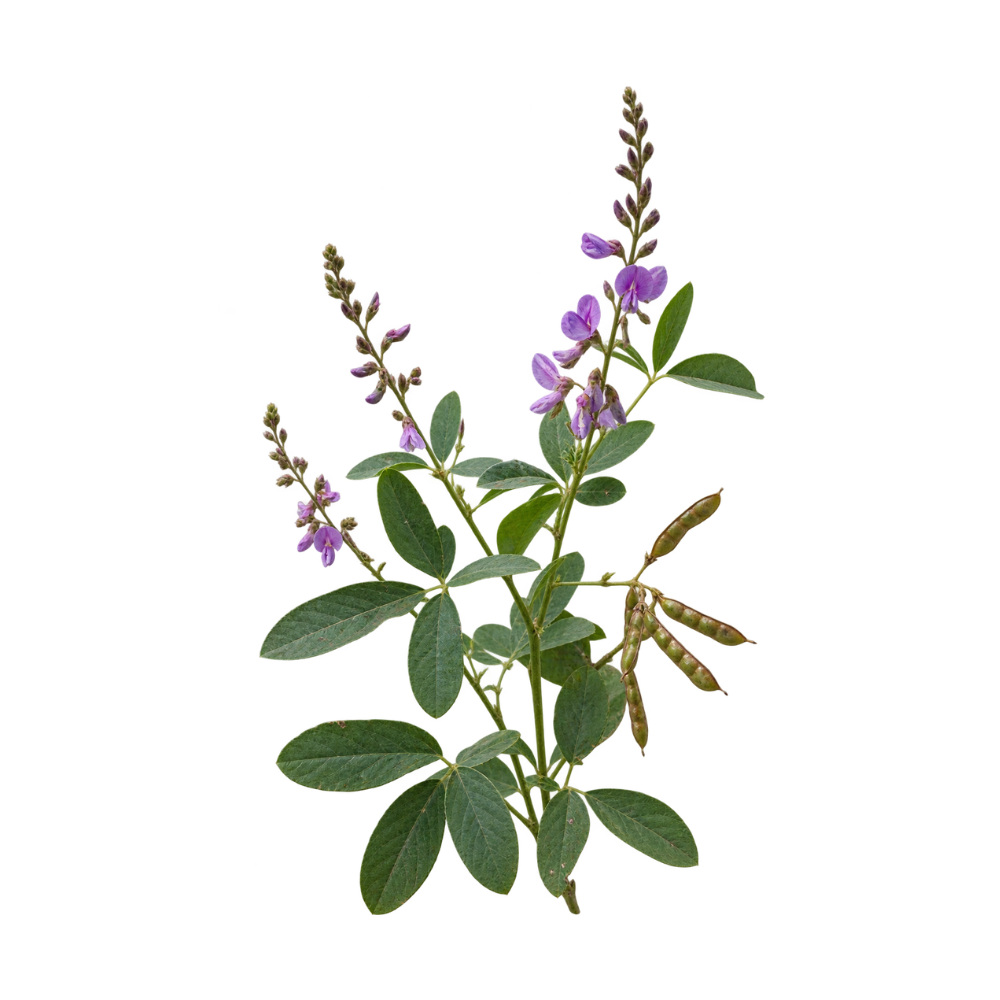 Tick Trefoil Desmodium spp. Documented for kaempferol, quercetin, rutin.
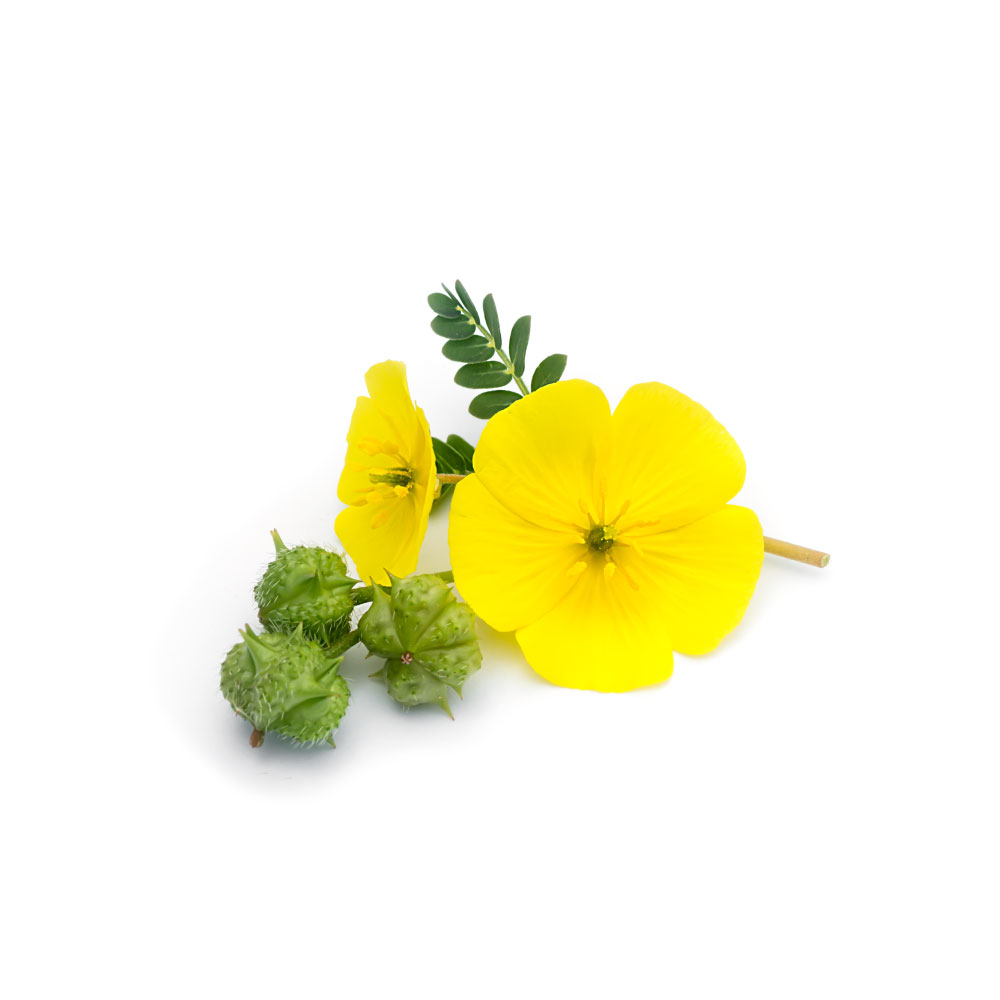 Tribulus Tribulus terrestris Documented for kaempferol, quercetin, rutin.
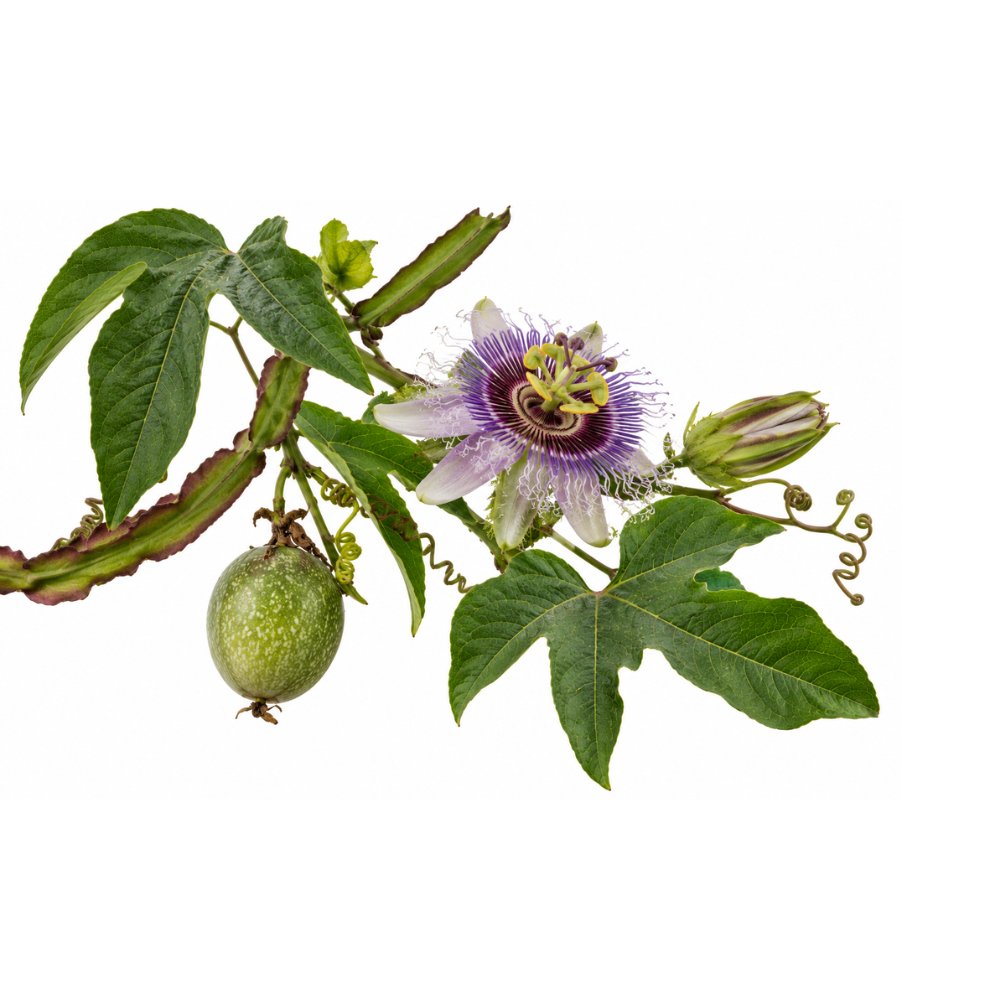 Winged-Stem Passionflower Passiflora alata Documented for kaempferol, quercetin, rutin.
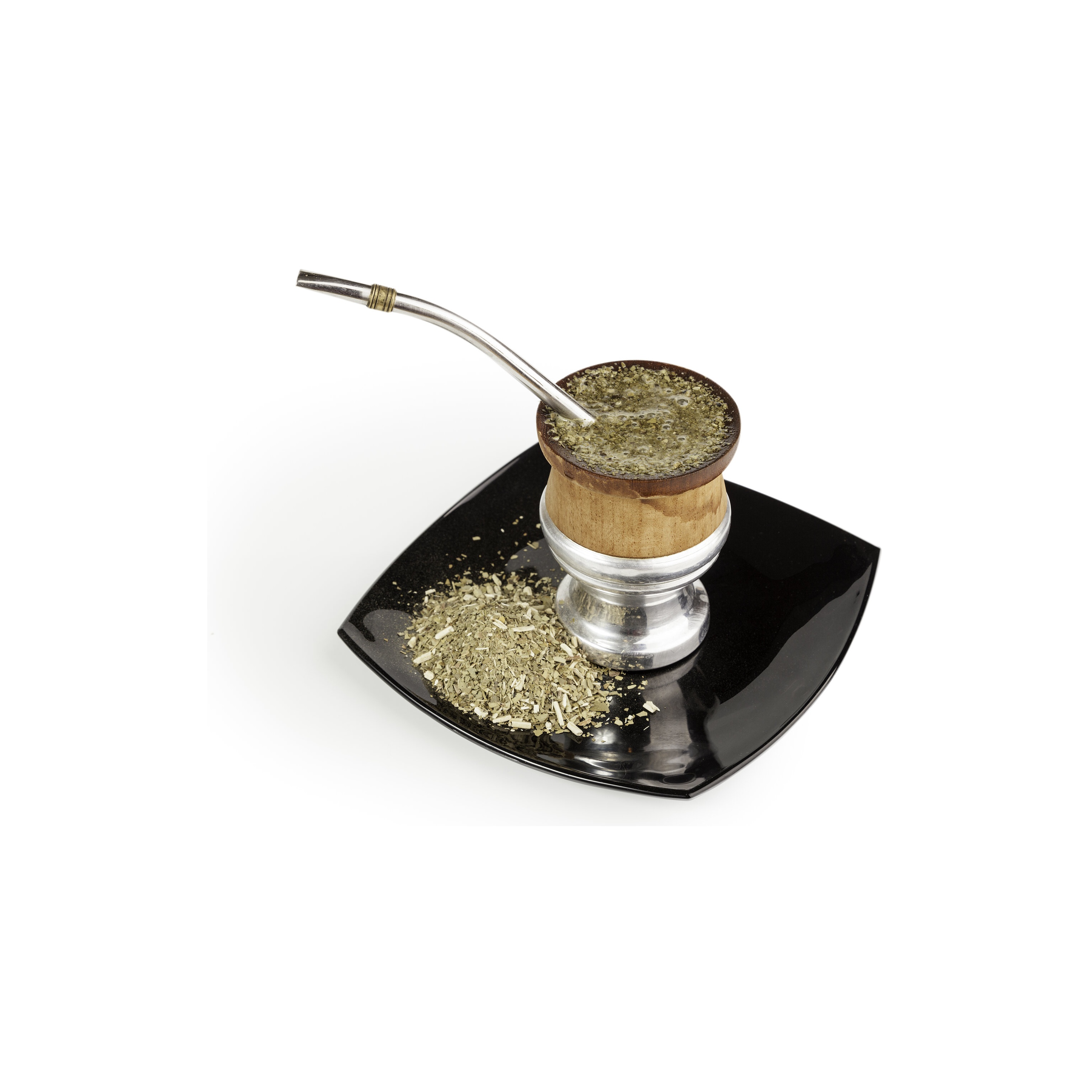 Yerba Maté Ilex paraguariensis Documented for kaempferol, quercetin, rutin.
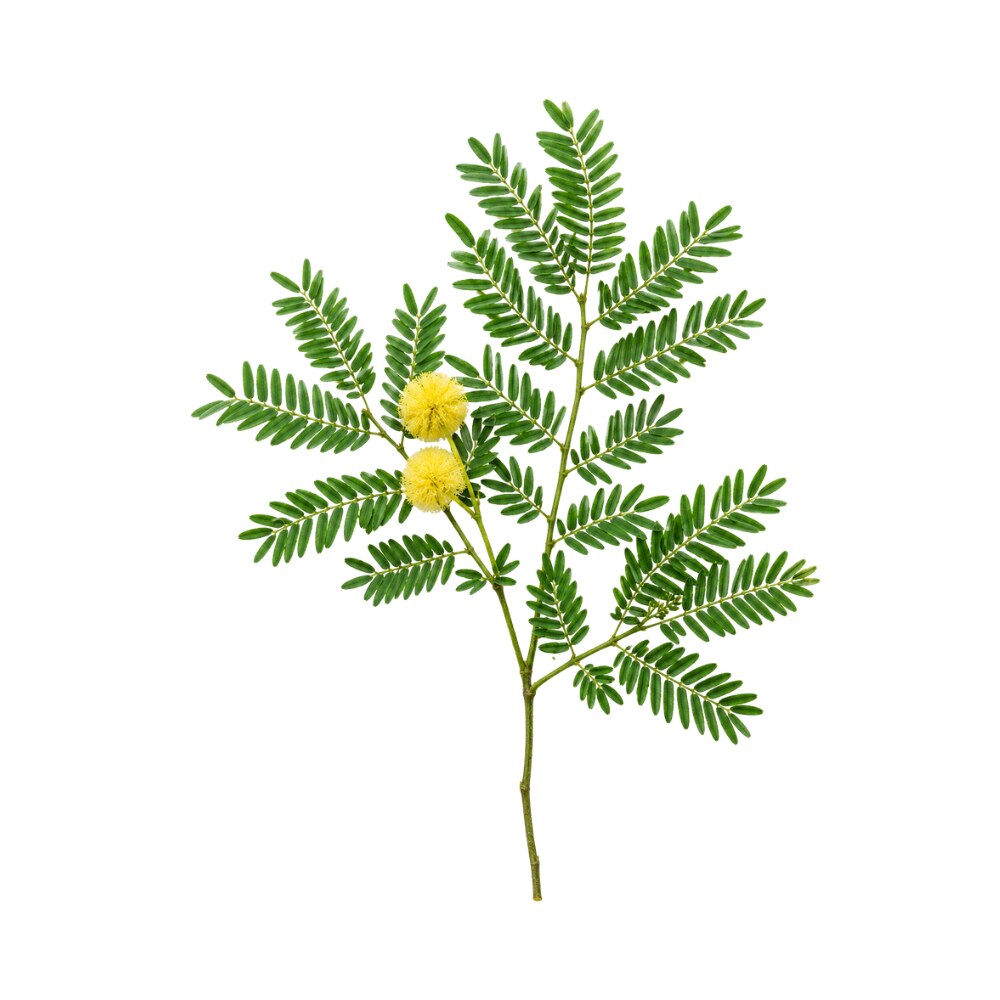 Acacia Acacia, Vachellia & Senegalia spp. Documented for kaempferol, quercetin.
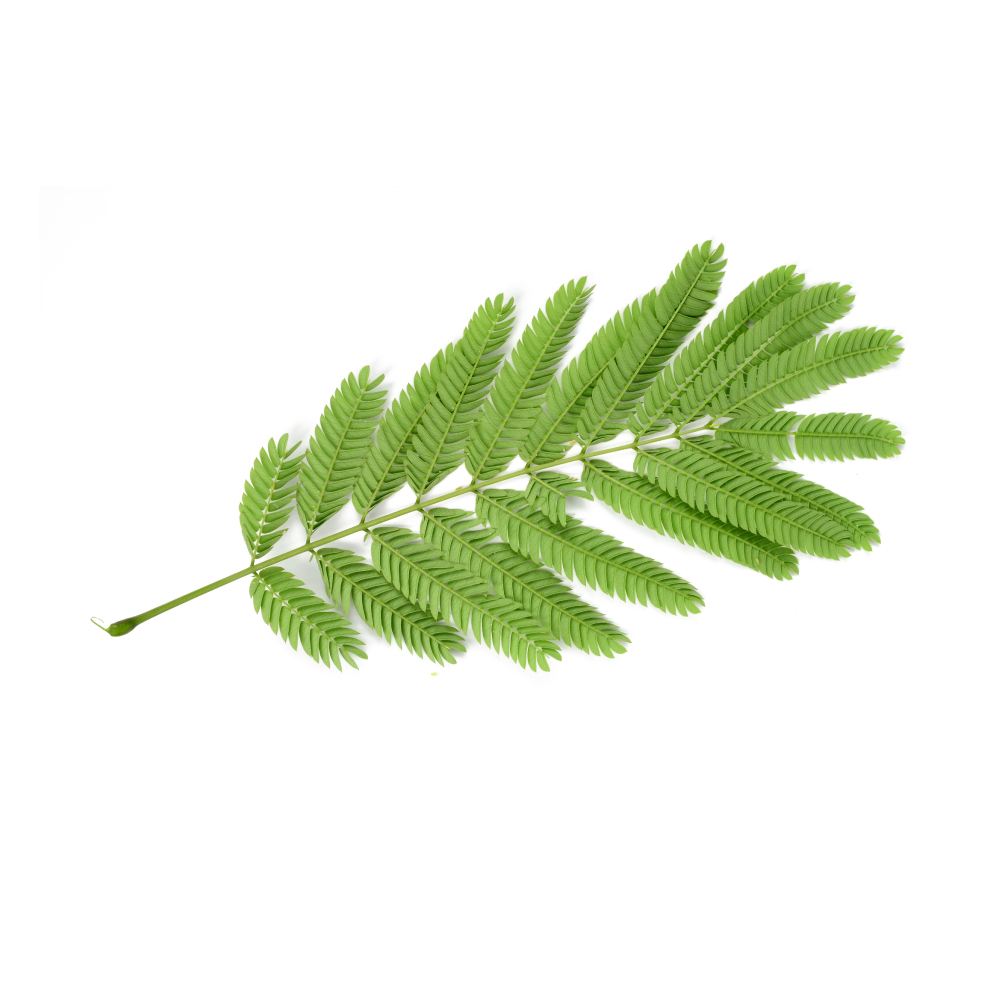 Albizzia Albizzia lebbeck Documented for flavonols, melanoxetin.
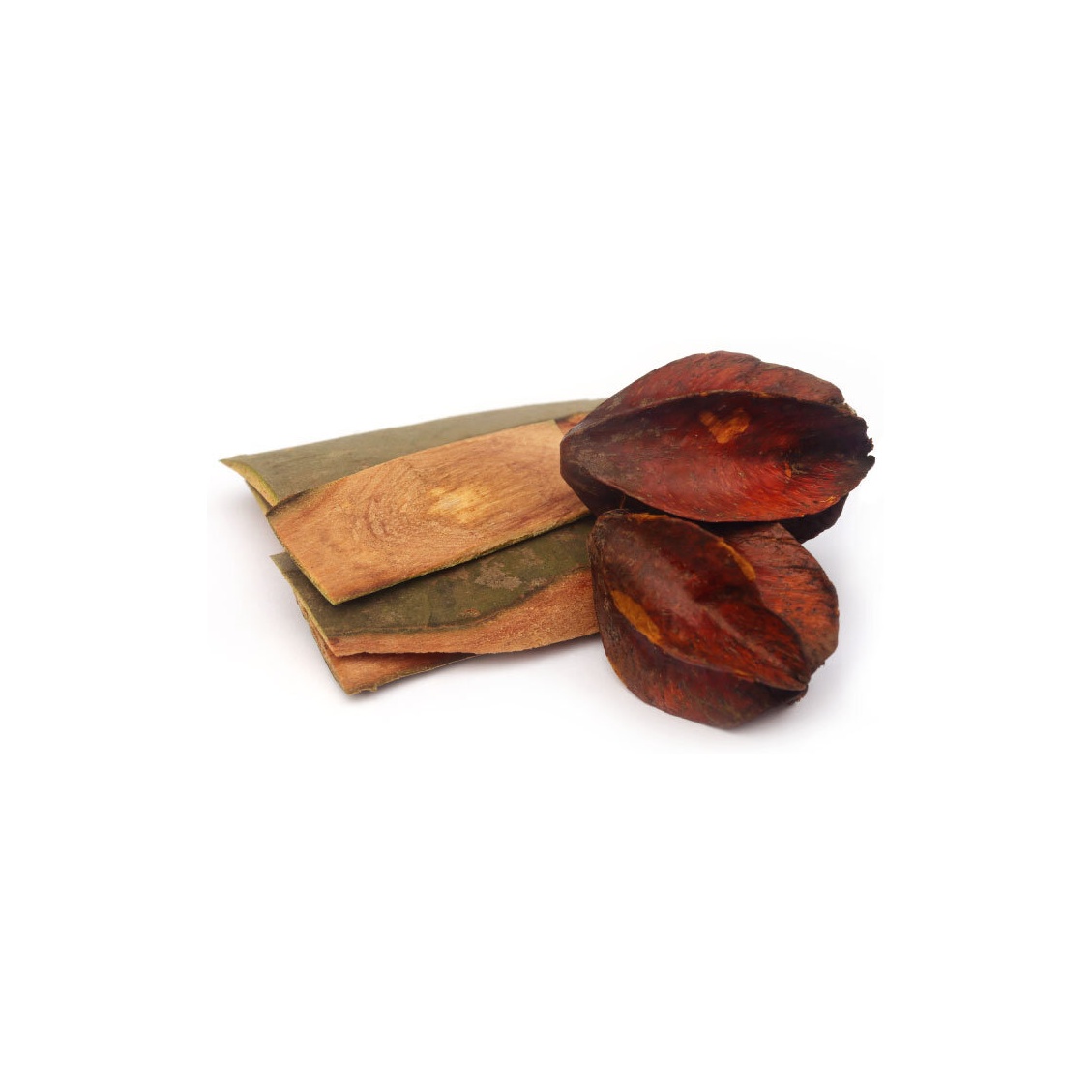 Arjuna Terminalia arjuna Documented for kaempferol, quercetin.
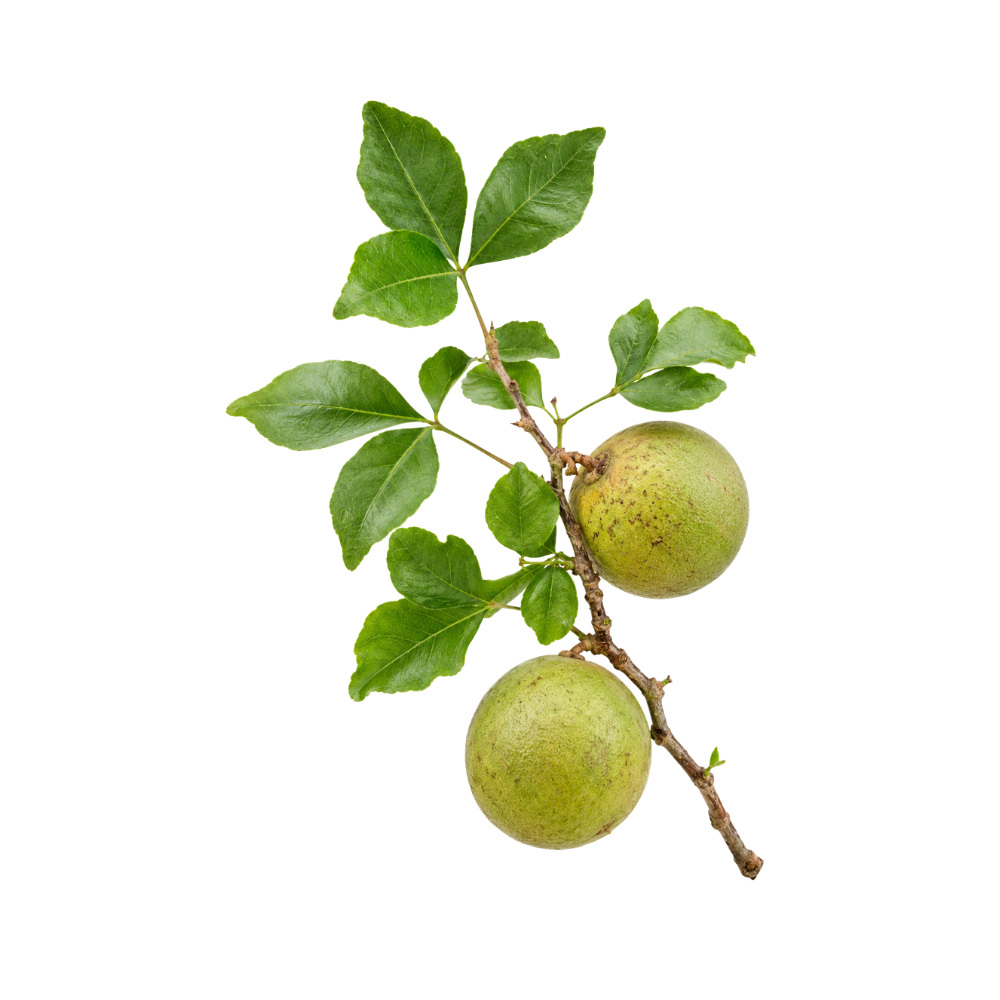 Bael Aegle marmelos Documented for quercetin, rutin.
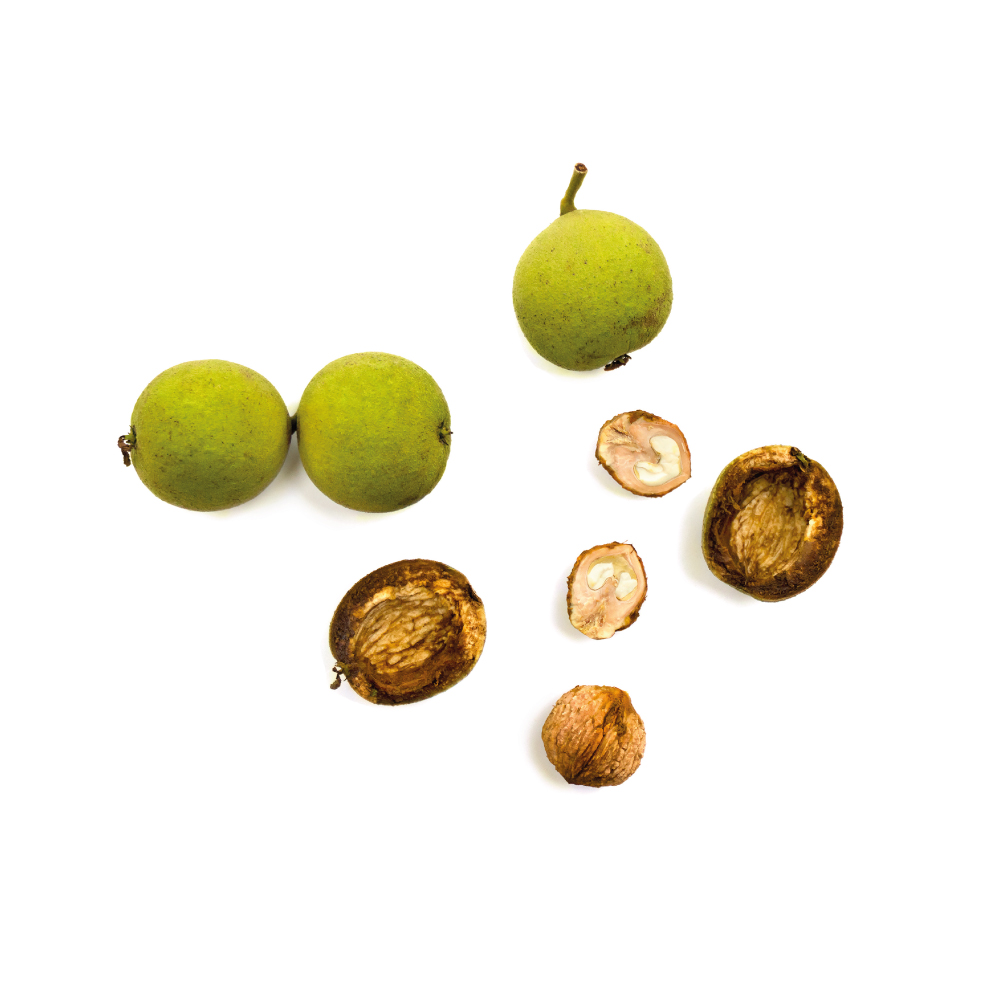 Black Walnut Juglans nigra Documented for myricetin-3-O-rhamnoside, quercetin.
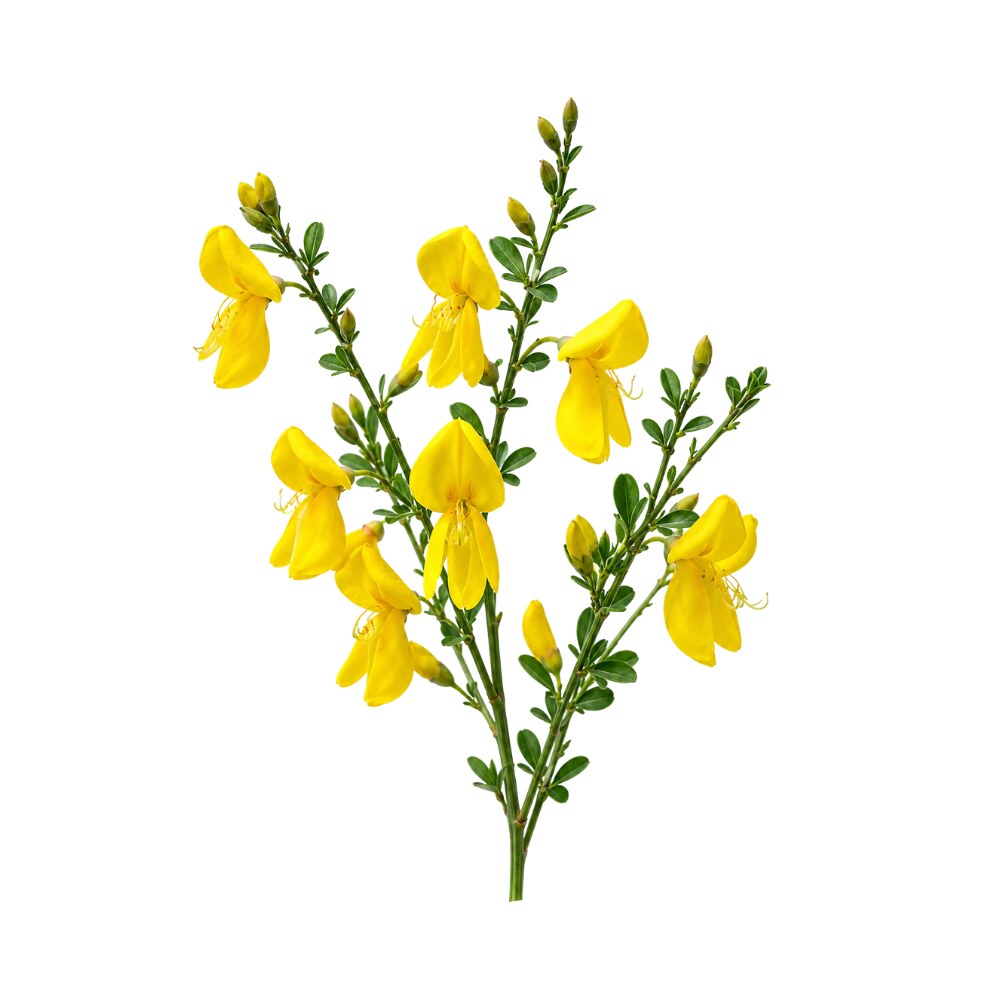 Broom Cytisus scoparius Toxic Documented for quercetin, rutin.
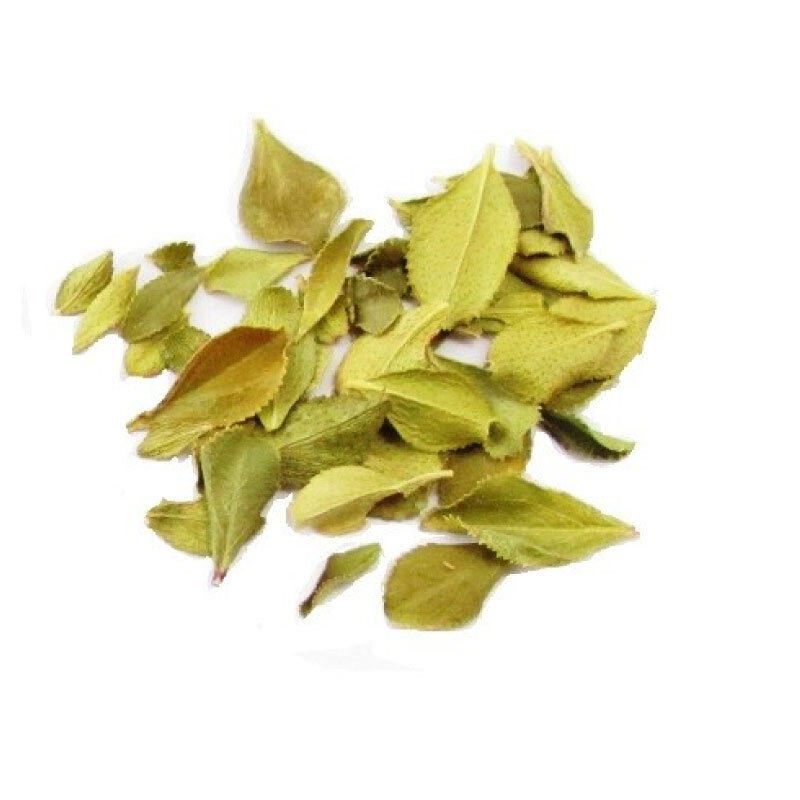 Buchu Agathosma betulina Documented for quercetin, rutin.
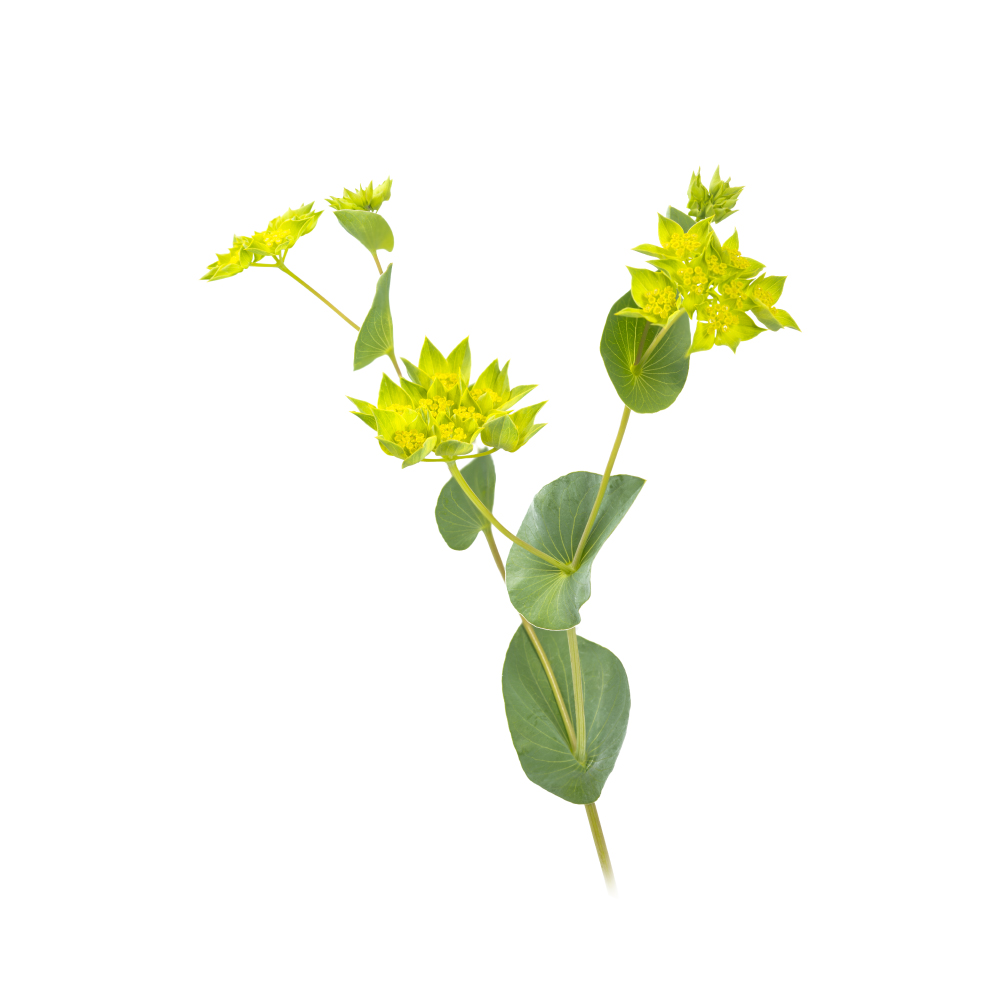 Bupleurum Bupleurum falcatum Documented for quercetin, rutin.
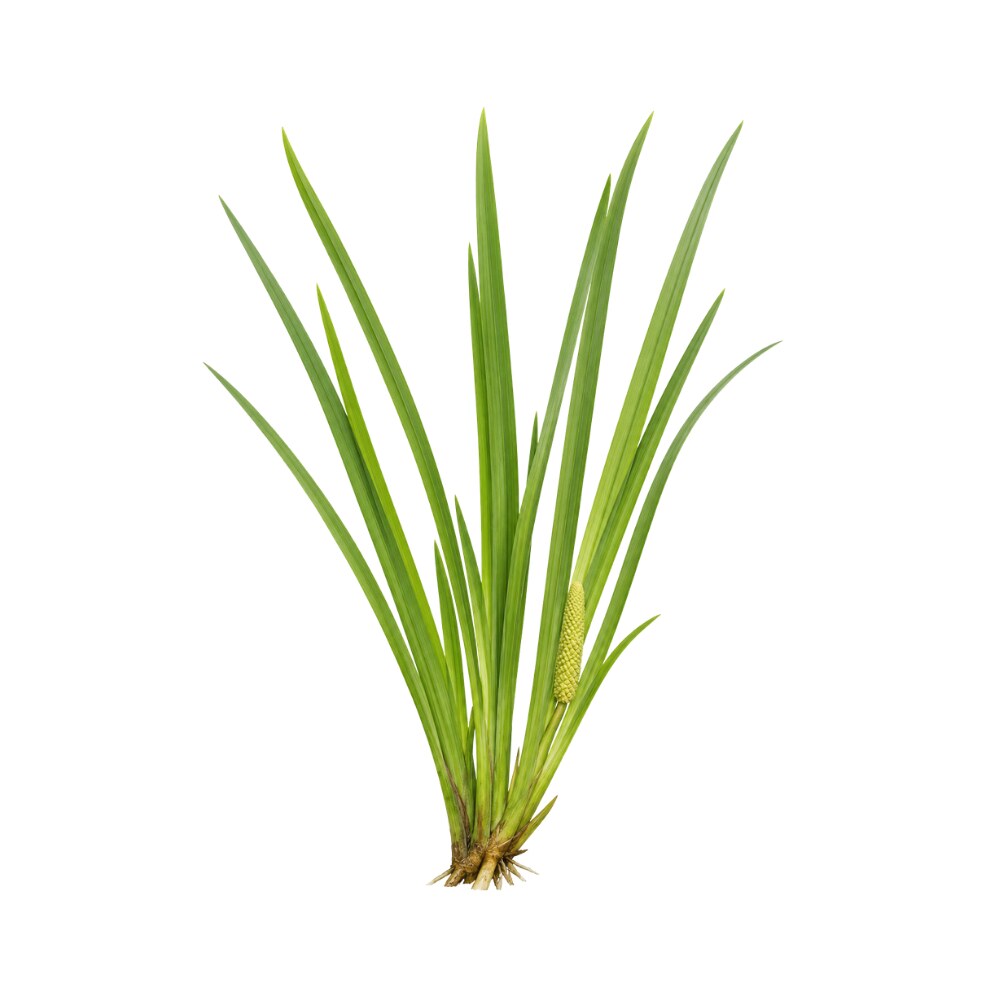 Calamus Acorus calamus Documented for kaempferol, quercetin.
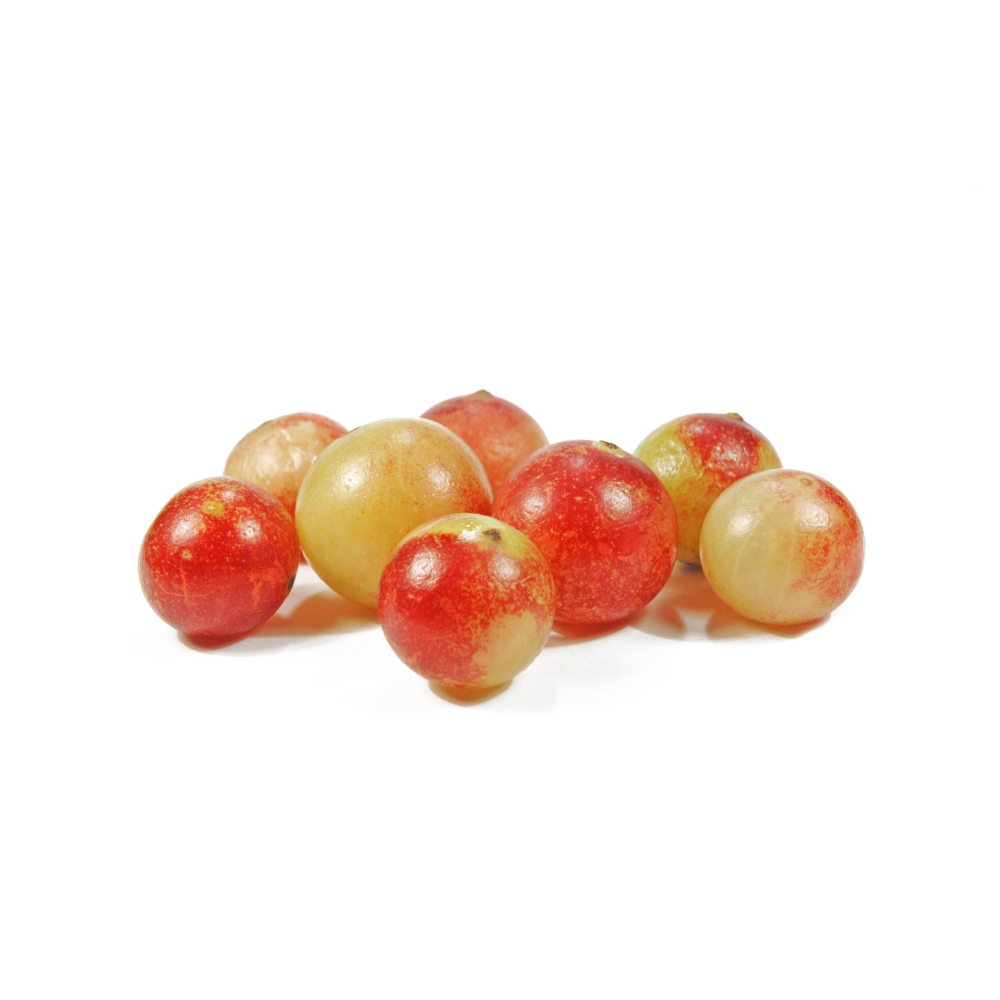 Camu-camu Myrciaria dubia Documented for quercetin, rutin.
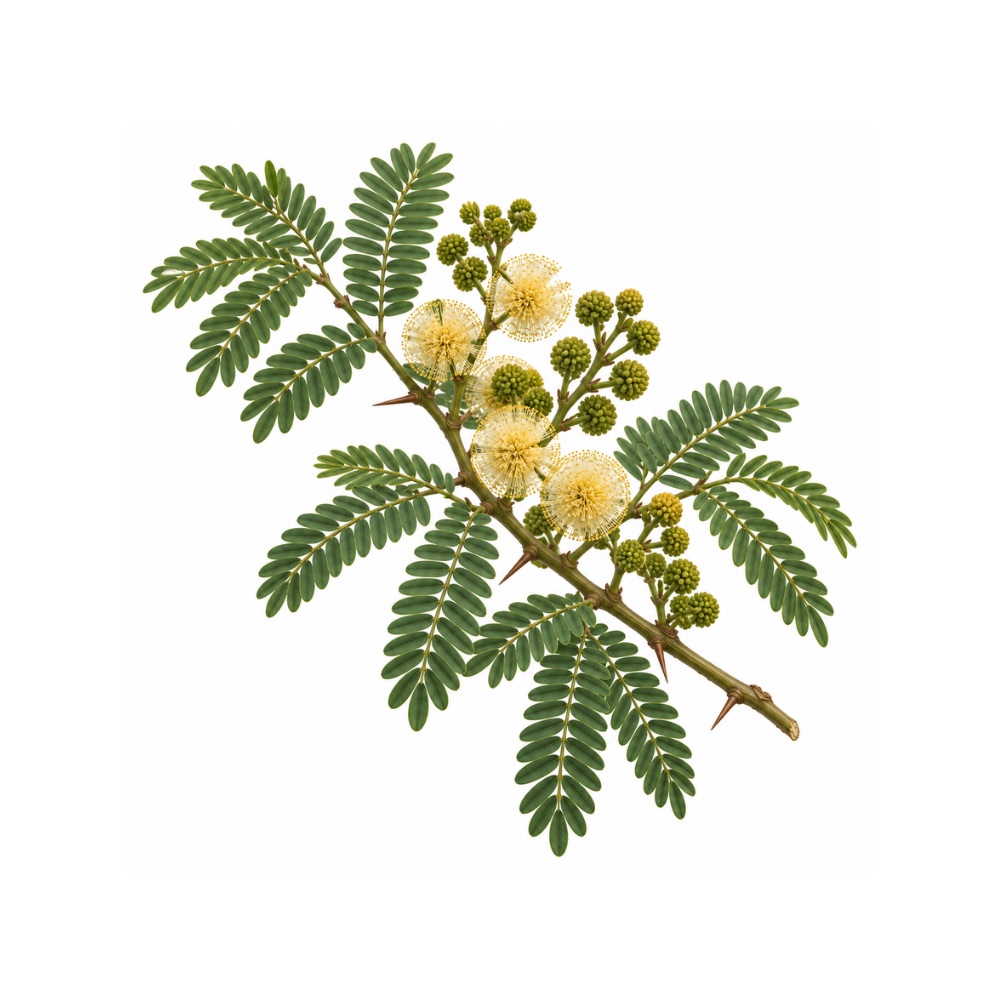 Catechu Senegalia catechu Documented for kaempferol, quercetin.
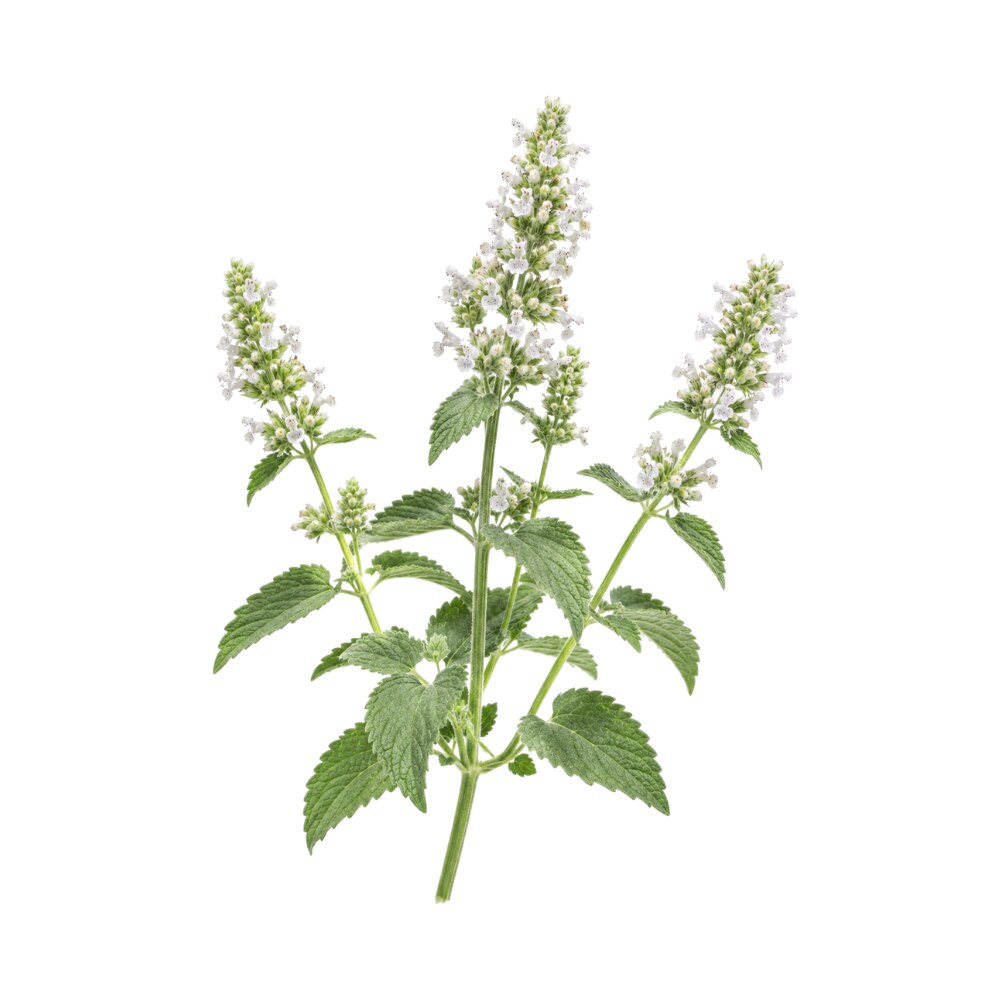 Catnip Nepeta cataria Documented for quercetin, rutin.
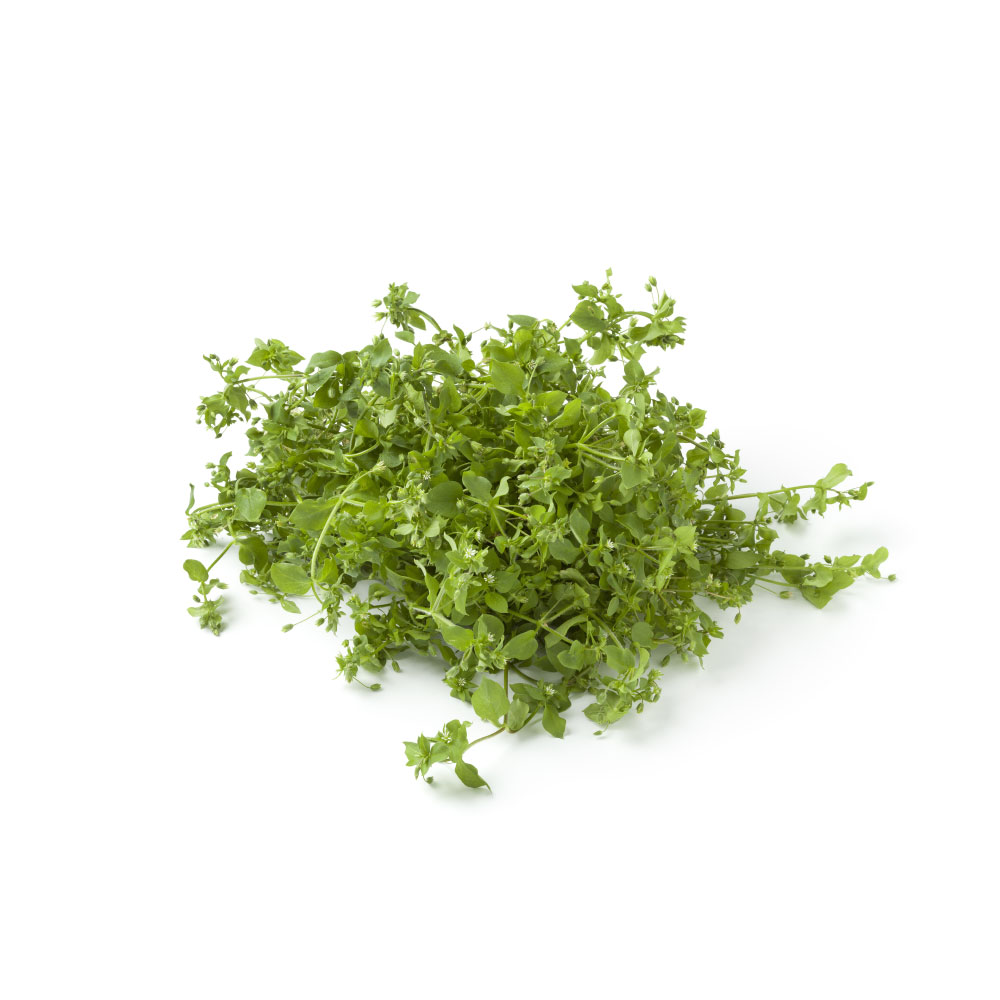 Chickweed Stellaria media Documented for kaempferol, rutin.
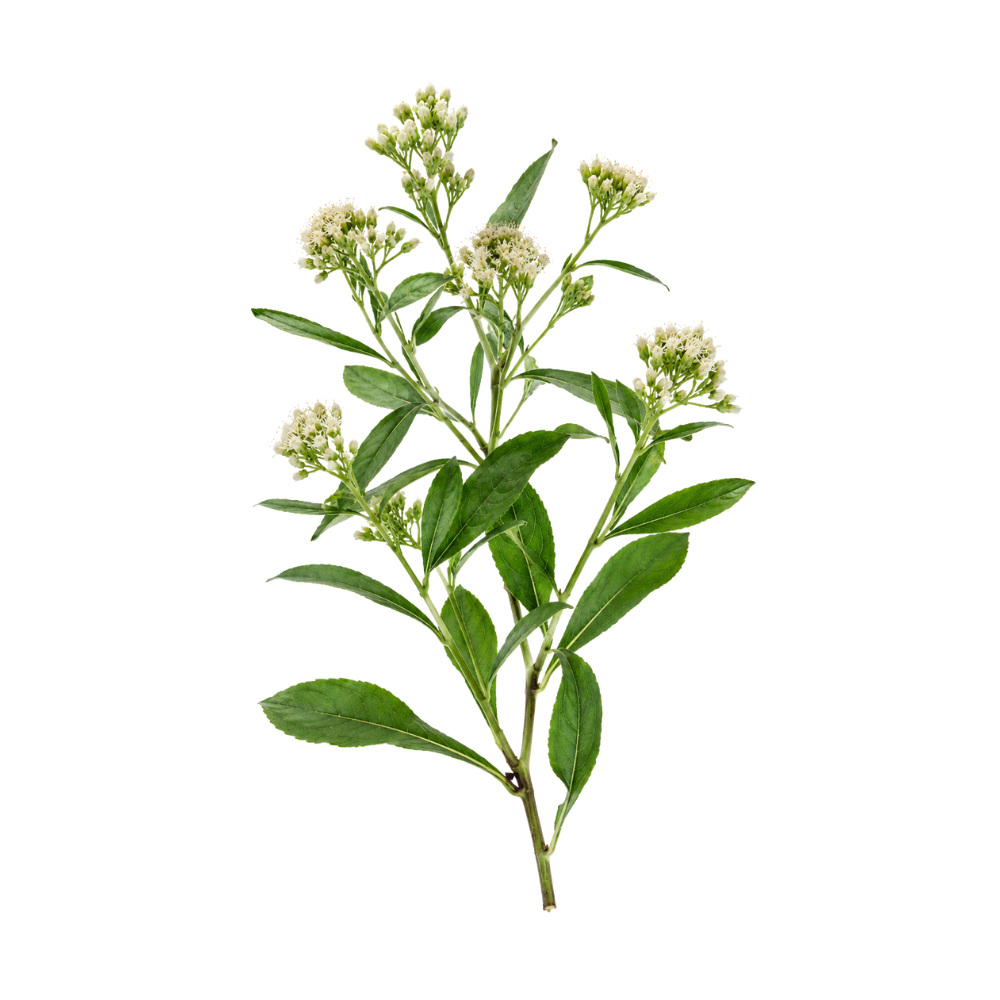 Chilca Baccharis latifolia Documented for quercetin, rutin.
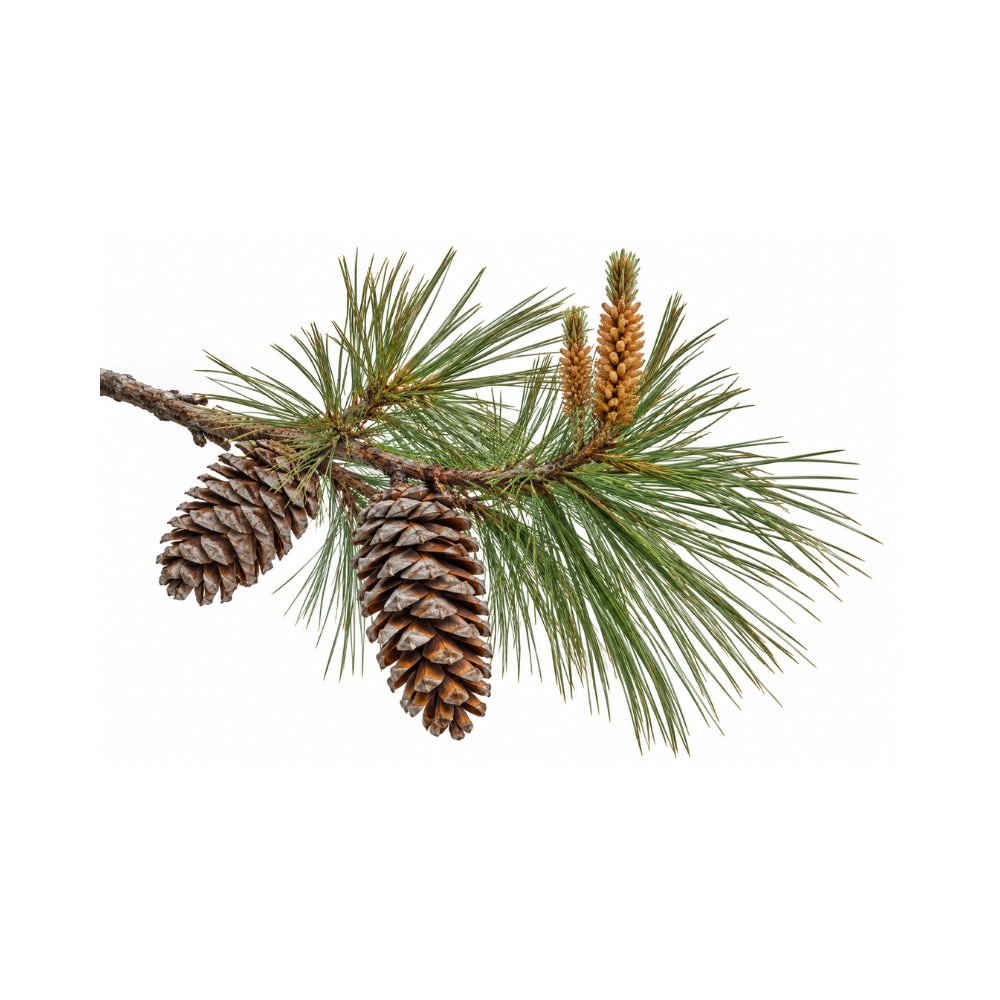 Chir Pine Pinus roxburghii Documented for kaempferol, quercetin.
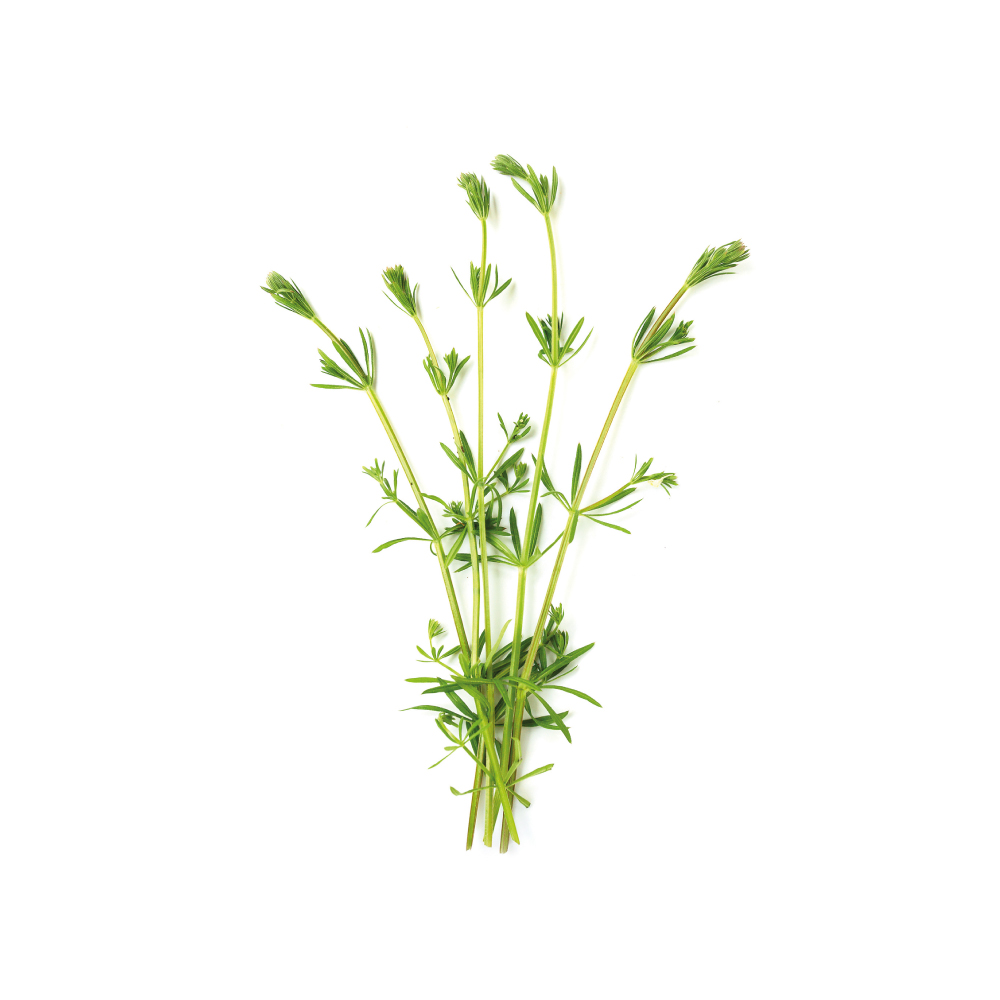 Cleavers Galium aparine Documented for quercetin, rutin.
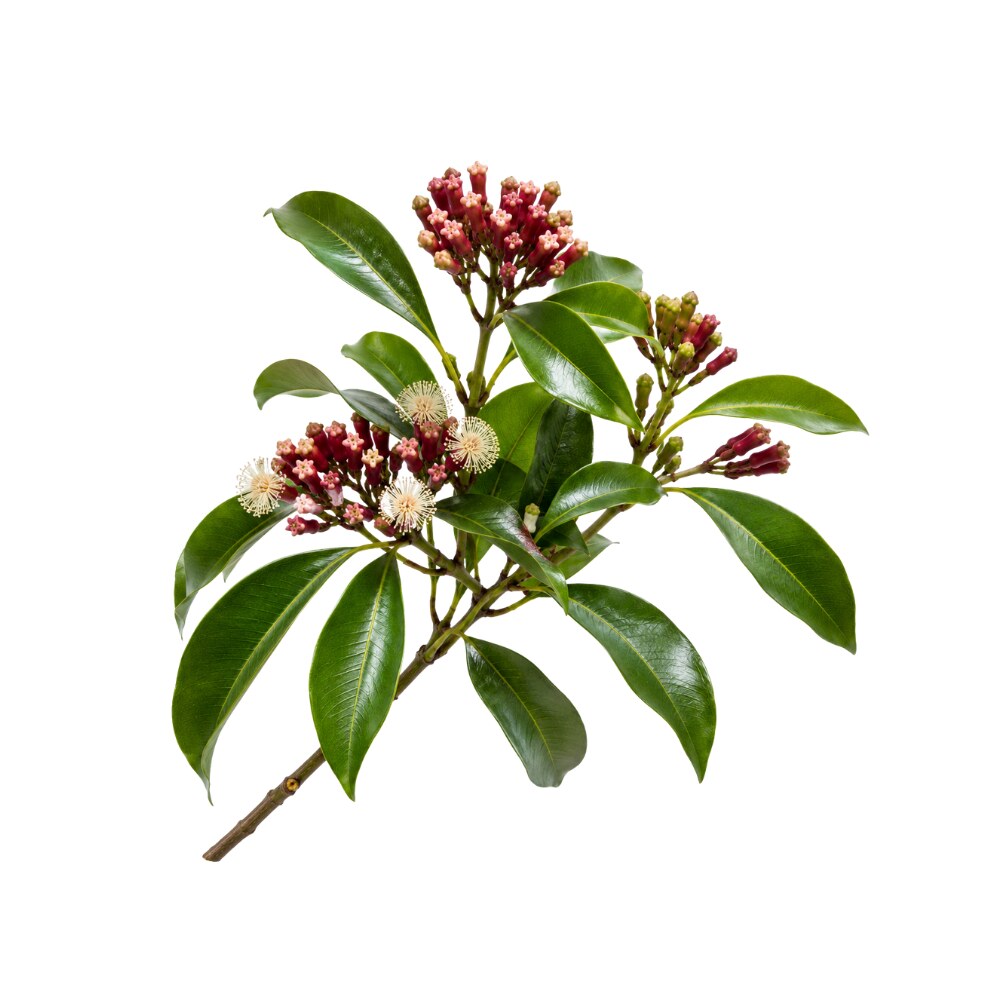 Clove Syzygium aromaticum Documented for kaempferol, rhamnetin.
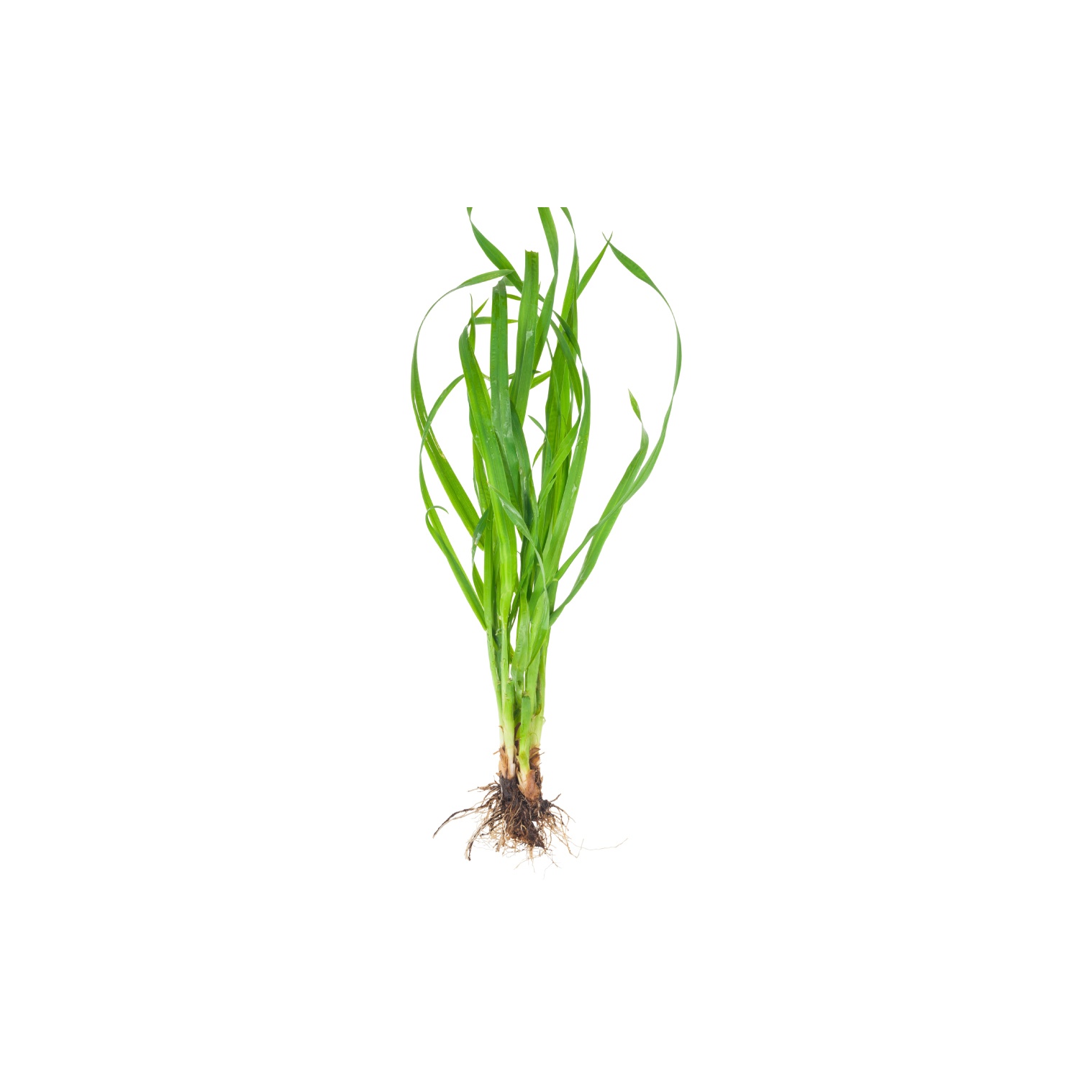 Couchgrass Elymus repens Documented for quercetin, rutin.
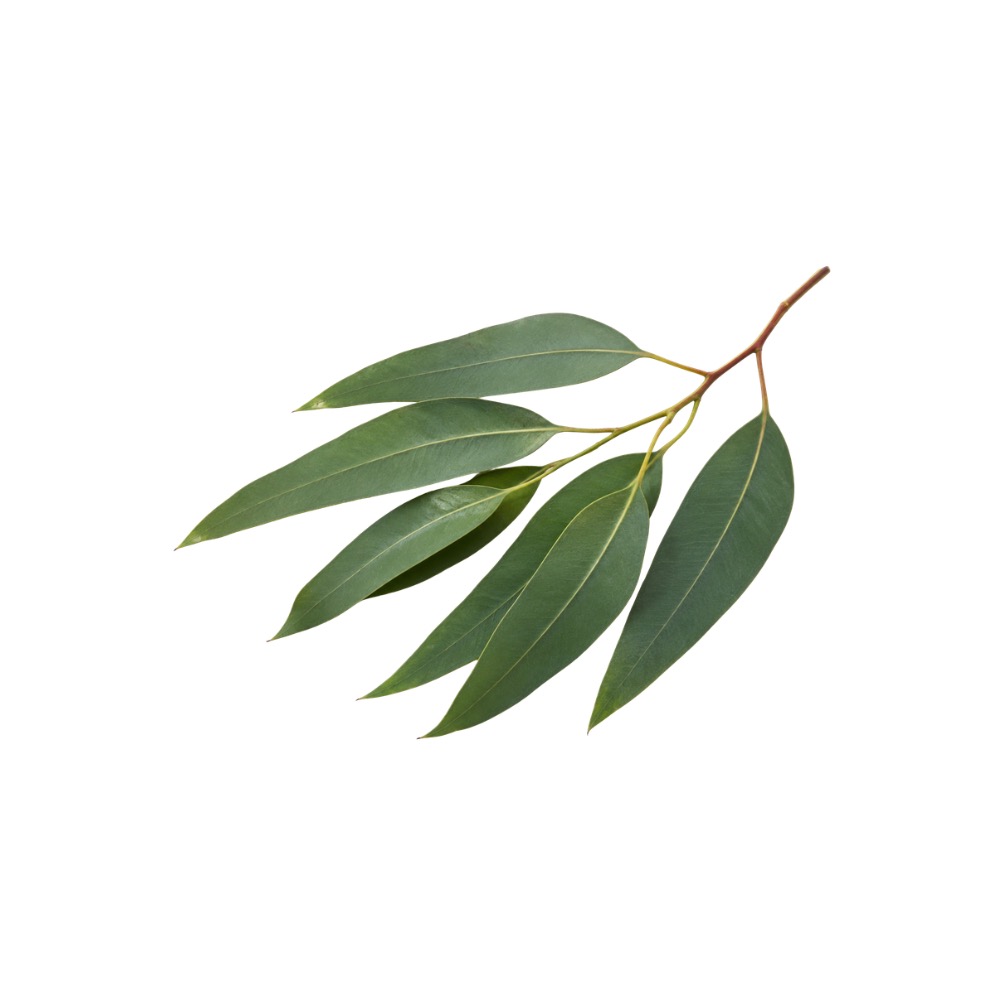 Eucalyptus Eucalyptus globulus Documented for quercetin, rutin. Goat's Rue Galega officinalis Documented for quercetin, rutin.
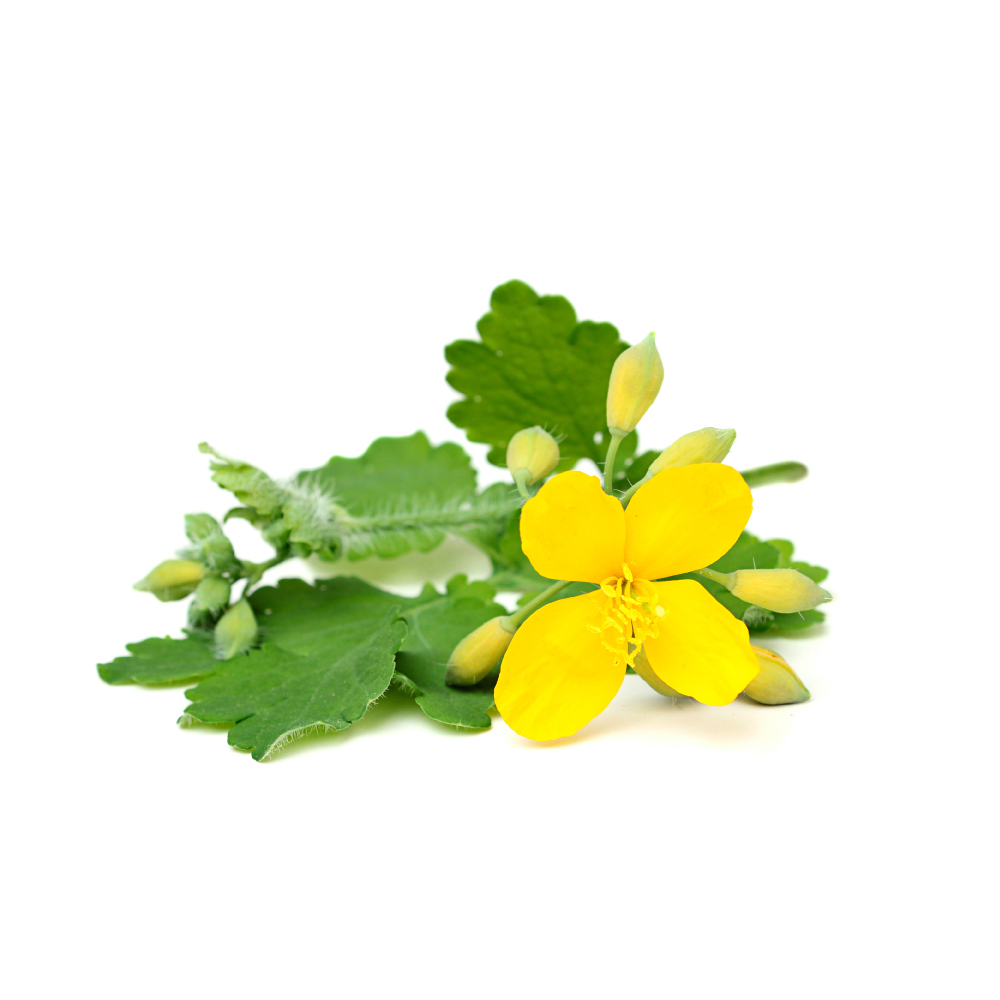 Greater Celandine Chelidonium majus Toxic Documented for kaempferol, quercetin.
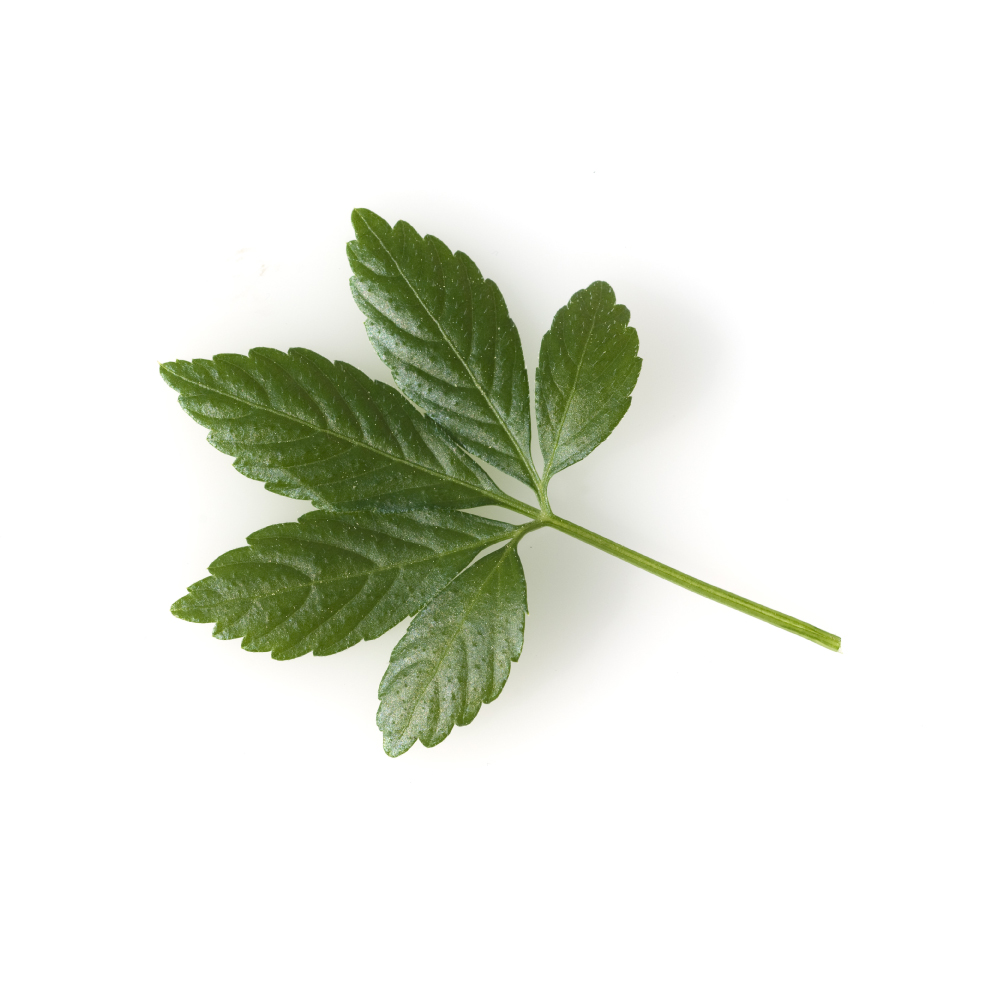 Gynostemma Gynostemma pentaphyllum Documented for quercetin, rutin.
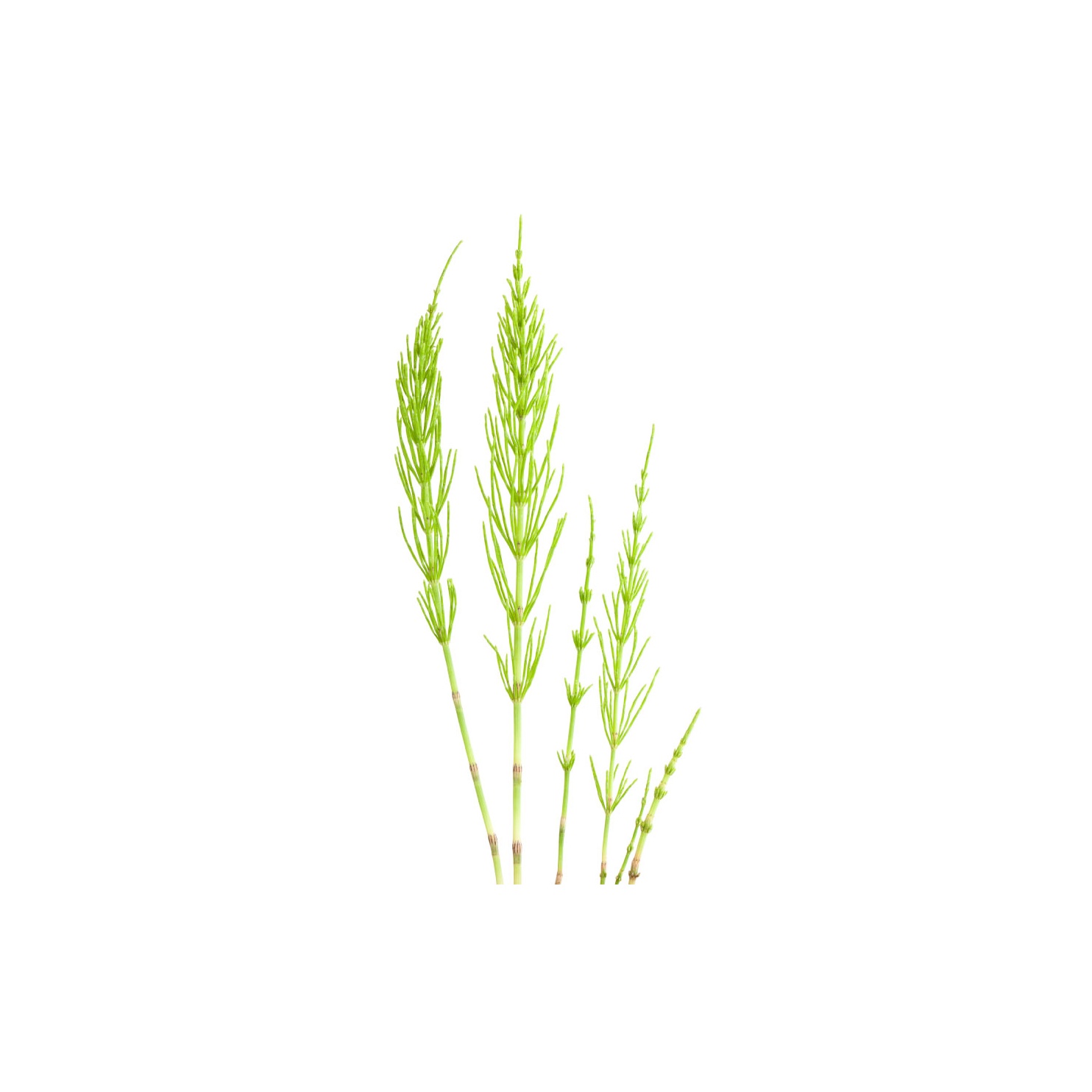 Horsetail Equisetum arvense Documented for isoquercitrin, kaempferol. Korean Red Pine Pinus densiflora Documented for kaempferol, quercetin.
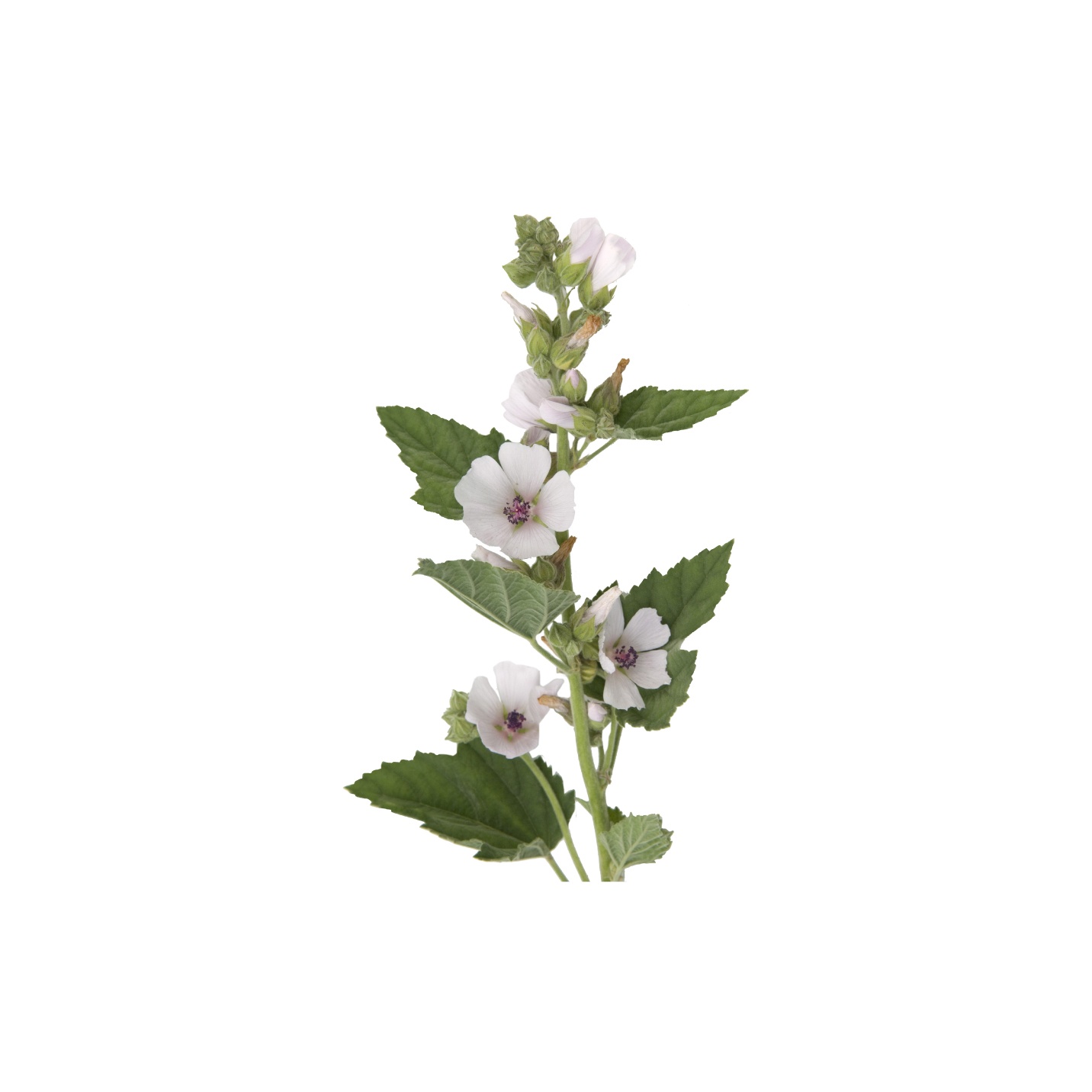 Marshmallow Althaea officinalis Documented for kaempferol, quercetin.
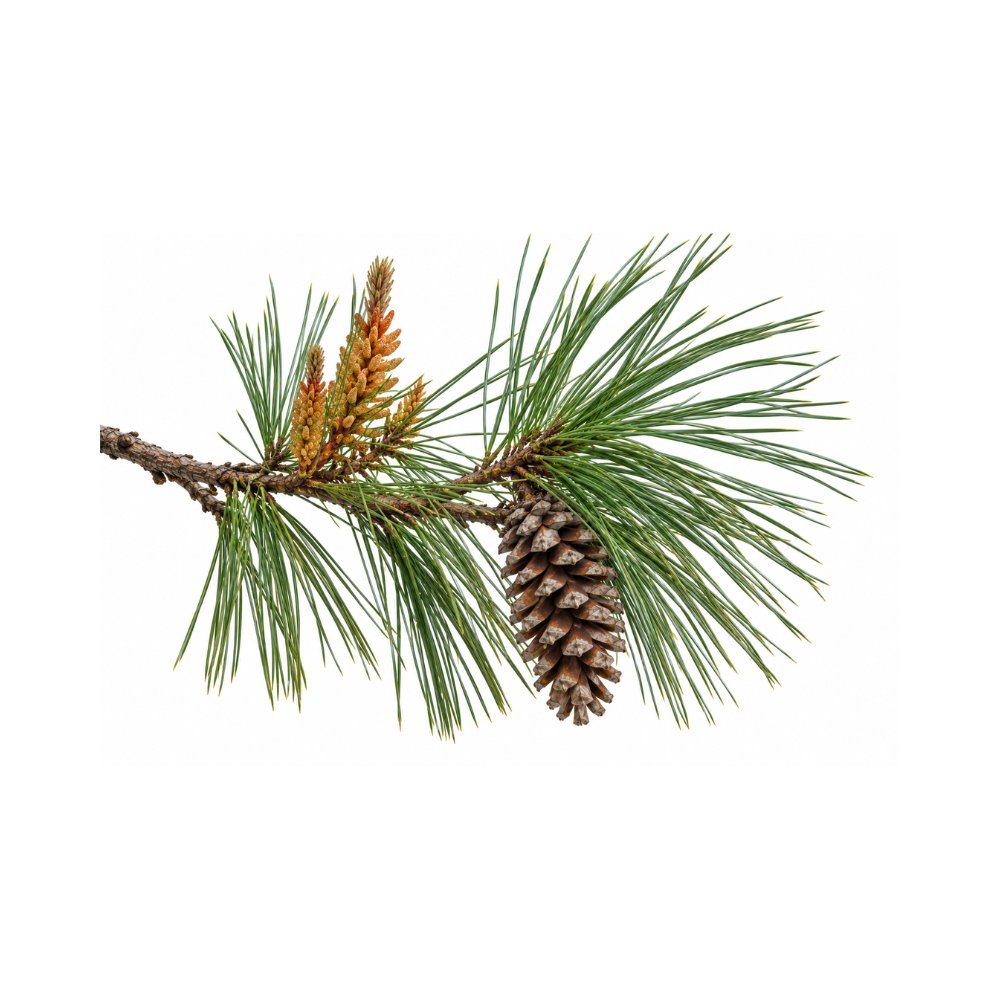 Masson Pine Pinus massoniana Documented for kaempferol, quercetin.
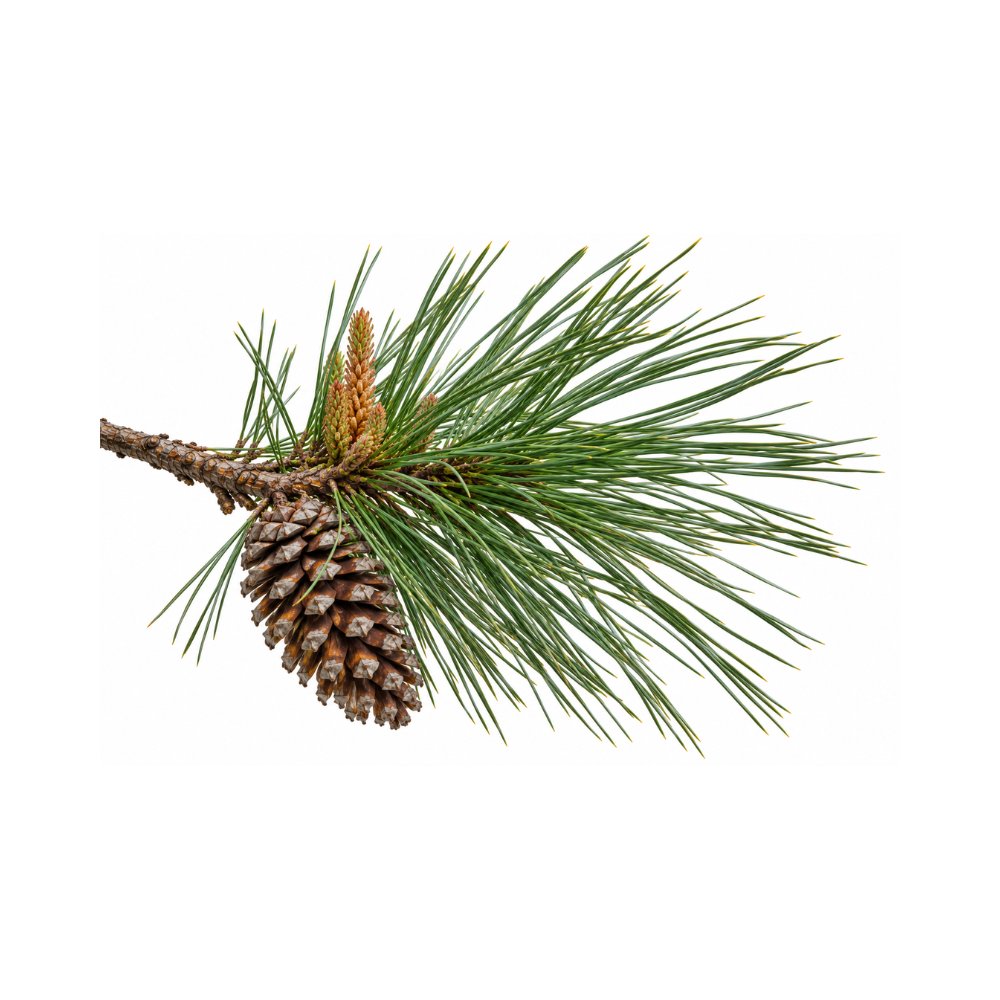 Monterey Pine Pinus radiata Documented for myricetin, quercetin.
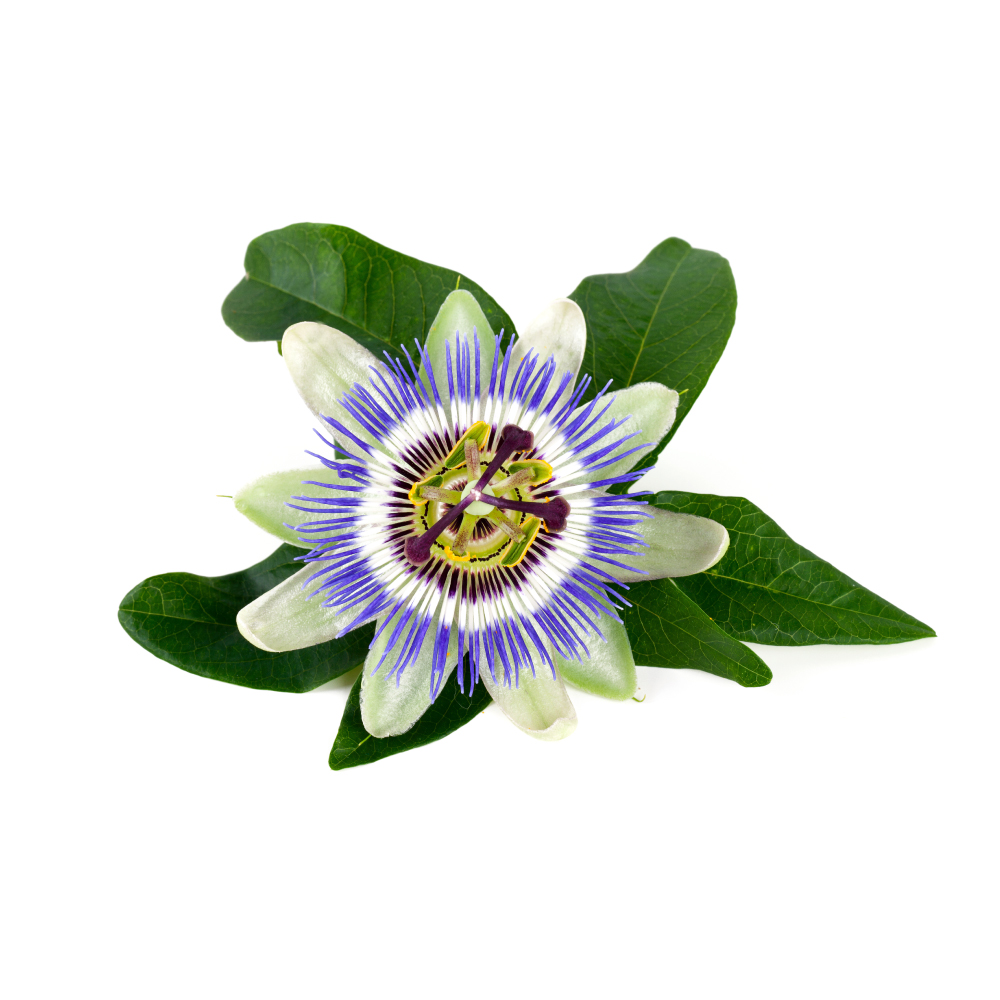 Passionflower Passiflora incarnata Documented for kaempferol, quercetin.
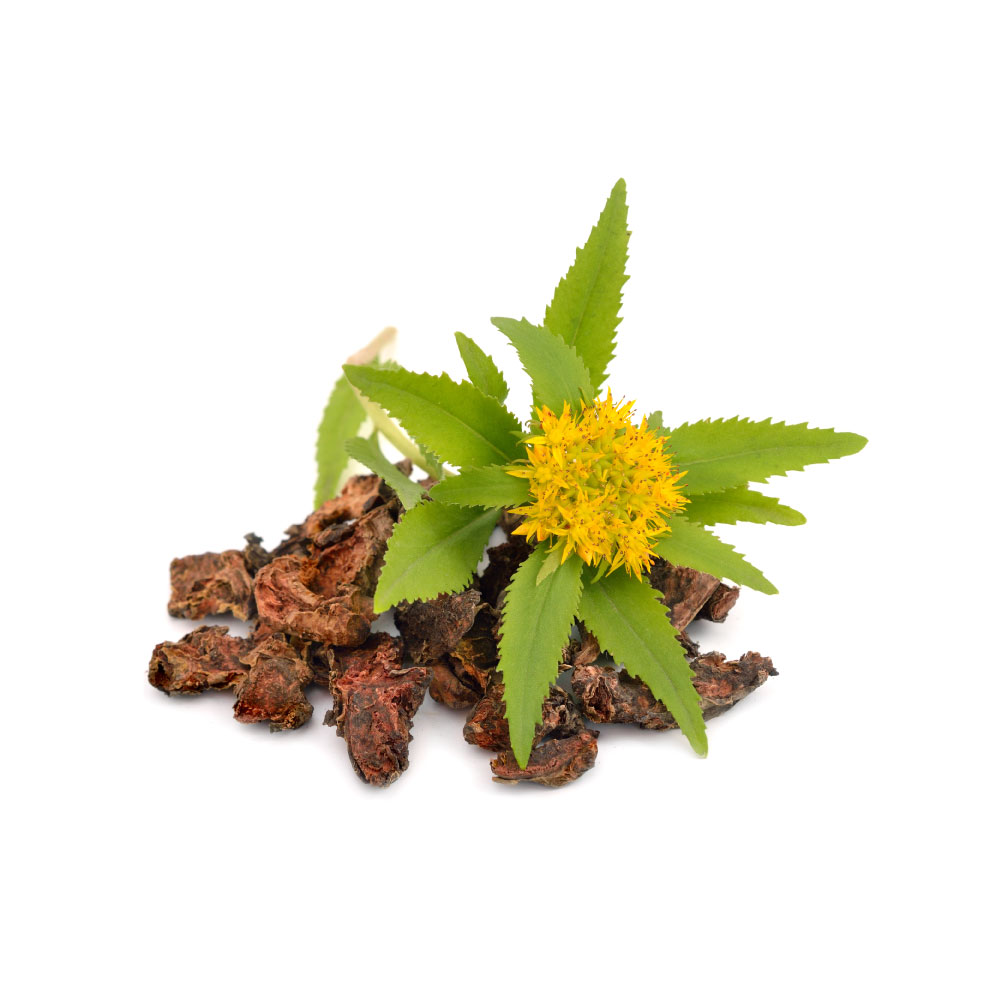 Rhodiola Rhodiola rosea Documented for rhodionin, rhodiosin.
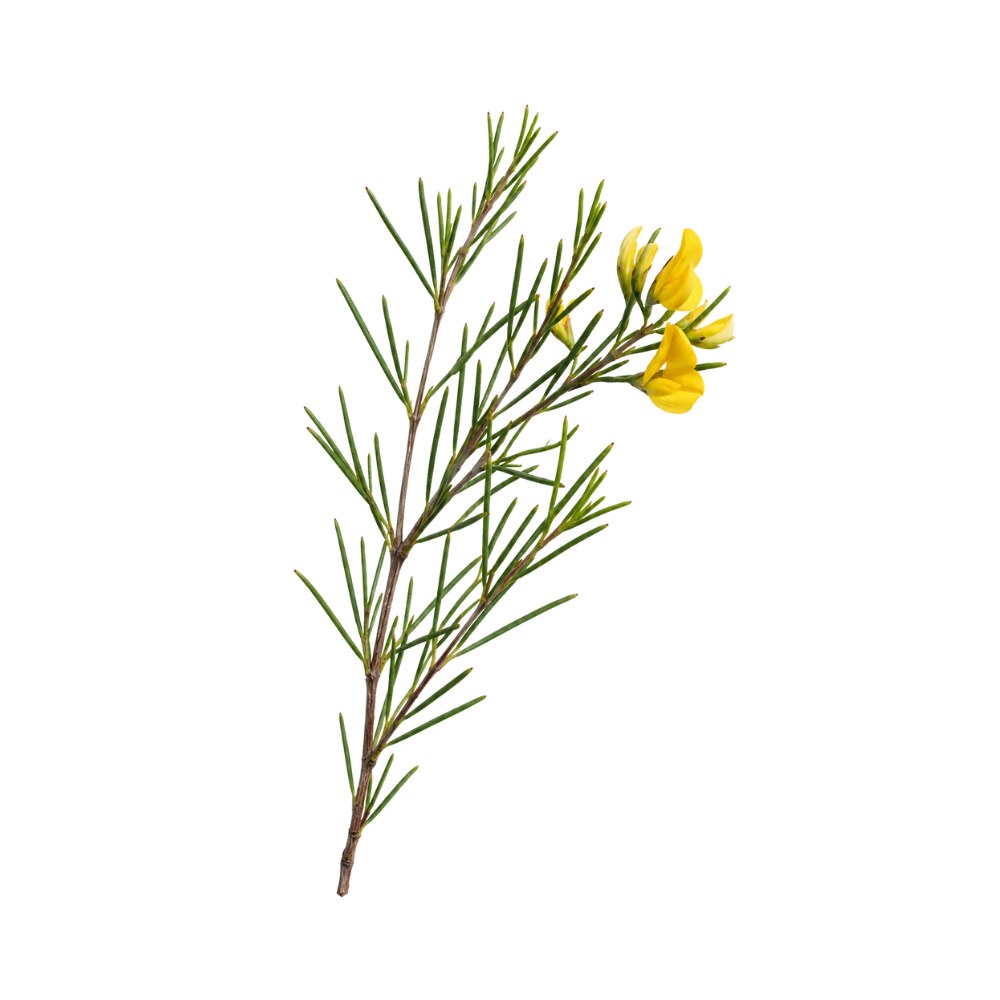 Rooibos Aspalathus linearis Documented for quercetin, rutin.
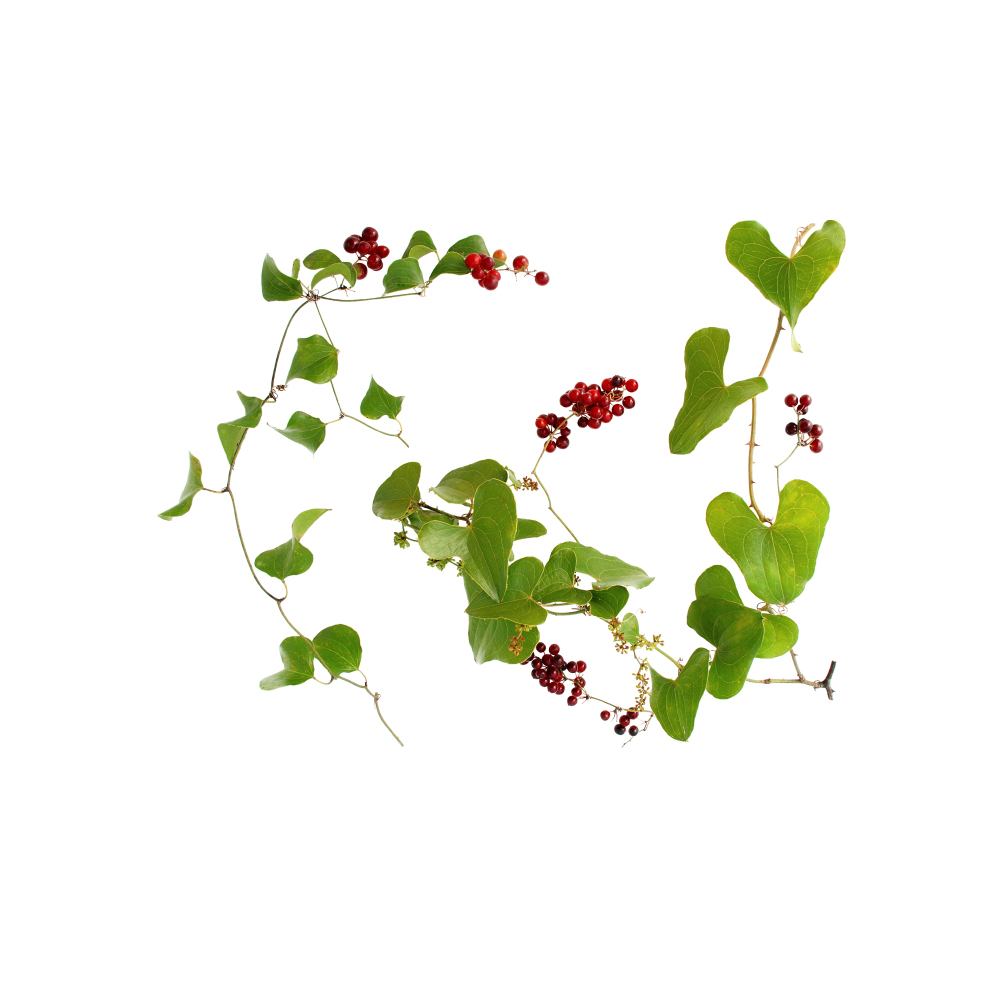 Sarsaparilla Smilax spp. Documented for quercetin, rutin.
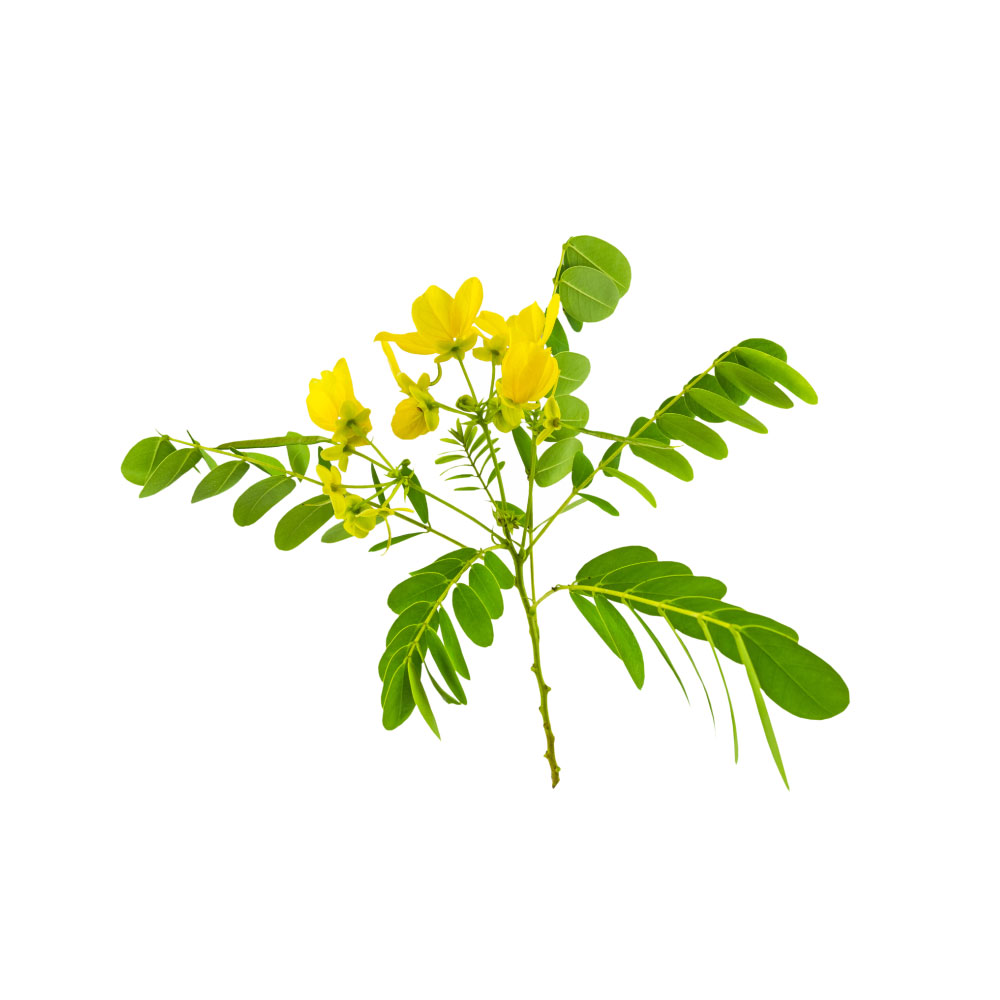 Senna Cassia angustifolia Documented for kaempferol, rutin.
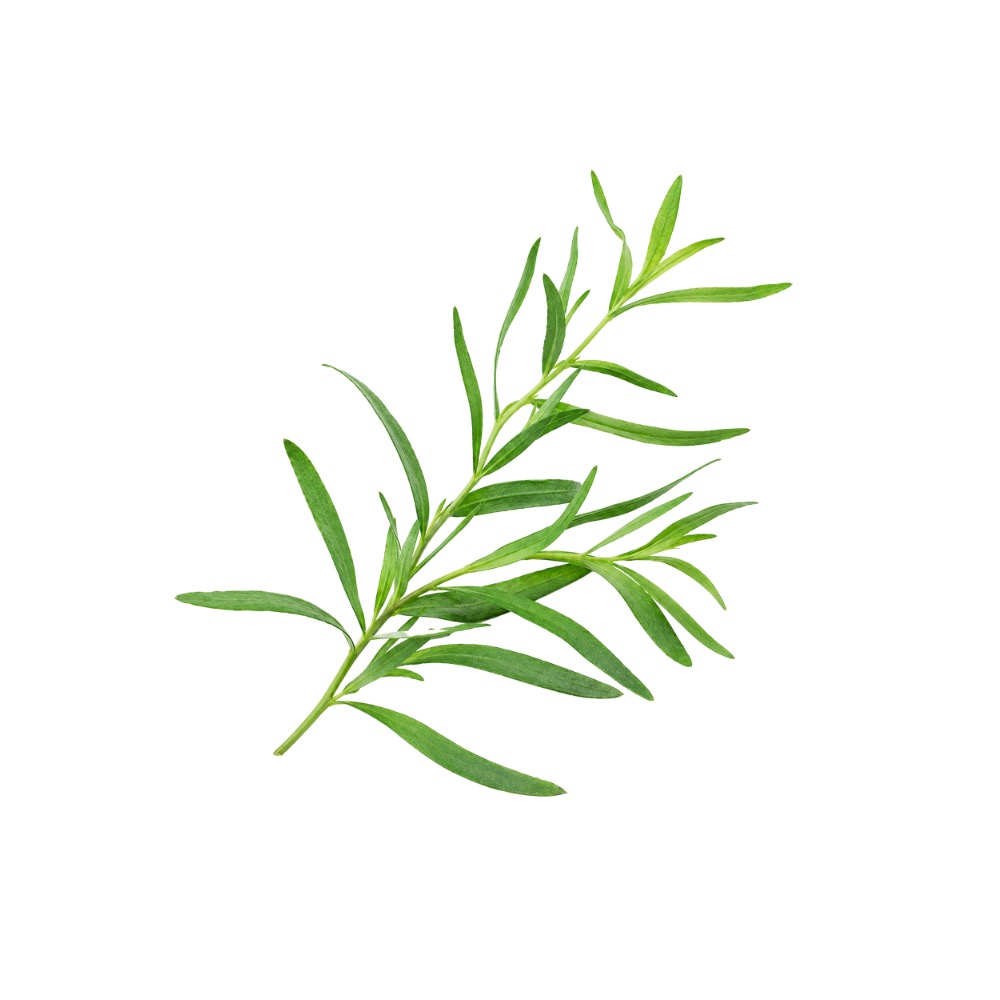 Tarragon Artemisia dracunculus Documented for quercetin, rutin.
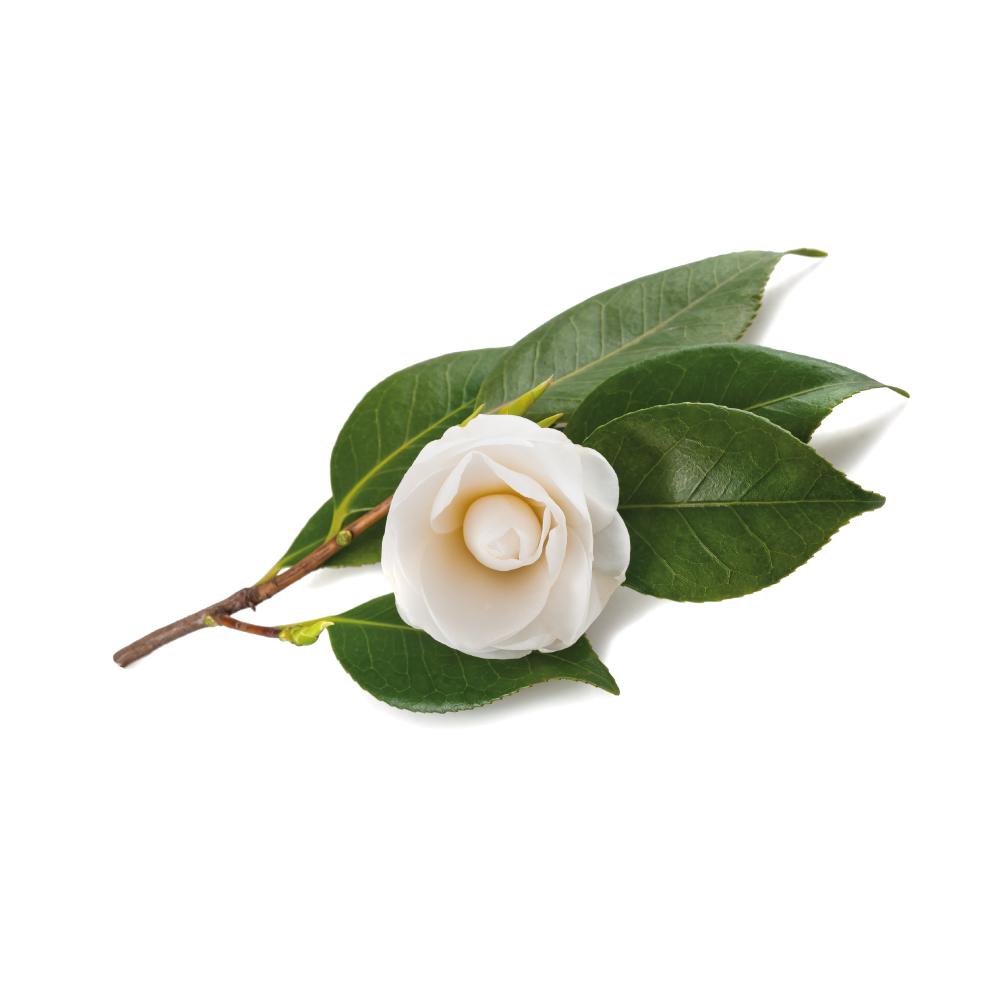 Tea Camellia sinensis Documented for kaempferol, quercetin.
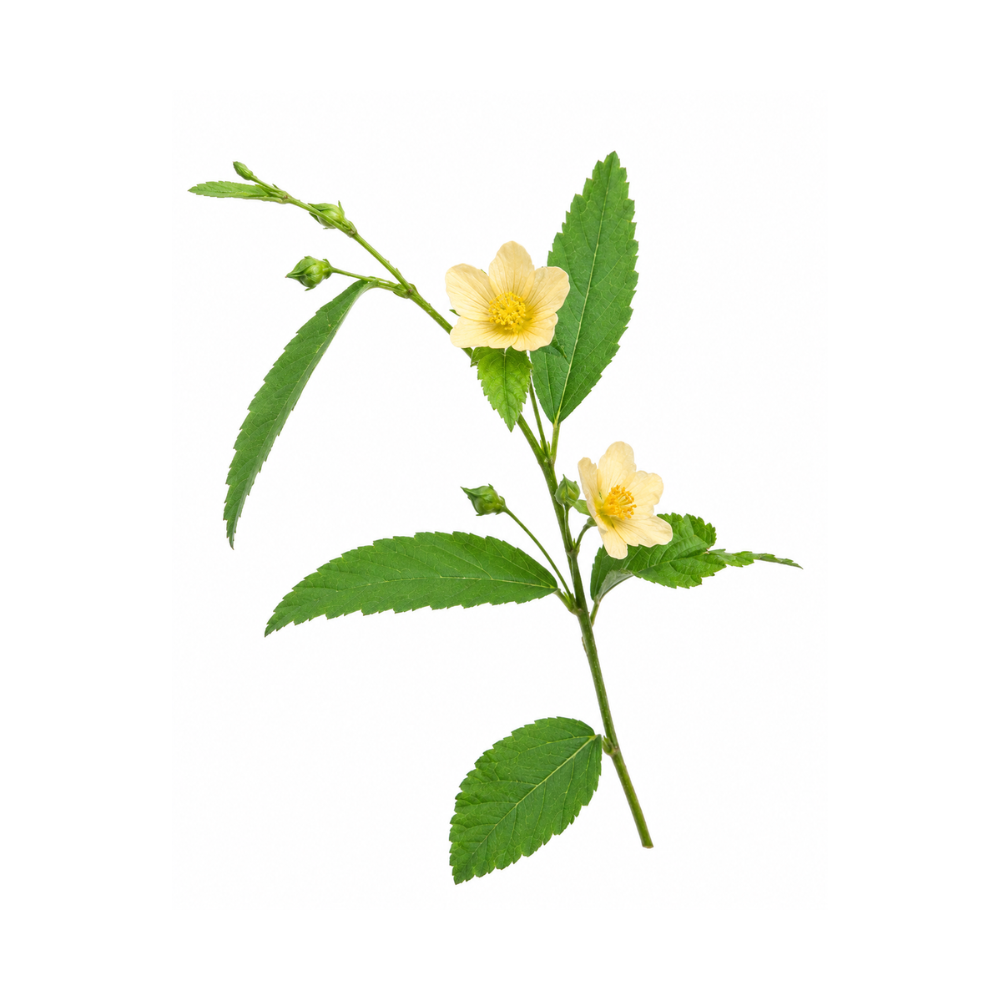 Wireweed Sida acuta Documented for kaempferol, quercetin.
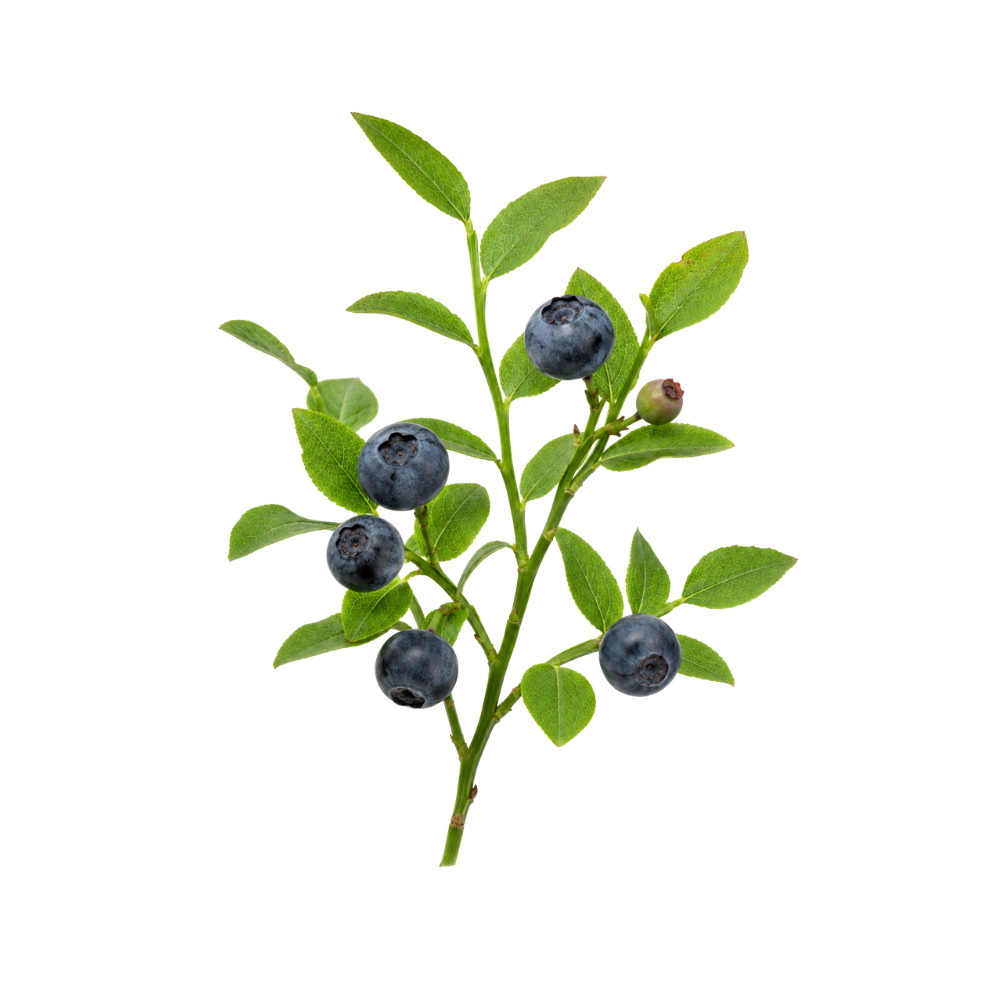 Bilberry Vaccinium myrtillus Documented for quercetin. Bitter Melon Momordica charantia Documented for rutin.
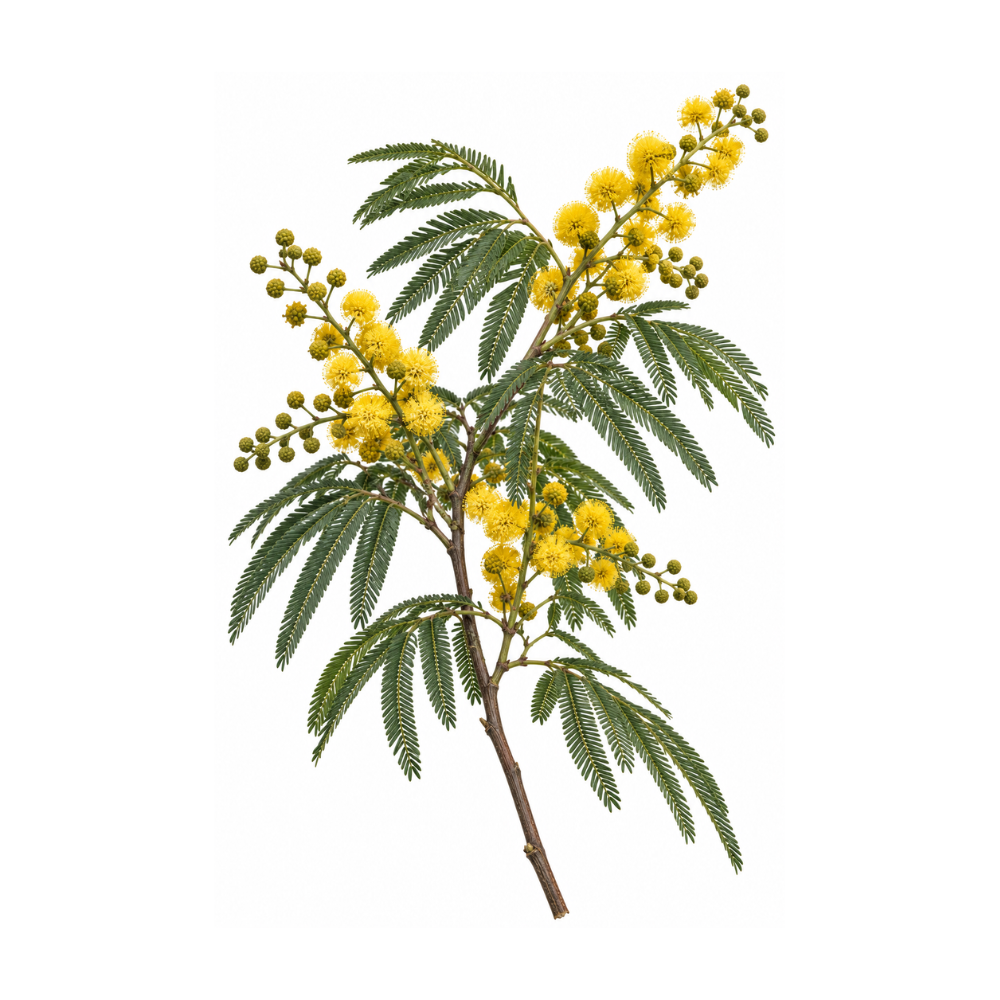 Black Wattle Acacia mearnsii Documented for kaempferol.
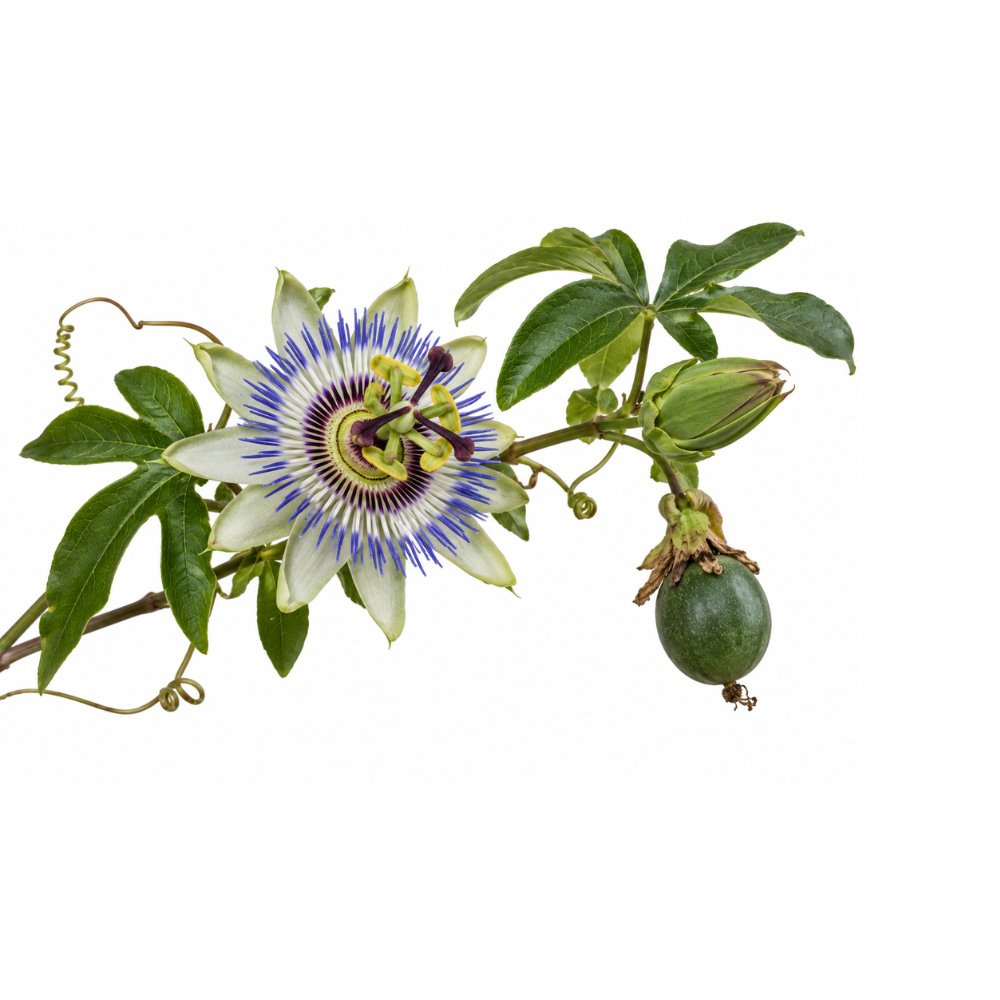 Blue Passionflower Passiflora caerulea Documented for quercetin.
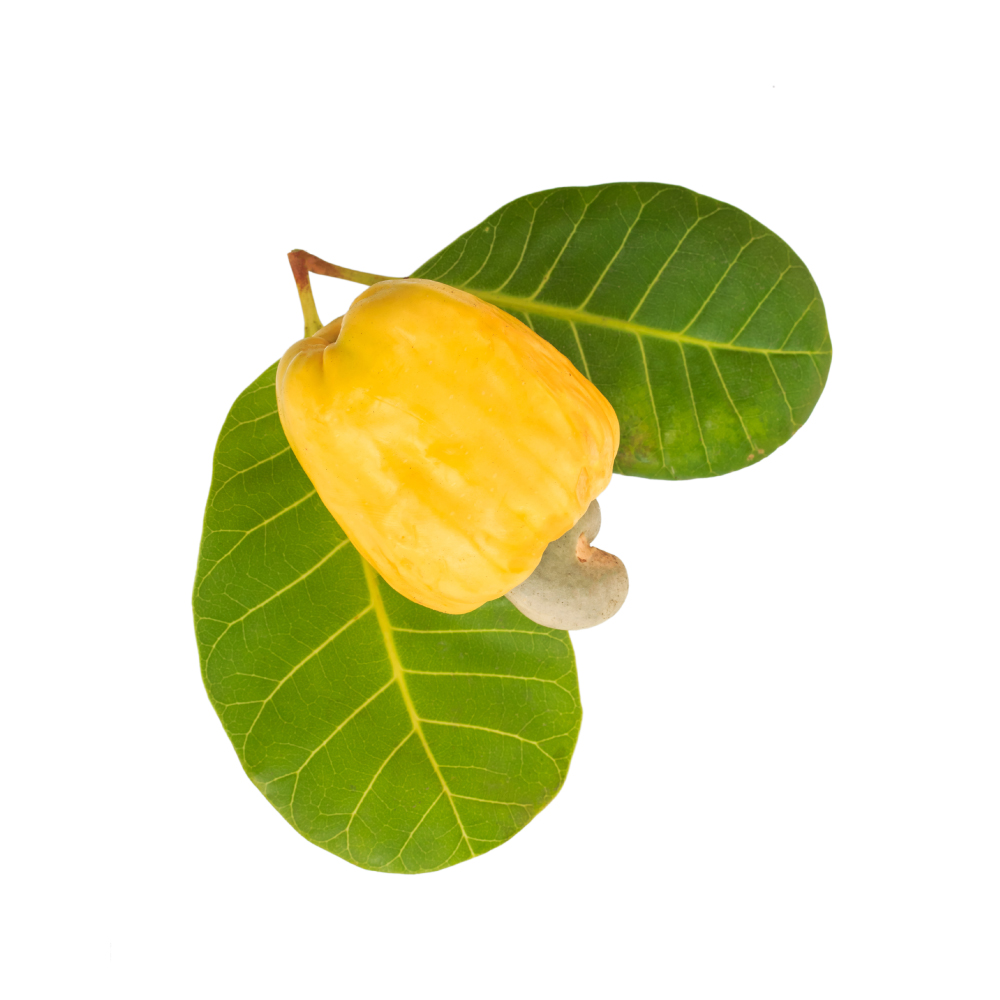 Cashew Anacardium occidentale Documented for kaempferol.
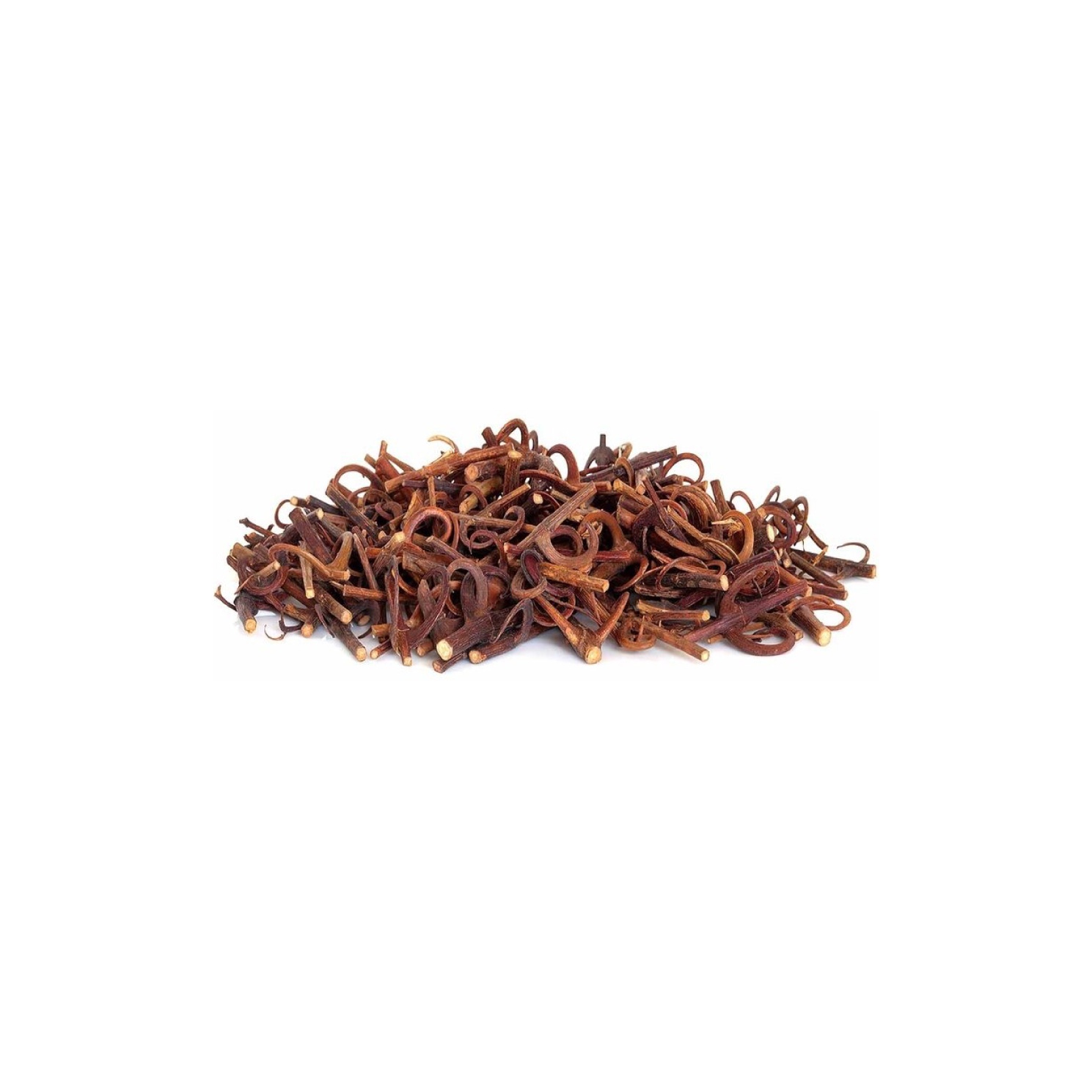 Cat's Claw Uncaria tomentosa Documented for rutin.
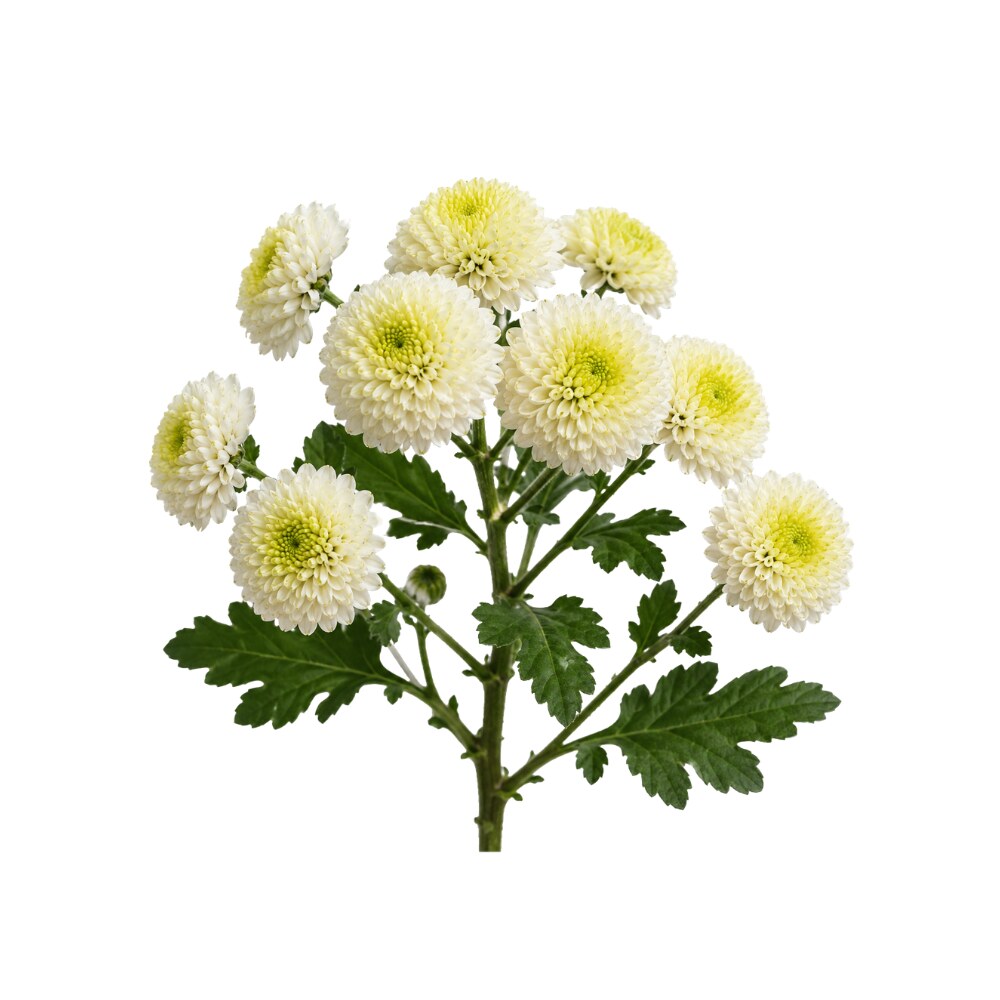 Chrysanthemum Chrysanthemum morifolium Documented for quercetin.
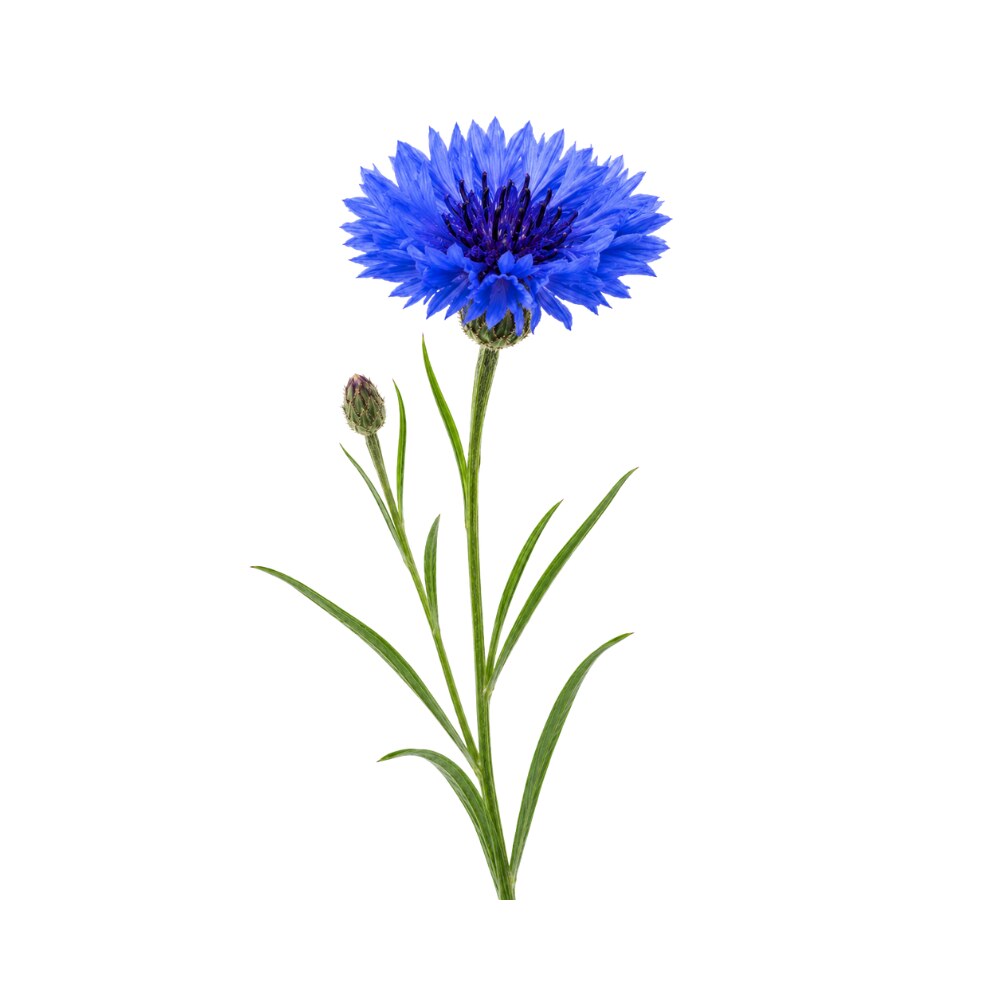 Cornflower Centaurea cyanus Documented for quercetin.
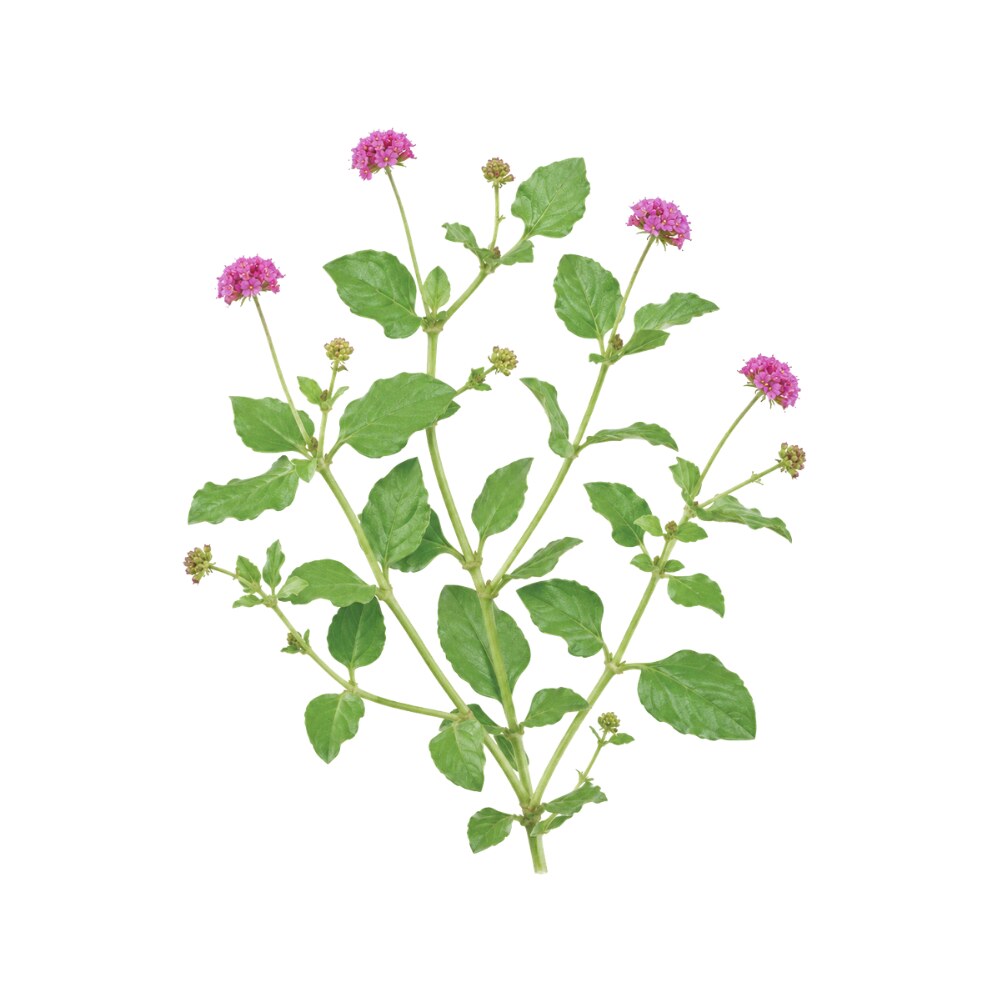 Erva Tostão Boerhavia diffusa Documented for eupalitin.
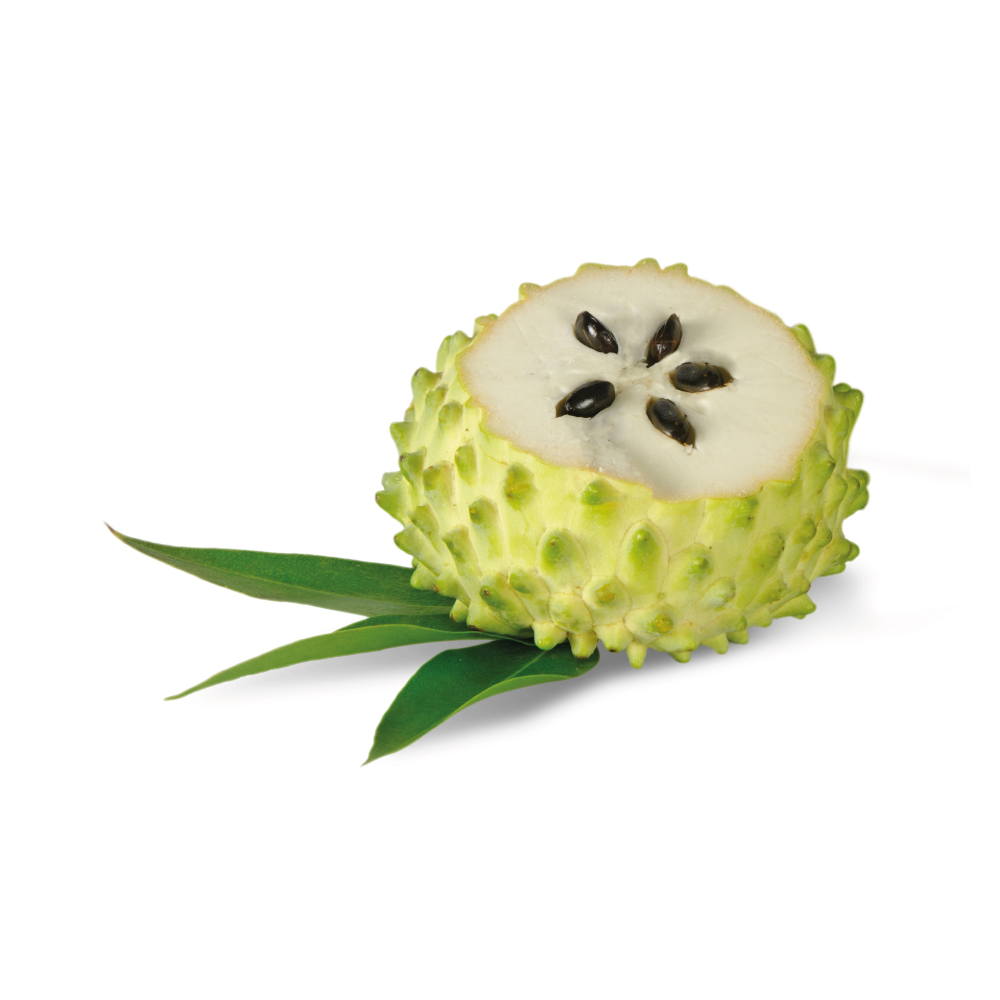 Graviola Annona muricata Toxic Documented for quercetin.
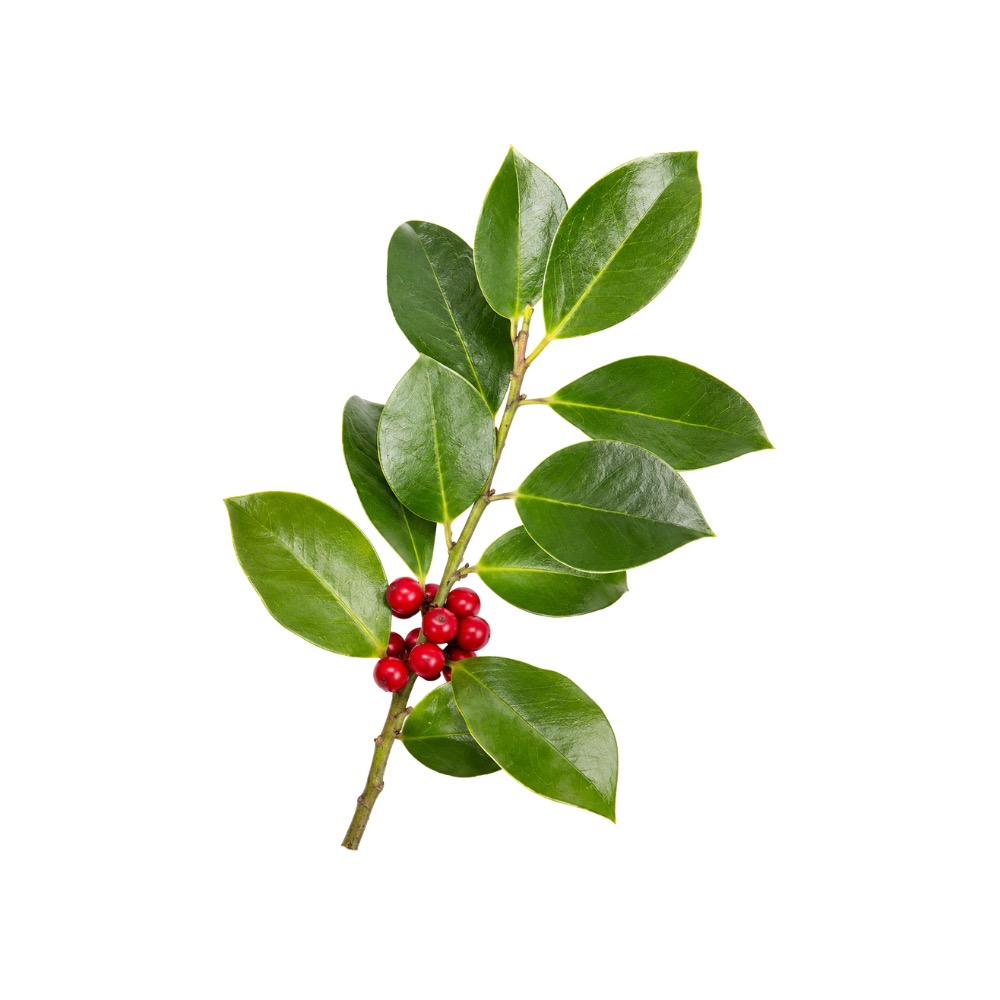 Guayusa Ilex guayusa Documented for quercetin.
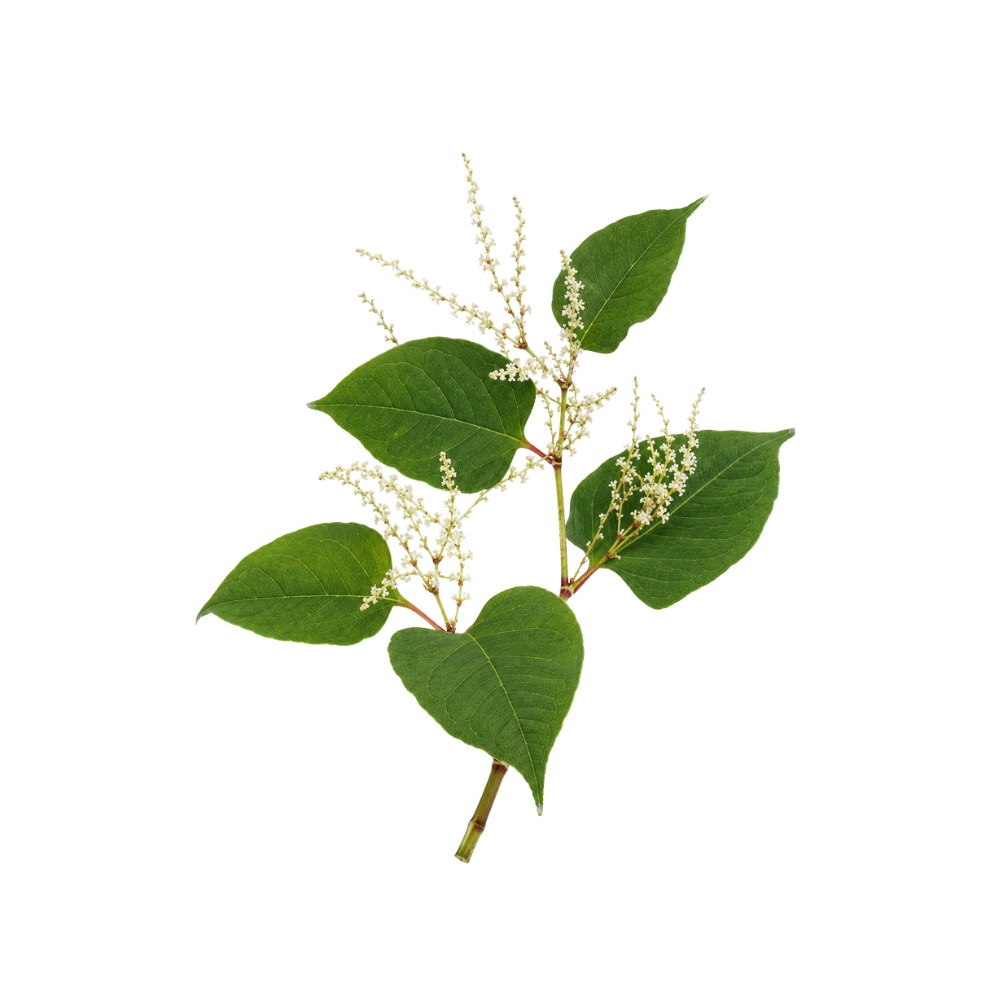 Japanese Knotweed Reynoutria japonica Documented for quercetin.
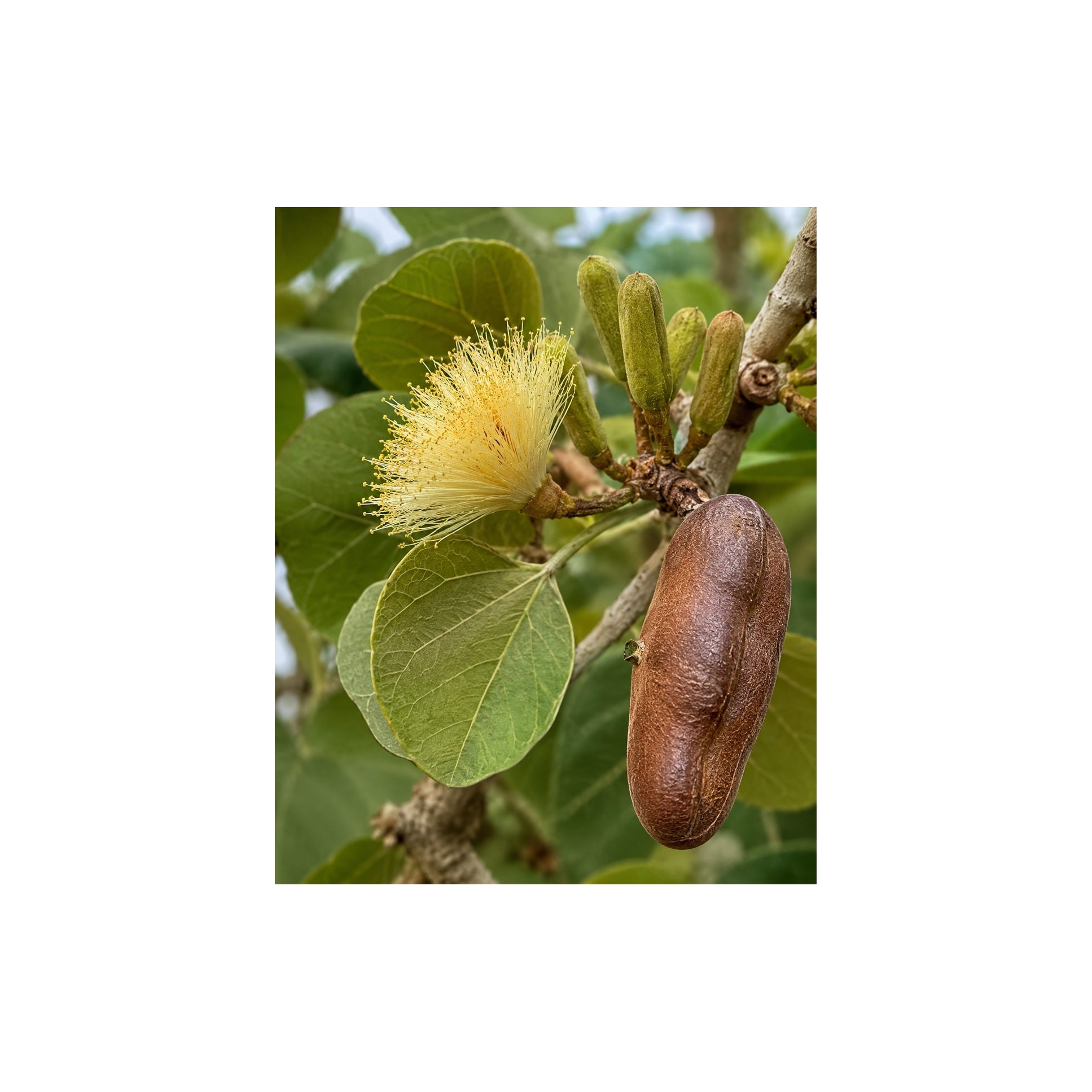 Jatobá Hymenaea courbaril Documented for fisetin.
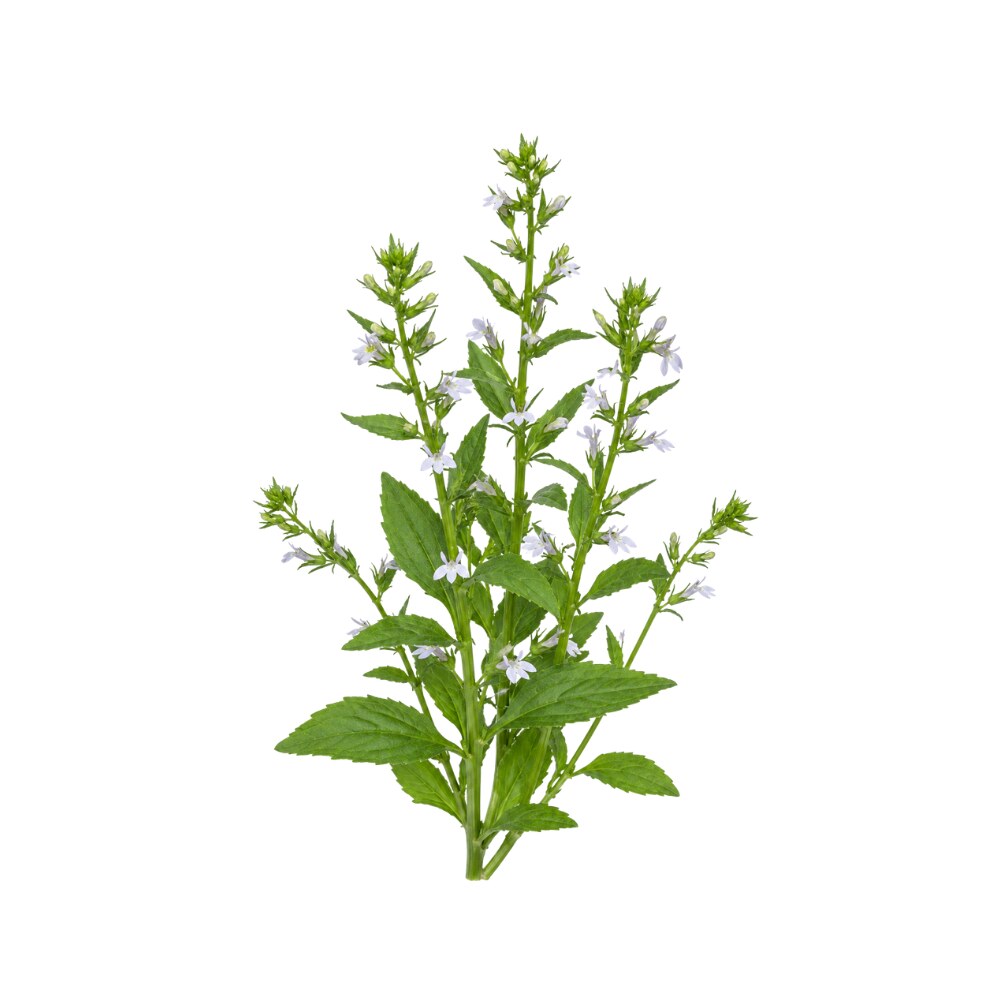 Lobelia Lobelia inflata Toxic Documented for quercetin.
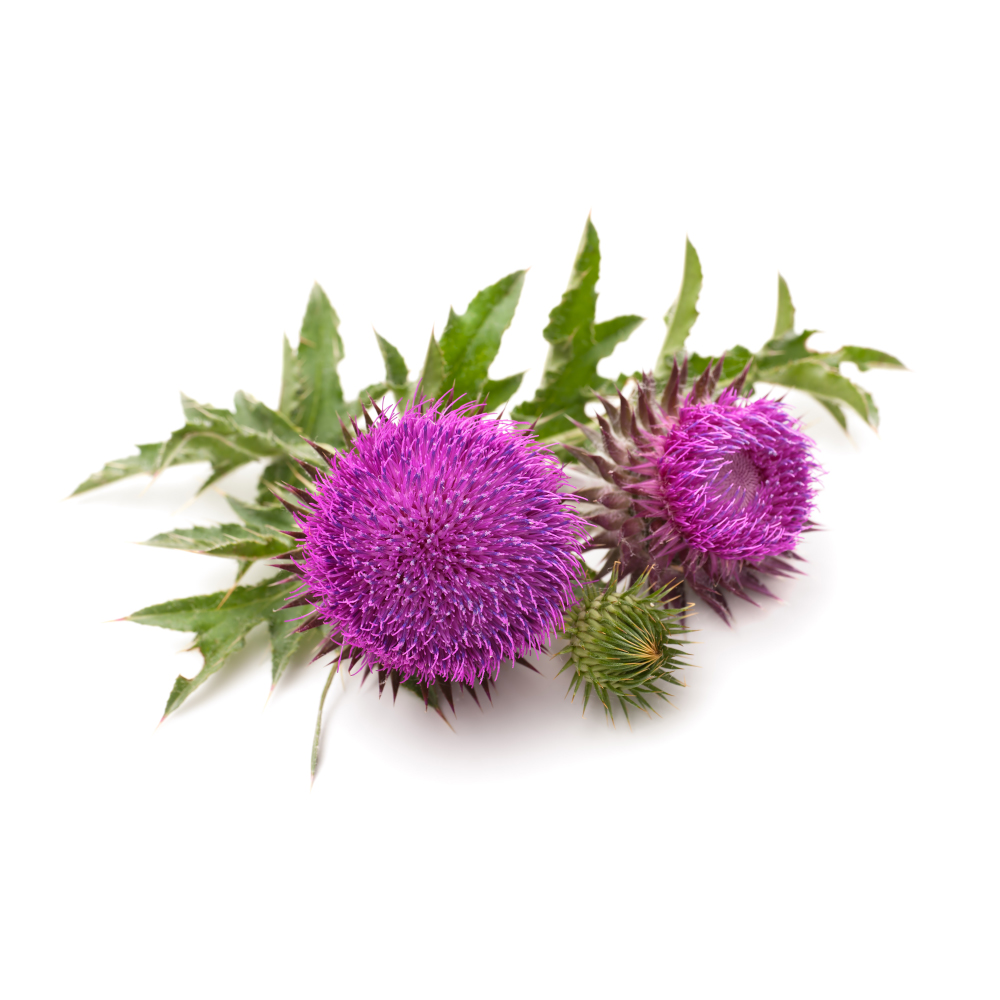 Milk Thistle Silybum marianum Documented for quercetin.
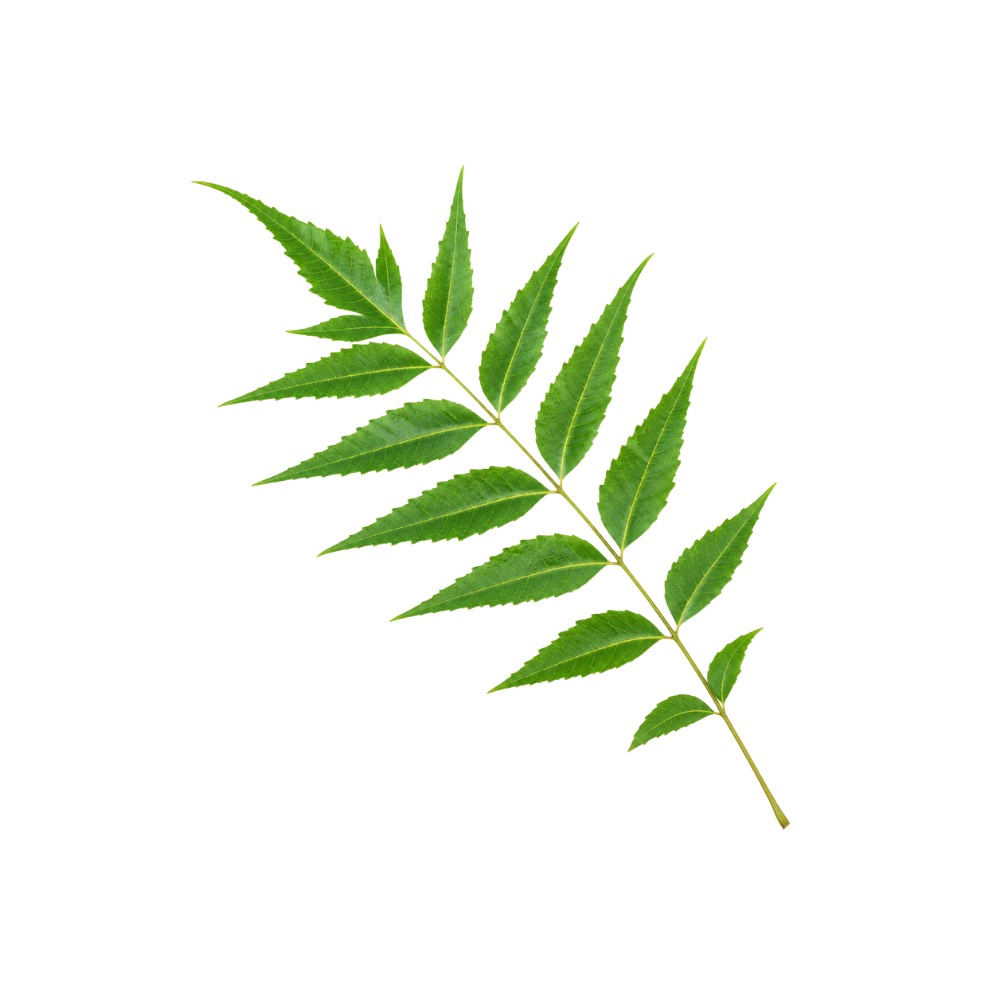 Neem Azadirachta indica Documented for quercetin.
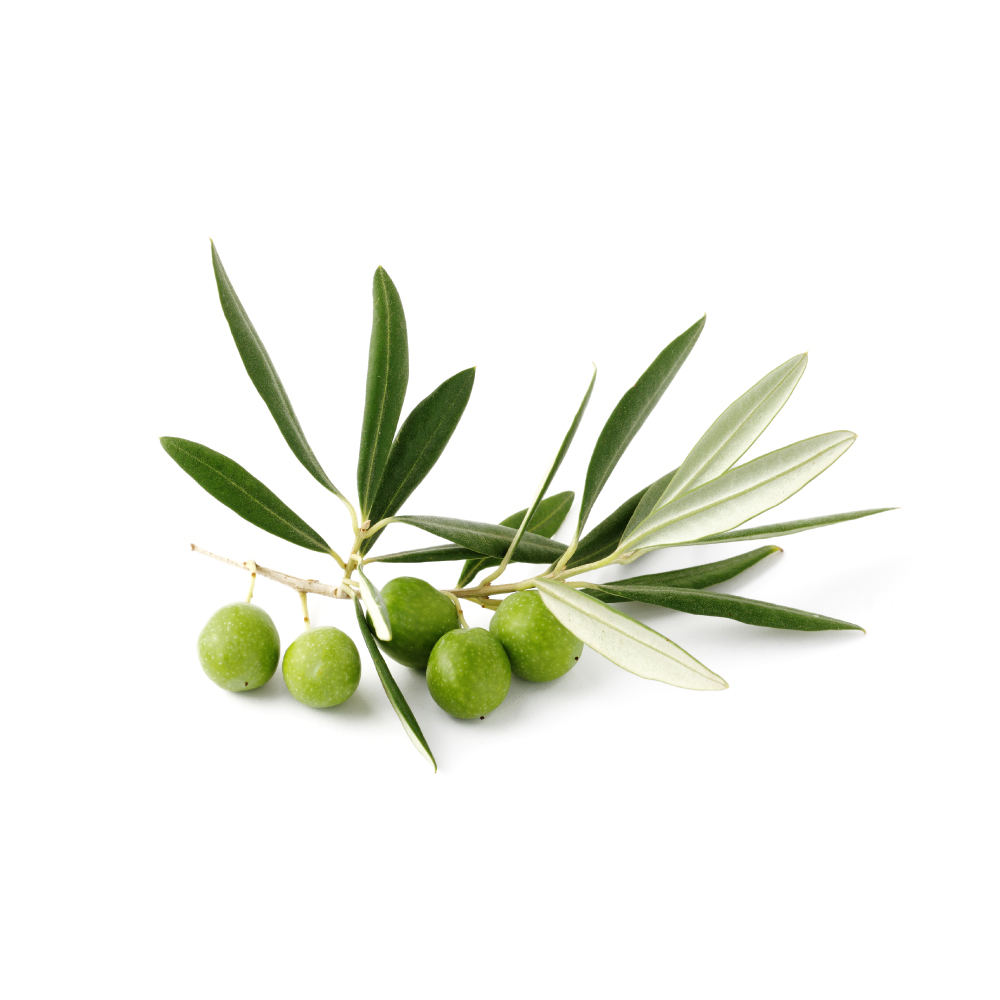 Olive Leaf Olea europaea Documented for rutin.
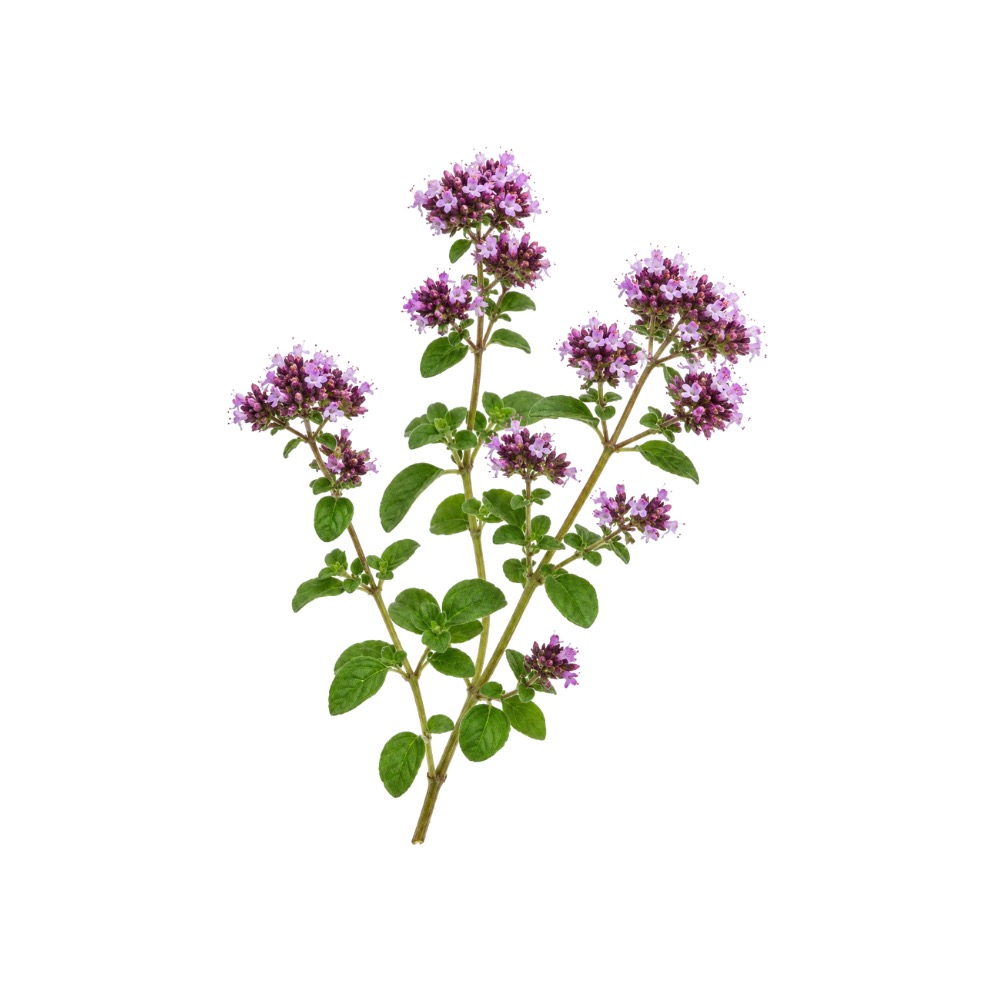 Oregano Origanum vulgare Documented for quercetin.
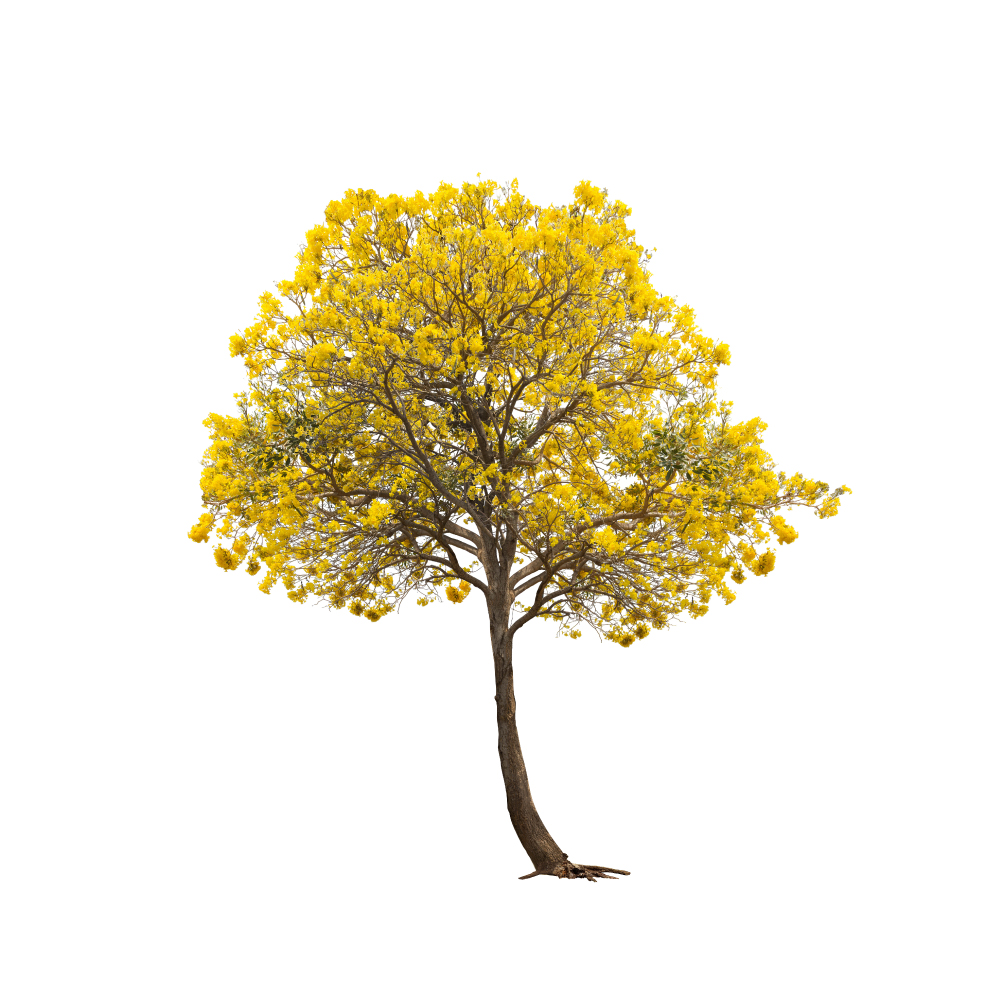 Pau D'Arco Tabebuia impetiginosa Documented for quercetin.
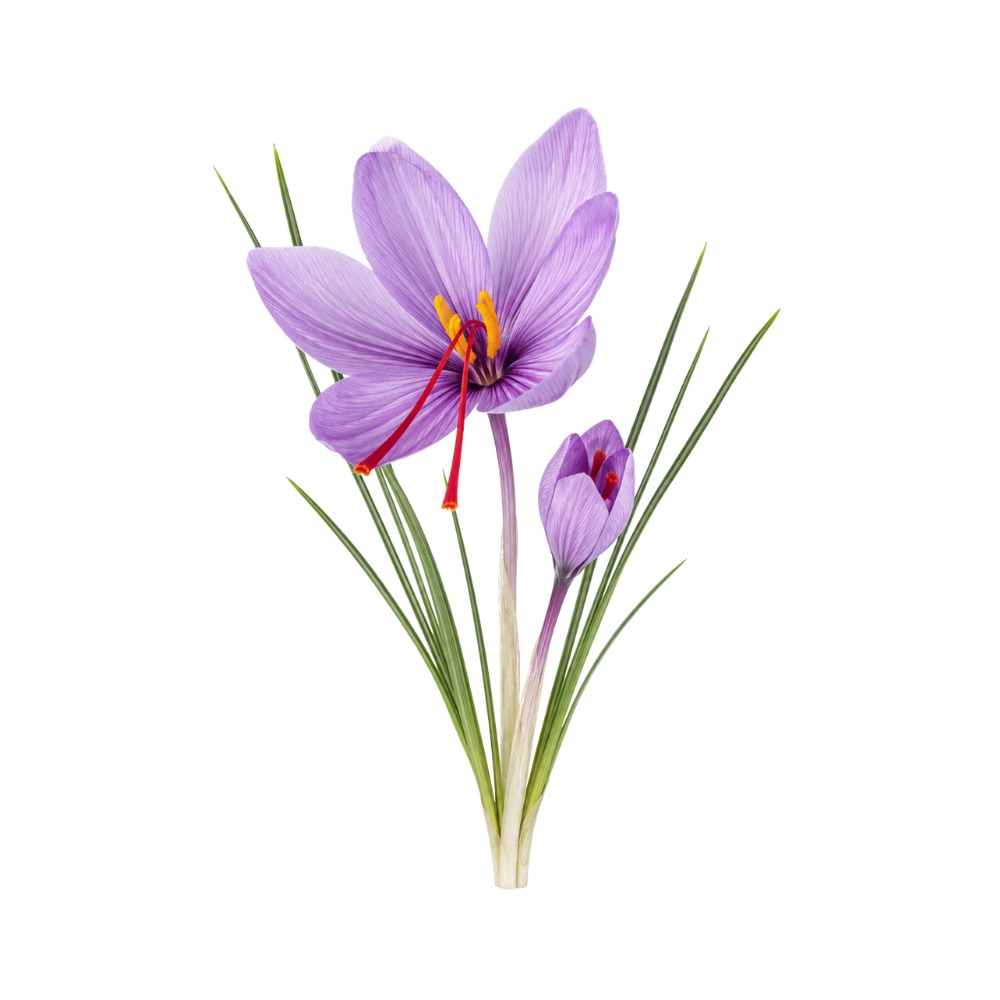 Saffron Crocus sativus Documented for kaempferol.
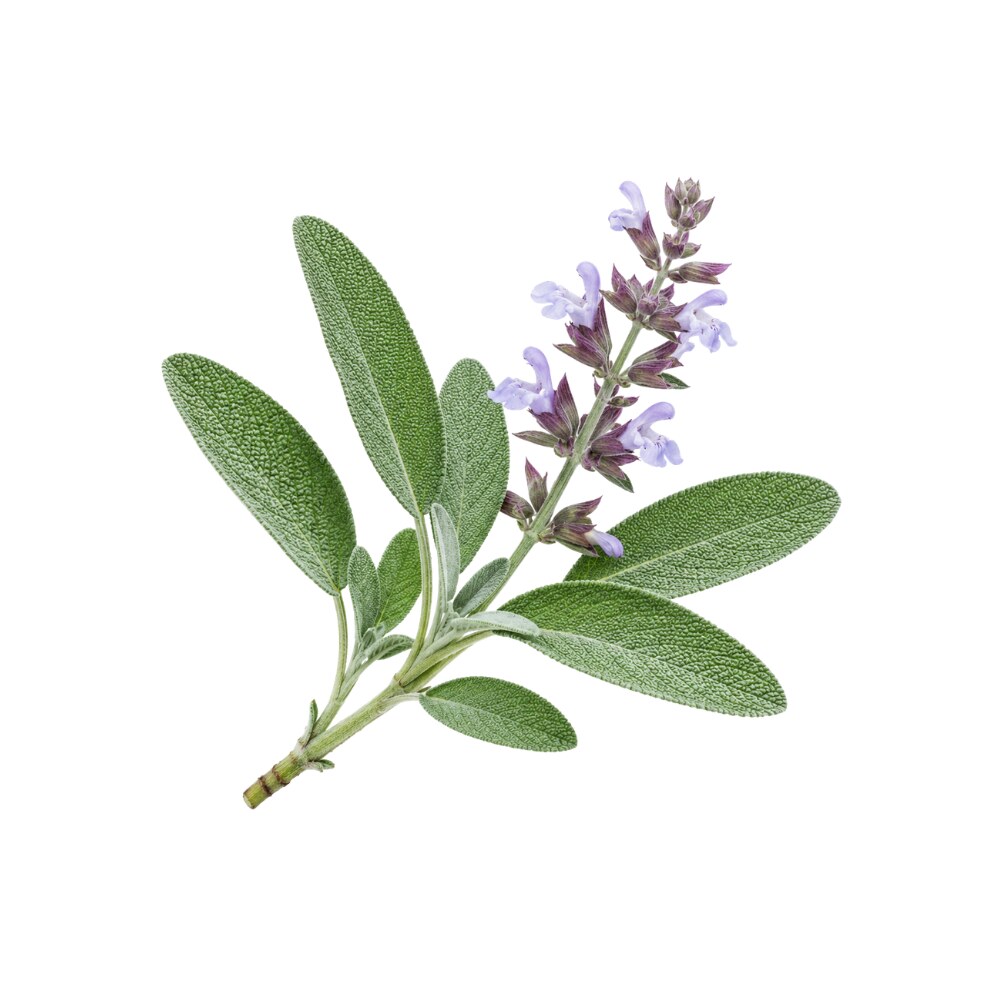 Sage Salvia officinalis Documented for quercetin.
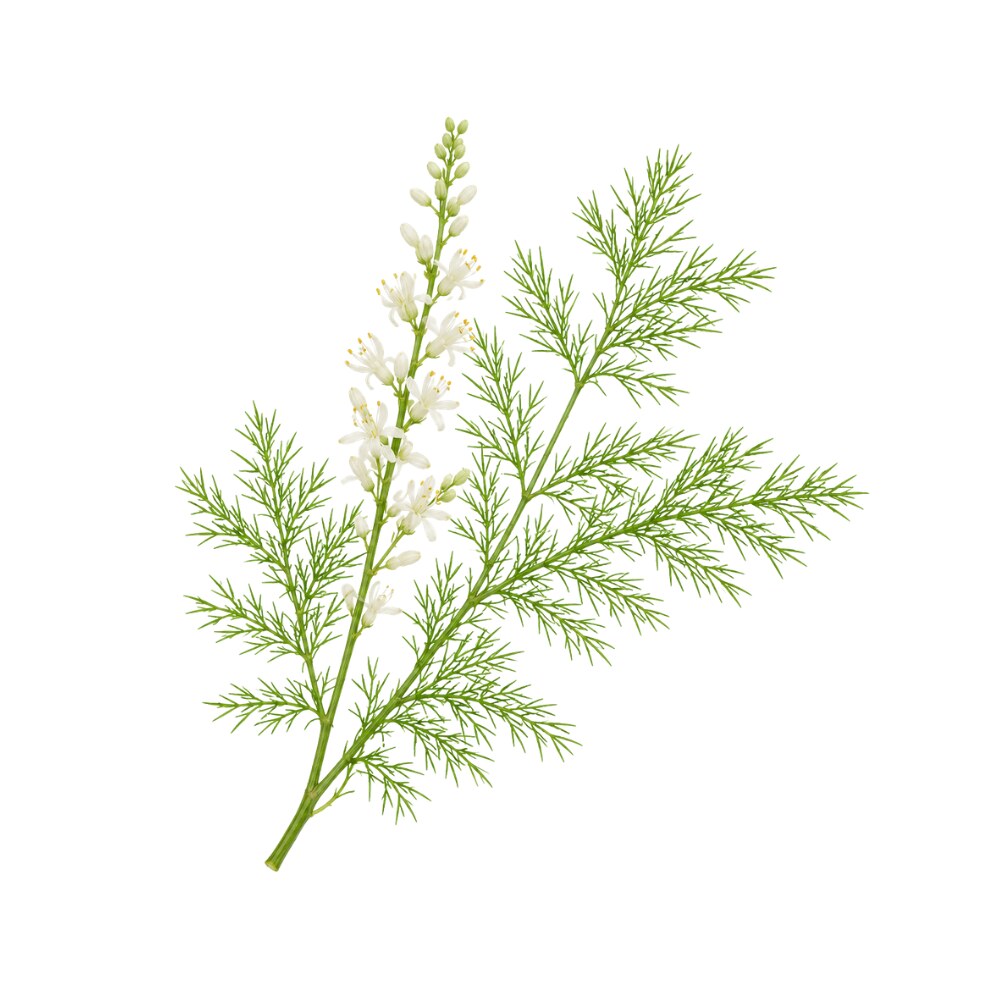 Shatavari Asparagus racemosus Documented for quercetin.
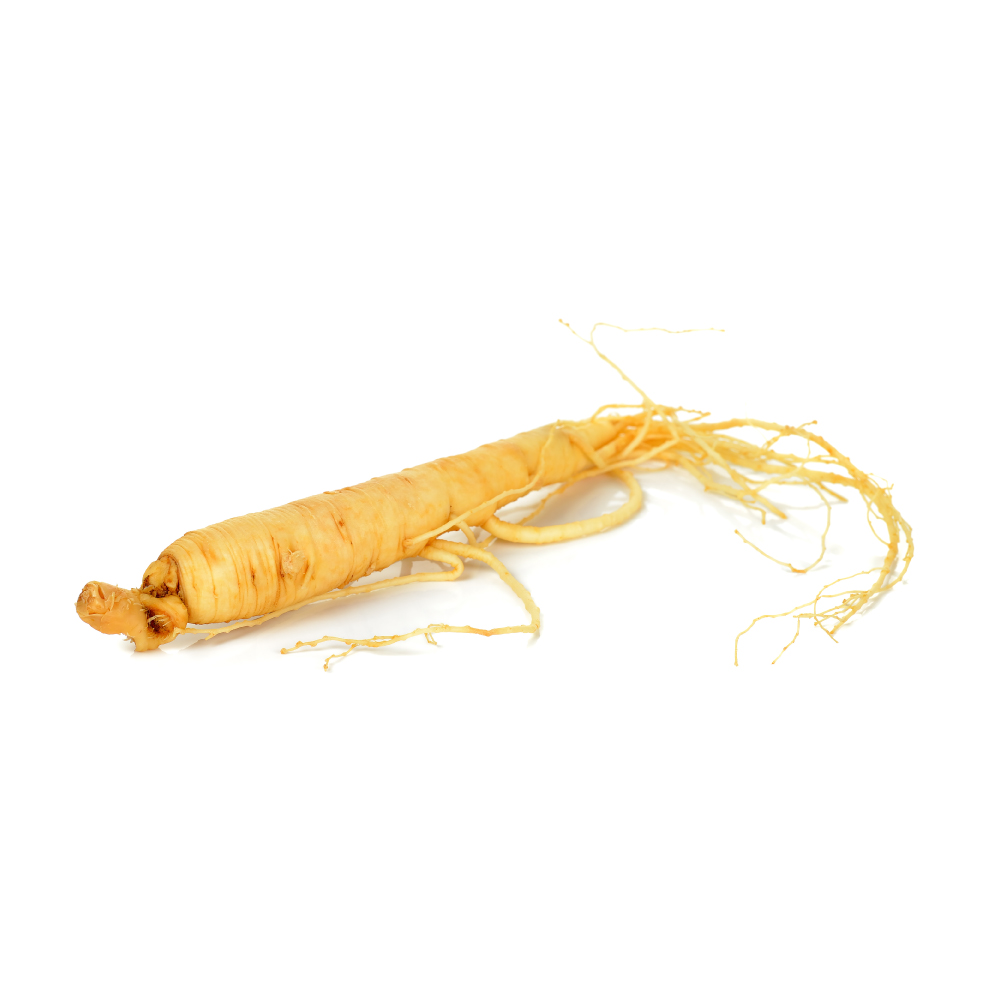 Suma Pfaffia paniculata Documented for tiliroside.
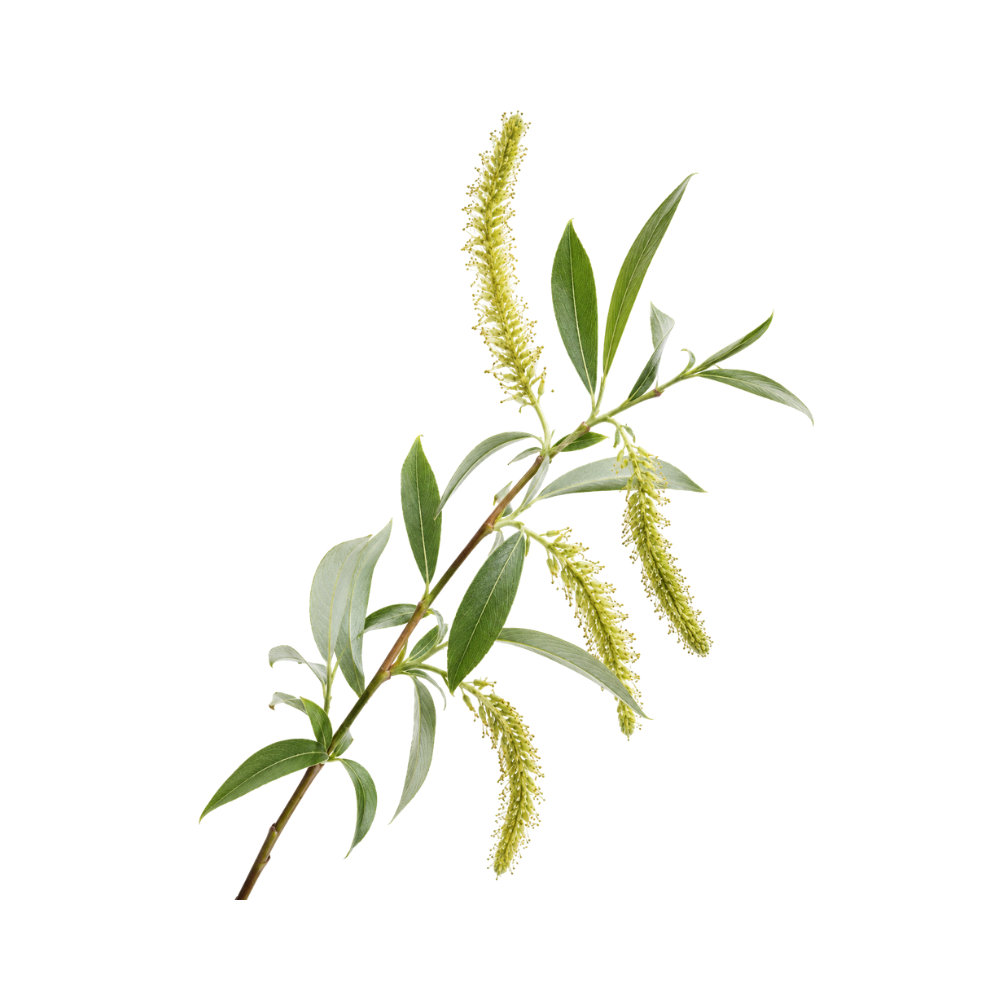 Willow Salix alba Documented for quercetin.
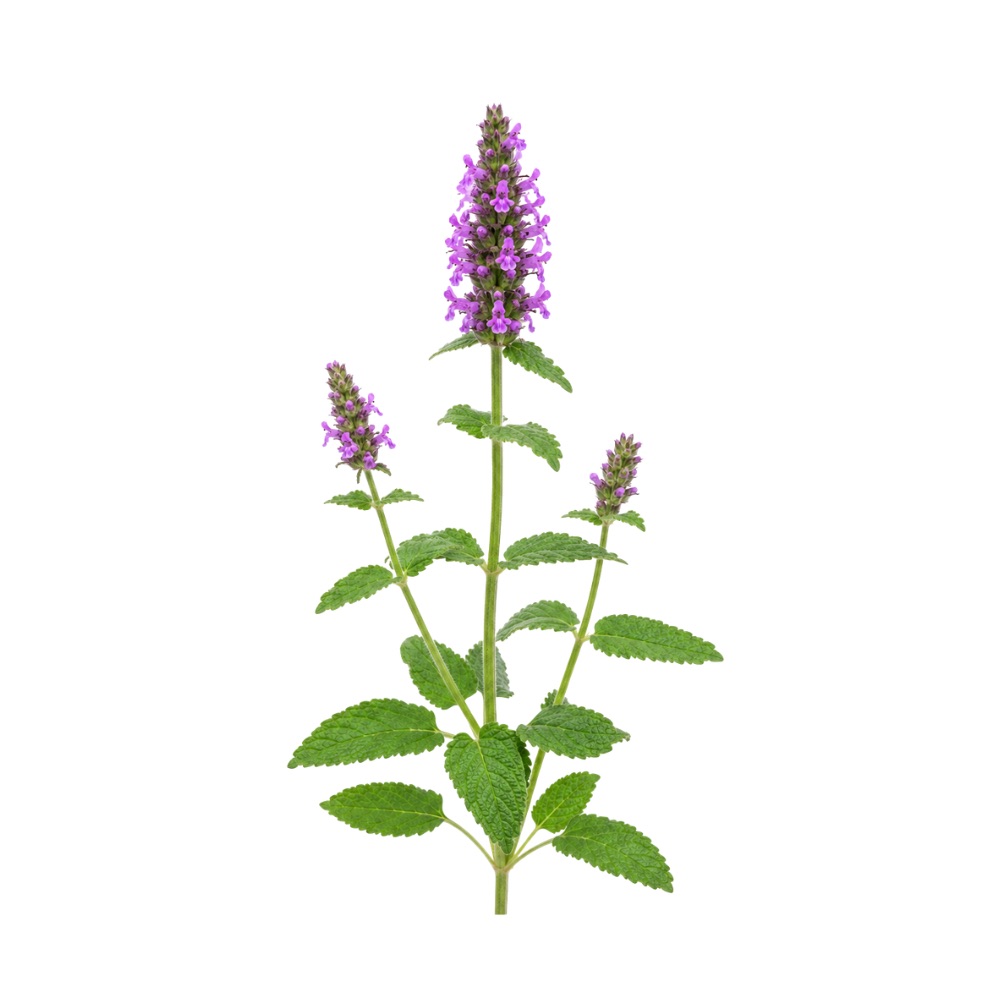 Wood Betony Stachys officinalis Documented for quercetin.
Keep Exploring
Other Compound Classes
Keep Reading
 GuidesThe Best Kava: A Buyer's GuideHow to buy good kava: noble vs two-day cultivars, which part of the root, chemotype codes, origin, form, and the batch tests a seller should show you.
Read more
 GuidesThe Amazon's Endangered Medicinal PlantsThe Amazon gives us some of our most important medicines — but which healing plants are actually endangered?
Read more
 NutritionThe Best Yerba Maté Brands [Reviewed]A drinker's guide to buying yerba maté — what actually changes the taste, and ten brands worth your money.
Read more
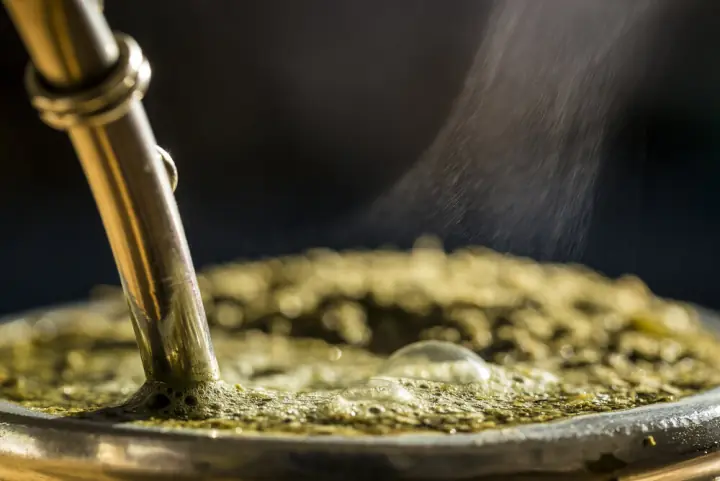 GuidesHow to Prepare Yerba Maté — The Five Best MethodsHow to brew yerba maté properly — the traditional gourd method, plus tereré, french press and cold brew.
Read more