
Compound Monograph
Compound K
Compound K is the final gut-bacterial metabolite of the protopanaxadiol ginsenosides in ginseng — the molecule that Rb1, Rb2, Rc and Rd are largely turned into before ginseng's saponins reach the bloodstream. It is barely present in the raw root, its formation depends heavily on an individual's gut microbiome, and almost all of its pharmacology is preclinical, though it has now entered early human trials in its own right.

Sources · 4
Where Does It Come From?
Compound K is a naturally occurring dammarane triterpenoid saponin (protopanaxadiol group), ginsenoside metabolite, found in Asian ginseng, American ginseng and 2 other sources. It is well tolerated orally (low toxicity).
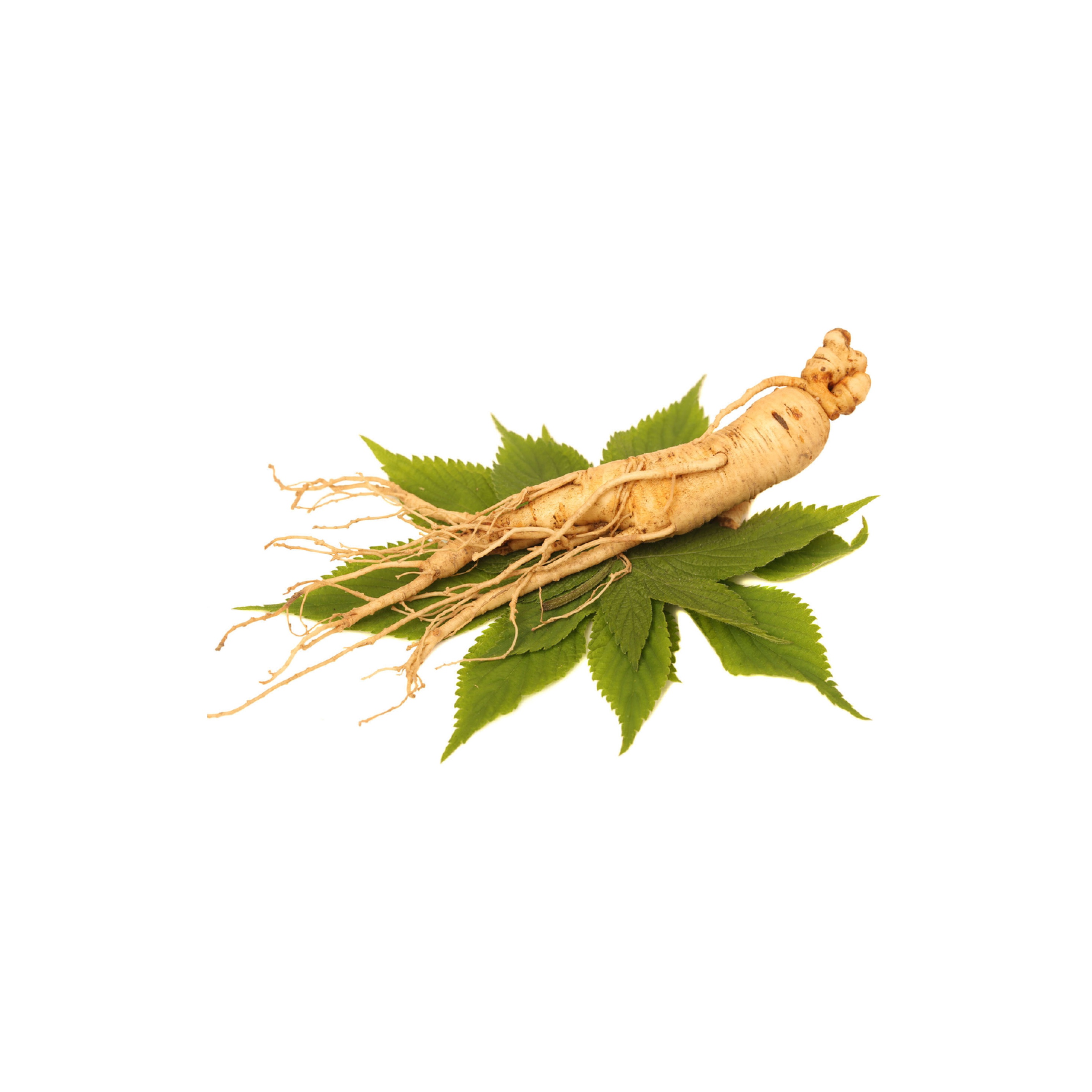 Principal source Asian Ginseng Panax ginseng Herb monograph →
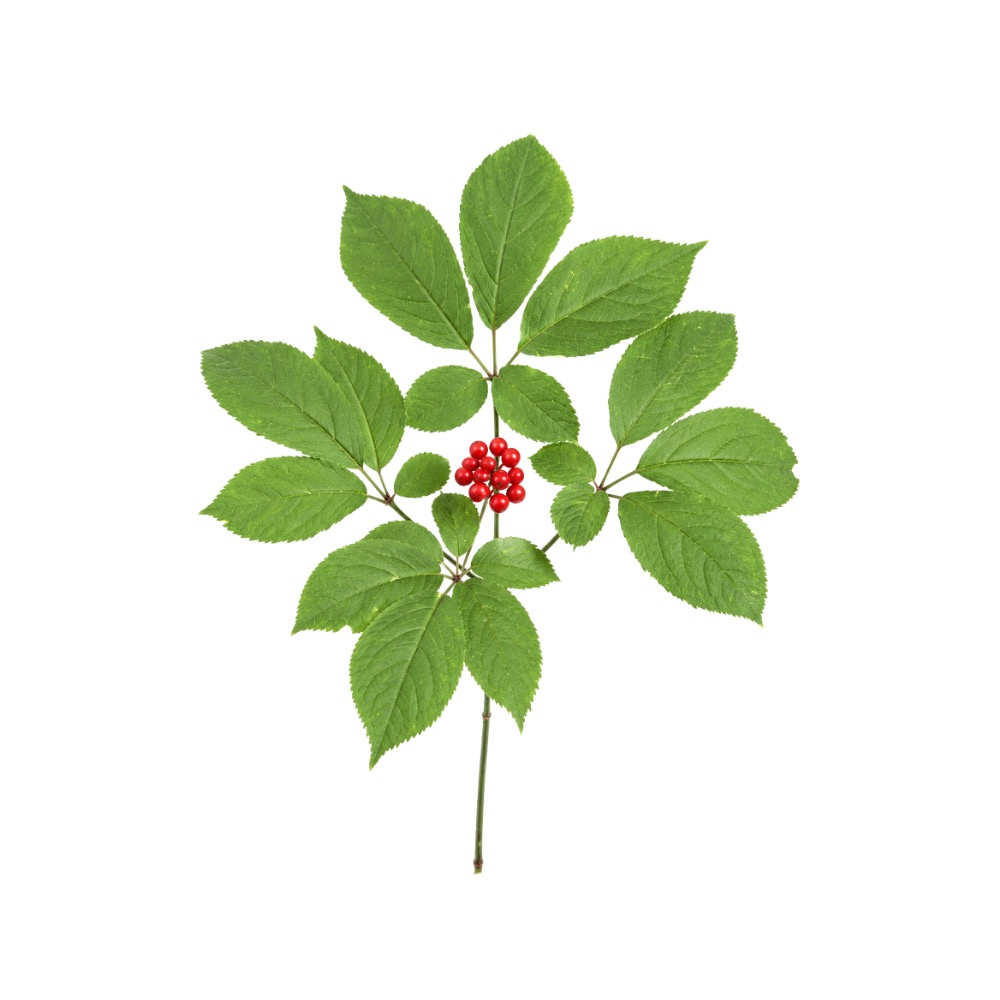 Source American Ginseng Panax quinquefolius Herb monograph →
Concentration
Content by Source
Concentrations not reported. No percent-dry-weight or mg/g figures have been published for this compound in its source plants.
Compound K at a Glance
Compound K (20-O-β-D-glucopyranosyl-20(S)-protopanaxadiol, also called IH-901, M1 or G-CK) is not really a plant molecule at all — it is the molecule ginseng’s saponins become in the body. The protopanaxadiol (PPD) ginsenosides that dominate ginseng root — Rb1, Rb2, Rc and Rd — are large, sugar-heavy saponins that cross the gut wall poorly. In the large intestine, gut bacteria strip their sugars away step by step, and the shared end-point of that deglycosylation is compound K, which is far more absorbable than any of its parents 1Reference 1Clinical trialProof of the mysterious efficacy of ginseng: basic and clinical trials: metabolic activation of ginsenoside — deglycosylation by intestinal bacteria and esterification with fatty acid — reviewView study →2Reference 2AnimalIntestinal bacterial hydrolysis is required for the appearance of compound K in rat plasma after oral administration of ginsenoside Rb1 from Panax ginseng — animal model, in vivoView study →3Reference 3ReviewA review of biotransformation and pharmacology of ginsenoside compound K — reviewView study →.
This makes compound K the single most important molecule in ginseng’s bioavailability story. Much of what actually reaches the bloodstream after a dose of ginseng, and much of the activity that the PPD ginsenosides are credited with, is really compound K’s 1Reference 1Clinical trialProof of the mysterious efficacy of ginseng: basic and clinical trials: metabolic activation of ginsenoside — deglycosylation by intestinal bacteria and esterification with fatty acid — reviewView study →4Reference 4ReviewA narrative review of the pharmacology of ginsenoside compound K — reviewView study →. Because the conversion is done by gut microbes, how much compound K a person forms varies enormously between individuals — some people are efficient converters, others barely produce it at all 5Reference 5Comparative analysis of the gut microbiota in people with different levels of ginsenoside Rb1 degradation to compound K — human intestinal-microbiota studyView study →6Reference 6Effects of gut microbiota on the pharmacokinetics of protopanaxadiol ginsenosides Rd, Rg3, F2, and compound K in healthy volunteers treated orally with red ginseng — human pharmacokinetic studyView study →.
Its own pharmacology — anti-inflammatory, anti-diabetic, hepatoprotective and anticancer activity — is broad and, in the lab, often stronger than the parent saponins 3Reference 3ReviewA review of biotransformation and pharmacology of ginsenoside compound K — reviewView study →4Reference 4ReviewA narrative review of the pharmacology of ginsenoside compound K — reviewView study →. But nearly all of that is preclinical, in cells and rodents. What sets compound K apart from its ginsenoside siblings is that it has now moved into early human trials as an isolated drug candidate, including a phase 1 programme in rheumatoid arthritis 18Reference 18RCTClinicalTrials.govView study → and formal human pharmacokinetic studies 9Reference 9Clinical trialSingle- and multiple-dose trials to determine the pharmacokinetics, safety, tolerability, and sex effect of oral ginsenoside compound K in healthy Chinese volunteers — phase 1 clinical trialView study →10Reference 10RCTFood and sex-related impacts on the pharmacokinetics of a single-dose of ginsenoside compound K in healthy subjects — randomized crossover human pharmacokinetic trialView study →.
The Final Common Metabolite of Ginseng
The defining fact about compound K is that it sits at the bottom of a metabolic funnel. Ginseng root is rich in PPD-type ginsenosides — Rb1 (the most abundant), Rb2, Rc and Rd — each carrying different sugar chains on the same dammarane backbone. Taken by mouth, these saponins largely survive the stomach and small intestine intact and pass into the colon, where the resident microbiota deglycosylate them: sugars are cleaved from the aglycone one at a time, funnelling the different parents down a converging path (for example Rb1 → Rd → F2 → compound K) toward the same shared metabolite 1Reference 1Clinical trialProof of the mysterious efficacy of ginseng: basic and clinical trials: metabolic activation of ginsenoside — deglycosylation by intestinal bacteria and esterification with fatty acid — reviewView study →2Reference 2AnimalIntestinal bacterial hydrolysis is required for the appearance of compound K in rat plasma after oral administration of ginsenoside Rb1 from Panax ginseng — animal model, in vivoView study →3Reference 3ReviewA review of biotransformation and pharmacology of ginsenoside compound K — reviewView study →.
Compound K is the practical end of that road — the last, most-absorbable glycoside before the fully deglycosylated aglycone protopanaxadiol. Hideo Hasegawa’s influential framing calls the parent ginsenosides prodrugs: pharmacologically sluggish until intestinal bacteria activate them, after which compound K is absorbed into blood and lymph and even esterified with fatty acids to linger longer in the body 1Reference 1Clinical trialProof of the mysterious efficacy of ginseng: basic and clinical trials: metabolic activation of ginsenoside — deglycosylation by intestinal bacteria and esterification with fatty acid — reviewView study →. Akao and colleagues nailed the mechanism directly in 1998, showing that compound K appears in rat plasma after oral Rb1 only when gut bacterial hydrolysis is intact 2Reference 2AnimalIntestinal bacterial hydrolysis is required for the appearance of compound K in rat plasma after oral administration of ginsenoside Rb1 from Panax ginseng — animal model, in vivoView study →.
Two consequences follow, and they shape everything that comes after:
- Ginseng’s absorbed “PPD activity” is largely compound K’s. The enormous preclinical literature on isolated Rb1 or Rd frequently uses injection to bypass the gut — but an oral dose delivers little intact parent saponin and instead delivers compound K 1Reference 1Clinical trialProof of the mysterious efficacy of ginseng: basic and clinical trials: metabolic activation of ginsenoside — deglycosylation by intestinal bacteria and esterification with fatty acid — reviewView study →4Reference 4ReviewA narrative review of the pharmacology of ginsenoside compound K — reviewView study →. On the sibling pages, ginsenoside Rb1 and ginsenoside Rg1, poor oral bioavailability is the load-bearing caveat; compound K is the other half of that story.
- Microbiome variability is huge. Because a person’s gut flora does the conversion, compound K formation differs several-fold between individuals. In a comparison of potent versus non-converting human faecal samples, efficient metabolisers were enriched in Bacteroides and Bifidobacterium, the genera that most actively turn Rb1 into compound K 5Reference 5Comparative analysis of the gut microbiota in people with different levels of ginsenoside Rb1 degradation to compound K — human intestinal-microbiota studyView study →. In healthy volunteers given red ginseng, blood compound K exposure correlated with each person’s measured faecal “compound-K-forming activity” (r ≈ 0.57) 6Reference 6Effects of gut microbiota on the pharmacokinetics of protopanaxadiol ginsenosides Rd, Rg3, F2, and compound K in healthy volunteers treated orally with red ginseng — human pharmacokinetic studyView study →. The same ginseng dose can therefore produce very different internal exposure in two different people — and antibiotics or a depleted microbiome blunt it further 8Reference 8AnimalIn vivo pharmacokinetics of ginsenoside compound K mediated by gut microbiota — animal model, in vivoView study →.
Compound K in Diabetes & Inflammation
Two therapeutic areas carry compound K’s most developed research, and together they are the reason it is being pursued as a drug in its own right rather than just a marker of ginseng metabolism.
Metabolic and glycaemic effects. Isolated compound K improves several markers of glucose handling in rodent and cell models. In type-2-diabetic mice and in MIN6 β-cells it protected pancreatic islet cells from apoptosis by inhibiting the AMPK/JNK pathway, lowering fasting glucose and raising insulin while improving glucose tolerance at around 30 mg/kg/day 11Reference 11In vitroCompound K protects pancreatic islet cells against apoptosis through inhibition of the AMPK/JNK pathway in type 2 diabetic mice and in MIN6 β-cells — animal model and in vitroView study →. In an obesity model it reduced insulin resistance by shifting macrophage recruitment and polarization through PPARγ activation 12Reference 12AnimalGinsenoside compound K inhibits obesity-induced insulin resistance by regulation of macrophage recruitment and polarization via activating PPARγ — animal modelView study →, and in enteroendocrine NCI-H716 cells it stimulated secretion of the incretin hormone GLP-1 via RhoA/ROCK/YAP signalling and cytoskeletal remodelling 13Reference 13In vitroThe ginsenoside metabolite compound K stimulates glucagon-like peptide-1 secretion in NCI-H716 cells by regulating the RhoA/ROCKs/YAP signaling pathway and cytoskeleton formation — in vitroView study →. The metabolic story is coherent and multi-targeted — but it remains entirely preclinical.
Anti-inflammatory effects — and a real human trial. Compound K behaves as a glucocorticoid-receptor agonist and cytokine suppressor. In mouse dextran-sulfate-sodium (DSS) colitis it promoted recovery and dampened inflammation by suppressing NF-κB activation 14Reference 14AnimalGinsenoside metabolite compound K promotes recovery of dextran sulfate sodium-induced colitis and inhibits inflammatory responses by suppressing NF-κB activation — animal modelView study →, and the same colitis-and-abdominal-pain benefit is reported for the microbial metabolites of American ginseng, of which compound K is the key one 15Reference 15AnimalAmerican ginseng microbial metabolites attenuate DSS-induced colitis and abdominal pain — animal modelView study →. This anti-inflammatory profile is what took compound K furthest into the clinic: a compound-K tablet has been evaluated in a double-blind, placebo-controlled phase 1b study in patients with active rheumatoid arthritis (100 / 200 / 300 mg doses), the most advanced human development of any single ginsenoside metabolite 18Reference 18RCTClinicalTrials.govView study →. That trial tests the isolated molecule as a candidate disease-modifying anti-rheumatic agent — a very different level of evidence from the in-vitro work, though still early-phase.
What It's Used For
Compound K’s pharmacology is unusually broad for a single molecule — but the evidence is overwhelmingly isolated compound K in cells and rodents, with human data still confined to pharmacokinetics and a first-in-class arthritis trial. The ranking below reflects both the depth of the preclinical signal and how far each use has (or has not) reached people.
Support is an experimental score — weighted by study type (human > animal > in vitro) and volume, tempered for isolate-vs-plant match and how far the use has reached people. A beta, not a validated metric. Every row rests on isolated compound K; only the anti-inflammatory row has reached a human clinical trial. Each application links to its write-up.
The direction with the most momentum. Isolated compound K acts as a glucocorticoid-receptor agonist and cytokine inhibitor: in mouse DSS-induced colitis it promoted mucosal recovery and reduced inflammatory signalling by suppressing NF-κB activation 14Reference 14AnimalGinsenoside metabolite compound K promotes recovery of dextran sulfate sodium-induced colitis and inhibits inflammatory responses by suppressing NF-κB activation — animal modelView study →, and the microbial-metabolite fraction of American ginseng (compound K being the principal member) attenuated DSS colitis and abdominal pain 15Reference 15AnimalAmerican ginseng microbial metabolites attenuate DSS-induced colitis and abdominal pain — animal modelView study →.
Uniquely among ginsenoside metabolites, this line has reached people: a double-blind, placebo-controlled phase 1b trial has tested a compound-K tablet (100/200/300 mg) in patients with active rheumatoid arthritis, positioning it as a candidate disease-modifying agent acting on TNF/GR pathways 18Reference 18RCTClinicalTrials.govView study →.
Gap: the mechanistic and colitis data are isolated compound K in rodents; the rheumatoid-arthritis trial is early-phase (safety/PK/preliminary efficacy) and its published efficacy verdict is not yet an established result — this is promise, not proof.
A coherent, multi-target metabolic signal — all isolated compound K, all preclinical. In type-2-diabetic mice and MIN6 β-cells, compound K (≈30 mg/kg/day) protected islet cells from apoptosis via AMPK/JNK inhibition, lowering fasting glucose and improving insulin and glucose tolerance 11Reference 11In vitroCompound K protects pancreatic islet cells against apoptosis through inhibition of the AMPK/JNK pathway in type 2 diabetic mice and in MIN6 β-cells — animal model and in vitroView study →. In diet-induced obesity it reduced insulin resistance by re-polarizing macrophages through PPARγ 12Reference 12AnimalGinsenoside compound K inhibits obesity-induced insulin resistance by regulation of macrophage recruitment and polarization via activating PPARγ — animal modelView study →, and in enteroendocrine NCI-H716 cells it stimulated GLP-1 secretion through RhoA/ROCK/YAP signalling 13Reference 13In vitroThe ginsenoside metabolite compound K stimulates glucagon-like peptide-1 secretion in NCI-H716 cells by regulating the RhoA/ROCKs/YAP signaling pathway and cytoskeleton formation — in vitroView study →.
Gap: cell and rodent models only, with no diabetic clinical endpoint for the isolated molecule; and because oral exposure depends on microbial conversion, translating an animal mg/kg to a human dose is not straightforward 4Reference 4ReviewA narrative review of the pharmacology of ginsenoside compound K — reviewView study →6Reference 6Effects of gut microbiota on the pharmacokinetics of protopanaxadiol ginsenosides Rd, Rg3, F2, and compound K in healthy volunteers treated orally with red ginseng — human pharmacokinetic studyView study →.
Compound K carries the largest preclinical anticancer literature of any ginsenoside metabolite, and reviews consistently rank it among the most active ginseng-derived molecules in cancer models 16Reference 16In vitroGinsenoside metabolite compound K induces apoptosis and autophagy in non-small cell lung cancer cells via AMPK-mTOR and JNK pathways — in vitroView study →17Reference 17ReviewAnticancer properties and pharmaceutical applications of ginsenoside compound K: a review — reviewView study →. Across cell lines it inhibits proliferation, invasion and migration and induces apoptosis and autophagy — for example promoting autophagy-mediated apoptosis in non-small-cell lung cancer cells through the AMPK–mTOR and JNK pathways 16Reference 16In vitroGinsenoside metabolite compound K induces apoptosis and autophagy in non-small cell lung cancer cells via AMPK-mTOR and JNK pathways — in vitroView study → — with ROS generation, p53 and mitochondrial/death-receptor routes recurring across tumour types 17Reference 17ReviewAnticancer properties and pharmaceutical applications of ginsenoside compound K: a review — reviewView study →.
Gap: this is an entirely in-vitro and rodent body of work on isolated compound K; there are no human oncology outcomes, and the concentrations used in cell studies may not be reachable by an oral dose given the microbiome-dependent pharmacokinetics 4Reference 4ReviewA narrative review of the pharmacology of ginsenoside compound K — reviewView study →17Reference 17ReviewAnticancer properties and pharmaceutical applications of ginsenoside compound K: a review — reviewView study →.
Mechanisms
| Target / pathway | Effect | Relevant to |
|---|---|---|
| Glucocorticoid receptor (agonist) | anti-inflammatory transcriptional signalling | anti-inflammatoryarthritis |
| NF-κB | suppression of NF-κB-driven cytokines | anti-inflammatorycolitis |
| AMPK / JNK | islet-cell protection; reduced β-cell apoptosis | glucose control |
| PPARγ (macrophages) | anti-inflammatory macrophage polarization; ↓ insulin resistance | metabolic disease |
| RhoA / ROCK / YAP (enteroendocrine) | ↑ GLP-1 secretion | glucose control |
| AMPK–mTOR + JNK/MAPK, ROS, p53 | apoptosis and autophagy in tumour cells | anticancer |
| Gut-bacterial β-glucosidases | deglycosylation of Rb1/Rb2/Rc/Rd → compound K (its own formation) | pharmacokinetics; bioactivation |
Pharmacokinetics
Compound K’s pharmacokinetics are the point of the molecule. As a smaller, less-glycosylated saponin than its parents, it is substantially better absorbed than Rb1 or Rd — but its supply depends on the colon. After oral ginseng, plasma compound K appears only when the gut microbiota is intact; germ-free or antibiotic-treated animals show markedly altered exposure, and depleting the microbiota changes its absorption profile and slows its formation 2Reference 2AnimalIntestinal bacterial hydrolysis is required for the appearance of compound K in rat plasma after oral administration of ginsenoside Rb1 from Panax ginseng — animal model, in vivoView study →8Reference 8AnimalIn vivo pharmacokinetics of ginsenoside compound K mediated by gut microbiota — animal model, in vivoView study →. Human data confirm the microbiome dependence directly: in healthy volunteers given red ginseng, serum compound K exposure correlated with each person’s faecal compound-K-forming activity (r ≈ 0.57), and it varies several-fold across people 6Reference 6Effects of gut microbiota on the pharmacokinetics of protopanaxadiol ginsenosides Rd, Rg3, F2, and compound K in healthy volunteers treated orally with red ginseng — human pharmacokinetic studyView study →5Reference 5Comparative analysis of the gut microbiota in people with different levels of ginsenoside Rb1 degradation to compound K — human intestinal-microbiota studyView study →.
The isolated molecule has been formally characterised in people. In a phase 1 study, single oral doses of 25–800 mg and repeated doses of 100–400 mg were safe and well tolerated in healthy Chinese volunteers, with a Tmax of roughly 1.5–6 h and broadly dose-proportional exposure over 100–400 mg 9Reference 9Clinical trialSingle- and multiple-dose trials to determine the pharmacokinetics, safety, tolerability, and sex effect of oral ginsenoside compound K in healthy Chinese volunteers — phase 1 clinical trialView study →. A crossover study found a strong food effect — a high-fat meal roughly doubled compound K Cmax and AUC and shortened Tmax — and higher exposure in women than men 10Reference 10RCTFood and sex-related impacts on the pharmacokinetics of a single-dose of ginsenoside compound K in healthy subjects — randomized crossover human pharmacokinetic trialView study →. Processing can bypass the microbiome bottleneck entirely: fermented red ginseng (HYFRG™), in which bacteria have pre-formed the metabolite, raised human compound K AUC 115-fold and Cmax~ 80-fold over ordinary red ginseng, and cut Tmax~ from ~9 h to ~2.5 h 7Reference 7AnimalEnhanced absorption study of ginsenoside compound K (20-O-β-(D-glucopyranosyl)-20(S)-protopanaxadiol) after oral administration of fermented red ginseng extract (HYFRG™) in healthy Korean volunteers and rats — human pharmacokinetic study and animal modelView study →.
Clinical Trials
Unlike its parent ginsenosides, compound K has genuinely entered human trials as an isolated molecule — formal single- and multiple-dose pharmacokinetic/safety studies 9Reference 9Clinical trialSingle- and multiple-dose trials to determine the pharmacokinetics, safety, tolerability, and sex effect of oral ginsenoside compound K in healthy Chinese volunteers — phase 1 clinical trialView study →10Reference 10RCTFood and sex-related impacts on the pharmacokinetics of a single-dose of ginsenoside compound K in healthy subjects — randomized crossover human pharmacokinetic trialView study → and a phase 1b programme in rheumatoid arthritis 18Reference 18RCTClinicalTrials.govView study →. Efficacy in any disease is not yet an established human result.
| Completed | Planned | Terminated | Preclinical |
|---|---|---|---|
| Phase 1 PK/safety (healthy volunteers) 9Reference 9Clinical trialSingle- and multiple-dose trials to determine the pharmacokinetics, safety, tolerability, and sex effect of oral ginsenoside compound K in healthy Chinese volunteers — phase 1 clinical trialView study →10Reference 10RCTFood and sex-related impacts on the pharmacokinetics of a single-dose of ginsenoside compound K in healthy subjects — randomized crossover human pharmacokinetic trialView study → | Further RA / anti-inflammatory development 18Reference 18RCTClinicalTrials.govView study → | None known | Extensive(metabolic, anti-inflammatory, anticancer) |
Last checked: July 2026.
Isolate vs. Plant Studies
Compound K is an unusual case for the isolate-vs-plant lens because the “plant” barely contains it. Raw ginseng supplies the parents; the body (or a fermentation vat) supplies compound K. So the honest split is three-way:
- As an isolate, compound K is where the pharmacology and the human trials sit — the phase 1 PK studies and the arthritis programme all use the purified molecule 9Reference 9Clinical trialSingle- and multiple-dose trials to determine the pharmacokinetics, safety, tolerability, and sex effect of oral ginsenoside compound K in healthy Chinese volunteers — phase 1 clinical trialView study →10Reference 10RCTFood and sex-related impacts on the pharmacokinetics of a single-dose of ginsenoside compound K in healthy subjects — randomized crossover human pharmacokinetic trialView study →18Reference 18RCTClinicalTrials.govView study →. That is a genuine strength: unlike Rb1 or Rg1, there is isolated-molecule human data.
- As “ginseng”, compound K is what much of an oral ginseng dose is converted into before absorption — but the whole-extract human evidence (cognition, fatigue, immune) cannot be pinned on compound K specifically, and every person’s conversion differs 4Reference 4ReviewA narrative review of the pharmacology of ginsenoside compound K — reviewView study →5Reference 5Comparative analysis of the gut microbiota in people with different levels of ginsenoside Rb1 degradation to compound K — human intestinal-microbiota studyView study →6Reference 6Effects of gut microbiota on the pharmacokinetics of protopanaxadiol ginsenosides Rd, Rg3, F2, and compound K in healthy volunteers treated orally with red ginseng — human pharmacokinetic studyView study →.
- As a product ingredient, fermented and enzyme-treated ginseng extracts deliberately pre-form compound K, which is why their human pharmacokinetics look so different from ordinary root 7Reference 7AnimalEnhanced absorption study of ginsenoside compound K (20-O-β-(D-glucopyranosyl)-20(S)-protopanaxadiol) after oral administration of fermented red ginseng extract (HYFRG™) in healthy Korean volunteers and rats — human pharmacokinetic study and animal modelView study →.
The practical caveat is the mirror image of the usual one: here the isolate is comparatively well studied, while the link back to eating ordinary ginseng is mediated — and blurred — by an individual’s gut microbiome.
Fermented & Enzyme-Treated “Compound-K-Enriched” Ginseng
Because raw ginseng carries almost no compound K and relies on each person’s microbiome to make it, industry has moved the conversion out of the gut and into the factory. Fermenting ginseng with bacteria (e.g. Lactobacillus, Bifidobacterium) or treating it with β-glucosidase enzymes deglycosylates the PPD ginsenosides in advance, yielding “compound-K-enriched” extracts that deliver the pre-formed metabolite directly.
The pharmacokinetic payoff is large and real. In healthy Korean volunteers, fermented red ginseng (HYFRG™) produced compound K exposure roughly 115-fold higher by AUC and 80-fold higher by Cmax than conventional red ginseng, with absorption also much faster (Tmax ~2.5 h vs ~9 h) 7Reference 7AnimalEnhanced absorption study of ginsenoside compound K (20-O-β-(D-glucopyranosyl)-20(S)-protopanaxadiol) after oral administration of fermented red ginseng extract (HYFRG™) in healthy Korean volunteers and rats — human pharmacokinetic study and animal modelView study →. A separate volunteer study comparing fermented and non-fermented red ginseng found the same pattern — markedly higher circulating compound K after fermentation — and confirmed that gut-microbiota conversion is the step being short-circuited 6Reference 6Effects of gut microbiota on the pharmacokinetics of protopanaxadiol ginsenosides Rd, Rg3, F2, and compound K in healthy volunteers treated orally with red ginseng — human pharmacokinetic studyView study →. This is the clearest way to make ginseng’s PPD saponins bioavailable regardless of whether a given person’s gut flora would otherwise produce the metabolite.
These are pharmacokinetic (exposure) findings; higher blood compound K does not by itself prove a clinical benefit, which remains to be shown in outcome trials.
Prevalence in Nature
Compound K is essentially absent from raw ginseng root. It is not a stored phytochemical but a metabolite: it is generated when the protopanaxadiol ginsenosides of ginseng — chiefly Rb1, along with Rb2, Rc and Rd — are deglycosylated, either by gut bacteria after ingestion or by fermentation/enzyme processing before it 1Reference 1Clinical trialProof of the mysterious efficacy of ginseng: basic and clinical trials: metabolic activation of ginsenoside — deglycosylation by intestinal bacteria and esterification with fatty acid — reviewView study →2Reference 2AnimalIntestinal bacterial hydrolysis is required for the appearance of compound K in rat plasma after oral administration of ginsenoside Rb1 from Panax ginseng — animal model, in vivoView study →3Reference 3ReviewA review of biotransformation and pharmacology of ginsenoside compound K — reviewView study →. The natural “sources” of compound K are therefore really the sources of its parents: Asian ginseng (Panax ginseng) and American ginseng (Panax quinquefolius), whose roots are rich in PPD-type saponins, plus Panax notoginseng and related species.
Where compound K does occur pre-formed as a measurable constituent is in fermented, steamed/red-processed, or enzyme-treated ginseng products, where processing has already performed the deglycosylation that the gut would otherwise do 7Reference 7AnimalEnhanced absorption study of ginsenoside compound K (20-O-β-(D-glucopyranosyl)-20(S)-protopanaxadiol) after oral administration of fermented red ginseng extract (HYFRG™) in healthy Korean volunteers and rats — human pharmacokinetic study and animal modelView study →. Reliable per-source concentration figures for the pre-formed metabolite are sparse and product-specific rather than a property of the plant — the occurrence story here is one of conversion, not native abundance.
Discovery & Synthesis
Compound K entered the literature not as a plant isolate but as a metabolite identified in blood and urine after ginseng ingestion. Through the 1980s and 1990s, work on the intestinal-bacterial metabolism of ginsenosides characterised a major protopanaxadiol metabolite variously labelled M1, IH-901, or G-CK, and established its structure as 20-O-β-D-glucopyranosyl-20(S)-protopanaxadiol 1Reference 1Clinical trialProof of the mysterious efficacy of ginseng: basic and clinical trials: metabolic activation of ginsenoside — deglycosylation by intestinal bacteria and esterification with fatty acid — reviewView study →3Reference 3ReviewA review of biotransformation and pharmacology of ginsenoside compound K — reviewView study →. A defining experiment came from Akao and colleagues in 1998, who showed that compound K appears in rat plasma after oral ginsenoside Rb1 only when intestinal bacterial hydrolysis is intact — pinning its origin firmly on the gut microbiota rather than host enzymes 2Reference 2AnimalIntestinal bacterial hydrolysis is required for the appearance of compound K in rat plasma after oral administration of ginsenoside Rb1 from Panax ginseng — animal model, in vivoView study →. Hideo Hasegawa’s syntheses of this work framed the parent ginsenosides as bacterial prodrugs activated to compound K in the body 1Reference 1Clinical trialProof of the mysterious efficacy of ginseng: basic and clinical trials: metabolic activation of ginsenoside — deglycosylation by intestinal bacteria and esterification with fatty acid — reviewView study →.
Manufacture today is overwhelmingly biotransformation, not chemistry: compound K is produced by fermenting or enzymatically treating PPD-rich ginseng extracts with β-glucosidase-bearing microbes or purified glycosidases, the same route used to make compound-K-enriched consumer products 7Reference 7AnimalEnhanced absorption study of ginsenoside compound K (20-O-β-(D-glucopyranosyl)-20(S)-protopanaxadiol) after oral administration of fermented red ginseng extract (HYFRG™) in healthy Korean volunteers and rats — human pharmacokinetic study and animal modelView study →. This bio-production sidesteps the difficulty of a full chemical synthesis of the glycosylated dammarane skeleton and mirrors the natural gut pathway.
Patents: not yet researched.
Toxicity & Safety
Compound K carries a low toxicity flag on current evidence. Its most reassuring data are human: in a phase 1 study, single oral doses up to 800 mg and repeated doses up to 400 mg were safe and well tolerated in healthy volunteers, with no dose-limiting toxicity reported over the studied range 9Reference 9Clinical trialSingle- and multiple-dose trials to determine the pharmacokinetics, safety, tolerability, and sex effect of oral ginsenoside compound K in healthy Chinese volunteers — phase 1 clinical trialView study →. It is generally regarded as low-toxicity across the preclinical literature and is often better tolerated than would be expected from its greater potency versus the parent saponins 3Reference 3ReviewA review of biotransformation and pharmacology of ginsenoside compound K — reviewView study →4Reference 4ReviewA narrative review of the pharmacology of ginsenoside compound K — reviewView study →.
The sensible cautions are contextual rather than from documented human harm. Because compound K is more absorbable and often more potent than its parents, its effective internal exposure is not predictable from a ginseng label — and it is exactly the fraction most amplified by fermented/enzyme-treated products 7Reference 7AnimalEnhanced absorption study of ginsenoside compound K (20-O-β-(D-glucopyranosyl)-20(S)-protopanaxadiol) after oral administration of fermented red ginseng extract (HYFRG™) in healthy Korean volunteers and rats — human pharmacokinetic study and animal modelView study →. Its metabolic activity (glucose-lowering, insulin-sensitizing signals) means additive effects with anti-diabetic drugs are plausible in principle 11Reference 11In vitroCompound K protects pancreatic islet cells against apoptosis through inhibition of the AMPK/JNK pathway in type 2 diabetic mice and in MIN6 β-cells — animal model and in vitroView study →12Reference 12AnimalGinsenoside compound K inhibits obesity-induced insulin resistance by regulation of macrophage recruitment and polarization via activating PPARγ — animal modelView study →, and the general ginseng cautions (around anticoagulant/antiplatelet drugs and stimulation) are the practical reference point, since dedicated human interaction studies of the isolated metabolite are limited 4Reference 4ReviewA narrative review of the pharmacology of ginsenoside compound K — reviewView study →. No comprehensive isolate genotoxicity or reproductive-toxicity package is characterised here; any pregnancy/lactation decision belongs to the ginseng herb or product page where intake is actually decided, not to this molecule page.
- Well tolerated in early human dosing. Single oral doses to 800 mg and repeated doses to 400 mg were safe in a phase 1 study of healthy volunteers 9Reference 9Clinical trialSingle- and multiple-dose trials to determine the pharmacokinetics, safety, tolerability, and sex effect of oral ginsenoside compound K in healthy Chinese volunteers — phase 1 clinical trialView study →.
- Low across the preclinical record. Generally regarded as low-toxicity despite being more potent than its parent ginsenosides 3Reference 3ReviewA review of biotransformation and pharmacology of ginsenoside compound K — reviewView study →4Reference 4ReviewA narrative review of the pharmacology of ginsenoside compound K — reviewView study →.
- Exposure is unpredictable. Formation depends on the individual gut microbiome, and fermented/enzyme-treated products can raise blood compound K ~80–115-fold — a wide swing in internal dose 5Reference 5Comparative analysis of the gut microbiota in people with different levels of ginsenoside Rb1 degradation to compound K — human intestinal-microbiota studyView study →6Reference 6Effects of gut microbiota on the pharmacokinetics of protopanaxadiol ginsenosides Rd, Rg3, F2, and compound K in healthy volunteers treated orally with red ginseng — human pharmacokinetic studyView study →7Reference 7AnimalEnhanced absorption study of ginsenoside compound K (20-O-β-(D-glucopyranosyl)-20(S)-protopanaxadiol) after oral administration of fermented red ginseng extract (HYFRG™) in healthy Korean volunteers and rats — human pharmacokinetic study and animal modelView study →.
- Possible additive metabolic and ginseng-type interactions. Plausible additive glucose-lowering with anti-diabetic drugs, plus the usual ginseng cautions; dedicated human interaction data are limited 4Reference 4ReviewA narrative review of the pharmacology of ginsenoside compound K — reviewView study →11Reference 11In vitroCompound K protects pancreatic islet cells against apoptosis through inhibition of the AMPK/JNK pathway in type 2 diabetic mice and in MIN6 β-cells — animal model and in vitroView study →.
Dosage
There is no established supplement dose of isolated compound K — it is a research and clinical-development compound, not a standardized consumer product. For orientation only: the phase 1 human study used single oral doses of 25–800 mg and repeated doses of 100–400 mg, all well tolerated 9Reference 9Clinical trialSingle- and multiple-dose trials to determine the pharmacokinetics, safety, tolerability, and sex effect of oral ginsenoside compound K in healthy Chinese volunteers — phase 1 clinical trialView study →; the rheumatoid-arthritis phase 1b programme used 100 / 200 / 300 mg tablet doses 18Reference 18RCTClinicalTrials.govView study →; and rodent efficacy studies typically dosed in the low tens of mg/kg (e.g. ~30 mg/kg/day for the metabolic work) 11Reference 11In vitroCompound K protects pancreatic islet cells against apoptosis through inhibition of the AMPK/JNK pathway in type 2 diabetic mice and in MIN6 β-cells — animal model and in vitroView study →.
Crucially, dose does not map cleanly onto exposure for this molecule. The same oral ginseng dose yields very different compound K levels depending on a person’s gut microbiome 5Reference 5Comparative analysis of the gut microbiota in people with different levels of ginsenoside Rb1 degradation to compound K — human intestinal-microbiota studyView study →6Reference 6Effects of gut microbiota on the pharmacokinetics of protopanaxadiol ginsenosides Rd, Rg3, F2, and compound K in healthy volunteers treated orally with red ginseng — human pharmacokinetic studyView study →, food raises absorption substantially (a high-fat meal roughly doubled it) 10Reference 10RCTFood and sex-related impacts on the pharmacokinetics of a single-dose of ginsenoside compound K in healthy subjects — randomized crossover human pharmacokinetic trialView study →, and fermented/enzyme-treated products deliver far more pre-formed compound K than raw ginseng at any nominal dose 7Reference 7AnimalEnhanced absorption study of ginsenoside compound K (20-O-β-(D-glucopyranosyl)-20(S)-protopanaxadiol) after oral administration of fermented red ginseng extract (HYFRG™) in healthy Korean volunteers and rats — human pharmacokinetic study and animal modelView study →. These are doses studied in research and are not a personal recommendation.
References
- Hasegawa H. (2004). Proof of the mysterious efficacy of ginseng: basic and clinical trials: metabolic activation of ginsenoside — deglycosylation by intestinal bacteria and esterification with fatty acid — review. Journal of Pharmacological Sciences. https://pubmed.ncbi.nlm.nih.gov/15215638/
- Akao T, Kanaoka M, Kobashi K. (1998). Intestinal bacterial hydrolysis is required for the appearance of compound K in rat plasma after oral administration of ginsenoside Rb1 from Panax ginseng — animal model, in vivo. Journal of Pharmacy and Pharmacology. https://pubmed.ncbi.nlm.nih.gov/9821663/
- Yang XD, Yang YY, Ouyang DS, Yang GP. (2015). A review of biotransformation and pharmacology of ginsenoside compound K — review. Fitoterapia. https://pubmed.ncbi.nlm.nih.gov/25449425/
- Liu T, Zhu L, Wang L. (2022). A narrative review of the pharmacology of ginsenoside compound K — review. Annals of Translational Medicine. https://pubmed.ncbi.nlm.nih.gov/35280413/
- Kim KA, Jung IH, Park SH, et al. (2013). Comparative analysis of the gut microbiota in people with different levels of ginsenoside Rb1 degradation to compound K — human intestinal-microbiota study. PLoS One. https://pubmed.ncbi.nlm.nih.gov/23638073/
- Kim JK, Choi MS, Jeung W, et al. (2020). Effects of gut microbiota on the pharmacokinetics of protopanaxadiol ginsenosides Rd, Rg3, F2, and compound K in healthy volunteers treated orally with red ginseng — human pharmacokinetic study. Journal of Ginseng Research. https://pubmed.ncbi.nlm.nih.gov/32617041/
- Choi ID, Ryu JH, Lee DE, et al. (2016). Enhanced absorption study of ginsenoside compound K (20-O-β-(D-glucopyranosyl)-20(S)-protopanaxadiol) after oral administration of fermented red ginseng extract (HYFRG™) in healthy Korean volunteers and rats — human pharmacokinetic study and animal model. Evidence-Based Complementary and Alternative Medicine. https://pubmed.ncbi.nlm.nih.gov/27516803/
- Deng MS, et al. (2024). In vivo pharmacokinetics of ginsenoside compound K mediated by gut microbiota — animal model, in vivo. PLoS One. https://pubmed.ncbi.nlm.nih.gov/39178246/
- Chen L, Zhou L, Wang Y, et al. (2017). Single- and multiple-dose trials to determine the pharmacokinetics, safety, tolerability, and sex effect of oral ginsenoside compound K in healthy Chinese volunteers — phase 1 clinical trial. Frontiers in Pharmacology. https://pubmed.ncbi.nlm.nih.gov/29375375/
- Chen L, Zhou L, Huang J, et al. (2017). Food and sex-related impacts on the pharmacokinetics of a single-dose of ginsenoside compound K in healthy subjects — randomized crossover human pharmacokinetic trial. Frontiers in Pharmacology. https://pubmed.ncbi.nlm.nih.gov/28955238/
- Guan FY, Gu J, Li W, et al. (2014). Compound K protects pancreatic islet cells against apoptosis through inhibition of the AMPK/JNK pathway in type 2 diabetic mice and in MIN6 β-cells — animal model and in vitro. Life Sciences. https://pubmed.ncbi.nlm.nih.gov/24802125/
- Xu J, Dong J, Ding H, et al. (2022). Ginsenoside compound K inhibits obesity-induced insulin resistance by regulation of macrophage recruitment and polarization via activating PPARγ — animal model. Food & Function. https://pubmed.ncbi.nlm.nih.gov/35260867/
- Tian F, Huang S, Xu W, et al. (2021). The ginsenoside metabolite compound K stimulates glucagon-like peptide-1 secretion in NCI-H716 cells by regulating the RhoA/ROCKs/YAP signaling pathway and cytoskeleton formation — in vitro. Journal of Pharmacological Sciences. https://pubmed.ncbi.nlm.nih.gov/33357784/
- Li J, Zhong W, Wang W, et al. (2014). Ginsenoside metabolite compound K promotes recovery of dextran sulfate sodium-induced colitis and inhibits inflammatory responses by suppressing NF-κB activation — animal model. PLoS One. https://pubmed.ncbi.nlm.nih.gov/24504372/
- Wang CZ, Yao H, Zhang CF, et al. (2018). American ginseng microbial metabolites attenuate DSS-induced colitis and abdominal pain — animal model. International Immunopharmacology. https://pubmed.ncbi.nlm.nih.gov/30212750/
- Li C, Dong Y, Wang L, et al. (2019). Ginsenoside metabolite compound K induces apoptosis and autophagy in non-small cell lung cancer cells via AMPK-mTOR and JNK pathways — in vitro. Biochemistry and Cell Biology. https://pubmed.ncbi.nlm.nih.gov/30475650/
- Zhou L, Li ZK, Li CY, et al. (2022). Anticancer properties and pharmaceutical applications of ginsenoside compound K: a review — review. Chemical Biology & Drug Design. https://pubmed.ncbi.nlm.nih.gov/34793617/
- Trial of ginsenoside compound K (GCK) tablet in patients with rheumatoid arthritis — phase 1b, double-blind, placebo-controlled clinical trial (registry record, NCT03755258). ClinicalTrials.gov. https://clinicaltrials.gov/study/NCT03755258



