
Subclass of Terpenoids
Saponins
Soap-like triterpene or steroidal glycosides that foam in water; many are adaptogenic, expectorant, or hormone-precursor compounds.
Overview
About Saponins
Saponins are terpenoid or steroidal molecules carrying one or more sugar chains. They take their name from the Latin sapo, soap — shake a saponin-rich root in water and it foams.
That behavior is structural, not incidental: the molecule has a fat-soluble core and water-soluble sugar tails, so it sits at the boundary between oil and water exactly as a detergent does. This amphiphilic character explains nearly everything the group goes on to do.
Where Saponins Occur
Saponins are widespread, turning up across a great many plant families, where they serve mainly as chemical defense against fungi and grazing insects:
Ginsengs (Panax spp.)
ginsenosides
Liquorice
glycyrrhizin
Horse chestnut
aescin
Soapwort and quillaja
the classic foaming saponins
Beans, peas and other legumes
In herbal medicine they account for a striking share of the adaptogenic, expectorant, anti-inflammatory and vein-toning herbs, and are often the constituent a standardized extract is measured against.
Pharmacological Importance
Because saponins behave as surfactants, they lower surface tension wherever they go. In the airways this thins and loosens mucus, which is the basis of their expectorant reputation in herbs such as primula and liquorice.
Their sugar-bearing structure also lets them interact with cell membranes and steroid pathways, underlying the adaptogenic activity of the ginsenosides and the vein-toning action of aescin in horse chestnut.
Toxicity & Safety
The safety pattern here is unusual and worth stating plainly. Taken by mouth, saponins are generally well tolerated, because the gut absorbs these large sugar-bearing molecules poorly; the common complaint is simple gastric irritation, since a detergent in contact with the stomach lining is mildly harsh.
Injected, however, the same molecules are markedly toxic — their detergent action ruptures red blood cells outright. That gap between oral safety and parenteral toxicity is the single most important fact about the group. Liquorice's glycyrrhizin is the notable oral exception, capable of raising blood pressure and depleting potassium with sustained heavy use.
Constituents
All Saponins
104 total#
23-epi-26-deoxyacteinA
Actein Aescin Aralosides Arjunapthanoloside Arjunenin Arjunetin Arjunosides Asiaticoside Astragaloside IVB
Bacopasaponins Bacopaside I Bacopaside II Bacopasides Bacoside A Bacosides Brahminoside BrahmosideC
Calendasaponins Calenduloside E 6'-methyl ester Calendulosides Caulosaponin Cauloside Cauloside A Cauloside C Cauloside D Centellasaponin A Centellasaponin B Centellasaponin C Centellasaponin D Cimicifugoside Cimiracemosides Ciwujianosides Compound K CyclopassiflosidesD
Dehydrosoyasaponin I Digitonin Dioscin DiosgeninE
Eleutherosides EquisetoninF
Furoasparoside EG
Ginsenoside F1 Ginsenoside F2 Ginsenoside Rb1 Ginsenoside Rb2 Ginsenoside Rc Ginsenoside Rd Ginsenoside Re Ginsenoside Rf Ginsenoside Rg1 Ginsenoside Rg2 Ginsenoside Rg3 Ginsenoside Rh1 Ginsenoside Rh2 Ginsenosides Glycyrrhizin Gracillin Gylongiposide I Gymnemasaponins Gypenoside A Gypenoside IX Gypenoside L Gypenosides GypensapogeninsJ
Jujuboside A Jujuboside BM
Madecassoside MatesaponinsN
Notoginsenoside R1 NotoginsenosidesO
Oleanolic Acid 28-O-GlucopyranosideP
Panaxosides Pennogenin Pfaffosides Protodioscin Protogracillin Protopanaxadiol Protopanaxatriol Prototribestin Pseudoginsenoside F11 Pseudostellarinoside AQ
Quinovo-pyranosidesR
Rheedeioside A Rheediinoside BS
Saikosaponin A Saikosaponin B1 Saikosaponin B2 Saikosaponin C Saikosaponin D Saikosaponins Sarsasaponin Shatavarin I Shatavarin IV Sitoindoside IX Sitoindoside X Soyasaponin I SoyasaponinsT
Terminoside A Terrestrosin D Tribestin Tribulosin Triterpene saponosidesV
VerbascosaponinNo saponins match.
Source Plants
Herbs Containing Saponins
50 herbsPlants in the materia medica documented to carry saponins, with the compounds each one is listed for. The bar counts how many DISTINCT saponins are on record for a plant, relative to the best-documented — it measures breadth of record, not potency, so a plant with one well-studied compound can outrank a richer source that has simply been analysed less. Where a measured concentration is on record it is quoted inline; most entries have none yet.
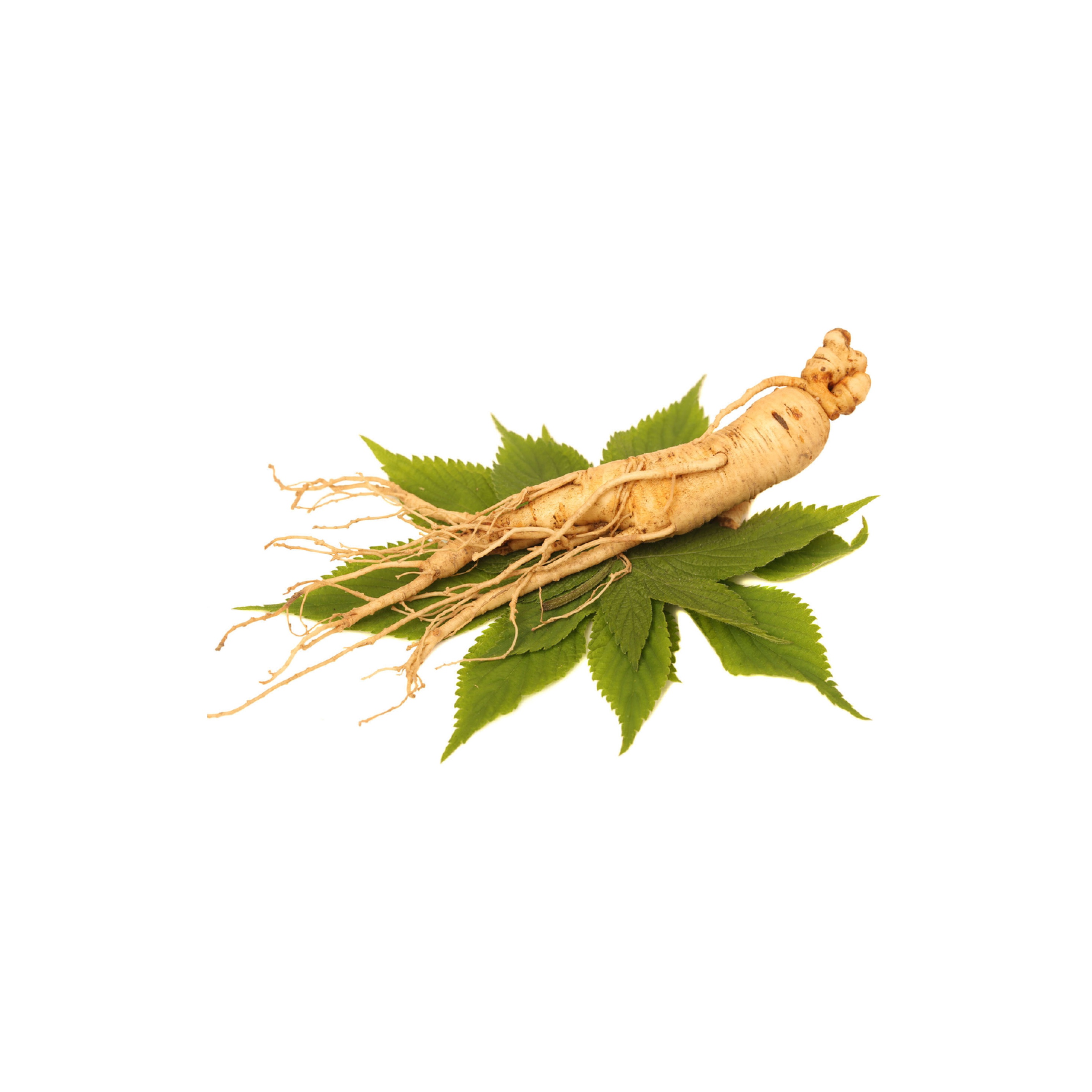 Asian Ginseng Panax ginseng Documented for ginsenoside Re (0.15 % dry wt), compound K, ginsenoside F1 and 16 more saponins.
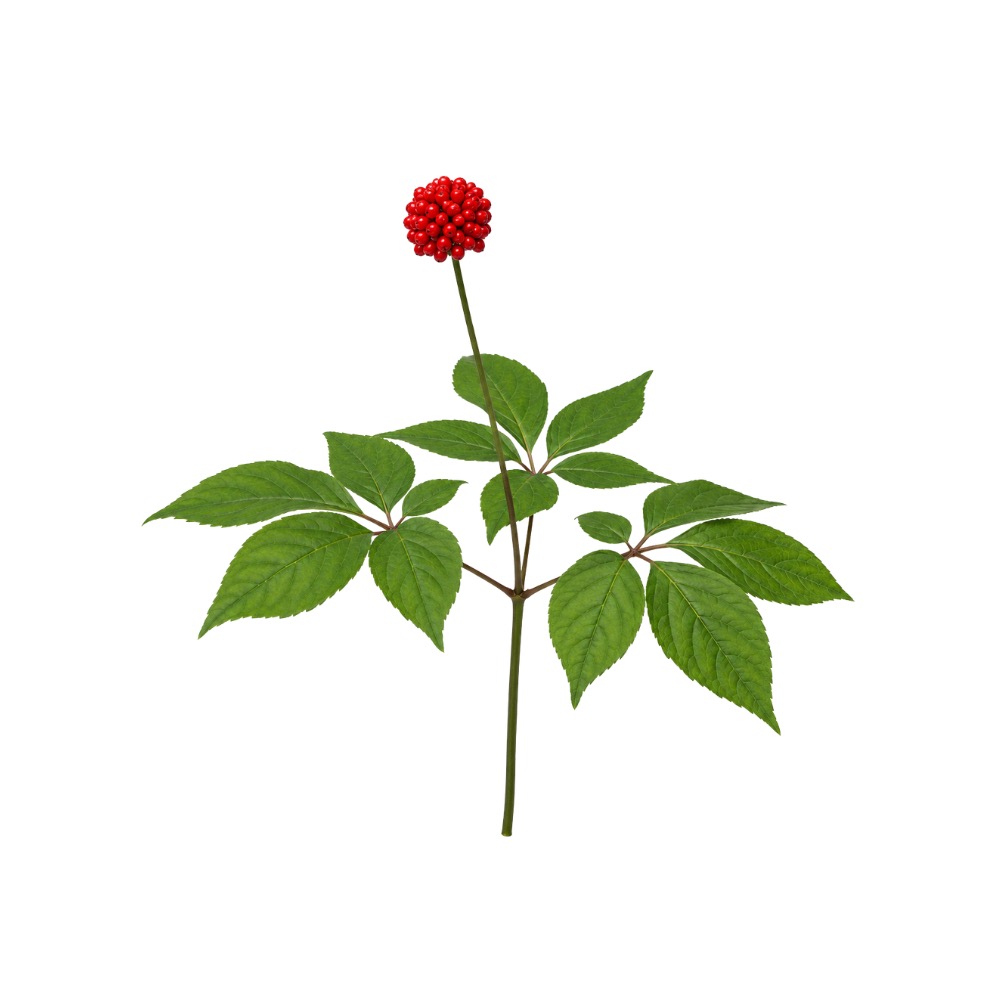 Notoginseng Panax notoginseng Documented for notoginsenoside R1 (10 % of total saponins), ginsenoside F2, ginsenoside Rb1 and 12 more saponins.
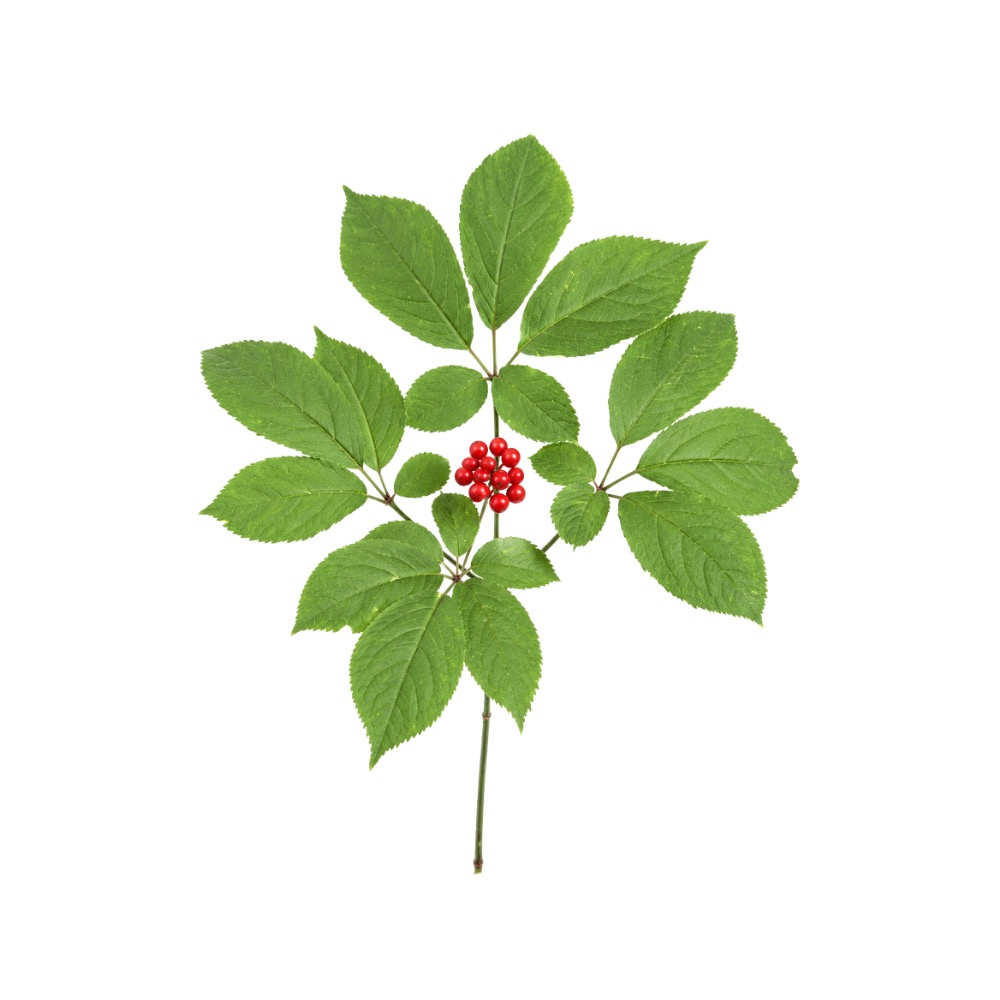 American Ginseng Panax quinquefolius Documented for pseudoginsenoside F11 (0.1 % dry wt), compound K, ginsenoside F2 and 9 more saponins.
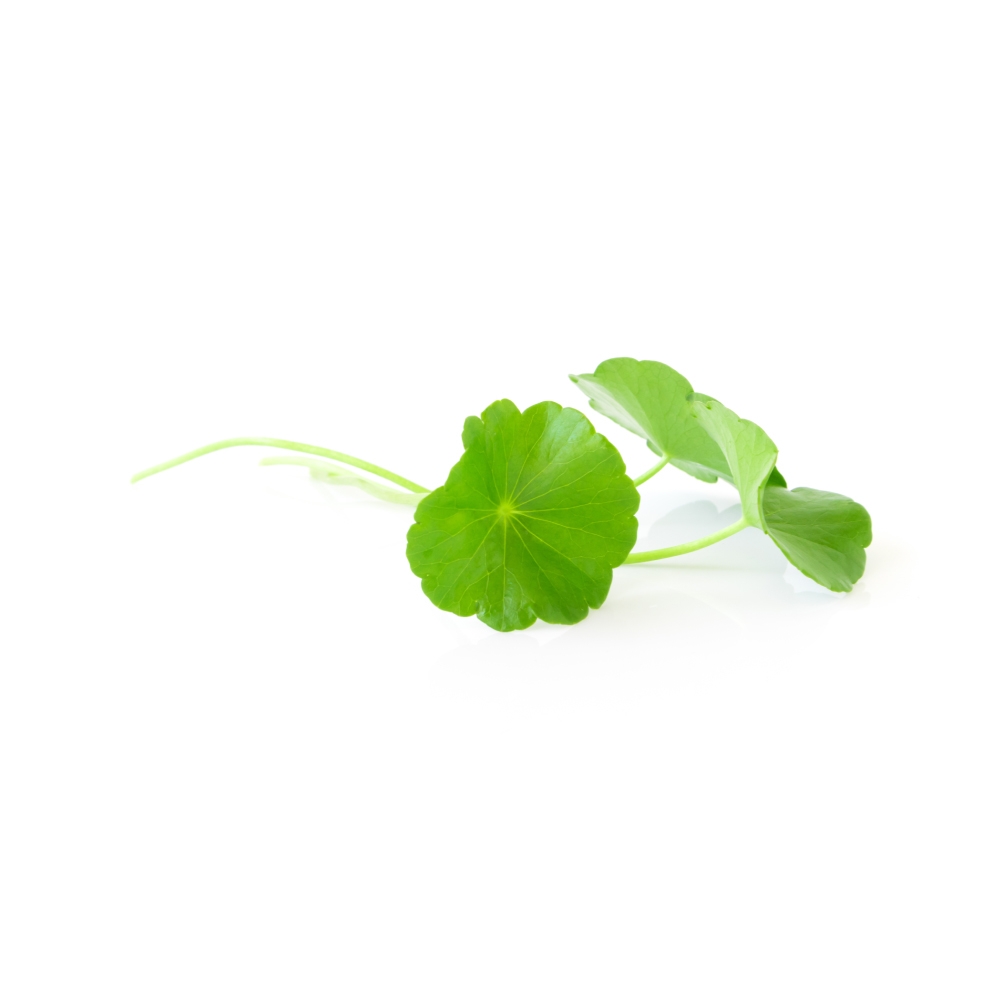 Gotu Kola Centella asiatica Documented for asiaticoside (0.04–2.41 % dry wt), madecassoside (0.15–5.3 % dry wt), brahminoside and 6 more saponins.
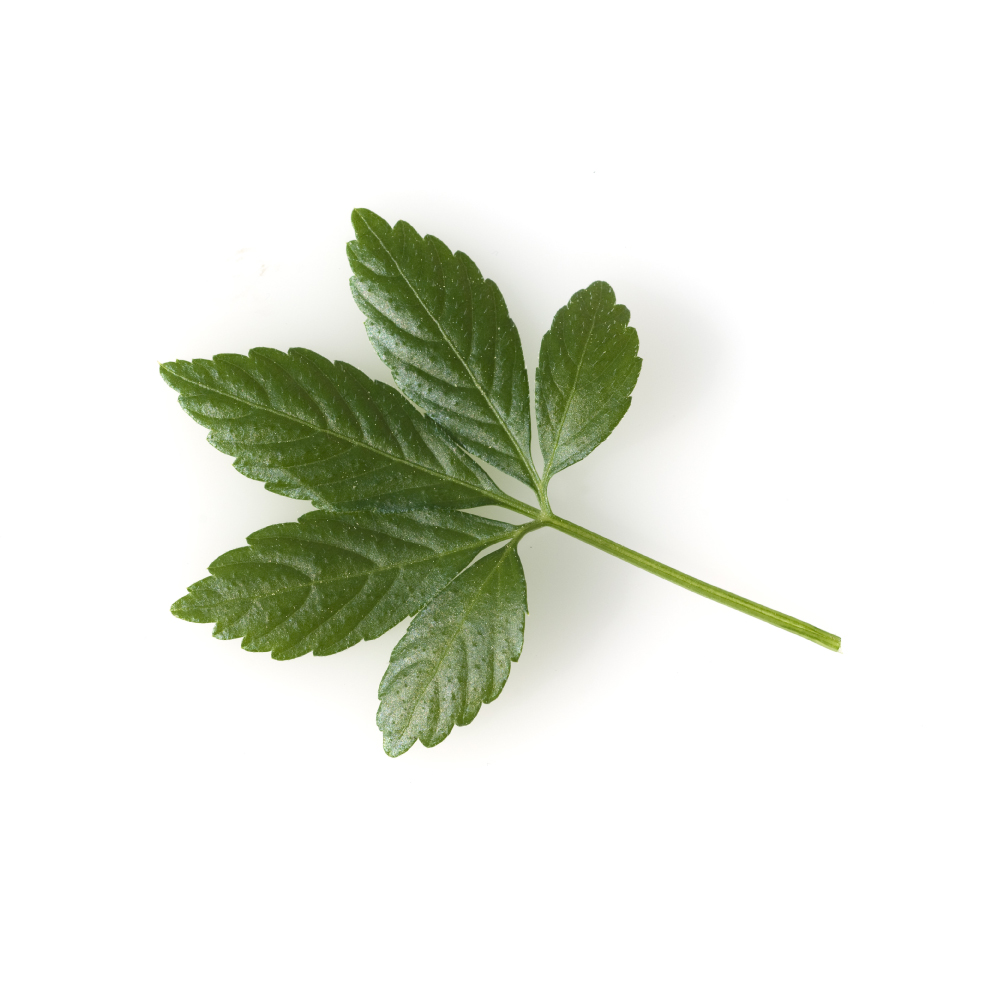 Gynostemma Gynostemma pentaphyllum Documented for ginsenoside F2, ginsenoside Rd, gylongiposide I and 5 more saponins.
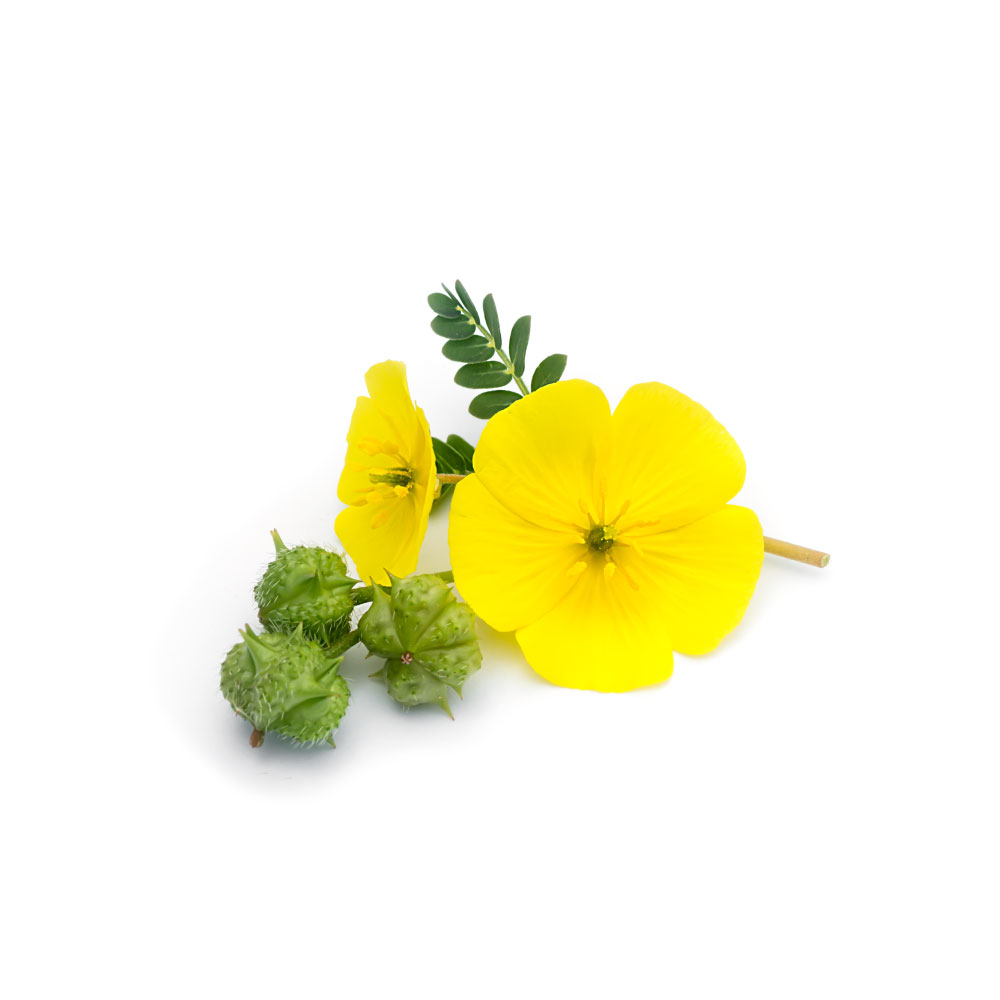 Tribulus Tribulus terrestris Documented for protodioscin (1,000–1,330 mg/100 g dry wt), prototribestin (0.13–2.2 % dry wt), tribestin (2–220 mg/100 g DW), tribulosin (0.03–0.16 % dry wt) and 3 more saponins.
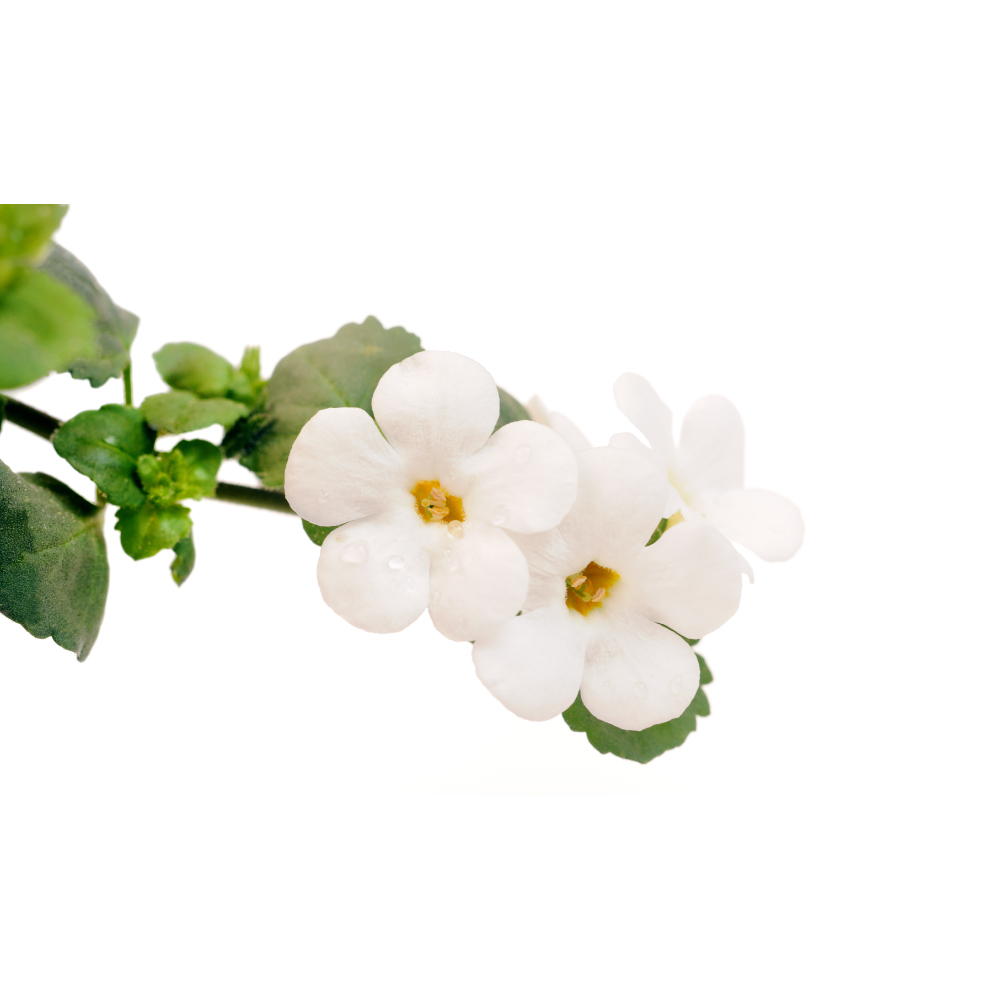 Bacopa Bacopa monnieri Documented for bacoside A (0.4–2.7 % dry wt), bacopasaponins, bacopaside I and 3 more saponins.
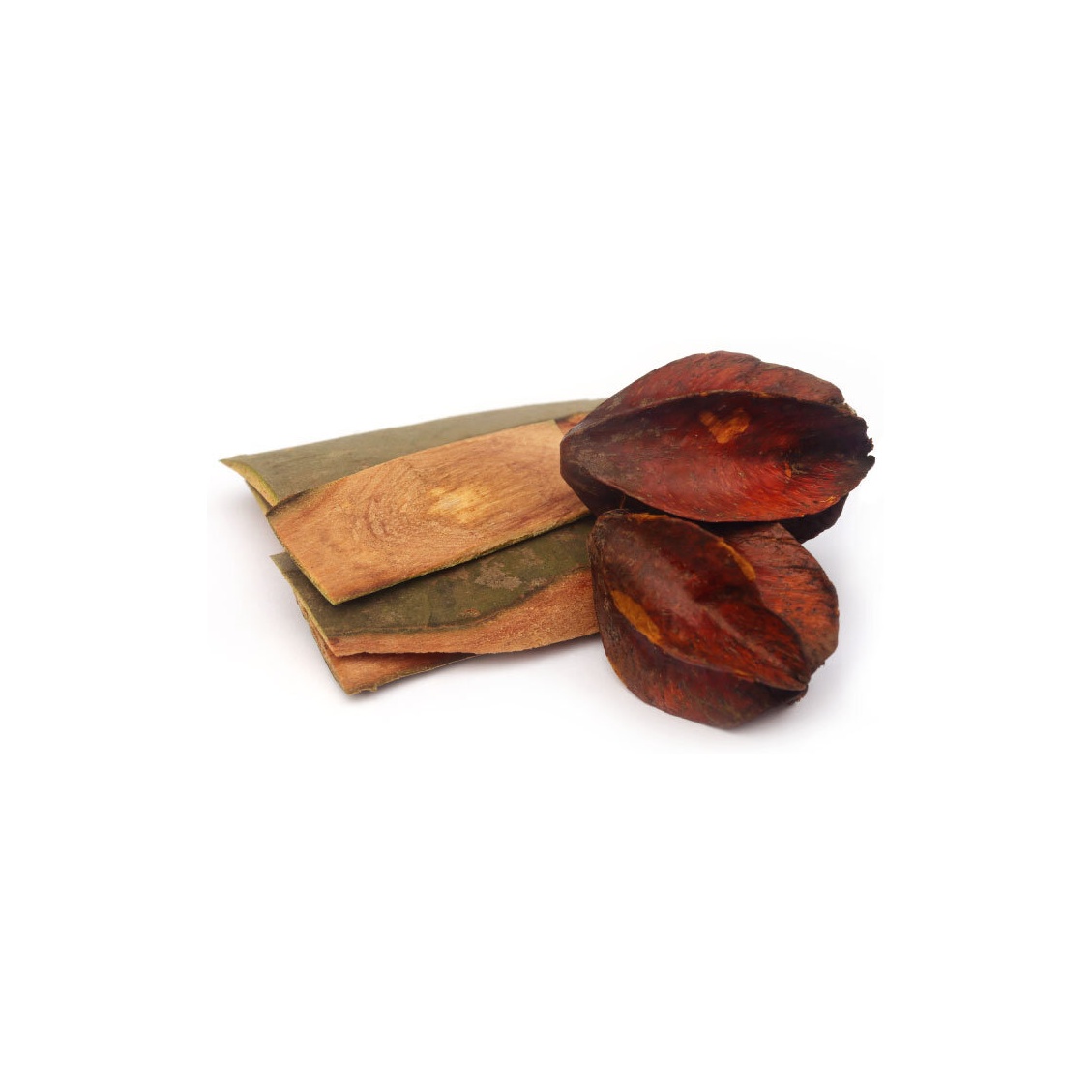 Arjuna Terminalia arjuna Documented for arjunapthanoloside, arjunenin, arjunetin and 2 more saponins.
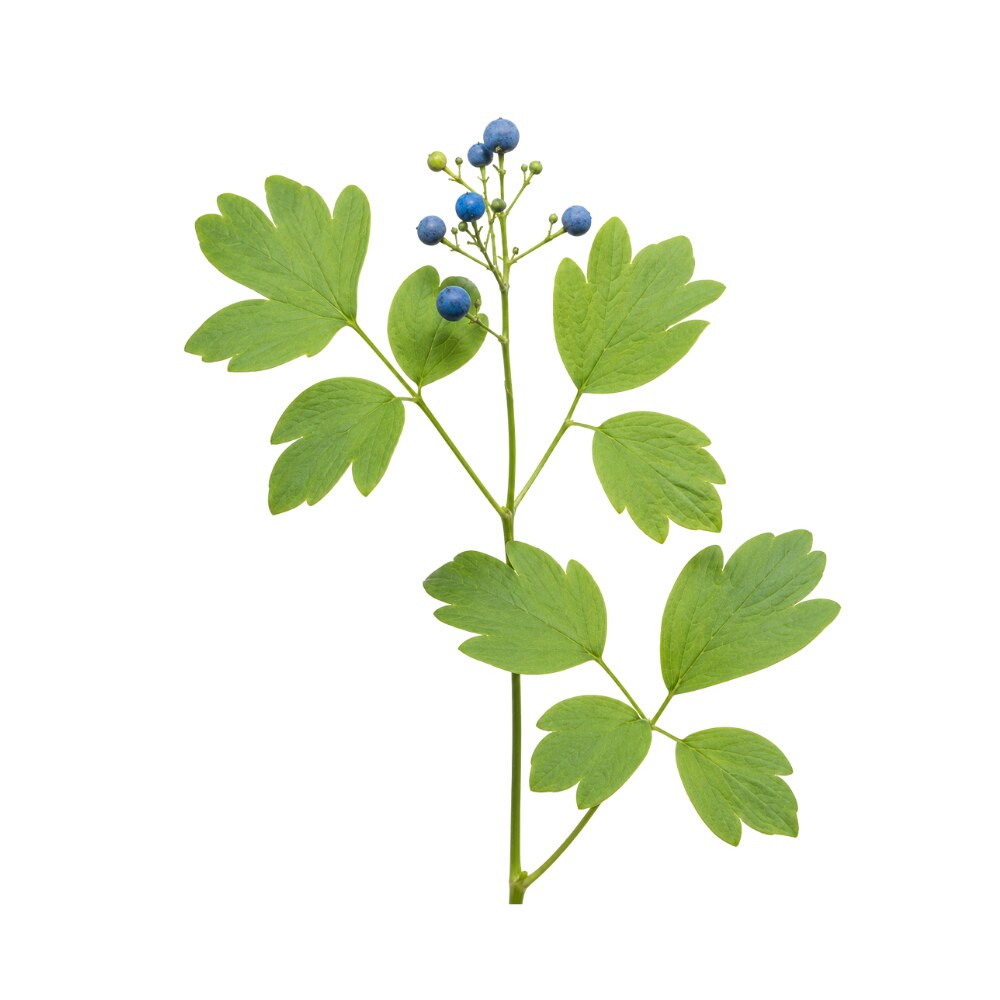 Blue Cohosh Caulophyllum thalictroides Documented for caulosaponin, cauloside, cauloside A and 2 more saponins.
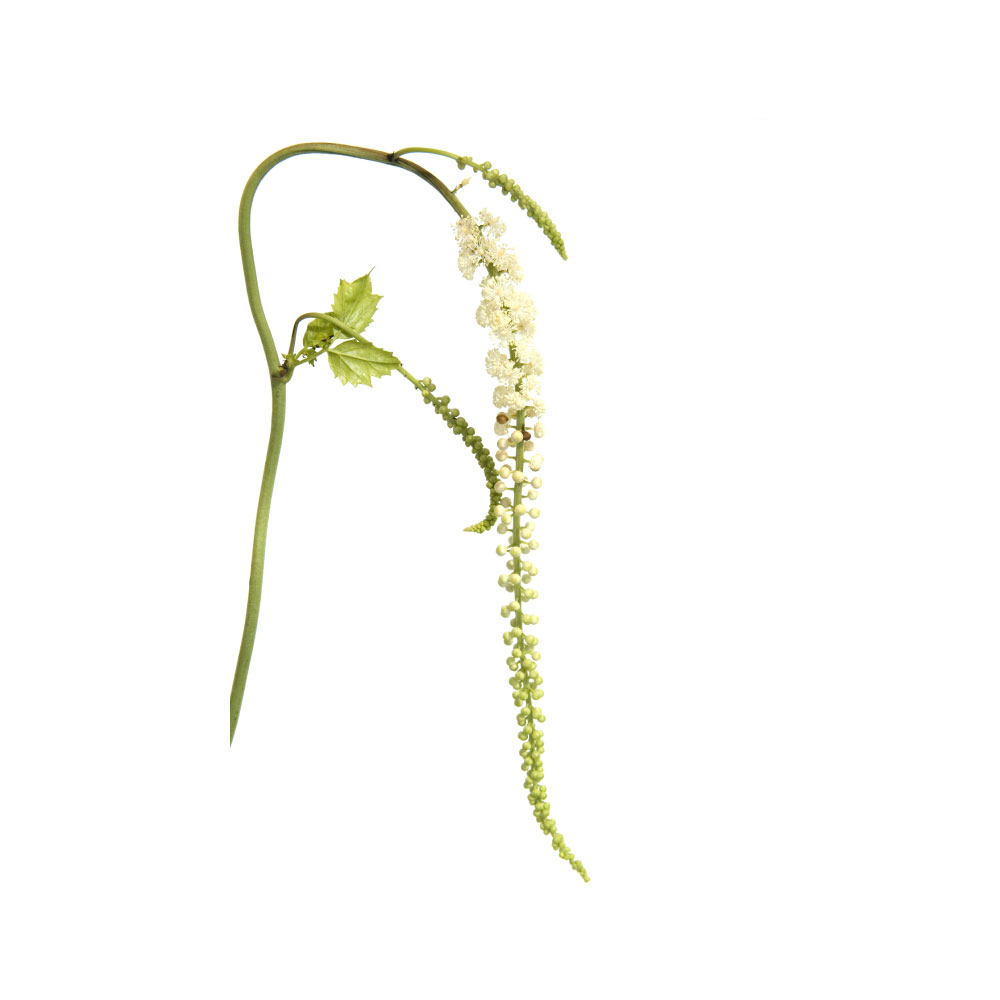 Black Cohosh Cimicifuga racemosa Documented for 23-epi-26-deoxyactein, actein, cimicifugoside and 1 more.
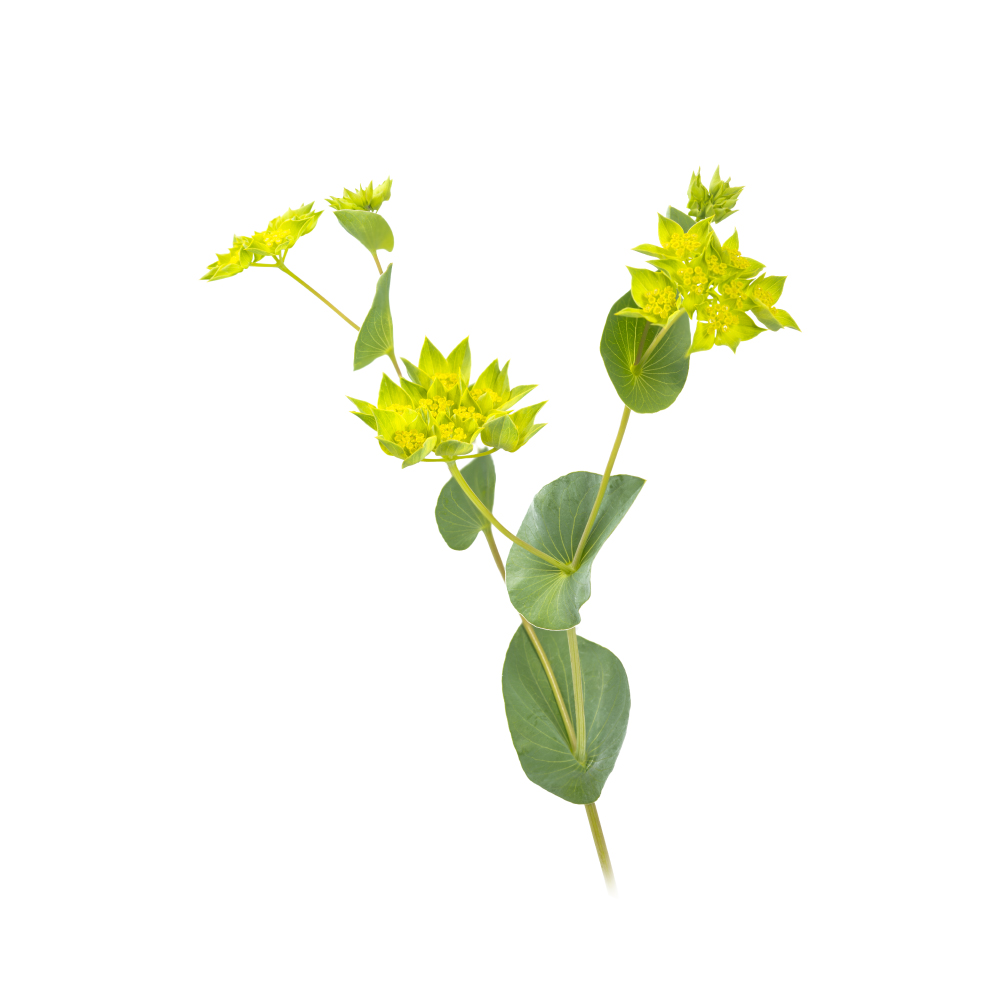 Bupleurum Bupleurum falcatum Documented for saikosaponin A, saikosaponin C, saikosaponin D and 1 more.
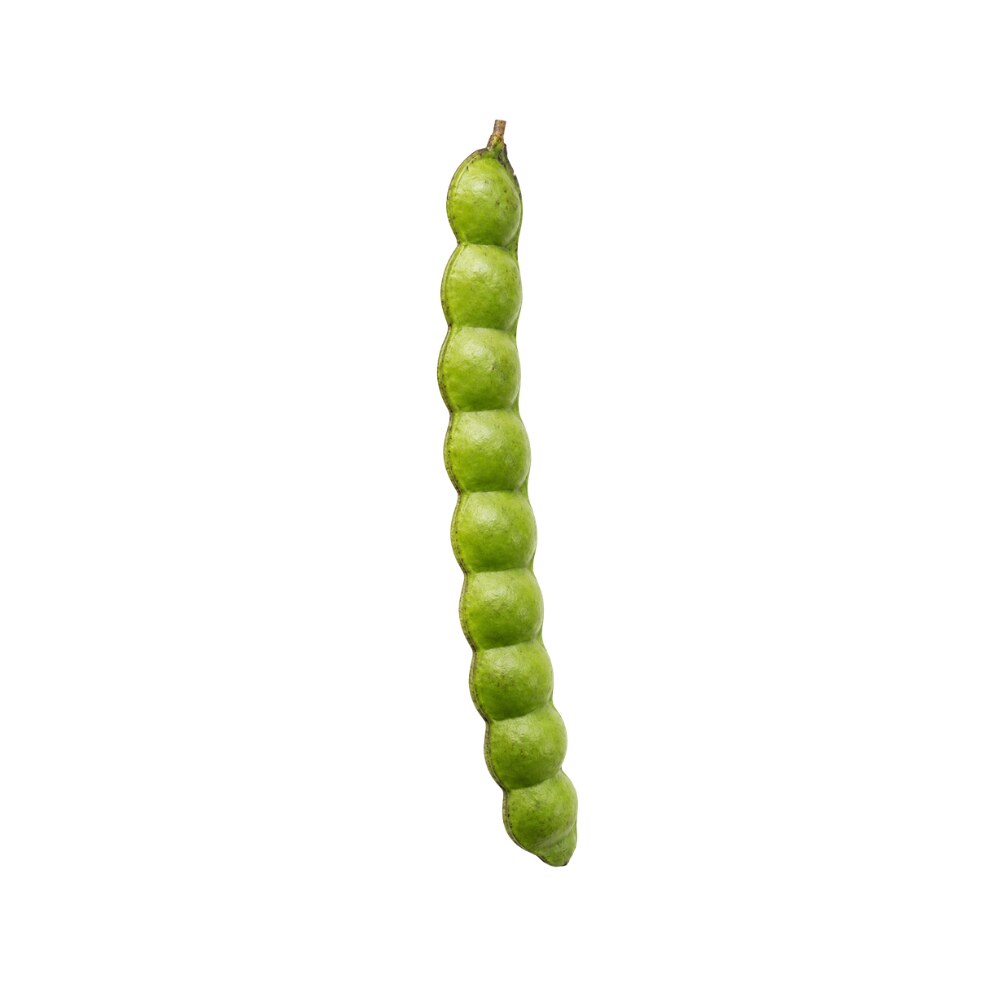 African Dream Herb Entada rheedii Documented for rheedeioside A, rheediinoside B, saponins.
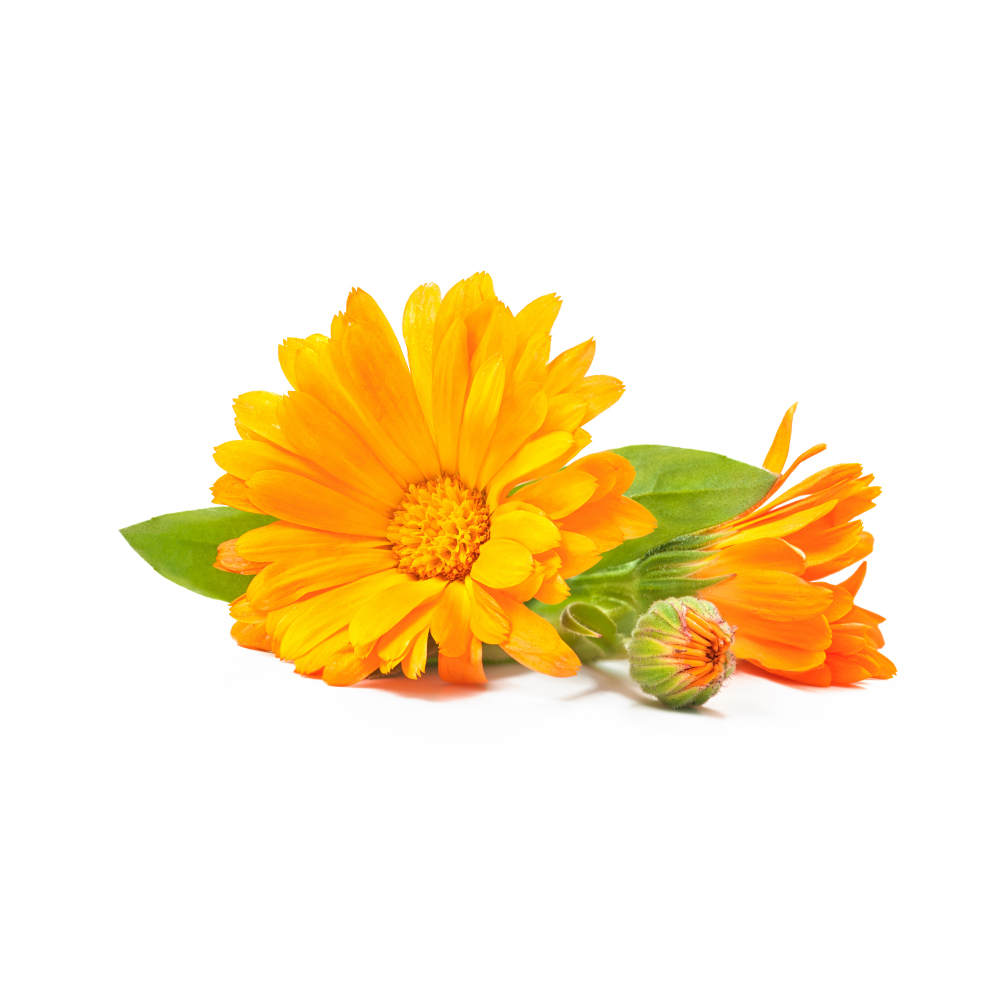 Calendula Calendula officinalis Documented for calendasaponins, calendulosides, saponins.
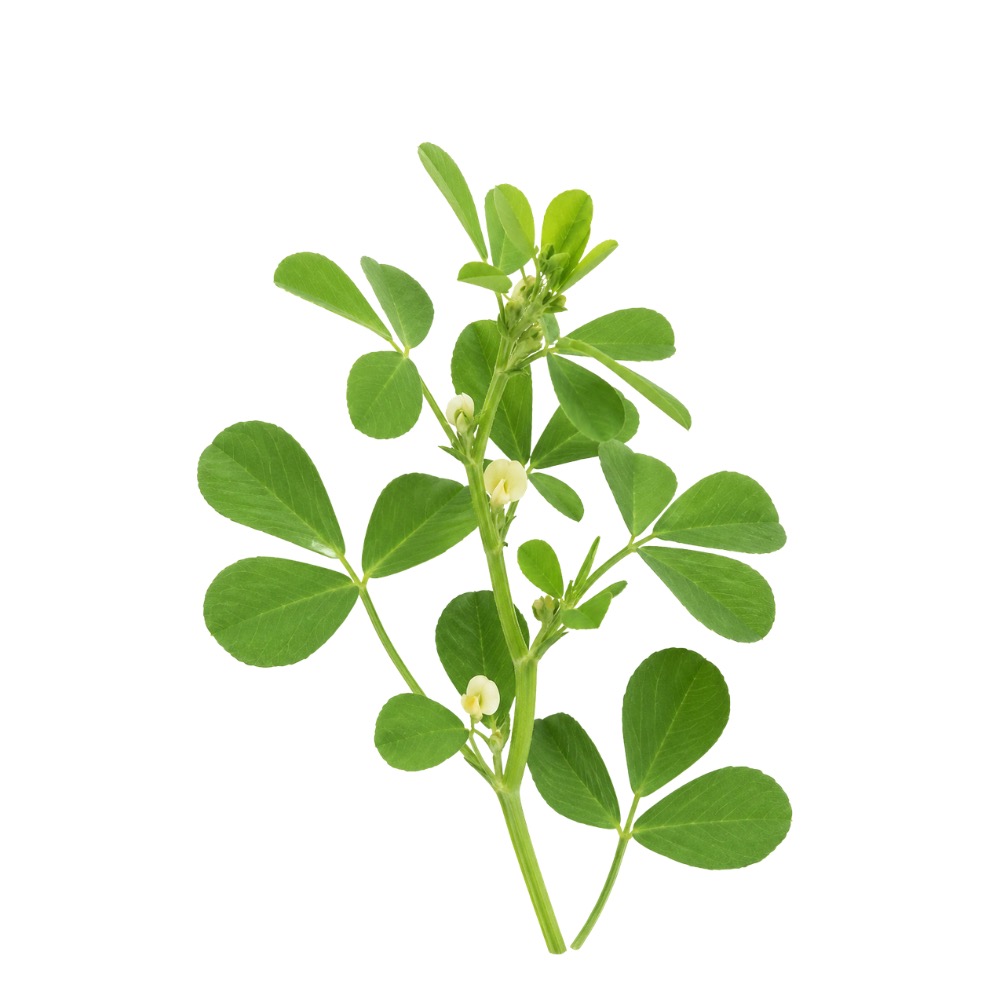 Fenugreek Trigonella foenum-graecum Documented for diosgenin (0.2–0.9 % dry wt), dioscin, protodioscin.
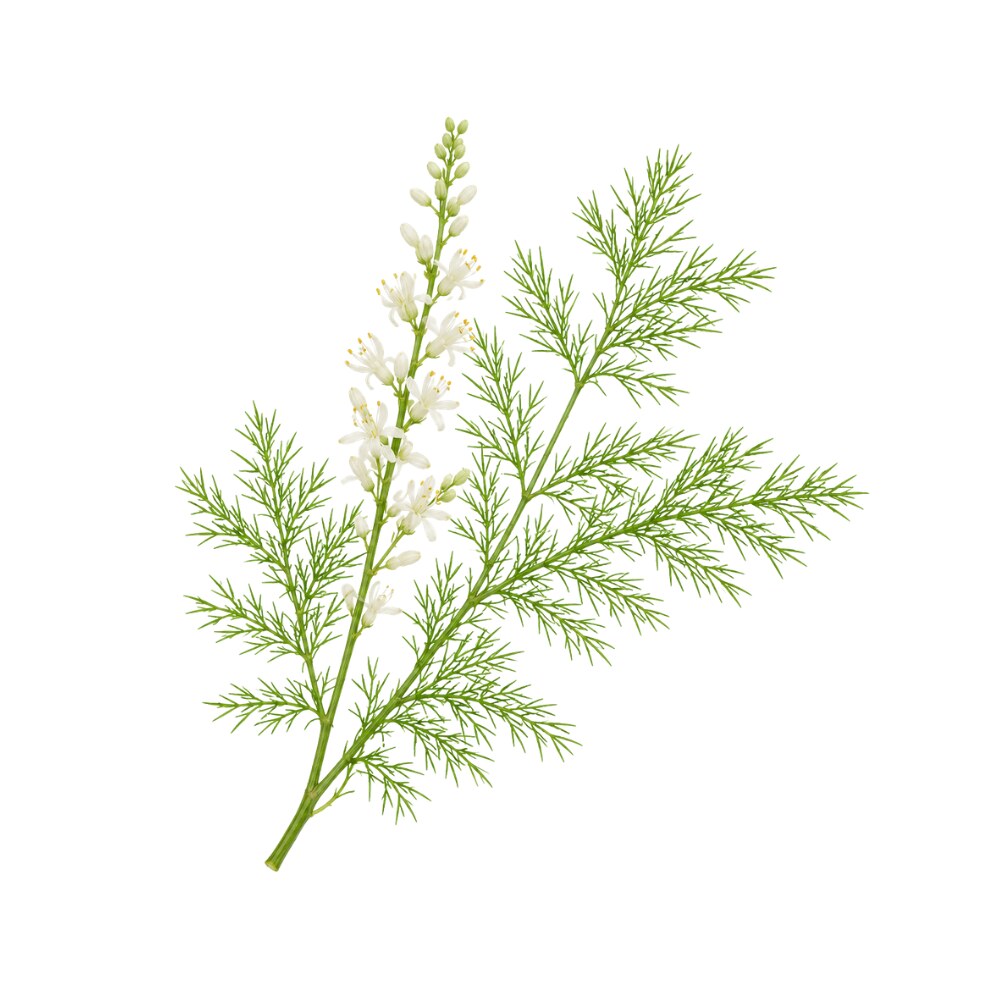 Shatavari Asparagus racemosus Documented for shatavarin IV (0.08–0.15 mg/g dry wt), furoasparoside E, shatavarin I.
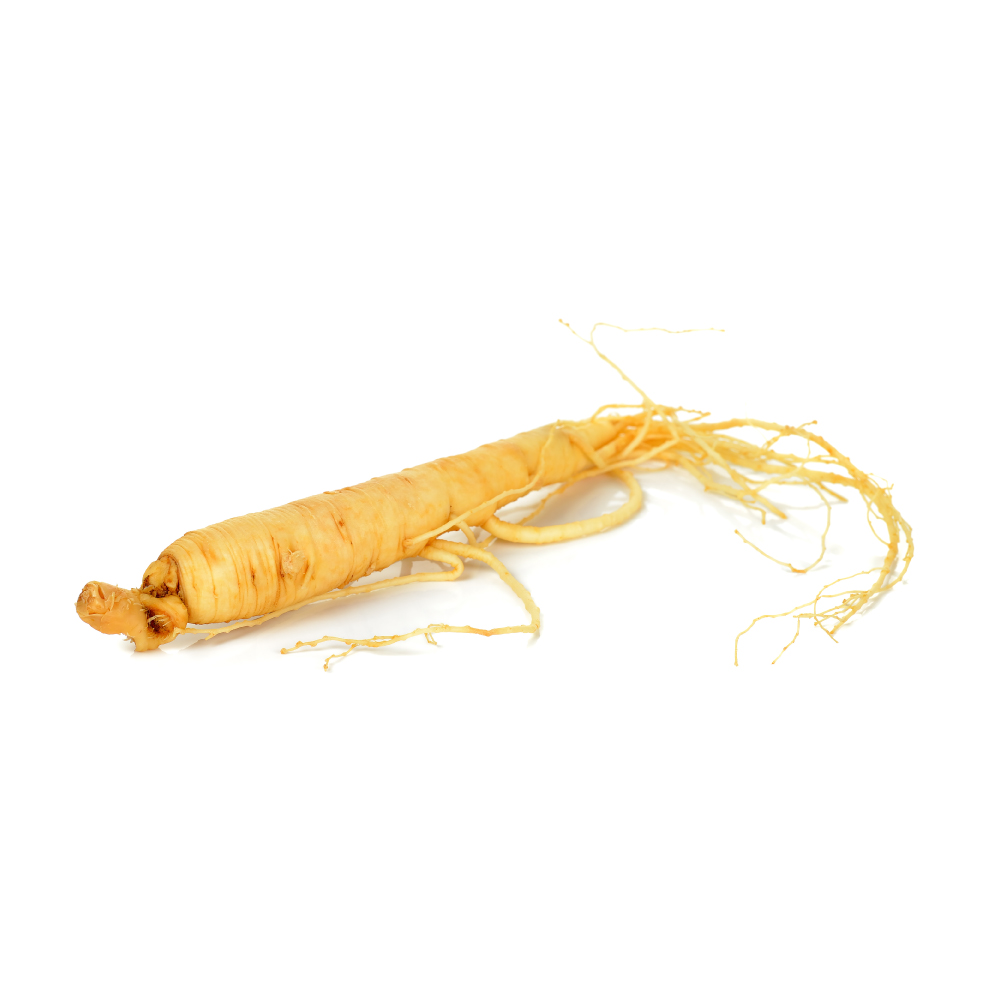 Suma Pfaffia paniculata Documented for calenduloside E 6'-methyl ester, pfaffosides, saponins.
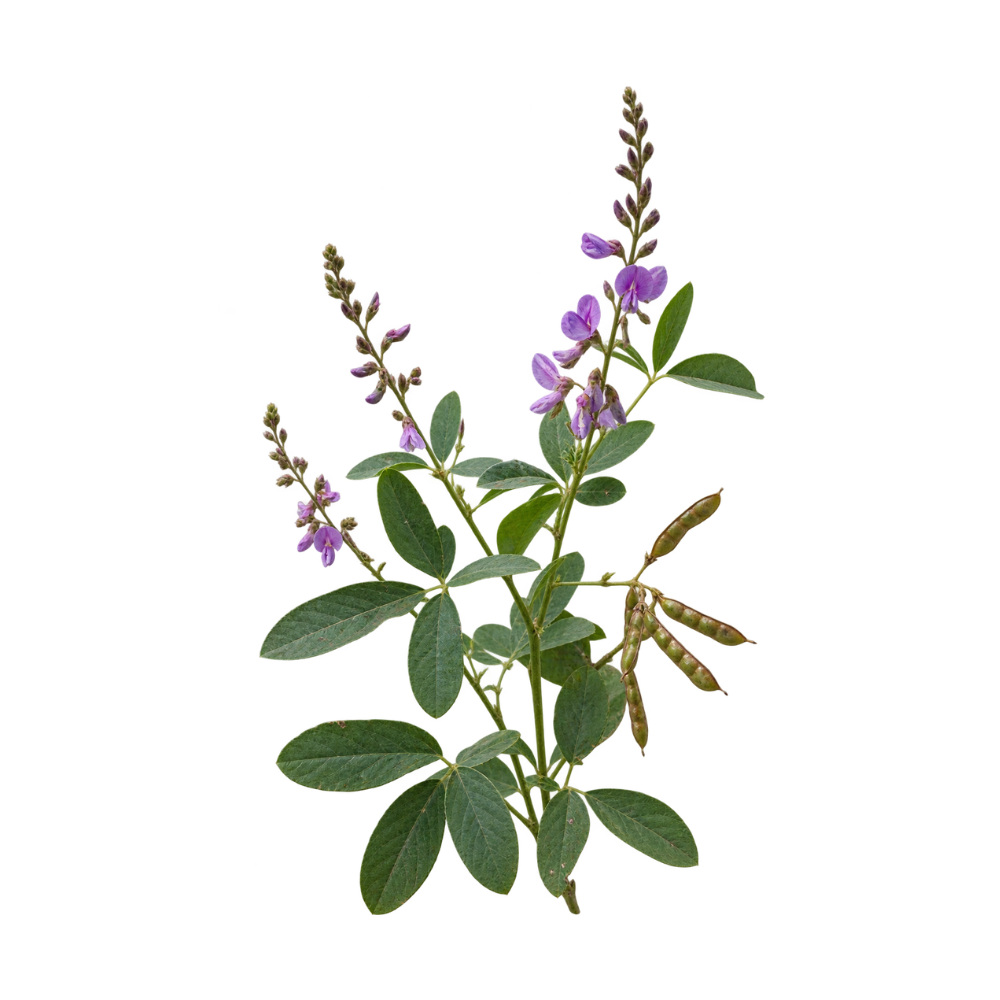 Tick Trefoil Desmodium spp. Documented for dehydrosoyasaponin I, soyasaponin I, soyasaponins.
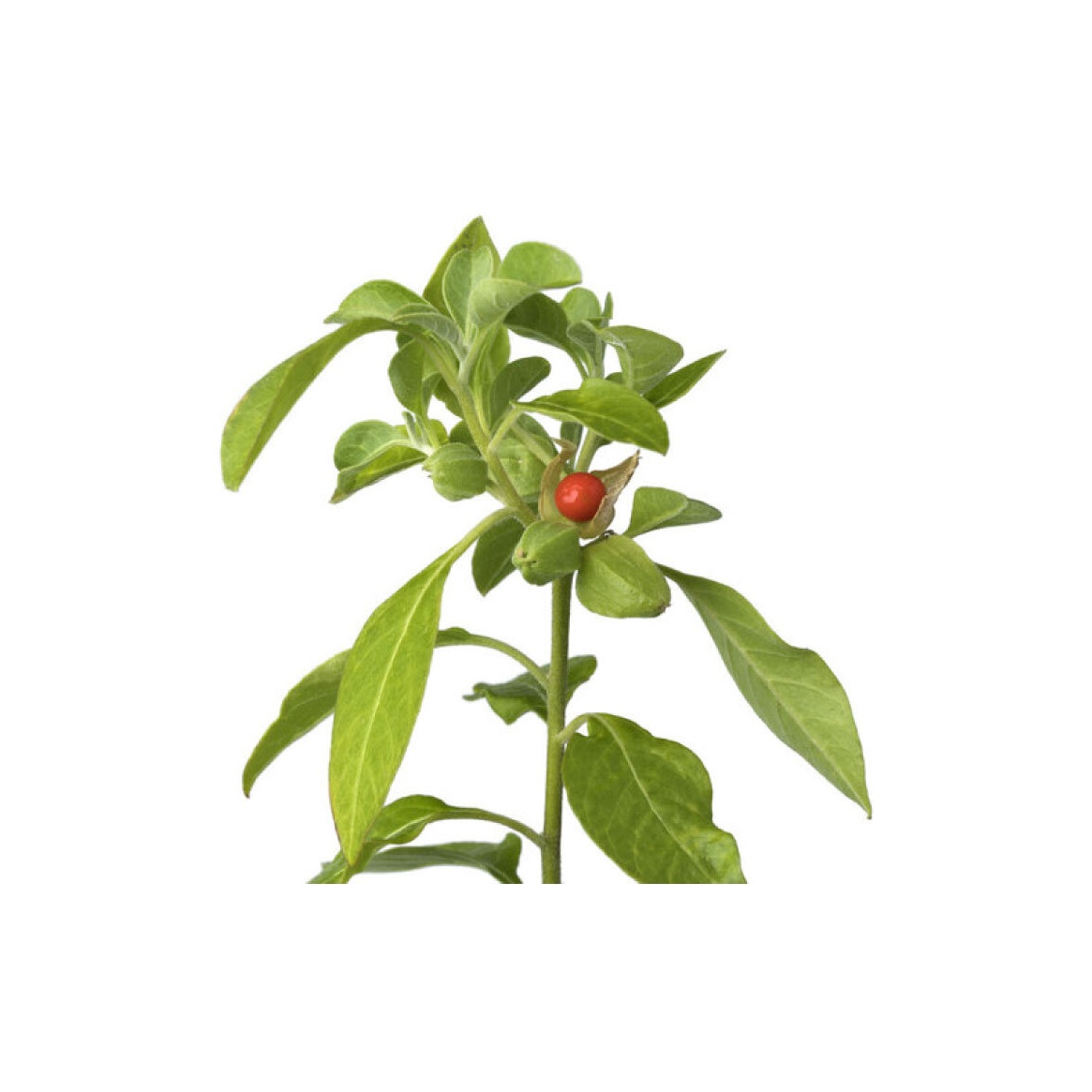 Ashwagandha Withania somnifera Documented for sitoindoside IX, sitoindoside X.
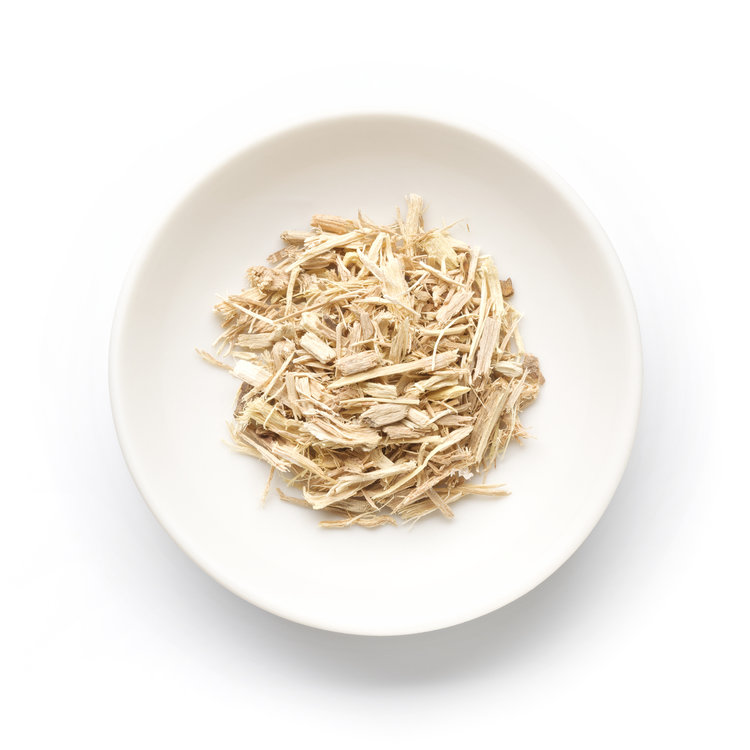 Eleuthero Root Eleutherococcus senticosus Documented for ciwujianosides, eleutherosides.
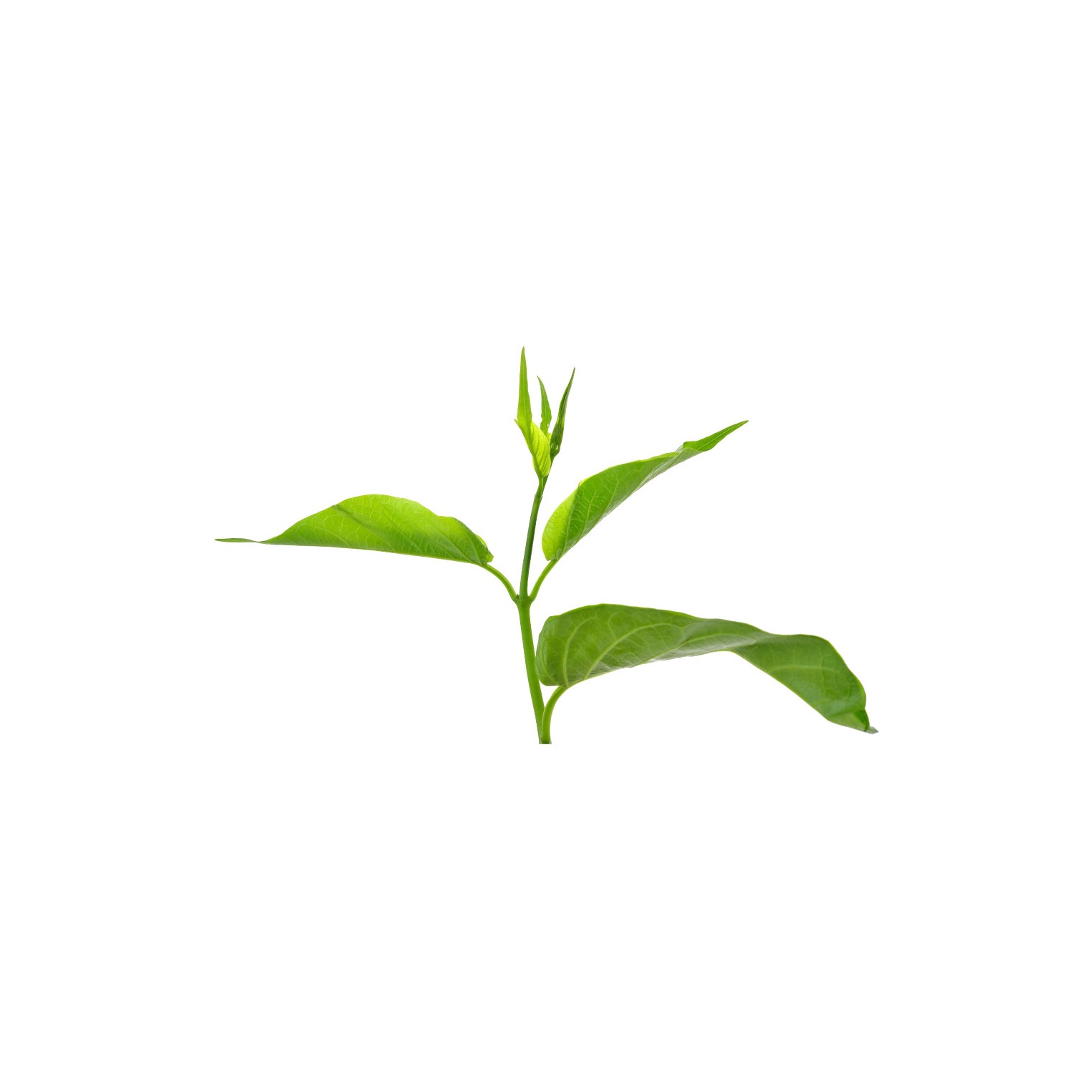 Gymnema Gymnema sylvestre Documented for gymnemasaponins, saponins.
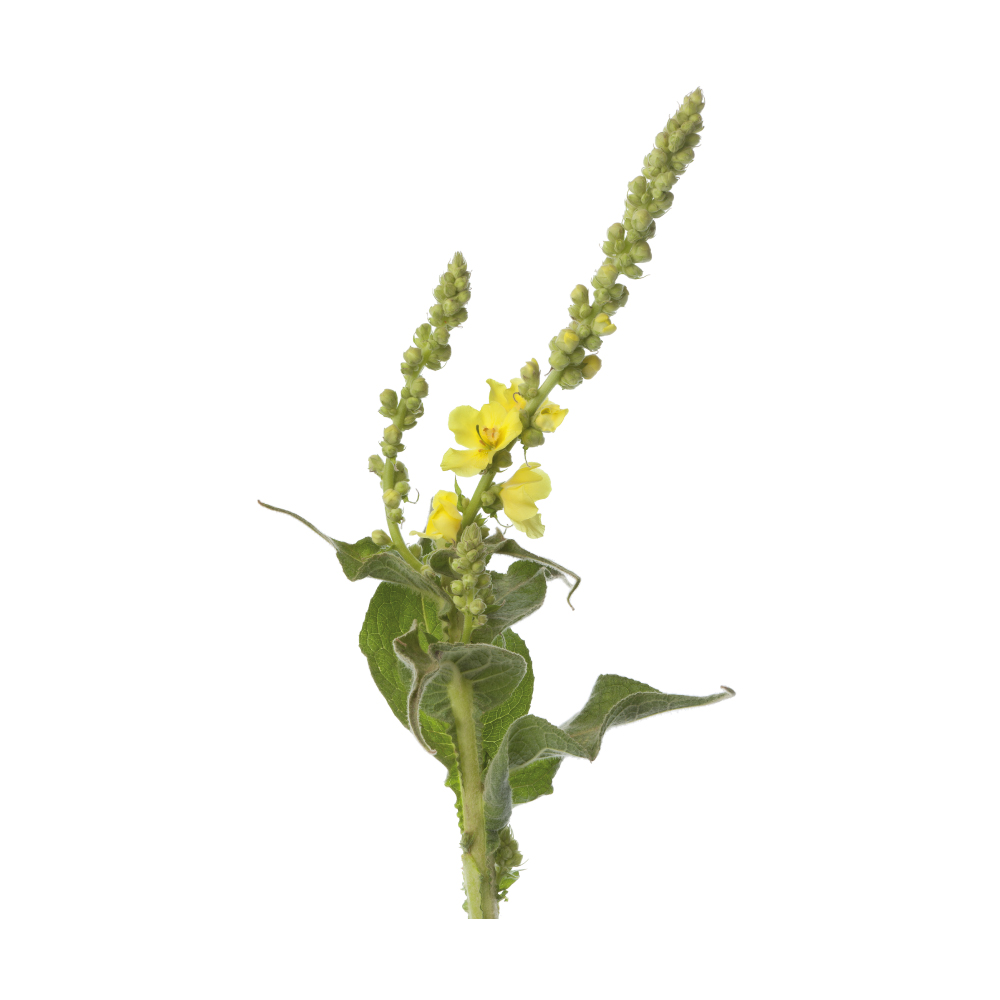 Mullein Verbascum thapsus Documented for saponins, verbascosaponin.
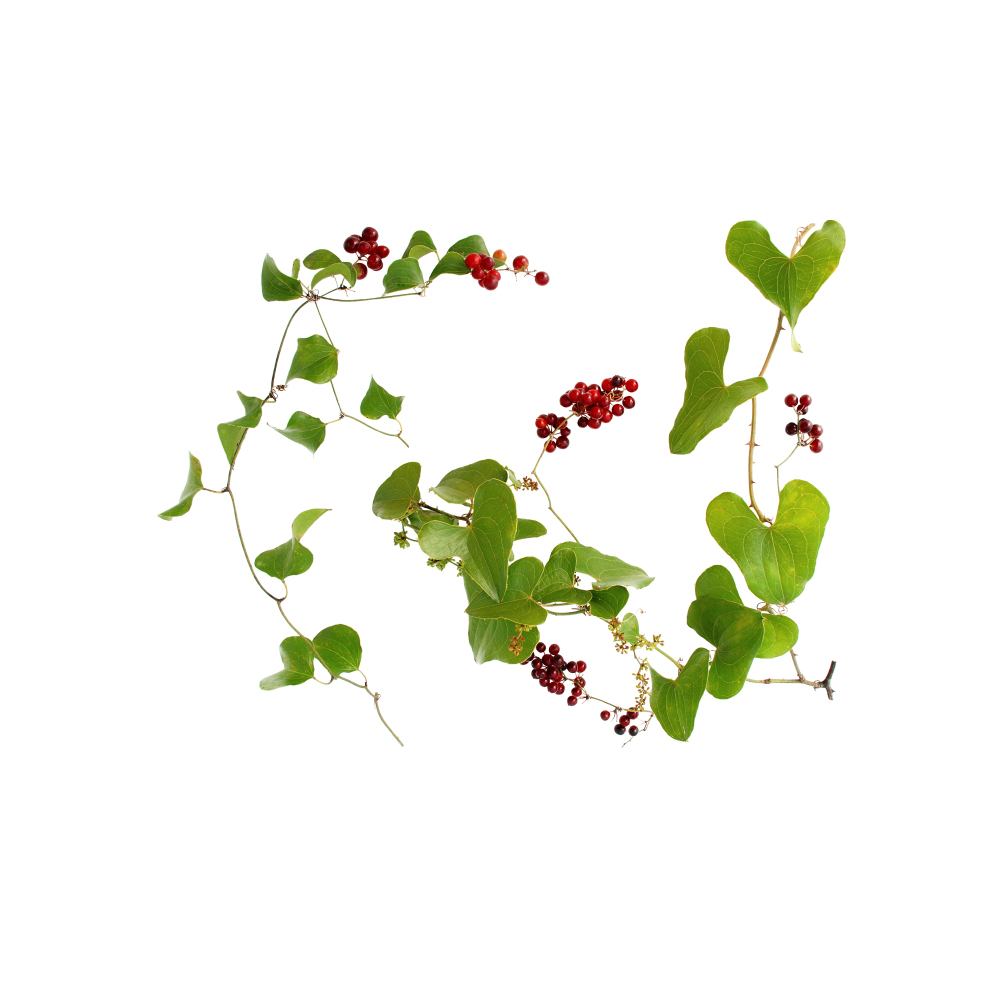 Sarsaparilla Smilax spp. Documented for saponins, sarsasaponin.
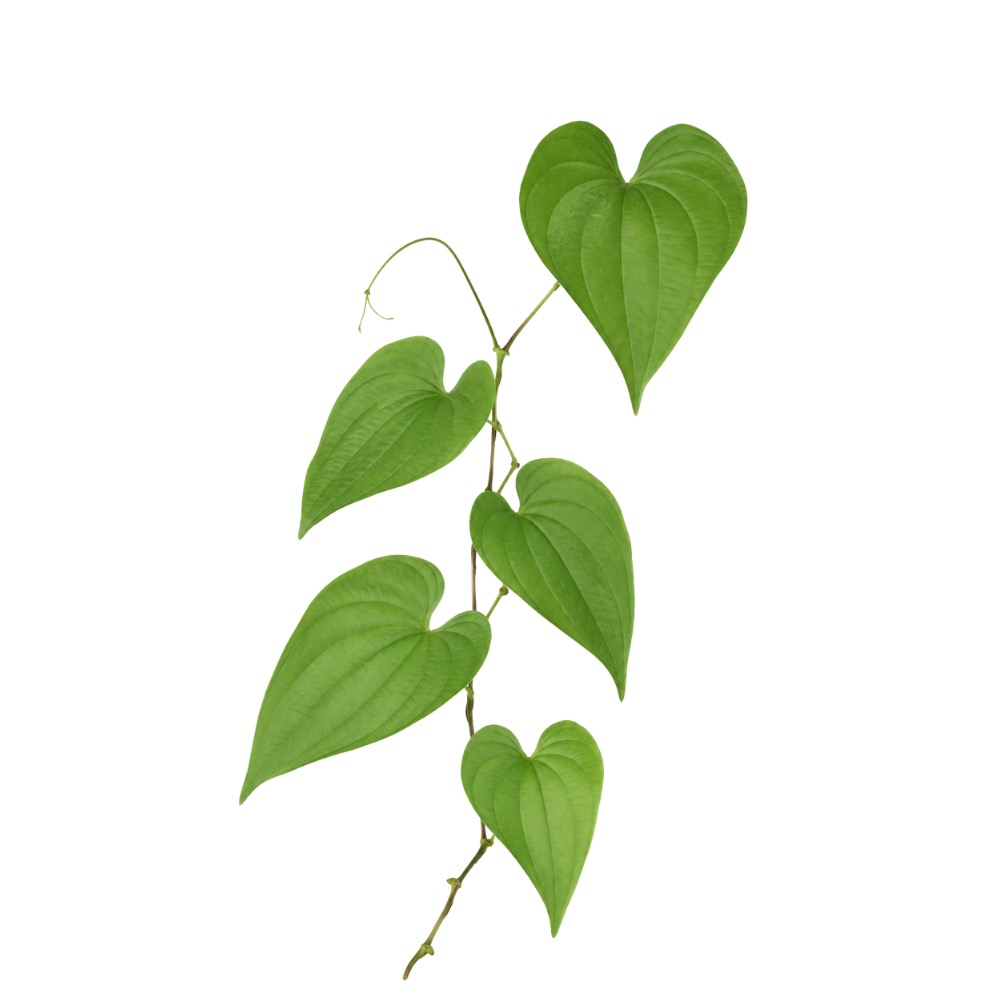 Wild Yam Dioscorea villosa Documented for diosgenin (0.02–9.44 % dry wt), dioscin.
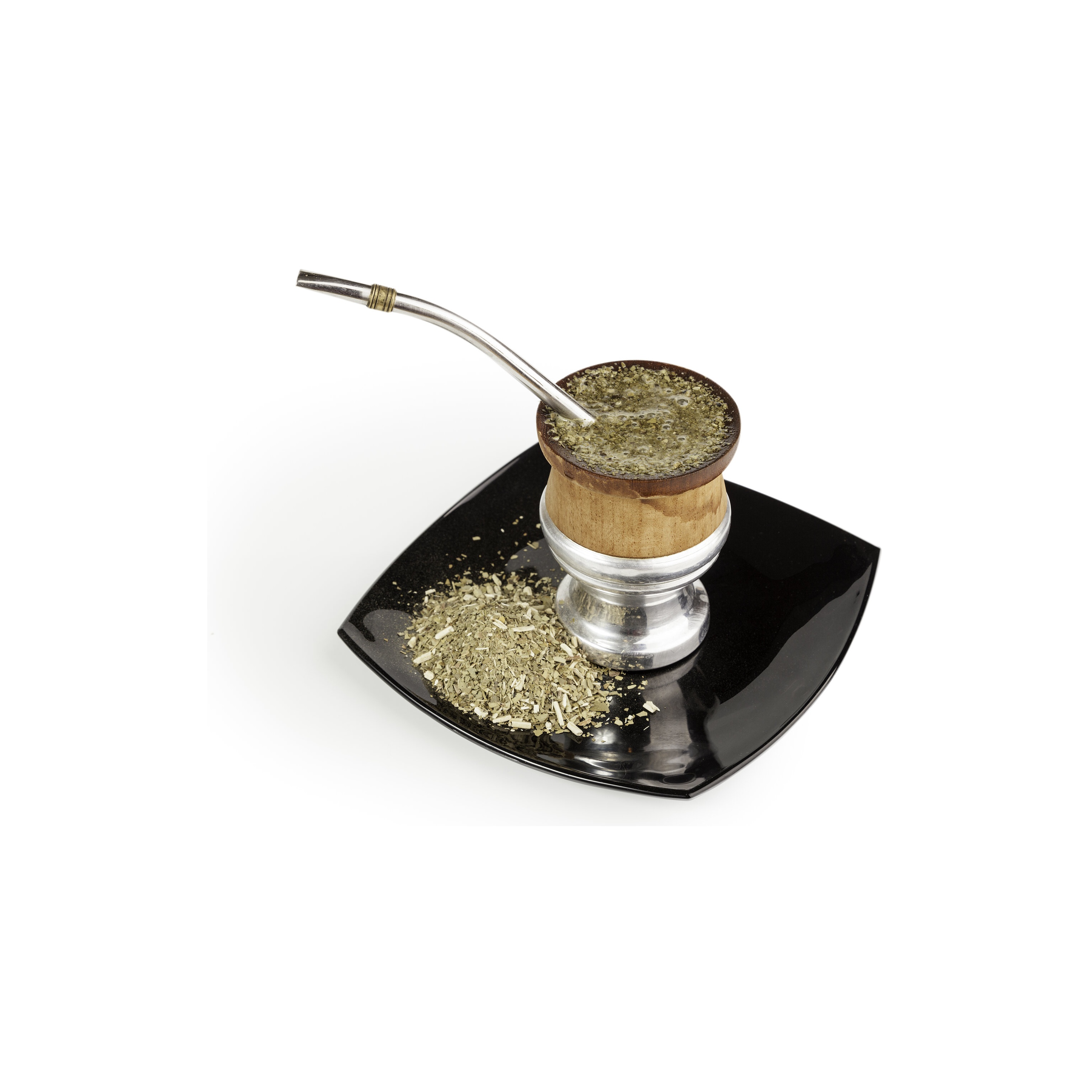 Yerba Maté Ilex paraguariensis Documented for matesaponins, saponins.
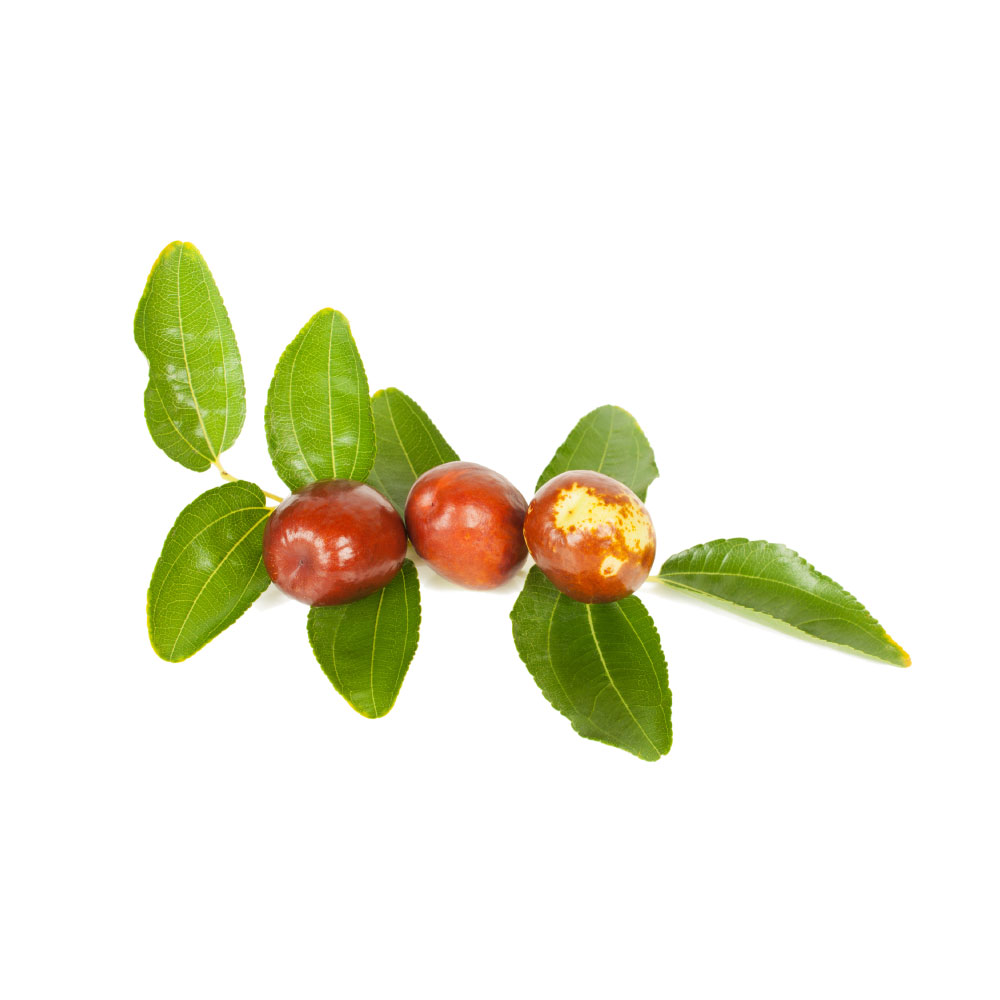 Zizyphus Ziziphus spinosa Documented for jujuboside A, jujuboside B.
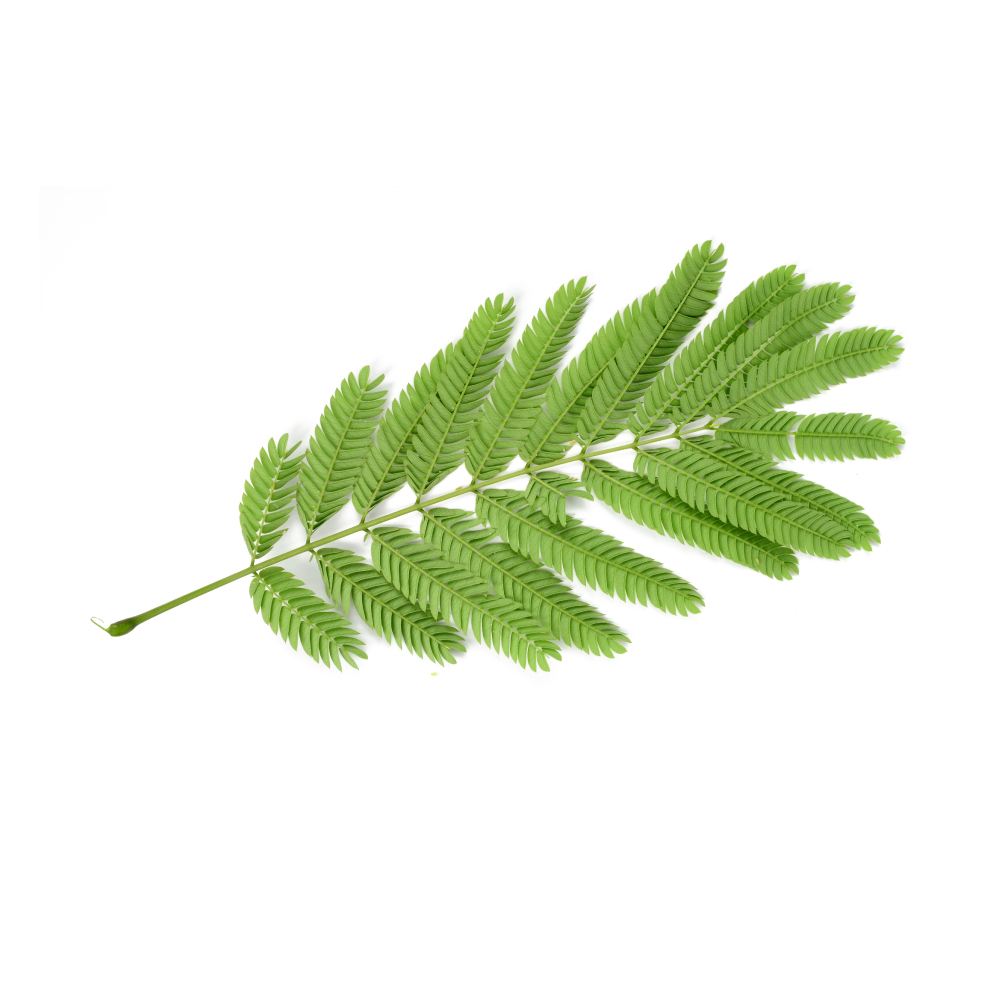 Albizzia Albizzia lebbeck Documented for saponins.
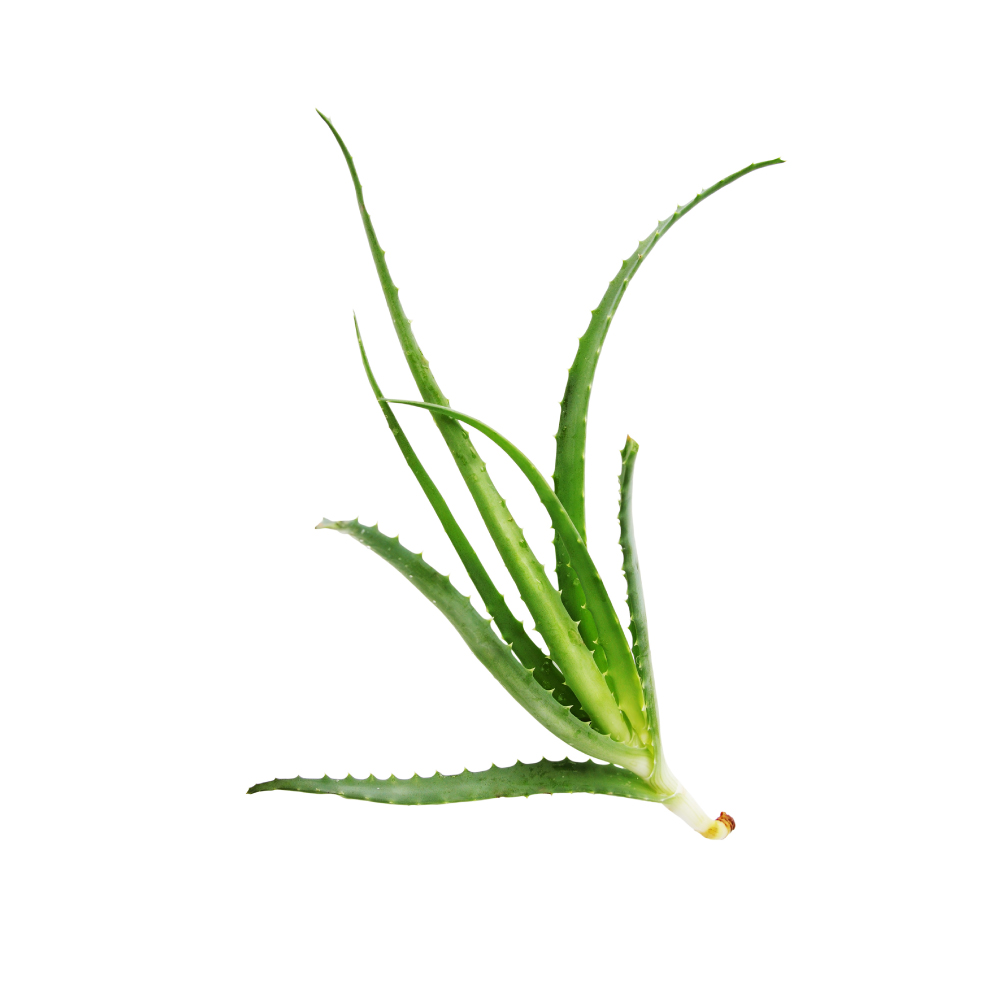 Aloe Aloe vera Documented for saponins.
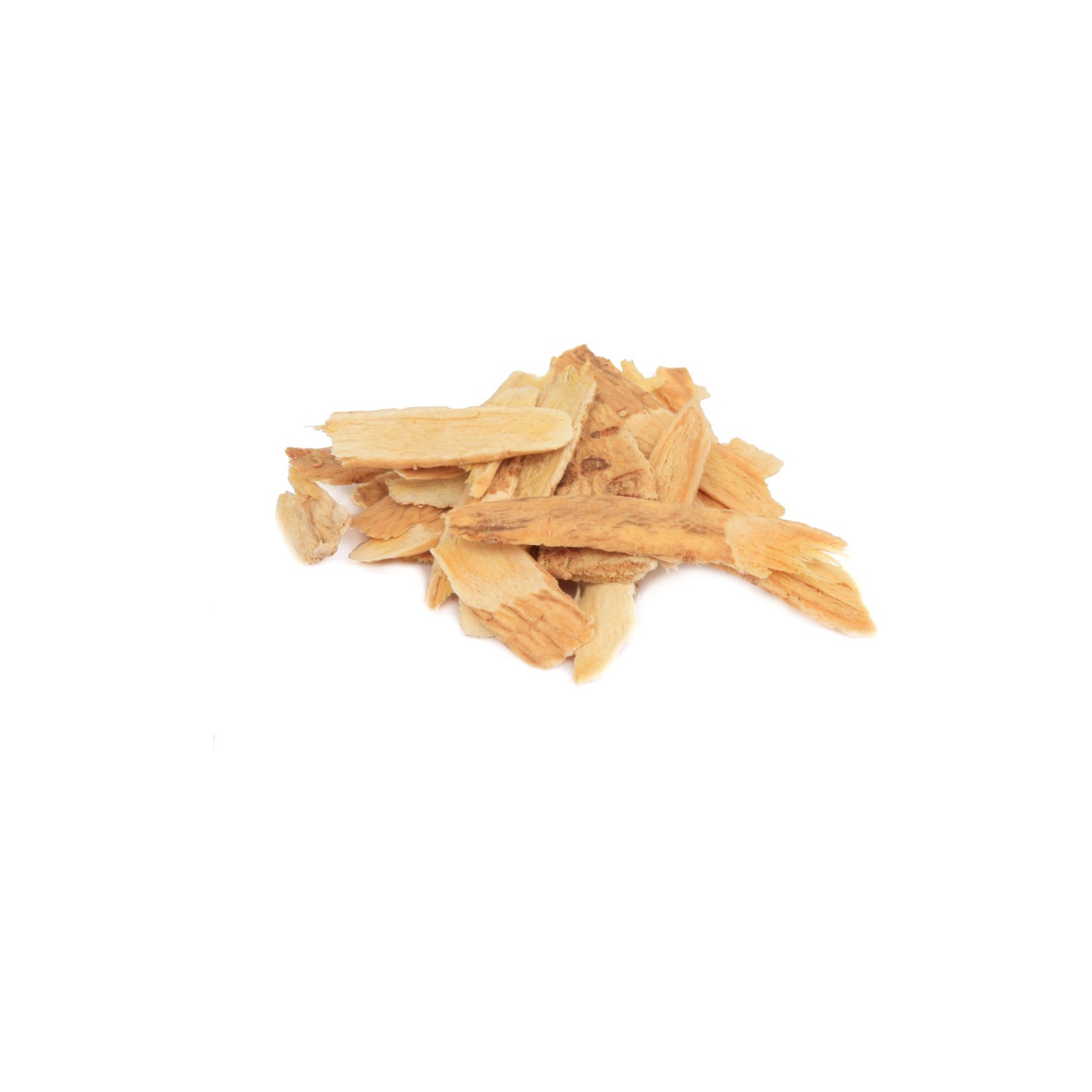 Astragalus Astragalus mongholicus Documented for astragaloside IV (0.58 mg/g dry wt).
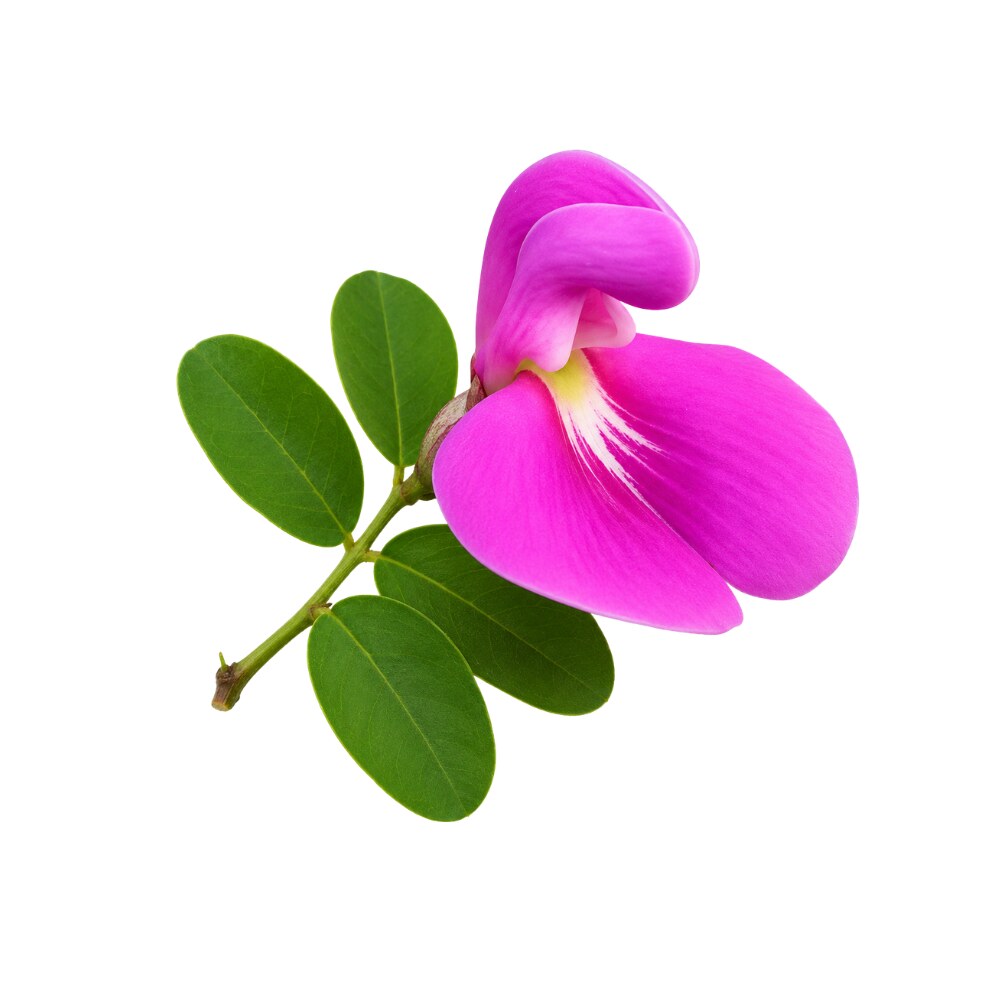 Bay Bean Canavalia rosea Documented for saponins.
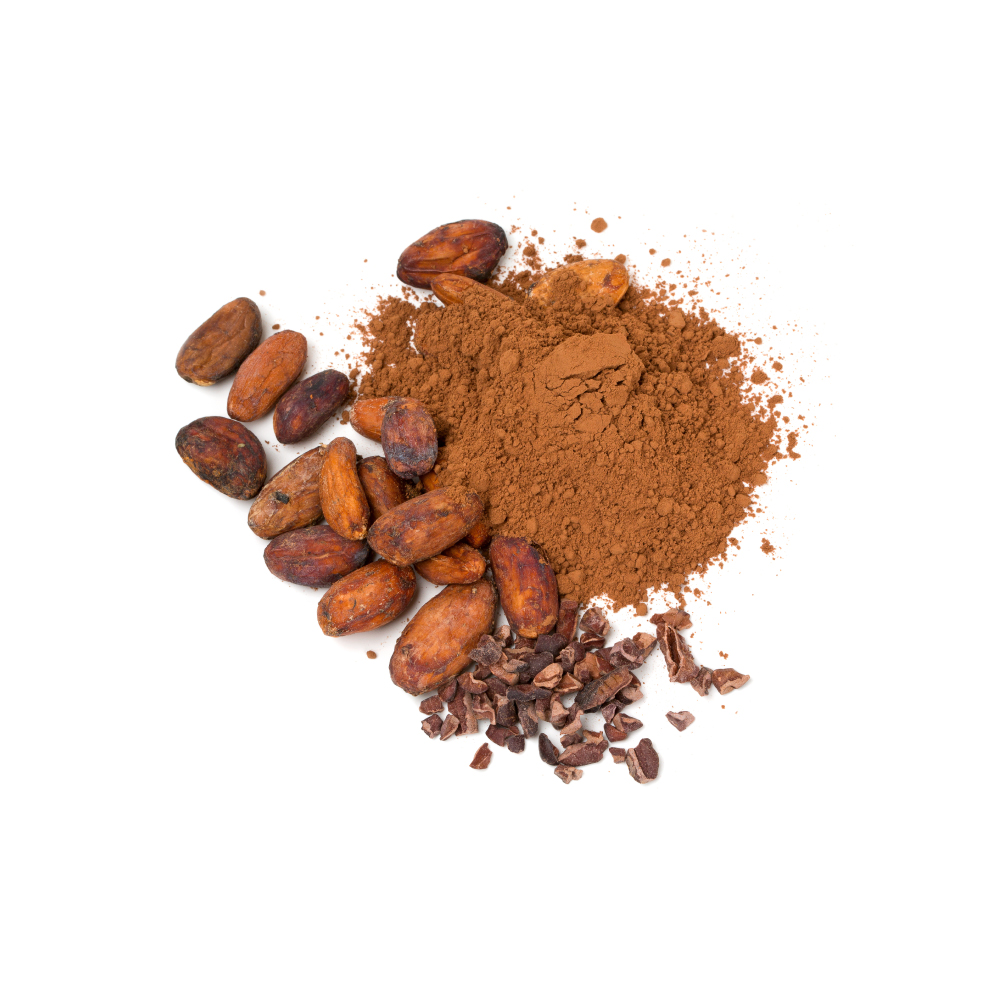 Cacao Theobroma cacao Documented for saponins.
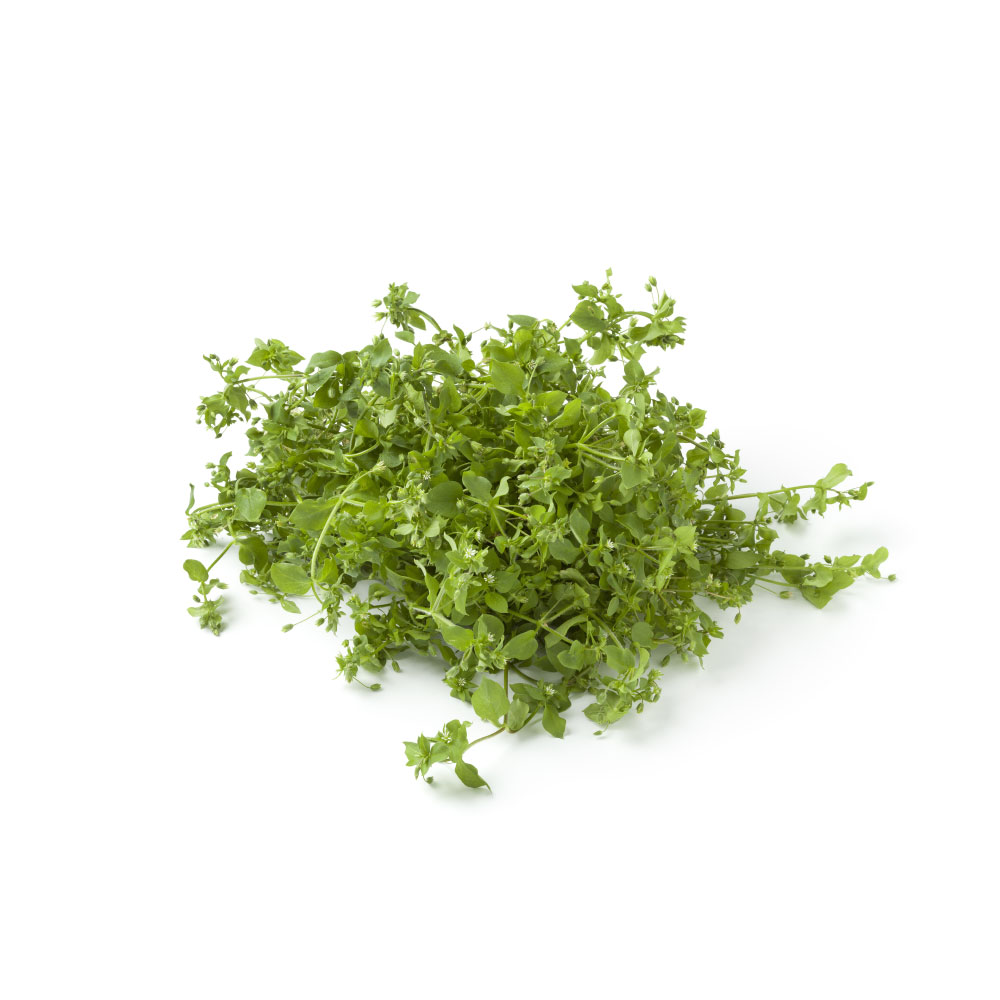 Chickweed Stellaria media Documented for saponins.
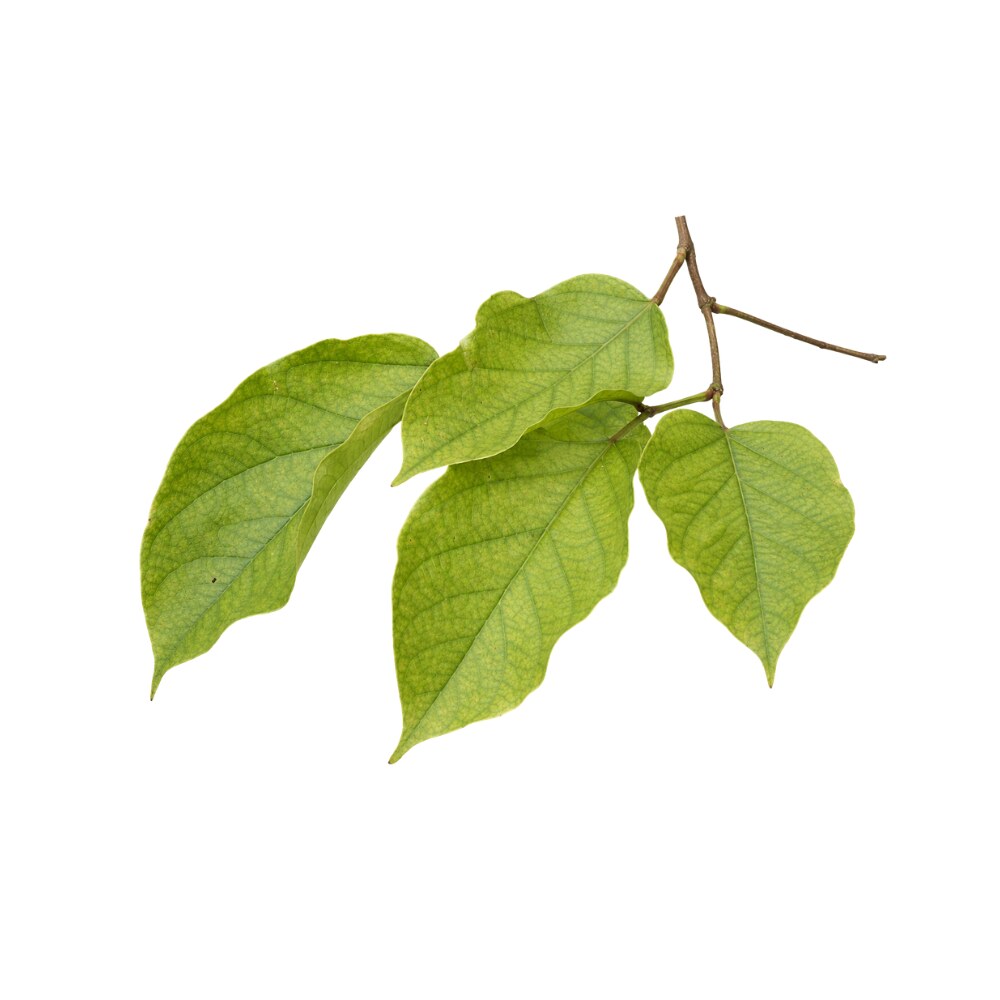 Clavo Huasca Tynanthus panurensis Documented for saponins.
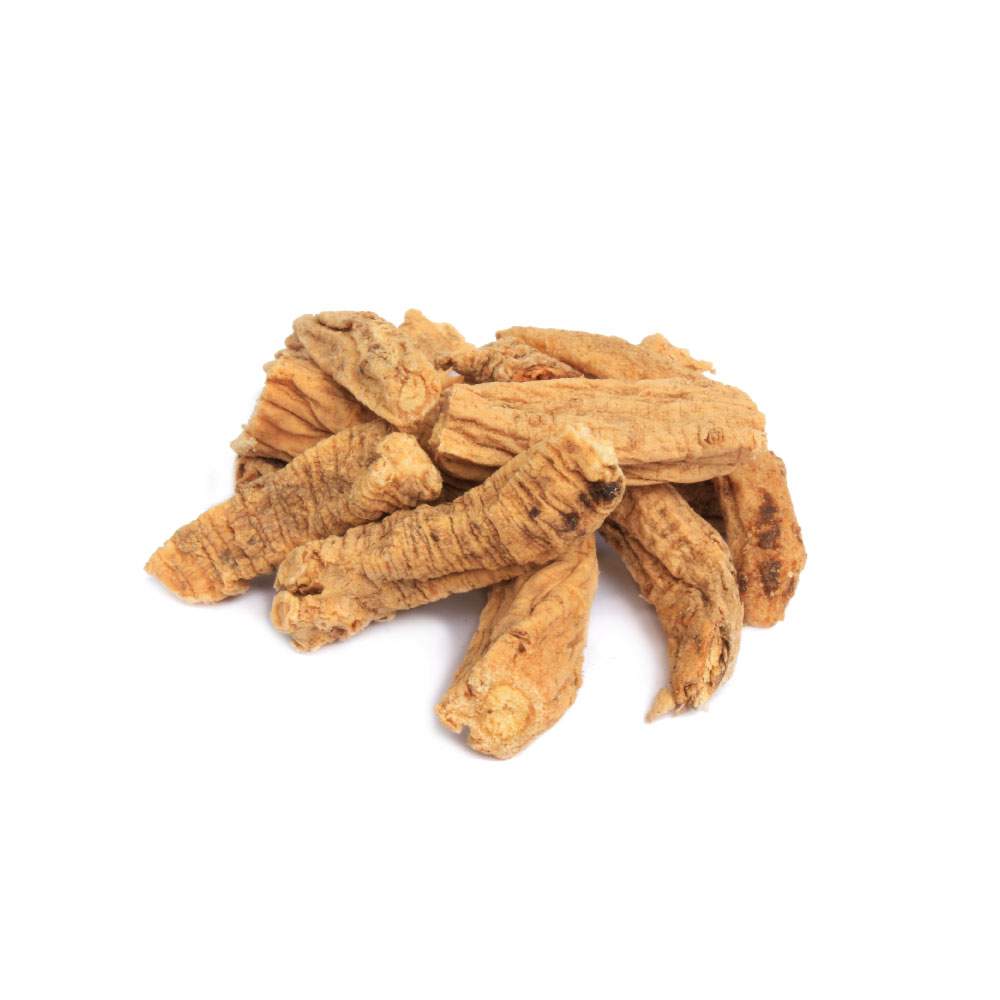 Codonopsis Codonopsis pilosula Documented for saponins.
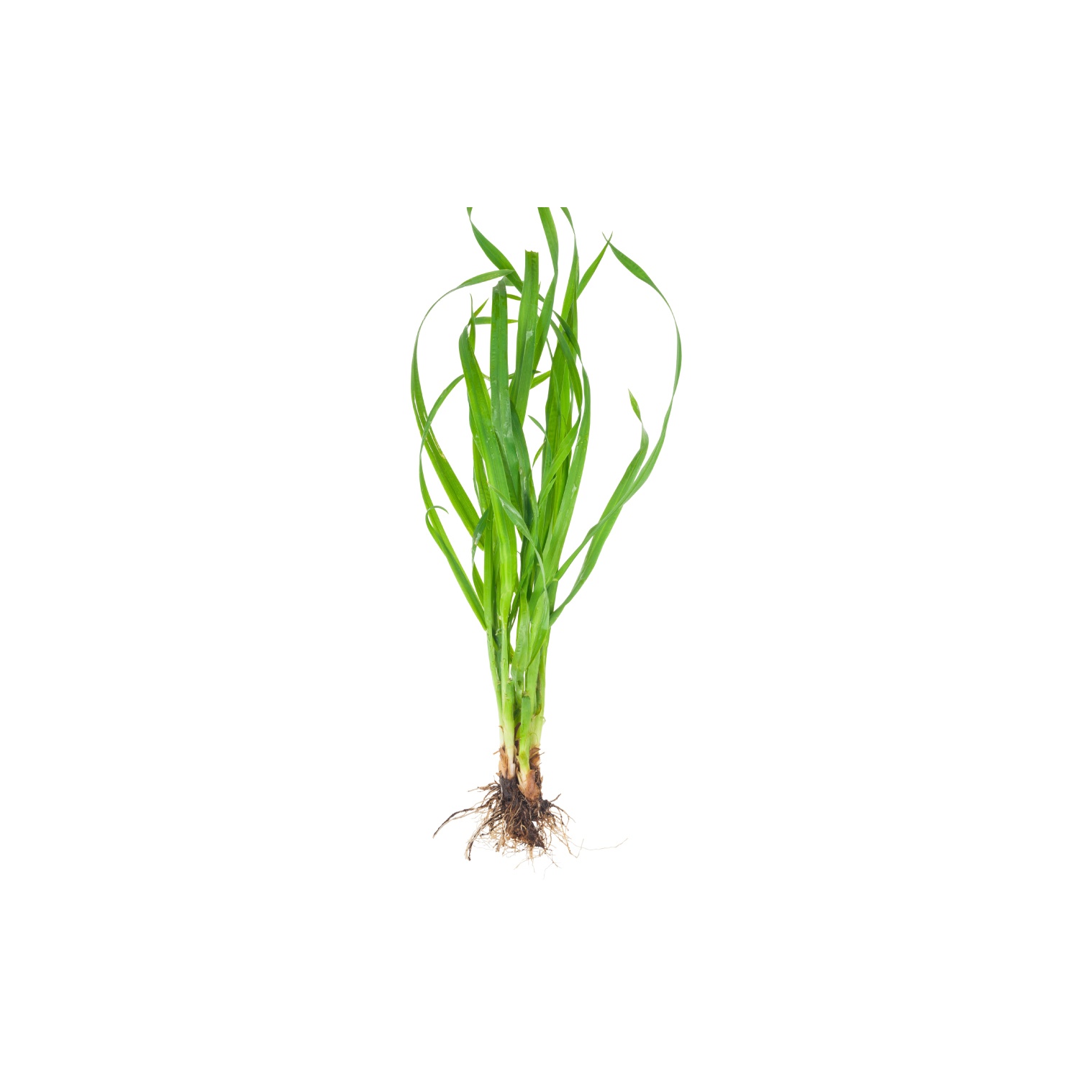 Couchgrass Elymus repens Documented for saponins.
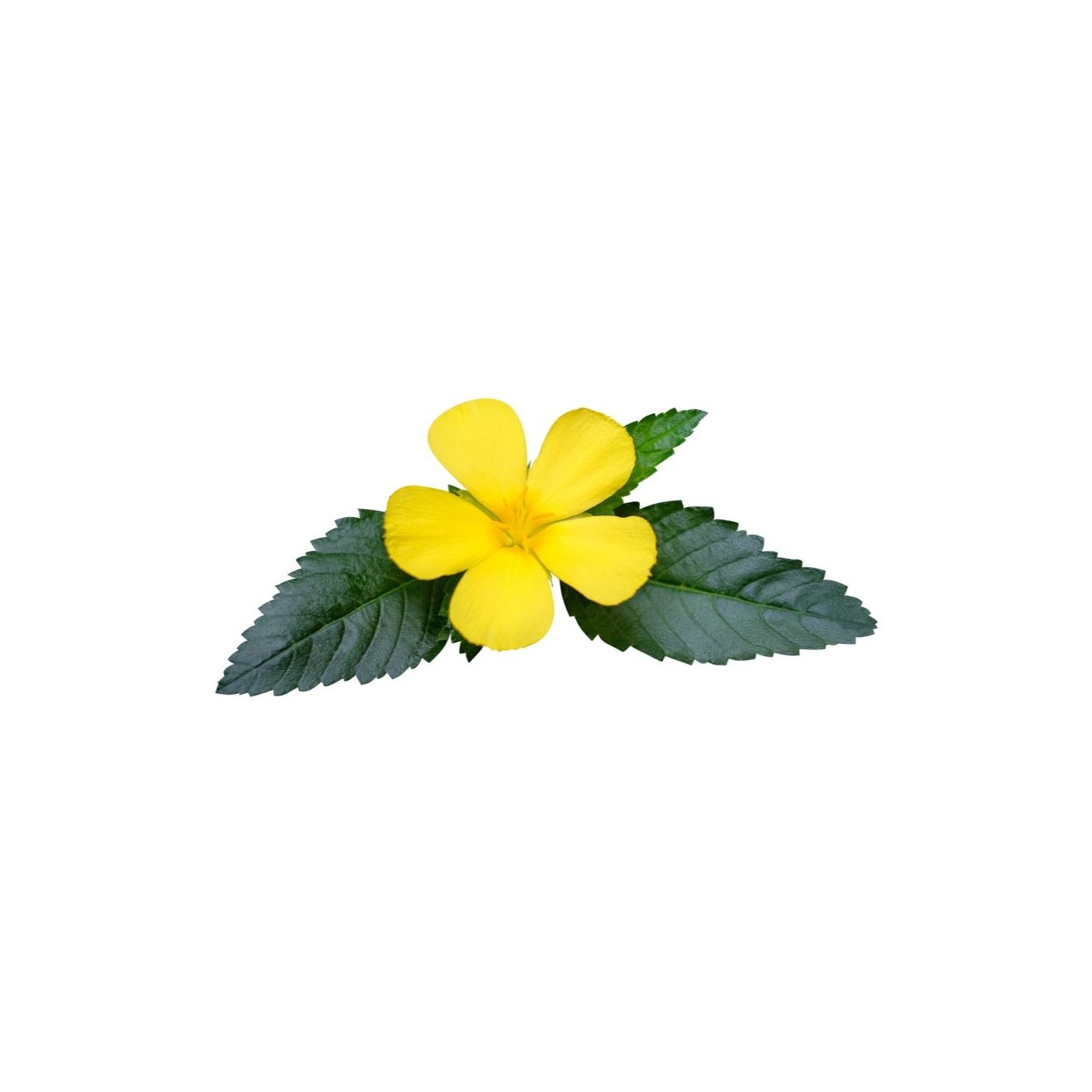 Damiana Turnera diffusa Documented for quinovo-pyranosides.
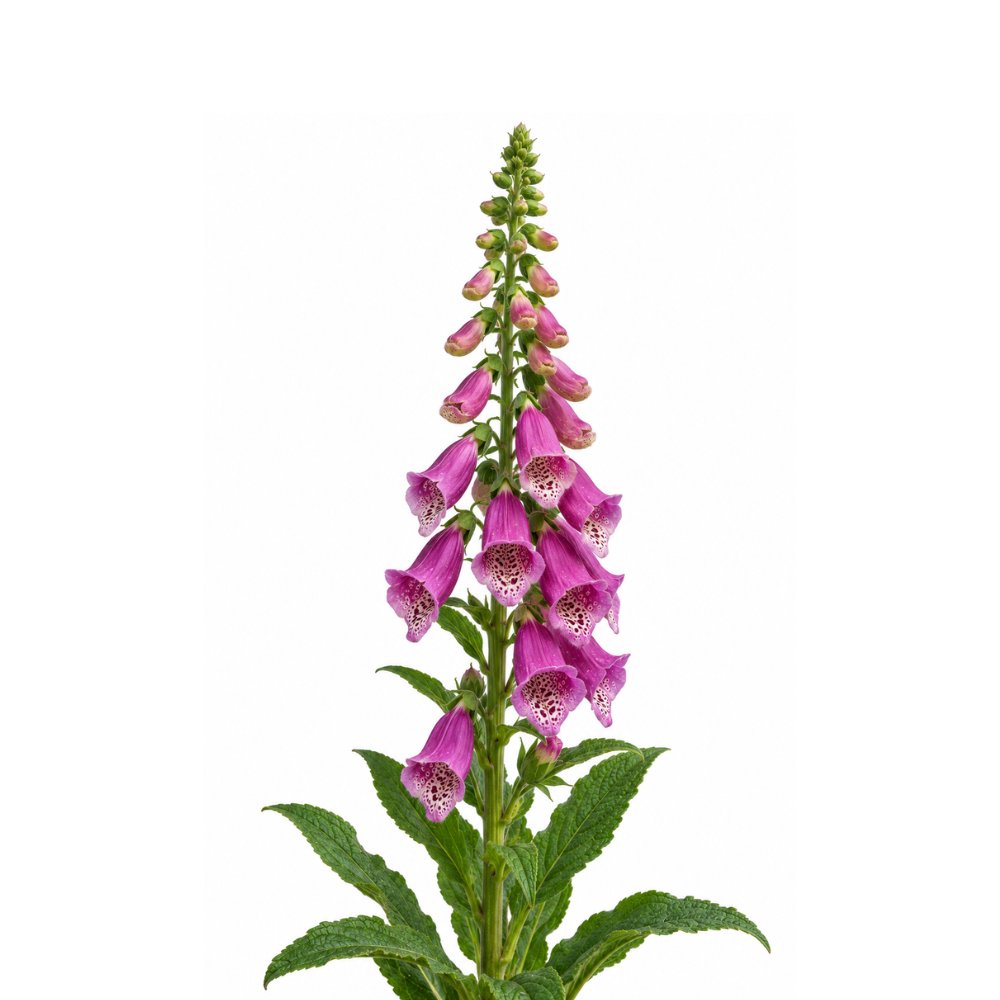 Foxglove ☠️ Digitalis purpurea Toxic Documented for digitonin.
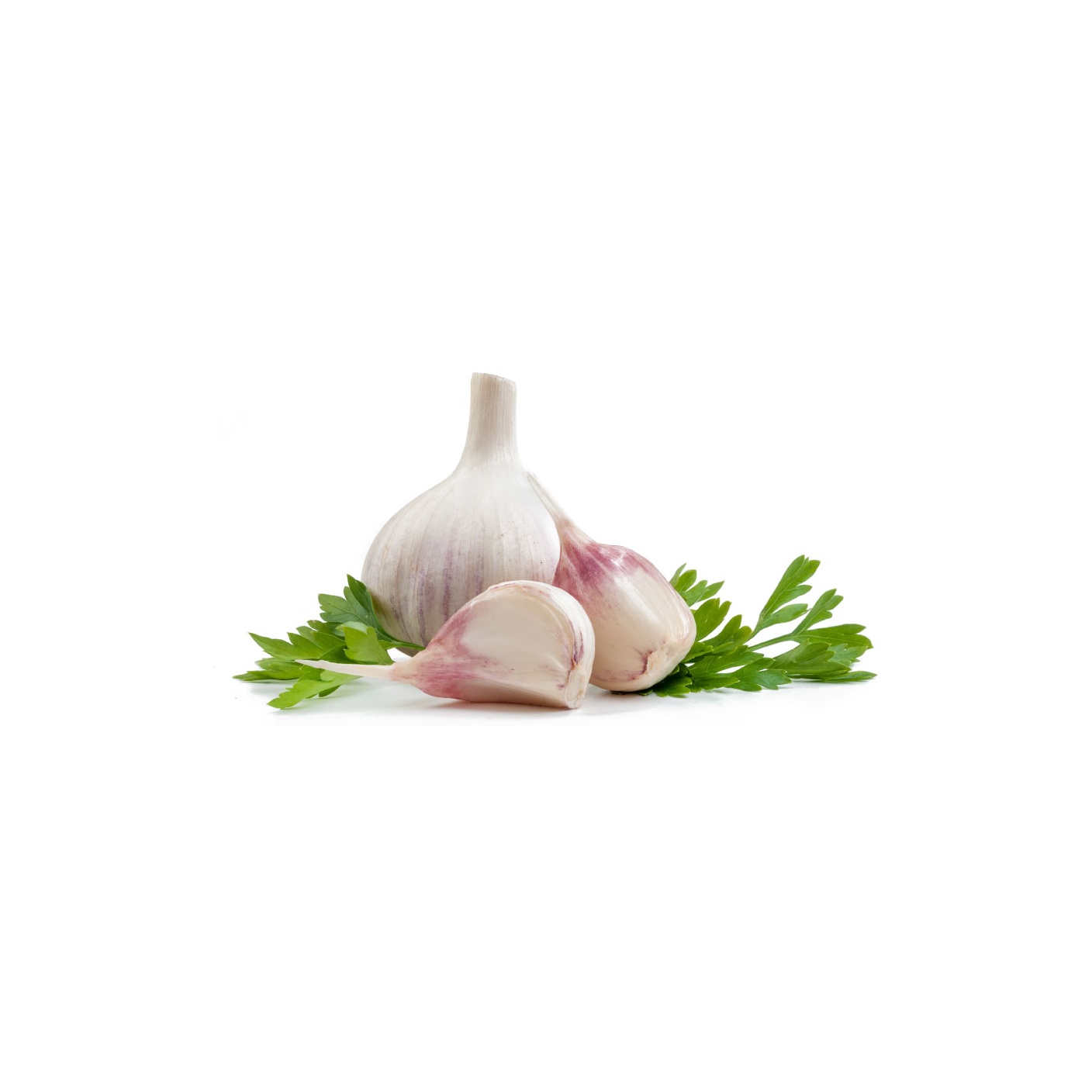 Garlic Allium sativum Documented for saponins.
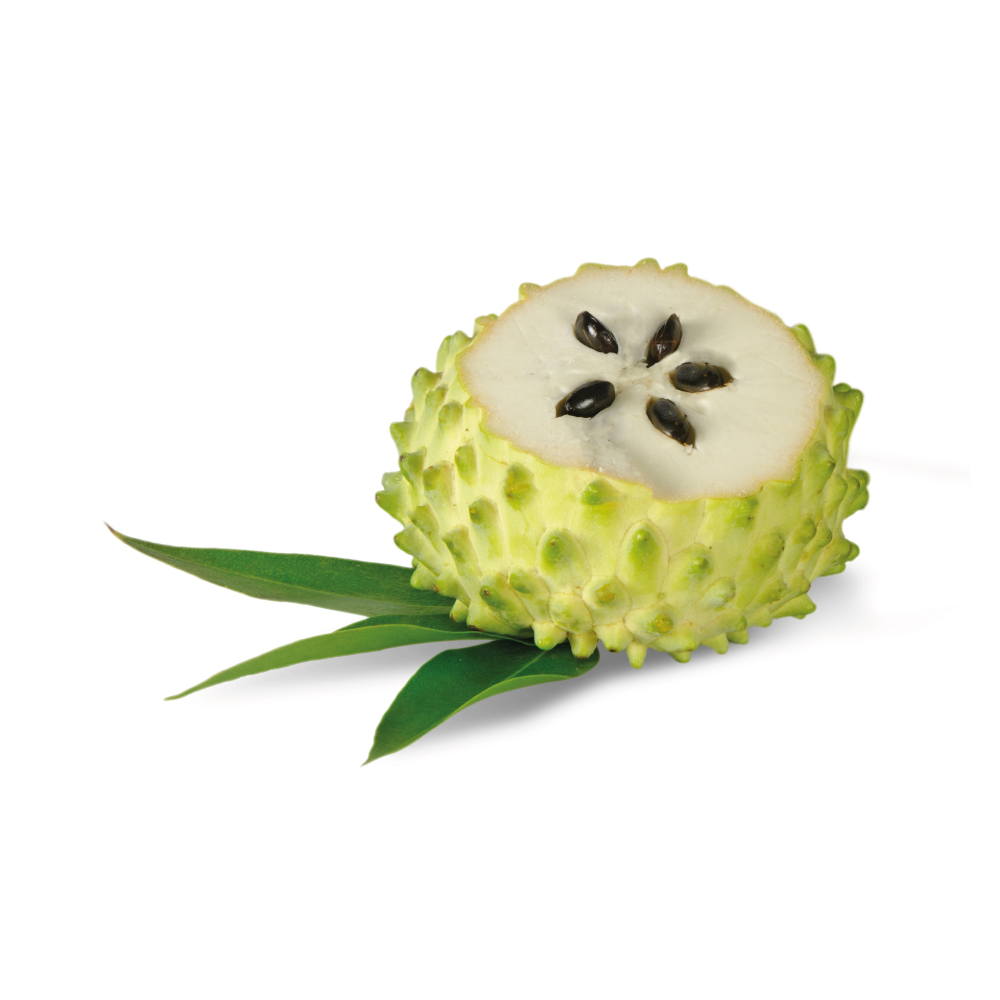 Graviola Annona muricata Toxic Documented for saponins.
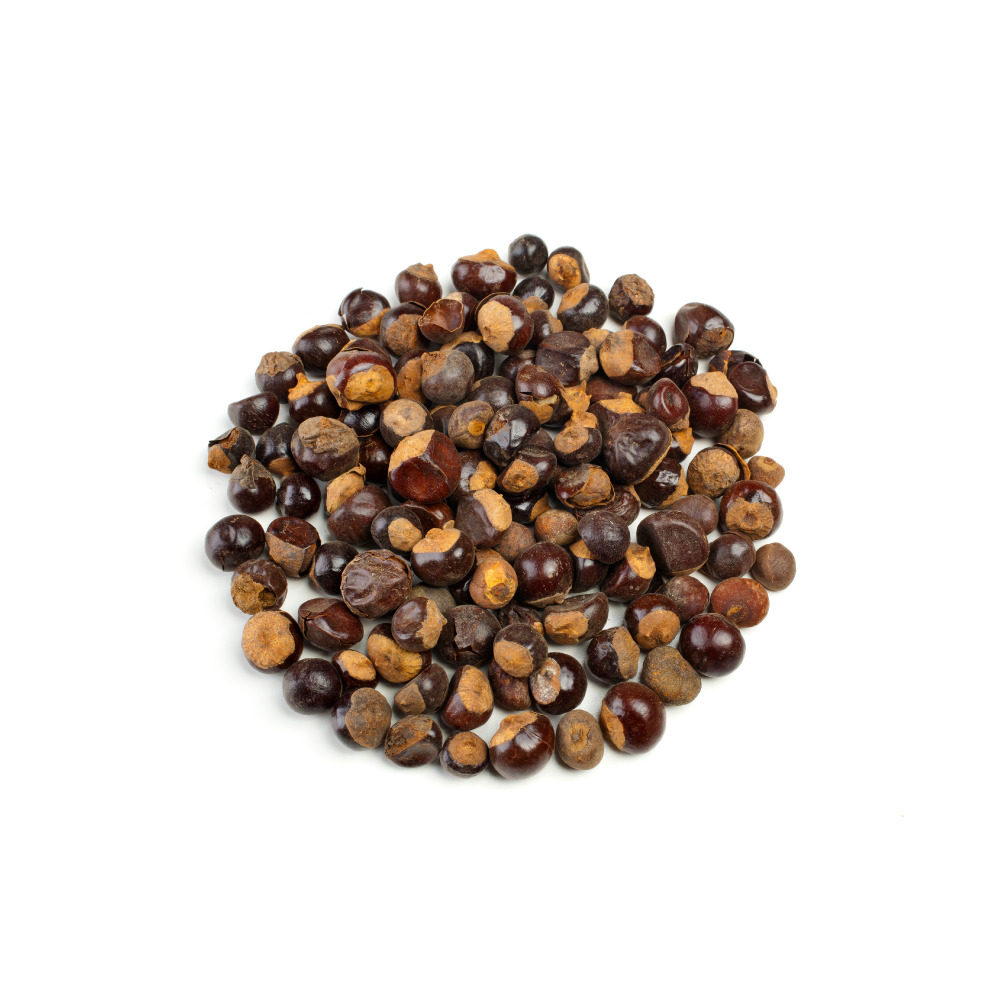 Guarana Paullinia cupana Documented for saponins.
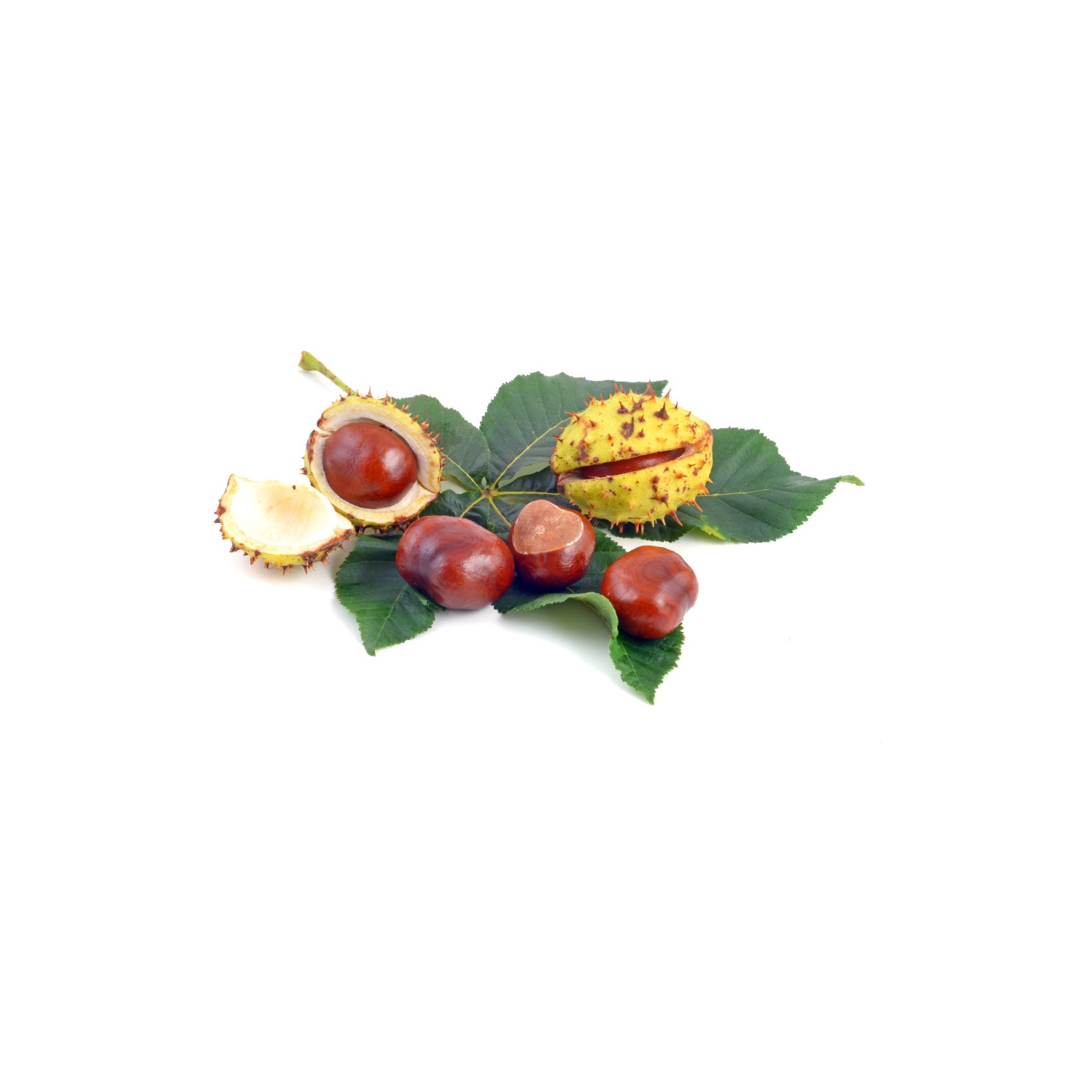 Horse Chestnut Aesculus hippocastanum Documented for aescin (0.8–4.2 % dry wt).
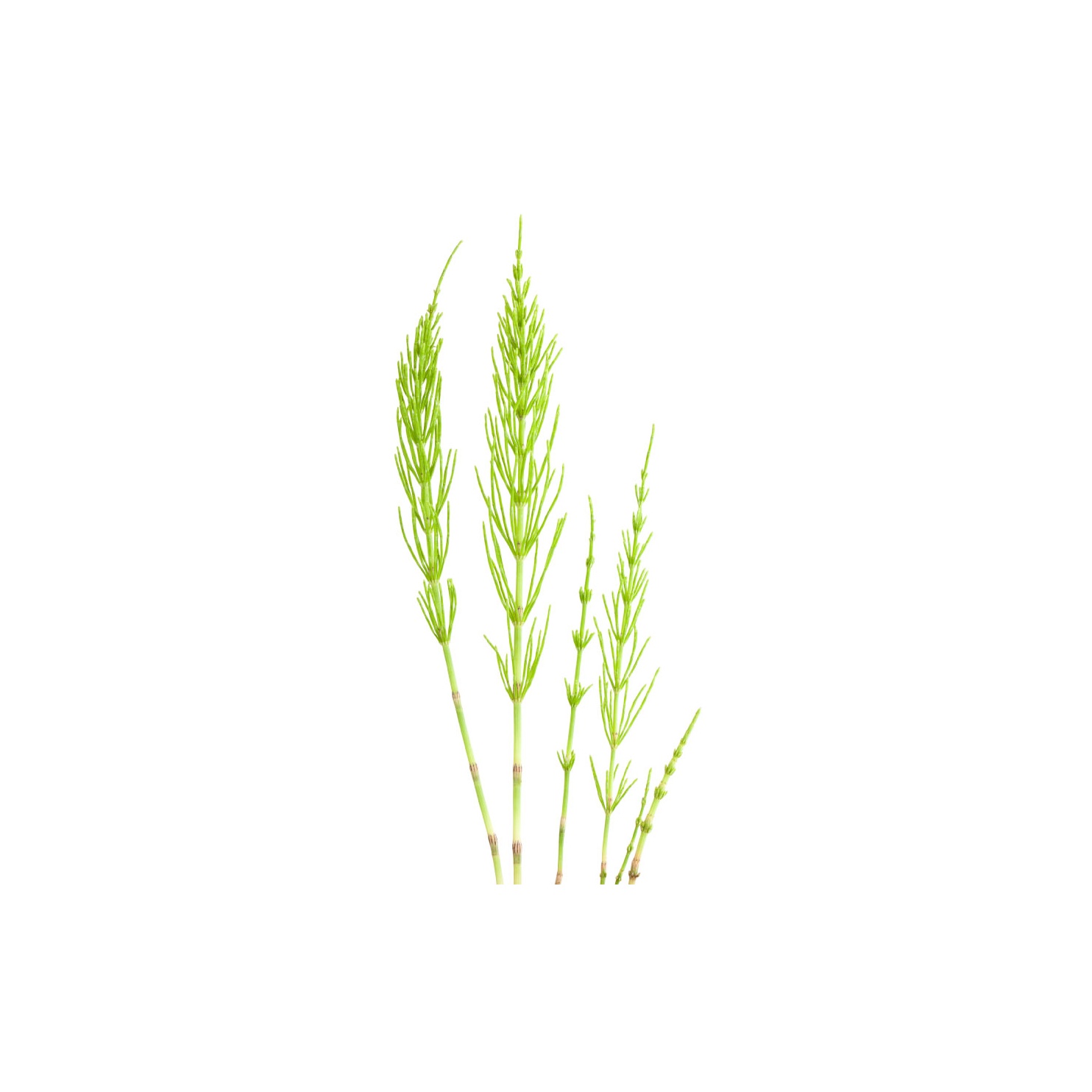 Horsetail Equisetum arvense Documented for equisetonin.
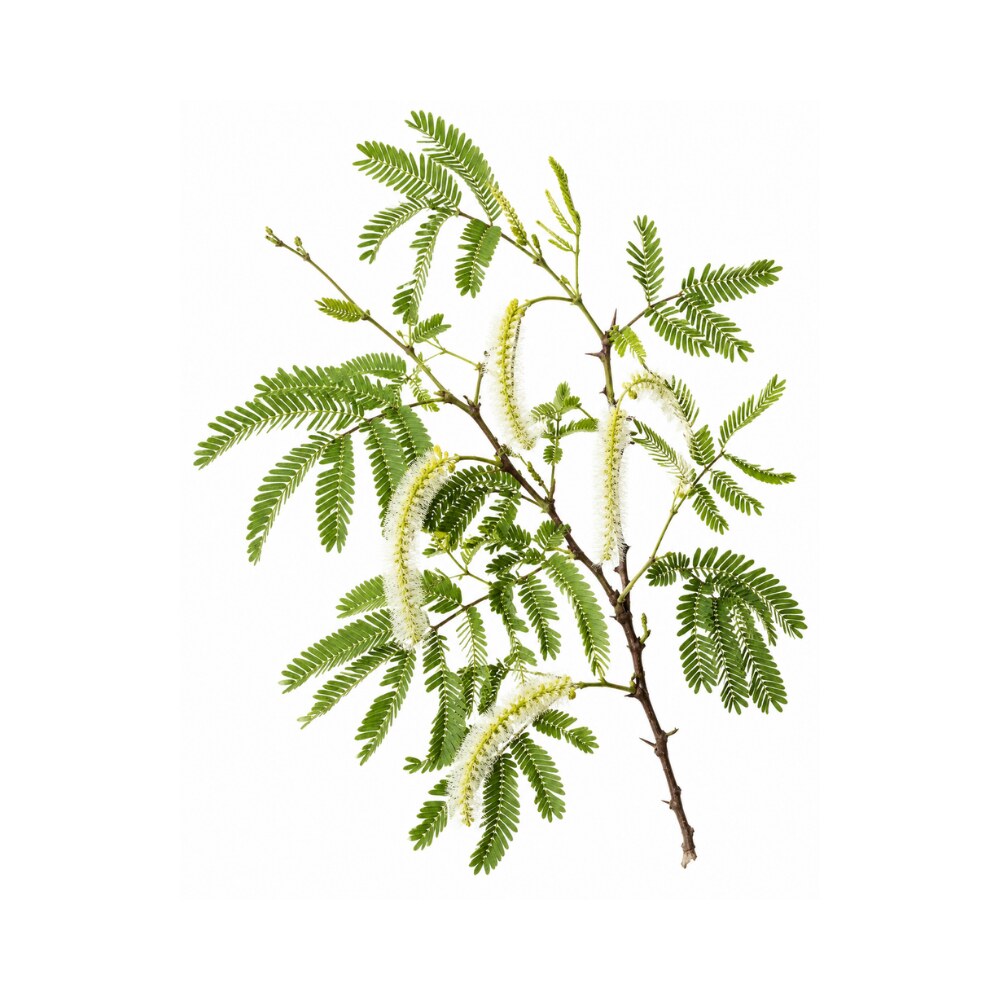 Jurema Mimosa tenuiflora Documented for saponins.
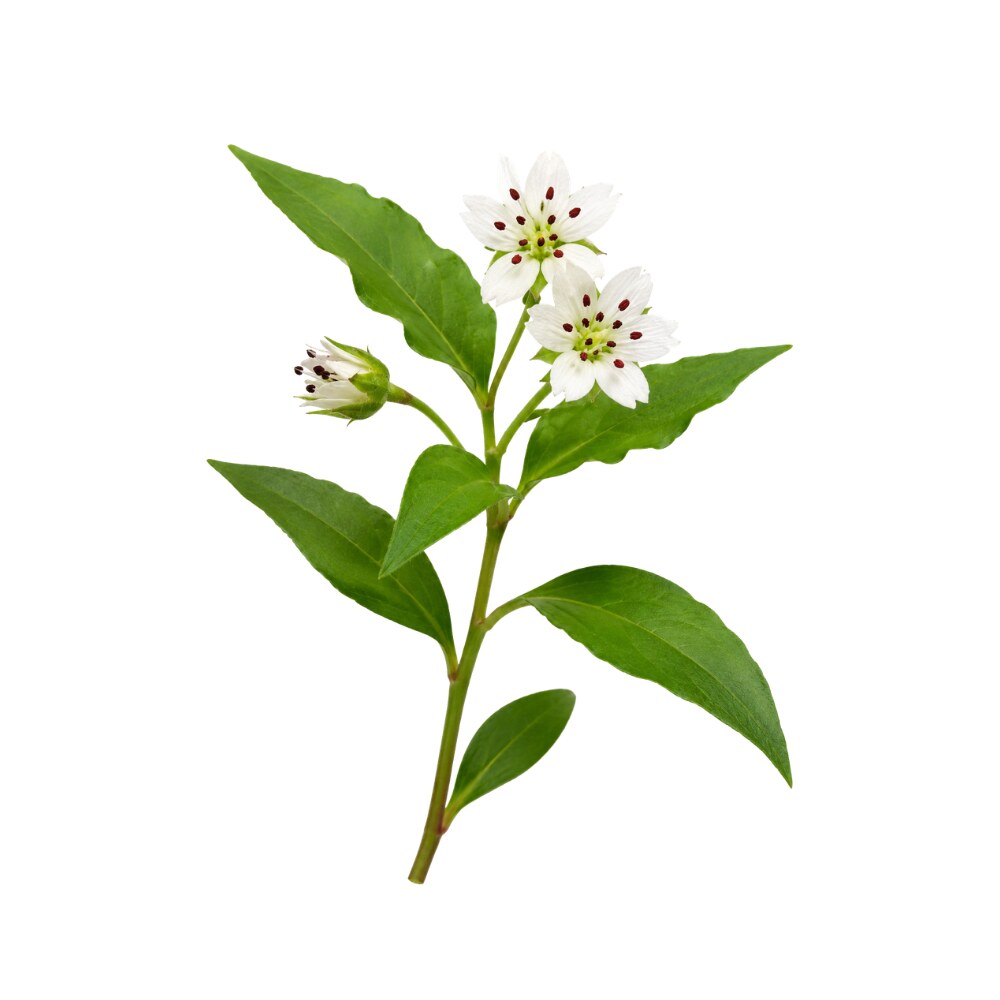 Kid Ginseng Pseudostellaria heterophylla Documented for pseudostellarinoside A.
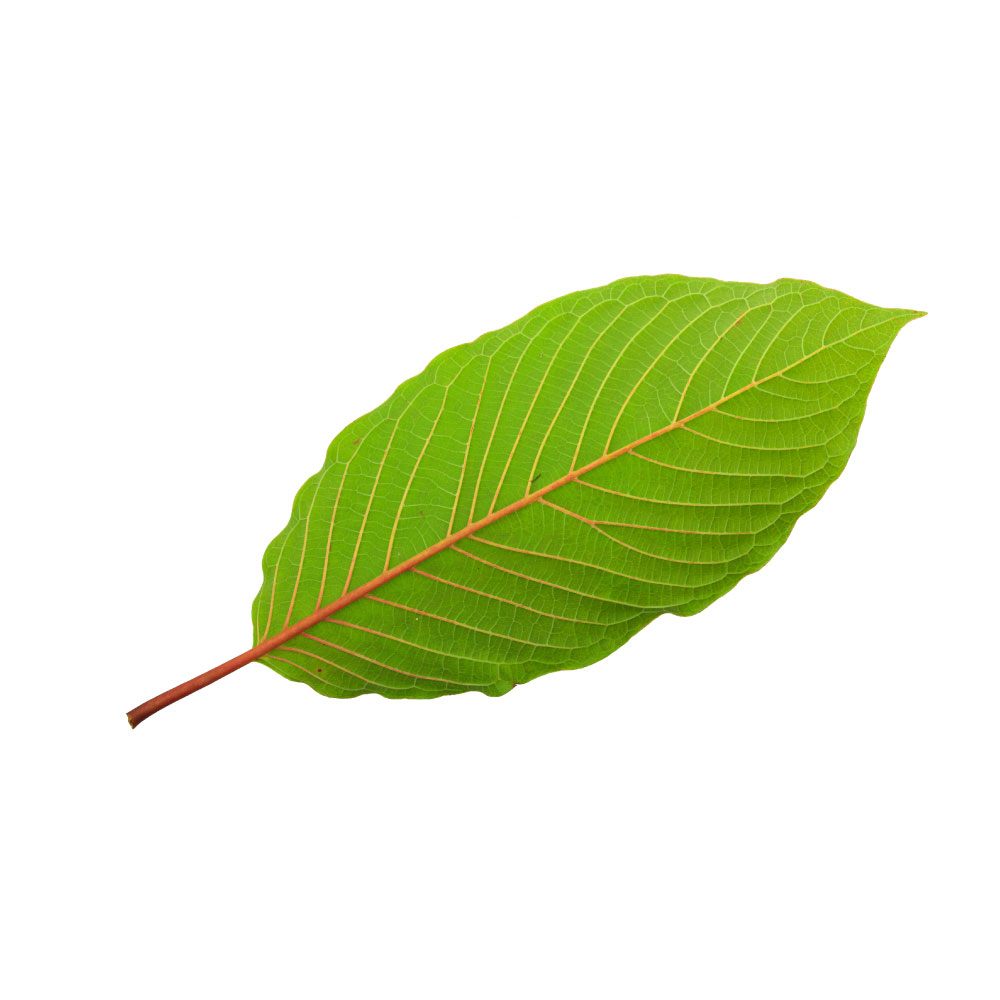 Kratom Mitragyna speciosa Documented for saponins.
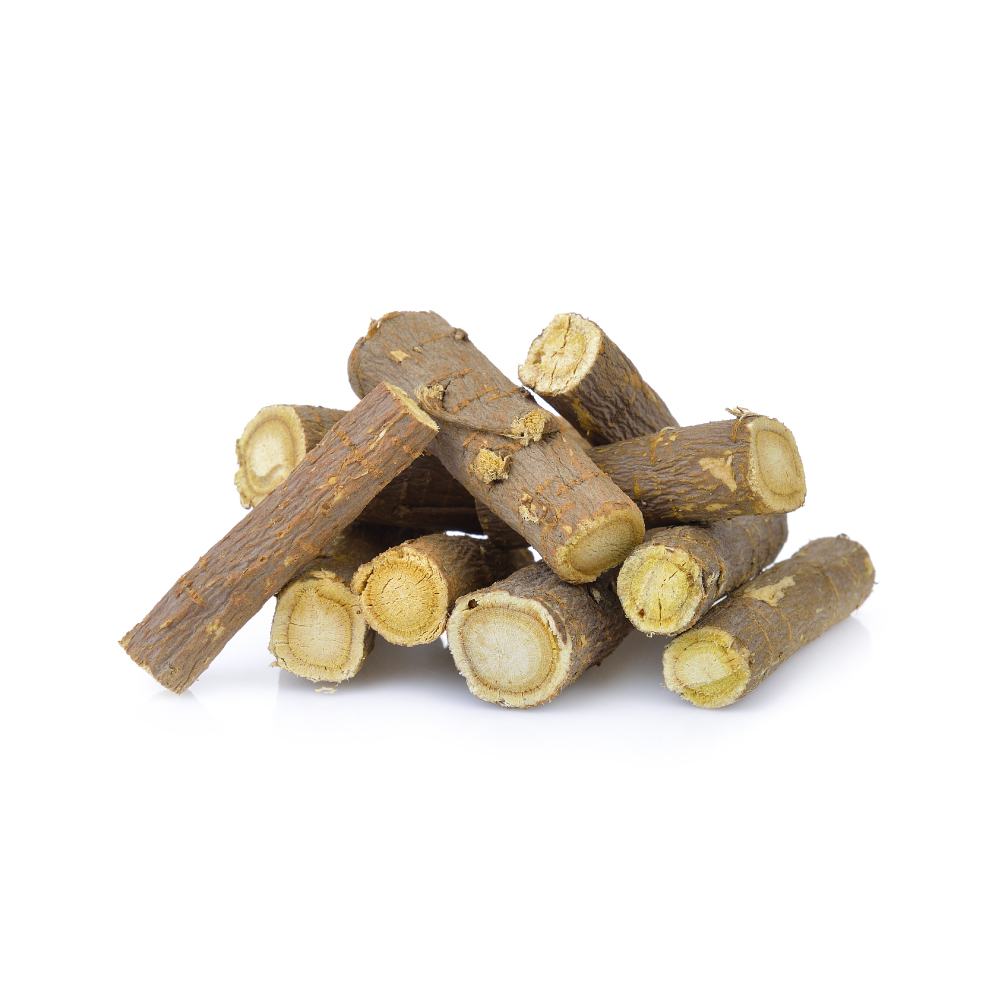 Licorice Glycyrrhiza glabra Documented for glycyrrhizin (2–6 % dry wt).
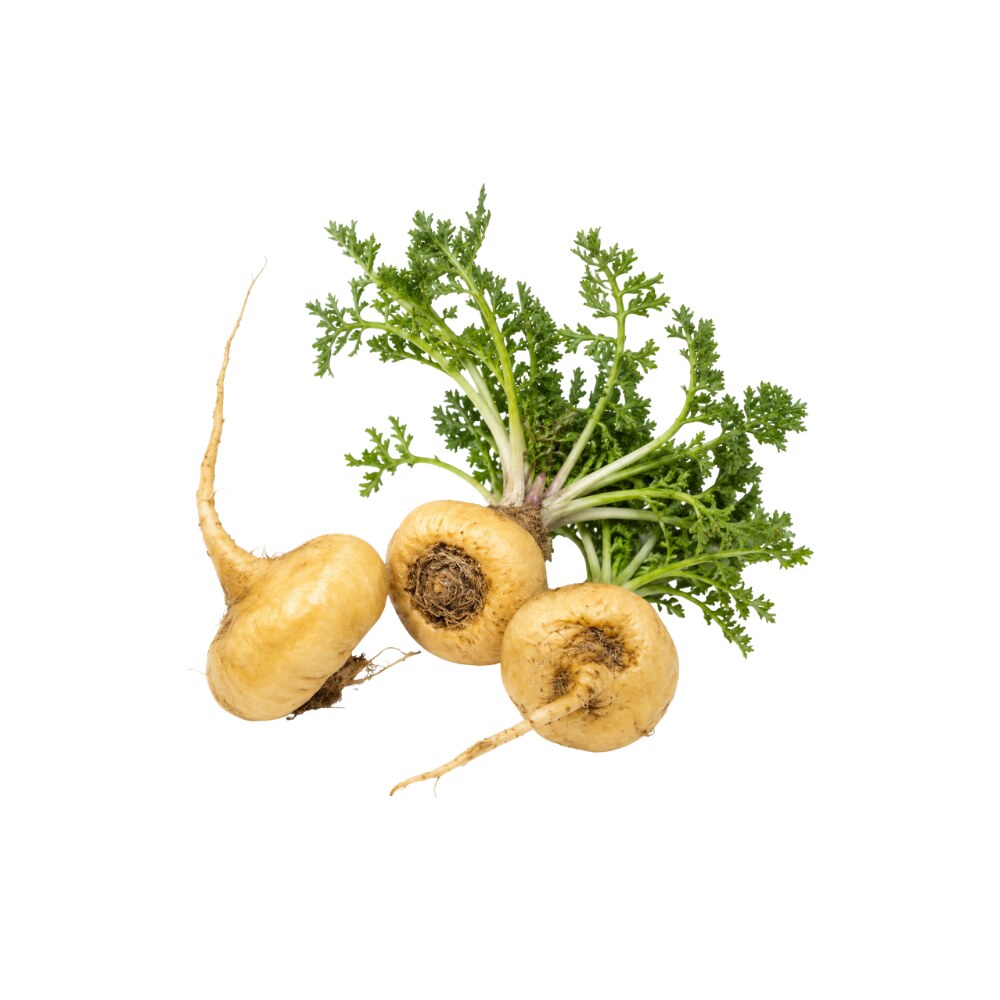 Maca Lepidium meyenii Documented for saponins.
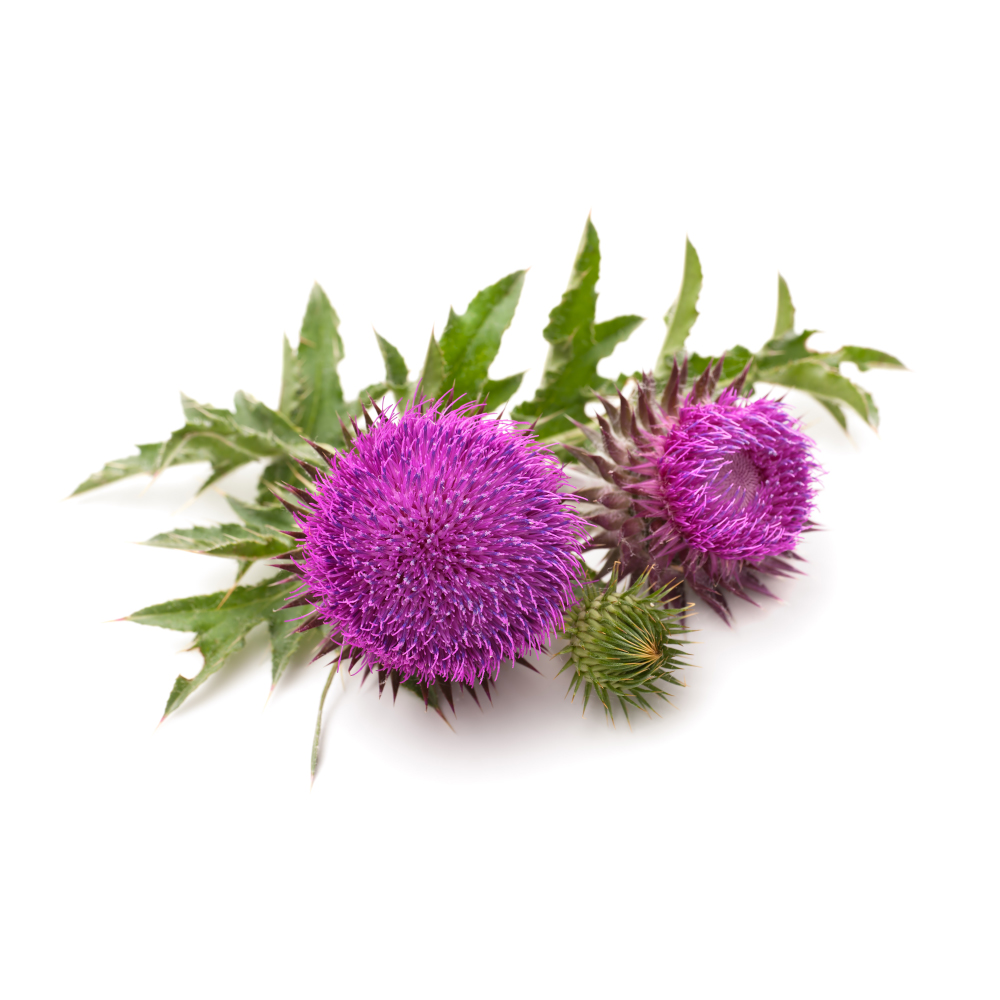 Milk Thistle Silybum marianum Documented for saponins.
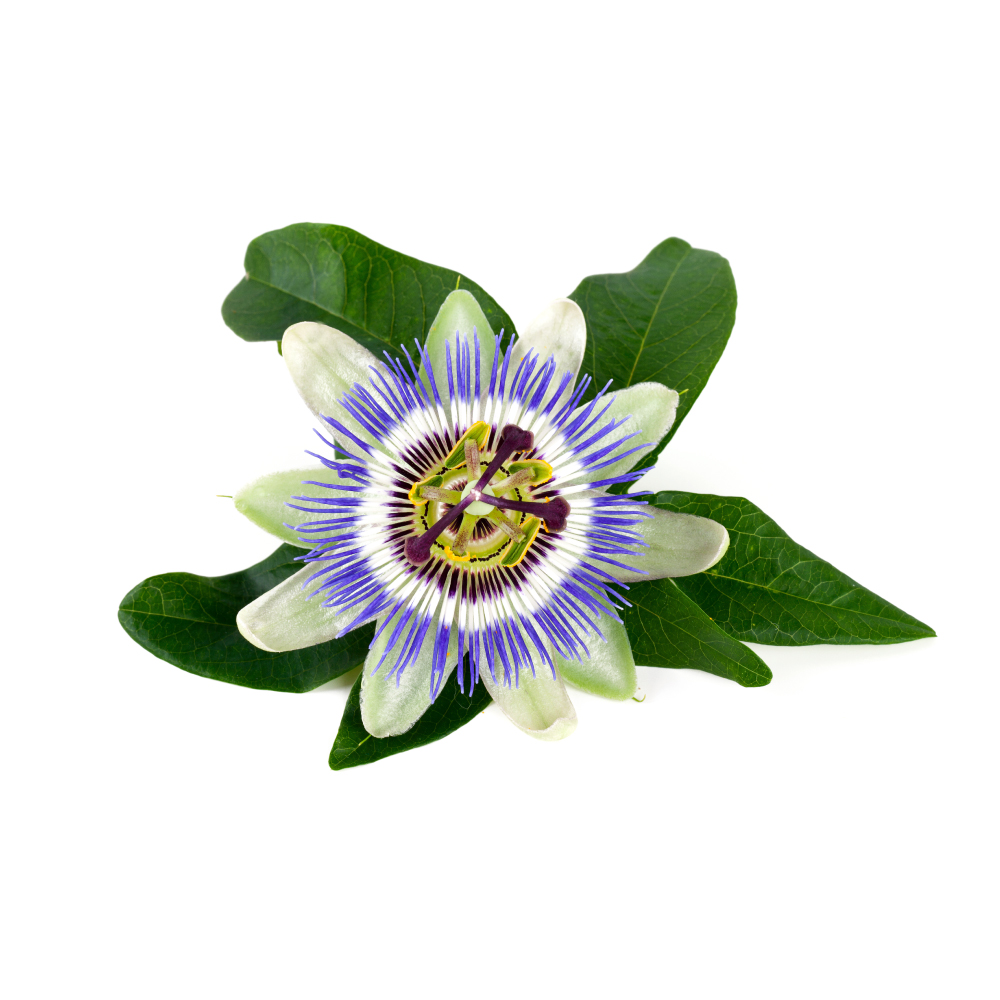 Passionflower Passiflora incarnata Documented for cyclopassiflosides.
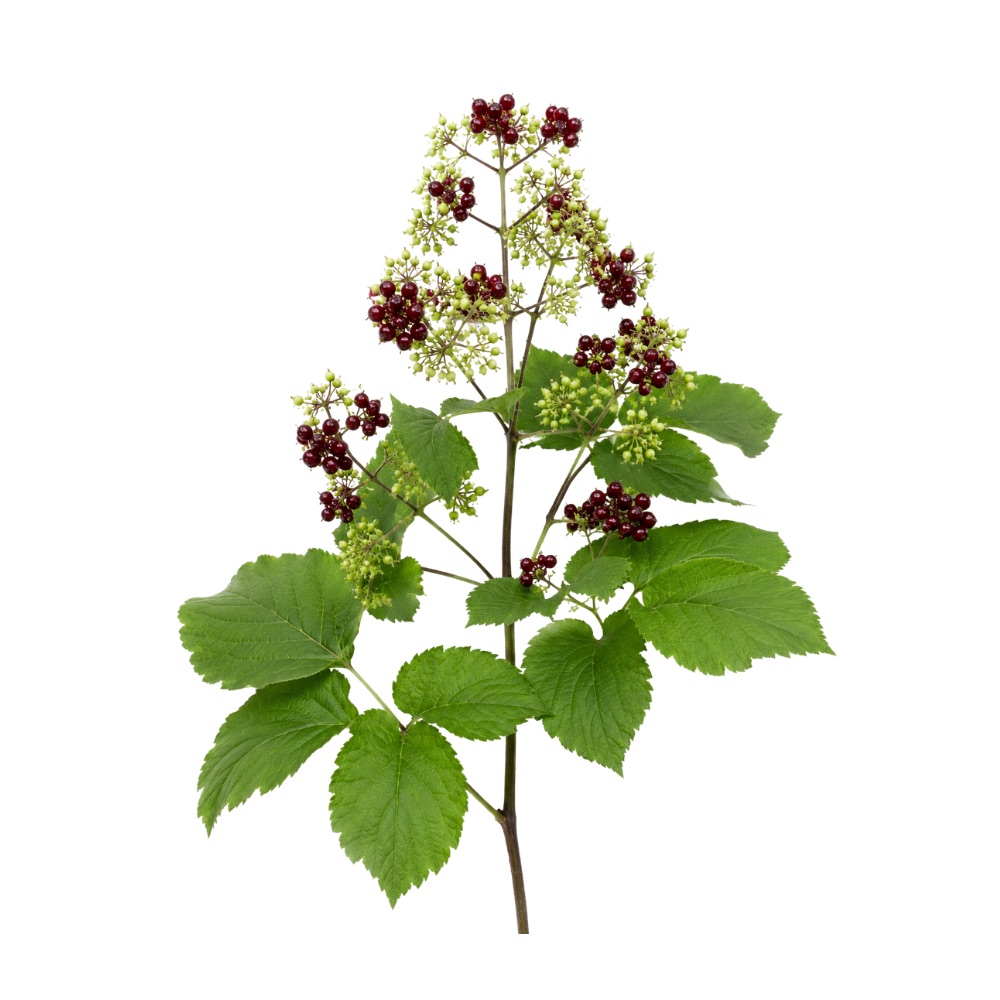 Spikenard Aralia racemosa Documented for aralosides.
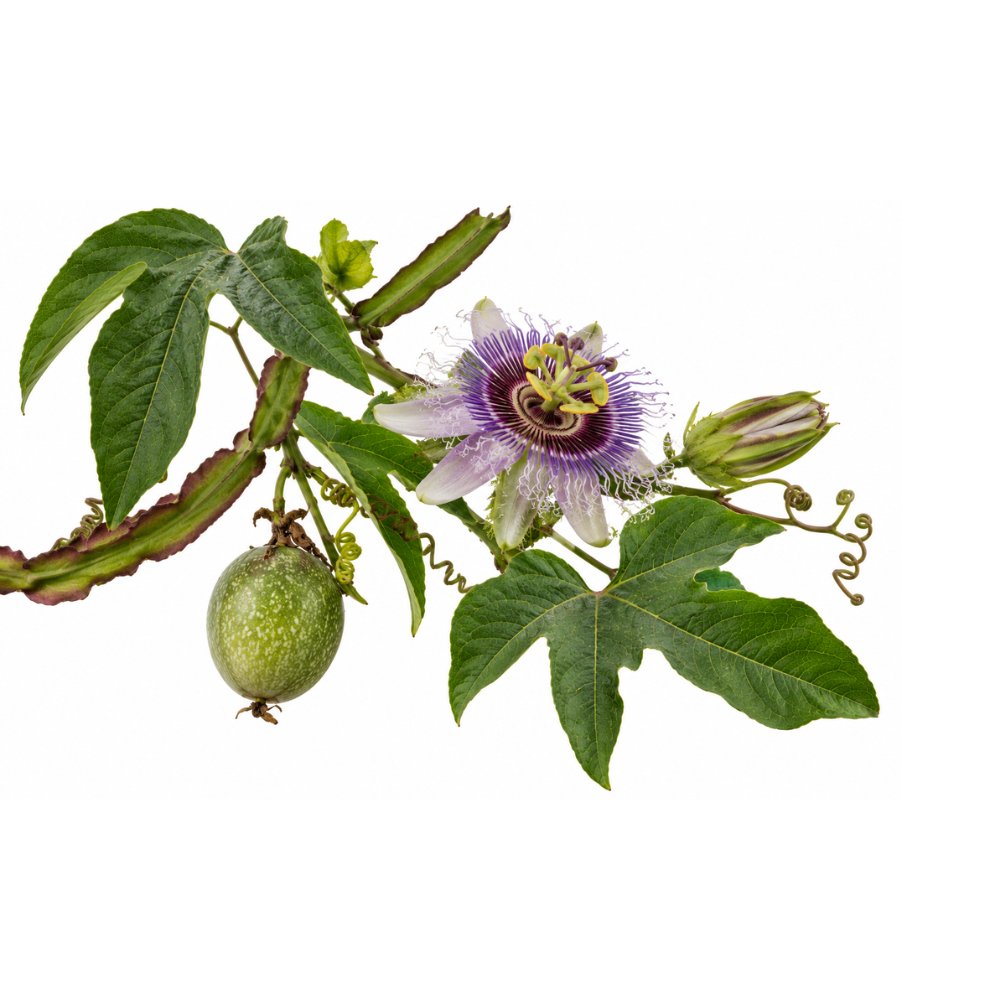 Winged-Stem Passionflower Passiflora alata Documented for saponins.
Keep Exploring
Other Compound Classes
Keep Reading
 GuidesThe Best Kava: A Buyer's GuideHow to buy good kava: noble vs two-day cultivars, which part of the root, chemotype codes, origin, form, and the batch tests a seller should show you.
Read more
 GuidesThe Amazon's Endangered Medicinal PlantsThe Amazon gives us some of our most important medicines — but which healing plants are actually endangered?
Read more
 NutritionThe Best Yerba Maté Brands [Reviewed]A drinker's guide to buying yerba maté — what actually changes the taste, and ten brands worth your money.
Read more
 GuidesHow to Prepare Yerba Maté — The Five Best MethodsHow to brew yerba maté properly — the traditional gourd method, plus tereré, french press and cold brew.
Read more