
Materia Medica
American Ginseng
Panax quinquefolius
American ginseng is a small woodland herb of eastern North America whose slow-growing root is a cooling tonic in Chinese medicine. It is studied for fatigue, memory, blood-sugar control and colds.
What Is American Ginseng?
American ginseng is a small woodland perennial of eastern North America, valued for its slow-growing root. It is one of the true ginsengs, in the same genus as Asian ginseng.
It grows in the shade of mature hardwood forests from southern Ontario and Quebec to Georgia and Louisiana, and a plant can live for more than 50 years 39Reference 39Recovery Strategy for the American Ginseng (Panax quinquefolius) in Canada — Species at Risk Act Recovery Strategy Series. https://www.canada.ca/en/environment-climate-change/services/species-risk-public-registry/recovery-strategies/american-ginseng-2018.htmlView study →. Chinese medicine took it up as xi yang shen and classes it as cool, in contrast to the warm Asian ginseng 36Reference 36AnimalInvestigation on property differences of ginseng and American ginseng by spatial metabolomics of neurochemicals with desorption electrospray ionization mass spectrometry imaging — animal model (rat)View study →.
The root’s active compounds are ginsenosides, and it is especially rich in ginsenoside Rb1 35Reference 35ReviewChemical analysis of Panax quinquefolius (North American ginseng): a review — reviewView study →. Human trials have studied it for cancer-related fatigue, working memory, blood-sugar control and colds.
Its ginsenoside profile differs from that of Asian ginseng, and the two are sold and used as separate herbs 35Reference 35ReviewChemical analysis of Panax quinquefolius (North American ginseng): a review — reviewView study →.
How Is American Ginseng Used?
American ginseng is a tonic taken over weeks for fatigue, stamina and recovery, especially where a calmer, less stimulating ginseng is wanted. The dried root is used whole, powdered or as a standardised extract.
- Dried root, decoction or capsules — 1–3 g a day in Western practice; 3–9 g a day in Chinese medicine.
- Tincture (1:5) — 5–10 mL a day.
- Standardised extracts — used in the trials for memory, colds and blood sugar, at the doses in the Dosage section.
Traditional Uses
American ginseng’s oldest medicinal tradition is Native American. Eastern and Great Lakes peoples used the root as a general tonic and cure-all, for complaints such as headache, fever, coughs and stomach upset, and as a charm 45Reference 45Moerman, D. E. Native American Ethnobotany Database (NAEB): Panax quinquefolius L. — ethnobotanical database (compiled from Moerman, Native American Ethnobotany, Timber Press, 1998). http://naeb.brit.org/uses/species/2793/View study →. It was identified by Europeans in the 1700s, and the export trade to China that followed brought it into Chinese medicine as xi yang shen, classed as cooling where Asian ginseng is warming 36,
Native American Medicine
Many eastern and Great Lakes peoples used the root, and their uses are compiled in the Native American Ethnobotany database 45Reference 45Moerman, D. E. Native American Ethnobotany Database (NAEB): Panax quinquefolius L. — ethnobotanical database (compiled from Moerman, Native American Ethnobotany, Timber Press, 1998). http://naeb.brit.org/uses/species/2793/View study →. The Cherokee are among the peoples whose medicinal plants, American ginseng included, are still in use as herbal medicines today 46Reference 46ReviewThe Phytochemistry of Cherokee Aromatic Medicinal Plants — reviewView study →.
The Delaware, Mohegan, Meskwaki, Iroquois and Seminole used the root as a general tonic, and the Delaware, Mohegan, Meskwaki and Iroquois also treated it as a panacea. The Delaware gave it in severe illness when other cures had failed. The Iroquois used it as a stimulant and a blood medicine, and the Meskwaki and Potawatomi added it to other medicines to make them stronger 45Reference 45Moerman, D. E. Native American Ethnobotany Database (NAEB): Panax quinquefolius L. — ethnobotanical database (compiled from Moerman, Native American Ethnobotany, Timber Press, 1998). http://naeb.brit.org/uses/species/2793/View study →.
The Cherokee gave the root as a tonic and for headache, convulsions and palsy, coughs, colic, thrush and “weakness of the womb” 45Reference 45Moerman, D. E. Native American Ethnobotany Database (NAEB): Panax quinquefolius L. — ethnobotanical database (compiled from Moerman, Native American Ethnobotany, Timber Press, 1998). http://naeb.brit.org/uses/species/2793/View study →. The Iroquois gave it for night fevers, vomiting and upset stomach, sore eyes and earache, asthma and poor appetite. The Creek took a decoction to bring on a sweat in fevers and for shortness of breath, and the Houma took it for vomiting and, with whiskey, for rheumatism 45Reference 45Moerman, D. E. Native American Ethnobotany Database (NAEB): Panax quinquefolius L. — ethnobotanical database (compiled from Moerman, Native American Ethnobotany, Timber Press, 1998). http://naeb.brit.org/uses/species/2793/View study →.
The root also had uses beyond medicine. Menominee hunters chewed it to attract deer, the Meskwaki, Pawnee and Seminole used it in love medicines, and the Chippewa carried it as a good-luck charm 45Reference 45Moerman, D. E. Native American Ethnobotany Database (NAEB): Panax quinquefolius L. — ethnobotanical database (compiled from Moerman, Native American Ethnobotany, Timber Press, 1998). http://naeb.brit.org/uses/species/2793/View study →. The Cherokee and Chippewa also sold the root to traders as a cash crop 45Reference 45Moerman, D. E. Native American Ethnobotany Database (NAEB): Panax quinquefolius L. — ethnobotanical database (compiled from Moerman, Native American Ethnobotany, Timber Press, 1998). http://naeb.brit.org/uses/species/2793/View study →.
It was chewed, taken as an infusion or decoction, smoked, or pounded into a poultice 45Reference 45Moerman, D. E. Native American Ethnobotany Database (NAEB): Panax quinquefolius L. — ethnobotanical database (compiled from Moerman, Native American Ethnobotany, Timber Press, 1998). http://naeb.brit.org/uses/species/2793/View study →.
Traditional Chinese Medicine
Classification is for the dried root (xi yang shen): sweet and slightly bitter, cool, it tonifies qi and nourishes yin while clearing deficiency heat [44].
Chinese medicine received Panax quinquefolius as xi yang shen, “western ocean ginseng”, through the trade with North America that followed its identification in the 1700s 44Reference 44A Survey of the History and Applications of American Ginseng (西洋参)View study →. It is classed as cool, where Asian ginseng is warm 36Reference 36AnimalInvestigation on property differences of ginseng and American ginseng by spatial metabolomics of neurochemicals with desorption electrospray ionization mass spectrometry imaging — animal model (rat)View study →.
It is classed as sweet and slightly bitter, entering the Heart, Lung and Kidney channels 44Reference 44A Survey of the History and Applications of American Ginseng (西洋参)View study →. It is used to tonify qi while nourishing yin, generating fluids and clearing deficiency heat 44Reference 44A Survey of the History and Applications of American Ginseng (西洋参)View study →.
That suits it to patterns of qi-and-yin depletion with heat signs, such as thirst, a dry mouth and throat, irritability, a dry chronic cough and fatigue in someone who runs hot, and to convalescence where the warming Asian ginseng would add to the heat 44Reference 44A Survey of the History and Applications of American Ginseng (西洋参)View study →.
The dried root is decocted at 3–9 g a day 44Reference 44A Survey of the History and Applications of American Ginseng (西洋参)View study →.
Western Herbal Medicine
In Western practice American ginseng is the ginseng used when a tonic is wanted without stimulation. It is given for depleted, dry, irritable or convalescent states, for fatigue after illness or medical treatment, and to people who find Asian ginseng overstimulating or disturbing to sleep.
It is typically given as a 1–3 g daily decoction of the dried root, or as a 1:5 tincture at 5–10 mL a day.
Indications
- Cancer-related fatigue [pure ground root]
- Fatigue, weakness and convalescence [root; TCM, Western herbal, Native American]
- Qi-and-yin depletion with heat signs, such as thirst, dry cough and irritability [root; TCM]
- Working memory [root extract] Caution: All the positive trials are single-dose studies of one standardised extract; sustained daily use and whole-root preparations have not been tested 5,
6 . - Blood-sugar control in type 2 diabetes [root, root extract]
- Prevention of colds and respiratory infections [root polysaccharide extract] Caution: The pooled trials carry a high risk of bias, and the largest trial, in people with chronic lymphocytic leukaemia, missed its main endpoints 13,
17 . - Arterial stiffness and blood pressure in type 2 diabetes [root extract]
- Headache, convulsions, coughs and colic [root; Cherokee]
- Fevers, vomiting and upset stomach [root; Iroquois, Creek, Houma]
Botany
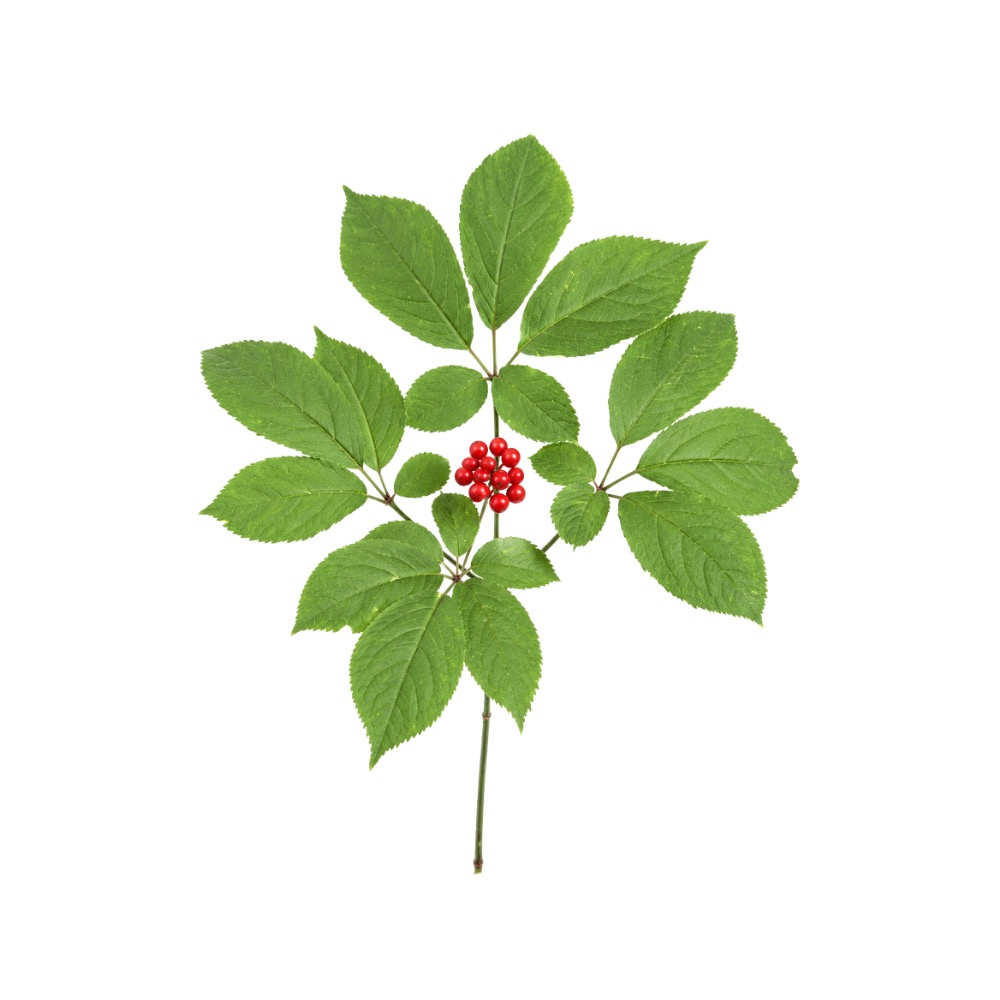
American ginseng is a small herbaceous perennial in the ginseng and ivy family (Araliaceae). It shares the genus Panax with Asian ginseng (P. ginseng) and notoginseng (P. notoginseng). Other medicinal members of the family include eleuthero, devil’s club and spikenard.
The plant grows 20–70 cm tall from a single, smooth, unbranched stem 39,
A single umbel of 6–20 small yellow-green flowers rises from the centre of the whorl in May and June, on a stalk no longer than the leaf stalks 40,
Below ground the plant forms a spindle-shaped taproot topped by a thin rhizome 39,
Asian ginseng is the taller plant, 30–60 cm, with a larger umbel of 30–50 flowers on a stalk longer than the leaf stalks. Its leaf stalks lack the stipule-like outgrowths 42Reference 42Xiang, Q., & Lowry, P. P. Araliaceae: Panax ginseng — flora. Flora of China, Vol. 13. http://www.efloras.org/florataxon.aspx?flora_id=2&taxon_id=200015246View study →.
Distribution
American ginseng is native only to North America. It grows across much of the eastern United States, from New England and Minnesota south to Louisiana and Georgia, and in Canada in southern Ontario and Quebec 39Reference 39Recovery Strategy for the American Ginseng (Panax quinquefolius) in Canada — Species at Risk Act Recovery Strategy Series. https://www.canada.ca/en/environment-climate-change/services/species-risk-public-registry/recovery-strategies/american-ginseng-2018.htmlView study →. Less than 1% of the world’s wild population grows in Canada 39Reference 39Recovery Strategy for the American Ginseng (Panax quinquefolius) in Canada — Species at Risk Act Recovery Strategy Series. https://www.canada.ca/en/environment-climate-change/services/species-risk-public-registry/recovery-strategies/american-ginseng-2018.htmlView study →.
It is a shade plant of large, undisturbed, mature hardwood forests. The canopy above it is usually sugar maple, white ash, bitternut hickory, basswood, red oak or butternut, and the plant grows best in 10–30% of full light 39Reference 39Recovery Strategy for the American Ginseng (Panax quinquefolius) in Canada — Species at Risk Act Recovery Strategy Series. https://www.canada.ca/en/environment-climate-change/services/species-risk-public-registry/recovery-strategies/american-ginseng-2018.htmlView study →.
Sourcing. Harvesting the root kills the plant, and illegal digging of wild roots is the main threat to wild populations 39Reference 39Recovery Strategy for the American Ginseng (Panax quinquefolius) in Canada — Species at Risk Act Recovery Strategy Series. https://www.canada.ca/en/environment-climate-change/services/species-risk-public-registry/recovery-strategies/american-ginseng-2018.htmlView study →. American ginseng has been listed in CITES Appendix II since 1973, so international trade in the root is regulated 39Reference 39Recovery Strategy for the American Ginseng (Panax quinquefolius) in Canada — Species at Risk Act Recovery Strategy Series. https://www.canada.ca/en/environment-climate-change/services/species-risk-public-registry/recovery-strategies/american-ginseng-2018.htmlView study →.
In Canada it is listed as Endangered, and Ontario and Quebec law prohibits harvesting, possessing or exporting wild plants 39Reference 39Recovery Strategy for the American Ginseng (Panax quinquefolius) in Canada — Species at Risk Act Recovery Strategy Series. https://www.canada.ca/en/environment-climate-change/services/species-risk-public-registry/recovery-strategies/american-ginseng-2018.htmlView study →. The plant is rare or uncommon in most of its range, even in the United States 39Reference 39Recovery Strategy for the American Ginseng (Panax quinquefolius) in Canada — Species at Risk Act Recovery Strategy Series. https://www.canada.ca/en/environment-climate-change/services/species-risk-public-registry/recovery-strategies/american-ginseng-2018.htmlView study →.
American ginseng is grown commercially in North America and is widely cultivated in China 39,
Growing Conditions
Cultivation snapshot for American Ginseng
SunDeep to dappled shade — a forest-understorey plant
Grow it yourself
Farm Wiki is our cultivation-focused sister site, also run by Justin Cooke.
Pharmacology & Research
Most of the research on American ginseng is in people. It includes a phase III trial in cancer-related fatigue, several acute trials of memory and after-meal blood sugar, trials of a polysaccharide extract for respiratory infections, and small trials of arterial stiffness in people with diabetes.
A larger body of animal and cell work covers antioxidant, anti-inflammatory, liver-protective, neuroprotective and anticancer activity, much of it on leaf or berry rather than root.
-
Best-supported: cancer-related fatigue (phase III RCT, n=364) 1Reference 1RCTWisconsin Ginseng (Panax quinquefolius) to improve cancer-related fatigue: a randomized, double-blind trial, N07C2 — randomised controlled trial, phase IIIView study →, reduced after-meal blood sugar with a modest HbA1c fall in type 2 diabetes 10,
12Reference 10RCTAmerican ginseng (Panax quinquefolius L) reduces postprandial glycemia in nondiabetic subjects and subjects with type 2 diabetes mellitus — randomised controlled trialView study →Reference 12RCTEfficacy and safety of American ginseng extract on glycemic control and cardiovascular risk factors in type 2 diabetes: a double-blind, randomized, cross-over clinical trial — randomised controlled trialView study → , and acute working-memory gains from a standardised extract 5,6Reference 5RCTEffects of American ginseng (Panax quinquefolius) on neurocognitive function: an acute, randomised, double-blind, placebo-controlled, crossover study — randomised controlled trialView study →Reference 6RCTImproved working memory performance following administration of a single dose of American ginseng to healthy middle-age adults — randomised controlled trialView study → . -
Emerging, worth watching: fewer and shorter upper-respiratory infections with the polysaccharide extract CVT-E002 13,
16Reference 13Meta-analysisGinseng integrative supplementation for seasonal acute upper respiratory infections: a systematic review and meta-analysis — meta-analysis, systematic reviewView study →Reference 16RCTEfficacy and Safety of CVT-E002 in the Prevention of Respiratory Infections in Influenza-Vaccinated Community-Dwelling Adults: a multicenter, randomized, double-blind, placebo-controlled trial — randomised controlled trialView study → , and lower arterial stiffness and systolic blood pressure in diabetic hypertensives 19Reference 19RCTEffect of American ginseng (Panax quinquefolius L.) on arterial stiffness in subjects with type-2 diabetes and concomitant hypertension — randomised controlled trialView study →. - Mechanistically thin: hepatoprotective, anticancer and neuroprotective claims rest on animal and in-vitro data, often using leaf or berry preparations rather than the root that is actually consumed.
- The caveat: the samples are mostly small, several trials come from the same research groups, and no trial has run beyond 12 weeks.
Each human finding belongs to a specific preparation. The cognition trials used Cereboost (10.65% ginsenosides), the cold and flu trials used the polysaccharide extract CVT-E002 (COLD-fX), and the fatigue trials used pure ground Wisconsin root 1,
2. Cognitive Function
Several acute, double-blind, placebo-controlled crossover trials report that a single dose of the standardised extract Cereboost (root standardised to 10.65% ginsenosides) improves working memory.
The first human trial, in 32 healthy young adults, found working-memory gains across 100–400 mg doses with no change in blood glucose 5Reference 5RCTEffects of American ginseng (Panax quinquefolius) on neurocognitive function: an acute, randomised, double-blind, placebo-controlled, crossover study — randomised controlled trialView study →.
A partial replication in 52 healthy middle-aged adults (200 mg) confirmed improved working memory at 3 hours 6Reference 6RCTImproved working memory performance following administration of a single dose of American ginseng to healthy middle-age adults — randomised controlled trialView study →, and an EEG study linked the same 200 mg dose to reduced prefrontal steady-state visually evoked potential latency during memory retrieval 7Reference 7RCTEffects of Panax quinquefolius on the steady state visually evoked potential during cognitive performance — randomised controlled trialView study →.
A combination product containing American ginseng also improved working memory and prefrontal hemodynamics 8Reference 8RCTAcute effects of combined Bacopa, American ginseng and whole coffee fruit on working memory and cerebral haemodynamic response — randomised controlled trialView study →.
Animal and cell work attributes the effect to the extract’s high ginsenoside Rb1 content, acting through increased choline acetyltransferase and cholinergic neuroprotection 9Reference 9In vitroCereboost, an American ginseng extract, improves cognitive function via up-regulation of choline acetyltransferase expression and neuroprotection — animal model / in vitroView study →.
Gap: All positive trials are acute single-dose studies of one proprietary extract, largely from a single research group. There is no evidence for sustained daily dosing, whole-root preparations or clinical cognitive outcomes.
3. Glycemic Control
American ginseng reproducibly blunts the rise in blood sugar after a glucose drink.
In an early crossover trial, 3 g of root reduced the rise in 10 people without diabetes when taken 40 minutes before a glucose challenge, but not when taken with it. In 9 people with type 2 diabetes it worked either way 10Reference 10RCTAmerican ginseng (Panax quinquefolius L) reduces postprandial glycemia in nondiabetic subjects and subjects with type 2 diabetes mellitus — randomised controlled trialView study →. A follow-up in people without diabetes found the effect depended on timing but not on dose across 1–3 g 11Reference 11RCTAmerican ginseng attenuates postprandial glycemia in a time-dependent but not dose-dependent manner in healthy individuals — randomised controlled trialView study →.
In a double-blind crossover trial, 24 people with type 2 diabetes took 1 g of extract with each meal (3 g/day) for 8 weeks on top of their usual treatment. HbA1c fell by 0.29% and fasting glucose by 0.71 mmol/L, with lower systolic blood pressure and LDL-cholesterol and no change in safety measures 12Reference 12RCTEfficacy and safety of American ginseng extract on glycemic control and cardiovascular risk factors in type 2 diabetes: a double-blind, randomized, cross-over clinical trial — randomised controlled trialView study →.
In healthy volunteers taking the HIV drug indinavir, 1 g of American ginseng three times a day for 14 days did not reverse the fall in insulin sensitivity the drug caused 43Reference 43Clinical trialPharmacokinetic and metabolic effects of American ginseng (Panax quinquefolius) in healthy volunteers receiving the HIV protease inhibitor indinavir — clinical trialView study →.
Gap: The sample sizes are small and much of the work comes from one research group.
4. Immune / Respiratory Infection
A systematic review and meta-analysis of ginseng for seasonal acute upper-respiratory infections found a significant reduction in infection incidence (RR 0.69, 95% CI 0.52–0.90). In healthy adults, infections were also shorter. The authors flagged high-to-unclear risk of bias and possible publication bias 13Reference 13Meta-analysisGinseng integrative supplementation for seasonal acute upper respiratory infections: a systematic review and meta-analysis — meta-analysis, systematic reviewView study →.
An earlier systematic review found five trials, all of North American ginseng. One trial showed 25% fewer colds, and two together showed colds or respiratory infections lasting about 6.2 days less. The authors judged the evidence insufficient to show that ginseng reduces how often colds occur 14Reference 14Systematic reviewNorth American (Panax quinquefolius) and Asian Ginseng preparations for prevention of the common cold in healthy adults: a systematic review — systematic reviewView study →.
Individual RCTs of the proprietary poly-furanosyl-pyranosyl-saccharide extract CVT-E002 (COLD-fX) showed fewer and shorter acute respiratory illnesses in community-dwelling seniors 15Reference 15RCTEfficacy of COLD-fX (CVT-E002) in the prevention of respiratory symptoms in community-dwelling adults: a randomized, double-blinded, placebo-controlled trial — randomised controlled trialView study → and reduced severity in influenza-vaccinated adults 16Reference 16RCTEfficacy and Safety of CVT-E002 in the Prevention of Respiratory Infections in Influenza-Vaccinated Community-Dwelling Adults: a multicenter, randomized, double-blind, placebo-controlled trial — randomised controlled trialView study →.
A trial in patients with chronic lymphocytic leukaemia missed its primary endpoints, with no reduction in infection days and benefit only on secondary measures 17Reference 17RCTA randomized, controlled trial of Panax quinquefolius extract (CVT-E002) to reduce respiratory infection in patients with chronic lymphocytic leukemia — randomised controlled trialView study →. A paediatric trial was a safety and dose-finding study rather than an efficacy trial 18Reference 18RCTSafety and tolerability of North American ginseng extract in the treatment of pediatric upper respiratory tract infection: a phase II randomized, controlled trial — randomised controlled trialView study →.
Gap: The active preparation is a specific polysaccharide-rich extract (CVT-E002), not whole root or ginsenosides. Trial quality is uneven, and the largest rigorous trial was negative on its primary endpoints.
5. Cardiovascular
In a 12-week double-blind trial, 3 g/day of a selected American ginseng extract added to usual therapy lowered radial augmentation index (arterial stiffness) by 5.3% and systolic blood pressure by 11.7% in 64 people with type 2 diabetes and high blood pressure, without affecting diastolic pressure 19Reference 19RCTEffect of American ginseng (Panax quinquefolius L.) on arterial stiffness in subjects with type-2 diabetes and concomitant hypertension — randomised controlled trialView study →.
A separate multicenter RCT combining ginsenoside-Rg3-enriched Korean Red ginseng with American ginseng found a modest reduction in central systolic blood pressure but no change in pulse-wave velocity or endothelial function 20Reference 20RCTVascular effects of combined enriched Korean Red ginseng and American ginseng in individuals with hypertension and type 2 diabetes: a randomized controlled trial — randomised controlled trialView study →.
Gap: The human data are confined to people with diabetes and high blood pressure, one key study used a ginseng combination, and there are no cardiovascular-outcome trials.
6. Antioxidant
In a small clinical pharmacology study, 10 healthy volunteers took a ginsenoside-enriched extract (8.5% ginsenosides, 200 mg twice daily) for two weeks. Their oxidative-stress markers fell (F2-isoprostane and 8-hydroxy-deoxyguanosine), and the clearance of zidovudine did not change. The same extract induced the phase 2 enzyme quinone reductase in laboratory tests 21Reference 21Clinical trialPossible differential induction of phase 2 enzyme and antioxidant pathways by American ginseng — clinical trialView study →.
Most antioxidant evidence is preclinical: American ginseng berry extract attenuated oxidative stress (lower malondialdehyde and TNF-α) in post-infarction rat hearts, although it did not improve cardiac function 22Reference 22AnimalGinseng Berry Extract Rich in Phenolic Compounds Attenuates Oxidative Stress but not Cardiac Remodeling post Myocardial Infarction — animal model (rat)View study →, and root extract reduced oxidative markers in diabetic mouse retina and heart 23Reference 23AnimalPreventive effects of North American ginseng on diabetic retinopathy and cardiomyopathy — animal model (mouse)View study →.
Gap: The human signal rests on one small study, and several animal studies used berry rather than root.
7. Anti-Inflammatory
A novel neutral polysaccharide (PPQN, ~3.1 kDa) isolated from the root suppressed nitric oxide, TNF-α, IL-6 and IL-1β secretion in LPS-stimulated macrophages 24Reference 24In vitroStructural and anti-inflammatory characterization of a novel neutral polysaccharide from North American ginseng — in vitroView study →.
Gut bacteria convert American ginseng mainly into compound K and ginsenoside Rg3. These metabolites attenuated DSS-induced colitis and abdominal pain in mice while lowering pro-inflammatory cytokines, and compound K was active at lower concentrations than its parent, ginsenoside Rb1 25Reference 25AnimalAmerican ginseng microbial metabolites attenuate DSS-induced colitis and abdominal pain — animal model (mouse)View study →.
Reviews attribute much of this to Rg3’s suppression of NF-κB signaling 26Reference 26ReviewPharmacological properties, molecular mechanisms and therapeutic potential of ginsenoside Rg3 as an antioxidant and anti-inflammatory agent — reviewView study →.
Gap: No human anti-inflammatory trials exist, and the conversion to compound K depends on gut bacteria that vary between people.
8. Hepatoprotective
Rodent studies consistently show liver protection, but from parts other than the root. Ginsenosides from P. quinquefolius leaves, given for 7 days before an acetaminophen overdose, lowered serum ALT, AST, TNF-α and IL-1β dose-dependently in mice 27Reference 27AnimalSaponins (Ginsenosides) from the Leaves of Panax quinquefolius Ameliorated Acetaminophen-Induced Hepatotoxicity — animal model (mouse)View study →.
American ginseng berry extract likewise protected against acetaminophen hepatotoxicity 28Reference 28AnimalImproved protective effects of American ginseng berry against acetaminophen-induced liver injury — animal model (mouse)View study →, and a ginseng-containing herbal formulation reduced carbon-tetrachloride-induced liver injury in rats 29Reference 29AnimalGinseng essence ameliorates carbon tetrachloride-induced liver injury — animal model (rat)View study →.
Gap: Every hepatoprotective study is preclinical and most use leaf or berry preparations rather than the root; there is no human liver-outcome evidence.
9. Neuroprotective
Steamed American ginseng enhanced learning and memory and protected neurons in animal models 30Reference 30AnimalNeuroprotection and Enhanced Learning and Memory Abilities of Steamed American Ginseng — animal modelView study →, and P. quinquefolius saponins protected neuronal activity by promoting mitophagy in D-galactose cell and SAMP8 mouse models of Alzheimer’s disease 31Reference 31In vitroPanax quinquefolium saponins protect neuronal activity by promoting mitophagy in in-vitro and in-vivo Alzheimer’s models — animal model / in vitroView study →.
The Cereboost mechanistic work (increased choline acetyltransferase, protection against amyloid-β toxicity) belongs here too 9Reference 9In vitroCereboost, an American ginseng extract, improves cognitive function via up-regulation of choline acetyltransferase expression and neuroprotection — animal model / in vitroView study →.
Gap: These are animal and cell studies. No human neurodegeneration trial has tested American ginseng, and steaming changes the ginsenoside profile of the raw root.
10. Anticancer (Colorectal)
Oral American ginseng markedly reduced tumor initiation and progression in high-fat-diet Apc^Min/+ mice while suppressing inflammatory cytokines 32Reference 32AnimalAmerican ginseng significantly reduced the progression of high-fat-diet-enhanced colon carcinogenesis in Apc(Min/+) mice — animal model (mouse)View study →.
Ginsenoside Rg3 inhibited colorectal tumor growth in xenografts by down-regulating Wnt/β-catenin signaling 33Reference 33In vitroGinsenoside Rg3 inhibits colorectal tumor growth through the down-regulation of Wnt/β-catenin signaling — animal model / in vitroView study →, and protopanaxadiol inhibited colon-cancer cells via the TRAIL apoptosis pathway 34Reference 34In vitroTRAIL pathway is associated with inhibition of colon cancer by protopanaxadiol — animal model / in vitroView study →.
Gap: All anticancer evidence is animal or cell-line; there are no human efficacy trials, and one registered trial combining ginseng with regorafenib was terminated.
Mechanisms
American ginseng’s ginsenosides are dammarane-type saponins, mostly of the protopanaxadiol type led by Rb1. Rb1 has been studied for raising choline acetyltransferase, which relates to the memory findings 9Reference 9In vitroCereboost, an American ginseng extract, improves cognitive function via up-regulation of choline acetyltransferase expression and neuroprotection — animal model / in vitroView study →. Rg3 and compound K, which form during steaming and in the gut, have been studied for suppressing NF-κB in inflammation and colorectal cancer models 25,
The respiratory-infection trials used a polysaccharide fraction (CVT-E002) rather than the ginsenosides. Its effects have been studied on innate and adaptive immune responses 15,
| Mechanism | Drives | Key compounds |
|---|---|---|
| Choline acetyltransferase ↑, cholinergic neuroprotection | cognitive functionneuroprotective | ginsenoside Rb1 |
| NF-κB ↓, pro-inflammatory cytokine (TNF-α, IL-6, IL-1β) ↓ | anti-inflammatoryhepatoprotectiveanticancer | ginsenoside Rg3, compound K, polysaccharides |
| Wnt/β-catenin ↓, TRAIL/apoptosis ↑ | anticancer (colorectal) | ginsenoside Rg3, protopanaxadiol |
| Phase 2 enzyme (quinone reductase) induction, oxidative-marker ↓ | antioxidanthepatoprotective | ginsenosides, phenolic compounds |
| Delayed carbohydrate absorption / improved insulin response | glycemic control | ginsenosides |
| Innate/adaptive immune modulation, ↑ antibody seroconversion | immune / respiratory infection | poly-furanosyl-pyranosyl-saccharides |
Pharmacokinetics
Gut bacteria convert the root’s parent ginsenosides mainly into compound K and ginsenoside Rg3, and compound K was the more active form in a mouse colitis model 25Reference 25AnimalAmerican ginseng microbial metabolites attenuate DSS-induced colitis and abdominal pain — animal model (mouse)View study →. Rg3 is also formed when the root is steamed, so steamed and raw root deliver different ginsenosides 26Reference 26ReviewPharmacological properties, molecular mechanisms and therapeutic potential of ginsenoside Rg3 as an antioxidant and anti-inflammatory agent — reviewView study →.
In healthy volunteers, 1 g of American ginseng three times a day for 14 days did not change blood levels of indinavir, a drug cleared by CYP3A4 43Reference 43Clinical trialPharmacokinetic and metabolic effects of American ginseng (Panax quinquefolius) in healthy volunteers receiving the HIV protease inhibitor indinavir — clinical trialView study →. Two weeks of a ginsenoside-enriched extract did not change the glucuronidation or clearance of zidovudine 21Reference 21Clinical trialPossible differential induction of phase 2 enzyme and antioxidant pathways by American ginseng — clinical trialView study →.
Clinical Trials
American ginseng has dozens of completed registered studies and several recruiting, though many entries are combination products. A trial pairing ginseng with regorafenib in colorectal cancer and a Cereboost cognition study are listed as terminated.
| Completed | Planned | Terminated | Preclinical |
|---|---|---|---|
| ~69 | ~7 | 3 | ~50+ |
Last checked: October 2026.
Phytochemistry
The root’s main active compounds are dammarane-type triterpene saponins, the ginsenosides. American ginseng is rich in the protopanaxadiol-type ginsenoside Rb1. It also contains the ocotillol-type pseudoginsenoside F11 and almost no ginsenoside Rf 35Reference 35ReviewChemical analysis of Panax quinquefolius (North American ginseng): a review — reviewView study →.
The rest of the protopanaxadiol series includes Rb2, Rc and Rd. From the protopanaxatriol series it carries Re 35Reference 35ReviewChemical analysis of Panax quinquefolius (North American ginseng): a review — reviewView study →.
Ginsenoside Rg3 and compound K are mostly formed rather than native. Rg3 increases when the root is steamed. Compound K is made in the gut, where bacteria strip sugars from protopanaxadiol saponins by way of ginsenoside F2 and Rh2, so gut flora affect how much forms 25,
The root also contains polysaccharides. These include the poly-furanosyl-pyranosyl-saccharides of the CVT-E002 extract 15,
Rb1, pseudoginsenoside F11 and the near-absence of Rf together are used to tell American ginseng from Asian ginseng and to detect substitution 35Reference 35ReviewChemical analysis of Panax quinquefolius (North American ginseng): a review — reviewView study →. Much of the animal work used leaf or berry extracts, whose ginsenoside content differs from the root’s 27,
Constituent Summary
Amounts vary with root age, origin and plant part; † marks the two markers that separate it from Asian ginseng.
Saponin6 compounds4 with data
Carbohydrate1 compoundno data
Dosage
In research, American ginseng is given either as pure ground root (the fatigue and blood-sugar trials) or as a standardised extract (the memory, cold and blood-pressure trials).
Research Doses
| Indication | Preparation | Dose | Est. dried-root equivalent | Source |
|---|---|---|---|---|
| Cancer-related fatigue | Pure ground Wisconsin root (capsule) | 2,000 mg/day, 8 weeks | 2 g (whole root) | 1Reference 1RCTWisconsin Ginseng (Panax quinquefolius) to improve cancer-related fatigue: a randomized, double-blind trial, N07C2 — randomised controlled trial, phase IIIView study → |
| Cognitive function | Cereboost standardised extract (10.65% ginsenosides) | 100–400 mg single dose (200 mg typical) | ~1–1.5 g per 200 mg | 5, |
| Blood sugar (acute) | Ground root | 1–3 g, up to 40 min before a meal | 1–3 g | 10, |
| Blood sugar (type 2 diabetes) | Extract, added to usual treatment | 1 g with each meal (3 g/day), 8 weeks | — | 12Reference 12RCTEfficacy and safety of American ginseng extract on glycemic control and cardiovascular risk factors in type 2 diabetes: a double-blind, randomized, cross-over clinical trial — randomised controlled trialView study → |
| Arterial stiffness / blood pressure | Selected American ginseng extract | 3 g/day, 12 weeks | — | 19Reference 19RCTEffect of American ginseng (Panax quinquefolius L.) on arterial stiffness in subjects with type-2 diabetes and concomitant hypertension — randomised controlled trialView study → |
| Respiratory-infection prevention | CVT-E002 / COLD-fX polysaccharide extract | Per trial, over the cold season | — | 15, |
The Cereboost equivalent assumes about 1.5–2% total ginsenosides in raw root. It is left blank where the extract’s strength was not reported.
Traditional Dosage
| System | Preparation | Dose |
|---|---|---|
| Western herbal | Dried root (decoction or capsule) | 1–3 g/day |
| Western herbal | Tincture 1:5 (~40% alcohol) | 5–10 mL/day |
| Western herbal | Liquid extract 1:2 | 2–6 mL/day |
| Traditional Chinese Medicine (Xi Yang Shen) | Dried root, decoction | 3–9 g/day |
Safety & Pregnancy
American ginseng is well tolerated in clinical trials, and its practical cautions follow from what it does: it lowers blood sugar, and it reduces the effect of warfarin.
- Well tolerated in trials. 2,000 mg/day of pure root for 8 weeks in 364 cancer survivors caused no more side effects than placebo 1Reference 1RCTWisconsin Ginseng (Panax quinquefolius) to improve cancer-related fatigue: a randomized, double-blind trial, N07C2 — randomised controlled trial, phase IIIView study →.
- Blood-sugar lowering. It lowers after-meal and fasting blood sugar, so monitor closely alongside insulin or other diabetes drugs 10,
12Reference 10RCTAmerican ginseng (Panax quinquefolius L) reduces postprandial glycemia in nondiabetic subjects and subjects with type 2 diabetes mellitus — randomised controlled trialView study →Reference 12RCTEfficacy and safety of American ginseng extract on glycemic control and cardiovascular risk factors in type 2 diabetes: a double-blind, randomized, cross-over clinical trial — randomised controlled trialView study → . - Warfarin. It reduced the blood-thinning effect of warfarin in a controlled trial 37Reference 37RCTAmerican ginseng reduces warfarin’s effect in healthy patients — randomised controlled trialView study →.
- No major CYP3A4 interaction found. It did not change blood levels of indinavir or the clearance of zidovudine in healthy volunteers 21,
43Reference 21Clinical trialPossible differential induction of phase 2 enzyme and antioxidant pathways by American ginseng — clinical trialView study →Reference 43Clinical trialPharmacokinetic and metabolic effects of American ginseng (Panax quinquefolius) in healthy volunteers receiving the HIV protease inhibitor indinavir — clinical trialView study → . - Avoid in pregnancy and breastfeeding. Safety has not been established.
Full Safety Detail
Tolerability. In the phase III fatigue trial, 2,000 mg/day of pure ground root for 8 weeks (364 people) caused no more side effects than placebo 1Reference 1RCTWisconsin Ginseng (Panax quinquefolius) to improve cancer-related fatigue: a randomized, double-blind trial, N07C2 — randomised controlled trial, phase IIIView study →. Trials in type 2 diabetes, in chronic lymphocytic leukaemia and in children with colds found no change in safety measures 12,
Diabetes medicines. American ginseng lowers both after-meal and fasting blood sugar 10,
Blood-pressure medicines. It lowered systolic blood pressure in people with type 2 diabetes and high blood pressure 12,
Warfarin. In a randomised controlled trial in 20 healthy volunteers, two weeks of American ginseng lowered the INR, the peak blood level of warfarin and total warfarin exposure compared with placebo 37Reference 37RCTAmerican ginseng reduces warfarin’s effect in healthy patients — randomised controlled trialView study →. It reduces rather than increases warfarin’s effect. Use it with warfarin only under supervision, with INR monitoring.
Drug metabolism. In healthy volunteers, 1 g three times a day for 14 days did not change blood levels of the HIV drug indinavir, which is cleared by CYP3A4 43Reference 43Clinical trialPharmacokinetic and metabolic effects of American ginseng (Panax quinquefolius) in healthy volunteers receiving the HIV protease inhibitor indinavir — clinical trialView study →. A ginsenoside-enriched extract did not change the glucuronidation or clearance of zidovudine 21Reference 21Clinical trialPossible differential induction of phase 2 enzyme and antioxidant pathways by American ginseng — clinical trialView study →. Neither study found a sign of a major effect on drug metabolism.
Species. American and Asian ginseng have different ginsenoside profiles and different traditional uses, and one should not be substituted for the other. Ginsenoside Rb1, pseudoginsenoside F11 and the near-absence of ginsenoside Rf are used to tell them apart and to detect substitution 35Reference 35ReviewChemical analysis of Panax quinquefolius (North American ginseng): a review — reviewView study →.
Avoid. The safety of American ginseng in pregnancy has not been established, and no pregnancy study exists for this species.
Its main ginsenoside, Rb1, caused malformations in rat embryos grown in culture at high concentrations 38Reference 38In vitroAn in-vitro study of ginsenoside Rb1-induced teratogenicity using a whole rat embryo culture model — in vitroView study →.
Safety while breastfeeding has not been established either, so it is best avoided.
References
- Barton, D. L., et al. (2013). Wisconsin Ginseng (Panax quinquefolius) to improve cancer-related fatigue: a randomized, double-blind trial, N07C2 — randomised controlled trial, phase III. Journal of the National Cancer Institute. https://pubmed.ncbi.nlm.nih.gov/23853057/
- Barton, D. L., et al. (2010). Pilot study of Panax quinquefolius to improve cancer-related fatigue: a randomized, dose-finding evaluation, N03CA — randomised controlled trial. Supportive Care in Cancer. https://pubmed.ncbi.nlm.nih.gov/19415341/
- Arring, N. M., et al. (2018). Ginseng as a Treatment for Fatigue: A Systematic Review — systematic review. Journal of Alternative and Complementary Medicine. https://pubmed.ncbi.nlm.nih.gov/29624410/
- Lemke, E. A. (2021). Ginseng for the Management of Cancer-Related Fatigue: An Integrative Review — review. Journal of the Advanced Practitioner in Oncology. https://pubmed.ncbi.nlm.nih.gov/34123477/
- Scholey, A., et al. (2010). Effects of American ginseng (Panax quinquefolius) on neurocognitive function: an acute, randomised, double-blind, placebo-controlled, crossover study — randomised controlled trial. Psychopharmacology. https://pubmed.ncbi.nlm.nih.gov/20676609/
- Ossoukhova, A., et al. (2015). Improved working memory performance following administration of a single dose of American ginseng to healthy middle-age adults — randomised controlled trial. Human Psychopharmacology. https://pubmed.ncbi.nlm.nih.gov/25778987/
- White, D. J., et al. (2020). Effects of Panax quinquefolius on the steady state visually evoked potential during cognitive performance — randomised controlled trial. Human Psychopharmacology. https://pubmed.ncbi.nlm.nih.gov/32896022/
- Best, T., et al. (2021). Acute effects of combined Bacopa, American ginseng and whole coffee fruit on working memory and cerebral haemodynamic response — randomised controlled trial. Nutritional Neuroscience. https://pubmed.ncbi.nlm.nih.gov/31736428/
- Shin, K., et al. (2016). Cereboost, an American ginseng extract, improves cognitive function via up-regulation of choline acetyltransferase expression and neuroprotection — animal model / in vitro. Regulatory Toxicology and Pharmacology. https://pubmed.ncbi.nlm.nih.gov/27112419/
- Vuksan, V., et al. (2000). American ginseng (Panax quinquefolius L) reduces postprandial glycemia in nondiabetic subjects and subjects with type 2 diabetes mellitus — randomised controlled trial. Archives of Internal Medicine. https://pubmed.ncbi.nlm.nih.gov/10761967/
- Vuksan, V., et al. (2001). American ginseng attenuates postprandial glycemia in a time-dependent but not dose-dependent manner in healthy individuals — randomised controlled trial. American Journal of Clinical Nutrition. https://pubmed.ncbi.nlm.nih.gov/11273850/
- Vuksan, V., et al. (2019). Efficacy and safety of American ginseng extract on glycemic control and cardiovascular risk factors in type 2 diabetes: a double-blind, randomized, cross-over clinical trial — randomised controlled trial. European Journal of Nutrition. https://pubmed.ncbi.nlm.nih.gov/29478187/
- Antonelli, M., et al. (2020). Ginseng integrative supplementation for seasonal acute upper respiratory infections: a systematic review and meta-analysis — meta-analysis, systematic review. Complementary Therapies in Medicine. https://pubmed.ncbi.nlm.nih.gov/32951718/
- Seida, J. K., et al. (2011). North American (Panax quinquefolius) and Asian Ginseng preparations for prevention of the common cold in healthy adults: a systematic review — systematic review. Evidence-Based Complementary and Alternative Medicine. https://pubmed.ncbi.nlm.nih.gov/19592479/
- McElhaney, J. E., et al. (2006). Efficacy of COLD-fX (CVT-E002) in the prevention of respiratory symptoms in community-dwelling adults: a randomized, double-blinded, placebo-controlled trial — randomised controlled trial. Journal of Alternative and Complementary Medicine. https://pubmed.ncbi.nlm.nih.gov/16566675/
- McElhaney, J. E., et al. (2011). Efficacy and Safety of CVT-E002 in the Prevention of Respiratory Infections in Influenza-Vaccinated Community-Dwelling Adults: a multicenter, randomized, double-blind, placebo-controlled trial — randomised controlled trial. Influenza Research and Treatment. https://pubmed.ncbi.nlm.nih.gov/23074661/
- High, K. P., et al. (2012). A randomized, controlled trial of Panax quinquefolius extract (CVT-E002) to reduce respiratory infection in patients with chronic lymphocytic leukemia — randomised controlled trial. The Journal of Supportive Oncology. https://pubmed.ncbi.nlm.nih.gov/22266154/
- Vohra, S., et al. (2008). Safety and tolerability of North American ginseng extract in the treatment of pediatric upper respiratory tract infection: a phase II randomized, controlled trial — randomised controlled trial. Pediatrics. https://pubmed.ncbi.nlm.nih.gov/18676527/
- Mucalo, I., et al. (2013). Effect of American ginseng (Panax quinquefolius L.) on arterial stiffness in subjects with type-2 diabetes and concomitant hypertension — randomised controlled trial. Journal of Ethnopharmacology. https://pubmed.ncbi.nlm.nih.gov/23973636/
- Jovanovski, E., et al. (2020). Vascular effects of combined enriched Korean Red ginseng and American ginseng in individuals with hypertension and type 2 diabetes: a randomized controlled trial — randomised controlled trial. Complementary Therapies in Medicine. https://pubmed.ncbi.nlm.nih.gov/32147072/
- Lee, L. S., et al. (2008). Possible differential induction of phase 2 enzyme and antioxidant pathways by American ginseng — clinical trial. Journal of Clinical Pharmacology. https://pubmed.ncbi.nlm.nih.gov/18319359/
- Parikh, M., et al. (2019). Ginseng Berry Extract Rich in Phenolic Compounds Attenuates Oxidative Stress but not Cardiac Remodeling post Myocardial Infarction — animal model (rat). International Journal of Molecular Sciences. https://pubmed.ncbi.nlm.nih.gov/30813472/
- Sen, S., et al. (2013). Preventive effects of North American ginseng on diabetic retinopathy and cardiomyopathy — animal model (mouse). Phytotherapy Research. https://pubmed.ncbi.nlm.nih.gov/22566158/
- Wang, L., et al. (2015). Structural and anti-inflammatory characterization of a novel neutral polysaccharide from North American ginseng — in vitro. International Journal of Biological Macromolecules. https://pubmed.ncbi.nlm.nih.gov/25434805/
- Wang, C. Z., et al. (2018). American ginseng microbial metabolites attenuate DSS-induced colitis and abdominal pain — animal model (mouse). International Immunopharmacology. https://pubmed.ncbi.nlm.nih.gov/30212750/
- Wang, J., et al. (2022). Pharmacological properties, molecular mechanisms and therapeutic potential of ginsenoside Rg3 as an antioxidant and anti-inflammatory agent — review. Frontiers in Pharmacology. https://pubmed.ncbi.nlm.nih.gov/36133804/
- Xu, X. Y., et al. (2017). Saponins (Ginsenosides) from the Leaves of Panax quinquefolius Ameliorated Acetaminophen-Induced Hepatotoxicity — animal model (mouse). Journal of Agricultural and Food Chemistry. https://pubmed.ncbi.nlm.nih.gov/28429935/
- Xu, X. Y., et al. (2018). Improved protective effects of American ginseng berry against acetaminophen-induced liver injury — animal model (mouse). Phytomedicine. https://pubmed.ncbi.nlm.nih.gov/30466610/
- Lu, K. H., et al. (2017). Ginseng essence ameliorates carbon tetrachloride-induced liver injury — animal model (rat). Journal of Ginseng Research. https://pubmed.ncbi.nlm.nih.gov/28701872/
- Yang, Y., et al. (2025). Neuroprotection and Enhanced Learning and Memory Abilities of Steamed American Ginseng — animal model. Food Science & Nutrition. https://pubmed.ncbi.nlm.nih.gov/40458084/
- Zhao, W., et al. (2025). Panax quinquefolium saponins protect neuronal activity by promoting mitophagy in in-vitro and in-vivo Alzheimer’s models — animal model / in vitro. Journal of Ethnopharmacology. https://pubmed.ncbi.nlm.nih.gov/39681202/
- Yu, C., et al. (2015). American ginseng significantly reduced the progression of high-fat-diet-enhanced colon carcinogenesis in Apc(Min/+) mice — animal model (mouse). Journal of Ginseng Research. https://pubmed.ncbi.nlm.nih.gov/26199554/
- He, B. C., et al. (2011). Ginsenoside Rg3 inhibits colorectal tumor growth through the down-regulation of Wnt/β-catenin signaling — animal model / in vitro. International Journal of Oncology. https://pubmed.ncbi.nlm.nih.gov/21152855/
- Zhang, Z., et al. (2015). TRAIL pathway is associated with inhibition of colon cancer by protopanaxadiol — animal model / in vitro. Journal of Pharmacological Sciences. https://pubmed.ncbi.nlm.nih.gov/25704023/
- Wang, Y., et al. (2015). Chemical analysis of Panax quinquefolius (North American ginseng): a review — review. Journal of Chromatography A. https://pubmed.ncbi.nlm.nih.gov/26643719/
- Huang, X., Wang, R., Wang, Y., Chen, C., & Liu, S. (2023). Investigation on property differences of ginseng and American ginseng by spatial metabolomics of neurochemicals with desorption electrospray ionization mass spectrometry imaging — animal model (rat). Journal of Ethnopharmacology, 303, 116006. https://pubmed.ncbi.nlm.nih.gov/36516905/
- Yuan, C. S., Wei, G., Dey, L., Karrison, T., Nahlik, L., Maleckar, S., Kasza, K., Ang-Lee, M., & Moss, J. (2004). American ginseng reduces warfarin’s effect in healthy patients — randomised controlled trial. Annals of Internal Medicine, 141(1), 23–27. https://pubmed.ncbi.nlm.nih.gov/15238367/
- Chan, L. Y., Chiu, P. Y., & Lau, T. K. (2003). An in-vitro study of ginsenoside Rb1-induced teratogenicity using a whole rat embryo culture model — in vitro. Human Reproduction, 18(10), 2166–2168. https://pubmed.ncbi.nlm.nih.gov/14507839/
- Environment and Climate Change Canada. (2018). Recovery Strategy for the American Ginseng (Panax quinquefolius) in Canada — Species at Risk Act Recovery Strategy Series. https://www.canada.ca/en/environment-climate-change/services/species-risk-public-registry/recovery-strategies/american-ginseng-2018.html
- Xiang, Q., & Lowry, P. P. Araliaceae: Panax quinquefolius — flora. Flora of China, Vol. 13. http://www.efloras.org/florataxon.aspx?flora_id=2&taxon_id=200015253
- North Carolina Extension Gardener Plant Toolbox. Panax quinquefolius — species database. NC State Extension. https://plants.ces.ncsu.edu/plants/panax-quinquefolius/
- Xiang, Q., & Lowry, P. P. Araliaceae: Panax ginseng — flora. Flora of China, Vol. 13. http://www.efloras.org/florataxon.aspx?flora_id=2&taxon_id=200015246
- Andrade AS, Hendrix C, Parsons TL, et al. (2008). Pharmacokinetic and metabolic effects of American ginseng (Panax quinquefolius) in healthy volunteers receiving the HIV protease inhibitor indinavir — clinical trial. BMC Complement Altern Med. https://pubmed.ncbi.nlm.nih.gov/18713456/
- Bahaji Azami NL, Yu Q, Shen YH (2021). A Survey of the History and Applications of American Ginseng (西洋参). Chinese Medicine and Culture. https://doi.org/10.4103/cmac.cmac_41_20
- Moerman, D. E. Native American Ethnobotany Database (NAEB): Panax quinquefolius L. — ethnobotanical database (compiled from Moerman, Native American Ethnobotany, Timber Press, 1998). http://naeb.brit.org/uses/species/2793/
- Setzer WN (2018). The Phytochemistry of Cherokee Aromatic Medicinal Plants — review. Medicines (Basel). https://pubmed.ncbi.nlm.nih.gov/30424560/



