
Compound Monograph
Cycleanine
Cycleanine is a head-to-tail bisbenzylisoquinoline alkaloid of the Menispermaceae — the dominant alkaloid of several West African and southern African vines and a minor constituent of abuta. Its real literature is antiplasmodial and antiprotozoal work (including oral efficacy in murine malaria), ovarian-cancer cell cytotoxicity from a Keele/Nigeria group, and cytokine suppression — not the curare pharmacology its chemical neighbours are famous for.

Sources · 11
Where Does It Come From?
Cycleanine is a naturally occurring bisbenzylisoquinoline alkaloid (head-to-tail macrocyclic type, two diaryl-ether bridges), found in Abuta, Triclisia subcordata, Albertisia villosa and 8 other sources. It is flagged as moderately toxic.
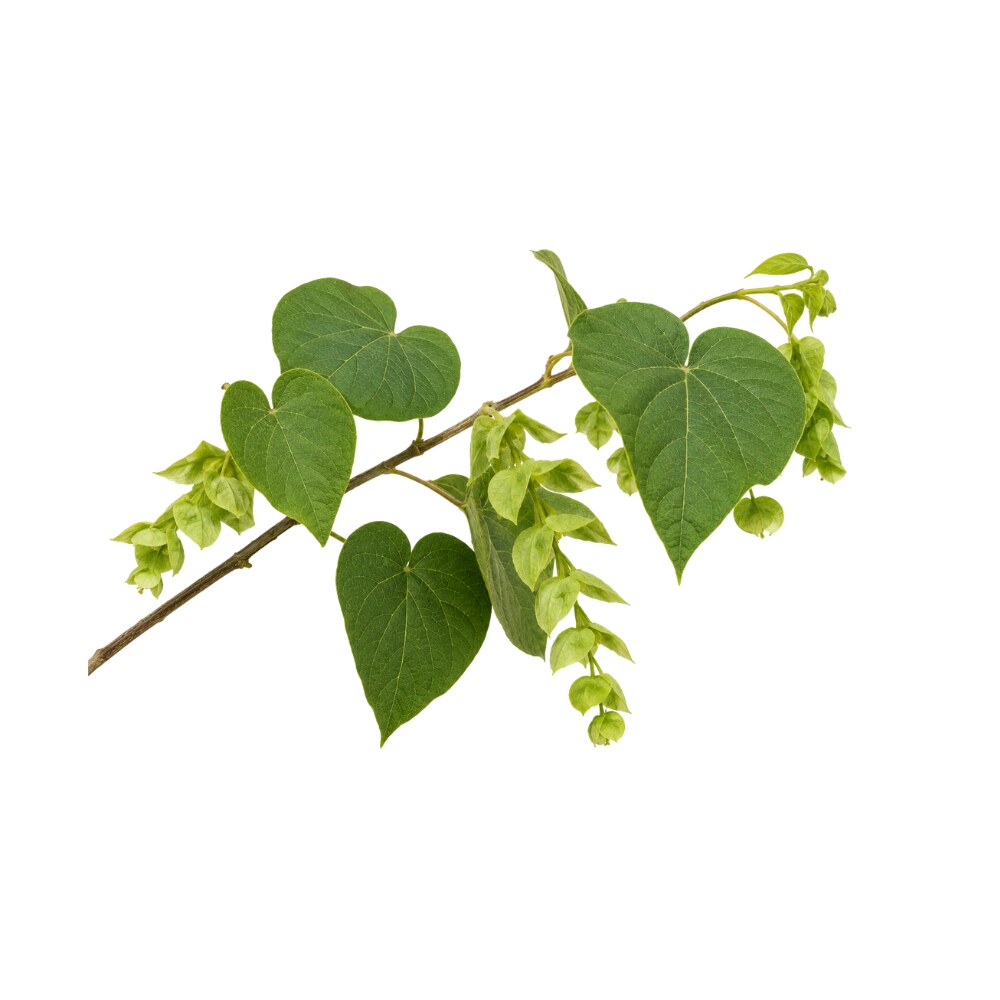 Principal source Abuta Cissampelos pareira Herb monograph →
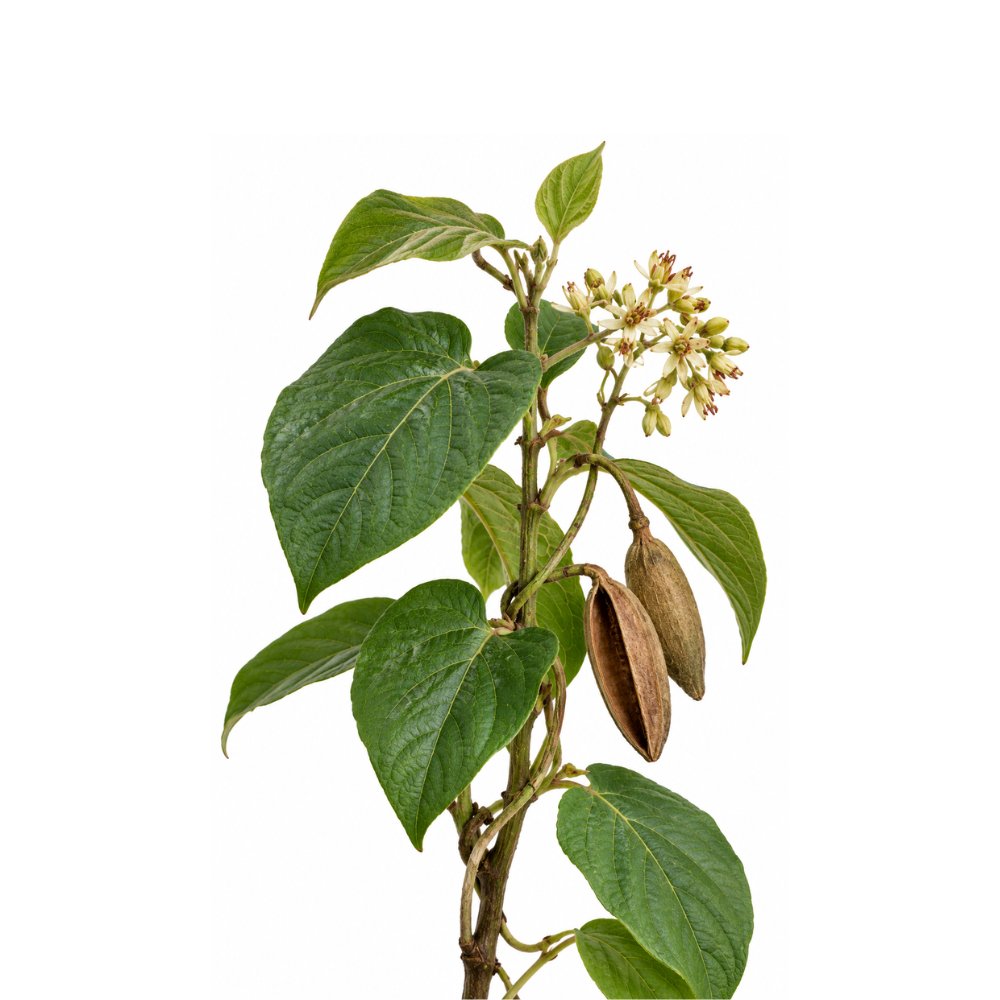 Source Curare ☠️ Chondrodendron tomentosum Herb monograph →
Concentration
Content by Source
Concentrations not reported. No percent-dry-weight or mg/g figures have been published for this compound in its source plants.
Cycleanine at a Glance
Cycleanine is a bisbenzylisoquinoline (bisBIQ) alkaloid of the Menispermaceae — the moonseed family that also gives us tetrandrine, curine and the curare vines. Structurally it is the head-to-tail member of the family: where berbamine, tetrandrine and oxyacanthine are joined head-to-head, cycleanine’s two benzylisoquinoline halves are linked by two diaryl-ether bridges into a symmetrical macrocycle 12,
In the plants it matters most, it is not a trace constituent. It is roughly 85% of the identified bisBIQ alkaloids of Albertisia villosa root bark 7Reference 7Antibacterial, antifungal, antiplasmodial, and cytotoxic activities of Albertisia villosaView study →, abundant enough in Triclisia subcordata root to be isolated at working scale 3Reference 3In vitroIn vivo efficacy and metabolism of the antimalarial cycleanine and improved in vitro antiplasmodial activity of semisynthetic analoguesView study →, and a main stem and rhizome alkaloid of Cissampelos capensis 21Reference 21Alkaloidal variation in Cissampelos capensis (Menispermaceae)View study →. In abuta (Cissampelos pareira) — the database herb that carries it — it is one alkaloid among many and has never been quantified 20Reference 20Bioactive isoquinoline alkaloids from Cissampelos pareiraView study →.
Its modern literature is narrow but real, and it comes from two places: West African and UK groups working on antiplasmodial and ovarian-cancer activity of the purified isolate 1,
Not a Curare Alkaloid
Cycleanine occurs in the same family — and in at least one of the same plants — as the arrow-poison alkaloids, so the assumption is easy to make and wrong. d-Tubocurarine’s neuromuscular-blocking pharmacology has not been demonstrated for cycleanine, and the one head-to-head comparison in the literature separates them cleanly: in an alveolar-macrophage assay testing bisBIQ alkaloids side by side, cycleanine behaved like tetrandrine and berbamine while tubocurarine was effectively inert, with the authors noting that the class spans a wide range of potencies in which tubocurarine sits at the bottom 16Reference 16Inhibition of respiratory burst activity in alveolar macrophages by bisbenzylisoquinoline alkaloids: characterization of drug-cell interactionView study →.
There is a genuine ganglion- and neuromuscular-blocking record in this compound’s family tree — but it belongs to a semi-synthetic quaternary derivative, not the natural free base. See the next section, and read the distinction as load-bearing: quaternising both nitrogens is exactly the chemical change that turns a lipophilic tertiary alkaloid into a curare-like cholinergic blocker.
Cycleanine Dimethobromide, The Quaternary Derivative
Between 1980 and 1985 a Chinese pharmacology group published a compact series on cycleanine dimethobromide (also written dimethyl cycleanine bromide), the bis-quaternary methylated salt of cycleanine, developed as an agent for deliberate (“controlled”) hypotension during surgery. The series covers its hypotensive effect 37Reference 37Sun Z, Yang XY, Dai ZL, Jin GZ, Zhang ZD (1980). [Hypotensive effect of dimethyl cycleanine bromide]. Zhongguo Yao Li Xue Bao. https://pubmed.ncbi.nlm.nih.gov/6175170/View study →, its hypotensive mechanism 28Reference 28Controlled hypotensive effect of cycleanine dimethobromideView study →, its haemodynamics in anaesthetised dogs 31Reference 31Chen WZ, Dong YL, Ding GS (1980). [Effects of dimethyl cycleanine bromide on cardiac hemodynamics of anesthetized dogs]. Zhongguo Yao Li Xue Bao. https://pubmed.ncbi.nlm.nih.gov/6461170/View study →, its effect on the cardiac conduction system 32Reference 32Shen JF, Xi YQ, Cao ZE, Zhang GL, Fu CZ, Gao QL (1985). [Effects of cycleanine dimethobromide on heart conduction system]. Zhongguo Yao Li Xue Bao. https://pubmed.ncbi.nlm.nih.gov/2945367/View study →, the disposition of a ¹⁴C-labelled analogue in rats 33Reference 33AnimalZhang ZD, Jin GZ, Sun Z, Chen XY, Zhang X (1983). [Disposition of 14C-cycleanine dimethoiodide in rats]. Zhongguo Yao Li Xue Bao. https://pubmed.ncbi.nlm.nih.gov/6230867/View study → — and, directly on the point above, its blocking effects on autonomic ganglia and the neuromuscular junction 29Reference 29Lu YQ, Xu DZ, Mao YK, Wei X, Yang ZC (1981). [Blocking effects of cycleanine dimethobromide on nerve ganglia and neuromuscular junctions]. Zhongguo Yao Li Xue Bao. https://pubmed.ncbi.nlm.nih.gov/6462019/View study →. A 1982 Japanese anaesthesia report describes clinical use for controlled hypotension in people 30Reference 30Jin XY, Sun DJ, Sheng JN, Chu ZB (1982). [Clinical use of cycleanine for controlled hypotension during anesthesia]. Masui. https://pubmed.ncbi.nlm.nih.gov/7154227/View study →, and a 1984 Chinese Medical Journal paper reports the controlled-hypotensive effect in English 28Reference 28Controlled hypotensive effect of cycleanine dimethobromideView study →.
Two honest caveats. First, almost all of these are titles without indexed abstracts — the ganglion/neuromuscular paper 29Reference 29Lu YQ, Xu DZ, Mao YK, Wei X, Yang ZC (1981). [Blocking effects of cycleanine dimethobromide on nerve ganglia and neuromuscular junctions]. Zhongguo Yao Li Xue Bao. https://pubmed.ncbi.nlm.nih.gov/6462019/View study →, the conduction-system paper 32Reference 32Shen JF, Xi YQ, Cao ZE, Zhang GL, Fu CZ, Gao QL (1985). [Effects of cycleanine dimethobromide on heart conduction system]. Zhongguo Yao Li Xue Bao. https://pubmed.ncbi.nlm.nih.gov/2945367/View study → and the radiolabel disposition study 33Reference 33AnimalZhang ZD, Jin GZ, Sun Z, Chen XY, Zhang X (1983). [Disposition of 14C-cycleanine dimethoiodide in rats]. Zhongguo Yao Li Xue Bao. https://pubmed.ncbi.nlm.nih.gov/6230867/View study → are indexed in Chinese with no abstract, so what can be stated is what the titles state, not the numbers behind them. Second, and more importantly, this is a different molecule from the cycleanine on the rest. Quaternary ammonium compounds are poorly absorbed orally, distribute differently and act at nicotinic receptors in a way tertiary bases generally do not. Nothing in the antiplasmodial, anticancer or anti-inflammatory sections below was measured on the dimethobromide, and nothing in this section should be read onto the free base.
What It's Used For
The evidence base splits into a well-defined modern strand (antiplasmodial, ovarian-cancer cytotoxicity) and an older, more scattered one (cytokine suppression, calcium antagonism, multidrug-resistance reversal). Almost all of it is on the purified isolate, which is this molecule’s main methodological strength — and all of it stops short of humans.
Support is an experimental score — weighted by study type (human > animal > in vitro) and volume. A beta, not a validated metric. There is no human evidence for the isolate anywhere here, so every score is capped by that.
The best-developed application, and the only one where cycleanine has been given to a whole animal by mouth for the target indication. Isolate, throughout. In a 53-alkaloid bisBIQ panel, (−)-cycleanine was among the most selective antiplasmodial alkaloids, with more than 100-fold greater toxicity toward P. falciparum than toward cultured mammalian cells 5Reference 5Antiplasmodial and cytotoxic activity of natural bisbenzylisoquinoline alkaloidsView study →.
The underlying figures — IC₅₀ 0.07 µM against the chloroquine-sensitive D6 clone and 0.25 µM against chloroquine-resistant W2, against a KB-cell CC₅₀ above 33.7 µM (SI > 133) — were carried forward into the modern work 3Reference 3In vitroIn vivo efficacy and metabolism of the antimalarial cycleanine and improved in vitro antiplasmodial activity of semisynthetic analoguesView study →.
Cycleanine isolated from Actinodaphne macrophylla stem bark gave IC₅₀ 0.08 µM against P. falciparum 3D7 6Reference 6Anti-malarial activity of isoquinoline alkaloids from the stem bark of Actinodaphne macrophyllaView study →.
A Keele/Nigeria group then measured 17.7 µM against the chloroquine-resistant Dd2 strain — two orders of magnitude weaker — and attributed the discrepancy to different assay methods and parasite clones rather than to the compound 3Reference 3In vitroIn vivo efficacy and metabolism of the antimalarial cycleanine and improved in vitro antiplasmodial activity of semisynthetic analoguesView study →.
In vivo, oral cycleanine in P. berghei-infected mice suppressed parasitaemia 44.7% at 25 mg/kg and 86.5% at 50 mg/kg (chloroquine 5 mg/kg: 94.0%), raised mean survival time from 12.5 to 28.2 days, and gave 59.0% prophylactic suppression against pyrimethamine’s 76.2% 3Reference 3In vitroIn vivo efficacy and metabolism of the antimalarial cycleanine and improved in vitro antiplasmodial activity of semisynthetic analoguesView study →.
At the plant level, cycleanine’s abundance in Albertisia villosa root bark is credited with the antiplasmodial activity of that traditional Congolese antimalarial drug 7Reference 7Antibacterial, antifungal, antiplasmodial, and cytotoxic activities of Albertisia villosaView study →.
Gap: the two-orders-of-magnitude in-vitro spread is unresolved, and against Dd2 the selectivity index over normal human ovarian epithelium collapses to 2.0 3Reference 3In vitroIn vivo efficacy and metabolism of the antimalarial cycleanine and improved in vitro antiplasmodial activity of semisynthetic analoguesView study → — so the “selective antiplasmodial” reading depends heavily on which pair of numbers you use. No human antimalarial data of any kind, and the semi-synthetic analogues are up to 25-fold more potent than the parent, which is where the authors point development 3Reference 3In vitroIn vivo efficacy and metabolism of the antimalarial cycleanine and improved in vitro antiplasmodial activity of semisynthetic analoguesView study →.
Cycleanine’s second-largest literature, and again isolate work — from the same Keele group, using cycleanine purified from Triclisia subcordata root. The crude alkaloid fraction was the most active extract on Ovcar-8 and A2780 (IC₅₀ < 2.4 µg/mL); purified cycleanine gave IC₅₀ 7–14 µM across Ovcar-8, A2780, Ovcar-4 and Igrov-1, against 35 ± 1 µM on normal human ovarian surface epithelial cells 1Reference 1Cytotoxicity effects and apoptosis induction by bisbenzylisoquinoline alkaloids from Triclisia subcordataView study →.
Death was apoptotic: caspase-3/7 activation, cleavage of poly(ADP-ribose) polymerase, an increased subG1 fraction and a higher percentage of apoptotic cells by flow cytometry 1Reference 1Cytotoxicity effects and apoptosis induction by bisbenzylisoquinoline alkaloids from Triclisia subcordataView study →.
Two (aminoalkyl)cycleanine analogues, made in two steps from the natural product, were more potent than cycleanine in three ovarian lines, with cellular uptake confirmed by click chemistry on an alkynyl analogue 2Reference 2Synthesis of (aminoalkyl)cycleanine analogues: cytotoxicity, cellular uptake, and apoptosis induction in ovarian cancer cellsView study →.
A later docking and molecular-dynamics study proposed that cycleanine forms a stable complex with PARP1, i.e. that it may be a PARP1 inhibitor rather than only a caspase activator 4Reference 4The impact of cycleanine in cancer research: a computational studyView study → — computational only, no enzyme assay. Separately, in Cissampelos pareira, cycleanine was active against KB cells, though hayatinine was the more active isolate there 20Reference 20Bioactive isoquinoline alkaloids from Cissampelos pareiraView study →.
Gap: the selectivity index over normal ovarian epithelium is roughly 2–5, which is a screening-hit ratio, not a therapeutic window; there is no xenograft or any other in-vivo tumour model for cycleanine; and the PARP1 mechanism is docking, never tested against the enzyme 1,
The oldest coherent strand, mostly Japanese, and the one with the cleanest human-cell numbers. Against human monocytes/macrophages, cycleanine inhibited synthesis of TNF-α with an IC₅₀ of 4.6 µM and IL-1β with an IC₅₀ of 25.0 µM — competitive with the head-to-head alkaloids on TNF-α, notably weaker on IL-1β 12Reference 12Inhibitory effects of bisbenzylisoquinolines on synthesis of the inflammatory cytokines interleukin-1 and tumour necrosis factor-alphaView study →.
It suppressed nitric oxide production by LPS-stimulated murine peritoneal macrophages at 5 µg/mL, slightly more effectively than tetrandrine, with suppression persisting at least 48 hours 13Reference 13Inhibitory effect of bisbenzylisoquinoline alkaloids on nitric oxide production in activated macrophagesView study →, and it inhibited the alveolar-macrophage respiratory burst at roughly berbamine’s potency 16Reference 16Inhibition of respiratory burst activity in alveolar macrophages by bisbenzylisoquinoline alkaloids: characterization of drug-cell interactionView study →.
In vivo, cycleanine at 10 mg/kg/day for three days before endotoxin challenge strongly suppressed serum ALT and AST and reduced the TNF peak in BCG-primed, LPS-challenged mice 14Reference 14AnimalSuppression of lipopolysaccharide-induced fulminant hepatitis and tumor necrosis factor production by bisbenzylisoquinoline alkaloids in bacillus Calmette-Guerin-treated miceView study →, and seven daily doses significantly improved survival in the same lethal model 15Reference 15AnimalInhibitory effect of bisbenzylisoquinoline alkaloids on the quick death of mice treated with BCG/LPSView study →.
A clear negative: unlike the head-to-head bisBIQs, cycleanine had no histamine-release-inhibiting effect at all, which the authors attributed to its head-to-tail structure 27Reference 27Histamine release inhibition activity of bisbenzylisoquinoline alkaloidsView study →.
Gap: every result is a cell assay or a rodent endotoxin model — no arthritis, colitis, or any disease-relevant in-vivo inflammation model, and no human data. The same activity is the safety signal: a molecule that suppresses TNF-α at 4.6 µM in human monocytes is an immunosuppressant, not just an anti-inflammatory 12,
A small but striking in-vivo result. Against trypomastigotes of Trypanosoma cruzi, cycleanine gave an LC₅₀ under 100 µM in vitro — respectable but well behind daphnoline and curine at 10 µM — and the bisBIQ class acts as mixed-type inhibitors of trypanothione reductase, the parasite’s redox-defence enzyme and a validated Chagas target 9Reference 9Trypanocidal bisbenzylisoquinoline alkaloids are inhibitors of trypanothione reductaseView study →.
The in-vivo work is the interesting part: in T. cruzi-infected mice, oral cycleanine at just 2 mg/kg daily for 10 days cleared parasitaemia by 5–7 weeks post-inoculation and significantly extended survival against both the Y and CL strains — in a study where the reference drug benznidazole worked against CL but not Y 10Reference 10AnimalThe effect of bisbenzylisoquinoline alkaloids on Trypanosoma cruzi infections in miceView study →.
Cycleanine was also among the alkaloids isolated from Chondodendron tomentosum bark in a Peruvian antileishmanial/antitrypanosomal screen, though that paper does not break out which of its isolates carried the activity 11Reference 11Antileishmanial, antitrypanosomal, and cytotoxic screening of ethnopharmacologically selected Peruvian plantsView study →.
Gap: the 2 mg/kg oral result is a single 1997 report, never replicated in nearly thirty years, and the trypanothione-reductase mechanism was characterised for the class with cepharanthine as the potent member — not for cycleanine specifically 9,
The pharmacology that most defines the chemotype, and the one place cycleanine is unusually potent. Cycleanine extracted from Stephania glabra bulbs inhibited KCl-induced contraction of rabbit aortic rings with an IC₅₀ of 0.8 nM — roughly nine-fold more potent than nifedipine in the same preparation — while having only minor effects on noradrenaline-induced contraction; it depressed rat ventricular contraction far more weakly (IC₅₀ 3 µM vs nifedipine’s 0.03 µM), shortened action-potential duration, and blocked L-type calcium current in single ventricular myocytes in a voltage- and frequency-dependent way. The authors’ conclusion: a potent, vascular-selective calcium antagonist 17Reference 17Calcium antagonist properties of the bisbenzylisoquinoline alkaloid cycleanineView study →.
Separately, cycleanine is the most potent Na⁺,K⁺-ATPase inhibitor among the Stephania cepharantha bisBIQ alkaloids (IC₅₀ 6.2 × 10⁻⁴ M), inhibiting non-competitively with respect to ATP by a mechanism distinct from ouabain’s, with only slight effects on Mg²⁺-, H⁺- and Ca²⁺-ATPases 18Reference 18Inhibition of Na(+),K(+)-ATPase by the extract of Stephania cephararantha HAYATA and bisbenzylisoquinoline alkaloid cycleanine, a major constituentView study →.
The human-facing end of this story is the quaternary derivative discussed above, used to produce controlled hypotension during anaesthesia 28,
Gap: isolated-tissue and single-cell electrophysiology, in rabbit and rat, from one 1998 paper — no blood-pressure measurement in a conscious animal for the free base, and the Na⁺,K⁺-ATPase IC₅₀ of ~620 µM is far above any concentration the other activities occur at, so its physiological relevance is unestablished 17,
Thin and internally inconsistent — worth stating precisely because two ethnopharmacology papers on closely related Congolese vines reach different conclusions. In Albertisia villosa, cycleanine was the most abundant alkaloid (85% of the identified bisBIQs) and the authors credited it with “all of the activity of the crude drug”, reporting potent antibacterial, antifungal, antiplasmodial and cytotoxic activity for the isolate and the root-bark alkaloid extract together 7Reference 7Antibacterial, antifungal, antiplasmodial, and cytotoxic activities of Albertisia villosaView study →.
In Epinetrum villosum, by contrast, the antibacterial and antifungal activity tracked cocsoline, not cycleanine; there, cycleanine’s distinctive result was anti-HIV-2 activity at EC₅₀ 1.83 µg/mL, at least ten-fold weaker against HIV-1 8Reference 8Biologically active bisbenzylisoquinoline alkaloids from the root bark of Epinetrum villosumView study →.
Gap: the A. villosa attribution is an inference from abundance rather than a like-for-like comparison of purified alkaloids, and the two papers disagree; the HIV-2 finding is a single unreplicated cell-culture result with no mechanism and no selectivity index reported 7,
One paper, but a clean one. In acquired-resistant MCF-7/Adr (breast) and KBv200 cells, cycleanine dose-dependently reversed resistance to doxorubicin and vincristine and increased intracellular doxorubicin accumulation — and, along with insularine, was more active than verapamil, the reference chemosensitiser 19Reference 19Modulation of multidrug resistance by three bisbenzyl-isoquinolines in comparison with verapamilView study →.
This is the one activity with a direct drug-interaction implication: a molecule that raises intracellular accumulation of co-administered drugs is a plausible interaction risk, not merely a chemotherapy adjunct.
Gap: a single 1997 in-vitro study; no transporter was identified (P-glycoprotein is implied by the doxorubicin/vincristine pattern but was not measured), no in-vivo confirmation, and no follow-up in nearly thirty years 19Reference 19Modulation of multidrug resistance by three bisbenzyl-isoquinolines in comparison with verapamilView study →.
Mechanisms
| Target / pathway | Effect | Relevant to |
|---|---|---|
| L-type voltage-gated Ca²⁺ current (vascular ≫ cardiac) | voltage- and frequency-dependent block; KCl-contraction IC₅₀ 0.8 nM in rabbit aorta | vasodilation; the class-defining action |
| Na⁺,K⁺-ATPase | non-competitive inhibition (IC₅₀ ~6.2 × 10⁻⁴ M), mechanism distinct from ouabain | cellular ion handling (relevance unclear at that concentration) |
| Caspase-3/7 → PARP cleavage, subG1 accumulation | apoptosis in ovarian cancer lines | anticancer |
| PARP1 (in silico only) | stable docked complex; predicted inhibitor | anticancer — computationalnever assayed |
| TNF-α and IL-1β synthesis (human monocytes) | inhibition, IC₅₀ 4.6 µM and 25.0 µM | anti-inflammatory / immunosuppression |
| Inducible NO production (LPS-stimulated macrophages) | suppression at 5 µg/mL, persisting ≥48 h | anti-inflammatory |
| Alveolar-macrophage respiratory burst | inhibition (≈ berbamine; ≫ tubocurarine) | anti-inflammatory |
| Trypanothione reductase | mixed-type inhibition (characterised for the class) | antitrypanosomal |
| Drug efflux — intracellular doxorubicin accumulation | reversal of acquired MDR, more active than verapamil | chemosensitisation; interaction risk |
| Hsp90α (middle domain) | weak binder, Kd 159 µM — the weakest of four biscoclaurines tested | probably not a real mechanism |
| Histamine release | no effect | not an antiallergic — the head-to-tail structure appears to cost this activity |
| Dopamine receptors / apomorphine-induced rotation | weakest of the tetrahydroisoquinolines tested | essentially a negative result |
| Autonomic ganglia + neuromuscular junction | blockade — reported for cycleanine dimethobromide, the quaternary derivative, not the free base | controlled hypotension in anaesthesia |
The bottom four rows are on the page deliberately. Cycleanine’s negatives — no histamine-release inhibition 27Reference 27Histamine release inhibition activity of bisbenzylisoquinoline alkaloidsView study →, the weakest antidopaminergic potency of the tetrahydroisoquinolines tested against apomorphine-induced rotation 40Reference 40Antidopaminergic effects of bisbenzyl and benzyl tetrahydroisoquinoline alkaloidsView study →, the weakest Hsp90α binding of four biscoclaurine alkaloids compared head to head (Kd 159 µM against cepharanthine’s 5.3 µM) 38Reference 38Interaction of cepharanthine with immobilized heat shock protein 90α (Hsp90α) and screening of Hsp90α inhibitorsView study →, and a neuromuscular record that belongs to a different molecule 29Reference 29Lu YQ, Xu DZ, Mao YK, Wei X, Yang ZC (1981). [Blocking effects of cycleanine dimethobromide on nerve ganglia and neuromuscular junctions]. Zhongguo Yao Li Xue Bao. https://pubmed.ncbi.nlm.nih.gov/6462019/View study → — are as informative as its positives, and they are where class-level assumptions about bisBIQ alkaloids go wrong.
Pharmacokinetics
There is no human pharmacokinetic data, no oral bioavailability figure, no half-life and no volume of distribution for cycleanine in any species. What exists is a metabolite map: after intragastric administration to rats, HPLC-electrospray-tandem MS detected twelve novel metabolites, with hydroxylation, dehydrogenation and demethylation as the operating pathways 3Reference 3In vitroIn vivo efficacy and metabolism of the antimalarial cycleanine and improved in vitro antiplasmodial activity of semisynthetic analoguesView study →. That the compound is orally active in mice across suppressive, prophylactic and curative malaria models 3Reference 3In vitroIn vivo efficacy and metabolism of the antimalarial cycleanine and improved in vitro antiplasmodial activity of semisynthetic analoguesView study → and in T. cruzi-infected mice at 2 mg/kg 10Reference 10AnimalThe effect of bisbenzylisoquinoline alkaloids on Trypanosoma cruzi infections in miceView study → establishes that meaningful oral exposure is achievable, but no number attaches to it. As a large dimeric bisBIQ it inherits the class profile of poor aqueous solubility and low, variable oral bioavailability documented across the family 35Reference 35Thirteen bisbenzylisoquinoline alkaloids in five Chinese medicinal plants: botany, traditional uses, phytochemistry, pharmacokinetic and toxicity studiesView study →, and the medicinal-chemistry work on cycleanine has been explicitly aimed at that limitation — the dimethylamino analogue was designed partly to raise water solubility 3Reference 3In vitroIn vivo efficacy and metabolism of the antimalarial cycleanine and improved in vitro antiplasmodial activity of semisynthetic analoguesView study →. Separately, the disposition of ¹⁴C-labelled cycleanine dimethoiodide in rats was studied in 1983 33Reference 33AnimalZhang ZD, Jin GZ, Sun Z, Chen XY, Zhang X (1983). [Disposition of 14C-cycleanine dimethoiodide in rats]. Zhongguo Yao Li Xue Bao. https://pubmed.ncbi.nlm.nih.gov/6230867/View study →, but that is the quaternary derivative and its handling should not be assumed to reflect the free base.
Clinical Trials
None for isolated cycleanine. No completed, planned or terminated trial of the free base exists in any indication. The only human exposure documented anywhere in this molecule’s literature is legacy anaesthesia practice with the quaternary derivative — cycleanine dimethobromide used to induce controlled hypotension during surgery in 1980s China and Japan 28,
| Completed | Planned | Terminated | Preclinical |
|---|---|---|---|
| None for the isolate (quaternary-derivative anaesthesia use only, non-RCT) 28, | — | — | Antiplasmodial(in vitro + three murine models), ovarian-cancer cytotoxicity, antitrypanosomal (in vitro + murine), cytokine/NO suppression, cardiovascular 1, |
Last checked: July 2026.
Isolate vs. Plant Studies
This molecule sits unusually well on the isolate side of the ledger. Nearly every pharmacological result here was generated with purified cycleanine: the 53-alkaloid antiplasmodial panel 5Reference 5Antiplasmodial and cytotoxic activity of natural bisbenzylisoquinoline alkaloidsView study →, the murine malaria and metabolism work 3Reference 3In vitroIn vivo efficacy and metabolism of the antimalarial cycleanine and improved in vitro antiplasmodial activity of semisynthetic analoguesView study →, all four ovarian cancer lines and the analogue chemistry 1,
The whole-extract layer is smaller and mostly ethnopharmacological: the Triclisia subcordata crude alkaloid fraction (more potent on ovarian lines than the purified compound, IC₅₀ < 2.4 µg/mL) 1Reference 1Cytotoxicity effects and apoptosis induction by bisbenzylisoquinoline alkaloids from Triclisia subcordataView study →, the Albertisia villosa root-bark alkaloid extract 7Reference 7Antibacterial, antifungal, antiplasmodial, and cytotoxic activities of Albertisia villosaView study →, and the Epinetrum villosum methanol fraction 8Reference 8Biologically active bisbenzylisoquinoline alkaloids from the root bark of Epinetrum villosumView study →. In two of those three the authors explicitly attribute the extract’s activity to cycleanine’s abundance — an inference, not a demonstration, and in E. villosum a different alkaloid turned out to carry the antimicrobial activity 8Reference 8Biologically active bisbenzylisoquinoline alkaloids from the root bark of Epinetrum villosumView study →.
The transferability caveat runs the other way for this site’s own herb. In abuta (Cissampelos pareira), cycleanine is a minor constituent: the 2019 phytochemical survey isolated it as compound 6 of seven and built a quantitative UPLC method for five other alkaloids — magnoflorine, magnocurarine, cissamine, curine and hayatinine — leaving cycleanine unquantified 20Reference 20Bioactive isoquinoline alkaloids from Cissampelos pareiraView study →. Abuta’s own antimalarial evidence is extract-level and docking-level, not cycleanine-level. Nothing here should be read as evidence about the herb, and nothing about the herb transfers to this molecule.
Prevalence in Nature
Cycleanine is a Menispermaceae alkaloid, and within that family it is often the dominant bisbenzylisoquinoline rather than a trace one.
Its richest documented sources are African. In Albertisia villosa root bark it makes up about 85% of the identified bisBIQ alkaloids, alongside cocsoline and N-desmethylcycleanine 7Reference 7Antibacterial, antifungal, antiplasmodial, and cytotoxic activities of Albertisia villosaView study →. In Epinetrum villosum root bark it accompanies cycleanine N-oxide, isochondodendrine and cocsoline 8Reference 8Biologically active bisbenzylisoquinoline alkaloids from the root bark of Epinetrum villosumView study →, and it was isolated from Epinetrum cordifolium and E. mangenotii with norcycleanine and isochondrodendrine in the 1966 work that put it on the African map 23Reference 23Debray M, Plat M, Le Men J (1966). [Alkaloids of African Menispermaceae, Epinetrum cordifolium and Epinetrum mangenotii: isolation of cycleanine, norcycleanine and isochondrodendrine]. Annales Pharmaceutiques Françaises. https://pubmed.ncbi.nlm.nih.gov/5955797/View study →. Synclisia scabrida stems yielded cycleanine, norcycleanine, cocsuline and cocsoline, plus the first report of cycleanine N-oxide 22Reference 22Cycleanine N-oxide, a new alkaloid from Synclisia scabridaView study →. Triclisia subcordata root is abundant enough to have supplied every gram of the modern Keele isolation programme 1,
In southern Africa, Cissampelos capensis carries cycleanine as one of the main alkaloids of both stems (with bulbocapnine, cissacapine and insularine) and rhizome (with 12-O-methylcurine and cissacapine), while the leaves are dominated by aporphines and a morphinane instead — a clean example of how plant-part-specific these alkaloid profiles are 21Reference 21Alkaloidal variation in Cissampelos capensis (Menispermaceae)View study →. In Asia it appears in Stephania cepharantha tuberous root, where it is one of the two major benzylisoquinoline alkaloids alongside cepharanthine and accumulates markedly more in roots than in leaves 18,
The one confirmed source outside the Menispermaceae is Actinodaphne macrophylla (Lauraceae) stem bark, where it was isolated among seven antiplasmodial isoquinoline alkaloids 6Reference 6Anti-malarial activity of isoquinoline alkaloids from the stem bark of Actinodaphne macrophyllaView study →.
Abundance is nowhere quantified as a percentage of dry plant weight — the 85% figure is a proportion of the alkaloid fraction, not of the tissue 7Reference 7Antibacterial, antifungal, antiplasmodial, and cytotoxic activities of Albertisia villosaView study →, and no validated quantitative method for cycleanine in any plant has been published. On the biosynthetic side, Stephania cepharantha transcriptomics has begun mapping the pathway that feeds cycleanine and cepharanthine, with two CYP80B 3’-hydroxylases (acting on N-methylcoclaurine and coclaurine) functionally characterised in yeast 36Reference 36Transcriptome analysis of Stephania cepharantha and characterization of two CYP80B genes involved in the benzylisoquinoline alkaloid biosynthesisView study →.
Discovery & Synthesis
First isolation is not well documented in the indexed literature. The name derives from the Menispermaceae genus Cyclea, and the compound was already a known alkaloid by the time the first PubMed-indexed reports appear — the 1966 isolation from the African vines Epinetrum cordifolium and E. mangenotii, alongside norcycleanine and isochondrodendrine 23Reference 23Debray M, Plat M, Le Men J (1966). [Alkaloids of African Menispermaceae, Epinetrum cordifolium and Epinetrum mangenotii: isolation of cycleanine, norcycleanine and isochondrodendrine]. Annales Pharmaceutiques Françaises. https://pubmed.ncbi.nlm.nih.gov/5955797/View study →. Its structural relationship to its neighbours was settled early: isochondodendrine is a demethylated analogue of cycleanine 3Reference 3In vitroIn vivo efficacy and metabolism of the antimalarial cycleanine and improved in vitro antiplasmodial activity of semisynthetic analoguesView study →, and cycleanine’s two benzylisoquinoline halves are joined head-to-tail by two diaryl-ether bridges, in contrast to the head-to-head architecture of berbamine, tetrandrine and oxyacanthine 12,
The first total synthesis was reported in 1967 by Tomita, Aoyagi, Sakatani and Fujita, as paper CCXL of their long “Studies on the alkaloids of menispermaceous plants” series: a cupric-oxide-catalysed Ullmann condensation of dl-8-bromoarmepavine, forming the macrocycle by double diaryl-ether coupling 39Reference 39Studies on the alkaloids of menispermaceous plantsView study →. Later chemistry filled in the congeners — mCPBA oxidation gave two diastereomeric mono-N-oxides whose NMR spectra turned out to differ significantly from the natural product previously reported as “cycleanine N-oxide”, leaving that natural structure in question 34Reference 34Synthesis of cycleanine mono-N-oxidesView study →, and Cyclea sutchuenensis work established isocycleanine as cycleanine’s epimer 26Reference 26Lai S, Zhao TF, Wang XK, Shizuri Y, Yamamura S (1993). [Two novel bisbenzylisoquinoline alkaloids from Cyclea sutchuenensis Gagnep]. Yao Xue Xue Bao. https://pubmed.ncbi.nlm.nih.gov/8285068/View study →.
There is no commercial manufacture. Cycleanine is not sold as a supplement or a drug anywhere; research material is obtained by extraction from Menispermaceae root and root bark — chiefly Triclisia subcordata — and the semi-synthetic derivatives that have shown improved potency (the aminoalkyl anticancer analogues 2Reference 2Synthesis of (aminoalkyl)cycleanine analogues: cytotoxicity, cellular uptake, and apoptosis induction in ovarian cancer cellsView study → and the C-5 dimethylamino/alkynylamino antiplasmodial analogues 3Reference 3In vitroIn vivo efficacy and metabolism of the antimalarial cycleanine and improved in vitro antiplasmodial activity of semisynthetic analoguesView study →) are all made from isolated natural cycleanine rather than by total synthesis.
Patents: not yet researched.
Toxicity & Safety
Cycleanine carries a moderate flag. Its acute rodent toxicity is genuinely low, but three things keep it above a low grading: it is a potent calcium antagonist at sub-nanomolar concentrations in vascular tissue 17Reference 17Calcium antagonist properties of the bisbenzylisoquinoline alkaloid cycleanineView study →, its cytotoxicity is barely selective — normal human ovarian epithelium dies at only 2–5× the concentration that kills the cancer lines 1,
- Low acute toxicity in rodents. A median lethal dose of about 4.5 g/kg in mice, described by the investigators as a good safety profile 3Reference 3In vitroIn vivo efficacy and metabolism of the antimalarial cycleanine and improved in vitro antiplasmodial activity of semisynthetic analoguesView study →.
- Cytotoxicity is not selective. IC₅₀ 7–14 µM on ovarian cancer lines against 35 µM on normal ovarian epithelium — a selectivity index of roughly 2–5, and as low as 2.0 against the Dd2 malaria strain.
- Immunosuppressive, not merely anti-inflammatory. It suppresses TNF-α (IC₅₀ 4.6 µM) and IL-1β in human monocytes and blunts macrophage nitric oxide and respiratory burst.
- Genuinely cardioactive. A vascular-selective L-type calcium-channel blocker more potent than nifedipine in rabbit aorta; additive hypotension with calcium-channel blockers and antihypertensives is chemistry-based, though never measured clinically.
- A plausible drug-efflux interaction. It reverses multidrug resistance more effectively than verapamil and raises intracellular doxorubicin — the same property that would raise levels of co-administered substrates.
- No human safety data for the free base. No repeat-dose, genotoxicity or reproductive-toxicity package exists; the human record belongs to the quaternary derivative.
Full Safety & Interactions Detail
Acute toxicity. The only whole-animal toxicity figure is an acute median lethal dose of ~4.5 g/kg in mice, reported alongside the murine antimalarial work; the investigators read it as a good safety margin and noted that it would permit oral doses above 50 mg/kg/day 3Reference 3In vitroIn vivo efficacy and metabolism of the antimalarial cycleanine and improved in vitro antiplasmodial activity of semisynthetic analoguesView study →. That is a single determination, in one species, over 24 hours, and it says nothing about repeat dosing.
Cardiovascular. This is the substantive caution. Cycleanine inhibits KCl-induced vascular contraction with an IC₅₀ of 0.8 nM — roughly nine-fold more potent than nifedipine in the same rabbit-aorta preparation — blocks L-type calcium current in ventricular myocytes in a voltage- and frequency-dependent manner, and shortens ventricular action-potential duration 17Reference 17Calcium antagonist properties of the bisbenzylisoquinoline alkaloid cycleanineView study →. It also inhibits Na⁺,K⁺-ATPase non-competitively, by a mechanism distinct from ouabain’s 18Reference 18Inhibition of Na(+),K(+)-ATPase by the extract of Stephania cephararantha HAYATA and bisbenzylisoquinoline alkaloid cycleanine, a major constituentView study →, though at a much higher concentration (~620 µM) whose relevance is unclear. Theoretical additive hypotension and negative inotropy with calcium-channel blockers, other antihypertensives, and cardioactive drugs follow from the chemistry; none has been measured in people.
Immune suppression. TNF-α synthesis in human monocytes is inhibited with an IC₅₀ of 4.6 µM and IL-1β at 25.0 µM 12Reference 12Inhibitory effects of bisbenzylisoquinolines on synthesis of the inflammatory cytokines interleukin-1 and tumour necrosis factor-alphaView study →; murine macrophage nitric oxide production is suppressed at 5 µg/mL for at least 48 hours 13Reference 13Inhibitory effect of bisbenzylisoquinoline alkaloids on nitric oxide production in activated macrophagesView study →; and the alveolar-macrophage respiratory burst is inhibited at berbamine-like potency 16Reference 16Inhibition of respiratory burst activity in alveolar macrophages by bisbenzylisoquinoline alkaloids: characterization of drug-cell interactionView study →. The in-vivo protection against BCG/LPS fulminant hepatitis and lethality is the same effect read as a benefit 14,
Drug interactions. The named, evidence-based one is drug efflux: cycleanine reversed doxorubicin and vincristine resistance in MCF-7/Adr and KBv200 cells and increased intracellular doxorubicin accumulation, outperforming verapamil 19Reference 19Modulation of multidrug resistance by three bisbenzyl-isoquinolines in comparison with verapamilView study →. No transporter was identified and no CYP inhibition data of any kind exist for this molecule — which is itself a gap, not a clean bill.
The quaternary derivative is a separate risk profile. Cycleanine dimethobromide blocks autonomic ganglia and the neuromuscular junction 29Reference 29Lu YQ, Xu DZ, Mao YK, Wei X, Yang ZC (1981). [Blocking effects of cycleanine dimethobromide on nerve ganglia and neuromuscular junctions]. Zhongguo Yao Li Xue Bao. https://pubmed.ncbi.nlm.nih.gov/6462019/View study →, affects the cardiac conduction system 32Reference 32Shen JF, Xi YQ, Cao ZE, Zhang GL, Fu CZ, Gao QL (1985). [Effects of cycleanine dimethobromide on heart conduction system]. Zhongguo Yao Li Xue Bao. https://pubmed.ncbi.nlm.nih.gov/2945367/View study → and produces surgical-grade hypotension 28,
Reproductive and developmental note (prose only). No reproductive or developmental toxicity study of isolated cycleanine exists in any species. Pregnancy and lactation decisions belong to the herb or product page where intake is decided, not to a molecule page. Likewise, no genotoxicity, carcinogenicity or repeat-dose toxicology package has been published for the free base.
Dosage
There is no dose. Cycleanine is not sold as a supplement or prescribed as a drug in any market, and no human has been given the isolated free base in a published study. Every figure below is a dose or concentration used in research — recorded so the numbers here can be read in context, not as guidance.
| Setting | Preparation | Dose / concentration studied |
|---|---|---|
| Murine malaria — suppressive, prophylactic and curative P. berghei models | oral cycleanine | 25 and 50 mg/kg/day 3Reference 3In vitroIn vivo efficacy and metabolism of the antimalarial cycleanine and improved in vitro antiplasmodial activity of semisynthetic analoguesView study → |
| Murine Chagas disease (T. cruzi, Y and CL strains) | oral cycleanine | 2 mg/kg/day × 10 days 10Reference 10AnimalThe effect of bisbenzylisoquinoline alkaloids on Trypanosoma cruzi infections in miceView study → |
| Murine BCG/LPS hepatitis and lethality | cycleanine (route not stated in the indexed abstract) | 10 mg/kg/day × 3–7 days 14, |
| Acute toxicity ceiling | cycleanine, mice | LD₅₀ ~4.5 g/kg 3Reference 3In vitroIn vivo efficacy and metabolism of the antimalarial cycleanine and improved in vitro antiplasmodial activity of semisynthetic analoguesView study → |
| Ovarian cancer cell lines (in vitro) | isolate | IC₅₀ 7–14 µM; normal ovarian epithelium 35 µM 1Reference 1Cytotoxicity effects and apoptosis induction by bisbenzylisoquinoline alkaloids from Triclisia subcordataView study → |
| P. falciparum (in vitro) | isolate | IC₅₀ 0.07–17.7 µM, strain- and assay-dependent 3, |
| Human monocyte cytokine suppression (in vitro) | isolate | IC₅₀ 4.6 µM (TNF-α), 25.0 µM (IL-1β) 12Reference 12Inhibitory effects of bisbenzylisoquinolines on synthesis of the inflammatory cytokines interleukin-1 and tumour necrosis factor-alphaView study → |
| Controlled hypotension during anaesthesia | cycleanine dimethobromide — a different, quaternary molecule | human use documented; dose not recoverable from the indexed record 28, |
These are doses studied in research and are not a personal recommendation.
References
- Uche FI, Drijfhout FP, McCullagh J, Richardson A, Li WW (2016). Cytotoxicity effects and apoptosis induction by bisbenzylisoquinoline alkaloids from Triclisia subcordata. Phytotherapy Research. https://pubmed.ncbi.nlm.nih.gov/27270992/
- Uche FI, McCullagh J, Claridge TWD, Richardson A, Li WW (2018). Synthesis of (aminoalkyl)cycleanine analogues: cytotoxicity, cellular uptake, and apoptosis induction in ovarian cancer cells. Bioorganic & Medicinal Chemistry Letters. https://pubmed.ncbi.nlm.nih.gov/29588214/
- Uche FI, Guo X, Okokon J, Ullah I, Horrocks P, Boateng J, Huang C, Li WW (2021). In vivo efficacy and metabolism of the antimalarial cycleanine and improved in vitro antiplasmodial activity of semisynthetic analogues. Antimicrobial Agents and Chemotherapy. https://pubmed.ncbi.nlm.nih.gov/33257443/
- Nwaefulu ON, Al-Shar’i NA, Owolabi JO, Sagineedu SR, Woei LC, Wai LK, Islam MK, Jayanthi S, Stanslas J (2022). The impact of cycleanine in cancer research: a computational study. Journal of Molecular Modeling. https://pubmed.ncbi.nlm.nih.gov/36194315/
- Angerhofer CK, Guinaudeau H, Wongpanich V, Pezzuto JM, Cordell GA (1999). Antiplasmodial and cytotoxic activity of natural bisbenzylisoquinoline alkaloids. Journal of Natural Products. https://pubmed.ncbi.nlm.nih.gov/9917283/
- Fadaeinasab M, Taha H, Fauzi PN, Ali HM, Widyawaruyanti A (2015). Anti-malarial activity of isoquinoline alkaloids from the stem bark of Actinodaphne macrophylla. Natural Product Communications. https://pubmed.ncbi.nlm.nih.gov/26594753/
- Lohombo-Ekomba ML, Okusa PN, Penge O, Kabongo C, Choudhary MI, Kasende OE (2004). Antibacterial, antifungal, antiplasmodial, and cytotoxic activities of Albertisia villosa. Journal of Ethnopharmacology. https://pubmed.ncbi.nlm.nih.gov/15234773/
- Otshudi AL, Apers S, Pieters L, Claeys M, Pannecouque C, De Clercq E, Van Zeebroeck A, Lauwers S, Frédérich M, Foriers A (2005). Biologically active bisbenzylisoquinoline alkaloids from the root bark of Epinetrum villosum. Journal of Ethnopharmacology. https://pubmed.ncbi.nlm.nih.gov/15996841/
- Fournet A, Inchausti A, Yaluff G, Rojas De Arias A, Guinaudeau H, Bruneton J, Breidenbach MA, Karplus PA, Faerman CH (1998). Trypanocidal bisbenzylisoquinoline alkaloids are inhibitors of trypanothione reductase. Journal of Enzyme Inhibition. https://pubmed.ncbi.nlm.nih.gov/9879510/
- Fournet A, Ferreira ME, de Arias AR, Schinini A, Nakayama H, Torres S, Sanabria R, Guinaudeau H, Bruneton J (1997). The effect of bisbenzylisoquinoline alkaloids on Trypanosoma cruzi infections in mice. International Journal of Antimicrobial Agents. https://pubmed.ncbi.nlm.nih.gov/18611797/
- González-Coloma A, Reina M, Sáenz C, Lacret R, Ruiz-Mesia L, Arán VJ, Sanz J, Martínez-Díaz RA (2012). Antileishmanial, antitrypanosomal, and cytotoxic screening of ethnopharmacologically selected Peruvian plants. Parasitology Research. https://pubmed.ncbi.nlm.nih.gov/21922239/
- Seow WK, Nakamura K, Sugimura Y, Sugimoto Y, Yamada Y, Fairlie DP, Thong YH (1993). Inhibitory effects of bisbenzylisoquinolines on synthesis of the inflammatory cytokines interleukin-1 and tumour necrosis factor-alpha. Mediators of Inflammation. https://pubmed.ncbi.nlm.nih.gov/18475522/
- Kondo Y, Takano F, Hojo H (1993). Inhibitory effect of bisbenzylisoquinoline alkaloids on nitric oxide production in activated macrophages. Biochemical Pharmacology. https://pubmed.ncbi.nlm.nih.gov/7505581/
- Kondo Y, Takano F, Hojo H (1993). Suppression of lipopolysaccharide-induced fulminant hepatitis and tumor necrosis factor production by bisbenzylisoquinoline alkaloids in bacillus Calmette-Guerin-treated mice. Biochemical Pharmacology. https://pubmed.ncbi.nlm.nih.gov/8250973/
- Kondo Y, Imai Y, Kubota Y, Hojo H, Nozoe S (1990). Inhibitory effect of bisbenzylisoquinoline alkaloids on the quick death of mice treated with BCG/LPS. Chemical & Pharmaceutical Bulletin. https://pubmed.ncbi.nlm.nih.gov/2076579/
- Ma JY, Barger MW, Ma JK, Castranova V (1992). Inhibition of respiratory burst activity in alveolar macrophages by bisbenzylisoquinoline alkaloids: characterization of drug-cell interaction. Experimental Lung Research. https://pubmed.ncbi.nlm.nih.gov/1361431/
- Martínez JA, Bello A, Rubio LL, Rodríguez C, Galán L, Caudales E, Alvarez JL (1998). Calcium antagonist properties of the bisbenzylisoquinoline alkaloid cycleanine. Fundamental & Clinical Pharmacology. https://pubmed.ncbi.nlm.nih.gov/9565772/
- Satoh K, Nagai F, Ono M, Aoki N (2003). Inhibition of Na(+),K(+)-ATPase by the extract of Stephania cephararantha HAYATA and bisbenzylisoquinoline alkaloid cycleanine, a major constituent. Biochemical Pharmacology. https://pubmed.ncbi.nlm.nih.gov/12907236/
- Tian H, Pan OC (1997). Modulation of multidrug resistance by three bisbenzyl-isoquinolines in comparison with verapamil. Zhongguo Yao Li Xue Bao. https://pubmed.ncbi.nlm.nih.gov/10322941/
- Bala M, Kumar S, Pratap K, Verma PK, Padwad Y, Singh B (2019). Bioactive isoquinoline alkaloids from Cissampelos pareira. Natural Product Research. https://pubmed.ncbi.nlm.nih.gov/29126362/
- de Wet H, van Heerden FR, van Wyk BE (2011). Alkaloidal variation in Cissampelos capensis (Menispermaceae). Molecules. https://pubmed.ncbi.nlm.nih.gov/21475122/
- Ohiri FC, Verpoorte R, Baerheim Svendsen A (1983). Cycleanine N-oxide, a new alkaloid from Synclisia scabrida. Planta Medica. https://pubmed.ncbi.nlm.nih.gov/17405099/
- Debray M, Plat M, Le Men J (1966). [Alkaloids of African Menispermaceae, Epinetrum cordifolium and Epinetrum mangenotii: isolation of cycleanine, norcycleanine and isochondrodendrine]. Annales Pharmaceutiques Françaises. https://pubmed.ncbi.nlm.nih.gov/5955797/
- Desgrouas C, Taudon N, Bun SS, Baghdikian B, Bory S, Parzy D, Ollivier E (2014). Ethnobotany, phytochemistry and pharmacology of Stephania rotunda Lour. Journal of Ethnopharmacology. https://pubmed.ncbi.nlm.nih.gov/24768769/
- Semwal DK, Semwal RB (2015). Efficacy and safety of Stephania glabra: an alkaloid-rich traditional medicinal plant. Natural Product Research. https://pubmed.ncbi.nlm.nih.gov/25186139/
- Lai S, Zhao TF, Wang XK, Shizuri Y, Yamamura S (1993). [Two novel bisbenzylisoquinoline alkaloids from Cyclea sutchuenensis Gagnep]. Yao Xue Xue Bao. https://pubmed.ncbi.nlm.nih.gov/8285068/
- Nakamura K, Tsuchiya S, Sugimoto Y, Sugimura Y, Yamada Y (1992). Histamine release inhibition activity of bisbenzylisoquinoline alkaloids. Planta Medica. https://pubmed.ncbi.nlm.nih.gov/1484888/
- Jin GZ, Sun Z, Huang JX, Zhang ZD, Chen WZ, Yang ZC, Cao ZE, Sun DJ, Jin XY, Xu ZB, et al. (1984). Controlled hypotensive effect of cycleanine dimethobromide. Chinese Medical Journal. https://pubmed.ncbi.nlm.nih.gov/6085724/
- Lu YQ, Xu DZ, Mao YK, Wei X, Yang ZC (1981). [Blocking effects of cycleanine dimethobromide on nerve ganglia and neuromuscular junctions]. Zhongguo Yao Li Xue Bao. https://pubmed.ncbi.nlm.nih.gov/6462019/
- Jin XY, Sun DJ, Sheng JN, Chu ZB (1982). [Clinical use of cycleanine for controlled hypotension during anesthesia]. Masui. https://pubmed.ncbi.nlm.nih.gov/7154227/
- Chen WZ, Dong YL, Ding GS (1980). [Effects of dimethyl cycleanine bromide on cardiac hemodynamics of anesthetized dogs]. Zhongguo Yao Li Xue Bao. https://pubmed.ncbi.nlm.nih.gov/6461170/
- Shen JF, Xi YQ, Cao ZE, Zhang GL, Fu CZ, Gao QL (1985). [Effects of cycleanine dimethobromide on heart conduction system]. Zhongguo Yao Li Xue Bao. https://pubmed.ncbi.nlm.nih.gov/2945367/
- Zhang ZD, Jin GZ, Sun Z, Chen XY, Zhang X (1983). [Disposition of 14C-cycleanine dimethoiodide in rats]. Zhongguo Yao Li Xue Bao. https://pubmed.ncbi.nlm.nih.gov/6230867/
- Kashiwaba N, Ono M, Toda J, Suzuki H, Sano T (1998). Synthesis of cycleanine mono-N-oxides. Journal of Natural Products. https://pubmed.ncbi.nlm.nih.gov/9548855/
- Zhang H, Wang X, Guo Y, Liu X, Zhao X, Teka T, Lv C, Han L, Huang Y, Pan G (2021). Thirteen bisbenzylisoquinoline alkaloids in five Chinese medicinal plants: botany, traditional uses, phytochemistry, pharmacokinetic and toxicity studies. Journal of Ethnopharmacology. https://pubmed.ncbi.nlm.nih.gov/33166629/
- Feng Y, He Y, Li Y, Guo W, Gao Y, Zhang J, Kang Y, Lei C, Wang Y, Huang J (2026). Transcriptome analysis of Stephania cepharantha and characterization of two CYP80B genes involved in the benzylisoquinoline alkaloid biosynthesis. Plant Physiology and Biochemistry. https://pubmed.ncbi.nlm.nih.gov/41655513/
- Sun Z, Yang XY, Dai ZL, Jin GZ, Zhang ZD (1980). [Hypotensive effect of dimethyl cycleanine bromide]. Zhongguo Yao Li Xue Bao. https://pubmed.ncbi.nlm.nih.gov/6175170/
- Haginaka J, Kitabatake T, Hirose I, Matsunaga H, Moaddel R (2013). Interaction of cepharanthine with immobilized heat shock protein 90α (Hsp90α) and screening of Hsp90α inhibitors. Analytical Biochemistry. https://pubmed.ncbi.nlm.nih.gov/23219559/
- Tomita M, Aoyagi Y, Sakatani Y, Fujita K (1967). Studies on the alkaloids of menispermaceous plants. CCXL. Synthesis of cycleanine. (1). Cupric oxide catalysed ullmann condensation of dl-8-bromoarmepavine. Chemical & Pharmaceutical Bulletin. https://pubmed.ncbi.nlm.nih.gov/5590707/
- Watanabe H, Uramoto H, Maeda-Hagiwara M, Kikuchi T (1985). Antidopaminergic effects of bisbenzyl and benzyl tetrahydroisoquinoline alkaloids. Archives Internationales de Pharmacodynamie et de Thérapie. https://pubmed.ncbi.nlm.nih.gov/3938207/



