
Subclass of Alkaloids
Isoquinoline Alkaloids
A large alkaloid family including berberine, sanguinarine, and the bisbenzylisoquinolines.
Overview
About Isoquinoline Alkaloids
Isoquinoline alkaloids are built on a benzene ring fused to a pyridine — the isoquinoline nucleus — and derive from tyrosine by way of dopamine. They are the second great alkaloid class after the indoles, and between them the two account for most of the plant kingdom's potent nitrogen chemistry.
Because dopamine is the starting material, several members retain enough of its shape to act at dopamine and opioid receptors — which is how a poppy came to produce the most important analgesic in medical history.
The Main Structural Groups
The isoquinoline core is elaborated in several distinct directions, and the subgroup usually predicts the pharmacology:
- Benzylisoquinolines
- papaverine, laudanosine
- Morphinans
- morphine, codeine, thebaine
- Protoberberines
- berberine, palmatine, canadine
- Benzophenanthridines
- sanguinarine, chelerythrine, chelidonine
- Bisbenzylisoquinolines
- tubocurarine, berbamine, tetrandrine
- Aporphines
- boldine, apomorphine, magnoflorine
Where They Occur
Three families dominate — the poppies, the barberries and the moonseeds:
Papaveraceae
opium poppy, greater celandine, bloodroot, California poppy
Berberidaceae and Ranunculaceae
barberry, Oregon grape, goldenseal
Menispermaceae
the curare vines, pareira
Magnoliaceae and Lauraceae
the aporphines
Ephedra's relatives and various tropical barks
Pharmacological Importance
Morphine remains the reference standard against which every analgesic is measured, and the opioid receptors were named for it rather than the reverse. Tubocurarine, from South American arrow poison, gave surgery its first controllable muscle relaxant and founded modern anaesthesia.
On the herbal side berberine is the most-studied member, with credible randomized-trial evidence in type 2 diabetes and dyslipidaemia through AMPK activation, alongside its long antimicrobial and antidiarrhoeal use. Sanguinarine and chelerythrine are potent antimicrobials with a much narrower safety window.
Toxicity & Safety
Potency and hazard are the norm here, not the exception. Sanguinarine is cytotoxic and DNA-intercalating and was implicated in the epidemic dropsy episodes caused by adulterated mustard oil; greater celandine has an established idiosyncratic hepatotoxicity signal serious enough to have prompted regulatory action.
Berberine, the most consumed member, is relatively well tolerated but is a meaningful CYP3A4 and P-glycoprotein inhibitor, is contraindicated in pregnancy and in neonates through kernicterus risk, and should not be treated as a benign supplement.
Constituents
All Isoquinoline Alkaloids
81 total#
(S)-scoulerine 4-methylcurineA
Allocryptopine Anhalinine Anhalonidine Anhalonine Anomurine Apomorphine AporphineB
Bebeerine Berbamine Berberastine Berberine Boldine BulbocapnineC
Californidine Canadaline Canadine Chelerythrine Care Chelidonine Care Chondocurine Cissamine Cissampareine Cissampeline Coclaurine Codeine Codeine-N-oxide Columbamine Coptisine Coreximine Corydaline Corytuberine Curine Cyclanoline CycleanineD
Dehydrocorybulbine Dehydrocorydaline Dehydrodicentrine Dicentrine DimethyltetrandriniumE
Epiberberine EschscholtzineG
Glaucine GrandirubrineH
Hayatine Hayatinine Homochelidonine A Homochelidonine B HydrastineI
Insularine Isochelidonine IsochondodendrineJ
JatrorrhizineL
LaudanosineM
Magnocurarine Magnoflorine Menisperine Morphinans MorphineN
N-methyllaurotetanine Narcotine (Noscapine) Nor-ruffscine Norimeluteine Noscapine Nuciferine CareO
Oripavine OxyacanthineP
Palmatine Papaverine Pareirine ProtopineR
ReticulineS
Salsoline Sanguinarine Care StylopineT
Taspine Tetrahydroberberastine Tetrahydropalmatine Tetrandrine Thebaine TubocurarineNo isoquinoline alkaloids match.
Source Plants
Herbs Containing Isoquinoline Alkaloids
16 herbsPlants in the materia medica documented to carry isoquinoline alkaloids, with the compounds each one is listed for. The bar counts how many DISTINCT isoquinoline alkaloids are on record for a plant, relative to the best-documented — it measures breadth of record, not potency, so a plant with one well-studied compound can outrank a richer source that has simply been analysed less. Where a measured concentration is on record it is quoted inline; most entries have none yet.
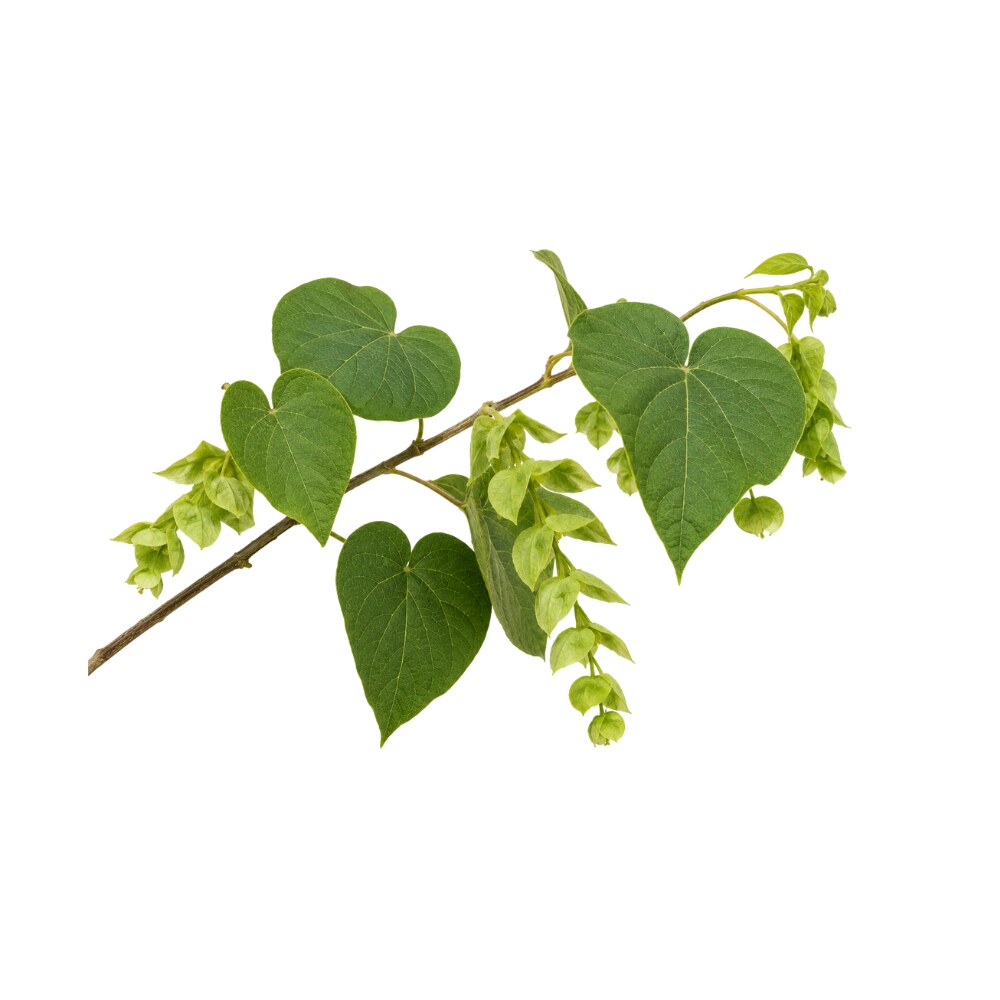 Abuta Cissampelos pareira Documented for 4-methylcurine, bebeerine, berberine and 25 more isoquinoline alkaloids.
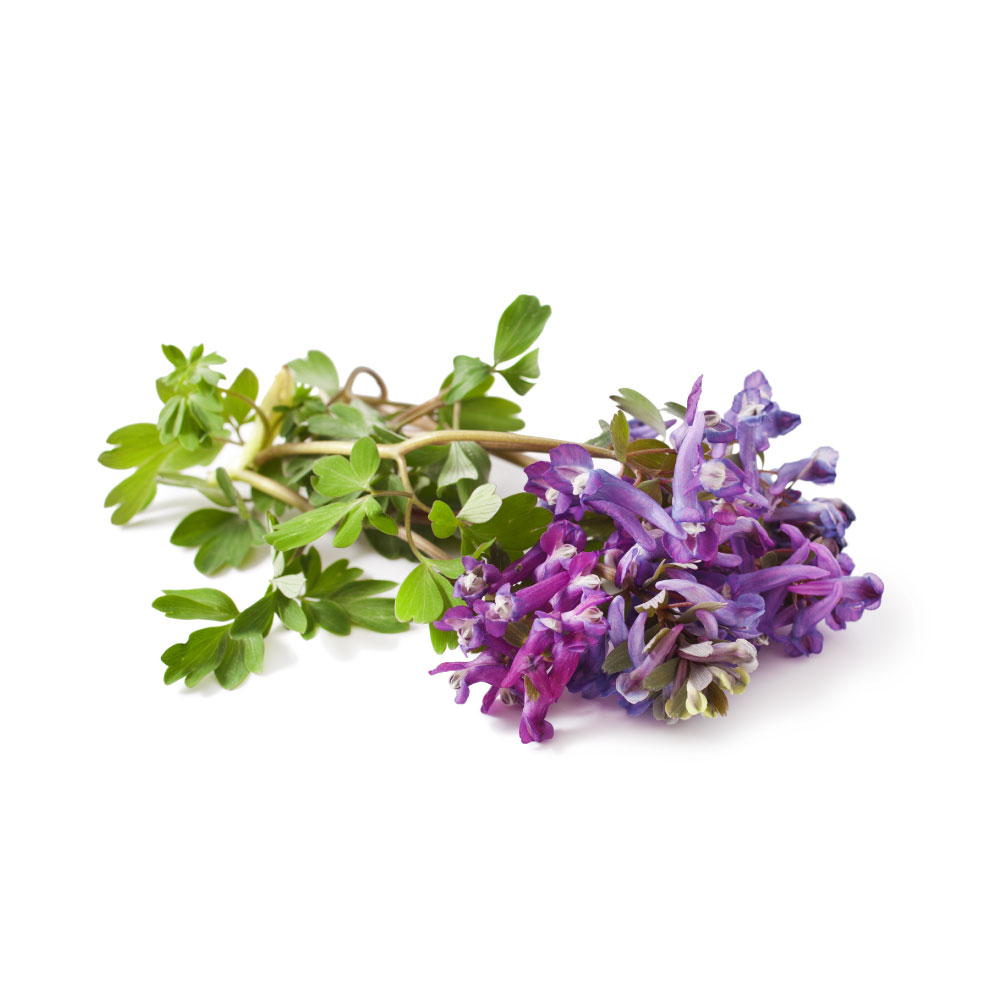 Corydalis Corydalis yanhusuo Documented for (S)-scoulerine, allocryptopine, bulbocapnine and 11 more isoquinoline alkaloids.
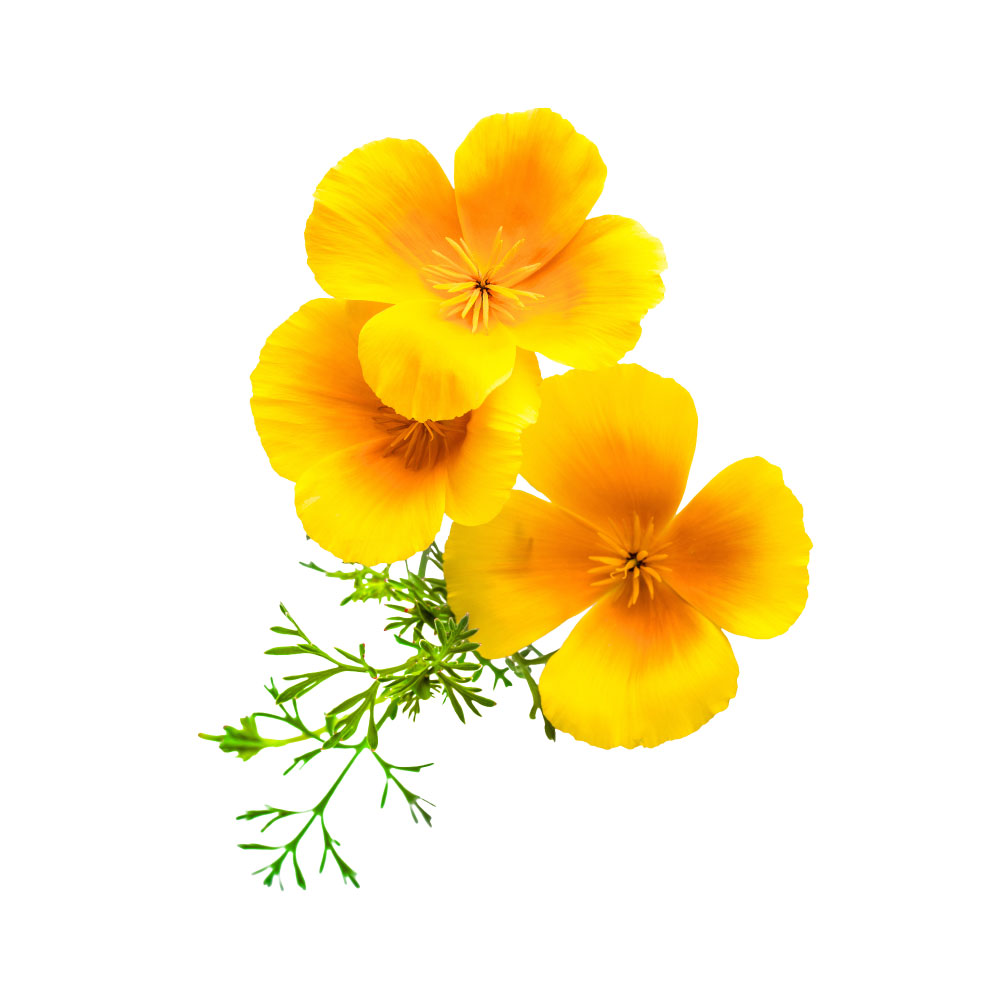 California Poppy Eschscholzia californica Documented for protopine (0.01–0.2 mg/g product), reticuline (1.1 mg/g dry wt), (S)-scoulerine and 9 more isoquinoline alkaloids.
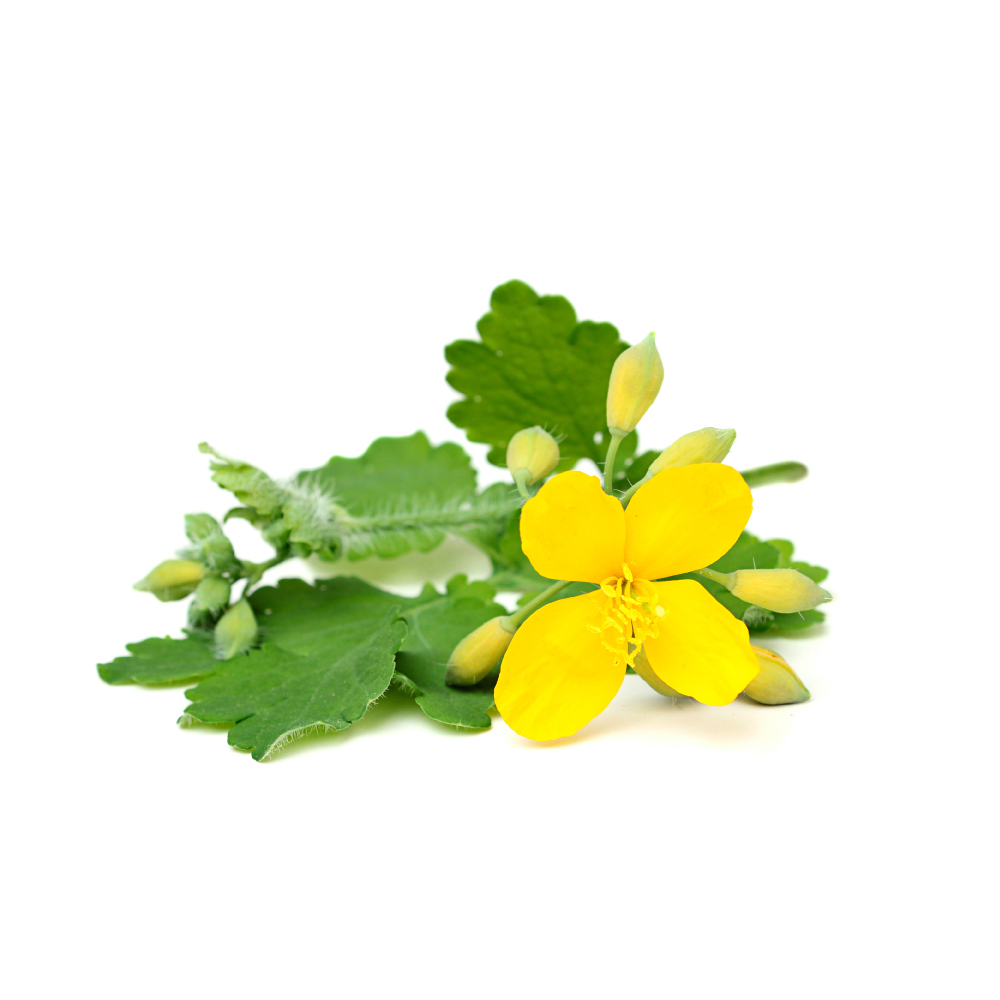 Greater Celandine Chelidonium majus Toxic Documented for chelerythrine (0.06 mg/g extract), chelidonine (1.75 mg/g extract), allocryptopine and 8 more isoquinoline alkaloids.
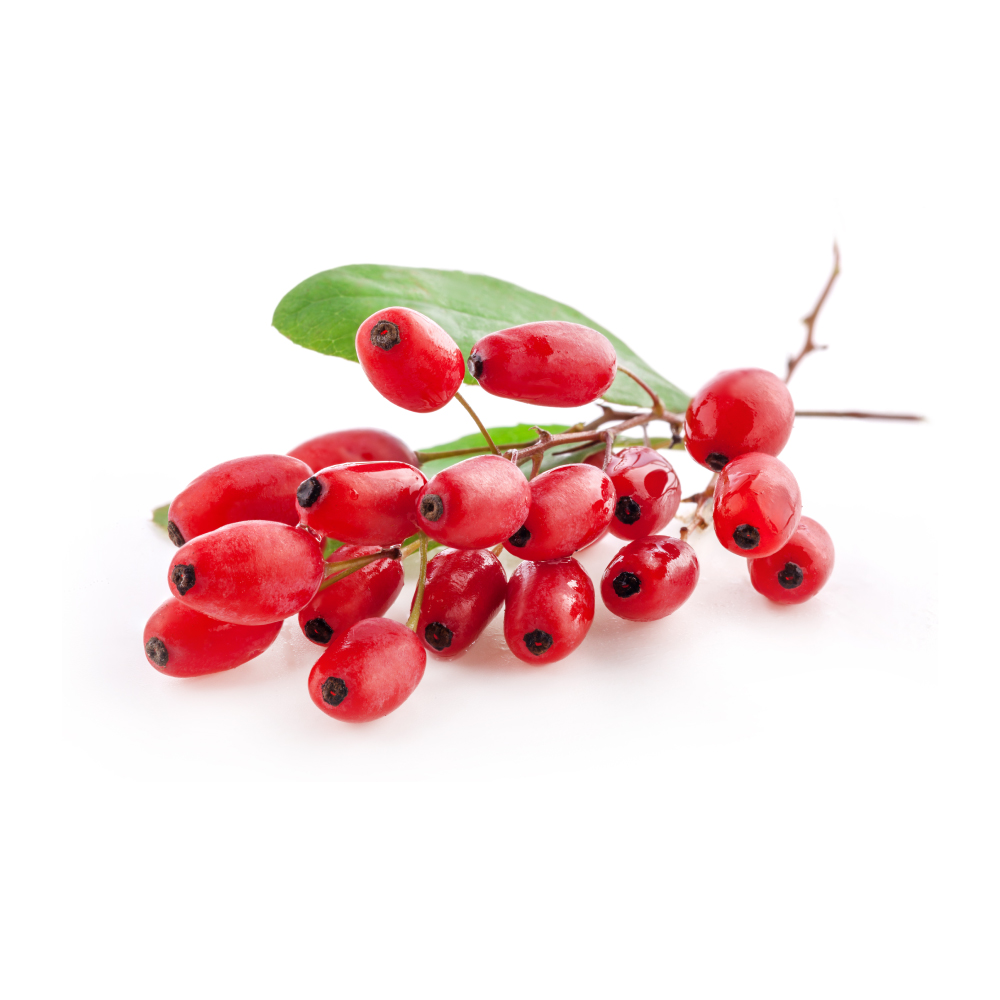 Barberry Berberis spp. Documented for berberine (1–3 % dry wt), berbamine, columbamine and 5 more isoquinoline alkaloids.
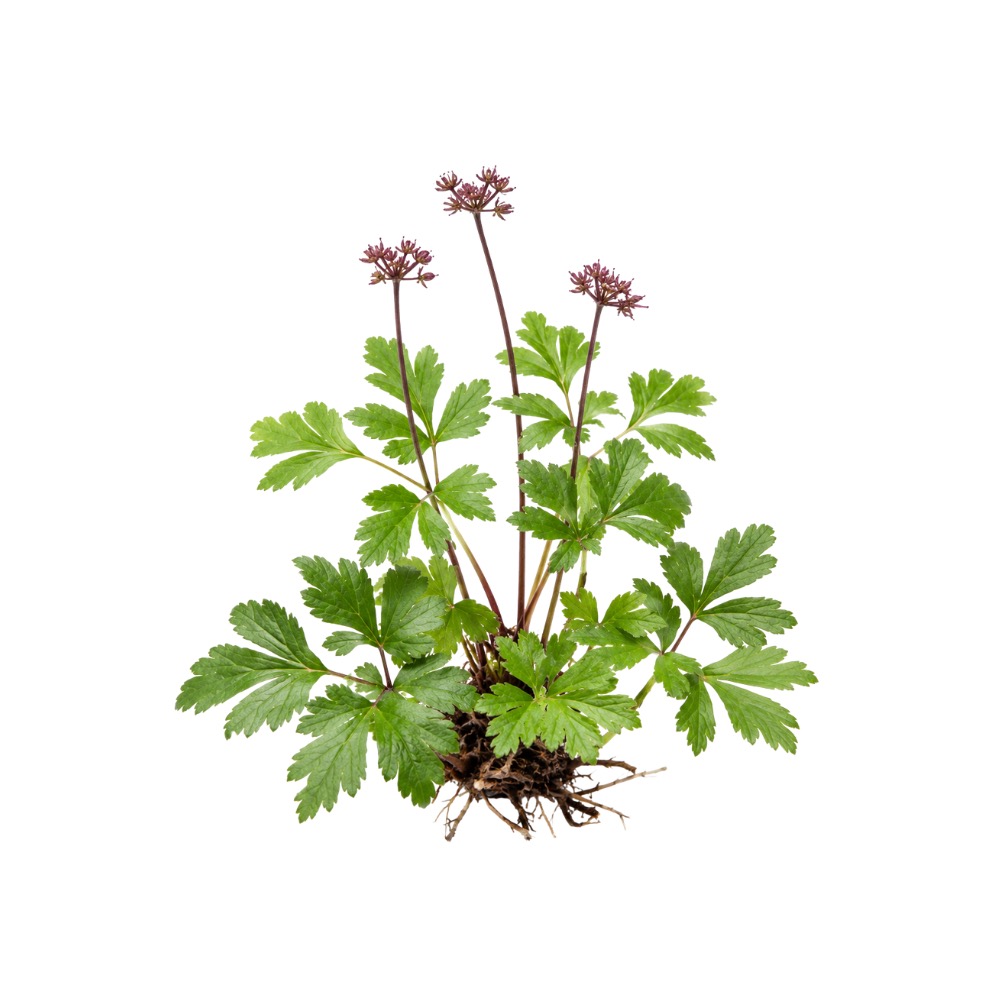 Coptis Coptis chinensis Documented for epiberberine (1.1–1.4 % dry wt), palmatine (1.5–1.7 % dry wt), berberine and 4 more isoquinoline alkaloids.
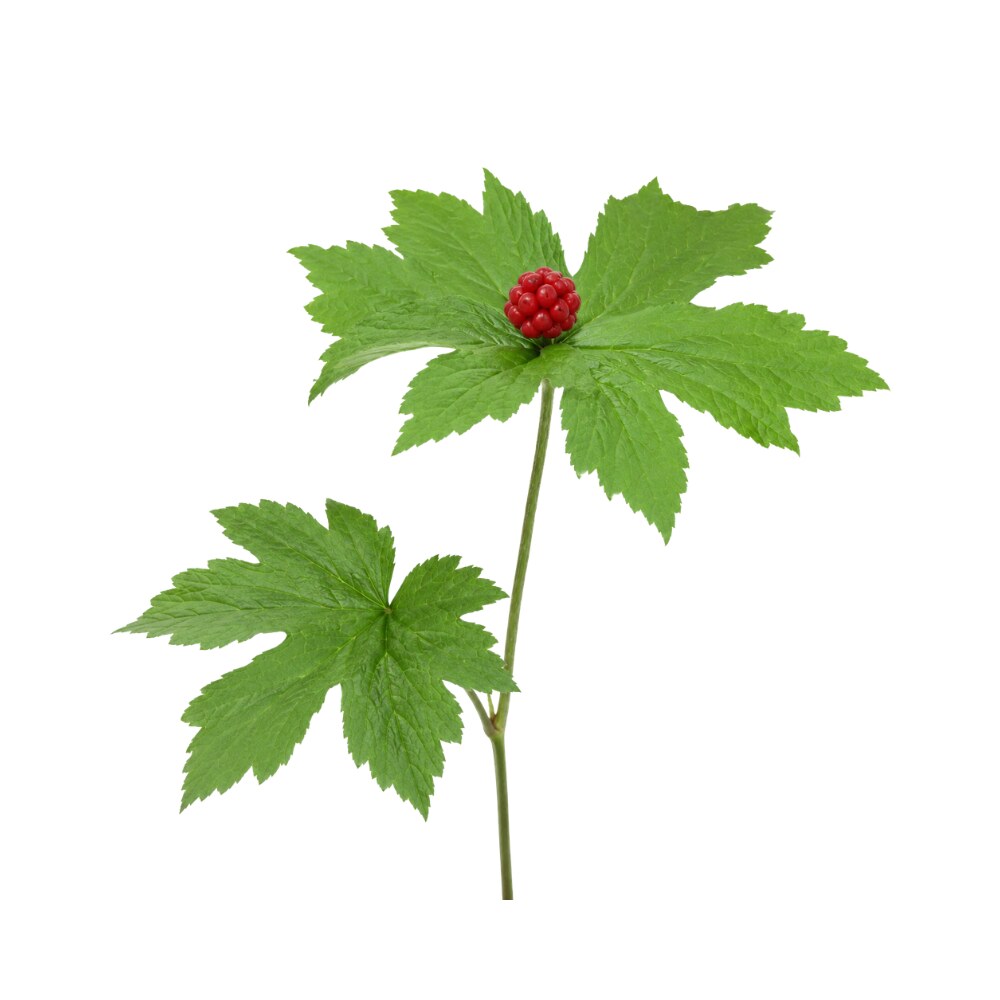 Goldenseal Hydrastis canadensis Documented for berberine (0.5–4.5 % dry wt), hydrastine (2–4 % dry wt), berberastine and 3 more isoquinoline alkaloids.
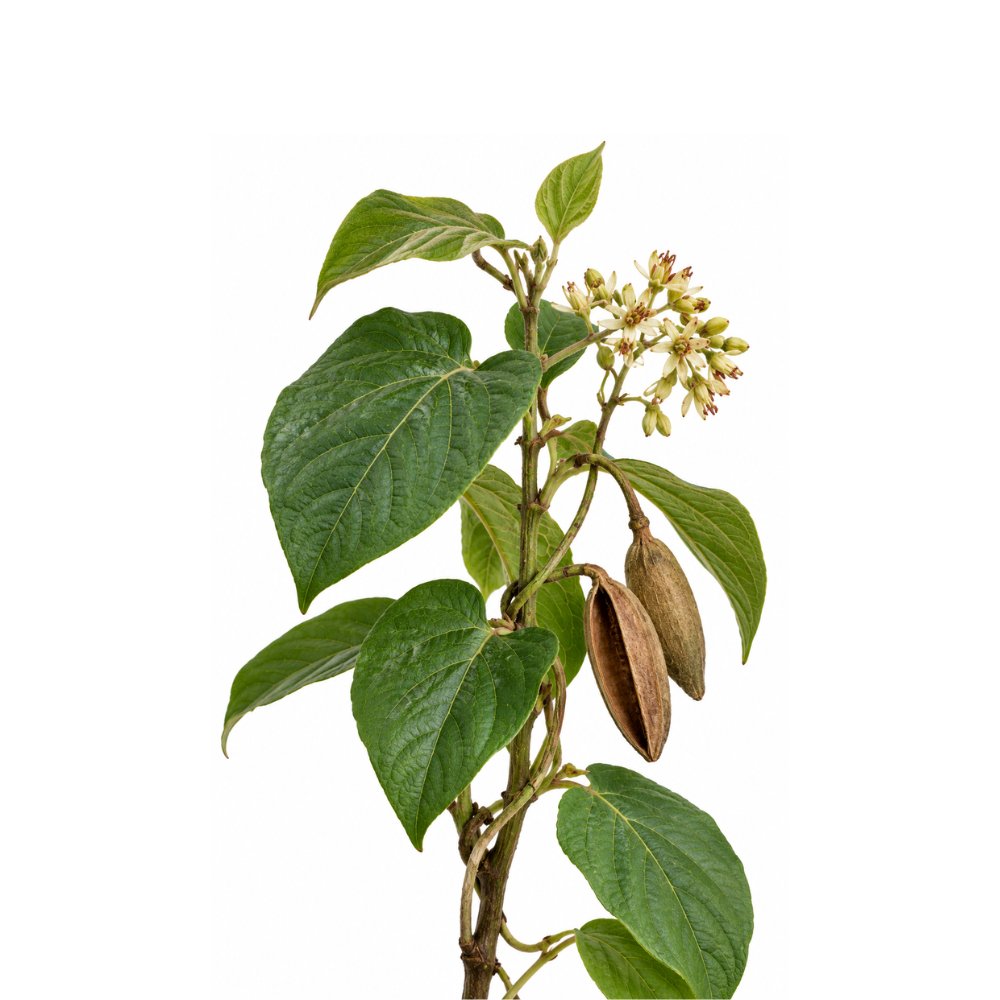 Curare ☠️ Chondrodendron tomentosum Toxic Documented for chondocurine, curine, cycleanine and 2 more isoquinoline alkaloids.
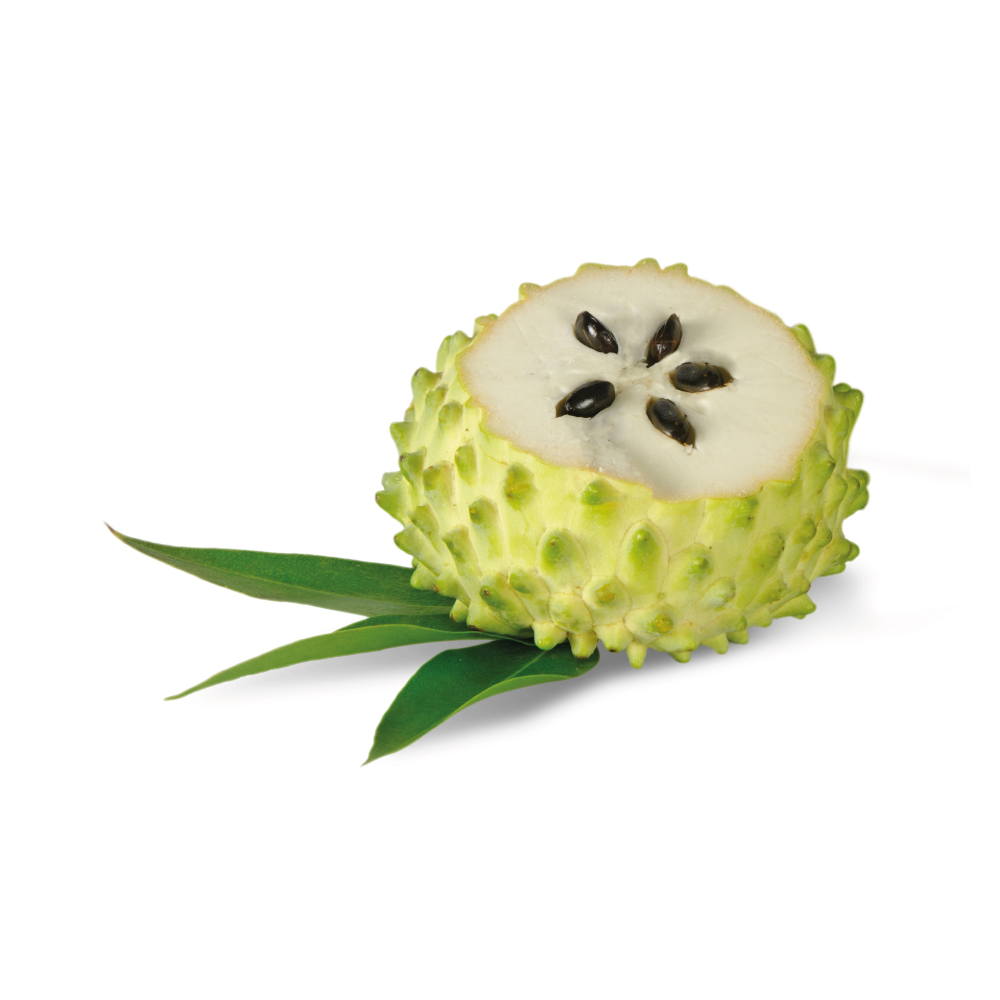 Graviola Annona muricata Toxic Documented for anomurine, coclaurine, coreximine and 1 more.
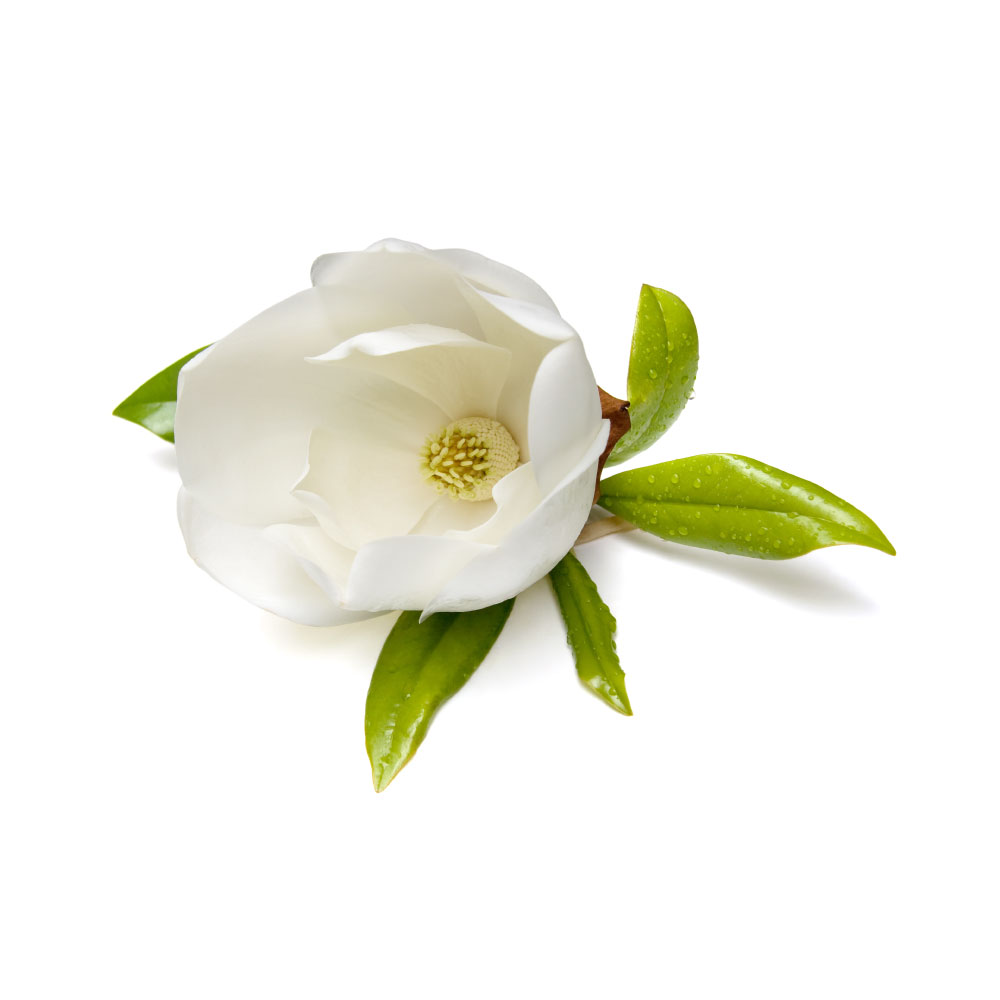 Magnolia Magnolia officinalis Documented for coclaurine, magnocurarine, magnoflorine and 1 more.
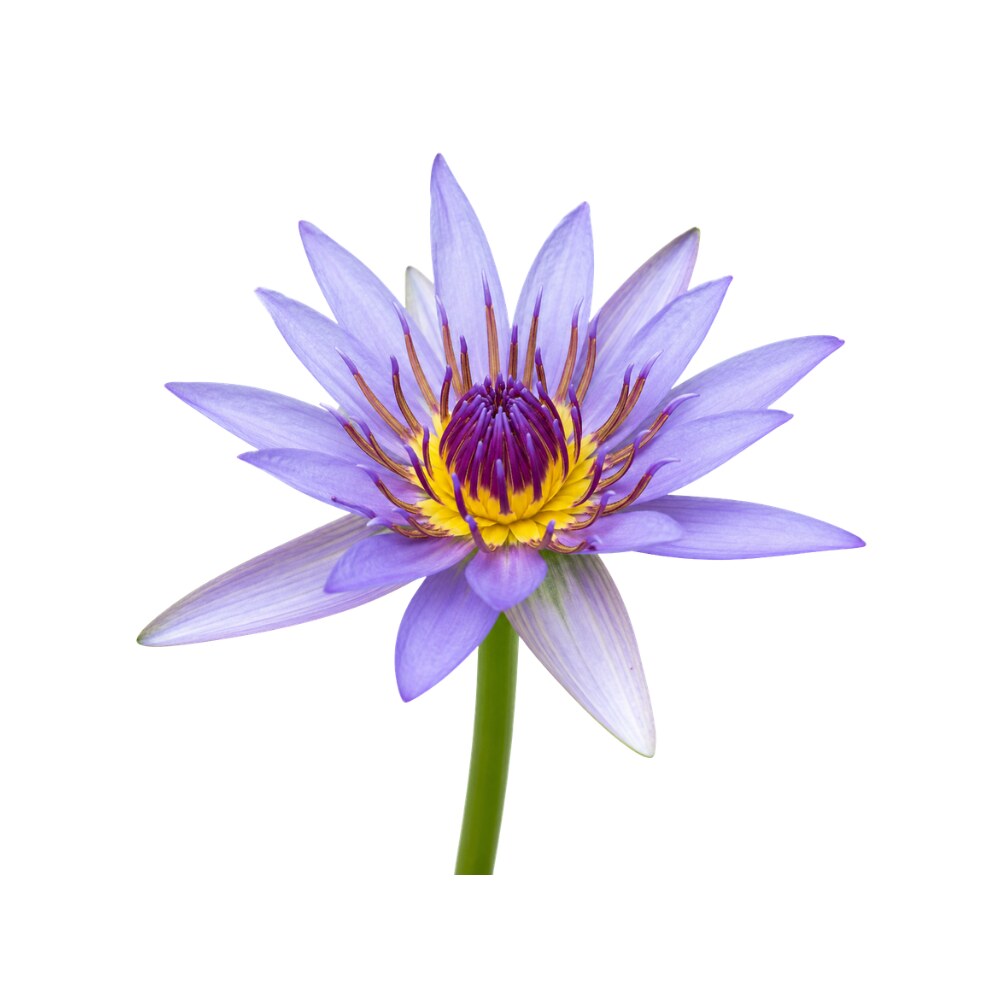 Blue Lotus Flower Nymphaea caerulea Documented for apomorphine, aporphine, nuciferine.
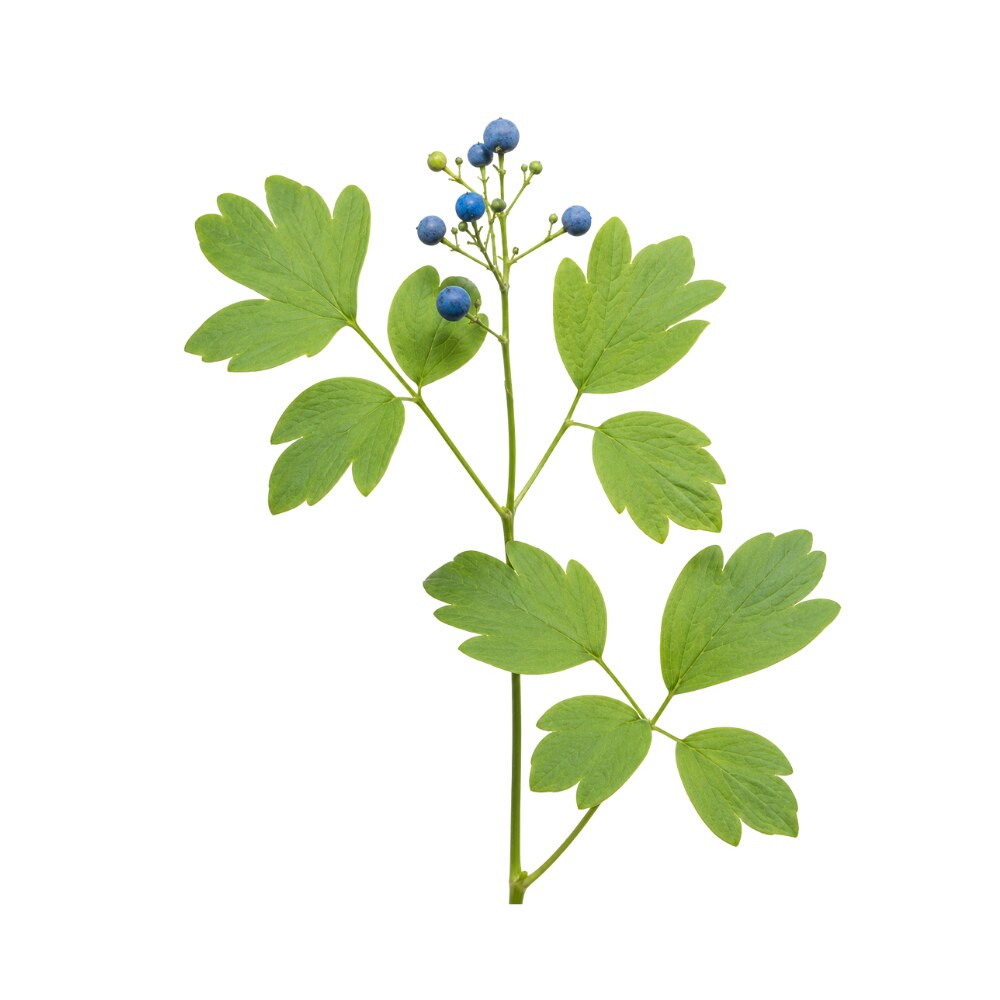 Blue Cohosh Caulophyllum thalictroides Documented for magnoflorine, taspine.
 Muira Puama Ptychopetalum olacoides Documented for magnoflorine, menisperine. Cassia Cinnamon Cinnamomum cassia Documented for coclaurine.
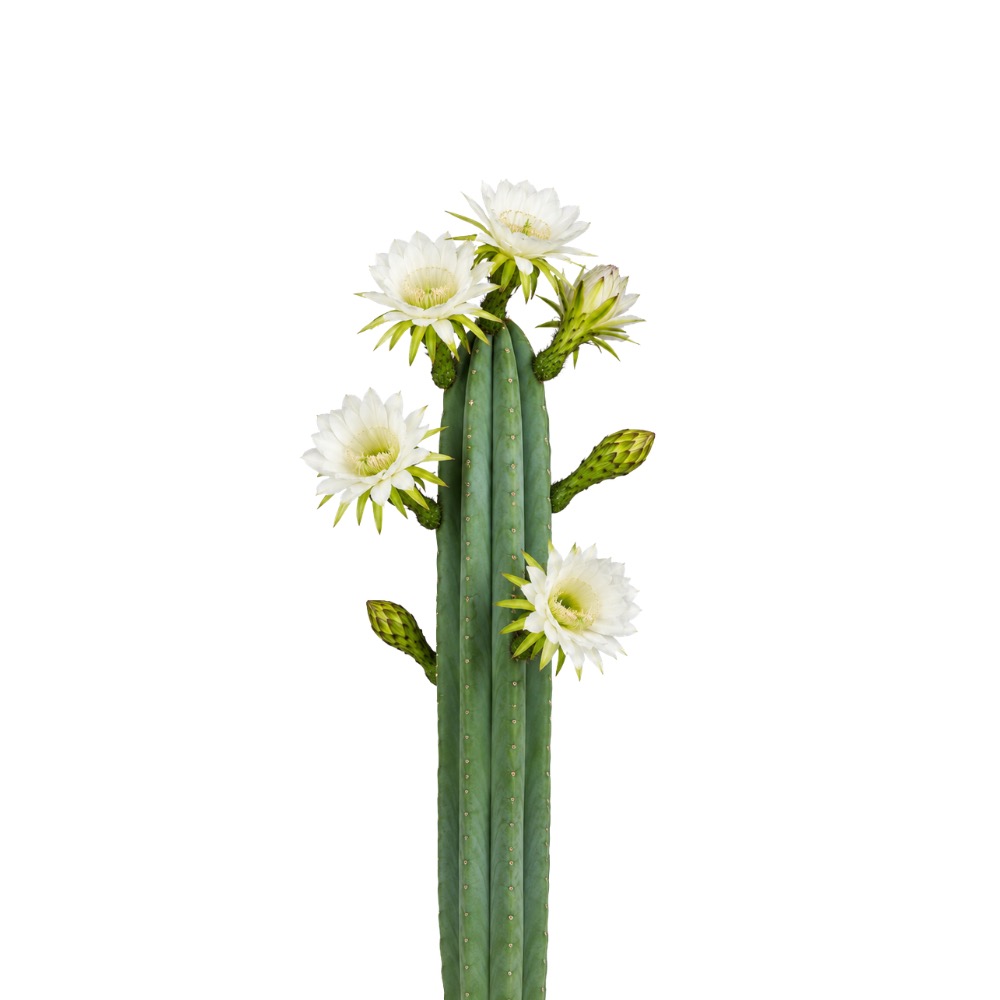 San Pedro Echinopsis pachanoi Documented for anhalonidine.
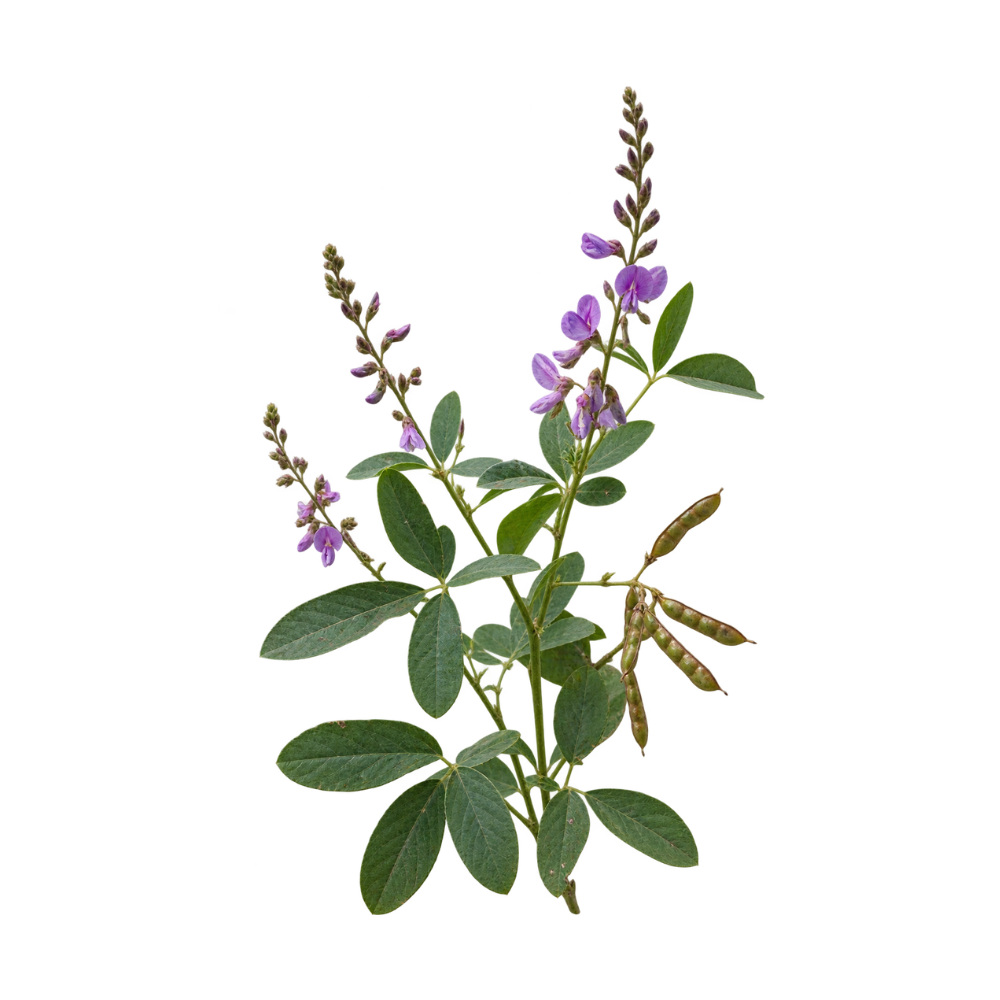 Tick Trefoil Desmodium spp. Documented for salsoline.
Keep Exploring
Other Compound Classes
Keep Reading
 GuidesThe Best Kava: A Buyer's GuideHow to buy good kava: noble vs two-day cultivars, which part of the root, chemotype codes, origin, form, and the batch tests a seller should show you.
Read more
 GuidesThe Amazon's Endangered Medicinal PlantsThe Amazon gives us some of our most important medicines — but which healing plants are actually endangered?
Read more
 NutritionThe Best Yerba Maté Brands [Reviewed]A drinker's guide to buying yerba maté — what actually changes the taste, and ten brands worth your money.
Read more
 GuidesHow to Prepare Yerba Maté — The Five Best MethodsHow to brew yerba maté properly — the traditional gourd method, plus tereré, french press and cold brew.
Read more