
Compound Monograph
Emodin-8-O-Glucoside
Emodin-8-O-glucoside (polygonin) is the 8-O-β-D-glucoside of emodin — the water-soluble storage form in which Japanese knotweed, rhubarb and fo-ti hold their emodin. It is best understood as an emodin prodrug: gut enzymes and colonic bacteria strip the sugar to release the active aglycone, so much of its documented activity is really emodin's. Its own isolate signal is preclinical (neuroprotective, immunomodulatory, hepatoprotective, cytotoxic).

Sources · 5
Where Does It Come From?
Emodin-8-O-Glucoside is a naturally occurring anthraquinone glycoside (emodin 8-o-β-d-glucoside), found in Japanese knotweed, Rhubarb, Fo-ti / he shou wu and 2 other sources. It is flagged as moderately toxic.
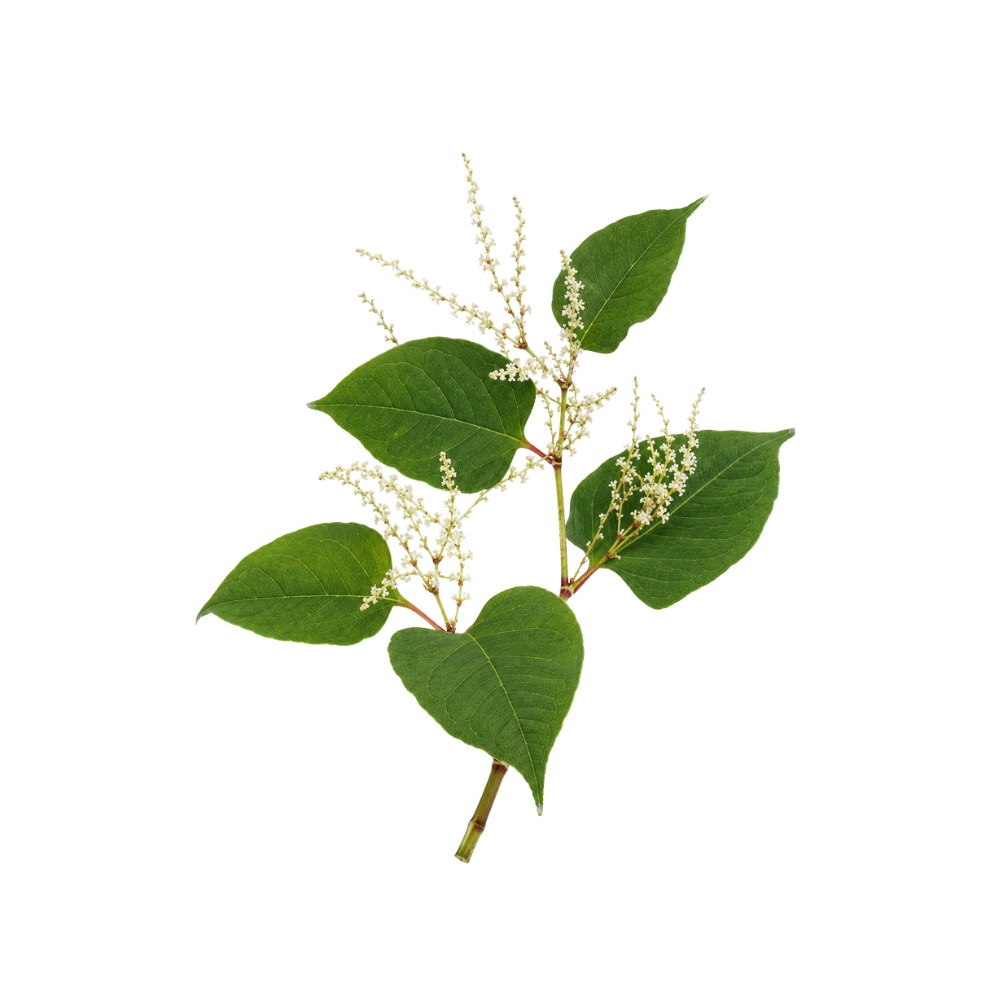 Principal source Japanese Knotweed Reynoutria japonica Herb monograph →
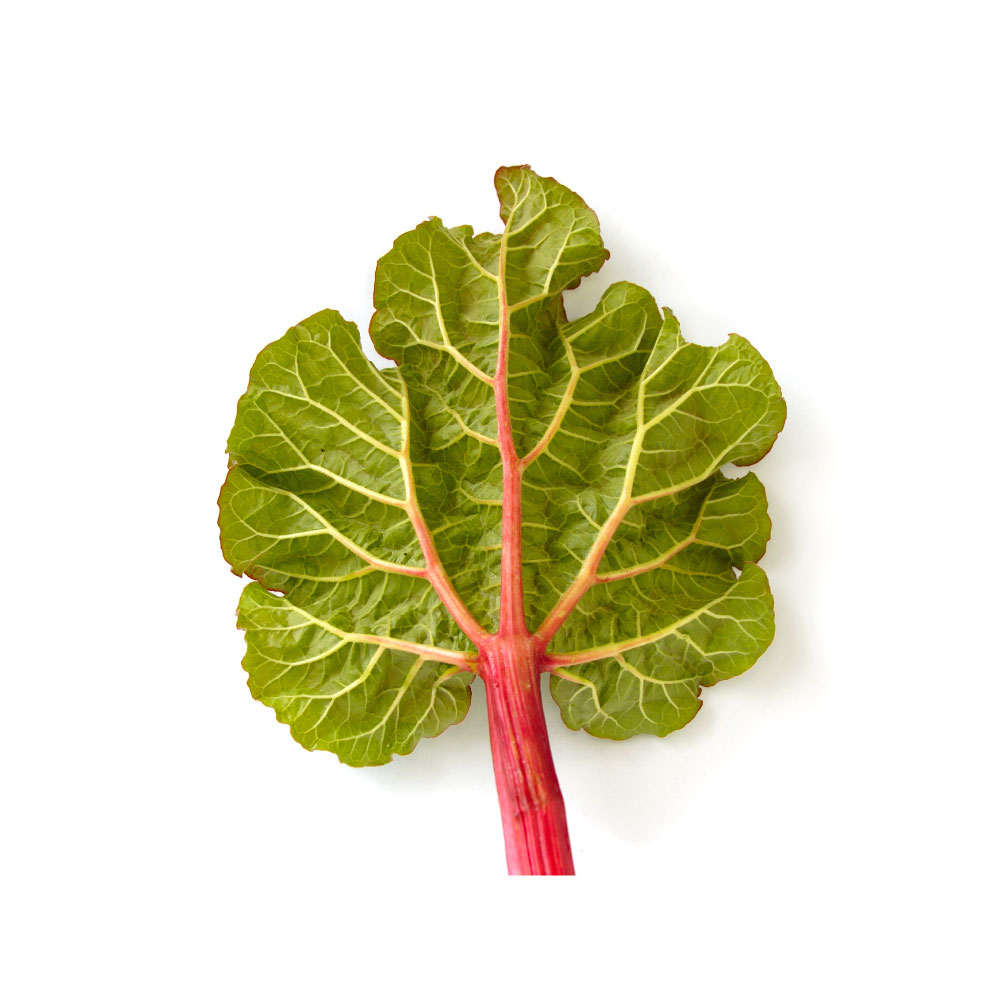 Source Rhubarb Rheum palmatum Herb monograph →
Concentration
Content by Source
Concentrations not reported. No percent-dry-weight or mg/g figures have been published for this compound in its source plants.
Emodin-8-O-Glucoside at a Glance
Emodin-8-O-glucoside — traditionally called polygonin — is the 8-O-β-D-glucoside of emodin, the trihydroxy-methyl anthraquinone that runs through the anthraquinone-laxative herbs. Attaching a glucose sugar at the 8-position makes the molecule far more water-soluble than the aglycone and is the form in which plants such as Japanese knotweed (Reynoutria japonica), rhubarb and fo-ti actually store and move their emodin.
The single most important fact about this molecule is that it is essentially an emodin prodrug. In the gut the sugar is cleaved — at the intestinal wall by β-glucosidases and, for whatever survives, in the colon by bacterial enzymes — releasing free emodin, which is the pharmacologically potent (and more problematic) species 6Reference 6Reduction of emodin-8-O-β-D-glucoside content participates in processing-based detoxification of Polygoni Multiflori RadixView study →. So a large part of what “emodin-8-O-glucoside” appears to do in whole-herb settings is really the work of the released aglycone, and the genotoxicity concern that attaches to anthraquinones belongs to that emodin, not to the intact sugar-bound form 6,
Set against that, the isolated glucoside does have its own, entirely preclinical signal — antioxidant neuroprotection in rats, immune-cell modulation, anti-cholestatic hepatoprotection in mice, and modest cytotoxicity against tumour cell lines — with, so far, no human trials of the isolate 1,
Emodin-8-O-Glucoside as an Emodin Prodrug
This is the section the molecule exists for. Emodin-8-O-glucoside and emodin are two states of the same anthraquinone, and almost every honest statement about the glucoside runs through that relationship.
The plant stores emodin as the glucoside. Glycosylation is how plants keep a reactive, lipophilic aglycone soluble, stable and safely warehoused in the vacuole. Japanese knotweed, rhubarb and fo-ti therefore carry much of their emodin bound as this 8-O-glucoside rather than free, which is exactly why an herb’s free-emodin content depends on the extract fraction and on processing 6Reference 6Reduction of emodin-8-O-β-D-glucoside content participates in processing-based detoxification of Polygoni Multiflori RadixView study →.
The gut turns it back into emodin. After ingestion the intact glucoside is taken up with the help of the intestinal glucose transporters SGLT1 and GLUT2, and is hydrolysed to emodin during absorption by cytosolic broad-specificity β-glucosidase and lactase-phlorizin hydrolase at the enterocyte, with colonic microbiota cleaving the remainder further downstream 6Reference 6Reduction of emodin-8-O-β-D-glucoside content participates in processing-based detoxification of Polygoni Multiflori RadixView study →. The classic anthraquinone-glycoside logic — sugar-bound molecule survives the upper gut, flora liberate the active aglycone in the colon — applies, but for emodin-8-O-glucoside a meaningful share of the unmasking happens at the small-intestinal wall, not only in the colon.
Solubility up, intact absorption down. The glucoside is much more water-soluble than emodin, but the sugar makes the intact molecule poorly absorbed as itself; anthraquinone O-glucosides generally show low oral bioavailability, and the released emodin is then heavily glucuronidated on the way through (free-emodin oral bioavailability is only ~3–5% in rats) 7Reference 7Coupling of UDP-glucuronosyltransferases and multidrug resistance-associated proteins is responsible for the intestinal disposition and poor bioavailability of emodinView study →. The net result is low systemic exposure to both the intact glucoside and free emodin — a caveat that discounts the potent in-vitro numbers below.
So whose activity is it? For whole-herb effects, largely emodin’s. Where the isolated glucoside has been tested directly — neuroprotection, macrophage priming, anti-cholestasis, tumour-cell cytotoxicity — the glucoside is the agent actually applied, and in one immune study it was more active than the aglycone 5Reference 5Emodin 8-O-glucoside primes macrophages more strongly than emodin aglycone via activation of phagocytic activity and TLR-2/MAPK/NF-κB signalling pathwayView study →, so the prodrug framing does not erase an intrinsic signal. But it does mean the glucoside should never be sold as a distinct “cleaner” drug on the strength of emodin’s pharmacology.
What It's Used For
The evidence is preclinical throughout, and splits by whether the isolated glucoside was tested or whether the finding really belongs to released emodin or to a whole Polygonum fraction.
Support is an experimental score — weighted by study type (human > animal > in vitro) and volume. A beta, not a validated metric. Every score here is preclinical and mostly single-study, so all stay low by design. Each application links to its write-up.
The strongest isolate signal. In male Wistar rats, purified emodin-8-O-glucoside (from Polygonum cuspidatum) dose-dependently reduced neurological-deficit scores and cerebral infarct area after cerebral ischaemia–reperfusion, raising brain superoxide dismutase and total antioxidant capacity while lowering malondialdehyde; in cultured fetal-rat cortical neurons it blunted glutamate-induced neuronal damage 2Reference 2In vitroNeuroprotective effects of emodin-8-O-β-D-glucoside in vivo and in vitroView study →. Critically for a glucoside, the study confirmed it penetrates the blood–brain barrier and distributes into brain tissue 2Reference 2In vitroNeuroprotective effects of emodin-8-O-β-D-glucoside in vivo and in vitroView study →.
Gap: a single in-vivo/in-vitro paper on the isolate, no human data, and the antioxidant readout does not by itself establish a stroke indication; the poor systemic exposure of anthraquinone glucosides is not resolved by one BBB-distribution measurement 2,
Two studies point in opposite directions, and the tension is the point. In LPS-activated RAW264.7 macrophages, emodin-8-O-glucoside — quantified as a major constituent of the anti-inflammatory HZE-60 fraction of Polygonum cuspidatum — suppressed NO, TNF-α, IL-6 and MCP-1 1Reference 1Anti-inflammatory constituents in the root and rhizome of Polygonum cuspidatum by UPLC-PDA-QTOF/MS and lipopolysaccharide-activated RAW264.7 macrophagesView study →.
But against resting macrophages the same molecule is immunostimulatory: it primed RAW264.7 and THP-1 cells to release TNF-α and IL-6 and boosted phagocytosis via TLR-2/MAPK/NF-κB — and did so more strongly than emodin aglycone (≈4.9-fold more TNF-α at 20 µM) 5Reference 5Emodin 8-O-glucoside primes macrophages more strongly than emodin aglycone via activation of phagocytic activity and TLR-2/MAPK/NF-κB signalling pathwayView study →.
The net effect is therefore context-dependent (calming an inflamed macrophage, waking a quiescent one), not a clean anti-inflammatory.
Gap: all in-vitro; the HZE-60 result is a fraction effect where the glucoside is one of several constituents 1Reference 1Anti-inflammatory constituents in the root and rhizome of Polygonum cuspidatum by UPLC-PDA-QTOF/MS and lipopolysaccharide-activated RAW264.7 macrophagesView study →; and the pro- vs anti-inflammatory direction is unresolved, so no in-vivo inflammatory indication follows 1,
In an α-naphthyl-isothiocyanate (ANIT) cholestatic-liver-injury model in mice, isolated emodin-8-O-glucoside reduced liver injury, attributed to restored gut-microbiome homeostasis and re-regulated bile-acid and lipid metabolism, alongside antioxidant and anti-inflammatory activity 3Reference 3AnimalEmodin-8-O-β-D-glucopyranoside alleviates cholestasis by maintaining intestinal homeostasis and regulating lipids and bile acids metabolism in miceView study →. This is a genuinely isolate-level result.
Gap: one mouse study, mechanistically inferred from metabolomics/16S rather than a defined target; it sits uneasily beside the anthraquinone class’s own documented, dose-dependent hepatotoxicity via released emodin, so the glucoside should not be presented as a straightforward liver protectant 3,
Emodin-8-O-glucoside isolated from Reynoutria japonica (96.5% purity) was cytotoxic to three nervous-system tumour lines — C6 mouse glioblastoma (IC₅₀ ≈ 52.7 µM), T98G human glioblastoma (≈61.2 µM) and SK-N-AS neuroblastoma (≈108.7 µM) — the first such report for the glucoside 4Reference 4Emodin-8-O-glucoside — isolation and the screening of the anticancer potential against the nervous system tumorsView study →. The authors frame glycosylation explicitly as a way to temper emodin’s toxicity while keeping activity.
Gap: in-vitro only, at micromolar concentrations unlikely to be reached in vivo given poor glucoside absorption; no xenograft or clinical data, and the anticancer anthraquinone literature is dominated by the aglycone 4,
Mechanisms
| Target / pathway | Effect | Relevant to |
|---|---|---|
| SOD / total antioxidant capacity ↑, MDA ↓; glutamate excitotoxicity | antioxidant neuroprotection; BBB-penetrant | neuroprotective |
| NF-κB / NO / TNF-α / IL-6 / MCP-1 (LPS-activated macrophages) | ↓ pro-inflammatory mediators | anti-inflammatory (activated cells) |
| TLR-2 / MAPK / NF-κB; phagocytosis (resting macrophages) | immune priming — stronger than emodin aglycone | immunomodulatory (resting cells) |
| Bile-acid metabolism + gut-microbiome homeostasis | anti-cholestatic liver protection | hepatoprotective |
| Tumour-cell viability (glioblastoma / neuroblastoma lines) | micromolar cytotoxicity in vitro | anticancer |
| SGLT1 / GLUT2 uptake → β-glucosidase / LPH / colonic-flora hydrolysis | prodrug activation to free emodin | pharmacokinetics; downstream emodin effects |
The load-bearing row is the last one: once the sugar is cleaved, the biology shifts to emodin’s targets (NF-κB/NLRP3 anti-inflammatory, casein-kinase-2/HER2 anticancer, 11β-HSD1 metabolic) — with emodin’s genotoxicity and poor bioavailability attached.
Pharmacokinetics
The defining feature. Emodin-8-O-glucoside is much more water-soluble than emodin but the sugar makes the intact molecule poorly absorbed as itself — anthraquinone O-glucosides characteristically show low oral bioavailability. Uptake at the gut wall is aided by the glucose transporters SGLT1 and GLUT2, and hydrolysis to emodin happens during absorption through cytosolic β-glucosidase and lactase-phlorizin hydrolase, with colonic microbiota cleaving the rest 6Reference 6Reduction of emodin-8-O-β-D-glucoside content participates in processing-based detoxification of Polygoni Multiflori RadixView study →. The liberated emodin is then extensively glucuronidated by intestinal/hepatic UGTs coupled to MRP efflux, giving free-emodin oral bioavailability of only ~3–5% in rats 7Reference 7Coupling of UDP-glucuronosyltransferases and multidrug resistance-associated proteins is responsible for the intestinal disposition and poor bioavailability of emodinView study →. So systemic exposure to both the intact glucoside and free emodin is low — the caveat that runs under every application above. The one distinctive PK finding is that the intact glucoside does reach the brain: it was shown to cross the blood–brain barrier and distribute into brain tissue in the rat stroke study 2Reference 2In vitroNeuroprotective effects of emodin-8-O-β-D-glucoside in vivo and in vitroView study →.
Clinical Trials
There are no human trials of isolated emodin-8-O-glucoside. All human exposure is via anthraquinone-containing herbs (Japanese knotweed, rhubarb, fo-ti), where the glucoside is one of many constituents and functions as an emodin prodrug — so any human-level evidence is herb/formula-level, not attributable to this molecule.
| Completed | Planned | Terminated | Preclinical |
|---|---|---|---|
| —(isolate); herb-level only | — | — | Neuroprotection, immune, cholestasis, cytotoxicity (all preclinical) |
Last checked: July 2026.
Isolate vs. Plant Studies
Unusually for a plant glycoside, the interesting preclinical work here used the purified isolate: the neuroprotection 2Reference 2In vitroNeuroprotective effects of emodin-8-O-β-D-glucoside in vivo and in vitroView study →, macrophage priming 5Reference 5Emodin 8-O-glucoside primes macrophages more strongly than emodin aglycone via activation of phagocytic activity and TLR-2/MAPK/NF-κB signalling pathwayView study →, anti-cholestasis 3Reference 3AnimalEmodin-8-O-β-D-glucopyranoside alleviates cholestasis by maintaining intestinal homeostasis and regulating lipids and bile acids metabolism in miceView study → and tumour-cell cytotoxicity 4Reference 4Emodin-8-O-glucoside — isolation and the screening of the anticancer potential against the nervous system tumorsView study → were all run on isolated emodin-8-O-glucoside, which is a genuine strength of the data. The caveats are two. First, no human study exists at any level of purity. Second, the whole-herb anti-inflammatory signal is a fraction effect (HZE-60 of Polygonum cuspidatum), where emodin-8-O-glucoside co-occurs with emodin, resveratrol, polydatin and other anthraquinones and stilbenes, so herb-level activity cannot be assigned to the glucoside alone 1Reference 1Anti-inflammatory constituents in the root and rhizome of Polygonum cuspidatum by UPLC-PDA-QTOF/MS and lipopolysaccharide-activated RAW264.7 macrophagesView study →. And because the glucoside is a prodrug, much of what the intact herb does is downstream of the released emodin rather than the sugar-bound parent 6Reference 6Reduction of emodin-8-O-β-D-glucoside content participates in processing-based detoxification of Polygoni Multiflori RadixView study →.
Prevalence in Nature
Emodin-8-O-glucoside is the bound, water-soluble storage form of emodin in the anthraquinone plants. It occurs in the roots and rhizomes of Japanese knotweed (Reynoutria japonica / Polygonum cuspidatum) — the source from which it has been isolated to high purity 4Reference 4Emodin-8-O-glucoside — isolation and the screening of the anticancer potential against the nervous system tumorsView study → and quantified as a major constituent of an anti-inflammatory root fraction 1Reference 1Anti-inflammatory constituents in the root and rhizome of Polygonum cuspidatum by UPLC-PDA-QTOF/MS and lipopolysaccharide-activated RAW264.7 macrophagesView study → — as well as in rhubarb (Rheum spp.) and fo-ti / he shou wu (Polygonum multiflorum), and more broadly across Polygonum and Rumex species. Because so much of a plant’s emodin is warehoused as this glucoside, the free-emodin content of any given herb or extract is fraction- and processing-dependent rather than fixed (see emodin for the aglycone’s occurrence). Traditional processing lowers the glucoside: black-bean steaming of Polygonum multiflorum reduces its emodin-8-O-glucoside content, and that reduction is part of why processed material is less hepatotoxic than raw 6Reference 6Reduction of emodin-8-O-β-D-glucoside content participates in processing-based detoxification of Polygoni Multiflori RadixView study →. No clean whole-root percentage is reliably quantified in the primary literature.
Discovery & Synthesis
The molecule has long been known under the trivial name polygonin, reflecting its occurrence in Polygonum. A well-documented modern isolation from Japanese knotweed (Reynoutria japonica) used centrifugal partition chromatography followed by preparative HPLC to reach 96.5% purity, and provided the first anticancer screen of the pure compound 4Reference 4Emodin-8-O-glucoside — isolation and the screening of the anticancer potential against the nervous system tumorsView study →. Manufacture today is by extraction/isolation from anthraquinone-rich Polygonum roots rather than by synthesis; the glucoside can also be obtained by glycosylation of emodin, and that semi-synthetic route is the conceptual basis for the “glycosylate the aglycone to reduce its toxicity” strategy the research community has explored 4Reference 4Emodin-8-O-glucoside — isolation and the screening of the anticancer potential against the nervous system tumorsView study →. A definitive first-total-synthesis author/year for polygonin is not well documented in the retrieved sources.
Patents: not yet researched.
Toxicity & Safety
Emodin-8-O-glucoside carries a moderate flag — the same as its aglycone — for one reason: it is a prodrug of emodin, and the anthraquinone genotoxicity/organ-toxicity concerns belong to the emodin it releases. Glycosylation was proposed precisely as a way to temper emodin’s toxicity 4Reference 4Emodin-8-O-glucoside — isolation and the screening of the anticancer potential against the nervous system tumorsView study →, and the intact glucoside is likely gentler than free emodin, but it should not be read as safe: it is documented as the pre-toxin whose hydrolysis to emodin drives the hepatotoxicity of Polygonum multiflorum, which is why processing that lowers the glucoside also lowers the toxicity 6Reference 6Reduction of emodin-8-O-β-D-glucoside content participates in processing-based detoxification of Polygoni Multiflori RadixView study →.
- Isolate signal is preclinical and, for a glucoside, uses the pure compound — antioxidant neuroprotection, anti-cholestasis and cytotoxicity were tested on isolated emodin-8-O-glucoside, not just crude herb 2,
3, .4Reference 2In vitroNeuroprotective effects of emodin-8-O-β-D-glucoside in vivo and in vitroView study →Reference 3AnimalEmodin-8-O-β-D-glucopyranoside alleviates cholestasis by maintaining intestinal homeostasis and regulating lipids and bile acids metabolism in miceView study →Reference 4Emodin-8-O-glucoside — isolation and the screening of the anticancer potential against the nervous system tumorsView study → - It is an emodin prodrug. Gut and colonic hydrolysis release free emodin 6Reference 6Reduction of emodin-8-O-β-D-glucoside content participates in processing-based detoxification of Polygoni Multiflori RadixView study →, which carries genotoxicity in multiple assays and an equivocal carcinogenicity finding in the NTP 2-year feed bioassay (TR-493) 8Reference 8AnimalToxicology and carcinogenesis studies of emodin (CAS 518-82-1) in F344/N rats and B6C3F1 mice (feed studies)View study →.
- Anthraquinone-laxative class. As a hydroxyanthracene glucoside it belongs to the class EFSA/EMA restricted in food and supplements over genotoxicity concern; the class can cause laxation and, with chronic use, potassium loss 9Reference 9Safety of hydroxyanthracene derivatives for use in foodView study →.
- Poor, uncertain exposure. Intact-glucoside absorption is low and released-emodin bioavailability is only a few percent 7Reference 7Coupling of UDP-glucuronosyltransferases and multidrug resistance-associated proteins is responsible for the intestinal disposition and poor bioavailability of emodinView study →; potent cell-line potencies likely overstate in-vivo effect, and no isolate safety package or human data exist.
- Pregnancy / laxative caution (prose). Anthraquinone laxatives are generally avoided in pregnancy and for chronic self-treatment; that class caution applies to emodin-releasing glucosides. This is a molecule-level note — the actual decision belongs to the herb or product page where intake is chosen.
Dosage
There is no established or safe human dose for isolated emodin-8-O-glucoside, and nothing here is a recommendation. Research has used it only in cells and animals — micromolar concentrations against tumour and macrophage lines 4,
References
- Yu M, Chen TT, Zhang T, Jia HM, Li JJ, Zhang HW, Zou ZM (2021). Anti-inflammatory constituents in the root and rhizome of Polygonum cuspidatum by UPLC-PDA-QTOF/MS and lipopolysaccharide-activated RAW264.7 macrophages. Journal of Pharmaceutical and Biomedical Analysis. https://pubmed.ncbi.nlm.nih.gov/33388645/
- Wang C, Zhang D, Ma H, Liu J (2007). Neuroprotective effects of emodin-8-O-β-D-glucoside in vivo and in vitro. European Journal of Pharmacology. https://pubmed.ncbi.nlm.nih.gov/17897641/
- Wu Y, et al. (2025). Emodin-8-O-β-D-glucopyranoside alleviates cholestasis by maintaining intestinal homeostasis and regulating lipids and bile acids metabolism in mice. Journal of Pharmaceutical and Biomedical Analysis. https://pubmed.ncbi.nlm.nih.gov/39933397/
- Okon E, Koval M, Wawruszak A, Slawinska-Brych A, Smolinska K, Shevera M, Stepulak A, Kukula-Koch W (2023). Emodin-8-O-glucoside — isolation and the screening of the anticancer potential against the nervous system tumors. Molecules. https://pubmed.ncbi.nlm.nih.gov/37959784/
- Lee J, Kim HJ, Nguyen TTH, et al. (2020). Emodin 8-O-glucoside primes macrophages more strongly than emodin aglycone via activation of phagocytic activity and TLR-2/MAPK/NF-κB signalling pathway. International Immunopharmacology. https://pubmed.ncbi.nlm.nih.gov/32871479/
- Wang X, Zhao G, Ju C, et al. (2023). Reduction of emodin-8-O-β-D-glucoside content participates in processing-based detoxification of Polygoni Multiflori Radix. Phytomedicine. https://pubmed.ncbi.nlm.nih.gov/36990007/
- Liu W, Feng Q, Li Y, Ye L, Hu M, Liu Z (2012). Coupling of UDP-glucuronosyltransferases and multidrug resistance-associated proteins is responsible for the intestinal disposition and poor bioavailability of emodin. Toxicology and Applied Pharmacology. https://pubmed.ncbi.nlm.nih.gov/22982073/
- National Toxicology Program (2001). Toxicology and carcinogenesis studies of emodin (CAS 518-82-1) in F344/N rats and B6C3F1 mice (feed studies). NTP Technical Report Series (TR-493). https://pubmed.ncbi.nlm.nih.gov/12563347/
- EFSA ANS Panel (2018). Safety of hydroxyanthracene derivatives for use in food. EFSA Journal. https://pubmed.ncbi.nlm.nih.gov/32625659/



