
Compound Monograph
Forsythoside B
Forsythoside B is a caffeoyl phenylethanoid glycoside of the verbascoside (acteoside) family, best known from Forsythia suspensa fruit (lian qiao). Its research is entirely preclinical, with a notable anti-inflammatory / anti-sepsis and acute-lung-injury signal working through the TLR4/NF-κB pathway.

Sources · 7
Where Does It Come From?
Forsythoside B is a naturally occurring phenylethanoid glycoside (caffeoyl phg, verbascoside/acteoside family), found in Weeping forsythia — fruit, Lamiophlomis rotata — leaves, Black horehound and 4 other sources. It is well tolerated orally (low toxicity).
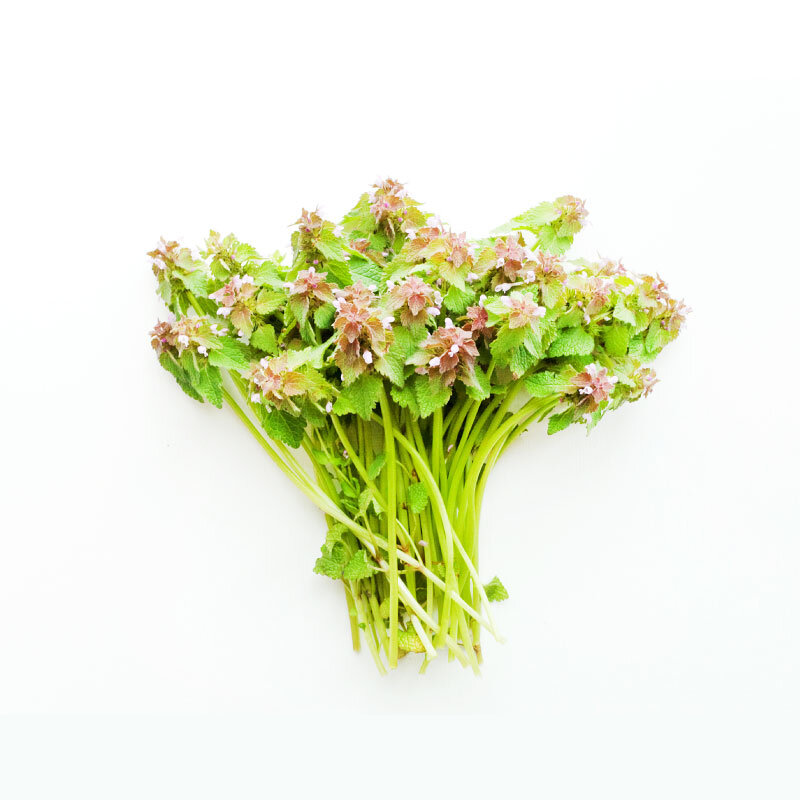 Source Black Horehound Ballota nigra Herb monograph →
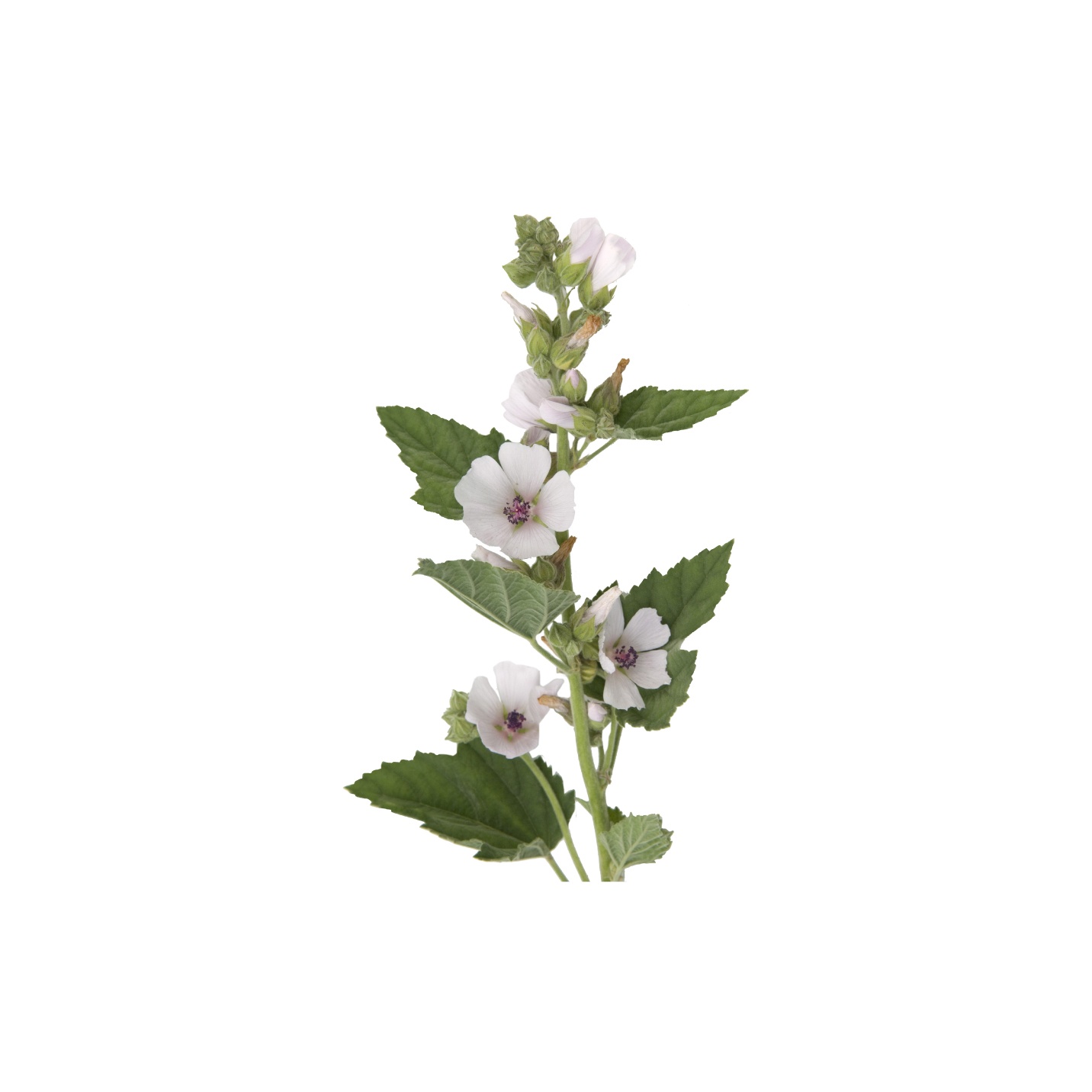 Source Marshmallow Althaea officinalis Herb monograph →
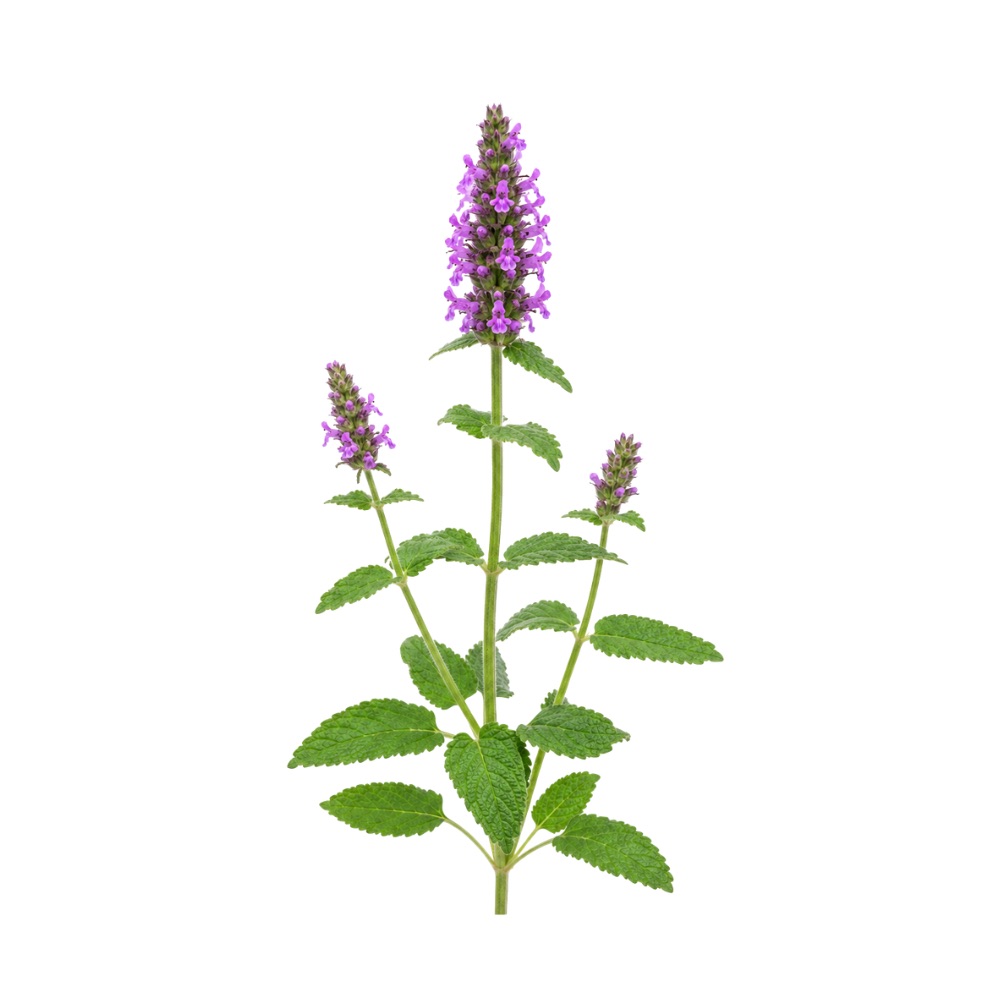 Source Wood Betony Stachys officinalis Herb monograph →
Concentration
Content by Source
Concentrations not reported. No percent-dry-weight or mg/g figures have been published for this compound in its source plants.
Forsythoside B at a Glance
Forsythoside B is a caffeoyl phenylethanoid glycoside (PhG) — the same structural family as verbascoside (acteoside) and echinacoside. It is built on the verbascoside scaffold — a hydroxytyrosol unit esterified with caffeic acid on a rhamnose–glucose disaccharide — carrying an additional branched pentose (apiose) sugar (molecular formula C34H44O19).
Its best-known botanical source is the dried fruit of weeping forsythia (Forsythia suspensa), called lian qiao (连翘) in traditional Chinese medicine, a classic “heat-clearing” antimicrobial herb. It also occurs in the Tibetan painkiller herb Lamiophlomis rotata, in black horehound (Ballota nigra) and wood betony (Stachys officinalis).
The honest headline for this molecule is that all of its pharmacology is preclinical — cell assays and rodent models, with no human trials. Within that limit, its most developed and distinctive signal is anti-inflammatory: repeated rodent work in sepsis and acute lung injury points to suppression of the TLR4/NF-κB pathway, alongside a broader neuroprotective and antioxidant story.
The Anti-Sepsis & Acute Lung Injury Signal
The strongest and most repeated finding for forsythoside B is an anti-inflammatory action in models of systemic and pulmonary inflammation, and it is the reason the molecule is worth its own page rather than a footnote under verbascoside.
In a mouse model of experimental sepsis, forsythoside B lowered serum TNF-α, IL-6 and HMGB1 (a late-phase mediator of lethal sepsis), reduced TREM-1 and circulating endotoxin, raised the anti-inflammatory cytokine IL-10, and cut myeloperoxidase in lung, liver and intestine; in LPS-stimulated macrophages it suppressed the same cytokines by inhibiting the IκB kinase (IKK) → NF-κB cascade 1Reference 1Forsythoside B protects against experimental sepsis by modulating inflammatory factorsView study →.
In LPS-induced acute lung injury (ALI), forsythoside B pre-treatment suppressed lung oedema, inflammatory-cell infiltration and cytokine expression by attenuating TLR4/NF-κB signalling in vivo and in vitro — leading the authors to propose it as a candidate for sepsis-associated ALI 2Reference 2Protective effect of forsythoside B against lipopolysaccharide-induced acute lung injury by attenuating the TLR4/NF-κB pathwayView study →.
This is a coherent mechanistic thread — TLR4 → IKK/NF-κB → pro-inflammatory cytokines and HMGB1 — but it is entirely animal- and cell-based. No human sepsis or ALI data exist.
What It's Used For
Beyond the anti-inflammatory core, forsythoside B has been tested for neuroprotection, antioxidant activity and antibacterial effects. The evidence is uniformly preclinical, and — unusually for a plant PhG — a good share of it uses the isolated molecule in defined rodent models rather than whole extract.
Support is an experimental score — weighted by study type (human > animal > in vitro) and volume. A beta, not a validated metric. Every row here is preclinical; the scores rank rodent-model depth, not clinical proof.
The lead application, and one where the isolated molecule is the thing tested. In experimental sepsis, forsythoside B concentration-dependently lowered TNF-α, IL-6 and HMGB1 in LPS-stimulated macrophages and in serum, reduced TREM-1 and endotoxin, raised IL-10, and inhibited the IKK/NF-κB pathway 1Reference 1Forsythoside B protects against experimental sepsis by modulating inflammatory factorsView study →. In LPS-induced acute lung injury it suppressed oedema, inflammatory-cell infiltration and cytokine/enzyme expression by attenuating TLR4/NF-κB signalling both in vivo and in cultured cells 2Reference 2Protective effect of forsythoside B against lipopolysaccharide-induced acute lung injury by attenuating the TLR4/NF-κB pathwayView study →.
Gap: all data are rodent and cell-based, and dosing is by injection — no oral or human evidence, and no head-to-head against verbascoside despite the shared scaffold 1,
A recurring rodent theme. A single intravenous bolus of forsythoside B (doses above ~8 mg/kg) reduced infarct volume and neurological deficit after middle-cerebral-artery-occlusion ischaemia–reperfusion in rats, attenuated blood–brain-barrier breakdown, and retained activity when given 1–5 h after reperfusion — a favourable therapeutic window — with the effect attributed to suppressed inflammation 3Reference 3AnimalNeuroprotective efficacy and therapeutic window of Forsythoside B: in a rat model of cerebral ischemia and reperfusion injuryView study →.
Later studies report benefit after spinal-cord injury, reducing neuronal apoptosis via NF-κB / p38-MAPK inhibition and Nrf2 activation 4Reference 4Forsythoside B attenuates neuro-inflammation and neuronal apoptosis by inhibition of NF-κB and p38-MAPK signaling pathways through activating Nrf2 post spinal cord injuryView study →, and improved cognition in an Alzheimer’s-type model 5Reference 5Forsythoside B attenuates memory impairment and neuroinflammation via inhibition on NF-κB signaling in Alzheimer’s diseaseView study → and a diabetic / ovariectomised cognitive-dysfunction model, chiefly by lowering hippocampal neuroinflammation (IL-1β, IL-6, TNF-α) and restoring synaptic markers (BDNF, PSD-95, synaptophysin) 6Reference 6AnimalForsythoside B ameliorates diabetic cognitive dysfunction by inhibiting hippocampal neuroinflammation and reducing synaptic dysfunction in ovariectomized miceView study →.
Gap: these are separate rodent models from different groups; there is no clinical neurology data, and the injectable route and undefined oral bioavailability limit translation 3,
As a caffeoyl phenylethanoid, forsythoside B is a radical scavenger. Among phenylpropanoid glycosides isolated from black horehound (Ballota nigra), forsythoside B — together with verbascoside, arenarioside and ballotetroside — inhibited Cu²⁺-mediated LDL peroxidation in vitro, an antioxidant activity relevant to the oxidised-LDL step of atherosclerosis 7Reference 7In vitroPhenylpropanoids from Ballota nigra L. inhibit in vitro LDL peroxidationView study →.
The two catechol (caffeoyl + hydroxytyrosol) groups on the molecule are the likely radical-quenching centres.
Gap: this is a whole-fraction in-vitro assay in which forsythoside B is one of several co-active PhGs; there is no animal or human antioxidant/cardiovascular endpoint for the isolate 7Reference 7In vitroPhenylpropanoids from Ballota nigra L. inhibit in vitro LDL peroxidationView study →.
Antibacterial activity is historically the founding property of this molecule — Endo & Hikino isolated it in 1982 as an antibacterial principle of Forsythia koreana stems 9Reference 9Structure of forsythoside B, an antibacterial principle of Forsythia koreana stems. It reappears among the antibacterial phenylpropanoid derivatives of Ballota nigra, active in vitro against organisms including Proteus and Staphylococcus species 8Reference 8Isolation and antibacterial activity of phenylpropanoid derivatives from Ballota nigraView study →.
Gap: the activity is modest, in-vitro, and shared across the PhG class; no MIC-driven or in-vivo infection data single out forsythoside B as a lead antibacterial 8,
Mechanisms
| Target / pathway | Effect | Relevant to |
|---|---|---|
| TLR4 / MyD88 | receptor-level suppression of the endotoxin-sensing pathway | anti-sepsisALI |
| IκB kinase (IKK) → NF-κB | inhibits nuclear translocation → less TNF-α, IL-6, HMGB1 | anti-inflammatory (the load-bearing mechanism) |
| HMGB1 / TREM-1 | down-regulates late-phase sepsis mediators | anti-sepsis |
| Nrf2 / antioxidant response | activation → cytoprotection after neural injury | neuroprotectionantioxidant |
| p38-MAPK | inhibition → reduced neuronal apoptosis | spinal-cord-injury model |
| LDL / Cu²⁺-driven lipid peroxidation | catechol radical scavenging | antioxidant / LDL protection |
The through-line is anti-inflammatory: nearly every beneficial result traces back to damping TLR4–IKK/NF-κB signalling, with Nrf2 activation as the antioxidant counterpart. This is the same mechanistic vocabulary as its PhG siblings verbascoside and echinacoside.
Pharmacokinetics
Forsythoside B is a large, highly polar polyphenolic glycoside (C34H44O19, molecular weight ~756), a physical profile that predicts poor oral absorption — the general weakness of the phenylethanoid-glycoside class. Consistent with this, the rodent efficacy studies that show the clearest effects give it by intravenous injection 1,
Clinical Trials
There are no clinical trials of forsythoside B as an isolated compound. Human exposure is only indirect, as one constituent of traditional Forsythia-based (lian qiao) preparations, whose clinical use is not attributable to this molecule.
| Completed | Planned | Terminated | Preclinical |
|---|---|---|---|
| — | — | — | Anti-sepsis/ALI, neuroprotection, antioxidant, antibacterial (all in-vitro/rodent) |
Last checked: July 2026.
Isolate vs. Plant Studies
Forsythoside B sits on the stronger side of the usual isolate-vs-plant caveat: much of its evidence uses the purified molecule in defined rodent models — the sepsis, acute-lung-injury and cerebral-ischaemia studies all dose isolated forsythoside B 1,
The offsetting weaknesses are that (a) the studies are preclinical, with no human arm; (b) the most convincing results are parenteral, sidestepping the poor oral absorption that a Forsythia-fruit user would face 10Reference 10Lamiophlomis herba: a comprehensive overview of its chemical constituents, pharmacology, clinical applications, and quality controlView study →; and (c) the antioxidant and antibacterial data come from whole-PhG fractions (Ballota, Forsythia) where forsythoside B is one active among several 7,
Prevalence in Nature
Forsythoside B is a caffeoyl phenylethanoid glycoside distributed across several plant families, most notably the Oleaceae and Lamiaceae. Its signature source is the dried fruit (Fructus Forsythiae, lian qiao) of weeping forsythia (Forsythia suspensa), where it belongs to a large family of forsythosides (A, B, C, D, E, I…) that are characteristic markers of the herb 11Reference 11ReviewForsythiasides: a review of the pharmacological effectsView study →. It was first obtained from the closely related Forsythia koreana 9Reference 9Structure of forsythoside B, an antibacterial principle of Forsythia koreana stems.
Outside Forsythia, forsythoside B is a constituent of the Tibetan medicinal herb Lamiophlomis rotata (leaves) 10Reference 10Lamiophlomis herba: a comprehensive overview of its chemical constituents, pharmacology, clinical applications, and quality controlView study →, of black horehound (Ballota nigra) — where it co-occurs with verbascoside, arenarioside and ballotetroside 7,
Discovery & Synthesis
Forsythoside B was first isolated and structurally characterised in 1982 by Endo and Hikino, who identified it as an antibacterial principle of the stems of Forsythia koreana (published in Heterocycles) — the name derives directly from the Forsythia genus 9Reference 9Structure of forsythoside B, an antibacterial principle of Forsythia koreana stems. Structurally it is the verbascoside (acteoside) scaffold bearing an additional apiose sugar: a 3,4-dihydroxyphenylethyl (hydroxytyrosol) aglycone glycosylated with a rhamnose–glucose–apiose oligosaccharide and esterified with caffeic acid.
Manufacture today is by extraction from plant material rather than synthesis — it is obtained from Forsythia suspensa fruit or Lamiophlomis by solvent extraction and chromatographic purification (counter-current and preparative HPLC methods are documented for the forsythoside series). As a large, densely glycosylated and acylated natural product, forsythoside B is not a practical total-synthesis target, and commercial reference material is plant-derived.
Patents: not yet researched.
Toxicity & Safety
Forsythoside B carries a low toxicity flag. It is a dietary-type polyphenol from a food/medicine herb (Forsythia fruit is a long-used traditional remedy), the class is generally well tolerated, and no specific toxicity signal has been reported for the isolate. That said, the safety record is thin and preclinical — there is no dedicated toxicology package, and the caveats below reflect what has not been established rather than a demonstrated hazard.
- No specific toxicity signal. A polyphenolic glycoside from a traditionally consumed herb; not flagged as toxic in the available preclinical work.
- Human safety unstudied. No clinical safety, repeat-dose, genotoxicity or drug-interaction data exist for the isolated molecule.
- Efficacy data are by injection. The protective effects were shown mostly intravenously in animals; oral relevance and any high-dose oral effects are uncharacterised.
- Reproductive/developmental data absent. No reproductive-toxicity dataset exists for the isolate; intake decisions belong on the source-herb or product page, not here.
No drug-interaction studies (CYP or transporter) have been performed on forsythoside B, so interaction potential is simply unknown; this is an absence of data, not evidence of safety.
Dosage
There is no established human dose for forsythoside B — it has not been used as a stand-alone human therapeutic, and all figures come from animal research:
| Setting (rodent) | Route | Dose studied |
|---|---|---|
| Cerebral ischaemia–reperfusion (rat) | intravenous | ~8–20 mg/kg 3Reference 3AnimalNeuroprotective efficacy and therapeutic window of Forsythoside B: in a rat model of cerebral ischemia and reperfusion injuryView study → |
| Experimental sepsis / ALI (mouse) | injection | model-specific mg/kg 1, |
Human exposure is only indirect, as a minor constituent of traditional Forsythia (lian qiao) preparations, which are dosed as whole-herb decoctions and not standardised to forsythoside B. These are doses studied in research and are not a personal recommendation.
References
- Jiang WL, et al. (2012). Forsythoside B protects against experimental sepsis by modulating inflammatory factors. Phytotherapy Research. https://pubmed.ncbi.nlm.nih.gov/22147417/
- Liu JX, et al. (2019). Protective effect of forsythoside B against lipopolysaccharide-induced acute lung injury by attenuating the TLR4/NF-κB pathway. International Immunopharmacology. https://pubmed.ncbi.nlm.nih.gov/30521962/
- Jiang WL, et al. (2010). Neuroprotective efficacy and therapeutic window of Forsythoside B: in a rat model of cerebral ischemia and reperfusion injury. European Journal of Pharmacology. https://pubmed.ncbi.nlm.nih.gov/20470770/
- Xia M, et al. (2022). Forsythoside B attenuates neuro-inflammation and neuronal apoptosis by inhibition of NF-κB and p38-MAPK signaling pathways through activating Nrf2 post spinal cord injury. International Immunopharmacology. https://pubmed.ncbi.nlm.nih.gov/35944463/
- Kong F, et al. (2020). Forsythoside B attenuates memory impairment and neuroinflammation via inhibition on NF-κB signaling in Alzheimer’s disease. Journal of Neuroinflammation. https://pubmed.ncbi.nlm.nih.gov/33059746/
- Nan X, et al. (2022). Forsythoside B ameliorates diabetic cognitive dysfunction by inhibiting hippocampal neuroinflammation and reducing synaptic dysfunction in ovariectomized mice. Frontiers in Aging Neuroscience. https://pubmed.ncbi.nlm.nih.gov/36389075/
- Seidel V, et al. (2000). Phenylpropanoids from Ballota nigra L. inhibit in vitro LDL peroxidation. Phytotherapy Research. https://pubmed.ncbi.nlm.nih.gov/10685104/
- Didry N, et al. (1999). Isolation and antibacterial activity of phenylpropanoid derivatives from Ballota nigra. Journal of Ethnopharmacology. https://pubmed.ncbi.nlm.nih.gov/10619384/
- Endo K, Hikino H (1982). Structure of forsythoside B, an antibacterial principle of Forsythia koreana stems. Heterocycles, 19(2), 261–264.
- Li Y, et al. (2021). Lamiophlomis herba: a comprehensive overview of its chemical constituents, pharmacology, clinical applications, and quality control. Biomedicine & Pharmacotherapy. https://pubmed.ncbi.nlm.nih.gov/34656063/
- Yang HX, et al. (2022). Forsythiasides: a review of the pharmacological effects. Frontiers in Cardiovascular Medicine. https://pubmed.ncbi.nlm.nih.gov/35958429/
- Miyase T, et al. (1996). Phenylethanoid glycosides from Stachys officinalis. Phytochemistry. https://pubmed.ncbi.nlm.nih.gov/8862039/



