
Compound Monograph
Herniarin
Herniarin (7-methoxycoumarin) is the O-methyl ether of umbelliferone — a simple, widespread plant coumarin and a marker of chamomile aroma, with a broad but almost entirely preclinical pharmacology (antispasmodic, anti-inflammatory, weak cytotoxic and antimicrobial). Unlike the furanocoumarins, it is not phototoxic.

Sources · 7
Where Does It Come From?
Herniarin is a naturally occurring coumarin (7-methoxycoumarin), found in German chamomile, Mexican tarragon, Lavender and 4 other sources. It is well tolerated orally (low toxicity).
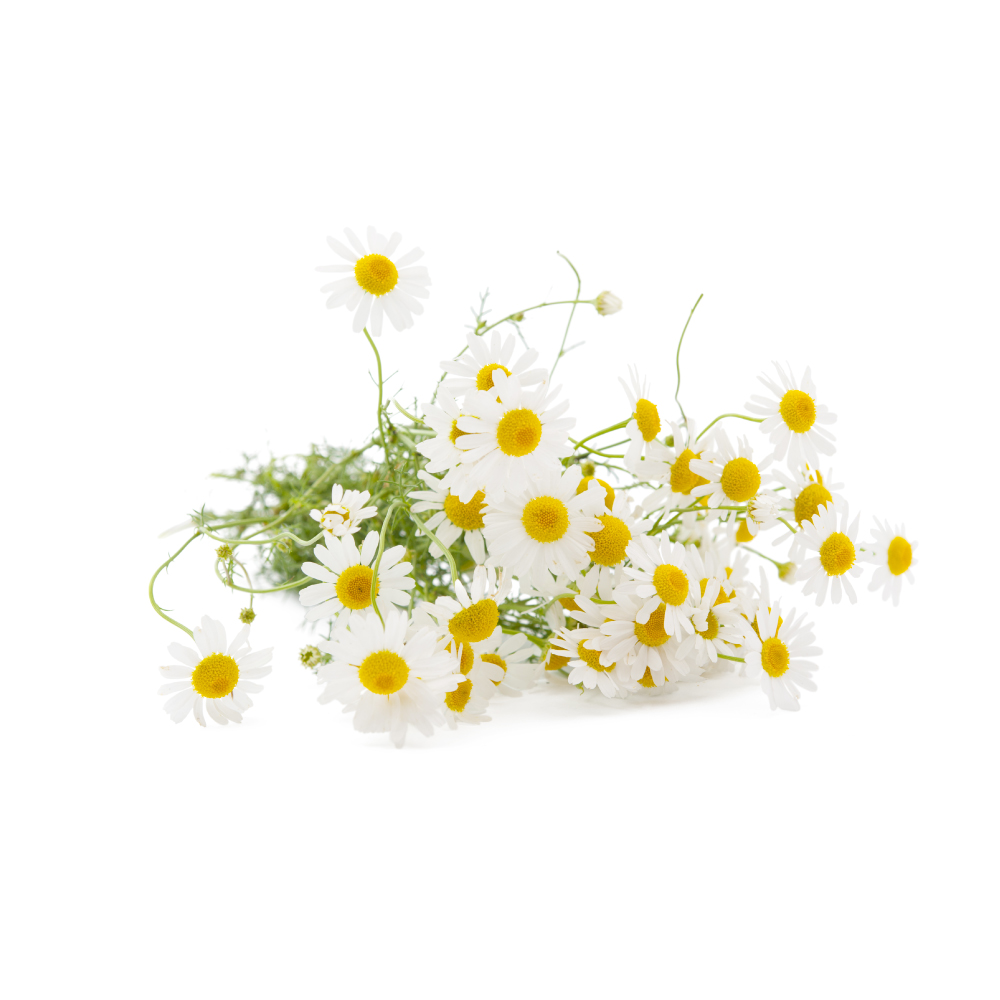 Principal source German Chamomile Matricaria chamomilla Herb monograph →
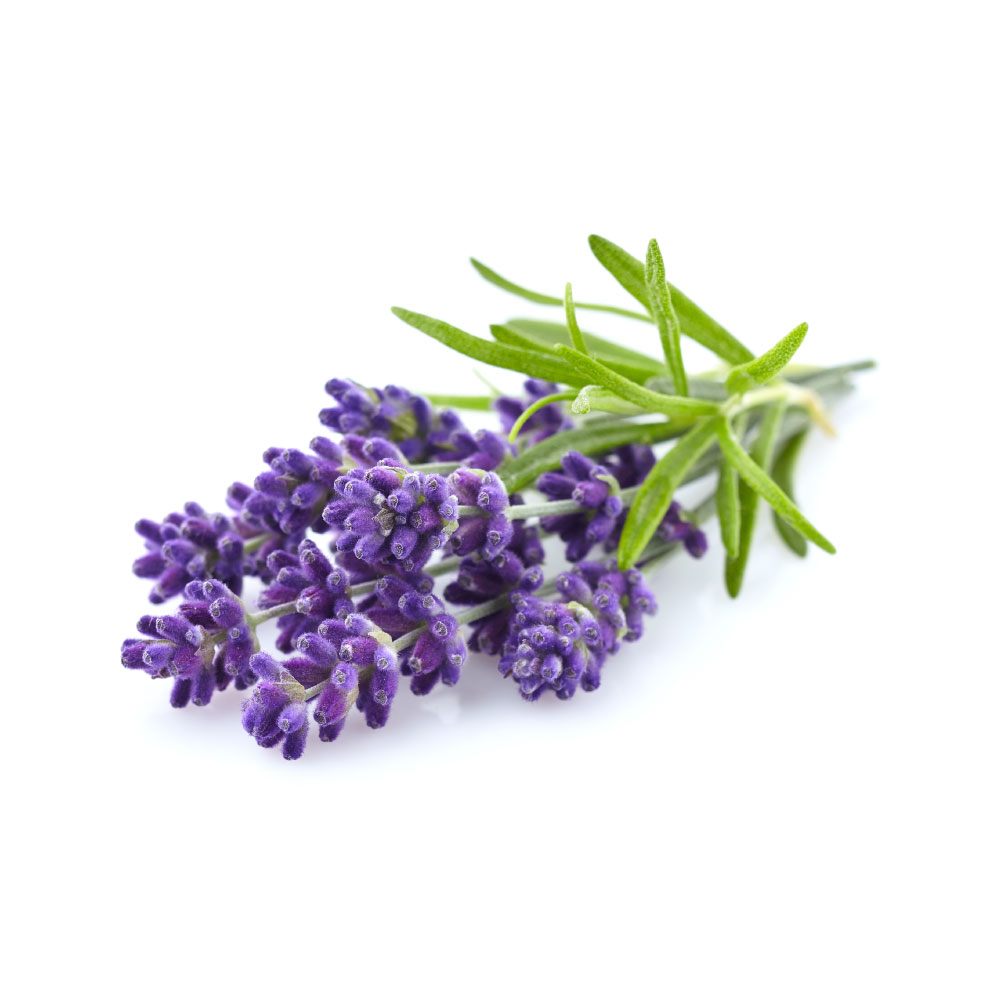 Source Lavender Lavandula angustifolia Herb monograph →
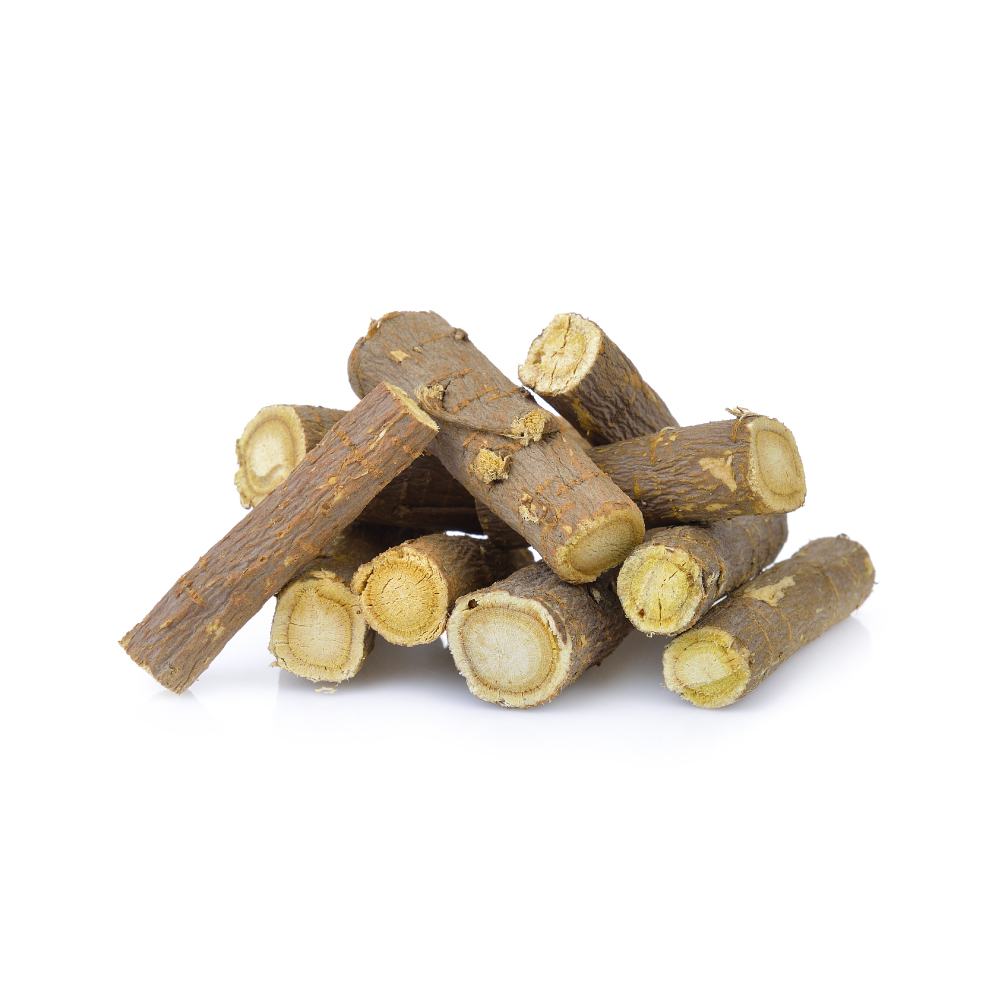 Source Licorice Glycyrrhiza glabra Herb monograph →
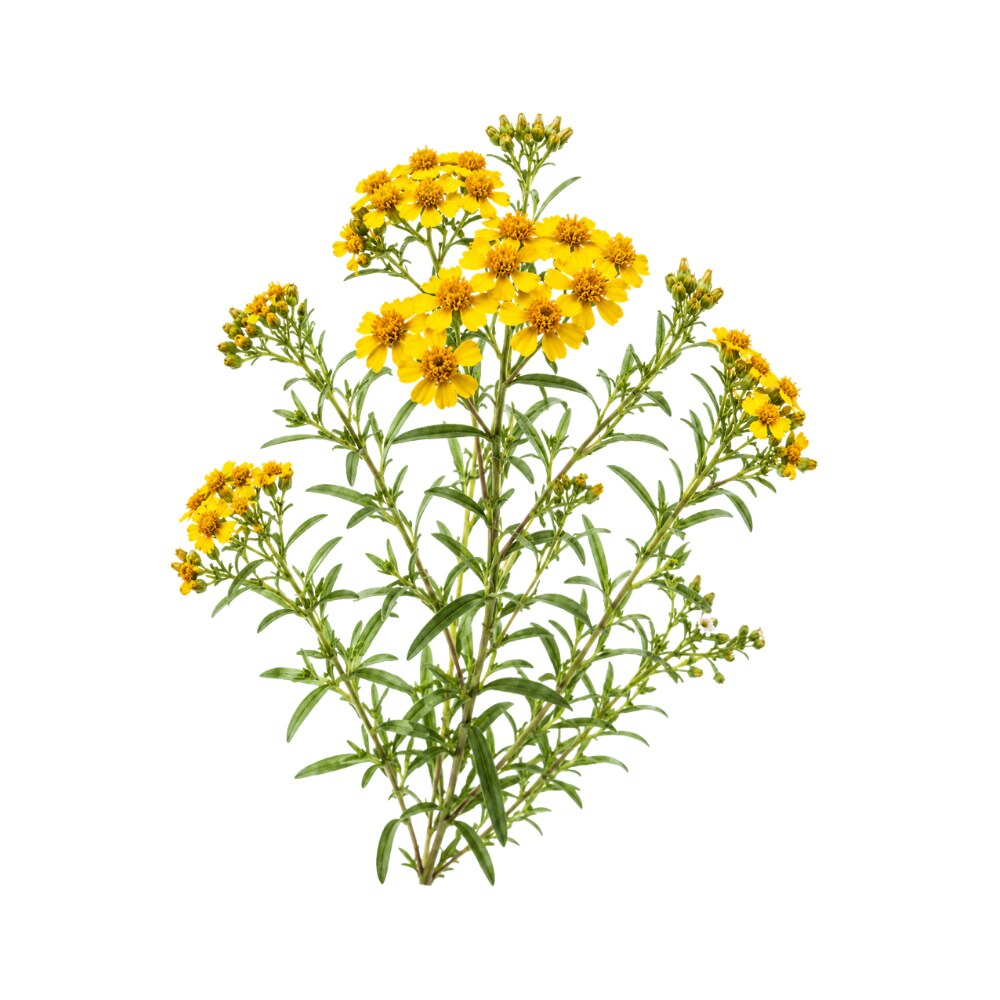 Source Mexican Tarragon Tagetes lucida Herb monograph →
Concentration
Content by Source
Reported concentrations across the plants that contain herniarin — the bar marks the typical level, the line shows the reported range.
Literature figures for varying plant parts and preparations. Read them as a comparative guide, not exact assays.
Herniarin at a Glance
Herniarin, or 7-methoxycoumarin, is a simple plant coumarin — the O-methyl ether of umbelliferone (7-hydroxycoumarin). Where umbelliferone carries a free hydroxyl at the 7-position, herniarin carries a methoxy group; that single methylation is the whole story of the molecule, and the two compounds travel together through the plants that make them 6Reference 6Circadian rhythm of (Z)- and (E)-2-β-D-glucopyranosyloxy-4-methoxy cinnamic acids and herniarin in leaves of Matricaria chamomillaView study →.
It recurs across the daisy family (Asteraceae) — most familiarly as one of the coumarins of chamomile, where it is a recognised aroma and quality marker — and appears in Mexican tarragon (Tagetes lucida), lavender, licorice and the rupturewort genus Herniaria that gives it its name 1,
One safety point is worth stating up front: herniarin is a simple coumarin, not a furanocoumarin. It lacks the fused furan ring that makes psoralen, bergapten and xanthotoxin phototoxic, so it does not carry their photosensitising / phototoxic risk.
Herniarin & Umbelliferone: The O-Methyl Pair
The defining fact about herniarin is its relationship to umbelliferone. The two are the same coumarin scaffold differing only at the 7-position: umbelliferone bears a free hydroxyl (7-OH), herniarin its methyl ether (7-OCH₃). Biosynthetically the plant builds herniarin by O-methylating the umbelliferone framework (via a glucosylated methoxycinnamic-acid precursor — see Its Role in Plants), and the two coumarins are repeatedly co-isolated from the same tissues 5,
That structural kinship carries into the pharmacology. In the Tagetes lucida smooth-muscle work, umbelliferone and herniarin were tested side by side and both produced an antispasmodic effect on pre-contracted tissue — the pair, not either alone, accounting for much of the plant’s relaxant activity 3Reference 3Study of antispasmodic and antidiarrheal activities of Tagetes lucida (Mexican tarragon) in experimental models and its mechanism of actionView study →. Reading herniarin as “methylated umbelliferone” is therefore the most useful frame: it shares the parent’s broad, low-potency, antioxidant-adjacent coumarin behaviour, with the methyl ether shifting lipophilicity and metabolism rather than opening a distinct mechanism.
What It's Used For
Herniarin’s evidence is a spread of preclinical activities at modest potency, almost all generated as a constituent of Tagetes lucida or chamomile rather than as a stand-alone drug. Read the per-row basis below: every signal here is in-vitro or animal.
Support is an experimental score — weighted by study type (human > animal > in vitro) and volume. A beta, not a validated metric. Every row here is preclinical, so the scores are low by design; read the per-row basis.
The most reproduced signal. In isolated guinea-pig ileum, umbelliferone and herniarin both induced an antispasmodic effect on tissue pre-contracted with KCl, and the authors concluded the two coumarins are partially responsible for the smooth-muscle-relaxant activity of Tagetes lucida 3Reference 3Study of antispasmodic and antidiarrheal activities of Tagetes lucida (Mexican tarragon) in experimental models and its mechanism of actionView study →. On the vascular side, herniarin (as 7-methoxycoumarin) is named among the main bioactive vasorelaxant metabolites of a T. lucida extract, contributing to its antihypertensive action through NO/cGMP-system activation and calcium-channel blockade, partially endothelium-dependent 4Reference 4Antihypertensive and vasorelaxant mode of action of the ethanol-soluble extract from Tagetes lucida Cav. aerial parts and its main bioactive metabolitesView study →.
Gap: both studies test the isolate as isolated from the plant and in isolated-tissue / rodent models — there is no human antispasmodic or antihypertensive trial of herniarin, and its potency relative to standard agents is not established.
In the topical TPA-induced mouse ear-oedema model, isolated herniarin reduced swelling by 54.4%, a genuine anti-inflammatory effect but weaker than the most potent coumarin tested in the same screen (~81%) 1Reference 1Anti-inflammatory activity of coumarins isolated from Tagetes lucida CavView study →. This is the clearest whole-animal readout for the molecule and fits the broad anti-inflammatory reputation of the simple coumarins.
Gap: a single acute topical model in mice; no chronic, systemic or human anti-inflammatory data, and the mechanism was not dissected for herniarin specifically 1Reference 1Anti-inflammatory activity of coumarins isolated from Tagetes lucida CavView study →.
On the MCF-7 breast-carcinoma line, herniarin was cytotoxic with an IC50 of ~207.6 µM at 72 h and induced a sub-G1 (apoptotic) population at 200 µM — but it was markedly less potent than the prenyloxycoumarins it was compared against (e.g. auraptene, IC50 ~59.7 µM) 2Reference 2Comparative analysis of the cytotoxic effect of 7-prenyloxycoumarin compounds and herniarin on MCF-7 cell lineView study →. The effect is real in vitro but sits at high micromolar concentrations unlikely to be reached from dietary exposure.
Gap: one cell line, isolated molecule, weak potency; no in-vivo tumour model and no selectivity data for normal versus malignant cells 2Reference 2Comparative analysis of the cytotoxic effect of 7-prenyloxycoumarin compounds and herniarin on MCF-7 cell lineView study →.
7-Methoxycoumarin suppressed growth of the plant pathogen Ralstonia solanacearum with a MIC of 75 mg/L and MBC of 175 mg/L, disrupting the bacterial cell membrane, inhibiting biofilm formation and down-regulating virulence genes; in greenhouse trials it reduced tobacco bacterial wilt 7Reference 7Preliminary studies on the antibacterial mechanism of a new plant-derived compound, 7-methoxycoumarin, against Ralstonia solanacearumView study →. This is a well-characterised antibacterial mechanism, but against an agricultural, not a human, pathogen.
Gap: the target organism is a crop pathogen; there is no comparable, quantified activity against the human bacteria or fungi that would matter for a medicinal claim 7Reference 7Preliminary studies on the antibacterial mechanism of a new plant-derived compound, 7-methoxycoumarin, against Ralstonia solanacearumView study →.
Chamomile fractions rich in herniarin and umbelliferone show antioxidant activity — a herniarin-bearing macerate scavenged ~61.5% of DPPH radical in one comparison of extraction techniques 5Reference 5Comparison of various techniques for the extraction of umbelliferone and herniarin in Matricaria chamomilla processing fractionsView study →. As with most plant coumarins, this is the antioxidant capacity of a whole extract in which herniarin is one contributor among many phenolics.
Gap: the assay measures the extract, not the isolated molecule; no cellular or in-vivo antioxidant outcome rests on herniarin specifically 5Reference 5Comparison of various techniques for the extraction of umbelliferone and herniarin in Matricaria chamomilla processing fractionsView study →.
Mechanisms
| Target / pathway | Effect | Relevant to |
|---|---|---|
| Smooth-muscle contractile machinery (KCl-evoked tone) | relaxation of pre-contracted gut smooth muscle | antispasmodic |
| NO / cGMP signalling + voltage-gated Ca²⁺ channels | vasorelaxation, partially endothelium-dependent → lowered blood pressure | vasorelaxant / antihypertensive |
| TPA-driven inflammatory oedema | reduced ear swelling (~54%) | anti-inflammatory |
| Cell-cycle / apoptosis (sub-G1 induction) | cytostatic + pro-apoptotic at high µM | anticancer (in vitro) |
| Bacterial membrane integrity, biofilm & virulence-gene expression | membrane disruption, biofilm inhibition (plant pathogen) | antimicrobial |
| Radical scavenging (as extract phenolic) | contributes to antioxidant capacity | antioxidant |
Nothing here is a validated human mechanism — each row is the readout of an isolated-tissue, cell or agricultural model.
Pharmacokinetics
Dedicated human pharmacokinetic data for herniarin are not established. As a small, lipophilic methoxycoumarin it would be expected to absorb readily and, like other 7-substituted coumarins, undergo hepatic oxidative metabolism — plausibly O-demethylation toward the umbelliferone (7-hydroxycoumarin) framework and subsequent conjugation — but this has not been characterised specifically for herniarin, and no oral bioavailability figure, active-metabolite profile or half-life is available. This absence is itself the key caveat: the in-vitro potencies above (hundreds of micromolar for cytotoxicity) cannot be mapped to any known achievable plasma level.
Clinical Trials
There are no clinical trials of isolated herniarin. Human exposure is dietary and indirect (chamomile tea, Mexican tarragon and other aromatic herbs), and what human-adjacent evidence exists belongs to the whole plants, not the molecule.
| Completed | Planned | Terminated | Preclinical |
|---|---|---|---|
| — | — | — | Antispasmodic / vasorelaxant, anti-inflammatory, cytotoxic, antimicrobial (all in-vitro / rodent) |
Last checked: July 2026.
Isolate vs. Plant Studies
Herniarin’s evidence is an unusual mix of isolate and plant. The pharmacology papers mostly test herniarin isolated from a plant — purified from Tagetes lucida and then run in isolated-tissue or rodent models 1,
Its Role in Plants
In plants, herniarin behaves as a phytoanticipin — a pre-formed chemical defence. Chamomile does not store the free coumarin so much as its glucosylated precursors, the (Z)- and (E)-2-β-D-glucopyranosyloxy-4-methoxycinnamic acids (GMCA). When tissue is disrupted, a specific β-glucosidase hydrolyses the (Z)-glucoside and the aglycone spontaneously lactonises to herniarin 6Reference 6Circadian rhythm of (Z)- and (E)-2-β-D-glucopyranosyloxy-4-methoxy cinnamic acids and herniarin in leaves of Matricaria chamomillaView study →. Because of this, much of the herniarin measured in chamomile products is effectively liberated during harvesting and processing rather than present intact in the living leaf — which is why measured content is so processing-dependent.
The precursors and the coumarin show a circadian rhythm (GMCA peaking before daybreak, herniarin accumulating through the morning), and both the precursor pool and herniarin rise on herbivore attack and stress elicitation — evidence the pathway is part of the plant’s inducible defence system 6Reference 6Circadian rhythm of (Z)- and (E)-2-β-D-glucopyranosyloxy-4-methoxy cinnamic acids and herniarin in leaves of Matricaria chamomillaView study →. These are plant-biology functions and should not be read as human pharmacology.
Prevalence in Nature
Herniarin is one of the more widespread simple coumarins, recurring across several plant families — reported in the Asteraceae (chamomile, Tagetes, Artemisia), Lamiaceae (lavender), Caryophyllaceae (Herniaria, its namesake), and among the Rutaceae, Fabaceae and others 1,
The best-quantified source is chamomile: comparing extraction techniques, a macerated chamomile processing-waste fraction yielded about 82.79 mg herniarin per 100 g (with ~11.8 mg/100 g umbelliferone) — notably, the waste stream, not the flower head, was the richest fraction, underscoring how much the number depends on plant part and preparation 5Reference 5Comparison of various techniques for the extraction of umbelliferone and herniarin in Matricaria chamomilla processing fractionsView study →. In Mexican tarragon (Tagetes lucida) herniarin is a recurrent aerial-part coumarin isolated alongside scopoletin, umbelliferone and scoparone 1,
Discovery & Synthesis
First isolation. Herniarin takes its name from the rupturewort genus Herniaria (traditionally used for hernias and urinary complaints), from which the coumarin was characterised; it is also long documented as ayapanin, the name under which it was described from Ayapana/Eupatorium herbs. A precise first-isolation date is not well documented in the accessible literature.
Synthesis. As the 7-methoxy ether of umbelliferone, herniarin is readily obtained by O-methylation of umbelliferone (e.g. with dimethyl sulfate or methyl iodide), and umbelliferone itself is a standard Pechmann-condensation product from resorcinol — so herniarin is trivially accessible synthetically and is sold as a research chemical. Its first dedicated total synthesis is not separately notable given this one-step relationship to a classic coumarin.
Patents: not yet researched.
Toxicity & Safety
Herniarin carries a low flag. It occurs at low levels in commonly consumed herbs (chamomile tea, culinary Mexican tarragon), and no specific human toxicity syndrome is associated with it at those exposures. The most important safety point is what it is not: a furanocoumarin.
- Not a furanocoumarin, not phototoxic. Herniarin is a simple methoxycoumarin lacking the fused furan ring — it does not carry the photosensitising / phototoxic and skin-reaction risk of psoralen, bergapten or xanthotoxin.
- Low-level dietary exposure is long-standing. Present as a minor coumarin in chamomile and other aromatic herbs consumed traditionally as teas and seasonings.
- Coumarin-class context. It is a member of the coumarin family; the hepatotoxicity concern attached to high-dose simple coumarin (the parent 2H-chromen-2-one) has not been specifically characterised for herniarin, and dedicated high-dose / repeat-dose human safety data are lacking.
- No interaction or reproductive dataset. Drug-interaction (CYP), genotoxicity and reproductive-toxicity profiles for isolated herniarin are not established; absence of data is not evidence of safety, and intake decisions belong to the herb/product page.
Dosage
There is no established human dose for isolated herniarin. The concentrations in the research above are preclinical: an anti-oedema effect in a topical mouse model 1Reference 1Anti-inflammatory activity of coumarins isolated from Tagetes lucida CavView study →, vasorelaxant and antispasmodic activity in isolated tissue 3,
References
- Monterrosas-Brisson N, et al. (2020). Anti-inflammatory activity of coumarins isolated from Tagetes lucida Cav. Natural Product Research. https://pubmed.ncbi.nlm.nih.gov/30618303/
- Mousavi SH, et al. (2015). Comparative analysis of the cytotoxic effect of 7-prenyloxycoumarin compounds and herniarin on MCF-7 cell line. Avicenna Journal of Phytomedicine. https://pubmed.ncbi.nlm.nih.gov/26693409/
- Ventura-Martínez R, et al. (2020). Study of antispasmodic and antidiarrheal activities of Tagetes lucida (Mexican tarragon) in experimental models and its mechanism of action. Evidence-Based Complementary and Alternative Medicine. https://pubmed.ncbi.nlm.nih.gov/33193797/
- Estrada-Soto S, et al. (2021). Antihypertensive and vasorelaxant mode of action of the ethanol-soluble extract from Tagetes lucida Cav. aerial parts and its main bioactive metabolites. Journal of Ethnopharmacology. https://pubmed.ncbi.nlm.nih.gov/32961278/
- Molnar M, et al. (2017). Comparison of various techniques for the extraction of umbelliferone and herniarin in Matricaria chamomilla processing fractions. Chemistry Central Journal. https://pubmed.ncbi.nlm.nih.gov/29086851/
- Repčák M, et al. (2009). Circadian rhythm of (Z)- and (E)-2-β-D-glucopyranosyloxy-4-methoxy cinnamic acids and herniarin in leaves of Matricaria chamomilla. Plant Cell Reports. https://pubmed.ncbi.nlm.nih.gov/19430793/
- Han S, et al. (2021). Preliminary studies on the antibacterial mechanism of a new plant-derived compound, 7-methoxycoumarin, against Ralstonia solanacearum. Frontiers in Microbiology. https://pubmed.ncbi.nlm.nih.gov/34421853/



