
Subclass of Phenolics
Coumarins
Fragrant benzopyrone compounds with anticoagulant, antispasmodic, and vaso-protective activity.
Overview
About Coumarins
Coumarins are benzopyrone compounds — a benzene ring fused to a lactone — formed when a hydroxycinnamic acid cyclizes onto itself. The parent compound gives new-mown hay and sweet woodruff their characteristic scent, which appears only as the plant dries and the bound precursor is released.
The group carries a reputation it only partly deserves. Coumarin itself is not an anticoagulant; the anticoagulant is dicoumarol, a fungal spoilage product formed when coumarin-rich sweet clover moulds — a distinction worth getting right before reading anything else about the class.
Where Coumarins Occur
Concentrated in a handful of families, notably the umbellifers, citrus and legumes:
Sweet woodruff, tonka bean, cassia cinnamon
coumarin itself
Angelica, ammi and hogweed (Apiaceae)
imperatorin, xanthotoxin, bergapten
Grapefruit and bergamot
bergapten and the furanocoumarins
Horse chestnut and many barks
aesculin, scopoletin, fraxin
Sweet clover, when spoiled
dicoumarol
Furanocoumarins & Phototoxicity
The furanocoumarins carry an extra fused furan ring and are the members that most affect people. On skin, they intercalate into DNA and, on ultraviolet exposure, cross-link it — producing phytophotodermatitis, the burn-like blistering that follows handling giant hogweed, wild parsnip or lime juice in sunlight.
That same reaction is used deliberately: PUVA therapy pairs a psoralen with UVA light to treat psoriasis and vitiligo. Furanocoumarins are also the mechanism behind the grapefruit-juice drug interaction, irreversibly inhibiting intestinal CYP3A4 and raising blood levels of a long list of medicines.
Pharmacological Importance
Beyond the phototoxic members, the class supplies genuinely useful constituents: aesculin and related coumarins support venous tone and capillary integrity in horse chestnut preparations, scopoletin is antispasmodic, and osthole has a broad preclinical anti-inflammatory literature.
The coumarin scaffold has also been productive in drug design — warfarin descends directly from dicoumarol.
Toxicity & Safety
Coumarin itself is hepatotoxic in susceptible individuals, which is why regulators cap it in food and why cassia cinnamon — high in coumarin — carries intake guidance that Ceylon cinnamon does not.
Furanocoumarin-bearing herbs and oils demand sun avoidance after use, topically and internally. And the persistent belief that coumarin-containing plants thin the blood should be resisted: it confuses the plant compound with the fungal metabolite and with the synthetic drug derived from it.
Constituents
All Coumarins
38 total#
6-Hydroxy-7-methoxycoumarin 6-Hydroxy-mellein 6,7,8-Trimethoxycoumarin 7,8-DihydroxycoumarinA
AngelicinB
Bergamottin BergaptenC
Capillarin Centellin Chalepensin Coumarin Care CoumestrolE
Esculetin EsculinF
Fraxetin Fraxin FuranocoumarinsH
Herniarin HydrangenolI
Imperatorin IsofraxidinL
LicopyranocoumarinsM
Marmelosin Marmesin Marmin MedicagolO
Osthole OxypeucedaninP
Phyllodulcin PsoralenS
Scoparone ScopoletinT
Thunberginol A Thunberginol CU
Umbelliferone Urolithin A Urolithin BX
XanthotoxinNo coumarins match.
Source Plants
Herbs Containing Coumarins
35 herbsPlants in the materia medica documented to carry coumarins, with the compounds each one is listed for. The bar counts how many DISTINCT coumarins are on record for a plant, relative to the best-documented — it measures breadth of record, not potency, so a plant with one well-studied compound can outrank a richer source that has simply been analysed less. Where a measured concentration is on record it is quoted inline; most entries have none yet.
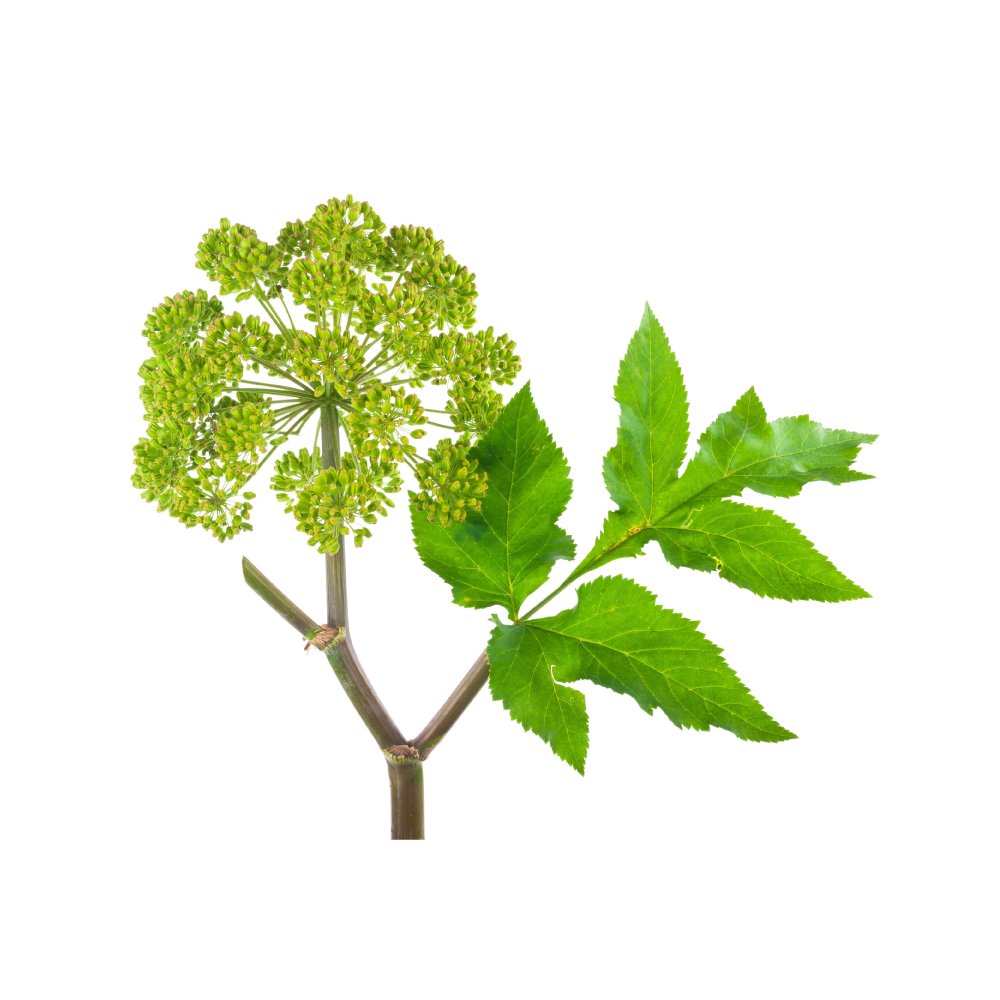 Angelica Angelica archangelica Documented for angelicin, bergapten, coumarins and 6 more coumarins.
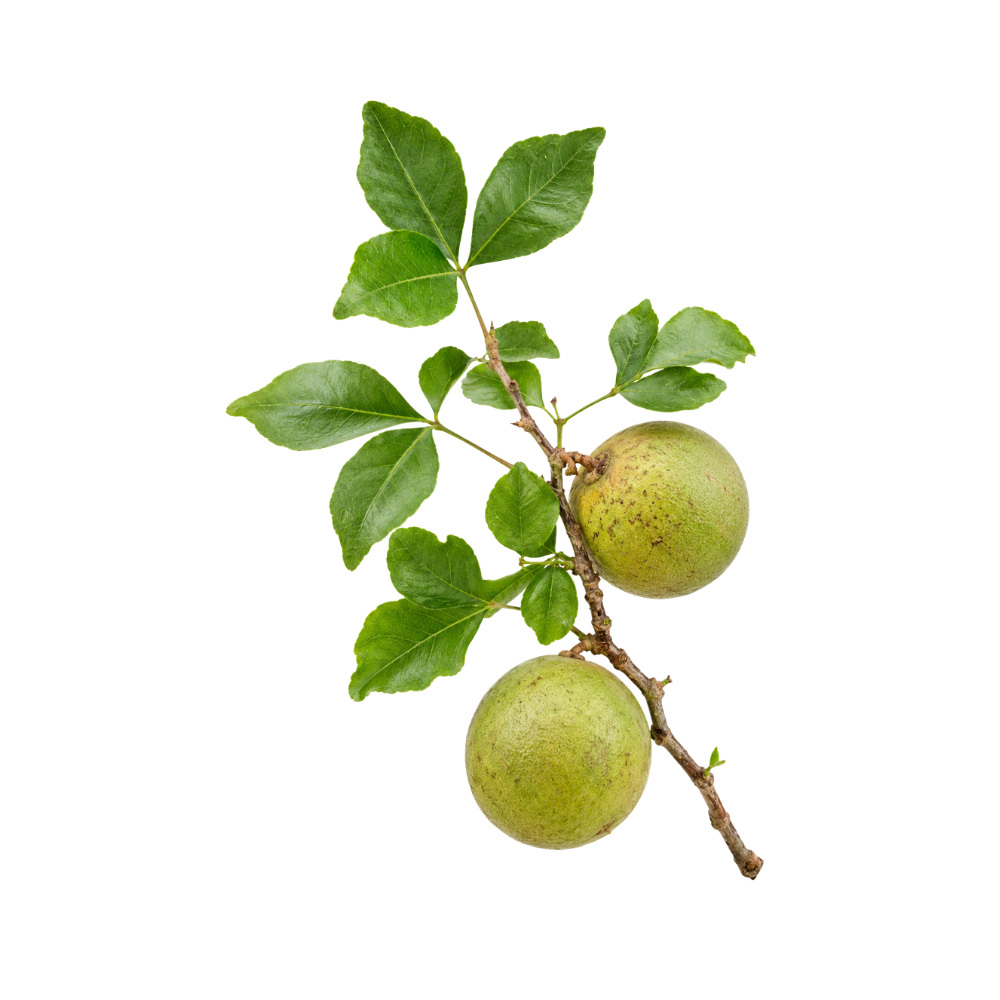 Bael Aegle marmelos Documented for imperatorin, marmelosin, marmesin and 4 more coumarins.
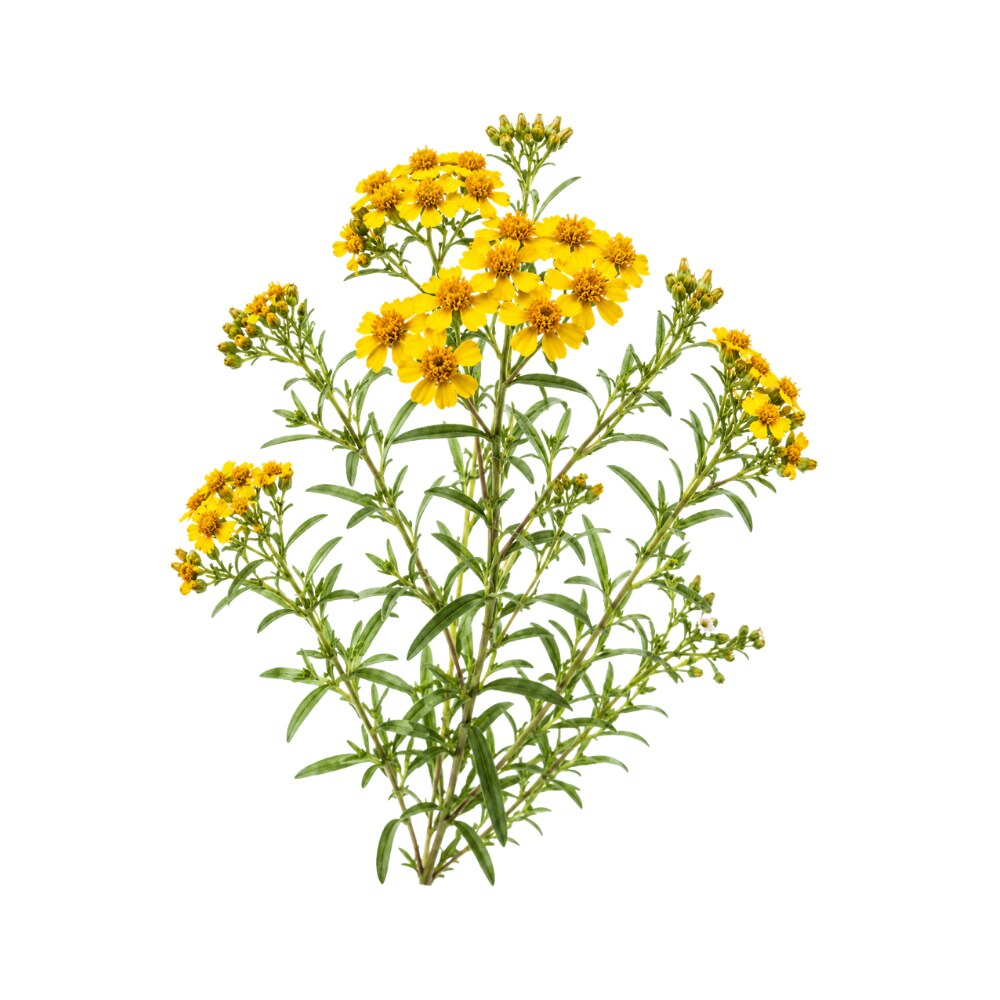 Mexican Tarragon Tagetes lucida Documented for 6-hydroxy-7-methoxycoumarin, 6,7,8-trimethoxycoumarin, herniarin and 3 more coumarins.
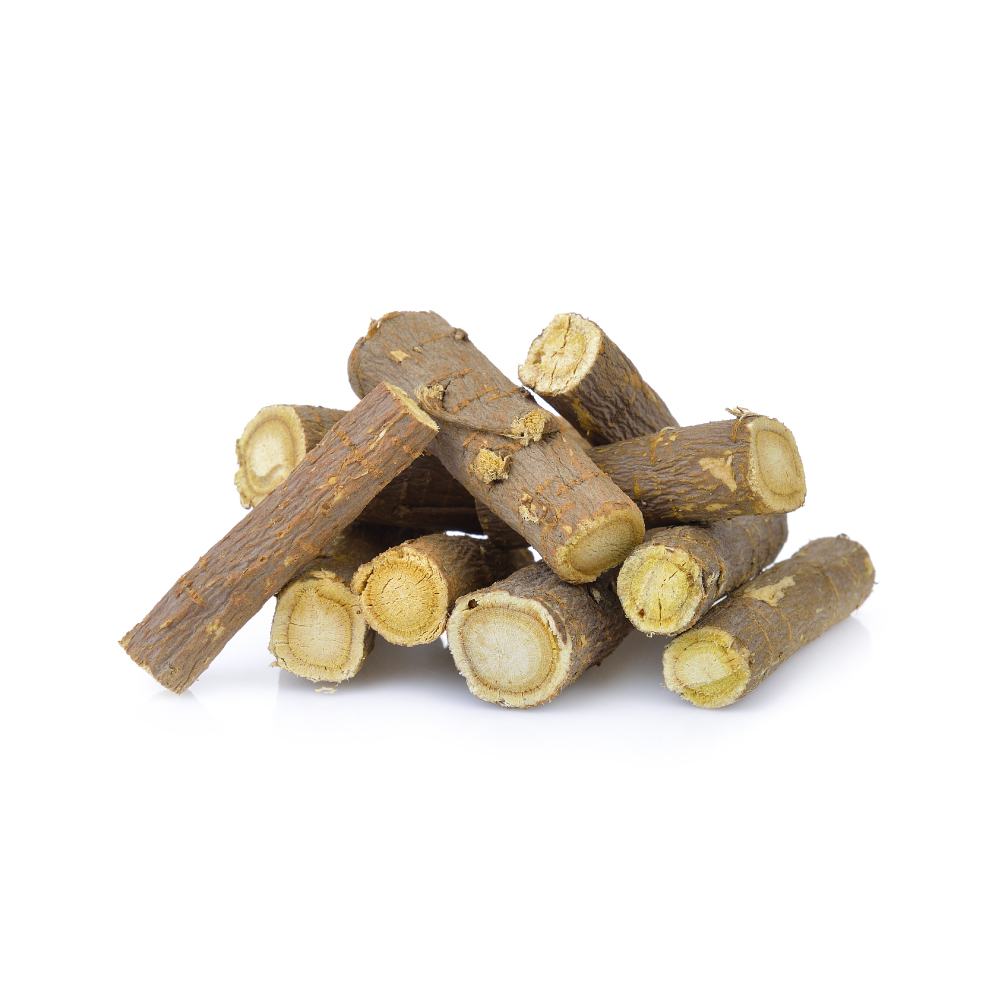 Licorice Glycyrrhiza glabra Documented for coumarin, coumarins, herniarin and 1 more.
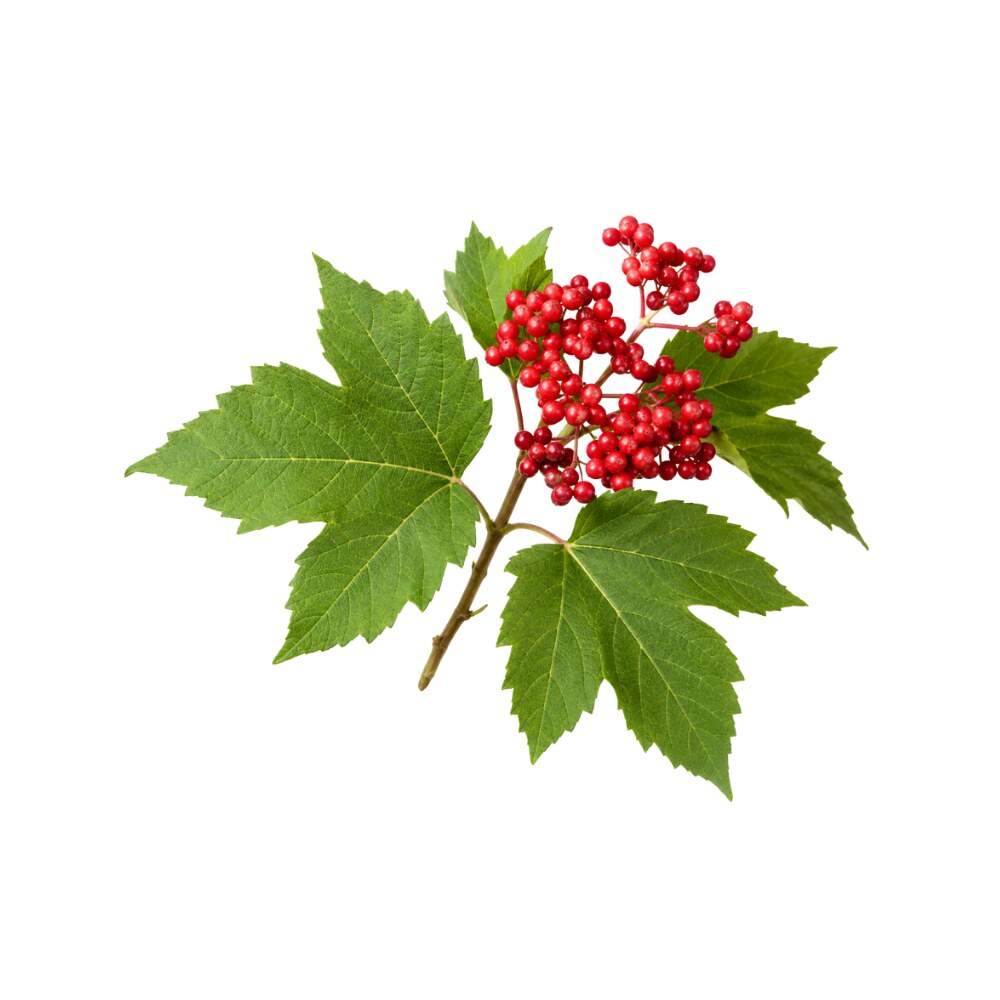 Cramp Bark Viburnum opulus Documented for coumarins, esculetin, scopoletin.
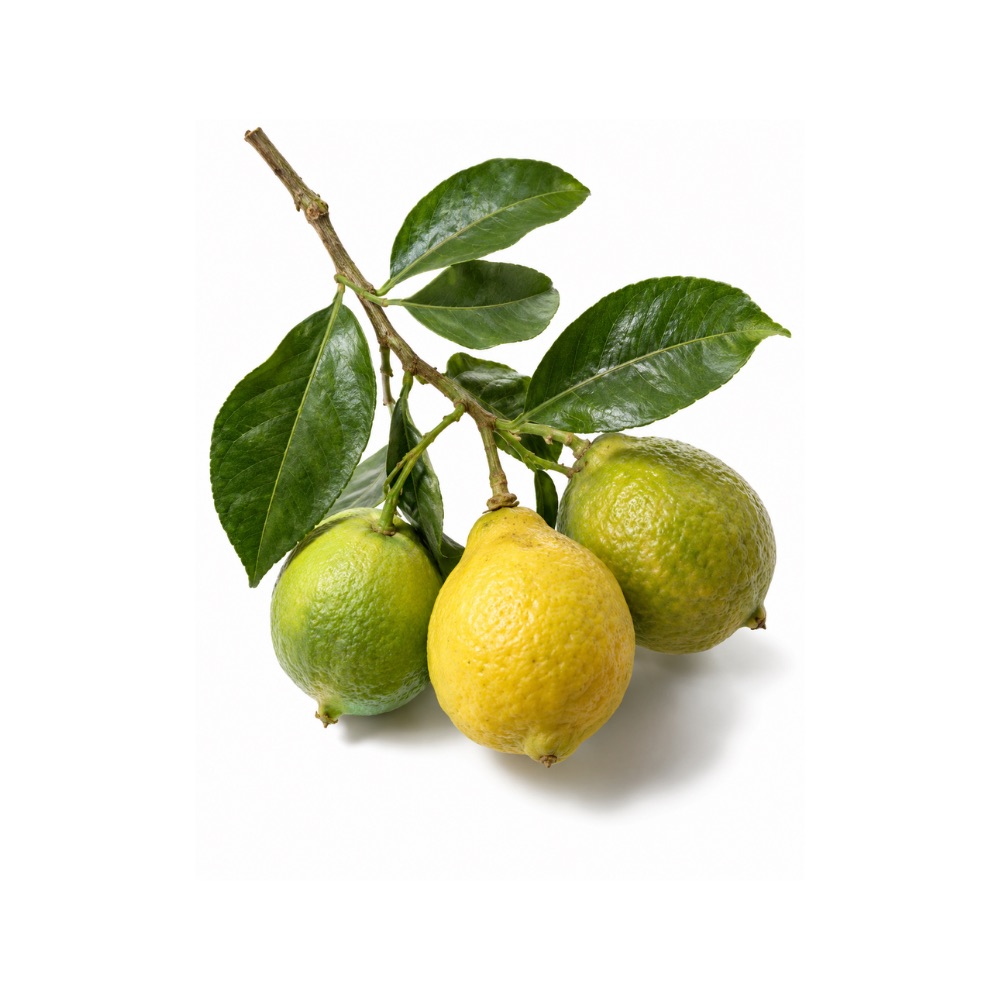 Bergamot Citrus bergamia Documented for bergamottin, bergapten.
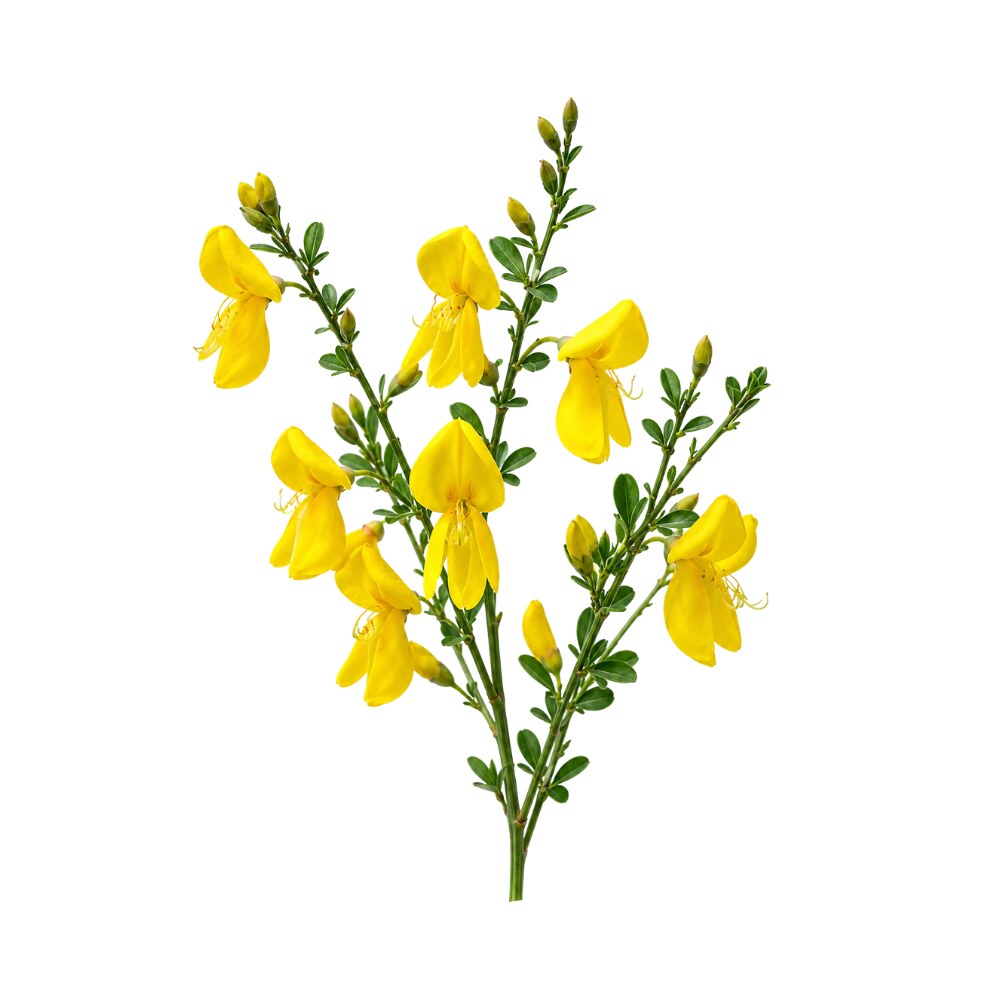 Broom Cytisus scoparius Toxic Documented for scoparone, scopoletin.
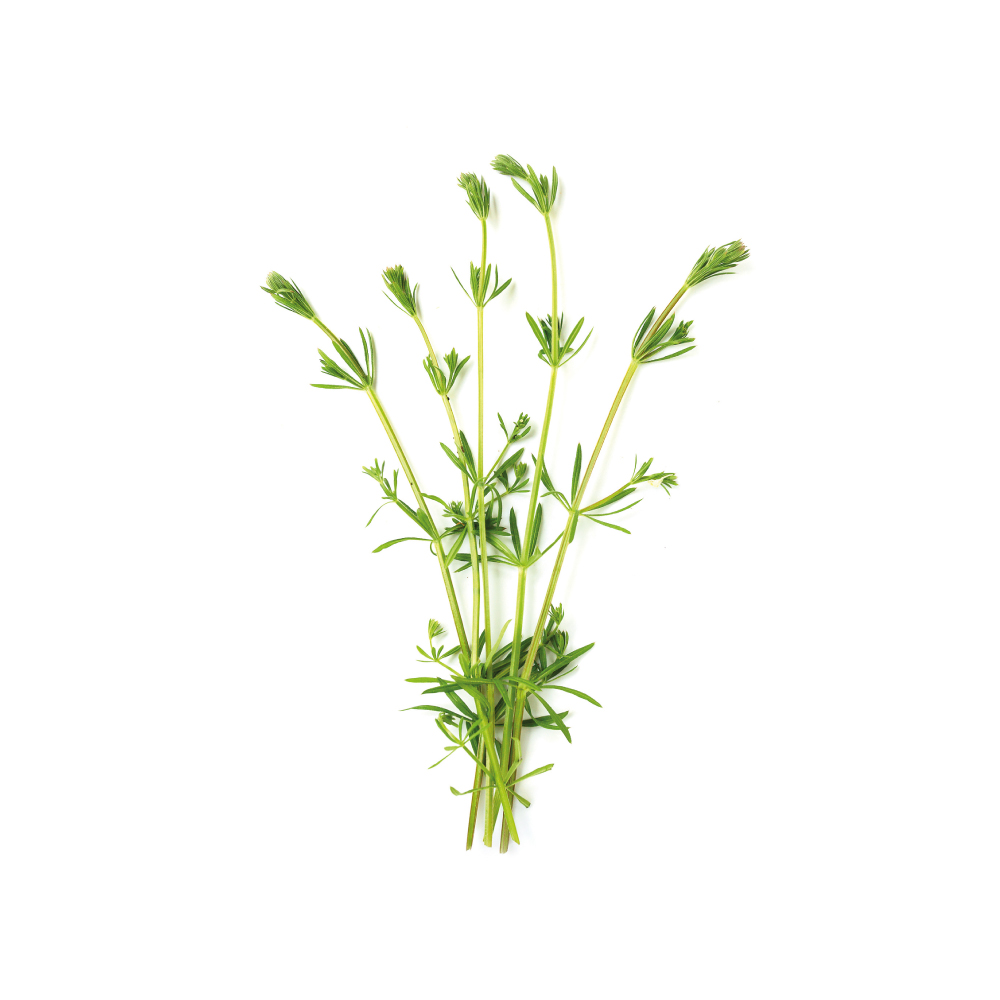 Cleavers Galium aparine Documented for scopoletin, umbelliferone.
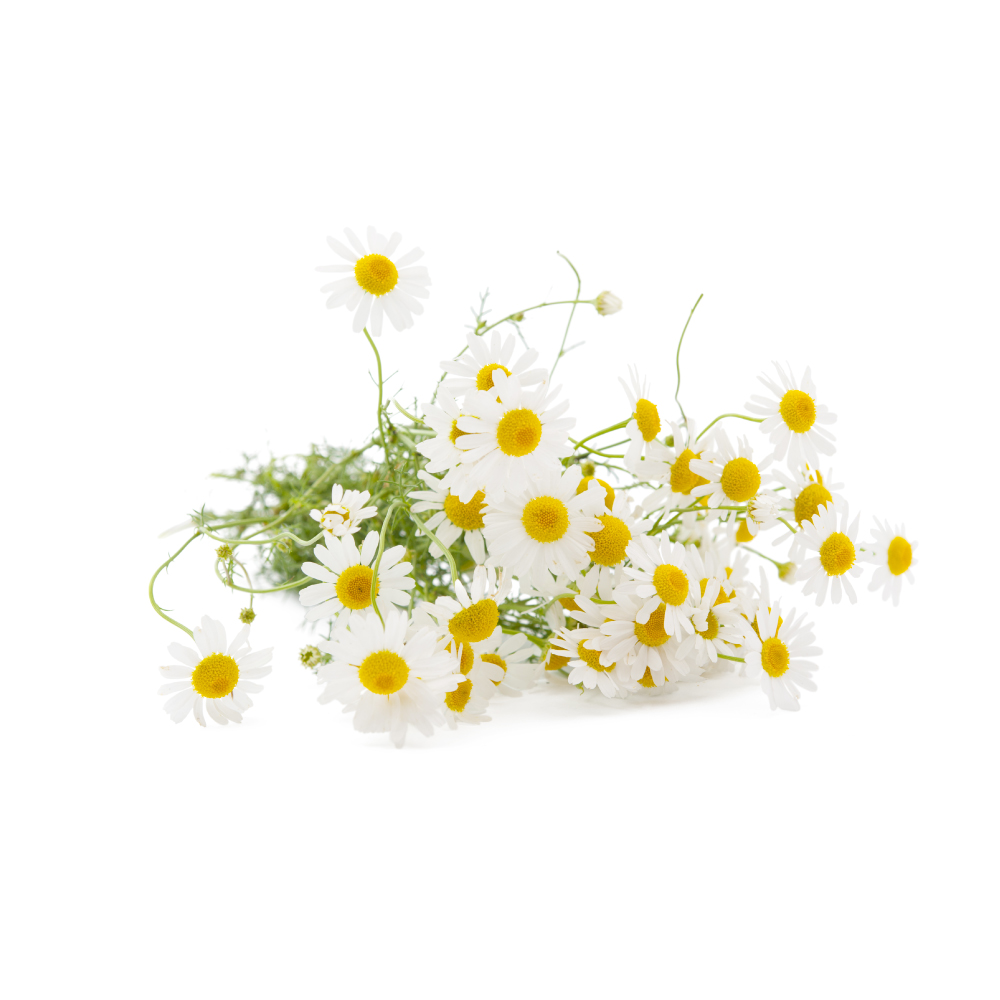 German Chamomile Matricaria chamomilla Documented for herniarin (82.79 mg/100 g), coumarins.
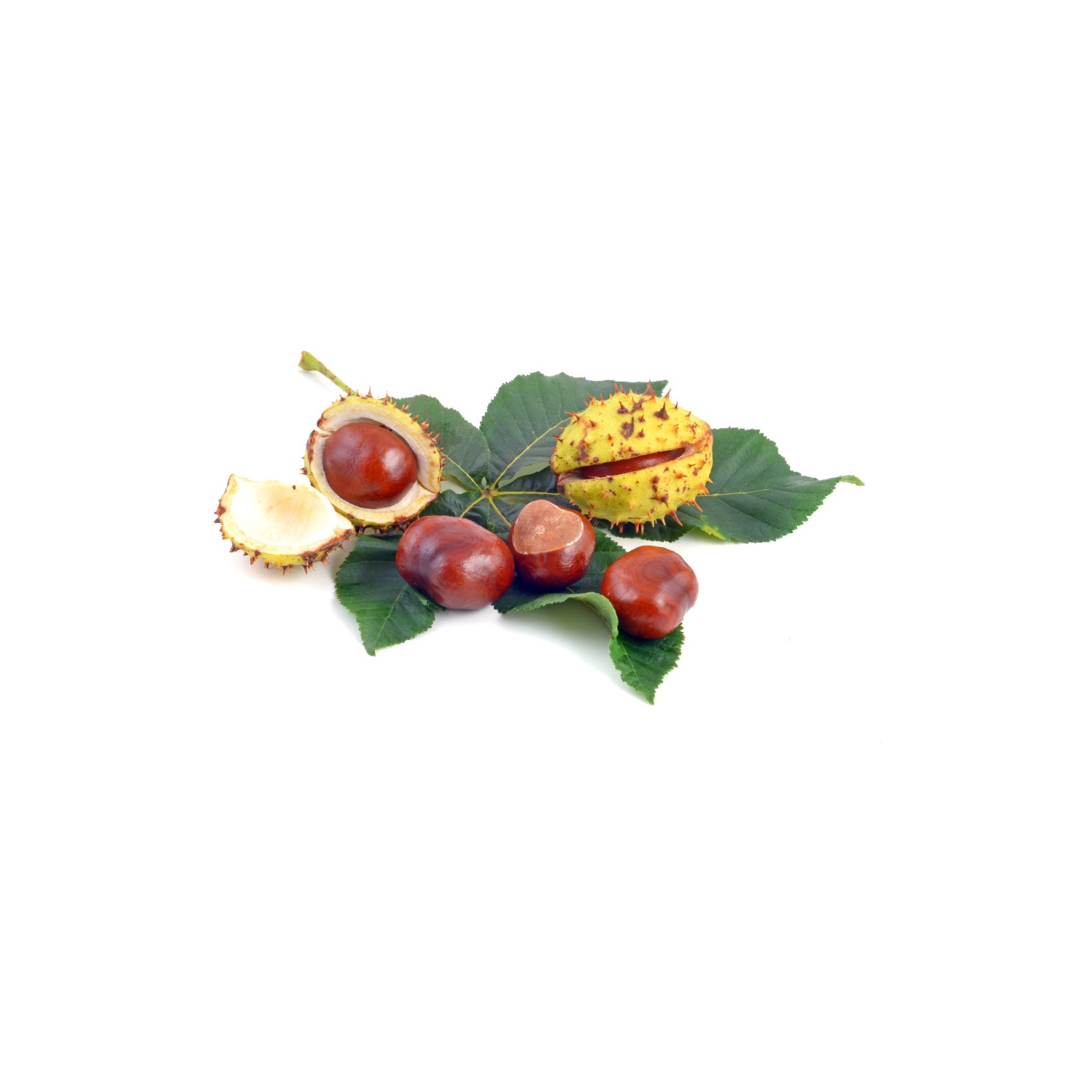 Horse Chestnut Aesculus hippocastanum Documented for esculin, fraxin. Hydrangea Hydrangea arborescens Documented for hydrangenol, umbelliferone.
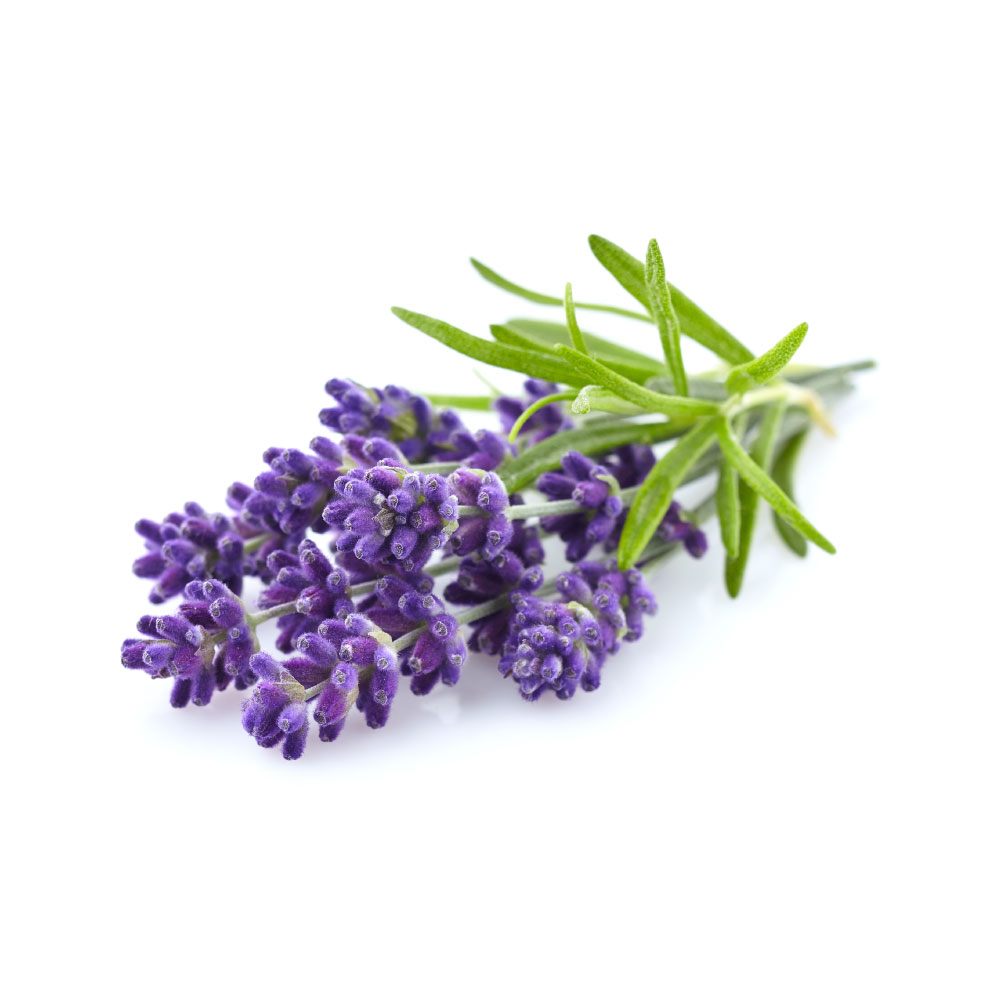 Lavender Lavandula angustifolia Documented for coumarin, herniarin.
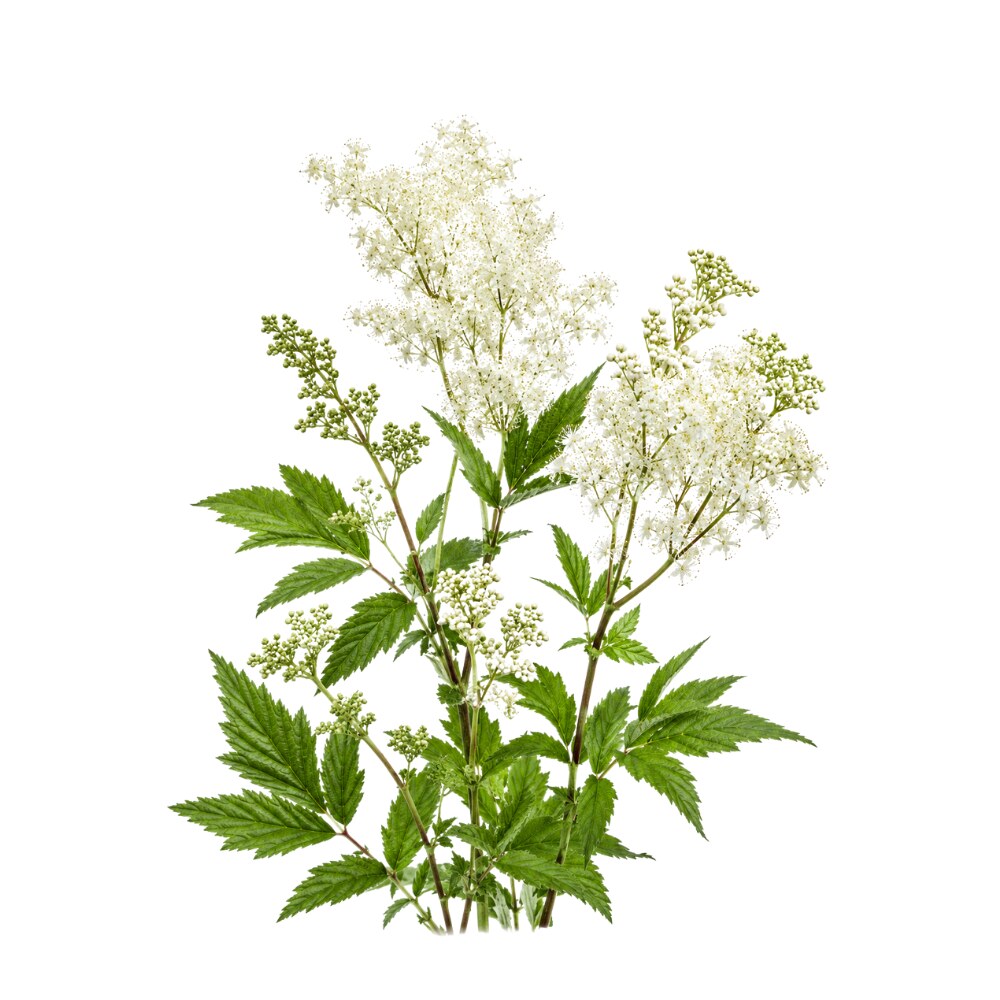 Meadowsweet Filipendula ulmaria Documented for scopoletin, umbelliferone.
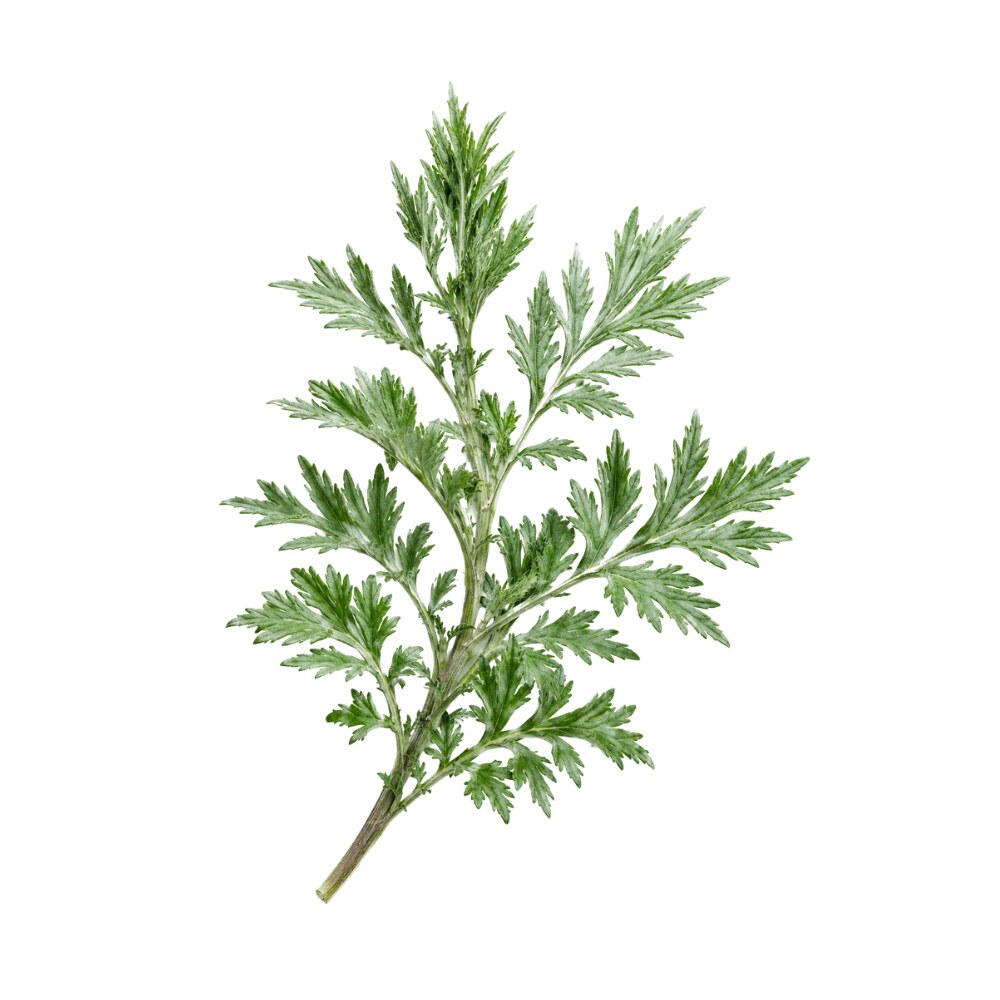 Mugwort Artemisia vulgaris Documented for scopoletin, umbelliferone.
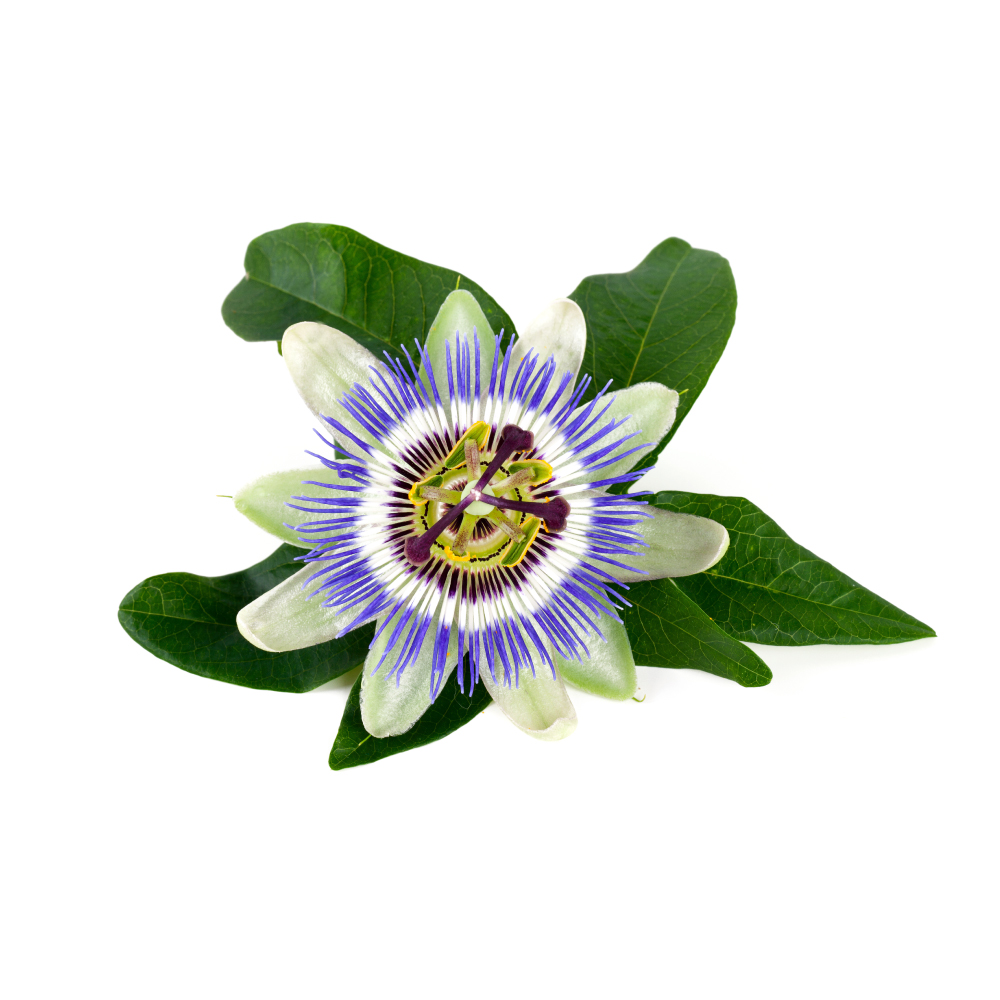 Passionflower Passiflora incarnata Documented for coumarin, scopoletin. Red Clover Trifolium pratense Documented for coumestrol, medicagol.
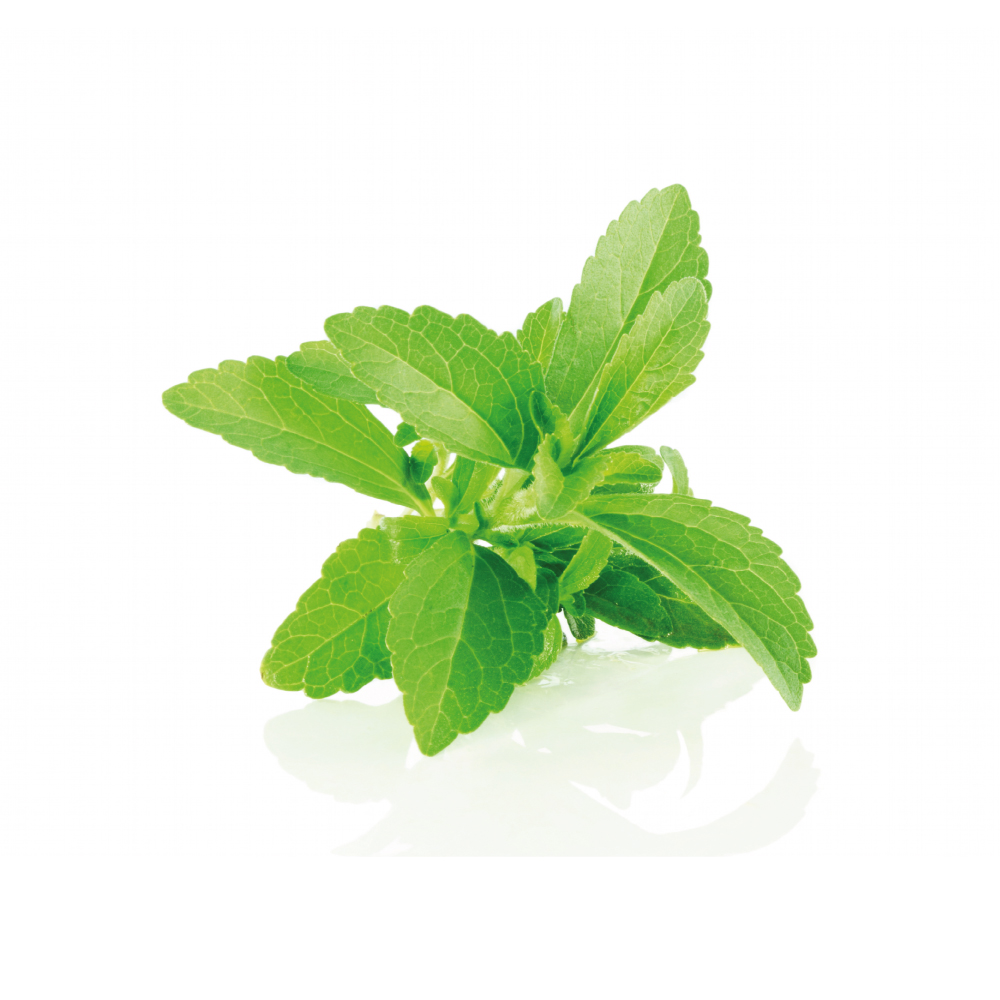 Stevia Stevia rebaudiana Documented for scopoletin, umbelliferone.
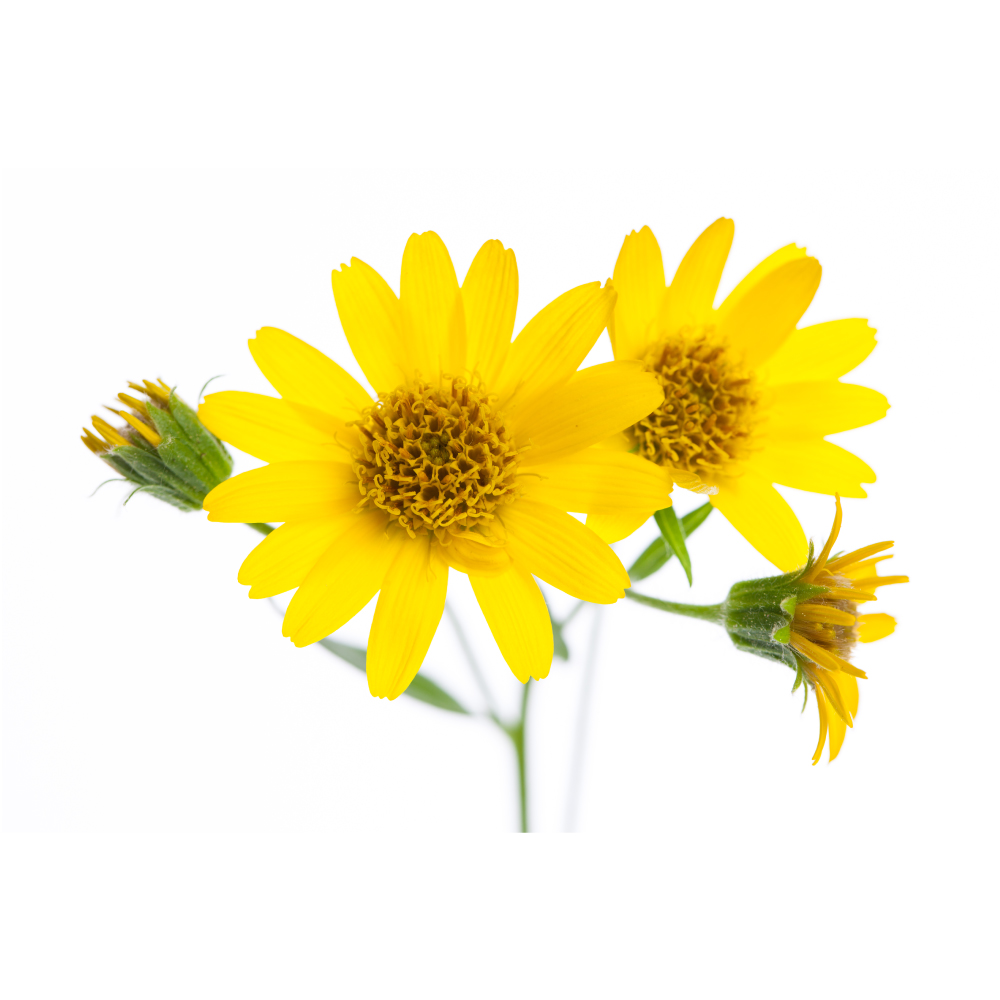 Arnica Arnica montana Toxic Documented for coumarins.
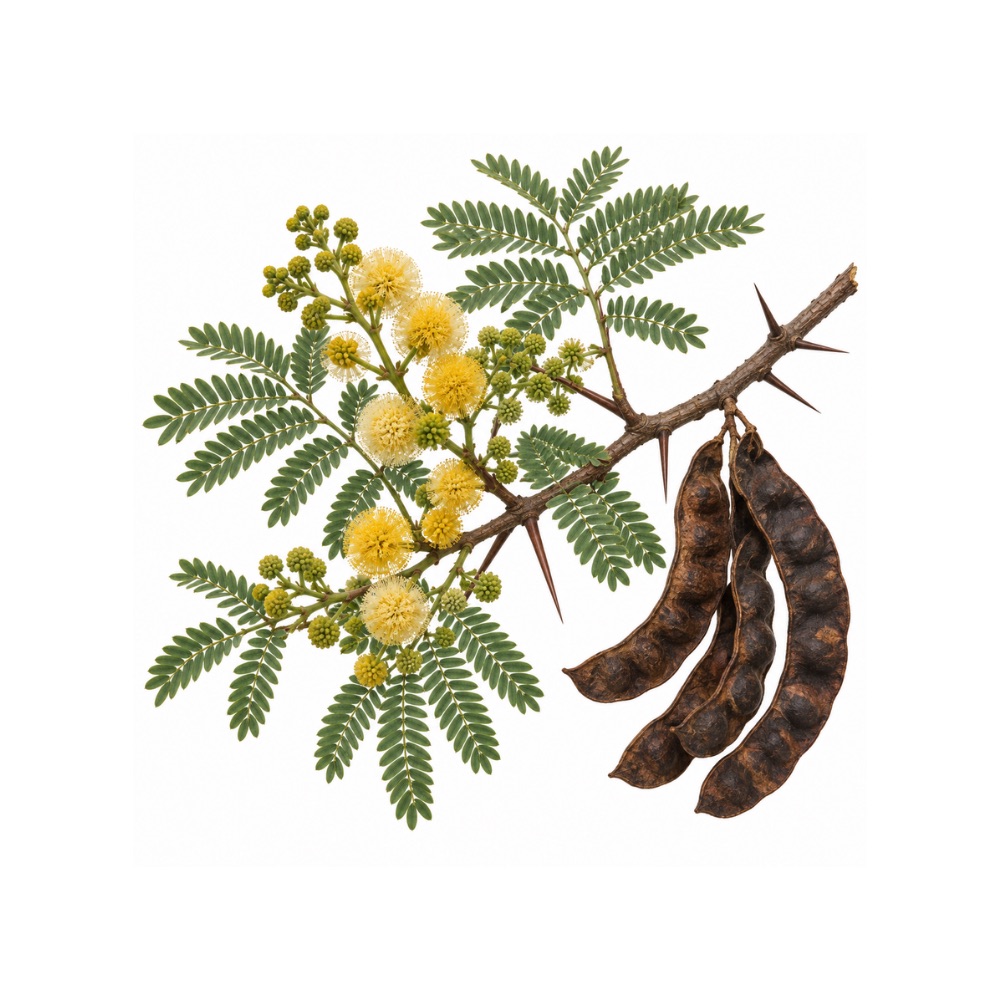 Babul Vachellia nilotica Documented for umbelliferone.
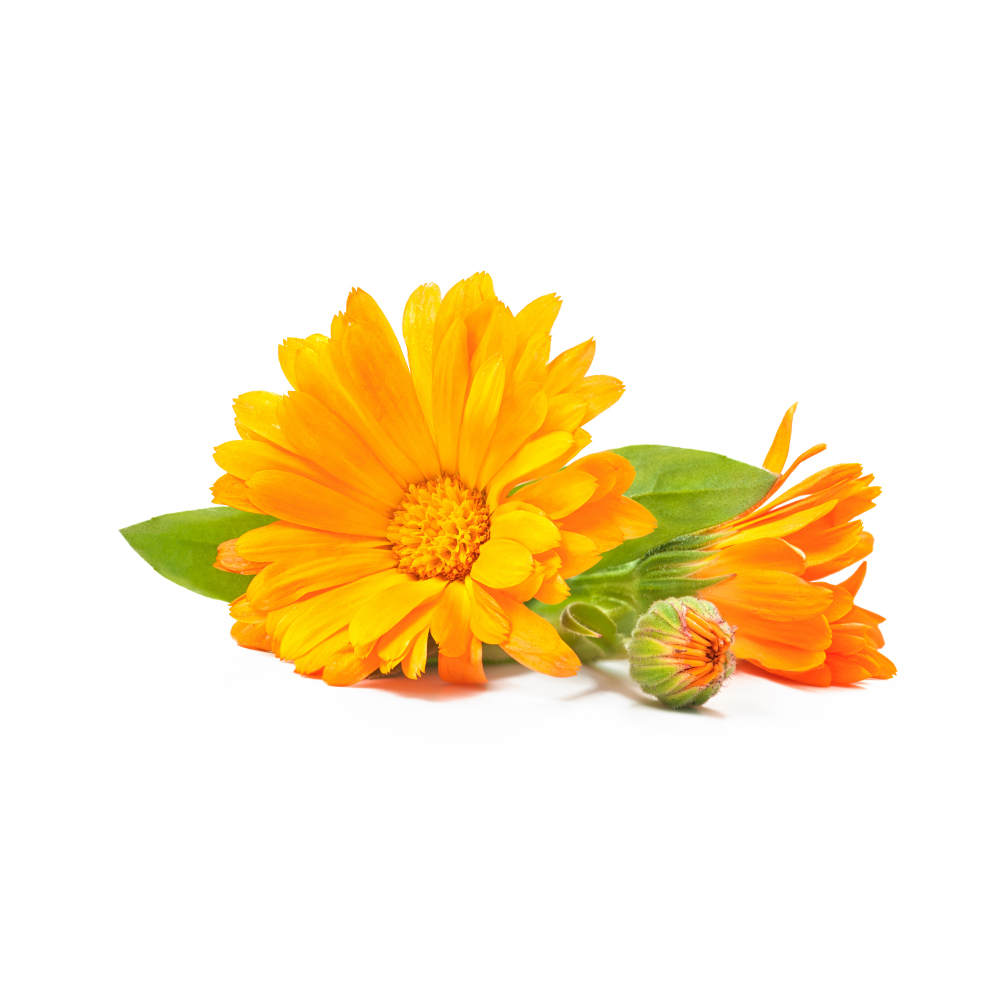 Calendula Calendula officinalis Documented for coumarins. Cassia Cinnamon Cinnamomum cassia Documented for coumarin (0.1–1 % dry wt).
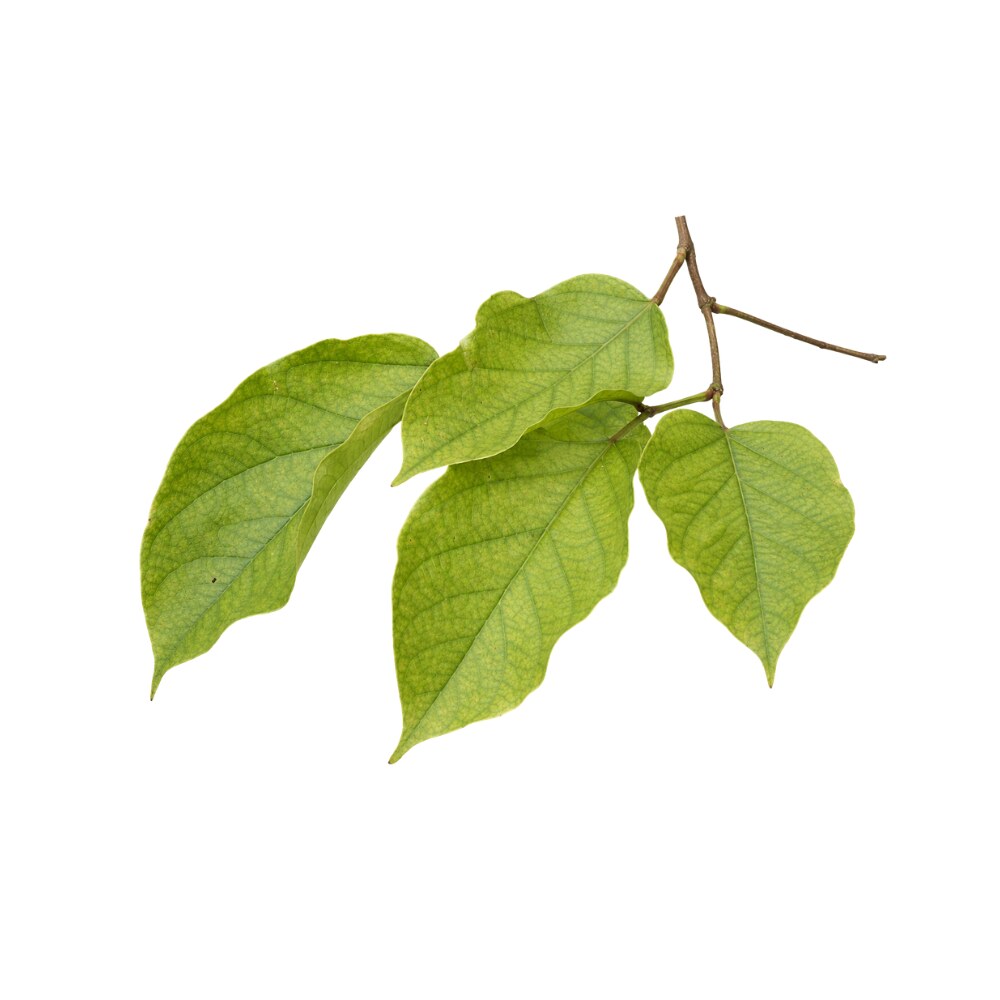 Clavo Huasca Tynanthus panurensis Documented for coumarins.
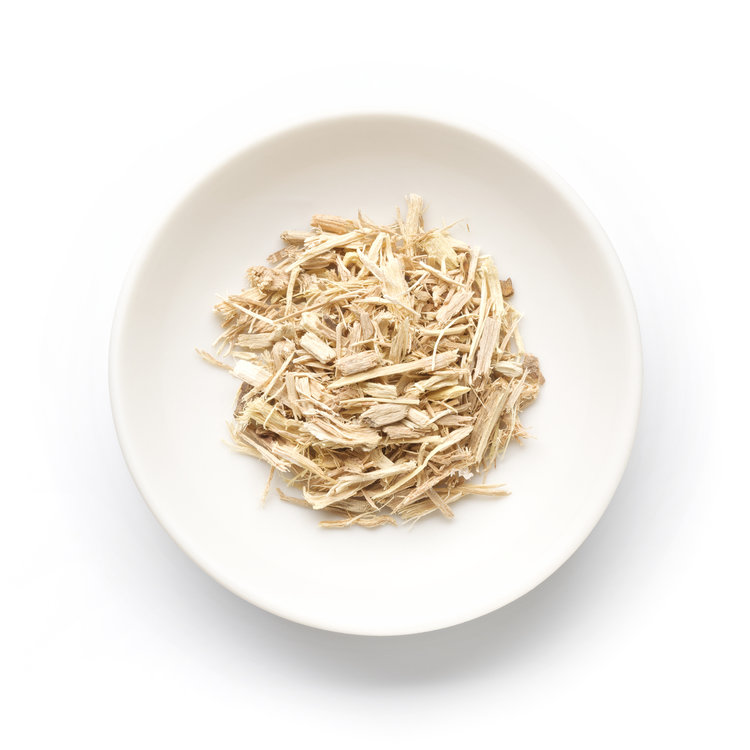 Eleuthero Root Eleutherococcus senticosus Documented for isofraxidin.
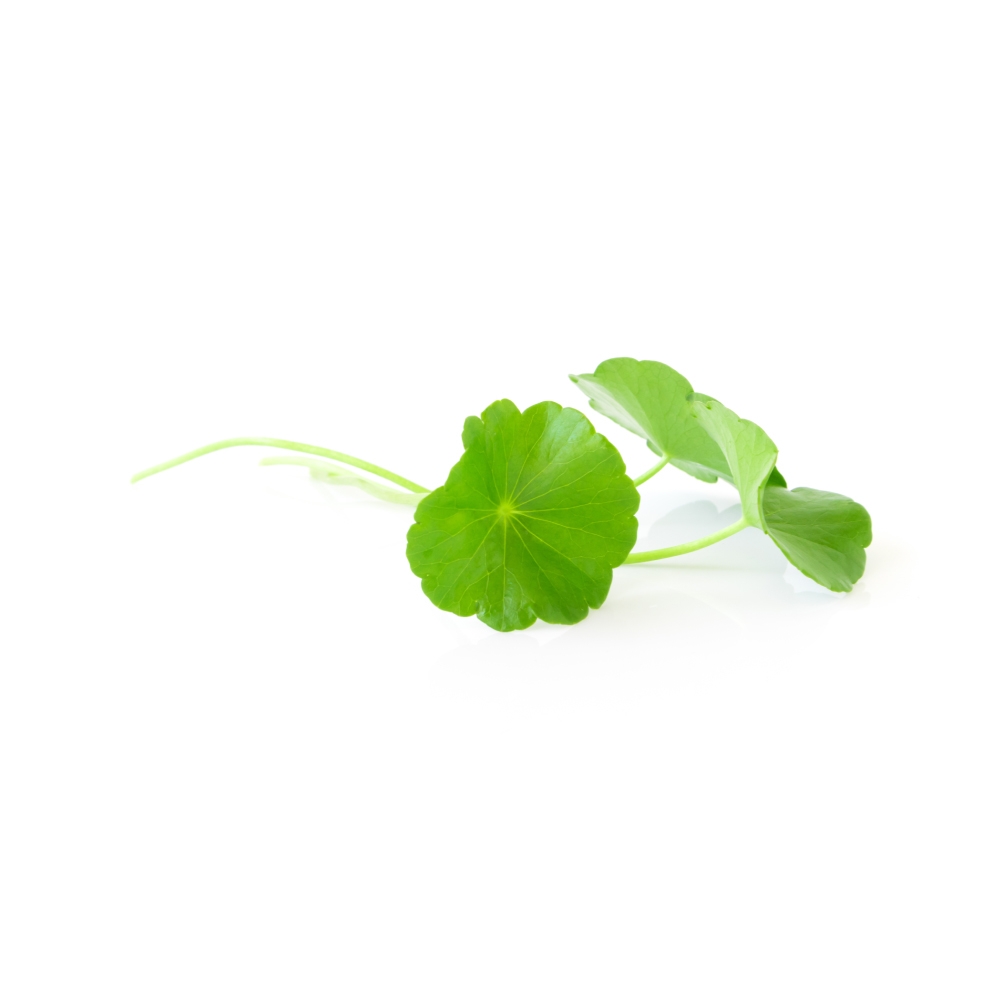 Gotu Kola Centella asiatica Documented for centellin.
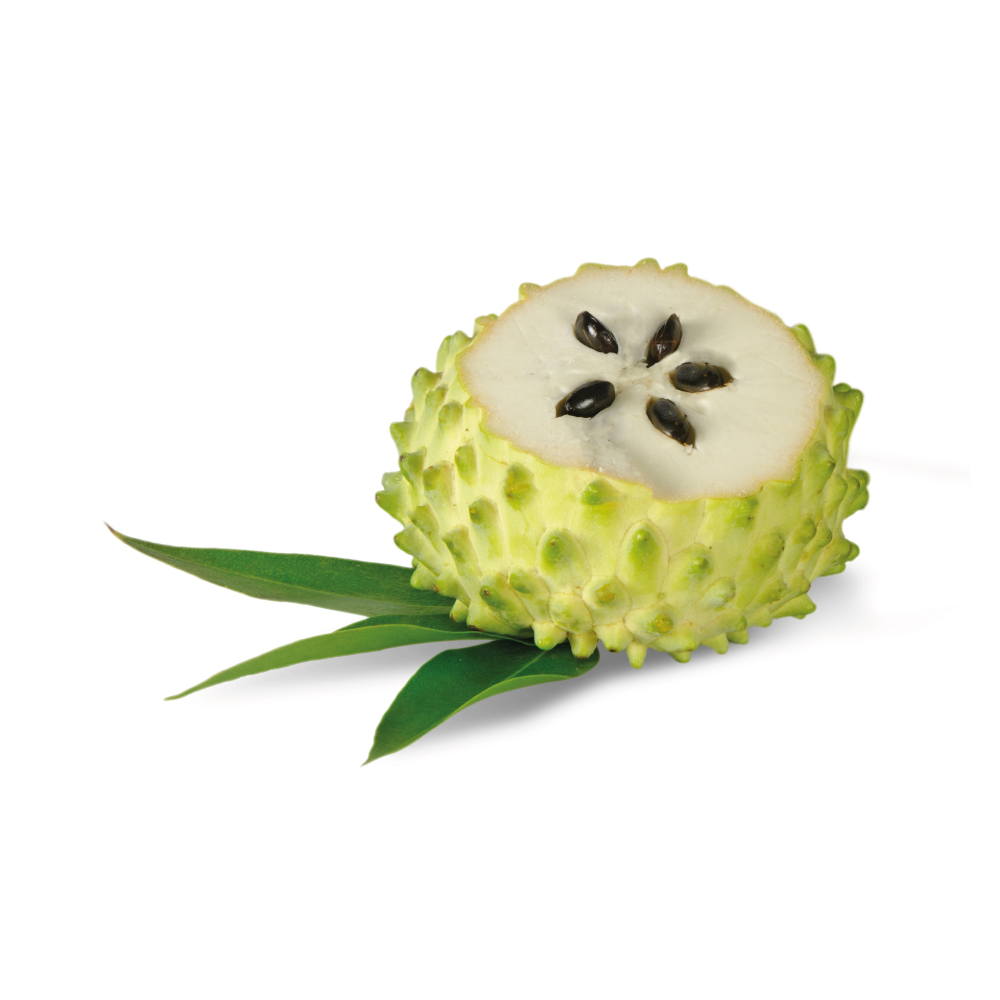 Graviola Annona muricata Toxic Documented for coumarins.
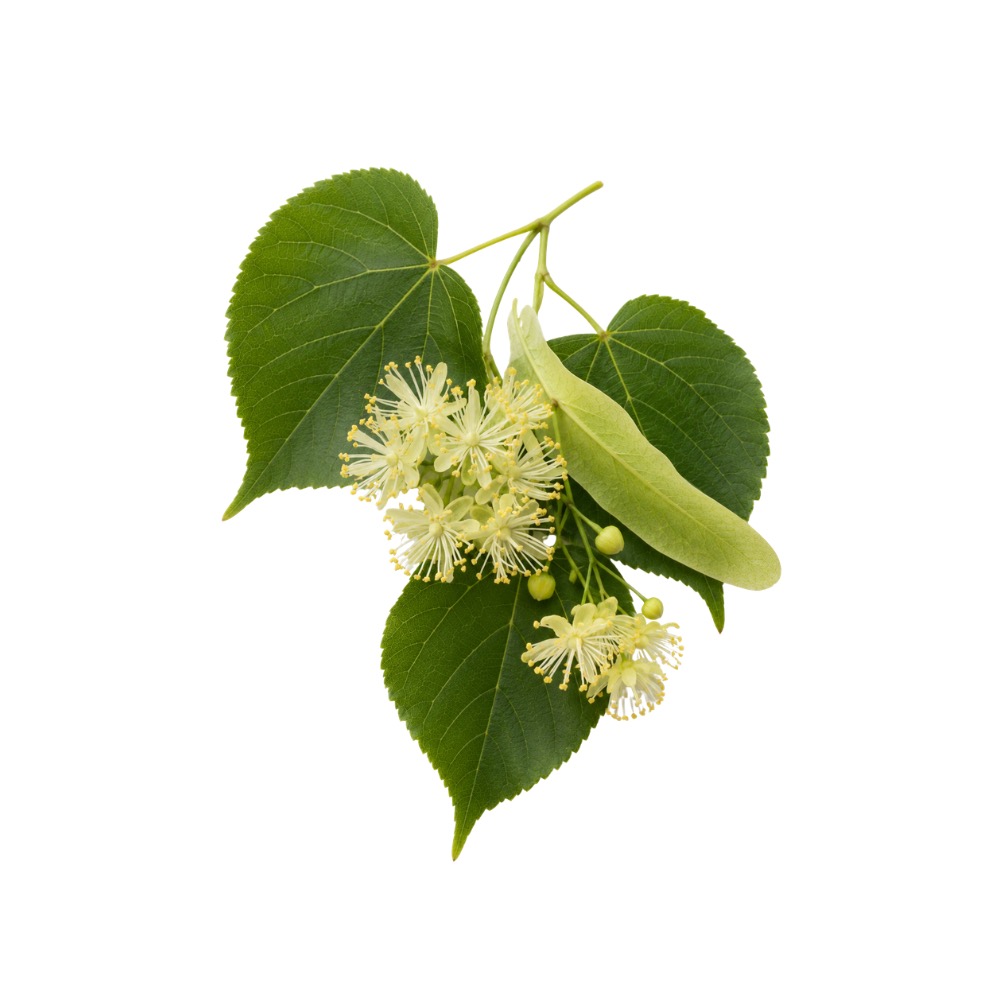 Linden Flower Tilia spp. Documented for scopoletin.
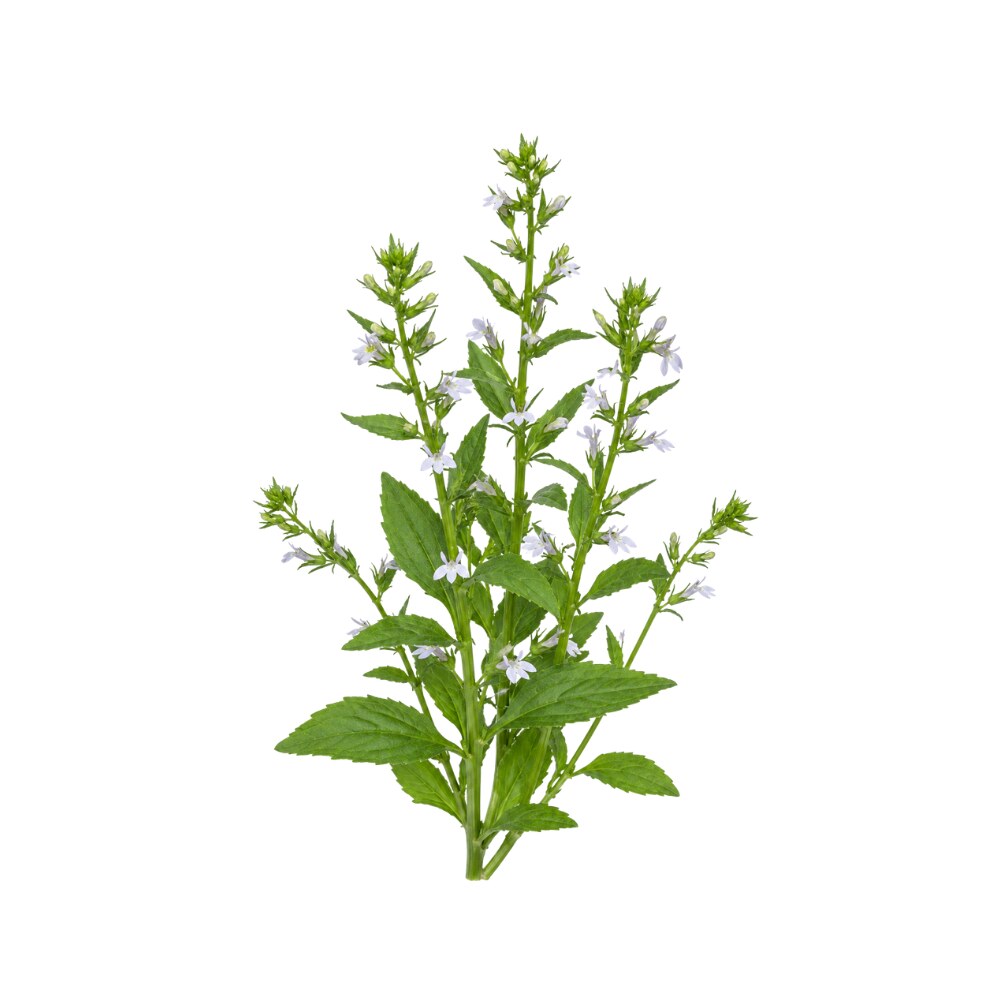 Lobelia Lobelia inflata Toxic Documented for scopoletin.
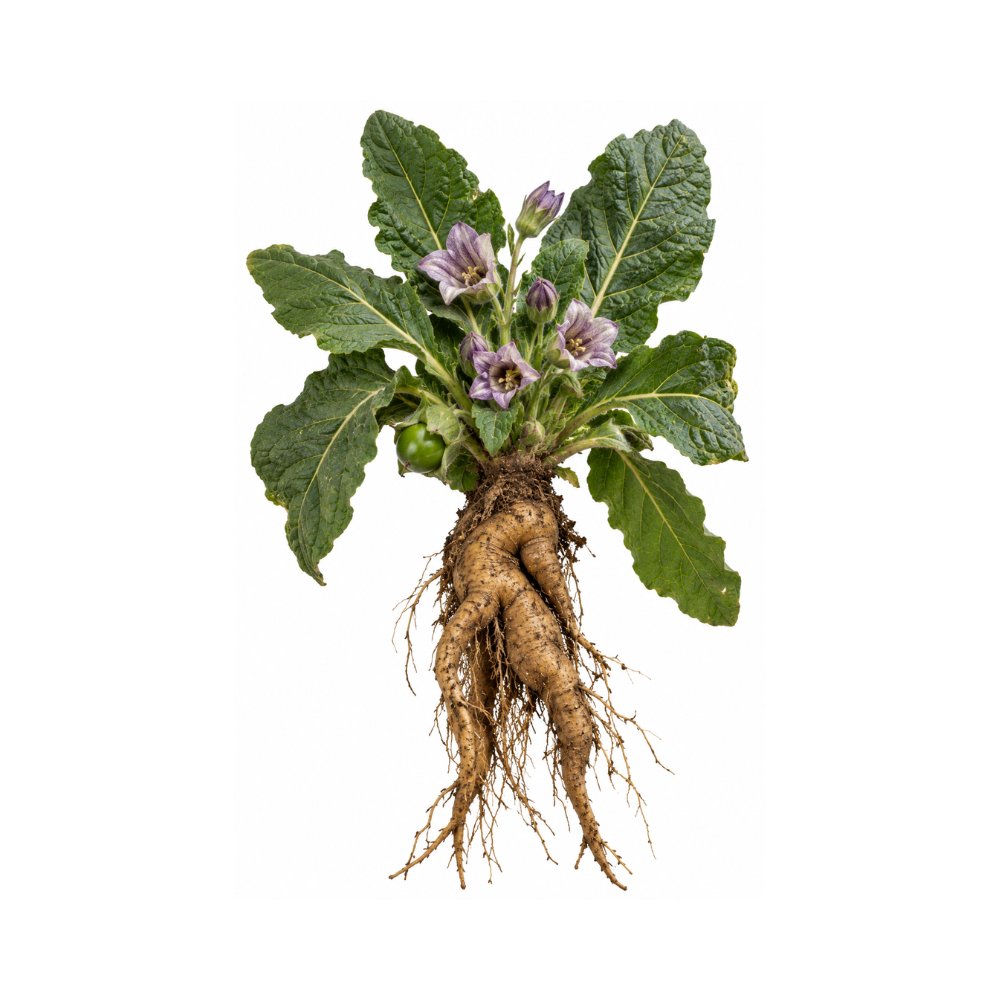 Mandrake ☠️ Mandragora officinarum Toxic Documented for scopoletin.
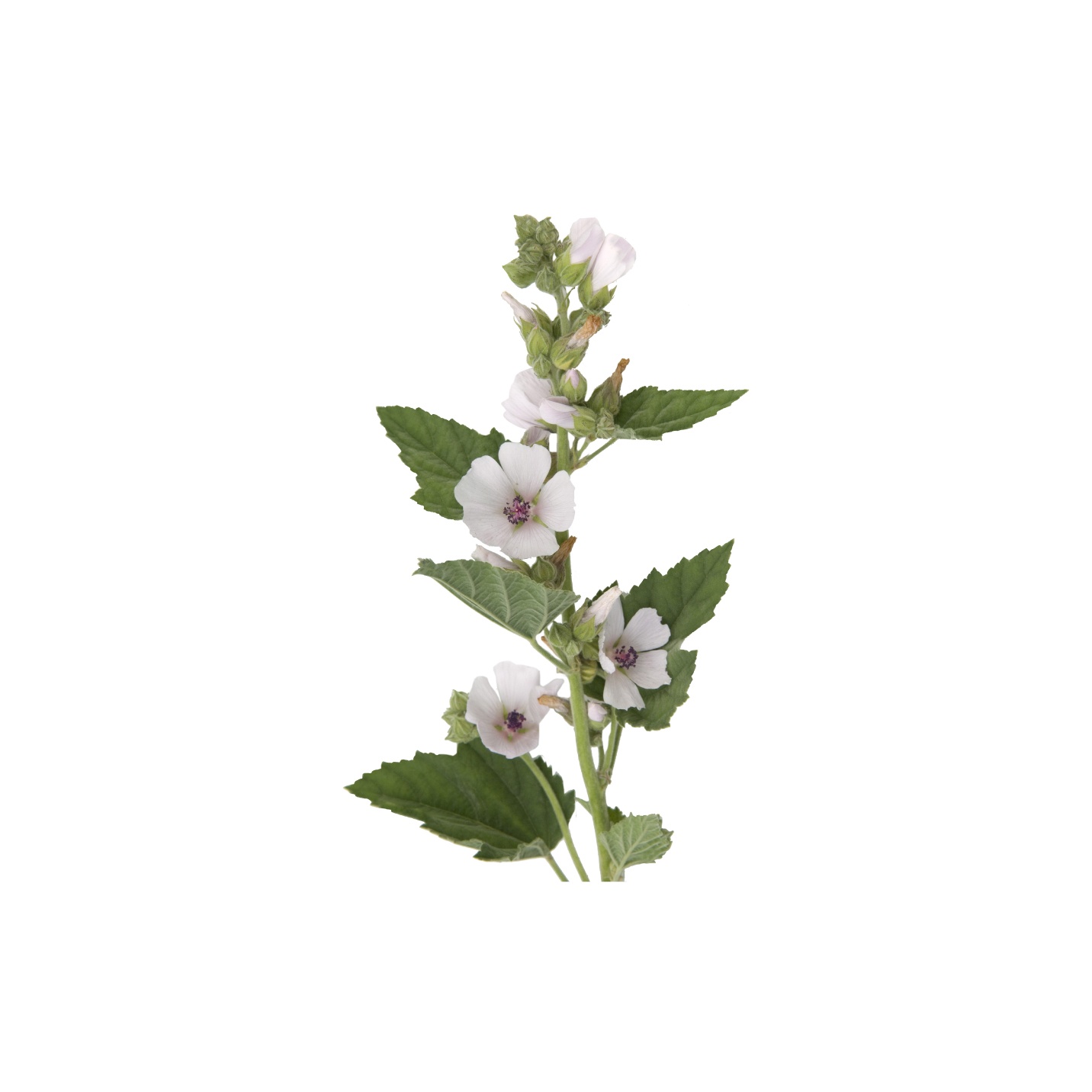 Marshmallow Althaea officinalis Documented for scopoletin.
 Muira Puama Ptychopetalum olacoides Documented for coumarin.
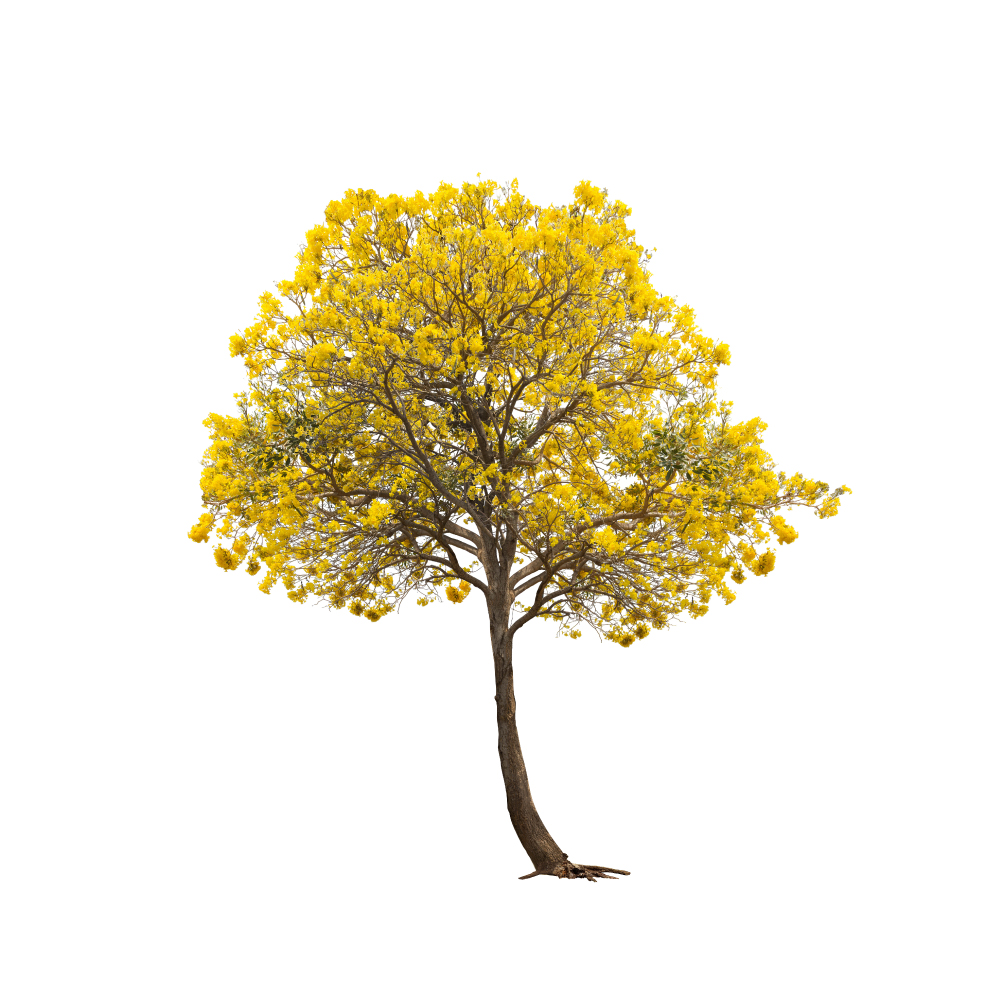 Pau D'Arco Tabebuia impetiginosa Documented for 6-hydroxy-mellein.
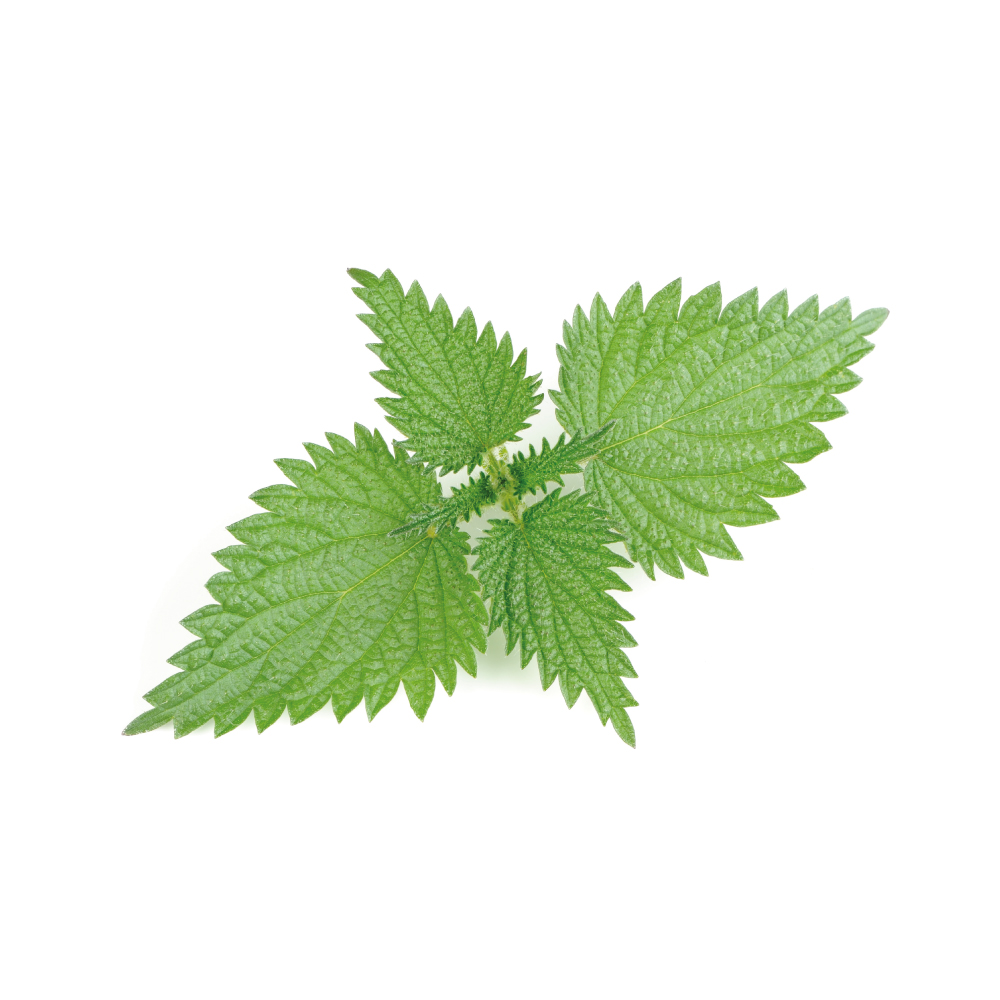 Stinging Nettle Urtica dioica Documented for scopoletin.
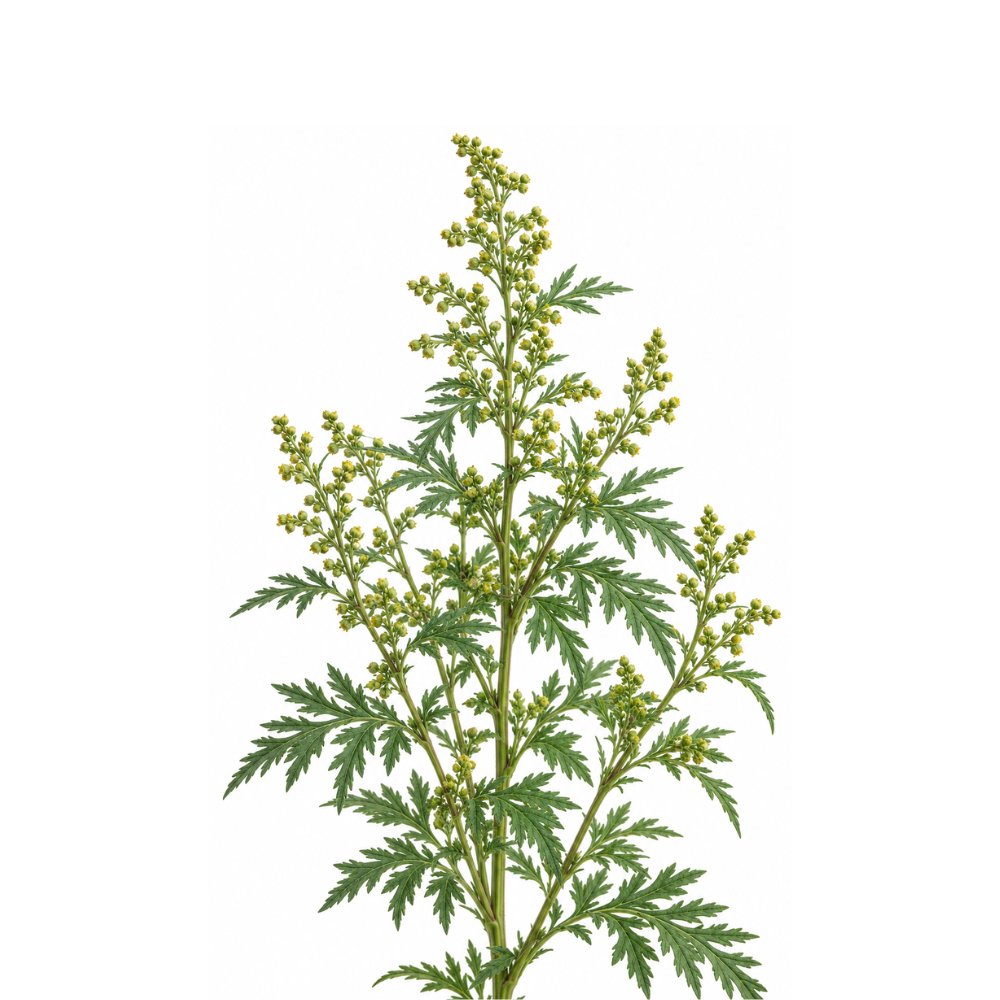 Sweet Wormwood Artemisia annua Documented for scopoletin.
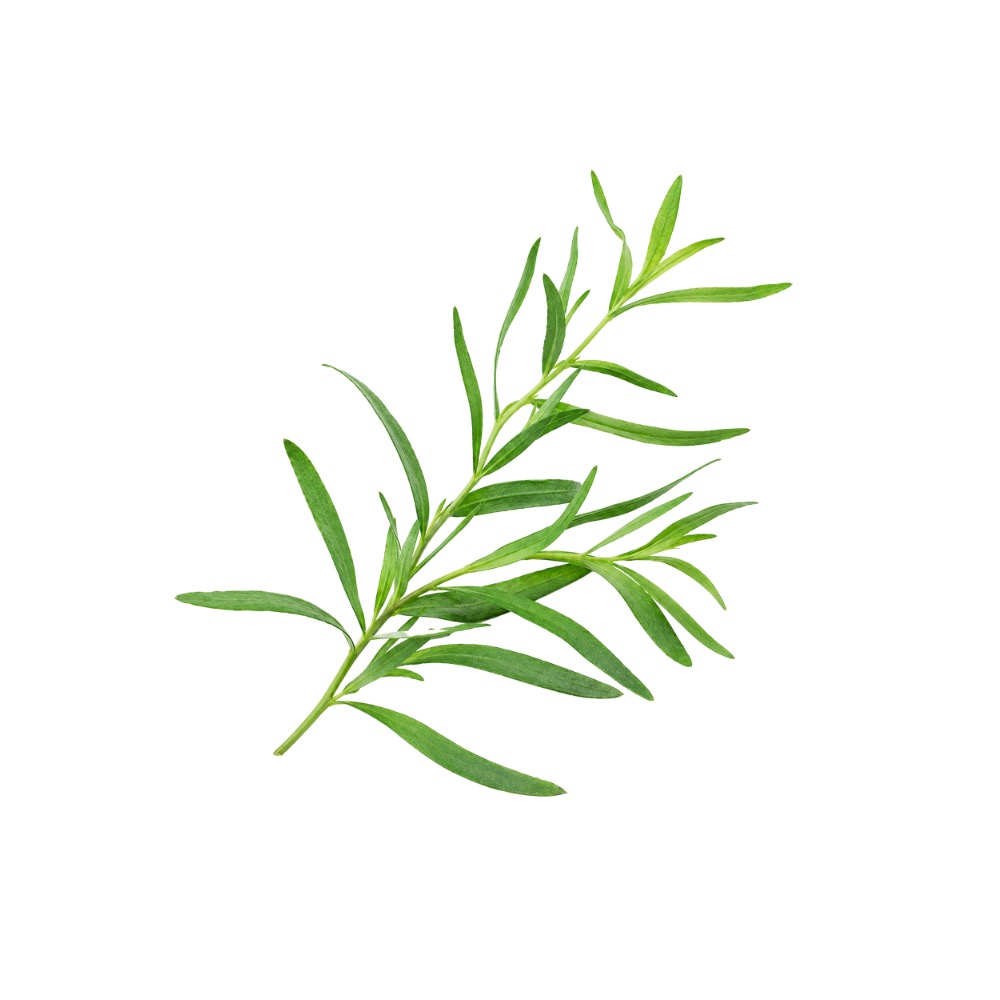 Tarragon Artemisia dracunculus Documented for capillarin.
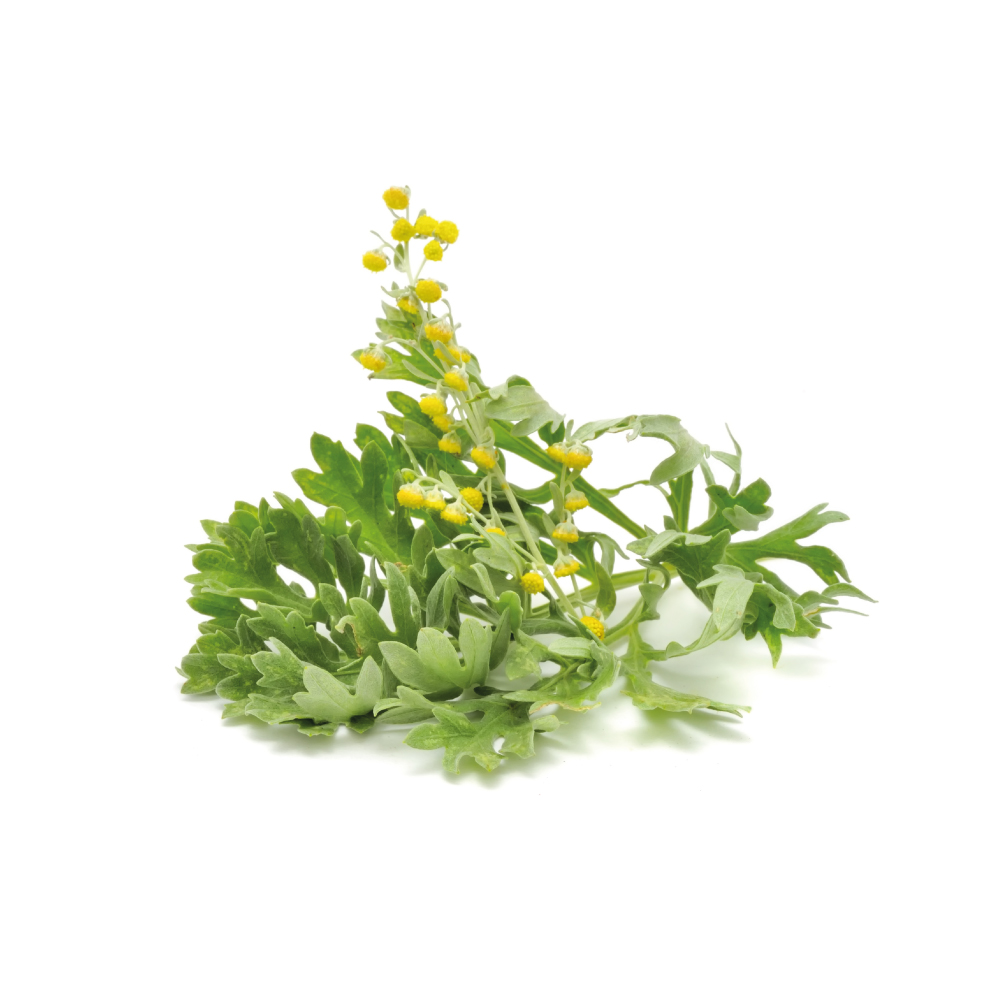 Wormwood Artemisia absinthium Documented for scoparone.
Keep Exploring
Other Compound Classes
Keep Reading
 GuidesThe Best Kava: A Buyer's GuideHow to buy good kava: noble vs two-day cultivars, which part of the root, chemotype codes, origin, form, and the batch tests a seller should show you.
Read more
 GuidesThe Amazon's Endangered Medicinal PlantsThe Amazon gives us some of our most important medicines — but which healing plants are actually endangered?
Read more
 NutritionThe Best Yerba Maté Brands [Reviewed]A drinker's guide to buying yerba maté — what actually changes the taste, and ten brands worth your money.
Read more
 GuidesHow to Prepare Yerba Maté — The Five Best MethodsHow to brew yerba maté properly — the traditional gourd method, plus tereré, french press and cold brew.
Read more