
Compound Monograph
Isoverbascoside
Isoverbascoside (isoacteoside) is the positional isomer of verbascoside (acteoside) — the same caffeoyl phenylethanoid glycoside with the caffeic-acid ester shifted from the 4′ to the 6′ position of the core sugar. It carries the same catechol-driven antioxidant and anti-inflammatory activity, is often formed from verbascoside when plant material is heated or processed, and — like its isomer — is strongly limited by very poor oral bioavailability, so nearly all of its isolated-molecule data are in vitro or in rodents.

Sources · 7
Where Does It Come From?
Isoverbascoside is a naturally occurring phenylethanoid glycoside (caffeoyl phenylethanoid glycoside), found in Plantain, Olive, Rehmannia and 4 other sources. It is well tolerated orally (low toxicity).
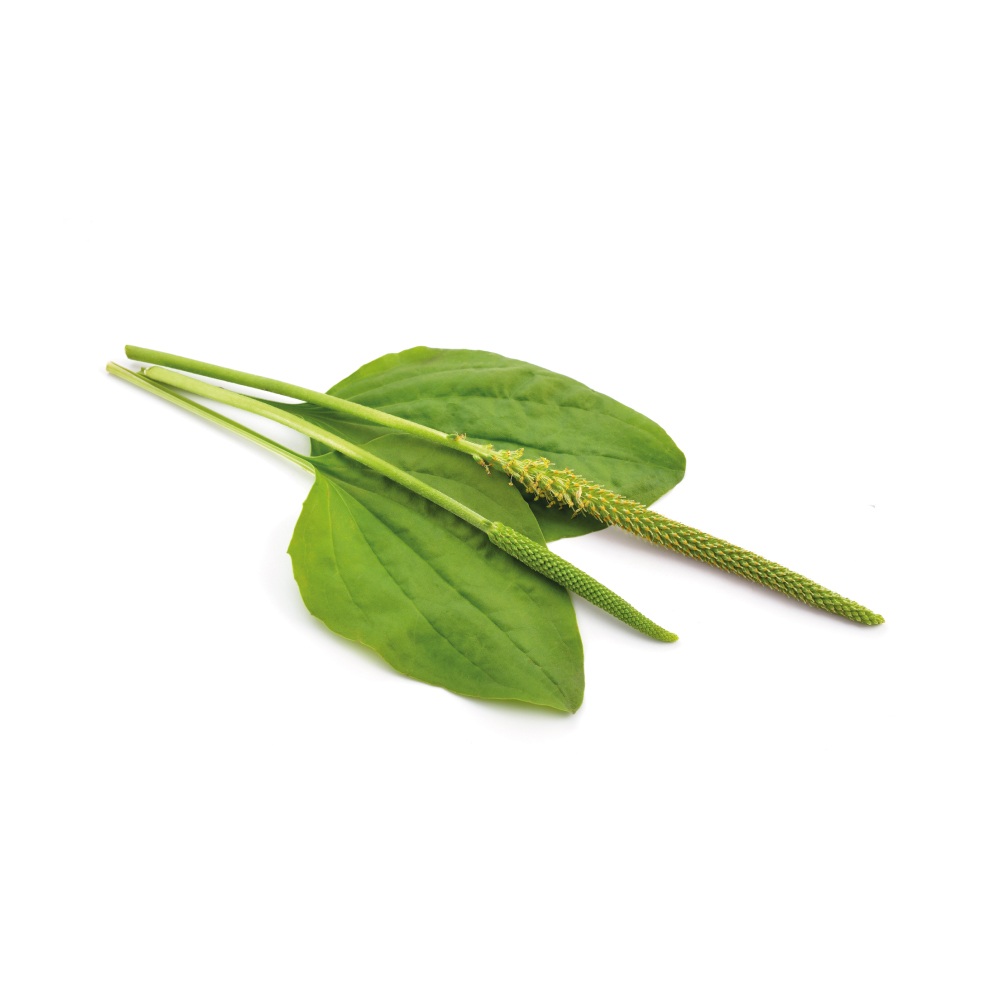 Principal source Plantain Plantago major Herb monograph →
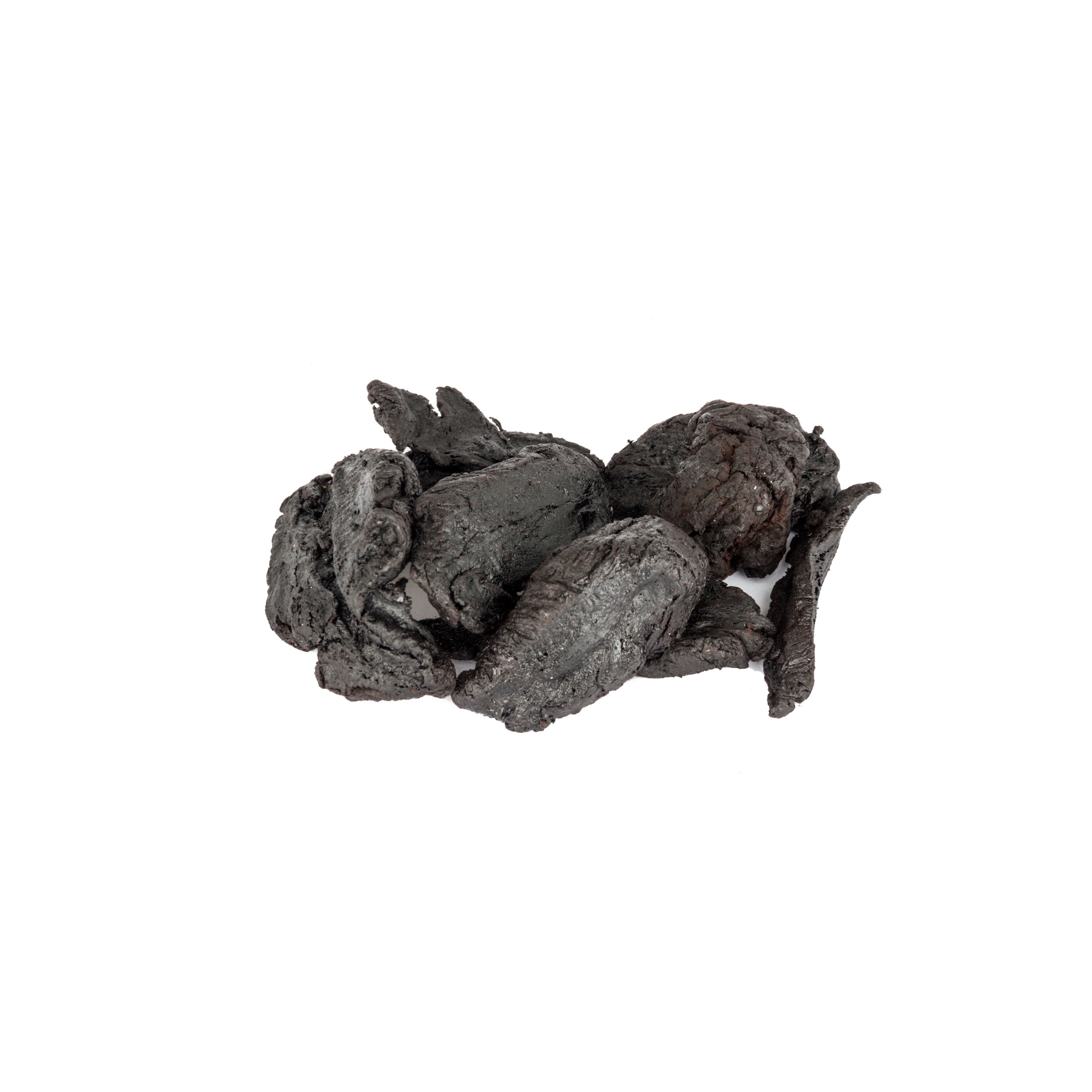 Source Rehmannia Rehmannia glutinosa Herb monograph →
Concentration
Content by Source
Concentrations not reported. No percent-dry-weight or mg/g figures have been published for this compound in its source plants.
Isoverbascoside at a Glance
Isoverbascoside — almost always called isoacteoside in the pharmacology literature — is a caffeoyl phenylethanoid glycoside and the positional isomer of verbascoside (acteoside). Chemically the two are identical except for where the caffeic-acid ester sits on the central glucose: in verbascoside it is attached at the 4′ position, and in isoverbascoside it has migrated to the 6′ position. That single migration is the whole story of this molecule.
Because the reactive parts of the structure — two catechol (dihydroxyphenyl) groups on a caffeic acid and a hydroxytyrosol unit — are unchanged, isoverbascoside carries essentially the same antioxidant and anti-inflammatory chemistry as verbascoside, and the two are usually studied side by side. Isoverbascoside is frequently the less abundant partner in fresh plant tissue and is generated from verbascoside when material is heated, stored or deliberately processed (for example in braised Rehmannia) and, in the body, by isomerisation in the liver 1,
Like its isomer, isoverbascoside is very poorly absorbed orally 5Reference 5AnimalSimultaneous determination of savaside A, acteoside, and isoacteoside in rat plasma by UHPLC-MS/MS: comparative pharmacokinetic and bioavailability characteristics of Monochasma savatieri via different routes of administration — rat pharmacokineticsView study →, so nearly every isolated-molecule finding here is in vitro or in rodents, and there is no human trial of the isolated compound.
Isoverbascoside vs. Verbascoside
This is the section the page exists for: isoverbascoside is defined entirely by its relationship to verbascoside, and the differences between the two isomers are small but real.
The structural difference. Both molecules are a caffeic-acid ester and a hydroxytyrosol aglycone hung on a rhamnose–glucose disaccharide. They differ only in the position of the caffeoyl ester on the glucose — the 4′-O position in verbascoside (acteoside) versus the 6′-O position in isoverbascoside (isoacteoside). Chemists routinely resolve and quantify the pair together by HPLC/UHPLC 4,
Isoverbascoside is often a processing/aging artefact of verbascoside. The 4′→6′ acyl migration happens under heat and time, so isoverbascoside tends to accumulate as verbascoside is consumed — it is used as a quality marker in processed Rehmannia (braised Rehmanniae Radix), where its level tracks the degree of processing 6Reference 6Wang Y, et al. (2022). [Optimization of processing technology of braised Rehmanniae Radix] — isoacteoside as processing marker. Zhongguo Zhong Yao Za Zhi. https://pubmed.ncbi.nlm.nih.gov/36164902/View study →, and it is a signature constituent of the processed rather than fresh root 3Reference 3Zhang R, et al. (2022). [Study on mechanism of Rehmanniae Radix Praeparata] — processed-root constituent analysis (isoacteoside among markers). Zhongguo Zhong Yao Za Zhi. https://pubmed.ncbi.nlm.nih.gov/36472041/View study →. In pharmacokinetic work the same isomerisation is seen in vivo, mainly in the liver 5Reference 5AnimalSimultaneous determination of savaside A, acteoside, and isoacteoside in rat plasma by UHPLC-MS/MS: comparative pharmacokinetic and bioavailability characteristics of Monochasma savatieri via different routes of administration — rat pharmacokineticsView study →.
Where they diverge biologically. Despite the near-identical structure, the isomers are not interchangeable in every assay. Isoverbascoside is about twice as strong a Fe²⁺ chelator and lipid-peroxidation inhibitor as verbascoside in a direct head-to-head 7Reference 7In vitroAntioxidative and chelating activities of phenylpropanoid glycosides from Pedicularis striata — in vitro (isoverbascoside vs verbascoside)View study →. In an amyloid-β Alzheimer’s model, isoacteoside’s memory-improving and cytoprotective effects exceeded acteoside’s, and only isoacteoside restored cortical/hippocampal dopamine and exploratory behaviour 8Reference 8In vitroActeoside and isoacteoside protect amyloid β peptide induced cytotoxicity, cognitive deficit and neurochemical disturbances in vitro and in vivo — rat + SH-SY5YView study →. Conversely, isoverbascoside’s oral bioavailability is slightly lower than acteoside’s (acteoside > isoacteoside in a four-route rat comparison), so its in-vivo advantage in a cuvette does not straightforwardly carry to an oral dose 5Reference 5AnimalSimultaneous determination of savaside A, acteoside, and isoacteoside in rat plasma by UHPLC-MS/MS: comparative pharmacokinetic and bioavailability characteristics of Monochasma savatieri via different routes of administration — rat pharmacokineticsView study →.
What It's Used For
Isoverbascoside’s evidence is a smaller, mostly more recent version of verbascoside’s: strong isolate antioxidant chemistry, a handful of isolate rodent studies in neuroinflammation and organ injury, and the same bioavailability ceiling over all of it.
Support is an experimental score — weighted by study type (human > animal > in vitro) and volume, tempered for isolate-vs-plant match and bioavailability. A beta, not a validated metric. Every finding here is isolate in-vitro or rodent; each row links to its write-up.
The deepest isolate signal, and the place isoverbascoside pulls ahead of its isomer. In amyloid-β (Aβ 1-42)-infused rats and Aβ-treated SH-SY5Y cells, isolated acteoside and isoacteoside ameliorated cognitive deficits, decreased amyloid deposition, promoted Aβ degradation and inhibited Aβ oligomerisation — and the memory-improving and cytoprotective effects of isoacteoside exceeded those of acteoside, with only isoacteoside restoring cortical/hippocampal dopamine and exploratory behaviour 8Reference 8In vitroActeoside and isoacteoside protect amyloid β peptide induced cytotoxicity, cognitive deficit and neurochemical disturbances in vitro and in vivo — rat + SH-SY5YView study →.
In mice, isolated isoacteoside eased LPS-induced depressive-like behaviour by shifting microglia from the pro-inflammatory M1 to the M2 phenotype and modulating CREB/BDNF 9Reference 9AnimalIsoacteoside alleviates LPS-induced depressive-like behaviors in mice by inhibiting neuroinflammation through regulating microglial polarization and oxidative stress — mouse modelView study →.
Systems-pharmacology work on Rehmannia attributes an isoacteoside-driven p62/mTOR autophagy mechanism to the processed root’s anti-Alzheimer effect 2Reference 2Systems pharmacology identifies ajugol-mediated NF-κB/caspase-3 inhibition and isoacteoside-driven p62/mTOR-mediated autophagy as key mechanisms of Rehmanniae Radix and its processed form in Alzheimer’s treatmentView study →.
Gap: all rodent or cell-based (isolate) — no human cognitive or mood data — and the poor oral bioavailability 5Reference 5AnimalSimultaneous determination of savaside A, acteoside, and isoacteoside in rat plasma by UHPLC-MS/MS: comparative pharmacokinetic and bioavailability characteristics of Monochasma savatieri via different routes of administration — rat pharmacokineticsView study → means systemic exposure from an oral dose is uncertain.
Isolated isoacteoside (identified as the active ingredient of Monochasma savatieri) attenuated acute kidney injury in a rat model of severe acute pancreatitis, lowering serum TNF-α and IL-6 and improving renal histology, with the effect tied to the TLR4 / NF-κB pathway 10Reference 10AnimalIsoacteoside attenuates acute kidney injury induced by severe acute pancreatitis — rat model (TLR4/NF-κB)View study →.
A separate study found acteoside and isoacteoside both alleviated LPS-induced acute kidney injury, again through NF-κB inhibition (falling TLR4, IκB-α and p65) 11Reference 11AnimalActeoside and isoacteoside alleviate renal dysfunction and inflammation in lipopolysaccharide-induced acute kidney injuries through inhibition of NF-κB signaling pathway — rodent modelView study →.
This maps onto the well-resolved NF-κB anti-inflammatory mechanism documented for the acteoside class 1Reference 1ReviewThe pharmacokinetic property and pharmacological activity of acteoside: a review — reviewView study →.
Gap: rodent isolate models of acute organ injury only; no chronic-dosing, no human data, and systemic delivery is capped by bioavailability 5Reference 5AnimalSimultaneous determination of savaside A, acteoside, and isoacteoside in rat plasma by UHPLC-MS/MS: comparative pharmacokinetic and bioavailability characteristics of Monochasma savatieri via different routes of administration — rat pharmacokineticsView study →.
Isoverbascoside’s defining chemistry. Isolated isoacteoside from Clerodendron trichotomum scavenged intracellular ROS and DPPH radical, prevented lipid peroxidation, and protected V79-4 fibroblasts from H₂O₂-induced death and apoptosis 12Reference 12In vitroAntioxidant activity of isoacteoside from Clerodendron trichotomum — in vitro (V79-4 cells)View study →.
In a direct isomer comparison it inhibited Fe²⁺/EDTA-driven lipid peroxidation more strongly than verbascoside and was a roughly 2× stronger Fe²⁺ chelator 7Reference 7In vitroAntioxidative and chelating activities of phenylpropanoid glycosides from Pedicularis striata — in vitro (isoverbascoside vs verbascoside)View study →, and it is among the phenylethanoid glycosides that protect human LDL from oxidation 13Reference 13In vitroAntioxidative activities of phenylethanoid glycosides from Ligustrum purpurascens — in vitro (human LDL)View study → and scavenge superoxide and hydroxyl radicals in spin-trapping assays, with activity scaling to the number of phenolic hydroxyls 14Reference 14In vitroScavenging effects of phenylpropanoid glycosides from Pedicularis on superoxide anion and hydroxyl radical by the spin trapping method — in vitroView study →.
Gap: the strongest data are cell-free or single-cell-line chemistry — the most direct but least translatable evidence, since a radical-scavenging result in a cuvette says nothing about antioxidant effect from a barely-absorbed oral dose 5Reference 5AnimalSimultaneous determination of savaside A, acteoside, and isoacteoside in rat plasma by UHPLC-MS/MS: comparative pharmacokinetic and bioavailability characteristics of Monochasma savatieri via different routes of administration — rat pharmacokineticsView study →.
Mechanisms
| Target / pathway | Effect | Relevant to |
|---|---|---|
| TLR4 / NF-κB | Suppresses → ↓TNF-α, ↓IL-6, ↓iNOS/NO | Anti-inflammatory / organ protection |
| Amyloid-β oligomerisation & deposition | Inhibits aggregation, promotes Aβ 1-40 degradation | Neuroprotection |
| Microglial polarisation (M1→M2), CREB/BDNF | Shifts to anti-inflammatory phenotype, restores BDNF signalling | Neuroprotection / antidepressant |
| p62 / mTOR autophagy | Activates autophagic clearance | Neuroprotection (Alzheimer’s) |
| Fe²⁺ chelation, ROS / DPPH / lipid peroxidation | Chelates iron (~2× verbascoside), scavenges radicals | Antioxidant |
Pharmacokinetics
Bioavailability is the load-bearing fact, exactly as for verbascoside. In a rat study measuring acteoside and isoacteoside across four routes, oral bioavailability did not exceed ~0.2%, the phenylethanoid glycosides were rapidly absorbed and cleared (within ~1 h), and their intestinal stability was extremely poor; the ranking was acteoside > isoacteoside for bioavailability across routes 5Reference 5AnimalSimultaneous determination of savaside A, acteoside, and isoacteoside in rat plasma by UHPLC-MS/MS: comparative pharmacokinetic and bioavailability characteristics of Monochasma savatieri via different routes of administration — rat pharmacokineticsView study →. Two further details are specific to this molecule: the 4′→6′ isomerisation between acteoside and isoacteoside occurs mainly in the liver in vivo, and isoacteoside showed more structural selectivity than acteoside 5Reference 5AnimalSimultaneous determination of savaside A, acteoside, and isoacteoside in rat plasma by UHPLC-MS/MS: comparative pharmacokinetic and bioavailability characteristics of Monochasma savatieri via different routes of administration — rat pharmacokineticsView study →. The practical consequence is the same as for its isomer — potent in-vitro concentrations are not readily reachable from an oral dose, which tempers every downstream claim.
Clinical Trials
There are no registered trials of isolated isoverbascoside. Human exposure is limited to isoverbascoside-containing foods and herbs (olive, plantain, Cistanche, processed Rehmannia), which are plant-matrix exposures and cannot be read as a molecule result. Everything here is in vitro or preclinical.
| Completed | Planned | Terminated | Preclinical |
|---|---|---|---|
| None(isolated isoacteoside) | None known | None | Multiple(rodent + in-vitro) |
Last checked: July 2026.
Isolate vs. Plant Studies
Unlike many constituents, a meaningful share of the isoverbascoside literature is isolate work: the amyloid-β 8Reference 8In vitroActeoside and isoacteoside protect amyloid β peptide induced cytotoxicity, cognitive deficit and neurochemical disturbances in vitro and in vivo — rat + SH-SY5YView study →, depression 9Reference 9AnimalIsoacteoside alleviates LPS-induced depressive-like behaviors in mice by inhibiting neuroinflammation through regulating microglial polarization and oxidative stress — mouse modelView study →, and acute-kidney-injury 10,
Prevalence in Nature
Isoverbascoside occurs across the order Lamiales, generally as the minor partner to verbascoside. It has been isolated and quantified from plantain (Plantago, including P. psyllium seed, from which acteoside and isoacteoside were first purified together by counter-current chromatography 4Reference 4Isolation and purification of acteoside and isoacteoside from Plantago psyllium L. by high-speed counter-current chromatography — isolationView study →), olive (Olea europaea), Rehmannia (Rehmannia glutinosa, especially the processed root 3,
Discovery & Synthesis
Isoverbascoside entered the literature as the positional isomer of acteoside (verbascoside) — the phenylethanoid glycoside first isolated from Verbascum in the 1960s — rather than as a headline discovery in its own right; its structure is acteoside’s with the caffeoyl ester moved from the 4′ to the 6′ hydroxyl of the central glucose. It was isolated and purified as a distinct compound from several Lamiales, including a clean 2005 separation of acteoside and isoacteoside from Plantago psyllium seed by high-speed counter-current chromatography 4Reference 4Isolation and purification of acteoside and isoacteoside from Plantago psyllium L. by high-speed counter-current chromatography — isolationView study →. There is no established total synthesis of isoverbascoside in common use; practically, the compound is obtained by extraction from phenylethanoid-glycoside-rich plants or generated from verbascoside by the 4′→6′ isomerisation that occurs under heat and processing (and, in vivo, in the liver) 5,
Patents: not yet researched.
Toxicity & Safety
Isoverbascoside carries a low toxicity flag. It is a normal constituent of edible and widely used plants — olive, plantain and processed Rehmannia among them — and, like its isomer verbascoside, is regarded as having low toxicity at dietary levels; the isolate rodent studies performed with it report therapeutic rather than toxic effects and describe no signature acute organ toxicity 1,
The honest caveat is that a dedicated isolate safety database does not exist for isoverbascoside: there is no repeat-dose toxicology, genotoxicity or reproductive-toxicity study of the pure compound here, and its safety is largely inferred from the acteoside class and from dietary use rather than directly established. Absence of reported harm should not be read as demonstrated safety at supra-dietary doses.
- Dietary phenylethanoid glycoside. A normal constituent of olive, plantain and other edible/medicinal plants, regarded as low-toxicity at dietary levels.
- Very low systemic exposure. Poor oral bioavailability (~0.2%) means little intact isoverbascoside reaches the circulation from an oral dose.
- No isolate safety dataset. No repeat-dose, genotoxicity or reproductive-toxicity study of the pure compound; safety is inferred from the acteoside class and dietary use, not established.
- Drug-interaction potential not assessed. No dedicated CYP/transporter interaction data for isoverbascoside itself.
Dosage
There is no established human dose for isolated isoverbascoside, and its poor oral bioavailability makes any extrapolation speculative. Preclinical work spans a wide range: rodent neuroprotection and organ-protection studies use oral or injected doses in the tens of milligrams per kilogram 8,
References
- Xiao Y, Ren Q, Wu L (2022). The pharmacokinetic property and pharmacological activity of acteoside: a review — review. Biomedicine & Pharmacotherapy. https://pubmed.ncbi.nlm.nih.gov/35724511/
- Han X, et al. (2025). Systems pharmacology identifies ajugol-mediated NF-κB/caspase-3 inhibition and isoacteoside-driven p62/mTOR-mediated autophagy as key mechanisms of Rehmanniae Radix and its processed form in Alzheimer’s treatment. Frontiers in Pharmacology. https://pubmed.ncbi.nlm.nih.gov/40949132/
- Zhang R, et al. (2022). [Study on mechanism of Rehmanniae Radix Praeparata] — processed-root constituent analysis (isoacteoside among markers). Zhongguo Zhong Yao Za Zhi. https://pubmed.ncbi.nlm.nih.gov/36472041/
- Li L, et al. (2005). Isolation and purification of acteoside and isoacteoside from Plantago psyllium L. by high-speed counter-current chromatography — isolation. Journal of Chromatography A. https://pubmed.ncbi.nlm.nih.gov/15700468/
- Feng B, et al. (2018). Simultaneous determination of savaside A, acteoside, and isoacteoside in rat plasma by UHPLC-MS/MS: comparative pharmacokinetic and bioavailability characteristics of Monochasma savatieri via different routes of administration — rat pharmacokinetics. Journal of Separation Science. https://pubmed.ncbi.nlm.nih.gov/30307101/
- Wang Y, et al. (2022). [Optimization of processing technology of braised Rehmanniae Radix] — isoacteoside as processing marker. Zhongguo Zhong Yao Za Zhi. https://pubmed.ncbi.nlm.nih.gov/36164902/
- Li J, et al. (1997). Antioxidative and chelating activities of phenylpropanoid glycosides from Pedicularis striata — in vitro (isoverbascoside vs verbascoside). Zhongguo Yao Li Xue Bao (Acta Pharmacologica Sinica). https://pubmed.ncbi.nlm.nih.gov/10072901/
- Shiao YJ, et al. (2017). Acteoside and isoacteoside protect amyloid β peptide induced cytotoxicity, cognitive deficit and neurochemical disturbances in vitro and in vivo — rat + SH-SY5Y. International Journal of Molecular Sciences. https://pubmed.ncbi.nlm.nih.gov/28441758/
- Bi J, et al. (2025). Isoacteoside alleviates LPS-induced depressive-like behaviors in mice by inhibiting neuroinflammation through regulating microglial polarization and oxidative stress — mouse model. Behavioral and Brain Functions. https://pubmed.ncbi.nlm.nih.gov/41024195/
- Wang B, et al. (2021). Isoacteoside attenuates acute kidney injury induced by severe acute pancreatitis — rat model (TLR4/NF-κB). Molecular Medicine Reports. https://pubmed.ncbi.nlm.nih.gov/33649800/
- Lian Y, et al. (2024). Acteoside and isoacteoside alleviate renal dysfunction and inflammation in lipopolysaccharide-induced acute kidney injuries through inhibition of NF-κB signaling pathway — rodent model. PLoS One. https://pubmed.ncbi.nlm.nih.gov/38748639/
- Chae S, et al. (2005). Antioxidant activity of isoacteoside from Clerodendron trichotomum — in vitro (V79-4 cells). Journal of Toxicology and Environmental Health, Part A. https://pubmed.ncbi.nlm.nih.gov/15799629/
- Wong IY, et al. (2001). Antioxidative activities of phenylethanoid glycosides from Ligustrum purpurascens — in vitro (human LDL). Journal of Agricultural and Food Chemistry. https://pubmed.ncbi.nlm.nih.gov/11410017/
- Wang P, et al. (1996). Scavenging effects of phenylpropanoid glycosides from Pedicularis on superoxide anion and hydroxyl radical by the spin trapping method — in vitro. Biochemical Pharmacology. https://pubmed.ncbi.nlm.nih.gov/8615906/



