L-Glutamine
The most abundant free amino acid in the body and a key fuel for gut and immune cells, taken for gut-lining support and exercise recovery.

L-Glutamine at a Glance
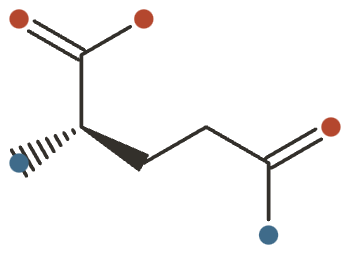
L-Glutamine is the most abundant free amino acid in the body — a primary fuel for the rapidly dividing cells lining the gut and for immune cells, a nitrogen donor for nucleotide synthesis, and a precursor to glutathione. It is conditionally essential: normally plentiful, but demand can outstrip supply during severe catabolic stress like critical illness, burns or major surgery.
The evidence has an unusual shape. Glutamine has genuine, FDA-grade evidence in specific disease states — it is an approved drug for sickle cell disease — and is largely inert as a general “gut-healing” or recovery aid in healthy, well-fed people for whom it is already abundant.
Part of the reason is plumbing. Oral glutamine is heavily extracted by the gut on first pass, so much of a dose fuels the intestine itself and systemic exposure is modest and short-lived. That predicts exactly the pattern the trials show: local gut and mucosal effects are plausible, systemic and athletic ones are weak.
What It’s Used For
- Sickle cell pain crises — the best-evidenced use, and an FDA-approved indication.
- Oral mucositis — reduces severity, not incidence, during chemo- and radiotherapy.
- Post-infectious IBS — one striking trial, in a narrowly defined phenotype.
- Critical illness — mixed, dose-dependent, and harmful at high dose in shock.
- Burn injury — the definitive large trial was null.
- Short bowel syndrome — transient and growth-hormone-dependent.
- Chemotherapy-induced peripheral neuropathy — two small older trials; promising but never confirmed.
The two most-marketed claims are the least supported: “heals leaky gut” and “boosts muscle recovery and immunity” in healthy athletes. A meta-analysis of 25 trials found no performance or immune benefit at all.
How It Works
Glutamine is the body’s nitrogen shuttle. Skeletal muscle synthesises it in bulk and releases it into circulation, where tissues that need nitrogen or fuel take it up — which is why it is the most abundant free amino acid, and why supply is usually not the limiting factor.
The gut takes the largest share. Enterocytes burn glutamine as a primary oxidative substrate to support epithelial turnover and barrier function. This is both the mechanism behind the gut applications and the reason systemic effects are weak: the intestine consumes much of an oral dose before it reaches anywhere else 12Reference 12ReviewGlutamine: metabolism and immune function, supplementation and clinical translation — reviewView study →.
Immune cells use it the same way — lymphocytes and macrophages need glutamine as a proliferation substrate, which is the basis of the immune claims (and of the critical-illness rationale).
As a glutathione precursor it feeds antioxidant capacity. In sickle cell disease this is the specific mechanism: glutamine raises the reduced-NAD fraction in sickle erythrocytes, lowering the oxidative stress that drives cell sickling.
The one that cuts the other way: glutamine metabolism releases ammonia. In a healthy person that is trivial. In significant liver or kidney disease it is the reason for caution.
The full trial record is in Pharmacology & Research below.
Pharmacology & Research
L-Glutamine is the most abundant free amino acid in the body and a conditionally essential nutrient — normally plentiful, but demand can outstrip supply during severe catabolic stress (critical illness, burns, major surgery, rapid tumour turnover). It is a primary fuel for enterocytes and immune cells, a nitrogen donor for nucleotide synthesis, and a precursor for glutathione, which underlies most of its therapeutic rationale. The decision-relevant fact for supplementation is context: glutamine has genuine, sometimes FDA-grade evidence in specific disease states, but is largely inert as a general “gut-healing” or recovery aid in healthy, well-fed people for whom it is already abundant. Oral glutamine is also heavily extracted by the gut on first pass, so plasma exposure from a supplement is modest and short-lived.
Support is an experimental score I’m building — a composite weighted by study type (human > animal > in vitro > review) and study volume. It’s a beta: a fast way to rank strength of evidence at a glance, not a validated metric. Each application links down to its write-up.
In a multicentre, double-blind phase 3 RCT, 230 patients aged 5–58 with sickle cell anaemia or β⁰-thalassaemia and at least two crises in the prior year received pharmaceutical-grade L-glutamine (0.3 g/kg twice daily) or placebo for 48 weeks, most on background hydroxyurea 1Reference 1RCTA phase 3 trial of l-glutamine in sickle cell disease — randomised controlled trialView study →.
The glutamine group had significantly fewer pain crises (median 3.0 vs 4.0, p=0.005) and fewer hospitalisations. This trial supported FDA approval (Endari, 2017) for patients aged 5 and over. The rationale is redox: glutamine raises the reduced-NAD fraction in sickle erythrocytes, lowering oxidative stress. The effect is real but modest, the trial had substantial dropout, and it is a disease-specific effect rather than a general benefit.
Gap: a single pivotal trial with roughly a one-crisis absolute reduction and high attrition; long-term and real-world effectiveness data remain limited.
Multiple meta-analyses of RCTs in cancer patients on chemotherapy and/or radiotherapy find that oral glutamine does not reduce the incidence of oral mucositis but does reduce its severity (SMD ≈ −0.73) and the incidence of severe mucositis (RR ≈ 0.41), along with less opioid use, fewer feeding tubes, and fewer treatment interruptions 4,
Gap: trials are small and varied; the benefit is severity mitigation rather than prevention, and the optimal dose and formulation are unsettled.
An 8-week randomised, double-blind, placebo-controlled trial in adults with post-infectious, diarrhoea-predominant IBS and increased intestinal permeability gave glutamine 5 g three times daily or placebo 2Reference 2RCTRandomised placebo-controlled trial of dietary glutamine supplements for postinfectious irritable bowel syndrome — randomised controlled trialView study →.
The primary endpoint — a drop of 50 points or more in IBS-SS — was met by 79.6% on glutamine versus 5.8% on placebo, a very large effect, with normalised lactulose/mannitol permeability. However, a 2024 systematic review and meta-analysis across mixed populations found glutamine did not significantly change gut permeability overall, with benefit confined to higher-dose subgroups above roughly 30 g/day 3Reference 3Meta-analysisA systematic review and meta-analysis of clinical trials on the effects of glutamine supplementation on gut permeability in adults — meta-analysisView study →.
The effect appears real but narrow — tied to a specific phenotype with documented hyperpermeability, rather than to “leaky gut” broadly.
Gap: rests on one single-centre trial in a selected phenotype; the general permeability signal is null, so the result should not be extrapolated to healthy people.
The picture is mixed and dose-dependent. Meta-analyses of enteral glutamine in selected critically ill patients have suggested reductions in infectious complications in some subgroups 7Reference 7Meta-analysisGlutamine enteral therapy for critically ill adult patients: an updated meta-analysis of randomized controlled trials — meta-analysisView study →.
But the pivotal REDOXS trial (n=1,223, multi-organ failure, mechanically ventilated) gave high-dose glutamine both intravenously and enterally and found a trend toward increased mortality, not benefit 8Reference 8RCTA randomized trial of glutamine and antioxidants in critically ill patients (REDOXS) — randomised controlled trialView study →.
Guidelines now advise against high-dose parenteral glutamine in patients with shock or multi-organ or renal failure.
Gap: benefit, if any, is limited to specific stable populations and enteral routes; high-dose supplementation in shock is harmful, so this is not a general ICU therapy.
Older, smaller trials suggested glutamine reduced infections and mortality in severe burns, and it became a common part of burn nutrition. The large, definitive RE-ENERGIZE RCT (n=1,200, mean 33% total body-surface-area burns) then tested enteral glutamine at 0.5 g/kg/day and found no significant difference in time to discharge alive — median 40 days in both arms — and no mortality benefit 6Reference 6RCTA randomized trial of enteral glutamine for treatment of burn injuries (RE-ENERGIZE) — randomised controlled trialView study →.
A 2024 meta-analysis reflects this shift toward a null result once the large trial is included 9Reference 9Meta-analysisGlutamine supplementation on burn patients: a systematic review and meta-analysis — meta-analysisView study →.
Gap: the best-powered trial is null; the earlier positive signals appear to have been small-study effects.
Glutamine has been used, usually combined with growth hormone and a modified diet, to promote intestinal adaptation in short bowel syndrome. A Cochrane review found only short-lived, growth-hormone-dependent effects on nutrient absorption that did not clearly persist after treatment stopped 11Reference 11Systematic reviewHuman growth hormone and glutamine for patients with short bowel syndrome — systematic reviewView study →.
Gap: small trials, effects transient and confounded by co-administered growth hormone; not established as a standalone therapy.
Two small trials suggested oral glutamine reduces the neuropathy caused by common chemotherapies. A study in breast-cancer patients found glutamine at 10 g three times daily around paclitaxel lessened the severity of peripheral neuropathy 13Reference 13Clinical trialReduction of paclitaxel-induced peripheral neuropathy with glutamine — clinical trialView study →, and a randomised trial in colorectal-cancer patients found oral glutamine at 15 g twice daily on oxaliplatin days reduced the incidence and grade of oxaliplatin-induced neuropathy 14Reference 14RCTOral glutamine is effective for preventing oxaliplatin-induced neuropathy in colorectal cancer patients — randomised controlled trialView study →.
The neurotransmitter-precursor and neurotrophic hypotheses are plausible.
Gap: both trials are small and old, the effect is drug- and schedule-specific, and larger confirmatory trials are lacking — this is not standard of care.
Mechanisms
| Target / pathway | Effect | Relevant to |
|---|---|---|
| Enterocyte fuel (oxidative substrate) | Supports gut epithelial turnover and barrier | Post-infectious IBSmucositisshort bowel |
| Glutathione synthesis (glutamate donor) | ↑ antioxidant capacity, ↑ reduced-NAD fraction | Sickle cell crisescritical illness |
| Nitrogen / nucleotide donor (purine, pyrimidine) | Supports rapidly dividing cells | Immune and mucosal cellstumour metabolism |
| Immune-cell (lymphocyte, macrophage) fuel | Substrate for proliferation and function | Immune support claimscritical illness |
| Glutamate/GABA precursor; TCA anaplerosis | Neurotransmitter pool; cataplerosis buffering | Systemic metabolism |
| Ammoniagenesis / nitrogen carrier | Adds a nitrogen load | Safety in liver and kidney disease |
Pharmacokinetics
Oral glutamine is absorbed in the small intestine but undergoes heavy first-pass extraction by enterocytes and the liver, so a large fraction never reaches systemic circulation — much of an oral dose fuels the gut itself 12Reference 12ReviewGlutamine: metabolism and immune function, supplementation and clinical translation — reviewView study →. Free plasma glutamine has a short residence time, with bolus doses raising plasma transiently over roughly the following hour, and homeostasis is tightly buffered by endogenous synthesis in skeletal muscle.
This first-pass biology is decision-relevant. It is part of why systemic and athletic effects are weak while local gut and mucosal effects are more plausible, and why clinical protocols use divided daily dosing — typically three times daily — rather than a single large dose. Pharmaceutical-grade preparations are used in the disease-specific trials.
Clinical trials
Glutamine is an off-patent amino acid, so most trials are investigator- or nutrition-industry-led rather than pharma-sponsored — with the notable exception of the pharmaceutical-grade sickle cell programme that led to FDA approval. Registered-trial activity spans oncology (mucositis), critical care and burns, gastroenterology, and sickle cell disease.
| Completed | Planned | Terminated | Preclinical |
|---|---|---|---|
| Many(100+ across indications) | Several | Few | Extensive |
Last checked: August 2026.
Dietary Sources
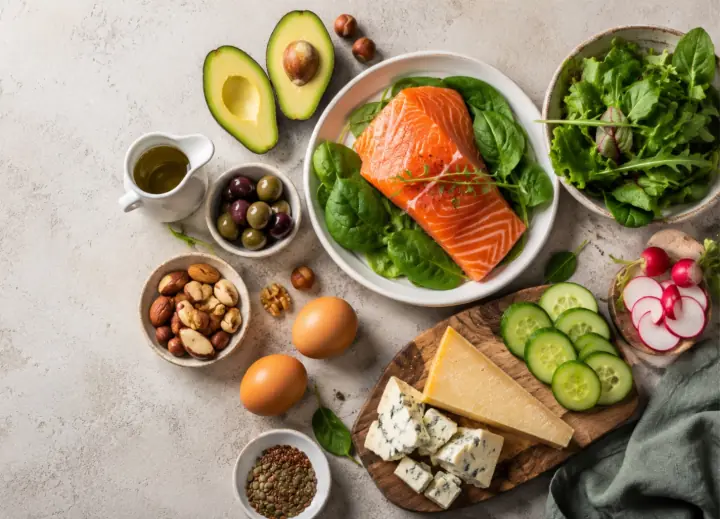
Glutamine, with its close relative glutamate, is among the most abundant amino acids in dietary protein, and the body also synthesises large amounts endogenously in skeletal muscle — which is why it is “conditionally,” not strictly, essential. A typical mixed diet supplies several grams per day from protein, so healthy, well-fed people are rarely short of it.
| Food (per ~100 g) | Rough glutamine/glutamate content | Notes |
|---|---|---|
| Beef, chicken, fish | High | Animal protein is the densest source |
| Eggs, dairy (milk, cheese) | High | Whey and casein are glutamine-rich |
| Tofu, soy, legumes and beans | Moderate–high | The main plant sources |
| Cabbage, spinach, parsley | Moderate | Notable plant contributors |
| Corn, white rice | Lower | Refined grains contribute less |
Because endogenous synthesis buffers intake, dietary “topping up” matters mainly during catabolic stress — severe illness, injury — rather than in everyday health.
Intake & Dosage
These are doses studied in research, not a personal recommendation.
Glutamine is not a vitamin or mineral, so there is no RDA/AI and no Tolerable Upper Intake Level. Absence of a UL is not evidence that unlimited intake is safe; the studied ceiling is roughly the 0.3 g/kg twice-daily range used in the sickle cell trials.
- Sickle cell disease: pharmaceutical-grade 0.3 g/kg twice daily — roughly 15–30 g/day depending on weight — typically alongside hydroxyurea 1Reference 1RCTA phase 3 trial of l-glutamine in sickle cell disease — randomised controlled trialView study →.
- Post-infectious IBS (permeability phenotype): 5 g three times daily for 8 weeks 2Reference 2RCTRandomised placebo-controlled trial of dietary glutamine supplements for postinfectious irritable bowel syndrome — randomised controlled trialView study →.
- Oral mucositis: a range of oral doses per trial; formulation and timing vary 4,
5Reference 4Meta-analysisRole of glutamine in the management of oral mucositis in patients with cancer: a meta-analysis of randomized controlled trials — meta-analysisView study →Reference 5Meta-analysisEffectiveness of glutamine in the management of oral mucositis in cancer patients: a meta-analysis of randomized controlled trials — meta-analysisView study → . - General or athletic use: commonly 5 g/day, but the evidence of benefit in healthy people is weak 10Reference 10Meta-analysisThe effect of glutamine supplementation on athletic performance, body composition, and immune function: a systematic review and meta-analysis — meta-analysisView study →.
- Divide the dose. Because oral glutamine is heavily extracted by the gut on first pass, clinical protocols use divided daily doses rather than a single bolus.
- Amounts refer to L-glutamine free-amino-acid weight. Dipeptide forms such as alanyl-glutamine are used in parenteral nutrition.
Safety
L-glutamine is well tolerated in healthy adults at typical oral doses, with mild GI upset the most common complaint. Two cautions are load-bearing, and both are about who is taking it rather than how much.
- Well tolerated in healthy adults. Mild GI upset is the most common complaint at typical oral doses.
- A mortality signal in critical illness. In REDOXS, high-dose glutamine (IV + enteral) in patients with shock and multi-organ failure showed a trend toward increased mortality 8Reference 8RCTA randomized trial of glutamine and antioxidants in critically ill patients (REDOXS) — randomised controlled trialView study →. Guidelines advise against high-dose parenteral glutamine in these patients.
- Nitrogen and ammonia load. Glutamine metabolism releases ammonia — caution and medical supervision in significant liver disease (cirrhosis, risk of hepatic encephalopathy) or kidney disease.
- Interactions are only partly assessed. No major direct drug-interaction class is established; caution with conditions and medications affecting hepatic or renal nitrogen metabolism.
- No upper limit is set. Absence of a UL does not mean unlimited intake is safe.
Full Safety & Interactions Detail
Mild gastrointestinal upset is the most common complaint at typical oral doses in healthy adults. The two cautions that matter are population-specific.
- Nitrogen and ammonia load. Glutamine metabolism releases ammonia, so people with significant liver disease — cirrhosis, or risk of hepatic encephalopathy — or kidney disease should be cautious and medically supervised.
- Critical illness. In the REDOXS trial, high-dose glutamine given both intravenously and enterally to patients with shock and multi-organ failure was associated with a trend toward increased mortality 8Reference 8RCTA randomized trial of glutamine and antioxidants in critically ill patients (REDOXS) — randomised controlled trialView study →, and guidelines now advise against high-dose parenteral glutamine in these patients. This is a setting-specific harm signal, not a general-population one — but it is the clearest evidence that “conditionally essential” does not mean “safe to load in the sickest people.”
Scope disclosure. Interactions were assessed partially: no major direct drug-interaction class is well established, and glutamine is used alongside hydroxyurea in sickle cell disease. Because of ammonia handling, caution applies with medications and conditions affecting hepatic or renal nitrogen metabolism; a systematic interaction screen was not performed. Pregnancy and lactation were not specifically assessed — glutamine is a normal dietary amino acid, but supplemental doses in pregnancy have not been established as safe. No Upper Limit has been set, and absence of one does not mean unlimited intake is safe. Where something was not studied, it is marked “not assessed,” not “safe.”
Insufficient data — treat as not established. Glutamine is present in the normal diet and in breast milk, but supplemental doses above dietary intake have not been shown safe in pregnancy or lactation, and were not assessed here. Defer to a qualified clinician.
References
- Niihara Y, Miller ST, Kanter J, et al. (2018). A phase 3 trial of l-glutamine in sickle cell disease — randomised controlled trial. New England Journal of Medicine. https://pubmed.ncbi.nlm.nih.gov/30021096/
- Zhou Q, Verne ML, Fields JZ, et al. (2019). Randomised placebo-controlled trial of dietary glutamine supplements for postinfectious irritable bowel syndrome — randomised controlled trial. Gut. https://pubmed.ncbi.nlm.nih.gov/30108163/
- Abbasi F, et al. (2024). A systematic review and meta-analysis of clinical trials on the effects of glutamine supplementation on gut permeability in adults — meta-analysis. Amino Acids. https://pubmed.ncbi.nlm.nih.gov/39397201/
- Tang G, Huang W, Zhang L, et al. (2022). Role of glutamine in the management of oral mucositis in patients with cancer: a meta-analysis of randomized controlled trials — meta-analysis. Nutrition and Cancer. https://pubmed.ncbi.nlm.nih.gov/33605813/
- Yang F, et al. (2021). Effectiveness of glutamine in the management of oral mucositis in cancer patients: a meta-analysis of randomized controlled trials — meta-analysis. Supportive Care in Cancer. https://pubmed.ncbi.nlm.nih.gov/33598734/
- Heyland DK, Wibbenmeyer L, Pollack JA, et al. (2022). A randomized trial of enteral glutamine for treatment of burn injuries (RE-ENERGIZE) — randomised controlled trial. New England Journal of Medicine. https://pubmed.ncbi.nlm.nih.gov/36082909/
- Liang B, Su J, Chen J, et al. (2024). Glutamine enteral therapy for critically ill adult patients: an updated meta-analysis of randomized controlled trials — meta-analysis. Clinical Nutrition. https://pubmed.ncbi.nlm.nih.gov/38041938/
- Heyland D, Muscedere J, Wischmeyer PE, et al. (2013). A randomized trial of glutamine and antioxidants in critically ill patients (REDOXS) — randomised controlled trial. New England Journal of Medicine. https://pubmed.ncbi.nlm.nih.gov/23594003/
- Tao W, Xu G, Zhou J, et al. (2024). Glutamine supplementation on burn patients: a systematic review and meta-analysis — meta-analysis. Journal of Burn Care & Research. https://pubmed.ncbi.nlm.nih.gov/38243579/
- Ramezani Ahmadi A, et al. (2019). The effect of glutamine supplementation on athletic performance, body composition, and immune function: a systematic review and meta-analysis — meta-analysis. Clinical Nutrition. https://pubmed.ncbi.nlm.nih.gov/29784526/
- Wales PW, et al. (2010). Human growth hormone and glutamine for patients with short bowel syndrome — systematic review. Cochrane Database of Systematic Reviews. https://pubmed.ncbi.nlm.nih.gov/20556765/
- Cruzat V, Rogero MM, Keane KN, et al. (2018). Glutamine: metabolism and immune function, supplementation and clinical translation — review. Nutrients. https://pubmed.ncbi.nlm.nih.gov/30360490/
- Vahdat L, Papadopoulos K, Lange D, et al. (2001). Reduction of paclitaxel-induced peripheral neuropathy with glutamine — clinical trial. Clinical Cancer Research. https://pubmed.ncbi.nlm.nih.gov/11350883/
- Wang, W. S., Lin, J. K., Lin, T. C., et al. (2007). Oral glutamine is effective for preventing oxaliplatin-induced neuropathy in colorectal cancer patients — randomised controlled trial. The Oncologist. https://pubmed.ncbi.nlm.nih.gov/17405895/