
Compounds & Supplements
Supplements Database
Supplements range from essential nutrients to isolated plant compounds. Here you’ll find 104 profiles covering vitamins, minerals, amino acids, and more — with their uses, dosages, and supporting research.
Filter by function to start with what you’d actually take one for.
Function
All Supplements
104 supplementsEvery published supplement, listed alphabetically. Pick a function above to read what it's for and the kinds of compounds used — then narrow by class and action in the sidebar.
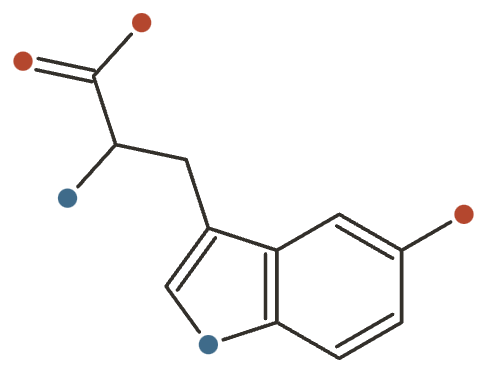
Amino Acid
5-HTP
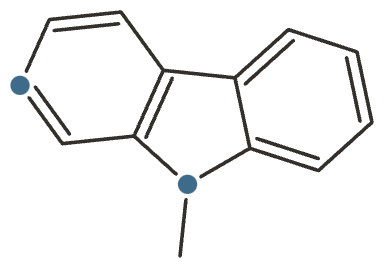
Alkaloid
9-Me-BC (9-Methyl-β-carboline)
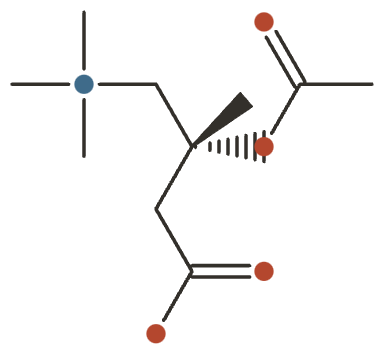
Amino Acid
Acetyl-L-Carnitine (ALCAR)
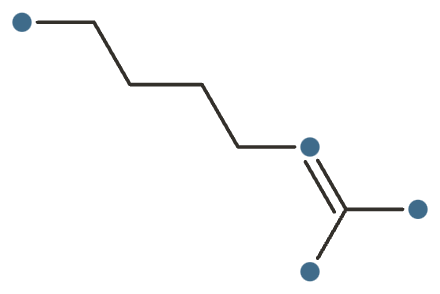
Amino Acid
Agmatine (sulfate)
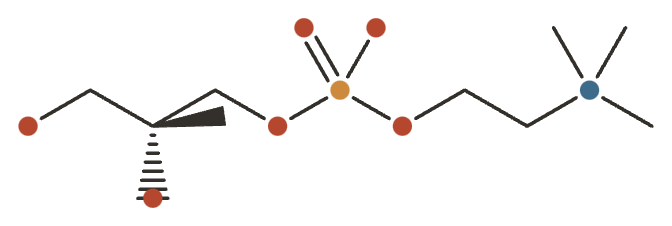
Lipid
Alpha-GPC
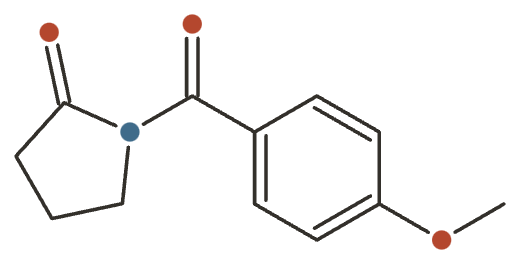
Synthetic
Aniracetam
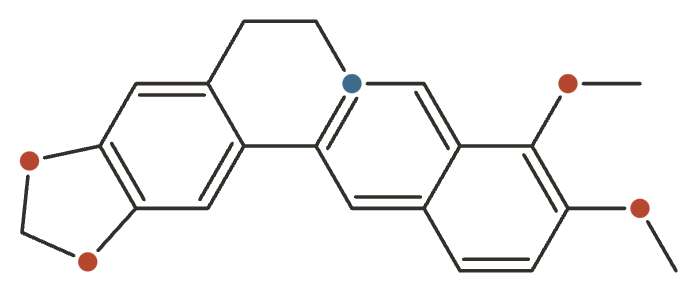
Alkaloid
Berberine
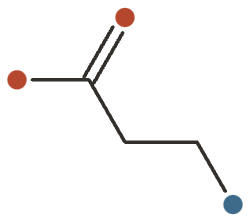
Amino Acid
Beta-Alanine
Amino Acid
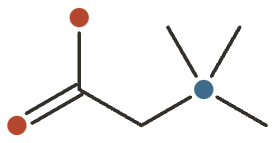
Betaine (TMG)
Cofactor
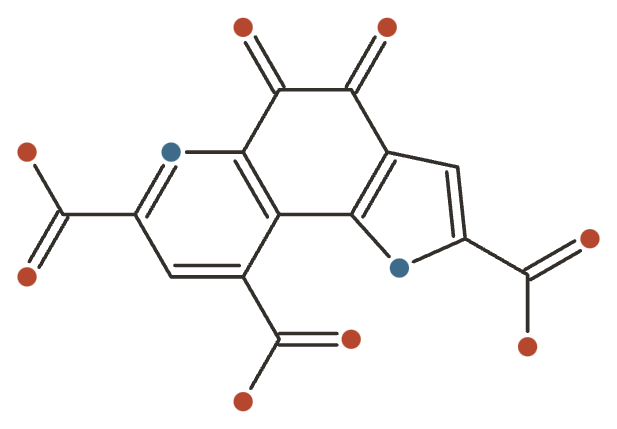
Bio PQQ
Synthetic
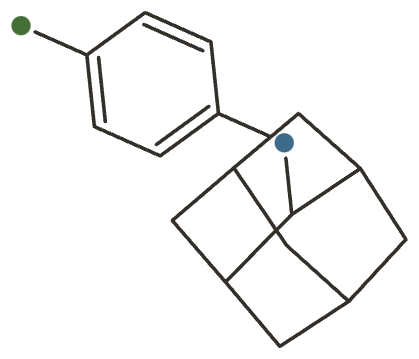
Bromantane
Alkaloid
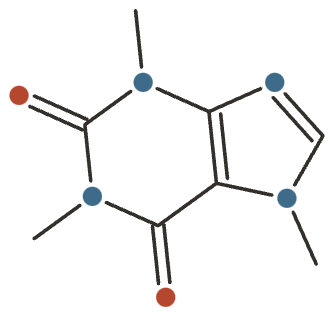
Caffeine
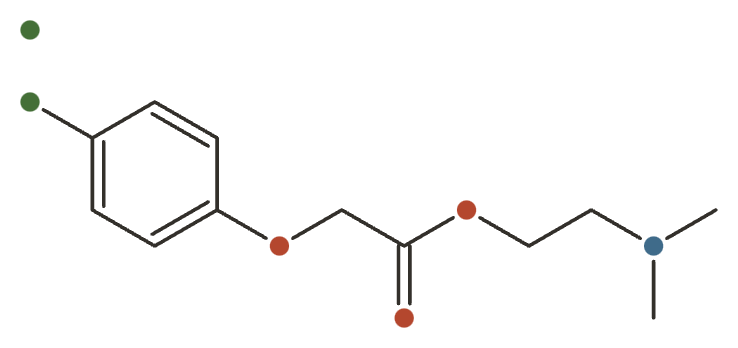
Synthetic
Centrophenoxine
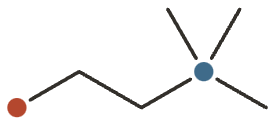
Vitamin
Choline
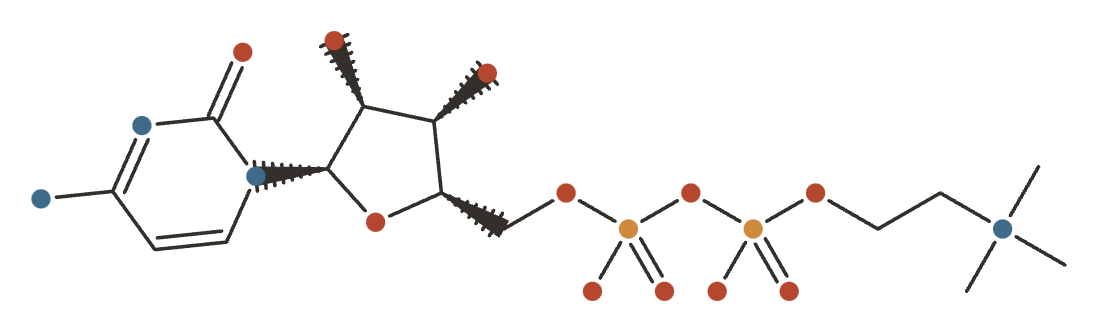
Cofactor
Citicoline (CDP-Choline)
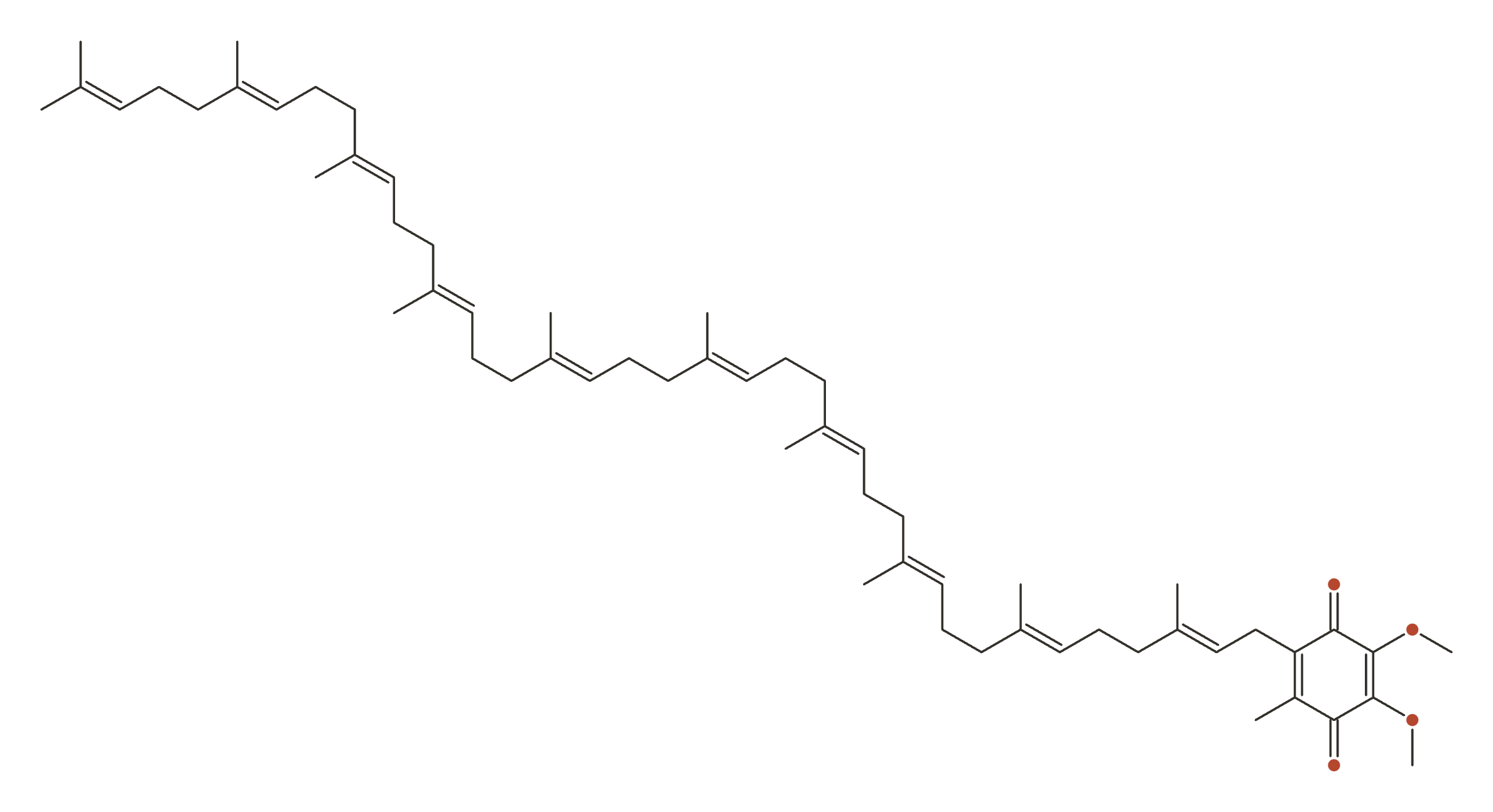
Cofactor
Coenzyme Q10 (Ubiquinone)
Peptide
Collagen peptides
Synthetic
Coluracetam
Mineral
Copper
Amino Acid
Creatine
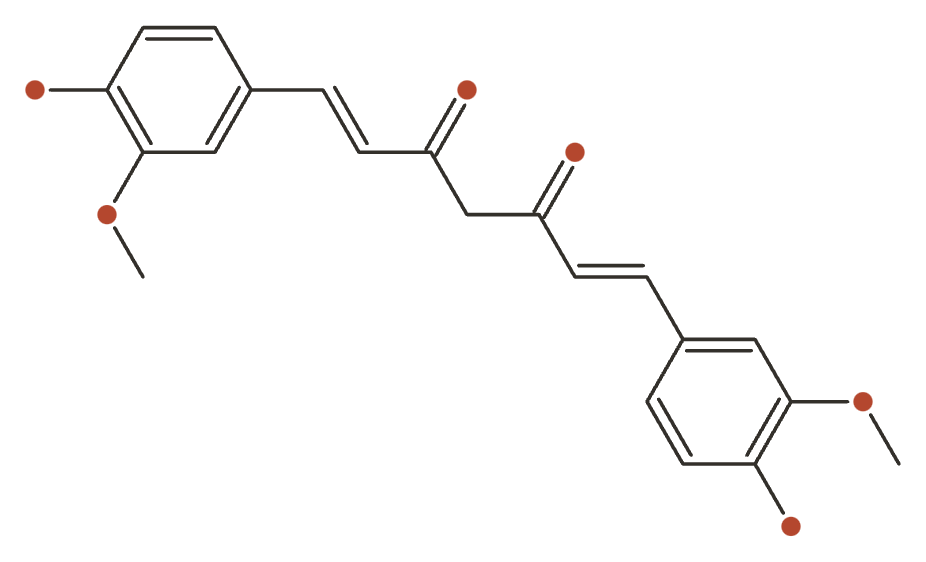
Polyphenol
Curcumin (turmeric extract)
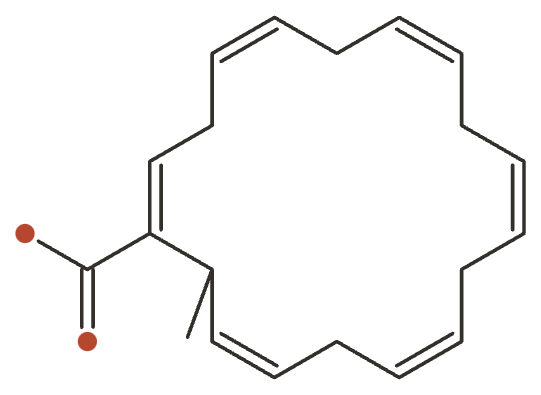
Lipid
DHA (Docosahexaenoic acid)
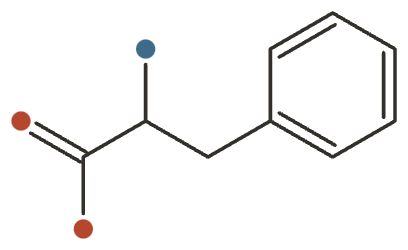
Amino Acid
DL-Phenylalanine
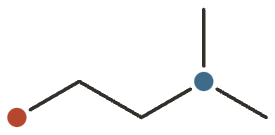
Synthetic
DMAE
Amino Acid
EAAs (essential amino acids)
Synthetic
Fasoracetam
Mineral
Ferrous Fumarate
Mineral
Ferrous Gluconate
Mineral
Ferrous Sulfate
Lipid
Fish Oil (EPA/DHA)
Amino Acid
GABA
Peptide
Glutathione (reduced)
Amino Acid
Glycine
Carbohydrate
Gum Arabic
Alkaloid
Huperzine-A
Carbohydrate
Inositol
Mineral
Iodine
Mineral
Iron Bisglycinate
Amino Acid
L-Alanine
Amino Acid
L-Arginine
Amino Acid
L-Asparagine
Amino Acid
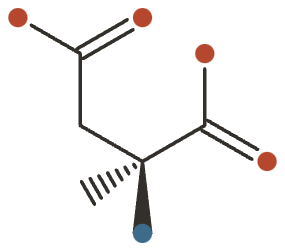
L-Aspartic Acid
Amino Acid
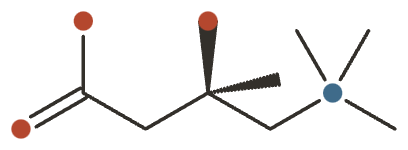
L-Carnitine
Amino Acid
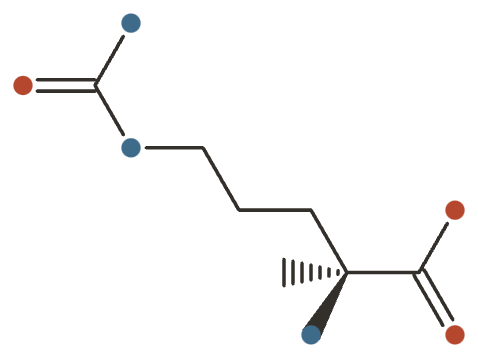
L-Citrulline (malate)
Amino Acid
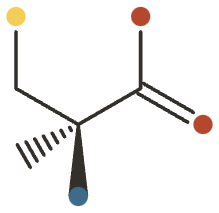
L-Cysteine
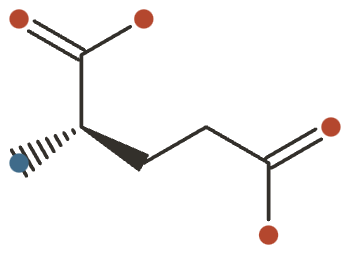
Amino Acid
L-Glutamic Acid
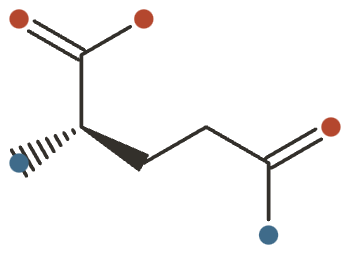
Amino Acid
L-Glutamine
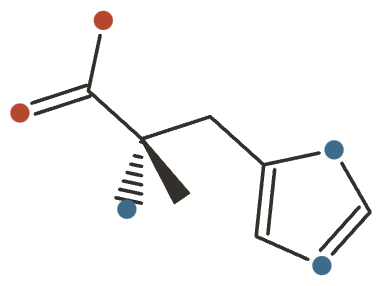
Amino Acid
L-Histidine
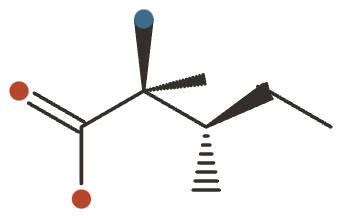
Amino Acid
L-Isoleucine
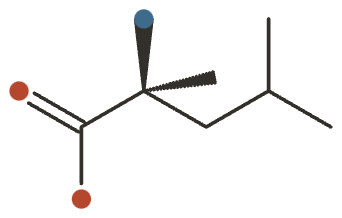
Amino Acid
L-Leucine
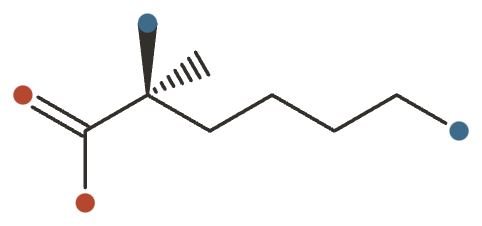
Amino Acid
L-Lysine
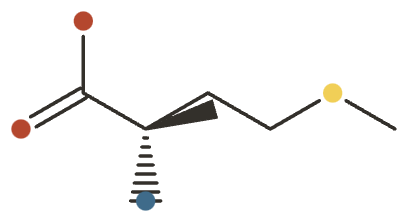
Amino Acid
L-Methionine
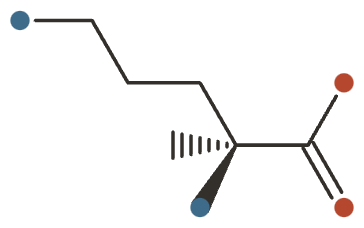
Amino Acid
L-Ornithine
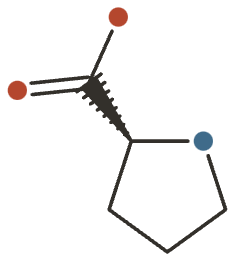
Amino Acid
L-Proline
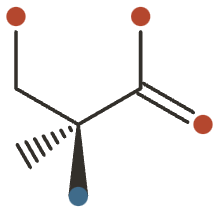
Amino Acid
L-Serine
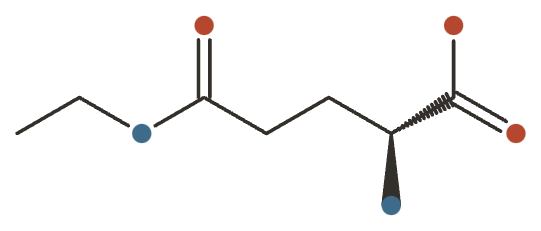
Amino Acid
L-Theanine
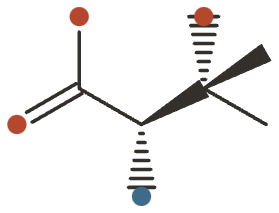
Amino Acid
L-Threonine
Amino Acid
L-Tryptophan
Amino Acid
L-Tyrosine
Amino Acid
L-Valine
Mineral
Magnesium Citrate
Mineral
Magnesium Glycinate
Mineral
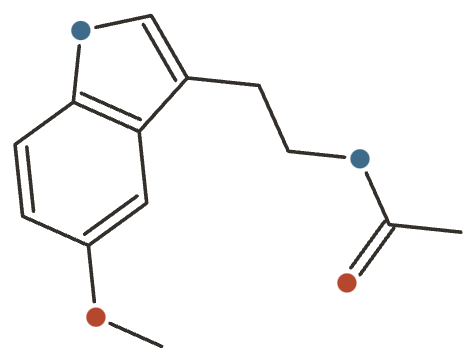
Magnesium L-Threonate
Hormone
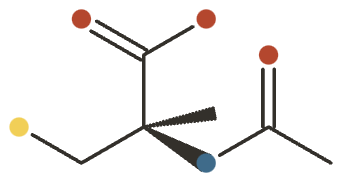
Melatonin
Amino Acid
N-Acetylcysteine (NAC)
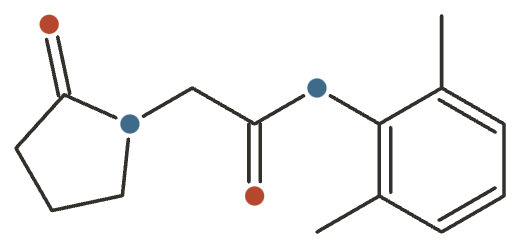
Synthetic
Nefiracetam
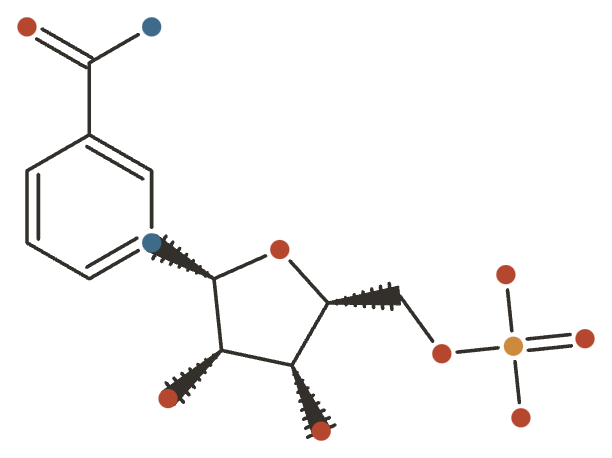
Cofactor
NMN (Nicotinamide mononucleotide)
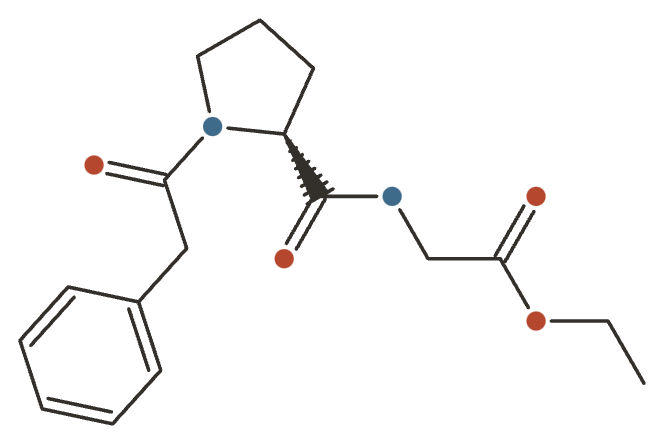
Peptide
Noopept
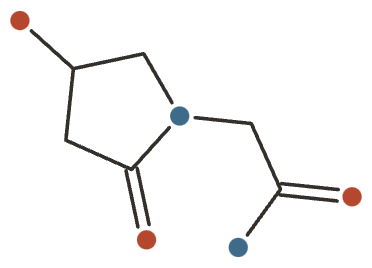
Synthetic
Oxiracetam
Synthetic
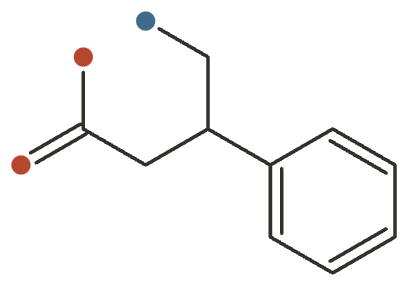
Phenibut
Synthetic
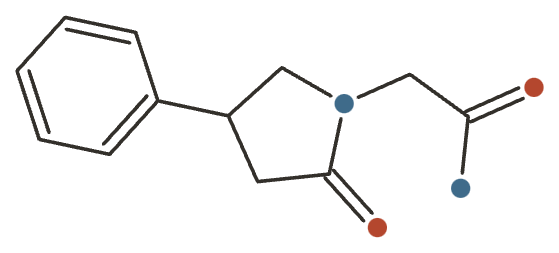
Phenylpiracetam
Lipid
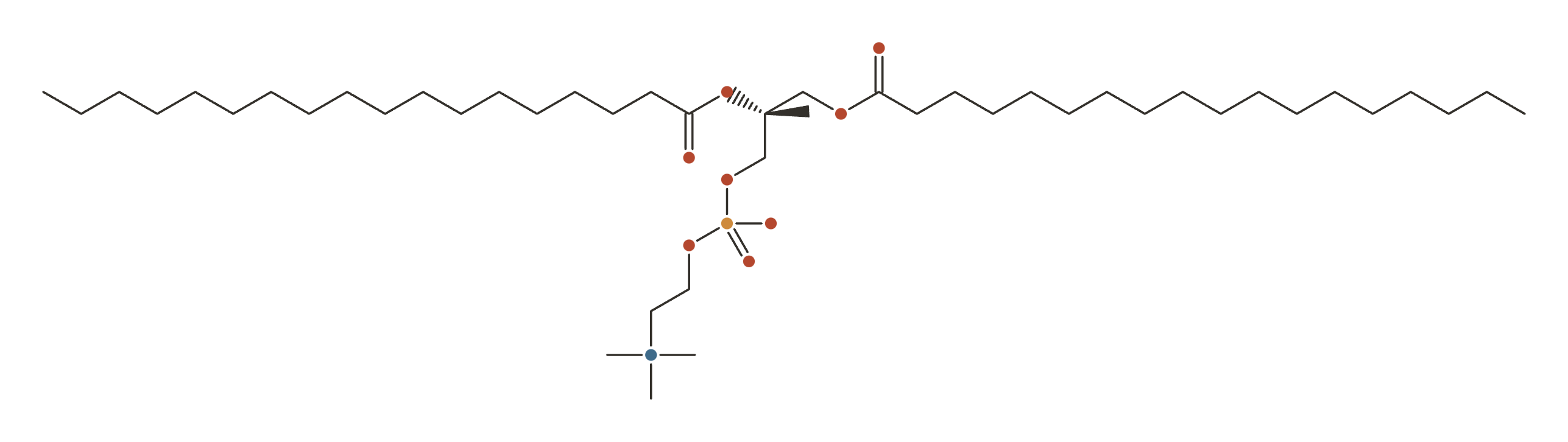
Phosphatidylcholine
Lipid
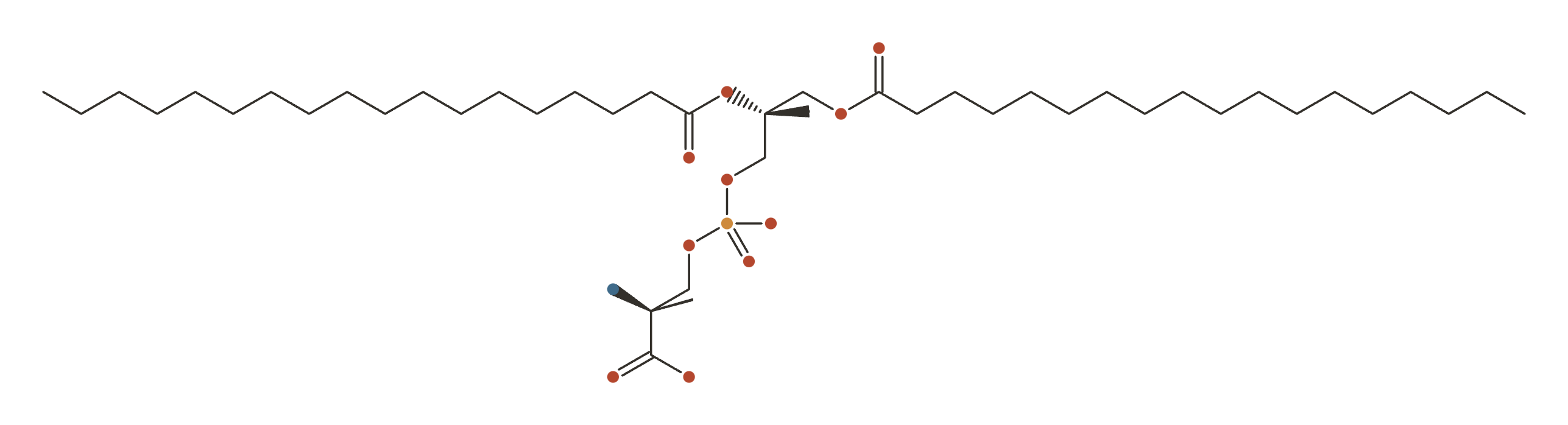
Phosphatidylserine
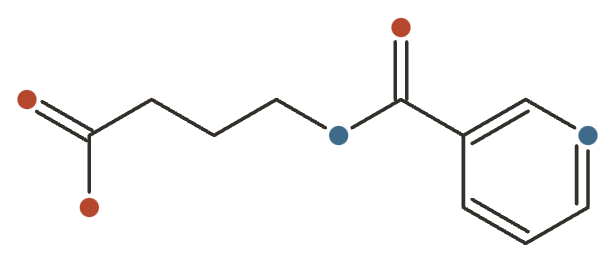
Synthetic
Picamilon
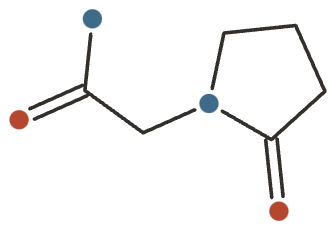
Synthetic
Piracetam
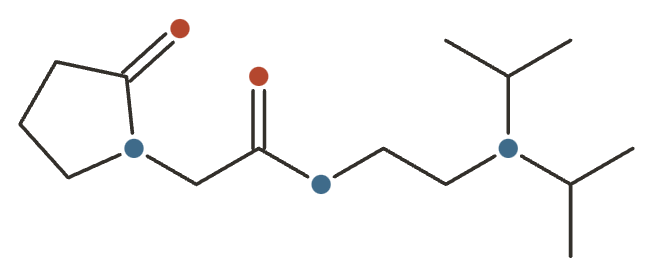
Synthetic
Pramiracetam
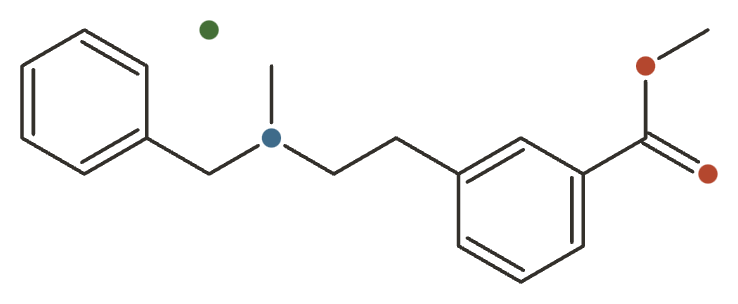
Synthetic
PRL-8-53
Probiotic
Probiotics (multi-strain)
Polyphenol
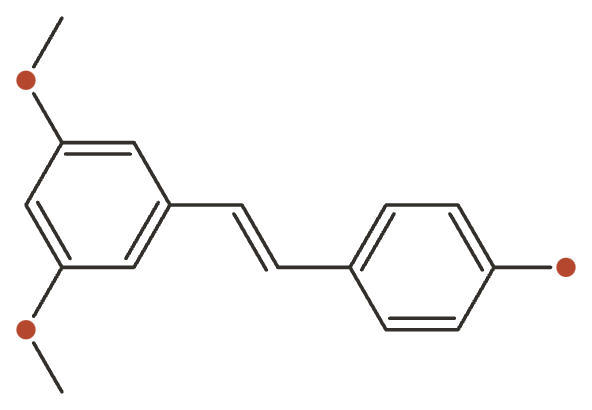
Pterostilbene
Amino Acid
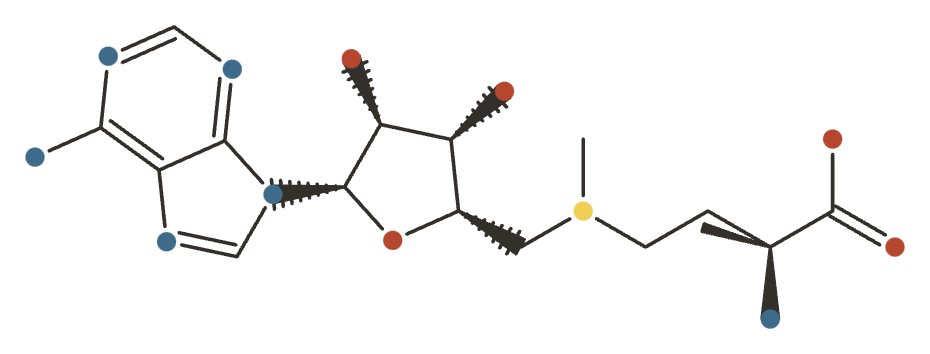
SAM-e (S-Adenosylmethionine)
Amino Acid
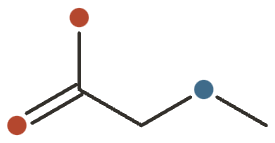
Sarcosine
Mineral
Selenium
Synthetic
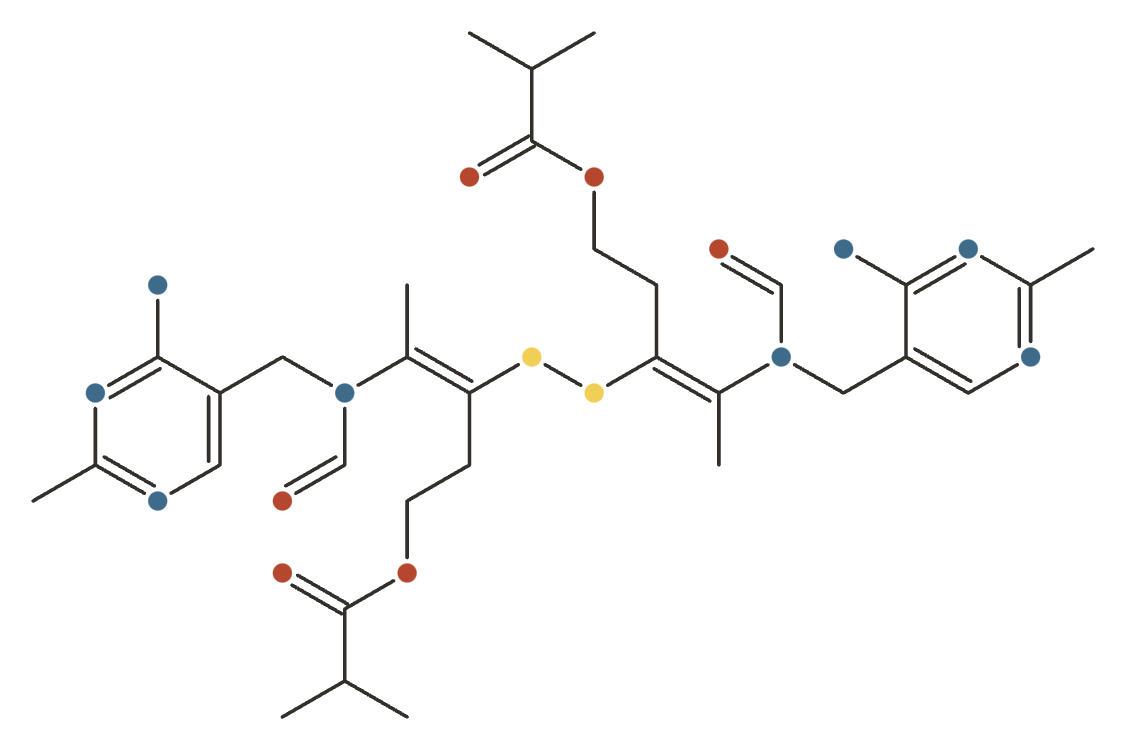
Sulbutiamine
Synthetic
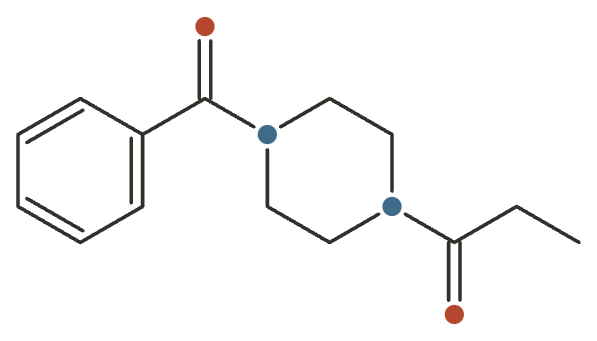
Sunifiram
Amino Acid
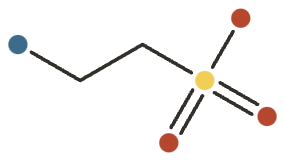
Taurine
Cofactor
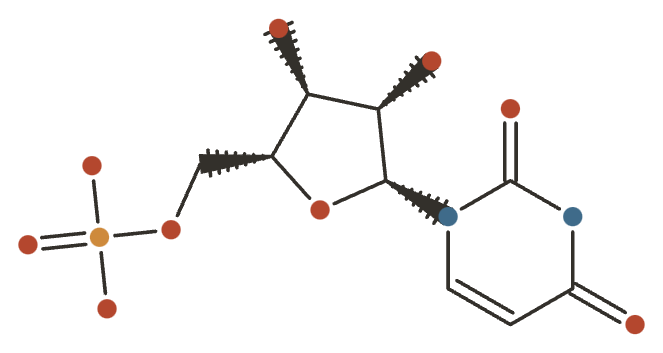
Uridine Monophosphate
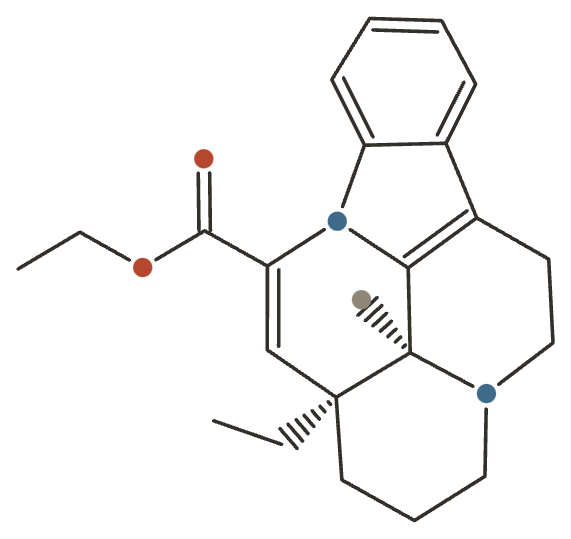
Alkaloid
Vinpocetine
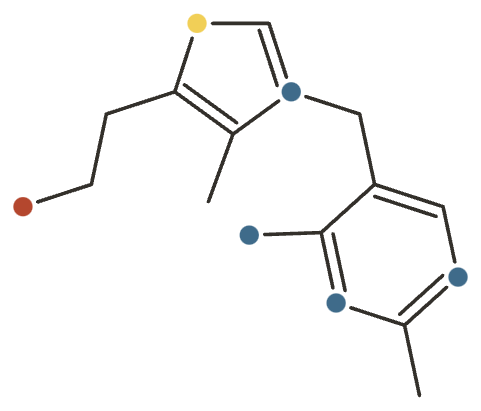
Vitamin
Vitamin B1 (Thiamine)
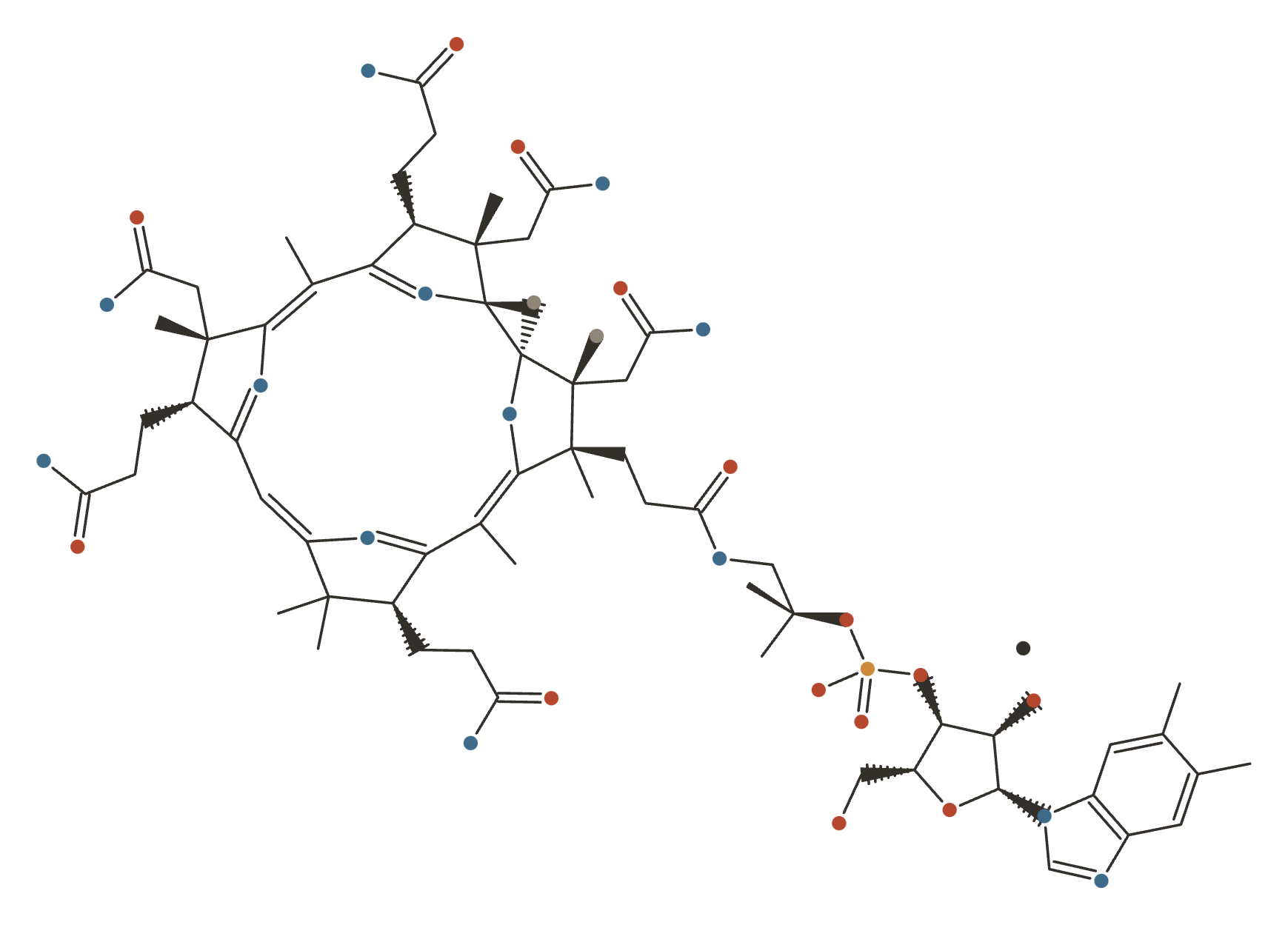
Vitamin
Vitamin B12
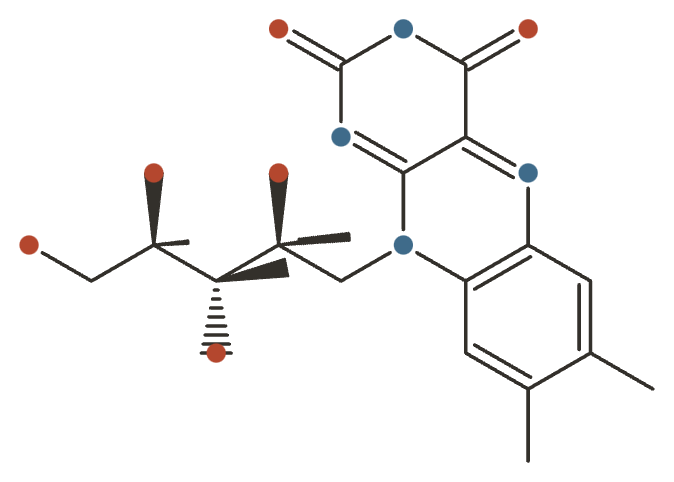
Vitamin
Vitamin B2 (Riboflavin)
Vitamin
Vitamin B3 (Niacin / Niacinamide)
Vitamin
Vitamin B6
Vitamin
Vitamin B9
Vitamin
Vitamin C (Ascorbic acid)
Vitamin
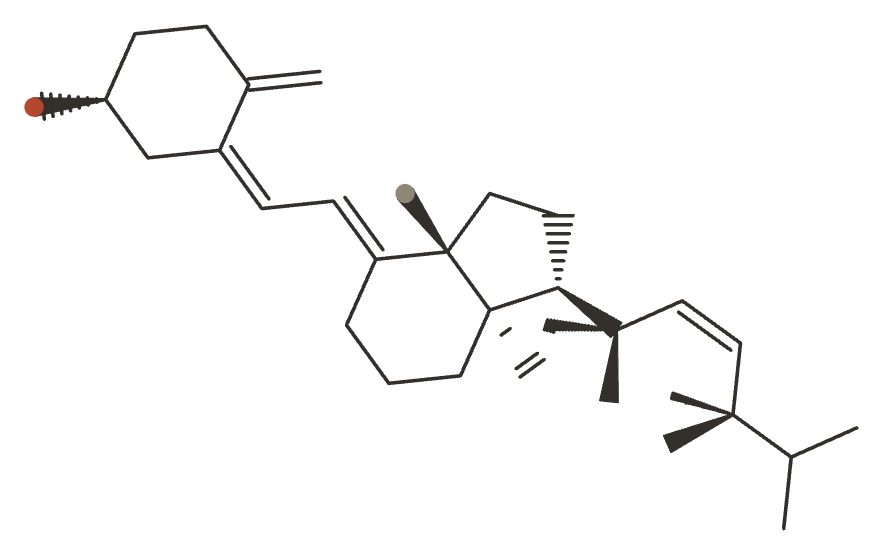
Vitamin D2 (Ergocalciferol)
Vitamin
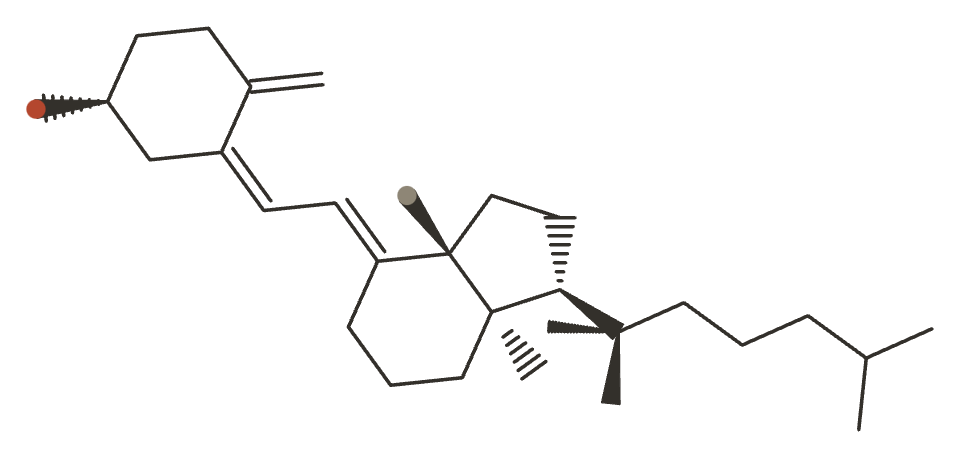
Vitamin D3 (Cholecalciferol)
Vitamin
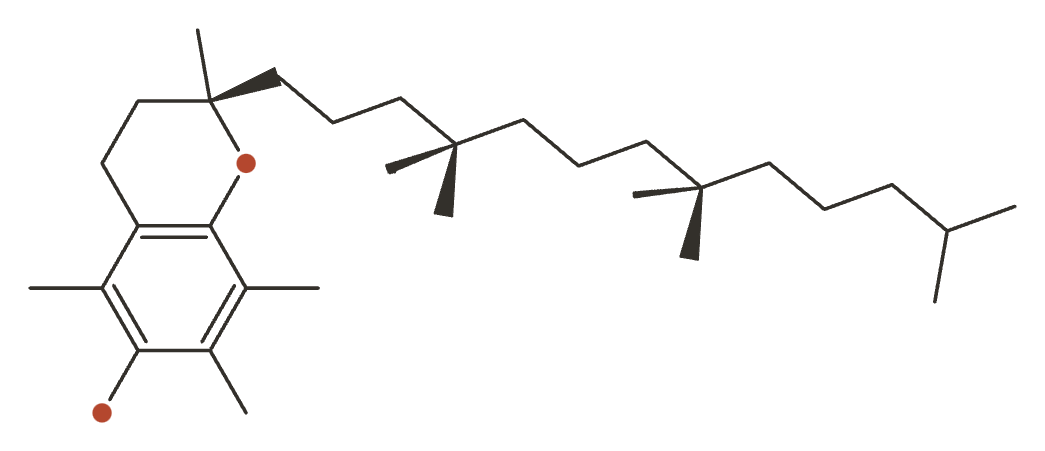
Vitamin E
Mineral
Zinc Acetate
Mineral
Zinc Bisglycinate
Mineral
Zinc Citrate
Mineral
Zinc Gluconate
Mineral
Zinc Oxide
Mineral
Zinc Picolinate
Mineral
Zinc Sulfate
No supplements match these filters.
The Difference
Supplements Are Easier to Define Than Herbs
A herb contains dozens or hundreds of compounds in proportions determined by the plant.
A supplement is usually much narrower: a defined nutrient, molecule, extract, or chemical form given at a measurable dose.
That makes supplements easier to study.
You can usually say exactly what was taken, how much was taken, and whether the same dose can be repeated.
It also means the dose can move far beyond what would ever occur naturally in food or a plant.
An isolated compound at 100 times its natural concentration shouldn’t automatically inherit the safety profile of the plant it came from.
Whole herbs have their own advantage.
Their constituents occur together, and those combinations can change absorption, metabolism, tolerance, and overall effect.
Neither form is inherently better.
They’re simply different kinds of medicine and need to be judged differently.
Forms
The Form Matters
“Magnesium” isn’t one product.
Magnesium citrate, magnesium glycinate, and magnesium L-threonate all supply magnesium, but they differ in absorption, gastrointestinal effects, cost, and the claims made for them.
The same problem appears with many supplements.
25 pages cover different forms of 5 parent compounds.
The parent page explains the substance itself.
The form page explains what changes when you switch salts, chelates, esters, or delivery forms.
For many supplements, the form is just as important as the dose.
A stack is the other case where one label covers several substances. ZMA is zinc, magnesium and vitamin B6 in a single tablet, so what it does — and who it helps — depends on all three.
A Caution
Not Everything Sold Like a Supplement Is One
Some compounds sit in a grey area between supplements, research chemicals, and drugs.
This database includes pages for 39 of them because people are already using and searching for them.
But they aren’t listed alongside ordinary nutrients and supplements when their regulatory status or safety record is fundamentally different.
That includes 28 research chemicals, 6 compounds still in clinical development, and 5 drugs approved in some countries but not others.
If something is mostly discussed on forums rather than sold as an ordinary nutrient, check what category it actually belongs to before treating it like a supplement.
Evidence
How to Read the Evidence
The most reliable supplement effects are usually the simplest ones: correcting a genuine deficiency.
Iron works when iron is deficient. Vitamin B12 works when B12 is deficient. Vitamin D is most useful when vitamin D status is low.
Once nutritional sufficiency is reached, taking more often produces much smaller returns.
Sometimes it produces none.
And with fat-soluble vitamins and several minerals, excessive intake can cause harm.
The evidence becomes less predictable as the claims move away from deficiency correction.
Nootropics are a good example — 28 of the 104 compounds here carry that tag, the largest group on the page.
Many have interesting mechanisms, animal data, or early human studies, but far fewer have strong evidence for meaningful cognitive improvement in healthy people.
That doesn’t mean the compound does nothing.
It means the claim needs to match the evidence behind it.
Level of Evidence
Weaker → stronger
-
In vitro
Cells, enzymes or bacteria in a dish. Shows that a compound can do something, and often how. It says nothing about what survives digestion.
-
Animal studies
A whole living system, with absorption, metabolism and a real dose. Establishes pharmacological activity and toxicity — in a body that is not ours.
-
Observational
Real people, watched rather than assigned: case reports, surveys, cohorts. Good at finding patterns and harms, poor at proving cause.
-
Randomised trial
People assigned at random to the herb or a placebo. The first design that can show the herb itself caused the effect — at one dose, in one population.
-
Meta-analysis
Every trial on a question gathered, graded and weighed together. Shows whether a result holds across researchers, preparations and populations.
Each supplement page separates mechanism, human evidence, dose, and practical use so you can see where that line sits.
Elsewhere
Related Indexes
- Plant Constituents — browse the same molecules as components of medicinal plants.
- Nootropics — compounds used for cognition, memory, focus, and mental performance.
- Peptides — peptide compounds and related research.
- Explore the Herbs — the whole-plant side of the site.
- Conditions — start with the problem rather than the compound.

Clinical herbalist and the writer behind The Sunlight Experiment — an evidence-based pharmacopoeia of herbs, supplements, and the chemistry behind them.
From the Journal
 GuidesThe Best Kava: A Buyer's GuideHow to buy good kava: noble vs two-day cultivars, which part of the root, chemotype codes, origin, form, and the batch tests a seller should show you.
Read more
 GuidesThe Amazon's Endangered Medicinal PlantsThe Amazon gives us some of our most important medicines — but which healing plants are actually endangered?
Read more
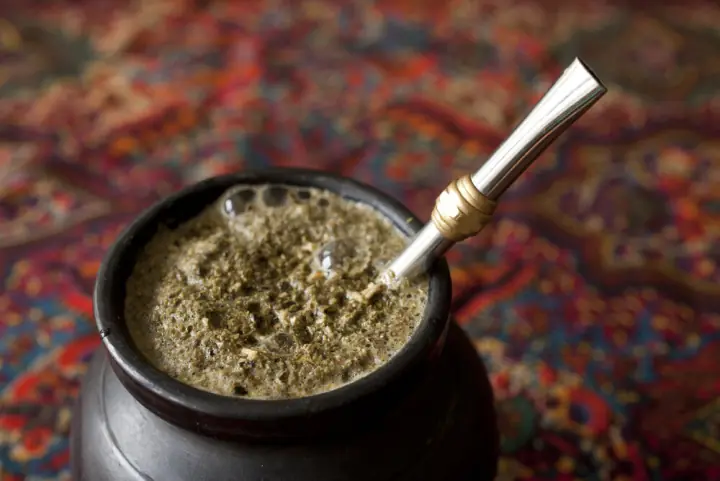 NutritionThe Best Yerba Maté Brands [Reviewed]A drinker's guide to buying yerba maté — what actually changes the taste, and ten brands worth your money.
Read more
Get the Field Notes
Evidence-based herb breakdowns in your inbox. No spam, unsubscribe anytime.