
Compound Monograph
Lactucopicrin
Lactucopicrin (intybin) is the principal bitter guaianolide of chicory root and of lactucarium — the most potent analgesic and sedative of the three lettuce lactones tested in mice, and the one with a measured, if weak, acetylcholinesterase-inhibiting action.

Sources · 7
Where Does It Come From?
Lactucopicrin is a naturally occurring sesquiterpene lactone (guaianolide; the c-8 aryl-acetate ester of lactucin), found in Chicory, Wild lettuce, Garden lettuce and 4 other sources. It is well tolerated orally (low toxicity).
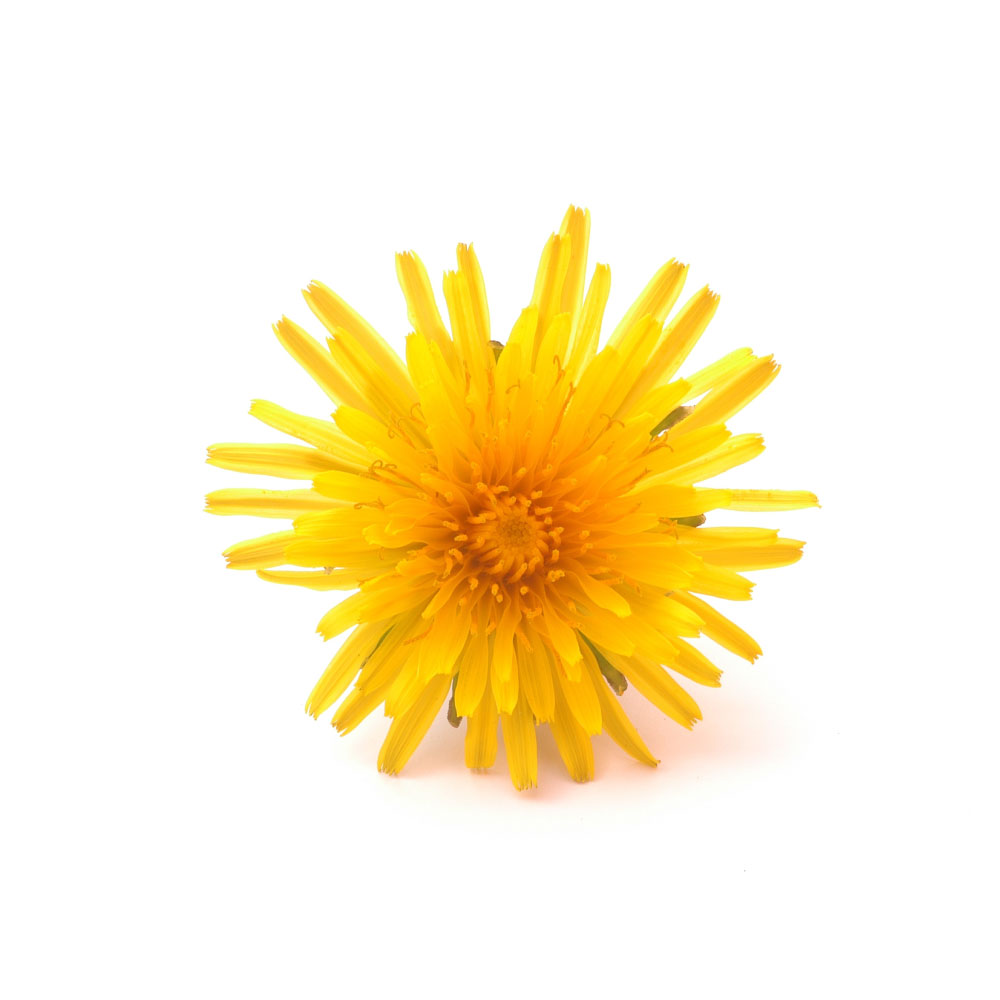 Source Dandelion Taraxacum officinale Herb monograph →
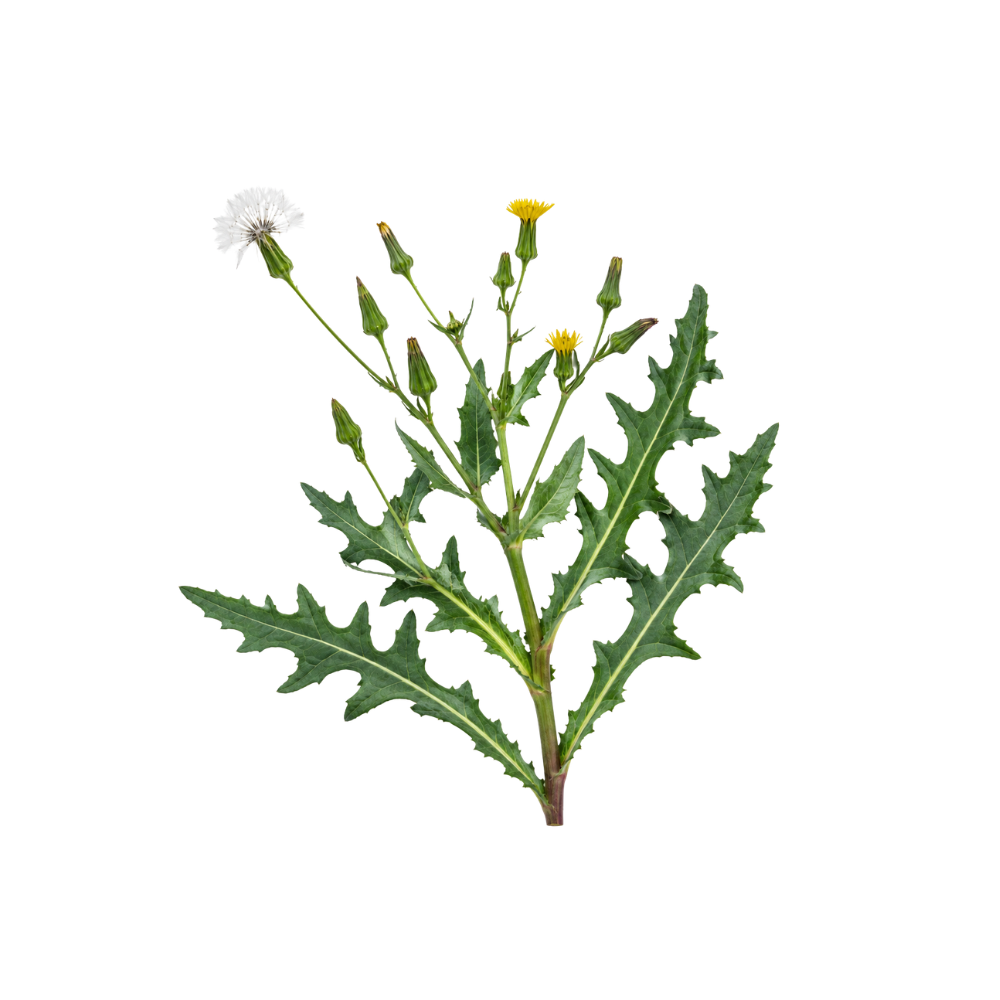 Source Wild Lettuce Lactuca virosa Herb monograph →
Concentration
Content by Source
Concentrations not reported. No percent-dry-weight or mg/g figures have been published for this compound in its source plants.
Lactucopicrin at a Glance
Lactucopicrin — older name intybin — is a guaianolide sesquiterpene lactone, and structurally it is lactucin carrying an extra aryl-acetate ester at C-8 1Reference 1AnimalAnalgesic and sedative activities of lactucin and some lactucin-like guaianolides in mice — animal in vivoView study →. That one substituent is the whole story of this molecule: it is what makes lactucopicrin more lipophilic than its parent, more potent in most assays, and it is the fragment that appears in the only published structure–target model anyone has built for it 10Reference 10AnimalLactucopicrin promotes the autophagic degradation of MAP2K4/MKK4 by mediating CCDC50 palmitoylation to alleviate osteoarthritis progression — animal in vivo (mouse destabilised-medial-meniscus model)View study →.
It is one of the two principal bitter principles of chicory root (Cichorium intybus) and of lactucarium, the dried milky latex of wild lettuce 1,
Two honest framings run through everything else. First, most of what lactucopicrin does in a test tube, every sesquiterpene lactone does: it carries the reactive α-methylene-γ-lactone that alkylates cysteine thiols, and that single feature accounts for a large share of the NF-κB, oxidative-stress and cytotoxicity literature attributed to it. Second, its research base is almost entirely isolate work on chicory-derived material — very little of it was ever done on wild lettuce, and none of it is a clinical outcome.
Not an Opiate: What “Lettuce Opium” Actually Contains
Lactucarium’s nineteenth-century nickname was lettuce opium, and nineteenth-century European pharmacy genuinely treated Lactuca preparations as a sedative and cough remedy occupying something like opium’s clinical slot 26Reference 26ReviewTrojanowska A (2005). [Lettuce, Lactuca sp., as a medicinal plant in Polish publications of the 19th century] — historical review. Kwartalnik Historii Nauki i Techniki. https://pubmed.ncbi.nlm.nih.gov/17153150/View study →. That naming has outlived its own evidence, and it needs saying plainly:
Lactucopicrin is not an opioid, is not chemically related to one, and there is no published evidence that it acts at opioid receptors. It is a terpenoid — built from isoprene units, containing no nitrogen at all — not an alkaloid. Neither Lactuca virosa nor chicory contains morphinan alkaloids. The bitter latex looks like opium-poppy latex and was collected the same way; that is the entire basis of the name.
The pharmacology that has actually been demonstrated is different in kind. The mouse analgesia was benchmarked against ibuprofen, not morphine 1Reference 1AnimalAnalgesic and sedative activities of lactucin and some lactucin-like guaianolides in mice — animal in vivoView study →. The sedative mechanism rodent work points to is the GABA-A / benzodiazepine site, not an opioid receptor 14Reference 14AnimalEffectiveness of the sleep enhancement by green romaine lettuce (Lactuca sativa) in a rodent model — animal in vivoView study →. And where lactucopicrin has a receptor- or enzyme-level story at all, it is anti-inflammatory (NF-κB, AHR) or cholinergic (acetylcholinesterase) — pathways with nothing to do with opioid signalling 2,
Acetylcholinesterase Inhibition
This is lactucopicrin’s most distinctive isolate finding, and it survives verification — with an important qualification about how strong it actually is.
The primary result. Rollinger and colleagues screened Tyrolean plant extracts with an Ellman’s-reagent enzyme assay and found that the dichloromethane extract of chicory root inhibited acetylcholinesterase by 70% at 1 mg/mL. A computational pharmacophore-plus-docking screen of known C. intybus metabolites flagged several low-molecular-weight sesquiterpenoids; activity-guided fractionation then isolated exactly two of them. Lactucopicrin inhibited AChE dose-dependently with an IC50 of 150.3 µM (95% CI 100.8–188.1 µM); 8-deoxylactucin was about twice as weak at 308.1 µM (95% CI 243.9–405.3) 2Reference 2In vitroApplication of the in combo screening approach for the discovery of non-alkaloid acetylcholinesterase inhibitors from Cichorium intybus — in vitroView study →.
The confirmation. A separate group revisited the question with isothermal titration calorimetry — a label-free binding measurement — plus docking, using chicory-root sesquiterpene lactones purified by countercurrent partition chromatography. They found strong enzyme–ligand interactions, and lactucopicrin inhibited acetylcholine hydrolysis more effectively than lactucin 3Reference 3In vitroEvaluation of activity of sesquiterpene lactones and chicory extracts as acetylcholinesterase inhibitors assayed in calorimetric and docking simulation studies — in vitroView study →. Whole chicory extracts inhibited more efficiently than either purified lactone, which the authors attribute to multiple ligands binding complementary regions of the active-site gorge 3Reference 3In vitroEvaluation of activity of sesquiterpene lactones and chicory extracts as acetylcholinesterase inhibitors assayed in calorimetric and docking simulation studies — in vitroView study →.
Is this a specific interaction, or generic electrophile behaviour? This is the right question to ask of any thiol-reactive molecule, and here the evidence points toward genuine, structure-driven binding:
- Potency tracks the C-8 substituent, not the reactive warhead. Lactucopicrin, lactucin and 8-deoxylactucin all carry the same α-methylene-γ-lactone. If inhibition came from indiscriminate alkylation they should be roughly equipotent. They are not: lactucopicrin beats 8-deoxylactucin ~2-fold 2Reference 2In vitroApplication of the in combo screening approach for the discovery of non-alkaloid acetylcholinesterase inhibitors from Cichorium intybus — in vitroView study →, and beats lactucin in the calorimetric assay 3Reference 3In vitroEvaluation of activity of sesquiterpene lactones and chicory extracts as acetylcholinesterase inhibitors assayed in calorimetric and docking simulation studies — in vitroView study →. The one structural feature that varies is the C-8 aryl-acetate ester — an aromatic group of exactly the kind acetylcholinesterase’s aromatic gorge is built to bind.
- Two independent methods agree. Kinetic inhibition 2Reference 2In vitroApplication of the in combo screening approach for the discovery of non-alkaloid acetylcholinesterase inhibitors from Cichorium intybus — in vitroView study → and direct calorimetric binding 3Reference 3In vitroEvaluation of activity of sesquiterpene lactones and chicory extracts as acetylcholinesterase inhibitors assayed in calorimetric and docking simulation studies — in vitroView study → are different measurements with different failure modes, and both rank lactucopicrin highest.
- The prediction came before the isolation. Both isolates were correctly identified by the in silico pharmacophore and docking model before activity-guided fractionation confirmed them 2Reference 2In vitroApplication of the in combo screening approach for the discovery of non-alkaloid acetylcholinesterase inhibitors from Cichorium intybus — in vitroView study → — a hard result to obtain from a purely reactivity-driven artefact.
- A separate molecular-recognition result exists. In an unrelated osteoarthritis study, structural analysis placed lactucopicrin’s hydroxyphenyl moiety — again, not its methylene — in direct contact with His72 of the enzyme ZDHHC4 10Reference 10AnimalLactucopicrin promotes the autophagic degradation of MAP2K4/MKK4 by mediating CCDC50 palmitoylation to alleviate osteoarthritis progression — animal in vivo (mouse destabilised-medial-meniscus model)View study →. Whatever else this molecule does, it demonstrably forms specific aromatic contacts.
What it does not mean. The potency is weak in absolute terms. An IC50 of 150 µM is roughly three orders of magnitude short of the clinical cholinesterase inhibitors used in Alzheimer’s disease, which work in the nanomolar-to-low-micromolar range. Nothing here has been reproduced in an animal cognition model, no brain concentration has ever been measured, and the closest thing to an in vivo cholinergic result is a cell model of scopolamine toxicity, not a behavioural one 4Reference 4In vitroLactucopicrin ameliorates oxidative stress mediated by scopolamine-induced neurotoxicity through activation of the NRF2 pathway — in vitroView study →. Chicory root is a legitimate screening hit; lactucopicrin is not an anticholinesterase drug.
The Alpha-Methylene-Gamma-Lactone Warhead
Lactucopicrin does carry the exocyclic α-methylene-γ-lactone. The nomenclature of its own family proves it: 11β,13-dihydrolactucin is the analogue in which that C11–C13 exocyclic double bond has been reduced 1Reference 1AnimalAnalgesic and sedative activities of lactucin and some lactucin-like guaianolides in mice — animal in vivoView study →, and 11(S),13-dihydrolactucin is a routinely reported chicory metabolite 17Reference 17Sesquiterpene lactone content and overall quality of fresh-cut witloof chicory (Cichorium intybus L. var. foliosum Hegi) as affected by different washing proceduresView study →. Lactucopicrin, being lactucin esterified at C-8, retains the intact warhead 1Reference 1AnimalAnalgesic and sedative activities of lactucin and some lactucin-like guaianolides in mice — animal in vivoView study →.
That group is a Michael acceptor. It adds cysteine thiols under physiological conditions, and its reaction with glutathione is measurable and behaves as expected for a soft electrophile 21Reference 21In vitroHelenanolide type sesquiterpene lactonesView study →. Applied to biology, this is the accepted mechanism by which sesquiterpene lactones as a class inhibit NF-κB: they alkylate cysteine residues in the p65/p50 DNA-binding region, and the effect maps to the number and accessibility of the exomethylene groups rather than to anything specific about the individual molecule 20Reference 20In vitroInhibition of transcription factor NF-kappaB by sesquiterpene lactones: a proposed molecular mechanism of action — in vitroView study →.
So the honest division is:
Class reactivity — true of lactucopicrin, but equally true of parthenolide, costunolide, cynaropicrin, helenalin and most other exomethylene lactones:
- Suppression of NF-κB-driven transcription in stimulated cells 20Reference 20In vitroInhibition of transcription factor NF-kappaB by sesquiterpene lactones: a proposed molecular mechanism of action — in vitroView study →
- Depletion of glutathione and induction of oxidative stress 21Reference 21In vitroHelenanolide type sesquiterpene lactonesView study →
- Cytotoxicity toward tumour cell lines at micromolar concentrations, with modest selectivity 11Reference 11In vitroImplication of lactucopicrin in autophagy, cell cycle arrest and oxidative stress to inhibit U87Mg glioblastoma cell growth — in vitroView study →
- Thiol-dependent effects on NRF2/Keap1 and other cysteine-sensor pathways 4Reference 4In vitroLactucopicrin ameliorates oxidative stress mediated by scopolamine-induced neurotoxicity through activation of the NRF2 pathway — in vitroView study →
Specific to lactucopicrin — findings that distinguish it from its siblings:
- The most potent analgesic of lactucin, lactucopicrin and 11β,13-dihydrolactucin in mice 1Reference 1AnimalAnalgesic and sedative activities of lactucin and some lactucin-like guaianolides in mice — animal in vivoView study →
- The strongest AChE inhibitor of the chicory lactones tested, with the potency ordering tracking its C-8 aryl ester 2,
3Reference 2In vitroApplication of the in combo screening approach for the discovery of non-alkaloid acetylcholinesterase inhibitors from Cichorium intybus — in vitroView study →Reference 3In vitroEvaluation of activity of sesquiterpene lactones and chicory extracts as acetylcholinesterase inhibitors assayed in calorimetric and docking simulation studies — in vitroView study → - A non-canonical route to NF-κB suppression that is not thiol alkylation of p65 at all — destabilisation of importin-α3 mRNA in endothelial cells 6Reference 6AnimalNatural lactucopicrin alleviates importin-α3-mediated NF-κB activation in inflammated endothelial cells and improves sepsis in mice — animal in vivoView study → and blockade of cytoplasmic dynein-mediated p65 nuclear transport in macrophages 7Reference 7AnimalLactucopicrin inhibits cytoplasmic dynein-mediated NF-κB activation in inflammated macrophages and alleviates atherogenesis in apolipoprotein E-deficient mice — animal in vivoView study →; it stops p65 reaching the nucleus rather than stopping it binding DNA
- AHR modulation, with AHR silencing partly abolishing the NF-κB inhibition — a receptor-level dependency, not a reactivity effect 8Reference 8In vitroLactucopicrin: a sesquiterpene lactone with anti-inflammatory activity modulates the crosstalk between NF-kB and AHR pathways — in vitroView study →
- ZDHHC4 binding via the hydroxyphenyl moiety, boosting palmitoylation of the autophagy cargo receptor CCDC50 10Reference 10AnimalLactucopicrin promotes the autophagic degradation of MAP2K4/MKK4 by mediating CCDC50 palmitoylation to alleviate osteoarthritis progression — animal in vivo (mouse destabilised-medial-meniscus model)View study →
That second list is why this molecule earns a page of its own. Note that three of the five distinguishing findings involve the C-8 aryl group that lactucin lacks.
Lactucopicrin vs. Lactucin
The two are almost always assayed together and reported in the same sentence, which makes it easy to attach the wrong number to the wrong molecule. They are not interchangeable, and the direction of the difference is not consistent:
| Property | Lactucin | Lactucopicrin |
|---|---|---|
| Structure | parent guaianolide, free C-8 hydroxyl | the same skeleton, C-8 esterified with an aryl-acetate 1Reference 1AnimalAnalgesic and sedative activities of lactucin and some lactucin-like guaianolides in mice — animal in vivoView study → |
| Mouse analgesia (hot plate / tail flick) | active at 15–30 mg/kg 1Reference 1AnimalAnalgesic and sedative activities of lactucin and some lactucin-like guaianolides in mice — animal in vivoView study → | active, and the most potent of the three lactones tested 1Reference 1AnimalAnalgesic and sedative activities of lactucin and some lactucin-like guaianolides in mice — animal in vivoView study → |
| Mouse sedation (locomotor activity) | active 1Reference 1AnimalAnalgesic and sedative activities of lactucin and some lactucin-like guaianolides in mice — animal in vivoView study → | active 1Reference 1AnimalAnalgesic and sedative activities of lactucin and some lactucin-like guaianolides in mice — animal in vivoView study → |
| GABA-A / benzodiazepine-site binding | 80.7% affinity 14Reference 14AnimalEffectiveness of the sleep enhancement by green romaine lettuce (Lactuca sativa) in a rodent model — animal in vivoView study → | 55.9% affinity — the weaker binder 14Reference 14AnimalEffectiveness of the sleep enhancement by green romaine lettuce (Lactuca sativa) in a rodent model — animal in vivoView study → |
| Acetylcholinesterase inhibition | inhibits, but less than lactucopicrin 3Reference 3In vitroEvaluation of activity of sesquiterpene lactones and chicory extracts as acetylcholinesterase inhibitors assayed in calorimetric and docking simulation studies — in vitroView study → | the stronger inhibitor; IC50 150.3 µM in the primary assay 2, |
| Concentration in a green-romaine extract | 1071.7 µg/g 14Reference 14AnimalEffectiveness of the sleep enhancement by green romaine lettuce (Lactuca sativa) in a rodent model — animal in vivoView study → | 199.2 µg/g — about one fifth 14Reference 14AnimalEffectiveness of the sleep enhancement by green romaine lettuce (Lactuca sativa) in a rodent model — animal in vivoView study → |
| Antimalarial (P. falciparum, in vitro) | active 12Reference 12In vitroAntimalarial activity of lactucin and lactucopicrin: sesquiterpene lactones isolated from Cichorium intybus L. — in vitroView study → | active 12Reference 12In vitroAntimalarial activity of lactucin and lactucopicrin: sesquiterpene lactones isolated from Cichorium intybus L. — in vitroView study → |
The GABA-A row is the one worth pausing on. Lactucopicrin is the more potent sedative in the whole-animal test 1Reference 1AnimalAnalgesic and sedative activities of lactucin and some lactucin-like guaianolides in mice — animal in vivoView study → yet the weaker benzodiazepine-site binder 14Reference 14AnimalEffectiveness of the sleep enhancement by green romaine lettuce (Lactuca sativa) in a rodent model — animal in vivoView study → — so its sedation is probably not fully explained by GABA-A occupancy, and any claim that “lactucopicrin sedates via GABA-A” is running ahead of the data. The lactucin page carries its own numbers; do not import them here.
What It's Used For
Lactucopicrin has an unusually broad preclinical footprint for a molecule with no human trial: two published mouse disease models, a defined enzyme target, a receptor-level mechanism, and a human metabolism study. The ceiling is that none of it is a clinical outcome, and much of the in vitro work is class behaviour rather than molecular identity.
Support is an experimental score — weighted by study type (human > animal > in vitro) and volume. A beta, not a validated metric. Every row here is preclinical; these scores rank preclinical strength against preclinical strength, not clinical usefulness.
The strongest and most mechanistically interesting body of work, all on the isolated molecule (chicory-derived), and — unusually for a sesquiterpene lactone — it does not run through thiol alkylation of p65. In TNF-α-stimulated endothelial cells, lactucopicrin suppressed NF-κB activation by destabilising importin-α3 mRNA, cutting the nuclear-import machinery rather than the transcription factor, and improved outcomes in LPS-induced septic mice 6Reference 6AnimalNatural lactucopicrin alleviates importin-α3-mediated NF-κB activation in inflammated endothelial cells and improves sepsis in mice — animal in vivoView study →.
In inflamed macrophages the same group showed it blocks cytoplasmic dynein-mediated p65 nuclear transport and alleviates atherogenesis in ApoE-deficient mice 7Reference 7AnimalLactucopicrin inhibits cytoplasmic dynein-mediated NF-κB activation in inflammated macrophages and alleviates atherogenesis in apolipoprotein E-deficient mice — animal in vivoView study →.
A 2025 study across macrophage, endothelial and intestinal epithelial cells identified lactucopicrin as a potent NF-κB antagonist and a novel AHR modulator — and silencing AHR attenuated the NF-κB inhibition, establishing a receptor-level dependency rather than a purely chemical one 8Reference 8In vitroLactucopicrin: a sesquiterpene lactone with anti-inflammatory activity modulates the crosstalk between NF-kB and AHR pathways — in vitroView study →.
It also limits macrophage foam-cell formation by reducing LOX-1 in lipid rafts 9Reference 9In vitroTerpene lactucopicrin limits macrophage foam cell formation by a reduction of lectin-like oxidized low-density lipoprotein receptor-1 in lipid rafts — in vitroView study →.
Gap: two in vivo models from a single research group, both in mice, both with the isolated compound at doses no dietary or herbal exposure would reach; no anti-inflammatory outcome has been shown for a whole chicory or wild-lettuce preparation, and the generic NF-κB suppression seen in cell assays is shared with every exomethylene lactone 20Reference 20In vitroInhibition of transcription factor NF-kappaB by sesquiterpene lactones: a proposed molecular mechanism of action — in vitroView study →.
The finding this molecule is best known for, and it rests on one paper. Wesołowska and colleagues tested lactucin, lactucopicrin and 11β,13-dihydrolactucin — described as the characteristic bitter lactones of Lactuca virosa and Cichorium intybus — in mice. All three produced analgesia at 15 and 30 mg/kg in the hot-plate test comparable to ibuprofen at 30 mg/kg, and at 30 mg/kg in the tail-flick test comparable to ibuprofen at 60 mg/kg. Lactucopicrin was the most potent analgesic of the three 1Reference 1AnimalAnalgesic and sedative activities of lactucin and some lactucin-like guaianolides in mice — animal in vivoView study →.
This is isolate work: the compounds were purified, not administered as latex or extract.
Gap: never replicated in twenty years, no dose–response beyond two points, no mechanism proposed for the antinociception itself, no human data, and no demonstration that a wild-lettuce or chicory preparation delivers anything near 15 mg/kg of this molecule.
In the same mouse study, lactucin and lactucopicrin — but not 11β,13-dihydrolactucin — reduced spontaneous locomotor activity, the standard rodent sedation readout 1Reference 1AnimalAnalgesic and sedative activities of lactucin and some lactucin-like guaianolides in mice — animal in vivoView study →.
The mechanistic hypothesis comes from lettuce-extract work: a green-romaine extract promoted sleep in rodents through a GABAergic route (the effect was blocked by the benzodiazepine-site antagonist flumazenil), and the two lactones were assayed for benzodiazepine-site binding — lactucin at 80.7% affinity and lactucopicrin at 55.9% 14Reference 14AnimalEffectiveness of the sleep enhancement by green romaine lettuce (Lactuca sativa) in a rodent model — animal in vivoView study →.
Related rodent work on lettuce varieties supports the sleep effect at the extract level 15Reference 15AnimalSleep-inducing effect of lettuce (Lactuca sativa) varieties on pentobarbital-induced sleep — animal in vivoView study →.
Gap: the sedation is isolate data but the GABAergic mechanism is whole-extract data, and the two do not line up cleanly — lactucopicrin is the more potent sedative in vivo 1Reference 1AnimalAnalgesic and sedative activities of lactucin and some lactucin-like guaianolides in mice — animal in vivoView study → yet the weaker benzodiazepine-site binder 14Reference 14AnimalEffectiveness of the sleep enhancement by green romaine lettuce (Lactuca sativa) in a rodent model — animal in vivoView study →, so GABA-A occupancy cannot be the whole explanation. No human sedation trial has used either the isolate or wild lettuce.
Discussed in full in the dedicated section above. In brief: activity-guided fractionation of a chicory-root dichloromethane extract yielded lactucopicrin and 8-deoxylactucin as dose-dependent AChE inhibitors, IC50 150.3 µM and 308.1 µM respectively, both correctly pre-identified by a pharmacophore/docking screen 2Reference 2In vitroApplication of the in combo screening approach for the discovery of non-alkaloid acetylcholinesterase inhibitors from Cichorium intybus — in vitroView study →.
Isothermal titration calorimetry independently confirmed strong enzyme binding and ranked lactucopicrin above lactucin for inhibiting acetylcholine hydrolysis; whole chicory extracts outperformed either purified lactone, consistent with multiple ligands occupying complementary sites 3Reference 3In vitroEvaluation of activity of sesquiterpene lactones and chicory extracts as acetylcholinesterase inhibitors assayed in calorimetric and docking simulation studies — in vitroView study →.
Isolate data throughout, from chicory root.
Gap: high-micromolar potency — roughly a thousandfold weaker than clinical cholinesterase inhibitors — with no animal cognition model, no measured brain concentration, and no evidence that any realistic intake of chicory or lettuce approaches an inhibitory concentration at the synapse.
Lactucopicrin is a major contributor to the bitterness that defines chicory as a food, and this is the one property with strong real-world, non-laboratory evidence. In fresh-cut witloof chicory, lactucopicrin was the major sesquiterpene lactone immediately after processing, with 11(S),13-dihydrolactucin dominating by the end of storage; warm-water washing cut total lactone content by 60.9–64.5% and reduced perceived bitterness in parallel 17Reference 17Sesquiterpene lactone content and overall quality of fresh-cut witloof chicory (Cichorium intybus L. var. foliosum Hegi) as affected by different washing proceduresView study →.
A field study of thirteen chicory genotypes built an explicit bitterness scale correlating lactone content with panel-perceived bitterness, and CRISPR knockouts of the first two pathway genes reduced lactone content and bitterness — in some mutants to the point of no perceptible bitterness 18Reference 18CRISPR/Cas9-targeted mutagenesis of CiGAS and CiGAO to reduce bitterness in chicory (Cichorium intybus L.)View study →.
In forage agronomy, palatability to grazing ruminants tracks lactone concentration closely enough that livestock refusal is treated as a proxy 16Reference 16Influence of cultivation site on sesquiterpene lactone composition of forage chicory (Cichorium intybus L.)View study →.
Gap: all of this establishes that the lactone fraction is bitter — lactucopicrin has never been assayed at a named human bitter-taste receptor, and the classical bitter-tonic digestive sequence (salivation, gastric acid, bile) has not been measured for this molecule specifically. Treating it as a proven bitter tonic is inference from the class, not a result.
Two cell-culture studies from one laboratory. In C6 glial cells, scopolamine caused apoptosis via oxidative stress, caspase-3 activation and mitochondrial dysfunction while suppressing superoxide dismutase, glutathione peroxidase, catalase and NRF2; lactucopicrin reversed each of those markers, and restored NGF secretion and neurite outgrowth in N2a cells 4Reference 4In vitroLactucopicrin ameliorates oxidative stress mediated by scopolamine-induced neurotoxicity through activation of the NRF2 pathway — in vitroView study →.
A follow-up showed lactucopicrin potentiates neuritogenesis and raises NGF, BDNF and NT-3 through Ca²⁺/CaMKII/ATF1 signalling 5Reference 5In vitroLactucopicrin potentiates neuritogenesis and neurotrophic effects by regulating Ca²⁺/CaMKII/ATF1 signaling pathway — in vitroView study →.
Both are isolate studies.
Gap: cell models only, from a single group, with no independent replication; NRF2 activation is a canonical thiol-electrophile response and therefore expected of any exomethylene lactone 21Reference 21In vitroHelenanolide type sesquiterpene lactonesView study → rather than distinctive; and there is no blood–brain-barrier or exposure data to make the concentrations meaningful.
Lactucopicrin isolated from Lactuca virosa was cytotoxic to U87Mg glioblastoma cells, inducing autophagy, cell-cycle arrest and apoptosis. Critically, the effect was reversed by the antioxidant N-acetylcysteine, placing reactive oxygen species — and by implication the thiol-reactive lactone — at the centre of the mechanism 11Reference 11In vitroImplication of lactucopicrin in autophagy, cell cycle arrest and oxidative stress to inhibit U87Mg glioblastoma cell growth — in vitroView study →.
A more specific result comes from outside oncology: in a mouse destabilised-medial-meniscus osteoarthritis model, lactucopicrin acted as an autophagy activator, binding His72 of ZDHHC4 via its hydroxyphenyl moiety to promote palmitoylation of CCDC50 and selective autophagic degradation of MAP2K4, suppressing MAPK/JNK signalling and reducing cartilage degeneration 10Reference 10AnimalLactucopicrin promotes the autophagic degradation of MAP2K4/MKK4 by mediating CCDC50 palmitoylation to alleviate osteoarthritis progression — animal in vivo (mouse destabilised-medial-meniscus model)View study →.
Gap: the anticancer signal is one cell line, N-acetylcysteine-reversible, and therefore hard to separate from generic electrophile-driven oxidative cytotoxicity — a poor basis for selectivity. The osteoarthritis result is more interesting mechanistically but is a single recent paper awaiting replication.
An emerging, entirely cell-based line. Lactucin and lactucopicrin together ameliorated free-fatty-acid-induced steatosis in HepG2 cells by modulating lipid metabolism 24Reference 24In vitroLactucin & lactucopicrin ameliorates FFA-induced steatosis in HepG2 cells via modulating lipid metabolism — in vitroView study →, and lactucopicrin alone promoted fatty-acid β-oxidation and attenuated lipid accumulation through AMPK activation in the same free-fatty-acid-loaded hepatoblastoma model 25Reference 25In vitroLactucopicrin promotes fatty acid β-oxidation and attenuates lipid accumulation through AMP-activated protein kinase activation in free fatty acid-induced human hepatoblastoma cancer cells — in vitroView study →.
Gap: two studies, both in immortalised human hepatoma lines with a fat-loading protocol that is a weak proxy for fatty liver disease; no animal model, no human data, and AMPK activation is a very common in-vitro readout across polyphenols and terpenoids alike.
Folklore from pre-war Afghanistan described aqueous chicory root as a light-sensitive malaria remedy. Preparative isolation and bioassay against the HB3 clone of Plasmodium falciparum identified lactucin and lactucopicrin as the active constituents 12Reference 12In vitroAntimalarial activity of lactucin and lactucopicrin: sesquiterpene lactones isolated from Cichorium intybus L. — in vitroView study →. Isolate data, chicory-derived.
Gap: a single in vitro assay with no potency benchmark against standard antimalarials, no animal model, no selectivity index against human cells, and a light-sensitivity problem that would complicate any preparation. A screening hit, not a lead.
Mechanisms
| Target / pathway | Effect | Relevant to |
|---|---|---|
| Importin-α3 mRNA | destabilised → NF-κB p65 nuclear import impaired in endothelial cells | anti-inflammatory (specificnon-canonical) |
| Cytoplasmic dynein | p65 nuclear transport blocked in macrophages | anti-inflammatory (specificnon-canonical) |
| Aryl hydrocarbon receptor (AHR) | modulated; AHR silencing attenuates the NF-κB inhibition | anti-inflammatory (receptor-level dependency) |
| LOX-1 in lipid rafts | reduced → less macrophage foam-cell formation | atherosclerosis model |
| Acetylcholinesterase | dose-dependent inhibition, IC50 ~150 µM; binding confirmed calorimetrically | cognitive / cholinergic |
| ZDHHC4 (His72 contact via the hydroxyphenyl moiety) | palmitoylation of CCDC50 ↑ → selective autophagy of MAP2K4 → MAPK/JNK ↓ | osteoarthritis / chondrocyte senescence |
| NRF2 and downstream SOD / GPx / catalase | activated → antioxidant enzyme expression restored | neuroprotection (thiol-sensor route) |
| Ca²⁺ / CaMKII / ATF1 | activated → NGF, BDNF, NT-3 ↑, neurite outgrowth | neurotrophic |
| AMPK | activated → fatty-acid β-oxidation ↑ | hepatic lipid metabolism |
| GABA-A / benzodiazepine site | binds at 55.9% affinity — weaker than lactucin’s 80.7% | sedation (incompletely explanatory) |
| α-methylene-γ-lactone → cysteine thiols | class reactivity: NF-κB p65/p50 alkylation, glutathione depletion, ROS, non-selective cytotoxicity | shared with all exomethylene sesquiterpene lactones |
Read the table top-down: the first six rows are things shown for this molecule; the last row is what it does because of its chemical class, and it is the reason “inhibits NF-κB in vitro” is a weak claim about any sesquiterpene lactone 20,
Pharmacokinetics
No absorption fraction, plasma concentration, half-life or oral bioavailability has been published for lactucopicrin. What does exist is the most human-relevant dataset on the page, and it complicates every in-vitro potency figure above.
Human gut microbiota extensively metabolise it before it can be absorbed. In vitro faecal fermentation with microbiota from independent donors showed rapid, extensive conversion of both lactucopicrin and lactucin, with dehydroxylation and double-bond hydrogenation as the dominant reactions — producing isomers of dihydrolactucopicrin, tetrahydrolactucopicrin and deoxylactucin 13Reference 13Clinical trialHuman gut microbiota metabolism of dietary sesquiterpene lactones: untargeted metabolomics study of lactucopicrin and lactucin conversion in vitro and in human volunteersView study →. Romaine-lettuce fermentation gave the same conversions. Crucially, the compounds recovered in the urine of healthy volunteers after eating escarole salad were phase-II glucuronides and sulfates of those reduced metabolites — not the parent lactone 13Reference 13Clinical trialHuman gut microbiota metabolism of dietary sesquiterpene lactones: untargeted metabolomics study of lactucopicrin and lactucin conversion in vitro and in human volunteersView study →.
Three consequences follow, and they should be applied to every micromolar figure here:
- Hydrogenation of the C11–C13 double bond removes the α-methylene warhead. The gut is doing chemically what “11β,13-dihydro” means in the name — and 11β,13-dihydrolactucin was the one lactone in the Wesołowska study that was not sedative 1Reference 1AnimalAnalgesic and sedative activities of lactucin and some lactucin-like guaianolides in mice — animal in vivoView study →. Microbial reduction may therefore inactivate part of the pharmacology before absorption.
- The circulating species after a dietary exposure is a conjugated, reduced metabolite, so in-vitro results obtained with the parent molecule may describe a compound that never reaches the tissue.
- Inter-subject variability was large, tracking gut-microbiota composition — the same salad will not produce the same exposure in two people 13Reference 13Clinical trialHuman gut microbiota metabolism of dietary sesquiterpene lactones: untargeted metabolomics study of lactucopicrin and lactucin conversion in vitro and in human volunteersView study →.
None of this applies to the rodent studies, which dosed the parent compound directly at concentrations no diet delivers.
Clinical Trials
None. No registered clinical trial of lactucopicrin, of a lactucopicrin-standardised extract, or of Lactuca virosa was identified. The only human data of any kind is the metabolite-recovery arm of the gut-microbiota study, which measured urinary metabolites after escarole intake and was not designed to test a health outcome 13Reference 13Clinical trialHuman gut microbiota metabolism of dietary sesquiterpene lactones: untargeted metabolomics study of lactucopicrin and lactucin conversion in vitro and in human volunteersView study →.
| Completed | Planned | Terminated | Preclinical |
|---|---|---|---|
| 0(one human metabolism study, no outcome measured) | 0 | 0 | ~15 |
Last checked: July 2026.
Isolate vs. Plant Studies
Lactucopicrin’s evidence base is overwhelmingly isolate, and the plants that supplied the isolate are usually not the plant it is famous for.
Isolate, chicory-sourced. The AChE work 2,
Isolate, wild-lettuce-sourced — rare. Only two studies go back to Lactuca: the Wesołowska mouse analgesia/sedation paper, which used lactones characterised as typical of L. virosa and chicory 1Reference 1AnimalAnalgesic and sedative activities of lactucin and some lactucin-like guaianolides in mice — animal in vivoView study →, and the U87Mg glioblastoma study, which used lactucopicrin isolated from L. virosa 11Reference 11In vitroImplication of lactucopicrin in autophagy, cell cycle arrest and oxidative stress to inhibit U87Mg glioblastoma cell growth — in vitroView study →.
Whole plant / extract. The sleep and GABA-A work is on green romaine lettuce extract, a food crop, not wild lettuce 14,
The transferability problem, stated plainly. Wild lettuce’s traditional reputation is being explained by a molecule that has almost always been studied after extraction from a different plant, at doses no preparation of either plant delivers, in species that metabolise it differently from humans. The strength here is that the isolate work is clean and mechanistically specific; the weakness is that nothing bridges it to a bottle of tincture. Where an extract has been tested — green romaine 14Reference 14AnimalEffectiveness of the sleep enhancement by green romaine lettuce (Lactuca sativa) in a rodent model — animal in vivoView study → — the effect was attributed to a GABAergic mechanism in which lactucopicrin is the minor and weaker-binding of the two lactones present.
Prevalence in Nature
Lactucopicrin is restricted to the Asteraceae, and within that family principally to the tribe Cichorieae — the chicories and lettuces. It is a defining constituent of:
- Chicory (Cichorium intybus) — root, taproot and leaf; the richest and most-studied source, and the material from which nearly all pharmacology-grade lactucopicrin has been isolated 2,
12, 23Reference 2In vitroApplication of the in combo screening approach for the discovery of non-alkaloid acetylcholinesterase inhibitors from Cichorium intybus — in vitroView study →Reference 12In vitroAntimalarial activity of lactucin and lactucopicrin: sesquiterpene lactones isolated from Cichorium intybus L. — in vitroView study →Reference 23ReviewCichorium intybus: traditional uses, phytochemistry, pharmacology, and toxicology — reviewView study → - Witloof / Belgian endive (C. intybus var. foliosum) — where it was the major sesquiterpene lactone immediately after fresh-cut processing 17Reference 17Sesquiterpene lactone content and overall quality of fresh-cut witloof chicory (Cichorium intybus L. var. foliosum Hegi) as affected by different washing proceduresView study →
- Wild lettuce (Lactuca virosa) — in the dried latex, lactucarium, alongside lactucin, 8-deoxylactucin and lactucin-8-sulfate 1,
11Reference 1AnimalAnalgesic and sedative activities of lactucin and some lactucin-like guaianolides in mice — animal in vivoView study →Reference 11In vitroImplication of lactucopicrin in autophagy, cell cycle arrest and oxidative stress to inhibit U87Mg glioblastoma cell growth — in vitroView study → - Garden lettuce (Lactuca sativa), including romaine cultivars 14,
15Reference 14AnimalEffectiveness of the sleep enhancement by green romaine lettuce (Lactuca sativa) in a rodent model — animal in vivoView study →Reference 15AnimalSleep-inducing effect of lettuce (Lactuca sativa) varieties on pentobarbital-induced sleep — animal in vivoView study → - Endive and escarole (Cichorium endivia) — the source of the only human exposure ever measured 13Reference 13Clinical trialHuman gut microbiota metabolism of dietary sesquiterpene lactones: untargeted metabolomics study of lactucopicrin and lactucin conversion in vitro and in human volunteersView study →
How much. Compound-specific figures are scarce, and this is the page’s largest quantitative hole. The one clean number: a green-romaine lettuce extract assayed 199.2 µg/g lactucopicrin against 1071.7 µg/g lactucin — roughly a 1:5 ratio 14Reference 14AnimalEffectiveness of the sleep enhancement by green romaine lettuce (Lactuca sativa) in a rodent model — animal in vivoView study →. At the fraction level, total sesquiterpene lactones in forage chicory ranged from 0.16% to 1.52% of dry matter, varying by cultivar and, strikingly, more than twofold between two growing sites for the same cultivars, with soil phosphorus availability implicated 16Reference 16Influence of cultivation site on sesquiterpene lactone composition of forage chicory (Cichorium intybus L.)View study →. Processing matters as much as genetics: warm-water washing removed 60.9–64.5% of total lactones from fresh-cut chicory, and the lactone profile shifted substantially over ten days of cold storage — lactucopicrin dominant at the start, a dihydro metabolite dominant at the end 17Reference 17Sesquiterpene lactone content and overall quality of fresh-cut witloof chicory (Cichorium intybus L. var. foliosum Hegi) as affected by different washing proceduresView study →.
Biosynthesis. Lactucopicrin is built by the standard Asteraceae sesquiterpene-lactone route. The committed step is cyclisation of farnesyl diphosphate to (+)-germacrene A by germacrene A synthase, first demonstrated in chicory itself 19Reference 19de Kraker JW, Franssen MCR, de Groot A, König WA, Bouwmeester HJ (1998). (+)-Germacrene A biosynthesis: the committed step in the biosynthesis of bitter sesquiterpene lactones in chicory. Plant Physiology. https://pubmed.ncbi.nlm.nih.gov/9701594/View study →; germacrene A oxidase then carries it toward costunolide, and downstream branching — including the kauniolide-synthase step whose CRISPR knockout diverts flux back into costunolide accumulation in taproots 27Reference 27CRISPR/Cas9 targeted inactivation of the kauniolide synthase in chicory results in accumulation of costunolide and its conjugates in taprootsView study → — leads to the guaianolide skeleton, then to lactucin and its C-8 ester, lactucopicrin.
Why the plant makes it. These lactones are the plant’s chemical defence and its palatability brake — grazing ruminants refuse high-lactone chicory herbage, which is precisely the agronomic problem the forage studies set out to solve 16Reference 16Influence of cultivation site on sesquiterpene lactone composition of forage chicory (Cichorium intybus L.)View study →.
Bitterness & the Breeding of Chicory
Chicory’s bitterness is not a side note about this molecule; it is the commercial force that has generated most of the quantitative data on it.
Chicory root is roasted as a coffee substitute and grown industrially for inulin, and in both applications bitterness is a defect. Because that bitterness is largely attributable to the sesquiterpene-lactone fraction of which lactucopicrin is a principal member, the plant-breeding literature effectively functions as a large-scale, sensory-validated assay of that fraction 18Reference 18CRISPR/Cas9-targeted mutagenesis of CiGAS and CiGAO to reduce bitterness in chicory (Cichorium intybus L.)View study →.
The most direct demonstration: a field trial of thirteen chicory genotypes contrasting in lactone composition was used to build a bitterness scale correlating lactone content with panel-perceived bitterness. CRISPR/Cas9 knockouts of the first two genes of the pathway — germacrene A synthase (CiGAS, short form) and germacrene A oxidase (CiGAO) — reduced lactone content and moved the edited lines down that scale, with some biallelic mutants losing perceptible bitterness altogether 18Reference 18CRISPR/Cas9-targeted mutagenesis of CiGAS and CiGAO to reduce bitterness in chicory (Cichorium intybus L.)View study →. On the food-processing side, warm-water washing of fresh-cut witloof both removed ~60% of the lactones and reduced measured bitterness while best preserving colour and sensory quality 17Reference 17Sesquiterpene lactone content and overall quality of fresh-cut witloof chicory (Cichorium intybus L. var. foliosum Hegi) as affected by different washing proceduresView study →. And in forage agronomy, the reason a USDA group quantified lactones across cultivars and sites at all was that ruminants in West Virginia refused to graze chicory that Pennsylvania cattle ate readily — the West Virginia herbage carried two-fold or more the lactucopicrin and total lactone content 16Reference 16Influence of cultivation site on sesquiterpene lactone composition of forage chicory (Cichorium intybus L.)View study →.
What this does and does not establish. It establishes robustly that this lactone fraction is bitter, in real plants, judged by real palates and real livestock. It does not establish a receptor mechanism: lactucopicrin has never been assayed at a named human bitter-taste receptor (TAS2R), so the step from “bitter compound” to “bitter tonic acting through TAS2R-mediated digestive reflexes” is inference from the sesquiterpene-lactone class, not a result for this molecule.
Discovery & Synthesis
First isolation. The compound was known to nineteenth-century chemistry as intybin, the bitter principle of chicory — a synonym still in occasional use, and the reason database searches must be run under both names. The exact first isolation and its author are not established in the sources checked here. What the historical literature does document is that Lactuca and Cichorium bitter preparations were in active medicinal use across nineteenth-century European pharmacy, with lactucarium treated as a sedative and cough remedy 26Reference 26ReviewTrojanowska A (2005). [Lettuce, Lactuca sp., as a medicinal plant in Polish publications of the 19th century] — historical review. Kwartalnik Historii Nauki i Techniki. https://pubmed.ncbi.nlm.nih.gov/17153150/View study →, and that chicory’s bitter constituents drew sustained phytochemical attention through the twentieth century 23Reference 23ReviewCichorium intybus: traditional uses, phytochemistry, pharmacology, and toxicology — reviewView study →. Structurally, lactucopicrin was ultimately placed as the C-8 aryl-acetate ester of lactucin — the 2006 pharmacology paper still describes it in exactly those terms, as a derivative of lactucin 1Reference 1AnimalAnalgesic and sedative activities of lactucin and some lactucin-like guaianolides in mice — animal in vivoView study →.
Total synthesis. No total synthesis of lactucopicrin is well documented. The guaianolide skeleton — a 5-7-5 tricyclic system with multiple stereocentres and a strained seven-membered ring, plus a labile exocyclic methylene lactone — is a hard target, and there has been no commercial pressure to make it: the molecule is abundant in a crop grown at industrial scale.
Manufacture today is entirely extraction. Research-grade material is obtained by solvent extraction and chromatographic purification of chicory root — both the dichloromethane-extract fractionation route 2Reference 2In vitroApplication of the in combo screening approach for the discovery of non-alkaloid acetylcholinesterase inhibitors from Cichorium intybus — in vitroView study → and countercurrent partition chromatography 3Reference 3In vitroEvaluation of activity of sesquiterpene lactones and chicory extracts as acetylcholinesterase inhibitors assayed in calorimetric and docking simulation studies — in vitroView study → are documented — and analytical standards are sold on that basis. The biotechnological effort runs in the opposite direction from synthesis: the applied work has gone into removing lactucopicrin from chicory by silencing its biosynthetic genes, not into making more of it 18,
Patents: not yet researched.
Toxicity & Safety
Lactucopicrin is flagged low on the strength of exposure rather than of testing. Chicory, endive, escarole and lettuce are eaten in quantity worldwide, humans excrete its metabolites after an ordinary salad 13Reference 13Clinical trialHuman gut microbiota metabolism of dietary sesquiterpene lactones: untargeted metabolomics study of lactucopicrin and lactucin conversion in vitro and in human volunteersView study →, and no toxicity has been attributed to the molecule at dietary levels. That is a genuine reassurance about food, and it should not be extended to a concentrated isolate: no repeat-dose, genotoxicity or reproductive-toxicity study of purified lactucopicrin was located, and the compound carries a reactive Michael-acceptor group with demonstrated cytotoxicity to human cell lines 11,
- Long, large dietary exposure. A normal constituent of chicory, witloof, endive, escarole and lettuce, with human urinary metabolites documented after an ordinary salad — no dietary-level toxicity reported.
- Asteraceae contact allergy is a real risk in handlers. Lettuce and chicory are established causes of occupational Compositae dermatitis, and the reactive lactone group is the sensitising feature.
- A negative sesquiterpene-lactone-mix patch test does not exclude it. The standard SL-mix reagent contains only alantolactone, costunolide and dehydrocostus lactone — lactucopicrin is not in the mix.
- No isolate toxicology package. No repeat-dose, genotoxicity, carcinogenicity or reproductive-toxicity data for the purified compound; safety at concentrated-extract or supplement doses is simply unknown.
- Theoretical sedative additivity. The molecule sedates mice and binds the benzodiazepine site, if weakly; caution alongside sedatives and alcohol is prudent rather than evidenced.
- Concentrated wild-lettuce preparations have their own record. Poisoning has been reported after Lactuca virosa ingestion — a whole-plant, not a molecule-level, signal.
Full Safety & Interactions Detail
Contact allergy (the best-documented human hazard). Sesquiterpene lactones are the principal allergens of the Asteraceae, and lettuce and chicory are recognised causes of occupational contact dermatitis in growers, harvesters and food handlers. The α-methylene-γ-lactone is the sensitising group — it haptenises skin proteins by the same cysteine addition that drives its pharmacology 20,
Reactive-electrophile cytotoxicity. Purified lactucopicrin is cytotoxic to human tumour cells at micromolar concentrations, and in the glioblastoma study the effect was abolished by N-acetylcysteine — direct evidence that the mechanism runs through thiol depletion and reactive oxygen species rather than a selective target 11Reference 11In vitroImplication of lactucopicrin in autophagy, cell cycle arrest and oxidative stress to inhibit U87Mg glioblastoma cell growth — in vitroView study →. Glutathione adds to this class of lactone under physiological conditions 21Reference 21In vitroHelenanolide type sesquiterpene lactonesView study →. This is the standard reason exomethylene sesquiterpene lactones show poor selectivity between tumour and normal cells, and it is the main argument against reading micromolar in-vitro potency as a therapeutic signal.
Drug interactions. No interaction study of lactucopicrin exists — no CYP450 inhibition or induction data, no P-glycoprotein data, no plasma-protein-binding data. The only pharmacokinetic fact established is microbial and phase-II metabolism of the parent compound 13Reference 13Clinical trialHuman gut microbiota metabolism of dietary sesquiterpene lactones: untargeted metabolomics study of lactucopicrin and lactucin conversion in vitro and in human volunteersView study →, which says nothing about enzyme interference. Any specific interaction statement about this molecule would be invented. Two theoretical concerns are worth naming: additive sedation (it reduces locomotor activity in mice and binds the benzodiazepine site, if weakly 1,
Whole-plant signal. Wild-lettuce toxicity has been reported clinically, including a documented case of Lactuca virosa poisoning 28Reference 28Case reportWild lettuce (Lactuca virosa) toxicity — case reportView study →. That is a whole-preparation event of uncertain constituent attribution and belongs to the herb page, not to this molecule; it is noted here because readers arriving from the “lettuce opium” story will otherwise assume concentrated preparations inherit the safety record of salad.
What is not known. Pregnancy, lactation, paediatric use and renal or hepatic impairment have not been assessed for this compound in any form. Those decisions belong to the herb or product page where an intake is actually chosen. Absence of findings here reflects absence of study, not evidence of safety.
Dosage
There is no human dose for lactucopicrin, and no product is standardised to it. Every figure below is a research parameter, listed so the numbers here can be read in context.
| Application | Model | Dose / concentration studied |
|---|---|---|
| Analgesia (hot plate, tail flick) | Mouse | 15 and 30 mg/kg — comparable to ibuprofen at 30 and 60 mg/kg respectively 1Reference 1AnimalAnalgesic and sedative activities of lactucin and some lactucin-like guaianolides in mice — animal in vivoView study → |
| Sedation (spontaneous locomotor activity) | Mouse | same study; doses not separately reported in the published abstract 1Reference 1AnimalAnalgesic and sedative activities of lactucin and some lactucin-like guaianolides in mice — animal in vivoView study → |
| Acetylcholinesterase inhibition | Ellman enzyme assay | IC50 150.3 µM (95% CI 100.8–188.1) 2Reference 2In vitroApplication of the in combo screening approach for the discovery of non-alkaloid acetylcholinesterase inhibitors from Cichorium intybus — in vitroView study → |
| Acetylcholinesterase — comparator lactone | Ellman enzyme assay | 8-deoxylactucin IC50 308.1 µM (95% CI 243.9–405.3) 2Reference 2In vitroApplication of the in combo screening approach for the discovery of non-alkaloid acetylcholinesterase inhibitors from Cichorium intybus — in vitroView study → |
| Source-extract screening | Chicory-root dichloromethane extract | 70% AChE inhibition at 1 mg extract/mL 2Reference 2In vitroApplication of the in combo screening approach for the discovery of non-alkaloid acetylcholinesterase inhibitors from Cichorium intybus — in vitroView study → |
| Content in a studied extract | Green romaine lettuce extract | 199.2 µg/g lactucopicrin (alongside 1071.7 µg/g lactucin) 14Reference 14AnimalEffectiveness of the sleep enhancement by green romaine lettuce (Lactuca sativa) in a rodent model — animal in vivoView study → |
| Human dietary exposure | Human volunteers | Escarole salad — intake not quantified; only urinary metabolites measured 13Reference 13Clinical trialHuman gut microbiota metabolism of dietary sesquiterpene lactones: untargeted metabolomics study of lactucopicrin and lactucin conversion in vitro and in human volunteersView study → |
Why the gap between these numbers matters. A 30 mg/kg mouse dose of purified compound is a different exposure in kind from eating chicory, and the 199 µg/g figure is per gram of extract, not of fresh plant. Add the gut-microbial hydrogenation and dehydroxylation that precede absorption in humans 13Reference 13Clinical trialHuman gut microbiota metabolism of dietary sesquiterpene lactones: untargeted metabolomics study of lactucopicrin and lactucin conversion in vitro and in human volunteersView study →, and there is currently no defensible way to convert any of the above into an intake.
These are doses studied in research and are not a personal recommendation.
References
- Wesołowska A, Nikiforuk A, Michalska K, Kisiel W, Chojnacka-Wójcik E (2006). Analgesic and sedative activities of lactucin and some lactucin-like guaianolides in mice — animal in vivo. Journal of Ethnopharmacology. https://pubmed.ncbi.nlm.nih.gov/16621374/
- Rollinger JM, Mocka P, Zidorn C, Ellmerer EP, Langer T, Stuppner H (2005). Application of the in combo screening approach for the discovery of non-alkaloid acetylcholinesterase inhibitors from Cichorium intybus — in vitro. Current Drug Discovery Technologies. https://pubmed.ncbi.nlm.nih.gov/16472227/
- Jaśkiewicz A, et al. (2022). Evaluation of activity of sesquiterpene lactones and chicory extracts as acetylcholinesterase inhibitors assayed in calorimetric and docking simulation studies — in vitro. Nutrients. https://pubmed.ncbi.nlm.nih.gov/36079888/
- Venkatesan R, Subedi L, Yeo EJ, Kim SY (2016). Lactucopicrin ameliorates oxidative stress mediated by scopolamine-induced neurotoxicity through activation of the NRF2 pathway — in vitro. Neurochemistry International. https://pubmed.ncbi.nlm.nih.gov/27346436/
- Venkatesan R, Shim WS, Yeo EJ, Kim SY (2017). Lactucopicrin potentiates neuritogenesis and neurotrophic effects by regulating Ca²⁺/CaMKII/ATF1 signaling pathway — in vitro. Journal of Ethnopharmacology. https://pubmed.ncbi.nlm.nih.gov/28011163/
- Weng H, He L, Liu X, Li Q, Du Y, Zheng J, Wang D (2021). Natural lactucopicrin alleviates importin-α3-mediated NF-κB activation in inflammated endothelial cells and improves sepsis in mice — animal in vivo. Biochemical Pharmacology. https://pubmed.ncbi.nlm.nih.gov/33684389/
- He L, Weng H, Li Q, Shi G, Liu X, Du Y, Zheng J, Ling W, Wang D (2021). Lactucopicrin inhibits cytoplasmic dynein-mediated NF-κB activation in inflammated macrophages and alleviates atherogenesis in apolipoprotein E-deficient mice — animal in vivo. Molecular Nutrition & Food Research. https://pubmed.ncbi.nlm.nih.gov/33377310/
- Ávila-Gálvez MÁ, et al. (2025). Lactucopicrin: a sesquiterpene lactone with anti-inflammatory activity modulates the crosstalk between NF-kB and AHR pathways — in vitro. Journal of Medicinal Chemistry. https://pubmed.ncbi.nlm.nih.gov/41186284/
- Li Q, et al. (2022). Terpene lactucopicrin limits macrophage foam cell formation by a reduction of lectin-like oxidized low-density lipoprotein receptor-1 in lipid rafts — in vitro. Molecular Nutrition & Food Research. https://pubmed.ncbi.nlm.nih.gov/34932892/
- Li W, et al. (2026). Lactucopicrin promotes the autophagic degradation of MAP2K4/MKK4 by mediating CCDC50 palmitoylation to alleviate osteoarthritis progression — animal in vivo (mouse destabilised-medial-meniscus model). Autophagy. https://pubmed.ncbi.nlm.nih.gov/41566717/
- Rotondo R, Oliva MA, Staffieri S, Castaldo S, Giangaspero F, Arcella A (2020). Implication of lactucopicrin in autophagy, cell cycle arrest and oxidative stress to inhibit U87Mg glioblastoma cell growth — in vitro. Molecules. https://pubmed.ncbi.nlm.nih.gov/33322048/
- Bischoff TA, Kelley CJ, Karchesy Y, Laurantos M, Nguyen-Dinh P, Arefi AG (2004). Antimalarial activity of lactucin and lactucopicrin: sesquiterpene lactones isolated from Cichorium intybus L. — in vitro. Journal of Ethnopharmacology. https://pubmed.ncbi.nlm.nih.gov/15507374/
- García CJ, Beltrán D, Tomás-Barberán FA (2020). Human gut microbiota metabolism of dietary sesquiterpene lactones: untargeted metabolomics study of lactucopicrin and lactucin conversion in vitro and in human volunteers. Molecular Nutrition & Food Research. https://pubmed.ncbi.nlm.nih.gov/32970341/
- Kim HW, Suh HJ, Choi HS, Hong KB, Jo K (2019). Effectiveness of the sleep enhancement by green romaine lettuce (Lactuca sativa) in a rodent model — animal in vivo. Biological & Pharmaceutical Bulletin. https://pubmed.ncbi.nlm.nih.gov/31582660/
- Kim HD, Hong KB, Noh DO, Suh HJ (2017). Sleep-inducing effect of lettuce (Lactuca sativa) varieties on pentobarbital-induced sleep — animal in vivo. Food Science and Biotechnology. https://pubmed.ncbi.nlm.nih.gov/30263607/
- Foster JG, et al. (2006). Influence of cultivation site on sesquiterpene lactone composition of forage chicory (Cichorium intybus L.). Journal of Agricultural and Food Chemistry. https://pubmed.ncbi.nlm.nih.gov/16506832/
- Wulfkuehler S, Gras C, Carle R (2013). Sesquiterpene lactone content and overall quality of fresh-cut witloof chicory (Cichorium intybus L. var. foliosum Hegi) as affected by different washing procedures. Journal of Agricultural and Food Chemistry. https://pubmed.ncbi.nlm.nih.gov/23905988/
- Domont J, et al. (2023). CRISPR/Cas9-targeted mutagenesis of CiGAS and CiGAO to reduce bitterness in chicory (Cichorium intybus L.). Frontiers in Bioscience (Landmark Edition). https://pubmed.ncbi.nlm.nih.gov/37796686/
- de Kraker JW, Franssen MCR, de Groot A, König WA, Bouwmeester HJ (1998). (+)-Germacrene A biosynthesis: the committed step in the biosynthesis of bitter sesquiterpene lactones in chicory. Plant Physiology. https://pubmed.ncbi.nlm.nih.gov/9701594/
- Rüngeler P, Castro V, Mora G, Gören N, Vichnewski W, Pahl HL, Merfort I, Schmidt TJ (1999). Inhibition of transcription factor NF-kappaB by sesquiterpene lactones: a proposed molecular mechanism of action — in vitro. Bioorganic & Medicinal Chemistry. https://pubmed.ncbi.nlm.nih.gov/10632044/
- Schmidt TJ (1999). Helenanolide type sesquiterpene lactones. Part 5: the role of glutathione addition under physiological conditions — in vitro. Bioorganic & Medicinal Chemistry. https://pubmed.ncbi.nlm.nih.gov/10658589/
- Paulsen E, Andersen KE, Hausen BM (2001). Sensitization and cross-reaction patterns in Danish Compositae-allergic patients — in patients (aimed patch testing with sesquiterpene lactone mix constituents). Contact Dermatitis. https://pubmed.ncbi.nlm.nih.gov/11683829/
- Street RA, Sidana J, Prinsloo G (2013). Cichorium intybus: traditional uses, phytochemistry, pharmacology, and toxicology — review. Evidence-Based Complementary and Alternative Medicine. https://pubmed.ncbi.nlm.nih.gov/24379887/
- Aibaidula Y, et al. (2022). Lactucin & lactucopicrin ameliorates FFA-induced steatosis in HepG2 cells via modulating lipid metabolism — in vitro. Journal of Pharmacological Sciences. https://pubmed.ncbi.nlm.nih.gov/36055749/
- Tan H, et al. (2024). Lactucopicrin promotes fatty acid β-oxidation and attenuates lipid accumulation through AMP-activated protein kinase activation in free fatty acid-induced human hepatoblastoma cancer cells — in vitro. Food Science & Nutrition. https://pubmed.ncbi.nlm.nih.gov/39139977/
- Trojanowska A (2005). [Lettuce, Lactuca sp., as a medicinal plant in Polish publications of the 19th century] — historical review. Kwartalnik Historii Nauki i Techniki. https://pubmed.ncbi.nlm.nih.gov/17153150/
- Cankar K, et al. (2022). CRISPR/Cas9 targeted inactivation of the kauniolide synthase in chicory results in accumulation of costunolide and its conjugates in taproots. Frontiers in Plant Science. https://pubmed.ncbi.nlm.nih.gov/36105709/
- Besharat S, Besharat M, Jabbari A (2009). Wild lettuce (Lactuca virosa) toxicity — case report. BMJ Case Reports. https://pubmed.ncbi.nlm.nih.gov/21686920/



