
Subclass of Terpenoids
Sesquiterpene Lactones
Bitter sesquiterpenes of the daisy family — anti-inflammatory, but the main cause of Asteraceae contact allergy.
Overview
About Sesquiterpene Lactones
Sesquiterpene lactones are fifteen-carbon terpenes carrying a lactone ring — an ester closed into the structure. They are the bitter principle of the daisy family, and the reason a chamomile flower or a dandelion leaf tastes the way it does.
Most of the group shares one reactive feature: an α-methylene-γ-lactone group that behaves as a Michael acceptor, latching onto the thiol groups of proteins. Nearly everything this class does — the anti-inflammatory activity and the allergy alike — traces back to that single piece of chemistry.
Where They Occur
Overwhelmingly a daisy-family (Asteraceae) group, with scattered occurrences elsewhere:
Feverfew
parthenolide
Arnica
helenalin and its esters
Wormwood and mugwort
absinthin, artemisinin's relatives
Chicory, dandelion and lettuce
lactucin, lactucopicrin, taraxinic acid
Artichoke
cynaropicrin
Sweet wormwood
artemisinin, the antimalarial
Content is highest in flowers and latex, which is why the milky sap of a broken dandelion stem is the bitterest part of the plant.
Pharmacological Importance
The Michael-acceptor chemistry lets these compounds alkylate cysteine residues on NF-κB, shutting down a master switch of inflammatory gene expression. That is the accepted mechanism behind parthenolide's use in migraine prophylaxis and helenalin's anti-inflammatory potency.
As bitters they stimulate salivary, gastric and biliary secretion on contact with the tongue — the basis of the digestive-bitter herbs. And artemisinin, whose endoperoxide bridge is a different reactive motif again, remains the backbone of frontline malaria treatment worldwide.
Toxicity & Safety
This is the terpene subgroup that genuinely demands care. The same thiol reactivity that dampens inflammation also haptenizes skin proteins, making sesquiterpene lactones the principal cause of contact allergy to the daisy family — a well-documented occupational dermatitis in florists and gardeners, and the reason cross-reactivity between Asteraceae herbs is common.
Potency varies widely by member. Helenalin is markedly toxic, which is why arnica is a topical-only herb in ordinary practice. Anyone with a known Asteraceae allergy should treat the whole family with caution rather than trialling members one at a time.
Constituents
All Sesquiterpene Lactones
54 total#
10-Epicanin 11-beta,13-Dihydrolactucin 13-O-Acetylsolstitialin A 8-DeoxylactucinA
Absinthin Achillicin Achillin Achillolide A Arnicin Arteannuin B Artecanin Artemisinin Artemorin Artemvulactone EB
Balchanin BilobalideC
Calein A Calein B Calein C Canin Cnicin Costunolide Cynaratriol Cynarolide CynaropicrinD
DihydrohelenalinE
Epoxyartemorin Epoxysantamarine EudesmanolidesG
Germacranolides GuaianolidesH
Helenalin CareI
Isoamerboin IsosecotanapartholideL
Lactucic acid Lactucin Lactucin-8-sulfate Lactucopicrin LeucodinM
Magnolialide Matricarin MatricinP
Parthenolide Psilostachyin Psilostachyin CR
ReynosinS
Santamarin Santonin Secotanaparthenolide A Secotanaparthenolide B Secotanapartholide AT
Taraxacin Taraxinic acid glucosideV
VulgarinNo sesquiterpene lactones match.
Source Plants
Herbs Containing Sesquiterpene Lactones
15 herbsPlants in the materia medica documented to carry sesquiterpene lactones, with the compounds each one is listed for. The bar counts how many DISTINCT sesquiterpene lactones are on record for a plant, relative to the best-documented — it measures breadth of record, not potency, so a plant with one well-studied compound can outrank a richer source that has simply been analysed less. Where a measured concentration is on record it is quoted inline; most entries have none yet.
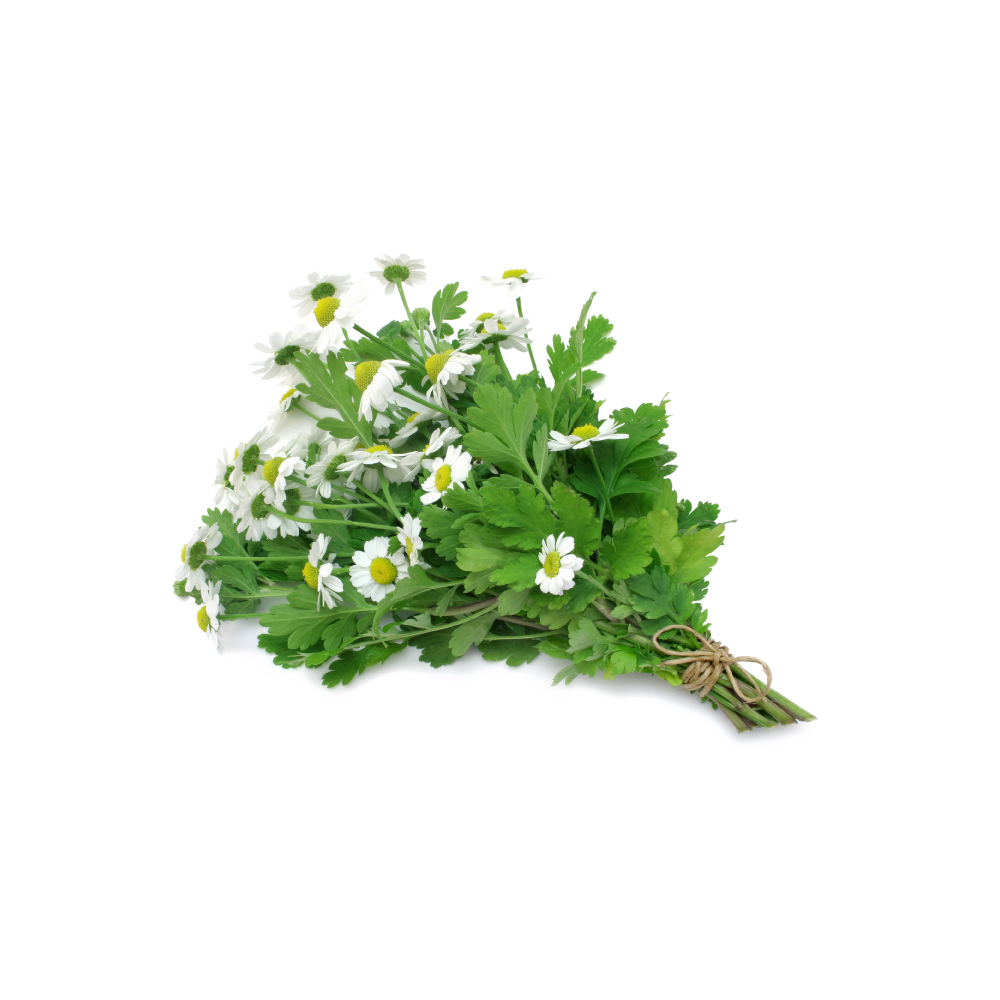 Feverfew Tanacetum parthenium Documented for parthenolide (0.2–0.5 % dry wt), 10-epicanin, artecanin and 17 more sesquiterpene lactones.
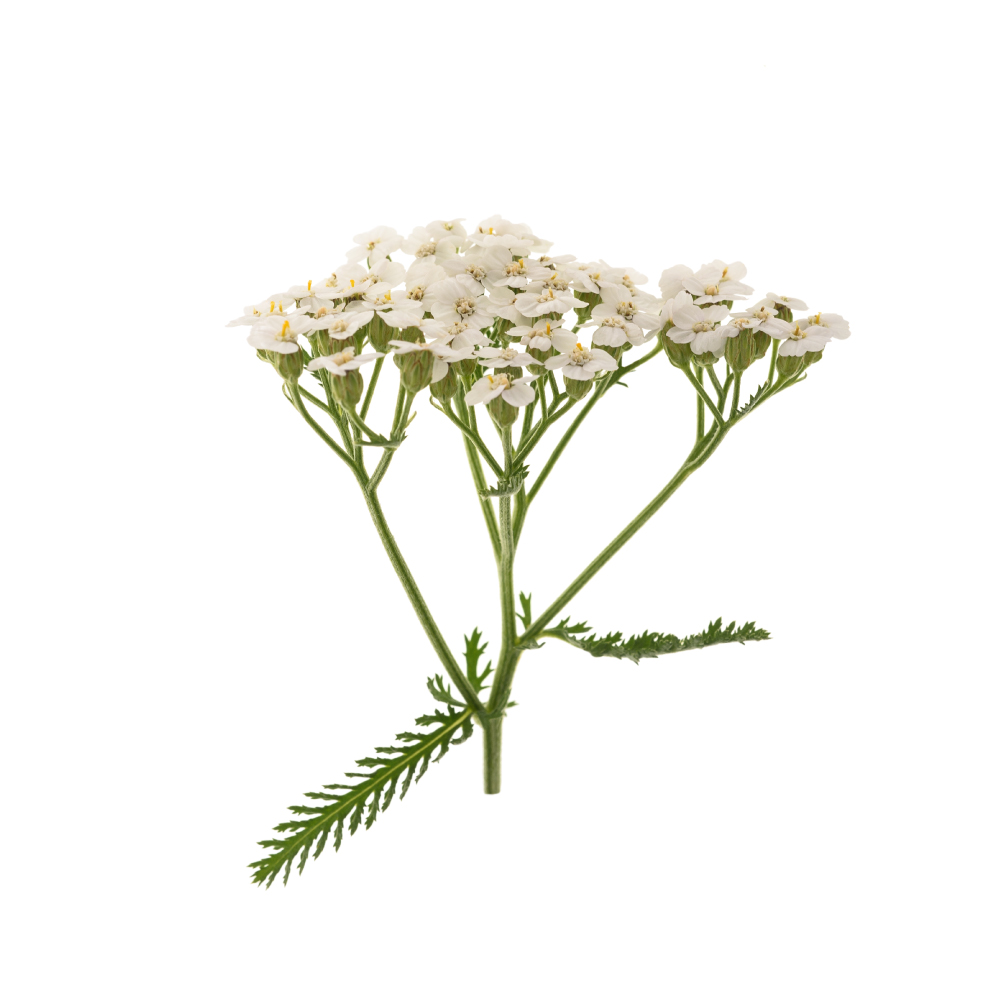 Yarrow Achillea millefolium Documented for achillicin, achillin, achillolide A and 4 more sesquiterpene lactones.
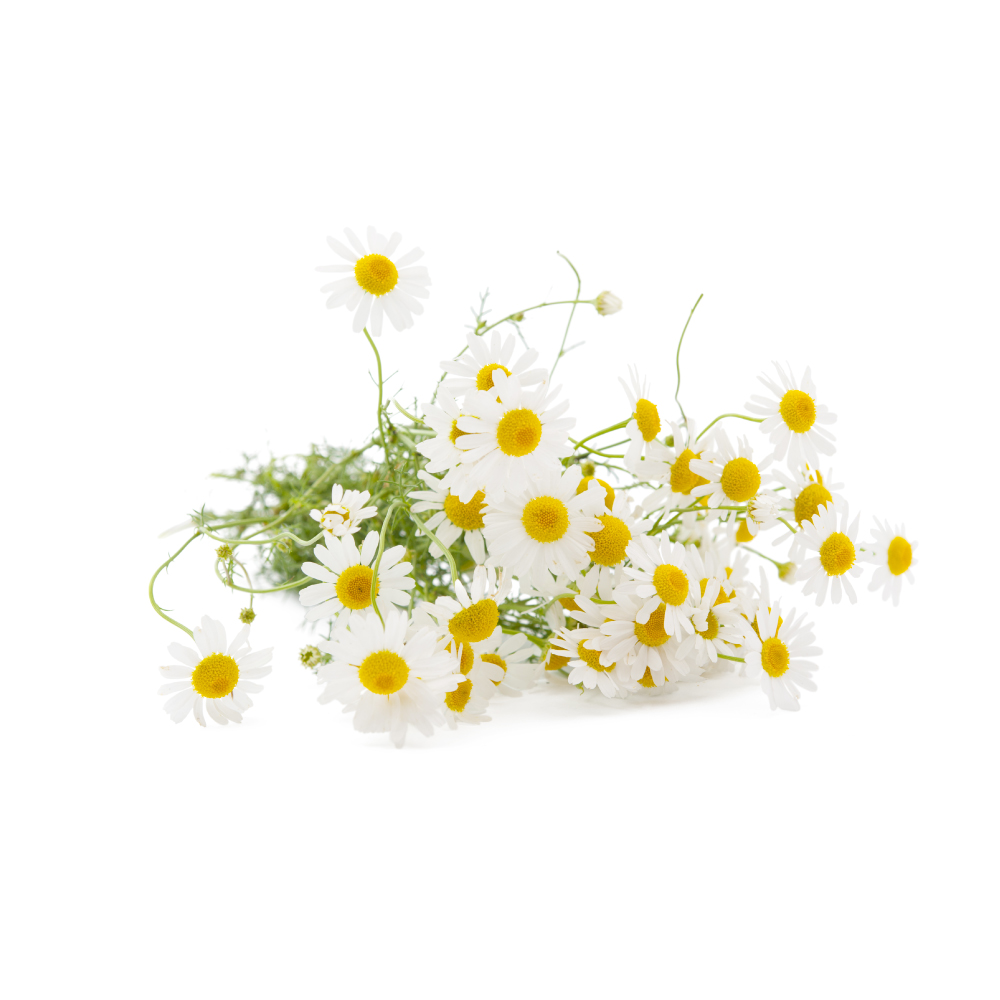 German Chamomile Matricaria chamomilla Documented for matricin (0.03–0.2 % dry wt), achillin, leucodin and 2 more sesquiterpene lactones.
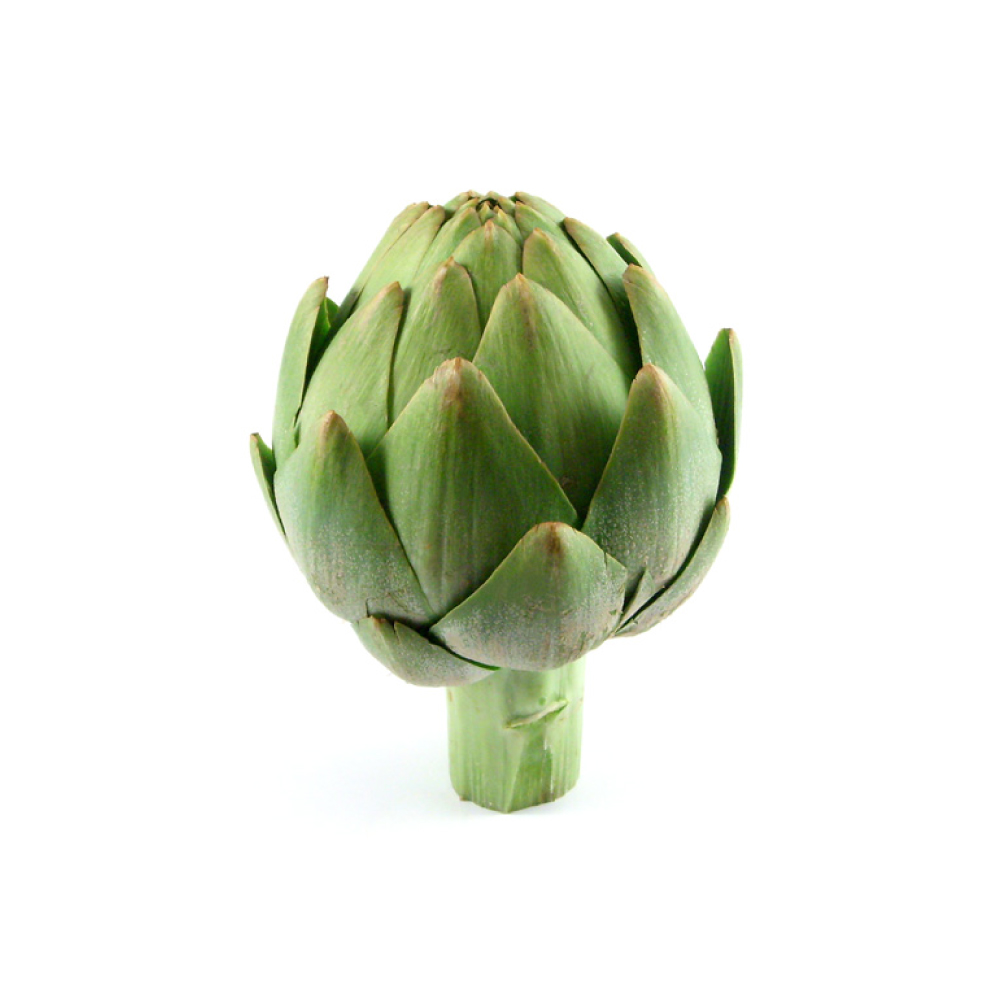 Globe Artichoke Cynara scolymus Documented for cynaropicrin (0.15–0.46 % dry wt), cynaratriol, cynarolide and 2 more sesquiterpene lactones.
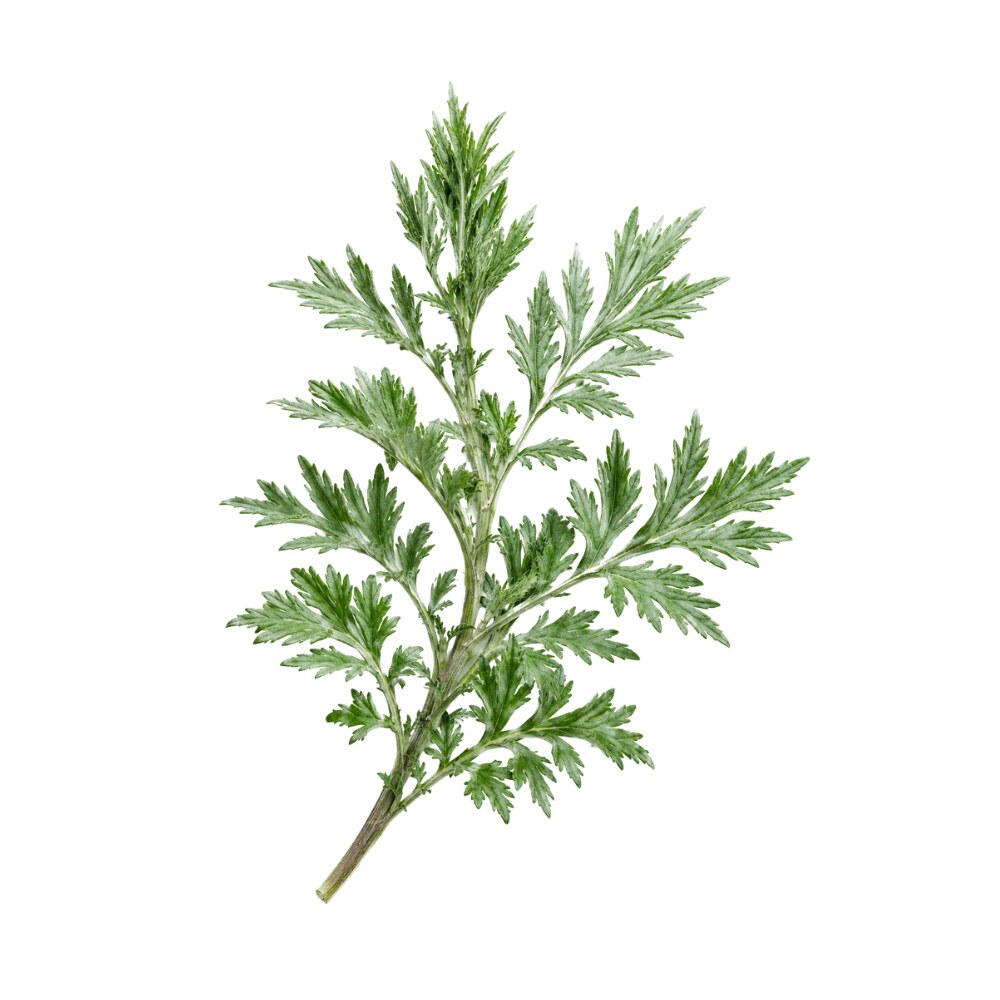 Mugwort Artemisia vulgaris Documented for artemvulactone E, isosecotanapartholide, psilostachyin and 2 more sesquiterpene lactones.
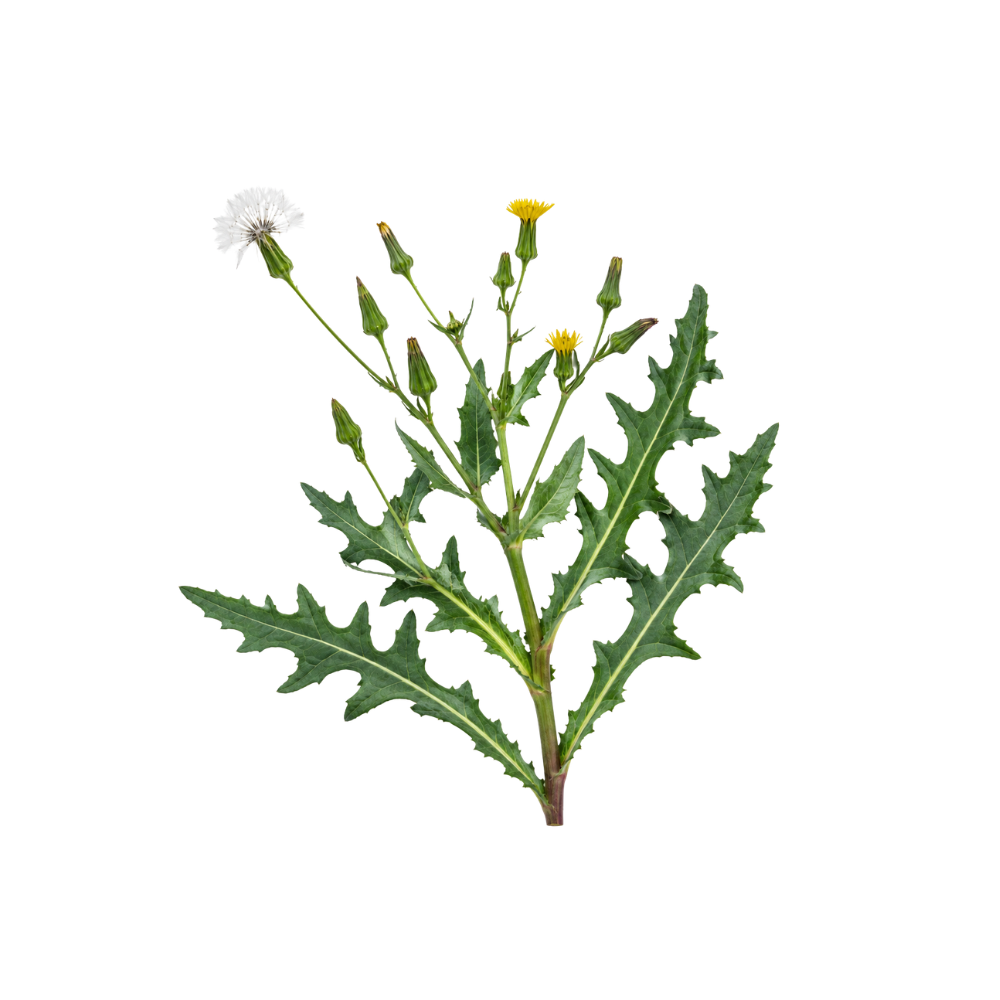 Wild Lettuce Lactuca virosa Documented for 11-beta,13-dihydrolactucin, lactucic acid, lactucin and 2 more sesquiterpene lactones.
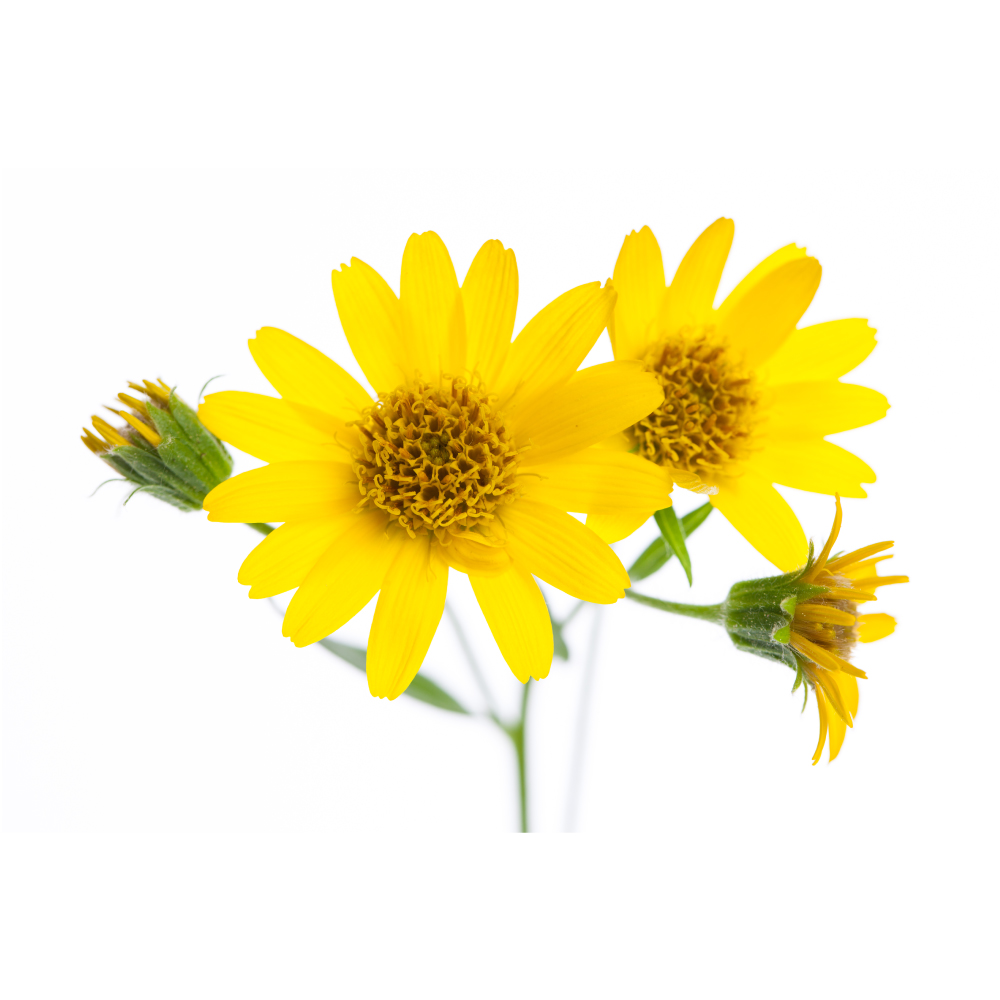 Arnica Arnica montana Toxic Documented for dihydrohelenalin (10.9–18.2 mg/g dry wt), helenalin (5.2–10.3 mg/g dry wt), arnicin and 1 more.
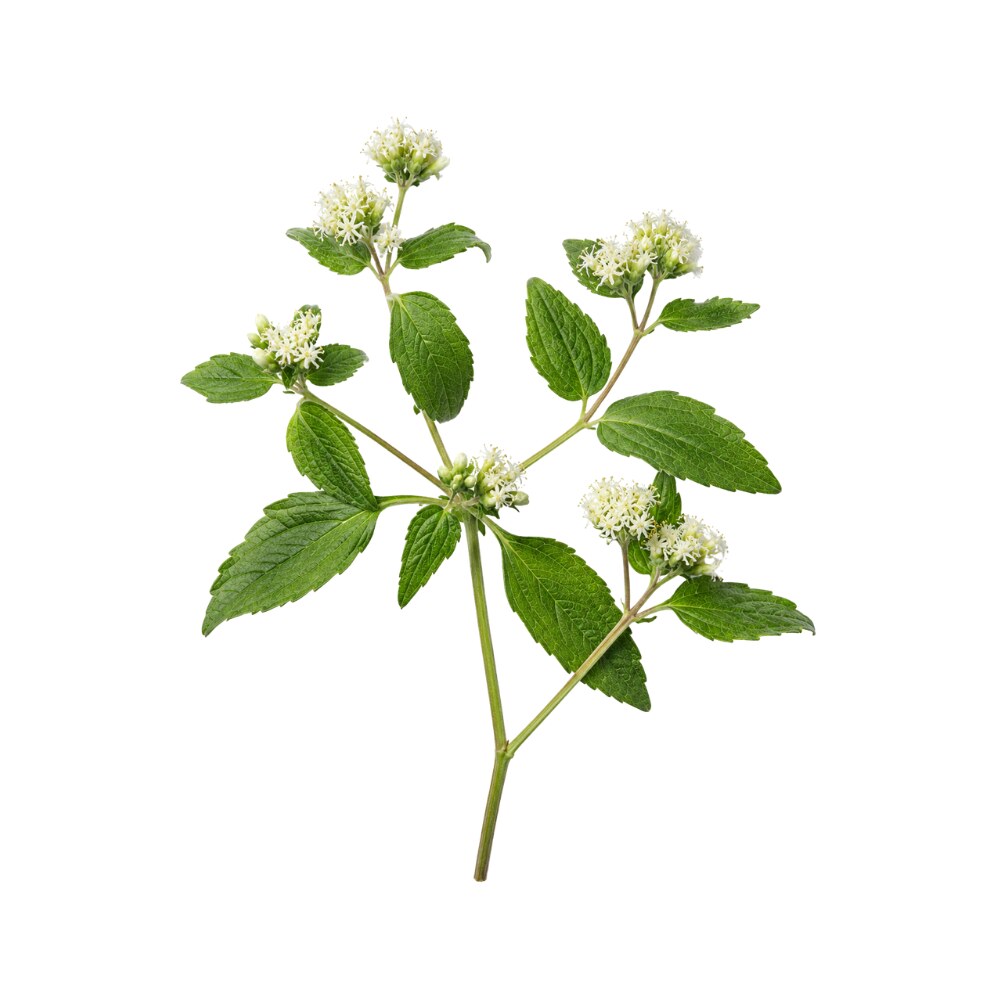 Calea zacatechichi Calea ternifolia Documented for calein A, calein B, calein C and 1 more.
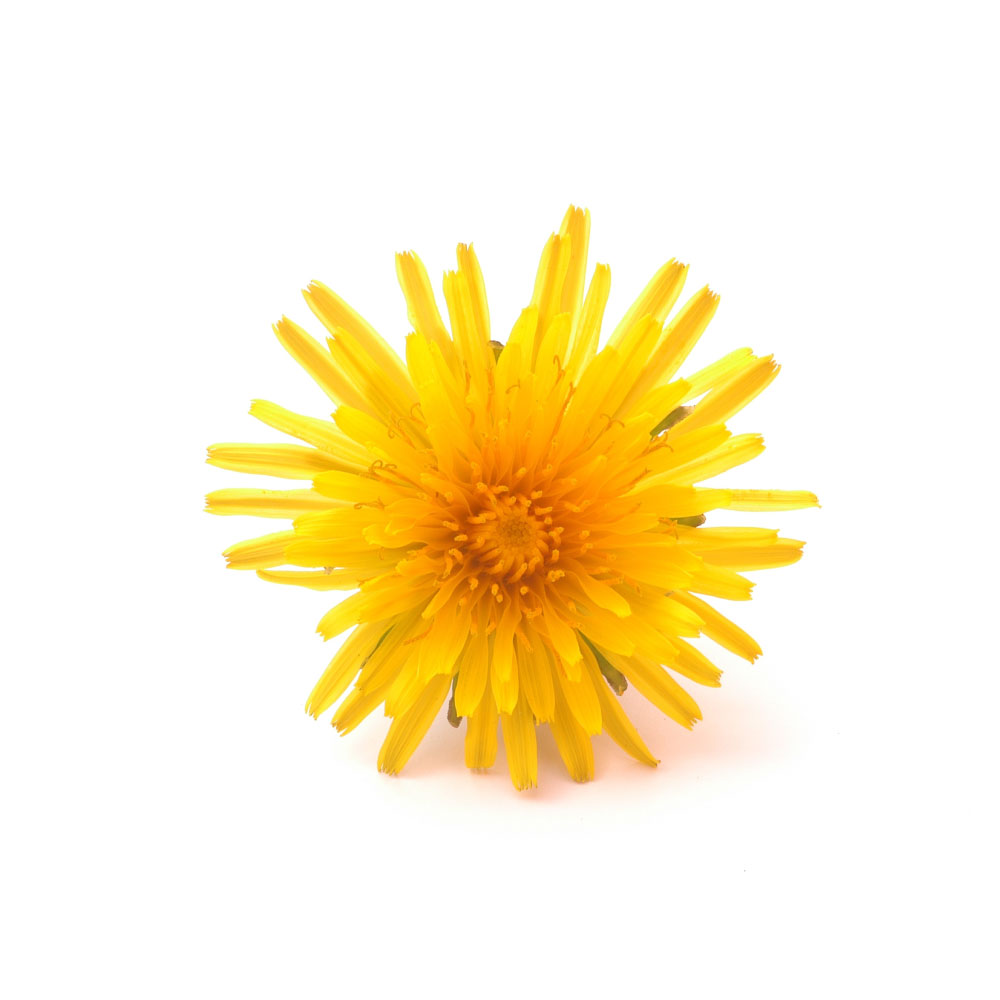 Dandelion Taraxacum officinale Documented for taraxinic acid glucoside (0–7 % latex fresh wt), 11-beta,13-dihydrolactucin, sesquiterpene lactones and 1 more.
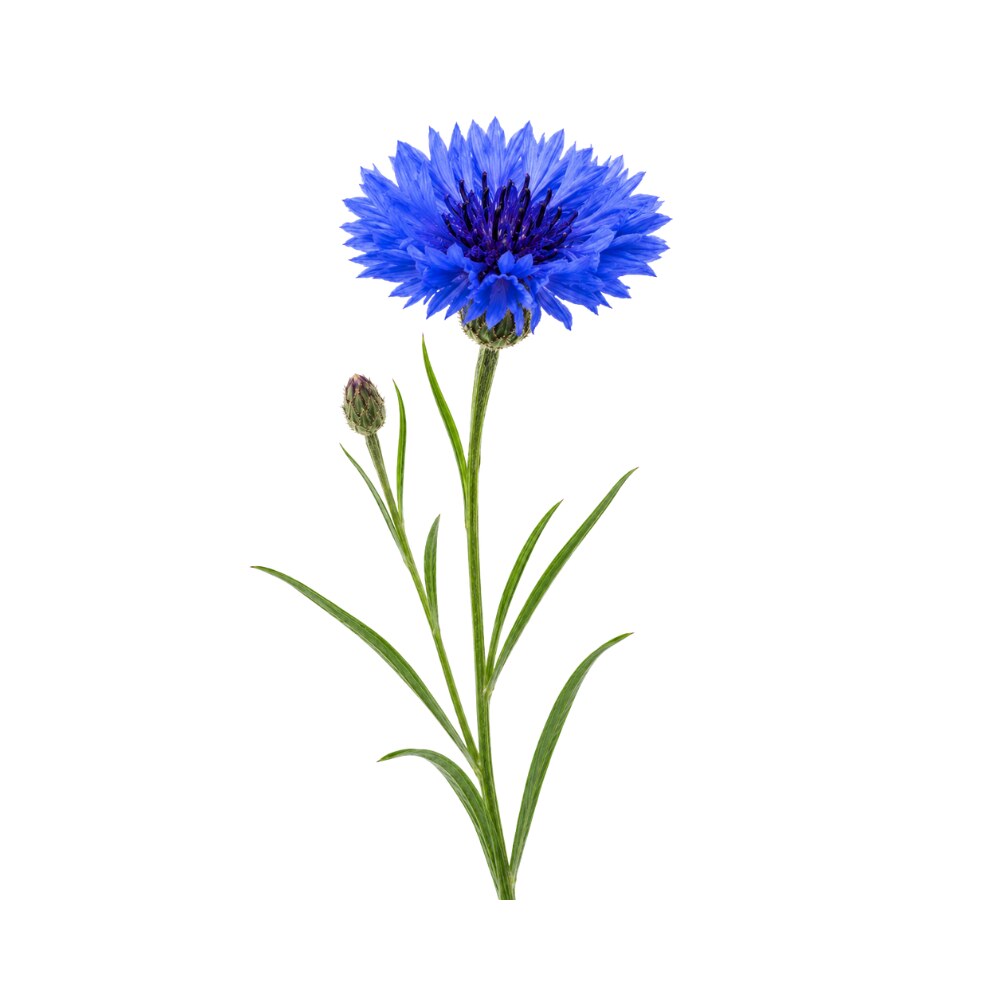 Cornflower Centaurea cyanus Documented for 13-O-acetylsolstitialin A, cnicin.
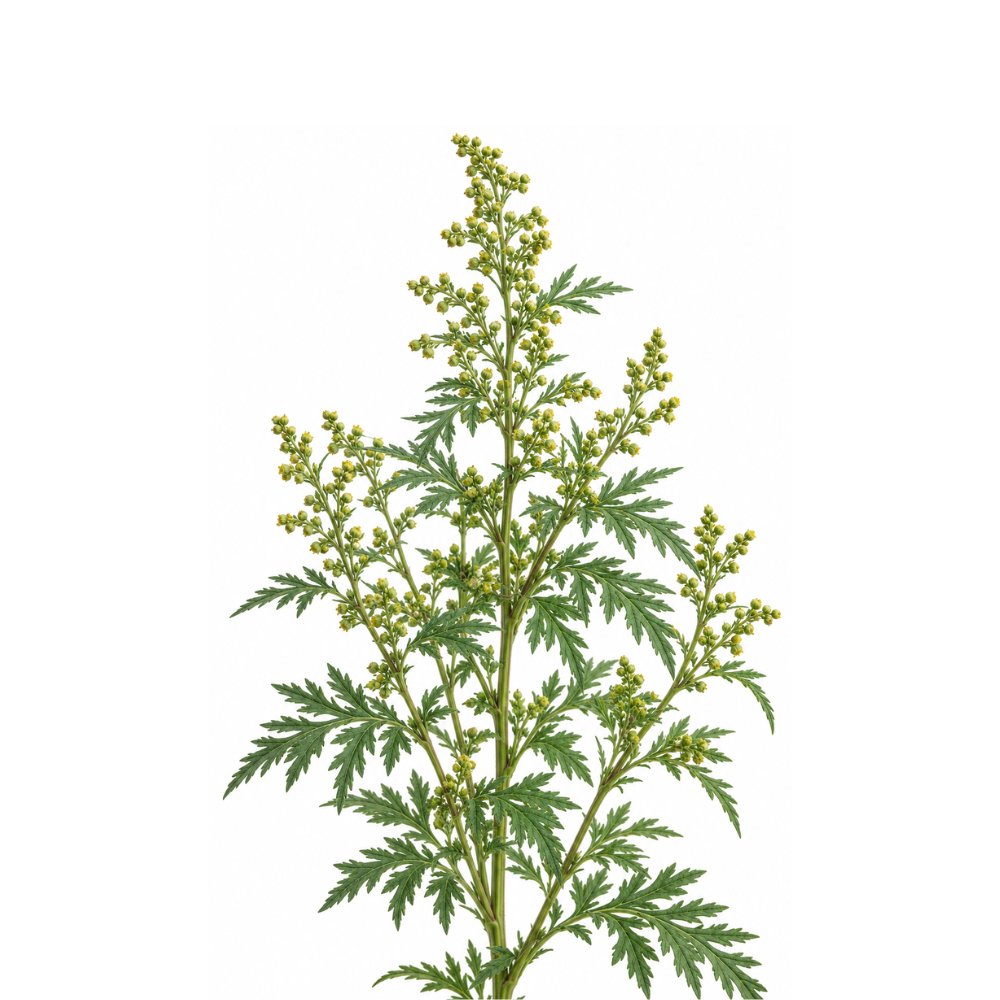 Sweet Wormwood Artemisia annua Documented for arteannuin B, artemisinin.
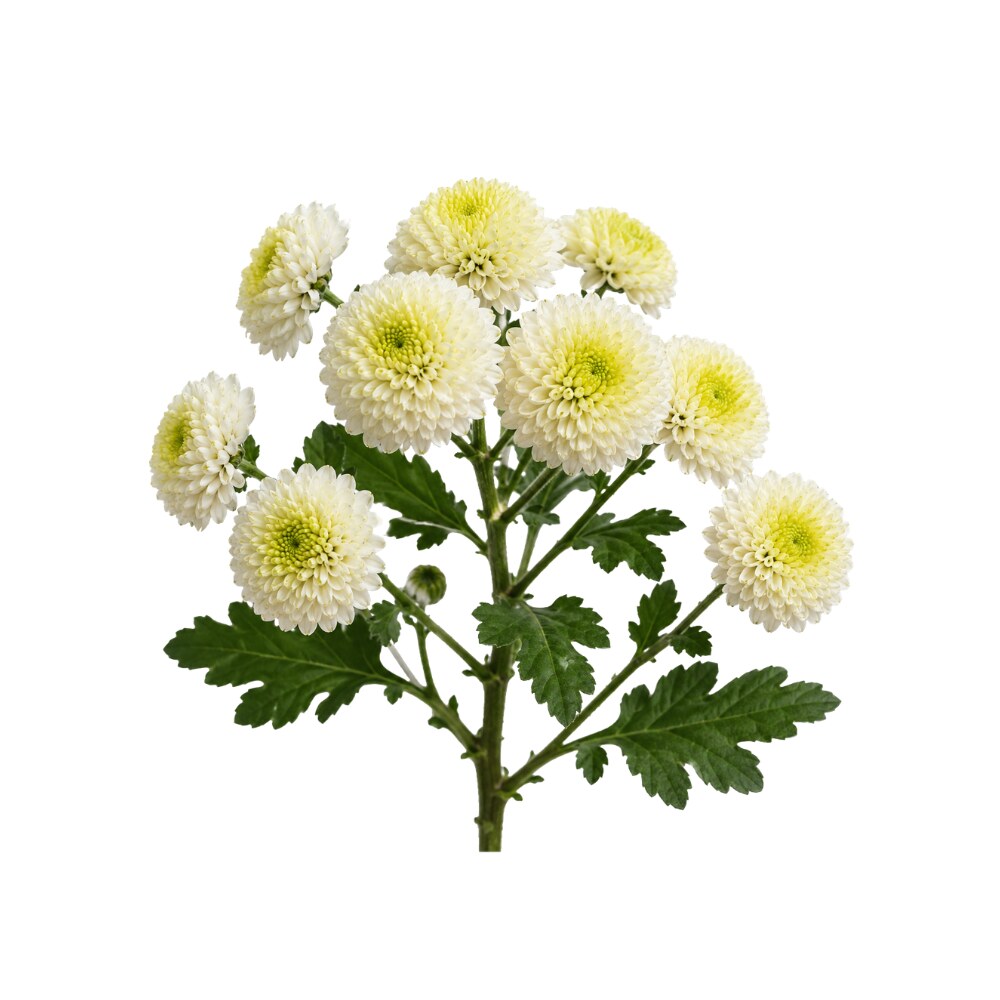 Chrysanthemum Chrysanthemum morifolium Documented for parthenolide.
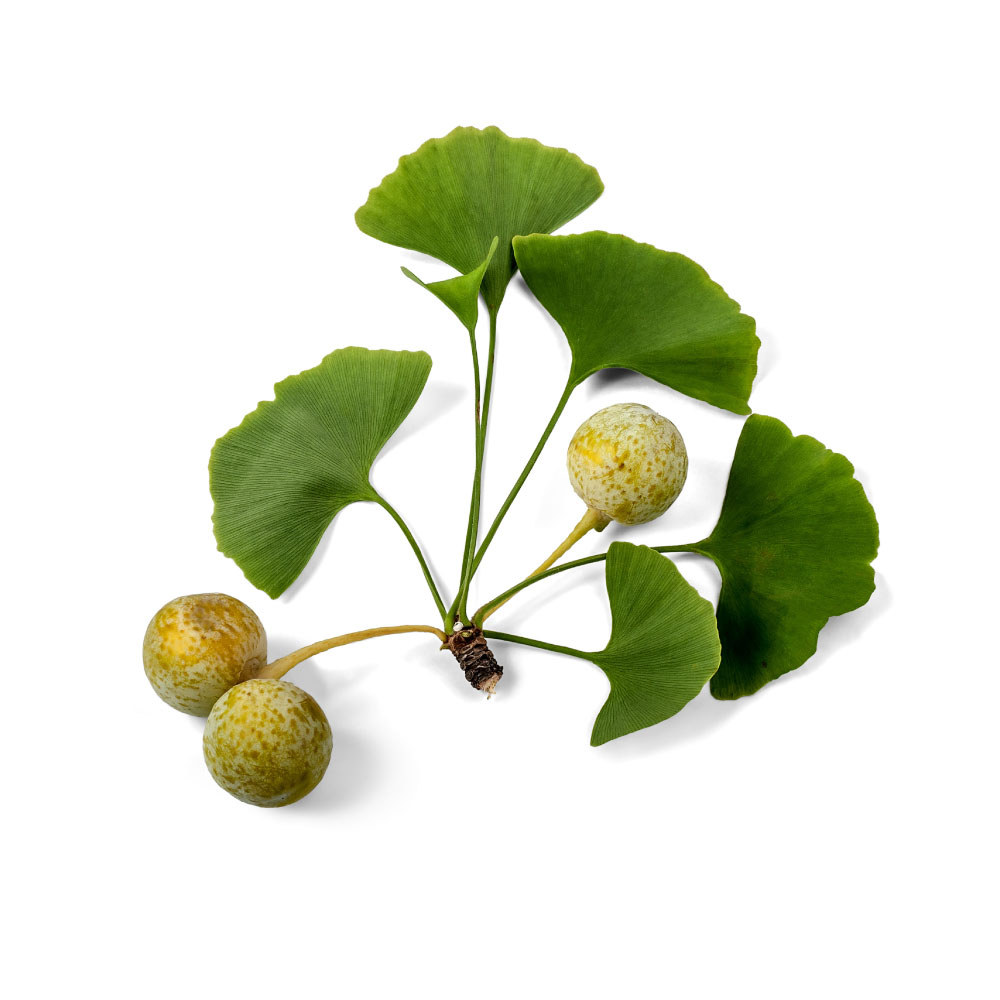 Ginkgo Ginkgo biloba Documented for bilobalide (2.6–3.2 % of extract).
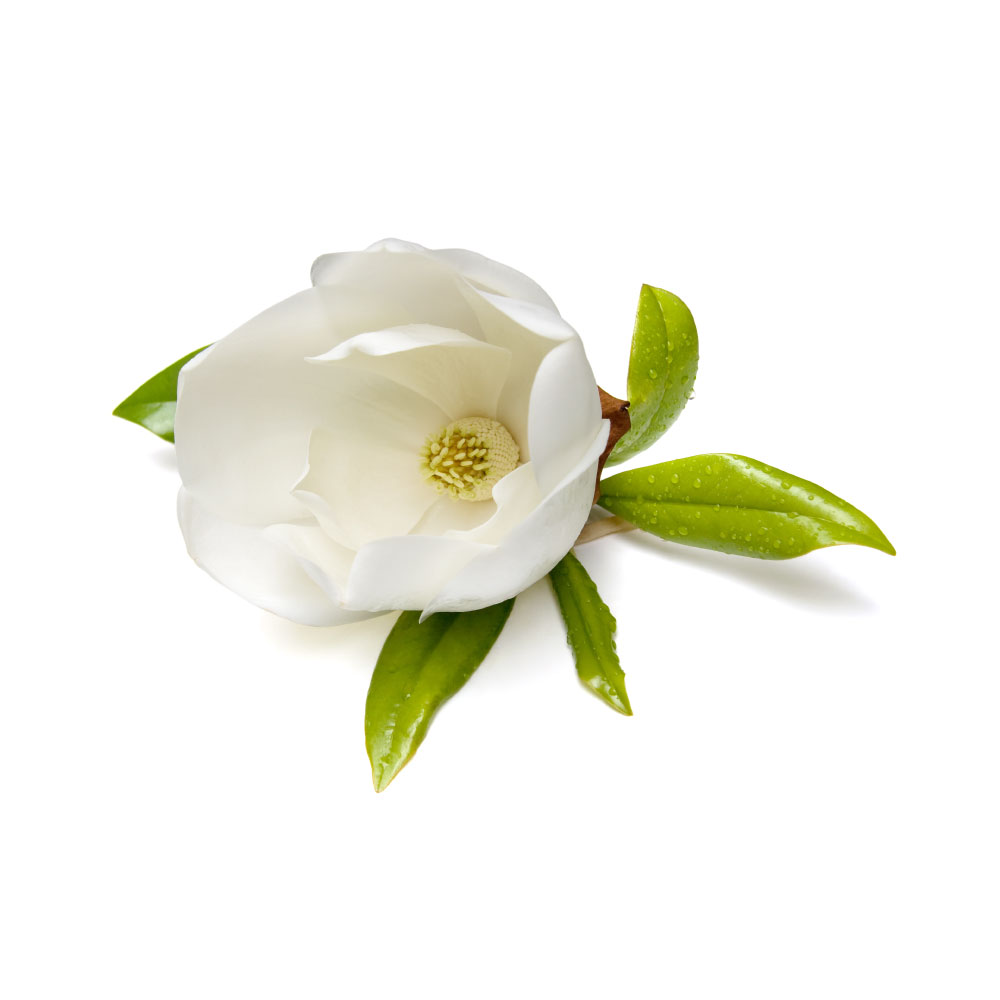 Magnolia Magnolia officinalis Documented for costunolide.
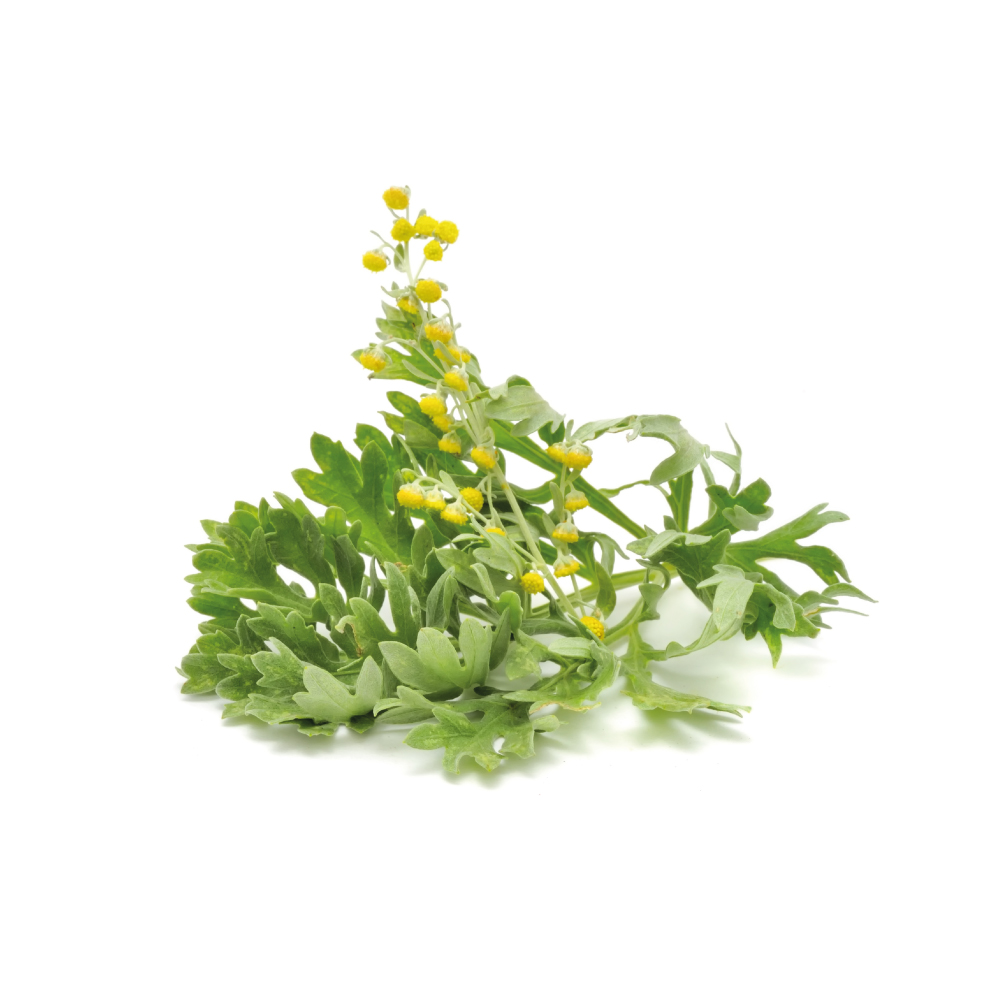 Wormwood Artemisia absinthium Documented for absinthin.
Keep Exploring
Other Compound Classes
Keep Reading
 GuidesThe Best Kava: A Buyer's GuideHow to buy good kava: noble vs two-day cultivars, which part of the root, chemotype codes, origin, form, and the batch tests a seller should show you.
Read more
 GuidesThe Amazon's Endangered Medicinal PlantsThe Amazon gives us some of our most important medicines — but which healing plants are actually endangered?
Read more
 NutritionThe Best Yerba Maté Brands [Reviewed]A drinker's guide to buying yerba maté — what actually changes the taste, and ten brands worth your money.
Read more
 GuidesHow to Prepare Yerba Maté — The Five Best MethodsHow to brew yerba maté properly — the traditional gourd method, plus tereré, french press and cold brew.
Read more