
Compound Monograph
Costunolide
Costunolide is the parent germacranolide sesquiterpene lactone of the daisy family — the biosynthetic precursor of parthenolide, the principal lactone of costus root, and one of the three allergens in the standard sesquiterpene-lactone patch-test mix.

Sources · 5
Where Does It Come From?
Costunolide is a naturally occurring sesquiterpene lactone (germacranolide), found in Feverfew, Magnolia and 3 other sources. It is flagged as moderately toxic.
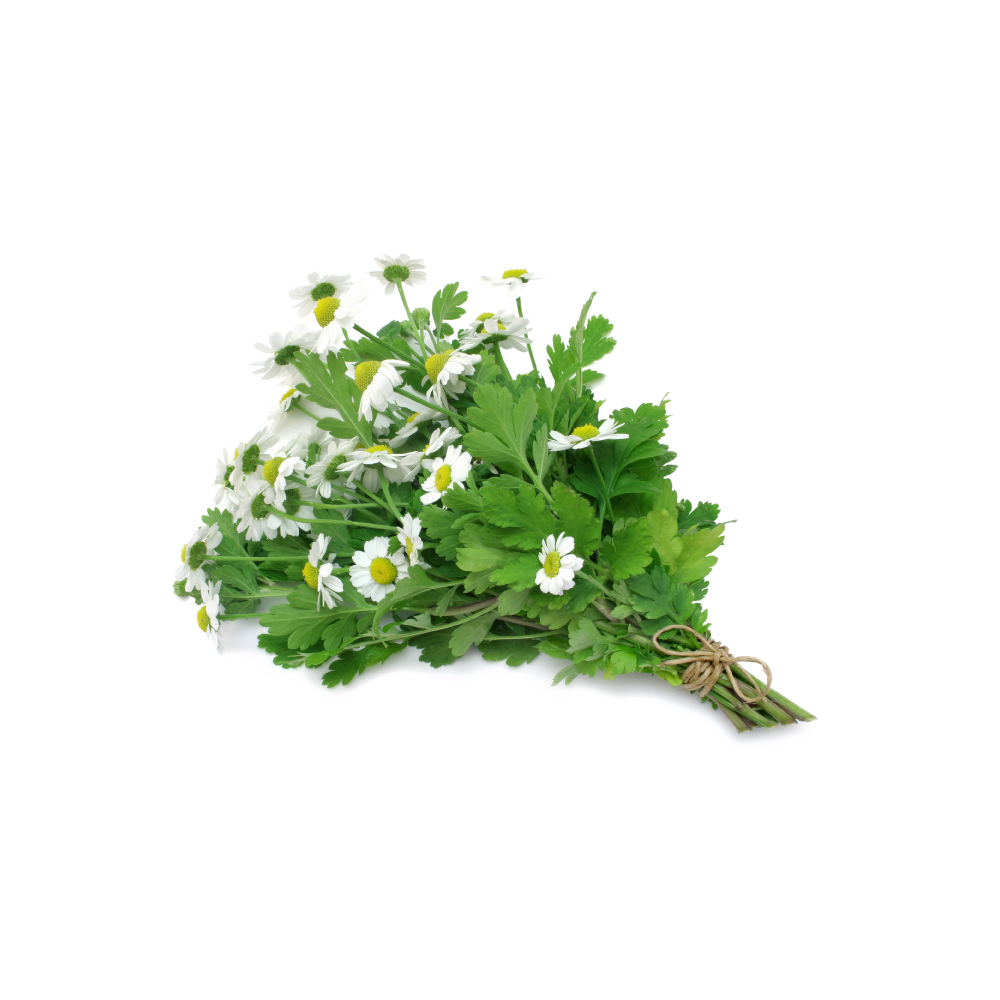 Principal source Feverfew Tanacetum parthenium Herb monograph →
 Source Magnolia Magnolia officinalis Herb monograph →
Concentration
Content by Source
Concentrations not reported. No percent-dry-weight or mg/g figures have been published for this compound in its source plants.
Costunolide at a Glance
Costunolide is a germacranolide sesquiterpene lactone — a ten-membered carbocyclic ring fused to a five-membered lactone — and it sits at a genuinely interesting position in plant chemistry: it is the parent molecule from which most other Asteraceae sesquiterpene lactones are built, including parthenolide, feverfew’s marker compound 4,
Its own literature, though, comes mostly from a different plant. Costunolide is the principal lactone of costus root (Saussurea costus, also traded as Aucklandia costus / Aucklandia lappa), a Himalayan Asteraceae used for centuries in Ayurvedic and Chinese medicine for digestive and inflammatory complaints 29Reference 29ReviewSaussurea costus — botanical, chemical and pharmacological review of an ayurvedic medicinal plantView study →. It is also found in bay laurel, in Magnolia bark, in chicory, and as a minor companion lactone in feverfew 1,
Two things frame everything below. First, the evidence is almost entirely preclinical — hundreds of in-vitro papers, a scattering of rodent studies, and no human trial of the isolated molecule at all. Second, costunolide carries the α-methylene-γ-lactone warhead shared by the whole sesquiterpene-lactone class, which alkylates cysteine thiols indiscriminately. That single chemical feature explains most of the reported activity, most of the reported toxicity, and why “inhibits NF-κB in vitro” tells you far less about costunolide specifically than it first appears 28Reference 28ReviewPerspectives on sesquiterpene lactones in inflammation and cancer — reviewView study →.
Costunolide as the Parent Germacranolide
This is the part of costunolide’s story that is specific to it and not shared with the rest of the class: it is the branch point of Asteraceae sesquiterpene-lactone biosynthesis.
The pathway is unusually well characterised for a plant natural product. Farnesyl pyrophosphate is cyclised by germacrene A synthase (GAS), oxidised three times at C12 by germacrene A oxidase (GAO) to germacra-1(10),4,11(13)-trien-12-oic acid, and then hydroxylated and lactonised by costunolide synthase (COS, CYP71BL2/BL3) to give costunolide 4Reference 4Reconstitution of the costunolide biosynthetic pathway in yeast and Nicotiana benthamianaView study →. Each enzyme has been cloned and the whole three-step route reconstituted in yeast and in Nicotiana benthamiana, which produced costunolide de novo 4Reference 4Reconstitution of the costunolide biosynthetic pathway in yeast and Nicotiana benthamianaView study →.
Downstream, costunolide is the substrate for at least two divergent enzymes:
- Parthenolide synthase (PTS, CYP71CA1) epoxidises the 4,5-double bond of costunolide to give parthenolide. Reconstituting GAS + GAO + COS + PTS in tobacco produced parthenolide de novo — confirming costunolide as its direct precursor rather than merely a co-occurring relative 5Reference 5Elucidation and in planta reconstitution of the parthenolide biosynthetic pathwayView study →.
- Kauniolide synthase (KLS, CYP71DD6) performs a stereoselective hydroxylation plus cyclisation–elimination in one step, converting costunolide into the guaianolide kauniolide — the gateway to the guaianolide branch that includes chicory’s lactucin-type bitters 6Reference 6Kauniolide synthase is a P450 with unusual hydroxylation and cyclization-elimination activityView study →.
That branch structure has a neat experimental proof. When all three chicory kauniolide-synthase genes were knocked out with CRISPR/Cas9, the guaianolide bitters disappeared and the taproots accumulated costunolide and its conjugates at ~1.5 mg/g fresh weight — the substrate piling up behind a blocked enzyme 7Reference 7CRISPR/Cas9 targeted inactivation of the kauniolide synthase in chicory results in accumulation of costunolide and its conjugates in taprootsView study →. It is the clearest single demonstration that costunolide is a metabolic hub rather than an endpoint.
Practically, this means costunolide and parthenolide almost always travel together in feverfew, and that a plant’s lactone profile is set less by which lactones it can make than by which downstream P450s it expresses.
The Class Warhead — What Is Actually Specific to Costunolide
Nearly every biological effect attributed to a sesquiterpene lactone traces to one structural feature: the exocyclic α-methylene-γ-lactone, a Michael acceptor that forms covalent adducts with the free cysteine thiols of proteins and with glutathione 28Reference 28ReviewPerspectives on sesquiterpene lactones in inflammation and cancer — reviewView study →. Costunolide has it; so do parthenolide, helenalin, cynaropicrin, alantolactone and several hundred others.
The consequences are worth stating plainly:
- Thiol-dependent targets are hit by the whole class. NF-κB signalling (via cysteines in IKKβ and the p65 Rel-homology domain), Keap1/Nrf2, thioredoxin reductase, tubulin cysteines and GSH homeostasis are all reported targets for many different lactones. A paper showing costunolide inhibits NF-κB in a cell line 8Reference 8In vitroA sesquiterpene lactone, costunolide, from Magnolia grandiflora inhibits NF-kappa B by targeting I kappa B phosphorylation — in vitroView study → is therefore weak evidence about costunolide and strong evidence about the warhead.
- Poor selectivity is the expected result, not an anomaly. Because the electrophile does not read sequence context, cytotoxicity in a cancer cell line rarely reflects a tumour-specific target. Reviews of the class are explicit that specificity, pharmacokinetics and ADME are the unsolved problems standing between sesquiterpene lactones and clinical use 28Reference 28ReviewPerspectives on sesquiterpene lactones in inflammation and cancer — reviewView study →.
- The molecule is consumed by thiols in vivo. In planta, engineered costunolide and parthenolide accumulate largely as cysteine and glutathione conjugates rather than as the free lactone 5,
7Reference 5Elucidation and in planta reconstitution of the parthenolide biosynthetic pathwayView study →Reference 7CRISPR/Cas9 targeted inactivation of the kauniolide synthase in chicory results in accumulation of costunolide and its conjugates in taprootsView study → — the same chemistry that happens in plasma and cytosol, and a major reason free-lactone exposure after an oral dose is low and short-lived 24Reference 24AnimalPharmacokinetic study on costunolide and dehydrocostuslactone after oral administration of traditional medicine Aucklandia lappa Decne. by LC/MS/MS — animal model in ratsView study →.
What is reasonably specific to costunolide, on current evidence, is a small list: the biosynthetic position above; potency in the low-micromolar range on nitric-oxide production (IC50 1.2–2.8 µM in LPS-activated macrophages, shared with dehydrocostus lactone and the saussureamines) 9Reference 9In vitroEffects of sesquiterpenes and amino acid-sesquiterpene conjugates from the roots of Saussurea lappa on inducible nitric oxide synthase and heat shock protein in lipopolysaccharide-activated macrophages — in vitroView study →; induction of heme oxygenase-1 via Nrf2 as a required step for its cytokine suppression, shown by loss of effect under HO-1 inhibition 10Reference 10In vitroCostunolide inhibits production of tumor necrosis factor-alpha and interleukin-6 by inducing heme oxygenase-1 in RAW264.7 macrophages — in vitroView study →; and a selective reduction of detyrosinated tubulin that costunolide and parthenolide share but which is demonstrably independent of their NF-κB inhibition 20Reference 20In vitroParthenolide and costunolide reduce microtentacles and tumor cell attachment by selectively targeting detyrosinated tubulin independent from NF-κB inhibition — in vitroView study →. Everything else here should be read as class chemistry until shown otherwise.
What It's Used For
The research base is broad and shallow: many in-vitro papers, a handful of rodent studies, no human data on the isolate. Read every row below as preclinical.
Support is an experimental score — weighted by study type (human > animal > in vitro) and volume. A beta, not a validated metric. Every application here is preclinical, so the whole scale sits low by design; the ranking reflects replication and whether an intact animal was involved, not clinical usefulness.
Isolated compound, cell culture. In LPS-activated mouse peritoneal macrophages, costunolide inhibited nitric-oxide production with an IC50 in the 1.2–2.8 µM band shared with dehydrocostus lactone and the saussureamines; it did not inhibit the iNOS enzyme directly but suppressed its induction and blocked NF-κB activation 9Reference 9In vitroEffects of sesquiterpenes and amino acid-sesquiterpene conjugates from the roots of Saussurea lappa on inducible nitric oxide synthase and heat shock protein in lipopolysaccharide-activated macrophages — in vitroView study →. In RAW 264.7 cells, costunolide from Magnolia grandiflora suppressed iNOS mRNA and protein and inhibited NF-κB DNA binding by blocking IκB phosphorylation and degradation 8Reference 8In vitroA sesquiterpene lactone, costunolide, from Magnolia grandiflora inhibits NF-kappa B by targeting I kappa B phosphorylation — in vitroView study →. A separate mechanism runs in parallel: costunolide induces HO-1 with Nrf2 nuclear accumulation, and its suppression of TNF-α and IL-6 is abolished when HO-1 activity is blocked — meaning the cytokine effect is at least partly HO-1-dependent rather than a direct transcriptional block 10Reference 10In vitroCostunolide inhibits production of tumor necrosis factor-alpha and interleukin-6 by inducing heme oxygenase-1 in RAW264.7 macrophages — in vitroView study →.
Gap: every one of these findings is cell culture at concentrations reached only in a dish, and the IκB/NF-κB and Keap1/Nrf2 steps are both classic thiol-alkylation targets of the whole lactone class 28Reference 28ReviewPerspectives on sesquiterpene lactones in inflammation and cancer — reviewView study → — so none of it distinguishes costunolide from its relatives, and no anti-inflammatory endpoint has been measured in an intact animal given costunolide alone.
Isolated compound, oral, in mice and rats. Mice pretreated orally with costunolide at 5 or 20 mg/kg for seven days were protected against absolute-ethanol-induced gastric ulceration, with omeprazole (20 mg/kg) as the positive comparator; the authors attributed the effect to multi-pathway regulation rather than a single target 11Reference 11AnimalEvaluation of protective effects of costunolide and dehydrocostuslactone on ethanol-induced gastric ulcer in mice based on multi-pathway regulationView study →. Separately, costunolide isolated from Laurus nobilis given to rats at 50 mg/kg orally suppressed the rise in blood ethanol after an oral ethanol load — not by altering metabolism but by slowing gastric emptying and increasing gastric fluid, pepsin and mucus secretion 12Reference 12AnimalInhibitory mechanism of costunolide, a sesquiterpene lactone isolated from Laurus nobilis, on blood-ethanol elevation in rats — involvement of inhibition of gastric emptying and increase in gastric juice secretionView study →. Costus root’s traditional reputation for ulcers, dyspepsia and gastritis is one of the few places where a documented traditional use and a measured isolate effect point the same way 29Reference 29ReviewSaussurea costus — botanical, chemical and pharmacological review of an ayurvedic medicinal plantView study →.
Gap: both studies are acute rodent models with no dose-response beyond two levels, no chronic dosing, and no human data. The 50 mg/kg gastric-emptying study also complicates the picture — a compound that delays gastric emptying will look protective in an acute ethanol-instillation model for reasons that have little to do with mucosal biology.
Isolated compound, overwhelmingly in vitro. A cytotoxicity screen is not a cancer claim. Costunolide induces apoptosis in HL-60 leukaemia cells through ROS generation driving mitochondrial permeability transition and cytochrome c release, both blocked by N-acetylcysteine and by cyclosporin A 13Reference 13In vitroCostunolide induces apoptosis by ROS-mediated mitochondrial permeability transition and cytochrome C release — in vitroView study →; in U937 cells the same ROS burst activates JNK upstream of Bcl-2 14Reference 14In vitroCostunolide-induced apoptosis in human leukemia cells — involvement of c-jun N-terminal kinase activation — in vitroView study →; in NALM-6 B-cell leukaemia it runs a receptor-mediated caspase-8 pathway with hTERT suppression 15Reference 15In vitroCostunolide-induced apoptosis is caused by receptor-mediated pathway and inhibition of telomerase activity in NALM-6 cells — in vitroView study →. In vivo work exists but is thin: costunolide reduced MDA-MB-231 breast-tumour growth and TNFα-driven metastasis in orthotopic mice via NF-κB and MMP-9 19Reference 19In vitroSaussurea lappa Clarke-derived costunolide prevents TNFα-induced breast cancer cell migration and invasion by inhibiting NF-κB activity — in vitro and orthotopic mouse modelView study →, and dietary costunolide reduced tumour burden in DMBA-induced hamster cheek-pouch carcinogenesis 21Reference 21AnimalInhibitory effects of dietary protocatechuic acid and costunolide on 7,12-dimethylbenz[a]anthracene-induced hamster cheek pouch carcinogenesis — animal modelView study →. One mechanistically careful study found costunolide and parthenolide both reduce microtentacles and tumour-cell reattachment by selectively lowering detyrosinated tubulin, explicitly independent of NF-κB inhibition 20Reference 20In vitroParthenolide and costunolide reduce microtentacles and tumor cell attachment by selectively targeting detyrosinated tubulin independent from NF-κB inhibition — in vitroView study →.
Gap: an electrophile that alkylates any accessible cysteine will kill cells in culture; selectivity, not potency, is the unanswered question, and the class reviews say exactly that 28Reference 28ReviewPerspectives on sesquiterpene lactones in inflammation and cancer — reviewView study →. There is no human trial, no human pharmacokinetics, and no evidence that the concentrations used in these assays are reachable in tissue after any realistic oral exposure 24Reference 24AnimalPharmacokinetic study on costunolide and dehydrocostuslactone after oral administration of traditional medicine Aucklandia lappa Decne. by LC/MS/MS — animal model in ratsView study →.
Isolated compound, in vitro plus a mouse corneal assay. Costunolide from Saussurea lappa selectively inhibited VEGF-induced endothelial-cell proliferation and chemotaxis in HUVECs and blocked autophosphorylation of KDR/Flk-1 (VEGFR-2) without affecting Flt-1 (VEGFR-1) — a receptor-level discrimination that is more specific than most reported costunolide effects. Neovascularisation was reduced in a mouse corneal micropocket assay 18Reference 18In vitroCostunolide, a sesquiterpene lactone from Saussurea lappa, inhibits the VEGFR KDR/Flk-1 signaling pathway — in vitro and mouse corneal micropocket assayView study →.
Gap: essentially a single-group finding from 2002 with no reported IC50, no independent replication in the two decades since, and no test of whether receptor selectivity survives in a whole animal at a tolerated dose.
Isolated compound, cell culture. Costunolide inhibited growth and telomerase activity dose-dependently in MCF-7 and MDA-MB-231 breast carcinoma cells, lowering hTERT mRNA while leaving hTR unchanged and reducing transcription-factor binding at the hTERT promoter 16Reference 16In vitroInhibitory effects of costunolide on the telomerase activity in human breast carcinoma cells — in vitroView study →. The same hTERT suppression appears in NALM-6 leukaemia cells, where it was downstream of caspase-3/-8 activation rather than a primary event 15Reference 15In vitroCostunolide-induced apoptosis is caused by receptor-mediated pathway and inhibition of telomerase activity in NALM-6 cells — in vitroView study →. Costunolide is now used routinely as a pharmacological TERT inhibitor in cancer-biology tool work — for example in mapping Nrf2-driven TERT control of the pentose-phosphate pathway in glioblastoma, where it induced ROS-dependent apoptosis and reduced xenograft tumour burden 17Reference 17In vitroNrf2-driven TERT regulates pentose phosphate pathway in glioblastoma — in vitro and mouse xenograftView study →.
Gap: using a promiscuous electrophile as a “TERT inhibitor” tool compound is a real methodological weakness in this literature — the observed effects may be TERT-mediated or may be general thiol stress, and the studies rarely control for the difference 28Reference 28ReviewPerspectives on sesquiterpene lactones in inflammation and cancer — reviewView study →. Whether costunolide binds telomerase or merely suppresses hTERT transcription downstream of redox stress is unresolved.
Isolated compound, cells plus mice. Costunolide promoted proliferation of human hair-follicle dermal papilla cells at a level the authors compared with tofacitinib, and promoted hair growth in shaved C57BL/6 mice 22Reference 22AnimalCostunolide promotes the proliferation of human hair follicle dermal papilla cells and induces hair growth in C57BL/6 miceView study →. It is flagged as one of costunolide’s distinctive activities in the compound’s main review 1Reference 1ReviewCostunolide — a bioactive sesquiterpene lactone with diverse therapeutic potential — reviewView study →.
Gap: a single study, no independent replication, no human topical data, and no defined applied concentration carried through to a clinical formulation. The C57BL/6 depilation model is also notoriously easy to move with mild irritants — and a Michael acceptor applied to skin is by definition an irritant/sensitiser 26,
Isolated compound, in vitro. Costunolide from the stem bark of Magnolia sieboldii inhibited Helicobacter pylori with an MIC of roughly 100–200 µg/mL, and the effect was not mediated by urease inhibition 23Reference 23In vitroAnti-Helicobacter pylori effect of costunolide isolated from the stem bark of Magnolia sieboldii — in vitroView study →.
Gap: an MIC in the hundreds of µg/mL is weak antimicrobial activity by any standard and is far above anything achievable in gastric mucosa from an oral dose. Included for completeness because it is sometimes cited as supporting costus root’s gastric use; it does not carry that weight on its own.
Mechanisms
| Target / pathway | Effect | Relevant to |
|---|---|---|
| α-Methylene-γ-lactone → protein cysteine thiols | Covalent Michael adduct formation; the shared class warhead behind most reported activity and most toxicity 28Reference 28ReviewPerspectives on sesquiterpene lactones in inflammation and cancer — reviewView study → | Everything below — and the reason selectivity is poor |
| IκB kinase / NF-κB | Blocks IκB phosphorylation and degradation; suppresses NF-κB DNA binding and MMP-9 8, | Anti-inflammatoryanti-metastatic (in vitro) |
| iNOS induction | Suppresses LPS-induced iNOS expression and NO output (IC50 1.2–2.8 µM) without inhibiting the enzyme directly 9Reference 9In vitroEffects of sesquiterpenes and amino acid-sesquiterpene conjugates from the roots of Saussurea lappa on inducible nitric oxide synthase and heat shock protein in lipopolysaccharide-activated macrophages — in vitroView study → | Anti-inflammatory |
| Keap1 / Nrf2 → HO-1 | Induces Nrf2 nuclear accumulation and HO-1; HO-1 activity is required for TNF-α and IL-6 suppression 10Reference 10In vitroCostunolide inhibits production of tumor necrosis factor-alpha and interleukin-6 by inducing heme oxygenase-1 in RAW264.7 macrophages — in vitroView study → | Anti-inflammatorycytoprotective |
| Mitochondrial permeability transition (ROS-driven) | ROS burst → MPT → cytochrome c release → caspase activation; blocked by NAC and cyclosporin A 13Reference 13In vitroCostunolide induces apoptosis by ROS-mediated mitochondrial permeability transition and cytochrome C release — in vitroView study → | Apoptosis in cell lines |
| JNK / MAPK | ROS-dependent JNK activation upstream of Bcl-2 14Reference 14In vitroCostunolide-induced apoptosis in human leukemia cells — involvement of c-jun N-terminal kinase activation — in vitroView study → | Apoptosis in cell lines |
| hTERT / telomerase | Lowers hTERT transcription (hTR unchanged); used as a TERT tool inhibitor 15, | Cytostatic effects; tool-compound use |
| VEGFR-2 (KDR/Flk-1) | Inhibits VEGF-induced autophosphorylation; spares VEGFR-1 18Reference 18In vitroCostunolide, a sesquiterpene lactone from Saussurea lappa, inhibits the VEGFR KDR/Flk-1 signaling pathway — in vitro and mouse corneal micropocket assayView study → | Antiangiogenic |
| Detyrosinated tubulin | Selectively reduced, independent of NF-κB inhibition 20Reference 20In vitroParthenolide and costunolide reduce microtentacles and tumor cell attachment by selectively targeting detyrosinated tubulin independent from NF-κB inhibition — in vitroView study → | Microtentacle/reattachment suppression |
| Gastric emptying and secretion | Slows emptying; increases gastric fluid, pepsin and mucus in rats 12Reference 12AnimalInhibitory mechanism of costunolide, a sesquiterpene lactone isolated from Laurus nobilis, on blood-ethanol elevation in rats — involvement of inhibition of gastric emptying and increase in gastric juice secretionView study → | Gastroprotection; also a confound in ulcer models |
| Costunolide synthase / parthenolide synthase / kauniolide synthase | Product of COS; substrate of PTS and KLS 4, | Its biosynthetic rolenot a pharmacological target |
Pharmacokinetics
There is no human pharmacokinetic data for costunolide, and no published absolute oral bioavailability figure in any species. What exists comes from rats dosed with whole Aucklandia lappa (Radix Aucklandiae) extract rather than the pure compound:
- After oral extract administration, costunolide showed t½ ≈ 5.5 ± 0.8 h, a late Tmax ≈ 10.5 h and AUC ≈ 309 ng·h/mL by LC-MS/MS 24Reference 24AnimalPharmacokinetic study on costunolide and dehydrocostuslactone after oral administration of traditional medicine Aucklandia lappa Decne. by LC/MS/MS — animal model in ratsView study →.
- A second rat study using the same herb reported double-peak plasma profiles for costunolide and dehydrocostus lactone, and found the profile changed in gastric-ulcer rats relative to normal ones — i.e. the disease state alters exposure 25Reference 25AnimalPharmacokinetics of costunolide and dehydrocostuslactone after oral administration of Radix aucklandiae extract in normal and gastric ulcer ratsView study →.
Two chemistry facts constrain how far any of this can be pushed. First, the α-methylene-γ-lactone reacts with free thiols, so a meaningful fraction of an absorbed dose is expected to exist as glutathione and cysteine conjugates rather than free lactone — this is directly observable in plants, where engineered costunolide accumulates predominantly as conjugates 5,
Clinical Trials
No registered clinical trial has studied costunolide as an isolated intervention; a ClinicalTrials.gov search returns no studies naming the compound.
| Completed | Planned | Terminated | Preclinical |
|---|---|---|---|
| 0 | 0 | 0 | Extensive(in vitro; scattered rodent) |
Last checked: July 2026.
Isolate vs. Plant Studies
The split here is unusually clean, and unusually one-sided.
Almost all the pharmacology is the isolate. Every study cited above used purified costunolide, typically sourced from Saussurea lappa 9,
Almost all the human exposure is the plant. Costus root, feverfew, bay leaf and chicory are what people actually take, and in every one of them costunolide arrives inside a mixture. In costus root it is accompanied by dehydrocostus lactone, usually at higher concentration and with an almost identical activity profile — the two are reported together so routinely that findings are easy to misattribute 2,
The transferability caveat is therefore severe in both directions. No clinical result for costus root or feverfew can be credited to costunolide, because the co-occurring lactones share the same warhead and the same targets. And no in-vitro costunolide result can be credited to the herb, because plasma levels after realistic oral intake sit orders of magnitude below assay concentrations 24Reference 24AnimalPharmacokinetic study on costunolide and dehydrocostuslactone after oral administration of traditional medicine Aucklandia lappa Decne. by LC/MS/MS — animal model in ratsView study →.
The one place the two layers genuinely converge is the gastric work: a documented traditional digestive use for costus root 29Reference 29ReviewSaussurea costus — botanical, chemical and pharmacological review of an ayurvedic medicinal plantView study → and a measured oral gastroprotective effect for the isolate in mice 11Reference 11AnimalEvaluation of protective effects of costunolide and dehydrocostuslactone on ethanol-induced gastric ulcer in mice based on multi-pathway regulationView study →. That convergence is worth noting and is not proof.
Prevalence in Nature
Costunolide occurs across the Asteraceae and, less commonly, in the Lauraceae and Magnoliaceae — an unusually wide distribution for a sesquiterpene lactone, and consistent with its role as a biosynthetic hub rather than a terminal product 1,
Within the Asteraceae, it is most abundant in the roots of Saussurea costus / Aucklandia costus, where it and dehydrocostus lactone are the two dominant lactones 29,
Outside the Asteraceae, costunolide is the compound isolated from bay laurel (Laurus nobilis) in the rat gastric-emptying work 12Reference 12AnimalInhibitory mechanism of costunolide, a sesquiterpene lactone isolated from Laurus nobilis, on blood-ethanol elevation in rats — involvement of inhibition of gastric emptying and increase in gastric juice secretionView study →, and from the stem bark of Magnolia sieboldii and M. grandiflora in the apoptosis and NF-κB studies 8,
Major Natural Sources
Figures below are on different bases and are not directly comparable — this is the honest state of the quantitative literature rather than a like-for-like chart.
| Source | Part | Reported costunolide | Basis |
|---|---|---|---|
| Costus / Aucklandia costus | Rhizome / root | 4.33 µg/mg (~0.43%) of a 70% ethanol crude extract; 65.07 µg/mg (~6.5%) of the hexane fraction | HPLC-PDA on extract and fractions, not on dried root 30Reference 30In vitroHPLC-PDA method for quantification of bioactive compounds in crude extract and fractions of Aucklandia costus Falc. and cytotoxicity studies against cancer cells — in vitroView study → |
| Costus / Saussurea lappa | Root, and polyherbal formulations | Quantified by validated HPLC-DAD alongside dehydrocostus lactone | Method-development and stability study 31Reference 31Estimation of costunolide and dehydrocostus lactone in Saussurea lappa and its polyherbal formulations followed by their stability studies using HPLC-DADView study → |
| Chicory (Cichorium intybus) | Taproot | ~1.5 mg/g fresh weight — only in CRISPR kauniolide-synthase knockouts; near-absent in wild type | Engineered lines; not a natural abundance figure 7Reference 7CRISPR/Cas9 targeted inactivation of the kauniolide synthase in chicory results in accumulation of costunolide and its conjugates in taprootsView study → |
| Feverfew (Tanacetum parthenium) | Aerial parts | Present, not quantified | Qualitative only; assays target parthenolide |
| Bay laurel (Laurus nobilis) | Leaf | Present, not quantified | Isolated for pharmacology, no content figure 12Reference 12AnimalInhibitory mechanism of costunolide, a sesquiterpene lactone isolated from Laurus nobilis, on blood-ethanol elevation in rats — involvement of inhibition of gastric emptying and increase in gastric juice secretionView study → |
| Magnolia (Magnolia sieboldii, M. grandiflora) | Stem bark | Present, not quantified | Isolated for pharmacology, no content figure 8, |
Its Role in Plants
Sesquiterpene lactones are the daisy family’s chemical defence — bitter, feeding-deterrent, and antimicrobial — and their bitterness is what makes chicory, endive and artichoke taste the way they do. Costunolide’s specific role is structural rather than functional: it is the committed intermediate through which nearly all germacranolide and guaianolide defences are routed 4,
Costus Root, CITES and the Supply Constraint
Most of costunolide’s pharmacology comes from a plant that is illegal to trade freely.
Saussurea costus was listed on CITES Appendix II in 1975 and uplisted to Appendix I in 1985 at India’s proposal, and it is assessed as Critically Endangered on the IUCN Red List after a documented steep decline in wild populations 32Reference 32ReviewA review of the status of Saussurea costus — review (PC19 DocView study →. Appendix I is the strictest CITES tier: international commercial trade in wild-sourced material is prohibited, and India additionally bans wild collection and restricts cultivation, marketing and export 32Reference 32ReviewA review of the status of Saussurea costus — review (PC19 DocView study →.
This matters for reading the literature in three ways:
- Material provenance is often unstated. Papers citing “Saussurea lappa” rarely say whether the root was cultivated under permit, and the lappa / costus / Aucklandia naming tangle makes provenance harder to audit.
- It constrains future study. A compound whose richest source is an Appendix-I plant is a poor development candidate unless it comes from cultivation, from an alternative source (bay laurel, Magnolia, chicory), or from biosynthesis in an engineered host — which is part of why the yeast and tobacco reconstitution work matters commercially and not only mechanistically 4,
6Reference 4Reconstitution of the costunolide biosynthetic pathway in yeast and Nicotiana benthamianaView study →Reference 6Kauniolide synthase is a P450 with unusual hydroxylation and cyclization-elimination activityView study → . - It is a consumer-facing issue. Costus root still circulates in the herbal and perfumery trade. Sourcing claims deserve scrutiny, and “wild Himalayan costus” is a red flag rather than a selling point.
Discovery & Synthesis
First isolation. Costunolide was isolated from costus root oil and its structure elucidated in 1960 by A. Somasekar Rao, G. R. Kelkar and S. C. Bhattacharyya at the National Chemical Laboratory in Pune, as part of their Terpenoids series; the structure was settled by dehydrogenation, ozonolysis and mild conversion to santanolide C 3Reference 3Terpenoids — XXIView study →. The name is straightforwardly source-derived — costus root plus the -olide suffix that marks a lactone. Related lactone work on the same plant predates it (a crystalline “saussurea lactone” was reported in 1951), but the 1960 paper is the structural anchor.
Total synthesis. Costunolide has been a recurring target for synthetic chemists because the strained ten-membered germacranolide ring is genuinely difficult to close, but no single first total synthesis is cleanly documented in the sources verified — treat any specific attribution with caution until it can be pinned to a primary reference.
Manufacture today. Practical supply is by extraction and chromatographic purification, chiefly from Aucklandia / Saussurea root, where costunolide concentrates in non-polar fractions (a hexane fraction ran ~15× the crude-extract concentration) 30Reference 30In vitroHPLC-PDA method for quantification of bioactive compounds in crude extract and fractions of Aucklandia costus Falc. and cytotoxicity studies against cancer cells — in vitroView study →. Countercurrent chromatography and preparative HPLC are the standard separation routes, and the recurring difficulty is resolving costunolide from dehydrocostus lactone, which co-elutes on many systems 31Reference 31Estimation of costunolide and dehydrocostus lactone in Saussurea lappa and its polyherbal formulations followed by their stability studies using HPLC-DADView study →. The biotechnological route is the live alternative: the full pathway has been expressed in yeast and in Nicotiana benthamiana, and CRISPR-modified chicory accumulates costunolide directly in taproots 4,
Patents: not yet researched.
Toxicity & Safety
Contact allergy is the documented human hazard. Costunolide is one of the three lactones in the standard sesquiterpene-lactone (SL) mix patch-test allergen — with alantolactone and dehydrocostus lactone — developed in the 1980s to screen for Compositae sensitisation and included in European and North American baseline series ever since 26Reference 26ReviewThe sesquiterpene lactone mix — a review of past, present and future aspectsView study →. In a four-year series of 7,420 eczema patients patch-tested with SL mix 0.1%, 135 (1.8%) reacted positively, and 84% of those reactions were judged clinically relevant; presentations ranged from hand or facial eczema to generalised eczema, with a notable association with chronic actinic dermatitis in older men 27Reference 27ObservationalSesquiterpene lactone contact sensitivity — clinical patterns of Compositae dermatitis and relationship to chronic actinic dermatitis — cross-sectional patch-test series over four yearsView study →. Current European prevalence sits near 1% and North American near 0.8% 26Reference 26ReviewThe sesquiterpene lactone mix — a review of past, present and future aspectsView study →. Costunolide, alantolactone and parthenolide are described as comparably strong sensitisers, and cross-reactivity between them is the rule rather than the exception — someone sensitised to one Asteraceae lactone should assume sensitivity to the others 26Reference 26ReviewThe sesquiterpene lactone mix — a review of past, present and future aspectsView study →.
Cytotoxicity is non-selective by design. The α-methylene-γ-lactone alkylates accessible cysteine thiols without regard to which protein carries them 28Reference 28ReviewPerspectives on sesquiterpene lactones in inflammation and cancer — reviewView study →. That is the mechanism behind the apoptosis findings, and it is equally the mechanism by which the compound damages normal cells; costunolide depletes glutathione and generates ROS in cell culture 13,
What has not been assessed. No acute or repeat-dose toxicology study of isolated costunolide in humans exists. There is no human interaction data at all — no CYP inhibition or induction profile, no P-glycoprotein data. Given that the molecule conjugates glutathione, a theoretical interaction with drugs that also consume GSH (paracetamol at high dose, for example) is plausible but entirely unstudied; state it as a scope gap, not a finding. Reproductive and developmental toxicity for the isolate are likewise uncharacterised. Silence in this section is absence of study, not evidence of safety.
Herb-level context. Feverfew’s known adverse effects — mouth ulceration from chewing fresh leaves, Asteraceae allergic reactions — are class effects of its sesquiterpene lactones as a group, and costunolide is part of that group even though parthenolide is the dominant contributor. Pregnancy and lactation decisions belong on the herb and supplement pages, where intake is actually decided.
- A documented contact sensitiser. One of the three allergens in the standard sesquiterpene-lactone patch-test mix; ~1–2% of patch-tested eczema patients react, and most reactions are clinically relevant 26,
27Reference 26ReviewThe sesquiterpene lactone mix — a review of past, present and future aspectsView study →Reference 27ObservationalSesquiterpene lactone contact sensitivity — clinical patterns of Compositae dermatitis and relationship to chronic actinic dermatitis — cross-sectional patch-test series over four yearsView study → . - Cross-reacts across the daisy family. Sensitisation to costunolide, alantolactone, dehydrocostus lactone or parthenolide should be assumed to carry across all of them and to Asteraceae plants generally 26Reference 26ReviewThe sesquiterpene lactone mix — a review of past, present and future aspectsView study →.
- Non-selective cytotoxicity. The reactive lactone alkylates cysteine thiols indiscriminately and depletes glutathione — the same chemistry underlies the anticancer findings and the cell damage 13,
28Reference 13In vitroCostunolide induces apoptosis by ROS-mediated mitochondrial permeability transition and cytochrome C release — in vitroView study →Reference 28ReviewPerspectives on sesquiterpene lactones in inflammation and cancer — reviewView study → . - No human safety data whatsoever. No human trial, no toxicology study, no interaction profile, no reproductive data for the isolated compound.
- Handle plant material with gloves if sensitised. Costus root, feverfew and other Asteraceae are the realistic exposure route; occupational and horticultural contact drives most reported dermatitis 26,
27Reference 26ReviewThe sesquiterpene lactone mix — a review of past, present and future aspectsView study →Reference 27ObservationalSesquiterpene lactone contact sensitivity — clinical patterns of Compositae dermatitis and relationship to chronic actinic dermatitis — cross-sectional patch-test series over four yearsView study → . - Ordinary dietary exposure is trace-level. Bay leaf and chicory contain costunolide at amounts too small to have been quantified, and no dietary toxicity has been reported.
Dosage
There is no human dose for costunolide. No trial has administered the isolated compound to people, so nothing below is a recommendation — these are the doses used in animal research, listed so that in-vitro and in-vivo claims can be read against real numbers.
| Setting | Species / model | Dose or concentration studied |
|---|---|---|
| Ethanol-induced gastric ulcer | Mouse, oral, 7 days pretreatment | 5 and 20 mg/kg (omeprazole 20 mg/kg comparator) 11Reference 11AnimalEvaluation of protective effects of costunolide and dehydrocostuslactone on ethanol-induced gastric ulcer in mice based on multi-pathway regulationView study → |
| Blood-ethanol elevation / gastric emptying | Rat, oral, single dose | 50 mg/kg 12Reference 12AnimalInhibitory mechanism of costunolide, a sesquiterpene lactone isolated from Laurus nobilis, on blood-ethanol elevation in rats — involvement of inhibition of gastric emptying and increase in gastric juice secretionView study → |
| LPS-activated macrophage NO production | Mouse peritoneal macrophages, in vitro | IC50 1.2–2.8 µM 9Reference 9In vitroEffects of sesquiterpenes and amino acid-sesquiterpene conjugates from the roots of Saussurea lappa on inducible nitric oxide synthase and heat shock protein in lipopolysaccharide-activated macrophages — in vitroView study → |
| Leukaemia apoptosis | NALM-6 cells, in vitro | 10 µM 15Reference 15In vitroCostunolide-induced apoptosis is caused by receptor-mediated pathway and inhibition of telomerase activity in NALM-6 cells — in vitroView study → |
| Anti-Helicobacter pylori | In vitro | MIC ~100–200 µg/mL 23Reference 23In vitroAnti-Helicobacter pylori effect of costunolide isolated from the stem bark of Magnolia sieboldii — in vitroView study → |
| Rodent exposure after whole-herb dosing | Rat, oral Aucklandia lappa extract | Plasma AUC ~309 ng·h/mL, t½ ~5.5 h 24Reference 24AnimalPharmacokinetic study on costunolide and dehydrocostuslactone after oral administration of traditional medicine Aucklandia lappa Decne. by LC/MS/MS — animal model in ratsView study → |
The gap between the concentrations that produce effects in a dish (single-digit to tens of µM) and the plasma levels measured after an oral herb dose (low ng/mL) 24Reference 24AnimalPharmacokinetic study on costunolide and dehydrocostuslactone after oral administration of traditional medicine Aucklandia lappa Decne. by LC/MS/MS — animal model in ratsView study → is the single most important number here. These are doses studied in research and are not a personal recommendation.
References
- Kim DY, Choi BY. (2019). Costunolide — a bioactive sesquiterpene lactone with diverse therapeutic potential — review. International Journal of Molecular Sciences. https://pubmed.ncbi.nlm.nih.gov/31208018/
- Lin X, Peng Z, Su C. (2015). Potential anti-cancer activities and mechanisms of costunolide and dehydrocostuslactone — review. International Journal of Molecular Sciences. https://pubmed.ncbi.nlm.nih.gov/25984608/
- Rao AS, Kelkar GR, Bhattacharyya SC. (1960). Terpenoids — XXI. The structure of costunolide, a new sesquiterpene lactone from costus root oil. Tetrahedron, 9(3–4), 275–283. https://doi.org/10.1016/0040-4020(60)80017-8
- Liu Q, Majdi M, Cankar K, Goedbloed M, Charnikhova T, Verstappen FW, de Vos RC, Beekwilder J, van der Krol S, Bouwmeester HJ. (2011). Reconstitution of the costunolide biosynthetic pathway in yeast and Nicotiana benthamiana. PLoS ONE. https://pubmed.ncbi.nlm.nih.gov/21858047/
- Liu Q, Manzano D, Tanić N, Pesic M, Bankovic J, Pateraki I, Ricard L, Ferrer A, de Vos R, van de Krol S, Bouwmeester H. (2014). Elucidation and in planta reconstitution of the parthenolide biosynthetic pathway. Metabolic Engineering. https://pubmed.ncbi.nlm.nih.gov/24704560/
- Liu Q, Beyraghdar Kashkooli A, Manzano D, Pateraki I, Richard L, Kolkman P, Lucas MF, Guallar V, de Vos RCH, Franssen MCR, van der Krol A, Bouwmeester H. (2018). Kauniolide synthase is a P450 with unusual hydroxylation and cyclization-elimination activity. Nature Communications. https://pubmed.ncbi.nlm.nih.gov/30405138/
- Cankar K, Hakkert JC, Sevenier R, Campo E, Schipper B, Papastolopoulou C, Vahabi K, Tissier A, Bundock P, Bosch D. (2022). CRISPR/Cas9 targeted inactivation of the kauniolide synthase in chicory results in accumulation of costunolide and its conjugates in taproots. Frontiers in Plant Science. https://pubmed.ncbi.nlm.nih.gov/36105709/
- Koo TH, Lee JH, Park YJ, Hong YS, Kim HS, Kim KW, Lee JJ. (2001). A sesquiterpene lactone, costunolide, from Magnolia grandiflora inhibits NF-kappa B by targeting I kappa B phosphorylation — in vitro. Planta Medica. https://pubmed.ncbi.nlm.nih.gov/11301852/
- Matsuda H, Toguchida I, Ninomiya K, Kageura T, Morikawa T, Yoshikawa M. (2003). Effects of sesquiterpenes and amino acid-sesquiterpene conjugates from the roots of Saussurea lappa on inducible nitric oxide synthase and heat shock protein in lipopolysaccharide-activated macrophages — in vitro. Bioorganic & Medicinal Chemistry. https://pubmed.ncbi.nlm.nih.gov/12538000/
- Pae HO, Jeong GS, Kim HS, Woo WH, Rhew HY, Kim HS, Sohn DH, Kim YC, Chung HT. (2007). Costunolide inhibits production of tumor necrosis factor-alpha and interleukin-6 by inducing heme oxygenase-1 in RAW264.7 macrophages — in vitro. Inflammation Research. https://pubmed.ncbi.nlm.nih.gov/18210237/
- Zheng H, Chen Y, Zhang J, Wang L, Jin Z, Huang H, Man S, Gao W. (2016). Evaluation of protective effects of costunolide and dehydrocostuslactone on ethanol-induced gastric ulcer in mice based on multi-pathway regulation. Chemico-Biological Interactions. https://pubmed.ncbi.nlm.nih.gov/26970604/
- Matsuda H, Shimoda H, Ninomiya K, Yoshikawa M. (2002). Inhibitory mechanism of costunolide, a sesquiterpene lactone isolated from Laurus nobilis, on blood-ethanol elevation in rats — involvement of inhibition of gastric emptying and increase in gastric juice secretion. Alcohol. https://pubmed.ncbi.nlm.nih.gov/11912066/
- Lee MG, Lee KT, Chi SG, Park JH. (2001). Costunolide induces apoptosis by ROS-mediated mitochondrial permeability transition and cytochrome C release — in vitro. Biological & Pharmaceutical Bulletin. https://pubmed.ncbi.nlm.nih.gov/11256490/
- Choi JH, Lee KT. (2009). Costunolide-induced apoptosis in human leukemia cells — involvement of c-jun N-terminal kinase activation — in vitro. Biological & Pharmaceutical Bulletin. https://pubmed.ncbi.nlm.nih.gov/19801848/
- Kanno S, Kitajima Y, Kakuta M, Osanai Y, Kurauchi K, Ujibe M, Ishikawa M. (2008). Costunolide-induced apoptosis is caused by receptor-mediated pathway and inhibition of telomerase activity in NALM-6 cells — in vitro. Biological & Pharmaceutical Bulletin. https://pubmed.ncbi.nlm.nih.gov/18451540/
- Choi SH, Im E, Kang HK, Lee JH, Kwak HS, Bae YT, Park HJ, Kim ND. (2005). Inhibitory effects of costunolide on the telomerase activity in human breast carcinoma cells — in vitro. Cancer Letters. https://pubmed.ncbi.nlm.nih.gov/16112418/
- Ahmad F, Dixit D, Sharma V, Kumar A, Joshi SD, Sarkar C, Sen E. (2016). Nrf2-driven TERT regulates pentose phosphate pathway in glioblastoma — in vitro and mouse xenograft. Cell Death & Disease. https://pubmed.ncbi.nlm.nih.gov/27148686/
- Jeong SJ, Itokawa T, Shibuya M, Kuwano M, Ono M, Higuchi R, Miyamoto T. (2002). Costunolide, a sesquiterpene lactone from Saussurea lappa, inhibits the VEGFR KDR/Flk-1 signaling pathway — in vitro and mouse corneal micropocket assay. Cancer Letters. https://pubmed.ncbi.nlm.nih.gov/12359360/
- Choi YK, Cho SG, Woo SM, Yun YJ, Jo J, Kim W, Shin YC, Ko SG. (2013). Saussurea lappa Clarke-derived costunolide prevents TNFα-induced breast cancer cell migration and invasion by inhibiting NF-κB activity — in vitro and orthotopic mouse model. Evidence-Based Complementary and Alternative Medicine. https://pubmed.ncbi.nlm.nih.gov/23997800/
- Whipple RA, Vitolo MI, Boggs AE, Charpentier MS, Thompson K, Martin SS. (2013). Parthenolide and costunolide reduce microtentacles and tumor cell attachment by selectively targeting detyrosinated tubulin independent from NF-κB inhibition — in vitro. Breast Cancer Research. https://pubmed.ncbi.nlm.nih.gov/24028602/
- Ohnishi M, Yoshimi N, Kawamori T, Ino N, Hirose Y, Tanaka T, Yamahara J, Miyata H, Mori H. (1997). Inhibitory effects of dietary protocatechuic acid and costunolide on 7,12-dimethylbenz[a]anthracene-induced hamster cheek pouch carcinogenesis — animal model. Japanese Journal of Cancer Research. https://pubmed.ncbi.nlm.nih.gov/9119738/
- Kim YE, Choi HC, Nam G, Choi BY. (2019). Costunolide promotes the proliferation of human hair follicle dermal papilla cells and induces hair growth in C57BL/6 mice. Journal of Cosmetic Dermatology. https://pubmed.ncbi.nlm.nih.gov/29808617/
- Park JB, Lee CK, Park HJ. (1997). Anti-Helicobacter pylori effect of costunolide isolated from the stem bark of Magnolia sieboldii — in vitro. Archives of Pharmacal Research. https://pubmed.ncbi.nlm.nih.gov/18975164/
- Zhang J, Hu X, Gao W, Qu Z, Guo H, Liu Z, Liu C. (2014). Pharmacokinetic study on costunolide and dehydrocostuslactone after oral administration of traditional medicine Aucklandia lappa Decne. by LC/MS/MS — animal model in rats. Journal of Ethnopharmacology. https://pubmed.ncbi.nlm.nih.gov/24216164/
- Dong S, Ma LY, Liu YT, Yu M, Jia HM, Zhang HW, Yu CY, Zou ZM. (2018). Pharmacokinetics of costunolide and dehydrocostuslactone after oral administration of Radix aucklandiae extract in normal and gastric ulcer rats. Journal of Asian Natural Products Research. https://pubmed.ncbi.nlm.nih.gov/30130142/
- Paulsen E. (2023). The sesquiterpene lactone mix — a review of past, present and future aspects. Contact Dermatitis. https://pubmed.ncbi.nlm.nih.gov/37820718/
- Ross JS, du Peloux Menagé H, Hawk JL, White IR. (1993). Sesquiterpene lactone contact sensitivity — clinical patterns of Compositae dermatitis and relationship to chronic actinic dermatitis — cross-sectional patch-test series over four years. Contact Dermatitis. https://pubmed.ncbi.nlm.nih.gov/8365182/
- Merfort I. (2011). Perspectives on sesquiterpene lactones in inflammation and cancer — review. Current Drug Targets. https://pubmed.ncbi.nlm.nih.gov/21561425/
- Pandey MM, Rastogi S, Rawat AK. (2007). Saussurea costus — botanical, chemical and pharmacological review of an ayurvedic medicinal plant. Journal of Ethnopharmacology. https://pubmed.ncbi.nlm.nih.gov/17306480/
- Bhushan A, Rani D, Tabassum M, Kumar S, Gupta PN, Gairola S, Gupta AP, Gupta P. (2023). HPLC-PDA method for quantification of bioactive compounds in crude extract and fractions of Aucklandia costus Falc. and cytotoxicity studies against cancer cells — in vitro. Molecules. https://pubmed.ncbi.nlm.nih.gov/37375368/
- Rao Vadaparthi PR, Kumar K, Sarma VU, Hussain QA, Babu KS. (2015). Estimation of costunolide and dehydrocostus lactone in Saussurea lappa and its polyherbal formulations followed by their stability studies using HPLC-DAD. Pharmacognosy Magazine. https://pubmed.ncbi.nlm.nih.gov/25709231/
- CITES Plants Committee. A review of the status of Saussurea costus — review (PC19 Doc. 19.1 Annex 7). Convention on International Trade in Endangered Species of Wild Fauna and Flora. https://cites.org/sites/default/files/common/com/pc/19/E19i-07.pdf



