
Compound Monograph
Lauric Acid
Lauric acid (dodecanoic acid, C12:0) is the dominant saturated fatty acid of coconut and palm-kernel oil and the fatty acid with the best-documented antimicrobial activity — an effect shared by its monoglyceride, monolaurin. It is a dietary and structural lipid, not a therapeutic isolate; metabolically it sits awkwardly between a medium-chain and a long-chain fat, and dietarily it raises both LDL and HDL cholesterol.

Sources · 10
Where Does It Come From?
Lauric Acid is a naturally occurring fatty acid (saturated, c12:0), found in Coconut oil, Palm kernel oil, Saw palmetto berries and 7 other sources. It is well tolerated orally (low toxicity).
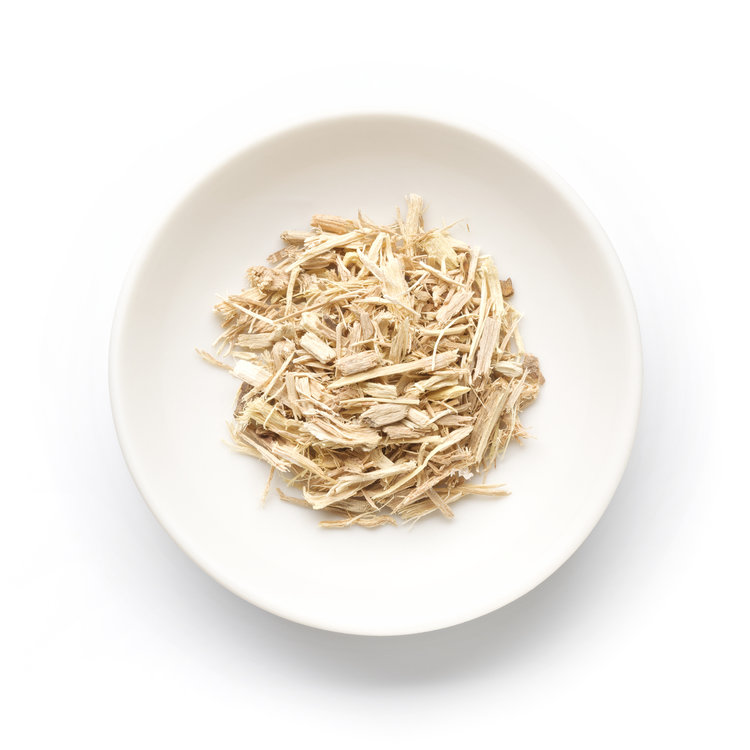 Source Eleuthero Root Eleutherococcus senticosus Herb monograph →
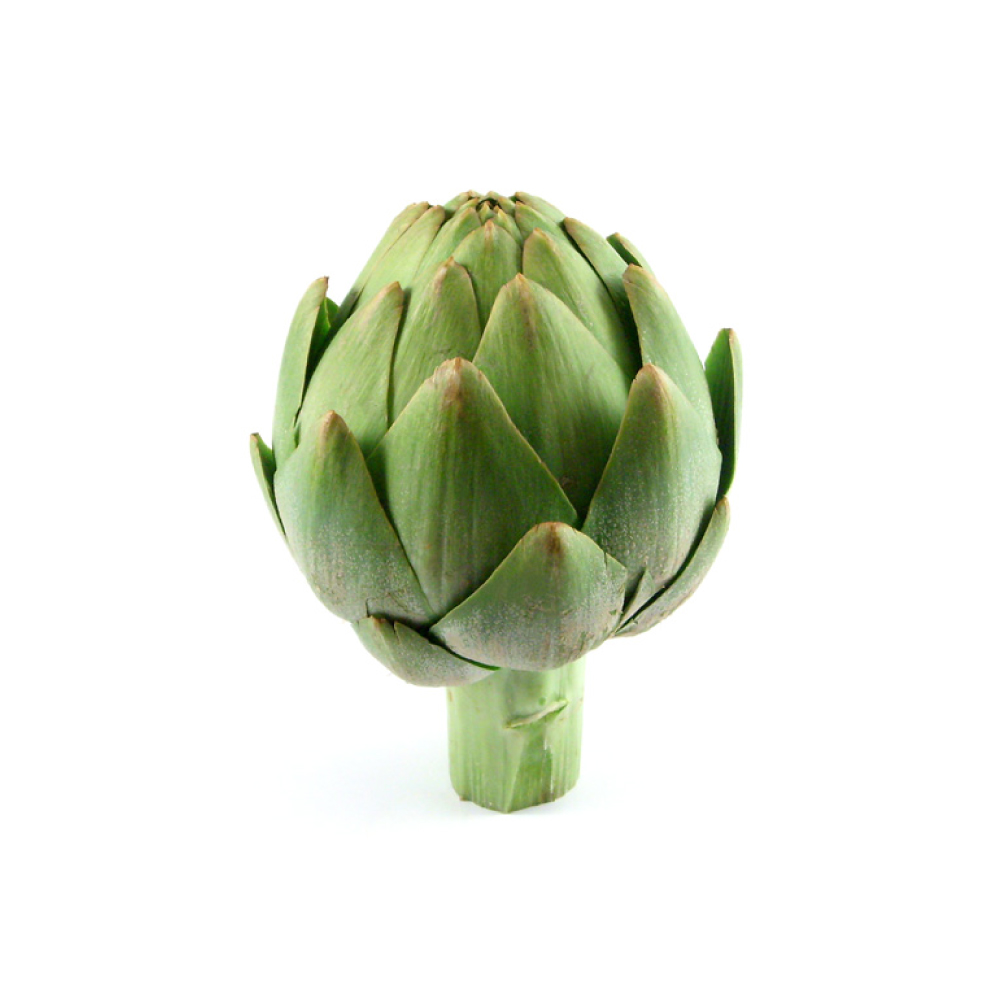 Source Globe Artichoke Cynara scolymus Herb monograph →
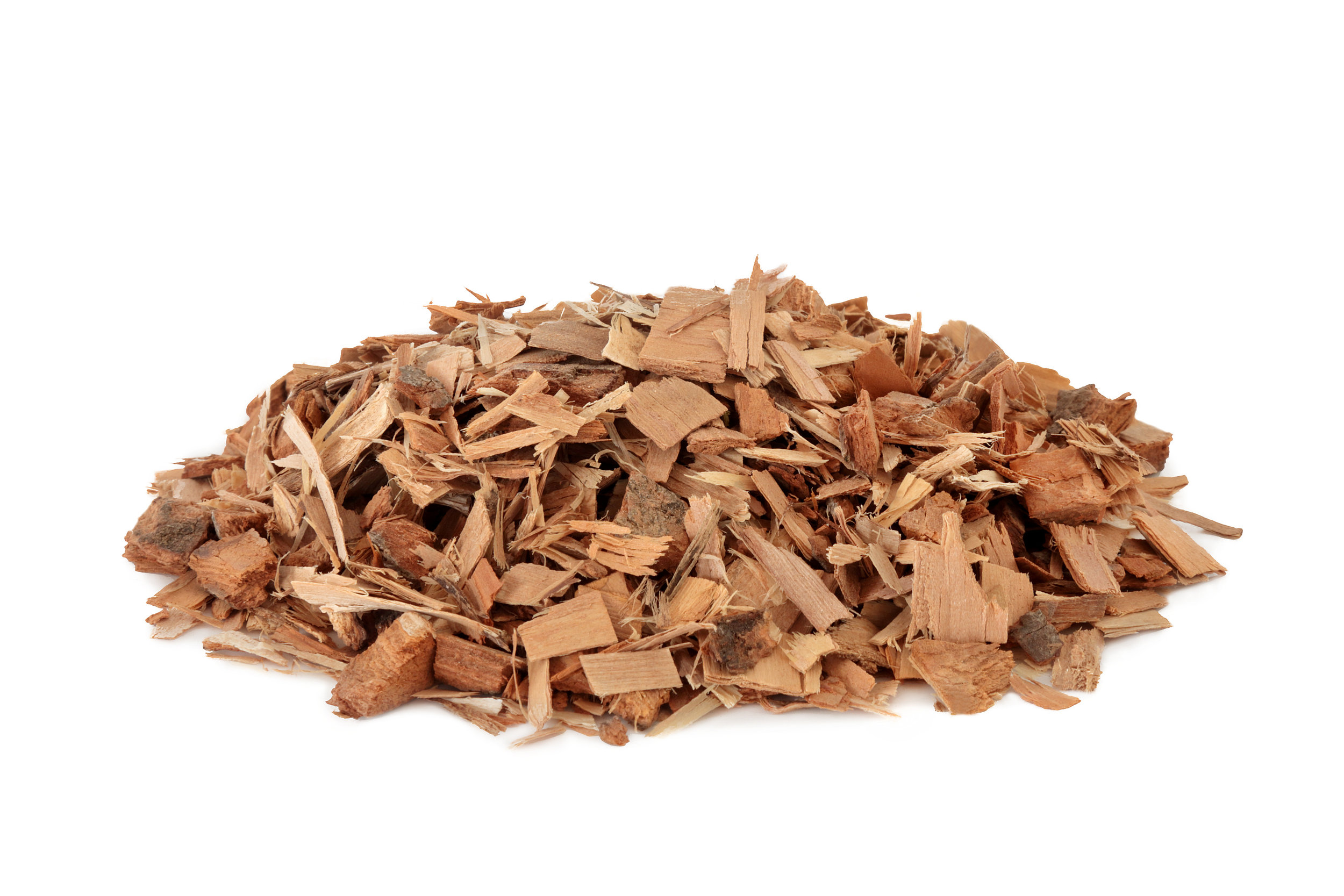 Source Saw Palmetto Serenoa repens Herb monograph →
Concentration
Content by Source
Reported concentrations across the plants that contain lauric acid — the bar marks the typical level, the line shows the reported range.
Literature figures for varying plant parts and preparations. Read them as a comparative guide, not exact assays.
Lauric Acid at a Glance
Lauric acid, or dodecanoic acid (C12:0), is a medium-chain saturated fatty acid and the single most abundant fatty acid in coconut oil and palm-kernel oil, where it makes up roughly half of all the fatty acids present 7,
What sets it apart chemically is a genuinely well-documented antimicrobial activity: among common fatty acids, lauric acid and its monoglyceride monolaurin (glycerol monolaurate) are repeatedly the most active against bacteria and enveloped viruses in laboratory work 1Reference 1Fatty acids and derivatives as antimicrobial agentsView study →. That is a real, verifiable hook — unlike the vague “detected by GC-MS” attributions common to minor plant fatty acids.
Two honest caveats frame everything below. First, its metabolism sits between a true medium-chain fat and a long-chain one — so the popular marketing of coconut oil as an “MCT” fat overstates the case 11Reference 11Lymphatic absorption of glucose and fatty acids as determined by direct measurementView study →. Second, as a dietary saturated fat it raises LDL cholesterol (while also raising HDL), so the antimicrobial story does not make it a health food 6,
The Antimicrobial Fatty Acid
The compound-defining property of lauric acid is its antimicrobial activity, first mapped systematically by Jon Kabara in 1972. Testing a wide series of fatty acids and their derivatives, Kabara found that among saturated fatty acids lauric acid (C12) was the most active antibacterial, and that its monoglyceride, monolaurin, was more active still — a finding that has anchored the field ever since 1Reference 1Fatty acids and derivatives as antimicrobial agentsView study →.
The activity is broad but selective: lauric acid and monolaurin are most effective against Gram-positive bacteria and lipid-enveloped viruses, whose membranes the free fatty acid and its monoglyceride disrupt, while Gram-negative bacteria (with their outer membrane) are largely spared 1Reference 1Fatty acids and derivatives as antimicrobial agentsView study →. In dermatology this has been pursued against acne — lauric acid shows strong activity against Cutibacterium (Propionibacterium) acnes in vitro, in one study out-performing benzoyl peroxide on a molar basis, and liposome-encapsulated lauric acid was proposed as an anti-acne agent 2,
Its monoglyceride is the commercial face of this chemistry: monolaurin / glycerol monolaurate is sold as an antimicrobial-antiviral supplement, and is virucidal against enveloped viruses in laboratory assays 5Reference 5Glycerol monolaurate, an analogue to a factor secreted by Lactobacillus, is virucidal against enveloped viruses, including HIV-1. mBio. https://pubmed.ncbi.nlm.nih.gov/32371599/View study →. The important limitation is that almost all of this is in-vitro or topical evidence — there is no established record of oral lauric acid or monolaurin curing systemic infection in humans.
Medium-Chain or Long-Chain? The MCT Question
Lauric acid is routinely called a medium-chain fatty acid on carbon count (C12), and coconut oil is marketed as a source of MCTs — but the metabolism tells a more nuanced story that is worth stating honestly.
The true medium-chain fatty acids, caprylic (C8) and capric (C10) acid, are absorbed largely unesterified via the portal vein straight to the liver, where they are rapidly oxidised — the property that makes purified MCT oil metabolically distinctive. Lauric acid behaves only partly this way. A substantial fraction (commonly cited around 70-75%) is instead re-esterified into triglycerides and carried in chylomicrons through the lymphatic system, the route of a long-chain fat 11Reference 11Lymphatic absorption of glucose and fatty acids as determined by direct measurementView study →. So although it is a “medium-chain” fat by chemistry, it does not deliver the clean portal-vein, rapid-oxidation kinetics that MCT marketing implies — a point reviews of coconut oil make explicitly 7Reference 7Coconut oil consumption and cardiovascular risk factors in humansView study →.
This matters commercially: much of the “MCT” credited to coconut oil is actually lauric acid, which functions more like a conventional dietary fat than like C8/C10 MCT oil.
What It's Used For
Beyond its antimicrobial signature, lauric acid’s pharmacology is that of a dietary and structural lipid. The evidence splits by route and vehicle — in-vitro/topical antimicrobial work on the isolate, mechanistic anti-androgen data from the saw palmetto fatty-acid fraction, and robust human metabolic data that describe it as a cholesterol-raising dietary fat, not a supplement.
Support is an experimental score — weighted by study type (human > animal > in vitro) and volume. A beta, not a validated metric. Scores mix a well-documented in-vitro antimicrobial property with mechanistic anti-androgen data and dietary metabolic effects, so read the per-row basis.
The application that is genuinely about this molecule. Kabara’s foundational survey ranked lauric acid the most active saturated-fatty-acid antibacterial, with monolaurin more active still 1Reference 1Fatty acids and derivatives as antimicrobial agentsView study →.
Against the acne bacterium C. acnes, isolated lauric acid was strongly inhibitory in vitro — reported to out-perform benzoyl peroxide on a molar basis — and liposomal lauric acid was advanced as a delivery form 2,
Monolaurin is virucidal against enveloped viruses in cell assays 5Reference 5Glycerol monolaurate, an analogue to a factor secreted by Lactobacillus, is virucidal against enveloped viruses, including HIV-1. mBio. https://pubmed.ncbi.nlm.nih.gov/32371599/View study →.
Gap: this is overwhelmingly isolated-molecule in-vitro and topical evidence. There is no robust human trial showing oral lauric acid or monolaurin treats systemic infection, and skin-microbiome effects in vivo are more complex than a plate assay 2,
Here the evidence is human and strong — but it is a caution, not a benefit. In controlled metabolic-ward studies, lauric acid raises total and LDL cholesterol relative to unsaturated fats or carbohydrate; it also raises HDL, and on the total-cholesterol-to-HDL ratio it looks somewhat less unfavourable than palmitic or myristic acid, but it does not lower LDL 6,
Gap: these are whole-diet / whole-oil feeding studies; hard-outcome cardiovascular endpoints for isolated lauric acid do not exist, and the favourable ratio shift does not license coconut oil as heart-healthy 6,
Lauric acid is a meaningful component (~26-32%) of the saw palmetto (Serenoa repens) free-fatty-acid fraction, the part of the lipophilic extract studied for benign prostatic hyperplasia. In vitro, free fatty acids including lauric acid inhibit both type 1 and type 2 5α-reductase, the enzyme converting testosterone to dihydrotestosterone — one proposed mechanism for the extract 10Reference 10Inhibition of type 1 and type 2 5α-reductase activity by free fatty acids, active ingredients of PermixonView study →.
Gap: the clinical signal (where any exists) belongs to the whole lipophilic extract, not to isolated lauric acid; the enzyme inhibition is an in-vitro finding, and other saw palmetto fatty acids and sterols contribute 10Reference 10Inhibition of type 1 and type 2 5α-reductase activity by free fatty acids, active ingredients of PermixonView study →.
Mechanisms
| Target / pathway | Effect | Relevant to |
|---|---|---|
| Bacterial/viral lipid membranes | membrane disruption by the free fatty acid & by monolaurin → antibacterial (Gram-positive) and virucidal (enveloped) action | antimicrobial |
| Human β-defensin-2 (sebocytes) | sebum free fatty acids upregulate the antimicrobial peptide → innate skin defence | antimicrobial / skin |
| 5α-reductase (types 1 & 2) | in-vitro inhibition by free fatty acids incl. lauric → less testosterone→DHT conversion | anti-androgen (saw palmetto) |
| Lipoprotein metabolism | raises LDL and HDL cholesterol as a dietary saturated fat; modest total:HDL effect | dietary / cardiovascular |
| Intestinal absorption & transport | partly portal (like an MCFA) but largely re-esterified into chylomicrons (like an LCFA) | metabolism / the “MCT” nuance |
The load-bearing contrast is that lauric acid’s real, reproducible property is antimicrobial and largely in-vitro, while its most certain human effect is as a cholesterol-raising dietary fat — two different things that marketing tends to blur.
Pharmacokinetics
Lauric acid is a 12-carbon saturated fatty acid that occupies an intermediate metabolic position. As a component of dietary triglyceride it is released by lipases and absorbed in the small intestine; unlike the true medium-chain fats caprylic (C8) and capric (C10) acid — which travel unesterified via the portal vein to the liver — a large share of lauric acid (commonly cited ~70-75%) is re-esterified and packaged into chylomicrons for lymphatic transport, the long-chain route 11Reference 11Lymphatic absorption of glucose and fatty acids as determined by direct measurementView study →. This dual behaviour is why classifying it as an “MCT” is only half-right and why coconut oil does not reproduce purified MCT-oil kinetics 7,
Clinical Trials
There are no clinical trials of isolated lauric acid as a therapeutic drug. Human evidence exists only for whole-oil diets — controlled feeding studies quantifying its effect on blood lipids 6,
| Completed | Planned | Terminated | Preclinical |
|---|---|---|---|
| Whole-oil dietary lipid studies; saw palmetto extract RCTs (indirect) | — | — | Antimicrobial / anti-acne (in vitro, topical); monolaurin antiviral |
Last checked: July 2026.
Isolate vs. Plant Studies
The two ends of lauric acid’s evidence base use the molecule very differently. The antimicrobial and anti-acne data test the isolate — pure lauric acid or monolaurin on bacteria, viruses and skin cells — which is a strength for mechanism but stops at the Petri dish or the skin surface 1,
Prevalence in Nature
Lauric acid is unusual among fatty acids in being concentrated in only a few sources rather than spread thinly everywhere. By far its richest homes are the lauric oils: coconut oil (Cocos nucifera), where it is the single largest fatty acid at roughly 45-52% of the total, and palm-kernel oil (Elaeis guineensis) at a similar 45-50% 7,
Beyond plants, lauric acid is a minor constituent of milk fats and of human breast milk, where medium-chain fatty acids contribute to the infant’s early antimicrobial defence — a natural parallel to its laboratory antimicrobial activity. It is largely absent from the common non-tropical seed and nut oils (sunflower, soybean, olive — the last dominated instead by monounsaturated oleic acid), which is why the lauric oils stand out.
Discovery & Synthesis
Lauric acid was known to nineteenth-century fat chemists as the principal fatty acid of laurel and coconut fats; its name derives from the laurel (Latin laurus), from whose berry oil it was early obtained, before it became identified overwhelmingly with coconut and palm-kernel oil. As a simple, abundant saturated fatty acid it required no “total synthesis” in the pharmaceutical sense — it is isolated directly from its natural oils.
Manufacture today is by hydrolysis (splitting) of coconut or palm-kernel oil followed by fractional distillation to separate the C12 fraction; the resulting lauric acid is a large-volume oleochemical feedstock for surfactants, soaps and, via its monoglyceride, food-grade antimicrobials. Its monoglyceride monolaurin (glycerol monolaurate) is made by esterifying lauric acid with glycerol. Little of the commercial supply is a synthetic molecule — it is a plant-oil derivative made at industrial scale.
Patents: not yet researched.
Toxicity & Safety
Lauric acid carries a low flag: it is a normal dietary fatty acid, consumed in gram quantities by anyone eating coconut or palm-kernel products, and is not acutely toxic. The one substantive caveat is nutritional, not toxicological — as a saturated fat it raises LDL cholesterol.
- A normal dietary and structural fat. Consumed routinely from coconut, palm-kernel and dairy fats; no acute toxicity at food intakes; monolaurin has food-additive use.
- Raises LDL cholesterol. As a saturated fat, lauric acid raises total and LDL cholesterol (it also raises HDL); coconut-oil-rich diets show higher LDL than unsaturated-oil diets.
- The “MCT” and “antimicrobial” claims are overstated for food use. Its medium-chain metabolism is only partial, and the antimicrobial data are largely in-vitro/topical — not evidence that dietary coconut oil treats infection.
Full Safety & Interactions Detail
Dietary lipid effect. The best-characterised effect of lauric acid in humans is on blood lipids. In controlled feeding studies it raises total and LDL cholesterol relative to unsaturated fats or carbohydrate, while also raising HDL; on the total-cholesterol-to-HDL ratio it is somewhat less unfavourable than myristic (C14) or palmitic (C16) acid, but it does not lower LDL and does not qualify as a cardioprotective fat 6,
Antimicrobial claims vs. reality. The antimicrobial and antiviral activity of lauric acid and monolaurin is real in vitro and topically 1,
No isolate toxicology of concern. There is no significant genotoxicity, organ-toxicity or interaction signal for lauric acid as a dietary fatty acid at ordinary intakes; monolaurin is used as a food-grade emulsifier/antimicrobial. Formal drug-interaction and repeat-dose isolate packages were not assessed here — the compound’s exposure is dietary, and specific pharmaceutical-style interaction data are not established.
Reproductive note (prose only). Lauric acid is a natural component of breast milk and ordinary diet; no reproductive-toxicity concern attaches to dietary intake. Any pregnancy/lactation decision belongs to the herb or product page where intake is decided, not to this molecule page.
Dosage
There is no recommended supplemental dose of isolated lauric acid — it is a dietary and structural fatty acid, not a drug, and human exposure comes from food. To give a sense of scale, coconut oil is roughly 45-52% lauric acid 9Reference 9Physicochemical and phytochemical analyses of copra and oil of Cocos nucifera L. (West Coast Tall variety)View study →, so a single tablespoon (~14 g) of coconut oil supplies on the order of 6-7 g of lauric acid; palm-kernel oil is similar 7Reference 7Coconut oil consumption and cardiovascular risk factors in humansView study →.
Its monoglyceride monolaurin is sold as a supplement (typically several hundred milligrams to a few grams per day in product labelling), but the antimicrobial data behind those products are largely in vitro, so no effective human dose is established 1,
References
- Kabara JJ, Swieczkowski DM, Conley AJ, Truant JP (1972). Fatty acids and derivatives as antimicrobial agents. Antimicrobial Agents and Chemotherapy. https://pubmed.ncbi.nlm.nih.gov/4670656/
- Nakatsuji T, Kao MC, Fang JY, et al. (2009). Antimicrobial property of lauric acid against Propionibacterium acnes: its therapeutic potential for inflammatory acne vulgaris. Journal of Investigative Dermatology. https://pubmed.ncbi.nlm.nih.gov/19387482/
- Yang D, Pornpattananangkul D, Nakatsuji T, et al. (2009). The antimicrobial activity of liposomal lauric acids against Propionibacterium acnes. Biomaterials. https://pubmed.ncbi.nlm.nih.gov/19665786/
- Nakatsuji T, Kao MC, Zhang L, et al. (2010). Sebum free fatty acids enhance the innate immune defense of human sebocytes by upregulating β-defensin-2 expression. Journal of Investigative Dermatology. https://pubmed.ncbi.nlm.nih.gov/20032992/
- Welch JL, Xiang J, Okeoma CM, et al. (2020). Glycerol monolaurate, an analogue to a factor secreted by Lactobacillus, is virucidal against enveloped viruses, including HIV-1. mBio. https://pubmed.ncbi.nlm.nih.gov/32371599/
- Mensink RP, Zock PL, Kester AD, Katan MB (2003). Effects of dietary fatty acids and carbohydrates on the ratio of serum total to HDL cholesterol and on serum lipids and apolipoproteins: a meta-analysis of 60 controlled trials. American Journal of Clinical Nutrition. https://pubmed.ncbi.nlm.nih.gov/12716665/
- Eyres L, Eyres MF, Chisholm A, Brown RC (2016). Coconut oil consumption and cardiovascular risk factors in humans. Nutrition Reviews. https://pubmed.ncbi.nlm.nih.gov/26946252/
- Kris-Etherton PM, Derr J, Mitchell DC, et al. (1993). The role of fatty acid saturation on plasma lipids, lipoproteins, and apolipoproteins: I. Effects of whole food diets high in cocoa butter, olive oil, soybean oil, dairy butter, and milk chocolate. Metabolism. https://pubmed.ncbi.nlm.nih.gov/8446039/
- Ghosh PK, Bhattacharjee P, Mitra S, Poddar-Sarkar M (2014). Physicochemical and phytochemical analyses of copra and oil of Cocos nucifera L. (West Coast Tall variety). International Journal of Food Science. https://pubmed.ncbi.nlm.nih.gov/26904626/
- Raynaud JP, Cousse H, Martin PM (2002). Inhibition of type 1 and type 2 5α-reductase activity by free fatty acids, active ingredients of Permixon. Journal of Steroid Biochemistry and Molecular Biology. https://pubmed.ncbi.nlm.nih.gov/12477490/
- Sigalet DL, Martin GR (1999). Lymphatic absorption of glucose and fatty acids as determined by direct measurement. Journal of Pediatric Surgery. https://pubmed.ncbi.nlm.nih.gov/10022140/



